Skip to content · ⁨דלג לתוכן⁩

Reproduction · ⁨הפקת מידע⁩

IGCSE Biology · ⁨ביולוגיה IGCSE⁩ · Topic 16 · ⁨נושא 16⁩

Video lesson for this topic · ⁨שיעור וידאו לנושא זה⁩ Open the video page · ⁨פתח את עמוד הוידאו⁩
10:42

הפקת מידע

ישנם רק שתי דרכים ליצירת אורגניזם חדש, והן מתחרות זו בזו. האחת מהירה, דורשת הורה אחד, ומייצרת העתקים מושלמים. השני…

English narration · English + 中文 subtitles burned in · ⁨קריאת קול באנגלית · תרגום אנגלי + סינית שרוף בתוך הסרטון⁩

16.1 16.2

Two kinds of reproduction · ⁨שני סוגי רבייה⁩

Syllabus · ⁨סיילבוס⁩
English
Core Supplement
1 Describe asexual reproduction as a process resulting in the production of genetically identical offspring from one parent
2 Identify examples of asexual reproduction in diagrams, images and information provided 3 Discuss the advantages and disadvantages of asexual reproduction: (a) to a population of a species in the wild (b) to crop production
עברית
ליבה תוספת
1 תאר רביעה אל-מינית כתהליך המוביל לייצור צאצאים זהים גנטית מאב אחד
2 זיהה דוגמאות לרביעה אל-מינית בתרשימים, תמונות ומידע מסופק 3 דן ביתרונות ובחסרונות של רביעה אל-מינית: (א) לגבי אוכלוסיית מין בטבע (ב) לגבי ייצור תוצרת חקלאית
English
Core Supplement
1 Describe sexual reproduction as a process involving the fusion of the nuclei of two gametes to form a zygote and the production of offspring that are genetically different from each other 3 State that nuclei of gametes are haploid and that the nucleus of a zygote is diploid
2 Describe fertilisation as the fusion of the nuclei of gametes
4 Discuss the advantages and disadvantages of sexual reproduction: (a) to a population of a species in the wild (b) to crop production
עברית
ליבה תוספת
1 תאר רביעה מינית כתהליך הכולל מיזוג גרעינים של שני גמטות ליצירת זיגוטה וייצור צאצאים השונים זה מגנטי 3 ציין כי גרעיני הגמטות הם חד-כרומוזומליים ואילו גרעין הזיגוטה הוא דו-כרומוזומלי
2 תאר הפריה כמיזוג גרעיני הגמטות
4 דן ביתרונות ובחסרונות של רביעה מינית: (א) לגבי אוכלוסיית מין בטבע (ב) לגבי ייצור תוצרת חקלאית

Source: Cambridge International syllabus · ⁨מקור: הסיילבוס הבינלאומי של קמבריד'ג'⁩

English

Reproduction 生殖 makes new organisms of the same kind. There are two types.

Asexual reproduction

Asexual reproduction 无性生殖 needs only one parent 亲本. The offspring 后代 have exactly the same genes 基因 as the parent — they are genetically identical (clones).

  • Advantage: it is fast and needs only one parent — useful when conditions are good and stable.
  • Disadvantage: all the offspring are identical, so if the environment 环境 changes (for example a new disease) they may all die. (In crops, identical plants give an even harvest, but one disease can wipe out the whole crop.)

Sexual reproduction

Sexual reproduction 有性生殖 needs two parents. It involves the fusion 融合 (joining) of the nuclei 细胞核 of two gametes 配子 (sex cells) to make a zygote 合子. This joining is called fertilisation 受精. The offspring get a mix of genes from both parents, so they show variation 变异 (they are genetically different).

  • Advantage: variation means some offspring may survive if the environment changes.
  • Disadvantage: it is slower and needs two parents.

(Supplement) The nuclei of gametes are haploid 单倍体 (one set of chromosomes 染色体); the nucleus of the zygote is diploid 二倍体 (two sets).

עברית

רבייה יוצרת אורגניזמים חדשים מאותו סוג. ישנם שני סוגים.

רבייה אל-מינית מתבצעת על ידי הורה אחד המייצר עוברים זהים; רבייה מינית מתבצעת על ידי הורים שניהם שגמטותיהם מתאחדים כדי לתת צאצאים מגוונים
רבייה אל-מינית דורשת הורה אחד ותנצ עוברים זהים; רבייה מינית דורשת שניים ותנצ צאצאים מגוונים

רבייה אל-מינית

רבייה אל-מינית דורשת רק הורה אחד. הצאצאים הם בעלי אותו גנים בדיוק כמו ההורה — הם זהים גנטית (עוברים).

  • יתרון: היא מהירה ודורשת הורה אחד — שימושי כאשר התנאים טובים ויציבים.
  • חסרון: כל הצאצאים זהים, ולכן אם סביבת החיים משתנה (למשל מחלה חדשה) ייתכן שכולם ימותו. (בגידולים, צמחים זהים מספקים תוצרה אחידה, אך מחלה אחת יכולה למחוק את כל הגידול.)

רבייה אל-מינית היא מהירה ונותנת תוצאה אחידה ואמינה של עוברים זהים, אך מכיוון שהם משתפים כל חולשה, מחלה חדשה יכולה להרוג אותם כולם *רבייה אל-מינית היא מהירה אך אינה נותנת מגוון, ולכן מחלה אחת יכולה להרוג כל צאצא זהה

רבייה מינית

רבייה מינית דורשת הורים שניים. היא כוללת היתוך (התאחדות) של גרעיני שני גמטות (תאי מין) ליצירת זיגוטה. התהליך הזה נקרא הפרה. הצאצאים מקבלים ערבוב של גנים משני ההורים, ולכן הם מציגים מגוון (הם שונים גנטית).

  • יתרון: מגוון פירושו שחלק מהצאצאים עשויים לשרוד אם הסביבה משתנה.
  • חסרון: היא איטית ודורשת הורים שניים.

(משלים) גרעיני הגמטות הם ** haploid** (סט כרומוזומים אחד); גרעין הזיגוטה הוא diploid (שני ערכים).

Explore · ⁨חקור⁩

Asexual reproduction · ⁨התרבות אל-סקסואלית⁩

One parent makes genetically identical offspring (clones) by mitosis — no gametes needed. · ⁨הורה אחד מייצר צאצאים זהים גנטית (שכפולים) באמצעות מיטוז — ללא צורך בגמטאות.⁩

Vocabulary · ⁨מילון מונחים⁩ Train · ⁨אימון⁩
English עברית
reproduction/rɪprəˈdʌkʃn/ הרבייה
asexual reproduction/eɪˈsekʃuːəl rɪprəˈdʌkʃn/ התרבות אל-מין
parent/ˈpeərənt/ הורה
offspring/ˈɒfsprɪŋ/ צאצאים
genes/dʒiːnz/ גנים
environment/enˈvaɪrənmənt/ סביבה
sexual reproduction/ˈsekʃuːəl rɪprəˈdʌkʃn/ הישרות מינית
fusion/ˈfjuːʒn/ היתוך
nuclei/ˈnjuːklɪi/ גרעינים
gametes/ˈɡæmiːts/ גרמי מין
zygote/ˈzaɪɡəʊt/ זיגוטה
fertilisation/ˌfɜːtɪlaɪˈzeɪʃn/ השחלה
variation/ˌveərɪˈeɪʃn/ וריאות
haploid/ˈhæplɔɪd/ האפלויד
chromosomes/ˈkrəʊməsəʊmz/ כרומוזומים
diploid/ˈdɪplɔɪd/ דאייפלואידי
sepals/ˈseplz/ כותרות
petals/ˈpetlz/ עלי כותרת
insects/ˈɪnsekts/ חרקים
stamens/ˈsteɪmenz/ אבקנים
filament/ˈfɪləmənt/ חוט הדפסה
anther/ˈænθə/ אנתר
16.3

Sexual reproduction in plants · ⁨רבייה מינית בצמחים⁩

Syllabus · ⁨סיילבוס⁩
English
Core Supplement
1 Identify in diagrams and images and draw the following parts of an insect-pollinated flower: sepals, petals, stamens, filaments, anthers, carpels, style, stigma, ovary and ovules
2 State the functions of the structures listed in 16.3.1
3 Identify in diagrams and images and describe the anthers and stigmas of a wind-pollinated flower
4 Distinguish between the pollen grains of insect-pollinated and wind-pollinated flowers
5 Describe pollination as the transfer of pollen grains from an anther to a stigma
9 Describe self-pollination as the transfer of pollen grains from the anther of a flower to the stigma of the same flower or a different flower on the same plant
10 Describe cross-pollination as the transfer of pollen grains from the anther of a flower to the stigma of a flower on a different plant of the same species
11 Discuss the potential effects of self-pollination and cross-pollination on a population, in terms of variation, capacity to respond to changes in the environment and reliance on pollinators
6 State that fertilisation occurs when a pollen nucleus fuses with a nucleus in an ovule 12 Describe the growth of the pollen tube and its entry into the ovule followed by fertilisation (details of production of endosperm and development are not required)
7 Describe the structural adaptations of insect-pollinated and wind-pollinated flowers
8 Investigate and describe the environmental conditions that affect germination of seeds, limited to the requirement for: water, oxygen and a suitable temperature
עברית
ליבה תוספת
1 זיהה בתרשימים ובתמונות וצייר את החלקים הבאים של פרח המנווד על ידי חרקים: ספטלים, עלי כותרת, אבוקים, סיבים, אבקניות, נשאים, קוץ, קרקפת, שחלה וביציות
2 ציין את הפונקציות של המבנים הנזכרים ב-16.3.1
3 זיהה בתרשימים ובתמונות ותיאר את האבקניות והקרקפת של פרח המנווד על ידי רוח
4 הבדל בין גרגרי אבקה של פרחים המנוודים על ידי חרקים לבין פרחים המנוודים על ידי רוח
5 תאר פולח כהעברת גרגרי אבקה מאבקניה לקרקפת
9 תאר פולח עצמי כהעברת גרגרי אבקה מאבקניה של פרח לקרקפת של אותו פרח או פרח אחר באותו צמח
10 תאר פולח צולב כהעברת גרגרי אבקה מאבקניה של פרח לקרקפת של פרח הצומח על צמח אחר מאותו מין
11 דן בהשפעות הפוטנציאליות של פולח עצמי ופולח צולב על אוכלוסייה, מבחינת מגוון, יכולת לתגובה לשינויים בסביבה ותלות במוקחים
6 ציין שהפריה מתרחשת כאשר גרעין אבקה מזדווג עם גרעין בשחלה 12 תאר את צמיחת הציצה האבוקנית וחדירה שלה לשחלה ולאחר מכן את ההפריה (פרטי הייצור של האנדוספרמה וההתפתחות אינם נדרשים)
7 תאר את ההתאמות המבנית של פרחים המוהממים על ידי חרקים ופרחים המוהממים על ידי רוח
8 חקור ואפיין את התנאים הסביבתיים המשפיעים על הנביטת זרעים, במגבלות הבאות: מים, חמצן וטמפרטורה מתאימה

Source: Cambridge International syllabus · ⁨מקור: הסיילבוס הבינלאומי של קמבריד'ג'⁩

English

Parts of an insect-pollinated flower

Part Function
sepals 萼片 protect the flower bud before it opens
petals 花瓣 large and colourful, to attract insects 昆虫
stamens 雄蕊 the male parts; each is a filament 花丝 holding up an anther 花药
anther makes pollen grains 花粉粒
carpel 雌蕊 the female part; made of a stigma 柱头, a style 花柱 and an ovary 子房
stigma catches pollen grains
ovary holds the ovules 胚珠, which become seeds

Pollination

Pollination 传粉 is the transfer of pollen grains from an anther to a stigma.

  • insect-pollinated flowers have bright petals, scent and nectar, and sticky or spiky pollen, to attract insects and stick to them.
  • wind-pollinated flowers have small dull petals, anthers and stigmas that hang outside, and light, smooth pollen that blows in the wind.

(Supplement) Self-pollination 自花传粉 is pollen landing on the stigma of the same flower (or another flower on the same plant). Cross-pollination 异花传粉 is pollen carried to a flower on a different plant of the same species. Cross-pollination gives more variation, helping the population cope with change, but it relies on pollinators 传粉者 or wind. Self-pollination is more reliable but gives less variation.

Fertilisation and germination

Fertilisation happens when a pollen nucleus fuses with a nucleus in an ovule. (Supplement) First a pollen tube 花粉管 grows down the style into the ovary, carrying the pollen nucleus to the ovule.

A seed 种子 will only germinate 萌发 (begin to grow) when it has water, oxygen 氧气 and a suitable temperature 温度.

עברית

חלקי פרח המאבק על ידי חרקים

חלק תפקיד
גביעי עלי כותרת מגנים על נבט הפרח לפני פתיחתו
עלי כותרת גדולים וצבעוניים, כדי למשוך חרקים
אונות החלקים הזכריים; כל אחד הוא חוט נושא אנומה
אנומה מייצרת גרגרי אבקה
שוקית החלק הנשי; מורכבת מכתמת, גובה ופרחה
כתמת תופסת גרגרי אבקה
פרהה מכילה את האובליות, שיתפתחו לגרעינים
חצייה בפרח המאבק על ידי חרקים: גביעי עלי כותרת ועלי כותרת בחוץ, האונות הזכריות (חוט ואנומה) והשוקית הנשית (כתמת, גובה ופרהה עם אובליות) במרכז
פרח המפולל על ידי חרקים: העטרים הזכריים ואישון הנקבה
קריב של פרח שושנת לילי אמיתי: שישה אונות, כל אחת היא חוט ארוך נושא אנומה אדומה-כהה מכוסה באבקה, מקיפים גובה מרכזי המוגבר בכתמת דביקה
שושנה אמיתית: העטרים הארוכים מייצרים אבקה והגביש המרכזי מקבל אותה

מאבק

מאבק הוא העברת גרגרי אבקה מאנומה לכתמת.

  • פרחים מאובקים על ידי חרקים יש עלי כותרת בהירים, ניחוח וצוף, וגרגרי אבקה דביקים או מחוספסים, כדי למשוך חרקים ולהיצמד אליהם.
  • פרחים מאובקים על ידי רוח יש עלי כותרת קטנים ומעודנים, אנומות וכתמות התלויות בחוץ, וגרגרי אבקה קלים וחלקים שנשאים ברוח.
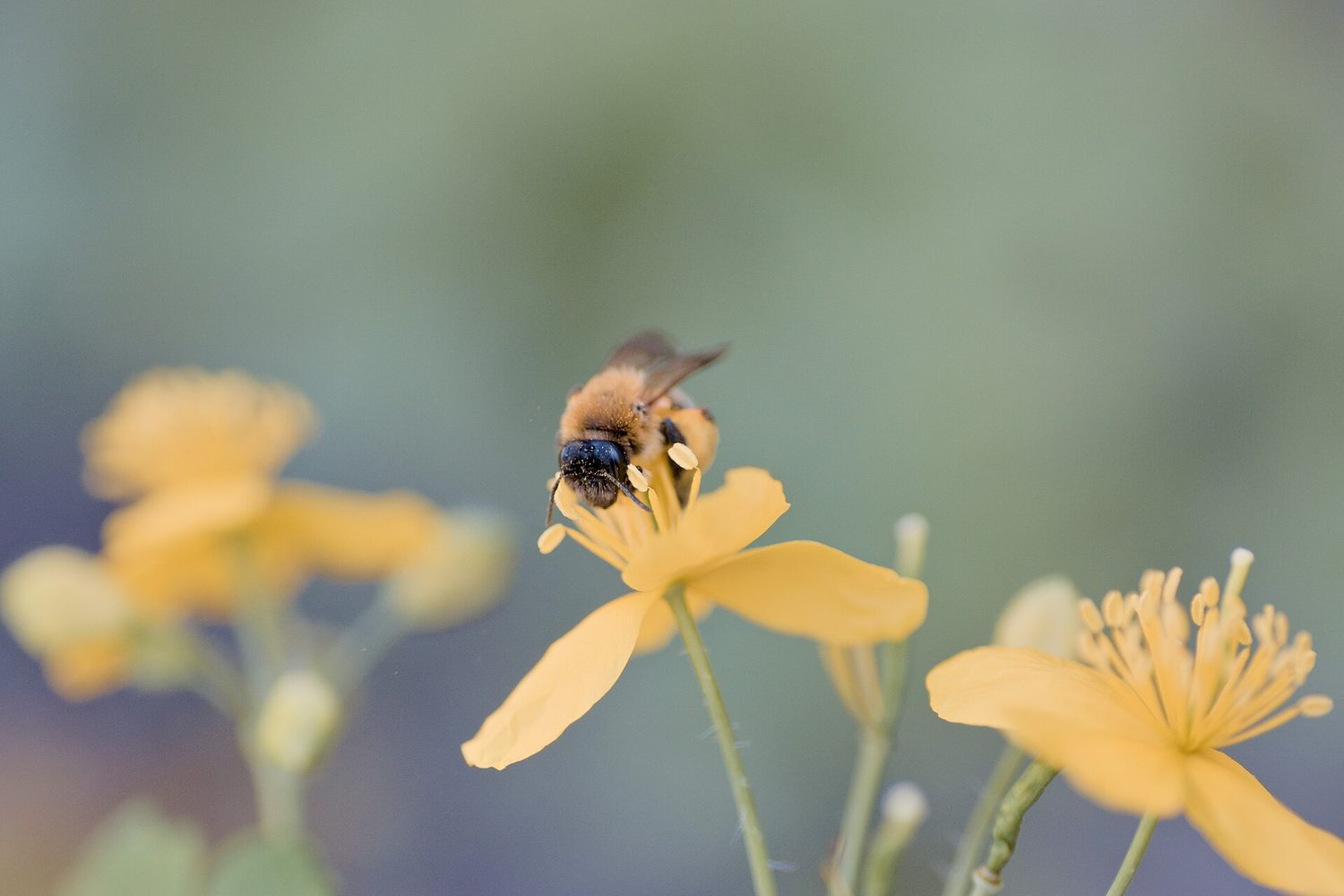
דבורה על פרח צהוב, הגוף שלה מצופה באבקה מהאנומות
דבורה נושאת אבקה מפרח אחד לאחר – מאבק על ידי חרקים בפועל
השוואה בין שני פרחים: פרח מאובק על ידי חרקים עם עלי כותרת גדולים ובהירים שנבקר על ידי דבורה, ופרח מאובק על ידי רוח עם עלי כותרת קטנים ומעודנים, אנומות וכתמת נוצתית התלויה בחוץ ברוח
פרחים מאובקים על ידי חרקים הם מרשימים; פרחים מאובקים על ידי רוח הם קטנים וחלקיהם התלויות בחוץ
תמונת מיקרוסקופ סריקה של גרגרי אבקה משלושה צמחים שונים, עם צבעים מזויפים; לכל סוג יש דפוס פני שטח ייחודי של קמטים וסיסים
גרגרי אבקה הנראים במיקרוסקופ אלקטרוני (צבע נוסף); לכל צמח יש דפוס משלו

(תוספת) האבקה עצמית היא נפילת אבקה על הקרקפה של אותו פרח (או פרח אחר באותו צמח). האבקה מוצלבת היא העברת אבקה לפרח בצמח שונה מאותו מין. האבקה מוצלבת מספקת יותר מגוון, ועוזרת לאוכלוסייה להתמודד עם שינויים, אך היא תלויה במאבקים או ברוח. האבקה עצמית אמינה יותר אך מספקת פחות מגוון.

הפertilization והנביטה

ההפertilization מתרחשת כאשר גרעין האבקה מתמזג עם גרעין באימאגול. (תוספת) תחילה צינור האבקה גדל לאורך הציר אל הרחם, ומוביל את גרעין האבקה לאימאגול.

זרע ינבה (יחל לגדול) רק כשיש לו מים, חמצן וטמפרטורה מתאימה.

Explore · ⁨חקור⁩

Sexual reproduction · ⁨הרבהיה סקסואלית⁩

Two parents each contribute a gamete; fertilisation combines them, creating variation. · ⁨שני הורים תורמים כל אחד גמטה; ההפריה משלבת אותן ויוצרת מגוון גנטי.⁩

Vocabulary · ⁨מילון מונחים⁩ Train · ⁨אימון⁩
English עברית
pollen grains/ˈpɒlən ɡreɪnz/ גרגירי אבקה
carpel/ˈkɑːpl/ עוקצה
stigma/ˈstɪɡmə/ האצבה
style/staɪl/ סגנון
ovary/ˈəʊvəri/ שחלה
ovules/ˈɒvjuːlz/ איבישים
pollination/ˌpɒlɪˈneɪʃn/ האבקה
self-pollination/self ˌpɒlɪˈneɪʃn/ האבקה עצמית
cross-pollination/krɒs ˌpɒlɪˈneɪʃn/ האבקה צולבת
pollinators/ˈpɒlɪneɪtəz/ מאבקים
pollen tube/ˈpɒlən tjuːb/ צינור האבקה
seed/siːd/ זרע
germinate/ˈdʒɜːmɪneɪt/ להקריץ
oxygen/ˈɒksɪdʒn/ חמצן
temperature/ˈtemprɪtʃə/ טמפרטורה
testes/ˈtestiːz/ ביצים
16.4

Sexual reproduction in humans · ⁨רבייה מינית באדם⁩

Syllabus · ⁨סיילבוס⁩
English
Core Supplement
1 Identify on diagrams and state the functions of the following parts of the male reproductive system: testes, scrotum, sperm ducts, prostate gland, urethra and penis
2 Identify on diagrams and state the functions of the following parts of the female reproductive system: ovaries, oviducts, uterus, cervix and vagina
3 Describe fertilisation as the fusion of the nuclei from a male gamete (sperm) and a female gamete (egg cell)
4 Explain the adaptive features of sperm, limited to: flagellum, mitochondria and enzymes in the acrosome
5 Explain the adaptive features of egg cells, limited to: energy stores and the jelly coat that changes at fertilisation
6 Compare male and female gametes in terms of: size, structure, motility and numbers
7 State that in early development, the zygote forms an embryo which is a ball of cells that implants into the lining of the uterus
8 Identify on diagrams and state the functions of the following in the development of the fetus: umbilical cord, placenta, amniotic sac and amniotic fluid 9 Describe the function of the placenta and umbilical cord in relation to the exchange of dissolved nutrients, gases and excretory products between the blood of the mother and the blood of the fetus
10 State that some pathogens and toxins can pass across the placenta and affect the fetus
עברית
ליבה תוספת
1 זיהוי בתרשימים והצהרת הפונקציות של החלקים הבאים במערכת הרבייה הגברית: בלדי השופך, שק האשכים, צינורות הזרע, בלוטת הפרוסטה, אורetra וגניבה
2 זיהוי בתרשימים והצהרת הפונקציות של החלקים הבאים במערכת הרבייה הנשית: שחלות, צינורות הלולאה, רחם, צוואר הרחם ונגד
3 תאר את ההשחלה כמיזוג הגרעינים מגמטה גברית (זרע) ומגמטה נשית (תא ביצה)
4 הסבר התאמות של זרועות, במגבלות הבאות: דגל, מיטוכונדריות ואנזימים באקרוסום
5 הסבר התאמות של תאי ביצה, במגבלות הבאות: מאגרי אנרגיה ומעטפת ג'לי המתחלפת בהשחלה
6 השוואה בין גמטות גבריות לנשיות מבחינה: גודל, מבנה, תנועה וכמות
7 הצהרה כי בפיתוח מוקדם, הזיגוטה יוצרת עובר שהוא כדור של תאים שמשתיל בתוך קיר הרחם
8 זיהוי בתרשימים והצהרת הפונקציות של הבאים בפיתוח העובר: חוט הטבור, השליה, מעטפת העובר נוזל מעטפת העובר 9 תאר את תפקיד השליה וחוט הטבור בקשר להחלפה של תזונת מומסת, גזים ותוצרי פליטה בין הדם של האם לדם של העובר
10 הצהרה כי מחלות זיהומיות ורעלים מסוימים יכולים לעבור דרך השליה ולהשפיע על העובר

Source: Cambridge International syllabus · ⁨מקור: הסיילבוס הבינלאומי של קמבריד'ג'⁩

English

The male reproductive system

Part Function
testes 睾丸 make sperm 精子 and testosterone 睾酮
scrotum 阴囊 holds the testes outside the body, kept slightly cool
sperm ducts 输精管 carry sperm away from the testes
prostate gland 前列腺 adds fluid to make semen
urethra 尿道 carries semen (and urine) out through the penis
penis 阴茎 passes sperm into the female

The female reproductive system

Part Function
ovaries 卵巢 make egg cells 卵细胞 and oestrogen 雌激素
oviducts 输卵管 carry the egg towards the uterus; fertilisation happens here
uterus 子宫 where the baby develops
cervix 子宫颈 the ring of muscle at the base of the uterus
vagina 阴道 receives the penis; also the birth canal

Gametes and fertilisation

Fertilisation is the fusion of the nuclei of a male gamete (sperm) and a female gamete (egg cell). The two gametes are adapted to their jobs:

Sperm Egg cell
size very small large
number millions few (about one a month)
can it move? yes — swims with a flagellum 鞭毛 no — it is carried along
special features many mitochondria 线粒体 for energy; enzymes 酶 in the acrosome 顶体 to break into the egg a store of food; a jelly coat 胶质层 that changes after fertilisation to keep other sperm out

Pregnancy and the fetus

After fertilisation the zygote divides to form an embryo 胚胎 — a ball of cells that implants 植入 into the lining of the uterus. As it grows it becomes a fetus 胎儿. These structures support it:

  • the placenta 胎盘 — where dissolved nutrients, gases and wastes are exchanged between the mother's blood and the fetus's blood (the two never mix).
  • the umbilical cord 脐带 — joins the fetus to the placenta.
  • the amniotic sac 羊膜囊 — a bag around the fetus, filled with amniotic fluid 羊水 that cushions it.

(Supplement) Some pathogens 病原体 and toxins 毒素 can cross the placenta and harm the fetus.

עברית

מערכת הרבייה הגברים

חלק תפקיד
קשקשים מייצרים זרעי זכר וטסטוסטרון
קשרשום מחזיק את הקשקשים מחוץ לגוף, בקרירה מעט נמוכה יותר
צינורות הזרע מובילים זרע מהקשקשים
בלוטת הפרוסטה מוסיף נוזלים ליצירת הזרע
תעלת השתן מובילה את הזרע (וגם שתן) החוצה דרך הפenis
Penis מעביר זרע לנקבה

מערכת הרבייה הנשים

חלק תפקיד
שחלות מייצרות תאי ביצה ואסטרוגן
צינורות הבצקות מובילות את הביצה לעבר הרחם; ההפertilization מתרחשת כאן
רחם מקום בו המוער מפתח
צוואר הרחם טבעת שרירים בבסיס הרחם
נרתיק מקבל את הPenis; גם תעלת הלידה

גמטים והפertilization

התפלוט הוא איחוי גרעיני של גמטה זכרית (זרע) וגמטה נקבית (תא ביצה). שתי הגמטות מותאמות למשימותיהן:

זרע תא ביצה
גודל קטן מאוד גדול
מספר מיליונים מעטים (כ-אחד בחודש)
האם יכול לנוע? כן — שוחה באמצעות שוטי לא — הוא מועבר על ידי הזרם
מאפיינים מיוחדים הרבה מיטוכונדריה ליצירת אנרגיה; אנזימים ב-אקרוסום כדי לחדור לתא הביצה מאגר מזון; ציפוי ג'לי השונה לאחר ההתפלוט כדי למנוע כניסת זרעים אחרים
זרע קטן עם ראש, אקרוסום וזנב ארוך, לצד תא ביצה עגול גדול הרבה יותר המכיל מאגר מזון, גרעין וציפוי ג'לי
הזרע קטן ושוטה; תא הביצה גדול ואוסף מזון

הריון והעובר

לאחר ההתפלוט, הזיגוטה מתחלקת ליצירת עובר — כדור של תאים הנדבק לשופך הרחם. כשהוא צומח, הופך לעובר. מבנים אלו תומכים בו:

  • האפצלה — מקום החלפת חומרים:营养יות מומסות, גזים ופסולת בין הדם של האם לדם העובר (שניהם לעולם אינם מעורבים יחד).
  • החוט העומדי — מחבר את העובר לאפצלה.
  • השק העמוסי — שק סביב העובר, מלא בנוזל עמוסי המרכך אותו.
עובר מתכווץ בתוך הרחם: האפצלה על דופן הרחם מחוברת לעובר באמצעות החוט העומדי, והעובר צף בנוזל עמוסי בתוך השק העמוסי, עם צוואר הרחם למטה
העובר מתפתח בתוך הרחם, נתמך על ידי האפצלה, החוט העומדי והשק העמוסי

(תוספת) חלק ממחוללי מחלות וחלק מרעלים יכולים לחצות את האפצלה ולהזיק לעובר.

Explore · ⁨חקור⁩

Reproductive organ lab · ⁨מעבדת איברי רפואיים⁩

Match each organ to its role in human reproduction. · ⁨התאם כל איבר לתפקידו בהיריון האנושי.⁩

Explore · ⁨חקור⁩

Fertilisation to pregnancy · ⁨מההתפוצות להריון⁩

Follow the route from gametes to implantation. · ⁨עקבו אחר הדרך מגמטות ועד ההשתלבות.⁩

Vocabulary · ⁨מילון מונחים⁩ Train · ⁨אימון⁩
English עברית
sperm/spɜːm/ תא זרע
testosterone/teˈstɒstərəʊn/ טסטוסטרון
scrotum/ˈskrəʊtəm/ קפל
sperm ducts/spɜːm dʌkts/ צינורות זרע
prostate gland/ˈprɒsteɪt ɡlænd/ בלוטת ערוכה
urethra/jʊəˈriːθrə/ תעלת השתן
penis/ˈpiːnɪs/ פין
ovaries/ˈəʊvəriz/ שחלות
egg cells/eɡ selz/ תאי ביצה
oestrogen/ˈiːstrədʒn/ אסטרוגן
oviducts/ˈəʊvɪdʌkts/ מסילות
uterus/ˈjuːtərəs/ רחם
cervix/ˈsɜːvɪks/ צוואר הרחם
vagina/vəˈdʒaɪnə/ נרתיק
flagellum/fləˈdʒeləm/ דגל
mitochondria/ˌmaɪtəˈkɒndrɪə/ מיטוכונדריה
enzymes/ˈenzaɪmz/ אנזימים
acrosome/ˈækrəʊsəʊm/ אקרוזום
jelly coat/ˈdʒelɪ kəʊt/ ציפוי ג'לי
embryo/ˈembrɪəʊ/ עובר
implants/ˈɪmplænts/ הטמעה
fetus/ˈfiːtəs/ עובר
placenta/pləˈsentə/ placenta
umbilical cord/ʌmˈbɪlɪkl kɔːd/ חוט הטבור
amniotic sac/ˌæmnɪˈɒtɪk sæk/ כיס עמי
amniotic fluid/ˌæmnɪˈɒtɪk ˈfluːɪd/ נוזל עמי
pathogens/ˈpæθədʒnz/ מחוללי מחלות
toxins/ˈtɒksɪnz/ רעלים
puberty/ˈpjuːbəti/ בלות
hormones/ˈhɔːməʊnz/ הורמונים
secondary sexual characteristics/ˈsekəndəri ˈsekʃuːəl ˌkærɪktəˈrɪstɪks/ תכונות מיניות משנייות
16.5

Sex hormones · ⁨הורמונים מיניים⁩

Syllabus · ⁨סיילבוס⁩
English
Core Supplement
1 Describe the roles of testosterone and oestrogen in the development and regulation of secondary sexual characteristics during puberty
2 Describe the menstrual cycle in terms of changes in the ovaries and in the lining of the uterus 3 Describe the sites of production of oestrogen and progesterone in the menstrual cycle and in pregnancy
4 Explain the role of hormones in controlling the menstrual cycle and pregnancy, limited to FSH, LH, progesterone and oestrogen
עברית
ליבה תוספת
1 תאר את תפקידי הטסטוסטרון והאסטרוגן בפיתוח ובויסות מאפיינים מיניים משניים במהלך ההתבגרות
2 תאר את המחזור החודשי מבחינת שינויים בשחלות ובקיר הרחם 3 תאר את מקומות הייצור של אסטרוגן ופרוגסטרון במחזור החודשי ובהריון
4 הסבר תפקיד הורמונים בוויסות המחזור החודשי וההריון, במגבלות הבאות: FSH, LH, פרוגסטרון ואסטרוגן

Source: Cambridge International syllabus · ⁨מקור: הסיילבוס הבינלאומי של קמבריד'ג'⁩

English

Puberty

At puberty 青春期, sex hormones 激素 make the body develop secondary sexual characteristics 第二性征 — such as body hair, a deeper voice in boys, and breasts in girls. Testosterone does this in boys; oestrogen does it in girls.

The menstrual cycle

The menstrual cycle 月经周期 (about 28 days) prepares the uterus for a possible pregnancy:

  • the lining of the uterus thickens.
  • around day 14 an ovary releases an egg (ovulation 排卵).
  • if the egg is not fertilised, the lining breaks down and leaves the body (a period), and the cycle starts again.

(Supplement) Four hormones control the cycle: FSH (makes an egg mature and the ovary release oestrogen), LH (triggers ovulation), oestrogen (repairs and thickens the lining), and progesterone 孕酮 (keeps the lining thick). Oestrogen and progesterone are made in the ovaries; during pregnancy 怀孕, progesterone keeps the lining in place.

Worked example. A woman has a regular 28-day cycle, and her period starts on the 1st of the month. On roughly which date is she most likely to conceive? Ovulation happens about day 14, so counting 14 days on from the start of the period points to about the 14th, and the days either side of it are the most fertile. Day 1 is the day the period starts, not the day it ends - counting from the wrong day is what makes most cycle questions go wrong.

עברית

גיל ההתבגרות

בעת ההתבגרות, הורמונים מיניים גורמים לגוף להתפתח מאפיינים מיניים משניים — כמו שיער בגוף, קול עמוק יותר אצל בנים, ושדים אצל בנות. טסטוסטרון עושה זאת אצל בנים; אסטרוגן עושה זאת אצל בנות.

המחזור החודשי

המחזור החודשי (כ-28 ימים) מכין את הרחם להריון אפשרי:

  • הרירית של הרחם מתעבה.
  • בסביבות יום 14, שחלה משחררת ביצה (התפרקות).
  • אם הביצה לא מופלגת, הרירית נשחקת ועוזבת את הגוף (והמחזור), והמחזור מתחיל מחדש.
גרף על מחזור של 28 ימים: הרירית נשלפת במהלך המחזור ביום 1–5, לאחר מכן מתעבה, ביצה משוחררת בהתפרקות ביום 14, והרירית נשארת עבה עד שהיא נשחקת שוב
הרירית מתעבה, ביצה משוחררת ביום 14, ומחזור נמשך אם אין הריון

(תוספת) ארבע הורמונים שולטים במחזור: FSH (מבוגר ביצה ושוחלת השחררת אסטרוגן), LH (מתנעה התפרקות), אסטרוגן (מתקן ומעבה את הרירית), ופרוגסטרון (שומר על עובי הרירית). אסטרוגן ופרוגסטרון מיוצרים בשחלות; במהלך הריון, פרוגסטרון שומר על הרירית במקום.

דוגמה מופתרת. לנשים יש מחזור קבוע של 28 יום, והמחזור שלה מתחיל ב-1 בחודש. באילו תאריך היא סבירה יותר להירות? ההתפרקות מתרחשת בערך ביום 14, ולכן ספירת 14 ימים מאז תחילת המחזור מצביעה על כ-ה-14, והימים סביבו הם המפריים ביותר. יום 1 הוא היום שהמחזור מתחיל, לא היום שהוא נגמר - ספירה מהיום הלא נכון היא מה שמוביל לכישלון ברוב שאלות מחזור.

Explore · ⁨חקור⁩

The menstrual cycle · ⁨המחזור החודשי⁩

Hormones control a roughly monthly cycle that prepares the uterus for a possible pregnancy. · ⁨הורמונים שולטים במחזור חודשי המשעיר את הרחם להריון אפשרי.⁩

Vocabulary · ⁨מילון מונחים⁩ Train · ⁨אימון⁩
English עברית
menstrual cycle/ˈmenstruːəl ˈsaɪkl/ מחזור חודשי
ovulation/ˌɒvjʊˈleɪʃn/ שחרור ביצית
progesterone/prəʊˈdʒestərəʊn/ פרוגסטרון
pregnancy/ˈpreɡnənsi/ הריון
sexually transmitted infection/ˈsekʃuːəli trænˈsmɪtɪd ɪnˈfekʃn/ זיהום המועבר במגע מיני
infection/ɪnˈfekʃn/ זיהום
virus/ˈvaɪrəs/ וירוס
16.6

Sexually transmitted infections · ⁨זיהומים המועברים מינית⁩

Syllabus · ⁨סיילבוס⁩
English
Core Supplement
1 Describe a sexually transmitted infection (STI) as an infection that is transmitted through sexual contact
2 State that human immunodeficiency virus (HIV) is a pathogen that causes an STI
3 State that HIV infection may lead to AIDS
4 Describe the methods of transmission of HIV
5 Explain how the spread of STIs is controlled
עברית
ליבה תוספת
1 תאר מחלת זיהומית המועברת במגע מיני (STI) כזיהום המועבר דרך קשר מיני
2 הצהרה כי וירוס החיסות האנושי (HIV) הוא מחולל מחלות הגורם למחלת זיהומית המועברת במגע מיני
3 הצהרה כי זיהום ב-HIV עלול להוביל לאיידס
4 תאר את שיטות ההעברה של HIV
5 הסבר כיצד נשלט התפשטות מחלות מין

Source: Cambridge International syllabus · ⁨מקור: הסיילבוס הבינלאומי של קמבריד'ג'⁩

English

A sexually transmitted infection 性传播感染 (STI) is an infection 感染 spread through sexual contact.

HIV is a virus 病毒 that causes an STI, and it can lead to AIDS, in which the immune system stops working properly. HIV is passed on in infected body fluids — for example by sharing needles, during sex, or from mother to baby (across the placenta or in breast milk).

The spread of STIs is controlled by using condoms, having fewer partners, testing and treating infected people, and not sharing needles.

עברית

זיהוי מועבר מינית (STI) הוא זיהוי המועבר באמצעות מגע מיני.

HIV הוא וירוס הגורם לזיהוי מועבר מינית, ועלול להוביל ל-AIDS, בו מערכת החיסון מפסיקה לעבוד כראוי. HIV מועבר באמצעות נוזלי גוף מזהמים — לדוגמה על ידי שיתוק מחטי הזרק, במהלך יחסי מין, או מאם לצאצא (דרך השפלה או בחלב אם).

התפשטות STIs נשלטת באמצעות שימוש בקונדום, שמירה על מספר שותפים מופחת, בדיקות וטיפול באנשים מזהמים, ולא שיתוק מחטי הזרק.

Explore · ⁨חקור⁩

STI prevention chain · ⁨שרשרת המניעת מחלות מין הולכות⁩

See where prevention breaks transmission. · ⁨ראו היכן נשברת ההעברה במהלך המניעה.⁩

16.6

Exam tips · ⁨טיפים לבחינות⁩

English
  • Asexual: one parent, identical offspring (no variation). Sexual: two parents, gametes fuse, offspring show variation.
  • Fertilisation = fusion of two gamete nuclei → zygote. (Supplement: gametes haploid, zygote diploid.)
  • Learn the flower parts and which are male (stamen) and female (carpel). Compare insect- and wind-pollinated flowers.
  • Sperm: small, many, moving (flagellum). Egg: large, few, with a food store.
  • Menstrual cycle: lining thickens → ovulation (day 14) → period if no fertilisation. (Supplement: FSH, LH, oestrogen, progesterone.)
  • HIV is a virus that causes an STI and can lead to AIDS; it spreads through body fluids.
עברית
  • ללא מינית: הורה אחד, צאצאים זהים (ללא מגוון). מינית: הורים שניים, גמטות מתמזגות, צאצאים מראים מגוון.
  • הפertilisation = התמזגות גרעיני גמטה → זיגוטה. (תוספת: גמטות היפלוידיות, זיגוטה דיפלואידית.)
  • לשנן את חלקי הפרח ואילו מהם זכריים (אבקן) ואלה נקביים (עכבה). השוו פרחים מאובקים על ידי חרקים ובאוויר.
  • זרע: קטן, רבים, זז (דגל). ביצה: גדולה, מעטים, עם מאגר מזון.
  • מחזור חודשי: הרחבה עבה → שחרור ביצה (יום 14) → נידה אם אין הפertilisation. (תוספת: FSH, LH, אסטרוגן, פרוגסטרון.)
  • HIV הוא וירוס הגורם למחלת מין ועלול לגרום לאיידס; הוא מתפשט דרך נוזלי גוף.

Interactive lessons on this topic · ⁨שיעורים אינטראקטיביים בנושא זה⁩

Work through it step by step, with instant-check exercises. · ⁨לעבור על הדברים צעד אחר צעד, עם תרגילים לבדיקה מיידית.⁩

Past Papers · ⁨מבחני עבר⁩

More topics in IGCSE Biology · ⁨ביולוגיה IGCSE⁩ · ⁨נושאים נוספים בIGCSE Biology · ⁨ביולוגיה IGCSE⁩⁩

Log in or create account · ⁨היכנס או צור חשבון⁩

IGCSE, A-Level & AP