Skip to content · ⁨דלג לתוכן⁩

Aquatic and Terrestrial Pollution · ⁨זיהום מימי ויבשתי⁩

AP Environmental Science · ⁨סביבה וקיימות - AP⁩ · Topic 8 · ⁨נושא 8⁩

Video lesson for this topic · ⁨שיעור וידאו לנושא זה⁩ Open the video page · ⁨פתח את עמוד הוידאו⁩
8:37

זיהום מימי ויבשתי

תסתכלו על הברכה הזו. היא ירוקה בהירה, ומלאה בחיים. כל הדגים בתוכה מתים. עכשיו תסתכלו על הגבעה הזו. זו לא גבעה. זו הפסולת שלנו, הקבורה…

English narration · English + 中文 subtitles burned in · ⁨קריאת קול באנגלית · תרגום אנגלי + סינית שרוף בתוך הסרטון⁩

8.1

Sources of Pollution · ⁨מקורות זיהום⁩

Syllabus · ⁨סיילבוס⁩
English

Enduring Understanding (STB-3): Human activities, including the use of resources, have physical, chemical, and biological consequences for ecosystems.

Learning Objective STB-3.A: Identify differences between point and nonpoint sources of pollution.

  • STB-3.A.1 A point source refers to a single, identifiable source of a pollutant, such as a smokestack or waste discharge pipe.
  • STB-3.A.2 Nonpoint sources of pollution are diffused and can therefore be difficult to identify, such as pesticide spraying or urban runoff.
עברית

הבנה מתמשכת (STB-3): פעילויות אנושיות, כולל שימוש במשאבים, גורמות לתוצאות פיזיקליות, כימיות וביולוגיות על מערכות אקולוגיות.

מטרות למידה STB-3.A: לזהות הבדלים בין מקורות זיהום נקודתיים וללא נקודה.

  • STB-3.A.1 מקור נקודתי מתייחס למקור יחיד ומזוהה של חומר זר, כמו צינור פליטה או כיור אדים.
  • STB-3.A.2 מקורות זיהום ללא נקודה הם מפוזרים ולכן קשה יותר לזהותם, כמו ריסוס חומרי הדברה או נזילה עירונית.
Source: College Board AP Course and Exam Description · ⁨מקור: תיאור הקורס והמבחן של College Board AP⁩

English

Pollution sources are point or nonpoint. A point source 点源 comes from a single, identifiable place (a factory pipe, a sewage outfall) – easy to locate and regulate. A nonpoint source 非点源 is spread out (farm runoff, urban street runoff, car exhaust) – much harder to control because it comes from everywhere.

עברית

מקורות הזיהום הם נקודתיים או לא נקודתיים. מקור נקודתי נובע ממקום יחיד וזיהוי (צינור מפעל, פלט מי שפכים) – קל למקם ולווסת. מקור לא נקודתי מתפשט (הריצה חקלאית, הריצה עירונית, פליטות רכבים) – הרבה קשה יותר לשלוט בו מכיוון שהוא נובע מכל מקום.

8.2

Human Impacts on Ecosystems · ⁨השפעות אדם על מערכות אקולוגיות⁩

Syllabus · ⁨סיילבוס⁩
English

Enduring Understanding (STB-3): Human activities, including the use of resources, have physical, chemical, and biological consequences for ecosystems.

Learning Objective STB-3.B: Describe the impacts of human activities on aquatic ecosystems.

  • STB-3.B.1 Organisms have a range of tolerance for various pollutants. Organisms have an optimum range for each factor where they can maintain homeostasis. Outside of this range, organisms may experience physiological stress, limited growth, reduced reproduction, and in extreme cases, death.
  • STB-3.B.2 Coral reefs have been suffering damage due to a variety of factors, including increasing ocean temperature, sediment runoff, and destructive fishing practices.
  • STB-3.B.3 Oil spills in marine waters cause organisms to die from the hydrocarbons in oil. Oil that floats on the surface of water can coat the feathers of birds and fur of marine mammals. Some components of oil sink to the ocean floor, killing some bottom-dwelling organisms.
  • STB-3.B.4 Oil that washes up on the beach can have economic consequences on the fishing and tourism industries.
  • STB-3.B.5 Oceanic dead zones are areas of low oxygen in the world's oceans caused by increased nutrient pollution.
  • STB-3.B.6 An oxygen sag curve is a plot of dissolved oxygen levels versus the distance from a source of pollution, usually excess nutrients and biological refuse.
  • STB-3.B.7 Heavy metals used for industry, especially mining and burning of fossil fuels, can reach the groundwater, impacting the drinking water supply.
  • STB-3.B.8 Litter that reaches aquatic ecosystems, besides being unsightly, can create intestinal blockage and choking hazards for wildlife and introduce toxic substances to the food chain.
  • STB-3.B.9 Increased sediment in waterways can reduce light infiltration, which can affect primary producers and visual predators. Sediment can also settle, disrupting habitats.
  • STB-3.B.10 When elemental sources of mercury enter aquatic environments, bacteria in the water convert it to highly toxic methylmercury.
עברית

הבנה מתמשכת (STB-3): פעילויות אנושיות, כולל שימוש במשאבים, גורמות לתוצאות פיזיקליות, כימיות וביולוגיות על מערכות אקולוגיות.

מטרות למידה STB-3.B: לתאר את ההשפעות של פעילות אנושית על אקוסיסטמות מימיות.

  • STB-3.B.1 לבעלי חיים יש טווח סבילות שונה לכל מזהם. לכל גורם קיים טווח אופטימלי בו הם יכולים לשמור על הומיאוסטאז. מחוץ לטווח זה, בעלי חיים עלולים לחוות מתח פיזיולוגי, צמיחה מוגבלת, הפחתה בהכפלה ובמקרים קיצוניים, מוות.
  • STB-3.B.2 אלמוגים סובלים מפגיעות בשל מגוון גורמים, כולל עליית הטמפרטורה בים, זרימת משקעים ומנהגי דיג הרסניים.
  • STB-3.B.3 נזילות שמן במי הים גורמות לבעלי חיים למות מההידרוקربונים שבשמן. שמן הצף על פני המים יכול לעטוף את הנוצות של ציפורים ואת הפרווה של יונקי ים. חלק מהרכיבים בשמן שקועים בתחתית האוקיינוס וגורמים למות בעלי חיים הבוכרים בתחתית.
  • STB-3.B.4 שמן שהגיע לחוף עלול לגרום להשלכות כלכליות על תעשיית הדיג והתיירות.
  • STB-3.B.5 אזורים מתים באוקיינוסים הם אזורים בעלי חמצן נמוך באוקיינוסים בעולם הנגרמים מזיהום תזונתי מוגבר.
  • STB-3.B.6 עקומת שפל חמצן היא גרף של רמות חמצן מומס מול המרחק ממקור הזיהום, לרוב תזונתיים עודפים ושפכים ביולוגיים.
  • STB-3.B.7 מתכות כבדות המשמשות לתעשייה, במיוחד מכרה ושריפת דלקים מאובנים, יכולות להגיע למי המיטה ולהשפיע על אספקת מי שתייה.
  • STB-3.B.8 פסולת המגיעה לאקוסיסטמות מימיות, בנוסף לכך שהיא לא נראית טוב, יכולה ליצור חסימת מערכת העיכול וסכנות חנק עבור חיות בר ולהכניס חומרים רעילים לשרשרת המזון.
  • STB-3.B.9 עליית כמות המשקעים במי נהרות יכולה להפחית חדירת אור, מה שעלול להשפיע על יצרנים ראשוניים ועל טורפים המסתמכים על ראיה. משקעים יכולים גם להישקע, ולבטל את הביtaot habitats.
  • STB-3.B.10 כאשר מקורות מרורי יסודיים נכנסים לסביבות מימיות, חיידקים במים ממירים אותם למתילמרורי רעיל מאוד.

Source: College Board AP Course and Exam Description · ⁨מקור: תיאור הקורס והמבחן של College Board AP⁩

English

Human activities – pollution, habitat destruction, overharvesting, introducing species – degrade ecosystems and reduce biodiversity. Because species are interconnected, harming one part can ripple through the whole system.

עברית

פעילויות אדם – זיהום, הרס ביטות, ציד יתר, הכנסת מינים – מעמימות מערכות אקולוגיות ומפחיתות מגוון ביולוגי. מכיוון שמינים קשורים זה לזה, פגיעה בחלק אחד עלולה לגרום לתהודה בכל המערכת.

8.3

Endocrine Disruptors · ⁨מפריעי אנדוקרינה⁩

Syllabus · ⁨סיילבוס⁩
English

Enduring Understanding (STB-3): Human activities, including the use of resources, have physical, chemical, and biological consequences for ecosystems.

Learning Objective STB-3.C: Describe endocrine disruptors.

  • STB-3.C.1 Endocrine disruptors are chemicals that can interfere with the endocrine system of animals.

Learning Objective STB-3.D: Describe the effects of endocrine disruptors on ecosystems.

  • STB-3.D.1 Endocrine disruptors can lead to birth defects, developmental disorders, and gender imbalances in fish and other species.
עברית

הבנה מתמשכת (STB-3): פעילויות אנושיות, כולל שימוש במשאבים, גורמות לתוצאות פיזיקליות, כימיות וביולוגיות על מערכות אקולוגיות.

מטרות למידה STB-3.C: לתאר מפריעי אנדוקרינה.

  • STB-3.C.1 מפריעי אנדוקרין הם חומרים המסוגלים להפרע לתפקוד מערכת האנדוקרין של בעלי חיים.

מטרת למידה STB-3.D: תאר את השפעתם של מפריעי אנדוקרין על אקוסיסטמות.

  • STB-3.D.1 מפריעי אנדוקרין עלולים לגרום למומים בלידה, הפרעות התפתחותיות ולאיזון מגדר לקוי בדגים ובמיני מינים אחרים.

Source: College Board AP Course and Exam Description · ⁨מקור: תיאור הקורס והמבחן של College Board AP⁩

English

Endocrine disruptors 内分泌干扰物 are chemicals (some pesticides, plasticizers like BPA) that mimic or block hormones, disrupting growth, reproduction, and development in wildlife and humans even at very low doses.

עברית

מפריעי אנדוקרינה הם חומרים (חלק מהמדכאים, פלסטיקizers כמו BPA) שמחקים או חוסמים הורמונים, ומפרעים גדילה, רבייה והתפתחות אצל בעלי חיים ואנשים גם בריכוזים נמוכים מאוד.

8.4

Human Impacts on Wetlands and Mangroves · ⁨השפעות אדם על ביצות ומנגרוובים⁩

Syllabus · ⁨סיילבוס⁩
English

Enduring Understanding (STB-3): Human activities, including the use of resources, have physical, chemical, and biological consequences for ecosystems.

Learning Objective STB-3.E: Describe the impacts of human activity on wetlands and mangroves.

  • STB-3.E.1 Wetlands are areas where water covers the soil, either part or all of the time.
  • STB-3.E.2 Wetlands provide a variety of ecological services, including water purification, flood protection, water filtration, and habitat.
  • STB-3.E.3 Threats to wetlands and mangroves include commercial development, dam construction, overfishing, and pollutants from agriculture and industrial waste.
עברית

הבנה מתמשכת (STB-3): פעילויות אנושיות, כולל שימוש במשאבים, גורמות לתוצאות פיזיקליות, כימיות וביולוגיות על מערכות אקולוגיות.

מטרת למידה STB-3.E: תאר את השפעת הפעילות האנושית על ביצות ומנגרובים.

  • STB-3.E.1 ביצות הן אזורים בהם מים מכסים את הקרקע, כל הזמן או חלק ממנו.
  • STB-3.E.2 ביצות מספקות מגוון שירותים אקולוגיים, כולל ניקוי מים, הגנה מפני הצפות, סינון מים וביוב.
  • STB-3.E.3 האיומים העיקריים על ביצות ומנגרובים כוללים פיתוח מסחרי, בניית סכרים, דיג יתר וזיהום מאגרות חקלאיים ומפסולת תעשייתית.

Source: College Board AP Course and Exam Description · ⁨מקור: תיאור הקורס והמבחן של College Board AP⁩

English

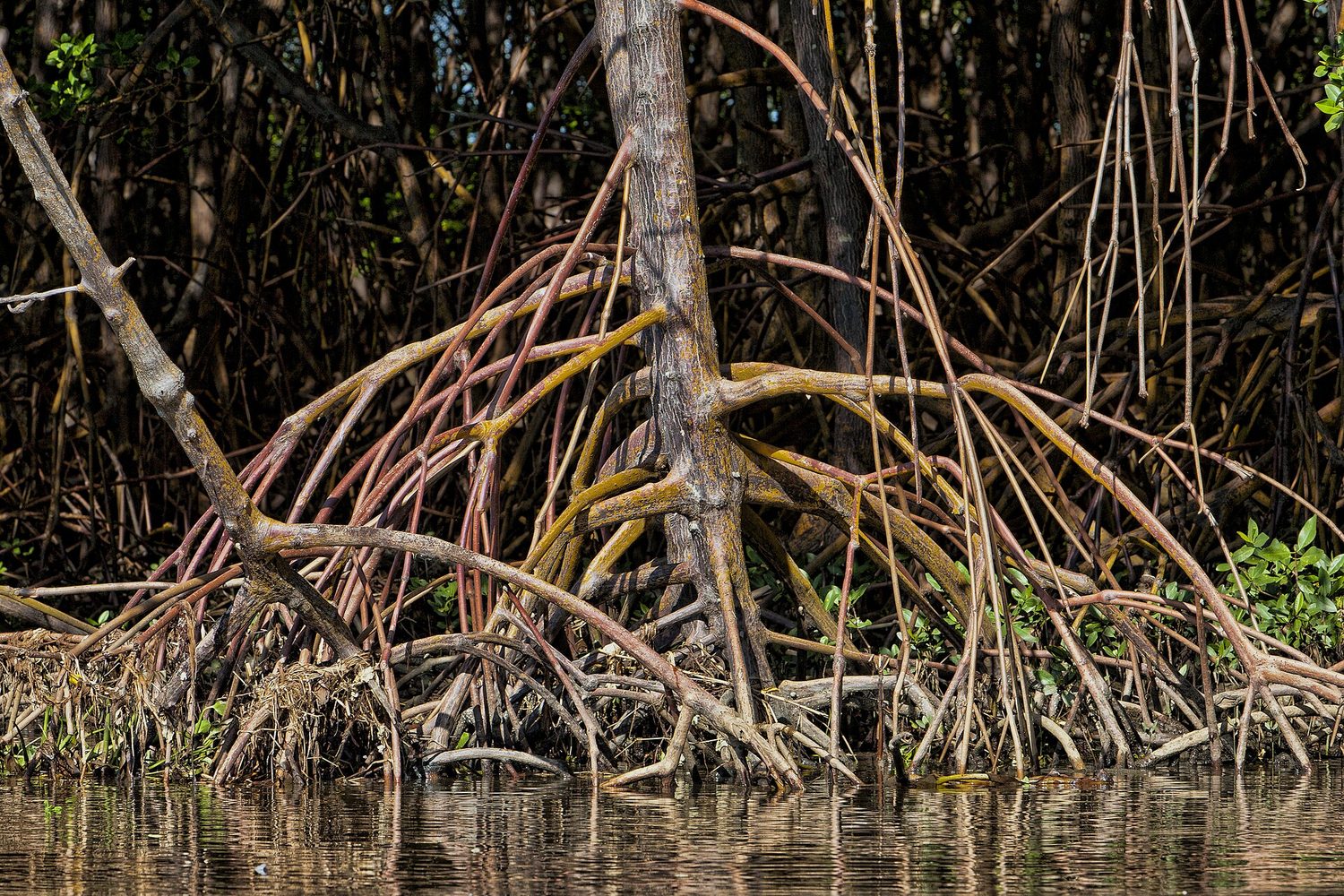
Wetlands 湿地 and mangroves 红树林 filter pollutants, store floodwater, and nurse young fish, but they are drained and cleared for farms, shrimp ponds, and development. Losing them removes valuable ecosystem services and coastal protection.

עברית

ביצות ומנגרוובים מסננים זיהומים, מאגרים מים מפולשות ומגנים על דגים צעירים, אך הם מושחרים ומפורקים למטעים, בריכות גמרים ולפיתוח. אובדנם מבטל שירותי אקולוגיה חשובים והגנה לחוף הים.

שורשי התמיכה הצפופים והמעוקלים של עצی המנגרווב עולים ממياه רדדים
שורשי המנגרווב: קשר זה לוכד משקע, משתק גלים ומגן על דגים צעירים, כל השירותים הללו מאבדים כאשר מנגרוובים מפורקים
Vocabulary · ⁨מילון מונחים⁩ Train · ⁨אימון⁩
English עברית
point source/pɔɪnt sɔːs/ מקור נקודתי
nonpoint source/ˌnɒnˈpɔɪnt sɔːs/ מקור לא-נקודתי
Endocrine disruptors/ˈendəʊkraɪn dɪsˈrʌptəz/ מפרקי אנדוקרינה
Wetlands/ˈwetləndz/ ביצות
mangroves/ˈmæŋɡrəʊvz/ ערבות מנגרוב
8.5

Eutrophication · ⁨איטרופיקציה⁩

Syllabus · ⁨סיילבוס⁩
English

Enduring Understanding (STB-3): Human activities, including the use of resources, have physical, chemical, and biological consequences for ecosystems.

Learning Objective STB-3.F: Explain the environmental effects of excessive use of fertilizers and detergents on aquatic ecosystems.

  • STB-3.F.1 Eutrophication occurs when a body of water is enriched in nutrients.
  • STB-3.F.2 The increase in nutrients in eutrophic aquatic environments causes an algal bloom. When the algal bloom dies, microbes digest the algae, along with the oxygen in the water, leading to a decrease in the dissolved oxygen levels in the water. The lack of dissolved oxygen can result in large die-offs of fish and other aquatic organisms.
  • STB-3.F.3 Hypoxic waterways are those bodies of water that are low in dissolved oxygen.
  • STB-3.F.4 Compared to eutrophic waterways, oligotrophic waterways have very low amounts of nutrients, stable algae populations, and high dissolved oxygen.
  • STB-3.F.5 Anthropogenic causes of eutrophication are agricultural runoff and wastewater release.
עברית

הבנה מתמשכת (STB-3): פעילויות אנושיות, כולל שימוש במשאבים, גורמות לתוצאות פיזיקליות, כימיות וביולוגיות על מערכות אקולוגיות.

מטרת למידה STB-3.F: הסבר את ההשפעות הסביבתיות של שימוש מוגזם במיכלים ובחומרי ניקוי על אקוסיסטמות מים.

  • STB-3.F.1 איכותנות מתרחשת כאשר גוף מים עשיר בחומרי תזונה.
  • STB-3.F.2 עליית ריכוז חומרי התזונה בסביבות מים איכותניות גורמת להתפרצות אצות. כאשר ההתפרצות נמיתה, מיקרובים פוצעים את האצות לצד החמצן המומס במים, מה שמוביל לירידה ברמות החמצן המומס. מחסור בחמצן זה עלול לגרום למות המוני של דגים ואורגניזמים אקוואטיים אחרים.
  • STB-3.F.3 נחלים היפוקסיים הם גופי מים הנמצאים במחסור חמור בחמצן מומס.
  • STB-3.F.4 לעומת נחלים איכותניים, נחלים אוליגוטרופים מאופיינים בכמות נמוכה מאוד של חומרי תזונה, אוכלוסיות אצות יציבות וריכוז גבוה של חמצן מומס.
  • STB-3.F.5 הגורמים האנתרופוגניים לאיכותנות הם זרימת משטחים חקלאיים ושחרור מים מלוכלכים.

Source: College Board AP Course and Exam Description · ⁨מקור: תיאור הקורס והמבחן של College Board AP⁩

English
Eutrophication

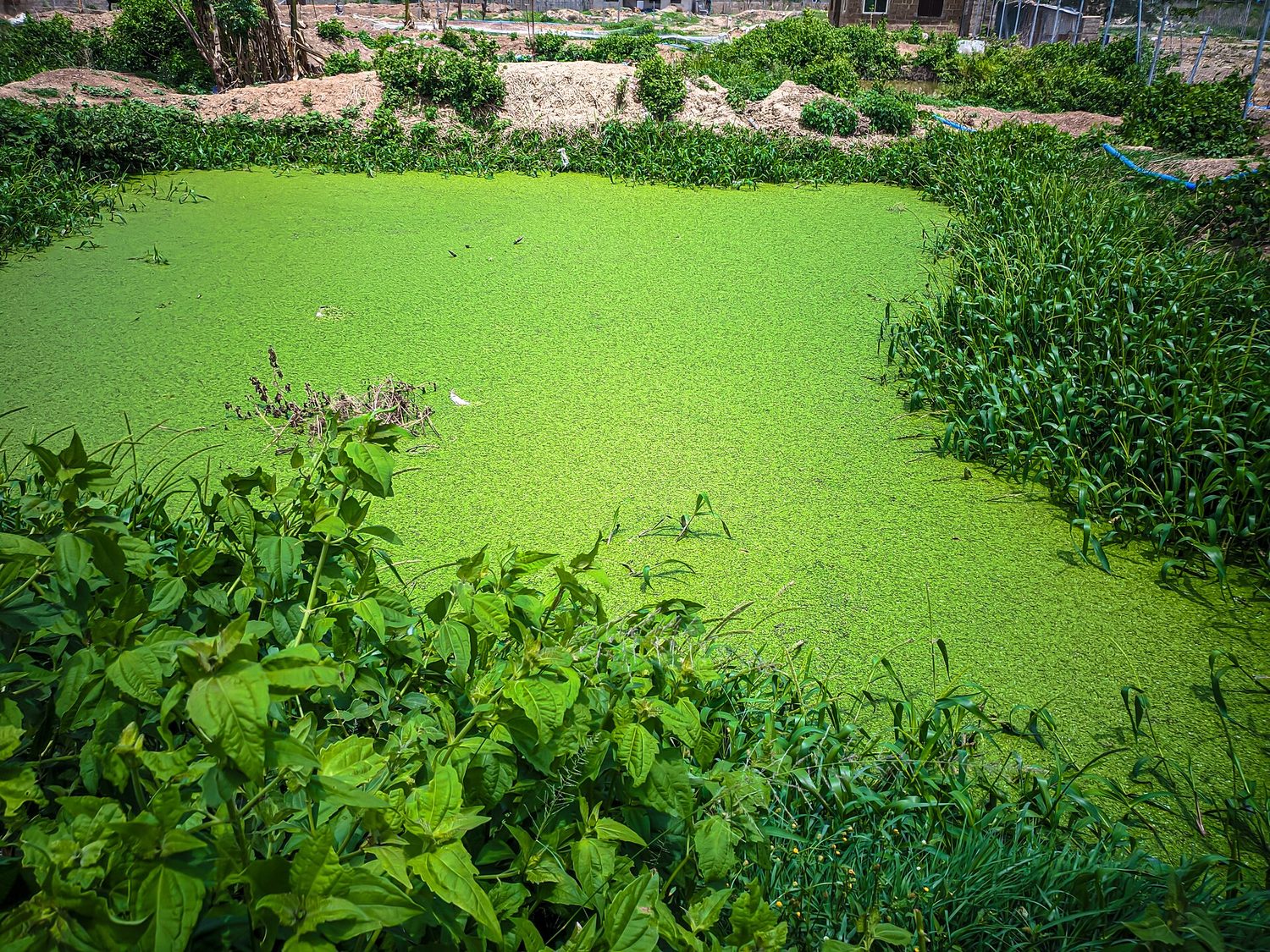
Eutrophication 富营养化 happens when excess nutrients (nitrogen, phosphorus from fertilizer and sewage) trigger algal blooms 藻华. When the algae die, decomposers use up the oxygen, creating hypoxic 缺氧 "dead zones" that suffocate fish.

עברית
הזנת יתר

הזנת יתר מתרחשת כאשר עודפי תזונה (חנקן, פוספט מלשון וביוב) מגררים פרחי אצות. כשהאצות נמיתות, המפרקים משתמשים בחמצן המומס, מה שיוצר אזורים היפוקיים "מתים" שבוטחים דגים.

ברכזה קטנה שכל פני השטח שלה מכוסים בשכבה עבה של אצות ירוקות בהירות בריכה חונקת על ידי פריחת אצות: תזונה נוספת מאפשרת לאצות לכסות את כל הפנים. כאשר הן נמות ומעפישות, המים מאבדים את החמצן,

לשון נוסף גורם לפריחת אצות, ולאחר מכן המים מאבדים את החמצן
Vocabulary · ⁨מילון מונחים⁩ Train · ⁨אימון⁩
English עברית
Eutrophication/ˌjuːtrəfɪˈkeɪʃn/ היטרופיציה
algal blooms/ˈælɡl bluːmz/ פריחות אצות
hypoxic/ˌhaɪpəʊˈzɪk/ חוסר חמצן
Thermal pollution/ˈθɜːml pəˈluːʃn/ זיהום תרמי
Persistent organic pollutants/pəˈsɪstənt ɔːˈɡænɪk pəˈluːtənts/ מזהמים אורגניים עקשניים
Bioaccumulation/ˌbaɪəʊəˌkjuːmjʊˈleɪʃn/ בי오-אקומולציה
8.6

Thermal Pollution · ⁨זיהום תרמי⁩

Syllabus · ⁨סיילבוס⁩
English

Enduring Understanding (STB-3): Human activities, including the use of resources, have physical, chemical, and biological consequences for ecosystems.

Learning Objective STB-3.G: Describe the effects of thermal pollution on aquatic ecosystems.

  • STB-3.G.1 Thermal pollution occurs when heat released into the water produces negative effects to the organisms in that ecosystem.
  • STB-3.G.2 Variations in water temperature affect the concentration of dissolved oxygen because warm water does not contain as much oxygen as cold water.
עברית

הבנה מתמשכת (STB-3): פעילויות אנושיות, כולל שימוש במשאבים, גורמות לתוצאות פיזיקליות, כימיות וביולוגיות על מערכות אקולוגיות.

מטרת למידה STB-3.G: תאר את השפעת הזיהום התרמי על אקוסיסטמות מים.

  • STB-3.G.1 זיהום תרמי מתרחש כאשר חום המשוחרר למים גורם להשפעות שליליות על האורגניזמים באקוסיסטמה זו.
  • STB-3.G.2 תנודות בטמפרטורת המים משפיעות על ריכוז החמצן המומס, שכן מים חמים מכילים פחות חמצן מאשר מים קרים.

Source: College Board AP Course and Exam Description · ⁨מקור: תיאור הקורס והמבחן של College Board AP⁩

English

Thermal pollution 热污染 is heat added to water, usually from power-plant cooling. Warm water holds less dissolved oxygen and stresses aquatic life adapted to cooler temperatures.

עברית

זיהום תרמי הוא חום שנוסף למים, בדרך כלל מתהליך קירור בתחנות חשמל. מים חמים מחזיקים פחות חמצן מומס וגורמים לעומס על בעלי חיים מימיים המסתגלים לטמפרטורות קרירות יותר.

8.7

Persistent Organic Pollutants (POPs) · ⁨זיהומי אורגניים עקשניים (POPs)⁩

Syllabus · ⁨סיילבוס⁩
English

Enduring Understanding (STB-3): Human activities, including the use of resources, have physical, chemical, and biological consequences for ecosystems.

Learning Objective STB-3.H: Describe the effect of persistent organic pollutants (POPs) on ecosystems.

  • STB-3.H.1 Persistent organic pollutants (POPs) do not easily break down in the environment because they are synthetic, carbon-based molecules (such as DDT and PCBs).
  • STB-3.H.2 Persistent organic pollutants (POPs) can be toxic to organisms because they are soluble in fat, which allows them to accumulate in organisms' fatty tissues.
  • STB-3.H.3 Persistent organic pollutants (POPs) can travel over long distances via wind and water before being redeposited.
עברית

הבנה מתמשכת (STB-3): פעילויות אנושיות, כולל שימוש במשאבים, גורמות לתוצאות פיזיקליות, כימיות וביולוגיות על מערכות אקולוגיות.

מטרת למידה STB-3.H: לתאר את ההשפעה של מזהמים אורגניים מתעמשים (POPs) על מערכות אקולוגיות.

  • STB-3.H.1 מזהמים אורגניים מתעמשים (POPs) אינם מתפרקים בקלות בסביבה משום שהם תרכובות סינתטיות המבוססות על פחמן (כמו DDT ו-PCBs).
  • STB-3.H.2 מזהמים אורגניים מתעמשים (POPs) עשויים להיות רעילים לבעלי חיים משום שהם נמסים בשומן, מה שמאפשר להם להצטבר ברקמות השומניות של בעלי החיים.
  • STB-3.H.3 מזהמים אורגניים מתעמשים (POPs) יכולים לנוע למרחקים ארוכים באמצעות רוח ומים לפני שהם יושבים בחזרה.

Source: College Board AP Course and Exam Description · ⁨מקור: תיאור הקורס והמבחן של College Board AP⁩

English

Persistent organic pollutants 持久性有机污染物 (POPs, like DDT and PCBs) resist breakdown, so they last for decades, travel far, and are fat-soluble, so they build up in organisms. This sets up bioaccumulation and biomagnification.

עברית

זיהומים אורגניים עקשניים (POPs, כמו DDT ו-PCBs) עמידים בפירוק, ולכן הם נשארים לסדרת עשרות, נעים למרחקים רבים, והם מסיסים בשומן, ולכן מצטברים באורגניזמים. מצב זה יוצר ביאו-צבירה וביאו-הגדלה.

8.8

Bioaccumulation and Biomagnification · ⁨ביאו-צבירה וביאו-הגדלה⁩

Syllabus · ⁨סיילבוס⁩
English

Enduring Understanding (STB-3): Human activities, including the use of resources, have physical, chemical, and biological consequences for ecosystems.

Learning Objective STB-3.I: Describe bioaccumulation and biomagnification.

  • STB-3.I.1 Bioaccumulation is the selective absorption and concentration of elements or compounds by cells in a living organism, most commonly fat-soluble compounds.
  • STB-3.I.2 Biomagnification is the increase in concentration of substances per unit of body tissue that occurs in successively higher trophic levels of a food chain or in a food web.

Learning Objective STB-3.J: Describe the effects of bioaccumulation and biomagnification.

  • STB-3.J.1 Some effects that can occur in an ecosystem when a persistent substance is biomagnified in a food chain include eggshell thinning and developmental deformities in top carnivores of the higher trophic levels.
  • STB-3.J.2 Humans also experience harmful effects from biomagnification, including issues with the reproductive, nervous, and circulatory systems.
  • STB-3.J.3 DDT, mercury, and PCBs are substances that bioaccumulate and have significant environmental impacts.
עברית

הבנה מתמשכת (STB-3): פעילויות אנושיות, כולל שימוש במשאבים, גורמות לתוצאות פיזיקליות, כימיות וביולוגיות על מערכות אקולוגיות.

מטרת למידה STB-3.I: לתאר הצטברות ביולוגית והגדלה ביומגנית.

  • STB-3.I.1 הצטברות ביולוגית היא ספיגה וריכוז סלקטיביים של אלמנטים או תרכובות על ידי תאים באורגניזם חי, לרוב תרכובות הנמסות בשומן.
  • STB-3.I.2 הגדלה ביומגנית היא עלייה בריכוז של חומרים ליחידת רקמת גוף שמתרחשת ברמות טרופיות גבוהות יותר ברצף מזון או ברשת מזון.

מטרת למידה STB-3.J: לתאר את ההשפעות של הצטברות ביולוגית והגדלה ביומגנית.

  • STB-3.J.1 בין ההשפעות שעלולות להתרחש במערכת אקולוגית כאשר חומר מתעמש מצטבר ביולוגית ברצף מזון ניתן למנות דילול קליפת ביצים ופגמי התפתחות בטורפים העליונים ברמות הטרופיות הגבוהות.
  • STB-3.J.2 לאנשים ישנם גם כן השפעות מזיקות מהגדלה ביומגנית, כולל בעיות במערכת הרביעה, מערכת העצבים ומערכת הדם.
  • STB-3.J.3 DDT, כספית ו-PCBs הן חומרים שמצטברים ביולוגית וגורמים להשפעות משמעותיות על הסביבה.

Source: College Board AP Course and Exam Description · ⁨מקור: תיאור הקורס והמבחן של College Board AP⁩

English
Bioaccumulation and biomagnification

Bioaccumulation 生物累积 is the build-up of a toxin within one organism over its life. Biomagnification 生物放大 is the increase in concentration up the food chain – top predators end up with the highest levels, which is why large predatory fish carry the most mercury.

Worked example. Suppose lake water holds DDT at just $0.01\ \text{ppm}$. Plankton concentrate it to $0.5\ \text{ppm}$, small fish to $2\ \text{ppm}$, large fish to $10\ \text{ppm}$, and a fish-eating eagle to $25\ \text{ppm}$. From water to eagle the concentration has multiplied about $\dfrac{25}{0.01}=2500$-fold – which is why a top predator can be poisoned even when the water itself looks only lightly polluted.

עברית
ביאו-צבירה וביאו-הגדלה

ביאו-צבירה היא הצטברות של רעל בתוך אורגניזם אחד לאורך חייו. ביאו-הגדלה היא עלייה בריכוז לאורך שרשרת המזון – טורפים בראש השרשרת מגיעים לרמות הגבוהות ביותר, ולכן דגים טורפים גדולים נושאים את הכמות הגדולה ביותר של כספית.

דוגמה מפורטת. נתון שמי האגם מכילים DDT ברמת $0.01\ \text{ppm}$ בלבד. פלנקטון ממקדם אותו ל$0.5\ \text{ppm}$, דגים קטנים ל$2\ \text{ppm}$, דגים גדולים ל$10\ \text{ppm}$, ועיט אוכל דגים ל$25\ \text{ppm}$. מאגם ועד העיט, הריכוז התרבה פי $\dfrac{25}{0.01}=2500$ – הדבר מסביר מדוע טורף בראש השרשרת יכול להיות מורעל גם כאשר המים עצמם נראים מזוהמים רק מעט.

Explore · ⁨חקור⁩

Toxins concentrate up the food chain · ⁨רעלים מצטברים לאורך שרשרת המזון⁩

Bioaccumulation builds a toxin up in one organism; biomagnification concentrates it at each step up the food chain, so top predators carry the highest doses. · ⁨ביאואקומולציה (צבירה ביולוגית) מגבירה ריכוז של רעל באורגניזם אחד; ביומגניפיקציה (הגדלת ביו-ריכוז) ממקדת אותו בכל שלב במעלה שרשרת המזון, כך שהטורפים העליונים נושאים את הסיכון הגבוה ביותר.⁩

Vocabulary · ⁨מילון מונחים⁩ Train · ⁨אימון⁩
English עברית
Biomagnification/ˌbaɪəʊˌmæɡnɪfɪˈkeɪʃn/ ביאו-מגניפיקציה
sanitary landfills/ˈsænɪtəri ˈlændfɪlz/ מטמון סניטרי
incinerators/ɪnˈsɪnəreɪtəz/ כורכי גלישה
e-waste/iː weɪst/ פסולת אלקטרונית
garbage patches/ˈɡɑːbɪdʒ ˈpætʃɪz/ מכתשות פסולת
reduce, reuse, recycle/rɪˈdjuːs riːˈjuːz rɪˈsaɪkl/ צמצם, השתמש שוב, מחזר
composting/ˈkɒmpɒstɪŋ/ קומפוסטינג (ריסוק אורגני)
Sewage treatment/ˈsuːɪdʒ ˈtriːtmənt/ טיפול במי ביוב
8.9

Solid Waste Disposal · ⁨פינוי פסולת מוצקה⁩

Syllabus · ⁨סיילבוס⁩
English

Enduring Understanding (STB-3): Human activities, including the use of resources, have physical, chemical, and biological consequences for ecosystems.

Learning Objective STB-3.K: Describe solid waste disposal methods.

  • STB-3.K.1 Solid waste is any discarded material that is not a liquid or gas. It is generated in domestic, industrial, business, and agricultural sectors.
  • STB-3.K.2 Solid waste is most often disposed of in landfills. Landfills can contaminate groundwater and release harmful gases.
  • STB-3.K.3 Electronic waste, or e-waste, is composed of discarded electronic devices including televisions, cell phones, and computers.
  • STB-3.K.4 A sanitary municipal landfill consists of a bottom liner (plastic or clay), a storm water collection system, a leachate collection system, a cap, and a methane collection system.

Learning Objective STB-3.L: Describe the effects of solid waste disposal methods.

  • STB-3.L.1 Factors in landfill decomposition include the composition of the trash and conditions needed for microbial decomposition of the waste.
  • STB-3.L.2 Solid waste can also be disposed of through incineration, where waste is burned at high temperatures. This method significantly reduces the volume of solid waste but releases air pollutants.
  • STB-3.L.3 Some items are not accepted in sanitary landfills and may be disposed of illegally, leading to environmental problems. One example is used rubber tires, which when left in piles can become breeding grounds for mosquitoes that can spread disease.
  • STB-3.L.4 Some countries dispose of their waste by dumping it in the ocean. This practice, along with other sources of plastic, has led to large floating islands of trash in the oceans. Additionally, wildlife can become entangled in the waste, as well as ingest it.
עברית

הבנה מתמשכת (STB-3): פעילויות אנושיות, כולל שימוש במשאבים, גורמות לתוצאות פיזיקליות, כימיות וביולוגיות על מערכות אקולוגיות.

מטרת למידה STB-3.K: לתאר שיטות פינוי פסולת מוצקה.

  • STB-3.K.1 פסולת מוצקה היא כל חומר שנפסל שאינו נוזל או גז. היא נוצרת בתחומים ביתיים, תעשייתיים, מסחריים וחקלאיים.
  • STB-3.K.2 פסולת מוצקה מופنאת לרוב בגונועים. גונועים עלולים לזהם מי תת-קרקע ולשחרר גזים מזיקים.
  • STB-3.K.3 פסולת אלקטרונית, או e-waste, מורכבת מכשירים אלקטרוניים שנפטרו, כגון טלוויזיות, טלפונים ניידים ומחשבים.
  • STB-3.K.4 גוון עירוני היגייני מורכב מבטנה תחתונה (פלסטיק או חרס), מערכת איסוף מי גשמים, מערכת איסוף נוזלים זורמים, כיסוי ומערכת איסוף מתאן.

מטרת למידה STB-3.L: לתאר את ההשפעות של שיטות פינוי פסולת מוצקה.

  • STB-3.L.1 גורמים בפירוק בגוון כוללים את הרכב הפסולת והתנאים הנדרשים לפירוק מיקרוביאלי של הפסולת.
  • STB-3.L.2 פסולת מוצקה ניתן להשמיד גם באמצעות תהליך בעירה, בו הפסולת נשרפת בטמפרטורות גבוהות. שיטה זו מצמצמת משמעותית את נפח הפסולת המוצקה אך משחררת מזהמי אוויר.
  • STB-3.L.3 חלק מהפריטים אינם מתקבלים במטמנים סניטריים ועלולים להיות מושמד בצורה לא חוקית, דבר המוביל לבעיות סביבתיות. דוגמה לכך היא צמיגים משומשים, שעם השארתם בפחי אשפה עלולים להפוך למרחב רבייה לקנוקים הנדבים מחלות.
  • STB-3.L.4 חלק מהמדינות משימשות בפסולתן על ידי פינויה לאוקיינוס. מעשה זה, לצד מקורות אחרים של פלסטיק, הובילו ליצירת איי ענק של פסולת הצפים בים. בנוסף, בעלי חיים עלולים להסתבך בפסולת זו או לבולע אותה.

Source: College Board AP Course and Exam Description · ⁨מקור: תיאור הקורס והמבחן של College Board AP⁩

English

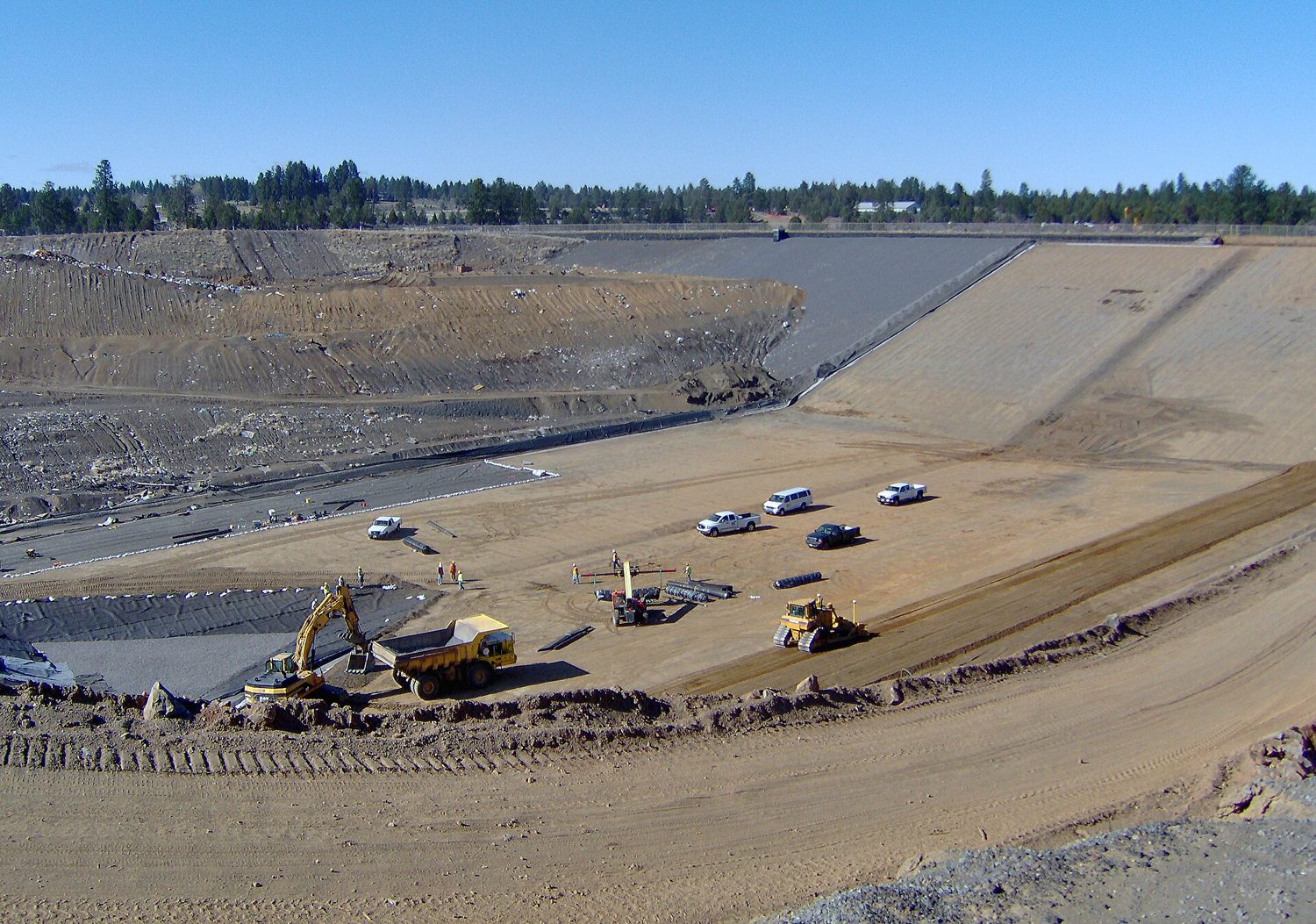
Solid waste is any discarded material that is not a liquid or gas, generated by homes, industry, business, and agriculture. It is buried in sanitary landfills 卫生填埋场 (lined to limit leachate) or burned in incinerators 焚烧炉 (reduces volume but emits pollutants). Landfills take space and can leak; both have environmental costs, so reducing waste is preferred.

Two categories the exam names specifically: e-waste 电子垃圾 (discarded electronics - phones, computers, televisions - which contain toxic metals), and ocean dumping, where plastic and other waste collect into vast floating garbage patches 垃圾带 far out at sea.

עברית

פסולת מוצקה היא כל חומר נפסול שאינו נוזל או גז, הנוצר על ידי בתים, תעשייה, מסחר וחקלאות. היא נקברת במטמנים בטיחותיים (מצופים כדי להגביל סחיפה) או נשרפת במכבשות (מפחית נפח אך משחרר זיהומים). מטמנים תופסים מקום ועלולים לדלוף; לשניהם ישנן עלויות סביבתיות, ולכן הפחתת פסולת היא המועדפת.

שתי קטגוריות שהמבחן מציין במיוחד: פסולת אלקטרונית (מכשירים אלקטרוניים נפסלים - טלפונים, מחשבים, טלוויזיות - המכילים מתכות רעילות), והשלכה לאוקיינוס, שבה פלסטיק ופסולת אחרת מתכנסים לטמעי אשפה צפים ענקיים הרחק בלב הים.

ערימת מטמון גדולה של פסולת קבורה עולה מעל עיר בשפלה למטה
מטמן: פסולת מוצקה נקברת כאן בתאים מצופים. זה תופס אדמה ועלול לדלוף, ולכן הפחתת פסולת היא קדימה
8.10

Waste Reduction Methods · ⁨שיטות להפחתת פסולת⁩

Syllabus · ⁨סיילבוס⁩
English

Enduring Understanding (STB-3): Human activities, including the use of resources, have physical, chemical, and biological consequences for ecosystems.

Learning Objective STB-3.M: Describe changes to current practices that could reduce the amount of generated waste and their associated benefits and drawbacks.

  • STB-3.M.1 Recycling is a process by which certain solid waste materials are processed and converted into new products.
  • STB-3.M.2 Recycling is one way to reduce the current global demand on minerals, but this process is energy-intensive and can be costly.
  • STB-3.M.3 Composting is the process of organic matter such as food scraps, paper, and yard waste decomposing. The product of this decomposition can be used as fertilizer. Drawbacks to composting include odor and rodents.
  • STB-3.M.4 E-waste can be reduced by recycling and reuse. E-wastes may contain hazardous chemicals, including heavy metals such as lead and mercury, which can leach from landfills into groundwater if they are not disposed of properly.
  • STB-3.M.5 Landfill mitigation strategies range from burning waste for energy to restoring habitat on former landfills for use as parks.
  • STB-3.M.6 The combustion of gases produced from decomposition of organic material in landfills can be used to turn turbines and generate electricity. This process reduces landfill volume.
עברית

הבנה מתמשכת (STB-3): פעילויות אנושיות, כולל שימוש במשאבים, גורמות לתוצאות פיזיקליות, כימיות וביולוגיות על מערכות אקולוגיות.

מטרות למידה STB-3.M: לתאר שינויים בשיטות קיימות שיכולים להפחית את כמות הפסולת המיוצרת ולהציג את היתרונות והחסרונות הקשורים לכך.

  • STB-3.M.1 מחזור הוא תהליך שבו חומרי פסולת מוצקים מסוימים מעובדים ומופעים למוצרים חדשים.
  • STB-3.M.2 מחזור הוא אחת הדרכים להפחית את הביקוש הגלובלי הנוכחי למינרלים, אך תהליך זה אינטנסיבי באנרגיה ועלול להיות יקר.
  • STB-3.M.3 קומפוסטינג הוא תהליך פירוק של חומר אורגני כגון שאריות מזון, נייר ופסולת גינה. התוצר של פירוק זה יכול לשמש כתוצרת דשן. חסרונות הקומפוסטינג כולבו ריח ונוכחות מכרסמים.
  • STB-3.M.4 ניתן להפחית פסולת אלקטרונית על ידי מחזור ושימוש חוזר. פסולת אלקטרונית עשויה להכיל חומרים מסוכנים, כגון מתכות כבדות כמו עופרת וכספית, שיכולים לדלוף מהעפרונות למימתק下层 אם אינם מטופלים כראוי.
  • STB-3.M.5 אסטרטגיות להקלה בעפרונות נעות ממשרפת פסולת לייצור אנרגיה ועד לשחזור ביולוגי של עפרונות ישנים לשימוש כפארקים.
  • STB-3.M.6 בעירה של גזים הנפוצים מפירוק חומר אורגני בעפרונות יכולה לשמש להפעלת טורבינות וייצור חשמל. תהליך זה מפחית את נפח העפרונות.

Source: College Board AP Course and Exam Description · ⁨מקור: תיאור הקורס והמבחן של College Board AP⁩

English

The waste hierarchy is reduce, reuse, recycle 减量、再利用、回收, plus composting 堆肥 for organic waste. Reducing consumption is best (no waste to manage); recycling and composting recover materials and cut landfill use.

עברית

היררכיית הפסולת היא צמצום, שימוש חוזר, מחזור, בנוסף לקומפוסטינג לפסולת אורגנית. צמצום הצריכה הוא הטוב ביותר (אין פסולת לניהול); מחזור וקומפוסטינג משחזרים חומרים ומצמצמים את השימוש במטמנות.

8.11

Sewage Treatment · ⁨טיפול במי ביוב⁩

Syllabus · ⁨סיילבוס⁩
English

Enduring Understanding (STB-3): Human activities, including the use of resources, have physical, chemical, and biological consequences for ecosystems.

Learning Objective STB-3.N: Describe best practices in sewage treatment.

  • STB-3.N.1 Primary treatment of sewage is the physical removal of large objects, often through the use of screens and grates, followed by the settling of solid waste in the bottom of a tank.
  • STB-3.N.2 Secondary treatment is a biological process in which bacteria break down organic matter into carbon dioxide and inorganic sludge, which settles in the bottom of a tank. The tank is aerated to increase the rate at which the bacteria break down the organic matter.
  • STB-3.N.3 Tertiary treatment is the use of ecological or chemical processes to remove any pollutants left in the water after primary and secondary treatment.
  • STB-3.N.4 Prior to discharge, the treated water is exposed to one or more disinfectants (usually, chlorine, ozone, or UV light) to kill bacteria.
עברית

הבנה מתמשכת (STB-3): פעילויות אנושיות, כולל שימוש במשאבים, גורמות לתוצאות פיזיקליות, כימיות וביולוגיות על מערכות אקולוגיות.

מטרות למידה STB-3.N: לתאר את השיטות הטובות ביותר לטיפול במי ביוב.

  • STB-3.N.1 טיפול ראשוני במי ביוב הוא הסרה פיזיקלית של חפצים גדולים, לעיתים קרובות באמצעות מסכים וסורגים, ולאחר מכן משקע של פסולת מוצקה בתחתית מיכל.
  • STB-3.N.2 טיפול משני הוא תהליך ביולוגי בו חיידקים מפרקים חומר אורגני לפחמן די-אוקסיד ולבוץ לא אורגני, שהשקע בתחתית מיכל. המיכל מאוורר כדי להגביר את קצב פירוק החומר האורגני על ידי החיידקים.
  • STB-3.N.3 טיפול משולש הוא שימוש בתהליכים אקולוגיים או כימיים להסרת כל הזיהומים שנותרו במים לאחר טיפול ראשוני ומשני.
  • STB-3.N.4 לפני פליטה, המים המטופלים חשופים לחומר חיסול אחד או יותר (בדרך כלל כלור, אוזון או אור UV) כדי להרוג חיידקים.

Source: College Board AP Course and Exam Description · ⁨מקור: תיאור הקורס והמבחן של College Board AP⁩

English

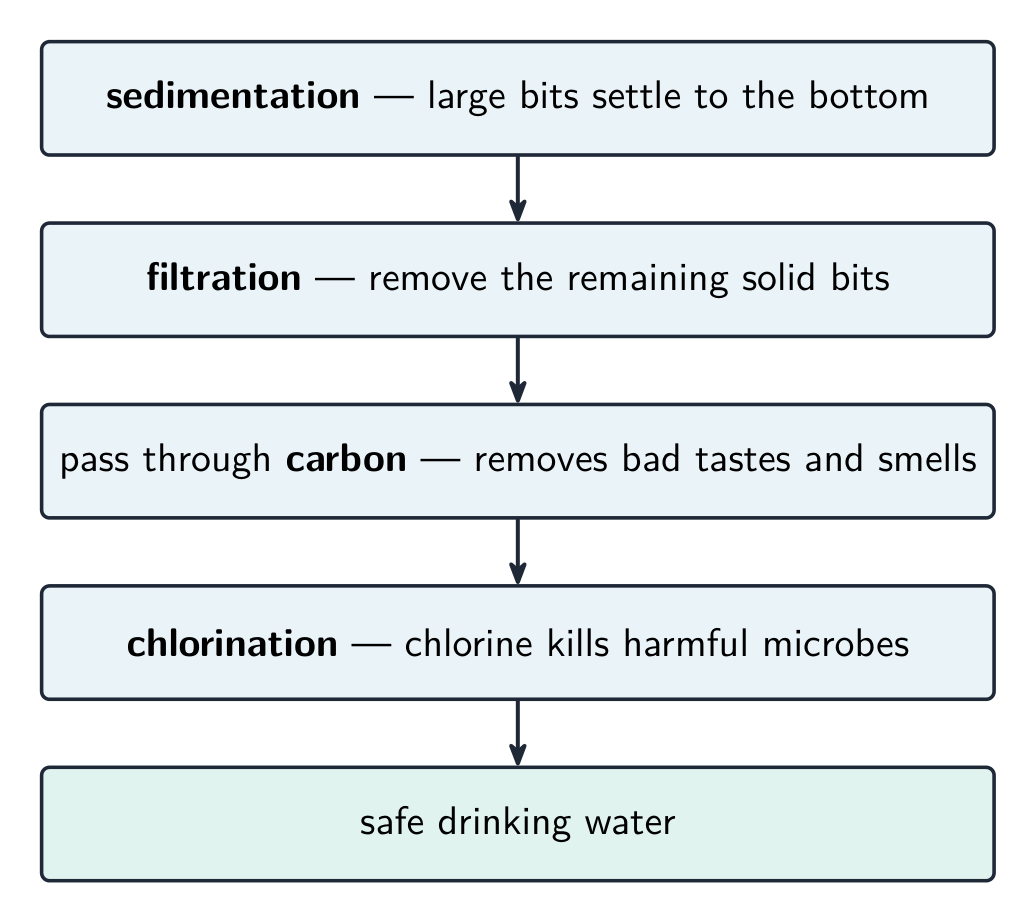
Sewage treatment 污水处理 cleans wastewater in stages: primary (settling out solids), secondary (bacteria break down organic matter), and sometimes tertiary (removing nutrients and disinfecting). This protects waterways from pathogens and nutrient pollution.

עברית

טיפול במי ביוב מנקה מים מלוכלכים בשלבים: ראשוני (השקעה של מוצקים), שניוני (חיידקים מפרקים חומר אורגני), ולעיתים גם משלימי (הסרת תרכובות מזינות והדברה). צעד זה מגן על ערוצי המים מפני חיידקים ומזיהום תרכובות מזינות.

טיפול במים להבטחת בטיחותם: השקעה, סינון, ולאחר מכן הדברה
8.12

Lethal Dose 50% (LD50) · ⁨מנת לתיקוח 50% (LD50)⁩

Syllabus · ⁨סיילבוס⁩
English

Enduring Understanding (EIN-3): Pollutants can have both direct and indirect impacts on the health of organisms, including humans.

Learning Objective EIN-3.A: Define lethal dose 50% ($LD_{50}$).

  • EIN-3.A.1 Lethal dose 50% ($LD_{50}$) is the dose of a chemical that is lethal to 50% of the population of a particular species.
עברית

הבנה מתמשכת (EIN-3): מזהמים יכולים לגרום להשפעות ישירות ועקיפות על בריאות האורגניזמים, כולל אנושים.

מטרת למידה EIN-3.A: הגדר את המינון הממית 50% ($LD_{50}$).

  • EIN-3.A.1 תרופה קטלנית 50% ($LD_{50}$) היא התרופה הכימית הקטלנית ל-50% מאוכלוסיית מין ספציפי.

Source: College Board AP Course and Exam Description · ⁨מקור: תיאור הקורס והמבחן של College Board AP⁩

English
The dose-response curve and LD50

The LD50 半数致死量 is the dose of a substance that kills 50% of a test population. A lower LD50 means a more toxic substance (less is needed to be deadly). It is a standard way to compare toxicity.

Worked example. Chemical A has an LD50 of $5\ \text{mg}$ per kg of body weight; chemical B, $500\ \text{mg/kg}$. Because A's value is $100$ times smaller, A is about $100\times$ more toxic. For a $70\ \text{kg}$ adult, the dose of A expected to be lethal to half of people is $5\ \text{mg/kg}\times70\ \text{kg}=350\ \text{mg}$ – a tiny amount, whereas B would take $500\times70=35{,}000\ \text{mg}$ ($35\ \text{g}$).

עברית
גרף התלות-תגובה ו-LD50

LD50 היא המנה של חומר שהורג 50% מאוכלוסיית הניסוי. LD50 נמוך יותר מעיד על חומר רעיל יותר (נדרשת כמות קטנה יותר כדי להיות הרסני). זוהי דרך סטנדרטית להשוות רעילות.

דוגמה מפורטת. לחומר A יש LD50 של $5\ \text{mg}$ לכל ק"ג משקל גוף; לחומר B, $500\ \text{mg/kg}$. מכיוון שערךו של A הוא $100$ פעמים קטן יותר, A הוא בערך $100\times$ רעיל יותר. עבור מבוגר בעל משקל $70\ \text{kg}$, המנה של A הצפויה להיות הרסנית למחצית מהאנשים היא $5\ \text{mg/kg}\times70\ \text{kg}=350\ \text{mg}$ – כמות זעירה, בעוד ש-B ידרוש $500\times70=35{,}000\ \text{mg}$ ($35\ \text{g}$).

Vocabulary · ⁨מילון מונחים⁩ Train · ⁨אימון⁩
English עברית
LD50/ˌel diː ˈfɪfti/ LD50
dose–response curve/dəʊs rɪˈspɒns kɜːv/ עקומת תגובה-מינון
threshold/ˈθreʃəʊld/ סף
Pathogens/ˈpæθədʒnz/ מחלות זיהומיות
Cholera/ˈkɒlərə/ כולרה
Dysentery/ˈdɪsəntəri/ דיזנטריה
Plague/pleɪɡ/ שחפת
Tuberculosis (TB)/ˌtjuːbəkjʊˈləʊsɪs/ חשיכה (TB)
Malaria/mæˈleərɪə/ מלריה
mosquito/məˈskiːtəʊ/ יתוש
West Nile / Zika/west naɪl ˈziːkə/ נילו הירוק / זיקה
vectors/ˈvektəz/ משרשים
8.13

Dose Response Curve · ⁨גרף התלות-תגובה⁩

Syllabus · ⁨סיילבוס⁩
English

Enduring Understanding (EIN-3): Pollutants can have both direct and indirect impacts on the health of organisms, including humans.

Learning Objective EIN-3.B: Evaluate dose response curves.

  • EIN-3.B.1 A dose response curve describes the effect on an organism or mortality rate in a population based on the dose of a particular toxin or drug.
עברית

הבנה מתמשכת (EIN-3): מזהמים יכולים לגרום להשפעות ישירות ועקיפות על בריאות האורגניזמים, כולל אנושים.

מטרת למידה EIN-3.B: הערך עקומות תגובה למינון.

  • EIN-3.B.1 עקומת תגובה למינון מתארת את ההשפעה על אורגניזם או קצב התמותה באוכלוסייה בהתאם למינון של רעל או תרופה מסוים.

Source: College Board AP Course and Exam Description · ⁨מקור: תיאור הקורס והמבחן של College Board AP⁩

English

A dose–response curve 剂量反应曲线 plots the effect against the dose. Generally, a higher dose causes a greater effect. Some chemicals have a threshold 阈值 (no effect below it); for others any exposure carries risk. These curves guide safety limits.

עברית

גרף התלות-תגובה מציג את ההשפעה כפונקציה של המנה. באופן כללי, מנה גבוהה יותר גורמת להשפעה גדולה יותר. לחלק מהחומרים יש סף (אין השפעה מתחת לו); לעבורים אחרים כל חשיפה נושאת סיכון. גרפים אלו מנחים קביעת גבולות בטיחותיים.

8.14

Pollution and Human Health · ⁨זיהום ובריאות האדם⁩

Syllabus · ⁨סיילבוס⁩
English

Enduring Understanding (EIN-3): Pollutants can have both direct and indirect impacts on the health of organisms, including humans.

Learning Objective EIN-3.C: Identify sources of human health issues that are linked to pollution.

  • EIN-3.C.1 It can be difficult to establish a cause and effect between pollutants and human health issues because humans experience exposure to a variety of chemicals and pollutants.
  • EIN-3.C.2 Dysentery is caused by untreated sewage in streams and rivers.
  • EIN-3.C.3 Mesothelioma is a type of cancer caused mainly by exposure to asbestos.
  • EIN-3.C.4 Respiratory problems and overall lung function can be impacted by elevated levels of tropospheric ozone.
עברית

הבנה מתמשכת (EIN-3): מזהמים יכולים לגרום להשפעות ישירות ועקיפות על בריאות האורגניזמים, כולל אנושים.

מטרת למידה EIN-3.C: זיהוי מקורות בעיות בריאות אדם הקשורים לזיהום.

  • EIN-3.C.1 עשוי להיות קשה לקבוע קשר סיבה ותוצאה בין מזהימים לבעיות בריאות אדם, שכן לאנשים יש חשיפה למגוון רחב של חומרים כימיים ומזהימים.
  • EIN-3.C.2 דיסנטריה נגרמת מביוב שאינו טיפול במי נחלים ונהרות.
  • EIN-3.C.3 מזותליומה היא סוג של סרטן הנגרם בעיקר מחשיפה לאסבסט.
  • EIN-3.C.4 בעיות נשימה ותפקוד ריאתי כללי יכולים להיות מושפעים ממילוי גבוהים של אוזון טרופוספירי.

Source: College Board AP Course and Exam Description · ⁨מקור: תיאור הקורס והמבחן של College Board AP⁩

English

Pollution harms health directly (respiratory disease from air pollution, poisoning from contaminated water) and indirectly. Dose, duration, and individual sensitivity all affect the outcome. The poor are often most exposed and least protected.

עברית

זיהום פוגע בבריאות ישירות (מחלות נשימתיות כתוצאה מזיהום אוויר, הרעלה ממים מלוכלכים) ובאופן עקיף. המנה, המשך החשיפה ורגישות אישית כולם משפיעים על התוצאה. אנשים בעלי הכנסה נמוכה חשופים לעיתים קרובות יותר ויש להם הגנה פחותה.

8.15

Pathogens and Infectious Diseases · ⁨חיידקים מחוללי מחלות ומחלות זיהומיות⁩

Syllabus · ⁨סיילבוס⁩
English

Enduring Understanding (EIN-3): Pollutants can have both direct and indirect impacts on the health of organisms, including humans.

Learning Objective EIN-3.D: Explain human pathogens and their cycling through the environment.

  • EIN-3.D.1 Pathogens adapt to take advantage of new opportunities to infect and spread through human populations.
  • EIN-3.D.2 Specific pathogens can occur in many environments regardless of the appearance of sanitary conditions.
  • EIN-3.D.3 As equatorial-type climate zones spread north and south in to what are currently subtropical and temperate climate zones, pathogens, infectious diseases, and any associated vectors are spreading into these areas where the disease has not previously been known to occur.
  • EIN-3.D.4 Poverty-stricken, low-income areas often lack sanitary waste disposal and have contaminated drinking water supplies, leading to havens and opportunities for the spread of infectious diseases.
  • EIN-3.D.5 Plague is a disease carried by organisms infected with the plague bacteria. It is transferred to humans via the bite of an infected organism or through contact with contaminated fluids or tissues.
  • EIN-3.D.6 Tuberculosis is a bacterial infection that typically attacks the lungs. It is spread by breathing in the bacteria from the bodily fluids of an infected person.
  • EIN-3.D.7 Malaria is a parasitic disease caused by bites from infected mosquitoes. It is most often found in sub-Saharan Africa.
  • EIN-3.D.8 West Nile virus is transmitted to humans via bites from infected mosquitoes.
  • EIN-3.D.9 Severe acute respiratory syndrome (SARS) is a form of pneumonia. It is transferred by inhaling or touching infected fluids.
  • EIN-3.D.10 Middle East Respiratory Syndrome (MERS) is a viral respiratory illness that is transferred from animals to humans.
  • EIN-3.D.11 Zika is a virus caused by bites from infected mosquitoes. It can be transmitted through sexual contact.
  • EIN-3.D.12 Cholera is a bacterial disease that is contracted from infected water.
עברית

הבנה מתמשכת (EIN-3): מזהמים יכולים לגרום להשפעות ישירות ועקיפות על בריאות האורגניזמים, כולל אנושים.

מטרת למידה EIN-3.D: הסבר פתוגנים אנושיים והמחזור שלהם בסביבה.

  • EIN-3.D.1 פתוגנים משתנים כדי לנצל הזדמנויות חדשות לחלוצה ולהתפשט דרך אוכלוסיות אנושיות.
  • EIN-3.D.2 פתוגנים ספציפיים יכולים להופיע בסביבות רבות ללא קשר למראה תנאי הניקיון.
  • EIN-3.D.3 כאשר אזורי אקלים מסוג איקווטוריאלית מתרחבים צפונה ודרומה לתוך מה שכיום הם אזורי אקלים סובטרופיים וטמפרטיים, פתוגנים, מחלות זיהומיות וכל וקטורים הקשורים אליהם מתפשטים לאזורים אלו שבהם המחלה לא הייתה ידועה בעבר.
  • EIN-3.D.4 אזורים עניים בעוני ובהכנסה נמוכה לעיתים קרובות חסרים פינוי אשפה סניטרי ומצוידים במי שתייה מזוהמים, מה שמוביל ליצירת מערכנים והזדמנויות להתפשטות מחלות זיהומיות.
  • EIN-3.D.5 השחפת היא מחולה הנושאת על ידי אורגניזמים המזומנים בחיידקי השחפת. היא מועברת לאנשים דרך נשיכת אורגניזם מזומן או דרך מגע עם נוזלים או רקמות מזומנות.
  • EIN-3.D.6 שחפת היא זיהום חיידקי שפוגע בדרך כלל בריאות. היא מועברת על ידי נשימת החיידקים מהנוזלים הגופניים של אדם מזומן.
  • EIN-3.D.7 המלריה היא מחלה פרזיטית הנגרמת מעקיצות של יתושים מזהמים. היא נמצאת לרוב באפריקה דרום-סהארית.
  • EIN-3.D.8 וירוס הניל המערבי עובר לאדם דרך עקיצות של יתושים מזהמים.
  • EIN-3.D.9 תסמונת הנשימה החריפה הקשה (SARS) היא סוג של דלקת ריאה. היא עוברת על ידי שאיפת או מגע עם נוזלים מזהמים.
  • EIN-3.D.10 תסמונת הנשימה המזרח תיכונית (MERS) היא מחלת נשימה ויראלית העוברת מאנשים לחיות.
  • EIN-3.D.11 זיקה הוא וירוס הנגרם מעקיצות של יתושים מזהמים. הוא יכול להעבר דרך מגע מיני.
  • EIN-3.D.12 קולירה היא מחלה חיידקית הנרכשת ממים מזהמים.

Source: College Board AP Course and Exam Description · ⁨מקור: תיאור הקורס והמבחן של College Board AP⁩

English

Pathogens 病原体 (bacteria, viruses, parasites) spread through contaminated water and food. The exam names specific diseases and expects you to know how each one is transmitted, because the transmission route decides the defence:

Disease Type How it spreads
Cholera 霍乱 bacterial drinking water contaminated with sewage
Dysentery 痢疾 bacterial untreated sewage in streams and rivers
Plague 鼠疫 bacterial bite of an infected organism (e.g. fleas) or contact with infected fluids
Tuberculosis (TB) 结核病 bacterial breathing in bacteria from an infected person's bodily fluids
Malaria 疟疾 parasitic bite of an infected mosquito 蚊子 (mostly sub-Saharan Africa)
West Nile / Zika 西尼罗/寨卡 viral bite of an infected mosquito (Zika also via sexual contact)
SARS / MERS viral inhaling or touching infected fluids; MERS passes from animals to humans

Two big-picture ideas carry marks. Poverty deepens the problem - low-income areas often lack sanitary waste disposal and clean water, giving water-borne diseases a haven. And climate change spreads disease: as warm equatorial climate zones expand toward the poles, mosquitoes and other vectors 传播媒介 - and the diseases they carry - move into temperate regions that never had them before. Clean water, sanitation, and vector control remain the main defences.

עברית

חיידקים מחוללי מחלות (חיידקים, וירוסים, פרזיטים) נפוצים דרך מים ומזון מלוכלכים. בבחינות מצוינים מחלות ספציפיות וצפוי שתדעו כיצד כל אחת מהן מועברת, משום שדרך ההעברה קובעת את ההגנה:

מחלה סוג אופן העברה
כולרה חיידקי שתיית מים מלוכלכים בפסולת ביוב
דיזנטריה חיידקי ביוב לא מטופל בזרמים ובנהרות
שחפת חיידקי נגיעה של אורגניזם מזהם (כמו קרציות) או מגע עם נוזלים מזהמים
שחפת ריאותית (TB) חיידקי שאיבת חיידקים מהנוזלים הגופניים של אדם מזהם
מלריה פרזיטית נגיעת יתוש מזהם (בעיקר באפריקה דרום-סהארית)
ווסט נייל / זיקה ויראלי נגיעת יתוש מזהם (זיקה גם דרך מגע מיני)
SARS / MERS ויראלי שאיפה או מגע עם נוזלים מזהמים; MERS עובר מחיות לאנשים

שתי רעיונות כלליים מובילים לנקודות. עוני מחמיר את הבעיה – אזורים בעלי הכנסה נמוכה לעיתים קרובות חסרים פינוי אשפה סניטרי ומי שתייה נקיים, מה שמעניק למחלות המועברות במים מקלט. כמו כן, שינויי האקלים מפיצים מחלות: כאשר אזורי האקלים החמים בקרבת המשוון מתרחבים לכיוון הקוטבים, מגיבים אחרים כמו יתושים – והמחלות שהם נושאים – נעים לאזורים טמפרטיים שלא היו להם מעולם. מי שתייה נקיים, סניטציה ושליטה במגיבים נותרים ההגנות העיקריות.

8.15

Exam tips · ⁨טיפים לבחינות⁩

English
  • Trace eutrophication step by step: nutrient runoff → algal bloom → decay → oxygen depletion → fish die.
  • Bioaccumulation builds up in one organism; biomagnification increases up the food chain, so top predators are hit hardest.
  • Read an LD50: a lower value means more toxic; multiply by body mass for a lethal dose.
  • Order the waste hierarchy reduce > reuse > recycle, and the stages of sewage treatment.
  • Link pathogens to contaminated water and to clean-water/sanitation defences.
עברית
  • עקוב אחרי אוזטרופיקציה צעד אחר צעד: זרימת יתר של תזונות → פריחת אצות → פירוק → דלוק ב oxygen → מוות דגים.
  • ביואקומולציה מצטברת באורגניזם אחד; ביומגניפיקציה עולה לאורך שרשרת המזון, כך שהטורפים ברמה העליונה נפגעים קשה ביותר.
  • קרא ערך LD50: ערך נמוך יותר משמעו רעילות גבוהה יותר; כפול במשקל הגוף כדי לקבל מנת הרגעה.
  • סדר את היררכיית הפסולת צמצום > שימוש חוזר > מחזור, ואת שלבי הטיפול במי ביוב.
  • קשר מחלות זיהומיות למי מזוהמים וללהגנות של מי שתייה נקיים וסניטציה.

Interactive lessons on this topic · ⁨שיעורים אינטראקטיביים בנושא זה⁩

Work through it step by step, with instant-check exercises. · ⁨לעבור על הדברים צעד אחר צעד, עם תרגילים לבדיקה מיידית.⁩

Past Papers · ⁨מבחני עבר⁩

More topics in AP Environmental Science · ⁨סביבה וקיימות - AP⁩ · ⁨נושאים נוספים בAP Environmental Science · ⁨סביבה וקיימות - AP⁩⁩

Log in or create account · ⁨היכנס או צור חשבון⁩

IGCSE, A-Level & AP