English
Enduring Understanding (STB-2): Human activities have physical, chemical, and biological consequences for the atmosphere.
Learning Objective STB-2.A: Identify the sources and effects of air pollutants.
- STB-2.A.1 Coal combustion releases air pollutants including carbon dioxide, sulfur dioxide, toxic metals, and particulates.
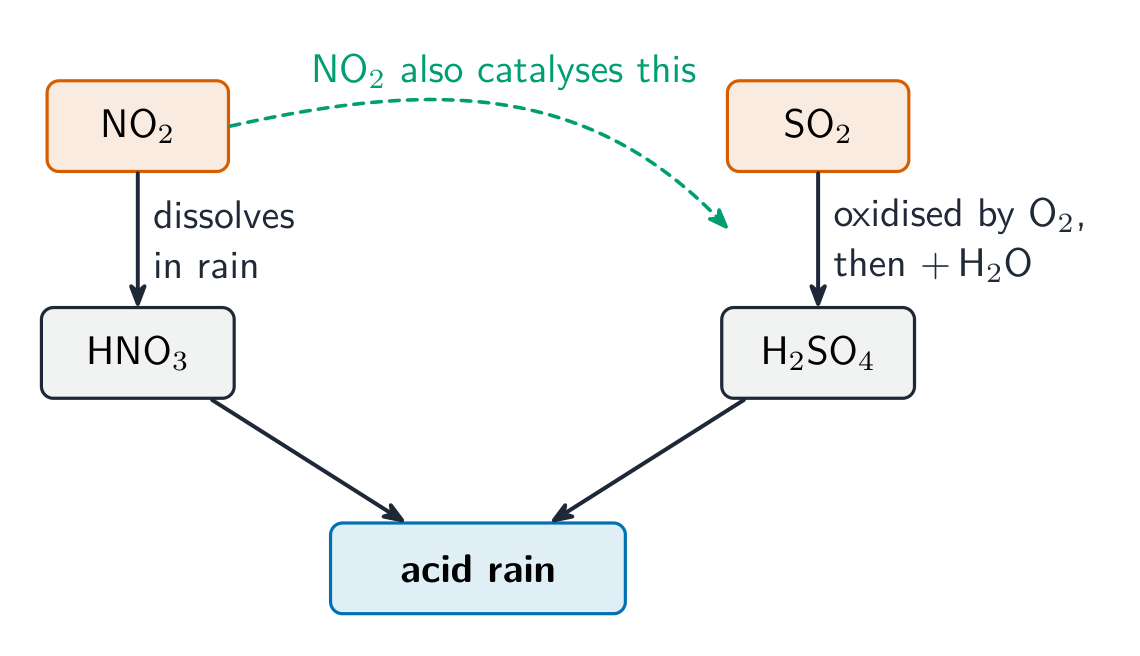
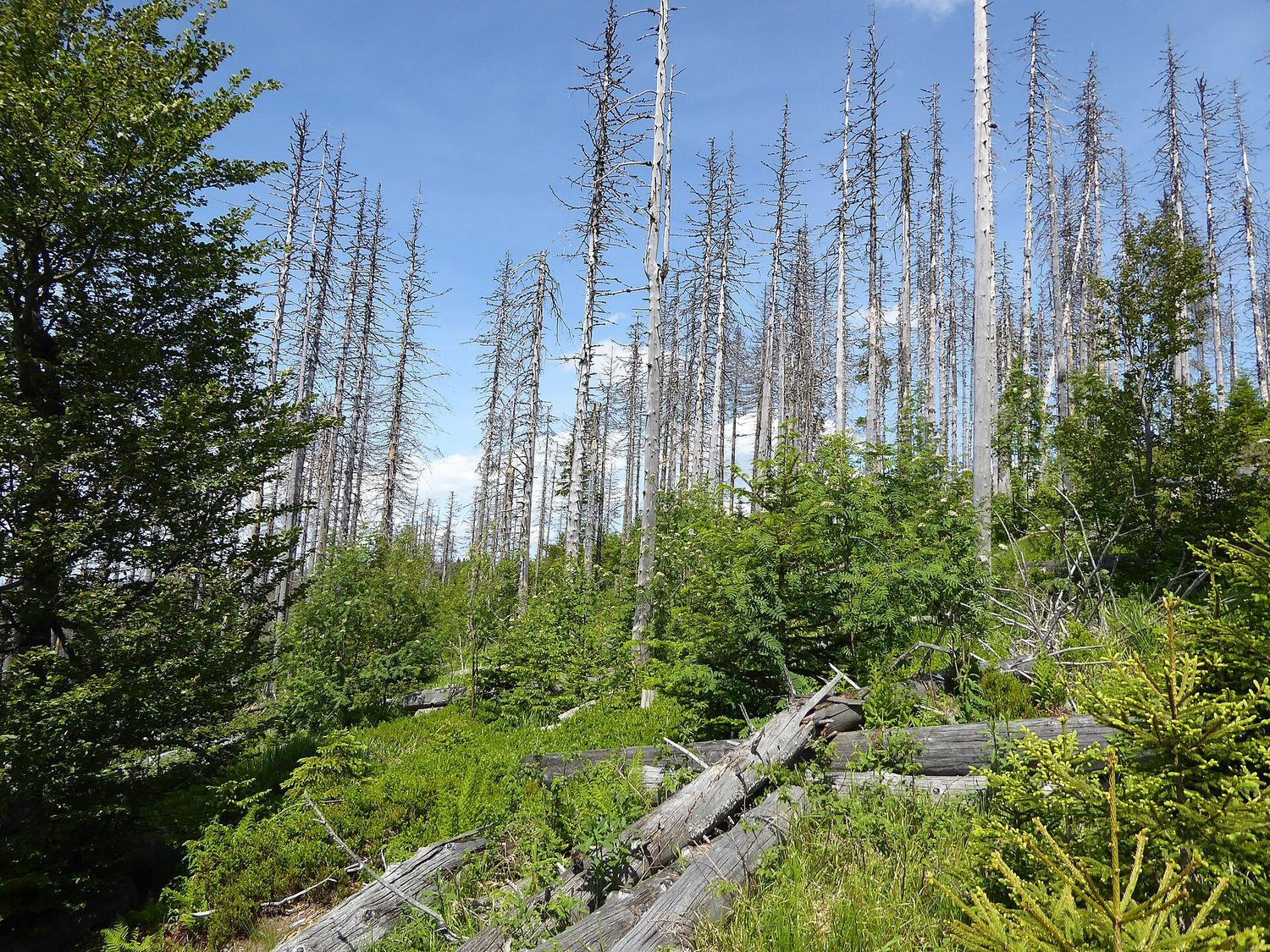
- STB-2.A.2 The combustion of fossil fuels releases nitrogen oxides into the atmosphere. They lead to the production of ozone, formation of photochemical smog, and convert to nitric acid in the atmosphere, causing acid rain. Other pollutants produced by fossil fuel combustion include carbon monoxide, hydrocarbons, and particulate matter.
- STB-2.A.3 Air quality can be affected through the release of sulfur dioxide during the burning of fossil fuels, mainly diesel fuels.
- STB-2.A.4 Through the Clean Air Act, the Environmental Protection Agency (EPA) regulated the use of lead, particularly in fuels, which dramatically decreased the amount of lead in the atmosphere.
- STB-2.A.5 Air pollutants can be primary or secondary pollutants.
עברית
הבנה מתמשכת (STB-2): פעילות האדם יש לה consequences פיזיות, כימיות וביולוגיות עבור האטמוספרה.
מטרת למידה STB-2.A: לזהות מקורות והשפעות של זיהומי אוויר.
- STB-2.A.1 בעירת פחם משחררת זיהומי אוויר כגון פחמן די-אוקסיד, סולפיט די-אוקסיד, מתכות רעילות וחלקיקים.
- STB-2.A.2 בעירת דלקים מאובשים משחררת חמצני חנק לתוך האטמוספרה. הם מובילים ליצירת אוזון, היווצרות של ערפל פוטוכימי, ומתמרים לחומצה ניטרית באטמוספרה, מה שגורם לגשם חומצי. זיהומים נוספים המיוצרים בעקבות בעירת דלקים מאובשים כוללים פחמן חד-אוקסיד, הידרוקربונים וחומר חלקיקי.
- STB-2.A.3 איכות האוויר יכולה להיות מושפעת מהשחרור של סולפיט די-אוקסיד במהלך בעירת דלקים מאובשים, בעיקר דלק בנזין.
- STB-2.A.4 בהתאם לחוק האוויר הנקי, סוכנות הגנת הסביבה (EPA) ויסתה את השימוש בפלדה, במיוחד בדלקים, מה שהפחית באופן משמעותי את כמות הפלדה באטמוספרה.
- STB-2.A.5 זיהומי אוויר יכולים להיות זיהומים ראשוניים או זיהומים משניים.