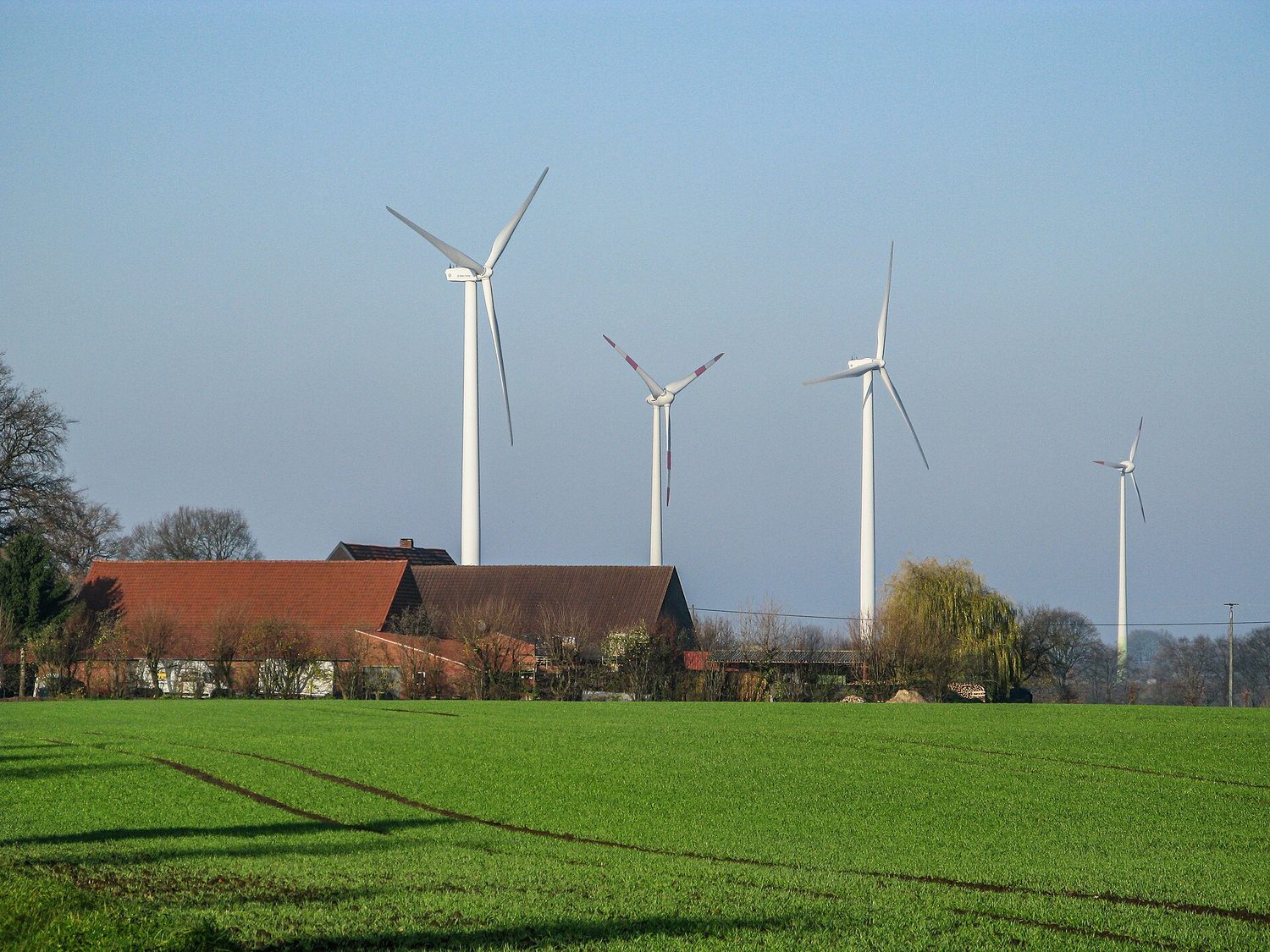
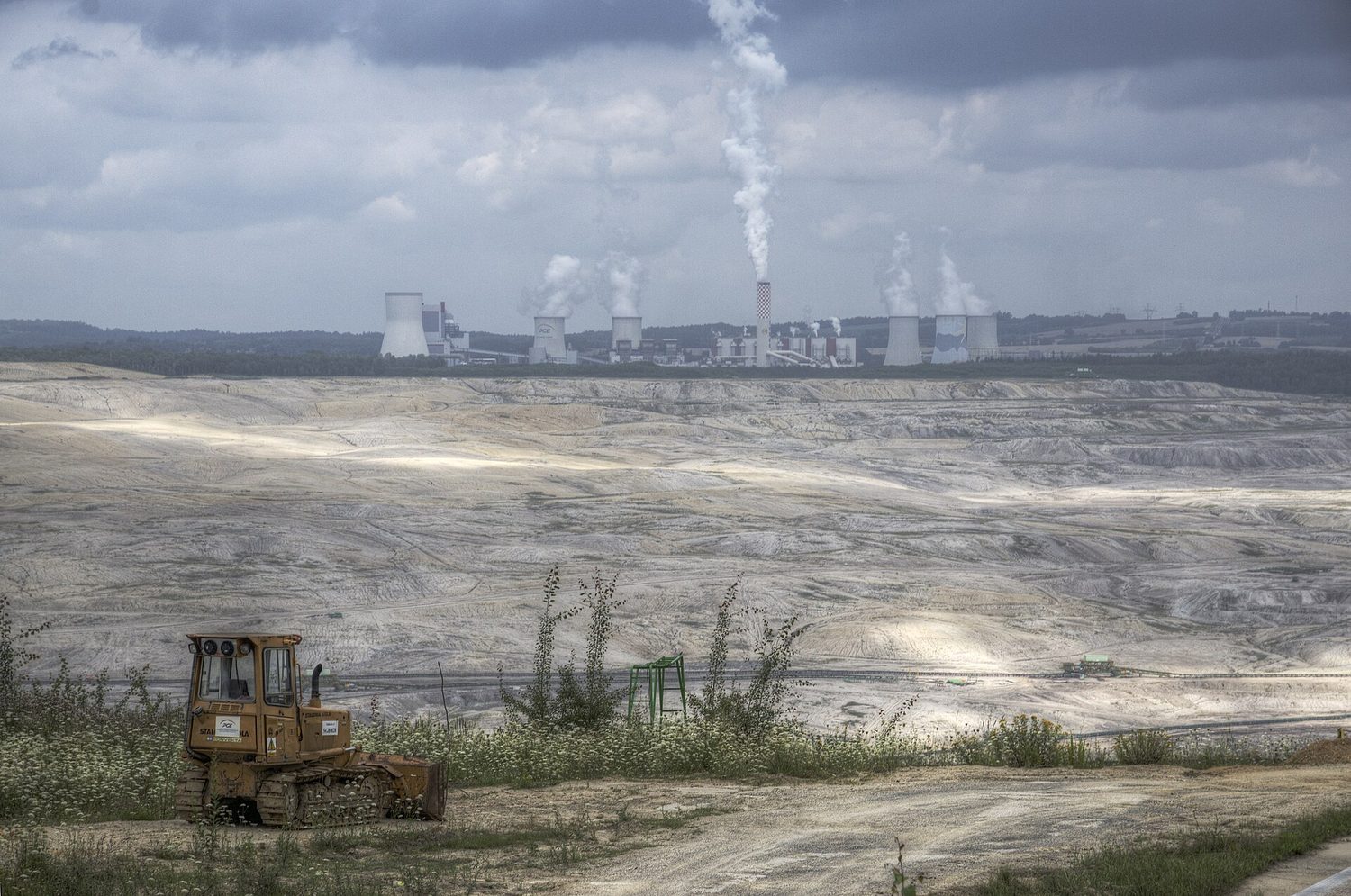
הסתכל על החור הארץ הזה. מכונה חופרת פחם חום רך, ותחנת הכוח מאחוריו שורפת אותו באותו יום. עכשיו הסתכל על זה: שלושה מגדלים על…
English narration · English + 中文 subtitles burned in · קריאת קול באנגלית · תרגום אנגלי + סינית שרוף בתוך הסרטון
6.1
Renewable and Nonrenewable Resources · משאבים מתחדשים ולא מתחדשים
Syllabus · סיילבוס
English
Enduring Understanding (ENG-3): Humans use energy from a variety of sources, resulting in positive and negative consequences.
Learning Objective ENG-3.A: Identify differences between nonrenewable and renewable energy sources.
ENG-3.A.1 Nonrenewable energy sources are those that exist in a fixed amount and involve energy transformation that cannot be easily replaced.
ENG-3.A.2 Renewable energy sources are those that can be replenished naturally, at or near the rate of consumption, and reused.
עברית
הבנה נשנית (ENG-3): בני אדם משתמשים באנרגיה ממגוון מקורות, כתוצאה מכך נובעות השלכות חיוביות ושליליות.
מטרת למידה ENG-3.A: לזהות הבדלים בין מקורות אנרגיה מתחדשים ולא מתחדשים.
ENG-3.A.1 מקורות אנרגיה לא מתחדשים הם אלו שקיימים בכמות קבועה ומעורבים בהם תהליכי המרה אנרגטית שאינם ניתנים להחלפה בקלות.
ENG-3.A.2 מקורות אנרגיה מתחדשים הם אלו שיכולים להתחדש באופן טבעי, בקצב הדומה או קרוב לקצב הצריכה, וניתנים לשימוש חוזר.
Source: College Board AP Course and Exam Description · מקור: תיאור הקורס והמבחן של College Board AP
English
A renewable resource 可再生资源 replenishes on a human timescale (sun, wind, water, biomass); a nonrenewable resource 不可再生资源 exists in fixed amounts that take millions of years to form (fossil fuels, nuclear fuel). Nonrenewables will eventually run out and often pollute more.
עברית
משאב מתחדש מתחדש בקנה מידה אנושי (שמש, רוח, מים, ביומסה); משאב לא מתחדש קיים בכמויות קבועות שלוקח מיליוני שנים להתעצב (דלקים מאובנים, דלק גרעיני). משאבים לא מתחדשים ייגמרו בסופו של דבר ולעיתים קרובות מזהמים יותר.
טורבינות רוח: מקורות אנרגיה מתחדשים מתחדשים בקצב זמני אנושי; דלקים מאובשים אינם מתחדשים
6.2
Global Energy Consumption · צריכת אנרגיה עולמית
Syllabus · סיילבוס
English
Enduring Understanding (ENG-3): Humans use energy from a variety of sources, resulting in positive and negative consequences.
Learning Objective ENG-3.B: Describe trends in energy consumption.
ENG-3.B.1 The use of energy resources is not evenly distributed between developed and developing countries.
ENG-3.B.2 The most widely used sources of energy globally are fossil fuels.
ENG-3.B.3 As developing countries become more developed, their reliance on fossil fuels for energy increases.
ENG-3.B.4 As the world becomes more industrialized, the demand for energy increases.
ENG-3.B.5 Availability, price, and governmental regulations influence which energy sources people use and how they use them.
עברית
הבנה נשנית (ENG-3): בני אדם משתמשים באנרגיה ממגוון מקורות, כתוצאה מכך נובעות השלכות חיוביות ושליליות.
מטרת למידה ENG-3.B: תאר מגמות בצריכת אנרגיה.
ENG-3.B.1 השימוש במקורות אנרגיה אינו מחולק באופן שווה בין ארצות מפותחות ומתפתחות.
ENG-3.B.2 המקורות האנרגטיים הנפוצים ביותר בעולם הם דלקים מאובנים.
ENG-3.B.3 ככל שארצות מתפתחות הופכות למפותחות יותר, תלותן בדלקים מאובנים לצורך אנרגיה עולה.
ENG-3.B.4 ככל שהעולם הופך לתעשייתי יותר, הביקוש לאנרגיה עולה.
ENG-3.B.5 זמינות, מחיר וחוקים ממשלתיים משפיעים על מקורות האנרגיה בהם אנשים משתמשים ועל אופן השימוש בהם.
Source: College Board AP Course and Exam Description · מקור: תיאור הקורס והמבחן של College Board AP
English
Global energy use is rising, especially in developing nations. Most energy still comes from fossil fuels 化石燃料. Wealthy nations consume the most per person; access to energy shapes economic development.
עברית
הצריכה העולמית באנרגיה עולה, במיוחד במדינות המתפתחות. רוב האנרגיה עדיין מגיעה מדלקים מאובשים. מדינות עשירות צורכות את הכמות הגבוהה ביותר לאדם; גישה לאנרגיה מעצבת את הפיתוח הכלכלי.
Explore · חקור
Trace energy from source to use · עקוב אחר זרימת אנרגיה ממקור לשימוש
A Sankey diagram shows how energy flows from sources to useful work — and how much is lost. Most primary energy is wasted as heat before it does anything useful. · דיאגרמת סנקי מראה כיצד אנרגיה זורמת ממקורות לעבודה שימושית — וכמה נאבד. רוב האנרגיה הראשונית מוזרת כתרמיות לפני שתבצע פעולה שימושית.
6.3
Fuel Types and Uses · סוגי דלק ושימושיםם
Syllabus · סיילבוס
English
Enduring Understanding (ENG-3): Humans use energy from a variety of sources, resulting in positive and negative consequences.
Learning Objective ENG-3.C: Identify types of fuels and their uses.
ENG-3.C.1 Wood is commonly used as fuel in the forms of firewood and charcoal. It is often used in developing countries because it is easily accessible.
ENG-3.C.2 Peat is partially decomposed organic material that can be burned for fuel.
ENG-3.C.3 Three types of coal used for fuel are lignite, bituminous, and anthracite. Heat, pressure, and depth of burial contribute to the development of various coal types and their qualities.
ENG-3.C.4 Natural gas, the cleanest of the fossil fuels, is mostly methane.
ENG-3.C.5 Crude oil can be recovered from tar sands, which are a combination of clay, sand, water, and bitumen.
ENG-3.C.6 Fossil fuels can be made into specific fuel types for specialized uses (e.g., in motor vehicles).
ENG-3.C.7 Cogeneration occurs when a fuel source is used to generate both useful heat and electricity.
עברית
הבנה נשנית (ENG-3): בני אדם משתמשים באנרגיה ממגוון מקורות, כתוצאה מכך נובעות השלכות חיוביות ושליליות.
מטרת למידה ENG-3.C: זיהוי סוגי דלק ושימושיהם.
ENG-3.C.1 עץ משמש לרוב כדלק בצורת עצים לכירה ופחם חום. הוא משמש לעיתים קרובות במדינות מתפתחות מכיוון שזמין בקלות.
ENG-3.C.2 טורף הוא חומר אורגני המפורק חלקית שיכול לשמש כדלק.
ENG-3.C.3 שלושה סוגי פחמים המשמשים כדלק הם ליגניט, ביטומיני ואנטרציט. חום, לחץ ועומק הקבורה תורמים לפיתוח סוגי הפחם השונים ותכונותיהם.
ENG-3.C.4 גז טבעי, הדלק החופשי הטהור ביותר, מורכב בעיקר ממטאן.
ENG-3.C.5 נפט גולמי ניתן להפקה מחוליות זיקוק, שהן מערך של קווארק, חול, מים וביתומן.
ENG-3.C.6 דלקים חופשיים יכולים להעובד לסוגי דלק ספציפיים למטרות ייעודיות (למשל, ברכבי מנוע).
ENG-3.C.7 ייצור משולב מתרחש כאשר מקור דלק משמש ליצירת חום מועיל וחשמל בו-זמנית.
Source: College Board AP Course and Exam Description · מקור: תיאור הקורס והמבחן של College Board AP
English
Different fuels suit different needs: coal and natural gas for electricity, oil for transportation, and biomass for heating and cooking in many regions. Each has trade-offs in cost, availability, and pollution.
עברית
דלקים שונים מתאימים לצרכים שונים: פחם וגז טבעי לחשמל, נפט לתחבורה, וביומסה לחימום ולבישול במספר אזורים. לכל אחד מהם יש קומpromiss בין עלות, זמינות וזיהום.
6.4
Distribution of Natural Energy Resources · חלוקת משאבי אנרגיה טבעיים
Syllabus · סיילבוס
English
Enduring Understanding (ENG-3): Humans use energy from a variety of sources, resulting in positive and negative consequences.
Learning Objective ENG-3.D: Identify where natural energy resources occur.
ENG-3.D.1 The global distribution of natural energy resources, such as ores, coal, crude oil, and gas, is not uniform and depends on regions' geologic history.
עברית
הבנה נשנית (ENG-3): בני אדם משתמשים באנרגיה ממגוון מקורות, כתוצאה מכך נובעות השלכות חיוביות ושליליות.
מטרת הלמידה ENG-3.D: לזהות היכן מופעים משאבי אנרגיה טבעיים.
ENG-3.D.1 החלוקה הגלובלית של משאבי אנרגיה טבעיים, כמו מינרלים, פחם, נפט גולמי וגז, אינה אחידה ותלויה בהיסטוריה הגיאולוגית של האזור.
Source: College Board AP Course and Exam Description · מקור: תיאור הקורס והמבחן של College Board AP
English
Energy resources are unevenly distributed – oil is concentrated in some regions, coal in others, and renewables depend on local sun, wind, or rivers. This uneven distribution drives trade, economics, and geopolitics.
עברית
משאבי אנרגיה מתחלקים באופן בלתי שווה – הנפט מרוכז באזורים מסוימים, הפחם באחרים, והאנרגיה המתחדשת תלויה בשמש, רוח או נהרות מקומיות. חלוקה זו בלתי שווה מניעה סחר, כלכלה וגיאופוליטיקה.
6.5
Fossil Fuels · דלקים מאובשים
Syllabus · סיילבוס
English
Enduring Understanding (ENG-3): Humans use energy from a variety of sources, resulting in positive and negative consequences.
Learning Objective ENG-3.E: Describe the use and methods of fossil fuels in power generation.
ENG-3.E.1 The combustion of fossil fuels is a chemical reaction between the fuel and oxygen that yields carbon dioxide and water and releases energy.
ENG-3.E.2 Energy from fossil fuels is produced by burning those fuels to generate heat, which then turns water into steam. That steam turns a turbine, which spins a generator, producing electricity.
ENG-3.E.3 Humans use a variety of methods to extract fossil fuels from the earth for energy generation.
Learning Objective ENG-3.F: Describe the effects of fossil fuels on the environment.
ENG-3.F.1 Hydrologic fracturing (fracking) can cause groundwater contamination and the release of volatile organic compounds.
עברית
הבנה נשנית (ENG-3): בני אדם משתמשים באנרגיה ממגוון מקורות, כתוצאה מכך נובעות השלכות חיוביות ושליליות.
מטרת הלמידה ENG-3.E: לתאר את השימוש במתודולוגיות של דלקים חופשיים בהפקת חשמל.
ENG-3.E.1 בעירה של דלקים חופשיים היא תגובה כימית בין הדלק לחמצן המייצרת פחמן די-אוקסיד ומים ומשחררת אנרגיה.
ENG-3.E.2 אנרגיה מדלקים חופשיים מופקת על ידי צרינתם כדי ליצור חום, שמפנה מים לקיטור. הקיטור מסובב טורבינה, המסובבת גנרטור ומייצרת חשמל.
ENG-3.E.3 בני אדם משתמשים במגוון שיטות להוצאת דלקים חופשיים מהאדמה להפקת אנרגיה.
מטרת הלמידה ENG-3.F: לתאר את ההשפעות של דלקים חופשיים על הסביבה.
ENG-3.F.1 הידרליזה (פרקינג) עלולה לגרום לזיהום מי תת-קרקע ולשחרור תרכובות אורגניות וולטיליות.
Source: College Board AP Course and Exam Description · מקור: תיאור הקורס והמבחן של College Board AP
English
Fossil fuels (coal, oil, natural gas) formed from ancient organisms. They are energy-dense and reliable but nonrenewable and the main source of $\text{CO}_2$ and air pollution. Coal is the dirtiest; natural gas burns cleaner but leaks methane 甲烷.
Coal forms in stages, and its rank climbs with the heat, pressure, and depth of burial it has endured. Partly decomposed plant matter first becomes peat 泥炭 (which can itself be dried and burned), then soft brown lignite, then bituminous 烟煤 coal, and finally hard anthracite 无烟煤 – each step is drier, more carbon-rich, and higher in energy, so anthracite burns hottest and cleanest.
Oil and natural gas are increasingly reached by hydraulic fracturing 水力压裂 ("fracking"): a high-pressure fluid is pumped into shale rock to crack it open and release the trapped fuel. It has unlocked huge reserves, but it can contaminate groundwater (methane and chemicals reaching drinking-water wells), release volatile organic compounds 挥发性有机化合物 into the air, and trigger minor earthquakes.
Crude oil can also be recovered from tar sands 油砂 – a mix of clay, sand, water, and thick bitumen 沥青. Separating the oil is energy- and water-intensive and clears large areas of land, so its environmental cost per barrel of oil is high.
עברית
דלקים מאובשים (פחם, נפט, גז טבעי) נוצרו מאורגניזמים עתיקים. הם בעלי צפיפות אנרגטית גבוהה ואמינים אך לא מתחדשים ומקורם הראשי של $\text{CO}_2$ וזיהום אוויר. הפחם הוא המזהם ביותר; הגז הטבעי נשרף בצורה נקייה יותר אך דולף מתאן.
מכרה פחם ליגניט (פחם חום) פתוח המשקיע תחנת כוח בסמוך לו — הדלק חוצוב מהקרקע ונשרף במקום
פחם נוצר בשלבים, וה-דרגת הבלילה שלו עולה בהתאם לחום, ללחץ ועומק הקברת שחווה. שאריות צמחייתיות שמפיקות בחלקן תהליך פירוק הופכות תחילה לחומצת טורף (שניתן להתייבש ולהדליק), ולאחר מכן ליגניט חום רך, ולאחר כך פחם ביטומיני, ולבסוף אנתראציט קשה – כל שלב הוא יבש יותר, עשיר יותר בפחמן ומכיל אנרגיה רבה יותר, ולכן אנתראציט נשרף בחום הגבוה והנקי ביותר.
נפט וגז טבעי נגשים increasingly באמצעות היצר הידראולי ("פרקינג"): נוזל בלחץ גבוה מוזרק לתוך סלעי שיסט כדי לפצל אותם ולשחרר את הדלק הנעול. פעולה זו שחררה מאגרים עצומים, אך עלולה לזלג מימי קרקע (כניסת מתאן וחומרים כימיים למעיינות מים לשתייה), לשחרר תרכובות אורגניות וולטיליות לאוויר, ולגרום לרעידות אדמה קלות.
נפט גס ניתן גם לחלץ מחול-שמן: תערובת של חימר, חול, מים וביטומן עבה. הפרדת הנפט היא תהליך דורש הרבה אנרגיה ומים ומגלה שטחים נרחבים, ולכן העלות הסביבתית לכל חבית נפט גבוהה.
6.6
Nuclear Power · אנרגיה גרעינית
Syllabus · סיילבוס
English
Enduring Understanding (ENG-3): Humans use energy from a variety of sources, resulting in positive and negative consequences.
Learning Objective ENG-3.G: Describe the use of nuclear energy in power generation.
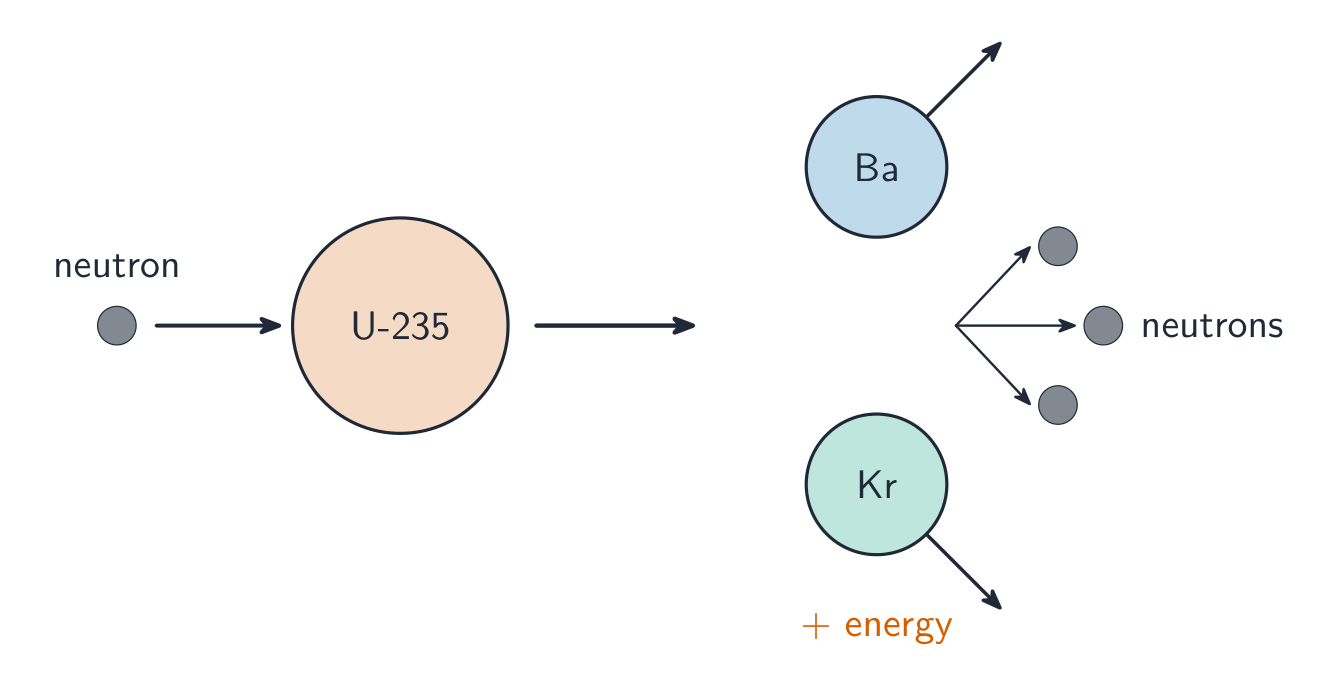
ENG-3.G.1 Nuclear power is generated through fission, where atoms of Uranium-235, which are stored in fuel rods, are split into smaller parts after being struck by a neutron. Nuclear fission releases a large amount of heat, which is used to generate steam, which powers a turbine and generates electricity.
ENG-3.G.2 Radioactivity occurs when the nucleus of a radioactive isotope loses energy by emitting radiation.
ENG-3.G.3 Uranium-235 remains radioactive for a long time, which leads to the problems associated with the disposal of nuclear waste.
ENG-3.G.4 Nuclear power generation is a nonrenewable energy source. Nuclear power is considered a cleaner energy source because it does not produce air pollutants, but it does release thermal pollution and hazardous solid waste.
Learning Objective ENG-3.H: Describe the effects of the use of nuclear energy on the environment.
ENG-3.H.1 Three Mile Island, Chernobyl, and Fukushima are three cases where accidents or natural disasters led to the release of radiation. These releases have had short- and long-term impacts on the environment.
ENG-3.H.2 A radioactive element's half-life can be used to calculate a variety of things, including the rate of decay and the radioactivity level at specific points in time.
עברית
הבנה נשנית (ENG-3): בני אדם משתמשים באנרגיה ממגוון מקורות, כתוצאה מכך נובעות השלכות חיוביות ושליליות.
מטרת הלמידה ENG-3.G: לתאר את השימוש באנרגיה גרעינית בהפקת חשמל.
ENG-3.G.1 אנרגיה גרעינית מופקת דרך התפשטות גרעינית, שבה אטומים של אורניום-235, המאחסנים במוטות דלק, מתפצלים לחלקים קטנים יותר לאחר פגיעה בנוטרון. התפשטות גרעינית משחררת כמות גדולה של חום, המשמש ליצירת קיטור, המפעיל טורבינה ומייצר חשמל.
ENG-3.G.2 רדיואקטיביות מתרחשת כאשר גרעין של איזוטופ רדיואקטיב מאבד אנרגיה על ידי פליטת קרינה.
ENG-3.G.3 אורניום-235 נשאר רדיואקטיבי למשך זמן רב, דבר המוביל לבעיות הקשורות לפינוי פסולת גרעינית.
ENG-3.G.4 ייצור חשמל באמצעות אנרגיה גרעינית הוא מקור אנרגיה שאינו מתחדש. אנרגיה גרעינית נחשבת למקור אנרגיה נקי יותר משום שהוא אינו מייצר מזהמי אוויר, אך הוא משחרר זיהום תרמי ופסולת מוצנה מסוכנת.
מטרות הלמידה ENG-3.H: לתאר את השפעת השימוש באנרגיה גרעינית על הסביבה.
ENG-3.H.1 תאונת תרייד מייל, צ'רנוביל ופוקושמה הן שלושה מקרים שבהם תאונות או אסונות טבע הביאו לשחרור קרינה. שחרורים אלו היו בעלי השפעות לטווח קצר ולטווח ארוך על הסביבה.
ENG-3.H.2 מחצית החיים של אלמנט רדיואקטיבי יכולה לשמש לחישוב מגוון דברים, כולל קצב הדעיכה והרמות הרדיואקטיביות בנקודות זמן ספציפיות.
Source: College Board AP Course and Exam Description · מקור: תיאור הקורס והמבחן של College Board AP
English
Nuclear power 核能 splits uranium (fission 裂变) to boil water and drive turbines. It produces no $\text{CO}_2$ and lots of energy from little fuel, but risks include radioactive waste 核废料 (long-lived), the danger of meltdowns, and high cost.
Worked example. Radioactive waste decays by its half-life – the time for half of it to decay. Suppose an isotope has a half-life of $30$ years and a reactor leaves $100\ \text{g}$ of it. After $30$ years $50\ \text{g}$ remains; after $60$ years $25\ \text{g}$; after $90$ years (three half-lives) $100\times\left(\tfrac12\right)^3=12.5\ \text{g}$. Because the drop is halving, not linear, the waste stays hazardous for many half-lives – the core reason it must be stored safely for centuries.
עברית
אנרגיה גרעינית מפצלת אורניום (פיצול) כדי להרתיח מים ולהניע טורבינות. היא מייצרת אפס $\text{CO}_2$ וכמות רבה של אנרגיה מכמות קטנה של דלק, אך הסיכונים כוללים פסולת רדיואקטיבית (פסולת בעלת חיי מדף ארוכים), סכנת התמזגות ליבה ועלות גבוהה.
דוגמה מפורטת. פסולת רדיואקטיבית דועכת לפי חצי החיים שלה – הזמן הדרוש לכך שכמות מחצית ממנה תדעך. נניח שיש איזוטופ עם חצי חיים של $30$ שנים, ותחנת הכוח משאירה $100\ \text{g}$ ממנו. לאחר $30$ שנים נותרו $50\ \text{g}$; לאחר $60$ שנים $25\ \text{g}$; לאחר $90$ שנים (שלושה חצי חיים) נותרו $100\times\left(\tfrac12\right)^3=12.5\ \text{g}$. מכיוון שהירידה היא חציית ערך ולא ליניארית, הפסולת נשארת מסוכנת למספר רב של חצי חיים – הסיבה המרכזית לכך שעליה לאחסן בבטחה למאות שנים.
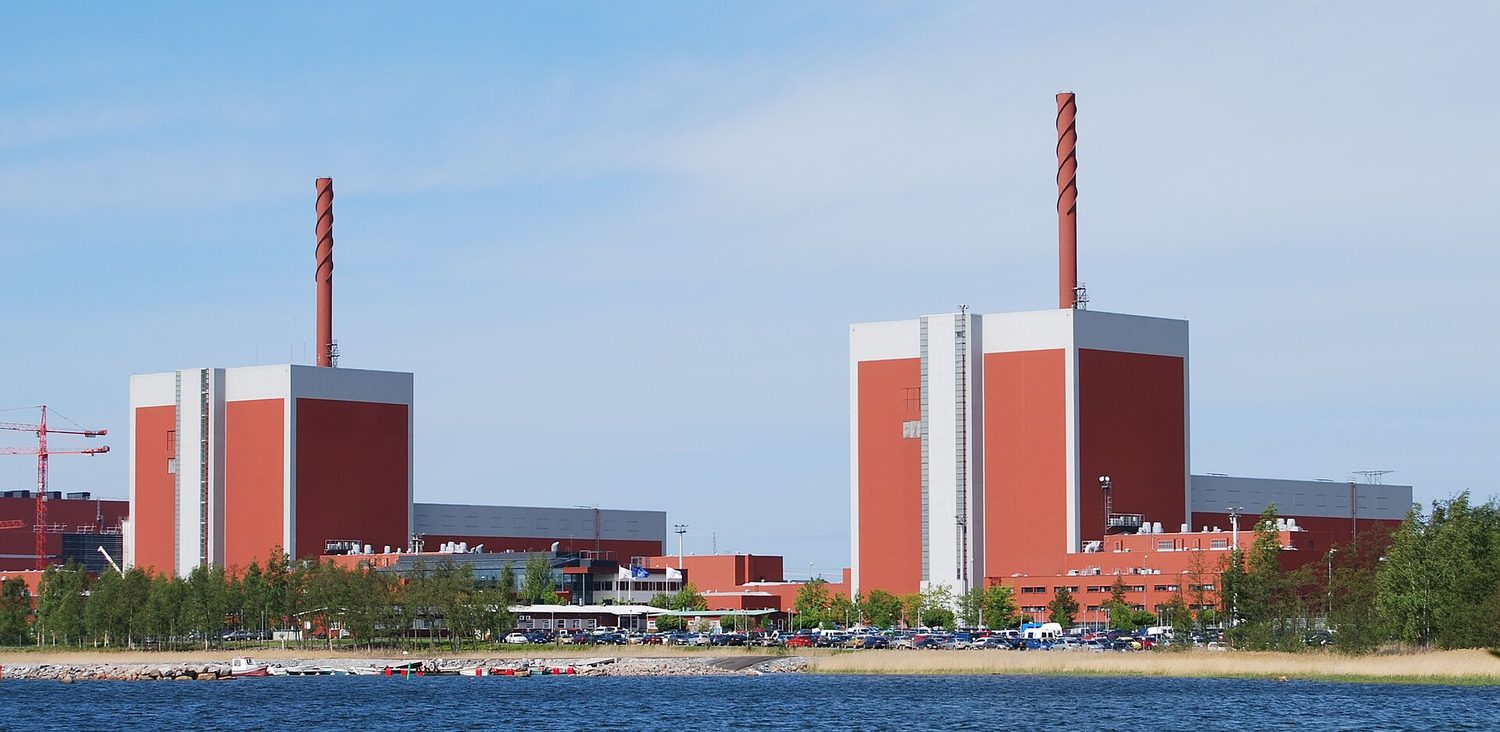
פיצול גרעיני של גרעין אורניום-235 משחרר אנרגיהתחנת כוח גרעינית. מבני התגובה מכילים את הדלק; הים מספק מי קירור. שימו לב שאין עשן — fissione אינה משחררת $\text{CO}_2$
energy return on energy investment (EROEI)/ˈenədʒi rɪˈtɜːn ɒn ˈenədʒi ɪnˈvestmənt/
החזר אנרגטי על השקעת אנרגיה (EROEI)
6.7
Energy from Biomass · אנרגיה ממאובנים
Syllabus · סיילבוס
English
Enduring Understanding (ENG-3): Humans use energy from a variety of sources, resulting in positive and negative consequences.
Learning Objective ENG-3.I: Describe the effects of the use of biomass in power generation on the environment.
ENG-3.I.1 Burning of biomass produces heat for energy at a relatively low cost, but it also produces carbon dioxide, carbon monoxide, nitrogen oxides, particulates, and volatile organic compounds. The overharvesting of trees for fuel also causes deforestation.
ENG-3.I.2 Ethanol can be used as a substitute for gasoline. Burning ethanol does not introduce additional carbon into the atmosphere via combustion, but the energy return on energy investment for ethanol is low.
עברית
הבנה נשנית (ENG-3): בני אדם משתמשים באנרגיה ממגוון מקורות, כתוצאה מכך נובעות השלכות חיוביות ושליליות.
מטרות הלמידה ENG-3.I: לתאר את השפעת השימוש בביומסה בייצור חשמל על הסביבה.
ENG-3.I.1 בעירת ביומסה מייצרת חום לאנרגיה במחיר נמוך יחסית, אך היא גם מייצרת פחמן דיאוקסידי, פחמן חד-חומצי, תחמוצות חנקן, חלקיקים ותרכובות אורגניות וולטיליות. חיתוך יתר של עצים לצורך דלק גורם גם להיעדר יערות.
ENG-3.I.2 אתנול יכול לשמש כתחליף לבנזין. בעירת אתנול אינה מוסיפה פחמן נוסף לאטמוספרה דרך בעירה, אך התשואה האנרגטית בהשוואה להשקעת האנרגיה באתנול נמוכה.
Source: College Board AP Course and Exam Description · מקור: תיאור הקורס והמבחן של College Board AP
English
Biomass 生物质 (wood, crops, waste, biofuels like ethanol) is renewable and can be carbon-neutral if replanted, but burning it causes air pollution, and growing fuel crops competes with food and habitat.
Ethanol 乙醇, made from crops such as corn or sugarcane, can substitute for gasoline and adds no new carbon when burned (the plant absorbed that $\text{CO}_2$ as it grew). Its drawback is a low energy return on energy investment (EROEI) 能量投资回报率: growing, harvesting, and distilling the crop uses nearly as much energy as the fuel finally delivers.
עברית
מאובנים (עץ, תוצועים, פסולת, דלק ביולוגי כמו אתנול) הם מתחדשים ויכולים להיות נייטריים לפחמן אם נשתלים מחדש, אך בעירתם גורמת לזיהום אוויר, וגידול צמחי דלק מתחרה עם מזון ואזורי מחיה.
אתנול, המיוצר מצמחים כמו תירס או קנה סוכר, יכול להחליף בנזין ואינו מוסיף פחמן חדש בעת הבעירה (הצמח ספג את ה$\text{CO}_2$ בזמן הצמיחה). חיסרונו הוא תשומת אנרגיה נמוכה (EROEI): גידול, קטיף ומיקוח הצמל דורשים כמעט באותה כמות אנרגיה כזו שמספק הדלק בסופו של דבר.
6.8
Solar Energy · אנרגיה סולארית
Syllabus · סיילבוס
English
Enduring Understanding (ENG-3): Humans use energy from a variety of sources, resulting in positive and negative consequences.
Learning Objective ENG-3.J: Describe the use of solar energy in power generation.
ENG-3.J.1 Photovoltaic solar cells capture light energy from the sun and transform it directly into electrical energy. Their use is limited by the availability of sunlight.
ENG-3.J.2 Active solar energy systems use solar energy to heat a liquid through mechanical and electric equipment to collect and store the energy captured from the sun.
ENG-3.J.3 Passive solar energy systems absorb heat directly from the sun without the use of mechanical and electric equipment, and energy cannot be collected or stored.
Learning Objective ENG-3.K: Describe the effects of the use of solar energy in power generation on the environment.
ENG-3.K.1 Solar energy systems have low environmental impact and produce clean energy, but they can be expensive. Large solar energy farms may negatively impact desert ecosystems.
עברית
הבנה נשנית (ENG-3): בני אדם משתמשים באנרגיה ממגוון מקורות, כתוצאה מכך נובעות השלכות חיוביות ושליליות.
מטרות הלמידה ENG-3.J: לתאר את השימוש באנרגיה סולארית בייצור חשמל.
ENG-3.J.1 תאי סולאריים פוטו-וולטאיים קולטים אנרגיית אור מהשמש וממירים אותה ישירות לאנרגיה חשמלית. השימוש בהם מוגבל על ידי הזמינות של אור שמש.
ENG-3.J.2 מערכות אנרגיה סולארית פעילות משתמשות באנרגיה סולארית כדי לחמם נוזל באמצעות ציוד מכני וחשמלי לקליטה ולאחסון האנרגיה שקולטה מהשמש.
ENG-3.J.3 מערכות אנרגיה סולארית פסיביות סופקות חום ישירות מהשמש ללא שימוש בציוד מכני וחשמלי, ואנרגיה אינה יכולה להיות נאספת או מאוחסנת.
מטרות הלמידה ENG-3.K: לתאר את השפעת השימוש באנרגיה סולארית בייצור חשמל על הסביבה.
ENG-3.K.1 מערכות אנרגיה סולארית בעלות השפעה סביבתית נמוכה ומייצרות אנרגיה נקייה, אך הן עשויות להיות יקרות. פארקים סולאריים גדולים עשויים לפגוע באופן שלילי באקוסיסטמות מדבריות.
Source: College Board AP Course and Exam Description · מקור: תיאור הקורס והמבחן של College Board AP
English
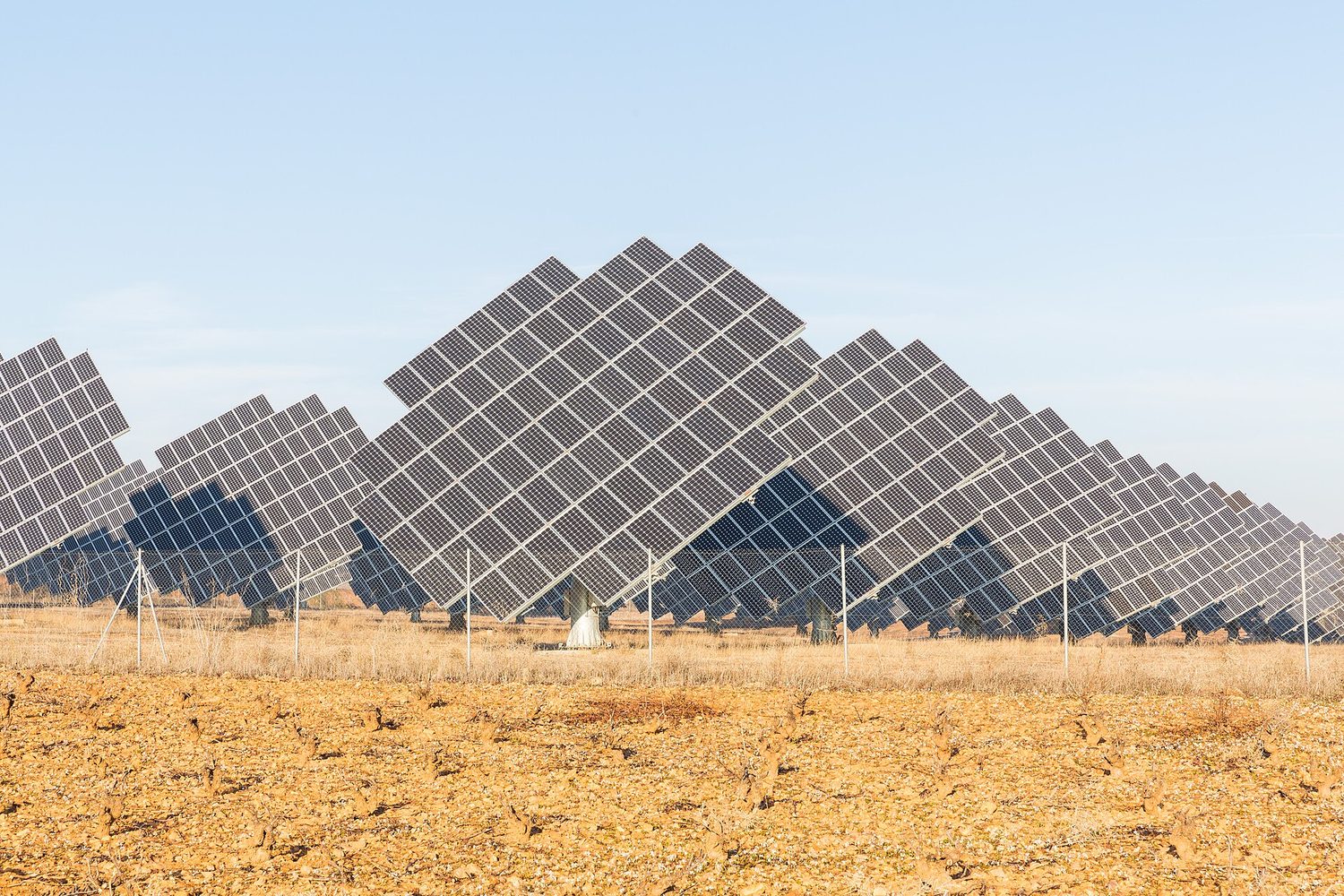
Solar 太阳能 converts sunlight to electricity (photovoltaic panels) or heat. It is renewable and clean during use, but intermittent (no sun at night), needs space, and has manufacturing impacts.
עברית
סולארי ממיר אור שמש לחשמל (פאנלים פוטו-וולטאיים) או לחום. הוא מתחדש ונקי בזמן השימוש, אך מתחלף (אין שמש בלילה), דורש שטח, ולתהליך הייצור יש השפעות סביבתיות.
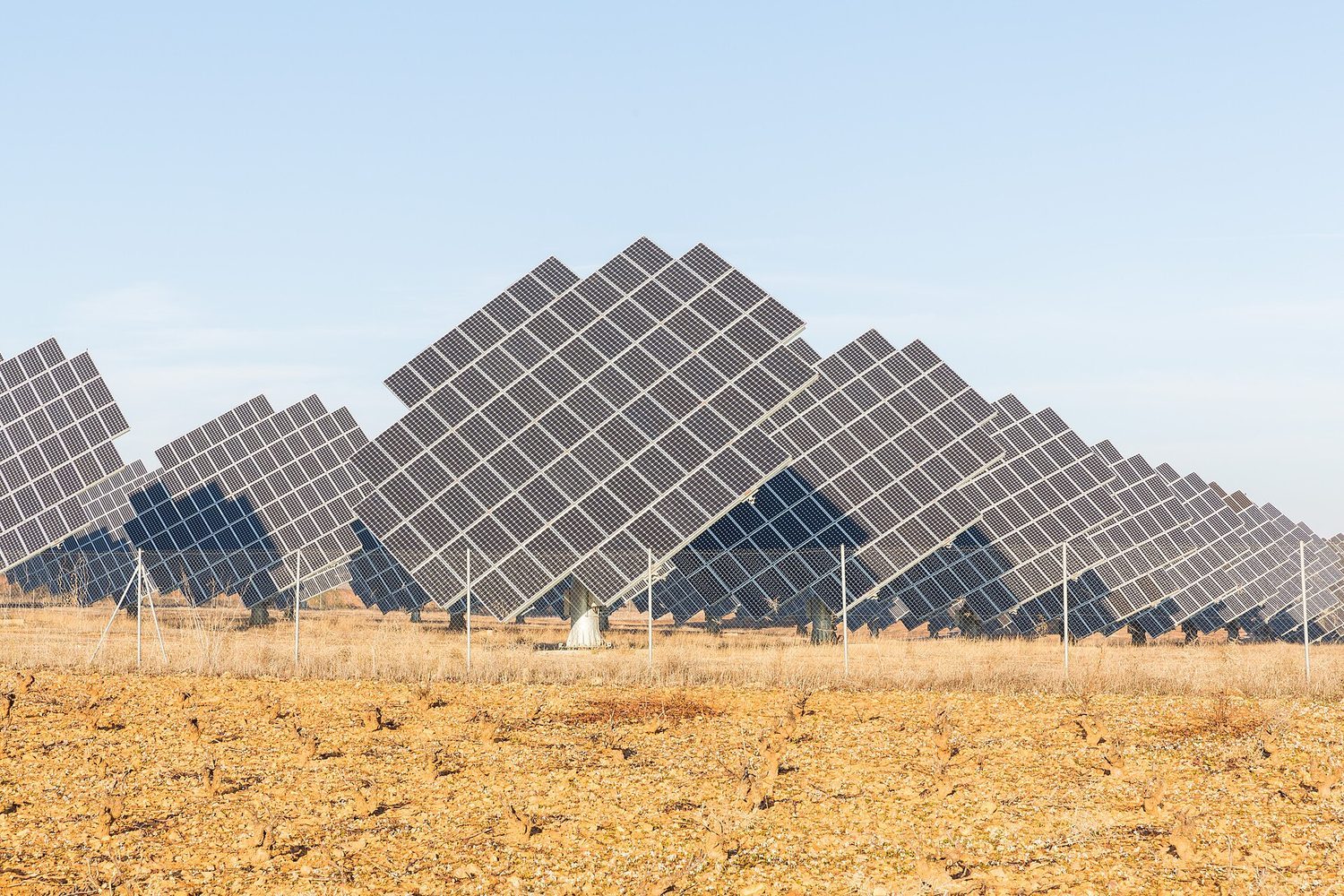
*פרק אנרגיה סולארית. שורות של פאנלים פוטו-וולטאיים מעוקמות לכיוון השמש; ייצור רב דורש שטח אדמה גדול
Enduring Understanding (ENG-3): Humans use energy from a variety of sources, resulting in positive and negative consequences.
Learning Objective ENG-3.L: Describe the use of hydroelectricity in power generation.
ENG-3.L.1 Hydroelectric power can be generated in several ways. Dams built across rivers collect water in reservoirs. The moving water can be used to spin a turbine. Turbines can also be placed in small rivers, where the flowing water spins the turbine.
ENG-3.L.2 Tidal energy uses the energy produced by tidal flows to turn a turbine.
Learning Objective ENG-3.M: Describe the effects of the use of hydroelectricity in power generation on the environment.
ENG-3.M.1 Hydroelectric power does not generate air pollution or waste, but construction of the power plants can be expensive, and there may be a loss of or change in habitats following the construction of dams.
עברית
הבנה נשנית (ENG-3): בני אדם משתמשים באנרגיה ממגוון מקורות, כתוצאה מכך נובעות השלכות חיוביות ושליליות.
מטרות הלמידה ENG-3.L: לתאר את השימוש בחשמל הידראולי בייצור חשמל.
ENG-3.L.1 חשמל הידראולי יכול להיות מיוצר בדרכים שונות. סכרים שנבנו על פני נהרות אוספים מים במאגרים. המים הנעים יכולים לשמש להפעלת טורבינה. טורבינות יכולות להימצא גם בנהרות קטנים, שבהם המים הנעים מסובבים את הטורבינה.
ENG-3.L.2 אנרגיה גיאודריתית משתמשת באנרגיה הנובעת מזרימות הגאות והירידה כדי להניע טורבינה.
מטרת למידה ENG-3.M: לתאר את השפעות השימוש בחשמל הידרואלקטרי על סביבת ההפקה של חשמל.
ENG-3.M.1 ייצור חשמל הידרואלקטרי אינו מייצר זיהום או פסולת, אך בניית מתחמי החשמל עשויה להיות יקרה, וייתכן שתהיה אובדן או שינוי במיני-אזורים לאחר בניית המחסנים.
Source: College Board AP Course and Exam Description · מקור: תיאור הקורס והמבחן של College Board AP
English
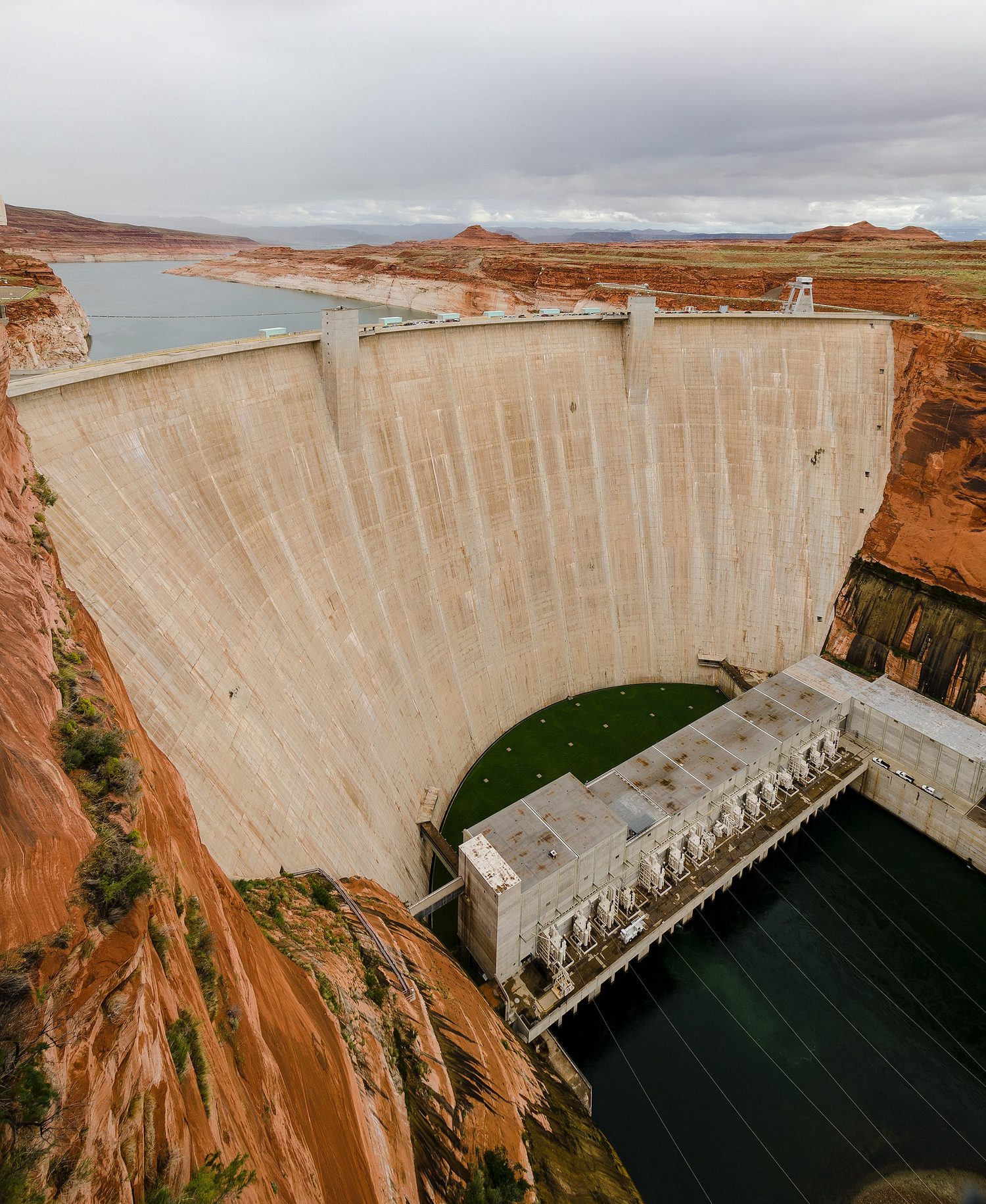
Hydroelectric 水电 power uses flowing water (dams) to spin turbines – renewable and low-emission, but dams flood habitat, block fish migration, trap sediment, and displace people.
עברית
אנרגיה הידרואלקטרית משתמשת במים זורמים (מחסנים) להפעלת טורבינות – מתחדשת ופולטת פחות גזי חממה, אך מחסנים מציפים אזורים, חוסמים את נדידת דגים, כלואים משקעים ומגרשים אנשים.
*מחסן הידרואלקטרי. ה-מאגר מוחזק מאחורי הקיר; המים נופלים דרך המחסן כדי להפעיל טורבינות בבית החשמל שבבסיס
Enduring Understanding (ENG-3): Humans use energy from a variety of sources, resulting in positive and negative consequences.
Learning Objective ENG-3.N: Describe the use of geothermal energy in power generation.
ENG-3.N.1 Geothermal energy is obtained by using the heat stored in the Earth's interior to heat up water, which is brought back to the surface as steam. The steam is used to drive an electric generator.
Learning Objective ENG-3.O: Describe the effects of the use of geothermal energy in power generation on the environment.
ENG-3.O.1 The cost of accessing geothermal energy can be prohibitively expensive, as is not easily accessible in many parts of the world. In addition, it can cause the release of hydrogen sulfide.
עברית
הבנה נשנית (ENG-3): בני אדם משתמשים באנרגיה ממגוון מקורות, כתוצאה מכך נובעות השלכות חיוביות ושליליות.
מטרת למידה ENG-3.N: לתאר את השימוש באנרגיה גיאותרמית בייצור חשמל.
ENG-3.N.1 אנרגיה גיאותרמית מתקבלת באמצעות שימוש בחום המצטבר בתוך כדור הארץ כדי לחמם מים, המוחזרים לפני השטח כאדים. האדים משמשים להפעלת גנרטור חשמלי.
מטרת למידה ENG-3.O: לתאר את השפעות השימוש באנרגיה גיאותרמית בייצור חשמל על הסביבה.
ENG-3.O.1 עלות הגישה לאנרגיה גיאותרמית עשויה להיות סוכנת, שכן היא אינה נגישה בקלות בחלקים רבים בעולם. בנוסף, היא עלולה לגרום לשחרור של מימן-גופרית (hydrogen sulfide).
Source: College Board AP Course and Exam Description · מקור: תיאור הקורס והמבחן של College Board AP
English
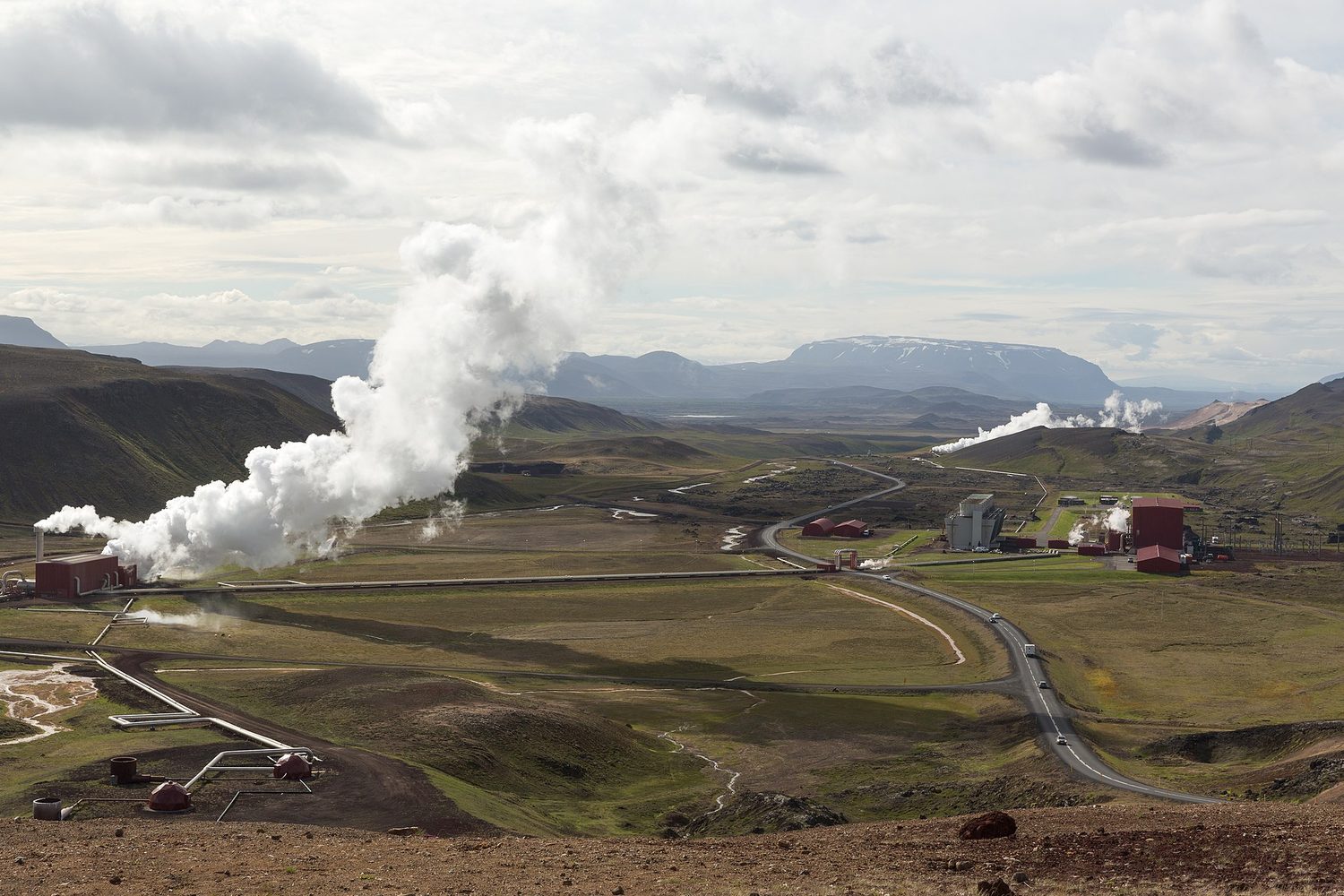
Geothermal 地热能 taps Earth's internal heat for electricity and heating. It is renewable and reliable, but only practical where hot rock is near the surface (volcanic regions) and can release underground gases.
עברית
גיאותרמית מנצלת חום פנימי של כדור הארץ לחשמל ולחימום. היא מתחדשת ואמינה, אך פרקטית רק כאשר סלע חם נמצא קרוב לפני השטח (אזורים וולקניים) ועלולה לשחרר גזים תת-קרקעיים.
*תחנת כוח גיאותרמית באיסלנד, אזור וולקני. אדים מהסלע החם בתת-קרקע מוזרים למעלה כדי להפעיל את הטורבינות
Enduring Understanding (ENG-3): Humans use energy from a variety of sources, resulting in positive and negative consequences.
Learning Objective ENG-3.P: Describe the use of hydrogen fuel cells in power generation.
ENG-3.P.1 Hydrogen fuel cells are an alternate to non-renewable fuel sources. They use hydrogen as fuel, combining the hydrogen and oxygen in the air to form water and release energy (electricity) in the process. Water is the product (emission) of a fuel cell.
Learning Objective ENG-3.Q: Describe the effects of the use of hydrogen fuel cells in power generation on the environment.
ENG-3.Q.1 Hydrogen fuel cells have low environmental impact and produce no carbon dioxide when the hydrogen is produced from water. However, the technology is expensive and energy is still needed to create the hydrogen gas used in the fuel cell.
עברית
הבנה נשנית (ENG-3): בני אדם משתמשים באנרגיה ממגוון מקורות, כתוצאה מכך נובעות השלכות חיוביות ושליליות.
מטרת למידה ENG-3.P: לתאר את השימוש בתאי דלק מימן בייצור חשמל.
ENG-3.P.1 תאי דלק מימן הם חלופה למקורות דלק לא מתחדשים. הם משתמשים במימן כדלק, ומשלב את המימן עם החמצן שבאוויר ליצירת מים ושחרור אנרגיה (חשמל) בתהליך זה. מים הם המוצר (פליטה) של תא הדלק.
מטרת למידה ENG-3.Q: תאר את השפעות השימוש בתאי דלק מימן בייצור חשמל על הסביבה.
ENG-3.Q.1 לתאי דלק מימן יש השפעה סביבתית נמוכה ואינם מייצרים פחמן דו-חמצני כאשר המימן מופק ממים. עם זאת, הטכנולוגיה יקרה ודרוש אנרגיה ליצירת גז המימן המשמש בתא הדלק.
Source: College Board AP Course and Exam Description · מקור: תיאור הקורס והמבחן של College Board AP
English
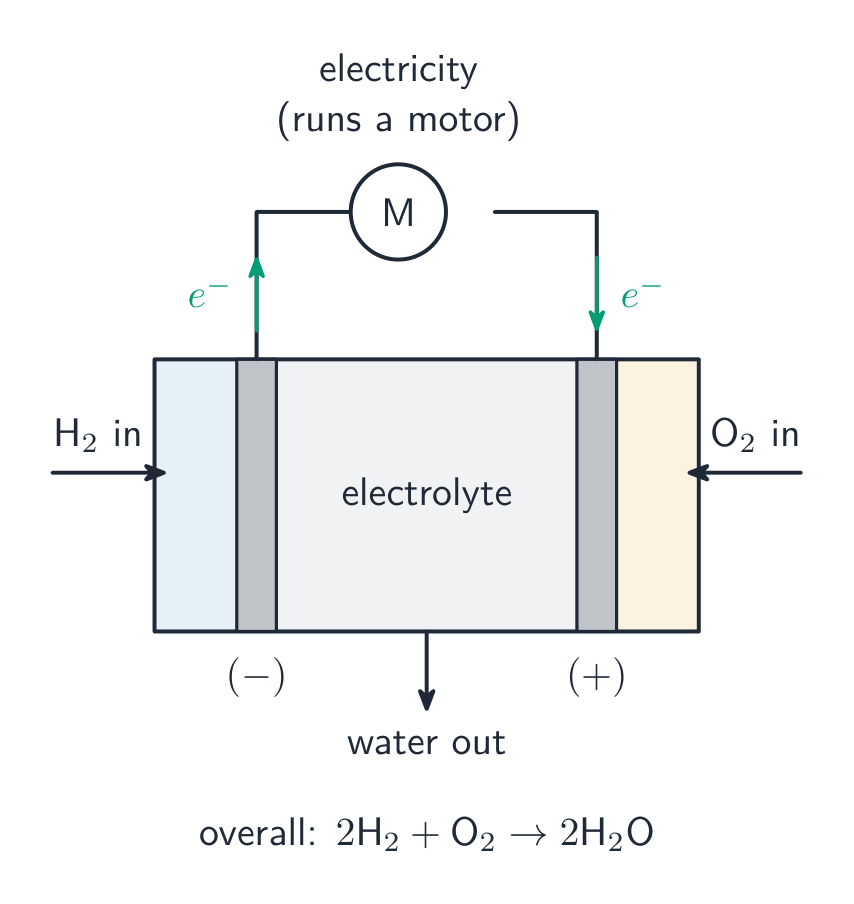
A hydrogen fuel cell 氢燃料电池 combines hydrogen and oxygen to make electricity, with water as the only emission at use. But producing hydrogen usually requires energy (often from fossil fuels), and storage is difficult.
עברית
תא דלק מימן משלב מימן וחמצן ליצירת חשמל, כאשר מים הם הפליטה היחידה בזמן השימוש. אך ייצור מימן דורש לרוב אנרגיה (לעיתים מדלקים מאובנים), והאחסון שלו קשה.
תא דלק מימן-חמצן מייצר חשמל, כאשר מים הם המוצר היחיד
6.12
Wind Energy · אנרגיה רוח
Syllabus · סיילבוס
English
Enduring Understanding (ENG-3): Humans use energy from a variety of sources, resulting in positive and negative consequences.
Learning Objective ENG-3.R: Describe the use of wind energy in power generation.
ENG-3.R.1 Wind turbines use the kinetic energy of moving air to spin a turbine, which spins a generator, producing electricity.
Learning Objective ENG-3.S: Describe the effects of the use of wind energy in power generation on the environment.
ENG-3.S.1 Wind energy is a renewable, clean source of energy. However, birds and bats may be killed if they fly into the spinning turbine blades.
עברית
הבנה נשנית (ENG-3): בני אדם משתמשים באנרגיה ממגוון מקורות, כתוצאה מכך נובעות השלכות חיוביות ושליליות.
מטרת למידה ENG-3.R: תאר את השימוש באנרגיה רוח בייצור חשמל.
ENG-3.R.1 טורבינות רוח משתמשות באנרגיה קינטית של אוויר זורם כדי להסיב טורבינה, המסובבת גנרטור ומייצרת חשמל.
מטרת למידה ENG-3.S: תאר את השפעות השימוש באנרגיה רוח בייצור חשמל על הסביבה.
ENG-3.S.1 אנרגיה רוח היא מקור אנרגיה מתחדד ונקי. עם זאת, עופות וערודות עלולים להרוג אם יעפו לתוך להבי הטורבינה המסתובבים.
Source: College Board AP Course and Exam Description · מקור: תיאור הקורס והמבחן של College Board AP
English
Wind 风能 turbines convert moving air to electricity – renewable, clean, and low-operating-cost, but intermittent, land- or sea-intensive, and a hazard to birds and bats. Best where winds are strong and steady.
עברית
מפגשי רוח ממירים אוויר זורם לחשמל – מתחדש, נקי ובעל עלויות הפעלה נמוכות, אך לא יציב, דורש שטח רב ביבשה או בים, ומסכן עופות ועטלפים. הטובים ביותר באזורים עם רוח חזקה ויציבה.
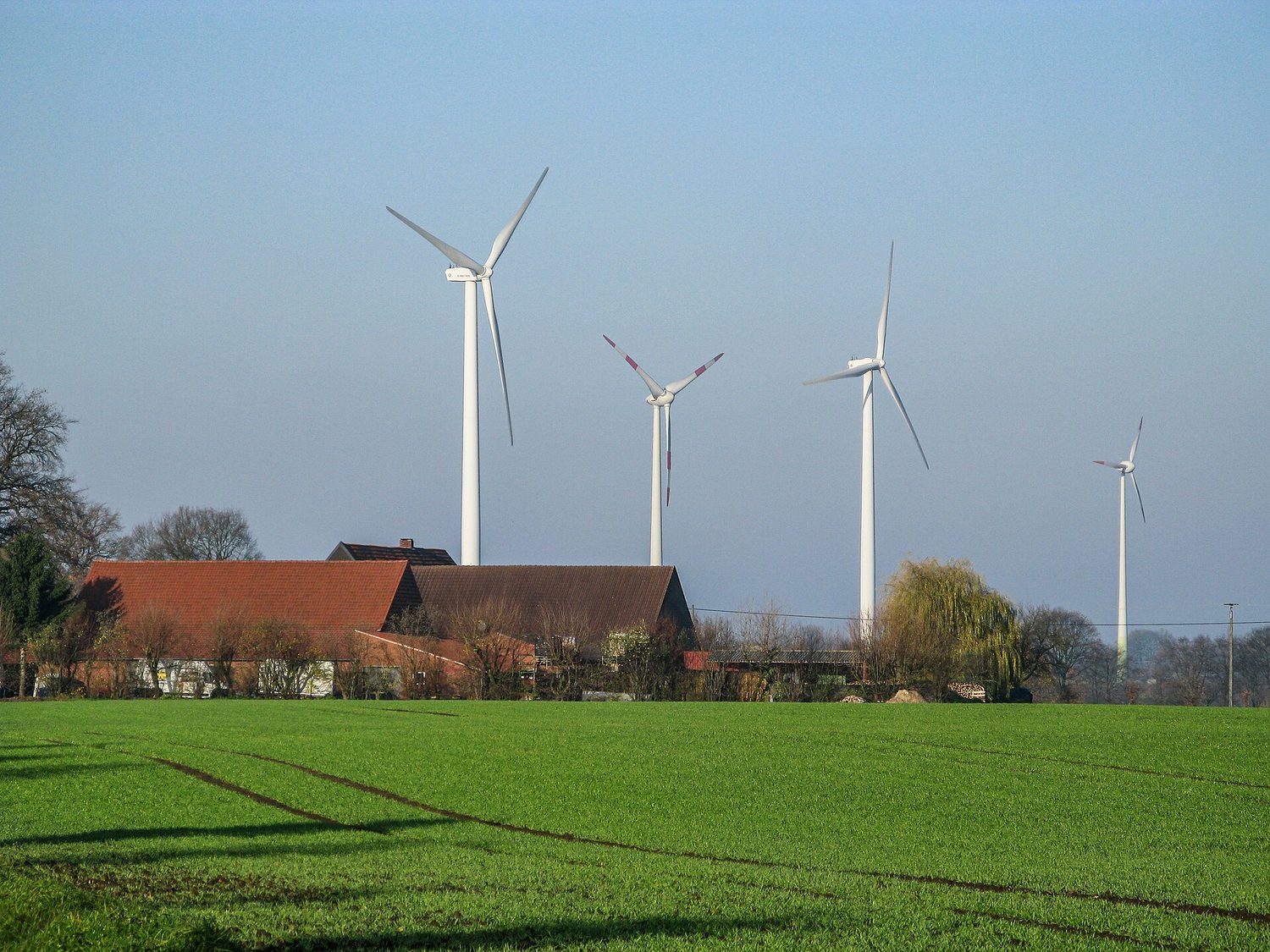
מפגי רוח על אדמה חקלאית. הם תופסים מעט מקום, כך שהאדמה שבין אותם יכולה לשמש להולכה חקלאית.
Enduring Understanding (ENG-3): Humans use energy from a variety of sources, resulting in positive and negative consequences.
Learning Objective ENG-3.T: Describe methods for conserving energy.
ENG-3.T.1 Some of the methods for conserving energy around a home include adjusting the thermostat to reduce the use of heat and air conditioning, conserving water, use of energy-efficient appliances, and conservation landscaping.
ENG-3.T.2 Methods for conserving energy on a large scale include improving fuel economy for vehicles, using BEVs (battery electric vehicles) and hybrid vehicles, using public transportation, and implementing green building design features.
עברית
הבנה נשנית (ENG-3): בני אדם משתמשים באנרגיה ממגוון מקורות, כתוצאה מכך נובעות השלכות חיוביות ושליליות.
מטרת למידה ENG-3.T: תאר שיטות לשמירה על אנרגיה.
ENG-3.T.1 אחת השיטות לשמירה על אנרגיה בבית כוללת התאמת תרמוסטט לצמצום השימוש בחימום ומיזוג, חיסכון במים, שימוש במכשירים חסכוניים באנרגיה ותכנון נוף לחיסכון באנרגיה.
ENG-3.T.2 שיטות לשמירה על אנרגיה בקנה מידה גדול כוללות שיפור כלכליות הדלק לרכבים, שימוש ברכבים חשמליים (BEV) ורכבים היברידיים, שימוש בתחבורה ציבורית והטמעת מאפיינים בעיצוב מבנים ירוקים.
Source: College Board AP Course and Exam Description · מקור: תיאור הקורס והמבחן של College Board AP
English
Energy conservation 节能 reduces demand through efficiency (LED lighting, insulation, efficient appliances, public transport) and behavior. Saving energy is often the cheapest and cleanest option – the energy you do not use needs no fuel and makes no pollution.
A related efficiency gain is cogeneration 热电联产 (combined heat and power): a single fuel burn is used to make both electricity and useful heat, capturing the waste heat that an ordinary power plant simply dumps – so far more of the fuel's energy ends up doing useful work.
Worked example. Replacing a $60\ \text{W}$ incandescent bulb with a $10\ \text{W}$ LED that gives the same light saves $50\ \text{W}$. Running it $5$ hours a day saves $50\ \text{W}\times5\ \text{h}=250\ \text{Wh}=0.25\ \text{kWh}$ per day, or about $0.25\times365\approx91\ \text{kWh}$ per year. Multiply that by every bulb in a city and conservation rivals a new power plant – at far lower cost.
עברית
שמירה על אנרגיה מצמצמת את הביקוש באמצעות יעילות (תאורת לד, בידוד, מכשירים חסכוניים, תחבורה ציבורית) ובאמצעות התנהגות. חיסכון באנרגיה הוא לעיתים הקל והנקי ביותר – האנרגיה שאינה משמשת אינה דורשת דלק ואינה מייצרת זיהום.
שיפור יעילות קשור הוא ייצור משולב (חום וחשמל): בעריפת דלק אחת מיוצרים גם חשמל וגם חום שימושי, תוך ניצול החום המבוזבז שאותו תחנת כוח רגילה פשוט פולטת – ולכן הרבה יותר מאנרגיית הדלק מגיעה למטרה שימושית.
דוגמה מוצגת. החלפת נורת להט $60\ \text{W}$ בנורת LED $10\ \text{W}$ המניבה אותו תאורה חוסכת $50\ \text{W}$. הפעלת הנורה במשך $5$ שעות ביום חוסכת $50\ \text{W}\times5\ \text{h}=250\ \text{Wh}=0.25\ \text{kWh}$ ליום, או כ-$0.25\times365\approx91\ \text{kWh}$ בשנה. כפל חישוב זה בכל נורות בעיר, ושמירה על אנרגיה תהווה מתחרה לתחנת כוח חדשה – בעלות נמוכה בהרבה.
חוות סולארית: ייצור יותר אנרגיה מתחדשת והפחתת ביקוש הן שתי אסטרטגיות של שמירה על אנרגיה
Separate renewable (sun, wind, water) from non-renewable (fossil fuels, nuclear) and weigh each source's trade-offs.
Fossil fuels are energy-dense but emit CO₂; nuclear emits no CO₂ but leaves long-lived waste.
Do half-life math: after $n$ half-lives a fraction $(\tfrac12)^n$ remains.
Note that solar and wind are intermittent and need storage or backup.
Conservation (efficiency) is often the cheapest, cleanest option — the energy not used needs no fuel.
Know the coal ranks (peat → lignite → bituminous → anthracite; more heat/pressure/burial → higher energy) and the unconventional fuels fracking (shale oil/gas; groundwater + VOC pollution) and tar sands (bitumen, energy-intensive).
Ethanol adds no net CO₂ but has a low EROEI; cogeneration (combined heat and power) captures waste heat so one fuel gives both electricity and heat.
עברית
הפרד בין מתחדש (שמש, רוח, מים) ל-בלתי מתחדש (דלקים fossils, גרעיני) ושקול את העלויות והיתרונות של כל מקור.
דלקים fossils הם צפופי אנרגיה אך פולטים CO₂; גרעיני אינו פולט CO₂ אך משאיר פסולת בעלת חיי מדף ארוכים.
ביצע חישוב מחצית חיים: לאחר $n$ מחציות חיים נותר חלק ⚗️$(\tfrac12)^n$.
שים לב שסולארית ורוח הן לא יציבות ודורשות אחסון או גיבוי.
שמירה (יעילות) היא לעיתים האפשרות הזולה והנקינה ביותר – האנרגיה שאינה משמשת אינה דורשת דלק.
הכר את דרגות הפחם (טורף → ליגניט → ביטומינוז → אנטראציט; חום/לחץ/כיסוי גבוה יותר → אנרגיה גבוהה יותר) ואת הדלקים הלא מסורתיים פרקינג (שמן/גז אבן-שחית; זיהום מי תת-קרקעיים + VOCs) וחולי טיט (ביטומן, דורש אנרגיה רבה).
אתנול אינו מוסיף CO₂ נטו אך יש לו EROEI נמוך; ייצור משולב (חום וחשמל) מנצל חום מבוזבז כך שדלק אחד מספק גם חשמל וגם חום.
Interactive lessons on this topic · שיעורים אינטראקטיביים בנושא זה
Work through it step by step, with instant-check exercises. · לעבור על הדברים צעד אחר צעד, עם תרגילים לבדיקה מיידית.
Pick one and the site follows you — notes, papers, videos and practice all open on it. · בחרו נושא אחד והאתר יעקוב אחריו — הערות, מסמכים, וידאו ותרגולים פתוחים בו.
Type to search notes, lessons, code, vocabulary and past-paper questions across every subject. · הקלד כדי לחפש הערות, שיעורים, קוד, אוצר מילים ושאלות מבחנים בכל הנושאים.