Skip to content · ⁨דלג לתוכן⁩

Land and Water Use · ⁨שימוש באדמה ובמים⁩

AP Environmental Science · ⁨סביבה וקיימות - AP⁩ · Topic 5 · ⁨נושא 5⁩

Video lesson for this topic · ⁨שיעור וידאו לנושא זה⁩ Open the video page · ⁨פתח את עמוד הוידאו⁩
13:36

שימוש באדמה ובמים

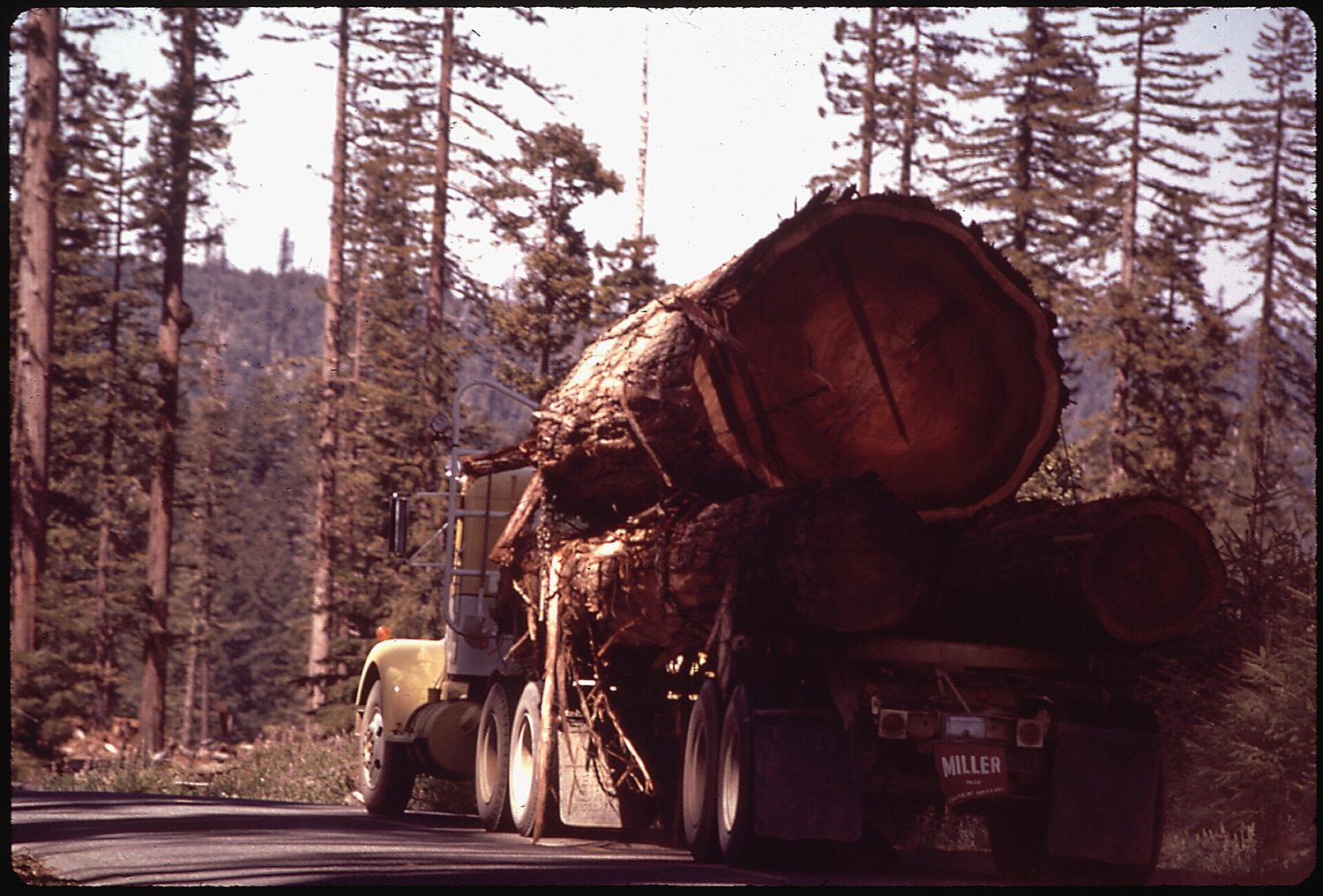
שלושה מקומות רגילים. משאית עץ המובילה עצים שעמדו כאן הבוקר. חור רחב כל כך שניתן לראות אותו מחלל. עיר הנפשעת על פני…

English narration · English + 中文 subtitles burned in · ⁨קריאת קול באנגלית · תרגום אנגלי + סינית שרוף בתוך הסרטון⁩

5.1

The Tragedy of the Commons · ⁨טרגדיה של המשותף⁩

Syllabus · ⁨סיילבוס⁩
English

Enduring Understanding (EIN-2): When humans use natural resources, they alter natural systems.

Learning Objective EIN-2.A: Explain the concept of the tragedy of the commons.

  • EIN-2.A.1 The tragedy of the commons suggests that individuals will use shared resources in their own self-interest rather than in keeping with the common good, thereby depleting the resources.
עברית

הבנה מתמשכת (EIN-2): כאשר אנושיים משמשים משאבי טבע, הם משנים מערכות טבעיות.

מטרת למידה EIN-2.A: הסבר את מושג האסון של המשמעות המשותפת.

  • EIN-2.A.1 האסון של המשמעות המשותפת מציע כי אנשים ישתמשו במשאבים משותפים לטובת עצמם פרטיים במקום לפי האינטרס הציבורי, ובכך ינפלו את המשאבים.
Source: College Board AP Course and Exam Description · ⁨מקור: תיאור הקורס והמבחן של College Board AP⁩

English
The tragedy of the commons

The tragedy of the commons 公地悲剧: when a resource is shared and open to all (a fishery, the atmosphere, a pasture), each user takes as much as they can for private gain, and the shared resource is overused and degraded for everyone. Solutions require regulation, privatization, or cooperative management.

עברית
טרגדיה של המשותף

הטרגדיה של המשותף: כאשר משאב משותף ופתוח לכולם (דיג, האטמוספירה, מרעה), כל משתמש לוקח ככל שהוא יכול למען רווח פרטי, והמשאב המשותף מושחץ ומנוצל יתר על המידה לכל אחד. פתרונות דורשים ויסות, פרטיזציה או ניהול שיתופי פעולה.

5.2

Clearcutting · ⁨גזירה⁩

Syllabus · ⁨סיילבוס⁩
English

Enduring Understanding (EIN-2): When humans use natural resources, they alter natural systems.

Learning Objective EIN-2.B: Describe the effect of clearcutting on forests.

  • EIN-2.B.1 Clearcutting can be economically advantageous but leads to soil erosion, increased soil and stream temperatures, and flooding.
  • EIN-2.B.2 Forests contain trees that absorb pollutants and store carbon dioxide. The cutting and burning of trees releases carbon dioxide and contributes to climate change.
עברית

הבנה מתמשכת (EIN-2): כאשר אנושיים משמשים משאבי טבע, הם משנים מערכות טבעיות.

מטרות למידה EIN-2.B: לתאר את השפעת הגזירה המלאה על יערות.

  • EIN-2.B.1 גזירה מלאה עשויה להיות משתלמת כלכלית, אך היא גוררת אחר כךשף קרקע, עלייה בטמפרטורת הקרקע והנחלים, והצפות.
  • EIN-2.B.2 יערות מכילים עצים הסופגים זיהומים ואוגרים פחמן דו-חמצני. חיתוך ושריפת עצים משחררים פחמן דו-חמצני ותורמים לשינויי האקלים.

Source: College Board AP Course and Exam Description · ⁨מקור: תיאור הקורס והמבחן של College Board AP⁩

English

Clearcutting 皆伐 removes all trees from an area at once. It is cheap and efficient but causes erosion 侵蚀, loss of habitat and biodiversity, flooding, and higher soil temperatures. Recovery is slow, and nearby streams suffer from sediment.

עברית

הסרת עצי מלאכה מסירה את כל העצים מאזור מסוים בו-זמנית. היא זולה ויעילה אך גורמת לשחיקה, אובדן ביטות ומגוון ביולוגי, הצפות וגלישת טמפרטורות גבוהות יותר בקרקע. התאוששות האזור איטית, והנחלים הסמוכים סובלים מהצטברות משקעים.

מדרון הר where a strip of forest has been completely cut, leaving bare brown soil next to standing green trees
הסרת עצי מלאכה טרייה: כל העצים ברצועה נלקחים בו-זמנות, ומשאירים קרקע חשופה הנשחקת ונשטפת לתוך הנחלים
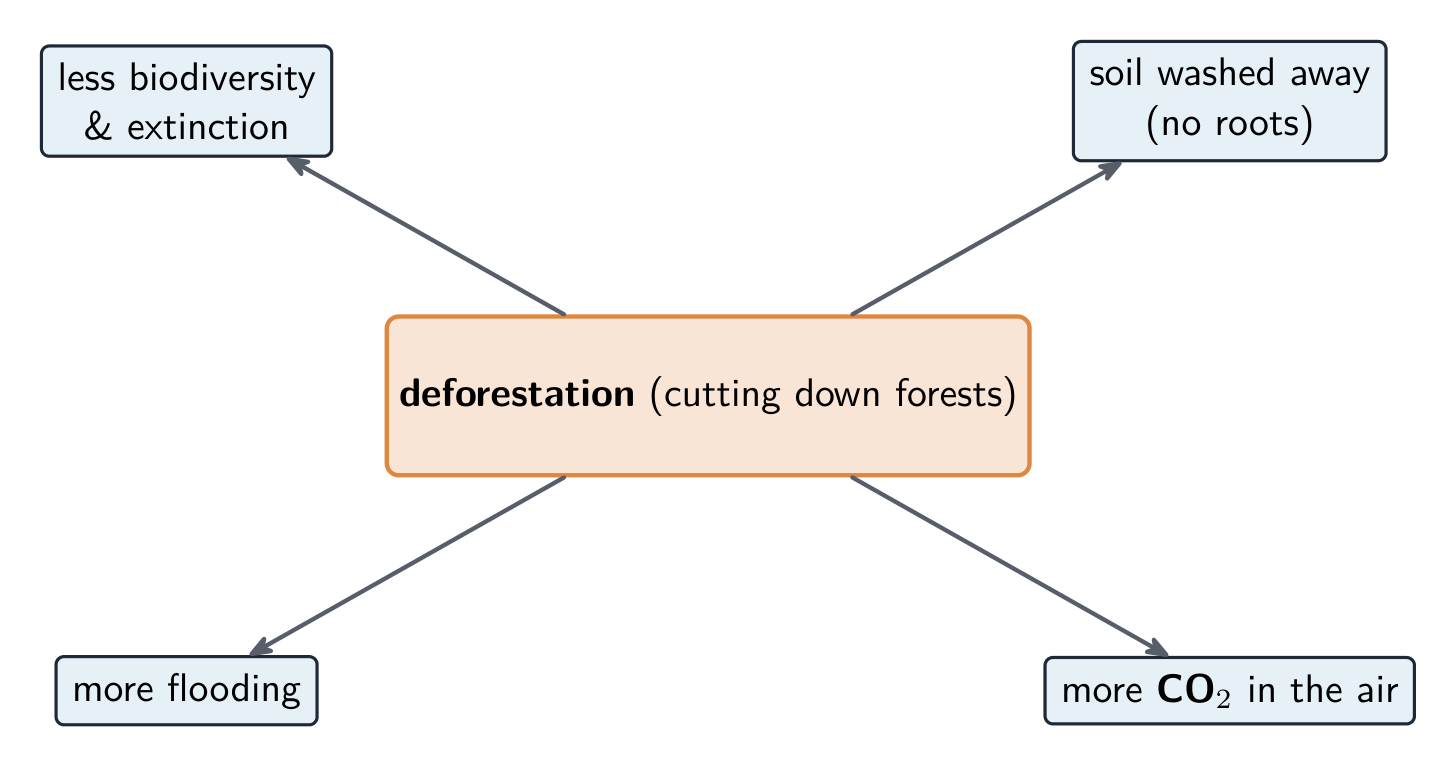
החשירה מפחיתה את המגוון הביולוגי וגורמת לסחיפה, הצפות ועלייה ברמת CO2
5.3

The Green Revolution · ⁨המהפכה הירוקה⁩

Syllabus · ⁨סיילבוס⁩
English

Enduring Understanding (EIN-2): When humans use natural resources, they alter natural systems.

Learning Objective EIN-2.C: Describe changes in agricultural practices.

  • EIN-2.C.1 The Green Revolution started a shift to new agricultural strategies and practices in order to increase food production, with both positive and negative results. Some of these strategies and methods are mechanization, genetically modified organisms (GMOs), fertilization, irrigation, and the use of pesticides.
  • EIN-2.C.2 Mechanization of farming can increase profits and efficiency for farms. It can also increase reliance on fossil fuels.
עברית

הבנה מתמשכת (EIN-2): כאשר אנושיים משמשים משאבי טבע, הם משנים מערכות טבעיות.

מטרות למידה EIN-2.C: לתאר שינויים במערכי חקלאות.

  • EIN-2.C.1 המהפכה הירוקה החלה מעבר לאסטרטגיות ולמערכים חקלאיים חדשים במטרה להגדיל את תוצרת המזון, עם תוצאות חיוביות ושליליות. חלק מאסטרטגיות ומערכים אלו הם: מנגנון, אורגניזמים מהנדסים גנטית (GMOs), הדברה, השקאה ושימוש בחומרי הדברה.
  • EIN-2.C.2 מנגנון בעבודה החקלאית יכול להגדיל רווחים ויעילות בחוות. הוא יכול גם להגדיל תלות בדלקות מאובנות.

Source: College Board AP Course and Exam Description · ⁨מקור: תיאור הקורס והמבחן של College Board AP⁩

English

The Green Revolution 绿色革命 boosted crop yields with high-yield seeds, synthetic fertilizers 化肥, pesticides 农药, irrigation, and mechanization. It fed billions but brought costs: soil degradation, water pollution, high energy and water use, and loss of crop diversity (monoculture 单一栽培).

עברית

המהפכה הירוקה שיפרה תוצאות יבולים באמצעות זרעי פירותיות גבוהה, דשנים סינתטיים, חומרי הדברה, השקיה ומכניזציה. היא הזנתה מיליארדים אך הביאה לעלויות: דegradation של קרקע, זיהום מים, צריכת אנרגיה ומים גבוהה ואובדן מגוון יבולים (מונו-קल्טורה).

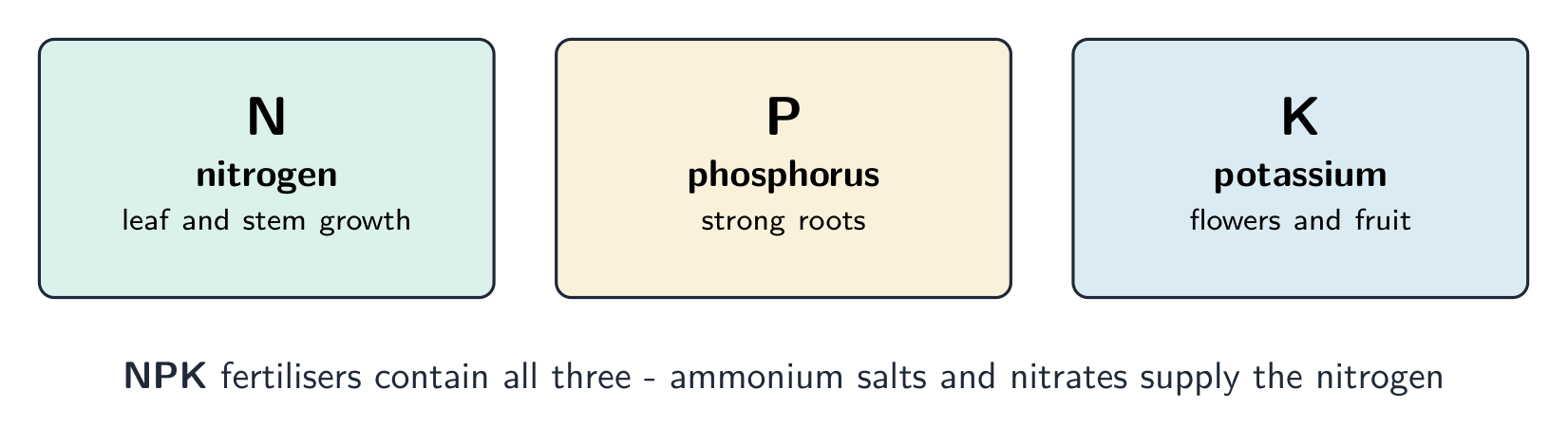
דשני NPK מספקים את שלושת האלמנטים שהצמחים צריכים ביותר
5.4

Impacts of Agricultural Practices · ⁨השפעות של שיטות חקלאיות⁩

Syllabus · ⁨סיילבוס⁩
English

Enduring Understanding (EIN-2): When humans use natural resources, they alter natural systems.

Learning Objective EIN-2.D: Describe agricultural practices that cause environmental damage.

  • EIN-2.D.1 Agricultural practices that can cause environmental damage include tilling, slash-and-burn farming, and the use of fertilizers.
עברית

הבנה מתמשכת (EIN-2): כאשר אנושיים משמשים משאבי טבע, הם משנים מערכות טבעיות.

מטרות למידה EIN-2.D: לתאר מערכים חקלאיים הגורמים לנזק סביבתי.

  • EIN-2.D.1 מערכים חקלאיים שיכולים לגרום לנזק סביבתי כוללים: עבודת קרקע, חקלאות שרפה-חתוך, ושימוש בחומרי הדברה.

Source: College Board AP Course and Exam Description · ⁨מקור: תיאור הקורס והמבחן של College Board AP⁩

English

Practices such as tilling, monoculture, and heavy fertilizer/pesticide use cause erosion, soil salinization 土壤盐碱化, nutrient runoff (causing eutrophication 富营养化), and loss of biodiversity. Sustainable methods reduce these harms.

עברית

שיטות כגון חרישה, מונו-קल्טורה ושימוש מוערך בדשנים/חומרי הדברה גורמות לשחיקה, מליחות קרקע, ריצוף תזונתי (הגורם לאוקטרופיקציה) ולאובדן מגוון ביולוגי. שיטות בר-קיימא מצמצמות נזקים אלו.

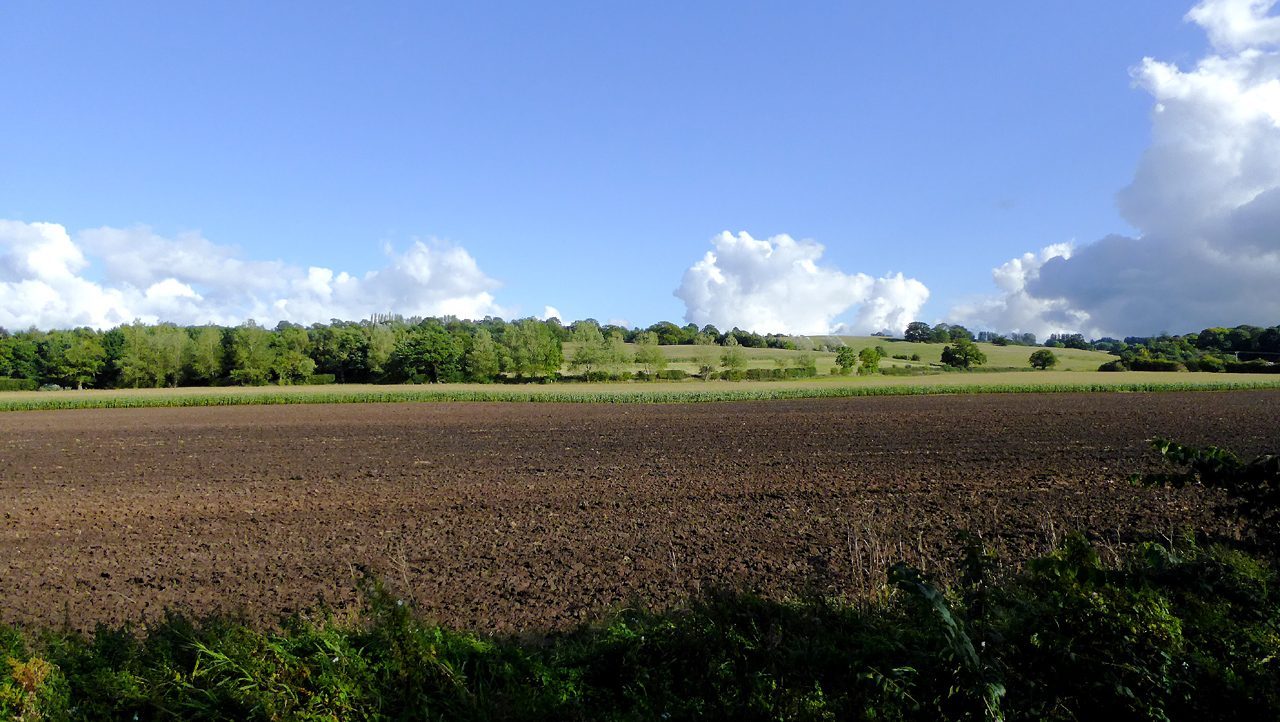
חקלאות אינטנסיבית: חרישה, דשנים ומונו-קולטורות מעלות תוצאות אך עלולות לגרום לשחיקת קרקע ולזיהום מים
5.5

Irrigation Methods · ⁨שיטות השקיה⁩

Syllabus · ⁨סיילבוס⁩
English

Enduring Understanding (EIN-2): When humans use natural resources, they alter natural systems.

Learning Objective EIN-2.E: Describe different methods of irrigation.

  • EIN-2.E.1 The largest human use of freshwater is for irrigation (70%).
  • EIN-2.E.2 Types of irrigation include drip irrigation, flood irrigation, furrow irrigation, drip irrigation, and spray irrigation.

Learning Objective EIN-2.F: Describe the benefits and drawbacks of different methods of irrigation.

  • EIN-2.F.1 Waterlogging occurs when too much water is left to sit in the soil, which raises the water table of groundwater and inhibits plants' ability to absorb oxygen through their roots.
  • EIN-2.F.2 Furrow irrigation involves cutting furrows between crop rows and filling them with water. This system is inexpensive, but about 1/3 of the water is lost to evaporation and runoff.
  • EIN-2.F.3 Flood irrigation involves flooding an agricultural field with water. This system sees about 20% of the water lost to evaporation and runoff. This can also lead to waterlogging of the soil.
  • EIN-2.F.4 Spray irrigation involves pumping ground water into spray nozzles across an agricultural field. This system is more efficient than flood and furrow irrigation, with only 1/4 or less of the water lost to evaporation or runoff. However, spray systems are more expensive than flood and furrow irrigation, and also requires energy to run.
  • EIN-2.F.5 Drip irrigation uses perforated hoses to release small amounts of water to plant roots. This system is the most efficient, with only about 5% of water lost to evaporation and runoff. However, this system is expensive and so is not often used.
  • EIN-2.F.6 Salinization occurs when the salts in groundwater remain in the soil after the water evaporates. Over time, salinization can make soil toxic to plants.
  • EIN-2.F.7 Aquifers can be severely depleted if overused for agricultural irrigation, as has happened to the Ogallala Aquifer in the central United States.
עברית

הבנה מתמשכת (EIN-2): כאשר אנושיים משמשים משאבי טבע, הם משנים מערכות טבעיות.

מטרות למידה EIN-2.E: לתאר שיטות השקאה שונות.

  • EIN-2.E.1 השימוש האנושי הגדול ביותר במים מתוקים הוא להשקאה (70%).
  • EIN-2.E.2 סוגי ההשקאה כוללים: השקאה ב滴灌 (滴灌), השקאת הצפה, השקאת רצועות, השקאת טיפות והשקאת ריסוס.

מטרות למידה EIN-2.F: לתאר את היתרונות והחסרונות של שיטות השקאה שונות.

  • EIN-2.F.1 הרטבת יתר (Waterlogging) מתרחשת כאשר נותר יותר מדי מים בשכבת הקרקע, מה שמעלה את קרקע המים וגורם לחיפוי יכולת הצמחים לספוג חמצן דרך שורשיהם.
  • EIN-2.F.2 השקאת רצועות (Furrow irrigation) כוללת חרישת רצועות בין שורות התוצרת ומילוין במים. מערכת זו זולה, אך כ-1/3 מהמים אבדים באמצעות אידוי וזרימה פני שטח.
  • EIN-2.F.3 השקאת הצפה (Flood irrigation) כוללת הצפת שדה חקלאי במים. במערכת זו כ-20% מהמים אבדים באמצעות אידוי וזרימה פני שטח. מערכת זו עשויה גם לגרום להרטבת יתר בקרקע.
  • EIN-2.F.4 השקאת ריסוס (Spray irrigation) כוללת שאיבת מים מתחת לקרקע לתוך פיות ריסוס על פני שדה חקלאי. מערכת זו יעילה יותר בהשוואה להשקאת הצבה והשקאת רצועות, עם איבוד של רק 1/4 או פחות מהמים באמצעות אידוי וזרימה פני שטח. עם זאת, מערכות ריסוס יקרות יותר מהשקאת הצבה והשקאת רצועות, ודרושות אנרגיה לתפקודן.
  • EIN-2.F.5 השקיה בטפטוף משתמשת בצינורות מחוררים לשחרור כמות קטנה של מים ישירות לשורשי הצמחים. מערכת זו היא היעילה ביותר, עם איבוד מים נמוך של כ-5% בלבד בשל אידוי וריצות פני שטח. עם זאת, מערכת זו יקרה ולכן אינה משמשת לעיתים קרובות.
  • EIN-2.F.6 תהליך המליחה מתרחש כאשר מלחים הנמצאים במי הקרקע נשארים באדמה לאחר שהמים התאדו. לאורך זמן, המליחה עלולה להפוך את האדמה לרעילה לצמחים.
  • EIN-2.F.7 אקוויפרים עשויים להיות מופקים בצורה קיצונית אם הם מופקים יתר על המידה להשקיה חקלאית, כמו שקרה באקוויפר אוגאללה במרכז ארצות הברית.

Source: College Board AP Course and Exam Description · ⁨מקור: תיאור הקורס והמבחן של College Board AP⁩

English

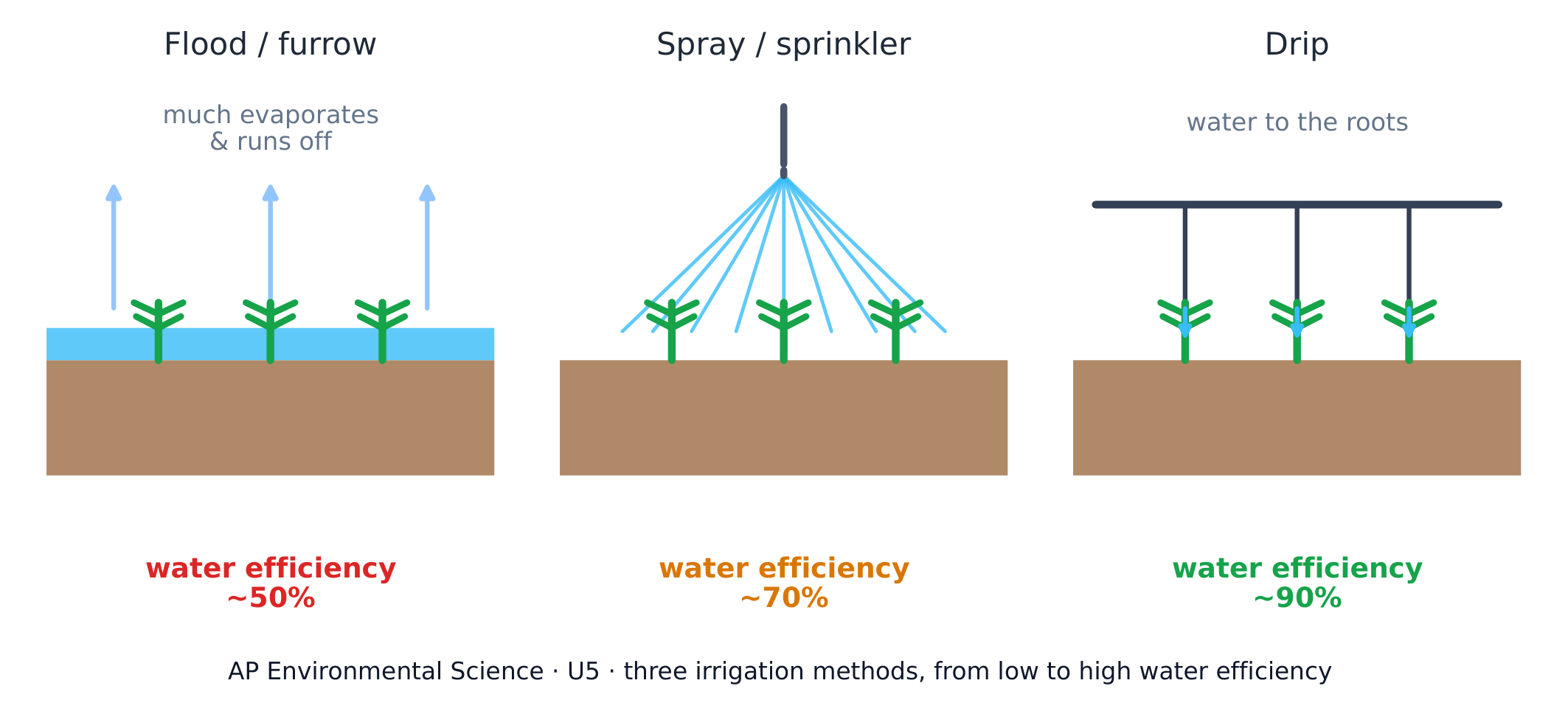
Irrigation 灌溉 supplies water to crops, and it is by far the largest human use of freshwater - about 70% of it worldwide, a figure the exam expects you to know. Drip irrigation is the most efficient (least evaporation); flood and spray methods waste more water and can cause waterlogging and salinization as evaporation leaves salts behind. Over-irrigation depletes aquifers 含水层 (underground stores of freshwater) faster than they refill.

עברית

השקיה מספקת מים ליבולים, והיא בהרבה השימוש הגדול ביותר של אנושים במי מתוק - כ-70% מהכלל בעולם, נתון שמבחנים מצפים שתדעו. השקיה בטפטוף היא היעילה ביותר (פחותה ביותר באידוי); שיטות הצפה וריסוס מבזבזות יותר מים ועלולות לגרום למצפה ומליחות כאשר האידוי משאיר מלחים מאחור. השקיה מוגזמת מדללת אקוויפרים (מאגמי מים מתוקים תת-קרקעיים) מהר יותר משהם מתחדשים.

השוואת שיטות השקיה: טפטופים מבזבזים פחות מים, הצפה מבזבזת את הרבה ביותר
Vocabulary · ⁨מילון מונחים⁩ Train · ⁨אימון⁩
English עברית
tragedy of the commons/ˈtrædʒədi ɒvðə ˈkɒmənz/ טרגדיה של המשאבים המשותפים
Clearcutting/ˈklɪəkʌtɪŋ/ חרישה מלאה
erosion/ɪˈrəʊʒn/ שחיקה
Green Revolution/ɡriːn ˌrevəˈluːʃn/ המהפכה הירוקה
synthetic fertilizers/sɪnˈθetɪk ˈfɜːtəlaɪzəz/ דשמים סינתטיים
pesticides/ˈpestɪsaɪdz/ חומרי הדברה
monoculture/ˈmɒnəʊkʌltʃə/ מונוקולטורה
soil salinization/sɔɪl ˌseɪlɪnaɪˈzeɪʃn/ מליחות קרקע
eutrophication/ˌjuːtrəfɪˈkeɪʃn/ אוטrofication (עושרות)
Irrigation/ˌɪrɪˈɡeɪʃn/ שיטוט
aquifers/ˈækwɪfəz/ מינרים
pesticide resistance/ˈpestɪsaɪd rɪˈzɪstəns/ עמידות בפני רעלים
methane/ˈmiːθeɪn/ מתן
Overgrazing/ˌəʊvəˈɡreɪzɪŋ/ רעיית יתר
desertification/dɪˌzɜːtɪfɪˈkeɪʃn/ מדבריות
rotational grazing/rəʊˈteɪʃənl ˈɡreɪzɪŋ/ רעיה סיבובית
Overfishing/ˌəʊvəˈfɪʃɪŋ/ דיג יתר
Mining/ˈmaɪnɪŋ/ כריתת אבן
acid mine drainage/ˈæsɪd maɪn ˈdreɪnɪdʒ/ זרימת מי נירואין מכרות
subsurface mining/ˈsʌbsəfɪs ˈmaɪnɪŋ/ מינוע תת-קרקעי
Urbanization/ˌɜːbənaɪˈzeɪʃn/ אורבניזציה
impervious surfaces/ɪmˈpɜːvɪəs ˈsɜːfɪsɪz/ משטחים לא חדירי מים
urban heat islands/ˈɜːbən hiːt ˈaɪləndz/ אי חום עירוני
hydrologic cycle/ˌhaɪdrəˈlɒdʒɪk ˈsaɪkl/ מחזור הידרולוגי
saltwater intrusion/ˈsɒltwɔːtə ɪnˈtruːʒn/ חדירת מים מלוחים
ecological footprint/ˌekəˈlɒdʒɪkl ˈfʊtprɪnt/ טביעת הרגל האקולוגית
5.6

Pest Control Methods · ⁨שיטות שיקום מזיקים⁩

Syllabus · ⁨סיילבוס⁩
English

Enduring Understanding (EIN-2): When humans use natural resources, they alter natural systems.

Learning Objective EIN-2.G: Describe the benefits and drawbacks of different methods of pest control.

  • EIN-2.G.1 One consequence of using common pest-control methods such as pesticides, herbicides, fungicides, rodenticides, and insecticides is that organisms can become resistant to them through artificial selection. Pest control decreases crop damage by pest and increases crop yields.
  • EIN-2.G.2 Crops can be genetically engineered to increase their resistance to pests and diseases. However, using genetically engineered crops in planting or other ways can lead to loss of genetic diversity of that particular crop.
עברית

הבנה מתמשכת (EIN-2): כאשר אנושיים משמשים משאבי טבע, הם משנים מערכות טבעיות.

מטרות למידה EIN-2.G: לתאר את היתרונות והחסרונות של שיטות שונות לשמירה על ביטחון מזון.

  • EIN-2.G.1 אחת ההשלכות של השימוש בשיטות שמירה על ביטחון מזון רגילות כמו הדברה כימית, דליא, פונגיסידים, רודיסידים ואינסטיסידים הוא שאורגניזמים יכולים להתנגד אליהן דרך בחירה מלאכותית. שמירה על ביטחון מזון מפחיתה נזק לתוצרים מהמזיקים ומגבירה תפוקת התוצרים.
  • EIN-2.G.2 ניתן להנדסה גנטית תוצרים כדי להגביר את עמידותם בפני מזיקים וחוליות. עם זאת, השימוש בתוצרים מהנדסים גנטית בגידול או בדרכים אחרות עלול להוביל לאובדן מגוון הגנטי של התוצר הספציפי.

Source: College Board AP Course and Exam Description · ⁨מקור: תיאור הקורס והמבחן של College Board AP⁩

English

Pesticides kill pests and raise yields, but cause problems: they harm non-target species, pollute water, and drive pesticide resistance 抗药性 (survivors breed, so stronger doses are needed – the "pesticide treadmill").

עברית

חומרי הדברה הורגים מזיקים ומעלים תוצאות, אך גורמים לבעיות: הם פוגעים במינים שאינם היעד, מזהמים מים וגורמים לעמידות לחומרי הדברה (השרדים מתרבים, ולכן נדרשים מינונים חזקים יותר – ה"מסלול ההדברה").

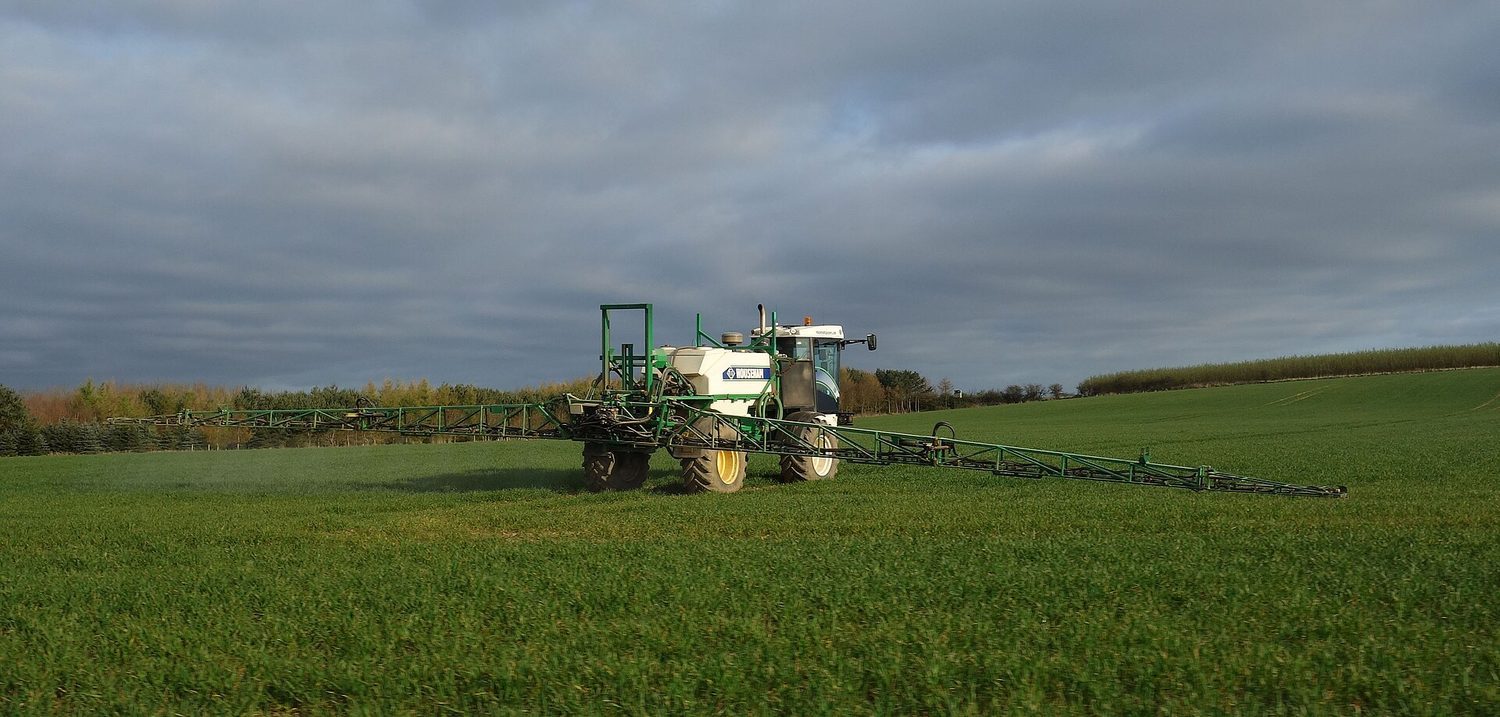
ריסוס אווירי של חומרי הדברה: שיקום כימי יכול להגן על תוצאות אך גם לפגוע במינים שאינם היעד וליצור מזיקים עמידים
5.7

Meat Production Methods · ⁨שיטות ייצור בשר⁩

Syllabus · ⁨סיילבוס⁩
English

Enduring Understanding (EIN-2): When humans use natural resources, they alter natural systems.

Learning Objective EIN-2.H: Identify different methods of meat production.

  • EIN-2.H.1 Methods of meat production include concentrated animal feeding operations (CAFOs), also called feedlots, and free-range grazing.

Learning Objective EIN-2.I: Describe the benefits and drawbacks of different methods of meat production.

  • EIN-2.I.1 Meat production is less efficient than agriculture; it takes approximately 20 times more land to produce the same amount of calories from meat as from plants.
  • EIN-2.I.2 Concentrated animal feeding operation (CAFOs) are used as a way to quickly get livestock ready for slaughter. They tend to be crowded, and animals are fed grains or feed that are not as suitable as grass. Additionally, feedlots generate a large amount of organic waste, which can contaminate ground and surface water. The use of feedlots are less expensive than other methods, which can keep costs to consumers down.
  • EIN-2.I.3 Free range grazing allows animals to graze on grass during their entire lifecycle. Meat from free range animals tends to be free from antibiotics and other chemicals used in feedlots. Organic waste from these animals acts as fertilizer. Free range grazing requires large areas of land and the meat produced is more expensive for consumers.
  • EIN-2.I.4 Overgrazing occurs when too many animals feed on a particular area of land. Overgrazing causes loss of vegetation, which leads to soil erosion.
  • EIN-2.I.5 Overgrazing can cause desertification. Desertification is the degradation of low precipitation regions toward being increasingly arid until they become deserts.
  • EIN-2.I.6 Less consumption of meat could reduce $\text{CO}_2$, methane, and $\text{N}_2\text{O}$ emissions; conserve water; reduce the use of antibiotics and growth hormones; and improve topsoil.
עברית

הבנה מתמשכת (EIN-2): כאשר אנושיים משמשים משאבי טבע, הם משנים מערכות טבעיות.

מטרות למידה EIN-2.H: לזהות שיטות שונות לייצור בשר.

  • EIN-2.H.1 שיטות לייצור בשר כוללות מתקנים מרוכזים לגידול בעלי חיים (CAFOs), המכונים גם מלגאות, וגרעון חופשי.

מטרות למידה EIN-2.I: לתאר את היתרונות והחסרונות של שיטות שונות לייצור בשר.

  • EIN-2.I.1 ייצור בשר פחות יעיל מחקלאות; נדרשת כ-20 פעמים יותר שטח כדי לייצר אותה כמות קלוריות מבשר מאשר מצמחים.
  • EIN-2.I.2 מתקנים מרוכזים לגידול בעלי חיים (CAFOs) משמשים כדרך להכין בקלות ומהר בעלי חיים לקרבי. הם נוטים להיות צפופים, ובעלי החיים ניזונים מדגנים או מזון שאינו מתאים כמו עשב.此外, המלגאות מייצרות כמות גדולה של פסולת אורגנית, שעלולה לזיהם מי קרקע ומי פני שטח. השימוש במלגאות זול יותר משיטות אחרות, מה שיכול להפחית את העלויות עבור הצרכנים.
  • EIN-2.I.3 גרעון חופשי מאפשר לבעלי חיים לרעות על עשב לאורך כל מחזור חייהם. הבשר מבעלי חיים בגרעון חופשי נוטה להיות חסר אנטיביוטיקות וחומרים אחרים המשמשים במלגאות. הפסולת האורגנית מבעלי חיים אלו משמשת כדשן. גרעון חופשי דורש שטחים גדולים, והבשר המיוצר ממנו יקר יותר לצרכנים.
  • EIN-2.I.4 הרעבה מוגברת מתרחשת כאשר מספר רב של בעלי חיים ניזונים מאזור אדמה ספציפי. הרעבה מוגברת גורמת לאובדן צמחייה, מה שמוביל לקליטת אדמה.
  • EIN-2.I.5 הרעבה מוגברת עלולה לגרום למדבור. מדבור הוא דעיכת אזורים בעלי משקעים נמוכים לכיוון הופכתם לחיידים עד שהם הופכים למדבריות.
  • EIN-2.I.6 צריכה מופחתת של בשר עלולה להפחית פליטות $\text{CO}_2$, מתאן ו$\text{N}_2\text{O}$; לשמר מים; להפחית את השימוש באנטיביוטיקות וهورمونי גדילה; ולשפר את שכבת הקרקע העליונה.

Source: College Board AP Course and Exam Description · ⁨מקור: תיאור הקורס והמבחן של College Board AP⁩

English

Producing meat, especially in concentrated animal feeding operations (CAFOs), uses large amounts of land, water, feed, and energy, and generates waste and methane 甲烷 (a greenhouse gas). Meat is far less energy-efficient than plant food because of the 10% rule – higher trophic levels waste more energy.

Overgrazing 过度放牧 - letting livestock eat vegetation faster than it regrows - strips the soil of its protective cover. On dry land this can drive desertification 荒漠化: the degradation of low-precipitation regions until they become deserts. The sustainable answer is rotational grazing 轮牧, moving livestock regularly between pastures so no single area is grazed bare.

עברית

ייצור בשר, במיוחד בתוך מתקני הזנה מרוכזים לבעלי חיים (CAFOs), דורש שטחים רבים, מים, מזון ואנרגיה, ומייצר פסולת ומתאן (גז חממה). ייצור בשר פחות יעיל אנרגטית מבתיצור צמחי בשל הכלל של 10% – רמות טרופיות גבוהות יותר מבזבזות יותר אנרגיה.

רעיון יתר - השארת בעלי חיים נוסעים על הצמחייה מהר יותר מאשר היא מתחדשת - מגרד את הקרקע מכיסוי המגן שלה. בקרקעות יבשות הדבר עלול להוביל ל-מדבור: דעיכת אזורי גשם נמוכים עד שהם הופכים למדבריות. הפתרון האתרי הוא רעיון מסתובב, העברת בעלי חיים באופן קבוע בין הרעיות כך שאף אזור לא יירעה לחלוטין.

5.8

Impacts of Overfishing · ⁨השפעות דיג יתר⁩

Syllabus · ⁨סיילבוס⁩
English

Enduring Understanding (EIN-2): When humans use natural resources, they alter natural systems.

Learning Objective EIN-2.J: Describe causes of and problems related to overfishing.

  • EIN-2.J.1 Overfishing has led to the extreme scarcity of some fish species, which can lessen biodiversity in aquatic systems and harm people who depend on fishing for food and commerce.
עברית

הבנה מתמשכת (EIN-2): כאשר אנושיים משמשים משאבי טבע, הם משנים מערכות טבעיות.

מטרות למידה EIN-2.J: לתאר את הגורמים והבעיות הקשורות לדיג יתר.

  • EIN-2.J.1 דיג יתר הוביל למחסור קיצוני בסוגי דגים מסוימים, מה שיכול להפחית את הביולוגיה במערכות אקולוגיות ימיות ולהזיק לאנשים התלויים בדיג למזון ולמסחר.

Source: College Board AP Course and Exam Description · ⁨מקור: תיאור הקורס והמבחן של College Board AP⁩

English

Overfishing 过度捕捞 removes fish faster than they reproduce, collapsing populations (like cod). Bycatch (unwanted catch) and destructive methods (bottom trawling) damage ecosystems. It is a classic tragedy of the commons in the open ocean.

עברית

דיג יתר מסיר דגים מהאווקן מהר יותר מהרבה שמתחלקים, מה שמוביל לקריסת אוכלוסיות (כמו קוד). דיג עקיפי (דיג שאינו רצוי) ושיטות הרסניות (כגון גרירה תחתית) פוגעות במערכות אקולוגיות. מדובר באסון קלאסי של משאבות ציבוריות בים הפתוח.

Explore · ⁨חקור⁩

Push a fish stock past its limit · ⁨דחוף מאגר דגים מעבר לגבול⁩

A population grows toward its carrying capacity $K$, but harvesting faster than it can breed collapses the stock. Raise the pressure and watch the population crash. · ⁨אוכלוסייה צומחת לעבר הקיבולת החיובית $K$, אך דיג מהיר יותר מההתרבהות גורם להתמוטטות במאגר. הרם את הלחץ וצפה קריסת האוכלוסייה.⁩

5.9

Impacts of Mining · ⁨השפעות מינוע⁩

Syllabus · ⁨סיילבוס⁩
English

Enduring Understanding (EIN-2): When humans use natural resources, they alter natural systems.

Learning Objective EIN-2.K: Describe natural resource extraction through mining.

  • EIN-2.K.1 As the more accessible ores are mined to depletion, mining operations are forced to access lower grade ores. Accessing these ores requires increased use of resources that can cause increased waste and pollution.
  • EIN-2.K.2 Surface mining is the removal of large portions of soil and rock, called overburden, in order to access the ore underneath. An example is strip mining, which removes the vegetation from an area, making the area more susceptible to erosion.

Learning Objective EIN-2.L: Describe ecological and economic impacts of natural resource extraction through mining.

  • EIN-2.L.1 Mining wastes include the soil and rocks that are moved to gain access to the ore and the waste, called slag and tailings that remain when the minerals have been removed from the ore. Mining helps to provide low cost energy and material necessary to make products. The mining of coal can destroy habitats, contaminate ground water, and release dust particles and methane.
  • EIN-2.L.2 As coal reserves get smaller, due to a lack of easily accessible reserves, it becomes necessary to access coal through subsurface mining, which is very expensive.
עברית

הבנה מתמשכת (EIN-2): כאשר אנושיים משמשים משאבי טבע, הם משנים מערכות טבעיות.

מטרת למידה EIN-2.K: לתאר חילוץ משאבי טבע באמצעות עיבוד.

  • EIN-2.K.1 ככל שהעשורים הנוחים יותר נחצבים עד גיוסם, פעולות העיבוד מופרצות לגשת לעשורים בעדרגה נמוכה. גישה לעשורים אלו דורשת שימוש מוגבר במשאבים שיכול לגרום להגברת פסולת וזיהום.
  • EIN-2.K.2 עיבוד פני שטח הוא הסרת חלקים גדולים של קרקע וסלע, הנקראים עלית (overburden), כדי לגשת לעשר הממוקם מתחתיהם. לדוגמה: עיבוד פסולות, המסיר את הצמחייה מאזור, ומוביל להגברת רגישות האזור לאבן.

מטרת למידה EIN-2.L: לתאר השפעות אקולוגיות וכלכליות של חילוץ משאבי טבע באמצעות עיבוד.

  • EIN-2.L.1 פסולות עיבוד כוללות את הקרקע והסלעים שמועברים כדי לגשת לעשר, καθώς גם הפסולת, הנקראת פסולת תהליך (slag) ודמינרים (tailings), שנותרה לאחר ההפרדה מהעשר. עיבוד מסייע לספק אנרגיה וחומרי גלם זולים הדרושים לייצור מוצרים. עיבוד פחם יכול להחריב בתי גידול, לזהם מי קרקע ולשחרר חלקיקי אבק ומתאן.
  • EIN-2.L.2 ככל שמאגרי הפחם מצטמצמים, בשל חוסר במאגרים הנוחים לחילוץ, נדרש לגשת לפחם באמצעות עיבוד תת-קרקעי, התהליך יקר מאוד.

Source: College Board AP Course and Exam Description · ⁨מקור: תיאור הקורס והמבחן של College Board AP⁩

English

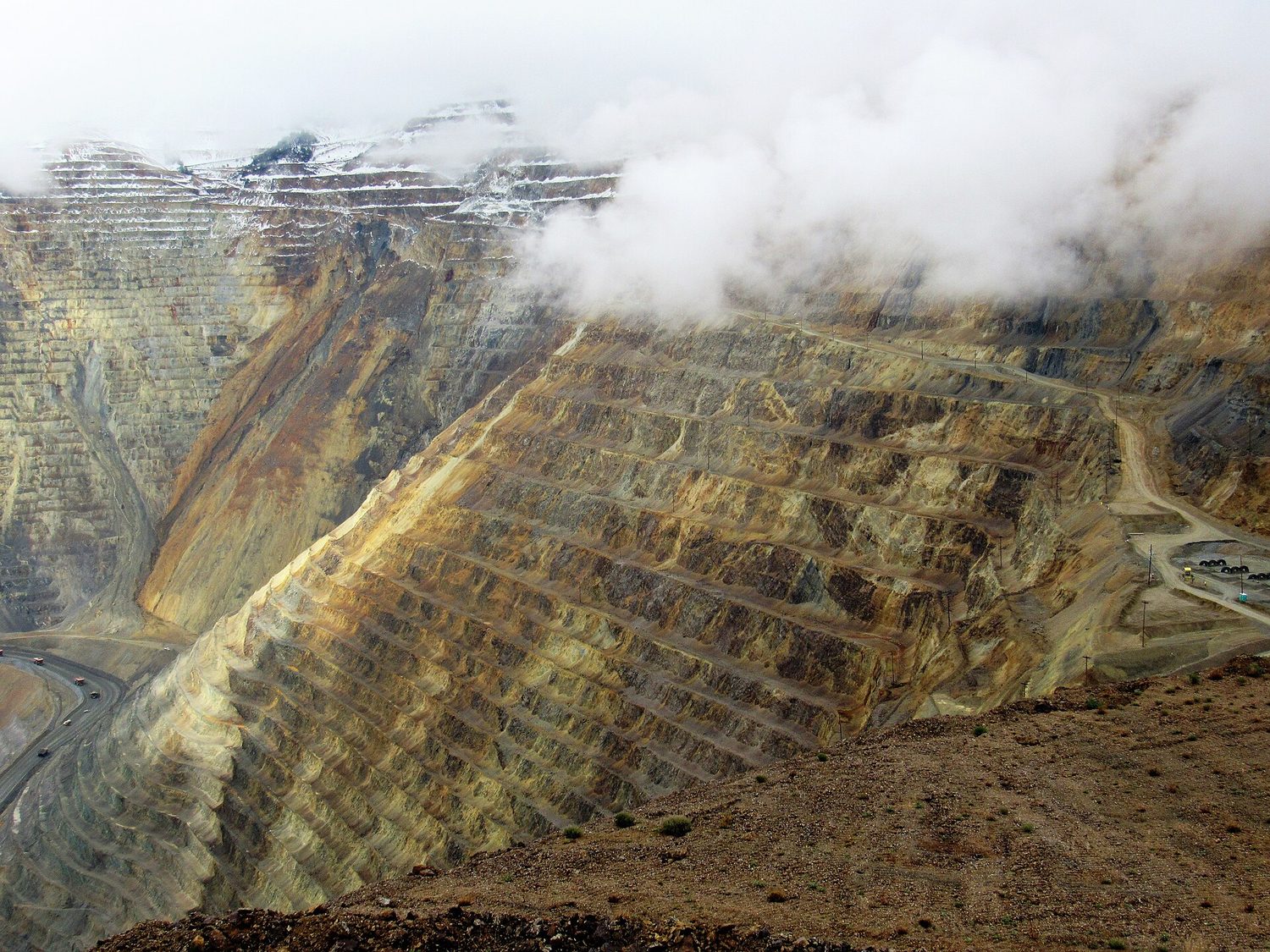
Mining 采矿 extracts minerals and fuels but disturbs land, especially surface (strip) mining and mountaintop removal. Impacts include habitat destruction, acid mine drainage 酸性矿山废水, and toxic tailings polluting water.

When the easily reached deposits are gone, mining moves underground to subsurface mining 地下开采, which is far more expensive and dangerous - the same pattern applies to coal as its accessible reserves shrink.

עברית

מינוע מפיק מינרלים ודלקים אך מעציץ את הקרקע, במיוחד מינוע פני שטח (גרירה) והסרת פסגות. ההשפעות כוללות הרס ביולוגי, ניקוז חומצני ממכרות וזבל רעיל המזהם מים.

מכרה פתוח עצום: ספירלה של מדרונות חצובה עמוק לתוך האדמה, קילומטרים רבים על קוטר
מכרה פתוח: המדרונות נחצבים רחב ועמוק יותר כדי להגיע למינרל, מה שמורס את הביולוגיה וחשוף סלעים המזהמים מים

כשהמאגרים הנגישים נגמרים, המינוע עובר לתוך הקרקע ל-מינוע תת-קרקעי, שהוא הרבה יותר יקר ומסוכן - אותו דפוס חוזר גם במינוע פחם כשהמאגרים הנגישים שלו מצטמצמים.

Vocabulary · ⁨מילון מונחים⁩ Train · ⁨אימון⁩
English עברית
open-pit mine/ˈəʊpən pɪt maɪn/ מכרה פתוח
5.10

Impacts of Urbanization · ⁨השפעות עירוניות⁩

Syllabus · ⁨סיילבוס⁩
English

Enduring Understanding (EIN-2): When humans use natural resources, they alter natural systems.

Learning Objective EIN-2.M: Describe the effects of urbanization on the environment.

  • EIN-2.M.1 Urbanization can lead to depletion of resources and saltwater intrusion in the hydrologic cycle.
  • EIN-2.M.2 Urbanization, through the burning of fossil fuels and landfills, affects the carbon cycle by increasing the amount of carbon dioxide in the atmosphere.
  • EIN-2.M.3 Impervious surfaces are human-made structures—such as roads, buildings, sidewalks, and parking lots—that do not allow water to reach the soil, leading to flooding.
  • EIN-2.M.4 Urban sprawl is the change in population distribution from high population density areas to low density suburbs that spread into rural lands, leading to potential environmental problems.
עברית

הבנה מתמשכת (EIN-2): כאשר אנושיים משמשים משאבי טבע, הם משנים מערכות טבעיות.

מטרת למידה EIN-2.M: תאר את ההשפעות של עירוניות על הסביבה.

  • EIN-2.M.1 עירונית יכולה להוביל לניצול משאבים ולחדירת מים מלוחים במחזור הידרולוגי.
  • EIN-2.M.2 עירוניות, באמצעות שריפת דלקים מאובנים ומטמנות פסולת, משפיעה על מחזור הפחמן על ידי הגדלת כמות פחמן דו-חמצני באטמוספירה.
  • EIN-2.M.3 משטחים חסרי חדירות הם מבני עשויי אדם – כמו כבישים, מבנים, מדרכות וחניונים – שאינם מאפשרים למים להגיע לקרקע, מה שמוביל לשפכים.
  • EIN-2.M.4 התפשטות עירונית היא שינוי בחלוקת אוכלוסין מאזורים צפופים לאזורים עם צפיפות נמוכה בשולי הערים הנמתחים אל שטחים כפריים, מה שמוביל לבעיות סביבתיות אפשריות.

Source: College Board AP Course and Exam Description · ⁨מקור: תיאור הקורס והמבחן של College Board AP⁩

English

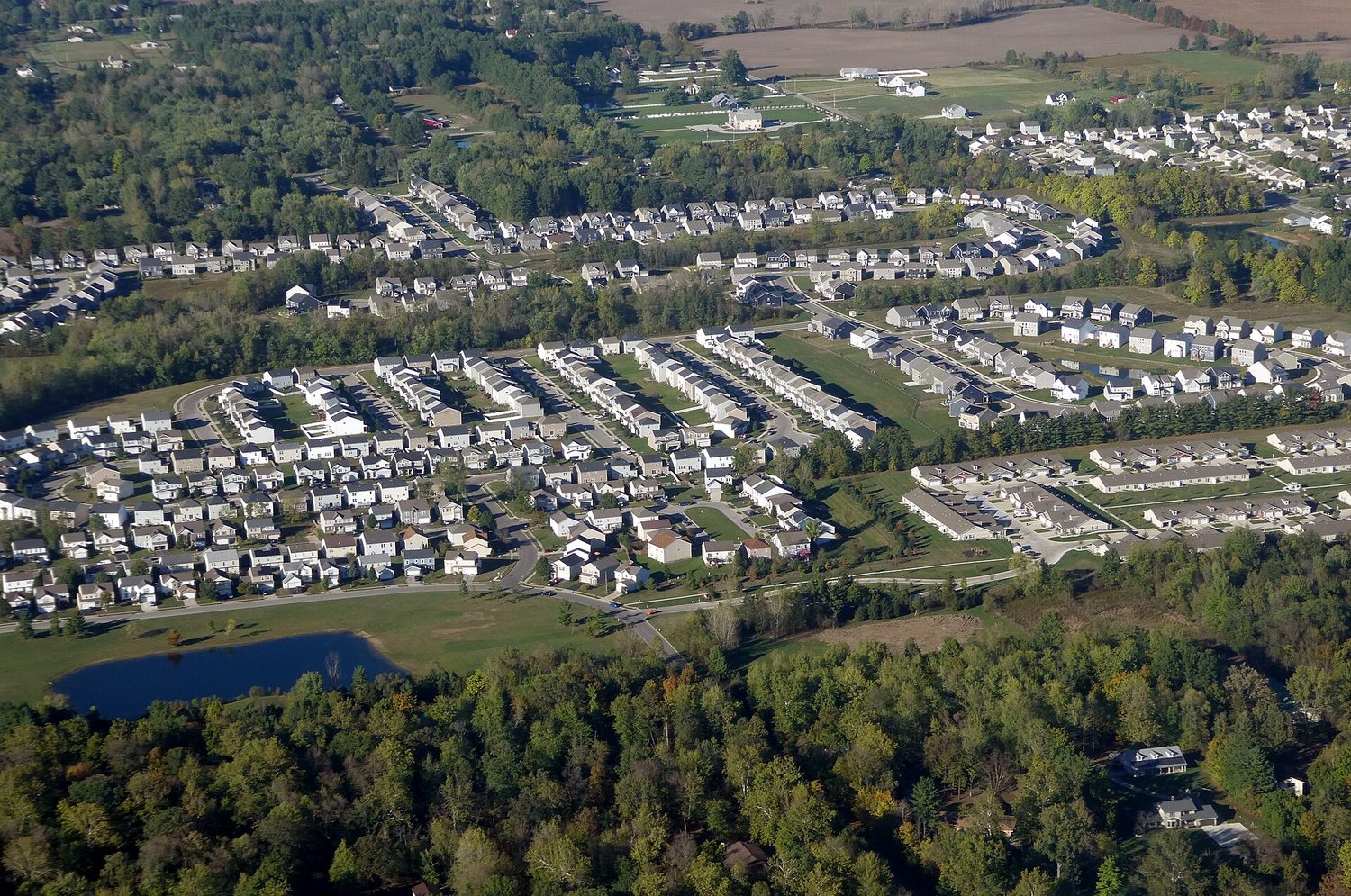
Urbanization 城市化 replaces natural land with impervious surfaces 不透水面 (roads, buildings), increasing runoff and flooding, creating urban heat islands 热岛, and generating pollution and waste. Urban sprawl consumes farmland and habitat. It also strains the hydrologic cycle 水循环: a dense city depletes local water, and heavy groundwater pumping near a coast draws seawater into the aquifer - saltwater intrusion 海水入侵 - which can ruin a freshwater supply.

עברית

עירוניות מחליפה קרקע טבעית במשטחים בלתי חדירים (כבישים, מבנים), מה שמגביר זרימת משטח ובצקים, יוצר אי חום עירוני, ומייצר זיהום ופסולת. התפשטות עירונית בולעת שטחי חקלאות וביולוגיה. היא גם מטילה עומס על המחזור ההידרולוגי: עיר צפופה מנפלת את המים המקומיים, ושאיבת מימי קרקע כבדה סמוך לחוף מושכת מי ים לתוך האקוויפר - חדירת מים מלוחים - שיכולה לפגוע באספקת מים מתוקים.

תצפית אווירית על בתים חד-משפחתיים בצפיפות נמוכה המתפשטים לאופק על שטחי חקלאות ישנים
התפשטות עירונית: דיור מתפשט על שטחי חקלאות ישנים, חותם את הקרקע כך שמי הגשם נוזלים במקום לספוג
Vocabulary · ⁨מילון מונחים⁩ Train · ⁨אימון⁩
English עברית
urban sprawl/ˈɜːbən sprɔːl/ התפשטות עירונית
5.11

Ecological Footprints · ⁨הטביעות האקולוגיות⁩

Syllabus · ⁨סיילבוס⁩
English

Enduring Understanding (EIN-2): When humans use natural resources, they alter natural systems.

Learning Objective EIN-2.N: Explain the variables measured in an ecological footprint.

  • EIN-2.N.1 Ecological footprints compare resource demands and waste production required for an individual or a society.
עברית

הבנה מתמשכת (EIN-2): כאשר אנושיים משמשים משאבי טבע, הם משנים מערכות טבעיות.

מטרת למידה EIN-2.N: הסבר את המשתנים הנמדדים בטביעת הרגל האקולוגית.

  • EIN-2.N.1 טביעות רגל אקולוגיות משווות בין ביקושי משאבים וייצור פסולת הנדרשים עבור אדם או קהילה.

Source: College Board AP Course and Exam Description · ⁨מקור: תיאור הקורס והמבחן של College Board AP⁩

English

An ecological footprint 生态足迹 measures the land and water a person or population needs to supply resources and absorb wastes. Wealthy, high-consumption nations have much larger footprints. If everyone's footprint exceeds Earth's capacity, resources are being used unsustainably.

Worked example. Earth provides roughly $1.6$ global hectares (gha) of biocapacity per person. If the average person's footprint is $2.7\ \text{gha}$, humanity is demanding about $\tfrac{2.7}{1.6}\approx1.7$ Earths – living beyond what the planet can renew. Worse, if everyone consumed like a high-income nation at $8\ \text{gha}$ per person, it would take $\tfrac{8}{1.6}=5$ Earths – exactly why footprint-per-person is the key sustainability yardstick.

עברית

טביעה אקולוגית מודדת את הקרקע והמים שאדם או אוכלוסייה זקוקים כדי לספק משאבים ולספוג פסולת. מדינות עשירות וצריכה גבוהה יש להן טביעות אקולוגיות גדולות הרבה יותר. אם הטביעה האקולוגית של כולם עולה על היכולת של כדור הארץ, המשאבים משמשים באופן בלתי-אתרי.

דוגמה מפורטת. כדור הארץ מספק כ-{$1.6$} héctares ביולוגיים גלובליים (gha) של יכולת ביו-אקולוגית לכל אדם. אם הטביעה האקולוגית הממוצעת של כל אדם היא {$2.7\ \text{gha}$}, האנושות דורשת כ-{$\tfrac{2.7}{1.6}\approx1.7$} כדורי ארץ - חיים מעבר למה שהכוכב יכול לחדש. גרוע מזה, אם כולם היו צורכים כמו מדינת הכנסה גבוהה ב-{$8\ \text{gha}$} לכל אדם, זה ידרוש {$\tfrac{8}{1.6}=5$} כדורי ארץ - בדיוק הסיבה לכך שהטביעה האקולוגית לאדם היא מדד האתרי המרכזי.

5.12

Introduction to Sustainability · ⁨מבוא לאתרי⁩

Syllabus · ⁨סיילבוס⁩
English

Enduring Understanding (STB-1): Humans can mitigate their impact on land and water resources through sustainable use.

Learning Objective STB-1.A: Explain the concept of sustainability.

  • STB-1.A.1 Sustainability refers to humans living on Earth and their use of resources without depletion of the resources for future generations. Environmental indicators that can guide humans to sustainability include biological diversity, food production, average global surface temperatures and $\text{CO}_2$ concentrations, human population, and resource depletion.
  • STB-1.A.2 Sustainable yield is the amount of a renewable resource that can be taken without reducing the available supply.
עברית

הבנה מתמשכת (STB-1): אנושיים יכולים להקל על השפעתם על משאבי אדמה ומים באמצעות שימוש בר-קיימה.

מטרת למידה STB-1.A: הסבר את מושג העמידות.

  • STB-1.A.1 עמידות מתייחסת לחיים של אנושיים בכדור הארץ ולשימושם במשאבים ללא ניצול המשאבים לדורות הבאים. אינדיקטורים סביבתיים שיכולים להנחות אנושיים לעמידות כוללים מגוון ביולוגי, ייצור מזון, טמפרטורות פני שטח גלובליות ממוצעות וריכוזי $\text{CO}_2$, אוכלוסייה אנושית, וניצול משאבים.
  • STB-1.A.2 תפוקה בר-קיימה היא הכמות של משאב מתחדש שתוכל לקחת ללא צמצום האספקה הזמינה.

Source: College Board AP Course and Exam Description · ⁨מקור: תיאור הקורס והמבחן של College Board AP⁩

English

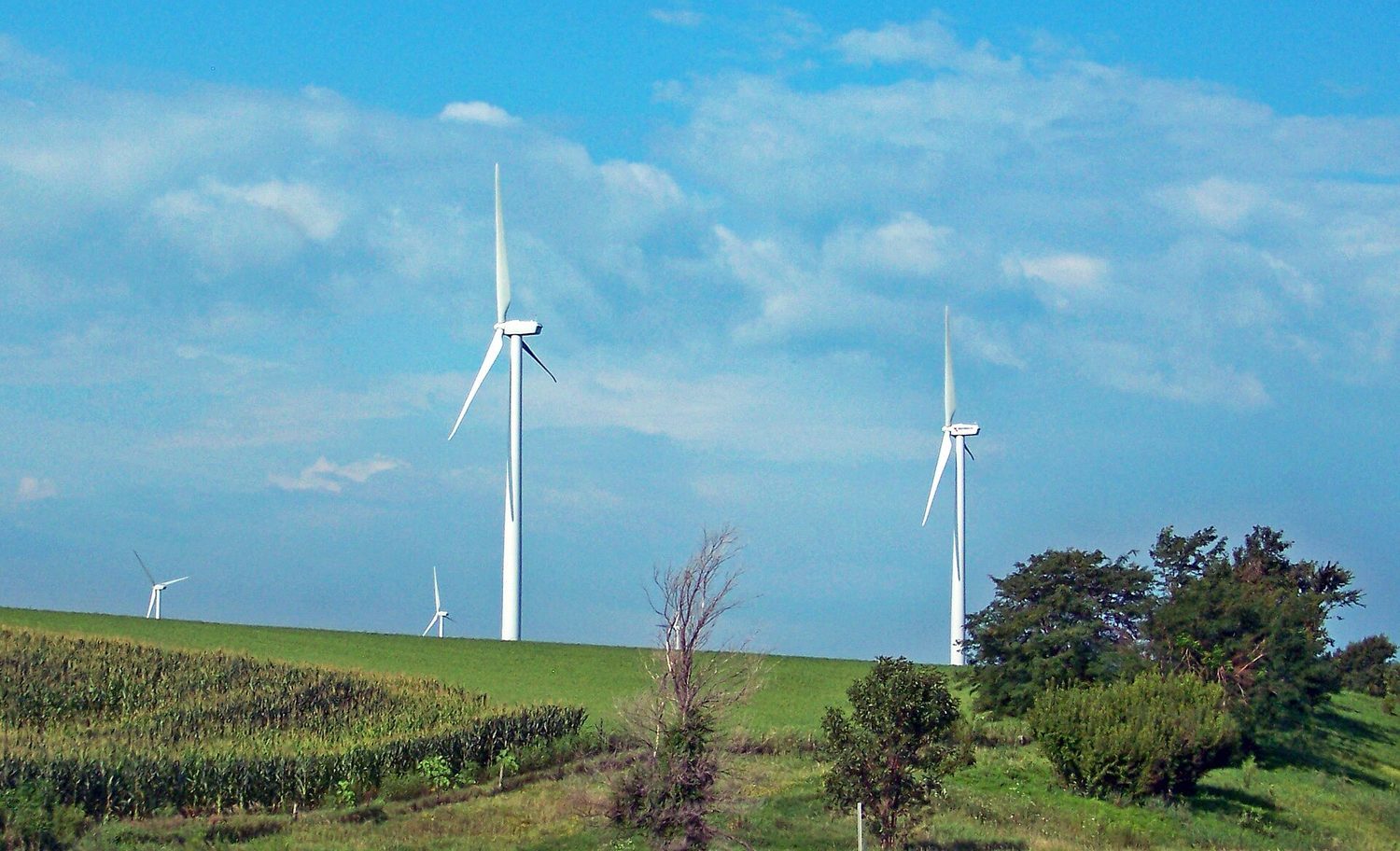
Sustainability 可持续性 means meeting present needs without harming future generations' ability to meet theirs. It balances environmental health, economic viability, and social equity, using resources no faster than they can be replaced.

עברית

אתרי פירושו ספקת צרכים נוכחים מבלי לפגוע ביכולת הדורות העתידיות לספק את צרכיהם. הוא מאזן בריאות סביבתית, ניסיונות כלכלי ושוויון חברתי, ומשתמש במשאבים לא מהר יותר מאשר הם יכולים להיות מחולפים.

טורבינות רוח בשטחים חקלאיים: שימוש ברקורס מאופק נמצא בצורך הנוכחי מבלי לחסום דורות עתידים
טורבינות רוח בחקלאות: שימוש אתרי במשאבים מספק את הצרכים הנוכחים מבלי לחסום את הדורות העתידיות
Vocabulary · ⁨מילון מונחים⁩ Train · ⁨אימון⁩
English עברית
Sustainability/səˌsteɪnəˈbɪlɪti/ שימוש בתחזוקה
permeable pavement/ˈpɜːməbl ˈpeɪvmənt/ רצפה חדירה
green roofs/ɡriːn ruːfs/ גגות ירוקים
Integrated pest management/ˈɪntɪɡreɪtɪd pest ˈmænɪdʒmənt/ ניהול אינטגרלי של מזיקים
crop rotation/krɒp rəʊˈteɪʃn/ סיבוב תרופות
contour plowing/ˈkɒntʊə ˈplaʊɪŋ/ חרישה לפי קווי מתאר
terracing/ˈterɪsɪŋ/ מדרונות
Aquaculture/ˈækwəkʌltʃə/ דגנאות ושימור מים
selective cutting/sɪˈlektɪv ˈkʌtɪŋ/ גזירה נבחרת
reforestation/rɪˌfɒrɪˈsteɪʃn/ השבת יערות
prescribed burn/prɪˈskraɪbd bɜːn/ כוונון ביערה מבוקרת
5.13

Methods to Reduce Urban Runoff · ⁨שיטות להפחתת נהר זרימה עירונית⁩

Syllabus · ⁨סיילבוס⁩
English

Enduring Understanding (STB-1): Humans can mitigate their impact on land and water resources through sustainable use.

Learning Objective STB-1.B: Describe methods for mitigating problems related to urban runoff.

  • STB-1.B.1 Methods to increase water infiltration include replacing traditional pavement with permeable pavement, planting trees, increased use of public transportation, and building up, not out.
עברית

הבנה מתמשכת (STB-1): אנושיים יכולים להקל על השפעתם על משאבי אדמה ומים באמצעות שימוש בר-קיימה.

מטרת למידה STB-1.B: תאר שיטות להקלה על בעיות הקשורות לנזילות עירונית.

  • STB-1.B.1 שיטות להגברת חדירת מים כוללות החלפת רצפות מסורתיות ברצפות חדירות, נטיעת עצים, הגדלת השימוש בתחבורה ציבורית, ובנייה כלפי מעלה ולא כלפי חוץ.

Source: College Board AP Course and Exam Description · ⁨מקור: תיאור הקורס והמבחן של College Board AP⁩

English

Reduce runoff with permeable pavement 透水路面, rain gardens and green roofs 绿色屋顶, retention ponds, and preserved vegetation. These let water soak in, filtering pollutants and recharging groundwater instead of flooding streams.

עברית

הפחתת נהר זרימה באמצעות מדרונות חדירי מים, גני גשם וגגות ירוקים, אגמי אחסון, ושומירה על צמחייה. מערכות אלו מאפשרות למים לספוג לתוך הקרקע, מסננות זיהומים ומחזירות את המים לאקוודופר במקום לגרום להצפות בנחלים.

5.14

Integrated Pest Management · ⁨ניהול משולב של מזיקים⁩

Syllabus · ⁨סיילבוס⁩
English

Enduring Understanding (STB-1): Humans can mitigate their impact on land and water resources through sustainable use.

Learning Objective STB-1.C: Describe integrated pest management.

  • STB-1.C.1 Integrated pest management (IPM) is a combination of methods used to effectively control pest species while minimizing the disruption to the environment. These methods include biological, physical, and limited chemical methods such as biocontrol, intercropping, crop rotation, and natural predators of the pests.

Learning Objective STB-1.D: Describe the benefits and drawbacks of integrated pest management (IPM).

  • STB-1.D.1 The use of integrated pest management (IPM) reduces the risk that pesticides pose to wildlife, water supplies, and human health.
  • STB-1.D.2 Integrated pest management (IPM) minimizes disruptions to the environment and threats to human health but can be complex and expensive.
עברית

הבנה מתמשכת (STB-1): אנושיים יכולים להקל על השפעתם על משאבי אדמה ומים באמצעות שימוש בר-קיימה.

מטרת הלמידה STB-1.C: תאר ניהול משולב של מזיקים.

  • STB-1.C.1 ניהול משולב של מזיקים (IPM) הוא שילוב שיטות לניהול יעיל של מיני מזיקים תוך צמצום ההפרעה לסביבה. שיטות אלו כוללות שיטות ביולוגיות, פיזיקליות וכימיות מוגבלות, כמו ביוקונטרול, השתלת צמחים, סיבולת גידולים וטורפים טבעיים של המזיקים.

מטרת הלמידה STB-1.D: תאר את היתרונות והחסרונות של ניהול משולב של מזיקים (IPM).

  • STB-1.D.1 השימוש בניהול משולב של מזיקים (IPM) מצמצם את הסיכון שמדדים מכתיבים על חיות בר, אספקת מים ובריאות האדם.
  • STB-1.D.2 ניהול משולב של מזיקים (IPM) מצמצם הפרעות לסביבה ואיומים לבריאות האדם, אך עשוי להיות מורכב ומעלה.

Source: College Board AP Course and Exam Description · ⁨מקור: תיאור הקורס והמבחן של College Board AP⁩

English

Integrated pest management 综合虫害管理 (IPM) combines methods – biological controls (natural predators), crop rotation, limited targeted pesticides, and monitoring – to control pests with less chemical use, slowing resistance and protecting non-target species.

עברית

ניהול משולב של מזיקים (IPM) משלב בין שיטות – בקרה ביולוגית (טורפים טבעיים), סיבוב תנועה, שימוש מוגבל במדדים פלסטיים ממוקדים, ומעקב – כדי לשלוט במזיקים עם שימוש פחות בחומרים כימיים, מה שמאט את התפתחות העמידות והוא מגן על מינים שאינם מטרה.

5.15

Sustainable Agriculture · ⁨חקלאות בר-קיימא⁩

Syllabus · ⁨סיילבוס⁩
English

Enduring Understanding (STB-1): Humans can mitigate their impact on land and water resources through sustainable use.

Learning Objective STB-1.E: Describe sustainable agricultural and food production practices.

  • STB-1.E.1 The goal of soil conservation is to prevent soil erosion. Different methods of soil conservation include contour plowing, windbreaks, perennial crops, terracing, no-till agriculture, and strip cropping.
  • STB-1.E.2 Strategies to improve soil fertility include crop rotation and the addition of green manure and limestone.
  • STB-1.E.3 Rotational grazing is the regular rotation of livestock between different pastures in order to avoid overgrazing in a particular area.
עברית

הבנה מתמשכת (STB-1): אנושיים יכולים להקל על השפעתם על משאבי אדמה ומים באמצעות שימוש בר-קיימה.

מטרת הלמידה STB-1.E: תאר שיטות חקלאיות וייצור מזון בת קיימה.

  • STB-1.E.1 המטרה של שימור הקרקע היא למנוע שחיקת קרקע. שיטות שונות לשמירת קרקע כוללות חרישה לאורך קווי רמת קרקע, רוחניות (מגן רוח), גידולים רב-שנתיים, טרסה, חקלאות ללא חרישה (no-till) וגידול פסולת בשפלים.
  • STB-1.E.2 אסטרטגיות לשיפור נוכחות החנקן בקרקע כוללות סיבולת גידולים והוספת דשן ירוק וסיד.
  • STB-1.E.3 רעייה סבירה היא סיבולת קבועה של בעלי חיים בין מרעיות שונות כדי למנוע רעיית יתר באזור מסוים.

Source: College Board AP Course and Exam Description · ⁨מקור: תיאור הקורס והמבחן של College Board AP⁩

English

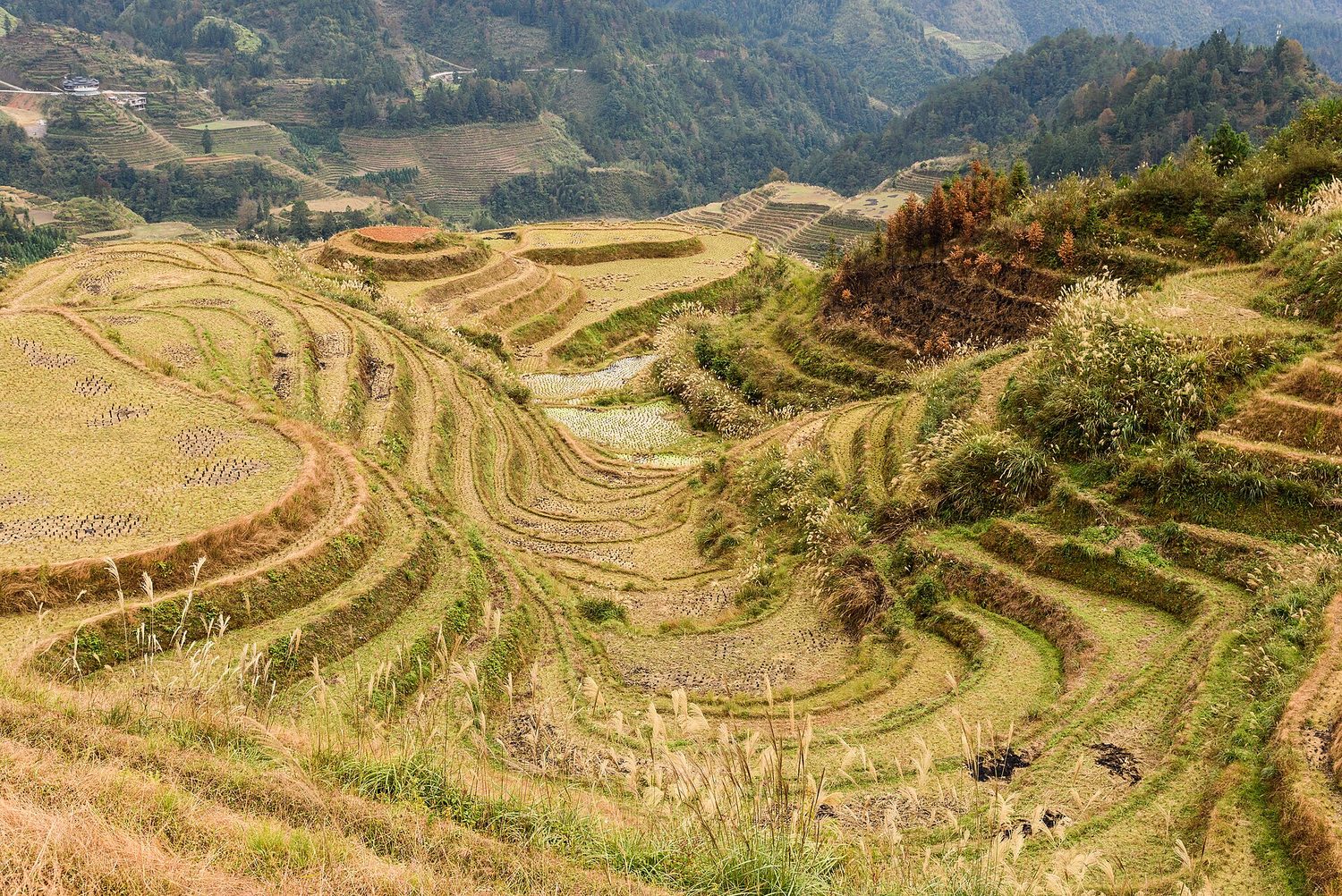
Sustainable farming protects soil and water: crop rotation 轮作, cover crops, contour plowing 等高耕作, terracing 梯田, reduced tillage, and agroforestry. These cut erosion, maintain fertility, and reduce chemical inputs.

עברית

חקלאות בר-קיימא שומרת על קרקע ומים: סיבוב תנועה, צמחי כיסוי, כרש בעקבות קווי המתאר, טרסות, כליה מופחתת ואגרופורסטרי. שיטות אלו מקטנות סחיפה, שומרות על פורה הקרקע ומפחיתות כניסה חומר כימי.

שדות אורז ירוקים מעוצבים בצורת מדרגות מעוגלות הנמסות עם קווי המתאר של צלע גובה תלולה
טרסות האורז מחלקות צלע תלולה למדרגות שטוחות, כך שמים וקרקע נשארים במקום ולא סוחפים כלפי מטה
5.16

Aquaculture · ⁨אקוואקלטה⁩

Syllabus · ⁨סיילבוס⁩
English

Enduring Understanding (STB-1): Humans can mitigate their impact on land and water resources through sustainable use.

Learning Objective STB-1.F: Describe the benefits and drawbacks of aquaculture.

  • STB-1.F.1 Aquaculture has expanded because it is highly efficient, requires only small areas of water, and requires little fuel.
  • STB-1.F.2 Aquaculture can contaminate wastewater, and fish that escape may compete or breed with wild fish. The density of fish in aquaculture can lead to increases in disease incidences, which can be transmitted to wild fish.
עברית

הבנה מתמשכת (STB-1): אנושיים יכולים להקל על השפעתם על משאבי אדמה ומים באמצעות שימוש בר-קיימה.

מטרת הלמידה STB-1.F: תאר את היתרונות והחסרונות של אקווקולטורה.

  • STB-1.F.1 אקווקולטורה התרחבה משום שהיא יעילה מאוד, דורשת רק שטחי מים קטנים ודורשת מעט דלק.
  • STB-1.F.2 אקווקולטורה עלולה לזוהם מים פסולת, ודגים בברחה עשויים להתחרות או להיזווג עם דגי בר. הצפיפות הגבוהה של דגים באקווקולטורה עלולה להוביל לעלייה בתדירות מחלות, שעשויות לעבור לדגי בר.

Source: College Board AP Course and Exam Description · ⁨מקור: תיאור הקורס והמבחן של College Board AP⁩

English

Aquaculture 水产养殖 (fish farming) eases pressure on wild stocks and is efficient, but can pollute water with waste and antibiotics, spread disease to wild fish, and destroy habitat (like mangroves for shrimp farms).

עברית

אקוואקלטה (גידול דגים) מקלה על לחץ על אוכלוסיות הבר ואפקטיבית, אך עלולה לזהם מים בפסולת ובאנטיביוטיקה, להפיץ מחלות לדגי בר ולשבור בתי גידול (כמו יערות מנגרוबים לגידולי סרטנים).

5.17

Sustainable Forestry · ⁨ייעור בר-קיימא⁩

Syllabus · ⁨סיילבוס⁩
English

Enduring Understanding (STB-1): Humans can mitigate their impact on land and water resources through sustainable use.

Learning Objective STB-1.G: Describe methods for mitigating human impact on forests.

  • STB-1.G.1 Some of the methods for mitigating deforestation include reforestation, using and buying wood harvested by ecologically sustainable forestry techniques, and reusing wood.
  • STB-1.G.2 Methods to protect forests from pathogens and insects include integrated pest management (IPM) and the removal of affected trees.
  • STB-1.G.3 Prescribed burn is a method by which forests are set on fire under controlled conditions in order to reduce the occurrence of natural fires.
עברית

הבנה מתמשכת (STB-1): אנושיים יכולים להקל על השפעתם על משאבי אדמה ומים באמצעות שימוש בר-קיימה.

מטרת הלמידה STB-1.G: תאר שיטות להקלת השפעת האדם על היערות.

  • STB-1.G.1 חלק מהשיטות להקלת גירעון יער כוללות שיחזור יער, שימוש ורכישת עץ שנחתך בטכניקות ייעור אקולוגיות בת קיימה, ושימוש חוזר בעץ.
  • STB-1.G.2 שיטות להגנה על יער מפני מחלות וחרקים כוללות ניהול משולב של מזיקים (IPM) והסרת עצים מושפעים.
  • STB-1.G.3 שריפה מתוכננת היא שיטה בה מוצאים יערות באש בתנאים מבוקרים כדי לצמצם התרחשות של אשפות טבעיות.

Source: College Board AP Course and Exam Description · ⁨מקור: תיאור הקורס והמבחן של College Board AP⁩

English

Sustainable forestry keeps forests productive: selective cutting 择伐 instead of clearcutting, replanting, leaving buffer strips along streams, and long rotation times. It maintains habitat, prevents erosion, and lets forests keep providing ecosystem services.

Forests also absorb pollutants and store carbon dioxide, so cutting and burning them releases $\text{CO}_2$ and worsens climate change. Ways to mitigate deforestation include reforestation 重新造林 (replanting), buying wood from ecologically sustainable forestry, and reusing wood. A separate tool is the prescribed burn 计划烧除: deliberately burning a forest under controlled conditions to clear fuel, so a later wildfire cannot grow catastrophic.

עברית

ייעור בר-קיימא שומר על יערות מוצרים: כרש ממוקד במקום כרש מלא, השתלת חוזר, השארת רצועות בילוש לצד נחלים, וזמני סיבוב ארוכים. פעילות זו שומרת על בתי הגידול, מונעת סחיפה ומאפשרת ליערות להמשיך לספק שירותי אקוסיסטמה.

יערות גם סופגות זיהומים ואחסנות פחמן דיאוקסיד, כך שכרש ושריפתן משחררים $\text{CO}_2$ ומחמירים את שינויי האקלים. דרכים להקלת השמדת יערות כוללות השתלה (השבת עצי们), רכישה של עץ מייעור אקולוגי בר-קיימא, ושימוש חוזר בעץ. כלי נוסף הוא הצבה מתוכננת: שריפת יער במתכונת מבוקרת כדי לפנות חומר דליק, כך ששריפת יער עתידית לא תגיע למידות קטסטרופליות.

5.17

Exam tips · ⁨טיפים לבחינות⁩

English
  • Explain the tragedy of the commons — shared, unowned resources get overused — and how rules/ownership prevent it.
  • Weigh the trade-offs of the green revolution, irrigation (salinisation, aquifer depletion), and mining/urbanisation.
  • Compute an ecological footprint in "number of Earths" (footprint ÷ biocapacity per person); it is measured per person.
  • List the harms of deforestation (erosion, flooding, lost habitat, more CO₂).
  • Define sustainability (meeting needs without harming future generations) and give sustainable methods (IPM, crop rotation, quotas).
עברית
  • הסבר את המأسאת המשאבים המשותפים – משאבים משותפים ולא מיועדים מתפרזים בשימוש – וכיצד חוקים/בעלות מונעים זאת.
  • שקול את הפיצולים של המהפכה הירוקה, ההשקאה (מליחות, דילול אקוודופרים) והחפירה/עירון.
  • חשב טביעת הרגל האקולוגית ב"מספר כדורי ארץ" (טביעת הרגל ÷ יכולת נשיאה ביולוגית לאדם); היא נמדדת לכל אדם.
  • רשימת נזקי השמדת יערות (סחיפה, הצפות, איבוד בתי גידול, עליית CO₂).
  • הגדר בר-קיימא (סיפוק צרכים ללא פגיעה בדורות עתידיים) ותן שיטות בר-קיימא (IPM, סיבוב תנועה, квотות).

Interactive lessons on this topic · ⁨שיעורים אינטראקטיביים בנושא זה⁩

Work through it step by step, with instant-check exercises. · ⁨לעבור על הדברים צעד אחר צעד, עם תרגילים לבדיקה מיידית.⁩

Past Papers · ⁨מבחני עבר⁩

More topics in AP Environmental Science · ⁨סביבה וקיימות - AP⁩ · ⁨נושאים נוספים בAP Environmental Science · ⁨סביבה וקיימות - AP⁩⁩

Log in or create account · ⁨היכנס או צור חשבון⁩

IGCSE, A-Level & AP