Skip to content · ⁨דלג לתוכן⁩

Evidence, Thesis, and Stylistic Choices · ⁨עדות, טוענה ובחירות סגנוניות⁩

AP English Language and Composition · ⁨שפה ואנגלית כתיבה יצירתית - AP⁩ · Topic 6 · ⁨נושא 6⁩

Video lesson for this topic · ⁨שיעור וידאו לנושא זה⁩ Open the video page · ⁨פתח את עמוד הוידאו⁩
5:21

יחידה 6: עדויות, טוענה ואפשרויות סגנוניות

יחידה 6 היא יחידת השילוב, והיא מכילה את ההבדל החד ביותר בקורס. עמדה ופרספקטיבה הן דברים שונים. מקורות עשויים להכיל את…

English narration · English + 中文 subtitles burned in · ⁨קריאת קול באנגלית · תרגום אנגלי + סינית שרוף בתוך הסרטון⁩

6.1

Identifying Claims and Evidence · ⁨זיהוי טענות ועדויות⁩

Syllabus · ⁨סיילבוס⁩
English

Enduring Understanding (CLE-1): Writers make claims about subjects, rely on evidence that supports the reasoning that justifies the claim, and often acknowledge or respond to other, possibly opposing, arguments.

Learning Objective 3.A: Reading – Identify and explain claims and evidence within an argument.

  • CLE-1.P When synthesizing, writers draw upon arguments from multiple sources, strategically select the most relevant information, and combine apt and specific source material as part of their own argument.
  • CLE-1.Q A source provides information for an argument, and some sources are more reliable or credible than others.
  • CLE-1.R A position and a perspective are different. Sources may have the same position on a subject, yet each comes from a different perspective based on their background, interests, and expertise.
  • CLE-1.S When incorporating evidence or sources into an argument, the strongest arguments recognize and acknowledge the biases and limitations of the material and account for those limitations in their reasoning.
  • CLE-1.T The degree to which a source does or does not consider other positions reflects the degree to which that source is biased.
עברית

הבנה מתמשכת (CLE-1): כותבים מטילים טענות בנושאים, נסמכים על עדויות התומכות בלוגיקה המצדיקה את הטענה, ולעיתים קרובות מכירים או מגיבים לטענות אחרות, אולי מתנגדות.

מטרות למידה 3.A: קריאה – זיהוי והסבר טענות ועדויות בתוך ארגומנט.

  • CLE-1.P בעת סינתזה, סופרים מתייחסים לטיעונים ממקורות שונים, בוחרים באופן אסטרטגי את המידע הרלוונטי ביותר ומשלב חומר מקור מתאים וספציפי כחלק מהטיעון האישי שלהם.
  • CLE-1.Q מקור מספק מידע לטיעון, וכמה שמקורות הם אמיתיים או אמינים יותר מאחרים.
  • CLE-1.R עמדה וזווית מבט הן דברים שונים. ייתכן שמקורות ישתמשו באותה עמדה בנושא כלשהו, אך כל אחד מהם מגיע מזווית מבט שונה על בסיס רקע, עניינים וניסיון.
  • CLE-1.S בעת השילוב של עדויות או מקורות בטיעון, הטיעונים החזקים ביותר מזהים ומכירים במגמות ובמגבלות של החומר ומחשבים מגבלות אלו בתוך ההסקות הלוגיות שלהם.
  • CLE-1.T המידה שבה מקור לוקח בחשבון או לא לוקח בחשבון עמדות אחרות משקפת את המידה שבה המקור נמצא במגמה.
Source: College Board AP Course and Exam Description · ⁨מקור: תיאור הקורס והמבחן של College Board AP⁩

English

Unit 6 is the synthesis unit, and it contains the single sharpest distinction in the course.

  • When synthesising, writers draw on arguments from multiple sources, strategically select the most relevant information, and integrate it into their own argument.
  • A source provides information for an argument, and some sources are more reliable or credible than others.
  • A position and a perspective are different. Sources may hold the same position on a subject and yet each come from a different perspective.
  • The strongest arguments recognise and acknowledge the other positions that exist.
  • The degree to which a source considers other positions reflects the degree to which that source is credible - a test you can apply to any source on the exam.
עברית

יחידה 6 היא יחידת הסינתזה, והיא מכילה את ההבדל החד ביותר בקורס.

  • בזמן סינתזה, סופרים מתייחסים לטענות ממקורות מרובים, בחרים אסטרטגית את המידע הרלוונטי ביותר, ומשלבים אותו בטענה שלהם.
  • מקור ספק מידע עבור טיעון, ו-חלק ממקורות אמינים או אובייקטיביים יותר מאחרים.
  • עמדה ונקודת מבט הן שונות. מקורות עשויים לתמוך ב-אותה עמדה בנושא, אך כל אחד מגיע מ-נקודת מבט שונה.
  • הטיעונים החזקים ביותר מכירים ומעריכים את העמדות האחרות הקיימות.
  • המידה שבה מקור שוקל עמדות אחרות משקפת את המידה שבה המקור נחשב לאמין - מבחן שתוכלו להפעיל על כל מקור במבחן.
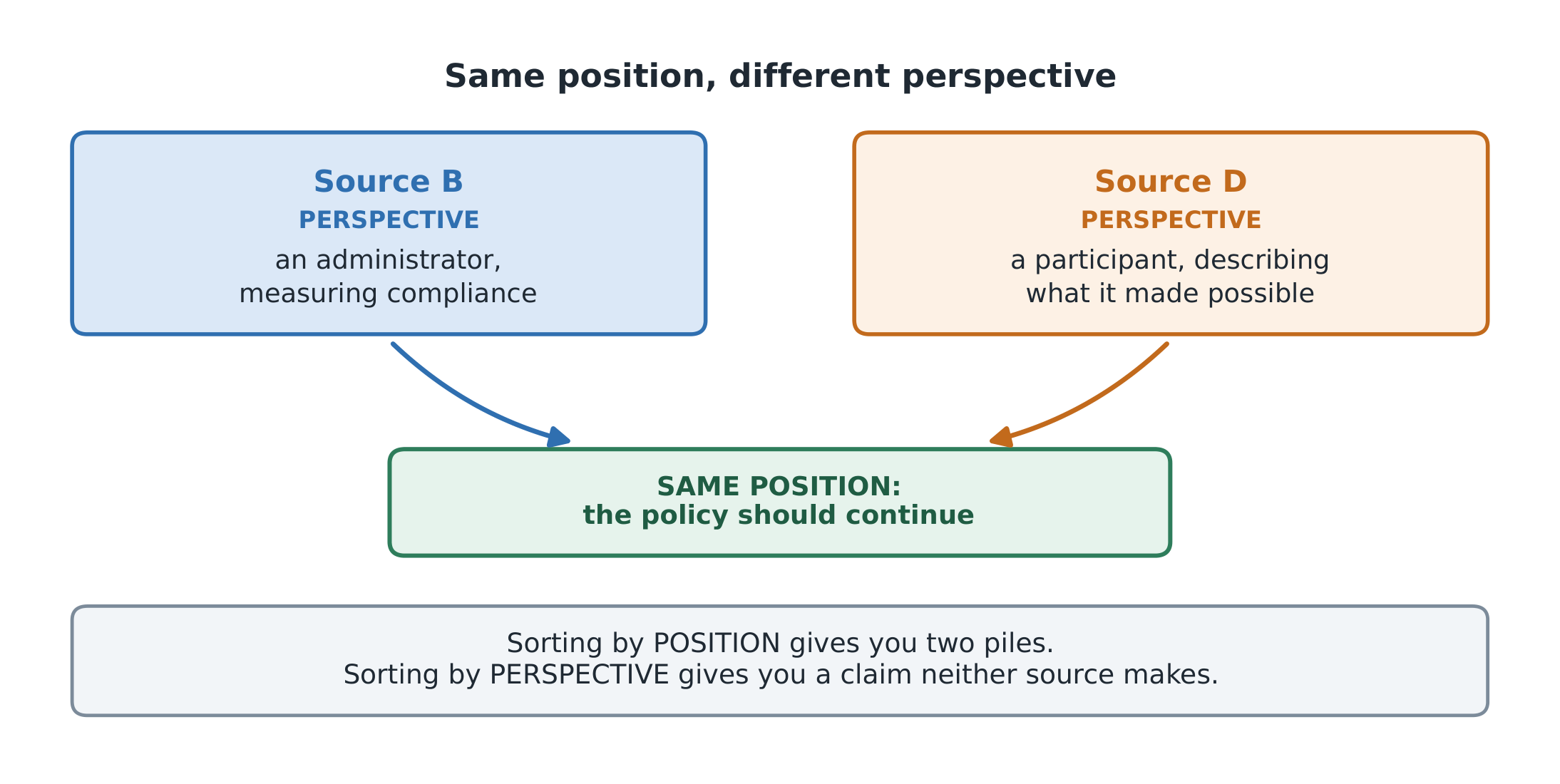
ההבדל שעליו מבוססת שאלת הסינתזה
שני מקורות יכולים להסכים ולא即便如此 לעשות עבודה לגמרי שונה בטענתכם
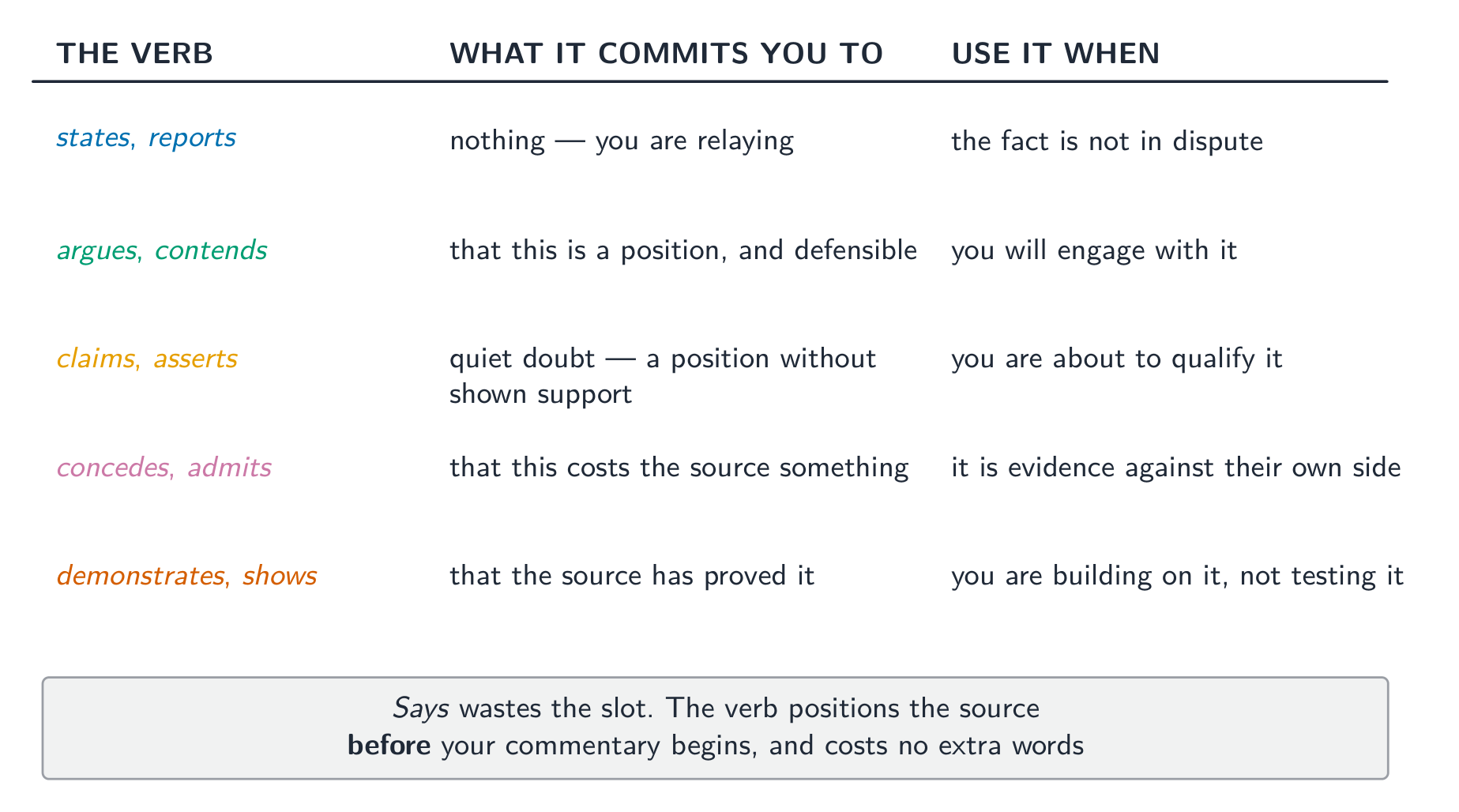
הפועל מיקם את המקור לפני שהתעליק שלכם מתחיל
Explore · ⁨חקור⁩

Choose the attribution verb that positions the source · ⁨בחר בטיב המיוחס שמוקם את המקור⁩

The verb commits you to something about the source's status, before your commentary starts, and costs no extra words. · ⁨הטיב מחייב אותך לגבי סטטוס המקור, לפני ההערכה שלך, וללא תוספת מילים.⁩

Vocabulary · ⁨מילון מונחים⁩ Train · ⁨אימון⁩
English עברית
tone/təʊn/ טון
shifts in tone/ʃɪfts ɪn təʊn/ שינויים בגוון
6.2

Developing a Paragraph with Claim and Evidence · ⁨פיתוח פרק עם טענה ועדות⁩

Syllabus · ⁨סיילבוס⁩
English

Enduring Understanding (CLE-1): Writers make claims about subjects, rely on evidence that supports the reasoning that justifies the claim, and often acknowledge or respond to other, possibly opposing, arguments.

Learning Objective 4.A: Writing – Develop a paragraph that includes a claim and evidence supporting the claim.

  • CLE-1.P When synthesizing, writers draw upon arguments from multiple sources, strategically select the most relevant information, and combine apt and specific source material as part of their own argument.
  • CLE-1.Q A source provides information for an argument, and some sources are more reliable or credible than others.
  • CLE-1.R A position and a perspective are different. Sources may have the same position on a subject, yet each comes from a different perspective based on their background, interests, and expertise.
  • CLE-1.S When incorporating evidence or sources into an argument, the strongest arguments recognize and acknowledge the biases and limitations of the material and account for those limitations in their reasoning.
  • CLE-1.T The degree to which a source does or does not consider other positions reflects the degree to which that source is biased.
עברית

הבנה מתמשכת (CLE-1): כותבים מטילים טענות בנושאים, נסמכים על עדויות התומכות בלוגיקה המצדיקה את הטענה, ולעיתים קרובות מכירים או מגיבים לטענות אחרות, אולי מתנגדות.

מטרות למידה 4.A: כתיבה – פתח פרק הכולל טענה ועדויות התומכות בטענה.

  • CLE-1.P בעת סינתזה, סופרים מתייחסים לטיעונים ממקורות שונים, בוחרים באופן אסטרטגי את המידע הרלוונטי ביותר ומשלב חומר מקור מתאים וספציפי כחלק מהטיעון האישי שלהם.
  • CLE-1.Q מקור מספק מידע לטיעון, וכמה שמקורות הם אמיתיים או אמינים יותר מאחרים.
  • CLE-1.R עמדה וזווית מבט הן דברים שונים. ייתכן שמקורות ישתמשו באותה עמדה בנושא כלשהו, אך כל אחד מהם מגיע מזווית מבט שונה על בסיס רקע, עניינים וניסיון.
  • CLE-1.S בעת השילוב של עדויות או מקורות בטיעון, הטיעונים החזקים ביותר מזהים ומכירים במגמות ובמגבלות של החומר ומחשבים מגבלות אלו בתוך ההסקות הלוגיות שלהם.
  • CLE-1.T המידה שבה מקור לוקח בחשבון או לא לוקח בחשבון עמדות אחרות משקפת את המידה שבה המקור נמצא במגמה.
Source: College Board AP Course and Exam Description · ⁨מקור: תיאור הקורס והמבחן של College Board AP⁩

English

The position-and-perspective distinction is what makes synthesis possible. If you sort the sources only by position, you get two piles - for and against - and a paragraph per pile. If you sort them by perspective, you can say things like:

Both the economist and the teacher support the measure, but they support it for reasons that do not survive together: one values the measurable gain, the other the change in what students attempt.

That sentence is synthesis. It uses two sources, is grounded in what each actually says, and produces a claim neither source makes.

Also examinable: use the credibility test. A source that never acknowledges any other position is, by the CED's own standard, less credible - and saying so about a source is legitimate evidence in your essay.

עברית

ההבדל בין מיקום לבין פרספקטיבה הוא מה שמאפשר סינתזה. אם תסדרו את המקורות רק לפי מיקום, תקבלו שתי ערימות - לתומכים ולנגד - ופסקה אחת לכל ערימה. אם תסדרו אותם לפי פרספקטיבה, תוכלו לטעון דברים כמו:

גם הכלכלן וגם המורה תומכים במדינה, אך הם תומכים בה מסיבות שאינן יכולות להתקיים יחד: אחד מעריך את הרווח הנמדד, והשני את השינוי בנסיונות התלמידים.

משפט זה הוא סינתזה. הוא משתמש בשני מקורות, מבוסס על מה שהם אכן אומרים, ומייצר טענה שאף אחד מהמקורות לא מעלה.

גם נבחן בבחינות: השתמשו במבחן האמינות. מקור שלא מאשר לעולם כל עמדה אחרת הוא, לפי סטנדרט ה-CED עצמו, פחות אמין - ואמירת זאת לגבי מקור היא עדות חוקית בערכון שלכם.

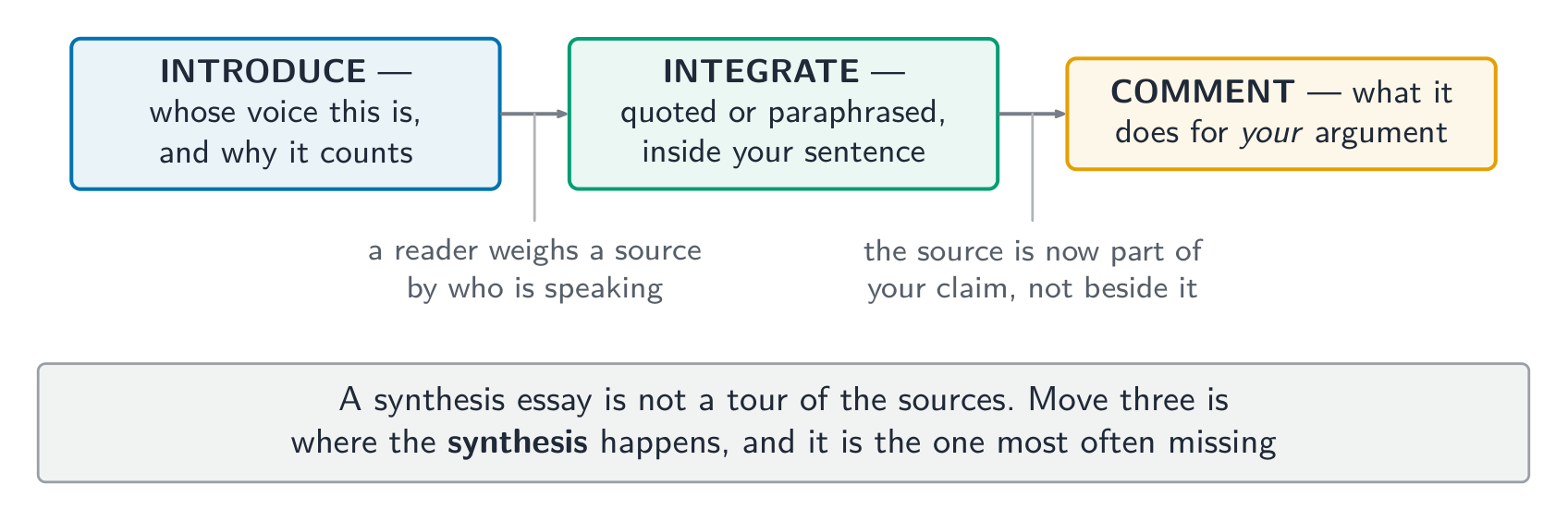
שלושה צעדים הופכים מקור לעדויות - הצעד השלישי הוא שבו מתרחשת הסינתזה
Explore · ⁨חקור⁩

Turn a source into evidence in three moves · ⁨הפוך מקור למסמך הוכחה בשלושה צעדים⁩

A synthesis essay is not a tour of the sources. The third move is where the synthesis happens, and it is the one most often missing. · ⁨מאמר סינתזה אינו סיור במקורות. השלב השלישי הוא שבו הסינתזה מתרחשת, והוא הרבה פעמים החסר ביותר.⁩

6.3

Identifying the Overarching Thesis · ⁨זיהוי הטענה המרכזית⁩

Syllabus · ⁨סיילבוס⁩
English

Enduring Understanding (CLE-1): Writers make claims about subjects, rely on evidence that supports the reasoning that justifies the claim, and often acknowledge or respond to other, possibly opposing, arguments.

Learning Objective 3.B: Reading – Identify and describe the overarching thesis of an argument, and any indication it provides of the argument’s structure.

  • CLE-1.U Consideration and use of new evidence may require revision of the thesis statement and/or changes to the line of reasoning.
עברית

הבנה מתמשכת (CLE-1): כותבים מטילים טענות בנושאים, נסמכים על עדויות התומכות בלוגיקה המצדיקה את הטענה, ולעיתים קרובות מכירים או מגיבים לטענות אחרות, אולי מתנגדות.

מטרות למידה 3.B: קריאה – זיהוי ותיאור thesis כללי של טיעון, וכל רמז שמספק על מבנה הטיעון.

  • CLE-1.U התבוננות והשילוב של עדויות חדשות עשויים להצריך שינוי בטענת הטזה ו/או שינויים בקו הטיעון.

Source: College Board AP Course and Exam Description · ⁨מקור: תיאור הקורס והמבחן של College Board AP⁩

English

A short but load-bearing point: consideration and use of new evidence may require revision of the thesis statement and/or changes to the line of reasoning.

Reading a text, this means a writer's thesis may be responsive - shaped by the evidence rather than imposed on it. Look for where an argument turns.

עברית

נקודה קצרה אך נושאת משקל: ה consideration והשימוש בעדויות חדשות עשויים להחייב שינוי בניסוח ההשערה ו/או בשינוי בקו הטענות.

בקריאת טקסט, הדבר מצביע על כך שההשערה של הסופר עשויה להיות תגובתית - מעוצבת על ידי העדויות ולא מופרצת עליהן. חפשו את הנקודות בהן הטענה משתנה.

6.4

Writing a Thesis Statement · ⁨כתיבת משפט טענה⁩

Syllabus · ⁨סיילבוס⁩
English

Enduring Understanding (CLE-1): Writers make claims about subjects, rely on evidence that supports the reasoning that justifies the claim, and often acknowledge or respond to other, possibly opposing, arguments.

Learning Objective 4.B: Writing – Write a thesis statement that requires proof or defense and that may preview the structure of the argument.

  • CLE-1.U Consideration and use of new evidence may require revision of the thesis statement and/or changes to the line of reasoning.
עברית

הבנה מתמשכת (CLE-1): כותבים מטילים טענות בנושאים, נסמכים על עדויות התומכות בלוגיקה המצדיקה את הטענה, ולעיתים קרובות מכירים או מגיבים לטענות אחרות, אולי מתנגדות.

מטרות למידה 4.B: כתיבה – כתבו משפט טענה הדורש הוכחה או הגנה ואשר עשוי להציג מראש את מבנה הטיעון.

  • CLE-1.U התבוננות והשילוב של עדויות חדשות עשויים להצריך שינוי בטענת הטזה ו/או שינויים בקו הטיעון.

Source: College Board AP Course and Exam Description · ⁨מקור: תיאור הקורס והמבחן של College Board AP⁩

English

Writing under time pressure, this is permission you should use. If, while drafting, you find the evidence does not support the thesis you began with, change the thesis, not the evidence. Examiners reward an argument that fits its evidence; there are no marks for having predicted your own conclusion.

In practice, spend the first minutes reading sources and sketching claims before fixing the thesis. A thesis written after the evidence is nearly always better than one written before it.

עברית

כתיבה תחת לחץ זמן, זו הזכות שחובה להשתמש בה. אם, בזמן הכתיבה הראשונית, תמצאו שהעדויות אינן תומכות בהשערה שהתחלתם איתה, שנו את ההשערה, אל תשנו את העדויות. בוחנים מעריכים טענה המתאימה לעדויות שלה; אין נקודות על כך שתחזיתם את מסקנתכם העצמית.

במעשה, הקדישו את הדקות הראשונות לקריאת המקורות ולשרטוט הטענות לפני קיבוע ההשערה. השערה שנכתבת לאחר העדויות היא כמעט תמיד טובה מזו שנכתבת לפנייה.

6.5

Word Choice, Comparisons, and Syntax · ⁨בחירת מילים, השוואות וסינטקס⁩

Syllabus · ⁨סיילבוס⁩
English

Enduring Understanding (STL-1): The rhetorical situation informs the strategic stylistic choices that writers make.

Learning Objective 7.A: Reading – Explain how word choice, comparisons, and syntax contribute to the specific tone or style of a text.

  • STL-1.D A writer’s tone is the writer’s attitude or feeling about a subject, conveyed through word choice and writing style.
  • STL-1.E Readers infer a writer’s tone from the writer’s word choice, and especially the positive, negative, or other connotations of those words.
  • STL-1.F A writer’s shifts in tone from one part of a text to another may suggest the writer’s qualification, refinement, or reconsideration of their perspective on a subject.
עברית

הבנה מתמשכת (STL-1): המצב הרטורי מזהיר את הבחירות הסגנוניות האסטרטגיות שעושים הכותבים.

מטרות לימוד 7.A: קריאה – הסבר כיצד בחירת מילים, השוואות וסינטקס תורמים לגוון או לסגנון ספציפי של הטקסט.

  • STL-1.D הגוון של הסופר הוא העמדה או התחושה שלו לגבי נושא, המועברת באמצעות בחירת מילים וסגנון הכתיבה.
  • STL-1.E קוראים מסיקים גוון של סופר מתוך בחירת המילים שלו, ובמיוחד הקונוטציות החיוביות, השליליות או האחרות של מילים אלו.
  • STL-1.F מעברים בגוון של סופר מחלק אחד של הטקסט לחלק אחר עשויים להעיד על הסתייגות, מדויק או איחור במחשבתו של הסופר לגבי הנושא.

Source: College Board AP Course and Exam Description · ⁨מקור: תיאור הקורס והמבחן של College Board AP⁩

English
  • A writer's tone 语调 is the writer's attitude or feeling about a subject, conveyed through word choice and writing style.
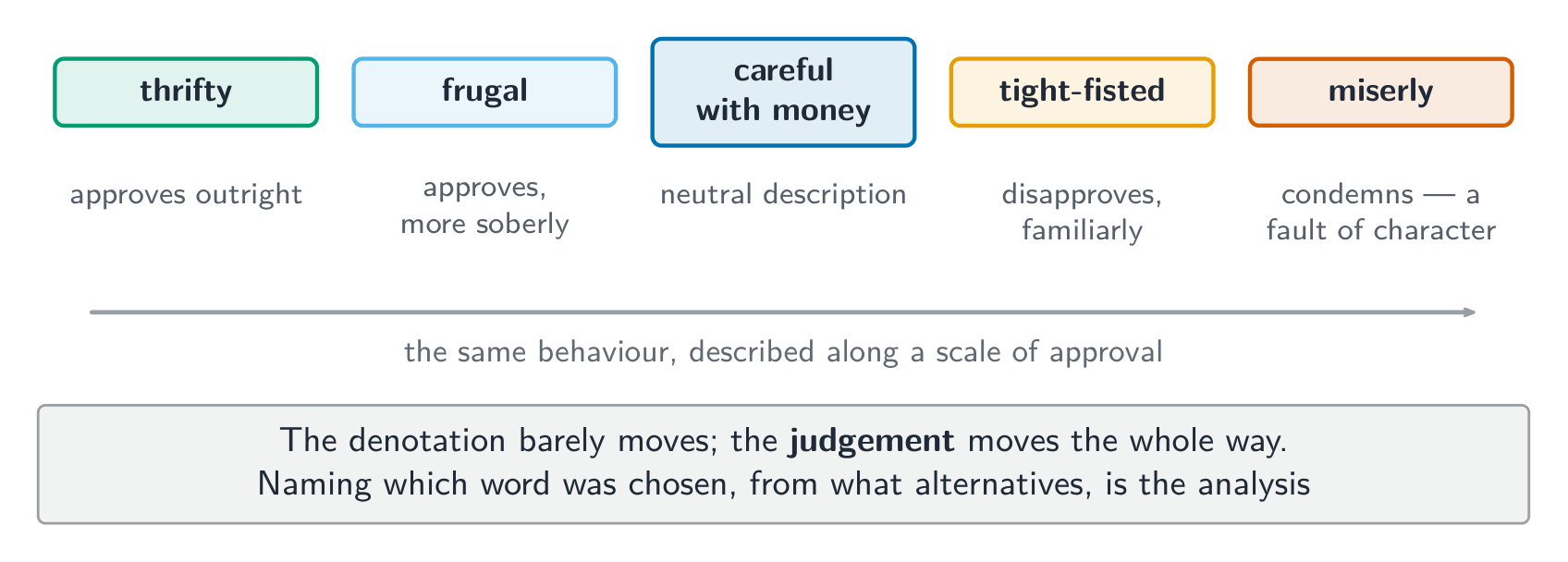
  • Readers infer tone from word choice - especially from the positive, negative, or otherwise charged associations of the words chosen.
  • A writer's shifts in tone 语调转变 from one part of a text to another may suggest qualification, refinement, or a change in perspective.

The third is the analytical gold. A tone shift is a visible event in a text: something changed at that point, and explaining what the writer wanted the reader to do differently after it is exactly the kind of answer that scores.

עברית
  • הטון של סופר הוא העמדה או התחושה שלו כל respecto לנושא, המועברת באמצעות בחירת המילים וסגנון הכתיבה.
  • קוראים מסיקים טון מתוך בחירת המילים - במיוחד מתוך הקשרים חיוביים, שליליים או טעונים אחרים של המילים שנבחרו.
  • שינויים בטון של סופר מחלק אחד של הטקסט לשני עשויים להצביע על התחייבות, שכלול או שינוי בפרספקטיבה.

השלישי הוא הזהב האנליטי. שינוי בטון הוא אירוע גלוי בטקסט: משהו השתנה בנקודה זו, והסבר על מה הסופר רצה מהקורא לעשות אחרת לאחר מכן הוא בדיוק סוג התשובה שמביאה נקודות.

אותו משמעות דקדוקית, חמש פסקולים - הבחירה במילה היא האנליזה
6.6

Using Words and Syntax for Tone and Style · ⁨שימוש במילים ובסינטקס לעיצוב אווירה וסגנון⁩

Syllabus · ⁨סיילבוס⁩
English

Enduring Understanding (STL-1): The rhetorical situation informs the strategic stylistic choices that writers make.

Learning Objective 8.A: Writing – Strategically use words, comparisons, and syntax to convey a specific tone or style in an argument.

  • STL-1.D A writer’s tone is the writer’s attitude or feeling about a subject, conveyed through word choice and writing style.
  • STL-1.E Readers infer a writer’s tone from the writer’s word choice, and especially the positive, negative, or other connotations of those words.
  • STL-1.F A writer’s shifts in tone from one part of a text to another may suggest the writer’s qualification, refinement, or reconsideration of their perspective on a subject.
עברית

הבנה מתמשכת (STL-1): המצב הרטורי מזהיר את הבחירות הסגנוניות האסטרטגיות שעושים הכותבים.

מטרות לימוד 8.A: כתיבה – שימוש אסטרטגי במילים, השוואות וסינטקס להעברת גוון או סגנון ספציפי בארגון.

  • STL-1.D הגוון של הסופר הוא העמדה או התחושה שלו לגבי נושא, המועברת באמצעות בחירת מילים וסגנון הכתיבה.
  • STL-1.E קוראים מסיקים גוון של סופר מתוך בחירת המילים שלו, ובמיוחד הקונוטציות החיוביות, השליליות או האחרות של מילים אלו.
  • STL-1.F מעברים בגוון של סופר מחלק אחד של הטקסט לחלק אחר עשויים להעיד על הסתייגות, מדויק או איחור במחשבתו של הסופר לגבי הנושא.

Source: College Board AP Course and Exam Description · ⁨מקור: תיאור הקורס והמבחן של College Board AP⁩

English

In your own writing, tone should be consistent and controlled, and deliberately shifted only where the argument turns - for example when moving from stating your position to conceding part of an opposing one.

Worked example (a real AP exam task). On a synthesis prompt, compare two uses of the same two sources. Weak: "Source B agrees with Source D that the policy should continue." That is position-sorting, and it produces nothing. Strong: "Sources B and D both defend the policy, but B defends it as an administrator measuring compliance while D defends it as a participant describing what it made possible - so the agreement is thinner than it appears, and the case rests on whether we are measuring the policy's operation or its effect." Same two sources, but the perspectives are doing the work, and the claim belongs to the writer.

עברית

בכתיבה שלך, הטון צריך להיות עקבי ומנושל, ומשתנה במכוונות רק כאשר הטענה משתנה - לדוגמה בעת מעבר מניסוח עמדתך למתן קיצוץ בחלק מעמדה נגדית.

דוגמה עבודה (משימת ביקורת AP אמיתית). בפסקול סינתזה, השוו שני שימושים באותם שני מקורות. חלש: "מקור B מסכים עם מקור D כי המדינה צריכה להמשיך." זהו סידור לפי מיקום, והוא אינו מייצר כלום. חזק: "מקורות B ו-D שניהם מגנים על המדינה, אך B מגן עליה כמנהל המודד ציות בעוד D מגן עליה כמשתתף המתאר מה היא אפשרה - לכן ההסכמה דקה יותר ממה שנראה, והמקרה נשען על כך האם אנו מודדים את הפעולה של המדינה או את השפעתה." אותו שני מקורות, אך הפרספקטיבות עושות את העבודה, והטענה שייכת לסופר.

6.6

Exam tips · ⁨טיפים לבחינות⁩

English
  • Position and perspective are different. This one distinction lifts most synthesis essays out of the middle band.
  • Sort sources by perspective, not by side. Sorting by side produces a paragraph per pile and no argument.
  • Use the CED's credibility test: a source that ignores all other positions is weaker, and you may say so.
  • If the evidence does not fit the thesis, change the thesis. There are no marks for consistency with your first idea.
  • A tone shift is a visible event. Say what changed and what the reader was meant to do after it.
  • Keep your own tone controlled. Shift it only where the argument genuinely turns.
עברית
  • מיקום ופרספקטיבה הם שונים. הבדל זה יוצא את רוב ערכוני הסינתזה מהסרט החציוני.
  • סדרו מקורות לפי פרספקטיבה, לא לפי צד. סידור לפי צד מייצר פסקה אחת לכל ערימה ואין בו טענה.
  • השתמשו ב-מבחן האמינות של ה-CED: מקור שמתעלם מכל העמדות האחרות הוא חלש, וחובה להציג זאת.
  • אם העדויות לא מתאימות להשערה, שנו את ההשערה. אין נקודות לעקביות עם הרעיון הראשוני שלכם.
  • שינוי גוון הוא אירוע מורגש. ציין מה השתנה ומה קריא המיועד לעשות לאחריו.
  • שמור על הגוון האישי שלך תחת בקרה. שנה אותו רק כאשר הטיעון באמת משתנה.

Interactive lessons on this topic · ⁨שיעורים אינטראקטיביים בנושא זה⁩

Work through it step by step, with instant-check exercises. · ⁨לעבור על הדברים צעד אחר צעד, עם תרגילים לבדיקה מיידית.⁩

Past Papers · ⁨מבחני עבר⁩

More topics in AP English Language and Composition · ⁨שפה ואנגלית כתיבה יצירתית - AP⁩ · ⁨נושאים נוספים בAP English Language and Composition · ⁨שפה ואנגלית כתיבה יצירתית - AP⁩⁩

Log in or create account · ⁨היכנס או צור חשבון⁩

IGCSE, A-Level & AP