Skip to content · ⁨الانتقال إلى المحتوى⁩

Vocabulary and text types · ⁨المفردات وأنواع النصوص⁩

IGCSE English · ⁨IGCSE اللغة الإنجليزية⁩ · Topic 11 · ⁨الموضوع 11⁩

Video lesson for this topic · ⁨درس فيديو لهذا الموضوع⁩ Open the video page · ⁨افتح صفحة الفيديو⁩
7:24

المفردات وأنواع النصوص

طالبان يتلقيان نفس المهمة: تقرير للمدير العام حول رحلة المدرسة. الطالب الأول يكتب: مرحبًا سيدي! الرحلة كانت جيدة. الطعام كان جيدًا و…

English narration · English + 中文 subtitles burned in · ⁨سرد باللغة الإنجليزية · ترجمة مدمجة بالإنجليزية + الصينية⁩

11.1

Growing your vocabulary · ⁨تطوير مفرداتك⁩

Syllabus · ⁨المنهج⁩
English
  1. learn new words together with their meaning, spelling and how they sound
  2. group vocabulary by topic and by everyday situation
  3. use set phrases, phrasal verbs and collocations naturally
العربية
  1. تعلم كلمات جديدة مع معناها وإملاؤها وكيفية نطقها
  2. جمّع المفردات حسب الموضوع وحسب المواقف اليومية
  3. استخدم العبارات الثابتة والأفعال المركبة والمتلازمات بشكل طبيعي
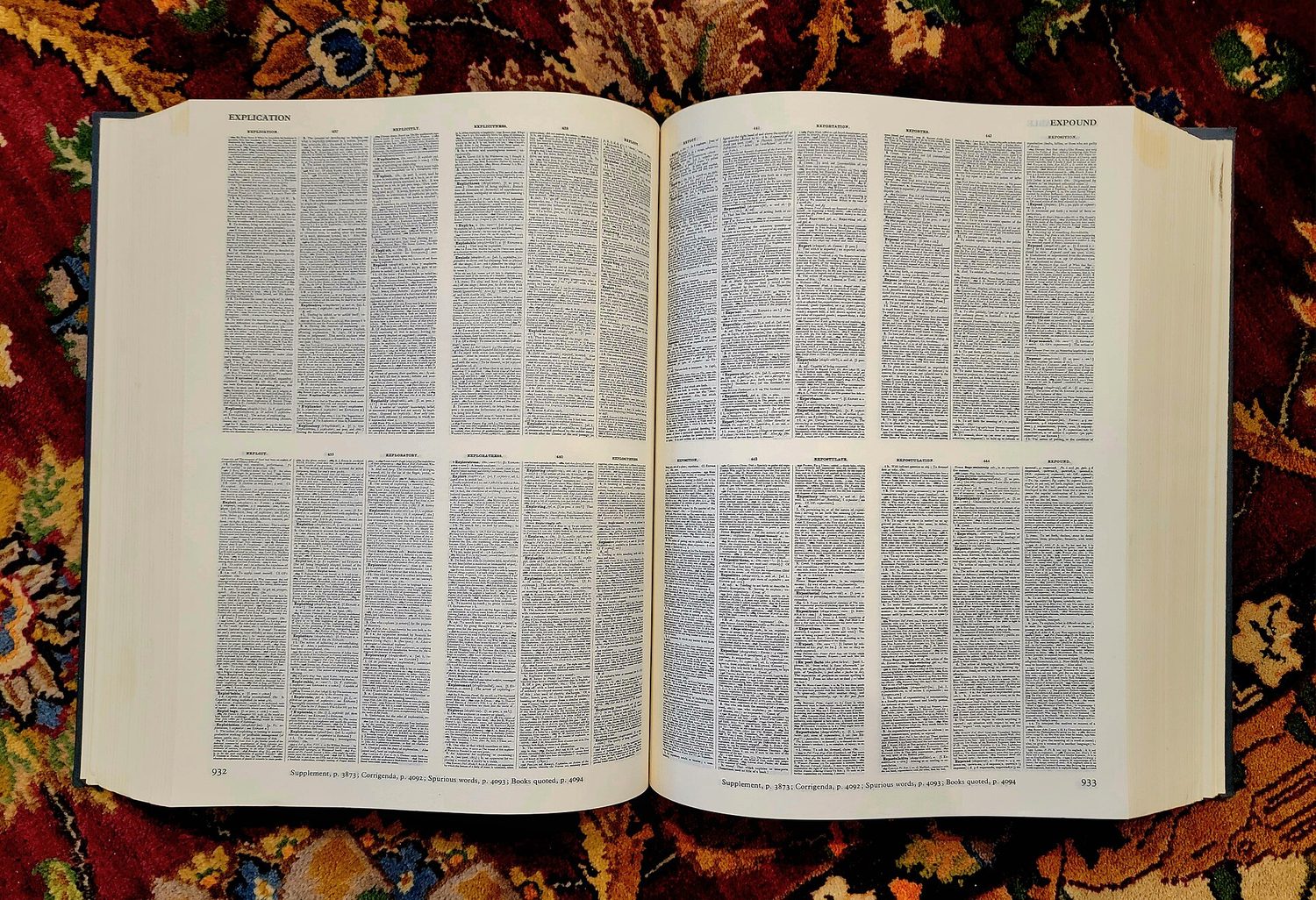
Source: Cambridge International syllabus · ⁨المصدر: منهج كامبريدج الدولي⁩

English

A wide vocabulary 词汇 helps you in every part of the exam.

Learn words well

  • Learn a new word with its meaning, its spelling, and how it sounds.
  • Keep a vocabulary notebook. Group words by topic, such as travel or health.

Use natural phrases

  • Learn words that go together. These are called collocations 词语搭配, like "make a decision" or "heavy rain".
  • Learn set phrases 固定短语 and common phrasal verbs 短语动词, like "give up" or "look after".
  • Using natural phrases makes your English sound fluent 流利.
العربية

مكتبة لغوية واسعة vocabulary 词汇 تساعدك في كل جزء من الاختبار.

تعلم الكلمات جيدًا

  • احفظ كلمة جديدة بمعناها، إملائها، وكيفية نطقها.
  • احتفظ بدفتر مفردات. جمّع الكلمات حسب الموضوع، مثل السفر أو الصحة.
كلمة decision في المنتصف، متصلة بخمس أشياء تتعلمها عنها: معناها، الإملاء والصوت، عائلة الكلمات، التراكيب make a decision، والمجموعة الموضوعية التي تُصنف فيها
أن تعرف الكلمة جيدًا يعني معرفة كل هذا

استخدم عبارات طبيعية

  • تعلم كلمات تأتي معًا. تسمى هذه collocations 词语搭配، مثل "make a decision" أو "heavy rain".
  • تعلم set phrases 固定短语 وأفعال مركبة شائعة phrasal verbs 短语动词، مثل "give up" أو "look after".
  • استخدام عبارات طبيعية يجعل لغتك الإنجليزية تبدو fluent 流利.
تطوير المفردات: انتبه للكلمات المفيدة في كل نوع من النصوص وتمرن عليها في كتابتك الخاصة
Vocabulary · ⁨مفردات⁩ Train · ⁨تدريب⁩
English العربية
vocabulary/vəʊˈkæbjʊləri/ المفردات
collocations/ˌkɒləʊˈkeɪʃnz/ التراكيب اللفظية
set phrases/set ˈfreɪzɪz/ عبارات ثابتة
phrasal verbs/ˈfreɪzl vɜːbz/ أفعال مركبة
fluent/ˈfluːənt/ fluent (متقن / سلس)
11.2

Knowing your text types · ⁨معرفة أنواع النصوص⁩

Syllabus · ⁨المنهج⁩
English
  1. recognise common text types: article, blog, email, essay, report, review, notice, leaflet and interview
  2. know the purpose and audience of each text type
  3. match the right style and format to each text type
العربية
  1. تعرف على أنواع النصوص الشائعة: المقال، المدونة، البريد الإلكتروني، الرسالة الأكاديمية، التقرير، المراجعة، الإعلان، البروشور والمقابلة
  2. تعرف على الغرض والجمهور المستهدف لكل نوع من أنواع النصوص
  3. طابق الأسلوب والتنسيق المناسبين مع كل نوع من أنواع النصوص

Source: Cambridge International syllabus · ⁨المصدر: منهج كامبريدج الدولي⁩

English

Each writing task is a text type 文本类型 with its own rules.

Common text types

  • An email is a message to one person; an article 文章 is for many readers; a report 报告 gives facts to a person in charge.
  • A blog 博客 is a personal, informal online post – like an article but more personal and casual, so it sits near the informal end of the formality scale.
  • A review 评论 gives an opinion about something you tried; an essay 议论文 argues a point of view.
  • A notice 通知 and a leaflet 传单 give short, clear information.

Match style to type

  • Each text type has its own purpose, reader and tone.
  • Before you write, ask: what is this text type, and what style does it need?

A vocabulary routine

Turn new words into words you truly own with four steps:

  1. Meet it — when you find a new word, write it down with one example sentence.
  2. File it — put it in your notebook under a topic group (travel, health, school).
  3. Test it — cover the meaning and try to recall it the next day, then again a week later. This spaced review 间隔复习 fixes words in your memory far better than reading a list once.
  4. Use it — put the word into your own writing or speaking within a few days, before you forget it.

Five words learned this way each day is over a thousand a year.

العربية

كل مهمة كتابة هي text type 文本类型 لها قواعد خاصة بها.

أنواع نصوص شائعة

  • البريد الإلكتروني هو رسالة لشخص واحد؛ article 文章 للعديد من القراء؛ report 报告 يقدم حقائق لشخص مسؤول.
  • مدونة博客 هي منشور شخصي وغير رسمي على الإنترنت – مثل المقال ولكن أكثر شخصية وودية، لذا فهي تقع靠近 toward informal end of the formality scale near the غير رسمي end of the formality scale.
  • مراجعة评论 تعطي رأيًا حول شيء جربته؛ مقال议论文 يطرح وجهة نظر ويحاجج من أجلها.
  • إعلان通知 ونشرة传单 تقدمان معلومات قصيرة وواضحة.

مطابقة الأسلوب مع النوع

  • لكل نوع نصي غرضه الخاص، قارئه ونبرته.
  • قبل أن تكتب، اسأل: ما هو نوع هذا النص، وما هو الأسلوب الذي يحتاجه؟
A line from informal to formal: an email to a friend sits at the informal end, articles and reviews in the middle, and reports, formal letters and essays at the formal end, each with its matching tone
كل نوع نصي يقع في مكان ما على خط من غير الرسمي إلى الرسمي

روتين المفردات

حوّل الكلمات الجديدة إلى كلمات تملكها حقًا عبر أربع خطوات:

  1. التقِ بها — عندما تجد كلمة جديدة، اكتبها مع جملة مثال واحدة.
  2. سجّلهـا — ضعها في دفترك تحت مجموعة موضوعية (السفر، الصحة، المدرسة).
  3. اختبرها — غطِ المعنى وحاول استرجاعها في اليوم التالي، ثم مرة أخرى بعد أسبوع. هذه المراجعة المتباعدة间隔复习 تثبت الكلمات في ذاكرتك بشكل أفضل بكثير من قراءة قائمة مرة واحدة.
  4. استخدمها — ضَع الكلمة في كتابتك أو كلامك الخاص خلال بضعة أيام، قبل أن تنساها.

خمسة كلمات يتعلمها هذا الطريق كل يوم تفوق ألف كلمة سنويًا.

Vocabulary · ⁨مفردات⁩ Train · ⁨تدريب⁩
English العربية
text type/tekst taɪp/ نوع النص
article/ˈɑːtɪkl/ مقال
report/rɪˈpɔːt/ تقرير
blog/blɒɡ/ مدونة
review/rɪˈvjuː/ مراجعة
essay/ˈeseɪ/ مقال
notice/ˈnəʊtɪs/ إعلان
leaflet/ˈliːflɪt/ نشرة / منشور
spaced review/speɪst rɪˈvjuː/ مراجعة متباعدة
11.2

Exam tips · ⁨نصائح للامتحان⁩

English
  • Learn words in families, one family per text type: email openers, report verbs, review adjectives.
  • In the writing exam, put the text type's fixed parts down first: greeting, title or headings. They are the easiest marks on the paper.
  • Keep a personal word list. Five new words a day beats fifty words once a month.
  • When a new word appears in the reading paper, guess it from the context and keep moving; never freeze on one word.
العربية
  • تعلّم الكلمات في عائلات، عائلة واحدة لكل نوع نص: افتتاحيات الإيميل، أفعال التقارير، صفات المراجعات.
  • في امتحان الكتابة، ابدأ بوضع الأجزاء الثابتة لنوع النص أولاً: التحية، العنوان أو العناوين الفرعية. إنها أسهل علامات الورقة الامتحانية.
  • احتفظ بقائمة كلمات شخصية. خمسة كلمات جديدة يوميًا تتفوق على خمسين كلمة مرة واحدة شهريًا.
  • عندما تظهر كلمة جديدة في ورقة القراءة، تخمنها من السياق واستمر في القراءة؛ لا تتجمد أبداً عند كلمة واحدة.

Interactive lessons on this topic · ⁨دروس تفاعلية حول هذا الموضوع⁩

Work through it step by step, with instant-check exercises. · ⁨ا-working عليه خطوة بخطوة، مع تمارين تحقق فوري.⁩

Past Papers · ⁨أوراق الامتحانات السابقة⁩

More topics in IGCSE English · ⁨IGCSE اللغة الإنجليزية⁩ · ⁨المزيد من المواضيع في IGCSE English · ⁨IGCSE اللغة الإنجليزية⁩⁩

Log in or create account · ⁨تسجيل الدخول أو إنشاء حساب⁩

IGCSE, A-Level & AP