Skip to content · ⁨الانتقال إلى المحتوى⁩
Subjects · ⁨المواد⁩

IGCSE English · ⁨IGCSE اللغة الإنجليزية⁩

Tips

يتم تقييم اللغة الإنجليزية كلغة ثانية IGCSE (0510) على أربع مهارات: القراءة، الكتابة، الاستماع والتحدث. topics الكتابة هنا منظمة حسب نوع النص الذي يطلبه الامتحان — بريد إلكتروني غير رسمي، رسالة رسمية، تقرير، مقال، مراجعة، essay — لأن كل نوع له تقاليده الخاصة ويتم تصحيحه بناءً عليها.

بالنسبة لمرشح اللغة الثانية، نادراً ما تُفقد الدرجات بسبب الأفكار. بل تُفقد الدرجات بسبب النوع اللفظي (كتابة بريد إلكتروني غير رسمي بأسلوب رسمي)، والهيكل (مقال بدون عنوان أو فقرات)، والدقة في بعض الأنماط المتكررة — أدوات التعريف، الأزمنة، حروف الجر.

إصلاح خمسة أخطاء متكررة الخاص بك أكثر قيمة من تعلم مفردات جديدة.

  • 1

    Reading skills · ⁨مهارات القراءة⁩

    Watch lesson · ⁨شاهد الدرس⁩
    1.1

    Reading for specific information · ⁨القراءة لمعلومات محددة⁩

    Syllabus · ⁨المنهج⁩
    English
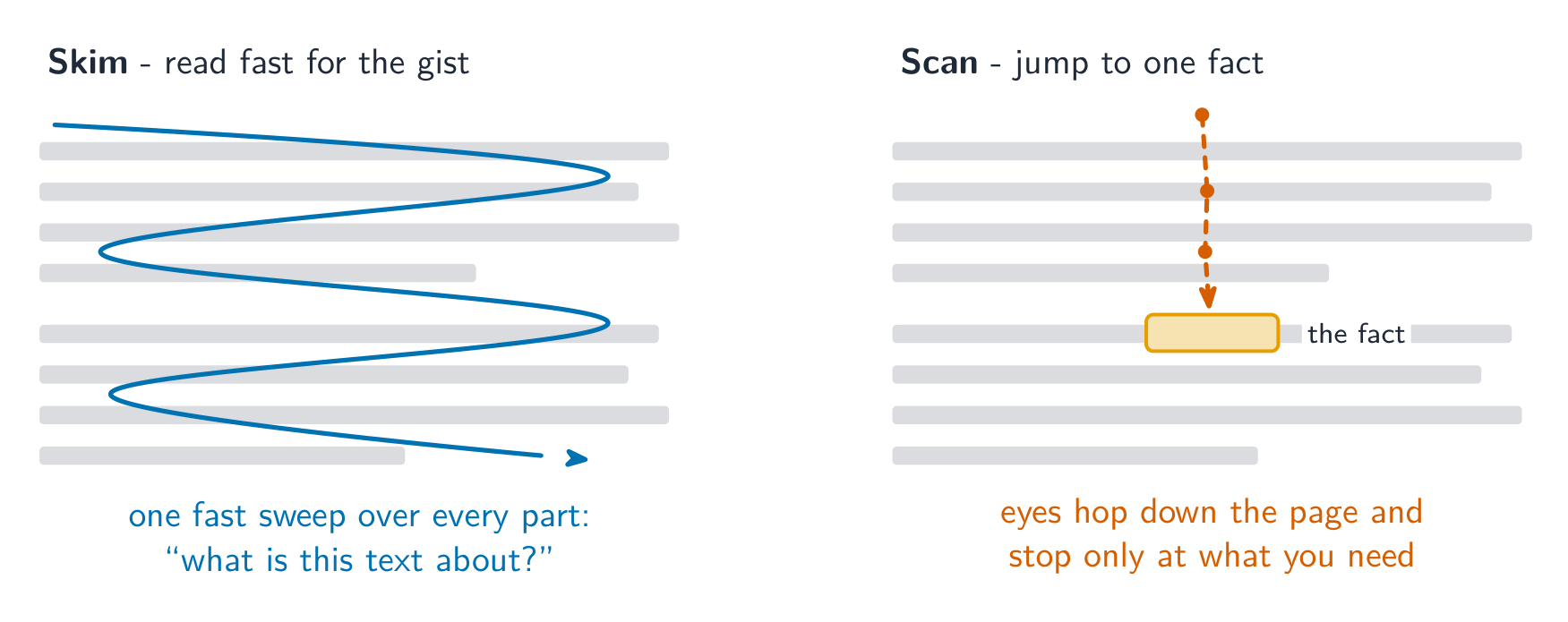
    1. skim a text quickly to get the general idea, then scan to locate specific facts, names, numbers, times and places
    2. answer short questions with a single word or short phrase, using the exact detail from the text
    3. predict what kind of information a question is asking for before reading the text closely
    العربية
    1. اطلع على النص بسرعة للحصول على الفكرة العامة، ثم امسح عليه للعثور على حقائق محددة وأسماء وأرقام وأوقات وأماكن
    2. أجب عن الأسئلة القصيرة بكلمة واحدة أو عبارة قصيرة، مستخدماً التفاصيل الدقيقة من النص
    3. تنبأ بنوع المعلومات التي تطلبها السؤال قبل القراءة المتأنية للنص
    Source: Cambridge International syllabus · ⁨المصدر: منهج كامبريدج الدولي⁩

    English

    In the exam you do not read every word slowly. You change your speed to fit your goal.

    Skim first, then scan

    • First skim 略读 the text. Read it fast to get the gist 大意 — the general idea. Look at the title, the first line of each paragraph 段落, and any pictures.
    • Then scan 扫读 to find one piece of information. Move your eyes quickly down the page. Do not read every word. Stop when you see what you need.
    • Use scanning for facts like names, numbers, dates, times and places.

    Match the question to the text

    • Read the question first. Decide what kind of answer it wants: a name? a number? a reason?
    • Predict 预测 the answer before you look. This helps your eyes find it faster.
    • Find the part of the text that talks about the same idea. The answer is usually there.

    Write short, exact answers

    • Here you write a single word or a short phrase 短语, not a full sentence.
    • Copy the exact word from the text when you can.
    • Answer only what the question asks. Extra words can lose the mark.
    العربية

    في الامتحان لا تقرأ كل كلمة ببطء. تغير سرعتك لتناسب هدفك.

    التصفح أولاً ثم المسح

    • أولاً تصفح النص بسرعة للحصول على الفكرة العامة — الفكرة الأساسية. انظر إلى العنوان، السطر الأول من كل فقرة، وأي صور.
    • ثم امسح للعثور على معلومة واحدة. حرك عينيك بسرعة عبر الصفحة. لا تقرأ كل كلمة. توقف عند رؤية ما تحتاجه.
    • استخدم المسح للوقائع مثل الأسماء والأرقام والتواريخ والأوقات والأماكن.
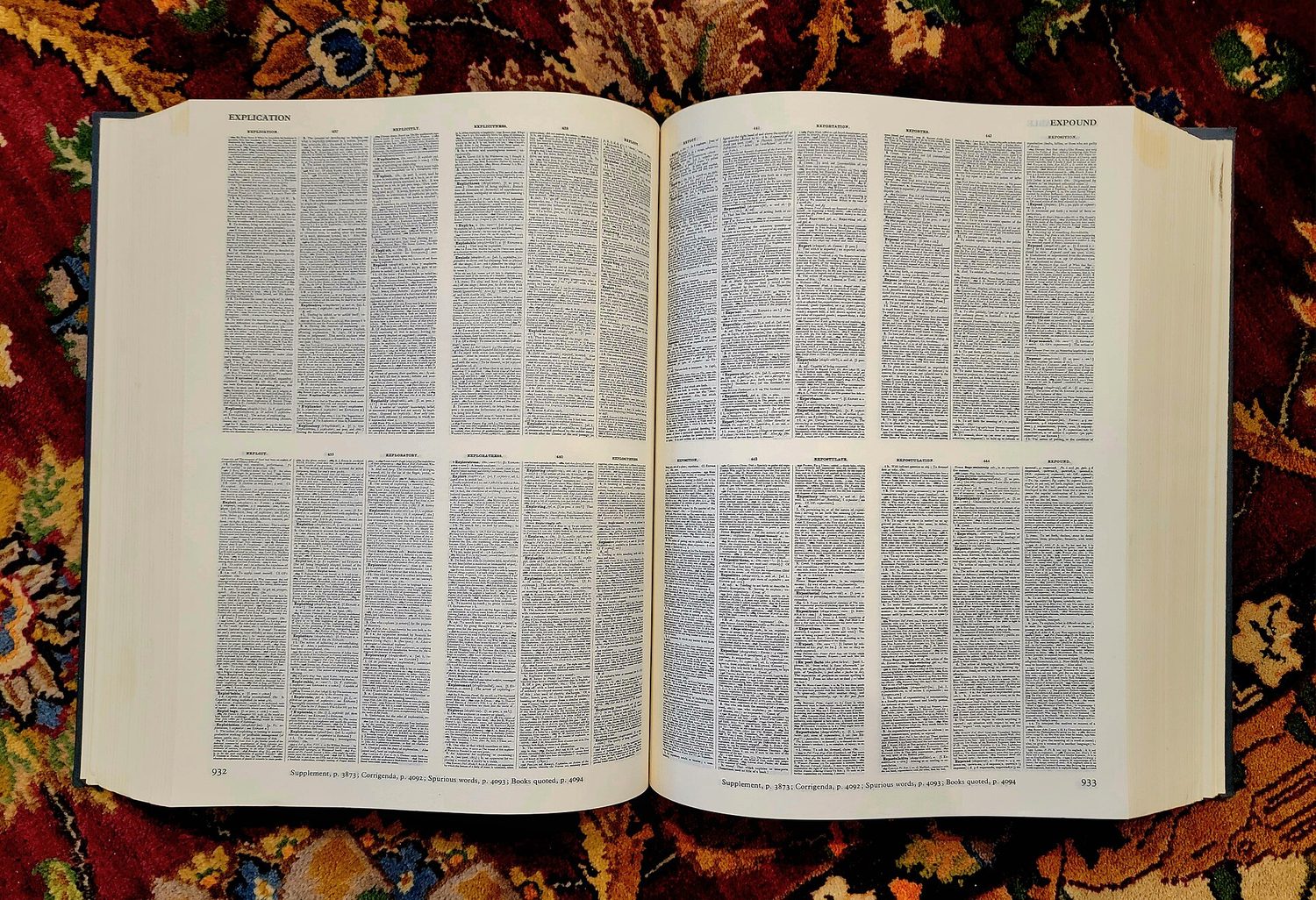
    مقارنة بين كتلتين نصيتين: التصفح هو مرور سريع على كل سطر للحصول على الفكرة العامة، والمسح يقفز عبر الصفحة ويتوقف عند حقيقة محددة
    المسح السريع يتخطى كل شيء للحصول على الجوهر؛ والبحث المتسارع يقفز مباشرة إلى حقيقة واحدة
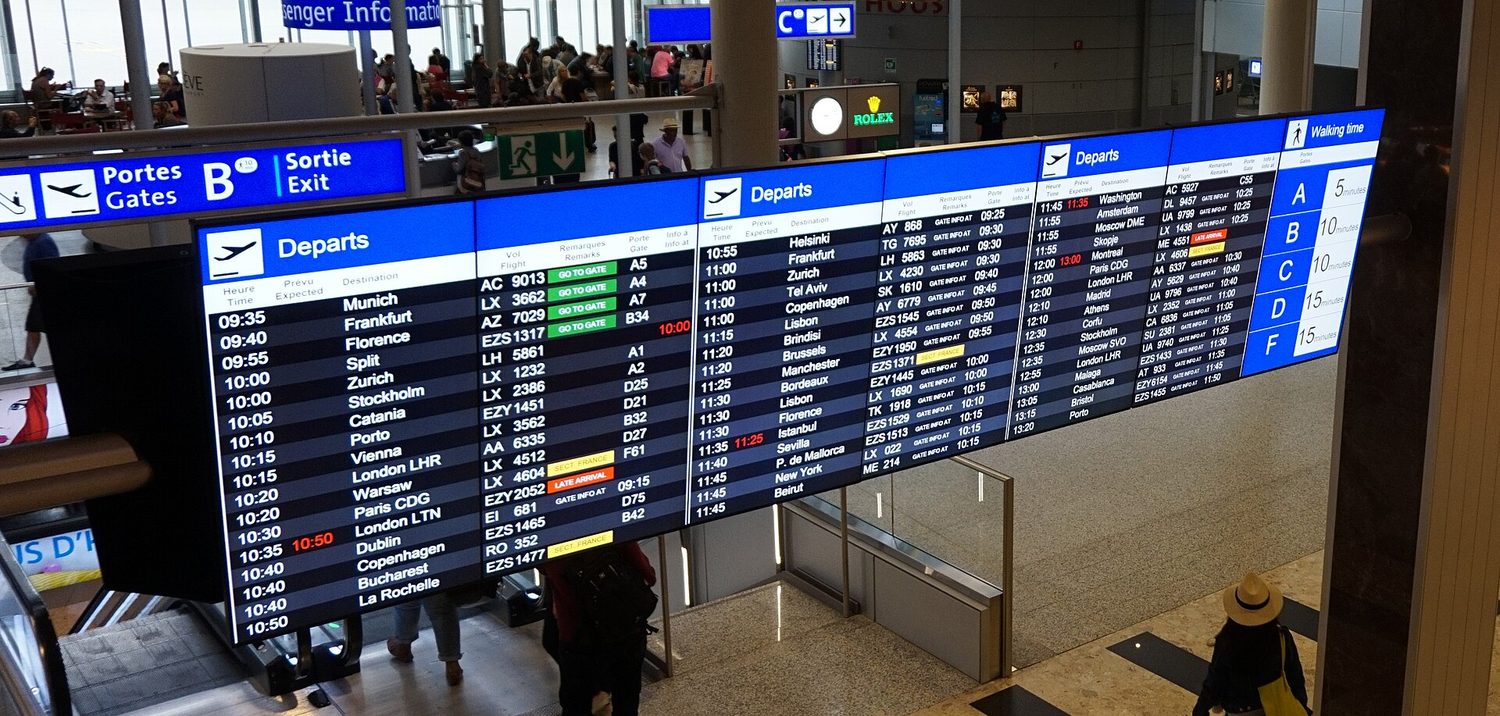
    لوحة مغادرة كبيرة في مطار تعرض أوقات Many رحلات ووجهات وأبواب
    لوحة المغادرة هي نص حقيقي تقوم بمسحه: لا تقرأ كل سطر — بل تقفز مباشرة إلى وقت الرحلة أو البوابة التي تحتاجها

    مطابقة السؤال مع النص

    • اقرأ السؤال أولاً. حدد نوع الإجابة المطلوبة: اسم؟ رقم؟ سبب؟
    • تنبأ بالإجابة قبل النظر إليها. هذا يساعد عينيك على إيجادها بشكل أسرع.
    • ابحث عن الجزء من النص الذي يتحدث عن نفس الفكرة. عادةً ما تكون الإجابة هناك.

    كتابة إجابات قصيرة ودقيقة

    • هنا تكتب كلمة واحدة أو عبارة قصيرة، وليس جملة كاملة.
    • انسخ الكلمة الدقيقة من النص عندما تتمكن.
    • أجب فقط عما يسأل عنه السؤال. الكلمات الزائدة قد تفقد الدرجة.
    Vocabulary · ⁨مفردات⁩ Train · ⁨تدريب⁩
    English العربية
    skim/skɪm/ امسحه بسرعة
    gist/dʒɪst/ المضمون الرئيسي
    paragraph/ˈpærəɡræf/ فقرة
    scan/skæn/ مسح
    predict/prɪˈdɪkt/ تنبأ
    phrase/freɪz/ عبارة
    multiple matching/ˈmʌltɪpl ˈmætʃɪŋ/ المطابقة المتعددة
    paraphrase/ˈpærəfreɪz/ إعادة صياغة
    1.2

    Connecting ideas across a text · ⁨ربط الأفكار عبر النص⁩

    Syllabus · ⁨المنهج⁩
    English
    1. follow how ideas, opinions and attitudes in a text connect to one another
    2. match each question to the section or short text that contains the relevant idea (multiple matching)
    3. recognise words and phrases that signal time, cause and effect, addition and contrast
    العربية
    1. تتبع كيف ترتبط الأفكار والآراء والمواقف في النص ببعضها البعض
    2. طابق كل سؤال مع القسم أو النص القصير الذي يحتوي على الفكرة ذات الصلة (المطابقة المتعددة)
    3. تعرف على الكلمات والعبارات التي تشير إلى الوقت، والسبب والنتيجة، والإضافة والتناقض

    Source: Cambridge International syllabus · ⁨المصدر: منهج كامبريدج الدولي⁩

    English

    A long text is not just a list of facts. The ideas link to each other, and you must follow how.

    Multiple matching

    • In a multiple matching 多项匹配 task you read several short texts, or several parts of one text.
    • Each question describes an idea. You choose the text or part that matches it.
    • The words in the question are usually different from the words in the text. Look for the same meaning, not the same words. This is called a paraphrase 改写.

    Signal words

    • Writers use small words to show how ideas connect. These are signal words 信号词.
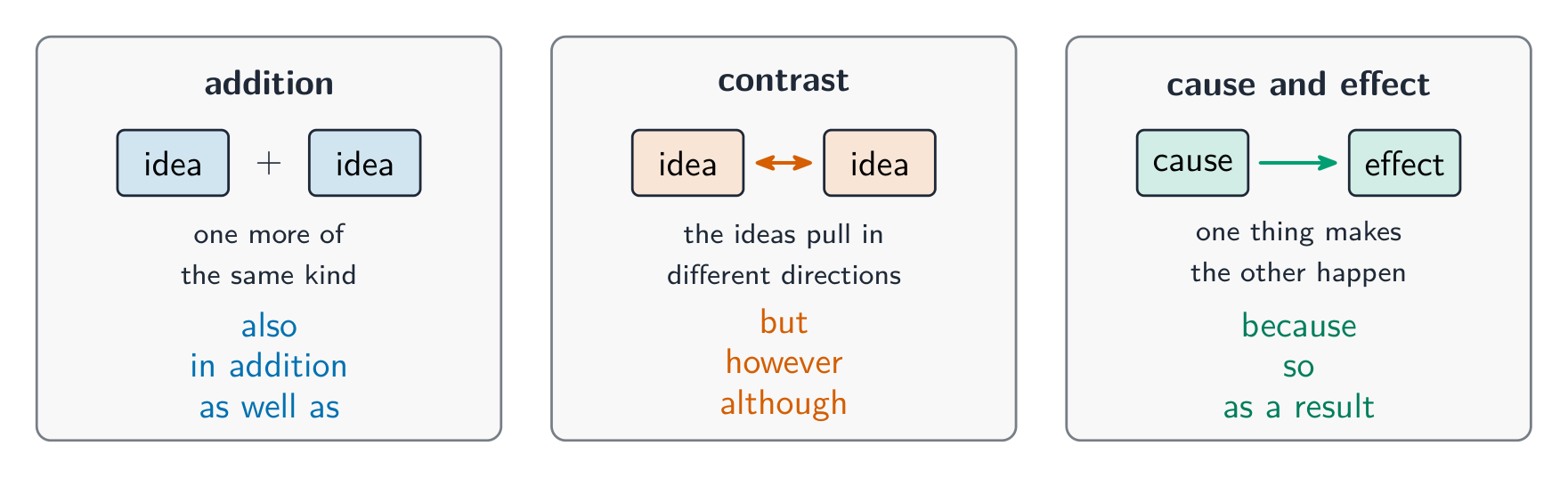
    • Some show addition 递进 (also, in addition, as well as). Some show contrast 对比 (but, however, although). Some show cause and effect 因果 (because, so, as a result).
    • When you notice these words, you can see how the writer's ideas fit together.
    العربية

    النص الطويل ليس مجرد قائمة من الحقائق. ترتبط الأفكار ببعضها البعض، ويجب عليك تتبع كيفية ذلك.

    المطابقة المتعددة

    • في مهمة المطابقة المتعددة تقرأ عدة نصوص قصيرة، أو عدة أجزاء من نص واحد.
    • كل سؤال يصف فكرة. تختار النص أو الجزء الذي يطابقها.
    • كلمات السؤال عادة ما تختلف عن كلمات النص. ابحث عن نفس المعنى، وليس نفس الكلمات. هذا يسمى إعادة الصياغة.

    الكلمات الدالة

    • يستخدم الكُتّاب كلمات صغيرة لإظهار كيف ترتبط الأفكار. هذه هي الكلمات الدالة.
    • بعضها يظهر الإضافة (أيضاً، بالإضافة إلى، إلى جانب). بعضها يظهر التناقض (لكن، ومع ذلك، على الرغم من). بعضها يظهر السبب والنتيجة (لأن، لذلك، كنتيجة لذلك).
    • عندما تلاحظ هذه الكلمات، يمكنك رؤية كيف تتكامل أفكار الكاتب معاً.
    ثلاثة بطاقات: كلمات الإضافة تضيف فكرة أخرى من نفس النوع، وكلمات التناقض تسحب فكرتين في اتجاهين مختلفين، وكلمات السبب والنتيجة تربط السبب بنتيجته
    عائلات كلمات الإشارة الثلاث وما تفعله بالأفكار
    Vocabulary · ⁨مفردات⁩ Train · ⁨تدريب⁩
    English العربية
    signal words/ˈsɪɡnl wɜːdz/ الكلمات الدالة
    addition/əˈdɪʃn/ إضافة
    contrast/ˈkɒntræst/ التناقض
    cause and effect/kɔːz ænd ɪˈfekt/ السبب والنتيجة
    note-making/nəʊt ˈmeɪkɪŋ/ تدوين الملاحظات
    1.3

    Making notes and summaries · ⁨تدوين الملاحظات والملخصات⁩

    Syllabus · ⁨المنهج⁩
    English
    1. select only the relevant points from a text for a given purpose
    2. complete a set of brief notes under headings, using short phrases rather than full sentences
    3. leave out examples and repetition, keeping just the key information
    العربية
    1. اختر فقط النقاط ذات الصلة من النص لغرض معين
    2. أكمل مجموعة من الملاحظات المختصرة تحت عناوين، باستخدام عبارات قصيرة بدلاً من جمل كاملة
    3. استبعد الأمثلة والتكرار، واحفظ فقط المعلومات الأساسية

    Source: Cambridge International syllabus · ⁨المصدر: منهج كامبريدج الدولي⁩

    English

    Sometimes you must take the main points out of a text and write them in a short form.

    Note-making

    • In a note-making 做笔记 task you complete notes under headings.
    • Write short notes, not full sentences. A word or a short phrase is enough.
    • Choose only the points that fit the heading. Leave out examples and extra detail.

    Summary skills

    • A summary 概括 gives only the most important ideas, in fewer words.
    • Find the key points. Ignore examples, repetition 重复 and small details.
    • Use your own words where you can. Do not copy whole sentences.
    العربية

    أحياناً يجب عليك استخراج النقاط الرئيسية من النص وكتابتها بصيغة مختصرة.

    تدوين الملاحظات

    • في مهمة تدوين الملاحظات تملأ ملاحظات تحت عناوين.
    • اكتب ملاحظات قصيرة، وليس جمل كاملة. كلمة واحدة أو عبارة قصيرة كافية.
    • اختر فقط النقاط التي تناسب العنوان. اترك الأمثلة والتفاصيل الإضافية.

    مهارات الملخص

    • الملخص يعطي فقط أهم الأفكار، بكلمات أقل.
    • ابحث عن النقاط الرئيسية. تجاهل الأمثلة والتكرار والتفاصيل الصغيرة.
    • استخدم كلماتك الخاصة حيثما أمكن. لا تنسخ جملًا كاملة.
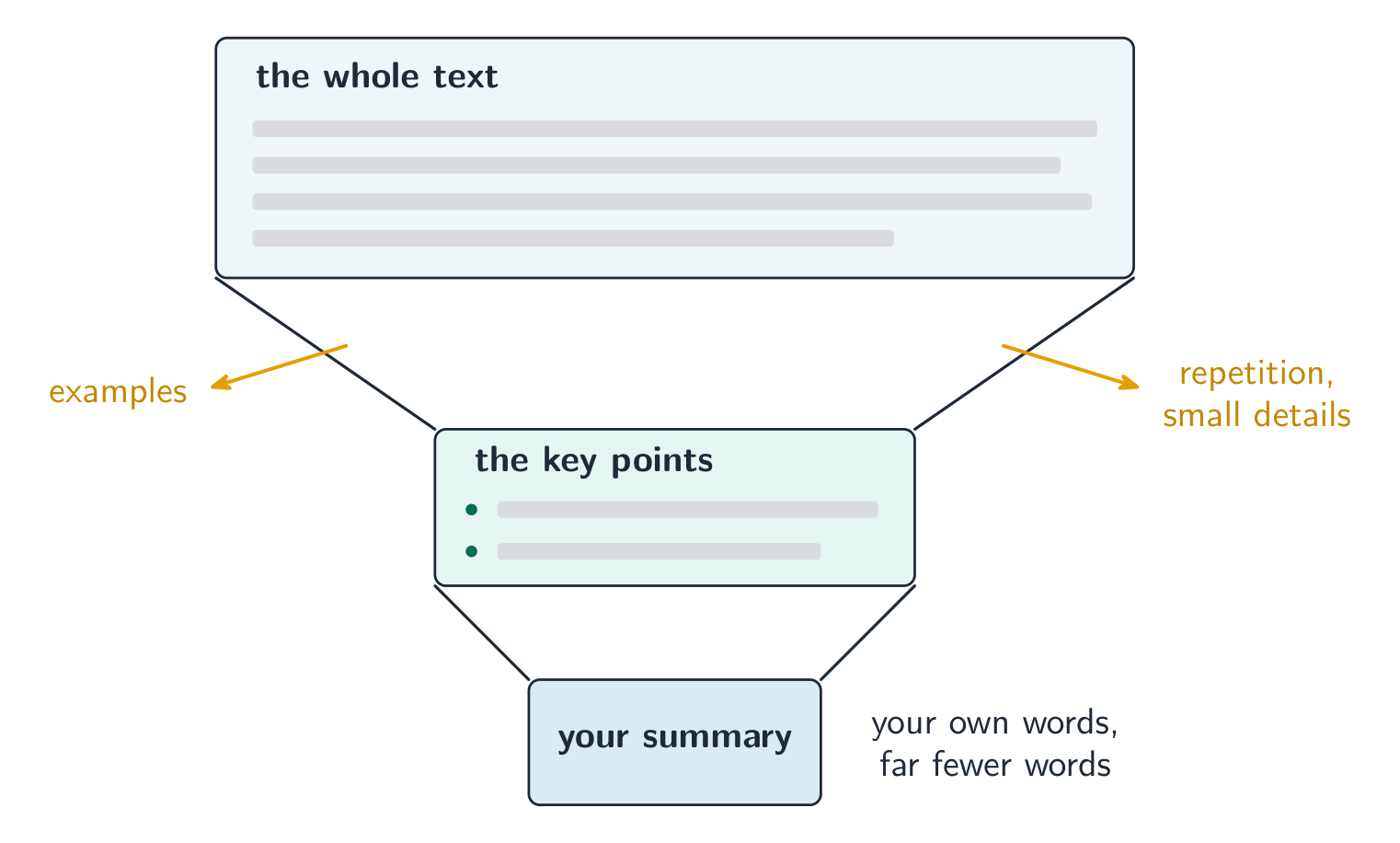
    قمع: يدخل النص الكامل من الأعلى، يتم عصر الأمثلة والتكرار من الجوانب، تبقى النقاط الرئيسية، ويخرج ملخص قصير بكلماتك الخاصة من الأسفل
    التلخيص يحتفظ فقط بالنقاط الرئيسية، بكلماتك الخاصة
    Vocabulary · ⁨مفردات⁩ Train · ⁨تدريب⁩
    English العربية
    summary/ˈsʌməri/ تلخيص
    repetition/ˌrepəˈtɪʃn/ تكرار
    inference/ˈɪnfərəns/ الاستنتاج
    implies/ɪmˈplaɪz/ يدل على / يستلزم
    attitude/ˈætɪtjuːd/ موقف /态度
    word choice/wɜːd tʃɔɪs/ اختيار الكلمات
    multiple-choice/ˈmʌltɪpl tʃɔɪs/ اختيار من متعدد
    context/ˈkɒntekst/ سياقه
    1.4

    Reading between the lines · ⁨القراءة بين السطور⁩

    Syllabus · ⁨المنهج⁩
    English
    1. understand meaning that is implied but not directly stated
    2. work out a writer's opinion, attitude or feelings from the words and phrases they choose
    3. deduce the meaning of an unfamiliar word from the information around it
    4. answer multiple-choice questions about main ideas, details and attitudes
    العربية
    1. افهم المعنى الضمني غير المذكور صراحةً
    2. حدد رأي الكاتب أو موقفه أو مشاعره من خلال الكلمات والعبارات التي يختارها
    3. استنتج معنى كلمة غير مألوفة من المعلومات المحيطة بها
    4. أجب عن أسئلة الاختيار من متعدد حول الأفكار الرئيسية والتفاصيل والمواقف

    Source: Cambridge International syllabus · ⁨المصدر: منهج كامبريدج الدولي⁩

    English

    Some answers are not written directly in the text. You must work them out. This is called inference 推断.

    Implied meaning

    • Sometimes the writer implies 暗示 something without saying it openly. The meaning is there, but it is hidden.
    • Read the words around the idea. Ask: what does the writer want me to understand here?

    The writer's attitude

    • The writer's attitude 态度 is how they feel about the topic — for example, excited, worried, or unsure.
    • You find the attitude in the writer's word choice 用词. Strong or emotional words show feelings.
    • In a multiple-choice 选择题 question about attitude, read all the options. Choose the one that fits the whole text, not just one line.

    Unfamiliar words

    • You will meet words you do not know. Do not stop.
    • Use the context 语境 — the words around it — to guess the meaning of the new word.
    العربية
    امرأة تحمل مجموعة من الكتب القديمة، تقرأ إحداها عن كثب
    القراءة عن كثب: إجابة الاستنتاج تأتي من الكلمات التي اختارها الكاتب، وليس من جملة يمكنك نسخها حرفياً

    بعض الإجابات غير مكتوبة بشكل مباشر في النص. يجب عليك استنتاجها. هذا يسمى الاستنتاج.

    المعنى الضمني

    • أحياناً يُوحي الكاتب بشيء دون قوله صراحة. المعنى موجود، لكنه مخفي.
    • اقرأ الكلمات المحيطة بالفكرة. اسأل: ماذا يريد الكاتب أن أفهم هنا؟

    موقف الكاتب

    • موقف الكاتب هو شعوره تجاه الموضوع — على سبيل المثال، متحمس، قلق، أو متردد.
    • تجد الموقف في اختيار الكلمات للكاتب. الكلمات القوية أو العاطفية تظهر المشاعر.
    • في سؤال اختيار من متعدد 选择题 عن موقف، اقرأ جميع الخيارات. اختر الخيار الذي يناسب النص بأكمله، وليس مجرد سطر واحد.

    كلمات غير مألوفة

    • ستواجه كلمات لا تعرفها. لا تتوقف.
    • استخدم السياق 语境 — الكلمات المحيطة بها — لتخمين معنى الكلمة الجديدة.
    1.4

    Exam tips · ⁨نصائح للامتحان⁩

    English
    • Read the question before the text. Underline the key word: a name? a number? a reason?
    • Answers usually come in the same order as the text, so do not hunt backwards for question 1.
    • Copy the exact word from the text when you can; a changed word can lose the mark.
    • Check how many answers the question wants: "Give TWO reasons" needs two, not one.
    • In multiple matching, the text usually does not repeat the question's words. Hunt for the same idea said differently.
    • Never leave an empty line. A guess can win a mark; a blank never can.
    العربية
    • اقرأ السؤال قبل النص. ضع خطاً تحت الكلمة المفتاحية: اسم؟ رقم؟ سبب؟
    • عادةً ما تأتي الإجابات بنفس ترتيب النص، لذا لا تبحث للخلف عن السؤال 1.
    • انسخ الكلمة الدقيقة من النص قدر الإمكان؛ لأن تغيير الكلمة قد يؤدي إلى فقدان الدرجة.
    • تحقق من عدد الإجابات التي يطلبها السؤال: "أعطِ سببين" يتطلب إجابتين، وليس واحدة.
    • في أسئلة المطابقة المتعددة، عادةً ما لا يعيد النص تكرار كلمات السؤال. ابحث عن نفس الفكرة بصياغة مختلفة.
    • لا تترك أي سطر فارغ. التخمين قد يمنحك درجة؛ والسطر الفارغ لا يمكن أن يمنح شيئاً أبداً.
  • 2

    Writing: purpose, audience and accuracy · ⁨الكتابة: الغرض، الجمهور والدقة⁩

    Watch lesson · ⁨شاهد الدرس⁩
    2.1

    Purpose, audience and register · ⁨الغرض، الجمهور والنبرة⁩

    Syllabus · ⁨المنهج⁩
    English
    1. identify the purpose of a piece of writing: to inform, to argue or to discuss
    2. think about the audience and how formal or informal the language should be
    3. choose a register and style that suit the purpose and the reader
    العربية
    1. حدد غرض الكتابة: للإعلام، أو للدفاع عن观点، أو للنقاش
    2. فكر في الجمهور وكيف يجب أن يكون اللغة رسمية أو غير رسمية
    3. اختر أسلوباً ونبرة يناسبان الغرض والقارئ

    Source: Cambridge International syllabus · ⁨المصدر: منهج كامبريدج الدولي⁩

    English

    Before you write, ask two questions: why am I writing, and who will read it?

    Know your purpose

    • Every writing task has a purpose 目的: to inform 告知, to argue 论证, or to discuss 讨论.
    • The purpose decides what you write and how you write it.
    • The task tells you the purpose. Read it carefully and underline it.

    Know your audience

    • The audience 读者 is the person who will read your writing — a friend, a teacher, or an event organiser.
    • Write in a way that suits them. You write to a friend in a different way from a teacher.

    Choose the right register

    • Register 语域 means how formal 正式 or informal 非正式 your language is.
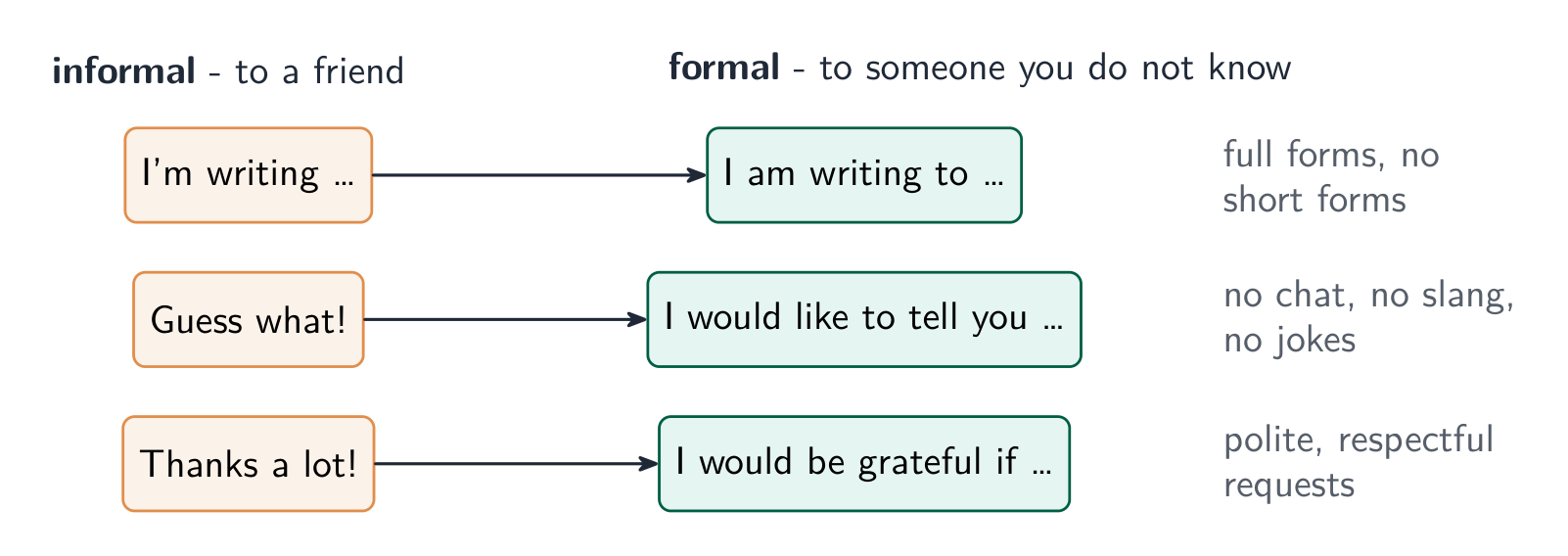
    • Use informal language for a friend: short forms (I'm, don't) and friendly words.
    • Use formal language for a teacher or a report: full forms (I am, do not) and polite words. No slang 俚语.
    العربية

    قبل أن تكتب، اطرح سؤالين: لماذا أكتب؟ ومن سيقرأه؟

    تعرف على غرضك

    • كل مهمة كتابة لها غرض 目的: لإعلام 告知، أو للجدل 论证، أو للنقاش 讨论.
    • الغرض يحدد ما ستكتبه وكيفية كتابته.
    • المهمة تخبرك بالغرض. اقرأها بعناية وضع خطاً تحتها.

    تعرف على جمهورك

    • الـ جمهور 读者 هو الشخص الذي سيقرأ كتابتك — صديق، معلم، أو منظم حدث.
    • اكتب بأسلوب يناسبهم. أنت تكتب للصديق بطريقة مختلفة عن المعلم.

    اختر النبرة المناسبة

    • الـ النبرة 语域 تعني مدى رسمية 正式 أو عدم رسمية 非正式 لغةك.
    • استخدم لغة غير رسمية لصديق: اختصارات (I'm, don't) وكلمات ودودة.
    • استخدم لغة رسمية لمعلم أو تقرير: صيغ كاملة (I am, do not) وكلمات مهذبة. بدون العامية 俚语.
    مخطط تدفق: أسئلة 'لماذا أكتب' و'من سيقرأه' تقود إلى الغرض والجمهور، اللذان معاً يقرران بين نبرة غير رسمية لصديق ونبرة رسمية لمعلم أو تقرير
    الغرض والجمهور معاً يحددان مدى رسمية كتابتك
    كتابة على مكتب: حدد الغرض والجمهور قبل تنظيم أفكارك على الصفحة
    كتابة على مكتب: حدد الغرض والجمهور قبل تنظيم أفكارك على الصفحة
    Vocabulary · ⁨مفردات⁩ Train · ⁨تدريب⁩
    English العربية
    purpose/ˈpɜːpəs/ الغرض
    inform/ɪnˈfɔːm/ إعلام
    argue/ˈɑːɡjuː/ يجادل
    discuss/dɪˈskʌs/ ناقش
    audience/ˈɔːdɪəns/ الجمهور
    register/ˈredʒɪstə/ مسجل
    formal/ˈfɔːml/ رسمية
    informal/ɪnˈfɔːml/ غير رسمية
    slang/slæŋ/ عامية
    2.2

    Organising your ideas · ⁨تنظيم أفكارك⁩

    Syllabus · ⁨المنهج⁩
    English
    1. plan what to include and the order in which to present it
    2. organise writing into clear paragraphs with a logical structure
    3. link ideas using devices for addition (in addition, moreover), contrast (however, although) and cause/effect (therefore, as a result)
    العربية
    1. خطّط لما ستضمينه وترتيب تقديمه
    2. نظّم الكتابة في فقرات واضحة ذات هيكل منطقي
    3. اربط الأفكار باستخدام أدوات الإضافة (في addition, moreover)، والتناقض (however, although) والسبب/النتيجة (therefore, as a result)

    Source: Cambridge International syllabus · ⁨المصدر: منهج كامبريدج الدولي⁩

    English

    Good writing is not just correct. It is also easy to follow.

    Plan before you write

    • Spend one minute on a plan 计划. Write down your main ideas and put them in order.
    • A plan stops you from forgetting a point or repeating yourself.

    Use paragraphs

    • Put each main idea in its own paragraph 段落.
    • Start a new paragraph for a new idea. This makes your writing clear.

    Link your ideas

    • Use linking words 衔接词 to join your ideas smoothly.
    • For adding: in addition, also, as well as. For contrast: however, but, although. For results: so, therefore, as a result.
    العربية

    الكتابة الجيدة ليست صحيحة فحسب، بل هي أيضًا سهلة المتابعة.

    خطط قبل أن تكتب

    • أمضِ دقيقة واحدة في وضع خطة 计划. اكتب أفكارك الرئيسية وضعها بالترتيب.
    • الخطة تمنعك من نسيان نقطة أو التكرار.
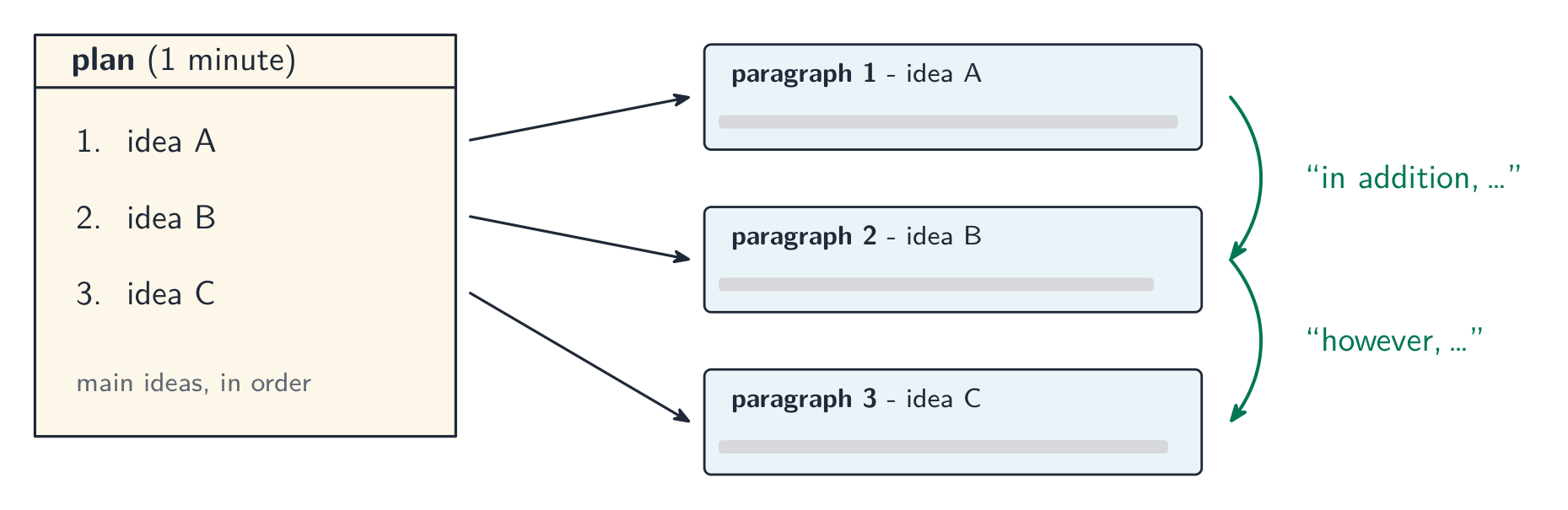
    خطة مدتها دقيقة بثلاث أفكار مرقّمة تتحول إلى ثلاث فقرات، فكرة واحدة لكل فقرة، متصلة بكلمات الربط in addition و however
    تتحول خطة الدقيقة إلى فقرات: فكرة واحدة لكل منها، مربوطة بكلمات ربط

    استخدم الفقرات

    • ضع كل فكرة رئيسية في فقرة 段落 مستقلة.
    • ابدأ فقرة جديدة لفكرة جديدة. هذا يجعل كتابتك واضحة.

    اربط أفكارك

    • استخدم كلمات الربط 衔接词 لربط أفكارك بسلاسة.
    • للإضافة: in addition, also, as well as. للتناقض: however, but, although. للنتائج: so, therefore, as a result.
    Vocabulary · ⁨مفردات⁩ Train · ⁨تدريب⁩
    English العربية
    plan/plæn/ عمل
    paragraph/ˈpærəɡræf/ فقرة
    linking words/ˈlɪŋkɪŋ wɜːdz/ كلمات الربط
    Watch lesson · ⁨شاهد الدرس⁩
    2.3

    Accuracy: grammar, vocabulary and checking · ⁨الدقة: القواعد والمفردات والتحقق⁩

    Syllabus · ⁨المنهج⁩
    English
    1. use a range of grammatical structures: different verb forms and tenses, conditionals and varied sentence types
    2. use a range of vocabulary, including set phrases, collocations and synonyms to avoid repetition
    3. check your writing for accuracy in grammar, spelling and punctuation
    العربية
    1. استخدم مجموعة متنوعة من الهياكل النحوية: أشكال الأفعال المختلفة والزمن والحالة الشرطية وأنواع الجمل المتنوعة
    2. استخدم مجموعة متنوعة من المفردات، بما في ذلك العبارات الثابتة والمتلازمات والمترادفات لتجنب التكرار
    3. راجع كتابتك للتأكد من الدقة في القواعد والإملاء وعلامات الترقيم

    Source: Cambridge International syllabus · ⁨المصدر: منهج كامبريدج الدولي⁩

    English

    Language marks come from range 多样性 and accuracy 准确性.

    Show a range

    • Use different tenses 时态 and sentence types. Do not write every sentence the same way.
    • Use a range of vocabulary 词汇. Choose a better word than the easy one, and use synonyms 同义词 to avoid repeating yourself.

    Be accurate

    • Check your grammar 语法, spelling 拼写 and punctuation 标点.
    • Common errors are subject–verb agreement, verb tenses, and missing capital letters.

    Check your work

    • Leave one or two minutes to read your work again.
    • Look for small mistakes you can fix quickly. Checking can save several marks.
    العربية

    تأتي علامات اللغة من التنوع 多样性 والدقة 准确性.

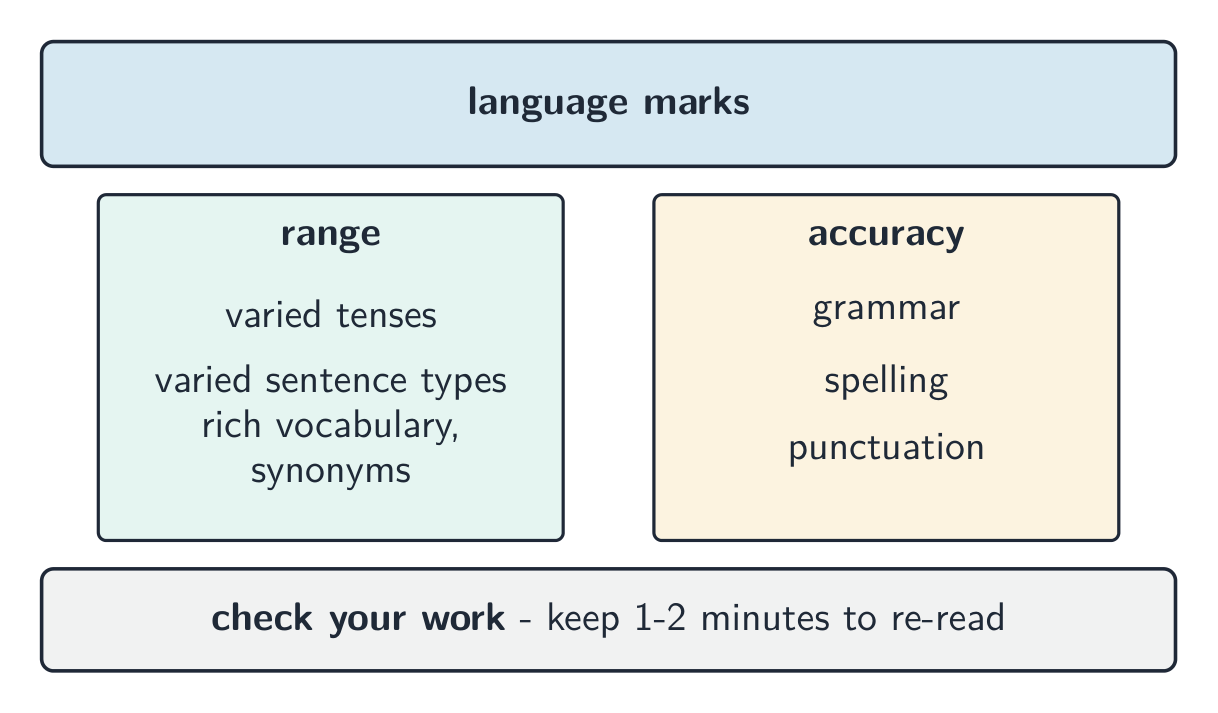
    عمودان مسمايان التنوع والدقة يحملان سطحاً مسماه بدرجات اللغة، يقومان على قاعدة مكتوب عليها تحقق من عملك
    درجات اللغة rests on two pillars: range and accuracy

    أظهر التنوع

    • استخدم أزمنة 时态 وأنواع جمل مختلفة. لا تكتب كل جملة بنفس الطريقة.
    • استخدم نطاقاً واسعاً من المفردات词汇. اختر كلمة أفضل من السهلة، واستخدم المترادفات 同义词 لتجنب التكرار.

    كن دقيقاً

    • تحقق من القواعد 语法، الإملاء 拼写 و علامات الترقيم 标点.
    • الأخطاء الشائعة هي توافق الفاعل والفعل، أزمنة الأفعال، وحروف التعريف المفقودة.

    تحقق من عملك

    • اترك دقيقة أو دقيقتين لقراءة عملك مرة أخرى.
    • ابحث عن الأخطاء الصغيرة التي يمكنك إصلاحها بسرعة. التحقق يمكن أن ينقذ عدة درجات.
    Vocabulary · ⁨مفردات⁩ Train · ⁨تدريب⁩
    English العربية
    range/reɪndʒ/ المدى
    accuracy/ˈækjʊrəsi/ الصحة
    tenses/ˈtensɪz/ الأزمنة
    vocabulary/vəʊˈkæbjʊləri/ المفردات
    synonyms/ˈsɪnənɪmz/ مرادفات
    grammar/ˈɡræmə/ النحو
    spelling/ˈspelɪŋ/ الإملاء
    punctuation/ˌpʌŋktʃuːˈeɪʃn/ علامات الترقيم
    2.3

    Exam tips · ⁨نصائح للامتحان⁩

    English
    • Before you write, say your job in one line: "an informal email to a friend, to invite him to a picnic".
    • Cover every content point in the task. Examiners tick each point; a missing one costs marks at once.
    • Learn what 120 to 160 words of your handwriting looks like, so you never count in the exam.
    • Save the last five minutes to check your usual errors: verb -s, past forms, a / an / the.
    • A short correct sentence beats a long broken one every time.
    العربية
    • قبل أن تكتب، عبّر عن مهمتك في سطر واحد: "بريد إلكتروني غير رسمي لصديق، لدعوته لنزهة".
    • غطِ كل نقطة محتوى في المهمة. المصححون يضعون علامة على كل نقطة؛ النقطة المفقودة تكبدك خسارة فورية للدرجات.
    • احفظ شكل 120 إلى 160 كلمة من خط يدك، حتى لا تقوم بالعد أثناء الامتحان.
    • خصص آخر خمس دقائق للتحقق من أخطائك المعتادة: فعل -s، الأشكال الماضية، a / an / the.
    • جملة قصيرة صحيحة تفوق جملة طويلة مكسورة في كل مرة.
  • 3

    Writing an informal email · ⁨كتابة بريد إلكتروني غير رسمي⁩

    Watch lesson · ⁨شاهد الدرس⁩
    3.1

    Why and to whom you write · ⁨لماذا وألمن تكتب⁩

    Syllabus · ⁨المنهج⁩
    English
    1. recognise that an informal email is written to a friend or relative
    2. respond to all of the prompts given in the task
    3. use a friendly, personal tone that suits the reader
    العربية
    1. تعرف أن البريد الإلكتروني غير الرسمي يُكتب لصديق أو قريب
    2. رد على جميع المؤشرات المعطاة في المهمة
    3. استخدم نبرة ودية وشخصية تناسب القارئ

    Source: Cambridge International syllabus · ⁨المصدر: منهج كامبريدج الدولي⁩

    English

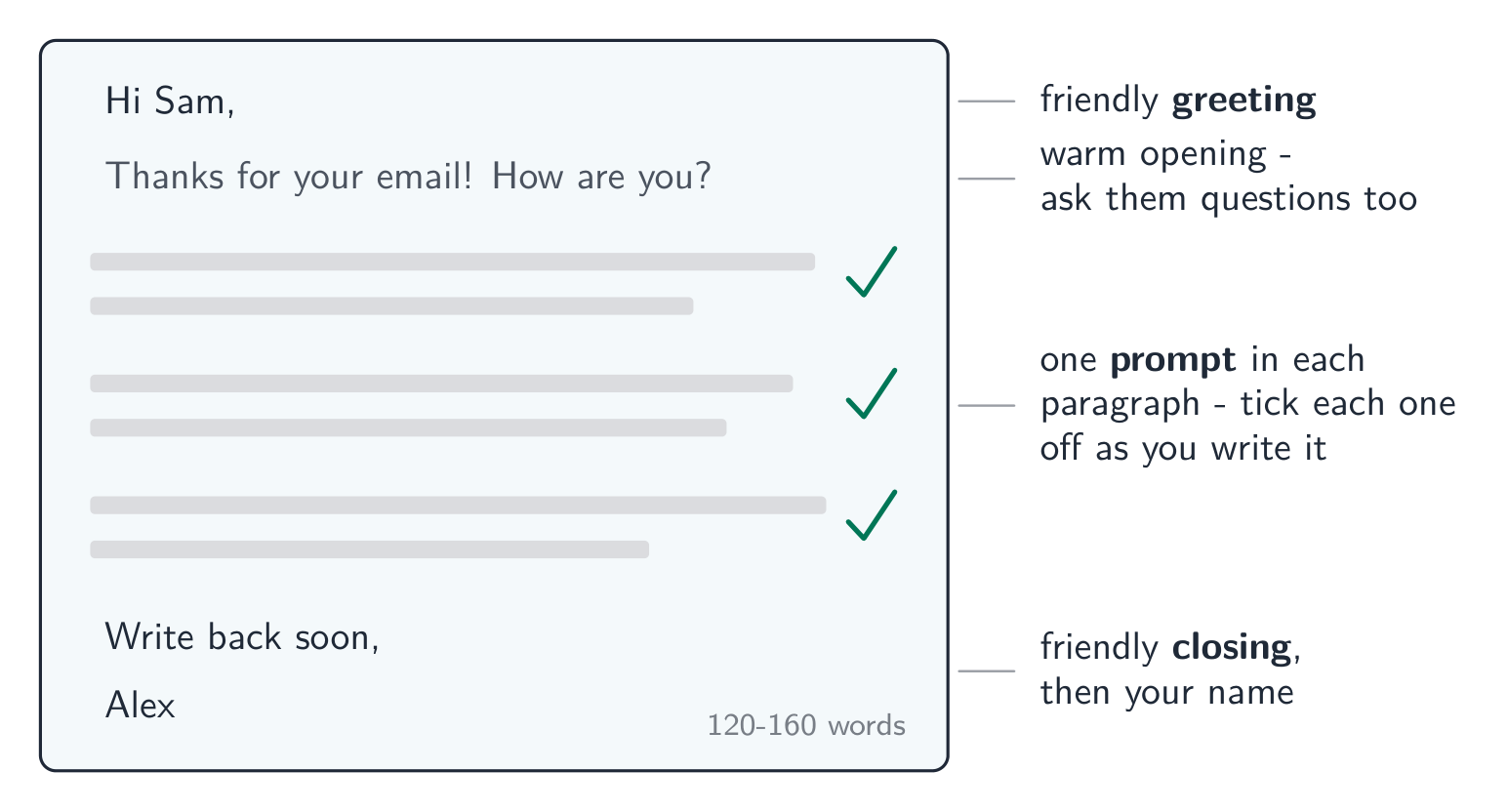
    The first writing task asks you to write an informal email 非正式电子邮件 to a friend or a family member.

    Cover every prompt

    • The task gives you some prompts 提示 — short points you must write about.
    • You must cover every prompt. If you miss one, you lose content marks.
    • Tick each prompt as you write it, so you do not forget one.

    Use a friendly tone

    • An email to a friend is informal 非正式. Use a warm, friendly tone 语气.
    • Write as if you are talking to the person. Ask them questions too.
    العربية

    يطلب منك المهمة الأولى كتابة بريد إلكتروني غير رسمي 非正式电子邮件 إلى صديق أو عضو في العائلة.

    غطِ كل مؤشر

    • تقدم المهمة بعض المؤشرات 提示 — نقاط قصيرة يجب أن تكتب عنها.
    • يجب عليك تغطية كل مؤشر. إذا فاتك واحد، تفقد درجات المحتوى.
    • ضع علامة على كل مؤشر أثناء كتابته، حتى لا تنسى واحداً.

    استخدم نبرة ودية

    • البريد الإلكتروني للصديق يكون غير رسمي 非 الرسمي. استخدم نبرة 语气 دافئة وودية.
    • اكتب وكأنك تتحدث إلى الشخص. اسأله أسئلة أيضاً.
    ثلاثة أصدقاء مدرسين ذراعهم حول بعضهم، يضحكون
    هذا هو من يُوجه إليه البريد الإلكتروني: شخص يعرفك بالفعل، لذا اكتب كما تتحدث معه
    كتابة على حاسوب محمول: البريد الإلكتروني غير الرسمي يحتاج أيضاً إلى غرض واضح وترتيب ونبرة ودية
    كتابة على حاسوب محمول: البريد الإلكتروني غير الرسمي يحتاج أيضاً إلى غرض واضح وترتيب ونبرة ودية
    3.2

    How to build your email · ⁨كيفية بناء بريدك الإلكتروني⁩

    Syllabus · ⁨المنهج⁩
    English
    1. open and close an informal email appropriately (for example: Hi … / Write back soon …)
    2. organise the email into short paragraphs, with one main idea per paragraph
    3. use informal language: contractions, friendly phrases and questions to the reader
    العربية
    1. افتح وأغلق البريد الإلكتروني غير الرسمي بطريقة مناسبة (على سبيل المثال: Hi … / Write back soon …)
    2. نظّم البريد الإلكتروني في فقرات قصيرة، بفكرة رئيسية واحدة لكل فقرة
    3. استخدم لغة غير رسمية: اختصارات، وعبارات ودودة، وأسئلة موجهة للقارئ

    Source: Cambridge International syllabus · ⁨المصدر: منهج كامبريدج الدولي⁩

    English

    A good email has a clear shape.

    Greeting and ending

    • Start with a greeting 问候语: Hi Sam, or Dear Anna,
    • End with a friendly closing 结束语: Write back soon, or See you soon, then your name.

    Paragraphs

    • Use short paragraphs 段落. Put one main idea in each one.
    • Do not write one long block of text.

    Useful language

    • Informal language uses short forms 缩略形式: I'm, don't, can't.
    • Friendly phrases help: Guess what! / How are you? / I can't wait to…
    العربية

    البريد الإلكتروني الجيد له بنية واضحة.

    بريد إلكتروني غير رسمي مع تسميات: تحية ودية، سطر افتتاحي دافئ، فقرة واحدة مشطوبة لكل مؤشر، ختام ودي واسمك، حوالي 120 إلى 160 كلمة
    شكل بريد إلكتروني غير رسمي جيد

    التحية والختم

    • ابدأ بـ تحية 问候语: Hi Sam, أو Dear Anna,
    • انهِ بـ خاتمة 结束语 ودية: Write back soon, أو See you soon, ثم اسمك.

    الفقرات

    • استخدم فقرات 段落 قصيرة. ضع فكرة رئيسية واحدة في كل فقرة.
    • لا تكتب كتلة نصية واحدة طويلة.

    لغة مفيدة

    • اللغة غير الرسمية تستخدم أشكالاً مختصرة 缩略形式: I'm, don't, can't.
    • العبارات الودية تساعد: Guess what! / How are you? / I can't wait to…
    3.3

    Making your email better · ⁨تحسين بريدك الإلكتروني⁩

    Syllabus · ⁨المنهج⁩
    English
    1. develop each idea with a reason, example or detail rather than just listing points
    2. vary your sentence openings and link ideas smoothly
    3. check the length (120–160 words), the tone and the accuracy before finishing
    العربية
    1. طور كل فكرة بسبب أو مثال أو تفصيل بدلاً من مجرد سرد النقاط
    2. قوّّم افتتاحيات جملك واربط الأفكار بسلاسة
    3. راجع الطول (120–160 كلمة)، والنبرة والدقة قبل الانتهاء

    Source: Cambridge International syllabus · ⁨المصدر: منهج كامبريدج الدولي⁩

    English

    Content marks reward developed 展开的 ideas, not a list.

    Develop your ideas

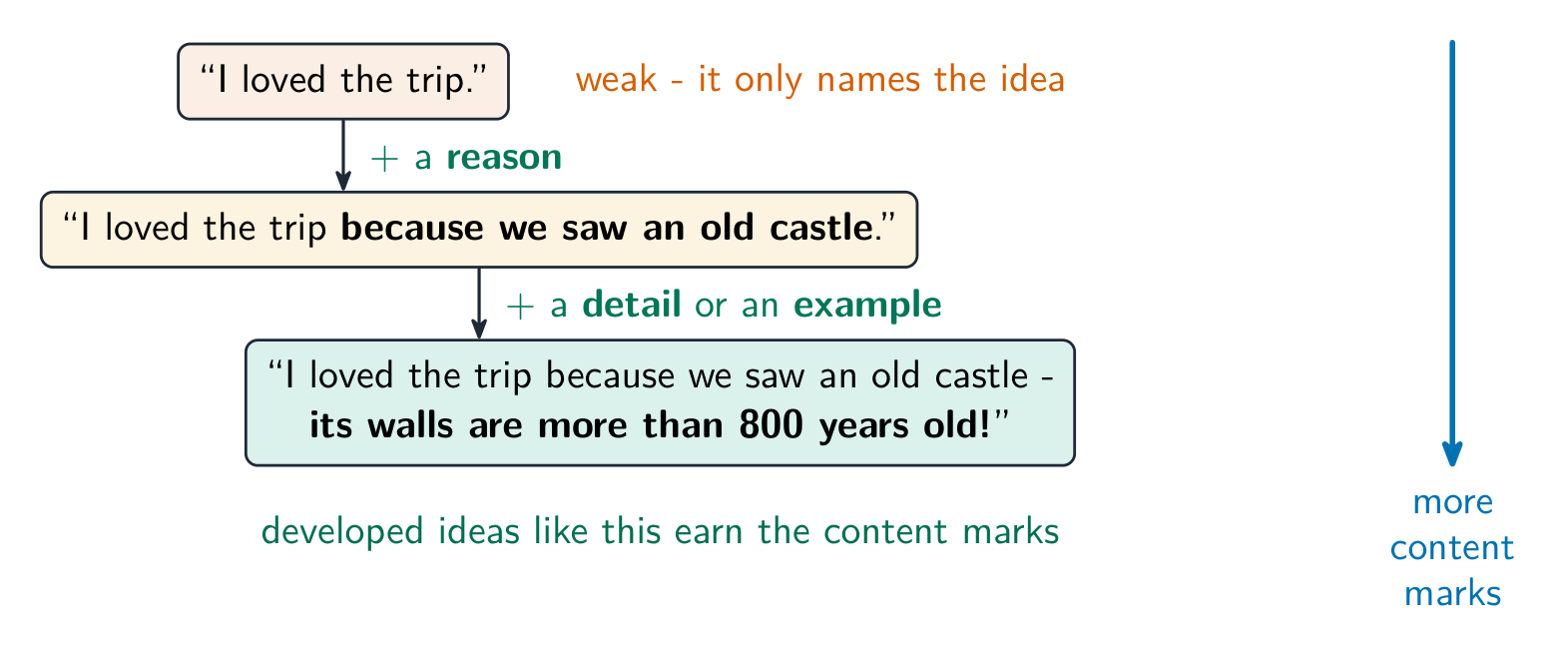
    • Do not just name an idea. Add a reason 原因, an example 例子, or a detail 细节.
    • "I loved the trip" is weak. "I loved the trip because we saw an old castle" is much better.

    Check before you finish

    • Count your words: aim for 120 to 160 words.
    • Check the tone is friendly, then fix small grammar and spelling mistakes.

    A model email

    See how the friendly tone and developed ideas work together.

    Hi Sam,

    Guess what — I finally visited the new science museum you told me about! I loved it, especially the space room, because you can sit in a real rocket seat and feel it shake. I went with my cousin, and we stayed until it closed.

    How about you? Have you been yet? We really should go together in the summer.

    Write back soon, Lin

    Notice the warm greeting, one developed idea with a reason, a question back to Sam, and a friendly closing. It reads like a real message to a friend — and it covers every prompt.

    العربية

    درجات المحتوى تكافئ الأفكار المطوَّرة 展开، لا القائمة.

    طوّر أفكارك

    • لا تكتفِ باسم الفكرة فقط. أضف سبباً 原因، أو مثالاً 例子، أو تفصيلاً 细节.
    • "I loved the trip" ضعيفة. "I loved the trip because we saw an old castle" أفضل بكثير.
    A weak sentence grows in two steps: adding a reason, then adding a detail, earning more content marks at each step
    كل سبب إضافي أو تفصيل يجعل الفكرة أقوى

    تحقق قبل أن تنتهي

    • عد كلماتك: استهدف 120 إلى 160 كلمة.
    • تحقق من أن النبرة ودية، ثم صحح أخطاء القواعد والإملاء الصغيرة.

    نموذج لبريد إلكتروني

    شاهد كيف تتفاعل النبرة الودية والأفكار المطوَّرة معاً.

    Hi Sam,

    Guess what — I finally visited the new science museum you told me about! I loved it, especially the space room, because you can sit in a real rocket seat and feel it shake. I went with my cousin, and we stayed until it closed.

    How about you? Have you been yet? We really should go together in the summer.

    Write back soon, لين

    لاحظ التحية الدافئة، وفكرة مطوَّرة بسببها، وسؤال موجه لسام، وخاتمة ودودة. إنه يقرأ كرسالة حقيقية لصديق - ويغطي جميع عناصر السؤال.

    Vocabulary · ⁨مفردات⁩ Train · ⁨تدريب⁩
    English العربية
    informal email/ɪnˈfɔːml ˈiːmeɪl/ بريد إلكتروني غير رسمي
    prompts/prɒmpts/ محفزات / نصوص توجيهية
    informal/ɪnˈfɔːml/ غير رسمية
    tone/təʊn/ النبرة
    greeting/ˈɡriːtɪŋ/ تحية
    closing/ˈkləʊzɪŋ/ خاتمة
    paragraphs/ˈpærəɡræfz/ الفقرات
    short forms/ʃɔːt fɔːmz/ أختصارات
    developed/dɪˈveləpt/ تطورت
    reason/ˈriːzn/ العقل
    example/eɡˈzæmpl/ مثال
    detail/ˈdiːteɪl/ التفاصيل
    3.3

    Exam tips · ⁨نصائح للامتحان⁩

    English
    • Open warmly: "Thanks for your email!" or "Great to hear from you!" sets the informal tone at once.
    • Use short forms (I'm, don't, can't). They are correct here and make you sound like a friend.
    • Give each prompt in the task its own short paragraph, and add one detail or reason to each.
    • Close like a friend: "Write back soon," plus your first name only, never a full name.
    • Keep the style informal from the first line to the last; one "Dear Sir" in the middle breaks the whole email.
    العربية
    • افتتح بحماس: "Thanks for your email!" أو "Great to hear from you!" يحدد النبرة غير الرسمية فوراً.
    • استخدم الأشكال المختصرة (I'm, don't, can't). هي صحيحة هنا وتجعلك تبدو كصديق.
    • خصص كل عنصر من عناصر السؤال في فقرة قصيرة خاصة به، وأضف تفصيلاً أو سبباً واحداً لكل فقرة.
    • ختم كما يفعل الصديق: "Write back soon," زائد اسمك الأول فقط، لا الاسم الكامل.
    • حافظ على الأسلوب غير الرسمي من السطر الأول إلى الأخير؛ جملة "Dear Sir" واحدة في المنتصف تُفسد البريد الإلكتروني بأكمله.
  • 4

    Writing a formal letter or email · ⁨كتابة رسالة رسمية أو بريد إلكتروني رسمي⁩

    Watch lesson · ⁨شاهد الدرس⁩
    4.1

    When to write formally · ⁨متى تكتب بشكل رسمي⁩

    Syllabus · ⁨المنهج⁩
    English
    1. recognise when a task needs a formal or semi-formal response (for example, to a teacher or an event organiser)
    2. cover the purpose, format and audience information given in the task
    3. keep a polite, formal tone throughout
    العربية
    1. تعرف متى تتطلب المهمة ردًا رسميًا أو شبه رسمي (على سبيل المثال، لمعلم أو منظم حدث)
    2. غطِ المعلومات الخاصة بالغرض والتنسيق والجمهور المعطاة في المهمة
    3. حافظ على نبرة مهذبة ورسمية طوال الوقت

    Source: Cambridge International syllabus · ⁨المصدر: منهج كامبريدج الدولي⁩

    English

    The second writing task sometimes asks for a formal 正式 or semi-formal 半正式 letter or email.

    Spot a formal task

    • A formal task is written to someone you do not know well — a head teacher 校长, a manager 经理, or an event organiser 活动组织者.
    • The task tells you the format 格式, the purpose 目的 and the reader. Use all three.

    Keep a polite tone

    • Be polite 礼貌 and respectful. Do not use slang 俚语 or jokes.
    • Do not use short forms. Write "I am", not "I'm".
    العربية

    المهمة الثانية للكتابة قد تطلب أحياناً رسالة 正式 أو بريد إلكتروني شبه رسمي 半正式.

    حدد المهمة الرسمية

    • المهمة الرسمية تُكتب لشخص لا تعرفه جيداً - مدير مدرسة 校长، أو مدير 经理، أو منظم حدث 活动组织者.
    • ستخبرك المهمة بـ الشكل 格式، والغرض 目的 والقارئ. استخدم الثلاثة.
    A tidy office desk with a computer, a plant and a wall calendar, nobody sitting at it
    رسالة رسمية تُقرأ على مكتب كهذه - بواسطة شخص لا يعرفك، وهو مشغول

    حافظ على نبرة مهذبة

    • كن مهذباً 礼貌 ومحترماً. لا تستخدم العامية 俚语 أو النكات.
    • لا تستخدم الأشكال المختصرة. اكتب "I am"، وليس "I'm".
    Three informal phrases turn into formal ones: I'm writing becomes I am writing to, Guess what becomes I would like to tell you, Thanks a lot becomes I would be grateful if
    تحويل العبارات الودية إلى رسمية
    A formal letter: careful structure, polite register and a clear reason for writing
    رسالة رسمية: هيكل دقيق، مسجل مهذب، وسبب واضح للكتابة
    Vocabulary · ⁨مفردات⁩ Train · ⁨تدريب⁩
    English العربية
    formal/ˈfɔːml/ رسمية
    semi-formal/ˈsemi ˈfɔːml/ شبه رسمي
    head teacher/hed ˈtiːtʃə/ مدير المدرسة
    manager/ˈmænɪdʒə/ المختبر
    event organiser/ɪˈvent ˈɔːɡənaɪzə/ منظم الفعاليات
    format/ˈfɔːmæt/ الصيغة
    purpose/ˈpɜːpəs/ الغرض
    polite/pəˈlaɪt/ مهذب
    slang/slæŋ/ عامية
    4.2

    Building a formal letter or email · ⁨بناء رسالة أو بريد إلكتروني رسمي⁩

    Syllabus · ⁨المنهج⁩
    English
    1. open and close a formal letter or email appropriately (for example: Dear … / Yours sincerely …)
    2. organise your points into clear paragraphs with a beginning, middle and end
    3. use formal language and avoid contractions and slang
    العربية
    1. افتح وأغلق رسالة أو بريدًا إلكترونيًا رسميًا بطريقة مناسبة (على سبيل المثال: Dear … / Yours sincerely …)
    2. نظّم نقاطك في فقرات واضحة تبدأ وتنتهي بشكل مناسب
    3. استخدم اللغة الرسمية وتجنب الاختصارات العامية

    Source: Cambridge International syllabus · ⁨المصدر: منهج كامبريدج الدولي⁩

    English

    A formal letter follows a clear order.

    Opening and closing

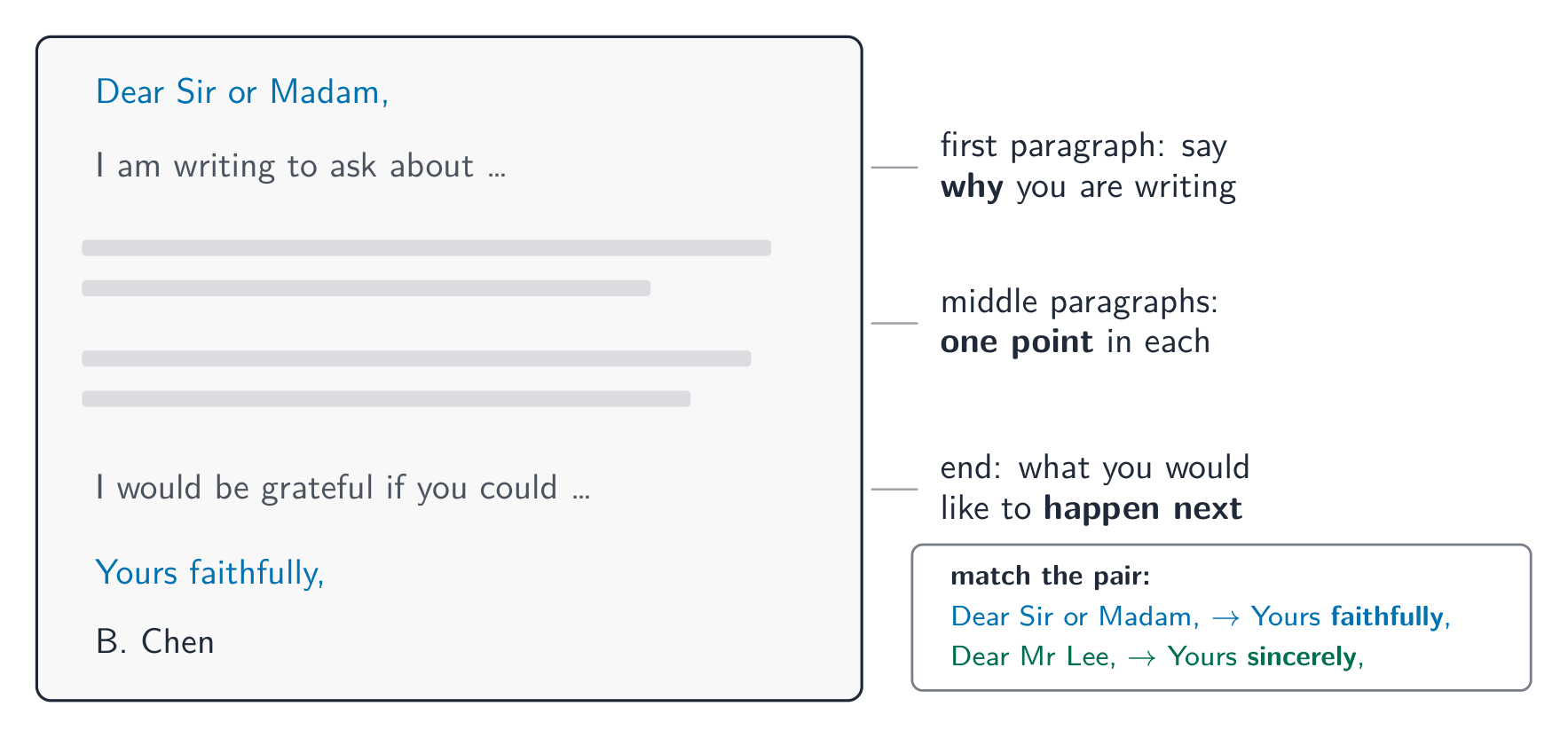
    • Open with Dear Sir/Madam, or Dear Mr Lee,
    • If you start with a name, close with Yours sincerely,. If you start with Sir/Madam, close with Yours faithfully,.

    Clear paragraphs

    • First paragraph: say why you are writing.
    • Middle paragraphs: give your points, one idea in each.
    • Last paragraph: say what you would like to happen next.

    Formal language

    • Use formal phrases: I would like to…, I am writing to…, I would be grateful 感激 if…
    • Keep sentences clear and complete. Check your grammar and spelling.

    A model formal letter

    See how a polite, complete opening sets the right tone.

    Dear Sir or Madam,

    I am writing to suggest an improvement to the town library. At present it closes at five o'clock, which is too early for students who finish school at four. I would be grateful if the council could consider opening it until seven in the evening on weekdays.

    Thank you for taking the time to read my letter.

    Yours faithfully, J. Chen

    Notice the Dear Sir or Madam / Yours faithfully pair, the clear first line stating the purpose, the polite request, and the complete sentences with no short forms.

    العربية

    تتبع الرسالة الرسمية ترتيباً واضحاً.

    A formal letter with labels: the first paragraph says why you are writing, middle paragraphs give one point each, the end says what you would like to happen, and a box shows that Dear Sir or Madam pairs with Yours faithfully while Dear Mr Lee pairs with Yours sincerely
    شكل الرسالة الرسمية - والتحية تحدد الخاتمة

    الافتتاح والختام

    • افتح بـ Dear Sir/Madam, أو Dear Mr Lee,
    • إذا بدأت باسم، ختم بـ Yours sincerely,. وإذا بدأت بـ Sir/Madam، ختم بـ Yours faithfully,.

    فقرات واضحة

    • الفقرة الأولى: قل لماذا تكتب.
    • الفقرات الوسطى: قدم نقاطك، فكرة واحدة في كل فقرة.
    • الفقرة الأخيرة: قل ما تود أن يحدث بعد ذلك.

    لغة رسمية

    • استخدم عبارات رسمية: I would like to…, I am writing to…, I would be grateful 感激 if…
    • حافظ على جمل واضحة وكاملة. تحقق من قواعدك وإملائك.

    نموذج لرسالة رسمية

    شاهد كيف يضع الافتتاح المهذب والكامل النبرة الصحيحة.

    Dear Sir or Madam,

    I am writing to suggest an improvement to the town library. At present it closes at five o'clock, which is too early for students who finish school at four. I would be grateful if the council could consider opening it until seven in the evening on weekdays.

    Thank you for taking the time to read my letter.

    Yours faithfully, J. Chen

    لاحظ تطابق Dear Sir or Madam / Yours faithfully، والسطر الأول الواضح الذي يوضح الغرض، والطلب المهذب، والجمل الكاملة بدون أشكال مختصرة.

    Vocabulary · ⁨مفردات⁩ Train · ⁨تدريب⁩
    English العربية
    grateful/ˈɡreɪtfl/ ممتن / شاكر
    4.2

    Exam tips · ⁨نصائح للامتحان⁩

    English
    • Match the greeting to the ending: Dear Mr Lee → Yours sincerely; Dear Sir or Madam → Yours faithfully.
    • Say why you are writing in the first line: "I am writing to apply for…" saves words and sounds formal.
    • Do not use short forms: write "I am" and "do not", never "I'm" or "don't".
    • One paragraph per point, and end by naming the action you hope for: "I would be grateful if…".
    • Stay polite even in a complaint: "I was disappointed to find…" wins marks; "This is terrible!" loses the tone.
    العربية
    • طابق التحية بالخاتمة: Dear Mr Lee → Yours sincerely؛ Dear Sir or Madam → Yours faithfully.
    • قل لماذا تكتب في السطر الأول: "I am writing to apply for…" يوفر الكلمات ويبدو رسمياً.
    • لا تستخدم الأشكال المختصرة: اكتب "I am" و "do not"، ولا "I'm" أو "don't".
    • فقرة واحدة لكل نقطة، وانتهِ بتسمية الإجراء الذي تتوقعه: "I would be grateful if…".
    • حافظ على الأدب حتى في الشكاوى: "I was disappointed to find…" يكسب درجات؛ "This is terrible!" يفقد النبرة.
  • 5

    Writing a report · ⁨كتابة تقرير⁩

    Watch lesson · ⁨شاهد الدرس⁩
    5.1

    What a report is for · ⁨ما هو التقرير مخصص له⁩

    Syllabus · ⁨المنهج⁩
    English
    1. recognise that a report is written for a superior or a group about an event, experience or situation
    2. give factual information clearly and add suggestions or recommendations
    3. use a neutral, factual tone
    العربية
    1. تعرف أن التقرير يُكتب لرئيس أو مجموعة حول حدث أو تجربة أو موقف
    2. قدم معلومات واقعية بوضوح وأضف اقتراحات أو توصيات
    3. استخدم نبرة محايدة وواقعية

    Source: Cambridge International syllabus · ⁨المصدر: منهج كامبريدج الدولي⁩

    English

    A report 报告 gives information to a person in charge — a teacher, a manager, or a club leader. They will act 行动 on what you write, so be clear and honest.

    Purpose and reader

    • A report describes an event 事件, an experience, or a situation 情况.
    • It gives facts 事实 clearly, then adds suggestions.
    • The reader wants useful information, not a story. Keep the tone factual 事实性的 and clear.

    Format

    • A report is usually semi-formal or formal.
    • A title at the top tells the reader what the report is about.
    العربية

    تقرير 报告 يُقدم معلومات إلى شخص مسؤول — معلم، أو مدير، أو رئيس نادي. سيقومون بـ اتخاذ إجراء 行动 على ما تكتبه، لذا كن واضحًا وصادقًا.

    الغرض والقارئ

    • يصف التقرير حدثًا 事件، أو تجربة، أو وضعًا 情况.
    • يقدم حقائق 事实 بوضوح، ثم يضيف اقتراحات.
    • القارئ يريد معلومات مفيدة، وليس قصة. حافظ على نبرة حقيقية 事实ية وواضحة.
    نفس الحدث موصوف بطريقتين: جملة من القصة مليئة بالآراء مشطوبة، وجملة تحتوي على حقائق وأرقام واضحة عليها علامة صح
    يقدم التقرير حقائق يمكن للقارئ استخدامها، وليس قصة

    التنسيق

    • يكون التقرير عادةً شبه رسمي أو رسمي.
    • عنوان في الأعلى يخبر القارئ بموضوع التقرير.
    مناقشة رسمية: التقارير تقدم حقائق واضحة حتى يتمكن صانعو القرار من اتخاذ إجراءات
    مناقشة رسمية: التقارير تقدم حقائق واضحة حتى يتمكن صانعو القرار من اتخاذ إجراءات
    يقوم التقرير بتنظيم الحقائق لغرض واضح وقارئ محدد
    يُنظم التقرير الحقائق لغرض واضح وقارئ محدد
    Vocabulary · ⁨مفردات⁩ Train · ⁨تدريب⁩
    English العربية
    report/rɪˈpɔːt/ تقرير
    act/ækt/ فعل / عمل
    event/ɪˈvent/ مخرجات
    situation/ˌsɪtʃuːˈeɪʃn/ موقعها الجغرافي
    facts/fækts/ الحقائق
    factual/ˈfæktʃuːəl/ وقائعي
    headings/ˈhedɪŋz/ عناوين
    opinion/əˈpɪnɪən/ رأي / رأي
    recommendations/ˌrekəmenˈdeɪʃnz/ توصيات
    conclusion/kənˈkluːʒn/ الاستنتاج
    phrases/ˈfreɪzɪz/ عبارات
    aim/eɪm/ الهدف
    solution/səˈluːʃn/ المحلول
    5.2

    How to organise a report · ⁨كيفية تنظيم تقرير⁩

    Syllabus · ⁨المنهج⁩
    English
    1. organise a report using short headings or clearly separated sections
    2. separate facts from your own opinions and recommendations
    3. end with a clear recommendation or conclusion
    العربية
    1. نظّم التقرير باستخدام عناوين قصيرة أو أقسام مفصولة بوضوح
    2. افصل الحقائق عن آراءك وتوصياتك الخاصة
    3. اختم بتوصية أو خلاصة واضحة

    Source: Cambridge International syllabus · ⁨المصدر: منهج كامبريدج الدولي⁩

    English

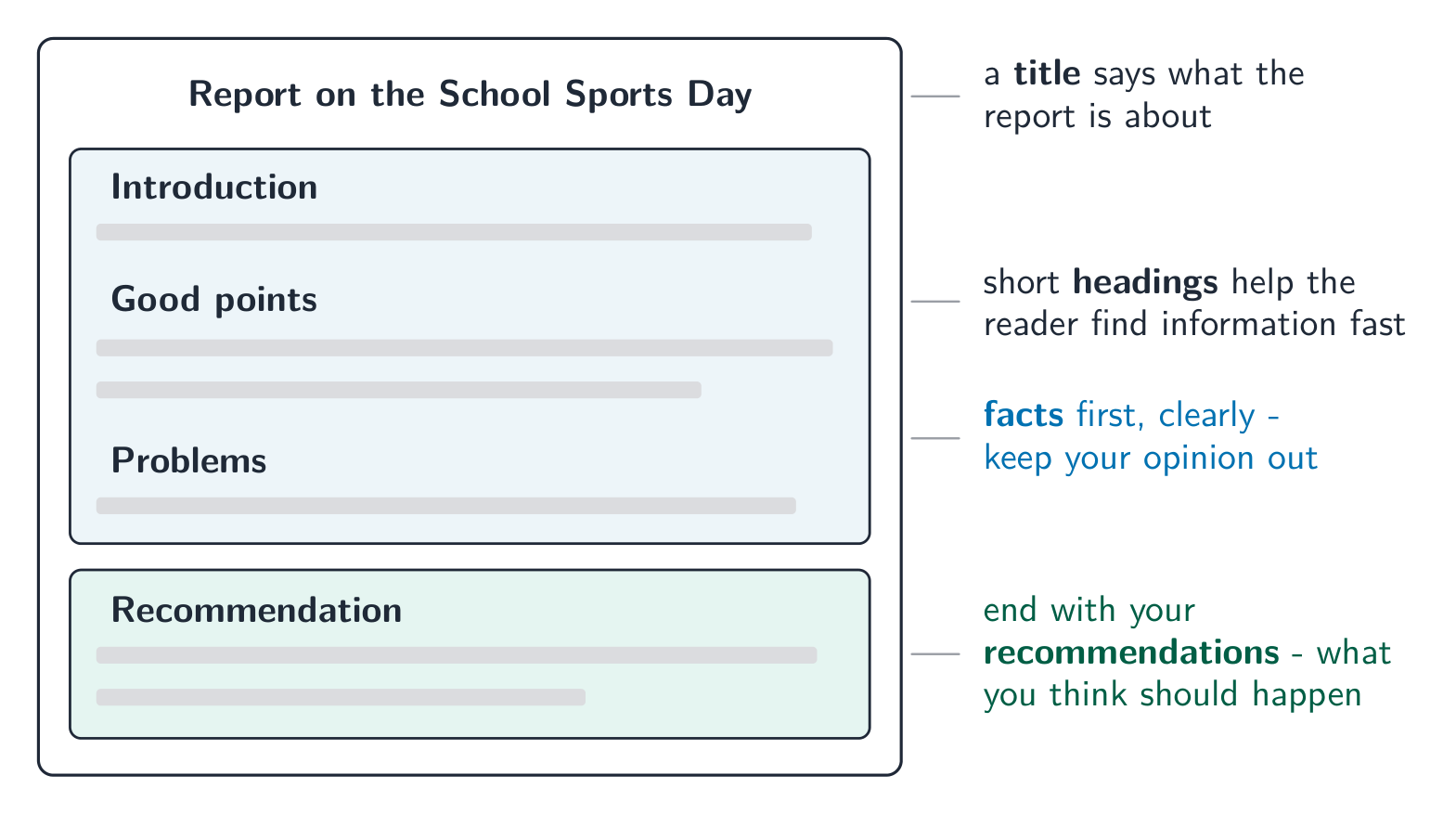
    A clear shape helps the reader find information fast.

    Use headings

    • Break the report into sections with short headings 小标题.
    • For example: Introduction, Good points, Problems, Recommendation.

    Facts, then recommendations

    • First give the facts. Keep your opinion 观点 out of this part.
    • Then give your recommendations 建议 — what you think should happen.

    End clearly

    • Finish with a clear recommendation or conclusion 结论.
    • Make your advice easy to follow.

    Useful language

    Keep a few report phrases 短语 ready. They make your writing sound organised and grown-up.

    • To introduce: The aim 目的 of this report is to… / This report looks at…
    • To give facts: At present… / The main problem is… / Many students felt that…
    • To recommend: I recommend that… / It would help if… / The best solution 解决办法 is to…

    Notice these are calm and impersonal. A report avoids strong words like "amazing" or "terrible".

    A model report extract

    Read how facts and a recommendation sit under clear headings.

    Introduction This report looks at the school library and suggests ways to improve it.

    Good points The library is quiet, and it has a wide range of science books. It opens every day after school.

    Problems There are only two computers, and every table is full by four o'clock.

    Recommendation The school should add five computers and open a second study room in the evening.

    Each section is short. The first three give only facts; the last gives the advice. That split is what makes it a report, not a story.

    العربية

    الشكل الواضح يساعد القارئ على العثور على المعلومات بسرعة.

    تقرير بعنوان وقسمات ذات عناوين: المقدمة، النقاط الإيجابية، المشاكل، والتوصيات؛ القسم الثلاثة الأولى تحتوي على الحقائق فقط، والأخير يحتوي على توصياتك
    شكل التقرير: حقائق تحت عناوين واضحة، توصيات في النهاية

    استخدم العناوين

    • قسم التقرير إلى أقسام بعناوين قصيرة عناوين 小标题.
    • على سبيل المثال: المقدمة، النقاط الإيجابية، المشاكل، التوصيات.

    الحقائق، ثم التوصيات

    • قدم الحقائق أولاً. احتفظ بـ رأيك 观点 بعيداً عن هذا الجزء.
    • ثم قدم اقتراحاتك 建议 — ما تعتقد أنه يجب أن يحدث.

    اختتم بوضوح

    • اختتم بتوصية واضحة أو خاتمة 结论.
    • اجعل نصائحك سهلة المتابعة.

    لغة مفيدة

    احتفظ ببعض عبارات التقرير جاهزة. فهي تجعل كتابتك تبدو منظمة وناضجة.

    • للتقديم: الهدف 目的 من هذا التقرير هو… / ينظر هذا التقرير إلى… *
    • لتقديم الحقائق: في الوقت الحالي… / المشكلة الرئيسية هي… / شعر العديد من الطلاب بأن… *
    • للاقتراح: أوصي بأن… / سيكون من المفيد لو… / أفضل حل解决办法 هو… *

    لاحظ أن هذه العبارات هادئة وموضوعية. يتجنب التقرير كلمات قوية مثل "رائع" أو "فظيع".

    نموذج استخلاص من تقرير

    اقرأ كيف تظهر الحقائق والتوصية تحت عناوين واضحة.

    المقدمة يستعرض هذا التقرير مكتبة المدرسة ويقترح طرقًا لتحسينها.

    نقاط إيجابية المكت هادئة ولديها تشكيلة واسعة من كتب العلوم. وهي مفتوحة كل يوم بعد انتهاء الدروس.

    مشاكل يوجد حاسوبان فقط، وتمتلئ جميع الطاولات بحلول الساعة الرابعة.

    توصية يجب على المدرسة إضافة خمسة حواسيب وفتح غرفة دراسة ثانية في المساء.

    كل قسم قصير. الثلاثة الأولى تقدم حقائق فقط؛ الأخيرة تقدم النصائح. هذا التقسيم هو ما يجعله تقريراً وليس قصة.

    5.2

    Exam tips · ⁨نصائح للامتحان⁩

    English
    • Start with To / From / Subject or a clear title. A report never opens with "Dear…".
    • Use the introduction to say what the report covers and why, in one or two lines.
    • Group the facts under short headings, and keep your opinion out of the findings.
    • Save opinions for the end: one clear recommendation, "I recommend…" plus one action.
    • Keep the style neutral and calm: no exclamation marks, no jokes, no chat.
    العربية
    • ابدأ بـ «إلى / من / الموضوع» أو عنوان واضح. التقرير لا يبدأ أبداً بكلمة «عزيزي…».
    • استخدم المقدمة لتوضيح ما يغطيه التقرير ولماذا، في سطر أو سطرين.
    • جمّع الحقائق تحت عناوين قصيرة، وأبعد آراءك عن النتائج.
    • احتفظ بالآراء للنهاية: توصية واحدة واضحة، «أوصي بـ…» بالإضافة إلى إجراء واحد.
    • حافظ على الأسلوب محايداً وهادئاً: بدون علامات تعجب، بدون نكات، ولا محادثات غير رسمية.
  • 6

    Writing an article · ⁨كتابة مقال⁩

    Watch lesson · ⁨شاهد الدرس⁩
    6.1

    What an article is for · ⁨الغرض من المقال⁩

    Syllabus · ⁨المنهج⁩
    English
    1. recognise that an article is written for a general audience to inform or entertain
    2. choose a title and an opening that catch the reader's interest
    3. keep the reader engaged with questions, examples and a clear point of view
    العربية
    1. تعرف أن المقال يُكتب لجمهور عام لإعلامه أو إسراره
    2. اختر عنوانًا وافتتاحية تجذب اهتمام القارئ
    3. احتفظ باهتمام القارئ عبر الأسئلة والأمثلة وجهة النظر الواضحة

    Source: Cambridge International syllabus · ⁨المصدر: منهج كامبريدج الدولي⁩

    English

    An article 文章 is written for a magazine, a newspaper, or a website. Many people read it.

    Purpose

    • An article informs 告知 or entertains 娱乐 a general reader.
    • You usually give your own view on a topic, with reasons.

    Engage the reader

    • You must engage 吸引 the reader — make them want to keep reading.
    • A good title 标题 and a strong first line catch their interest 兴趣.
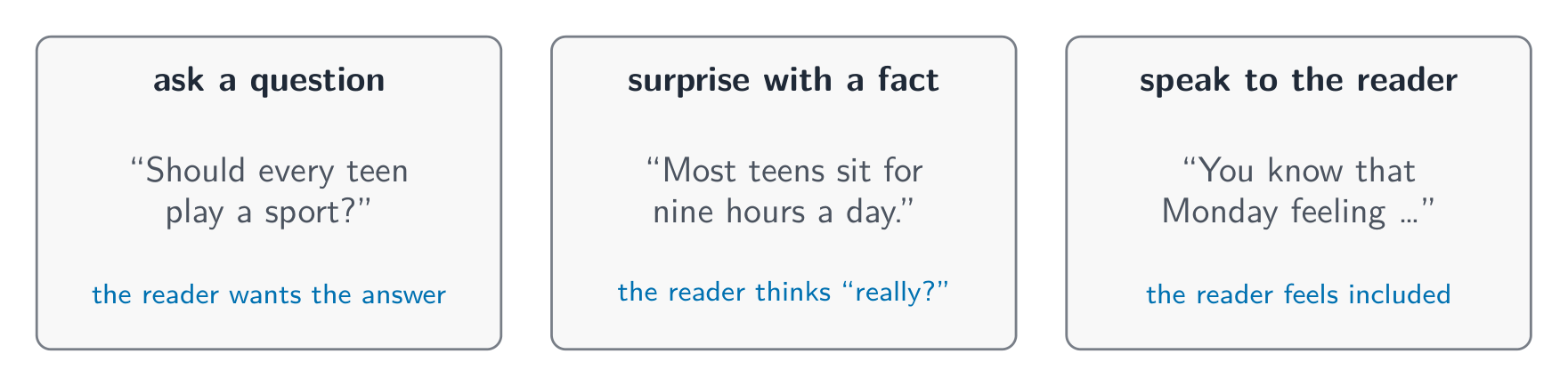
    • Ask the reader a question, or start with a surprising fact.
    العربية
    رف عرض صحف مليء بالعديد من الصحف المختلفة، مع صفحاتها الأمامية مواجهة للخارج
    رف عرض صحف: كل واحدة منها تتنافس على نفس القارئ، ولهذا يجب أن يبدأ المقال بخطاف جذب

    المقال 文章 يُكتب لمجلة أو صحيفة أو موقع إلكتروني. الكثير من الناس يقرأونه.

    الغرض

    • المقال يُعلّم 告知 أو يُسلّي 娱乐 القارئ العام.
    • عادةً ما تقدم رأيك الخاص حول موضوع معين، مدعوماً بالأسباب.

    جذب القارئ

    • يجب عليك جذب 吸引 القارئ — جعله يرغب في الاستمرار في القراءة.
    • العنوان الجيد 标题 والسطر الأول القوي يجذبان اهتمامه 兴趣.
    • اطرح سؤالاً على القارئ، أو ابدأ بحقيقة مدهشة.
    ثلاث طرق افتتاح مع أمثلة: طرح سؤال، المفاجأة بحقيقة، أو التحدث مباشرة للقارئ
    ثلاث طرق لسقوط اهتمام القارئ في أسطرك الأولى
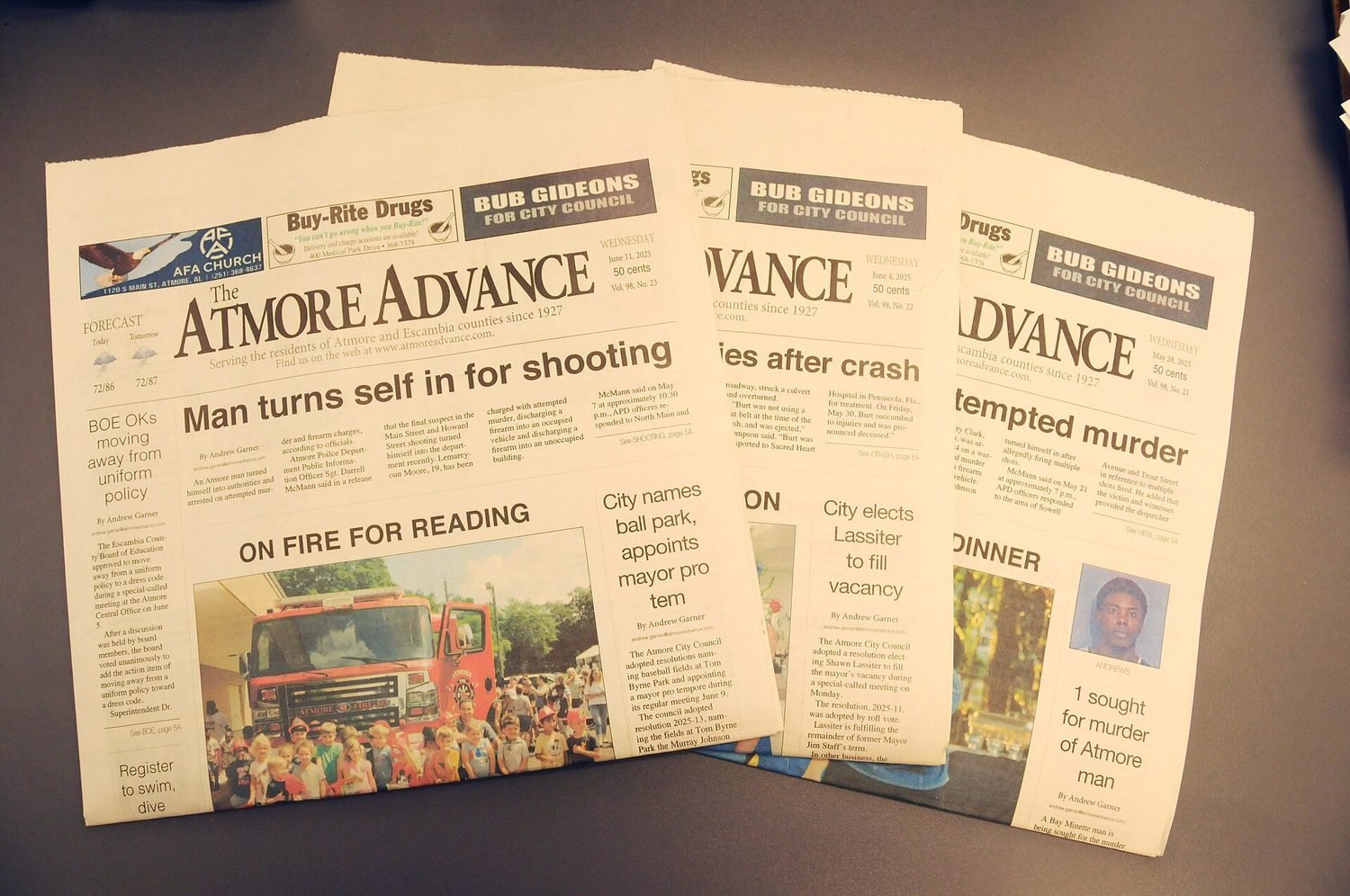
    صفحة صحفية أمامية: مقالات تجذب القارئ، ثم تقدم معلومات وتسلّي بأسلوب واضح
    صفحة أمامية لصحيفة: تجذب المقالات القارئ، ثم تُعلّم وتُسلّي بزاوية واضحة
    Vocabulary · ⁨مفردات⁩ Train · ⁨تدريب⁩
    English العربية
    article/ˈɑːtɪkl/ مقال
    informs/ɪnˈfɔːmz/ يُعلّم / يُبيّن
    entertains/ˌentəˈteɪnz/ يُسرّ
    engage/enˈɡeɪdʒ/ يتفاعل / يشارك
    title/ˈtaɪtl/ عنوانه
    interest/ˈɪntrest/ فائدة
    introduction/ˌɪntrəˈdʌkʃn/ الإطلاق
    conclusion/kənˈkluːʒn/ الاستنتاج
    varied/ˈveərid/ متنوع
    phrases/ˈfreɪzɪz/ عبارات
    flat/flæt/ مسطح (قليل الطبقات)
    6.2

    Writing a lively article · ⁨كتابة مقال حيوي⁩

    Syllabus · ⁨المنهج⁩
    English
    1. organise the article into an introduction, development and conclusion
    2. use lively, varied language and a consistent tone
    3. address the reader directly where it suits the topic
    العربية
    1. نظّم المقال في مقدمة وتطوير وخلاصة
    2. استخدم لغة حية ومتنوعة ونبرة متسقة
    3. توجه الخطاب للقارئ مباشرة حيثما يتناسب مع الموضوع

    Source: Cambridge International syllabus · ⁨المصدر: منهج كامبريدج الدولي⁩

    English

    An article should sound interesting, not flat.

    Structure

    • Begin with an introduction 引言 that names the topic.
    • Develop your points in the middle, one idea in each paragraph.
    • End with a short conclusion 结论 that leaves the reader thinking.

    Lively language

    • Use varied 多样的 words and sentence lengths to keep the energy up.
    • You can speak to the reader directly with "you".
    • Keep the tone friendly, but not too casual.

    Useful language

    A few flexible phrases 短语 let you hook the reader and glide between ideas.

    • To open with energy: Have you ever…? / Imagine you… / Last week, something odd happened to me.
    • To move between ideas: What's more… / On the other hand… / The truth is…
    • To speak to the reader: You might think… / We all know that… / Be honest —…
    • To end memorably: So next time you… / Perhaps the real question is…

    Vary how you open sentences. Ten sentences that all begin "I think" feel flat 平淡; mixing your openings keeps the reader awake.

    A model opening

    See how one opening hooks the reader, then points forward.

    Have you ever tried to sleep with a phone glowing beside your pillow? Most of us have — and most of us wake up tired. This article asks a simple question: could a good night's sleep be the cheapest way to feel happier?

    The question pulls the reader in, the honest detail keeps them, and the last line promises where the article is going. That is a lot of work for three sentences.

    العربية

    يجب أن يبدو المقال مثيرًا للاهتمام، وليس مسطحًا.

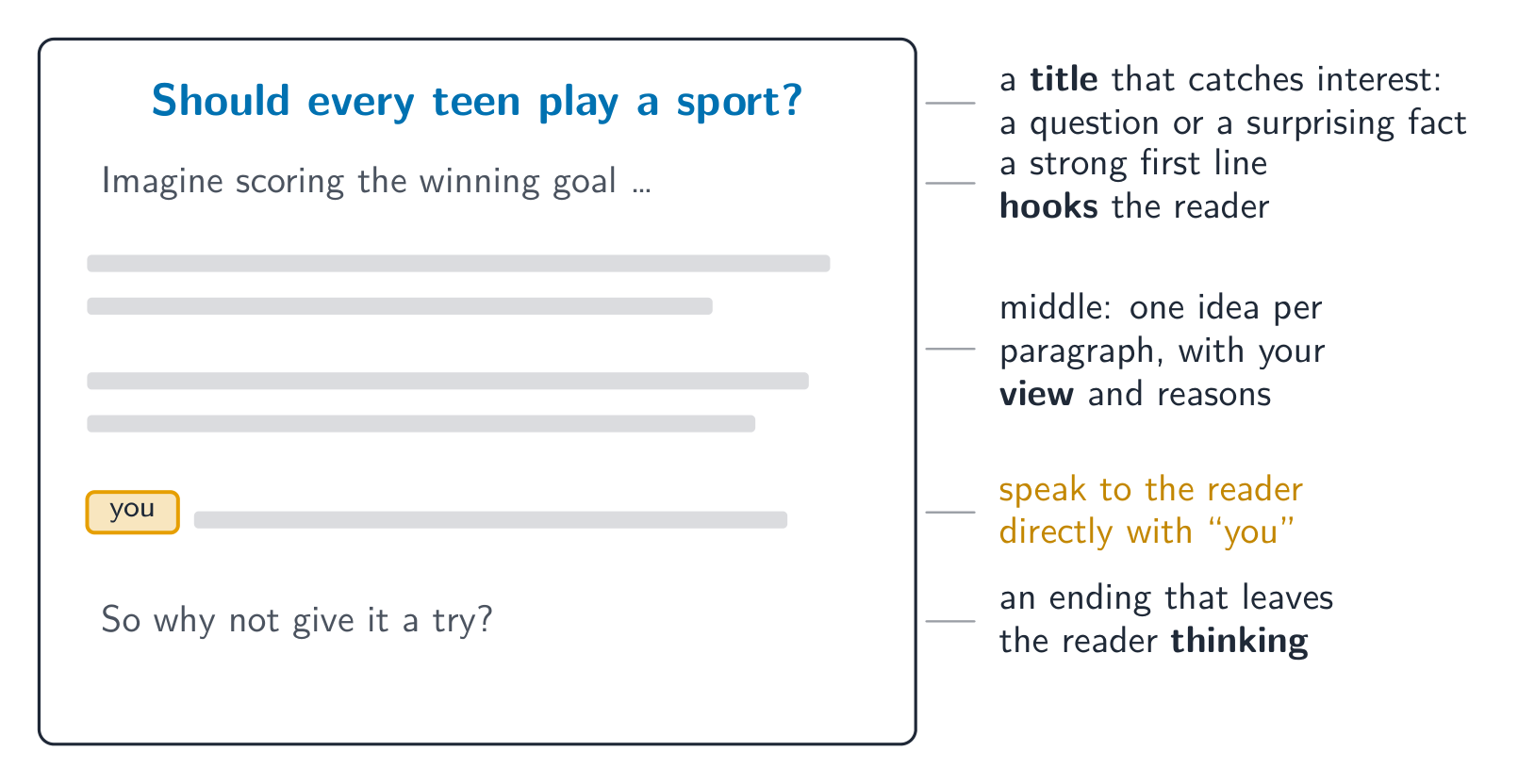
    مقال مع تسميات: سؤال كعنوان، وجملة افتتاحية قوية تجذب القارئ، وفقرات وسطى تحتوي على فكرة واحدة كل منها تتحدث إلى القارئ بأسلوبك، وختام يترك القارئ يفكر
    شكل مقالة حيوية: اسقط القارئ، احتفظ به، اتركه يفكر

    البنية

    • ابدأ بـ مقدمة 引言 تحدد الموضوع.
    • طوّر نقاطك في الوسط، بفكرة واحدة في كل فقرة.
    • انهِ بـ خاتمة 结论 قصيرة تترك القارئ يفكر.

    لغة حيوية

    • استخدم تنوعًا 多样的 في الكلمات وطول الجمل للحفاظ على الحماس.
    • يمكنك التحدث مباشرة إلى القارئ باستخدام "أنت".
    • حافظ على ندية ودودة، لكن ليست غير رسمية جداً.

    لغة مفيدة

    بعض العبارات المرنة 短语 تسمح لك بجذب القارئ والتدفق بسلاسة بين الأفكار.

    • لفتح المقال بطاقة: هل سبق لك أن...؟ / تخيل أنك... / الأسبوع الماضي، حدث لي شيء غريب.
    • للانتقال بين الأفكار: بالإضافة إلى ذلك... / من ناحية أخرى... / الحقيقة هي... *
    • للتحدث إلى القارئ: قد تعتقد... / نحن جميعًا نعلم أن... / كن صادقًا—... *
    • للختام بشكل لا يُنسى: إذن، في المرة القادمة التي... / ربما يكون السؤال الحقيقي هو...*

    غيّر طريقة بدء الجمل. عشرة جمل تبدأ جميعها بـ "أعتقد" تبدو مملة؛ تنويع بداياتك يبقي القارئ مستيقظاً.

    نموذج لفتحة

    انظر كيف تجذب فتحة واحدة القارئ، ثم يتجه للأمام.

    هل حاولت يوماً أن تنام والهاتف يضيء بجانب وسادتك؟ معظمنا فعل ذلك — ومعظمنا يستيقظ متعباً. يطرح هذا المقال سؤالاً بسيطاً: هل يمكن أن يكون النوم الجيد أرخص طريق للشعور بالسعادة؟

    السؤال يسحب القارئ إلى الداخل، والتفاصيل الصادقة تبقيه هناك، والسطر الأخير يعدّ بمكان ذهاب المقال. هذا الكثير من العمل لجمل ثلاث.

    6.2

    Exam tips · ⁨نصائح للامتحان⁩

    English
    • Give the article a short, catchy title, then hook the reader with a question or surprise in the first lines.
    • Talk to the reader: "Have you ever…?" An article is the one formal task where personality wins marks.
    • One idea per paragraph, and make it real with a short example or a small story.
    • Numbers and small facts make an article feel true: "three out of five students…".
    • End with a line the reader remembers: a punchline, a question, or a call to act.
    العربية
    • أعطِ المقال عنواناً قصيراً وجذاباً، ثم اسحب القارئ بسؤال أو مفاجأة في الأسطر الأولى.
    • تحدث إلى القارئ: "هل سبق لك أن...؟" المقال هو المهمة الرسمية الوحيدة التي تفوز فيها الشخصية بالدرجات.
    • فكرة واحدة لكل فقرة، واجعلها حقيقية بمثال قصير أو قصة صغيرة.
    • الأرقام والحقائق الصغيرة تجعل المقال يبدو حقيقياً: "ثلاثة من كل خمسة طلاب...".
    • انتهِ بسطر يتذكره القارئ: نكتة ختامية، أو سؤال، أو دعوة للعمل.
  • 7

    Writing a review · ⁨كتابة مراجعة⁩

    Watch lesson · ⁨شاهد الدرس⁩
    7.1

    What a review does · ⁨ما يقوم به المراجعة⁩

    Syllabus · ⁨المنهج⁩
    English
    1. recognise that a review describes something you have experienced (a film, place or product) and gives your opinion
    2. balance description with personal opinion and reasons
    3. write for a general audience, for example of a magazine or website
    العربية
    1. إدراك أن المراجعة تصف شيئًا خضعت لتجربته (فيلم، مكان أو منتج) وتقدم رأيك الشخصي
    2. الموازنة بين الوصف والرأي الشخصي والأسباب
    3. الكتابة لجمهور عام، على سبيل المثال لمجلة أو موقع إلكتروني

    Source: Cambridge International syllabus · ⁨المصدر: منهج كامبريدج الدولي⁩

    English

    A review 评论 tells readers about something you have tried — a film, a book, a restaurant, or a place. A good review helps the reader decide 决定 whether to try it too.

    Describe and judge

    • A review does two things: it describes 描述 the thing, and it gives your opinion 观点 of it.
    • Balance the two. Do not only describe, and do not only give opinions.
    • Describing answers "What is it like?" Judging answers "Is it any good?" Move between the two, sentence by sentence.

    Support your opinions

    • Give reasons for what you think. Say why it was good or bad.
    • Use examples 例子 from your experience to make your view believable 可信.
    • A weak review says "The food was nice." A strong review says "The soup was rich and warming, though the rice arrived cold." The detail is what convinces the reader.

    Useful language

    Learn a few phrases 短语 for each job. Then you never stare at a blank page.

    • To describe: It is set in… / The story follows… / The dish combines… / What stands out is…
    • To praise: The best part is… / I was impressed by… / It really succeeds in…
    • To criticise 批评 (gently): The one weakness is… / It could have been better if… / At times it feels slow.
    • To recommend: I would recommend it to… / It is well worth… / Don't miss…

    Mix praise and criticism so the review sounds fair 公正. A review that is all praise, or all complaint, is hard to trust.

    العربية

    المراجعة 评论 تخبر القراء عن شيء جربته — فيلم، كتاب، مطعم، أو مكان. المراجعة الجيدة تساعد القارئ على اتخاذ قرار 决定 ما إذا كان سيحاوله أم لا.

    وصف وحكم

    • تقوم المراجعة بشيئين: أنها تصف 描述 الشيء، وتقدم رأيك 观点 فيه.
    • توازن بين الاثنين. لا تصف فقط، ولا تقدم آراءً فقط.
    • الوصف يجيب على "كيف يبدو الأمر؟" والحكم يجيب على "هل هو جيد؟" انتقل بين الاثنين، جملة بجملة.
    رأي يجلس ككرسي على رجلين، إحداهما سبب والأخرى مثال
    الرأي يستند إلى سبب ومثال

    دعم آرائك

    • قدم أسباباً لما تفكر فيه. قل لماذا كان جيداً أو سيئاً.
    • استخدم أمثلة 例子 من تجربتك لجعل رأيك موثوقاً 可信.
    • المراجعة الضعيفة تقول "الطعام كان لطيفاً." المراجعة القوية تقول "الحساء غني ودافئ، رغم أن الأرز وصل بارداً." التفاصيل هي ما يقنع القارئ.

    لغة مفيدة

    تعلم بعض العبارات 短语 لكل مهمة. ثم لن تتأمل أبداً صفحة فارغة.

    • للوصف: يتم setting في... / يتبع القصة... / يجمع الطبق... / ما يبرز هو... *
    • للتشجيع: أفضل جزء هو... / انطبعت عليّ... / إنه ينجح حقاً في... *
    • للانتقاد 批评 (بلطف): النقطة الضعيفة الواحدة هي... / كان بإمكانه أن يكون أفضل لو... / في بعض الأحيان يبدو بطيئاً. *
    • للتوصية: سأوصي به لـ... / يستحق تماماً... / لا تفوت... *

    اخلط التشجيع والانتقاد حتى يبدو المقال عادلاً 公正. المراجعة التي全是 تشجيع أو全是 شكوى يصعب الوثوق بها.

    جمهور في مسرح: المراجعات تصف ما رأيته، تعطي رأياً واضحاً وتدعمه بأدلة
    جمهور في مسرح: المراجعات تصف ما رأيته، تعطي رأياً واضحاً وتدعمه بأدلة
    Vocabulary · ⁨مفردات⁩ Train · ⁨تدريب⁩
    English العربية
    review/rɪˈvjuː/ مراجعة
    decide/dɪˈsaɪd/ قرار
    describes/dɪˈskraɪbz/ يصف
    opinion/əˈpɪnɪən/ رأي / رأي
    examples/eɡˈzæmplz/ أمثلة
    believable/bɪˈliːvəbl/ موثوق
    phrases/ˈfreɪzɪz/ عبارات
    criticise/ˈkrɪtɪsaɪz/ ينتقد
    fair/feə/ عادلة
    evaluate/ɪˈvæljuːeɪt/ تقييم
    tone/təʊn/ النبرة
    recommendation/ˌrekəmenˈdeɪʃn/ توصية
    breathtaking/ˈbreθteɪkɪŋ/ ذهول / خلاب للأنظار
    7.2

    How to build a review · ⁨كيفية بناء مراجعة⁩

    Syllabus · ⁨المنهج⁩
    English
    1. introduce what is being reviewed, then describe and evaluate it
    2. support your opinions with specific details and examples
    3. end with a clear recommendation to the reader
    العربية
    1. تقديم ما يتم مراجعته، ثم وصفه وتقييمه
    2. دعم آرائك بتفاصيل وأمثلة محددة
    3. الختام بتوصية واضحة للقارئ

    Source: Cambridge International syllabus · ⁨المصدر: منهج كامبريدج الدولي⁩

    English

    Readers want a clear, helpful review.

    Structure

    • Start by saying what you are reviewing, and give the reader the basic facts.
    • In the middle, describe it and evaluate 评价 it — the good points and the weak points.
    • Write for a general reader, in a friendly but clear tone 语气.

    End with a recommendation

    • Finish with a recommendation 建议: do you advise the reader to try it or not?
    • Make your advice clear, for example: "I would recommend this film to anyone who likes adventure."
    • You can add a condition: "…as long as you don't mind a slow start." This sounds honest and grown-up.

    A model review

    Read this short review of a film. Notice how each sentence either describes or judges.

    Skyward is an adventure film about a girl who builds her own aircraft. The story is simple, but the flying scenes are breathtaking 惊人 and the young lead acts with real warmth. The middle drags a little, and a few jokes fall flat. Even so, it left the whole cinema smiling. I would recommend Skyward to any family looking for a bright, hopeful evening — just be ready for a slow first ten minutes.

    Count the moves: it names the film, describes it, praises it, admits two faults, and ends with a clear, honest recommendation. That is a complete review in five sentences.

    العربية

    يريد القراء مراجعة واضحة ومفيدة.

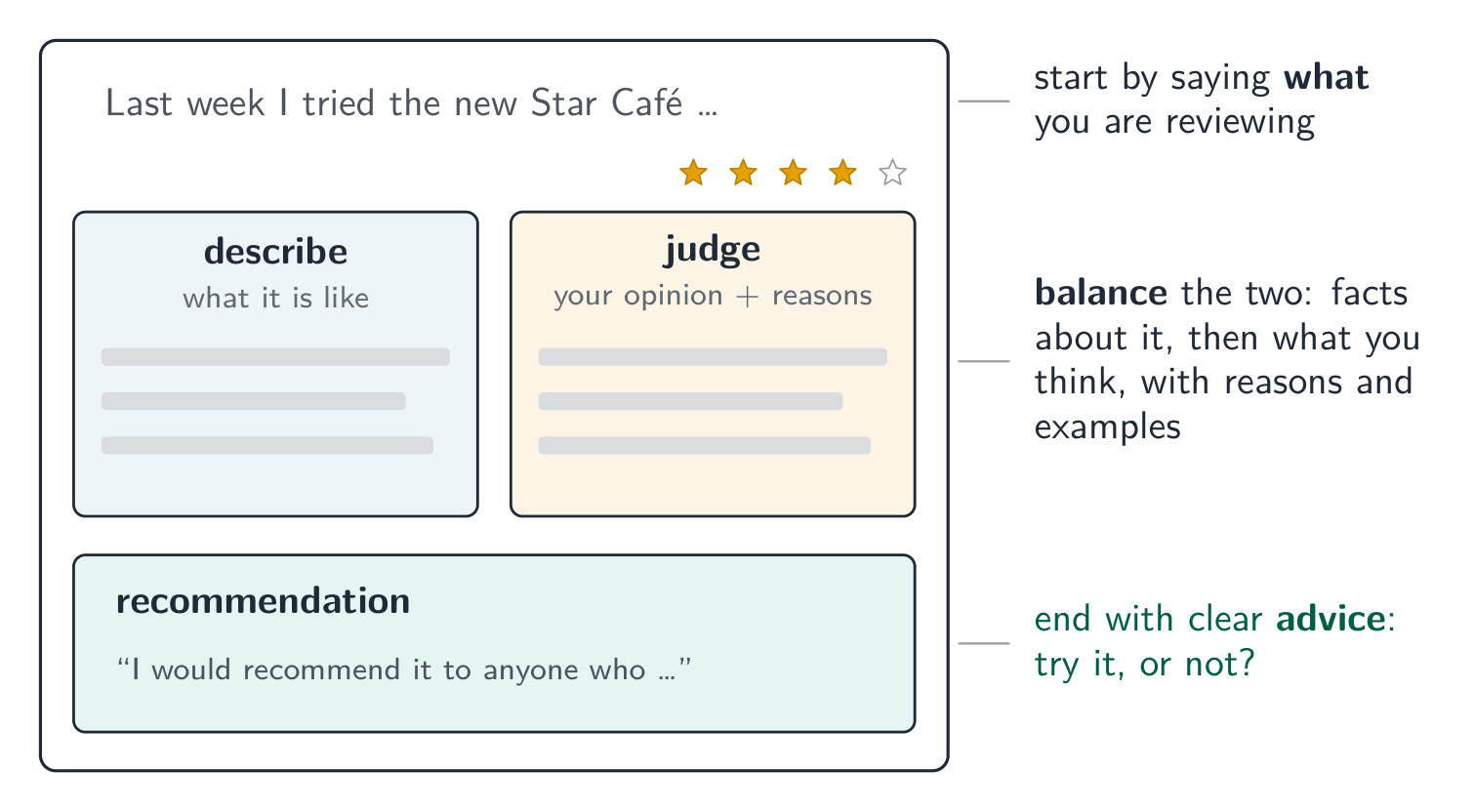
    مراجعة مع تسميات: أولاً قل ما تراجع عليه، ثم عمودين متوازنين للوصف والحكم، وتوصية في النهاية
    المراجعة تصف وتحكم، ثم تنتهي بنصيحة واضحة

    البنية

    • ابدأ بقول ما تراجع عليه، وأعطِ القارئ الحقائق الأساسية.
    • في المنتصف، صفه و قيم 评价ه — النقاط الإيجابية والنقاط الضعيفة.
    • اكتب لقارئ عام، بأسلوب ودود ولكن واضح 语气.

    انهِ بتوصية

    • انتهى بـ توصية 建议: هل تنصح القارئ بمحاولته أم لا؟
    • اجعل نصيحتك واضحة، على سبيل المثال: "سأوصي بهذا الفيلم لأي شخص يحب المغامرة." *
    • يمكنك إضافة شرط: "...طالما أنك لا تمانع بداية بطيئة." هذا يبدو صادقاً وناضجاً.

    نموذج مراجعة

    اقرأ هذه المراجعة القصيرة لفيلم. لاحظ كيف تصف كل جملة أو تحكم في كل جملة.

    Skyward هو فيلم مغامرة عن فتاة تبني طائرة خاصة بها. القصة بسيطة، لكن مشاهد الطيران مرعبة 惊人 والممثل الشاب يؤدي بدفء حقيقي. الوسط يسحب قليلاً، وبعض النكات تسقط بلا تأثير. ومع ذلك، ترك السينما بأكملها مبتسمة. سأوصي بـ Skyward لأي عائلة تبحث عن مساء مشرق وآمل — فقط كن مستعداً لدقيقة عشر أول بطيئة.

    عد الحركات: يذكر اسم الفيلم، ويصفه، ويشجعه، ويعترف بعيبين، وينهي بتوصية واضحة وصادقة. هذه مراجعة كاملة في خمس جمل.

    داخل مطعم ذكي: إضاءة منخفضة، مقاعد صناديق وطاولات معدة
    داخل مطعم: قل ما هو، وصفه، احكم على الجيد والضعيف، ثم أوصي
    7.2

    Exam tips · ⁨نصائح للامتحان⁩

    English
    • Name what you are reviewing and your overall feeling in the first paragraph; do not keep it secret.
    • Do both jobs: describe it (what it is) and judge it (what is strong, what is weak).
    • Strong adjectives are the fuel of a review: gripping, delicious, disappointing, unforgettable.
    • Mention one weakness even in a good review; pure praise sounds like an advert.
    • Finish with a clear recommendation: who should try it, who should not, and why.
    العربية
    • سمِّ ما تراجع عليه وشعورك الإجمالي في الفقرة الأولى؛ لا تبقيه سراً.
    • قم بالمهمتين: صفه (ما هو) وحكم عليه (ما هو قوي وما هو ضعيف).
    • الصفات القوية هي وقود المراجعة: مثير، لذيذ، مخيب للآمال، لا يُنسى.
    • اذكر عيباً واحداً حتى في المراجعة الجيدة؛ التشجيع الخالص يبدو كالإعلان.
    • انهِ بتوصية واضحة: من يجب أن يحاوله، ومن لا يجب، ولماذا.
  • 8

    Writing an essay · ⁨كتابة مقال (Essay)⁩

    Watch lesson · ⁨شاهد الدرس⁩
    8.1

    Two kinds of essay · ⁨نوعان من المقالات⁩

    Syllabus · ⁨المنهج⁩
    English
    1. tell the difference between a discursive essay (balanced, both sides) and an argumentative essay (one main view)
    2. plan the main points and the reasons or evidence for each
    3. keep a formal, organised style
    العربية
    1. التمييز بين المقال الجدلي (متوازن، يغطي الجانبين) والمقال المقترح (رئيسي واحد)
    2. تخطيط النقاط الرئيسية والأسباب أو الأدلة لكل منها
    3. الحفاظ على أسلوب رسمي ومنظم

    Source: Cambridge International syllabus · ⁨المصدر: منهج كامبريدج الدولي⁩

    English

    An essay 议论文 gives your ideas about a topic in an organised way.

    Discursive essays

    • A discursive 论述的 essay looks at both sides of a topic.
    • You give the points for and against, and perhaps your own view at the end.

    Argumentative essays

    • An argumentative 议论的 essay argues for one main view.
    • You give strong reasons and examples to support your opinion.

    Plan first

    • Decide your main points and the reasons for each, before you write.
    • A short plan keeps your essay organised.
    العربية

    المقال 议论文 يعطي أفكارك حول موضوع بطريقة منظمة.

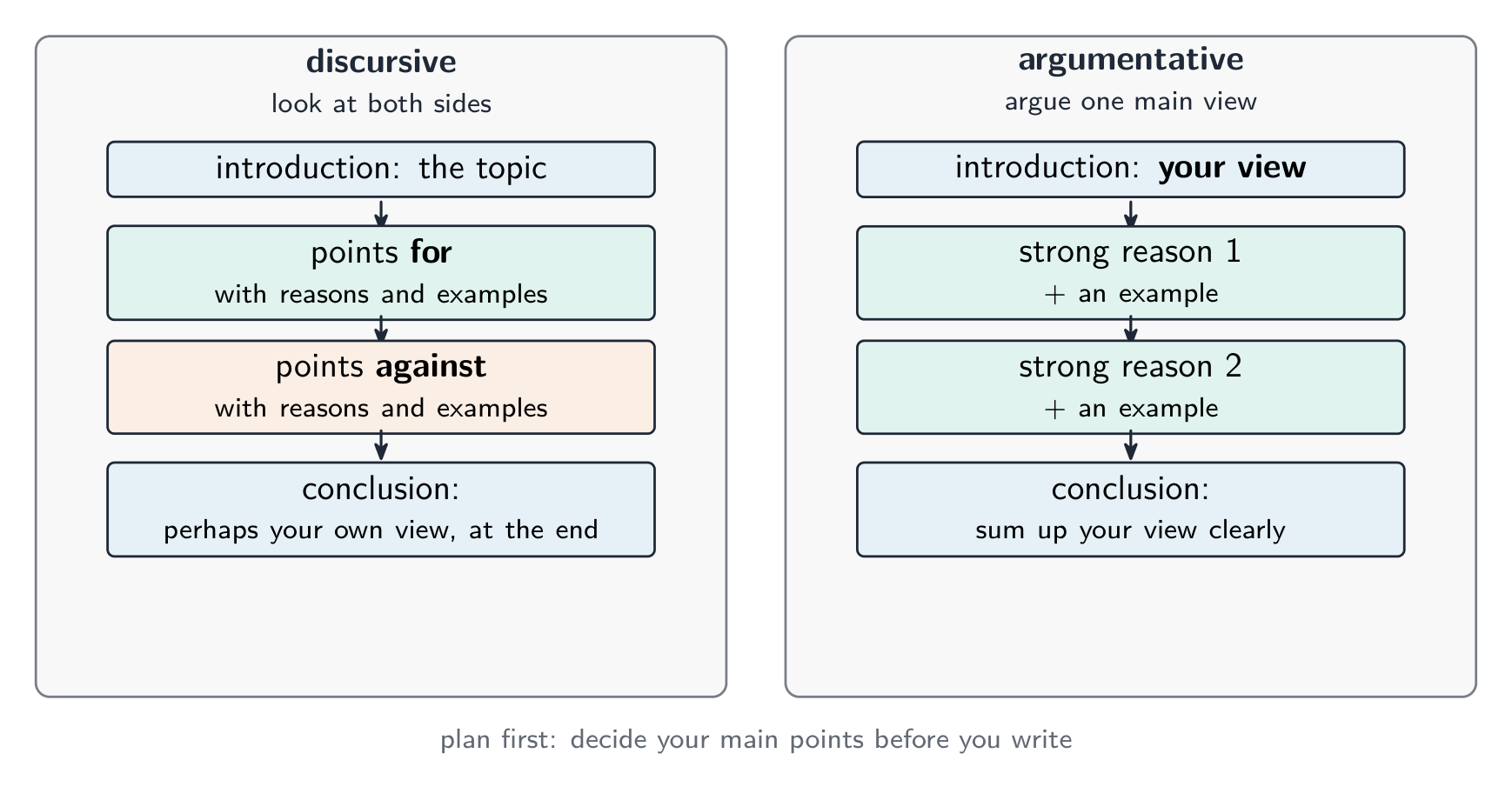
    هيكلان لمقال جنباً إلى جنب: المقال التوضيحي ينتقل من المقدمة إلى نقاط مؤيدة ونقاط مضادة إلى خاتمة قد تعطي رأيك؛ المقال الحججي يعلن رأيك في المقدمة، يقدم سببين قويين مع أمثلة، ويخلاص برأيك في الخاتمة
    شكلان للمقال: المناقشي يوازن الجانبين؛ الإلزامي يُجادل viewpoint واحدة

    المقالات النقاشية

    • المقال النقاشي يُناقش كلا جانبي الموضوع.
    • تقدم الحجج المؤيدة والمعارضة، وربما تعبر عن رأيك الشخصي في النهاية.

    المقالات الجدلية

    • المقال الجدلي 议论 يعرض وجهة نظر رئيسية واحدة.
    • المقال الحجاجي يدافع عن وجهة نظر رئيسية واحدة.

    التخطيط أولاً

    • حدد نقاطك الرئيسية وأسباب كل منها قبل الكتابة.
    • حدد نقاطك الرئيسية وأسباب كل منها قبل البدء في الكتابة.
    غرفة قراءة مليئة بالكتب: المقالات تحتاج إلى قراءة دقيقة وتخطيط وحجة منظمة
    غرفة قراءة مليئة بالكتب: المقالات تحتاج إلى قراءة دقيقة وتخطيط وحجة منظمة
    Vocabulary · ⁨مفردات⁩ Train · ⁨تدريب⁩
    English العربية
    essay/ˈeseɪ/ مقال
    discursive/dɪˈskɜːsɪv/ تفصيلي / نقدي
    argumentative/ˌɑːɡjuːˈmentətɪv/ جدلي
    introduction/ˌɪntrəˈdʌkʃn/ الإطلاق
    8.2

    How to structure an essay · ⁨كيفية هيكلة المقال⁩

    Syllabus · ⁨المنهج⁩
    English
    1. introduce the topic and your approach in the introduction
    2. develop one main idea per paragraph in the body, with reasons and examples
    3. draw the ideas together in a clear conclusion
    العربية
    1. تقديم الموضوع ومنهجيتك في المقدمة
    2. تطوير فكرة رئيسية واحدة في كل فقرة من البنية، مع الأسباب والأمثلة
    3. دمج الأفكار في خاتمة واضحة

    Source: Cambridge International syllabus · ⁨المصدر: منهج كامبريدج الدولي⁩

    English

    A clear shape makes your argument easy to follow.

    Introduction

    • The introduction 引言 names the topic and says how you will approach it.
    • Keep it short — two or three sentences.

    Body paragraphs

    • Put one main idea in each body 主体 paragraph.
    • Start the paragraph with the idea, then add reasons and examples.

    Conclusion

    • The conclusion 结论 brings your ideas together.
    • Do not add a new point here. Sum up your view clearly.

    Useful language

    Linking words 衔接词 signal your reader where the argument turns. They are the road signs of an essay.

    • To add a point: Firstly… / In addition… / Another reason is…
    • To show the other side: However… / On the other hand… / Some people argue that…
    • To give an example: For example… / For instance… / such as…
    • To conclude: In conclusion… / Overall… / Weighing both sides…

    Use them at the start of a sentence, and do not overuse one. Two or three well-placed links are enough for a paragraph.

    A model body paragraph

    Watch the three moves: idea, then reason, then example.

    Firstly, homework teaches students to work alone. In class, a teacher is always nearby to help. At home, a student must solve the problem by themselves — and that is where real learning happens. For example, a maths question that felt easy in the lesson can teach far more when you meet it again, alone, at your desk.

    The first sentence is the idea. The next two explain why. The last one makes it real with an example. Every body paragraph can follow this simple shape.

    العربية

    الشكل الواضح يجعل حجتك سهلة المتابعة.

    المقدمة

    • المقدمة 引言 تُحدد الموضوع وتوضح كيف ستتعامل معه.
    • المقدمة تُعرّف بالموضوع وتوضح كيف ستعالجه.

    فقرات الجسم

    • ضع فكرة رئيسية واحدة في كل فقرة جسم 主体.
    • ضع فكرة رئيسية واحدة في كل فقرة جسم.
    فقرة جسم واحدة مفتوحة إلى ثلاثة أجزاء: الفكرة الرئيسية كجملة موضوعية، ثم الأسباب وراءها، ثم مثال يجعلها واقعية
    فقرة الجسم: الفكرة أولاً، ثم الأسباب، ثم المثال

    الخاتمة

    • الخاتمة 结论 تجمع أفكارك معًا.
    • الخاتمة تجمع أفكارك معاً.

    لغة مفيدة

    الكلمات الرابطه 衔接词 تُشير للقارئ بمكان تحول الحجة. إنها إشارات الطريق للمقال.

    • لإضافة نقطة: أولاً… / بالإضافة إلى ذلك… / سبب آخر هو….*
    • لإضافة نقطة: أولاً... / بالإضافة إلى ذلك... / سبب آخر هو... *
    • لعرض الجانب الآخر: ومع ذلك... / من ناحية أخرى... / يجادل بعض الناس بأن... *
    • لتقديم مثال: على سبيل المثال... / على سبيل التحديد... / مثل... *

    استخدمها في بداية الجملة، ولا تفرط في استخدام واحدة منها. رابطان أو ثلاثة موضوعة بشكل جيد يكفيان للفقرة الواحدة.

    نموذج لفقرة جسم

    شاهد الخطوات الثلاث: الفكرة، ثم السبب، ثم المثال.

    شاهد الخطوات الثلاث: الفكرة، ثم السبب، ثم المثال.

    أولاً، واجبات منزلية تعلم الطلاب العمل بمفردهم. داخل الفصل، يكون المعلم دائماً قريباً للمساعدة. في المنزل، يجب على الطالب حل المشكلة بنفسه — وهناك يحدث التعلم الحقيقي. على سبيل المثال، مسألة رياضيات بدت سهلة في الدرس قد تعلم أكثر بكثير عندما تواجهها مرة أخرى، وحدك، على مكتبك.

    تخطيط الهيكل أولاً: نقاط واضحة، أمثلة، وخاتمة راسخة
    تخطيط الهيكل أولاً: نقاط واضحة، أمثلة، وخاتمة راسخة
    Vocabulary · ⁨مفردات⁩ Train · ⁨تدريب⁩
    English العربية
    body/ˈbɒdi/ الجسم
    conclusion/kənˈkluːʒn/ الاستنتاج
    linking words/ˈlɪŋkɪŋ wɜːdz/ كلمات الربط
    Watch lesson · ⁨شاهد الدرس⁩
    8.2

    Exam tips · ⁨نصائح للامتحان⁩

    English
    • Plan for three minutes before you write: your view, two reasons, one opposite view.
    • First paragraph introduces the question; each middle paragraph carries exactly one argument.
    • Signpost with linking words: First of all, However, On the other hand, In conclusion.
    • Give the other side one fair paragraph, then answer it. Balance shows thinking and earns marks.
    • The final paragraph states your opinion clearly. Do not sit on the fence.
    العربية
    • خطّط لثلاث دقائق قبل الكتابة: وجهة نظرك، سببان، وجهة نظر معاكسة واحدة.
    • خطط لمدة ثلاث دقائق قبل الكتابة: رأيك، سببان، وجهة نظر معاكسة واحدة.
    • المقدمة الأولى تطرح السؤال؛ كل فقرة وسطى تحمل حجة واحدة بالضبط.
    • استخدم كلمات الربط للإشارة: أولاً، ومع ذلك، من ناحية أخرى، في الختام.
    • خصص فقرة عادلة للجانب الآخر، ثم رد عليها. التوازن يظهر التفكير ويحقق الدرجات.
  • 9

    Listening skills · ⁨مهارات الاستماع⁩

    Watch lesson · ⁨شاهد الدرس⁩
    9.1

    Listening for facts · ⁨الاستماع للوقائع⁩

    Syllabus · ⁨المنهج⁩
    English
    1. listen for specific facts and details: places, names, times, dates and directions
    2. predict what kind of information you will hear before you listen
    3. select the correct multiple-choice option based on what the speaker says
    العربية
    1. الاستماع إلى الحقائق والتفاصيل المحددة: الأماكن، الأسماء، الأوقات، التواريخ والتوجيهات
    2. التنبؤ بنوع المعلومات التي ستسمعها قبل الاستماع
    3. اختيار الخيار الصحيح من متعدد بناءً على ما يقوله المتحدث

    Source: Cambridge International syllabus · ⁨المصدر: منهج كامبريدج الدولي⁩

    English

    In the listening exam you hear each recording 录音 twice. Use both chances well.

    Predict before you listen

    • Read the question before the recording starts.
    • Predict 预测 what kind of answer you need: a place, a name, a number, a time?

    Catch the detail

    • Listen for specific 具体的 facts: places, names, dates, times and directions 方向.
    • The answers usually come in the same order as the questions.

    Use both playings

    • On the first listening, choose your answer.
    • On the second, check it. Do not change a right answer without a good reason.
    العربية

    في امتحان الاستماع، تسمع كل تسجيل 录音 مرتين. استغل الفرصتين جيدًا.

    تنبأ قبل الاستماع

    • اقرأ السؤال قبل بدء التسجيل.
    • تنبأ 预测 بنوع الإجابة المطلوبة: مكان، اسم، رقم، وقت؟

    التقاط التفاصيل

    • استمع إلى حقائق 具体的 محددة: أماكن، أسماء، تواريخ، أوقات واتجاهات 方向.
    • عادةً ما تأتي الإجابات بنفس ترتيب الأسئلة.

    استخدم كلا الاستماعين

    • في الاستماع الأول، اختر إجابتك.
    • في أول استماع، اختر إجابتك.
    خط زمني: قبل التسجيل اقرأ الأسئلة وتنبأ بنوع الإجابة، وفي الاستماع الأول اختر إجاباتك، وفي الاستماع الثاني تحقق واملأ الفراغات؛ عادة ما تأتي الإجابات بترتيب الأسئلة
    استخدم الاستماعين بطرق مختلفة: أجب أولاً، ثم تحقق
    خط زمني: قبل التسجيل اقرأ الأسئلة وتنبأ بنوع الإجابة، في التشغيل الأول اختر إجاباتك، في التشغيل الثاني تحقق واملا الفراغات؛ الإجابات عادة تأتي بترتيب الأسئلة
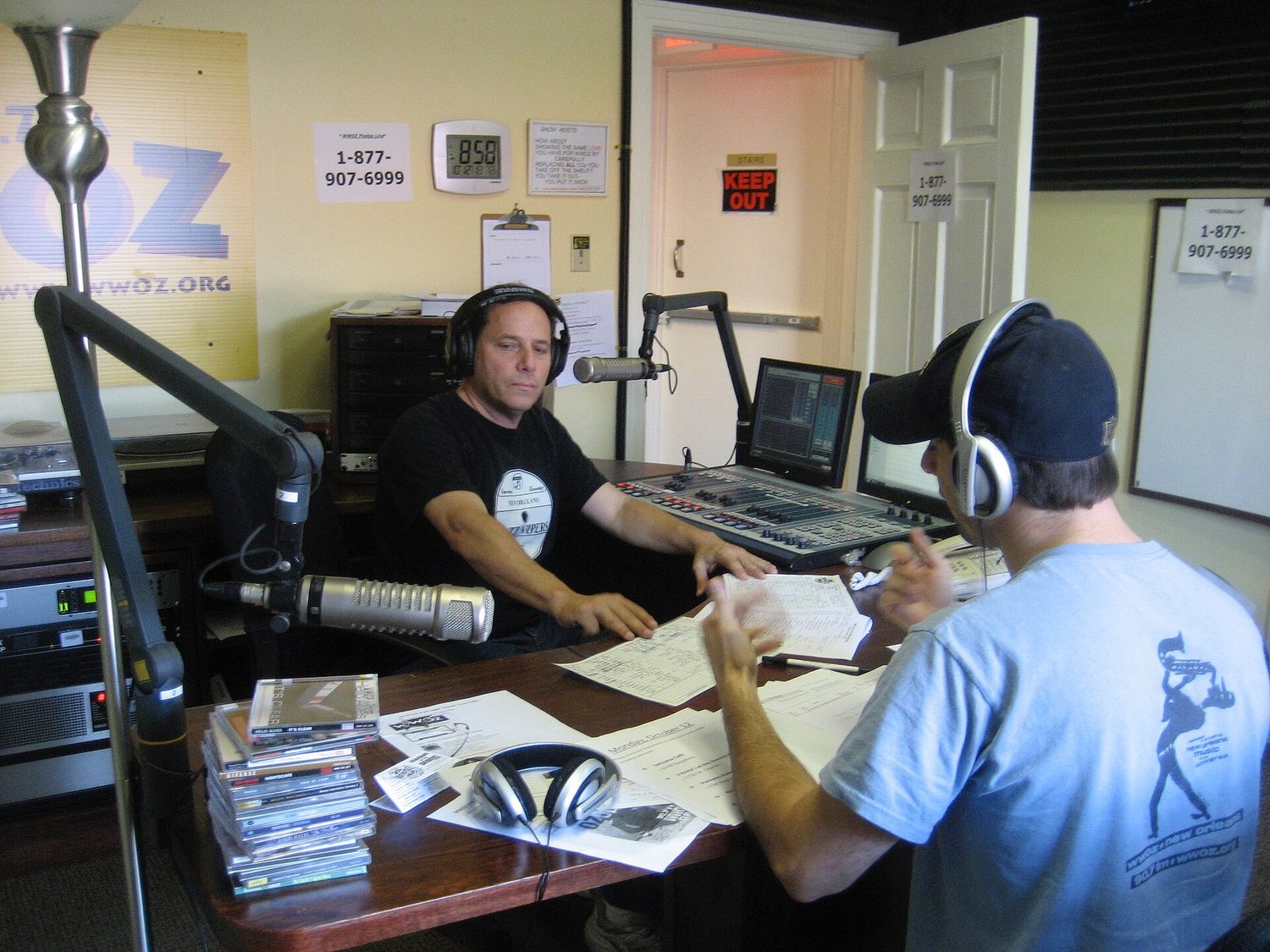
    استوديو راديو: اختبارات الاستماع تطلب منك التقاط الحقائق والمواقف والمعنى الضمني عبر استماعين

    الاستماع بعناية: التقاط الحقائق والمواقف وما هو مُستدل عليه فقط *الاستماع بعناية: التقط الحقائق والمواقف وما هو ضمني فقط
    Vocabulary · ⁨مفردات⁩ Train · ⁨تدريب⁩
    English العربية
    recording/rɪˈkɔːdɪŋ/ تسجيل
    predict/prɪˈdɪkt/ تنبأ
    specific/spəˈsɪfɪk/ محددة
    directions/daɪˈrekʃnz/ تعليمات
    opinion/əˈpɪnɪən/ رأي / رأي
    feelings/ˈfiːlɪŋz/ مشاعر
    connect/kəˈnekt/ متصلين
    suggests/səˈdʒests/ يقترح
    multiple-choice/ˈmʌltɪpl tʃɔɪs/ اختيار من متعدد
    distractors/dɪˈstræktəz/ خيارات مشتتة
    attitude/ˈætɪtjuːd/ موقف /态度
    9.2

    Hearing opinions and attitudes · ⁨سماع الآراء والمواقف⁩

    Syllabus · ⁨المنهج⁩
    English
    1. understand speakers' ideas, opinions, feelings and attitudes
    2. follow how ideas connect across a longer talk or conversation
    3. notice the language that speakers use to express how they feel
    العربية
    1. فهم أفكار المتحدثين وآرائهم ومشاعرهم ومواقفهم
    2. تتبع كيفية ارتباط الأفكار عبر حديث أطول أو محادثة
    3. ملاحظة اللغة التي يستخدمها المتحدثون للتعبير عن مشاعرهم

    Source: Cambridge International syllabus · ⁨المصدر: منهج كامبريدج الدولي⁩

    English

    Some questions ask how a speaker thinks or feels, not just what they say.

    Opinions and feelings

    • Listen for the speaker's opinion 观点 and feelings 感受.
    • Notice the words they choose. Strong words show strong feelings.

    Follow the connections

    • In a longer talk, ideas connect 连接. Follow how one point leads to the next.
    • Words like "but", "because" and "so" show how ideas link.
    العربية

    بعض الأسئلة تسأل عن كيفية تفكير المتحدث أو شعوره، وليس فقط ما يقوله.

    الآراء والمشاعر

    • استمع إلى رأي 观点 ومشاعر 感受 المتحدث.
    • استمع إلى رأي المتحدث ومشاعره.

    تابع الروابط

    • في المحادثة الأطول، ترتبط 连接 الأفكار. تابع كيف يؤدي نقطة إلى الأخرى.
    • في محادثة أطول، ideas ترتبط. تابع كيف تؤدي نقطة إلى الأخرى.
    9.3

    Listening between the lines · ⁨الاستماع بين السطور⁩

    Syllabus · ⁨المنهج⁩
    English
    1. understand what is implied but not directly stated
    2. work out a speaker's overall intention or attitude
    3. deduce the meaning of an unfamiliar word from the words around it
    العربية
    1. فهم ما يُستدل عليه لكن لا يُذكر صراحة
    2. استنتاج النية العامة للمتحدث أو موقفه
    3. استنتاج معنى كلمة غير مألوفة من الكلمات المحيطة بها

    Source: Cambridge International syllabus · ⁨المصدر: منهج كامبريدج الدولي⁩

    English

    Not every answer is said directly.

    Implied meaning

    • Sometimes a speaker suggests 暗示 something without saying it openly.
    • Think about what they really mean, not only the exact words.

    Watch the distractors

    • In multiple-choice 选择题 questions, the wrong options are called distractors 干扰项.
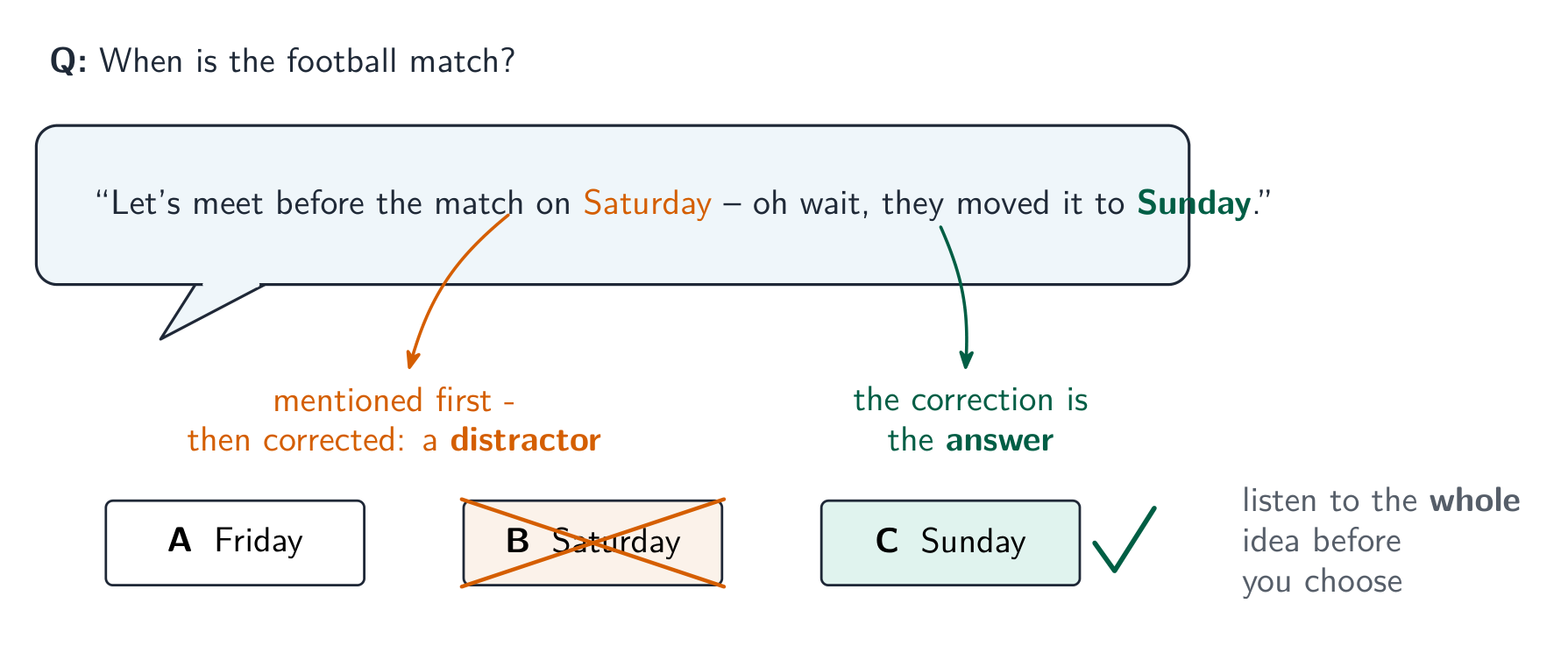
    • A speaker may mention an option, then change their mind. Listen to the whole idea before you choose.

    Words that signal the answer

    Trained ears listen for small words that point to the answer.

    • A correction is coming: actually… / sorry, I mean… / on second thought… — the words after these usually hold the real answer, not the ones before.
    • The key point: the main thing is… / what matters is… / above all…
    • A feeling or attitude 态度: to be honest… / the trouble is… / I'm delighted that…
    • Order of steps: first… next… finally… — these help you follow a sequence.

    Catching one signal word can win you a mark. Note them down as you hear them.

    العربية

    ليست كل الإجابات تُقال بشكل مباشر.

    المعنى الضمني

    • أحياناً يُلمح 暗示 المتحدث بشيء دون أن يصرح به علناً.
    • أحياناً المتحدث يُلمح بشيء دون قوله صراحةً.

    انتبه للخيارات المضللة

    • في أسئلة الاختيار من متعدد 选择题، تُسمى الخيارات الخاطئة عوامل مشتتة 干扰项.
    • في أسئلة الاختيار من متعدد، الخيارات الخاطئة تسمى المشتتات.
    يُعلن المتحدث أن المباراة يوم السبت، ثم يصحح ذلك إلى الأحد؛ يُعتبر السبت مشتتًا ويتم شطبه، ويوم الأحد المصحح هو الإجابة
    يُذكر المشتت أولاً، ثم يُصحح - التصحيح هو الإجابة

    كلمات تدل على الإجابة

    الآذان المدربة تستمع للكلمات الصغيرة التي تشير إلى الإجابة.

    • تصحيح قادم: في الواقع... / عذرًا، أقصد... / بعد التفكير مرة أخرى... — الكلمات بعد هذه العبارات عادةً ما تحمل الإجابة الحقيقية، وليس التي قبلها.
    • النقطة الأساسية: الشيء الرئيسي هو... / المهم هو... / وقبل كل شيء...
    • شعور أو موقف 态度: بصراحة... / المشكلة هي... / أنا مسرور لأن...
    • ترتيب الخطوات: أولاً... ثم... وأخيرًا... — تساعدك هذه على اتباع التسلسل.

    التقاط كلمة واحدة دالة قد يمنحك علامة. لاحظها أثناء الاستماع إليها.

    9.3

    Exam tips · ⁨نصائح للامتحان⁩

    English
    • Read the questions before the audio starts and underline the key words in each one.
    • You hear everything twice: answer what you can in round one, check and fill gaps in round two.
    • Speakers often correct themselves with numbers, days and spellings. The last version is the answer.
    • Missed one? Let it go and follow the next question; return to the gap in the second play.
    • Write something for every question. There is no penalty for a wrong guess.
    العربية
    • اقرأ الأسئلة قبل بدء المقطع الصوتي وضع خطًا تحت الكلمات الرئيسية في كل سؤال.
    • ستسمع كل شيء مرتين: أجب عن ما يمكنك في الجولة الأولى، وتحقق وامتلئ الفراغات في الجولة الثانية.
    • غالبًا ما يصحح المتحدثون أنفسهم بالأرقام والأيام والأهجاء. النسخة الأخيرة هي الإجابة الصحيحة.
    • إذا فوت عليك سؤال، تخطّه وابعَد السؤال التالي؛ عد إلى الفراغ في التشغيل الثاني.
    • اكتب شيئًا لكل سؤال. لا توجد عقوبة للتخمين الخاطئ.
  • 10

    Speaking skills · ⁨مهارات التحدث⁩

    Watch lesson · ⁨شاهد الدرس⁩
    10.1

    Talking with the examiner · ⁨التحدث مع الممتحن⁩

    Syllabus · ⁨المنهج⁩
    English
    1. take part in a conversation or interview, giving factual information and opinions
    2. respond to questions and develop your answers with reasons and examples
    3. use interactive skills: starting, responding, asking for clarification and taking turns
    العربية
    1. شارك في محادثة أو مقابلة، مقدمًا معلومات واقعية وآراء
    2. رد على الأسئلة وطوّر إجاباتك بأسباب وأمثلة
    3. استخدم مهارات التفاعل: البدء، الرد، طلب التوضيح وتبادل الأدوار

    Source: Cambridge International syllabus · ⁨المصدر: منهج كامبريدج الدولي⁩

    English

    The speaking test is a friendly conversation 对话, not a test you fail by being nervous.

    Take part fully

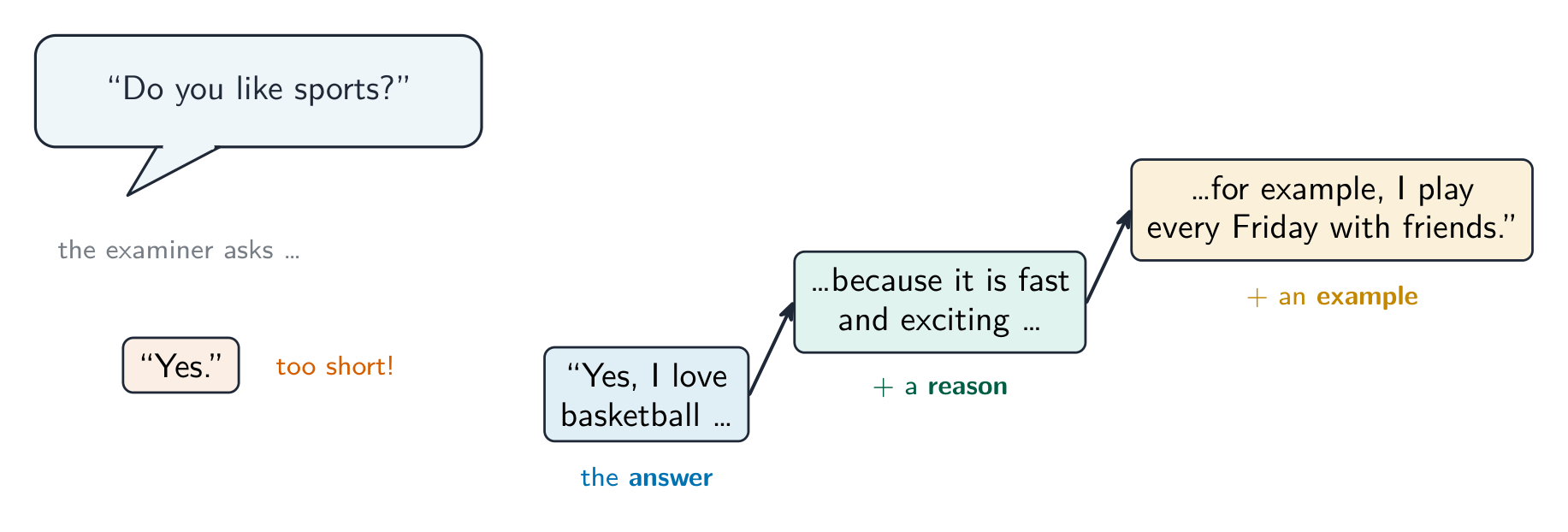
    • Answer the question, then add more. A one-word answer is too short.
    • Give reasons and examples. Show what you can do with English.

    Interact well

    • Listen to the examiner and respond 回应 to what they say.
    • If you do not understand, it is fine to ask: "Sorry, could you repeat that?"
    • Take turns 轮流 naturally, as in a real conversation.
    العربية

    اختبار التحدث هو محادثة ودودة conversation 对话، وليس اختبارًا تفشل فيه بسبب التوتر.

    شارك بالكامل

    • أجب عن السؤال، ثم أضف المزيد. إجابة بكلمة واحدة قصيرة جدًا.
    • قدم أسبابًا وأمثلة. بيّن ما يمكنك فعله باللغة الإنجليزية.
    يسأل الممتحن هل تحب الرياضة؛ إجابة "نعم" وحدها قصيرة جدًا، لكن الإجابة مضافًا إليها سبب ومثال ترتفع كدرج لتصبح دورًا كاملاً
    أجب، ثم أضف المزيد: السبب والمثال يشكلان دورة كاملة

    تفاعل بشكل جيد

    • استمع إلى الممتحن ورد 回应 على ما يقوله.
    • إذا لم تفهم، فلا بأس من أن تسأل: "عذرًا، هل يمكنك تكرار ذلك؟"
    • خذ دورك 轮流 بشكل طبيعي، كما في المحادثة الحقيقية.
    طور إجاباتك في المحادثة: أضف أسبابًا وأمثلة ورأيًا قصيرًا
    طور إجاباتك في المحادثة: أضف أسبابًا وأمثلة ورأيًا قصيرًا
    Vocabulary · ⁨مفردات⁩ Train · ⁨تدريب⁩
    English العربية
    conversation/kɒnvəˈseɪʃn/ المحادثة
    respond/rɪˈspɒnd/ يستجيب
    turns/tɜːnz/ يتحول / يتغير
    develop/dɪˈveləp/ يطوّر / يُنشئ
    10.2

    Giving a short talk · ⁨تقديم عرض قصير⁩

    Syllabus · ⁨المنهج⁩
    English
    1. give a short talk that describes an event or explains and justifies an opinion
    2. expand your answers by giving examples, justifying, comparing and speculating
    3. speak with control of vocabulary, grammar, pronunciation and intonation
    العربية
    1. قدم عرضًا قصيرًا يصف حدثًا أو يشرح ويبرر رأيًا
    2. توسع في إجاباتك بإعطاء أمثلة، وتبرير، ومقارنة، واستيعاب احتمالات
    3. تحدث بقدرة على التحكم في المفردات والقواعد والنطق والنبرة

    Source: Cambridge International syllabus · ⁨المصدر: منهج كامبريدج الدولي⁩

    English

    You may be asked to talk about a topic for a short time.

    Develop your ideas

    • Do not just list points. Develop 展开 each one with a reason or an example.
    • Use phrases like "for example", "that is why" and "I suppose" to extend your answers.

    Speak clearly

    • Speak with good pronunciation 发音 and natural intonation 语调.
    • Do not rush. It is better to speak clearly than quickly.
    • If you forget a word, say it another way. This is called paraphrasing 释义.

    Useful language

    Memorise a few phrases 短语 for each move. They keep you talking when your mind goes blank.

    • To give an opinion: In my opinion… / I'd say… / For me,…
    • To add detail: for example… / that's why… / what I mean is…
    • To buy thinking time: That's a good question… / Well, let me think… / I suppose…
    • To agree or disagree politely 礼貌: That's true, but… / I see what you mean, though…

    A short pause with "Let me think…" sounds far better than silence. It shows control, not panic.

    A model turn

    See how one student turns a plain question into a full, natural answer.

    Examiner: Do you enjoy studying at home?

    Student: In my opinion, home is better for some subjects. For example, I revise 复习 maths well at home because it is quiet and nobody interrupts 打断 me. But I suppose group work is easier at school, where I can ask my friends straight away. So really, it depends on the task.

    The student gives an opinion, backs it with an example, admits the other side, and finishes with a neat conclusion. That is a top-mark turn — and anyone can build it with these phrases.

    العربية

    قد يُطلب منك التحدث عن موضوع لفترة وجيزة.

    طوّر أفكارك

    • لا تقم بسرد النقاط فقط. طور 展开 كل منها بسبب أو مثال.
    • استخدم عبارات مثل "على سبيل المثال" و"لهذا السبب" و"أعتقد" لتمديد إجاباتك.

    تحدث بوضوح

    • تحدث بنطق جيد pronunciation 发音 ونبرة طبيعية intonation 语调.
    • لا تتسرع. من الأفضل التحدث بوضوح بدلاً من السرعة.
    • إذا نسيت كلمة، أعبر عنها بطريقة أخرى. هذا يسمى paraphrasing 释义.

    لغة مفيدة

    احفظ بضع عبارات 短语 لكل حركة. تحافظ على حديثك عندما يفرغ عقلك.

    • لتقديم رأي: في رأيي... / سأقول... / بالنسبة لي،...
    • لإضافة تفاصيل: على سبيل المثال... / لهذا السبب... / ما أقصده هو...
    • لشراء وقت للتفكير: هذا سؤال جيد... / حسناً، دعني أفكر... / أعتقد...
    • للموافقة أو عدم الموافقة بأدب 礼貌: هذا صحيح، لكن... / أفهم ما تقصده، رغم ذلك...

    وقف قصير مع عبارة "دعني أفكر..." يبدو أفضل بكثير من الصمت. إنه يظهر التحكم، ليس الذعر.

    نموذج لدورة كاملة

    انظر كيف حول طالب واحد سؤالًا عاديًا إلى إجابة كاملة وطبيعية.

    الممتحن: هل تستمتع بالدراسة في المنزل؟

    الطالب: في رأيي، المنزل أفضل لبعض المواد. على سبيل المثال، أراجع 复习 الرياضيات جيدًا في المنزل لأنه هادئ ولا أحد يقاطعني 打断 me. لكنني أعتقد أن العمل الجماعي أسهل في المدرسة، حيث يمكنني سؤال أصدقائي مباشرة. لذا في الحقيقة، يعتمد الأمر على المهمة.

    قدم الطالب رأيه، ودعمه بمثال، واعترف بالجانب الآخر، وانتهى بخلاصة متناسقة. هذه دورة عالية الدرجة — ويمكن لأي شخص بناؤها باستخدام هذه العبارات.

    عرض قصير أمام الجمهور: خطط لنقاط واضحة، وتحدث بشكل طبيعي، وأجب عن الأسئلة اللاحقة
    عرض قصير أمام الجمهور: خطط لنقاط واضحة، وتحدث بشكل طبيعي، وأجب عن الأسئلة اللاحقة
    Vocabulary · ⁨مفردات⁩ Train · ⁨تدريب⁩
    English العربية
    pronunciation/prəˌnʌnsɪˈeɪʃn/ النطق
    intonation/ˌɪntəˈneɪʃn/ الطباق / النبرة
    paraphrasing/ˈpærəfreɪzɪŋ/ إعادة الصياغة
    phrases/ˈfreɪzɪz/ عبارات
    politely/pəˈlaɪtli/ بلطف
    revise/rɪˈvaɪz/ مراجعة
    interrupts/ˈɪntərʌpts/ المقاطعات
    10.2

    Exam tips · ⁨نصائح للامتحان⁩

    English
    • The warm-up chat is not marked. Use it to relax and start talking, not to recite prepared lines.
    • Never say memorised speeches. The examiner stops them, and real conversation earns more.
    • Grow every answer: point, reason, example. "I like… because… for example…" fills a minute well.
    • If you miss a question, ask: "Could you say that again, please?" That is good English, not a fault.
    • Take each prompt on the card in order; every prompt can become a small topic of its own.
    العربية
    • الدفء المحكي ليس مدرجًا في التقييم. استخدمه للاسترخاء والبدء في التحدث، وليس لتلقين جمل جاهزة.
    • لا تقل أبدًا خطابات محفوظة حفظًا صمًا. يوقفها الممتحن، والمحادثات الحقيقية تكسب درجات أكثر.
    • طور كل إجابة: نقطة، سبب، مثال. "أحب... لأن... على سبيل المثال..." يملأ دقيقة جيدة.
    • إذا فويت سؤالاً، اسأل: "هل يمكنك قول ذلك مرة أخرى، من فضلك؟" هذه لغة إنجليزية جيدة، وليست خطأ.
    • خذ كل عنصر من عناصر البطاقة بالترتيب؛ يمكن أن يصبح كل عنصر موضوعًا صغيرًا بحد ذاته.
  • 11

    Vocabulary and text types · ⁨المفردات وأنواع النصوص⁩

    Watch lesson · ⁨شاهد الدرس⁩
    11.1

    Growing your vocabulary · ⁨تطوير مفرداتك⁩

    Syllabus · ⁨المنهج⁩
    English
    1. learn new words together with their meaning, spelling and how they sound
    2. group vocabulary by topic and by everyday situation
    3. use set phrases, phrasal verbs and collocations naturally
    العربية
    1. تعلم كلمات جديدة مع معناها وإملاؤها وكيفية نطقها
    2. جمّع المفردات حسب الموضوع وحسب المواقف اليومية
    3. استخدم العبارات الثابتة والأفعال المركبة والمتلازمات بشكل طبيعي

    Source: Cambridge International syllabus · ⁨المصدر: منهج كامبريدج الدولي⁩

    English

    A wide vocabulary 词汇 helps you in every part of the exam.

    Learn words well

    • Learn a new word with its meaning, its spelling, and how it sounds.
    • Keep a vocabulary notebook. Group words by topic, such as travel or health.

    Use natural phrases

    • Learn words that go together. These are called collocations 词语搭配, like "make a decision" or "heavy rain".
    • Learn set phrases 固定短语 and common phrasal verbs 短语动词, like "give up" or "look after".
    • Using natural phrases makes your English sound fluent 流利.
    العربية

    مكتبة لغوية واسعة vocabulary 词汇 تساعدك في كل جزء من الاختبار.

    تعلم الكلمات جيدًا

    • احفظ كلمة جديدة بمعناها، إملائها، وكيفية نطقها.
    • احتفظ بدفتر مفردات. جمّع الكلمات حسب الموضوع، مثل السفر أو الصحة.
    كلمة decision في المنتصف، متصلة بخمس أشياء تتعلمها عنها: معناها، الإملاء والصوت، عائلة الكلمات، التراكيب make a decision، والمجموعة الموضوعية التي تُصنف فيها
    أن تعرف الكلمة جيدًا يعني معرفة كل هذا

    استخدم عبارات طبيعية

    • تعلم كلمات تأتي معًا. تسمى هذه collocations 词语搭配، مثل "make a decision" أو "heavy rain".
    • تعلم set phrases 固定短语 وأفعال مركبة شائعة phrasal verbs 短语动词، مثل "give up" أو "look after".
    • استخدام عبارات طبيعية يجعل لغتك الإنجليزية تبدو fluent 流利.
    تطوير المفردات: انتبه للكلمات المفيدة في كل نوع من النصوص وتمرن عليها في كتابتك الخاصة
    تطوير المفردات: انتبه للكلمات المفيدة في كل نوع من النصوص وتمرن عليها في كتابتك الخاصة
    Vocabulary · ⁨مفردات⁩ Train · ⁨تدريب⁩
    English العربية
    vocabulary/vəʊˈkæbjʊləri/ المفردات
    collocations/ˌkɒləʊˈkeɪʃnz/ التراكيب اللفظية
    set phrases/set ˈfreɪzɪz/ عبارات ثابتة
    phrasal verbs/ˈfreɪzl vɜːbz/ أفعال مركبة
    fluent/ˈfluːənt/ fluent (متقن / سلس)
    11.2

    Knowing your text types · ⁨معرفة أنواع النصوص⁩

    Syllabus · ⁨المنهج⁩
    English
    1. recognise common text types: article, blog, email, essay, report, review, notice, leaflet and interview
    2. know the purpose and audience of each text type
    3. match the right style and format to each text type
    العربية
    1. تعرف على أنواع النصوص الشائعة: المقال، المدونة، البريد الإلكتروني، الرسالة الأكاديمية، التقرير، المراجعة، الإعلان، البروشور والمقابلة
    2. تعرف على الغرض والجمهور المستهدف لكل نوع من أنواع النصوص
    3. طابق الأسلوب والتنسيق المناسبين مع كل نوع من أنواع النصوص

    Source: Cambridge International syllabus · ⁨المصدر: منهج كامبريدج الدولي⁩

    English

    Each writing task is a text type 文本类型 with its own rules.

    Common text types

    • An email is a message to one person; an article 文章 is for many readers; a report 报告 gives facts to a person in charge.
    • A blog 博客 is a personal, informal online post – like an article but more personal and casual, so it sits near the informal end of the formality scale.
    • A review 评论 gives an opinion about something you tried; an essay 议论文 argues a point of view.
    • A notice 通知 and a leaflet 传单 give short, clear information.

    Match style to type

    • Each text type has its own purpose, reader and tone.
    • Before you write, ask: what is this text type, and what style does it need?

    A vocabulary routine

    Turn new words into words you truly own with four steps:

    1. Meet it — when you find a new word, write it down with one example sentence.
    2. File it — put it in your notebook under a topic group (travel, health, school).
    3. Test it — cover the meaning and try to recall it the next day, then again a week later. This spaced review 间隔复习 fixes words in your memory far better than reading a list once.
    4. Use it — put the word into your own writing or speaking within a few days, before you forget it.

    Five words learned this way each day is over a thousand a year.

    العربية

    كل مهمة كتابة هي text type 文本类型 لها قواعد خاصة بها.

    أنواع نصوص شائعة

    • البريد الإلكتروني هو رسالة لشخص واحد؛ article 文章 للعديد من القراء؛ report 报告 يقدم حقائق لشخص مسؤول.
    • مدونة博客 هي منشور شخصي وغير رسمي على الإنترنت – مثل المقال ولكن أكثر شخصية وودية، لذا فهي تقع靠近 toward informal end of the formality scale near the غير رسمي end of the formality scale.
    • مراجعة评论 تعطي رأيًا حول شيء جربته؛ مقال议论文 يطرح وجهة نظر ويحاجج من أجلها.
    • إعلان通知 ونشرة传单 تقدمان معلومات قصيرة وواضحة.

    مطابقة الأسلوب مع النوع

    • لكل نوع نصي غرضه الخاص، قارئه ونبرته.
    • قبل أن تكتب، اسأل: ما هو نوع هذا النص، وما هو الأسلوب الذي يحتاجه؟
    A line from informal to formal: an email to a friend sits at the informal end, articles and reviews in the middle, and reports, formal letters and essays at the formal end, each with its matching tone
    كل نوع نصي يقع في مكان ما على خط من غير الرسمي إلى الرسمي

    روتين المفردات

    حوّل الكلمات الجديدة إلى كلمات تملكها حقًا عبر أربع خطوات:

    1. التقِ بها — عندما تجد كلمة جديدة، اكتبها مع جملة مثال واحدة.
    2. سجّلهـا — ضعها في دفترك تحت مجموعة موضوعية (السفر، الصحة، المدرسة).
    3. اختبرها — غطِ المعنى وحاول استرجاعها في اليوم التالي، ثم مرة أخرى بعد أسبوع. هذه المراجعة المتباعدة间隔复习 تثبت الكلمات في ذاكرتك بشكل أفضل بكثير من قراءة قائمة مرة واحدة.
    4. استخدمها — ضَع الكلمة في كتابتك أو كلامك الخاص خلال بضعة أيام، قبل أن تنساها.

    خمسة كلمات يتعلمها هذا الطريق كل يوم تفوق ألف كلمة سنويًا.

    Vocabulary · ⁨مفردات⁩ Train · ⁨تدريب⁩
    English العربية
    text type/tekst taɪp/ نوع النص
    article/ˈɑːtɪkl/ مقال
    report/rɪˈpɔːt/ تقرير
    blog/blɒɡ/ مدونة
    review/rɪˈvjuː/ مراجعة
    essay/ˈeseɪ/ مقال
    notice/ˈnəʊtɪs/ إعلان
    leaflet/ˈliːflɪt/ نشرة / منشور
    spaced review/speɪst rɪˈvjuː/ مراجعة متباعدة
    11.2

    Exam tips · ⁨نصائح للامتحان⁩

    English
    • Learn words in families, one family per text type: email openers, report verbs, review adjectives.
    • In the writing exam, put the text type's fixed parts down first: greeting, title or headings. They are the easiest marks on the paper.
    • Keep a personal word list. Five new words a day beats fifty words once a month.
    • When a new word appears in the reading paper, guess it from the context and keep moving; never freeze on one word.
    العربية
    • تعلّم الكلمات في عائلات، عائلة واحدة لكل نوع نص: افتتاحيات الإيميل، أفعال التقارير، صفات المراجعات.
    • في امتحان الكتابة، ابدأ بوضع الأجزاء الثابتة لنوع النص أولاً: التحية، العنوان أو العناوين الفرعية. إنها أسهل علامات الورقة الامتحانية.
    • احتفظ بقائمة كلمات شخصية. خمسة كلمات جديدة يوميًا تتفوق على خمسين كلمة مرة واحدة شهريًا.
    • عندما تظهر كلمة جديدة في ورقة القراءة، تخمنها من السياق واستمر في القراءة؛ لا تتجمد أبداً عند كلمة واحدة.

Log in or create account · ⁨تسجيل الدخول أو إنشاء حساب⁩

IGCSE, A-Level & AP