Skip to content · ⁨الانتقال إلى المحتوى⁩

Reproduction · ⁨الإعادة الإنتاجية⁩

IGCSE Biology · ⁨IGCSE علم الأحياء⁩ · Topic 16 · ⁨الموضوع 16⁩

Video lesson for this topic · ⁨درس فيديو لهذا الموضوع⁩ Open the video page · ⁨افتح صفحة الفيديو⁩
10:42

الإعادة الإنتاجية

هناك طريقتان فقط لإنتاج كائن جديد، ويتنافسان مع بعضهما البعض. الأولى سريعة، تحتاج أبًا واحدًا، وتنتج نسخًا مثالية. الأخرى…

English narration · English + 中文 subtitles burned in · ⁨سرد باللغة الإنجليزية · ترجمة مدمجة بالإنجليزية + الصينية⁩

16.1 16.2

Two kinds of reproduction · ⁨نوعان من التكاثر⁩

Syllabus · ⁨المنهج⁩
English
Core Supplement
1 Describe asexual reproduction as a process resulting in the production of genetically identical offspring from one parent
2 Identify examples of asexual reproduction in diagrams, images and information provided 3 Discuss the advantages and disadvantages of asexual reproduction: (a) to a population of a species in the wild (b) to crop production
العربية
أساسي تكميلي
1 صف التكاثر اللاجنسي كعملية تؤدي إلى إنتاج نسل متطابق جينياً من أب واحد
2 حدد أمثلة على التكاثر اللاجنسي في المخططات والصور والمعلومات المقدمة 3 ناقش مزايا وعيوب التكاثر اللاجنسي: (أ) لسكان نوع ما في البرية (ب) لإنتاج المحاصيل
English
Core Supplement
1 Describe sexual reproduction as a process involving the fusion of the nuclei of two gametes to form a zygote and the production of offspring that are genetically different from each other 3 State that nuclei of gametes are haploid and that the nucleus of a zygote is diploid
2 Describe fertilisation as the fusion of the nuclei of gametes
4 Discuss the advantages and disadvantages of sexual reproduction: (a) to a population of a species in the wild (b) to crop production
العربية
أساسي تكميلي
1 صف التكاثر الجنسي كعملية تتضمن اندماج أنوي Gametes لتكوين زيجوت وإنتاج نسل مختلف جينياً عن بعضها البعض 3 بيّن أن أنوية Gametes ثنائية الصيغة النصفية وأن نواة الزيجوت ثنائية الصيغة الصبغية
2 صف الإخصاب作为Gametes nuclei اندماج Gametes nuclei
4 ناقش مزايا وعيوب التكاثر الجنسي: (أ) لسكان نوع ما في البرية (ب) لإنتاج المحاصيل

Source: Cambridge International syllabus · ⁨المصدر: منهج كامبريدج الدولي⁩

English

Reproduction 生殖 makes new organisms of the same kind. There are two types.

Asexual reproduction

Asexual reproduction 无性生殖 needs only one parent 亲本. The offspring 后代 have exactly the same genes 基因 as the parent — they are genetically identical (clones).

  • Advantage: it is fast and needs only one parent — useful when conditions are good and stable.
  • Disadvantage: all the offspring are identical, so if the environment 环境 changes (for example a new disease) they may all die. (In crops, identical plants give an even harvest, but one disease can wipe out the whole crop.)

Sexual reproduction

Sexual reproduction 有性生殖 needs two parents. It involves the fusion 融合 (joining) of the nuclei 细胞核 of two gametes 配子 (sex cells) to make a zygote 合子. This joining is called fertilisation 受精. The offspring get a mix of genes from both parents, so they show variation 变异 (they are genetically different).

  • Advantage: variation means some offspring may survive if the environment changes.
  • Disadvantage: it is slower and needs two parents.

(Supplement) The nuclei of gametes are haploid 单倍体 (one set of chromosomes 染色体); the nucleus of the zygote is diploid 二倍体 (two sets).

العربية

التكاثر ينتج كائنات جديدة من نفس النوع. هناك نوعان منه.

التكاثر لا جنسي ينتج نسلًا مطابقًا من أب واحد؛ والتكاثر الجنسي يجمع بين مشيجين من أبوين لإنتاج نسل متنوع
التكاثر اللاجنسي يحتاج أبًا واحدًا وينتج نسخًا مطابقة؛ والتكاثر الجنسي يحتاج أبين وينتج نسلًا متنوعًا

التكاثر اللاجنسي

التكاثر اللاجنسي يحتاج أبًا واحدًا فقط. النسل يمتلك نفس الجينات تمامًا كما الأب — فهم متطابقون وراثيًا (نسخ طبق الأصل).

  • الميزة: سريع ويحتاج أبًا واحدًا فقط — مفيد عندما تكون الظروف جيدة ومستقرة.
  • العيب: جميع النسل متطابقون، فإذا تغير البيئة (مثل ظهور مرض جديد) قد تموت جميعها. (في المحاصيل الزراعية، تعطي النباتات المتطابقة محصولًا منتظمًا، لكن مرضًا واحدًا يمكن أن يقضي على المحصول بأكمله.)
التكاثر اللاجنسي سريع ويعطي محصولًا منتظمًا وموثوقًا من النسل المطابق، ولكن نظرًا لأنهم يشاركون كل نقطة ضعف، يمكن لمرض جديد أن يقتلهم جميعًا
التكاثر اللاجنسي سريع لكنه لا يوفر تنوعًا، لذا يمكن لمرض واحد أن يقتل كل النسل المتطابق

التكاثر الجنسي

التكاثر الجنسي يحتاج أبَين. يتضمن اندماج (اتصال) أنوية مشيجَين (خلايا جنسية) لتكوين زيجوت. يُسمى هذا الاتصال الإخصاب. يحصل النسل على مزيج من الجينات من كلا الأبوين، لذلك يظهر تنوعًا (هم مختلفون وراثيًا).

  • الميزة: التنوع يعني أن بعض النسل قد ينجو إذا تغيرت البيئة.
  • العيب: أبطأ ويحتاج أبَين.

(إضافي) أنوية المشيج منخفضة الصبغيات (مجموعة واحدة من الكروموسومات)؛ بينما نواة الزيجوت ثنائية الصبغيات (مجموعتان).

Explore · ⁨استكشف⁩

Asexual reproduction · ⁨التكاثر اللاجنسي⁩

One parent makes genetically identical offspring (clones) by mitosis — no gametes needed. · ⁨يُنتج أحد الوالدين نسلًا متطابقًا وراثيًا (استنساخًا) عبر الانقسام المتساوي — دون الحاجة إلى مشيجيات.⁩

Vocabulary · ⁨مفردات⁩ Train · ⁨تدريب⁩
English العربية
reproduction/rɪprəˈdʌkʃn/ التكاثر
asexual reproduction/eɪˈsekʃuːəl rɪprəˈdʌkʃn/ التكاثر اللاجنسي
parent/ˈpeərənt/ الأصل
offspring/ˈɒfsprɪŋ/ نسل
genes/dʒiːnz/ جينات
environment/enˈvaɪrənmənt/ البيئة
sexual reproduction/ˈsekʃuːəl rɪprəˈdʌkʃn/ التكاثر الجنسي
fusion/ˈfjuːʒn/ اندماجاً
nuclei/ˈnjuːklɪi/ الأنوية
gametes/ˈɡæmiːts/ الأمشاج
zygote/ˈzaɪɡəʊt/ الزيجوت
fertilisation/ˌfɜːtɪlaɪˈzeɪʃn/ الإخصاب
variation/ˌveərɪˈeɪʃn/ التنوع
haploid/ˈhæplɔɪd/ وحيدة الصبغيات
chromosomes/ˈkrəʊməsəʊmz/ كروموسومات
diploid/ˈdɪplɔɪd/ ثنائي الصبغيات
sepals/ˈseplz/ الكأسات
petals/ˈpetlz/ بتلات / بتلات
insects/ˈɪnsekts/ الحشرات
stamens/ˈsteɪmenz/ الأسدية
filament/ˈfɪləmənt/ الخيط
anther/ˈænθə/ السداة
16.3

Sexual reproduction in plants · ⁨التكاثر الجنسي في النباتات⁩

Syllabus · ⁨المنهج⁩
English
Core Supplement
1 Identify in diagrams and images and draw the following parts of an insect-pollinated flower: sepals, petals, stamens, filaments, anthers, carpels, style, stigma, ovary and ovules
2 State the functions of the structures listed in 16.3.1
3 Identify in diagrams and images and describe the anthers and stigmas of a wind-pollinated flower
4 Distinguish between the pollen grains of insect-pollinated and wind-pollinated flowers
5 Describe pollination as the transfer of pollen grains from an anther to a stigma
9 Describe self-pollination as the transfer of pollen grains from the anther of a flower to the stigma of the same flower or a different flower on the same plant
10 Describe cross-pollination as the transfer of pollen grains from the anther of a flower to the stigma of a flower on a different plant of the same species
11 Discuss the potential effects of self-pollination and cross-pollination on a population, in terms of variation, capacity to respond to changes in the environment and reliance on pollinators
6 State that fertilisation occurs when a pollen nucleus fuses with a nucleus in an ovule 12 Describe the growth of the pollen tube and its entry into the ovule followed by fertilisation (details of production of endosperm and development are not required)
7 Describe the structural adaptations of insect-pollinated and wind-pollinated flowers
8 Investigate and describe the environmental conditions that affect germination of seeds, limited to the requirement for: water, oxygen and a suitable temperature
العربية
أساسي تكميلي
1 حدد في المخططات والصور وارسم الأجزاء التالية لزهرة ملقحة بالحشرات: الكاسات، البتلات، الأسدية، الخيوط، المتك، الكرابل، القلم، الميسم، المبيض والبويضات
2 بيّن وظائف التراكيب المذكورة في 16.3.1
3 حدد في المخططات والصور وصف المتك والميسم في زهرة ملقحة بالرياح
4 ميّز بين حبوب اللقاح في الأزهار الملقحة بالحشرات والأزهار الملقحة بالرياح
5 صف التلقيح作为transfers of pollen grains from an anther to a stigma
9 صف التلقيح الذاتي as transfers of pollen grains from the anther of a flower to the stigma of the same flower or a different flower on the same plant
10 صف التلقيح المستقبلي as transfers of pollen grains from the anther of a flower to the stigma of a flower on a different plant of the same species
11 ناقش الآثار المحتملة للتلقيح الذاتي والمستقبلي على السكان، من حيث التنوع، وقدرة الاستجابة للتغيرات البيئية، والاعتماد على الملقحات
6 بيّن أن الإخصاب يحدث عندما يندمج نواة حبة اللقاح مع نواة في البويضة 12 صف نمو الأنبوب اللقحي ودخوله في البويضة متبوعاً بالإخصاب (لا يتطلب تفصيل إنتاجэндوسperm والتطور)
7 صف التكييفات الهيكلية للأزهار الملقحة بالحشرات والأزهار الملقحة بالرياح
8 تحقق وصف الظروف البيئية المؤثرة على إنبات البذور، مقتصراً على الحاجة إلى: الماء، الأكسجين ودرجة حرارة مناسبة

Source: Cambridge International syllabus · ⁨المصدر: منهج كامبريدج الدولي⁩

English

Parts of an insect-pollinated flower

Part Function
sepals 萼片 protect the flower bud before it opens
petals 花瓣 large and colourful, to attract insects 昆虫
stamens 雄蕊 the male parts; each is a filament 花丝 holding up an anther 花药
anther makes pollen grains 花粉粒
carpel 雌蕊 the female part; made of a stigma 柱头, a style 花柱 and an ovary 子房
stigma catches pollen grains
ovary holds the ovules 胚珠, which become seeds

Pollination

Pollination 传粉 is the transfer of pollen grains from an anther to a stigma.

  • insect-pollinated flowers have bright petals, scent and nectar, and sticky or spiky pollen, to attract insects and stick to them.
  • wind-pollinated flowers have small dull petals, anthers and stigmas that hang outside, and light, smooth pollen that blows in the wind.

(Supplement) Self-pollination 自花传粉 is pollen landing on the stigma of the same flower (or another flower on the same plant). Cross-pollination 异花传粉 is pollen carried to a flower on a different plant of the same species. Cross-pollination gives more variation, helping the population cope with change, but it relies on pollinators 传粉者 or wind. Self-pollination is more reliable but gives less variation.

Fertilisation and germination

Fertilisation happens when a pollen nucleus fuses with a nucleus in an ovule. (Supplement) First a pollen tube 花粉管 grows down the style into the ovary, carrying the pollen nucleus to the ovule.

A seed 种子 will only germinate 萌发 (begin to grow) when it has water, oxygen 氧气 and a suitable temperature 温度.

العربية

أجزاء زهرة ملقحة بالحشرات

الجزء الوظيفة
الكؤسات تحمي برعم الزهرة قبل انفتاحه
بتلات كبيرة وملونة لجذب الحشرات
الأسدية الأجزاء الذكرية؛ كل منها خيط يحمل متكًا
متك ينتج حببات لقاح
المبيض الجزء الأنثوي؛ يتكون من ميسم و عُرقبة و مبيض
ميسم يلتقط حبات اللقاح
مبيض يحتوي على بويضات، التي تصبح بذورًا
قطع عرضي لزهرة ملقحة بالحشرات: كؤسات وبتلات من الخارج، والأسدية الذكرية (خيط ومتك) والمبيض الأنثوي (ميسم وعُرقبة ومبيض وبويضات) في الوسط
زهرة ملقحة بالحشرات: الأسدية الذكرية والميسم الأنثوي
صورة مقربة لزهور زنبيق حقيقية: ستة أسدية، كل منها خيط طويل يحمل متكًا أحمر داكنًا مغطى باللقاح، يحيط بعُرقبة مركزية topped by a sticky stigma
زهرة زنبيق حقيقية: الأسدية الطويلة تنتج الحبوب اللقاحية ويستقبلها الميسم المركزي

التلقيح

التلقيح هو نقل حبات اللقاح من المتك إلى الميسم.

  • الزهور الملقحة بالحشرات لها بتلات زاهية ورائحة ورحيق، ولقاح لزج أو شائك لجذب الحشرات والتعلق بها.
  • الزهور الملقحة بالرياح لها بتلات صغيرة باهتة، ومتكات ومساميم تتدلى خارجًا، ولقاح خفيف وناعم ينفرف في الرياح.
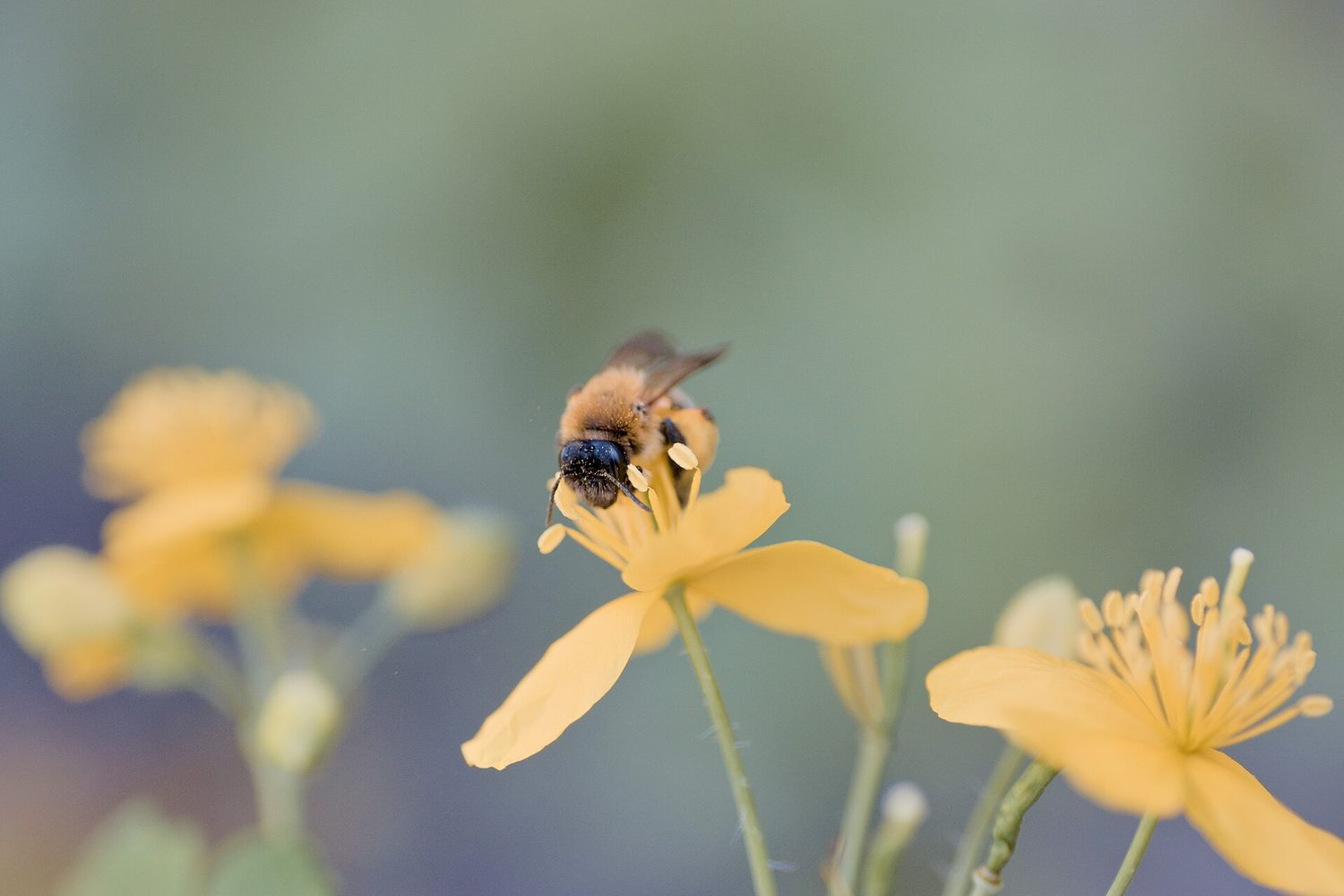
نحلة على زهرة صفراء، جسمها مغطى باللقاح القادم من المتكات
النحلة تحمل اللقاح من زهرة إلى أخرى — التلقيح بالحشرات في العمل
مقارنة بين زهرتين: زهرة ملقحة بالحشرات ذات بتلات كبيرة زاهية تزورها نحلة، وزهرة ملقحة بالرياح ذات بتلات صغيرة باهتة ومتكات وميسم ريشي يتدلى في الرياح
الزهور الملقحة بالحشرات بارزة؛ والزهور الملقحة بالرياح صغيرة وأجزاؤها تتدلى
صورة مجهرية إلكترونية للمسح لحبيبات اللقاح من ثلاثة نباتات مختلفة، مُعطاة ألواناً مزيفة؛ كل نوع له نمط سطح خاص به من الحواف والشوكة
حببات اللقاح تُرى تحت المجهر الإلكتروني (تم إضافة لون)؛ لكل نبات نمط خاص به

(مكمل) التلقيح الذاتي هو هبوط حبوب اللقاح على ميسم نفس الزهرة (أو زهرة أخرى على نفس النبات). التلقيح العرضي هو نقل حبوب اللقاح إلى زهرة على نبات آخر من نفس النوع. يعطي التلقيح العرضي تنوعاً أكبر، مما يساعدPopulation على التكيف مع التغيير، لكنه يعتمد على الملقحات أو الرياح. التلقيح الذاتي أكثر موثوقية ولكنه يعطي تنوعاً أقل.

الإخصاب والإنبات

يحدث الإخصاب عندما يندمج نواة لقاح مع نواة في البويضة. (مكمل) أولاً ينمو أنبوب لقاح عبر الميسم نحو المبيض، حاملاً النواة اللقاحية نحو البويضة.

لا تنبُت بذرة إلا عندما تتوفر لها الماء والأكسجين ودرجة حرارة مناسبة.

Explore · ⁨استكشف⁩

Sexual reproduction · ⁨التكاثر الجنسي⁩

Two parents each contribute a gamete; fertilisation combines them, creating variation. · ⁨يساهم كل والد بمشيجية؛ يدمج الإخصاب المشيجيات، مما يخلق تنوعًا.⁩

Vocabulary · ⁨مفردات⁩ Train · ⁨تدريب⁩
English العربية
pollen grains/ˈpɒlən ɡreɪnz/ حبوب اللقاح
carpel/ˈkɑːpl/ الكربل
stigma/ˈstɪɡmə/ الميسم
style/staɪl/ العنق
ovary/ˈəʊvəri/ المبيض
ovules/ˈɒvjuːlz/ البويضات
pollination/ˌpɒlɪˈneɪʃn/ التلقيح
self-pollination/self ˌpɒlɪˈneɪʃn/ التلقيح الذاتي
cross-pollination/krɒs ˌpɒlɪˈneɪʃn/ التلقيح المتقاطع
pollinators/ˈpɒlɪneɪtəz/ ملقحات
pollen tube/ˈpɒlən tjuːb/ أنبوب حبوب اللقاح
seed/siːd/ بذرة
germinate/ˈdʒɜːmɪneɪt/ إنبات
oxygen/ˈɒksɪdʒn/ الأكسجين
temperature/ˈtemprɪtʃə/ درجة حرارة
testes/ˈtestiːz/ الخصيتين
16.4

Sexual reproduction in humans · ⁨التكاثر الجنسي عند البشر⁩

Syllabus · ⁨المنهج⁩
English
Core Supplement
1 Identify on diagrams and state the functions of the following parts of the male reproductive system: testes, scrotum, sperm ducts, prostate gland, urethra and penis
2 Identify on diagrams and state the functions of the following parts of the female reproductive system: ovaries, oviducts, uterus, cervix and vagina
3 Describe fertilisation as the fusion of the nuclei from a male gamete (sperm) and a female gamete (egg cell)
4 Explain the adaptive features of sperm, limited to: flagellum, mitochondria and enzymes in the acrosome
5 Explain the adaptive features of egg cells, limited to: energy stores and the jelly coat that changes at fertilisation
6 Compare male and female gametes in terms of: size, structure, motility and numbers
7 State that in early development, the zygote forms an embryo which is a ball of cells that implants into the lining of the uterus
8 Identify on diagrams and state the functions of the following in the development of the fetus: umbilical cord, placenta, amniotic sac and amniotic fluid 9 Describe the function of the placenta and umbilical cord in relation to the exchange of dissolved nutrients, gases and excretory products between the blood of the mother and the blood of the fetus
10 State that some pathogens and toxins can pass across the placenta and affect the fetus
العربية
أساسي تكميلي
1 حدد على المخططات وبيّن وظائف الأجزاء التالية من الجهاز التناسلي الذكرية: الخصيتين، كيس الصفن، قنوات المنى، الغدة البروستاتا، مجرى البول والعضو الذكري
2 حدد على المخططات وبيّن وظائف الأجزاء التالية من الجهاز التناسلي الأنثوي: المبايض، قناة فالوب، الرحم، عنق الرحم والمهبل
3 صف الإخصاب as fusion of nuclei from a male gamete (sperm) and a female gamete (egg cell)
4 اشرح الخصائص التكيفية للحيوان المنوي، مقتصرة على: السوط، الميتوكوندريا والإنزيمات في الإكروسوم
5 اشرح الخصائص التكيفية للخلايا البيضية، مقتصرة على: مخزون الطاقة والغلاف الهلامي الذي يتغير عند الإخصاب
6 قارن بين الأمشاج الذكرية والأنثوية من حيث: الحجم، البنية، الحركة والأعداد
7 نصّ أن الجنين المبدئي (الزيجوت) يُكوّن جنيناً عبارة عن كرة من الخلايا تُغرس في بطانة الرحم خلال التطور المبكر
8 حدد على الرسوم التوضيحية ووصف وظائف ما يلي في تطور الجنين: الحبل السري، المشيمة، كيس المحيطة والسائل المحيطي 9 صف وظيفة المشيمة والحبل السري فيما يتعلق بتبادل المغذيات والغازات والمخلفات الأيضية الذائبة بين دم الأم ودم الجنين
10 نصّ أن بعض الممرضات والسموم يمكن أن تعبر المشيمة وتؤثر على الجنين

Source: Cambridge International syllabus · ⁨المصدر: منهج كامبريدج الدولي⁩

English

The male reproductive system

Part Function
testes 睾丸 make sperm 精子 and testosterone 睾酮
scrotum 阴囊 holds the testes outside the body, kept slightly cool
sperm ducts 输精管 carry sperm away from the testes
prostate gland 前列腺 adds fluid to make semen
urethra 尿道 carries semen (and urine) out through the penis
penis 阴茎 passes sperm into the female

The female reproductive system

Part Function
ovaries 卵巢 make egg cells 卵细胞 and oestrogen 雌激素
oviducts 输卵管 carry the egg towards the uterus; fertilisation happens here
uterus 子宫 where the baby develops
cervix 子宫颈 the ring of muscle at the base of the uterus
vagina 阴道 receives the penis; also the birth canal

Gametes and fertilisation

Fertilisation is the fusion of the nuclei of a male gamete (sperm) and a female gamete (egg cell). The two gametes are adapted to their jobs:

Sperm Egg cell
size very small large
number millions few (about one a month)
can it move? yes — swims with a flagellum 鞭毛 no — it is carried along
special features many mitochondria 线粒体 for energy; enzymes 酶 in the acrosome 顶体 to break into the egg a store of food; a jelly coat 胶质层 that changes after fertilisation to keep other sperm out

Pregnancy and the fetus

After fertilisation the zygote divides to form an embryo 胚胎 — a ball of cells that implants 植入 into the lining of the uterus. As it grows it becomes a fetus 胎儿. These structures support it:

  • the placenta 胎盘 — where dissolved nutrients, gases and wastes are exchanged between the mother's blood and the fetus's blood (the two never mix).
  • the umbilical cord 脐带 — joins the fetus to the placenta.
  • the amniotic sac 羊膜囊 — a bag around the fetus, filled with amniotic fluid 羊水 that cushions it.

(Supplement) Some pathogens 病原体 and toxins 毒素 can cross the placenta and harm the fetus.

العربية

الجهاز التناسلي الذكرية

الجزء الوظيفة
الحويصلات المنوية تصنع الحيوانات المنوية والتستوستيرون
الكيس الصفري يحتوي الحويصلات المنوية خارج الجسم، وتبقى باردة قليلاً
قنوات الحيوانات المنوية تنقل الحيوانات المنوية بعيداً عن الحويصلات المنوية
غدة البروستاتا تضيف سائلاً لتكوين السائل المنوي
الإحليل ينقل السائل المنوي (وبول) خارجاً عبر القضيب
القضيب يدخل الحيوانات المنوية إلى الأنثى

الجهاز التناسلي الأنثوي

الجزء الوظيفة
المبيضين تصنع خلايا بيضية وإاستروجين
قنوات فالوب تنقل البيضة نحو الرحم؛ يحدث الإخصاب هنا
الرحم حيث يتطور الجنين
عنق الرحم حلقة عضلية في قاعدة الرحم
المهبل يستقبل القضيب؛ وهو أيضاً قناة الولادة

الأمشاج والإخصاب

الإخصاب هو اندماج أنوية مشيج ذكر (حيوان منوي) ومشيج أنثى (خلية بيضية). المشيجان متكيفان لوظائفهما:

حيوان منوي خلية بيضية
الحجم صغير جداً كبير
العدد ملايين قليل (حوالي واحد شهرياً)
هل يمكنه الحركة؟ نعم — يسبح بـ سوط لا — يُحمل بالتيار
ميزات خاصة الكثير من الميتوكوندريا للطاقة؛ إنزيمات في الرأس لتكسير غشاء البيضة مخزون غذائي؛ غلاف جيلاتيني يتغير بعد الإخصاب لمنع دخول حيوانات منوية أخرى
خلية منوية صغيرة برأس ورأس وقاعدة وذيل طويل، بجانب خلية بيضية كروية كبيرة جداً تحتوي على مخزون غذائي ونواة وغلاف جيلاتيني
الحيوان المنوي صغير ويسبح؛ الخلية البيضية كبيرة وتخزن الغذاء

الحمل والجنين

بعد الإخصاب ينقسم الزيجوت لتكوين أجنة — كرة من الخلايا تتجذر في بطانة الرحم. مع نموها تصبح جنين. هذه الهياكل تدعمه:

  • الحبل السري — حيث يتم تبادل العناصر الغذائية المذابة والغازات والنفايات بين دم الأم ودم الجنين (بدون اختلاط الدمَيْن).
  • الحبل السري — يربط الجنين بالحبل السري.
  • كيس السائل الأمنيوسي — كيس يحيط بالجنين، مملوء بـ السائل الأمنيوسي الذي يحميه.
جنين مجعد داخل الرحم: الحبل السري متصل بجدار الرحم بالجنين، والجنين يطفو في السائل الأمنيوسي داخل كيس السائل الأمنيوسي، وعنق الرحم في الأسفل
يتطور الجنين في الرحم مدعوماً بالحبل السري وكيس السائل الأمنيوسي

(مكمل) بعض الممرضات والسموم يمكنها عبور الحبل السري وإضرار الجنين.

Explore · ⁨استكشف⁩

Reproductive organ lab · ⁨مختبر الأعضاء التناسلية⁩

Match each organ to its role in human reproduction. · ⁨طابق كل عضو بدوره في التكاثر البشري.⁩

Explore · ⁨استكشف⁩

Fertilisation to pregnancy · ⁨من الإخصاب إلى الحمل⁩

Follow the route from gametes to implantation. · ⁨اتبع المسار من الأمشاج حتى التغرّس.⁩

Vocabulary · ⁨مفردات⁩ Train · ⁨تدريب⁩
English العربية
sperm/spɜːm/ حيوان منوي
testosterone/teˈstɒstərəʊn/ تستوستيرون
scrotum/ˈskrəʊtəm/ المبيض
sperm ducts/spɜːm dʌkts/ قنوات الخصية
prostate gland/ˈprɒsteɪt ɡlænd/ الغدة البروستاتا
urethra/jʊəˈriːθrə/ المثانة البولية
penis/ˈpiːnɪs/ ال القضيب
ovaries/ˈəʊvəriz/ المبيضين
egg cells/eɡ selz/ الخلايا البيضية
oestrogen/ˈiːstrədʒn/ الإستراديول
oviducts/ˈəʊvɪdʌkts/ قنوات فالوب
uterus/ˈjuːtərəs/ الرحم
cervix/ˈsɜːvɪks/ عنق الرحم
vagina/vəˈdʒaɪnə/ المهبل
flagellum/fləˈdʒeləm/ الأسواط
mitochondria/ˌmaɪtəˈkɒndrɪə/ ميتوكوندريا
enzymes/ˈenzaɪmz/ الإنزيمات
acrosome/ˈækrəʊsəʊm/ الرأس
jelly coat/ˈdʒelɪ kəʊt/ الغلاف الهلامي
embryo/ˈembrɪəʊ/ الجنين
implants/ˈɪmplænts/ غرسات
fetus/ˈfiːtəs/ الجنين
placenta/pləˈsentə/ المشيمة
umbilical cord/ʌmˈbɪlɪkl kɔːd/ الحبل السري
amniotic sac/ˌæmnɪˈɒtɪk sæk/ المشبك الجنيني
amniotic fluid/ˌæmnɪˈɒtɪk ˈfluːɪd/ السائل الأمينوسي
pathogens/ˈpæθədʒnz/ مسببات الأمراض
toxins/ˈtɒksɪnz/ السموم
puberty/ˈpjuːbəti/ البلوغ
hormones/ˈhɔːməʊnz/ هرمونات
secondary sexual characteristics/ˈsekəndəri ˈsekʃuːəl ˌkærɪktəˈrɪstɪks/ الخصائص الجنسية الثانوية
16.5

Sex hormones · ⁨الهرمونات الجنسية⁩

Syllabus · ⁨المنهج⁩
English
Core Supplement
1 Describe the roles of testosterone and oestrogen in the development and regulation of secondary sexual characteristics during puberty
2 Describe the menstrual cycle in terms of changes in the ovaries and in the lining of the uterus 3 Describe the sites of production of oestrogen and progesterone in the menstrual cycle and in pregnancy
4 Explain the role of hormones in controlling the menstrual cycle and pregnancy, limited to FSH, LH, progesterone and oestrogen
العربية
أساسي تكميلي
1 صف أدوار التستوستيرون والإستروجين في تطوير وتنظيم الصفات الجنسية الثانوية خلال البلوغ
2 صف الدورة الشهرية من حيث التغيرات في المبايض وبطانة الرحم 3 صف مواقع إنتاج الإستروجين والبروجسترون في الدورة الشهرية وفي الحمل
4 اشرح دور الهرمونات في التحكم بالدورة الشهرية والحمل، مقتصراً على FSH وLH والبروجسترون والإستروجين

Source: Cambridge International syllabus · ⁨المصدر: منهج كامبريدج الدولي⁩

English

Puberty

At puberty 青春期, sex hormones 激素 make the body develop secondary sexual characteristics 第二性征 — such as body hair, a deeper voice in boys, and breasts in girls. Testosterone does this in boys; oestrogen does it in girls.

The menstrual cycle

The menstrual cycle 月经周期 (about 28 days) prepares the uterus for a possible pregnancy:

  • the lining of the uterus thickens.
  • around day 14 an ovary releases an egg (ovulation 排卵).
  • if the egg is not fertilised, the lining breaks down and leaves the body (a period), and the cycle starts again.

(Supplement) Four hormones control the cycle: FSH (makes an egg mature and the ovary release oestrogen), LH (triggers ovulation), oestrogen (repairs and thickens the lining), and progesterone 孕酮 (keeps the lining thick). Oestrogen and progesterone are made in the ovaries; during pregnancy 怀孕, progesterone keeps the lining in place.

Worked example. A woman has a regular 28-day cycle, and her period starts on the 1st of the month. On roughly which date is she most likely to conceive? Ovulation happens about day 14, so counting 14 days on from the start of the period points to about the 14th, and the days either side of it are the most fertile. Day 1 is the day the period starts, not the day it ends - counting from the wrong day is what makes most cycle questions go wrong.

العربية

البلوغ

في البلوغ، تقوم الهرمونات الجنسية بتطوير الخصائص الجنسية الثانوية للجسم — مثل شعر الجسم والصوت العميق لدى الأولاد والثديين لدى البنات. يقوم التستوستيرون بذلك لدى الأولاد؛ والإاستروجين doing ذلك لدى البنات.

الدورة الشهرية

الدورة الشهرية (حوالي 28 يوماً) تجهز الرحم لحمل محتمل:

  • تتسمك بطانة الرحم.
  • حوالي اليوم 14 تفرز مبيض بيضة (تبويض).
  • إذا لم يتم إخصاب البيضة، تتحلل البطانة وتخرج من الجسم (طمث)، وتبدأ الدورة من جديد.
رسم بياني لدورة 28 يوماً: تتساقط بطانة الرحم خلال الطمث في الأيام 1–5، ثم تتسمك، وتُفرز بيضة أثناء التبويض في اليوم 14، وتبقى البطانة سميكة حتى تتحلل مرة أخرى
تتسمك البطانة، وتُفرز بيضة في اليوم 14، ويأتي الطمث إذا لم يكن هناك حمل

(مكمل) أربعة هرمونات تتحكم في الدورة: FSH (يجعل البيضة تنضج والمبيض يفرز الإاستروجين)، LH (يحفز التبويض)، الإاستروجين (يرمم ويتسمك البطانة)، والبروجستيرون (يحافظ على سماكة البطانة). يُصنع الإاستروجين والبروجستيرون في المبيضين؛ وخلال الحمل، يحافظ البروجستيرون على البطانة في مكانها.

مثال محلول. امرأة لديها دورة شهرية منتظمة 28-يوم، وتبدأ دورتها في اليوم 1 من الشهر. في أي تاريخ تقريباً من المرجح أن تصبح حاملاً؟ يحدث التبويض حوالي اليوم 14، لذا حساب 14 أيام بعد بدء الدورة يشير إلى حوالي اليوم 14، والأيام المحيطة بها هي الأكثر خصوبة. اليوم 1 هو اليوم الذي تبدأ فيه الدورة، وليس اليوم الذي تنتهي فيه - الحساب من اليوم الخطأ هو ما يجعل معظم أسئلة الدورات خاطئة.

Explore · ⁨استكشف⁩

The menstrual cycle · ⁨الدورة الشهرية⁩

Hormones control a roughly monthly cycle that prepares the uterus for a possible pregnancy. · ⁨تتحكم الهرمونات في دورة شهرية تقريباً تحضّر الرحم لحمل محتمل.⁩

Vocabulary · ⁨مفردات⁩ Train · ⁨تدريب⁩
English العربية
menstrual cycle/ˈmenstruːəl ˈsaɪkl/ الدورة الشهرية
ovulation/ˌɒvjʊˈleɪʃn/ الإباضة
16.6

Sexually transmitted infections · ⁨العدوى المنقولة جنسياً⁩

Syllabus · ⁨المنهج⁩
English
Core Supplement
1 Describe a sexually transmitted infection (STI) as an infection that is transmitted through sexual contact
2 State that human immunodeficiency virus (HIV) is a pathogen that causes an STI
3 State that HIV infection may lead to AIDS
4 Describe the methods of transmission of HIV
5 Explain how the spread of STIs is controlled
العربية
أساسي تكميلي
1 صف مرضاً معدياً منتقلاً جنسياً (STI) بأنه عدوى تنتقل عبر الاتصال الجنسي
2 نصّ أن فيروس نقص المناعة البشرية (HIV) هو ممرض يسبب مرضاً معدياً منتقلاً جنسياً
3 نصّ أن إصابة HIV قد تؤدي إلى متلازمة نقص المناعة المكتسبة (AIDS)
4 صف طرق انتقال فيروس HIV
5 اشرح كيفية التحكم في انتشار الأمراض المعدية المنتقلة جنسياً

Source: Cambridge International syllabus · ⁨المصدر: منهج كامبريدج الدولي⁩

English

A sexually transmitted infection 性传播感染 (STI) is an infection 感染 spread through sexual contact.

HIV is a virus 病毒 that causes an STI, and it can lead to AIDS, in which the immune system stops working properly. HIV is passed on in infected body fluids — for example by sharing needles, during sex, or from mother to baby (across the placenta or in breast milk).

The spread of STIs is controlled by using condoms, having fewer partners, testing and treating infected people, and not sharing needles.

العربية

العدوى المنقولة جنسياً (STI) هي عدوى تنتشر عبر الاتصال الجنسي.

HIV هو فيروس يسبب عدوى منقولة جنسياً، ويمكن أن يؤدي إلى الإيدز، حيث يتوقف جهاز المناعة عن العمل بشكل صحيح. ينتقل HIV في سوائل الجسم المصابة — على سبيل المثال عبر مشاركة الإبر، أثناء الجماع، أو من الأم إلى الطفل (عبر الحبل السري أو في حليب الثدي).

يتم التحكم في انتشار العدوى المنقولة جنسياً باستخدام الواقي الذكري، وتقليل عدد الشركاء، والفحص والعلاج للأشخاص المصابين، وعدم مشاركة الإبر.

Explore · ⁨استكشف⁩

STI prevention chain · ⁨سلسلة الوقاية من عدوى انتقال جنسي⁩

See where prevention breaks transmission. · ⁨انظر أين تنقطع الوقاية نقل العدوى.⁩

16.6

Exam tips · ⁨نصائح للامتحان⁩

English
  • Asexual: one parent, identical offspring (no variation). Sexual: two parents, gametes fuse, offspring show variation.
  • Fertilisation = fusion of two gamete nuclei → zygote. (Supplement: gametes haploid, zygote diploid.)
  • Learn the flower parts and which are male (stamen) and female (carpel). Compare insect- and wind-pollinated flowers.
  • Sperm: small, many, moving (flagellum). Egg: large, few, with a food store.
  • Menstrual cycle: lining thickens → ovulation (day 14) → period if no fertilisation. (Supplement: FSH, LH, oestrogen, progesterone.)
  • HIV is a virus that causes an STI and can lead to AIDS; it spreads through body fluids.
العربية
  • لا جنسية: أب واحد، نسل متطابق (لا تنوع). جنسية: أبوان، تتحد الأمشاج، يظهر النسل التنوع.
  • الإخصاب = اندماج نواتي مشجين → زيجوت. (إضافة: الأمشاج أحادية المجموعة الكروموسومية، الزيجوت ثنائية المجموعة الكروموسومية.)
  • احفظ أجزاء الزهرة وما هي الذكورية (السداة) والأنثوية (الكرمة). قارن بين أزهار التلقيح الحشري والريحي.
  • الحيوان المنوي: صغير، عديد، متحرك (ذيل سوطي). البويضة: كبيرة، قليلة، تحتوي على مخزون غذائي.
  • الدورة الشهرية: يزداد سمك البطانة → التبويض (اليوم 14) → الطمث في حال عدم حدوث إخصاب. (إضافة: FSH, LH, estrogen, progesterone.)
  • HIV فيروس يسبب عدوى منقولة جنسياً وقد يؤدي إلى الإيدز؛ ينتشر عبر سوائل الجسم.
Vocabulary · ⁨مفردات⁩ Train · ⁨تدريب⁩
English العربية
progesterone/prəʊˈdʒestərəʊn/ البروجسترون
pregnancy/ˈpreɡnənsi/ الحمل
sexually transmitted infection/ˈsekʃuːəli trænˈsmɪtɪd ɪnˈfekʃn/ عدوى منقولة جنسياً
infection/ɪnˈfekʃn/ عدوى / إصابة
virus/ˈvaɪrəs/ فيروس

Interactive lessons on this topic · ⁨دروس تفاعلية حول هذا الموضوع⁩

Work through it step by step, with instant-check exercises. · ⁨ا-working عليه خطوة بخطوة، مع تمارين تحقق فوري.⁩

Past Papers · ⁨أوراق الامتحانات السابقة⁩

More topics in IGCSE Biology · ⁨IGCSE علم الأحياء⁩ · ⁨المزيد من المواضيع في IGCSE Biology · ⁨IGCSE علم الأحياء⁩⁩

Log in or create account · ⁨تسجيل الدخول أو إنشاء حساب⁩

IGCSE, A-Level & AP