Skip to content · ⁨الانتقال إلى المحتوى⁩

Aquatic and Terrestrial Pollution · ⁨تلوث المياه واليابسة⁩

AP Environmental Science · ⁨AP العلوم البيئية⁩ · Topic 8 · ⁨الموضوع 8⁩

Video lesson for this topic · ⁨درس فيديو لهذا الموضوع⁩ Open the video page · ⁨افتح صفحة الفيديو⁩
8:37

تلوث المياه واليابسة

انظر إلى هذا البركة. إنها خضراء لامعة، ومليئة بالحياة. كل سمكة فيها ميتة. الآن انظر إلى هذه التل. إنه ليس تلًا. إنه نفاياتنا، مدفونة.…

English narration · English + 中文 subtitles burned in · ⁨سرد باللغة الإنجليزية · ترجمة مدمجة بالإنجليزية + الصينية⁩

8.1

Sources of Pollution · ⁨مصادر التلوث⁩

Syllabus · ⁨المنهج⁩
English

Enduring Understanding (STB-3): Human activities, including the use of resources, have physical, chemical, and biological consequences for ecosystems.

Learning Objective STB-3.A: Identify differences between point and nonpoint sources of pollution.

  • STB-3.A.1 A point source refers to a single, identifiable source of a pollutant, such as a smokestack or waste discharge pipe.
  • STB-3.A.2 Nonpoint sources of pollution are diffused and can therefore be difficult to identify, such as pesticide spraying or urban runoff.
العربية

الفهم الدائم (STB-3): النشاط البشري، بما في ذلك استخدام الموارد، له عواقب فيزيائية وكيميائية وبيولوجية على النظم البيئية.

الهدف التعليمي STB-3.A: حدد الفروق بين مصادر التلوث نقطة وغير نقطة.

  • STB-3.A.1 تشير المصادر النقطة إلى مصدر واحد قابل للتحديد للملوث، مثل مدخنة أو أنبوب تصريف نفايات.
  • STB-3.A.2 مصادر التلوث غير النقطة موزعة وبالتالي قد يكون من الصعب تحديدها، مثل رش المبيدات أو الجريان السطحي الحضري.
Source: College Board AP Course and Exam Description · ⁨المصدر: وصف دورة وامتحان College Board AP⁩

English

Pollution sources are point or nonpoint. A point source 点源 comes from a single, identifiable place (a factory pipe, a sewage outfall) – easy to locate and regulate. A nonpoint source 非点源 is spread out (farm runoff, urban street runoff, car exhaust) – much harder to control because it comes from everywhere.

العربية

مصادر التلوث نقطة أو غير نقطة. مصدر النقطة يأتي من مكان واحد محدد (أنبوب مصنع، تصريف مياه الصرف الصحي) — سهل التحديد والتنظيم. مصدر غير النقطة منتشر (تدفق المياه الزراعية، تدفق مياه شوارع المدن، عوادم السيارات) — يصعب التحكم فيه بكثير لأنه يأتي من كل مكان.

8.2

Human Impacts on Ecosystems · ⁨تأثيرات الإنسان على النظم البيئية⁩

Syllabus · ⁨المنهج⁩
English

Enduring Understanding (STB-3): Human activities, including the use of resources, have physical, chemical, and biological consequences for ecosystems.

Learning Objective STB-3.B: Describe the impacts of human activities on aquatic ecosystems.

  • STB-3.B.1 Organisms have a range of tolerance for various pollutants. Organisms have an optimum range for each factor where they can maintain homeostasis. Outside of this range, organisms may experience physiological stress, limited growth, reduced reproduction, and in extreme cases, death.
  • STB-3.B.2 Coral reefs have been suffering damage due to a variety of factors, including increasing ocean temperature, sediment runoff, and destructive fishing practices.
  • STB-3.B.3 Oil spills in marine waters cause organisms to die from the hydrocarbons in oil. Oil that floats on the surface of water can coat the feathers of birds and fur of marine mammals. Some components of oil sink to the ocean floor, killing some bottom-dwelling organisms.
  • STB-3.B.4 Oil that washes up on the beach can have economic consequences on the fishing and tourism industries.
  • STB-3.B.5 Oceanic dead zones are areas of low oxygen in the world's oceans caused by increased nutrient pollution.
  • STB-3.B.6 An oxygen sag curve is a plot of dissolved oxygen levels versus the distance from a source of pollution, usually excess nutrients and biological refuse.
  • STB-3.B.7 Heavy metals used for industry, especially mining and burning of fossil fuels, can reach the groundwater, impacting the drinking water supply.
  • STB-3.B.8 Litter that reaches aquatic ecosystems, besides being unsightly, can create intestinal blockage and choking hazards for wildlife and introduce toxic substances to the food chain.
  • STB-3.B.9 Increased sediment in waterways can reduce light infiltration, which can affect primary producers and visual predators. Sediment can also settle, disrupting habitats.
  • STB-3.B.10 When elemental sources of mercury enter aquatic environments, bacteria in the water convert it to highly toxic methylmercury.
العربية

الفهم الدائم (STB-3): النشاط البشري، بما في ذلك استخدام الموارد، له عواقب فيزيائية وكيميائية وبيولوجية على النظم البيئية.

هدف التعلم STB-3.B: وصف تأثيرات الأنشطة البشرية على النظم البيئية المائية.

  • STB-3.B.1 تمتلك الكائنات نطاقًا من التحمل لمختلف الملوثات. للكائنات نطاق مثالي لكل عامل يمكنها من الحفاظ على الاتزان الداخلي. خارج هذا النطاق، قد تعاني الكائنات من إجهاد فسيولوجي، ونمو محدود، وانخفاض التكاثر، وفي الحالات المتطرفة، الموت.
  • STB-3.B.2 تعاني الشعاب المرجانية من أضرار بسبب مجموعة من العوامل، بما في ذلك ارتفاع درجة حرارة المحيط، وتدفق الرواسب، وممارسات الصيد المدمرة.
  • STB-3.B.3 تسبب تسربات النفط في المياه البحرية موت الكائنات بسبب الهيدروكربونات الموجودة في النفط. يمكن للنفط الذي يطفو على سطح الماء أن يطلي ريش الطيور وفرائ الثدييات البحرية. بعض مكونات النفط تغوص إلى قاع المحيط، مما يقتل بعض الكائنات القاعية.
  • STB-3.B.4 يمكن أن يكون للنفط الذي يتصل بالشاطئ عواقب اقتصادية على صناعات الصيد والسياحة.
  • STB-3.B.5 المناطق الميتة في المحيطات هي مناطق منخفضة الأكسجين في محيطات العالم ناتجة عن زيادة تلوث المغذيات.
  • STB-3.B.6 منحنى الانحدار الأكسجيني هو رسم بياني لمستويات الأكسجين الذائب مقابل المسافة من مصدر تلوث، عادةً المغذيات الزائدة والنفايات الحيوية.
  • STB-3.B.7 يمكن أن تصل المعادن الثقيلة المستخدمة في الصناعة، خاصة التعدين وحرق الوقود الأحفوري، إلى المياه الجوفية، مما يؤثر على إمدادات مياه الشرب.
  • STB-3.B.8 القمامة التي تصل إلى النظم البيئية المائية، بالإضافة إلى كونها غير attractive، يمكن أن تسبب انسدادًا معويًا وخطر الاختناق للحياة البرية وتدخل مواد سامة إلى سلسلة الغذاء.
  • STB-3.B.9 يمكن أن يقلل زيادة الرواسب في المجاري المائية من اختراق الضوء، مما يؤثر على المنتجين الأساسيين والمفترسات البصرية. يمكن للرواسب أيضًا أن تستقر، مما يعطل الموائل.
  • STB-3.B.10 عندما تدخل المصادر الأولية للزئبق إلى البيئات المائية، تقوم البكتيريا في الماء بتحويلها إلى ميثيل الزئبق شديد السمية.

Source: College Board AP Course and Exam Description · ⁨المصدر: وصف دورة وامتحان College Board AP⁩

English

Human activities – pollution, habitat destruction, overharvesting, introducing species – degrade ecosystems and reduce biodiversity. Because species are interconnected, harming one part can ripple through the whole system.

العربية

النشاطات البشرية — التلوث، تدمير الموائل، الاستغلال المفرط، إدخال أنواع جديدة — تدهور النظم البيئية وتقلل من التنوع البيولوجي. نظرًا لأن الأنواع مترابطة، فإن الإضرار بجزء واحد قد يمتد عبر النظام بأكمله.

8.3

Endocrine Disruptors · ⁨المعطبات الغدية⁩

Syllabus · ⁨المنهج⁩
English

Enduring Understanding (STB-3): Human activities, including the use of resources, have physical, chemical, and biological consequences for ecosystems.

Learning Objective STB-3.C: Describe endocrine disruptors.

  • STB-3.C.1 Endocrine disruptors are chemicals that can interfere with the endocrine system of animals.

Learning Objective STB-3.D: Describe the effects of endocrine disruptors on ecosystems.

  • STB-3.D.1 Endocrine disruptors can lead to birth defects, developmental disorders, and gender imbalances in fish and other species.
العربية

الفهم الدائم (STB-3): النشاط البشري، بما في ذلك استخدام الموارد، له عواقب فيزيائية وكيميائية وبيولوجية على النظم البيئية.

هدف التعلم STB-3.C: وصف المعطبات الغدد الصماء.

  • STB-3.C.1 المعطبات الغدد الصماء هي مواد كيميائية يمكن أن تتداخل مع الجهاز الغدي الصمائي للحيوانات.

هدف التعلم STB-3.D: وصف تأثيرات المعطبات الغدد الصماء على النظم البيئية.

  • STB-3.D.1 يمكن أن تؤدي المعطلات الغدد الصماء إلى تشوهات خلقة، واضطرابات نمائية، وعدم توازن جنسي في الأسماك والأنواع الأخرى.

Source: College Board AP Course and Exam Description · ⁨المصدر: وصف دورة وامتحان College Board AP⁩

English

Endocrine disruptors 内分泌干扰物 are chemicals (some pesticides, plasticizers like BPA) that mimic or block hormones, disrupting growth, reproduction, and development in wildlife and humans even at very low doses.

العربية

المعطلات الغدية هي مواد كيميائية (بعض المبيدات، المواد المضافة للبوليمرات مثل BPA) تحاكي أو تحجب الهرمونات، مما يعطل النمو والتكاثر والتطور في الحياة البرية والبشر حتى عند الجرعات المنخفضة جدًا.

8.4

Human Impacts on Wetlands and Mangroves · ⁨تأثيرات الإنسان على المستنقعات والغابات المانغروف⁩

Syllabus · ⁨المنهج⁩
English

Enduring Understanding (STB-3): Human activities, including the use of resources, have physical, chemical, and biological consequences for ecosystems.

Learning Objective STB-3.E: Describe the impacts of human activity on wetlands and mangroves.

  • STB-3.E.1 Wetlands are areas where water covers the soil, either part or all of the time.
  • STB-3.E.2 Wetlands provide a variety of ecological services, including water purification, flood protection, water filtration, and habitat.
  • STB-3.E.3 Threats to wetlands and mangroves include commercial development, dam construction, overfishing, and pollutants from agriculture and industrial waste.
العربية

الفهم الدائم (STB-3): النشاط البشري، بما في ذلك استخدام الموارد، له عواقب فيزيائية وكيميائية وبيولوجية على النظم البيئية.

هدف التعلم STB-3.E: وصف تأثيرات النشاط البشري على الأراضي الرطبة والغابات المنغروفية.

  • STB-3.E.1 الأراضي الرطبة هي مناطق تغطي فيها المياه التربة، سواء جزئيًا أو كليًا وفي أوقات مختلفة من السنة.
  • STB-3.E.2 توفر الأراضي الرطبة مجموعة متنوعة من الخدمات البيئية، بما في ذلك تنقية المياه، وحماية من الفيضانات، وتصفية المياه، وتوفير الموائل.
  • STB-3.E.3 تشمل التهديدات التي تواجه الأراضي الرطبة والغابات المنغروفية التطوير التجاري، وبناء السدود، والصيد الجائر، والملوثات الناتجة عن الزراعة ونفايات الصناعة.

Source: College Board AP Course and Exam Description · ⁨المصدر: وصف دورة وامتحان College Board AP⁩

English

Wetlands 湿地 and mangroves 红树林 filter pollutants, store floodwater, and nurse young fish, but they are drained and cleared for farms, shrimp ponds, and development. Losing them removes valuable ecosystem services and coastal protection.

العربية

المستنقعات والمانغروف تقوم بتصفية الملوثات وتخزين مياه الفيضان ورعاية صغار الأسماك، لكنها تُجفف وتُستأصل لأغراض المزارع، وأحواض تربية الجمبري، والتنمية. فقدانها يعني إزالة خدمات بيئية قيمة وحماية ساحلية.

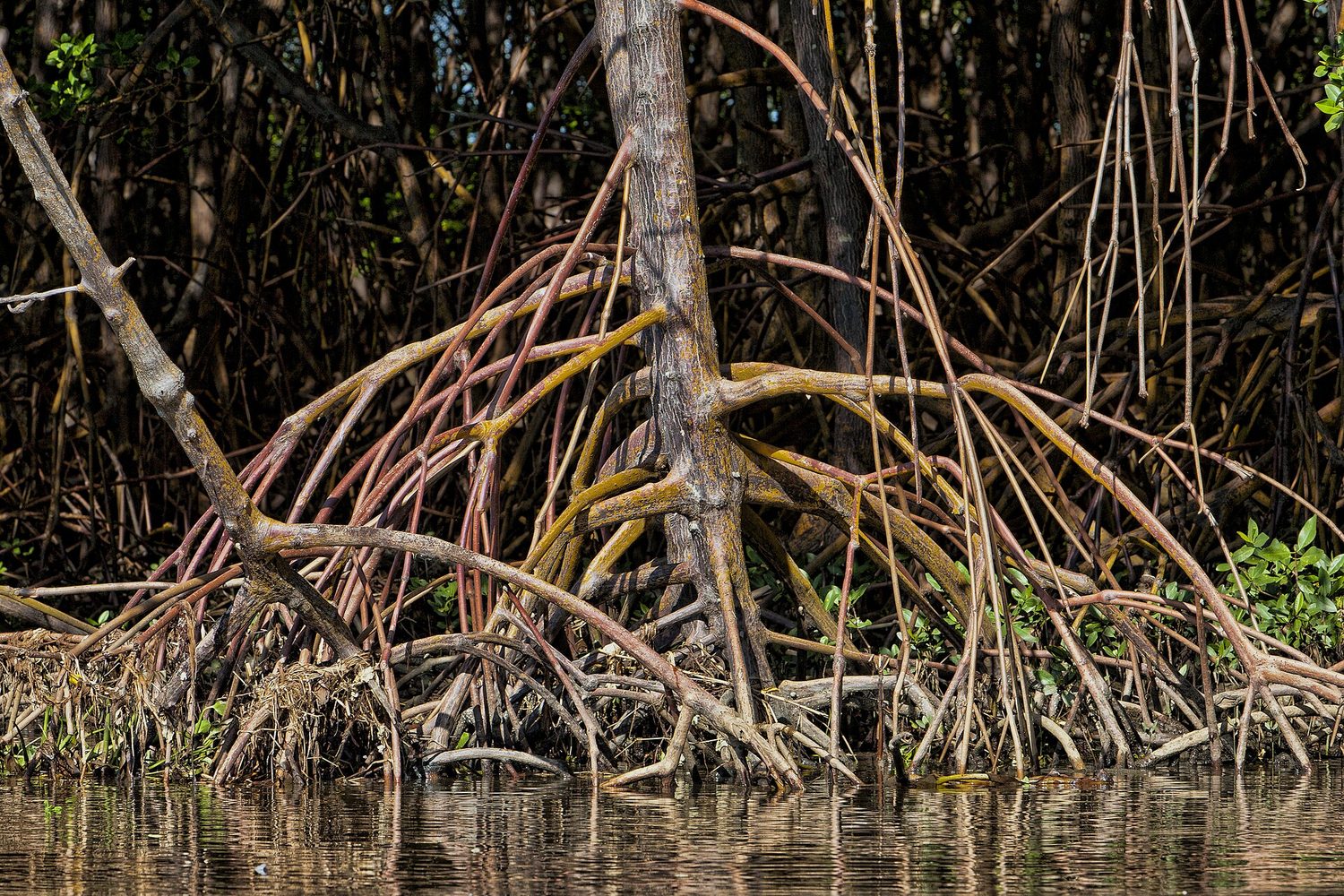
الجذور الداعمة الكثيفة والقوسية لأشجار المانغروف التي ترتفع فوق المياه الضحلة
جذور المانغروف: هذا التشابك يأسر الرواسب ويهدئ الأمواج ويوفر ملاذًا لصغار الأسماك، وهي جميعها خدمات تُفقد عند استئصال المانغروف
Vocabulary · ⁨مفردات⁩ Train · ⁨تدريب⁩
English العربية
point source/pɔɪnt sɔːs/ مصدر نقطي
nonpoint source/ˌnɒnˈpɔɪnt sɔːs/ مصدر غير نقطي
Endocrine disruptors/ˈendəʊkraɪn dɪsˈrʌptəz/ معطلات الغدد الصماء
Wetlands/ˈwetləndz/ الأراضي الرطبة
mangroves/ˈmæŋɡrəʊvz/ غابات المانغروف
8.5

Eutrophication · ⁨الإثراء الغذائي⁩

Syllabus · ⁨المنهج⁩
English

Enduring Understanding (STB-3): Human activities, including the use of resources, have physical, chemical, and biological consequences for ecosystems.

Learning Objective STB-3.F: Explain the environmental effects of excessive use of fertilizers and detergents on aquatic ecosystems.

  • STB-3.F.1 Eutrophication occurs when a body of water is enriched in nutrients.
  • STB-3.F.2 The increase in nutrients in eutrophic aquatic environments causes an algal bloom. When the algal bloom dies, microbes digest the algae, along with the oxygen in the water, leading to a decrease in the dissolved oxygen levels in the water. The lack of dissolved oxygen can result in large die-offs of fish and other aquatic organisms.
  • STB-3.F.3 Hypoxic waterways are those bodies of water that are low in dissolved oxygen.
  • STB-3.F.4 Compared to eutrophic waterways, oligotrophic waterways have very low amounts of nutrients, stable algae populations, and high dissolved oxygen.
  • STB-3.F.5 Anthropogenic causes of eutrophication are agricultural runoff and wastewater release.
العربية

الفهم الدائم (STB-3): النشاط البشري، بما في ذلك استخدام الموارد، له عواقب فيزيائية وكيميائية وبيولوجية على النظم البيئية.

هدف التعلم STB-3.F: شرح الآثار البيئية للاستخدام المفرط للأسمدة والمنظفات على النظم البيئية المائية.

  • STB-3.F.1 يحدث الإثراء الغذائي عندما تتزود جسم مائي بالمغذيات.
  • STB-3.F.2 يؤدي زيادة المغذيات في البيئات المائية المثرية إلى ازدهار الطحالب. وعندما تموت الطحالب، تقوم الميكروبات بهضمها، بالإضافة إلى استهلاك الأكسجين الموجود في الماء، مما يؤدي إلى انخفاض مستويات الأكسجين الذائب في الماء. وقد يؤدي نقص الأكسجين الذائب إلى موت جماعي كبير للأسماك والكائنات المائية الأخرى.
  • STB-3.F.3 المسارات المائية منخفضة الأكسجين (Hypoxic) هي أجسام مائية تكون منخفضة في مستوى الأكسجين الذائب.
  • STB-3.F.4 بالمقارنة مع المسارات المائية المثرية، تحتوي المسارات المائية الفقيرة (Oligotrophic) على كميات منخفضة جدًا من المغذيات، وسكان طحالب مستقرة، وارتفاع في مستوى الأكسجين الذائب.
  • STB-3.F.5 الأسباب البشرية للإثراء الغذائي تشمل جريان مياه الزراعة وإطلاق مياه الصرف الصحي.

Source: College Board AP Course and Exam Description · ⁨المصدر: وصف دورة وامتحان College Board AP⁩

English
Eutrophication

Eutrophication 富营养化 happens when excess nutrients (nitrogen, phosphorus from fertilizer and sewage) trigger algal blooms 藻华. When the algae die, decomposers use up the oxygen, creating hypoxic 缺氧 "dead zones" that suffocate fish.

العربية
الإثراء الغذائي

الإثراء الغذائي يحدث عندما تتسبب كميات زائدة من العناصر الغذائية (النيتروجين والفوسفور من الأسمدة ومياه الصرف الصحي) في انتشار الطحالب. وعند موت الطحالب، تستهلك المحللات الأكسجين، مما يخلق مناطق ناقصة الأكسجين "الموتى" تختنق فيها الأسماك.

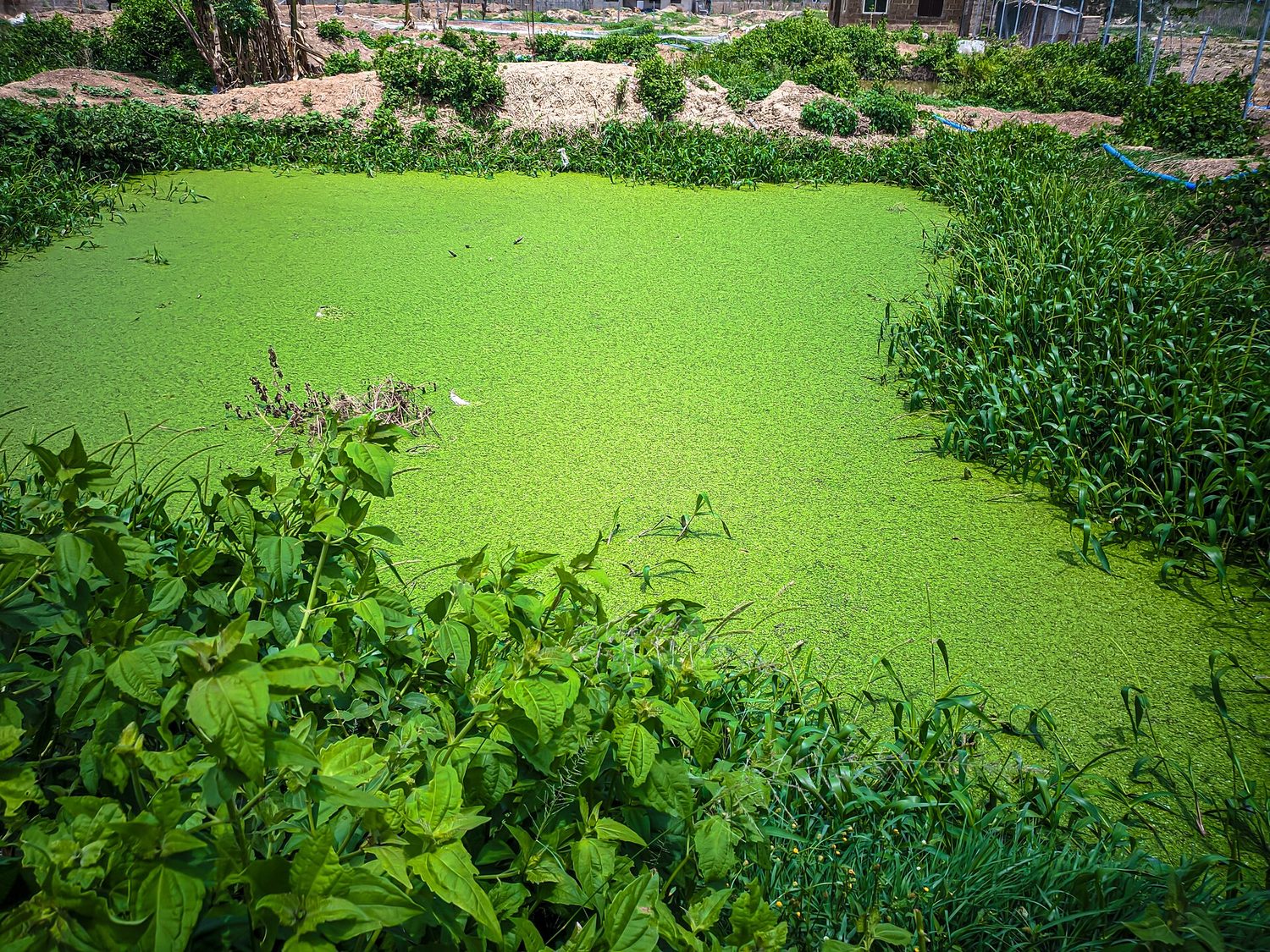
بركة صغيرة مغطى سطحها بالكامل بطبقة سميكة من الطحالب الخضراء الزاهية
بركة مختنطة بانتشار الطحالب: العناصر الغذائية الإضافية تسمح للطحالب بتغطية السطح بأكمله. وعند موتها وتعفنها، تفقد المياه أكسجينها
إضافة المزيد من الأسمدة تؤدي إلى ازدهار الطحالب، ثم تفقد الماء الأكسجين
الأسمدة الزائدة تسبب انتشار الطحالب، ثم تفقد المياه أكسجينها
Vocabulary · ⁨مفردات⁩ Train · ⁨تدريب⁩
English العربية
Eutrophication/ˌjuːtrəfɪˈkeɪʃn/ التخثّر الغذائي
algal blooms/ˈælɡl bluːmz/ الازدهار الطحني
hypoxic/ˌhaɪpəʊˈzɪk/ نقص الأكسجين
Thermal pollution/ˈθɜːml pəˈluːʃn/ التلوث الحراري
Persistent organic pollutants/pəˈsɪstənt ɔːˈɡænɪk pəˈluːtənts/ الملوثات العضوية الثابتة
Bioaccumulation/ˌbaɪəʊəˌkjuːmjʊˈleɪʃn/ التراكم الحيوي
8.6

Thermal Pollution · ⁨التلوث الحراري⁩

Syllabus · ⁨المنهج⁩
English

Enduring Understanding (STB-3): Human activities, including the use of resources, have physical, chemical, and biological consequences for ecosystems.

Learning Objective STB-3.G: Describe the effects of thermal pollution on aquatic ecosystems.

  • STB-3.G.1 Thermal pollution occurs when heat released into the water produces negative effects to the organisms in that ecosystem.
  • STB-3.G.2 Variations in water temperature affect the concentration of dissolved oxygen because warm water does not contain as much oxygen as cold water.
العربية

الفهم الدائم (STB-3): النشاط البشري، بما في ذلك استخدام الموارد، له عواقب فيزيائية وكيميائية وبيولوجية على النظم البيئية.

هدف التعلم STB-3.G: وصف آثار التلوث الحراري على النظم البيئية المائية.

  • STB-3.G.1 يحدث التلوث الحراري عندما ينتج الحرارة المحررة في الماء آثارًا سلبية على الكائنات الحية في ذلك النظام البيئي.
  • STB-3.G.2 تؤثر التغيرات في درجة حرارة الماء على تركيز الأكسجين الذائب لأن الماء الدافئ لا يحتوي على كمية氧 كبيرة قدر ما يحتويه الماء البارد.

Source: College Board AP Course and Exam Description · ⁨المصدر: وصف دورة وامتحان College Board AP⁩

English

Thermal pollution 热污染 is heat added to water, usually from power-plant cooling. Warm water holds less dissolved oxygen and stresses aquatic life adapted to cooler temperatures.

العربية

التلوث الحراري هو الحرارة المضافة إلى الماء، عادةً من تبريد محطات الطاقة. يحمل الماء الدافئ كمية أقل من الأكسجين المذاب ويسبب إجهادًا للكائنات المائية المتكيفة مع درجات الحرارة الباردة.

8.7

Persistent Organic Pollutants (POPs) · ⁨الملوثات العضوية الثابتة (POPs)⁩

Syllabus · ⁨المنهج⁩
English

Enduring Understanding (STB-3): Human activities, including the use of resources, have physical, chemical, and biological consequences for ecosystems.

Learning Objective STB-3.H: Describe the effect of persistent organic pollutants (POPs) on ecosystems.

  • STB-3.H.1 Persistent organic pollutants (POPs) do not easily break down in the environment because they are synthetic, carbon-based molecules (such as DDT and PCBs).
  • STB-3.H.2 Persistent organic pollutants (POPs) can be toxic to organisms because they are soluble in fat, which allows them to accumulate in organisms' fatty tissues.
  • STB-3.H.3 Persistent organic pollutants (POPs) can travel over long distances via wind and water before being redeposited.
العربية

الفهم الدائم (STB-3): النشاط البشري، بما في ذلك استخدام الموارد، له عواقب فيزيائية وكيميائية وبيولوجية على النظم البيئية.

هدف التعلم STB-3.H: وصف تأثير الملوثات العضوية الثابتة (POPs) على النظم البيئية.

  • STB-3.H.1 لا تتحلل الملوثات العضوية الثابتة (POPs) بسهولة في البيئة لأنها جزيئات اصطناعية قائمة على الكربون (مثل دي دي تي و PCBs).
  • STB-3.H.2 يمكن أن تكون الملوثات العضوية الثابتة (POPs) سامة للكائنات الحية لأنها تذوب في الدهون، مما يسمح لها بالتراكم في الأنسجة الدهنية للكائنات.
  • STB-3.H.3 يمكن للملوثات العضوية الثابتة (POPs) السفر لمسافات طويلة عبر الرياح والماء قبل إعادة ترسيبها.

Source: College Board AP Course and Exam Description · ⁨المصدر: وصف دورة وامتحان College Board AP⁩

English

Persistent organic pollutants 持久性有机污染物 (POPs, like DDT and PCBs) resist breakdown, so they last for decades, travel far, and are fat-soluble, so they build up in organisms. This sets up bioaccumulation and biomagnification.

العربية

الملوثات العضوية الثابتة (POPs، مثل DDT و PCBs) تقاوم التحلل، لذا فهي تدوم لعشرات السنين، وتسافر لمسافات طويلة، وهي ذائبة في الدهون، لذا فإنها تتراكم في الكائنات الحية. وهذا يُنشئ التراكم الحيوي والتكبير الحيوي.

8.8

Bioaccumulation and Biomagnification · ⁨التراكم الحيوي والتكبير الحيوي⁩

Syllabus · ⁨المنهج⁩
English

Enduring Understanding (STB-3): Human activities, including the use of resources, have physical, chemical, and biological consequences for ecosystems.

Learning Objective STB-3.I: Describe bioaccumulation and biomagnification.

  • STB-3.I.1 Bioaccumulation is the selective absorption and concentration of elements or compounds by cells in a living organism, most commonly fat-soluble compounds.
  • STB-3.I.2 Biomagnification is the increase in concentration of substances per unit of body tissue that occurs in successively higher trophic levels of a food chain or in a food web.

Learning Objective STB-3.J: Describe the effects of bioaccumulation and biomagnification.

  • STB-3.J.1 Some effects that can occur in an ecosystem when a persistent substance is biomagnified in a food chain include eggshell thinning and developmental deformities in top carnivores of the higher trophic levels.
  • STB-3.J.2 Humans also experience harmful effects from biomagnification, including issues with the reproductive, nervous, and circulatory systems.
  • STB-3.J.3 DDT, mercury, and PCBs are substances that bioaccumulate and have significant environmental impacts.
العربية

الفهم الدائم (STB-3): النشاط البشري، بما في ذلك استخدام الموارد، له عواقب فيزيائية وكيميائية وبيولوجية على النظم البيئية.

هدف التعلم STB-3.I: وصف التراكم الحيوي والتكبير الحيوي.

  • STB-3.I.1 التراكم الحيوي هو الامتصاص الانتقائي وتركيز العناصر أو المركبات بواسطة خلايا كائن حي، وعادةً ما يكون ذلك في المركبات القابلة للذوبان في الدهون.
  • STB-3.I.2 التكبير الحيوي هو زيادة تركيز المواد لكل وحدة من أنسجة الجسم الذي يحدث في المستويات الغذائية المتتالية الأعلى في سلسلة غذائية أو شبكة غذائية.

هدف التعلم STB-3.J: وصف آثار التراكم الحيوي والتكبير الحيوي.

  • STB-3.J.1 بعض الآثار التي قد تحدث في نظام بيئي عندما يتم تكبير مادة ثابتة في سلسلة غذائية تشمل رقة قشور البيض وتشوهات النمو في أعلى المفترسات في المستويات الغذائية الأعلى.
  • STB-3.J.2 يتعرض البشر أيضًا لآثار ضارة من التكبير الحيوي، بما في ذلك مشاكل في الجهاز التناسلي والعصبي والدوري.
  • STB-3.J.3 دي دي تي، الزئبق، و PCBs هي مواد تتراكم حيوياً ولها تأثيرات بيئية كبيرة.

Source: College Board AP Course and Exam Description · ⁨المصدر: وصف دورة وامتحان College Board AP⁩

English
Bioaccumulation and biomagnification

Bioaccumulation 生物累积 is the build-up of a toxin within one organism over its life. Biomagnification 生物放大 is the increase in concentration up the food chain – top predators end up with the highest levels, which is why large predatory fish carry the most mercury.

Worked example. Suppose lake water holds DDT at just $0.01\ \text{ppm}$. Plankton concentrate it to $0.5\ \text{ppm}$, small fish to $2\ \text{ppm}$, large fish to $10\ \text{ppm}$, and a fish-eating eagle to $25\ \text{ppm}$. From water to eagle the concentration has multiplied about $\dfrac{25}{0.01}=2500$-fold – which is why a top predator can be poisoned even when the water itself looks only lightly polluted.

العربية
التراكم الحيوي والتكبير الحيوي

التراكم الحيوي هو تراكم السم داخل كائن حي واحد طوال حياته. التكبير الحيوي هو زيادة التركيز على طول سلسلة الغذاء — حيث ينتهي المفترسات الأعلى بمستويات عالية، وهو السبب في أن أسماك المفترسات الكبيرة تحمل أعلى مستويات الزئبق.

مثال محلول. افترض أن ماء البحيرة يحتوي على DDT بنسبة $0.01\ \text{ppm}$ فقط. تركز العوالق البحرية ذلك إلى $0.5\ \text{ppm}$، والأسماك الصغيرة إلى $2\ \text{ppm}$، والأسماك الكبيرة إلى $10\ \text{ppm}$، والنسر الذي يأكل الأسماك إلى $25\ \text{ppm}$. من الماء إلى النسر، تضاعف التركيز حوالي $\dfrac{25}{0.01}=2500$-ضعف — وهو السبب في أن المفترس الأعلى يمكن أن يتسمم حتى عندما يبدو الماء ملوثًا خفيفًا فقط.

Explore · ⁨استكشف⁩

Toxins concentrate up the food chain · ⁨تركز السموم عبر السلسلة الغذائية⁩

Bioaccumulation builds a toxin up in one organism; biomagnification concentrates it at each step up the food chain, so top predators carry the highest doses. · ⁨يبني التراكم الحيوي السم في كائن حي واحد؛ بينما يقوم التضخم الحيوي بتركيزه في كل مرحلة صاعدة في السلسلة الغذائية، مما يجعل المفترسات الأعلى يحملون أعلى جرعات.⁩

Vocabulary · ⁨مفردات⁩ Train · ⁨تدريب⁩
English العربية
Biomagnification/ˌbaɪəʊˌmæɡnɪfɪˈkeɪʃn/ التكبير البيولوجي
sanitary landfills/ˈsænɪtəri ˈlændfɪlz/ مدافن صحية
incinerators/ɪnˈsɪnəreɪtəz/ المحارق
e-waste/iː weɪst/ النفايات الإلكترونية
garbage patches/ˈɡɑːbɪdʒ ˈpætʃɪz/ بقع القمامة
reduce, reuse, recycle/rɪˈdjuːs riːˈjuːz rɪˈsaɪkl/ تقليل، إعادة استخدام، تدوير
composting/ˈkɒmpɒstɪŋ/ الكمبوست (التسميد)
Sewage treatment/ˈsuːɪdʒ ˈtriːtmənt/ معالجة مياه الصرف الصحي
8.9

Solid Waste Disposal · ⁨التخلص من النفايات الصلبة⁩

Syllabus · ⁨المنهج⁩
English

Enduring Understanding (STB-3): Human activities, including the use of resources, have physical, chemical, and biological consequences for ecosystems.

Learning Objective STB-3.K: Describe solid waste disposal methods.

  • STB-3.K.1 Solid waste is any discarded material that is not a liquid or gas. It is generated in domestic, industrial, business, and agricultural sectors.
  • STB-3.K.2 Solid waste is most often disposed of in landfills. Landfills can contaminate groundwater and release harmful gases.
  • STB-3.K.3 Electronic waste, or e-waste, is composed of discarded electronic devices including televisions, cell phones, and computers.
  • STB-3.K.4 A sanitary municipal landfill consists of a bottom liner (plastic or clay), a storm water collection system, a leachate collection system, a cap, and a methane collection system.

Learning Objective STB-3.L: Describe the effects of solid waste disposal methods.

  • STB-3.L.1 Factors in landfill decomposition include the composition of the trash and conditions needed for microbial decomposition of the waste.
  • STB-3.L.2 Solid waste can also be disposed of through incineration, where waste is burned at high temperatures. This method significantly reduces the volume of solid waste but releases air pollutants.
  • STB-3.L.3 Some items are not accepted in sanitary landfills and may be disposed of illegally, leading to environmental problems. One example is used rubber tires, which when left in piles can become breeding grounds for mosquitoes that can spread disease.
  • STB-3.L.4 Some countries dispose of their waste by dumping it in the ocean. This practice, along with other sources of plastic, has led to large floating islands of trash in the oceans. Additionally, wildlife can become entangled in the waste, as well as ingest it.
العربية

الفهم الدائم (STB-3): النشاط البشري، بما في ذلك استخدام الموارد، له عواقب فيزيائية وكيميائية وبيولوجية على النظم البيئية.

هدف التعلم STB-3.K: وصف طرق التخلص من النفايات الصلبة.

  • STB-3.K.1 النفايات الصلبة هي أي مادة متروكة غير سائلة أو غازية. يتم توليدها في القطاعات السكنية والصناعية والتجارية والزراعية.
  • STB-3.K.2 يتم التخلص من النفايات الصلبة في الغالب في مدافن النفايات. يمكن أن تلوث المدافن المياه الجوفية وتطلق غازات ضارة.
  • STB-3.K.3 النفايات الإلكترونية، أو E-waste، تتكون من أجهزة إلكترونية متروكة包括电视、手机和电脑。
  • STB-3.K.4 تتألف مدافن النفايات البلدية الصحية من بطانة سفلية (بلاستيك أو طين)، ونظام لجمع مياه الأمطار، ونظام لجمع الرشح، وغطاء، ونظام لجمع الميثان.

هدف التعلم STB-3.L: وصف آثار طرق التخلص من النفايات الصلبة.

  • STB-3.L.1 تتضمن عوامل التحلل في المدافن تركيب القمامة والظروف اللازمة للتحلل الميكروبي للنفايات.
  • STB-3.L.2 يمكن أيضًا التخلص من النفايات الصلبة عن طريق الحرق، حيث تُحرق النفايات عند درجات حرارة عالية. تقلل هذه الطريقة بشكل كبير من حجم النفايات الصلبة لكنها تطلق ملوثات هوائية.
  • STB-3.L.3 بعض العناصر غير مقبولة في المدافن الصحية وقد يتم التخلص منها بشكل غير قانوني، مما يؤدي إلى مشاكل بيئية. أحد الأمثلة هو الإطارات المطاطية المستخدمة، والتي عندما تُترك في كومة يمكن أن تصبح موطناً لتكاثر البعوض الذي ينشر الأمراض.
  • STB-3.L.4 تتخلص بعض دول من نفاياتها عن طريق إلقائها في المحيط. أدى هذا السلوك، جنباً إلى جنب مع مصادر أخرى من البلاستيك، إلى ظهور جزر عائمة كبيرة من القمامة في المحيطات. بالإضافة إلى ذلك، يمكن للكائنات البحرية أن تختنق في النفايات أو تستهلكها.

Source: College Board AP Course and Exam Description · ⁨المصدر: وصف دورة وامتحان College Board AP⁩

English

Solid waste is any discarded material that is not a liquid or gas, generated by homes, industry, business, and agriculture. It is buried in sanitary landfills 卫生填埋场 (lined to limit leachate) or burned in incinerators 焚烧炉 (reduces volume but emits pollutants). Landfills take space and can leak; both have environmental costs, so reducing waste is preferred.

Two categories the exam names specifically: e-waste 电子垃圾 (discarded electronics - phones, computers, televisions - which contain toxic metals), and ocean dumping, where plastic and other waste collect into vast floating garbage patches 垃圾带 far out at sea.

العربية

النفايات الصلبة هي أي مادة مهملة ليست سائلة أو غازية، تنتجها المنازل والصناعة والأعمال التجارية والزراعة. تُدفن في مدافن صحية (مبطنة لتقليل عصير النفايات) أو تُحرق في محارق (تقلل الحجم لكنها تنبعث منها ملوثات). المدافن تأخذ مساحة وقد تتسرب؛ وكلاهما له تكاليف بيئية، لذا يُفضل تقليل النفايات.

فئتان يذكرهما الامتحان تحديدًا: النفايات الإلكترونية (المعدات الإلكترونية المهملة - الهواتف، أجهزة الكمبيوتر، التلفازات - والتي تحتوي على معادن سامة)، والتفريغ البحري، حيث تتجمع البلاستيك والنفايات الأخرى لتشكيل بقع قمامة عائمة ضخمة بعيدًا في البحر.

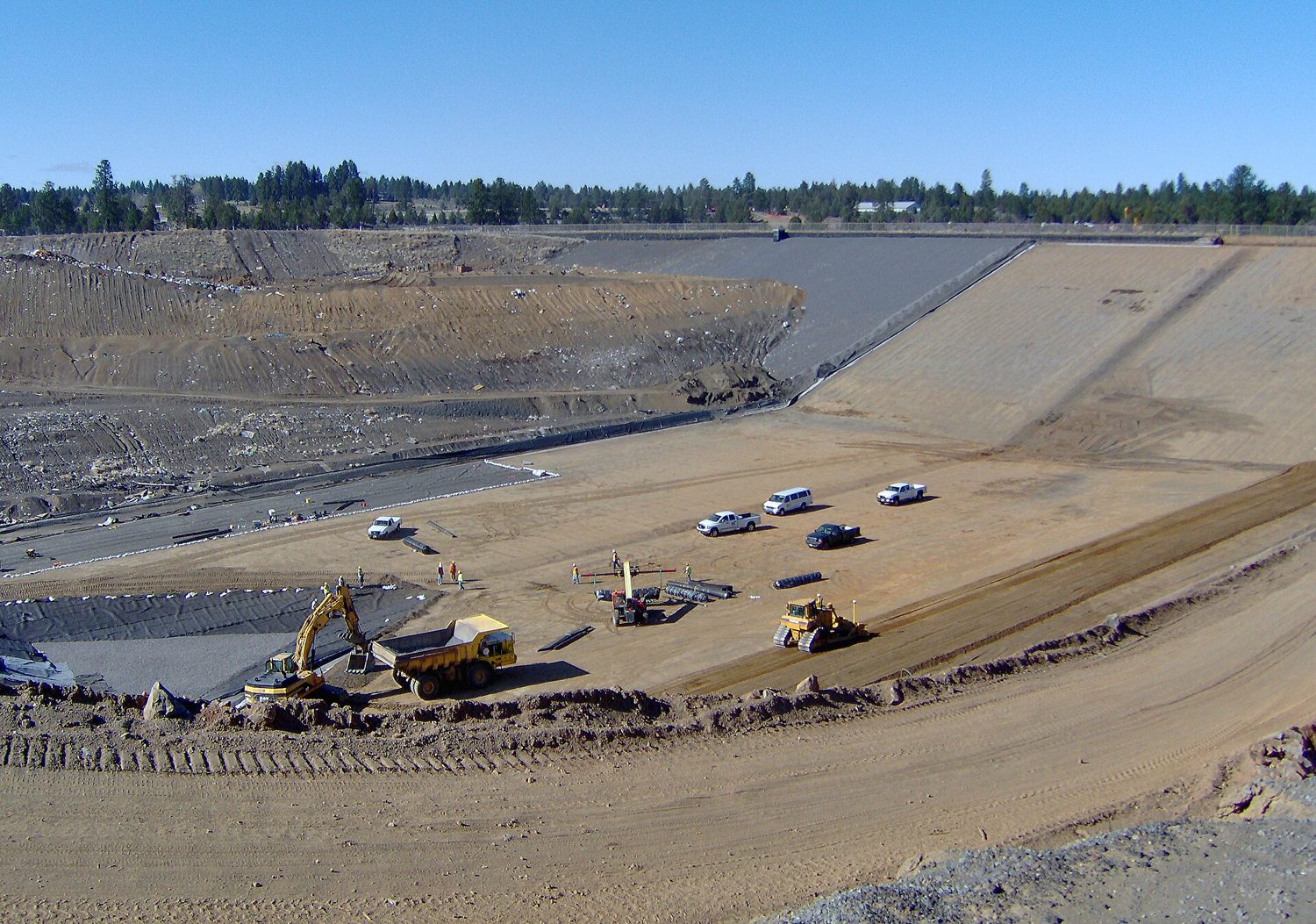
مدفن نفايات ضخم من النفايات المدفونة يرتفع فوق بلدة تقع في الوادي أدناه
المدفن: يتم دفن النفايات الصلبة هنا في خلا lined. يشغل مساحة أرضية وقد يتسرب منه المحتوى، ولهذا يُعد تقليل النفايات هو الأولوية.
8.10

Waste Reduction Methods · ⁨طرق تقليل النفايات⁩

Syllabus · ⁨المنهج⁩
English

Enduring Understanding (STB-3): Human activities, including the use of resources, have physical, chemical, and biological consequences for ecosystems.

Learning Objective STB-3.M: Describe changes to current practices that could reduce the amount of generated waste and their associated benefits and drawbacks.

  • STB-3.M.1 Recycling is a process by which certain solid waste materials are processed and converted into new products.
  • STB-3.M.2 Recycling is one way to reduce the current global demand on minerals, but this process is energy-intensive and can be costly.
  • STB-3.M.3 Composting is the process of organic matter such as food scraps, paper, and yard waste decomposing. The product of this decomposition can be used as fertilizer. Drawbacks to composting include odor and rodents.
  • STB-3.M.4 E-waste can be reduced by recycling and reuse. E-wastes may contain hazardous chemicals, including heavy metals such as lead and mercury, which can leach from landfills into groundwater if they are not disposed of properly.
  • STB-3.M.5 Landfill mitigation strategies range from burning waste for energy to restoring habitat on former landfills for use as parks.
  • STB-3.M.6 The combustion of gases produced from decomposition of organic material in landfills can be used to turn turbines and generate electricity. This process reduces landfill volume.
العربية

الفهم الدائم (STB-3): النشاط البشري، بما في ذلك استخدام الموارد، له عواقب فيزيائية وكيميائية وبيولوجية على النظم البيئية.

الهدف التعليمي STB-3.M: صف التغييرات على الممارسات الحالية التي يمكن أن تقلل من كمية النفايات المتولدة والفوائد والمخاطر المرتبطة بها.

  • STB-3.M.1 إعادة التدوير هي عملية يتم فيها معالجة مواد النفايات الصلبة معينة وتحويلها إلى منتجات جديدة.
  • STB-3.M.2 إعادة التدوير هي إحدى الطرق لتقليل الطلب العالمي الحالي على المعادن، ولكن هذه العملية مكثفة للطاقة وقد تكون باهظة الثمن.
  • STB-3.M.3 التسميد هو عملية تحلل المواد العضوية مثل بقايا الطعام والورق ونفايات الحدائق. يمكن استخدام نتاج هذا التحلل كسماد. تشمل سلبيات التسميد الرائحة القاحلة والقوارض.
  • STB-3.M.4 يمكن تقليل النفايات الإلكترونية عن طريق إعادة التدوير وإعادة الاستخدام. قد تحتوي النفايات الإلكترونية على مواد كيميائية ضارة، بما في ذلك المعادن الثقيلة مثل الرصاص والزئبق، والتي يمكن أن تتسرب من مكبات النفايات إلى المياه الجوفية إذا لم يتم التخلص منها بشكل صحيح.
  • STB-3.M.5 تتراوح استراتيجيات تخفيف مكبات النفايات من حرق النفايات للحصول على الطاقة إلى استعادة الموائل الطبيعية على مكبات النفايات القديمة لاستخدامها كحدائق.
  • STB-3.M.6 يمكن استخدام احتراق الغازات الناتجة عن تحلل المواد العضوية في مكبات النفايات لتشغيل التوربينات وتوليد الكهرباء. تقلل هذه العملية من حجم مكبات النفايات.

Source: College Board AP Course and Exam Description · ⁨المصدر: وصف دورة وامتحان College Board AP⁩

English

The waste hierarchy is reduce, reuse, recycle 减量、再利用、回收, plus composting 堆肥 for organic waste. Reducing consumption is best (no waste to manage); recycling and composting recover materials and cut landfill use.

العربية

هرم إدارة النفايات هو التقليل، إعادة الاستخدام، إعادة التدوير، بالإضافة إلى الكمبوست للنفايات العضوية. يعد تقليل الاستهلاك هو الأفضل (لعدم وجود نفايات لإدارتها)؛ أما إعادة التدوير والكمبوست فتستعيد المواد وتقلل استخدام المدافن.

8.11

Sewage Treatment · ⁨معالجة مياه الصرف الصحي⁩

Syllabus · ⁨المنهج⁩
English

Enduring Understanding (STB-3): Human activities, including the use of resources, have physical, chemical, and biological consequences for ecosystems.

Learning Objective STB-3.N: Describe best practices in sewage treatment.

  • STB-3.N.1 Primary treatment of sewage is the physical removal of large objects, often through the use of screens and grates, followed by the settling of solid waste in the bottom of a tank.
  • STB-3.N.2 Secondary treatment is a biological process in which bacteria break down organic matter into carbon dioxide and inorganic sludge, which settles in the bottom of a tank. The tank is aerated to increase the rate at which the bacteria break down the organic matter.
  • STB-3.N.3 Tertiary treatment is the use of ecological or chemical processes to remove any pollutants left in the water after primary and secondary treatment.
  • STB-3.N.4 Prior to discharge, the treated water is exposed to one or more disinfectants (usually, chlorine, ozone, or UV light) to kill bacteria.
العربية

الفهم الدائم (STB-3): النشاط البشري، بما في ذلك استخدام الموارد، له عواقب فيزيائية وكيميائية وبيولوجية على النظم البيئية.

الهدف التعليمي STB-3.N: صف أفضل الممارسات في معالجة مياه الصرف الصحي.

  • STB-3.N.1 المعالجة الأولية لمياه الصرف الصحي هي الإزالة الفيزيائية للأشياء الكبيرة، غالباً باستخدام الشبكات والشبوك، تليها ترسب النفايات الصلبة في قاع الخزان.
  • STB-3.N.2 المعالجة الثانوية هي عملية بيولوجية تقوم فيها البكتيريا بتحليل المواد العضوية إلى ثاني أكسيد الكربون وطين غير عضوي يترسب في قاع الخزان. يتم تهوية الخزان لزيادة معدل تحليل البكتيريا للمواد العضوية.
  • STB-3.N.3 المعالجة الثالثية هي استخدام عمليات بيئية أو كيميائية لإزالة أي ملوثات متبقية في الماء بعد المعالجة الأولية والثانوية.
  • STB-3.N.4 قبل التصريف، تتعرض المياه المعالجة لمطهر واحد أو أكثر (عادةً الكلور، الأوزون، أو الأشعة فوق البنفسجية) لقتل البكتيريا.

Source: College Board AP Course and Exam Description · ⁨المصدر: وصف دورة وامتحان College Board AP⁩

English

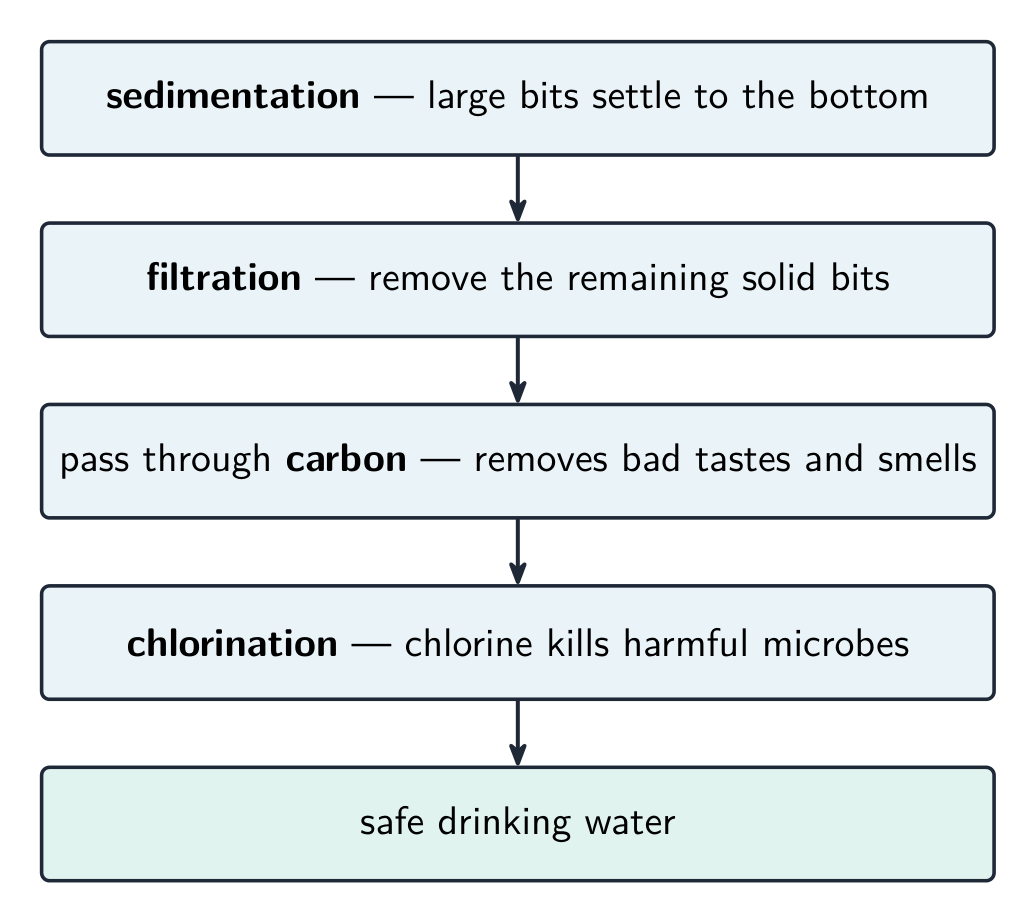
Sewage treatment 污水处理 cleans wastewater in stages: primary (settling out solids), secondary (bacteria break down organic matter), and sometimes tertiary (removing nutrients and disinfecting). This protects waterways from pathogens and nutrient pollution.

العربية

معالجة مياه الصرف الصحي تنقي المياه العادمة على مراحل: أولى (ترسب المواد الصلبة)، وثانية (تتحلل البكتيريا المواد العضوية)، وأحياناً ثالثة (إزالة المغذيات والتطهير). هذا يحمي المسطحات المائية من الميكروبات الضارة وتلوث المغذيات.

معالجة الماء لجعله آمناً: الترسيب، التصفية، ثم التطهير
8.12

Lethal Dose 50% (LD50) · ⁨الجرعة القاتلة 50% (LD50)⁩

Syllabus · ⁨المنهج⁩
English

Enduring Understanding (EIN-3): Pollutants can have both direct and indirect impacts on the health of organisms, including humans.

Learning Objective EIN-3.A: Define lethal dose 50% ($LD_{50}$).

  • EIN-3.A.1 Lethal dose 50% ($LD_{50}$) is the dose of a chemical that is lethal to 50% of the population of a particular species.
العربية

الفهم الدائم (EIN-3): يمكن للملوثات أن يكون لها تأثيرات مباشرة وغير مباشرة على صحة الكائنات الحية، بما في ذلك البشر.

هدف التعلم EIN-3.A: تعريف الجرعة المميتة 50% ($LD_{50}$).

  • EIN-3.A.1 الجرعة المميتة 50% ($LD_{50}$) هي جرعة من مادة كيميائية مميتة لـ 50% من تعداد نوع معين.

Source: College Board AP Course and Exam Description · ⁨المصدر: وصف دورة وامتحان College Board AP⁩

English
The dose-response curve and LD50

The LD50 半数致死量 is the dose of a substance that kills 50% of a test population. A lower LD50 means a more toxic substance (less is needed to be deadly). It is a standard way to compare toxicity.

Worked example. Chemical A has an LD50 of $5\ \text{mg}$ per kg of body weight; chemical B, $500\ \text{mg/kg}$. Because A's value is $100$ times smaller, A is about $100\times$ more toxic. For a $70\ \text{kg}$ adult, the dose of A expected to be lethal to half of people is $5\ \text{mg/kg}\times70\ \text{kg}=350\ \text{mg}$ – a tiny amount, whereas B would take $500\times70=35{,}000\ \text{mg}$ ($35\ \text{g}$).

العربية
منحنى الاستجابة للجرعة و LD50

الـ LD50 هو جرعة المادة التي تقتل 50% من عينة الاختبار. الـ LD50 الأدنى يعني أن المادة أكثر سمية (كمية أقل تكفي لتكون قاتلة). وهو طريقة قياسية لمقارنة السمية.

مثال محلول. المادة الكيميائية أ لها LD50 قدره $5\ \text{mg}$ لكل كيلوجرام من وزن الجسم؛ والمادة ب، $500\ \text{mg/kg}$. بما أن قيمة أ أصغر بمقدار $100$ مرات، فإن أ أكثر سمية بحوالي $100\times$ مرات. بالنسبة لبالغ وزنه $70\ \text{kg}$، فإن جرعة أ المتوقعة أن تكون قاتلة لنصف الناس هي $5\ \text{mg/kg}\times70\ \text{kg}=350\ \text{mg}$ – وهي كمية ضئيلة جداً، بينما ستحتاج ب إلى $500\times70=35{,}000\ \text{mg}$ ($35\ \text{g}$).

Vocabulary · ⁨مفردات⁩ Train · ⁨تدريب⁩
English العربية
LD50/ˌel diː ˈfɪfti/ LD50
dose–response curve/dəʊs rɪˈspɒns kɜːv/ منحنى الاستجابة للجرعة
threshold/ˈθreʃəʊld/ عتبة
Pathogens/ˈpæθədʒnz/ مسببات الأمراض
Cholera/ˈkɒlərə/ الكوليرا
Dysentery/ˈdɪsəntəri/ الدوسنتاريا
Plague/pleɪɡ/ الطاعون
Tuberculosis (TB)/ˌtjuːbəkjʊˈləʊsɪs/ السل (TB)
Malaria/mæˈleərɪə/ الملاريا
mosquito/məˈskiːtəʊ/ بعوض
West Nile / Zika/west naɪl ˈziːkə/ نهر النيل الغربي / زيكيا
vectors/ˈvektəz/ متجهات.
8.13

Dose Response Curve · ⁨منحنى استجابة الجرعة⁩

Syllabus · ⁨المنهج⁩
English

Enduring Understanding (EIN-3): Pollutants can have both direct and indirect impacts on the health of organisms, including humans.

Learning Objective EIN-3.B: Evaluate dose response curves.

  • EIN-3.B.1 A dose response curve describes the effect on an organism or mortality rate in a population based on the dose of a particular toxin or drug.
العربية

الفهم الدائم (EIN-3): يمكن للملوثات أن يكون لها تأثيرات مباشرة وغير مباشرة على صحة الكائنات الحية، بما في ذلك البشر.

هدف التعلم EIN-3.B: تقييم منحنيات الاستجابة للجرعة.

  • EIN-3.B.1 يصف منحنى الاستجابة للجرعة التأثير على كائن حي أو معدل الوفيات في تعداد بناءً على جرعة سم معين أو دواء.

Source: College Board AP Course and Exam Description · ⁨المصدر: وصف دورة وامتحان College Board AP⁩

English

A dose–response curve 剂量反应曲线 plots the effect against the dose. Generally, a higher dose causes a greater effect. Some chemicals have a threshold 阈值 (no effect below it); for others any exposure carries risk. These curves guide safety limits.

العربية

يرسم منحنى استجابة الجرعة التأثير مقابل الجرعة. بشكل عام، تسبب الجرعة الأعلى تأثيراً أكبر. بعض المواد الكيميائية لها عتبة (لا يوجد تأثير تحتها)؛ أما بالنسبة لأخرى، فإن أي تعرض يحمل خطرًا. توجه هذه المنحنيات حدود السلامة.

8.14

Pollution and Human Health · ⁨التلوث وصحة الإنسان⁩

Syllabus · ⁨المنهج⁩
English

Enduring Understanding (EIN-3): Pollutants can have both direct and indirect impacts on the health of organisms, including humans.

Learning Objective EIN-3.C: Identify sources of human health issues that are linked to pollution.

  • EIN-3.C.1 It can be difficult to establish a cause and effect between pollutants and human health issues because humans experience exposure to a variety of chemicals and pollutants.
  • EIN-3.C.2 Dysentery is caused by untreated sewage in streams and rivers.
  • EIN-3.C.3 Mesothelioma is a type of cancer caused mainly by exposure to asbestos.
  • EIN-3.C.4 Respiratory problems and overall lung function can be impacted by elevated levels of tropospheric ozone.
العربية

الفهم الدائم (EIN-3): يمكن للملوثات أن يكون لها تأثيرات مباشرة وغير مباشرة على صحة الكائنات الحية، بما في ذلك البشر.

هدف التعلم EIN-3.C: تحديد مصادر مشاكل صحة الإنسان المرتبطة بالتلوث.

  • EIN-3.C.1 قد يكون من الصعب establishing علاقة سببية بين الملوثات ومشاكل صحة الإنسان لأن البشر يتعرضون لمجموعة متنوعة من المواد الكيميائية والملوثات.
  • EIN-3.C.2 يسبب الدوسنتيريا الصرف الصحي غير المعالج في الوديان والأنهار.
  • EIN-3.C.3 الورم الأرومي الليفاني هو نوع من السرطان يسببه بشكل رئيسي التعرض للأسبستوس.
  • EIN-3.C.4 يمكن أن تتأثر مشاكل الجهاز التنفسي والوظيفة الرئوية العامة بارتفاع مستويات الأوزون التروبوسفيري.

Source: College Board AP Course and Exam Description · ⁨المصدر: وصف دورة وامتحان College Board AP⁩

English

Pollution harms health directly (respiratory disease from air pollution, poisoning from contaminated water) and indirectly. Dose, duration, and individual sensitivity all affect the outcome. The poor are often most exposed and least protected.

العربية

التلوث يضر الصحة مباشرة (أمراض الجهاز التنفسي الناتجة عن تلوث الهواء، والتسمم من المياه الملوثة) وغير مباشرة. الجرعة، والمدة، والحساسية الفردية كلها تؤثر على النتيجة. غالبًا ما يكون الفقراء الأكثر تعرضًا والأقل حمايةً.

8.15

Pathogens and Infectious Diseases · ⁨الميكروبات المسببة للأمراض والأمراض المعدية⁩

Syllabus · ⁨المنهج⁩
English

Enduring Understanding (EIN-3): Pollutants can have both direct and indirect impacts on the health of organisms, including humans.

Learning Objective EIN-3.D: Explain human pathogens and their cycling through the environment.

  • EIN-3.D.1 Pathogens adapt to take advantage of new opportunities to infect and spread through human populations.
  • EIN-3.D.2 Specific pathogens can occur in many environments regardless of the appearance of sanitary conditions.
  • EIN-3.D.3 As equatorial-type climate zones spread north and south in to what are currently subtropical and temperate climate zones, pathogens, infectious diseases, and any associated vectors are spreading into these areas where the disease has not previously been known to occur.
  • EIN-3.D.4 Poverty-stricken, low-income areas often lack sanitary waste disposal and have contaminated drinking water supplies, leading to havens and opportunities for the spread of infectious diseases.
  • EIN-3.D.5 Plague is a disease carried by organisms infected with the plague bacteria. It is transferred to humans via the bite of an infected organism or through contact with contaminated fluids or tissues.
  • EIN-3.D.6 Tuberculosis is a bacterial infection that typically attacks the lungs. It is spread by breathing in the bacteria from the bodily fluids of an infected person.
  • EIN-3.D.7 Malaria is a parasitic disease caused by bites from infected mosquitoes. It is most often found in sub-Saharan Africa.
  • EIN-3.D.8 West Nile virus is transmitted to humans via bites from infected mosquitoes.
  • EIN-3.D.9 Severe acute respiratory syndrome (SARS) is a form of pneumonia. It is transferred by inhaling or touching infected fluids.
  • EIN-3.D.10 Middle East Respiratory Syndrome (MERS) is a viral respiratory illness that is transferred from animals to humans.
  • EIN-3.D.11 Zika is a virus caused by bites from infected mosquitoes. It can be transmitted through sexual contact.
  • EIN-3.D.12 Cholera is a bacterial disease that is contracted from infected water.
العربية

الفهم الدائم (EIN-3): يمكن للملوثات أن يكون لها تأثيرات مباشرة وغير مباشرة على صحة الكائنات الحية، بما في ذلك البشر.

هدف التعلم EIN-3.D: شرح الممرضات البشرية ودورتها عبر البيئة.

  • EIN-3.D.1 تتكيف الممرضات للاستفادة من فرص جديدة للإصابة والانتشار عبر populations البشرية.
  • EIN-3.D.2 يمكن أن تظهر ممرضات محددة في بيئات عديدة بغض النظر عن مظهر الظروف الصحية.
  • EIN-3.D.3 مع توسع المناطق المناخية ذات النوع الاستوائي شمالًا وجنوبًا إلى ما هي الآن مناطق مناخية شبه استوائية ومعتدلة، تنتشر الممرضات والأمراض المعدية وأي ناقلات مرتبطة بها إلى هذه المناطق حيث لم يكن معروفًا سابقًا حدوث المرض.
  • EIN-3.D.4 المناطق fakir的低-income غالبًا ما تفتقر إلى التخلص الصحي من النفايات ولديها إمدادات مياه شرب ملوثة، مما يؤدي إلى ملاجئ وفرص لانتشار الأمراض المعدية.
  • EIN-3.D.5 الطاعون هو مرض ينتقله كائنات مصابة ببكتيريا الطاعون. يتم نقله إلى البشر عن طريق لدغ كائن مصاب أو من خلال الاتصال بالسوائل أو الأنسجة الملوثة.
  • EIN-3.D.6 السل هو عدوى بكتيرية تصيب عادة الرئتين. ينتقل عن طريق استنشاق البكتيريا من السوائل الجسمية لشخص مصاب.
  • EIN-3.D.7 الملاريا هو مرض طفيلي يسببه لدغات البعوض المصابة. يوجد غالبًا في أفريقيا جنوب الصحراء الكبرى.
  • EIN-3.D.8 فيروس نيل الغربي ينتقل إلى البشر عن طريق لدغات البعوض المصابة.
  • EIN-3.D.9 متلازمة التنفس الحاد الشديدة (SARS) هي شكل من أشكال الالتهاب الرئوي. يتم نقله عن طريق استنشاق أو لمس السوائل الملوثة.
  • EIN-3.D.10 متلازمة التنفس الحادة في الشرق الأوسط (MERS) هي مرض تنفسي فيروسي ينتقل من الحيوانات إلى البشر.
  • EIN-3.D.11 الزيكيا هو فيروس يسببه لدغات البعوض المصابة. يمكن أن ينتقل من خلال الاتصال الجنسي.
  • EIN-3.D.12 الكوليرا هو مرض بكتيري يُكتسب من المياه الملوثة.

Source: College Board AP Course and Exam Description · ⁨المصدر: وصف دورة وامتحان College Board AP⁩

English

Pathogens 病原体 (bacteria, viruses, parasites) spread through contaminated water and food. The exam names specific diseases and expects you to know how each one is transmitted, because the transmission route decides the defence:

Disease Type How it spreads
Cholera 霍乱 bacterial drinking water contaminated with sewage
Dysentery 痢疾 bacterial untreated sewage in streams and rivers
Plague 鼠疫 bacterial bite of an infected organism (e.g. fleas) or contact with infected fluids
Tuberculosis (TB) 结核病 bacterial breathing in bacteria from an infected person's bodily fluids
Malaria 疟疾 parasitic bite of an infected mosquito 蚊子 (mostly sub-Saharan Africa)
West Nile / Zika 西尼罗/寨卡 viral bite of an infected mosquito (Zika also via sexual contact)
SARS / MERS viral inhaling or touching infected fluids; MERS passes from animals to humans

Two big-picture ideas carry marks. Poverty deepens the problem - low-income areas often lack sanitary waste disposal and clean water, giving water-borne diseases a haven. And climate change spreads disease: as warm equatorial climate zones expand toward the poles, mosquitoes and other vectors 传播媒介 - and the diseases they carry - move into temperate regions that never had them before. Clean water, sanitation, and vector control remain the main defences.

العربية

الميكروبات المسببة للأمراض (البكتيريا، الفيروسات، الطفيليات) تنتشر عبر الماء والغذاء الملوثين. يذكر الامراض المحددة ويتوقع منك معرفة كيفية انتقال كل منها، لأن طريق الانتقال يحدد الدفاع:

المرض النوع كيفية الانتشار
الكوليرا بكتيري شرب ماء ملوث بالمياه العادمة
الدوسنتاريا بكتيري مياه صرف صحي غير معالجة في المجاري والأنهار
الطاعون بكتيري لدغة كائن مصاب (مثل البرغوث) أو الاتصال بسوائل جسم مصابة
السل (TB) بكتيري استنشاق البكتيريا من سوائل جسم شخص مصاب
الملاريا طفيلي لدغة بعوض مصاب (البعوض بشكل خاص في أفريقيا جنوب الصحراء الكبرى)
نهر النيل الغربي / زيكابا/ فيروسي لدغة بعوضة ملقحة (زيكابا أيضاً عبر الاتصال الجنسي)
سارس / مرس فيروسي استنشاق أو لمس سوائل ملقحة؛ ينتقل مرس من الحيوانات إلى البشر

فكرتان رئيسيتان تحملان علامات. الفقر يعمق المشكلة - فالأناطق ذات الدخل المنخفض غالباً ما تفتقر إلى التخلص الصحي من النفايات والمياه النظيفة، مما يمنح الأمراض المنقولة بالمياه ملاذاً آمناً. وتغير المناخ ينشر الأمراض: مع توسع المناطق المناخية الاستوائية الدافئة نحو الأقطاب، تنتقل البعوض وغيره من ناقلات - والأمراض التي تحملها - إلى المناطق المعتدلة التي لم تكن تعرفها من قبل. وتظل المياه النظيفة، والصرف الصحي، والتحكم في ناقلات الأمراض هي الدفاعات الرئيسية.

8.15

Exam tips · ⁨نصائح للامتحان⁩

English
  • Trace eutrophication step by step: nutrient runoff → algal bloom → decay → oxygen depletion → fish die.
  • Bioaccumulation builds up in one organism; biomagnification increases up the food chain, so top predators are hit hardest.
  • Read an LD50: a lower value means more toxic; multiply by body mass for a lethal dose.
  • Order the waste hierarchy reduce > reuse > recycle, and the stages of sewage treatment.
  • Link pathogens to contaminated water and to clean-water/sanitation defences.
العربية
  • تتبع عملية الانتفاخ الغذائي خطوة بخطوة: جريان المغذيات → ازدهار الطحالب → تحلل → استنفاد الأكسجين → موت الأسماك.
  • يتراكم التراكم البيولوجي في كائن حي واحد؛ بينما تتصاعد التضخم البيولوجي صعوداً في السلسلة الغذائية، مما يجعل الكائنات المفترسة العليا الأكثر تأثراً.
  • اقرأ قيمة LD50: القيمة الأدنى تعني أن المادة أكثر سمية؛ اضربها في كتلة الجسم لتحديد الجرعة المميتة.
  • رتب تسلسل أولويات النفايات تقليل > إعادة استخدام > تدوير، ومراحل معالجة مياه الصرف الصحي.
  • اربط الممرضات بالمياه الملوثة ودفاعات المياه النظيفة والصرف الصحي.

Interactive lessons on this topic · ⁨دروس تفاعلية حول هذا الموضوع⁩

Work through it step by step, with instant-check exercises. · ⁨ا-working عليه خطوة بخطوة، مع تمارين تحقق فوري.⁩

Past Papers · ⁨أوراق الامتحانات السابقة⁩

More topics in AP Environmental Science · ⁨AP العلوم البيئية⁩ · ⁨المزيد من المواضيع في AP Environmental Science · ⁨AP العلوم البيئية⁩⁩

Log in or create account · ⁨تسجيل الدخول أو إنشاء حساب⁩

IGCSE, A-Level & AP