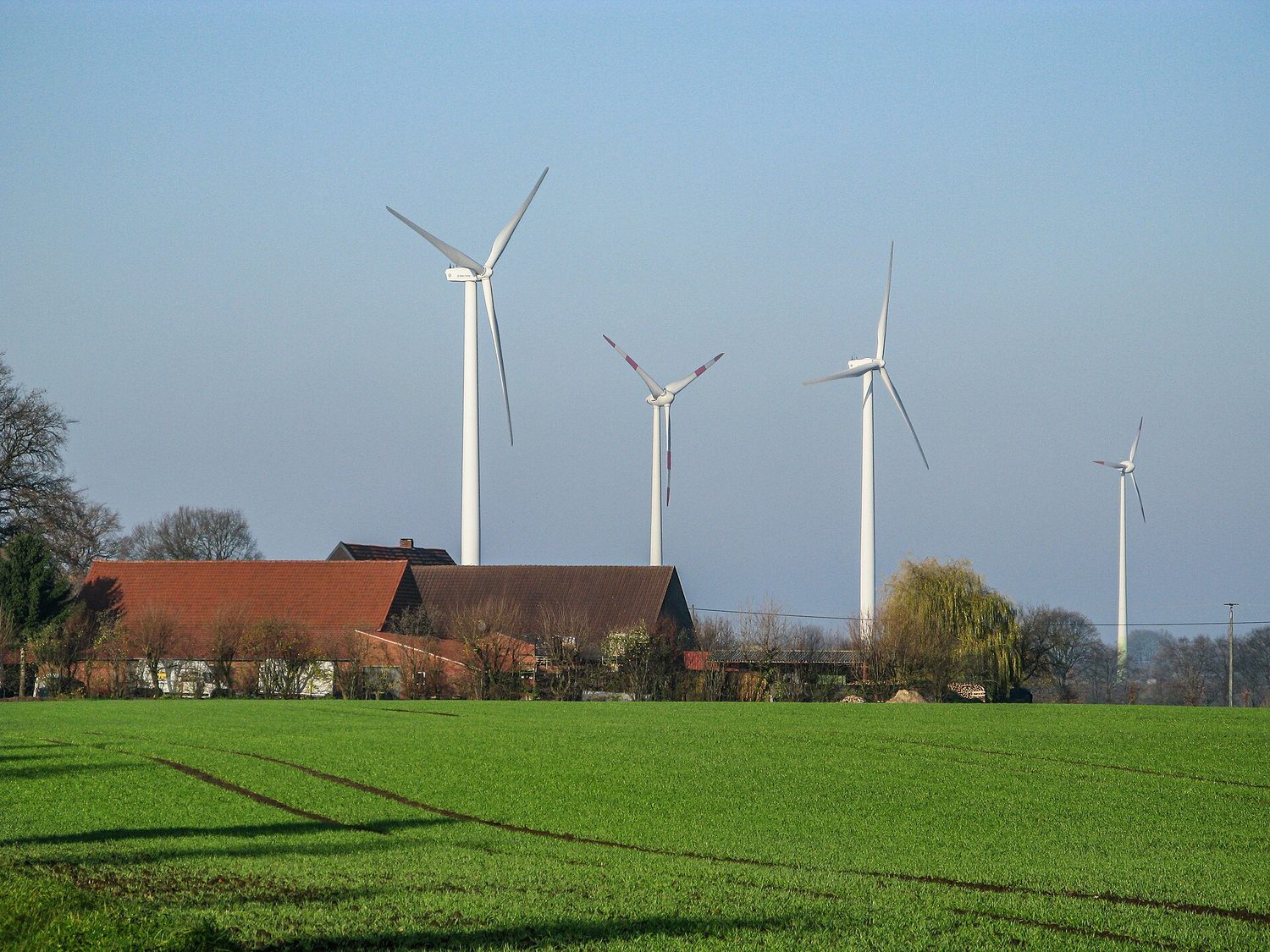
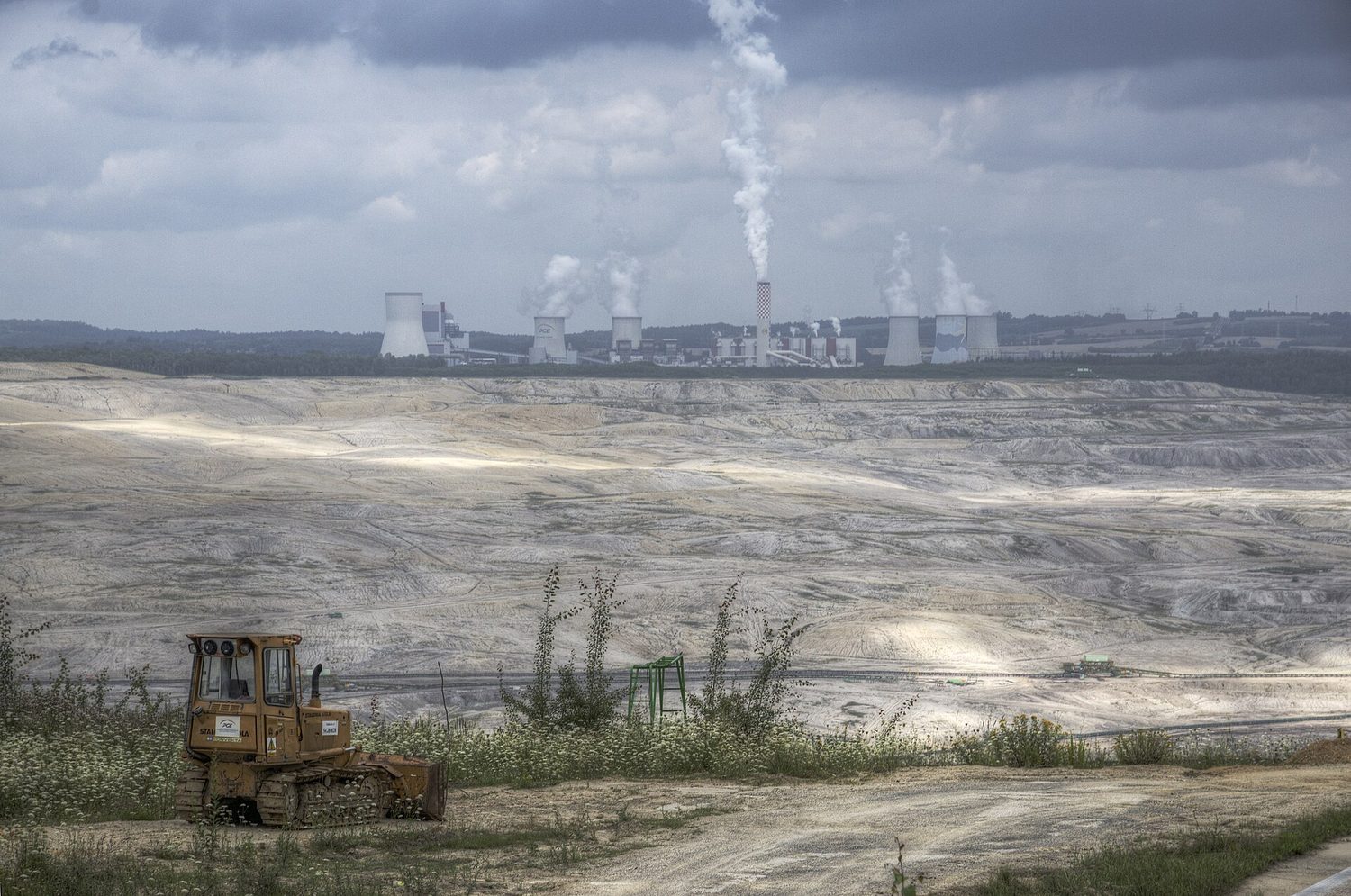
انظر إلى هذا الحفرة في الأرض. آلة تحفر فحمًا بنيًا ناعمًا، ومحطة توليد الكهرباء خلفها تحرقه في نفس اليوم. الآن انظر إلى هذا: ثلاث أبراج على…
English narration · English + 中文 subtitles burned in · سرد باللغة الإنجليزية · ترجمة مدمجة بالإنجليزية + الصينية
6.1
Renewable and Nonrenewable Resources · الموارد المتجددة وغير المتجددة
Syllabus · المنهج
English
Enduring Understanding (ENG-3): Humans use energy from a variety of sources, resulting in positive and negative consequences.
Learning Objective ENG-3.A: Identify differences between nonrenewable and renewable energy sources.
ENG-3.A.1 Nonrenewable energy sources are those that exist in a fixed amount and involve energy transformation that cannot be easily replaced.
ENG-3.A.2 Renewable energy sources are those that can be replenished naturally, at or near the rate of consumption, and reused.
العربية
الفهم الدائم (ENG-3): يستخدم البشر الطاقة من مصادر متنوعة، مما ينتج عنه عواقب إيجابية وسلبية.
هدف التعلم ENG-3.A: تحديد الفروقات بين مصادر الطاقة غير المتجددة والمتجددة.
ENG-3.A.1 مصادر الطاقة غير المتجددة هي تلك الموجودة بكميات ثابتة وتتضمن تحول طاقة لا يمكن استبداله بسهولة.
ENG-3.A.2 مصادر الطاقة المتجددة هي تلك التي يمكن تجديدها طبيعيًا، بمعدل يساوي أو يقترب من معدل الاستهلاك، وإعادة استخدامها.
Source: College Board AP Course and Exam Description · المصدر: وصف دورة وامتحان College Board AP
English
A renewable resource 可再生资源 replenishes on a human timescale (sun, wind, water, biomass); a nonrenewable resource 不可再生资源 exists in fixed amounts that take millions of years to form (fossil fuels, nuclear fuel). Nonrenewables will eventually run out and often pollute more.
العربية
المورد المتجدد يتجدد على نطاق زمني بشري (الشمس، الرياح، الماء، الكتلة الحيوية)؛ المورد غير المتجدد موجود بكميات ثابتة تستغرق ملايين السنين لتكوينه (الوقود الأحفوري، الوقود النووي). ستنفذ الموارد غير المتجددة في النهاية وغالبًا ما تكون أكثر تلويثًا.
توربينات الرياح: المصادر المتجددة تتجدد على النطاق الزمني البشري؛ بينما الوقود الأحفوري لا يتجدد
6.2
Global Energy Consumption · استهلاك الطاقة العالمي
Syllabus · المنهج
English
Enduring Understanding (ENG-3): Humans use energy from a variety of sources, resulting in positive and negative consequences.
Learning Objective ENG-3.B: Describe trends in energy consumption.
ENG-3.B.1 The use of energy resources is not evenly distributed between developed and developing countries.
ENG-3.B.2 The most widely used sources of energy globally are fossil fuels.
ENG-3.B.3 As developing countries become more developed, their reliance on fossil fuels for energy increases.
ENG-3.B.4 As the world becomes more industrialized, the demand for energy increases.
ENG-3.B.5 Availability, price, and governmental regulations influence which energy sources people use and how they use them.
العربية
الفهم الدائم (ENG-3): يستخدم البشر الطاقة من مصادر متنوعة، مما ينتج عنه عواقب إيجابية وسلبية.
الهدف التعليمي ENG-3.B: وصف اتجاهات استهلاك الطاقة.
ENG-3.B.1 لا يتم توزيع استخدام الموارد الطاقة بالتساوي بين الدول المتقدمة والنامية.
ENG-3.B.2 أكثر مصادر الطاقة شيوعاً على مستوى العالم هي الوقود الأحفوري.
ENG-3.B.3 مع تقدم الدول النامية في التطور، تزداد اعتمادها على الوقود الأحفوري لتوليد الطاقة.
ENG-3.B.4 مع زيادة工业ية العالم، تزداد الطلب على الطاقة.
ENG-3.B.5 يتأثر توفر الطاقة وأسعارها واللوائح الحكومية باختيار الناس لمصادر الطاقة وكيفية استخدامها.
Source: College Board AP Course and Exam Description · المصدر: وصف دورة وامتحان College Board AP
English
Global energy use is rising, especially in developing nations. Most energy still comes from fossil fuels 化石燃料. Wealthy nations consume the most per person; access to energy shapes economic development.
العربية
يتزايد استخدام الطاقة عالمياً، خاصة في الدول النامية. لا تزال معظم الطاقة مستمدة من الوقود الأحفوري. تستهلك الدول الثرية أكثر لكل فرد؛ ويؤثر الوصول إلى الطاقة على التنمية الاقتصادية.
Explore · استكشف
Trace energy from source to use · تتبع الطاقة من المصدر إلى الاستخدام
A Sankey diagram shows how energy flows from sources to useful work — and how much is lost. Most primary energy is wasted as heat before it does anything useful. · يُظهر مخطط سانكي كيف تتدفق الطاقة من المصادر إلى العمل النافع — وكمية المفقودات. تُهدر معظم الطاقة الأولية كحرارة قبل أن تفيد في شيء ما.
6.3
Fuel Types and Uses · أنواع الوقود واستخداماتها
Syllabus · المنهج
English
Enduring Understanding (ENG-3): Humans use energy from a variety of sources, resulting in positive and negative consequences.
Learning Objective ENG-3.C: Identify types of fuels and their uses.
ENG-3.C.1 Wood is commonly used as fuel in the forms of firewood and charcoal. It is often used in developing countries because it is easily accessible.
ENG-3.C.2 Peat is partially decomposed organic material that can be burned for fuel.
ENG-3.C.3 Three types of coal used for fuel are lignite, bituminous, and anthracite. Heat, pressure, and depth of burial contribute to the development of various coal types and their qualities.
ENG-3.C.4 Natural gas, the cleanest of the fossil fuels, is mostly methane.
ENG-3.C.5 Crude oil can be recovered from tar sands, which are a combination of clay, sand, water, and bitumen.
ENG-3.C.6 Fossil fuels can be made into specific fuel types for specialized uses (e.g., in motor vehicles).
ENG-3.C.7 Cogeneration occurs when a fuel source is used to generate both useful heat and electricity.
العربية
الفهم الدائم (ENG-3): يستخدم البشر الطاقة من مصادر متنوعة، مما ينتج عنه عواقب إيجابية وسلبية.
الهدف التعليمي ENG-3.C: تحديد أنواع الوقود واستخداماتها.
ENG-3.C.1 يُستخدم الخشب عادةً كمصدر للوقود على شكل حطاب و فحم خشبي. وغالباً ما يُستخدم في الدول النامية لأنه سهل الحصول عليه.
ENG-3.C.2 الطمي هو مادة عضوية متحللة جزئياً يمكن حرقها للحصول على وقود.
ENG-3.C.3 ثلاثة أنواع من الفحم المستخدمة كوقود هي اللينيت والفحم القياسي والفحم الأنثراسيتي. تساهم الحرارة والضغط وعمق الدفن في تطوير أنواع الفحم المختلفة وجودتها.
ENG-3.C.4 الغاز الطبيعي، وهو أنظف أنواع الوقود الأحفوري، يتكون بشكل أساسي من الميثان.
ENG-3.C.5 يمكن استخراج النفط الخام من الرمال القطرية، وهي مزيج من الطين والرمل والماء والبيتومين.
ENG-3.C.6 يمكن تحويل الوقود الأحفوري إلى أنواع وقود محددة لأغراض متخصصة (مثل مركبات المحركات).
ENG-3.C.7 يحدث التوليد المشترك عندما يتم استخدام مصدر طاقة لإنتاج كل من الحرارة المفيدة والكهرباء.
Source: College Board AP Course and Exam Description · المصدر: وصف دورة وامتحان College Board AP
English
Different fuels suit different needs: coal and natural gas for electricity, oil for transportation, and biomass for heating and cooking in many regions. Each has trade-offs in cost, availability, and pollution.
العربية
تناسب أنواع مختلفة من الوقود احتياجات متنوعة: الفحم والغاز الطبيعي لـالكهرباء، والنفط لـالنقل، والكتلة الحيوية للتدفئة والطهي في العديد من المناطق. ولكل نوع منها مزايا وعيوب تتعلق بالتكلفة والتوافر والتلوث.
6.4
Distribution of Natural Energy Resources · توزيع الموارد الطبيعية للطاقة
Syllabus · المنهج
English
Enduring Understanding (ENG-3): Humans use energy from a variety of sources, resulting in positive and negative consequences.
Learning Objective ENG-3.D: Identify where natural energy resources occur.
ENG-3.D.1 The global distribution of natural energy resources, such as ores, coal, crude oil, and gas, is not uniform and depends on regions' geologic history.
العربية
الفهم الدائم (ENG-3): يستخدم البشر الطاقة من مصادر متنوعة، مما ينتج عنه عواقب إيجابية وسلبية.
الهدف التعليمي ENG-3.D: تحديد أماكن وجود الموارد الطبيعية للطاقة.
ENG-3.D.1 التوزيع العالمي للموارد الطبيعية للطاقة، مثل المعادن والفحم والنفط الخام والغاز، ليس منتظماً ويعتمد على التاريخ الجيولوجي للمنطقة.
Source: College Board AP Course and Exam Description · المصدر: وصف دورة وامتحان College Board AP
English
Energy resources are unevenly distributed – oil is concentrated in some regions, coal in others, and renewables depend on local sun, wind, or rivers. This uneven distribution drives trade, economics, and geopolitics.
العربية
توزيع الموارد الطبيعية للطاقة غير متساوٍ – حيث يتركز النفط في بعض المناطق والفحم في أخرى، وتعتمد مصادر الطاقة المتجددة على الشمس أو الرياح أو الأنهار المحلية. هذا التوزيع غير المتساوٍ يحرك التجارة والاقتصاد والجغرافيا السياسية.
6.5
Fossil Fuels · الوقود الأحفوري
Syllabus · المنهج
English
Enduring Understanding (ENG-3): Humans use energy from a variety of sources, resulting in positive and negative consequences.
Learning Objective ENG-3.E: Describe the use and methods of fossil fuels in power generation.
ENG-3.E.1 The combustion of fossil fuels is a chemical reaction between the fuel and oxygen that yields carbon dioxide and water and releases energy.
ENG-3.E.2 Energy from fossil fuels is produced by burning those fuels to generate heat, which then turns water into steam. That steam turns a turbine, which spins a generator, producing electricity.
ENG-3.E.3 Humans use a variety of methods to extract fossil fuels from the earth for energy generation.
Learning Objective ENG-3.F: Describe the effects of fossil fuels on the environment.
ENG-3.F.1 Hydrologic fracturing (fracking) can cause groundwater contamination and the release of volatile organic compounds.
العربية
الفهم الدائم (ENG-3): يستخدم البشر الطاقة من مصادر متنوعة، مما ينتج عنه عواقب إيجابية وسلبية.
الهدف التعليمي ENG-3.E: وصف استخدام الوقود الأحفوري وطرق توليد الكهرباء منه.
ENG-3.E.1 احتراق الوقود الأحفوري هو تفاعل كيميائي بين الوقود والأكسجين ينتج عنه ثاني أكسيد الكربون والماء ويطلق الطاقة.
ENG-3.E.2 تُنتج الطاقة من الوقود الأحفوري عن طريق حرق هذه الوقودات لتوليد الحرارة، والتي بدورها تحول الماء إلى بخار. يحرك هذا البخار التوربين، الذي يدور المولد، مما ينتج الكهرباء.
ENG-3.E.3 يستخدم البشر مجموعة متنوعة من الطرق لاستخراج الوقود الأحفوري من الأرض لتوليد الطاقة.
الهدف التعليمي ENG-3.F: وصف تأثيرات الوقود الأحفوري على البيئة.
ENG-3.F.1 يمكن أن يسبب الكسر الهيدروليكي (fracking) تلوث مياه الجوف وإطلاق المركبات العضوية المتطايرة.
Source: College Board AP Course and Exam Description · المصدر: وصف دورة وامتحان College Board AP
English
Fossil fuels (coal, oil, natural gas) formed from ancient organisms. They are energy-dense and reliable but nonrenewable and the main source of $\text{CO}_2$ and air pollution. Coal is the dirtiest; natural gas burns cleaner but leaks methane 甲烷.
Coal forms in stages, and its rank climbs with the heat, pressure, and depth of burial it has endured. Partly decomposed plant matter first becomes peat 泥炭 (which can itself be dried and burned), then soft brown lignite, then bituminous 烟煤 coal, and finally hard anthracite 无烟煤 – each step is drier, more carbon-rich, and higher in energy, so anthracite burns hottest and cleanest.
Oil and natural gas are increasingly reached by hydraulic fracturing 水力压裂 ("fracking"): a high-pressure fluid is pumped into shale rock to crack it open and release the trapped fuel. It has unlocked huge reserves, but it can contaminate groundwater (methane and chemicals reaching drinking-water wells), release volatile organic compounds 挥发性有机化合物 into the air, and trigger minor earthquakes.
Crude oil can also be recovered from tar sands 油砂 – a mix of clay, sand, water, and thick bitumen 沥青. Separating the oil is energy- and water-intensive and clears large areas of land, so its environmental cost per barrel of oil is high.
العربية
الوقود الأحفوري (الفحم، النفط، الغاز الطبيعي) نتاج عن كائنات حية قديمة. إنه عالي الكثافة الطاقة وموثوق، لكنه غير متجدد وهو المصدر الرئيسي لـ$\text{CO}_2$ وتلوث الهواء. يعد الفحم الأكثر تلوثاً؛ بينما يحترق الغاز بشكل أنظف لكنه يتسرب منه الميثان.
منجم ليجنيت (فحم بني) مفتوح السطح يغذي محطة الكهرباء خلفه — يُستخرج الوقود من الأرض ويُحرق في الموقع
يتكون الفحم عبر مراحل، ويزداد رتبته بزيادة الحرارة والضغط وعمق الدفن الذي تعرض له. تبدأ المادة النباتية المتحللة جزئياً لتصبح خثاً (يمكن تجفيفه وحرقه)، ثم ليجنيت بني ناعم، ثم فحم بايتوميني (ذو رتبة متوسطة)، وأخيراً أنثراسيت صلب — كل مرحلة تكون أكثر جفافاً وأكثر غنىً بالكربون وأعلى طاقة، لذا يحترق الأنثراسيت بأعلى درجة حرارة ونظافة.
يتم الوصول increasingly إلى النفط والغاز الطبيعي عبر الكسر الهيدروليكي (
يمكن أيضاً استخلاص النفط الخام من رمال القار – وهي مزيج من الطين والرمل والماء والبيتومين السميك. عملية فصل النفط تتطلب طاقة وماء كثيفين وتُفرغ مساحات شاسعة من الأراضي، مما يجعل تكلفته البيئية لكل برميل من النفط عالية.
6.6
Nuclear Power · الطاقة النووية
Syllabus · المنهج
English
Enduring Understanding (ENG-3): Humans use energy from a variety of sources, resulting in positive and negative consequences.
Learning Objective ENG-3.G: Describe the use of nuclear energy in power generation.
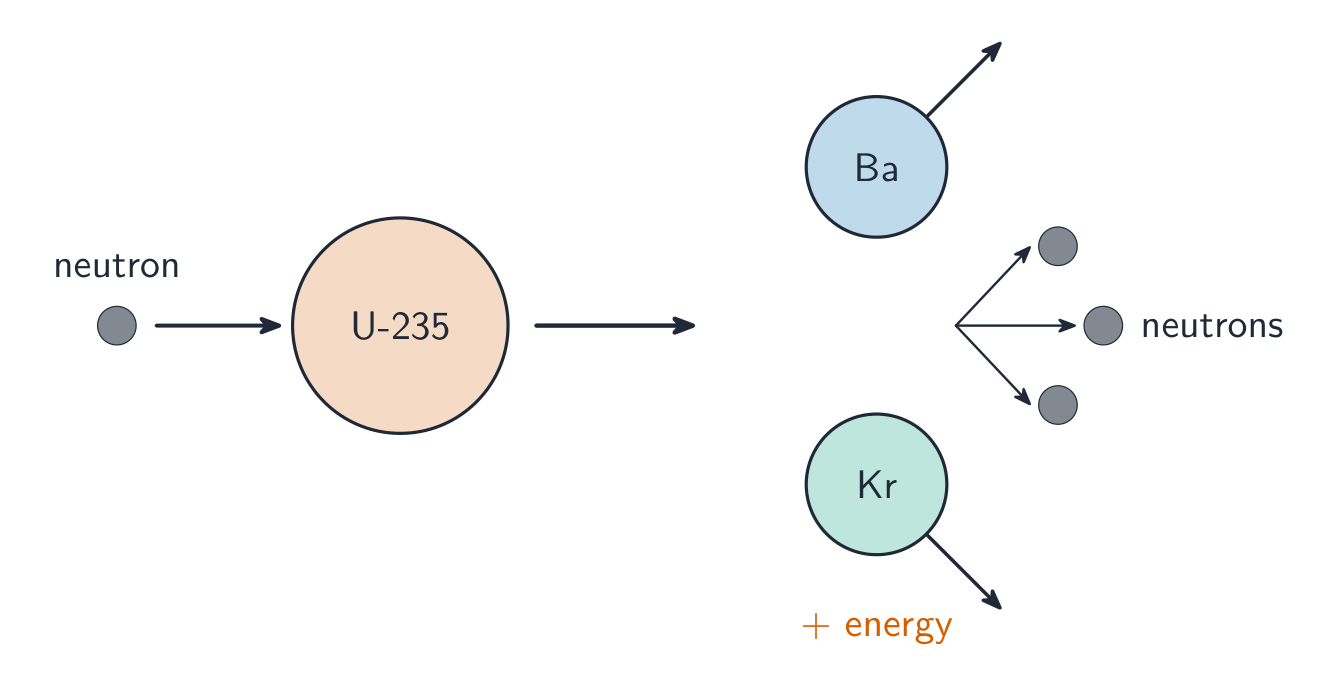
ENG-3.G.1 Nuclear power is generated through fission, where atoms of Uranium-235, which are stored in fuel rods, are split into smaller parts after being struck by a neutron. Nuclear fission releases a large amount of heat, which is used to generate steam, which powers a turbine and generates electricity.
ENG-3.G.2 Radioactivity occurs when the nucleus of a radioactive isotope loses energy by emitting radiation.
ENG-3.G.3 Uranium-235 remains radioactive for a long time, which leads to the problems associated with the disposal of nuclear waste.
ENG-3.G.4 Nuclear power generation is a nonrenewable energy source. Nuclear power is considered a cleaner energy source because it does not produce air pollutants, but it does release thermal pollution and hazardous solid waste.
Learning Objective ENG-3.H: Describe the effects of the use of nuclear energy on the environment.
ENG-3.H.1 Three Mile Island, Chernobyl, and Fukushima are three cases where accidents or natural disasters led to the release of radiation. These releases have had short- and long-term impacts on the environment.
ENG-3.H.2 A radioactive element's half-life can be used to calculate a variety of things, including the rate of decay and the radioactivity level at specific points in time.
العربية
الفهم الدائم (ENG-3): يستخدم البشر الطاقة من مصادر متنوعة، مما ينتج عنه عواقب إيجابية وسلبية.
الهدف التعليمي ENG-3.G: وصف استخدام الطاقة النووية في توليد الكهرباء.
ENG-3.G.1 تُنتج الطاقة النووية من خلال الانشطار، حيث تنقسم ذرات اليورانيوم-235، المخزنة في قضبان الوقود، إلى أجزاء أصغر بعد اصطدامها بالنيوترون. يحرر الانشطار النووي كمية كبيرة من الحرارة، التي تُستخدم لتوليد البخار، الذي يدير التوربين ويولد الكهرباء.
ENG-3.G.2 يحدث النشاط الإشعاعي عندما تفقد نواة نظير مشع طاقة عن طريق انبعاث إشعاع.
ENG-3.G.3 يبقى اليورانيوم-235 مشعاً لفترة طويلة، مما يؤدي إلى المشاكل المتعلقة بالتخلص من النفايات النووية.
ENG-3.G.4 توليد الطاقة النووية هو مصدر طاقة غير متجدد. تُعتبر الطاقة النووية مصدراً للطاقة النظيفة لأنها لا تنتج ملوثات هوائية، لكنها تطلق تلوثاً حرارياً ونفايات صلبة خطيرة.
الهدف التعليمي ENG-3.H: وصف تأثيرات استخدام الطاقة النووية على البيئة.
ENG-3.H.1 ثري مايل آيلاند وتشيرنوبيل وفوكوشيما هي ثلاث حالات أدت فيها الحوادث أو الكوارث الطبيعية إلى إطلاق الإشعاع. كان لهذه الإطلاق تأثيرات قصيرة وطويلة الأمد على البيئة.
ENG-3.H.2 يمكن استخدام نصف عمر العنصر المشع لحساب مجموعة متنوعة من things، بما في ذلك معدل التحلل ومستوى النشاط الإشعاعي عند نقاط زمنية محددة.
Source: College Board AP Course and Exam Description · المصدر: وصف دورة وامتحان College Board AP
English
Nuclear power 核能 splits uranium (fission 裂变) to boil water and drive turbines. It produces no $\text{CO}_2$ and lots of energy from little fuel, but risks include radioactive waste 核废料 (long-lived), the danger of meltdowns, and high cost.
Worked example. Radioactive waste decays by its half-life – the time for half of it to decay. Suppose an isotope has a half-life of $30$ years and a reactor leaves $100\ \text{g}$ of it. After $30$ years $50\ \text{g}$ remains; after $60$ years $25\ \text{g}$; after $90$ years (three half-lives) $100\times\left(\tfrac12\right)^3=12.5\ \text{g}$. Because the drop is halving, not linear, the waste stays hazardous for many half-lives – the core reason it must be stored safely for centuries.
العربية
الطاقة النووية تقوم بتقسيم اليورانيوم (الانشطار) لغليان الماء وتشغيل التوربينات. لا تنتج $\text{CO}_2$ وتوفر طاقة كبيرة من كمية قليلة من الوقود، لكن المخاطر تشمل النفايات المشعة (طويلة الأمد)، وخطر الانصهار، والتكلفة العالية.
مثال محلل. تتحلل النفايات المشعة بناءً على نصف العمر – الوقت اللازم لنصفها أن يتحلل. لنفترض أن نظيراً له نصف عمر قدره $30$ عاماً وبقي في المفاعل $100\ \text{g}$ منه. بعد $30$ عاماً يتبقى $50\ \text{g}$؛ بعد $60$ عاماً $25\ \text{g}$؛ بعد $90$ عاماً (ثلاثة أنصاف عمر) $100\times\left(\tfrac12\right)^3=12.5\ \text{g}$. بما أن الانخفاض يتمثل في الت减半 وليس خطياً، فإن النفايات تظل خطيرة لأعداد عديدة من أنصاف العمر – وهذا هو السبب الرئيسي في ضرورة تخزينها بأمان لمئات السنين.
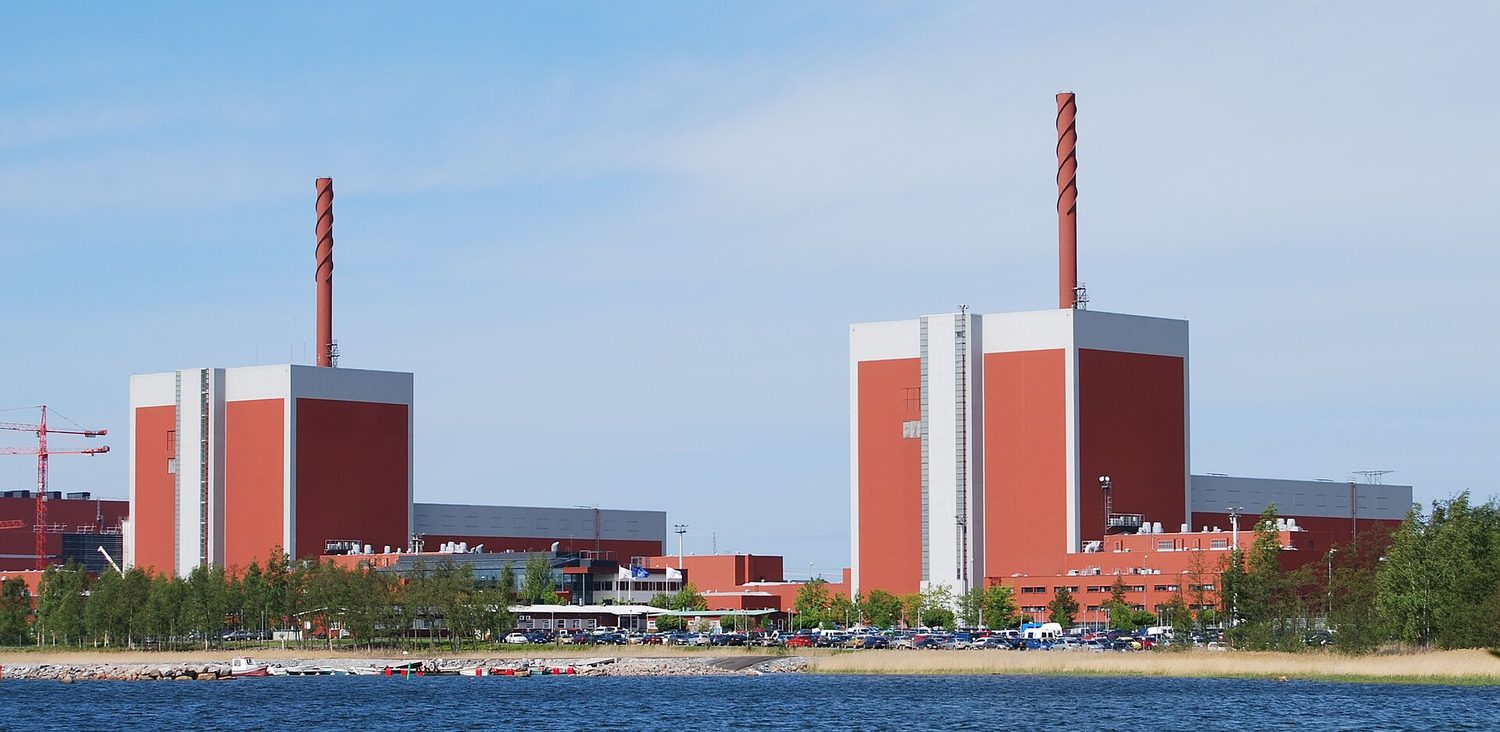
انشطار نووي لنواة اليورانيوم-235 يحرر الطاقةمحطة طاقة نووية. تحتوي مباني المفاعلات على الوقود؛ يوفر البحر ماء التبريد. لاحظ عدم وجود دخان — الانشطار لا يحرر أي $\text{CO}_2$
energy return on energy investment (EROEI)/ˈenədʒi rɪˈtɜːn ɒn ˈenədʒi ɪnˈvestmənt/
العائد من الطاقة على استثمارات الطاقة (EROEI)
6.7
Energy from Biomass · الطاقة من الكتلة الحيوية
Syllabus · المنهج
English
Enduring Understanding (ENG-3): Humans use energy from a variety of sources, resulting in positive and negative consequences.
Learning Objective ENG-3.I: Describe the effects of the use of biomass in power generation on the environment.
ENG-3.I.1 Burning of biomass produces heat for energy at a relatively low cost, but it also produces carbon dioxide, carbon monoxide, nitrogen oxides, particulates, and volatile organic compounds. The overharvesting of trees for fuel also causes deforestation.
ENG-3.I.2 Ethanol can be used as a substitute for gasoline. Burning ethanol does not introduce additional carbon into the atmosphere via combustion, but the energy return on energy investment for ethanol is low.
العربية
الفهم الدائم (ENG-3): يستخدم البشر الطاقة من مصادر متنوعة، مما ينتج عنه عواقب إيجابية وسلبية.
الهدف التعليمي ENG-3.I: وصف تأثيرات استخدام الكتلة الحيوية في توليد الطاقة على البيئة.
ENG-3.I.1 إنتاج حرق الكتلة الحيوية حرارة للطاقة بتكلفة منخفضة نسبياً، لكنه ينتج أيضاً ثاني أكسيد الكربون وأول أكسيد الكربون وأكاسيد النيتروجين والجسيمات والمركبات العضوية المتطايرة. كما يؤدي截取 الأشجار بشكل مفرط للحصول على الوقود إلى إزالة الغابات.
ENG-3.I.2 يمكن استخدام الإيثانول كبديل للبنزين. لا يضيف حرق الإيثانول كربون إضافي إلى الغلاف الجوي عبر الاحتراق، لكن العائد الطاقي للاستثمار الطاقي للإيثانول منخفض.
Source: College Board AP Course and Exam Description · المصدر: وصف دورة وامتحان College Board AP
English
Biomass 生物质 (wood, crops, waste, biofuels like ethanol) is renewable and can be carbon-neutral if replanted, but burning it causes air pollution, and growing fuel crops competes with food and habitat.
Ethanol 乙醇, made from crops such as corn or sugarcane, can substitute for gasoline and adds no new carbon when burned (the plant absorbed that $\text{CO}_2$ as it grew). Its drawback is a low energy return on energy investment (EROEI) 能量投资回报率: growing, harvesting, and distilling the crop uses nearly as much energy as the fuel finally delivers.
العربية
الكتلة الحيوية (الخشب، المحاصيل، النفايات، الوقود الحيوي مثل الإيثانول) متجددة ويمكن أن تكون محايدة للكربون إذا أعيد زراعتها، لكن حرقها يسبب تلوث الهواء، وزراعة محاصيل الوقود تنافس الغذاء والمسكن الطبيعي.
الإيثانول، المُنتَج من محاصيل مثل الذرة أو قصب السكر، يمكن أن يحل محل البنزين ولا يضيف كربوناً جديداً عند احتراقه (امتص النبات ذلك $\text{CO}_2$ أثناء نموه). عيبه هو انخفاض العائد الطاقي على الاستثمار الطاقي (EROEI): حيث يستغرق زراعة المحصول وجمعه وتقطيره طاقة تقارب ما يسلمه الوقود أخيراً.
6.8
Solar Energy · الطاقة الشمسية
Syllabus · المنهج
English
Enduring Understanding (ENG-3): Humans use energy from a variety of sources, resulting in positive and negative consequences.
Learning Objective ENG-3.J: Describe the use of solar energy in power generation.
ENG-3.J.1 Photovoltaic solar cells capture light energy from the sun and transform it directly into electrical energy. Their use is limited by the availability of sunlight.
ENG-3.J.2 Active solar energy systems use solar energy to heat a liquid through mechanical and electric equipment to collect and store the energy captured from the sun.
ENG-3.J.3 Passive solar energy systems absorb heat directly from the sun without the use of mechanical and electric equipment, and energy cannot be collected or stored.
Learning Objective ENG-3.K: Describe the effects of the use of solar energy in power generation on the environment.
ENG-3.K.1 Solar energy systems have low environmental impact and produce clean energy, but they can be expensive. Large solar energy farms may negatively impact desert ecosystems.
العربية
الفهم الدائم (ENG-3): يستخدم البشر الطاقة من مصادر متنوعة، مما ينتج عنه عواقب إيجابية وسلبية.
الهدف التعليمي ENG-3.J: وصف استخدام الطاقة الشمسية في توليد الكهرباء.
ENG-3.J.1 تلتقط الخلايا الشمسية الكهروضوئية الطاقة الضوئية من الشمس وتحولها مباشرة إلى طاقة كهربائية. إن استخدامها محدود بتوفر ضوء الشمس.
ENG-3.J.2 تستخدم أنظمة الطاقة الشمسية النشطة الطاقة الشمسية لتسخين سائل من خلال معدات ميكانيكية وكهربائية لجمع وتخزين الطاقة التي يتم التقاطها من الشمس.
ENG-3.J.3 تمتص أنظمة الطاقة الشمسية السلبية الحرارة مباشرة من الشمس دون استخدام معدات ميكانيكية أو كهربائية، ولا يمكن جمع الطاقة أو تخزينها.
هدف التعلم ENG-3.K: وصف تأثيرات استخدام الطاقة الشمسية في توليد الكهرباء على البيئة.
ENG-3.K.1 لأنظمة الطاقة الشمسية تأثير بيئي منخفض وتنتج طاقة نظيفة، لكنها قد تكون باهظة الثمن. قد تؤثر مزارع الطاقة الشمسية الكبيرة سلبًا على النظم البيئية الصحراوية.
Source: College Board AP Course and Exam Description · المصدر: وصف دورة وامتحان College Board AP
English
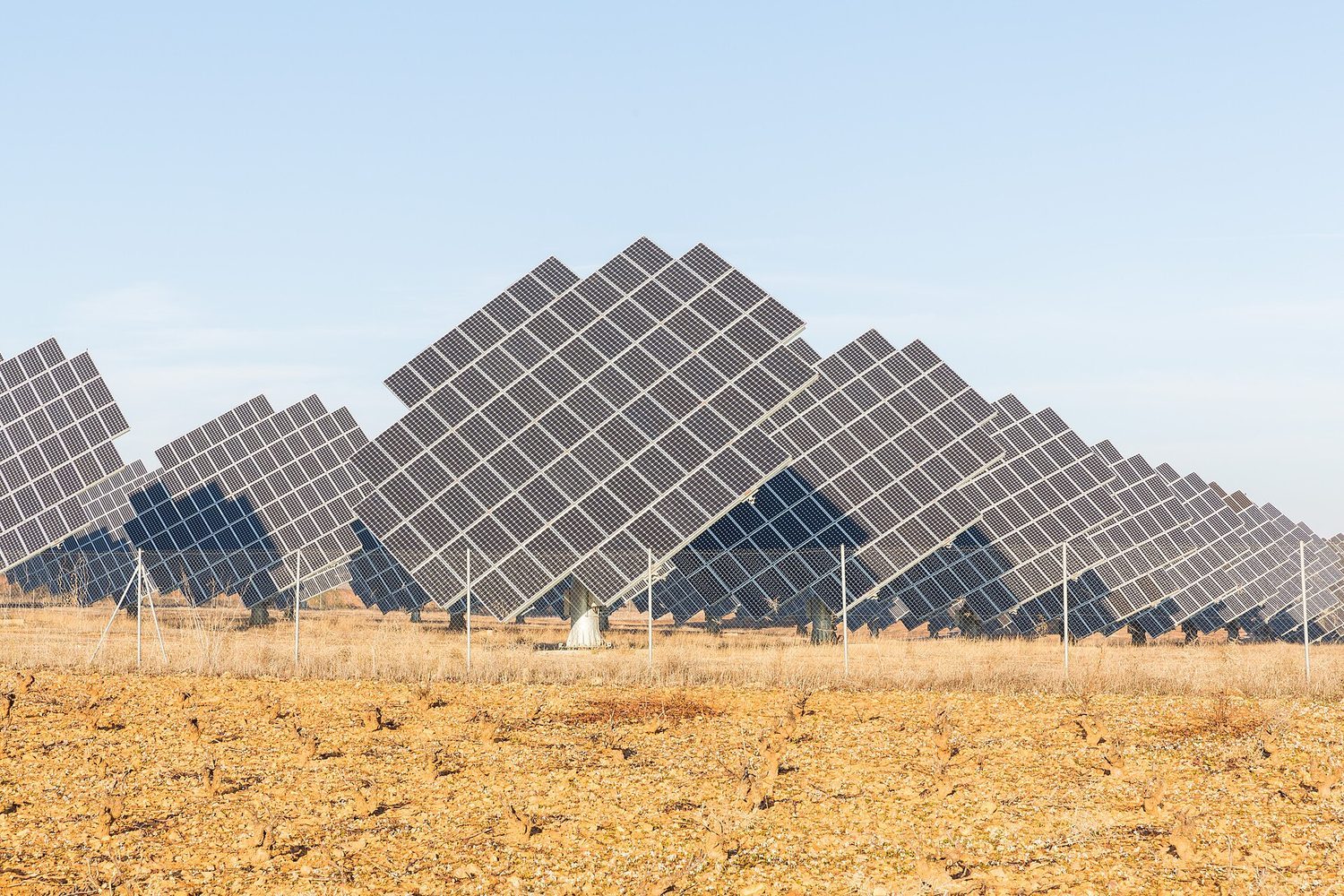
Solar 太阳能 converts sunlight to electricity (photovoltaic panels) or heat. It is renewable and clean during use, but intermittent (no sun at night), needs space, and has manufacturing impacts.
العربية
الطاقة الشمسية تحول ضوء الشمس إلى كهرباء (ألواح فوتوفولطائية) أو حرارة. إنها متجددة ونظيفة أثناء الاستخدام، لكنها متقطعة (لا شمس ليلاً)، وتحتاج مساحة، ولها تأثيرات على التصنيع.
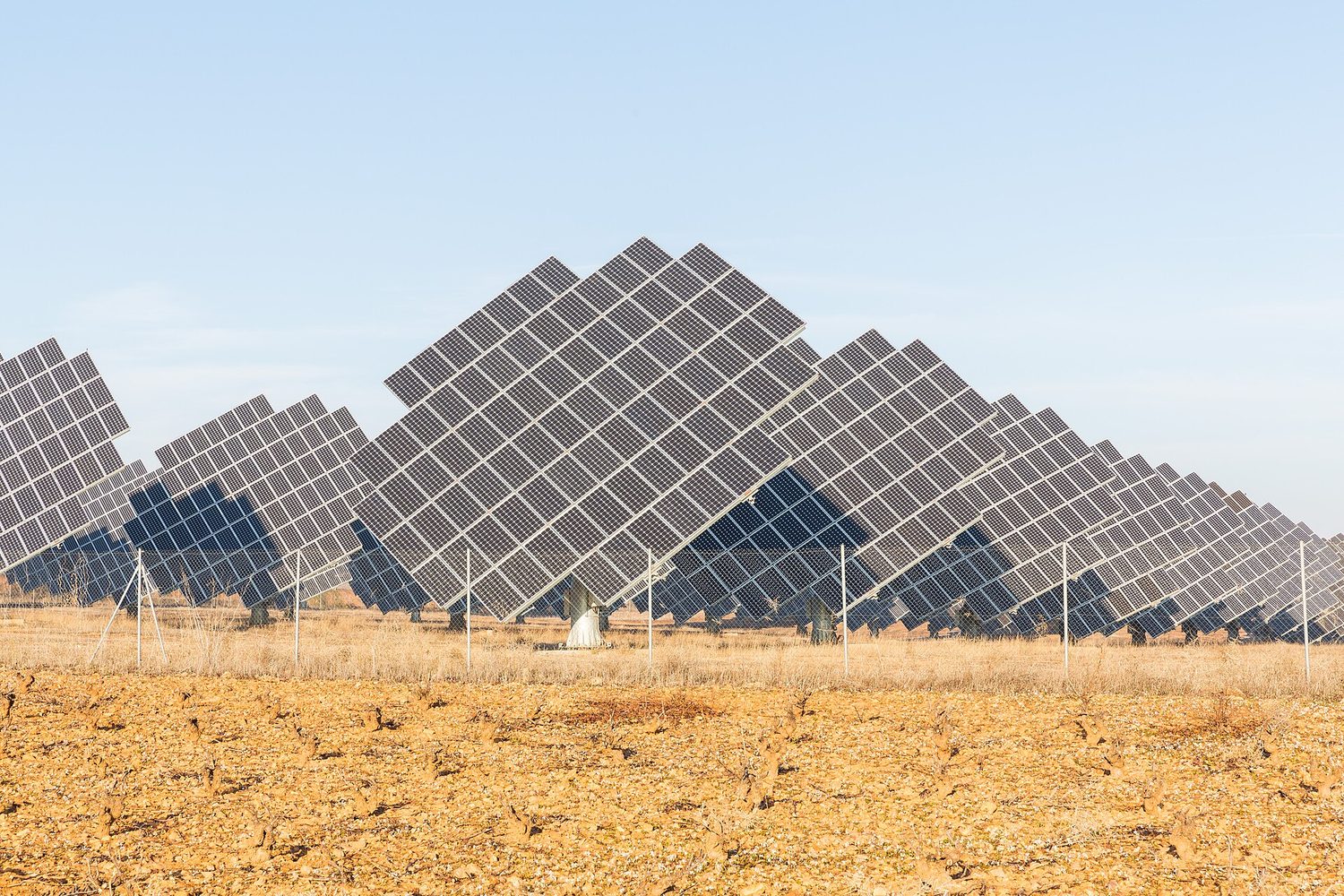
مزرعة شمسية. صفوف من الألواح الفوتوفولطائية مائلة نحو الشمس؛ الإنتاج الكبير يتطلب مساحة واسعة من الأراضي
Enduring Understanding (ENG-3): Humans use energy from a variety of sources, resulting in positive and negative consequences.
Learning Objective ENG-3.L: Describe the use of hydroelectricity in power generation.
ENG-3.L.1 Hydroelectric power can be generated in several ways. Dams built across rivers collect water in reservoirs. The moving water can be used to spin a turbine. Turbines can also be placed in small rivers, where the flowing water spins the turbine.
ENG-3.L.2 Tidal energy uses the energy produced by tidal flows to turn a turbine.
Learning Objective ENG-3.M: Describe the effects of the use of hydroelectricity in power generation on the environment.
ENG-3.M.1 Hydroelectric power does not generate air pollution or waste, but construction of the power plants can be expensive, and there may be a loss of or change in habitats following the construction of dams.
العربية
الفهم الدائم (ENG-3): يستخدم البشر الطاقة من مصادر متنوعة، مما ينتج عنه عواقب إيجابية وسلبية.
هدف التعلم ENG-3.L: وصف استخدام الكهرباء الهيدروليكية في توليد الطاقة.
ENG-3.L.1 يمكن توليد الطاقة الكهرومائية بعدة طرق. تقوم السدود المبنية عبر الأنهار بتجميع المياه في خزانات. يمكن استخدام الماء المتحرك لتدوير توربين. يمكن أيضًا وضع التوربينات في الأنهار الصغيرة، حيث يدور الماء الجاري التوربين.
ENG-3.L.2 تستخدم الطاقة المد والجزر الطاقة الناتجة عن تدفقات المد والجزر لتدوير توربين.
هدف التعلم ENG-3.M: وصف تأثيرات استخدام الكهرباء الهيدروليكية في توليد الطاقة على البيئة.
ENG-3.M.1 لا تنتج الطاقة الكهرومائية تلوثًا هوائيًا أو نفايات، لكن بناء محطات الطاقة قد يكون مكلفًا، وقد يحدث فقدان أو تغيير في الموائل الطبيعية نتيجة بناء السدود.
Source: College Board AP Course and Exam Description · المصدر: وصف دورة وامتحان College Board AP
English
Hydroelectric 水电 power uses flowing water (dams) to spin turbines – renewable and low-emission, but dams flood habitat, block fish migration, trap sediment, and displace people.
العربية
الطاقة الكهرومائية تستخدم الماء الجاري (السدود) لتدوير التوربينات – متجددة ومنخفضة الانبعاثات، لكن السدود تغمر المسكن الطبيعي، وتحجب هجرة الأسماك، وتحبس الرواسب، وتزيح الناس.
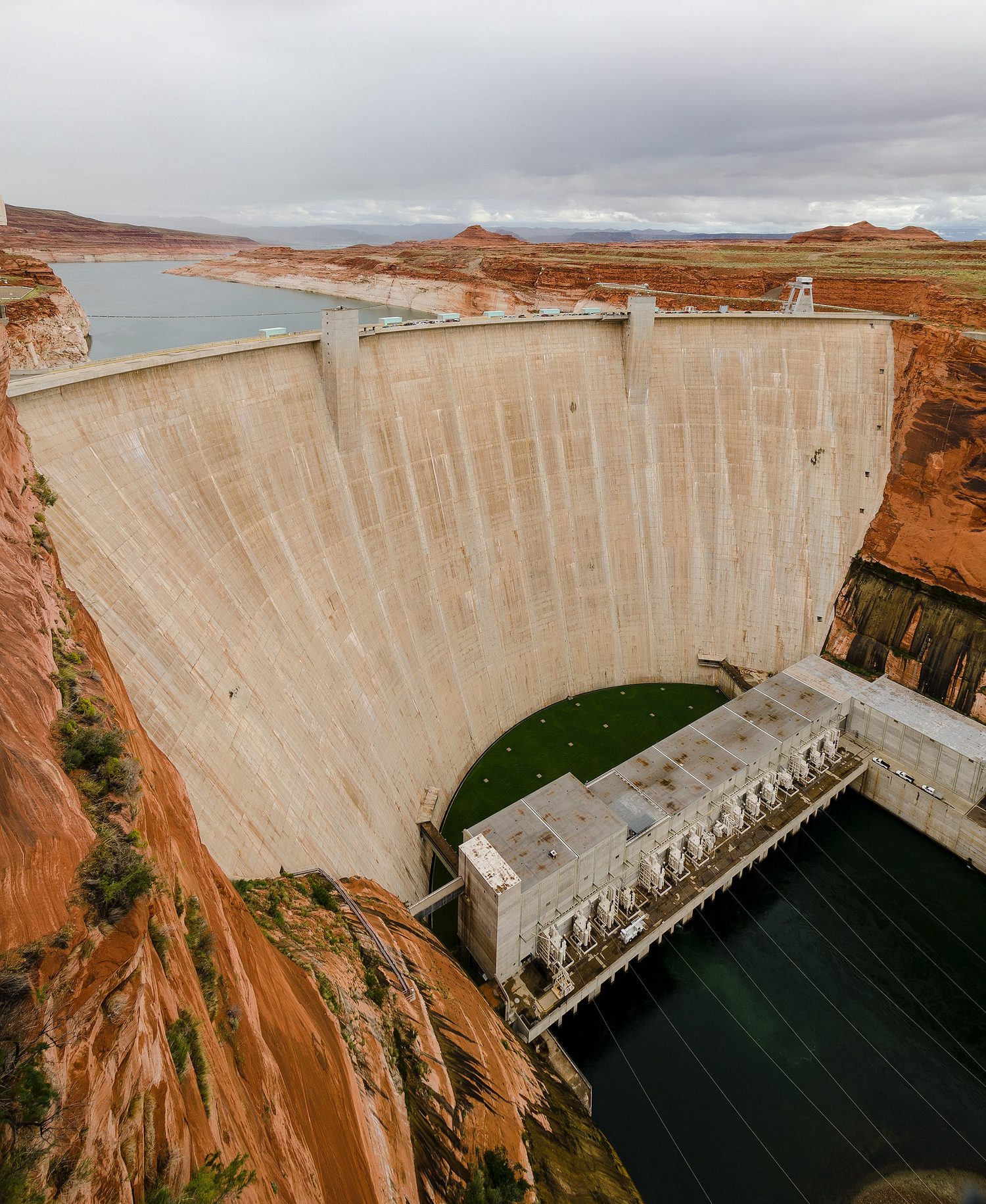
سد كهرومائي. يُحتفظ بـالخزان خلف الجدار؛ يسقط الماء عبر السد لتشغيل التوربينات في مبنى التوليد في قاعدته
Enduring Understanding (ENG-3): Humans use energy from a variety of sources, resulting in positive and negative consequences.
Learning Objective ENG-3.N: Describe the use of geothermal energy in power generation.
ENG-3.N.1 Geothermal energy is obtained by using the heat stored in the Earth's interior to heat up water, which is brought back to the surface as steam. The steam is used to drive an electric generator.
Learning Objective ENG-3.O: Describe the effects of the use of geothermal energy in power generation on the environment.
ENG-3.O.1 The cost of accessing geothermal energy can be prohibitively expensive, as is not easily accessible in many parts of the world. In addition, it can cause the release of hydrogen sulfide.
العربية
الفهم الدائم (ENG-3): يستخدم البشر الطاقة من مصادر متنوعة، مما ينتج عنه عواقب إيجابية وسلبية.
هدف التعلم ENG-3.N: وصف استخدام الطاقة الحرارية الأرضية في توليد الكهرباء.
ENG-3.N.1 تُستخرج الطاقة الحرارية الأرضية باستخدام الحرارة المخزنة في باطن الأرض لتسخين الماء، والذي يُعاد إلى السطح على شكل بخار. يُستخدم البخار لتشغيل مولد كهربائي.
هدف التعلم ENG-3.O: وصف تأثيرات استخدام الطاقة الحرارية الأرضية في توليد الكهرباء على البيئة.
ENG-3.O.1 قد يكون تكلفة الوصول إلى الطاقة الحرارية الأرضية باهظة الثمن لدرجة تمنعها، كما أنها ليست سهلة الوصول في العديد من مناطق العالم. بالإضافة إلى ذلك، يمكن أن تسبب إطلاق كبريتيد الهيدروجين.
Source: College Board AP Course and Exam Description · المصدر: وصف دورة وامتحان College Board AP
English
Geothermal 地热能 taps Earth's internal heat for electricity and heating. It is renewable and reliable, but only practical where hot rock is near the surface (volcanic regions) and can release underground gases.
العربية
الطاقة الحرارية الأرضية تستغل حرارة الأرض الداخلية لتوليد الكهرباء والتدفئة. هي متجددة وموثوقة، لكنها لا تُعدّ عملية إلا حيث الصخور الساخنة قريبة من السطح (المنطقة البركانية) وقد تطلق غازات تحت الأرض.
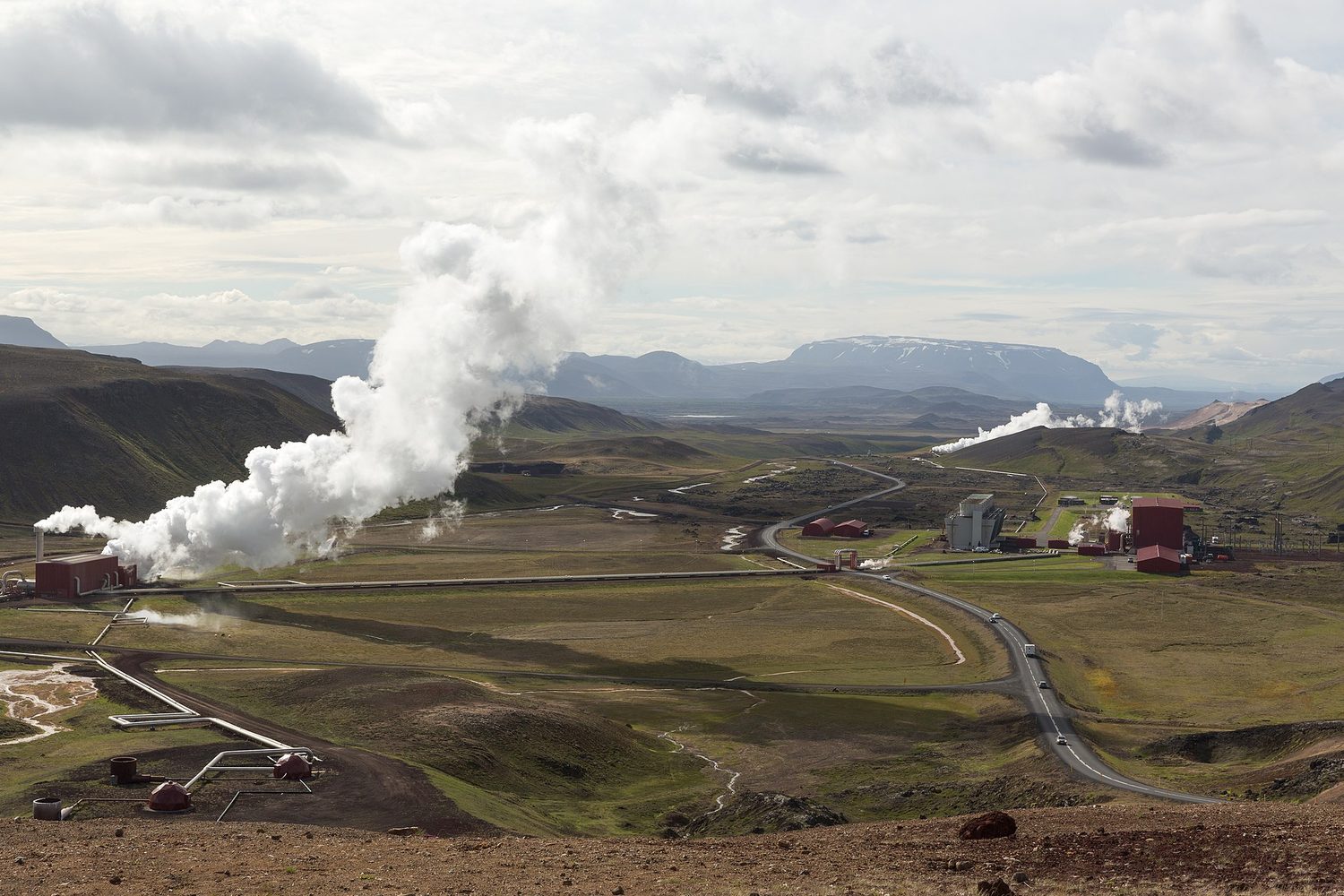
محطة طاقة حرارية أرضية في آيسلندا، منطقة بركانية. البخار الناتج عن الصخور الساخنة أدناه يُضخ عبر أنابيب لتشغيل التوربينات
Enduring Understanding (ENG-3): Humans use energy from a variety of sources, resulting in positive and negative consequences.
Learning Objective ENG-3.P: Describe the use of hydrogen fuel cells in power generation.
ENG-3.P.1 Hydrogen fuel cells are an alternate to non-renewable fuel sources. They use hydrogen as fuel, combining the hydrogen and oxygen in the air to form water and release energy (electricity) in the process. Water is the product (emission) of a fuel cell.
Learning Objective ENG-3.Q: Describe the effects of the use of hydrogen fuel cells in power generation on the environment.
ENG-3.Q.1 Hydrogen fuel cells have low environmental impact and produce no carbon dioxide when the hydrogen is produced from water. However, the technology is expensive and energy is still needed to create the hydrogen gas used in the fuel cell.
العربية
الفهم الدائم (ENG-3): يستخدم البشر الطاقة من مصادر متنوعة، مما ينتج عنه عواقب إيجابية وسلبية.
هدف التعلم ENG-3.P: وصف استخدام خلايا الوقود الهيدروجينية في توليد الكهرباء.
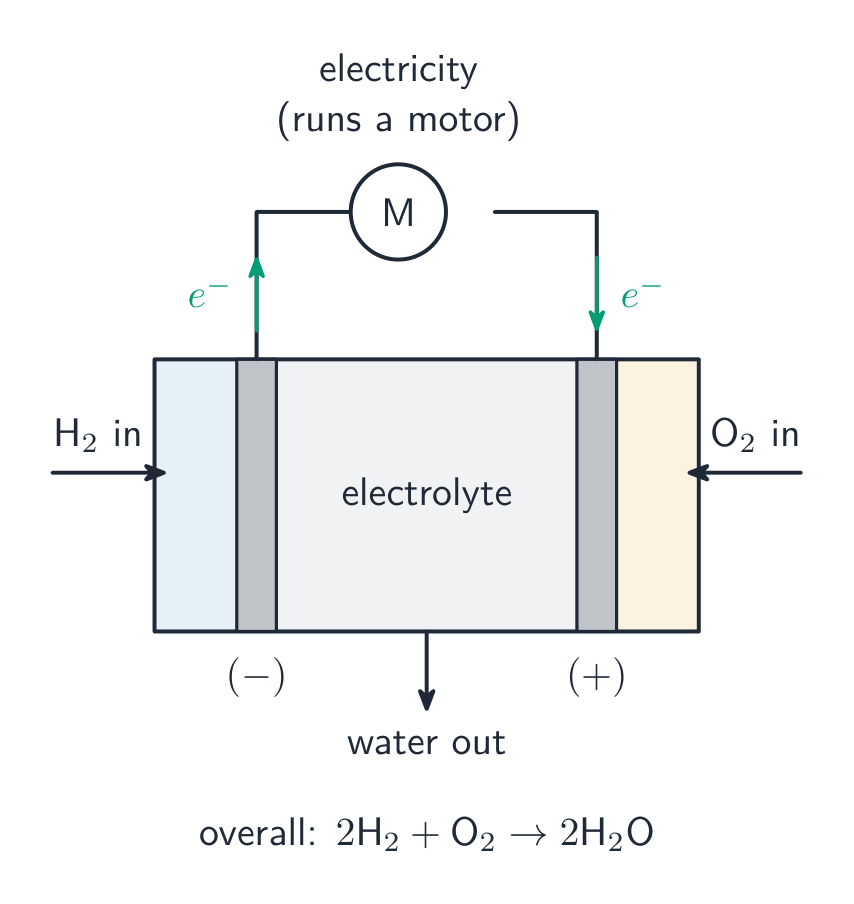
ENG-3.P.1 خلايا الوقود الهيدروجينية هي بديل لمصادر الوقود غير المتجددة. تستخدم الهيدروجين كوقود، وتجمع بين الهيدروجين وأكسجين الهواء لتكوين الماء وإطلاق الطاقة (الكهرباء) خلال العملية. الماء هو المنتج (الانبعاث) لخلايا الوقود.
هدف التعلم ENG-3.Q: وصف تأثيرات استخدام خلايا الوقود الهيدروجينية في توليد الكهرباء على البيئة.
ENG-3.Q.1 لها خلايا الوقود الهيدروجينية تأثير بيئي منخفض ولا تنتج ثاني أكسيد الكربون عند إنتاج الهيدروجين من الماء. ومع ذلك، فإن التكنولوجيا باهظة الثمن ولا تزال هناك حاجة إلى طاقة لإنشاء غاز الهيدروجين المستخدم في خلية الوقود.
Source: College Board AP Course and Exam Description · المصدر: وصف دورة وامتحان College Board AP
English
A hydrogen fuel cell 氢燃料电池 combines hydrogen and oxygen to make electricity, with water as the only emission at use. But producing hydrogen usually requires energy (often from fossil fuels), and storage is difficult.
العربية
تجمع خلايا الوقود الهيدروجينية بين الهيدروجين والأكسجين لإنتاج الكهرباء، مع كون الماء الانبعاث الوحيد عند الاستخدام. لكن إنتاج الهيدروجين يتطلب عادةً طاقة (غالبًا من الوقود الأحفوري)، وتخزينه صعب.
خلية وقود هيدروجين-أكسجين تولد كهرباء، مع ماء كناتج وحيد
6.12
Wind Energy · طاقة الرياح
Syllabus · المنهج
English
Enduring Understanding (ENG-3): Humans use energy from a variety of sources, resulting in positive and negative consequences.
Learning Objective ENG-3.R: Describe the use of wind energy in power generation.
ENG-3.R.1 Wind turbines use the kinetic energy of moving air to spin a turbine, which spins a generator, producing electricity.
Learning Objective ENG-3.S: Describe the effects of the use of wind energy in power generation on the environment.
ENG-3.S.1 Wind energy is a renewable, clean source of energy. However, birds and bats may be killed if they fly into the spinning turbine blades.
العربية
الفهم الدائم (ENG-3): يستخدم البشر الطاقة من مصادر متنوعة، مما ينتج عنه عواقب إيجابية وسلبية.
هدف التعلم ENG-3.R: وصف استخدام الطاقة الريحية في توليد الكهرباء.
ENG-3.R.1 تستخدم توربينات الرياح الطاقة الحركية للهواء المتحرك لتدوير التوربين، والذي بدوره يدور المولد، منتجًا الكهرباء.
هدف التعلم ENG-3.S: وصف تأثيرات استخدام الطاقة الريحية في توليد الكهرباء على البيئة.
ENG-3.S.1 الطاقة الريحية مصدر متجدد ونظيف للطاقة. ومع ذلك، قد تُقتل الطيور والخفافيش إذا طارت داخل شفرات التوربين الدوارة.
Source: College Board AP Course and Exam Description · المصدر: وصف دورة وامتحان College Board AP
English
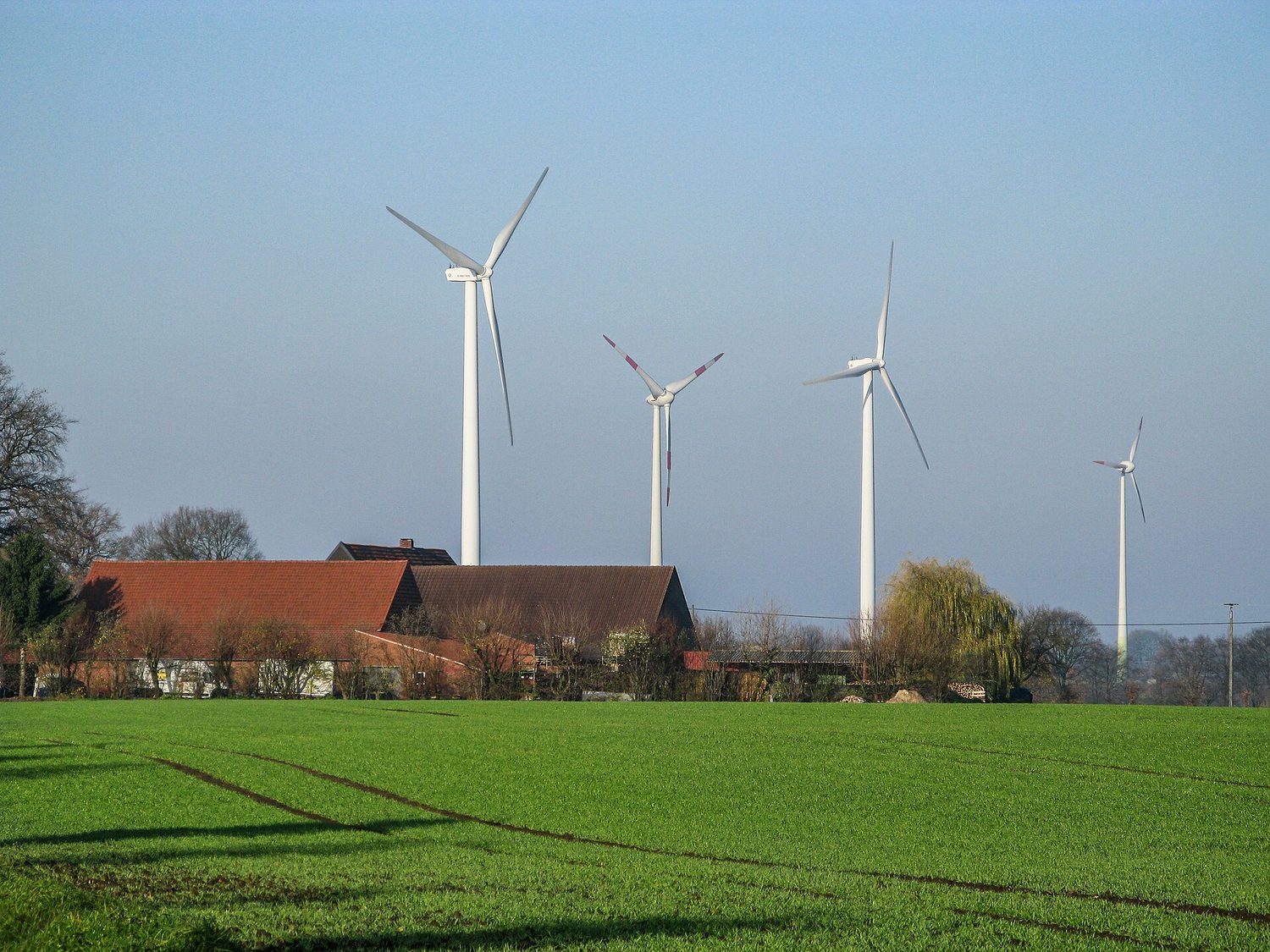
Wind 风能 turbines convert moving air to electricity – renewable, clean, and low-operating-cost, but intermittent, land- or sea-intensive, and a hazard to birds and bats. Best where winds are strong and steady.
العربية
توربينات الرياح تحول الهواء المتحرك إلى كهرباء – مصدر متجدد ونظيف ومنخفض التكلفة التشغيلية، لكنه متقطع ويستهلك مساحات برية أو بحرية، ويشكل خطرًا على الطيور والخفافيش. الأفضل حيث تكون الرياح قوية ومستمرة.
توربينات الرياح في الأراضي الزراعية. لا تحتل مساحة كبيرة، لذا يمكن استغلال الأرض بينها للزراعة
Enduring Understanding (ENG-3): Humans use energy from a variety of sources, resulting in positive and negative consequences.
Learning Objective ENG-3.T: Describe methods for conserving energy.
ENG-3.T.1 Some of the methods for conserving energy around a home include adjusting the thermostat to reduce the use of heat and air conditioning, conserving water, use of energy-efficient appliances, and conservation landscaping.
ENG-3.T.2 Methods for conserving energy on a large scale include improving fuel economy for vehicles, using BEVs (battery electric vehicles) and hybrid vehicles, using public transportation, and implementing green building design features.
العربية
الفهم الدائم (ENG-3): يستخدم البشر الطاقة من مصادر متنوعة، مما ينتج عنه عواقب إيجابية وسلبية.
هدف التعلم ENG-3.T: وصف طرق ترشيد الطاقة.
ENG-3.T.1 تشمل بعض طرق توفير الطاقة حول المنزل ضبط منظم الحرارة لتقليل استخدام التدفئة وتكييف الهواء، وتوفير المياه، واستخدام الأجهزة الموفرة للطاقة، والتخطيط المناظر الطبيعي الموفر للطاقة.
ENG-3.T.2 تشمل طرق توفير الطاقة على نطاق واسع تحسين كفاءة استهلاك الوقود للمركبات، واستخدام المركبات الكهربائية التي تعمل بالبطارية (BEVs) والمركبات الهجينة، واستخدام وسائل النقل العام، وتنفيذ ميزات تصميم المباني الخضراء.
Source: College Board AP Course and Exam Description · المصدر: وصف دورة وامتحان College Board AP
English
Energy conservation 节能 reduces demand through efficiency (LED lighting, insulation, efficient appliances, public transport) and behavior. Saving energy is often the cheapest and cleanest option – the energy you do not use needs no fuel and makes no pollution.
A related efficiency gain is cogeneration 热电联产 (combined heat and power): a single fuel burn is used to make both electricity and useful heat, capturing the waste heat that an ordinary power plant simply dumps – so far more of the fuel's energy ends up doing useful work.
Worked example. Replacing a $60\ \text{W}$ incandescent bulb with a $10\ \text{W}$ LED that gives the same light saves $50\ \text{W}$. Running it $5$ hours a day saves $50\ \text{W}\times5\ \text{h}=250\ \text{Wh}=0.25\ \text{kWh}$ per day, or about $0.25\times365\approx91\ \text{kWh}$ per year. Multiply that by every bulb in a city and conservation rivals a new power plant – at far lower cost.
العربية
حفظ الطاقة يقلل الطلب من خلال الكفاءة (إضاءة LED، العزل، الأجهزة الموفرة، النقل العام) والسلوك. توفير الطاقة هو غالبًا الخيار الأرخص والأكثر نظافة – فالطاقة التي لا تستخدمها لا تحتاج إلى وقود ولا تنتج تلوثًا.
تحسين كفاءة مرتبط هو الاستخدام المشترك للطاقة (الحرارة والكهرباء معًا): يُستخدم حرق وقود واحد لإنتاج كلا من الكهرباء و الحرارة المفيدة، مما يستغل الحرارة المهدرة التي تطلقها محطات الطاقة العادية ببساطة – sehingga فإن جزءًا أكبر من طاقة الوقود ينتهي في أداء عمل مفيد.
مثال محلول. استبدال مصباح $60\ \text{W}$ متوهج بمصباح LED $10\ \text{W}$ يعطي نفس الإضاءة يوفر $50\ \text{W}$. تشغيله $5$ ساعات يوميًا يوفر $50\ \text{W}\times5\ \text{h}=250\ \text{Wh}=0.25\ \text{kWh}$ يوميًا، أو حوالي $0.25\times365\approx91\ \text{kWh}$ سنويًا. اضرب ذلك في كل مصباح في مدينة ما وسيتنافس الحفظ مع بناء محطة طاقة جديدة – بتكلفة أقل بكثير.
*مزرعة شمسية: توليد المزيد من الطاقة المتجددة وتقليل الطلب كلاهما استراتيجيات لحفظ الطاقة
Separate renewable (sun, wind, water) from non-renewable (fossil fuels, nuclear) and weigh each source's trade-offs.
Fossil fuels are energy-dense but emit CO₂; nuclear emits no CO₂ but leaves long-lived waste.
Do half-life math: after $n$ half-lives a fraction $(\tfrac12)^n$ remains.
Note that solar and wind are intermittent and need storage or backup.
Conservation (efficiency) is often the cheapest, cleanest option — the energy not used needs no fuel.
Know the coal ranks (peat → lignite → bituminous → anthracite; more heat/pressure/burial → higher energy) and the unconventional fuels fracking (shale oil/gas; groundwater + VOC pollution) and tar sands (bitumen, energy-intensive).
Ethanol adds no net CO₂ but has a low EROEI; cogeneration (combined heat and power) captures waste heat so one fuel gives both electricity and heat.
العربية
افصل بين متجددة (شمس، رياح، ماء) وغير متجددة (وقود أحفوري، نووي) ووزن مقايضات كل مصدر.
الوقود الأحفوري كثيف الطاقة لكن يحرر CO₂؛ النووي لا يحرر CO₂ لكن يترك نفايات طويلة العمر.
قم بعمليات حسابية لـ عمر النصف: بعد $n$ أعمار نصف، يتبقى جزء $(\tfrac12)^n$.
لاحظ أن الشمسية والرياح متقطعتان وتحتاجان لتخزين أو احتياط.
الحفظ (الكفاءة) هو غالبًا الخيار الأرخص والأكثر نظافة – الطاقة غير المستخدمة لا تحتاج إلى وقود.
تعرف على درجات الفحم (الخث → اللجنيت → البتومينيوس → الأنثراسيت؛ حرارة/ضغط/دفن أكثر → طاقة أعلى) والوقود غير التقليدي مثل التكسير الهيدروليكي (نفط/غاز الصخر؛ تلوث المياه الجوفية والمركبات العضوية المتطايرة) ورمال القار (بيتومين، مكلف للطاقة).
الإيثانول لا يضيف صافي انبعاثات CO₂ لكن له معدل EROEI منخفض؛ الاستخدام المشترك للطاقة (الحرارة والكهرباء معًا) يستغل الحرارة المهدرة حتى يعطي الوقود الواحد كهرباء وحرارة.
Interactive lessons on this topic · دروس تفاعلية حول هذا الموضوع
Work through it step by step, with instant-check exercises. · ا-working عليه خطوة بخطوة، مع تمارين تحقق فوري.
Pick one and the site follows you — notes, papers, videos and practice all open on it. · اختر واحدًا وسيتبعك الموقع — الملاحظات، الأوراق، الفيديوهات والتدريب جميعها تفتح عليه.
Type to search notes, lessons, code, vocabulary and past-paper questions across every subject. · اكتب للبحث عن ملاحظات، دروس، أكواد، مفردات وأسئلة امتحانات سابقة عبر جميع المواد.