Skip to content · ⁨الانتقال إلى المحتوى⁩

Populations · ⁨الجماعات السكانية⁩

AP Environmental Science · ⁨AP العلوم البيئية⁩ · Topic 3 · ⁨الموضوع 3⁩

Video lesson for this topic · ⁨درس فيديو لهذا الموضوع⁩ Open the video page · ⁨افتح صفحة الفيديو⁩
7:45

الجماعات السكانية

في عام 1944، تم إطلاق تسعة وعشرين حيوانًا من نوع الكاريبو على جزيرة صغيرة. لم يكن هناك مفترسات، وكانت الأرض كثيفة بالحزاز. خلال عشرين عامًا كان هناك…

English narration · English + 中文 subtitles burned in · ⁨سرد باللغة الإنجليزية · ترجمة مدمجة بالإنجليزية + الصينية⁩

3.1

Generalist and Specialist Species · ⁨الأنواع العامة والمتخصصة⁩

Syllabus · ⁨المنهج⁩
English

Enduring Understanding (ERT-3): Populations change over time in reaction to a variety of factors.

Learning Objective ERT-3.A: Identify differences between generalist and specialist species.

  • ERT-3.A.1 Specialist species tend to be advantaged in habitats that remain constant, while generalist species tend to be advantaged in habitats that are changing.
العربية

فهم دائم (ERT-3): تتغير populations بمرور الوقت استجابة لمجموعة متنوعة من العوامل.

هدف التعلم ERT-3.A: تحديد الفروق بين الأنواع العامة والأنواع المتخصصة.

  • ERT-3.A.1 تميل الأنواع المتخصصة إلى الاستفادة في الموائل الثابتة، بينما تميل الأنواع العامة إلى الاستفادة في الموائل المتغيرة.
Source: College Board AP Course and Exam Description · ⁨المصدر: وصف دورة وامتحان College Board AP⁩

English

A generalist 广适性物种 can live in many habitats and eat many foods (raccoon, cockroach) – flexible, so it copes well with change. A specialist 狭适性物种 needs specific conditions or foods (panda, koala) – efficient in a stable habitat but very vulnerable if that habitat changes.

العربية

النوع العام يمكنه العيش في موائل متعددة وتناول غذاءات مختلفة (رaccoon, cockroach) – مرن، لذا يتكيف جيدًا مع التغير. النوع المتخصص يحتاج ظروفًا أو غذاءات محددة (panda, koala) – فعال في موطن مستقر لكنه عرضة جدًا إذا تغير ذلك الموطن.

3.2

K-Selected and r-Selected Species · ⁨أنواع K-Selected و r-Selected⁩

Syllabus · ⁨المنهج⁩
English

Enduring Understanding (ERT-3): Populations change over time in reaction to a variety of factors.

Learning Objective ERT-3.B: Identify differences between K- and r-selected species.

  • ERT-3.B.1 K-selected species tend to be large, have few offspring per reproduction event, live in stable environments, expend significant energy for each offspring, mature after many years of extended youth and parental care, have long life spans/life expectancy, and reproduce more than once in their lifetime. Competition for resources in K-selected species' habitats is usually relatively high.
  • ERT-3.B.2 r-selected species tend to be small, have many offspring, expend or invest minimal energy for each offspring, mature early, have short life spans, and may reproduce only once in their lifetime. Competition for resources in r-selected species' habitats is typically relatively low.
  • ERT-3.B.3 Biotic potential refers to the maximum reproductive rate of a population in ideal conditions.
  • ERT-3.B.4 Many species have reproductive strategies that are not uniquely r-selected or K-selected, or they change in different conditions at different times.
  • ERT-3.B.5 K-selected species are typically more adversely affected by invasive species than r-selected species, which are minimally affected by invasive species. Most invasive species are r-selected species.
العربية

فهم دائم (ERT-3): تتغير populations بمرور الوقت استجابة لمجموعة متنوعة من العوامل.

هدف التعلم ERT-3.B: تحديد الفروق بين أنواع K-selected و r-selected.

  • ERT-3.B.1 تميل أنواع K-selected إلى أن تكون كبيرة الحجم، ولديها عدد قليل من النسل في كل حدث تكاثر، وتعيش في بيئات مستقرة، وتنفق طاقة كبيرة على كل نسل، وتنضج بعد سنوات عديدة من مرحلة الطفولة الطويلة والرعاية الأبوية، ولديها أعمار طويلة/توقعات حياة طويلة، وتتكاثر أكثر من مرة في حياتها. التنافس على الموارد في موائل أنواع K-selected عادة ما يكون مرتفعًا نسبيًا.
  • ERT-3.B.2 تميل أنواع r-selected إلى أن تكون صغيرة، ولديها العديد من النسل، وتنفق أو تستثمر طاقة الحد الأدنى لكل نسل، وتنضج مبكرًا، ولديها أعمار قصيرة، وقد تتكاثر مرة واحدة فقط في حياتها. التنافس على الموارد في موائل أنواع r-selected عادة ما يكون منخفضًا نسبيًا.
  • ERT-3.B.3 يشير الإمكانية الحيوية إلى معدل التكاثر الأقصى لـ population في الظروف المثالية.
  • ERT-3.B.4有许多物种具有不是独特地属于r-selected或K-selected的生殖策略,或者它们在不同的条件下在不同的时间发生变化。
  • ERT-3.B.5受入侵物种影响较大的是K-selected物种,而r-selected物种受入侵物种影响极小。大多数入侵物种是r-selected物种。

Source: College Board AP Course and Exam Description · ⁨المصدر: وصف دورة وامتحان College Board AP⁩

English

Two reproductive strategies:

  • $r$-selected species produce many offspring with little care, mature fast, and have short lives (insects, weeds). They colonize quickly and boom-and-bust.
  • $K$-selected species produce few offspring with much care, mature slowly, and live long (elephants, humans). They do well near carrying capacity in stable environments but recover slowly from losses.
العربية

استراتيجيتان للتكاثر:

  • الأنواع المختارة $r$ تنتج العديد من النسل مع القليل من الرعاية، وتنضج بسرعة، ولها أعمار قصيرة (الحشرات، الأعشاب الضارة). تستعمر بسرعة وتعاني من دورات ازدهار وسقوط.
  • $K$-مختارة تُنتج أنواعًا قليلة من النسل بعناية فائقة، وتنضج ببطء، وتعيش طويلاً (كالفيلان والبشر). تنمو بشكل جيد بالقرب من الطاقة الاستيعابية في البيئات المستقرة، لكنها تستغرق وقتًا طويلًا للتعافي من الخسائر.
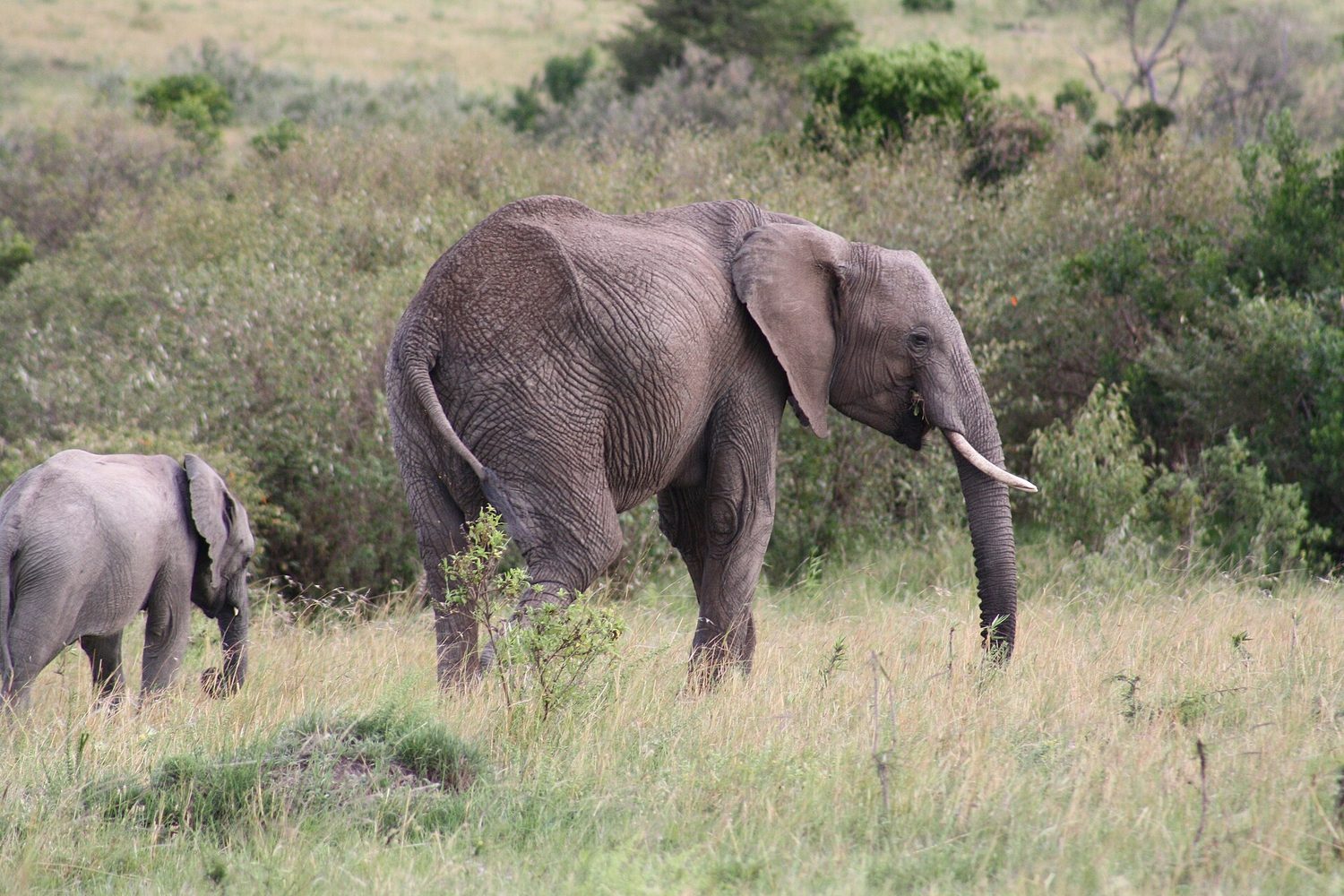
فيل بالغ يمشي مع جده الصغير الوحيد عبر أرض عشبية
فيل مع جده الوحيد: النوع K-selected له عدد قليل من الصغار لكنه يستثمر بشدة في كل واحد، لذا يتعافى ببطء إذا انخفض العدد
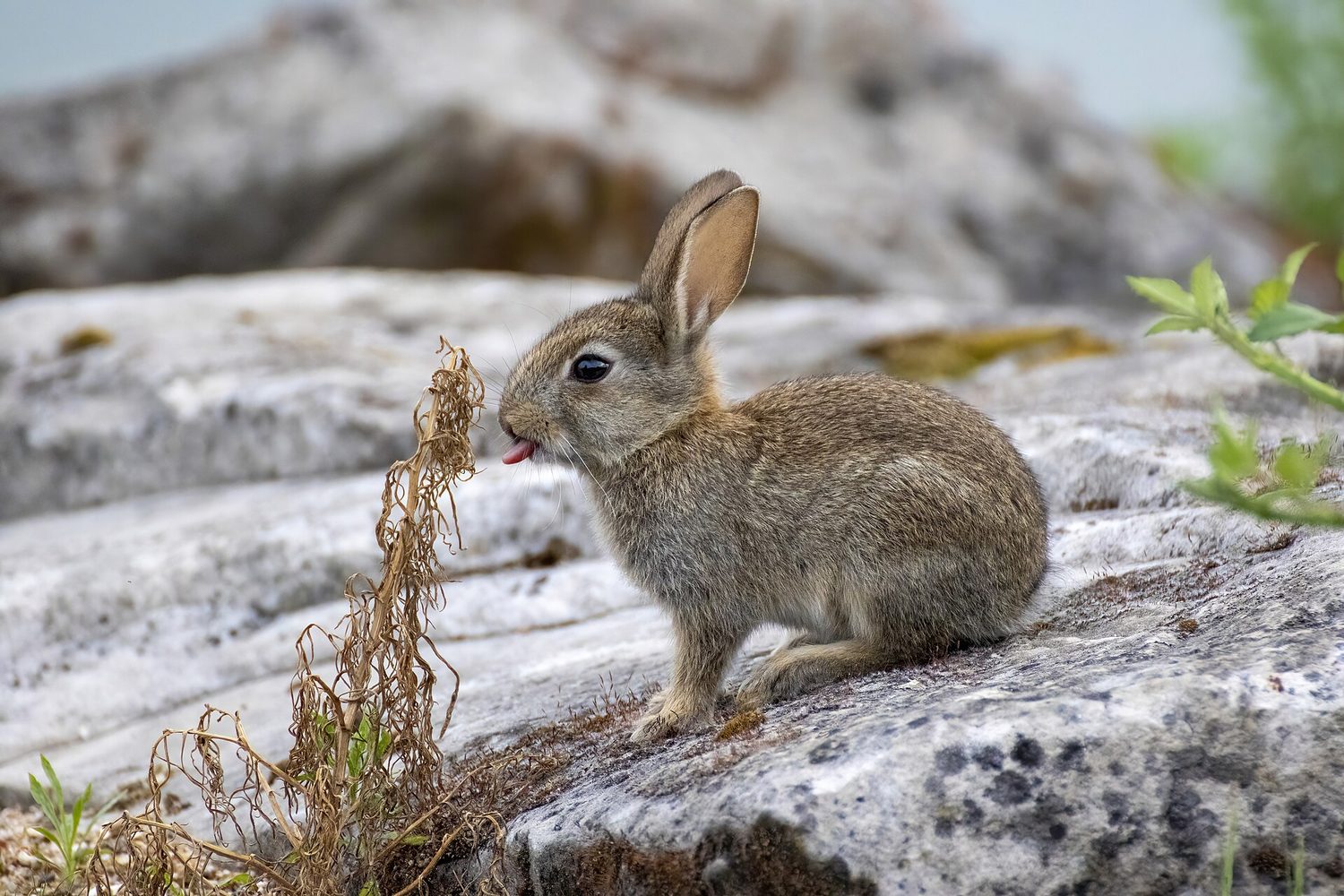
أرنب صغير: أنواع r-selected تنتج نسلًا كثيرًا بسرعة مع استثمار أبوي قليل
3.3

Survivorship Curves · ⁨منحنيات البقاء⁩

Syllabus · ⁨المنهج⁩
English

Enduring Understanding (ERT-3): Populations change over time in reaction to a variety of factors.

Learning Objective ERT-3.C: Explain survivorship curves.

  • ERT-3.C.1 A survivorship curve is a line that displays the relative survival rates of a cohort—a group of individuals of the same age—in a population, from birth to the maximum age reached by any one cohort member. There are Type I, Type II, and Type III curves.
  • ERT-3.C.2 Survivorship curves differ for K-selected and r-selected species, with K-selected species typically following a Type I or Type II curve and r-selected species following a Type III curve.
العربية

فهم دائم (ERT-3): تتغير populations بمرور الوقت استجابة لمجموعة متنوعة من العوامل.

هدف التعلم ERT-3.C: شرح منحنيات البقاء.

  • ERT-3.C.1 منحنى البقاء هو خط يعرض معدلات البقاء النسبية لمجموعة عمرية - وهي مجموعة من الأفراد من نفس العمر - في population، من الولادة إلى أقصى عمر يصل إليه أي فرد من المجموعة. توجد منحنيات النوع I والنوع II والنوع III.
  • ERT-3.C.2 تختلف منحنيات البقاء بين أنواع K-selected و r-selected، حيث تتبع أنواع K-selected عادةً منحنى النوع I أو النوع II، وتبع أنواع r-selected منحنى النوع III.

Source: College Board AP Course and Exam Description · ⁨المصدر: وصف دورة وامتحان College Board AP⁩

English

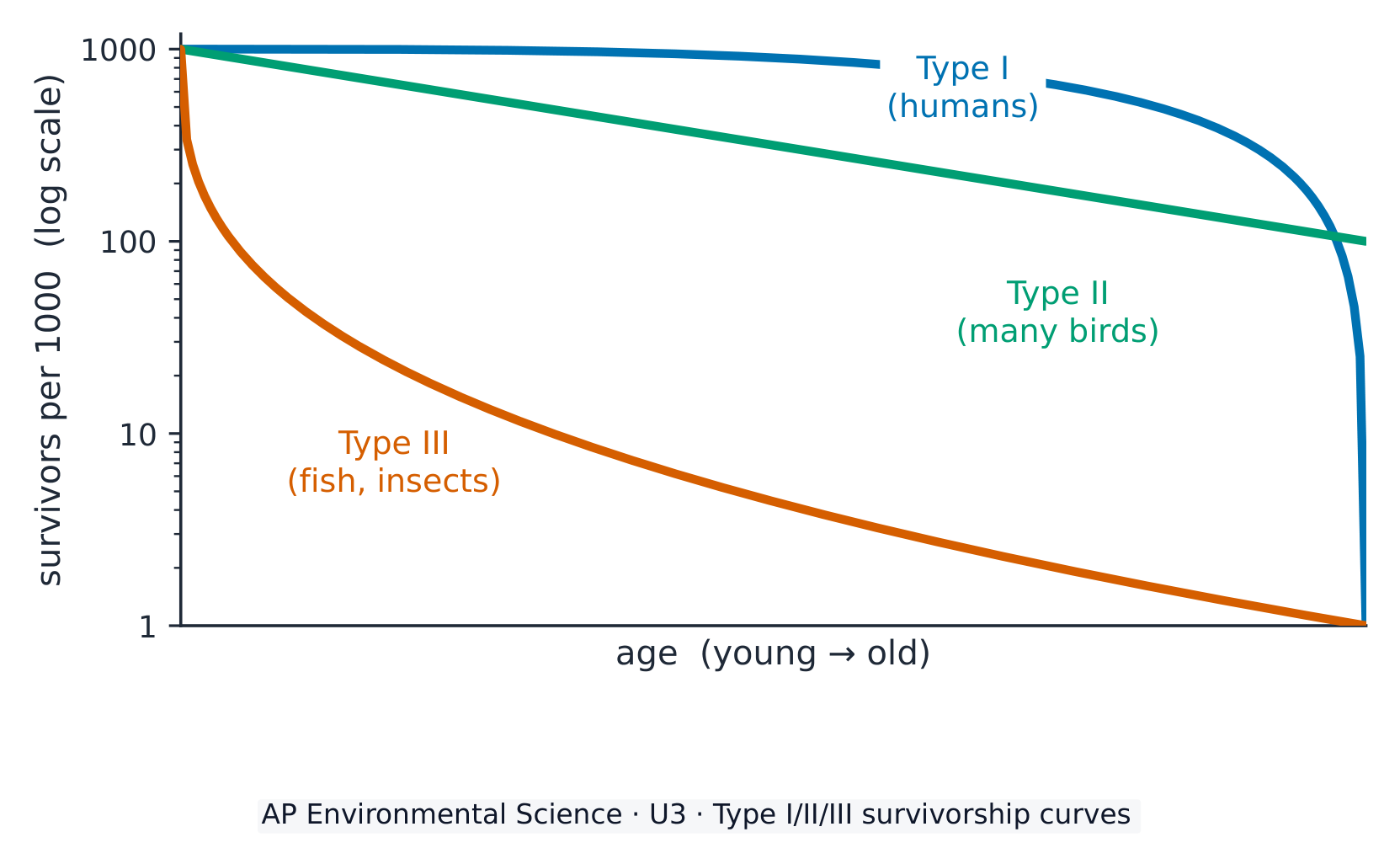
A survivorship curve 存活曲线 plots how many individuals survive at each age (on a log scale). Type I (humans): most survive to old age, then die – a convex curve. Type II (many birds): a constant death rate at all ages – a straight line. Type III ($r$-selected: fish, insects): most die young, a few survive – a concave curve.

العربية

منحنى البقاء يرسم عدد الأفراد الناجين عند كل عمر (على مقياس لوغاريتمي). النوع I (بشر): معظمهم ينجو حتى الشيخوخة ثم يموتون – منحنٍ مقعر. النوع II (العديد من الطيور): معدل وفيات ثابت عند جميع الأعمار – خط مستقيم. النوع III ($r$-selected: fish, insects): معظمهم يموتون صغارًا، القليل ينجو – منحنٍ محدب.

منحنيات بقاء النوع I وII وIII على مقياس لوغاريتمي
Vocabulary · ⁨مفردات⁩ Train · ⁨تدريب⁩
English العربية
generalist/ˈdʒenərəlɪst/ عام
specialist/ˈspeʃəlɪst/ متخصص
survivorship curve/səˈvaɪvəʃɪp kɜːv/ منحنى البقاء
3.4

Carrying Capacity · ⁨السعة التحملية⁩

Syllabus · ⁨المنهج⁩
English

Enduring Understanding (ERT-3): Populations change over time in reaction to a variety of factors.

Learning Objective ERT-3.D: Describe carrying capacity.

  • ERT-3.D.1 When a population exceeds its carrying capacity (carrying capacity can be denoted as K), overshoot occurs. There are environmental impacts of population overshoot, including resource depletion.

Learning Objective ERT-3.E: Describe the impact of carrying capacity on ecosystems.

  • ERT-3.E.1 A major ecological effect of population overshoot is dieback of the population (often severe to catastrophic) because the lack of available resources leads to famine, disease, and/or conflict.
العربية

فهم دائم (ERT-3): تتغير populations بمرور الوقت استجابة لمجموعة متنوعة من العوامل.

هدف التعلم ERT-3.D: وصف السعة التحملية.

  • ERT-3.D.1 عندما تتجاوز population سعتها التحملية (يمكن رمز السعة التحملية بـ K)، يحدث تجاوز. هناك تأثيرات بيئية لتجاوز population، بما في ذلك استنفاد الموارد.

هدف التعلم ERT-3.E: وصف تأثير السعة التحملية على النظم البيئية.

  • ERT-3.E.1 أحد التأثيرات البيئية الرئيسية لتجاوز population هو تراجع population (غالبًا ما يكون شديدًا إلى كارثي) بسبب نقص الموارد المتاحة مما يؤدي إلى المجاعة، والمرض، و/أو الصراع.

Source: College Board AP Course and Exam Description · ⁨المصدر: وصف دورة وامتحان College Board AP⁩

English
Predator & prey populations cycle
Exponential vs logistic growth

The carrying capacity 环境容纳量 ($K$) is the maximum population an environment can support long-term. A population may overshoot $K$ when resources are temporarily plentiful, then crash (dieback) as resources run out. Populations tend to fluctuate around $K$.

العربية
دوريات تعدادات المفترسات والفريسة
النمو الأسي مقابل النمو اللوجستي

السعة التحملية ($K$) هي أقصى تعداد يمكن للبيئة دعمه على المدى الطويل. قد يتجاوز $K$ تعداد ما عندما تكون الموارد وفرة مؤقتة، ثم ينهار (dieback) كما تنفذ الموارد. تميل التعدادات لتذبذب حول $K$.

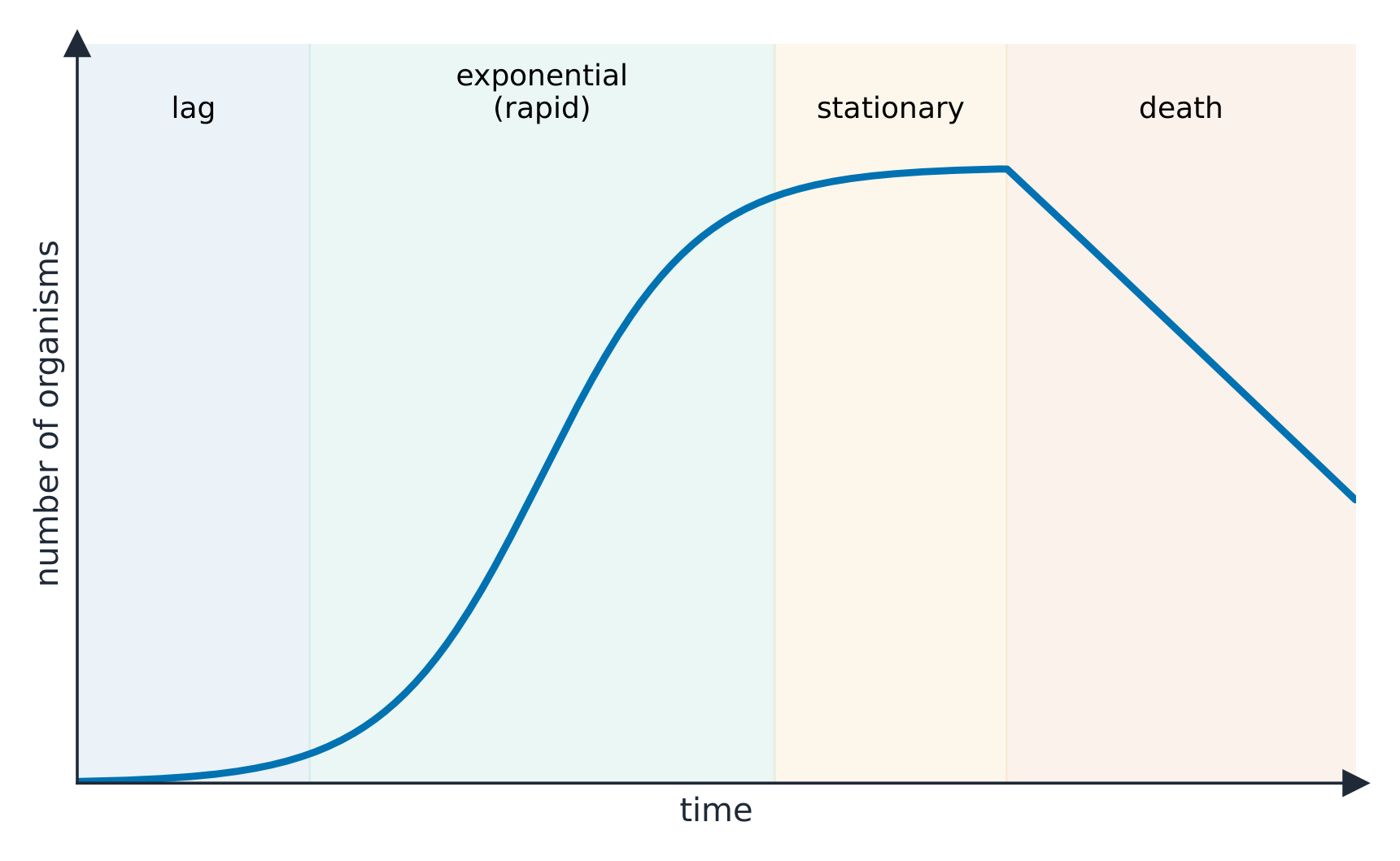
يستقر نمو السكان عند الطاقة الاستيعابية للبيئة
نمو التعداد يساوى عند السعة التحملية للبيئة
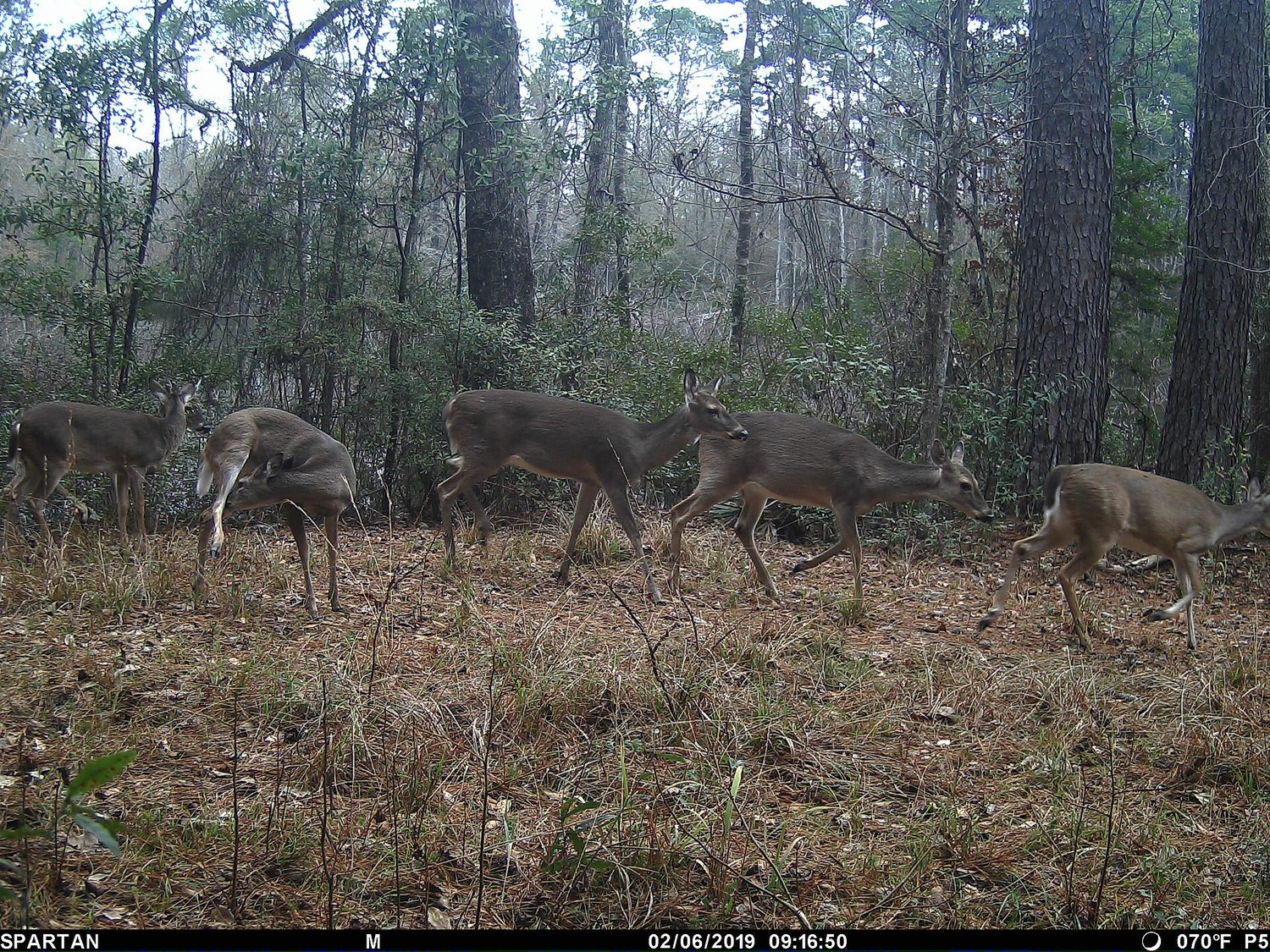
قطيع غزال: عندما يقترب التعداد من السعة التحملية، تقيد الموارد المزيد من النمو
Explore · ⁨استكشف⁩

Growth up to carrying capacity · ⁨النمو نحو الطاقة الاستيعابية⁩

A population grows toward the carrying capacity $K$ its resources can support, then levels off. Push the growth rate up and watch it overshoot and settle. · ⁨تنمو السكان نحو الطاقة الاستيعابية $K$ التي تدعمها مواردها، ثم تستقر. زِد معدل النمو وراقب تجاوزها واستقرارها.⁩

Vocabulary · ⁨مفردات⁩ Train · ⁨تدريب⁩
English العربية
carrying capacity/ˈkæriɪŋ kəˈpæsɪti/ السعة الحاملة
exponentially/ˌekspəˈnenʃəli/ أساسيًا
logistic/ləˈdʒɪstɪk/ لوغستي
Limiting factors/ˈlɪmɪtɪŋ ˈfæktəz/ العوامل المحددة
age-structure diagram/eɪdʒ ˈstrʌktʃə ˈdaɪəɡræm/ مخطط بنية العمر
total fertility rate/ˈtəʊtl fɜːˈtɪlɪti reɪt/ معدل الخصوبة الكلي
ecological footprint/ˌekəˈlɒdʒɪkl ˈfʊtprɪnt/ البصمة البيئية
3.5

Population Growth and Resource Availability · ⁨نمو التعداد وتوفر الموارد⁩

Syllabus · ⁨المنهج⁩
English

Enduring Understanding (ERT-3): Populations change over time in reaction to a variety of factors.

Learning Objective ERT-3.F: Explain how resource availability affects population growth.

  • ERT-3.F.1 Population growth is limited by environmental factors, especially by the available resources and space.
  • ERT-3.F.2 Resource availability and the total resource base are limited and finite over all scales of time.
  • ERT-3.F.3 When the resources needed by a population for growth are abundant, population growth usually accelerates.
  • ERT-3.F.4 When the resource base of a population shrinks, the increased potential for unequal distribution of resources will ultimately result in increased mortality, decreased fecundity, or both, resulting in population growth declining to, or below, carrying capacity.
العربية

فهم دائم (ERT-3): تتغير populations بمرور الوقت استجابة لمجموعة متنوعة من العوامل.

هدف التعلم ERT-3.F: شرح كيف يؤثر توفر الموارد على نمو population.

  • ERT-3.F.1 ينمو growth محدد بالعوامل البيئية، خاصةً بالموارد المتاحة والمساحة.
  • ERT-3.F.2 محدودية موارد availability والقاعدة الكلية للموارد هي محدودة ومحدودة على جميع المقاييس الزمنية.
  • ERT-3.F.3 عندما تكون الموارد اللازمة لنمو population وفيرة، فإن growth عادة ما يتسارع.
  • ERT-3.F.4 عندما تنكمش قاعدة موارد a population، فإن زيادة احتمالية التوزيع غير المتكافئ للموارد ستؤدي في النهاية إلى زيادة الوفيات، وانخفاض الخصوبة، أو كليهما، مما يؤدي إلى انخفاض growth إلى ما دون أو عند السعة التحملية.

Source: College Board AP Course and Exam Description · ⁨المصدر: وصف دورة وامتحان College Board AP⁩

English

With abundant resources a population grows exponentially 指数增长 ($J$-curve). As resources become limited, growth slows to logistic 逻辑斯蒂增长 ($S$-curve), leveling at $K$. Limiting factors 限制因素 (food, water, space, disease) set the ceiling.

العربية

مع توفر موارد وفيرة، ينمو التعداد أسيًا ($J$-curve). مع محدودية الموارد، يتباطأ النمو ليصبح لوغاريتميًا ($S$-curve)، مساويًا عند $K$. العوامل المحددة (طعام، ماء، مساحة، مرض) تحدد السقف.

3.6

Age Structure Diagrams · ⁨مخططات البنية العمرية⁩

Syllabus · ⁨المنهج⁩
English

Enduring Understanding (EIN-1): Human populations change in reaction to a variety of factors, including social and cultural factors.

Learning Objective EIN-1.A: Explain age structure diagrams.

  • EIN-1.A.1 Population growth rates can be interpreted from age structure diagrams by the shape of the structure.
  • EIN-1.A.2 A rapidly growing population will, as a rule, have a higher proportion of younger people compared to stable or declining populations.
العربية

فهم دائم (EIN-1): Human populations تتغير استجابة لمجموعة متنوعة من العوامل، بما في ذلك العوامل الاجتماعية والثقافية.

هدف التعلم EIN-1.A: شرح مخططات بنية العمر.

  • EIN-1.A.1 يمكن تفسير rates النمو السكاني من مخططات بنية العمر عن طريق شكل البنية.
  • EIN-1.A.2 الـ population سريعة النمو ستكون، كقاعدة عامة، لديها نسبة أعلى من الشباب مقارنةً بـ populations المستقرة أو المتناقصة.

Source: College Board AP Course and Exam Description · ⁨المصدر: وصف دورة وامتحان College Board AP⁩

English

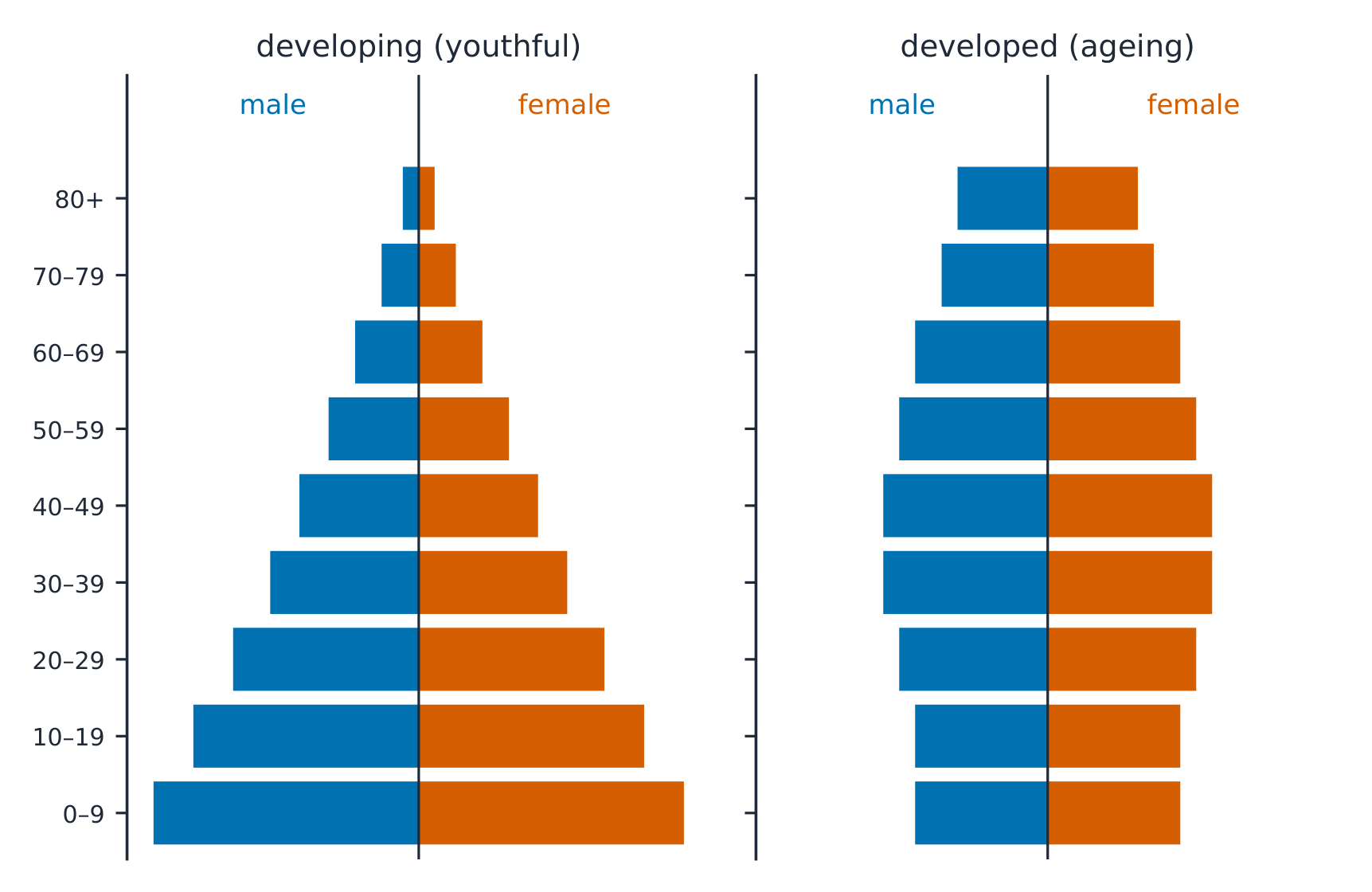
An age-structure diagram 年龄结构图 shows the proportion of a population in each age group. A wide base (many young) predicts rapid growth; even bars predict a stable population; a narrow base predicts decline. They forecast a country's future population.

العربية

مخطط البنية العمرية يُظهر نسبة التعداد في كل مجموعة عمرية. قاعدة واسعة (كثير صغار) تتوقع نموًا سريعًا؛ أعمدة متساوية تتوقع تعدادًا مستقرًا؛ قاعدة ضيقة تتوقع انخفاضًا. تتنبأ بالمستقبل السكاني للدول.

هرم سكاني لبلد نامٍ وبلد متطور
3.7

Total Fertility Rate · ⁨معدل الخصوبة الكلي⁩

Syllabus · ⁨المنهج⁩
English

Enduring Understanding (EIN-1): Human populations change in reaction to a variety of factors, including social and cultural factors.

Learning Objective EIN-1.B: Explain factors that affect total fertility rate in human populations.

  • EIN-1.B.1 Total fertility rate (TFR) is affected by the age at which females have their first child, educational opportunities for females, access to family planning, and government acts and policies.
  • EIN-1.B.2 If fertility rate is at replacement levels, a population is considered relatively stable.
  • EIN-1.B.3 Factors associated with infant mortality rates include whether mothers have access to good healthcare and nutrition. Changes in these factors can lead to changes in infant mortality rates over time.
العربية

فهم دائم (EIN-1): Human populations تتغير استجابة لمجموعة متنوعة من العوامل، بما في ذلك العوامل الاجتماعية والثقافية.

هدف التعلم EIN-1.B: شرح العوامل التي تؤثر على معدل الخصوبة الكلي في human populations.

  • EIN-1.B.1 يتأثر معدل الخصوبة الإجمالي (TFR) بعمر الإنجاب الأول للأنثى، والفرص التعليمية للإناث، وإمكانية الوصول إلى التخطيط العائلي، والقوانين والحكومات.
  • EIN-1.B.2 إذا كان معدل الخصوبة على مستوى الاستبدال، تُعتبر السكان مستقرين نسبياً.
  • EIN-1.B.3 تشمل العوامل المرتبطة بمعدلات وفيات الرضع ما إذا كانت الأمهات لديهن إمكانية الوصول إلى رعاية صحية وتغذية جيدة. يمكن أن تؤدي التغيرات في هذه العوامل إلى تغيرات في معدلات وفيات الرضع بمرور الوقت.

Source: College Board AP Course and Exam Description · ⁨المصدر: وصف دورة وامتحان College Board AP⁩

English

The total fertility rate 总生育率 (TFR) is the average number of children per woman. A replacement level of about 2.1 keeps a population steady; above it grows, below it shrinks. TFR falls with education, access to family planning, and lower infant mortality.

العربية

معدل الخصوبة الكلي (TFR) هو متوسط عدد الأطفال للمرأة الواحدة. مستوى البديلة حوالي 2.1 يحافظ على استقرار التعداد؛ فوقه ينمو، وتحته ينكمش. ينخفض معدل الخصوبة مع التعليم، وإمكانية الوصول إلى التخطيط الأسري، وانخفاض وفيات الرضع.

3.8

Human Population Dynamics · ⁨ديناميكيات السكان البشر⁩

Syllabus · ⁨المنهج⁩
English

Enduring Understanding (EIN-1): Human populations change in reaction to a variety of factors, including social and cultural factors.

Learning Objective EIN-1.C.1: Explain how human populations experience growth and decline.

  • EIN-1.C.1 Birth rates, infant mortality rates, and overall death rates, access to family planning, access to good nutrition, access to education, and postponement of marriage all affect whether a human population is growing or declining.
  • EIN-1.C.2 Factors limiting global human population include the Earth's carrying capacity and the basic factors that limit human population growth as set forth by Malthusian theory.
  • EIN-1.C.3 Population growth can be affected by both density-independent factors, such as major storms, fires, heat waves, or droughts, and density-dependent factors, such as access to clean water and air, food availability, disease transmission, or territory size.
  • EIN-1.C.4 The rule of 70 states that dividing the number 70 by the percentage population growth rate approximates the population's doubling time.
العربية

فهم دائم (EIN-1): Human populations تتغير استجابة لمجموعة متنوعة من العوامل، بما في ذلك العوامل الاجتماعية والثقافية.

هدف التعلم EIN-1.C.1: اشرح كيف تخضع populations البشرية للنمو والانخفاض.

  • EIN-1.C.1 تؤثر معدلات المواليد، ومعدلات وفيات الرضع، ومعدلات الوفيات الكلية، وإمكانية الوصول إلى التخطيط العائلي، وإمكانية الوصول إلى تغذية جيدة، وإمكانية الوصول إلى التعليم، وتأجيل الزواج على ما إذا كان السكان البشريون ينمون أم ينخفضون.
  • EIN-1.C.2 تشمل العوامل المحددة لنمو السكان البشريين عالمياً قدرة التحمل للأرض والعوامل الأساسية التي تحد من نمو السكان البشريين كما نصت عليها نظرية مالتوسية.
  • EIN-1.C.3 يمكن أن يتأثر نمو السكان بالعوامل المستقلة عن الكثافة، مثل العواصف الكبيرة، والحرائق، وموجات الحرارة، أو الجفاف، والعوامل المعتمدة على الكثافة، مثل إمكانية الحصول على مياه نظيفة وهواء، وتوافر الغذاء، وانتقال الأمراض، أو حجم الإقليم.
  • EIN-1.C.4 تنص قاعدة الـ 70 على أن قسمة الرقم 70 على نسبة نمو السكان التقريبية تقدر وقت مضاعفة السكان.

Source: College Board AP Course and Exam Description · ⁨المصدر: وصف دورة وامتحان College Board AP⁩

English

Human population growth depends on birth rate, death rate, and migration. Rapid growth strains resources and increases the ecological footprint 生态足迹. Factors lowering birth rates include education (especially of women), urbanization, and economic development.

Worked example. A country has a birth rate of $30$ per $1000$ and a death rate of $10$ per $1000$. The natural growth rate is $\dfrac{30-10}{10}=2.0\%$ per year (dividing the per-thousand difference by $10$ converts it to a percent). By the rule of 70, the population doubles in about $\dfrac{70}{2.0}=35$ years. If development cut the growth rate to $1.0\%$, the doubling time would stretch to $\dfrac{70}{1.0}=70$ years.

العربية

يعتمد نمو السكان البشر على معدل المواليد، ومعدل الوفيات، والهجرة. النمو السريع يضغط على الموارد ويزيد البصمة البيئية. العوامل التي تخفض معدلات المواليد تشمل التعليم (خاصة للنساء)، والتحول الحضري، والتنمية الاقتصادية.

مثال محلول. بلد معدل مواليد $30$ لكل $1000$ ومعدل وفيات $10$ لكل $1000$. معدل النمو الطبيعي هو $\dfrac{30-10}{10}=2.0\%$ سنوياً (بقسمة الفرق لكل ألف على $10$ يتم تحويله إلى نسبة مئوية). وفقاً لقاعدة 70، يتضاعف عدد السكان في حوالي $\dfrac{70}{2.0}=35$ سنوات. إذا قلل التطور معدل النمو إلى $1.0\%$، فستمتد مدة التضاعف لتصل إلى $\dfrac{70}{1.0}=70$ سنوات.

مدينة مزدحمة عند تقاطع طرق: ديناميكيات تعداد السكان البشرية تعتمد على معدلات المواليد والوفيات والهجرة
3.9

Demographic Transition · ⁨الانتقالات الديموغرافية⁩

Syllabus · ⁨المنهج⁩
English

Enduring Understanding (EIN-1): Human populations change in reaction to a variety of factors, including social and cultural factors.

Learning Objective EIN-1.D: Define the demographic transition.

  • EIN-1.D.1 The demographic transition refers to the transition from high to lower birth and death rates in a country or region as development occurs and that country moves from a pre-industrial to an industrialized economic system. This transition is typically demonstrated through a four-stage demographic transition model (DTM).
  • EIN-1.D.2 Characteristics of developing countries include higher infant mortality rates and more children in the workforce than developed countries.
العربية

فهم دائم (EIN-1): Human populations تتغير استجابة لمجموعة متنوعة من العوامل، بما في ذلك العوامل الاجتماعية والثقافية.

هدف التعلم EIN-1.D: عرّف الانتقالية الديموغرافية.

  • EIN-1.D.1 تشير الانتقالية الديموغرافية إلى الانتقال من معدلات مواليد ووفيات مرتفعة إلى معدلات أقل في بلد أو منطقة مع حدوث التنمية وأن ينتقل ذلك البلد من نظام اقتصادي قبل صناعي إلى نظام صناعي. يتم عرض هذا الانتقال عادةً من خلال نموذج الانتقالية الديموغرافية ذو المراحل الأربع (DTM).
  • EIN-1.D.2 تشمل خصائص الدول النامية معدلات وفيات رضع أعلى وعدد أكبر من الأطفال في القوى العاملة مقارنة بالدول المتقدمة.

Source: College Board AP Course and Exam Description · ⁨المصدر: وصف دورة وامتحان College Board AP⁩

English

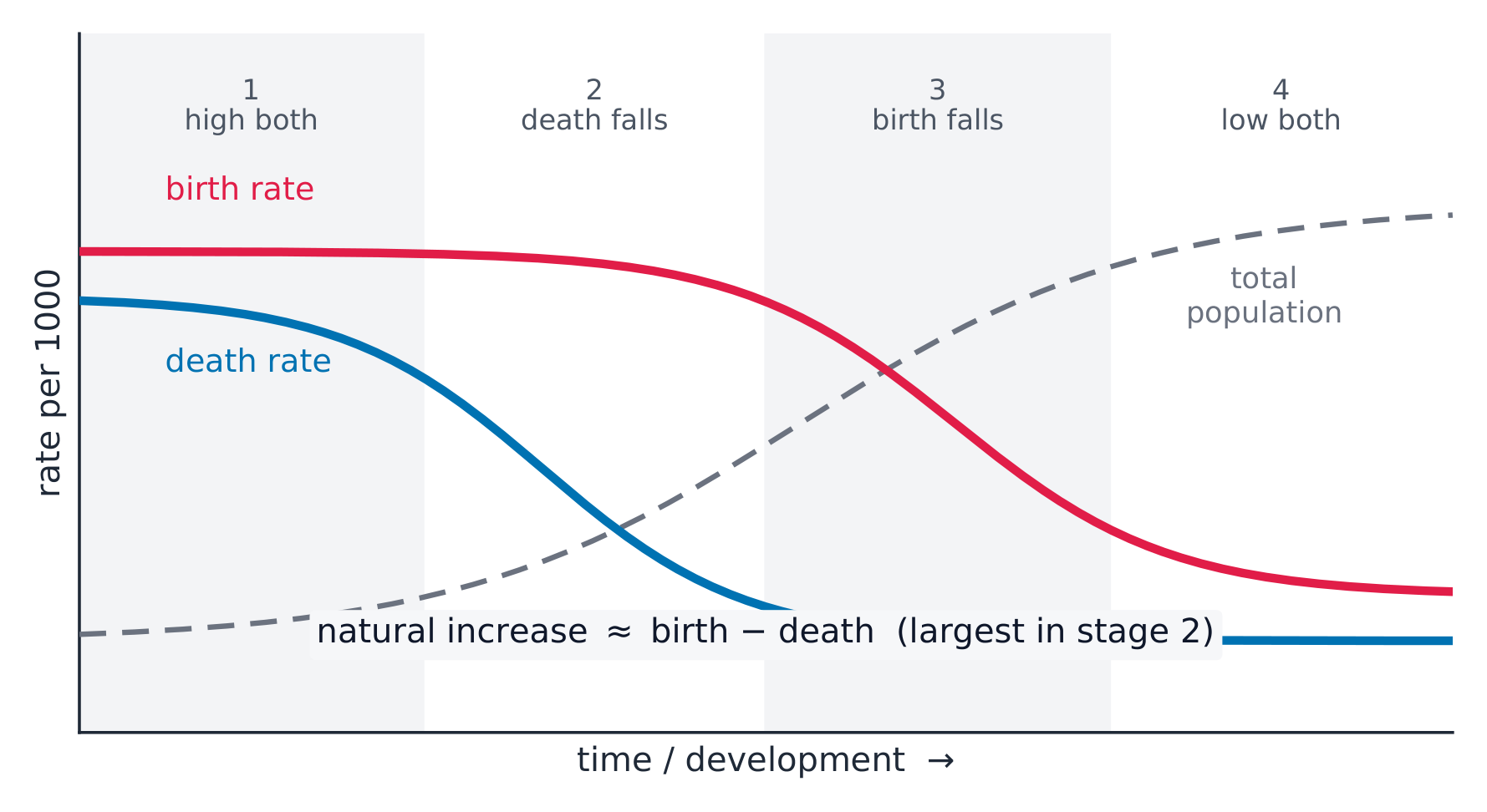
The demographic transition 人口转型 describes how a country's growth changes as it develops, in stages: (1) high birth and death rates (slow growth); (2) death rate falls (rapid growth); (3) birth rate falls (slowing growth); (4) both low (stable). Developed nations are in later stages; many developing nations are in the rapid-growth stages.

The population grows fastest in stages 2 and 3 – the gap between a still-high birth rate and an already-fallen death rate. That lag is why a country's population keeps climbing long after its death rate drops.

العربية

الانتقال الديموغرافي يصف كيف يتغير نمو البلد مع تطوره، عبر مراحل: (1) معدلات مواليد ووفيات مرتفعة (نمو بطيء)؛ (2) انخفاض معدل الوفيات (نمو سريع)؛ (3) انخفاض معدل المواليد (تباطؤ النمو)؛ (4) كلاهما منخفض (استقرار). الدول المتقدمة في المراحل الأخيرة؛ العديد من الدول النامية في مراحل النمو السريع.

المراحل الأربع للانتقال الديموغرافي

ينمو السكان بسرعة أكبر في المرحلتين 2 و3 – الفجوة بين معدل مواليد لا يزال مرتفعاً ومعدل وفيات انخفض بالفعل. هذا التأخير هو السبب في أن تعداد سكان البلد يستمر في الارتفاع طويلاً بعد انخفاض معدل الوفيات.

Vocabulary · ⁨مفردات⁩ Train · ⁨تدريب⁩
English العربية
demographic transition/ˌdeməˈɡræfɪk trænˈsɪʃn/ الانتقال الديموغرافي
3.9

Exam tips · ⁨نصائح للامتحان⁩

English
  • Use the rule of 70: doubling time ≈ 70 ÷ growth-rate(%); a growth rate is (births − deaths) per 1000 ÷ 10.
  • Read age-structure diagrams: a wide base predicts rapid growth, even bars a stable population.
  • Contrast r-selected (many offspring, little care) and K-selected (few, much care) strategies.
  • Know the demographic transition stages and what lowers birth rates (education, family planning, development).
  • A falling growth rate still means growth — the population only shrinks when deaths exceed births.
العربية
  • استخدم قاعدة 70: زمن التضاعف ≈ 70 ÷ معدل النمو(%)؛ معدل النمو هو (المواليد − الوفيات) لكل 1000 ÷ 10.
  • اقرأ مخططات بنية العمر: قاعدة عريضة تتنبأ بنمو سريع، وأعمدة متساوية تعني تعداداً سكانيًا مستقرًا.
  • قارن بين استراتيجيات r-selected (نسل كثير، رعاية قليلة) وK-selected (قليل، رعاية كثيرة).
  • تعرف على مراحل الانتقال الديموغرافي وما يقلل معدلات المواليد (التعليم، التخطيط الأسري، التطور).
  • انخفاض معدل النمو يعني لا يزال هناك نمو — ينكمش التعداد السكاني فقط عندما تتجاوز الوفيات المواليد.

Interactive lessons on this topic · ⁨دروس تفاعلية حول هذا الموضوع⁩

Work through it step by step, with instant-check exercises. · ⁨ا-working عليه خطوة بخطوة، مع تمارين تحقق فوري.⁩

Past Papers · ⁨أوراق الامتحانات السابقة⁩

More topics in AP Environmental Science · ⁨AP العلوم البيئية⁩ · ⁨المزيد من المواضيع في AP Environmental Science · ⁨AP العلوم البيئية⁩⁩

Log in or create account · ⁨تسجيل الدخول أو إنشاء حساب⁩

IGCSE, A-Level & AP