| Core | Supplement |
|---|---|
| 1 Describe variation as differences between individuals of the same species | |
| 2 State that continuous variation results in a range of phenotypes between two extremes; examples include body length and body mass | |
| 3 State that discontinuous variation results in a limited number of phenotypes with no intermediates; examples include ABO blood groups, seed shape in peas and seed colour in peas | |
| 4 State that discontinuous variation is usually caused by genes only and continuous variation is caused by both genes and the environment | |
| 5 Investigate and describe examples of continuous and discontinuous variation | |
| 6 Describe mutation as genetic change | 9 Describe gene mutation as a random change in the base sequence of DNA |
| 7 State that mutation is the way in which new alleles are formed | 10 State that mutation, meiosis, random mating and random fertilisation are sources of genetic variation in populations |
| 8 State that ionising radiation and some chemicals increase the rate of mutation |
变异与选择
IGCSE 生物 · 第 18 主题
 7:35
7:35
Variation and selection
In the year eighteen hundred, almost every peppered moth in England was pale. Fifty years later, in the smoky cities, almost every one was black. No moth…
英文讲解 · 内嵌中英文字幕
18.1
变异

大纲
来源:剑桥国际大纲
变异(variation)意味着同一物种(species)个体之间的差异。有两种类型:
- 连续变异(continuous variation)——两个极端之间表现型(phenotypes)的一个平滑范围(例如身长和体重)。
- 不连续变异(discontinuous variation)——几个分开的表现型,中间什么都没有(例如 ABO 血型(ABO blood groups),或豌豆的种子形状)。
不连续变异通常只由基因(genes)引起。连续变异由基因和环境(environment)两者引起——例如,你的身高取决于你的基因,也取决于你的饮食。

Mutation
一个突变(mutation)是一个遗传改变。突变是新****等位基因(alleles)被制造的方式,所以它们是所有变异的原始来源。(补充) 一个基因突变(gene mutation)是 DNA 的碱基序列(base sequence)中的一个随机改变。

电离辐射(ionising radiation,如 X 射线)和一些化学物提高突变的速率(rate)。(补充) 遗传变异的其他来源是减数分裂(meiosis)、随机交配和随机受精(fertilisation)。
探索
Variation lab
Classify examples of variation by pattern and cause.
词汇表
训练
| 英文 | 中文 | 拼音 |
|---|---|---|
| variation/ˌveərɪˈeɪʃn/ | 变异 | biàn yì |
| species/ˈspiːsiːz/ | 物种 | wù zhǒng |
| continuous variation/kənˈtɪnjuːəs ˌveərɪˈeɪʃn/ | 连续变异 | lián xù biàn yì |
| phenotypes/ˈfenətaɪps/ | 表现型 | biǎo xiàn xíng |
| discontinuous variation/dɪskənˈtɪnjuːəs ˌveərɪˈeɪʃn/ | 不连续变异 | bù lián xù biàn yì |
| ABO blood groups/ˌeɪ biː ˈəʊ blʌd ɡruːps/ | 血型 | xuè xíng |
| genes/dʒiːnz/ | 基因 | jī yīn |
| environment/enˈvaɪrənmənt/ | 环境 | huán jìng |
| mutation/mjuːˈteɪʃn/ | 突变 | tū biàn |
| alleles/əˈliːlz/ | 等位基因 | děng wèi jī yīn |
| gene mutation/dʒiːn mjuːˈteɪʃn/ | 基因突变 | jī yīn tū biàn |
| base sequence/beɪs ˈsiːkwəns/ | 碱基序列 | jiǎn jī xù liè |
| ionising radiation/ˈaɪənaɪzɪŋ ˌreɪdɪˈeɪʃn/ | 电离辐射 | diàn lí fú shè |
| rate/reɪt/ | 速率 | sù lǜ |
| meiosis/meɪˈəʊsɪs/ | 减数分裂 | jiǎn shù fēn liè |
| fertilisation/ˌfɜːtɪlaɪˈzeɪʃn/ | 受精 | shòu jīng |
18.2
适应性特征
大纲
| Core | Supplement |
|---|---|
| 1 Describe an adaptive feature as an inherited feature that helps an organism to survive and reproduce in its environment | |
| 2 Interpret images or other information about a species to describe its adaptive features | |
| 3 Explain the adaptive features of hydrophytes and xerophytes to their environments |
来源:剑桥国际大纲
一个适应特征(adaptive feature)是一个帮助一个生物体在它环境中生存(survive)和生殖(reproduce)的遗传(inherited)特征。
(补充)
- 水生植物(hydrophytes,水生植物)有像气腔的特征以帮助它们浮起,以及叶上表面的气孔。
- 旱生植物(xerophytes,沙漠植物)有像厚蜡质角质层、少而小的气孔,以及储存水的能力的特征——都是为了减少水分流失。
探索
Selection shapes adaptations
On a dark, sooty tree the better-camouflaged moths survive and breed, so the population shifts — adaptive features arise by natural selection.
词汇表
训练
| 英文 | 中文 | 拼音 |
|---|---|---|
| adaptive feature/əˈdæptɪv ˈfiːtʃə/ | 适应特征 | shì yìng tè zhēng |
| inherited/ɪnˈherɪtɪd/ | 遗传 | yí chuán |
| survive/səˈvaɪv/ | 生存 | shēng cún |
| reproduce/rɪprəˈdjuːs/ | 生殖 | shēng zhí |
| hydrophytes/ˈhaɪdrəfaɪts/ | 水生植物 | shuǐ shēng zhí wù |
| xerophytes/ˈzɪərəfaɪts/ | 旱生植物 | hàn shēng zhí wù |
18.3
选择

大纲
| Core | Supplement |
|---|---|
| 1 Describe natural selection with reference to: (a) genetic variation within populations (b) production of many offspring (c) struggle for survival, including competition for resources (d) a greater chance of reproduction by individuals that are better adapted to the environment than others (e) these individuals pass on their alleles to the next generation | 4 Describe adaptation as the process, resulting from natural selection, by which populations become more suited to their environment over many generations |
| 5 Describe the development of strains of antibiotic resistant bacteria as an example of natural selection | |
| 2 Describe selective breeding with reference to: (a) selection by humans of individuals with desirable features (b) crossing these individuals to produce the next generation (c) selection of offspring showing the desirable features | |
| 3 Outline how selective breeding by artificial selection is carried out over many generations to improve crop plants and domesticated animals and apply this to given contexts | 6 Outline the differences between natural and artificial selection |
来源:剑桥国际大纲
自然选择(natural selection)解释一个物种如何变得更适合它的环境:
- 一个种群中有遗传变异(由突变引起)。
- 生物体产生许多后代(offspring)——多于能存活的。
- 有一个生存斗争,为食物和空间等资源(resources)竞争(competition)。
- 更好适应(adapted)的个体更可能存活和生殖。
- 它们传递它们的等位基因,所以有益的等位基因在下一代变得更常见。

(补充) 经过许多代这使种群更适合它的环境;这个过程叫适应。一个清晰的例子是抗生素(antibiotic)耐药细菌(bacteria):少数细菌携带一个耐药(resistant)等位基因并在抗生素中存活,然后繁殖,直到整个种群耐药。
例题。 某种蛾大多是浅色的。煤烟把它们停歇的树干熏黑,几十年内大多数蛾都变成了深色。请用自然选择解释。变异本来就存在:偶然地有少数深色蛾,由突变引起。在被熏黑的树皮上,深色蛾伪装得更好,所以鸟吃掉的更少,它们更可能存活。存活者繁殖,把深色的等位基因传给后代,所以它每一代都变得更常见,直到大多数蛾都是深色。按这条链来写:变异、存活、繁殖、等位基因变得更常见。蛾不是为了躲藏才变黑的 - 只是深色的那些存活得更多。
探索
Natural selection
Individuals best suited to their environment survive and pass on their genes — so the population changes over time.
探索
Natural selection
Run the generations: birds eat the moths that stand out, so the camouflaged ones survive and breed — the population shifts to match the forest.
词汇表
训练
| 英文 | 中文 | 拼音 |
|---|---|---|
| natural selection/ˈnætʃərəl sɪˈlekʃn/ | 自然选择 | zì rán xuǎn zé |
| many offspring/ˈmeni ˈɒfsprɪŋ/ | 后代 | hòu dài |
| competition/ˌkɒmpəˈtɪʃn/ | 竞争 | jìng zhēng |
| resources/rɪˈzɔːsɪz/ | 资源 | zī yuán |
| adapted/əˈdæptɪd/ | 适应 | shì yìng |
| antibiotic/ˌæntɪbaɪˈɒtɪk/ | 抗生素 | kàng shēng sù |
| bacteria/bækˈtɪərɪə/ | 细菌 | xì jūn |
| resistant/rɪˈzɪstənt/ | 耐药 | nài yào |
18.3
选择育种

在选择育种(selective breeding,也叫人工选择(artificial selection))中,人类选择哪些生物体繁殖:
- 选择有你想要特征的个体。
- 把它们杂交以产生下一代。
- 选择显示那些特征的后代,并经过许多代重复。
这被用来改良农作物(crops,例如一个更高的产量)和农场动物(例如给更多奶的奶牛)。
(补充) 关键的区别:在自然选择中环境决定哪些个体存活;在人工选择中人类决定。
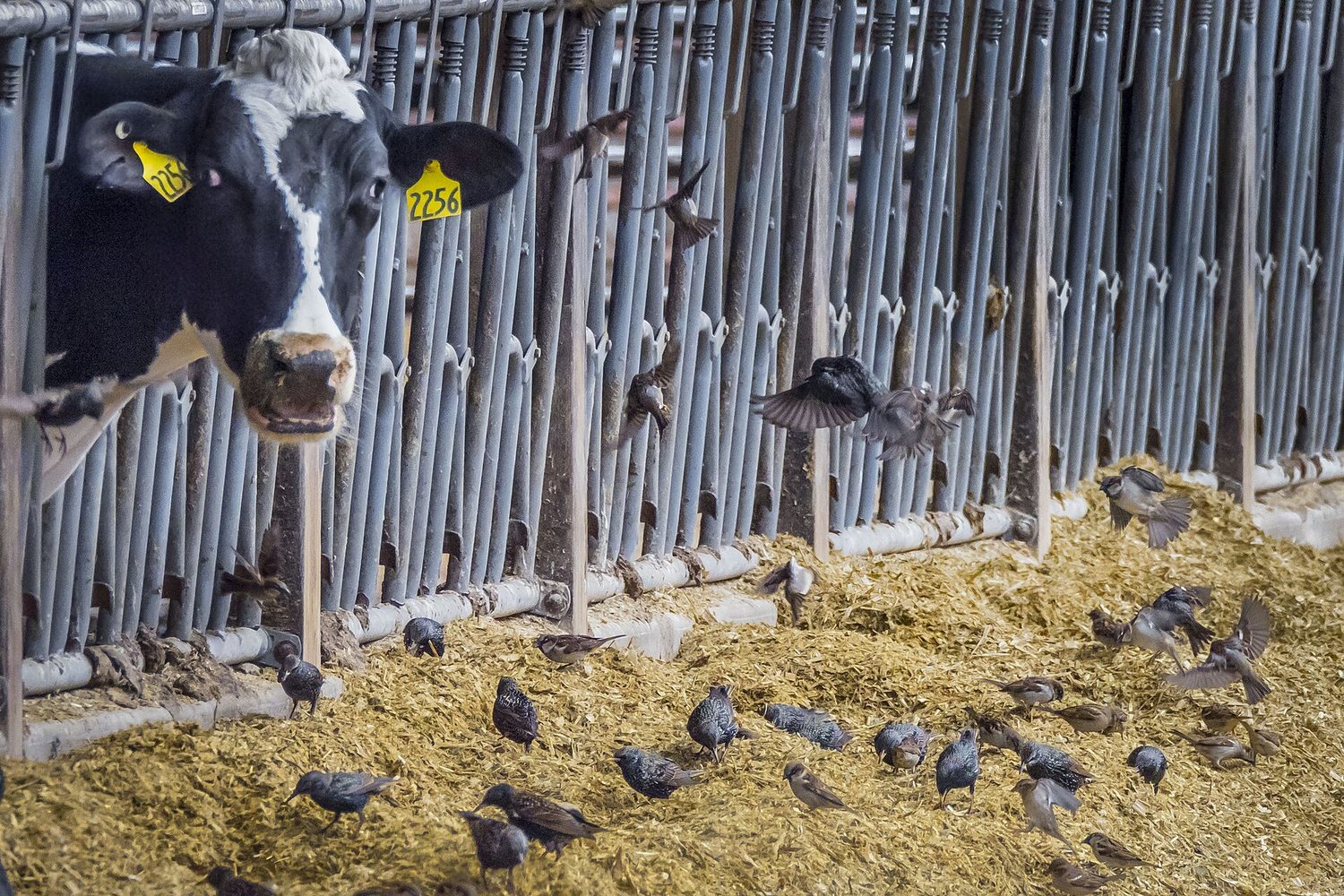
探索
Selective breeding
Humans choose which organisms breed, to develop a useful feature over many generations.
词汇表
训练
| 英文 | 中文 | 拼音 |
|---|---|---|
| selective breeding/sɪˈlektɪv ˈbriːdɪŋ/ | 选择育种 | xuǎn zé yù zhǒng |
| artificial selection/ˌɑːtɪˈfɪʃl sɪˈlekʃn/ | 人工选择 | rén gōng xuǎn zé |
| crops/krɒps/ | 农作物 | nóng zuò wù |
18.3
考试技巧
- 连续变异 = 一个范围(基因 + 环境);不连续 = 分开的组(只有基因)。
- 突变制造新等位基因——所有变异的来源。辐射和一些化学物提高突变速率。
- 自然选择:变异 → 太多的后代 → 斗争和竞争 → 最好适应的存活和生殖 → 它们传递它们的等位基因。
- 细菌中的抗生素耐药性是自然选择在行动。
- 选择育种(人工选择):人类挑选亲代;在自然选择中,环境"挑选"。
本主题的互动课程
逐步学习,并即时检测练习。