| 核心 | 补充 |
|---|---|
| 1 列出构成以下物质的化学元素:碳水化合物、脂肪和蛋白质 | |
| 2 说明大分子由小分子组成,仅限于:(a) 淀粉、糖原和纤维素由葡萄糖组成 (b) 蛋白质由氨基酸组成 (c) 脂肪和油由脂肪酸和甘油组成 | |
| 3 描述以下用途:(a) 碘液测试用于检测淀粉 (b) 本尼迪特试剂测试用于检测还原糖 (c) 双缩脲试剂测试用于检测蛋白质 (d) 乙醇乳化测试用于检测脂肪和油 (e) DCPIP 测试用于检测维生素 C | 4 描述 DNA 分子的结构:(a) 两条链盘绕在一起形成双螺旋结构 (b) 每条链含有称为碱基的化学物质 (c) 碱基对之间的键将两条链连接在一起 (d) 碱基总是以相同的方式配对:A 与 T 配对,C 与 G 配对(无需写出全名) |
生物分子
IGCSE 生物 · 知识点 4
 5:26
生物大分子
面包、肉、油、你自己的肌肉——所有这些都仅由 handful 的化学元素构成。而且食物中的大分子并不是真正的大……
英语旁白 · 英中内嵌字幕
4.1
生物分子

教学大纲
来源:Cambridge International 教学大纲
English

Living things are built from a few kinds of molecule 分子. The most important are carbohydrates, fats and proteins. Each is made from a small number of chemical elements 元素.
- Carbohydrates 碳水化合物 and fats 脂肪 contain three elements: carbon 碳 (C), hydrogen 氢 (H) and oxygen (O).
- Proteins 蛋白质 contain carbon, hydrogen and oxygen too, plus nitrogen 氮 (N). (Some proteins also contain sulfur, S.)
探索
生物分子实验
根据其细胞内的主要功能对食物分子进行分类。
词汇
训练
| English | 中文 | 拼音 |
|---|---|---|
| molecule/ˈmɒlɪkjuːl/ | 分子 | fēn zǐ |
| elements/ˈelɪmənts/ | 元素 | yuán sù |
| carbohydrates/ˌkɑːbəʊˈhaɪdreɪts/ | 碳水化合物 | tàn shuǐ huà hé wù |
| fats/fæts/ | 脂肪 | zhī fáng |
| carbon/ˈkɑːbən/ | 碳 | tàn |
| hydrogen/ˈhaɪdrədʒn/ | 氢 | qīng |
| proteins/ˈprəʊtiːnz/ | 蛋白质 | dàn bái zhì |
| nitrogen/ˈnaɪtrədʒn/ | 氮 | dàn |
4.1
由小分子构建大分子

English
Large molecules are made by joining many small molecules together, like beads on a string.
| Large molecule | Built from |
|---|---|
| starch 淀粉, glycogen 糖原 and cellulose 纤维素 | many glucose 葡萄糖 units |
| proteins | amino acids 氨基酸 |
| fats and oils | fatty acids 脂肪酸 and glycerol 甘油 |
Starch and glycogen are energy stores; cellulose makes plant cell walls. Proteins are built from about 20 different kinds of amino acid joined in a chain. One fat molecule is made from three fatty acids joined to one glycerol.

词汇
训练
| English | 中文 | 拼音 |
|---|---|---|
| starch/stɑːtʃ/ | 淀粉 | diàn fěn |
| glycogen/ˈɡlaɪkədʒn/ | 糖原 | táng yuán |
| cellulose/ˈseljuːləʊs/ | 纤维素 | xiān wéi sù |
| glucose/ˈɡluːkəʊs/ | 葡萄糖 | pú táo táng |
| amino acids/əˈmiːnəʊ ˈæsɪdz/ | 氨基酸 | ān jī suān |
| fatty acids/ˈfæti ˈæsɪdz/ | 脂肪酸 | zhī fáng suān |
| glycerol/ˈɡlɪsərɒl/ | 甘油 | gān yóu |
4.1
食物检验

English
You can test a piece of food to find out which substances it contains. Add the test chemical and watch for a colour change.
| Food substance | Test | Positive result |
|---|---|---|
| starch | add iodine solution 碘液 | orange-brown → blue-black |
| reducing sugars 还原糖 (such as glucose) | add Benedict's solution 本尼迪特试剂 and heat | blue → brick-red / orange |
| protein | add biuret 双缩脲 solution | blue → purple |
| fats and oils | ethanol 乙醇 emulsion 乳浊液 test | a cloudy white layer forms |
| vitamin 维生素 C | add to blue DCPIP | blue → colourless |
Two things to remember: only the Benedict's test needs heat; and DCPIP loses its colour (goes colourless), while the other tests gain a new colour.
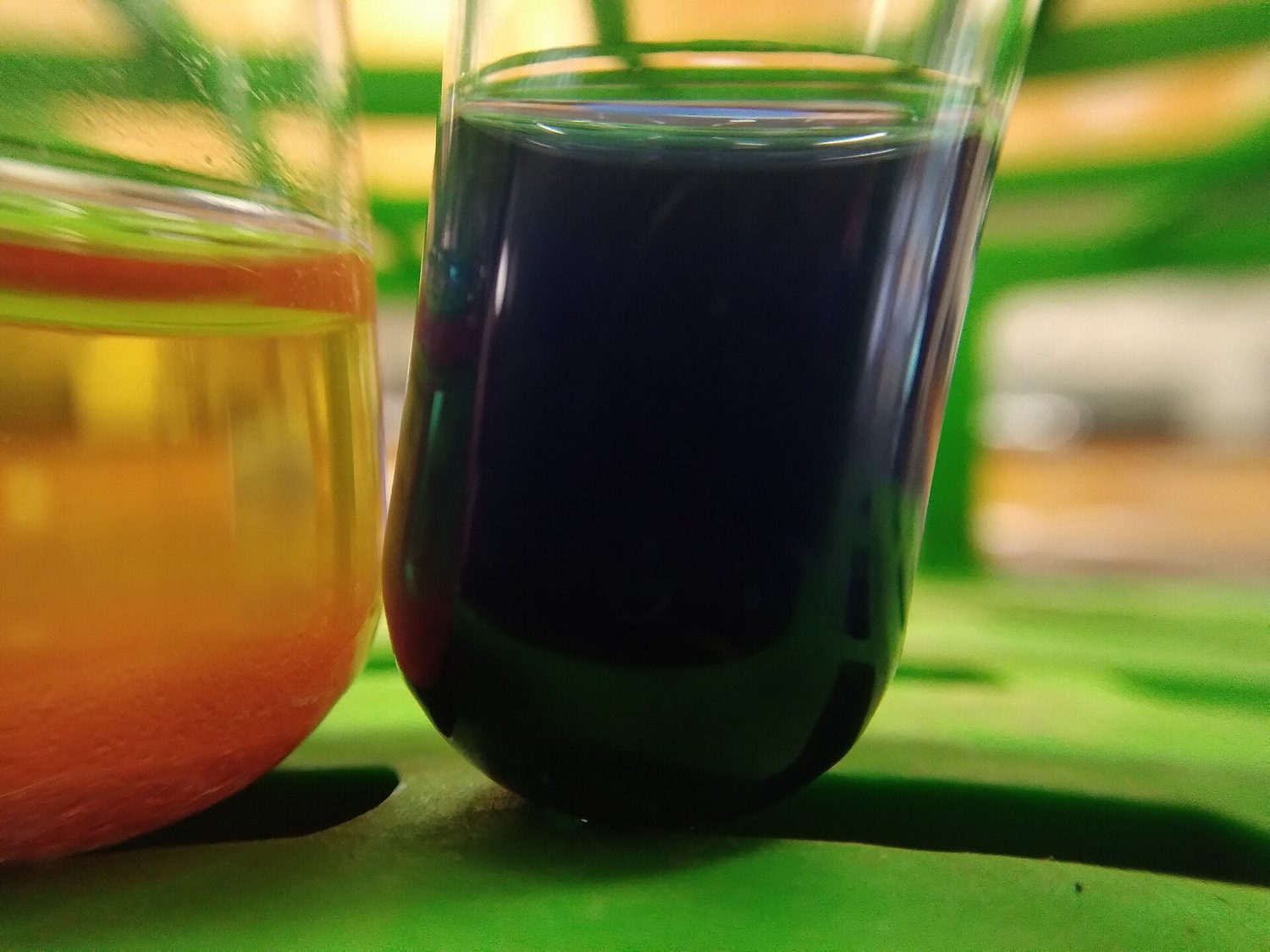
Worked example. A student tests an unknown food. Iodine solution stays orange-brown. Benedict's solution, after heating, turns brick-red. Biuret solution turns purple. What does the food contain? Iodine staying orange-brown is a negative result, so there is no starch. Brick-red is a positive Benedict's result, so reducing sugar is present. Purple is a positive biuret result, so protein is present. The food contains reducing sugar and protein, but no starch. "No colour change" is a real result - it tells you the substance is absent.
探索
食物检测实验
了解测试结果如何揭示样本中的营养成分。
词汇
训练
| English | 中文 | 拼音 |
|---|---|---|
| iodine solution/ˈaɪədiːn səˈluːʃn/ | 碘液 | diǎn yè |
| reducing sugars/rɪˈdjuːsɪŋ ˈʃʊɡəz/ | 还原糖 | huán yuán táng |
| Benedict's solution/ˈbenɪdɪkts səˈluːʃn/ | 本尼迪特试剂 | běn ní dí tè shì jì |
| biuret/ˈbɪjuːrət/ | 双缩脲 | shuāng suō niào |
| ethanol/ˈeθənɒl/ | 乙醇 | yǐ chún |
| emulsion/ɪˈmʌlʃn/ | 乳浊液 | rǔ zhuó yè |
| vitamin/ˈvɪtəmɪn/ | 维生素 | wéi shēng sù |
4.1
DNA 的结构(拓展)

English
DNA is the genetic material 遗传物质 — it carries the instructions for building and running an organism. Its structure has four key points:
- two strands 链 are coiled together to form a double helix 双螺旋 (like a twisted ladder).
- each strand carries chemicals called bases 碱基.
- bonds 化学键 between pairs of bases hold the two strands together.
- the bases always pair in the same way: A with T, and C with G.
Common mistakes.
- Saying iodine turns "black" or "blue". Write the full change: orange-brown → blue-black.
- Forgetting to heat in the Benedict's test, or heating in the other tests. Only Benedict's needs heating, in a water bath.
- Saying Benedict's tests for "sugar" or for starch. It tests for reducing sugars such as glucose; starch gives no brick-red colour.
- Writing "turns clear" for DCPIP. Clear means see-through and may still be coloured; DCPIP turns colourless.
- Saying proteins are made of glucose, or that fats are made of amino acids. Proteins are built from amino acids; a fat is three fatty acids and one glycerol.
- Pairing A with G, or A with C. The bases always pair A–T and C–G.
词汇
训练
| English | 中文 | 拼音 |
|---|---|---|
| genetic material/dʒɪˈnetɪk məˈtɪərɪəl/ | 遗传物质 | yí chuán wù zhì |
| strands/strændz/ | 链 | liàn |
| double helix/ˈdʌbl ˈhiːlɪks/ | 双螺旋 | shuāng luó xuán |
| bases/ˈbeɪsɪz/ | 碱基 | jiǎn jī |
| bonds/bɒndz/ | 化学键 | huà xué jiàn |
4.1
考试技巧
English
- Carbohydrates and fats are made of C, H and O. Proteins also contain N (nitrogen).
- Learn each food test and its colour change. For reducing sugars you must heat the Benedict's solution.
- DCPIP goes from blue to colourless; the other four tests each give a new colour.
- In DNA, the bases pair only A–T and C–G. So if you know the bases on one strand, you can work out the other.
该知识点的互动课程
逐步完成,配合即时检查练习。