Skip to content · ⁨ข้ามไปยังเนื้อหา⁩

Marketing · ⁨การตลาด⁩

IGCSE Business Studies · ⁨Business Studies IGCSE⁩ · Topic 3 · ⁨หัวข้อ 3⁩

Video lesson for this topic · ⁨บทเรียนวิดีโอสำหรับหัวข้อนี้⁩ Open the video page · ⁨เปิดหน้าวิดีโอ⁩
9:08

การตลาด

นับข้อความในถนนแห่งหนึ่ง หน้าจอ โปสเตอร์ โลโก้ — ทุกอย่างคือธุรกิจพยายามเข้าถึงคุณ แต่โฆษณาเป็นเพียงขั้นสุดท้าย…

English narration · English + 中文 subtitles burned in · ⁨การบรรยายภาษาอังกฤษ · คำบรรยายภาษาอังกฤษ + 中文 ลอยตัวบนภาพ⁩

3.1

What marketing does · ⁨การตลาดทำหน้าที่อะไร⁩

Syllabus · ⁨หลักสูตร⁩
English
  1. explain the role of marketing: identifying and satisfying customer needs, maintaining/increasing sales and market share, building customer loyalty
  2. explain why customers are important and the costs of losing them
  3. distinguish niche and mass markets and explain market segmentation and its benefits
ไทย
  1. อธิบายบทบาทของการตลาด: การระบุและตอบสนองความต้องการของลูกค้า, การรักษา/เพิ่มยอดขายและส่วนแบ่งการตลาด, การสร้างความภักดีของลูกค้า
  2. อธิบายว่าทำไมลูกค้าถึงสำคัญและต้นทุนจากการสูญเสียลูกค้า
  3. แยกแยะตลาดเฉพาะกลุ่มและตลาดทั่วไป อธิบายการแบ่งส่วนตลาดและข้อดีของการแบ่งส่วนตลาด

Source: Cambridge International syllabus · ⁨แหล่งที่มา: หลักสูตร Cambridge International⁩

English

Marketing 营销 is the work of finding out what customers 顾客 want, then making, pricing, selling and promoting products to meet those wants at a profit.

Marketing has several roles:

  • find out and satisfy what customers want,
  • keep and increase sales 销售额 and market share 市场份额,
  • build customer loyalty 顾客忠诚度 so buyers come back again.

Why customers matter

Customers bring in the money, so keeping them is vital. Losing customers is costly: the business loses their future spending, and it must spend a lot on advertising 广告 to win new ones. It is usually far cheaper to keep a customer than to find a new one.

Niche and mass markets

A market 市场 is all the buyers and sellers of a product.

  • A niche market 利基市场 is a small part of a market with special needs, for example left-handed tools.
  • A mass market 大众市场 is a large market with many similar buyers, for example soft drinks.

Market segmentation

Market segmentation 市场细分 means splitting a market into groups of buyers who share something, such as age, income, gender or location. Its benefits:

  • the business can design a product to fit each group,
  • it can aim its advertising at the right people,
  • it can spot gaps in the market.
ไทย

การตลาด คือการค้นพบว่า ลูกค้า ต้องการอะไร จากนั้นผลิต定价 ขาย และโปรโมตสินค้าเพื่อตอบสนองความต้องการเหล่านั้นด้วยกำไร

การตลาดมีหลายบทบาท:

  • ค้นพบและตอบสนองความต้องการของลูกค้า,
  • รักษาและเพิ่ม ยอดขาย และ ส่วนแบ่งตลาด,
  • สร้าง ความภักดีของลูกค้า เพื่อให้ผู้ซื้อกลับมาซื้ออีกครั้ง

ทำไมลูกค้าจึงสำคัญ

ลูกค้าคือแหล่งรายได้ ดังนั้นการรักษาไว้จึงสำคัญมาก การสูญเสียลูกค้ามีค่าใช้จ่ายสูง: ธุรกิจสูญเสียรายจ่ายในอนาคตของพวกเขา และต้องใช้จ่ายอย่างมากสำหรับ การโฆษณา เพื่อ所吸引ลูกค้าใหม่ มักจะถูกกว่ามากในการรักษาลูกค้าไว้เมื่อเทียบกับการหาลูกค้าใหม่

ตลาดเฉพาะกลุ่มและตลาดมวลชน

ตลาด คือผู้ซื้อและผู้ขายทั้งหมดของสินค้าหนึ่งชนิด

  • ตลาดเฉพาะกลุ่ม เป็นส่วนย่อยของตลาดที่มีความต้องการพิเศษ เช่น เครื่องมือสำหรับมือซ้าย
  • ตลาดมวลชน เป็นตลาดขนาดใหญ่ที่มีผู้ซื้อจำนวนมากที่คล้ายกัน เช่นเครื่องดื่มอัดลม

การแบ่งส่วนตลาด

การแบ่งส่วนตลาด หมายถึงการแบ่งตลาดออกเป็นกลุ่มผู้ซื้อที่มีลักษณะร่วมกัน เช่น อายุ รายได้ เพศ หรือสถานที่ตั้ง ประโยชน์ของกระบวนการนี้:

  • ธุรกิจสามารถออกแบบสินค้าให้ตรงกับแต่ละกลุ่ม,
  • สามารถมุ่งเป้าการโฆษณาไปยังกลุ่มเป้าหมายที่ถูกต้อง,
  • สามารถระบุช่องว่างในตลาดได้
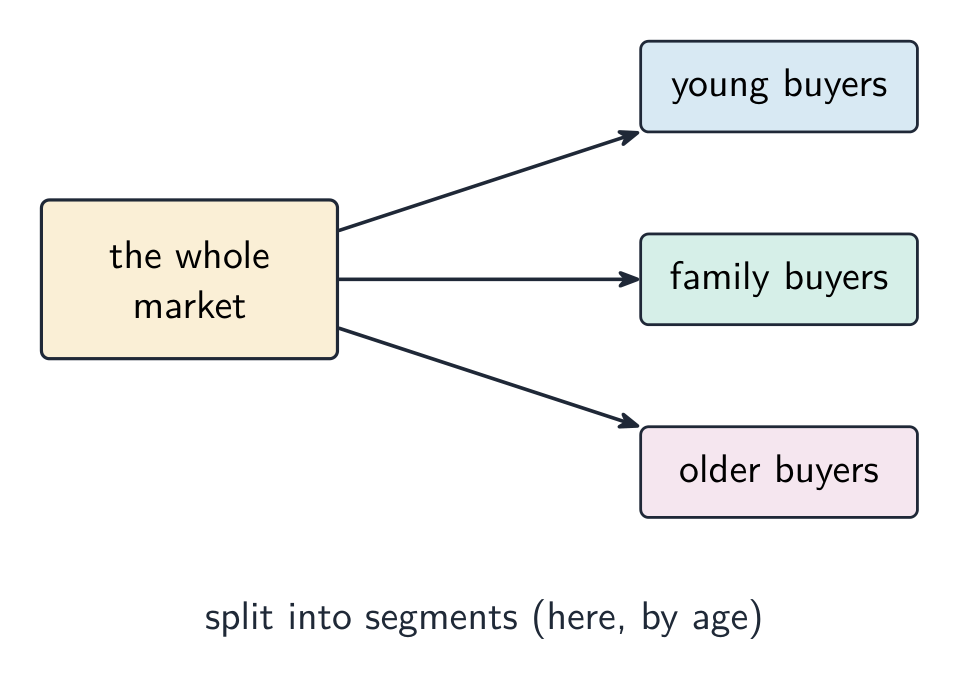
ตลาดทั้งหมดถูกแบ่งด้วยลูกศรออกเป็นสามส่วน — ผู้ซื้อวัยหนุ่มสาว, ผู้ซื้อครอบครัวและผู้สูงอายุ
การแบ่งส่วนตลาดแบ่งตลาดทั้งหมดออกเป็นกลุ่มผู้ซื้อที่มีลักษณะคล้ายคลึงกัน
Explore · ⁨สำรวจ⁩

Marketing mix lab · ⁨ห้องปฏิบัติการส่วนผสมทางการตลาด⁩

See which part of the marketing mix changes in each real decision. · ⁨ดูว่าส่วนใดของส่วนผสมทางการตลาดที่เปลี่ยนแปลงในแต่ละการตัดสินใจจริง⁩

Vocabulary · ⁨คำศัพท์⁩ Train · ⁨ฝึกฝน⁩
English ไทย
market/ˈmɑːkɪt/ ตลาด
niche market/niːʃ ˈmɑːkɪt/ ตลาดเฉพาะกลุ่ม
mass market/mæs ˈmɑːkɪt/ ตลาดมวลชน
market segmentation/ˈmɑːkɪt ˌseɡmənˈteɪʃn/ การแบ่งส่วนตลาด
3.2

Market research · ⁨การวิจัยตลาด⁩

Syllabus · ⁨หลักสูตร⁩
English
  1. distinguish primary (field) and secondary (desk) market research and their methods
  2. explain sampling and the need for accurate, reliable data
  3. present and interpret market research data (tables, charts, graphs) to support decisions
ไทย
  1. แยกแยะการวิจัยตลาดปฐมภูมิ (ภาคสนาม) และทุติยภูมิ (จากเอกสาร) และวิธีการของทั้งสองแบบ
  2. อธิบายการสุ่มตัวอย่างและความสำคัญของข้อมูลที่มีความแม่นยำและเชื่อถือได้
  3. นำเสนอและตีความข้อมูลการวิจัยตลาด (ตาราง, กราฟ, แผนภูมิ) เพื่อสนับสนุนการตัดสินใจ

Source: Cambridge International syllabus · ⁨แหล่งที่มา: หลักสูตร Cambridge International⁩

English

Market research 市场调研 is collecting information about customers, rivals and the market, to help make good decisions.

Primary and secondary research

  • Primary research 一手调研 (also called field research) collects new information directly, for the first time. Methods include questionnaires 问卷, interviews, surveys and tests. It is up to date and fits the exact need, but costs time and money.
  • Secondary research 二手调研 (also called desk research) uses information that already exists, such as government reports, websites and past sales records. It is cheap and quick, but may be old or may not fit the need.

Sampling and reliable data

A business cannot ask everyone, so it asks a small group, called a sample. Sampling 抽样 must be done with care. If the sample is too small or not typical, the data 数据 will not be reliable, and decisions based on it may be wrong.

Using research data

Research results are shown in tables, charts and graphs. You should be able to read them — for example, find the most popular product, or see how sales change over time — and use them to support a decision.

ไทย

การวิจัยการตลาด คือการเก็บรวบรวมข้อมูลเกี่ยวกับลูกค้า คู่แข่ง และตลาด เพื่อช่วยให้ตัดสินใจได้ดี

การวิจัยการตลาดแบ่งออกเป็นต้นแบบ (ข้อมูลใหม่ เช่น แบบสำรวจ) และรอง (ข้อมูลที่มีอยู่แล้ว)
การวิจัยขั้นต้นรวบรวมข้อมูลใหม่; ขั้นรองใช้ข้อมูลที่มีอยู่

การวิจัยต้นแบบและรอง

  • การวิจัยต้นแบบ (หรือเรียกว่าการวิจัยภาคสนาม) เก็บรวบรวมข้อมูลใหม่โดยตรง สำหรับครั้งแรก วิธีใช้รวมถึง แบบสอบถาม, การสัมภาษณ์, แบบสำรวจและการทดสอบ ข้อมูลทันสมัยและตรงตามความต้องการที่แท้จริง แต่ใช้เวลาและต้นทุน
  • การวิจัยรอง (หรือเรียกว่าการวิจัยบนโต๊ะทำงาน) ใช้ข้อมูลที่มีอยู่แล้ว เช่น รายงานของรัฐบาล เว็บไซต์ และบันทึกการขายในอดีต มีราคาถูกและรวดเร็ว แต่อาจเก่าหรือไม่ตรงตามความต้องการ

ตัวอย่างและความน่าเชื่อถือของข้อมูล

ธุรกิจไม่สามารถถามทุกคนได้ ดังนั้นจึงถามกลุ่มเล็กๆ ซึ่งเรียกว่าตัวอย่าง การสุ่มตัวอย่าง ต้องทำด้วยความระมัดระวัง หากตัวอย่างมีขนาดเล็กเกินไปหรือไม่เป็นตัวแทน ข้อมูล จะไม่มีความน่าเชื่อถือ และการตัดสินใจจากข้อมูลนั้นอาจผิดพลาด

การใช้ข้อมูลจากการวิจัย

ผลการวิจัยแสดงในรูปแบบตาราง แผนภูมิและกราฟ คุณควรอ่านได้ — เช่น หาผลิตภัณฑ์ยอดนิยมที่สุด หรือดูการเปลี่ยนแปลงยอดขายตามเวลา — และนำไปใช้สนับสนุนการตัดสินใจ

Explore · ⁨สำรวจ⁩

Market research cycle · ⁨วงจรการวิจัยตลาด⁩

Follow how a business turns customer data into a marketing decision. · ⁨ติดตามว่าบริษัทแปลงข้อมูลลูกค้าเป็นการตัดสินใจทางการตลาดได้อย่างไร⁩

Vocabulary · ⁨คำศัพท์⁩ Train · ⁨ฝึกฝน⁩
English ไทย
market research/ˈmɑːkɪt rɪˈsɜːtʃ/ การวิจัยตลาด
primary research/ˈpraɪməri rɪˈsɜːtʃ/ การวิจัยปฐมภูมิ
questionnaires/ˌkwestʃəˈneəz/ แบบสอบถาม
secondary research/ˈsekəndəri rɪˈsɜːtʃ/ การวิจัยทุติยภูมิ
sampling/ˈsæmplɪŋ/ การสุ่มตัวอย่าง (sampling)
data/ˈdeɪtə/ ข้อมูล (data)
3.3

The marketing mix · ⁨ส่วนประกอบทางการตลาด⁩

Syllabus · ⁨หลักสูตร⁩
English
  1. explain the four elements of the marketing mix (product, price, place, promotion)
  2. product: the product life cycle and extension strategies, branding and packaging
  3. price: pricing methods (cost-plus, penetration, skimming, competitive, promotional, dynamic) and influences on price
  4. place: channels of distribution (wholesaler, retailer, direct, e-commerce)
  5. promotion: advertising, sales promotion and the role of technology (internet, social media) in the marketing mix
ไทย
  1. อธิบายองค์ประกอบทั้งสี่ของส่วนผสมทางการตลาด (สินค้า, ราคา, สถานที่, การส่งเสริมการขาย)
  2. สินค้า: วงจรชีวิตสินค้าและกลยุทธ์การต่ออายุ, การสร้างแบรนด์และการบรรจุหีบห่อ
  3. ราคา: วิธีการกำหนดราคา (บวกต้นทุน, การเจาะตลาด, การดึงราคา, การแข่งขัน, การส่งเสริมการขาย, แบบพลวัต) และปัจจัยที่มีผลต่อราคา
  4. สถานที่: ช่องทางการจัดจำหน่าย (ผู้ค้าส่ง, ผู้ค้าปลีก, โดยตรง, อิเล็กทรอนิกส์Commerce)
  5. การส่งเสริมการขาย: การโฆษณา, การส่งเสริมการขาย และบทบาทของเทคโนโลยี (อินเทอร์เน็ต, สื่อสังคมออนไลน์) ในส่วนผสมทางการตลาด

Source: Cambridge International syllabus · ⁨แหล่งที่มา: หลักสูตร Cambridge International⁩

English
The product life cycle

The marketing mix 营销组合 is the four main choices a business makes about a product. They are often called the four Ps: product, price, place and promotion.

Product

The product 产品 must meet customers' needs. Two ideas matter here.

The product life cycle 产品生命周期 describes the sales of a product over time, in four stages: introduction, growth, maturity and decline. When sales begin to fall, a business can use an extension strategy 延长策略 — such as a new design, a new advert, or selling in a new market — to keep the product selling.

A strong brand 品牌 (a name, logo and image that customers recognise) and good packaging 包装 (the wrapping that protects the product and attracts buyers) both help a product sell. Building a brand is called branding.

Price

The price 价格 is what the customer pays. A business can choose from several pricing methods.

Method How it works
cost-plus pricing 成本加成定价 add a fixed share of profit on top of the cost of making the item
penetration pricing 渗透定价 set a low price to enter a market and win customers fast
price skimming 撇脂定价 set a high price at first for a new, special product
competitive pricing 竞争定价 set a price close to rivals' prices
promotional pricing 促销定价 cut the price for a short time to lift sales
dynamic pricing 动态定价 change the price automatically as demand changes, as airlines do

The right price also depends on the cost of making the product, on what customers will pay, on rivals' prices, and on the product's stage in its life cycle.

Worked example. One firm launches a smartphone using technology no rival has. Another enters a crowded soft-drinks market. Which pricing method suits each, and why? The smartphone is new and special with no direct competition, so use price skimming: charge a high price at first to recover the development cost from customers who must have it, then lower it as rivals catch up. The soft drink faces many established rivals, so use penetration pricing: a low price wins customers quickly and buys market share, and it can be raised later. Match the method to the market conditions - a pricing strategy is only right or wrong relative to the competition and the product's stage in its life cycle.

Place

Place 地点 is about how and where the product is sold, so it reaches the customer at the right time. The route a product takes from maker to customer is called a channel of distribution 分销渠道.

Many channels use a wholesaler 批发商 (buys large amounts from makers and sells smaller amounts to shops) and a retailer 零售商 (a shop that sells to the final customer). A business can also sell directly 直销 to customers, or online through e-commerce 电子商务.

Promotion

Promotion 推广 means telling customers about a product and persuading them to buy it. It includes:

  • advertising — paid messages on TV, online, on posters and so on,
  • sales promotion 促销 — short-term offers like discounts, free gifts, or "buy one get one free".

Technology now plays a big part. The internet 互联网 and social media 社交媒体 let a business reach many people cheaply, target the right customers, and sell all over the world.

ไทย
วงจรชีวิตผลิตภัณฑ์
จอโฆษณาขนาดใหญ่ที่ทางแยกที่วุ่นวาย
การโฆษณาบนจอภาพขนาดใหญ่ — การโปรโมทเป็นหนึ่งในสี่ P ของส่วนผสมทางการตลาด

ส่วนผสมทางการตลาด คือตัวเลือกหลักสี่ประการที่ธุรกิจเลือกเกี่ยวกับสินค้า มักเรียกว่า สี่ P: Product (สินค้า), Price (ราคา), Place (สถานที่) และ Promotion (การโปรโมท)

marketing mix อยู่ตรงกลางพร้อม 4P รอบข้าง — Product (สิ่งที่เราขาย), Price (ราคา), Place (สถานที่ซื้อ) และ Promotion (วิธีการสื่อสาร)
ส่วนผสมทางการตลาดรวมสี่ P ไว้ด้วยกัน

สินค้า

สินค้า ต้องตอบสนองความต้องการของลูกค้า มีสองแนวคิดที่สำคัญในที่นี้

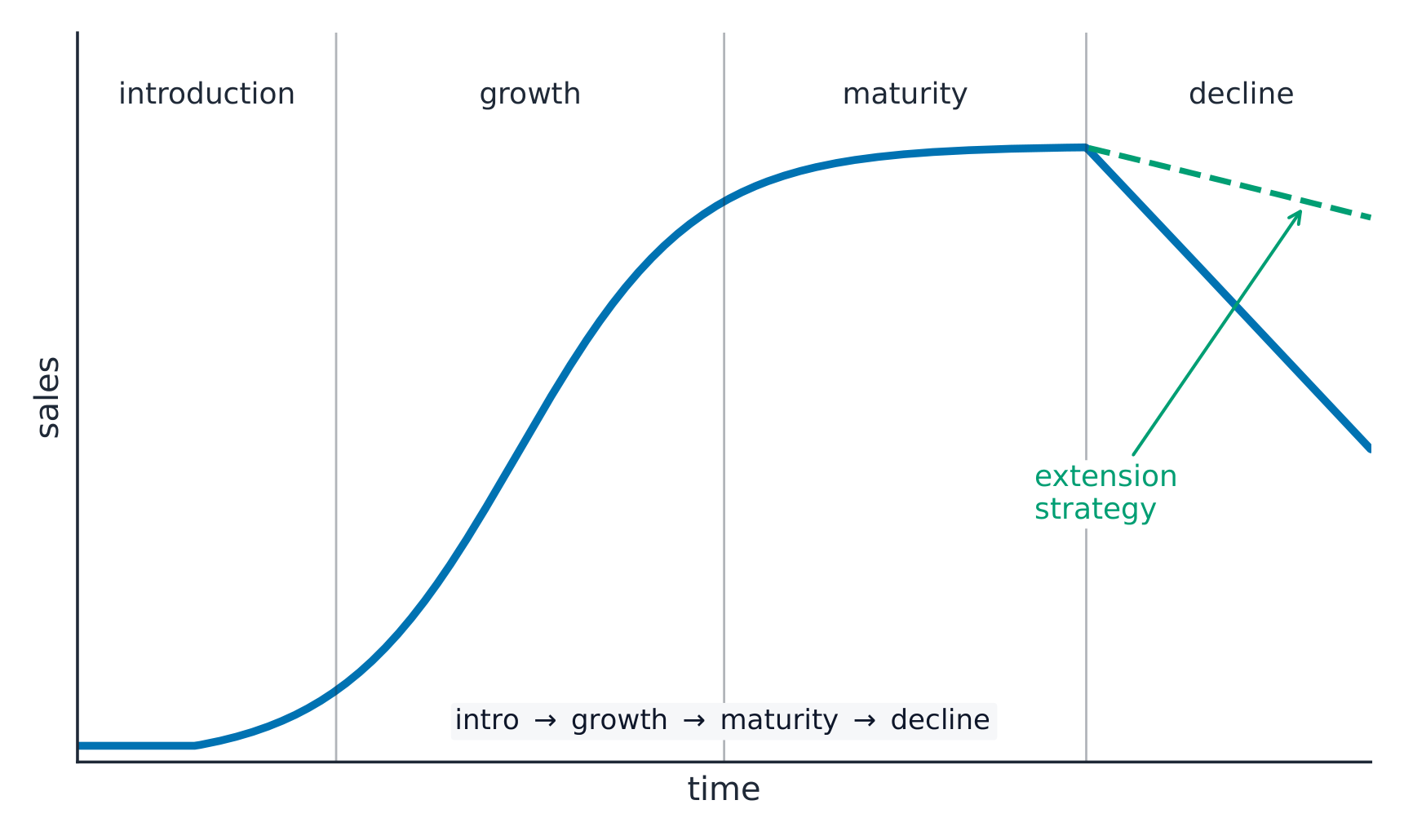
วงจรชีวิตของผลิตภัณฑ์ อธิบายยอดขายของผลิตภัณฑ์เมื่อเวลาผ่านไป ใน 4 ระยะ: การแนะนำ, การเติบโต, ความอิ่มตัว และการลดลง เมื่อยอดขายเริ่มลดลง ธุรกิจสามารถใช้ กลยุทธ์การต่ออายุ — เช่น การออกแบบใหม่, โฆษณาใหม่ หรือการขายในตลาดใหม่ — เพื่อรักษาการขายของผลิตภัณฑ์ให้ดำเนินต่อไป

กราฟวงจรชีวิตของผลิตภัณฑ์แสดงยอดขายที่เพิ่มขึ้นในช่วงการแนะนำและการเติบโต, แบนราบในช่วงความอิ่มตัว และลดลงในช่วงการลดลง พร้อมเส้นกลยุทธ์การต่ออายุ
ยอดขายของผลิตภัณฑ์ตลอด 4 ระยะของวงจรชีวิต พร้อมกลยุทธ์ขยายในช่วงความ trưởng完整

แบรนด์ ที่แข็งแกร่ง (ชื่อ โลโก้ และภาพลักษณ์ที่ลูกค้าจดจำได้) และ บรรจุภัณฑ์ ที่ดี (ห่อหุ้มเพื่อปกป้องผลิตภัณฑ์และดึงดูดผู้ซื้อ) ช่วยเพิ่มยอดขายให้กับผลิตภัณฑ์ การสร้างแบรนด์เรียกว่าการสร้างแบรนด์ (Branding)

ราคา

ราคา คือจำนวนเงินที่ลูกค้าจ่าย ธุรกิจสามารถเลือกจากวิธีการตั้งราคาหลายแบบ

วิธี หลักการทำงาน
การตั้งราคาตามต้นทุนบวกกำไร เพิ่มส่วนแบ่งกำไรคงที่ลงบนต้นทุนการผลิตสินค้า
การตั้งราคากำหนดตลาด ตั้งราคาต่ำเพื่อเข้าสู่ตลาดและดึงลูกค้าอย่างรวดเร็ว
การตัดราคาตึง ตั้งราคาสูงในเบื้องต้นสำหรับผลิตภัณฑ์ใหม่หรือพิเศษ
การตั้งราคายึดตามคู่แข่ง กำหนดราคาใกล้เคียงกับคู่แข่ง
การตั้งราคาโปรโมชั่น ลดราคาเป็นระยะเวลาสั้นๆ เพื่อยกระดับยอดขาย
การตั้งราคาแบบพลวัต เปลี่ยนราคาอัตโนมัติตามการเปลี่ยนแปลงของความต้องการ เช่นที่สายการบินทำ

ราคาที่เหมาะสมยังขึ้นอยู่กับต้นทุนการผลิตPRODUCT, สิ่งที่ลูกค้าจะจ่าย, ราคาของผู้แข่งขัน และระยะของผลิตภัณฑ์ในวงจรชีวิตของผลิตภัณฑ์

ตัวอย่างวิธีทำ. บริษัทหนึ่งเปิดตัวสมาร์ทโฟนด้วยเทคโนโลยีที่คู่แข่งยังไม่มี อีกบริษัทหนึ่งเข้าสู่ตลาดเครื่องดื่มรสหวานที่มีผู้ขายจำนวนมาก วิธีกำหนดราคาแบบไหนเหมาะกับแต่ละกรณีและเพราะเหตุใด? สมาร์ทโฟนเป็นสินค้าใหม่และมีเอกลักษณ์ ไม่มีคู่แข่งโดยตรง ดังนั้นใช้ การตั้งราคาสูงเริ่มต้น: ตั้งราคาสูงในเบื้องต้นเพื่อคืนทุนการพัฒนาจากลูกค้าที่ต้องการซื้อจำเป็น จากนั้นจึงลดราคาลงเมื่อคู่แข่งตามทัน ส่วนเครื่องดื่มรสหวานเผชิญคู่แข่งจำนวนมากที่มีชื่อเสียงแล้ว จึงใช้ การเจาะตลาด: ตั้งราคาส่งผลให้ดึงดูดลูกค้าได้รวดเร็วและสร้างส่วนแบ่งตลาดได้ ซึ่งสามารถเพิ่มราคาขึ้นได้ในภายหลัง จับคู่วิธีการกับ สภาวะตลาด - กลยุทธ์การ定价จะถูกต้องหรือผิดพลาดขึ้นอยู่กับสภาพการแข่งขันและระยะของวงจรชีวิตผลิตภัณฑ์

สถานที่

สถานที่ เกี่ยวข้องกับการขาย以及如何และที่ไหนผลิตภัณฑ์ถูกขายเพื่อให้ถึงมือลูกค้าในเวลาที่เหมาะสม เส้นทางที่ผลิตภัณฑ์เดินทางจากผู้ผลิตไปยังลูกค้าเรียกว่า ช่องทางการจัดจำหน่าย

หลายช่องทางใช้ ผู้ค้าส่ง (ซื้อปริมาณมากจากผู้ผลิตและขายในปริมาณน้อยกว่าให้กับร้านค้า) และ ผู้ค้าปลีก (ร้านที่ขาย为消费者 directly to customers, or online through e-commerce)

แผนภาพช่องทางจัดจำหน่ายสั้นจากผู้ผลิตตรงไปยังลูกค้า และช่องทางยาวจากผู้ผลิตผ่านผู้ค้าส่งและผู้ขายปลีกไปยังลูกค้า *ช่องทางสั้นให้ความควบคุมมากกว่า; ช่องทางที่ยาวเข้าถึงผู้ซื้อได้มากขึ้น

การโปรโมท

การโปรโมท หมายถึงการบอกลูกค้าเกี่ยวกับผลิตภัณฑ์และโน้มน้าวให้พวกเขารับซื้อ ซึ่งรวมถึง:

  • โฆษณา — ข้อความที่ชำระค่าแล้วทางทีวี ออนไลน์ ป้ายประกาศ ฯลฯ,
  • การส่งเสริมการขาย — โปรโมชั่นระยะสั้นเช่นส่วนลด ของแถมฟรี หรือ "ซื้อหนึ่งแถมหนึ่ง"

เทคโนโลยีปัจจุบันมีบทบาทสำคัญ อินเทอร์เน็ต และ โซเชียลมีเดีย ช่วยให้ธุรกิจเข้าถึงผู้คนจำนวนมากด้วยค่าใช้จ่ายต่ำ เป้าหมายลูกค้าที่ถูกต้อง และขายทั่วโลก

Explore · ⁨สำรวจ⁩

The marketing mix (4 Ps) · ⁨ส่วนผสมทางการตลาด (4 Ps)⁩

The marketing mix is the four decisions a business blends to sell a product well. · ⁨ส่วนผสมทางการตลาดคือการตัดสินใจสี่ด้านที่ธุรกิจผสมผสานเพื่อขายผลิตภัณฑ์ได้ดี⁩

Vocabulary · ⁨คำศัพท์⁩ Train · ⁨ฝึกฝน⁩
English ไทย
marketing/ˈmɑːkɪtɪŋ/ การตลาด
customers/ˈkʌstəməz/ ลูกค้า
sales/seɪlz/ ยอดขาย
market share/ˈmɑːkɪt ʃeə/ ส่วนแบ่งตลาด
customer loyalty/ˈkʌstəmə ˈlɔɪəlti/ ความภักดีของลูกค้า
advertising/ˈædvətaɪzɪŋ/ การโฆษณา
marketing mix/ˈmɑːkɪtɪŋ mɪks/ ส่วนผสมทางการตลาด
product/ˈprɒdʌkt/ ผลิตภัณฑ์
product life cycle/ˈprɒdʌkt laɪf ˈsaɪkl/ วงจรชีวิตผลิตภัณฑ์
extension strategy/ekˈstenʃn ˈstrætədʒi/ กลยุทธ์การขยายตลาด
brand/brænd/ แบรนด์
packaging/ˈpækɪdʒɪŋ/ บรรจุภัณฑ์
price/praɪs/ ราคา
cost-plus pricing/kɒst plʌs ˈpraɪsɪŋ/ การตั้งราคาบวกต้นทุน
penetration pricing/ˌpenɪˈtreɪʃn ˈpraɪsɪŋ/ การตั้งราคาทะลุตลาด
price skimming/praɪs ˈskɪmɪŋ/ การตั้งราคาขจัดชั้นบน
competitive pricing/kəmˈpetɪtɪv ˈpraɪsɪŋ/ การกำหนดราคาที่แข่งขันกัน
promotional pricing/prəˈməʊʃənl ˈpraɪsɪŋ/ ราคาส่งเสริมการขาย
dynamic pricing/daɪˈnæmɪk ˈpraɪsɪŋ/ การกำหนดราคาแบบไดนามิก
place/pleɪs/ สถานที่
channel of distribution/ˈtʃænl ɒv ˌdɪstrɪˈbjuːʃn/ ช่องทางจัดจำหน่าย
wholesaler/ˈhəʊlseɪlə/ ผู้ค้าส่ง
retailer/ˈriːteɪlə/ ผู้ค้าปลีก
direct selling/daɪˈrekt ˈselɪŋ/ การขายตรง
e-commerce/iː ˈkɒmɜːs/ อีคอมเมิร์ซ
promotion (marketing)/prəˈməʊʃn/ การโปรโมท (การตลาด)
sales promotion/seɪlz prəˈməʊʃn/ การส่งเสริมการขาย
internet/ˈɪntənet/ อินเทอร์เน็ต
social media/ˈsəʊʃl ˈmiːdiːə/ โซเชียลมีเดีย
marketing strategy/ˈmɑːkɪtɪŋ ˈstrætədʒi/ กลยุทธ์การตลาด
objectives/ɒbˈdʒektɪvz/ วัตถุประสงค์
legal controls/ˈliːɡl kənˈtrəʊlz/ ข้อบังคับทางกฎหมาย
consumer protection/kənˈsuːmə prəˈtekʃn/ การคุ้มครองผู้บริโภค
misleading/mɪˈsliːdɪŋ/ ทำให้สับสน
international market/ˌɪntəˈnæʃənl ˈmɑːkɪt/ ตลาดระหว่างประเทศ
tariffs/ˈtærɪfs/ tariff
competition/ˌkɒmpəˈtɪʃn/ การแข่งขัน
3.4

Marketing strategy · ⁨กลยุทธ์การตลาด⁩

Syllabus · ⁨หลักสูตร⁩
English
  1. explain how a marketing mix can be used to achieve marketing objectives
  2. explain legal controls related to marketing (consumer protection, misleading promotion)
  3. explain the opportunities and problems of entering new markets in other countries
ไทย
  1. อธิบายการใช้ส่วนผสมทางการตลาดเพื่อบรรลุวัตถุประสงค์ทางการตลาด
  2. อธิบายการควบคุมทางกฎหมายที่เกี่ยวข้องกับการตลาด (การคุ้มครองผู้บริโภค, การโปรโมตที่ menyes引导)
  3. อธิบายโอกาสและปัญหาในการเข้าสู่ตลาดใหม่ในประเทศอื่น

Source: Cambridge International syllabus · ⁨แหล่งที่มา: หลักสูตร Cambridge International⁩

English

A marketing strategy 营销策略 is a plan that uses the four Ps together to reach the business's objectives 目标. The four Ps must fit each other and fit the target customers. For example, a high-price luxury product needs high-quality packaging, expensive shops and image-based adverts.

Legal controls on marketing

Many countries have legal controls 法律管制 that protect buyers:

  • consumer protection 消费者保护 laws stop the sale of unsafe or faulty goods,
  • rules ban misleading 误导 promotion — adverts that lie about what a product can do.

Selling in other countries

A business can grow by entering an international market 国际市场 in another country.

  • Opportunities: many more customers, higher sales, and spreading risk across markets.
  • Problems: different languages and tastes, higher transport costs, foreign laws and tariffs 关税 (taxes on imports), and strong local competition 竞争.
ไทย
หน้าต่างโชว์สินค้าของห้างสรรพสินค้าที่มีแบรนด์
หน้าต่างโชว์สินค้าที่มีแบรนด์: การสร้างแบรนด์ช่วยให้ผลิตภัณฑ์โดดเด่นกว่าคู่แข่ง

กลยุทธ์การตลาด คือแผนการใช้ 4P รวมกันเพื่อบรรลุ วัตถุประสงค์ ของธุรกิจ 4P ต้องสอดคล้องกันและตรงกับกลุ่มลูกค้าเป้าหมาย ตัวอย่างเช่น สินค้าหรูราคาสูง จำเป็นต้องใช้บรรจุภัณฑ์คุณภาพสูง ร้านค้าหรูหรา และโฆษณาที่เน้นภาพลักษณ์

ควบคุมตามกฎหมายด้านการตลาด

หลายประเทศมี ข้อจำกัดทางกฎหมาย ที่คุ้มครองผู้ซื้อ:

  • กฎหมาย คุ้มครองผู้บริโภค ป้องกันการขายสินค้าที่ไม่ปลอดภัยหรือมีข้อบกพร่อง,
  • กฎระเบียบห้าม การโปรโมทที่เข้าใจผิด — โฆษณาที่โกหกว่าผลิตภัณฑ์ทำอะไรได้จริง

การขายในประเทศอื่น

ธุรกิจสามารถเติบโตได้โดยเข้าสู่ ตลาดระหว่างประเทศ ในประเทศอื่น

  • โอกาส: ลูกค้ามากขึ้น, ยอดขายสูงขึ้น และการกระจายความเสี่ยงข้ามตลาด
  • ปัญหา: ภาษาและรสนิยมที่แตกต่างกัน, ค่าขนส่งที่สูงขึ้น, กฎหมายต่างประเทศและ อากรขาเข้า (ภาษีนำเข้า), และการแข่งขันในท้องถิ่นที่เข้มแข็ง
Explore · ⁨สำรวจ⁩

Ansoff strategy lab · ⁨ห้องปฏิบัติการกลยุทธ์อันซอฟฟ์⁩

Sort growth choices by product and market risk. · ⁨จัดหมวดหมู่ตัวเลือกการเติบโตตามความเสี่ยงของผลิตภัณฑ์และตลาด⁩

3.4

Exam tips · ⁨ข้อแนะนำสำหรับการสอบ⁩

English
  • Learn the four Ps of the marketing mix — product, price, place, promotion — and remember they must fit each other and the target customer.
  • Primary research collects new data (surveys, questionnaires; up to date but costly); secondary research uses existing data (cheap and quick but may be out of date).
  • Know the product life cycle (introduction, growth, maturity, decline) and that an extension strategy revives falling sales.
  • Match the pricing methods: penetration (low, to enter a market), skimming (high, for a new product), plus cost-plus, competitive, promotional and dynamic pricing.
  • A niche market is small and specialised; a mass market is large, with many similar buyers.
ไทย
  • เรียนรู้ 4P ของส่วนผสมทางการตลาด — ผลิตภัณฑ์, ราคา, สถานที่, การโปรโมท — และจำไว้ว่าต้องสอดคล้องกันและตรงกับลูกค้าเป้าหมาย
  • การวิจัยต้นฉบับ รวบรวมข้อมูลใหม่ (แบบสำรวจ, แบบสอบถาม; ทันสมัยแต่มีค่าใช้จ่ายสูง); การวิจัยรอง ใช้ข้อมูลที่มีอยู่แล้ว (ราคาถูกและรวดเร็วแต่อาจล้าสมัย)
  • รู้จัก วงจรชีวิตของผลิตภัณฑ์ (การแนะนำ, การเติบโต, ความอิ่มตัว, การลดลง) และ กลยุทธ์การต่ออายุ สามารถกู้ยอดขายที่ลดลงได้
  • จับคู่กับวิธีการตั้งราคา: การกำหนดตลาด (ต่ำ, เพื่อเข้าสู่ตลาด), การตัดราคาตึง (สูง, สำหรับผลิตภัณฑ์ใหม่), รวมถึงการตั้งราคาตามต้นทุนบวกกำไร, การแข่งขัน, การโปรโมท และการตั้งราคาแบบพลวัต
  • ตลาดเฉพาะกลุ่ม มีขนาดเล็กและเชี่ยวชาญ; ตลาดมวลชน มีขนาดใหญ่ มีผู้ซื้อที่คล้ายกันจำนวนมาก

Interactive lessons on this topic · ⁨บทเรียนเชิงโต้ตอบสำหรับหัวข้อนี้⁩

Work through it step by step, with instant-check exercises. · ⁨ทำทีละขั้นตอน พร้อมแบบฝึกหัดตรวจสอบผลทันที⁩

Past Papers · ⁨ข้อสอบย้อนหลัง⁩

More topics in IGCSE Business Studies · ⁨Business Studies IGCSE⁩ · ⁨หัวข้อเพิ่มเติมใน IGCSE Business Studies · ⁨Business Studies IGCSE⁩⁩

Log in or create account · ⁨เข้าสู่ระบบหรือสร้างบัญชี⁩

IGCSE, A-Level & AP