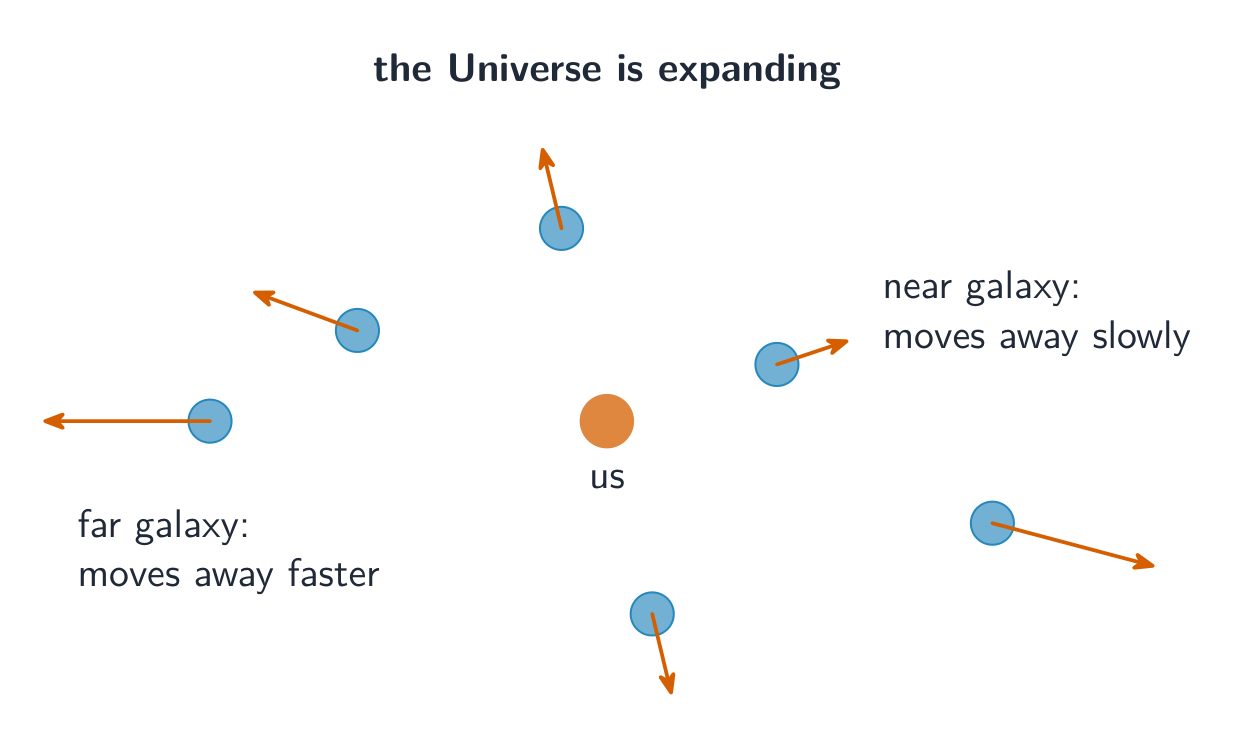
פיזיקה IGCSE (0625) כולשת ששה נושאים: תנועה, כוחות ואנרגיה; פיזיקה תרמית; גלים; חשמל ומגנטיות; פיזיקה גרעינית; פיזיקה חללית.
בדוק את הרמה שלך קודם כל. קיימים מבחנים לששה מרכיבים, והאילו תעבור תלוי בזה אם נרשמת ל-Core או ל-Extended. תוכן המיועד רק ל-Extended מהווה חלק גדול מהסילבוס, ושיעור החזרה עליו הוא בזבוז זמן אם את/ה ב-Core.
הנקודות הנפוצות ביותר שאובדות הן גם הקלות ביותר לתקון: יחידות חסרות, מספר לא נכון של ספרות משמעותיות, ותשובות שמציגות מספר ללא הנוסחה שייצרה אותו. הגדרות מסומנות לפי ניסוח מדויק — יש ללמוד אותן בדיוק כפי שנכתבו, ולא לפי זיכרון.
1 Describe the use of rulers and measuring cylinders to find a length or a volume
2 Describe how to measure a variety of time intervals using clocks and digital timers
3 Determine an average value for a small distance and for a short interval of time by measuring multiples (including the period of oscillation of a pendulum)
4 Understand that a scalar quantity has magnitude (size) only and that a vector quantity has magnitude and direction
5 Know that the following quantities are scalars: distance, speed, time, mass, energy and temperature
6 Know that the following quantities are vectors: force, weight, velocity, acceleration, momentum, electric field strength and gravitational field strength
7 Determine, by calculation or graphically, the resultant of two vectors at right angles, limited to forces or velocities only
עברית
ליבה
תוספת
1 תאר את השימוש בסרגלים ובמיכלי מדידה למציאת אורך או נפח
2 תאר כיצד למדוד מגוון מרווחי זמן באמצעות שעונים ומכשירי טיימר דיגיטליים
3 קבע ערך ממוצע למרחק קטן ולמרווח זמן קצר על ידי מדידת מכפלות (כולל תקופת התנודה של מתנדול)
4 הבן שגודל סקלארי הוא בעל הגדלה (גודל) בלבד, ואילו גודל וקטורי הוא בעל הגדלה וכיוון
5 דע שהגודלים הבאים הם סקלריים: מרחק, מהירות, זמן, מסה, אנרגיה וטמפרטורה
6 דע שהגודלים הבאים הם וקטורים: כוח, משקל, מהירות, תאוצה, תנע, עוצמת שדה חשמלי ועוצמת שדה כבידה
7 קבע, בחישוב או גרפית, את התוצרת של שני וקטורים בזווית ישרה, בהגבלה לכוחות או למהירויות בלבד
Source: Cambridge International syllabus · מקור: הסיילבוס הבינלאומי של קמבריד'ג'
English
Resolving a vector into components
Length and volume
Use a ruler 直尺 to measure length. Read the scale with your eye straight in front of the mark to avoid a reading error.
Use a measuring cylinder 量筒 to measure the volume of a liquid. Read the scale at the bottom of the curved surface (the meniscus 弯月面), with your eye level with it.
Measuring time
Use a stopwatch 秒表 or a digital timer 数字计时器 to measure a time interval. A clock is fine for long times (minutes or hours). A stopwatch is started and stopped by hand, so each reading has a reaction time 反应时间 error of about 0.2 s. To make this error matter less, time a long interval, or time many repeats and divide (see below).
Measuring small amounts
A single small length or a short time is hard to measure well. The trick is to measure many and divide 测多个再相除:
To find the thickness of one page, measure 100 pages and divide by 100.
To find the time for one swing of a pendulum 摆, measure the time for 20 swings and divide by 20. One full swing is called the period 周期.
This makes the uncertainty 不确定度 (the size of the error) much smaller.
Scalars and vectors
A scalar quantity 标量 has size (magnitude 大小) only. A vector quantity 矢量 has size and direction.
Scalars: distance, speed, time, mass 质量, energy 能量, temperature 温度.
Vectors: force 力, weight 重力, velocity 速度, acceleration 加速度, momentum 动量, electric field strength 电场强度, gravitational field strength 重力场强度.
To add two vectors at right angles (90°), draw them as two sides of a rectangle. The resultant 合矢量 is the diagonal. Find its size with Pythagoras and its direction with trigonometry.
$$R = \sqrt{a^2 + b^2}$$
עברית
פירוק וקטור למרכיבים
אורך ונפח
השתמש בסרגל למדידת אורך. קרא את הקנה מידה בעיני ישירות מול הסימן כדי למנוע טעות קריאה.
המים שגוף מוצק לא סדיר דוחף כלפי מעלה נותנים את נפחוקראו צילינדר מדידה בתחתית המניסקוס, כשהעיניים בגובה
השתמש בצילינדר מדידה למדידת נפח נוזל. קרא את הקנה מידה בתחתית הפני השטח המעוגלים (המניסקוס), עם עיניים בשורה עימו.
מדידת זמן
השתמש בשטיימר או בטיימר דיגיטלי כדי למדוד מרווח זמן. שעון מתאים לזמנים ארוכים (דקות או שעות). טיימר מופעל ומיוצר ידנית, ולכן לכל קריאה יש שגיאת תגובה של כ-0.2 שניות. כדי להקטין את השפעת שגיאה זו, מדוד מרווח זמן ארוך, או מדוד מספר רב של חזרות וחלק (ראו להלן).
מדידת כמויות קטנות
אורך אחד קטן או זמן קצר קשה למדוד היטב. הטריק הוא מדוד רבים וחלק:
כדי למצוא את עובי דף אחד, מדוד 100 דפים וחלק ב-100.
כדי למצוא את הזמן לנדודה אחת של מתלה, מדוד את הזמן ל-20 נדודות וחלק ב-20. נדודה מלאה אחת נקראת תקופה.
פעולה זו מקטינה משמעותית את אי-הוודאות (גודל השגיאה).
סקאלרים ווקטורים
כמות סקלרית היא בעלת גודל (גודל כמות) בלבד. כמות וקטורית היא בעלת גודל וגם כיוון.
וקטורים: כוח, משקל, מהירות, תאוצה, תנע, חוזק שדה חשמלי, חוזק שדה כבידה.
כדי לחבר שני וקטורים בזווית ישרה (90°), צייר אותם כשתי צלעות של מלבן. הווקטור התוצא הוא האלכסון. מצא את גודלו באמצעות משפט פיתגורס ואת כיוונו באמצעות טריגונומטריה.
$$R = \sqrt{a^2 + b^2}$$
שני וקטורים בזווית ישרה מתחברים לתוצרת $R$, האלכסון של המלבן
Explore · חקור
Scalars & vectors · סקאלרים ווקטורים
resultant = a + b · הכוח השקול = a + b
Add two vectors tip-to-tail to find the resultant. · הוסיפו שני וקטורים בקצה-בקצה כדי למצוא את הווקטור השקול.
1 Define speed as distance travelled per unit time; recall and use the equation
$$v = \frac{s}{t}$$
2 Define velocity as speed in a given direction
3 Recall and use the equation
$$\text{average speed} = \frac{\text{total distance travelled}}{\text{total time taken}}$$
9 Define acceleration as change in velocity per unit time; recall and use the equation
$$a = \frac{\Delta v}{\Delta t}$$
4 Sketch, plot and interpret distance–time and speed–time graphs
5 Determine, qualitatively, from given data or the shape of a distance–time graph or speed–time graph when an object is: (a) at rest (b) moving with constant speed (c) accelerating (d) decelerating
10 Determine from given data or the shape of a speed–time graph when an object is moving with: (a) constant acceleration (b) changing acceleration
6 Calculate speed from the gradient of a straight-line section of a distance–time graph
11 Calculate acceleration from the gradient of a speed–time graph
7 Calculate the area under a speed–time graph to determine the distance travelled for motion with constant speed or constant acceleration
12 Know that a deceleration is a negative acceleration and use this in calculations
8 State that the acceleration of free fall $g$ for an object near to the surface of the Earth is approximately constant and is approximately $9.8\text{ m/s}^2$
13 Describe the motion of objects falling in a uniform gravitational field with and without air/ liquid resistance, including reference to terminal velocity
עברית
ליבה
תוספת
1 הגדר מהירות כמרחק שנעבר ליחידת זמן; זכור והשתמש במשוואה
$$v = \frac{s}{t}$$
2 הגדר מהירות כמהירות בכיוון נתון
3 זכור והשתמש במשוואה
$$\text{average speed} = \frac{\text{total distance travelled}}{\text{total time taken}}$$
9 הגדר תאוצה כשינוי במהירות ליחידת זמן; זכור והשתמש במשוואה
$$a = \frac{\Delta v}{\Delta t}$$
4 שרטט, פלוט ופרש גרפים של מרחק–זמן וגרפים של מהירות–זמן
5 קבע, איכותית, מתוך נתונים נתונים או צורת גרף של מרחק–זמן או גרף של מהירות–זמן, מתי גוף נמצא: (א) במנוחה (ב) בתנועה עם מהירות קבועה (ג) בתאוצה (ד) בהאטה
10 קבע מתוך נתונים נתונים או צורת גרף של מהירות–זמן מתי גוף נמצא בתנועה עם: (א) תאוצה קבועה (ב) תאוצה משתנה
6 חשב מהירות מתוך שיפוע החלק הישר בגרף של מרחק–זמן
11 חשב תאוצה מתוך שיפוע גרף של מהירות–זמן
7 חשב את השטח מתחת לגרף של מהירות–זמן כדי לקבוע את המרחק שנעבר לתנועה עם מהירות קבועה או תאוצה קבועה
12 דע שהאטה היא תאוצה שלילית והשתמש בכך בחישובים
8 ציין שתאוצת הנפילה החופשית $g$ עבור גוף בקרבת פני כדור הארץ היא בקירוב קבועה והיא בקירוב $9.8\text{ m/s}^2$
13 תאר את תנועת גופים הצומחים בשדה כבידה אחיד עם או ללא התנגדות אוויר/נוזל, כולל התייחסות למהירות סופית
Source: Cambridge International syllabus · מקור: הסיילבוס הבינלאומי של קמבריד'ג'
English
Speed and velocity
Speed 速率 is the distance travelled per unit time.
$$v = \frac{s}{t}$$
Velocity is speed in a stated direction. So velocity is a vector but speed is a scalar.
A distance–time graph 距离-时间图 shows how far an object has gone:
A flat (horizontal) line means the object is at rest 静止.
A straight slope means constant speed. The gradient 斜率 (steepness) is the speed.
A curve that gets steeper means the object is speeding up.
A speed–time graph 速度-时间图 shows how fast an object is going:
A flat line means constant speed.
A straight slope means constant acceleration. The gradient is the acceleration.
The area under the line 线下面积 is the distance travelled.
Falling objects
Near the Earth the gravitational field is uniform 均匀 (the same strength everywhere), so all objects speed up as they fall at the same rate. This is the acceleration of free fall 自由落体加速度, $g \approx 9.8\ \text{m/s}^2$.
When an object falls through air, air resistance 空气阻力 (a drag force) acts upward. As it speeds up, air resistance grows. When air resistance equals the weight, the resultant force is zero and the object stops speeding up. It then falls at a steady terminal velocity 收尾速度.
עברית
מהירות וווקטור מהירות
מהירות היא המרחק הנעבר ליחידת זמן.
$$v = \frac{s}{t}$$
וקטור מהירות הוא מהירות בכיוון נתון. לכן וקטור מהירות הוא וקטור אך מהירות היא סקלרית.
שיפוע ישר מעיד על מהירות קבועה. השיפוע (תלילות) הוא המהירות.
עקומה הולכת ותלולה יותר מעידה על כך שהאובייקט מאיץ.
צורת הקו בגרף מרחב-זמן: קו שטוח פירושו רגיעה, שיפוע ישר פירושו מהירות קבועה, ועקומה עולה פירושו התאצה
גרף מהירות-זמן: מראה כמה האובייקט נוסע:
קו שטוח מעיד על מהירות קבועה.
שיפוע ישר מעיד על התאצה קבועה. השיפוע הוא ההתאצה.
השטח מתחת לקו הוא המרחב שנעבר.
בגרף מהירות-זמן, השיפוע מייצג את ההתאצה והשטח מתחת לקו מייצג את המרחב שנעבר
גוף נופל
קרוב לפני כדור הארץ, השדה הכבידתי אחיד (בעל אותה חוזקה בכל מקום), ולכן כל האובייקטים מאיצים בזמן הנפילה בקצב זהה. זוהי התאצת הנפילה החופשי, $g \approx 9.8\ \text{m/s}^2$.
כאשר אובייקט נופל דרך האוויר, התנגדות אוויר (כוח חיכוך) פועלת כלפי מעלה. ככל שהוא מאיץ, התנגדות האוויר גדלה. כאשר התנגדות האוויר שווה למשקלו, הכוח הנתון הוא אפס והאובייקט מפסיק להתאיץ. לאחר מכן הוא נופל במהירות סופית קבועה.
בתחילה המשקל גדול מההתנגדות האווירית ולכן האובייקט מאיץ; במהירות סופית שתי הכוחות שווים והמהירות קבועה
Explore · חקור
Velocity–time graph · גרף מהירות-זמן
Change u and a. The gradient is the acceleration; the area under the line is the distance travelled. · שנה את u ואת a. השיפוע הוא ההאצה; השטח מתחת לקו הוא המרחק שנסע.
acceleration of free fall/əkˌseləˈreɪʃn ɒv friː fɔːl/
תאוצת נפילה חופשית
air resistance/eə rɪˈzɪstəns/
התנגדות אוויר
terminal velocity/ˈtɜːmɪnl vəˈlɒsɪti/
מהירות סופית
matter/ˈmætə/
חומר
1.3
Mass and weight · מסה ומשקל
Syllabus · סיילבוס
English
Core
Supplement
1 State that mass is a measure of the quantity of matter in an object at rest relative to the observer
2 State that weight is a gravitational force on an object that has mass
5 Describe, and use the concept of, weight as the effect of a gravitational field on a mass
3 Define gravitational field strength as force per unit mass; recall and use the equation
$$g = \frac{W}{m}$$
and know that this is equivalent to the acceleration of free fall
4 Know that weights (and masses) may be compared using a balance
עברית
ליבה
תוספת
1 ציין כי מסה היא מדד לכמות החומר בגוף הנמצא במנוח ביחס לצופה
2 ציין כי משקל הוא כוח כבידה הפועל על גוף בעל מסה
5 תאר, והשתמש במונח משקל, כהשפעת שדה כבידה על מסה
3 הגדר את עוצמת השדה הכבידתי ככוח ליחידת מסה; זכור ושתמש במשוואה
$$g = \frac{W}{m}$$
ודע שהיא שקולה לתאוצת הנפילה החופשית
4 דע כי משקלים (ומסות) ניתן להשוות באמצעות מאזניים
Source: Cambridge International syllabus · מקור: הסיילבוס הבינלאומי של קמבריד'ג'
English
Mass is the amount of matter 物质 in an object. It is measured in kilograms (kg) and does not change when you move the object.
Weight is the force of gravity on a mass. It is measured in newtons (N). Weight can change: it is smaller on the Moon because the Moon's gravity is weaker.
Gravitational field strength is the force per unit mass:
$$g = \frac{W}{m}$$
This $g$ has the same value as the acceleration of free fall ($\approx 9.8\ \text{N/kg}$). You can compare masses with a balance 天平.
עברית
מסה היא כמות החומר באובייקט. היא נמדדת בקילוגרמים (kg) ואינה משתנה כאשר מזיזים את האובייקט.
משקל הוא כוח הכבידה הפועל על מסה. נמדד ביחידות ניוטון (N). המשקל יכול להשתנות: הוא קטן יותר בירח משום שכוח הכבידה שם חלש יותר.
עוצמת שדה כבידה היא הכוח ליחידת מסה:
$$g = \frac{W}{m}$$
ערך זה $g$ זהה לעצירת החופשי ($\approx 9.8\ \text{N/kg}$). ניתן להשוות מסות באמצעות מאזניים.
מאזני מעבדה נמדדים מסה; משקל הוא כוח הכבידה הפועל על המסה הזו
Explore · חקור
Weight and mass · משקל ומסה
W = mg
Weight is proportional to mass — the gradient is the gravitational field strength g (about 10 N/kg on Earth). · משקל יחסוני למסה — השיפוע הוא עוצמת השדה הכבידתי g (כ-10 N/kg בכדור הארץ).
1 Define density as mass per unit volume; recall and use the equation
$$\rho = \frac{m}{V}$$
2 Describe how to determine the density of a liquid, of a regularly shaped solid and of an irregularly shaped solid which sinks in a liquid (volume by displacement), including appropriate calculations
3 Determine whether an object floats based on density data
4 Determine whether one liquid will float on another liquid based on density data given that the liquids do not mix
עברית
ליבה
תוספת
1 הגדר צפיפות כמסה ליחידת נפח; זכור ושתמש במשוואה
$$\rho = \frac{m}{V}$$
2 תאר כיצד לקבוע את הצפיפות של נוזל, של מוצק בצורה סדירה ועל מוצק שאינו בצורה סדירה ושוקע בנוזל (נפח על ידי תזוזה), כולל חישובים מתאימים
3 קבע האם גוף מצטוף בהתבסס על נתוני צפיפות
4 קבע האם נוזל אחד יצטוף על פני נוזל אחר בהתבסס על נתוני צפיפות נתונים בתנאי שהנוזלים אינם מעורבים זה בזה
Source: Cambridge International syllabus · מקור: הסיילבוס הבינלאומי של קמבריד'ג'
English
Density is the mass per unit volume.
$$\rho = \frac{m}{V}$$
The symbol $\rho$ is the Greek letter "rho". The unit is $\text{kg/m}^3$ or $\text{g/cm}^3$.
To find density: measure the mass with a balance, find the volume, then divide.
Regular solid 规则固体 (like a box): measure the sides and calculate the volume.
Irregular solid 不规则固体 (a strange shape): lower it into water in a measuring cylinder. The rise in water level is its volume. This is the displacement method 排水法.
Liquid: put an empty measuring cylinder on the balance and read its mass. Pour in the liquid, read the volume on the cylinder, and read the mass again. The mass of the liquid is the difference between the two mass readings.
An object floats 漂浮 if its density is less than the density of the liquid. It sinks if its density is greater. In the same way, one liquid floats on top of another (if the two do not mix) when its density is lower: oil floats on water.
Worked example. A stone of mass $54\ \text{g}$ is lowered into a measuring cylinder. The water level rises from $20\ \text{cm}^3$ to $40\ \text{cm}^3$. Find the density of the stone.
The volume of the stone is the rise in water level, $40 - 20 = 20\ \text{cm}^3$, so
הסמל $\rho$ הוא האות היוונית "רואו". היחידה היא $\text{kg/m}^3$ או $\text{g/cm}^3$.
כדי למצוא צפיפות: מדוד את המסה במאזנים, מצא את הנפח, ואז חלק.
גוף מוצק קבוע (כמו קופסה): מדוד את הצדדים וחשב את הנפח.
גוף מוצק לא קבוע (צורה זרה): הרט אותו במים במכל מדידה. העלייה ברמת המים היא הנפח שלו. שיטה זו נקראת שיטת ההפרשה.
נוזל: הנח מאזן ריק על המאזניים וקרא את מססתו. יצוק לתוכו את הנוזל, קרא את הנפח במכל המדידה, וקרא את המסה שוב. מסת הנוזל היא ההפרש בין שתי הקריאות.
גוף צף אם הצפיפות שלו פחותה מצפיפות הנוזל. הוא שוקע אם הצפיפות שלו גדולה יותר. באופן דומה, נוזל אחד צף מעל השני (אם הם אינם מתערבבים) כאשר הצפיפות שלו נמוכה: שמן צף על מים.
דוגמה פתרונה. אבן בעלת מסה $54\ \text{g}$ הורדת למכל מדידה. רמת המים עלתה מ-$20\ \text{cm}^3$ ל-$40\ \text{cm}^3$. חשב את צפיפות האבן.
נפח האבן הוא עליית רמת המים, $40 - 20 = 20\ \text{cm}^3$, ולכן
סלע גלידי צף כשרוב נפחו מוסתר: קרח פחות צפוף מעט מהמים
Explore · חקור
Floating and density · צפיפה והתמצות
Change the object's density and the liquid: it floats if it's less dense, and the denser it is the more sits underwater. Iron sinks in water but floats on mercury. · שנו את צפיפות הגוף ואת הנוזל: גוף מתמצח אם צפיפותו נמוכה, וככל שהוא צפוף יותר כך יותר ממנו שוקע במים. ברזל טובע במים אך מתמצח על פני המרcury.
limit of proportionality/ˈlɪmɪt ɒv prəˌpɔːʃəˈnælɪti/
גבול פרופורציונליות
spring constant/sprɪŋ ˈkɒnstənt/
קבוע קפיץ
resultant force/rɪˈzʌltənt fɔːs/
כוח נטו
circular motion/ˈsɜːkjʊlə ˈməʊʃn/
תנועה מעגלית
radius/ˈreɪdɪəs/
רדיוס
friction/ˈfrɪkʃn/
חיכוך
1.5
Forces · כוחות
Syllabus · סיילבוס
English
1.5.1 Effects of forces
Core
Supplement
1 Know that forces may produce changes in the size and shape of an object
9 Define the spring constant as force per unit extension; recall and use the equation
$$k = \frac{F}{x}$$
2 Sketch, plot and interpret load–extension graphs for an elastic solid and describe the associated experimental procedures
10 Define and use the term ‘limit of proportionality’ for a load–extension graph and identify this point on the graph (an understanding of the elastic limit is not required)
3 Determine the resultant of two or more forces acting along the same straight line
11 Recall and use the equation $F = ma$ and know that the force and the acceleration are in the same direction
4 Know that an object either remains at rest or continues in a straight line at constant speed unless acted on by a resultant force
5 State that a resultant force may change the velocity of an object by changing its direction of motion or its speed
12 Describe, qualitatively, motion in a circular path due to a force perpendicular to the motion as: (a) speed increases if force increases, with mass and radius constant (b) radius decreases if force increases, with mass and speed constant (c) an increased mass requires an increased force to keep speed and radius constant ($F = \frac{mv^2}{r}$ is not required)
6 Describe solid friction as the force between two surfaces that may impede motion and produce heating
7 Know that friction (drag) acts on an object moving through a liquid
8 Know that friction (drag) acts on an object moving through a gas (e.g. air resistance)
1.5.2 Turning effect of forces
Core
Supplement
1 Describe the moment of a force as a measure of its turning effect and give everyday examples
2 Define the moment of a force as $\text{moment} = \text{force} \times \text{perpendicular distance from the pivot}$; recall and use this equation
3 Apply the principle of moments to situations with one force each side of the pivot, including balancing of a beam
5 Apply the principle of moments to other situations, including those with more than one force each side of the pivot
4 State that, when there is no resultant force and no resultant moment, an object is in equilibrium
6 Describe an experiment to demonstrate that there is no resultant moment on an object in equilibrium
1.5.3 Centre of gravity
Core
Supplement
1 State what is meant by centre of gravity
2 Describe an experiment to determine the position of the centre of gravity of an irregularly shaped plane lamina
3 Describe, qualitatively, the effect of the position of the centre of gravity on the stability of simple objects
עברית
1.5.1 השפעות של כוחות
ליבה
תוספת
1 דע כי כוחות עשויים לגרום לשינויים בגודל ובצורתו של גוף
9 הגדר את קבוע הקפיץ ככוח ליחידת הארכה; זכור ושתמש במשוואה
$$k = \frac{F}{x}$$
2 ערך טריס, גרף ופרשן גרפים של עומס-הארכה עבור מוצק אלסטי ותיאר את הנהלים הניסויים הקשורים
10 הגדר ושתמש במונח גבול הפרופורציונליות לגרף עומס-הארכה ואייל את נקודה זו בגרף (הבנת הגבול האלסטי אינה נדרשת)
3 קבע את הכוח השקול של שני כוחות או יותר הפועלים לאורך אותו קו ישר
11 זכור ושתמש במשוואה $F = ma$ ודע כי הכוח והתאוצה הם באותו כיוון
4 דע כי גוף נשאר במנוח או ממשיך בתנועה בקו ישר במהירות קבועה אלא אם כן הוא מושפע מכוח שקול
5 ציין כי כוח שקול יכול לשנות את המהירות של גוף על ידי שינוי כיוון התנועה שלו או את מהירותו
12 תאר, באופן איכותני, תנועה במסלול מעגלי בשל כוח אנכי לתנועה כדלקמן: (א) המהירות עולה כאשר הכוח עולה, עם מסה ורדיוס קבועים (ב) הרדיוס יורד כאשר הכוח עולה, עם מסה ומהירות קבועות (ג) מסה מוגברת דורשת כוח מוגבר כדי לשמור על מהירות ורדיוס קבועים ($F = \frac{mv^2}{r}$ אינו נדרש)
6 תאר חיכוך מוצק ככוח בין שתי משטחים שעשוי להעכב תנועה ולגרום לחימום
7 דע כי חיכוך (התנגדות נוזלים) פועל על גוף הנע בנוזל
8 דע כי חיכוך (התנגדות אוויר) פועל על גוף הנע בגז (למשל, התנגדות אוויר)
1.5.2 אפקט סיבובי של כוחות
ליבה
תוספת
1 תאר את מומנט של כוח כמידה להשפעת הסיבוב שלו ותן דוגמאות יומיומיות
2 הגדר את מומנט הכוח כ $\text{moment} = \text{force} \times \text{perpendicular distance from the pivot}$; זכור ושתמש במשוואה זו
3 השתמש בעקרון המומנטים במצבים עם כוח אחד בכל צד הציר, כולל איזון קורה
5 השתמש בעקרון המומנטים במצבים אחרים, כולל אלו עם יותר מכוח אחד בכל צד הציר
4 נסח כי כאשר אין כוח תוצא ואין מומנט תוצא, גוף נמצא באיזון
6 תאר ניסוי להראות שאין מומנט תוצא על גוף באיזון
1.5.3 מרכז הכובד
ליבה
תוספת
1 נסח מהו מרכז הכובד
2 תאר ניסוי לקביעת מיקום מרכז הכובד של לוח שטוח בעל צורה לא סדירה
3 תאר, באופן איכותי, את ההשפעה של מיקום מרכז הכובד על יציבותם של גופים פשוטים
Source: Cambridge International syllabus · מקור: הסיילבוס הבינלאומי של קמבריד'ג'
English
The principle of momentsHooke's law & the elastic limit
A force is a push or a pull. A force can change the shape 形状, the speed, or the direction of an object.
Stretching (Hooke's law)
When you hang a load on a spring, it stretches. The stretch is called the extension 伸长量.
On a load–extension graph 载荷-伸长图 the line is straight at first: extension is proportional to load. The point where the line stops being straight is the limit of proportionality 比例极限.
The experiment. Hang the spring from a clamp and stand a ruler beside it. Read the position of the bottom of the spring with no load: this is the original length. Add loads one at a time (for example 1 N each) and record the new length each time. The extension is the new length minus the original length. Plot load on the y-axis against extension on the x-axis.
The spring constant 弹簧常数 is the force per unit extension:
$$k = \frac{F}{x}$$
A large $k$ means a stiff spring.
Resultant force and Newton's laws
Add forces on a straight line to get the resultant force 合力 (forces one way are positive, the other way negative).
If the resultant force is zero, the object stays at rest or keeps moving in a straight line at constant speed. (Newton's first law.)
If the resultant force is not zero, the object accelerates in the direction of the force:
$$F = ma$$
Worked example. A $1200\ \text{kg}$ car has a $3000\ \text{N}$ driving force and $600\ \text{N}$ of friction. Find its acceleration.
First find the resultant force: $3000 - 600 = 2400\ \text{N}$. Then
A resultant force at right angles to the motion does not change the speed. It changes the direction, so the object moves in a circle at a steady speed. This is circular motion 圆周运动. The force always points towards the centre of the circle: the pull of the string on a whirling ball, or the gravity of the Sun on a planet.
For an object moving in a circle:
a bigger force is needed to keep the same mass moving at a higher speed in a circle of the same radius 半径;
a bigger force makes the same mass at the same speed move in a smaller circle (a smaller radius);
a bigger mass needs a bigger force to keep the same speed and the same radius.
Friction
Friction 摩擦力 is the force between two surfaces that touch. It tries to stop motion and makes things heat up. Drag (friction in a liquid or gas, like air resistance) also slows objects down.
Moments — the turning effect
The moment 力矩 of a force is its turning effect about a pivot 支点.
$$\text{moment} = \text{force} \times \text{perpendicular distance from the pivot}$$
The unit is the newton metre (N m).
Principle of moments 力矩原理: when an object is balanced (in equilibrium 平衡),
An object is in equilibrium when there is no resultant force and no resultant moment.
Worked example. A $30\ \text{N}$ weight sits $0.20\ \text{m}$ to the left of a pivot. How far to the right must a $20\ \text{N}$ weight sit to balance the beam?
Balanced, so anticlockwise moment $=$ clockwise moment:
$$30 \times 0.20 = 20 \times d \quad\Rightarrow\quad d = \frac{6.0}{20} = 0.30\ \text{m}$$
Checking the principle by experiment. Balance a metre rule at its centre on a pivot. Hang a known weight on each side and move them until the rule balances again. Measure each distance from the pivot. Force × distance on the left equals force × distance on the right, within the small errors of measurement, so there is no resultant moment on a balanced object.
Centre of gravity
The centre of gravity 重心 is the single point where all the weight of an object seems to act.
For a flat shape (lamina 薄片), hang it from a pin and let it settle; draw a vertical line down from the pin using a plumb line. Repeat from another point. The centre of gravity is where the lines cross.
The stability 稳定性 of an object depends on where its centre of gravity is. An object is more stable 稳定 when its centre of gravity is low and its base is wide. It tips over when a vertical line down from the centre of gravity passes outside the base.
עברית
עקרון המומנטיםחוק הוק & הגבול האלסטי
כוח הוא דחיפה או משיכה. כוח יכול לשנות את הצורה, מהירות או כיוון של גוף.
מתיחה (חוק הוק)
כשתולת משקל בקפיץ, הוא נמתח. ההתארכות נקראת הארכה.
בערך גרף משקל-הארכה- הקו הוא ישר בהתחלה: ההארכה פרופורציונלית למשקל. הנקודה שבה הקו מפסיק להיות ישר היא גבול הפרופורציונליות.
העומס יחסי להארכה עד לגבול היחסיות, ולאחר מכן הקו מתעקם
הניסוי. תלה את הקפיץ בתופסן והניח סרגל לצדו. קרא את המיקום של תחתית הקפיץ ללא עומס: זהו האורך המקורי. הוסף עומסים אחד אחרי השני (למשל 1 N כל אחד) ורשום את האורך החדש בכל פעם. ההארכה היא האורך החדש פחות האורך המקורי. צייר גרף שבו העומס הוא על ציר ה-y וההארכה היא על ציר ה-x.
קביעת הקפיץ היא הכוח ליחידת הארכה:
$$k = \frac{F}{x}$$
ערך גדול של $k$ מצביע על קפיץ קשיח.
כוח resultant וחוקי ניוטון
חבר כוחות בקו ישר כדי לקבל את הכוח הresultant (כוחות בכיוון אחד חיוביים, באופן הפוך שליליים).
אם הכוח הresultant הוא אפס, הגוף נשאר במנוחה או ממשיך לנוע בקו ישר עם מהירות קבועה. (חוק ניוטון הראשון.)
אם הכוח הresultant אינו אפס, הגוף מאיצ בכיוון הכוח:
$$F = ma$$
תרשים הגוף החופשי מראה כל כוח המופעל על התיבה כחץ מסומן
דוגמה פתורה. מכונית בעלת $1200\ \text{kg}$ יש כוח הנעה של $3000\ \text{N}$ ועומס חיכוך של $600\ \text{N}$. מצא את ההאצה שלה.
תחילה מצא את הכוח הresultant: $3000 - 600 = 2400\ \text{N}$. לאחר מכן
כוח resultant מאונך לתנועה אינו משנה את המהירות. הוא משנה את הכיוון, ולכן הגוף נע במעגל במהירות יציבה. זוהי תנועה מעגלית. הכוח תמיד מצביע לכיוון מרכז המעגל: המשיכה של החוט על כדור מסתובב, או הכבידה של השמש על כוכב לכת.
לגוף הנע במעגל:
נדרש כוח גדול יותר כדי לשמור על אותה מסה הנעה במהירות גבוהה יותר במעגל בעל אותו רדיוס;
כוח גדול יותר גורם לאותה מסה באותה מהירות לנוע במעגל קטן יותר (רדיוס קטן);
מסה גדולה יותר דורשת כוח גדול יותר כדי לשמור על אותה מהירות ואותו רדיוס.
חיכוך
חיכוך הוא הכוח בין משטחים שונים המגע. הוא מנסה לעצור תנועה וגורם לחומרים להתחמם. גרירה (חיכוך בנוזל או בגז, כמו התנגדות אוויר) גם היא מאטה גופים.
מומנטים — אפקט סיבוב
המומנט של כוח הוא אפקט הסיבוב שלו סביב ציר סיבוב.
$$\text{moment} = \text{force} \times \text{perpendicular distance from the pivot}$$
גוף נמצא באיזון כאשר אין כוח נטו וגם אין מומנט נטו.
הקורה מאוזנת כאשר המומנט השעוני שווה למומנט נגד השעון
דוגמה פותרת. משקל $30\ \text{N}$ יושב במרחק $0.20\ \text{m}$ שמאלה לציר הסיבוב. כמה מרחק לימינה חייב לשבת משקל $20\ \text{N}$ כדי לאזן את הקורה?
מאוזן, ולכן מומנט נגד השעון $=$ מומנט שעוני:
$$30 \times 0.20 = 20 \times d \quad\Rightarrow\quad d = \frac{6.0}{20} = 0.30\ \text{m}$$
בדיקת העקרון בניסוי. האזן סרגל מטר במרכזו על ציר סיבוב. תלה משקל ידוע בכל צד והזז אותם עד שהסרגל מתאזן שוב. מדוד את כל המרחקים מציר הסיבוב. הכוח × המרחק בצד שמאל שווים לכוח × המרחק בצד ימין, בתוך שגיאות המדידה הקטנות, ולכן אין מומנט נטו בגוף מאוזן.
מרכז הכובד
מרכז הכובד הוא הנקודה היחידה בה כל משקל הגוף נראה כאילו פועל.
לצורה שטוחה (למינה), תלה אותה מעל סיכה ותינוחה להירגע; צייר קו אנכי מטה מהסיכה בעזרת תליון. חזור מכיוון אחר. מרכז הכובד הוא הנקודה בה הקווים נפגשים.
היציבות של גוף תלויה במיקום מרכז הכובד שלו. גוף יותר יציב כאשר מרכז הכובד שלו נמוך והבסיס שלו רחב. הוא נוטה להתהפך כאשר קו אנקי מטה ממרכז הכובד עובר מחוץ לבסיס.
Explore · חקור
Forces & Newton's laws · כוחות וחוקי ניוטון
F = ma (resultant) · F = ma (תוצאתית)
The resultant force sets the acceleration; balanced forces ⇒ none. · הכוח התוצאתי קובע את התאוצה; כוחות מאוזנים ⇒ אין תאוצה.
Source: Cambridge International syllabus · מקור: הסיילבוס הבינלאומי של קמבריד'ג'
English
Conservation of momentum in a collision
Momentum is mass times velocity. It is a vector.
$$p = mv$$
Impulse 冲量 is the force times the time it acts, and it equals the change in momentum:
$$\text{impulse} = F\,\Delta t = \Delta(mv)$$
So the resultant force is the change in momentum per unit time:
$$F = \frac{\Delta p}{\Delta t}$$
Conservation of momentum 动量守恒: when objects collide and no outside force acts, the total momentum before equals the total momentum after.
$$m_1 u_1 + m_2 u_2 = m_1 v_1 + m_2 v_2$$
(Here $u$ is a velocity before and $v$ is a velocity after.)
Worked example. A $2.0\ \text{kg}$ trolley moving at $3.0\ \text{m/s}$ hits a stationary $1.0\ \text{kg}$ trolley and they stick together. Find their common velocity afterwards.
הדחיפה היא הכוח כפול הזמן שבו הוא פועל, והיא שווה לשינוי בתנע:
$$\text{impulse} = F\,\Delta t = \Delta(mv)$$
לכן הכוח הנטו הוא שינוי התנע ליחידת זמן:
$$F = \frac{\Delta p}{\Delta t}$$
שימור התנע: כאשר גופים מתנגשים ואין כוח חיצוני הפועל, הסכום התנעים לפני ההתנגשות שווה לסכום התנעים אחרי ההתנגשות.
$$m_1 u_1 + m_2 u_2 = m_1 v_1 + m_2 v_2$$
(כאן $u$ היא מהירות לפני ההתנגשות ו$v$ היא מהירות אחרי ההתנגשות.)
דוגמה פותרת. עגלה $2.0\ \text{kg}$ הנעה במהירות $3.0\ \text{m/s}$ פוגעת בעגלה עומדת $1.0\ \text{kg}$ והן נדבקות יחד. מצאו את המהירות המשותפת שלהן לאחר מכן.
gravitational field strength/ˌɡrævɪˈteɪʃənl fiːld streŋθ/
חוזק שדה כבידה
impulse/ˈɪmpʌls/
תנע כוח
conservation of momentum/ˌkɒnsəˈveɪʃn ɒv məʊˈmentəm/
שימור תנע
stored/stɔːd/
ארוז
kinetic/kɪˈnetɪk/
קינטי
gravitational potential/ˌɡrævɪˈteɪʃənl pəˈtenʃl/
פוטנציאל כבידתי
chemical/ˈkemɪkl/
כימי
elastic (strain)/ɪˈlæstɪk/
אלסטי (עיוות)
nuclear/ˈnjuːklɪə/
גרעיני
electrostatic/ɪˌlektrəʊˈstætɪk/
אלסטטי
internal (thermal)/ɪnˈtɜːnl/
פנימי (תרמי)
transferred/trænsˈfɜːd/
מועבר
principle of conservation of energy/ˈprɪnsɪpl ɒv ˌkɒnsəˈveɪʃn ɒv ˈenədʒi/
עקרון שימור האנרגיה
Sankey diagram/ˈsæŋki ˈdaɪəɡræm/
תרשים סנקי
wasted/ˈweɪstɪd/
בוזבז
work done/wɜːk dʌn/
עבודה
joule/dʒuːl/
ג'ול
1.7
Energy, work and power · אנרגיה, עבודה והספק
Syllabus · סיילבוס
English
1.7.1 Energy
Core
Supplement
1 State that energy may be stored as kinetic, gravitational potential, chemical, elastic (strain), nuclear, electrostatic and internal (thermal)
2 Describe how energy is transferred between stores during events and processes, including examples of transfer by forces (mechanical work done), electrical currents (electrical work done), heating, and by electromagnetic, sound and other waves
4 Recall and use the equation for kinetic energy $E_k = \frac{1}{2}mv^2$
5 Recall and use the equation for the change in gravitational potential energy $\Delta E_p = mg\Delta h$
3 Know the principle of the conservation of energy and apply this principle to simple examples including the interpretation of simple flow diagrams
6 Know the principle of the conservation of energy and apply this principle to complex examples involving multiple stages, including the interpretation of Sankey diagrams
1.7.2 Work
Core
Supplement
1 Understand that mechanical or electrical work done is equal to the energy transferred
2 Recall and use the equation for mechanical working $W = Fd = \Delta E$
1.7.3 Energy resources
Core
Supplement
1 Describe how useful energy may be obtained, or electrical power generated, from: (a) chemical energy stored in fossil fuels (b) chemical energy stored in biofuels (c) water, including the energy stored in waves, in tides and in water behind hydroelectric dams (d) geothermal resources (e) nuclear fuel (f) light from the Sun to generate electrical power (solar cells) (g) infrared and other electromagnetic waves from the Sun to heat water (solar panels) and be the source of wind energy including references to a boiler, turbine and generator where they are used
4 Know that radiation from the Sun is the main source of energy for all our energy resources except geothermal, nuclear and tidal
2 Describe advantages and disadvantages of each method in terms of renewability, availability, reliability, scale and environmental impact
5 Know that energy is released by nuclear fusion in the Sun
6 Know that research is being carried out to investigate how energy released by nuclear fusion can be used to produce electrical energy on a large scale
3 Understand, qualitatively, the concept of efficiency of energy transfer
7 Define efficiency as: (a) $(\%) \text{ efficiency} = \frac{\text{(useful energy output)}}{\text{(total energy input)}} (\times 100\%)$ (b) $(\%) \text{ efficiency} = \frac{\text{(useful power output)}}{\text{(total power input)}} (\times 100\%)$ recall and use these equations
1.7.4 Power
Core
Supplement
1 Define power as work done per unit time and also as energy transferred per unit time; recall and use the equations (a) $P = \frac{W}{t}$ (b) $P = \frac{\Delta E}{t}$
עברית
1.7.1 אנרגיה
ליבה
תוספת
1 נסח כי אנרגיה עשויה להיות מאגרת כקינטית, פוטנציאלית כבידתית, כימית, אלסטית (עיוות), גרעינית, אלקטרוסטטית ופנימית (תרמית)
2 תאר כיצד אנרגיה מועברת בין אגרים במהלך אירועים ותהליכים, כולל דוגמאות להעברה על ידי כוחות (עבודה מכנית), זרמים חשמליים (עבודה חשמלית), חימום, ועל ידי גלים אלקטרומגנטיים, קוליים ואחרים
1 תאר כיצד ניתן לקבל אנרגיה שימושית, או ליצור הספק חשמלי, מ: (a) אנרגיה כימית האגורה בדלקים מאובנים (b) אנרגיה כימית האגורה ביו-דלקים (c) מים, כולל האנרגיה האגורה בגלים, בגאות ושפל ובמים מאחורי סכרים הידרו-אלקטריים (d) משאבים גיאותרמיים (e) דלק גרעיני (f) אור מהשמש לייצור הספק חשמלי (תאים סולאריים) (g) קרני אינפרא אדום ואחרות מקרינה אלקטרומגנטית מהשמש לחימום מים (פאנלים סולאריים) ולספק את אנרגיית הרוח, כולל הפניות למכל, טורבינה ומחולל כאשר הם משמשים
4 לדעת שהקרנה מהשמש היא המקור הראשי לאנרגיה עבור כל משאבי האנרגיה שלנו, למעט גיאותרמיים, גרעניים וגאות ושפל
2 תאר יתרונות וחסרונות של כל שיטה מבחינת התחדשות, זמינות, אמינות, קנה מידה והשפעה על הסביבה
5 לדעת שאנרגיה משתחררת על ידי היתוך גרעיני בשמש
6 לדעת שנערכות מחקרים כדי לחקור כיצד ניתן להשתמש באנרגיה המשחררת מהיתוך גרעיני לייצור חשמל בקנה מידה גדול
3 הבן, באופן איכותני, את מושג היעילות בהעברת אנרגיה
7 הגדר יעילות כ: (a) $(\%) \text{ efficiency} = \frac{\text{(useful energy output)}}{\text{(total energy input)}} (\times 100\%)$ (b) $(\%) \text{ efficiency} = \frac{\text{(useful power output)}}{\text{(total power input)}} (\times 100\%)$ זכור והשתמש במשוואות אלו
Source: Cambridge International syllabus · מקור: הסיילבוס הבינלאומי של קמבריד'ג'
English
Energy stores
Energy can be stored 储存 in different ways: kinetic 动能, gravitational potential 重力势能, chemical 化学能, elastic (strain) 弹性势能, nuclear 核能, electrostatic 静电能, and internal (thermal) 内能.
Energy is transferred 转移 between stores by forces (mechanical work), by electric currents, by heating, and by waves (such as light and sound).
Kinetic and potential energy
Kinetic energy is the energy of a moving object:
$$E_k = \frac{1}{2}mv^2$$
The change in gravitational potential energy when an object goes up or down by a height $\Delta h$:
$$\Delta E_p = mg\,\Delta h$$
Conservation of energy
The principle of conservation of energy 能量守恒定律 says energy is never made or destroyed; it only moves between stores. A falling object turns gravitational potential energy into kinetic energy. A Sankey diagram 桑基图 shows how the input energy splits into useful energy and wasted 浪费 energy.
Worked example. A $0.50\ \text{kg}$ ball is dropped from a height of $1.8\ \text{m}$. Ignoring air resistance, find its speed just before it lands. (Take $g = 10\ \text{m/s}^2$.)
All the gravitational potential energy becomes kinetic energy, so $\tfrac{1}{2}mv^2 = mg\,\Delta h$. The mass cancels, leaving $v^2 = 2g\,\Delta h$:
Because the mass cancels, every object dropped from this height would land at the same speed.
Work
Work done 做功 equals the energy transferred. When a force moves an object:
$$W = Fd = \Delta E$$
The unit of work and energy is the joule 焦耳 (J).
Power
Power 功率 is the work done (or energy transferred) per unit time.
$$P = \frac{W}{t} = \frac{\Delta E}{t}$$
The unit is the watt 瓦特 (W). $1\ \text{W} = 1\ \text{J/s}$.
Efficiency
Efficiency 效率 tells you how much of the input energy becomes useful energy.
$$\text{efficiency} = \frac{\text{useful energy output}}{\text{total energy input}} \times 100\%$$
Efficiency is always less than 100% because some energy is always wasted (usually as heat). The same idea works with power:
$$\text{efficiency} = \frac{\text{useful power output}}{\text{total power input}} \times 100\%$$
Worked example. A motor is supplied with $200\ \text{J}$ of electrical energy and lifts a load, giving it $150\ \text{J}$ of gravitational potential energy. Find its efficiency.
We generate electricity from many energy resources. Most spin a turbine that drives a generator – often by boiling water to make steam (fossil fuels, nuclear fuel, geothermal, biofuels), or directly by moving water or air (hydroelectric, waves, tides, wind). Solar cells make electricity from sunlight directly; solar panels heat water.
Resource
Renewable?
Notes
fossil fuels (coal, oil, gas)
no
reliable, high output, but CO₂ and pollution
nuclear fuel
no
huge output, no CO₂, but radioactive waste
biofuels
yes
roughly carbon-neutral if replanted
hydroelectric
yes
reliable, but a dam floods land
wind
yes
clean, but intermittent
solar
yes
clean, but only in daylight
geothermal / tidal
yes
reliable but limited to certain places
When you compare resources, use these five ideas: renewability 可再生性 (will it run out?), availability 可用性 (is it always there? the wind can drop and the Sun sets), reliability 可靠性 (does it give a steady output?), scale 规模 (how much energy can it supply?) and environmental impact 环境影响 (pollution, carbon dioxide, land flooded by a dam).
Most of these trace back to the Sun (fossil fuels are ancient stored sunlight; wind and waves come from solar heating) – the exceptions are geothermal, nuclear, and tidal energy. The Sun itself is powered by nuclear fusion 核聚变, joining hydrogen nuclei into helium. Scientists are researching how to use fusion in power stations on Earth, but no fusion reactor yet gives out more electrical energy than it uses.
עברית
מאגרי אנרגיה
אנרגיה יכולה להיות מוחזקת בדרכים שונות: אנרגיה קינטית, פוטנציאל כבידתית, כימית, אלסטית (עיוות), גרעינית, אלקטרוסטטית ופנימית (תרמית).
אנרגיה מועברת בין מלאגים על ידי כוחות (עבודה מכנית), על ידי זרמים חשמליים, על ידי חימום ועל ידי גלים (כמו אור וקול).
טורבינות רוח מעבירות אנרגיה מהמלאג הקינטי של האוויר הנע לחשמל
אנרגיה קינטית ופוטנציאלית
אנרגיה קינטית היא אנרגיה של גוף נע:
$$E_k = \frac{1}{2}mv^2$$
השינוי ב-אנרגיה פוטנציאלית כבידתית כאשר גוף עולה או יורד בגובה $\Delta h$:
$$\Delta E_p = mg\,\Delta h$$
שימור אנרגיה
ה-עקרון שימור האנרגיה אומר שאנרגיה לעולם אינה נוצרת או הופכת; היא רק עוברת בין מלאגים. גוף נופל ממיר את האנרגיה הפוטנציאלית הכבידתית לאנרגיה קינטית. דיאגרמת סנקי מראה כיצד האנרגיה הנכנסת מתפצלת לאנרגיה מועילה ואנרגיה מוסרת.
אנרגיה עוברת בין אנרגיה פוטנציאלית כבידתית (בנקודות הגבוהות ביותר) לאנרגיה קינטית (בנקודה הנמוכה ביותר)ברכבת הרים, אנרגיה פוטנציאלית כבידתית שהוחזקה בראש הגבעה הופכת לאנרגיה קינטית כאשר הרכבות מאיצות כלפי מטה
דוגמה מופעלת. כדור $0.50\ \text{kg}$ מושלך ממשפיל בגובה של $1.8\ \text{m}$. באי-התייחסות למתח אוויר, מצאו את מהירותו רגע לפני הנחיתה. (קבלו $g = 10\ \text{m/s}^2$.)
כל האנרגיה הפוטנציאלית הכבידתית הופכת לאנרגיה קינטית, לכן $\tfrac{1}{2}mv^2 = mg\,\Delta h$. המסה מתבטלת, ומותרת $v^2 = 2g\,\Delta h$:
תרשים סנקי למנוע זה: רוחב הרצועות פרופורציונלי לאנרגיה, כך שהקלט של 200 J מתפצל ל-150 J מועילים ו-50 J מבזבזים כחום
משאבי אנרגיה
אנו מייצרים חשמל ממגוון משאבי אנרגיה. רובם מסובבים טורבינה המניעה גנרטור – לעיתים קרובות על ידי רתיחת מים ליצירת קיטור (דלקים מאובנים, דלק גרעיני, אנרגיה גיאותרמית, דלקים ביולוגיים), או ישירות על ידי תנועת מים או אוויר (חשמל הידרולי, גלים, גאות ושפל, רוח). תאים סולאריים מייצרים חשמל ישירות מאור שמש; פאנלים סולאריים מחממים מים.
משאב
מתחדש?
הערות
דלקים מאובנים (פחם, נפט, גז)
לא
אמין, תפוקה גבוהה, אך CO₂ וזיהום
דלק גרעיני
לא
תפוקה עצומה, אין CO₂, אך פסולת רادیולוגית
דלקים ביולוגיים
כן
בערך ניטרלי בפחמן אם נשתל מחדש
חשמל הידרולי
כן
אמין, אך סכך מציף אדמות
רוח
כן
נקי, אך תלוי ברוח
סולאריות
כן
נקי, אך רק ביום
גיאותרמי / גאות ושפל
כן
אמין אך מוגבל למיקומים מסוימים
כאשר אתם משווים משאבים, השתמשו בחמישה רעיונות אלו: מתחדשות (האם הוא ייגמר?), זמינות (האם הוא תמיד שם? הרוח יכולה להפסיק והשמש צוללת), אמינות (האם הוא מספק תפוקה יציבה?), גודל (כמה אנרגיה הוא יכול לספק?) והשפעה סביבתית (זיהום, פחמן דו-חמצני, אדמות שמוצפות על ידי סכך).
רוב המשאבים הללו נובעים מהשמש (דלקים מאובנים הם אור שמש עתיק שנשמר; רוח וגלים נובעים מחימום סולארי) – הדוחות הם אנרגיה גיאותרמית, גרעינית ואנרגיית גאות ושפל. השמש עצמה מופעלת על ידי היתוך גרעיני, בה אידי גרעיני של מימן מתחברים להליום. חוקרים מחקרים כיצד להשתמש בהיתוך בתחנות כוח על כדור הארץ, אך עדיין אין תגובה היתוך שמפיקה יותר אנרגיה חשמלית מאשר צורכת.
Explore · חקור
Energy flow & efficiency · זרימת אנרגיה ויעילות
Input energy splits into useful output and wasted energy; efficiency is the useful fraction, and the total is always conserved. · אנרגיה הנכנסת מתחלקת לתוצאה מועילה ולאנרגיה מאובדת; יעילות היא החלק המועיל, והסך הכל תמיד נשמר.
Explore · חקור
Conservation of energy · שימור אנרגיה
Drop the object: GPE turns into KE, and the total stays the same when there's no friction. · הרם את הגוף: אנרגיה פוטנציאלית גרavitציונית הופכת לאנרגיה קינטית, וה**סה
2 תאר כיצד הלחץ משתנה עם הכוח והשטח בהקשר של דוגמאות מהחיים היומיומיים
3 תאר, באופן איכותני, כיצד הלחץ מתחת לפני השטח של נוזל משתנה עם העומק והצפיפות של הנוזל
4 זכור והשתמש במשוואה לשינוי הלחץ מתחת לפני השטח של נוזל $\Delta p = \rho g \Delta h$
Source: Cambridge International syllabus · מקור: הסיילבוס הבינלאומי של קמבריד'ג'
English
Pressure is the force per unit area.
$$p = \frac{F}{A}$$
The unit is the pascal 帕斯卡 (Pa). $1\ \text{Pa} = 1\ \text{N/m}^2$.
A small area gives a large pressure (a sharp knife cuts well). A large area gives a small pressure (snowshoes stop you sinking).
Pressure in a liquid
In a liquid, pressure increases with depth 深度 and with the liquid's density:
$$\Delta p = \rho g \,\Delta h$$
This is why a dam is built thicker at the bottom, where the water pressure is greatest. Pressure in a liquid acts in all directions.
Worked example. Find the extra pressure at a depth of $2.0\ \text{m}$ in water (density $1000\ \text{kg/m}^3$, $g = 10\ \text{N/kg}$).
$$\Delta p = \rho g\,\Delta h = 1000 \times 10 \times 2.0 = 20\,000\ \text{Pa}$$
עברית
לחץ הוא הכוח ליחידת שטח.
$$p = \frac{F}{A}$$
היחידה היא פסקל (Pa). $1\ \text{Pa} = 1\ \text{N/m}^2$.
שטח קטן גורם ללחץ גבוה (סכין חדה חותכת היטב). שטח גדול גורם ללחץ נמוך (מגשי שלג מונעים השקעה).
לחץ בנוזל
בנוזל, הלחץ עולה עם עומק ועם צפיפות הנוזל:
$$\Delta p = \rho g \,\Delta h$$
מכאן שהסכר בונה עבה יותר בתחתיתו, שם הלחץ המיני הוא הגדול ביותר. לחץ בנוזל פועל בכל הכיוונים.
ככל שהנוזל עמוק יותר, כך הלחץ גדול יותר, ולכן הדחיפה החוצה לעבר הקיר עולה עם העומקסכר אמיתי בונה עבה הרבה יותר בתחתיתו, כי המים דוחפים בחוזקה רבה יותר ככל שהעומק גדול
דוגמה מוצאת. מצאו את הלחץ הנוסף בעומק $2.0\ \text{m}$ במים (צפיפות $1000\ \text{kg/m}^3$, $g = 10\ \text{N/kg}$).
$$\Delta p = \rho g\,\Delta h = 1000 \times 10 \times 2.0 = 20\,000\ \text{Pa}$$
Explore · חקור
Pressure · לחץ
p = ρg·h
Pressure in a liquid is proportional to depth. · לחץ בנוזל פרופורציונלי לעומק.
On a distance–time graph the gradient is the speed; on a speed–time graph the gradient is the acceleration and the area under the line is the distance travelled. Never read one graph as if it were the other.
Mass (kg) is the amount of matter and is the same everywhere; weight (N) is the force of gravity, $W = mg$. On the Moon your mass is unchanged but your weight is smaller.
Speed is a scalar; velocity is a vector. Something moving at steady speed around a curve is still accelerating, because its direction keeps changing.
In Hooke's law, load is proportional to extension only up to the limit of proportionality. Use the extension (stretched length − original length), never the whole length.
Momentum$p = mv$ is conserved in a collision. Give each velocity a $+$ or $-$ sign for its direction before you add them.
Convert units first (cm → m, g → kg). Use $p = F/A$ for a solid pressing on a surface, but $p = \rho g h$ for the pressure inside a liquid — they are different formulas.
עברית
בגרף מרחב–זמן השיפוע הוא המהירות; בגרף מהירות–זמן השיפוע הוא התאוצה והשטח מתחת לקו הוא המרחק שנסע. לעולם אל תקראו גרף אחד כאילו היה האחר.
מסה (ק"ג) היא כמות החומר והיא זהה בכל מקום; משקל (N) הוא כוח הכבידה, $W = mg$. על הירח המסה שלך אינה משתנה אך המשקל שלך קטן יותר.
מהירות היא גודל סקלארי; מהירות וקטורית היא גודל וקטורי. גוף הנע במהירות קבועה לאורך קשת עדיין מאיץ, מכיוון כיוונו משתנה באופן רציף.
בחוק הוק, העומס פרופורציונלי למתיחה רק עד הגבול הפרופורציונליות. השתמשו במתיחה (אורך מ伸 stretched − אורך מקורי), לעולם לא באורך הכולל.
תנע$p = mv$ נשמר בהתנגשות. תנו לכל מהירות $+$ או $-$ כסימן לכיוונה לפני שאתם מחברים אותן.
המירו יחידות תחילה (ס"מ → מ', ג' → ק"ג). השתמשו ב$p = F/A$ לגוף מוצק הלוחץ על משטח, אך ב$p = \rho g h$ ללחץ בתוך נוזל — מדובר בנוסחאות שונות.
1 Know the distinguishing properties of solids, liquids and gases
2 Know the terms for the changes in state between solids, liquids and gases (gas to solid and solid to gas transfers are not required)
2.1.2 Particle model
Core
Supplement
1 Describe the particle structure of solids, liquids and gases in terms of the arrangement, separation and motion of the particles and represent these states using simple particle diagrams
6 Know that the forces and distances between particles (atoms, molecules, ions and electrons) and the motion of the particles affects the properties of solids, liquids and gases
2 Describe the relationship between the motion of particles and temperature, including the idea that there is a lowest possible temperature ($-273\,{}^{\circ}\text{C}$), known as absolute zero, where the particles have least kinetic energy
3 Describe the pressure and the changes in pressure of a gas in terms of the motion of its particles and their collisions with a surface
7 Describe the pressure and the changes in pressure of a gas in terms of the forces exerted by particles colliding with surfaces, creating a force per unit area
4 Know that the random motion of microscopic particles in a suspension is evidence for the kinetic particle model of matter
8 Know that microscopic particles may be moved by collisions with light fast-moving molecules and correctly use the terms atoms or molecules as distinct from microscopic particles
5 Describe and explain this motion (sometimes known as Brownian motion) in terms of random collisions between the microscopic particles in a suspension and the particles of the gas or liquid
2.1.3 Gases and the absolute scale of temperature
Core
Supplement
1 Describe qualitatively, in terms of particles, the effect on the pressure of a fixed mass of gas of: (a) a change of temperature at constant volume (b) a change of volume at constant temperature
3 Recall and use the equation $pV = \text{constant}$ for a fixed mass of gas at constant temperature, including a graphical representation of this relationship
2 Convert temperatures between kelvin and degrees Celsius; recall and use the equation $T\text{ (in K)} = \theta\text{ (in }^{\circ}\text{C)} + 273$
עברית
2.1.1 מצבי צבירה של חומר
ליבה
תוספת
1 לדעת את המאפיינים המבדילים של מוצקים, נוזלים וגזים
2 לדעת את המונחים לשינויי מצב בין מוצקים, נוזלים וגזים (מעברי גז למוצק ומוצק לגז אינם נדרשים)
2.1.2 מודל חלקיקים
ליבה
תוספת
1 תאר את המבנה החלקיקי של מוצקים, נוזלים וגזים מבחינת הסידור, ההפרדה והתנועה של החלקיקים, וייצג מצבים אלו באמצעות דיאגרמות חלקיקים פשוטות
6 לדעת שכוחות ומרחקים בין חלקיקים (אטומים, מולקולות, יונים ואלקטרונים) ותנועת החלקיקים משפיעים על המאפיינים של מוצקים, נוזלים וגזים
2 תאר את הקשר בין תנועת החלקיקים לבין הטמפרטורה, כולל הרעיון שישנן טמפרטורה מינימלית אפשרית ($-273\,{}^{\circ}\text{C}$), המכונה אפס מוחלט, בה לחלקיקים יש את האנרגיה הקינטית הנמוכה ביותר
3 תאר את הלחץ ואת השינויים בלחץ של גז בתוך ביטוי תנועת חלקיקיו והתנגשותיהם עם משטח
7 תאר את הלחץ ואת השינויים בלחץ של גז בתוך ביטוי הכוחות הפועלים על ידי חלקיקים המתנגשים עם משטחים, היוצרים כוח ליחידת שטח
4 לדעת שהתנועה האקראית של חלקיקים מיקרוסקופיים בתליה היא עדות למודל החלקיק-קינטי של חומר
8 לדעת שחלקיקים מיקרוסקופיים עשויים להזז על ידי התנגשויות עם מולקולות קלות ומהירות, ולהשתמש נכון במונחים אטום או מולקולה כבדיל לחלקיקים מיקרוסקופיים
5 תאר והסבר תנועה זו (הידועה לעיתים גם כתנועה ברואונית) בתוך ביטוי התנגשויות אקראיות בין החלקיקים המיקרוסקופיים בתליה לבין חלקיקי הגז או הנוזל
2.1.3 גזים ומדד הטמפרטורה המוחלט
ליבה
תוספת
1 תאר באופן איכותי, בתוך ביטוי חלקיקים, את ההשפעה על הלחץ של מסה קבועה של גז: (א) שינוי בטמפרטורה בעת נפח קבוע (ב) שינוי בנפח בטמפרטורה קבועה
3 זכור והשתמש במשוואה $pV = \text{constant}$ עבור מסה קבועה של גז בטמפרטורה קבועה, כולל ייצוג גרפי של הקשר הזה
2 הפך טמפרטורות בין קלווין ל-מעלות צלזיוס; זכור והשתמש במשוואה $T\text{ (in K)} = \theta\text{ (in }^{\circ}\text{C)} + 273$
Source: Cambridge International syllabus · מקור: הסיילבוס הבינלאומי של קמבריד'ג'
Kinetic theory: gas pressure
Matter exists in three states: solid 固体, liquid 液体 and gas 气体.
State
Shape
Volume
Particles
Solid
fixed
fixed
close together, in a regular pattern, vibrating
Liquid
takes the shape of the container
fixed
close together, no pattern, can move past each other
Gas
fills the container
changes
far apart, fast, random motion
The changes of state are: melting (solid → liquid), boiling/evaporating (liquid → gas), condensation 凝结 (gas → liquid) and solidification 凝固 (liquid → solid). In condensation the gas particles slow down and come close together to form a liquid. In solidification the liquid particles lose energy and settle into fixed positions.
All matter is made of tiny particles 粒子 that are always moving. This is the kinetic particle model.
In a solid the particles only vibrate 振动 about fixed positions.
In a liquid they are still close but can slide past each other.
In a gas they are far apart and move quickly in random directions.
The same particles in three states: fixed and ordered in a solid, close but disordered in a liquid, far apart and fast in a gas
Temperature and particle energy
When you heat a substance, its particles move faster, so they have more kinetic energy 动能. Temperature 温度 is a measure of the average kinetic energy of the particles.
The lowest possible temperature is absolute zero 绝对零度, $-273\,{}^{\circ}\text{C}$. At this point the particles have the least possible energy.
A digital thermometer measures temperature by sensing the kinetic energy of the particles it touches
Gas pressure
Gas particles hit the walls of their container. Each hit is a tiny push. The pressure 压强 of the gas is the total force of these hits per unit area.
The gas pressure is the total force of countless particle hits on each unit area of the wall
Heating a gas (at constant volume) makes particles move faster and hit harder and more often, so the pressure rises.
Squeezing a gas into a smaller volume (at constant temperature) means more hits per second on each unit of area, so the pressure rises.
For a fixed mass of gas at constant temperature:
$$pV = \text{constant}$$
So if the volume halves, the pressure doubles.
At constant temperature the pressure–volume graph is a curve: halve the volume and the pressure doubles, so $pV$ stays constant
Worked example. A gas has a volume of $200\ \text{cm}^3$ at a pressure of $100\ \text{kPa}$. It is squeezed to $50\ \text{cm}^3$ at constant temperature. Find the new pressure.
If you look at smoke in air under a microscope, you see tiny specks moving in a jerky, random way. This is Brownian motion 布朗运动. The specks are pushed by fast, invisible air particles hitting them. It is strong evidence for the kinetic particle model.
Random hits from fast air particles push a smoke grain along a jerky, random path
The kelvin scale
Scientists often use the kelvin 开尔文 (K) temperature scale, which starts at absolute zero. To convert:
$$T\text{ (in K)} = \theta\text{ (in }^{\circ}\text{C}) + 273$$
So $0\,{}^{\circ}\text{C} = 273\ \text{K}$.
Worked example. Convert $25\,{}^{\circ}\text{C}$ to kelvin, and $200\ \text{K}$ to degrees Celsius.
Slide the piston in to shrink the volume. The same particles get crammed into less space, so they hit the walls more often and the pressure climbs — while pressure × volume stays constant. · החלקו את הבוכנה פנימה כדי להצטמצם את הנפח. אותם חלקיקים נדחסים לפחות מקום, ולכן הם פוגעים בקירות תדרוך יותר והלחץ עולה — כאשר מכפלת לחץ × נפח נשארת קבועה.
2.2.1 Thermal expansion of solids, liquids and gases
Core
Supplement
1 Describe, qualitatively, the thermal expansion of solids, liquids and gases at constant pressure
3 Explain, in terms of the motion and arrangement of particles, the relative order of magnitudes of the expansion of solids, liquids and gases as their temperatures rise
2 Describe some of the everyday applications and consequences of thermal expansion
2.2.2 Specific heat capacity
Core
Supplement
1 Know that a rise in the temperature of an object increases its internal energy
2 Describe an increase in temperature of an object in terms of an increase in the average kinetic energies of all of the particles in the object
3 Define specific heat capacity as the energy required per unit mass per unit temperature increase; recall and use the equation
$$c = \frac{\Delta E}{m\Delta\theta}$$
4 Describe experiments to measure the specific heat capacity of a solid and a liquid
2.2.3 Melting, boiling and evaporation
Core
Supplement
1 Describe melting and boiling in terms of energy input without a change in temperature
6 Describe the differences between boiling and evaporation
2 Know the melting and boiling temperatures for water at standard atmospheric pressure
3 Describe condensation and solidification in terms of particles
4 Describe evaporation in terms of the escape of more-energetic particles from the surface of a liquid
7 Describe how temperature, surface area and air movement over a surface affect evaporation
5 Know that evaporation causes cooling of a liquid
8 Explain the cooling of an object in contact with an evaporating liquid
עברית
2.2.1 התפשטות תרמית של מוצקים, נוזלים וגזים
ליבה
תוספת
1 תאר באופן איכותי את ההתפשטות התרמית של מוצקים, נוזלים וגזים בלחץ קבוע
3 הסבר, בתוך ביטוי תנועה וסידור חלקיקים, את סדר הגודל היחסי של ההתפשטות של מוצקים, נוזלים וגזים כאשר הטמפרטורה שלהם עולה
2 תאר כמה מהיישומים והתוצאות היומיומיים של ההתפשטות התרמית
2.2.2 קיבולת חום סגולית
ליבה
תוספת
1 לדעת שעלייה בטמפרטורה של גוף מגבירה את אנרגייתו הפנימית
2 תאר עלייה בטמפרטורה של גוף בתוך ביטוי עלייה באנרגיות הקינטיות הממוצעות של כל החלקיקים בגוף
3 הגדר קיבולת חום סגולית כאנרגיה הנדרשת ליחידת מסה לכל עלייה של יחידת טמפרטורה; זכור והשתמש במשוואה
$$c = \frac{\Delta E}{m\Delta\theta}$$
4 תאר ניסויים למדידת קיבולת החום הסגולית של מוצק ושל נוזל
2.2.3 היתוך, רתיחה ואידוי
ליבה
תוספת
1 תאר היתוך ורתיחה בתוך ביטוי הזרמת אנרגיה ללא שינוי בטמפרטורה
6 תאר את ההבדלים בין רתיחה לאידוי
2 לדעת את טמפרטורת ההיתוך והרתיחה של מים בלחץ אטמוספרי תקני
3 תאר התcondensation והתמצקות בתוך ביטוי חלקיקים
4 תאר אידוי בתוך ביטוי בריחת חלקיקים בעלי אנרגיה גבוהה יותר מפני השטח של נוזל
7 תאר כיצד טמפרטורה, שטח פנים ותנועת אוויר מעל משטח משפיעים על אידוי
5 ידוע כי אידוי גורם לקירור נוזל
8 הסבר קירור של חפץ במגע עם נוזל המתאדים
Source: Cambridge International syllabus · מקור: הסיילבוס הבינלאומי של קמבריד'ג'
When matter is heated, its particles move more and take up more space, so the material expands. Gases expand the most, then liquids, then solids. This order comes from the forces between the particles: in a solid the particles are held tightly in a lattice 晶格 (a fixed pattern), so they can only vibrate a little more; in a liquid they are held less strongly; in a gas the forces are very weak, so the particles spread out much more.
Everyday examples: gaps are left between railway lines; bridges sit on rollers; a tight metal lid loosens when heated.
A small gap is left between rails when cool, so when they expand in the heat the gap closes instead of buckling the track
Explore · חקור
Heating and specific heat capacity · חימום וקיבולת חום סגולית
Q = mcΔT
The heat energy needed is proportional to the temperature rise for a given mass of material. · כמות האנרגיה החיונית פרופורציונלית לעליית הטמפרטורה עבור מסה נתונה של חומר.
The internal energy 内能 of an object is the total energy of all its particles. Heating an object raises its internal energy and usually its temperature.
The specific heat capacity 比热容 is the energy needed to raise the temperature of 1 kg of a material by 1 °C.
$$c = \frac{\Delta E}{m\,\Delta\theta}$$
A material with a high specific heat capacity (like water) needs a lot of energy to warm up and cools down slowly.
Worked example. How much energy is needed to heat $2.0\ \text{kg}$ of water from $20\,{}^{\circ}\text{C}$ to $70\,{}^{\circ}\text{C}$? The specific heat capacity of water is $4200\ \text{J/(kg}\,{}^{\circ}\text{C)}$.
Rearranging $c = \frac{\Delta E}{m\,\Delta\theta}$ gives $\Delta E = mc\,\Delta\theta$, with $\Delta\theta = 70 - 20 = 50\,{}^{\circ}\text{C}$:
Measuring specific heat capacity. For a solid, use a metal block with two holes: one for an electric heater 加热器 and one for a thermometer 温度计. Measure the mass $m$ of the block. Switch on the heater for a measured time $t$ and record the current $I$ and the voltage $V$, so the energy supplied is $E = IVt$ (or read the energy from a joulemeter). Record the temperature rise $\Delta\theta$. Then $c = \dfrac{E}{m\,\Delta\theta}$. For a liquid, heat a measured mass of the liquid in a container and stir it, so the temperature is the same all through. Wrap the block or the container in insulating material 隔热材料, so less energy escapes to the air.
Boiling water: internal energy rises with temperature; specific heat capacity is energy per kg per °C
Melting 熔化 and boiling 沸腾 need energy, but the temperature stays the same while the state changes. This energy breaks the forces between particles. For water at normal air pressure, melting is at $0\,{}^{\circ}\text{C}$ and boiling at $100\,{}^{\circ}\text{C}$.
While the substance melts and while it boils the temperature stays flat, even though energy is still being added
Evaporation 蒸发 is when a liquid changes to a gas at its surface, below the boiling point. The fastest particles escape from the surface. Because the fastest (most energetic) particles leave, the average energy of those left behind falls, so the liquid cools down 冷却. An object touching an evaporating liquid also cools, because the liquid takes energy from it: this is why sweat cools your skin.
Evaporation is faster when the temperature is higher, the surface area is larger, and there is more air movement over the surface.
Explore · חקור
The heating curve — watch the temperature pause · עקומת החימום — צפו להפסקה בטמפרטורה
While the substance is melting or boiling the temperature stays flat, even though heat is still going in — the energy breaks bonds instead of warming it. · בעת ההתכה או הרתיחה הטמפרטורה נשארת יציבה, גם כשהחום ממשיך להיכנס — האנרגיה שוברת קשרים במקום לחמם.
1 Describe experiments to demonstrate the properties of good thermal conductors and bad thermal conductors (thermal insulators)
2 Describe thermal conduction in all solids in terms of atomic or molecular lattice vibrations and also in terms of the movement of free (delocalised) electrons in metallic conductors
3 Describe, in terms of particles, why thermal conduction is bad in gases and most liquids
4 Know that there are many solids that conduct thermal energy better than thermal insulators but do so less well than good thermal conductors
2.3.2 Convection
Core
Supplement
1 Know that convection is an important method of thermal energy transfer in liquids and gases
2 Explain convection in liquids and gases in terms of density changes and describe experiments to illustrate convection
2.3.3 Radiation
Core
Supplement
1 Know that thermal radiation is infrared radiation and that all objects emit this radiation
2 Know that thermal energy transfer by thermal radiation does not require a medium
4 Know that for an object to be at a constant temperature it needs to transfer energy away from the object at the same rate that it receives energy
3 Describe the effect of surface colour (black or white) and texture (dull or shiny) on the emission, absorption and reflection of infrared radiation
5 Know what happens to an object if the rate at which it receives energy is less or more than the rate at which it transfers energy away from the object
6 Know how the temperature of the Earth is affected by factors controlling the balance between incoming radiation and radiation emitted from the Earth’s surface
7 Describe experiments to distinguish between good and bad emitters of infrared radiation
8 Describe experiments to distinguish between good and bad absorbers of infrared radiation
9 Describe how the rate of emission of radiation depends on the surface temperature and surface area of an object
2.3.4 Consequences of thermal energy transfer
Core
Supplement
1 Explain some of the basic everyday applications and consequences of conduction, convection and radiation, including: (a) heating objects such as kitchen pans (b) heating a room by convection
2 Explain some of the complex applications and consequences of conduction, convection and radiation where more than one type of thermal energy transfer is significant, including: (a) a fire burning wood or coal (b) a radiator in a car
עברית
2.3.1 הולכה
ליבה
תוספת
1 תאר ניסויים להדגמת מאפיינים של מוליכים תרמיים טובים ומבודדים תרמיים (מוליכים תרמיים רעים)
2 תאר הולכה תרמית בכל המוצקים בהתבסס על רעידות סריג אטומי או מולקולרי, ובנוסף בהתבסס על תנועת אלקטרונים חופשיים (מרווחים) במוצרים מתכתיים
3 תאר, בהתבסס על חלקיקים, מדוע הולכה תרמית היא רעה בגזים וברוב הנוזלים
4 ידוע כי ישנם מוצקים רבים המוליכים אנרגיה תרמית טוב יותר ממבודדים תרמיים אך פחות טוב ממוליכים תרמיים טובים
2.3.2 ערבול
ליבה
תוספת
1 ידוע כי ערבול הוא שיטה חשובה להעברת אנרגיה תרמית בנוזלים ובגזים
2 הסבר ערבול בנוזלים ובגזים בהתבסס על שינויים בצפיפות ותאר ניסויים למחישת ערבול
2.3.3 קרינה
ליבה
תוספת
1 ידוע כי קרינה תרמית היא קרינה אינפרא-אדום וכל החפצים פולטים קרינה זו
2 ידוע כי העברת אנרגיה תרמית באמצעות קרינה תרמית אינה דורשת אמצע
4 ידוע כי עבור חפץ להיות בטמפרטורה קבועה, הוא צריך להעביר אנרגיה מחוץ אליו בקצב זהה לקצב שבו הוא מקבל אנרגיה
3 תאר את השפעת צבע הפני השטח (שחור או לבן) ומרקם (מט or ברק) על פליטה, ספיגה והחזרת קרינת אינפרא-אדום
5 ידוע מה קורה לחפץ אם הקצב בו הוא מקבל אנרגיה הוא נמוך או גבוה מהקצב בו הוא מעביר אנרגיה מחוץ אליו
6 ידוע כיצד הטמפרטורה של כדור הארץ מושפעת מגורמים המקשרים לאיזון בין הקרינה הנכנסת לקרינה הנפלטת מפני השטח של כדור הארץ
7 תאר ניסויים להבחנה בין פולטים טובים ורעים של קרינת אינפרא-אדום
8 תאר ניסויים להבחנה בין סוגרים טובים ורעים של קרינת אינפרא-אדום
9 תאר כיצד הקצב של פליטת קרינה תלויה בטמפרטורת הפני השטח ובשטח הפני השטח של חפץ
2.3.4 תוצאות העברת אנרגיה תרמית
ליבה
תוספת
1 הסבר מספר יישומים בסיסיים ותרבותיים יומיומיים של הולכה, ערבול וקרינה, כולל: (א) חימוץ חפצים כמו סירים (ב) חימוצחדר באמצעות ערבול
2 הסבר מספר יישומים מורכבים ותרבותיים של הולכה, ערבול וקרינה כאשר יותר מסוג אחד של העברת אנרגיה תרמית משמעותי, כולל: (א) אש בעירה בעץ או בפחם (ב) רדיאטור ברכב
Source: Cambridge International syllabus · מקור: הסיילבוס הבינלאומי של קמבריד'ג'
Thermal energy moves from hotter places to colder places in three ways.
Conduction
Conduction 热传导 is the transfer of thermal energy through a material without the material moving. The particles in a solid sit in a lattice. Heated particles vibrate more and pass the energy to their neighbours. In metals, free electrons (delocalised electrons 自由电子) carry energy quickly, so metals are good thermal conductors 热导体.
Materials that conduct badly (like air, wood and plastic) are thermal insulators 热绝缘体.
Testing conductors. Fix a drawing pin with a little wax to one end of rods of copper, iron, glass and wood, and heat the other ends equally. The pin drops first from the copper rod, then from the iron rod, and last (or never) from the glass and the wood: metals are the best conductors. A metal rod held in a flame soon feels hot; a wooden rod does not.
Gases and most liquids are bad conductors because their particles are far apart and only pass on energy when they happen to collide. There is no lattice and there are no free electrons.
In conduction the vibrating particles pass energy to their neighbours, so energy flows from the hot end to the cool end
Convection
Convection 对流 happens in liquids and gases. When a fluid is heated it expands, becomes less dense, and rises. Cooler, denser fluid sinks to take its place. This circle of moving fluid is a convection current.
Heated fluid rises and cooler fluid sinks, setting up a convection current
Showing convection. Drop a crystal of purple potassium permanganate 高锰酸钾 into a beaker of water and heat the beaker gently under the crystal. A coloured stream rises above the heat, spreads across the top and sinks at the sides. In air, a lit candle under one chimney of a smoke box pulls smoke down the other chimney and up above the flame.
Convection cannot happen in a solid because the particles cannot move from place to place.
Radiation
Thermal radiation 热辐射 is energy carried by infrared 红外线 waves. All objects emit it, and it needs no material to travel through — it can cross empty space (this is how energy reaches us from the Sun).
A surface that is dull 暗淡 and black is a good emitter 发射体 and a good absorber 吸收体 of infrared. A surface that is shiny and white is a poor emitter and a good reflector 反射体.
A dull black surface emits (and absorbs) infrared much better than a shiny, white one
Comparing surfaces. Fill two cans, one dull black and one shiny silver, with hot water at the same temperature, and put a thermometer in each. The black can cools faster, so it is the better emitter. Then put the same two cans, full of cold water, at equal distances from a heater. The black can warms faster, so it is the better absorber. A Leslie cube 莱斯利立方体 (a metal box with one side of each finish) shows the same thing.
A thermal (infrared) camera turns the infrared given off by a warm hand into a picture; brighter means hotter
An object stays at a constant temperature when it emits energy at the same rate as it absorbs energy. The rate of emission is greater when the surface is hotter and larger. If an object absorbs energy faster than it emits it, its temperature rises; if it emits faster than it absorbs, its temperature falls.
The Earth's temperature. The Earth absorbs radiation from the Sun and emits infrared radiation back into space. Its average temperature stays constant only when the two rates are equal. Anything that changes this balance changes the temperature. Gases in the atmosphere 大气 such as carbon dioxide absorb some of the emitted infrared and send part of it back down, so more of these gases warms the Earth. Clouds and ice reflect incoming sunlight, so less ice means more energy is absorbed, and the Earth warms further.
Everyday examples
A kitchen pan has a metal base that conducts energy quickly to the food, and a plastic or wooden handle that is an insulator, so you can hold it.
A radiator 散热器 heats a room by convection: the air next to it warms, rises, and cooler air flows in to take its place, so the whole room warms.
Sitting near a fire you feel its radiation on your face at once; the air between you and the fire is a poor conductor.
A vacuum flask 保温瓶 keeps a drink hot by stopping all three transfers: the vacuum between its double walls stops conduction and convection, and its shiny silver surfaces stop radiation.
Explore · חקור
Heat transfer lab · מעבדת העברת חום
Compare the routes by which thermal energy moves. · השווה את הדרך שבה אנרגיה תרמית עוברת.
In the kinetic particle model, heating a gas makes its particles move faster and hit the walls harder and more often, so the pressure rises. The particles themselves do not get bigger.
Evaporation happens only at the surface and at any temperature; boiling happens throughout the liquid at one fixed temperature. Evaporation cools the liquid left behind, because the fastest particles escape.
During melting and boiling the temperature stays constant even though energy is still being supplied — that energy breaks the forces between particles.
For specific heat capacity use $\Delta E = mc\,\Delta\theta$, where $\Delta\theta$ is the change in temperature, not the final temperature.
Dull black surfaces are the best emitters and absorbers of infrared; shiny, light surfaces are the best reflectors. Convection needs a fluid to flow, so it cannot happen in a solid.
General properties of waves · תכונות כלליות של גלים
Syllabus · סיילבוס
English
Core
Supplement
1 Know that waves transfer energy without transferring matter
2 Describe what is meant by wave motion as illustrated by vibrations in ropes and springs, and by experiments using water waves
3 Describe the features of a wave in terms of wavefront, wavelength, frequency, crest (peak), trough, amplitude and wave speed
4 Recall and use the equation for wave speed $v = f \lambda$
5 Know that for a transverse wave, the direction of vibration is at right angles to the direction of propagation and understand that electromagnetic radiation, water waves and seismic S-waves (secondary) can be modelled as transverse
6 Know that for a longitudinal wave, the direction of vibration is parallel to the direction of propagation and understand that sound waves and seismic P-waves (primary) can be modelled as longitudinal
7 Describe how waves can undergo: (a) reflection at a plane surface (b) refraction due to a change of speed (c) diffraction through a narrow gap
9 Describe how wavelength and gap size affects diffraction through a gap
8 Describe the use of a ripple tank to show: (a) reflection at a plane surface (b) refraction due to a change in speed caused by a change in depth (c) diffraction due to a gap (d) diffraction due to an edge
10 Describe how wavelength affects diffraction at an edge
עברית
ליבה
תוספת
1 ידוע כי גלים מעבירים אנרגיה ללא העברת חומר
2 תאר מה מתכוונים בתנועת גל כפי שמומחש על ידי רעידות בחבל ובקפיצים, וכן על ידי ניסויים עם גלי מים
3 תאר את מאפייני הגל במונחים חזית גל, אורך גל, תדירות, שיא (פסגה), שפל, משרעת ומהירות גל
4 זכור והשתמש במשוואה עבור מהירות גל $v = f \lambda$
5 דע כי בגל רוחבי, הכיוון של הרעידה הוא מאונך לכיוון ההתפשטות, והבן שקרינה אלקטרומגנטית, גלי מים וגלי S סיסמיים (משניים) יכולים להיות מודלים כגלים רוחביים
6 דע כי בגל אורכי, הכיוון של הרעידה מקביל לכיוון ההתפשטות, והבן שגלי קול וגלי P סיסמיים (ראשוניים) יכולים להיות מודלים כגלים אורכיים
7 תאר כיצד גלים יכולים לחוות: (א) החזרה על פני מישור (ב) שבירה עקב שינוי מהירות (ג) דיפרקציה דרך חריץ צר
9 תאר כיצד אורך גל וגודל החריץ משפיעים על דיפרקציה דרך חריץ
8 תאר את השימוש באגן גלים כדי להציג: (א) החזרה על פני מישור (ב) שבירה עקב שינוי מהירות הנגרם משינוי בעומק (ג) דיפרקציה עקב חריץ (ד) דיפרקציה עקב קצה
10 תאר כיצד אורך גל משפיע על דיפרקציה בקצה
Source: Cambridge International syllabus · מקור: הסיילבוס הבינלאומי של קמבריד'ג'
English
Transverse vs longitudinal waves
A wave 波 carries energy 能量 from place to place without carrying matter. For example, a water wave makes a floating cork bob up and down, but the cork does not travel along with the wave. You can make a wave on a rope by shaking one end up and down, or on a long spring by pushing one end back and forth. In a ripple tank 波纹水槽 (a shallow tray of water with a light above it) you can watch water waves on a screen below.
Describing a wave
wavefront 波前: a line joining points on a wave that move together (for example, the top of one ripple)
wavelength 波长 ($\lambda$): the distance between two neighbouring wavefronts (one full wave)
frequency 频率 ($f$): the number of waves passing a point each second, measured in hertz (Hz)
crest 波峰 (also called the peak 峰, the top) and trough 波谷 (bottom)
amplitude 振幅: the largest distance a point moves from its rest position
wave speed 波速 ($v$): how fast a wavefront travels
These are linked by the wave equation:
$$v = f\lambda$$
Worked example. A sound wave travels at $340\ \text{m/s}$ and has a frequency of $170\ \text{Hz}$. Find its wavelength.
In a transverse wave 横波 the particles vibrate at right angles (90°) to the direction the wave travels (its propagation 传播). Light, water waves and seismic S-waves (the sideways shaking in an earthquake) are transverse.
In a longitudinal wave 纵波 the particles vibrate along the same direction as the wave travels. Sound and seismic P-waves are longitudinal.
Wave behaviour
All waves can show three behaviours, which you can see in a ripple tank:
reflection 反射: the wave bounces off a surface.
refraction 折射: the wave changes speed (and usually direction) when it enters a different material or depth.
diffraction 衍射: the wave spreads out after passing through a gap or around an edge. The spreading is greatest when the gap is about the same size as the wavelength.
עברית
גלים רוחביים מול אורכיים
גל מעביר אנרגיה ממקום למקום בלי להעביר חומר. לדוגמה, גל מים גורם לקרקפת צפה לבצע תנועה עליון-תחתון, אך הקרקפת אינה נעתנת יחד עם הגל. ניתן ליצור גל על חבל על ידי ניעור קצה אחד למעלה ולמטה, או על קפיץ ארוך על ידי דחיפה של קצה אחד קדימה ואחורה. באגן גלים (מגש רד עם מים ותאורה מעליו) ניתן לצפות בגלי מים על מסך התחתון.
תיאור גל
חזית גל: קו המחבר נקודות בגל הנעות יחד (למשל, הפסגה של גל גליל אחד)
אורך גל ($\lambda$): המרחק בין שתי חזיתות גל סמוכות (גל מלא אחד)
תדר ($f$): מספר הגלים העוברים נקודה נתונה בכל שנייה, נמדד בהרץ (Hz)
פסגה (נקראת גם שיא, החלק העליון) ושוואה (החלק התחתון)
משרעת: המרחק הגדול ביותר שמנקודה נעתקת ממנו ממצב השקט שלה
מהירות גל ($v$): האופן שבו חזית גל נעתקת
חלקי הגל: אורך גל, רמת תנודה, פסגה ושפל
אלמנטים אלו קשורים זה לזה על ידי משוואת הגל:
$$v = f\lambda$$
האורך הוא המרחק בין שתי פסגות; המשרעת היא הגובה ממצב השקט ועד לפסגה
דוגמה מופתרת. גל קול נע ב$340\ \text{m/s}$ והתדר שלו הוא $170\ \text{Hz}$. מצאו את אורך הגל.
העברת $v = f\lambda$ מניבה $\lambda = \dfrac{v}{f}$:
$$\lambda = \frac{340}{170} = 2.0\ \text{m}$$
שני סוגי גלים
בגל רוחבי חלקיקים רועדים במאונך (90°) לכיוון התנועה של הגל (התפשטות). אור, גלי מים וגלי S זلزליים (רעידת הצד באירוע זלזלי) הם גלים רוחביים.
בגל אורכי חלקיקים רועדים לאורך אותו כיוון שבו הגל נע. קול וגלי P זلزליים הם גלים אורכיים.
בגל רוחבי החלקיקים רועדים מאונך לכיוון התנועה; בגל אורכי הם רועדים לאורכו, ויוצרים דחיסות והתקממויות
התנהגות גלים
כל הגלים יכולים להציג שלושה סוגי התנהגויות, אותן ניתן לראות בבריכת גלים:
השתקפות: הגל קופץ על פני משטח.
שבירה: הגל משנה את מהירותו (ובדרך כלל גם כיוונו) כאשר הוא נכנס לחומר או לעומק שונים.
עיפוף: הגל מתפזר לאחר שעבר דרך פתח או סביב קצה. ההתפזרות היא הגדולה ביותר כאשר גודל הפתח הוא בערך זהה לאורך הגל.
גלי מישוריים העוברים דרך פתח צר מתפשטים לגלים עקומים — הדיפרציה חזקה ביותר כאשר רוחב הפתח הוא בערך אורך גל אחדגלים מישוריים בבריכת גלים משתקפים מחוסום ישר: חזיתות הגל המשתקפות יוצאות בזווית זהה לזו שהגיעו בה
Explore · חקור
Properties of waves · תכונות גלים
y = a sin(bx + c)
A wave: a is amplitude, b sets the wavelength. · גל: a הוא המשרעת, b קובע את אורך הגל.
Flip between a transverse wave (particles bob up and down, like water and light) and a longitudinal one (particles slide back and forth, bunching into compressions, like sound). The wave moves; the particles stay put. · מעבר בין גל רוחבי (חלקיקים מזנקים ומורידים, כמו במים ובאור) לגל ארוכי (חלקיקים נעים ימינה ושמאלה, צפופים ליצירת דחיסות, כמו בקול). הגל נע; החלקיקים נשארים במקום.
Explore · חקור
Two waves overlapping · שתי גלים חופפים
Change the second wave. Where waves meet they add — sometimes reinforcing, sometimes cancelling. · שנו את הגל השני. כאשר גלים נפגשים הם מתחברים – לעיתים מחזקים זה את זה ולעיתים מבטלים זה את זה.
1 Define and use the terms normal, angle of incidence and angle of reflection
2 Describe the formation of an optical image by a plane mirror and give its characteristics, i.e. same size, same distance from mirror, virtual
3 State that for reflection, the angle of incidence is equal to the angle of reflection; recall and use this relationship
4 Use simple constructions, measurements and calculations for reflection by plane mirrors
3.2.2 Refraction of light
Core
Supplement
1 Define and use the terms normal, angle of incidence and angle of refraction
2 Describe an experiment to show refraction of light by transparent blocks of different shapes
6 Define refractive index, $n$, as the ratio of the speeds of a wave in two different regions
3 Describe the passage of light through a transparent material (limited to the boundaries between two mediums only)
7 Recall and use the equation
$$n = \frac{\sin i}{\sin r}$$
4 State the meaning of critical angle
8 Recall and use the equation
$$n = \frac{1}{\sin c}$$
5 Describe internal reflection and total internal reflection using both experimental and everyday examples
9 Describe the use of optical fibres, particularly in telecommunications
3.2.3 Thin lenses
Core
Supplement
1 Describe the action of thin converging and thin diverging lenses on a parallel beam of light
2 Define and use the terms focal length, principal axis and principal focus (focal point)
3 Draw and use ray diagrams for the formation of a real image by a converging lens
6 Draw and use ray diagrams for the formation of a virtual image by a converging lens
4 Describe the characteristics of an image using the terms enlarged/same size/diminished, upright/inverted and real/virtual
7 Describe the use of a single lens as a magnifying glass
5 Know that a virtual image is formed when diverging rays are extrapolated backwards and does not form a visible projection on a screen
8 Describe the use of converging and diverging lenses to correct long-sightedness and short-sightedness
3.2.4 Dispersion of light
Core
Supplement
1 Describe the dispersion of light as illustrated by the refraction of white light by a glass prism
2 Know the traditional seven colours of the visible spectrum in order of frequency and in order of wavelength
3 Recall that visible light of a single frequency is described as monochromatic
עברית
3.2.1 החזרת אור
ליבה
תוספת
1 הגדר והשתמש במונחים נורמל, זווית פגיעה וזווית החזרה
2 תאר את היווצרות התמונה האופטית על ידי מראה שטוח ותן את מאפייניה, כלומר: אותו גודל, אותה מרחק מהמראה, וירטואלית
3 נסח כי בהחזרה, זווית הפגיעה שווה לזווית ההחזרה; זכור והשתמש בקשר זה
4 השתמש בבנייה פשוטה, מדידות וחישובים עבור החזרה על ידי מראות שטוחים
3.2.2 שבירת אור
ליבה
תוספת
1 הגדר והשתמש במונחים נורמל, זווית פגיעה וזווית שבירה
2 תאר ניסוי להראות שבירת אור על ידי בלוקים שקופים בצורות שונות
6 הגדר מדד שבירה, $n$, כחסר המהירויות של גל בשתי אזורים שונים
3 תאר מעבר האור דרך חומר שקוף (במגבלת הגבולות בין שני תווכים בלבד)
7 זכור והשתמש במשוואה
$$n = \frac{\sin i}{\sin r}$$
4 נסח את המשמעות של זווית קריטית
8 זכור והשתמש במשוואה
$$n = \frac{1}{\sin c}$$
5 תאר החזרה פנימית והחזרה פנימית מלאה באמצעות דוגמאות ניסוייות ואופייניות
9 תאר את השימוש בסיבים אופטיים, במיוחד בתקשורת
3.2.3 עדשות דקות
ליבה
תוספת
1 תאר את השפעת עדשות דקות מכנסות ועדשות דקות מפיצות על קרן אור מקבילה
2 הגדר ושתמש במונחים אורך מוקד, ציר ראשי ומוקד ראשי (נקודת המוקד)
3 צייר והשתמש במערכות קרניים ליצירת תמונה אמיתית על ידי עדשה מכנסת
6 צייר והשתמש במערכות קרניים ליצירת תמונה זולה על ידי עדשה מכנסת
4 תאר מאפייני תמונה באמצעות המונחים: מוגדל/אותו גודל/מוקטן, זקוף/הפוך ואמיתי/זול
7 תאר את השימוש בעדשה יחידה כמגדלת
5 לדעת כי תמונה זולה נוצרת כאשר קרנים מופיעות מוארכות לאחור ואינה יוצרת הצלמה נראית על מסך
8 תאר את השימוש בעדשות מכנסות ומפיצות לתיקון ראייה רחוקה וקצרה
3.2.4 פיזור אור
ליבה
תוספת
1 תאר את פיזור האור כפי שמוצג על ידי שבירה של אור לבן על ידי משולש זכוכית
2 לדעת את שבעת הצבעים המסורתיים של הספקטרום הנראה בסדר עריכה ובסדר אורך גל
3 להיזכר שאור נראה בתדר יחיד מתואר כמונוכרומטי
Source: Cambridge International syllabus · מקור: הסיילבוס הבינלאומי של קמבריד'ג'
English
A converging lens forms an imageTotal internal reflection
Reflection
When light hits a mirror, it reflects. We measure angles from the normal 法线 (a line at 90° to the surface).
The law of reflection: the angle of incidence 入射角 equals the angle of reflection 反射角.
A plane mirror 平面镜 forms an image that is the same size as the object, the same distance behind the mirror, and virtual (it cannot be caught on a screen).
Refraction
When light passes from one material into another, it changes speed and bends. The angle in the second material is the angle of refraction 折射角.
Seeing refraction. Shine a narrow ray from a ray box 光线盒 into a rectangular glass block standing on paper. Mark the ray going in and the ray coming out, remove the block, and join the marks to draw the ray inside the glass. Draw the normal where the ray enters and measure the angle of incidence and the angle of refraction with a protractor. Repeat with a semicircular block or a prism: the ray always bends towards the normal on entering the glass and away from the normal on leaving.
The refractive index 折射率$n$ compares the speed of light in the two materials:
$$n = \frac{\sin i}{\sin r}$$
Worked example. A ray of light passes from air into glass. The angle of incidence is 60° and the angle of refraction is 35°. Find the refractive index of the glass. (Take $\sin i = 0.87$ and $\sin r = 0.57$.)
When light tries to leave glass or water and the angle is too large, it cannot get out and instead reflects completely. This is total internal reflection 全反射. It happens when the angle inside is bigger than the critical angle 临界角$c$:
$$n = \frac{1}{\sin c}$$
This effect is used in optical fibres 光纤, thin glass threads that carry light signals for telephones and the internet.
Lenses
A converging lens 凸透镜 (fat in the middle) bends parallel rays inwards to a point called the principal focus 焦点. The principal axis 主光轴 is the straight line through the centre of the lens at right angles to it; the principal focus lies on this axis. The distance from the centre of the lens to the principal focus is the focal length 焦距. A diverging lens 凹透镜 (thin in the middle) spreads parallel rays out, as if they came from a focus on the incoming side.
A converging lens can form a real image 实像 (rays really meet; can be shown on a screen) or, when the object is very close, a virtual image 虚像 (rays only seem to come from it). Used close to the eye, a converging lens is a magnifying glass 放大镜.
Describe an image with three pairs of words: enlarged 放大的 or diminished 缩小的 (or the same size), upright 正立 or inverted 倒立 (upside down), and real or virtual. An object far beyond the focus gives a diminished, inverted, real image (as in a camera). An object between the focus and the lens gives an enlarged, upright, virtual image (a magnifying glass).
Correcting sight. A person with short-sightedness 近视 sees near things clearly but distant things are blurred: the eye focuses the light in front of the retina 视网膜 (the back of the eye). A diverging lens in front of the eye spreads the rays out first, so they focus on the retina. A person with long-sightedness 远视 sees distant things clearly but near things are blurred: the eye focuses the light behind the retina. A converging lens brings the rays together a little before they enter the eye.
Dispersion
A glass prism 棱镜 splits white light into the colours of the spectrum 光谱. This splitting is called dispersion 色散.
The order of colours is red, orange, yellow, green, blue, indigo, violet. Red light has the longest wavelength and the lowest frequency; violet is the opposite. Light of a single frequency (one pure colour) is monochromatic 单色.
עברית
עדשה מתכנסת יוצרת תמונההשתכפות פנימית מלאה
השתקפות
כאשר אור פוגע במראה, הוא משתקף. אנו מדדים זוויות מהנורמל (קו ב90° למשטח).
חוק ההשתקפות: זווית הפגיעה שווה לזווית ההשתקפות.
מראה מישורית יוצרת תמונה בגודל זהה למצופה, במרחק זהה מאחורי המראה, והיא מדומה (לא ניתן לתפוס אותה על מסך).
במראה מישורית זווית הפגיעה $i$ שווה לזווית ההשתקפות $r$, שתיהן נמדדות ביחס לנורמל
שבירה
כאשר אור עובר מחומר אחד למשנהו, מהירותו משתנה והוא מתעקם. הזווית בחומר השני נקראת זווית השבירה.
בעת מעבר מאוויר לתוך זכוכית האור מאט ומתעקם לעבר הנורמל, לכן $i > r$
צפייה בשבירה. הפנה קרן צרה מתיבת קרניים אל בלוק זכוכית מלבני המונח על נייר. סמן את הקרן הנכנסת ואת הקרן היוצאת, הסר את הבלוק וחבר בין הסימונים כדי לצייר את הקרן בתוך הזכוכית. צייר את הנורמל בנקודה שבה הקרן נכנסת ומדוד את זווית ההתכה ואת זווית השבירה באמצעות סוגר-זוויות. חזור עם בלוק חצי-עיגול או פריזמה: הקרן תמיד מתעקמת לעבר הנורמל בעת הכניסה לזכוכית ורחוק ממנו בעת יציאה.
מדד השבירה$n$ משווה את מהירות האור בשני החומרים:
$$n = \frac{\sin i}{\sin r}$$
דוגמה פותרת. קרן אור עוברת מאוויר לתוך זכוכית. זווית ההתכה היא 60° וזווית השבירה היא 35°. מצא את מדד השבירה של הזכוכית. (קח $\sin i = 0.87$ ו$\sin r = 0.57$.)
כאשר אור מנסה לצאת מזכוכית או ממים והזווית גדולה מדי, הוא אינו יכול לצאת ואליו מתבצע השתקפות מלאה. זהו השתקפות פנימית מלאה. היא מתרחשת כאשר הזווית בתוך החומר גדולה יותר מזווית הקריטית$c$:
$$n = \frac{1}{\sin c}$$
מתחת לזווית הקריטית האור נשבר החוצה; מעליה האור משתקף פנימית לחלוטין
אפקט זה משמש בסיבי אופטיים, חוטים דקים מזכוכית המובילים אותות אור לטלפונים ולאינטרנט.
השתקפות פנימית מלאה שומרת על האור קופץ לאורך כל סיב עד שהוא זוהר בקצהו
עדשות
עדשה מכנסת (עבה במרכז) מעקמת קרנות מקבילות פנימה לנקודה הנקראת המיקוד הראשי. הציר הראשי הוא הקו הישר העובר במרכז העדשה מאונך לה; המיקוד הראשי נמצא על ציר זה. המרחק ממרכז העדשה למיקוד הראשי הוא המרחק הפוקסלי. עדשה מפזרת (דקה במרכז) מפזרת קרנות מקבילות כאילו הגיעו ממיקוד בצד הכניסה.
עדשה מכנסת יכולה ליצור תמונה אמיתית (קרנות מתכנסות בפועל; ניתן להציגה על מסך) או, כאשר האובייקט קרוב מאוד, תמונה וירטואלית (קרנות נראות כאילו מגיעות ממנה). שימוש קרוב לעין הופך את העדשה לכנסת לזכוכית מגדלת.
תיאר תמונה בעזרת שלושה זוגות מילים: מוגדלת או מוזערת (או באותו גודל), זקופה או הפוכה (הפוכה), ואמיתית או וירטואלית. אובייקט הרחוק מהמיקוד נותן תמונה מוזערת, הפוכה ואמיתית (כמו במצלמה). אובייקט בין המיקוד לעדשה נותן תמונה מוגדלת, זקופה וירטואלית (זכוכית מגדלת).
תיקון ראייה. אדם הסובל מקוצר ראיה רואה ברורה דברים קרובים אך דברים רחוקים מטושטשים: העין מתמקדת את האור לפני הרטינה (חלק האחורי של העין). עדשה מפזרת שמול העין מפזרת את הקרנות תחילה כך שהן מתמקדות על הרטינה. אדם הסובל מאורך ראיה רואה ברורה דברים רחוקים אך דברים קרובים מטושטשים: העין מתמקדת את האור מאחורי הרטינה. עדשה מכנסת מאחדת את הקרנות מעט לפני כניסתן לעין.
המרחק מהעין, עדשה מתכנסת יוצרת תמונה אמיתית – כאן הבתים מאחוריה נראים הפוכים
פיזור
פריזמה זכוכית מפילה אור לבן לצבעי הספקטרום. תהליך זה קרוי פיזור.
פריזמה מכניעה את האור סגול ביותר ואת האור האדום פחות מכל, ולכן אור לבן מתפשט לספקטרום
סדר הצבעים הוא אדום, כתום, צהוב, ירוק, כחול, תכלת, סגול. לאור האדום יש אורך גל ארוך ביותר ותדר נמוך ביותר; סגול הוא ההפך. אור בעל תדר בודד (צבע טהור אחד) הוא מונוכרומטי.
אור לבן הנכנס לפריזמת זכוכית אמיתית מתפשט לכל ספקטרום הצבעים
Explore · חקור
Bend a light ray · כיפוף קרן אור
Shine light into water, glass or diamond and change the angle. The ray slows and bends toward the normal — the denser the material (higher n), the more it bends. That bending is why a straw looks broken in a glass, and why diamonds sparkle. · להטיב אור לתוך מים, זכוכית או יהלום ולשנות את הזווית. הקרן מאטה ונתכופפת לעבר הנורמל — כל הרכיב הצפוף יותר (n גבוה יותר), כך יותר מתכופף. כיפוף זה הוא הסיבה לכך שמחט נראה שבור בכוס, ולמה יהלומים זוהרים.
Explore · חקור
Image formation by a converging lens · יצירת תמונה על ידי עדשה מתכנסת
Trace the three special rays from the object — where they meet is the image. Move the object closer than the focal point to flip it into a magnifying glass. · סמן את שלושת הקרניים המיוחדות מהגוף — הנקודה שבה הן נפגשות היא התמונה. הזז את הגוף קרוב יותר לנקודת המוקד כדי להפוך אותו לעדשת מגדלת.
The electromagnetic spectrum 电磁波谱 · הספקטרום האלקטרומגנטי
Syllabus · סיילבוס
English
Core
Supplement
1 Know the main regions of the electromagnetic spectrum in order of frequency and in order of wavelength
2 Know that all electromagnetic waves travel at the same high speed in a vacuum
6 Know that the speed of electromagnetic waves in a vacuum is $3.0 \times 10^8\text{ m/s}$ and is approximately the same in air
3 Describe typical uses of the different regions of the electromagnetic spectrum including: (a) radio waves; radio and television transmissions, astronomy, radio frequency identification (RFID) (b) microwaves; satellite television, mobile phones (cell phones), microwave ovens (c) infrared; electric grills, short range communications such as remote controllers for televisions, intruder alarms, thermal imaging, optical fibres (d) visible light; vision, photography, illumination (e) ultraviolet; security marking, detecting fake bank notes, sterilising water (f) X-rays; medical scanning, security scanners (g) gamma rays; sterilising food and medical equipment, detection of cancer and its treatment
4 Describe the harmful effects on people of excessive exposure to electromagnetic radiation, including: (a) microwaves; internal heating of body cells (b) infrared; skin burns (c) ultraviolet; damage to surface cells and eyes, leading to skin cancer and eye conditions (d) X-rays and gamma rays; mutation or damage to cells in the body
5 Know that communication with artificial satellites is mainly by microwaves: (a) some satellite phones use low orbit artificial satellites (b) some satellite phones and direct broadcast satellite television use geostationary satellites
7 Know that many important systems of communications rely on electromagnetic radiation including: (a) mobile phones (cell phones) and wireless internet use microwaves because microwaves can penetrate some walls and only require a short aerial for transmission and reception (b) Bluetooth uses radio waves because radio waves pass through walls but the signal is weakened on doing so (c) optical fibres (visible light or infrared) are used for cable television and high-speed broadband because glass is transparent to visible light and some infrared; visible light and short wavelength infrared can carry high rates of data
8 Know the difference between a digital and analogue signal
9 Know that a sound can be transmitted as a digital or analogue signal
10 Explain the benefits of digital signalling including increased rate of transmission of data and increased range due to accurate signal regeneration
עברית
ליבה
תוספת
1 לדעת את האזורים העיקריים של הספקטרום האלקטרומגנטי בסדר עריכה ובסדר אורך גל
2 לדעת שמכל הגלי האלקטרומגנטיים עוברים באותה מהירות גבוהה בוואקום
6 לדעת שמ מהירות הגלים האלקטרומגנטיים בוואקום היא $3.0 \times 10^8\text{ m/s}$ וכמעט זהה באוויר
3 תאר שימושים אופייניים באזורים השונים של הספקטרום האלקטרומגנטי כולל: (א) גלי רדיו; שידורי רדיו וטלוויזיה, אסטרונומיה, זיהוי בתדר רדיאו (RFID) (ב) מיקרוגל; טלוויזיה לוויינית, טלפונים ניידים (טלפונים סלולריים), תנורי מיקרוגל (ג) אינפרה-אדום; גרילים חשמליים, תקשורת בטווח קצר כמו שלטים רחוקים לטלוויזיות, אזעקות פורצים, הדמיית תרמית, סיבי אופטי (ד) אור נראה; ראייה, צילום, תאורה (ה) אולטרה-סגול; סימון ביטחוני, גילוי שטרות מזויפים, חיטוי מים (ו) קרני X; סריקות רפואיות, סורקי ביטחון (ז) קרני גמא; חיטוי מזון וציוד רפואי, גילוי סרטן וטיפול בו
4 תאר את ההשפעות הרעילות על אנשים כתוצאה מחשיפה מוגברת לקרינה אלקטרומגנטית, כולל: (א) מיקרוגל; חימום פנימי של תאי הגוף (ב) אינפרה-אדום; כוויות עור (ג) אולטרה-סגול; נזק לתאי השטח ולעיניים, המוביל לסרטן עור ולמחלות עיניים (ד) קרני X וקרני גמא; מוטציה או נזק לתאים בגוף
5 לדעת שתקשורת עם לוויינים מלאכותיים נעשית בעיקר באמצעות מיקרוגל: (א) חלק מטלפוני לוויין משתמשים בלוויינים בק orbit נמוך (ב) חלק מטלפוני לוויין וטלוויזיה בשידור ישיר ללוויין משתמשים בלוויינים גיאוסטציונריים
7 לדעת שמערכות תקשורת חשובות רבות נסמכות על קרינה אלקטרומגנטית כולל: (א) טלפונים ניידים (טלפונים סלולריים) ואינטרנט אלחוטי משתמשים במיקרוגל משום שהמיקרוגל יכול לחדור דרך חלק מהקירות ודורש רק אנטנה קצרה לשליחה וקבלה (ב) Bluetooth משתמש בגלי רדיו משום שקרני רדיו עוברות דרך קירות אך האות מתחלש בכך (ג) סיבים אופטיים (אור נראה או אינפרה-אדום) משמשים לטלוויזיה בחיבור וברחב-פס מהיר משום שזכוכית שקופה לאור נראה ולחלק מאינפרה-אדום; אור נראה ואינפרה-אדום בעל אורך גל קצר יכולים לשאת קצבי נתונים גבוהים
8 לדעת את ההבדל בין אות דיגיטלי ואות אנלוגי
9 לדעת שקול יכול להיות מעביר כאות דיגיטלי או אנלוגי
10 הסבר את היתרונות של אותות דיגיטליים כולל עליית קצב העברת הנתונים וגילוי מוגבר בשל התחדשות מדויקת של האות
Source: Cambridge International syllabus · מקור: הסיילבוס הבינלאומי של קמבריד'ג'
English
The electromagnetic spectrum is a family of waves that all travel at the same high speed in a vacuum 真空, $3.0 \times 10^8\ \text{m/s}$. In order from longest wavelength (lowest frequency) to shortest:
As you go from radio waves to gamma rays, the frequency rises, the wavelength falls, and the energy (and danger) rises. The speed of electromagnetic waves in air is almost the same as in a vacuum.
Satellites. Communication with artificial satellites 人造卫星 mainly uses microwaves, because they pass through the atmosphere. Some satellite phones use satellites in low orbit 低轨道, close to the Earth. Other satellite phones, and direct broadcast satellite television, use satellites in geostationary orbit 地球静止轨道, which stay above the same point on the Earth.
Digital and analogue signals
Radio waves and microwaves carry information as signals, and a signal is either analogue 模拟 or digital 数字. An analogue signal varies continuously and can take any value; a digital signal is a stream of just two values, on or off (1 or 0). Sound can be sent as either kind of signal: a microphone gives an analogue signal, which can be turned into a digital one.
Modern communication prefers digital signalling for two reasons the exam asks for:
a higher rate of data transmission;
a greater range: a weak digital signal can be regenerated back to a clean 1/0 exactly, because only two levels have to be told apart, so noise picked up along the way is removed. An analogue signal cannot be cleaned up this way, so its noise builds up.
עברית
הספקטרום האלקטרומגנטי הוא משפחה של גלים שכולם נעים באותה מהירות גבוהה בוואקום, $3.0 \times 10^8\ \text{m/s}$. בסדר מיד אורך הגל הארוך (התדר הנמוך) ועד הקצר ביותר:
אזור
שימוש נפוץ
סיכון מדידה מוגברת
גלי רדיו
אותות רדיו וטלוויזיה, אסטרונומיה, תגי RFID
—
גלי מיקרו
טלפונים ניידים, טלוויזיה לוויינית, בישול
חימום תאי הגוף
אינפרה-אדום
שלטים רחוקים, צילום תרמי, גרילים, סיבי אופטי
כוויות עור
אור נראה
ראייה, צילום
—
אולטרה-סגול
חיטוי מים, בדיקת שטרות
סרטן עור, נזק לעיניים
רנטגן X
סריקות רפואיות ואבטחה
נזק לתאים
גamma rays
חיטוי ציוד, טיפול בסרטן
מוטציות בתאים
ככל שעוברים מגלי רדיו לגלי gamma, התדר עולה, אורך הגל יורד, והאנרגיה (והסיכון) עולים. מהירות הגלים האלקטרומגנטיים באוויר היא כמעט זהה לזו בוואקום.
לוויינים. תקשורת עם לוויינים מלאכותיים משתמשת בעיקר בגלי מיקרו, משום שהם חודרים דרך האטמוספירה. חלק מטלפוני הלוויינים משתמשים בלוויינים במסלול נמוך, קרוב לכדור הארץ. טלפוני לוויינים אחרים, וטלוויזיה לוויינית בשידור ישיר, משתמשים בלוויינים במסלול גיאוסטציונרי, שנשארים מעל אותו נקודה באדמה.
מגלי רדיו ועד גלי gamma אורך הגל יורד בעוד שהתדר והאנרגיה עולים
אותות דיגיטליים ואנלוגיים
גלי רדיו ומיקרוגלים מעבירים מידע באמצעות אותות, ואות יכול להיות אנלוגי או דיגיטלי. אות אנלוגי משתנה ברצף ויכול לקבל כל ערך; אות דיגיטלי הוא זרם של שני ערכים בלבד, דולק או כבוי (1 או 0). קול ניתן לשדר כסוג כלשהו של אות: מיקרופון מספק אות אנלוגי, שיכול להפוך לדיגיטלי.
תקשורת מודרנית מעדיפה סימון דיגיטלי בשתי סיבות שהמבחן דורש:
קצב גבוה יותר של העברת נתונים;
טווח גדול יותר: אות דיגיטלי חלש יכול להיות מוחזר למצב תקין בדיוק ל-1/0, מכיוון שיש להבחין בין רמות בלבד, ולכן הרעש שנכנס לאורך הדרך נסגר. אות אנלוגי לא ניתן לטיה בכך, ולכן הרעש בו מצטבר.
Explore · חקור
Slide across the spectrum · החלקה לאורך הספקטרום
Radio waves, visible light and gamma rays are all the same wave — only the wavelength changes, and with it the frequency, photon energy and everyday use. · גלי רדיו, אור נראה וגרעיניים הם אותו סוג של גל — רק אורך הגל משתנה, ועמם התדירות, אנרגיית הפוטון והשימוש היומיומי.
1 Describe the production of sound by vibrating sources
2 Describe the longitudinal nature of sound waves
10 Describe compression and rarefaction
3 State the approximate range of frequencies audible to humans as 20Hz to 20000Hz
4 Know that a medium is needed to transmit sound waves
5 Know that the speed of sound in air is approximately 330–350m/s
11 Know that, in general, sound travels faster in solids than in liquids and faster in liquids than in gases
6 Describe a method involving a measurement of distance and time for determining the speed of sound in air
7 Describe how changes in amplitude and frequency affect the loudness and pitch of sound waves
8 Describe an echo as the reflection of sound waves
9 Define ultrasound as sound with a frequency higher than 20kHz
12 Describe the uses of ultrasound in non-destructive testing of materials, medical scanning of soft tissue and sonar including calculation of depth or distance from time and wave speed
עברית
ליבה
תוספת
1 תאר את יצירת הקול על ידי מקורות רועדים
2 תאר את האופק של גלי קול
10 תאר דחיסה והתרחבות
3 ציין את הטווח המשוער של תדרים הנשמעים לעין האדם כ20Hz עד 20000Hz
4 דע כי נדרש אמצעי למסור גלי קול
5 דע שמהירות הקול באוויר היא בקרוב 330–350m/s
11 דע שברוב המקרים, קול נוסע מהר יותר במוצקים מאשר בנוזלים, ומהר יותר בנוזלים מאשר בגזים
6 תאר שיטה הכוללת מדידת מרחק וזמן לקביעת מהירות הקול באוויר
7 תאר כיצד שינויים במיקום ובתדר משפיעים על רעש וגובה הצליל של גלי קול
8 תאר הדהוד כהשתקפות של גלי קול
9 הגדר אולטרה-סאונד כצליל בתדר גבוה מ-20kHz
12 תאר את השימושים של אולטרה-סאונד בבדיקות אינטרנטיות של חומרים, סריקת רקמות רכות רפואית וסונאר, כולל חישוב עומק או מרחק מתוך זמן ומהירות גל
Source: Cambridge International syllabus · מקור: הסיילבוס הבינלאומי של קמבריד'ג'
English
Sound is made by a vibrating object. It is a longitudinal wave: the air is squeezed into a compression 压缩 (particles close together) and stretched into a rarefaction 稀疏 (particles far apart).
Sound needs a medium 介质 (a material) to travel through, so it cannot travel through a vacuum.
Humans can hear frequencies from about $20\ \text{Hz}$ to $20\,000\ \text{Hz}$.
Sound travels much slower than light (about $340\ \text{m/s}$ in air), and faster in liquids and solids than in gases.
A larger amplitude makes a louder sound (greater loudness 响度); a higher frequency makes a higher pitch 音调. So a dolphin's rapid clicks are high-pitched, and a hard drum-hit (big vibration) is loud.
A reflected sound is an echo 回声.
Measuring the speed of sound. Two students stand a known distance apart, for example 500 m, measured with a tape or a trundle wheel. One bangs two blocks of wood together. The other starts a stopwatch when they see the blocks hit and stops it when they hear the bang. Light arrives almost at once, so the time measured is the time the sound takes, and speed = distance ÷ time. Repeat and take an average to reduce the reaction-time error. The echo method needs one person: clap at a known distance from a large wall and time the reflected sound, remembering that the sound travels there and back.
Worked example. A student stands 85 m from a large wall and claps once. The echo returns 0.50 s later. Find the speed of sound.
The sound travels to the wall and back, a distance of $2 \times 85 = 170\ \text{m}$, in $0.50\ \text{s}$:
Ultrasound 超声波 is sound above $20\,000\ \text{Hz}$ – too high for humans to hear. Its uses rely on reflection: sonar measures water depth, medical scanning images a baby or soft tissue, and non-destructive testing finds cracks inside metal without cutting it open. Like an echo, an ultrasound pulse travels there and back, so halve the total distance to reach the object.
Worked example. A sonar pulse returns from the seabed $0.10\ \text{s}$ after it is sent; sound travels at $1500\ \text{m/s}$ in water. The pulse covers $s = v\times t = 1500\times0.10 = 150\ \text{m}$ there and back, so the sea is $150/2 = 75\ \text{m}$ deep.
עברית
קול נוצר על ידי אובייקט רועד. זהו גל אורכי: האוויר נדחס ל-דחיסה (חלקיקים קרובים זה לזה) ונמתח ל-התנדפות (חלקיקים רחוקים זה מזה).
קול זקוק ל-ביניים (חומר) כדי להתפשט, ולכן אינו יכול לנוע בוואקום.
בני אדם שומעים תדרים בטווח של כ-$20\ \text{Hz}$ עד $20\,000\ \text{Hz}$.
קול נע לאט משמעותית מאור (כ-$340\ \text{m/s}$ באוויר), ומהיר נוזלים ומוצקים מאשר בגזים.
משרעת גדולה יותר יוצרת קול חזק יותר (רעשנות גבוהה); תדר גבוה יותר יוצר גובה צליל גבוה. כך שקליקי הדולפינים המהירים הם בעלי גובה צליל גבוה, והמכות בחליל (רעידה חזקה) הן רועשות.
צליל מחוזר הוא **הדהוד (אקו).
מדידת מהירות הקול. שני סטודנטים עומדים במרחק ידוע זה מזה, לדוגמה 500 מטר, הנמדד עם סרט מדידה או גלגל מדידה. אחד מקשקש שני בלוקי עץ יחד. השני מדליק סטופר כשרוא את המגע ועוצר אותו כשמ شنע את הקול. האור מגיע כמעט מיד, ולכן הזמן הנמדד הוא הזמן שמקול לוקח, ומהירות = מרחק זמן. יש לחזור על התהליך ולקחת ממוצע כדי להקטין את טעות זמן התגובה. שיטת ההדהוד דורשת אדם אחד: להקליף במרחק ידוע מקיר גדול ולמדוד את זמן הצליל החוזר, תוך זיכרון לכך שהקול עובר שם וחזרה.
דוגמה פותרת. סטודנט עומד 85 מטר מקיר גדול ומקליף פעם אחת. ההדהוד חוזר לאחר 0.50 שניות. מצאו את מהירות הקול.
הקול עובר לקיר וחזרה, במרחק של $2 \times 85 = 170\ \text{m}$, בזמן של $0.50\ \text{s}$:
אולטרסאונד הוא קול מעל $20\,000\ \text{Hz}$ – גבוה מדי לבני אדם לשמוע. השימושים בו מבוססים על החזרות: סונאר מודד עומק מים, סריקת רפואית יוצרת תמונת עוברים או רקמות רכות, ובדיקות ללא הרס מזהות סדקים בתוך מתכת ללא פתיחתה. כמו בהדהוד, פרסת אולטרסאונד עוברת שם וחזרה, ולכן יש לחלק את המרחק הכולל בשניים כדי להגיע לעומק האובייקט.
דוגמה פותרת. פרסת סונאר חוזרת מתחתית הים $0.10\ \text{s}$ לאחר שליחתה; הקול נע ב$1500\ \text{m/s}$ במים. הפרסה עברה $s = v\times t = 1500\times0.10 = 150\ \text{m}$ שם וחזרה, ולכן הים עמוק $150/2 = 75\ \text{m}$.
מיקרופון ממיר רעידות קול באוויר לאות חשמלי
Explore · חקור
Sound · צליל
y = a sin(bt + c)
Louder = bigger amplitude; higher pitch = higher frequency. · קול חזק יותר = משרעת גדולה יותר; צליל גבוה יותר = תדר גבוה יותר.
Learn $v = f\lambda$ and be ready to rearrange it. Measure all angles of incidence, reflection and refraction from the normal (the line at 90° to the surface), never from the surface itself.
Transverse waves vibrate across the direction of travel (light, water); longitudinal waves vibrate along it (sound). Sound needs a medium, so it cannot cross a vacuum; light can.
Total internal reflection happens only when light travels from a denser material to a less dense one and the angle inside is bigger than the critical angle.
Know the electromagnetic spectrum in order — radio, microwave, infrared, visible, ultraviolet, X-ray, gamma. All travel at the same speed in a vacuum; frequency and energy rise from radio to gamma.
Going into a denser material (air → glass) light slows down and bends towards the normal; leaving it (glass → air) light speeds up and bends away.
עברית
לימוד $v = f\lambda$ והתכוננות לסדר מחדש אותו. למדו את כל זוויות הפגיעה, ההחזרה והשבירה מהניצב (הקו ב-90° לפני השטח), לעולם לא מהשטח עצמו.
גלים רוחביים רועדים בצורה מאונכת לכיוון ההתפשטות (אור, מים); גלים אורכיים רועדים לאורכו (קול). קול זקוק לביניים, ולכן אינו יכול לחצות ואקום; אור יכול.
החזרה פנימית מלאה מתרחשת רק כאשר אור עובר מחומר צפוף יותר לזה פחות צפוף וגם הזווית בתוך החומר גדולה מה-זווית הקריטית.
יש לדעת את הספקטרום האלקטרומגנטי בסדר: רדיו, מיקרוגל, אינפרא-אדום, נראה, אולטרה סגול, קרני X, גמא. כולם נעים באותו מהירות בוואקום; התדר והאנרגיה עולים מרדיו עד לגמא.
בכניסה לחומר צפוף יותר (אוויר → זכוכית) האור מאט ומתכופף כלפי הניצב; ביציאה ממנו (זכוכית → אוויר) האור מאיץ ומתכופף כלפי הרחק.
1 Describe the forces between magnetic poles and between magnets and magnetic materials, including the use of the terms north pole (N pole), south pole (S pole), attraction and repulsion, magnetised and unmagnetised
10 Explain that magnetic forces are due to interactions between magnetic fields
2 Describe induced magnetism
3 State the differences between the properties of temporary magnets (made of soft iron) and the properties of permanent magnets (made of steel
4 State the difference between magnetic and non-magnetic materials
5 Describe a magnetic field as a region in which a magnetic pole experiences a force
6 Draw the pattern and direction of magnetic field lines around a bar magnet
11 Know that the relative strength of a magnetic field is represented by the spacing of the magnetic field lines
7 State that the direction of a magnetic field at a point is the direction of the force on the N pole of a magnet at that point
8 Describe the plotting of magnetic field lines with a compass or iron filings and the use of a compass to determine the direction of the magnetic field
9 Describe the uses of permanent magnets and electromagnets
עברית
ליבה
תוספת
1 תאר את הכוחות בין קוטבי מגנט ובין מגנטים וחומרים מגנטיים, כולל השימוש במונחים קוטב צפוני (N), קוטב דרומי (S), משיכה ודחייה, מגנטי ומלא מגנטי
10 הסבר כי כוחות מגנטיים נובעים מתגובות בין שדות מגנטיים
2 תאר מגנטיות מעוררת
3 ציין את ההבדלים בין תכונות מגנטים זמניים (עשויים ברזל רך) לתכונות מגנטים קבועים (עשויים פלדה
4 ציין את ההבדל בין חומרים מגנטיים לחומרים לא מגנטיים
5 תאר שדה מגנטי כאזור בו קוטב מגנטי חווה כוח
6 צייר את הדפוס והכיוון של קווי השדה המגנטי סביב מקטב בר
11 דע שחוזק השדה המגנטי היחסי מיוצג על ידי המרווח בין קווי השדה המגנטי
7 ציין כי כיוון השדה המגנטי בנקודה הוא כיוון הכוח על קוטב N של מגנט בנקודה זו
8 תאר את מיפוי קווי השדה המגנטי עם מצפן או אבקת ברזל, ואת השימוש במצפן לקביעת כיוון השדה המגנטי
9 תאר את השימושים של מגנטים קבועים ואלקטרומגנטים
Source: Cambridge International syllabus · מקור: הסיילבוס הבינלאומי של קמבריד'ג'
English
A magnet 磁体 can attract some metals. Every magnet has two ends, called poles 磁极: a north pole 北极 (N pole) and a south pole 南极 (S pole).
The rule for two poles is like the rule for charges:
Poles that are the same (N and N, or S and S) repel 排斥 (push apart): this is repulsion 排斥力.
Poles that are different (N and S) attract 吸引 (pull together): this is attraction 吸引力.
A magnet attracts a magnetic material 磁性材料, such as iron, steel, cobalt and nickel. Other materials (copper, plastic, wood) are non-magnetic and feel no force.
Induced magnetism
Put a piece of iron near or touching a magnet, and the iron becomes a magnet itself. This is induced magnetism 感应磁性. The end of the iron nearest the magnet gains the opposite pole, so the two then attract.
Temporary and permanent magnets
Soft iron 软铁 is easy to magnetise 磁化 but loses its magnetism quickly. It is used for a temporary magnet 临时磁体.
Steel 钢 is harder to magnetise but keeps its magnetism. It is used for a permanent magnet 永磁体.
So an unmagnetised 未磁化 piece of soft iron is the best core for an electromagnet, while steel is best for a bar magnet.
Magnetic fields
A magnetic field 磁场 is a region 区域 where a magnetic pole feels a force. We draw it with magnetic field lines 磁场线:
The lines come out of the N pole and go into the S pole.
The field direction at a point is the direction of the force on the N pole of a small test magnet placed there.
Where the lines are close together the field is strong; where they are far apart the field is weak.
You can show the pattern by sprinkling iron filings 铁屑 on paper over a magnet, or by moving a small plotting compass 指南针 around it (the needle points along the field).
Uses of magnets
Permanent magnets: fridge door catches, compass needles, loudspeakers.
Electromagnets 电磁铁 (magnetic only while a current flows): cranes that lift scrap iron, electric bells, relays. An electromagnet can be switched on and off and made stronger, which a permanent magnet cannot.
Magnetic forces happen because the fields of the two magnets push and pull on each other.
עברית
מגנט יכול למשוך מספר מתכות. לכל מגנט יש שני קצוות הנקראים קוטבים: קוטב צפוני (קוטב N) וקוטב דרומי (קוטב S).
קוטבים זהים דוחים; קוטבים נגדים מושכים זה את זה
הכלל לשני קוטבים הוא כמו הכלל למטענים:
קוטבים זהים (N ו-N, או S ו-S) נדחים (דוחפים זה את זה): זוהי דחייה.
קוטבים שונים (N ו-S) נמשכים (מושכים זה אל זה): זוהי משיכה.
מגנט מושך חומר מגנטי, כמו ברזל, פלדה, קובלט וניקל. חומרים אחרים (נחושת, פלסטיק, עץ) הם לא-מגנטיים ואינם מרגישים כוח.
מגנטיות מושרית
להניח חתיכת ברזל קרוב או במגע עם מגנט, והברזל הופך בעצמו למגנט. זוהי מגנטיות מושרית. הקצה של הברזל הקרוב ביותר למגנט רוכש את הקוטב השונה, כך שהשניים ימשכו זה את זה.
מגנטים זמניים וקבועים
ברזל רך קל למגנטיזציה אך מאבד את המגנטיות שלו במהירות. משמש למגנט זמני.
פלדה קשה יותר למגנטיזציה אך שומרת על המגנטיות שלה. משמש למגנט קבוע.
לכן חתיכת ברזל רך לא-מגנטית היא ליבת הטובה ביותר למגנט אלקטרוני, בעוד שפלדה היא הטובה ביותר למגנט מוט.
שדות מגנטיים
שדה מגנטי הוא אזור בו קוטב מגנטי מרגיש כוח. אנו מציירים אותו באמצעות קווי שדה מגנטיים:
הקווים יוצאים מה קוטב N ונסגרים אל קוטב S.
כיוון השדה בנקודה הוא הכיוון של הכוח על קוטב N של מגנט בדיקה קטן שנמצא שם.
כשהקווים קרובים זה לזה, השדה חזק; כשהם רחוקים זה מזה, השדה חלש.
קווי השדה של מגנט מוצאים מהקוטב N ונכנסים לקוטב S
ניתן להציג את הדפוס על ידי פיזור אבקת ברזל על נייר מעל המגנט, או על ידי הזזת מצפן פיתוח קטן סביבו (המחט מצביעה לאורך השדה).
אבקת ברזל מסתדרת לאורך קווי השדה ומראה את דפוס השדה של מגנט מוט
אלקטרומגנטים (מגנטי רק בזמן זרימת זרם): מנופי הרמה לפסולת ברזל, פעמונים חשמליים, ממסרים. אלקטרומגנט ניתן להפעיל ולהכבות ולחזק אותו, דבר שאינו אפשרי במגנט קבוע.
כוחות מגנטיים מתרחשים מכיוון שמדות המגנטים דוחפים ומושכים זה את זה.
Explore · חקור
Make the magnetic field visible · להפוך את השדה המגנטי לנראה לעין
Compass needles trace the field from N to S; switch between attract and repel and watch the whole pattern reorganise, with a neutral point appearing for like poles. · מחטיו של מצפן מציירים את השדה מ-N ל-S; מעביר בין משיכה לדחיפה וצופה בארגון מחדש של כל הדפוס, כאשר נקודה ניטרלית מופיעה לקוטבים זהים.
1 State that there are positive and negative charges
7 State that charge is measured in coulombs
2 State that positive charges repel other positive charges, negative charges repel other negative charges, but positive charges attract negative charges
8 Describe an electric field as a region in which an electric charge experiences a force
3 Describe simple experiments to show the production of electrostatic charges by friction and to show the detection of electrostatic charges
9 State that the direction of an electric field at a point is the direction of the force on a positive charge at that point
4 Explain that charging of solids by friction involves only a transfer of negative charge (electrons)
10 Describe simple electric field patterns, including the direction of the field: (a) around a point charge (b) around a charged conducting sphere (c) between two oppositely charged parallel conducting plates (end effects will not be examined)
5 Describe an experiment to distinguish between electrical conductors and insulators
6 Recall and use a simple electron model to explain the difference between electrical conductors and insulators and give typical examples
4.2.2 Electric current
Core
Supplement
1 Know that electric current is related to the flow of charge
5 Define electric current as the charge passing a point per unit time; recall and use the equation $I = \frac{Q}{t}$
2 Describe the use of ammeters (analogue and digital) with different ranges
3 Describe electrical conduction in metals in terms of the movement of free electrons
6 State that conventional current is from positive to negative and that the flow of free electrons is from negative to positive
4 Know the difference between direct current (d.c.) and alternating current (a.c.)
4.2.3 Electromotive force and potential difference
Core
Supplement
1 Define electromotive force (e.m.f.) as the electrical work done by a source in moving a unit charge around a complete circuit
6 Recall and use the equation for e.m.f. $E = \frac{W}{Q}$
2 Know that e.m.f. is measured in volts (V)
3 Define potential difference (p.d.) as the work done by a unit charge passing through a component
7 Recall and use the equation for p.d. $V = \frac{W}{Q}$
4 Know that the p.d. between two points is measured in volts (V)
5 Describe the use of voltmeters (analogue and digital) with different ranges
4.2.4 Resistance
Core
Supplement
1 Recall and use the equation for resistance$R = \frac{V}{I}$
4 Sketch and explain the current–voltage graphs for a resistor of constant resistance, a filament lamp and a diode
2 Describe an experiment to determine resistance using a voltmeter and an ammeter and do the appropriate calculations
3 State, qualitatively, the relationship of the resistance of a metallic wire to its length and to its cross-sectional area
5 Recall and use the following relationship for a metallic electrical conductor: (a) resistance is directly proportional to length (b) resistance is inversely proportional to cross-sectional area
4.2.5 Electrical energy and electrical power
Core
Supplement
1 Understand that electric circuits transfer energy from a source of electrical energy, such as an electrical cell or mains supply, to the circuit components and then into the surroundings
2 Recall and use the equation for electrical power $P = IV$
3 Recall and use the equation for electrical energy $E = IVt$
4 Define the kilowatt-hour (kWh) and calculate the cost of using electrical appliances where the energy unit is the kWh
עברית
4.2.1 מטען חשמלי
ליבה
תוספת
1 ציין כי קיימות מטענים חיוביים ושליליים
7 ציין כי מטען נמדד בקולומים
2 ציין כי מטענים חיוביים דוחים מטענים חיוביים אחרים, מטענים שליליים דוחים מטענים שליליים אחרים, אך מטענים חיוביים מושכים מטענים שליליים
8 תאר שדה חשמלי כאזור שבו מטען חשמלי חווה כוח
3 תאר ניסויים פשוטים להמחשת יצירת מטענים אלקטרוסטטיים על ידי חיכוך ולהמחשת זיהוי מטענים אלקטרוסטטיים
9 ציין כי כיוון השדה החשמלי בנקודה הוא הכיוון של הכוח הפועל על מטען חיובי באותו נקודה
4 הסבר כי טעינת מוצקים על ידי חיכוך כוללת רק העברה של מטען שלילי (אלקטרונים)
10 תאר דפוסים פשוטים של שדות חשמליים, כולל כיוון השדה: (א) סביב מטען נקודתי (ב) סביב כדור מוליך טעון (ג) בין לוחות מוליכים מקבילים בעלי מטענים מנוגדים (אפקטי קצה לא ייבדקו)
5 תאר ניסוי להבחנה בין מוליכים ו-מבודדים חשמליים
6 זכור והשתמש בדגם אלקטרון פשוט כדי להסביר את ההבדל בין מוליכים ומבודדים חשמליים ותן דוגמאות אופייניות
4.2.2 זרם חשמלי
ליבה
תוספת
1 דע כי זרם חשמלי קשור לזרימת מטען
5 הגדר זרם חשמלי כמטען העובר דרך נקודה ליחידת זמן; זכור והשתמש במשוואה $I = \frac{Q}{t}$
2 תאר את השימוש במיליאמפרמטרים (אנלוגיים ודיגיטליים) עם טווחים שונים
3 תאר הולכה חשמלית מתכותים בתוך תנועת אלקטרונים חופשיים
6 ציין כי זרם מסורתי זורם מחיובי לשלילי ושזרימת האלקטרונים החופשיים היא משלילי לחיובי
4 דע את ההבדל בין זרם ישיר (d.c.) וזרם מתחלף (a.c.)
4.2.3 כוח חשמלי והפרש פוטנציאלים
ליבה
תוספת
1 הגדר כוח חשמלי (e.m.f.) כעבודה חשמלית הנעשית על ידי מקור בהעברת מטען יחידה מסביב למעגל סגור
6 זכור והשתמש במשוואה לכוח חשמלי $E = \frac{W}{Q}$
2 דע כי כוח חשמלי נמדד בוולטים (V)
3 הגדר הפרש פוטנציאלים (p.d.) כעבודה הנעשית על ידי מטען יחידה העובר דרך רכיב
4 דע כי הפרש הפוטנציאלים בין שתי נקודות נמדד בוולטים (V)
5 תאר את השימוש בוולטמטרים (אנלוגיים ודיגיטליים) עם טווחים שונים
4.2.4 התנגדות
ליבה
תוספת
1 זכור והשתמש במשוואה להתנגדות$R = \frac{V}{I}$
4 סרט וסבר גרפים של זרם-מתח עבור נגד בעל התנגדות קבועה, נורת להט ודיודה
2 תאר ניסוי לקביעת התנגדות באמצעות וולטמטר ומיליאמפרמטר ובצע את החישובים המתאימים
3 הצג, באופן איכותי, את הקשר בין התנגדות חוט מתכתי לבין אורכו ובין התנגדותו לשטח החתך שלו
5 זכור והשתמש בקשר הבא למוליך חשמלי מתכתי: (א) התנגדות יחסית ישירות לאורך (ב) התנגדות יחסית הפוכה לשטח החתך שלו
4.2.5 אנרגיה חשמלית הספק חשמלי
ליבה
תוספת
1 הבן שמעגלים חשמליים מעבירים אנרגיה ממקור אנרגיה חשמלית, כמו תא חשמלי או ספק כוח רשת, לרכיבי המעגל ולאחר מכן לסביבה
2 זכור והשתמש במשוואה להספק חשמלי $P = IV$
3 זכור והשתמש במשוואה לאנרגיה חשמלית $E = IVt$
4 הגדר את הקילווט-שעה (kWh) וחשב את העלות של שימוש במכשירי חשמל כאשר יחידת האנרגיה היא ה-kWh
Source: Cambridge International syllabus · מקור: הסיילבוס הבינלאומי של קמבריד'ג'
English
There are two kinds of electric charge 电荷: positive charge 正电荷 and negative charge 负电荷. The rule is like the rule for poles — same charges repel, different charges attract.
Charging by friction
When you rub two different materials together, electrons 电子 (tiny negative particles) move from one to the other. This is charging by friction 摩擦起电.
The material that gains electrons becomes negative.
The material that loses electrons becomes positive.
Only the negative electrons move; the positive charge stays in place. For example, a plastic rod rubbed with a cloth becomes negative because electrons move from the cloth onto the rod, leaving the cloth positive.
Detecting a charge. A charged rod picks up small pieces of paper, and it bends a thin stream of water from a tap. Hang one charged rod from a thread and bring another charged rod near it: if the two have the same kind of charge, the hanging rod swings away. Repulsion is the only sure test for a charge, because attraction also happens with uncharged objects.
Conductors and insulators
A conductor 导体 (copper and other metals) lets charge flow through it easily, because it has free electrons that can move.
An insulator 绝缘体 (plastic, rubber, glass) does not let charge flow, because its electrons cannot move freely.
To test a material, join it in a circuit with a lamp and a battery: the lamp lights only for a conductor.
Electric fields and ions
Charge is measured in coulombs 库仑 (C). An electric field 电场 is a region where an electric charge feels a force. Its direction at a point is the direction of the force on a positive charge. Simple field patterns (the arrows show the direction):
around a point charge 点电荷: straight lines, pointing away from a positive charge and towards a negative charge;
around a charged ball (sphere): the same, spreading out evenly all around;
between two parallel plates with opposite charges: straight, evenly spaced lines from the positive plate to the negative plate.
An atom is normally neutral. If it loses electrons it becomes a positive ion 离子; if it gains electrons it becomes a negative ion.
עברית
ישנם שני סוגי מטען חשמלי: מטען חיובי ומטען שלילי. הכלל הוא כמו הכלל לקוטבים – מטענים זהים דוחים, מטענים שונים מושכים.
כל שיער נושא את אותו מטען מהגוף, ומטענים זהים דוחים – ולכן השיער מתרחקים זה מזה
טעינה בשחיקה
כששוחקים שני חומרים שונים זה בזה, אלקטרונים (חלקיקים שליליים זעירים) עוברים מאחד לשני. זה נקרא טעינה בשחיקה.
החומר שרוכש אלקטרונים הופך למטען שלילי.
החומר שיצא לו אלקטרונים הופך למטען חיובי.
רק האלקטרונים השליליים זזים; המטען החיובי נשאר במקומו. לדוגמה, מוט פלסטיק שנשחק בבד הופך לשלילי כי אלקטרונים עוברים מהבד למוט, והבד נשאר חיובי.
זיהוי מטען. מוט טעון מושך חתיכות נייר קטנות ומכופף זרם דק ממים מברז. תלו מוט טעון בחוט והקריבו אליו מוט טעון אחר: אם לשני המוטות אותו סוג מטען, המוט התלוי יסטה החוצה. דחייה היא הבדיקה היחידה הוודאית למטען, מכיוון שה attraction מתרחשת גם עם עצמים לא טעונים.
מוליכים ומבודדים
מוליך (נחושת ומתכות אחרות) מאפשר לטעון הזרם דרכו בקלות, משום שיש לו אלקטרונים חופשיים שיכולים להזיז.
מבודד (פלסטיק, גומי, זכוכית) אינו מאפשר לטעון הזרם, משום שהאלקטרונים שלו אינם יכולים להזיז בחופשיות.
כדי לבדוק חומר, חבר אותו במעגל עם נורת חשמל וסוללה: הנורה תדליק רק עבור מוליך.
שדות חשמליים ויונים
הטעון נמדד ב-קולון (C). שדה חשמלי הוא אזור בו טעון חשמלי מרגיש בכוח. כיוונו בנקודה נתונה הוא כיוון הכוח על טעון חיובי. דפוסי שדה פשוטים (החצים מראים את הכיוון):
סביב טעון נקודתי: קווים ישרים, המצביעים החוצה מטעון חיובי ופנימה לעבר טעון שלילי;
סביב כדור טעון (כדור): אותו דבר, מתפשט באופן אחיד בכל הכיוונים;
בין שתי לוחות מקבילים עם טעונים מנוגדים: קווים ישרים, במרווח אחיד, מהלוח החיובי אל הלוח השלילי.
קווי שדה חשמלי מצביעים החוצה מטעון חיובי ופנימה לעבר טעון שלילי; בין לוחות מקבילים השדה הוא אחיד
אטום הוא בדרך כלל ניטרלי. אם הוא מאבד אלקטרונים הוא הופך ל-יון חיובי; אם הוא מקבל אלקטרונים הוא הופך ליון שלילי.
Explore · חקור
Rub a balloon and watch it charge · שפשפו בלון וצפו בטעינתו
Rubbing moves electrons onto the balloon, making it negative — then it attracts a neutral wall or your hair, but repels another negative balloon. · שפיפה מעבירה אלקטרונים לבלון, מה שהופך אותו למטען שלילי — ולאחר מכן הוא מושך קיר ניטרלי או שיער, אך מדחף בלון שלילי נוסף.
An electric current 电流 is a flow of electric charge. It is measured in amperes 安培 (A) with an ammeter 电流表, joined in series in the circuit.
An analogue 模拟 ammeter has a needle that moves over a scale; a digital 数字 ammeter shows the reading as a number. Both come with different ranges 量程. Choose the range just above the biggest current you expect, so the reading is accurate: a 0–1 A range for a current of about 0.4 A, or a 0–100 mA range for a few milliamps.
Current is the charge that passes a point each second:
$$I = \frac{Q}{t}$$
Here $I$ is current (A), $Q$ is charge (C) and $t$ is time (s). Rearranged, $Q = It$.
Worked example. A current of $3.0\ \text{A}$ flows through a lamp for $20\ \text{s}$. How much charge passes through it?
$$Q = It = 3.0 \times 20 = 60\ \text{C}$$
In a metal the current is a flow of free electrons 自由电子. There are two "directions" to know:
Conventional current 常规电流 is taken to flow from + to − round the outside of the cell.
The free electrons really drift the other way, from − to +.
A direct current 直流电 (d.c.) always flows one way, as from a battery. An alternating current 交流电 (a.c.) keeps swapping direction many times each second, as from the mains supply 市电.
עברית
זרם חשמלי הוא זרימת טעון חשמלי. הוא נמדד ב-אמפר (A) באמצעות ממטר, המחובר בסדרה במעגל.
ממטר אנלוגי יש לו מחוגה שמזיזה על קנה מידה; ממטר דיגיטלי מציג את הקריאה כמספר. לשניהם יש טווחים שונים. בחר את הטווח שמעט מעל הזרם הגדול ביותר שתצפה לו, כדי שקריאה תהיה מדויקת: טווח 0–1 A לזרם של כ-0.4 A, או טווח 0–100 mA לכמה מיליאמפרים.
הזרם הוא הטעון שעובר בנקודה כל שנייה:
$$I = \frac{Q}{t}$$
כאן $I$ הוא זרם (A), $Q$ הוא טעון (C) ו$t$ הוא זמן (s). לאחר עיצוב מחדש, $Q = It$.
דוגמה פתורה. זרם של $3.0\ \text{A}$ זורם דרך נורה למשך $20\ \text{s}$. כמה טעון עובר דרכה?
$$Q = It = 3.0 \times 20 = 60\ \text{C}$$
במתכת הזרם הוא זרימת אלקטרונים חופשיים. יש שני "כיוונים" לדעת:
זרם מסורתי נחשב כזורם מ+ אל − סביב החוץ של התא.
האלקטרונים החופשיים באמת זזים לאט בצורה הפוכה, מ-− אל +.
זרם ישר (d.c.) זורם תמיד בכיוון אחד, כמו ממקור סוללה. זרם מתחלף (a.c.) משנה כיוון מספר פעמים בכל שנייה, כמו מהמתח הרשת.
זרם ישר הוא יציב בכיוון אחד; זרם מתחלף מתחלף כיוון ברצף, חוצה אפס פעמים רבות בכל שנייה
4.2
E.m.f. and potential difference · כוח דחימה חשמלי והפרש פוטנציאלים
English
A cell gives energy 能量 to the charges that move through it. Two quantities describe this, and both are measured in volts 伏特 (V).
The electromotive force 电动势 (e.m.f.) of a source is the electrical work it does to drive unit charge all the way round a complete circuit 电路.
The potential difference 电势差 (p.d.) across a component is the work done by unit charge as it passes through that component.
A voltmeter 电压表 measures e.m.f. or p.d. It is joined in parallel (across the component). Like ammeters, voltmeters are analogue or digital and have different ranges: pick the range just above the largest voltage you expect.
Both are work done per unit charge:
$$E = \frac{W}{Q}, \qquad V = \frac{W}{Q}$$
where $W$ is the energy transferred (J) and $Q$ is the charge (C). For example, if a cell does $120\ \text{J}$ of work moving $60\ \text{C}$ of charge round a circuit, its e.m.f. is $120 / 60 = 2\ \text{V}$.
עברית
תא חשמלי מעניק אנרגיה למטענים הנעים דרכו. שתי גודלים מתארים זאת, ושניהם נמדדים בוולטים (V).
הכוח הדחימה החשמלי (e.m.f.) של מקור הוא העבודה החשמלית שמבצע כדי להניע מטען יחיד לכל אורך מעגל מלא.
ההפרש הפוטנציאלים (p.d.) על רכיב הוא העבודה שמבצע מטען יחיד כאשר הוא עובר דווקא דרך הרכיב הזה.
וולטמטר מדוד e.m.f. או p.d. מחובר במקביל (על פני הרכיב). כמו אמפרמטרים, וולטמטרים הם אנלוגיים או דיגיטליים ול他们有 טווחי מדידה שונים: בחר את הטווח הקרוב ביותר הגבוה מהמתח המקסימלי הצפוי.
וולטמטר על התא קורא את ה-e.m.f. (האנרגיה שניתנה לכל קולון); וולטמטר על הנורה קורא את ה-p.d. (האנרגיה שהושקעה לכל קולון שם).
שניהם מייצגים עבודה ליחידת מטען:
$$E = \frac{W}{Q}, \qquad V = \frac{W}{Q}$$
כאן $W$ היא האנרגיה המועברת (J) ו-$Q$ הוא המטען (C). לדוגמה, אם תא מבצע עבודה של $120\ \text{J}$ כדי להניע מטען של $60\ \text{C}$ במעגל, ה-e.m.f. שלו היא $120 / 60 = 2\ \text{V}$.
4.2
Resistance · התנגדות
English
Resistance 电阻 measures how hard it is for current to flow. A bigger resistance gives a smaller current. It is measured in ohms 欧姆 (Ω).
$$R = \frac{V}{I}$$
Measuring resistance. Connect the component in series with a cell, a switch, an ammeter and a variable resistor 可变电阻器, and connect a voltmeter across the component. Close the switch, read $I$ and $V$, then change the variable resistor to get several more pairs of readings. Either calculate $R = V/I$ for each pair and take the average, or plot $V$ against $I$: for a metal wire at constant temperature the graph is a straight line through the origin, and its gradient is $R$.
Worked example. A $12\ \text{V}$ battery drives a current of $0.50\ \text{A}$ through a lamp. Find the lamp's resistance.
a longer wire has a bigger resistance — resistance is directly proportional 成正比 to length, $R \propto l$;
a thicker wire has a smaller resistance — resistance is inversely proportional 成反比 to cross-sectional area 横截面积, $R \propto \dfrac{1}{A}$.
So doubling the length doubles the resistance; doubling the area halves it. (Area depends on the diameter squared, so a small change in diameter changes the resistance a lot.)
Current–voltage graphs show how three components behave:
Component
Shape of the I–V graph
What it tells you
resistor 电阻器 (fixed)
straight line through the origin
resistance is constant, so $I \propto V$
filament lamp 灯丝灯泡
S-shaped, getting flatter as $V$ rises
the wire heats up, so its resistance rises
diode 二极管
current one way only
very high resistance the "wrong" way
עברית
התנגדות מדדת עד כמה קשה לזרם לזרום. התנגדות גדולה יותר נותנת זרם קטן יותר. נמדדת באוהמים (Ω).
$$R = \frac{V}{I}$$
מדידת התנגדות. חבר את הרכיב בסדרה עם תא, מתג, אמפרמטר ונגר משתנה, וחבר וולטמטר על פני הרכיב. סגור את המתג, קרא את $I$ ו-$V$, ולאחר מכן שינה את הנגר המשנה כדי לקבל עוד מספר זוגות קריאות. ניתן לחשב את $R = V/I$ עבור כל זוג ולקחת את הממוצע, או לשרטט את $V$ כנגד $I$: עבור חוט מתכת בטמפרטורה קבועה הגרף הוא קו ישר העובר דרך הראשית, ומשייתו היא $R$.
דוגמה פותרת. סוללה בעלת $12\ \text{V}$ מניעה זרם של $0.50\ \text{A}$ דרך נורה. מצא את התנגדות הנורה.
חוט ארוך יותר יש לו התנגדות גדולה יותר — ההתנגדות יחסית ישירות לאורך, $R \propto l$;
חוט עבה יותר יש לו התנגדות קטנה יותר — ההתנגדות יחסית הפוכה לשטח חתך, $R \propto \dfrac{1}{A}$.
כלומר, הכפלת האורך מכפילה את ההתנגדות; הכפלת השטח מחלקת אותה בחצי. (שטח תלוי בריבוע הקוטר, כך ששינוי קטן בקוטר משנה את ההתנגדות באופן ניכר.)
גרפים של זרם-מתח מראים כיצד שלושה רכיבים מתנהגים:
רכיב
צורת הגרף I–V
מה זה אומר
נגר (קבוע)
קו ישר העובר דרך הראשית
ההתנגדות קבועה, לכן $I \propto V$
מנורת להב
בצורת S, הופכת שטוחה יותר ככל ש$V$ עולה
החוט מתחמם, ולכן ההתנגדות שלו עולה
דיודה
זורמת רק בכיוון אחד
התנגדות גבוהה מאוד ב"כיוון השגוי"
נגד נותן קו ישר; מנורת חוט מעוקלת כשהיא מתחממת; דיודה מאפשרת מעבר זרם רק בכיוון אחד
Explore · חקור
Ohm's law · חוק אום
V = IR
For an ohmic conductor the current is proportional to the voltage — the gradient is 1/resistance. · עבור מוליך אומי הזרם פרופורציונלי למתח — השיפוע הוא 1/ההתנגדות.
Explore · חקור
I–V characteristics · אופיי I–V
A resistor gives a straight line; a filament lamp and a diode do not. Pick a component and read I and R off the curve. · נגד נותן קו ישר; נורת להב ודיודה לא ככה. בחר רכיב ועיין בערך ה-I וה-R מהעקומה.
Explore · חקור
Resistance · התנגדות חשמלית
V = R·I
Ohm's law: voltage is proportional to current — the gradient is the resistance R. · חוק אוהם: המתח פרופורציונלי לזרם — השיפוע הוא ההתנגדות R.
4.2
Electrical energy and power · אנרגיה חשמלית והספק
English
A circuit transfers energy from a source (a cell or the mains) to the components, and then into the surroundings (often as heat, light or sound).
Electrical power 电功率 is the energy transferred each second, measured in watts 瓦特 (W):
$$P = IV$$
The electrical energy 电能 transferred in a time $t$, measured in joules 焦耳 (J), is:
$$E = IVt$$
Worked example. A $12\ \text{V}$ motor draws a current of $2.0\ \text{A}$. Find its power, and the energy it transfers in $30\ \text{s}$.
$$P = IV = 2.0 \times 12 = 24\ \text{W}$$
$$E = Pt = 24 \times 30 = 720\ \text{J}$$
The kilowatt-hour
Home electricity bills use a bigger energy unit, the kilowatt-hour 千瓦时 (kWh). One kilowatt-hour is the energy used by a $1\ \text{kW}$appliance 电器 in $1$ hour.
$$\text{cost} = \text{energy (kWh)} \times \text{price per kWh}$$
For example, a $2\ \text{kW}$heater 加热器 used for $3$ hours uses $2 \times 3 = 6\ \text{kWh}$. If one kWh costs $20$ cents, the cost is $6 \times 20 = 120$ cents.
עברית
מעגל ממיר אנרגיה ממקור (סוללה או רשת) למרכיבים, ואז לסביבה (לרוב בחום, אור או קול).
הספק חשמלי הוא האנרגיה המועברת בכל שנייה, הנמדדת ב-וואטים (W):
$$P = IV$$
האנרגיה החשמלית המועברת בזמן $t$, הנמדדת ב-ג'ולים (J), היא:
$$E = IVt$$
דוגמה פותרת. מנוע $12\ \text{V}$ צורך זרם של $2.0\ \text{A}$. מצאו את ההספק שלו ואת האנרגיה שהוא ממיר ב$30\ \text{s}$.
$$P = IV = 2.0 \times 12 = 24\ \text{W}$$
$$E = Pt = 24 \times 30 = 720\ \text{J}$$
שעת קילו-וואט
חשבונות חשמל ביתיים משתמשים ביחידת אנרגיה גדולה יותר, קילוואט-שעה (kWh). קילוואט-שעה אחת היא האנרגיה שנצרכת על ידי מכשיר $1\ \text{kW}$ במשך שעה $1$.
1 Draw and interpret circuit diagrams containing cells, batteries, power supplies, generators, potential dividers, switches, resistors (fixed and variable), heaters, thermistors (NTC only), light-dependent resistors (LDRs), lamps, motors, bells, ammeters, voltmeters, magnetising coils, transformers, fuses and relays and know how these components behave in the circuit
2 Draw and interpret circuit diagrams containing diodes and light-emitting diodes (LEDs) and know how these components behave in the circuit
4.3.2 Series and parallel circuits
Core
Supplement
1 Know that the current at every point in a series circuit is the same
8 Recall and use in calculations, the fact that: (a) the sum of the currents entering a junction in a parallel circuit is equal to the sum of the currents that leave the junction (b) the total p.d. across the components in a series circuit is equal to the sum of the individual p.d.s across each component (c) the p.d. across an arrangement of parallel resistances is the same as the p.d. across one branch in the arrangement of the parallel resistances
2 Know how to construct and use series and parallel circuits
3 Calculate the combined e.m.f. of several sources in series
4 Calculate the combined resistance of two or more resistors in series
5 State that, for a parallel circuit, the current from the source is larger than the current in each branch
9 Explain that the sum of the currents into a junction is the same as the sum of the currents out of the junction
6 State that the combined resistance of two resistors in parallel is less than that of either resistor by itself
10 Calculate the combined resistance of two resistors in parallel
7 State the advantages of connecting lamps in parallel in a lighting circuit
4.3.3 Action and use of circuit components
Core
Supplement
1 Know that the p.d. across an electrical conductor increases as its resistance increases for a constant current
2 Describe the action of a variable potential divider
3 Recall and use the equation for two resistors used as a potential divider
2 צייר ומפרש דיאגרמות מעגלים הכוללות דיודות ונורות קורנות LED והבן כיצד רכיבים אלו מתנהגים במעגל
4.3.2 מעגלים סדרתיים ומקבילים
ליבה
תוספת
1 הבן שזרם בכל נקודה במעגל סדרתי הוא זהה
8 זכור והשתמש בחישובים בעובדה זו: (א) סכום הזרמים הנכנסים לקשר במעגל מקביל שווה לסכום הזרמים היוצאים מהקשר (ב) המתח הכולל על פני הרכיבים במעגל סדרתי שווה לסכום המתחים הפרטיים על פני כל רכיב (ג) המתח על פני ערוץ של נגדים מקבילים זהה למתח על פני ערוץ אחד בערוצי הנגדים המקבילים
2 הבן כיצד לבנות ולשמש במעגלים סדרתיים ומקבילים
3 חשב את המתח הכולל (e.m.f.) של מספר מקורות בסדר
4 חשב את ההתנגדות הכוללת של שניים או יותר נגדים בסדר
5 ציין שכשמדובר במעגל מקביל, הזרם מהמקור גדול מזרם בכל ערוץ
9 הסבר שאינו סכום הזרמים הנכנסים לקשר שווה לסכום הזרמים היוצאים מהקשר
6 ציין שההתנגדות הכוללת של שני נגדים במקביל קטנה מההתנגדות של כל נגד בנפרד
10 חשב את ההתנגדות הכוללת של שני נגדים במקביל
7 ציין את היתרונות בחיבור נורות במקביל במעגל תאורה
4.3.3 פעולה ושימוש ברכיבי מעגל
ליבה
תוספת
1 הבן שהמתח על פני מוליך חשמלי עולה כשהתנגדותו עולה עבור זרם קבוע
2 תאר את פעולת מחלקת מתח משתנה
3 זכור והשתמש במשוואה לשני נגדים המשמשים כמחלקת מתח
$$\frac{R_1}{R_2} = \frac{V_1}{V_2}$$
Source: Cambridge International syllabus · מקור: הסיילבוס הבינלאומי של קמבריד'ג'
English
Circuit components
You should know these components and how they behave:
Component
What it does
cell 电池 / battery 电池组
drives current round the circuit (a battery is two or more cells)
power supply 电源
a source of d.c. or a.c.
switch 开关
breaks or completes the circuit
resistor (fixed)
gives a fixed resistance
variable resistor
a resistance you can change, to control the current
fuse 保险丝
melts and breaks the circuit if the current is too big
lamp / heater
turns electrical energy into light / into heat
thermistor 热敏电阻
its resistance falls as it gets hotter
light-dependent resistor 光敏电阻 (LDR)
its resistance falls as the light gets brighter
diode / light-emitting diode 发光二极管 (LED)
lets current one way only; an LED also gives out light
relay 继电器
a switch worked by an electromagnet (small current controls a big one)
motor 电动机
turns electrical energy into movement
bell 电铃
makes a sound
transformer 变压器
changes the size of an a.c. voltage
Series and parallel
In a series 串联 circuit the parts form one single loop:
the current is the same at every point;
the supply p.d. is shared between the components;
cells in series add their e.m.f.s (when they point the same way);
resistors in series add up: $R_{\text{total}} = R_1 + R_2 + \dots$
In a parallel 并联 circuit the parts are on separate branches:
each branch gets the full supply p.d.;
the current splits, so the current from the source is bigger than the current in any one branch;
the total resistance 总电阻 is less than the smallest single resistance.
Lamps in a home are wired in parallel: each gets the full voltage, and if one fails the others stay on.
For calculations (with the rules above):
at a junction 节点, the total current flowing in equals the total current flowing out;
in series, the supply p.d. equals the sum of the p.d.s across the components;
in parallel, the p.d. across each branch is the same;
Notice the combined resistance ($2\ \Omega$) is smaller than the smaller of the two resistors.
Potential dividers
Two resistors in series share the supply voltage. This is a potential divider 分压器. For the same current, a bigger resistance has a bigger p.d. across it, so the bigger resistor takes the bigger share:
$$\frac{R_1}{R_2} = \frac{V_1}{V_2}$$
A variable potential divider (or a variable resistor) lets you change the output voltage smoothly, for example from $0\ \text{V}$ up to the full supply. If you use a thermistor or an LDR as one of the resistors, the output voltage changes with temperature or light — handy for switching a heater or a lamp on and off automatically.
עברית
רכיבי מעגל
עליכם לדעת את הרכיבים הללו וכיצד הם מתנהגים:
רכיב
מה הוא עושה
סוללה / סוללה
דוחף זרם סביב המעגל (סוללה היא שתי סוללות או יותר)
מספק כוח
מקור DC או AC
מתג
מקטע או משלים את המעגל
נגד (קבוע)
מספק התנגדות קבועה
נגד משתנה
התנגדות שניתן לשנות, כדי לשלוט בעוצמת הזרם
מיסכה
נמסה ונקטעת את המעגל אם הזרם גדול מדי
נורת חשמל / מחמם
ממיר אנרגיה חשמלית לאור / לחום
תרמו-נגד
ההתנגדות שלו יורדת כשהוא מתחמם
נגד תלוי באור (LDR)
ההתנגדות שלו יורדת כשבהירות האור עולה
דיודה / נורת LED
מאפשרת זרם רק בכיוון אחד; LED גם פולט אור
ממסר
מתג המופעל על ידי סולנואיד (זרם קטן שולט בזרם גדול)
מנוע
ממיר אנרגיה חשמלית לתנועה
פעמון
מייצר צליל
מתמר
משנה את גודל מתח AC
הסימנים הסטנדרטיים המשמשים לציור מעגלי חשמלנגדים אמיתיים: הפסים הצבעוניים מציינים את ההתנגדות של כל אחד מהם באוהם
חיבור סדרתי ומקביל
במעגל סדרתי החלקים יוצרים לולאה אחת בלבד:
עוצמת הזרם זהה בכל נקודה;
מתח המקור מתחלק בין הרכיבים;
תאים בסדרה מוסיפים את ה-EMF שלהם (כאשר הם מכוונים באותה כיוון);
נגדנים בסדרה מתחברים: $R_{\text{total}} = R_1 + R_2 + \dots$
במעגל מקביל החלקים נמצאים על ערוצים נפרדים:
לכל ערוץ מגיע המפל וולט מלא מהספק;
הזרם מתפצל, ולכן הזרם מהמקור גדול מזרם בכל ערוץ בודד;
ההתנגדות הכוללת קטנה מהתנגדות הבודדת הקטנה ביותר.
נורות בבית מחוברות במקביל: כל אחת מקבלת את המתח המלא, ואם אחת נשברת האחרות נשארות דולקות.
במעגל סדרתי המרכיבים משתפים מעגל אחד; במעגל מקביל לנורה יש ערוץ משלה
לחישובים (עם הכללים למעלה):
בנקודה מחלקת זרם, הזרם הכולל הנכנס שווה לזרם הכולל היוצא;
בסדרה, מפל הוולט מהספק שווה לסכום המפל וולט על פני המרכיבים;
שימו לב שההתנגדות המשותפת ($2\ \Omega$) קטנה מהתנגדות הקטנה ביותר בין השניים.
חלוקת מתח
שני נגדנים בסדרה משתפים את מתח הספק. זהו חלוקת מתח. עבור אותו זרם, התנגדות גדולה יותר גורמת למפל וולט גדול יותר על פניה, ולכן הנגד הגדול לוקח את החלק הגדול יותר:
$$\frac{R_1}{R_2} = \frac{V_1}{V_2}$$
חלוקת מתח משתנה (או נגד משתנה) מאפשרת לשנות את מתח היציאה בצורה חלקה, לדוגמה מ$0\ \text{V}$ ועד למתח הספק המלא. אם משתמשים בטורמיסטור או ב-LDR כאחד הנגדנים, מתח היציאה משתנה בהתאם לטמפרטורה או לתאורה — שימושי להפעלת ומכירת חימום או נורה באופן אוטומטי.
Explore · חקור
Build the current with Ohm's law · חשב את הזרם לפי חוק אוהם
Turn up the voltage and the electrons speed up and the bulb glows brighter; add resistance and the current drops. I = V/R, brightness = power. · הגבר את המתח והאלקטרונים מהירים ונורת הקרינה תבהיר יותר; הוסף התנגדות והזרם יורד. I = V/R, בהירות = הספק.
1 State the hazards of: (a) damaged insulation (b) overheating cables (c) damp conditions (d) excess current from overloading of plugs, extension leads, single and multiple sockets when using a mains supply
2 Know that a mains circuit consists of a live wire (line wire), a neutral wire and an earth wire and explain why a switch must be connected to the live wire for the circuit to be switched off safely
3 Explain the use and operation of trip switches and fuses and choose appropriate fuse ratings and trip switch settings
4 Explain why the outer casing of an electrical appliance must be either non-conducting (double-insulated) or earthed
5 State that a fuse without an earth wire protects the circuit and the cabling for a double-insulated appliance
עברית
ליבה
תוספת
1 ציין את הסיכונים של: (א) בידוד פגום (ב) כבלים מתחממים יתר על המידה (ג) תנאי לחות (ד) זרע עדיף מטעינת יתר של שקעים, מאריכות-חשמל, שקעים יחידים ומרובים בעת שימוש באספקת חשמל מהרשת
2 דע כי מעגל רשת מורכב מחוט חי (חוט קו), חוט נייטרלי וחוט אדמה, והסבר מדוע מתחיל להיוצר מעגל חשמלי בטוח רק כאשר מתחיל מחובר לחוט החי
3 הסבר את השימוש בתפעול של מתגי הגנה ופיוזים ובחר דרגות פיוז מתאימות והגדרות מתגי הגנה
4 הסבר מדוע הקונסטרוקציה החיצונית של מכשיר חשמלי חייבת להיות לא-מוליכה (בעלת בידוד כפול) או מחוברת לאדמה
5 ציין שפיוז ללא חוט אדמה מגן על המעגל ועל הכבלים עבור מכשיר בעל בידוד כפול
Source: Cambridge International syllabus · מקור: הסיילבוס הבינלאומי של קמבריד'ג'
English
A home is fed by the mains. The mains is dangerous if it is used wrongly.
Hazards
These are hazards 危险 (dangers) with mains electricity:
damaged insulation 绝缘层 — bare wires can give a shock or start a fire;
overheating 过热 cables — too much current makes a cable hot, which can start a fire;
damp 潮湿 conditions — water lets current pass into a person, raising the risk of a shock;
overloading 过载 — plugging too many appliances into one socket 插座 draws too much current.
Live, neutral and earth
A mains cable has three wires:
the live wire 火线 carries the high voltage;
the neutral wire 零线 completes the circuit at about zero voltage;
the earth wire 地线 is a safety wire joined to the ground.
A switch (and a fuse) must be fitted in the live wire. Then, when the switch is off, the appliance is cut off from the high voltage and is safe to touch.
Fuses, trip switches and earthing
A fuse is a thin wire that melts if the current gets too big, breaking the circuit before the cable overheats. Choose a fuse rating 额定值 just above the normal working current — for example a $13\ \text{A}$ fuse for an appliance that normally uses about $10\ \text{A}$.
A trip switch 跳闸开关 (circuit breaker) does the same job but acts faster and can be reset instead of replaced.
The metal casing 外壳 of an appliance must be made safe in one of two ways:
earthed 接地: the casing is joined to the earth wire. If a live wire touches the casing, a large current flows to earth and blows the fuse.
double-insulated 双重绝缘: the casing is plastic, so it can never become live. Such an appliance needs no earth wire; its fuse still protects the cable.
עברית
בית מוזן מהרשת החשמלית. הרשת החשמלית מסוכנת אם היא משמשת לא כראוי.
סכנות
אלו הן סכנות הקשורות לחשמל רשת:
בידוד פגום — חוטים חשופים עלולים לגרום לזעמום או להצית אש;
חימו יתר של כבלים — זרם גבוה מדי גורם לכבל להתחמם, מה שעלול להצית אש;
תנאי לחות — מים מאפשרים מעבר זרם אל הגוף, ומגבירים את הסיכון לזעמום;
עומס יתר — חיבור של מכשירים רבים מדי לשקע אחד מושך זרם גבוה מדי.
חוט חי, נייטר ואדמה
כבל רשת מכיל שלושה חוטים:
החוטי החי מוביל מתח גבוה;
החוטי הנייטר משלים את המעגל בערך מתח קרוב לאפס;
החוטי האדמה הוא חוט בטיחות המחובר לאדמה.
מתג (וגם פיוז) חובה להיות מותקנים בחוט החי. כך, כאשר המתג מכובה, המכשיר נתנתק מהמתח הגבוה והוא בטוח למגע.
בתקע תלת-פיני, החי (חום) והנייטר (כחול) מובילים את הזרם, האדמה (ירוק/צהוב) היא חוט הבטיחות, והפיוז תמיד ממוקם בחוט החי.
פיוזים, מתגי הצבה ואדמה
פיוז הוא חוט דק הנמס כאשר הזרם גדול מדי, ומנתק את המעגל לפני שהכבל מתחמם. יש לבחור דירוג פיוז מעט מעל הזרם התקין – לדוגמה, פיוז של $13\ \text{A}$ למכשיר שצורך באופן רגיל כ-$10\ \text{A}$.
מתג הצבה (מפסק) מבצע אותה עבודה אך מגיב מהר יותר וניתן לאיפוס במקום להחלפה.
המעטפת המתכתית של מכשיר חייבת להיות בטוחה באחד משתי הדרכים:
מאווד: המעטפת מחוברת לחוט האדמה. אם חוט חי נוגע במעטפת, זרם גדול זורם לאדמה ומפוצץ את הפיוז.
בעל בידוד כפול: המעטפת עשויה מפלסטיק ולכן לעולם לא תהפוך לחיה. מכשיר כזה אינו זקוק לחוט אדמה; הפיוז שלו עדיין מגן על הכבל.
יחידת צריכה ביתית: כל MCB הוא מתג הרשעה שמנתק את המעגל כשהזרם גדול מדי; ה-RCD (80 A, 30 mA) נותק עד מהר יותר אם הוא מגלה תקלה לאדמה
Explore · חקור
Electrical safety route · דרך הבטיחות החשמלית
Follow fault current and see how safety devices protect people. · עקוב אחר זרם התקלה והתרשם כיצד מכשירי בטיחות מגנים על אנשים.
1 Know that a conductor moving across a magnetic field or a changing magnetic field linking with a conductor can induce an e.m.f. in the conductor
4 Know that the direction of an induced e.m.f. opposes the change causing it
2 Describe an experiment to demonstrate electromagnetic induction
5 State and use the relative directions of force, field and induced current
3 State the factors affecting the magnitude of an induced e.m.f.
4.5.2 The a.c. generator
Core
Supplement
1 Describe a simple form of a.c. generator (rotating coil or rotating magnet) and the use of slip rings and brushes where needed
2 Sketch and interpret graphs of e.m.f. against time for simple a.c. generators and relate the position of the generator coil to the peaks, troughs and zeros of the e.m.f.
4.5.3 Magnetic effect of a current
Core
Supplement
1 Describe the pattern and direction of the magnetic field due to currents in straight wires and in solenoids
4 State the qualitative variation of the strength of the magnetic field around straight wires and solenoids
2 Describe an experiment to identify the pattern of the magnetic field (including direction) due to currents in straight wires and in solenoids
3 Describe how the magnetic effect of a current is used in relays and loudspeakers and give examples of their application
5 Describe the effect on the magnetic field around straight wires and solenoids of changing the magnitude and direction of the current
4.5.4 Force on a current-carrying conductor
Core
Supplement
1 Describe an experiment to show that a force acts on a current-carrying conductor in a magnetic field, including the effect of reversing: (a) the current (b) the direction of the field
2 Recall and use the relative directions of force, magnetic field and current
3 Determine the direction of the force on beams of charged particles in a magnetic field
4.5.5 The d.c. motor
Core
Supplement
1 Know that a current-carrying coil in a magnetic field may experience a turning effect and that the turning effect is increased by increasing: (a) the number of turns on the coil (b) the current (c) the strength of the magnetic field
2 Describe the operation of an electric motor, including the action of a split-ring commutator and brushes
4.5.6 The transformer
Core
Supplement
1 Describe the construction of a simple transformer with a soft-iron core, as used for voltage transformations
6 Explain the principle of operation of a simple iron-cored transformer
2 Use the terms primary, secondary, step-up and step-down
3 Recall and use the equation
$$\frac{V_p}{V_s} = \frac{N_p}{N_s}$$
where p and s refer to primary and secondary
7 Recall and use the equation for 100% efficiency in a transformer
$$I_p V_p = I_s V_s$$
where p and s refer to primary and secondary
4 Describe the use of transformers in high-voltage transmission of electricity
5 State the advantages of high-voltage transmission
8 Recall and use the equation
$$P = I^2 R$$
to explain why power losses in cables are smaller when the voltage is greater
עברית
4.5.1 השראת אלקטרומגנטית
ליבה
תוספת
1 דע שמוליך הנע ברובו אלכסונית לשדה מגנטי או שדה מגנטי משתנה המקשר עם מוליך יכול לגרום להשראת e.m.f במוליך
4 דע כי כיוון ה-e.m.f המושרה נגד לשינוי גורמו
2 תאר ניסוי להדגמת השראה אלקטרומגנטית
5 ציין ושתמש בכיוונים היחסיים של כוח, שדה וזרע מושרה
3 ציין את הגורמים המשפיעים על הגודל של ה-e.m.f המושרה
4.5.2 גנרטור AC
ליבה
תוספת
1 תאר סוג פשוט של גנרטור AC (סליל מסתובב או מגנט מסתובב) ואת השימוש בטבעות החלקה וברשותות כאשר נדרש
2 שרטט ופרש גרפים של e.m.f מול זמן לגנרטורים פשוטים של AC וקשר בין מיקום הסליל בגנרטור לבין הפסגות, העמקים ואפסים של ה-e.m.f
4.5.3 האפקט המגנטי של זרע
ליבה
תוספת
1 תאר את הדפוס והכיוון של השדה המגנטי הנובע מזרעים בחוטים ישרים ובסולנוئידים
4 ציין את השינוי האיכותי בעוצמת השדה המגנטי סביב חוטים ישרים וסולנואידים
2 תאר ניסוי לזיהוי דפוס השדה המגנטי (כולל כיוון) הנובע מזרעים בחוטים ישרים ובסולנואידים
3 תאר כיצד ההשפעה המגנטית של זרע מופעלת בממסרים ורמקולים ותן דוגמאות לשימוש שלהם
5 תאר את ההשפעה על השדה המגנטי סביב חוטים ישרים וסולנואידים של שינוי בגודל ובכיוון הזרע
4.5.4 כוח על מוליך נושא זרע
ליבה
תוספת
1 תאר ניסוי להראות שכוח פועל על מוליך נושא זרע בשדה מגנטי, כולל את ההשפעה של הפוך: (א) הזרע (ב) כיוון השדה
2 זכור ושתמש בכיוונים היחסיים של כוח, שדה מגנטי וזרע
3 קבע את כיוון הכוח על קורות חלקיקים מטענים בשדה מגנטי
4.5.5 מנוע זרם ישר (d.c.)
ליבה
תוספת
1 דע כי סליל המעביר זרם בשדה מגנטי עשוי לחוות מומנט סיבובי, וכי המומנט גדל בהגדלת: (א) מספר הפיתולים בסליל (ב) הזרם (ג) עוצמת השדה המגנטי
2 תאר את פעולתו של מנוע חשמלי, כולל פעולת מחלק זרם (split-ring commutator) וברשותות
4.5.6 השנאי
ליבה
תוספת
1 תאר את מבנהו של שנאי פשוט עם ליבת ברזל רך, המשמש לשינויי מתח
6 הסבר את עקרון הפעולה של שנאי פשוט בעל ליבת ברזל
2 השתמש במונחים ראשוני, שניוני, העלאה ומורידה
3 זכור והשתמש במשוואה
$$\frac{V_p}{V_s} = \frac{N_p}{N_s}$$
כאשר p ו-s מתייחסים לצד ראשוני ושניוני
7 זכור והשתמש במשוואה ליעילות 100% בשנאי
$$I_p V_p = I_s V_s$$
כאשר p ו-s מתייחסים לצד ראשוני ושניוני
4 תאר את השימוש בשנאים בהעברת חשמל במתח גבוה
5 נסח את היתרונות של העברת חשמל במתח גבוה
8 זכור והשתמש במשוואה
$$P = I^2 R$$
כדי להסביר מדוע אובדני ההספק בכבלים קטנים יותר כשהמתח גבוה יותר
Source: Cambridge International syllabus · מקור: הסיילבוס הבינלאומי של קמבריד'ג'
English
The transformer: turns ratioElectromagnetic induction
The magnetic effect of a current
A current in a wire makes a magnetic field around it.
Around a straight wire the field lines are circles around the wire; the field is stronger close to the wire. Reverse the current and the field reverses.
A solenoid 螺线管 (a long coil 线圈 of wire) makes a field just like a bar magnet, with a N pole at one end and a S pole at the other. The field inside is strong and even.
You can show both patterns with iron filings or a plotting compass. The field gets stronger if you increase the current, add more turns, or place a soft-iron core inside.
The magnetic effect is used in a relay and in a loudspeaker. In a relay, a small current in a coil magnetises a soft-iron core, which pulls a switch closed in a second circuit. The second circuit can carry a large current, so a small switch or a sensor can safely control a motor or a heater (for example, the ignition switch of a car starts its motor through a relay). In a loudspeaker 扬声器 a changing current in a coil makes the coil push and pull a paper cone, which moves the air and makes sound.
Electromagnetic induction
When a wire moves across a magnetic field, or the field through a coil changes, an e.m.f. is induced in the wire. If the wire is part of a complete circuit, this e.m.f. drives a current. This is electromagnetic induction 电磁感应.
To show it: move a magnet in and out of a coil joined to a sensitive meter, and watch the needle flick. The induced e.m.f. is bigger when you use a stronger magnet, move faster, or use more turns on the coil. The induced e.m.f. always acts to oppose the change that causes it. The direction of the induced current is given by Fleming's right-hand rule 弗莱明右手定则: hold the thumb, first finger and second finger of the right hand at right angles to one another; the thumb points along the motion of the wire, the first finger along the field (N to S), and the second finger then gives the induced current.
The a.c. generator
An a.c. generator 交流发电机 turns movement into electricity. A coil is spun in a magnetic field (or a magnet is spun near a coil). As it turns, the field through the coil keeps changing, so an alternating e.m.f. is induced.
Slip rings 滑环 and carbon brushes 电刷 carry the current out to the circuit while the coil keeps turning.
The e.m.f. is largest when the coil is flat (moving fastest across the field) and zero when the coil is upright (moving along the field). So the e.m.f.–time graph is a wave: peak, zero, opposite peak, zero, for each turn.
Force on a current-carrying conductor
When a current-carrying wire lies in a magnetic field, the field of the wire and the field of the magnet push on each other, so the wire feels a force. This is the motor effect.
Reverse the current, or reverse the field, and the force reverses.
Make the current bigger or the field stronger, and the force is bigger.
The force, the field and the current are at right angles to one another. You can find the force direction with Fleming's left-hand rule 弗莱明左手定则: thumb = force (motion), first finger = field (N to S), second finger = current.
Showing the force. Lay a stiff copper wire (or a strip of aluminium foil) between the poles of a U-shaped magnet and connect it to a cell through a switch. When the current flows, the wire jumps up or down. Reverse the cell and the wire jumps the other way; turn the magnet over and it reverses again. A bigger current or a stronger magnet gives a bigger jump.
A moving stream of charged particles is a current, so a magnetic field pushes it sideways too — it deflects 偏转 the beam. (Remember electrons flow opposite to the conventional current.)
The d.c. motor
A coil carrying a current in a magnetic field feels a turning effect 转动效应, because the forces on its two sides act in opposite directions. This is a d.c. motor 直流电动机. The turning effect is bigger with more turns on the coil, a bigger current, or a stronger field.
A split-ring commutator 换向器 swaps the current direction in the coil every half-turn. This keeps the coil turning the same way instead of stopping after half a turn.
The transformer
A transformer changes the size of an a.c. voltage. It has two coils wound on a soft-iron core 软铁芯:
the primary coil 原线圈 takes in the a.c. voltage;
the secondary coil 副线圈 gives out the changed voltage.
The a.c. in the primary makes a changing magnetic field in the core. The core carries this field to the secondary, where it induces an a.c. e.m.f. The voltages and the numbers of turns are linked by:
$$\frac{V_p}{V_s} = \frac{N_p}{N_s}$$
Worked example. A transformer has $1200$ turns on the primary coil and $100$ turns on the secondary coil. The primary is connected to a $240\ \text{V}$ a.c. supply. Find the secondary voltage.
Fewer turns on the secondary, so this is a step-down transformer.
If the secondary has more turns it is a step-up 升压 transformer (voltage rises); fewer turns make a step-down 降压 transformer (voltage falls). For example, a transformer changing $240\ \text{V}$ to $12\ \text{V}$ is a step-down type, and the primary has $20$ times as many turns as the secondary.
If a transformer is 100% efficient, the power in equals the power out:
$$I_p V_p = I_s V_s$$
So a step-up transformer raises the voltage but lowers the current.
Why we use high voltage to send power
Electricity is sent across the country by high-voltage transmission 高压输电. The power lost as heat in the cables is
$$P = I^2 R$$
where $R$ is the resistance of the cables. A step-up transformer raises the voltage and so lowers the current for the same power ($P = IV$). A smaller current means much less power wasted in the cables. A step-down transformer then lowers the voltage again to a safe value before it reaches homes.
עברית
המתחל: יחס הליפופיםהשראת אלקטרומגנטית
ההשפעה המגנטית של זרם
זרם בחוט יוצר שדה מגנטי סביבו.
סביב חוט ישר קווי השדה הם מעגלים סביב החוט; השדה חזק ככל שקרובים לחוט. הפוך את הזרם והשדה יופך.
סולנואיד (סליל חוט ארוך) יוצר שדה דומה למגנט מוט, עם קוטב N בקצה אחד וקוטב S בקצה השני. השדה בפנים חזק ואחיד.
ניתן להראות את הדפוסים הללו באמצעות גרגרי ברזל או מצפן פירוק. השדה מתחזק אם מעלים את הזרם, מוסיפים סיבובים נוספים או מניחים ליבת ברזל רך בפנים.
זרם יוצר קווי שדה מעגליים סביב חוט ישר, ויוצר שדה דומה למגנט מוט עבור סולנואיד
ההשפעה המגנטית משמשת בממסר וברמקול. בממסר, זרם קטן בסליל מגנטיזי ליבת ברזל רך, שהיא מושכת מתג לסגירה במעגל שני. המעגל השני יכול לשאת זרם גדול, כך שמתג קטן או חיישן יכולים לבטחה לשלוט במנוע או במחמם (למשל, מתג הצתה של רכב מפעיל את המנוע שלו דרך ממסר). ברמקול, זרם משתנה בסליל גורם לו לדחוף ומשוך חרוט נייר, שהזזת האוויר מייצרת קול.
אינדוקציה אלקטרומגנטית
כשחוט נע חוצה שדה מגנטי, או כשהשדה דרך סליל משתנה, נוצר e.m.f. בחוט. אם החוט הוא חלק ממעגל שלם, e.m.f. זו מניעה זרם. זה נקרא אינדוקציה אלקטרומגנטית.
להראות זאת: הזז מגנט פנימה והוצאה מסליל מחובר למדוד רגיש, וצפה בזעזוע המחוג. ה-e.m.f. הנדחקת גדולה יותר כשמשתמשים במגנט חזק יותר, זזים מהר יותר, או משתמשים ביותר סיבובים על הסליל. ה-e.m.f. הנדחקת תמיד פועלת להתנגד לשינוי הגורם לה. כיוון הזרם הנדחק נתון על ידי חוק היד הימנית של פלמינג: אחוז את האגודל, האצבע הראשונה והאצבע השנייה של היד הימנית בזווית ישרה אחד לשני; האגודל מצביע לאורך תנועת החוט, האצבע הראשונה לאורך השדה (N ל-S), והאצבע השנייה אז נותנת את הזרם הנדחק.
גנרטור AC
גנרטור AC ממיר תנועה לחשמל. סליל מסתובב בשדה מגנטי (או מגנט מסתובב ליד סליל). כשהוא מסתובב, השדה דרך הסליל משתנה ברצף, ולכן נוצר e.m.f. מתחלף.
טבעות החלקה ומברשות פחמן מוליכות את הזרם החוצה למעגל בעוד הסליל ממשיך להסתובב.
ה-e.m.f. היא הגדולה ביותר כשהסליל שטוח (זז מהר ביותר חוצה השדה) ואפס כשהסל אנכי (זז לאורך השדה). לכן גרף ה-e.m.f.-זמן הוא גל: שיא, אפס, שיא הפוך, אפס, לכל סיבוב.
כשחוט המעביר זרם נמצא בשדה מגנטי, השדה של החוט ושדה המגנט דוחפים זה את זה, ולכן החוט מרגיש בכוח. תופעה זו נקראת האפקט המנועי.
הפוך את הזרם, או הפוך את השדה, והכוח יתהפך.
הגדל את הזרם או חזק את השדה, והכוח יהיה גדול יותר.
הכוח, השדה והזרם ניצבים זה לזה בזווית ישרה. ניתן למצוא את כיוון הכוח באמצעות כלל היד השמאלית של פלמינג: אגודל = כוח (תנועה), אצבע ראשונה = שדה (מ-N ל-S), אצבע שנייה = זרם.
הדגמת הכוח. הנח חוט נחושת קשיח (או רצועת נייר אלומיניום) בין הקוטבים של מגנט בצורת U וחבר אותו לסוללה דרך מתג. כאשר הזרם זורם, החוט מקפוץ כלפי מעלה או כלפי מטה. הפוך את סוללת הסוללה והחוט יקפוץ לכיוון ההפוך; הפוך את המגנט והכוח יתהפך שוב. זרם גדול יותר או מגנט חזק יותר גורמים לקפיצה גדולה יותר.
חוט המעביר זרם בשדה מגנטי מרגיש בכוח בזווית ישרה גם לשדה וגם לזרם
זרימה של חלקיקים טעונים היא זרם, ולכן שדה מגנטי דוחף אותו הצידה גם כן — הוא מטה את האשכול. (זכרו שאלקטרונים זורמים בכיוון ההפוך לזרם המקובל.)
המנוע DC
סליל המעביר זרם בשדה מגנטי מרגיש באפקט סיבובי, מכיוון שכוחות על שני צדדיו פועלים בכיוונים הפוכים. זהו מנוע DC. האפקט הסיבובי גדול יותר כשהסליל יש לו יותר הליכים, זרם גדול יותר, או שדה חזק יותר.
קומסטטור בעל טבעת מפוצלת מחליף את כיוון הזרם בסליל בכל חצי סיבוב. כך נשמר סיבוב הסליל באותו כיוון במקום עצירה לאחר חצי סיבוב.
הכוחות על שני צדדי הסליל יוצרים זוג כוחות; הקומסטטור בעל הטבעת המפוצלת שומר על סיבוב לאותו כיווןבמכונה DC אמיתית, מברשות פחמן לוחצות על פסות הקומסטטור הנחושת כדי להעביר זרם לסליל המסתובב
המתחל
מתחל משנה את גודל מתח AC. יש לו שני סלילים עטופים על ליבת ברזל רך:
הסליל הראשוני מקבל את מתח ה-AC;
הסליל השניוני מספק את מתח השינוי.
הזרם המסולב (a.c.) בסיבוב הראשוני יוצר שדה מגנטי משתנה בליבה. הליבה מעבירה את השדה הזה לסיבוב השני, שבו היא גורמת להופעת כוח חשמלי מסולב (e.m.f.). המתחים ומספרי הסלילים קשורים זה לזה על ידי:
$$\frac{V_p}{V_s} = \frac{N_p}{N_s}$$
דוגמא פותרת. טראנספורמה בעלת $1200$ סלילים בסיבוב הראשוני ו$100$ סלילים בסיבוב השני. סיבוב ראשוני מחובר למקור מתח מסולב בגודל $240\ \text{V}$. מצאו את מתח סיבוב שני.
פחות סלילים בסיבוב השני, ולכן זוהי טראנספורמת צמצום מתח.
השדה המשתנה בליבה מקשר בין שני הסיבובים; היחס בין המתחים שווה ליחס בין מספר הסליליםטראנספורמה אמיתית על עמוד חשמל מצמצמת את המתח הגבוה בכבלים למתח בטוח לבתי מגורים
אם לסיבוב השני יש יותר סלילים, זוהי טראנספורמת הרמת מתח (המתח עולה); פחות סלילים יוצרים טראנספורמת צמצום מתח (המתח יורד). לדוגמה, טראנספורמה הממירה $240\ \text{V}$ ל$12\ \text{V}$ היא מסוג צמצום מתח, והסיבוב הראשוני מכיל $20$ פעמים יותר סלילים מהסיבוב השני.
אם יעילות הטראנספורמה היא 100%, ההספק הנכנס שווה להספק היוצא:
$$I_p V_p = I_s V_s$$
לכן טראנספורמת הרמת מתח מרימה את המתח אך מורידה את הזרם.
מדוע אנו משתמשים במתח גבוה לשליחת חשמל
חשמל נשלח לכל רחבי הארץ באמצעות שידור במתח גבוה. ההספק הולך לאיבוד בחום בכבלים הוא
$$P = I^2 R$$
כאן $R$ הוא התנגדות הכבלים. טראנספורמת הרמת מתח מרימה את המתח ולכן מורידה את הזרם עבור אותו הספק ($P = IV$). זרם קטן יותר פירושו הרבה פחות הספק הולך לאיבוד בכבלים. לאחר מכן, טראנספורמת צמצום מתח מורידה שוב את המתח לערך בטוח לפני שהוא מגיע לבתים.
עמודי התמיכה מחזיקים את הכבלים העוברים בהם חשמל במתח גבוה מאוד, דבר שמפחית את הזרם — וההספק המבוזבז— לקיומו
Explore · חקור
The force that spins a motor · הכוח שמייצר סיבוב במנוע
A current in a magnetic field is pushed at right angles to both — reverse the current or flip the magnet and it pushes the other way. That is what turns a motor. · זרם בשדה מגנטי מושפע בכוח ניצב לשני הגורמים — אם הופכים את כיוון הזרם או מהפכים את המגנט, הכוח יפעל בכיוון ההפוך. זהו המנגנון שמסובב את המנוע.
Explore · חקור
The generator · הגנרטור
V = a sin(bt)
A spinning coil induces a sinusoidal voltage — the AC output. · סליל מסתובב משרה מתח סינוסואלי — זהו פלט ה-AC.
Explore · חקור
Transformer · טרנספורמר
Add turns to the secondary to step the voltage up, fewer to step it down — Vs/Vp = Ns/Np, exactly how the grid moves power efficiently. · הוספת סיבובים למפסגה מעלה את המתח, הפחתתם מורידה אותו — Vs/Vp = Ns/Np, בדיוק כך הרשת מעבירה כוח ביעילות.
Current is the same everywhere in a series circuit; in a parallel circuit it splits between the branches. Voltage (p.d.) is shared out in series, but is the same across every parallel branch.
Adding resistors in series increases the total resistance ($R_1 + R_2$); adding them in parallel makes the total less than the smallest single resistor.
An ammeter goes in series and has very low resistance; a voltmeter goes in parallel across a component and has very high resistance.
In a transformer$\dfrac{V_p}{V_s} = \dfrac{N_p}{N_s}$: more turns on the secondary steps the voltage up, fewer steps it down. Transformers only work on a.c.
Power is sent across country at high voltage so the current — and the heat wasted in the cables, $P = I^2R$ — is small.
Fit the switch and the fuse in the live wire, and choose a fuse rating just above the appliance's normal working current.
עברית
זרם זהה בכל נקודה במעגל סדרתי; במעגל מקביל הוא מתפצל בין הערוצים. מתח (p.d.) מתחלק בסדרתי, אך זהה בכל ערוץ מקביל.
הוספת התנגדויות בסדרה מגדילה את ההתנגדות הכוללת ($R_1 + R_2$); הוספתן במקביל הופכת את הסך הכל קטן מההתנגדות הבודדת הקטנה ביותר.
אמפרמטר מחובר בסדרתי ויש לו התנגדות נמוכה מאוד; וולטמטר מחובר במקביל סביב רכיב ויש לו התנגדות גבוהה מאוד.
בטראנספורמה $\dfrac{V_p}{V_s} = \dfrac{N_p}{N_s}$: יותר סלילים בסיבוב השני מרים את המתח למעלה, פחות סלילים מורידים את המתח למטה. טראנספורמות פועלות רק עם זרם מסולב (a.c.).
חשמל נשלח לכל רחבי הארץ במתח גבוה כדי שהזרם — והחום המבוזבז בכבלים, $P = I^2R$ — יהיה קטן.
התקן את המתג והפיוס בחוט החי, ובחר ערך פיוס מעט גבוה מהזרם העבודה הרגיל של ההתקן.
1 Describe the structure of an atom in terms of a positively charged nucleus and negatively charged electrons in orbit around the nucleus
3 Describe how the scattering of alpha ($\alpha$) particles by a sheet of thin metal supports the nuclear model of the atom, by providing evidence for: (a) a very small nucleus surrounded by mostly empty space (b) a nucleus containing most of the mass of the atom (c) a nucleus that is positively charged
2 Know how atoms may form positive ions by losing electrons or form negative ions by gaining electrons
5.1.2 The nucleus
Core
Supplement
1 Describe the composition of the nucleus in terms of protons and neutrons
6 Describe the processes of nuclear fission and nuclear fusion as the splitting or joining of nuclei, to include the nuclide equation and qualitative description of mass and energy changes without values
2 State the relative charges of protons, neutrons and electrons as +1, 0 and –1 respectively
3 Define the terms proton number (atomic number) $Z$ and nucleon number (mass number) $A$ and be able to calculate the number of neutrons in a nucleus
7 Know the relationship between the proton number and the relative charge on a nucleus
8 Know the relationship between the nucleon number and the relative mass of a nucleus
4 Use the nuclide notation $^{A}_{Z}\text{X}$
5 Explain what is meant by an isotope and state that an element may have more than one isotope
עברית
5.1.1 האטום
ליבה
תוספת
1 תאר את מבנה האטום על בסיס גרעין טעון בחיוב ו-אלקטרונים טעונים במינוס הנעים במסלול סביב הגרעין
3 תאר כיצד פיזור חלקיקי אלפא ($\alpha$) על ידי דף מתכת דק תומך במודל הגרעיני של האטום, על ידי מתן עדות ל: (א) גרעין קטן מאוד surrounded by mostly empty space (ב) גרעין המכיל את רוב מסת האטום (ג) גרעין הטעון בחיוב
2 דע כיצד אטומים יכולים ליצור יונים חיוביים באמצעות איבוד אלקטרונים או יונים שליליים באמצעות רכישת אלקטרונים
5.1.2 הגרעין
ליבה
תוספת
1 תאר את הרכב הגרעין במונחי פרוטונים וניטרונים
6 תאר את תהליכי פיצול גרעיני ומיזוג גרעיני כפיצול או חיבור של גרעינים, כולל משוואת Nuclide ותיאור איכותי של שינויים במסה ואנרגיה ללא ערכים
2 נסח את המטענים היחסיים של פרוטונים, ניטרונים ואלקטרונים כ-+1, 0 ו–1 בהתאמה
3 הגדר את המונחים מספר אטומי (מספר פרוטונים) $Z$ ומספר מסה (מספר נוקליאונים) $A$ ויכול לחשב את מספר הניטרונים בגרעין
7 דע את הקשר בין מספר הפרוטונים למטען היחסי של הגרעין
8 דע את הקשר בין מספר המסה למסה היחסית של גרעין
4 השתמש בסימון Nuclide $^{A}_{Z}\text{X}$
5 הסבר מה מתכוונים לאיזוטופ וצין שאלמנט עשוי להיות בעל יותר מאיזוטופ אחד
Source: Cambridge International syllabus · מקור: הסיילבוס הבינלאומי של קמבריד'ג'
English
An atom 原子 is made of a tiny central nucleus 原子核 with electrons 电子 moving around it (in orbit 轨道, like planets around the Sun).
The nucleus has a positive charge 电荷.
The electrons have a negative charge.
The atom as a whole is neutral, because the positive and negative charges are equal.
Almost all the mass 质量 is in the nucleus, but the nucleus is very small compared with the whole atom. So an atom is mostly empty space.
Ions
An atom is neutral, but it can gain or lose electrons to become an ion 离子.
Lose one or more electrons → a positive ion (now there are more protons than electrons).
Gain one or more electrons → a negative ion.
The alpha-scattering experiment
This experiment gave the evidence for the nuclear model. Alpha particles α粒子 (small, fast, positive) were fired at a very thin gold foil 金箔, and the scattering 散射 (the way they bounced off) was watched.
The results and what they tell us:
Almost all the alpha particles went straight through. → The atom is mostly empty space.
A few were deflected 偏转 (bent) through small angles. → The nucleus has a positive charge, which pushes the positive alpha particles away.
A very few bounced almost straight back. → The nucleus is very small and very heavy, and holds most of the mass of the atom.
עברית
אטום מורכב מגרעין מרכזי קטן עם אלקטרונים הנעים סביבו (במסלול, כמו כוכבי לכת סביב השמש).
לגרעין יש מטען חיובי.
לאלקטרונים יש מטען שלילי.
האטום ככלל הוא ניטרלי, משום שמטעני החיוביים והשליליים שווים זה לזה.
כמעט כל המסה נמצאת בגרעין, אך הגרעין קטן מאוד ביחס לאטום כולו. לכן אטום מורכב בעיקר מחלל ריק.
האטום הגרעיני: גרעין צפוף וקטן של פרוטונים וניטרונים, עם אלקטרונים במסלולים סביבו
יונים
אטום הוא ניטרלי, אך יכול להפוך ליון על ידי רכישת או איבוד אלקטרונים.
איבוד אלקטרון אחד או יותר → יון חיובי (כעת ישנם יותר פרוטונים מאשר אלקטרונים).
רכישת אלקטרון אחד או יותר → יון שלילי.
ניסוי פיזור אלפא
ניסוי זה סיפק את המצער לדגם הגרעיני. חלקיקי אלפא α (קטנים, מהירים וחיוביים) הושלכו לעבר דף זהב דק מאוד, והפיזור (הדרך בה הם בוזזו החוצה) נצפה.
התוצאות ומה שהן מעידות עליהן:
כמעט כל חלקיקי האלפא עברו ישר דרך הדף. → האטום מורכב בעיקר מחלל ריק.
מספר מעט נסחפו (שברו כיוון) בזוויות קטנות. → לגרעין יש מטען חיובי, הדוחה את חלקיקי האלפא החיוביים.
מספר זעיר בוזז几乎 חזרה ישרה. → הגרעין קטן מאוד וכבד מאוד, ומכיל את רוב מסת האטום.
רוב חלקיקי אלפא עוברים ישר דרכם; מעטים מתכופפים ומועטים מאוד קופצים אחורה מהגרעין הקטן והצפוף
Explore · חקור
Inside the atom · בתוך האטום
A tiny dense nucleus sits at the centre with electrons in shells around it — drag the proton number and watch the shells fill outward. · ליבה קטנה וצפופה יושבת במרכז עם אלקטרונים בשכבות סביבה — גרור את מספר הפרוטונים והצפה את השכבות החוצה.
The nucleus is made of two kinds of particle, together called nucleons 核子:
protons 质子, which have a relative 相对 charge of $+1$;
neutrons 中子, which have a relative charge of $0$ (they are neutral).
An electron has a relative charge of $-1$. A proton and a neutron each have a relative mass of about $1$; an electron is almost massless in comparison.
Two numbers describe a nucleus:
the proton number 质子数$Z$ (also called the atomic number) — the number of protons;
the nucleon number 核子数$A$ (also called the mass number) — the number of protons plus neutrons.
So the number of neutrons is $A - Z$.
We write a nucleus in nuclide 核素 notation:
$$^{A}_{Z}\text{X}$$
where X is the chemical symbol. For example, $^{197}_{\ 79}\text{Au}$ has $79$ protons and $197 - 79 = 118$ neutrons. The relative charge of the whole nucleus is just $+Z$ (here $+79$), and its relative mass is about $A$.
Isotopes
Isotopes 同位素 are atoms of the same element (the same $Z$) but with different numbers of neutrons (different $A$). They behave the same in chemistry but differently in the nucleus. For example, $^{12}_{\ 6}\text{C}$ and $^{14}_{\ 6}\text{C}$ are both carbon.
Nuclear fission and fusion
In nuclear fission 核裂变, a heavy nucleus absorbs a neutron and then splits into two smaller nuclei, giving out two or three neutrons and a lot of energy 能量:
The top numbers (nucleon numbers) balance on both sides, and so do the bottom numbers (proton numbers). You can use this to find a missing number — for example, how many neutrons are released.
In nuclear fusion 核聚变, two light nuclei join to make a heavier one, also giving out energy. This is how the Sun makes its energy, joining hydrogen 氢 nuclei to make helium 氦. The reaction below — two heavy forms of hydrogen (deuterium and tritium) joining into helium — is the one used in fusion reactors on Earth:
In both fission and fusion, a small amount of mass is lost and turned into energy.
עברית
הגרעין מורכב משני סוגים של חלקיקים, המכונים יחד נוקלאונים:
פרוטונים, שיש להם מטען יחסי של $+1$;
ניטרונים, שיש להם מטען יחסי של $0$ (הם ניטרליים).
לאלקטרון יש מטען יחסי של $-1$. לפרוטון ולניטרון יש כל אחד מסה יחסית של כ-$1$; אלקטרון הוא כמעט חסר מסה בהשוואה.
שתי מספרים מתארים גרעין:
מספר האטומי$Z$ (נקרא גם מספר האטום) — מספר הפרוטונים;
מספר הנוקלאונים$A$ (נקרא גם מספר המסה) — מספר הפרוטונים פלוס הניטרונים.
לכן, מספר הנוטרונים הוא $A - Z$.
אנו כותבים גרעין בתווית נוקליד:
$$^{A}_{Z}\text{X}$$
כאשר X הוא הסמל הכימי. לדוגמה, $^{197}_{\ 79}\text{Au}$ יש לו $79$ פרוטונים ו$197 - 79 = 118$ נייטרונים. המטען היחסי של כל הגרעין הוא בדיוק $+Z$ (כאן $+79$), ומסתו היחסית היא כ-$A$.
איזוטופים
איזוטופים הם אטומים מאותו יסוד (אותו $Z$) אך עם מספרים שונים של נייטרונים ($A$ שונה). הם מתנהגים זהה בכימיה אך שונה בגרעין. לדוגמה, $^{12}_{\ 6}\text{C}$ ו$^{14}_{\ 6}\text{C}$ הם שניהם פחמן.
איזוטופים של פחמן יש להם אותם שישה פרוטונים אך מספרים שונים של נייטרונים, ולכן הם אותו יסוד אך עם מסה שונה
פיזור ומיזוג גרעיני
בפיזור גרעיני, גרעין כבד סופג נייטרון ואז מתפצל לשני גרעינים קטנים יותר, ושולח שני או שלושה נייטרונים וכמות רבה של אנרגיה:
*נייטרון מפצל גרעין U-235 לשני גרעינים קטנים יותר, ומשחרר נייטרונים ואנרגיה נוספים
המספרים העליונים (מספרי הנוקלאונים) מאוזנים בשני הצדדים, כמו גם המספרים התחתונים (מספרי האטום). ניתן להשתמש בזה כדי למצוא מספר חסר — לדוגמה, כמה נייטרונים משוחררים.
במיזוג גרעיני, שני גרעינים קלים מתחברים ליצירת גרעין כבד יותר, וגם כאן משתחררת אנרגיה. כך השמש מייצרת את אנרגיותיה, על ידי חיבור גרעיני מימן ליצירת הליום. התגובה למטה — שני צורות כבדות של מימן (דאוטריום וטרציום) מתחברות להליום — זו התגובה המשמשת במגהלי מיזוג על כדור הארץ:
בהיתוך שני גרעינים קלים מתחברים לגרעין כבד יותר, ומשחררים ניוטרון ואנרגיה — תגובת הדאוטריום-טרציום המשמשת במ反应רי היתוך
בכל פיזור ומיזוג, כמות קטנה של מסה מאבדת ועוברת לאנרגיה.
תחנת כוח גרעינית משתמשת באנרגיה מפיצול גרעיני ליצירת חשמל; המגדלים משחררים חום פסולת בצורת אדים
Explore · חקור
The fission chain reaction · תגובת הסדירה הגרעינית
A neutron splits a uranium nucleus, which releases energy AND more neutrons — those split more nuclei, and so on. · ניטרון מפצל ליבת אורניום, שמשחררת אנרגיה AND יותר ניטרונים — אלו מפצלים עוד ליבות, וכך הלאה.
2 Know the sources that make a significant contribution to background radiation including: (a) radon gas (in the air) (b) rocks and buildings (c) food and drink (d) cosmic rays
3 Know that ionising nuclear radiation can be measured using a detector connected to a counter
4 Use count rate measured in counts / s or counts / minute
5 Use measurements of background radiation to determine a corrected count rate
5.2.2 The three types of nuclear emission
Core
Supplement
1 Describe the emission of radiation from a nucleus as spontaneous and random in direction
2 Identify alpha ($\alpha$), beta ($\beta$) and gamma ($\gamma$) emissions from the nucleus by recalling: (a) their nature (b) their relative ionising effects (c) their relative penetrating abilities ($\beta^+$ are not included, $\beta$-particles will be taken to refer to $\beta^-$)
3 Describe the deflection of $\alpha$-particles, $\beta$-particles and $\gamma$-radiation in electric fields and magnetic fields
4 Explain their relative ionising effects with reference to: (a) kinetic energy (b) electric charge
5.2.3 Radioactive decay
Core
Supplement
1 Know that radioactive decay is a change in an unstable nucleus that can result in the emission of $\alpha$-particles or $\beta$-particles and/or $\gamma$-radiation and know that these changes are spontaneous and random
3 Know that isotopes of an element may be radioactive due to an excess of neutrons in the nucleus and/or the nucleus being too heavy
2 State that during $\alpha$-decay or $\beta$-decay, the nucleus changes to that of a different element
4 Describe the effect of $\alpha$-decay, $\beta$-decay and $\gamma$-emissions on the nucleus, including an increase in stability and a reduction in the number of excess neutrons; the following change in the nucleus occurs during $\beta$-emission neutron $\rightarrow$ proton + electron
5 Use decay equations, using nuclide notation, to show the emission of $\alpha$-particles, $\beta$-particles and $\gamma$-radiation
5.2.4 Half-life
Core
Supplement
1 Define the half-life of a particular isotope as the time taken for half the nuclei of that isotope in any sample to decay; recall and use this definition in simple calculations, which might involve information in tables or decay curves (calculations will not include background radiation)
2 Calculate half-life from data or decay curves from which background radiation has not been subtracted
3 Explain how the type of radiation emitted and the half-life of an isotope determine which isotope is used for applications including: (a) household fire (smoke) alarms (b) irradiating food to kill bacteria (c) sterilisation of equipment using gamma rays (d) measuring and controlling thicknesses of materials with the choice of radiations used linked to penetration and absorption (e) diagnosis and treatment of cancer using gamma rays
5.2.5 Safety precautions
Core
Supplement
1 State the effects of ionising nuclear radiations on living things, including cell death, mutations and cancer
2 Describe how radioactive materials are moved, used and stored in a safe way
3 Explain safety precautions for all ionising radiation in terms of reducing exposure time, increasing distance between source and living tissue and using shielding to absorb radiation
עברית
5.2.1 גילוי רדיואקטיביות
ליבה
תוספת
1 לדעת מהו רדיציה רקעית
2 לדעת את המקורות התורמים משמעותית לרדיציה רקעית, כולל: (א) גז רדון (באוויר) (ב) סלעים ובניינים (ג) מזון ומשקאות (ד) קרניים קוסמיות
3 לדעת שרדיציה גרעינית יוניזציה ניתנת למדידה באמצעות גלאי המחובר לספן
4 להשתמש בקצב ספירה הנמדד ביחידות counts / s או counts / דקה
5 להשתמש במדידות של רדיציה רקעית כדי לקבוע קצב סירה מותאם
5.2.2 שלושת סוגי הפליטות הגרעينية
ליבה
תוספת
1 לתאר את פליטת הרדיציה מגרעין כתהליך ספונטני ואקראי בכיוונו
2 לזהות אלפא ($\alpha$), בטה ($\beta$) ו-גאמא ($\gamma$) כפליטות מגרעין על ידי זכירת: (א) טבען (ב) השפעות היוניזציה היחסיות שלהן (ג) יכולות החדירה היחסיות שלהן ($\beta^+$ אינן כלולות, חלקיקי $\beta$ ייחשבו כמתייחסים ל$\beta^-$)
3 לתאר את הכיפוף של חלקיקי $\alpha$, חלקיקי $\beta$ ורדיציה $\gamma$ בשדות חשמליים ומגנטיים
4 להסביר את השפעות היוניזציה היחסיות בהתייחס ל: (א) אנרגיה קינטית (ב) מטען חשמלי
5.2.3 דעיכה רדיואקטיבית
ליבה
תוספת
1 לדעת שדעיכה רדיואקטיבית היא שינוי בגרעין לא יציב שיכול לגרום לפליטת חלקיקי $\alpha$ או חלקיקי $\beta$ ו/או רדיציה $\gamma$ ולדעת ששינויים אלו הם ספונטניים ואקראיים
3 לדעת שאיזוטופים של אלמנט עשויים להיות רדיואקטיביים בשל עודף נייטרונים בגרעין ו/או בגלל שהגרעין כבד מדי
2 ציין כי במהלך דעיכת $\alpha$ או דעיכת $\beta$, הגרעין משתנה לזה של אלמנט שונה
4 תאר את השפעת פליטת $\alpha$, פליטת $\beta$ ופליטת $\gamma$ על הגרעין, כולל עלייה ביציבות והפחתה במספר הניטרונים העודפים; השינוי הבא מתרחש בגרעין במהלך פליטת $\beta$: נייטרון $\rightarrow$ פרוטון + אלקטרון
5 להשתמש במשוואות דעיכה, באמצעות סימון נוקליד, כדי להציג פליטת חלקיקי $\alpha$, חלקיקי $\beta$ ורדיציה $\gamma$
5.2.4 מחצית חיים
ליבה
תוספת
1 להגדיר את מחצית החיים של איזוטופ מסוים כזמן הנדרש לכך שחצי מגרעיני האיזוטופ הזה בכל דגימה ידעכו; לזכור ולהשתמש בהגדרה זו בחישובים פשוטים, שעשויים לכלול מידע בטבלאות או בעקומי דעיכה (חישובים לא יכללו רדיציה רקעית)
2 לחשב את מחצית החיים ממידע או מעקומי דעיכה מהם לא הופחתה רדיציה רקעית
3 להסביר כיצד סוג הרדיציה הנפלטת ומחצית החיים של איזוטופ קובעים את האיזוטופ המתאים ליישומים כגון: (א) אזעקות עשן ביתיות (ב) עיבוד מזון להריסת חיידקים (ג) חיטוי ציוד באמצעות קרני גאמא (ד) מדידה ושליטה בעובי חומרים עם בחירת הקרניים המתאימה בהתאם לחדירה ולספיגה (ה) אבחון וטיפול בסרטן באמצעות קרני גאמא
5.2.5 אמצעי בטיחות
ליבה
תוספת
1 לציין את ההשפעות של רדיציות גרעיניות יוניזציה על בעלי חיים, כולל מוות תאי, מוטציות וסרטן
2 תאר כיצד חומרים רדיואקטיביים מועברים, משמשים ומוחזקים באופן בטוח
3 הסבר אמצעי בטיחות לכל סוגי הקרינה האיינית בהתבסס על צמצום זמן החשיפה, הגדלת המרחק בין המקור לבין הרקמה החיה והשתמשות בחומרי הגנה לספיגת הקרינה
Source: Cambridge International syllabus · מקור: הסיילבוס הבינלאומי של קמבריד'ג'
English
Radioactive decay & half-life
A nucleus that is unstable 不稳定 will sooner or later break down and give out radiation 辐射. This is radioactive 放射性decay 衰变. A nucleus may be unstable because it has too many neutrons, or because it is too heavy.
Decay is spontaneous 自发 (it happens on its own, and you cannot speed it up or slow it down) and random 随机 (you cannot say which nucleus will decay next, or exactly when).
Background radiation
Some radiation is around us all the time. This is background radiation 背景辐射. Its main sources are:
radon 氡 gas in the air (usually the biggest source);
rocks and buildings;
food and drink;
cosmic rays 宇宙射线 from space.
Measuring radiation
Radiation can be measured with a detector 探测器 joined to a counter 计数器. The count rate 计数率 is the number of counts each second (or each minute).
To find the true count rate from a source, first measure the background count rate on its own, then subtract it. The answer is the corrected 修正 count rate:
Worked example. A detector placed next to a source reads $250$ counts/min. With the source taken away, the background count rate is $30$ counts/min. Find the corrected count rate.
$$250 - 30 = 220\ \text{counts/min}$$
עברית
פירוק רדיואקטיבי ומחצית חיים
גרעין שהוא לא יציב יתפרק בהכרח בעתיד וישחרר קרניים. תהליך זה נקרא פירוק רדיואקטיבי. גרעין עשוי להיות לא יציב בגלל מספר ניטרונים מוגזם, או משום שהוא כבד מדי.
הפירוק הוא ספונטני (מתרחש מעצמו ואי אפשר להאיץ אותו או להאט אותו) ואקראי (לא ניתן לנקות איזה גרעין יתפרק הבא, או מתי בדיו).
קרינה רקע
חלק מהקרנה נמצאת סביבנו בכל עת. זוהי קרנת רקע. המקורות העיקריים שלה הם:
גז רדון באוויר (בדרך כלל המקור הגדול ביותר);
סלעים ובניינים;
מזון ומשקאות;
קרנים קוסמיות מחלל.
מדידת קרינה
ניתן למדוד קרינה באמצעות גלאי המחובר לסופר. קצב הספירה הוא מספר הספירות בכל שניה (או בכל דקה).
כדי למצוא את קצב הספירה האמיתי ממקור, יש למדוד תחילה את קצב הספירה ברקע לבדו, ולאחר מכן לחסרו. התוצאה היא קצב הספירה המתוקן:
The radiation can be one of three types. Each type is ionising 电离, which means it can knock electrons off atoms in its path.
Type
What it is
Ionising effect
Stopped by
alpha (α)
a helium nucleus: 2 protons + 2 neutrons, charge $+2$
strongest
a sheet of paper, or a few cm of air
beta (β)
a fast-moving electron, charge $-1$
medium
a few mm of aluminium 铝
gamma (γ)
a high-energy electromagnetic wave 电磁波, no charge
weakest
thick lead 铅 or concrete (only reduced, never fully stopped)
So an alpha particle is the most ionising but the least penetrating 穿透 (it is easily absorbed 吸收). A beta particle β粒子 is in the middle. Gamma radiation γ射线 is the least ionising but the most penetrating.
We can explain the ionising effects from charge and kinetic energy 动能: an alpha particle has a large charge ($+2$) and is slow and heavy, so it pulls strongly on the electrons it passes and ionises a lot. A beta particle has a smaller charge and moves faster, so it ionises less.
Deflection in fields
Because alpha and beta particles are charged, they are deflected by an electric field 电场 and by a magnetic field 磁场. They bend in opposite directions, because their charges have opposite signs, and the lighter beta particle bends more. Gamma rays have no charge, so they are not deflected at all.
עברית
הקרנה יכולה להיות אחד משלושה סוגים. לכל סוג יש יכולת מיינות, כלומר הוא יכול לשלוח אלקטרונים ממסילות האטומים הנמצאים בדרך שלו.
סוג
מהו
אפקט מיינות
מופסק על ידי
אלפא (α)
גרעין הליום: 2 פרוטונים + 2 נייטרונים, מטען $+2$
החזק ביותר
דף נייר או כמה ס"מ של אוויר
בטא (β)
אלקטרון הנע במהירות, מטען $-1$
בינוני
מספר מ"מ של אלומיניום
גמא (γ)
גל אלקטרומגנטי בעל אנרגיה גבוהה, ללא מטען
החלש ביותר
עופרת עבה או בטון (רק מופחת, לעולם לא עצור לחלוטין)
לכן חלקיק אלפא הוא המיוין ביותר אך החדירה הפחותה ביותר (הוא נספג בקלות). חלקיק בטא β נמצא באמצע. קרני גמא γ הן המיוינות הפחותות אך בעלות החדירה הגבוהה ביותר.
נייר מעצור את האלפא, מספר מילימטרים של אלומיניום מעצור את הבטא, ועופרת עבה רק מפחיתה את הגמא
ניתן להסביר את ההשפעות המיוינות לפי מטען ואנרגיה קינטית: חלקיק אלפא יש לו מטען גדול ($+2$) והוא איטי וכבד, ולכן הוא מושך בחוזקה את האלקטרונים שחוצים ומייין הרבה. חלקיק בטא יש לו מטען קטן יותר ונע מהר יותר, ולכן הוא פחות מיוין.
הסטה בשדות
מכיוון שחלקיקי אלפא ובטא טעונים, הם מוסטים על ידי שדה חשמלי ועל ידי שדה מגנטי. הם מתכופפים בכיוונים מנוגדים, מכיוון שמטעניהם סימנים הפוכים, וחלקיק הבטא הקל יותר מתכופף יותר. קרני גמא אין להן מטען, ולכן הן אינן מוסטות כלל.
אלפא ובטא מתכופפים בכיוונים מנוגדים; הבטא הקל יותר מתכופף יותר, וגמא שאינו טעון אינו מוסט
5.2
Decay equations · משוואות דעיכה
English
When a nucleus decays, the nucleon and proton numbers must balance on both sides.
Alpha decay — the nucleus loses 2 protons and 2 neutrons, so $A$ falls by $4$ and $Z$ falls by $2$. It becomes a different element:
Gamma emission — the nucleus loses only energy, so $A$ and $Z$ do not change. Alpha and beta decay leave the nucleus more stable 稳定; gamma is often given out at the same time to carry away spare energy.
עברית
כאשר גרעין דועך, מספרי Nuclon ופרוטון חייבים להתאזן בשני הצדדים.
עיפוין אלפא – הגרעין מאבד 2 פרוטונים ו2 נייטרונים, ולכן $A$ יורד ב$4$ ו$Z$ יורד ב$2$. הוא הופך ליסוד שונה:
פליטת גמא — הגרעין מאבד רק אנרגיה, ולכן $A$ ו$Z$ אינם משתנים. דעיכות אלפא ובטא משאירות את הגרעין יותר יציב; גמא משתחרר לעיתים קרובות בו זמנית כדי לשאת את האנרגיה העודפת.
Because decay is random, we cannot follow one nucleus. Instead we describe a large sample 样品 using its half-life.
The half-life 半衰期 of an isotope is the time taken for half the unstable nuclei in a sample to decay. After each half-life, the count rate (or the number of unstable nuclei left) falls to half.
For example, if a source has a count rate of $800$ counts/min and a half-life of $3$ hours:
Time / hours
0
3
6
9
Count rate / (counts/min)
800
400
200
100
After $6$ hours (two half-lives) the count rate has halved twice: $800 \to 400 \to 200$. You can read a half-life off a decay graph by finding the time for the count rate to drop from any value to half of it. If the readings include background radiation, subtract the background count rate from every reading first, then find the half-life from the corrected values.
Worked example. The activity of a source falls from $800$ counts/min to $100$ counts/min. Its half-life is $5$ days. How long did this take?
Count the halvings: $800 \to 400 \to 200 \to 100$ is three half-lives, so the time is $3 \times 5 = 15\ \text{days}$.
עברית
מכיוון שדעיכה היא אקראית, לא ניתן לעקוב אחרי גרעין בודד. במקום זאת, מתארים דגימה גדולה באמצעות מחצית החיים שלה.
מחצית החיים של איזוטופ היא הזמן הנדרש כדי שחצי מהגרעינים הלא יציבים בדגימה ידעכו. לאחר כל מחצית חיים, קצב הספירה (או מספר הגרעינים הלא יציבים שנותרו) יורד לחצי.
לדוגמה, אם מקור בעל קצב ספירה של $800$ ספירות/דקה ומחצית חיים של $3$ שעות:
זמן / שעות
0
3
6
9
קצב ספירה / (ספירות/דקה)
800
400
200
100
לאחר $6$ שעות (שתי מחציות חיים), קצב הספירה צומצם פעמיים: $800 \to 400 \to 200$. ניתן לקרוא מחצית חיים מגרף הדעיכה על ידי מציאת הזמן שבו קצב הספירה יורד מכל ערך כלשהו לחציו. אם הקריאות כוללות קרינת רקע, יש להפחית את קצב הספירה ברקע מכל קריאה תחילה, ולאחר מכן למצוא את מחצית החיים מהערכים המתוקנים.
דוגמה מפורטת. הפעילות של מקור יורדת מ-$800$ ספירות/דקה ל-$100$ ספירות/דקה. מחצית החיים שלו היא $5$ ימים. כמה זמן נדרש לכך?
סופרים את הצמצומים: $800 \to 400 \to 200 \to 100$ משמעותו שלוש מחציות חיים, ולכן הזמן הוא $3 \times 5 = 15\ \text{days}$.
בכל מחצית חיים $T$ קצב הספירה מצטמצם בחצי: $N_0 \to N_0/2 \to N_0/4 \to N_0/8$
Each nucleus has a fixed chance of decaying, at random. Move time forward: about half the remaining nuclei decay every half-life — so the count halves, then halves again. · לכל גרעין יש סיכוי קבוע לדעיכה, באופן אקראי. קדימה בזמן: כחצי מהגרעינים הנותרים דועכים בכל זמן מחצית — ולכן הספירה מכפלת, ואז מכפלת שוב.
Uses of radioactivity · שימושים בקרינה רדיואקטיבית
English
The isotope chosen for a job depends on its type of radiation and its half-life:
smoke alarms 烟雾报警器 use an alpha source (alpha is easily blocked, so it is safe outside the alarm, and a long half-life means it lasts for years);
using radiation on food, or on equipment, kills bacteria 细菌 and germs — this needs penetrating gamma rays to sterilise 消毒 the sealed item;
measuring and controlling the thickness of paper or metal sheets uses a beta source (the amount that passes through changes with the thickness);
a medical tracer 医用示踪剂 is a small amount of a gamma-emitting isotope with a short half-life, injected into the body: a detector outside the body follows where it goes, gamma rays escape from the body easily, and the activity soon falls to a safe level;
gamma rays are used to find and to treat cancer 癌症 inside the body, because they can pass out of (or into) the body.
עברית
האיזוטופ הנבחר למשימה תלויה בסוג הקרינה ובמחצית החיים שלו:
גלאי עשן משתמשים במקור אלפא (אלפא חוסם בקלות, ולכן הוא בטוח מחוץ לגלאי, ומחצית חיים ארוכה פירונו הוא שהוא יחזיק שנים);
שימוש בקרינה במזון או בציוד, הורג בקטריות ומיקרובים — דבר זה דורש קרני גאמא חודרות כדי להסטריליזציה של הפריט האטום;
מדידה ושליטה בעובי של דפי נייר או לוחות מתכת משתמש במקור בטא (כמות החומר שעובר דרכו משתנה בהתאם לעובי);
סימן רפואי הוא כמות קטנה של איזוטופ פולט גאמא עם מחצית חיים קצרה, המוזרק לגוף: גלאי מחוץ לגוף עוקב אחר המקום שבו הוא הולך, קרני גאמא יוצאות בקלות מהגוף, והפעילות יורדת מהר לרמת בטיחות;
קרני גאמא משמשות לאיתור ולטיפול ב-סרטן בתוך הגוף, מכיוון שהן יכולות לצאת מ(או להיכנס ל)גוף.
רדיוטרפיה: מסכת רשת מחזיקה את החולה בשקט בזמן שלייזרים ליישור מכוונים קרני גאמא בדיוק לעבר גידום כדי לטפל בסרטן
5.2
Safety · בטיחות
English
Ionising radiation harms living cells 细胞. It can cause cell death, mutations 突变 (changes to the genes) and cancer.
When working with radioactive sources, keep the dose 剂量 (the amount of radiation received) low by:
reducing the exposure 照射 time — spend as little time near the source as possible;
increasing the distance between you and the source;
using shielding 屏蔽, such as lead, between the source and your body.
Radioactive sources should be handled with tongs (not bare hands), kept pointing away from people, and stored in a lead-lined box.
עברית
קרינה יונית פוגעת בתאים חיים. היא עלולה לגרום למות תאי, מוטציות (שינויים בגנים) ולסרטן.
בעת עבודה עם מקורות רדיואקטיביים, שמרו על מינון (כמות הקרינה שהתקבלה) נמוך באמצעות:
הפחתת זמן חשיפה — הבלו זמן ככל האפשר ליד המקור;
הגדלת המרחק ביניכם לבין המקור;
שימוש בעיכוב, כמו עופרת, בין המקור לגוף שלך.
מקורות רדיואקטיביים יש להחזיק במלקחיים (לא ביד חשופה), לשמור אותם מכוונים הרחק מאנשים, ולאחסנם בקופסה מצופת עופרת.
5.2
Exam tips · טיפים לבחינות
English
The nucleon number (top) is protons + neutrons; the proton number (bottom) is protons only. Number of neutrons = nucleon number − proton number.
Isotopes have the same proton number but different nucleon numbers — the same element with a different number of neutrons.
Rank the radiations two ways: alpha is the most ionising but least penetrating (stopped by paper); gamma is the least ionising but most penetrating (needs thick lead). Beta is in between (stopped by a few mm of aluminium).
In every decay equation the top numbers must balance and the bottom numbers must balance. Alpha decay: $A-4$, $Z-2$. Beta decay: $A$ unchanged, $Z+1$.
Always subtract the background count rate before using a source's readings. After $n$ half-lives the count rate has halved $n$ times — count the halvings rather than guessing from the total time.
עברית
מספר Nuclidic (למעלה) הוא סך הפרוטונים והניטרונים; מספר אטומי (למטה) הוא סך הפרוטונים בלבד. מספר הניטרונים = מספר Nuclidic − מספר אטומי.
איזוטופים הם בעלי אותו מספר אטומי אך מספרי Nuclidic שונים — אותו יסוד עם מספר ניטרונים שונה.
מדרגו את הקרניים בשתי דרכים: אלפא היא המיונית ביותר אך הנפצה פחות (עוצרה על ידי נייר); גاما היא המיונית פחות אך הנפוצה ביותר (דורשת עופרת עבה). בטא נמצאת במרכז (עוצרה על ידי כמה מ"מ אלומיניום).
בכל משוואת דעכה הסכומים העליונים צריכים להתאזן והסכומים התחתונים צריכים להתאזן. דעכת אלפא: $A-4$, $Z-2$. דעכת בטא: $A$ נשמר, $Z+1$.
תמיד לחסר את קצב הרקע לפני השימוש בקריאות של מקור. לאחר $n$ מחצית חיים, קצב הספירה ירד בחצי $n$ פעמים — ספרו את ההורדות לחצי במקום לנחש מהזמן הכולל.
The Earth, the Sun and the Moon · כדור הארץ, השמש והירח
Syllabus · סיילבוס
English
6.1.1 The Earth
Core
Supplement
1 Know that the Earth is a planet that rotates on its axis, which is tilted, once in approximately 24 hours, and use this to explain observations of the apparent daily motion of the Sun and the periodic cycle of day and night
2 Know that the Earth orbits the Sun once in approximately 365 days and use this to explain the periodic nature of the seasons
4 Define average orbital speed from the equation $v = \frac{2\pi r}{T}$ where $r$ is the average radius of the orbit and $T$ is the orbital period; recall and use this equation
3 Know that it takes approximately one month for the Moon to orbit the Earth and use this to explain the periodic nature of the Moon’s cycle of phases
6.1.2 The Solar System
Core
Supplement
1 Describe the Solar System as containing: (a) one star, the Sun (b) the eight named planets and know their order from the Sun (c) minor planets that orbit the Sun, including dwarf planets such as Pluto and asteroids in the asteroid belt (d) moons, that orbit the planets (e) smaller Solar System bodies, including comets and natural satellites
7 Know that planets, minor planets and comets have elliptical orbits, and recall that the Sun is not at the centre of the elliptical orbit, except when the orbit is approximately circular
8 Analyse and interpret planetary data about orbital distance, orbital duration, density, surface temperature and uniform gravitational field strength at the planet’s surface
2 Know that, in comparison to each other, the four planets nearest the Sun are rocky and small and the four planets furthest from the Sun are gaseous and large, and explain this difference by referring to an accretion model for Solar System formation, to include: (a) the model’s dependence on gravity (b) the presence of many elements in interstellar clouds of gas and dust (c) the rotation of material in the cloud and the formation of an accretion disc
3 Know that the strength of the gravitational field (a) at the surface of a planet depends on the mass of the planet (b) around a planet decreases as the distance from the planet increases
4 Calculate the time it takes light to travel a significant distance such as between objects in the Solar System
5 Know that the Sun contains most of the mass of the Solar System and this explains why the planets orbit the Sun
6 Know that the force that keeps an object in orbit around the Sun is the gravitational attraction of the Sun
9 Know that the strength of the Sun’s gravitational field decreases and that the orbital speeds of the planets decrease as the distance from the Sun increases
10 Know that an object in an elliptical orbit travels faster when closer to the Sun and explain this using the conservation of energy
עברית
6.1.1 כדור הארץ
ליבה
תוספת
1 לדעת כי כדור הארץ הוא כוכב לכת שמסתובב סביב צירו, שנוטה, פעם אחת בכל כ-24 שעות, ולהשתמש במידע זה כדי להסביר את התנועה היומית apparent של השמש ואת המחזוריות של יום ולילה
2 לדעת כי כדור הארץ מקיף את השמש פעם אחת בכל כ-365 ימים ולהשתמש במידע זה כדי להסביר את הטבע המחזורי של העונות
4 הגדר מהירות מסלול ממוצעת מהמשוואה $v = \frac{2\pi r}{T}$ כאשר $r$ הוא רדיוס המסלול הממוצע ו$T$ הוא תקופת המסלול; לשנן ולשמש במשוואה זו
3 לדעת כי לוקח לכדור הירח כחודש אחד כדי לקפות את כדור הארץ ולהשתמש במידע זה כדי להסביר את הטבע המחזורי של מחזור הפאזות של הירח
6.1.2 מערכת השמש
ליבה
תוספת
1 תאר את מערכת השמש המכילה: (א) כוכב אחד, השמש (ב) שמונת כוכבי הלכת המנוסים ודע את סדרם מהשמש (ג) כוכבי לכת קטנים המקיפים את השמש, כולל כוכבי לכת ננסיים כמו פלוטו ואסטרואידים באזור האסטרואידים (ד) ירחים, המקיפים את כוכבי הלכת (ה) גופי מערכת שמש קטנים יותר, כולל שביטים וכוכבי לכת ננסיים טבעיים
7 לדעת שכוכבי לכת, כוכבי לכת קטנים ושביטים בעלי מסלולים אליפטיים, ולשנן כי השמש אינה במרכז המסלול האליפטיי, אלא רק כאשר המסלול דומה לעיגול
8 ניתוח ופרשנות נתונים כוכבי לכת בנוגע למרחק מסלולי, משך מסלולי, צפיפות, טמפרטורת פני שטח וחוזק שדה כבידה אחיד בפני השטח של הכוכב לכת
2 לדעת כי, בהשוואה זה לזה, ארבעת כוכבי הלכת הקרובים ביותר לשמש הם סלעיים וקטנים וארבעת כוכבי הלכת הרחוקים ביותר מהשמש הם גזיים וגדולים, ולהסביר הבדל זה על ידי התייחסות למודל הדמייה ליצירת מערכת השמש, הכולל: (א) התלות המודל בכבידה (ב) נוכחות של אלמנטים רבים בענני גז ואבק בין-כוכביים (ג) סיבוב החומר בענן ויצירת דיסק הדמיה
3 לדעת כי חוזק השדה הכבידתי (א) בפני השטח של כוכב לכת תלוי במסת כוכב הלכת (ב) סביב כוכב לכת יורד ככל שהמרחק מכוכב הלכת עולה
4 לחשב את הזמן הנדרש לאור לנסוע מרחק משמעותי כגון בין גופים במערכת השמש
5 לדעת כי השמש מכילה את רוב המסה של מערכת השמש ודבר זה מסביר מדוע כוכבי הלכת מקיפים את השמש
6 לדעת כי הכוח ששומר על גוף במסלול סביב השמש הוא המשיכה הכבידתית של השמש
9 לדעת כי חוזק השדה הכבידתי של השמש יורד וכי מהירויות המסלול של כוכבי הלכת יורדות ככל שהמרחק מהשמש עולה
10 לדעת כי גוף במסלול אליפטיי נע מהר יותר כאשר הוא קרוב יותר לשמש ולהסביר זאת באמצעות שימור האנרגיה
Source: Cambridge International syllabus · מקור: הסיילבוס הבינלאומי של קמבריד'ג'
English
The Earth spins (rotates 自转) on its axis 轴 once in about $24$ hours. The axis is tilted 倾斜 (not straight up). This spin gives us day and night, and makes the Sun 太阳 appear to move across the sky each day.
The Earth also moves around the Sun in an orbit 轨道, once in about $365$ days (one year). Because the axis is tilted, different parts of the Earth lean towards the Sun at different times of the year. This gives the seasons 季节: it is summer in the half of the Earth that leans towards the Sun.
The Moon 月球 orbits the Earth once in about one month. As it goes round, we see different amounts of its lit side, which gives the phases 月相 of the Moon (new moon, half moon, full moon).
So, from shortest to longest: one day (Earth's spin) < one month (Moon's orbit) < one year (Earth's orbit).
עברית
כדור הארץ מסתובב (מתרסק) סביב צירו פעם אחת כל כ-$24$ שעות. הציר מוטה (לא אנכי לגמרי). סיבוב זה גורם לנו לימים וללילות, וגורם לשמש להראות כאילו נעה בשמיים כל יום.
כדור הארץ גם נע סביב השמש במסלול, פעם אחת כל כ-$365$ ימים (שנה אחת). מכיוון שהציר מוטה, חלקים שונים של כדור הארץ נוטים לעבר השמש בזמנים שונים בשנה. זה גורם לעונות: החצי מכדור הארץ שנוטה לעבר השמש הוא בקיץ.
הציר שומר על אותה הטיה לאורך כל השנה, כך שכל חצי כדור הארץ נוטה לעבר השמש לחצי מהמסלול ולהרחיק ממנה לחצי השני
הירח מקיף את כדור הארץ פעם אחת כל כחודש. בזמן שהיא נעה, אנו רואים כמויות שונות של החלק המואר שלה, וזה נותן את שלבי הירח (ירח חדש, ירח חצי, ירח מלא).
החלק המואר של הירח תמיד פונה לשמש, כך שבזמן שהיא מקיפה את כדור הארץ אנו רואים כמויות שונות: ירח חדש בינינו ובין השמש, ירח מלא מול השמש, וירחי חצי במרכז
לכן, מקצר לארוך: יום אחד (סיבוב כדור הארץ) < חודש אחד (מסלול הירח) < שנה אחת (מסלול כדור הארץ).
ירח מלא, הלוויין הטבעי של כדור הארץ
Explore · חקור
Why the Moon changes shape · מדוע הירח משנה את צורתו
The Sun always lights half the Moon; the phase is simply how much of that lit half faces us as the Moon orbits — it is not Earth's shadow. · השמש תמיד מאירה חצי מהירח; הפזה היא פשוט כמות החצי המואר הנפנה אלינו כאשר הירח מקיף – זו אינה הצל הארץ.
For an object going round a circle, the distance for one full orbit is the circumference 周长$2\pi r$, where $r$ is the radius of the orbit. The orbital speed 轨道速率 is this distance divided by the period 周期$T$ (the time for one orbit):
$$v = \frac{2\pi r}{T}$$
The same equation works for planets, moons and satellites.
Worked example. A space station orbits the Earth at a radius of $r = 7000\ \text{km}$ and takes $T = 5800\ \text{s}$ for one orbit. Find its orbital speed.
First convert the radius to metres: $7000\ \text{km} = 7.0 \times 10^6\ \text{m}$. Then
The Solar System 太阳系 has one star, the Sun, at its centre. Around it move the eight planets 行星. In order from the Sun they are: Mercury, Venus, Earth, Mars, Jupiter, Saturn, Uranus and Neptune.
The four planets nearest the Sun are small and rocky 岩石.
The four planets furthest from the Sun are large and gaseous 气态 — they are made mostly of gas 气体, with no solid surface to stand on.
The two nearer giants, Jupiter and Saturn, are gas giants 气态巨行星. The two outer giants, Uranus and Neptune, are ice giants 冰巨行星: they hold much more ice, so they are not true gas giants.
The Solar System also contains:
minor planets, such as dwarf planets 矮行星 like Pluto, and asteroids 小行星 (most lie in the asteroid belt between Mars and Jupiter);
moons (natural satellites 卫星) that orbit the planets;
comets 彗星 and other small bodies.
Orbits and gravity
The Sun holds most of the mass of the Solar System. Its gravity 引力 (gravitational pull) reaches out and keeps the planets in their orbits. This force is the gravitational attraction of the Sun.
The gravitational field strength 重力场强度 tells you how strong gravity is:
at the surface of a planet it is bigger for a planet with more mass;
around a planet it gets weaker as you move further away.
In the same way, the Sun's gravity gets weaker further out, so the outer planets move more slowly (smaller orbital speed) than the inner ones.
Planetary data
Exam questions often give a table like this one and ask you to read a pattern from it.
Planet
Distance from Sun / million km
Orbital period
Density / g/cm³
Surface temperature / °C
Surface $g$ / N/kg
Mercury
58
88 days
5.4
170
3.7
Venus
108
225 days
5.2
460
8.9
Earth
150
365 days
5.5
15
9.8
Mars
228
687 days
3.9
−60
3.7
Jupiter
779
11.9 years
1.3
−110
23
Saturn
1430
29.5 years
0.7
−140
9.0
Uranus
2870
84 years
1.3
−195
8.7
Neptune
4500
165 years
1.6
−200
11
Patterns to notice: the further a planet is from the Sun, the longer its orbital period and the lower its surface temperature. The four inner planets are dense (rock and metal), while the four outer planets have low densities (gas and ice). The gravitational field strength at the surface depends on the planet's mass and size, not on its distance from the Sun.
Elliptical orbits
Most orbits are not perfect circles but ellipses 椭圆 (a stretched circle), and the Sun is not at the centre of the ellipse. A comet has a very stretched orbit. An object in an elliptical orbit moves faster when it is closer to the Sun. We explain this with the conservation of energy 能量守恒 — the total energy 能量 stays the same, so as the object's gravitational potential energy 重力势能 falls (coming closer), its kinetic energy 动能 rises (it speeds up).
Light travel time
Distances in space are huge, so we often work out how long light takes to cross them. Light travels at $3.0 \times 10^8\ \text{m/s}$. Using $\text{time} = \dfrac{\text{distance}}{\text{speed}}$, light from the Sun (about $1.5 \times 10^{11}\ \text{m}$ away) takes about $500\ \text{s}$, which is roughly $8$ minutes, to reach the Earth.
עברית
מערכת השמש מכילה כוכב אחד, השמש, במרכזה. סביבו נעים שמונה כוכבי לכת. בסדר מהשמש הם: כוכב החמה, נוגה, כדור הארץ, מאדים, צדק, שבתאי, אורנוס ונפטון.
ארבעת כוכבי הלכת הקרובים ביותר לשמש הם קטנים וסלעיים.
ארבעת כוכבי הלכת הרחוקים ביותר מהשמש הם גדולים וגזרי — הם עשויים בעיקר מגז, וללא פני שטח מוצקים לעמוד עליהם.
שני הענקים הקרובים יותר, צדק ושבתאי, הם ענקי גז. שני הענקים החיצוניים, אורנוס ונפטון, הם ענקי קרח: הם מכילים הרבה יותר קרח, ולכן אינם ענקי גז אמיתיים.
השמש ושמונה כוכבי הלכת בסדר: ארבעה כוכבי לכת סלעיים קטנים, ולאחר מכן פס האסטרואידים, ואז ארבעה כוכבי לכת גזריים גדולים — ענקי הגז צדק ושבתאי וענקי הקרח אורנוס ונפטון (לא בקנה מידה)מאדים, הכוכב האדום, אחד מכוכבי הלכת הפנימיים הסלעייםצדק, כוכב הלכת הגדול ביותר, עם רצועות הגז המסתובבות שלושבתאי והטבעות שלו, מצולם על ידי חללית קאסיני
מערכת השמש מכילה גם:
כוכבי לכת מינוריים, כמו כוכבי לכת ננסיים כמו פלוטו, ואסטרואידים (רובם נמצאים בפס האסטרואידים בין מאדים לצדק);
ירחים (לוויינים טבעיים) המקיפים את כוכבי הלכת;
שביטים וגופים קטנים אחרים.
מסלולים וכוח משיכה
השמש מחזיקה ברוב המסה של מערכת השמש. הכוח הכבידתי שלה נמתח ומחזיק את כוכבי הלכת במסלוליהם. כוח זה הוא המשיכה הכבידתית של השמש.
עוצמת השדה הכבידתי מראה כמה הכביד חזק:
על פני כוכב לכת, היא גדולה יותר לכוכב לכת עם מסה גבוהה יותר;
סביב כוכב לכת, היא הופכת לחלשה ככל שמתקרבים ממנו.
באותו אופן, הכביד של השמש הופך לחלש יותר ככל שמרחקים אותו, ולכן כוכבי הלכת החיצונים נעים לאט יותר (מהירות מסלולית נמוכה יותר) מאשר הפנימיים.
נתוני כוכבי לכת
שאלות בבחינות נוהגות לתת טבלה כמו זו ולבקש לקרוא דפוס מהטבלה.
כוכב לכת
מרחק משמש / מיליון ק"מ
תקופת מסלול
צפיפות / ג'/ס"מ³
טמפרטורת פני השטח / °C
עוצמת שדה כביד / N/kg $g$
כוכב חמה
58
88 ימים
5.4
170
3.7
ונوس
108
225 ימים
5.2
460
8.9
כדור הארץ
150
365 ימים
5.5
15
9.8
מאדים
228
687 ימים
3.9
−60
3.7
צדק
779
11.9 שנים
1.3
−110
23
שבתאי
1430
29.5 שנים
0.7
−140
9.0
אורנוס
2870
84 שנים
1.3
−195
8.7
נפטון
4500
165 שנים
1.6
−200
11
דפוסים להבחין: ככל שכוכב לכת רחוק יותר מהשמש, כך תקופת המסלול שלו ארוכה יותר וטמפרטורת פני השטח נמוכה יותר. ארבעת כוכבי הלכת הפנימיים הם צפופים (סלע ומתכת), בעוד שארבעת כוכבי הלכת החיצונים הם בעלי צפיפות נמוכה (גז וקרח). עוצמת השדה הכבידתי בפני השטח תלויה במסת כוכב הלכת ובגודלו, ולא במרחק משמש.
מסלולים אלפטיים
רוב המסלולים אינם עיגולים מושלמים אלא אלפסיות (עיגול מאורך), והשמש אינה במרכז האלפסיה. למטהורית יש מסלול מאורך מאוד. גוף במסלול אלפטי נע מהר יותר כשהוא קרוב יותר לשמש. אנו מסבירים זאת בשימור האנרגיה: האנרגיה הכוללת נשארת זהה, ולכן כאשר האנרגיה הפוטנציאלית הכבידתית של הגוף יורדת (ככל שהוא מתקרב), האנרגיה הקינטית שלו עולה (הוא מהיר).
השמש נמצאת באחד ממיקודי האלפסיה; הכוכב לכת מהיר ככל שהוא מתקרב ואט ככל שהרחוק
זמן נסיעת האור
מרחקים בחלל הם עצומים, ולכן לעיתים קרובות מחשבים כמה זמן לוקח לאור לחצות אותם. אור נע במהירות של $3.0 \times 10^8\ \text{m/s}$. באמצעות $\text{time} = \dfrac{\text{distance}}{\text{speed}}$, אור מהשמש (הנמצאת במרחק של כ-$1.5 \times 10^{11}\ \text{m}$) לוקח כ-$500\ \text{s}$ כדי להגיע לכדור הארץ, כלומר כ-$8$ דקות.
Explore · חקור
Watch the planets race · צפה במירוץ הכוכבים
The closer a planet is to the Sun, the faster it orbits — Mercury in 88 days, Jupiter in 12 years — because the Sun's gravity is stronger close in. · ככל שכוכב לכת קרוב יותר לשמש, כך הוא מקיף מהר יותר — כוכב חמה ב-88 ימים, צדק ב-12 שנים — בגלל שהמשיכה של השמש חזקה יותר בקרבתו.
How the Solar System formed · כיצד נוצר מערכת השמש
English
The planets formed from a giant cloud of gas and dust 尘埃 in space, which contained many chemical elements 元素. This is the accretion 吸积 model:
gravity pulled the cloud together;
the cloud was spinning, so it flattened into a spinning accretion disc 吸积盘;
most of the matter fell to the centre and became the Sun, while the planets grew from the leftover material in the disc.
Near the hot young Sun, only rock and metal could stay solid, so the inner planets are rocky. Far out, where it was cold, gases could also collect, so the outer planets grew large and gaseous.
עברית
הכוכבי לכת נוצרו מענן ענק של גז ואבק בחלל, שכלל מגוון יסודות כימיים. זהו הדגם של הצטברות:
הכבידה משיכה את הענן יחד;
הענן סובב, ולכן התשטח לתוך דיסק הצטברות סובב;
רוב החומר צנח למרכז והפך לשמש, בעוד שהכוכבי לכת גדלו מהחומר שנותר בדיסק.
קרוב לשמש הצעירה והחמה, רק סלע ומתכות יכולים היו להישאר מוצקים, ולכן הכוכבי לכת הפנימיים הם סלעיים. הרחק, במקום שבו היה קר, גם גזים יכולים היו להתכנס, ולכן הכוכבי לכת החיצוניים גדלו וגדלו והיו גזיים.
דיסק הצטברות אמיתי סביב הכוכב הצעיר HL Tauri: החריצים הכהים הם המקום שבו כוכבי לכת חדשים אוספים את האבק – מערכת השמש שלנו החלה באותו אופן
1 Know that the Sun is a star of medium size, consisting mostly of hydrogen and helium, and that it radiates most of its energy in the infrared, visible light and ultraviolet regions of the electromagnetic spectrum
2 Know that stars are powered by nuclear reactions that release energy and that in stable stars the nuclear reactions involve the fusion of hydrogen into helium
6.2.2 Stars
Core
Supplement
1 State that: (a) galaxies are each made up of many billions of stars (b) the Sun is a star in the galaxy known as the Milky Way (c) other stars that make up the Milky Way are much further away from the Earth than the Sun is from the Earth (d) astronomical distances can be measured in light-years, where one light-year is the distance travelled in (the vacuum of) space by light in one year
2 Know that one light-year is equal to $9.5 \times 10^{15}$ m
3 Describe the life cycle of a star: (a) a star is formed from interstellar clouds of gas and dust that contain hydrogen (b) a protostar is an interstellar cloud collapsing and increasing in temperature as a result of its internal gravitational attraction (c) a protostar becomes a stable star when the inward force of gravitational attraction is balanced by an outward force due to the high temperature in the centre of the star (d) all stars eventually run out of hydrogen as fuel for the nuclear reaction (e) most stars expand to form red giants and more massive stars expand to form red supergiants when most of the hydrogen in the centre of the star has been converted to helium (f) a red giant from a less massive star forms a planetary nebula with a white dwarf star at its centre (g) a red supergiant explodes as a supernova, forming a nebula containing hydrogen and new heavier elements, leaving behind a neutron star or a black hole at its centre (h) the nebula from a supernova may form new stars with orbiting planets
6.2.3 The Universe
Core
Supplement
1 Know that the Milky Way is one of many billions of galaxies making up the Universe and that the diameter of the Milky Way is approximately 100 000 light-years
2 Describe redshift as an increase in the observed wavelength of electromagnetic radiation emitted from receding stars and galaxies
3 Know that the light emitted from distant galaxies appears redshifted in comparison with light emitted on the Earth
4 Know that redshift in the light from distant galaxies is evidence that the Universe is expanding and supports the Big Bang Theory
5 Know that microwave radiation of a specific frequency is observed at all points in space around us and is known as cosmic microwave background radiation (CMBR)
6 Explain that the CMBR was produced shortly after the Universe was formed and that this radiation has been expanded into the microwave region of the electromagnetic spectrum as the Universe expanded
7 Know that the speed $v$ at which a galaxy is moving away from the Earth can be found from the change in wavelength of the galaxy’s starlight due to redshift
8 Know that the distance $d$ of a far galaxy can be determined using the brightness of a supernova in that galaxy
9 Define the Hubble constant$H_0$ as the ratio of the speed at which the galaxy is moving away from the Earth to its distance from the Earth; recall and use the equation
$$H_0 = \frac{v}{d}$$
10 Know that the current estimate for $H_0$ is $2.2 \times 10^{-18}$ per second
11 Know that the equation
$$\frac{d}{v} = \frac{1}{H_0}$$
represents an estimate for the age of the Universe and that this is evidence for the idea that all the matter in the Universe was present at a single point
עברית
6.2.1 השמש ככוכב
ליבה
תוספת
1 לדעת כי השמש היא כוכב בגודל בינוני, המורכב בעיקר ממימן והליום, ושומרת רוב האנרגיה שלה באזורים האינפרא אדום, האור הנראה והאולטרה סגול של הספקטרום האלקטרומגנטי
2 לדעת כי כוכבים מופעלים על ידי תגובות גרעיניות המשחררות אנרגיה ובכוכבים יציבות התגובות הגרעיניות מעורבות בהיתוך מימן לליום
6.2.2 כוכבים
ליבה
תוספת
1 ציין כי: (א) גלקסיות מורכבות כל אחת ממיליארדי כוכבים רבים (ב) השמש היא כוכב בגלקסיה הידועה בשם הדרך הח乳בית (ג) כוכבים אחרים המרכיבים את הדרך הח乳בית נמצאים הרבה רחוק מכדור הארץ מאשר השמש נמצאת מכדור הארץ (ד) מרחקים אסטרונומיים יכולים להיות נמדדים בשנות אור, כאשר שנת אור היא המרחק שעובר אור ב(הריקון של) החלל בשנה אחת
2 דעו ששנה אורית אחת שווה ל $9.5 \times 10^{15}$ מטר
3 תארו את מחזור החיים של כוכב: (א) כוכב נוצר מעננים אינטר-סטריים של גז ואבק המכילים מימן (ב) פרוטוכוכב הוא ענן אינטר-סטרי מתכווץ ועולה בטמפרטורה כתוצאה מהמשיכה הכבידתית הפנימית שלו (ג) פרוטוכוכב הופך לכוכב יציב כאשר הכוח הכבידתי הפנימי מאוזן על ידי כוח חיצוני הנובע מטמפרטורה גבוהה במרכז הכוכב (ד) כל הכוכבים יסיימו בסוף את המימן כדלק לתגובה הגרעינית (ה) רוב הכוכבים מתרחבים ליצירת ענק אדום, וכוכבים בעלי מסה גבוהה יותר מתרחבים ליצירת ענק סופר אדום כאשר רוב המימן במרכז הכוכב הוסב למיליון (ו) ענק אדום הנובע מכוכב בעל מסה נמוכה יוצר ערפילית כוכבית עם כוכב לבן במרכזה (ז) ענק סופר אדום מתפוצץ כסופרנובה, ויוצר ערפילית המכילה מימן ומסות כבדות חדשות, ומשאיר מאחוריו כוכב ניטרונים או חור שחור במרכזה (ח) הערפילית הנוצרת מסופרנובה עשויה ליצור כוכבים חדשים עם כוכבי לכת המקיפים אותם
6.2.3 היקום
ליבה
תוספת
1 לדעת שהדרכה שבכוכבים היא אחת מכמיליארדים של גלקסיות המרכיבות את היקום, ושהקוטר שלה הוא כ-100 000 שנות אור
2 תארו הזזה לאדום כעלייה באורך הגל הנצפה של קרינה אלקטרומגנטית הנפלטת מכוכבים וגלאקסיות הרחקות
3 דעו שקרינה האור הנפלטת מגלאקסיות רחוקות נראית מוזזת לאדום בהשוואה לקרינת האור הנפלטת על כדור הארץ
4 דעו שההזזה לאדום בקרינת האור מגלאקסיות רחוקות היא עדות לכך שהיקום מתרחב ותומכת בתיאוריית המהדק הגדול
5 דעו שקרינת מיקרוגלים בתדר ספציפי נצפתה בכל נקודה בחלל סביבנו, והיא ידועה כקרינת רקע המיקרוגלים הקוסמית (CMBR)
6 הסבירו שקרינת CMBR נוצרה זמן קצר לאחר היוון היקום, וקרינה זו התרחבה לתחום המיקרוגלים במבנה הספקטרלי האלקטרומגנטי כשהיקום התרחב
7 דעו שמהירות $v$ שבה גלאקסיה מתרחקת מכדור הארץ ניתן למצוא מתוך השינוי באורך הגל של אור הכוכבים בגלאקסיה בשל ההזזה לאדום
8 דע כי ניתן לקבוע את המרחק $d$ של גלקסיה רחוקה באמצעות בהירות סופרנובה הנמצאת בגלקסיה זו
9 הגדר את קבוע הלוב$H_0$ כחסר המהירות שבה הגלקסיה מתרחקת מהכדור הארץ ליחסה מהכדור הארץ; זכור ושתמש במשוואה
$$H_0 = \frac{v}{d}$$
10 דע שההערכה הנוכחית עבור $H_0$ היא $2.2 \times 10^{-18}$ לשנייה
11 דע שמשוואה
$$\frac{d}{v} = \frac{1}{H_0}$$
מייצגת הערכה לגיל היקום, ועובדה זו מהווה עדות לכך שכל החומר ביקום היה קיים בנקודה אחת
Source: Cambridge International syllabus · מקור: הסיילבוס הבינלאומי של קמבריד'ג'
English
The Sun is a star 恒星 of medium size, made mostly of hydrogen 氢 and helium 氦. It radiates most of its energy in the infrared, visible light and ultraviolet 紫外线 parts of the electromagnetic spectrum 电磁波谱.
A star is powered by nuclear reactions 核反应 in its core. In a stable star, the reaction is nuclear fusion 核聚变: hydrogen nuclei join to make helium, releasing huge amounts of energy.
עברית
השמש היא כוכב בגודל בינוני, העשוי ברובו ממימן והליום. היא פולטת את רוב האנרגיה שלה בתחומי אינפרה אדום, אור נראה ואולטרה סגול בספקטר האלקטרומגנטי.
כוכב מופעל על ידי תגובות גרעיניות בהליבתו. בכוכב יציב, התגובה היא היתוך גרעיני: גרעיני מימן מתחברים ליצירת הליום, ומשחררים כמות עצומה של אנרגיה.
השמש, הכוכב הקרוב ביותר שלנו, הנראה באור אולטרבהיולט
Stars, galaxies and the Universe · כוכבים, גלקסיות והיקום
English
A galaxy 星系 is a group of many billions of stars held together by gravity. Our Sun is one star in the galaxy called the Milky Way 银河系. All the other stars in the Milky Way are very much further from the Earth than the Sun is.
Distances between stars are so big that we measure them in light-years 光年. One light-year is the distance light travels in one year (in the vacuum of space), which is about $9.5 \times 10^{15}\ \text{m}$.
The Milky Way is about $100\,000$ light-years across (its diameter 直径). It is just one of many billions of galaxies. All of these galaxies together make up the Universe 宇宙.
עברית
גלקסיה היא קבוצה של מיליארדים רבים של כוכבים שמחזיקים אותם יחד הכבידה. השמש שלנו היא כוכב אחד בגלקסיה הנקראת שביל החלב. כל שאר הכוכבים בשביל החלב נמצאים הרבה יותר רחוק מכדור הארץ מאשר השמש.
גלקסיה ספירלית: מיליארדי כוכבים המוחזקים יחד על ידי משיכה כבידתית
המרחקים בין כוכבים גדולים מאוד כך שאנו מדד אותם בשנתי אור. שנתי אור היא המרחק שהאור עובר בשנה אחת (בוואקום החלל), שהוא בערך $9.5 \times 10^{15}\ \text{m}$.
הכוח האווירי הוא בערך $100\,000$ שנתי אור בקוטרו (קוטר). זו רק אחת מכמה מיליארדי גלקסיות. כל הגלקסיות הללו יחד יוצרות את יקום.
טלסקופ ענק לומד את שמי הלילה; הלייזר עוזר לו ליצור תמונות חדשות של כוכבים רחוקים
A star is born, lives and dies over a very long time:
A star forms from an interstellar cloud 星际云 of gas and dust that contains hydrogen.
Gravity pulls the cloud inwards, and it heats up. This collapsing, heating cloud is a protostar 原恒星.
The protostar becomes a stable 稳定 star when the inward pull of gravity is balanced by an outward push caused by the very high temperature in its centre.
In time, every star runs out of hydrogen fuel 燃料 for fusion.
What happens next depends on the mass of the star:
A medium star (like the Sun) swells into a red giant 红巨星. It then throws off its outer layers as a glowing cloud called a planetary nebula 星云, leaving a small, hot white dwarf 白矮星 at the centre.
A much heavier star swells into a red supergiant 红超巨星 and then explodes as a supernova 超新星. This blast spreads out a nebula containing hydrogen and new, heavier elements, and leaves behind a neutron star 中子星 or a black hole 黑洞.
The nebula from a supernova can later form new stars, with planets orbiting them — so our own Solar System came from earlier stars.
עברית
כוכב נולד, חי ומת לאורך זמן ארוך מאוד:
כוכב נוצר מתוך ענן אינטרה-סטריאלי של גז ואבק שמכיל מימן.
כבידה מושכת את הענן פנימה, והוא מתחמם. ענן זה הצונח והמתחמם הוא פרוטוכוכב.
הפרוטוכוכב הופך לכוכב יציב כאשר הכוח הפנימי של הכבידה מאוזן בדחיפה החיצונית הנגרמת מטמפרטורה גבוהה מאוד במרכזו.
לאורך זמן, לכל כוכב נגמר הדלק למימן דלק להיתוך.
מה שקורה לאחר מכן תלוי במסת הכוכב:
כוכב בינוני (כמו השמש) מתנפח לענק אדום. הוא אז משליך את שכבותיו החיצוניות כענן זוהר הנקרא ניבולה פלנטרית, ומשאיר נאד לבן קטן וחם במרכז.
כוכב כבד יותר מתנפח לענק על אדום ואז מתפוצץ כסופרנובה. פיצוץ זה מפיץ ניבולה המכילה מימן ואלמנטים כבדים וחדשים, ומשאיר מאחור כוכב נייטרונים או חור שחור.
כל כוכב מתחיל בניבולה; סיומו תלוי במסתו
הניבולה מהסופרנובה יכולה ליצור מאוחר כוכבים חדשים, עם כוכבי לכת המקיפים אותם – כך שהמערכת השמש שלנו נוצרה מכוכבים קודמים.
Explore · חקור
The life cycle of a star · מחזור החיים של כוכב
Gravity pulls a gas cloud together; fusion lights the star; when its fuel runs low it swells and finally fades. · כוח הכבידה מושך ענן גז יחד; מיזוג מדליק את הכוכב; כאשר הדלק נגמר, הוא מתנפח ולבסוף דוהה.
Explore · חקור
The life cycle of a Sun-like star · מחזור החיים של כוכב כמו השמש
Step through how a star like our Sun is born, lives and dies. · עברו שלבים איך כוכב כמו השמש שלנו נולד, חי ומת.
When a star or galaxy moves away from us (it is receding 退行), the light we receive from it has a longer wavelength 波长 than normal — it is shifted towards the red end of the spectrum. This is redshift 红移.
The light from distant galaxies is redshifted, and the further away a galaxy is, the bigger its redshift. This tells us that the galaxies are moving apart: the Universe is expanding 膨胀. Running this backwards, everything was once together at a single point — this is the evidence for the Big Bang 大爆炸 theory.
More evidence and the age of the Universe
Faint microwave 微波radiation 辐射 is found coming from every direction in space. This is the cosmic microwave background radiation 宇宙微波背景辐射 (CMBR). It was made as high-energy radiation soon after the Big Bang, and has been stretched out into the microwave part of the spectrum as the Universe expanded.
For a distant galaxy:
its speed $v$ of moving away can be found from the redshift of its starlight;
its distance $d$ can be found from the brightness of a supernova seen in it.
The Hubble constant 哈勃常数$H_0$ links these two:
$$H_0 = \frac{v}{d}$$
Its value today is about $2.2 \times 10^{-18}$ per second. Turning this around gives an estimate for the age of the Universe:
$$\frac{d}{v} = \frac{1}{H_0}$$
Worked example. The Hubble constant is about $H_0 = 2.2 \times 10^{-18}$ per second. Estimate the age of the Universe.
This works because every galaxy seems to have started from the same single point at the same time — more support for the Big Bang.
עברית
כאשר כוכב או גלקסיה נעמק away from us (הוא נסוג), האור שאנו מקבלים ממנו יש אורך גל ארוך יותר מהרגיל – הוא מוזז אל הקצה האדום של הספקטרום. זהו הזזה לאדום.
הקווים הכהים בספקטרום של גלקסיה מרוחקת מוזזים לעבר הקצה האדום — זהו הזזה לאדום
האור מגלקסיות מרוחקות חשף להזזה לאדום, וככל שהגלקסיה רחוקה יותר, כך ההזזה לאדום שלה גדולה יותר. הדבר מעיד על כך שגלקסיות מתרחקות זו מזו: היקום מתפשט. אם נחזור אחורה, כל דבר היה פעם יחד בנקודה אחת — זהו העדות לתיאוריית המפץ הגדול.
כל גלקסיה נמצאת במרחק מאיתנו, והרחוקות ביותר מתרחקות מהר יותר — היקום מתפשט
עדות נוספת וגיל היקום
מציאים קרינה מיקרוגלית חלשה הפונה מכל כיוון בחלל. זוי הקרינת הרקע המיקרוגלית הקוסמית (CMBR). היא נוצרה כקרינה בעלת אנרגיה גבוהה זמן קצר לאחר המפץ הגדול, והתארכה לחלק המיקרוגלי של הספקטרום כאשר היקום התפשט.
שמיים כולם ממופים במיקרוגלים: זוהר חלש זה מגיע אלינו מכל כיוון כתוצרת לווחה שנותרה מהיקום הצעיר — עדות חזקה למפץ הגדול
לגלקסיה מרוחקת:
מהירותה $v$ של התרחקות יכולה להיות נמצאת מתוך ההזזה לאדום של אור כוכביה;
מרחקה $d$ יכולה להיות נמצאת מתוך בהירותו של סופרנובה הנצפה בה.
קבוע האבל$H_0$ מקשר בין שני אלו:
$$H_0 = \frac{v}{d}$$
ערכו היום הוא כ-$2.2 \times 10^{-18}$ לשנייה. הפיכת זאת נותנת הערכה לגיל היקום:
$$\frac{d}{v} = \frac{1}{H_0}$$
דוגמה פתורה. קבוע האבל הוא כ-$H_0 = 2.2 \times 10^{-18}$ לשנייה. העריך את גיל היקום.
דבר זה עובד כי לכל גלקסיה נראה שהתחילה מאותה נקודה אחת באותו זמן — תמיכה נוספת במפץ הגדול.
Explore · חקור
The expanding Universe · היקום הנפשע
v = H₀·d
Galaxies recede faster the farther they are — speed is proportional to distance. · גלקסיות הרחקות מהר יותר ככל שהן רחוקות יותר — המהירות פרופורציונלית למרחק.
In $v = \dfrac{2\pi r}{T}$, $r$ is the orbit radius and $T$ is the time for one full orbit in seconds — convert km to m and hours to seconds first.
Planets closer to the Sun feel stronger gravity, so they orbit faster and take less time. In an elliptical orbit a body speeds up as it nears the Sun (gravitational potential energy turns into kinetic energy).
A light-year is a distance, not a time — how far light travels in one year.
A star is stable when the inward pull of gravity is balanced by the outward push from the energy released by fusion in its core. What it becomes when its fuel runs out depends on its mass.
Redshift — light from distant galaxies shifted to longer (redder) wavelengths, with a bigger shift the further away — is the evidence that the Universe is expanding, which supports the Big Bang.
עברית
ב-$v = \dfrac{2\pi r}{T}$, $r$ הוא רדיוס המסלול ו-$T$ הוא הזמן למסלול מלא בשניות — יש להמיר ק"מ למטר ושעות לשניות קודם.
כוכבי לכת קרובים יותר לשמש מרגישים כבידה חזקה יותר, ולכן הם מקיפים מהר יותר ולוקח פחות זמן. במסלול אלפטי גוף מאיץ כשהוא מתקרב לשמש (אנרגיה פוטנציאלית כבידתית הופכת לאנרגיה קינטית).
שנת אור היא מרחק, ולא זמן – כמה אור עובר בשנה אחת.
כוכב הוא יציב כאשר המשיכה הפנימית של הכבידה מאוזנת על ידי הדחיפה החיצונית של האנרגיה המשתחררת מהיתוך בגרעינו. מה שהוא יהפוך כאשר הדלק שלו ייגמר תלוי ב-מסתו.
הזזה לאדום – אור מגלקסיות מרוחקות המוזז לאורך גלים ארוכים יותר (אדומים יותר), עם הזזה גדולה יותר ככל שהמרחק רחוק יותר – היא העדות לכך שהיקום מתפשט, ותומך במפץ הגדול.
Pick one and the site follows you — notes, papers, videos and practice all open on it. · בחרו נושא אחד והאתר יעקוב אחריו — הערות, מסמכים, וידאו ותרגולים פתוחים בו.
Type to search notes, lessons, code, vocabulary and past-paper questions across every subject. · הקלד כדי לחפש הערות, שיעורים, קוד, אוצר מילים ושאלות מבחנים בכל הנושאים.

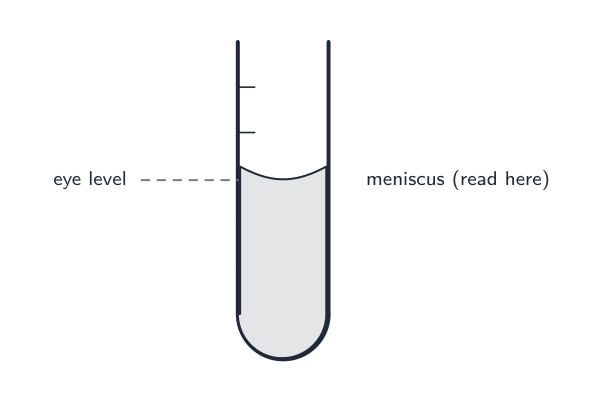

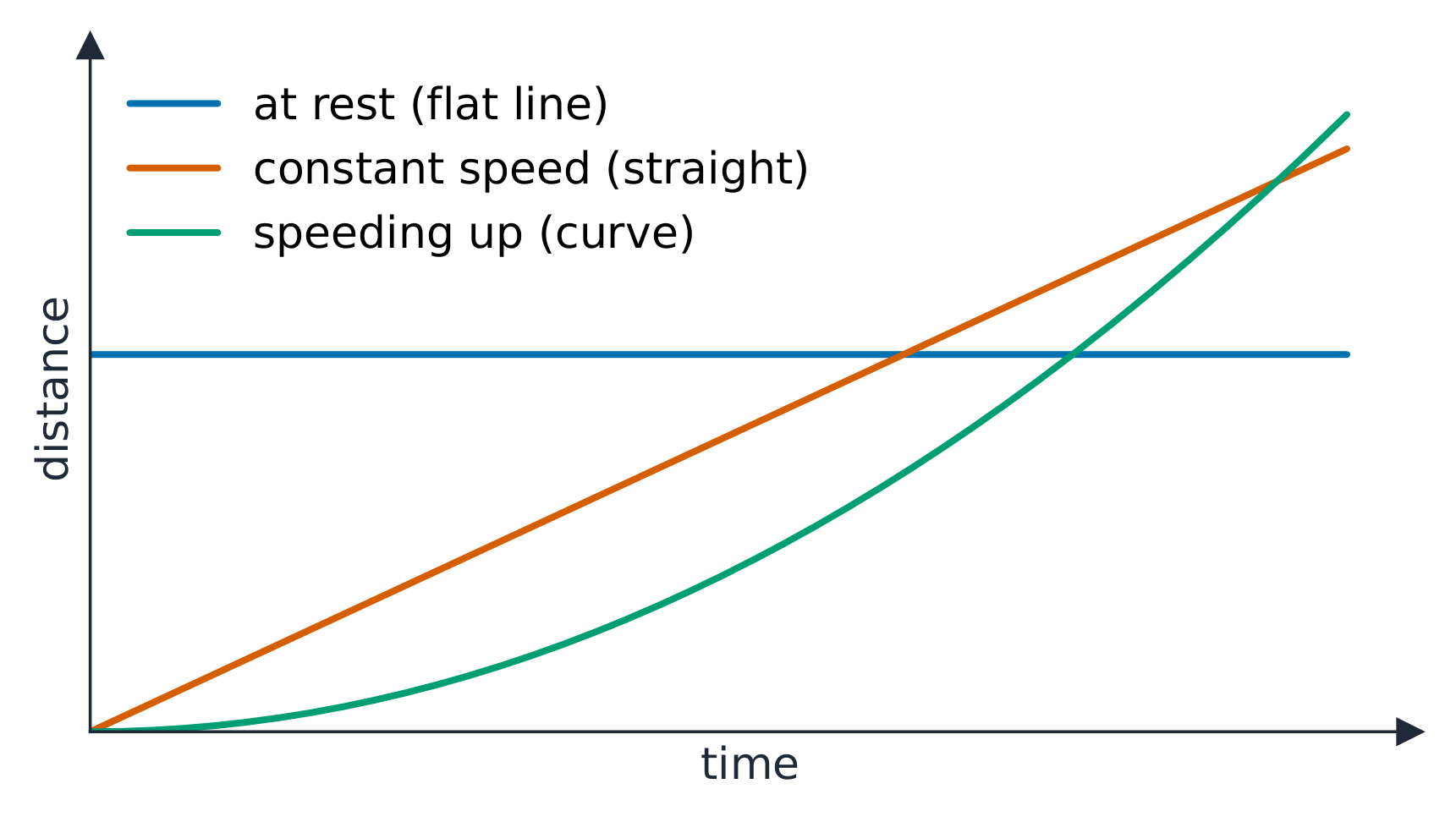
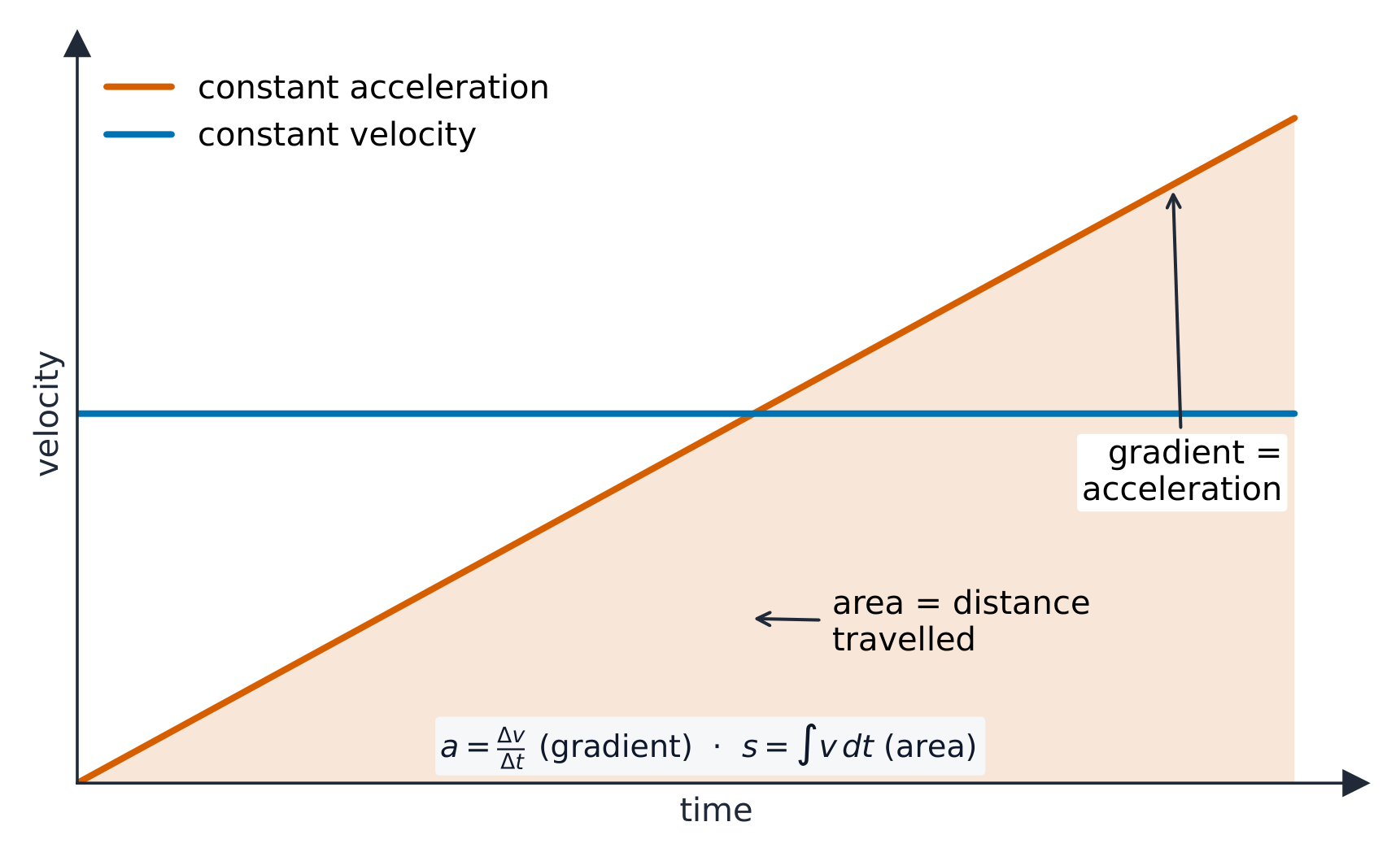
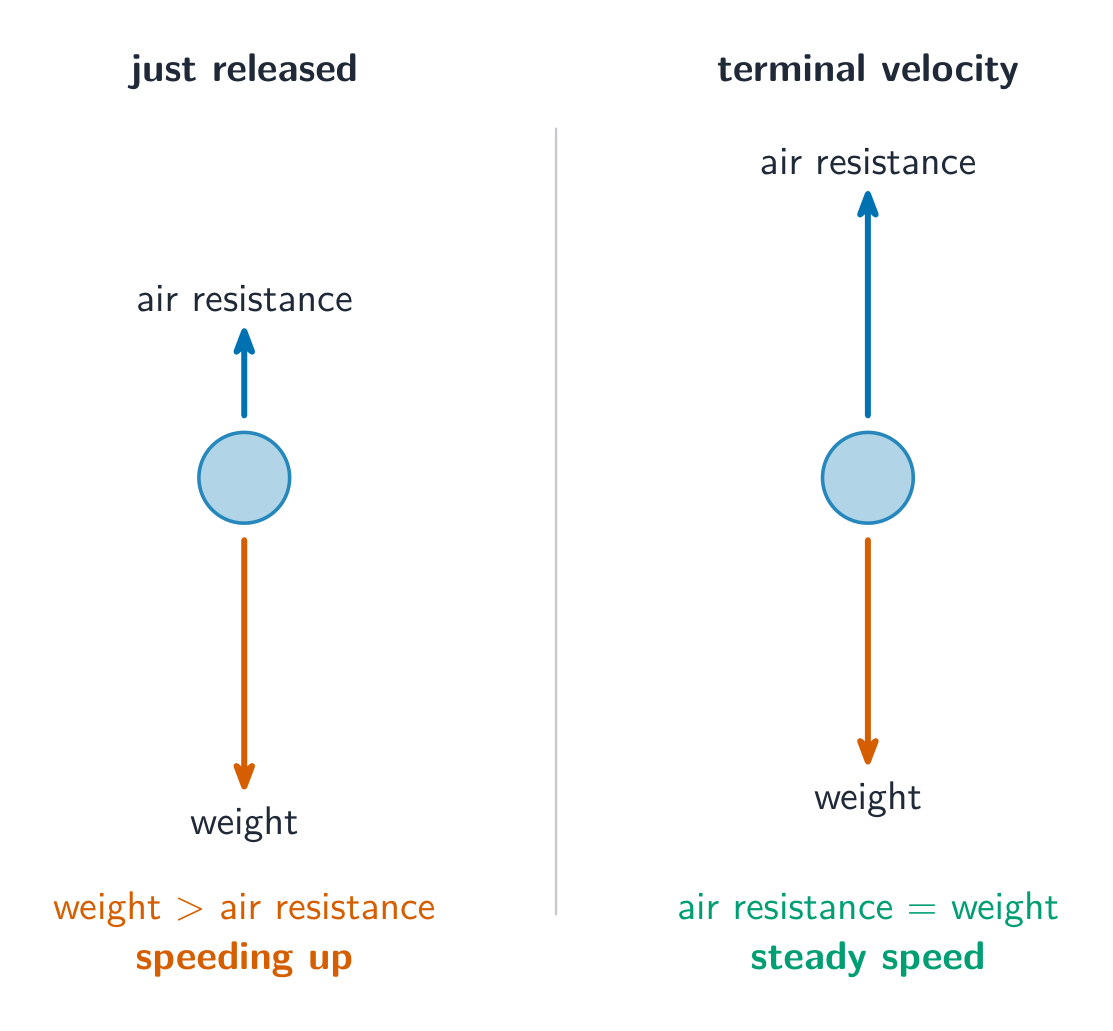
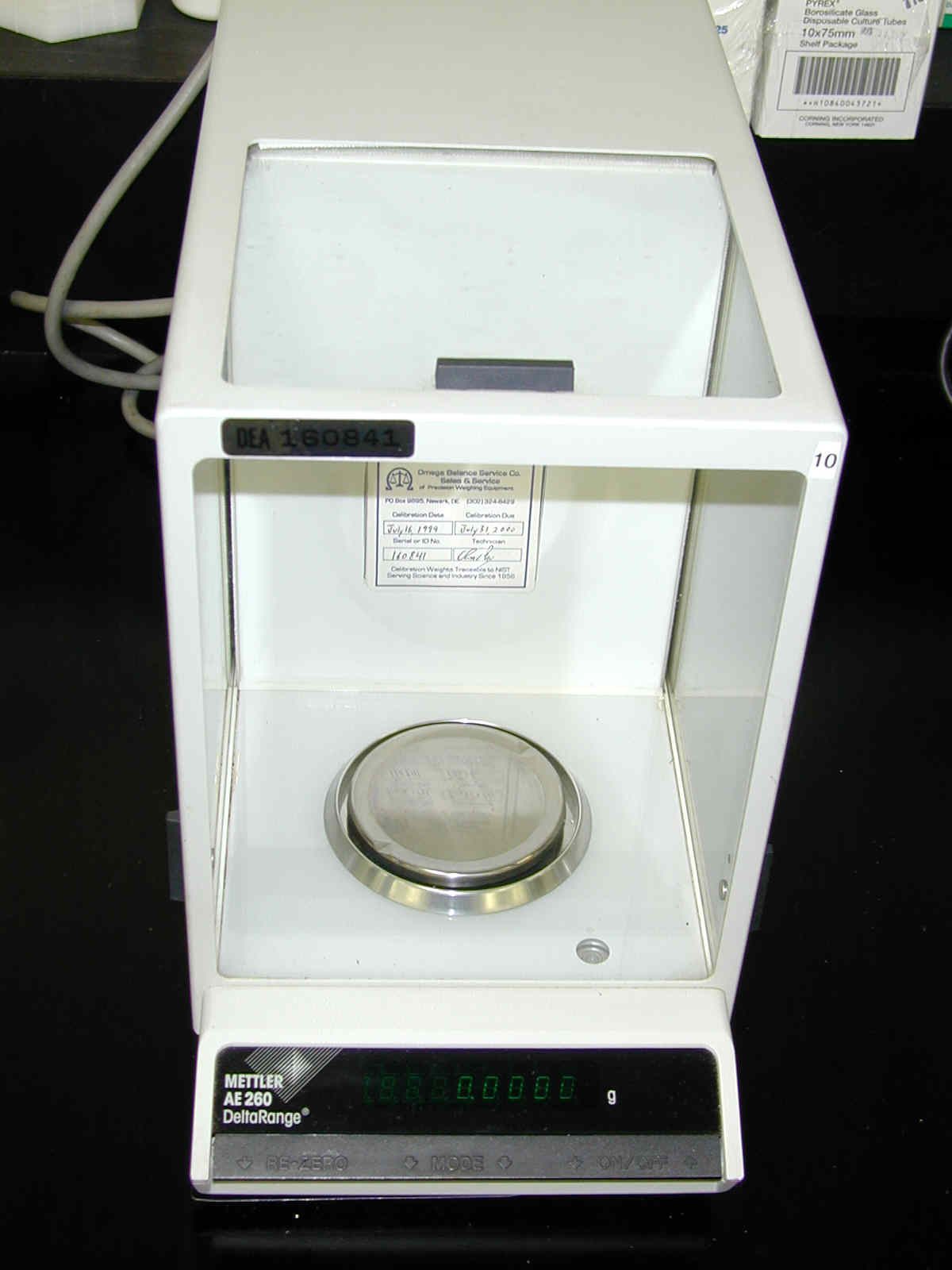

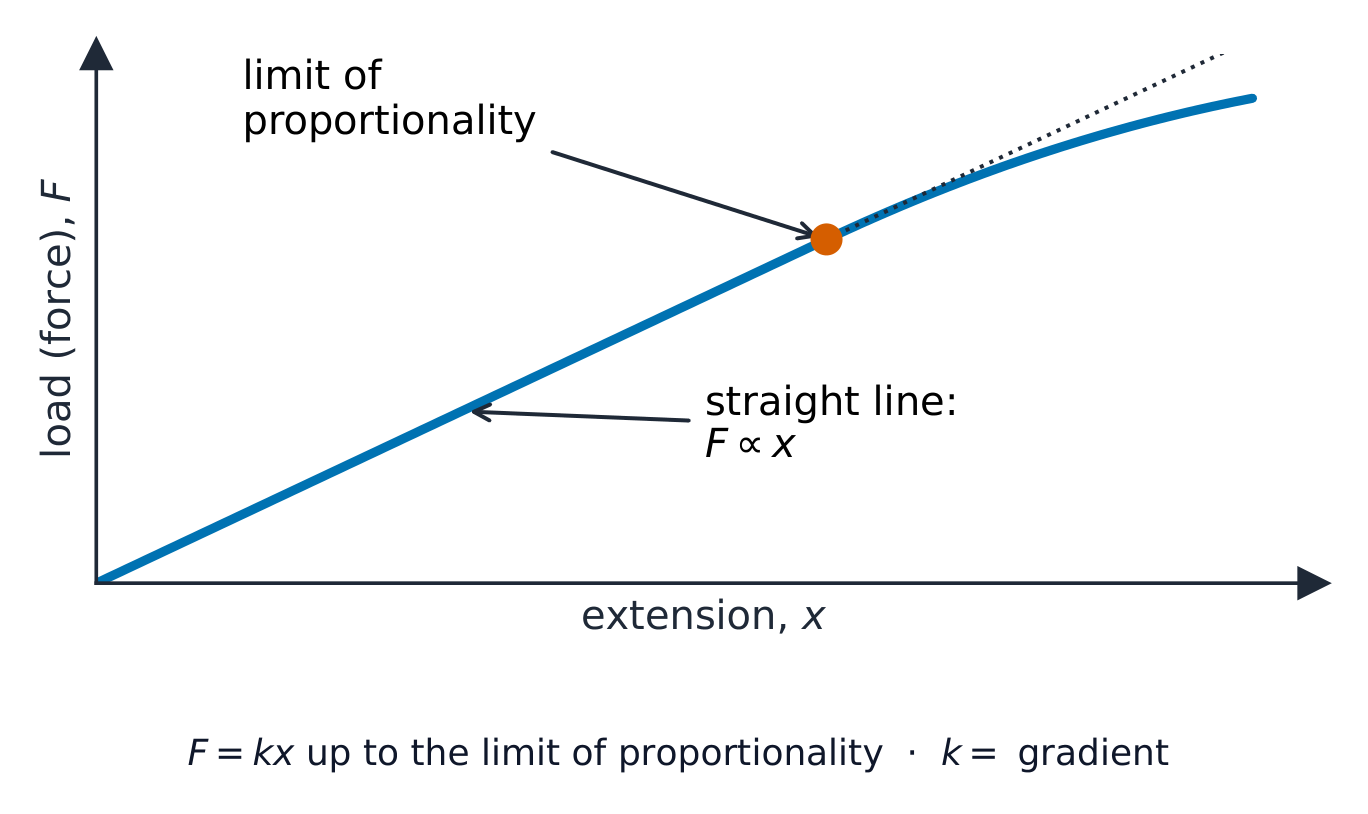

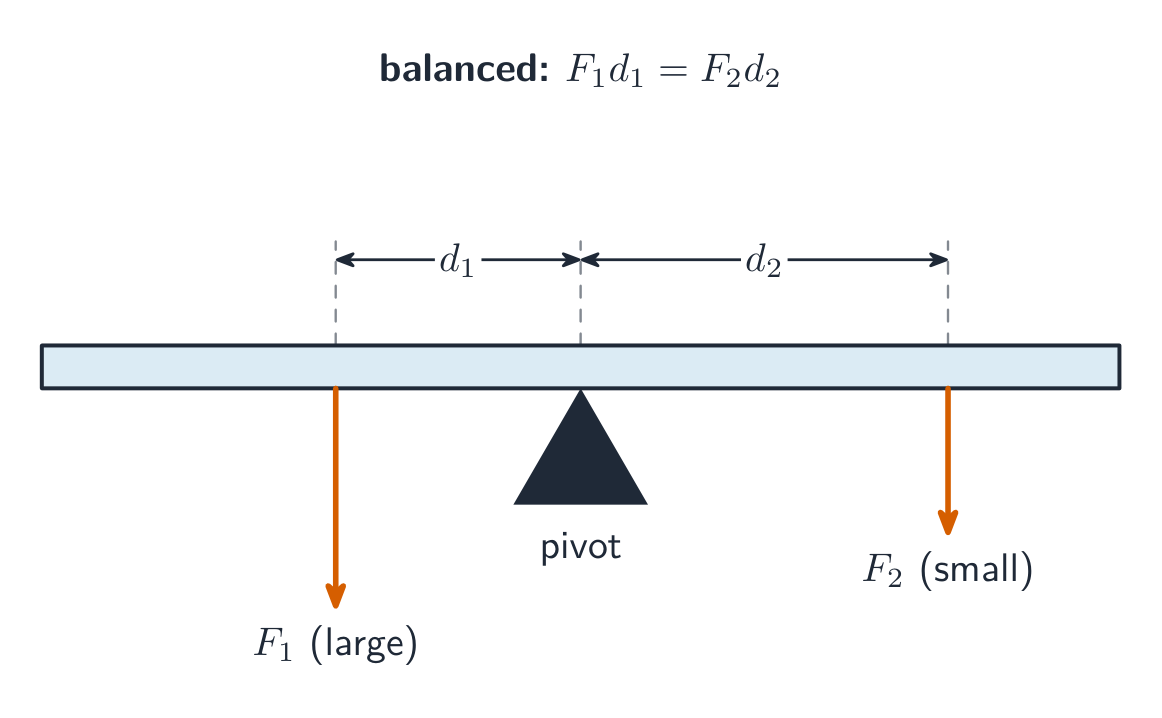
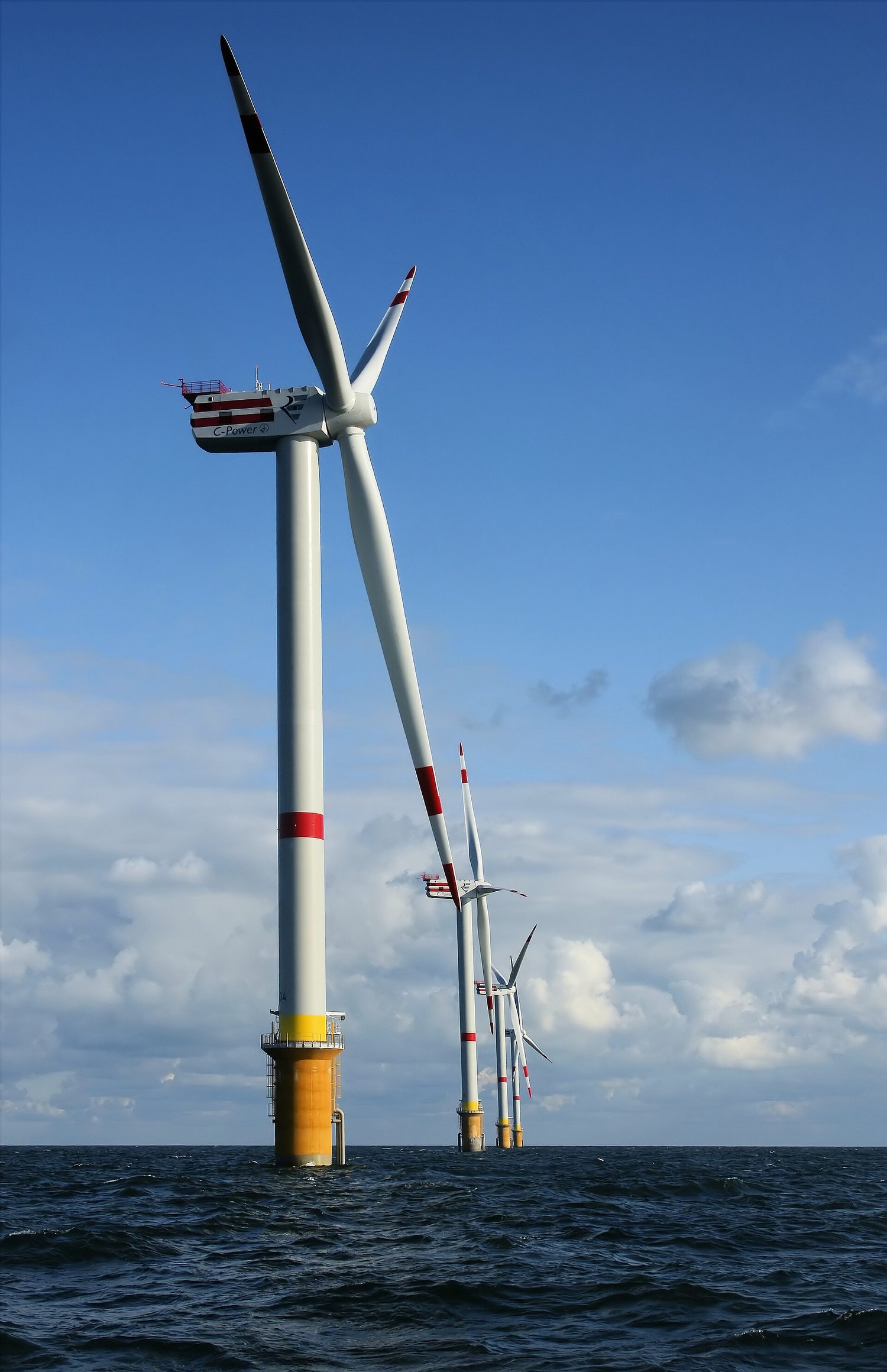
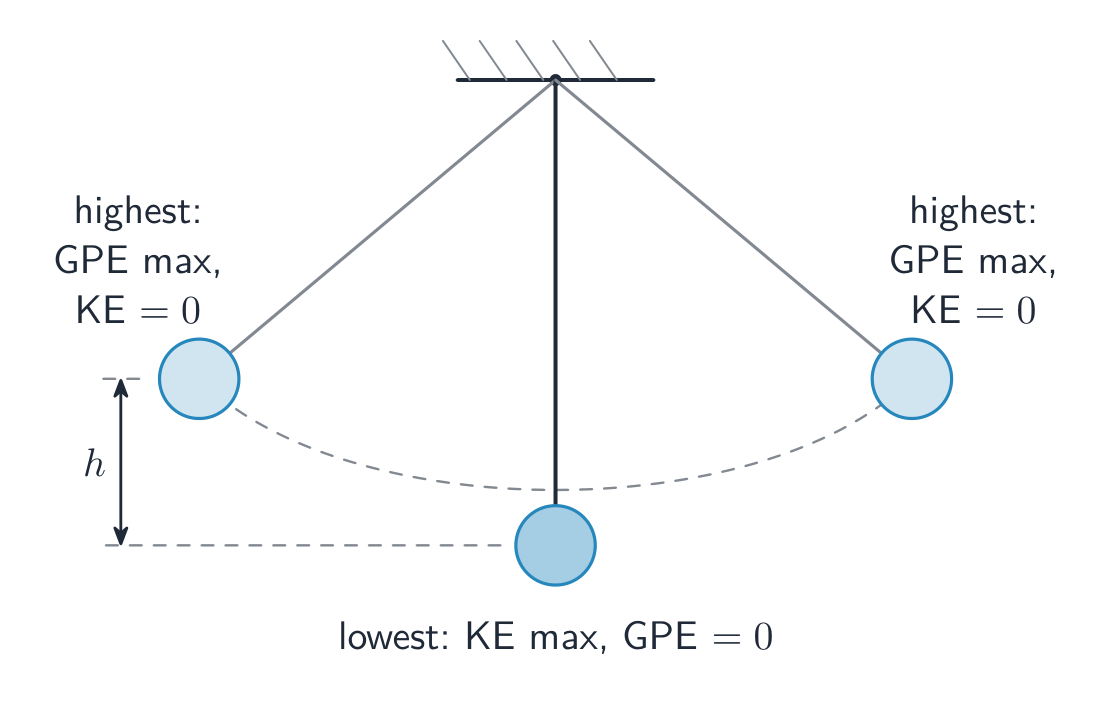
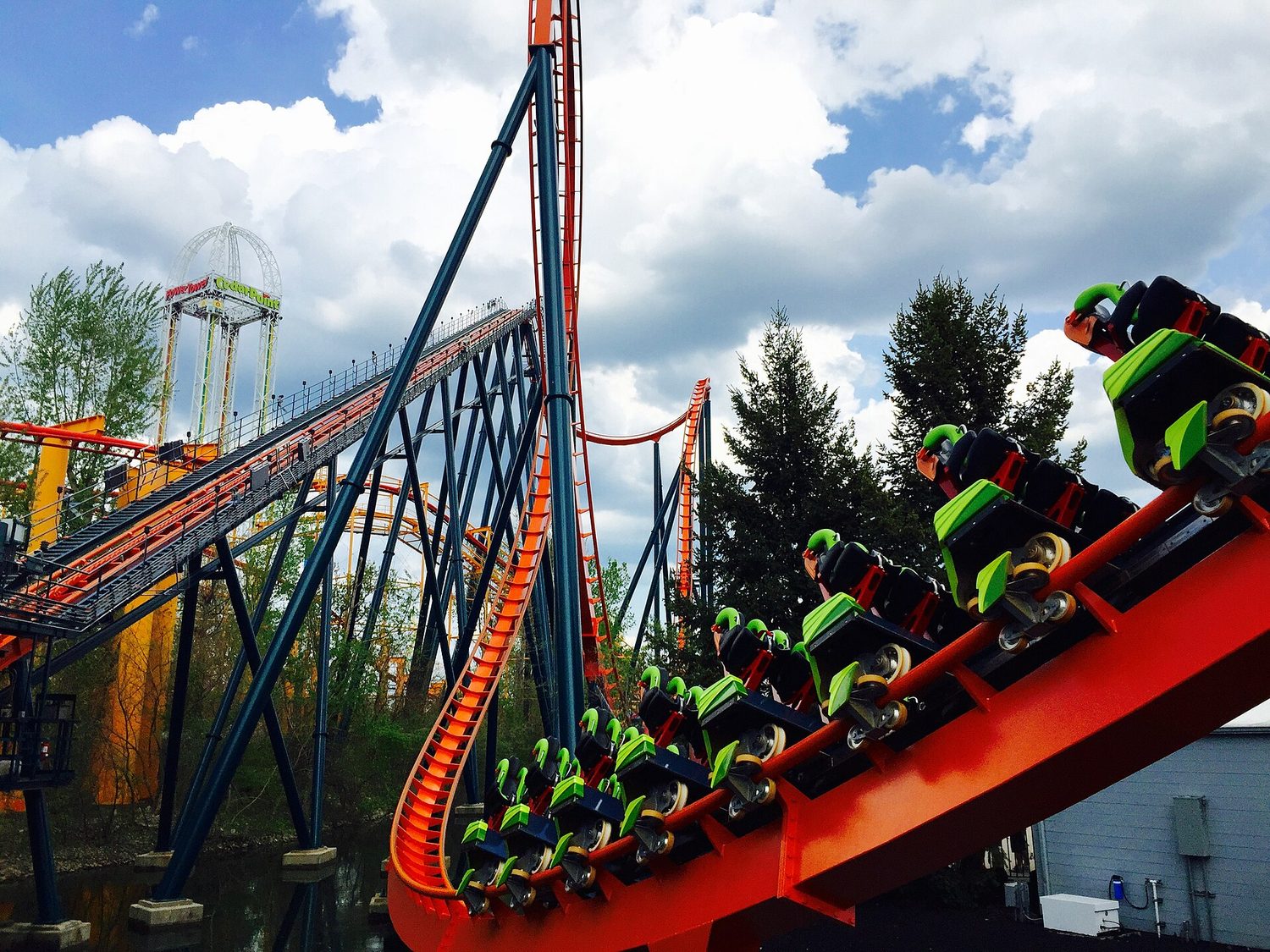
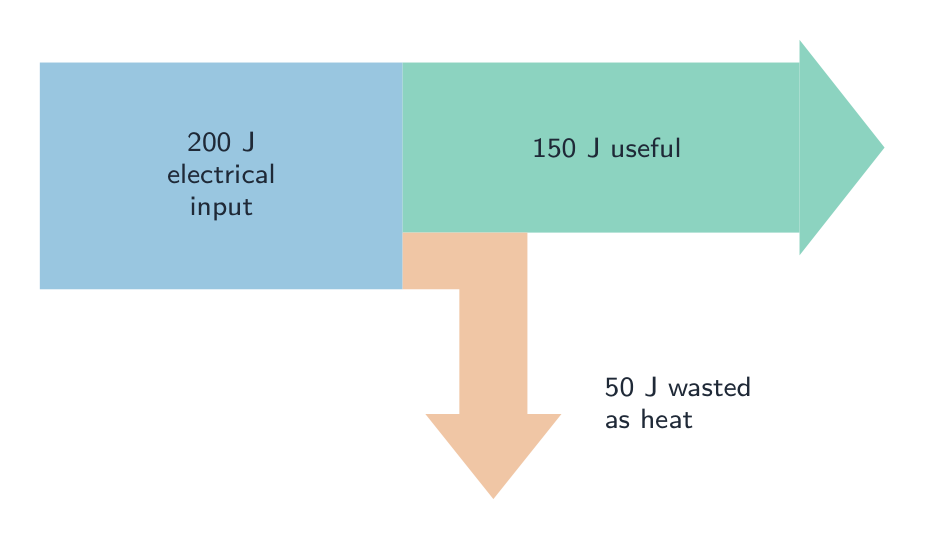
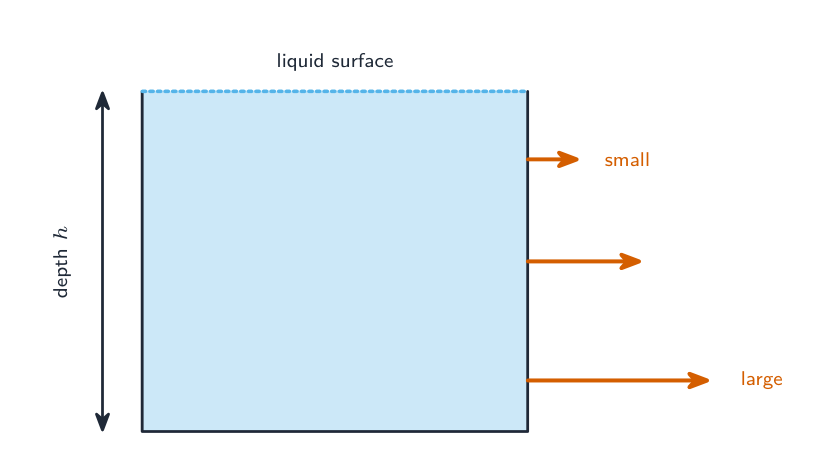

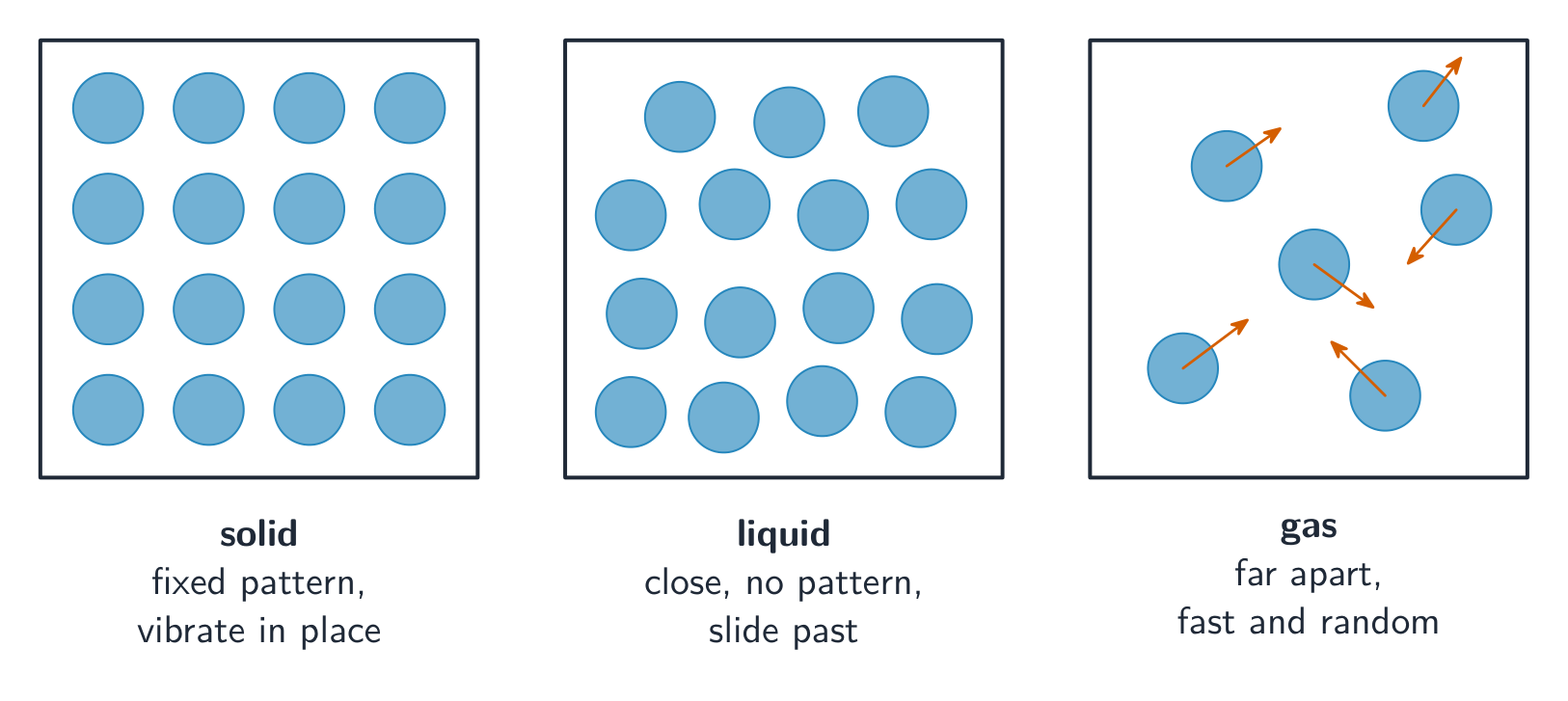
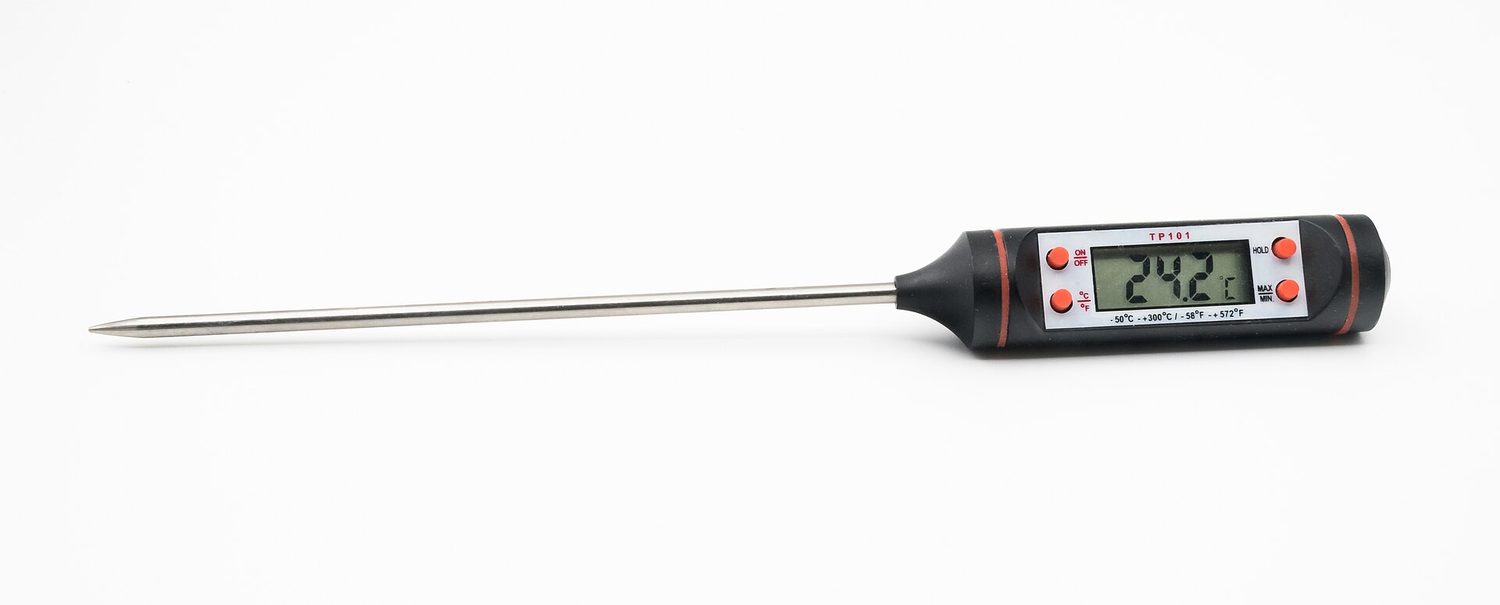


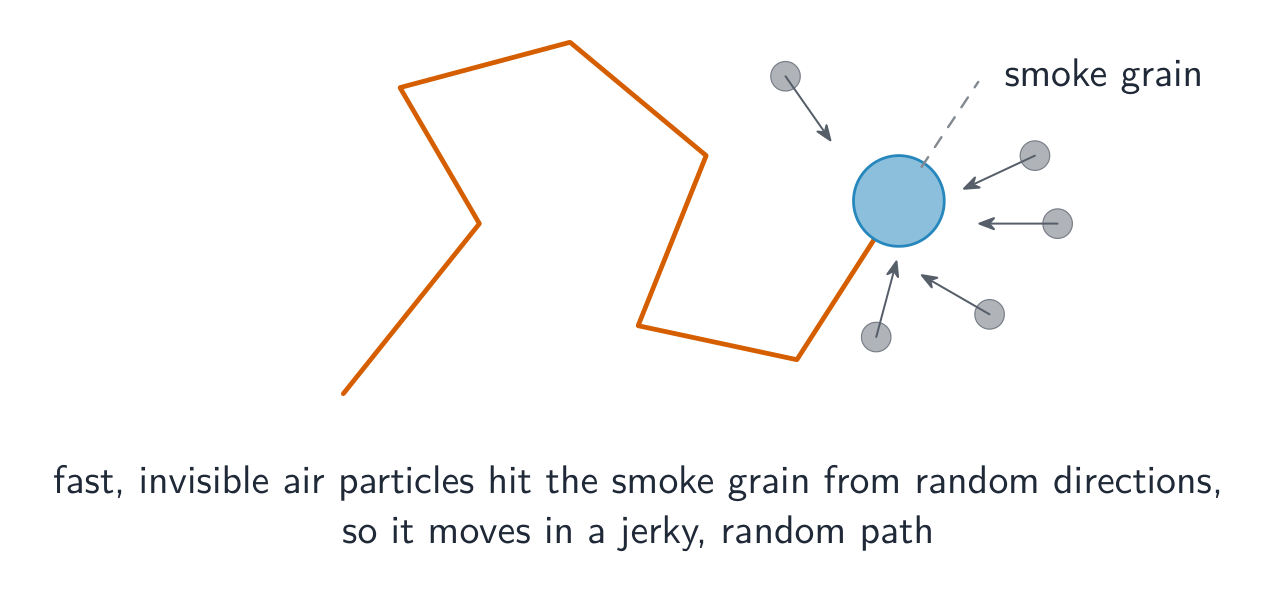
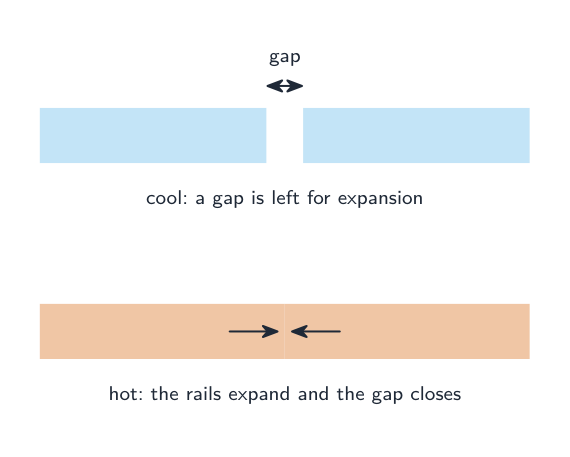

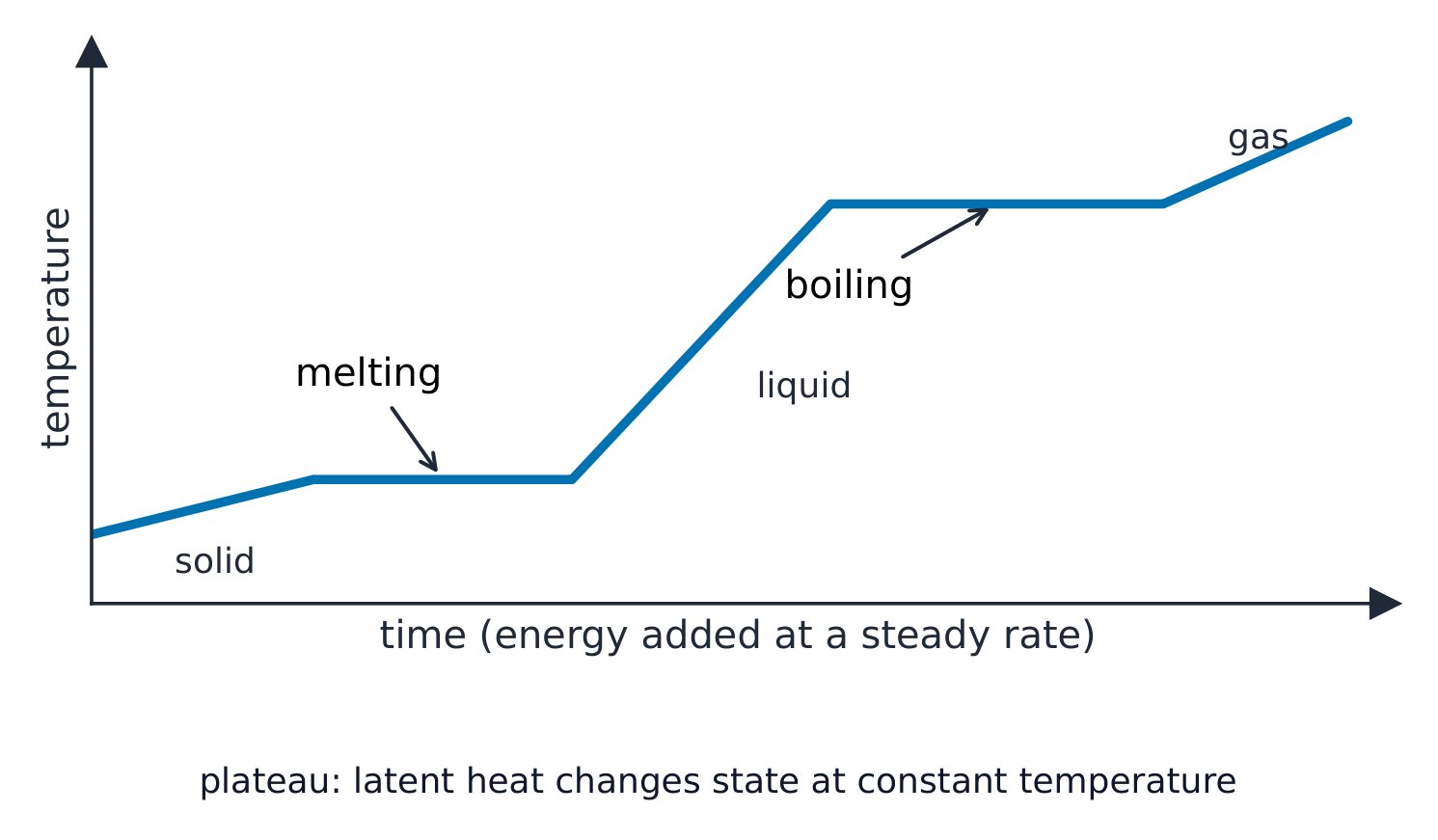

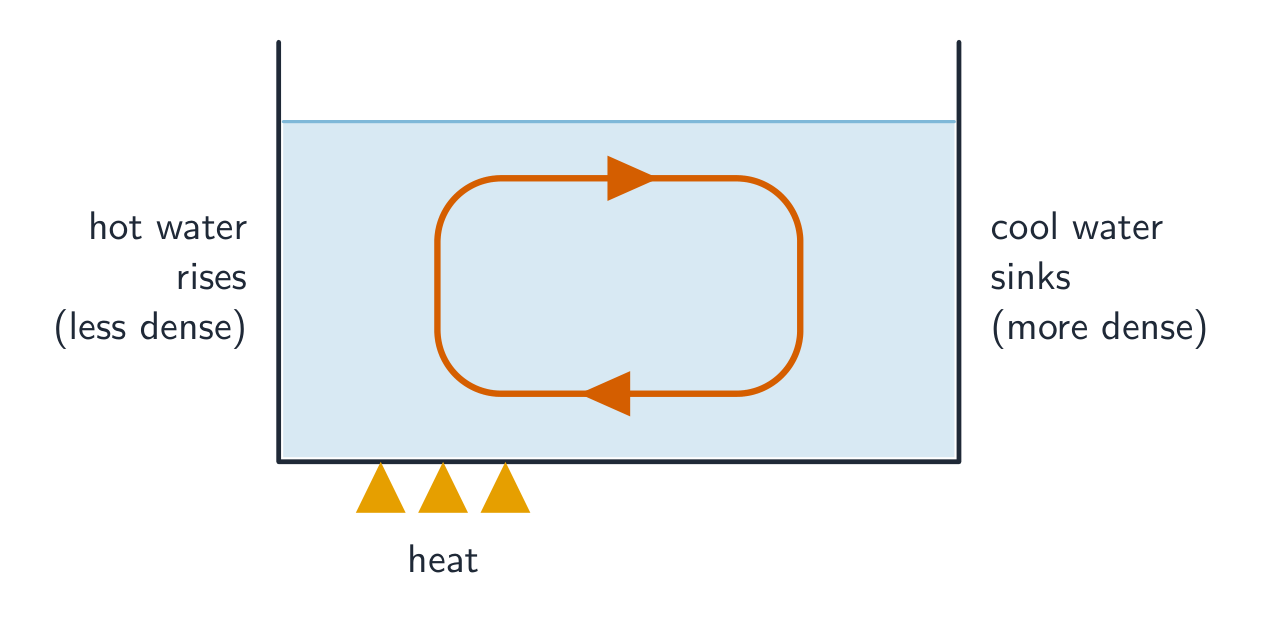


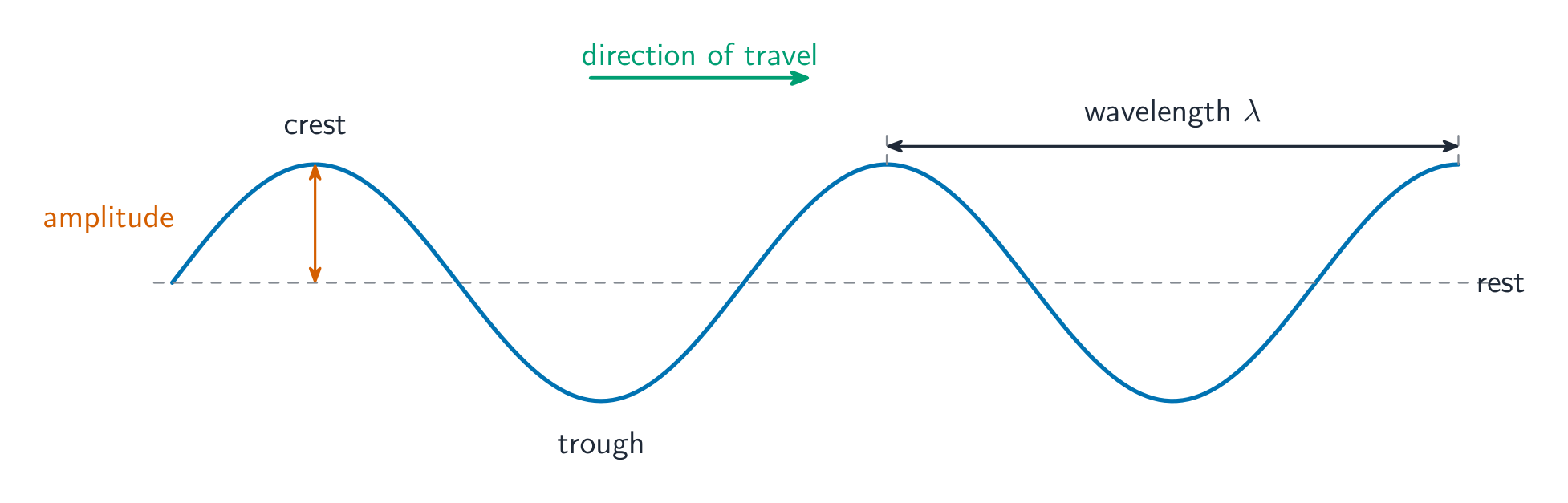
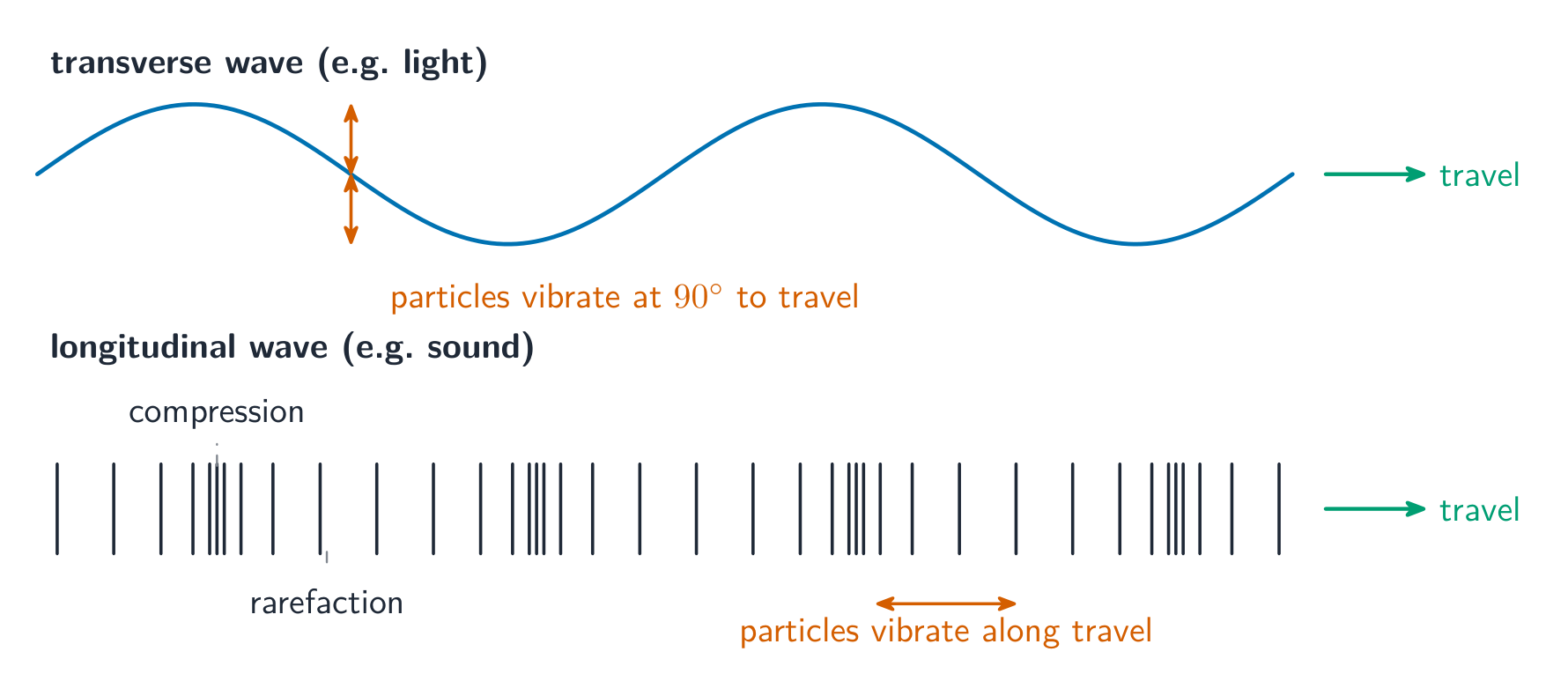

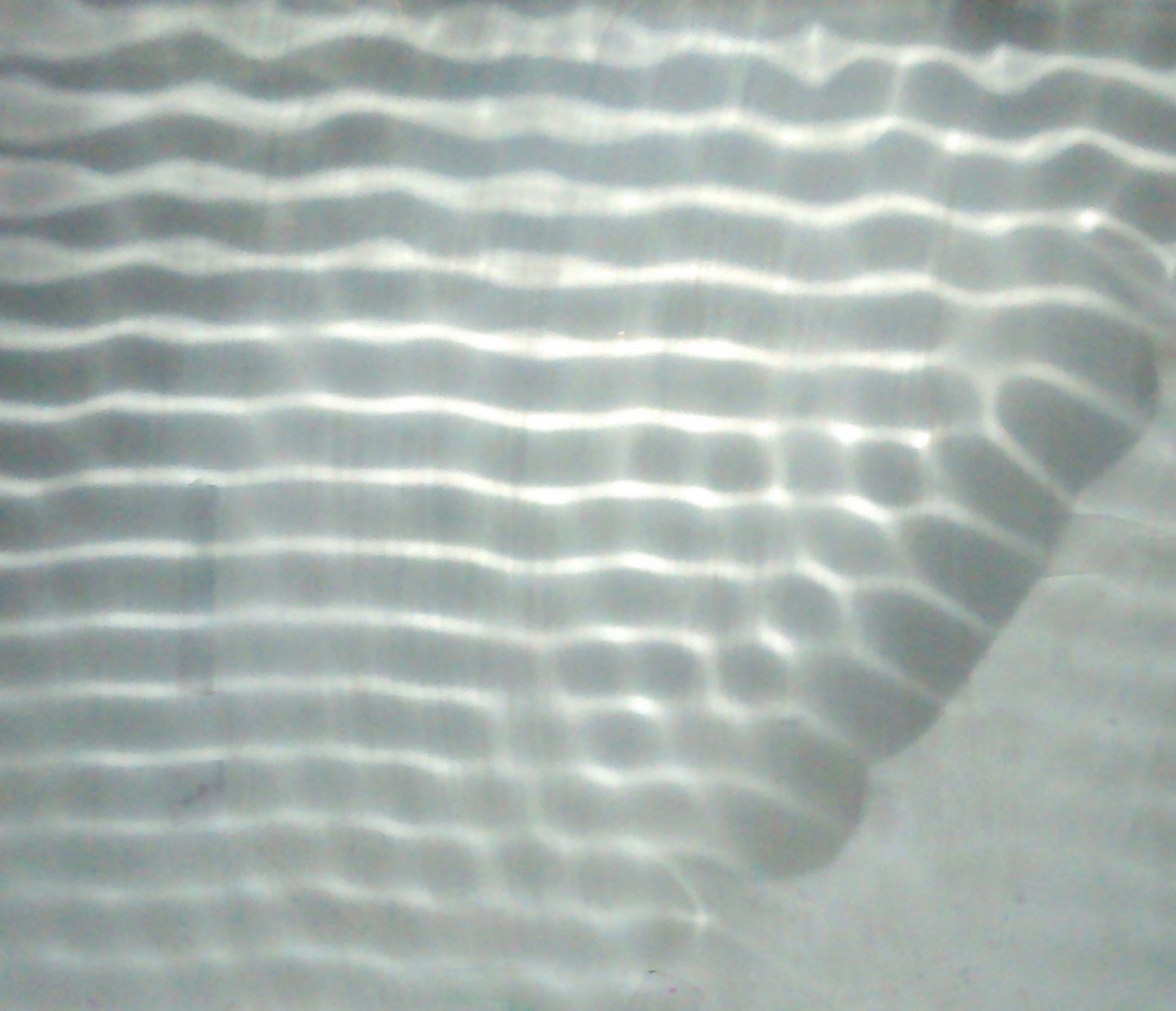
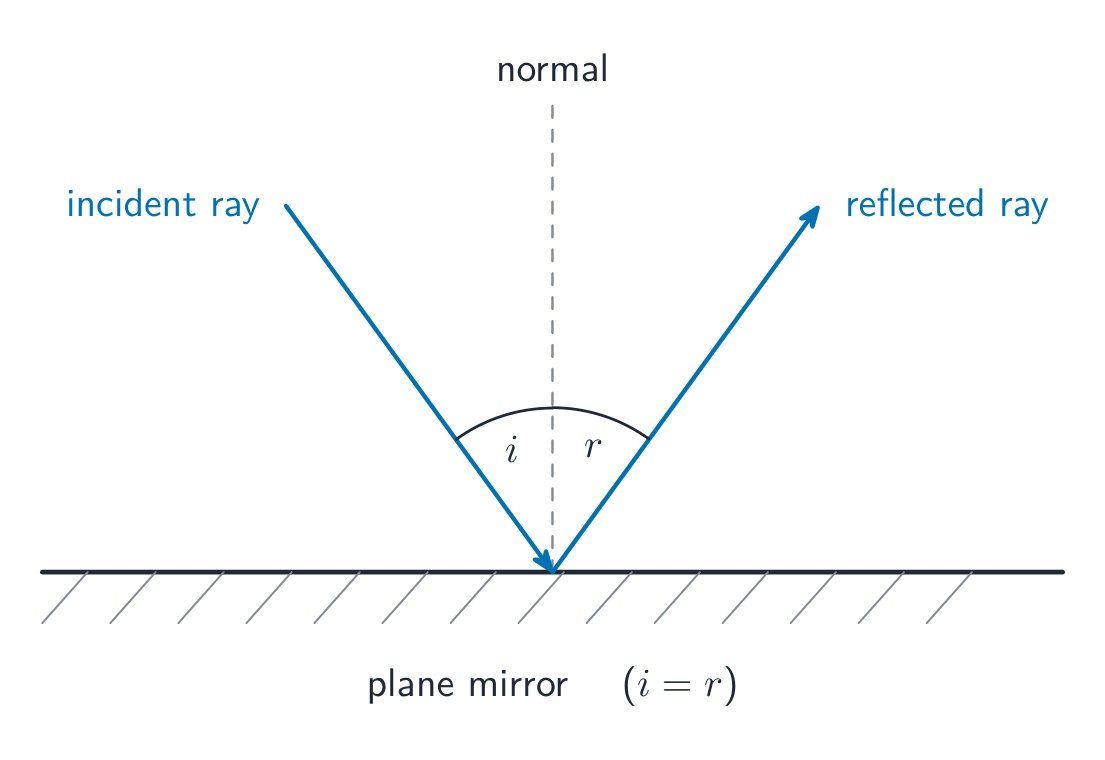
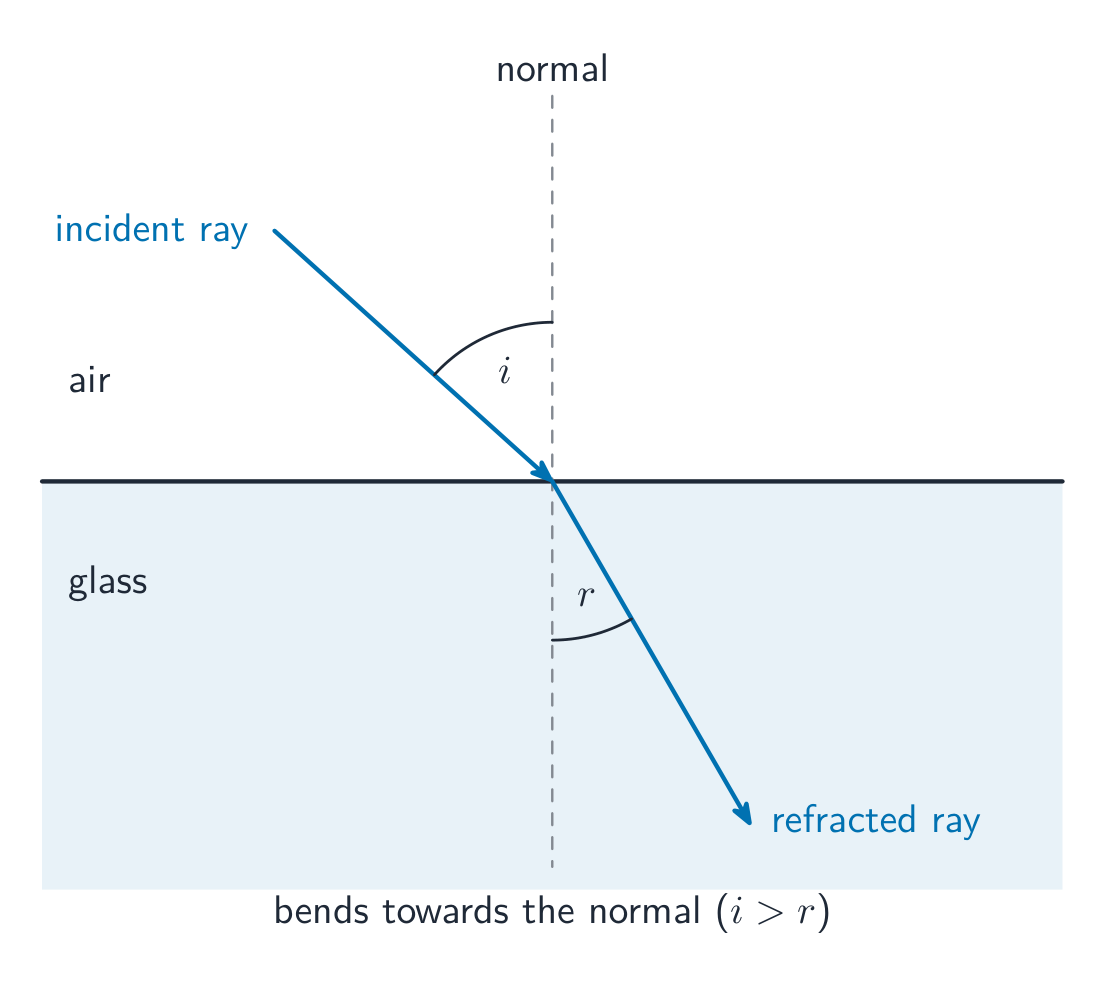


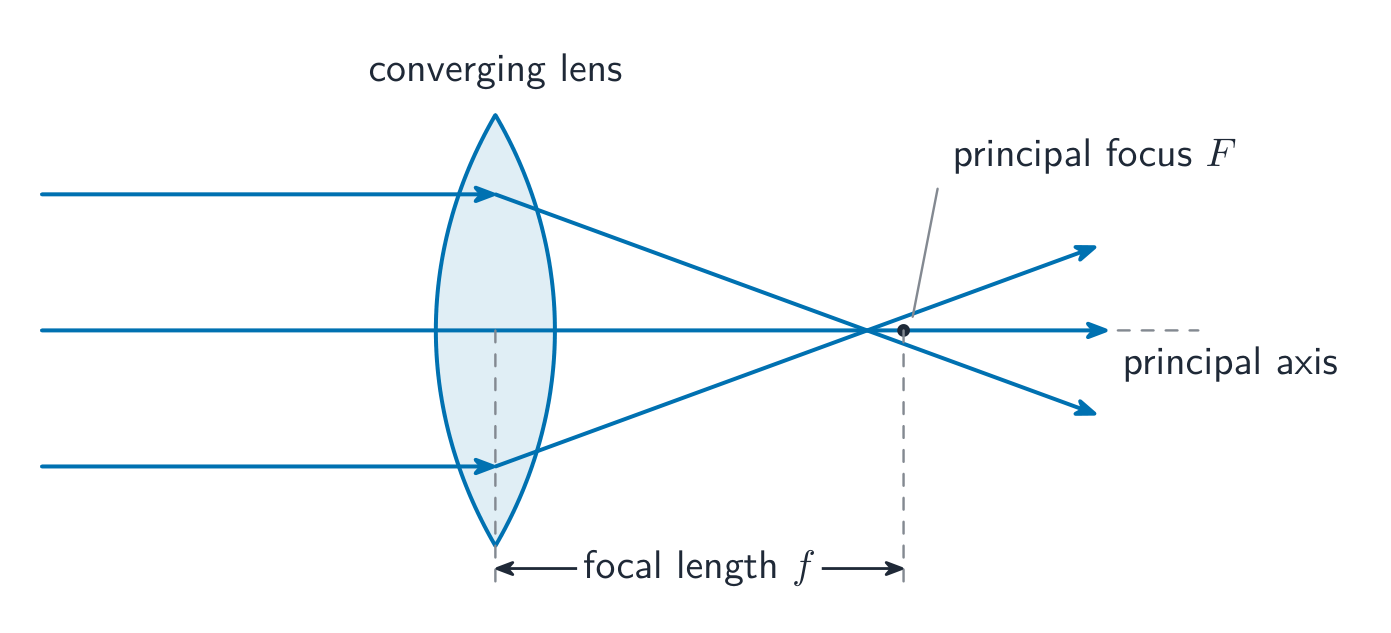


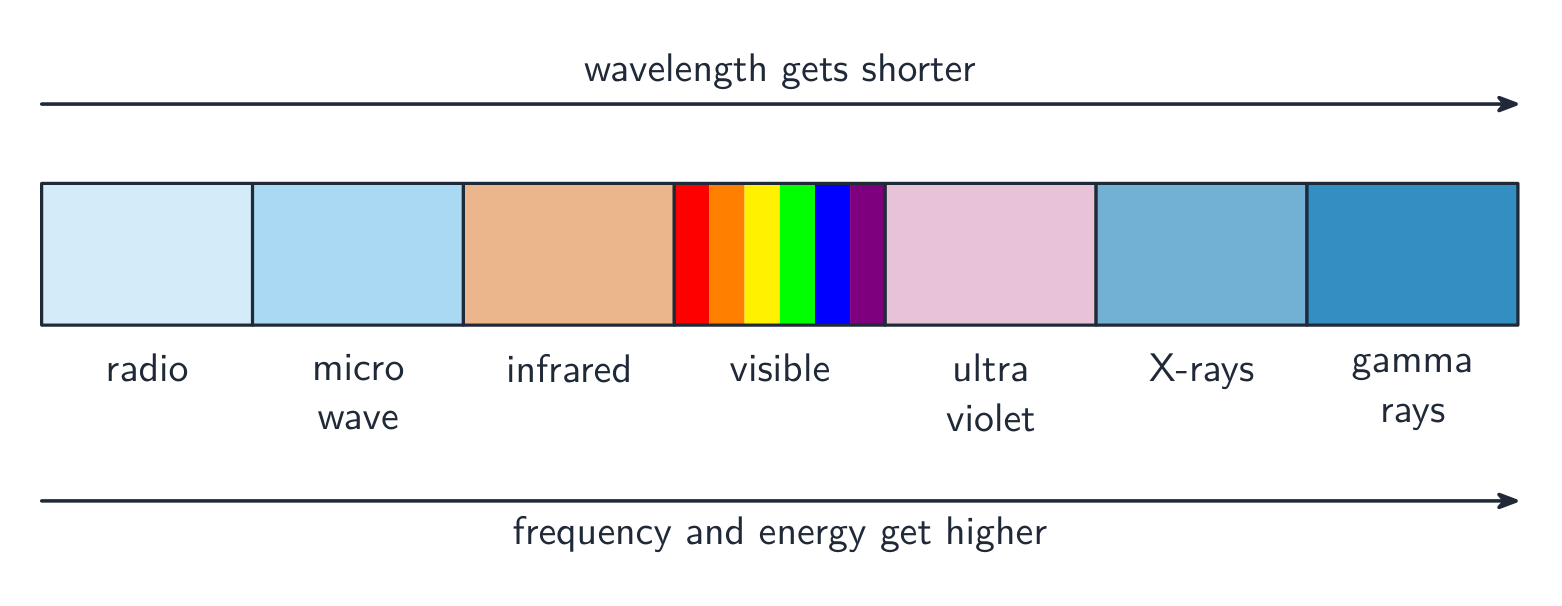

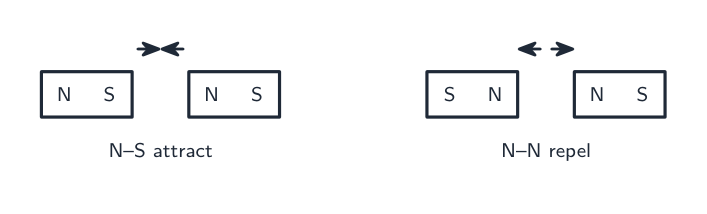


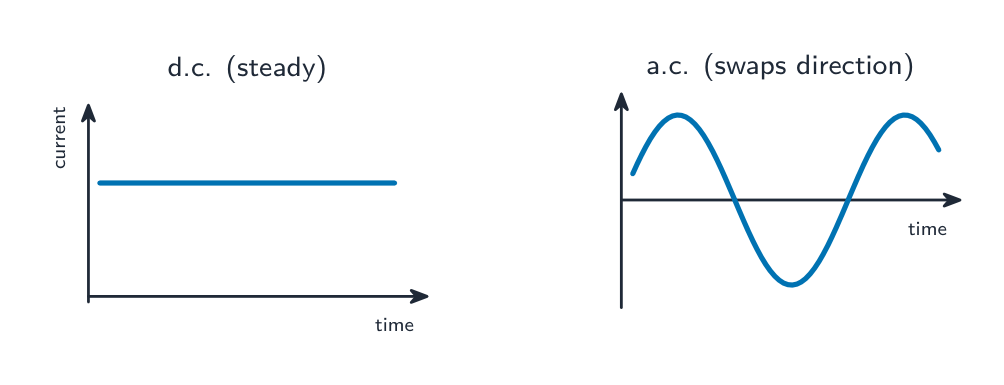


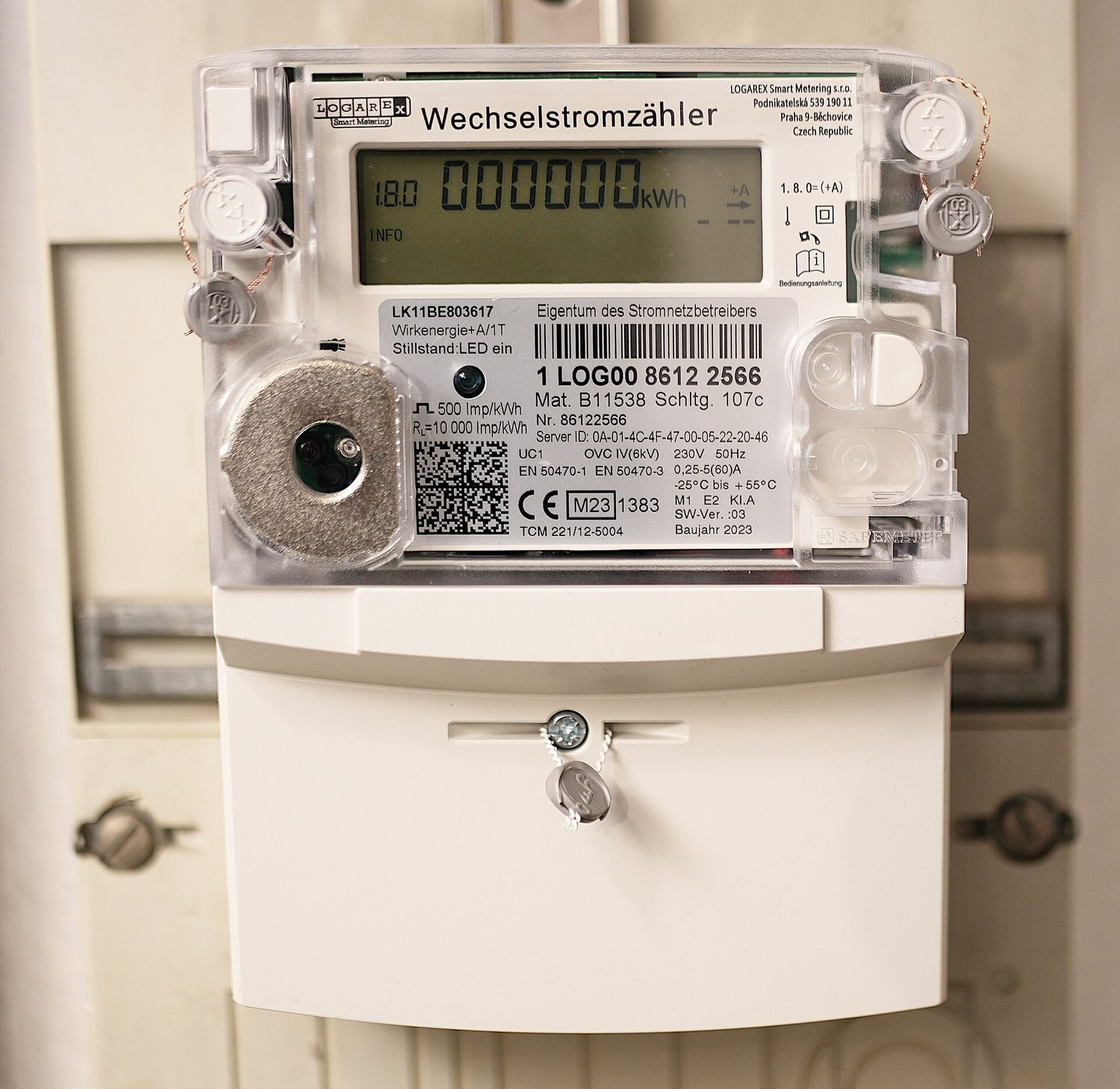
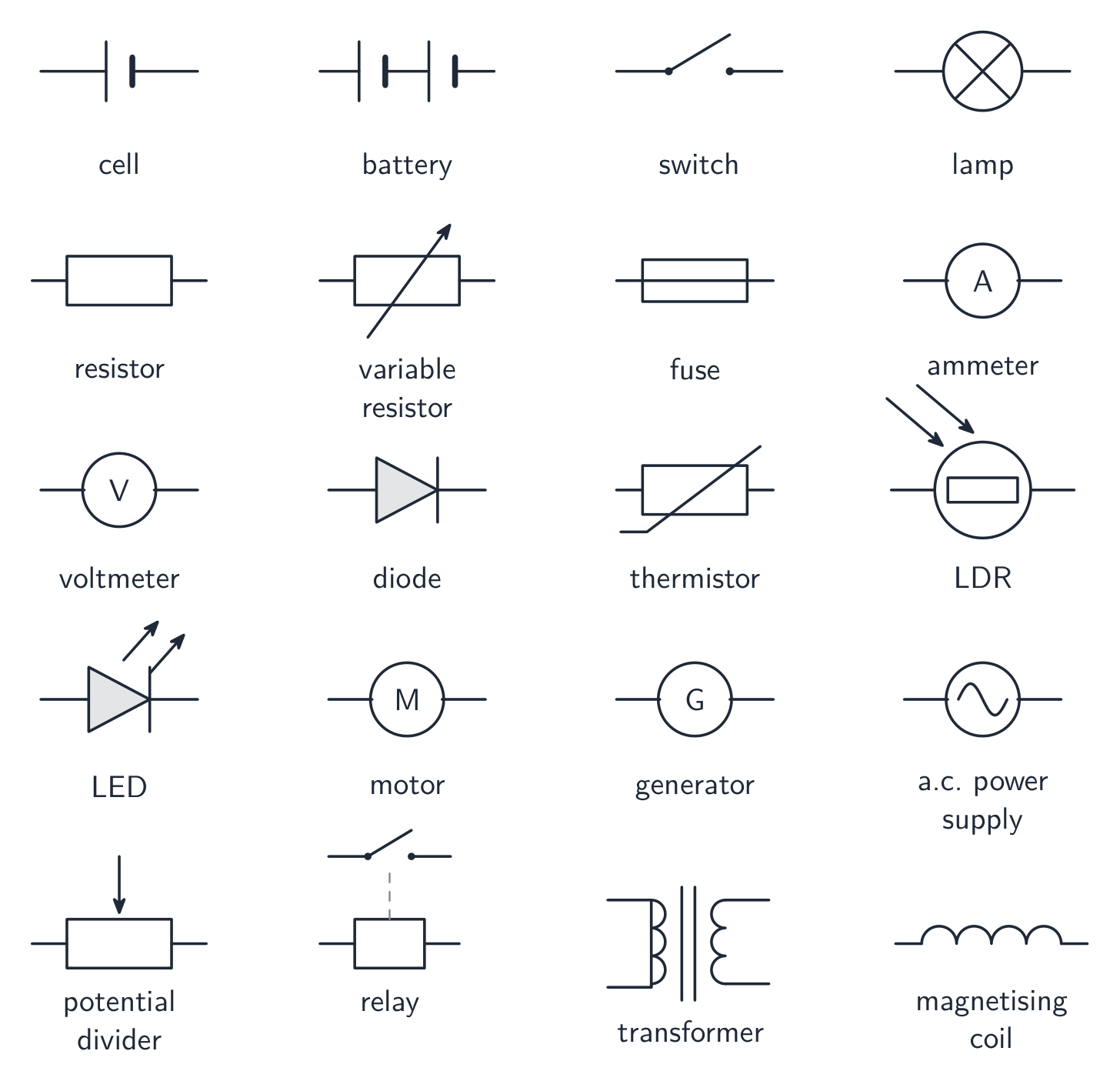
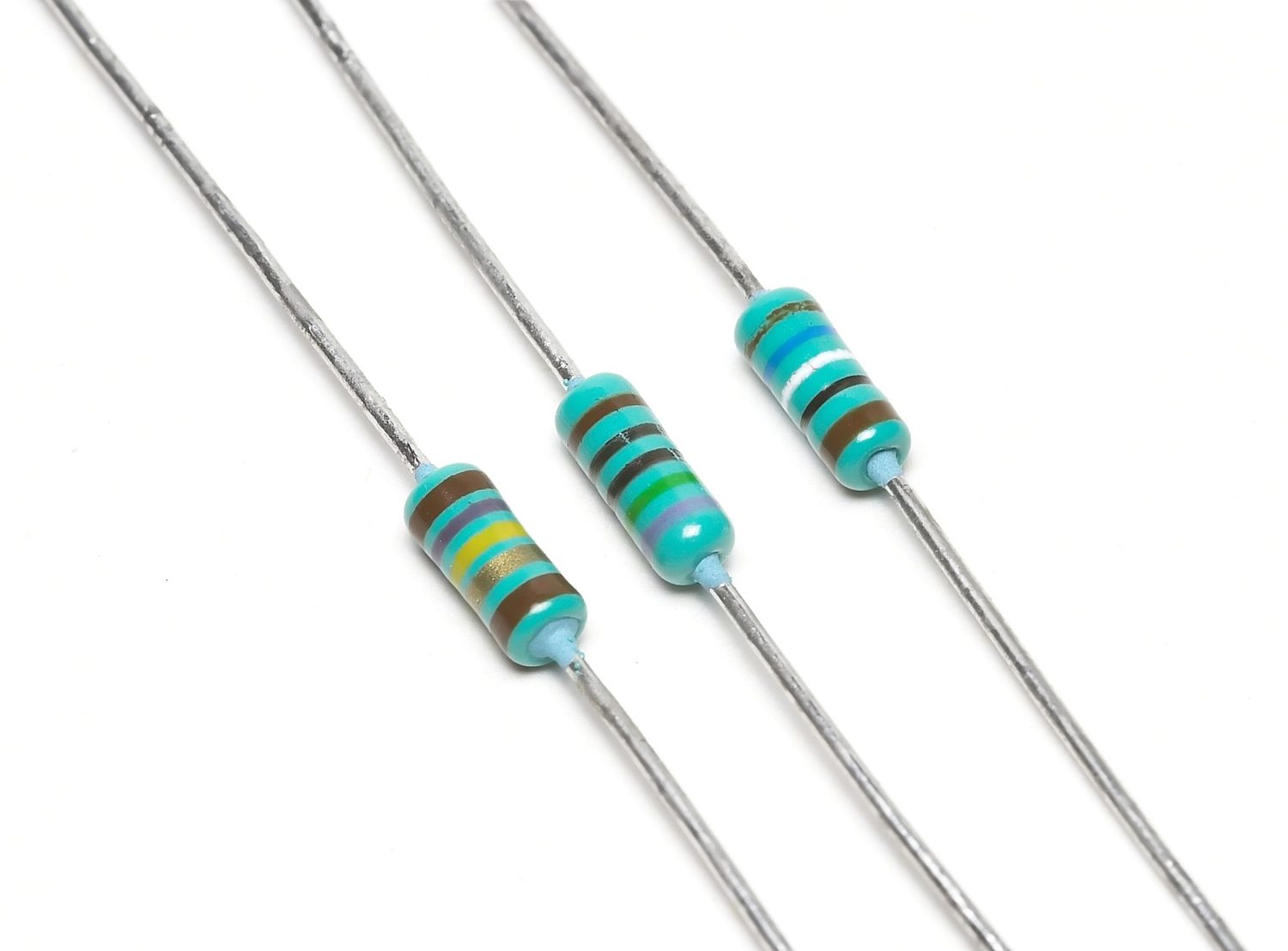

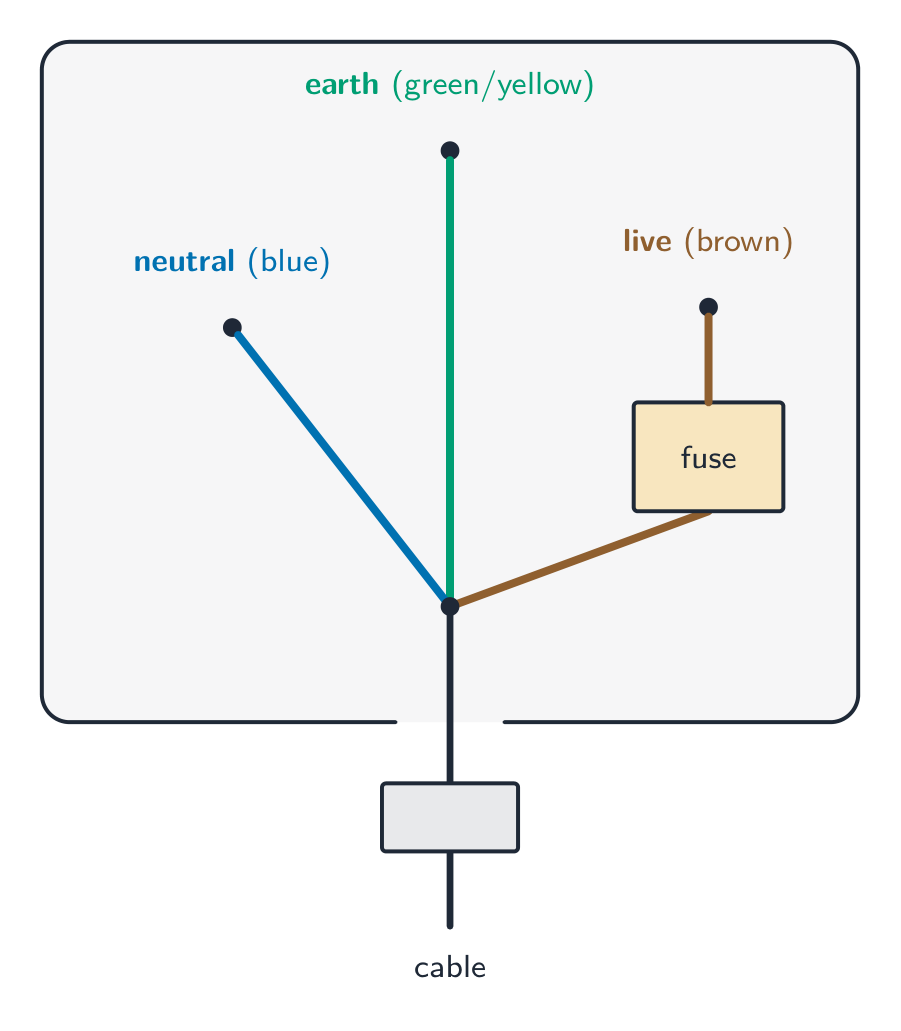


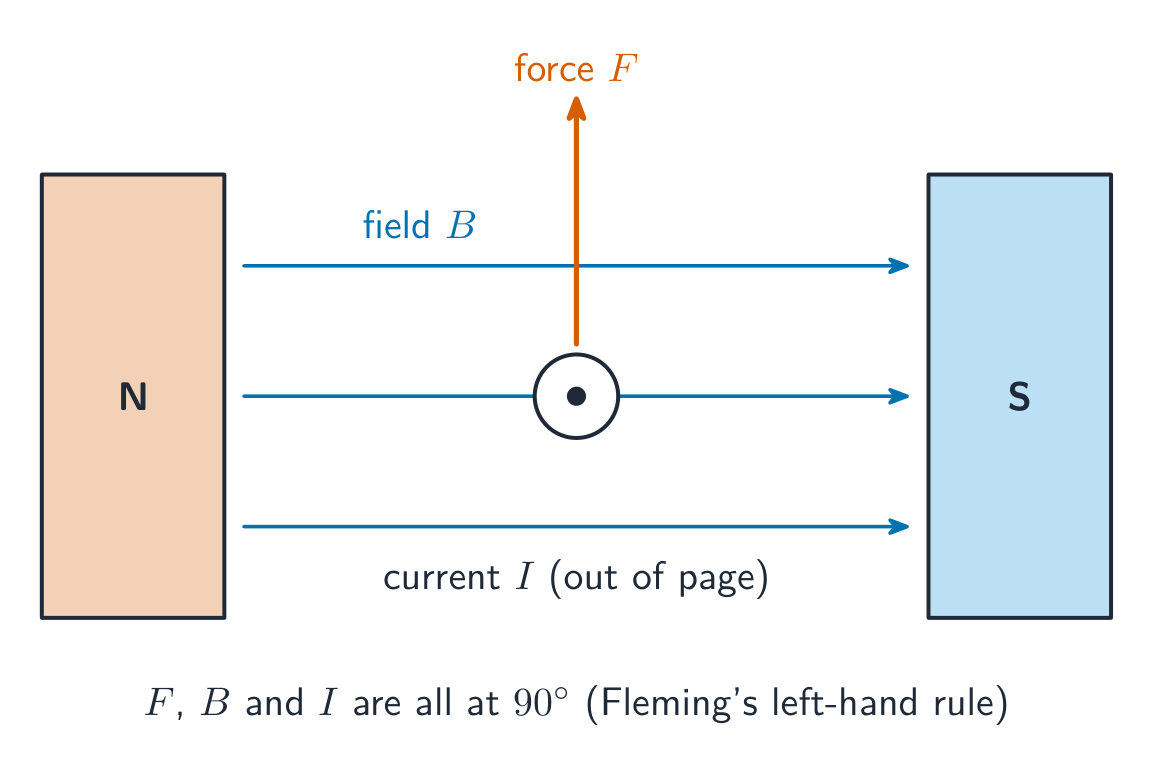
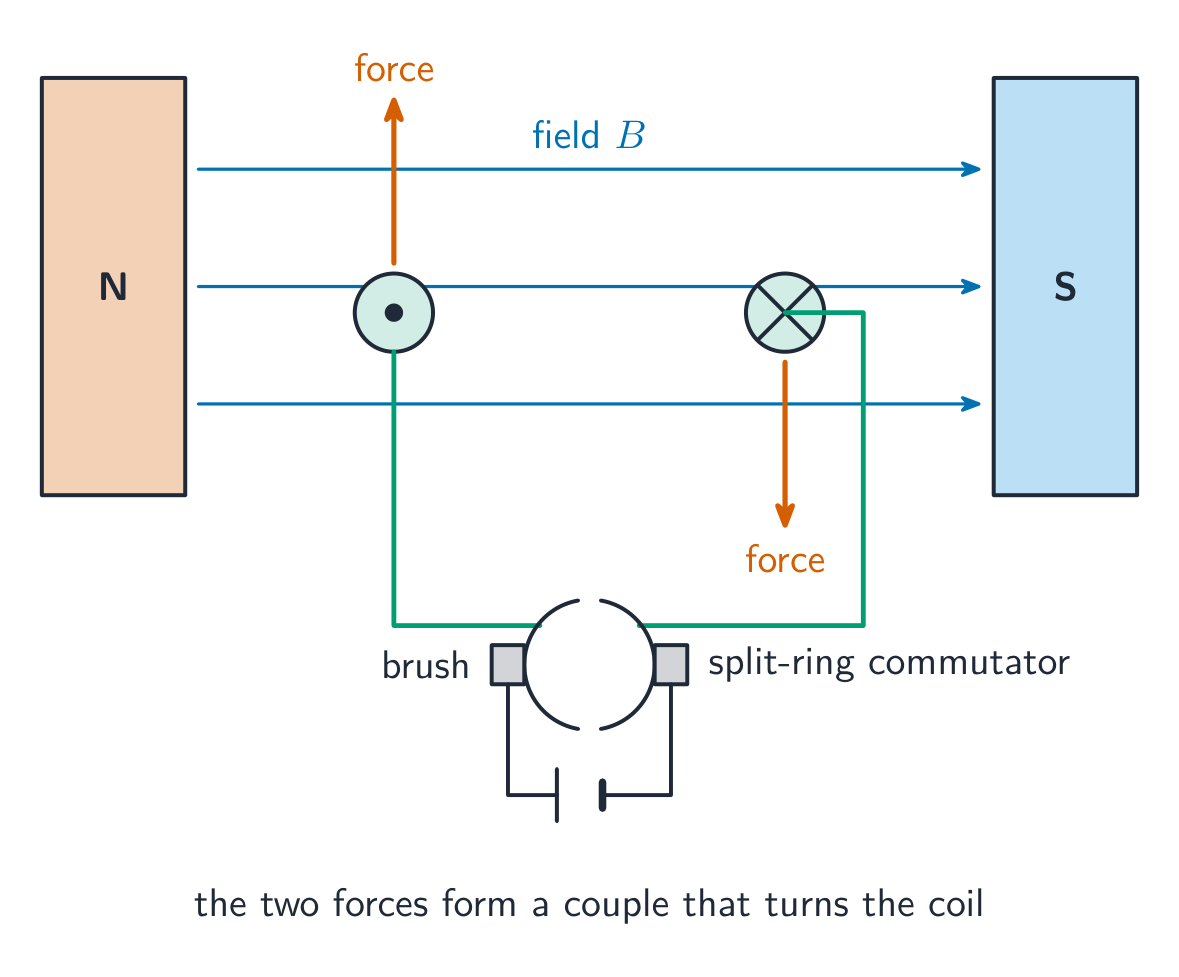
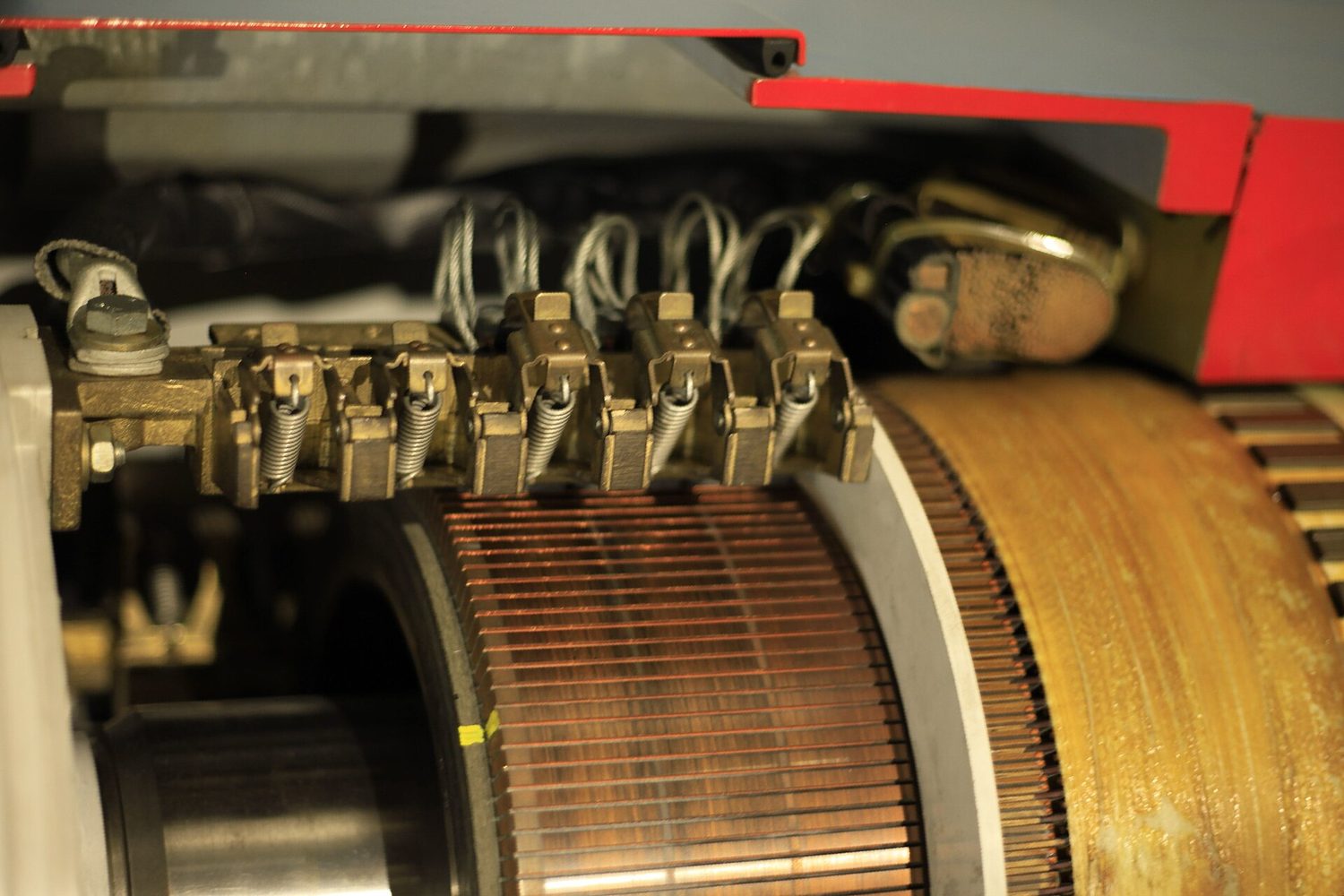
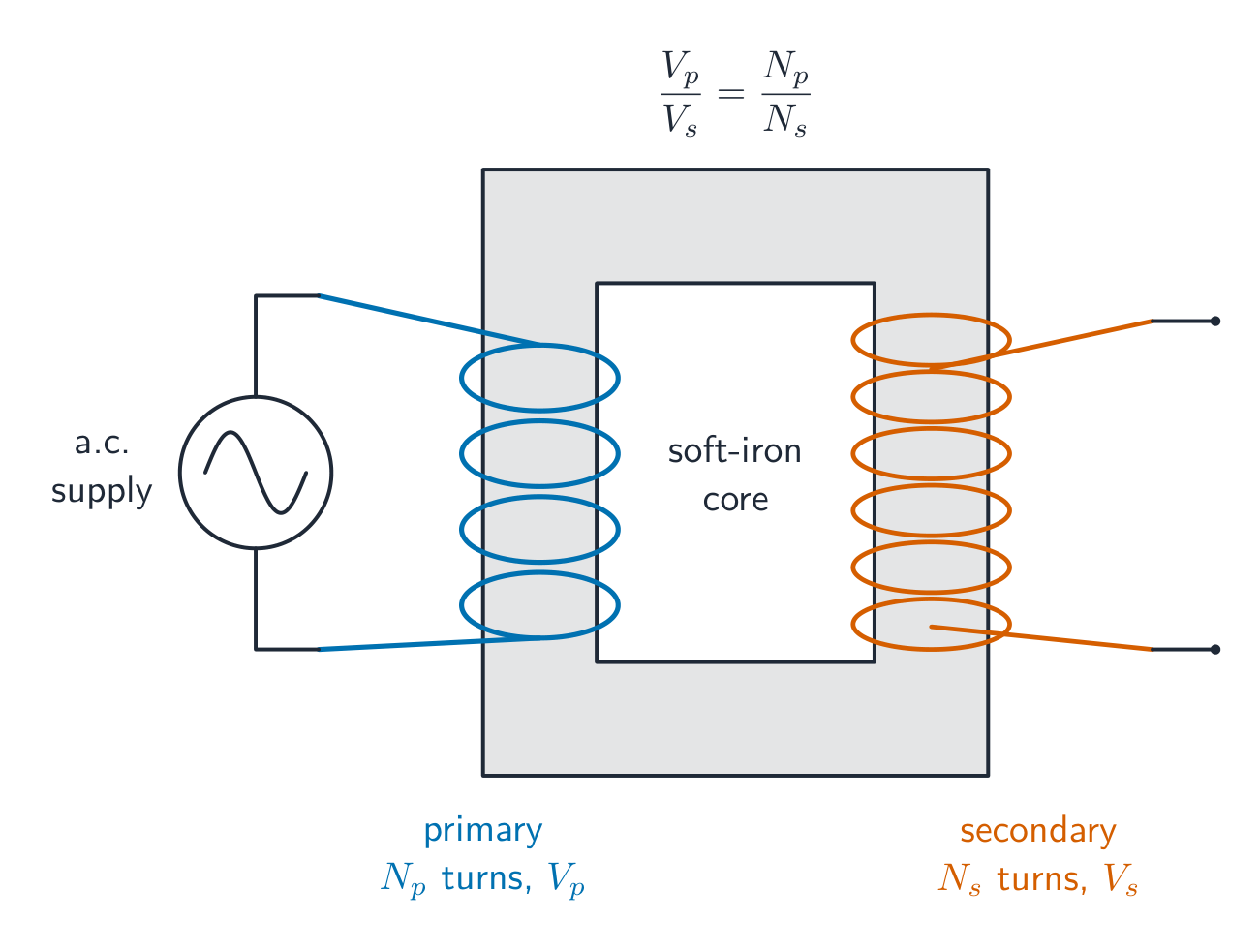



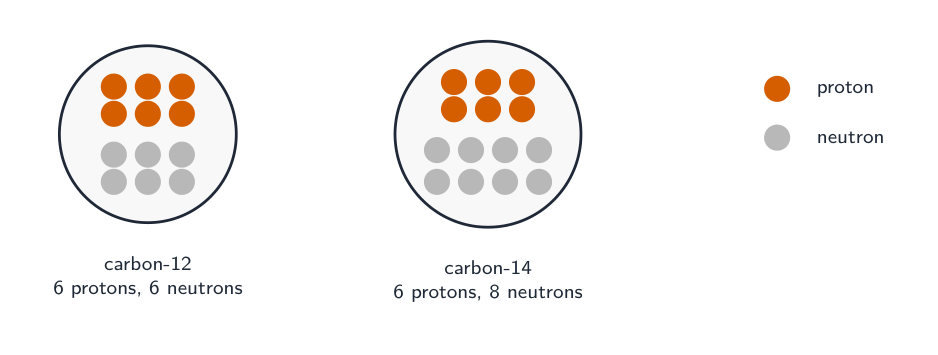
 *נייטרון מפצל גרעין U-235 לשני גרעינים קטנים יותר, ומשחרר נייטרונים ואנרגיה נוספים