Skip to content · ⁨דלג לתוכן⁩

The Global Tapestry · ⁨הטפטה הגלובלית⁩

AP World History: Modern · ⁨היסטוריה עולמית: זמנים מודרניים - AP⁩ · Topic 1 · ⁨נושא 1⁩

Video lesson for this topic · ⁨שיעור וידאו לנושא זה⁩ Open the video page · ⁨פתח את עמוד הוידאו⁩
7:53

יחידה 1: הרקמה הגלובלית

יחידה 1 דורשת ממך לשמור בראש בו-זמנית שש אזורי עולם, והתלמידים מנסים לעשות זאת על ידי שינון של שש סיפורים נפרדים. לכן היחידה מרגיש…

English narration · English + 中文 subtitles burned in · ⁨קריאת קול באנגלית · תרגום אנגלי + סינית שרוף בתוך הסרטון⁩

1.1

Reading the World in 1200 · ⁨קריאת העולם בשנת 1200⁩

Syllabus · ⁨סיילבוס⁩
English

1.1 Developments in East Asia from c. 1200 to c. 1450

Thematic Focus (GOV): Governance — A variety of internal and external factors contribute to state formation, expansion, and decline. Governments maintain order through a variety of administrative institutions, policies, and procedures, and governments obtain, retain, and exercise power in different ways and for different purposes.

Thematic Focus (CDI): Cultural Developments and Interactions — The development of ideas, beliefs, and religions illustrates how groups in society view themselves, and the interactions of societies and their beliefs often have political, social, and cultural implications.

Learning Objective Unit 1.A: Explain the systems of government employed by Chinese dynasties and how they developed over time.

  • KC-3.2.I.A Empires and states in Afro-Eurasia and the Americas demonstrated continuity, innovation, and diversity in the 13th century. This included the Song Dynasty of China, which utilized traditional methods of Confucianism and an imperial bureaucracy to maintain and justify its rule.

Learning Objective Unit 1.B: Explain the effects of Chinese cultural traditions on East Asia over time. THEMATIC FOCUS Economics Systems ECN As societies develop, they affect and are affected by the ways that they produce, exchange, and consume goods and services. LEARNING OBJECTIVE

  • KC-3.1.III.D.i Chinese cultural traditions continued, and they influenced neighboring regions.
  • KC-3.1.III.D.ii Buddhism and its core beliefs continued to shape societies in Asia and included a variety of branches, schools, and practices. HISTORICAL DEVELOPMENTS

Learning Objective Unit 1.C: Explain the effects of innovation on the Chinese economy over time.

  • KC-3.3.III.A.i The economy of Song China became increasingly commercialized while continuing to depend on free peasant and artisanal labor.
  • KC-3.1.I.D The economy of Song China flourished as a result of increased productive capacity, expanding trade networks, and innovations in agriculture and manufacturing.

Illustrative examples:

  • Cultural traditions:
    • Filial piety in East Asia
    • Influence of Neo-Confucianism and Buddhism in East Asia
    • Confucian traditions of both respect for and expected deference from women
    • Chinese literary and scholarly traditions and their spread to Heian Japan and Korea
  • Branches of Buddhism:
    • Theravada
    • Mahayana
    • Tibetan
  • Technological innovations:
    • Champa rice
    • Transportation innovations, like the Grand Canal expansion
    • Steel and iron production
    • Textiles and porcelains for export
עברית

1.1 התפתחויות במזרח אסיה מכ-1200 עד כ-1450

מיקוד נושא (GOV): שלטון — מגוון גורמים פנימיים וחיצוניים תורמים ליצירת מדינות, הרחבתן ונפילתן. ממשלות שומרות על סדר באמצעות מגוון מוסדות, מדיניות ונהלים מנהליים, וממשלות רוכשות, שומרות ומפעילות כוח בדרכים ובמטרות שונות.

מיקוד נושא (CDI): התפתחויות ותفاعלים תרבותיים — פיתוח רעיונות, אמונות ודתות מדגיש כיצד קבוצות בחברה רואות את עצמן, והתفاعלים בין חברות ואמונותיהן לעיתים קרובות יש להם משמעויות פוליטיות, חברתיות ותרבותיות.

מטרת הלמידה ליחידה 1.A: הסבר על מערכי הממשל שהשתמשו בהן השושלות הסיניות וכיצד התפתחו לאורך הזמן.

  • KC-3.2.I.A אימפריות ומדינות באפריקה-אסיה-אירופה ובאמריקות הראו רציפות, חדשנות ומגוון במאה ה-13. הדבר כלל את שושלת סונג בסין, שהשתמשה בשיטות מסורתיות של הקונפיוציאניות ובמשרתים האימפריאליים כדי לשמור ולהצדיק את שלטונה.

מטרת הלמידה ליחידה 1.B: הסבר על השפעות המסורות התרבותיות הסיניות על מזרח אסיה לאורך הזמן. מיקוד נושא: כלכלה מערכות ECN ככל שהחברות מתפתחות, הן משפיעות ונשפעות מהדרכים שבהן הן מייצרות, מחליפות וצורכות סחורות ושירותים. מטרת הלמידה

  • KC-3.1.III.D.i המסורות התרבותיות הסיניות המשיכו להתקיים והשפיעו על אזורים שכנים.
  • KC-3.1.III.D.ii בודהיזם ואמונותיו הבסיסיות המשיכו לעצב את החברות באסיה וכלל מגוון זרמים, בתי ספר ושיטות. התפתחויות היסטוריות

מטרת הלמידה ליחידה 1.C: הסבר על השפעות החדשנות על הכלכלה הסינית לאורך הזמן.

  • KC-3.3.III.A.i הכלכלה בסין של שונג הפכה הולך וגם למסחרית תוך שהמשיכה להסתמך על עבודת חקלאים וחרשים חופשיים.
  • KC-3.1.I.D הכלכלה בסין של שונג פרחה כתוצאה מעלייה בכושר הייצור, הרחבת רשתות המסחר וחדשנות בחקלאות ובתעשייה.

דוגמאות מדגמיות:

  • מסורות תרבותיות:
    • כבוד להורים במזרח אסיה
    • השפעת הקונפוציאניות והבודהיזם במזרח אסיה
    • המסורת הקונפוציאנית של כבוד ומשמעת מצופים מנשים
    • המסורות הספרותיות והאקדמיות הסיניות והתפשטותן ליפן היאן ולקוריאה
  • זרעי בודהיזם:
    • ט'ראוודה
    • מהאיינה
    • טיבטי
  • חדשונות טכנולוגיים:
    • אורז צ'אמפה
    • חדשונות בתחום ההובלה, כמו הרחבת התעלה הגדולה
    • ייצור פלדה ברזל
    • טקסטיל ופורצלן לייצוא

Source: College Board AP Course and Exam Description · ⁨מקור: תיאור הקורס והמבחן של College Board AP⁩

English

Unit 1 surveys the major regions of the world around 1200 to 1450, just before the great connecting networks of Unit 2. Its purpose is comparison: by the end you should be able to say how any two of these societies were governed, what held them together, and how they made their living.

Three questions apply everywhere, and answering them for each region is the whole unit:

  • How is the state organised? Who rules, through what officials, and paid for how?
  • What belief system shapes society? Religion supplies law, education, and legitimacy in every region here.
  • What is the economic base? Agriculture almost everywhere, but with very different labour systems and levels of trade.
עברית

יחידה 1 סוקרת את האזורים המרכזיים בעולם סביב 1200 עד 1450, ממש לפני רשתות הקישור הגדולות של יחידה 2. מטרתה היא ההשוואה: בסוף היחידה תצלי לומר כיצד שתי כל אחת מהחברות הללו נשלטו, מה החזיק אותן יחד, וכיצד פרנסו את עצמן.

שלוש שאלות חלות על כולם, והתשובה עליהן לכל אזור מהוות את整整个 היחידה:

  • כיצד המדינה מאורגנת? מי שלט, דרך איזה פקידים, וכיצד שולם עבורם?
  • איזה מערכת אמונות עיצבה את החברה? הדת מספקת חוק, חינוך וסמכות בכל אזור כאן.
  • מהי הבסיס הכלכלי? חקלאות כמעט בכל מקום, אך עם מערכות עבודה ורמות מסחר שונות מאוד.
1.1

East Asia · ⁨מזרח אסיה⁩

Syllabus · ⁨סיילבוס⁩
English

1.1 Developments in East Asia from c. 1200 to c. 1450

Thematic Focus (GOV): Governance — A variety of internal and external factors contribute to state formation, expansion, and decline. Governments maintain order through a variety of administrative institutions, policies, and procedures, and governments obtain, retain, and exercise power in different ways and for different purposes.

Thematic Focus (CDI): Cultural Developments and Interactions — The development of ideas, beliefs, and religions illustrates how groups in society view themselves, and the interactions of societies and their beliefs often have political, social, and cultural implications.

Learning Objective Unit 1.A: Explain the systems of government employed by Chinese dynasties and how they developed over time.

  • KC-3.2.I.A Empires and states in Afro-Eurasia and the Americas demonstrated continuity, innovation, and diversity in the 13th century. This included the Song Dynasty of China, which utilized traditional methods of Confucianism and an imperial bureaucracy to maintain and justify its rule.

Learning Objective Unit 1.B: Explain the effects of Chinese cultural traditions on East Asia over time. THEMATIC FOCUS Economics Systems ECN As societies develop, they affect and are affected by the ways that they produce, exchange, and consume goods and services. LEARNING OBJECTIVE

  • KC-3.1.III.D.i Chinese cultural traditions continued, and they influenced neighboring regions.
  • KC-3.1.III.D.ii Buddhism and its core beliefs continued to shape societies in Asia and included a variety of branches, schools, and practices. HISTORICAL DEVELOPMENTS

Learning Objective Unit 1.C: Explain the effects of innovation on the Chinese economy over time.

  • KC-3.3.III.A.i The economy of Song China became increasingly commercialized while continuing to depend on free peasant and artisanal labor.
  • KC-3.1.I.D The economy of Song China flourished as a result of increased productive capacity, expanding trade networks, and innovations in agriculture and manufacturing.

Illustrative examples:

  • Cultural traditions:
    • Filial piety in East Asia
    • Influence of Neo-Confucianism and Buddhism in East Asia
    • Confucian traditions of both respect for and expected deference from women
    • Chinese literary and scholarly traditions and their spread to Heian Japan and Korea
  • Branches of Buddhism:
    • Theravada
    • Mahayana
    • Tibetan
  • Technological innovations:
    • Champa rice
    • Transportation innovations, like the Grand Canal expansion
    • Steel and iron production
    • Textiles and porcelains for export
עברית

1.1 התפתחויות במזרח אסיה מכ-1200 עד כ-1450

מיקוד נושא (GOV): שלטון — מגוון גורמים פנימיים וחיצוניים תורמים ליצירת מדינות, הרחבתן ונפילתן. ממשלות שומרות על סדר באמצעות מגוון מוסדות, מדיניות ונהלים מנהליים, וממשלות רוכשות, שומרות ומפעילות כוח בדרכים ובמטרות שונות.

מיקוד נושא (CDI): התפתחויות ותفاعלים תרבותיים — פיתוח רעיונות, אמונות ודתות מדגיש כיצד קבוצות בחברה רואות את עצמן, והתفاعלים בין חברות ואמונותיהן לעיתים קרובות יש להם משמעויות פוליטיות, חברתיות ותרבותיות.

מטרת הלמידה ליחידה 1.A: הסבר על מערכי הממשל שהשתמשו בהן השושלות הסיניות וכיצד התפתחו לאורך הזמן.

  • KC-3.2.I.A אימפריות ומדינות באפריקה-אסיה-אירופה ובאמריקות הראו רציפות, חדשנות ומגוון במאה ה-13. הדבר כלל את שושלת סונג בסין, שהשתמשה בשיטות מסורתיות של הקונפיוציאניות ובמשרתים האימפריאליים כדי לשמור ולהצדיק את שלטונה.

מטרת הלמידה ליחידה 1.B: הסבר על השפעות המסורות התרבותיות הסיניות על מזרח אסיה לאורך הזמן. מיקוד נושא: כלכלה מערכות ECN ככל שהחברות מתפתחות, הן משפיעות ונשפעות מהדרכים שבהן הן מייצרות, מחליפות וצורכות סחורות ושירותים. מטרת הלמידה

  • KC-3.1.III.D.i המסורות התרבותיות הסיניות המשיכו להתקיים והשפיעו על אזורים שכנים.
  • KC-3.1.III.D.ii בודהיזם ואמונותיו הבסיסיות המשיכו לעצב את החברות באסיה וכלל מגוון זרמים, בתי ספר ושיטות. התפתחויות היסטוריות

מטרת הלמידה ליחידה 1.C: הסבר על השפעות החדשנות על הכלכלה הסינית לאורך הזמן.

  • KC-3.3.III.A.i הכלכלה בסין של שונג הפכה הולך וגם למסחרית תוך שהמשיכה להסתמך על עבודת חקלאים וחרשים חופשיים.
  • KC-3.1.I.D הכלכלה בסין של שונג פרחה כתוצאה מעלייה בכושר הייצור, הרחבת רשתות המסחר וחדשנות בחקלאות ובתעשייה.

דוגמאות מדגמיות:

  • מסורות תרבותיות:
    • כבוד להורים במזרח אסיה
    • השפעת הקונפוציאניות והבודהיזם במזרח אסיה
    • המסורת הקונפוציאנית של כבוד ומשמעת מצופים מנשים
    • המסורות הספרותיות והאקדמיות הסיניות והתפשטותן ליפן היאן ולקוריאה
  • זרעי בודהיזם:
    • ט'ראוודה
    • מהאיינה
    • טיבטי
  • חדשונות טכנולוגיים:
    • אורז צ'אמפה
    • חדשונות בתחום ההובלה, כמו הרחבת התעלה הגדולה
    • ייצור פלדה ברזל
    • טקסטיל ופורצלן לייצוא

Source: College Board AP Course and Exam Description · ⁨מקור: תיאור הקורס והמבחן של College Board AP⁩

English

Song China 宋朝中国 is the unit's benchmark state. Its economy became increasingly commercialized 商业化 while remaining largely agrarian 农业为主, supported by rising productive capacity - Champa rice 占城稻, iron and steel production, and transport improvements such as the expanded Grand Canal 大运河.

Government ran through a bureaucracy 官僚体系 staffed by the civil service examination 科举制度, which recruited officials on merit and gave the state unusual administrative depth.

Chinese cultural traditions continued and influenced neighbouring regions - Korea, Japan, and Vietnam adopted writing, bureaucratic models, and belief systems. Neo-Confucianism 新儒学 shaped society, including filial piety 孝道 and the expectation of women's deference. Buddhism 佛教 continued to shape Asian societies and spread further, in forms including Theravada 上座部佛教, Mahayana 大乘佛教, and Tibetan 藏传佛教 Buddhism.

What Song China made, and why it matters later. The commercialised economy did not only feed itself: it produced textiles 纺织品, porcelains 瓷器 and iron for export, in workshops organised for volume rather than for a household's own use. Paper money and credit instruments circulated to pay for it. This is the supply side of the Indian Ocean trade you meet in the next unit — the demand for Chinese porcelain and silk is what put ships on those routes, so treat Song manufacturing as a cause of the trading world, not a detail about China.

Confucian expectations cut both ways for women. Neo-Confucianism held that women were owed respect within the family and were morally central to it, while also expecting deference 顺从 to father, husband and son. Both halves are in the CED, and a question asking about continuity and change in women's status wants the tension between them rather than one side alone; the spread of foot binding 缠足 among elite families in this period is the usual evidence for the restrictive half.

עברית

סין של סונג היא מדינת הבית参照 של היחידה. כלכלתה הפכה יותר ויותר מסחרית תוך שהיא נותרה בעיקר חקלאית, נתמכת על ידי עלייה בקיבולת הייצורית - אורז צ'אמפה, ייצור ברזל ופלדה, ושדרוגי תחבורה כמו התעלה הגדולה המורחבת.

הממשל פעל דרך ביורוקרטיה המיושבת על ידי מבחני השירות המדיני, שגייסו פקידים לפי כושר ומנו למדינה עומק מנהלי בלתי שגרתי.

מסורות תרבותיות סיניות המשיכו והשפיעו על אזורים שכנים - קוריאה, יפן ווייטנאם אימצו כתב, דגמי ביורוקרטיה ומערכות אמונות. נאו-קונפיוציאניות עיצבה את החברה, כולל חובת כבוד להורים וציפיות לכניעת נשים. בודהיזם המשיך לעצב חברות אסייתיות והתפשט עוד יותר, בדגמים כולל תרבודה, מאיהנה ובודהיזם טיבטי.

סין של סונג כשרשרת אחת: רווחים חקלאיים מממנים את הביורוקרטיה שמשרתים המבחנים

מה שיצר סין של סונג, ולמה זה חשוב בהמשך. הכלכלה המסחרית לא רק הזינה את עצמה: היא ייצרה טקסטיל, פורצלן וברזל ליצוא, בסדנאות שאורגנו לכמות ולא לצורך בית משפחתי. מטבע נייר וכלי האמצעה זרמו כדי לשלם על כך. זוהי צד ההיצע במסחר באוקיינוס ההודי שתפגשו בו ביחידה הבאה - הביקוש לפורצלן ומשי סיניים הוא מה שהכניס אוניות למסלולים הללו, לכן יש להסתכל על הייצור בסונג כגורם בעולם המסחר, ולא כפרט אודות סין.

ציפיות קונפיוציאניות גלגלו דו-כיווניות עבור נשים. נאו-קונפיוציאניות הטילה כי נשים זכויות לכבוד בתוך המשפחה והיו מרכזיות מוסרית בה, תוך ציפיות לכניעה כלפי אב, בעל ובן. שני החלקים נוכחים ב-CED, ושאלה ששואלת על הרצף ושינוי במעמד הנשים מחפשת את המתח ביניהם ולא צד אחד בלבד; התפשטות קשירת הרגליים בקרב משפחות אליטות בתקופה זו היא העדויה המקובלת לחלק המגביל.

Explore · ⁨חקור⁩

Build the Song engine · ⁨בניית מנוע שושלת סונג⁩

Champa rice, the canal and the examination are one chain: agricultural gains pay for a bureaucracy that merit staffs. · ⁨אורז צ'אמפה, התעלה והמבחן הם שרשרת אחת: השגים חקלאיים מממנים ביurocracy שמשרתים אותה באמצעות קצינים על בסיס מסירות.⁩

1.2

Dar al-Islam · ⁨בית האסלאם⁩

Syllabus · ⁨סיילבוס⁩
English

1.2 Developments in Dar al-Islam from c. 1200 to c. 1450

Thematic Focus (CDI): Cultural Developments and Interactions — The development of ideas, beliefs, and religions illustrates how groups in society view themselves, and the interactions of societies and their beliefs often have political, social, and cultural implications.

Learning Objective Unit 1.D: Explain how systems of belief and their practices affected society in the period from c. 1200 to c. 1450. THEMATIC FOCUS Governance GOV A variety of internal and external factors contribute to state formation, expansion, and decline. Governments maintain order through a variety of administrative institutions, policies, and procedures, and governments obtain, retain, and exercise power in different ways and for different purposes. LEARNING OBJECTIVE

  • KC-3.1.III.D.iii Islam, Judaism, Christianity, and the core beliefs and practices of these religions continued to shape societies in Africa and Asia. HISTORICAL DEVELOPMENTS

Learning Objective Unit 1.E: Explain the causes and effects of the rise of Islamic states over time.

  • KC-3.2.I As the Abbasid Caliphate fragmented, new Islamic political entities emerged, most of which were dominated by Turkic peoples. These states demonstrated continuity, innovation, and diversity.
  • KC-3.1.III.A Muslim rule continued to expand to many parts of Afro-Eurasia due to military expansion, and Islam subsequently expanded through the activities of merchants, missionaries, and Sufis. HISTORICAL DEVELOPMENTS

Learning Objective Unit 1.F: Explain the effects of intellectual innovation in Dar al-Islam.

  • KC-3.2.II.A.i Muslim states and empires encouraged significant intellectual innovations and transfers.

Illustrative examples:

  • New Islamic political entities:
    • Seljuk Empire
    • Mamluk sultanate of Egypt
    • Delhi sultanates (CONT’D) Innovations:
    • Advances in mathematics (Nasir al-Din al-Tusi)
    • Advances in literature ('A'ishah al-Ba'uniyyah)
    • Advances in medicine Transfers:
    • Preservation and commentaries on Greek moral and natural philosophy
    • House of Wisdom in Abbasid Bagdad
    • Scholarly and cultural transfers in Muslim and Christian Spain
עברית

1.2 התפתחויות בארץ האסלאם מכ-1200 ועד לכ-1450

מיקוד נושא (CDI): התפתחויות ותفاعלים תרבותיים — פיתוח רעיונות, אמונות ודתות מדגיש כיצד קבוצות בחברה רואות את עצמן, והתفاعלים בין חברות ואמונותיהן לעיתים קרובות יש להם משמעויות פוליטיות, חברתיות ותרבותיות.

מטרות למידה ליחידה 1.D: הסבר כיצד מערכות אמונה ומעשי הדת השפיעו על החברה בתקופה מכ-1200 ועד לכ-1450. דגש נושא: ממשל GOV גורמים פנימיים וחיצוניים מגוונים תורמים ליצירת מדינות, הרחבתן וירידתן. ממשלות שומרות על סדר באמצעות מוסדות מינהליים, מדיניות ונהלים מגוונים, וממשלות רוכשות, שומרות ומפעילות כוח בדרכים ובמטרות שונות. מטרת למידה

  • KC-3.1.III.D.iii האסלאם, היהדות, הנצרות והאמונות והמעשים המרכזיים של דתות אלו המשיכו לעצב את החברות באפריקה ובאסיה. התפתחויות היסטוריות

מטרות למידה ליחידה 1.E: הסבר על הסיבות והתוצאות של עלייתן של מדינות אסלאמיות לאורך הזמן.

  • KC-3.2.I כשהח'ליפות העבאסית התפרקה, נוצרו ישויות פוליטיות אסלאמיות חדשות, רובן נשלטו על ידי עמים טורקים. מדינות אלו הראו המשכיות, חדשנות וריכוזיות.
  • KC-3.1.III.A שלטון מוסלמי המשיך להתרחב למרבית חלקי אפריקה-אירואסיה בשל הרחבות צבאיות, ולאחר מכן האסלאם התפשט באמצעות פעילות סוחרים, מיסיונרים וסופים. התפתחויות היסטוריות

מטרות לימוד יחידה 1.F: הסבר השפעות החדשנות האינטלקטואלית בدار الإسلام (ארץ האסלאם).

  • KC-3.2.II.A.i מדינות ואימפריות מוסלמיות קידמו חדשנות אינטלקטואלית והעברות ידע משמעותיות.

דוגמאות מדגמיות:

  • ישויות פוליטיות אסלאמיות חדשות:
    • האימפריה הסג'וקית
    • הסולטנות הממלוכית במצרים
    • הסולטנויות בדלהי (המשך) חדשונות:
    • התקדמות במתמטיקה (נציר א-דין א-תוסי)
    • התקדמות בספרות ('איישה אל-באונייה)',
    • התקדמות ברפואה העברות:
    • שימור ומפרשים על פילוסופיה מוסרית וטבעית יוונית
    • בית החכמה בבגדאד העבאסית
    • העברות אקדמיות ותרבותיות בספרד המוסלמית והנוצרית

Source: College Board AP Course and Exam Description · ⁨מקור: תיאור הקורס והמבחן של College Board AP⁩

English

As the Abbasid Caliphate 阿拔斯哈里发国 fragmented, new Islamic political entities emerged, most of them Turkic 突厥人 in origin - among them the Seljuk Empire 塞尔柱帝国, the Mamluk sultanate of Egypt 埃及马穆鲁克苏丹国, and the Delhi Sultanate 德里苏丹国.

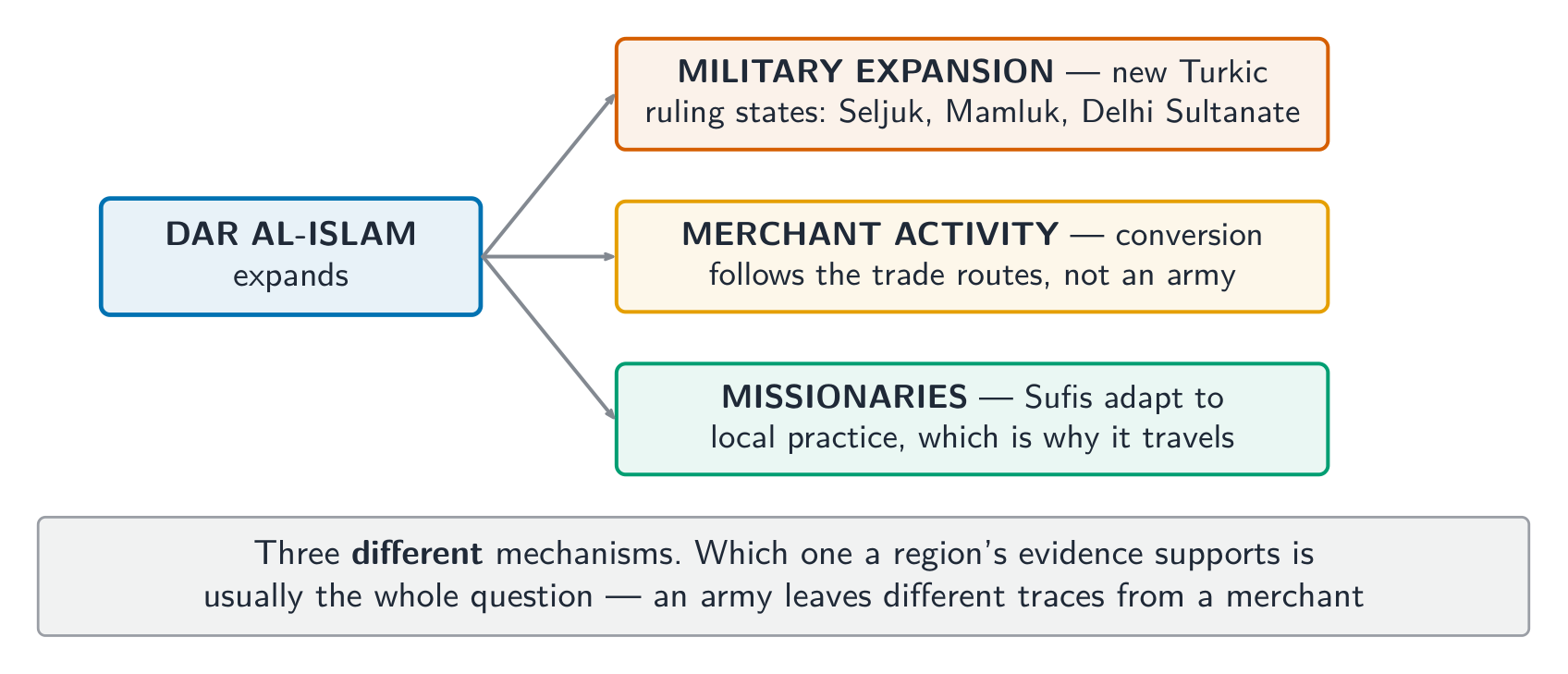
Muslim rule continued to expand across Afro-Eurasia through military expansion, merchant activity 商人活动, and the work of missionaries 传教士, especially Sufis 苏非派, whose adaptable practice helped Islam spread.

Muslim states encouraged significant intellectual innovations and transfers 智识创新与传播: advances in mathematics, medicine, and astronomy, gathered in the House of Wisdom 智慧宫 in Abbasid Baghdad, and the preservation and extension of Greek learning that later moved into Europe.

עברית

כשהח'ליפות העבאסית התפרקה, הופיעו יחידות פוליטיות אסלאמיות חדשות, רובן ממוצא טורקי - ביניהם האימפריה הסלג'וקית, סולטנות הממלוכים של מצרים, וסולטנות דלהי.

שלטון מוסלמי המשיך להתרחב על פני אפריקה-אסיה-אירופה דרך הרחבה צבאית, פעילות סוחרים, ועבודתם של מיסיונרים, במיוחד סופים, ששאיפתם האדפטיבית סייעה להפצת האסלאם.

מדינות מוסלמיות עודדו חדשנות אינטלקטואלית והעברות ידע משמעותיות: התקדמויות במתמטיקה, רפואה ואסטרונומיה, שנאספו בבית החכמה בבגדד העבאסית, ושמירה והרחבה של הידע היווני שזו עבר לאחר מכן לאירופה.

שלושה מכניזמים שונים להרחבה - איזה מהם העדויות תומכות הוא בדרך כלל השאלה
Explore · ⁨חקור⁩

Match each expansion to its mechanism · ⁨התאמו כל הרחבה למנגנון שלה⁩

Military expansion, merchant activity and Sufi missionaries leave different evidence — which one a region supports is usually the question. · ⁨הרחבה צבאית, פעילות מסחרית ומיסיונרים סופיים משאירים עדויות שונות — השאלה היא לרוב איזה סוג של עדות אזור נתון תומך.⁩

1.3

South and Southeast Asia · ⁨דרום ודרום-מזרח אסיה⁩

Syllabus · ⁨סיילבוס⁩
English

1.3 Developments in South and Southeast Asia from c. 1200 to c. 1450

Thematic Focus (CDI): Cultural Developments and Interactions — The development of ideas, beliefs, and religions illustrates how groups in society view themselves, and the interactions of societies and their beliefs often have political, social, and cultural implications.

Learning Objective Unit 1.G: Explain how the various belief systems and practices of South and Southeast Asia affected society over time. THEMATIC FOCUS Governance GOV A variety of internal and external factors contribute to state formation, expansion, and decline. Governments maintain order through a variety of administrative institutions, policies, and procedures, and governments obtain, retain, and exercise power in different ways and for different purposes. LEARNING OBJECTIVE

  • KC-3.1.III.D.iv Hinduism, Islam, and Buddhism, and their core beliefs and practices, continued to shape societies in South and Southeast Asia. HISTORICAL DEVELOPMENTS

Learning Objective Unit 1.H: Explain how and why various states of South and Southeast Asia developed and maintained power over time.

  • KC-3.2.I.B.i State formation and development demonstrated continuity, innovation, and diversity, including the new Hindu and Buddhist states that emerged in South and Southeast Asia.

Illustrative examples:

  • Beliefs and practices:
    • Bhakti movement
    • Sufism
    • Buddhist monasticism
  • Hindu/Buddhist states:
    • Vijayanagara Empire
    • Srivijaya Empire
    • Rajput kingdoms
    • Khmer Empire
    • Majapahit
    • Sukhothai kingdom
    • Sinhala dynasties
עברית

1.3 פיתוחים בדרום ובדרום-מזרח אסיה מכ-1200 ועד כ-1450

מיקוד נושא (CDI): התפתחויות ותفاعלים תרבותיים — פיתוח רעיונות, אמונות ודתות מדגיש כיצד קבוצות בחברה רואות את עצמן, והתفاعלים בין חברות ואמונותיהן לעיתים קרובות יש להם משמעויות פוליטיות, חברתיות ותרבותיות.

מטרת הלמידה ליחידה 1.G: הסבר כיצד מערכות אמונה ומעשים שונים בדרום ובדרום-מזרח אסיה השפיעו על החברה לאורך הזמן. דגש נושאי: שלטון GOV גורמים פנימיים וחיצוניים רבים תורמים לקמת מדינה, להרחבתה ולירידתה. ממשלות שומרות על סדר באמצעות מגוון מוסדות מנהליים, מדיניות ונהלים, וממשלות משיגות, שומרות ומפעילות כוח בדרכים ובמטרות שונות. מטרת למידה

  • KC-3.1.III.D.iv הינדואיזם, האסלאם והבודהיזם, ואת האמונות והמעשים המרכזיים שלהם, המשיכו לעצב את החברות בדרום ובדרום-מזרח אסיה. פיתוחים היסטוריים

מטרת הלמידה ליחידה 1.H: הסבר כיצד ומדוע מדינות שונות בדרום ובדרום-מזרח אסיה התפתחו ושStorageו כוח לאורך זמן.

  • KC-3.2.I.B.i קמת מדינה והתפתחות הראו רציפות, חדשנות ומגוון, כולל המדינות ההינדואיות והבודהיסטיות החדשות שהופיעו בדרום ובדרום-מזרח אסיה.

דוגמאות מדגמיות:

  • אמונות ומעשים:
    • תנועת הבחטי
    • סופיזם
    • מנזרות בודהיסטית
  • מדינות הינדואיות/בודדיות:
    • אימפריית ויצ'אנאגרה
    • אימפריית שריביג'יה
    • ממלכות ראג'פוט
    • האימפריה הקמרית
    • מאג'פהיט
    • ממלכת סוקוטהאי
    • שושלות סינהלה

Source: College Board AP Course and Exam Description · ⁨מקור: תיאור הקורס והמבחן של College Board AP⁩

English

Hinduism 印度教, Islam, and Buddhism continued to shape the region, and their meeting produced new devotional forms - the bhakti movement 巴克提运动 in Hinduism and Sufism in Islam, both emphasising direct personal devotion.

State formation showed the unit's theme of continuity and diversity: the Delhi Sultanate ruled much of the north, Vijayanagara 维查耶纳伽尔 arose in the south, and in Southeast Asia the sea-based Majapahit 满者伯夷 and the land-based Khmer Empire 高棉帝国 organised power in different ways.

עברית

הינדואיזם, אסלאם ובודהיזם המשיכו לעצב את האזור, ומפגשם יצר צורות תפילה חדשות - תנועת הבקטי בהינדואיזם וסופיזם באסלאם, ששתיים מהן מדגישות תפילה אישית ישירה.

היווצרות מדינות הדגימה את נושא היחידה של רציפות מגוון: סולטנות דלהי שלטה על חלק גדול מצפון הודו, ויג'יאנאגרה התרוממה בדרום, ובמזרח אסיה מג'אפאhit (הסתמך על ימי) ואימפריית הקמר (הסתמך על יבשה) ארגנו כוח בדרכים שונות.

1.4 1.5

The Americas and Africa · ⁨האמריקות ואפריקה⁩

Syllabus · ⁨סיילבוס⁩
English

1.4 State Building in the Americas

Thematic Focus (GOV): Governance — A variety of internal and external factors contribute to state formation, expansion, and decline. Governments maintain order through a variety of administrative institutions, policies, and procedures, and governments obtain, retain, and exercise power in different ways and for different purposes.

Learning Objective Unit 1.I: Explain how and why states in the Americas developed and changed over time.

  • KC-3.2.I.D.i In the Americas, as in Afro-Eurasia, state systems demonstrated continuity, innovation, and diversity, and expanded in scope and reach.

Illustrative examples:

  • State systems in the Americas:
    • Maya city-states
    • Mexica
    • Inca
    • Chaco
    • Mesa Verde
    • Cahokia
עברית

1.4 בניית מדינות באמריקות

מיקוד נושא (GOV): שלטון — מגוון גורמים פנימיים וחיצוניים תורמים ליצירת מדינות, הרחבתן ונפילתן. ממשלות שומרות על סדר באמצעות מגוון מוסדות, מדיניות ונהלים מנהליים, וממשלות רוכשות, שומרות ומפעילות כוח בדרכים ובמטרות שונות.

מטרות לימוד יחידה 1.I: הסבר כיצד ומדוע פיתחו ושינו מדינות באמריקות לאורך הזמן.

  • KC-3.2.I.D.i באמריקות, כמו באפרו-אורסיה, מערכות המדינות הצגו רציפות, חדשנות מגוון, והתרחבו בתחום ובנגישותן.

דוגמאות מדגמיות:

  • מערכות מדיניות באמריקות:
    • ערי-מדינת מאיה
    • מקסיקה
    • אינקה
    • צ'אקו
    • מסה ורדה
    • קוהאקה
English

1.5 State Building in Africa

Thematic Focus (GOV): Governance — A variety of internal and external factors contribute to state formation, expansion, and decline. Governments maintain order through a variety of administrative institutions, policies, and procedures, and governments obtain, retain, and exercise power in different ways and for different purposes.

Learning Objective Unit 1.J: Explain how and why states in Africa developed and changed over time.

  • KC-3.2.I.D.ii In Africa, as in Eurasia and the Americas, state systems demonstrated continuity, innovation, and diversity and expanded in scope and reach.

Illustrative examples:

  • State systems in Africa:
    • Great Zimbabwe
    • Ethiopia
    • Hausa kingdoms
עברית

1.5 בניית מדינה באפריקה

מיקוד נושא (GOV): שלטון — מגוון גורמים פנימיים וחיצוניים תורמים ליצירת מדינות, הרחבתן ונפילתן. ממשלות שומרות על סדר באמצעות מגוון מוסדות, מדיניות ונהלים מנהליים, וממשלות רוכשות, שומרות ומפעילות כוח בדרכים ובמטרות שונות.

מטרת לימודים יחידה 1.J: הסבר כיצד ומדוע מדינות באפריקה התפתחו ושנו עד לזמננו.

  • KC-3.2.I.D.ii באפריקה, כמו באוראסיה ובאמריקות, מערכות המדינה הציגו רציפות, חדשנות וניקיון והתרחבו בקוטר ובתחום השפעה.

דוגמאות מדגמיות:

  • מערכות מדינה באפריקה:
    • זימבבווה הגדולה
    • אתיופיה
    • ממלכות האוסא

Source: College Board AP Course and Exam Description · ⁨מקור: תיאור הקורס והמבחן של College Board AP⁩

English

In the Americas, state systems showed continuity, innovation, and diversity: the Maya 玛雅 city-states, the Mexica 墨西加人 (Aztec) with tribute-based expansion, and the Inca 印加 with a centralised administration, labour obligation, and road system.

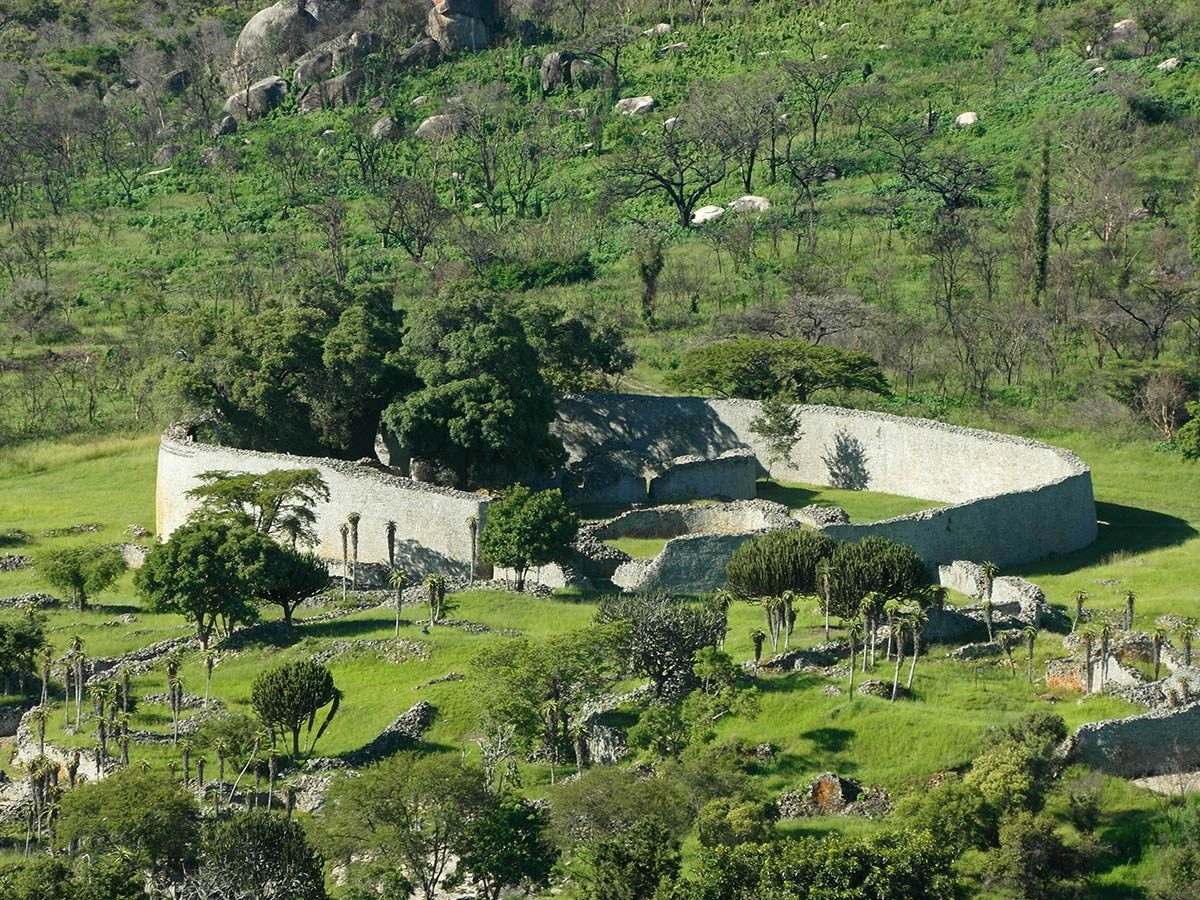
In Africa, state systems likewise varied: Great Zimbabwe 大津巴布韦 grew on gold and cattle, Ethiopia 埃塞俄比亚 was a long-established Christian kingdom, and the Hausa Kingdoms 豪萨城邦 sat on trans-Saharan trade routes.

עברית
אותן שלושה שאלות שנשאלו בששת האזורים – ההשוואה שהיחידה נועדה לתמוך עליה
מסגרת אחת, שישה אזורים: מדינה, מערכת אמונה ובסיס כלכלי הם מה ששאלות השוואה מבקשות בפועל

באמריקות, מערכות המדינה הראו רציפות, חדשנות ומגוון: ערי-מדינת מהיה, מסקה (אצטק) עם הרחבה המבוססת על מיסים, ואינקה עם מנהל מרכזי, חובה עבודה ומערכת כבישים.

באפריקה, מערכות המדינה היו גם הן מגוונות: ג'ייט זימבבווה צמחה על זהב ובקר, אתיופיה הייתה ממלכה נוצרית קיימת מזמן רב, וממלכות האוסה שכנו על מסלולי הסחר החוצה-מדבריים.

החומות החיצוניות של ג'ייט זימבבווה – בנייה מאבן יבשה, ומדינה שנבנתה על סחר הזהב
Vocabulary · ⁨מילון מונחים⁩ Train · ⁨אימון⁩
English עברית
Song China/sɒŋ ˈtʃaɪnə/ סונג צ'ינה
commercialized/kəˈmɜːʃəlaɪzd/ מסחריות
agrarian/æˈɡreərɪən/ חקלאותי
Champa rice/ˈtʃæmpə raɪs/ אורז צ'אמפה
Grand Canal/ɡrænd kəˈnæl/ התעלה הגדולה
bureaucracy/bjʊəˈrɒkrəsi/ ביורוקרטיה
civil service examination/ˈsɪvl ˈsɜːvɪs eɡˌzæmɪˈneɪʃn/ מבחן השירות האזרחי
Neo-Confucianism/ˈniːəʊ kənˈfjuːʃɪənɪzəm/ הניאו-קונפוציאניות
filial piety/ˈfɪlɪəl ˈpaɪəti/ כבוד להורים
Buddhism/ˈbʊdɪzəm/ בודהיזם
Theravada/ðəræˈvɑːdə/ תרבדה
Mahayana/ˌmæheɪˈɑːnə/ מהאיאנה
Tibetan/tɪˈbetn/ טיבתי
textiles/ˈtekstaɪlz/ טקסטיל
porcelains/ˈpɔːsɪlɪnz/ פורצלן
deference/ˈdefrəns/ כבוד
foot binding/fʊt ˈbaɪndɪŋ/ קישוט כפות הרגליים
Abbasid Caliphate/ˈæbeɪsɪd ˈkælɪfeɪt/ הח'ליפות העבאסית
Turkic/ˈtɜːkɪk/ טורקי
Seljuk Empire/ˈseldʒʌk ˈempaɪə/ אימפריית הסל'ג'קים
Mamluk sultanate of Egypt/ˈmæmlʌk ˈsʌltəneɪt ɒv ˈiːdʒɪpt/ שלטון הממלוכים במצרים
Delhi Sultanate/ˈdeli ˈsʌltəneɪt/ שלטון דיל्ली
merchant activity/ˈmɜːtʃənt ækˈtɪvɪti/ פעילות מסחרית
missionaries/ˈmɪʃənəriz/ משיחנים
Sufis/ˈsjuːfiz/ סופיזם
intellectual innovations and transfers/ˌɪntəˈlektʃuːəl ˌɪnəˈveɪʃnz ænd ˈtrænsfɜːz/ חדשות אינטלקטואליות והעברות ידע
House of Wisdom/haʊs ɒv ˈwɪzdəm/ בית החכמה
Hinduism/ˈhɪndjuːɪzəm/ הינדואיזם
bhakti movement/ˈbʌkti ˈmuːvmənt/ תנועת הבקטי
Vijayanagara/ˌvɪdʒeɪˌænəˈɡɑːrə/ ויג'אנאגרה
Majapahit/ˈmædʒəpæhɪt/ מג'אפאhit
Khmer Empire/kmɪə ˈempaɪə/ אימפריית המכר
Maya/ˈmaɪə/ מציות
Mexica/ˈmeksɪkə/ מקסיקה
Inca/ˈɪŋkə/ אינקה
Great Zimbabwe/ɡreɪt zɪmˈbɑːbwi/ זימבבווה הגדולה
Ethiopia/ˌiːθɪˈəʊpɪə/ אתיופיה
Hausa Kingdoms/ˈhɔːsə ˈkɪŋdəmz/ ממלכות האוסא
politically fragmented/pəˈlɪtɪkli fræɡˈmentɪd/ פיצול פוליטי
feudalism/ˈfjuːdəlɪzəm/ פאודליזם
Christianity/ˌkrɪstɪˈænɪti/ נוצריות
Judaism/ˈdʒuːdeɪɪzəm/ יהדות
free and coerced labour/friː ænd ˌkəʊˈɜːst ˈleɪbə/ עבודה חופשית ועבודה מוטרדת
serfdom/ˈsɜːfdəm/ סרבות
comparison/kəmˈpærɪsn/ השוואה
1.6

Europe · ⁨אירופה⁩

Syllabus · ⁨סיילבוס⁩
English

1.6 Developments in Europe from c. 1200 to c. 1450

Thematic Focus (CDI): Cultural Developments and Interactions — The development of ideas, beliefs, and religions illustrates how groups in society view themselves, and the interactions of societies and their beliefs often have political, social, and cultural implications.

Thematic Focus (SIO): Social Interactions and Organization — The process by which societies group their members and the norms that govern the interactions between these groups and between individuals influence political, economic, and cultural institutions and organization.

Learning Objective Unit 1.K: Explain how the beliefs and practices of the predominant religions in Europe affected European society. THEMATIC FOCUS Governance GOV A variety of internal and external factors contribute to state formation, expansion, and decline. Governments maintain order through a variety of administrative institutions, policies, and procedures, and governments obtain, retain, and exercise power in different ways and for different purposes. LEARNING OBJECTIVE

  • KC-3.1.III.D.v Christianity, Judaism, Islam, and the core beliefs and practices of these religions continued to shape societies in Europe. HISTORICAL DEVELOPMENTS

Learning Objective Unit 1.L: Explain the causes and consequences of political decentralization in Europe from c. 1200 to c. 1450.

  • KC-3.2.I.B.ii Europe was politically fragmented and characterized by decentralized monarchies, feudalism, and the manorial system.

Learning Objective Unit 1.M: Explain the effects of agriculture on social organization in Europe from c. 1200 to c. 1450.

  • KC-3.3.III.C Europe was largely an agricultural society dependent on free and coerced labor, including serfdom.
עברית

1.6 התפתחות באירופה מקרוב שנת 1200 ועד קרוב שנת 1450

מיקוד נושא (CDI): התפתחויות ותفاعלים תרבותיים — פיתוח רעיונות, אמונות ודתות מדגיש כיצד קבוצות בחברה רואות את עצמן, והתفاعלים בין חברות ואמונותיהן לעיתים קרובות יש להם משמעויות פוליטיות, חברתיות ותרבותיות.

מיקוד נושאי (SIO): אינטראקציות חברתיות וארגון — התהליך שבו societies מחלקות את חבריהן והנורמות שמפקדות את האינטראקציות בין קבוצות אלו ובין פרטים משפיעות על המוסדות והארגון הפוליטיים, הכלכליים והתרבותיים.

מטרת לימודים יחידה 1.K: הסבר כיצד אמונות ומעשים הדתיים הדומיננטיים באירופה השפיעו על החברה האירופאית. מיקוד נושאי: שלטון GOV מגוון גורמים פנימיים וחיצוניים תורמים לגבי יצירת מדינה, הרחבה ונפילה. ממשלות שומרות על סדר דרך מגוון מוסדות, מדיניות ופרוצדורות מינהליות, וממשלות מקבלות, שומרות ומפעילות כוח בדרכים ובמטרות שונות. מטרת לימודים

  • KC-3.1.III.D.v נצרות, יהדות, אסלאם והאמונות והמעשים המרכזיים של דתות אלו המשיכו לעצב חברה באירופה. התפתחות היסטורית

מטרת לימודים יחידה 1.L: הסבר הסיבות וה consequences של פיצול פוליטי באירופה מקרוב שנת 1200 ועד קרוב שנת 1450.

  • KC-3.2.I.B.ii אירופה הייתה פוליטית מפוצלת ואופיינה במלוכיות מרוכזות, פיאודליזם ומערכת המנוריאלית.

מטרת לימודים יחידה 1.M: הסבר ההשפעות של חקלאות על הארגון החברתי באירופה מקרוב שנת 1200 ועד קרוב שנת 1450.

  • KC-3.3.III.C אירופה הייתה בעיקר חברה חקלאית התלויה בעבודה חופשית ומכובה, כולל עבדות.

Source: College Board AP Course and Exam Description · ⁨מקור: תיאור הקורס והמבחן של College Board AP⁩

English

Europe was politically fragmented 政治上分裂, characterised by decentralised monarchies and by feudalism 封建制度 - a system of land held in exchange for service. Monarchs slowly consolidated power, but nothing here approached the administrative reach of Song China.

Christianity 基督教, Judaism 犹太教, and Islam all shaped European society, with the Church supplying law, learning, and legitimacy.

Europe was largely agricultural, dependent on free and coerced labour 自由与强制劳动, including serfdom 农奴制.

עברית

אירופה הייתה פוליטית מפוצלת, מאופיינת בממלכות מרוכזות-למחצה ובפאודליזם – מערכת של אדמות הנחלות בתמורה לשירות. מלכים איחדו לאט את כוחם, אך כאן אין דבר הגיע לרמת ההתפשטות המנהלתית של צ'ין סונג.

נוצריה, יהדות ואסלאם עיצבו כולם את החברה האירופאית, כאשר הכנסיה סיפקה חוק, למידה ולגיטימציה.

אירופה הייתה בעיקר חקלאית, תלויה בעבודה חופשית וכפויה, כולל עבדות קרקע.

1.7

Comparison in the Period · ⁨השוואה בתקופה זו⁩

Syllabus · ⁨סיילבוס⁩
English

1.7 Comparison in the Period from c. 1200 to c. 1450

Learning Objective Unit 1.N: Explain the similarities and differences in the processes of state formation from c. 1200 to c. 1450.

  • KC-3.2 State formation and development demonstrated continuity, innovation, and diversity in various regions.
    • KC-3.2.I As the Abbasid Caliphate fragmented, new Islamic political entities emerged, most of which were dominated by Turkic peoples. These states demonstrated continuity, innovation, and diversity.
    • KC-3.2.I.A Empires and states in Afro-Eurasia and the Americas demonstrated continuity, innovation, and diversity in the 13th century. This included the Song Dynasty of China, which utilized traditional methods of Confucianism and an imperial bureaucracy to maintain and justify its rule.
    • KC-3.2.I.B.i State formation and development demonstrated continuity, innovation, and diversity, including the new Hindu and Buddhist states that emerged in South and Southeast Asia.
    • KC-3.2.I.D.i In the Americas, as in Afro-Eurasia, state systems demonstrated continuity, innovation, and diversity, and expanded in scope and reach.
    • KC-3.2.I.D.ii In Africa, as in Eurasia and the Americas, state systems demonstrated continuity, innovation, and diversity, and expanded in scope and reach.
עברית

1.7 השוואה בתקופה מקרוב שנת 1200 ועד קרוב שנת 1450

מטרת לימודים יחידה 1.N: הסבר הדמיונות וההבדלים בתהליכי יצירת מדינה מקרוב שנת 1200 ועד קרוב שנת 1450.

  • KC-3.2 יצירת מדינה והתפתחות הראו רציפות, חדשנות וניקיון באזורים שונים.
    • KC-3.2.I כאשר החליף העבאסים התפרקו, הופיעו ישויות פוליטיות אסלאמיות חדשות, רובן דומיננטיות על ידי עמים טורקים. מדינות אלו הצביעו על רציפות, חדשנות וניקיון.
    • KC-3.2.I.A האימפריות והמדינות באפריקה, איראסיה והאמריקות הצביעו על רציפות, חדשנות וגיוון במאה ה-13. הדבר כלל את שושלת סונג בסין, שהשתמשה בשיטות מסורתיות של הקונפיציוניות ובמינהל אימפריאלי כדי לשמר ולנזר את שלטונה.
    • KC-3.2.I.B.i יצירת מדינה ופיתוחה הצביעו על רציפות, חדשנות וגיוון, כולל המדינות ההינדואיסטיות והבודדיות החדשות שנובעו בדרום ובדרום-מזרח אסיה.
    • KC-3.2.I.D.i באמריקות, כמו באפריקה ואיראסיה, מערכות המדינה הצביעו על רציפות, חדשנות וגיוון, והתרחבו בהיקף ובשליטה.
    • KC-3.2.I.D.ii באפריקה, כמו באיראסיה ובאמריקות, מערכות המדינה הצביעו על רציפות, חדשנות וגיוון, והתרחבו בהיקף ובשליטה.

Source: College Board AP Course and Exam Description · ⁨מקור: תיאור הקורס והמבחן של College Board AP⁩

English

The unit's reasoning skill is comparison 比较. The productive comparisons are structural rather than evaluative:

  • Centralised administration (Song China, Inca) against fragmented or decentralised rule (Europe, post-Abbasid Islamic states).
  • Recruitment by examination against recruitment by birth.
  • States funded by tribute (Mexica) against states funded by taxation (Song China).

Worked example (a real AP exam question). AP World short-answer questions regularly ask students to "Identify one similarity" or "Explain one difference" between two regions in a period. A full-mark answer for this unit names the feature and applies it to both: "Both Song China and the Inca Empire used a centralised bureaucracy to govern a large territory, but Song China recruited officials through a competitive examination system while the Inca staffed administration through hereditary elites and a labour obligation." Notice the shape: a comparison must be one feature, two societies. Describing each society in turn and leaving the reader to infer the comparison does not earn the point.

עברית

מיומנות המחשבתית של היחידה היא השוואה. ההשוואות המפרות הן מבניות ולא הערכיות:

  • מנהל מרכזי (צ'ין סונג, אינקה) מול שלטון מפוצל או מרוכז-למחצה (אירופה, מדינות אסלאם לאחר האבסידים).
  • גיוס באמצעות מבחנים מול גיוס באמצעות יחסים משפחתיים.
  • מדינות הממומנות על ידי מיסים (מסקה) מול מדינות הממומנות על ידי מסים (צ'ין סונג).

דוגמה פתורה (שאלה אמיתית בבחינת AP). שאלות התשובה הקצרה לבחינת AP World שואלות תלמידים בקביעות ל*"זהות דמיון אחד"* או ל*"הסבר הבדל אחד"* בין שני אזורים בתקופה. תשובה מלאה לקבלת ציון מלא ליחידה זו מציינת את התכונה ומיישמת אותה בשתי המדינות: "גם צ'ין סונג וגם האימפריה האינקית השתמשו במשרד מנהלי מרכזי כדי לשלטון בשטח גדול, אך צ'ין סונג גייסה פקידים באמצעות מערכת מבחנים תחרותית בעוד שאינקה מילאה את המנהל באמצעות אליטים מורשים ועל ידי חובת עבודה." שימו לב לצורה: השוואה חייבת להיות תכונה אחת, שתי חברות. תיאור כל חברה בנפרד והשארת הקורא לחשוב על ההשוואה לא מניח את הנקודה.

מערכות אמונה לפי מה שהן עשו עבור הסמכות, ולא לפי מה שהן לימדו
1.7

Exam tips · ⁨טיפים לבחינות⁩

English
  • Learn each region through the same three questions - state, belief system, economy - so any comparison question already has a structure.
  • Song China is the benchmark: examination-based bureaucracy, commercialised agriculture, and cultural influence on neighbours.
  • For Dar al-Islam, remember the pattern is fragmentation into new states plus continued expansion by trade and Sufi missionaries.
  • Give a named state for the Americas and Africa. Mexica tribute, Inca labour obligation, Mali and Great Zimbabwe gold are the reliable examples.
  • Europe's distinguishing features are fragmentation, feudalism, and coerced agricultural labour.
  • Write comparisons as one feature across two societies, never as two separate descriptions.
עברית
  • ללמוד כל אזור באמצעות אותן שלושה שאלות - מדינה, מערכת אמונה, כלכלה – כך שכל שאלת השוואה כבר יש לה מבנה.
  • סין סונג היא הקנה מידה: מינהל מבוסס בדיחות, חקלאות מסחרית והשפעה תרבותית על שכנים.
  • עבור דאר א-אסלאם, יש לזכור שהדפוס הוא פירוק למדינות חדשות יחד עם הרחבה מתמשכת באמצעות מסחר ומיסיונרים צופיST.
  • תן מדינה שמונה לאמריקות ולאפריקה. מס המצ'יקה, חוב עבודה אינקה, מאלי וזהב גרייט זימבבואה הם הדוגמאות האמינות ביותר.
  • המאפיינים המייחדים של אירופה הם פירוק, פיאודליזם ועבודת חקלאות כפויה.
  • כתב השוואות כתכונה אחת בשתי חברות, לעולם לא כשתי תיאורים נפרדים.

Interactive lessons on this topic · ⁨שיעורים אינטראקטיביים בנושא זה⁩

Work through it step by step, with instant-check exercises. · ⁨לעבור על הדברים צעד אחר צעד, עם תרגילים לבדיקה מיידית.⁩

Past Papers · ⁨מבחני עבר⁩

More topics in AP World History: Modern · ⁨היסטוריה עולמית: זמנים מודרניים - AP⁩ · ⁨נושאים נוספים בAP World History: Modern · ⁨היסטוריה עולמית: זמנים מודרניים - AP⁩⁩

Log in or create account · ⁨היכנס או צור חשבון⁩

IGCSE, A-Level & AP