Skip to content · ⁨דלג לתוכן⁩

Population and Migration Patterns and Processes · ⁨דפוסי תהליכים ומגמות באוכלוסייה ובגירה⁩

AP Human Geography · ⁨גיאוגרפיה אנושית - AP⁩ · Topic 2 · ⁨נושא 2⁩

Video lesson for this topic · ⁨שיעור וידאו לנושא זה⁩ Open the video page · ⁨פתח את עמוד הוידאו⁩
8:48

דפוסי תהליכים ומגמות באוכלוסייה ובגירה

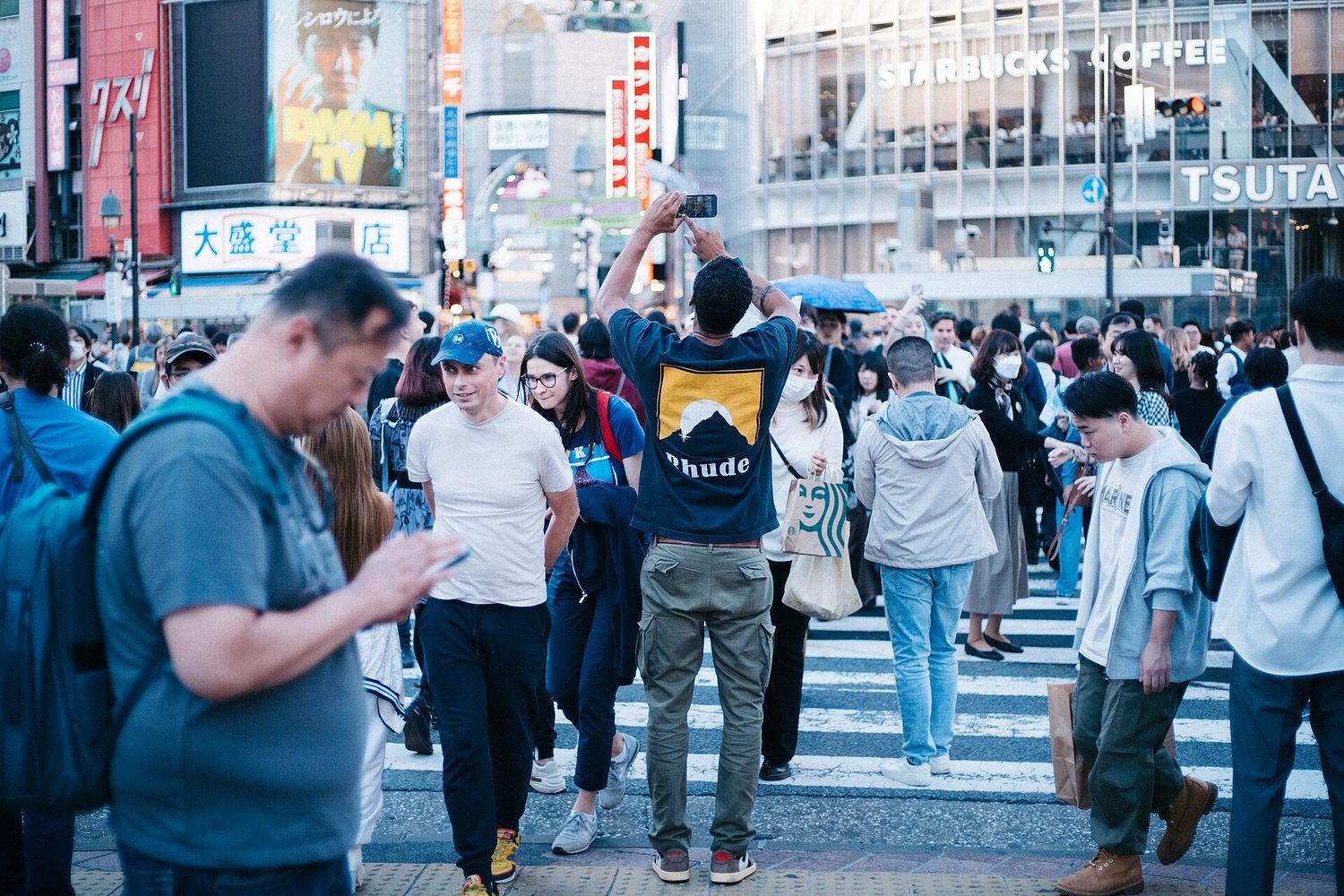
8 מיליארד אנשים חיים בכוכב הלכת הזה. עכשיו תסתכלו ברחוב הזה. בצומת אחד בטוקיו, מאות מהם משתפים מרחב בגודל של אולם בית ספר.…

English narration · English + 中文 subtitles burned in · ⁨קריאת קול באנגלית · תרגום אנגלי + סינית שרוף בתוך הסרטון⁩

2.1 2.2

Population Distribution and Density · ⁨חלוקת אוכלוסין וצפיפות⁩

Syllabus · ⁨סיילבוס⁩
English

Enduring Understanding (PSO-2): Understanding where and how people live is essential to understanding global cultural, political, and economic patterns.

Learning Objective PSO-2.A: Identify the factors that influence the distribution of human populations at different scales.

  • PSO-2.A.1 Physical factors (e.g., climate, landforms, water bodies) and human factors (e.g., culture, economics, history, politics) influence the distribution of population.
  • PSO-2.A.2 Factors that illustrate patterns of population distribution vary according to the scale of analysis.

Learning Objective PSO-2.B: Define methods geographers use to calculate population density.

  • PSO-2.B.1 The three methods for calculating population density are arithmetic, physiological, and agricultural.

Learning Objective PSO-2.C: Explain the differences between and the impact of methods used to calculate population density.

  • PSO-2.C.1 The method used to calculate population density reveals different information about the pressure the population exerts on the land.
עברית

הבנה מתמשכת (PSO-2): הבנת המקום והדרך שבהם אנשים חיים היא קריטית להבנת דפוסים תרבותיים, פוליטיים וכלכליים גלובליים.

מטרות למידה PSO-2.A: זיהוי הגורמים המשפיעים על ההתפלגות האוכלוסייה האנושית במ不同 scales.

  • PSO-2.A.1 גורמים פיזיים (כגון אקלים, צורות קרקע, גופי מים) וגורמים אנושיים (כגון תרבות, כלכלה, היסטוריה, פוליטיקה) משפיעים על ההתפלגות האוכלוסייתית.
  • PSO-2.A.2 גורמים המדגימים דפוסי התפלגות אוכלוסייה משתנים בהתאם לקנה המידה של הניתוח.

מטרות למידה PSO-2.B: הגדרת השיטות שמשתמשים בהן גיאוגרפאים לחישוב צפיפות אוכלוסייה.

  • PSO-2.B.1 שלוש השיטות לחישוב צפיפות אוכלוסייה הן אריתמטית, פיזיולוגית ואgraria.

מטרות למידה PSO-2.C: הסבר ההבדלים בין השיטות לחישוב צפיפות אוכלוסייה והשפעתן.

  • PSO-2.C.1 השיטה המשמשת לחישוב צפיפות אוכלוסייה חושפת מידע שונה לגבי הלחץ שהאוכלוסייה מפעילה על הקרקע.
English

Enduring Understanding (PSO-2): Understanding where and how people live is essential to understanding global cultural, political, and economic patterns.

Learning Objective PSO-2.D: Explain how population distribution and density affect society and the environment.

  • PSO-2.D.1 Population distribution and density affect political, economic, and social processes, including the provision of services such as medical care.
  • PSO-2.D.2 Population distribution and density affect the environment and natural resources; this is known as carrying capacity.
עברית

הבנה מתמשכת (PSO-2): הבנת המקום והדרך שבהם אנשים חיים היא קריטית להבנת דפוסים תרבותיים, פוליטיים וכלכליים גלובליים.

מטרות לימוד PSO-2.D: הסבר על כך כיצד חלוקת אוכלוסין וצפיפות משפיעים על החברה ועל הסביבה.

  • PSO-2.D.1 חלוקת אוכלוסין וצפיפות משפיעות על תהליכים פוליטיים, כלכליים וחברתיים, כולל מתן שירותים כמו טיפול רפואי.
  • PSO-2.D.2 חלוקת אוכלוסין וצפיפות משפיעות על הסביבה ומשאבי הטבע; דבר זה נקרא קיבולת נשיאה.
Source: College Board AP Course and Exam Description · ⁨מקור: תיאור הקורס והמבחן של College Board AP⁩

English

People are spread very unevenly across Earth. Population distribution 人口分布 describes where people live; population density 人口密度 measures how crowded a place is. Most people cluster in a few favourable places: mid-latitudes, low-lying land, coasts, and river valleys with water and fertile soil.

Geographers use three density measures:

  • Arithmetic density 算术密度 — total people ÷ total land area.
  • Physiological density 生理密度 — people ÷ area of arable (farmable) land; a better guide to pressure on food supply.
  • Agricultural density 农业密度 — farmers ÷ arable land; a low value suggests more efficient, mechanised farming.

Uneven distribution creates consequences: crowded regions strain housing, water, and services, while empty regions may struggle to provide roads and schools.

עברית

האנשים מפוזרים באופן לא שווה מאוד על פני כדור הארץ. חלוקת אוכלוסין מתארת היכן אנשים חיים; צפיפות אוכלוסין מודדת עד כמה מקום צפוף. רוב האנשים מתכנסים במקומות מועטים ונוחים: רוחבי הרוח התיכונים, שטח נמוך, חופים ועמקות נהרות עם מים וקרקע פ fertile.

מאות אנשים חוצים מחלף רחוב רחב בו-זמנית, ממלאים את כל חלקיו *צומת הולכים על רגל עמוס בטוקיו: ערים מושכות אנשים לאזור קטן מאוד, מה שמוביל לצפיפות אוכלוסייה גבוהה במיוחד

גיאוגרפים משתמשים בשלושה מדדי צפיפות:

  • צפיפות אריתמטית — סך הכל האנשים ÷ שטח היבשה הכולל.
  • צפיפות פיזיולוגית — מספר אנשים ÷ שטח הקרקעות החקלאיות (מתאימות לגידול); מדד טוב יותר ללחץ על אספקת המזון.
  • צפיפות חקלאית — מספר החקלאים ÷ שטח הקרקעות החקלאיות; ערך נמוך מצביע על חקלאות יעילה וממוכנת יותר.

חלוקה לא אחידה יוצרת תוצאות: אזורים צפופים מכבידים על דיור, מים ושירותים, בעוד שאזורים ריקים עשויים להתקשות באספקת כבישים ובתי ספר.

Vocabulary · ⁨מילון מונחים⁩ Train · ⁨אימון⁩
English עברית
Population distribution/ˌpɒpjʊˈleɪʃn ˌdɪstrɪˈbjuːʃn/ התפלגות אוכלוסייה
population density/ˌpɒpjʊˈleɪʃn ˈdensɪti/ צפיפות אוכלוסייה
Arithmetic density/əˈrɪθmətɪk ˈdensɪti/ צפיפות אריتمטית
Physiological density/ˌfɪzɪəˈlɒdʒɪkl ˈdensɪti/ צפיפות פיזיולוגית
Agricultural density/ˌæɡrɪˈkʌltʃərəl ˈdensɪti/ צפיפות חקלאית
Population composition/ˌpɒpjʊˈleɪʃn ˌkɒmpəˈzɪʃn/ הרכב האוכלוסייה
2.3

Population Composition · ⁨הרכב האוכלוסייה⁩

Syllabus · ⁨סיילבוס⁩
English

Enduring Understanding (PSO-2): Understanding where and how people live is essential to understanding global cultural, political, and economic patterns.

Learning Objective PSO-2.E: Describe elements of population composition used by geographers.

  • PSO-2.E.1 Patterns of age structure and sex ratio vary across different regions and may be mapped and analyzed at different scales.

Learning Objective PSO-2.F: Explain ways that geographers depict and analyze population composition.

  • PSO-2.F.1 Population pyramids are used to assess population growth and decline and to predict markets for goods and services.
עברית

הבנה מתמשכת (PSO-2): הבנת המקום והדרך שבהם אנשים חיים היא קריטית להבנת דפוסים תרבותיים, פוליטיים וכלכליים גלובליים.

מטרות לימוד PSO-2.E: תיאור אלמנטים של הרכב אוכלוסין המשמשים גיאוגרפים.

  • PSO-2.E.1 דפוסי מבנה גילי ויחס מגדר משתנים בין אזורים שונים ועשויים להיות ממופים ומנותחים ברמות סקאלה שונות.

מטרות לימוד PSO-2.F: הסבר על הדרכים בהן גיאוגרפים מציגים ונותחים את הרכב האוכלוסין.

  • PSO-2.F.1 פירמידות אוכלוסין משמשות להערכת צמיחה וירידה באוכלוסין ולחזוי שוקי מוצרים ושירותים.

Source: College Board AP Course and Exam Description · ⁨מקור: תיאור הקורס והמבחן של College Board AP⁩

English
Reading a population pyramid

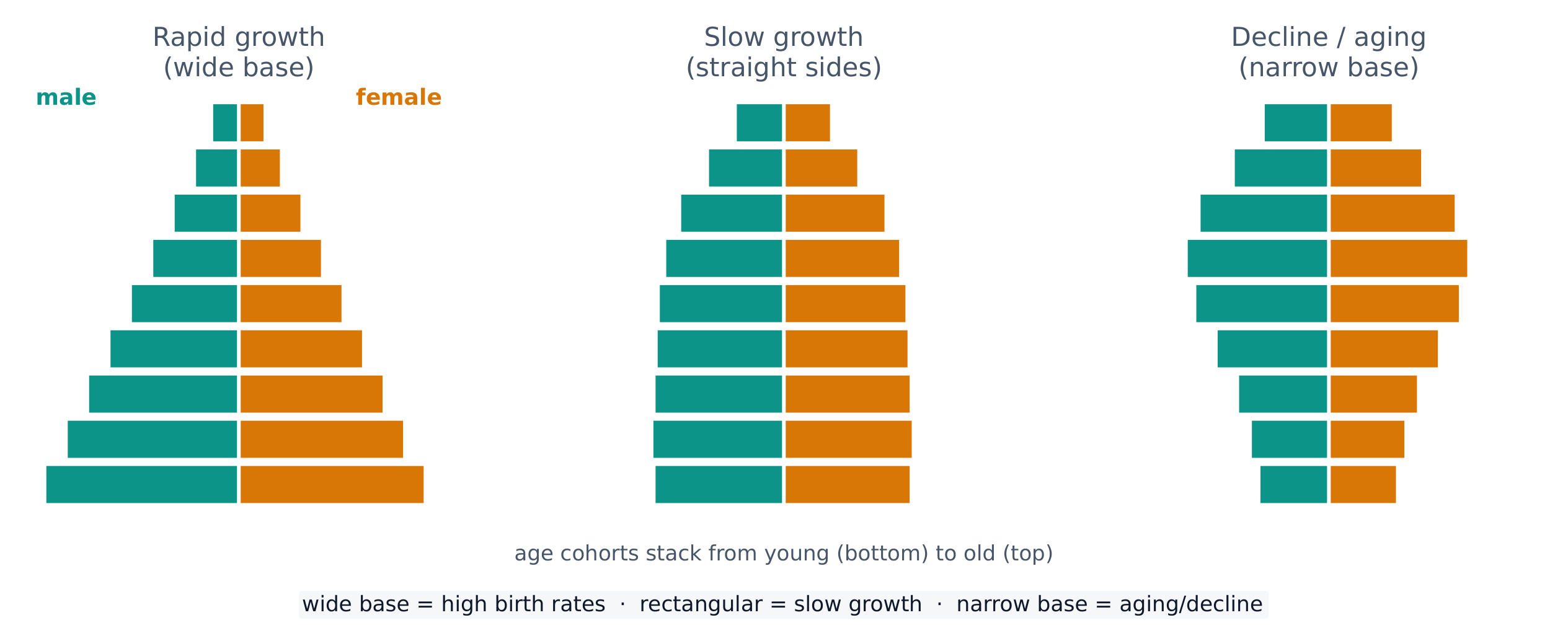
Population composition 人口构成 is the make-up of a population by age and sex. It is shown on a population pyramid 人口金字塔 — back-to-back bar charts of males and females in five-year age cohorts 年龄组.

  • A wide base means high birth rates and rapid growth (many young people).
  • Straight sides mean slow, stable growth.
  • A narrow base with a wide middle means an aging, shrinking population.

The dependency ratio 抚养比 compares dependents (under 15 and over 64) to the working-age population — a high ratio strains the workers who support them.

עברית

*קריאת פירמידת גיל

הרכב האוכלוסייה הוא ההרכב של האוכלוסייה לפי גיל ומין. הוא מוצג בפירמידת גיל — גרף עמודות הפוך זה לזה של זכרים ונקבות בקבוצות גיליות של חמישה שנים.

שלושה צורות של פירמידת גיל: צמיחה מהירה, צמיחה איטית וירידה *בסיס רחב מעיד על צמיחה מהירה; צדדים ישרים מעידים על צמיחה איטית; בסיס צר מעיד על ירידה

  • בסיס רחב מעיד על ת rates ילודה גבוהות וצמיחה מהירה (רבים צעירים).
  • צדדים ישרים מעידים על צמיחה איטית ויציבה.
  • בסיס צר עם אמצע רחב מעיד על אוכלוסייה זקנה, הנמצאת בדלדול.

יחס התלות משווה את התלויים (מתחת לגיל 15 ומעל גיל 64) לאוכלוסייה בגיל העבודה — יחס גבוה מכביד על העובדים התומכים בהם.

Vocabulary · ⁨מילון מונחים⁩ Train · ⁨אימון⁩
English עברית
population pyramid/ˌpɒpjʊˈleɪʃn ˈpɪrəmɪd/ פירמידת גיל
age cohorts/eɪdʒ ˈkəʊhɔːts/ קוטרות גיל
dependency ratio/dɪˈpendənsi ˈreɪʃɪəʊ/ יחס תלות
Crude birth rate (CBR)/kruːd bɜːθ reɪt/ שיעור לידות גס (CBR)
crude death rate (CDR)/kruːd deθ reɪt/ שיעור מוות גס (CDR)
Rate of natural increase (RNI)/reɪt ɒv ˈnætʃərəl ˈɪŋkriːs/ שיעור עלייה טבעית (RNI)
Total fertility rate (TFR)/ˈtəʊtl fɜːˈtɪlɪti reɪt/ קצב פוריות כולל (TFR)
replacement level/rɪˈpleɪsmənt ˈlevl/ רמת החלפה
doubling time/ˈdʌblɪŋ taɪm/ זמן הכפלה
Demographic Transition Model (DTM)/ˌdeməˈɡræfɪk trænˈsɪʃn ˈmɒdl/ מודל מעבר דמוגרפי (DTM)
epidemiological transition/ˌepɪˌdemɪəˈlɒdʒɪkl trænˈsɪʃn/ מעבר אפידמיולוגי
exponentially/ˌekspəˈnenʃəli/ אקספוננציאלית
linearly/ˈlɪnɪəli/ ליניארית
Neo-Malthusians/ˈniːəʊ mælˈθjuːzɪənz/ ניאו-מלתוסאים
Pro-natalist/prəʊ ˈneɪtəlɪst/ פרו-נטליסטי
Anti-natalist/ˈænti ˈneɪtəlɪst/ אנטי-נטליסטי
aging populations/ˈeɪdʒɪŋ ˌpɒpjʊˈleɪʃnz/ אוכלוסיות זקנות
2.4

Population Dynamics · ⁨דינמיקה של אוכלוסיות⁩

Syllabus · ⁨סיילבוס⁩
English

Enduring Understanding (IMP-2): Changes in population are due to mortality, fertility, and migration, which are influenced by the interplay of environmental, economic, cultural, and political factors.

Learning Objective IMP-2.A: Explain factors that account for contemporary and historical trends in population growth and decline.

  • IMP-2.A.1 Demographic factors that determine a population’s growth and decline are fertility, mortality, and migration.
  • IMP-2.A.2 Geographers use the rate of natural increase and population-doubling time to explain population growth and decline.
  • IMP-2.A.3 Social, cultural, political, and economic factors influence fertility, mortality, and migration rates.
עברית

הבנה מתמשכת (IMP-2): שינויים באוכלוסייה נובעים ממortalities, fertility, and migration, which are influenced by the interplay of environmental, economic, cultural, and political factors.

מטרות לימוד IMP-2.A: הסבר על גורמים המסבירים מגמות עכשוויות והיסטוריות בצמיחה וירידה של אוכלוסין.

  • IMP-2.A.1 גורמים אudentיים הקובעים צמיחה וירידה באוכלוסין הם יולדות, תמותה והגירה.
  • IMP-2.A.2 גיאוגרפים משתמשים בקצב העלייה הטבעית ובזמן הכפלת האוכלוסין כדי להסביר צמיחה וירידה באוכלוסין.
  • IMP-2.A.3 גורמים חברתיים, תרבותיים, פוליטיים וכלכליים משפיעים על קצבי יולדות, תמותה והגירה.

Source: College Board AP Course and Exam Description · ⁨מקור: תיאור הקורס והמבחן של College Board AP⁩

English

Populations change through births, deaths, and migration. Key rates (per 1,000 people per year):

  • Crude birth rate (CBR) 粗出生率 and crude death rate (CDR) 粗死亡率.
  • Rate of natural increase (RNI) 自然增长率 = (CBR − CDR) ÷ 10, as a percentage — it ignores migration.
  • Total fertility rate (TFR) 总和生育率 — average children per woman; about 2.1 is replacement level 更替水平.

The doubling time 倍增时间 (years for a population to double) ≈ 70 ÷ RNI%. Small changes in fertility have huge long-run effects.

Worked example (a real AP exam question). "Explain ONE reason why the rate of natural increase (RNI) in urban areas may vary significantly from RNI in rural areas in the same country." (2023) A full-mark answer: "In cities the cost of living — housing, schooling, childcare — is higher, so urban families tend to have fewer children. Fewer births lower the crude birth rate, so the urban RNI falls below the rural RNI, where children still help with farm work." Notice the shape: the command word Explain wants a cause-and-effect chain, so you must name the reason and follow it all the way to the RNI. A bare fact — "cities are expensive" — earns zero.

עברית

אוכלוסיות משתנות דרך לידות, מוות והגירה. קצבי מפתח (לכל 1,000 אנשים לשנה):

  • קצב לידות גס (CBR) וקצב מוות גס (CDR).
  • קצב הגידול הטבעי (RNI) = (CBR − CDR) ÷ 10, כאחוז — הוא מתעלם מהגירה.
  • קצב הילודה הכולל (TFR) — מספר ממוצע של ילדים לאישה; כ-2.1 הוא רמת החלפה.

זמן הכפלה (שנים להכפלת אוכלוסייה) ≈ 70 ÷ RNI%. שינויים קטנים בילודה משפיעים באופן משמעותי לטווח הארוך.

דוגמה פתורה (שאלה אמיתית מבחן AP). "הסבר סיבה אחת מדוע קצב הגידול הטבעי (RNI) באזורים עירוניים עשוי להשתות משמעותית מ-RNI באזורים כפריים באותה מדינה." (2023) תשובה מלאה: "בערים העלות לחיים — דיור, חינוך, טיפול בילדים — גבוהה יותר, ולכן משפחות עירוניות נוטות לילד פחות. פחות לידות מנמיכות את קצב הלידה הגס, ולכן ה-RNI העירוני נמוך מה- RNI הכפרי, שבו ילדים עדיין מסייעים בעבודות חקלאיות." שימו לב לצורת התשובה: המילה Explain דורשת שרשרת סיבה-תוצאה, כך שיש לציין את הסיבה ול לעקוב אחריה עד ל-RNI. עובעה יחידה ללא הסבר — "הערים יקרות" — אינה זוכה ניקוד.

2.5

The Demographic Transition Model · ⁨מודל המעבר הדמוגרפי⁩

Syllabus · ⁨סיילבוס⁩
English

Enduring Understanding (IMP-2): Changes in population are due to mortality, fertility, and migration, which are influenced by the interplay of environmental, economic, cultural, and political factors.

Learning Objective IMP-2.B: Explain theories of population growth and decline.

  • IMP-2.B.1 The demographic transition model can be used to explain population change over time.
  • IMP-2.B.2 The epidemiological transition explains causes of changing death rates.
עברית

הבנה מתמשכת (IMP-2): שינויים באוכלוסייה נובעים ממortalities, fertility, and migration, which are influenced by the interplay of environmental, economic, cultural, and political factors.

מטרות לימוד IMP-2.B: הסבר על תיאוריות צמיחה וירידה באוכלוסין.

  • IMP-2.B.1 ניתן להשתמש במודל המעבר הדמוגרפי להסבר שינויים באוכלוסין לאורך זמן.
  • IMP-2.B.2 המעבר האפידמיולוגי מסביר את הסיבות לשינויים בקצבי התמותה.

Source: College Board AP Course and Exam Description · ⁨מקור: תיאור הקורס והמבחן של College Board AP⁩

English
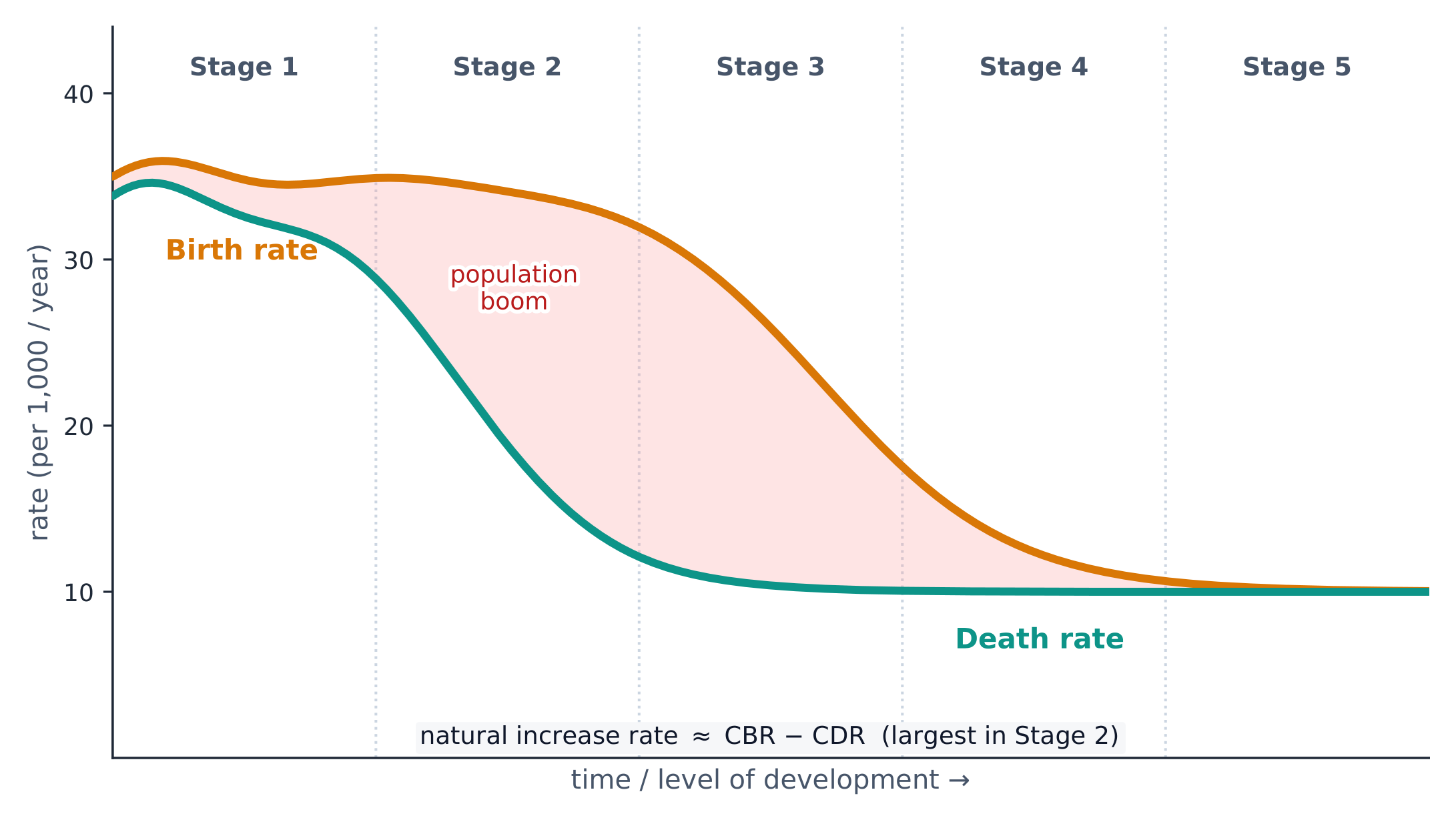
The demographic transition model

The Demographic Transition Model (DTM) 人口转变模型 shows how birth and death rates change as a country develops, through five stages.

  1. Stage 1 — high, fluctuating CBR and CDR; slow growth (pre-industrial).
  2. Stage 2 — CDR falls (better food, medicine, sanitation) while CBR stays high; population booms.
  3. Stage 3 — CBR falls (urbanisation, education, women in work); growth slows.
  4. Stage 4 — low CBR and CDR; population stable and large.
  5. Stage 5 — CBR falls below CDR; population declines and ages.

The linked epidemiological transition 流行病学转变 describes how the main causes of death shift from infectious disease to chronic, degenerative disease as a country moves through the DTM.

עברית
מודל המעבר הדמוגרפי

מודל המעבר הדמוגרפי (DTM) מראה כיצד קצבי הלידה והמותת משתנים כאשר מדינה מתפתחת, דרך חמש תקופות.

מודל המעבר הדמוגרפי: קצבי לידה ומותת בחמש תקופות קצב המוות יורד קודם, ולאחריו קצב הלידה; הפער ביניהם יוצר פיצוץ צמיחה,

  1. תקופה 1 — CBR ו-CDR גבוהים ותנודתיים; צמיחה איטית (לפני תעשייה).
  2. תקופה 2 — CDR יורד (שיפור מזון, רפואה, היגיינה) בעוד CBR נשאר גבוה; אוכלוסייה צומחת בצורה אקספוננציאלית.
  3. תקופה 3 — CBR יורד (עירוב, חינוך, נשים בשוק העבודה); הצמיחה מאטה.
  4. תקופה 4 — CBR ו-CDR נמוכים; אוכלוסייה יציבה וגדולה.
  5. תקופה 5 — CBR יורד מתחת ל- CDR; אוכלוסייה יורדת ומזדקנת.

המעבר האפידמיולוגי הקשור מתאר כיצד הסיבות הראשונות למוות משתנות ממחלות זיהומיות למחלות כרוניות ודגנרטיווטיות כאשר מדינה עוברת את DTM.

2.6

Malthusian Theory · ⁨תיאוריית מלתוס⁩

Syllabus · ⁨סיילבוס⁩
English

Enduring Understanding (IMP-2): Changes in population are due to mortality, fertility, and migration, which are influenced by the interplay of environmental, economic, cultural, and political factors.

Learning Objective IMP-2.B: Explain theories of population growth and decline.

  • IMP-2.B.3 Malthusian theory and its critiques are used to analyze population change and its consequences.
עברית

הבנה מתמשכת (IMP-2): שינויים באוכלוסייה נובעים ממortalities, fertility, and migration, which are influenced by the interplay of environmental, economic, cultural, and political factors.

מטרות לימוד IMP-2.B: הסבר על תיאוריות צמיחה וירידה באוכלוסין.

  • IMP-2.B.3 תיאוריית מלאתס והבקרות עליה משמשות לניתוח שינויי אוכלוסייה והשלכותיהן.

Source: College Board AP Course and Exam Description · ⁨מקור: תיאור הקורס והמבחן של College Board AP⁩

English
Malthusian theory and its critique

In 1798 Thomas Malthus argued that population grows exponentially 指数式 while food supply grows only linearly 线性, so population would outrun food and be checked by famine, disease, and war.

Critics say Malthus underestimated technology: the Green Revolution and modern farming raised food output enormously. Neo-Malthusians 新马尔萨斯主义者 update the worry to include water, energy, and other finite resources. The debate is a favourite exam prompt.

עברית
תיאוריית מלתוס וביקורת עליה

ב-1798 תומאס מלתוס טען שהאוכלוסייה גדלה אקספוננציאלית בעוד ספק המזון גדל רק ליניארית, ולכן האוכלוסייה תעקוף את המזון ותוגבל על ידי רעב, מחלות ומלחמות.

בקריטיים אומרים שמליתוס המעיט בטכנולוגיה: המהפכה הירוקה והחקלאות המודרנית העלו את תפוקת המזון באופן מרהיב. ניאו-מליתוסנים מעדכנים את החשש כדי לכלול מים, אנרגיה ומשאבים סופיים נוספים. הדיון הוא נושא נפוץ במבחנים.

2.7

Population Policies · ⁨מדיניות אוכלוסייה⁩

Syllabus · ⁨סיילבוס⁩
English

Enduring Understanding (SPS-2): Changes in population have long- and short-term effects on a place’s economy, culture, and politics.

Learning Objective SPS-2.A: Explain the intent and effects of various population and immigration policies on population size and composition.

  • SPS-2.A.1 Types of population policies include those that promote or discourage population growth, such as pronatalist, antinatalist, and immigration policies.
עברית

הבנה מתמשכת (SPS-2): לשינויים באוכלוסייה יש השפעות ארוכות וקצרות טווח על הכלכלה, התרבות והפוליטיקה של מקום כלשהו.

מטרת הלמידה SPS-2.A: הסבר על הכוונה וההשפעות של מגוון מדיניותות אוכלוסין והגירה על גודל ואופי האוכלוסייה.

  • SPS-2.A.1 סוגי מדיניותות אוכלוסין כוללים אלו המעודדות או מדכאות את צמיחת האוכלוסייה, כמו מדיניותות פרונטאליות, אנטי-נטאליות ומדיניותות הגירה.

Source: College Board AP Course and Exam Description · ⁨מקור: תיאור הקורס והמבחן של College Board AP⁩

English

Governments try to influence population growth with policies:

  • Pro-natalist 鼓励生育 policies encourage births (cash bonuses, parental leave, childcare) where populations are aging or shrinking — e.g. France, Japan.
  • Anti-natalist 限制生育 policies discourage births where growth is seen as too fast — e.g. India's family-planning campaigns.

Policies have unintended consequences: strong anti-natal policies can skew the sex ratio or speed up aging, which later needs a pro-natal response.

עברית

ממשלות מנסות להשפיע על צמיחת האוכלוסייה באמצעות מדיניות:

  • מדיניות פרו-נטליסטית (תומכת לידות) מעודדת לידות (בונוסים כספיים, חופשת הורים, טיפול בילדים) כאשר האוכלוסייה מזדקנת או דוחקת — למשל בצרפת וביפן.
  • מדיניות אנטי-נטליסטית (נגד לידות) משגרת לידות כאשר הצמיחה נראית מהירה מדי — למשל בקמפיינים לתכנון משפחות בהודו.

למדיניות יש תוצאות בלתי צפויות: מדיניות אנטי-נטליסטית חזקה עשויה לעוות את יחס המין או להאיץ הזדקנות, שדורשים מאוחר יותר תגובה פרו-נטליסטית.

2.8 2.9

Women, Aging, and Demographic Change · ⁨נשים, הזדקנות ושינוי דמוגרפי⁩

Syllabus · ⁨סיילבוס⁩
English

Enduring Understanding (SPS-2): Changes in population have long- and short-term effects on a place’s economy, culture, and politics.

Learning Objective SPS-2.B: Explain how the changing role of females has demographic consequences in different parts of the world.

  • SPS-2.B.1 Changing social values and access to education, employment, health care, and contraception have reduced fertility rates in most parts of the world.
  • SPS-2.B.2 Changing social, economic, and political roles for females have influenced patterns of fertility, mortality, and migration, as illustrated by Ravenstein’s laws of migration.
עברית

הבנה מתמשכת (SPS-2): לשינויים באוכלוסייה יש השפעות ארוכות וקצרות טווח על הכלכלה, התרבות והפוליטיקה של מקום כלשהו.

מטרת הלמידה SPS-2.B: הסבר על כך כיצד השינוי בתפקיד הנשים יוצר השפעות דמוגרפיות במחלקות שונות בעולם.

  • SPS-2.B.1 ערכים חברתיים משתנים וגישה לחינוך, תעסוקה, טיפול רפואי ולמניעת הריונות הפחיתו את קצב הילודה ברוב חלקי העולם.
  • SPS-2.B.2 שינוי בתפקידים החברתיים, הכלכליים והפוליטיים של הנשים השפיע על דפוסי הילודה, התמותה וההגירה, כפי שמדגימים חוקי ההגירה של רייבנשטיין.
English

Enduring Understanding (SPS-2): Changes in population have long- and short-term effects on a place’s economy, culture, and politics.

Learning Objective SPS-2.C: Explain the causes and consequences of an aging population.

  • SPS-2.C.1 Population aging is determined by birth and death rates and life expectancy.
  • SPS-2.C.2 An aging population has political, social, and economic consequences, including the dependency ratio.
עברית

הבנה מתמשכת (SPS-2): לשינויים באוכלוסייה יש השפעות ארוכות וקצרות טווח על הכלכלה, התרבות והפוליטיקה של מקום כלשהו.

מטרת הלמידה SPS-2.C: הסבר על הסיבות וההשלכות של הזדקנות האוכלוסייה.

  • SPS-2.C.1 הזדקנות האוכלוסייה נקבעת על ידי קצבי לידה ותמותה ותוחלת חיים.
  • SPS-2.C.2 לאוכלוסייה מזדקנת ישנן השלכות פוליטיות, חברתיות וכלכליות, לרבות יחס תלות.

Source: College Board AP Course and Exam Description · ⁨מקור: תיאור הקורס והמבחן של College Board AP⁩

English

The status of women is one of the strongest drivers of fertility. As female education and employment rise, women marry later and have fewer children, so fertility falls — a key reason countries move through the DTM.

At the other end, aging populations 人口老龄化 (a rising share of over-65s) bring their own challenges: higher pension and healthcare costs, a shrinking workforce, and a rising dependency ratio. Countries respond with later retirement, immigration, or pro-natal policies.

עברית

מעמדן של נשים הוא אחד הגורמים החזקים ביותר להשפעה על fertility. כשהחינוך והעבודה הנשים עולים, נשים נישאות מאוחר יותר ויש להן פחות ילדים, ולכן ה-fertility יורד — זהו סיבה מרכזית לכך שהמדינות עוברות דרך DTM.

מ另一端, אוכלוסיות מזדקנות (עלייה בשיעור האוכלוסייה מעל גיל 65) מביאים אתגרים משלהם: עלייה בעלויות קצבות ותחום הרפואה, צמצום בכוח העבודה ועלייה ביחס התלות. מדינות מגיבות עם פרישה מאוחרת, עלייה או מדיניות פרו-נטליסטית.

2.10 2.11

Causes and Types of Migration · ⁨גורמים וסוגי הגירה⁩

Syllabus · ⁨סיילבוס⁩
English

Enduring Understanding (IMP-2): Changes in population are due to mortality, fertility, and migration, which are influenced by the interplay of environmental, economic, cultural, and political factors.

Learning Objective IMP-2.C: Explain how different causal factors encourage migration.

  • IMP-2.C.1 Migration is commonly divided into push factors and pull factors.
  • IMP-2.C.2 Push/pull factors and intervening opportunities/obstacles can be cultural, demographic, economic, environmental, or political.
עברית

הבנה מתמשכת (IMP-2): שינויים באוכלוסייה נובעים ממortalities, fertility, and migration, which are influenced by the interplay of environmental, economic, cultural, and political factors.

מטרות למידה IMP-2.C: הסבר כיצד גורמי סיבה שונים מעודדים הגירה.

  • IMP-2.C.1 הגירה מחולקת לרוב לגורמי דחיפה וגורמי משיכה.
  • IMP-2.C.2 גורמי דחיפה/משיכה ועדויות/חסמים מעכבים יכולים להיות תרבותיים, דמוגרפיים, כלכליים, סביבתיים או פוליטיים.
English

Enduring Understanding (IMP-2): Changes in population are due to mortality, fertility, and migration, which are influenced by the interplay of environmental, economic, cultural, and political factors.

Learning Objective IMP-2.D: Describe types of forced and voluntary migration.

  • IMP-2.D.1 Forced migrations include slavery and events that produce refugees, internally displaced persons, and asylum seekers.
  • IMP-2.D.2 Types of voluntary migrations include transnational, transhumance, internal, chain, step, guest worker, and rural-to-urban.
עברית

הבנה מתמשכת (IMP-2): שינויים באוכלוסייה נובעים ממortalities, fertility, and migration, which are influenced by the interplay of environmental, economic, cultural, and political factors.

מטרות למידה IMP-2.D: תיאור סוגי ההגירה החובה והרצונית.

  • IMP-2.D.1 הגירות חובה כוללות עבדות והתרחשויות המייצרות פליטים, פנים מופרדים ומבקשי מקלט.
  • IMP-2.D.2 סוגי ההגירה הרצונית כוללים טרנסלאנדרי, טראנסהומאנס, פנימית, שרשרת, מדרגות, עובד אורח, ומהכפר לעיר.

Source: College Board AP Course and Exam Description · ⁨מקור: תיאור הקורס והמבחן של College Board AP⁩

English

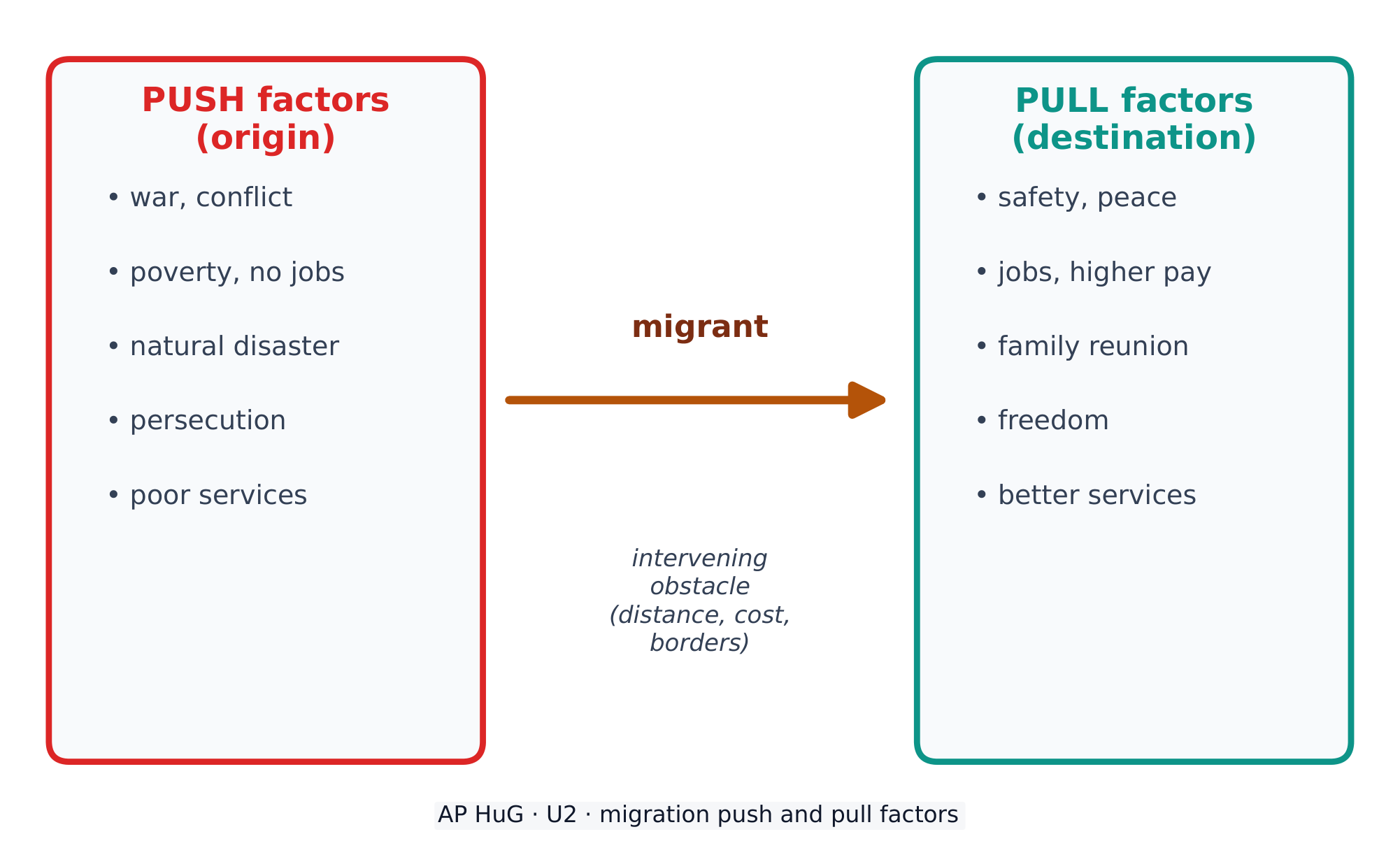
Migration 迁移 is a permanent move to a new location. It is driven by push factors 推力 (reasons to leave: war, poverty, disaster) and pull factors 拉力 (reasons to arrive: jobs, safety, family).

  • Voluntary migration 自愿迁移 is by choice, usually for economic reasons.
  • Forced migration 强迫迁移 is against a person's will — refugees 难民 fleeing danger, or people displaced by disaster.
  • Ravenstein's laws describe patterns: most migrants move short distances, in steps, and are drawn mainly by economic pull.

Migration can be international (between countries) or internal (within a country, such as rural-to-urban).

עברית

הגירה היא מעבר קבוע למיקום חדש. היא מונעת על ידי גורמי דחיפה (סיבות לעזוב: מלחמה, עוני, אסון) וגורמי משיכה (סיבות להגיע: עבודה, בטיחות, משפחה).

גורמי דחיפה מרחיקים אנשים; גורמי משיכה מושכים אותם למקום חדש
החלטות הגירה שוקלות גורמי דחיפה מול גורמי משיכה, לאורך מכשול מתווך
  • הגירה רצונית היא באופן בחירה, בדרך כלל לסיבות כלכליות.
  • הגירה מאולצת היא בניגוד לרצון האדם — פליטים בורחים מסכנה, או אנשים שנדרו מאסון.
  • חוקי רבנשטיין מתארים דפוסים: רוב המגיירים עוברים מרחקים קצרים, בשלבים, ומושכים בעיקר על ידי משיכה כלכלית.

הגירה יכולה להיות בינלאומית (בין מדינות) או פנימית (בתוך מדינה, כמו מהכפר לעיר).

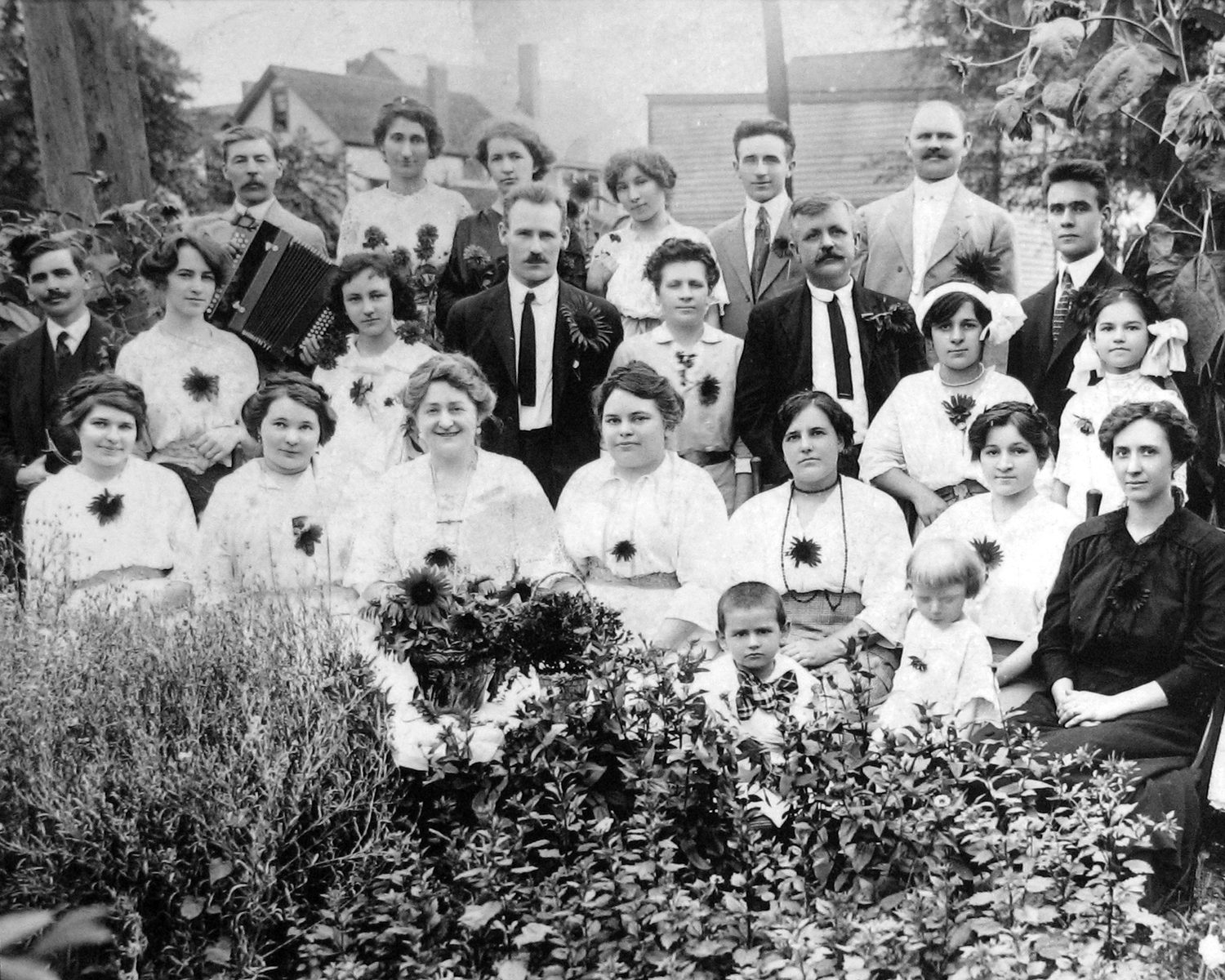
מגיירים מגיעים לעיר חדשה: ההגירה מפצה מחדש את האוכלוסייה ומעצבת מקומות
Explore · ⁨חקור⁩

Push factor or pull factor? · ⁨גורם דחיפה או גורם משיכה?⁩

A push factor drives people away from the origin; a pull factor draws them toward the destination. · ⁨גורם דחיפה דוחף אנשים הרחק מהמקום המקורי; גורם משיכה מושך אותם לעבר היעד.⁩

Vocabulary · ⁨מילון מונחים⁩ Train · ⁨אימון⁩
English עברית
Migration/maɪˈɡreɪʃn/ הגירה
push factors/pʊʃ ˈfæktəz/ גורמי דחייה
pull factors/pʊl ˈfæktəz/ גורמי משיכה
Voluntary migration/ˈvɒləntəri maɪˈɡreɪʃn/ הגירה מרצונה
Forced migration/fɔːst maɪˈɡreɪʃn/ הגירה מאולצת
refugees/ˈrefjuːdʒiːz/ פליטים
brain drain/breɪn dreɪn/ בריחת מוחות
remittances/rɪˈmɪtənsɪz/ שלוחות
2.12

Effects of Migration · ⁨השפעות ההגירה⁩

Syllabus · ⁨סיילבוס⁩
English

Enduring Understanding (IMP-2): Changes in population are due to mortality, fertility, and migration, which are influenced by the interplay of environmental, economic, cultural, and political factors.

Learning Objective IMP-2.E: Explain historical and contemporary geographic effects of migration.

  • IMP-2.E.1 Migration has political, economic, and cultural effects.
עברית

הבנה מתמשכת (IMP-2): שינויים באוכלוסייה נובעים ממortalities, fertility, and migration, which are influenced by the interplay of environmental, economic, cultural, and political factors.

מטרות לימוד IMP-2.E: הסבר על ההשפעות הגיאוגרפיות ההיסטוריות והעכשוויות של ההגירה.

  • IMP-2.E.1 להגירה יש השפעות פוליטיות, כלכליות ותרבותיות.

Source: College Board AP Course and Exam Description · ⁨מקור: תיאור הקורס והמבחן של College Board AP⁩

English

Migration reshapes both the origin and the destination.

  • The destination gains workers and cultural diversity but may face pressure on housing and services and social tension.
  • The origin may lose skilled workers (a brain drain 人才外流) but gain remittances 侨汇 — money migrants send home, a major income source for many countries.
  • Migration changes the age and sex structure of both places, because migrants are often young working-age adults.
עברית

ההגירה מעצבת מחדש גם את המקור וגם את היעד.

  • היעד מקבל עובדים ומגוון תרבותי, אך עשוי להתמודד בלחץ על דיור ושירותים ועם מתח חברתי.
  • מקום המוצא עשוי לאבד עובדים מיומנים (ניסוף מוחות), אך לרווח בשלוחות — כסף שמהגרים שולחים הביתה, מקור הכנסה מרכזי עבור מדינות רבות.
  • ההגירה משנה את המבן הגילי והמיני של שני המקומות, מכיוון שהמהגרים הם לעיתים קרובות מבוגרים צעירים בגיל העבודה.
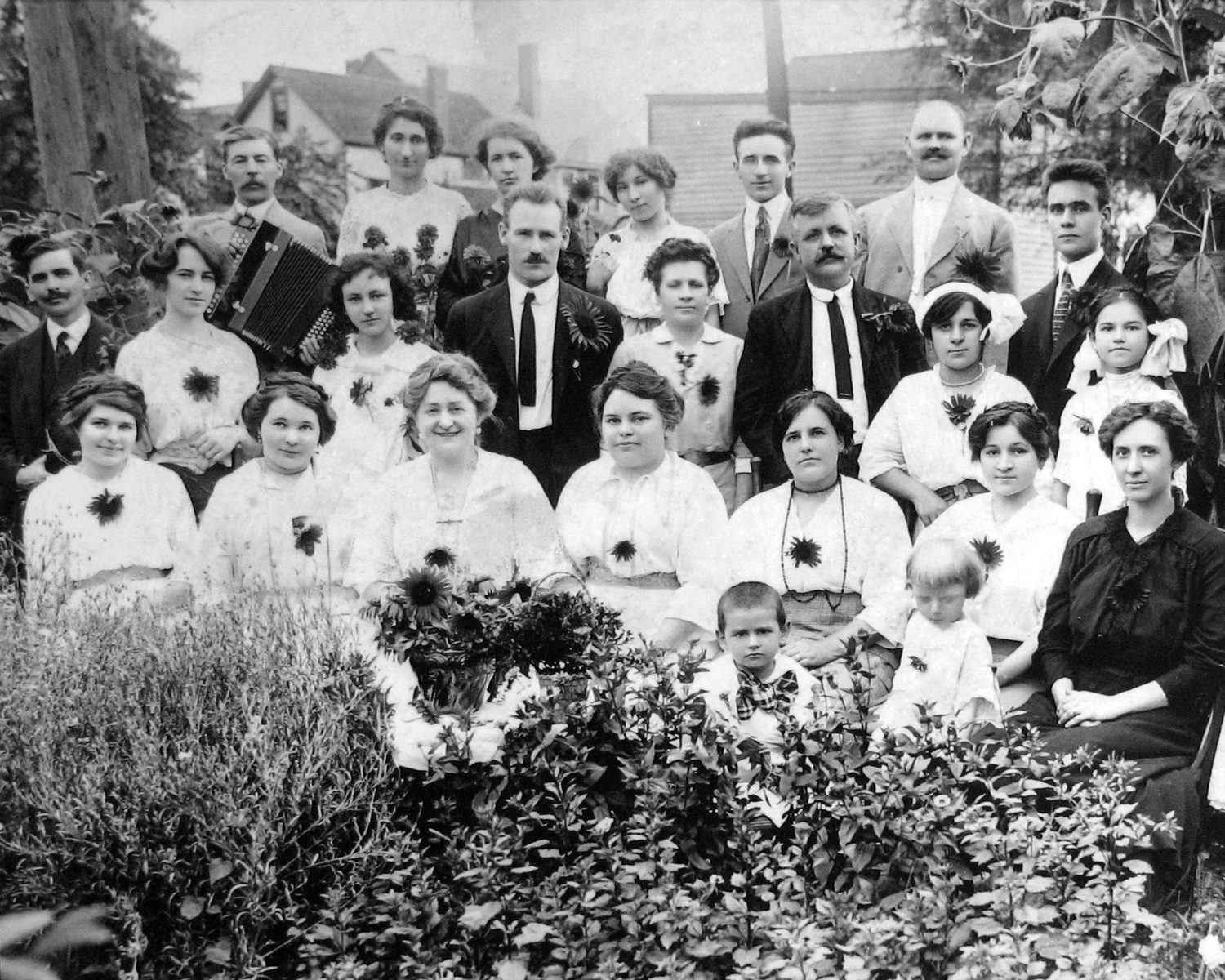
הגר们 החדשים מעצבים ערים: ההגירה משנה את שוק העבודה, התרבות והדמוגרפיה ביעדים
2.12

Exam tips · ⁨טיפים לבחינות⁩

English
  • Compute RNI = (CBR − CDR) ÷ 10 as a percent, and read doubling time as about 70 ÷ RNI.
  • Link a population pyramid's shape to fertility and the DTM stage — a wide base means Stage 2.
  • Remember the death rate falls before the birth rate; that is why Stage 2 grows fastest.
  • Separate push from pull and forced from voluntary; a refugee crosses a border, an IDP does not.
  • Weigh migration effects: remittances help the origin, but brain drain and aging hurt it.
עברית
  • חשב את RNI = (CBR − CDR) ÷ 10 באחוזים, וקבע את זמן ההכפלה בכ- 70 ÷ RNI.
  • קשר את צורת פירמידת האוכלוסין למיזוג ולדרגת DTM — בסיס רחב מצביע על דרגה 2.
  • זכור שקצב התמותה יורד לפני קצב הלידה; זוהי הסיבה לכך שדרגה 2 צומחת במהירות הרבה ביותר.
  • הפרד בין גורמי דחיפה לבין גורמי משיכה, ובין הגירה כפורה לבין הגירה רצונית; פליט חוצה גבול, בעוד IDP אינו עושה זאת.
  • שקול את השפעות ההגירה: שלוחות מועילות למקום המוצא, אך ניסוף מוחות והזדקנות פוגעות בו.

Interactive lessons on this topic · ⁨שיעורים אינטראקטיביים בנושא זה⁩

Work through it step by step, with instant-check exercises. · ⁨לעבור על הדברים צעד אחר צעד, עם תרגילים לבדיקה מיידית.⁩

Past Papers · ⁨מבחני עבר⁩

More topics in AP Human Geography · ⁨גיאוגרפיה אנושית - AP⁩ · ⁨נושאים נוספים בAP Human Geography · ⁨גיאוגרפיה אנושית - AP⁩⁩

Log in or create account · ⁨היכנס או צור חשבון⁩

IGCSE, A-Level & AP