| Enduring Understanding | Learning Objective | Essential Knowledge |
|---|---|---|
PSO-5 | PSO-5.A |
|
Agriculture and Rural Land-Use Patterns and Processes
AP Human Geography · Topic 5
 8:32
8:32
Agriculture and Rural Land-Use Patterns and Processes
Two farmers. The same job: grow food. Completely different worlds. One drives a machine across a field so wide you cannot see the end of it, and every grain…
English narration · English + 中文 subtitles burned in
5.1
Introduction to Agriculture
Syllabus
Source: College Board AP Course and Exam Description
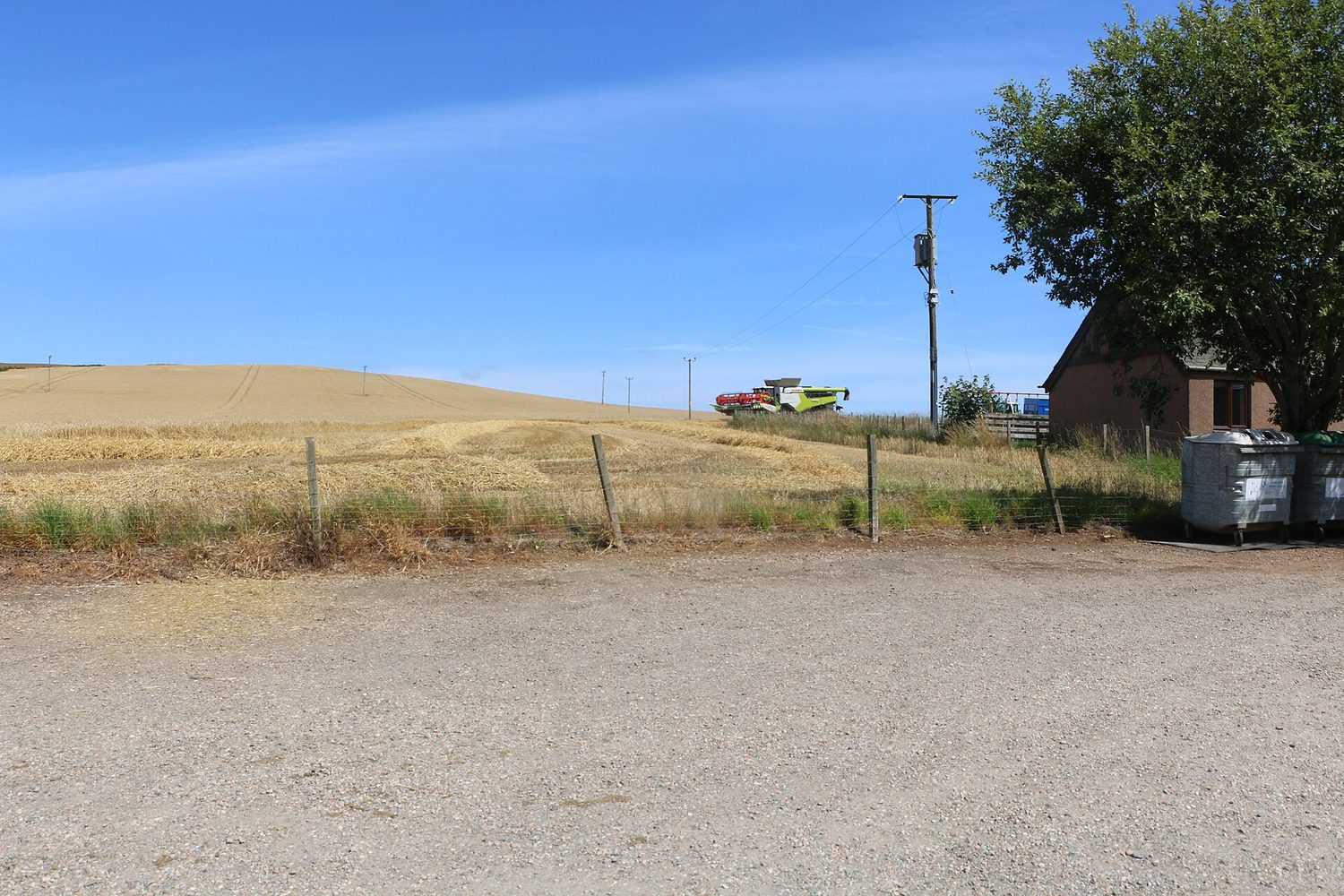
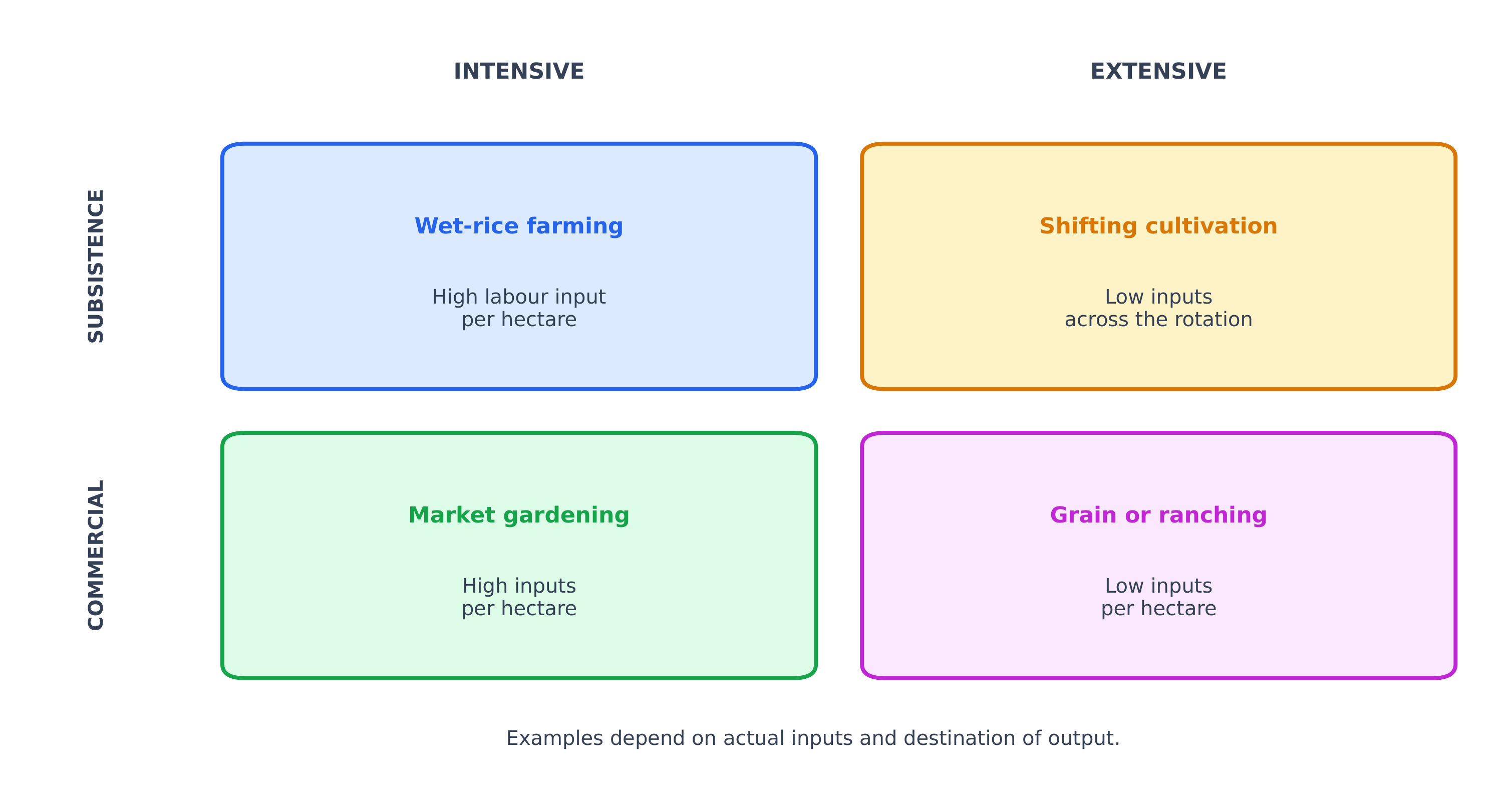
Agriculture 农业 is the deliberate growing of crops and raising of animals for food and other products. Subsistence agriculture 自给农业 mainly supplies a household's own needs; commercial agriculture 商业农业 mainly produces for sale. A household can do both. Commercial farming occurs at many income levels and scales; a small farm or hand tool does not establish subsistence purpose.
Intensive 集约 farming uses relatively high labour or capital inputs per unit of land; extensive 粗放 farming uses relatively low inputs per unit of land. A large farm can use extensive methods per hectare while using expensive machinery overall. State which input and area you compare rather than equating intensity with total farm size.
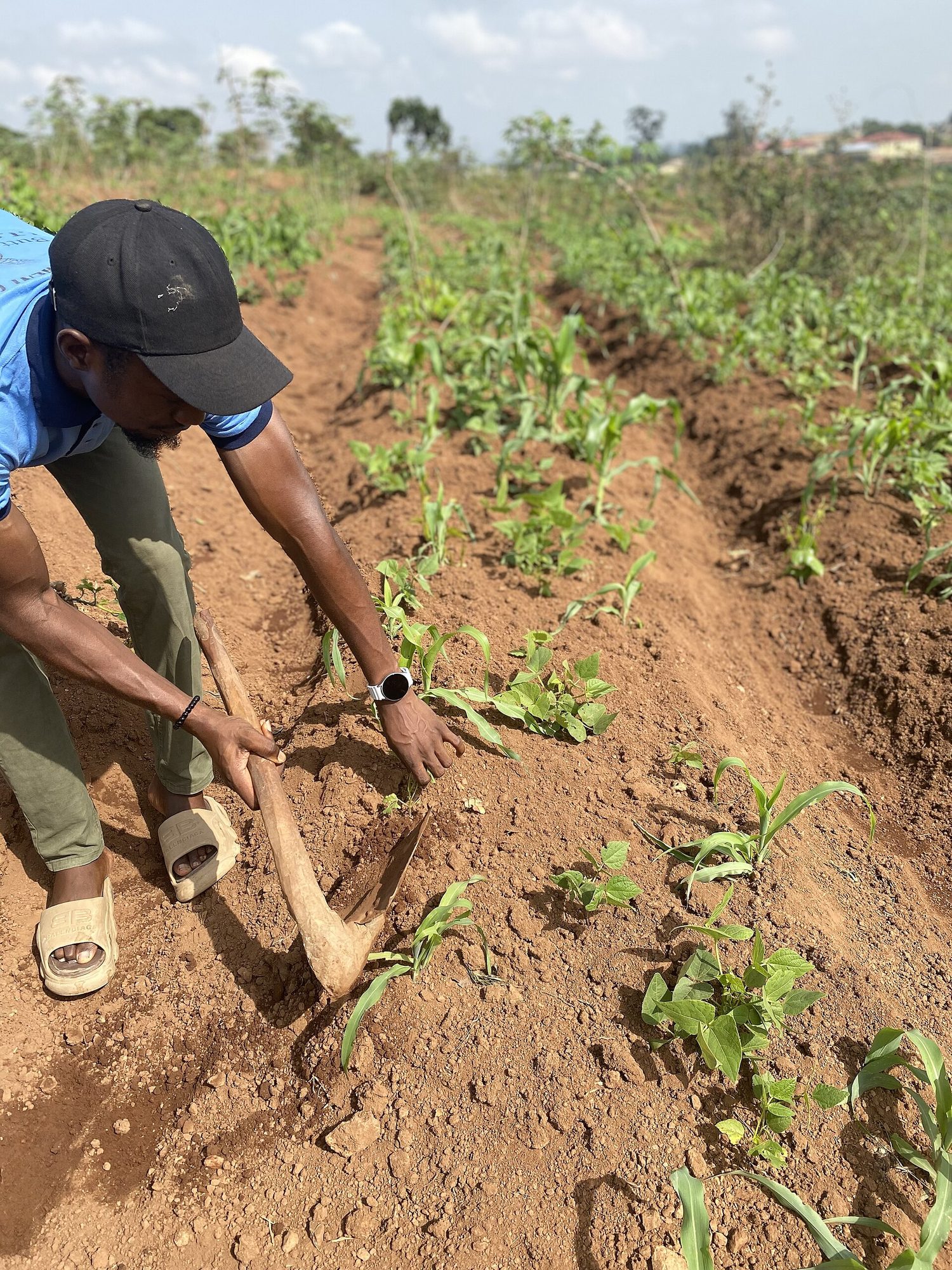
Original classification task. Farm A works two hectares with much hand labour, retaining most rice for household use. Farm B uses many machines over 1,000 hectares, sells its grain, and uses fewer labour hours per hectare. A is intensive subsistence in this scenario; B is commercial and less labour-intensive per hectare. Machinery alone does not measure capital input per hectare, so do not infer every kind of intensity from the labour comparison.
Explore
Intensive or extensive farming?
Compare labour or capital inputs per unit of land, separately from purpose and total farm size.
Vocabulary
Train
| English |
|---|
| Agriculture/ˈæɡrɪkʌltʃə/ |
| Subsistence agriculture/sʌbˈsɪstəns ˈæɡrɪkʌltʃə/ |
| Commercial agriculture/kəˈmɜːʃl ˈæɡrɪkʌltʃə/ |
| intensive/ɪnˈtensɪv/ |
| extensive/ekˈstensɪv/ |
5.2
Settlement Patterns and Survey Methods
Syllabus
| Enduring Understanding | Learning Objective | Essential Knowledge |
|---|---|---|
PSO-5 | PSO-5.B |
|
Source: College Board AP Course and Exam Description
Clustered (nucleated) 集聚式 settlements group homes; dispersed 分散 settlements spread homes across an area; linear settlements follow an axis such as a road or river. The location of homes is different from the division of property.
Survey methods divide or describe land. Metes and bounds 界址法 uses measured distances, directions and landmarks, including natural or artificial features. Township and range 方格法 uses a rectangular public-land survey framework. Long-lot 长条田 holdings are long, narrow parcels often giving access to a river or road. They do not guarantee identical soil quality or water rights. Field shape can suggest a survey history, but records are needed to confirm it.
Original interpretation task. Houses line a river; long narrow parcels extend inland. Describe the settlement and parcel patterns separately. Check: the houses are linear and the parcels are consistent with long-lot surveying. The image alone cannot prove legal ownership, productivity or equal resource access.
Vocabulary
Train
| English |
|---|
| Clustered (nucleated)/ˈklʌstəd/ |
| dispersed/dɪˈspɜːst/ |
| Metes and bounds/miːts ænd baʊndz/ |
| Township and range/ˈtaʊnʃɪp ænd reɪndʒ/ |
| Long-lot/lɒŋ lɒt/ |
5.3 5.4 5.5
Agricultural Origins and Revolutions
Syllabus
| Enduring Understanding | Learning Objective | Essential Knowledge |
|---|---|---|
SPS-5 | SPS-5.A |
|
SPS-5.B |
|
| Enduring Understanding | Learning Objective | Essential Knowledge |
|---|---|---|
SPS-5 | SPS-5.C |
|
| Enduring Understanding | Learning Objective | Essential Knowledge |
|---|---|---|
SPS-5 | SPS-5.D |
|
Source: College Board AP Course and Exam Description
Early hearths are places where domestication developed; practices and species could then spread. The course includes the Fertile Crescent, Indus River Valley, Southeast Asia and Central America. Domestication changes plants or animals through human management and selection over generations; it is not simply importing a crop or harvesting wild plants.
The First (Neolithic) Agricultural Revolution 新石器农业革命 involved the emergence and spread of domestication in several regions. Farming supported changes in settlement and population, but agriculture and sedentary life did not begin everywhere in one event. The Columbian Exchange 哥伦布大交换 after 1492 moved plants and animals between the Americas and other regions through voyages, colonisation and trade. Maize and potatoes illustrate American crops spreading elsewhere; a crop's present production region need not be its hearth.
The Second Agricultural Revolution 第二次农业革命 involved improvements in rotation, breeding, tools, mechanisation and transport associated with industrialisation. Greater output and labour productivity helped supply cities and made labour available for other work. Their timing and effects varied by place.
The Green Revolution 绿色革命 expanded high-yield crop varieties alongside fertilisers, irrigation, pesticides and mechanisation from the mid-twentieth century. These are not all the same as genetic engineering. Yields rose in many settings, but results depended on water, finance, extension services and crops. Debt, nutrient runoff, water use and unequal access can accompany gains; not every farmer benefits equally.
Exam connection — 2023 AP Human Geography, Set 1, Q2(A). The prompt asks students to describe an early hearth of domestication. “A place where a plant or animal was first domesticated” is consistent with an accepted response. The official scheme does not require every answer to add diffusion as a second mandatory feature, and the command word is not a universal sentence-count rule.
Original data task. A fictional crop's yield rises from 3 to 5 tonnes per hectare. Its sale price changes from 200 to 150 dollars per tonne, while nonland costs rise from 250 to 600 dollars per hectare. Calculate gross sales and return after these costs in each year. All figures are annual and invented for practice; other costs are excluded.
$$G=Yp$$
$$G_{old}=(3\text{ t/ha})(200\text{ dollars/t})=600\text{ dollars}/\text{ha}$$
$$G_{new}=(5\text{ t/ha})(150\text{ dollars/t})=750\text{ dollars}/\text{ha}$$
$$N=G-C$$
$$N_{old}=600\text{ dollars/ha}-250\text{ dollars/ha}=350\text{ dollars/ha}$$
$$N_{new}=750\text{ dollars/ha}-600\text{ dollars/ha}=150\text{ dollars/ha}$$
Higher yield and higher sales revenue coexist with a lower return after the stated costs. This does not establish that technology alone caused the change: both prices and costs also changed.
Vocabulary
Train
| English |
|---|
| First (Neolithic) Agricultural Revolution/fɜːst ˌæɡrɪˈkʌltʃərəl ˌrevəˈluːʃn/ |
| Second Agricultural Revolution/ˈsekənd ˌæɡrɪˈkʌltʃərəl ˌrevəˈluːʃn/ |
| Green Revolution/ɡriːn ˌrevəˈluːʃn/ |
| Columbian Exchange/kəˈlʌmbɪən eksˈtʃeɪndʒ/ |
5.6
Agricultural Production Regions
Syllabus
| Enduring Understanding | Learning Objective | Essential Knowledge |
|---|---|---|
PSO-5 | PSO-5.C |
|
Source: College Board AP Course and Exam Description
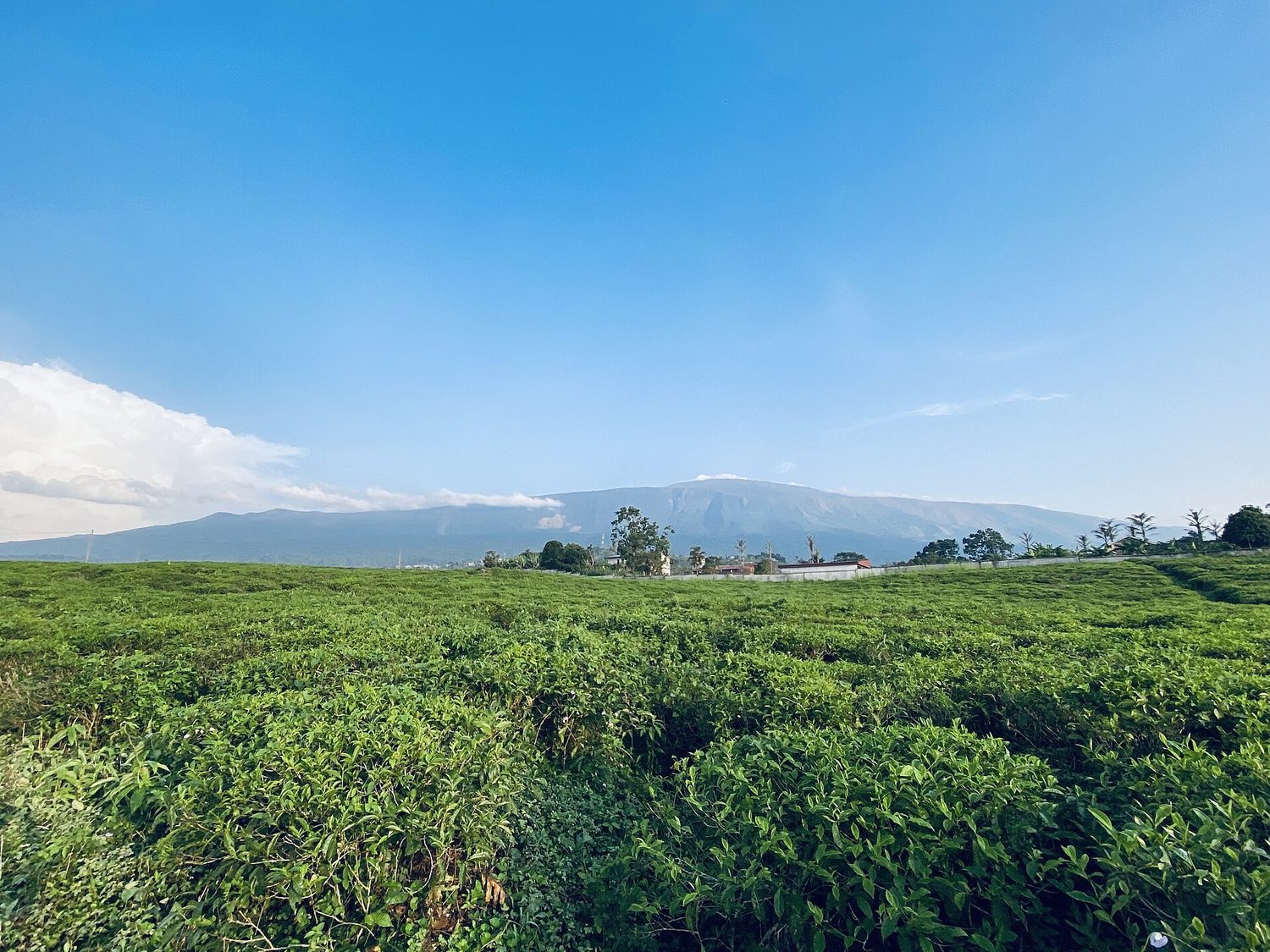
Climate, soils and water influence production alongside land costs, labour, markets, technology, culture and policy. Mediterranean climates support crops adapted to dry summers, while tropical conditions support different crops; irrigation and other investments can alter constraints. Development level alone does not decide what is profitable.
Shifting cultivation 迁移农业 rotates cultivation among plots with fallow periods; clearing may include burning. Its land requirements and environmental effects depend on fallow duration and pressure on land. Pastoral nomadism 游牧 involves mobile herding; it can also involve market exchange. Common commercial systems include plantations, market gardening, dairying, grain farming, ranching and mixed crop/livestock systems. Mixed systems link feed crops, animals and manure; they are not confined to one income category. Monoculture specialises in one crop and can simplify operations, but can increase exposure to pests, prices or crop failure.
Bid-rent theory 竞租理论 concerns what a land user can afford to pay at different locations. Returns depend on output value, production costs and transport costs; an expensive location does not automatically force every farm into an intensive use. Users compete for sites, and some are outbid.
Vocabulary
Train
| English |
|---|
| shifting cultivation/ˈʃɪftɪŋ ˌkʌltɪˈveɪʃn/ |
| pastoral nomadism/ˈpæstərəl ˈnəʊmeɪdɪzəm/ |
| Bid-rent theory/bɪd rent ˈθɪəri/ |
| plantation/plænˈteɪʃn/ |
5.7 5.8
Spatial Organization and the Von Thünen Model
Syllabus
| Enduring Understanding | Learning Objective | Essential Knowledge |
|---|---|---|
PSO-5 | PSO-5.C |
|
| Enduring Understanding | Learning Objective | Essential Knowledge |
|---|---|---|
PSO-5 | PSO-5.D |
|
Source: College Board AP Course and Exam Description
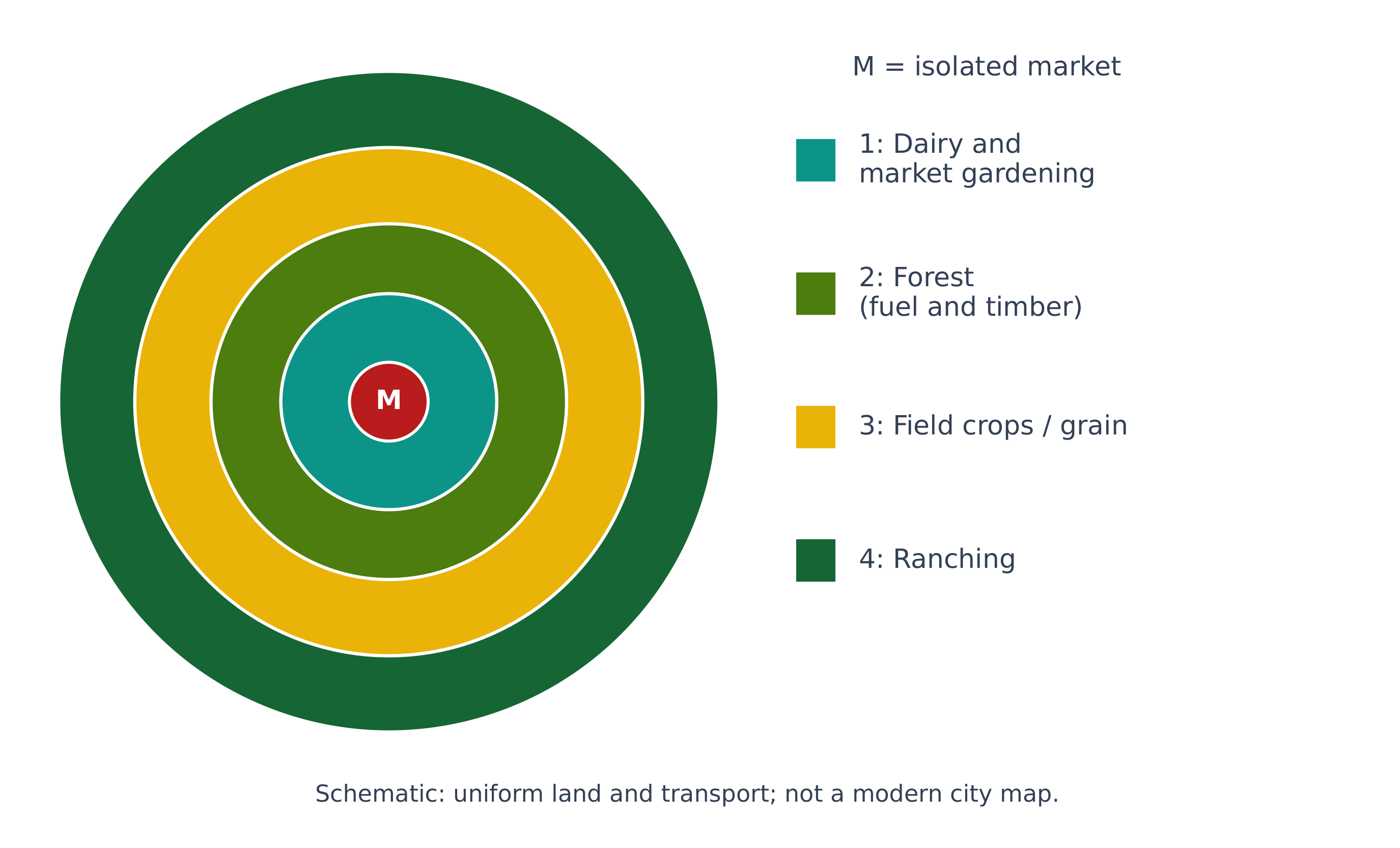
The von Thünen model 冯·杜能模型 (1826) explains agricultural location around an isolated market using competition for land and transport costs. Its simplified setting has one market, uniform land and comparable transport conditions in every direction. Farmers choose uses according to the return available for land rent.
The common simplified sequence is market gardening/dairy near the market, then forest for bulky fuel and timber, field crops/grain, and ranching farther out. Perishability, bulk, yields, prices and costs affect bids; crop price alone or transport alone cannot explain every use. Refrigeration can reduce spoilage losses, while roads, rivers, multiple markets, soils and specialty crops can change the arrangement.
Original bid-rent model. Let $R$ be annual dollars per hectare available for land rent after production and transport costs, $M$ the margin before transport and land rent, $t$ the annual transport cost per hectare per kilometre, and $d$ distance in kilometres. Use the deliberately simplified equation $R=M-td$. Crop A has $M=600$ dollars per hectare per year and $t=10$ dollars per hectare per year per kilometre; crop B has $M=360$ dollars and $t=2$ dollars in the same units. Compare their bids at 10 and 50 kilometres, then explain what a road reducing A's transport cost could change.
$$R=M-td$$
$$R_A(10)=600-10(10)=500\text{ dollars/ha/year}$$
$$R_B(10)=360-2(10)=340\text{ dollars/ha/year}$$
$$R_A(50)=600-10(50)=100\text{ dollars/ha/year}$$
$$R_B(50)=360-2(50)=260\text{ dollars/ha/year}$$
A bids more near the market, B farther away. Lower A transport costs would flatten its decline and could extend where it outbids B. This is an original two-crop model, not observed dairy or grain data and not a claim that every distant use follows one ring. Returns available for rent are not automatically the farmer's final profit.
Technology can create economies of scale 规模经济 by spreading fixed machinery or processing costs across greater output, encouraging consolidation. It can also increase the population supportable under particular conditions, but carrying capacity depends on consumption and environmental limits. Large commercial firms can replace or contract with smaller farms; family ownership and commercial production are not opposites.
Vocabulary
Train
| English |
|---|
| von Thünen model/vɒn ˈθuːnən ˈmɒdl/ |
| economies of scale/ɪˈkɒnəmiz ɒv skeɪl/ |
5.9
The Global System of Agriculture
Syllabus
| Enduring Understanding | Learning Objective | Essential Knowledge |
|---|---|---|
PSO-5 | PSO-5.E |
|
Source: College Board AP Course and Exam Description
A global supply chain 全球供应链 links inputs, farming, storage, processing, transport, wholesale and retail. Agribusiness 农业综合企业 connects these activities through firms and contracts. Storage and transport link harvests to distant consumers, but border policy, infrastructure, fuel costs and disruptions affect those links.
Dependence on a few export commodities 出口商品 can expose producers to prices or weather shocks. Fair trade 公平贸易 initiatives seek improved trading conditions; outcomes depend on the scheme, participation and costs, not a guaranteed fair income for every producer. Processing can add sale value, but additional revenue is not identical to profit or proof that every later link keeps most value.
Original chain task. A farm sells cocoa beans to a processor, which sells chocolate through a shipping firm to retailers abroad. Explain a link to consumers and a disruption mechanism. Check: processing and distribution make beans into a product available in another country; a port closure can delay deliveries, increase costs or cause losses. To assess who benefits, investigate prices received and costs at each link, not just retail price.
Vocabulary
Train
| English |
|---|
| global supply chain/ˈɡləʊbl səˈplaɪ tʃeɪn/ |
| Agribusiness/ˈæɡrɪbɪznəs/ |
| export commodities/ˈekspɔːt kəˈmɒdɪtiz/ |
| Fair trade/feə treɪd/ |
5.10 5.11
Consequences and Challenges of Agriculture
Syllabus
| Enduring Understanding | Learning Objective | Essential Knowledge |
|---|---|---|
IMP-5 | IMP-5.A |
|
| Enduring Understanding | Learning Objective | Essential Knowledge |
|---|---|---|
IMP-5 | IMP-5.B |
|
Source: College Board AP Course and Exam Description
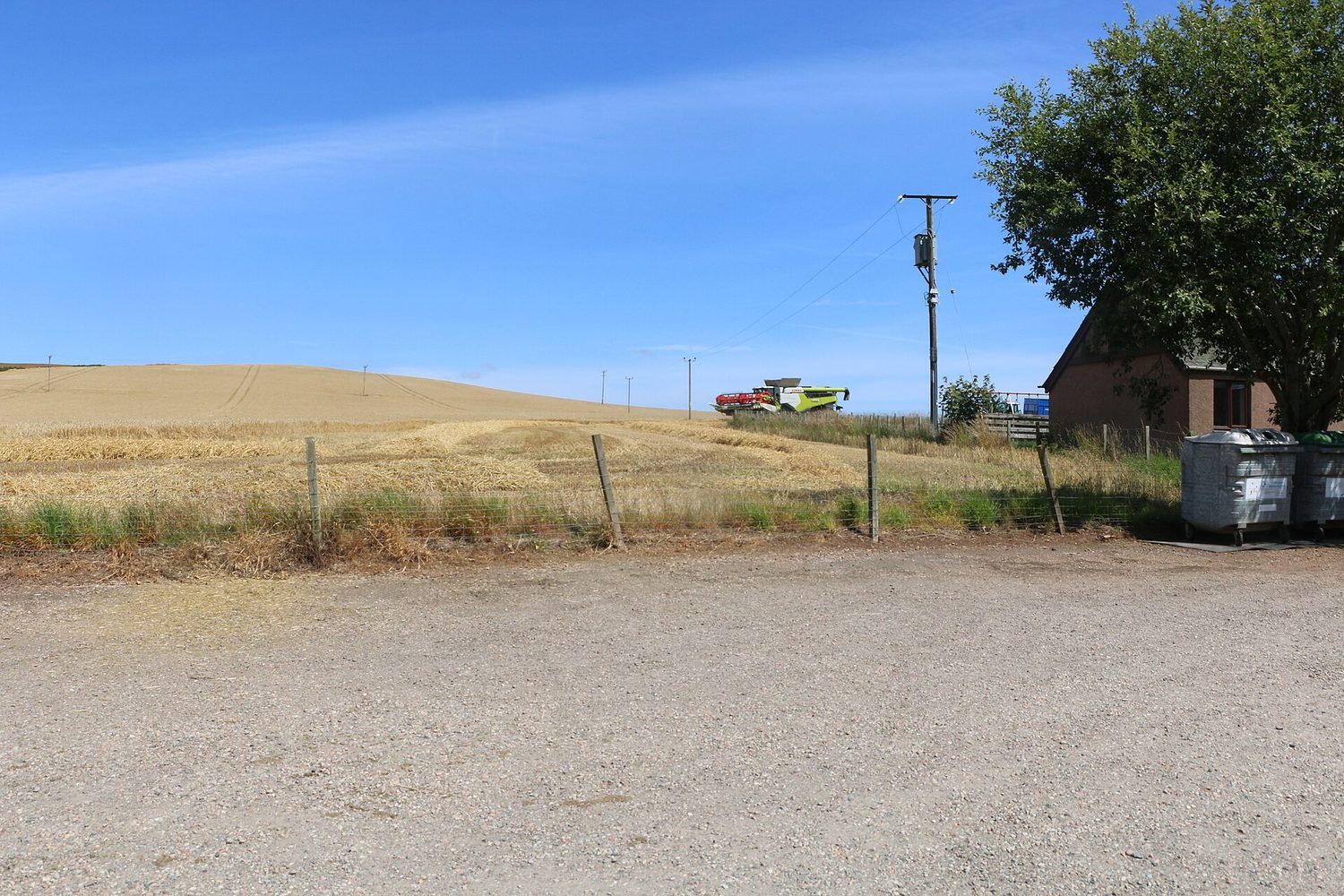
Agricultural methods can increase output while changing land, water and livelihoods. Trace the practice to its consequence rather than treating every farm as having the same impacts.
- Removing vegetation can expose soil to erosion and reduce habitats. Terraces and conservation tillage can limit runoff or soil disturbance in suitable settings.
- Fertiliser runoff can add nutrients to water and contribute to algal growth and oxygen loss. Irrigation can support production; poor drainage and evaporation can leave salts (soil salinization 土壤盐渍化) that reduce productivity.
- Desertification 荒漠化 is degradation of dryland environments, influenced by land use and climatic conditions; it is not simply a desert physically spreading over every farm.
- Draining wetlands, deforestation, shifting cultivation and livestock grazing alter landscapes in different ways. Population pressure, management and recovery periods affect consequences.
- Consolidation, mechanisation and migration can change jobs, diets and rural communities. Suburban growth can convert farmland, but not every converted site is the most productive land.
Food security 粮食安全 concerns reliable access to sufficient, safe and nutritious food, not only national output. Availability, access, use and stability all matter. A food desert 食物荒漠 has limited access to suitable food outlets; distance, transport and affordability can vary even in a country producing abundant food.
GMOs 转基因生物 are organisms modified using genetic engineering; the Green Revolution's original crop breeding is not a synonym. Evaluate a particular trait and production system rather than assuming every GMO has the same effect. Aquaculture raises aquatic organisms and can provide food and jobs, but its effects depend on feed, water, waste and disease management. Organic farming, urban agriculture, community-supported agriculture, local foods, specialty crops and dietary changes respond to different preferences or environmental and income goals. “Local” or “organic” alone does not establish lower total environmental impact.
Original food-access task. A town has full grain warehouses after harvest, yet low-income households cannot afford enough nutritious food. Identify the principal problem and one response. Check: availability does not establish economic access; income support or affordable distribution can address the specified barrier. More production alone may not do so. Seasonal weather and transport disruptions can also threaten stability.
Vocabulary
Train
| English |
|---|
| desertification/dɪˌzɜːtɪfɪˈkeɪʃn/ |
| food security/fuːd sɪˈkjʊərɪti/ |
| GMOs/ˌdʒiː em ˈəʊz/ |
| soil salinization/sɔɪl ˌseɪlɪnaɪˈzeɪʃn/ |
| food desert/fuːd ˈdezət/ |
5.12
Women in Agriculture
Syllabus
| Enduring Understanding | Learning Objective | Essential Knowledge |
|---|---|---|
IMP-5 | IMP-5.C |
|
Source: College Board AP Course and Exam Description
Women's roles in production, processing, marketing and household food provision vary by place and agricultural system. Unequal land rights, credit, training, paid work and unpaid care can constrain opportunities. Do not apply an unsupported majority-of-farm-labour claim to all lower-income regions. Better access can improve choices and productivity where those barriers matter; it does not automatically reduce fertility or guarantee identical outcomes.
Original training data. Each district has 100 farm managers; these invented counts measure managers receiving training, not labour hours, land ownership or causal effects.
| Group | Managers | Trained |
|---|---|---|
| A women | 40 | 10 |
| A men | 60 | 30 |
| B women | 20 | 15 |
| B men | 80 | 40 |
Try it: calculate training participation within each group before comparing. The common formula is $q=(T/N)\times100$, where $T$ is the trained count and $N$ the number of managers in that group. A women: $q=(10/40)\times100=25\%$; A men: $q=(30/60)\times100=50\%$. B women: $q=(15/20)\times100=75\%$; B men: $q=(40/80)\times100=50\%$. The observed gap reverses between districts. Investigate eligibility, care demands and access to training; these counts alone cannot explain its cause or measure the global share of farm labour performed by women.
5.12
Exam tips
Classify purpose and inputs separately. Read dates, units and denominators. Explain the mechanism in a model and identify assumptions that matter. Distinguish output, income and food access. Use evidence about a specific place or group rather than predicting identical farming outcomes everywhere.
Interactive lessons on this topic
Work through it step by step, with instant-check exercises.
- Introduction to Agriculture
- Settlement Patterns and Survey Methods
- Agricultural Origins and Diffusions
- The Second Agricultural Revolution
- The Green Revolution
- Agricultural Production Regions
- Spatial Organization of Agriculture
- Von Thünen Model
- The Global System of Agriculture
- Consequences of Agricultural Practices
- Challenges of Contemporary Agriculture
- Women in Agriculture