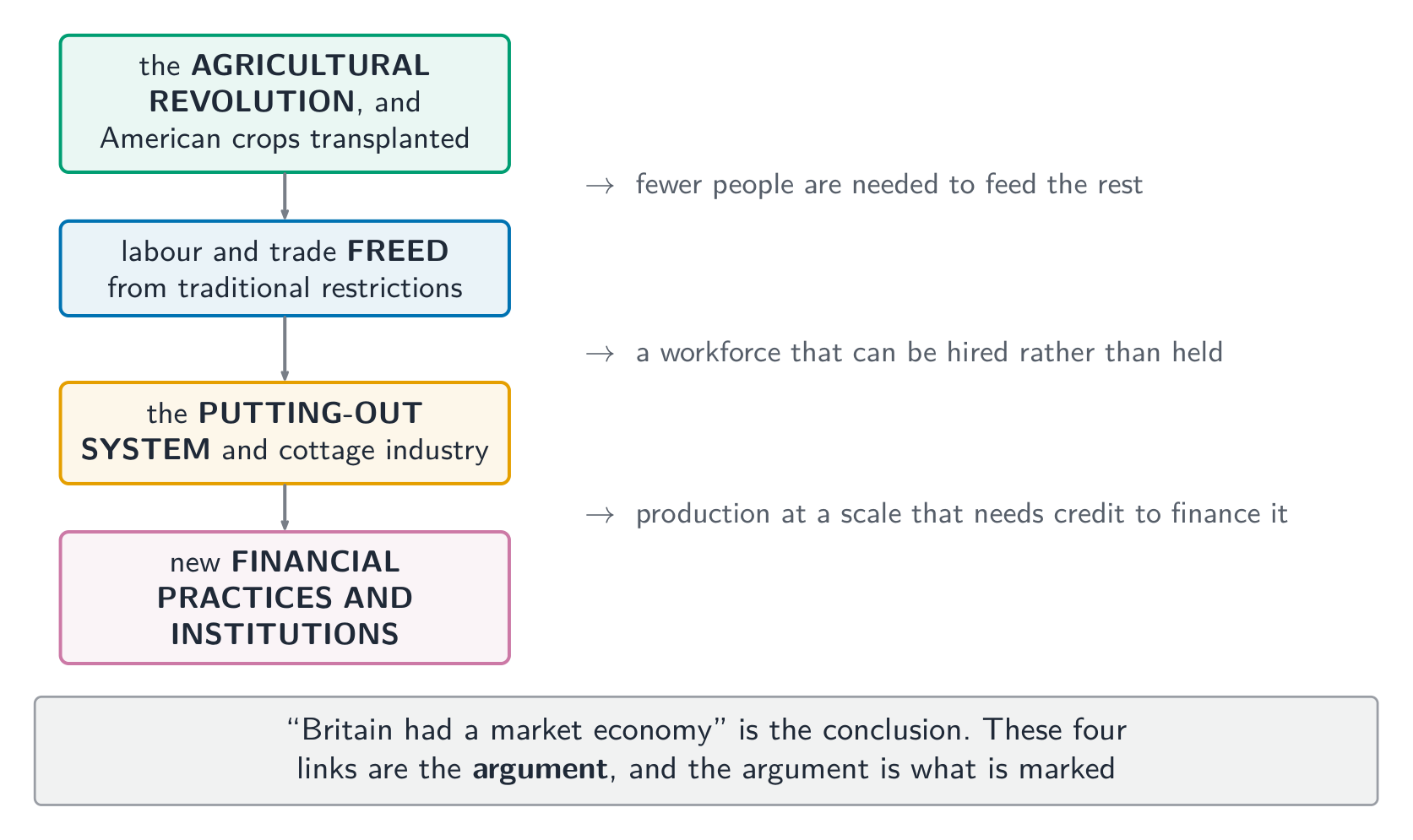
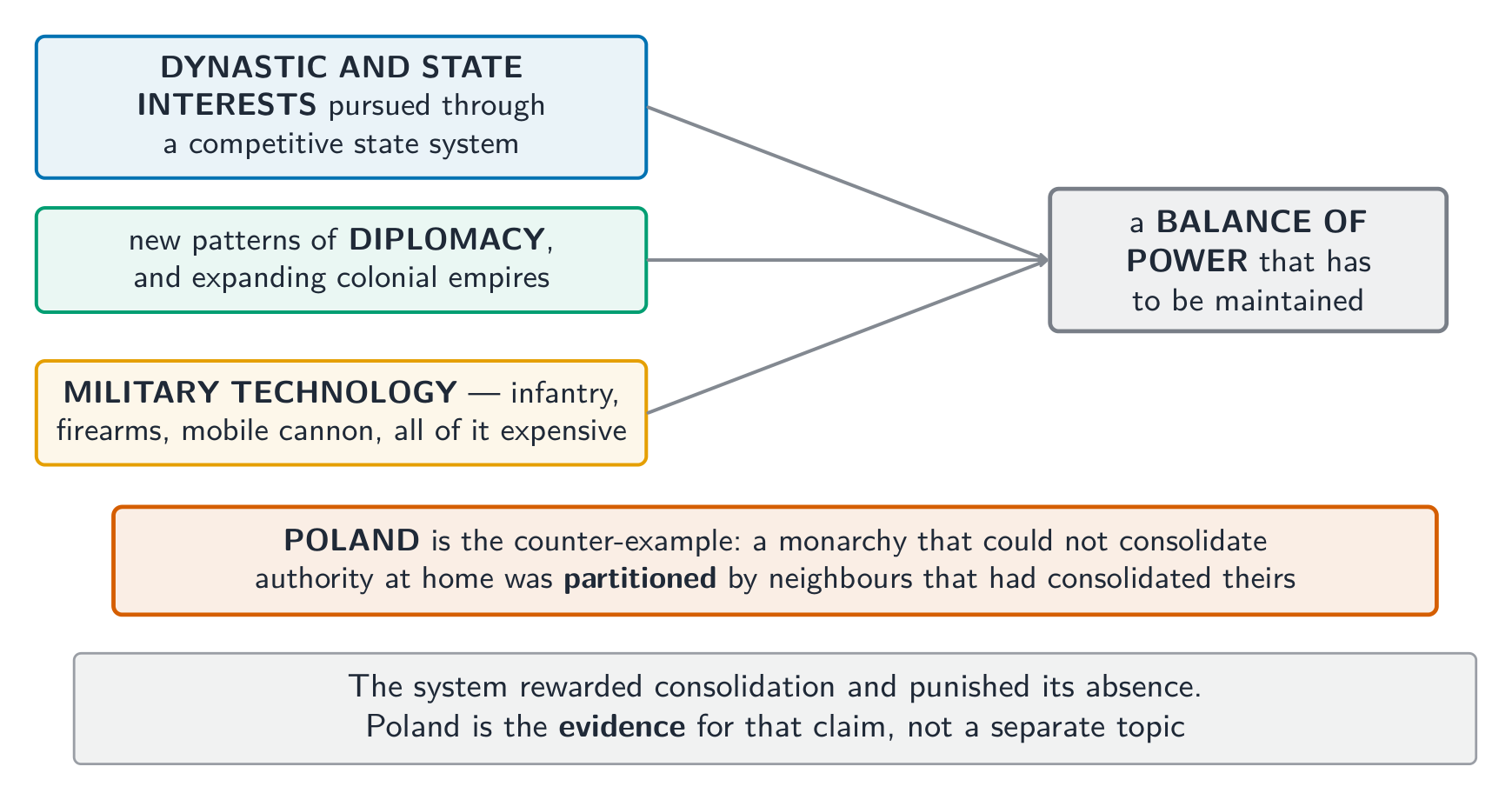
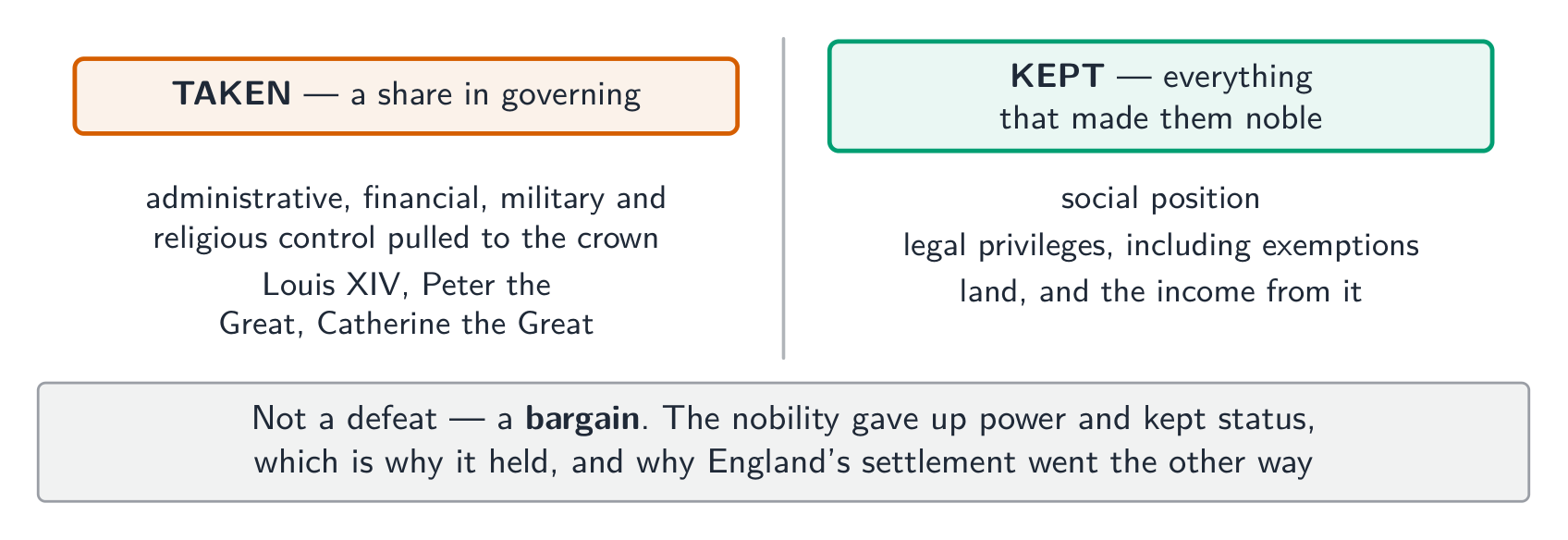
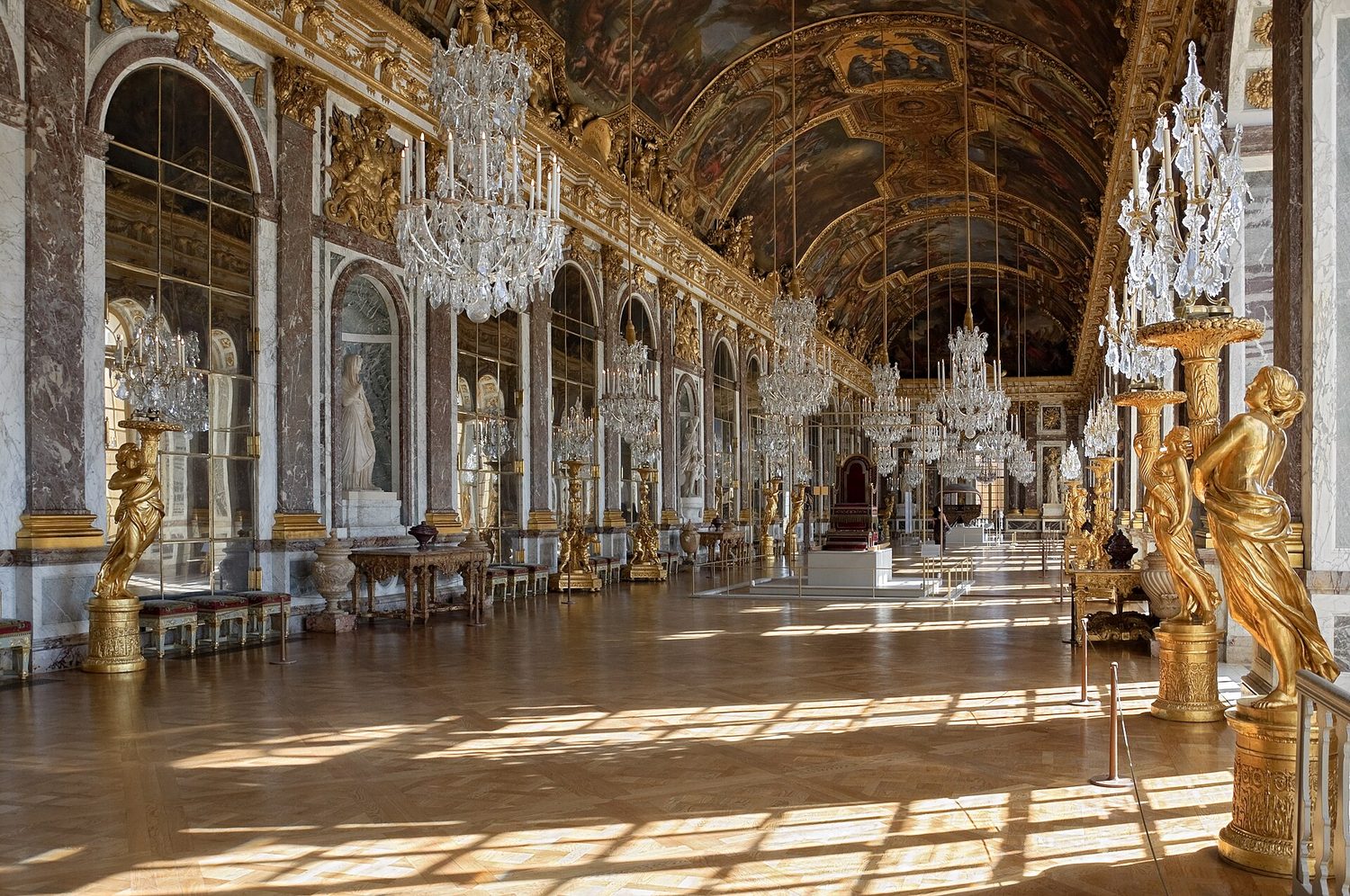
Skip to content · ⁨דלג לתוכן⁩
Subjects · ⁨נושאים⁩

AP European History · ⁨היסטוריה אירופאית - AP⁩

Tips · ⁨טיפים⁩

AP European History runs from the Renaissance and the age of exploration to contemporary Europe, across nine units: Renaissance and exploration, the Reformation, absolutism and constitutionalism, the Scientific Revolution and Enlightenment, the late-eighteenth-century crises, industrialisation, nineteenth-century political developments, twentieth-century global conflicts, and the Cold War and contemporary Europe.

Ideas are treated as historical forces here. Humanism, the scientific method, natural rights, nationalism, liberalism and socialism are not background - they are causes, and questions ask what they changed.

Watch the recurring argument about power. Who rules, on what authority, and with what limits is contested in every unit, from the new monarchies through absolutism and constitutional government to twentieth-century regimes and the European Union.

Cultural and intellectual history is examinable. Art, literature and philosophy appear throughout the framework because they carry evidence about how people understood their world.

The notes below follow the College Board framework unit by unit, with each topic's thematic focus and its key concepts.

  • 1

    Renaissance and Exploration

    Watch lesson · ⁨צפה בשיעור⁩
    1.1

    Contextualizing Renaissance and Discovery

    Syllabus · ⁨סיילבוס⁩
    English

    1.1 Contextualizing Renaissance and Discovery

    Learning Objective Unit 1.A: Explain the context in which the Renaissance and Age of Discovery developed.

    • KC-1.1 The rediscovery of works from ancient Greece and Rome and observation of the natural world changed many Europeans’ view of their world.
      • KC-1.1.I A revival of classical texts led to new methods of scholarship and new values in both society and religion.
      • KC-1.1.III The visual arts incorporated the new ideas of the Renaissance and were used to promote personal, political, and religious goals.
    • KC-1.3 Europeans explored and settled overseas territories, encountering and interacting with indigenous populations.
      • KC-1.3.I European nations were driven by commercial and religious motives to explore overseas territories and establish colonies.
    • KC-1.4 European society and the experiences of everyday life were increasingly shaped by commercial and agricultural capitalism, notwithstanding the continued existence of medieval social and economic structures.
      • KC-1.4.I Economic change produced new social patterns, while traditions of hierarchy and status continued.
      • KC-1.4.II Most Europeans derived their livelihood from agriculture and oriented their lives around the seasons, the village, or the manor, although economic changes began to alter rural production and power.
    • KC-1.5 The struggle for sovereignty within and among states resulted in varying degrees of political centralization.
      • KC-1.5.I The new concept of the sovereign state and secular systems of law played a central role in the creation of new political institutions.
    עברית

    1.1 הקשר רנסנס וגיל התגליות

    מטרת למידה יחידה 1.A: הסבר על ההקשר שבו התפתחו הרנסנס וגיל התגליות.

    • KC-1.1 הממצאה מחודשת של יצירות מהיוון העתיקה ורומא ותצפית בעולם הטבע שינו את מבטן של אנשי אירופה על עולםהם.
      • KC-1.1.I התעוררות של טקסטים קלאסיים הובילה לשיטות לימוד חדשות וערכים חדשים בחברה ובדת.
      • KC-1.1.III האמנות הוויזואלית כללה את הרעיונות החדשות של הרנסנס ושימשה לקידום מטרות אישיות, פוליטיות ודתיות.
    • KC-1.3 אירופאים חקרמו והתיישבו בשטחים חוץ-ארציים, ונפגשו ופעלו עם האוכלוסיות המקומיות.
      • KC-1.3.I מדינות אירופאיות נעדרו על ידי מניעים מסחריים ודתיים לחקור שטחים חוץ-ארציים ולהקים מושבות.
    • KC-1.4 החברה האירופאית וחוויות החיים היומיומיים עוצבו increasingly על ידי קפיטליזם מסחרי וחקלאי, למרות הקיום המתמשך של מבנים חברתיים וכלכליים מדורים.
      • KC-1.4.I שינוי כלכלי יצר דפוסי חברה חדשים, בעוד שמסורות היררכיה ומעמד המשיכו להתקיים.
      • KC-1.4.II רוב האירופאים השתמשו בחקלאות כמקור פרנסה והתמקדו את חייהם סביב העונות, הכפר או המעונית, אם כי שינויים כלכליים החלו לשנות את הייצור וההסדר במרחב הכפרי.
    • KC-1.5 המאבק על ריבונות בתוך מדינות ובין מדינות הוביל לדרגות שונות של מרכזיות פוליטית.
      • KC-1.5.I הרעיון החדש של המדינה הריבונית ומערכות משפט חילוניות שיחקו תפקיד מרכזי בהקמת מוסדות פוליטיים חדשים.
    Source: College Board AP Course and Exam Description · ⁨מקור: תיאור הקורס והמבחן של College Board AP⁩

    Unit 1 covers roughly 1450 to 1648, and four changes run through it at once. The CED states them as the unit's key concepts, and almost every question draws on at least two:

    • The rediscovery of classical works 古典著作 from ancient Greece and Rome, and observation of the natural world, changed how many Europeans saw their world.
    • Europeans explored and settled overseas territories, encountering and interacting with Indigenous populations 原住民.
    • European society and everyday life were increasingly shaped by commercial and agricultural capitalism 商业与农业资本主义, though older traditions persisted alongside it.
    • The struggle for sovereignty 主权 within and among states produced varying degrees of political centralisation.

    That last phrase - varying degrees - is a standing instruction for the whole course. European History rewards answers that say how far a change went in one place compared with another.

    Vocabulary · ⁨מילון מונחים⁩ Train · ⁨אימון⁩
    English עברית
    rediscovery of classical works/ˌriːdɪˈskʌvəri ɒv ˈklæsɪkl wɜːks/ גילוי מחדש של יצירות קלאסיות
    Indigenous populations/ɪnˈdɪdʒənəs ˌpɒpjʊˈleɪʃnz/ אוכלוסיות מקומיות
    commercial and agricultural capitalism/kəˈmɜːʃl ænd ˌæɡrɪˈkʌltʃərəl ˈkæpɪtəlɪzəm/ קפיטליזם מסחרי וחקלאי
    struggle for sovereignty/ˈstrʌɡl fɔː ˈsɒvərɪnti/ מאבק על ריבונות
    1.2

    Italian Renaissance

    Syllabus · ⁨סיילבוס⁩
    English

    1.2 Italian Renaissance

    Thematic Focus (CID): Cultural and Intellectual Developments — The creation and transmission of knowledge, including the relationship between traditional sources of authority and the development of differing world views, had significant political, intellectual, economic, cultural, and social effects on European and world societies.

    Learning Objective Unit 1.B: Explain how the revival of classical texts contributed to the development of the Renaissance in Italy.

    • KC-1.1.I.A Italian Renaissance humanists, including Petrarch, promoted a revival in classical literature and created new philological approaches to ancient texts. Some Renaissance humanists furthered the values of secularism and individualism.

    Learning Objective Unit 1.C: Explain the political, intellectual, and cultural effects of the Italian Renaissance.

    • KC-1.1.I.B Humanist revival of Greek and Roman texts, spread by the printing press, challenged the institutional power of universities and the Catholic Church. This shifted education away from a primary focus on theological writings toward classical texts and new methods of scientific inquiry.
    • KC-1.1.I.C Admiration for Greek and Roman political institutions supported a revival of civic humanist culture in the Italian city-states and produced secular models for individual and political behavior.
    • KC-1.1.III.A In the Italian Renaissance, rulers and popes concerned with enhancing their prestige commissioned paintings and architectural works based on classical styles, the developing “naturalism” in the artistic world, and often the newly invented technique of geometric perspective.

    Illustrative examples:

    • Italian Renaissance humanists:
      • Petrarch (pre-1450)
      • Lorenzo Valla
      • Marsilio Ficino
      • Pico della Mirandola
    • Individuals promoting secular models for individual and political behavior:
      • Niccolò Machiavelli
      • Baldassare Castiglione
      • Francesco Guicciardini
    • Individuals promoting a revival of Greek and Roman texts:
      • Leonardo Bruni
      • Leon Battista Alberti
      • Niccolò Machiavelli
    • Painters and architects:
      • Michelangelo
      • Donatello
      • Raphael
      • Andrea Palladio
      • Leon Battista Alberti
      • Filippo Brunelleschi
    עברית

    1.2 הרנסאנס האיטלקי

    הדגשה נושאית (CID): התפתחויות תרבותיות ואינטלקטואליות — יצירת ומעבר המידע, כולל הקשר בין מקורות סמכות מסורתיים להתפתחות עולמות ראייה שונים, היו בעלי השפעה משמעותית על החברות האירופאיות והעולמיות בתחומים פוליטיים, אינטלקטואליים, כלכליים, תרבותיים וחברתיים.

    מטרות למידה יחידה 1.B: הסבר כיצד שיחזור הטקסטים הקלאסיים תרם להתפתחות הרנסאנס באיטליה.

    • KC-1.1.I.A הומניסטים ברנסאנס האיטלקי, כולל פטרארקה, קידמו התעוררות בספרות קלאסית ויצרו גישות פילולוגיות חדשות לטקסטים עתיקים. חלק מההומניסטים ברנסאנס קידמו את ערכי החרדנות והאינדיבידואליזם.

    מטרות למידה יחידה 1.C: הסבר על ההשפעות הפוליטיות, האינטלקטואליות והתרבותיות של הרנסאנס האיטלקי.

    • KC-1.1.I.B התעוררות הומניסטית של טקסטים יווניים ורומיים, שהופצה על ידי מכונת הדפוס, אתגרה את הכוח המוסדי של האוניברסיטאות והכנסייה הקתולית. דבר זה שינה את החינוך מהתמקדות ראשונית בכתבי תאולוגיה לעבר טקסטים קלאסיים ושיטות חדשות לחקירה מדעית.
    • KC-1.1.I.C הערצה למדיניות היוונית והרומית תמכה בהתעוררות התרבות ההומניסטית האזרחית בערי המדינה האיטלקיות ויצרה מודלים חילוניים להתנהגות אישית ופוליטית.
    • KC-1.1.III.A בתקופת הרנסאנס האיטלקי, שליטים ואפיסקופים שדאגו להגברת מעמדם הזמינו ציורים ויצירות ארכיטקטוניות המבוססות על סגנונות קלאסיים, ה"טבעיות" המתפתחת בעולם האמנותי, ולעיתים קרובות גם הטכניקה החדשה שהומצאה של פרספקטיבה גיאומטרית.

    דוגמאות מדגמיות:

    • הומניסטי רנסאנס איטלקיים:
      • פטרארק (לפני 1450)
      • לורנצו ואלה
      • מרסיליו פיצינו
      • פיקו דלה מירנולה
    • יחידות מקדמות מודלים חילוניים להתנהגות אישית ופוליטית:
      • ניקולו מקיאווללי
      • בלדסארה קסטיליונה
      • פרנצ'סקו גוצ'יארדיני
    • יחידות מקדמות התעוררות של טקסטים יווניים ורומיים:
      • ליאונרדו ברוני
      • לאון באטיסטה אלברטי
      • ניקולו מקיאווללי
    • ציירים וארכיטקטים:
      • מיכלאנג'לו
      • דונטלו
      • ראפאל
      • אנדרה פאלאדיו
      • לאון באטיסטה אלברטי
      • פיליפו ברונילסקי

    Source: College Board AP Course and Exam Description · ⁨מקור: תיאור הקורס והמבחן של College Board AP⁩

    Italian Renaissance humanists 人文主义者, including Petrarch 彼特拉克, promoted a revival of classical literature and created new philological 语文学 approaches to ancient texts - reading them critically, in their original languages, as historical documents.

    That revival had three effects the CED names separately:

    • Spread by the printing press 印刷机, the humanist recovery of Greek and Roman texts challenged the institutional power of universities and the Catholic Church.
    • Admiration for Greek and Roman political institutions supported a revival of civic humanism 公民人文主义 in the Italian city-states, producing new works of political thought.
    • Rulers and popes concerned with enhancing their prestige 提升声望 commissioned paintings and architecture on classical models.

    The third point is the one students underuse. Renaissance art is examinable as political evidence: patronage was a claim to legitimacy, not only a taste in pictures.

    Vocabulary · ⁨מילון מונחים⁩ Train · ⁨אימון⁩
    English עברית
    Italian Renaissance humanists/ɪˈtælɪən rɪˈneɪsəns ˈhjuːmənɪsts/ הומניסטים של הרנסאנס האיטלקי
    Petrarch/ˈpetrɑːk/ פרטרה
    philological/ˌfɪləˈlɒdʒɪkl/ פילולוגי
    printing press/ˈprɪntɪŋ pres/ מכונת הדפס
    civic humanism/ˈsɪvɪk ˈhjuːmənɪzəm/ הומניזם אזרחי
    enhancing their prestige/enˈhænsɪŋ ðeə preˈstiːʒ/ שדרוג מעמדם
    1.3

    Northern Renaissance

    Syllabus · ⁨סיילבוס⁩
    English

    1.3 Northern Renaissance

    Thematic Focus (CID): Cultural and Intellectual Developments — The creation and transmission of knowledge, including the relationship between traditional sources of authority and the development of differing world views, had significant political, intellectual, economic, cultural, and social effects on European and world societies.

    Learning Objective Unit 1.D: Explain how Renaissance ideas were developed, maintained, and changed as the Renaissance spread to northern Europe.

    • KC-1.1.III.B The Northern Renaissance retained a more religious focus, which resulted in more human-centered naturalism that considered individuals and everyday life appropriate objects of artistic representation.
    • KC-1.2.I.A Christian humanism, embodied in the writings of Erasmus, employed Renaissance learning in the service of religious reform.

    Illustrative examples:

    • Artists who employed naturalism:
      • Pieter Bruegel the Elder
      • Rembrandt
    עברית

    1.3 הרנסאנס הצפוני

    הדגשה נושאית (CID): התפתחויות תרבותיות ואינטלקטואליות — יצירת ומעבר המידע, כולל הקשר בין מקורות סמכות מסורתיים להתפתחות עולמות ראייה שונים, היו בעלי השפעה משמעותית על החברות האירופאיות והעולמיות בתחומים פוליטיים, אינטלקטואליים, כלכליים, תרבותיים וחברתיים.

    מטרות לימוד ליחידה 1.D: הסבר כיצד רעיונות הרנסאנס פותחו, שומרו ושנויים כשהרנסאנס התפשט לאירופה הצפונית.

    • KC-1.1.III.B הרנסאנס הצפוני שמר על דגש דתי יותר, מה שהוביל לניצוליות ממוקדת אנושית יותר, שראתה באדם ובחיי היומיום אובייקטים מתאימים להצגה אמנותית.
    • KC-1.2.I.A הומניזם נוצרי, המולא בכתבי ארזמס, השתמש בידע הרנסנסי לשירות הרפורמה הדתית.

    דוגמאות מדגמיות:

    • אמנים שהשתמשו בניצוליות:
      • פיטר ברואגל האב
      • רמברנדט

    Source: College Board AP Course and Exam Description · ⁨מקור: תיאור הקורס והמבחן של College Board AP⁩

    As Renaissance ideas moved north, they changed. The Northern Renaissance retained a more religious focus, producing a human-centred naturalism 以人为中心的自然主义 that considered individuals and everyday life as proper subjects for art.

    Intellectually, the key development is Christian humanism 基督教人文主义, embodied in the writings of Erasmus 伊拉斯谟, which put Renaissance learning at the service of religious reform 宗教改革. Holding that link makes Unit 2 far easier: the Reformation did not arrive from nowhere.

    Vocabulary · ⁨מילון מונחים⁩ Train · ⁨אימון⁩
    English עברית
    human-centred naturalism/ˈhjuːmən ˈsentəd ˈnætʃərəlɪzəm/ טבענות ממוקדת באדם
    Christian humanism/ˈkrɪstʃn ˈhjuːmənɪzəm/ הומניזם נוצרי
    Erasmus/ɪˈræzməs/ אירזמוס
    religious reform/rɪˈlɪdʒəs rɪˈfɔːm/ רפורמה דתית
    1.4

    Printing

    Syllabus · ⁨סיילבוס⁩
    English

    1.4 Printing

    Thematic Focus (TSI): Technological and Scientific Innovation — Scientific and technological innovations have increased efficiency, improved daily life, and shaped human development and interactions, having both intended and unintended consequences.

    Learning Objective Unit 1.E: Explain the influence of the printing press on cultural and intellectual developments in modern European history.

    • KC-1.1.II The invention of printing promoted the dissemination of new ideas.
      • KC-1.1.II.A The invention of the printing press in the 1450s helped spread the Renaissance beyond Italy and encouraged the growth of vernacular literature, which would eventually contribute to the development of national cultures.
    עברית

    1.4 הדפסה

    מיקוד נושאי (TSI): חדשנות טכנולוגית ומדעית — חדשונות מדעיים וטכנולוגיים הגדילו את היעילות, שיפרו את החיים היומיומיים ועיצבו את הפיתוח והאינטראקציה האנושיים, עם תוצאות מתוכננות ולא מתוכננות.

    מטרות לימוד ליחידה 1.E: הסבר השפעת מכונת ההדפסה על פיתוחים תרבותיים ואינטלקטואליים בהיסטוריה האירופית המודרנית.

    • KC-1.1.II המצאת ההדפסה קידמה את הפצת רעיונות חדשים.
      • KC-1.1.II.A המצאת מכונת ההדפסה בשנות ה-1450 עזרה להפיץ את הרנסאנס מעבר לאיטליה וקיבלה בחום את צמיחתה של ספרות בעברית העם, שתרמה לבסוף לפיתוח תרבויות לאומיות.

    Source: College Board AP Course and Exam Description · ⁨מקור: תיאור הקורס והמבחן של College Board AP⁩

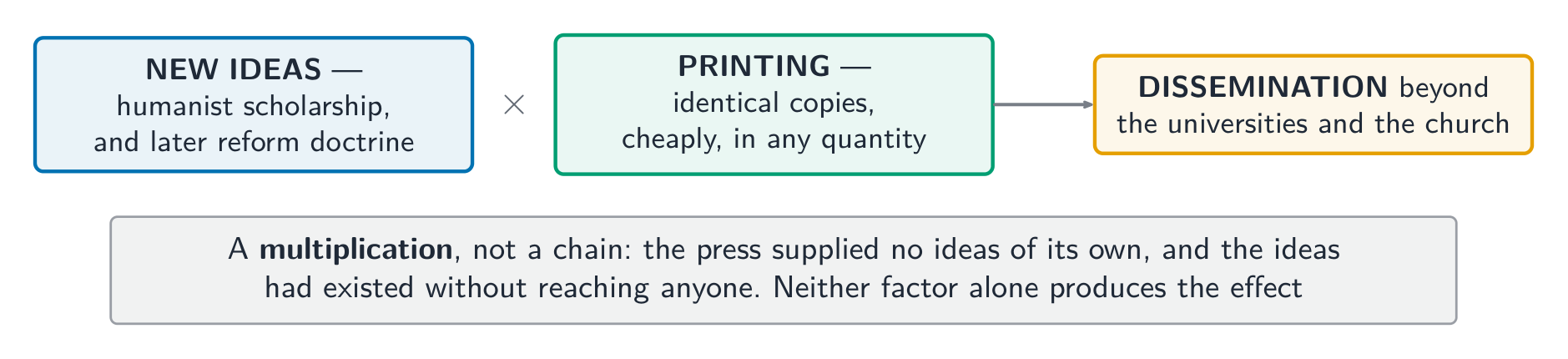
    The CED gives printing a topic of its own for a reason: the invention of printing promoted the dissemination of new ideas.

    Printing is best understood as an amplifier rather than a cause. It did not create humanism, religious dissent, or political argument - but it changed their speed, reach, and cost, which is what allowed ideas to escape the control of the institutions that had previously governed which texts circulated.

    Printing multiplied the ideas rather than supplying them - neither factor works alone
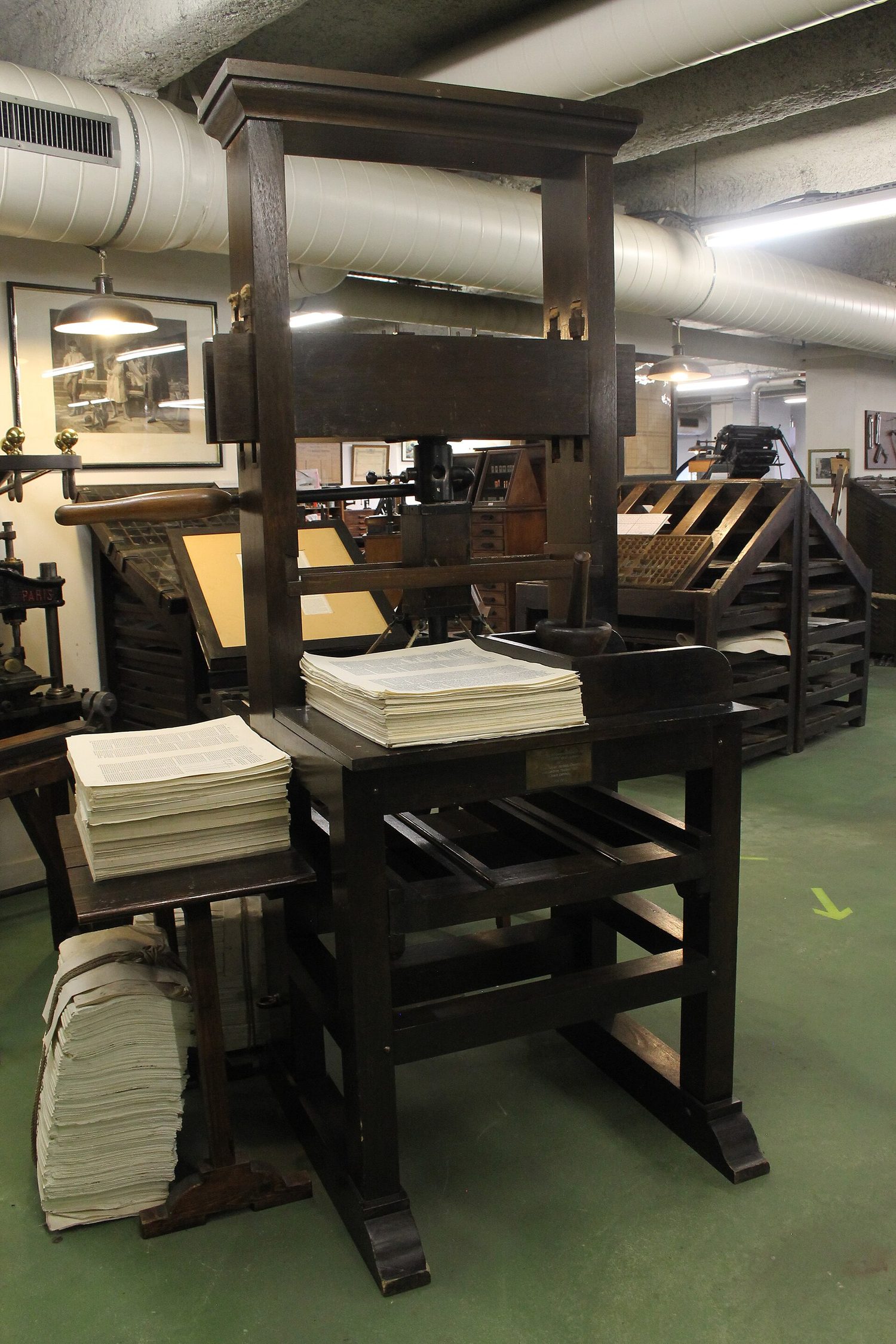
    A wooden hand press of Gutenberg's design - the machine behind the amplifier
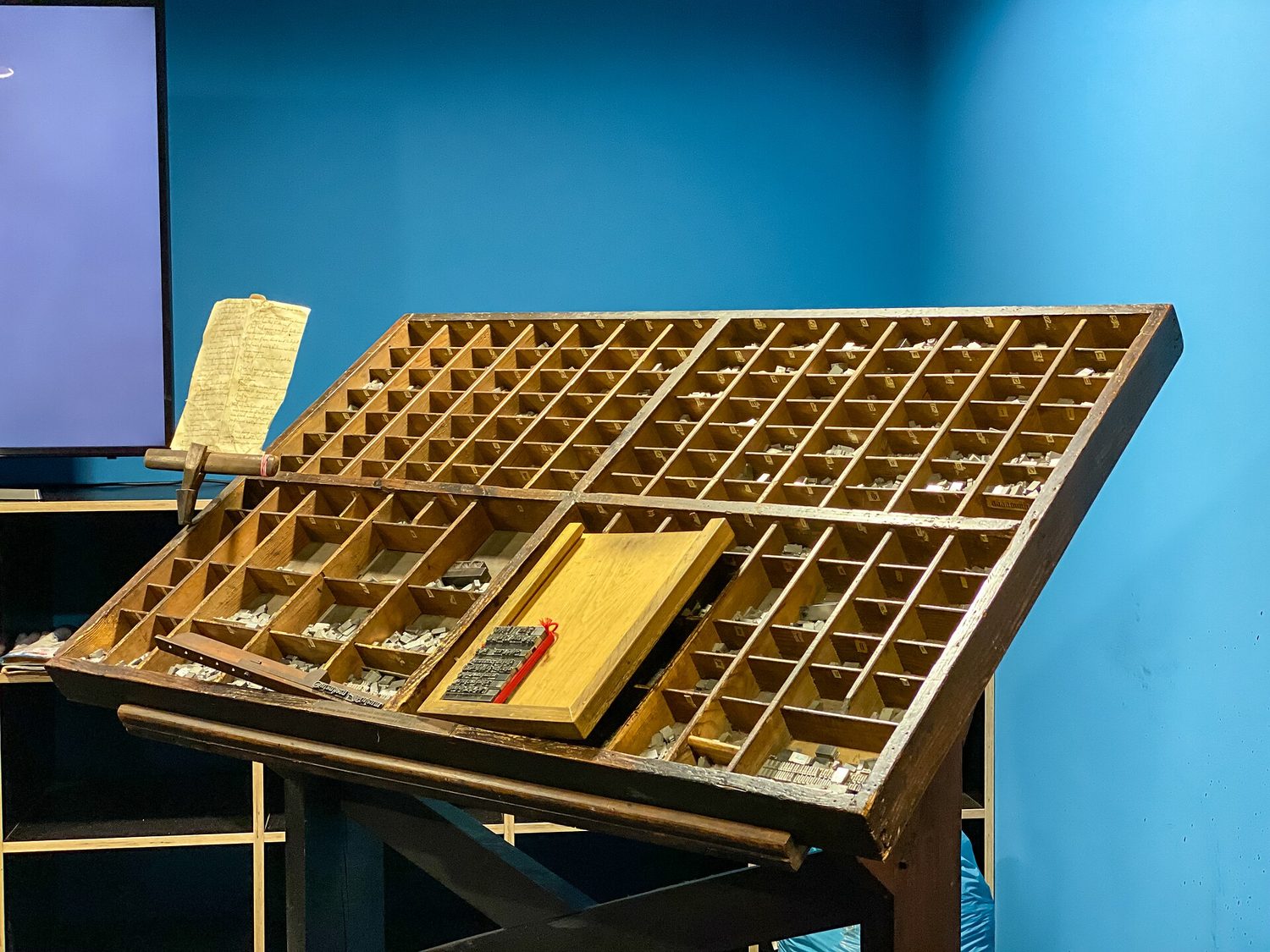
    A compositor's type case - the reusable pieces that made identical copies cheap
    1.5

    New Monarchies

    Syllabus · ⁨סיילבוס⁩

    1.5 New Monarchies

    Thematic FocusLearning ObjectiveHistorical Developments

    SOP
    States and Other Institutions of Power — European states and nations developed governmental and civil institutions from 1450 to the present to organize society and consolidate political power, with a variety of social, cultural, and economic effects.

    Unit 1.F
    Explain the causes and effects of the development of political institutions from 1450 to 1648.

    • KC-1.2.II.A Monarchs and princes, including the English rulers Henry VIII and Elizabeth I, initiated religious reform from the top down in an effort to exercise greater control over religious life and morality.
    • KC-1.5.I.A New monarchies laid the foundation for the centralized modern state by establishing monopolies on tax collection, employing military force, dispensing justice, and gaining the right to determine the religion of their subjects.
    • KC-1.5.I.C Across Europe, commercial and professional groups gained in power and played a greater role in political affairs.
    • KC-1.5.I.D Continued political fragmentation in Renaissance Italy provided a background for the development of new concepts of the secular state.

    Illustrative examples:

    • State actions to control religion and morality:
      • Spanish Inquisition
      • Concordat of Bologna
      • Book of Common Prayer
      • Peace of Augsburg
    • Monarchical control:
      • Ferdinand and Isabella of Spain consolidating control of the military
      • Star Chamber
      • Concordat of Bologna
      • Peace of Augsburg
      • Edict of Nantes
    • Commercial and professional groups that gained in power:
      • Merchants and financiers in Renaissance Italy and northern Europe
      • Nobles of the robe in France
    • Secular political theorists:
      • Jean Bodin
      • Hugo Grotius
      • Niccolò Machiavelli

    Source: College Board AP Course and Exam Description · ⁨מקור: תיאור הקורס והמבחן של College Board AP⁩

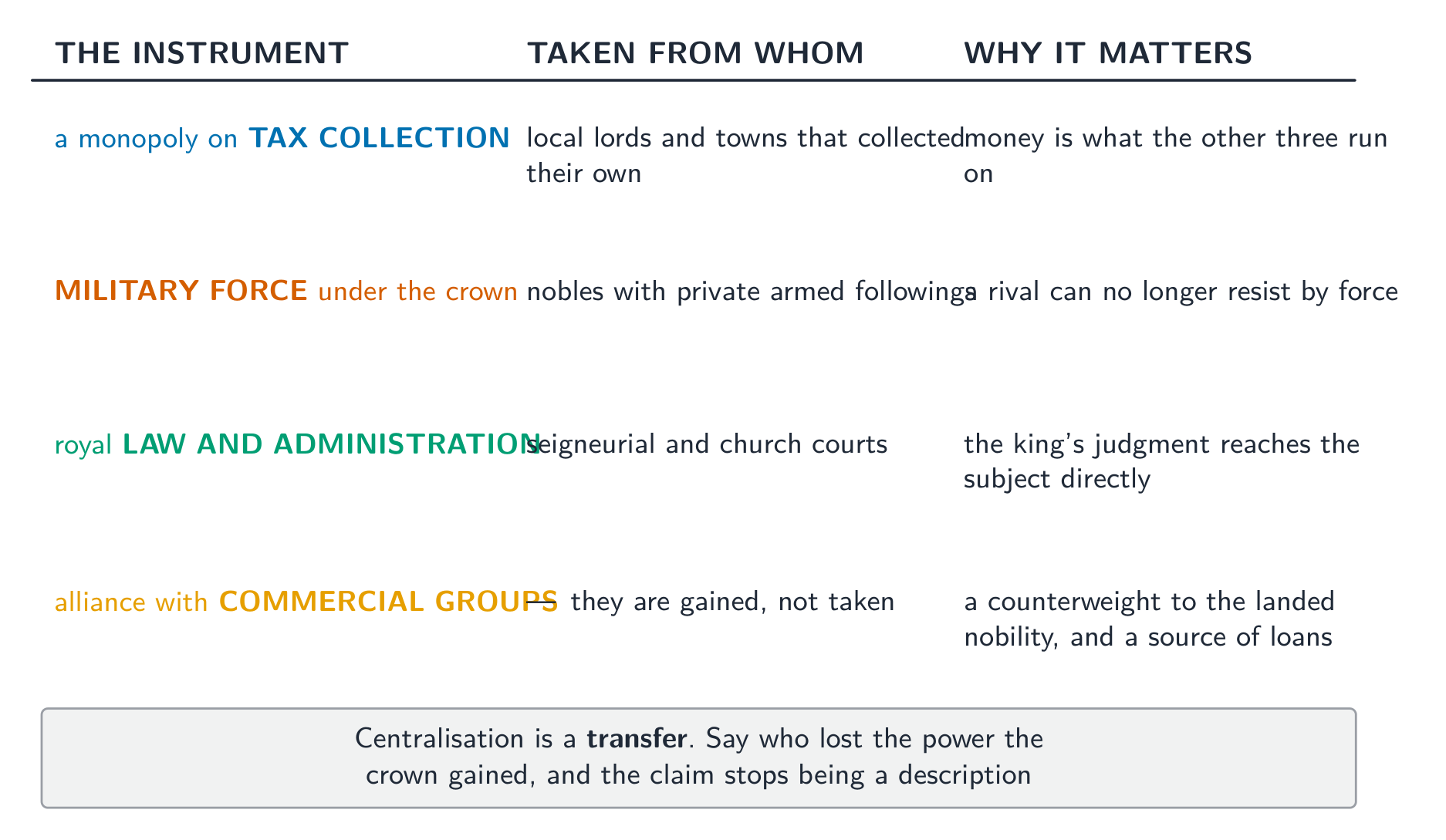
    The new monarchies 新君主国 laid the foundation for the centralised modern state by:

    • establishing monopolies on tax collection 征税垄断权;
    • employing military force 军事力量 under royal control;
    • and taking increasing control of law and administration.

    Two counterweights are also examinable. Commercial and professional groups gained power across Europe and played a greater role in political affairs. And continued political fragmentation in Renaissance Italy provided the background for new concepts of the secular state 世俗国家 - the theory came from the place where centralisation had failed, not succeeded.

    Some monarchs, including Henry VIII and Elizabeth I, also initiated religious reform from the top down to strengthen royal control - a point that belongs to both this unit and the next.

    What makes a monarchy 'new': four instruments, each taken from someone specific
    Explore · ⁨חקור⁩

    Sort each instrument, and say who lost by it · ⁨מיינו כל כלי, וכתבו מי הפסיד בזכותו⁩

    Centralisation is a transfer. Name who lost the power the crown gained and the claim stops being a description. · ⁨מרכזיות היא העברה. ציינו מי איבד את הכוח שהכתר רכש, והטענה不再 תהיה רק תיאור.⁩

    Vocabulary · ⁨מילון מונחים⁩ Train · ⁨אימון⁩
    English עברית
    new monarchies/njuː ˈmɒnəkiz/ מלכויות חדשות
    monopolies on tax collection/məˈnɒpəliz ɒn tæks kəˈlekʃn/ מונופוליים על איסוף מיסים
    employing military force/emˈplɔɪɪŋ ˈmɪlɪtəri fɔːs/ שימוש בכוח צבאי
    secular state/ˈsekjʊlə steɪt/ מדינה חילונית
    1.6

    Technological Advances and the Age of Exploration

    Syllabus · ⁨סיילבוס⁩
    English

    1.6 Technological Advances and the Age of Exploration

    Thematic Focus (TSI): Technological and Scientific Innovation — Scientific and technological innovations have increased efficiency, improved daily life, and shaped human development and interactions, having both intended and unintended consequences.

    Learning Objective Unit 1.G: Explain the technological factors that facilitated European exploration and expansion from 1450 to 1648. THEMATIC FOCUS Interaction of Europe and the World INT Motivated by a variety of factors, Europe’s interaction with the world led to political, economic, social, and cultural exchanges that influenced both European and non-European societies. LEARNING OBJECTIVE

    • KC-1.3.II Advances in navigation, cartography, and military technology enabled Europeans to establish overseas colonies and empires. HISTORICAL DEVELOPMENTS

    Learning Objective Unit 1.H: Explain the motivations for and effects of European exploration and expansion from 1450 to 1648.

    • KC-1.3.I.A European states sought direct access to gold, spices, and luxury goods to enhance personal wealth and state power.
    • KC-1.3.I.B The rise of mercantilism gave the state a new role in promoting commercial development and the acquisition of colonies overseas.
    • KC-1.3.I.C Christianity was a stimulus for exploration as governments and religious authorities sought to spread the faith, and for some it served as a justification for the subjugation of indigenous civilizations.

    Illustrative examples:

    • Navigational technology:
      • Compass
      • Sternpost rudder
      • Portolani
      • Quadrant and astrolabe
      • Lateen rig
    • Military technology:
      • Guns and gunpowder
    • States seeking access to luxury goods:
      • Spanish in the New World
      • Portuguese in the Indian Ocean World
      • Dutch in the East Indies/Asia
    • Mercantilist policies employed by the state:
      • Jean-Baptiste Colbert
    • Religion and exploration:
      • Jesuit activities
    עברית

    1.6 התקדמויות טכנולוגיות ותקופת החקירות

    מיקוד נושאי (TSI): חדשנות טכנולוגית ומדעית — חדשונות מדעיים וטכנולוגיים הגדילו את היעילות, שיפרו את החיים היומיומיים ועיצבו את הפיתוח והאינטראקציה האנושיים, עם תוצאות מתוכננות ולא מתוכננות.

    מטרות לימוד יחידה 1.G: הסבר הגורמים הטכנולוגיים שסיפקו את החקירות וההרחבה האירופיות משנת 1450 ועד 1648. דגש נושאאי: אינטראקציה בין אירופה לעולם INT בשל מגוון רחב של גורמים, האינטראקציה של אירופה עם העולם הביאה לנחלואים פוליטיים, כלכליים, חברתיים ותרבותיים שהשפיעו על החברה האירופית והלא-אירופית. מטרת לימוד

    • KC-1.3.II התקדמויות בניווט, בקרטוגרפיה ובטכנולוגיה צבאית אפשרו לאירופאים להקים מושבות וחומות מעבר לים. התפתחויות היסטוריות

    מטרות לימוד יחידה 1.H: הסבר המניעים וההשפעות של החקירות וההרחבה האירופיות משנת 1450 ועד 1648.

    • KC-1.3.I.A מדינות אירופיות שאפו לגשת ישירות זהב, תבלינים ומוצרי יוקרה כדי לשפר עושר פרטי וכוח המדינה.
    • KC-1.3.I.B עליית המרקantilism נתנו למדינה תפקיד חדש לקדם פיתוח מסחרי ולרכוש מושבות מעבר לים.
    • KC-1.3.I.C נצרות הייתה גורם מעורר לחקירות שכן ממשלות ורשויות דתיות שאפו להפיץ את הדת, ולחלק מהם שימשה כהצדקה לכיבוש אזרחויות מקומיות.

    דוגמאות מדגמיות:

    • טכנולוגיות ניווט:
      • מצפן
      • גלגלת עקבית (Sternpost rudder)
      • פורטולאנים
      • קוואדרנט ואסטרולבה
      • תנועת סרן (Lateen rig)
    • טכנולוגיה צבאית:
      • אקדחים ואבקת שחוס
    • מדינות השואפות לגישה לסחורות יוקרה:
      • הספרדים בעולם החדש
      • הפורטוגזים בעולם האוקיינוס ההודי
      • ההולנדים באיי המזרח/אסיה
    • מדיניות מרקantilist שהוטלה על ידי המדינה:
      • ז'אן-בטיסט קולבר
    • דת וחקר:
      • פעילות הישועיים

    Source: College Board AP Course and Exam Description · ⁨מקור: תיאור הקורס והמבחן של College Board AP⁩

    Advances in navigation, cartography, and military technology enabled Europeans to establish overseas colonies and empires. Technology is the enabling condition; the CED then gives the motives separately:

    • European states sought direct access to gold, spices, and luxury goods to enhance personal wealth and state power.
    • The rise of mercantilism 重商主义 gave the state a new role in promoting commercial development and acquiring colonies.
    • Christianity was a stimulus 宗教动因 for exploration, as governments and religious authorities sought to spread the faith - and for some it also served as a justification.

    Keep enabling conditions and motives in separate categories. A question asking "why" wants motives; a question asking "how it became possible" wants the technology.

    Vocabulary · ⁨מילון מונחים⁩ Train · ⁨אימון⁩
    English עברית
    mercantilism/ˈmɜːkæntəlɪzəm/ מרקנטיליזם
    Christianity was a stimulus/ˌkrɪstɪˈænɪti wʌzə ˈstɪmjʊləs/ הנוצריות הייתה גורם זרימה
    1.7

    Rivals on the World Stage

    Syllabus · ⁨סיילבוס⁩

    1.7 Rivals on the World Stage

    Thematic FocusLearning ObjectiveHistorical Developments

    ECD
    Economic and Commercial Developments — Economic development, especially the development of capitalism, played an important role in Europe’s history, often having significant social, political, and cultural effects.

    Unit 1.I
    Explain how and why trading networks and colonial expansion affected relations between and among European states.

    • KC-1.3.III Europeans established overseas empires and trade networks through coercion and negotiation.
      • KC-1.3.III.B The Spanish established colonies across the Americas, the Caribbean, and the Pacific, which made Spain a dominant state in Europe in the 16th century.
      • KC-1.3.III.C The Atlantic nations of France, England, and the Netherlands followed by establishing their own colonies and trading networks to compete with Portuguese and Spanish dominance in the 17th century.
      • KC-1.3.III.D The competition for trade led to conflicts and rivalries among European powers in the 17th and 18th centuries.

    Illustrative examples:

    • Colonial conflicts and rivalries:
      • Asiento
      • War of the Spanish Succession
      • Seven Years’ War
      • Treaty of Tordesillas

    Source: College Board AP Course and Exam Description · ⁨מקור: תיאור הקורס והמבחן של College Board AP⁩

    Europeans established overseas empires and trade networks through coercion and negotiation 强制与谈判 - both, not one. Where local states were strong, Europeans negotiated for trading rights; where they were not, coercion followed.

    Competition among European states for these networks reshaped relations at home. Commercial rivalry became a standing cause of European war, which is a continuity that runs all the way to Unit 7.

    Vocabulary · ⁨מילון מונחים⁩ Train · ⁨אימון⁩
    English עברית
    through coercion and negotiation/θruː ˌkəʊˈɜːʃn ænd nɪˌɡəʊʃɪˈeɪʃn/ דרך כפייה ומשא ומתן
    1.8

    Colonial Expansion and Columbian Exchange

    Syllabus · ⁨סיילבוס⁩

    1.8 Colonial Expansion and Columbian Exchange

    Thematic FocusLearning ObjectiveHistorical Developments

    INT
    Interaction of Europe and the World — Motivated by a variety of factors, Europe’s interaction with the world led to political, economic, social, and cultural exchanges that influenced both European and non-European societies.

    Unit 1.J
    Explain the economic impact of European colonial expansion and development of trade networks.

    • KC-1.3.III.A The Portuguese established a commercial network along the African coast, in South and East Asia, and in South America in the late 15th and throughout the 16th centuries.
    • KC-1.3.IV.i Europe’s colonial expansion led to a global exchange of goods, flora, and fauna; a shift toward European dominance; and the expansion of the trade in enslaved persons.
    • KC-1.3.IV.A The exchange of goods shifted the center of economic power in Europe from the Mediterranean to the Atlantic states and brought the latter into an expanding world economy.
    • KC-1.3.IV.B.i The exchange of new plants, animals, and diseases—the Columbian Exchange—created economic opportunities for Europeans.

    Unit 1.K
    Explain the social and cultural impact of European colonial expansion and development of trade networks.

    • KC-1.3.IV.ii Europe’s colonial expansion led to a global exchange of goods, flora, fauna, cultural practices, and diseases, resulting in the destruction of some indigenous civilizations, a shift toward European dominance, and the expansion of the trade in enslaved persons.
    • KC-1.3.IV.B.ii The exchange of new plants, animals, and diseases—the Columbian Exchange—in some cases facilitated European subjugation and destruction of indigenous peoples, particularly in the Americas.

    Illustrative examples:

    • Important Atlantic port cities:
      • London
      • Bristol
      • Amsterdam
      • Antwerp
    • New plants, animals, and diseases (from Europe to the Americas):
      • Wheat
      • Cattle
      • Horses
      • Pigs
      • Sheep
      • Smallpox
      • Measles
    • New plants, animals, and diseases (from the Americas to Europe):
      • Tomatoes
      • Potatoes
      • Squash
      • Corn
      • Tobacco
      • Turkeys

    Source: College Board AP Course and Exam Description · ⁨מקור: תיאור הקורס והמבחן של College Board AP⁩

    The Portuguese established a commercial network along the African coast and in South and East Asia in the late fifteenth and sixteenth centuries; other states followed.

    The Columbian Exchange 哥伦布大交换 - the exchange of new plants, animals, and diseases - is presented by the CED with deliberate double vision, and both halves are examinable:

    • It created economic opportunities for Europeans.
    • It facilitated European subjugation and the destruction of Indigenous societies, chiefly through disease.

    Economically, the exchange of goods shifted the centre of economic power in Europe from the Mediterranean to the Atlantic states. That shift explains why the leading powers of Unit 3 are not the leading powers of Unit 1.

    Why economic power left the Mediterranean - a shift is a relative claim
    Explore · ⁨חקור⁩

    Follow economic power out of the Mediterranean · ⁨מעקב אחר הכוח הכלכלי מחוץ לים התיכון⁩

    A shift is a relative claim: the Italian cities did not shrink, the share moved. · ⁨שינוי הוא טענה יחסית: הערים האיטלקיות לא התכווצו, החלק יחסיו עבר.⁩

    Vocabulary · ⁨מילון מונחים⁩ Train · ⁨אימון⁩
    English עברית
    Columbian Exchange/kəˈlʌmbɪən eksˈtʃeɪndʒ/ החלפה הקולומביה
    1.9

    The Slave Trade

    Syllabus · ⁨סיילבוס⁩
    English

    1.9 The Slave Trade

    Thematic Focus (INT): Interaction of Europe and the World — Motivated by a variety of factors, Europe’s interaction with the world led to political, economic, social, and cultural exchanges that influenced both European and non-European societies.

    Learning Objective Unit 1.L: Explain the causes for and the development of the slave trade.

    • KC-1.3.IV.C Europeans expanded the trade of enslaved Africans in response to the establishment of a plantation economy in the Americas and demographic catastrophes among indigenous peoples.

    Illustrative examples:

    • Slave trade developments:
      • Middle Passage
      • Planter society
    עברית

    1.9 המסחר בעבדים

    התמקדות נושאית (INT): אינטראקציה של אירופה עם העולם — בתמנוע מגורמים שונים, האינטראקציה של אירופה עם העולם הביאה להחלפות פוליטיים, כלכליים, חברתיים ותרבותיים שהשפיעו גם על החברות האירופאיות וגם על אלו שאינן אירופאיות.

    מטרת למידה יחידה 1.L: הסבר על הסיבות וההתפתחות של המסחר בעבדים.

    • KC-1.3.IV.C האירופאים הרחיבו את מסחר העבדים האפריקאים כתגובה להקמת משקע פלנטיציה באמריקות ולמכשלים דמוגרפיים בקרב תושבים מקומיים.

    דוגמאות מדגמיות:

    • התפתחויות במסחר העבדים:
      • המעבר האמצעי
      • חברה של בעלי טחנות

    Source: College Board AP Course and Exam Description · ⁨מקור: תיאור הקורס והמבחן של College Board AP⁩

    Europeans expanded the trade of enslaved Africans in response to the establishment of a plantation economy 种植园经济 in the Americas and to demographic collapse among Indigenous populations.

    The causal chain is explicit in the CED and should be reproduced as a chain: plantation agriculture demanded labour on a scale the Americas' devastated population could not supply, and that demand was met by an expanded Atlantic trade in enslaved people.

    Vocabulary · ⁨מילון מונחים⁩ Train · ⁨אימון⁩
    English עברית
    plantation economy/plænˈteɪʃn ɪˈkɒnəmi/ כלכלת פלאנטיציה
    1.4 1.5 1.10

    How Most Europeans Actually Lived

    Syllabus · ⁨סיילבוס⁩
    English

    1.4 Printing

    Thematic Focus (TSI): Technological and Scientific Innovation — Scientific and technological innovations have increased efficiency, improved daily life, and shaped human development and interactions, having both intended and unintended consequences.

    Learning Objective Unit 1.E: Explain the influence of the printing press on cultural and intellectual developments in modern European history.

    • KC-1.1.II The invention of printing promoted the dissemination of new ideas.
      • KC-1.1.II.A The invention of the printing press in the 1450s helped spread the Renaissance beyond Italy and encouraged the growth of vernacular literature, which would eventually contribute to the development of national cultures.
    עברית

    1.4 הדפסה

    מיקוד נושאי (TSI): חדשנות טכנולוגית ומדעית — חדשונות מדעיים וטכנולוגיים הגדילו את היעילות, שיפרו את החיים היומיומיים ועיצבו את הפיתוח והאינטראקציה האנושיים, עם תוצאות מתוכננות ולא מתוכננות.

    מטרות לימוד ליחידה 1.E: הסבר השפעת מכונת ההדפסה על פיתוחים תרבותיים ואינטלקטואליים בהיסטוריה האירופית המודרנית.

    • KC-1.1.II המצאת ההדפסה קידמה את הפצת רעיונות חדשים.
      • KC-1.1.II.A המצאת מכונת ההדפסה בשנות ה-1450 עזרה להפיץ את הרנסאנס מעבר לאיטליה וקיבלה בחום את צמיחתה של ספרות בעברית העם, שתרמה לבסוף לפיתוח תרבויות לאומיות.

    1.5 New Monarchies

    Thematic FocusLearning ObjectiveHistorical Developments

    SOP
    States and Other Institutions of Power — European states and nations developed governmental and civil institutions from 1450 to the present to organize society and consolidate political power, with a variety of social, cultural, and economic effects.

    Unit 1.F
    Explain the causes and effects of the development of political institutions from 1450 to 1648.

    • KC-1.2.II.A Monarchs and princes, including the English rulers Henry VIII and Elizabeth I, initiated religious reform from the top down in an effort to exercise greater control over religious life and morality.
    • KC-1.5.I.A New monarchies laid the foundation for the centralized modern state by establishing monopolies on tax collection, employing military force, dispensing justice, and gaining the right to determine the religion of their subjects.
    • KC-1.5.I.C Across Europe, commercial and professional groups gained in power and played a greater role in political affairs.
    • KC-1.5.I.D Continued political fragmentation in Renaissance Italy provided a background for the development of new concepts of the secular state.

    Illustrative examples:

    • State actions to control religion and morality:
      • Spanish Inquisition
      • Concordat of Bologna
      • Book of Common Prayer
      • Peace of Augsburg
    • Monarchical control:
      • Ferdinand and Isabella of Spain consolidating control of the military
      • Star Chamber
      • Concordat of Bologna
      • Peace of Augsburg
      • Edict of Nantes
    • Commercial and professional groups that gained in power:
      • Merchants and financiers in Renaissance Italy and northern Europe
      • Nobles of the robe in France
    • Secular political theorists:
      • Jean Bodin
      • Hugo Grotius
      • Niccolò Machiavelli
    English

    1.10 The Commercial Revolution

    Thematic Focus (ECD): Economic and Commercial Developments — Economic development, especially the development of capitalism, played an important role in Europe’s history, often having significant social, political, and cultural effects.

    Thematic Focus (SCD): Social Organization and Development — Economic, political, and cultural factors have influenced the form and status of family, class, and social groups in European history, which has, in turn, affected both the individual and society.

    Learning Objective Unit 1.M: Explain European commercial and agricultural developments and their economic effects from 1450 to 1648.

    • KC-1.4.I.A Innovations in banking and finance promoted the growth of urban financial centers and a money economy.
    • KC-1.4.II Most Europeans derived their livelihood from agriculture and oriented their lives around the seasons, the village, or the manor, although economic changes began to alter rural production and power.
      • KC-1.4.II.A Subsistence agriculture was the rule in most areas, with three-crop field rotation in the north and two-crop rotation in the Mediterranean; in many cases, farmers paid rent and labor services for their lands.
      • KC-1.4.II.B The price revolution contributed to the accumulation of capital and the expansion of the market economy through the commercialization of agriculture, which benefited large landowners in western Europe.
      • KC-1.4.III.A Population recovered to its pre-Great Plague level in the 16th century, and continuing population pressures contributed to uneven price increases; agricultural commodities increased more sharply than wages, reducing living standards for some.

    Learning Objective Unit 1.N: Explain European commercial and agricultural developments and their social effects from 1450 to 1648.

    • KC-1.4.I Economic change produced new social patterns, while traditions of hierarchy and status continued.
      • KC-1.4.I.B The growth of commerce produced a new economic elite, which related to traditional land-holding elites in different ways in Europe’s various geographic regions.
    • KC-1.4.II.C As western Europe moved toward a free peasantry and commercial agriculture, serfdom was codified in the east, where nobles continued to dominate economic life on large estates.
    • KC-1.4.II.D The attempts of landlords to increase their revenues by restricting or abolishing the traditional rights of peasants led to revolt.
    • KC-1.4.III.B Migrants to the cities challenged the ability of merchant elites and craft guilds to govern, and strained resources.
    • KC-1.4.IV.C From the late 16th century on, Europeans responded to economic and environmental challenges, such as the Little Ice Age, by delaying marriage and childbearing. This European marriage pattern restrained population growth and ultimately improved the economic condition of families.

    Illustrative examples:

    • Innovations in banking and finance:
      • Double-entry bookkeeping
      • Bank of Amsterdam
      • The Dutch East India Company
      • The British East India Company
    • The commercialization of agriculture:
      • Enclosure movement
      • Restricted use of the village common
      • Freehold tenure
    • New economic elites:
      • Italian merchant princes
      • Nobles of the robe in France
    • The way new migrants challenged urban elites:
      • Sanitation problems caused by overpopulation
      • Employment
      • Poverty
      • Crime
    עברית

    1.10 המהפכה המסחרית

    מיקוד נושא (ECD): פיתוחים כלכליים ומסחריים — פיתוח כלכלי, במיוחד פיתוח הקפיטליזם, שיחק תפקיד חשוב בהיסטוריה של אירופה, לעיתים קרובות עם השפעות חברתיות, פוליטיות ותרבותיות משמעותיות.

    מיקוד נושאי (SCD): ארגון חברתי ופיתוח — גורמים כלכליים, פוליטיים ותרבותיים השפיעו על צורתו ומעמדה של המשפחה, הקבוצה החברתית והמעמדות בהיסטוריה האירופית, מה ששימש בתורו כגורם השפעה גם על הפרט וגם על החברה.

    מטרות למידה ליחידה 1.M: הסבר התפתחויות מסחר וחקלאות באירופה והשפעותיהן הכלכליות מתקופת 1450 עד 1648.

    • KC-1.4.I.A חדשנות בתחום הבנקאות והכספים קידמה את הצמיחה של מרכזים פיננסיים עירוניים וכלכלת מטבע.
    • KC-1.4.II רוב תושבי אירופה חיו מעבודתם בחקלאות והתארגנו סביב העונות, הכפר או המעונה, אם כי שינויים כלכליים החלו לשנות את הייצור החקלאי והמבנה ההיסטורי-חברתי.
      • KC-1.4.II.A חקלאות לחישה הייתה הכלל ברוב האזורים, עם סיבולת תלת-מוצרים בצפון ודו-מוצרים במפרץ הים התיכון; במקרים רבים, החקלאים היו מחויבים לשלם שכר דירה ולספק שירותי עבודה עבור האדמות שלהם.
      • KC-1.4.II.B מהפכת המחירים תרמה לצבירת הון ולהרחבת כלכלת השוק באמצעות המסחר בחקלאות, שהועילה לאדונים הגדולים במערב אירופה.
      • KC-1.4.III.A האוכלוסייה התאוששה לרמותיה לפני המגפה הגדולה במאה ה-16, ולחץ אוכלוסייה מתמיד תרם לעליית מחירים בלתי שווה; מחירי המוצרים החקלאיים עלו חדה יותר משכר העבודה, מה שהוריד את הרמת מחיה עבור חלק מהאוכלוסייה.

    מטרות למידה ליחידה 1.N: הסבר התפתחויות מסחר וחקלאות באירופה והשפעותיהן החברתיות מתקופת 1450 עד 1648.

    • KC-1.4.I שינוי כלכלי יצר דפוסי חברה חדשים, בעוד שמסורות היררכיה ומעמד נשמרו.
      • KC-1.4.I.B צמיחת המסחר יצרה אלית כלכלית חדשה, שניסתה לקיים יחסים עם האליטים המסורתיים של בעלי האדמות בדרכים שונות באזורים הגיאוגרפיים השונים באירופה.
    • KC-1.4.II.C בעוד שמערב אירופה התקדמה לכיוון חקלאות מסחרית ופריחי חופש, העבדות (סרפיטוט) הוסדרה בחוק במזרח, שבו האצולה המשיכה לשלוט בכלכלה באחוזיות גדולות.
    • KC-1.4.II.D ניסיונות בעלי האדמות להגדיל את הכנסותיהם על ידי הגבלה או ביטול הזכויות המסורתיות של הפריחים הביאו למרידות.
    • KC-1.4.III.B מהגרים לערים אתגרו את יכולת האליטים המסחרים והגילדים מקצועיים לשלטון, ויצרו לחץ על המשאבים.
    • KC-1.4.IV.C החל ממחצית השנייה של המאה ה-16, תושבי אירופה הגיבו לאתגרים כלכליים וסביבתיים, כמו תקופת הקור הקטנה, על ידי הדיחת נישואין והולדת ילדים. דפוס נישואים אירופאי זה הרסן את גודל האוכלוסייה ושפר בסופו של דבר את המצב הכלכלי של המשפחות.

    דוגמאות מדגמיות:

    • חדשנות בתחום הבנקאות והכספים:
      • ספר כפול
      • בנק אמסטרדם
      • חברת הודו המזרחית ההולנדית
      • חברת הודו המזרחית הבריטית
    • המסחרות של החקלאות:
      • תנועת הסגירה
      • הגבלת השימוש בשטח הציבורי בכפר
      • חכירה בעלות מלאה
    • אליטות כלכליות חדשות:
      • נסי סוחרים איטלקיים
      • אצולה במעיל בצרפת
    • הדרך שבה מהגרים חדשים אתגרו את האליטות העירוניות:
      • בעיות היגיינה הנגרמות מאוכלוסייה צפופה
      • תעסוקה
      • עוני
      • פשע

    Source: College Board AP Course and Exam Description · ⁨מקור: תיאור הקורס והמבחן של College Board AP⁩

    The Renaissance and the voyages are the visible half of this unit; the CED also asks for the economic base underneath them, because it is what the later units change.

    Subsistence agriculture 自给农业 was the rule almost everywhere: a family grew what it ate, with little surplus to sell. Land was worked in open fields and rotated to keep it fertile — a three-crop rotation 三圃轮作 in the north, where wetter summers allowed a spring sowing as well as an autumn one, and a two-crop rotation 二圃轮作 around the Mediterranean, where the dry summer forced half the land to lie fallow each year. Most peasants did not own the land; they paid rent to a landholder, in produce, in money, or in labour service.

    That base explains the fragility of the period: a single failed harvest meant famine, because there was almost no stored surplus and little trade in grain over long distances.

    Towns grew faster than they could cope. Urban populations rose through the sixteenth century, and sanitation 卫生 did not keep pace: waste ran in the streets, water was drawn from contaminated wells, and overpopulation 人口过剩 in the poorer quarters made epidemic disease spread quickly. Plague outbreaks stayed a recurring feature of European life for this whole period.

    States acted on religion and morality, not only on taxes. Governments and city councils regulated public behaviour: attendance at worship, permitted forms of belief, marriage, drinking, gambling and morality 道德 offences generally. This is worth remembering because it is the same instrument the confessional states of the next unit use on a larger scale — the machinery existed before the Reformation gave it a new purpose.

    Vocabulary · ⁨מילון מונחים⁩ Train · ⁨אימון⁩
    English עברית
    Subsistence agriculture/sʌbˈsɪstəns ˈæɡrɪkʌltʃə/ חקלאות קיום
    three-crop rotation/θriː krɒp rəʊˈteɪʃn/ סיבולת שלוש תוצאות
    two-crop rotation/tuː krɒp rəʊˈteɪʃn/ סיבולת שתי תוצאות
    sanitation/ˌsænɪˈteɪʃn/ ניקיון
    overpopulation/ˌəʊvəˌpɒpjʊˈleɪʃn/ עודף אוכלוסין
    morality/mɒˈrælɪti/ מוסר
    1.10

    The Commercial Revolution

    Syllabus · ⁨סיילבוס⁩
    English

    1.10 The Commercial Revolution

    Thematic Focus (ECD): Economic and Commercial Developments — Economic development, especially the development of capitalism, played an important role in Europe’s history, often having significant social, political, and cultural effects.

    Thematic Focus (SCD): Social Organization and Development — Economic, political, and cultural factors have influenced the form and status of family, class, and social groups in European history, which has, in turn, affected both the individual and society.

    Learning Objective Unit 1.M: Explain European commercial and agricultural developments and their economic effects from 1450 to 1648.

    • KC-1.4.I.A Innovations in banking and finance promoted the growth of urban financial centers and a money economy.
    • KC-1.4.II Most Europeans derived their livelihood from agriculture and oriented their lives around the seasons, the village, or the manor, although economic changes began to alter rural production and power.
      • KC-1.4.II.A Subsistence agriculture was the rule in most areas, with three-crop field rotation in the north and two-crop rotation in the Mediterranean; in many cases, farmers paid rent and labor services for their lands.
      • KC-1.4.II.B The price revolution contributed to the accumulation of capital and the expansion of the market economy through the commercialization of agriculture, which benefited large landowners in western Europe.
      • KC-1.4.III.A Population recovered to its pre-Great Plague level in the 16th century, and continuing population pressures contributed to uneven price increases; agricultural commodities increased more sharply than wages, reducing living standards for some.

    Learning Objective Unit 1.N: Explain European commercial and agricultural developments and their social effects from 1450 to 1648.

    • KC-1.4.I Economic change produced new social patterns, while traditions of hierarchy and status continued.
      • KC-1.4.I.B The growth of commerce produced a new economic elite, which related to traditional land-holding elites in different ways in Europe’s various geographic regions.
    • KC-1.4.II.C As western Europe moved toward a free peasantry and commercial agriculture, serfdom was codified in the east, where nobles continued to dominate economic life on large estates.
    • KC-1.4.II.D The attempts of landlords to increase their revenues by restricting or abolishing the traditional rights of peasants led to revolt.
    • KC-1.4.III.B Migrants to the cities challenged the ability of merchant elites and craft guilds to govern, and strained resources.
    • KC-1.4.IV.C From the late 16th century on, Europeans responded to economic and environmental challenges, such as the Little Ice Age, by delaying marriage and childbearing. This European marriage pattern restrained population growth and ultimately improved the economic condition of families.

    Illustrative examples:

    • Innovations in banking and finance:
      • Double-entry bookkeeping
      • Bank of Amsterdam
      • The Dutch East India Company
      • The British East India Company
    • The commercialization of agriculture:
      • Enclosure movement
      • Restricted use of the village common
      • Freehold tenure
    • New economic elites:
      • Italian merchant princes
      • Nobles of the robe in France
    • The way new migrants challenged urban elites:
      • Sanitation problems caused by overpopulation
      • Employment
      • Poverty
      • Crime
    עברית

    1.10 המהפכה המסחרית

    מיקוד נושא (ECD): פיתוחים כלכליים ומסחריים — פיתוח כלכלי, במיוחד פיתוח הקפיטליזם, שיחק תפקיד חשוב בהיסטוריה של אירופה, לעיתים קרובות עם השפעות חברתיות, פוליטיות ותרבותיות משמעותיות.

    מיקוד נושאי (SCD): ארגון חברתי ופיתוח — גורמים כלכליים, פוליטיים ותרבותיים השפיעו על צורתו ומעמדה של המשפחה, הקבוצה החברתית והמעמדות בהיסטוריה האירופית, מה ששימש בתורו כגורם השפעה גם על הפרט וגם על החברה.

    מטרות למידה ליחידה 1.M: הסבר התפתחויות מסחר וחקלאות באירופה והשפעותיהן הכלכליות מתקופת 1450 עד 1648.

    • KC-1.4.I.A חדשנות בתחום הבנקאות והכספים קידמה את הצמיחה של מרכזים פיננסיים עירוניים וכלכלת מטבע.
    • KC-1.4.II רוב תושבי אירופה חיו מעבודתם בחקלאות והתארגנו סביב העונות, הכפר או המעונה, אם כי שינויים כלכליים החלו לשנות את הייצור החקלאי והמבנה ההיסטורי-חברתי.
      • KC-1.4.II.A חקלאות לחישה הייתה הכלל ברוב האזורים, עם סיבולת תלת-מוצרים בצפון ודו-מוצרים במפרץ הים התיכון; במקרים רבים, החקלאים היו מחויבים לשלם שכר דירה ולספק שירותי עבודה עבור האדמות שלהם.
      • KC-1.4.II.B מהפכת המחירים תרמה לצבירת הון ולהרחבת כלכלת השוק באמצעות המסחר בחקלאות, שהועילה לאדונים הגדולים במערב אירופה.
      • KC-1.4.III.A האוכלוסייה התאוששה לרמותיה לפני המגפה הגדולה במאה ה-16, ולחץ אוכלוסייה מתמיד תרם לעליית מחירים בלתי שווה; מחירי המוצרים החקלאיים עלו חדה יותר משכר העבודה, מה שהוריד את הרמת מחיה עבור חלק מהאוכלוסייה.

    מטרות למידה ליחידה 1.N: הסבר התפתחויות מסחר וחקלאות באירופה והשפעותיהן החברתיות מתקופת 1450 עד 1648.

    • KC-1.4.I שינוי כלכלי יצר דפוסי חברה חדשים, בעוד שמסורות היררכיה ומעמד נשמרו.
      • KC-1.4.I.B צמיחת המסחר יצרה אלית כלכלית חדשה, שניסתה לקיים יחסים עם האליטים המסורתיים של בעלי האדמות בדרכים שונות באזורים הגיאוגרפיים השונים באירופה.
    • KC-1.4.II.C בעוד שמערב אירופה התקדמה לכיוון חקלאות מסחרית ופריחי חופש, העבדות (סרפיטוט) הוסדרה בחוק במזרח, שבו האצולה המשיכה לשלוט בכלכלה באחוזיות גדולות.
    • KC-1.4.II.D ניסיונות בעלי האדמות להגדיל את הכנסותיהם על ידי הגבלה או ביטול הזכויות המסורתיות של הפריחים הביאו למרידות.
    • KC-1.4.III.B מהגרים לערים אתגרו את יכולת האליטים המסחרים והגילדים מקצועיים לשלטון, ויצרו לחץ על המשאבים.
    • KC-1.4.IV.C החל ממחצית השנייה של המאה ה-16, תושבי אירופה הגיבו לאתגרים כלכליים וסביבתיים, כמו תקופת הקור הקטנה, על ידי הדיחת נישואין והולדת ילדים. דפוס נישואים אירופאי זה הרסן את גודל האוכלוסייה ושפר בסופו של דבר את המצב הכלכלי של המשפחות.

    דוגמאות מדגמיות:

    • חדשנות בתחום הבנקאות והכספים:
      • ספר כפול
      • בנק אמסטרדם
      • חברת הודו המזרחית ההולנדית
      • חברת הודו המזרחית הבריטית
    • המסחרות של החקלאות:
      • תנועת הסגירה
      • הגבלת השימוש בשטח הציבורי בכפר
      • חכירה בעלות מלאה
    • אליטות כלכליות חדשות:
      • נסי סוחרים איטלקיים
      • אצולה במעיל בצרפת
    • הדרך שבה מהגרים חדשים אתגרו את האליטות העירוניות:
      • בעיות היגיינה הנגרמות מאוכלוסייה צפופה
      • תעסוקה
      • עוני
      • פשע

    Source: College Board AP Course and Exam Description · ⁨מקור: תיאור הקורס והמבחן של College Board AP⁩

    The same century pushed western and eastern Europe in opposite directions - and the CED asks about it
    Commercial agriculture freed peasants in the west and bound them in the east

    Innovations in banking and finance promoted the growth of urban financial centres and a money economy 货币经济. Economic change produced new social patterns, while traditions of hierarchy and status continued - the two coexisted, which is the CED's own framing.

    Most Europeans still derived their livelihood from agriculture and organised life around the seasons, the village, or the manor. Within that, a sharp divergence opened:

    • Western Europe moved toward a free peasantry 自由农民 and commercial agriculture.
    • In the east, serfdom was codified 农奴制被法典化 as nobles continued to dominate the rural economy.

    The same commercial pressure produced opposite outcomes, and that is exactly why it is examinable. Two related consequences: landlords attempting to increase revenues by restricting traditional peasant rights provoked revolt 反抗; and migrants to the cities strained resources and challenged the ability of merchant elites and craft guilds to govern.

    Finally, from the late sixteenth century Europeans responded to economic and environmental pressure - including the Little Ice Age 小冰期 - by delaying marriage and childbearing, a demographic adaptation worth knowing because it is unusual evidence.

    Vocabulary · ⁨מילון מונחים⁩ Train · ⁨אימון⁩
    English עברית
    money economy/ˈmʌni ɪˈkɒnəmi/ כלכלת מטבע
    free peasantry/friː ˈpezəntri/ כפרים חופשיים
    serfdom was codified/ˈsɜːfdəm wɒz ˈkəʊdɪfaɪd/ העבדות הייתה קודקסית
    revolt/rɪˈvəʊlt/ מרד
    Little Ice Age/ˈlɪtl aɪs eɪdʒ/ תקופת הקור הארוכה
    1.11

    Causation in the Renaissance and Age of Discovery

    Syllabus · ⁨סיילבוס⁩
    English

    1.11 Causation in the Renaissance and Age of Discovery

    Learning Objective Unit 1.O: Explain the causes and consequences of the Renaissance and Age of Discovery.

    • KC-1.1 The rediscovery of works from ancient Greece and Rome and observation of the natural world changed many Europeans’ view of their world.
      • KC-1.1.I A revival of classical texts led to new methods of scholarship and new values in both society and religion.
      • KC-1.1.III The visual arts incorporated the new ideas of the Renaissance and were used to promote personal, political, and religious goals.
    • KC-1.3 Europeans explored and settled overseas territories, encountering and interacting with indigenous populations.
      • KC-1.3.I European nations were driven by commercial and religious motives to explore overseas territories and establish colonies.
    • KC-1.4 European society and the experiences of everyday life were increasingly shaped by commercial and agricultural capitalism, notwithstanding the continued existence of medieval social and economic structures.
      • KC-1.4.I Economic change produced new social patterns, while traditions of hierarchy and status continued.
      • KC-1.4.II Most Europeans derived their livelihood from agriculture and oriented their lives around the seasons, the village, or the manor, although economic changes began to alter rural production and power.
    • KC-1.5 The struggle for sovereignty within and among states resulted in varying degrees of political centralization.
      • KC-1.5.I The new concept of the sovereign state and secular systems of law played a central role in the creation of new political institutions.
    עברית

    1.11 גורמים בהתעוררות ובעידן התגליות

    מטרות למידה יחידה 1.O: הסבר על הגורמים והתוצאות של ההתעוררות ובעידן התגליות.

    • KC-1.1 הממצאה מחודשת של יצירות מהיוון העתיקה ורומא ותצפית בעולם הטבע שינו את מבטן של אנשי אירופה על עולםהם.
      • KC-1.1.I התעוררות של טקסטים קלאסיים הובילה לשיטות לימוד חדשות וערכים חדשים בחברה ובדת.
      • KC-1.1.III האמנות הוויזואלית כללה את הרעיונות החדשות של הרנסנס ושימשה לקידום מטרות אישיות, פוליטיות ודתיות.
    • KC-1.3 אירופאים חקרמו והתיישבו בשטחים חוץ-ארציים, ונפגשו ופעלו עם האוכלוסיות המקומיות.
      • KC-1.3.I מדינות אירופאיות נעדרו על ידי מניעים מסחריים ודתיים לחקור שטחים חוץ-ארציים ולהקים מושבות.
    • KC-1.4 החברה האירופאית וחוויות החיים היומיומיים עוצבו increasingly על ידי קפיטליזם מסחרי וחקלאי, למרות הקיום המתמשך של מבנים חברתיים וכלכליים מדורים.
      • KC-1.4.I שינוי כלכלי יצר דפוסי חברה חדשים, בעוד שמסורות היררכיה ומעמד המשיכו להתקיים.
      • KC-1.4.II רוב האירופאים השתמשו בחקלאות כמקור פרנסה והתמקדו את חייהם סביב העונות, הכפר או המעונית, אם כי שינויים כלכליים החלו לשנות את הייצור וההסדר במרחב הכפרי.
    • KC-1.5 המאבק על ריבונות בתוך מדינות ובין מדינות הוביל לדרגות שונות של מרכזיות פוליטית.
      • KC-1.5.I הרעיון החדש של המדינה הריבונית ומערכות משפט חילוניות שיחקו תפקיד מרכזי בהקמת מוסדות פוליטיים חדשים.
    Source: College Board AP Course and Exam Description · ⁨מקור: תיאור הקורס והמבחן של College Board AP⁩

    The unit's reasoning skill is causation.

    Worked example (a real AP exam question). AP European History short-answer questions in this unit ask, for example, to "Explain one way in which the development of printing affected European intellectual life in the period 1450 to 1648." A full-mark answer gives the mechanism, not the fact: "Printing allowed humanist editions of Greek and Roman texts to be reproduced cheaply and identically, so scholars across Europe could read and compare the same critical editions. This weakened the control that universities and the Church had exercised over which texts circulated, and made it far harder to suppress an argument once it was in print." Notice the shape: affected requires a consequence traced through a process.

    1.11

    Exam tips

    • "Varying degrees" is the CED's own phrase for centralisation. Compare how far, not merely whether.
    • Renaissance art is political evidence. Patronage was a claim to prestige and legitimacy.
    • Treat printing as an amplifier, not a first cause. That framing answers most printing questions.
    • Separate technological enablers from motives for exploration. Questions ask for one or the other.
    • The Columbian Exchange has two sides - European opportunity and Indigenous destruction. Give both.
    • The east-west divergence in serfdom is high-value and frequently missed. One cause, two opposite outcomes.
  • 2

    Age of Reformation

    Watch lesson · ⁨צפה בשיעור⁩
    2.1

    Contextualizing 16th- and 17th-Century Challenges

    Syllabus · ⁨סיילבוס⁩
    English

    2.1 Contextualizing 16th- and 17th-Century Challenges and Developments

    Learning Objective Unit 2.A: Explain the context in which the religious, political, and cultural developments of the 16th and 17th centuries took place.

    • KC-1.2 Religious pluralism challenged the concept of a unified Europe.
      • KC-1.2.I The Protestant and Catholic reformations fundamentally changed theology, religious institutions, culture, and attitudes toward wealth and prosperity.
      • KC-1.2.II Religious reform both increased state control of religious institutions and provided justifications for challenging state authority.
      • KC-1.2.III Conflicts among religious groups overlapped with political and economic competition within and among states.
    • KC-1.4 European society and the experiences of everyday life were increasingly shaped by commercial and agricultural capitalism, notwithstanding the continued existence of medieval social and economic structures.
      • KC-1.4.III Population shifts and growing commerce caused the expansion of cities, which often placed stress on their traditional political and social structures.
      • KC-1.4.IV The family remained the primary social and economic institution of early modern Europe and took several forms, including the nuclear family.
      • KC-1.4.V Popular culture, leisure activities, and rituals reflecting the continued popularity of folk ideas reinforced and sometimes challenged communal ties and norms.
    • KC-1.5 The struggle for sovereignty within and among states resulted in varying degrees of political centralization.
      • KC-1.5.I The new concept of the sovereign state and secular systems of law played a central role in the creation of new political institutions.
    עברית

    2.1 הקשרה של אתגרים והתפתחויות במאה ה-16 ובמאה ה-17

    מטרת לימוד יחידה 2.A: הסבר ההקשר שבו נערכו ההתפתחויות הדתיות, הפוליטיות והתרבותיות במאות ה-16 וה-17.

    • KC-1.2 פלורליזם דתי ערער על הרעיון של אירופה מאוחדת.
      • KC-1.2.I הרפורמות הפרוטסטנטית והקתולית שינו מהותית את התאולוגיה, המוסדות הדתיים, התרבות והיחסים כלפי עושר ופרוח.
      • KC-1.2.II הרפורמה הדתית הגבירה גם כן את השליטה הממלכתית במוסדות הדתיים וגם סיפקה תרצונות למרידה בסמכות המדינה.
      • KC-1.2.III סכסוכים בין קבוצות דתיות חפפו עם תחרות פוליטית וכלכלית בתוך מדינות ובין מדינות.
    • KC-1.4 החברה האירופאית וחוויות החיים היומיומיים עוצבו increasingly על ידי קפיטליזם מסחרי וחקלאי, למרות הקיום המתמשך של מבנים חברתיים וכלכליים מדורים.
      • KC-1.4.III שינויי אוכלוסייה ומסחר גדול הביאו להרחבת הערים, שרובן הניחו לחץ על מבניה הפוליטיים והחברתיים המסורתיים שלהן.
      • KC-1.4.IV המשפחה נותרה המוסד החברתי והכלכלי המרכזי באירופה בתקופה המודרנית המוקדמת ולקבלה מספר צורות, כולל משפחה גרעינית.
      • KC-1.4.V תרבות עממית, פעילויות פנאי וטקסים המשקפים את המשך הפופולריות של רעיונות עממיים חיזקו לעיתים ואף ערערו קשרים קהילתיים ותקנים.
    • KC-1.5 המאבק על ריבונות בתוך מדינות ובין מדינות הוביל לדרגות שונות של מרכזיות פוליטית.
      • KC-1.5.I הרעיון החדש של המדינה הריבונית ומערכות משפט חילוניות שיחקו תפקיד מרכזי בהקמת מוסדות פוליטיים חדשים.
    Source: College Board AP Course and Exam Description · ⁨מקור: תיאור הקורס והמבחן של College Board AP⁩

    Unit 2 covers the Reformation and the wars of religion, and the CED frames the whole period around one claim: religious pluralism challenged the concept of a unified Europe.

    Two other threads run alongside it and are examined together with religion - the reshaping of daily life by commercial and agricultural capitalism, and the struggle for sovereignty producing varying degrees of political centralisation. The unit's characteristic question asks how religious change and political change acted on each other, so keeping them in separate mental boxes is the main way students lose marks here.

    2.2

    Luther and the Protestant Reformation

    Syllabus · ⁨סיילבוס⁩
    English

    2.2 Luther and the Protestant Reformation

    Thematic Focus (CID): Cultural and Intellectual Developments — The creation and transmission of knowledge, including the relationship between traditional sources of authority and the development of differing world views, had significant political, intellectual, economic, cultural, and social effects on European and world societies.

    Learning Objective Unit 2.B: Explain how and why religious belief and practices changed from 1450 to 1648.

    • KC-1.2.I.B Reformers Martin Luther and John Calvin criticized Catholic abuses and established new interpretations of Christian doctrine and practice. Responses to Luther and Calvin included religious radicals, including the Anabaptists, and other groups, such as German peasants.
    • KC-1.2.I.C Some Protestant groups sanctioned the notion that wealth accumulation was a sign of God’s favor and a reward for hard work.

    Illustrative examples:

    • New Protestant interpretations of Christian doctrine and practice:
      • Priesthood of all believers
      • Primacy of scripture §Bullet Predestination §Bullet Salvation by faith alone
    • Protestants who viewed wealth as signs of God’s favor: §Bullet Calvinists
    עברית

    2.2 לותר והרפורמה הפרוטסטנטית

    הדגשה נושאית (CID): התפתחויות תרבותיות ואינטלקטואליות — יצירת ומעבר המידע, כולל הקשר בין מקורות סמכות מסורתיים להתפתחות עולמות ראייה שונים, היו בעלי השפעה משמעותית על החברות האירופאיות והעולמיות בתחומים פוליטיים, אינטלקטואליים, כלכליים, תרבותיים וחברתיים.

    מטרת לימוד יחידה 2.B: הסבר כיצד ולמה השתנו אמונה ו practice דתיות בין 1450 ל-1648.

    • KC-1.2.I.B מחזיקי הרפורמה, מרטין לותר ויוהאן קלווין, ביקרו ל錯ות קתוליים והקימו פרשנויות חדשות לדוגמה ול practice נוצריות. תגובות ללותר ולקלווין כללו רדיקלים דתיים, כגון האנבפטסטים, וקבוצות אחרות, כמו כפרי גרמניה.
    • KC-1.2.I.C חלק מקבוצות פרוטסטנטיות אישרו את הרעיון שהצטברות עושר היא סימן לאהבה אלוהית ותגמול על עבודה קשה.

    דוגמאות מדגמיות:

    • פרשנויות פרוטסטנטיות חדשות לדוגמה ול practice נוצריות:
      • כהונה של כל המאמינים
      • ראשוניות הכתוב §Bullet קדישת מועד §Bullet הצלה באמונה בלבד
    • פרוטסטנטים שראו בעושר סימנים לאהבה אלוהית: §Bullet קלבינים

    Source: College Board AP Course and Exam Description · ⁨מקור: תיאור הקורס והמבחן של College Board AP⁩

    Reformers Martin Luther 马丁·路德 and John Calvin 加尔文 criticised Catholic abuses and established new interpretations of Christian doctrine and practice. The CED's emphasis is on interpretation: what changed was not only conduct but the account of how salvation works and where religious authority lies.

    A second, more social claim is examinable and often forgotten: some Protestant groups sanctioned the notion that the accumulation of wealth was a sign of God's favour and a reward for hard work. That is the link between the Reformation and the commercial developments of Unit 1, and it is worth having ready for economic questions.

    Vocabulary · ⁨מילון מונחים⁩ Train · ⁨אימון⁩
    English עברית
    Martin Luther/ˈmɑːtɪn ˈluːðə/ מרטין לותר
    John Calvin/dʒɒn ˈkælvɪn/ יוהאן קלווין
    2.3

    Protestant Reform Continues

    Syllabus · ⁨סיילבוס⁩
    English

    2.3 Protestant Reform Continues

    Thematic Focus (CID): Cultural and Intellectual Developments — The creation and transmission of knowledge, including the relationship between traditional sources of authority and the development of differing world views, had significant political, intellectual, economic, cultural, and social effects on European and world societies.

    Learning Objective Unit 2.B: Explain how and why religious belief and practices changed from 1450 to 1648.

    • KC-1.1.II.B Protestant reformers used the printing press to disseminate their ideas, which spurred religious reform and helped it to become widely established.
    • KC-1.2.II.B Some Protestants, including Calvin and the Anabaptists, refused to recognize the subordination of the church to the secular state.
    • KC-1.2.II.C Religious conflicts became a basis for challenging the monarchs’ control of religious institutions.

    Illustrative examples:

    • Reformers using press to disseminate ideas: §Bullet Martin Luther §Bullet Vernacular Bibles Religious conflicts caused by groups challenging the monarch’s control of religious institutions:
      • Huguenots
      • Puritans
      • Nobles in Poland
    עברית

    2.3 הרפורמה הפרוטסטנטית ממשיכה

    הדגשה נושאית (CID): התפתחויות תרבותיות ואינטלקטואליות — יצירת ומעבר המידע, כולל הקשר בין מקורות סמכות מסורתיים להתפתחות עולמות ראייה שונים, היו בעלי השפעה משמעותית על החברות האירופאיות והעולמיות בתחומים פוליטיים, אינטלקטואליים, כלכליים, תרבותיים וחברתיים.

    מטרת לימוד יחידה 2.B: הסבר כיצד ולמה השתנו אמונה ו practice דתיות בין 1450 ל-1648.

    • KC-1.1.II.B הרפורמים הפרוטסטנטים השתמשו במדפסת כדי לפרסם את רעיונותיהם, מה שזרז את הרפורמה הדתית וסייע להפוך למובנת היטב.
    • KC-1.2.II.B חלק מהפרוטסטנטים, כולל קלווין והאנאבטיסטים, סירבו להכיר בתלות הכנסייה מול המדינה החולנית.
    • KC-1.2.II.C סכסוכים דתיים הפכו לבסיס להקמת אתגרים לשליטת המלכים על המוסדות הדתיים.

    דוגמאות מדגמיות:

    • רפורמים שהשתמשו במדפסת לפרסום רעיונות: §bullet Martin Luther §bullet Bible בלשון העם סכסוכים דתיים שנגרמו מקבוצות שהקמת אתגרים לשליטת המלך על המוסדות הדתיים:
      • הוגנוטים
      • פוריסטים
      • אצולה בפולין

    Source: College Board AP Course and Exam Description · ⁨מקור: תיאור הקורס והמבחן של College Board AP⁩

    Three developments carry the Reformation past its first generation:

    • Protestant reformers used the printing press 印刷机 to disseminate their ideas, which spurred reform and helped it become permanent. Printing again functions as the amplifier - it is why this movement did not end as earlier ones had.
    • Some Protestants, including Calvin and the Anabaptists 再洗礼派, refused to recognise the subordination of the church to the secular state.
    • Religious conflicts became a basis for challenging monarchs' control of religious institutions.

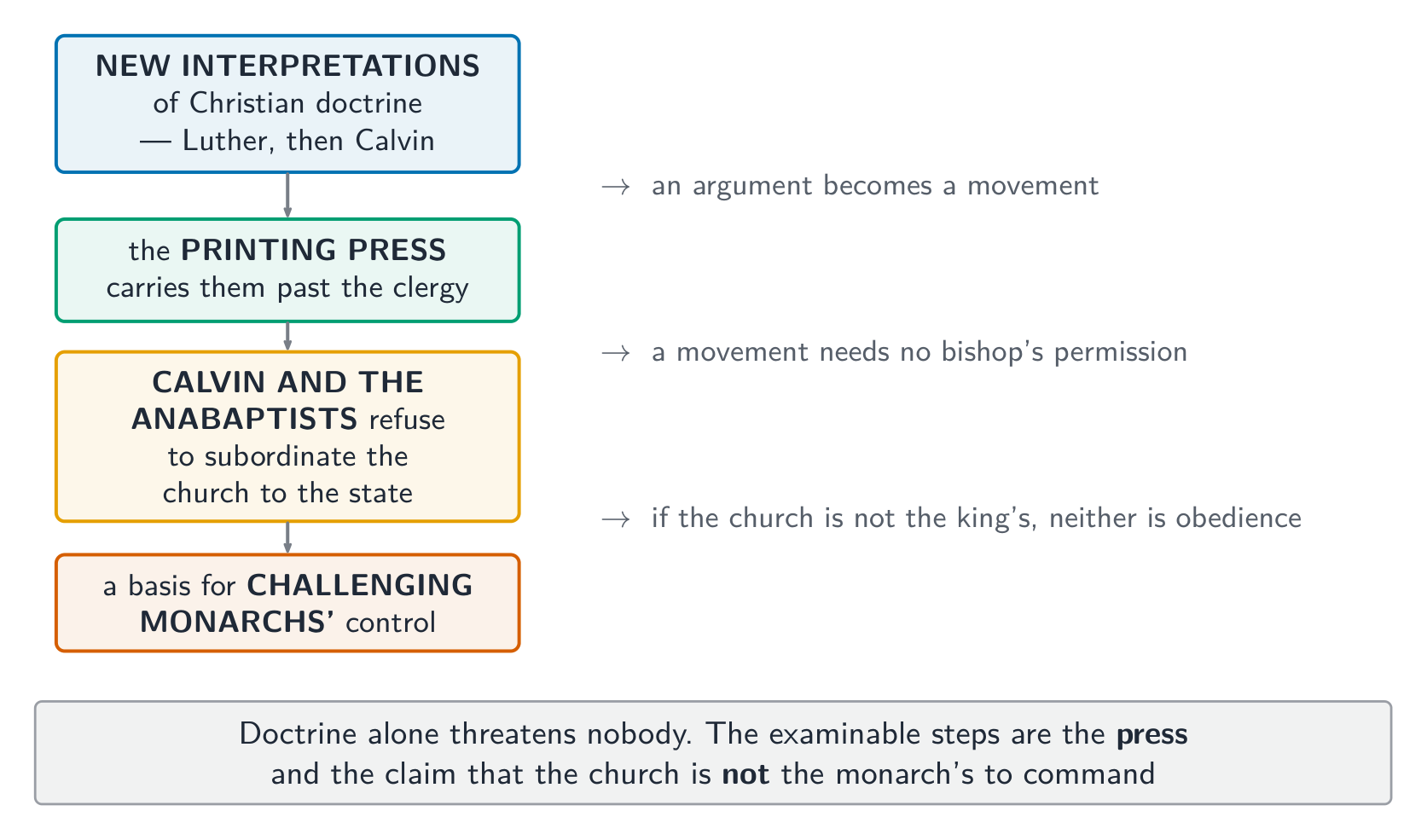
    The last two are political claims dressed in religious language, and the CED treats them that way. Once religious authority is contestable, so is the authority of whoever claims to control it.

    How a doctrinal dispute became a political threat: the press, and the church's independence
    Explore · ⁨חקור⁩

    Follow doctrine to a political threat

    Doctrine alone threatens nobody. The press and the claim that the church is not the monarch's are the examinable steps.

    Vocabulary · ⁨מילון מונחים⁩ Train · ⁨אימון⁩
    English עברית
    used the printing press/juːzd ðə ˈprɪntɪŋ pres/ השתמשו במדפסת
    Calvin and the Anabaptists/ˈkælvɪn ænd ðɪ ˈænəbæptɪsts/ קלווין ואנאבטיסטים
    2.4

    Wars of Religion

    Syllabus · ⁨סיילבוס⁩
    English

    2.4 Wars of Religion

    Thematic Focus (SOP): States and Other Institutions of Power — European states and nations developed governmental and civil institutions from 1450 to the present to organize society and consolidate political power, with a variety of social, cultural, and economic effects.

    Learning Objective Unit 2.C: Explain how matters of religion influenced and were influenced by political factors from 1450 to 1648.

    • KC-1.2.III.A Issues of religious reform exacerbated conflicts between the monarchy and the nobility, as in the French wars of religion.
    • KC-1.2.III.B Habsburg rulers confronted an expanded Ottoman Empire while attempting unsuccessfully to restore Catholic unity across Europe.
    • KC-1.2.III.C States exploited religious conflicts to promote political and economic interests.
    • KC-1.2.III.D A few states, such as France with the Edict of Nantes, allowed religious pluralism in order to maintain domestic peace.
    • KC-1.5.I.B The Peace of Westphalia (1648), which marked the effective end of the medieval ideal of universal Christendom, accelerated the decline of the Holy Roman Empire by granting princes, bishops, and other local leaders control over religion.

    Illustrative examples:

    • Key factors in the French wars of religion:
      • Catherine de’ Medici
      • St. Bartholomew’s Day massacre
      • War of the Three Henrys
      • Henry IV
    • Habsburg rulers: §Bullet Charles V State exploitation of religious conflicts:
      • Catholic Spain and Protestant England
      • France, Sweden, and Denmark in the Thirty Years’ War
    • States allowing religious pluralism:
      • Poland
      • The Netherlands
    עברית

    2.4 מלחמות הדת

    מיקוד נושאי (SOP): מדינות ומוסדות כוח אחרים — מדינות ואומות אירופיות פיתחו מוסדות ממשליים ואזרחיים משנת 1450 ועד היום כדי לארגן את החברה ולחזק את הכוח הפוליטי, עם מגוון השפעות חברתיות, תרבותיות וכלכליות.

    מטרות לימוד יחידה 2.C: הסבר כיצד נושאי דת השפיעו ונשפעו מגורמים פוליטיים בין השנים 1450 עד 1648.

    • KC-1.2.III.A נושאי הרפורמה הדתית חמירו את הסכסוכים בין המלוכה לאצולה, כמו במלחמות הדת בצרפת.
    • KC-1.2.III.B שלטונות הבסבורג התמודדו עם האימפריה העות'מאנית המתרחבת בעוד ניסו ללא הצלחה לשקם את האחדות הקתולית בכל אירופה.
    • KC-1.2.III.C מדינות ניצלו סכסוכים דתיים לקדם עניינים פוליטיים וכלכליים.
    • KC-1.2.III.D כמה מדינות, כגון צרפת עם מצוות נאנט, אפשרו רב-דתיות כדי לשמור על שלום פנימי.
    • KC-1.5.I.B שלום וסטפליה (1648), שסימן את הסוף האפקטיבי של האידיאל המ Medieval של נצרות אוניברסלית, זרז את נפילת האימפריה הרומית הקדושה על ידי מתן לחיילים, בישופים ולוחמים מקומיים אחרים שליטה על הדת.

    דוגמאות מדגמיות:

    • גורמים מרכזיים במלחמות הדת בצרפת:
      • קתרין דה' מדיצ'י
      • טבח יום ברטולומיוס הקדוש
      • מלחמת שלושת הנסיאים
      • הנרי הרביעי
    • שלטונות הבסבורג: §Bullet קרל החמישי ניצול מדינתי של סכסוכים דתיים:
      • ספרד הקתולית ואנגליה הפרוטסטנטית
      • צרפת, שוודיה ודנמרק במלחמת השלושים שנים
    • מדינות המאפשרות פלורליזם דתי:
      • פולין
      • ההולנד

    Source: College Board AP Course and Exam Description · ⁨מקור: תיאור הקורס והמבחן של College Board AP⁩

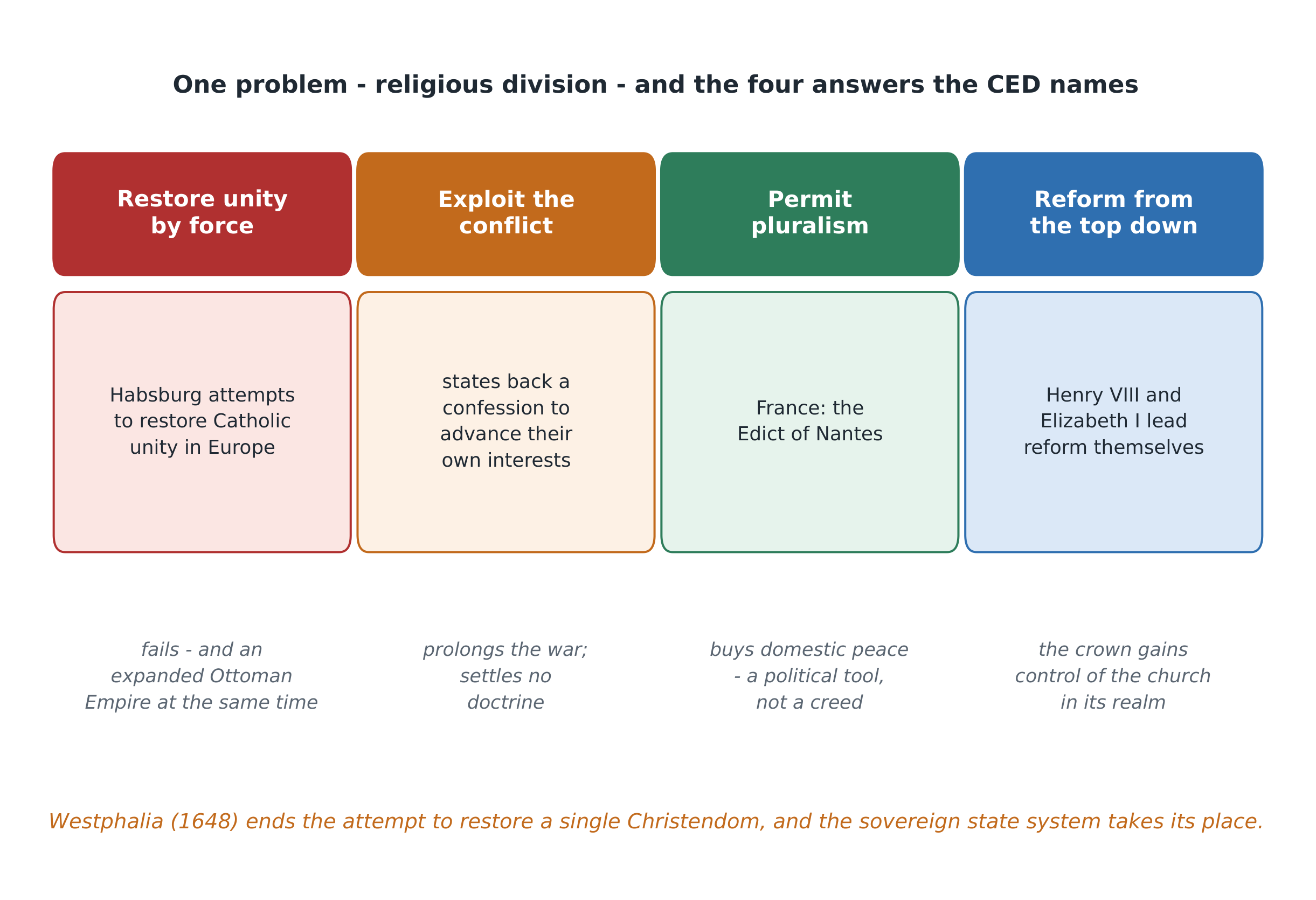
    Four ways a sixteenth-century state could answer religious division - and the CED names all four
    Only one of these ends the conflict, and it is not the one most rulers tried first

    The CED gives four state responses to religious division, and a strong answer treats them as a set:

    • Restore unity by force - Habsburg rulers attempted to restore Catholic unity across Europe and failed, while simultaneously confronting an expanded Ottoman Empire 奥斯曼帝国.
    • Exploit the conflict - states used religious disputes to promote political and economic interests rather than to settle doctrine.
    • Permit pluralism - a few states, such as France with the Edict of Nantes 南特敕令, allowed religious pluralism in order to maintain domestic peace.
    • Reform from the top down - monarchs, including Henry VIII and Elizabeth I, initiated religious reform themselves to strengthen control over the church within their realm.

    Religious reform also exacerbated conflicts between monarchy and nobility, as in the French wars of religion - religion supplied the language, and existing political rivalry supplied the force.

    The settlement matters as much as the wars: the Peace of Westphalia (1648) 威斯特伐利亚和约 marked the effective end of the medieval ideal of universal Christendom 普世基督教世界 and accelerated the decline of the Holy Roman Empire. That is the hinge on which Unit 3 opens.

    Explore · ⁨חקור⁩

    Sort each state's answer to religious division

    Four answers, and they are strategies rather than degrees of tolerance.

    Vocabulary · ⁨מילון מונחים⁩ Train · ⁨אימון⁩
    English עברית
    expanded Ottoman Empire/ekˈspændɪd ˈɒtəmən ˈempaɪə/ הרחיבו את האימפריה העות'מאנית
    Edict of Nantes/ˈiːdɪkt ɒv nænts/ צו נאנט
    Peace of Westphalia (1648)/piːs ɒv westˈfeɪlɪə/ שלום וסטפליה (1648)
    universal Christendom/ˌjuːnɪˈvɜːsl ˈkrɪsəndəm/ נוצרות אוניברסלית
    2.5

    The Catholic Reformation

    Syllabus · ⁨סיילבוס⁩
    English

    2.5 The Catholic Reformation

    Thematic Focus (CID): Cultural and Intellectual Developments — The creation and transmission of knowledge, including the relationship between traditional sources of authority and the development of differing world views, had significant political, intellectual, economic, cultural, and social effects on European and world societies.

    Learning Objective Unit 2.D: Explain the continuities and changes in the role of the Catholic Church from 1450 to 1648.

    • KC-1.2.I.D The Catholic Reformation, exemplified by the Jesuit Order and the Council of Trent, revived the church but cemented division within Christianity.

    Illustrative examples:

    • The Catholic Reformation:
      • St. Teresa of Avila
      • Ursulines
      • Roman Inquisition
      • Index of Prohibited Books
    עברית

    2.5 הרפורמה הקתולית

    הדגשה נושאית (CID): התפתחויות תרבותיות ואינטלקטואליות — יצירת ומעבר המידע, כולל הקשר בין מקורות סמכות מסורתיים להתפתחות עולמות ראייה שונים, היו בעלי השפעה משמעותית על החברות האירופאיות והעולמיות בתחומים פוליטיים, אינטלקטואליים, כלכליים, תרבותיים וחברתיים.

    מטרות לימוד יחידה 2.D: הסבר על רציפות ושינויים בתפקיד הכנסייה הקתולית משנת 1450 עד 1648.

    • KC-1.2.I.D הרפורמה הקתולית, כפי שהתבטאה בסדר הישועיות ובמועצת טרנט, התחדשה את הכנסייה אך עוצמה את הפיצול בתוך נצרות.

    דוגמאות מדגמיות:

    • הרפורמה הקתולית:
      • תרזה מאבילה
      • אורסוליניות
      • האינקויזיציה הרומית
      • אינדקס הספרים האסורים

    Source: College Board AP Course and Exam Description · ⁨מקור: תיאור הקורס והמבחן של College Board AP⁩

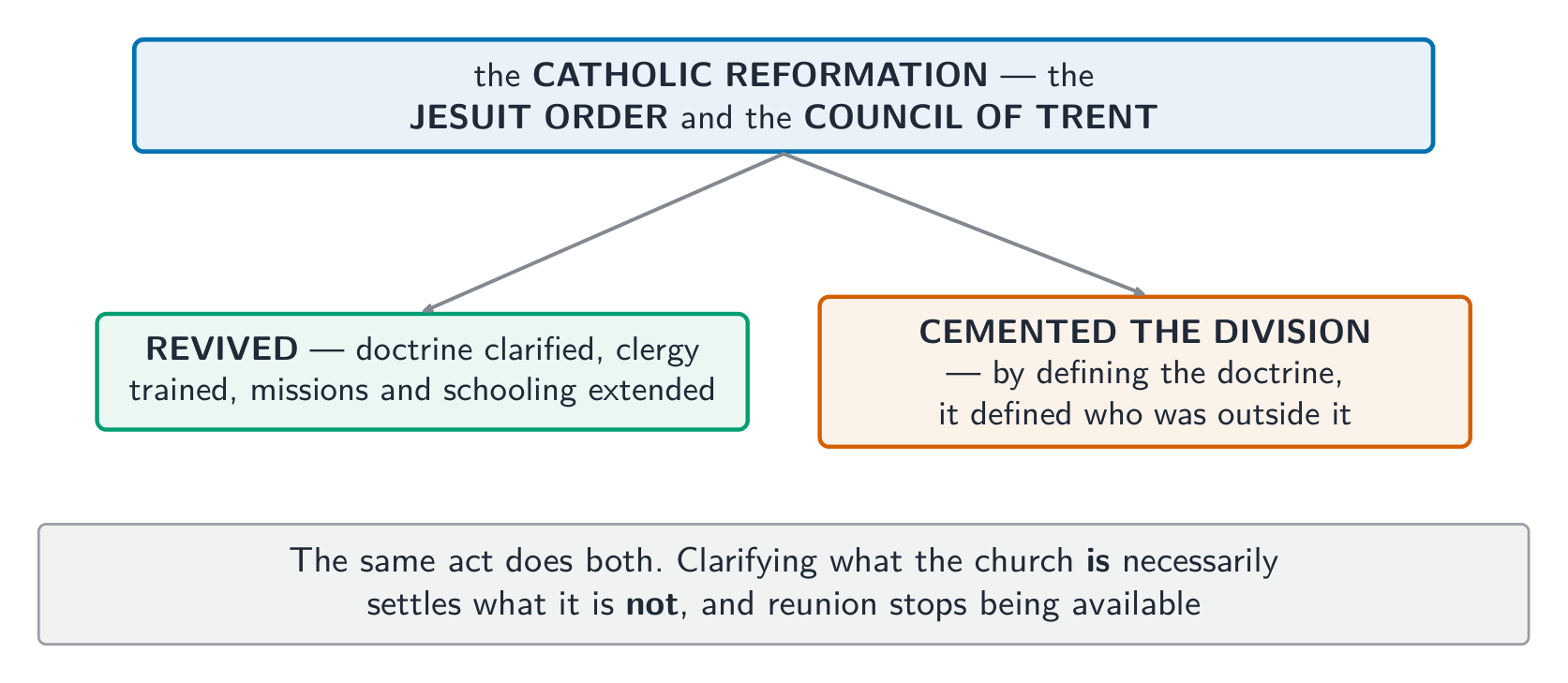
    The Catholic Reformation 天主教改革, exemplified by the Jesuit Order 耶稣会 and the Council of Trent 特伦特会议, revived the church but cemented the division within Christianity.

    Both halves of that sentence are the answer to a continuity-and-change question. The Church renewed its institutions, doctrine, education, and missionary reach - and in defining its doctrine precisely, it made reunion impossible. Revival and permanent division were the same act.

    One reform programme, two opposite results - defining the doctrine defined who was outside it
    Vocabulary · ⁨מילון מונחים⁩ Train · ⁨אימון⁩
    English עברית
    Catholic Reformation/ˈkæθlɪk rɪfɔːˈmeɪʃn/ הרפורמה הקתולית
    Jesuit Order/ˈdʒezjuːɪt ˈɔːdə/ מסדר הישועיים
    Council of Trent/ˈkaʊnsl ɒv trent/ המועצה הטרינטית
    2.6

    16th-Century Society and Politics

    Syllabus · ⁨סיילבוס⁩
    English

    2.6 16th-Century Society and Politics

    Thematic Focus (SCD): Social Organization and Development — Economic, political, and cultural factors have influenced the form and status of family, class, and social groups in European history, which has, in turn, affected both the individual and society.

    Learning Objective Unit 2.E: Explain how economic and intellectual developments from 1450 to 1648 affected social norms and hierarchies.

    • KC-1.4.I.C Established hierarchies of class, religion, and gender continued to define social status and perceptions in rural and urban settings.
    • KC-1.4.IV.A Rural and urban households worked as units, with men and women engaged in separate but complementary tasks.
    • KC-1.4.IV.B The Renaissance and Reformation raised debates about female education and women’s roles in the family, church, and society.
    • KC-1.4.III.C Social dislocation, coupled with the shifting authority of religious institutions during the Reformation, left city governments with the task of regulating public morals.
    • KC-1.4.V.A Leisure activities continued to be organized according to the religious calendar and the agricultural cycle, and remained communal in nature.
    • KC-1.4.V.B Local and church authorities continued to enforce communal norms through rituals of public humiliation.
    • KC-1.4.V.C Reflecting folk ideas and social and economic upheaval, accusations of witchcraft peaked between 1580 and 1650.

    Illustrative examples:

    • Continued social hierarchies:
      • Prestige of land ownership
      • Aristocratic privileges regarding taxes, fees for services, and legal protections
      • Political exclusion of women
    • Debates about female roles:
      • Women’s intellect and education
      • Women as preachers
      • La Querelle des Femmes
    • Regulating public morals:
      • New secular laws regulating private life
      • Stricter codes on prostitution and begging
      • Abolishing or restricting Carnival
    • Communal leisure activities:
      • Saint’s day festivities
      • Carnival
      • Blood sports
    • Rituals of public humiliation:
      • Charivari
      • Stocks
      • Public whipping and branding
    • Factors in witchcraft accusations:
      • Prominence of women
      • Regional variation
      • Social upheaval
    עברית

    2.6 חברה ופוליטיקה במאה ה-16

    מיקוד נושאי (SCD): ארגון חברתי ופיתוח — גורמים כלכליים, פוליטיים ותרבותיים השפיעו על צורתו ומעמדה של המשפחה, הקבוצה החברתית והמעמדות בהיסטוריה האירופית, מה ששימש בתורו כגורם השפעה גם על הפרט וגם על החברה.

    מטרות לימוד יחידה 2.E: הסבר כיצד התפתחויות כלכליות ואינטלקטואליות משנת 1450 עד 1648 השפיעו על תקני חברה והיררכיות.

    • KC-1.4.I.C היררכיות מקובלות של שכבה, דת ומין המשיכו לקבוע מעמד חברתי ותפיסות בחבלים כפריים ועירוניים.
    • KC-1.4.IV.A בתי המשפחה בכפרים ובערים פעלו כיחידות, כאשר גברים ונשים היו מעסיקים במשימות נפרדות אך משלימות.
    • KC-1.4.IV.B הרנסאנס והרפורמה העלו מחלוקות לגבי חינוך לנשים ותפקידיהן בבית, בכנסייה ובחברה.
    • KC-1.4.III.C פירוק חברתי, בשילוב עם שינויי הסמכות של מוסדות דתיים במהלך הרפורמה, השאירו לעיריות את המשימה של ויסות מוסר ציבורי.
    • KC-1.4.V.A הפעילויות הנופש המשיכו להיות מאורגנות לפי הלוח הדתי והמחזור החקלאי, ונותרו בעל אופי קהילתי.
    • KC-1.4.V.B הרשויות המקומיות והכנסייתיות המשיכו להטיל את התקנים הקהילתיים באמצעות טקסים של השפלה ציבורית.
    • KC-1.4.V.C בהתאם לעמודי העם ולמהומות החברתיות והכלכליות, האישומים על קסמים הגיעו לשיא בין 1580 ל-1650.

    דוגמאות מדגמיות:

    • היררכיה חברתית נמשכת:
      • מעמדו של מחזיקי אדמות
      • זכויות האצולה בנוגע למיסים, תשלומי שירות והגנות משפטיות
      • בידוד פוליטי של נשים
    • דיון לגבי תפקידי הנשים:
      • אינטליגנציה וחינוך של נשים
      • נשים כמתרגמות
      • La Querelle des Femmes
    • ויסות מוסר ציבורי:
      • חוקים חילוניים חדשים המסדרים חיים פרטיים
      • קודים מחמירים יותר לגבי זניחות ובקשה
      • ביטול או הגבלת קרנבאל
    • פעילויות נופש קהילתיות:
      • חגיגות יום הקדוש
      • קרנבאל
      • ספורטים דמיים
    • טקסים של השפלה ציבורית:
      • צ'אריווארי (מנהג לרעש והפרעה בחתונה)
      • כנפיים
      • עונשי גלדגוד ציבורי וסימון
    • גורמים באישומי קסם:
      • בולטותה של הנשים
      • הבדלים אזוריים
      • מהפוך חברתית

    Source: College Board AP Course and Exam Description · ⁨מקור: תיאור הקורס והמבחן של College Board AP⁩

    This is the unit's social-history topic, and it is dense with examinable content that essays rarely use:

    • Established hierarchies of class, religion, and gender continued to define social status in both rural and urban settings.
    • Rural and urban households worked as units, with men and women engaged in separate but complementary tasks 分工互补.
    • The Renaissance and Reformation raised debates about female education and women's roles in family, church, and society.
    • Social dislocation 社会失序, together with the shifting authority of religious institutions, left city governments to address the problems it created.
    • Leisure remained organised by the religious calendar and the agricultural cycle, and remained communal.
    • Local and church authorities enforced communal norms through rituals of public humiliation 公开羞辱.
    • Reflecting folk belief and social and economic upheaval, accusations of witchcraft peaked between 1580 and 1650.

    The witchcraft peak is worth holding precisely because of its dates: it coincides with the period of maximum religious conflict and economic strain, which is what makes it usable as evidence rather than as an anecdote.

    Three responses to one strain: formal, informal, and lethal
    Vocabulary · ⁨מילון מונחים⁩ Train · ⁨אימון⁩
    English עברית
    separate but complementary tasks/ˈseprət bʌt ˌkɒmplɪˈmentəri tæsks/ משימות נפרדות אך משלימות
    Social dislocation/ˈsəʊʃl dɪsləʊˈkeɪʃn/ הפרדה חברתית
    rituals of public humiliation/ˈrɪtʃuːəlz ɒv ˈpʌblɪk ˌhjuːmɪlɪˈeɪʃn/ טקסי ציבוריות להשפלה
    2.7

    Art of the 16th Century: Mannerism and Baroque

    Syllabus · ⁨סיילבוס⁩
    English

    2.7 Art of the 16th Century: Mannerism and Baroque Art

    Thematic Focus (CID): Cultural and Intellectual Developments — The creation and transmission of knowledge, including the relationship between traditional sources of authority and the development of differing world views, had significant political, intellectual, economic, cultural, and social effects on European and world societies.

    Learning Objective Unit 2.F: Explain how and why artistic expression changed from 1450 to 1648.

    • KC-1.1.III.C Mannerist and Baroque artists employed distortion, drama, and illusion in their work. Monarchies, city-states, and the church commissioned these works as a means of promoting their own stature and power.

    Illustrative examples:

    • Mannerist and Baroque artists whose art was used in new public buildings:
      • El Greco
      • Artemisia Gentileschi
      • Gian Bernini
      • Peter Paul Rubens
    עברית

    2.7 אמנות במאה ה-16: מערזיה ואמנות ברוקה

    הדגשה נושאית (CID): התפתחויות תרבותיות ואינטלקטואליות — יצירת ומעבר המידע, כולל הקשר בין מקורות סמכות מסורתיים להתפתחות עולמות ראייה שונים, היו בעלי השפעה משמעותית על החברות האירופאיות והעולמיות בתחומים פוליטיים, אינטלקטואליים, כלכליים, תרבותיים וחברתיים.

    מטרות לימוד יחידה 2.F: הסבר כיצד ומדוע הביע האמנות השתנה בין 1450 ל-1648.

    • KC-1.1.III.C אמנים מערזיים וברוקים השתמשו בעיוות, דרמה והשגה בעבודותיהם. מלכויות, מדינות-ערים והכנסייה הזמינו את יצירות אלו ככלי לקידום מעמדם וכוחם.

    דוגמאות מדגמיות:

    • אמנים מערזיים וברוקים whose art was used in new public buildings:
      • אל גרקו
      • ארטמיסיה ג'נטילסקי
      • גיאן ברניני
      • פיטר פאול רובנס

    Source: College Board AP Course and Exam Description · ⁨מקור: תיאור הקורס והמבחן של College Board AP⁩

    Mannerist and Baroque 手法主义与巴洛克 artists employed distortion, drama, and illusion 变形、戏剧性与幻觉. Monarchies, city-states, and the church commissioned these works.

    The examinable point is the same as in Unit 1, one step further: art was commissioned to persuade. Baroque drama in a Catholic church and Baroque grandeur at a royal court are doing the same work in different directions - asserting the authority of the patron in an age when authority was contested.

    Vocabulary · ⁨מילון מונחים⁩ Train · ⁨אימון⁩
    English עברית
    Mannerist and Baroque/ˈmænərɪst ænd bəˈrəʊk/ מנייריזם ובארוק
    distortion, drama, and illusion/dɪˈstɔːʃn ˈdrɑːmə ænd ɪˈluːʒn/ עיגול, דרמה וטריק
    2.8

    Causation in the Age of Reformation

    Syllabus · ⁨סיילבוס⁩
    English

    2.8 Causation in the Age of Reformation and the Wars of Religion

    Learning Objective Unit 2.G: Explain how the religious, political, and cultural developments of the 16th and 17th centuries affected European society from 1450 to 1648.

    • KC-1.2 Religious pluralism challenged the concept of a unified Europe.
      • KC-1.2.I The Protestant and Catholic reformations fundamentally changed theology, religious institutions, culture, and attitudes toward wealth and prosperity.
      • KC-1.2.II Religious reform both increased state control of religious institutions and provided justifications for challenging state authority.
      • KC-1.2.III Conflicts among religious groups overlapped with political and economic competition within and among states.
    • KC-1.4 European society and the experiences of everyday life were increasingly shaped by commercial and agricultural capitalism, notwithstanding the continued existence of medieval social and economic structures.
      • KC-1.4.III Population shifts and growing commerce caused the expansion of cities, which often placed stress on their traditional political and social structures.
      • KC-1.4.IV The family remained the primary social and economic institution of early modern Europe and took several forms, including the nuclear family.
      • KC-1.4.V Popular culture, leisure activities, and rituals reflecting the continued popularity of folk ideas reinforced and sometimes challenged communal ties and norms.
    • KC-1.5 The struggle for sovereignty within and among states resulted in varying degrees of political centralization.
      • KC-1.5.I The new concept of the sovereign state and secular systems of law played a central role in the creation of new political institutions.
    עברית

    2.8 סיבתיות בתקופת הרפורמה ובמלחמות הדת

    מטרות לימוד יחידה 2.G: הסבר כיצד התפתחות דתית, פוליטית ותרבותית במאה ה-16 וה-17 השפיעו על החברה האירופאית בין 1450 ל-1648.

    • KC-1.2 פלורליזם דתי ערער על הרעיון של אירופה מאוחדת.
      • KC-1.2.I הרפורמות הפרוטסטנטית והקתולית שינו מהותית את התאולוגיה, המוסדות הדתיים, התרבות והיחסים כלפי עושר ופרוח.
      • KC-1.2.II הרפורמה הדתית הגבירה גם כן את השליטה הממלכתית במוסדות הדתיים וגם סיפקה תרצונות למרידה בסמכות המדינה.
      • KC-1.2.III סכסוכים בין קבוצות דתיות חפפו עם תחרות פוליטית וכלכלית בתוך מדינות ובין מדינות.
    • KC-1.4 החברה האירופאית וחוויות החיים היומיומיים עוצבו increasingly על ידי קפיטליזם מסחרי וחקלאי, למרות הקיום המתמשך של מבנים חברתיים וכלכליים מדורים.
      • KC-1.4.III שינויי אוכלוסייה ומסחר גדול הביאו להרחבת הערים, שרובן הניחו לחץ על מבניה הפוליטיים והחברתיים המסורתיים שלהן.
      • KC-1.4.IV המשפחה נותרה המוסד החברתי והכלכלי המרכזי באירופה בתקופה המודרנית המוקדמת ולקבלה מספר צורות, כולל משפחה גרעינית.
      • KC-1.4.V תרבות עממית, פעילויות פנאי וטקסים המשקפים את המשך הפופולריות של רעיונות עממיים חיזקו לעיתים ואף ערערו קשרים קהילתיים ותקנים.
    • KC-1.5 המאבק על ריבונות בתוך מדינות ובין מדינות הוביל לדרגות שונות של מרכזיות פוליטית.
      • KC-1.5.I הרעיון החדש של המדינה הריבונית ומערכות משפט חילוניות שיחקו תפקיד מרכזי בהקמת מוסדות פוליטיים חדשים.
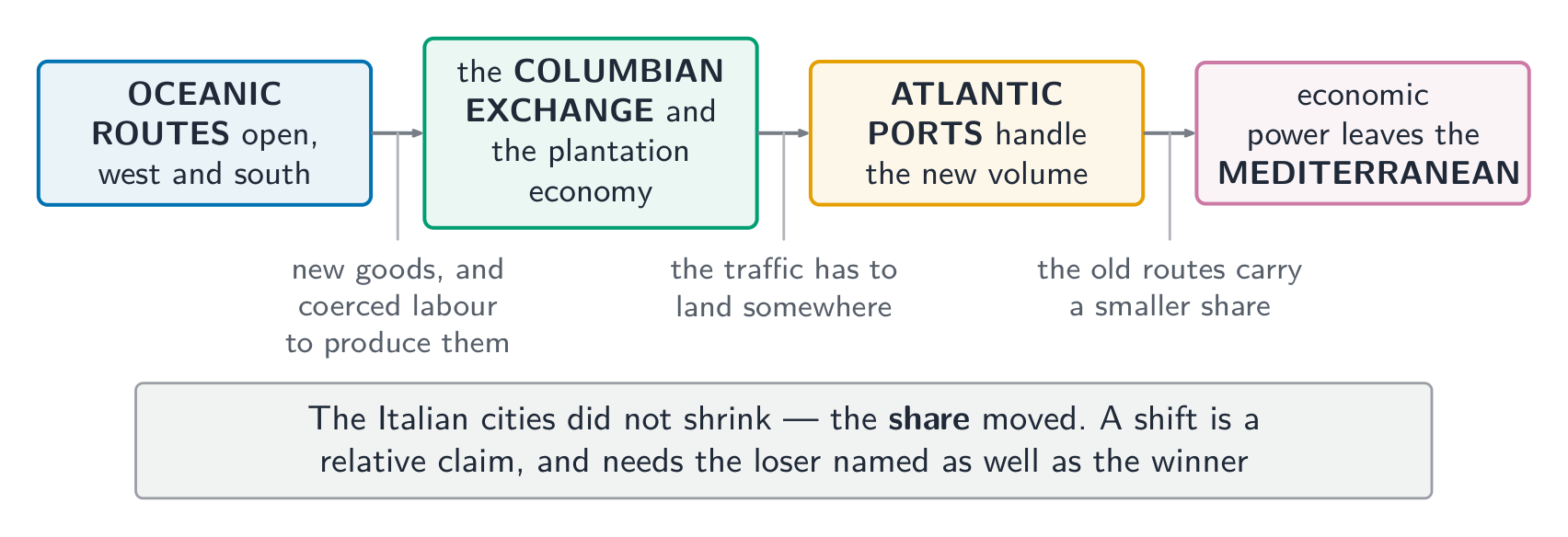
    Source: College Board AP Course and Exam Description · ⁨מקור: תיאור הקורס והמבחן של College Board AP⁩

    The unit's reasoning skill is causation.

    Worked example (a real AP exam question). AP European History short-answer questions here ask, for example, to "Explain one way in which political developments in the sixteenth century were influenced by religious change." A full-mark answer names both sides of the influence: "Religious reform gave the nobility a language and a justification for resisting royal authority, as in the French wars of religion, where noble families used confessional allegiance to organise opposition to the crown. The monarchy's response - eventually the Edict of Nantes - was therefore a political settlement of a religious dispute, granting toleration in order to restore royal control." Notice that the answer moves in both directions, because the CED's own framing does.

    2.8

    Exam tips

    • Never separate religion and politics in this unit. Nearly every question tests the interaction.
    • The four state responses - force, exploitation, toleration, top-down reform - make an excellent answer skeleton for any wars-of-religion question.
    • Westphalia is the hinge: the end of universal Christendom, the start of the sovereign state system.
    • The Catholic Reformation revived and divided at the same time. Both halves earn the mark.
    • Toleration was a political tool, not a moral position. The Edict of Nantes bought domestic peace.
    • Use the witchcraft peak (1580-1650) as dated evidence of social and religious strain, not as colour.
  • 3

    Absolutism and Constitutionalism

    Watch lesson · ⁨צפה בשיעור⁩
    3.1

    Contextualizing State Building · ⁨הקשרה של בניית מדינה⁩

    Syllabus · ⁨סיילבוס⁩
    English

    3.1 Contextualizing State Building

    Learning Objective Unit 3.A: Explain the context in which different forms of political power developed from 1648 to 1815.

    • KC-1.5 The struggle for sovereignty within and among states resulted in varying degrees of political centralization.
      • KC-1.5.I The new concept of the sovereign state and secular systems of law played a central role in the creation of new political institutions.
      • KC-1.5.III The competition for power between monarchs and corporate and minority language groups produced different distributions of governmental authority in European states.
      • KC-1.5.III.B Monarchies seeking enhanced power faced challenges from nobles who wished to retain traditional forms of shared governance and regional autonomy.
      • KC-1.5.III.C Within states, minority local and regional identities based on language and culture led to resistance against the dominant national group.
    • KC-2.1 Different models of political sovereignty affected the relationship among states and between states and individuals.
      • KC-2.1.I In much of Europe, absolute monarchy was established over the course of the 17th and 18th centuries.
      • KC-2.1.II Challenges to absolutism resulted in alternative political systems.

    Illustrative examples:

    • Competition between monarchs and nobles:
      • Louis XIII and Cardinal Richelieu §Bullet
      • The Fronde in France
      • The Catalan Revolts in Spain
    • Competition between minority and dominant national groups:
      • Celtic regions of Scotland, Ireland, and France
      • Dutch resistance in the Spanish Netherlands
      • Czech identity in the Holy Roman Empire/ Jan Hus/Defenestration
    עברית

    3.1 הקשר לבניית המדינה

    מטרות לימוד יחידה 3.A: הסבר ההקשר שבו פיתחו צורות שונות של כוח פוליטי בין 1648 ל-1815.

    • KC-1.5 המאבק על ריבונות בתוך מדינות ובין מדינות הוביל לדרגות שונות של מרכזיות פוליטית.
      • KC-1.5.I הרעיון החדש של המדינה הריבונית ומערכות משפט חילוניות שיחקו תפקיד מרכזי בהקמת מוסדות פוליטיים חדשים.
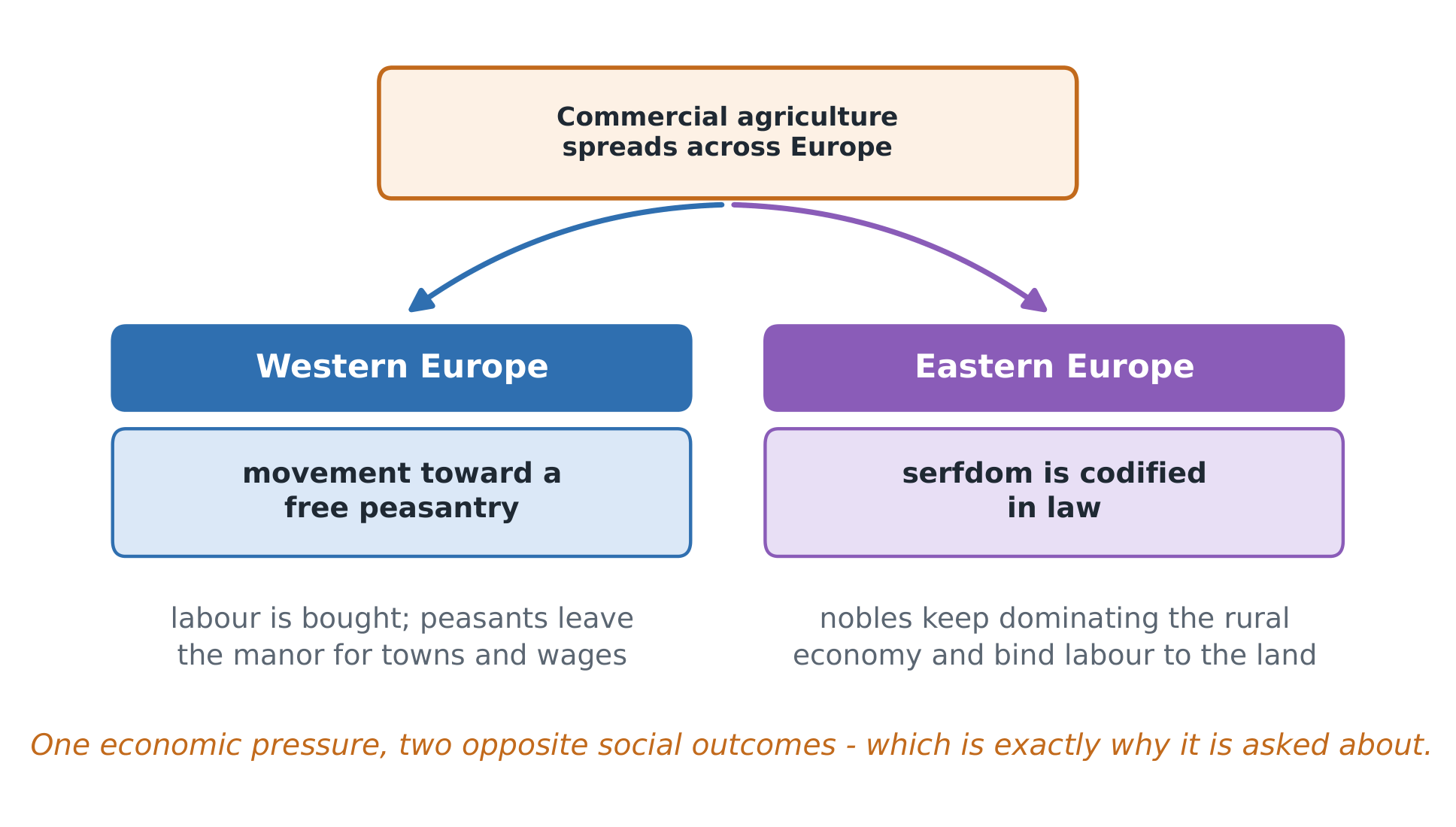
      • KC-1.5.III התחרות על כוח בין מלכים לקבוצות מקצועיות ולקבוצות שפה מיעוטיות ייצרה חלוקות שונות של סמכות ממשלתית במדינות אירופאיות.
      • KC-1.5.III.B מלוכיות ששאפו להגביר את כוחן התמודדו עם אתגרים מצד האצולה, שהתעקשה לשמור על צורות מסורתיות של ממשל משותף ואוטונומיה אזורית.
      • KC-1.5.III.C בתוך המדינות, זהויות מקומיות ואזוריות מיעוטיות המבוססות על שפה ותרבות הובילו להתנגדות כלפי הקבוצה הלאומית הדומיננטית.
    • KC-2.1 דגמים שונים של ריבונות פוליטי השפיעו על היחסים בין מדינות ועל היחסים בין מדינות לאזרחיהן.
      • KC-2.1.I במרבית אירופה, מלוכה מוחלטת הוקמה לאורך 17-ה-ו18-ה-מאה.
      • KC-2.1.II האתגרים למלוכה מוחלטת הובילו למערכות פוליטיות חלופיות.

    דוגמאות מדגמיות:

    • תחרות בין מלכים לאצולה:
      • לואי השלישי עשר וקרדינל רישליי §Bullet
      • הפרעות פרונד בצרפת
      • המרדות בקטלוניה בספרד
    • תחרות בין קבוצות מיעוט לקבוצה הלאומית הדומיננטית:
      • אזורים קלטיים בסקוטלנד, אירלנד וצרפת
      • ההתנגדות ההולנדית בארצות נידרלנד הספרדיות
      • זהות צ'כית בקיסרות הרומית הקדושה / יאן הוס / דפנסטרציה

    Source: College Board AP Course and Exam Description · ⁨מקור: תיאור הקורס והמבחן של College Board AP⁩

    English

    Unit 3 covers 1648 to 1815, and its organising claim is that different models of political sovereignty affected the relationship among states, and between states and individuals.

    The struggle for sovereignty continued to produce varying degrees of political centralisation - but after Westphalia the competition happens between states that recognise each other as sovereign, which is a different game from the one played in Units 1 and 2. Everything in this unit follows from that: the state must now raise revenue, field armies, and manage an economy in permanent competition with rivals who are doing the same.

    עברית

    יחידה 3 מכסה את 1648 עד 1815, והטענה המנחה שלה היא ש-דגמים פוליטיים שונים של ריבונות השפיעו על היחסים בין מדינות, ובין מדינות לאזרחיהן.

    הקרב על הריבונות המשיך לייצר דרגות שונות של מרכזיות פוליטית - אך לאחר וסטפליה התחרות מתרחשת בין מדינות המכירות זו את זו כריבוניות, מה שמייצר משחק אחר מזה שנערך ביחידות 1 ו-2. כל דבר ביחידה זו נובע מכך: המדינה חייבת כעת לגבות הכנסות, להקים צבאות ולנהלכלכלה בתחרות מתמדת עם יריבים העושים את אותו הדבר.

    Vocabulary · ⁨מילון מונחים⁩ Train · ⁨אימון⁩
    English עברית
    English Civil War/ˈɪŋɡlɪʃ ˈsɪvl wɔː/ English Civil War
    Glorious Revolution/ˈɡlɔːrɪəs ˌrevəˈluːʃn/ Glorious Revolution
    Parliament/ˈpɑːləmənt/ Parliament
    Agricultural Revolution/ˌæɡrɪˈkʌltʃərəl ˌrevəˈluːʃn/ Agricultural Revolution
    freed from traditional restrictions/friːd frɒm trəˈdɪʃənl rɪˈstrɪkʃnz/ freed from traditional restrictions
    cottage industry/ˈkɒtɪdʒ ˈɪndʌstri/ cottage industry
    Mercantilism/ˈmɜːkæntəlɪzəm/ Mercantilism
    Dutch Republic/dʌtʃ rɪˈpʌblɪk/ Dutch Republic
    competitive state system/kəmˈpetɪtɪv steɪt ˈsɪstəm/ competitive state system
    Poland's partition/ˈpəʊləndz pɑːˈtɪʃn/ Poland's partition
    Louis XIV/ˈluːi ðə ˌfɔːˈtiːnθ/ Louis XIV
    Jean-Baptiste Colbert/dʒiːn bæpˈtiːst ˈkəʊlbət/ Jean-Baptiste Colbert
    Peter the Great/ˈpiːtə ðə ɡreɪt/ Peter the Great
    Catherine the Great/ˈkæθrɪn ðə ɡreɪt/ Catherine the Great
    3.2

    The English Civil War and the Glorious Revolution · ⁨המלחמת האזרחית באנגליה והמהפכה המפוארת⁩

    Syllabus · ⁨סיילבוס⁩

    3.2 The English Civil War and the Glorious Revolution

    Thematic FocusLearning ObjectiveHistorical Developments

    SOP
    States and Other Institutions of Power — European states and nations developed governmental and civil institutions from 1450 to the present to organize society and consolidate political power, with a variety of social, cultural, and economic effects.

    Unit 3.B
    Explain the causes and consequences of the English Civil War.

    • KC-1.5.III.A The English Civil War—a conflict among the monarchy, Parliament, and other elites over their respective roles in the political structure— exemplified the competition for power among monarchs and competing groups.
    • KC-2.1.II.A The outcome of the English Civil War and the Glorious Revolution protected the rights of gentry and aristocracy from absolutism through assertions of the rights of Parliament.

    Illustrative examples:

    • Competitors for power in the English Civil War:
      • James I
      • Charles I
      • Oliver Cromwell
    • Outcomes of the English Civil War and the Glorious Revolution:
      • English Bill of Rights
      • Parliamentary sovereignty

    Source: College Board AP Course and Exam Description · ⁨מקור: תיאור הקורס והמבחן של College Board AP⁩

    English

    The English Civil War 英国内战 was a conflict among the monarchy, Parliament, and other elites over their respective roles in the political structure - not a conflict between the crown and the people.

    Its outcome, together with the Glorious Revolution 光荣革命, protected the rights of the gentry and aristocracy from absolutism by asserting the rights of Parliament 议会.

    Read that carefully, because it is easy to overstate. The settlement protected the rights of a propertied elite against royal power. It did not create popular government, and an answer that treats 1688 as democratic has misread the CED.

    עברית

    המלחמת האזרחית באנגליה הייתה סכסוך בין המונרכיה, הפרלמנט ואליטים אחרים לגבי תפקידיהם הרלוונטיים במבנה הפוליטי - ולא סכסוך בין הכתר לבין העם.

    תוצאתה, יחד עם המהפכה המפוארת, שמרה על זכויות הג'נטרי והאריסטוקרטיה מפני אבסולוטיות על ידי ההצהרת זכויות הפרלמנט.

    קראו זאת בקפדנות, כי קל להגזים. הסדר שהושג שמר על זכויות אלית בעלת רכוש מול כוח המלכותי. הוא לא יצר ממשל עממי, ותשובה המתייחסת ל-1688 כדמוקרטית מסתירה את הבנת CED.

    3.3

    Continuities and Changes to Economic Practice · ⁨רציפות ושינויים בפעילות הכלכלית⁩

    Syllabus · ⁨סיילבוס⁩
    English

    3.3 Continuities and Changes to Economic Practice and Development

    Thematic Focus (ECD): Economic and Commercial Developments — Economic development, especially the development of capitalism, played an important role in Europe’s history, often having significant social, political, and cultural effects.

    Learning Objective Unit 3.C: Explain the continuities and changes in commercial and economic developments from 1648 to 1815.

    • KC-2.2.I.B The Agricultural Revolution raised productivity and increased the supply of food and other agricultural products.
    • KC-2.2.II.D The importation and transplantation of agricultural products from the Americas contributed to an increase in the food supply in Europe.
    • KC-2.2.I.A Labor and trade in commodities were increasingly freed from traditional restrictions imposed by governments and corporate entities.
    • KC-2.2.I.C The putting-out system, or cottage industry, expanded as increasing numbers of laborers in homes or workshops produced for markets through merchant intermediaries or workshop owners.
    • KC-2.2.I.D The development of the market economy led to new financial practices and institutions.
    • KC-2.2.I Early modern Europe developed a market economy that provided the foundation for its global role.

    Illustrative examples:

    • New financial practices and institutions: § Insurance § Banking institutions for turning private savings into venture capital § New definitions of property rights and protections against confiscation § Bank of England
    עברית

    3.3 רציפות ושינויים במעשי כלכליים ובתפתחות

    מיקוד נושא (ECD): פיתוחים כלכליים ומסחריים — פיתוח כלכלי, במיוחד פיתוח הקפיטליזם, שיחק תפקיד חשוב בהיסטוריה של אירופה, לעיתים קרובות עם השפעות חברתיות, פוליטיות ותרבותיות משמעותיות.

    מטרות למידה ליחידה 3.C: הסבר על הרציפות והשינויים בהתפתחויות מסחריות וכלכליות מתקופת 1648 ועד 1815.

    • KC-2.2.I.B מהפכה חקלאית העלתה את התפוקה וגברה את האספקה של מזון ומוצרים חקלאיים אחרים.
    • KC-2.2.II.D ייבוא והשבתת מוצרים חקלאיים מהאמריקות תרמו להגברת אספקת המזון באירופה.
    • KC-2.2.I.A עבודה ומסחר בסחורות שוחררו יותר ויותר ממגבלות מסורתיות שהטילו ממשלות ותייקים.
    • KC-2.2.I.C מערכת ההעסקה הביתית, או תעשייה ביתית, התרחבה כשהגידל מספר העובדים בבתיהם או בסדנאות הפיקו עבור שווקים באמצעות גורמי ביניים סוחרים או בעלי סדנה.
    • KC-2.2.I.D פיתוח הכלכלה השוקית הוביל לפיתוח שיטות ומוסדות פיננסיים חדשים.
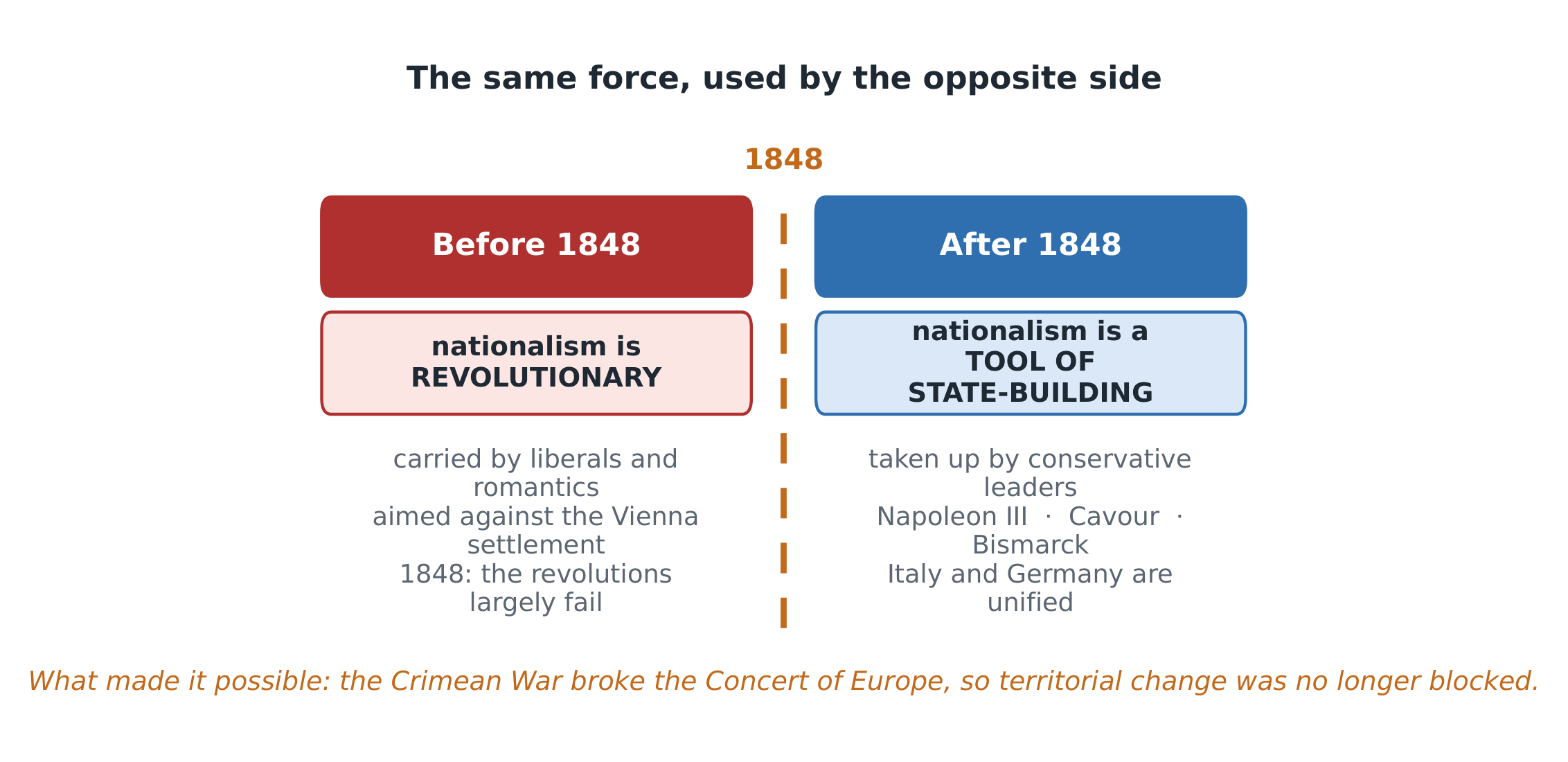
    • KC-2.2.I אירופה בת הקדם מודרנית פיתחה כלכלת שוק שהניחה את היסוד לתפקידה הגלובלי.

    דוגמאות מדגמיות:

    • שיטות ומוסדות פיננסיים חדשים: § ביטוח § מוסדות בנקאיים להמרת חיסכון פרטי לון הון סיכון § הגדרות חדשות של זכויות מקרקעין והגנות מפני פלישה § בנק אנגליה

    Source: College Board AP Course and Exam Description · ⁨מקור: תיאור הקורס והמבחן של College Board AP⁩

    English

    Early modern Europe developed a market economy that provided the foundation for its global role. The CED lists the components, and questions reward naming several:

    • The Agricultural Revolution 农业革命 raised productivity and increased the supply of food and other agricultural products.
    • The importation and transplantation of American crops contributed further to the food supply.
    • Labour and trade in commodities were increasingly freed from traditional restrictions 传统限制 imposed by governments and corporate bodies such as guilds.
    • The putting-out system, or cottage industry 家庭手工业, expanded as more labourers produced for market in homes and workshops.
    • The market economy produced new financial practices and institutions.

    The chain worth holding: more food supports more people, freed labour and cottage industry let those people produce for market, and new finance moves the resulting capital. Each link is separately examinable, and together they are the foundation on which Unit 6's industrialisation is built.

    עברית

    אירופה בת הקדומים פיתחה כלכלת שוק שיצרה את הבסיס לתפקידה הגלובלי. CED מפרטת את המרכיבים, ושאלות ב exam מעודדות הזכרת מספר מהן:

    • המהפכה החקלאית השיבה פרודוקטיביות והגבירה את אספקת המזון ומוצרים חקלאיים אחרים.
    • היבאה והשחתה של תוצרים אמריקאים תרמו עוד לאספקת המזון.
    • עבודה ומסחר בסחורות שוחררו יותר ויותר ממגבלות מסורתיות שהטילו ממשלות וגופי איגודים כמו גילדים.
    • מערכת ההפקה (putting-out system), או תעשייה ביתית, התרחבה כאשר יותר עובדים ייצרו למסחר בבתיהם ובסדנאותיהם.
    • כלכלת השק יצרה פרקטיקות ומוסדות פיננסיים חדשים.
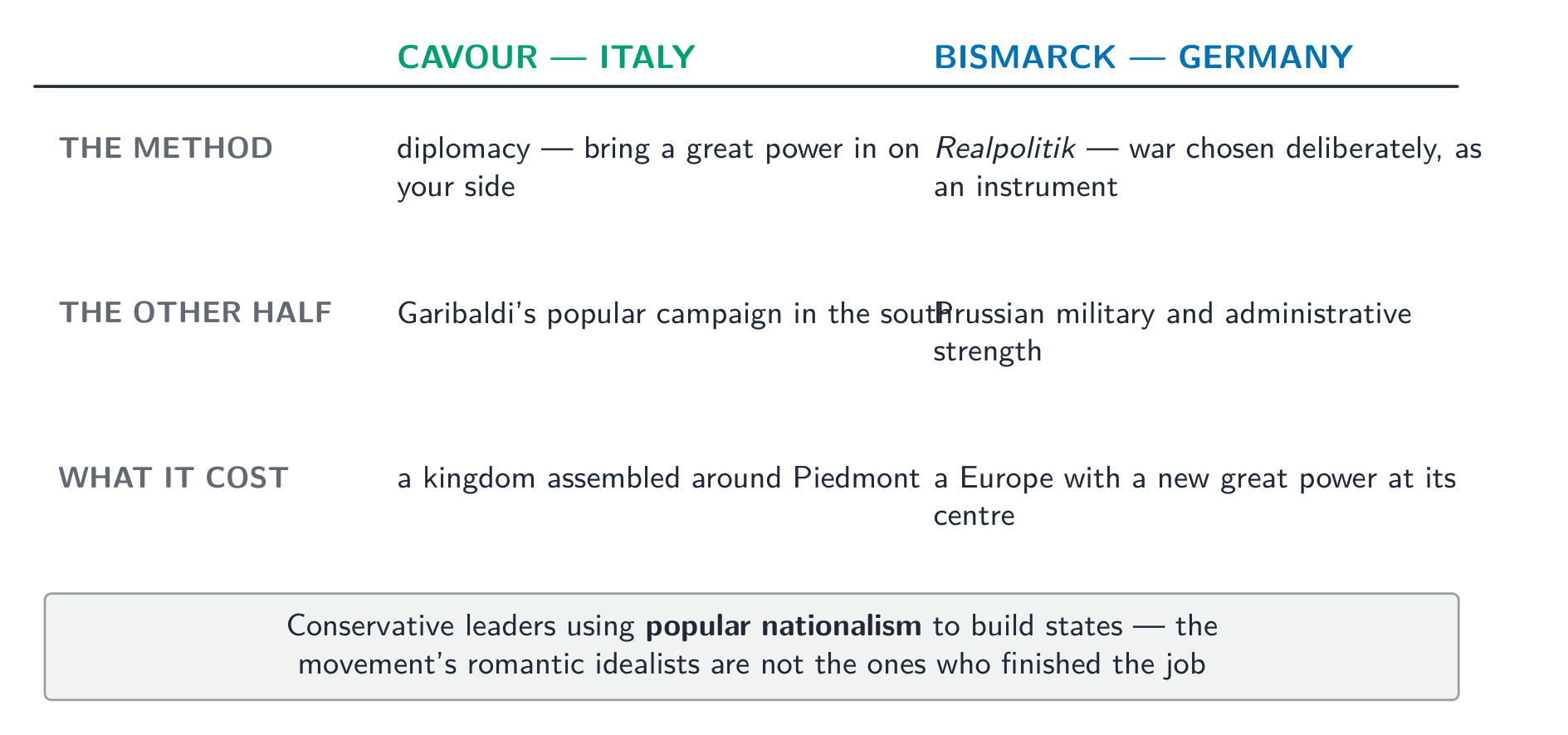
    השרשרת שחובה לשמור עליה: מזון נוסף תומך באוכלוסייה גדולה יותר, עבודה משוחררת ותעשייה ביתית מאפשרות לאנשים אלו לייצר למסחר, והפיננסים החדשים מעבירים את ההון שנוצר. כל קישור נבדק בנפרד, וכשהם יחד הם הבסיס שעליו נבנית תעשייה ביחידה 6.

    ארבעה קישורים בין שינוי חקלאי לתפקיד גלובלי - הקישורים הם הטענה
    Explore · ⁨חקור⁩

    Build Britain's market economy from the ground up

    'Britain had a market economy' is the conclusion. These four links are the argument, and the argument is what is marked.

    3.4

    Economic Development and Mercantilism · ⁨פיתוח כלכלי ומרקantilism⁩

    Syllabus · ⁨סיילבוס⁩
    English

    3.4 Economic Development and Mercantilism

    Thematic Focus (ECD): Economic and Commercial Developments — Economic development, especially the development of capitalism, played an important role in Europe’s history, often having significant social, political, and cultural effects.

    Learning Objective Unit 3.C: Explain the continuities and changes in commercial and economic developments from 1648 to 1815.

    • KC-2.2.II The European-dominated worldwide economic network contributed to the agricultural, industrial, and consumer revolutions in Europe.
      • KC-2.2.II.A European states followed mercantilist policies by drawing resources from colonies in the New World and elsewhere.
      • KC-2.2.II.B The transatlantic slave-labor system expanded in the 17th and 18th centuries as demand for New World products increased.
      • KC-2.2.II.C Overseas products and influences contributed to the development of a consumer culture in Europe.
      • KC-2.2.II.D The importation and transplantation of agricultural products from the Americas contributed to an increase in the food supply in Europe.
      • KC-2.2.II.E Foreign lands provided raw materials, finished goods, laborers, and markets for the commercial and industrial enterprises in Europe.

    Illustrative examples:

    • Transatlantic slave-labor systems:
      • Middle Passage
      • Triangle trade
    • Overseas products:
      • Sugar
      • Tea
      • Silks and other fabrics
      • Tobacco
      • Rum
      • Coffee
    עברית

    3.4 התפתחות כלכלית ומרקantilism

    מיקוד נושא (ECD): פיתוחים כלכליים ומסחריים — פיתוח כלכלי, במיוחד פיתוח הקפיטליזם, שיחק תפקיד חשוב בהיסטוריה של אירופה, לעיתים קרובות עם השפעות חברתיות, פוליטיות ותרבותיות משמעותיות.

    מטרות למידה ליחידה 3.C: הסבר על הרציפות והשינויים בהתפתחויות מסחריות וכלכליות מתקופת 1648 ועד 1815.

    • KC-2.2.II הרשת הכלכלית העולמית הנשלטת על ידי אירופה תרמה למהפכות החקלאיות, התעשייתיות וצרכניות באירופה.
      • KC-2.2.II.A מדינות אירופאיות נהגו במדיניות מרקantilist על ידי גיוס משאבים מהמושבות בעולם החדש ובמקומות אחרים.
      • KC-2.2.II.B מערכת העבדים האטלנטית התרחבה במאה ה-17 והמאה ה-18 כשהביקוש למוצרי העולם החדש עלה.
      • KC-2.2.II.C מוצרים והשפעות מחו
      • KC-2.2.II.D ייבוא והשבתת מוצרים חקלאיים מהאמריקות תרמו להגברת אספקת המזון באירופה.
      • KC-2.2.II.E ארצות זרות סיפקו חומרי גלם, מוצרים מוגמרים, עובדים ושווקים למפעלים מסחריים ותעשייתיים באירופה.

    דוגמאות מדגמיות:

    • מערכות עבדות סחר-סחר האטלנטיות:
      • המעבר האמצעי
      • המסחר המשולש
    • מוצרים מחו
      • סוכר
      • תה
      • משי ובדים אחרים
      • טבק
      • רום
      • קפה

    Source: College Board AP Course and Exam Description · ⁨מקור: תיאור הקורס והמבחן של College Board AP⁩

    English

    The European-dominated worldwide economic network contributed to the agricultural, industrial, and consumer revolutions in Europe.

    Mercantilism 重商主义 is the policy frame: the state promotes exports, restricts imports, and acquires colonies to supply raw materials and buy finished goods. Note the direction of causation the CED asserts - the global network is what fed the European transformations, so answers confined to Europe's internal development are incomplete.

    עברית

    הרשת הכלכלית הגלובלית המנוהלת על ידי אירופה תרמה למהפכות החקלאיות, התעשייתיות וצריכת המוצרים באירופה.

    מרקantilism הוא המסגרת המדינית: המדינה מקדמת יצוא, מגבילה יבוא, ורוכשת מושבות כדי לספק חומרי גלם ולקנות מוצרים מוגמרים. שמו לב לכיוון ההשפעה ש-CED טוענת - הרשת הגלובלית היא מה שהזין את השינויים האירופיים, ולכן תשובות המוגבלות לפיתוח הפנימי של אירופה יהיו חסרות.

    3.5

    The Dutch Golden Age · ⁨זהב ההולנדי⁩

    Syllabus · ⁨סיילבוס⁩
    English

    3.5 The Dutch Golden Age

    Thematic Focus (SOP): States and Other Institutions of Power — European states and nations developed governmental and civil institutions from 1450 to the present to organize society and consolidate political power, with a variety of social, cultural, and economic effects.

    Learning Objective Unit 3.D: Explain the factors that contributed to the development of the Dutch Republic.

    • KC-2.1.II.B The Dutch Republic, established by a Protestant revolt against the Habsburg monarchy, developed an oligarchy of urban gentry and rural landholders to promote trade and protect traditional rights.
    עברית

    3.5 זהב ההולנדי

    מיקוד נושאי (SOP): מדינות ומוסדות כוח אחרים — מדינות ואומות אירופיות פיתחו מוסדות ממשליים ואזרחיים משנת 1450 ועד היום כדי לארגן את החברה ולחזק את הכוח הפוליטי, עם מגוון השפעות חברתיות, תרבותיות וכלכליות.

    מטרות לימוד יחידה 3.D: הסבר הגורמים שתרמו לפיתוח הרפובליקה ההולנדית.

    • KC-2.1.II.B הרפובליקה ההולנדית, שהוקמה על ידי מרידה פרוטסטנטית נגד המלוכה ההבסבורגית, פיתחה אוליגרכיה של אצולה עירונית ובעלי אדמות כפריים לקידום מסחר ולהגנה על זכויות מסורתיות.

    Source: College Board AP Course and Exam Description · ⁨מקור: תיאור הקורס והמבחן של College Board AP⁩

    English

    The Dutch Republic 荷兰共和国, established by a Protestant revolt against the Habsburg monarchy, developed an oligarchy of urban gentry and rural landholders to promote trade and religious toleration.

    The Dutch case matters because it is neither absolutism nor English constitutionalism - a third model, commercially dominant, that shows political form and economic success were not tied together in a single formula.

    עברית

    הרפובליקה ההולנדית, שהוקמה על ידי מרידה פרוטסטנטית נגד המונרכיה של הבסבורגים, פיתחה אוליגרכיה של בעלי ערים ואצולה כפרית כדי לקדם סחר וסובלנות דתית.

    מקרה הולנדי רלוונטי כי הוא אינו אבסולוטיזם ולא חוקיות אנגלית - מודל שלישי, השולט במסחר, המראה שצורת פוליטית והצלחה כלכלית לא היו קשורות יחד בנוסחה אחת.

    3.6

    Balance of Power · ⁨מאזן כוחות⁩

    Syllabus · ⁨סיילבוס⁩
    English

    3.6 Balance of Power

    Thematic Focus (SOP): States and Other Institutions of Power — European states and nations developed governmental and civil institutions from 1450 to the present to organize society and consolidate political power, with a variety of social, cultural, and economic effects.

    Learning Objective Unit 3.E: Explain how European states attempted to establish and maintain a balance of power on the continent throughout the period from 1648 to 1815.

    • KC-1.5.II The competitive state system led to new patterns of diplomacy and new forms of warfare.
      • KC-1.5.II.A Following the Peace of Westphalia, religion declined in importance as a cause for warfare among European states; the concept of the balance of power played an important role in structuring diplomatic and military objectives.
    • KC-2.1.I.D The inability of the Polish monarchy to consolidate its authority over the nobility led to Poland’s partition by Prussia, Russia, and Austria, and its disappearance from the map of Europe.
    • KC-2.1.III After 1648, dynastic and state interests, along with Europe’s expanding colonial empires, influenced the diplomacy of European states and frequently led to war.
      • KC-2.1.III.B After the Austrian defeat of the Turks in 1683 at the Battle of Vienna, the Ottomans ceased their westward expansion.
      • KC-2.1.III.C Louis XIV’s nearly continuous wars, pursuing both dynastic and state interests, provoked a coalition of European powers opposing him. HISTORICAL DEVELOPMENTS

    Learning Objective Unit 3.F: Explain how advances in technology contributed to a developing balance of power on the continent throughout the period from 1648 to 1815.

    • KC-1.5.II.B Advances in military technology led to new forms of warfare, including greater reliance on infantry, firearms, mobile cannon, and more elaborate fortifications, all financed by heavier taxation and requiring a larger bureaucracy. New military techniques and institutions (i.e., the military revolution) tipped the balance of power toward states able to marshal sufficient resources for the new military environment.

    Illustrative examples:

    • Louis XIV’s nearly continuous wars:
      • Dutch War
      • Nine Years’ War
      • War of the Spanish Succession
    • States that benefited from the military revolution:
      • Spain under the Habsburgs §Bullet Sweden under Gustavus Adolphus §Bullet France
    עברית

    3.6 מאזן כוחות

    מיקוד נושאי (SOP): מדינות ומוסדות כוח אחרים — מדינות ואומות אירופיות פיתחו מוסדות ממשליים ואזרחיים משנת 1450 ועד היום כדי לארגן את החברה ולחזק את הכוח הפוליטי, עם מגוון השפעות חברתיות, תרבותיות וכלכליות.

    מטרות לימוד יחידה 3.E: הסבר כיצד מדינות אירופאיות ניסו להקים ולשמור על מאזן כוחות ביבשה לאורך התקופה מ-1648 עד 1815.

    • KC-1.5.II מערכת המדינות המתחרות הובילה לדפוסי דיפלומטיה חדשים ולצורות לוחמה חדשות.
      • KC-1.5.II.A לאחר שלום וסטפליה, הדת צמצמה את משמעותה כתעלת מלחמה בין מדינות אירופאיות; מושג מאזן הכוחות שיחק תפקיד חשוב במימוש מטרות דיפלומטיות וצבאיות.
    • KC-2.1.I.D חוסר היכולת של המלוכה הפולנית לחזק את סמכותה מעל האצולה הביא לחלוקת פולין על ידי פרוסיה, רוסיה ואוסטריה, ולכתישתה מהמפה של אירופה.
    • KC-2.1.III לאחר 1648, אינטרסים דינ斯טיים ומדינתיים, לצד האימפריות הקולוניאליות המתרחבות באירופה, השפיעו על הדיפלומטיה של מדינות אירופאיות והובילו לעיתים קרובות למלחמות.
      • KC-2.1.III.B לאחר ההפסד האוסטרי לטורקים ב-1683 בקרב וינה, הטורקים הפסיקו את הרחבתם המערבית.
      • KC-2.1.III.C מלחמותיו של לואי XIV, שנערכו ברצף כמעט מתמיד, בעקבות אינטרסים דינSטיים ומדינתיים, גרמו לשיתוף פעולה של כוחות אירופאיים נגדו. התפתחויות היסטוריות

    מטרות לימוד יחידה 3.F: הסבר כיצד התקדמות בטכנולוגיה תרמה למאזן כוחות מתפתח ביבשה לאורך התקופה מ-1648 עד 1815.

    • KC-1.5.II.B התקדמות בטכנולוגיה הצבאית הובילה לצורות מלחמה חדשות, כולל תלות מוגברת בחיל רגלי, אקדחים, תותחים ניידים והתעצבות מבוצרת יותר, כל אלו מומנו על ידי מיסים כבדים ודרשו ביורוקרטיה גדולה יותר. טכניקות ומוסדות צבאיים חדשים (כלומר, המהפכה הצבאית) שינו את מאזן הכוחות ל favor המדינות שיכלו להעמיד משאבים מספיקים לסביבה הצבאית החדשה.

    דוגמאות מדגמיות:

    • המלחמות של לואי XIV:
      • המלחמה ההולנדית
      • מלחמת התשע שנים
      • מלחמת הירושה הספרדית
    • מדינות שהתפרצו מהמהפכה הצבאית:
      • ספרד תחת הבסבורגים §Bullet שוודיה תחת גוסטבוס אדולפוס §Bullet צרפת

    Source: College Board AP Course and Exam Description · ⁨מקור: תיאור הקורס והמבחן של College Board AP⁩

    English

    The competitive state system 竞争性国家体系 led to new patterns of diplomacy and new forms of warfare. After 1648, dynastic and state interests, along with expanding colonial empires, drove European diplomacy.

    Two specifics are examinable. Advances in military technology produced new forms of warfare - greater reliance on infantry, firearms, and mobile cannon, and larger standing armies that only a centralising state could pay for. And the inability of the Polish monarchy to consolidate authority over its nobility led to Poland's partition 波兰被瓜分 by Prussia, Russia, and Austria - the clearest demonstration in the course that failure to centralise had a price.

    עברית
    השוואה כוללת של היחידה במסגרת אחת - ומשימת ההסקת המסקנות של CED עצמה היא להשוות ביניהן
    שני המודלים שמרו על האצולה במקומה; הם התנגדו זה לזה לגבי מקום הסמכות.

    מערכת המדינות המתחרות הביאה לדפוסים דיפלומטיים חדשים ולצורות מלחמה חדשות. לאחר 1648, אינטרסים דינ斯טיים ומדינתיים, לצד האימפריות הקולוניאליות המתרחבות, הדריכו את הדיפלומציה האירופאית.

    שני פרטים ספציפיים נבדקים. התקדמות בטכנולוגיה צבאית יצרה צורות מלחמה חדשות - תלות גדולה יותר בחייל רגלי, נשק אש ובקטענים ניידים, וגדלים צבאות קבועים גדולים יותר שאף מדינה מרכזית לא יכולה היה לממן. וכך גם העובדה שמונרכיה הפולנית לא הצליחה לחזק את סמכותה מעל האצולה שלה הביאה לחלוקת פולין על ידי פרוסיה, רוסיה ואוסטריה - ההדמון הג明確 ביותר בקורס לכך שכישלון בהמרכזת כוח גרם למחיר.

    המערכת עונדת על המרכזת - פולין היא העדות, לא נושא נפרד
    3.7

    Absolutist Approaches to Power · ⁨גישות אבסולוטיות לכוח⁩

    Syllabus · ⁨סיילבוס⁩
    English

    3.7 Absolutist Approaches to Power

    Thematic Focus (SOP): States and Other Institutions of Power — European states and nations developed governmental and civil institutions from 1450 to the present to organize society and consolidate political power, with a variety of social, cultural, and economic effects.

    Learning Objective Unit 3.G: Explain how absolutist forms of rule affected social and political development from 1648 to 1815.

    • KC-2.1.I.A Absolute monarchies limited the nobility’s participation in governance but preserved the aristocracy’s social position and legal privileges.
    • KC-2.1.I.B Louis XIV and his finance minister, Jean-Baptiste Colbert, extended the administrative, financial, military, and religious control of the central state over the French population.
    • KC-2.1.I.E Peter the Great “westernized” the Russian state and society, transforming political, religious, and cultural institutions; Catherine the Great continued this process.

    Illustrative examples:

    • Absolute monarchs:
      • James I of England
      • Peter the Great of Russia
      • Philip II, III, and IV of Spain
    • Extended power of the state: §Bullet Intendants §Bullet Modernized, state-controlled military Russian westernization: §Bullet Russian Academy of Sciences §Bullet Education §Bullet Western fashion §Bullet Expanded military
    עברית

    3.7 גישות אבסולוטיות לכוח

    מיקוד נושאי (SOP): מדינות ומוסדות כוח אחרים — מדינות ואומות אירופיות פיתחו מוסדות ממשליים ואזרחיים משנת 1450 ועד היום כדי לארגן את החברה ולחזק את הכוח הפוליטי, עם מגוון השפעות חברתיות, תרבותיות וכלכליות.

    מטרות למידה יחידה 3.G: הסבר כיצד צורות שלטון אבסולוטיות השפיעו על פיתוח חברתי ופוליטי בין 1648 ל-1815.

    • KC-2.1.I.A המונרכיות האבסולוטיות הגבלו את השתתפות האצולה בממשלה אך שמרו על מעמדה החברתי של האריסטוקרטיה ועל זכויותיה המשפטיות.
    • KC-2.1.I.B לואי XIV ושגר המימונים שלו, ז'אן-בטיסט קולבר, הרחיבו את השליטה המנהלית, הפיננסית, הצבאית והדתית של המדינה המרכזית על האוכלוסייה הצרפתית.
    • KC-2.1.I.E פיוטר הגדול "מערבית" את המדינה והחברה הרוסיות, ומרה את המוסדות הפוליטיים, הדתיים והתרבותיים; קטרינה הגדולה המשיכה בתהליך זה.

    דוגמאות מדגמיות:

    • מונרכים אבסולוטיים:
      • ג'יימס הראשון מאנגליה
      • פיוטר הגדול מרוסיה
      • פיליפה השני, השלישי והרביעי מספרד
    • הרחבת כוח המדינה: §Bullet אינטנדינטים §Bullet צבא ממודרן ובשליטת המדינה מערביות רוסיות: §Bullet האקדמיה הרוסית למדעים §Bullet חינוך §Bullet אופנה מערבית §Bullet הרחבת הצבא

    Source: College Board AP Course and Exam Description · ⁨מקור: תיאור הקורס והמבחן של College Board AP⁩

    English

    Absolute monarchies limited the nobility's participation in governance but preserved the aristocracy's social position and legal privileges. That trade is the single most useful sentence in the unit: absolutism bought political obedience by leaving social hierarchy untouched.

    The CED's named cases:

    • Louis XIV 路易十四 and his finance minister Jean-Baptiste Colbert 柯尔贝尔 extended administrative, financial, military, and religious control over the French state.
    • Peter the Great 彼得大帝 "westernised" the Russian state and society, transforming political, religious, and cultural institutions; Catherine the Great 叶卡捷琳娜大帝 continued that programme.
    עברית

    המונרכיות המוחלטות הגבלו השתתפות האצולה בשלטון אך שמרו על מעמד חברתי ועל זכויות משפטיות של האצולה. החלפה זו היא המשפט הרלוונטי ביותר ליחידה: האבסולוטיזם קנה ציות פוליטי על ידי השארת ההיררכיה החברתית ללא שינוי.

    המקרים הנקראים של CED:

    • לואי XIV ושגריר הכספים שלו ז'אן-בטיסט קולבר הרחיבו את השליטה המנהלית, הכספית, הצבאית והדתית על המדינה הצרפתית.
    • פיטר הגדול "מערבית" את המדינה והחברה הרוסית, ומיטב את המוסדות הפוליטיים, הדתיים והתרבותיים; קתרינה הגדולה המשיכה בתוכנית זו.
    האבסולוטיזם היה עסקה, לא הפסד: כוח הושאב, מעמד נשמר
    האולם המראה בוורסאי - אבסולוטיזם כארכיטקטורה
    Explore · ⁨חקור⁩

    Sort what absolutism took from what it left alone

    Absolute monarchs limited the nobility's share in governing and preserved its social position — which is why it held.

    3.8

    Comparison in the Age of Absolutism · ⁨השוואה בתקופת האבסולוטיזם⁩

    Syllabus · ⁨סיילבוס⁩

    3.8 Comparison in the Age of Absolutism and Constitutionalism

    Learning ObjectiveReview: Unit 3 Key Concepts

    Unit 3.H
    Compare the different forms of political power that developed in Europe from 1648 to 1815.

    • KC-1.5 The struggle for sovereignty within and among states resulted in varying degrees of political centralization.
      • KC-1.5.I The new concept of the sovereign state and secular systems of law played a central role in the creation of new political institutions.
      • KC-1.5.III The competition for power between monarchs and corporate and minority language groups produced different distributions of governmental authority in European states.
      • KC-1.5.III.B Monarchies seeking enhanced power faced challenges from nobles who wished to retain traditional forms of shared governance and regional autonomy.
      • KC-1.5.III.C Within states, minority local and regional identities based on language and culture led to resistance against the dominant national group.
    • KC-2.1 Different models of political sovereignty affected the relationship among states and between states and individuals.
      • KC-2.1.I In much of Europe, absolute monarchy was established over the course of the 17th and 18th centuries.
      • KC-2.1.II Challenges to absolutism resulted in alternative political systems.
    • KC-2.2 The expansion of European commerce accelerated the growth of a worldwide economic network.
      • KC-2.2.I Early modern Europe developed a market economy that provided the foundation for its global role.
      • KC-2.2.II The European-dominated worldwide economic network contributed to the agricultural, industrial, and consumer revolutions in Europe.

    Source: College Board AP Course and Exam Description · ⁨מקור: תיאור הקורס והמבחן של College Board AP⁩

    English

    The unit's reasoning skill is comparison - the CED's own task is to compare the different forms of political power that developed from 1648 to 1815.

    Worked example (a real AP exam question). AP European History short-answer questions here ask, for example, to "Explain one difference between absolutist and constitutionalist forms of government in the period 1648 to 1815." A full-mark answer states the difference in terms that apply to both: "They differed in where sovereignty was located. In absolutist France, Louis XIV concentrated administrative, financial, and military authority in the crown and excluded the nobility from governance. In constitutionalist England, the outcome of the Civil War and the Glorious Revolution located sovereignty in the crown together with Parliament, so that taxation and law required the consent of the propertied elite represented there." Notice the structure: one axis of comparison, then each case measured on it.

    עברית

    מיומנת ההסקת המסקנות של היחידה היא השוואה - משימתו של CED עצמה היא להשוות בין צורות כוח פוליטי שונות שפותחו מ-1648 עד 1815.

    דוגמה פתורה (שאלה אמיתית בבחנת AP). שאלות תשובה קצרה בהיסטוריה אירופאית AP מבקשות כאן, לדוגמה, "להסביר הבדק אחד בין צורות ממשל אבסולוטיות וחוקיות בתקופה 1648 עד 1815." תשובה מלאה מנקודת מבט מציגה את ההבדל במונחים החלים על שניהם: "הם התבדלו במקום בו ממוקמת הסמכות. בצרפת האבסולוטית, לואי XIV ריכז את הסמכות המנהלית, הכספית והצבאית בכתר ובאופן חיצוני את האצולה מהשלטון. באנגליה החוקית, תוצאת המלחמת האזרחית והמהפכה המפוארת מיקמו את הסמכות בכתר יחד עם הפרלמנט, כך שמסיבות ומשחק דורש את הסכמת האליטה הממוקמת שם." שימו לב למבנה: ציר השוואה אחד, ואז כל מקרה נמדד עליו.

    3.8

    Exam tips · ⁨טיפים לבחינות⁩

    English
    • The English Civil War was a conflict among elites about their roles. Do not turn 1688 into democracy.
    • Absolutism limited political participation but preserved social privilege. That trade answers many questions.
    • Keep a third model ready - the Dutch Republic. It breaks the simple two-way comparison and shows examiners you know the period.
    • Poland's partition is the cost of failing to centralise. It is the counter-example the other cases need.
    • The economic topics are a chain: agriculture, freed labour, cottage industry, finance. Name several links, not one.
    • For comparison questions, choose one axis and measure both cases on it. Two separate descriptions are not a comparison.
    עברית
    • המלחמת האזרחית האנגלית הייתה סכסוך בין אליטות על תפקידיהן. אל תמירו את 1688 לדמוקרטיה.
    • האבסולוטיזם הגביל השתתפות פוליטית אך שמר על זכויות חברתיות. החלפה זו עונה על הרבה שאלות.
    • שמור על דגם שלישי מוכן - הרפובליקה ההולנדית. הוא שובר את ההשוואה הפשוטה דו-כיוונית ומראה לבוחנים שהיכרותך עם התקופה היא עמוקה.
    • חלוקת פולין היא מחיר הכישלון במיסוד המדינה. זו הדוגמה הנגדית שדרושה בשאר המקרים.
    • הנושאים הכלכליים הם שרשרת: חקלאות, עבודה חופשית, תעשייה ביתית, פיננסים. ציין מספר קשרים, לא רק אחד.
    • לשאלות השוואה, בחר ציר אחד ומדוד את שני המקרים עליו. שתי תיאורים נפרדים אינם מהווים השוואה.
  • 4

    Scientific, Philosophical, and Political Developments

    Watch lesson · ⁨צפה בשיעור⁩
    4.1

    Contextualizing the Scientific Revolution and the Enlightenment · ⁨הקשרה מהפכה מדעית ואורנות⁩

    Syllabus · ⁨סיילבוס⁩
    English

    4.1 Contextualizing the Scientific Revolution and the Enlightenment

    Learning Objective Unit 4.A: Explain the context in which the Scientific Revolution and Enlightenment developed in Europe.

    • KC-1.1 The rediscovery of works from ancient Greece and Rome and observation of the natural world changed many Europeans’ view of their world.
      • KC-1.1.IV New ideas in science based on observation, experimentation, and mathematics challenged classical views of the cosmos, nature, and the human body, although existing traditions of knowledge and the universe continued.
    • KC-2.3 The spread of Scientific Revolution concepts and practices and the Enlightenment’s application of these concepts and practices to political, social, and ethical issues led to an increased but not unchallenged emphasis on reason in European culture.
      • KC-2.3.I Enlightenment thought, which focused on concepts such as empiricism, skepticism, human reason, rationalism, and classical sources of knowledge, challenged the prevailing patterns of thought with respect to social order, institutions of government, and the role of faith.
      • KC-2.3.II New public venues and print media popularized Enlightenment ideas.
      • KC-2.3.III New political and economic theories challenged absolutism and mercantilism.
      • KC-2.3.IV During the Enlightenment, the rational analysis of religious practices led to natural religion and the demand for religious toleration.
    • KC-2.4 The experiences of everyday life were shaped by demographic, environmental, medical, and technological changes.
      • KC-2.4.III By the 18th century, family and private life reflected new demographic patterns and the effects of the commercial revolution.
    עברית

    4.1 הקשרת המהפכה המדעית והתעוררות

    מטרת למידה ליחידה 4.A: הסבר ההקשר שבו התפתחה המהפכה המדעית והתעוררות באירופה.

    • KC-1.1 הממצאה מחודשת של יצירות מהיוון העתיקה ורומא ותצפית בעולם הטבע שינו את מבטן של אנשי אירופה על עולםהם.
      • KC-1.1.IV רעיונות חדשים במדע המבוססים על תצפית, ניסוי ומתמטיקה ערערו את התפיסות הקלאסיות של היקום, הטבע וגוף האדם, אף על פי שמסורות ידע קיימות והיקום המשיכו לקיים.
    • KC-2.3 התפשטת מושגים ומנהגים של המהפכה המדעית והיישום של מושגים אלו על ידי התעוררות לנושאים פוליטיים, חברתיים ואתיים הביאו להדגשה מוגברת אך לא ללא מתנגדים על סברת המוח בתרבות האירופאית.
      • KC-2.3.I מחשבת התעוררות, שהתמקדה במושגים כמו אמפריזם, סקפטציזם, סברת המוח האנושית, רציונליזם ומקורות ידע קלאסיים, ערערה את הדפוסי המחשבה השוררים בנוגע לסדר חברתי, מוסדות ממשל ותפקידו של האמונה.
      • KC-2.3.II מקומות ציבוריים חדשים ותקשורת מודפסת הפכו את רעיונות התעוררות לפופולריים.
      • KC-2.3.III תיאוריות פוליטיות וכלכליות חדשות ערערו את האבסולוטיות והמרקantilism (מרקנטיליזם).
      • KC-2.3.IV במהלך התעוררות, הניתוח הרציונלי של מנהגי דתיים הוביל לדת טבעית ולדרישה לסבלנות דתית.
    • KC-2.4 החוויות של חיי היומיום עוצבו על ידי שינויים דמוגרפיים, סביבתיים, רפואיים וטכנולוגיים.
      • KC-2.4.III עד המאה ה-18, המשפחה וחיי פרטיים ביטחו דפוסי דמוגרפיים חדשים והשפעותיהן של המהפכה המסחרית.

    Source: College Board AP Course and Exam Description · ⁨מקור: תיאור הקורס והמבחן של College Board AP⁩

    English

    Unit 4 rests on one claim, and it is worth learning in the CED's own words: the spread of Scientific Revolution 科学革命 concepts and practices, and the Enlightenment's application of those concepts and practices to political, social, and ethical issues, fostered debate about the role of the individual in relation to the state and society.

    That sentence contains the whole unit. A method developed for studying nature was turned on human institutions, and the result was a set of arguments about what a government owes the people it rules.

    Running alongside it: everyday experience was shaped by demographic, environmental, medical, and technological changes - which is why this unit pairs high intellectual history with population statistics and consumer goods.

    עברית

    יחידה 4 מתבססת על טעמה האחת, והיא שווה להילמד במילים של ה-CED עצמו: התפשטות רעיונות ומערכות הפעולה של המהפכה המדעית, והיישום אלו רעיונות ומערכות הפעולה על ידי האורנות לבעיות פוליטיות, חברתיות ואתיות, עודדו שיח סביב תפקידו של הפרט ביחס למדינה ולחברה.

    (משפט זה מכיל את כל היחידה. שיטה שפותחה ללימוד הטבע הופנת לעומת מוסדות אנושיים, ותוצאתה הייתה מגוון של טיעונים לגבי מה שמדינה חייבת לעמיו).

    בראשון לכך: חוויות יומיומיות עוצבו על ידי שינויים דמוגרפיים, סביבתיים, רפואיים וטכנולוגיים - ולכן יחידה זו משלבת היסטוריה אינטלקטואלית גבוהה עם סטטיסטיקות אוכלוסייה ומוצרי צריכה.

    4.2

    The Scientific Revolution · ⁨המהפכה המדעית⁩

    Syllabus · ⁨סיילבוס⁩
    English

    4.2 The Scientific Revolution

    Thematic Focus (TSI): Technological and Scientific Innovation — Scientific and technological innovations have increased efficiency, improved daily life, and shaped human development and interactions, having both intended and unintended consequences.

    Learning Objective Unit 4.B: Explain how understanding of the natural world developed and changed during the Scientific Revolution and Enlightenment.

    • KC-1.1.IV.A New ideas and methods in astronomy led individuals, including Copernicus, Galileo, and Newton, to question the authority of the ancients and traditional knowledge, and to develop a heliocentric view of the cosmos.
    • KC-1.1.IV.B Anatomical and medical discoveries by physicians, including William Harvey, presented the body as an integrated system, challenging the traditional humoral theory of the body and of disease espoused by Galen.
    • KC-1.1.IV.C Francis Bacon and René Descartes defined inductive and deductive reasoning and promoted experimentation and the use of mathematics, which would ultimately shape the scientific method.
    • KC-1.1.IV.D Alchemy and astrology continued to appeal to elites and some natural philosophers, in part because they shared with the new science the notion of a predictable and knowable universe. At the same time, many people continued to believe that the cosmos was governed by spiritual forces.

    Illustrative examples:

    • Additional physicians who challenged Galen:
      • Paracelsus
      • Andreas Vesalius
    • Natural philosophers who continued to hold traditional views of alchemy and astrology:
      • Paracelsus
      • Johannes Kepler
      • Sir Isaac Newton
    עברית

    4.2 המהפכה המדעית

    מיקוד נושאי (TSI): חדשנות טכנולוגית ומדעית — חדשונות מדעיים וטכנולוגיים הגדילו את היעילות, שיפרו את החיים היומיומיים ועיצבו את הפיתוח והאינטראקציה האנושיים, עם תוצאות מתוכננות ולא מתוכננות.

    מטרת למידה ליחידה 4.B: הסבר כיצד הבנת העולם הטבעי התפתחה ושונתה במהלך המהפכה המדעית והתעוררות.

    • KC-1.1.IV.A רעיונות ושיטות חדשים באסטרונומיה הובילו לאנשים, כולל קופרניקוס, גלילאו וניוטון, לערער את סמכות העתיקים והידע המסורתי, ולפותח תפיסה הליוצנטרית של היקום.
    • KC-1.1.IV.B גילויים אנאטומיים ורפואיים על ידי רופאים, כולל ויליאם הארווי, הצגו את הגוף כמערכת משולבת, בערעור את תאוריית הזרמים המסורתית לגוף ולמחלות שהוגדרה על ידי גאלן.
    • KC-1.1.IV.C פרנסיס בייקון ורן דקארט הגדירו מסקנה אינדוקטיבית ודידוקטיבית וקידמו ניסוי ושימוש במתמטיקה, שזה יעצב לבסוף את השיטה המדעית.
    • KC-1.1.IV.D אלכימיה ואסטרוlogy המשיכו למשוך אליתיות וחלק מהפילוסופים הטבעיים, חלקית מכיוון שהם חלקו עם המדע החדש את הרעיון של יקום ניתן לחיזוי ולהכרה. בו זמנית, אנשים רבים המשיכו להאמין שהיקום מנוהל על ידי כוחות רוחניים.

    דוגמאות מדגמיות:

    • רופאים נוספים שערערו את גאלן:
      • פראצלסוס
      • אנדרס וזליוס
    • פילוסופים טבעיים שהמשיכו להחזיק בעמדות מסורתיות לגבי אלכימיה ואסטרולוגיה:
      • פראצלסוס
      • יוהנס קפלר
      • סר אייזק ניוטון

    Source: College Board AP Course and Exam Description · ⁨מקור: תיאור הקורס והמבחן של College Board AP⁩

    English

    New ideas and methods in astronomy led Copernicus 哥白尼, Galileo 伽利略, and Newton 牛顿 to question the authority of the ancients and develop a heliocentric view of the cosmos.

    Alongside astronomy:

    • Anatomical and medical discoveries by physicians including William Harvey 哈维 presented the body as an integrated system 整体系统, challenging inherited medical theory.
    • Francis Bacon 培根 and René Descartes 笛卡尔 defined inductive and deductive reasoning 归纳与演绎推理 and promoted experimentation and the use of mathematics.

    The CED then adds a point students find surprising and examiners like: alchemy and astrology continued to appeal to elites and to some natural philosophers, partly because they shared with the new science the assumption that the natural world is governed by discoverable rules. The Scientific Revolution was not a clean break, and saying so demonstrates real understanding of continuity.

    עברית

    רעיונות ושיטות חדשים באסטרונומיה הובילו את קופרניקוס, גלילאו ואת ניוטון לפקפק בסמכות העתיקים ולפתח תפיסה הליוצנטרית של הקוסמוס.

    בצד האסטרונומיה:

    • גילויים אנאטומיים ורפואיים על ידי רופאים כגון ויליאם האווי הצגו את הגוף כמערכת מאוחדת, תוך אתגור לתפיסה הרפואית המורשת.
    • פרנסיס בקון ו-רנה דקארט הגדירו הסקה והסקה (אינדוקציה ודדוקציה) ועודדו ניסויים ושימוש במתמטיקה.

    ה-CED מוסיף נקודה שמציפה סטודנטים אך אהובה על בוחנים: אלכימיה ואסטרולוגיה המשיכו למשוך אלites וגם פילוסופים טבעיים מסוימים, חלקית מכיוון שהן שתפו את המדע החדש בהנחה שעולם הטבע מנוהל על ידי חוקים שניתן לגלות. המהפכה המדעית לא הייתה שבירה נקייה, והצגת זאת מעידה על הבנה אמיתית של הרצף.

    הסקה והסקה (אינדוקציה ודדוקציה) פועלים בכיוונים מנוגדים - מה שהן משתפות הוא המטרה
    Explore · ⁨חקור⁩

    Sort each step to induction or deduction

    Bacon and Descartes run in opposite directions. What they share is the target: neither settles a question by citing the ancients.

    4.3

    The Enlightenment · ⁨האורנות⁩

    Syllabus · ⁨סיילבוס⁩

    4.3 The Enlightenment

    Thematic FocusLearning ObjectiveHistorical Developments

    CID
    Cultural and Intellectual Developments — The creation and transmission of knowledge, including the relationship between traditional sources of authority and the development of differing world views, had significant political, intellectual, economic, cultural, and social effects on European and world societies.

    Unit 4.C
    Explain the causes and consequences of Enlightenment thought on European society from 1648 to 1815.

    • KC-2.3.I.A Intellectuals, including Voltaire and Diderot, began to apply the principles of the Scientific Revolution to society and human institutions.
    • KC-2.3.I.B Locke and Rousseau developed new political models based on the concept of natural rights and the social contract.
    • KC-2.3.I.C Despite the principles of equality espoused by the Enlightenment and the French Revolution, intellectuals such as Rousseau offered controversial arguments for the exclusion of women from political life.

    Unit 4.D
    Explain the influence of Enlightenment thought on European intellectual development from 1648 to 1815.

    • KC-2.3.II.A A variety of institutions, including salons, explored and disseminated Enlightenment culture.
    • KC-2.3.III.A Political theories, including John Locke’s, conceived of society as composed of individuals driven by self-interest and argued that the state originated in the consent of the governed (i.e., a social contract) rather than in divine right or tradition.
    • KC-2.3.III.B Mercantilist theory and practice were challenged by new economic ideas, including Adam Smith’s, which espoused free trade and a free market.
    • KC-2.3.I Enlightenment thought, which focused on concepts such as empiricism, skepticism, human reason, rationalism, and classical sources of knowledge, challenged the prevailing patterns of thought with respect to social order, institutions of government, and the role of faith.
    • KC-2.3.IV.A Intellectuals, including Voltaire and Diderot, developed new philosophies of deism, skepticism, and atheism.
    • KC-2.3.IV.B Religion was viewed increasingly as a matter of private rather than public concern.

    Illustrative examples:

    • Works applying scientific principles to society:
      • Montesquieu’s The Spirit of the Laws
      • Cesare Beccaria’s On Crimes and Punishments
    • Individuals who challenged Rousseau’s position on women:
      • Mary Wollstonecraft
      • Marquis de Condorcet
    • Institutions that broadened the audience for new ideas:
      • Coffeehouses Academies Bullet Bullet Lending libraries
      • Masonic lodges
    • Proponents of new economic ideas:
      • Physiocrats
      • Francois Quesnay
      • Anne Robert Jacques Turgot
    • Intellectuals: §Bullet David Hume
      • Baron d’Holbach
    • Religious developments:
      • Revival of German Pietism

    Source: College Board AP Course and Exam Description · ⁨מקור: תיאור הקורס והמבחן של College Board AP⁩

    English

    Enlightenment 启蒙运动 thought focused on empiricism, scepticism, human reason, rationalism, and classical sources of knowledge. Its outputs group into four kinds:

    • Political: Locke 洛克 and Rousseau 卢梭 developed new political models based on natural rights 天赋权利 and the social contract 社会契约. Locke's theory conceived society as composed of individuals driven by self-interest, and argued the state's role was to protect their rights.
    • Economic: mercantilist theory and practice were challenged by new ideas, including Adam Smith's 亚当·斯密, which espoused free trade 自由贸易 and a limited role for the state in the economy.
    • Religious: intellectuals including Voltaire 伏尔泰 and Diderot 狄德罗 developed deism, scepticism, and atheism 自然神论、怀疑主义与无神论, and religion came to be seen increasingly as a private rather than a public concern.
    • Social: a variety of institutions, notably salons 沙龙, explored and disseminated Enlightenment culture.

    One limit is examinable and should never be omitted: despite the principles of equality the Enlightenment espoused, intellectuals such as Rousseau offered controversial arguments about the proper role of women in society. An answer that presents the Enlightenment as uniformly egalitarian is not the answer the CED wants.

    The names the CED expects you to cite

    An essay scores for specific evidence, so learn one work per thinker rather than a list of surnames:

    Thinker Work The argument, in one line
    Montesquieu 孟德斯鸠 The Spirit of the Laws power must be divided between branches of government so that each checks the others
    Cesare Beccaria 贝卡里亚 On Crimes and Punishments punishment should deter rather than avenge; torture and the death penalty do neither well
    Anne Robert Jacques Turgot 杜尔哥 as Louis XVI's controller-general free the grain trade and abolish the guilds — reform from inside the state, and it failed against entrenched interests
    Adam Smith The Wealth of Nations the division of labour and free exchange produce more than mercantilist regulation

    Where the ideas were exchanged matters as much as who wrote them, because it explains how a small readership became a public: coffeehouses, academies, lending libraries and salons put print and conversation in front of people who owned few books. The CED groups these as the institutions of Enlightenment sociability.

    ⚠️ Not everyone answered with reason. The same century saw a revival of German Pietism 虔敬主义 and other movements of emotional, personal faith — a reaction against rationalism, not a survival of the old order. A question about the Enlightenment's limits usually wants that, together with the controversial views on women that the section above records.

    עברית
    התנועה המרכזית של היחידה: שיטה שנבנתה עבור הטבע הופנת לעומת החברה
    זהו המשמעות של ה-CED כאשר הוא אומר שהאורנות יישמה את המהפכה המדעית למוסדות אנושיים

    האורנות התמקדה באמפיריציות, סקפטיציזם, שכל אנושי, רציונליזם ובמקורות ידע קלאסיים. הפלט שלה מתחלק לארבעה סוגים:

    • פוליטי: לוק ורוסו פיתחו מודלים פוליטיים חדשים המבוססים על זכויות טבעיות וחברת החוזה. תורתו של לוק ראתה בחברה מורכבת מאנשים המונעים על ידי אינטרס עצמי, והטילה את תפקיד המדינה להגן על זכויותיהם.
    • כלכלי: תורת ומעשה המרקantilist הוערערו על ידי רעיונות חדשים, כולל אלו של אדם סמית, שהגנו על סחר חופשי ותפקוד מוגבל למדינה בכלכלה.
    • דתי: אינטלקטואלים כולל וולטר ודידרו פיתחו דאיזם, סקפטיות ואתאיזם, והדת נראתה יותר ויותר כנושא פרטי ולא ציבורי.
    • חברתי: מגוון מוסדות, בפרט סלונים, חקרו ופיצצו את תרבות הנאורה.

    מגבלה אחת היא לבחינה ואין לשלול אותה לעולם: למרות עקרונות השוויון שאתה נאורה הגנה עליהם, אינטלקטואלים כמו רוסו הציעו ארגומנטים מחלוקתיים לגבי התפקיד המתאים של נשים בחברה. תשובה המציגה את הנאורה כשוויונית באופן אחיד אינה התשובה שה-CED מחפש.

    שיטה אחת, שלושה תחומים - מקור תמיד טוען בתוך אחד מהם

    השמות שה-CED מצפה שתציין

    מאמר קובץ נקודות עבור עדות ספציפית, לכן למד יצירה אחת לכל חושב במקום רשימת שמות משפחה:

    חושב יצירה הארגומנט, בשורה אחת
    מונטסקיאו רוח החוקים הכוח חייב להיות מחולק בין זרעי הממשלה כך שכל אחד יבדוק את האחרים
    צ'זאר בצ'קאריה על פשעים וענישים העונש אמור להרתיע ולא להתנקם; עינוי ודין מוות אינם עושים זאת היטב
    אן רובר ז'אק טורגו כמפקח הכללי של לואי XVI חופש מסחר בדגן ולבטל הקונטרות — реформа מתוך המדינה, והיא נכשלה מול אינטרסים מעמיקים
    אדם סמית עושר האומות חלוקת העבודה והחלפה חופשית מייצרות יותר מאשר ויסות מרקantilist

    היכן הרעיונות הוחלפו חשוב בה同等程度 למי כתב אותם, כי זה מסביר איך קהל קוראים קטן הפך לקהל רחב: בתי קפה, אקדמיות, ספריות השאלה וסלונים הביאו מדפוס ושיחה לפני אנשים שאיחזו בספרים מעטים. ה-CED מקבץ מוסדות אלו תחת מוסדות חברתיות של הנאורה.

    ⚠️ לא כולם ענו עם הגיון. אותו מאה ראה תחדשות של פייטיזם גרמני ותנועות אחרות של אמונה רגשית, אישית — תגובה נגד רציונליזם, לא שריד של הסדר הישן. שאלה לגבי הגבולות של הנאורה בדרך כלל מחפש את זה, יחד עם הדעות המחלוקתיות לגבי נשים שסעיף זה מעלה.

    Vocabulary · ⁨מילון מונחים⁩ Train · ⁨אימון⁩
    English עברית
    Scientific Revolution/saɪənˈtɪfɪk ˌrevəˈluːʃn/ המהפכה המדעית
    Copernicus/ˈkəʊpənɪkəs/ קופרניקוס
    Galileo/ˌɡælɪˈleɪəʊ/ גלילאו
    Newton/ˈnjuːtn/ ניוטון
    William Harvey/ˈwɪlɪəm ˈhɑːvi/ ויליאם הארווי
    integrated system/ˈɪntɪɡreɪtɪd ˈsɪstəm/ מערכת משולבת
    Francis Bacon/ˈfrænsɪs ˈbeɪkən/ פרנסיס בייקון
    inductive and deductive reasoning/ɪnˈdʌktɪv ænd dɪˈdʌktɪv ˈriːzənɪŋ/ הסקת אינדוקטיבית ודדוקטיבית
    Enlightenment/enˈlaɪtənmənt/ תנועת האורות
    Locke/lɒk/ לוק
    Rousseau/ˈraʊsəʊ/ רוזו
    natural rights/ˈnætʃərəl raɪts/ זכויות טבעיות
    social contract/ˈsəʊʃl ˈkɒntrækt/ חברת החברה
    Adam Smith's/ˈædəm smɪθz/ אדם סמית'
    free trade/friː treɪd/ סחר חופשי
    Voltaire/vəʊlˈteə/ ולטר
    Diderot/ˈdaɪdrɒt/ דידרו
    deism, scepticism, and atheism/ˈdeɪzəm ˈskeptɪsɪzəm ænd ˈeɪθɪɪzəm/ דעאות, סקפטיציזם ואתייזם
    salons/ˈsælɒnz/ סלונים
    Montesquieu/ˈmɒntɪskwɪuː/ מונטסקיה
    Cesare Beccaria/ˈseseə beˈkeərɪə/ צ'זהרה בקריה
    Anne Robert Jacques Turgot/æn ˈrɒbət ʒæk ˈtɜːɡət/ אן רובר ז'אק טורגו
    revival of German Pietism/rɪˈvaɪvl ɒv ˈdʒɜːmən ˈpaɪətɪzəm/ שיקום הפיוטיזם הגרמני
    European marriage pattern/ˌjʊərəˈpɪən ˈmærɪdʒ ˈpætn/ תבנית הנישואים האירופאית
    inoculation/ɪˌnɒkjʊˈleɪʃn/ חיטוט
    censorship/ˈsensəʃɪp/ צנזורה
    literate public/ˈlɪtərət ˈpʌblɪk/ ציבור קורא וער
    consumer revolution/kənˈsuːmə ˌrevəˈluːʃn/ מהפכת הצריכה
    privacy/ˈprɪvəsi/ פרטיות
    4.4

    18th-Century Society and Demographics · ⁨חברה ודמוגרפיה במאה ה-18⁩

    Syllabus · ⁨סיילבוס⁩

    4.4 18th-Century Society and Demographics

    Thematic FocusLearning ObjectiveHistorical Developments

    SCD
    Social Organization and Development — Economic, political, and cultural factors have influenced the form and status of family, class, and social groups in European history, which has, in turn, affected both the individual and society.

    Unit 4.E
    Explain the factors contributing to and the consequences of demographic changes from 1648 to 1815.

    • KC-2.4.I In the 17th century, small landholdings, low-productivity agricultural practices, poor transportation, and adverse weather limited and disrupted the food supply, causing periodic famines. By the 18th century, the balance between population and the food supply stabilized, resulting in steady population growth.
      • KC-2.4.I.A By the middle of the 18th century, higher agricultural productivity and improved transportation increased the food supply, allowing populations to grow and reducing the number of demographic crises (a process known as the Agricultural Revolution).
      • KC-2.4.I.B In the 18th century, plague disappeared as a major epidemic disease, and inoculation reduced smallpox mortality.
    • KC-2.4.III.A Although the rate of illegitimate births increased in the 18th century, population growth was limited by the European marriage pattern, and in some areas by various birth control methods.
    • KC-2.4.III.B As infant and child mortality decreased, and commercial wealth increased, families dedicated more space and resources to children and child-rearing, as well as private life and comfort.
    • KC-2.4.IV Cities offered economic opportunities, which attracted increasing migration from rural areas, transforming urban life and creating challenges for the new urbanites and their families.
      • KC-2.4.IV.A The Agricultural Revolution produced more food using fewer workers; as a result, people migrated from rural areas to the cities in search of work.
      • KC-2.4.IV.B The growth of cities eroded traditional communal values, and city governments strained to provide protection and a healthy environment.
      • KC-2.4.IV.C The concentration of the poor in cities led to a greater awareness of poverty, crime, and prostitution as social problems, and prompted increased efforts to police marginal groups.

    Illustrative examples:

    • Inoculation and disease control:
      • Lady Mary Wortley Montagu
    • Increased emphasis on childhood: §Bullet Jean-Jacques Rousseau
      • Education in Napoleonic France and Austria
      • Painting and portraiture

    Source: College Board AP Course and Exam Description · ⁨מקור: תיאור הקורס והמבחן של College Board AP⁩

    English

    The demographic story has a clear before and after:

    • In the seventeenth century, small landholdings, low-productivity agriculture, poor transportation, and adverse weather limited population growth and caused periodic subsistence crises.
    • Although the rate of illegitimate births rose in the eighteenth century, growth was still limited by the European marriage pattern 欧洲婚姻模式 - late marriage and a significant proportion never marrying.
    • As infant and child mortality decreased and commercial wealth increased, families dedicated more space and resources to children and their education.
    • Cities offered economic opportunities, which attracted migration from rural areas, transforming urban life and creating new social problems.

    Inoculation and disease control belong to this story too: the spread of inoculation 接种 against smallpox — and later Jenner's vaccination — together with better sanitation and the retreat of plague, is part of why mortality fell. It is the clearest case in the unit of a scientific method producing a demographic effect.

    עברית

    הסיפור הדמוגרפי יש לו ברור לפני ואחרי:

    • במאה השבע עשרה, חזקות אדמה קטנות, חקלאות בעלת תפוקה נמוכה, תשתיות תחבורה גרועות ומזג אוויר פavorable הגבילו את צמיחת האוכלוסייה וגרמו למשברי רעב מחזוריים.
    • אף על פי ששיעור הלידה החוץ-נישואית עלה במאה השמונה עשרה, הצמיחה הוגבלה עדיין על ידי הדגם הנישואי האירופאי - נישואין מאוחרים ואחוז משמעותי שלא נישאו לעולם.
    • כאשר תמותת תינוקות וילדים ירדה ועושר מסחרי עלה, המשפחות הקדישו יותר מקום ומשאבים לילדים ולחינוכם.
    • הערים הציעו הזדמנויות כלכליות, שה吸引 migration ממחוזות כפריים, שינו את החיים בעיר ויצרו בעיות חברתיות חדשות.

    החיסון ובקרת מחלות נכללים גם הם בסיפור זה: התפשטות החיסון נגד אבוקה — ואחר כך חיסונו של ג'נר — יחד עם שיפור הניקיון והתכנסות השחפת, הן חלק מהסיבות למורידה בתמרה. זו המקרה המובהק ביותר ביחידה של שיטה מדעית המובילה להשפעה דמוגרפית.

    4.5

    18th-Century Culture and Arts · ⁨תרבות ואמנות במאה ה-18⁩

    Syllabus · ⁨סיילבוס⁩

    4.5 18th-Century Culture and Arts

    Thematic FocusLearning ObjectiveHistorical Developments

    CID
    Cultural and Intellectual Developments — The creation and transmission of knowledge, including the relationship between traditional sources of authority and the development of differing world views, had significant political, intellectual, economic, cultural, and social effects on European and world societies.

    Unit 4.F
    Explain how European cultural and intellectual life was maintained and changed throughout the period from 1648 to 1815.

    • KC-2.3.II.B Despite censorship, increasingly numerous and varied printed materials served a growing literate public and led to the development of public opinion.
    • KC-2.3.II.C Natural sciences, literature, and popular culture increasingly exposed Europeans to representations of peoples outside Europe and, on occasion, challenges to accepted social norms.
    • KC-2.3.V The arts moved from the celebration of religious themes and royal power to an emphasis on private life and the public good.
      • KC-2.3.V.A Until about 1750, Baroque art and music promoted religious feeling and was employed by monarchs to illustrate state power.
      • KC-2.3.V.B 18th-century art and literature increasingly reflected the outlook and values of commercial and bourgeois society. Neoclassicism expressed new Enlightenment ideals of citizenship and political participation.
    • KC-2.4.II The consumer revolution of the 18th century was shaped by a new concern for privacy, encouraged the purchase of new goods for homes, and created new venues for leisure activities.

    Illustrative examples:

    • Printed materials:
      • Newspapers
      • Periodicals
      • Books
      • Pamphlets
      • The Encyclopédie
    • Baroque artists and musicians who promoted religion or glorified monarchy:
      • Diego Velásquez
      • Gian Bernini
      • George Frideric Handel
      • J. S. Bach
    • Artistic movements that reflected commercial society or Enlightenment ideals:
      • Dutch painting
      • Rembrandt
      • Jan Vermeer
      • Jacques-Louis David
      • Pantheon in Paris
    • Literature that reflected commercial society or Enlightenment ideals:
      • Daniel Defoe
      • Samuel Richardson
      • Henry Fielding
      • Johann Wolfgang von Goethe
      • Jane Austen (CONT’D) A new concern for privacy:
      • Homes built to include private retreats, such as the boudoir §Bullet Novels that encouraged a reflection on private emotion New consumer goods for homes: §Bullet Porcelain dishes
      • Cotton and linens for home décor §Bullet Mirrors
      • Prints New leisure venues: §Bullet Coffeehouses §Bullet Taverns §Bullet Theaters and opera houses

    Source: College Board AP Course and Exam Description · ⁨מקור: תיאור הקורס והמבחן של College Board AP⁩

    English
    • Despite censorship 审查, increasingly numerous and varied printed materials served a growing literate public 识字公众 and produced a public sphere in which opinion could form outside the state.
    • Natural sciences, literature, and popular culture increasingly exposed Europeans to representations of peoples outside Europe.
    • The arts moved from the celebration of religious themes and royal power to an emphasis on private life and the public good - a shift in subject that tracks the shift in authority.
    • The consumer revolution 消费革命 of the eighteenth century was shaped by a new concern for privacy 隐私 and encouraged the purchase of new goods for the home.
    עברית
    • למרות הצנזורה, כמות הולכת וגוברת ומגוונת יותר של חומרים מודפסים שירתה ציבור סופר צומח ויצרה ספירה ציבורית שבה דעת יכולה להתגבש מחוץ למדינה.
    • מדעי הטבע, הספרות והתרבות הפופולרית חשפו את האירופאים באופן increasingly ל-ייצוגים של עמים מחוץ לאירופה.
    • האמנות עברה מחגיגת נושאים דתיים וכוח מלכותי לדגש על חיים פרטיים ועל טוב הציבור - שינוי בנושא המעקב אחרי שינוי בסמכות.
    • מהפכת הצריכה של המאה השמונה עשרה עוצבה על ידי דאגה חדשה לפרטיות ועודדה רכישה של מוצרים חדשים לבית.
    4.6

    Enlightened and Other Approaches to Power · ⁨גישות מואירות ואחרות לכוח⁩

    Syllabus · ⁨סיילבוס⁩
    English

    4.6 Enlightened and Other Approaches to Power

    Thematic Focus (SOP): States and Other Institutions of Power — European states and nations developed governmental and civil institutions from 1450 to the present to organize society and consolidate political power, with a variety of social, cultural, and economic effects.

    Learning Objective Unit 4.G: Explain how different forms of political power were influenced by Enlightenment thought from 1648 to 1815. THEMATIC FOCUS National and European Identity NEI Definitions and perceptions of regional, cultural, national, and European identity have developed and been challenged over time, with varied and often profound effects on the political, social, and cultural order in Europe. LEARNING OBJECTIVE

    • KC-2.1.I.C In the 18th century, a number of states in eastern and central Europe experimented with enlightened absolutism.
    • KC-2.3.IV.C By 1800, most governments in western and central Europe had extended toleration to Christian minorities and, in some states, civil equality to Jews. HISTORICAL DEVELOPMENTS

    Learning Objective Unit 4.H: Explain how and why political and religious developments challenged or reinforced the idea of a unified Europe from 1648 to 1815.

    • KC-2.1.III.A As a result of the Holy Roman Empire’s limitation of sovereignty in the Peace of Westphalia, Prussia rose to power, and the Habsburgs, centered in Austria, shifted their empire eastward.

    Illustrative examples:

    • Enlightened monarchs: §Bullet Frederick II of Prussia §Bullet Joseph II of Austria Prussian and Habsburg rulers:
      • Maria Theresa of Austria
      • Frederick William I of Prussia
      • Frederick II of Prussia
    עברית

    4.6 גישה מעורבת ואחרים לכוח

    מיקוד נושאי (SOP): מדינות ומוסדות כוח אחרים — מדינות ואומות אירופיות פיתחו מוסדות ממשליים ואזרחיים משנת 1450 ועד היום כדי לארגן את החברה ולחזק את הכוח הפוליטי, עם מגוון השפעות חברתיות, תרבותיות וכלכליות.

    מטרות למידה ליחידה 4.G: הסבר כיצד צורות שונות של כוח פוליטי הושפעו מתפיסות העיון מ-1648 עד 1815. מיקוד נושאי זהות לאומית ואירופאית NEI הגדרות וקליטות של זהות אזורית, תרבותית, לאומית ואירופאית התפתחו והת挑战ו לאורך הזמן, עם השפעות מגוונות ועמוקות לעיתים קרובות על הסדר הפוליטי, החברתי והתרבותי באירופה. מטרת למידה

    • KC-2.1.I.C במאה ה-18, מספר מדינות במזרח ובמרכז אירופה נסו בגישת המונרכיה המעורבת.
    • KC-2.3.IV.C עד שנת 1800, רוב הממשלות במערב ובמרכז אירופה הרחיבו את סובלנות הדת כלפי מיעוטים נוצריים, ובמדינות מסוימות, שוויון אזרחי כלפי יהודים. התפתחות היסטורית

    מטרות למידה ליחידה 4.H: הסבר כיצד והמדוע התפתחו פוליטיות ודתיות אתגרו או חיזקו את הרעיון של אירופה מאוחדת מ-1648 עד 1815.

    • KC-2.1.III.A כתוצאה מהמגבלה שהטיל האימפריה הרומית הקדושה על הריבונות בהסכמי וסטפליה, פרוסיה עלתה בעוצמה, והבסבורגים, שמרכזם היה באוסטריה, שינו את האימפריה שלהם לכיוון מזרח.

    דוגמאות מדגמיות:

    • מלכים מעורבים: §Bullet פרדריק השני מפרוסיה §Bullet יוזף השני מאוסטריה שלטונות פרוסיים ובסבורגיים:
      • מריה תרזה מאוסטריה
      • פרדריק ויליאם הראשון מפרוסיה
      • פרדריק השני מפרוסיה

    Source: College Board AP Course and Exam Description · ⁨מקור: תיאור הקורס והמבחן של College Board AP⁩

    English

    In the eighteenth century a number of states in eastern and central Europe experimented with enlightened absolutism 开明专制 - rulers adopting Enlightenment-inspired reforms in law, education, and administration while retaining absolute authority. The tension in that phrase is the examinable point.

    By 1800 most governments in western and central Europe had extended toleration to Christian minorities, and in some states civil rights as well.

    And as a result of the Holy Roman Empire's limitation of sovereignty at Westphalia, Prussia rose to power 普鲁士 while the Habsburgs turned toward their eastern lands - a structural consequence of Unit 2's settlement arriving a century later.

    עברית

    במאה השמונה עשרה מספר מדינות באירופה מזרחית ומרכזית ניסו בסמכות מוחלטת מוארת - שליטים שאמצו реформs המעוררות מהתעוררות בתחומי החוק, החינוך והניהול תוך שמירה על סמכות מוחלטת. המתח בביטוי זה הוא הנקודה שנבדקת.

    עד שנת 1800 רוב הממשלות במערב ומרכז אירופה הרחיבו את הסובלנות לעדות נוצריות מיעוט, ובמדינות מסוימות גם זכויות אזרחיות.

    וככל תוצאה של הגבלת הריבונות בווסטפליה על ידי הקיסרות הרומית הקדושה, פרוסיה עלתה בכוח בעוד שההבסבורגים פנו אל אדמותיהם המזרחיות - תוצאה מבנית של הסכם היחידה 2 שהגיעה מאה שנים מאוחר יותר.

    מה אושר, ומה מעולם לא הושאר
    Explore · ⁨חקור⁩

    Sort what was adopted from what was never given up

    The CED's clause is 'while retaining absolute authority', and the marks are in that clause.

    Vocabulary · ⁨מילון מונחים⁩ Train · ⁨אימון⁩
    English עברית
    enlightened absolutism/enˈlaɪtnd ˈæbsəluːtɪzəm/ אבסולוטיות מוארת
    Prussia rose to power/ˈprʌʃə rəʊz tə ˈpaʊə/ פרוסיה עלתה לעמדת כוח
    René Descartes/rɪˈneɪ dɪˈskɑːts/ רנה דקארט
    4.7

    Causation in the Age of the Enlightenment · ⁨סיבתיות בתקופת ההארה⁩

    Syllabus · ⁨סיילבוס⁩
    English

    4.7 Causation in the Age of the Scientific Revolution and the Enlightenment

    Learning Objective Unit 4.I: Explain how and why the Scientific Revolution and Enlightenment challenged the existing European order and understanding of the world.

    • KC-1.1 The rediscovery of works from ancient Greece and Rome and observation of the natural world changed many Europeans’ view of their world.
      • KC-1.1.IV New ideas in science based on observation, experimentation, and mathematics challenged classical views of the cosmos, nature, and the human body, although existing traditions of knowledge and the universe continued.
    • KC-2.3 The spread of Scientific Revolution concepts and practices and the Enlightenment’s application of these concepts and practices to political, social, and ethical issues led to an increased but not unchallenged emphasis on reason in European culture.
      • KC-2.3.I Enlightenment thought, which focused on concepts such as empiricism, skepticism, human reason, rationalism, and classical sources of knowledge, challenged the prevailing patterns of thought with respect to social order, institutions of government, and the role of faith.
      • KC-2.3.II New public venues and print media popularized Enlightenment ideas.
      • KC-2.3.III New political and economic theories challenged absolutism and mercantilism.
      • KC-2.3.IV During the Enlightenment, the rational analysis of religious practices led to natural religion and the demand for religious toleration.
    • KC-2.4 The experiences of everyday life were shaped by demographic, environmental, medical, and technological changes.
      • KC-2.4.III By the 18th century, family and private life reflected new demographic patterns and the effects of the commercial revolution.
    עברית

    4.7 סיבתיות בתקופת המהפכה המדעית והעיון

    מטרות למידה ליחידה 4.I: הסבר כיצד והמדוע המהפכה המדעית והעיון אתגרו את הסדר האירופאי הקיים וההבנה העולמית.

    • KC-1.1 הממצאה מחודשת של יצירות מהיוון העתיקה ורומא ותצפית בעולם הטבע שינו את מבטן של אנשי אירופה על עולםהם.
      • KC-1.1.IV רעיונות חדשים במדע המבוססים על תצפית, ניסוי ומתמטיקה ערערו את התפיסות הקלאסיות של היקום, הטבע וגוף האדם, אף על פי שמסורות ידע קיימות והיקום המשיכו לקיים.
    • KC-2.3 התפשטת מושגים ומנהגים של המהפכה המדעית והיישום של מושגים אלו על ידי התעוררות לנושאים פוליטיים, חברתיים ואתיים הביאו להדגשה מוגברת אך לא ללא מתנגדים על סברת המוח בתרבות האירופאית.
      • KC-2.3.I מחשבת התעוררות, שהתמקדה במושגים כמו אמפריזם, סקפטציזם, סברת המוח האנושית, רציונליזם ומקורות ידע קלאסיים, ערערה את הדפוסי המחשבה השוררים בנוגע לסדר חברתי, מוסדות ממשל ותפקידו של האמונה.
      • KC-2.3.II מקומות ציבוריים חדשים ותקשורת מודפסת הפכו את רעיונות התעוררות לפופולריים.
      • KC-2.3.III תיאוריות פוליטיות וכלכליות חדשות ערערו את האבסולוטיות והמרקantilism (מרקנטיליזם).
      • KC-2.3.IV במהלך התעוררות, הניתוח הרציונלי של מנהגי דתיים הוביל לדת טבעית ולדרישה לסבלנות דתית.
    • KC-2.4 החוויות של חיי היומיום עוצבו על ידי שינויים דמוגרפיים, סביבתיים, רפואיים וטכנולוגיים.
      • KC-2.4.III עד המאה ה-18, המשפחה וחיי פרטיים ביטחו דפוסי דמוגרפיים חדשים והשפעותיהן של המהפכה המסחרית.

    Source: College Board AP Course and Exam Description · ⁨מקור: תיאור הקורס והמבחן של College Board AP⁩

    English

    The unit's reasoning skill is causation, applied to how these movements challenged the existing European worldview.

    Worked example (a real AP exam question). AP European History short-answer questions here ask, for example, to "Explain one way in which Enlightenment thought challenged existing political authority in the eighteenth century." A full-mark answer identifies the challenge and traces it: "Locke's theory of natural rights and the social contract held that government exists to protect the rights of individuals and derives its authority from their consent. This directly undermined the claim that a monarch's authority came from God, because it made obedience conditional on the ruler's performance rather than unconditional." Notice the mechanism: the answer shows how one argument displaces another, rather than listing thinkers.

    עברית

    מיומן החשיבה של היחידה היא סיבתיות, המיושמת על האופן שבו תנועות אלו פקקו את העולם-הראייה האירופאי הקיים.

    דוגמה מפורטת (שאלה אמיתית בבחינת AP). בשאלות מענה קצר בהיסטוריה אירופאית של AP נתבקשים כאן, למשל, "להסביר דרך אחת שבה חשיבת התעוררות אתגרה את הסמכות הפוליטית הקיימת במאה השמונה עשרה." תשובה מלאה עם ציון מלא מזהה את האתגר ועוקבת אחריו: "תיאוריית הזכויות הטבעיות והחברת החוק של לוק טענה שממשלה קיימת כדי להגן על זכויות הפרטים ולוודא את סמכותה מתוך הסכמתם. הדבר פגע ישירות בטענה שסמכות המלך מגיעה מהאל, מכיוון שהפך את ההתמכדות לתנאי ביצוע השלטן ולא ללא תנאים." שימו לב למנגנון: התשובה מראה איך ארגומנט אחד מחליף אחר, ולא פשוט מציגה חוכמים.

    4.7

    Exam tips · ⁨טיפים לבחינות⁩

    English
    • Learn the CED's own sentence: the Enlightenment applied Scientific Revolution methods to political, social, and ethical issues. Many questions are answered by unpacking it.
    • The Scientific Revolution was not a clean break - alchemy and astrology persisted. Continuity points score.
    • Group Enlightenment outputs as political, economic, religious, social. Four labelled kinds beat a list of names.
    • Always note the limits on equality, especially regarding women. The CED names them explicitly.
    • Enlightened absolutism is a tension, not a contradiction: reform without surrendering authority.
    • The public sphere - print, literacy, salons - is the mechanism by which ideas became political. Use it to explain, not just to describe.
    עברית
    • ללמוד את המשפט של ה-CED עצמו: ההארה יישמה שיטות המהפכה המדעית על נושאים פוליטיים, חברתיים ואתיים.许多 questions נענות על ידי פירוק שלו.
    • המהפכה המדעית לא הייתה שבירה נקייה - האלכימיה והאסטרונומיה המזל המשיכו. נקודות המשכיות נקודות.
    • לסדר את תוצרי ההארה בקבוצות פוליטיות, כלכליות, דתיות, חברתיות. ארבעה סוגים מסומנים עדיפים על רשימת שמות.
    • תמיד לשים לב למגבלות על שוויון, במיוחד לגבי נשים. ה-CED מפרט אותן במפורש.
    • אוטוריטריות מוארת היא מתח, לא סתירה: רפורמה ללא ויתור על סמכות.
    • הספירה הציבורית - הדפסה, א literacy, סלונים - היא המנגנון שבו רעיונות הפכו לפוליטיים. השתמש בזה להסביר, לא רק לספר.
  • 5

    Conflict, Crisis, and Reaction in the Late 18th Century

    Watch lesson · ⁨צפה בשיעור⁩
    5.1

    Contextualizing 18th-Century States · ⁨הקשר למדינות המאה 18⁩

    Syllabus · ⁨סיילבוס⁩
    English

    5.1 Contextualizing 18th-Century States

    Learning Objective Unit 5.A: Explain the context in which the European states experienced crisis and conflict from 1648 to 1815.

    • KC-2.1 Different models of political sovereignty affected the relationship among states and between states and individuals.
      • KC-2.1.IV The French Revolution posed a fundamental challenge to Europe’s existing political and social order.
      • KC-2.1.V Claiming to defend the ideals of the French Revolution, Napoleon Bonaparte imposed French control over much of the European continent, which eventually provoked a nationalistic reaction.
    • KC-2.2 The expansion of European commerce accelerated the growth of a worldwide economic network.
      • KC-2.2.III Commercial rivalries influenced diplomacy and warfare among European states in the early modern era.
    • KC-2.3 The spread of Scientific Revolution concepts and practices and the Enlightenment’s application of these concepts and practices to political, social, and ethical issues led to an increased but not unchallenged emphasis on reason in European culture.
      • KC-2.3.VI While Enlightenment values dominated the world of European ideas and culture, they were challenged by the revival of public expression of emotions and feeling.
      • KC-2.3.VI.D Revolution, war and rebellion demonstrated the emotional power of mass politics and nationalism.
    עברית

    5.1 הקשר מדינות במאה ה-18

    מטרות למידה ליחידה 5.A: הסבר ההקשר שבו חוות מדינות אירופאיות משבר ומחלוקת מ-1648 עד 1815.

    • KC-2.1 דגמים שונים של ריבונות פוליטי השפיעו על היחסים בין מדינות ועל היחסים בין מדינות לאזרחיהן.
      • KC-2.1.IV המהפכה הצרפתית הציגה אתגר בסיסי לסדר הפוליטי והחברתי הקיים באירופה.
      • KC-2.1.V נפוליאון בונפרטה, טען כי הוא מגן על ערכי המהפכה הצרפתית, והטיל שליטה צרפתית על חלק גדול מהיבשת האירופאית, מה שגרם לבסוף לתגובה לאומנית.
    • KC-2.2 הרחבת המסחר האירופית הזרזת את צמיחתו של רשת כלכלית עולמית.
      • KC-2.2.III יריבות מסחר השפיעו על דיפלומטיה ומלחמות בין מדינות אירופאיות בתקופה המודרנית המוקדמת.
    • KC-2.3 התפשטת מושגים ומנהגים של המהפכה המדעית והיישום של מושגים אלו על ידי התעוררות לנושאים פוליטיים, חברתיים ואתיים הביאו להדגשה מוגברת אך לא ללא מתנגדים על סברת המוח בתרבות האירופאית.
      • KC-2.3.VI בעוד שערכי העיון דומינו בעולם הרעיונות והתרבות האירופאי, הם נאתגרו על ידי התעוררות הביטוי הציבורי של רגשות ותחושות.
      • KC-2.3.VI.D מהפכה, מלחמה ומרד הראו את הכוח הרגשי של פוליטיקה המוני ולאומיות.

    Source: College Board AP Course and Exam Description · ⁨מקור: תיאור הקורס והמבחן של College Board AP⁩

    English

    Unit 5 covers the crisis of the old order: global commercial competition, the French Revolution, Napoleon, and the settlement that followed. Three of the course's key concepts converge here - models of political sovereignty, the expansion of European commerce into a worldwide network, and the spread of Enlightenment ideas.

    The unit is best held as a single argument: commercial rivalry strained state finances, Enlightenment ideas supplied a language for challenging authority, and where the two met a revolution followed.

    עברית

    יחידה 5 מכסה את המשבר במסדר העתיק: תחרות מסחר גלובלית, המהפכה הצרפתית, נפוליאון והפשרה שהגיעה לאחריו. שלושה ממושגי המפתח של הקורס נפגשים כאן - מודלים של ריבונות פוליטית, הרחבת המסחר האירופאי לרשת עולמית, והתפשטות רעיונות התעוררות.

    היחידה מובנת טוב ביותר כארגומנט יחיד: תחרות מסחר לחצה על המימנים המדינתיים, רעיונות התעוררות סיפקו שפה להתנגדות לסמכות, ובמקום בו שניים אלו נפגשו נבעה מהפכה.

    5.2

    The Rise of Global Markets · ⁨עליית השווקים הגלובליים⁩

    Syllabus · ⁨סיילבוס⁩
    English

    5.2 The Rise of Global Markets

    Thematic Focus (ECD): Economic and Commercial Developments — Economic development, especially the development of capitalism, played an important role in Europe’s history, often having significant social, political, and cultural effects.

    Learning Objective Unit 5.B: Explain the causes and consequences of European maritime competition from 1648 to 1815.

    • KC-2.2 The expansion of European commerce accelerated the growth of a worldwide economic network.
      • KC-2.2.III Commercial rivalries influenced diplomacy and warfare among European states in the early modern era.
      • KC-2.2.III.A European sea powers vied for Atlantic influence throughout the 18th century.
      • KC-2.2.III.B Portuguese, Dutch, French, and British rivalries in Asia culminated in British domination in India and Dutch control of the East Indies.
    עברית

    5.2 עליית שווקים גלובליים

    מיקוד נושא (ECD): פיתוחים כלכליים ומסחריים — פיתוח כלכלי, במיוחד פיתוח הקפיטליזם, שיחק תפקיד חשוב בהיסטוריה של אירופה, לעיתים קרובות עם השפעות חברתיות, פוליטיות ותרבותיות משמעותיות.

    מטרת לימוד יחידה 5.B: הסבר הסיבות והתוצאות של התחרות הימית האירופית בין 1648 ל-1815.

    • KC-2.2 הרחבת המסחר האירופית הזרזת את צמיחתו של רשת כלכלית עולמית.
      • KC-2.2.III יריבות מסחר השפיעו על דיפלומטיה ומלחמות בין מדינות אירופאיות בתקופה המודרנית המוקדמת.
      • KC-2.2.III.A כוחות ימיים אירופיים מתחרו על השפעה באוקיינוס האטלנטי לאורך המאה ה-18.
      • KC-2.2.III.B התחרויות בין הפורטוגזים, ההולנדים, הצרפתים והבריטים באסיה הגיעו לשיאן בכיבוש הבריטי בהודו ובשליטה ההולנדית במזרח הרוחב.

    Source: College Board AP Course and Exam Description · ⁨מקור: תיאור הקורס והמבחן של College Board AP⁩

    English

    The expansion of European commerce accelerated the growth of a worldwide economic network. Maritime competition among European states was no longer a side-show to European politics - overseas trade and colonies were now where European power was won and lost.

    עברית

    הרחבת המסחר האירופאי האיץ את צמיחת הרשת הכלכלית העולמית. התחרות הימית בין המדינות האירופאיות אינה עוד תצוגה משנית לפוליטיקה האירופאית - המסחר החוץ-ימי והמושבות הם כיום המקום שבו כוח אירופאי נרכש ונאבד.

    5.3

    Britain's Ascendency · ⁨עלייתו של בריטניה⁩

    Syllabus · ⁨סיילבוס⁩
    English

    5.3 Britain’s Ascendency

    Thematic Focus (SOP): States and Other Institutions of Power — European states and nations developed governmental and civil institutions from 1450 to the present to organize society and consolidate political power, with a variety of social, cultural, and economic effects.

    Learning Objective Unit 5.C: Explain the economic and political consequences of the rivalry between Britain and France from 1648 to 1815.

    • KC-2.1.III.D Rivalry between Britain and France resulted in world wars fought both in Europe and in the colonies, with Britain supplanting France as the greatest European power.

    Illustrative examples:

    • Conflict between the French and the British: §Bullet Seven Years’ War §Bullet American Revolution
    עברית

    5.3 עלייתו של בריטניה

    מיקוד נושאי (SOP): מדינות ומוסדות כוח אחרים — מדינות ואומות אירופיות פיתחו מוסדות ממשליים ואזרחיים משנת 1450 ועד היום כדי לארגן את החברה ולחזק את הכוח הפוליטי, עם מגוון השפעות חברתיות, תרבותיות וכלכליות.

    מטרת לימוד יחידה 5.C: הסבר התוצאות הכלכליות והמדיניות של התחרות בין בריטניה לצרפת בין 1648 ל-1815.

    • KC-2.1.III.D התחרות בין בריטניה לצרפת הביאה למלחמות עולם שנערכו גם באירופה וגם בקולוניות, כאשר בריטניה החליפה את צרפת ככוח האירופי הגדול ביותר.

    דוגמאות מדגמיות:

    • סכסוך בין הצרפתים לבריטים: §נקודה מלחמת שבע השנים §נקודה המהפכה האמריקאית

    Source: College Board AP Course and Exam Description · ⁨מקור: תיאור הקורס והמבחן של College Board AP⁩

    English

    Rivalry between Britain and France resulted in world wars fought both in Europe and in the colonies, with Britain supplanting France as the greatest European power.

    Two consequences follow, and both are examinable. Britain gained commercial and naval dominance that shaped the next century. And France, having spent enormously on those wars, entered the 1780s with a fiscal crisis 财政危机 - which is the direct link between this topic and the next.

    עברית

    התחרות בין בריטניה לצרפת הובילה למלחמות עולם שנערכו גם באירופה וגם במושבות, כאשר בריטניה החליפה את צרפת כהעוצמה האירופאית הגדולה ביותר.

    שתי תוצאות נובעות מכך, ושתייהן נבדקות. בריטניה רכשה עליונות מסחרית וימית שעיצבה את המאה הבאה. וצרפת, שבהשקיעה סכומים ענקיים במלחמות אלו, נכנסה ל1780 עם משבר פיסקלי - שהוא הקשר הישיר בין נושא זה לבא.

    5.4

    The French Revolution · ⁨המהפכה הצרפתית⁩

    Syllabus · ⁨סיילבוס⁩
    English

    5.4 The French Revolution

    Thematic Focus (SOP): States and Other Institutions of Power — European states and nations developed governmental and civil institutions from 1450 to the present to organize society and consolidate political power, with a variety of social, cultural, and economic effects.

    Learning Objective Unit 5.D: Explain the causes, events, and consequences of the French Revolution.

    • KC-2.1.IV.A The French Revolution resulted from a combination of long-term social and political causes, as well as Enlightenment ideas, exacerbated by short-term fiscal and economic crises.
    • KC-2.1.IV.B The first, or liberal, phase of the French Revolution established a constitutional monarchy, increased popular participation, nationalized the Catholic Church, and abolished hereditary privileges.
    • KC-2.1.IV.C After the execution of Louis XVI, the radical Jacobin republic led by Robespierre responded to opposition at home and war abroad by instituting the Reign of Terror, fixing prices and wages, and pursuing a policy of de-Christianization.
    • KC-2.1.IV.D Revolutionary armies, raised by mass conscription, sought to bring the changes initiated in France to the rest of Europe.
    • KC-2.1.IV.E Women enthusiastically participated in the early phases of the revolution; however, while there were brief improvements in the legal status of women, citizenship in the republic was soon restricted to men.

    Illustrative examples:

    • Causes of the French Revolution: §Bullet Peasant and bourgeois grievances §Bullet Bread shortages §Bullet French involvement in American Revolution Actions taken during the moderate phase of the French Revolution: §Bullet Declaration of the Rights of Man and Citizen §Bullet Civil Constitution of the Clergy §Bullet Constitution of 1791 §Bullet Abolition of provinces and division of France into departments Radical Jacobin leaders and institutions: §Bullet Georges Danton §Bullet Jean-Paul Marat §Bullet Committee of Public Safety Mass conscription: §Bullet Levée en masse Female involvement in the revolution: §Bullet October March on Versailles §Bullet Olympe de Gouges §Bullet Society of Republican Revolutionary Women
    עברית

    5.4 המהפכה הצרפתית

    מיקוד נושאי (SOP): מדינות ומוסדות כוח אחרים — מדינות ואומות אירופיות פיתחו מוסדות ממשליים ואזרחיים משנת 1450 ועד היום כדי לארגן את החברה ולחזק את הכוח הפוליטי, עם מגוון השפעות חברתיות, תרבותיות וכלכליות.

    מטרת לימוד יחידה 5.D: הסבר הסיבות, האירועים והתוצאות של המהפכה הצרפתית.

    • KC-2.1.IV.A המהפכה הצרפתית נובעת משילוב של גורמים חברתיים ומדיניים לטווח ארוך, así как רעיונות האור, שהתחמרו בגלל משברים פיסקליים וכלכליים קצרי טווח.
    • KC-2.1.IV.B הפזה הראשונה, או הליברלית, של המהפכה הצרפתית הקימה מונרכיה חוקתית, הרחיבה את ההשתתפות העממית, לאומיזציה את הכנסייה הקתולית, ובטלה זכויות תורשתיות.
    • KC-2.1.IV.C לאחר ביצועו של לואי XVI, הרפובליקה הרדיקלית של יעקובין בראשות רובספייר הגיבה להתנגדות פנימית ומלחמה חיצונית על ידי הקמת טרור, קביעת מחירים ושכירות, וקידום מדיניות של חילון.
    • KC-2.1.IV.D צבאות מהפכניים, שגויסו באמצעות גיוס חובה המוני, שאפו להפיץ את השינויים שהושקו בצרפת לשאר אירופה.
    • KC-2.1.IV.E נשים השתתפו בחום בתפישות המוקדמות של המהפכה; עם זאת, בעוד שקיימו שיפורים זמניים במעמד המשפטי שלהן, אזרחות ברפובליקה הוגבלה במהרה לגברים בלבד.

    דוגמאות מדגמיות:

    • סיבות המהפכה הצרפתית: §נקודת פגיעות כפריות ובורגזיות §נקודת מחסור in לחם §נקודת מעורבות צרפת במהפכה האמריקאית פעולות שבוצעו במהלך הפזה המתונה של המהפכה הצרפתית: §נקודת declaration of the Rights of Man and Citizen §נקודת Civil Constitution of the Clergy §נקודת חוקה 1791 §נקודת ביטול פרובינציות וחלוקת צרפת למחוזות מנהיגים וארגונים יעקובינים רדיקליים: §נקודת Georges Danton §נקודת Jean-Paul Marat §נקודת Committee of Public Safety גיוס חובה המוני: §נקודת Levée en masse מעורבות נשים במהפכה: §נקודת October March on Versailles §נקודת Olympe de Gouges §נקודת Society of Republican Revolutionary Women

    Source: College Board AP Course and Exam Description · ⁨מקור: תיאור הקורס והמבחן של College Board AP⁩

    English

    The Revolution resulted from a combination of long-term social and political causes, as well as Enlightenment ideas, exacerbated by short-term fiscal and economic crises. That formula - long-term causes plus ideas plus a short-term trigger - is the CED's own and works for almost any causes question.

    The CED then divides the Revolution into phases, and the distinction between them earns marks:

    • The first, or liberal, phase 自由派阶段 established a constitutional monarchy 君主立宪, increased popular participation, nationalised the Catholic Church, and abolished hereditary privileges 世袭特权.
    • After the execution of Louis XVI, the radical Jacobin republic 雅各宾共和国 led by Robespierre 罗伯斯庇尔 responded to opposition at home and war abroad by instituting the Reign of Terror 恐怖统治, fixing prices and wages, and pursuing a policy of de-Christianisation 去基督教化.
    • Revolutionary armies, raised by mass conscription 大规模征兵, sought to bring the changes begun in France to the rest of Europe.

    Women's participation is examinable and specific: women participated enthusiastically in the early phases, and while there were brief improvements in their legal status, they were later excluded from political participation. Both halves of that sentence are needed.

    עברית
    ארבעת שלבי המהפכה, ומה ששינה כל אחד מהם - עמוד השדרות של כל היחידה
    השאלות כמעט תמיד מציינות שלב; ידועים מי השלב הנשאל הוא חצי מהתשובה

    המהפכה נובעת משילוב של גורמים חברתיים ופוליטיים לטווח ארוך, כמו גם רעיונות תנועת האנאורה, שהחמירו עקב משברים פיסקליים וכלכליים קצרי טווח. הנוסחה – גורמים לטווח ארוך פלוס רעיונות פלוס גירוי קצר טווח – היא של CED עצמה ועובדת עבור כמעט כל שאלות גורמים.

    לאחר מכן מחלקת CED את המהפכה לשלבים, וההבחנה ביניהם מניקה נקודות:

    • השלב הראשון, או השלב הליברלי, הקיים ממלכה חוקתית, הגדיל את ההשתתפות העממית, לאומיזציה את הכנסייה הקתולית, ואיגד זכויות בלתי-מורשת.
    • לאחר ההוצאה להורג של לואי השישה, הרפובליקה הרדיקלית של יקובינים בראשות רובספיר הגיבה להתנגדות בפנים ומלחמה בחוץ על ידי הקמת שלטונ האימה, קביעת מחירים ושכירות, והיטלה מדיניות של אתאיזציה (הסרת הדת).
    • צבאות מהפכניים, שנשאו על ידי גיוס חובה המוני, שאפו להפיץ את השינויים שהתחילו בצרפת לכל שאר אירופה.

    השתתפות נשים נבדקת ובספציפיות: נשים השתתפו בתשוקה בשלבים המוקדמים, ובין אם היו שיפורים זמניים במעמדן המשפטי, הן נ exclusives בהמשך מהשתתפות פוליטית. שני החלקים של המשפט הזה נדרשים.

    תנאים וגירוי: המשבר הפיסקלי החמיר גורמים שקיימו כבר
    Explore · ⁨חקור⁩

    Separate the conditions from the trigger · ⁨הפרדה בין התנאים לבין הגורם המיידי⁩

    The CED distinguishes long-term causes and Enlightenment ideas from the short-term crises that exacerbated them. · ⁨ה-CED מבדיל בין גורמים ארוכי טווח ורעיונות הנורה (Enlightenment) לבין המשברים הקצרים הטווח שהחמירו אותם.⁩

    5.5

    The French Revolution's Effects · ⁨השפעות המהפכה הצרפתית⁩

    Syllabus · ⁨סיילבוס⁩
    English

    5.5 The French Revolution’s Effects

    Thematic Focus (SCD): Social Organization and Development — Economic, political, and cultural factors have influenced the form and status of family, class, and social groups in European history, which has, in turn, affected both the individual and society.

    Learning Objective Unit 5.E: Explain how the events and developments of the French Revolution influenced political and social ideas from 1648 to 1815.

    • KC-2.1.IV.F Revolutionary ideals inspired a revolt of enslaved people led by Toussaint L’Ouverture in the French colony of Saint-Domingue, which became the independent nation of Haiti in 1804.
    • KC-2.1.IV.G While many were inspired by the revolution’s emphasis on equality and human rights, others condemned its violence and disregard for traditional authority.

    Illustrative examples:

    • Opponents of the revolution: §Bullet Edmund Burke
    עברית

    5.5 השפעות המהפכה הצרפתית

    מיקוד נושאי (SCD): ארגון חברתי ופיתוח — גורמים כלכליים, פוליטיים ותרבותיים השפיעו על צורתו ומעמדה של המשפחה, הקבוצה החברתית והמעמדות בהיסטוריה האירופית, מה ששימש בתורו כגורם השפעה גם על הפרט וגם על החברה.

    מטרת לימוד יחידה 5.E: הסבר כיצד אירועים ופיתוחים של המהפכה הצרפתית השפיעו על רעיונות פוליטיים וחברתיים בין 1648 ל-1815.

    • KC-2.1.IV.F רעיונות מהפכניים השרו מרידה של עבדים בשליטת Toussaint L’Ouverture בקולוניה הצרפתית Saint-Domingue, שהפכה למדינה עצמאית, הייטי, בשנת 1804.
    • KC-2.1.IV.G בעוד שהרבים הושאו מדגש המהפכה על שוויון וזכויות אדם, אחרים גינו את האלימות שלה והתעלמות מרשויות מסורתיות.

    דוגמאות מדגמיות:

    • מתנגדי המהפכה: §נקודת Edmund Burke

    Source: College Board AP Course and Exam Description · ⁨מקור: תיאור הקורס והמבחן של College Board AP⁩

    English
    • Revolutionary ideals inspired a revolt of enslaved people led by Toussaint L'Ouverture 卢维杜尔 in the French colony of Saint-Domingue, which became independent Haiti. This is the CED's demonstration that revolutionary principles, once stated universally, could not be confined to Europe.
    • While many were inspired by the Revolution's emphasis on equality and human rights, others condemned its violence and its disregard for traditional authority - the origin of modern conservatism as a political position.
    עברית
    • ערכים מהפכניים השרו מרידה של אנשים בעבדות בראשות טוסן ל'וואטור בקולוניה הצרפתית סנט-דומינג, שהפכה להייטי עצמאית. זהו הדמון של CED לכך שערכים מהפכניים, ברגע שנאמרו באופן אוניברסלי, לא יכולו להיות מוגבלים לאירופה.
    • בעוד שרבים הושפעו מדגש המהפכה על שוויון וזכויות אדם, אחרים גינו את האלימות שלה ואת חוסר ההתייחסות למסורת - המקור של הקונסרבטיביזם המודרני כעמדה פוליטית.
    5.6

    Napoleon's Rise, Dominance, and Defeat · ⁨עליית נפוליאון, שלטונו והפלתו⁩

    Syllabus · ⁨סיילבוס⁩
    English

    5.6 Napoleon’s Rise, Dominance, and Defeat

    Thematic Focus (SOP): States and Other Institutions of Power — European states and nations developed governmental and civil institutions from 1450 to the present to organize society and consolidate political power, with a variety of social, cultural, and economic effects.

    Learning Objective Unit 5.F: Explain the effects of Napoleon’s rule on European social, economic, and political life. THEMATIC FOCUS National and European Identity NEI Definitions and perceptions of regional, cultural, national, and European identity have developed and been challenged over time, with varied and often profound effects on the political, social, and cultural order in Europe. LEARNING OBJECTIVE

    • KC-2.1.V.A As first consul and emperor, Napoleon undertook a number of enduring domestic reforms while often curtailing some rights and manipulating popular impulses behind a façade of representative institutions.
    • KC-2.1.V.B Napoleon’s new military tactics allowed him to exert direct or indirect control over much of the European continent, spreading the ideals of the French Revolution across Europe. HISTORICAL DEVELOPMENTS

    Learning Objective Unit 5.G: Explain the nationalist responses to Napoleon’s rule in Europe.

    • KC-2.1.V.C Napoleon’s expanding empire created nationalist responses throughout Europe.

    Illustrative examples:

    • Reforms under Napoleon: §Bullet Careers open to talent §Bullet Educational system §Bullet Centralized bureaucracy §Bullet Civil Code §Bullet Concordat of 1801 Curtailment of rights under Napoleon: §Bullet Secret police §Bullet Censorship §Bullet Limitation of women’s rights Nationalist responses to Napoleon: §Bullet Student protest in German states §Bullet Guerilla war in Spain §Bullet Russian scorched earth policy
    עברית

    5.6 עלייתו, שלטונו והפילתו של נפוליאון

    מיקוד נושאי (SOP): מדינות ומוסדות כוח אחרים — מדינות ואומות אירופיות פיתחו מוסדות ממשליים ואזרחיים משנת 1450 ועד היום כדי לארגן את החברה ולחזק את הכוח הפוליטי, עם מגוון השפעות חברתיות, תרבותיות וכלכליות.

    מטרת הלמידה ליחידה 5.F: הסבר על השפעת שלטונו של נפוליאון על החיים החברתיים, הכלכליים והפוליטיים באירופה. דגש נושא: זהות לאומית ואירופית הגדרות ותפיסות של זהות אזורית, תרבותית, לאומית ואירופית התפתחו ונבחרו לאורך זמן, עם השפעות מגוונות ולעיתים עמוקות על הסדר הפוליטי, החברתי והתרבותי באירופה. מטרת למידה

    • KC-2.1.V.A כקונסול ראשון וכקיסר, נפוליאון ביצע מספר רפורמות פנימיות מתמשכות, תוך צמצום חלק מהזכויות והפעלת לחץ על יציאות העמים מאחורי מעטפת של מוסדות נציגים.
    • KC-2.1.V.B הטקטיקות הצבאיות החדשות של נפוליאון אפשרו לו להפעיל שליטה ישירה או עקיפה על חלק גדול מהיבשת האירופית, ולהפיץ את אידיאליה של המהפכה הצרפתית ברחבי אירופה. התפתחויות היסטוריות

    מטרת הלמידה ליחידה 5.G: הסבר על התגובות הלאומניות לשלטונו של נפוליאון באירופה.

    • KC-2.1.V.C האימפריה ההולכת וגדלה של נפוליאון יצר תגובות לאומניות בכל רחבי אירופה.

    דוגמאות מדגמיות:

    • רפורמות בתקופת נפוליאון: §קריירות פתוחות לכישרון §מערכת חינוך §בירוקרטיה מרכזית §חוק האזרחים §הסכמי 1801 צמצום זכויות בתקופת נפוליאון: §משטרת סודית § цензура §מגבלת זכויות הנשים תגובות לאומניות לנפוליאון: §מחאות סטודנטים במדינות הגרמניות §מלחמת ג'רגילה בספרד §מדיניות האדמה הכבויה ברוסיה

    Source: College Board AP Course and Exam Description · ⁨מקור: תיאור הקורס והמבחן של College Board AP⁩

    English

    As first consul and emperor, Napoleon 拿破仑 undertook enduring domestic reforms 持久的国内改革 - legal codification, administrative and financial reorganisation, a religious settlement - while often curtailing rights and manipulating popular opinion.

    His new military tactics allowed him to exert direct or indirect control over much of the European continent, spreading the reforms of the Revolution to the territories he governed.

    And his expanding empire created nationalist responses throughout Europe - people defined themselves against French rule, which is how the Revolution's own principle of the nation was turned against France. That irony is the topic's best essay material.

    עברית

    כקונסול הראשון וכקיסר, נפוליאון ביצע ** реформות פנימיות מתמשכות** - קידוד משפטי, ארגון מנהלי ופיננסי, הסדר דתי - תוך צמצום זכויות תדיר ועיוות opinion ציבורי.

    הטקטיקות הצבאיות החדשות שלו אפשרו לו להפעיל שליטה ישירה או עקיפה על חלק גדול מיבשת אירופה, להפיץ את רפורמות המהפכה לשטחים שמשלט בהם.

    וממלכתו המתרחבת יצרה תגובות לאומניות בכל אירופה - אנשים הגדירו את עצמם נגד השלטון הצרפתי, ובכך עקרונה של המהפכה עצמה (עקרון האומה) הפך נגד צרפת. האירוניה הזו היא החומר הטוב ביותר לעריכת מאמר בנושא זה.

    שלושה השפעות בו-זמניות - התגובה הלאומנית נגרמת מהפיצוי הרפורמות
    Explore · ⁨חקור⁩

    Sort Napoleon's three simultaneous effects · ⁨סדר את שלושת השפעותיו המו-זמניות של נפוליאון⁩

    The reforms, the curtailment and the nationalist backlash are simultaneous, not phases — which is what makes an evaluation possible. · ⁨הרפורמות, הצמצום והתגובה הלאומנית הם תופעות מו-זמניות, לא שלבים — וזה מה שמאפשר הערכה.⁩

    Vocabulary · ⁨מילון מונחים⁩ Train · ⁨אימון⁩
    English עברית
    fiscal crisis/ˈfɪskl ˈkraɪsɪs/ משבר פיסקלי
    first, or liberal, phase/fɜːst ɔː ˈlɪbərəl feɪz/ השלב הראשון, או השלב הליברלי
    constitutional monarchy/ˌkɒnstɪˈtjuːʃənl ˈmɒnəki/ מונרכיה חוקתית
    hereditary privileges/həˈredɪtəri ˈprɪvɪlɪdʒɪz/ זכויות אצולה מורשת
    radical Jacobin republic/ˈrædɪkl ˈdʒækəbɪn rɪˈpʌblɪk/ רפובליקה יקורבנית רדיקלית
    Robespierre/ˈrəʊbspɪeə/ רובספייר
    Reign of Terror/reɪn ɒv ˈterə/ הדומינציה של האימה
    de-Christianisation/də ˌkrɪstʃənaɪˈzeɪʃn/ חילוניזם
    mass conscription/mæs kɒnˈskrɪpʃn/ גיוס חובה המוני
    Toussaint L'Ouverture/ˈtaʊseɪnt ˈeluːvɜːtʃə/ טו-סאן ל'אווארטור
    Napoleon/nəˈpəʊlɪən/ נפוליאון
    enduring domestic reforms/enˈdjʊərɪŋ dəˈmestɪk rɪˈfɔːmz/ реформים פנימיים מתמשכים
    Congress of Vienna (1814-1815)/ˈkɒŋɡres ɒv vɪˈenə/ קונגרס וינה (1814-1815)
    5.7

    The Congress of Vienna · ⁨קונגרס ויינה⁩

    Syllabus · ⁨סיילבוס⁩
    English

    5.7 The Congress of Vienna

    Thematic Focus (SOP): States and Other Institutions of Power — European states and nations developed governmental and civil institutions from 1450 to the present to organize society and consolidate political power, with a variety of social, cultural, and economic effects.

    Learning Objective Unit 5.H: Explain how states responded to Napoleonic rule in Europe and the consequences of the response.

    • KC-2.1.V.D After the defeat of Napoleon by a coalition of European powers, the Congress of Vienna (1814–1815) attempted to restore the balance of power in Europe and contain the danger of revolutionary or nationalistic upheavals in the future.
    עברית

    5.7 קונגרס וינה

    מיקוד נושאי (SOP): מדינות ומוסדות כוח אחרים — מדינות ואומות אירופיות פיתחו מוסדות ממשליים ואזרחיים משנת 1450 ועד היום כדי לארגן את החברה ולחזק את הכוח הפוליטי, עם מגוון השפעות חברתיות, תרבותיות וכלכליות.

    מטרת הלמידה ליחידה 5.H: הסבר כיצד מדינות הגיבו לשלטונו של נפוליאון באירופה ומה היו ההשלכות של התגובה.

    • KC-2.1.V.D לאחר הפילתו של נפוליאון על ידי קואליציה של כוחות אירופיים, קונגרס וינה (1814–1815) נסה לשחזר את מאזן הכוחות באירופה ולהגן על סכנת מהפכות או התפרצויות לאומניות בעתיד.

    Source: College Board AP Course and Exam Description · ⁨מקור: תיאור הקורס והמבחן של College Board AP⁩

    English

    After Napoleon's defeat by a coalition of European powers, the Congress of Vienna (1814-1815) 维也纳会议 attempted to restore the balance of power and contain the danger of revolutionary or nationalistic upheavals in the future.

    Note the two aims, because they are different things: a settlement among states, and a defence against a kind of politics. Unit 7 is largely the story of the second aim failing.

    עברית

    לאחר הפלתו של נפוליאון על ידי ברית כוחות אירופיים, קונגרס ויינה (1814-1815) ניסה להחזיר את איזון הכוחות ולבלום את סכנת המהפכות או המשברים הלאומניים בעתיד.

    שימו לב לשני היעדים הללו, כי הם דברים שונים: הסדר בין מדינות, והגנה מפני סוג מסוים של פוליטיקה. יחידה 7 מספרת בעיקר את סיפור כישלון היעד השני.

    5.8

    Romanticism · ⁨רומנטיזם⁩

    Syllabus · ⁨סיילבוס⁩
    English

    5.8 Romanticism

    Thematic Focus (CID): Cultural and Intellectual Developments — The creation and transmission of knowledge, including the relationship between traditional sources of authority and the development of differing world views, had significant political, intellectual, economic, cultural, and social effects on European and world societies.

    Learning Objective Unit 5.I: Explain how and why the Romantic Movement and religious revival challenged Enlightenment thought from 1648 to 1815.

    • KC-2.3.VI.A Rousseau questioned the exclusive reliance on reason and emphasized the role of emotions in the moral improvement of self and society.
    • KC-2.3.VI.B Romanticism emerged as a challenge to Enlightenment rationality.
    • KC-2.3.VI.C Consistent with the Romantic Movement, religious revival occurred in Europe and included notable movements such as Methodism, founded by John Wesley.
    • KC-2.3.VI.D Revolution, war, and rebellion demonstrated the emotional power of mass politics and nationalism.
    עברית

    5.8 רומנטיקה

    הדגשה נושאית (CID): התפתחויות תרבותיות ואינטלקטואליות — יצירת ומעבר המידע, כולל הקשר בין מקורות סמכות מסורתיים להתפתחות עולמות ראייה שונים, היו בעלי השפעה משמעותית על החברות האירופאיות והעולמיות בתחומים פוליטיים, אינטלקטואליים, כלכליים, תרבותיים וחברתיים.

    מטרת הלמידה ליחידה 5.I: הסבר כיצד ומדוע התנועה הרומנטית והתעוררות הדתית עיכבו את מחשבת האוריינטליזם בין השנים 1648 ל-1815.

    • KC-2.3.VI.A רוסו שאל את התלות הבלעדית בהגיון והדגיש את תפקיד הרגשות בשיפור המוסרי של האדם ושל החברה.
    • KC-2.3.VI.B הרומנטיקה צמחה כתגובה לרציונליות של האוריינטליזם.
    • KC-2.3.VI.C בהתאם לתנועה הרומנטית, התעוררות דתית התרחשה באירופה וכללה תנועות בולטות כמו המתודיזם, שהוקם על ידי ג'ון וסלי.
    • KC-2.3.VI.D מהפכה, מלחמה ומרד הראו את הכוח הרגשי של פוליטיקה המונית ולאומיזם.

    Source: College Board AP Course and Exam Description · ⁨מקור: תיאור הקורס והמבחן של College Board AP⁩

    English

    Romanticism 浪漫主义 emerged as a challenge to Enlightenment rationality 对启蒙理性的挑战. The CED grounds it precisely:

    • Rousseau questioned the exclusive reliance on reason and emphasised the role of emotions 情感 in the moral improvement of self and society - so the challenge begins inside the Enlightenment itself.
    • Consistent with Romanticism, religious revival 宗教复兴 occurred in Europe, including movements such as Methodism 循道宗.
    • Revolution, war, and rebellion demonstrated the emotional power of mass politics and nationalism.

    That last point is why Romanticism belongs in this unit rather than in an art chapter: the period had just proved that political movements run on feeling as much as on argument.

    עברית

    רומנטיזם התפתח כאתגר לרציונליות של הנאורה. CED מבססת זאת במדויק:

    • רוסו עורער את ההסתמכות הבלעדית על הגישה והדגיש את תפקיד הרגשות בשיפור המוסרי של העצמי והחברה - כך שהאתגר מתחיל בתוך הנאורה עצמה.
    • בהתאם לרומנטיזם, תחייה דתית התרחשה באירופה, כולל תנועות כמו מתודיזם.
    • מהפכה, מלחמה ומרד הדגימו את הכוח הרגשי של פוליטיקה המונית ולאומיזם.

    נקודה זו היא הסיבה שהרומנטיזם שייך ליחידה זו ולא לפקק אמנות: התקופה הוכיחה刚 שהתנועות הפוליטיות פועלות על פי רגש לא פחות מאשר על פי טיעון.

    רומנטיזם כטיעון נגד הנאורה, נתמך על ידי עדכנים אחרונים
    Vocabulary · ⁨מילון מונחים⁩ Train · ⁨אימון⁩
    English עברית
    Romanticism/rəʊˈmæntɪsɪzəm/ רומנטיות
    challenge to Enlightenment rationality/ˈtʃælɪndʒ tʊ enˈlaɪtənmənt ˌræʃəˈnælɪti/ אתגרי סובלנות האוריינטציה
    emotions/ɪˈməʊʃnz/ רגשות
    religious revival/rɪˈlɪdʒəs rɪˈvaɪvl/ תנועת התעוררות דתית
    Methodism/ˈmeθəʊdɪzəm/ מתודיזם
    5.9

    Continuity and Change in 18th-Century States · ⁨רציפות ושינוי במדינות המאה ה-18⁩

    Syllabus · ⁨סיילבוס⁩
    English

    5.9 Continuity and Change in 18th-Century States

    Learning Objective Unit 5.J: Explain how the developments and challenges to the political order resulted in change in the period from 1648 to 1815.

    • KC-2.1 Different models of political sovereignty affected the relationship among states and between states and individuals.
      • KC-2.1.IV The French Revolution posed a fundamental challenge to Europe’s existing political and social order.
      • KC-2.1.V Claiming to defend the ideals of the French Revolution, Napoleon Bonaparte imposed French control over much of the European continent, which eventually provoked a nationalistic reaction.
    • KC-2.2 The expansion of European commerce accelerated the growth of a worldwide economic network.
      • KC-2.2.III Commercial rivalries influenced diplomacy and warfare among European states in the early modern era.
    • KC-2.3 The spread of Scientific Revolution concepts and practices and the Enlightenment’s application of these concepts and practices to political, social, and ethical issues led to an increased but not unchallenged emphasis on reason in European culture.
      • KC-2.3.VI While Enlightenment values dominated the world of European ideas and culture, they were challenged by the revival of public expression of emotions and feeling.
      • KC-2.3.VI.D Revolution, war and rebellion demonstrated the emotional power of mass politics and nationalism.
    עברית

    5.9 רצף ושינוי במדינות המאה ה-18

    מטרת הלמידה ליחידה 5.J: הסבר כיצד פיתוחים ואתגרים לסדר הפוליטי הובילו לשינוי בתקופה שבין 1648 ל-1815.

    • KC-2.1 דגמים שונים של ריבונות פוליטי השפיעו על היחסים בין מדינות ועל היחסים בין מדינות לאזרחיהן.
      • KC-2.1.IV המהפכה הצרפתית הציגה אתגר בסיסי לסדר הפוליטי והחברתי הקיים באירופה.
      • KC-2.1.V נפוליאון בונפרטה, טען כי הוא מגן על ערכי המהפכה הצרפתית, והטיל שליטה צרפתית על חלק גדול מהיבשת האירופאית, מה שגרם לבסוף לתגובה לאומנית.
    • KC-2.2 הרחבת המסחר האירופית הזרזת את צמיחתו של רשת כלכלית עולמית.
      • KC-2.2.III יריבות מסחר השפיעו על דיפלומטיה ומלחמות בין מדינות אירופאיות בתקופה המודרנית המוקדמת.
    • KC-2.3 התפשטת מושגים ומנהגים של המהפכה המדעית והיישום של מושגים אלו על ידי התעוררות לנושאים פוליטיים, חברתיים ואתיים הביאו להדגשה מוגברת אך לא ללא מתנגדים על סברת המוח בתרבות האירופאית.
      • KC-2.3.VI בעוד שערכי העיון דומינו בעולם הרעיונות והתרבות האירופאי, הם נאתגרו על ידי התעוררות הביטוי הציבורי של רגשות ותחושות.
      • KC-2.3.VI.D מהפכה, מלחמה ומרד הראו את הכוח הרגשי של פוליטיקה המוני ולאומיות.

    Source: College Board AP Course and Exam Description · ⁨מקור: תיאור הקורס והמבחן של College Board AP⁩

    English

    The unit's reasoning skill is continuity and change.

    Worked example (a real AP exam question). AP European History short-answer questions here ask, for example, to "Explain one way in which the French Revolution changed European political life in the period 1789 to 1815." A full-mark answer names the change and traces the mechanism: "The Revolution established the principle that sovereignty belonged to the nation rather than to a monarch, and revolutionary armies raised by mass conscription carried that principle across Europe. Even where French rule was resented, populations began to define themselves as nations with a claim to govern themselves, so the idea outlasted Napoleon's defeat." Notice that the answer survives 1815: a change question wants something that persisted.

    עברית

    מיומנות הניתוח של היחידה היא רציפות ושינוי.

    דוגמה פתורה (שאלה אמיתית בבחנת AP). שאלות התשובה הקצרה בהיסטוריה של אירופה AP שואלות, לדוגמה, "הסברו דרך אחת שבה המהפכה הצרפתית שינתה את החיים הפוליטיים באירופה בתקופה 1789 עד 1815." תשובה מלאה נקבעת את השינוי ועוקבת אחר המנגנון: "המהפכה הקימה את העיקרון שהריבונות שייכת לאומה ולא למלך, וחילות מהפכניות שגויסו בגיוס כולל הביאו את עיקרון זה לכל אורך אירופה. גם כאשר שלטון צרפתי היה מעורר אי-שביעות רצון, אוכלוסיות החלו להגדיר את עצמן כאומות עם דרישה לשלטון עצמי, כך שהרעיון שרד לאחר הפלתו של נפוליאון." שמו לב שתשובה זו שורדת את 1815: שאלת שינוי דורשת משהו שנשמר.

    5.9

    Exam tips · ⁨טיפים לבחינות⁩

    English
    • Use the CED's causes formula: long-term causes + Enlightenment ideas + short-term fiscal crisis.
    • Identify which phase a question is about. Liberal, radical, Napoleonic and the Vienna settlement did very different things.
    • On women, give both halves - enthusiastic early participation, later exclusion.
    • Haiti shows the Revolution's principles escaping Europe. It is high-value and frequently omitted.
    • Napoleon is a both/and: enduring reforms and curtailed rights. Neither alone is the answer.
    • Romanticism's challenge begins inside the Enlightenment, with Rousseau. That connection is more sophisticated than treating it as a simple reaction.
    עברית
    • השתמשו בנוסחת הסיבות של CED: גורמים לטווח ארוך + רעיונות הנאורה + משבר פיננסי לטווח קצר.
    • זהה בשאילו שלב שאלה נוגעת. הליברליות, הרדיקליות, הנפוליאונית והסדר בווינה ביצעו דברים שונים מאוד.
    • בנושא נשים, תן שתי אתרים: השתתפות מאושרת בהתחלה, ושיבוץ מאוחר יותר.
    • הייטי מראה את עקרונות המהפכה יוצאים מאירופה. זהו נושא בעל ערך גבוה ולעיתים קרובות מושמט.
    • נפוליאון הוא גם/וגם: реформות מתמשכות וגם הגבלת זכויות. אף אחד מהם לבד אינו התשובה.
    • האתגר של הרומנטיות מתחיל בתוך ההארה, עם רוסו. הקשר הזה מורכב יותר מביטויו כתגובה פשוטה.
  • 6

    Industrialization and Its Effects, c. 1815 to c. 1914

    Watch lesson · ⁨צפה בשיעור⁩
    6.1

    Contextualizing Industrialization · ⁨הקשר למהפכה התעשייתית⁩

    Syllabus · ⁨סיילבוס⁩
    English

    6.1 Contextualizing Industrialization and Its Origins and Effects

    Learning Objective Unit 6.A: Explain the context in which industrialization originated, developed, and spread in Europe.

    • KC-3.1 The Industrial Revolution spread from Great Britain to the continent, where the state played a greater role in promoting industry.
      • KC-3.1.I Great Britain established its industrial dominance through the mechanization of textile production, iron and steel production, and new transportation systems in conjunction with uniquely favorable political and social climates.
      • KC-3.1.II Following the British example, industrialization took root in continental Europe, sometimes with state sponsorship.
    • KC-3.2 The experiences of everyday life were shaped by industrialization, depending on the level of industrial development in a particular location.
      • KC-3.2.I Industrialization promoted the development of new classes in the industrial regions of Europe.
      • KC-3.2.II Europe experienced rapid population growth and urbanization, leading to social dislocations.
      • KC-3.2.III Over time, the Industrial Revolution altered the family structure and relations for bourgeois and working-class families.
    • KC-3.3 Political revolutions and the complications resulting from industrialization triggered a range of ideological, governmental, and collective responses.
      • KC-3.3.I Ideologies developed and took root throughout society as a response to industrial and political revolutions.
      • KC-3.3.II Governments, at times based on the pressure of political or social organizations, responded to problems created or exacerbated by industrialization.
    עברית

    6.1 הקשרה של תעשייה וראשיתה והשפעותיה

    מטרת הלמידה ליחידה 6.A: הסבר על ההקשר בו תעשייה החלה, התפתחה והתפשטה באירופה.

    • KC-3.1 המהפכה התעשייתית התפשטה מבריטניה ליבשת, שם המדינה שיחקה תפקיד גדול יותר בקידום התעשייה.
      • KC-3.1.I בריטניה ביססה את עליונותה התעשייתית באמצעות מכונות בייצור טקסטיל, ייצור ברזל ופלדה, ומערכות תחבורה חדשות בשילוב עם אקלים פוליטי וחברתי ייחודית נוח.
      • KC-3.1.II בהתאם לדוגמה הבריטית, התעשייה התיישבה באירופה היבשתית, לעיתים עם תמיכה ממשלתית.
    • KC-3.2 חוויות החיים היומיום עוצבו על ידי התעשייה, בהתאם לרמת הפיתוח התעשייתי במיקום ספציפי.
      • KC-3.2.I התעשייה קידמה את פיתוחן של שכבות חברתיות חדשות באזורים התעשייתיים של אירופה.
      • KC-3.2.II אירופה חוותה גידול אוכלוסייה מהיר ואורבניזציה, שהובילו למשברים חברתיים.
      • KC-3.2.III לאורך זמן, המהפכה התעשייתית שינתה את מבנה המשפחה והיחסים בתוך משפחות הבורגזיה ובין העובדים.
    • KC-3.3 מהפכות פוליטיות ומורכבויות הנובעות מהתעשייה הובילו למגוון תגובות אידיאולוגיות, ממשלתיות וקולקטיביות.
      • KC-3.3.I אידיאולוגיות פותחו והתבססו בכל רחבי החברה כתגובה למהפכות תעשייתיות ופוליטיות.
      • KC-3.3.II ממשלות, לעיתים מתחת ללחץ ארגונים פוליטיים או חברתיים, הגיבו לבעיות שנוצרו או חמרו על ידי התעשייה.

    Source: College Board AP Course and Exam Description · ⁨מקור: תיאור הקורס והמבחן של College Board AP⁩

    English

    Unit 6 covers c. 1815 to c. 1914 and rests on three claims the CED states as key concepts:

    • The Industrial Revolution spread from Great Britain to the continent, where the state played a greater role in promoting industry.
    • Everyday experience was shaped by industrialisation depending on the level of industrial development in a particular location - so the answer to "what was life like" is always where, and how far along.
    • Political revolutions and the complications of industrialisation triggered a range of ideological, governmental, and collective responses.

    That third claim is the unit's spine. Industrialisation created problems; the ideologies and reforms of the nineteenth century are the answers people proposed to them.

    עברית

    יחידה 6 מכסה כ-1815 ועד כ-1914 ומסתמכת על שלושה טיעונים שה-CED מציגה כמונחים מרכזיים:

    • המהפכה התעשייתית התפשטה מממלכת בריטניה ליבשה, שבה המדינה שיחקה תפקיד גדול יותר בקידום התעשייה.
    • החוויה היומיומית עוצבה על ידי התעשייה בהתאם למפלס הפיתוח התעשייתי במיקום ספציפי - כך שתשובה לשאלה "איך הייתה חיים" היא תמיד איפה, ובאיזו מידה.
    • מהפכות פוליטיות ומורכבויות של התעשייה הפעילו מגוון תגובות אידיאולוגיות, ממשלתיות וקולקטיביות.

    הטענה השלישית הזו היא עמוד השדרות של היחידה. תעשייה יצרה בעיות; האידאולוגיות וה реформи של המאה התשע-עשרה הן התשובות שהאנשים הציעו להם.

    Vocabulary · ⁨מילון מונחים⁩ Train · ⁨אימון⁩
    English עברית
    less social dislocation/les ˈsəʊʃl dɪsləʊˈkeɪʃn/ פחות פירוק חברתי
    second industrial revolution/ˈsekənd ɪnˈdʌstrɪəl ˌrevəˈluːʃn/ המהפכה התעשייתית השנייה
    railroads/ˈreɪlrəʊdz/ מסילות רכבת
    promoted population growth/prəˈməʊtɪd ˌpɒpjʊˈleɪʃn ɡrəʊθ/ קידמו את צמיחת האוכלוסייה
    heightened consumerism/ˈhaɪtnd kənˈsuːmərɪzəm/ חיזוק הצרכנות
    Class identity/klæs aɪˈdentɪti/ זהות קלאסית
    urban overcrowding/ˈɜːbən ˌəʊvəˈkraʊdɪŋ/ עומס יתר עירוני
    cult of domesticity/kʌlt ɒv dəmɪˈstɪsɪti/ תרבות הבית
    companionate marriage/kəmˈpænɪəneɪt ˈmærɪdʒ/ נישואים חברתיים-אופייניים
    Concert of Europe/ˈkɒnsət ɒv ˈjʊərəp/ קונצרט אירופה
    Conservatism/kənˈsɜːvətɪzəm/ שמרנות
    revolutions of 1848/ˌrevəˈluːʃnz ɒv wɒn ˈθaʊznd ˈeɪthʌndrɪdn ˈfɔːti eɪt/ מהפכות שנת 1848
    emancipation of the serfs/ɪˌmænsɪˈpeɪʃn ɒvðə sɜːfs/ שחרור העבדים
    Liberals/ˈlɪbərəlz/ ליברלים
    universal male suffrage/ˌjuːnɪˈvɜːsl meɪl ˈsʌfrɪdʒ/ זכות בחירה כללית לגברים
    Socialists/ˈsəʊʃəlɪsts/ סוציאליסטים
    Marx's scientific socialism/ˈmɑːksɪz saɪənˈtɪfɪk ˈsəʊʃəlɪzəm/ הסוציאליזם המדעי של מרקס
    Anarchists/ˈænɑːkɪsts/ אנרכיסטים
    compulsory public education/kəmˈpʌlsəri ˈpʌblɪk ˌedʒuːˈkeɪʃn/ חינוך ציבורי חובה
    6.2

    The Spread of Industry Throughout Europe · ⁨התפשטות התעשייה בכל רחבי אירופה⁩

    Syllabus · ⁨סיילבוס⁩
    English

    6.2 The Spread of Industry Throughout Europe

    Thematic Focus (ECD): Economic and Commercial Developments — Economic development, especially the development of capitalism, played an important role in Europe’s history, often having significant social, political, and cultural effects.

    Learning Objective Unit 6.B: Explain the factors that influenced the development of industrialization in Europe from 1815 to 1914.

    • KC-3.1.I.A Britain’s ready supplies of coal, iron ore, and other essential raw materials promoted industrial growth.
    • KC-3.1.I Great Britain established its industrial dominance through the mechanization of textile production, iron and steel production, and new transportation systems in conjunction with uniquely favorable political and social climates.
    • KC-3.1.I.B Economic institutions and human capital such as engineers, inventors, and capitalists helped Britain lead the process of industrialization, largely through private initiative.
    • KC-3.1.I.C Britain’s parliamentary government promoted commercial and industrial interests because those interests were represented in Parliament.
    • KC-3.1.II.A France moved toward industrialization at a more gradual pace than Great Britain, with government support and with less dislocation of traditional methods of production.
    • KC-3.1.II.C A combination of factors, including geography, lack of resources, the dominance of traditional landed elites, the persistence of serfdom in some areas, and inadequate government sponsorship, accounted for eastern and southern Europe’s lag in industrial development.
    • KC-3.2.V Because of the continued existence of more primitive agricultural practices and land-owning patterns, some areas of Europe lagged in industrialization while facing famine, debt, and land shortages.

    Illustrative examples:

    • Britain’s leadership: §Bullet The Crystal Palace at the Great Exhibition of 1851 §Bullet Banks §Bullet Government financial awards to inventors Commercial interest in government: §Bullet Repeal of the Corn Laws Government support of industrialization: §Bullet Canals §Bullet Railroads §Bullet Trade agreements Geographic factors in eastern and southern Europe: §Bullet Lack of resources §Bullet Lack of adequate transportation Primitive agricultural practices and famines: §Bullet The “Hungry ’40s” §Bullet Irish potato famine §Bullet Russian serfdom
    עברית

    6.2 התפשטות התעשייה בכל רחבי אירופה

    מיקוד נושא (ECD): פיתוחים כלכליים ומסחריים — פיתוח כלכלי, במיוחד פיתוח הקפיטליזם, שיחק תפקיד חשוב בהיסטוריה של אירופה, לעיתים קרובות עם השפעות חברתיות, פוליטיות ותרבותיות משמעותיות.

    מטרות הלמידה ליחידה 6.B: הסבר הגורמים שהשפיעו על פיתוח ההתעשייה באירופה בין 1815 ל-1914.

    • KC-3.1.I.A אספקה זמינה של פחם, מי布鲁ט ברזל וחומרי גלם חיוניים אחרים קידמו צמיחה תעשייתית בבריטניה.
    • KC-3.1.I בריטניה ביססה את עליונותה התעשייתית באמצעות מכונות בייצור טקסטיל, ייצור ברזל ופלדה, ומערכות תחבורה חדשות בשילוב עם אקלים פוליטי וחברתי ייחודית נוח.
    • KC-3.1.I.B מוסדות כלכליים והון אנושי כגון מהנדסים, ממציאים וקפיטליסטים עזרו לבריטניה להוביל את תהליך ההתעשייה, בעיקר באמצעות יוזמה פרטית.
    • KC-3.1.I.C הממשל הפרלמנטרי בבריטניה קידם אינטרסים מסחריים ותעשייתיים מכיוון שאלו היו מיוצגים בפרלמנט.
    • KC-3.1.II.A צרפת נעה לעבר התעשייה בקצב איטי יותר מאשר בריטניה, עם תמיכה ממשלתית ועם פחות פגיעה בשיטות ייצור מסורתיות.
    • KC-3.1.II.C שילוב של גורמים, כגון גיאוגרפיה, מחסור במקורות, עליונות האליטים הקרקעיים המסורתיים, המשך הקושמאות באזורים מסוימים ותמיכה ממשלתית לא מספקת, הסבירו את פיגור אירופה המזרחית והדרומית בפיתוח תעשייתי.
    • KC-3.2.V בשל המשך קיום שיטות חקלאיות פשוטות יותר ותבניות בעלות אדמה, חלקים מסווינים באירופה נחגרו בתהליך התעשייה תוך שהם עומדים בפני רעב, חובות וחסר אדמות.

    דוגמאות מדגמיות:

    • הובלתה של בריטניה: §ארמון הקריסטל בתערוכה הגדולה של 1851 §בנקים §פרסי כספיים ממשלתיים לממציאים עניין מסחרי בממשלה: §ביטול חוקי התבואה תמיכה ממשלתית בתעשייה: §תעלות §מסילות ברזל §הסכמי סחר גורמים גיאוגרפיים באירופה מזרחית ודרומית: §חוסר משאבים §חוסר תחבורה מתאימה מערכות חקלאיות ראשוניות ורעב: §ה"שנים הרעבות" 40 §הרעב באירלנד §העבדות בארץ הרוס

    Source: College Board AP Course and Exam Description · ⁨מקור: תיאור הקורס והמבחן של College Board AP⁩

    English

    Britain led, and the CED gives the reasons as a set:

    • Ready supplies of coal, iron ore, and other raw materials.
    • Mechanisation of textile production, iron and steel, and the development of machine tools.
    • Economic institutions and human capital - engineers, inventors, and capitalists.
    • A parliamentary government that promoted commercial and industrial interests because those interests were represented in Parliament - the political condition, and the one students leave out.

    The continent then diverged, which is the examinable comparison:

    • France industrialised more gradually, with government support and with less social dislocation 社会失序 than Britain.
    • Elsewhere, a combination of geography, lack of resources, the dominance of traditional landed elites, and the persistence of serf-like labour relations slowed industrialisation.
    • Because more primitive agricultural practices and landholding patterns persisted, some areas of Europe lagged behind entirely.
    עברית

    בריטניה הייתה בראש, וה-CED נותנת את הסיבות כסט:

    • אספקה זמינה של פחם, מינרל ברזל וחומרי גלם אחרים.
    • מכניזציה של ייצור טקסטיל, ברזל ופלדה, ופיתוח כלי מכונה.
    • מוסדות כלכליים והון אנושי - מהנדסים,ממציאים וקפיטליסטים.
    • ממשל פרלמנטרי שקידם אינטרסים מסחריים ותעשייתיים משום שהאינטרסים האלו יוצגו בפרלמנט - התנאי הפוליטי, והוא שאותו הסטודנטים מוותרים.

    היבשה לאחר מכן הסתעפה, מה שהוא ההשוואה הנבחנת:

    • צרפת התעשייה בקצב איטי יותר, עם תמיכה ממשלתית ופחות הפרעה חברתית מאשר בריטניה.
    • באזורים אחרים, שילוב של גיאוגרפיה, חוסר משאבים, דומיננטיות של אלית אדמה מסורתית, והמשך של יחסי עבודה דמויי עבדים האט את התעשייה.
    • מכיוון ששיטות חקלאיות ומבני קרקע פחות מתקדמים המשיכו להתקיים, חלק מאירופה נשאר אחור.
    שתי חצאי השאלה: מה בריטניה הייתה בעלת, ומה החזיק אחרים לאחור
    מולס מסתובב - מכונה אחת שמחליפה את עבודתם של סורגים רבים
    Explore · ⁨חקור⁩

    Sort each factor: British advantage or continental obstacle · ⁨סדר כל גורם: יתרון בריטי או מכשול יבשתי⁩

    'Why Britain first' needs both halves. France is a different path, not a failure. · ⁨'מדוע בריטניה תחילה' דורשת את שני החלקים. צרפת היא מסלול אחר, ולא כשל.⁩

    6.3

    Second Wave Industrialization · ⁨התעשייה השנייה⁩

    Syllabus · ⁨סיילבוס⁩
    English

    6.3 Second Wave Industrialization and Its Effects

    Thematic Focus (TSI): Technological and Scientific Innovation — Scientific and technological innovations have increased efficiency, improved daily life, and shaped human development and interactions, having both intended and unintended consequences.

    Thematic Focus (ECD): Economic and Commercial Developments — Economic development, especially the development of capitalism, played an important role in Europe’s history, often having significant social, political, and cultural effects.

    Learning Objective Unit 6.C: Explain how innovations and advances in technology during the Industrial Revolutions led to economic and social change.

    • KC-3.1.III.A Mechanization and the factory system became the predominant modes of production by 1914.
    • KC-3.1.III.B New technologies and means of communication and transportation—including railroads— resulted in more fully integrated national economies, a higher level of urbanization, and a truly global economic network.
    • KC-3.2.IV.B New, efficient methods of transportation and other innovations created new industries, improved the distribution of goods, increased consumerism, and enhanced quality of life.

    Learning Objective Unit 6.D: Explain how industrialization influenced economic and political development throughout the period from 1815 to 1914.

    • KC-3.1.III During the second industrial revolution (c. 1870–1914), more areas of Europe experienced industrial activity, and industrial processes increased in scale and complexity.
      • KC-3.1.III.C Volatile business cycles in the last quarter of the 19th century led corporations and governments to try to manage the market through a variety of methods, including monopolies, banking practices, and tariffs.
    • KC-3.2.II.A Along with better harvests caused in part by the commercialization of agriculture, industrialization promoted population growth, longer life expectancy, and lowered infant mortality.
    • KC-3.2.IV A heightened consumerism developed as a result of the second industrial revolution.
      • KC-3.2.IV.A Industrialization and mass marketing increased both the production and demand for a new range of consumer goods— including clothing, processed foods, and labor-saving devices—and created more leisure opportunities.
      • KC-3.2.IV.A Industrialization in Prussia allowed that state to become the leader of a unified Germany, which subsequently underwent rapid industrialization under government sponsorship.

    Illustrative examples:

    • Factory production: §Bullet Manchester, England §Bullet The Krupp family (Essen, Germany) New technologies: §Bullet Bessemer process §Bullet Mass production §Bullet Electricity §Bullet Chemicals Developments in communication and transportation: §Bullet Telegraph §Bullet Steamship §Bullet Streetcars or trolley cars §Bullet Telephones §Bullet Internal combustion engine §Bullet Airplane §Bullet Radio New, efficient methods of transportation and other innovations: §Bullet Steamships §Bullet Railroads §Bullet Refrigerated rail cars §Bullet Ice boxes §Bullet Streetcars §Bullet Bicycles New industries: §Bullet Chemical industry §Bullet Electricity and utilities §Bullet Automobile §Bullet Leisure travel §Bullet Professional and leisure sport (CONT’D) Mass marketing: §Bullet Advertising §Bullet Department stores §Bullet Catalogs Industrialization in Prussia: §Bullet Zollverein §Bullet Investment in transportation network §Bullet Adoption of improved methods of manufacturing §Bullet Friedrich List’s National System
    עברית

    6.3 גל התעשייה השני והשפעותיו

    מיקוד נושאי (TSI): חדשנות טכנולוגית ומדעית — חדשונות מדעיים וטכנולוגיים הגדילו את היעילות, שיפרו את החיים היומיומיים ועיצבו את הפיתוח והאינטראקציה האנושיים, עם תוצאות מתוכננות ולא מתוכננות.

    מיקוד נושא (ECD): פיתוחים כלכליים ומסחריים — פיתוח כלכלי, במיוחד פיתוח הקפיטליזם, שיחק תפקיד חשוב בהיסטוריה של אירופה, לעיתים קרובות עם השפעות חברתיות, פוליטיות ותרבותיות משמעותיות.

    מטרות למידה ליחידה 6.C: הסבר כיצד חדשות וקדמה טכנולוגית במהלך המהפכות התעשייתיות הביאו לשינויים כלכליים וחברתיים.

    • KC-3.1.III.A מכונאות ומערכת המפעל הפכו להיות דרכי הייצור הדומיננטיות עד שנת 1914.
    • KC-3.1.III.B טכנולוגיות חדשות ואמצעי תקשורת ותחבורה—כולל מסילות ברזל—הביאו לכלכלות לאומיות משולבות יותר, רמת אורבניזציה גבוהה יותר, ורשת כלכלית גלובלית באמת.
    • KC-3.2.IV.B שיטות תחבורה חדשות ויעילות וחדשות אחרות יצרו תעשיות חדשות, שיפרו את החלוקת הסחורות, הגבירו את הצריכה ושיפרו את איכות החיים.

    מטרות למידה ליחידה 6.D: הסבר כיצד תעשייה השפיעה על ההתפתחות הכלכלית והמדינית לאורך התקופה מ-1815 עד 1914.

    • KC-3.1.III במהלך המהפכה התעשייתית השנייה (כ-1870–1914), אזורים נוספים באירופה חוו פעילות תעשייתית, ותהליכים תעשייתיים גדלו בקנה מידה ובמורכבות.
      • KC-3.1.III.C מחזורי עסקים תנודתיים ברבע האחרון של המאה ה-19 הובילו חברות וממשלות לנסות לשלוט בשוק באמצעות מגוון שיטות, כולל מונופולים, פרקטיקות בנקאיות ומכסים.
    • KC-3.2.II.A לצד יבולים טובים יותר שנגרמו חלקית ממסחר בחקלאות, התעשייה קידמה צמיחת אוכלוסייה, תוחלת חיים ארוכה יותר וירידה בשיעור תמותת תינוקות.
    • KC-3.2.IV צריכה מוגברת התפתחה כתוצאה מהמהפכה התעשייתית השנייה.
      • KC-3.2.IV.A תעשייה ושיווק המוני הגדילו גם את הייצור וגם את הביקוש למגוון חדש של מוצרי צריכה—כולל בגדים, מזון מעובד ומכשירים חוסכי עבודה—ויצרו הזדמנויות נוספות לבילוי.
      • KC-3.2.IV.A תעשייה בפרוסה אפשרה למדינה זו להפוך למנהיגה של גרמניה מאוחדת, שעברה בהמשך תעשייה מהירה תחת ספונסרות ממשלתית.

    דוגמאות מדגמיות:

    • ייצור במפעלים: §Bullet מנצ'סטר, אנגליה §Bullet משפחת קרופ (אסן, גרמניה) טכנולוגיות חדשות: §Bullet תהליך בסמר §Bullet ייצור המוני §Bullet חשמל §Bullet כימיקלים התפתחויות בתקשורת ותחבורה: §Bullet טלגרף §Bullet ספינת קיטור §Bullet רכבות עירוניות §Bullet טלפונים §Bullet מנוע בעירה פנימית §Bullet מטוס §Bullet רדיו שיטות תחבורה חדשות ויעילות וחדשים אחרים: §Bullet ספינות קיטור §Bullet מסילות ברזל §Bullet קרון רכבת מקורר §Bullet קופסאות קרח §Bullet רכבות עירוניות §Bullet אופניים תעשיות חדשות: §Bullet תעשיית הכימיקלים §Bullet חשמל ותועלת ציבורית §Bullet רכב מנועי §Bullet תיירות פנאי §Bullet ספורט מקצועי ובילוי (בהמשך) שיווק המוני: §Bullet פרסום §Bullet חנויות כלליות §Bullet קטלוגים תעשייה בפרוסה: §Bullet זולוואיריין §Bullet השקעה בתשתית תחבורה §Bullet אימוץ שיטות ייצור משופרות §Bullet "המערכת הלאומית" של פרידריך ליסט

    Source: College Board AP Course and Exam Description · ⁨מקור: תיאור הקורס והמבחן של College Board AP⁩

    English

    By 1914 mechanisation and the factory system had become the predominant modes of production. During the second industrial revolution 第二次工业革命 (c. 1870-1914) industrial activity spread across more of Europe, and:

    • New technologies and means of communication and transport - notably railroads 铁路 - produced more fully integrated national economies.
    • Efficient transport and other innovations created new industries and improved the distribution of goods.
    • Together with better harvests from the commercialisation of agriculture, industrialisation promoted population growth 人口增长.
    • A heightened consumerism 消费主义 developed.
    עברית

    עד שנת 1914 המכונאות והמערכת המפעלית הפכו לשיטות הייצור הדומיננטיות. במהלך המהפכה התעשייתית השנייה (כ-1870-1914) הפעילות התעשייתית התפשטה באירופה רחבה יותר, ו:

    • טכנולוגיות חדשות ואמצעי תקשורת ותחבורה – ובפרט רכבות – יצרו כלכלות לאומיות משולבות יותר.
    • תחבורה יעילה וחדשניות אחרות יצרו תעשיות חדשות ושפרו את חלוקת הסחורות.
    • יחד עם תוצרת טובה יותר מן המסחר בחקלאות, התעשייה קידמה גידול אוכלוסייה.
    • התפתחה צריכה מוגברת.
    הגל השני כשרשרת: הרכבות משלבות שווקים, והיתר מגיע לאחר מכן
    הארמון הקריסטלי, 1851 - ברזל וזכוכית בקנה מידה שאפשרה רק תעשייה
    6.4

    Social Effects of Industrialization · ⁨השפעות חברתיות של התעשייה⁩

    Syllabus · ⁨סיילבוס⁩
    English

    6.4 Social Effects of Industrialization

    Thematic Focus (SCD): Social Organization and Development — Economic, political, and cultural factors have influenced the form and status of family, class, and social groups in European history, which has, in turn, affected both the individual and society.

    Learning Objective Unit 6.E: Explain the causes and consequences of social developments resulting from industrialization.

    • KC-3.2.I.A In industrialized areas of Europe (i.e., western and northern Europe), socioeconomic changes created divisions of labor that led to the development of self-conscious classes, including the proletariat and the bourgeoisie.
    • KC-3.2.I.B In some of the less industrialized areas of Europe, the dominance of agricultural elites continued into the 20th century.
    • KC-3.2.I.C Class identity developed and was reinforced through participation in philanthropic, political, and social associations among the middle classes, and in mutual aid societies and trade unions among the working classes.
    • KC-3.2.II.B With migration from rural to urban areas in industrialized regions, cities experienced overcrowding, while affected rural areas suffered declines in available labor as well as weakened communities.
    • KC-3.2.III.A Bourgeois families became focused on the nuclear family and the cult of domesticity, with distinct gender roles for men and women.
    • KC-3.2.III.B By the end of the century, higher wages, laws restricting the labor of children and women, social welfare programs, improved diet, and increased access to birth control affected the quality of life for the working class.
    • KC-3.2.III.C Economic motivations for marriage, while still important for all classes, diminished as the middle-class notion of companionate marriage began to be adopted by the working classes.
    • KC-3.2.III.D Leisure time centered increasingly on the family or small groups, concurrent with the development of activities and spaces to use that time.

    Illustrative examples:

    • Laws restricting the labor of children and women: §Bullet Factory Act of 1833 §Bullet Mines Act of 1842 §Bullet Ten Hours Act of 1847 Leisure time activities and spaces: §Bullet Parks §Bullet Sports clubs and arenas §Bullet Beaches §Bullet Department stores §Bullet Museums §Bullet Theaters §Bullet Opera houses
    עברית

    6.4 השפעות חברתיות של תעשייה

    מיקוד נושאי (SCD): ארגון חברתי ופיתוח — גורמים כלכליים, פוליטיים ותרבותיים השפיעו על צורתו ומעמדה של המשפחה, הקבוצה החברתית והמעמדות בהיסטוריה האירופית, מה ששימש בתורו כגורם השפעה גם על הפרט וגם על החברה.

    מטרות למידה ליחידה 6.E: הסבר הסיבות והתוצאות של התפתחויות חברתיות הנובעות מתעשייה.

    • KC-3.2.I.A באזורים הממומחים באירופה (כלומר, אירופה המערבית והצפונית), שינויים סוציו-כלכליים יצרו חלוקת עבודה שהובילה להתפתחות של שכבות מודעות לעצמן, כולל הפרולטריה והבורגזיה.
    • KC-3.2.I.B בחלק מהאזורים הפחות ממומחים באירופה, הדומיננטיות של אלית החקלאות נמשכה עד המאה ה-20.
    • KC-3.2.I.C זהות שכבתית התפתחה והתחזקה דרך השתתפות ב associations פילנתרופיות, פוליטיות וחברתיות בקרב המעמד הבינוני, וב associations הדדיות ועובדים בקרב מעמד העובדים.
    • KC-3.2.II.B עקב ההגירה מאזורים כפריים לאזורים עירוניים באזורים תעשייתיים, הערים ספגו צפיפות יתר, בעוד שאזורים כפריים מושפעים סבלו מהיעדר עובדים ומהחלשת הקהילה.
    • KC-3.2.III.A משפחות הבורגות התמקדו במשפחה הגרעינית ובתרבות הבית, עם תפקידים מגדרים נפרדים לגברים ולנשים.
    • KC-3.2.III.B בסוף המאה, שכר גבוה יותר, חוקים המגבילים את העבודה של ילדים ונשים, תוכניות רווחה חברתית, שיפור בתזונה והגידול בגישה לאמצעי מניעת הריון השפיעו על איכות החיים בקרב מעמד העובדים.
    • KC-3.2.III.C הדחייה הכלכלית לנישואין, שסימלה עדיין חשיבות לכל השכבות, פחתה כאשר רעיון הנישואים השותפים של המעמד הבינוני החל להיות מאומץ על ידי מעמד העובדים.
    • KC-3.2.III.D זמן הפנאי התמקד increasingly במשפחה או בקבוצות קטנות, במקביל לפיתוח פעילויות ומרחבים לשימוש בזמן זה.

    דוגמאות מדגמיות:

    • חוקים המגבילים את העבודה של ילדים ונשים: §Bullet חוק מפעלי הכדורים משנת 1833 §Bullet חוק מכרות הכדורים משנת 1842 §Bullet חוק עשר השעות משנת 1847 פעילויות וזמני פנאי: §Bullet פארקים §Bullet מועדוני ספורט ואולמות §Bullet חופים §Bullet חנויות כלליות §Bullet מוזיאונים §Bullet תיאטראות §Bullet בתי אופרה

    Source: College Board AP Course and Exam Description · ⁨מקור: תיאור הקורס והמבחן של College Board AP⁩

    English
    • In industrialised western and northern Europe, socioeconomic change created divisions of labour leading to an entrepreneurial and professional middle class and an industrial working class.
    • In less industrialised areas, the dominance of agricultural elites continued into the twentieth century.
    • Class identity 阶级认同 developed and was reinforced through participation in philanthropic, political, and social associations.
    • Rural-to-urban migration produced urban overcrowding 城市拥挤 while affected rural areas suffered population loss.
    • Bourgeois families focused on the nuclear family and the cult of domesticity 家庭崇拜, with distinct gender roles.
    • By the century's end, higher wages, laws restricting the labour of children and women, social welfare programmes, and improved diet raised living standards.
    • Economic motives for marriage diminished as the middle-class notion of companionate marriage 伴侣式婚姻 spread.
    • Leisure time centred increasingly on the family or small groups, with new activities and spaces built for it.
    עברית
    • באירופה המערבית והצפונית המועסקת, שינוי סוציו-אקונומי יצר חלוקת עבודה המובילה למעמד ביניים עסקי ומקצועי ולמעמד עובדים תעשייתי.
    • באזורים פחות תעשייתיים, ההגמוניה של האליטות החקלאיות נמשכה גם למאה העשרים.
    • זהות מעמדית התפתחה וחוזקה באמצעות השתתפות בארגונים פילנתרופיים, פוליטיים וחברתיים.
    • הגירה מכפרי לערים יצרה עומס אורבני בעוד שהאזורים הכפריים הנפגעו סבלו מאובדן אוכלוסייה.
    • משפחות буржуазיה התמקדו במשפחה הגרעינית ובתרבות הבית, עם תפקידי מגדר נפרדים.
    • לקראת סוף המאה, שכירות גבוהות יותר, חוקים המגבילים את עבודתם של ילדים ונשים, תוכניות רווחה חברתית, ושיפור בתזונה העלו את רמת החיים.
    • הטעמים הכלכליים לנישואים צמצמו כשהמונח נישואי ליווי של המעמד הבינוני התפשט.
    • זמן פנאי התמקד יותר ויותר במשפחה או בקבוצות קטנות, עם פעילויות ומרחבים חדשים שנבנו לכך.
    6.5

    The Concert of Europe and European Conservatism · ⁨הקונצרט האירופי והשימורנות האירופית⁩

    Syllabus · ⁨סיילבוס⁩
    English

    6.5 The Concert of Europe and European Conservatism

    Thematic Focus (SOP): States and Other Institutions of Power — European states and nations developed governmental and civil institutions from 1450 to the present to organize society and consolidate political power, with a variety of social, cultural, and economic effects.

    Learning Objective Unit 6.F: Explain how the European political order was maintained and challenged from 1815 to 1914.

    • KC-3.3.I.C Conservatives developed a new ideology in support of traditional political and religious authorities, which was based on the idea that human nature was not perfectible.
    • KC-3.4.I The Concert of Europe (or Congress System) sought to maintain the status quo through collective action and adherence to conservatism.
      • KC-3.4.I.A Metternich, architect of the Concert of Europe, used it to suppress nationalist and liberal revolutions.
      • KC-3.4.I.B Conservatives reestablished control in many European states and attempted to suppress movements for change and, in some areas, to strengthen adherence to religious authorities.

    Illustrative examples:

    • Influential conservative influences: §Bullet Edmund Burke §Bullet Joseph de Maistre §Bullet Klemens von Metternich
    עברית

    6.5 הקונצרט האירופי והשמרנות באירופה

    מיקוד נושאי (SOP): מדינות ומוסדות כוח אחרים — מדינות ואומות אירופיות פיתחו מוסדות ממשליים ואזרחיים משנת 1450 ועד היום כדי לארגן את החברה ולחזק את הכוח הפוליטי, עם מגוון השפעות חברתיות, תרבותיות וכלכליות.

    מטרות למידה ליחידה 6.F: הסבר כיצד הסדר הפוליטי האירופי שמר והת挑战 מ-1815 עד 1914.

    • KC-3.3.I.C השמרנים פיתחו אידאולוגיה חדשה לתמיכה במוסדות פוליטיים ודתיים מסורתיים, שנבנתה על הרעיון שהטבע האנושי אינו מתשוב.
    • KC-3.4.I הקונצרט האירופי (או מערכת הקונגרסים) שאף לשמור על המצב הקיים דרך פעולה משותפת ושמירה על עקרונות שמרניים.
      • KC-3.4.I.A מיטלרכה, אדריכל הקונצרט האירופי, השתמש בו כדי לדכא מרידות לאומניות וליברליות.
      • KC-3.4.I.B השמרנים שבו לשלוט במדינות אירופיות רבות וניסו לדכא תנועות לשינוי, ובחלק מהאזורים ניסו לחזק את ההיצמדות למוסדות דתיים.

    דוגמאות מדגמיות:

    • השפעות שמרניות משמעותיות: §Bullet אדמונד ברק §Bullet יוזף דה מאיסטר §Bullet קלמנס פון מיטלרכה

    Source: College Board AP Course and Exam Description · ⁨מקור: תיאור הקורס והמבחן של College Board AP⁩

    English

    The Concert of Europe 欧洲协调, or Congress System, sought to maintain the status quo through collective action and adherence to conservative principles.

    Conservatism 保守主义 in this period is a genuine ideology, not merely resistance: it supported traditional political and religious authorities on the ground that society is an organic whole with a natural hierarchy, which cannot be redesigned by abstract reason without harm.

    עברית

    הקונצרט האירופי, או מערכת הקונגרסים, שואף לשמירה על המצב הקיים באמצעות פעולה משותפת ומעקב עקבי עקרונות שימורניים.

    שימורנות בתקופה זו היא אידיאולוגיה אמיתית, ולא רק התנגדות: היא תומכת בסמכויות פוליטיות ודתיות מסורתיות על בסיס הטענה שהחברה היא כול אורגני בעל היררכיה טבעית, שאין לעצב מחדש באמצעות סברת חוץ ללא גרימת נזק.

    6.6

    Reactions and Revolutions · ⁨תגובות מהפכות⁩

    Syllabus · ⁨סיילבוס⁩
    English

    6.6 Reactions and Revolutions

    Thematic Focus (SOP): States and Other Institutions of Power — European states and nations developed governmental and civil institutions from 1450 to the present to organize society and consolidate political power, with a variety of social, cultural, and economic effects.

    Learning Objective Unit 6.G: Explain how and why various groups reacted against the existing order from 1815 to 1914.

    • KC-3.4.I.C In the first half of the 19th century, revolutionaries attempted to destroy the status quo.
    • KC-3.4.I.D The revolutions of 1848, triggered by economic hardship and discontent with the political status quo, challenged conservative politicians and governments and led to the breakdown of the Concert of Europe.
    • KC-3.4.II.D In Russia, autocratic leaders pushed through a program of reform and modernization, including the emancipation of the serfs, which gave rise to revolutionary movements and eventually the Russian Revolution of 1905.

    Illustrative examples:

    • Early 19th-century political revolts: §Bullet War of Greek Independence §Bullet Decembrist revolt in Russia §Bullet Polish rebellion §Bullet July Revolution in France Reformers in Russia: §Bullet Alexander II §Bullet Sergei Witte §Bullet Peter Stolypin
    עברית

    6.6 תגובות ומהפכות

    מיקוד נושאי (SOP): מדינות ומוסדות כוח אחרים — מדינות ואומות אירופיות פיתחו מוסדות ממשליים ואזרחיים משנת 1450 ועד היום כדי לארגן את החברה ולחזק את הכוח הפוליטי, עם מגוון השפעות חברתיות, תרבותיות וכלכליות.

    מטרות למידה ליחידה 6.G: הסבר כיצד ומדוע קבוצות שונות הגיבו נגד הסדר הקיים מ-1815 עד 1914.

    • KC-3.4.I.C בחצי הראשון של המאה ה-19, מהפכנים ניסו להרוס את המצב הקיים.
    • KC-3.4.I.D המהפכות של 1848, שנגרמו מקשיים כלכליים ואי-שביעות רצון מהמצב הקיים, אתגרו פוליטיקאים ושלטונות שמרניים והובילו לקריסת הקונצרט האירופי.
    • KC-3.4.II.D ברוסיה, מנהיגים אוטוקראטיים דחפו תוכנית של реформ и модернизации, כולל שחרור העבדים, מה שהוביל לנשיאת תנועות מהפכניות ובסופו של דבר למהפכה הרוסית של 1905.

    דוגמאות מדגמיות:

    • מרידות פוליטיות במאה ה-19: §Bullet מלחמת העצמאות היוונית §Bullet מרידת הדיצמברים ברוסיה §Bullet מרידת פולין §Bullet המהפכה ביולי בצרפת מחדשים ברוסיה: §Bullet אלכסנדר השני §Bullet סרגיי ויטה §Bullet פיוטר סטולפין

    Source: College Board AP Course and Exam Description · ⁨מקור: תיאור הקורס והמבחן של College Board AP⁩

    English

    In the first half of the nineteenth century, revolutionaries attempted to destroy the status quo. The revolutions of 1848 1848年革命, triggered by economic hardship and discontent with the political order, challenged conservative power across Europe - and largely failed, which is itself examinable.

    In Russia, autocratic leaders pushed through reform and modernisation from above, including the emancipation of the serfs 农奴解放 - reform used as an alternative to revolution rather than a concession to it.

    עברית

    בחצי הראשון של המאה התשע-עשרה, מהפכנים נסו להחריב את המצב הקיים. המהפכות של 1848 1848, שהופעלו על ידי קשיים כלכליים ותחושת אי-רווח מן הסדר הפוליטי, עמדו במבחן כוח השימורני בכל רחבי אירופה - ורובם נכשלו, דבר שמיועד לבחינות.

    ברוסיה, מנהיגים אוטוקראטיים הכתיבו ** реформות ומודרניזציה** מלמעלה, כולל שחרור העבדים - רפורמה שהייתה מתוך חלופה למהפכה ולא ויתור עליה.

    6.7

    Ideologies of Change and Reform Movements · ⁨אידיאולוגיות שינוי ותנועות רפורמה⁩

    Syllabus · ⁨סיילבוס⁩
    English

    6.7 Ideologies of Change and Reform Movements

    Thematic Focus (CID): Cultural and Intellectual Developments — The creation and transmission of knowledge, including the relationship between traditional sources of authority and the development of differing world views, had significant political, intellectual, economic, cultural, and social effects on European and world societies.

    Learning Objective Unit 6.H: Explain how and why different intellectual developments challenged the political and social order from 1815 to 1914.

    • KC-3.3.I.A Liberals emphasized popular sovereignty, individual rights, and enlightened self-interest but debated the extent to which all groups in society should actively participate in its governance.
    • KC-3.3.I.B Radicals in Britain and republicans on the continent demanded universal male suffrage and full citizenship without regard to wealth and property ownership; some argued that such rights should be extended to women.
    • KC-3.3.I.D Socialists called for the redistribution of society’s resources and wealth and evolved from a utopian to a Marxist scientific critique of capitalism.
    • KC-3.6.II.C Marx’s scientific socialism provided a systematic critique of capitalism and a deterministic analysis of society and historical evolution.
    • KC-3.3.I.E Anarchists asserted that all forms of governmental authority were unnecessary and should be overthrown and replaced with a society based on voluntary cooperation.

    Illustrative examples:

    • Liberals: §Bullet Jeremy Bentham §Bullet Anti-Corn Law League §Bullet John Stuart Mill Advocates of suffrage: §Bullet Chartists §Bullet Flora Tristan Utopian socialists: §Bullet Henri de Saint-Simon §Bullet Charles Fourier §Bullet Robert Owen Marxists: §Bullet Friedrich Engels §Bullet Clara Zetkin §Bullet Rosa Luxemburg Anarchists: §Bullet Mikhail Bakunin §Bullet Georges Sorel
    עברית

    6.7 אידאולוגיות של שינוי ותנועות רפורמה

    הדגשה נושאית (CID): התפתחויות תרבותיות ואינטלקטואליות — יצירת ומעבר המידע, כולל הקשר בין מקורות סמכות מסורתיים להתפתחות עולמות ראייה שונים, היו בעלי השפעה משמעותית על החברות האירופאיות והעולמיות בתחומים פוליטיים, אינטלקטואליים, כלכליים, תרבותיים וחברתיים.

    מטרות למידה ליחידה 6.H: הסבר על האופן והסיבה שבהם פיתוחים אינטלקטואליים שונים עיכבו את הסדר הפוליטי והחברתי מ-1815 ועד 1914.

    • KC-3.3.I.A הליברלים הדגישו רצון עם, זכויות פרט ואינטרס עצמי מעורב, אך דנו בגודל ההשתתפות של כל הקבוצות בחברה בשלטונה.
    • KC-3.3.I.B הרדיקלים בבריטניה והרפובליקנים ביבשה דרשו זכות בחירה כללית לגברים ואזרחות מלאה ללא קשר לעושר או לבעלות נכסים; חלקם טענו כי זכויות אלו צריכות להורחב גם לנשים.
    • KC-3.3.I.D הסוציאליסטים דרשו לחלוק מחדש את המשאבים והעושר בחברה, והתפתחו מבביקורת אוטופית לקריטה מדעית מרקסיסטית של הקפיטליזם.
    • KC-3.6.II.C הסוציאליזם המדעי של מארקס סיפק ביקורת שיטתית על הקפיטליזם וניתוח דטרמיניסטי של החברה וההתפתחות ההיסטורית.
    • KC-3.3.I.E האנרכיסטים הצהירו שכל צורות סמכות ממשלתית הן מיותרות, יש להפיל אותן ולהחליף אותן בחברה המבוססת על שיתוף פעולה התנדבותי.

    דוגמאות מדגמיות:

    • הליברלים: §Bullet ג'רימי בנת'ם §Bullet league נגד חוקי התבואה §Bullet ג'ון סטיוארט מייל תומכי זכות בחירה: §Bullet צ'ארטיסטים §Bullet פלורה טריסטן סוציאליסטים אוטופיים: §Bullet אנרי דה סן-סימון §Bullet שארל פורייה §Bullet רוברט אוונן מרקסיסטים: §Bullet פרידריך אנגלס §Bullet קלרה זטקין §Bullet רזה לוקסמבורג אנרכיסטים: §Bullet מיחיל בקונין §Bullet ז'ורז' סורל

    Source: College Board AP Course and Exam Description · ⁨מקור: תיאור הקורס והמבחן של College Board AP⁩

    English

    The CED names five positions, and they are best learned as answers to one question: who should hold power, and what should the state do?

    • Liberals 自由主义者 emphasised popular sovereignty, individual rights, and enlightened self-interest, but debated how far all groups should share political power.
    • Radicals in Britain and republicans on the continent demanded universal male suffrage 男性普选权 and full citizenship without regard to wealth.
    • Socialists 社会主义者 called for the redistribution of society's resources and wealth, evolving from utopian to Marxist scientific socialism.
    • Marx's scientific socialism 科学社会主义 provided a systematic critique of capitalism and a deterministic analysis of society and historical change.
    • Anarchists 无政府主义者 asserted that all forms of governmental authority were unnecessary and should be replaced by a society based on voluntary cooperation.
    עברית
    המחלוקת של המאה, המוצגת - כל אידיאולוגיה עונה על אותו שאלה בצורה שונה
    השאלות מבקשות ממך להבדיל ביניהן, לכן לימוד אותן כסט הוא הטוב ביותר מאשר אחת אחת

    ה-CED מונה חמישה עמדות, והן נלמדות טוב ביותר כתשובות לשאלה אחת: מי צריך להיות בשלטון, ומה צריך לעשות המדינה?

    • ליברלים הדגישו ריבונות לאומי, זכויות פרט ואינטרס עצמי מואר, אך דנו בעד כמה כל הקבוצות ישתתפו בכוח פוליטי.
    • רדיקלים בבריטניה ורפובליקנים ביבשה דרשו זכות בחירה כללית לגברים ואזרחות מלאה ללא קשר לעושר.
    • סוציאליסטים קראו לפיזור מחדש של המשאבים והעושר בחברה, התפתחו מסוציאליזם אופייני לסוציאליזם מדעי של מרקס.
    • הסוציאליזם המדעי של מרקס סיפק ביקורת מערכתית של הקפיטליזם וניתוח דטרמיניסטי של החברה ושינוי היסטורי.
    • אנרכיסטים טענו שכל צורות סמכות ממשלתית אינן נחוצות ועליהן להיות מוחלפות בחברה המבוססת על שיתוף פעולה וולונטרי.
    6.8 6.9

    19th-Century Social Reform and Institutional Responses · ⁨הרפורמה החברתית במאה ה19 והתגובות המוסדיות⁩

    Syllabus · ⁨סיילבוס⁩
    English

    6.8 19th-Century Social Reform

    Thematic Focus (SCD): Social Organization and Development — Economic, political, and cultural factors have influenced the form and status of family, class, and social groups in European history, which has, in turn, affected both the individual and society.

    Learning Objective Unit 6.I: Explain the various movements and calls for social reform that resulted from intellectual developments from 1815 to 1914.

    • KC-3.3.III Political movements and social organizations responded to problems of industrialization.
      • KC-3.3.III.A Mass-based political parties emerged as sophisticated vehicles for social, economic, and political reform.
      • KC-3.3.III.B Workers established labor unions and movements promoting social and economic reforms that also developed into political parties.
      • KC-3.3.III.C Feminists pressed for legal, economic, and political rights for women as well as improved working conditions.
      • KC-3.3.III.D Various nongovernmental reform movements, many of them religious, assisted the poor and worked to end serfdom and slavery.

    Illustrative examples:

    • Mass-based political parties: §Bullet Conservatives and Liberals in Great Britain §Bullet Conservatives and Socialists in France §Bullet Social Democratic Party in Germany Political parties representing workers: §Bullet German Social Democratic Party §Bullet British Labour Party §Bullet Russian Social Democratic Party Feminists and feminist movements: §Bullet Flora Tristan §Bullet British Women’s Social and Political Union §Bullet Pankhurst family §Bullet Barbara Smith Bodichon Reform movements and social reformers: §Bullet The Sunday School movement §Bullet The temperance movement §Bullet British abolitionist movement §Bullet Josephine Butler
    עברית

    6.8 רפורמות חברתיות במאה ה-19

    מיקוד נושאי (SCD): ארגון חברתי ופיתוח — גורמים כלכליים, פוליטיים ותרבותיים השפיעו על צורתו ומעמדה של המשפחה, הקבוצה החברתית והמעמדות בהיסטוריה האירופית, מה ששימש בתורו כגורם השפעה גם על הפרט וגם על החברה.

    מטרות למידה ליחידה 6.I: הסבר על המגמות השונות ודרישות הרפורמה החברתית שהתגבשו מתוך פיתוחים אינטלקטואליים מ-1815 ועד 1914.

    • KC-3.3.III תנועות פוליטיות וארגונים חברתיים הגיבו לבעיות הנובעות מהתעשייה.
      • KC-3.3.III.A מפלגות פוליטיות מבוססות קהל הופיעו ככלי מתקדם לרפורמה חברתית, כלכלית ופוליטית.
      • KC-3.3.III.B העובדים הקימו איגודים מקצועיים ותנועות המעודדות רפורמות חברתיות וכלכליות, שהתפתחו גם למפלגות פוליטיות.
      • KC-3.3.III.C הנציבות דרשו זכויות משפטיות, כלכליות ופוליטיות לנשים, כמו גם שיפור בתנאי העבודה.
      • KC-3.3.III.D תנועות רפורמה לא ממשלתיות שונות, רבות מהן דתיות, עזרו לעניים ועבדו לסיום העבדות ולעבדות.

    דוגמאות מדגמיות:

    • מפלגות פוליטיות מבוססות קהל: §Bullet קונסרבטיבים וליברלים בבריטניה §Bullet קונסרבטיבים וסוציאליסטים בצרפת §Bullet המפלגה הדמוקרטית-סוציאלית בגרמניה מפלגות המייצגות עובדים: §Bullet המפלגה הדמוקרטית-סוציאלית בגרמניה §Bullet המפלגה העבודה הבריטית §Bullet המפלגה הדמוקרטית-סוציאלית הרוסית נציבות ותנועות נציבות: §Bullet פלורה טריסטן §Bullet האיחוד החברתי והפוליטי לנשים בבריטניה §Bullet משפחת פנקרסט §Bullet ברברה סמית' בודיכון תנועות רפורמה ומ реформаторs חברתיים: §Bullet תנועת הכיתות הבישיניות §Bullet תנועת ההימנעות מאלכוהול §Bullet תנועת הביטול הבריטית §Bullet יוזפיינה באטלר
    English

    6.9 Institutional Responses and Reform

    Thematic Focus (SOP): States and Other Institutions of Power — European states and nations developed governmental and civil institutions from 1450 to the present to organize society and consolidate political power, with a variety of social, cultural, and economic effects.

    Learning Objective Unit 6.J: Explain how and why governments and other institutions responded to challenges resulting from industrialization.

    • KC-3.3.II.A Liberalism shifted from laissez-faire to interventionist economic and social policies in response to the challenges of industrialization.
    • KC-3.3.II.B Reforms transformed unhealthy and overcrowded cities by modernizing infrastructure, regulating public health, reforming prisons, and establishing modern police forces. The reforms were enacted by governments motivated by such forces as public opinion, prominent individuals, and charity organizations.
    • KC-3.3.II.C Reformers promoted compulsory public education to advance the goals of public order, nationalism, and economic growth.

    Illustrative examples:

    • Modernizing infrastructure: §Bullet Sewage and water systems §Bullet Public lighting §Bullet Public housing §Bullet Urban redesign §Bullet Parks §Bullet Public transportation §Bullet Edwin Chadwick §Bullet Georges Haussmann
    עברית

    6.9 תגובות מוסדיות ורפורמה

    מיקוד נושאי (SOP): מדינות ומוסדות כוח אחרים — מדינות ואומות אירופיות פיתחו מוסדות ממשליים ואזרחיים משנת 1450 ועד היום כדי לארגן את החברה ולחזק את הכוח הפוליטי, עם מגוון השפעות חברתיות, תרבותיות וכלכליות.

    מטרות למידה ליחידה 6.J: הסבר על האופן והסיבה שבהם ממשלות ומוסדות אחרים הגיבו לאתגרים הנובעים מהתעשייה.

    • KC-3.3.II.A הליברالية עברה מלייז-פאר (אינטראנציה) לפוליטיקות כלכליות וחברתיות אינטרונטיביות כתגובה לאתגרים של התעשייה.
    • KC-3.3.II.B הרפורמות שינו ערים בריאותיות ומצופפות על ידי מודרניזציה של תשתיות, ויסות בריאות ציבור, רפורמה בכלא והקמת כוחות משטרה מודרניים. הרפורמות אושרו על ידי ממשלות שהוגברו על ידי כוחות כמו דעת קהל, אישים בולטים וארגוני צדקה.
    • KC-3.3.II.C רפורמטורים קידמו חינוך ציבורי חובה כדי לקדם את מטרת הסדר הציבורי, הלאומיות והצמיחה הכלכלית.

    דוגמאות מדגמיות:

    • חידוש תשתיות: §Bullet מערכות ביוב ומים §Bullet תאורה ציבורית §Bullet דיור ציבורי §Bullet עיצוב מחדש עירוני §Bullet פארקים §Bullet תחבורה ציבורית §Bullet אדווין צ'דוויק §Bullet ז'ורז' הוסמן

    Source: College Board AP Course and Exam Description · ⁨מקור: תיאור הקורס והמבחן של College Board AP⁩

    English

    Political movements and social organisations responded to the problems of industrialisation. The institutional side is equally examinable:

    • Liberalism shifted from laissez-faire to interventionist economic and social policies in response to industrialisation's challenges. This is the unit's most important intellectual change - the ideology that began by wanting the state out ended by using it.
    • Reforms transformed unhealthy and overcrowded cities by modernising infrastructure, regulating public health, and reforming prisons.
    • Reformers promoted compulsory public education 义务教育 to advance public order, nationalism, and economic growth. Note all three motives - the CED lists them, and none is purely benevolent.
    עברית

    תנועות פוליטיות וארגונים חברתיים הגיבו לבעיות של התעשייה. הצד המוסדי הוא גם כן מיועד לבחינות:

    • הליברالية עברה מלסז-פרר לסקס לפוליטיקות כלכליות וחברתיות מתערבות בתגובה לאתגרים של התעשייה. זהו השינוי האינטלקטואלי החשוב ביותר ביחידה - האידיאולוגיה שהתחילה רוצה את המדינה מחוץ לסכנה נגמרת בשימוש בה.
    • הרפורמות שינו ערים בלתי בריאות ומצופות על ידי מודרניזציה של תשתיות, ויסות רפואה ציבורית ורפורמה במכלאות.
    • מתקנים קידמו חינוך ציבורי חובה כדי לקדם את הסדר הציבורי, הלאומיות והצמיחה הכלכלית. שים לב לשלושה מניעים אלו - ה-CED מפרט אותם ואף אחד מהם אינו טהור או פילנתרופי.
    אותה מילה, שתי מדיניות נגודיות - התאריך או הערך המוסד פולשים זה לזה
    Explore · ⁨חקור⁩

    Watch liberalism change sides · ⁨צפו לליברالية משנה צדדים⁩

    'Liberal' in 1830 and in 1900 recommend contradictory things. Date the word or the essay will argue against itself. · ⁨'ליברלי' ב1830 וב1900 ממליץ על דברים סותרים. יש לתארך את המילה או שהמאמר יסתרב בעצמו.⁩

    6.10

    Causation in the Age of Industrialization · ⁨גורמיות בתקופת ההתעשייה⁩

    Syllabus · ⁨סיילבוס⁩
    English

    6.10 Causation in the Age of Industrialization

    Learning Objective Unit 6.K: Explain the influence of innovations and technological developments in Europe from 1815 to 1914.

    • KC-3.1 The Industrial Revolution spread from Great Britain to the continent, where the state played a greater role in promoting industry.
      • KC-3.1.I Great Britain established its industrial dominance through the mechanization of textile production, iron and steel production, and new transportation systems in conjunction with uniquely favorable political and social climates.
      • KC-3.1.II Following the British example, industrialization took root in continental Europe, sometimes with state sponsorship.
    • KC-3.2 The experiences of everyday life were shaped by industrialization, depending on the level of industrial development in a particular location.
      • KC-3.2.I Industrialization promoted the development of new classes in the industrial regions of Europe.
      • KC-3.2.II Europe experienced rapid population growth and urbanization, leading to social dislocations.
      • KC-3.2.III Over time, the Industrial Revolution altered the family structure and relations for bourgeois and working-class families.
    • KC-3.3 Political revolutions and the complications resulting from industrialization triggered a range of ideological, governmental, and collective responses.
      • KC-3.3.I Ideologies developed and took root throughout society as a response to industrial and political revolutions.
      • KC-3.3.II Governments, at times based on the pressure of political or social organizations, responded to problems created or exacerbated by industrialization.
    עברית

    6.10 סיבתיות בתקופת ההתעשייה

    מטרות הלמידה ליחידה 6.K: הסבר השפעתם של חדשנות ופיתוחים טכנולוגיים באירופה בין 1815 ל-1914.

    • KC-3.1 המהפכה התעשייתית התפשטה מבריטניה ליבשת, שם המדינה שיחקה תפקיד גדול יותר בקידום התעשייה.
      • KC-3.1.I בריטניה ביססה את עליונותה התעשייתית באמצעות מכונות בייצור טקסטיל, ייצור ברזל ופלדה, ומערכות תחבורה חדשות בשילוב עם אקלים פוליטי וחברתי ייחודית נוח.
      • KC-3.1.II בהתאם לדוגמה הבריטית, התעשייה התיישבה באירופה היבשתית, לעיתים עם תמיכה ממשלתית.
    • KC-3.2 חוויות החיים היומיום עוצבו על ידי התעשייה, בהתאם לרמת הפיתוח התעשייתי במיקום ספציפי.
      • KC-3.2.I התעשייה קידמה את פיתוחן של שכבות חברתיות חדשות באזורים התעשייתיים של אירופה.
      • KC-3.2.II אירופה חוותה גידול אוכלוסייה מהיר ואורבניזציה, שהובילו למשברים חברתיים.
      • KC-3.2.III לאורך זמן, המהפכה התעשייתית שינתה את מבנה המשפחה והיחסים בתוך משפחות הבורגזיה ובין העובדים.
    • KC-3.3 מהפכות פוליטיות ומורכבויות הנובעות מהתעשייה הובילו למגוון תגובות אידיאולוגיות, ממשלתיות וקולקטיביות.
      • KC-3.3.I אידיאולוגיות פותחו והתבססו בכל רחבי החברה כתגובה למהפכות תעשייתיות ופוליטיות.
      • KC-3.3.II ממשלות, לעיתים מתחת ללחץ ארגונים פוליטיים או חברתיים, הגיבו לבעיות שנוצרו או חמרו על ידי התעשייה.

    Source: College Board AP Course and Exam Description · ⁨מקור: תיאור הקורס והמבחן של College Board AP⁩

    English

    The unit's reasoning skill is causation.

    Worked example (a real AP exam question). AP European History short-answer questions here ask, for example, to "Explain one way in which industrialisation contributed to the development of new political ideologies in the nineteenth century." A full-mark answer traces the link: "Industrialisation created a large urban working class with common conditions and no political representation, which gave socialists a constituency and an argument: that the wealth produced by industry was distributed by ownership rather than by labour. Marx's scientific socialism turned that observation into a systematic critique of capitalism, and the concentration of workers in factories and cities made organising around it possible." Notice that the answer explains why the idea found an audience, not only that it existed.

    עברית

    מיומנות ההסתדרות היחידה היא גורמים.

    דוגמה מוצגת (שאלה אמיתית מבחן AP). בשאלות התשובה הקצרה להיסטוריה האירופאית AP נדרשים כאן, לדוגמה, ל*"הסביר דרך אחת שבה תעשייה תרמה לפיתוח אידאולוגיות פוליטיות חדשות במאה התשע עשרה."* תשובה מלאה נקבעת הקשר: "התעשייה יצרה מעמד עובדים עירוני גדול עם תנאים משותפים וללא נייצוג פוליטי, מה שסיפק לסוציאליסטים בסיס בחירות וארגון: שהעושר שנוצר על ידי התעשייה מתחלק על ידי בעלות ולא על ידי עבודה. הסוציאליזם המדעי של מארקס הפך תפיסה זו לביקורת שיטמטית על הקפיטליזם, והריכוז של העובדים במפעלים ובערים אפשר ארגון סביבה." שים לב שתשובה זו מסבירה למה הרעיון מצא אוהדים, ולא רק שהוא קיים.

    6.10

    Exam tips · ⁨טיפים לבחינות⁩

    English
    • Britain's advantages include a political one - industrial interests were represented in Parliament. Most answers list only resources.
    • France industrialised gradually with state support and less dislocation. That contrast answers many comparison questions.
    • Learn the five ideologies as a set, distinguished by who holds power and what the state does.
    • Liberalism's shift from laissez-faire to intervention is the century's key ideological change. Name it.
    • Compulsory education had three motives - order, nationalism, growth. Give all three.
    • Living standards rose by the end of the century, after decades of hardship. Timing is the mark.
    עברית
    • יתרונותיה של בריטניה כוללים יתרון פוליטי - האינטרסים התעשייתיים היו מיוצגים בפארלמנט. רוב התשובות מפרטות רק משאבים.
    • צרפת התעשייה בהדרגה עם תמיכה ממשלתית ומעט הפרעות. ניגוד זה עונה על הרבה שאלות השוואה.
    • יש ללמוד את חמישת הרעיונות ככלל, הנבדלים לפי מי שמחזיק בכוח ומה המדינה עושה.
    • השינוי בליברליזם מפילוסופיית לא עסקו (laissez-faire) לתערבות הוא השינוי הרעיוני המרכזי במאה זו. קראו לו שם.
    • החינוח החובה היה לשלושה מוטיבים - סדר, לאומיות, צמיחה. תנו את שלושתם.
    • רמות החיים עלו עד סוף המאה, לאחר עשורים של קשיים. הזמן הוא המקרה.
  • 7

    19th-Century Perspectives and Political Developments, c. 1815 to c. 1914

    Watch lesson · ⁨צפה בשיעור⁩
    7.1

    Contextualizing 19th-Century Perspectives · ⁨הקשרה של נקודות מבט מהמאה ה-19⁩

    Syllabus · ⁨סיילבוס⁩
    English

    7.1 Contextualizing 19th-Century Perspectives and Political Developments

    Learning Objective Unit 7.A: Explain the context in which nationalistic and imperialistic sentiments developed in Europe from 1815 to 1914.

    • KC-3.4 European states struggled to maintain international stability in an age of nationalism and revolutions.
      • KC-3.4.II The breakdown of the Concert of Europe opened the door for movements of national unification in Italy and Germany as well as liberal reforms elsewhere.
      • KC-3.4.III The unification of Italy and Germany transformed the European balance of power and led to efforts to construct a new diplomatic order.
    • KC-3.5 A variety of motives and methods led to the intensification of European global control and increased tensions among the Great Powers.
      • KC-3.5.II Industrial and technological developments (e.g., the second industrial revolution) facilitated European control of global empires.
    • KC-3.6 European ideas and culture expressed a tension between objectivity and scientific realism on one hand, and subjectivity and individual expression on the other.
      • KC-3.6.II Following the revolutions of 1848, Europe turned toward a realist and materialist worldview.
    עברית

    7.1 הקשרה של נקודות מבט ופיתוחים פוליטיים במאה ה-19

    מטרות למידה ליחידה 7.A: הסבר ההקשר שבו התפתחו רגשות לאומניות ואימפריאליסטיות באירופה משנת 1815 ועד 1914.

    • KC-3.4 מדינות אירופאיות struggled לשמור על יציבות בינלאומית בתקופת הלאומניות והמהפכות.
      • KC-3.4.II קריסת הקונצרט האירופאי פתחה את הדלת לתנועות איחוד לאומי באיטליה ובגרמניה, כמו גם לרפורמות ליברליות במקומות אחרים.
      • KC-3.4.III האיחוד של איטליה וגרמניה שינה מאזן הכוחות באירופה והוביל לניסיונות לבנות סדר דיפלומטי חדש.
    • KC-3.5 מגוון מוטיבים ושיטות הובילו לה intensification של השליטה הגלובלית האירופאית ולהגברת המתיחות בין העוצמות הגדולות.
      • KC-3.5.II פיתוחים תעשייתיים וטכנולוגיים (למשל, המהפכה התעשייתית השנייה) קילים את השליטה האירופאית על האימפריות הגלובליות.
    • KC-3.6 רעיונות ותרבות אירופאיים הביעו מתח בין אובייקטיביות ומציאות מדעית מצד אחד, לבין סובייקטיביות והבעת פרטנות מצד שני.
      • KC-3.6.II לאחר מהפכות 1848, אירופה פנה לעולם ריאליסטי וחומרני.

    Source: College Board AP Course and Exam Description · ⁨מקור: תיאור הקורס והמבחן של College Board AP⁩

    English

    Unit 7 runs over the same years as Unit 6 - c. 1815 to c. 1914 - but follows politics, empire, and ideas rather than industry. Three key concepts frame it:

    • European states struggled to maintain international stability in an age of nationalism and revolutions.
    • A variety of motives and methods led to the intensification of European global control and increased tensions among the Great Powers.
    • European ideas and culture expressed a tension between objectivity and scientific realism on one hand and subjectivity and individual expression 主观性与个人表达 on the other.

    That third tension is the unit's cultural thread, and it explains why Romanticism, realism, positivism, and modern art all belong in the same unit rather than in a separate art history.

    עברית

    יחידה 7 מכסה אותן שנים כמו יחידה 6 - כ-1815 עד כ-1914 - אך עוקבת אחרי פוליטיקה, אימפריה ורעיונות ולא תעשייה. שלושה מושגים מרכזיים מסגרים אותה:

    • מדינות אירופאיות נאבקו לשמור על יציבות בינלאומית בתקופת לאומיות ומהפכות.
    • מגוון מוטיבים ושיטות הביאו להחדת השליטה הגלובלית האירופאית ולהגברת המתחים בין המדינות הגדולות.
    • רעיונות ואמנות אירופאיים ביטרו מתח בין אובייקטיביות ומציאות מדעית מאחד ועם סובייקטיביות וביטוי אישי מאחד.

    המתח השלישי הזה הוא החוט התרבותי של היחידה, והוא מסביר מדוע רומנטיזם, ריאליזם, פוזיטיביזם ואמנות מודרנית כולם שייכים ליחידה אחת ולא בספר היסטוריה של האמנות.

    7.2

    Nationalism · ⁨לאומיות⁩

    Syllabus · ⁨סיילבוס⁩
    English

    7.2 Nationalism

    Thematic Focus (NEI): National and European Identity — Definitions and perceptions of regional, cultural, national, and European identity have developed and been challenged over time, with varied and often profound effects on the political, social, and cultural order in Europe.

    Learning Objective Unit 7.B: Explain how the development and spread of nationalism affected Europe from 1815 to 1914.

    • KC-3.3.I.F Nationalists encouraged loyalty to the nation in a variety of ways, including romantic idealism, liberal reform, political unification, racialism with a concomitant anti-Semitism, and chauvinism justifying national aggrandizement.
    • KC-3.3.I.G While during the 19th century western European Jews became more socially and politically acculturated, Zionism, a form of Jewish nationalism, developed late in the century as a response to growing anti-Semitism throughout Europe.
    • KC-3.4.II.B A new generation of conservative leaders, including Napoleon III, Cavour, and Bismarck, used popular nationalism to create or strengthen the state.
    • KC-3.4.II.C The creation of the dual monarchy of Austria-Hungary, which recognized the political power of the largest ethnic minority, was an attempt to stabilize the state by reconfiguring national unity.

    Illustrative examples:

    • Nationalists: §Bullet J. G. Fichte §Bullet Grimm Brothers §Bullet Giuseppe Mazzini §Bullet Pan-Slavists Anti-Semitism: §Bullet Dreyfus affair §Bullet Christian Social Party in Germany §Bullet Karl Lueger, mayor of Vienna Zionists: §Bullet Theodor Herzl
    עברית

    7.2 לאומיות

    מיקוד נושאי (NEI): זהות לאומית ואירופאית — הגדרות וקליטות של זהות אזורית, תרבותית, לאומית ואירופאית התפתחו ונבדקו לאורך זמן, עם השפעות מגוונות ולעיתים עמוקות על הסדר הפוליטי, החברתי והתרבותי באירופה.

    מטרות למידה ליחידה 7.B: הסבר כיצד התפתחות והתפשטות הלאומיות השפיעו על אירופה משנת 1815 ועד 1914.

    • KC-3.3.I.F לאומנים עודדו נאמנות למדינה בדרכים שונות, כולל אידיאליזם רומנטי, רפורמה ליברלית, איחוד פוליטי, גזענות עם אנטישמיות לוואי, ושאוביניזם שמצדיק הרחבת לאומית.
    • KC-3.3.I.G בעוד שבמהלך המאה ה-19 יהודי אירופה המערבית הפכו ליותר משולבים חברתית ופוליטית, הציונות, צורת לאומיות יהודית, התפתחה בסוף המאה כתגובה לגידול האנטישמיות בכל אירופה.
    • KC-3.4.II.B דור חדש של מנהיגים שמרניים, כולל נפוליאון השלישי, קאוור ובismarck, השתמשו בלאומיות עממית ליצירה או לחיזוק המדינה.
    • KC-3.4.II.C היצירת המלוכה הכפולה של אוסטריה-הונגריה, שהכירה בכוח הפוליטי של המיעוט האתני הגדול ביותר, הייתה ניסיון ליצב את המדינה על ידי ארגון מחדש של אחידות לאומית.

    דוגמאות מדגמיות:

    • לאומנים: §Bullet J. G. Fichte §Bullet אחיי גרים §Bullet ג'וזפה מזיני §Bullet פאן-סלאביסטים אנטישמיות: §Bullet פרשת דרייפוס §Bullet המפלגה הנוצרית-סוציאלית בגרמניה §Bullet קרל לואגר, ראש עיריית וינה ציונים: §Bullet תאודור הרצל

    Source: College Board AP Course and Exam Description · ⁨מקור: תיאור הקורס והמבחן של College Board AP⁩

    English

    Nationalists encouraged loyalty to the nation in a variety of ways, including romantic idealism 浪漫主义理想, liberal reform, political unification, and racialism - so nationalism has no single political colour and can be attached to very different programmes.

    The turn that matters most: a new generation of conservative leaders, including Napoleon III 拿破仑三世, Cavour 加富尔, and Bismarck 俾斯麦, used popular nationalism to create or strengthen states. Before 1848 nationalism was mainly a revolutionary threat to the settlement of Vienna; after 1848 it became a tool of state-building in conservative hands. If you learn one thing from this unit, learn that reversal.

    Two further points are examinable:

    • While western European Jews became more socially and politically acculturated during the century, Zionism 犹太复国主义 - a form of Jewish nationalism - developed in response to continued exclusion.
    • The creation of the dual monarchy of Austria-Hungary 奥匈二元帝国, which recognised the political power of the largest ethnic minority, was an attempt to manage nationalism within a multi-ethnic empire rather than to suppress it.
    עברית
    הסיבוב שמגדיר את היחידה: אותו כוח, המשמש בצד הנגדי
    לפני 1848 הלאומיות מאיימת על הסדר; לאחר 1848 שמרנים בונים מדינות באמצעותה

    לאומנים עודדו נאמנות לאומה בדרכים מגוונות, כולל אידיאליזם רומנטי, רפורמה ליברלית, איחוד פוליטי וגזענות - כך שהלאומיות אין לה צבע פוליטי יחיד וניתן לחבר אותה לתוכניות שונות מאוד.

    הסיבוב שחשוב ביותר: דור חדש של מנהיגים שמרניים, כולל נפוליאון השלישי, קאוור וביסמרק, השתמשו בלאומיות עממית ליצירה או לחיזוק מדינות. לפני 1848 הלאומיות הייתה בעיקר איום מהפכני על הסדר בווינה; לאחר 1848 היא הפכה לכלי לבניית מדינה בידי יד שמרנית. אם תלמידים דבר אחד מיחידה זו, תלמידו את ההפוך.

    שתי נקודות נוספות ייבדקו:

    • בעוד שהיהודים באירופה המערבית הפכו לאקלטים יותר חברתית ופוליטית לאורך המאה, ציונות - צורת לאומיות יהודית - התפתחה כתגובה לגירושין מתמשכים.
    • יצירת המונרכיה הכפולה של אוסטריה-הונגריה, שזיהתה את הכוח הפוליטי של הקבוצה האתנית הגדולה ביותר, הייתה ניסיון לנהל את הלאומיות בתוך אימפריה רב-אתנית ולא לדכא אותה.
    שוווי Cavour ו-Bismarck לפי שיטה - שמרנים המשתמשים בלאומיות עממית
    Vocabulary · ⁨מילון מונחים⁩ Train · ⁨אימון⁩
    English עברית
    subjectivity and individual expression/ˌsʌbdʒɪkˈtɪvɪti ænd ˌɪndɪˈvɪdʒuːəl ekˈspreʃn/ סובייקטיביות וביטוי אישי
    romantic idealism/rəʊˈmæntɪk aɪˈdɪəlɪzəm/ רומנטיות אידיאלית
    Napoleon III/nəˈpəʊliən ðə θɜːd/ נפוליאון השלישי
    Cavour/kəˈvɜː/ קאוור
    Bismarck/ˈbɪsmɑːk/ ביסמרק
    Zionism/ˈzaɪənɪzəm/ ציונות
    dual monarchy of Austria-Hungary/ˈdjuːəl ˈmɒnəki ɒv ˈɒstrɪə ˈhʌŋɡəri/ המונוכיה הכפולה של אוסטריה-הונגריה
    Crimean War/kraɪˈmɪən wɔː/ מלחמת קרים
    Garibaldi's/ˌɡɑːrɪˈbɔːldiz/ של גאריבלדי
    Bismarck used Realpolitik/ˈbɪsmɑːk juːzd ˈrɪəlpəlɪtɪk/ ביסמרק השתמש בריאלפוליטיק
    complex system of alliances/ˈkɒmpleks ˈsɪstəm ɒv əˈlaɪənsɪz/ מערכת בריתות מורכבת
    mutually antagonistic alliances/ˈmjuːtʃuːəli ænˈtæɡənɪstɪk əˈlaɪənsɪz/ בריתות מתנגדות הדדית
    Charles Darwin/tʃɑːlz ˈdɑːwɪn/ צ'ארלס דarwin
    Social Darwinism/ˈsəʊʃl ˈdɑːwɪnɪzəm/ דארוויניזם חברתי
    Positivism/ˈpɒzɪtɪvɪzəm/ פוזיטיביזם
    new relativism in values/njuː ˈrelətɪvɪzəm ɪn ˈvæljuːz/ רילטיביזם חדש בערכים
    modernism/ˈmɒdənɪzəm/ מודרניזם
    Communication and transportation technologies/kəˌmjuːnɪˈkeɪʃn ænd trænspɔːˈteɪʃn tekˈnɒlədʒiz/ טכנולוגיות תקשורת והובלה
    Advances in medicine/ədˈvænsɪz ɪn ˈmedsn/ התקדמות בתחום הרפואה
    Realist and materialist/ˈrɪəlɪst ænd məˈtɪərɪəlɪst/ ריאליסטי וחומרני
    Impressionism, Post-Impressionism, and Cubism/ɪmˈpreʃənɪzəm pəʊst ɪmˈpreʃənɪzəm ænd ˈkjuːbɪzəm/ אימפרסיוניזם, פוסט-אימפרסיוניזם וקוביזם
    7.3

    National Unification and Diplomatic Tensions · ⁨איחון לאומי ומתיחות דיפלומטיות⁩

    Syllabus · ⁨סיילבוס⁩
    English

    7.3 National Unification and Diplomatic Tensions

    Thematic Focus (NEI): National and European Identity — Definitions and perceptions of regional, cultural, national, and European identity have developed and been challenged over time, with varied and often profound effects on the political, social, and cultural order in Europe.

    Thematic Focus (SOP): States and Other Institutions of Power — European states and nations developed governmental and civil institutions from 1450 to the present to organize society and consolidate political power, with a variety of social, cultural, and economic effects.

    Learning Objective Unit 7.C: Explain the factors that resulted in Italian unification and German unification.

    • KC-3.4.II.A The Crimean War demonstrated the weakness of the Ottoman Empire and contributed to the breakdown of the Concert of Europe, thereby creating the conditions in which Italy and Germany could be unified after centuries of fragmentation.
    • KC-3.4.III.A Cavour’s diplomatic strategies, combined with the popular Garibaldi’s military campaigns, led to the unification of Italy.
    • KC-3.4.III.B Bismarck used Realpolitik, employing diplomacy, industrialized warfare, weaponry, and the manipulation of democratic mechanisms to unify Germany.

    Learning Objective Unit 7.D: Explain how nationalist sentiment and political alliances led to tension between and among European powers from 1815 to 1914.

    • KC-3.4.III.C After 1871, Bismarck attempted to maintain the balance of power through a complex system of alliances directed at isolating France.
    • KC-3.4.III.D Bismarck’s dismissal in 1890 eventually led to a system of mutually antagonistic alliances and heightened international tensions.
    • KC-3.4.III.E Nationalist tensions in the Balkans drew the Great Powers into a series of crises, leading up to World War I.

    Illustrative examples:

    • Bismarck’s alliances: §Bullet Three Emperors’ League §Bullet Triple Alliance §Bullet Reinsurance Treaty Nationalist tensions in the Balkans: §Bullet Congress of Berlin in 1878 §Bullet Growing influence of Serbia §Bullet Bosnia-Herzegovina annexation crisis (1908) §Bullet First Balkan War §Bullet Second Balkan War
    עברית

    7.3 איחוד לאומי ומתיחות דיפלומטיות

    מיקוד נושאי (NEI): זהות לאומית ואירופאית — הגדרות וקליטות של זהות אזורית, תרבותית, לאומית ואירופאית התפתחו ונבדקו לאורך זמן, עם השפעות מגוונות ולעיתים עמוקות על הסדר הפוליטי, החברתי והתרבותי באירופה.

    מיקוד נושאי (SOP): מדינות ומוסדות כוח אחרים — מדינות ואומות אירופיות פיתחו מוסדות ממשליים ואזרחיים משנת 1450 ועד היום כדי לארגן את החברה ולחזק את הכוח הפוליטי, עם מגוון השפעות חברתיות, תרבותיות וכלכליות.

    מטרות למידה ליחידה 7.C: הסבר הגורמים שגרמו לאיחוד האיטלקי ולאיחוד הגרמני.

    • KC-3.4.II.A מלחמת קרים הוכיחה את חולשתה של האימפריה העות'מאנית ותרמה להתפרקות הקונצרט האירופי, ובכך יצרה את התנאים שבהם איטליה וגרמניה יכלו להיאחד לאחר מאות שנות פיצול.
    • KC-3.4.III.A אסטרטגיות המדיניות של קאוור, בשילוב עם המערכות הצבאיות הפופולריות של גריבאלדי, הביאו לאיחוד איטליה.
    • KC-3.4.III.B ביסמרק השתמש בריאלפוליטיק, תוך שימוש במדיניות, מלחמות ממוכנות, נשק והטעת מכניזמים דמוקרטיים כדי לאחד את גרמניה.

    מטרת למידה לימודית 7.D: הסבר כיצד רגש לאומי ובריתות פוליטיות הובילו למתיחות בין ובין כוחות אירופיים משנת 1815 ועד 1914.

    • KC-3.4.III.C לאחר 1871, ניסה ביסמרק לשמור על איזון הכוחות באמצעות מערכת מורכבת של בריתות שמטרתה הייתה לבודד את צרפת.
    • KC-3.4.III.D ההתנגשות של ביסמרק בשנת 1890 הובילה לבסוף למערכת של בריתות מתנגדות הדדית ומתיחות בינלאומיות מוגברת.
    • KC-3.4.III.E מתיחות לאומיות בבalkans (בלקן) הגרשו את הכוחות הגדולים לסדרה של משברים, שהובילו למלחמת העולם הראשונה.

    דוגמאות מדגמיות:

    • בריתותיו של ביסמרק: §ברית שלו הקיסרים §ברית המשולשת §חוק הסיכון החוזר מתיחות לאומיות בבלקן: §הקונגרס בברלין ב-1878 §השפעה עולה של סרביה §משבר הלחימה בבוסניה והרצגובינה (1908) §מלחמת הבלקן הראשונה §מלחמת הבלקן השנייה

    Source: College Board AP Course and Exam Description · ⁨מקור: תיאור הקורס והמבחן של College Board AP⁩

    English

    The Crimean War 克里米亚战争 demonstrated the weakness of the Ottoman Empire and contributed to the breakdown of the Concert of Europe - which is what made unification possible, because the system designed to prevent territorial change no longer functioned.

    • Italy: Cavour's diplomatic strategies, combined with Garibaldi's 加里波第 popular military campaigns, led to unification. Diplomacy plus popular movement - two mechanisms, and the CED names both.
    • Germany: Bismarck used Realpolitik 现实政治, employing diplomacy, industrialised warfare and weaponry, and the manipulation of democratic mechanisms to achieve unification under Prussia.

    Then the diplomatic consequences, which run directly into Unit 8:

    • After 1871 Bismarck attempted to maintain the balance of power through a complex system of alliances 联盟体系 aimed at isolating France.
    • Bismarck's dismissal in 1890 eventually produced a system of mutually antagonistic alliances 彼此敌对的联盟 and heightened international tension.
    • Nationalist tensions in the Balkans drew the Great Powers into a series of crises leading up to the First World War.
    עברית

    מלחמת קרים הדגימה את חולשת האימפריה העות'מאנית ותרמה לפירוק הקונצרט של אירופה - מה שהיה בדיוק מה שהפך את האיחון לאפשרי, מכיוון שהמערכת שנועדה למנוע שינויים טריטוריאליים הפסיקה לתפקד.

    • איטליה: האסטרטגיות הדיפלומטיות של Cavour, בשילוב עם המסעות הצבאיים העממיים של Garibaldi, הובילו לאיחון. דיפלומציה בשילוב תנועה עממית - שני מנגנונים, וה-CED מציינת את שניהם.
    • גרמניה: Bismarck השתמש ב-Reallpolitik, באמצעות דיפלומציה, מלחמה תעשייתית ונשק, ועל ידי שימוש במנגנונים דמוקרטיים כדי להגיע לאיחון תחת פרוסיה.

    לאחר מכן הבוא ההשלכות הדיפלומטיות, הנוגעות ישירות ליחידה 8:

    • לאחר 1871 Bismarck נסה לשמור על מאזן הכוחות באמצעות מערכת מסובכת של בריתות שנועדה לבודד את צרפת.
    • פיטורו של Bismarck ב-1890 הביא בסוף ליצירת מערכת של בריתות מתנגדות זה לזה ומתיחות בינלאומית מוגברת.
    • המתיחות הלאומיות בבאלקנים גרמו לעצמות הגדולות להיכנס לסדרה של משברים שהובילו למלחמת העולם הראשונה.
    מערכת שנבנתה לשמירה על השלום הופכת לשתי מחנות עוינים - נקודת המעבר היא פיטור
    Explore · ⁨חקור⁩

    Follow a peace system into two hostile blocs · ⁨לעקוב אחר מערכת שלום לשני בלוקים עוינים⁩

    Bismarck's alliances were built to prevent a general war. The turning point is a dismissal, not a treaty. · ⁨בריתותיו של ביסמרק נבנו למניעת מלחמת עולם. נקודת המפנה היא פיטורין, לא הסכם.⁩

    7.4

    Darwinism and Social Darwinism · ⁨דארווینیזם ודארווין סוציאלי⁩

    Syllabus · ⁨סיילבוס⁩
    English

    7.4 Darwinism, Social Darwinism

    Thematic Focus (TSI): Technological and Scientific Innovation — Scientific and technological innovations have increased efficiency, improved daily life, and shaped human development and interactions, having both intended and unintended consequences.

    Learning Objective Unit 7.E: Explain how Darwin’s theories influenced scientific and social developments from 1815 to 1914.

    • KC-3.6.II.B Charles Darwin provided a scientific and material account of biological change and the development of human beings as a species, and inadvertently, a justification for racialist theories that became known as Social Darwinism.
    עברית

    7.4 דארווینیזם, דארווینیזם חברתי

    מיקוד נושאי (TSI): חדשנות טכנולוגית ומדעית — חדשונות מדעיים וטכנולוגיים הגדילו את היעילות, שיפרו את החיים היומיומיים ועיצבו את הפיתוח והאינטראקציה האנושיים, עם תוצאות מתוכננות ולא מתוכננות.

    מטרת למידה לימודית 7.E: הסבר כיצד תיאוריותיו של דארווין השפיעו על פיתוחים מדעיים וחברתיים משנת 1815 ועד 1914.

    • KC-3.6.II.B צ'ארלס דארווין סיפק חשבון מדעי וחומרי לשינוי ביולוגי ולפיתוח בני האדם כמינים, ובאופן בלתי צפוי, גם הצדקה לתאוריות גזעניות שהפכו ידועות כתאוריות דארווینیזם חברתי.

    Source: College Board AP Course and Exam Description · ⁨מקור: תיאור הקורס והמבחן של College Board AP⁩

    English

    Charles Darwin 达尔文 provided a scientific and material account of biological change and of the development of human beings as a species.

    His theory was then applied well beyond biology. Social Darwinism 社会达尔文主义 took the language of competition and selection and used it to justify racial, national, and class hierarchies - and, in the next topic, imperial expansion. Keep the distinction sharp in an essay: Darwin's biology and Social Darwinism are not the same claim, and the second does not follow from the first.

    עברית

    צ'ארלס דארווין סיפק חיבור מדעי וחומרי לשינוי ביולוגי ולתהליך התפתחות בני האדם כמין.

    התיאוריה שלו הוחלה לאחר מכן גם מחוץ לתחום הביולוגיה. דארווין סוציאלי לקח את השפה של תחרות ובחירה והשתמש בה כדי להצדיק היררכיות גזעיות, לאומיות ומעמדיות - ואף, בנושא הבא, הרחבה אימפריאלית. שמור על ההבחנה החדה במאמר: הביולוגיה של דארווין והדארווין הסוציאלי אינם טענה אחת, והשנייה אינה נובעת מהראשונה.

    7.5

    The Age of Progress and Modernity · ⁨עידן ההתקדמות והמודרניות⁩

    Syllabus · ⁨סיילבוס⁩
    English

    7.5 The Age of Progress and Modernity

    Thematic Focus (TSI): Technological and Scientific Innovation — Scientific and technological innovations have increased efficiency, improved daily life, and shaped human development and interactions, having both intended and unintended consequences.

    Learning Objective Unit 7.F: Explain how science and other intellectual disciplines developed and changed throughout the period from 1815 to 1914.

    • KC-3.6.II.A Positivism, or the philosophy that science alone provides knowledge, emphasized the rational and scientific analysis of nature and human affairs.
    • KC-3.6.III In the later 19th century, a new relativism in values and the loss of confidence in the objectivity of knowledge led to modernism in intellectual and cultural life.
      • KC-3.6.III.A Philosophy largely moved from rational interpretations of nature and human society to an emphasis on irrationality and impulse, a view that contributed to the belief that conflict and struggle led to progress.
      • KC-3.6.III.B Freudian psychology offered a new account of human nature that emphasized the role of the irrational and the struggle between the conscious and subconscious.
      • KC-3.6.III.C Developments in the natural sciences, such as quantum mechanics and Einstein’s theory of relativity, undermined the primacy of Newtonian physics as an objective description of nature.

    Illustrative examples:

    • Philosophers who emphasized the irrational: §Bullet Friedrich Nietzsche §Bullet Georges Sorel §Bullet Henri Bergson Scientists who undermined the notion that Newtonian physics provided an objective knowledge of nature: §Bullet Max Planck
    עברית

    7.5 עידן ההתקדמות והמודרניות

    מיקוד נושאי (TSI): חדשנות טכנולוגית ומדעית — חדשונות מדעיים וטכנולוגיים הגדילו את היעילות, שיפרו את החיים היומיומיים ועיצבו את הפיתוח והאינטראקציה האנושיים, עם תוצאות מתוכננות ולא מתוכננות.

    מטרת למידה לימודית 7.F: הסבר כיצד מדע ותחומי מחקר אינטלקטואליים אחרים התפתחו ושנו לאורך תקופה זו משנת 1815 ועד 1914.

    • KC-3.6.II.A פוזיטיביזם, או הפילוסופיה הטוענת שמדע בלבד מספק ידע, הדגישה את הניתוח הרציונלי והמדעי של הטבע והעניינים האנושיים.
    • KC-3.6.III בסוף המאה ה-19, רליטיביזם חדש בערכים ואובדן האמון באובייקטיביות הידע הובילו למודרניזם בחיי האינטלקט והתרבות.
      • KC-3.6.III.A פילוסופיה נטלה בעיקר מהפרשנות הרציונלית של הטבע והחברה האנושית להדגשת אי-רציונליות ודחפים, מבט שתרם לעמדה לפיה סכסוך ומאבק מובילים להתקדמות.
      • KC-3.6.III.B פסיכולוגיה פרוידית הציעה חשבון חדש לטבע האנושי שהדגיש את תפקיד האי-רציונליות והמאבק בין המודע לחסר המודע.
      • KC-3.6.III.C פיתוחים במדעי הטבע, כמו מכניקת הקוונטים ותורת היחסות של איינשטיין, תחתו את ראשוניות הפיזיקה הניוטונית כתיאור אובייקטיבי של הטבע.

    דוגמאות מדגמיות:

    • פילוסופים שהדגישו את האי-רציונליות: §פרידריך ניטשה §ג'ורג' סורל §אנרי ברגסון מדענים שתחתו את הרעיון לפיו פיזיקה ניוטונית מספקת ידע אובייקטיבי של הטבע: §מקס פלאנק

    Source: College Board AP Course and Exam Description · ⁨מקור: תיאור הקורס והמבחן של College Board AP⁩

    English

    Positivism 实证主义 - the philosophy that science alone provides knowledge - emphasised the rational and scientific analysis of nature and human affairs, and represents the confident pole of the century's thinking.

    Then, in the later nineteenth century, a new relativism in values 价值相对主义 and a loss of confidence in the objectivity of knowledge led to modernism 现代主义. The two together are the tension named in 7.1: the same culture produced both the belief that science would explain everything and the suspicion that objectivity itself was an illusion.

    עברית

    פוזיטיביזם - הפילוסופיה לפיה מדע לבדו מספק ידע - הדגישה ניתוח רציונלי ומדעי של הטבע וענייני האדם, ומהווה את הקוטב הבטוח של מחשבת המאה.

    לאחר מכן, בסוף המאה התשע עשרה, ריגול主义 חדש בערכים ואובדן ביטחון באובייקטיביות הידע הובילו למודרניזם. שניהם יחד הם המתח שנקרא ב-7.1: אותו תרבות ייצרה גם את האמונה שהמדע יסביר הכל וגם את הספק שאפילו האובייקטיביות עצמה היא אשליה.

    7.6

    New Imperialism: Motivations and Methods · ⁨אימפריאליזם חדש: מניעים ושיטות⁩

    Syllabus · ⁨סיילבוס⁩
    English

    7.6 New Imperialism: Motivations and Methods

    Thematic Focus (INT): Interaction of Europe and the World — Motivated by a variety of factors, Europe’s interaction with the world led to political, economic, social, and cultural exchanges that influenced both European and non-European societies.

    Thematic Focus (TSI): Technological and Scientific Innovation — Scientific and technological innovations have increased efficiency, improved daily life, and shaped human development and interactions, having both intended and unintended consequences.

    Learning Objective Unit 7.G: Explain the motivations that led to European imperialism in the period from 1815 to 1914.

    • KC-3.5.I European nations were driven by economic, political, and cultural motivations in their new imperial ventures in Asia and Africa.
      • KC-3.5.I.A European national rivalries and strategic concerns fostered imperial expansion and competition for colonies.
      • KC-3.5.I.B The search for raw materials and markets for manufactured goods, as well as strategic and nationalistic considerations, drove Europeans to colonize Africa and Asia, even as European colonies in the Americas broke free politically, if not economically.
      • IKC-3.5.I.C European imperialists justified overseas expansion and rule by claiming cultural and racial superiority.

    Learning Objective Unit 7.H: Explain how technological advances enabled European imperialism from 1815 to 1914.

    • KC-3.5.II.A The development of advanced weaponry ensured the military advantage of Europeans over colonized areas.
    • KC-3.5.II.B Communication and transportation technologies facilitated the creation and expansion of European empires.
    • KC-3.5.II.C Advances in medicine enabled European survival in Africa and Asia.

    Illustrative examples:

    • Ideas of cultural and racial superiority: §Bullet “The White Man’s Burden” §Bullet Mission civilisatrice §Bullet Social Darwinism Advanced weaponry: §Bullet Minié ball (bullet) §Bullet Breech-loading rifle §Bullet Machine gun Communication and transportation technologies: §Bullet Steamships
      • Telegraph
      • Photography
    • Advances in medicine: §Bullet Louis Pasteur’s germ theory of disease §Bullet Anesthesia and antiseptics §Bullet Public health projects §Bullet Quinine
    עברית

    7.6 אימפריאליזם חדש: מotivations and Methods

    התמקדות נושאית (INT): אינטראקציה של אירופה עם העולם — בתמנוע מגורמים שונים, האינטראקציה של אירופה עם העולם הביאה להחלפות פוליטיים, כלכליים, חברתיים ותרבותיים שהשפיעו גם על החברות האירופאיות וגם על אלו שאינן אירופאיות.

    מיקוד נושאי (TSI): חדשנות טכנולוגית ומדעית — חדשונות מדעיים וטכנולוגיים הגדילו את היעילות, שיפרו את החיים היומיומיים ועיצבו את הפיתוח והאינטראקציה האנושיים, עם תוצאות מתוכננות ולא מתוכננות.

    מטרות לימוד לפרק 7.G: הסבר על המניעים שהובילו לאימפריאליזם האירופאי בתקופה שבין 1815 ל-1914.

    • KC-3.5.I מדינות אירופאיות הונעו ממניעים כלכליים, פוליטיים ותרבותיים במסגרת עסקאות האימפריאליסטיות החדשות שלהן באסיה ובאפריקה.
      • KC-3.5.I.A יריבות לאומיות ואכפתות אסטרטגיות באירופה קידמו הרחבה אימפריאליסטית ותחרות על מושבות.
      • KC-3.5.I.B החפש אחרי חומרי גלם ושוקים לסחורות תוצרת, לצד שיקולים אסטרטגיים ולאומיים, דחפו את האירופאים להתיישב באפריקה ובאסיה, גם כאשר המושבות האירופאיות באמריקות השתחררו ממשלתית (אם לא כלכלית).
      • IKC-3.5.I.C האימפריאליסטים האירופאים הצדיקו הרחבה ומשלט מעבר לים על ידי טענת עליונות תרבותית וגזעית.

    מטרות לימוד לפרק 7.H: הסבר כיצד התקדמות טכנולוגית אפשרה את האימפריאליזם האירופאי משנת 1815 ועד 1914.

    • KC-3.5.II.A פיתוח נשק מתקדם הבטיח לערבים יתרונות צבאיים על פני אזורים מושבים.
    • KC-3.5.II.B טכנולוגיות תקשורת והובלה הקלו על יצירת והרחבת האימפריות האירופאיות.
    • KC-3.5.II.C התקדמות ברפואה אפשרה הישרדות אירופאית באפריקה ובאסיה.

    דוגמאות מדגמיות:

    • רעיונות של עליונות תרבותית וגזעית: §Bullet “The White Man’s Burden” §Bullet Mission civilisatrice §Bullet Social Darwinism נשק מתקדם: §Bullet Minié ball (bullet) §Bullet Breech-loading rifle §Bullet Machine gun טכנולוגיות תקשורת והובלה: §Bullet Steamships
      • Telegraph
      • Photography
    • התקדמות ברפואה: §Bullet Louis Pasteur’s germ theory of disease §Bullet Anesthesia and antiseptics §Bullet Public health projects §Bullet Quinine

    Source: College Board AP Course and Exam Description · ⁨מקור: תיאור הקורס והמבחן של College Board AP⁩

    English

    European nations were driven by economic, political, and cultural motivations in their new imperial ventures in Asia and Africa.

    The CED then gives the enabling technologies separately, and there are exactly three:

    • Advanced weaponry ensured European military advantage over colonised areas.
    • Communication and transportation technologies 通信与运输技术 made empires possible to create and administer.
    • Advances in medicine 医学进步 enabled European survival in Africa and Asia - the one students forget, and often the decisive factor.
    עברית

    המדינות האירופאיות הונעו על ידי מניעות כלכליות, פוליטיות ותרבותיות במסגרת המיזמים האימפריאליים החדשים שלהם באסיה ובאפריקה.

    ה-CED מציג אחר כך את הטכנולוגיות המקדמות בנפרד, ויש בדיוק שלוש מהן:

    • נשק מתקדם הבטיח יתרון צבאי אירופאי על פני האזורים המושבתים.
    • טכנולוגיות תקשורת והובלה אפשרו יצירה ושליטה באימפריות.
    • התקדמויות ברפואה אפשרו הישרדות אירופאים באפריקה ובאסיה - הדבר ש学生 (סטודנטים) שוכחים לעיתים קרובות, ולעיתים קרובות הגורם הקובע.
    המניעות ישנות, היכולת חדשה - רק העמודה השנייה מסבירה את הזמן
    Explore · ⁨חקור⁩

    Separate wanting to from being able to · ⁨להפריד בין רצון לביצוע⁩

    Motives for empire are old; capability is new. Only the second column explains why this happens in the 1870s. · ⁨המניעים לקיסרון ישנים; היכולת חדשה. רק העמוד השני מסביר מדוע הדבר קורה בשנות ה-1870.⁩

    7.7

    Imperialism's Global Effects · ⁨השפעות גלובליות של אימפריאליזם⁩

    Syllabus · ⁨סיילבוס⁩

    7.7 Imperialism’s Global Effects

    Thematic FocusLearning ObjectiveHistorical Developments

    INT
    Interaction of Europe and the World — Motivated by a variety of factors, Europe’s interaction with the world led to political, economic, social, and cultural exchanges that influenced both European and non-European societies.

    Unit 7.I
    Explain how European imperialism affected both European and non-European societies.

    • KC-3.5.III Imperial endeavors significantly affected society, diplomacy, and culture in Europe and created resistance to foreign control abroad.
      • KC-3.5.III.A Imperialism created diplomatic tensions among European states that strained alliance systems.
      • KC-3.5.III.B Imperial encounters with non-European peoples influenced the styles and subject matter of artists and writers and provoked debate over the acquisition of colonies.
      • KC-3.5.III.C Especially as non-Europeans became educated in Western values, they challenged European imperialism through nationalist movements and by modernizing local economies and societies.

    Illustrative examples:

    • Diplomatic tensions: §Bullet Berlin Conference (1884–1885) §Bullet Fashoda crisis (1898) §Bullet Moroccan crises (1905, 1911) Participants in the imperialism debate: §Bullet Pan-German League §Bullet J. A. Hobson’s and Vladimir Lenin’s anti-imperialism §Bullet Congo Reform Association Responses to European imperialism: §Bullet Indian Congress Party §Bullet Zulu Resistance §Bullet India’s Sepoy Mutiny §Bullet China’s Boxer Rebellion §Bullet Japan’s Meiji Restoration

    Source: College Board AP Course and Exam Description · ⁨מקור: תיאור הקורס והמבחן של College Board AP⁩

    English

    Imperial endeavours significantly affected society, diplomacy, and culture in Europe, and created resistance to foreign control abroad.

    Both directions matter. In Europe, empire fed nationalism, shaped popular culture, and turned colonial disputes into Great Power crises. Abroad, it produced organised resistance. An answer that treats imperialism as something Europe did to other places, with no return effect and no response, is incomplete on both counts.

    עברית

    מיזמי האימפריאליזם השפיעו משמעותית על החברה, הדיפלומטיה והתרבות באירופה, ויצרו התנגדות לשלטון זר מחוץ לגבולות.

    שתי הכיוונים חשובים. באירופה, האימפריה חיזקה לאומניות, עיצבה תרבות עממית והפכה מחלוקות מושבתיות למשברים כוחות על. מחוץ לגבולות, היא ייצרה התנגדות מאורגנת. תשובה שמתייחסת לאימפריאליזם כמשהו שאירופה עשתה ל מקומות אחרים, ללא השבה וללא תגובה, היא חסרה בשני המובנים.

    7.8

    19th-Century Culture and Arts · ⁨תרבות ואמנות במאה ה-19⁩

    Syllabus · ⁨סיילבוס⁩
    English

    7.8 19th-Century Culture and Arts

    Thematic Focus (CID): Cultural and Intellectual Developments — The creation and transmission of knowledge, including the relationship between traditional sources of authority and the development of differing world views, had significant political, intellectual, economic, cultural, and social effects on European and world societies.

    Learning Objective Unit 7.J: Explain the continuities and changes in European artistic expression from 1815 to 1914.

    • KC-3.6.I Romanticism broke with Neoclassical forms of artistic representation and with rationalism, placing more emphasis on intuition and emotion.
    • KC-3.6.I.A Romantic artists and composers broke from classical artistic forms to emphasize emotion, nature, individuality, intuition, the supernatural, and national histories in their works.
    • KC-3.6.I.B Romantic writers expressed similar themes while responding to the Industrial Revolution and to various political revolutions.
    • KC-3.6.II.D Realist and materialist themes and attitudes influenced art and literature as painters and writers depicted the lives of ordinary people and drew attention to social problems.
    • KC-3.6.III.D Modern art, including Impressionism, Post-Impressionism, and Cubism, moved beyond the representational to the subjective, abstract, and expressive and often provoked audiences that believed that art should reflect shared and idealized values, including beauty and patriotism.

    Illustrative examples:

    • Romantic artists: §Bullet Francisco Goya §Bullet Caspar David Friedrich §Bullet J. M. W. Turner §Bullet John Constable §Bullet Eugène Delacroix Romantic composers: §Bullet Ludwig van Beethoven §Bullet Frédéric Chopin §Bullet Richard Wagner §Bullet Pyotr Ilyich Tchaikovsky Romantic writers: §Bullet Johann Wolfgang von Goethe §Bullet William Wordsworth §Bullet Lord Byron §Bullet Percy Shelley §Bullet John Keats §Bullet Mary Shelley §Bullet Victor Hugo Realist artists and authors: §Bullet Honoré de Balzac §Bullet Honoré Daumier §Bullet Charles Dickens §Bullet George Eliot (Mary Ann Evans) §Bullet Gustave Courbet §Bullet Fyodor Dostoevsky §Bullet Jean-François Millet §Bullet Leo Tolstoy §Bullet Émile Zola §Bullet Thomas Hardy (CONT’D) Modern artists: §Bullet Claude Monet §Bullet Paul Cézanne §Bullet Henri Matisse §Bullet Edgar Degas §Bullet Pablo Picasso §Bullet Vincent Van Gogh
    עברית

    7.8 תרבות ואמנות במאה ה-19

    הדגשה נושאית (CID): התפתחויות תרבותיות ואינטלקטואליות — יצירת ומעבר המידע, כולל הקשר בין מקורות סמכות מסורתיים להתפתחות עולמות ראייה שונים, היו בעלי השפעה משמעותית על החברות האירופאיות והעולמיות בתחומים פוליטיים, אינטלקטואליים, כלכליים, תרבותיים וחברתיים.

    מטרות למידה ליחידה 7.J: הסבר על הרציפות והשינויים בביטוי האמנותי האירופאי מ-1815 עד 1914.

    • KC-3.6.I הרומנטיקה שברה עם צורות ההצגה האמנותיות הנאו-קלאסיות ועם הרציונליזם, ונתנה משקל רב יותר לאינטואיציה ולרגש.
    • KC-3.6.I.A אמנים ומלחינים רומנטיים שברו עם הצורות האמנותיות הקלאסיות כדי להדגיש רגש, טבע, אינדיווידואליזם, אינטואיציה, על-טבעי והיסטוריות לאומיות ביצירותיהם.
    • KC-3.6.I.B סופרים רומנטיים הביעו נושאים דומים תוך תגובה למהפכה התעשייתית ולמהפכות פוליטיות שונות.
    • KC-3.6.II.D נושאים וגישות ריאליסטיים וחומריים השפיעו על אמנות וספרות כאשר ציירים וסופרים תיארו את חייהם של אנשים רגילים וקראו לתשומת לב לבעיות חברתיות.
    • KC-3.6.III.D אמנות מודרנית, כולל אימפרסיוניזם, פוסט-אימפרסיוניזם וקוביזם, עברה מעבר מהייצוגי אל הסובייקטיבי, האבסטרקטי והאקספרסיבי ולעיתים קרובות גררה קהל קהל שאמן שהאמנות צריכה לשקף ערכים משותפים ואידאליים, כולל יופי וגיאווה לאומית.

    דוגמאות מדגמיות:

    • אמנים רומנטיים: §Bullet פרנסיסקו גויה §Bullet קספר דוד פרידריך §Bullet J. M. W. טורנר §Bullet ג'ון קונסטבל §Bullet אוגן דלאקרואז מלחינים רומנטיים: §Bullet לודוויג פון ביטהובן §Bullet פרידריק שופן §Bullet ריכרד וגנר §Bullet פיוטר איליץ' צ'ייקובסקי סופרים רומנטיים: §Bullet יוהאן וולפגנג פון גתה §Bullet ויליאם וורדסוורת' §Bullet לורד בייארן §Bullet פרסי שלי §Bullet ג'ון קייטס §Bullet מרי שילי §Bullet ויקטור הייגו אמנים וסופרים ריאליסטים: §Bullet אונורה דה בלק §Bullet אונורה דומיيه §Bullet צ'ארלס דינקנס §Bullet ג'ורג' אליאט (מרי אנן איוונס) §Bullet גוסטב קורבה §Bullet פיודור דוסטויבסקי §Bullet ז'אן-פרנסואה מייה §Bullet לאו טולסטוי §Bullet אמיל זולה §Bullet תומאס הרדי (המשך) אמנים מודרניים: §Bullet קלווד מונה §Paul Cézanne §Henri Matisse §Edgar Degas §Pablo Picasso §Vincent Van Gogh

    Source: College Board AP Course and Exam Description · ⁨מקור: תיאור הקורס והמבחן של College Board AP⁩

    English

    The century's art tracks its intellectual tension exactly:

    • Romanticism broke with Neoclassical forms and with rationalism, emphasising intuition, emotion, nature, individuality, and the supernatural; Romantic writers expressed the same themes while responding to the Industrial Revolution and to political revolution.
    • Realist and materialist 现实主义与唯物主义 themes influenced art and literature, as painters and writers depicted the lives of ordinary people.
    • Modern art - Impressionism, Post-Impressionism, and Cubism 印象派、后印象派与立体主义 - moved beyond the representational to the subjective, abstract, and expressive.
    עברית

    האמנות במאה זו משקפת את המתח האינטלקטואלי שלה במדויק:

    • רומנטיזם שבר עם צורות נאו-קלאסיסטיות ועם רציונליזם, ומדגיש אינטואיציה, רגשות, טבע, אינדיווידואליזם ואת הבלתי-נסתר; סופרים רומנטיים הביעו אותם נושאים בעת שהגיבו למהפכה התעשייתית ולמהפכה הפוליטית.
    • נושאים ריאליסטיים וחומריים השפיעו על אמנות וספרות, כאשר ציירים וסופרים תיארו חיי אנשים רגילים.
    • אמנות מודרנית - אימפרסיוניזם, פוסט-אימפרסיוניזם וקוביזם - עברו מעבר מהייצוגי אל הסובייקטיבי, האבסטרקטי והבעותי.
    7.9

    Causation in 19th-Century Developments · ⁨סיבתיות בפיתוחים במאה ה-19⁩

    Syllabus · ⁨סיילבוס⁩
    English

    7.9 Causation in 19th-Century Perspectives and Political Developments

    Learning Objective Unit 7.K: Explain the influence of nationalist and imperialist movements on European and global stability.

    • KC-3.4 European states struggled to maintain international stability in an age of nationalism and revolutions.
      • KC-3.4.II The breakdown of the Concert of Europe opened the door for movements of national unification in Italy and Germany as well as liberal reforms elsewhere.
      • KC-3.4.III The unification of Italy and Germany transformed the European balance of power and led to efforts to construct a new diplomatic order.
    • KC-3.5 A variety of motives and methods led to the intensification of European global control and increased tensions among the Great Powers.
      • KC-3.5.II Industrial and technological developments (e.g., the second industrial revolution) facilitated European control of global empires.
    • KC-3.6 European ideas and culture expressed a tension between objectivity and scientific realism on one hand, and subjectivity and individual expression on the other.
      • KC-3.6.II Following the revolutions of 1848, Europe turned toward a realist and materialist worldview.
    עברית

    7.9 סיבתיות בתפיסות ובתפתוחים פוליטיים במאה ה-19

    מטרות למידה ליחידה 7.K: הסבר על השפעת תנועות לאומניות ואימפריאליסטיות על יציבות אירופאית וגלובלית.

    • KC-3.4 מדינות אירופאיות struggled לשמור על יציבות בינלאומית בתקופת הלאומניות והמהפכות.
      • KC-3.4.II קריסת הקונצרט האירופאי פתחה את הדלת לתנועות איחוד לאומי באיטליה ובגרמניה, כמו גם לרפורמות ליברליות במקומות אחרים.
      • KC-3.4.III האיחוד של איטליה וגרמניה שינה מאזן הכוחות באירופה והוביל לניסיונות לבנות סדר דיפלומטי חדש.
    • KC-3.5 מגוון מוטיבים ושיטות הובילו לה intensification של השליטה הגלובלית האירופאית ולהגברת המתיחות בין העוצמות הגדולות.
      • KC-3.5.II פיתוחים תעשייתיים וטכנולוגיים (למשל, המהפכה התעשייתית השנייה) קילים את השליטה האירופאית על האימפריות הגלובליות.
    • KC-3.6 רעיונות ותרבות אירופאיים הביעו מתח בין אובייקטיביות ומציאות מדעית מצד אחד, לבין סובייקטיביות והבעת פרטנות מצד שני.
      • KC-3.6.II לאחר מהפכות 1848, אירופה פנה לעולם ריאליסטי וחומרני.

    Source: College Board AP Course and Exam Description · ⁨מקור: תיאור הקורס והמבחן של College Board AP⁩

    English

    The unit's reasoning skill is causation.

    Worked example (a real AP exam question). AP European History short-answer questions here ask, for example, to "Explain one way in which nationalism contributed to the unification of Germany or Italy in the nineteenth century." A full-mark answer names the mechanism rather than the sentiment: "Bismarck used popular nationalist feeling as an instrument of Prussian state-building: by presenting wars against Denmark, Austria, and France as national causes, he made the smaller German states' rulers politically unable to resist unification under Prussia, and turned a dynastic expansion into a national one." Notice the shape: nationalism is shown doing something, not merely existing.

    עברית

    מיומנות ההסתדרות היחידה היא גורמים.

    דוגמה מפורטת (שאלה אמיתית מבחן AP). שאלות מענה קצר בהיסטוריה אירופאית של AP מבקשות כאן, לדוגמה, ל*",הסבר דרך אחת שבה לאומיות תרמה לאיחוד גרמניה או איטליה במאה התשע עשרה."* תשובה בנקודה מלאה מציגה את המנגנון ולא את הרגש: ",ביסמרק השתמש ברגש הלאומי העממי ככלי לבניית מדינת פרוסיה: על ידי הצגת מלחמות נגד דנמרק, אוסטריה וצרפת כנושאים לאומיים, הוא הפך את שליטי המדינות הגרמניות הקטנות לפוליטית בלתי יכולות להתנגד לאיחוד תחת פרוסיה, והפך הרחבה דינסטית לאיחוד לאומי." שימו לב לצורה: הלאומיות מוצגת עושה משהו, ולא רק קיימת.

    7.9

    Exam tips · ⁨טיפים לבחינות⁩

    English
    • The reversal is the unit: before 1848 nationalism threatens the order; after 1848 conservatives use it to build states.
    • The breakdown of the Concert of Europe after Crimea is what made unification possible. Name it as the enabling condition.
    • Italy needed both Cavour's diplomacy and Garibaldi's campaigns. Germany needed Bismarck's Realpolitik. Different mechanisms, same outcome.
    • Give three enabling technologies of imperialism - weaponry, transport and communication, and medicine.
    • Keep Darwin and Social Darwinism apart. The second is a use of the first, not a consequence of it.
    • Imperialism acted on Europe as well as abroad, and it produced resistance. Both are examinable.
    עברית
    • ההפיכה היא במונח: לפני 1848 לאומיות מאיים על הסדר; לאחר 1848 השומרנים משתמשים בו כדי לבנות מדינות.
    • קריסת הקונצרט של אירופה לאחר מלחמת קרים הוא מה שהפך את האיחוד לאפשרי. שמו כהתנאי המקדם.
    • איטליה צרכה גם דיפלומטיה של קאוור וגם מצעדים של גריבאלדי. גרמניה צרכה את ה-Realpolitik של ביסמרק. מנגנונים שונים, תוצאה זהה.
    • נתן שלוש טכנולוגיות מקדמות של אימפריאליזם - נשק, הובלה ותקשורת, ורפואה.
    • להפריד בין דרווין לבין דרווניזם חברתי. השני הוא שימוש בראשון, ולא תוצאה ממנו.
    • האימפריאליזם פעל באירופה וגם מחוצה לה, ויצר התנגדות. שניהם נבדקים בבחינות.
  • 8

    20th-Century Global Conflicts, c. 1914 to present

    Watch lesson · ⁨צפה בשיעור⁩
    8.1

    Contextualizing 20th-Century Global Conflicts · ⁨הקשר לתקופה: סכסוכים עולמיים במאה ה-20⁩

    Syllabus · ⁨סיילבוס⁩

    8.1 Contextualizing 20th-Century Global Conflicts

    Learning ObjectivePreview: Unit 8 Key Concepts

    Unit 8.A
    Explain the context in which global conflict developed in the 20th century.

    • KC-4.1 Total war and political instability in the first half of the 20th century gave way to a polarized state order during the Cold War and eventually to efforts at transnational union.
      • KC-4.1.I World War I, caused by a complex interaction of long- and short-term factors, resulted in immense losses and disruptions for both victors and vanquished.
      • KC-4.1.II The conflicting goals of the peace negotiators in Paris pitted diplomatic idealism against the desire to punish Germany, producing a settlement that satisfied few.
      • KC-4.1.III In the interwar period, fascism, extreme nationalism, racist ideologies, and the failure of appeasement resulted in the catastrophe of World War II, presenting a grave challenge to European civilization.
    • KC-4.2 The stresses of economic collapse and total war engendered internal conflicts within European states and created conflicting conceptions of the relationship between the individual and the state, as demonstrated in the ideological battle between and among democracy, communism, and fascism.
    • KC-4.3 During the 20th century, diverse intellectual and cultural movements questioned the existence of objective knowledge, the ability of reason to arrive at truth, and the role of religion in determining moral standards.
      • KC-4.3.II Science and technology yielded impressive material benefits but also caused immense destruction and posed challenges to objective knowledge.
    • KC-4.4 Demographic changes, economic growth, total war, disruptions of traditional social patterns, and competing definitions of freedom and justice altered the experiences of everyday life.
      • KC-4.4.I The 20th century was characterized by large-scale suffering brought on by warfare and genocide, but also by tremendous improvements in the standard of living.

    Source: College Board AP Course and Exam Description · ⁨מקור: תיאור הקורס והמבחן של College Board AP⁩

    English

    Unit 8 covers c. 1914 to the present as a story of conflict, and four key concepts frame it:

    • Total war and political instability in the first half of the century gave way to a polarised state order during the Cold War.
    • The stresses of economic collapse and total war produced internal conflicts within European states and conflicting conceptions of the relationship between the individual and the state.
    • Diverse intellectual and cultural movements questioned the existence of objective knowledge and the authority that had rested on it.
    • Demographic change, economic growth, total war, and competing definitions of freedom and justice altered the experience of everyday life.
    עברית

    יחידה 8 עוסקת בתקופה כ-1914 ועד כיום כסיפור של סכסוך, וארבעת המושגים המרכזיים מהווים את המסגרת שלה:

    • מלחמה כוללת וחוסר יציבות פוליטי בחצי הראשון של המאה אבטחו מקום לסדר מדיני מקוטב בתקופת המלחמה הקרה.
    • הלחצים שהעלו הקריסה הכלכלית והמלחמה הכוללת גרמו לסכסוכים פנימיים בתוך המדינות האירופאיות ולהבנות מתנגשות לגבי היחס בין הפרט למדינה.
    • זרמים אינטלקטואליים ותרבותיים מגוונים פקפקו בקיומו של ידע אובייקטיבי ובסמכות שהתבססה עליו.
    • שינוי דמוגרפי, צמיחה כלכלית, מלחמה כוללת, והגדרות מתחרות לחופשה ומשפט שינו את החוויה של חיי היומיום.
    Vocabulary · ⁨מילון מונחים⁩ Train · ⁨אימון⁩
    English עברית
    trench warfare/trentʃ ˈwɔːfeə/ לחימת חפורים
    protest and insurrection/ˈprəʊtest ænd ɪnsəˈrekʃn/ מחאה ומרד
    Russian Revolution/ˈrʌʃn ˌrevəˈluːʃn/ המהפכה הרוסית
    Marxist-Leninist theory/ˈmɑːksɪst ˈlenɪnɪst ˈθɪəri/ תיאוריה מרקסיסטית-לנינית
    League of Nations/liːɡ ɒv ˈneɪʃnz/ ברית האומות
    mandate system/ˈmændeɪt ˈsɪstəm/ מערכת המנדט
    Great Depression/ɡreɪt dɪˈpreʃn/ השקעה הגדולה
    undermined Western European democracies/ˌʌndəˈmaɪnd ˈwestn ˌjʊərəˈpɪən dɪˈmɒkrəsiz/ עייפו דמוקרטיות של מערב אירופה
    fascism/ˈfæʃɪzəm/ פשיזם
    Stalin/ˈstɑːlɪn/ סטלין
    liquidation of the kulaks/ˌlɪkwɪˈdeɪʃn ɒvðə ˈkjʊlæks/ מיסול הקולאקים
    catastrophic famine/ˌkætəˈstrɒfɪk ˈfæmɪn/ רעב קטסטרפי
    American isolationism/əˈmerɪkən ˌaɪsəˈleɪʃənɪzəm/ בידוד אמריקאי
    Blitzkrieg/ˈblɪtskrɪɡ/ בליצקרייג
    racism and anti-Semitism/ˈreɪsɪzəm ænd ˈænti ˈsemɪtɪzəm/ גזענות ואנטישמיות
    "lost generation" "הדור האבוד"
    disillusionment and cynicism/dɪsɪˈluːʒənmənt ænd ˈsɪnɪsɪzəm/ תסכול וציניזם
    8.2

    World War I · ⁨מלחמת העולם הראשונה⁩

    Syllabus · ⁨סיילבוס⁩

    8.2 World War I

    Thematic FocusLearning ObjectiveHistorical Developments

    TSI
    Technological and Scientific Innovation — Scientific and technological innovations have increased efficiency, improved daily life, and shaped human development and interactions, having both intended and unintended consequences.

    Unit 8.B
    Explain the causes and effects of World War I.

    • KC-4.1.I World War I, caused by a complex interaction of long- and short-term factors, resulted in immense losses and disruptions for both victors and vanquished.
      • KC-4.1.I.A A variety of factors—including nationalism, military plans, the alliance system, and imperial competition—turned a regional dispute in the Balkans into World War I.

    Unit 8.C
    Explain how new technology altered the conduct of World War I. THEMATIC FOCUS Interaction of Europe and the World INT Motivated by a variety of factors, Europe’s interaction with the world led to political, economic, social, and cultural exchanges that influenced both European and non-European societies. LEARNING OBJECTIVE

    • KC-4.1.I.B New technologies confounded traditional military strategies and led to trench warfare and massive troop losses. HISTORICAL DEVELOPMENTS

    Unit 8.D
    Explain how the developments of World War I changed political and diplomatic interactions between and among nations.

    • KC-4.1.I.C The effects of military stalemate, national mobilization, and total war led to protest and insurrection in the belligerent nations and eventually to revolutions that changed the international balance of power.
    • KC-4.1.I.D The war in Europe quickly spread to non-European theaters, transforming the war into a global conflict.
    • KC-4.1.I.E The relationship of Europe to the world shifted significantly with the globalization of the conflict, the emergence of the United States as a world power, and the overthrow of European empires.

    Illustrative examples:

    • New technologies: §Bullet Machine gun §Bullet Barbed wire §Bullet Submarine §Bullet Airplane §Bullet Poison gas §Bullet Tank Discontent and revolution: §Bullet Mutinies in armies §Bullet Easter Rebellion in Ireland §Bullet Russian Revolution Non-European theaters of conflict: §Bullet Armenian Genocide §Bullet Arab revolt against the Turks §Bullet Japanese aggression in the Pacific and on the Chinese mainland Collapse of European empires: §Bullet Mandate system §Bullet Creation of modern Turkey §Bullet Dissolution of Austro-Hungarian Empire

    Source: College Board AP Course and Exam Description · ⁨מקור: תיאור הקורס והמבחן של College Board AP⁩

    English

    The war was caused by a complex interaction of long- and short-term factors and produced immense losses and disruption. The CED's specific claims:

    • New technologies confounded traditional military strategies, leading to trench warfare 堑壕战 and massive troop losses.
    • The effects of military stalemate, national mobilisation, and total war led to protest and insurrection 抗议与起义 in the belligerent nations - the war turned inward on the societies fighting it.
    • The war spread quickly to non-European theatres, becoming a global conflict.
    • The relationship of Europe to the world shifted significantly with that globalisation, and with the emergence of new powers.
    עברית

    המלחמה נגרמה מאינטראקציה מורכבת של גורמים ארוכי טווח וקצרי טווח וגרמה לאבדות עצומות ולהפרעות. הטענות הספציפיות של CED:

    • טכנולוגיות חדשות הפכו אסטרטגיות צבאיות מסורתיות לבלתי רלוונטיות, מה שהוביל למלחמת חפורים ולאבדות צבאיות עצומות.
    • השפעות ההתנתקות הצבאית, ההתגייסות הלאומית והמלחמה הכוללת הובילו למחאות ומרידות במדינות הלוחמות - המלחמה הפכה לפנימית עבור החברות שמנהלות אותה.
    • המלחמה התפשטה במהירות לשטחי קרב שאינם אירופאיים, והפכה לסכסוך עולמי.
    • היחס בין אירופה לעולם שתנה באופן משמעותי עם הגלובליזציה זו, ועם עלייתם של כוחות חדשים.
    מדוע המלחמה הפכה לכולה: טכנולוגיה, לאחר מכן התנתקות, ואז כל החברה
    חפורה בצ'ל שום, 1916 - הישגות שבה ניסו לראות בתגובה את הגיוס הלאומי
    Explore · ⁨חקור⁩

    Follow technology to total war · ⁨מעקב אחר טכנולוגיה למלחמה כוללת⁩

    Technology, then stalemate, then national mobilisation, then total war — the 'because' at each step is what is marked. · ⁨טכנולוגיה, ולאחר מכן שוויון כוחות, ולאחר מכן תנועה לאומית, ולאחר מכן מלחמה כוללת — ה"הסיבה" בכל שלב היא מה שמסומן.⁩

    8.3

    The Russian Revolution and Its Effects · ⁨המהפכה הרוסית והשלכותיה⁩

    Syllabus · ⁨סיילבוס⁩
    English

    8.3 The Russian Revolution and Its Effects

    Thematic Focus (SOP): States and Other Institutions of Power — European states and nations developed governmental and civil institutions from 1450 to the present to organize society and consolidate political power, with a variety of social, cultural, and economic effects.

    Learning Objective Unit 8.E: Explain the causes and effects of the Russian Revolution.

    • KC-4.2.I The Russian Revolution created a regime based on Marxist–Leninist theory.
      • KC-4.2.I.A In Russia, World War I exacerbated long-term problems of political stagnation, social inequality, incomplete industrialization, and food and land distribution, all while creating support for revolutionary change.
      • KC-4.2.I.B Military and worker insurrections, aided by the revived Soviets, undermined the Provisional Government and set the stage for Lenin’s long-planned Bolshevik Revolution and establishment of a communist state.
      • KC-4.2.I.C The Bolshevik takeover prompted a protracted civil war between communist forces and their opponents, who were aided by foreign powers.
      • KC-4.2.I.D.i In order to improve economic performance, Lenin compromised communist principles and employed some free-market principles under the New Economic Policy.

    Illustrative examples:

    • Revolutionary change in Russia:
      • February/March Revolution
      • Petrograd Soviet
    עברית

    8.3 המהפכה הרוסית והשפעותיה

    מיקוד נושאי (SOP): מדינות ומוסדות כוח אחרים — מדינות ואומות אירופיות פיתחו מוסדות ממשליים ואזרחיים משנת 1450 ועד היום כדי לארגן את החברה ולחזק את הכוח הפוליטי, עם מגוון השפעות חברתיות, תרבותיות וכלכליות.

    מטרות לימוד יחידה 8.E: להסביר את הסיבות וההשפעות של המהפכה הרוסית.

    • KC-4.2.I המהפכה הרוסית יצרה משטר מבוסס על תיאוריית המרקסיזם-לניניזם.
      • KC-4.2.I.A ברוסיה, מלחמת העולם הראשונה החמירה בעיות מתמשכות של שקיעה פוליטית, אי-שוויון חברתי, תעשייה חלקית וחלוקת מזון ואדמות, כל זאת תוך יצירת תמיכה לשינוי מהפכני.
      • KC-4.2.I.B מרידות צבאיות ועובדים, בעזרת הסובייטים שהתחדשו, תחתו את הממשלה הזמנית ופתחו את הדרכים למהפכת הבולשביקים המתוכננת היטב של לנין ולהקמת מדינה קומוניסטית.
      • KC-4.2.I.C ההשתלטות הבולשביקה גרמה למלחמת אזרחים ממושכת בין הכוחות הקומוניסטיים לבין אויניהם, שנעזרו בידי מדינות זרות.
      • KC-4.2.I.D.i כדי לשפר את הביצועים הכלכליים, לנין פיצל עקרונות קומוניסטיים והשתמש בעקרונות כלכליים מסוימים של שוק חופשי תחת המדיניות הכלכלית החדשה.

    דוגמאות מדגמיות:

    • שינוי מהפכני ברוסיה:
      • מהפכת פברואר/מרץ
      • סובייט פטרוגרד

    Source: College Board AP Course and Exam Description · ⁨מקור: תיאור הקורס והמבחן של College Board AP⁩

    English

    The Russian Revolution 俄国革命 created a regime based on Marxist-Leninist theory 马克思列宁主义 - the first state to be founded explicitly on that programme, which is what makes it a turning point rather than a national event.

    עברית

    המהפכה הרוסית יצרה משטר המבוסס על תיאוריית מרקסיסט-לניניסטית - המדינה הראשונה שהוקמה במפורש על תוכנית זו, מה שהופך אותה לנקודת מפנה ולא לאירוע לאומי.

    8.4

    Versailles Conference and Peace Settlement · ⁨וועידת ורסאי והסכם השלום⁩

    Syllabus · ⁨סיילבוס⁩
    English

    8.4 Versailles Conference and Peace Settlement

    Thematic Focus (SOP): States and Other Institutions of Power — European states and nations developed governmental and civil institutions from 1450 to the present to organize society and consolidate political power, with a variety of social, cultural, and economic effects.

    Learning Objective Unit 8.F: Explain how and why the settlement of World War I failed to effectively resolve the political, economic, and diplomatic challenges of the early 20th century.

    • KC-4.1.II The conflicting goals of the peace negotiators in Paris pitted diplomatic idealism against the desire to punish Germany, producing a settlement that satisfied few.
      • KC-4.1.II.A Wilsonian idealism clashed with postwar realities in both the victorious and the defeated states. Democratic successor states emerged from former empires and eventually succumbed to significant political, economic, and diplomatic crises.
      • KC-4.1.II.B The League of Nations, created to prevent future wars, was weakened from the outset by the nonparticipation of major powers, including the U.S., Germany, and the Soviet Union.
      • KC-4.1.II.C The Versailles settlement, particularly its provisions on the assignment of guilt and reparations for the war, hindered the German Weimar Republic’s ability to establish a stable and legitimate political and economic system.
    • KC-4.1.VI.B The League of Nations distributed former German and Ottoman possessions to France and Great Britain through the mandate system, thereby altering the imperial balance of power and creating a strategic interest in the Middle East and its oil.

    Illustrative examples:

    • Democratic successor states:
      • Poland §Bullet Czechoslovakia §Bullet Hungary
      • Yugoslavia
    • Mandate territories:
      • Lebanon and Syria
      • Iraq
      • Palestine
    עברית

    8.4 ועידת ורסאי והסדר השלום

    מיקוד נושאי (SOP): מדינות ומוסדות כוח אחרים — מדינות ואומות אירופיות פיתחו מוסדות ממשליים ואזרחיים משנת 1450 ועד היום כדי לארגן את החברה ולחזק את הכוח הפוליטי, עם מגוון השפעות חברתיות, תרבותיות וכלכליות.

    מטרות לימוד יחידה 8.F: להסביר כיצד ולמה הסדר שנוצר בסיום מלחמת העולם הראשונה לא הצליח לפתור ביעילות את האתגרים הפוליטיים, הכלכליים והדיפלומטיים של ראשית המאה ה-20.

    • KC-4.1.II המטרות הנegotiated של מנהלי השלום בפריז הפכו אידיאליזם דיפלומטי נגד הרצון לעונש את גרמניה, וייצרו הסדר שמאחרים מעטים.
      • KC-4.1.II.A אידיאליזם וילסוני התנגש עם מציאות המלחמה בשתי המדינות המנצחות ובמדינות המפסידות. מדינות יורשות דמוקרטיות נוצרו מאימפריות ישנות ולבסוף נכנעו למשברים פוליטיים, כלכליים ודיפלומטיים משמעותיים.
      • KC-4.1.II.B הליגה של האומות, שהוקמה למניעת מלחמות עתידיות, הועברה מההתחלה על ידי אי-השתתפות של עוצמות גדולות, כולל ארה"ב, גרמניה וברית המועצות.
      • KC-4.1.II.C הסדר בוורסאי, ובפרט הוראותיו בנוגע למינוי אשמה ותשלומי פיצויים על המלחמה, מנעו את יכולתה של הרפובליקה הוויימארית הגרמנית לקיים מערכת פוליטית וכלכלית יציבה ומלגיטימית.
    • KC-4.1.VI.B הליגה של האומות חילקה חזקות גרמניות ועות'מניות ישנות לצרפת ולבריטניה הגדולה דרך מערכת המנדט, ובכך שינתה את מאזן הכוחות האימפריאלי ויצרה עניין אסטרטגי במזרח התיכון ובשמן שלו.

    דוגמאות מדגמיות:

    • מדינות יורשות דמוקרטיות:
      • פולין §Bullet צ'כוסלובקיה §Bullet הונגריה
      • יוגסלביה
    • שטחי המנדט:
      • לבנון וסוריה
      • עיראק
      • ארץ ישראל

    Source: College Board AP Course and Exam Description · ⁨מקור: תיאור הקורס והמבחן של College Board AP⁩

    English

    The conflicting goals of the peace negotiators in Paris pitted diplomatic idealism against the desire to punish Germany, and the resulting settlement satisfied neither aim fully.

    The League of Nations 国际联盟 distributed former German and Ottoman possessions to France and Great Britain through the mandate system 委任统治, which extended imperial control under a new name - a point worth making because it connects the settlement to decolonisation later in the course.

    עברית
    השרשרת שעליה היחידה בנויה - כל קישור הוא טענה נבדקת בנפרד
    השאלות עוסקות בקשר אחד; התשובות החזקות ביותר מראות היכן הוא ממוקם בשרשרת

    מטרותיה המנוגדות של מנהלי השלום בפריז הפעילו אידיאליזם דיפלומטי נגד הרצון לעונש את גרמניה, וההסכמה שנובעה ממך לא סיפקה אף אחד מהמטרות במלואו.

    ליגת האומות חילקה את הרכוש הגרמני והעות'מאני הקודם לצרפת ולבריטניה הגדולה דרך מערכת המנדט, שהרחיבה שליטה אימפריאלי תחת שם חדש - נקודה שחשוב להדגיש מכיוון שהיא מקשרת את ההסכמה לקולוניאליזם מאוחר יותר במסלול.

    שתי מטרות שאינן תואמות, וההתפשרויות שכל אחת מהן ייצרה
    Explore · ⁨חקור⁩

    Sort each outcome by the aim it served · ⁨מיינו כל תוצאה לפי המטרות שהיא שירתה⁩

    The settlement is a compromise between two incompatible aims, which is why it satisfied nobody. · ⁨ההסכם הוא גישור בין שתי מטרות שאינן תואמות זו לזו, ולכן איש לא נשבע ממנו.⁩

    8.5

    Global Economic Crisis · ⁨משבר כלכלי עולמי⁩

    Syllabus · ⁨סיילבוס⁩
    English

    8.5 Global Economic Crisis

    Thematic Focus (ECD): Economic and Commercial Developments — Economic development, especially the development of capitalism, played an important role in Europe’s history, often having significant social, political, and cultural effects.

    Learning Objective Unit 8.G: Explain the causes and effects of the global economic crisis in the 1920s and 1930s.

    • KC-4.2.III The Great Depression, caused by weaknesses in international trade and monetary theories and practices, undermined Western European democracies and fomented radical political responses throughout Europe.
      • KC-4.2.III.A World War I debt, nationalistic tariff policies, overproduction, depreciated currencies, disrupted trade patterns, and speculation created weaknesses in economies worldwide.
      • KC-4.2.III.B Dependence on post-World War I American investment capital led to financial collapse when, following the 1929 stock market crash, the United States cut off capital flows to Europe.
      • KC-4.2.III.C Despite attempts to rethink economic theories and policies and forge political alliances, Western democracies failed to overcome the Great Depression and were weakened by extremist movements.

    Illustrative examples:

    • New economic theories and policies:
      • Keynesianism in Britain
      • Cooperative social action in Scandinavia
      • Popular Front policies in France
    • Political alliance:
      • National government in Britain
      • Popular Fronts in France and Spain
    עברית

    8.5 משבר כלכלי עולמי

    מיקוד נושא (ECD): פיתוחים כלכליים ומסחריים — פיתוח כלכלי, במיוחד פיתוח הקפיטליזם, שיחק תפקיד חשוב בהיסטוריה של אירופה, לעיתים קרובות עם השפעות חברתיות, פוליטיות ותרבותיות משמעותיות.

    מטרת לימוד יחידה 8.G: הסבר על הסיבות וההשלכות של המשבר הכלכלי הגלובלי בשנים 1920 ו1930.

    • KC-4.2.III ההשפל הגדול, שנגרם מחולשות במסחר הבינלאומי ובתיאוריות ובשיטות המוניטריות, תכח את הדמוקרטיות במערב אירופה וגרם לתגובות פוליטיות רדיקליות בכל רחבי אירופה.
      • KC-4.2.III.A חובות מלחמת העולם הראשונה, מדיניות מכסים לאומנית, ייצור עודף, השוואות מטבע נמוכות, הפרעות בתבנית המסחר ומיסחר יצרו חולשות בכלכלות ברחבי העולם.
      • KC-4.2.III.B תלות בהשקעות אמריקאיות לאחר מלחמת העולם הראשונה הובילה לקריסה פיננסית כאשר, לאחר התמוטטות הבורסה ב-1929, ארצות הברית חסמו זרימת הון לאירופה.
      • KC-4.2.III.C למרות ניסיונות לחזור ולעצב מחדש תיאוריות ומדיניות כלכליות ולבנות בריתות פוליטיות, הדמוקרטיות במערב נכשלו להתגבר על ההשפל הגדול והוחלשו על ידי תנועות קיצוניות.

    דוגמאות מדגמיות:

    • תיאוריות ומדיניות כלכליות חדשות:
      • קיינסיות בבריטניה
      • פעולה חברתית שיתופית בסקנדינביה
      • מדיניות החזית העממית בצרפת
    • ברית פוליטית:
      • ממשלה לאומית בבריטניה
      • חזיתות עממיות בצרפת בספרד

    Source: College Board AP Course and Exam Description · ⁨מקור: תיאור הקורס והמבחן של College Board AP⁩

    English

    The Great Depression 大萧条, caused by weaknesses in international trade and in monetary theory and practice, undermined Western European democracies 削弱西欧民主国家 and fostered radical political responses across Europe.

    This is the pivot of the unit. The Depression is what turned interwar bitterness into a political opportunity for movements that had existed since before 1914 but had not previously been able to win power.

    עברית

    המשבר הגדול, שנבע מחולשות במסחר הבינלאומי ובתיאוריה ובמעשה המוניטרי, העלה בסכנתו את הדמוקרטיה במערב אירופה וסייע לתגובות פוליטיות רדיקליות בכל אירופה.

    זהו הציר של היחידה. המשבר היה זה שהפך את המרור בתקופת המעבר בין המלחמות לאווירה פוליטית עבור תנועות שקיימו כבר לפני 1914 אך לא הצליחו עד אז לזכות בשלטון.

    8.6

    Fascism and Totalitarianism · ⁨פשיזם וטוטליטאריות⁩

    Syllabus · ⁨סיילבוס⁩

    8.6 Fascism and Totalitarianism

    Thematic FocusLearning ObjectiveHistorical Developments

    SOP
    States and Other Institutions of Power — European states and nations developed governmental and civil institutions from 1450 to the present to organize society and consolidate political power, with a variety of social, cultural, and economic effects.

    Unit 8.H
    Explain the factors that led to the development of fascist and totalitarian regimes in the aftermath of World War I.

    • KC-4.2.II The ideology of fascism, with roots in the pre-World War I era, gained popularity in an environment of postwar bitterness, the rise of communism, uncertain transitions to democracy, and economic instability.
      • KC-4.2.II.A Fascist dictatorships used modern technology and propaganda that rejected democratic institutions, promoted charismatic leaders, and glorified war and nationalism to attract the disillusioned.
      • KC-4.2.II.B Mussolini and Hitler rose to power by exploiting postwar bitterness and economic instability, using terror, and manipulating the fledgling and unpopular democracies in their countries.
      • KC-4.2.II.C Franco’s alliance with Italian and German fascists in the Spanish Civil War—in which the Western democracies did not intervene—represented a testing ground for World War II and resulted in authoritarian rule in Spain from 1936 to the mid-1970s.
      • KC-4.2.II.D After failures to establish functioning democracies, authoritarian dictatorships took power in central and eastern Europe during the interwar period. HISTORICAL DEVELOPMENTS

    Unit 8.I
    Explain the consequences of Stalin’s economic policies and totalitarian rule in the Soviet Union.

    • KC-4.2.I.D.ii After Lenin’s death, Stalin undertook a centralized program of rapid economic modernization, often with severe repercussions for the population.
    • KC-4.2.I.E Stalin’s economic modernization of the Soviet Union came at a high price, including the liquidation of the kulaks (the land-owning peasantry) and other perceived enemies of the state, devastating famine in the Ukraine, purges of political rivals, and, ultimately, the creation of an oppressive political system.

    Illustrative examples:

    • Fascist propaganda: §Bullet §Bullet Joseph Goebbels
      • Leni Riefenstahl §Bullet Architecture §Bullet
    • Authoritarian dictatorship in central and eastern Europe: §Bullet Poland
      • Hungary
      • Romania
    • The Soviet Union’s rapid economic modernization:
      • Collectivization §Bullet Five Year Plan
    • The Soviet Union’s oppressive political system: §Bullet Great purges §Bullet
      • Secret police

    Source: College Board AP Course and Exam Description · ⁨מקור: תיאור הקורס והמבחן של College Board AP⁩

    English

    The ideology of fascism 法西斯主义, with roots in the pre-war era, gained popularity in an environment of postwar bitterness, the rise of communism, uncertain transitions to democracy, and economic instability. That four-part environment is the CED's own answer to "why then", and it is better than any single cause.

    On the Soviet side, after Lenin's death Stalin 斯大林 undertook a centralised programme of rapid economic modernisation, often with severe repression. The CED states the cost explicitly: modernisation came at a high price, including the liquidation of the kulaks 富农 and a catastrophic famine 饥荒.

    The comparison the unit invites is structural rather than ideological: both regimes claimed total authority over the relationship between individual and state, which is the second key concept doing its work.

    עברית

    האידיאולוגיה של הפשיזם, עם שורשים בתקופה שקדמה למלחמה, קיבלה פופולריות בסביבה של מרר על רקע המלחמה, עליית הקומוניזם, מעברים לא יציבים לדמוקרטיה ואי-יציבות כלכלית. סביבה זו בעלת ארבעת המרכיבים היא התשובה של CED ל"מדוע אז", והיא טובה יותר מכל סיבה בודדת.

    בצד הסובייטי, לאחר מותו של לנין, סטלין ביצע תוכנית מרכזית של מודרניזציה כלכלית מהירה, לעיתים קרובות伴随着 severe repression. CED מציינת במפורש את המחיר: המודרניזציה באה במחיר גבוה, כולל ליקוידיציה של הקולאקים ורעב קטסטרופלי.

    ההשוואה שהיחידה מזמינה היא מבנית ולא אידיאולוגית: שני המשטרים טענו לסמכות מוחלטת על הקשר בין הפרט למדינה, שזהו המושג המרכזי השני העובד בתוך היחידה.

    התנאים אינם גורם לבדם - המשטר already failed twice
    8.7

    Europe During the Interwar Period · ⁨אירופה בתקופת המעבר בין המלחמות⁩

    Syllabus · ⁨סיילבוס⁩
    English

    8.7 Europe During the Interwar Period

    Thematic Focus (SOP): States and Other Institutions of Power — European states and nations developed governmental and civil institutions from 1450 to the present to organize society and consolidate political power, with a variety of social, cultural, and economic effects.

    Learning Objective Unit 8.J: Explain how and why various political and ideological factors resulted in the catastrophe of World War II.

    • KC-4.1.III.A French and British fears of another war, American isolationism, and deep distrust between Western democratic, capitalist nations and the authoritarian, communist Soviet Union allowed fascist states to rearm and expand their territory.
    • KC-4.1.III In the interwar period, fascism, extreme nationalism, racist ideologies, and the failure of appeasement resulted in the catastrophe of World War II, presenting a grave challenge to European civilization.

    Illustrative examples:

    • Fascist states’ expansion allowed by European powers:
      • Remilitarization of the Rhineland
      • Italian invasion of Ethiopia
      • Annexation of Austria
      • Munich Agreement and its violation
      • Nazi–Soviet Non-Aggression Pact
    עברית

    8.7 אירופה בתקופה שבין המלחמות

    מיקוד נושאי (SOP): מדינות ומוסדות כוח אחרים — מדינות ואומות אירופיות פיתחו מוסדות ממשליים ואזרחיים משנת 1450 ועד היום כדי לארגן את החברה ולחזק את הכוח הפוליטי, עם מגוון השפעות חברתיות, תרבותיות וכלכליות.

    מטרות למידה ליחידה 8.J: הסבר על האופן והסיבות שבהן גורמים פוליטיים ואידאולוגיים שונים הובילו לקטסטרופה של מלחמת העולם השנייה.

    • KC-4.1.III.A חרדת צרפת ובריטניה ממלחמה נוספת, בידוד אמריקאי, וחוסר אמון עמוק בין המדינות הדמוקרטיות והקפיטליסטיות במערב לבין ברית המועצות האutoritarian הקומוניסטית, אפשרו למדינות פשיסטיות לשקם את צבאן ולהרחיב את טריטורייתן.
    • KC-4.1.III בתקופת הביניים, פשיזם, לאומנות קיצונית, אידאולוגיות גזעניות וכישלון המדיניות של הפייסוף הובילו לקטסטרופה של מלחמת העולם השנייה, ומציגו אתגר כבד לתרבות האירופאית.

    דוגמאות מדגמיות:

    • הרחבת המדינות הפשיסטיות שאפשרו כוחות אירופאיים:
      • רמייליזציה של החבל הרני
      • פלישת איטליה לאתיופיה
      • אנקסיה של אוסטריה
      • הסכם מינכן והפרתו
      • הסכמי אי-התקיפה הנאצי-סובייטי

    Source: College Board AP Course and Exam Description · ⁨מקור: תיאור הקורס והמבחן של College Board AP⁩

    English

    The failure to prevent a second war has named causes:

    • French and British fears of another war, American isolationism 美国孤立主义, and deep distrust between Western democratic, capitalist nations and the Soviet communist regime prevented an effective response.
    • Fascism, extreme nationalism, racist ideologies, and the failure of appeasement resulted in the Second World War.
    עברית

    הכשל במניעת מלחמה שנייה נובע מסבבות:

    • חשש צרפתי ובריטי ממלחמה נוספת, איסולציוניזם אמריקאי, וחוסר אמון עמוק בין מדינות דמוקרטיות-קפיטליסטיות במערב לבין המשטר הקומוניסטי הסובייטי מנעו תגובה יעילה.
    • פשיזם, לאומנות קיצונית, אידיאולוגיות גזעניות, וכשל בהתפכחות הובילו למלחמת העולם השנייה.
    8.8

    World War II · ⁨מלחמת העולם השנייה⁩

    Syllabus · ⁨סיילבוס⁩
    English

    8.8 World War II

    Thematic Focus (TSI): Technological and Scientific Innovation — Scientific and technological innovations have increased efficiency, improved daily life, and shaped human development and interactions, having both intended and unintended consequences.

    Learning Objective Unit 8.K: Explain how technology and innovation affected the course of World War II and the 20th century.

    • KC-4.1.III.B Germany’s Blitzkrieg warfare in Europe, combined with Japan’s attacks in Asia and the Pacific, brought the Axis powers early victories.
    • KC-4.1.III.C American and British industrial, scientific, and technological power, cooperative military efforts under the strong leadership of individuals such as Winston Churchill, the resistance of civilians, and the all-out military commitment of the USSR contributed critically to the Allied victories.
    • KC-4.3.II.C Military technologies made possible industrialized warfare, genocide, nuclear proliferation, and the risk of global nuclear war.

    Illustrative examples:

    • Blitzkrieg:
      • Polish campaign of 1939
      • Operation Barbarossa
      • Surrender of France
    עברית

    8.8 מלחמת העולם השנייה

    מיקוד נושאי (TSI): חדשנות טכנולוגית ומדעית — חדשונות מדעיים וטכנולוגיים הגדילו את היעילות, שיפרו את החיים היומיומיים ועיצבו את הפיתוח והאינטראקציה האנושיים, עם תוצאות מתוכננות ולא מתוכננות.

    מטרות למידה ליחידה 8.K: הסבר על האופן שבו טכנולוגיה וחדשנות השפיעו על מהלך מלחמת העולם השנייה ועל המאה ה-20.

    • KC-4.1.III.B המלחמה הבליצקריג של גרמניה באירופה, בשילוב עם התקפות יפן באסיה ובאוקיינוס השקט, הביאו לכוחות הציר ניצחונות מוקדמים.
    • KC-4.1.III.C הכוח התעשייתי, המדעי והטכנולוגי האמריקאי והבריטי, מאמצים צבאיים שיתופיים תחת ההנהגה החזקה של דמויות כמו וינסטון צ'רצ'יל, התנגדות האזרחים והמחויבות הצבאית המלאה של ברית המועצות תרמו בקריטיות לניצחונות בעלות הברית.
    • KC-4.3.II.C טכנולוגיות צבאיות אפשרו מלחמות מתעשייתיות, גנוcide, התפשטות גרעינית וסיכון למלחמה גרעינית עולמית.

    דוגמאות מדגמיות:

    • בליצקריג:
      • המערכה בפולין ב-1939
      • מבצע ברברוסה
      • כניעת צרפת

    Source: College Board AP Course and Exam Description · ⁨מקור: תיאור הקורס והמבחן של College Board AP⁩

    English
    • Germany's Blitzkrieg 闪电战 warfare in Europe, combined with Japan's attacks in Asia and the Pacific, brought the Axis powers early victories.
    • American and British industrial, scientific, and technological power, cooperative military efforts under strong leadership, and the Soviet Union's vast manpower and resources eventually defeated the Axis.
    • Military technologies made possible industrialised warfare, genocide, nuclear proliferation, and the risk of global nuclear war.
    עברית
    • מלחמת הבליץ של גרמניה באירופה, בשילוב עם התקפות יפן באסיה ובאוקיינוס השקט, הביאו לכוחות ציר לניצחונות מוקדמים.
    • העוצמה התעשייתית, המדעית והטכנולוגית של ארה"ב ובריטניה, מאמצים צבאיים שיתופיים תחת נהגות חזקה, והכוח האנושי והמשאבים הנפלים של ברית המועצות הביאו בסוף להפסדת ציר.
    • טכנולוגיות צבאיות אפשרו מלחמה תעשייתית, גנocide, התפשטות גרעינית, וסיכון למלחמה גרעינית עולמית.
    8.9

    The Holocaust · ⁨השואה⁩

    Syllabus · ⁨סיילבוס⁩
    English

    8.9 The Holocaust

    Thematic Focus (NEI): National and European Identity — Definitions and perceptions of regional, cultural, national, and European identity have developed and been challenged over time, with varied and often profound effects on the political, social, and cultural order in Europe.

    Learning Objective Unit 8.L: Explain how and why cultural and national identities were affected by war and the rise of fascist/totalitarian powers in the period from 1914 to the present.

    • KC-4.1.III.D Fueled by racism and anti-Semitism, Nazi Germany—with the cooperation of some of the other Axis powers and collaborationist governments—sought to establish a “new racial order” in Europe, which culminated with the Holocaust.
    • KC-4.4.I.B World War II decimated a generation of Russian and German men; virtually destroyed European Jewry; resulted in the murder of millions in other groups targeted by the Nazis including Roma, homosexuals, people with disabilities, and others; forced large-scale migrations; and undermined prewar class hierarchies.

    Illustrative examples:

    • Nazi establishment of a new racial order: §Bullet Nuremberg Laws
      • Wannsee Conference
      • Auschwitz and other death camps
    עברית

    8.9 השואה

    מיקוד נושאי (NEI): זהות לאומית ואירופאית — הגדרות וקליטות של זהות אזורית, תרבותית, לאומית ואירופאית התפתחו ונבדקו לאורך זמן, עם השפעות מגוונות ולעיתים עמוקות על הסדר הפוליטי, החברתי והתרבותי באירופה.

    מטרות למידה ליחידה 8.L: הסבר על האופן והסיבות שבהן זהויות תרבותיות ולאומיות הושפעו ממלחמה ומ עליית כוחות פשיסטים/אוטוריטריים בתקופה מ-1914 ועד היום.

    • KC-4.1.III.D בעקבות גזענות ואנטישמיות, גרמניה הנאצית – בשיתוף פעולה עם חלק ממדי ציר האחרות וממשלות השתתפותי – שאפה לקיים "סדר גזעי חדש" באירופה, שהגיע לשיאו בהשמדת היהודים (הולוקוסט).
    • KC-4.4.I.B מלחמת העולם השנייה דיללה דור של גברים רוסים וגרמנים; הרסה כמעט לחלוטין את הקהילה היהודית באירופה; הובילה להרגם של מיליונים מקבוצות אחרות שנפגעות מהנאצים, כגון צ'יגנים, הומוסקסואלים, אנשים עם לקויות ו others; הביאה להגירות בכמה גדולות; ותחת את ההיררכיות החברתיות שקדמו למלחמה.

    דוגמאות מדגמיות:

    • הקמת הסדר הגזעי החדש על ידי הנאצים: §חוקי נירנברג
      • ועידת ואנזה
      • אושוויץ ומחנות המוות האחרים

    Source: College Board AP Course and Exam Description · ⁨מקור: תיאור הקורס והמבחן של College Board AP⁩

    English

    Fuelled by racism and anti-Semitism 种族主义与反犹主义, Nazi Germany - with the cooperation of some other Axis powers and collaborators - used industrial technology and bureaucratic structures to carry out the systematic murder of European Jewish people and other targeted groups.

    The CED's framing is precise and should be reproduced: what distinguishes this from earlier mass violence is the use of the modern state's own instruments - industry, bureaucracy, transport, record-keeping - as the means. That is why this topic belongs with the technology and total-war themes rather than standing apart from them.

    The demographic consequence is stated directly: the Second World War decimated a generation of Russian and German men, virtually destroyed European Jewry, and killed millions of others.

    עברית

    בגלל גזענות ואנטישמיות, גרמניה הנאצית – בשיתוף פעולה עם כוחות ציר אחרים ומשתפים לפעולות – השתמשה בטכנולוגיה תעשייתית ובמבנה ביורוקרטי כדי לבצע הרג שיטתי של יהודי אירופה וקבוצות ממוקדות אחרות.

    הניסוח ב-CED מדויק ועלינו להעתיק אותו: מה שמייחד את זה מאלימות המוניות קודם לכן הוא השימוש בכלי המדינה המודרנית עצמה – תעשייה, ביורוקרטיה, הובלה, רישום – ככלי ביצוע. משום כך נושא זה שייך למאפייני הטכנולוגיה ומלחמת סה

    התוצאה הדמוגרפית מובעת במפורש: מלחמת העולם השנייה הכחדה דור של גברים רוסים וגרמנים, כמעט השמידה את היהדות האירופאית, והרג מיליונים נוספים.

    8.10

    20th-Century Cultural and Intellectual Developments · ⁨פיתוחים תרבותיים ואינטלקטואליים במאה ה20⁩

    Syllabus · ⁨סיילבוס⁩

    8.10 20th-Century Cultural, Intellectual, and Artistic Developments

    Thematic FocusLearning ObjectiveHistorical Developments

    CID
    Cultural and Intellectual Developments — The creation and transmission of knowledge, including the relationship between traditional sources of authority and the development of differing world views, had significant political, intellectual, economic, cultural, and social effects on European and world societies.

    Unit 8.M
    Explain how the events of the first half of the 20th century challenged existing social, cultural, and intellectual understandings.

    • KC-4.3.I.i The widely held belief in progress characteristic of much of 19th-century thought began to break down before World War I.
    • KC-4.3.I.A When World War I began, Europeans were generally confident in the ability of science and technology to address human needs and problems despite the uncertainty created by the new scientific theories and psychology.
    • KC-4.3.II.A The challenge to the certainties of the Newtonian universe in physics opened the door to uncertainty in other fields by undermining faith in objective knowledge while also providing the knowledge necessary for the development of nuclear weapons and power.
    • KC-4.4.I.A World War I created a “lost generation” and fostered disillusionment and cynicism, while it transformed the lives of women, and democratized societies.
    • KC-4.4.II.A During the world wars, women became increasingly involved in military and political mobilization, as well as in economic production.

    Illustrative examples:

    • Physicists: §Bullet Albert Einstein §Bullet Werner Heisenberg §Bullet Erwin Schrödinger §Bullet Enrico Fermi
      • Niels Bohr

    Source: College Board AP Course and Exam Description · ⁨מקור: תיאור הקורס והמבחן של College Board AP⁩

    English
    • The belief in progress characteristic of much nineteenth-century thought began to break down before World War I and collapsed after it.
    • When the war began, Europeans were generally confident in the ability of science and technology to address human needs; the war and then the Depression undermined that confidence.
    • The challenge to the certainties of the Newtonian universe in physics opened the door to uncertainty in other fields.
    • The war created a "lost generation" 迷惘的一代 and fostered disillusionment and cynicism 幻灭与犬儒.
    • During both wars, women became increasingly involved in military and political mobilisation and in economic production.
    עברית
    • האמונה בהתקדמות, המאפיין את מחשבת המאה התשע עשרה, התחילה להתפרק לפני מלחמת העולם הראשונה וקרסה לאחר מכן.
    • כאשר המלחמה פרצה, האירופאים היו בדרך כלל בטוחים ביכולת המדע והטכנולוגיה לענות על צרכי האדם; המלחמה ואחר כך המשבר פגעו באמונה זו.
    • האתגר למובניות של היקום הניוטוני בפיזיקה פתח את הדלת לאי-ודאות בתחומים אחרים.
    • המלחמה יצרה "דור אבוד" ועודדה כישלון תועלות וסציניזם.
    • במהלך שתי המלחמות, נשים הפכו לחלקly increasingly involved בגיוס צבאי ופוליטי ובייצור כלכלי.
    8.11

    Continuity and Change in an Age of Global Conflict · ⁨רציפות ושינוי בעידן של סכסוך גלובלי⁩

    Syllabus · ⁨סיילבוס⁩

    8.11 Continuity and Changes in an Age of Global Conflict

    Learning ObjectiveReview: Unit 8 Key Concepts

    Unit 8.N
    Explain how economic challenges and ideological beliefs influenced prior conceptions about the relationship between the individual and the state.

    • KC-4.1 Total war and political instability in the first half of the 20th century gave way to a polarized state order during the Cold War and eventually to efforts at transnational union.
      • KC-4.1.I World War I, caused by a complex interaction of long- and short-term factors, resulted in immense losses and disruptions for both victors and vanquished.
      • KC-4.1.II The conflicting goals of the peace negotiators in Paris pitted diplomatic idealism against the desire to punish Germany, producing a settlement that satisfied few.
      • KC-4.1.III In the interwar period, fascism, extreme nationalism, racist ideologies, and the failure of appeasement resulted in the catastrophe of World War II, presenting a grave challenge to European civilization.
    • KC-4.2 The stresses of economic collapse and total war engendered internal conflicts within European states and created conflicting conceptions of the relationship between the individual and the state, as demonstrated in the ideological battle between and among democracy, communism, and fascism.
    • KC-4.3 During the 20th century, diverse intellectual and cultural movements questioned the existence of objective knowledge, the ability of reason to arrive at truth, and the role of religion in determining moral standards.
      • KC-4.3.II Science and technology yielded impressive material benefits but also caused immense destruction and posed challenges to objective knowledge.
    • KC-4.4 Demographic changes, economic growth, total war, disruptions of traditional social patterns, and competing definitions of freedom and justice altered the experiences of everyday life.
      • KC-4.4.I The 20th century was characterized by large-scale suffering brought on by warfare and genocide, but also by tremendous improvements in the standard of living.

    Source: College Board AP Course and Exam Description · ⁨מקור: תיאור הקורס והמבחן של College Board AP⁩

    English

    The unit's reasoning skill is continuity and change.

    Worked example (a real AP exam question). AP European History short-answer questions here ask, for example, to "Explain one way in which the peace settlement of 1919 contributed to political instability in Europe in the 1920s and 1930s." A full-mark answer traces a mechanism: "The settlement combined punitive terms against Germany with an appeal to national self-determination it could not deliver consistently. That left a German republic burdened with reparations and blamed for accepting them, which gave nationalist and fascist movements a grievance they could use, and which the economic collapse of 1929 turned into mass support." Notice that the answer runs the chain forward to the point the question asks about.

    עברית

    מיומנות הניתוח של היחידה היא רציפות ושינוי.

    דוגמה מוצגת (שאלה אמיתית מבחן AP). בשאלות התשובה הקצרה להיסטוריה האירופאית AP נדרשים כאן, לדוגמה, ל*"הסביר דרך אחת שבה הסכם השלום ב1919 תרם לחוסר יציבות פוליטי באירופה בשנים ה1920 וה1930."* תשובה מלאה נקבעת מכניזם: "ההסכם שילב תנאים עונשיים נגד גרמניה עם קריאה לאתיוניזם עצמי שלא הצליח לספק באופן עקבי. זה השאיר רפובליקה גרמנית כבודה מפיצויים ומאשימה בקבלתם, מה שסיפק לתנועות לאומניות ופשיסטיות תוקפה שיכלו להשתמש בה, ומה שהקריסה הכלכלית ב1929 הפכה לתמיכה המונית." שים לב שתשובה זו מרחיקה את השרשרת קדימה לנקודה שבה השאלה שואלת.

    8.11

    Exam tips · ⁨טיפים לבחינות⁩

    English
    • Learn the chain: war, settlement, economic collapse, radical movements, failed appeasement, war again. Most questions ask about one link.
    • The CED gives fascism a four-part environment - postwar bitterness, fear of communism, unstable democracies, economic instability. Use all four.
    • The Depression is the pivot. Movements that existed before 1929 could not win power until it happened.
    • On the Holocaust, the examinable point is the use of the modern state's own instruments. State it precisely.
    • The mandate system is imperial control renamed. Saying so links the settlement to decolonisation.
    • The collapse of confidence in progress and objectivity connects the political and cultural halves of the unit. Examiners reward that connection.
    עברית
    • למדו את השרשרת: מלחמה, הסכם, קריסה כלכלית, תנועות רדיקליות, כישלון ההתפשרות, מלחמה שוב. רוב השאלות שואלות על קישור אחד.
    • ה-CED נותן לפשיזם סביבה ארבע-חלקית - מרירותpostwar, חשש מקומוניזם, דמוקרטיה לא יציבה, חוסר יציבות כלכלית. השתמשו בכל ארבעה.
    • המשבר הוא הציר. תנועות שקיימו לפני 1929 לא יכולו לזכות בכוח עד שהמשבר קרה.
    • בנושא השואה, הנקודה שנבחנת היא השימוש בכלי המדינה המודרנית עצמה. ציינו זאת בדיוק.
    • מערכת המנדט היא שליטה אימפריאלית שנקראה בשם אחר. אמירת זאת מקשרת את ההסכם לפיצול האימפריות.
    • קריסת האמונה בהתקדמות ובאובייקטיביות מקשרת את החלק הפוליטי והתרבותי של היחידה. בוחנים מעריכים חיבור זה.
  • 9

    Cold War and Contemporary Europe

    Watch lesson · ⁨צפה בשיעור⁩
    9.1

    Contextualizing Cold War and Contemporary Europe · ⁨הקשר היסטורי של מלחמת קרה ואירופה מודרנית⁩

    Syllabus · ⁨סיילבוס⁩
    English

    9.1 Contextualizing Cold War and Contemporary Europe

    Learning Objective Unit 9.A: Explain the context in which the Cold War developed, spread, and ended in Europe.

    • KC-4.1 Total war and political instability in the first half of the 20th century gave way to a polarized state order during the Cold War and eventually to efforts at transnational union.
      • KC-4.1.IV As World War II ended, a Cold War between the liberal democratic West and the communist East began, lasting nearly half a century.
    • KC-4.2 The stresses of economic collapse and total war engendered internal conflicts within European states and created conflicting conceptions of the relationship between the individual and the state, as demonstrated in the ideological battle between and among democracy, communism, and fascism.
    • KC-4.3 During the 20th century, diverse intellectual and cultural movements questioned the existence of objective knowledge, the ability of reason to arrive at truth, and the role of religion in determining moral standards.
      • KC-4.3.I.ii The experience of war intensified a sense of anxiety that permeated many facets of thought and culture, giving way by the century’s end to a plurality of intellectual frameworks.
    • KC-4.4 Demographic changes, economic growth, total war, disruptions of traditional social patterns, and competing definitions of freedom and justice altered the experiences of everyday life.
      • KC-4.4.III New voices gained prominence in political, intellectual, and social discourse.
    עברית

    9.1 הקשר היסטורי לאירופה במלחמת קר והתקופה המודרנית

    מטרות לימוד ליחידה 9.A: הסבר את ההקשר שבו התפתחה, התפשטה והסתיימה מלחמת הקר באירופה.

    • KC-4.1 המלחמה הכוללת והאי-יציבות הפוליטית בחצי הראשון של המאה ה-20 החליפו סדר מדיני מקוטב בזמן המלחמה הקרה ולבסוף מאמצים לאיחוד חוצה-גבולות.
      • KC-4.1.IV כשהסתיימה מלחמת העולם השנייה, החלה מלחמת קר בין המערב הדמוקרטי-ליברלי לבין המזרח הקומוניסטי, שהייתה נמשכת כמעט חצי מאה.
    • KC-4.2 הלחצים שנובעים מכשל כלכלי ומלחמה כוללה יצרו סכסוכים פנימיים בתוך מדינות אירופאיות ויצרו תפיסות מתנגדות לגבי היחס בין הפרט למדינה, כפי שהוכח בשדה הקרב האידיאולוגי בין הדמוקרטיה, הקומוניזם והפשיזם.
    • KC-4.3 במהלך המאה ה-20, תנועות אינטלקטואליות ותרבותיות מגוונות ערערו על קיום ידע אובייקטיבי, יכולתו של הרצון להגיע לאמת, ועל התפקיד של הדת בקביעת סטנדרטים מוראליים.
      • KC-4.3.I.ii החוויה של המלחמה חיזקה תחושת חרדה שחלה בתוך היבועים הרבים של המחשבה והתרבות, שהפכה בסוף המאה לפלורליזם של מסגרות אינטלקטואליות.
    • KC-4.4 שינויים דמוגרפיים, צמיחה כלכלית, מלחמה כוללת, הפרעות בדפוסי חברה מסורתיים, והגדרות מתחרות לחופשה ולצדק שינו את חוויות היומיום.
      • KC-4.4.III קולות חדשים זכו לפרסום בדיסקורס הפוליטי, האינטלקטואלי והחברתי.

    Source: College Board AP Course and Exam Description · ⁨מקור: תיאור הקורס והמבחן של College Board AP⁩

    English

    Unit 9 takes Europe from 1945 to the present. The same four key concepts as Unit 8 apply, but the emphasis shifts: a polarised state order, competing conceptions of the individual and the state, continued questioning of objective knowledge, and demographic and economic change reshaping everyday life.

    The unit has two halves that must be held together - division until 1991, and integration running alongside and then beyond it.

    עברית

    היחידה 9 עוקבת אחר אירועים באירופה מהעשור 1945 ועד ימינו. אותו ארבעת המושגים המרכזיים כמו ביחידה 8 חלים גם כאן, אך הדגש משתנה: סדר מדיני מקוטב, תפיסות מתחרות של הפרט והמדינה, המשך בחקירה של ידע אובייקטיבי, ושינויים דמוגרפיים וכלכליים מעצבים את החיים היומיומיים.

    לערכה ישנם שני חלקים שהיו מחוברים יחד - פירוד עד 1991, ואינטגרציה שהתרחשה במקביל ואף אחרי מכן.

    Vocabulary · ⁨מילון מונחים⁩ Train · ⁨אימון⁩
    English עברית
    Marshall Plan/ˈmɑːʃl plæn/ תוכנית מרשל
    United Nations/juːˈnaɪtɪd ˈneɪʃnz/ האומות המאוחדות
    propaganda campaigns/ˌprɒpəˈɡændə kæmˈpeɪnz/ מסעות פרסום
    covert actions/kəʊˈvɜːt ˈækʃnz/ פעולות סודיות
    limited "hot wars"/ˈlɪmɪtɪd hɒt wɔːz/ "מלחמות חמות" מוגבלות
    arms race/ɑːmz reɪs/ מירוץ חמושות
    NATO/ˈneɪtəʊ/ נאט"ו
    Iron Curtain/ˈaɪən ˈkɜːtn/ מסך ברזלי
    central planning/ˈsentrəl ˈplænɪŋ/ תכנון מרכזי
    increase in welfare benefits/ˈɪŋkriːs ɪn ˈwelfeə ˈbenɪfɪts/ עלייה בהטבות רווחה
    economic stagnation/ˌiːkəˈnɒmɪk stæɡˈneɪʃn/ התייתקות כלכלית
    welfare state/ˈwelfeə steɪt/ מדינת הרווחה
    Mikhail Gorbachev's/ˈmɪkaɪl ˈɡɔːbəʃevz/ של מיחאל גורבצ'וב
    perestroika/ˈperɪstrɔɪkə/ פרסטרויקה
    glasnost/ˈɡlæsnɒst/ גלאסנות
    decolonisation/dɪˌkɒlənaɪˈzeɪʃn/ התנתקות
    European Union/ˌjʊərəˈpɪən ˈjuːnɪən/ האיחוד האירופי
    migrant workers/ˈmaɪɡrənt ˈwɜːkəz/ עובדים מהגרים
    altered Europe's religious makeup/ˈɒltəd ˈjʊərəps rɪˈlɪdʒəs ˈmeɪkʌp/ שינוי המבנה הדתי של אירופה
    eluded consensus/ɪˈluːdɪd kənˈsensəs/ התחמקו מסכמת
    both enthusiasm and criticism/bəʊθ enˈθjuːziæzəm ænd ˈkrɪtɪsɪzəm/ גם התלהבות וגם ביקורת
    Green parties/ɡriːn ˈpɑːtiz/ מפלגות ירוקות
    sustainable development/səˈsteɪnəbl dɪˈveləpmənt/ פיתוח בר קיימה
    consumer culture/kənˈsuːmə ˈkʌltʃə/ תרבות צריכה
    baby boom/ˈbeɪbi buːm/ תקופת הילודה הגבוהה
    9.2

    Rebuilding Europe · ⁨שיקום אירופה⁩

    Syllabus · ⁨סיילבוס⁩
    English

    9.2 Rebuilding Europe

    Thematic Focus (ECD): Economic and Commercial Developments — Economic development, especially the development of capitalism, played an important role in Europe’s history, often having significant social, political, and cultural effects.

    Learning Objective Unit 9.B: Explain how economic developments resulted in economic, political, and cultural change in the period after World War II.

    • KC-4.2.IV.A Marshall Plan funds from the United States financed an extensive reconstruction of industry and infrastructure and stimulated an extended period of growth in Western and Central Europe, often referred to as an “economic miracle,” which increased the economic and cultural importance of consumerism.
    עברית

    9.2 שיקום אירופה

    מיקוד נושא (ECD): פיתוחים כלכליים ומסחריים — פיתוח כלכלי, במיוחד פיתוח הקפיטליזם, שיחק תפקיד חשוב בהיסטוריה של אירופה, לעיתים קרובות עם השפעות חברתיות, פוליטיות ותרבותיות משמעותיות.

    מטרות למידה ליחידה 9.B: הסבירו כיצד התפתחויות כלכליות הביאו לשינויים כלכליים, פוליטיים ותרבותיים בתקופה לאחר מלחמת העולם השנייה.

    • KC-4.2.IV.A מימון תוכנית מרשל מארצות הברית איפשר שיקום נרחב של תעשייה ותשתיות וגרם לתקופת צמיחה מוארכת במערב ובמרכז אירופה, המכונה לעיתים "המופע הכלכלי", שהגדיל את החשיבות הכלכלית והתרבותית של הצרכנות.

    Source: College Board AP Course and Exam Description · ⁨מקור: תיאור הקורס והמבחן של College Board AP⁩

    English

    Marshall Plan 马歇尔计划 funds from the United States financed an extensive reconstruction of industry and infrastructure and stimulated an economic revival in Western Europe.

    The Marshall Plan is examinable in two directions at once: it rebuilt Western Europe, and by being refused for the Soviet bloc it helped harden the division that defines the rest of the unit.

    עברית

    מימון מתוכנית מרשל מארצות הברית מימן שיקום נרחב של התעשייה והתשתיות וגרם לשגשוג כלכלי באירופה המערבית.

    תוכנית מרשל נבחנת בשני כיוונים בו-זמנית: היא בנת את אירופה המערבית, ובגלל הדחייה שלה על ידי גוש ברית המועצות, תרמה לחיזוק הפירוד שמגדיר את שאר הערכה.

    9.3

    The Cold War · ⁨המלחמה הקרה⁩

    Syllabus · ⁨סיילבוס⁩

    9.3 The Cold War

    Thematic FocusLearning ObjectiveHistorical Developments

    INT
    Interaction of Europe and the World — Motivated by a variety of factors, Europe’s interaction with the world led to political, economic, social, and cultural exchanges that influenced both European and non-European societies.

    Unit 9.C
    Explain the causes, events, and effects of the Cold War in the period following World War II.

    • KC-4.1.IV.A Despite efforts to maintain international cooperation through the newly created United Nations, deep-seated tensions between the USSR and the West led to the division of Europe, which was referred to in the West as the Iron Curtain.
    • KC-4.1.IV.B The Cold War played out on a global stage and involved propaganda campaigns; covert actions; limited “hot wars” in Asia, Africa, Latin America, and the Caribbean; and an arms race, with the threat of a nuclear war.

    Illustrative examples:

    • Hot wars outside of Europe in which the United States and the USSR supported opposite sides:
      • Korean War
      • Vietnam War
      • Yom Kippur War
      • Soviet invasion of Afghanistan

    Source: College Board AP Course and Exam Description · ⁨מקור: תיאור הקורס והמבחן של College Board AP⁩

    English

    Despite efforts to maintain international cooperation through the newly created United Nations 联合国, deep-seated tensions between the two blocs produced the Cold War.

    The CED lists how it was actually conducted, and the list is worth memorising because questions ask for methods:

    • propaganda campaigns 宣传战;
    • covert actions 秘密行动;
    • limited "hot wars" 有限热战 in other regions;
    • an arms race 军备竞赛.

    Note what is absent: direct war between the principals. The methods list is the answer to "how could a conflict this intense produce no direct war".

    עברית

    למרות ניסיונות לשמור על שיתוף פעולה בינלאומי דרך ארגון האומות המאוחד החדש, מתחים עמוקים בין שני הגושים הביאו למלחמה קרה.

    ה-CED מפרט כיצד המלחמה הקרה נעשת למעשה, והרשימה שווה לשינון מכיוון שהשאלות מבקשות שיטות:

    • מסעות פרופגנדה;
    • פעולות סתרתיות;
    • "מלחמות חמות" מוגבלות באזורים אחרים;
    • מרוץ חמושות.

    שים לב להיעדר הדבר הבא: מלחמה ישירה בין הצדדים המרכזיים. רשימת השיטות هي התשובה לשאלה "איך could conflict this intense produce no direct war".

    כל שיטה עוצבה על ידי איסור אחד: ללא מלחמה ישירה בין המדינים
    9.4

    Two Superpowers Emerge · ⁨שתי מעצמות עליות בולטות⁩

    Syllabus · ⁨סיילבוס⁩
    English

    9.4 Two Super Powers Emerge

    Thematic Focus (ECD): Economic and Commercial Developments — Economic development, especially the development of capitalism, played an important role in Europe’s history, often having significant social, political, and cultural effects.

    Learning Objective Unit 9.D: Explain the economic and political consequences of the Cold War for Europe.

    • KC-4.1.IV.C The United States exerted a strong military, political, and economic influence in Western Europe, leading to the creation of world monetary and trade systems and geopolitical alliances, including NATO.
    • KC-4.1.IV.D Countries east of the Iron Curtain came under the military, political, and economic domination of the Soviet Union within the Council for Mutual Economic Assistance (COMECON) and the Warsaw Pact.
    • KC-4.2.V.A Central and Eastern European nations within the Soviet bloc followed an economic model based on central planning, extensive social welfare, and specialized production among bloc members. This brought with it the restriction of individual rights and freedoms, suppression of dissent, and constraint of emigration for the various populations within the Soviet bloc.
    • KC-4.2.V Eastern European nations were bound by their relationships with the Soviet Union, which oscillated between repression and limited reform, until the collapse of communist governments in Eastern Europe and the fall of the Soviet Union.
      • KC-4.2.V.B After 1956, Soviet leader Nikita Khrushchev’s de-Stalinization policies failed to meet their economic goals within the Soviet Union; combined with reactions to existing limitations on individual rights, this prompted revolts in Eastern Europe, which ended with a reimposition of Soviet rule and repressive totalitarian regimes.
    • KC-4.2.V.D.i The rise of new nationalisms in Central and Eastern Europe brought peaceful revolution in most countries but resulted in instability in some former Soviet republics.

    Illustrative examples:

    • The world monetary and trade system:
      • International Monetary Fund (IMF)
      • World Bank
      • General Agreement on Tariffs and Trade (GATT)
      • World Trade Organization (WTO)
    • Revolts against Soviet control:
      • Prague Spring
      • Hungarian Revolt
    עברית

    9.4 שתי עוצמות על בולטות

    מיקוד נושא (ECD): פיתוחים כלכליים ומסחריים — פיתוח כלכלי, במיוחד פיתוח הקפיטליזם, שיחק תפקיד חשוב בהיסטוריה של אירופה, לעיתים קרובות עם השפעות חברתיות, פוליטיות ותרבותיות משמעותיות.

    מטרת לימוד יחידה 9.D: הסבר ההשלכות הכלכליות והפוליטיות של המלחמה הקרה עבור אירופה.

    • KC-4.1.IV.C ארצות הברית הפעילו השפעה צבאית, פוליטית וכלכלית חזקה באירופה המערבית, מה שהוביל ליצירת מערכות מטבע וסחר עולמיות ובריתות גיאופוליטיות, לרבות NATO.
    • KC-4.1.IV.D מדינות ממזרח למסך הברזל נכנסו לתחת הסיטוטציה הצבאית, הפוליטית והכלכלית של ברית המועצות בתוך המועצה לשיתוף פעולה כלכלי (COMECON) ובברית ורשה.
    • KC-4.2.V.A מדינות במזרח ומרכז אירופה בתוך הגוש הסובייטי נטו מודל כלכלי המבוסס על תכנון מרכזי, רמת אושר חברתי גבוהה וייצור ספציפי בין חברי הגוש. הדבר הביא להגבלת זכויות וחירויות פרטיות, לדכאת התנגדות ולעקבות הגירה של האוכלוסיות השונות בתוך הגוש הסובייטי.
    • KC-4.2.V מדינות באירופה המזרחית היו קשורות ביחסיהן עם ברית המועצות, שהתנודדו בין דיכוי לרפורמות מוגבלות, עד למפלת הממשלות הקומוניסטיות באירופה המזרחית ולנפילת ברית המועצות.
      • KC-4.2.V.B לאחר 1956, מדיניות ההסתלקות מסטלין של המנהיג הסובייטי ניקיטה חרושצ'ב לא עמדה ביעדיה הכלכליים בתוך ברית המועצות; בשילוב עם תגובות למגבלות הקיימות על זכויות פרט, הדבר גרם למרידות באירופה המזרחית, שהסתיימו בהשבת שלטון סובייטי ומשטר总itary טוטליטריים מדכאים.
    • KC-4.2.V.D.i עליית הלאומיות החדשה במזרח ומרכז אירופה הביאה למהפכה שלווה ברוב המדינות אך גרמה לחוסר יציבות בחלק מהרפובליקות הסובייטיות לשעבר.

    דוגמאות מדגמיות:

    • מערכת המטבע והמסחר העולמית:
      • קרן המטבע הבינלאומית (IMF)
      • הבנק העולמי
      • הסכם הכללי לסחר במכסים (GATT)
      • ארגון הסחר העולמי (WTO)
    • מרידות נגד השלטון הסובייטי:
      • אביב פראג
      • המרד ההונגרי

    Source: College Board AP Course and Exam Description · ⁨מקור: תיאור הקורס והמבחן של College Board AP⁩

    English
    • The United States exerted strong military, political, and economic influence in Western Europe, leading to the creation of NATO 北约.
    • Countries east of the Iron Curtain 铁幕 came under the military, political, and economic domination of the Soviet Union.
    • Central and Eastern European nations within the Soviet bloc followed an economic model based on central planning 中央计划 and extensive social welfare provision.
    • Those nations' relationship with the Soviet Union oscillated between repression and reform - which is the CED's own phrase and a better answer than either alone.
    • The rise of new nationalisms in Central and Eastern Europe eventually brought peaceful revolution in most countries, but violent conflict in some.
    עברית
    שתי אירופות בשורות זהות – ההשוואה שהיחידה נבנתה כדי לשאול
    הפירוד נמשך ארבעים שנה, ולאחר מכן שני החלקים נתונות לאותן שאלות
    • ארצות הברית הפעילו השפעה צבאית, פוליטית וכלכלית חזקה באירופה המערבית, מה שהוביל ליצירת **נאט
    • מדינות במזרח המסך ברזלי נכנסו תחת השליטה הצבאית, הפוליטית והכלכלית של ברית המועצות.
    • מדינות במרכז ובמזרח אירופה בתוך המחסום הסובייטי הקימו מודל כלכלי המבוסס על תכנון מרכזי ומתן שירותי רווחה חברתית נרחבים.
    • היחסים בין מדינות אלו לבין ברית המועצות נועו בין דיכוי לרפורמה - ביטוי זה של CED הוא מדויק יותר מאשר כל אחד מהמונחים בנפרד.
    • עלייתם של לאומיות חדשה במרכז וברזע אירופה הביאה לבסוף למהפכה שלווה ברוב המדינות, אך לסכסוך אלים בחלקן.
    9.5

    Postwar Nationalism, Ethnic Conflict, and Atrocities · ⁨לאומיות לאחר המלחמה, סכסוך אתני ואבטלות⁩

    Syllabus · ⁨סיילבוס⁩
    English

    9.5 Postwar Nationalism, Ethnic Conflict, and Atrocities

    Thematic Focus (NEI): National and European Identity — Definitions and perceptions of regional, cultural, national, and European identity have developed and been challenged over time, with varied and often profound effects on the political, social, and cultural order in Europe.

    Learning Objective Unit 9.E: Explain the causes and effects of mass atrocities in the period following World War II to the present.

    • KC-4.1.V Nationalist and separatist movements, along with ethnic conflict and ethnic cleansing, periodically disrupted the post-World War II peace.
      • KC-4.2.V.D.ii New nationalisms in central and eastern Europe resulted in war and genocide in the Balkans.

    Illustrative examples:

    • Nationalist violence:
      • Ireland
      • Chechnya
    • Separatist movements:
      • Basque (ETA)
      • Flemish
    • Ethnic cleansing: §Bullet Bosnian Muslims
      • Albanian Muslims of Kosovo
    עברית

    9.5 לאומיות בתקופת המלחמה, סכסוכים אתניים וטבח

    מיקוד נושאי (NEI): זהות לאומית ואירופאית — הגדרות וקליטות של זהות אזורית, תרבותית, לאומית ואירופאית התפתחו ונבדקו לאורך זמן, עם השפעות מגוונות ולעיתים עמוקות על הסדר הפוליטי, החברתי והתרבותי באירופה.

    מטרות לימוד יחידה 9.E: הסבר על הגורמים וההשפעות של טבחים המוניים בתקופה שלאחר מלחמת העולם השנייה ועד היום.

    • KC-4.1.V תנועות לאומניות ושאיפת לפרדה, לצד סכסוכים אתניים וטיהור אתני, הפרו באופן תקופתי את השלום ששרר לאחר מלחמת העולם השנייה.
      • KC-4.2.V.D.ii לאומיות חדשה במרכז ובמזרח אירופה הביאה למלחמות ולגנוציד בבלקן.

    דוגמאות מדגמיות:

    • אלימות לאומנית:
      • אירלנד
      • צ'צ'ניה
    • תנועות פרידה:
      • הבסקים (ETA)
      • הפלמיים
    • טיהור אתני: §מוסלמים בוסנים
      • מוסלמים אלבנים מקוסובו

    Source: College Board AP Course and Exam Description · ⁨מקור: תיאור הקורס והמבחן של College Board AP⁩

    English

    Nationalist and separatist movements, along with ethnic conflict and ethnic cleansing, periodically disrupted the post-war order. The examinable point is that 1945 did not end the problem of nationalism in Europe; it suppressed it in some places and postponed it in others.

    עברית

    תנועות לאומניות והפרשיותיסטיות, לצד סכסוך אתני וטיהור אתני, הפרו באופן תקופתי את הסדר האחר-מלחמתי. הנקודה הנבחנת היא כי 1945 לא סיים את בעיית הלאומיות באירופה; הוא דיכא אותה במקומות מסוימים והעליה בשינה במקומות אחרים.

    9.6

    Contemporary Western Democracies · ⁨דמוקרטיות מערביות מודרניות⁩

    Syllabus · ⁨סיילבוס⁩
    English

    9.6 Contemporary Western Democracies

    Thematic Focus (ECD): Economic and Commercial Developments — Economic development, especially the development of capitalism, played an important role in Europe’s history, often having significant social, political, and cultural effects.

    Learning Objective Unit 9.F: Explain state-based economic developments following World War II and the responses to these developments.

    • KC-4.2.IV Postwar economic growth supported an increase in welfare benefits; however, subsequent economic stagnation led to criticism and limitation of the welfare state.
      • KC-4.2.IV.B The expansion of cradle-to-grave social welfare programs in the aftermath of World War II, accompanied by high taxes, became a contentious domestic political issue as the budgets of European nations came under pressure in the late 20th century.
    עברית

    9.6 דמוקרטיית המערב המודרנית

    מיקוד נושא (ECD): פיתוחים כלכליים ומסחריים — פיתוח כלכלי, במיוחד פיתוח הקפיטליזם, שיחק תפקיד חשוב בהיסטוריה של אירופה, לעיתים קרובות עם השפעות חברתיות, פוליטיות ותרבותיות משמעותיות.

    מטרות לימוד יחידה 9.F: הסבר על התפתחויות כלכליות המדינתיות לאחר מלחמת העולם השנייה ומערכי ההתמודדות עם התפתחויות אלו.

    • KC-4.2.IV הצמיחה הכלכלית לאחר המלחמה תמכה בעליית מתנות הרווחה; עם זאת, התיישבות כלכלית שאחריה הביאה לביקורת ולהגבלת מדינת הרווחה.
      • KC-4.2.IV.B הרחבת תוכניות הרווחה החברתיות "מעריסה עד קבר" בסיומה של מלחמת העולם השנייה, בשילוב עם מיסים גבוהים, הפך לסוגיית פוליטיקה פנימית מחלוקת כשהתקציבים של מדינות אירופה נמצאו תחת לחץ בסוף המאה ה-20.

    Source: College Board AP Course and Exam Description · ⁨מקור: תיאור הקורס והמבחן של College Board AP⁩

    English

    Postwar economic growth supported an increase in welfare benefits 福利待遇; subsequent economic stagnation 经济停滞 led to criticism and scaling back of the welfare state 福利国家.

    Hold both halves. Growth funded the welfare state; the end of growth is what put it under argument - which is a causal claim, not just a sequence of events.

    עברית

    הצמיחה הכלכלית לאחר המלחמה תמכה בגידול בתשלומי רווחה; צמיחה כלכלית מאוחרת יותר הביאה לביקורת ולצמצום המדינת הרווחה.

    החזיקו בשני החצאים. הצמיח מימן את מדינת הרווחה; סיום הצמיח הוא מה שהציב אותה במחלוקת - זהו טענה סיבתית, ולא רק רצף אירועים.

    9.7

    The Fall of Communism · ⁨נפילת הקומוניזם⁩

    Syllabus · ⁨סיילבוס⁩
    English

    9.7 The Fall of Communism

    Thematic Focus (SOP): States and Other Institutions of Power — European states and nations developed governmental and civil institutions from 1450 to the present to organize society and consolidate political power, with a variety of social, cultural, and economic effects.

    Learning Objective Unit 9.G: Explain the causes and effects of the end of the Cold War.

    • KC-4.2.V.C Following a long period of economic stagnation, Mikhail Gorbachev’s internal reforms of perestroika and glasnost, designed to make the Soviet system more flexible, failed to stave off the collapse of the Soviet Union and the end of its hegemonic control over Eastern and Central European satellites.
    • KC-4.1.IV.E The collapse of the USSR in 1991 ended the Cold War and led to the establishment of capitalist economies throughout Eastern Europe. Germany was reunited, the Czechs and the Slovaks parted, Yugoslavia dissolved, and the European Union was enlarged through the admission of former Eastern bloc countries.

    Illustrative examples:

    • Collapse of Soviet Union and satellites:
      • Fall of the Berlin Wall
      • Polish elections in 1989
    עברית

    9.7 נפילת הקומוניזם

    מיקוד נושאי (SOP): מדינות ומוסדות כוח אחרים — מדינות ואומות אירופיות פיתחו מוסדות ממשליים ואזרחיים משנת 1450 ועד היום כדי לארגן את החברה ולחזק את הכוח הפוליטי, עם מגוון השפעות חברתיות, תרבותיות וכלכליות.

    מטרות לימוד יחידה 9.G: הסבר על הגורמים וההשפעות של סיום המלחמה הקרה.

    • KC-4.2.V.C לאחר תקופה ארוכה של התיישבות כלכלית, הרפורמות הפנימיות של מיכאיל גורבצ'וב בתחומי הפרסטרויקה וגלאסנוסט, שהיו אמורות להפוך את המערכת הסובייטית לגמישה יותר, נכשלו לעצור את קריסת ברית המועצות ואת סיום שליטתו ההגמונית על האדמות הלוויין במזרח ובמרכז אירופה.
    • KC-4.1.IV.E קריסת ברית המועצות בשנת 1991 סימלה את סיום המלחמה הקרה והובילה לקום משקי כלכלה קפיטליסטית בכל רחבי מזרח אירופה. גרמניה אוחדה, הצ'כים והסלובקים התפצלו, יוגוסלביה התפרקה, האיחוד האירופי הורחב באמצעות קבלת מדינות מהבלוק המזרחי לשורותיו.

    דוגמאות מדגמיות:

    • קריסת ברית המועצות והמדינות הלוויין שלה:
      • נפילת חומת ברלין
      • הבחירות בפולין ב-1989

    Source: College Board AP Course and Exam Description · ⁨מקור: תיאור הקורס והמבחן של College Board AP⁩

    English

    Following a long period of economic stagnation, Mikhail Gorbachev's 戈尔巴乔夫 internal reforms of perestroika 改革 and glasnost 开放 - despite being intended to strengthen the system - contributed to its collapse.

    The collapse of the USSR in 1991 ended the Cold War and led to the establishment of capitalist economies throughout Eastern Europe.

    The shape of the argument matters: reform intended to save a system helped end it. That is the kind of claim an evaluation question rewards.

    עברית

    לאחר תקופה ארוכה של התנגדות כלכלית, הרפורמות הפנימיות של מיחאל גורבצ'וב בפרוסטרקה ובגלאסנוסט - למרות שנועדו לחזק את המערכת - תרמו לקריסתה.

    קריסת ברית המועצות ב-1991 סיימה את המלחמה הקרה והובילה להקמת כלכלות קפיטליסטיות בכל רחבי מזרח אירופה.

    צורת הטענה חשובה: רפורמה שנועדה להציל מערכת עזרה לסיומה שלה. זו סוג הטענה ששאלת הערכה פרסמת.

    אותו גורם, שני סיומות - CED מניסה 'שלום ברוב' לפני 'התעללות במעט'
    Explore · ⁨חקור⁩

    Trace the collapse, then split its ending · ⁨עקבו אחרי קריסת ההסכם, ולאחר מכן פיצלו את סיומו⁩

    The CED pairs 'peaceful revolution in most countries' with 'violent conflict in some'. Students drop the second half. · ⁨ה-CED מציגה זוג: "מהפכה שלווה ברוב המדינות" לצד "סכסוך אלים בחלק מהמדינות". התלמידים מסירים את החלק השני.⁩

    9.8

    20th-Century Feminism · ⁨פמיניזם במאה ה-20⁩

    Syllabus · ⁨סיילבוס⁩
    English

    9.8 20th-Century Feminism

    Thematic Focus (SCD): Social Organization and Development — Economic, political, and cultural factors have influenced the form and status of family, class, and social groups in European history, which has, in turn, affected both the individual and society.

    Learning Objective Unit 9.H: Explain how women’s roles and status developed and changed throughout the 20th and 21st centuries.

    • KC-4.4.II The lives of women were defined by family and work responsibilities, economic changes, and feminism.
      • KC-4.4.II.B In Western Europe through the efforts of feminists, and in Eastern Europe and the Soviet Union through government policy, women finally gained the vote, greater educational opportunities, and access to professional careers, even while continuing to face social inequalities.
      • KC-4.4.II.D New modes of marriage, partnership, motherhood, divorce, and reproduction gave women more options in their personal lives.
      • KC-4.4.II.E Women attained high political office and increased their representation in legislative bodies in many nations.

    Illustrative examples:

    • Feminists and feminism: §Bullet Simone de Beauvoir
      • Second-wave feminism
    • New modes of managing reproduction:
      • Birth control pill
      • Scientific means of fertilization
    • Women who attained high political office:
      • Margaret Thatcher of Great Britain
      • Mary Robinson of Ireland
      • Édith Cresson of France
    עברית

    9.8 פמיניזם במאה ה-20

    מיקוד נושאי (SCD): ארגון חברתי ופיתוח — גורמים כלכליים, פוליטיים ותרבותיים השפיעו על צורתו ומעמדה של המשפחה, הקבוצה החברתית והמעמדות בהיסטוריה האירופית, מה ששימש בתורו כגורם השפעה גם על הפרט וגם על החברה.

    מטרות לימודיות ליחידה 9.H: הסבר כיצד תפקידיהן ומעמדן של נשים התפתחו ושנו לאורך המאה ה-20 וה-21.

    • KC-4.4.II חייהן של נשים נקבעו על ידי אחריות למשפחה ולעבודה, שינויים כלכליים ופמיניזם.
      • KC-4.4.II.B במערב אירופה בזכות מאמציהן של פמיניסטיות, ובמזרח אירופה ובברית המועצות בזכות מדיניות ממשלתית, נשים זכו לבסוף לזכות הבחירה, להזדמנויות חינוכיות רבות יותר ולאפשרות להיכנס לקריירות מקצועיות, גם אם הן המשיכו להתמודד עם אי-שוויון חברתי.
      • KC-4.4.II.D דגמים חדשים של נישואים, שיתופי חיים, אמונה, גירושין ורבייה נתנו לנשים אפשרויות נוספות בחייהן האישיים.
      • KC-4.4.II.E נשים הגיעו לתפקידים פוליטיים בכירים והגדילו את ייצוגן בגופי מחוקקים במדינות רבות.

    דוגמאות מדגמיות:

    • פמיניסטיות ופמיניזם: §סימן סימון דה בואבואאר
      • פמיניזם בשלב השני
    • דגלים חדשים לניהול רבייה:
      • תרופת מניעת הריון
      • אמצעי מדעיים להפרה
    • נשים שהגיעו לתפקידים פוליטיים בכירים:
      • מרגרט תאצ'ר מבריטניה
      • מרי רובינסון מאירלנד
      • אדיט קרסון מצרפת

    Source: College Board AP Course and Exam Description · ⁨מקור: תיאור הקורס והמבחן של College Board AP⁩

    English

    The lives of women were defined by family and work responsibilities, economic changes, and feminism. Across the century: expanding participation in paid work, especially during both wars; the extension of political rights; and organised movements that changed law and expectation in the postwar decades.

    עברית

    חיי הנשים היו מוגדרים על ידי אחריות משפחתיות ותעסוקתיות, שינויים כלכליים ופמיניזם. לאורך המאה: השתתפות מתרחבת בעבודה משוכתבת, במיוחד במהלך שתי המלחמות; הרחבת זכויות פוליטיות; ותנועות מאורגנות ששינו חוק וציפיות בעשורים שלאחר המלחמה.

    9.9

    Decolonization · ⁨התפשטות המושבות⁩

    Syllabus · ⁨סיילבוס⁩
    English

    9.9 Decolonization

    Thematic Focus (INT): Interaction of Europe and the World — Motivated by a variety of factors, Europe’s interaction with the world led to political, economic, social, and cultural exchanges that influenced both European and non-European societies.

    Learning Objective Unit 9.I: Explain the various ways in which colonial groups around the world sought independence from colonizers in the 20th and 21st centuries.

    • KC-4.1.VI The process of decolonization occurred over the course of the century with varying degrees of cooperation, interference, or resistance from European imperialist states.
      • KC-4.1.VI.A At the end of World War I, U.S. President Woodrow Wilson’s principle of national self-determination raised expectations in the non-European world for new policies and freedoms.
      • KC-4.1.VI.C Despite indigenous nationalist movements, independence for many African and Asian territories was delayed until the mid- and even late 20th century by the imperial powers’ reluctance to relinquish control, threats of interference from other nations, unstable economic and political systems, and Cold War strategic alignments.

    Illustrative examples:

    • Indigenous nationalist movements:
      • Indian National Congress
      • Algeria’s National Liberation Front (FLN)
      • Ho Chi Minh’s Viet Minh
      • Sukarno and Indonesian nationalism
    עברית

    9.9 עיקור

    התמקדות נושאית (INT): אינטראקציה של אירופה עם העולם — בתמנוע מגורמים שונים, האינטראקציה של אירופה עם העולם הביאה להחלפות פוליטיים, כלכליים, חברתיים ותרבותיים שהשפיעו גם על החברות האירופאיות וגם על אלו שאינן אירופאיות.

    מטרות לימודיות ליחידה 9.I: הסבר על הדרכים השונות שבהן קבוצות מושבתיות בכל העולם שאפו לעצמאות ממשתליטה במהלך המאה ה-20 וה-21.

    • KC-4.1.VI תהליך הפיצול התרחש לאורך המאה ברמות שונות של שיתוף פעולה, התערבות או התנגדות מצד מדינות אימפריאליות אירופאיות.
      • KC-4.1.VI.A בסיום מלחמת העולם הראשונה, עקרון ההגנה על האuto-determination הלאומי של נשיא ארצות הברית וודרו וילסון הרם ציפיות בעולם הלא-אירופאי למדיניות חדשה ולחירויות.
      • KC-4.1.VI.C למרות תנועות לאומניות מקומיות, עצמאותם של אזורים רבים באפריקה ובאסיה נדחתה עד אמצע ואף סוף המאה ה-20 בשל חוסר רצון של כוחות האימפריה לוותר על השליטה, איומי התערבות ממדינות אחרות, מערכות כלכליות ופוליטיות בלתי יציבות והתארגנויות אסטרטגיות במלח קרה.

    דוגמאות מדגמיות:

    • תנועות לאומניות מקומיות:
      • הקונגרס הלאומי ההודי
      • חזית השחרור הלאומית של אלג'יריה (FLN)
      • וייט מינח של הו צ'י מין
      • סוקארנו והלאומיות האינדונזית

    Source: College Board AP Course and Exam Description · ⁨מקור: תיאור הקורס והמבחן של College Board AP⁩

    English

    The process of decolonisation 去殖民化 occurred over the course of the century with varying degrees of cooperation, interference, or resistance from the European imperial powers.

    The consequence for Europe itself is the part students omit: losing empire changed what a European state was, and it produced the migration examined two topics below.

    עברית

    תהליך התפשטות המושבות התרחש לאורך המאה עם דרגות משתנות של שיתוף פעולה, התערבות או התנגדות מצד כוחות האימפריאליים האירופיים.

    התוצאה עבור אירופה עצמה היא החלק שסטודנטים נוטים לדלג: איבוד האימפריה שינה מהייתה מדינה אירופאית, ויצרה את ההגירה שנבחנת בשני הנושאים הבאים.

    9.10

    The European Union · ⁨האיחוד האירופי⁩

    Syllabus · ⁨סיילבוס⁩

    9.10 The European Union

    Thematic FocusLearning ObjectiveHistorical Developments

    NEI
    National and European Identity — Definitions and perceptions of regional, cultural, national, and European identity have developed and been challenged over time, with varied and often profound effects on the political, social, and cultural order in Europe.

    Unit 9.J
    Explain how the formation and existence of the European Union influenced economic developments throughout the period following World War II to the present.

    • KC-4.4.IV European states began to set aside nationalist rivalries in favor of economic and political integration, forming a series of transnational unions that grew in size and scope over the second half of the 20th century.
      • KC-4.4.IV.A As the economic alliance known as the European Coal and Steel Community, envisioned as a means to spur postwar economic recovery, developed into the European Economic Community (EEC or Common Market) and the European Union (EU), Europe experienced increasing economic and political integration and efforts to establish a shared European identity.

    Unit 9.K
    Explain how the European Union affected national and European identity throughout the period following World War II to the present.

    • KC-4.4.IV.B EU member nations continue to balance questions of national sovereignty with the responsibilities of membership in an economic and political union.

    Illustrative examples:

    • Challenges to national sovereignty within the EU:
      • The euro
      • European Parliament
      • Issue of remaining in the EU (e.g., Britain’s “Brexit”)
      • Free movement across borders

    Source: College Board AP Course and Exam Description · ⁨מקור: תיאור הקורס והמבחן של College Board AP⁩

    English

    European states began to set aside nationalist rivalries in favour of economic and political integration, forming a series of institutions that became the European Union 欧盟.

    And the tension the CED names explicitly: EU member nations continue to balance questions of national sovereignty against the responsibilities of membership in an international body. That balance is the examinable issue, not the institutional history.

    עברית

    מדינות אירופאיות התחילו לוותר על יריבות לאומניות לטובת אינטגרציה כלכלית ופוליטית, ומייסדות סדרה של מוסדות שהפכו לאיחוד האירופי.

    ואת המתח ש-CED מציין במפורש: מדינות חברות באיחוד האירופי ממשיכות לשקול בין שאלות ריבונות לאומית לבין אחריות החברות בגוף בינלאומי. איזון זה הוא הנושא הנבחן, ולא ההיסטוריה המוסדית.

    איזון פתוח - תשובה שמסיימת אותו היא למעשה עונה על שאלה אחרת
    Explore · ⁨חקור⁩

    Weigh membership against sovereignty · ⁨לשקול את החברות מול הריבונות⁩

    The CED says members 'continue to balance' these — it is an unresolved tension, and an answer that resolves it has answered a different question. · ⁨ה-CED טוען שהחברים "ממשיכים לאזן" בין אלו — זוהי מתח שאינו פתור, ותשובה הפותרת אותו עונה על שאלה אחרת.⁩

    9.11

    Migration and Immigration · ⁨הגירה והגירה⁩

    Syllabus · ⁨סיילבוס⁩
    English

    9.11 Migration and Immigration

    Thematic Focus (SCD): Social Organization and Development — Economic, political, and cultural factors have influenced the form and status of family, class, and social groups in European history, which has, in turn, affected both the individual and society.

    Learning Objective Unit 9.L: Explain the causes and effects of changes to migration within and immigration to Europe throughout the period following World War II to the present.

    • KC-4.3.III.C Increased immigration into Europe altered Europe’s religious makeup, causing debate and conflict over the role of religion in social and political life.
    • KC-4.4.III.D Because of the economic growth of the 1950s and 1960s, migrant workers from southern Europe, Asia, and Africa immigrated to western and central Europe; however, after the economic downturn of the 1970s, these workers and their families often became targets of anti-immigrant agitation and extreme nationalist political parties.

    Illustrative examples:

    • Anti-immigration, conservative parties:
      • French National Front
      • Austrian Freedom Party
    עברית

    9.11 הגירה והגירה לתוך אירופה

    מיקוד נושאי (SCD): ארגון חברתי ופיתוח — גורמים כלכליים, פוליטיים ותרבותיים השפיעו על צורתו ומעמדה של המשפחה, הקבוצה החברתית והמעמדות בהיסטוריה האירופית, מה ששימש בתורו כגורם השפעה גם על הפרט וגם על החברה.

    מטרות למידה ליחידה 9.L: הסבר את הסיבות והתוצאות של שינויים בהגירה בתוך אירופה ובגירה לתוכה לאורך התקופה מאז מלחמת העולם השנייה ועד ימינו.

    • KC-4.3.III.C הגירה מוגברת לתוך אירופה שינתה את המבנה הדתי שלה, וגרמה לסכסוך ולוויכוחים בנוגע לתפקיד הדת בחיים החברתיים והפוליטיים.
    • KC-4.4.III.D בשל הצמיחה הכלכלית בשנות ה1950 ובשנות ה1960, עובדי הגירה מאירופה הדרומית, אסיה ואפריקה היגרו לאירופה המערבית ומרכזית; עם זאת, לאחר המרדף הכלכלי בשנות ה1970, עובדים אלו ומשפחותיהם הפכו לעיתים קרובות למטרות להסתת אנטי-מהגרים ולמפלגות פוליטיות לאומניות קיצוניות.

    דוגמאות מדגמיות:

    • מפלגות שמאל-ימין אנטי-הגירה:
      • חזית לאומית צרפתית
      • המפלגה האוסטרית לחירות

    Source: College Board AP Course and Exam Description · ⁨מקור: תיאור הקורס והמבחן של College Board AP⁩

    English
    • Because of the economic growth of the 1950s and 1960s, migrant workers 外来劳工 from southern Europe, Asia, and Africa immigrated to northern and western Europe.
    • Increased immigration altered Europe's religious makeup 宗教构成, causing debate and conflict over the role of religion in public life.

    Note the CED's own causal order: economic growth created labour demand, and migration followed it. The debates came afterwards.

    עברית
    • בשל הצמיחה הכלכלית של העשורים 1950 ו1960, עובדי הגירה מדרום אירופה, אסיה ואפריקה עלו להתיישב בצפון ובמערב אירופה.
    • ההגירה המוגברת שינתה את הרכב הדתי של אירופה, וגרמה למחלוקות ומתחים בנוגע לתפקיד הדת בחיים הציבוריים.

    שימו לב לסדר הסיבתי של CED עצמו: הצמיחה הכלכלית יצרה ביקוש לעבודה, וההגירה באה בעקבותיו. המחלוקות התרחשו לאחר מכן.

    9.12 9.13

    Technology and Globalization · ⁨טכנולוגיה וגלובליזציה⁩

    Syllabus · ⁨סיילבוס⁩
    English

    9.12 Technology

    Thematic Focus (TSI): Technological and Scientific Innovation — Scientific and technological innovations have increased efficiency, improved daily life, and shaped human development and interactions, having both intended and unintended consequences.

    Learning Objective Unit 9.M: Explain how innovation and advances in technology influenced cultural and intellectual developments in the period 1914 to the present.

    • KC-4.3.II.B Medical theories and technologies extended life but posed social and moral questions that eluded consensus and crossed religious, political, and philosophical perspectives.

    Illustrative examples:

    • Medical theories and technologies:
      • Birth control
      • Abortion
      • Fertility treatments
      • Genetic engineering
    עברית

    9.12 טכנולוגיה

    מיקוד נושאי (TSI): חדשנות טכנולוגית ומדעית — חדשונות מדעיים וטכנולוגיים הגדילו את היעילות, שיפרו את החיים היומיומיים ועיצבו את הפיתוח והאינטראקציה האנושיים, עם תוצאות מתוכננות ולא מתוכננות.

    מטרות למידה ליחידה 9.M: הסבר כיצד חדשנות והתקדמות בטכנולוגיה השפיעו על פיתוחים תרבותיים ואינטלקטואליים בתקופה שבין 1914 ועד ימינו.

    • KC-4.3.II.B תיאוריות וטכנולוגיות רפואיות האריכו חיים אך העלו שאלות חברתיות ומוסריות שלא הגיעו להסכמה וחתכו דרך זוויות ראייה דתיות, פוליטיות ופילוסופיות.

    דוגמאות מדגמיות:

    • תיאוריות וטכנולוגיות רפואיות:
      • מניעת הריון
      • הפסקת הריון
      • טיפולי פריון
      • הנדסה גנטית
    English

    9.13 Globalization

    Thematic Focus (TSI): Technological and Scientific Innovation — Scientific and technological innovations have increased efficiency, improved daily life, and shaped human development and interactions, having both intended and unintended consequences.

    Learning Objective Unit 9.N: Explain the technological and cultural causes and consequences of increasing European globalization in the period from 1914 to the present.

    • KC-4.3.IV.C Increased imports of U.S. technology and popular culture after World War II generated both enthusiasm and criticism.
    • KC-4.4.I.D New communication and transportation technologies multiplied the connections across space and time, transforming daily life and contributing to the proliferation of ideas and to globalization.
    • KC-4.4.III.A Green parties in Western and Central Europe challenged consumerism, urged sustainable development, and, by the late 20th century, cautioned against globalization.

    Illustrative examples:

    • New communication technologies:
      • Telephone
      • Radio
      • Television
      • Computer
      • Cell phone
      • Internet
    עברית

    9.13 גלובליזציה

    מיקוד נושאי (TSI): חדשנות טכנולוגית ומדעית — חדשונות מדעיים וטכנולוגיים הגדילו את היעילות, שיפרו את החיים היומיומיים ועיצבו את הפיתוח והאינטראקציה האנושיים, עם תוצאות מתוכננות ולא מתוכננות.

    מטרות למידה ליחידה 9.N: הסבר את הסיבות והתוצאות הטכנולוגיות והתרבותיות של הגלובליזציה האירופאית ההולכת וגוברת בתקופה שבין 1914 ועד ימינו.

    • KC-4.3.IV.C יבוא מוגבר של טכנולוגיה ותרבות פופולרית אמריקאית לאחר מלחמת העולם השנייה יצר גם חמדה וגם ביקורת.
    • KC-4.4.I.D טכנולוגיות תקשורת והובלה חדשות הכפילו את הקישורים בין מקומות וזמנים, שינו את החיים היומיומיים ותרומו לפריחת רעיונות ולגלובליזציה.
    • KC-4.4.III.A המפלגות הירוקות במערב ובמרכז אירופה התנגדו לצרכנות, דרשו פיתוח בר קיימה, ובסוף המאה ה-20, אזהרו מפני גלובליזציה.

    דוגמאות מדגמיות:

    • טכנולוגיות תקשורת חדשות:
      • טלפון
      • רדיו
      • טלוויזיה
      • מחשב
      • טלפון נייד
      • אינטרנט

    Source: College Board AP Course and Exam Description · ⁨מקור: תיאור הקורס והמבחן של College Board AP⁩

    English
    • Medical theories and technologies extended life but posed social and moral questions that eluded consensus 未能形成共识.
    • Increased imports of US technology and popular culture after the war generated both enthusiasm and criticism 既受欢迎也遭批评.
    • New communication and transportation technologies multiplied connections across space and time, transforming daily life.
    • Green parties 绿党 in Western and Central Europe challenged consumerism and urged sustainable development 可持续发展.
    עברית
    • תיאוריות וטכנולוגיות רפואיות האריכו חיים, אך העלו שאלות חברתיות ומוסריות שההימנעו מפסק דין מכונן.
    • ייבוא מוגבר של טכנולוגיה ותרבות פופולרית אמריקאית לאחר המלחמה יצר גם עניין וגם ביקורת.
    • טכנולוגיות תקשורת והובלה חדשות הכפילו את הקשרים במרחב ובזמן, ושנו את החיים היומיומיים.
    • המפלגות הירוקות במערב ובמרכז אירופה עמדו נגד צריכה יתר וקראו לפיתוח בר קיימה.
    9.14

    Culture, Arts, and Demographic Trends · ⁨תרבות, אמנות ומגמות דמוגרפיות⁩

    Syllabus · ⁨סיילבוס⁩

    9.14 20th- and 21st-Century Culture, Arts, and Demographic Trends

    Thematic FocusLearning ObjectiveHistorical Developments

    CID
    Cultural and Intellectual Developments — The creation and transmission of knowledge, including the relationship between traditional sources of authority and the development of differing world views, had significant political, intellectual, economic, cultural, and social effects on European and world societies.

    Unit 9.O
    Explain how and why European culture changed from the period following World War II to the present.

    • KC-4.3.I.B The effects of world war and economic depression undermined this confidence in science and human reason, giving impetus to existentialism and producing postmodernism in the post-1945 period.
    • KC-4.3.III Organized religion continued to play a role in European social and cultural life despite the challenges of military and ideological conflict, modern secularism, and rapid social changes.
      • KC-4.3.III.A The challenges of totalitarianism and communism in central and eastern Europe brought mixed responses from the Christian churches.
      • KC-4.3.III.B Reform in the Catholic Church found expression in the Second Vatican Council, which redefined the church’s doctrine and practices and started to redefine its relations with other religious communities.
    • KC-4.3.IV During the 20th century, the arts were defined by experimentation, self-expression, subjectivity, and the increasing influence of the United States in both elite and popular culture.
      • KC-4.3.IV.A New movements in the visual arts, architecture, and music radically shifted existing aesthetic standards, explored subconscious and subjective states, and satirized Western society and its values.
      • KC-4.3.IV.B Throughout the century, a number of writers challenged traditional literary conventions, questioned Western values, and addressed controversial social and political issues.
    • KC-4.4.I.C Mass production, new food technologies, and industrial efficiency increased disposable income and created a consumer culture in which greater domestic comforts such as electricity, indoor plumbing, plastics, and synthetic fibers became available.
    • KC-4.4.II.C With economic recovery after World War II, the birth rate increased dramatically (the baby boom), often promoted by government policies.
    • KC-4.4.III.B Various movements, including women’s movements, political and social movements, gay and lesbian movements, and others, worked for expanded civil rights, in some cases obtaining the goals they sought, and in others facing strong opposition.
    • KC-4.4.III.C Intellectuals and youth reacted against perceived bourgeois materialism and decadence, most significantly with the revolts of 1968.

    Illustrative examples:

    • Christian responses to totalitarianism:
      • Dietrich Bonhoeffer
      • Martin Niemöller
      • Pope John Paul II
      • Solidarity
    • New movements in the visual arts:
      • Cubism
      • Futurism
      • Dadaism
      • Surrealism
      • Abstract Expressionism
      • Pop Art
    • New architectural movements:
      • Bauhaus
      • Modernism
      • Postmodernism
    • New movements in music:
      • Igor Stravinsky
      • Arnold Schoenberg
      • Richard Strauss
    • Writers:
      • Franz Kafka
      • James Joyce
      • Erich Maria Remarque
      • Virginia Woolf
      • Jean-Paul Sartre
    • Government policies promoting population growth: §Bullet Neonatalism
      • Childcare facilities

    Source: College Board AP Course and Exam Description · ⁨מקור: תיאור הקורס והמבחן של College Board AP⁩

    English
    • The effects of world war and economic depression undermined confidence in science and human reason, giving impetus to new intellectual currents.
    • Organised religion continued to play a role in European social and cultural life despite these challenges - a continuity worth stating, because answers tend to assume simple secularisation.
    • The arts were defined by experimentation, self-expression, subjectivity, and increasing global influence.
    • Mass production, new food technologies, and industrial efficiency increased disposable income and created a consumer culture 消费文化.
    • With postwar recovery the birth rate rose dramatically - the baby boom 婴儿潮 - often promoted by government policy.
    • Various movements - women's movements, political and social movements, gay and lesbian movements - pressed for rights and recognition.
    • Intellectuals and youth reacted against perceived bourgeois materialism, most significantly in the movements of the later 1960s.
    עברית
    • השפעות המלחמה העולמית והמשבר הכלכלי החלישו את האמון במדע ובשכל האנושי, ונתנו דחיפה לזרמים אינטלקטואליים חדשים.
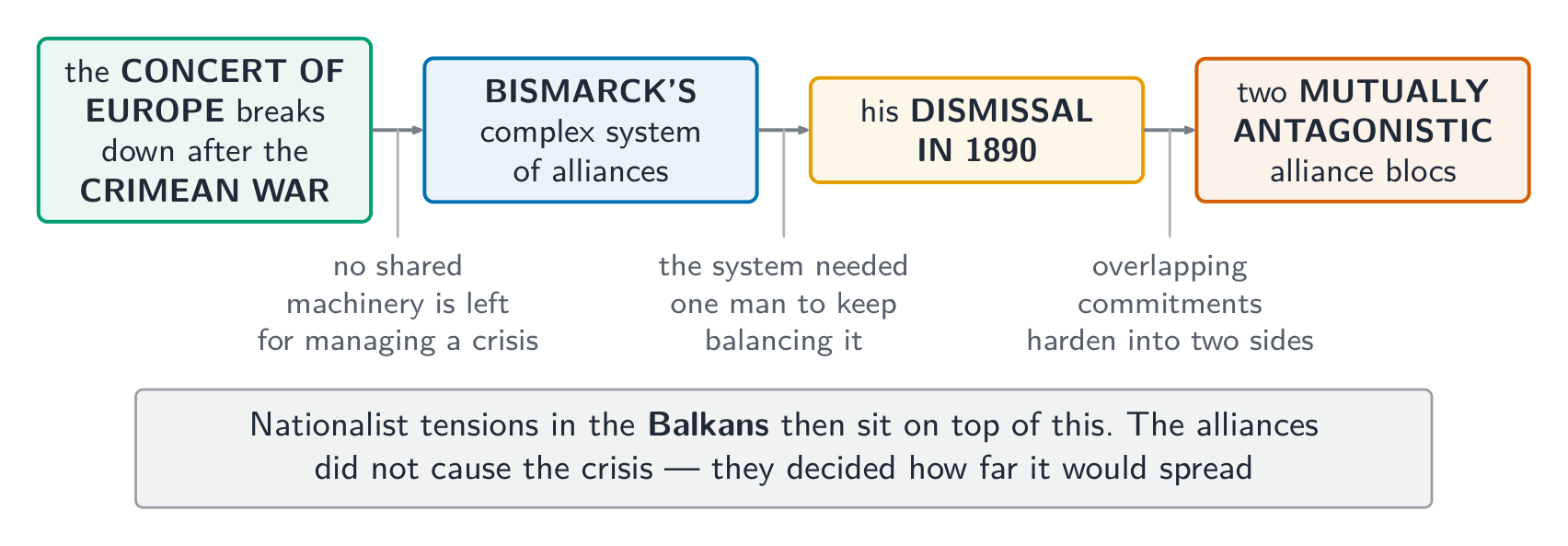
    • דת מאורגנת המשיכה לשחק תפקיד בחיים החברתיים והתרבותיים האירופיים למרות אתגרים אלו - רציפות שיש להדגיש, שכן תשובות נוטות להניח סכולריזציה פשוטה.
    • האמנות הוגדרה על ידי ניסויים, ביטוי עצמי, סובייקטיביות והשפעה גלובלית הולכת וגוברת.
    • ייצור המוני, טכנולוגיות מזון חדשות ויעילות תעשייתית הרימו את ההכנסה הפנויה ויצרו תרבות צריכה.
    • עם ההתאוששות לאחר המלחמה, קצב הלידה עלה דרמטית - התפרצת התיקוקים - שרובתה לעיתים על ידי מדיניות ממשלתית.
    • תנועות שונות - **תנועת הנשים, תנועות פוליטיות וחברתיות, תנועות להט
    • אינטלקטואלים ונוער התנגדו לחומרניות הבורגזית הנראית, במיוחד בתנועות של העשורים המאוחרים 1960.
    9.15

    Continuity and Change in the 20th and 21st Centuries · ⁨רציפות ושינויים במאה ה-20 והמאה ה-21⁩

    Syllabus · ⁨סיילבוס⁩
    English

    9.15 Continuity and Change in the 20th and 21st Centuries

    Learning Objective Unit 9.P: Explain how the challenges of the 20th century influenced what it means to be European.

    • KC-4.1 Total war and political instability in the first half of the 20th century gave way to a polarized state order during the Cold War and eventually to efforts at transnational union.
      • KC-4.1.IV As World War II ended, a Cold War between the liberal democratic West and the communist East began, lasting nearly half a century.
      • KC-4.1.V Nationalist and separatist movements, along with ethnic conflict and ethnic cleansing, periodically disrupted the post-World War II peace.
    • KC-4.2 The stresses of economic collapse and total war engendered internal conflicts within European states and created conflicting conceptions of the relationship between the individual and the state, as demonstrated in the ideological battle between and among democracy, communism, and fascism.
    • KC-4.3 During the 20th century, diverse intellectual and cultural movements questioned the existence of objective knowledge, the ability of reason to arrive at truth, and the role of religion in determining moral standards.
      • KC-4.3.I.ii The experience of war intensified a sense of anxiety that permeated many facets of thought and culture, giving way by the century’s end to a plurality of intellectual frameworks.
    • KC-4.4 Demographic changes, economic growth, total war, disruptions of traditional social patterns, and competing definitions of freedom and justice altered the experiences of everyday life.
      • KC-4.4.III New voices gained prominence in political, intellectual, and social discourse.
    עברית

    9.15 רציפות ומעבר במאה ה-20 והמאה ה-21

    מטרות למידה ליחידה 9.P: הסבירו כיצד אתגרי המאה ה-20 השפיעו על משמעות השייכות לאירופה.

    • KC-4.1 המלחמה הכוללת והאי-יציבות הפוליטית בחצי הראשון של המאה ה-20 החליפו סדר מדיני מקוטב בזמן המלחמה הקרה ולבסוף מאמצים לאיחוד חוצה-גבולות.
      • KC-4.1.IV כשהסתיימה מלחמת העולם השנייה, החלה מלחמת קר בין המערב הדמוקרטי-ליברלי לבין המזרח הקומוניסטי, שהייתה נמשכת כמעט חצי מאה.
      • KC-4.1.V תנועות לאומניות ופרוצדוריות, לצד עימותים etnics וטיהור אתני, הפרו באופן תקופתי את השלום לאחר מלחמת העולם השנייה.
    • KC-4.2 הלחצים שנובעים מכשל כלכלי ומלחמה כוללה יצרו סכסוכים פנימיים בתוך מדינות אירופאיות ויצרו תפיסות מתנגדות לגבי היחס בין הפרט למדינה, כפי שהוכח בשדה הקרב האידיאולוגי בין הדמוקרטיה, הקומוניזם והפשיזם.
    • KC-4.3 במהלך המאה ה-20, תנועות אינטלקטואליות ותרבותיות מגוונות ערערו על קיום ידע אובייקטיבי, יכולתו של הרצון להגיע לאמת, ועל התפקיד של הדת בקביעת סטנדרטים מוראליים.
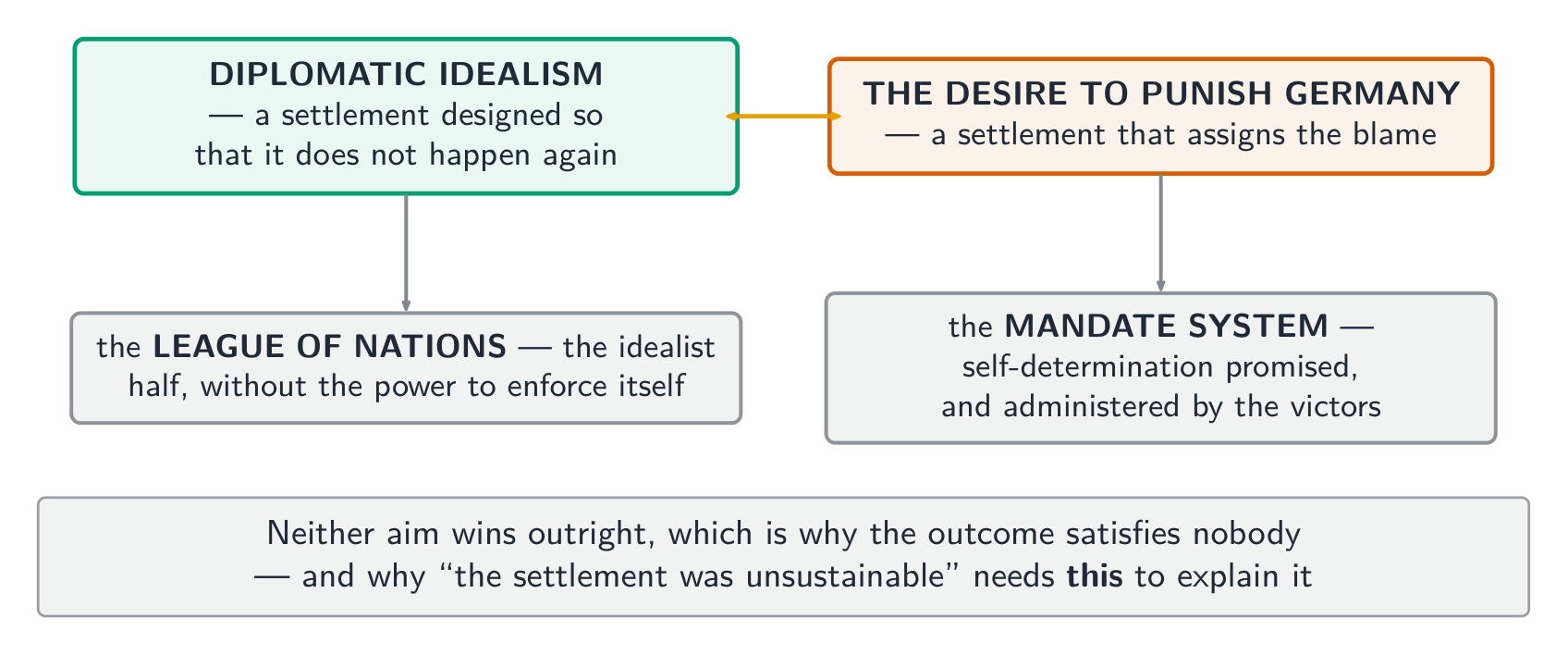
      • KC-4.3.I.ii החוויה של המלחמה חיזקה תחושת חרדה שחלה בתוך היבועים הרבים של המחשבה והתרבות, שהפכה בסוף המאה לפלורליזם של מסגרות אינטלקטואליות.
    • KC-4.4 שינויים דמוגרפיים, צמיחה כלכלית, מלחמה כוללת, הפרעות בדפוסי חברה מסורתיים, והגדרות מתחרות לחופשה ולצדק שינו את חוויות היומיום.
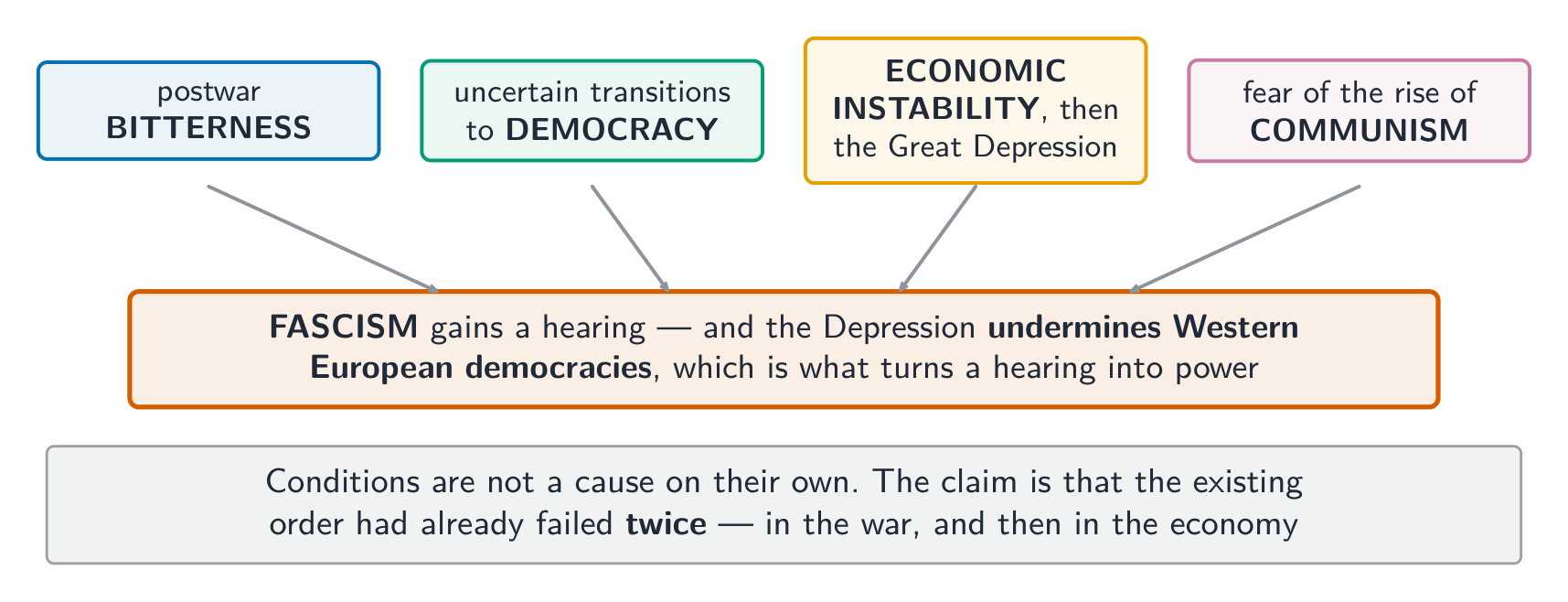
      • KC-4.4.III קולות חדשים זכו לפרסום בדיסקורס הפוליטי, האינטלקטואלי והחברתי.
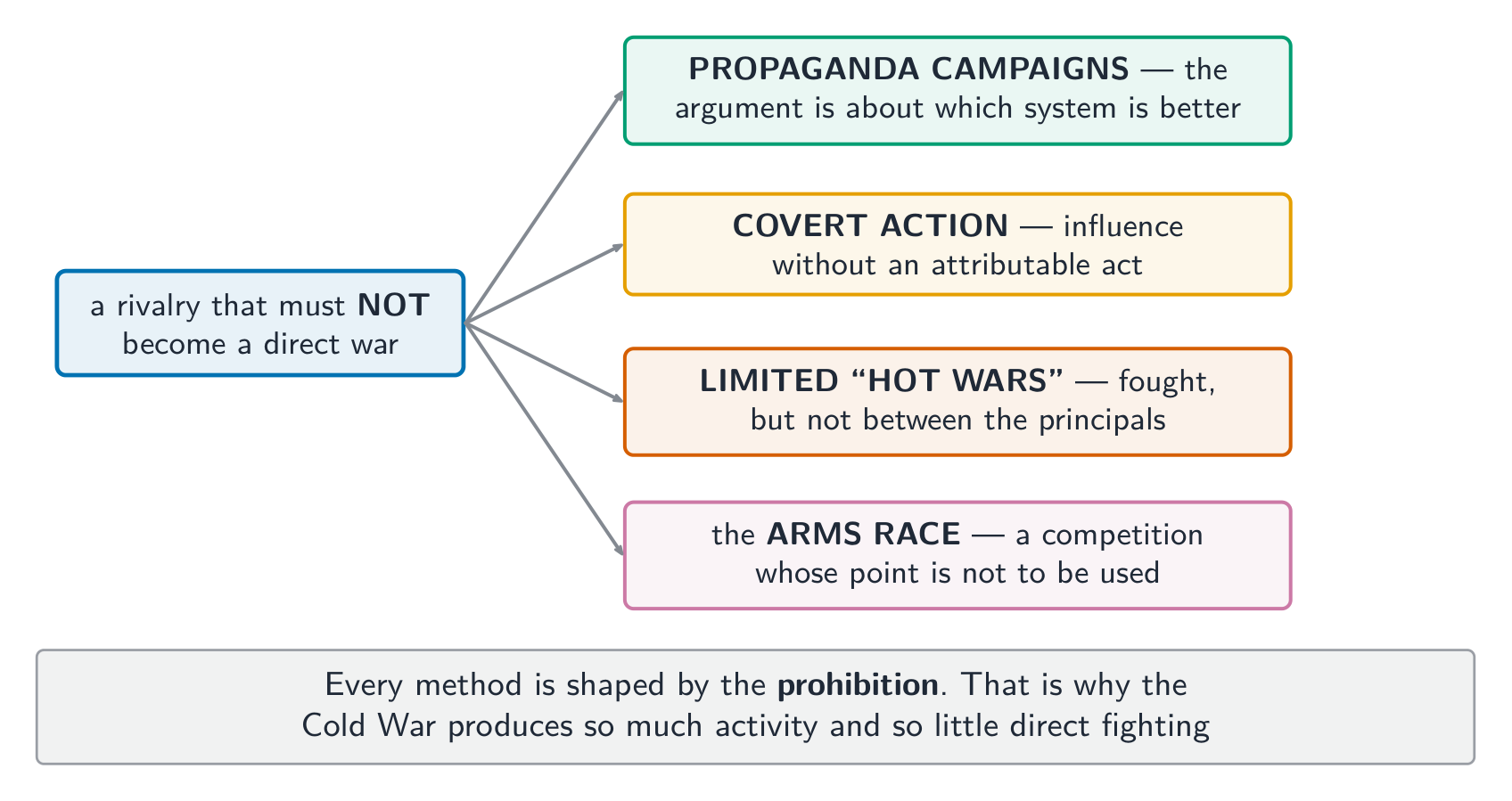
    Source: College Board AP Course and Exam Description · ⁨מקור: תיאור הקורס והמבחן של College Board AP⁩

    English

    The unit's reasoning skill is continuity and change.

    Worked example (a real AP exam question). AP European History short-answer questions here ask, for example, to "Explain one way in which European integration after 1945 represented a change from earlier European international relations." A full-mark answer states the change against what it replaced: "Before 1945 European states pursued national interest through competing alliances and, repeatedly, war. After 1945 states began to set aside those rivalries in favour of shared institutions, accepting binding common rules on trade and law - so a dispute between members became a matter for negotiation within an institution rather than a matter for the balance of power." Notice that a change claim needs the prior state of affairs to be named.

    עברית

    מיומנות הניתוח של היחידה היא רציפות ושינוי.

    דוגמה מעודפת (שאלה אמיתית בבחינת AP). שאלות תשובה קצרה בהיסטוריה אירופאית של AP שואלות, לדוגמה, "הסבירו דרך אחת שבה האינטגרציה האירופאית לאחר 1945 ייצגה שינוי ביחסים הבינלאומיים האירופאים הקודמים." תשובה מלאה מציגה את השינוי כנגד מה שהיא החליפה: "לפני 1945, מדינות אירופאיות רדפו אחר האינטרס הלאומי באמצעות בריתות מתחרות, ובפעמים חוזרות, מלחמות. לאחר 1945, מדינות החלו לוותר על היריבויות הללו לטובת מוסדות משותפים, וקיבלו כללים מחיי משותפים בתחום המסחר והמשפט - כך שוויכוח בין חברים הפך לנושא למשא ומתן בתוך מוסד ולא נושא לאיזון כוחות." שימו לב שטענת שינוי דורשת מצב קיים קודם להיות מוגדר.

    9.15

    Exam tips · ⁨טיפים לבחינות⁩

    English
    • The unit has two simultaneous stories - division until 1991 and integration throughout. Weak answers tell only one.
    • Memorise the Cold War's methods: propaganda, covert action, limited hot wars, arms race. The absence of direct war is the point.
    • "Oscillated between repression and reform" is the CED's phrase for the Soviet bloc. It beats either half alone.
    • Gorbachev's reforms were intended to strengthen the system. That irony is what an evaluation question is looking for.
    • The welfare state grew on growth and was questioned when growth stopped. State the causal link.
    • Migration followed labour demand created by the postwar boom. Get the causal order right before discussing the debates.
    עברית
    • היחידה כוללת שתי סיפורים במקביל - חלוקה עד 1991 ואינטגרציה לאורך כל התקופה. תשובות חלשות מספרות רק故事 אחת.
    • לזכור את השיטות של המלחמה הקרה: פרופגנדה, פעולות סתרי, מלחמות חמות מוגבלות, תחרות נשק. העדר מלחמה ישירה הוא הנקודה המרכזית.
    • הביטוי "התנודד בין דיכוי ורפורמה" הוא ביטויו של CED עבור מחנה ברית המועצות. גישה זו עדיפה על כל אחד מהחצאים בנפרד.
    • הרפורמות של גורבצ'וב היו מיועדות לחזק את המערכת. הבריון הזה הוא בדיוק מה ששאלת הערכה מחפש.
    • מדינת הרווחה צמחה בשלב הצמיחה והופיעה כשאלה כאשר הצמיחה עצרה. ציין את הקשר הסיבתי.
    • ההגירה נבעה מביקשת העבודה שנוצרה כתוצאה מפריחת התקופה לאחר המלחמה. קבע את הסדר הסיבתי הנכון לפני שדנים במחלוקות.

Log in or create account · ⁨היכנס או צור חשבון⁩

IGCSE, A-Level & AP