Skip to content · ⁨דלג לתוכן⁩

Populations · ⁨אוכלוסיות⁩

AP Environmental Science · ⁨סביבה וקיימות - AP⁩ · Topic 3 · ⁨נושא 3⁩

Video lesson for this topic · ⁨שיעור וידאו לנושא זה⁩ Open the video page · ⁨פתח את עמוד הוידאו⁩
7:45

אוכלוסיות

ב-1944, שמונים ותשעה איילי ים הופנו לאי קטן. לא היו טורפים והקרקע הייתה סמוקה בטחביים. תוך עשרים שנה היו…

English narration · English + 中文 subtitles burned in · ⁨קריאת קול באנגלית · תרגום אנגלי + סינית שרוף בתוך הסרטון⁩

3.1

Generalist and Specialist Species · ⁨מינים גנראליסטיים וספציאליסטיים⁩

Syllabus · ⁨סיילבוס⁩
English

Enduring Understanding (ERT-3): Populations change over time in reaction to a variety of factors.

Learning Objective ERT-3.A: Identify differences between generalist and specialist species.

  • ERT-3.A.1 Specialist species tend to be advantaged in habitats that remain constant, while generalist species tend to be advantaged in habitats that are changing.
עברית

הבנה מתמשכת (ERT-3): אוכלוסיות משתנות לאורך זמן כתגובה למגוון גורמים.

מטרות למידה ERT-3.A: לזהות הבדלים בין מינים כלליים למינים ספציפיים.

  • ERT-3.A.1 מינים ספציפיים נוטים להתעלות בתנאים הסביבתיים הקבועים, בעוד שמינים כלליים נוטים להתעלות בתנאים הסביבתיים המתפרצים.
Source: College Board AP Course and Exam Description · ⁨מקור: תיאור הקורס והמבחן של College Board AP⁩

English

A generalist 广适性物种 can live in many habitats and eat many foods (raccoon, cockroach) – flexible, so it copes well with change. A specialist 狭适性物种 needs specific conditions or foods (panda, koala) – efficient in a stable habitat but very vulnerable if that habitat changes.

עברית

גנראליסט יכול לחיות במגוון ביטולים ואוכל מזונות רבים (ראקון, נקבת זבוב) – גמיש, ולכן מתמודד היטב עם שינויים. ספציאליסט זקוק לתנאים או מזונות ספציפיים (פנדה, קואלה) – יעיל בביטול יציב אך פגיע מאוד אם זה משתנה.

3.2

K-Selected and r-Selected Species · ⁨מינים בעלי אסטרטגיית K ו-r⁩

Syllabus · ⁨סיילבוס⁩
English

Enduring Understanding (ERT-3): Populations change over time in reaction to a variety of factors.

Learning Objective ERT-3.B: Identify differences between K- and r-selected species.

  • ERT-3.B.1 K-selected species tend to be large, have few offspring per reproduction event, live in stable environments, expend significant energy for each offspring, mature after many years of extended youth and parental care, have long life spans/life expectancy, and reproduce more than once in their lifetime. Competition for resources in K-selected species' habitats is usually relatively high.
  • ERT-3.B.2 r-selected species tend to be small, have many offspring, expend or invest minimal energy for each offspring, mature early, have short life spans, and may reproduce only once in their lifetime. Competition for resources in r-selected species' habitats is typically relatively low.
  • ERT-3.B.3 Biotic potential refers to the maximum reproductive rate of a population in ideal conditions.
  • ERT-3.B.4 Many species have reproductive strategies that are not uniquely r-selected or K-selected, or they change in different conditions at different times.
  • ERT-3.B.5 K-selected species are typically more adversely affected by invasive species than r-selected species, which are minimally affected by invasive species. Most invasive species are r-selected species.
עברית

הבנה מתמשכת (ERT-3): אוכלוסיות משתנות לאורך זמן כתגובה למגוון גורמים.

מטרות למידה ERT-3.B: לזהות הבדלים בין מינים N-נבחרים ל-r-נבחרים.

  • ERT-3.B.1 מינים N-נבחרים נוטים להיות גדולים, ללדת מעט צאצאים בכל אירוע רבייה, לחיות בסביבות יציבות, להשקיע אנרגיה משמעותית עבור כל צאצא, לבגור לאחר תקופת נעורים ארוכה וטיפול הורים, ליהנות ממחזור חיים ארוך/תוחלת חיים גבוהה, ולרבות לרבות יותר מפעם אחת בחייהם. התחרות על משאבים באקוסיסטמות של מינים N-נבחרים היא לרוב גבוהה יחסית.
  • ERT-3.B.2 מינים r-נבחרים נוטים להיות קטנים, ללדת צאצאים רבים, להשקיע או להקדיש אנרגיה מינימלית עבור כל צאצא, לבגור מוקדם, ליהנות ממחזור חיים קצר, ולרבות לרבות רק פעם אחת בחייהם. התחרות על משאבים באקוסיסטמות של מינים r-נבחרים היא לרוב נמוכה יחסית.
  • ERT-3.B.3 פוטנציאל ביולוגי מתייחס לקצב הרבייה המקסימלי של אוכלוסייה בתנאים אידיאליים.
  • ERT-3.B.4 למינים רבים ישן אסטרטגיות רבייה שלא הן ייחודית ל-r-נבחרים או N-נבחרים, או שהן משתנות בתנאים שונים ובזמנים שונים.
  • ERT-3.B.5 מינים N-נבחרים מושפעים לרע יותר על ידי מינים פולשים מאשר מינים r-נבחרים, המושפעים מינים פולשים באופן מינימלי. רוב המינים הפולשים הם מינים r-נבחרים.

Source: College Board AP Course and Exam Description · ⁨מקור: תיאור הקורס והמבחן של College Board AP⁩

English

Two reproductive strategies:

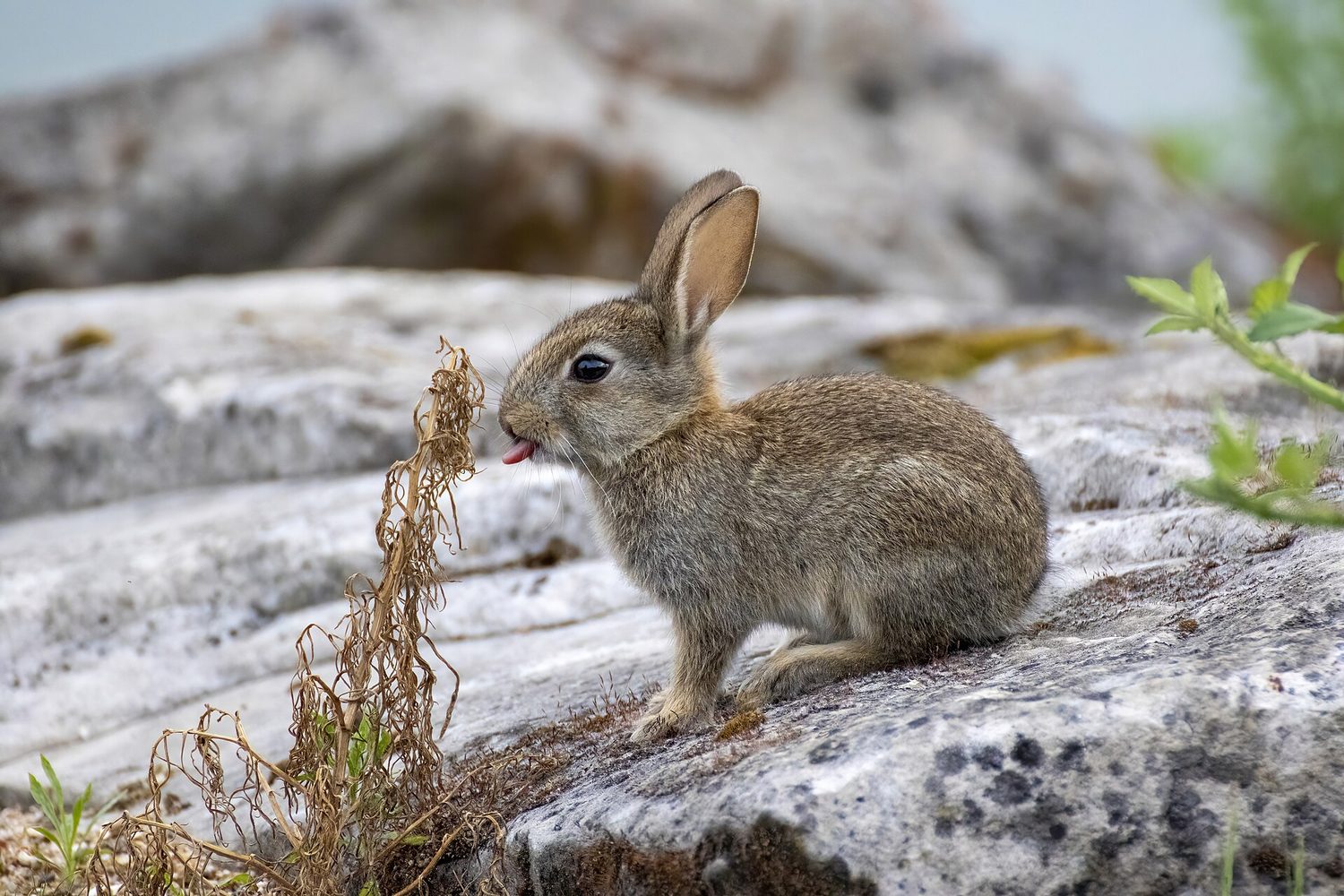
  • $r$-selected species produce many offspring with little care, mature fast, and have short lives (insects, weeds). They colonize quickly and boom-and-bust.
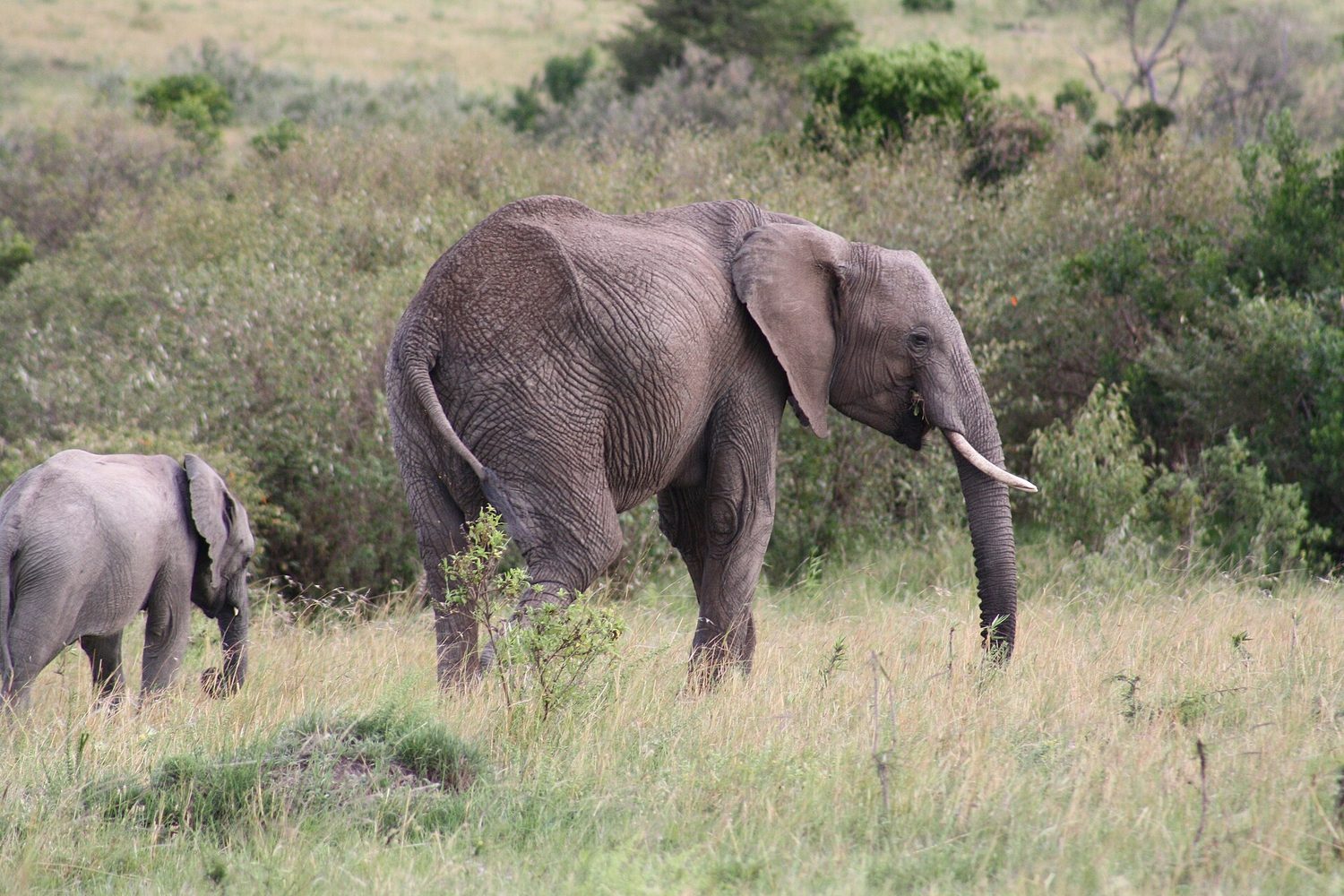
  • $K$-selected species produce few offspring with much care, mature slowly, and live long (elephants, humans). They do well near carrying capacity in stable environments but recover slowly from losses.
עברית

שתי אסטרטגיות רבייה:

  • מינים $r$-נבחרים מייצרים רבים צאצאים עם מעט טיפול, מגיעים לבגרות מהר, וחיים חיים קצרים (חרקים, עשבים). הם מתפשטים מהר ועוברים בתקופות פריחה ובלימה.
  • מינים $K$-נבחרים מייצרים מעטים צאצאים עם הרבה טיפול, מגיעים לבגרות לאט, וחיים חיים ארוכים (פילים, אנשים). הם מצליחים טוב בסמוך לקיבולת נשיאה בסביבות יציבות אך מתאוששים לאט מאובדנים.
פילה מבוגר הולך עם גוזלו הקטן היחיד בשטח עשב
פילה עם הגוזל היחיד שלו: למין בעל אסטרטגיית K יש מעט צאצאים אך הוא משקיע רבות בכל אחד מהם, ולכן מתאושש לאט אם מספריו יורדים
ארנב צעיר: מינים מותאמים ל-r מייצרים גלגולים רבים במהירות עם השקעה הורית נמוכה
ארנב צעיר: מינים בעלי אסטרטגיית r מייצרים צאצאים רבים במהירות עם השקעה הורית נמוכה
3.3

Survivorship Curves · ⁨עקומי הישרדות⁩

Syllabus · ⁨סיילבוס⁩
English

Enduring Understanding (ERT-3): Populations change over time in reaction to a variety of factors.

Learning Objective ERT-3.C: Explain survivorship curves.

  • ERT-3.C.1 A survivorship curve is a line that displays the relative survival rates of a cohort—a group of individuals of the same age—in a population, from birth to the maximum age reached by any one cohort member. There are Type I, Type II, and Type III curves.
  • ERT-3.C.2 Survivorship curves differ for K-selected and r-selected species, with K-selected species typically following a Type I or Type II curve and r-selected species following a Type III curve.
עברית

הבנה מתמשכת (ERT-3): אוכלוסיות משתנות לאורך זמן כתגובה למגוון גורמים.

מטרות לימוד ERT-3.C: הסבר על עקומי הישרדות.

  • ERT-3.C.1 עקום הישרדות הוא קו המציג את שיעורי ההישרדות היחסיים של קורטוס – קבוצת פרטים באותו גיל – באוכלוסייה, מהלידה ועד לגיל המקסימלי שהגיע אליו כל אחד מחברי הקורטוס. קיימים עקומים מסוג I, מסוג II ומסוג III.
  • ERT-3.C.2 עקומי ההישרדות שונים בין מינים K-selected ל-r-selected, כאשר מינים K-selected נוטים לעקוב אחר עקום מסוג I או II, ומינים r-selected נוטים לעקוב אחר עקום מסוג III.

Source: College Board AP Course and Exam Description · ⁨מקור: תיאור הקורס והמבחן של College Board AP⁩

English

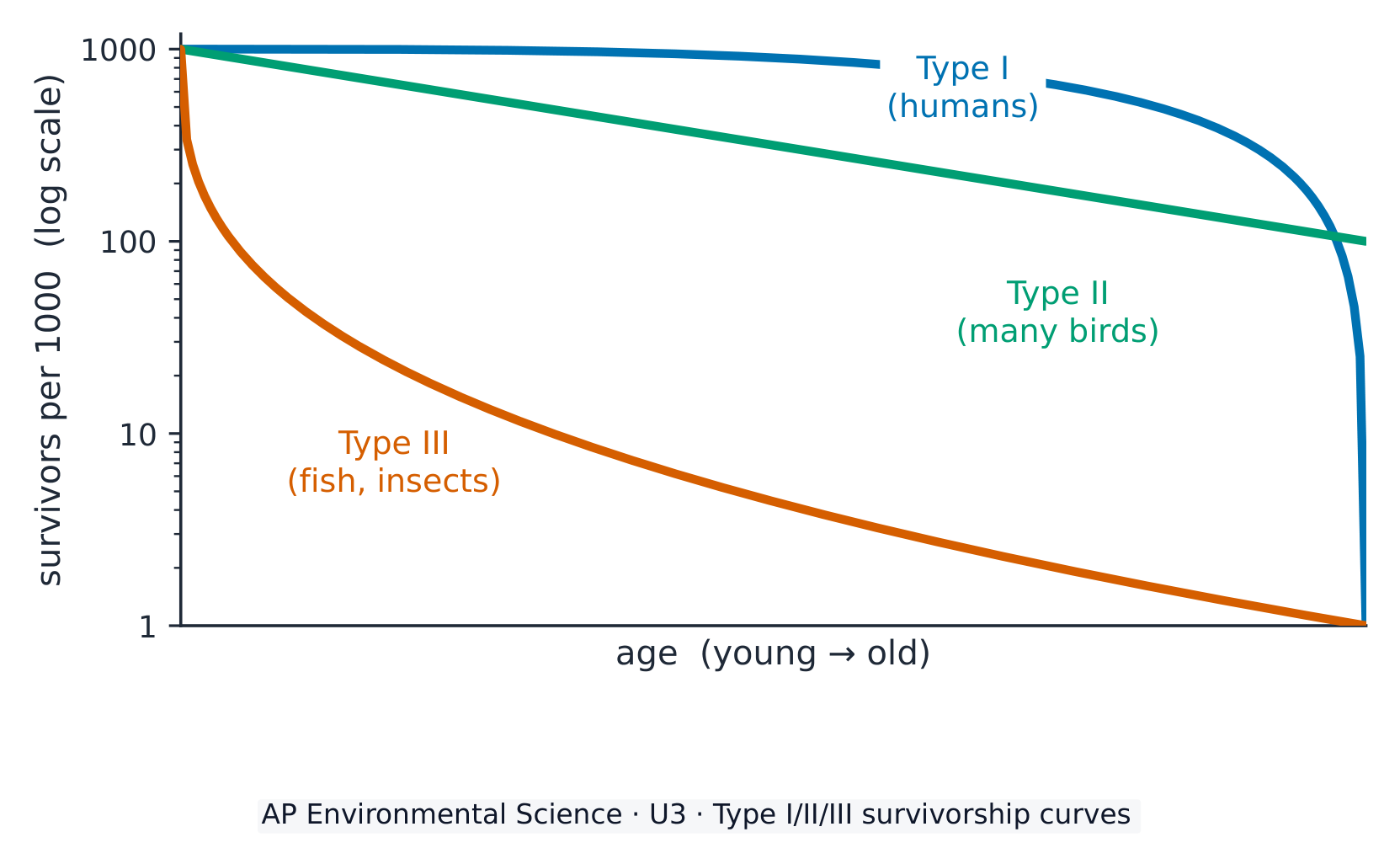
A survivorship curve 存活曲线 plots how many individuals survive at each age (on a log scale). Type I (humans): most survive to old age, then die – a convex curve. Type II (many birds): a constant death rate at all ages – a straight line. Type III ($r$-selected: fish, insects): most die young, a few survive – a concave curve.

עברית

עקומת הישרדות מציגה כמה פרטים שורדים בכל גיל (בע scale לוגריתמית). סוג I (אנושים): הרוב שורד לגיל הזקנה, ואז נפטר – עקומה קמורה. סוג II (רבים מהציפורים): קצב תמותה קבוע בכל הגילים – קו ישר. סוג III (מינים מותאמים ל-$r$: דגים, חרקים): הרוב נפטר בגיל צעיר, מעטים שורדים – עקומה קעורה.

עקומות הישרדות מסוג I, II ו-III בע scale לוגריתמית
עקומי הישרדות סוג I, II ו-III בסקאלה לוגריתמית
Vocabulary · ⁨מילון מונחים⁩ Train · ⁨אימון⁩
English עברית
generalist/ˈdʒenərəlɪst/ מין כללי
specialist/ˈspeʃəlɪst/ מין מיוחד
survivorship curve/səˈvaɪvəʃɪp kɜːv/ עקומת הישרדות
3.4

Carrying Capacity · ⁨קיבולת נשיאה⁩

Syllabus · ⁨סיילבוס⁩
English

Enduring Understanding (ERT-3): Populations change over time in reaction to a variety of factors.

Learning Objective ERT-3.D: Describe carrying capacity.

  • ERT-3.D.1 When a population exceeds its carrying capacity (carrying capacity can be denoted as K), overshoot occurs. There are environmental impacts of population overshoot, including resource depletion.

Learning Objective ERT-3.E: Describe the impact of carrying capacity on ecosystems.

  • ERT-3.E.1 A major ecological effect of population overshoot is dieback of the population (often severe to catastrophic) because the lack of available resources leads to famine, disease, and/or conflict.
עברית

הבנה מתמשכת (ERT-3): אוכלוסיות משתנות לאורך זמן כתגובה למגוון גורמים.

מטרות לימוד ERT-3.D: תיאור נשיאת הסביבה.

  • ERT-3.D.1 כאשר אוכלוסייה חורגת מנשיאת הסביבה שלה (שניתן לסמן כ-K), מתרחשת פריצת התפשטות (overshoot). לקפיצה זו יש השפעות סביבתיות, כולל דלדול משאבים.

מטרות לימוד ERT-3.E: תיאור ההשפעה של נשיאת הסביבה על מערכות אקולוגיות.

  • ERT-3.E.1 אחת ההשפעות האקולוגיות המרכזיות של פריצת התפשטות היא ירידה באוכלוסייה (הרבה פעמים חמורה עד לקטסטרופה) בשל חוסר המשאבים הזמינים, המוביל לרעב, מחלות ו/או סכסוך.

Source: College Board AP Course and Exam Description · ⁨מקור: תיאור הקורס והמבחן של College Board AP⁩

English
Predator & prey populations cycle
Exponential vs logistic growth

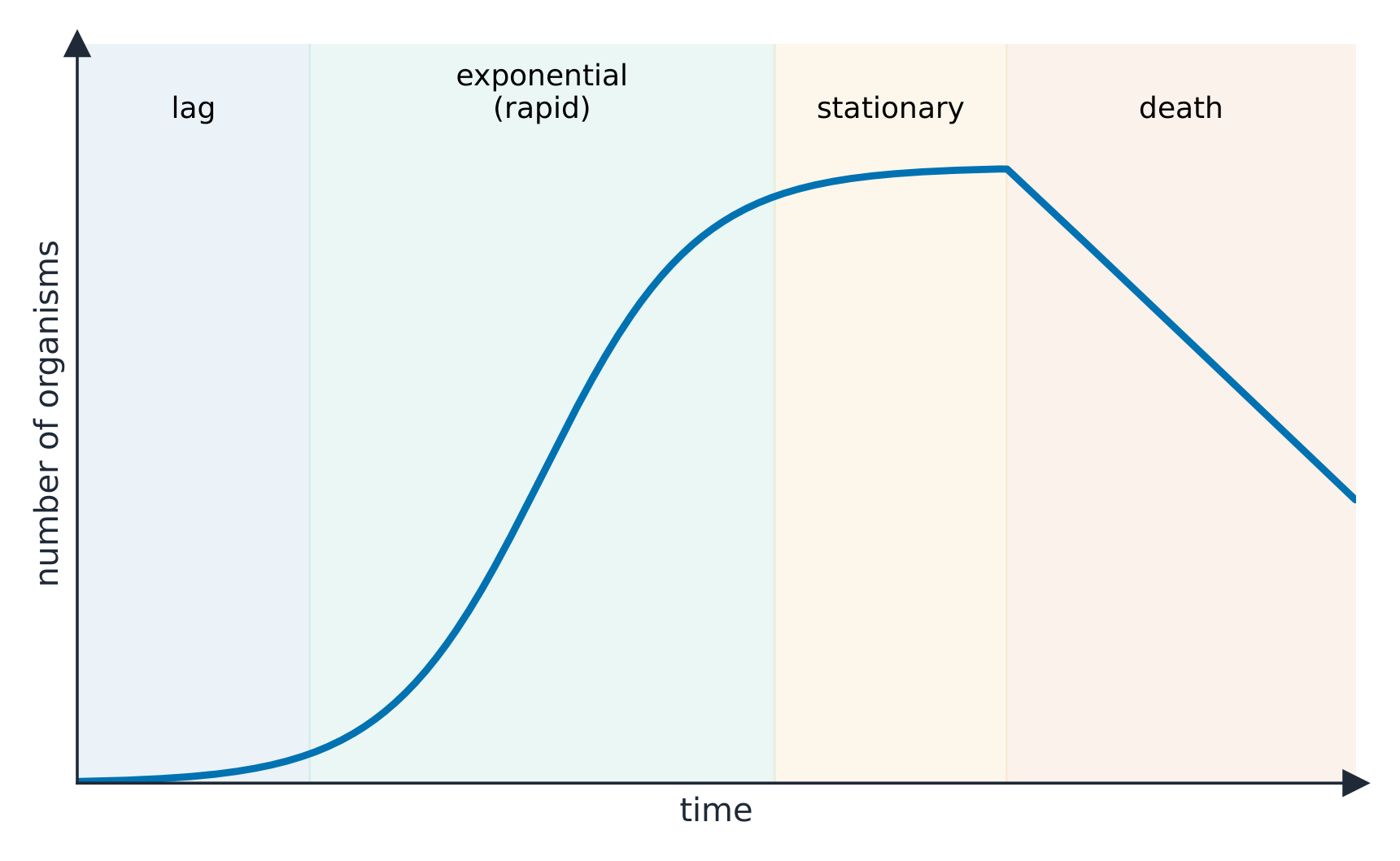
The carrying capacity 环境容纳量 ($K$) is the maximum population an environment can support long-term. A population may overshoot $K$ when resources are temporarily plentiful, then crash (dieback) as resources run out. Populations tend to fluctuate around $K$.

עברית
מחזור אוכלוסיות טורפים וטרוף
גידול אקספוננציאלי מול לוגיסטי

הקיבולת הנשיאה ($K$) היא האוכלוסייה המקסימלית שאספקת הסביבה יכולה לתמוך בה לטווח ארוך. אוכלוסייה עשויה להתעלם ($K$) כאשר המשאבים זמינים לעיתים, ולאחר מכן לקרוס (ירידה דרסטית) כשהמשאבים נגמרים. אוכלוסיות נוטות להשתנות סביב $K$.

צמיחת אוכלוסייה משתטחת בקיבולת הנשיאה של הסביבה
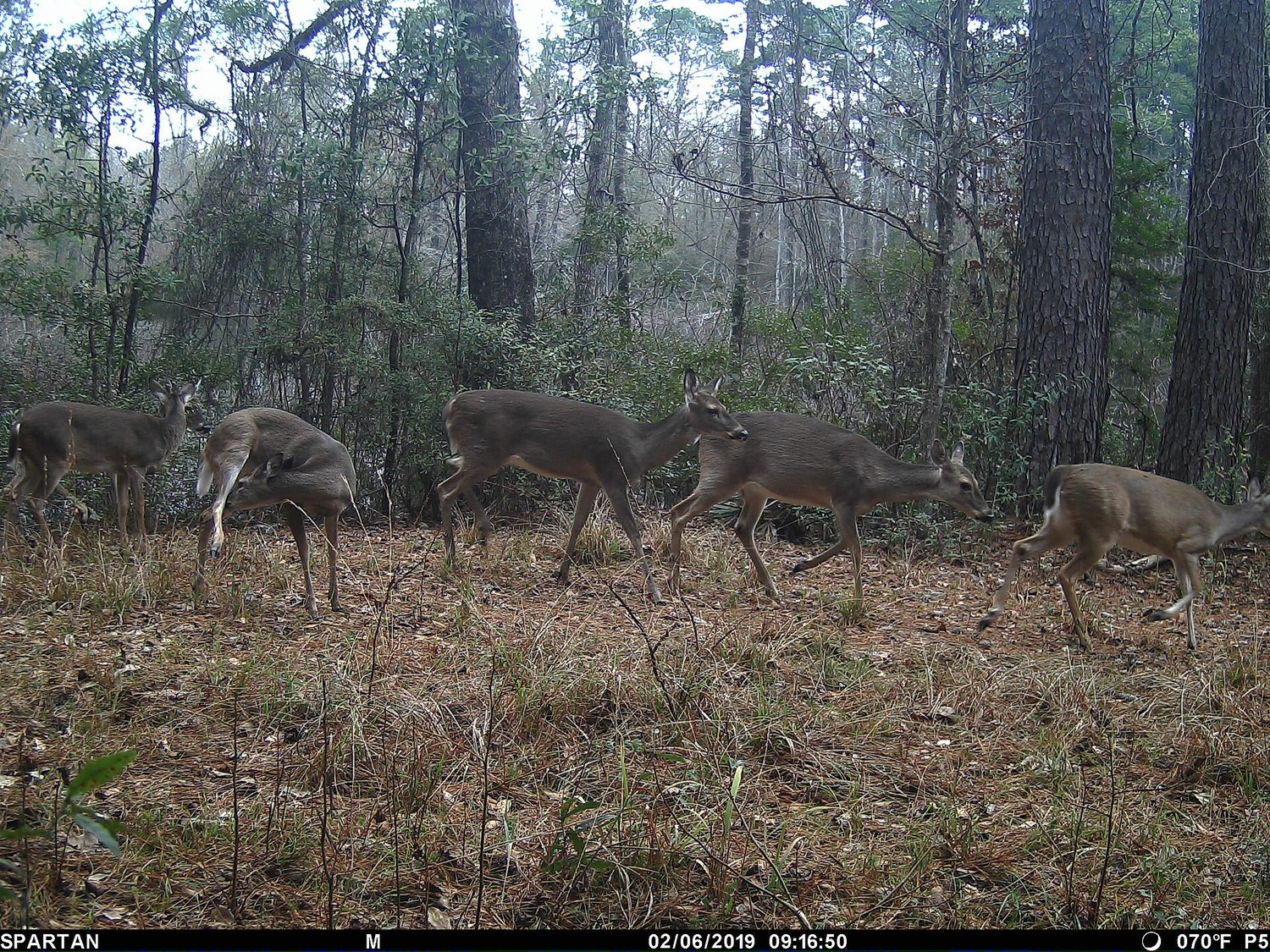
להקת איילים: כאשר אוכלוסייה מתקרבת לקיבולת הנשיאה, משאבים מגבילים צמיחה נוספת
Explore · ⁨חקור⁩

Growth up to carrying capacity · ⁨צמיחה עד הקיבולת החיובית⁩

A population grows toward the carrying capacity $K$ its resources can support, then levels off. Push the growth rate up and watch it overshoot and settle. · ⁨אוכלוסייה צומחת לעבר הקיבולת החיובית $K$ שאפשרות המשאבים לתמוך בה, ולאחר מכן משתטחת. הרם את קצב הצמיחה וצפה היא תעבור את הגבול ותתייצב.⁩

Vocabulary · ⁨מילון מונחים⁩ Train · ⁨אימון⁩
English עברית
carrying capacity/ˈkæriɪŋ kəˈpæsɪti/ קיבולת נשיאה
exponentially/ˌekspəˈnenʃəli/ אקספוננציאלית
logistic/ləˈdʒɪstɪk/ לוגיסטי
Limiting factors/ˈlɪmɪtɪŋ ˈfæktəz/ גורמים מגבילים
age-structure diagram/eɪdʒ ˈstrʌktʃə ˈdaɪəɡræm/ תרשים מבנה גיל
total fertility rate/ˈtəʊtl fɜːˈtɪlɪti reɪt/ שיעור הולידה כולל
ecological footprint/ˌekəˈlɒdʒɪkl ˈfʊtprɪnt/ טביעת הרגל האקולוגית
3.5

Population Growth and Resource Availability · ⁨צמיחת אוכלוסייה וזמינות משאבים⁩

Syllabus · ⁨סיילבוס⁩
English

Enduring Understanding (ERT-3): Populations change over time in reaction to a variety of factors.

Learning Objective ERT-3.F: Explain how resource availability affects population growth.

  • ERT-3.F.1 Population growth is limited by environmental factors, especially by the available resources and space.
  • ERT-3.F.2 Resource availability and the total resource base are limited and finite over all scales of time.
  • ERT-3.F.3 When the resources needed by a population for growth are abundant, population growth usually accelerates.
  • ERT-3.F.4 When the resource base of a population shrinks, the increased potential for unequal distribution of resources will ultimately result in increased mortality, decreased fecundity, or both, resulting in population growth declining to, or below, carrying capacity.
עברית

הבנה מתמשכת (ERT-3): אוכלוסיות משתנות לאורך זמן כתגובה למגוון גורמים.

מטרות לימוד ERT-3.F: הסבר כיצד זמינות משאבים משפיעה על צמיחת אוכלוסייה.

  • ERT-3.F.1 צמיחת אוכלוסייה מוגבלת על ידי גורמים סביבתיים, במיוחד על ידי המשאבים והמרחב הזמינים.
  • ERT-3.F.2 זמינות משאבים ובסיס המשאבים הכולל מוגבלים וסופיים בכל רמות הזמן.
  • ERT-3.F.3 כאשר המשאבים הנדרשים לאוכלוסייה לצמיחה זמינים בשפע, צמיחת האוכלוסייה בדרך כלל מאיצה.
  • ERT-3.F.4 כאשר בסיס המשאבים של אוכלוסייה מתכווץ, הפוטנציאל הגובר לחלוקה לא שוויונית של משאבים יוביל לבסוף להגברת התמותה, להפחתת הפוריות או לשניהם, מה שיוביל לצמצום צמיחת האוכלוסייה עד לרמת נשיאת הסביבה או מתחתיה.

Source: College Board AP Course and Exam Description · ⁨מקור: תיאור הקורס והמבחן של College Board AP⁩

English

With abundant resources a population grows exponentially 指数增长 ($J$-curve). As resources become limited, growth slows to logistic 逻辑斯蒂增长 ($S$-curve), leveling at $K$. Limiting factors 限制因素 (food, water, space, disease) set the ceiling.

עברית

עם משאבים מועטים, אוכלוסייה צומחת מעריכית (עקומת J-$J$). כשמשאבים הופכים למוגבלים, הצמיחה מאטה ללוגיסטית (עקומת S-$S$), ומתיישבת ב$K$. גורמים מגבילים (מזון, מים, שטח, מחלות) קובעים את הגבול העליון.

3.6

Age Structure Diagrams · ⁨תרשימי מבנה גיל⁩

Syllabus · ⁨סיילבוס⁩
English

Enduring Understanding (EIN-1): Human populations change in reaction to a variety of factors, including social and cultural factors.

Learning Objective EIN-1.A: Explain age structure diagrams.

  • EIN-1.A.1 Population growth rates can be interpreted from age structure diagrams by the shape of the structure.
  • EIN-1.A.2 A rapidly growing population will, as a rule, have a higher proportion of younger people compared to stable or declining populations.
עברית

הבנה מתמשכת (EIN-1): אוכלוסיות אנושיות משתנות בתגובה למגוון גורמים, כולל גורמים חברתיים ותרבותיים.

מטרות לימוד EIN-1.A: הסבר על דיאגרמות מבנה גיל.

  • EIN-1.A.1 קצבי צמיחת אוכלוסייה ניתן לפרש מהדיאגרמות על בסיס צורת המבנה.
  • EIN-1.A.2 אוכלוסייה בצמיחה מהירה תהיה, כללית, בעלת אחוז גבוה יותר של אנשים צעירים בהשוואה לאוכלוסיות יציבות או יורדות.

Source: College Board AP Course and Exam Description · ⁨מקור: תיאור הקורס והמבחן של College Board AP⁩

English

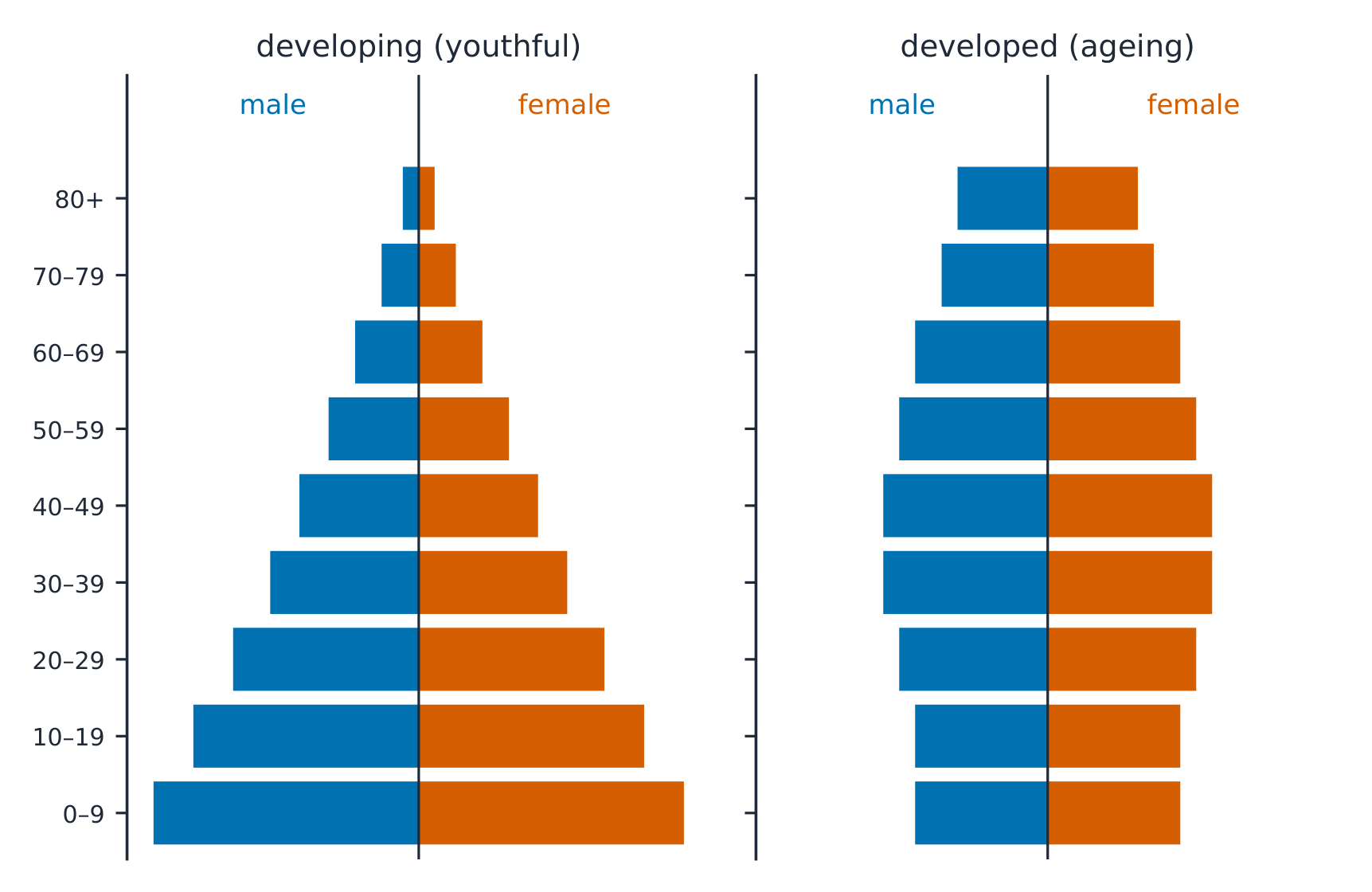
An age-structure diagram 年龄结构图 shows the proportion of a population in each age group. A wide base (many young) predicts rapid growth; even bars predict a stable population; a narrow base predicts decline. They forecast a country's future population.

עברית

תרשים מבנה גיל מציג את החלק באוכלוסייה בכל קבוצת גיל. בסיס רחב (רבים צעירים) חוזה צמיחה מהירה; עמודות שוות חוזה אוכלוסייה יציבה; בסיס צר חוזה ירידה. הם חוזה את העתיד האוכלוסייתי של מדינה.

פירמידות אוכלוסין של מדינה מתפתחת ומדינה מפותחת
3.7

Total Fertility Rate · ⁨קצב פריון כולל⁩

Syllabus · ⁨סיילבוס⁩
English

Enduring Understanding (EIN-1): Human populations change in reaction to a variety of factors, including social and cultural factors.

Learning Objective EIN-1.B: Explain factors that affect total fertility rate in human populations.

  • EIN-1.B.1 Total fertility rate (TFR) is affected by the age at which females have their first child, educational opportunities for females, access to family planning, and government acts and policies.
  • EIN-1.B.2 If fertility rate is at replacement levels, a population is considered relatively stable.
  • EIN-1.B.3 Factors associated with infant mortality rates include whether mothers have access to good healthcare and nutrition. Changes in these factors can lead to changes in infant mortality rates over time.
עברית

הבנה מתמשכת (EIN-1): אוכלוסיות אנושיות משתנות בתגובה למגוון גורמים, כולל גורמים חברתיים ותרבותיים.

מטרת למידה EIN-1.B: הסבר גורמים המשפיעים על קצב הילודה הכללי באוכלוסיות אנושיות.

  • EIN-1.B.1 קצב הילודה הכללי (TFR) מושפע מגיל שבו נשים מולדות את ילדן הראשון, הזדמנויות לימוד עבור נשים, גישה לתכנון משפחה, ופעולות ומדיניות ממשלתית.
  • EIN-1.B.2 אם קצב הילודה נמצא ברמת החלפה, האוכלוסייה נחשבת ליציבה יחסית.
  • EIN-1.B.3 גורמים הקשורים לקצב התמותה בתינוקות כוללים האם לאמהות יש גישה לטיפול רפואי טוב ותזונה. שינויים בגורמים אלו יכולים להוביל לשינויים בקצב התמותה בתינוקות לאורך זמן.

Source: College Board AP Course and Exam Description · ⁨מקור: תיאור הקורס והמבחן של College Board AP⁩

English

The total fertility rate 总生育率 (TFR) is the average number of children per woman. A replacement level of about 2.1 keeps a population steady; above it grows, below it shrinks. TFR falls with education, access to family planning, and lower infant mortality.

עברית

הקצב הפריון הכולל (TFR) הוא הממוצע של מספר הילדים לאישה. רמת החלפה של כ-2.1 שומרת על יציבות אוכלוסייה; מעליה היא צומחת, מתחתיה היא מצטמצמת. KFR יורד עם חינוך, גישה לתכנון משפחה וירידה בתמותה תינוקית.

3.8

Human Population Dynamics · ⁨דינמיקת אוכלוסייה אנושית⁩

Syllabus · ⁨סיילבוס⁩
English

Enduring Understanding (EIN-1): Human populations change in reaction to a variety of factors, including social and cultural factors.

Learning Objective EIN-1.C.1: Explain how human populations experience growth and decline.

  • EIN-1.C.1 Birth rates, infant mortality rates, and overall death rates, access to family planning, access to good nutrition, access to education, and postponement of marriage all affect whether a human population is growing or declining.
  • EIN-1.C.2 Factors limiting global human population include the Earth's carrying capacity and the basic factors that limit human population growth as set forth by Malthusian theory.
  • EIN-1.C.3 Population growth can be affected by both density-independent factors, such as major storms, fires, heat waves, or droughts, and density-dependent factors, such as access to clean water and air, food availability, disease transmission, or territory size.
  • EIN-1.C.4 The rule of 70 states that dividing the number 70 by the percentage population growth rate approximates the population's doubling time.
עברית

הבנה מתמשכת (EIN-1): אוכלוסיות אנושיות משתנות בתגובה למגוון גורמים, כולל גורמים חברתיים ותרבותיים.

מטרת למידה EIN-1.C.1: הסבר כיצד אוכלוסיות אנושיות חוות צמיחה וירידה.

  • EIN-1.C.1 קצבי לידה, קצבי תמותת תינוקות, קצבי המרત הכלליים, גישה לתכנון משפחה, גישה לתזונה טובה, גישה לחינוך והעברת נישואין כולם משפיעים על כך האם אוכלוסייה אנושית גדלה או דוחקת.
  • EIN-1.C.2 גורמים המגבילים את האוכלוסייה האנושית העולמית כוללים את קיבולת הנשיאה של כדור הארץ ואת הגורמים הבסיסיים המגבילים את צמיחת האוכלוסייה האנושית כפי שהוצגו על ידי תיאוריית מאלוס.
  • EIN-1.C.3 צמיחת אוכלוסייה עשויה להיות מושפעת גם מגורמים שאינם תלויים בצפיפות, כמו סופות עוצמתיות, אשפות, גלי חום או יובשות, וגם מגורמים תלויים בצפיפות, כמו גישה למים טהורים ולאוויר, זמינות מזון, מעבר מחלות או גודל טריטוריה.
  • EIN-1.C.4 כלל ה-70 קובע כי חלוקת המספר 70 בקצב הצמיחה של האוכלוסייה באחוזים מקרבת את זמן ההכפלה שלה.

Source: College Board AP Course and Exam Description · ⁨מקור: תיאור הקורס והמבחן של College Board AP⁩

English

Human population growth depends on birth rate, death rate, and migration. Rapid growth strains resources and increases the ecological footprint 生态足迹. Factors lowering birth rates include education (especially of women), urbanization, and economic development.

Worked example. A country has a birth rate of $30$ per $1000$ and a death rate of $10$ per $1000$. The natural growth rate is $\dfrac{30-10}{10}=2.0\%$ per year (dividing the per-thousand difference by $10$ converts it to a percent). By the rule of 70, the population doubles in about $\dfrac{70}{2.0}=35$ years. If development cut the growth rate to $1.0\%$, the doubling time would stretch to $\dfrac{70}{1.0}=70$ years.

עברית

צמיחת אוכלוסייה אנושית תלויה בקצב לידות, קצב מותים ובהגירה. צמיחה מהירה לוחצת על משאבים ומגבירה אתהטביעה האקולוגית. גורמים המורידים את קצב הלידה כוללים חינוך (במיוחד של נשים), עירוניות ופיתוח כלכלי.

דוגמה מוצגת. למדינה יש קצב לידה של $30$ לכל $1000$ וקצב תמותה של $10$ לכל $1000$. קצב הגידול הטבעי הוא $\dfrac{30-10}{10}=2.0\%$ בשנה (חלוקת ההפרש לפי אלף ב-$10$ ממרת אותו לאחוז). לפי חוק ה-70, האוכלוסייה תכפיל את עצמה בתוך כ-$\dfrac{70}{2.0}=35$ שנים. אם פיתוח יוריד את קצב הגידול ל-$1.0\%$, זמן הכפולה יתיאך ל-$\dfrac{70}{1.0}=70$ שנים.

מחלף עירוני עמוס: דינמיקת אוכלוסייה אנושית תלויה בקצבי לידות, מותים והגירה
3.9

Demographic Transition · ⁨מעבר דמוגרפי⁩

Syllabus · ⁨סיילבוס⁩
English

Enduring Understanding (EIN-1): Human populations change in reaction to a variety of factors, including social and cultural factors.

Learning Objective EIN-1.D: Define the demographic transition.

  • EIN-1.D.1 The demographic transition refers to the transition from high to lower birth and death rates in a country or region as development occurs and that country moves from a pre-industrial to an industrialized economic system. This transition is typically demonstrated through a four-stage demographic transition model (DTM).
  • EIN-1.D.2 Characteristics of developing countries include higher infant mortality rates and more children in the workforce than developed countries.
עברית

הבנה מתמשכת (EIN-1): אוכלוסיות אנושיות משתנות בתגובה למגוון גורמים, כולל גורמים חברתיים ותרבותיים.

מטרת למידה EIN-1.D: הגדרת המעבר הדמוגרפי.

  • EIN-1.D.1 המעבר הדמוגרפי מתייחס למעבר ממקצבי לידה ותמותה גבוהים למקצבים נמוכים יותר במדינה או באזור בעקבות פיתוח, כאשר המדינה עוברת ממערכת כלכלית לפני-תעשייתית למערכת תעשייתית. מעבר זה מוצג לרוב באמצעות דגם מעבר דמוגרפי ארבע-שלבי (DTM).
  • EIN-1.D.2 מאפיינים של מדינות מתפתחות כוללים קצבי תמותת תינוקים גבוהים יותר ויותר ילדים בכוח העבודה בהשוואה למדינות מפותחות.

Source: College Board AP Course and Exam Description · ⁨מקור: תיאור הקורס והמבחן של College Board AP⁩

English

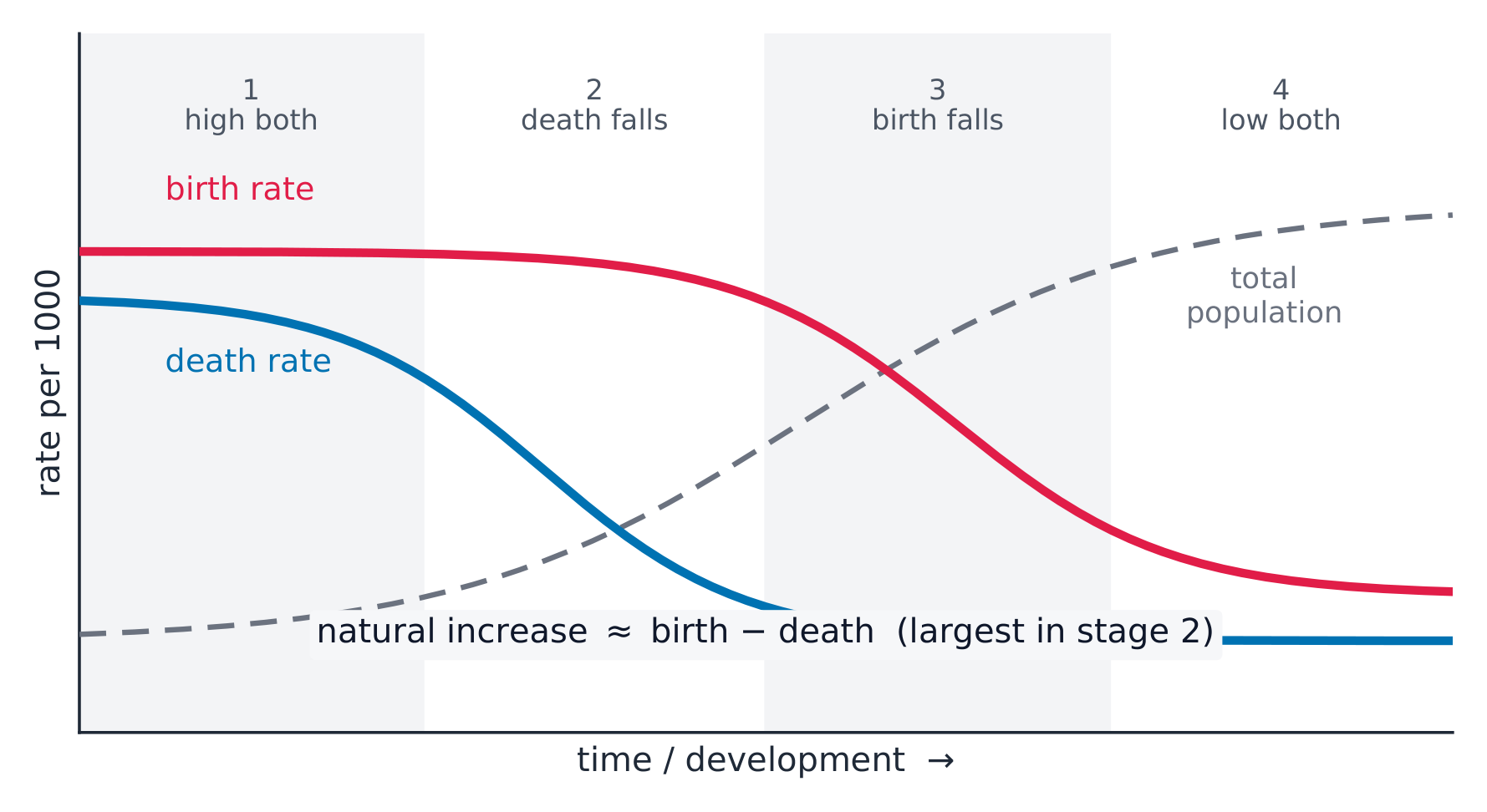
The demographic transition 人口转型 describes how a country's growth changes as it develops, in stages: (1) high birth and death rates (slow growth); (2) death rate falls (rapid growth); (3) birth rate falls (slowing growth); (4) both low (stable). Developed nations are in later stages; many developing nations are in the rapid-growth stages.

The population grows fastest in stages 2 and 3 – the gap between a still-high birth rate and an already-fallen death rate. That lag is why a country's population keeps climbing long after its death rate drops.

עברית

המעבר הדמוגרפי מתאר כיצד צמיחתו של מדינה משתנה במהלך פיתוחה, בשלבים: (1) קצבי לידות ומוות גבוהים (צמיחה איטית); (2) ירידת קצב המוות (צמיחה מהירה); (3) ירידת קצב הלידות (צמיחה מאטה); (4) שניהם נמוכים (יציבות). ארצות מפותחות נמצאות בשלבים מאוחרים; מדינות רבות בפיתוח נמצאות בשלבי הצמיחה המהירה.

ארבעת שלבי המעבר הדמוגרפי

האוכלוסייה גדלה במהירות הרבה ביותר בשלבים 2 ו-3 – הפער בין קצב לידות עדיין גבוה לקצב מוות שנפל כבר. עיכוב זה הוא הסיבה לכך שאוכלוסיית המדינה ממשיכה לעלות זמן רב לאחר ירידת קצב המוות.

Vocabulary · ⁨מילון מונחים⁩ Train · ⁨אימון⁩
English עברית
demographic transition/ˌdeməˈɡræfɪk trænˈsɪʃn/ מעבר דמוגרפי
3.9

Exam tips · ⁨טיפים לבחינות⁩

English
  • Use the rule of 70: doubling time ≈ 70 ÷ growth-rate(%); a growth rate is (births − deaths) per 1000 ÷ 10.
  • Read age-structure diagrams: a wide base predicts rapid growth, even bars a stable population.
  • Contrast r-selected (many offspring, little care) and K-selected (few, much care) strategies.
  • Know the demographic transition stages and what lowers birth rates (education, family planning, development).
  • A falling growth rate still means growth — the population only shrinks when deaths exceed births.
עברית
  • השתמש בחוק ה-70: זמן הכפלה ≈ 70 ÷ קצב צמיחה(%); קצב צמיחה הוא (לידות − מוות) לכל 1000 ÷ 10.
  • קרא אתתרשימי מבנה הגיל: בסיס רחב חוזה צמיחה מהירה, ועמודים באורך שווה מעידים על אוכלוסייה יציבה.
  • השוו ביןאסטרטגיות r-selected (מספר רב של צאצאים, טיפול מעט) לביןאסטרטגיות K-selected (מעט, טיפול רב).
  • הכן אתשלבי המעבר הדמוגרפי ואת מה שמוריד קצבי לידות (חינוך, תכנון משפחה, פיתוח).
  • ירידה בקצב הצמיחה עדיין מציינת צמיחה – האוכלוסייה צומחת רק כאשר המוות עולה על הלידות.

Interactive lessons on this topic · ⁨שיעורים אינטראקטיביים בנושא זה⁩

Work through it step by step, with instant-check exercises. · ⁨לעבור על הדברים צעד אחר צעד, עם תרגילים לבדיקה מיידית.⁩

Past Papers · ⁨מבחני עבר⁩

More topics in AP Environmental Science · ⁨סביבה וקיימות - AP⁩ · ⁨נושאים נוספים בAP Environmental Science · ⁨סביבה וקיימות - AP⁩⁩

Log in or create account · ⁨היכנס או צור חשבון⁩

IGCSE, A-Level & AP