Skip to content · ⁨דלג לתוכן⁩

The Living World: Ecosystems · ⁨העולם החי: מערכות אקולוגיות⁩

AP Environmental Science · ⁨סביבה וקיימות - AP⁩ · Topic 1 · ⁨נושא 1⁩

Video lesson for this topic · ⁨שיעור וידאו לנושא זה⁩ Open the video page · ⁨פתח את עמוד הוידאו⁩
8:06

העולם החי: מערכות אקולוגיות

דמיינו שיטה ביצתית. דשא מכסה את הקרקע בכל מקום שתסתכל. ארנבות ובעלי חיים נושאים אחרים נפוצים – ניתן למצוא אותן כל היום. אך החתולים הגדולים שהופכים…

English narration · English + 中文 subtitles burned in · ⁨קריאת קול באנגלית · תרגום אנגלי + סינית שרוף בתוך הסרטון⁩

1.1

Introduction to Ecosystems · ⁨מבוא למערכות אקולוגיות⁩

Syllabus · ⁨סיילבוס⁩
English

Enduring Understanding (ERT-1): Ecosystems are the result of biotic and abiotic interactions.

Learning Objective ERT-1.A: Explain how the availability of resources influences species interactions.

  • ERT-1.A.1 In a predator-prey relationship, the predator is an organism that eats another organism (the prey).
  • ERT-1.A.2 Symbiosis is a close and long-term interaction between two species in an ecosystem. Types of symbiosis include mutualism, commensalism, and parasitism.
  • ERT-1.A.3 Competition can occur within or between species in an ecosystem where there are limited resources. Resource partitioning—using the resources in different ways, places, or at different times—can reduce the negative impact of competition on survival.
עברית

הבנה מתמשכת (ERT-1): מערכות אקולוגיות הן תוצאה של אינטראקציות בין גורמים ביולוגיים ולא-ביולוגיים.

מטרות הלמידה ERT-1.A: הסבר על כך כיצד זמינות המשאבים משפיעה על אינטראקציות בין מינים.

  • ERT-1.A.1 בקשר טורף-נודף, הטורף הוא אורגניזם הנאכל מאורגניזם אחר (הנודף).
  • ERT-1.A.2 סימביוזה היא אינטראקציה קרובה וארוכת טווח בין שני מינים במערכת אקולוגית. סוגי הסימביוזה כוללים מיוטואליזם, קומנסליזם ופריזיטיזם.
  • ERT-1.A.3 תחרות יכולה להתרחש בתוך או בין מינים במערכת אקולוגית בה ישנם משאבים מוגבלים. חלוקת משאבים – שימוש במשאבים באופן, מקום או זמן שונים – יכולה להפחית את ההשפעה השלילית של התחרות על הישרדות.
Source: College Board AP Course and Exam Description · ⁨מקור: תיאור הקורס והמבחן של College Board AP⁩

English

An ecosystem 生态系统 is all the living things (biotic) and non-living things (abiotic) in an area, interacting together. Organisms depend on each other and on their physical environment, and interactions like predation 捕食, competition 竞争, and symbiosis 共生 (mutualism, commensalism, parasitism) shape the community.

עברית

מערכת אקולוגית היא כל היצורים החיים (בייטי) והדברים הבלתי-חיים (אבייטי) באזור, המותאמים יחד. אורגניזמים תלויים זה בזה ובסביבה הפיזית שלהם, ואינטראקציות כמו טריפה, תחרות וסימביוזה (מוטואליזם, קומנסליזם, פparasitism) מעצבות את הקהילה.

Explore · ⁨חקור⁩

Explore how a population grows · ⁨חקור איך אוכלוסייה צומחת⁩

Change the growth rate $r$ and the carrying capacity $K$. Growth is fast when a population is small, then levels off as resources run short and the ecosystem fills up. · ⁨שנה את קצב הצמיחה $r$ ואת הקיבולת החיובית $K$. הצמיחה מהירה כאשר האוכלוסייה קטנה, ולאחר מכן משתטחת כשהמשאבים נגמרים והמערכת האקולוגית מתמלאה.⁩

1.2

Terrestrial Biomes · ⁨ביומים יבשתיים⁩

Syllabus · ⁨סיילבוס⁩
English

Enduring Understanding (ERT-1): Ecosystems are the result of biotic and abiotic interactions.

Learning Objective ERT-1.B: Describe the global distribution and principal environmental aspects of terrestrial biomes.

  • ERT-1.B.1 A biome contains characteristic communities of plants and animals that result from, and are adapted to, its climate.
  • ERT-1.B.2 Major terrestrial biomes include taiga, temperate rainforests, temperate seasonal forests, tropical rainforests, shrubland, temperate grassland, savanna, desert, and tundra.
  • ERT-1.B.3 The global distribution of nonmineral terrestrial natural resources, such as water and trees for lumber, varies because of some combination of climate, geography, latitude and altitude, nutrient availability, and soil.
  • ERT-1.B.4 The worldwide distribution of biomes is dynamic; the distribution has changed in the past and may again shift as a result of global climate changes.
עברית

הבנה מתמשכת (ERT-1): מערכות אקולוגיות הן תוצאה של אינטראקציות בין גורמים ביולוגיים ולא-ביולוגיים.

מטרת למידה ERT-1.B: לתאר את ההתפלגות הגלובלית וההיבטים הסביבתיים המרכזיים של ביאומים יבשתיים.

  • ERT-1.B.1 הביאום מכיל קהילות אופייניות של צמחים ובעלי חיים הנובעות ממנו ומסתגלות לאקלים שלו.
  • ERT-1.B.2 הביאומים היבשתיים העיקריים כוללים טאיגה, יערות גשם ממוזגים, יערות עונתיים ממוזגים, יערות גשם טרופיים, שיחיות, דשאיות ממוזגות, סוואנה, מדבריות וטונדרה.
  • ERT-1.B.3 ההתפלגות הגלובלית של משאבים טבעיים יבשתיים שאינם מינרליים, כמו מים ועצים לחומר גלם, משתנה בשל שילוב כלשהו של אקלים, גיאוגרפיה, רוחב גיאוגרפי וגובה, זמינות חומרי הזנה ותוסיס.
  • ERT-1.B.4 ההתפלגות הגלובלית של ביאומים היא דינמית; ההתפלגות השתנתה בעבר ועשויה להשתנות שוב כתוצאה משינויי האקלים הגלובליים.

Source: College Board AP Course and Exam Description · ⁨מקור: תיאור הקורס והמבחן של College Board AP⁩

English

A biome 生物群系 is a large region defined by its climate and characteristic life. Terrestrial biomes (deserts, grasslands, tropical rainforest, temperate forest, taiga, tundra) are determined mainly by temperature and precipitation 降水. Each has plants and animals adapted to those conditions.

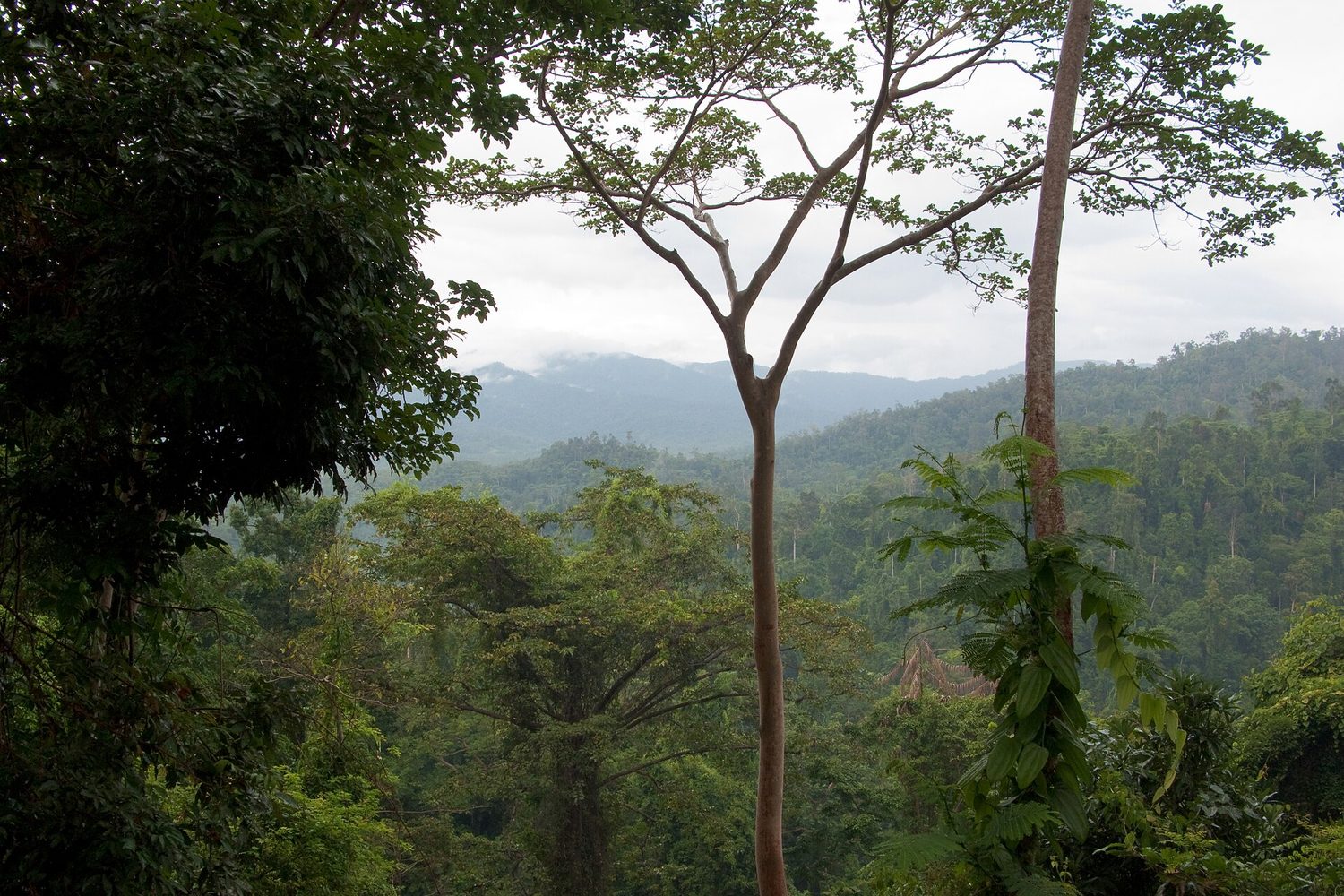
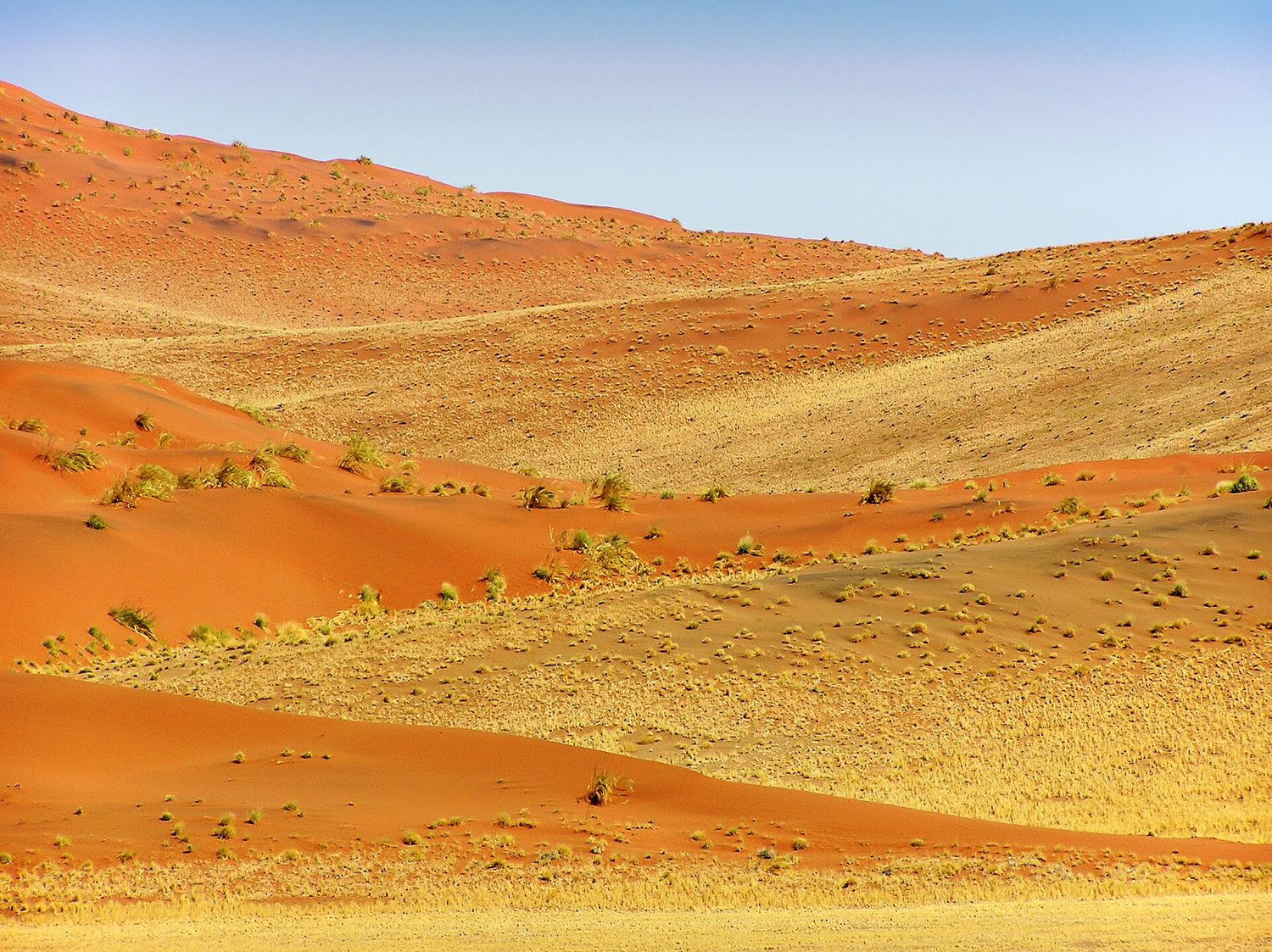
The two images below sit at opposite ends of the precipitation scale, which is why their life looks so different:

עברית

בימה היא אזור רחב המוגדר על ידי האקלים והחיים האופייניים לו. בימות יבשתיות (מדבריות, פראיות, גשמיים טרופיים, יער ממוזג, טייגה, טונדרה) נקבעות בעיקר על ידי הטמפרטורה ומשקי הגשם. לכל בימה יש צמחים וחיות המותאמים לתנאים אלו.

שתי התמונות למטה ניצבות בקצוות הנגדיים של סקאלת משקי הגשם, ולכן החיים בהן נראים שונים מאוד:

יער גשמי טרופי ערפלית עם כיסוי ירוק צפוף ומשולב בגבעות תלולות
יער גשמי טרופי: חם ולח כל השנה, מה שמניב צמחייה צפופה ומשולבת את ה Biodiversity העשירה ביותר מבין כל הבימות היבשתיות

מדבר יבש של כוכי חול חשופים עם כמעט אין צמחים *מדבר: משקי גשם נמוכים מאוד, ולכן רק חיים נדירים המותאמים ליובש שורדים בו
Vocabulary · ⁨מילון מונחים⁩ Train · ⁨אימון⁩
English עברית
ecosystem/ˈiːkəʊsɪstəm/ מערכת אקולוגית
predation/prɪˈdeɪʃn/ טריפה
competition/ˌkɒmpəˈtɪʃn/ תחרות
symbiosis/ˌsɪmbaɪˈəʊsɪs/ סימביוזה
biome/ˈbaɪəʊm/ ביयोם
temperature and precipitation/ˈtemprɪtʃə ænd prɪˌsɪpɪˈteɪʃn/ טמפרטורה ומשקעים
tropical rainforest/ˈtrɒpɪkl ˈreɪnfɒrɪst/ גשם טרופי
desert/ˈdezət/ מדבר
salinity/seɪˈlɪnɪti/ מליחות
Estuaries/ˈestjuːəriz/ פינות ים
1.3

Aquatic Biomes · ⁨בימות מימיות⁩

Syllabus · ⁨סיילבוס⁩
English

Enduring Understanding (ERT-1): Ecosystems are the result of biotic and abiotic interactions.

Learning Objective ERT-1.C: Describe the global distribution and principal environmental aspects of aquatic biomes.

  • ERT-1.C.1 Freshwater biomes include streams, rivers, ponds, and lakes. These freshwater biomes are a vital resource for drinking water.
  • ERT-1.C.2 Marine biomes include oceans, coral reefs, marshland, and estuaries. Algae in marine biomes supply a large portion of the Earth's oxygen, and also take in carbon dioxide from the atmosphere.
  • ERT-1.C.3 The global distribution of nonmineral marine natural resources, such as different types of fish, varies because of some combination of salinity, depth, turbidity, nutrient availability, and temperature.
עברית

הבנה מתמשכת (ERT-1): מערכות אקולוגיות הן תוצאה של אינטראקציות בין גורמים ביולוגיים ולא-ביולוגיים.

מטרת למידה ERT-1.C: לתאר את ההתפלגות הגלובלית וההיבטים הסביבתיים המרכזיים של ביאומים ימיים.

  • ERT-1.C.1 ביאומים מתוקים כוללים נחלים, נהרות, בריכות ואגמים. ביאומים אלו הם משאב קריטי למים לשתייה.
  • ERT-1.C.2 ביאומים ימיים כוללים אוקיינוסים, אלמוגים, ביצות ומפרצות. אצות בביאומים ימיים מספקות חלק ניכר מחמצן כדור הארץ, וכן סופקות פחמן דו-חמצני מאטמוספירה.
  • ERT-1.C.3 ההתפלגות הגלובלית של משאבים טבעיים ימיים שאינם מינרליים, כמו סוגים שונים של דגים, משתנה בשל שילוב כלשהו של מליחות, עומק, עכירות, זמינות חומרי הזנה וטמפרטורה.

Source: College Board AP Course and Exam Description · ⁨מקור: תיאור הקורס והמבחן של College Board AP⁩

English

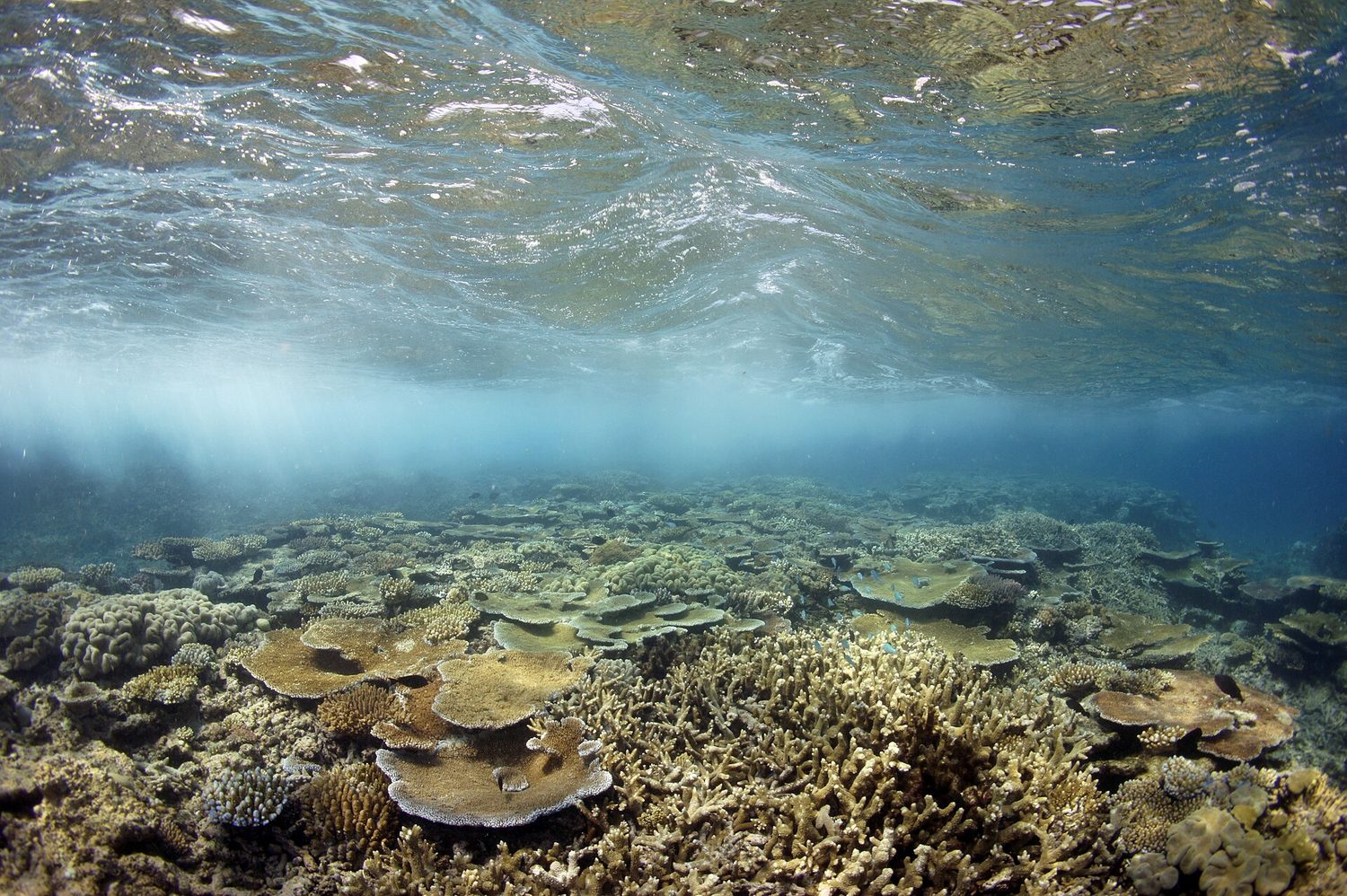
Aquatic biomes cover more of Earth than land. Freshwater (streams, lakes, wetlands) and marine (open ocean, coral reefs, estuaries) systems differ in salinity 盐度, sunlight, and nutrients. Estuaries 河口 (where rivers meet the sea) and coral reefs are especially productive and biodiverse.

עברית

בימות מימיות מכסות יותר משטח כדור הארץ מאשר היבשה. מערכות מתוקות (נחלים, אגמים, ביוצות) ומימיות (אוקיינוסים פתוחים, אלמוגים, מפרצות) שונות במליחות, באור שמש וב营养物质. מפרצות (כאן נהרות פוגשות את הים) ואלמוגים הם במיוחד פרודוקטיביים ועשירים ב-Biodiversity.

מבט תת-מיני של אלמוגים ממש מתחת לפני הים, מצופה באלמוגים *אלמוגים: מים חמים, מוארים בשמש, ומשטחיים הופכים אותם לאחת מבימות הפרודוקטיביות והעשירות ביותר בכל

Vocabulary · ⁨מילון מונחים⁩ Train · ⁨אימון⁩
English עברית
coral reef/ˈkɒrəl riːf/ שונית אלמוגים
1.4

The Carbon Cycle · ⁨מחזור הפחמן⁩

Syllabus · ⁨סיילבוס⁩
English

Enduring Understanding (ERT-1): Ecosystems are the result of biotic and abiotic interactions.

Learning Objective ERT-1.D: Explain the steps and reservoir interactions in the carbon cycle.

  • ERT-1.D.1 The carbon cycle is the movement of atoms and molecules containing the element carbon between sources and sinks.
  • ERT-1.D.2 Some of the reservoirs in which carbon compounds occur in the carbon cycle hold those compounds for long periods of time, while some hold them for relatively short periods of time.
  • ERT-1.D.3 Carbon cycles between photosynthesis and cellular respiration in living things.
  • ERT-1.D.4 Plant and animal decomposition have led to the storage of carbon over millions of years. The burning of fossil fuels quickly moves that stored carbon into atmospheric carbon, in the form of carbon dioxide.
עברית

הבנה מתמשכת (ERT-1): מערכות אקולוגיות הן תוצאה של אינטראקציות בין גורמים ביולוגיים ולא-ביולוגיים.

מטרת למידה ERT-1.D: להסביר את השלבים והאינטראקציות בין מאגרים במחזור הפחמן.

  • ERT-1.D.1 מחזור הפחמן הוא התנועה של אטומים ומולקולות המכילות את היסוד פחמן בין מקורות ומספנים.
  • ERT-1.D.2 חלק ממאגרים בהם תרכובות פחמן קיימות במחזור הפחמן מוחזקים בהם לתקופות ארוכות, בעוד שחלק אחר מוחזק בהם לתקופות קצרות יחסית.
  • ERT-1.D.3 פחמן מחזור בין פוטוסינתזה לנשימה תאית באורגניזמים חיים.
  • ERT-1.D.4 פירוק צמחי וחייתי הביאו לאגירת פחמן במשך מיליוני שנים. בעירת דלקים חפוציים מעבירה במהירות את הפחמן המאוגר לפחמן באטמוספירה, בצורת פחמן דו-חמצני.

Source: College Board AP Course and Exam Description · ⁨מקור: תיאור הקורס והמבחן של College Board AP⁩

English
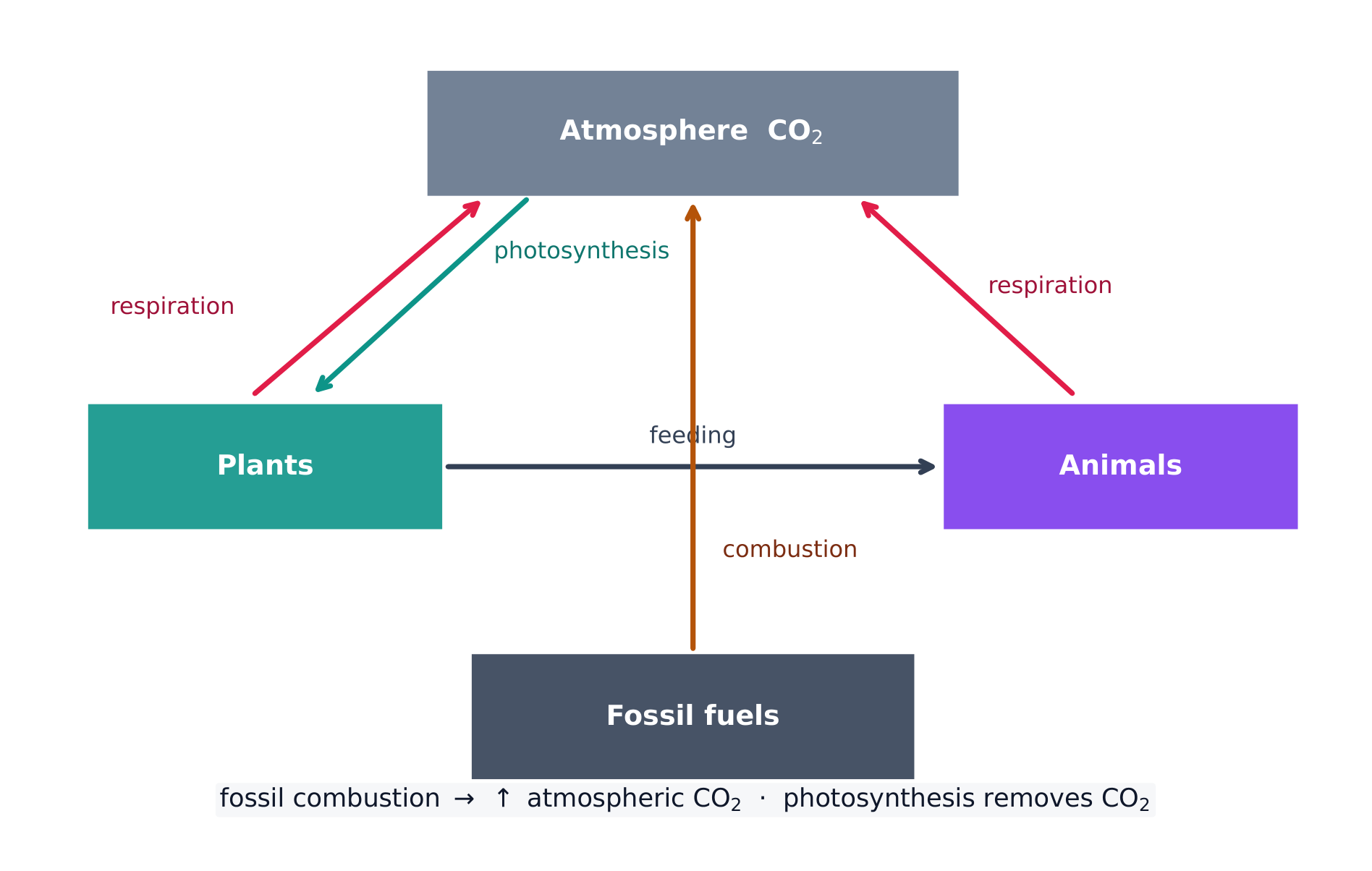
The carbon cycle

The carbon cycle 碳循环 moves carbon between the atmosphere, organisms, oceans, and rocks. Photosynthesis removes $\text{CO}_2$; respiration, decomposition, and burning fossil fuels 化石燃料 return it. Burning fossil fuels adds carbon far faster than natural processes remove it.

עברית

*מחזור הפחמן

מחזור הפחמן ממשיך פחמן בין האטמוספירה, אורגניזמים, אוקיינוסים וסלעים. פוטוסינתזה מסירה $\text{CO}_2$; נשימה, פירוק ושריפת דלקים מאובשים מחזירות אותו בחזרה. שריפת דלקים מאובשים מוסיפה פחמן הרבה יותר מהר מאשר תהליכים טבעיים מסירים אותו.

מחזור הפחמן ממשיך פחמן בין האטמוספירה, אורגניזמים ודלקים מאובשים *מחזור הפחמן ממשיך פחמן בין האטמוספירה, אורגניזמים ודלקים מאובשים

Vocabulary · ⁨מילון מונחים⁩ Train · ⁨אימון⁩
English עברית
carbon cycle/ˈkɑːbən ˈsaɪkl/ מחזור הפחמן
fossil fuels/ˈfɒsl ˈfjuːəlz/ דלקים מאובנים
1.5

The Nitrogen Cycle · ⁨מחזור החנקן⁩

Syllabus · ⁨סיילבוס⁩
English

Enduring Understanding (ERT-1): Ecosystems are the result of biotic and abiotic interactions.

Learning Objective ERT-1.E: Explain the steps and reservoir interactions in the nitrogen cycle.

  • ERT-1.E.1 The nitrogen cycle is the movement of atoms and molecules containing the element nitrogen between sources and sinks.
  • ERT-1.E.2 Most of the reservoirs in which nitrogen compounds occur in the nitrogen cycle hold those compounds for relatively short periods of time.
  • ERT-1.E.3 Nitrogen fixation is the process in which atmospheric nitrogen is converted into a form of nitrogen (primarily ammonia) that is available for uptake by plants and that can be synthesized into plant tissue.
  • ERT-1.E.4 The atmosphere is the major reservoir of nitrogen.
עברית

הבנה מתמשכת (ERT-1): מערכות אקולוגיות הן תוצאה של אינטראקציות בין גורמים ביולוגיים ולא-ביולוגיים.

מטרת למידה ERT-1.E: להסביר את השלבים והאינטראקציות בין מאגרים במחזור החנקן.

  • ERT-1.E.1 מחזור החנקן הוא תנועת אטומים ומולקולות המכילות את היסוד חנקן בין מקורות ומאגרים.
  • ERT-1.E.2 ברוב המאגרים בהם נמצאים תרכובות החנקן במחזור החנקן, מוחזקות תרכובות אלו למשך תקופות זמן קצרות יחסית.
  • ERT-1.E.3 קיבוע חנקן הוא התהליך שבו חנקן אטמוספרי הופך לצורת חנקן (בראשונה אמוניה) הזמינה לספיסה על ידי צמחים ושיכולה לשמש לבניית רקמת הצמח.
  • ERT-1.E.4 האטמוספירה היא המאגר העיקרי של חנקן.

Source: College Board AP Course and Exam Description · ⁨מקור: תיאור הקורס והמבחן של College Board AP⁩

English
The nitrogen cycle

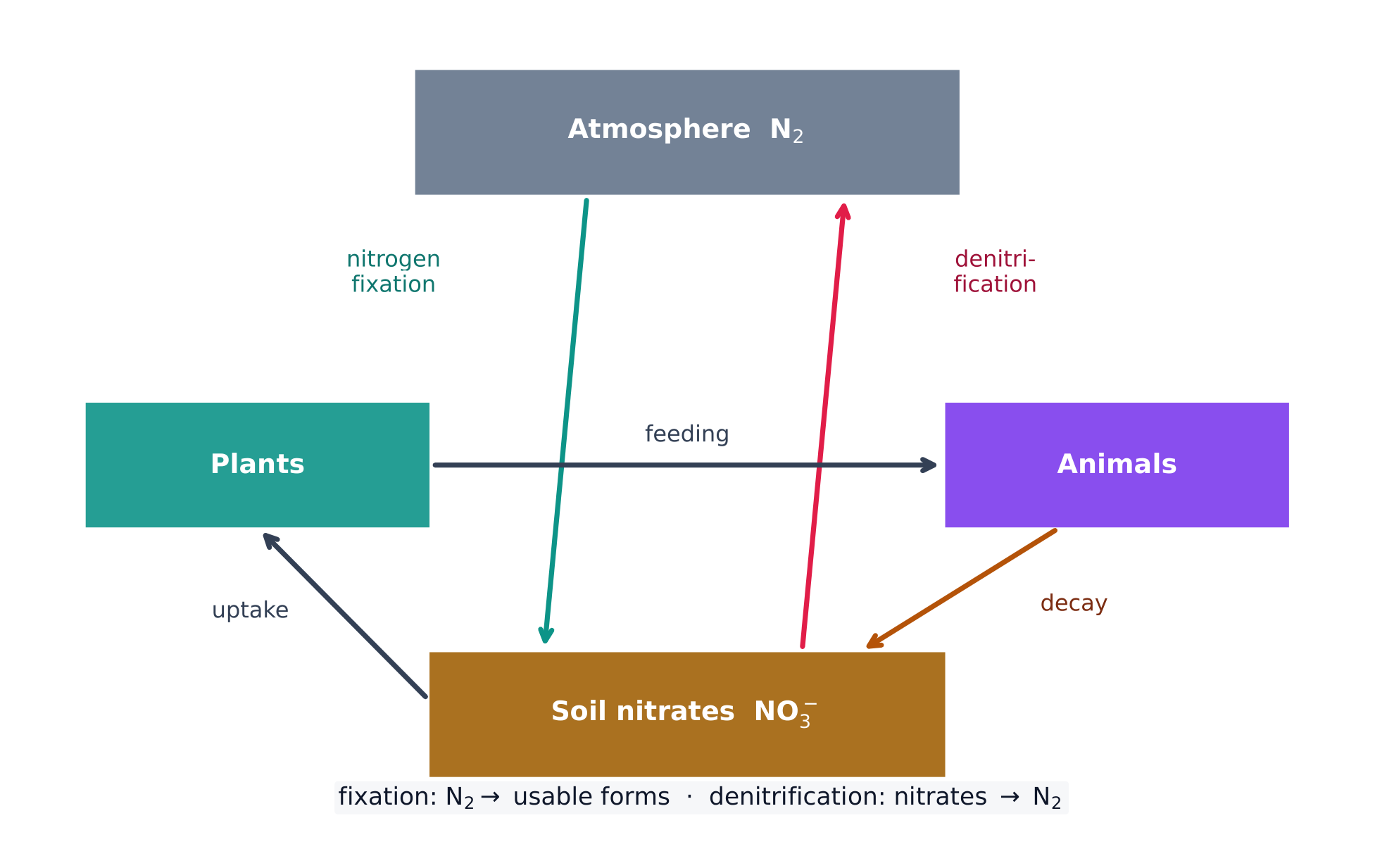
The nitrogen cycle 氮循环 makes nitrogen usable for life. Nitrogen fixation 固氮 (by bacteria) converts atmospheric $\text{N}_2$ to ammonia; nitrification and assimilation pass it through organisms; denitrification returns $\text{N}_2$ to the air. Fertilizer adds reactive nitrogen, which can pollute water.

עברית

*מחזור החנקן

מחזור החנקן הופך חנקן לזמין לחיים. קיבוע חנקן (על ידי חיידקים) ממיר $\text{N}_2$ אטמוספי לאמוניה; ניטרופיקציה ואסימילציה מעבירות אותו דרך אורגניזמים; דניטרופיקציה מחזירה $\text{N}_2$ לאוויר. דשנים מוסיפים חנקן ריאקטיבי, שיכול לזהום מים.

מחזור החנקן: N קבוע לתמיסות חנקת באדמה, עובר דרך המזון וחוזר לאוויר על ידי דניטרופיקציה
מחזור החנקן: N$_2$ קבוע לתמיסות חנקת באדמה, עובר דרך המזון וחוזר לאוויר על ידי דניטרופיקציה
Vocabulary · ⁨מילון מונחים⁩ Train · ⁨אימון⁩
English עברית
nitrogen cycle/ˈnaɪtrədʒn ˈsaɪkl/ מחזור החנקן
Nitrogen fixation/ˈnaɪtrədʒn fɪkˈseɪʃn/ קיבוע חנקן
1.6

The Phosphorus Cycle · ⁨מחזור הפוספור⁩

Syllabus · ⁨סיילבוס⁩
English

Enduring Understanding (ERT-1): Ecosystems are the result of biotic and abiotic interactions.

Learning Objective ERT-1.F: Explain the steps and reservoir interactions in the phosphorus cycle.

  • ERT-1.F.1 The phosphorus cycle is the movement of atoms and molecules containing the element phosphorus between sources and sinks.
  • ERT-1.F.2 The major reservoirs of phosphorus in the phosphorus cycle are rock and sediments that contain phosphorus-bearing minerals.
  • ERT-1.F.3 There is no atmospheric component in the phosphorus cycle, and the limitations this imposes on the return of phosphorus from the ocean to land make phosphorus naturally scarce in aquatic and many terrestrial ecosystems. In undisturbed ecosystems, phosphorus is the limiting factor in biological systems.
עברית

הבנה מתמשכת (ERT-1): מערכות אקולוגיות הן תוצאה של אינטראקציות בין גורמים ביולוגיים ולא-ביולוגיים.

מטרת הלמידה ERT-1.F: הסבר השלבים והאינטראקציות בין מאגרים במחזור הפוספור.

  • ERT-1.F.1 מחזור הפוספור הוא תנועת אטומים ומולקולות המכילות את היסוד פוספור בין מקורות ומאגרים.
  • ERT-1.F.2 המאגרים העיקריים של פוספור במחזור הפוספור הם סלעים ושקעים המכילים מינרלים המכילים פוספור.
  • ERT-1.F.3 אין רכיב אטמוספרי במחזור הפוספור, והמגבלות שהתהליך מכתיב להחזרת פוספור מהאוקיינוס ליבשה גורמות לכך שהפוספור נדיר באופן טבעי בביוצות אקווליות ובמספר ביוצות יבשתיות. בביוצות לא מופרעות, הפוספור הוא הגורם המגביל במערכות הביולוגיות.

Source: College Board AP Course and Exam Description · ⁨מקור: תיאור הקורס והמבחן של College Board AP⁩

English

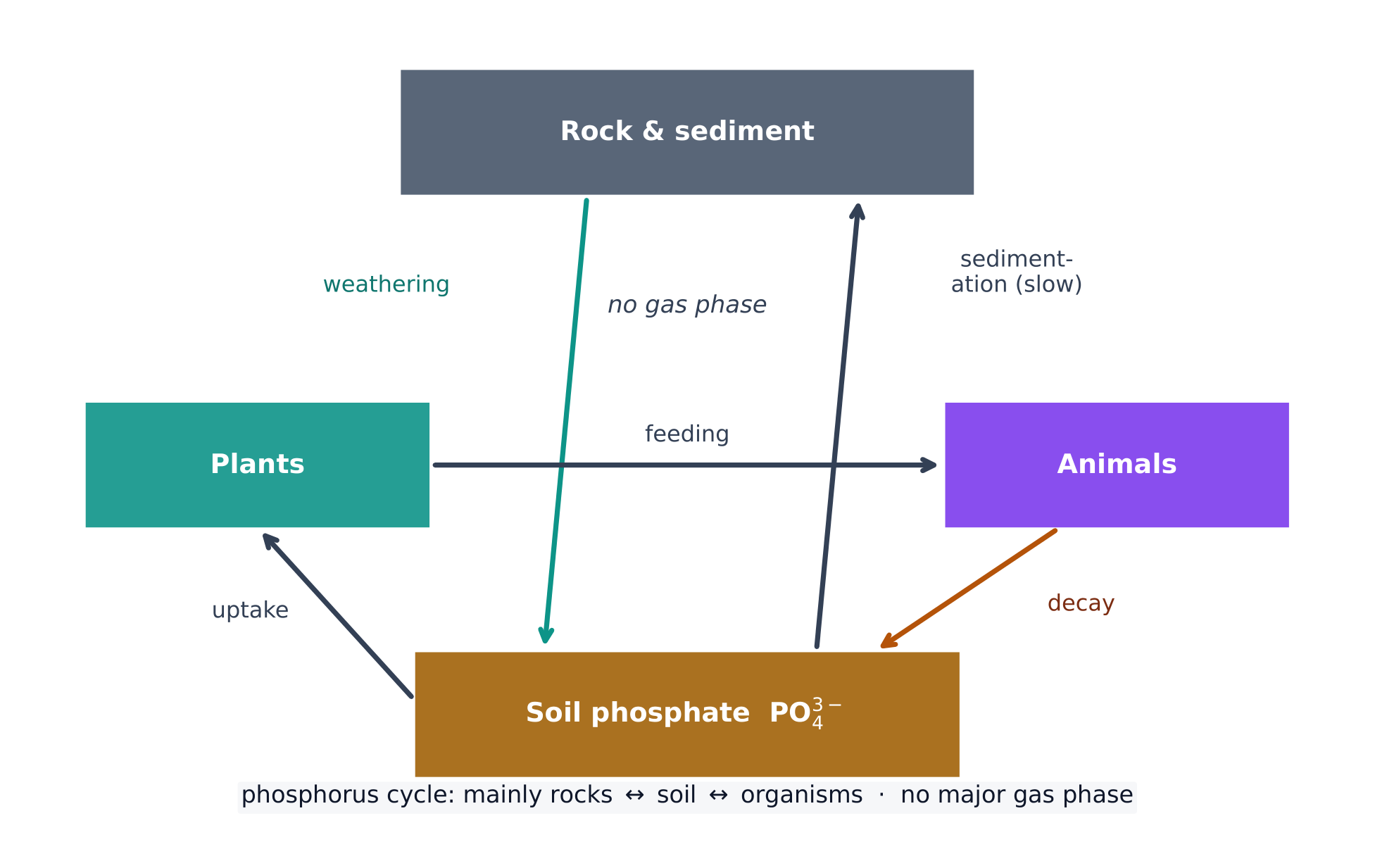
The phosphorus cycle 磷循环 has no atmospheric (gas) stage – phosphorus moves through rock, soil, water, and organisms. It is slow and often the limiting nutrient 限制性营养 for growth, so added phosphorus (fertilizer, detergents) can trigger algal blooms.

עברית

למחזור הפוספור אין שלב אטמוספרי (גזי) – פוספור נע דרך סלעים, אדמה, מים ובעלי חיים. התהליך איטי והוא לעיתים קרובות המתנודת המגבילה לצמיחה, ולכן הוספת פוספור (דשנים, חומרי ניקוי) יכולה לגרום לפריחת אצות.

מחזור הפוספור: סלע מתפרק לפוספט באדמה ומשקע בעדינות בחזרה, ללא שלב גזי
Vocabulary · ⁨מילון מונחים⁩ Train · ⁨אימון⁩
English עברית
phosphorus cycle/ˈfɒsfɔːrəs ˈsaɪkl/ מחזור הפוספורוס
limiting nutrient/ˈlɪmɪtɪŋ ˈnjuːtrɪənt/ תזונה מגבילה
1.7

The Hydrologic (Water) Cycle · ⁨המחזור ההידרולוגי (של המים)⁩

Syllabus · ⁨סיילבוס⁩
English

Enduring Understanding (ERT-1): Ecosystems are the result of biotic and abiotic interactions.

Learning Objective ERT-1.G: Explain the steps and reservoir interactions in the hydrologic cycle.

  • ERT-1.G.1 The hydrologic cycle, which is powered by the sun, is the movement of water in its various solid, liquid, and gaseous phases between sources and sinks.
  • ERT-1.G.2 The oceans are the primary reservoir of water at the Earth's surface, with ice caps and groundwater acting as much smaller reservoirs.
עברית

הבנה מתמשכת (ERT-1): מערכות אקולוגיות הן תוצאה של אינטראקציות בין גורמים ביולוגיים ולא-ביולוגיים.

מטרת הלמידה ERT-1.G: הסבר השלבים והאינטראקציות בין מאגרים במחזור המים.

  • ERT-1.G.1 המחזור ההידרולוגי, המופעל על ידי השמש, הוא תנועת מים במצביהם השונים – מוצק, נוזלי וגזי – בין מקורות ומאגרים.
  • ERT-1.G.2 האוקיינוסים הם המאגר הראשוני של מים בשטח כדור הארץ, בעוד שקפואות ומי תת-קרקע משמשים כמאגרים קטנים הרבה יותר.

Source: College Board AP Course and Exam Description · ⁨מקור: תיאור הקורס והמבחן של College Board AP⁩

English
The hydrologic (water) cycle

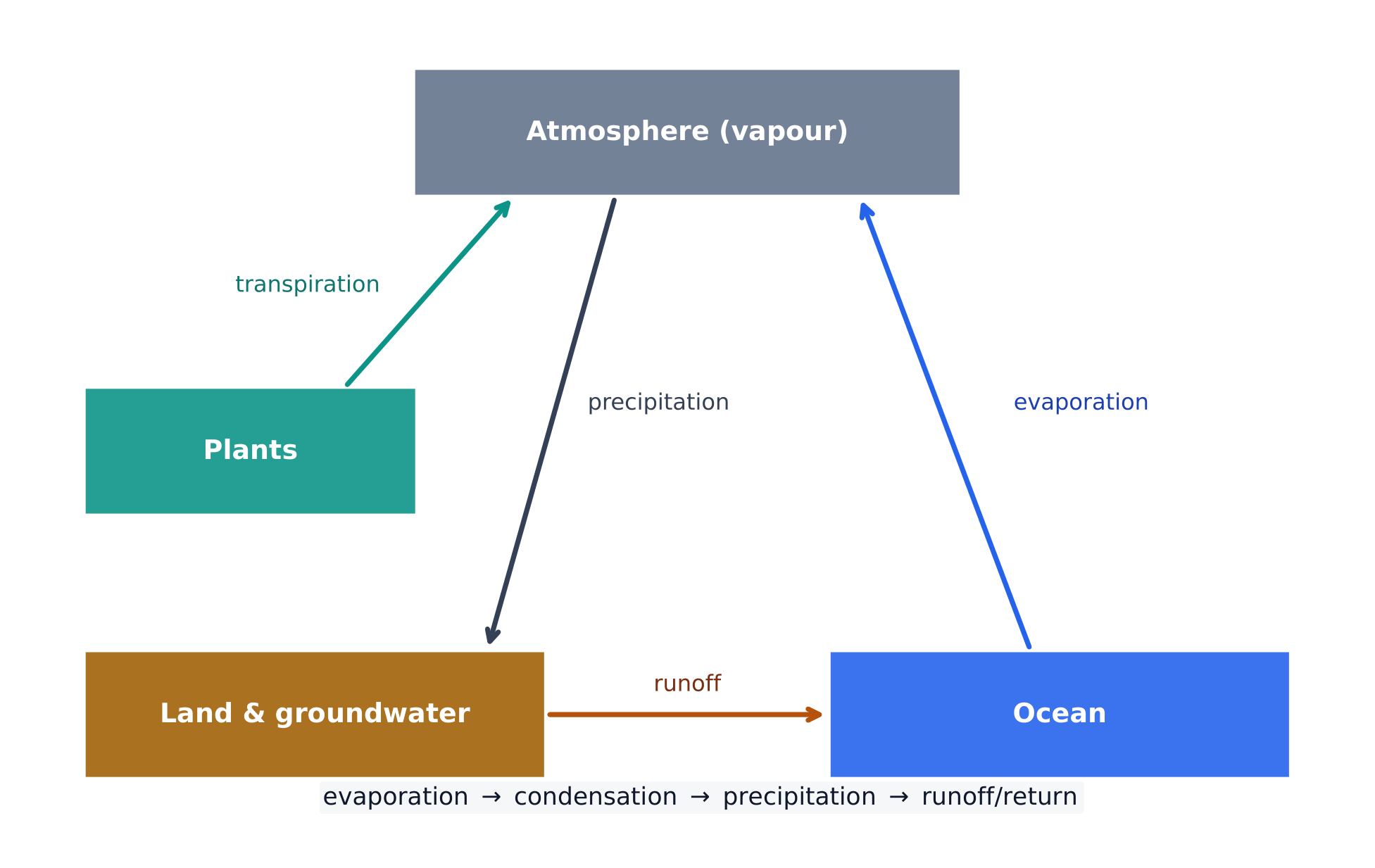
The water cycle 水循环 moves water by evaporation 蒸发, transpiration 蒸腾 (from plants), condensation, precipitation, and runoff. It distributes fresh water and shapes climate; human use and land changes can alter its flow.

עברית
המחזור ההידרולוגי (של המים)

המחזור של המים מעביר מים באמצעותהתאדות, התנעה (מצמחים), התכנסות, משקעים וריצה פני שטח. הוא מפזר מים מתוקים ועיצב את האקלים; שימוש אנושי ושנויי קרקע יכולים לשנות את זרימתו.

מחזור המים: התאדות והתנעה מרים את המים לאוויר; משקעים וריצה פני שטח מחזירים אותו
Vocabulary · ⁨מילון מונחים⁩ Train · ⁨אימון⁩
English עברית
water cycle/ˈwɔːtə ˈsaɪkl/ מחזור המים
evaporation/ɪˌvæpəˈreɪʃn/ התאדות
transpiration/trænspəˈreɪʃn/ איידור
Primary productivity/ˈpraɪməri ˌprɒdəkˈtɪvɪti/ מוצריות ראשונית
trophic levels/ˈtrəʊfɪk ˈlevlz/ רמות תזונתיות
producers/prəˈdjuːsəz/ מייצרים
primary, secondary, and tertiary consumers/ˈpraɪməri ˈsekəndəri ænd ˈtɜːʃjəri kənˈsuːməz/ צרכנים ראשוניים, משניים וטרטיאריים
decomposers/ˌdiːkəmˈpəʊzəz/ מפרקים
food chain/fuːd tʃeɪn/ שרשרת מזון
1.8

Primary Productivity · ⁨פרודוקטיביות ראשונית⁩

Syllabus · ⁨סיילבוס⁩
English

Enduring Understanding (ENG-1): Energy can be converted from one form to another.

Learning Objective ENG-1.A: Explain how solar energy is acquired and transferred by living organisms.

  • ENG-1.A.1 Primary productivity is the rate at which solar energy (sunlight) is converted into organic compounds via photosynthesis over a unit of time.
  • ENG-1.A.2 Gross primary productivity is the total rate of photosynthesis in a given area.
  • ENG-1.A.3 Net primary productivity is the rate of energy storage by photosynthesizers in a given area, after subtracting the energy lost to respiration.
  • ENG-1.A.4 Productivity is measured in units of energy per unit area per unit time (e.g., $\text{kcal/m}^2\text{/yr}$).
  • ENG-1.A.5 Most red light is absorbed in the upper 1m of water, and blue light only penetrates deeper than 100m in the clearest water. This affects photosynthesis in aquatic ecosystems, whose photosynthesizers have adapted mechanisms to address the lack of visible light.
עברית

הבנה מתמשכת (ENG-1): אנרגיה יכולה להיות מוסבת מצורה אחת לאחרת.

מטרת הלמידה ENG-1.A: הסבר כיצד אנרגיה סולארית נרכשת ועוברת על ידי אורגניזמים חיים.

  • ENG-1.A.1 תפוקה ראשונית היא הקצב שבו אנרגיה סולארית (אור שמש) מומשת לתרכובות אורגניות דרך פוטוסינתזה במהלך יחידת זמן נתונה.
  • ENG-1.A.2 תפוקה ראשונית גרוס היא סך הקצב של פוטוסינתזה באזור מסוים.
  • ENG-1.A.3 תפוקה ראשונית נטו היא קצב אחסון האנרגיה על ידי מפיקי פוטוסינתזה באזור מסוים, לאחר חיסור האנרגיה שאבדה בתהליך הנשימה.
  • ENG-1.A.4 התפוקה נמדדת ביחידות של אנרגיה ליחידת שטח ליחידת זמן (למשל, $\text{kcal/m}^2\text{/yr}$).
  • ENG-1.A.5 רוב האור האדום נספג בתוך 1 מטר העליונים של המים, ואור כחול חודר לעומק מעל 100 מטר רק במים הצלולים ביותר. הדבר משפיע על הפוטוסינתזה בביוצות אקווליות, שבהן למפיקי הפוטוסינתזה ישנם מנגנונים מותאמים להתמודדות עם מחסור באור נראה.

Source: College Board AP Course and Exam Description · ⁨מקור: תיאור הקורס והמבחן של College Board AP⁩

English

Primary productivity 初级生产力 is the rate at which producers capture energy (usually by photosynthesis). Gross primary productivity (GPP) is the total captured; net primary productivity (NPP) is what remains after the producers' own respiration – the energy available to the rest of the ecosystem. Warm, wet, sunlit systems (rainforests, reefs) are most productive.

Worked example. If producers in a grassland capture $20{,}000\ \text{kcal/m}^2/\text{yr}$ of energy (GPP) and burn $8{,}000\ \text{kcal/m}^2/\text{yr}$ in their own respiration, then $\text{NPP}=\text{GPP}-R=20{,}000-8{,}000=12{,}000\ \text{kcal/m}^2/\text{yr}$. Only that NPP – not the full GPP – is available to the consumers above.

עברית

פרודוקטיביות ראשונית היא הקצב בו יצרנים תופסים אנרגיה (בדרך כלל באמצעות פוטוסינתזה). פרודוקטיביות ראשונית כולה (GPP) היא הסך הכל שנכנס; פרודוקטיביות ראשונית נטו (NPP) היא מה שנשאר לאחר הנשימה עצמית של היצרנים – האנרגיה הזמינה למערכת האקולוגית כולה. מערכות חמות, לחות ומאירות בשמש (יערות גשם, אלמוגים) הן המיוצרות ביותר.

דוגמה פתורה. אם יצרנים במרעה תופסים $20{,}000\ \text{kcal/m}^2/\text{yr}$ מאנרגיה (GPP) ושרפים $8{,}000\ \text{kcal/m}^2/\text{yr}$ בנשימה עצמית שלהם, אזי נותר $\text{NPP}=\text{GPP}-R=20{,}000-8{,}000=12{,}000\ \text{kcal/m}^2/\text{yr}$. רק NPP זה – ולא GPP המלא – זמין לצרכנים העליונים.

Explore · ⁨חקור⁩

Explore GPP, respiration and NPP · ⁨חקור תוצרת ביולוגית כוללת (GPP), נשימה ותוצרת ביולוגית נטו (NPP)⁩

The energy producers capture (GPP) splits into what they burn for their own respiration $R$ and what is left over as new biomass — $\text{NPP} = \text{GPP} - R$, and useful + wasted always equals the input. · ⁨האנרגיה שמפיקים המייצרים (GPP) מתפצלת למה שהם שורפים לנשימה עצמית $R$ ולמה שנותר כביומסה חדשה — $\text{NPP} = \text{GPP} - R$, וסך השימושי והמוזר שווה תמיד לקלט.⁩

1.9

Trophic Levels · ⁨רמות טרופיות⁩

Syllabus · ⁨סיילבוס⁩
English

Enduring Understanding (ENG-1): Energy can be converted from one form to another.

Learning Objective ENG-1.B: Explain how energy flows and matter cycles through trophic levels.

  • ENG-1.B.1 All ecosystems depend on a continuous inflow of high-quality energy in order to maintain their structure and function of transferring matter between the environment and organisms via biogeochemical cycles.
  • ENG-1.B.2 Biogeochemical cycles are essential for life and each cycle demonstrates the conservation of matter.
  • ENG-1.B.3 In terrestrial and near-surface marine communities, energy flows from the sun to producers in the lowest trophic levels and then upward to higher trophic levels.
עברית

הבנה מתמשכת (ENG-1): אנרגיה יכולה להיות מוסבת מצורה אחת לאחרת.

מטרת למידה ENG-1.B: הסבר כיצד אנרגיה זורמת וחומרים מחזוריים דרך רמות טרופיות.

  • ENG-1.B.1 כל אקולוגיה תלויה בזרימה מתמשכת של אנרגיה איכותית כדי לשמור על מבנה ופעילות שלה, הכולל העברת חומרים בין הסביבה לאורגניזמים באמצעות מחזורי ביוגיאוכמיים.
  • ENG-1.B.2 מחזורי ביוגיאוכמיים הם קריטיים לחיים, וכל מחזור מדגים את שימור החומר.
  • ENG-1.B.3 בקהילות יבשתיות ובקהילות ימיות בקרבת פני המים, האנרגיה זורמת מהשמש למוצרים ברמות הטרופיות הנמוכות ביותר, ולאחר מכן כלפי מעלה לרמות טרופיות גבוהות יותר.

Source: College Board AP Course and Exam Description · ⁨מקור: תיאור הקורס והמבחן של College Board AP⁩

English
Energy flow & the 10% rule

Organisms occupy trophic levels 营养级: producers 生产者 (make their own food), then primary, secondary, and tertiary consumers 消费者, with decomposers 分解者 recycling nutrients at every level. Each level depends on the energy captured below it.

עברית
זרימת אנרגיה ו-10% חוק

אורגניזמים תופסים רמות טרופיות: יצרנים (עושים מזון לעצמם), ואז צרכנים ראשוניים, שניוניים וטריטריים, עם מפרקים שמחזרים חומרי תזונה בכל רמה. כל רמה תלויה באנרגיה שנכנסה מתחת לה.

1.10

Energy Flow and the 10% Rule · ⁨זרימת אנרגיה וחוק ה-10%⁩

Syllabus · ⁨סיילבוס⁩
English

Enduring Understanding (ENG-1): Energy can be converted from one form to another.

Learning Objective ENG-1.C: Determine how the energy decreases as it flows through ecosystems.

  • ENG-1.C.1 The 10% rule approximates that in the transfer of energy from one trophic level to the next, only about 10% of the energy is passed on.
  • ENG-1.C.2 The loss of energy that occurs when energy moves from lower to higher trophic levels can be explained through the laws of thermodynamics.
עברית

הבנה מתמשכת (ENG-1): אנרגיה יכולה להיות מוסבת מצורה אחת לאחרת.

מטרות הלמידה ENG-1.C: קביעת האופן שבו האנרגיה יורדת כשהיא זורמת דרך מערכות אקולוגיות.

  • ENG-1.C.1 חוק ה-10% מעריך כי בהעברת אנרגיה מפלסת תזונה אחת לשנייה, רק כ-10% מהאנרגיה עוברת הלאה.
  • ENG-1.C.2 אובדן האנרגיה המתרחש כאשר אנרגיה עוברת מפלסות תזונה נמוכות לגבוהות יותר ניתן להסביר באמצעות חוקי התרמודינמיקה.

Source: College Board AP Course and Exam Description · ⁨מקור: תיאור הקורס והמבחן של College Board AP⁩

English

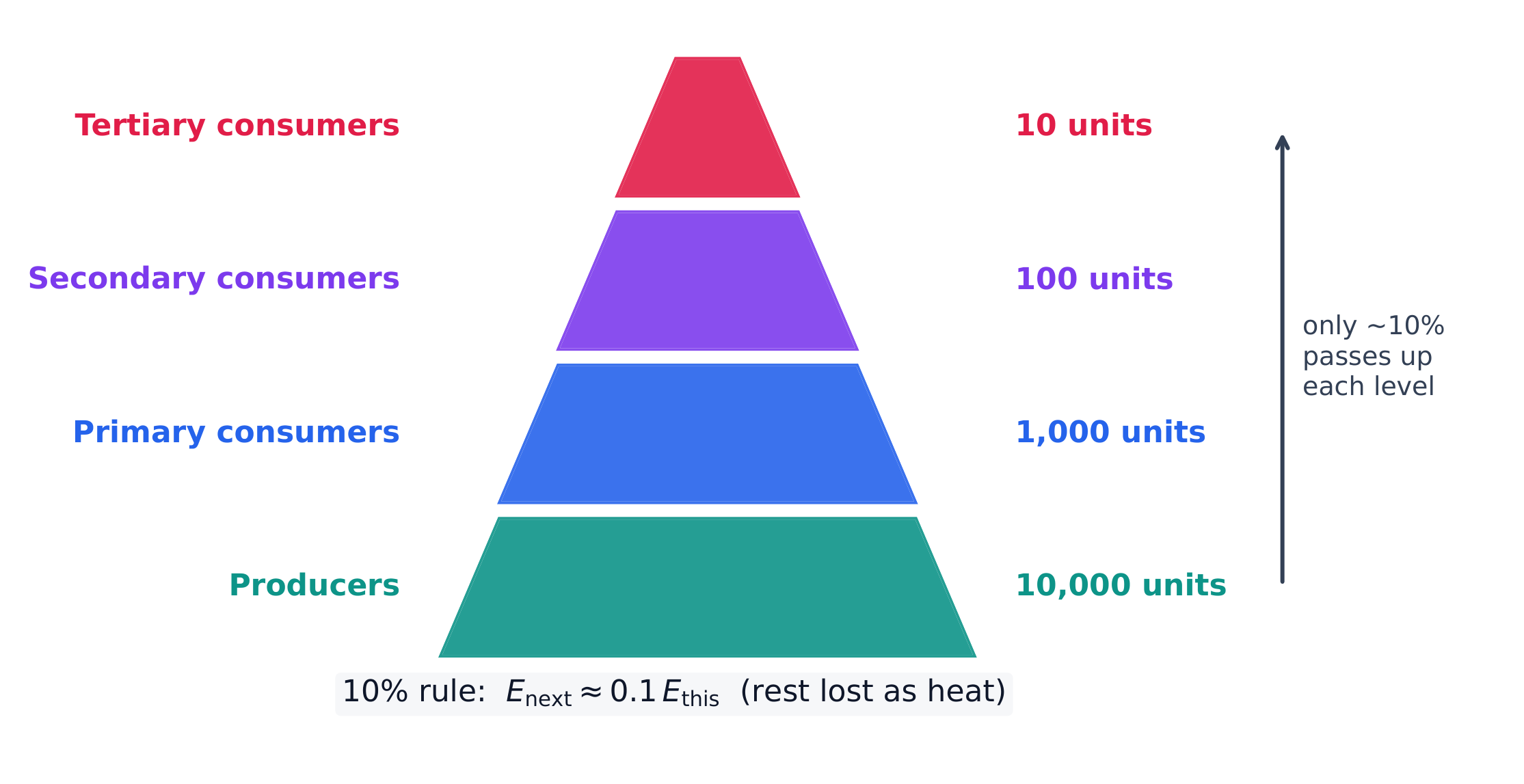
Energy flows one way through an ecosystem and is lost as heat at each transfer. The 10% rule: only about 10% of the energy at one trophic level passes to the next; the other 90% powers life processes and escapes as heat. This is why food chains are short and top predators are few.

Worked example. Continuing from $12{,}000\ \text{kcal/m}^2/\text{yr}$ of NPP at the producer level, the primary consumers receive about $10\%=1{,}200\ \text{kcal}$, secondary consumers $\approx120\ \text{kcal}$, and tertiary consumers only $\approx12\ \text{kcal}$. After three transfers the energy has shrunk a thousand-fold – the arithmetic reason a fourth or fifth trophic level rarely has enough to support it.

עברית

אנרגיה זורמת בכיוון אחד דרך מערכת אקולוגית ונאבדת כחום בכל העברה. חוק ה-10%: רק כ-10% מהאנרגיה ברמה טרופית אחת עוברת לרמה הבאה; ה-90% האחרים מופעלים לתהליכי חיים ובורחים כחום. מכאן ששרשראות המזון קצרות וטורפים עליונים הם מעטים.

דוגמה מפורטת. המשך מ$12{,}000\ \text{kcal/m}^2/\text{yr}$ של NPP ברמת היצרן, הצרכנים הראשוניים מקבלים כ־$10\%=1{,}200\ \text{kcal}$, צרכנים שניוניים $\approx120\ \text{kcal}$, וצרכנים טרטיאריים רק $\approx12\ \text{kcal}$. לאחר שלושה העברות האנרגיה הצטמצמה אלף-פעמיים – הסיבה האריתמטית לכך שרמת טרופית רביעית או חמישית נדרת לא מספיקה לתמוך בה.

פירמידת אנרגיה: רק כ-10% מהאנרגיה עוברת לרמת הצריכה הבאה
Explore · ⁨חקור⁩

Explore the 10% rule · ⁨חקור את כלל ה-10%⁩

Set the energy producers capture and the ecological efficiency, then watch only about a tenth pass to each level up — this is why the apex predator is left with so little and food chains stay short. · ⁨גדור את ייצור האנרגיה ואת היעילות האקולוגית, ואז צפה איך רק כעשרה אחוזים מעברים לכל רמה עליונה — מכאן שהטורף בראש השרשרת מקבל מעט מאוד ומסביבות המזון נשארות קצרות.⁩

1.11

Food Chains and Food Webs · ⁨שרשראות מזון ורשתות מזון⁩

Syllabus · ⁨סיילבוס⁩
English

Enduring Understanding (ENG-1): Energy can be converted from one form to another.

Learning Objective ENG-1.D: Describe food chains and food webs, and their constituent members by trophic level.

  • ENG-1.D.1 A food web is a model of an interlocking pattern of food chains that depicts the flow of energy and nutrients in two or more food chains.
  • ENG-1.D.2 Positive and negative feedback loops can each play a role in food webs. When one species is removed from or added to a specific food web, the rest of the food web can be affected.
עברית

הבנה מתמשכת (ENG-1): אנרגיה יכולה להיות מוסבת מצורה אחת לאחרת.

מטרות הלמידה ENG-1.D: תיאור שרשראות מזון ורשתות מזון, וחבריהן לפי פלסת תזונה.

  • ENG-1.D.1 רשת מזון היא מודל של דפוס מקושר של שרשראות מזון המציג את זרימת האנרגיה והחומרים בשתי שרשראות מזון או יותר.
  • ENG-1.D.2 לולאות משוב חיוביות ושליליות עשויות לשחק כל אחת מהן תפקיד ברשתות מזון. כאשר מין נשלף או נוסף לרשת מזון ספציפית, שאר הרשת עשויה להיפגע.

Source: College Board AP Course and Exam Description · ⁨מקור: תיאור הקורס והמבחן של College Board AP⁩

English

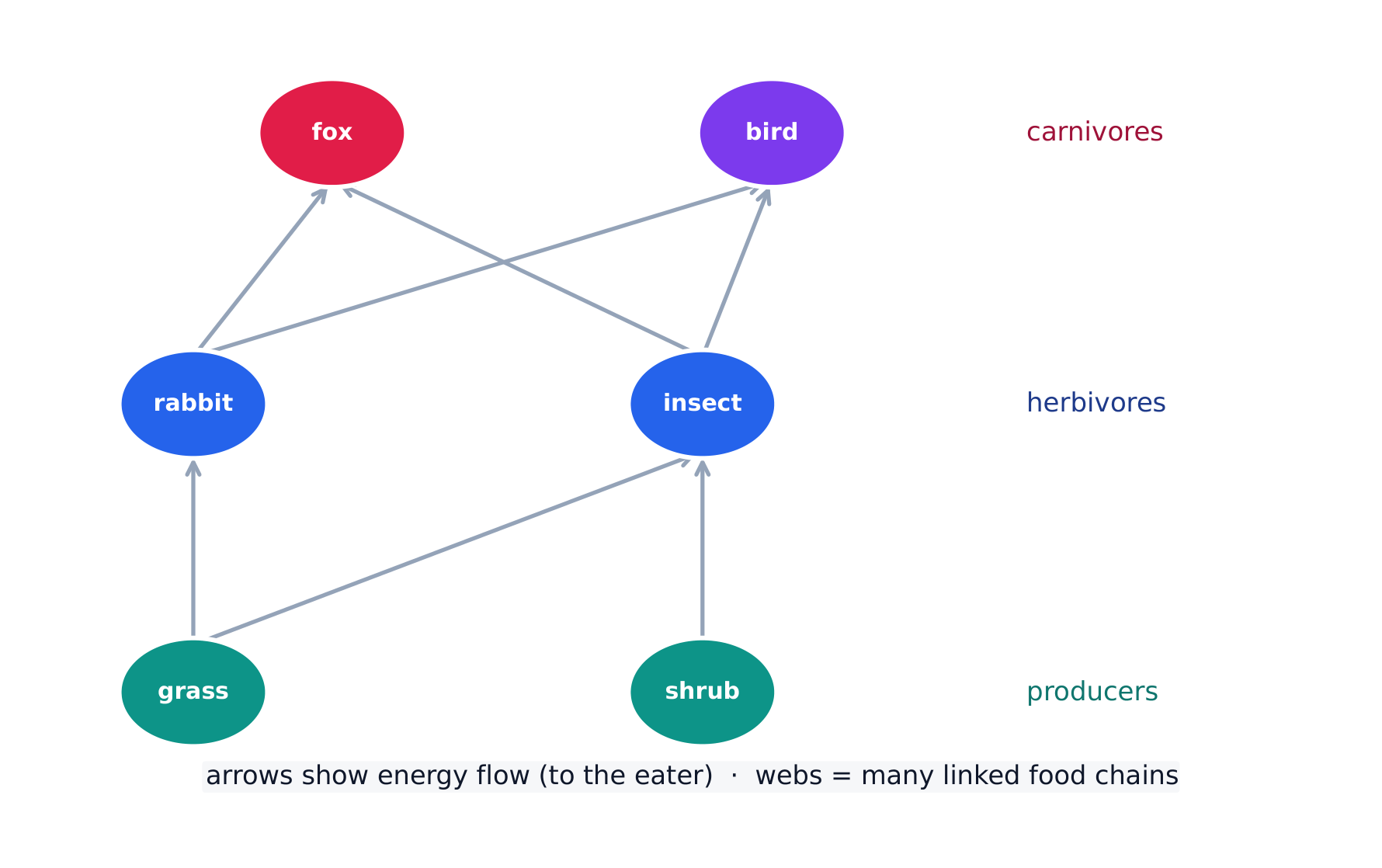
A food chain 食物链 is a single line of who-eats-whom; a food web 食物网 links many chains into a realistic picture of feeding relationships. Because species are interconnected, removing one (especially a keystone species 关键种) can disrupt the whole web.

עברית

שרשרת מזון היא קו יחיד של מי אכל את מי; רשתת מזון מקשרת בין שרשראות רבות ליצירת תמונה מציאותית של היחסים התזונתיים. מכיוון שמינים מחוברים זה לזה, הסרת אחד מהם (ובמיוחד מין מפתח) עלולה להפר את כל הרשת.

רשתת מזון מקשרת בין שרשראות מזון רבות; החצים מציינים את כיוון זרימת האנרגיה
Vocabulary · ⁨מילון מונחים⁩ Train · ⁨אימון⁩
English עברית
food web/fuːd web/ רשת מזון
keystone species/ˈkiːstəʊn ˈspiːsiːz/ מין מפתח
1.11

Exam tips · ⁨טיפים לבחינות⁩

English
  • Remember energy flows and is lost (the 10% rule) while matter cycles (carbon, nitrogen, phosphorus, water).
  • Apply the 10% rule down a food chain and know NPP = GPP − respiration (only NPP is available to consumers).
  • Learn each biogeochemical cycle's stores and how humans disturb it (burning fossil fuels adds CO₂; fertiliser adds nitrogen/phosphorus).
  • Producers are most abundant because so little energy reaches the top.
  • Use correct units and show your arithmetic on the free-response math questions (no calculator — keep numbers round).
עברית
  • זכור כי האנרגיה זורמת ואבדה (חוק ה-10%) בעוד ש-החומר מחזור (קרבון, חנקן, פוספורס, מים).
  • יישם את חוק ה-10% לאורך שרשרת מזון והבן כי NPP = GPP − נשימה (רק NPP זמין לצרכנים).
  • למד את המאגרים בכל מחזור ביוגיאוכמי וכיצד האדם מפרע אותו (בעירת דלקים מאובנים נוספים CO₂; הדשנים מוסיפים חנקן/פוספורס).
  • היצרנים הם הנפוצים ביותר משום שאך כמות מעטה מאוד של אנרגיה מגיעה לראש השלוח.
  • השתמש ביחידות נכונות והראה את החישובים שלך בשאלות המתמטיקיות בתשובה פתוחה (ללא מחשבון – שמור על מספרים עגולים).

Interactive lessons on this topic · ⁨שיעורים אינטראקטיביים בנושא זה⁩

Work through it step by step, with instant-check exercises. · ⁨לעבור על הדברים צעד אחר צעד, עם תרגילים לבדיקה מיידית.⁩

Past Papers · ⁨מבחני עבר⁩

More topics in AP Environmental Science · ⁨סביבה וקיימות - AP⁩ · ⁨נושאים נוספים בAP Environmental Science · ⁨סביבה וקיימות - AP⁩⁩

Log in or create account · ⁨היכנס או צור חשבון⁩

IGCSE, A-Level & AP