عدّ الرسائل في هذه الشارع. الشاشات، الملصقات، الشعارات — كل واحد منها tries to reach you. But adverts are only the last step. Long…
English narration · English + 中文 subtitles burned in · سرد باللغة الإنجليزية · ترجمة مدمجة بالإنجليزية + الصينية
3.1
What marketing does · ما يقوم به التسويق
Syllabus · المنهج
English
explain the role of marketing: identifying and satisfying customer needs, maintaining/increasing sales and market share, building customer loyalty
explain why customers are important and the costs of losing them
distinguish niche and mass markets and explain market segmentation and its benefits
العربية
اشرح دور التسويق: تحديد احتياجات العملاء وإشباعها، والحفاظ على المبيعات وحصة السوق وبناء ولاء العملاء
اشرح لماذا يعتبر العملاء مهمين وتكاليف فقدانهم
ميّز بين الأسواق المتخصصة والأسواق الشاملة واشرح تقسيم السوق وفوائده
Source: Cambridge International syllabus · المصدر: منهج كامبريدج الدولي
English
Marketing 营销 is the work of finding out what customers 顾客 want, then making, pricing, selling and promoting products to meet those wants at a profit.
Marketing has several roles:
find out and satisfy what customers want,
keep and increase sales 销售额 and market share 市场份额,
build customer loyalty 顾客忠诚度 so buyers come back again.
Why customers matter
Customers bring in the money, so keeping them is vital. Losing customers is costly: the business loses their future spending, and it must spend a lot on advertising 广告 to win new ones. It is usually far cheaper to keep a customer than to find a new one.
Niche and mass markets
A market 市场 is all the buyers and sellers of a product.
A niche market 利基市场 is a small part of a market with special needs, for example left-handed tools.
A mass market 大众市场 is a large market with many similar buyers, for example soft drinks.
Market segmentation
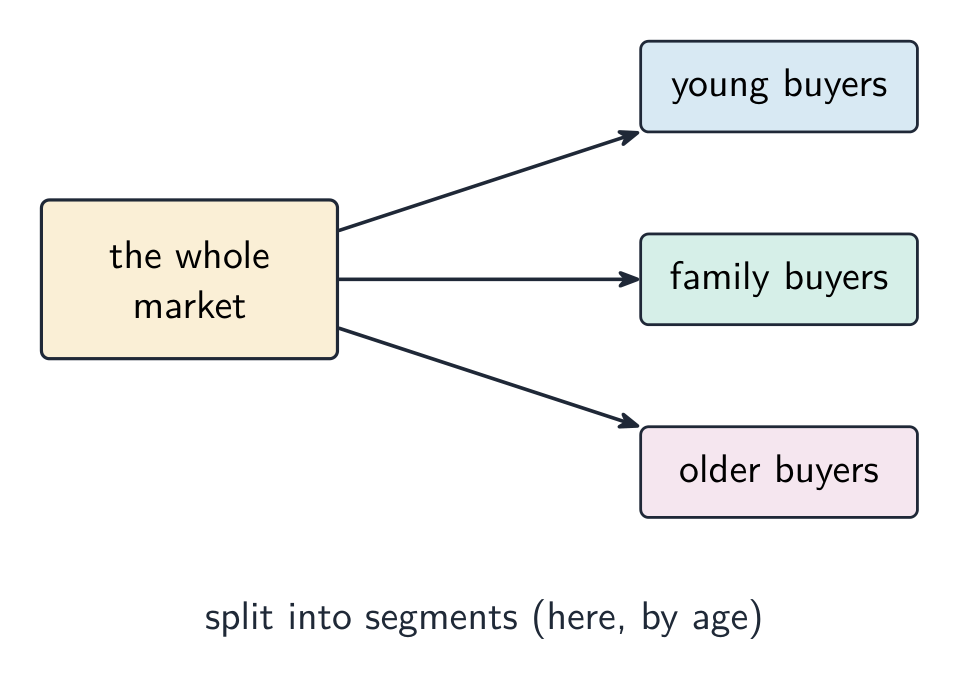
Market segmentation 市场细分 means splitting a market into groups of buyers who share something, such as age, income, gender or location. Its benefits:
the business can design a product to fit each group,
it can aim its advertising at the right people,
it can spot gaps in the market.
العربية
التسويق هو العمل الخاص بمعرفة ما يريده العملاء، ثم إنتاج وتسعير وبيع وترويج المنتجات لتلبية تلك الاحتياجات مع تحقيق ربح.
للتسويق أدوار متعددة:
اكتشاف وتلبية ما يريده العملاء،
الحفاظ على المبيعات وزيادة حصة السوق،
بناء ولاء العملاء حتى يعود المشترون مرة أخرى.
لماذا يهم العملاء
يجلب العملاء الأموال، لذا فإن الاحتفاظ بهم أمر حيوي. إن فقدان العملاء مكلف: تفقد الشركة مصاريفهم المستقبلية، ويجب عليها الإنفاق الكثير على الإعلانات لجذب عملاء جدد. وعادة ما يكون الاحتفاظ بعميل أوفر بكثير من البحث عن عميل جديد.
الأسواق المتخصصة والأسواق الواسعة
السوق هو جميع المشترين والبائعين لمنتج ما.
السوق المتخصص هو جزء صغير من السوق يتميز باحتياجات خاصة، على سبيل المثال أدوات المبتورو اليد.
السوق الواسع هو سوق كبير يحتوي على العديد من المشترين المتشابهين، على سبيل المثال المشروبات الغازية.
تقسيم السوق
تقسيم السوق يعني تقسيم السوق إلى مجموعات من المشترين يجمعهم شيء مشترك، مثل العمر أو الدخل أو الجنس أو الموقع. وفوائده:
يمكن للشركة تصميم منتج يناسب كل مجموعة،
يمكنها توجيه إعلاناتها للأشخاص المناسبين،
يمكنها تحديد الفجوات في السوق.
يقسم تقسيم السوق السوق الكلي إلى مجموعات من المشترين المتشابهين
Explore · استكشف
Marketing mix lab · مختبر المزيج التسويقي
See which part of the marketing mix changes in each real decision. · انظر إلى أي جزء من المزيج التسويقي يتغير في كل قرار حقيقي.
distinguish primary (field) and secondary (desk) market research and their methods
explain sampling and the need for accurate, reliable data
present and interpret market research data (tables, charts, graphs) to support decisions
العربية
ميّز بين أبحاث السوق الأولية (الميدانية) والثانوية (المكتبية) وطرقها
اشرح العينة وأهمية الحصول على بيانات دقيقة وموثوقة
قدم وفسر بيانات أبحاث السوق (جداول، رسوم بيانية، منحنيات) لدعم القرارات
Source: Cambridge International syllabus · المصدر: منهج كامبريدج الدولي
English
Market research 市场调研 is collecting information about customers, rivals and the market, to help make good decisions.
Primary and secondary research
Primary research 一手调研 (also called field research) collects new information directly, for the first time. Methods include questionnaires 问卷, interviews, surveys and tests. It is up to date and fits the exact need, but costs time and money.
Secondary research 二手调研 (also called desk research) uses information that already exists, such as government reports, websites and past sales records. It is cheap and quick, but may be old or may not fit the need.
Sampling and reliable data
A business cannot ask everyone, so it asks a small group, called a sample. Sampling 抽样 must be done with care. If the sample is too small or not typical, the data 数据 will not be reliable, and decisions based on it may be wrong.
Using research data
Research results are shown in tables, charts and graphs. You should be able to read them — for example, find the most popular product, or see how sales change over time — and use them to support a decision.
العربية
بحث التسويق هو جمع معلومات حول العملاء والمنافسين والسوق، للمساعدة في اتخاذ قرارات جيدة.
يجمع البحث الأولي بيانات جديدة؛ بينما يستخدم البحث الثاني بيانات موجودة مسبقاً
البحث الأولي والثانوي
البحث الأولي (المعروف أيضاً بالبحث الميداني) يجمع معلومات جديدة مباشرة، لأول مرة. وتشمل طرقه استمارات الاستطلاع، والمقابلات، والاستطلاعات، والاختبارات. وهو حديث ويناسب الحاجة بدقة، لكنه يتطلب وقتاً ومالاً.
البحث الثانوي (المعروف أيضاً بالبحث المكتبي) يستخدم معلومات موجودة مسبقاً، مثل التقارير الحكومية، والمواقع الإلكترونية، وسجلات المبيعات السابقة. وهو رخيص وسريع، لكن قد يكون قديماً أو قد لا يناسب الحاجة.
العينات والبيانات الموثوقة
لا تستطيع الشركة سؤال الجميع، لذا تسأل مجموعة صغيرة تسمى العينة. يجب إجراء العينة بعناية. إذا كانت العينة صغيرة جداً أو ليست ممثلة، فلن تكون البيانات موثوقة، وقد تكون القرارات القائمة عليها خاطئة.
استخدام بيانات البحث
تُعرض نتائج البحث في جداول ومخططات بيانية. يجب أن تكون قادراً على قراءتها — على سبيل المثال، إيجاد المنتج الأكثر شعبية، أو رؤية كيف تتغير المبيعات بمرور الوقت — واستخدامها لدعم قرار.
Explore · استكشف
Market research cycle · دورة بحث السوق
Follow how a business turns customer data into a marketing decision. · تابع كيف تحول المؤسسة بيانات العملاء إلى قرار تسويقي.
explain the four elements of the marketing mix (product, price, place, promotion)
product: the product life cycle and extension strategies, branding and packaging
price: pricing methods (cost-plus, penetration, skimming, competitive, promotional, dynamic) and influences on price
place: channels of distribution (wholesaler, retailer, direct, e-commerce)
promotion: advertising, sales promotion and the role of technology (internet, social media) in the marketing mix
العربية
اشرح عناصر مزيج التسويق الأربعة (المنتج، السعر، المكان، الترويج)
المنتج: دورة حياة المنتج واستراتيجيات التمديد، العلامة التجارية والتغليف
السعر: طرق التسعير (上加价، الاختراق، التقطيع، التنافسي، الترويجي، الديناميكي) والعوامل المؤثرة في السعر
المكان: قنوات التوزيع (الجملة، التجزئة، المباشر، التجارة الإلكترونية)
الترويج: الإعلانات، الترويج للمبيعات ودور التكنولوجيا (الإنترنت، وسائل التواصل الاجتماعي) في مزيج التسويق
Source: Cambridge International syllabus · المصدر: منهج كامبريدج الدولي
English
The product life cycle
The marketing mix 营销组合 is the four main choices a business makes about a product. They are often called the four Ps: product, price, place and promotion.
Product
The product 产品 must meet customers' needs. Two ideas matter here.
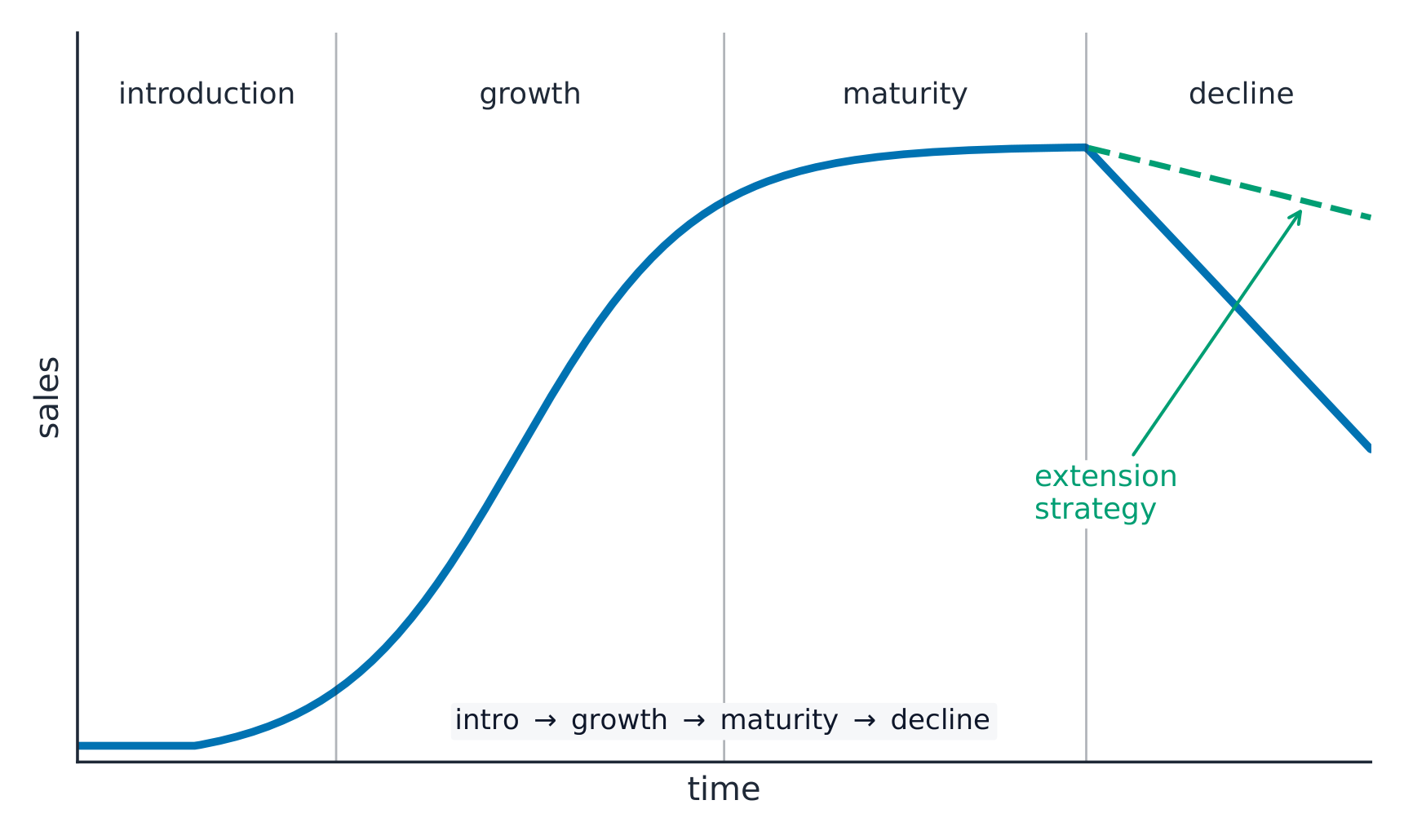
The product life cycle 产品生命周期 describes the sales of a product over time, in four stages: introduction, growth, maturity and decline. When sales begin to fall, a business can use an extension strategy 延长策略 — such as a new design, a new advert, or selling in a new market — to keep the product selling.
A strong brand 品牌 (a name, logo and image that customers recognise) and good packaging 包装 (the wrapping that protects the product and attracts buyers) both help a product sell. Building a brand is called branding.
Price
The price 价格 is what the customer pays. A business can choose from several pricing methods.
Method
How it works
cost-plus pricing 成本加成定价
add a fixed share of profit on top of the cost of making the item
penetration pricing 渗透定价
set a low price to enter a market and win customers fast
price skimming 撇脂定价
set a high price at first for a new, special product
competitive pricing 竞争定价
set a price close to rivals' prices
promotional pricing 促销定价
cut the price for a short time to lift sales
dynamic pricing 动态定价
change the price automatically as demand changes, as airlines do
The right price also depends on the cost of making the product, on what customers will pay, on rivals' prices, and on the product's stage in its life cycle.
Worked example. One firm launches a smartphone using technology no rival has. Another enters a crowded soft-drinks market. Which pricing method suits each, and why? The smartphone is new and special with no direct competition, so use price skimming: charge a high price at first to recover the development cost from customers who must have it, then lower it as rivals catch up. The soft drink faces many established rivals, so use penetration pricing: a low price wins customers quickly and buys market share, and it can be raised later. Match the method to the market conditions - a pricing strategy is only right or wrong relative to the competition and the product's stage in its life cycle.
Place
Place 地点 is about how and where the product is sold, so it reaches the customer at the right time. The route a product takes from maker to customer is called a channel of distribution 分销渠道.
Many channels use a wholesaler 批发商 (buys large amounts from makers and sells smaller amounts to shops) and a retailer 零售商 (a shop that sells to the final customer). A business can also sell directly 直销 to customers, or online through e-commerce 电子商务.
Promotion
Promotion 推广 means telling customers about a product and persuading them to buy it. It includes:
advertising — paid messages on TV, online, on posters and so on,
sales promotion 促销 — short-term offers like discounts, free gifts, or "buy one get one free".
Technology now plays a big part. The internet 互联网 and social media 社交媒体 let a business reach many people cheaply, target the right customers, and sell all over the world.
العربية
دورة حياة المنتجالإعلانات على الشاشات الضخمة — الترويج هو أحد عناصر المزيج التسويقي الأربعة.
المزيج التسويقي هو الخيارات الأربعة الرئيسية التي تتخذها الشركة بشأن منتج ما. وغالباً ما تُسمى العناصر الأربعة P: المنتج، السعر، المكان، والترويج.
مزيج التسويق يجمع بين الـ 4 P
المنتج
المنتج يجب أن يلبي احتياجات العملاء. فكرتان مهمتان هنا.
يصف دورة حياة المنتج مبيعات منتج معين بمرور الوقت، في أربع مراحل: الإدخال، النمو، النضج والانهيار. عندما تبدأ المبيعات في الانخفاض، يمكن للشركة استخدام استراتيجية التمدد — مثل تصميم جديد، أو إعلان جديد، أو البيع في سوق جديدة — للحفاظ على مبيعات المنتج.
مبيعات منتج عبر مراحل حياته الأربع، مع استراتيجية توسيع في مرحلة النضوج
يساعد العلامة التجارية القوية (اسم وشعار وصورة يتعرف عليها العملاء) والتغليف الجيد (الغلاف الذي يحمي المنتج ويجذب المشترين) في بيع المنتج. يُطلق بناء العلامة التجارية اسم العلامة التجارية (Branding).
السعر
السعر هو ما يدفعه العميل. يمكن للشركة الاختيار من بين عدة طرق لتحديد الأسعار.
الطريقة
كيفية عملها
تحديد الأسعار بتكلفة زائد هامش ربح ثابت
إضافة جزء ثابت من الربح فوق تكلفة تصنيع الصنف
تحديد أسعار الاختراق
تحديد سعر منخفض للدخول إلى السوق وجذب العملاء بسرعة
استراتيجية استخلاص القيمة (Price Skimming)
تحديد سعر مرتفع في البداية لمنتج جديد ومميز
التسعير التنافسي
تحديد سعر قريب من أسعار المنافسين
التسعير الترويجي
خفض السعر لفترة قصيرة لرفع المبيعات
التسعير الديناميكي
تغيير السعر تلقائياً مع تغير الطلب، كما تفعل شركات الطيران
يعتمد السعر المناسب أيضاً على تكلفة تصنيع المنتج، وما قد يدفعه العملاء، وأسعار المنافسين، والمرحلة التي يمر بها المنتج في دورة حياته.
مثال محلول. أطلقت إحدى الشركات هاتفاً ذكياً باستخدام تقنية لا يمتلكها أي منافس. دخلت شركة أخرى سوقاً مزدحماً بمشروبات الغاز. أي طريقة تسعير تناسب كل منهما ولماذا؟ الهاتف الذكي جديد ومميز ولا يوجد له منافس مباشر، لذا نستخدم استراتيجية استخلاص القيمة: تحديد سعر مرتفع في البداية لاسترداد تكاليف التطوير من العملاء الذين يحتاجونه حتماً، ثم خفضه عندما تلحق به المنافسون. أما مشروب الغاز فيتنافس مع العديد من المنافسين الراسخين، لذا نستخدم أسعار الاختراق: سعر منخفض يجذب العملاء بسرعة ويحقق حصّة سوقية، ويمكن رفعه لاحقاً. طابق الطريقة مع ظروف السوق — فالاستراتيجية التسعيرية تكون صحيحة أو خاطئة بالنسبة للمنافسة ومرحلة المنتج في دورة حياته.
المكان
المكان يتعلق بكيفية وأين يتم بيع المنتج ليصل إلى العميل في الوقت المناسب. تسمى المسار الذي يسلكه المنتج من المصنع إلى العميل بـ قناة التوزيع.
تستخدم العديد من القنوات وكيل تجارة بالجملة (يشتري كميات كبيرة من المصنّعين ويبيع كميات أصغر للمتاجر) وبائع بالتجزئة (متجر يبيع للعميل النهائي). يمكن للشركة أيضاً البيع مباشرة للعملاء، أو عبر الإنترنت من خلال التجارة الإلكترونية.
القناة القصيرة تمنح تحكماً أكبر؛ والقناة الأطول تصل إلى عدد أكبر من المشترين
الترويج
الترويج يعني إخبار العملاء بمنتج وإقناعهم بشرائه. ويشمل:
الإعلانات — رسائل مدفوعة على التلفزيون، والإنترنت، والملصقات وما إلى ذلك،
الترويج للمبيعات — عروض مؤقتة مثل الخصومات، أو الهدايا المجانية، أو "اشترِ واحدة واحصل على الثانية مجاناً".
تلعب التكنولوجيا دوراً كبيراً الآن. يسمح إنترنت ووسائل التواصل الاجتماعي للشركة بالوصول إلى عدد كبير من الناس بتكلفة منخفضة، واستهداف العملاء المناسبين، والبيع في جميع أنحاء العالم.
Explore · استكشف
The marketing mix (4 Ps) · مزيج التسويق (4Ps)
The marketing mix is the four decisions a business blends to sell a product well. · مزيج التسويق هو القرارات الأربعة التي تجمعها الشركة لبيع منتج بشكل جيد.
explain how a marketing mix can be used to achieve marketing objectives
explain legal controls related to marketing (consumer protection, misleading promotion)
explain the opportunities and problems of entering new markets in other countries
العربية
اشرح كيفية استخدام مزيج التسويق لتحقيق أهداف التسويق
اشرح الضوابط القانونية المتعلقة بالتسويق (حماية المستهلك، الترويج المضلل)
اشرح فرص ومشاكل الدخول إلى أسواق جديدة في دول أخرى
Source: Cambridge International syllabus · المصدر: منهج كامبريدج الدولي
English
A marketing strategy 营销策略 is a plan that uses the four Ps together to reach the business's objectives 目标. The four Ps must fit each other and fit the target customers. For example, a high-price luxury product needs high-quality packaging, expensive shops and image-based adverts.
Legal controls on marketing
Many countries have legal controls 法律管制 that protect buyers:
consumer protection 消费者保护 laws stop the sale of unsafe or faulty goods,
rules ban misleading 误导 promotion — adverts that lie about what a product can do.
Selling in other countries
A business can grow by entering an international market 国际市场 in another country.
Opportunities: many more customers, higher sales, and spreading risk across markets.
Problems: different languages and tastes, higher transport costs, foreign laws and tariffs 关税 (taxes on imports), and strong local competition 竞争.
العربية
نافذة متجر تحمل علامة تجارية: تساعد العلامة التجارية المنتج على التميز عن المنافسين.
استراتيجية التسويق هي خطة تستخدم الـ 4Ps معاً لتحقيق أهداف الشركة. يجب أن تتناسب الـ 4Ps مع بعضها البعض وتتناسب مع العملاء المستهدفين. على سبيل المثال، يتطلب منتج فاخر عالي السعر تغليفاً عالي الجودة ومتاجر باهظة الثمن وإعلانات تعتمد على الصورة.
الضوابط القانونية على التسويق
تمتلك许多国家有ضوابط قانونية تحمي المشترين:
قوانين حماية المستهلك تمنع بيع البضائع غير الآمنة أو المعيبة،
قواعد تحظر الترويج المضلل — الإعلانات التي تدعي كاذباً ما يمكن للمنتج فعله.
البيع في دول أخرى
يمكن للشركة النمو من خلال الدخول إلى سوق دولية في بلد آخر.
فرص: عملاء أكثر بكثير، ومبيعات أعلى، وتوزيع المخاطر عبر الأسواق.
مشاكل: لغات وأذواق مختلفة، وتكاليف نقل أعلى، وقوانين أجنبية وتعرفات جمركية (ضرائب على الواردات)، ومنافسة محلية قوية.
Explore · استكشف
Ansoff strategy lab · مختبر استراتيجية أنسوڤ
Sort growth choices by product and market risk. · رتب خيارات النمو حسب مخاطر المنتج والسوق.
3.4
Exam tips · نصائح للامتحان
English
Learn the four Ps of the marketing mix — product, price, place, promotion — and remember they must fit each other and the target customer.
Primary research collects new data (surveys, questionnaires; up to date but costly); secondary research uses existing data (cheap and quick but may be out of date).
Know the product life cycle (introduction, growth, maturity, decline) and that an extension strategy revives falling sales.
Match the pricing methods: penetration (low, to enter a market), skimming (high, for a new product), plus cost-plus, competitive, promotional and dynamic pricing.
A niche market is small and specialised; a mass market is large, with many similar buyers.
العربية
تعلم الـ 4Ps لمزيج التسويق — المنتج، السعر، المكان، الترويج — وتذكر أنه يجب أن تتناسب مع بعضها البعض ومع العميل المستهدف.
البحث الأولي يجمع بيانات جديدة (استطلاعات، استمارات؛ حديث لكنه مكلف)؛ البحث الثانوي يستخدم بيانات موجودة مسبقاً (رخيص وسريع لكن قد يكون قديماً).
معرفة دورة حياة المنتج (إدخال، نمو، نضج، انهيار) وأن استراتيجية التمدد تعيد إحياء انخفاض المبيعات.
مطابقة طرق التسعير: الاختراق (منخفض للدخول إلى سوق)، استخلاص القيمة (مرتفع لمنتج جديد)، بالإضافة إلى التسعير بتكلفة زائد هامش، التنافسي، الترويجي والديناميكي.
السوق niche market صغير ومتخصص؛ السوق الشامل mass market كبير، مع الكثير من المشترين المتشابهين.
Pick one and the site follows you — notes, papers, videos and practice all open on it. · اختر واحدًا وسيتبعك الموقع — الملاحظات، الأوراق، الفيديوهات والتدريب جميعها تفتح عليه.
Type to search notes, lessons, code, vocabulary and past-paper questions across every subject. · اكتب للبحث عن ملاحظات، دروس، أكواد، مفردات وأسئلة امتحانات سابقة عبر جميع المواد.