Skip to content · ⁨الانتقال إلى المحتوى⁩

The Global Tapestry · ⁨النسيج العالمي⁩

AP World History: Modern · ⁨تاريخ العالم الحديث (AP)⁩ · Topic 1 · ⁨الموضوع 1⁩

Video lesson for this topic · ⁨درس فيديو لهذا الموضوع⁩ Open the video page · ⁨افتح صفحة الفيديو⁩
7:53

الوحدة 1: السجادة العالمية

تطلب منك الوحدة 1 حمل ستة مناطق من العالم في ذهنك في آن واحد، ويحاول الطلاب فعل ذلك عن طريق حفظ ست قصص منفصلة. لهذا السبب تشعر الوحدة بأنها…

English narration · English + 中文 subtitles burned in · ⁨سرد باللغة الإنجليزية · ترجمة مدمجة بالإنجليزية + الصينية⁩

1.1

Reading the World in 1200 · ⁨قراءة العالم في 1200⁩

Syllabus · ⁨المنهج⁩
English

1.1 Developments in East Asia from c. 1200 to c. 1450

Thematic Focus (GOV): Governance — A variety of internal and external factors contribute to state formation, expansion, and decline. Governments maintain order through a variety of administrative institutions, policies, and procedures, and governments obtain, retain, and exercise power in different ways and for different purposes.

Thematic Focus (CDI): Cultural Developments and Interactions — The development of ideas, beliefs, and religions illustrates how groups in society view themselves, and the interactions of societies and their beliefs often have political, social, and cultural implications.

Learning Objective Unit 1.A: Explain the systems of government employed by Chinese dynasties and how they developed over time.

  • KC-3.2.I.A Empires and states in Afro-Eurasia and the Americas demonstrated continuity, innovation, and diversity in the 13th century. This included the Song Dynasty of China, which utilized traditional methods of Confucianism and an imperial bureaucracy to maintain and justify its rule.

Learning Objective Unit 1.B: Explain the effects of Chinese cultural traditions on East Asia over time. THEMATIC FOCUS Economics Systems ECN As societies develop, they affect and are affected by the ways that they produce, exchange, and consume goods and services. LEARNING OBJECTIVE

  • KC-3.1.III.D.i Chinese cultural traditions continued, and they influenced neighboring regions.
  • KC-3.1.III.D.ii Buddhism and its core beliefs continued to shape societies in Asia and included a variety of branches, schools, and practices. HISTORICAL DEVELOPMENTS

Learning Objective Unit 1.C: Explain the effects of innovation on the Chinese economy over time.

  • KC-3.3.III.A.i The economy of Song China became increasingly commercialized while continuing to depend on free peasant and artisanal labor.
  • KC-3.1.I.D The economy of Song China flourished as a result of increased productive capacity, expanding trade networks, and innovations in agriculture and manufacturing.

Illustrative examples:

  • Cultural traditions:
    • Filial piety in East Asia
    • Influence of Neo-Confucianism and Buddhism in East Asia
    • Confucian traditions of both respect for and expected deference from women
    • Chinese literary and scholarly traditions and their spread to Heian Japan and Korea
  • Branches of Buddhism:
    • Theravada
    • Mahayana
    • Tibetan
  • Technological innovations:
    • Champa rice
    • Transportation innovations, like the Grand Canal expansion
    • Steel and iron production
    • Textiles and porcelains for export
العربية

1.1 تطورات في شرق آسيا من حوالي 1200 إلى حوالي 1450

التركيز الموضوعي (GOV): الحكم — تساهم مجموعة متنوعة من العوامل الداخلية والخارجية في تشكيل الدولة وتوسعها وانهيارها. تحافظ الحكومات على النظام من خلال مجموعة متنوعة من المؤسسات والإجراءات والسياسات الإدارية، وتكتسب الحكومات وتحتفظ بالسلطة وتمارسها بطرق مختلفة ولأغراض مختلفة.

التركيز الموضوعي (CDI): التطورات والتفاعلات الثقافية — يعكس تطور الأفكار والمعتقدات والأديان كيف تنظر المجموعات في المجتمع إلى نفسها، وغالبًا ما يكون للتفاعلات بين المجتمعات ومعتقداتها عواقب سياسية واجتماعية وثقافية.

هدف التعلم الوحدة 1.A: اشرح أنظمة الحكم التي اعتمدتها السلالات الصينية وكيف تطورت مع مرور الوقت.

  • KC-3.2.I.A أظهرت الإمبراطوريات والدول في أفرو-أوراسيا والأمريكتين استمرارية وابتكاراً وتنوعاً في 13th القرن. شمل ذلك سلالة سونغ في الصين، والتي استخدمت أساليب الكونفوشيوسية التقليدية وإدارة إمبراطورية للحفاظ على حكمها وتبريره.

هدف التعلم الوحدة 1.B: اشرح تأثير التقاليد الثقافية الصينية على شرق آسيا عبر الزمن. التركيز الموضوعي: الاقتصاد ECN随着社会的进步,它们影响并受到其生产、交换和消费商品和服务方式的影响。 LEARNING OBJECTIVE

  • KC-3.1.III.D.i استمرت التقاليد الثقافية الصينية، وأثرت على المناطق المجاورة.
  • KC-3.1.III.D.ii استمر البوذية ومبادئها الأساسية في تشكيل المجتمعات في آسيا وشملت مجموعة متنوعة من الفروع والمدارس والممارسات. التطورات التاريخية

هدف التعلم الوحدة 1.C: اشرح تأثير الابتكار على الاقتصاد الصيني عبر الزمن.

  • KC-3.3.III.A.i أصبح اقتصاد صين سونغ أكثر تجارة بينما لا يزال يعتمد على العمل الحر للفلاحين والحرفيين.
  • KC-3.1.I.D ازدهر اقتصاد صين سونغ نتيجة لزيادة القدرة الإنتاجية، وتوسع شبكات التجارة، والابتكارات في الزراعة والتصنيع.

أمثلة توضيحية:

  • التقاليد الثقافية:
    • الاحترام للأهل في شرق آسيا
    • تأثير الكونفوشيوسية الجديدة والبوذية في شرق آسيا
    • التقاليد الكونفوشيوسية من الاحترام والتوقع بامتثال النساء
    • التقاليد الأدبية والعلمية الصينية وانتشارها في اليابان هيآن وكوريا
  • فروع البوذية:
    • ثيرافادا
    • مهايانا
    • التبتية
  • الابتكارات التكنولوجية:
    • أرز تشامبا
    • ابتكارات النقل، مثل توسع القناة العظيمة
    • إنتاج الصلب والحديد
    • النسيج والسيراميك للتصدير

Source: College Board AP Course and Exam Description · ⁨المصدر: وصف دورة وامتحان College Board AP⁩

English

Unit 1 surveys the major regions of the world around 1200 to 1450, just before the great connecting networks of Unit 2. Its purpose is comparison: by the end you should be able to say how any two of these societies were governed, what held them together, and how they made their living.

Three questions apply everywhere, and answering them for each region is the whole unit:

  • How is the state organised? Who rules, through what officials, and paid for how?
  • What belief system shapes society? Religion supplies law, education, and legitimacy in every region here.
  • What is the economic base? Agriculture almost everywhere, but with very different labour systems and levels of trade.
العربية

تستعرض الوحدة 1 المناطق الرئيسية للعالم حول 1200 إلى 1450، قبل شبكات الاتصال العظيمة التي ستُناقش في الوحدة 2. هدفها هو المقارنة: وفي النهاية يجب أن تكون قادراً على شرح كيف حُكمت أي مجتمعين من هذين المجتمعات، وما الذي جمعهما معاً، وكيف كسبا عيشهما.

ثلاثة أسئلة تنطبق في كل مكان، والإجابة عليها لكل منطقة تمثل جوهر الوحدة:

  • كيف يُنظم الدولة؟ من يحكم، عبر أي مسؤولين، وبأي شكل يُدفع له؟
  • ما نظام المعتقدات الذي يشكّل المجتمع؟ يوفر الدين القانون والتعليم والشرعية في كل هذه المناطق.
  • ما الأساس الاقتصادي؟ الزراعة في الغالب في كل مكان، ولكن مع أنظمة عمل ومستويات تجارة مختلفة جداً.
1.1

East Asia · ⁨شرق آسيا⁩

Syllabus · ⁨المنهج⁩
English

1.1 Developments in East Asia from c. 1200 to c. 1450

Thematic Focus (GOV): Governance — A variety of internal and external factors contribute to state formation, expansion, and decline. Governments maintain order through a variety of administrative institutions, policies, and procedures, and governments obtain, retain, and exercise power in different ways and for different purposes.

Thematic Focus (CDI): Cultural Developments and Interactions — The development of ideas, beliefs, and religions illustrates how groups in society view themselves, and the interactions of societies and their beliefs often have political, social, and cultural implications.

Learning Objective Unit 1.A: Explain the systems of government employed by Chinese dynasties and how they developed over time.

  • KC-3.2.I.A Empires and states in Afro-Eurasia and the Americas demonstrated continuity, innovation, and diversity in the 13th century. This included the Song Dynasty of China, which utilized traditional methods of Confucianism and an imperial bureaucracy to maintain and justify its rule.

Learning Objective Unit 1.B: Explain the effects of Chinese cultural traditions on East Asia over time. THEMATIC FOCUS Economics Systems ECN As societies develop, they affect and are affected by the ways that they produce, exchange, and consume goods and services. LEARNING OBJECTIVE

  • KC-3.1.III.D.i Chinese cultural traditions continued, and they influenced neighboring regions.
  • KC-3.1.III.D.ii Buddhism and its core beliefs continued to shape societies in Asia and included a variety of branches, schools, and practices. HISTORICAL DEVELOPMENTS

Learning Objective Unit 1.C: Explain the effects of innovation on the Chinese economy over time.

  • KC-3.3.III.A.i The economy of Song China became increasingly commercialized while continuing to depend on free peasant and artisanal labor.
  • KC-3.1.I.D The economy of Song China flourished as a result of increased productive capacity, expanding trade networks, and innovations in agriculture and manufacturing.

Illustrative examples:

  • Cultural traditions:
    • Filial piety in East Asia
    • Influence of Neo-Confucianism and Buddhism in East Asia
    • Confucian traditions of both respect for and expected deference from women
    • Chinese literary and scholarly traditions and their spread to Heian Japan and Korea
  • Branches of Buddhism:
    • Theravada
    • Mahayana
    • Tibetan
  • Technological innovations:
    • Champa rice
    • Transportation innovations, like the Grand Canal expansion
    • Steel and iron production
    • Textiles and porcelains for export
العربية

1.1 تطورات في شرق آسيا من حوالي 1200 إلى حوالي 1450

التركيز الموضوعي (GOV): الحكم — تساهم مجموعة متنوعة من العوامل الداخلية والخارجية في تشكيل الدولة وتوسعها وانهيارها. تحافظ الحكومات على النظام من خلال مجموعة متنوعة من المؤسسات والإجراءات والسياسات الإدارية، وتكتسب الحكومات وتحتفظ بالسلطة وتمارسها بطرق مختلفة ولأغراض مختلفة.

التركيز الموضوعي (CDI): التطورات والتفاعلات الثقافية — يعكس تطور الأفكار والمعتقدات والأديان كيف تنظر المجموعات في المجتمع إلى نفسها، وغالبًا ما يكون للتفاعلات بين المجتمعات ومعتقداتها عواقب سياسية واجتماعية وثقافية.

هدف التعلم الوحدة 1.A: اشرح أنظمة الحكم التي اعتمدتها السلالات الصينية وكيف تطورت مع مرور الوقت.

  • KC-3.2.I.A أظهرت الإمبراطوريات والدول في أفرو-أوراسيا والأمريكتين استمرارية وابتكاراً وتنوعاً في 13th القرن. شمل ذلك سلالة سونغ في الصين، والتي استخدمت أساليب الكونفوشيوسية التقليدية وإدارة إمبراطورية للحفاظ على حكمها وتبريره.

هدف التعلم الوحدة 1.B: اشرح تأثير التقاليد الثقافية الصينية على شرق آسيا عبر الزمن. التركيز الموضوعي: الاقتصاد ECN随着社会的进步,它们影响并受到其生产、交换和消费商品和服务方式的影响。 LEARNING OBJECTIVE

  • KC-3.1.III.D.i استمرت التقاليد الثقافية الصينية، وأثرت على المناطق المجاورة.
  • KC-3.1.III.D.ii استمر البوذية ومبادئها الأساسية في تشكيل المجتمعات في آسيا وشملت مجموعة متنوعة من الفروع والمدارس والممارسات. التطورات التاريخية

هدف التعلم الوحدة 1.C: اشرح تأثير الابتكار على الاقتصاد الصيني عبر الزمن.

  • KC-3.3.III.A.i أصبح اقتصاد صين سونغ أكثر تجارة بينما لا يزال يعتمد على العمل الحر للفلاحين والحرفيين.
  • KC-3.1.I.D ازدهر اقتصاد صين سونغ نتيجة لزيادة القدرة الإنتاجية، وتوسع شبكات التجارة، والابتكارات في الزراعة والتصنيع.

أمثلة توضيحية:

  • التقاليد الثقافية:
    • الاحترام للأهل في شرق آسيا
    • تأثير الكونفوشيوسية الجديدة والبوذية في شرق آسيا
    • التقاليد الكونفوشيوسية من الاحترام والتوقع بامتثال النساء
    • التقاليد الأدبية والعلمية الصينية وانتشارها في اليابان هيآن وكوريا
  • فروع البوذية:
    • ثيرافادا
    • مهايانا
    • التبتية
  • الابتكارات التكنولوجية:
    • أرز تشامبا
    • ابتكارات النقل، مثل توسع القناة العظيمة
    • إنتاج الصلب والحديد
    • النسيج والسيراميك للتصدير

Source: College Board AP Course and Exam Description · ⁨المصدر: وصف دورة وامتحان College Board AP⁩

English

Song China 宋朝中国 is the unit's benchmark state. Its economy became increasingly commercialized 商业化 while remaining largely agrarian 农业为主, supported by rising productive capacity - Champa rice 占城稻, iron and steel production, and transport improvements such as the expanded Grand Canal 大运河.

Government ran through a bureaucracy 官僚体系 staffed by the civil service examination 科举制度, which recruited officials on merit and gave the state unusual administrative depth.

Chinese cultural traditions continued and influenced neighbouring regions - Korea, Japan, and Vietnam adopted writing, bureaucratic models, and belief systems. Neo-Confucianism 新儒学 shaped society, including filial piety 孝道 and the expectation of women's deference. Buddhism 佛教 continued to shape Asian societies and spread further, in forms including Theravada 上座部佛教, Mahayana 大乘佛教, and Tibetan 藏传佛教 Buddhism.

What Song China made, and why it matters later. The commercialised economy did not only feed itself: it produced textiles 纺织品, porcelains 瓷器 and iron for export, in workshops organised for volume rather than for a household's own use. Paper money and credit instruments circulated to pay for it. This is the supply side of the Indian Ocean trade you meet in the next unit — the demand for Chinese porcelain and silk is what put ships on those routes, so treat Song manufacturing as a cause of the trading world, not a detail about China.

Confucian expectations cut both ways for women. Neo-Confucianism held that women were owed respect within the family and were morally central to it, while also expecting deference 顺从 to father, husband and son. Both halves are in the CED, and a question asking about continuity and change in women's status wants the tension between them rather than one side alone; the spread of foot binding 缠足 among elite families in this period is the usual evidence for the restrictive half.

العربية

الصين سونغ هي الدولة المرجعية للوحدة. أصبحت اقتصادها أكثر تجارية بينما ظلت بشكل كبير زراعية، مدعومة بزيادة القدرات الإنتاجية - أرز تشامبا، وإنتاج الحديد والصلب، وتحسينات النقل مثل توسيع القناة الكبرى.

إدارة الدولة كانت تتم عبر بيروقراطية يتولىها اختبار الخدمة المدنية، والذي كان يوظف المسؤولين بناءً على الاستحقاق ويمنح الدولة عمقاً إدارياً غير معتاد.

استمرت التقاليد الثقافية الصينية وأثرت في المناطق المجاورة - فقد تبعت كوريا واليابان وفيتنام الكتابة والنماذج البيروقرطية ونظام المعتقدات. شكّل الكونفيوشيوية الجديدة المجتمع، بما في ذلك برّ الوالدين وتوقع خضوع النساء. البوذية استمرت في تشكيل المجتمعات الآسيوية وانتشرت أكثر، بأشكال تشمل الثيرافادا، المهايانا، والبوذية التبتية.

الصين سونغ كسلسلة واحدة: المكاسب الزراعية تدفع تكاليف البيروقراطية التي يوظفها الاختبار

ما أنتجت الصين سونغ ولماذا كان ذلك مهماً لاحقاً. الاقتصاد التجاري لم يكن يكفي نفسه فحسب؛ بل أنتج النسيج، والخزف والحديد للصادرات، في ورش منظمة للإنتاج الضخم بدلاً للاستخدام المنزلي. انتشرت النقود الورقية وأدوات الائتمان لدفع تكاليف ذلك. هذا هو الجانب العرضي لتجارة المحيط الهندي التي ستلتقي بها في الوحدة التالية - فطلب الخزف الصيني والحرير هو ما وضع السفن على تلك الطرق، لذا تعامل مع تصنيع سونغ كـ سبب للعالم التجاري، وليس مجرد تفصيل عن الصين.

توقعات الكونفيوشيوية تؤثر على النساء من اتجاهين. اعتقدت الكونفيوشيوية الجديدة أن للنساء حق الاحترام داخل الأسرة وأنهن جوهري أخلاقياً لها، بينما كانت تتوقع أيضاً الخضوع للأب والزوج والابن. كلا الجانبين موجودان في CED، والسؤال الذي يطلب谈论 الاستمرار والتغير في وضع المرأة يرغب في التوتر بينهما وليس جانباً واحداً فقط؛ الانتشار الشائع لـ ربط الأقدام بين الأسر النبيلة في هذه الفترة هو الدليل المعتاد للجانب المقيد.

Explore · ⁨استكشف⁩

Build the Song engine · ⁨بنِ محرك سونغ⁩

Champa rice, the canal and the examination are one chain: agricultural gains pay for a bureaucracy that merit staffs. · ⁨الأرز تشامبا والقناة والامتحان سلسلة واحدة: المكاسب الزراعية تدفع تكاليف بيروقراطية توظف الكفاءات.⁩

1.2

Dar al-Islam · ⁨دار الإسلام⁩

Syllabus · ⁨المنهج⁩
English

1.2 Developments in Dar al-Islam from c. 1200 to c. 1450

Thematic Focus (CDI): Cultural Developments and Interactions — The development of ideas, beliefs, and religions illustrates how groups in society view themselves, and the interactions of societies and their beliefs often have political, social, and cultural implications.

Learning Objective Unit 1.D: Explain how systems of belief and their practices affected society in the period from c. 1200 to c. 1450. THEMATIC FOCUS Governance GOV A variety of internal and external factors contribute to state formation, expansion, and decline. Governments maintain order through a variety of administrative institutions, policies, and procedures, and governments obtain, retain, and exercise power in different ways and for different purposes. LEARNING OBJECTIVE

  • KC-3.1.III.D.iii Islam, Judaism, Christianity, and the core beliefs and practices of these religions continued to shape societies in Africa and Asia. HISTORICAL DEVELOPMENTS

Learning Objective Unit 1.E: Explain the causes and effects of the rise of Islamic states over time.

  • KC-3.2.I As the Abbasid Caliphate fragmented, new Islamic political entities emerged, most of which were dominated by Turkic peoples. These states demonstrated continuity, innovation, and diversity.
  • KC-3.1.III.A Muslim rule continued to expand to many parts of Afro-Eurasia due to military expansion, and Islam subsequently expanded through the activities of merchants, missionaries, and Sufis. HISTORICAL DEVELOPMENTS

Learning Objective Unit 1.F: Explain the effects of intellectual innovation in Dar al-Islam.

  • KC-3.2.II.A.i Muslim states and empires encouraged significant intellectual innovations and transfers.

Illustrative examples:

  • New Islamic political entities:
    • Seljuk Empire
    • Mamluk sultanate of Egypt
    • Delhi sultanates (CONT’D) Innovations:
    • Advances in mathematics (Nasir al-Din al-Tusi)
    • Advances in literature ('A'ishah al-Ba'uniyyah)
    • Advances in medicine Transfers:
    • Preservation and commentaries on Greek moral and natural philosophy
    • House of Wisdom in Abbasid Bagdad
    • Scholarly and cultural transfers in Muslim and Christian Spain
العربية

1.2 تطورات في دار الإسلام من حوالي 1200 إلى حوالي 1450

التركيز الموضوعي (CDI): التطورات والتفاعلات الثقافية — يعكس تطور الأفكار والمعتقدات والأديان كيف تنظر المجموعات في المجتمع إلى نفسها، وغالبًا ما يكون للتفاعلات بين المجتمعات ومعتقداتها عواقب سياسية واجتماعية وثقافية.

هدف التعلم الوحدة 1.D: اشرح كيف أثرت أنظمة المعتقد وممارساتها على المجتمع في الفترة من حوالي 1200 إلى حوالي 1450. التركيز الموضوعي: الحكم GOV تساهم مجموعة متنوعة من العوامل الداخلية والخارجية في تشكيل الدولة وتوسعها وانهيارها. تحافظ الحكومات على النظام من خلال مجموعة متنوعة من المؤسسات والإجراءات والسياسات الإدارية، وتكتسب الحكومات وتحتفظ بالسلطة وتمارسها بطرق مختلفة ولأغراض مختلفة. هدف التعلم

  • KC-3.1.III.D.iii استمر الإسلام واليهودية والمسيحية والمبادئ والممارسات الأساسية لهذه الأديان في تشكيل المجتمعات في أفريقيا وآسيا. التطورات التاريخية

هدف التعلم الوحدة 1.E: اشرح أسباب ونتائج ظهور الدول الإسلامية عبر الزمن.

  • KC-3.2.I مع تفكك الخلافة العباسية، ظهرت كيانات سياسية إسلامية جديدة، معظمها كان يهيمن عليه شعوب الترك. أظهرت هذه الدول استمرارية وابتكارًا وتنوعًا.
  • KC-3.1.III.A استمر الحكم الإسلامي في التوسع إلى العديد من أجزاء أفرو-أوراسيا بسبب التوسع العسكري، وبالتالي انتشر الإسلام من خلال أنشطة التجار والمبشرين والصوفية. التطورات التاريخية

هدف التعلم الوحدة 1.F: اشرح تأثير الابتكار الفكري في دار الإسلام.

  • KC-3.2.II.A.i شجعت الدول والإمبراطوريات المسلمة على الابتكارات الفكرية والنقل الكبير.

أمثلة توضيحية:

  • الكيانات السياسية الإسلامية الجديدة:
    • إمبراطورية السلاجقة
    • سلطنة المماليك في مصر
    • سلطنات دلهي (متابعة) الابتكارات:
    • تقدم في الرياضيات (نصير الدين الطوسي)
    • تقدم في الأدب ('عائشة البونيّة)
    • تقدم في الطب النقل:
    • الحفاظ على الفلسفات الأخلاقية والطبيعية اليونانية والتعليقات عليها
    • بيت الحكمة في بغداد العباسية
    • النقل العلمي والثقافي في إسبانيا المسلمة والمسيحية

Source: College Board AP Course and Exam Description · ⁨المصدر: وصف دورة وامتحان College Board AP⁩

English

As the Abbasid Caliphate 阿拔斯哈里发国 fragmented, new Islamic political entities emerged, most of them Turkic 突厥人 in origin - among them the Seljuk Empire 塞尔柱帝国, the Mamluk sultanate of Egypt 埃及马穆鲁克苏丹国, and the Delhi Sultanate 德里苏丹国.

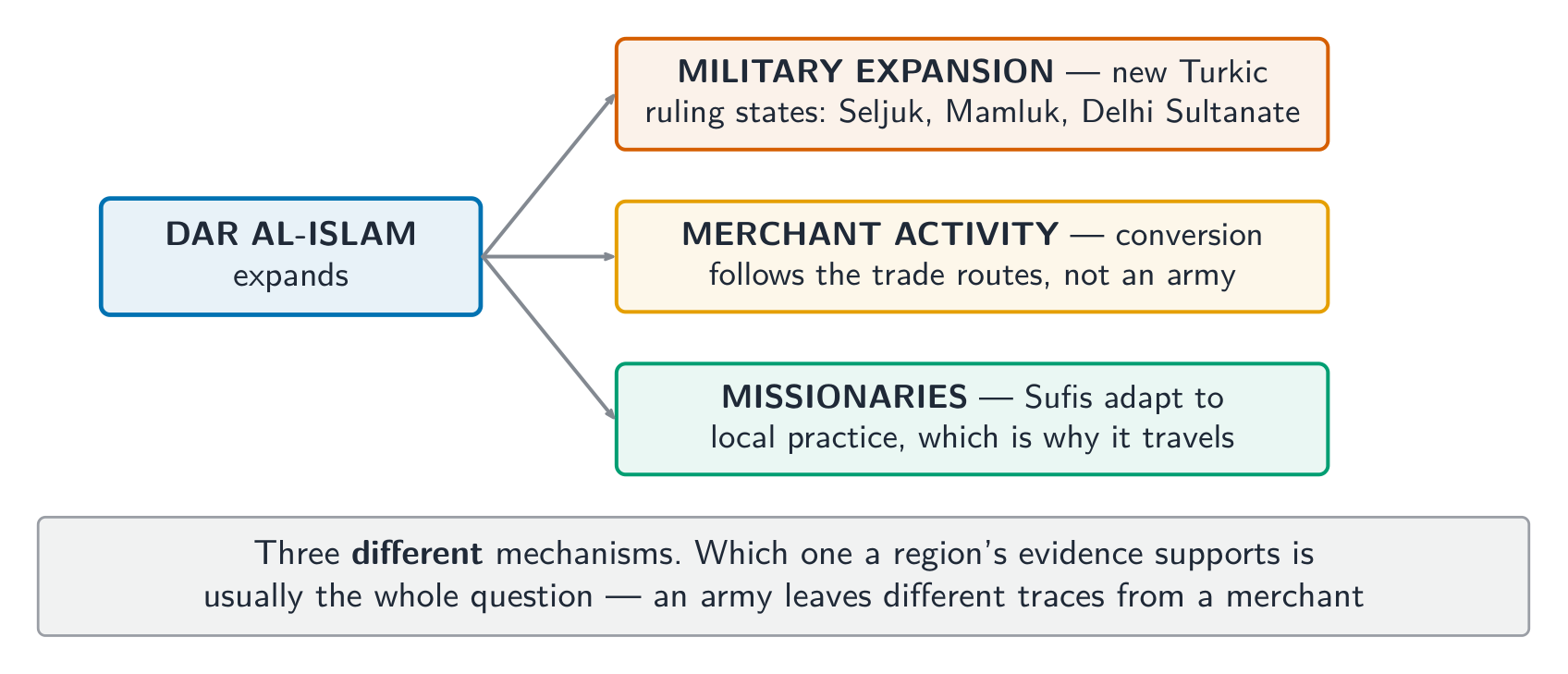
Muslim rule continued to expand across Afro-Eurasia through military expansion, merchant activity 商人活动, and the work of missionaries 传教士, especially Sufis 苏非派, whose adaptable practice helped Islam spread.

Muslim states encouraged significant intellectual innovations and transfers 智识创新与传播: advances in mathematics, medicine, and astronomy, gathered in the House of Wisdom 智慧宫 in Abbasid Baghdad, and the preservation and extension of Greek learning that later moved into Europe.

العربية

مع تفتت الخلافة العباسية، ظهرت كيانات سياسية إسلامية جديدة، معظمها تركيا الأصل - من بينها الإمبراطورية السلجوقية، وسلطنة المماليك في مصر، وسلطنة دلهي.

استمر الحكم الإسلامي في التوسع عبر Afro-Eurasia من خلال التوسع العسكري، وأنشطة التجار، وعمل المبشرين، خاصة الصوفيين،whose practice helps spread Islam.

شجعت الدول الإسلامية على ابتكارات ونقلات فكرية كبيرة: تقدم في الرياضيات والطب والفلك، تم تجميعها في بيت الحكمة ببغداد العباسية، وحفظ وتمديد المعرفة اليونانية التي انتقلت لاحقاً إلى أوروبا.

ثلاث آليات مختلفة للتوسع - أي منها يدعمه الدليل هو عادة السؤال
Explore · ⁨استكشف⁩

Match each expansion to its mechanism · ⁨طابق كل توسيع بآليته⁩

Military expansion, merchant activity and Sufi missionaries leave different evidence — which one a region supports is usually the question. · ⁨التوسع العسكري ونشاط التجار والمبشرين الصوفيين يتركون أدلة مختلفة — أي نوع يدعمه منطقة ما هو عادةً السؤال.⁩

1.3

South and Southeast Asia · ⁨جنوب وشرق آسيا⁩

Syllabus · ⁨المنهج⁩
English

1.3 Developments in South and Southeast Asia from c. 1200 to c. 1450

Thematic Focus (CDI): Cultural Developments and Interactions — The development of ideas, beliefs, and religions illustrates how groups in society view themselves, and the interactions of societies and their beliefs often have political, social, and cultural implications.

Learning Objective Unit 1.G: Explain how the various belief systems and practices of South and Southeast Asia affected society over time. THEMATIC FOCUS Governance GOV A variety of internal and external factors contribute to state formation, expansion, and decline. Governments maintain order through a variety of administrative institutions, policies, and procedures, and governments obtain, retain, and exercise power in different ways and for different purposes. LEARNING OBJECTIVE

  • KC-3.1.III.D.iv Hinduism, Islam, and Buddhism, and their core beliefs and practices, continued to shape societies in South and Southeast Asia. HISTORICAL DEVELOPMENTS

Learning Objective Unit 1.H: Explain how and why various states of South and Southeast Asia developed and maintained power over time.

  • KC-3.2.I.B.i State formation and development demonstrated continuity, innovation, and diversity, including the new Hindu and Buddhist states that emerged in South and Southeast Asia.

Illustrative examples:

  • Beliefs and practices:
    • Bhakti movement
    • Sufism
    • Buddhist monasticism
  • Hindu/Buddhist states:
    • Vijayanagara Empire
    • Srivijaya Empire
    • Rajput kingdoms
    • Khmer Empire
    • Majapahit
    • Sukhothai kingdom
    • Sinhala dynasties
العربية

1.3 تطورات في جنوب وجنوب شرق آسيا من حوالي 1200 إلى حوالي 1450

التركيز الموضوعي (CDI): التطورات والتفاعلات الثقافية — يعكس تطور الأفكار والمعتقدات والأديان كيف تنظر المجموعات في المجتمع إلى نفسها، وغالبًا ما يكون للتفاعلات بين المجتمعات ومعتقداتها عواقب سياسية واجتماعية وثقافية.

هدف التعلم الوحدة 1.G: اشرح كيف أثرت أنظمة المعتقدات والممارسات المختلفة في جنوب وجنوب شرق آسيا على المجتمع عبر الزمن. التركيز الموضوعي: الحكم GOV تساهم مجموعة متنوعة من العوامل الداخلية والخارجية في تشكيل الدولة وتوسعها وانهيارها. تحافظ الحكومات على النظام من خلال مجموعة متنوعة من المؤسسات والإجراءات والسياسات الإدارية، وتكتسب الحكومات وتحتفظ بالسلطة وتمارسها بطرق مختلفة ولأغراض مختلفة. هدف التعلم

  • KC-3.1.III.D.iv استمر الهندوسية والإسلام والبوذية ومبادئها وممارساتها الأساسية في تشكيل المجتمعات في جنوب وجنوب شرق آسيا. التطورات التاريخية

هدف التعلم الوحدة 1.H: اشرح كيف ولماذا طورت وحافظت دول جنوب وجنوب شرق آسيا على قوتها عبر الزمن.

  • KC-3.2.I.B.i أظهرت تشكيل الدول وتطورها استمرارية وابتكاراً وتنوعاً، بما في ذلك الدول الهندوسية والبوذية الجديدة التي ظهرت في جنوب وجنوب شرق آسيا.

أمثلة توضيحية:

  • المعتقدات والممارسات:
    • حركة الباختي
    • الصوفية
    • الرهبانية البوذية
  • الدول الهندوسية/البوذية:
    • إمبراطورية فيجايانغارا
    • إمبراطورية سرافيجايا
    • ممالك راجبوت
    • إمبراطورية الخمير
    • ماجاباهيت
    • مملكة سوكوثاي
    • السلالات سنهالية

Source: College Board AP Course and Exam Description · ⁨المصدر: وصف دورة وامتحان College Board AP⁩

English

Hinduism 印度教, Islam, and Buddhism continued to shape the region, and their meeting produced new devotional forms - the bhakti movement 巴克提运动 in Hinduism and Sufism in Islam, both emphasising direct personal devotion.

State formation showed the unit's theme of continuity and diversity: the Delhi Sultanate ruled much of the north, Vijayanagara 维查耶纳伽尔 arose in the south, and in Southeast Asia the sea-based Majapahit 满者伯夷 and the land-based Khmer Empire 高棉帝国 organised power in different ways.

العربية

الهندوسية، والإسلام، والبوذية استمروا في تشكيل المنطقة، واجتماعهم أنتج أشكال عبادة جديدة - حركة البهكتي في الهندوسية والصوفية في الإسلام، وكلاهما يؤكد على العبادة الشخصية المباشرة.

أظهر تكوين الدول theme الوحدة من الاستمرار والتنوع: سلطنة دلهي حكمت الجزء الشمالي الكبير، وفيجاياناجارا نشأت في الجنوب، وفي جنوب شرق آسيا ماجاباهيت القائمة على البحر والإمبراطورية الخميرية القائمة على الأرض نظمت السلطة بطرق مختلفة.

1.4 1.5

The Americas and Africa · ⁨الأمريكتين وأفريقيا⁩

Syllabus · ⁨المنهج⁩
English

1.4 State Building in the Americas

Thematic Focus (GOV): Governance — A variety of internal and external factors contribute to state formation, expansion, and decline. Governments maintain order through a variety of administrative institutions, policies, and procedures, and governments obtain, retain, and exercise power in different ways and for different purposes.

Learning Objective Unit 1.I: Explain how and why states in the Americas developed and changed over time.

  • KC-3.2.I.D.i In the Americas, as in Afro-Eurasia, state systems demonstrated continuity, innovation, and diversity, and expanded in scope and reach.

Illustrative examples:

  • State systems in the Americas:
    • Maya city-states
    • Mexica
    • Inca
    • Chaco
    • Mesa Verde
    • Cahokia
العربية

1.4 بناء الدولة في الأمريكتين

التركيز الموضوعي (GOV): الحكم — تساهم مجموعة متنوعة من العوامل الداخلية والخارجية في تشكيل الدولة وتوسعها وانهيارها. تحافظ الحكومات على النظام من خلال مجموعة متنوعة من المؤسسات والإجراءات والسياسات الإدارية، وتكتسب الحكومات وتحتفظ بالسلطة وتمارسها بطرق مختلفة ولأغراض مختلفة.

هدف التعلم الوحدة 1.I: اشرح كيف ولماذا تطورت دول الأمريكتين وتغيرت عبر الزمن.

  • KC-3.2.I.D.i في الأمريكتين، كما في أفريقيا وأوراسيا، أظهرت النظم السياسية استمرارية وابتكاراً وتنوعاً، واتسعت نطاقها ونطاق نفوذها.

أمثلة توضيحية:

  • النظم السياسية في الأمريكتين:
    • ولايات مايا المدن
    • ميكسيكا
    • إنكا
    • تشاكو
    • mesa verde (ميصا فيرد)
    • كاهوكيا
English

1.5 State Building in Africa

Thematic Focus (GOV): Governance — A variety of internal and external factors contribute to state formation, expansion, and decline. Governments maintain order through a variety of administrative institutions, policies, and procedures, and governments obtain, retain, and exercise power in different ways and for different purposes.

Learning Objective Unit 1.J: Explain how and why states in Africa developed and changed over time.

  • KC-3.2.I.D.ii In Africa, as in Eurasia and the Americas, state systems demonstrated continuity, innovation, and diversity and expanded in scope and reach.

Illustrative examples:

  • State systems in Africa:
    • Great Zimbabwe
    • Ethiopia
    • Hausa kingdoms
العربية

1.5 بناء الدولة في أفريقيا

التركيز الموضوعي (GOV): الحكم — تساهم مجموعة متنوعة من العوامل الداخلية والخارجية في تشكيل الدولة وتوسعها وانهيارها. تحافظ الحكومات على النظام من خلال مجموعة متنوعة من المؤسسات والإجراءات والسياسات الإدارية، وتكتسب الحكومات وتحتفظ بالسلطة وتمارسها بطرق مختلفة ولأغراض مختلفة.

هدف التعلم الوحدة 1.J: اشرح كيف ولماذا تطورت دول أفريقيا وتغيرت عبر الزمن.

  • KC-3.2.I.D.ii في أفريقيا، كما في أوراسيا والأمريكتين، أظهرت النظم السياسية استمرارية وابتكاراً وتنوعاً واتسعت نطاقها ونطاق نفوذها.

أمثلة توضيحية:

  • النظم السياسية في أفريقيا:
    • زيمبابوي العظمى
    • إثيوبيا
    • ممالك الهوسا

Source: College Board AP Course and Exam Description · ⁨المصدر: وصف دورة وامتحان College Board AP⁩

English

In the Americas, state systems showed continuity, innovation, and diversity: the Maya 玛雅 city-states, the Mexica 墨西加人 (Aztec) with tribute-based expansion, and the Inca 印加 with a centralised administration, labour obligation, and road system.

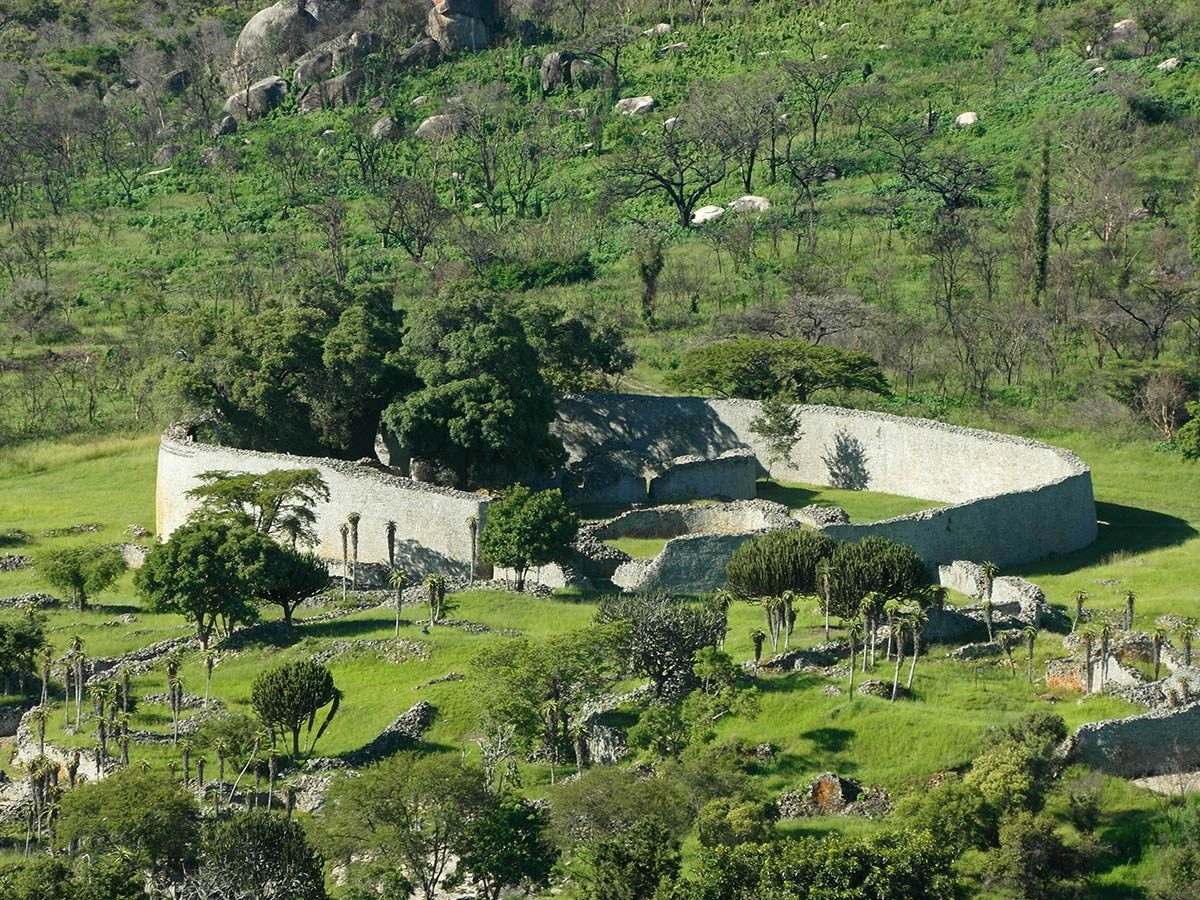
In Africa, state systems likewise varied: Great Zimbabwe 大津巴布韦 grew on gold and cattle, Ethiopia 埃塞俄比亚 was a long-established Christian kingdom, and the Hausa Kingdoms 豪萨城邦 sat on trans-Saharan trade routes.

العربية
نفس الأسئلة الثلاثة مطبقة على ستة مناطق - المقارنة التي مبنية عليها الوحدة تدعمها
إطار واحد، ستة مناطق: الدولة، نظام المعتقدات، والأساس الاقتصادي هي ما تسأل عنه أسئلة المقارنة فعلياً

في الأمريكيتين، أظهرت أنظمة الدولة الاستمرار والابتكار والتنوع: دول مدن المايا، والميكسا (الأزتيك) مع التوسع القائم على الجزية، وإنكا مع إدارة مركزية، وواجبات العمل، ونظام طرق.

في أفريقيا، اختلفت أنظمة الدولة أيضاً: نمت زيмбаوي العظيمة على الذهب والأبقار، وإثيوبيا كانت مملكة مسيحية قديمة الرصينة، وممالك هاوسا تقع على طرق التجارة عبر الصحراء الكبرى.

الجدران الخارجية لزيimbaوي العظيمة - البناء الحجري الجاف، ودولة مبنية على تجارة الذهب
Vocabulary · ⁨مفردات⁩ Train · ⁨تدريب⁩
English العربية
Song China/sɒŋ ˈtʃaɪnə/ سلالة سونغ
commercialized/kəˈmɜːʃəlaɪzd/ تجاري
agrarian/æˈɡreərɪən/ فلاحي
Champa rice/ˈtʃæmpə raɪs/ أرز تشامبا
Grand Canal/ɡrænd kəˈnæl/ القناة الكبرى
bureaucracy/bjʊəˈrɒkrəsi/ البيروقراطية
civil service examination/ˈsɪvl ˈsɜːvɪs eɡˌzæmɪˈneɪʃn/ امتحان الخدمة المدنية
Neo-Confucianism/ˈniːəʊ kənˈfjuːʃɪənɪzəm/ الكونفوشيوسية الجديدة
filial piety/ˈfɪlɪəl ˈpaɪəti/ البرّ بالوالدين
Buddhism/ˈbʊdɪzəm/ البوذية
Theravada/ðəræˈvɑːdə/ Theravada
Mahayana/ˌmæheɪˈɑːnə/ Mahayana
Tibetan/tɪˈbetn/ Tibetan
textiles/ˈtekstaɪlz/ النسيج
porcelains/ˈpɔːsɪlɪnz/ السيراميك (البورسلين)
deference/ˈdefrəns/ احترام السلطة
foot binding/fʊt ˈbaɪndɪŋ/ ربط القدمين
Abbasid Caliphate/ˈæbeɪsɪd ˈkælɪfeɪt/ الخلافة العباسية
Turkic/ˈtɜːkɪk/ تركي
Seljuk Empire/ˈseldʒʌk ˈempaɪə/ إمبراطورية السلجوقية
Mamluk sultanate of Egypt/ˈmæmlʌk ˈsʌltəneɪt ɒv ˈiːdʒɪpt/ سلطنة المماليك بمصر
Delhi Sultanate/ˈdeli ˈsʌltəneɪt/ سلطنة دلهي
merchant activity/ˈmɜːtʃənt ækˈtɪvɪti/ نشاط التجار
missionaries/ˈmɪʃənəriz/ البُعثات التبشيرية
Sufis/ˈsjuːfiz/ الصوفيون
intellectual innovations and transfers/ˌɪntəˈlektʃuːəl ˌɪnəˈveɪʃnz ænd ˈtrænsfɜːz/ الابتكارات الفكرية والنقل
House of Wisdom/haʊs ɒv ˈwɪzdəm/ بيت الحكمة
Hinduism/ˈhɪndjuːɪzəm/ الهندوسية
bhakti movement/ˈbʌkti ˈmuːvmənt/ حركة Bhakti
Vijayanagara/ˌvɪdʒeɪˌænəˈɡɑːrə/ فيجاياناغارا
Majapahit/ˈmædʒəpæhɪt/ ماجاباهيت
Khmer Empire/kmɪə ˈempaɪə/ إمبراطورية الخمير
Maya/ˈmaɪə/ Maya
Mexica/ˈmeksɪkə/ الميكسا
Inca/ˈɪŋkə/ الإنكا
Great Zimbabwe/ɡreɪt zɪmˈbɑːbwi/ زيمبابوي العظيمة
Ethiopia/ˌiːθɪˈəʊpɪə/ إثيوبيا
Hausa Kingdoms/ˈhɔːsə ˈkɪŋdəmz/ ممالك Hausa
politically fragmented/pəˈlɪtɪkli fræɡˈmentɪd/ متفكك سياسياً
feudalism/ˈfjuːdəlɪzəm/ الإقطاعية
Christianity/ˌkrɪstɪˈænɪti/ المسيحية
Judaism/ˈdʒuːdeɪɪzəm/ اليهودية
free and coerced labour/friː ænd ˌkəʊˈɜːst ˈleɪbə/ العمل الحر والإجباري
1.6

Europe · ⁨أوروبا⁩

Syllabus · ⁨المنهج⁩
English

1.6 Developments in Europe from c. 1200 to c. 1450

Thematic Focus (CDI): Cultural Developments and Interactions — The development of ideas, beliefs, and religions illustrates how groups in society view themselves, and the interactions of societies and their beliefs often have political, social, and cultural implications.

Thematic Focus (SIO): Social Interactions and Organization — The process by which societies group their members and the norms that govern the interactions between these groups and between individuals influence political, economic, and cultural institutions and organization.

Learning Objective Unit 1.K: Explain how the beliefs and practices of the predominant religions in Europe affected European society. THEMATIC FOCUS Governance GOV A variety of internal and external factors contribute to state formation, expansion, and decline. Governments maintain order through a variety of administrative institutions, policies, and procedures, and governments obtain, retain, and exercise power in different ways and for different purposes. LEARNING OBJECTIVE

  • KC-3.1.III.D.v Christianity, Judaism, Islam, and the core beliefs and practices of these religions continued to shape societies in Europe. HISTORICAL DEVELOPMENTS

Learning Objective Unit 1.L: Explain the causes and consequences of political decentralization in Europe from c. 1200 to c. 1450.

  • KC-3.2.I.B.ii Europe was politically fragmented and characterized by decentralized monarchies, feudalism, and the manorial system.

Learning Objective Unit 1.M: Explain the effects of agriculture on social organization in Europe from c. 1200 to c. 1450.

  • KC-3.3.III.C Europe was largely an agricultural society dependent on free and coerced labor, including serfdom.
العربية

1.6 التطورات في أوروبا من حوالي 1200 إلى حوالي 1450

التركيز الموضوعي (CDI): التطورات والتفاعلات الثقافية — يعكس تطور الأفكار والمعتقدات والأديان كيف تنظر المجموعات في المجتمع إلى نفسها، وغالبًا ما يكون للتفاعلات بين المجتمعات ومعتقداتها عواقب سياسية واجتماعية وثقافية.

التركيز الموضوعي (SIO): التفاعلات الاجتماعية والتنظيم — عملية تجميع المجتمعات لأعضائها والمعايير التي تحكم التفاعل بين هذه المجموعات وبين الأفراد تؤثر على المؤسسات والهيكل السياسي والاقتصادي والثقافي.

هدف التعلم الوحدة 1.K: اشرح كيف أثرت المعتقدات والممارسات للأديان السائدة في أوروبا على المجتمع الأوروبي. التركيز الموضوعي: الحوكمة GOV تساهم مجموعة متنوعة من العوامل الداخلية والخارجية في تشكيل الدولة وتوسعها وتدهورها. تحافظ الحكومات على النظام من خلال مجموعة متنوعة من المؤسسات والإدارات والسياسات والإجراءات، وتحصل الحكومات على السلطة تحتفظ بها وتمارسها بطرق مختلفة ولأغراض مختلفة. هدف التعلم

  • KC-3.1.III.D.v استمرت المسيحية واليهودية والإسلام والمعتقدات والممارسات الأساسية لهذه الأديان في تشكيل مجتمعات أوروبا. التطورات التاريخية

هدف التعلم الوحدة 1.L: اشرح أسباب وعواقب اللامركزية السياسية في أوروبا من حوالي 1200 إلى حوالي 1450.

  • KC-3.2.I.B.ii كانت أوروبا مت fragmentation سياسياً وتتميز بالملوكية اللامركزية والإقطاعية والنظام الإقطاعي (مانوري).

هدف التعلم الوحدة 1.M: اشرح آثار الزراعة على التنظيم الاجتماعي في أوروبا من حوالي 1200 إلى حوالي 1450.

  • KC-3.3.III.C كانت أوروبا مجتمعاً زراعياً في الغالب معتمدًا على العمل الحر والمقهر، بما في ذلك نظام العبودية الزراعية (السيرف).

Source: College Board AP Course and Exam Description · ⁨المصدر: وصف دورة وامتحان College Board AP⁩

English

Europe was politically fragmented 政治上分裂, characterised by decentralised monarchies and by feudalism 封建制度 - a system of land held in exchange for service. Monarchs slowly consolidated power, but nothing here approached the administrative reach of Song China.

Christianity 基督教, Judaism 犹太教, and Islam all shaped European society, with the Church supplying law, learning, and legitimacy.

Europe was largely agricultural, dependent on free and coerced labour 自由与强制劳动, including serfdom 农奴制.

العربية

كانت أوروبا مجزأة سياسياً، تتميز بالملوكية اللامركزية وبالإقطاعية - نظام امتلاك الأراضي مقابل الخدمة. توحد الملوك سلطاتهم ببطء، لكن لا شيء هنا اقترب من الوصول الإداري للصين سونغ.

المسيحية، واليهودية، والإسلام جميعها شكلت المجتمع الأوروبي، مع تزويد الكنيسة بالقانون والمعرفة والشرعية.

كانت أوروبا زراعية في الغالب، معتمدة على العمل الحر والمكروه، بما في ذلك العبودية الزراعية (Serfdom).

Vocabulary · ⁨مفردات⁩ Train · ⁨تدريب⁩
English العربية
serfdom/ˈsɜːfdəm/ العبودية الأرضية (المزارعين المرتبطين بالأرض)
comparison/kəmˈpærɪsn/ مقارنة
1.7

Comparison in the Period · ⁨المقارنة في الفترة⁩

Syllabus · ⁨المنهج⁩
English

1.7 Comparison in the Period from c. 1200 to c. 1450

Learning Objective Unit 1.N: Explain the similarities and differences in the processes of state formation from c. 1200 to c. 1450.

  • KC-3.2 State formation and development demonstrated continuity, innovation, and diversity in various regions.
    • KC-3.2.I As the Abbasid Caliphate fragmented, new Islamic political entities emerged, most of which were dominated by Turkic peoples. These states demonstrated continuity, innovation, and diversity.
    • KC-3.2.I.A Empires and states in Afro-Eurasia and the Americas demonstrated continuity, innovation, and diversity in the 13th century. This included the Song Dynasty of China, which utilized traditional methods of Confucianism and an imperial bureaucracy to maintain and justify its rule.
    • KC-3.2.I.B.i State formation and development demonstrated continuity, innovation, and diversity, including the new Hindu and Buddhist states that emerged in South and Southeast Asia.
    • KC-3.2.I.D.i In the Americas, as in Afro-Eurasia, state systems demonstrated continuity, innovation, and diversity, and expanded in scope and reach.
    • KC-3.2.I.D.ii In Africa, as in Eurasia and the Americas, state systems demonstrated continuity, innovation, and diversity, and expanded in scope and reach.
العربية

1.7 المقارنة في الفترة من حوالي 1200 إلى حوالي 1450

هدف التعلم الوحدة 1.N: اشرح أوجه التشابه والاختلاف في عمليات تشكيل الدولة من حوالي 1200 إلى حوالي 1450.

  • KC-3.2 أظهر تشكيل الدول وتطورها استمرارية وابتكاراً وتنوعاً في مختلف المناطق.
    • KC-3.2.I مع تفكك الخلافة العباسية، ظهرت كيانات سياسية إسلامية جديدة، معظمها كان يهيمن عليه شعوب تركية. أظهرت هذه الدول استمرارية وابتكاراً وتنوعاً.
    • KC-3.2.I.A أظهرت الإمبراطوريات والدول في أفرو-أوراسيا والأمريكتين استمرارية وابتكاراً وتنوعاً في 13th القرن. شمل ذلك سلالة سونغ في الصين، والتي استخدمت أساليب الكونفوشيوسية التقليدية وإدارة إمبراطورية للحفاظ على حكمها وتبريره.
    • KC-3.2.I.B.i أظهرت تشكيل الدول وتطورها استمرارية وابتكاراً وتنوعاً، بما في ذلك الدول الهندوسية والبوذية الجديدة التي ظهرت في جنوب وجنوب شرق آسيا.
    • KC-3.2.I.D.i في الأمريكتين، كما في أفريقيا وأوراسيا، أظهرت النظم السياسية استمرارية وابتكاراً وتنوعاً، واتسعت نطاقها ونطاق نفوذها.
    • KC-3.2.I.D.ii في أفريقيا، كما في أوراسيا والأمريكتين، أظهرت النظم السياسية استمرارية وابتكاراً وتنوعاً، واتسعت نطاقها ونطاق نفوذها.

Source: College Board AP Course and Exam Description · ⁨المصدر: وصف دورة وامتحان College Board AP⁩

English

The unit's reasoning skill is comparison 比较. The productive comparisons are structural rather than evaluative:

  • Centralised administration (Song China, Inca) against fragmented or decentralised rule (Europe, post-Abbasid Islamic states).
  • Recruitment by examination against recruitment by birth.
  • States funded by tribute (Mexica) against states funded by taxation (Song China).

Worked example (a real AP exam question). AP World short-answer questions regularly ask students to "Identify one similarity" or "Explain one difference" between two regions in a period. A full-mark answer for this unit names the feature and applies it to both: "Both Song China and the Inca Empire used a centralised bureaucracy to govern a large territory, but Song China recruited officials through a competitive examination system while the Inca staffed administration through hereditary elites and a labour obligation." Notice the shape: a comparison must be one feature, two societies. Describing each society in turn and leaving the reader to infer the comparison does not earn the point.

العربية

مهارة التفكير في الوحدة هي المقارنة. المقاربات المثمرة هي هيكلية وليست تقييمية:

  • إدارة مركزية (الصين في سلالة سونغ، الإمبراطورية الإنكا) مقابل حكم متفرق أو لامركزي (أوروبا، الدول الإسلامية ما بعد العباسيين).
  • التوظيف عبر الامتحانات مقابل التوظيف عبر النسب.
  • دول تُموَّل بـ الإتاوات (الميكسيكا) مقابل دول تُموَّل بـ الضرائب (الصين في سلالة سونغ).

مثال محلول (سؤال حقيقي من امتحان AP). أسئلة الإجابة القصيرة في تاريخ العالم في امتحانات AP تطلب من الطلاب غالبًا "تحديد تشابه واحد" أو "شرح فرق واحد" بين منطقتين في فترة زمنية معينة. الإجابة الكاملة التي تحصل على الدرجة الكاملة لهذه الوحدة تذكر السمة وتطبقها على كل من المنطقتين: "استخدمت كل من الصين في سلالة سونغ وإمبراطورية الإنكا بيروقراطية مركزية لحكم أراضي شاسعة، لكن الصين في سلالة سونغ وظفت المسؤولين عبر نظام امتحات تنافسية بينما عيَّنت الإنكا إدارتها عبر النخبة الوراثية والالتزام بالعمل." لاحظ الشكل: المقارنة يجب أن تكون سمة واحدة لمجتمعين. وصف كل مجتمع على حدة وترك القارئ يستنتج المقارنة لا يمنح النقطة.

أنظمة الاعتقاد بناءً على ما تقوم به لصالح السلطة، وليس بناءً على ما تدّرسه
1.7

Exam tips · ⁨نصائح للامتحان⁩

English
  • Learn each region through the same three questions - state, belief system, economy - so any comparison question already has a structure.
  • Song China is the benchmark: examination-based bureaucracy, commercialised agriculture, and cultural influence on neighbours.
  • For Dar al-Islam, remember the pattern is fragmentation into new states plus continued expansion by trade and Sufi missionaries.
  • Give a named state for the Americas and Africa. Mexica tribute, Inca labour obligation, Mali and Great Zimbabwe gold are the reliable examples.
  • Europe's distinguishing features are fragmentation, feudalism, and coerced agricultural labour.
  • Write comparisons as one feature across two societies, never as two separate descriptions.
العربية
  • ادرس كل منطقة عبر نفس الأسئلة الثلاثة - الدولة، نظام الاعتقاد، الاقتصاد - بحيث يكون أي سؤال مقارنة يمتلك بالفعل هيكلاً.
  • الصين في سلالة سونغ هي المعيار: البيروقراطية القائمة على الامتحانات، والزراعة التجارية، والتأثير الثقافي على الجيران.
  • بالنسبة للعالم الإسلامي، تذكر أن النمط هو التجزؤ إلى دول جديدة بالإضافة إلى استمرار التمدد عبر التجارة وبعثا الصوفية.
  • قدم دولة ذات اسم للأمريكيتين وأفريقيا. إيتاء الميكسيكا، الالتزام بالإنكا بالعمل، ماليه، وذهب زيمبابوي العظيمة هي أمثلة موثوقة.
  • ميزات أوروبا المميزة هي التجزؤ، القيصرية، والعمل الزراعي المكره.
  • اكتب المقارنات كـ سمة واحدة عبر مجتمعين، ولا تكتبها أبداً كوصفين منفصلين.

Interactive lessons on this topic · ⁨دروس تفاعلية حول هذا الموضوع⁩

Work through it step by step, with instant-check exercises. · ⁨ا-working عليه خطوة بخطوة، مع تمارين تحقق فوري.⁩

Past Papers · ⁨أوراق الامتحانات السابقة⁩

More topics in AP World History: Modern · ⁨تاريخ العالم الحديث (AP)⁩ · ⁨المزيد من المواضيع في AP World History: Modern · ⁨تاريخ العالم الحديث (AP)⁩⁩

Log in or create account · ⁨تسجيل الدخول أو إنشاء حساب⁩

IGCSE, A-Level & AP