- explain the role of marketing: identifying and satisfying customer needs, maintaining/increasing sales and market share, building customer loyalty
- explain why customers are important and the costs of losing them
- distinguish niche and mass markets and explain market segmentation and its benefits
市场营销
IGCSE 商业研究 · 第 3 主题
 9:08
9:08
Marketing
Count the messages in this one street. Screens, posters, logos — every one of them is a business trying to reach you. But adverts are only the last step. Long…
英文讲解 · 内嵌中英文字幕
3.1
营销、竞争与顾客
大纲
来源:剑桥国际大纲
营销(marketing)是找出顾客(customers)想要什么、然后制造、定价、销售和推广产品以有利润地满足那些欲望的工作。
营销有几个角色:
- 找出并满足顾客想要的,
- 保持并增加销售额(sales)和市场份额(market share),
- 建立顾客忠诚度(customer loyalty)以便买者再次回来。
Why customers matter
顾客带来钱,所以保持他们至关重要。失去顾客代价高昂:企业失去他们未来的花费,而且它必须在广告(advertising)上花很多来赢得新的。保持一个顾客通常比找一个新的便宜得多。
Niche and mass markets
一个市场(market)是一个产品的所有买者和卖者。
- 一个利基市场(niche market)是一个市场的一个有特殊需要的小部分,例如左手工具。
- 一个大众市场(mass market)是一个有许多相似买者的大市场,例如软饮料。
Market segmentation
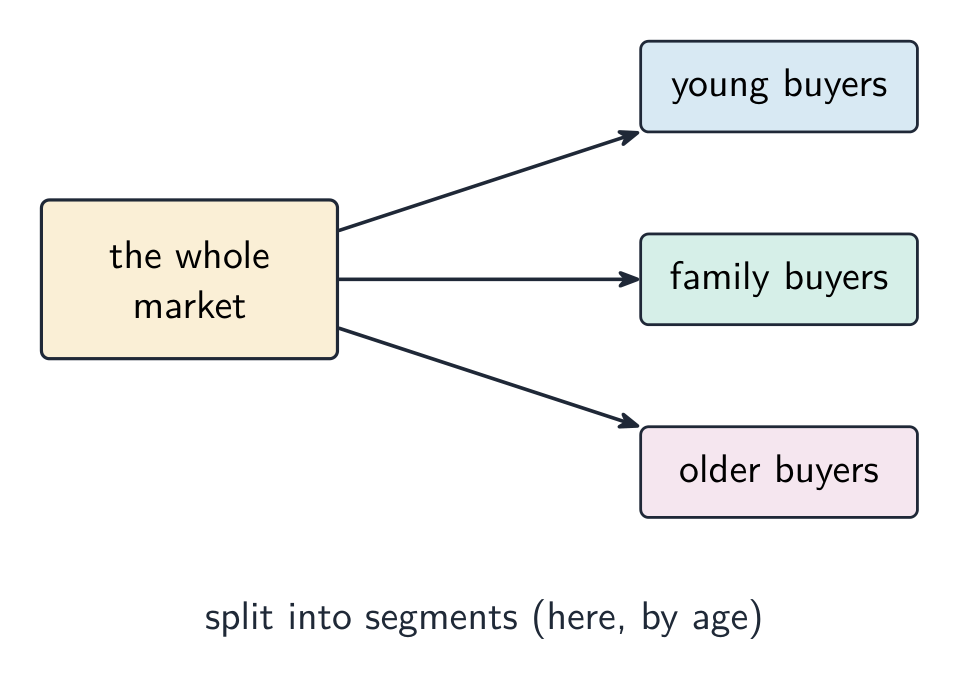
市场细分(market segmentation)意味着把一个市场分成共享某样东西的买者群体,例如年龄、收入、性别或位置。它的好处:
- 企业能设计一个产品来适合每个群体,
- 它能把它的广告瞄准正确的人,
- 它能发现市场里的缺口。
探索
Marketing mix lab
See which part of the marketing mix changes in each real decision.
词汇表
训练
| 英文 | 中文 | 拼音 |
|---|---|---|
| customers/ˈkʌstəməz/ | 顾客 | gù kè |
| sales/seɪlz/ | 销售额 | xiāo shòu é |
| market share/ˈmɑːkɪt ʃeə/ | 市场份额 | shì chǎng fèn é |
| customer loyalty/ˈkʌstəmə ˈlɔɪəlti/ | 顾客忠诚度 | gù kè zhōng chéng dù |
| advertising/ˈædvətaɪzɪŋ/ | 广告 | guǎng gào |
| market/ˈmɑːkɪt/ | 市场 | shì chǎng |
| niche market/niːʃ ˈmɑːkɪt/ | 利基市场 | lì jī shì chǎng |
| mass market/mæs ˈmɑːkɪt/ | 大众市场 | dà zhòng shì chǎng |
| market segmentation/ˈmɑːkɪt ˌseɡmənˈteɪʃn/ | 市场细分 | shì chǎng xì fēn |
3.2
市场调研

大纲
- distinguish primary (field) and secondary (desk) market research and their methods
- explain sampling and the need for accurate, reliable data
- present and interpret market research data (tables, charts, graphs) to support decisions
来源:剑桥国际大纲
市场调研(market research)是收集关于顾客、竞争者和市场的信息,以帮助做好的决定。
Primary and secondary research
- 一手调研(primary research)(也叫实地调研)第一次直接收集新信息。方法包括问卷(questionnaires)、访谈、调查和测试。它是最新的并适合确切的需要,但花费时间和金钱。
- 二手调研(secondary research)(也叫案头调研)使用已经存在的信息,例如政府报告、网站和过去的销售记录。它便宜而快,但可能过时或可能不适合需要。
Sampling and reliable data
一个企业不能问每个人,所以它问一个小群体,叫一个样本。抽样(sampling)必须小心地做。若样本太小或不典型,数据(data)就不会可靠,而基于它的决定可能是错的。
Using research data
调研结果显示在表格、图表和图里。你应当能够读它们——例如,找到最受欢迎的产品,或看销售如何随时间变化——并用它们来支持一个决定。
探索
Market research cycle
Follow how a business turns customer data into a marketing decision.
词汇表
训练
| 英文 | 中文 | 拼音 |
|---|---|---|
| market research/ˈmɑːkɪt rɪˈsɜːtʃ/ | 市场调研 | shì chǎng diào yán |
| primary research/ˈpraɪməri rɪˈsɜːtʃ/ | 一手调研 | yī shǒu diào yán |
| questionnaires/ˌkwestʃəˈneəz/ | 问卷 | wèn juǎn |
| secondary research/ˈsekəndəri rɪˈsɜːtʃ/ | 二手调研 | èr shǒu diào yán |
| sampling/ˈsæmplɪŋ/ | 抽样 | chōu yàng |
| data/ˈdeɪtə/ | 数据 | shù jù |
3.3
营销组合

大纲
- explain the four elements of the marketing mix (product, price, place, promotion)
- product: the product life cycle and extension strategies, branding and packaging
- price: pricing methods (cost-plus, penetration, skimming, competitive, promotional, dynamic) and influences on price
- place: channels of distribution (wholesaler, retailer, direct, e-commerce)
- promotion: advertising, sales promotion and the role of technology (internet, social media) in the marketing mix
来源:剑桥国际大纲
营销组合(marketing mix)是一个企业关于一个产品做的四个主要选择。它们常被称为四个 P(four Ps):产品、价格、地点和推广。

Product
产品(product)必须满足顾客的需要。两个思想在这里重要。
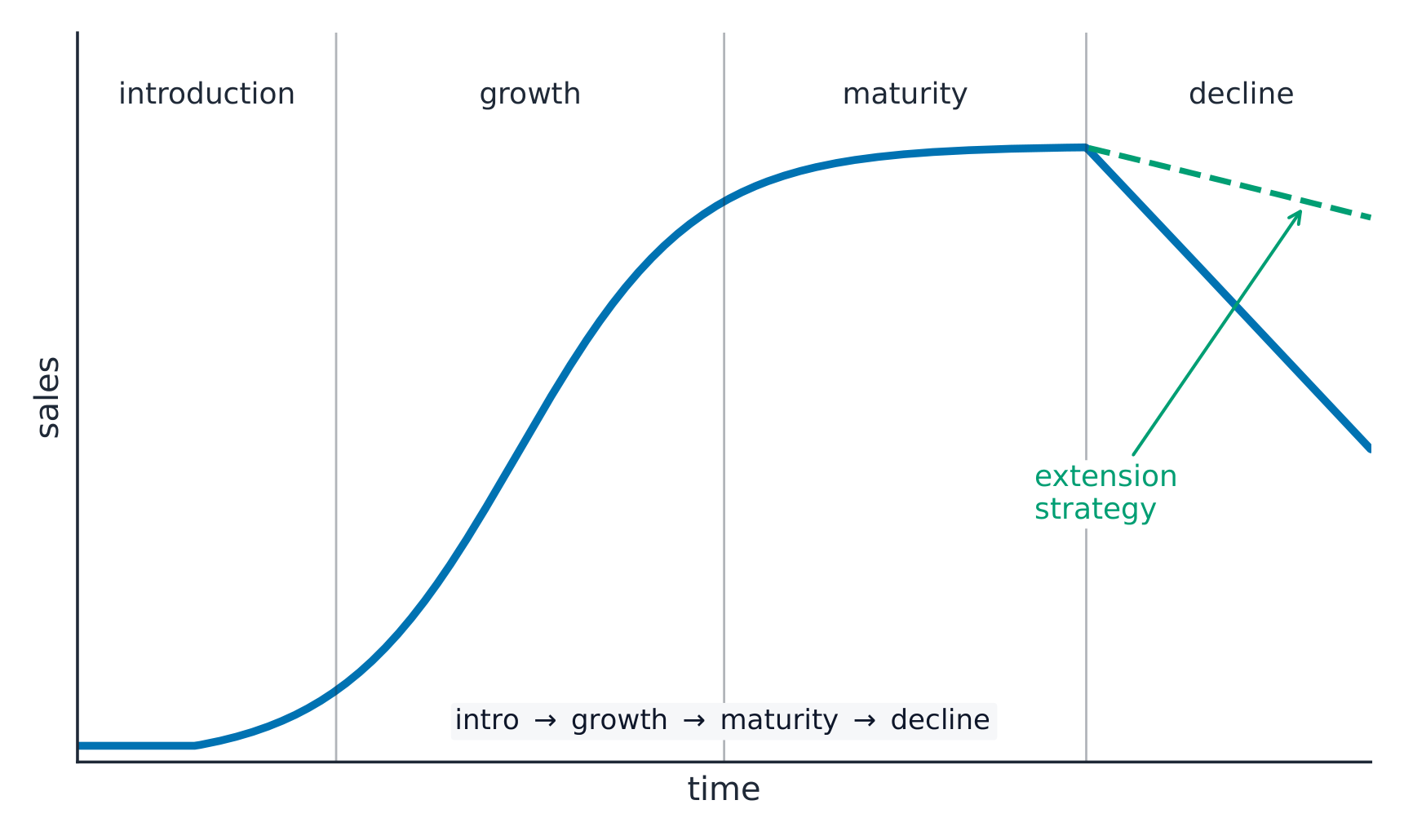
产品生命周期(product life cycle)描述一个产品随时间的销售,分四个阶段:引入、增长、成熟和衰退。当销售开始下降时,一个企业能用一个延长策略(extension strategy)——例如一个新设计、一个新广告,或在一个新市场里销售——来保持产品的销售。
一个强的品牌(brand)(顾客认得的一个名字、标志和形象)和好的包装(packaging)(保护产品并吸引买者的包装)都帮助一个产品销售。建立一个品牌叫品牌塑造。
Price
价格(price)是顾客支付的。一个企业能从几种定价方法里选择。
| 方法 | 它如何起作用 |
|---|---|
| 成本加成定价(cost-plus pricing) | 在制造这件物品的成本之上加一个固定的利润份额 |
| 渗透定价(penetration pricing) | 设一个低价格来进入一个市场并快速赢得顾客 |
| 撇脂定价(price skimming) | 起初为一个新的、特殊的产品设一个高价格 |
| 竞争定价(competitive pricing) | 设一个接近竞争者价格的价格 |
| 促销定价(promotional pricing) | 短时间削减价格以提升销售 |
| 动态定价(dynamic pricing) | 随着需求变化自动改变价格,像航空公司做的 |
正确的价格也取决于制造产品的成本、顾客愿意付什么、竞争者的价格,以及产品在它生命周期里的阶段。
例题。 一家公司推出一款采用了对手所没有的技术的智能手机。另一家进入竞争激烈的软饮料市场。各自适合哪种定价方法?为什么?这款智能手机是全新且特别的,没有直接竞争,所以用撇脂定价:先定高价,从那些非买不可的顾客身上收回研发成本,等对手赶上来后再降价。这款软饮料面对许多老牌对手,所以用渗透定价:低价能迅速赢得顾客、抢占市场份额,以后再提价。要让方法对准市场状况 - 一种定价策略的对错,只相对于竞争状况和产品所处的生命周期阶段而言。
Place
地点(place)是关于产品如何以及在哪里被销售,以便它在正确的时间到达顾客。一个产品从制造者到顾客所走的路线叫一条分销渠道(channel of distribution)。
许多渠道用一个批发商(wholesaler)(从制造者买大量并向商店卖较小的量)和一个零售商(retailer)(向最终顾客销售的一家商店)。一个企业也能直销(directly)给顾客,或通过电子商务(e-commerce)在网上销售。

Promotion
推广(promotion)意味着告诉顾客关于一个产品并说服他们买它。它包括:
- 广告(advertising)——电视、网上、海报等上的付费信息,
- 促销(sales promotion)——像折扣、免费礼物,或"买一送一"这样的短期优惠。
技术现在扮演一个大角色。互联网(internet)和社交媒体(social media)让一个企业便宜地到达许多人、瞄准正确的顾客,并卖到全世界。
探索
The marketing mix (4 Ps)
The marketing mix is the four decisions a business blends to sell a product well.
词汇表
训练
| 英文 | 中文 | 拼音 |
|---|---|---|
| marketing mix/ˈmɑːkɪtɪŋ mɪks/ | 营销组合 | yíng xiāo zǔ hé |
| product/ˈprɒdʌkt/ | 产品 | chǎn pǐn |
| product life cycle/ˈprɒdʌkt laɪf ˈsaɪkl/ | 产品生命周期 | chǎn pǐn shēng mìng zhōu qī |
| extension strategy/ekˈstenʃn ˈstrætədʒi/ | 延长策略 | yán cháng cè lüè |
| brand/brænd/ | 品牌 | pǐn pái |
| packaging/ˈpækɪdʒɪŋ/ | 包装 | bāo zhuāng |
| price/praɪs/ | 价格 | jià gé |
| cost-plus pricing/kɒst plʌs ˈpraɪsɪŋ/ | 成本加成定价 | chéng běn jiā chéng dìng jià |
| penetration pricing/ˌpenɪˈtreɪʃn ˈpraɪsɪŋ/ | 渗透定价 | shèn tòu dìng jià |
| price skimming/praɪs ˈskɪmɪŋ/ | 撇脂定价 | piē zhī dìng jià |
| competitive pricing/kəmˈpetɪtɪv ˈpraɪsɪŋ/ | 竞争定价 | jìng zhēng dìng jià |
| promotional pricing/prəˈməʊʃənl ˈpraɪsɪŋ/ | 促销定价 | cù xiāo dìng jià |
| dynamic pricing/daɪˈnæmɪk ˈpraɪsɪŋ/ | 动态定价 | dòng tài dìng jià |
| place/pleɪs/ | 地点 | dì diǎn |
| channel of distribution/ˈtʃænl ɒv ˌdɪstrɪˈbjuːʃn/ | 分销渠道 | fēn xiāo qú dào |
| wholesaler/ˈhəʊlseɪlə/ | 批发商 | pī fā shāng |
| retailer/ˈriːteɪlə/ | 零售商 | líng shòu shāng |
| direct selling/daɪˈrekt ˈselɪŋ/ | 直销 | zhí xiāo |
| e-commerce/iː ˈkɒmɜːs/ | 电子商务 | diàn zi shāng wù |
| promotion (marketing)/prəˈməʊʃn/ | 推广 | tuī guǎng |
| sales promotion/seɪlz prəˈməʊʃn/ | 促销 | cù xiāo |
| internet/ˈɪntənet/ | 互联网 | hù lián wǎng |
| social media/ˈsəʊʃl ˈmiːdiːə/ | 社交媒体 | shè jiāo méi tǐ |
3.4
营销战略

大纲
- explain how a marketing mix can be used to achieve marketing objectives
- explain legal controls related to marketing (consumer protection, misleading promotion)
- explain the opportunities and problems of entering new markets in other countries
来源:剑桥国际大纲
一个营销策略(marketing strategy)是一起使用四个 P 来达到企业目标(objectives)的一个计划。四个 P 必须互相适合并适合目标顾客。例如,一个高价格的奢侈品需要高质量的包装、昂贵的商店和基于形象的广告。
Legal controls on marketing
许多国家有保护买者的法律管制(legal controls):
- 消费者保护(consumer protection)法阻止不安全或有缺陷商品的销售,
- 规则禁止误导(misleading)推广——对一个产品能做什么撒谎的广告。
Selling in other countries
一个企业能通过进入另一个国家的一个国际市场(international market)来增长。
- 机会:多得多的顾客、更高的销售,以及在市场之间分散风险。
- 问题:不同的语言和偏好、更高的运输成本、外国法律和关税(tariffs)(对进口的税),以及强的本地竞争(competition)。
探索
Ansoff strategy lab
Sort growth choices by product and market risk.
词汇表
训练
| 英文 | 中文 | 拼音 |
|---|---|---|
| marketing/ˈmɑːkɪtɪŋ/ | 营销 | yíng xiāo |
| marketing strategy/ˈmɑːkɪtɪŋ ˈstrætədʒi/ | 营销策略 | yíng xiāo cè lüè |
| objectives/ɒbˈdʒektɪvz/ | 目标 | mù biāo |
| legal controls/ˈliːɡl kənˈtrəʊlz/ | 法律管制 | fǎ lǜ guǎn zhì |
| consumer protection/kənˈsuːmə prəˈtekʃn/ | 消费者保护 | xiāo fèi zhě bǎo hù |
| misleading/mɪˈsliːdɪŋ/ | 误导 | wù dǎo |
| international market/ˌɪntəˈnæʃənl ˈmɑːkɪt/ | 国际市场 | guó jì shì chǎng |
| tariffs/ˈtærɪfs/ | 关税 | guān shuì |
| competition/ˌkɒmpəˈtɪʃn/ | 竞争 | jìng zhēng |
3.4
考试技巧
- 学营销组合的四个 P——产品、价格、地点、推广——并记住它们必须互相适合并适合目标顾客。
- 一手调研收集新数据(调查、问卷;最新但昂贵);二手调研用现有数据(便宜而快但可能过时)。
- 知道产品生命周期(引入、增长、成熟、衰退)以及一个延长策略复兴下降的销售。
- 匹配定价方法:渗透(低,以进入一个市场)、撇脂(高,为一个新产品),加上成本加成、竞争、促销和动态定价。
- 一个利基市场是小的而专门化的;一个大众市场是大的,有许多相似的买者。
本主题的互动课程
逐步学习,并即时检测练习。