| English | 释义 | 拼音 |
|---|---|---|
| marketing/ˈmɑːkɪtɪŋ/ | 营销 | yíng xiāo |
| customer needs/ˈkʌstəmə niːdz/ | 顾客需要 | gù kè xū yào |
| market-oriented/ˈmɑːkɪt ˈɔːrɪəntɪd/ | 市场导向 | shì chǎng dǎo xiàng |
| product-oriented/ˈprɒdʌkt ˈɔːrɪəntɪd/ | 产品导向 | chǎn pǐn dǎo xiàng |
| niche market/niːʃ ˈmɑːkɪt/ | 利基市场 | lì jī shì chǎng |
| mass market/mæs ˈmɑːkɪt/ | 大众市场 | dà zhòng shì chǎng |
| demand/dɪˈmænd/ | 需求 | xū qiú |
| market share/ˈmɑːkɪt ʃeə/ | 市场份额 | shì chǎng fèn é |
A new taste nobody asked for, 1985
- On 23 April 1985 Coca-Cola replaced its 99-year-old recipe with a sweeter "New Coke". Taste tests on about 200,000 people had liked it. But loyal customers were angry: the company received around 400,000 calls and letters. After 79 days, "Coca-Cola Classic" was back on the shelves.
- Marketing 营销 means identifying and satisfying customer needs 顾客需要 profitably. The tests measured taste; they missed what customers valued — the original brand.
营销组合实验室
See which part of the marketing mix changes in each real decision.
Marketing is best described as
难度 1/5 · 今日首次完成可获 100 金币及少量额外奖励
Advertising is only one part.
Market-oriented or product-oriented
- A market-oriented 市场导向 business researches customers first and designs products to match.
- A product-oriented 产品导向 business makes a product it thinks is good, then looks for buyers — riskier, though it can work for new inventions.
A market-oriented business starts by
难度 1/5 · 今日首次完成可获 100 金币及少量额外奖励
Customer needs come first.
A business that designs a product first, then looks for buyers, is ______-oriented.
难度 1/5 · 今日首次完成可获 100 金币及少量额外奖励
Riskier than market orientation.
Mass and niche markets
- A mass market 大众市场 is large, aimed at most customers (for example, bottled water): high sales, but strong competition.
- A niche market 利基市场 is a small, specific part of a market (for example, gluten-free cakes): higher prices and loyal buyers, but limited sales.
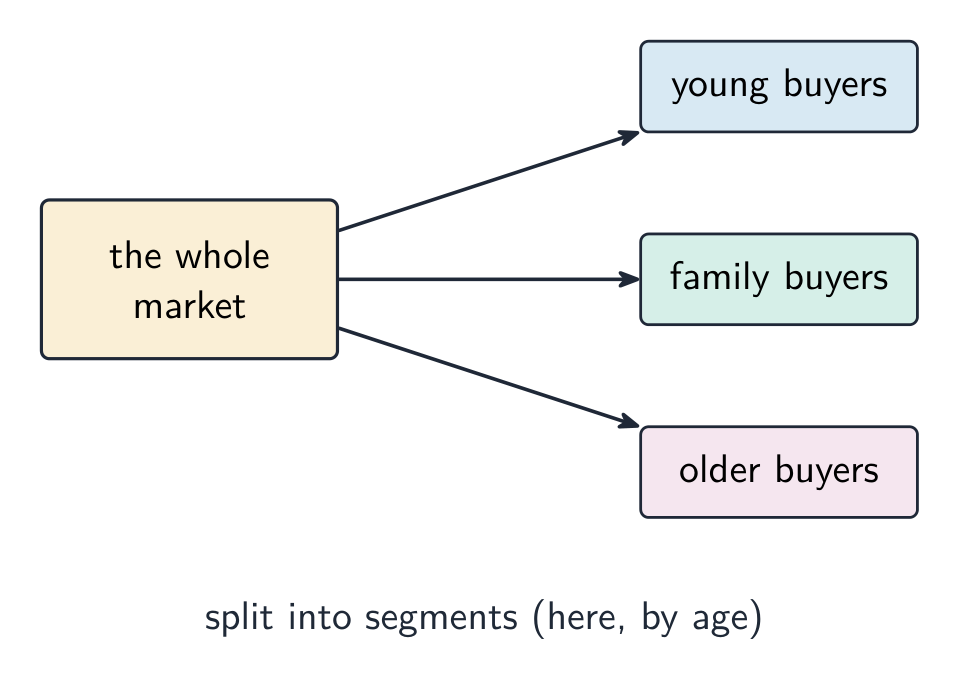
Match each market to its feature.
难度 2/5 · 今日首次完成可获 140 金币及少量额外奖励
Size and competition.
Demand and market share
- Demand 需求 is what customers are willing and able to buy; it changes with tastes, incomes and prices.
- Market share 市场份额 = firm's sales ÷ total market sales × 100.
A firm sells $20m in a market worth$80m. What is its market share (%)?
难度 2/5 · 今日首次完成可获 140 金币及少量额外奖励
20 ÷ 80 × 100.
Worked example: market share
The town's coffee market is worth $800,000 a year. Bean Café sells$120,000 and Java Hut sells $200,000.
- Bean Café: $120{,}000 \div 800{,}000 \times 100 = 15\%$.
- Java Hut: $200{,}000 \div 800{,}000 \times 100 = 25\%$.
- Change: if Bean Café's sales rise to $160,000 and the market stays the same size, its share becomes 20%.
A firm sells $12m in a market worth$80m. What is its market share (%)?
难度 2/5 · 今日首次完成可获 140 金币及少量额外奖励
12 ÷ 80 × 100.
Competition and customers
- When markets change (new rivals, new tastes, online shopping), businesses must respond to keep customers: better products, lower prices, branding and customer loyalty.
- Strong branding helps a product stand out among competitors.
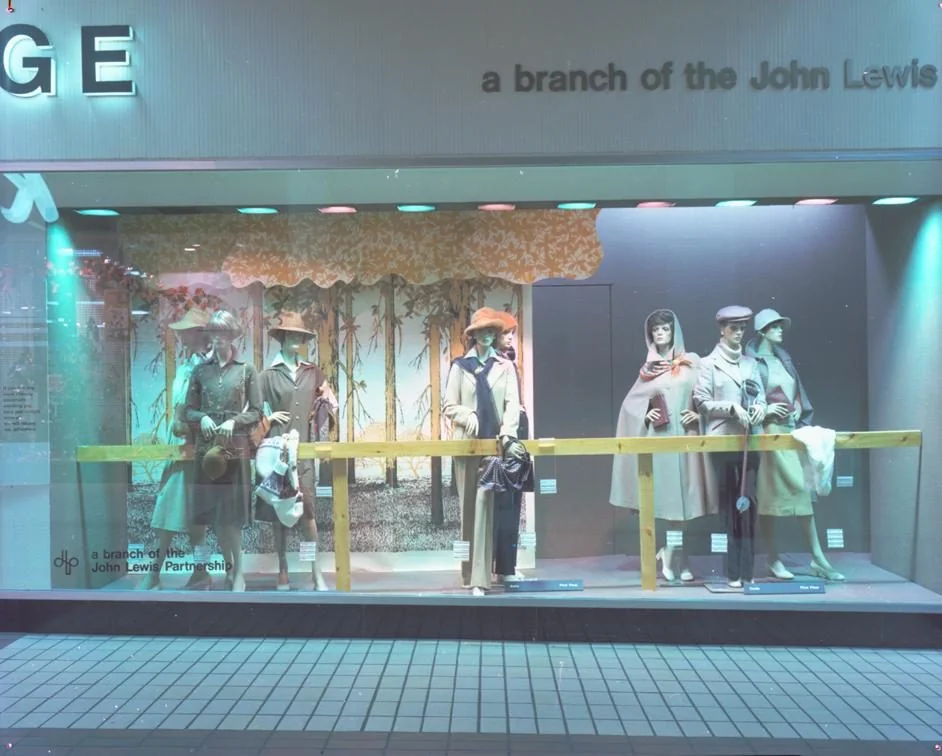
Marketing is not only advertising. It includes research, product design, pricing and distribution — everything that finds and satisfies customer needs.
Marketing means advertising and nothing else.
难度 1/5 · 今日首次完成可获 100 金币及少量额外奖励
It includes research, design, price and place.
Marketing finds and satisfies customer needs profitably. Market-oriented firms research first; product-oriented firms make first. Mass markets are large and competitive; niche markets are small and specialised. Market share = firm's sales ÷ market sales × 100.
Use the New Coke case to explain why a business should be market-oriented.
Applying market orientation.