跳到主要内容

创作:实践、实验与修改

AP 绘画 · 第 6 主题

训练
讲义 词汇表
6.1

持续探究

大纲

Focus: The Sustained Investigation is an inquiry-based, in-depth study of materials, processes, and ideas over time. (CED Big Idea 2)

  • It is a body of work — around 15 images — that grows from one stated question or idea.
  • Sustained means over time: works should show development, not fifteen versions of the same day.
  • Plan a rhythm: make → document → reflect → revise → make again, every one or two weeks.
  • The investigation is drawings and process: studies, tests, and revisions belong in it.
  • Depth beats breadth — one question pushed hard scores above ten unrelated good drawings.
  • Start early in the year; a rushed investigation is visible at a glance.

来源:美国大学理事会 AP 课程与考试说明

持续探究(Sustained Investigation)是基于探究、随时间深入的材料、过程与想法研究——CED大观念2,占AP分数的60%。

  • 它是一个系列作品(body of work)——约15张图像——从一个明确陈述的问题或想法中生长出来。
  • 持续指的是随时间:作品要显示成长,而不是同一个下午的十五个版本。
  • 规划一个节奏:创作、记录、反思、修改、再创作——每一两周一轮。
  • 探究包括画过程:习作、测试与修改都属于它。
  • 深度胜过广度。把一个问题往深处推,得分高于十张互不相关的好画。
  • 学年一开始就动手。赶出来的探究一眼就看得出来。
词汇表 训练
英文 中文 拼音
Sustained Investigation 持续探究 chí xù tàn jiū
body of work 系列作品 xì liè zuò pǐn
6.2

实践、实验与修改

大纲

Focus: The CED's three engines of making: practice (repeat), experimentation (test), revision (modify and reimagine). (CED 2.A)

  • Practice repeats a skill until it is reliable — the tenth ellipse, the fiftieth hand.
  • Experimentation tests without needing success: new tool, new scale, new surface, new speed.
  • Revision returns to a work and changes it on purpose — crop, rework, redraw, or respond with a new version.
  • Show all three visibly across the portfolio: scorers must see them, not trust you.
  • Keep 'failed' experiments — annotated failures are stronger evidence than unexplained successes.
  • A revision pair (first state / revised state, with a sentence on what changed) is classic AP evidence.

来源:美国大学理事会 AP 课程与考试说明

CED点名创作的三个引擎:练习(practice)(重复)、实验(experimentation)(测试)和修改(revision)(调整与重想)。(CED 2.A)

练习、实验与修改推动系列作品的产生
创作的三个引擎:重复一项技能、测试新东西、回头修改
  • 练习重复一项技能直到可靠——第十个椭圆、第五十只手。
  • 实验测试而不要求成功:新工具、新尺幅、新表面、新速度。
  • 修改是有意回到一件作品并改变它:裁切、重画局部、重新画,或用新版本回应它。
  • 让三者在作品集里清晰可见——评卷人必须看见,不会只听你说。
  • 留下失败。一个写了批注的失败实验,比一个没有解释的成功更有说服力。
  • 一组修改前后对比(revision pair)(初版与修改版,加一句改了什么)是经典的AP证据。
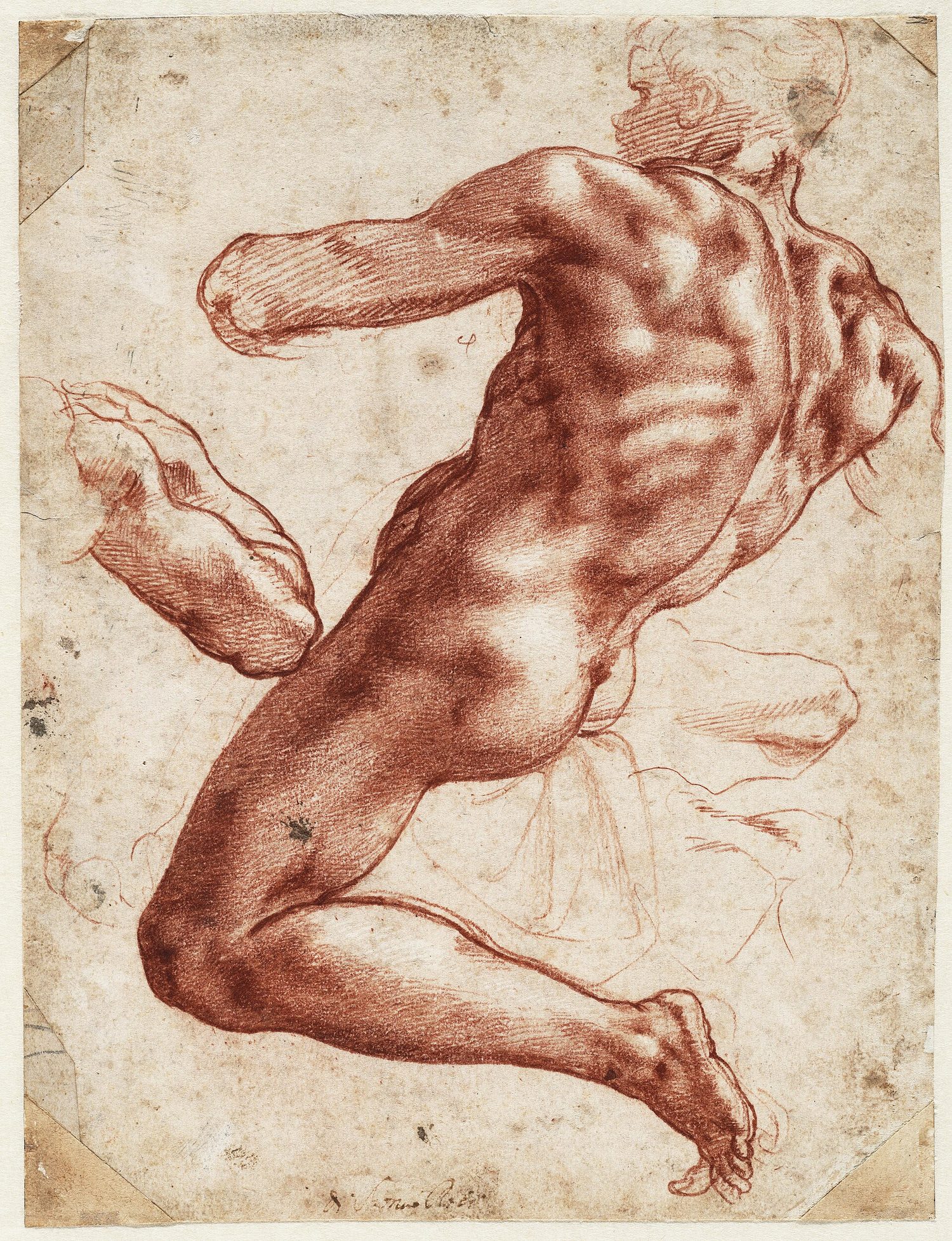
Michelangelo's figure study: practice and revision build drawing skill through repeated investigation
探索

Practice, experimentation, or revision?

Practice repeats a skill until it is reliable, experimentation tests something new without needing success, and revision returns to a work and changes it on purpose. Scorers must see all three.

词汇表 训练
英文 中文 拼音
practice 练习 liàn xí
experimentation 实验 shí yàn
revision 修改 xiū gǎi
revision pair 修改前后对比 xiū gǎi qián hòu duì bǐ
6.3

材料、过程与想法的综合

大纲

Focus: Synthesis means the three components fuse — the material and process choices are the idea. (CED 2.B)

  • Ask of each work: could this idea exist in any other medium? If yes, the synthesis can go deeper.
  • Burnt-edge charcoal drawings about wildfire; thread-stitched portraits about family ties — material as meaning.
  • Process can carry meaning too: obsessive stippling for time, blind contour for memory's uncertainty.
  • Synthesis is the highest row of the Sustained Investigation rubric — the 5-score discriminator.
  • It cannot be added at the end: it comes from experimenting early with materials that relate to the idea.
  • One sentence of written evidence should be able to name the link: 'I used X because the idea needed Y.'

来源:美国大学理事会 AP 课程与考试说明

综合(synthesis)指三个要素熔合——材料与过程的选择就是想法本身。(CED 2.B)

材料、过程与想法在中心熔合:综合
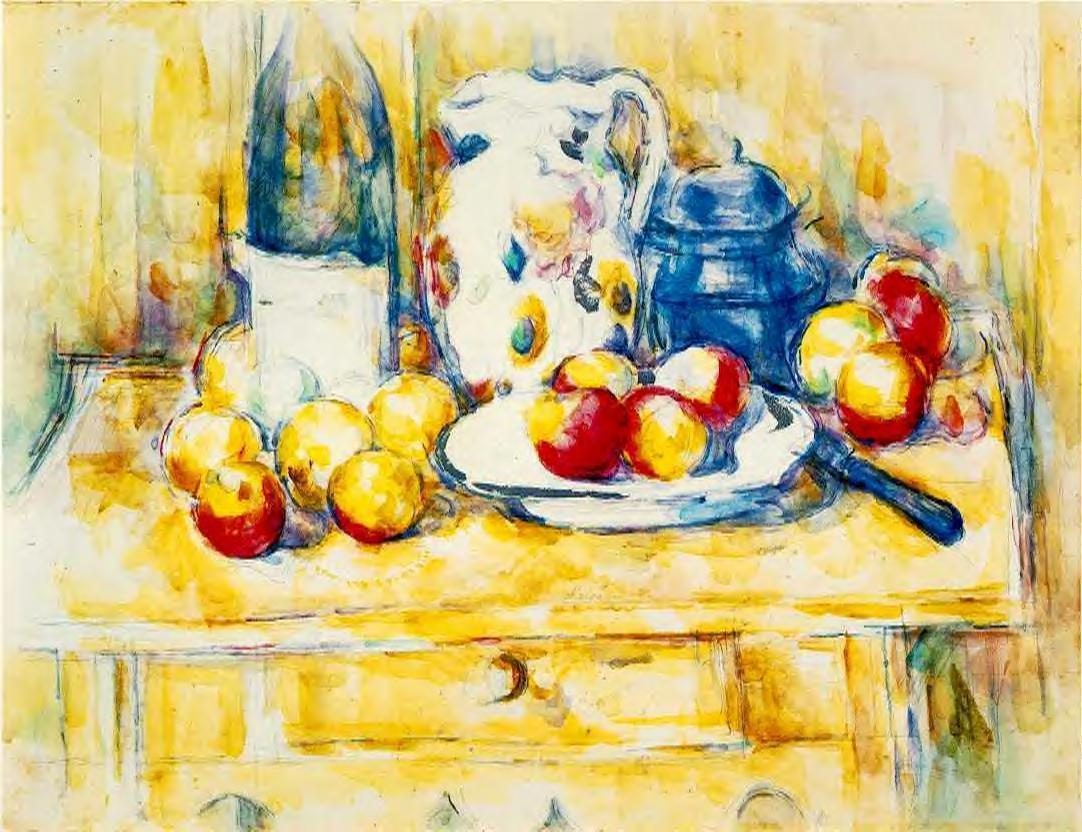
当材料、过程和想法互相解释时,评分标准称之为综合
  • 对每件作品发问:这个想法能存在于任何别的媒介里吗?如果能,综合还可以更深。
  • 关于山火的、边缘烧焦的木炭画;关于亲情的、用线缝出来的肖像——材料即意义。
  • 过程也能承载意义:漫长的点画表现时间流逝,盲画轮廓表现记忆的不确定。
  • 综合是评分表的最高一行——是4分和5分的分水岭。
  • 它不能最后再加上。它来自一开始就用与想法相关的材料做实验。
  • 书面材料里要有一句能点破关联的话:"我用X,因为这个想法需要Y。"
Cézanne still life: materials, processes, and ideas synthesise in composition and mark
词汇表 训练
英文 中文 拼音
synthesis 综合 zōng hé
6.4

展示绘画技能

大纲

Focus: The rubric's named drawing skills: mark-making, line, surface, space, light and shade, composition. (CED 2.C/2.D)

  • Audit your portfolio against the six skills — every one should appear strongly somewhere.
  • One work can carry several skills: a figure in a lit interior shows space, light and shade, and composition at once.
  • 'Good' scores need competent skills; '5' portfolios show advanced skills with visual evidence everywhere.
  • Skills must be visible in the image submitted — photograph well or the skill disappears.
  • Weak-skill areas are fixable with targeted practice blocks — see the craft topics of this course.
  • In written evidence, name skills with the CED's own words so scorers connect claim to image instantly.

来源:美国大学理事会 AP 课程与考试说明

评分标准点名这些绘画技能(drawing skills):笔触、线条、画面质感、空间、光影、构图。(CED 2.C/2.D)

  • 用这六项技能盘点你的作品集——每一项都应该在某处强烈出现。
  • 一件作品可以同时承载几项:光线中的室内人物同时展示空间、光影和构图。
  • "良好"的作品集展示合格的技能;5分展示高级技能,而且视觉证据(visual evidence)无处不在。
  • 技能只有在提交的图像里看得见才算数——拍不好,技能就消失了。
  • 弱项可以用针对性的练习块修补——这正是本课程前面几个技法主题的用处。
  • 在书面材料里用CED的原词命名技能,评卷人立刻把陈述连到图像上。
Vitruvian Man: proportion and figure construction as foundational drawing skills
词汇表 训练
英文 中文 拼音
drawing skills 绘画技能 huì huà jì néng
visual evidence 视觉证据 shì jué zhèng jù
6.5

创作中的构图与工艺

大纲

Focus: Finished works are judged as made objects: composition designed, edges considered, surface controlled.

  • Plan with thumbnails and notan before committing — composition is decided before the first real mark.
  • Craft means physical care: clean margins where intended, controlled smudging, flat unwrinkled paper.
  • Damaged or dirty work photographs badly; protect drawings with cover sheets and fixative.
  • Consider scale as a decision: intimate A5 and commanding A1 are different statements of the same idea.
  • Unresolved corners betray hurry — finish or deliberately leave raw, and let the writing own the choice.
  • Craft is not fussiness: an expressive charcoal can be perfectly crafted expression.

来源:美国大学理事会 AP 课程与考试说明

完成的作品被当作制成品来评判:构图经过设计、边缘经过考虑、表面得到控制。

  • 动笔前用小稿(thumbnail sketches)和明暗构成做计划——构图在第一笔之前就已决定。
  • 工艺(craft)指物理上的用心:想要的干净边距、受控的揉擦、平整不起皱的纸。
  • 破损或脏污的作品拍出来很难看。用护页和定画液保护画面。
  • 尺度(scale)当作决定:亲密的A5和有气势的A1是同一个想法的两种陈述。
  • 没画完的角落暴露仓促。把它们画完——或者故意留生,并让文字说明这个选择。
  • 工艺不是洁癖:一张奔放的木炭画也可以是完美的工艺表达。
词汇表 训练
英文 中文 拼音
thumbnail sketches 小稿 xiǎo gǎo
craft 工艺 gōng yì
scale 尺度 chǐ dù
6.6

想法的逐步发展

大纲

Focus: Development — the furthering of an inquiry through in-depth exploration — is what 'sustained' looks like in the images.

  • Sequence matters: arrange works so the investigation's growth is readable from image 1 to image 15.
  • Development moves: change scale, change viewpoint, combine two earlier works, push one variable to its extreme.
  • Series thinking helps — variations on one motif show deliberate exploration, not repetition.
  • Mid-course turns are healthy when documented: 'the shadows became the subject' is development.
  • Compare your newest work to your first — if nothing changed (skill, idea, or ambition), push a variable.
  • Scorers explicitly look for works that show development, not fifteen isolated performances.

来源:美国大学理事会 AP 课程与考试说明

发展(development)——通过深入探索推进探究——就是"持续"在图像里的样子。

  • 顺序重要:把作品排成从第1张到第15张都读得出成长的次序。
  • 发展的招数:换尺度、换视点、把两件早期作品合并、把一个变量(variable)推到极端。
  • 系列思维有帮助——对一个母题(motif)做变奏,显示的是有意的探索,不是重复。
  • 中途转向是健康的,只要有记录:"阴影变成了主题",这就是发展。
  • 把最新作品和第一张比。如果什么都没变——技能、想法或野心——就去推一个变量。
  • 评卷人明确寻找显示发展的作品,而不是十五场孤立的表演。
词汇表 训练
英文 中文 拼音
development 发展 fā zhǎn
variable 变量 biàn liàng
motif 母题 mǔ tí
6.6

考试技巧

  • 把作品集当故事来建:第1张提出问题,中间的图像测试与转折,后面的图像有底气地回答。评卷人是按顺序读的。
  • 有意提交过程图像——15张里放两三张日志跨页、测试或修改前后对比,练习、实验与修改就无可辩驳。
  • 5分作品集展示综合:选择对你的问题有意义的材料,并在书面材料里把这种关联大声说出来。
  • 年中就用六项绘画技能盘点,不要拖到四月——趁还有时间,找到的缺口就是你的练习计划。
  • **绝不用相似品凑数。**十五张近乎相同的画读起来是一个想法的重复;每个变奏都必须移动一个变量。

本主题的互动课程

逐步学习,并即时检测练习。

AP 绘画的更多主题

登录或创建账号

IGCSE, A-Level & AP