跳到主要内容

探究:探问与艺术创作过程

AP 绘画 · 第 5 主题

训练
讲义 词汇表
5.1

探问与提出问题

大纲

Focus: Inquiry is the intentional process of questioning that guides exploration and discovery over time. (CED Big Idea 1)

  • A workable inquiry is open, personal, and visual — answerable through drawing, not through a paragraph.
  • 'How can line weight express my grandmother's hands aging?' beats 'I will draw hands.'
  • Strong questions generate the next drawing: each work answers a little and asks a little more.
  • Test a question by listing ten works it could produce — fewer than five means it is too narrow.
  • Questions may evolve mid-investigation; document the turn in your journal and written evidence.
  • The Sustained Investigation is scored on how clearly works relate to and develop the stated inquiry.

来源:美国大学理事会 AP 课程与考试说明

探究(inquiry)是有意图的提问过程,引导长时间的探索与发现——这是CED大观念1的发动机。

探究循环:提问、探索、创作、反思,再提问
探究是一个循环:每张画回答一点,又提出一点新问题
  • 可行的探究问题是开放的、个人的、视觉的——要能通过画来回答,而不是通过一段文字。
  • "线条的轻重如何表达祖母双手的衰老?"胜过"我要画手"。
  • 强的问题会生出下一张画:每件作品回答一点,又提出一点。
  • 测试一个问题:列出它能产生的十件作品。少于五件说明太窄了。
  • 问题可以在探究中途演变——在日志和书面材料里记下这个转折。
  • 持续探究(Sustained Investigation)的评分标准是:作品与所陈述的探究之间的关联和推进有多清楚。
探索

Workable inquiry, or not yet?

A workable inquiry is open, personal, and answerable through drawing itself. Questions that are closed, borrowed, or non-visual stall an investigation.

词汇表 训练
英文 中文 拼音
inquiry 探究 tàn jiū
Sustained Investigation 持续探究 chí xù tàn jiū
5.2

想法与经验的来源

大纲

Focus: Artists' experiences — surroundings, memory, culture, research — inform why, how, and what they draw. (CED 1.A)

  • Ideas come from direct observation, personal history, other disciplines, and other artists' work.
  • Document experiences as they happen: photos, thumbnail sketches, notes, collected objects.
  • Ordinary subjects carry authority — the kitchen table you know beats a fantasy castle you don't.
  • Research feeds drawing: anatomy pages, historical costume, botanical structure all sharpen observation.
  • Cultural sources (calligraphy, textiles, architecture) bring personal context into mark and composition choices.
  • Keep a source wall or folder; when momentum dips, the collected material restarts it.

来源:美国大学理事会 AP 课程与考试说明

艺术家的经验(experiences)——环境、记忆、文化、研究——决定了为什么画、怎么画、画什么。(CED 1.A)

  • 想法来自直接的观察(observation)、个人经历、其他学科,以及其他艺术家的作品。
  • 经验发生时就把它记录下来:照片、小构图、笔记、收集的物件。
  • 平凡的对象自带说服力:你熟悉的餐桌胜过你不了解的奇幻城堡。
  • 研究滋养绘画——解剖图、历史服饰、植物结构都会磨利观察。
  • 文化来源(书法、织物、建筑)把个人语境带进笔触和构图的选择。
  • 建一面素材墙或一个素材夹;动力下降时,收集的材料会重新点燃它。
词汇表 训练
英文 中文 拼音
experiences 经验 jīng yàn
observation 观察 guān chá
5.3

材料、过程与想法

大纲

Focus: The CED's three working components: materials (substances), processes (actions), ideas (concepts) — drawings happen where they meet.

  • Every work is a decision triangle: what it is made of, how it is made, why it is made.
  • Let one corner lead: an idea can demand a material (rust drawings about decay) or a material can spark an idea.
  • Change one component at a time to see its effect — the fair-test habit works in the studio too.
  • Name all three in written evidence: scorers look for the connection explicitly.
  • Charcoal-on-torn-paper and fineliner-on-mylar are different statements, not just different looks.
  • This triad vocabulary comes straight from the CED glossary — use the exact words in your writing.

来源:美国大学理事会 AP 课程与考试说明

CED点名三个工作要素:材料(materials)(物质)、过程(processes)(行动)和想法(ideas)(概念)。画就发生在三者相遇的地方。

  • 每件作品都是一个决定三角:用什么做、怎么做、为什么做。
  • 让一个角领头。想法可以要求某种材料(关于腐朽的铁锈画),材料也可以激发想法。
  • 一次只改一个要素,看它的效果——公平实验的习惯在画室里同样适用。
  • 在书面材料里把三者都点名:评卷人会明确寻找这种关联。
  • 撕裂纸上的木炭和光滑胶片上的针管笔是两种不同的表达,不只是两种外观。
  • 这套词汇直接来自CED术语表——写作时用它的原词。
词汇表 训练
英文 中文 拼音
materials 材料 cái liào
processes 过程 guò chéng
ideas 想法 xiǎng fǎ
5.4

语境中的素描

大纲

Focus: Drawings mean more when you know when, where, and why they were made — context is an investigation tool. (CED 1.C)

  • Study master drawings as working documents: Leonardo's studies, Dürer's engravings, Rembrandt's ink landscapes.
  • Every tradition has a drawing language — Chinese ink line, Persian miniature, Renaissance chiaroscuro, manga screen-tone.
  • Ask of any drawing: what was it for — study, record, plan, or finished statement?
  • Historical technique is free training: copying a hatching system teaches decisions no video can.
  • Place your own work in context: which artists share your question, and how is your answer different?
  • Contextual notes in the journal strengthen written evidence and show intellectual depth.

来源:美国大学理事会 AP 课程与考试说明

知道一张画是何时、何地、为何而画,它的意义就更丰富。语境(context)是探究的工具。(CED 1.C)

  • 大师素描(master drawings)当作工作文件来研究:达·芬奇的习作、丢勒的版画、伦勃朗的水墨风景。
  • 每个传统都有自己的绘画语言——中国的墨线、波斯细密画、文艺复兴的明暗、漫画的网点。
  • 面对任何一张画都问:它是为什么画的——习作、记录、草案,还是完成的陈述?
  • 历史技法是免费的训练:临一套排线系统,学到的决定是任何视频教不了的。
  • 把自己的作品放进语境:哪些艺术家和你共享同一个问题,你的回答有何不同?
  • 日志里的语境笔记会加强书面材料,显示思考的深度。
Dürer's Melencolia I: historical engravings model mark-making and context
词汇表 训练
英文 中文 拼音
context 语境 yǔ jìng
master drawings 大师素描 dà shī sù miáo
5.5

评价素描作品

大纲

Focus: Critique — of your own and others' work — is how an investigation steers. (CED 1.D/1.E)

  • Describe → analyse → interpret → judge: the four-step critique keeps opinions grounded in evidence.
  • Use the AP language: point to visual evidence of skills, materials, processes, and ideas.
  • Self-critique with distance: turn the drawing upside down, view it in a mirror, or photograph it small.
  • Ask one focused question per critique ('does the focal point read?') instead of 'is it good?'
  • Written reflections after critiques become drafts of your Sustained Investigation writing.
  • Revision decisions born from critique are exactly the development the rubric wants to see.

来源:美国大学理事会 AP 课程与考试说明

评图(critique)——评自己和别人的作品——是探究转向的方式。(CED 1.D/1.E)

  • 用四步阶梯:描述、分析、解读、评判。它让观点扎根于看得见的东西。
  • 说AP的语言:指出技能、材料、过程和想法的视觉证据(visual evidence)。
  • 给自我评图制造距离:把画倒过来、照镜子看,或拍成小图看。
  • 每次评图问一个聚焦的问题("焦点读得出来吗?"),而不是"好不好?"
  • 评图后的书面反思会成为持续探究写作的草稿。
  • 由评图产生的修改(revision)决定,正是评分标准想看到的推进。
Ingres portrait drawing: critique names visible visual evidence of line and tone
词汇表 训练
英文 中文 拼音
critique 评图 píng tú
visual evidence 视觉证据 shì jué zhèng jù
revision 修改 xiū gǎi
5.6

记录与创作过程日志

大纲

Focus: Investigation must be visible: the process journal captures questions, tests, failures, and turns as they happen. (CED 1.B)

  • Document with anything quick: phone photos, taped-in tests, dated notes, thumbnail storyboards.
  • Record the why at decision points — two lines today saves reconstructing your thinking in April.
  • Photograph work-in-progress stages; a before/after revision pair is gold for the portfolio.
  • Keep material tests (paper swatches, media trials) physically in the journal with outcomes noted.
  • Process images may be submitted among the 15 Sustained Investigation images — label them clearly.
  • A true journal (not a decorated diary) is the difference between claiming inquiry and showing it.

来源:美国大学理事会 AP 课程与考试说明

探究必须看得见。记录(documentation)在问题、测试、失败和转折发生的当下把它们抓住。(CED 1.B)

绘画想法的来源:观察、记忆、研究、文化、其他艺术家、其他学科
六个可靠的来源滋养绘画实践——在同一本日志里向它们全部取材
  • 用最快的方式记录:手机照片、贴进本子的测试、注明日期的笔记、小构图分镜。
  • 在决定点写下为什么——今天的两行字,省掉四月里重构思路的痛苦。
  • 拍下作品的中间阶段;一对修改前后的照片是作品集的金子。
  • 把材料测试(纸样、媒介试验)实物贴进创作过程日志(process journal),写明结果。
  • 过程图像可以进入持续探究的15张图像——清楚地标注它们。
  • 真正的日志(不是装饰过的日记)是声称探究与展示探究的分水岭。
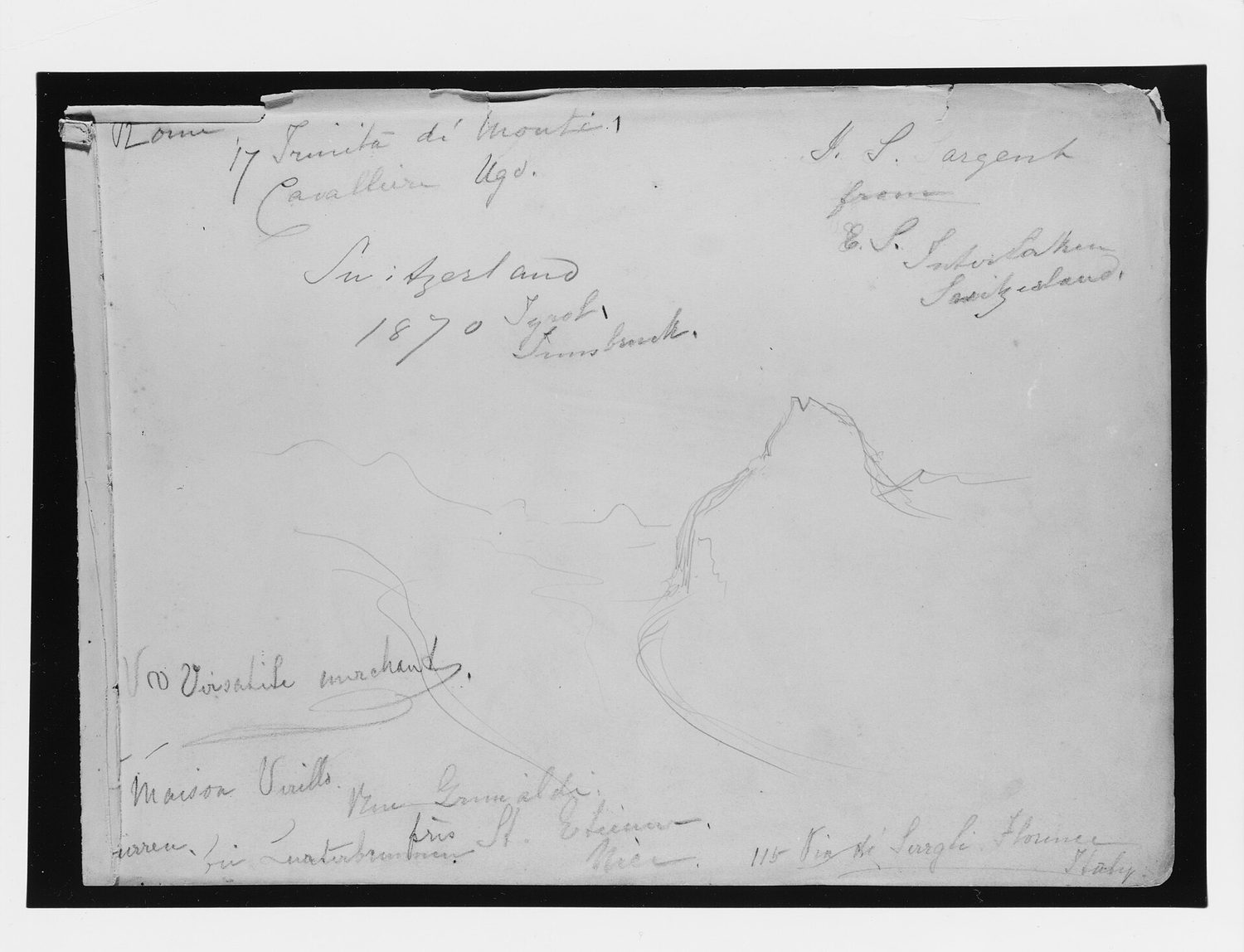
An artist's sketchbook page: process journals record inquiry, sources, and small experiments
词汇表 训练
英文 中文 拼音
documentation 记录 jì lù
process journal 创作过程日志 chuàng zuò guò chéng rì zhì
5.6

考试技巧

  • 把探究问题写成一句清楚的话钉在桌前——持续探究的每一条评分行都在问作品与它的关系。
  • 评卷人必须看见探究:测试、失败的开头、修改前后对比是证据;一叠互不相关的完成稿不是。
  • 给一切注明日期。"随时间推进"是被评分的概念——有日期的日志页不用一个字就证明了推进。
  • 在书面材料里使用CED词汇(材料、过程、想法、实验、修改)——它把你的陈述瞬间连到评分标准上。
  • 随做随拍日志跨页,不要拖到四月:赶工补拍的过程记录,一眼就看得出来。

本主题的互动课程

逐步学习,并即时检测练习。

AP 绘画的更多主题

登录或创建账号

IGCSE, A-Level & AP