Skip to content · ⁨Bỏ qua nội dung⁩

Halogen compounds · ⁨Hợp chất chứa halogen⁩

A-Level Chemistry · ⁨Hóa học A-Level⁩ · Topic 31 · ⁨Chủ đề 31⁩

Video lesson for this topic · ⁨Bài học video cho chủ đề này⁩ Open the video page · ⁨Mở trang video⁩
7:56

Hợp chất halogen (A2)

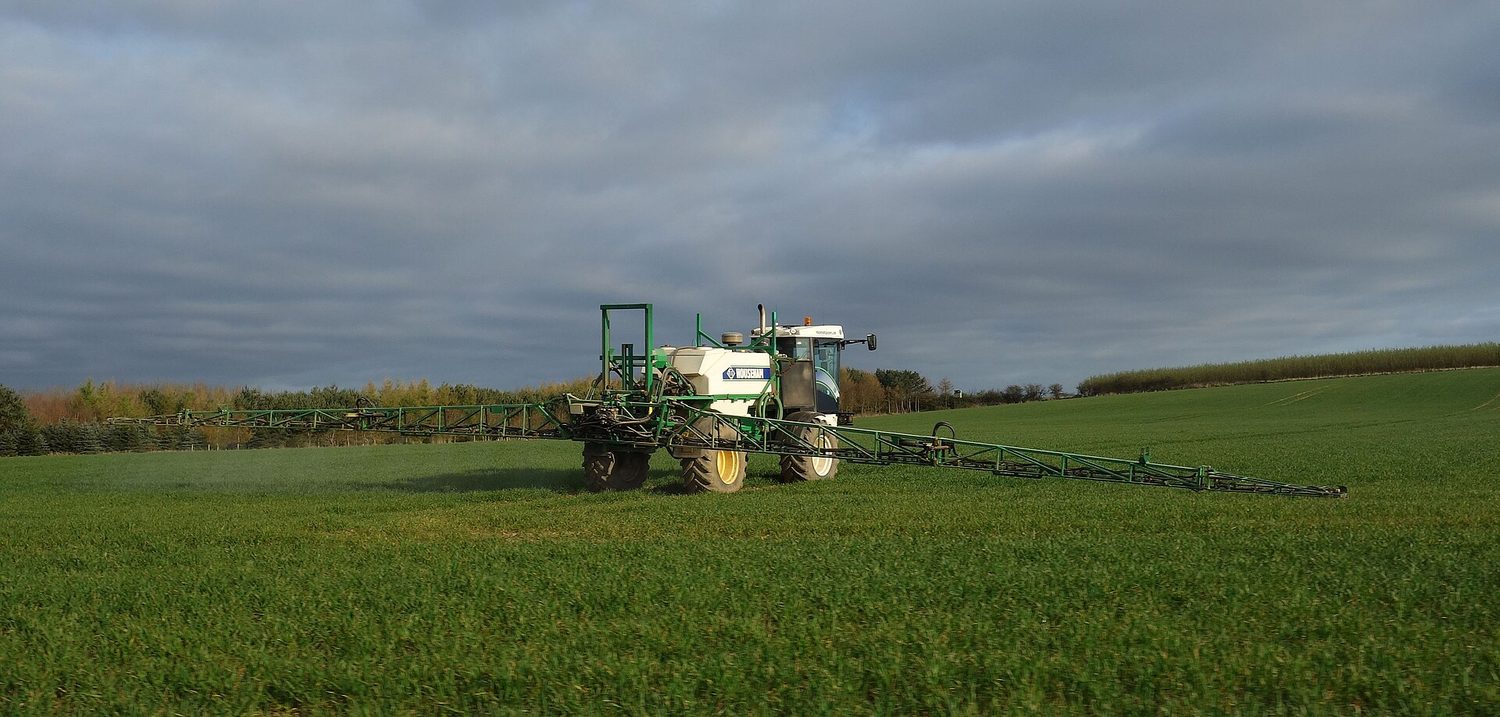
Một nông dân phun thuốc trên cánh đồng. Nhiều loại thuốc trừ sâu và diệt cỏ trong bình đó là halogenoaren: một nguyên tử clo liên kết trực tiếp vào vòng benzen. Bây giờ hãy nhìn…

English narration · English + 中文 subtitles burned in · ⁨Giọng đọc tiếng Anh · phụ đề tiếng Anh + 中文 được ghi trực tiếp⁩

31.1

Making halogenoarenes · ⁨Điều chế halogenoarene⁩

Syllabus · ⁨Chương trình⁩
English
  1. recall the reactions by which halogenoarenes can be produced: substitution of an arene with $\text{Cl}_2$ or $\text{Br}_2$ in the presence of a catalyst, $\text{AlCl}_3$ or $\text{AlBr}_3$ to form a halogenoarene, exemplified by benzene to form chlorobenzene and methylbenzene to form 2-chloromethylbenzene and 4-chloromethylbenzene
  2. explain the difference in reactivity between a halogenoalkane and a halogenoarene as exemplified by chloroethane and chlorobenzene
Tiếng Việt
  1. nhớ lại các phản ứng mà qua đó halogenoarenes có thể được sản xuất: phản ứng thế của một arene với $\text{Cl}_2$ hoặc $\text{Br}_2$ trong sự hiện diện của xúc tác, $\text{AlCl}_3$ hoặc $\text{AlBr}_3$ để tạo thành halogenoarene, được minh họa bởi benzene tạo chlorobenzene và methylbenzene tạo 2-chloromethylbenzene và 4-chloromethylbenzene
  2. giải thích sự khác biệt về độ phản ứng giữa một halogenoalkane và một halogenoarene được minh họa bởi chloroethane và chlorobenzene
Source: Cambridge International syllabus · ⁨Nguồn: Chương trình Cambridge International⁩

English

A halogenoarene 卤代芳烃 (also called an aryl halide) is formed when an arene 芳烃 reacts with $\text{Cl}_2$ or $\text{Br}_2$, using $\text{AlCl}_3$ or $\text{AlBr}_3$ as a catalyst 催化剂. This is the electrophilic substitution from the arenes topic — the halogen replaces a hydrogen on the ring.

  • benzene gives chlorobenzene.
  • methylbenzene gives 1-chloro-2-methylbenzene and 1-chloro-4-methylbenzene (the methyl group directs the chlorine to positions 2 and 4).
Tiếng Việt

Một halogenoarene (còn gọi là aryl halide) được hình thành khi một arene phản ứng với $\text{Cl}_2$ hoặc $\text{Br}_2$, sử dụng $\text{AlCl}_3$ hoặc $\text{AlBr}_3$ làm chất xúc tác. Đây là phản ứng thế electrophil từ chủ đề arene — halogen thay thế một hydrogen trên vòng.

  • benzene tạo ra chlorobenzene.
  • methylbenzene tạo ra 1-chloro-2-methylbenzene và 1-chloro-4-methylbenzene (nhóm methyl định hướng clo vào vị trí 2 và 4).
Benzene phản ứng với clo, dùng nhôm clorua làm chất xúc tác, tạo ra chlorobenzene và hydro clorua — một chlorine thay thế một hydrogen trên vòng
Điều chế halogenoarene qua thế electrophil: với chất xúc tác AlCl₃, một chlorine thay thế một hydrogen trên vòng (tạo HCl)
Một chiếc máy cày phun thuốc trừ sâu lên cây trồng trong đồng ruộng
Nhiều thuốc trừ sâu và thuốc diệt cỏ là halogenoarene — các nguyên tử clo liên kết với vòng benzene
Explore · ⁨Khám phá⁩

Halogenoarene lab · ⁨Phòng thí nghiệm Halogenoarene⁩

Compare halogenoarenes with halogenoalkanes. · ⁨So sánh halogenoarenes với halogenoalkanes.⁩

Vocabulary · ⁨Từ vựng⁩ Train · ⁨Luyện tập⁩
English Tiếng Việt
halogenoarene/ˈheɪləʊdʒnɔːren/ haloarene
arene/ˈæren/ aren
catalyst/ˈkætəlɪst/ chất xúc tác
31.1

Why a halogenoarene is less reactive than a halogenoalkane · ⁨Tại sao halogenoarene kém phản ứng hơn halogenoalkane⁩

English

Compare chloroethane (a halogenoalkane 卤代烷) with chlorobenzene (a halogenoarene).

A halogenoalkane reacts easily by nucleophilic substitution 亲核取代: its C–Cl bond is polar, so a nucleophile can attack the slightly positive carbon and push the halogen out.

A halogenoarene is very unreactive towards nucleophilic substitution. There are two reasons:

  • a lone pair 孤对电子 on the chlorine overlaps sideways with the delocalised 离域 ring of electrons. This gives the C–Cl bond partial double-bond character, making it shorter and stronger, so it is much harder to break.
  • the electron-rich ring repels an approaching nucleophile 亲核试剂.

So chlorobenzene does not react with nucleophiles such as $\text{OH}^-$ under normal conditions, while chloroethane does.

Tiếng Việt

So sánh chloroethane (một halogenoalkane) với chlorobenzene (một halogenoarene).

Một halogenoalkane dễ dàng phản ứng qua thế nucleophile: liên kết C–Cl của nó phân cực, nên một nucleophile có thể tấn công carbon hơi mang điện tích dương và đẩy halogen ra ngoài.

Một halogenoarene rất kém phản ứng đối với thế nucleophile. Có hai lý do:

  • một cặp electron tự do trên clo xen ngang với vòng electron liên hợp. Điều này tạo cho liên kết C–Cl tính chất liên kết đôi một phần, khiến nó ngắn hơn và bền hơn, do đó khó bị phá vỡ hơn nhiều.
  • vòng giàu electron đẩy lùi một nucleophile đang tiến lại gần.

Vì vậy chlorobenzene không phản ứng với các nucleophile như $\text{OH}^-$ trong điều kiện thường, trong khi chloroethane thì có.

Chloroethane với một nucleophile tấn công carbon mang điện tích dương nhẹ của nó, bên cạnh chlorobenzene nơi cặp electron tự do của clo xen vào vòng và vòng đẩy lùi nucleophile
Chloroethane phản ứng (một nucleophile tấn công carbon $\delta+$), nhưng chlorobenzene không: cặp electron tự do của Cl làm bền liên kết C–Cl và vòng benzen đẩy lùi nucleophile
Vocabulary · ⁨Từ vựng⁩ Train · ⁨Luyện tập⁩
English Tiếng Việt
halogenoalkane/ˈheɪləʊdʒnəʊlkeɪn/ halogenoalkane
nucleophilic substitution/ˌnjuːklɪəˈfɪlɪk ˌsʌbstɪˈtjuːʃn/ thế nucleophilic
lone pair/ləʊn peə/ cặp electron tự do
delocalised/dɪˈlɒkəlaɪzd/ liên hợp
nucleophile/ˈnjuːklɪɒfaɪl/ nucleophile
31.1

Exam tips · ⁨Mẹo làm bài thi⁩

English
  • A halogenoarene is less reactive than a halogenoalkane: the lone pair delocalises into the ring, giving the $\text{C-X}$ bond partial double-bond character.
  • Distinguish a halogen on the ring (needs a catalyst, unreactive to substitution) from one on a side chain (reacts like a halogenoalkane).
Tiếng Việt
  • Một halogenoarene ít phản ứng hơn một halogenoalkane: cặp electron tự do liên hợp vào vòng, tạo cho liên kết $\text{C-X}$ tính chất liên kết đôi một phần.
  • Phân biệt halogen trên vòng (cần xúc tác, không phản ứng thế) với một nguyên tử trên chuỗi nhánh (phản ứng giống halogenoalkane).

Interactive lessons on this topic · ⁨Bài học tương tác về chủ đề này⁩

Work through it step by step, with instant-check exercises. · ⁨Làm theo từng bước, kèm theo bài tập kiểm tra ngay lập tức.⁩

Past Papers · ⁨Đề thi cũ⁩

More topics in A-Level Chemistry · ⁨Hóa học A-Level⁩ · ⁨Nhiều chủ đề hơn trong A-Level Chemistry · ⁨Hóa học A-Level⁩⁩

Log in or create account · ⁨Đăng nhập hoặc tạo tài khoản⁩

IGCSE, A-Level & AP