Skip to content · ⁨ข้ามไปยังเนื้อหา⁩

Political Patterns and Processes · ⁨รูปแบบและกระบวนการทางการเมือง⁩

AP Human Geography · ⁨AP ภูมิศาสตร์มนุษย์⁩ · Topic 4 · ⁨หัวข้อ 4⁩

Video lesson for this topic · ⁨บทเรียนวิดีโอสำหรับหัวข้อนี้⁩ Open the video page · ⁨เปิดหน้าวิดีโอ⁩
8:12

รูปแบบและกระบวนการทางการเมือง

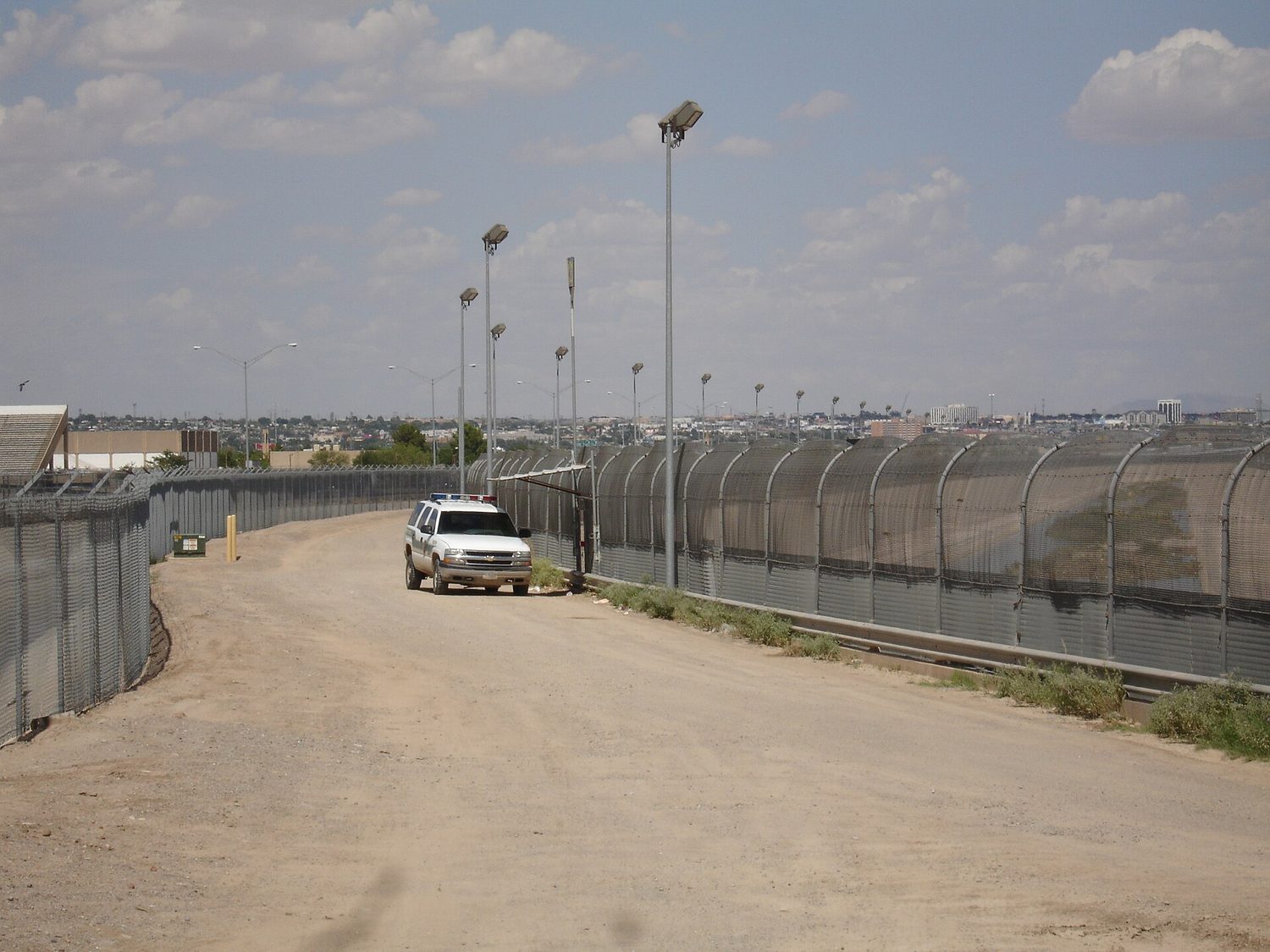
นี่คือรั้ว มันพาดผ่านพื้นที่โล่ง延伸至ขอบฟ้า ด้านตรงข้ามมีเมือง — ที่แห้งแล้งเหมือนกัน ท้องฟ้าเหมือนกัน ที่นี่คือโถง...

English narration · English + 中文 subtitles burned in · ⁨การบรรยายภาษาอังกฤษ · คำบรรยายภาษาอังกฤษ + 中文 ลอยตัวบนภาพ⁩

4.1

Introduction to Political Geography · ⁨บทนำทางภูมิศาสตร์การเมือง⁩

Syllabus · ⁨หลักสูตร⁩
English

Enduring Understanding (PSO-4): The political organization of space results from historical and current processes, events, and ideas.

Learning Objective PSO-4.A: For world political maps: a. Define the different types of political entities. b. Identify a contemporary example of political entities.

  • PSO-4.A.1 Independent states are the primary building blocks of the world political map.
  • PSO-4.A.2 Types of political entities include nations, nation-states, stateless nations, multinational states, multistate nations, and autonomous and semiautonomous regions, such as American Indian reservations.
ไทย

ความเข้าใจที่ยั่งยืน (PSO-4): การจัดระเบียบทางการเมืองของพื้นที่เกิดจากกระบวนการ ประวัติศาสตร์ เหตุการณ์ และความคิดในอดีตและปัจจุบัน

วัตถุประสงค์การเรียนรู้ PSO-4.A: สำหรับแผนที่การเมืองโลก: ก. นิยามชนิดต่างๆ ของหน่วยทางการเมือง ข. ระบุตัวอย่างของหน่วยทางการเมืองในปัจจุบัน

  • PSO-4.A.1 รัฐอิสระคือองค์ประกอบหลักของแผนที่การเมืองโลก
  • PSO-4.A.2 ชนิดของหน่วยทางการเมือง ได้แก่ Nation, nation-state, Stateless nations, Multinational states, Multistate nations และเขตปกครองตนเองหรือกึ่งปกครองตนเอง เช่น เขตสงวนชนเผ่าอเมริกันพื้นเมือง
Source: College Board AP Course and Exam Description · ⁨แหล่งที่มา: คำอธิบายหลักสูตรและข้อสอบ College Board AP⁩

English

Political geography 政治地理学 studies how humans divide and control space. Its key units:

  • A state 国家 (country) is an area with defined borders, a permanent population, a government, and sovereignty 主权 — full control over its own affairs.
  • A nation 民族 is a group of people with a shared culture and identity; a nation-state 民族国家 is a state whose borders match one nation (Japan is close).
  • A multinational state 多民族国家 contains several nations; a stateless nation 无国家民族 (like the Kurds) has no state of its own.

Worked example (a real AP exam question). "Define the concept of an independent state." (2025) A full-mark answer: "A sovereign country that governs itself and its own territory, is not controlled by any outside power, and is recognised by other states." The command word Define wants a short, precise meaning — one clear sentence is enough. You do not need examples or explanation here; save those for the "Describe" and "Explain" parts.

ไทย

ภูมิศาสตร์การเมือง ศึกษาว่ามนุษย์แบ่งและควบคุมพื้นที่อย่างไร หน่วยสำคัญ:

  • รัฐ (ประเทศ) คือพื้นที่ที่มี พรมแดน ที่กำหนดชัดเจน ประชากรถาวร รัฐบาล และ อธิปไตย — ควบคุมกิจการของตนเองได้อย่างเต็มที่
  • ชาติ คือกลุ่มคนที่มีวัฒนธรรมและอัตลักษณ์ร่วมกัน; รัฐชาติ คือรัฐwhose พรมแดนตรงกับชาติหนึ่ง (ญี่ปุ่นใกล้เคียง)
  • รัฐมัลติเนชันแนล มีหลายชาติ; ชาติไร้รัฐ (เช่น คนکرد) ไม่มีรัฐของตัวเอง

ตัวอย่างวิธีทำ (คำถามสอบ AP จริง) "นิยาม مفهومของรัฐอิสระ" (2025) คำตอบเต็มคะแนน: "ประเทศที่มีอธิปไตยซึ่งปกครองตนเองและดินแดนของตน ไม่ถูกควบคุมโดยอำนาจภายนอกใด ๆ และได้รับการยอมรับจากรัฐอื่น" คำสั่ง นิยาม ต้องการความหมายสั้นและเฉพาะเจาะจง — ประโยคเดียวก็เพียงพอ คุณไม่จำเป็นต้องมีตัวอย่างหรือคำอธิบายที่นี่; เก็บไว้สำหรับส่วน "บรรยาย" และ "อธิบาย"

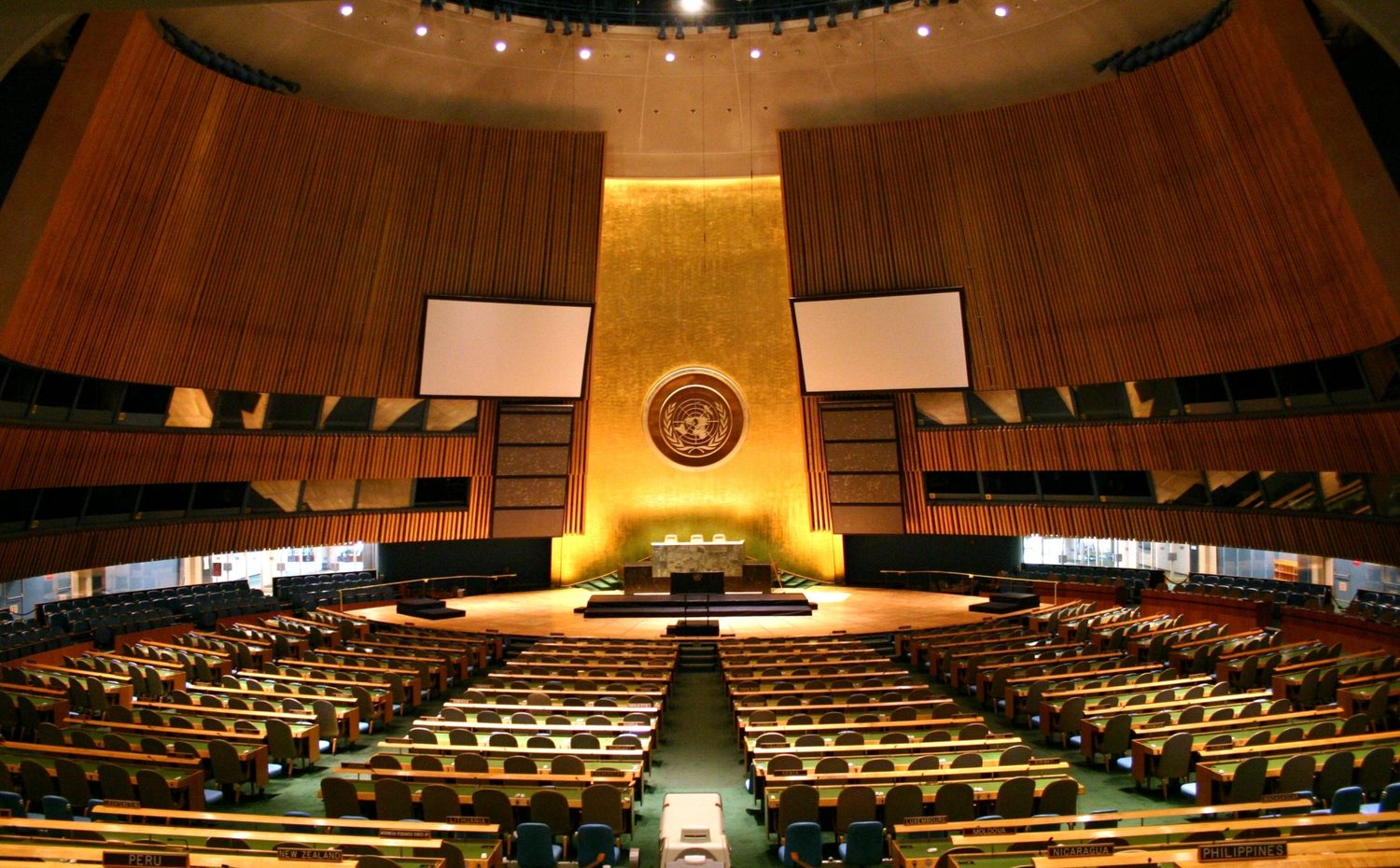
 Asamblea General de la ONU: soberanía y reconocimiento entre estados
Asamblea General de la ONU: soberanía y reconocimiento entre estados
4.2 4.3

Political Power and Territoriality · ⁨อำนาจทางการเมืองและความเป็นเขตแดน⁩

Syllabus · ⁨หลักสูตร⁩
English

Enduring Understanding (PSO-4): The political organization of space results from historical and current processes, events, and ideas.

Learning Objective PSO-4.B: Explain the processes that have shaped contemporary political geography.

  • PSO-4.B.1 The concepts of sovereignty, nation- states, and self-determination shape the contemporary world.
  • PSO-4.B.2 Colonialism, imperialism, independence movements, and devolution along national lines have influenced contemporary political boundaries.
ไทย

ความเข้าใจที่ยั่งยืน (PSO-4): การจัดระเบียบทางการเมืองของพื้นที่เกิดจากกระบวนการ ประวัติศาสตร์ เหตุการณ์ และความคิดในอดีตและปัจจุบัน

วัตถุประสงค์การเรียนรู้ PSO-4.B: อธิบายกระบวนการที่มีผลต่อการกำหนดภูมิศาสตร์การเมืองในปัจจุบัน

  • PSO-4.B.1 แนวคิดเรื่องอธิปไตย Nation-states และการกำหนดชะตากรรมเอง กำหนดโลกในปัจจุบัน
  • PSO-4.B.2 อาณานิคม จักรวรรดิ ขบวนการเอกราช และการกระจายอำนาจตามแนวสายเลือดnational lines มีอิทธิพลต่อพรมแดนทางการเมืองในปัจจุบัน
English

Enduring Understanding (PSO-4): The political organization of space results from historical and current processes, events, and ideas.

Learning Objective PSO-4.C: Describe the concepts of political power and territoriality as used by geographers.

  • PSO-4.C.1 Political power is expressed geographically as control over people, land, and resources, as illustrated by neocolonialism, shatterbelts, and choke points.
  • PSO-4.C.2 Territoriality is the connection of people, their culture, and their economic systems to the land.
ไทย

ความเข้าใจที่ยั่งยืน (PSO-4): การจัดระเบียบทางการเมืองของพื้นที่เกิดจากกระบวนการ ประวัติศาสตร์ เหตุการณ์ และความคิดในอดีตและปัจจุบัน

วัตถุประสงค์การเรียนรู้ PSO-4.C: อธิบายแนวคิดเรื่องอำนาจทางการเมืองและการครอบครองดินแดนตามที่นักภูมิศาสตร์ใช้

  • PSO-4.C.1 อำนาจทางการเมืองแสดงออกทางภูมิศาสตร์ด้วยการควบคุมประชากร ดินแดน และทรัพยากร ดังเห็นได้จากNeo-colonialism Shatterbelts และChoke points
  • PSO-4.C.2 การครอบครองดินแดนคือการเชื่อมโยงระหว่างมนุษย์ วัฒนธรรม และระบบเศรษฐกิจ与他们所居住的土地

Source: College Board AP Course and Exam Description · ⁨แหล่งที่มา: คำอธิบายหลักสูตรและข้อสอบ College Board AP⁩

English

Territoriality 领域性 is the attempt by a person or group to control people and things by controlling an area. Power is expressed geographically through control of land, people, and resources.

  • Colonialism and imperialism built empires by taking control of distant territory; neocolonialism 新殖民主义 is continued economic control after formal independence.
  • Choke points 咽喉要道 (narrow passages like the Suez Canal or the Strait of Malacca) and shatterbelts 破碎地带 (regions caught between competing powers) show how geography shapes political power.
ไทย

ความเป็นเขตแดน คือความพยายามของผู้หรือกลุ่มในการควบคุมคนและสิ่งของ通过对การควบคุมพื้นที่ อำนาจแสดงออกผ่านภูมิศาสตร์通过对การควบคุมที่ดิน คน และทรัพยากร

  • อาณานิคม และ จักรวรรดิ สร้างจักรวรรดิ通过对การควบคุมดินแดนห่างไกล; neo-colonialism คือการควบคุมทางเศรษฐกิจต่อ послеการเอกราชอย่างเป็นทางการ
  • จุดคอขวด (ช่องแคบ เช่น คลองสุเอซ หรือ ช่องแคบมะละกา) และ shatterbelts (ภูมิภาคที่ถูกกั้นระหว่างอำนาจที่แข่งขันกัน) แสดงให้เห็นว่าภูมิศาสตร์มีผลต่ออำนาจทางการเมือง
Vocabulary · ⁨คำศัพท์⁩ Train · ⁨ฝึกฝน⁩
English ไทย
shatterbelts/ˈʃætəbelts/ shatterbelts (เขตรอยแตก/เขตเปราะบาง)
boundary/ˈbaʊndəri/ พรมแดน
4.4 4.5 4.6

Political Boundaries · ⁨ขอบเขตทางการเมือง⁩

Syllabus · ⁨หลักสูตร⁩
English

Enduring Understanding (IMP-4): Political boundaries and divisions of governance, between states and within them, reflect balances of power that have been negotiated or imposed.

Learning Objective IMP-4.A: Define types of political boundaries used by geographers.

  • IMP-4.A.1 Types of political boundaries include relic, superimposed, subsequent, antecedent, geometric, and consequent boundaries.
ไทย

ความเข้าใจที่ยั่งยืน (IMP-4): ขอบเขตทางการเมืองและการแบ่งแยกการปกครอง ระหว่างรัฐและภายในรัฐ สะท้อนถึงสมดุลของอำนาจที่ถูกเจรจาหรือถูกกำหนดขึ้น

จุดประสงค์การเรียนรู้ IMP-4.A: นิยามประเภทของขอบเขตทางการเมืองที่นักภูมิศาสตร์ใช้

  • IMP-4.A.1 ประเภทของขอบเขตทางการเมืองรวมถึง ขอบเขตมรดก, ขอบเขตที่แทรกซ้อน, ขอบเขตตามลำดับ, ขอบเขตก่อนหน้า, ขอบเขตเรขาคณิต และขอบเขตตามผล
English

Enduring Understanding (IMP-4): Political boundaries and divisions of governance, between states and within them, reflect balances of power that have been negotiated or imposed.

Learning Objective IMP-4.B: Explain the nature and function of international and internal boundaries.

  • IMP-4.B.1 Boundaries are defined, delimited, demarcated, and administered to establish limits of sovereignty, but they are often contested.
  • IMP-4.B.2 Political boundaries often coincide with cultural, national, or economic divisions. However, some boundaries are created by demilitarized zones or policy, such as the Berlin Conference.
  • IMP-4.B.3 Land and maritime boundaries and international agreements can influence national or regional identity and encourage or discourage international or internal interactions and disputes over resources.
  • IMP-4.B.4 The United Nations Convention on the Law of the Sea defines the rights and responsibilities of nations in the use of international waters, established territorial seas, and exclusive economic zones.
ไทย

ความเข้าใจที่ยั่งยืน (IMP-4): ขอบเขตทางการเมืองและการแบ่งแยกการปกครอง ระหว่างรัฐและภายในรัฐ สะท้อนถึงสมดุลของอำนาจที่ถูกเจรจาหรือถูกกำหนดขึ้น

จุดประสงค์การเรียนรู้ IMP-4.B: อธิบายลักษณะและหน้าที่ของพรมแดนระหว่างประเทศและภายในประเทศ

  • IMP-4.B.1 พรมแดนถูกกำหนด界线, แยกเส้น, ปักหมุด และบริหารจัดการเพื่อกำหนดขอบเขตของอธิปไตย แต่มักจะถูกขัดแย้งกัน
  • IMP-4.B.2 ขอบเขตทางการเมืองมักสอดคล้องกับการแบ่งแยกทางวัฒนธรรม nationally หรือเศรษฐกิจ อย่างไรก็ตาม บางขอบเขตถูกสร้างขึ้นโดยพื้นที่ปลอดอาวุธหรือนโยบาย เช่น การประชุมBerlin
  • IMP-4.B.3 พรมแดนทางบกและทางทะเล beserta international agreements สามารถมีอิทธิพลต่ออัตลักษณ์ระดับชาติหรือภูมิภาค และส่งเสริมหรือยับยั้งการแลกเปลี่ยนและความขัดแย้งระหว่างประเทศหรือภายในประเทศเกี่ยวกับทรัพยากร
  • IMP-4.B.4 ความตกลงสหประชาชาติว่าด้วยกฎหมายทะเล (UNCLOS) กำหนดสิทธิและ responsibilities ของประเทศในการใช้น่านน้ำระหว่างประเทศ, น่านน้ำ territoria และเขตเศรษฐกิจเฉพาะ
English

Enduring Understanding (IMP-4): Political boundaries and divisions of governance, between states and within them, reflect balances of power that have been negotiated or imposed.

Learning Objective IMP-4.B: Explain the nature and function of international and internal boundaries.

  • IMP-4.B.5 Voting districts, redistricting, and gerrymandering affect election results at various scales.
ไทย

ความเข้าใจที่ยั่งยืน (IMP-4): ขอบเขตทางการเมืองและการแบ่งแยกการปกครอง ระหว่างรัฐและภายในรัฐ สะท้อนถึงสมดุลของอำนาจที่ถูกเจรจาหรือถูกกำหนดขึ้น

จุดประสงค์การเรียนรู้ IMP-4.B: อธิบายลักษณะและหน้าที่ของพรมแดนระหว่างประเทศและภายในประเทศ

  • IMP-4.B.5 เขตเลือกตั้ง, การปรับเขต选举 และ Gerrymandering มีผลต่อผลการเลือกตั้งในระดับต่างๆ

Source: College Board AP Course and Exam Description · ⁨แหล่งที่มา: คำอธิบายหลักสูตรและข้อสอบ College Board AP⁩

English

A boundary 边界 is a line that marks the limit of a state's territory. Types by origin:

  • Antecedent 先成边界 (drawn before dense settlement), subsequent 后成边界 (drawn as cultures develop), superimposed 叠加边界 (forced on by an outside power, ignoring local culture), and relic 残余边界 (no longer a border but still visible, like the Berlin Wall).
  • Definition, delimitation, and demarcation are the steps of setting a boundary: agreeing wording, drawing it on a map, then marking it on the ground.
  • At sea, the UN Convention on the Law of the Sea (UNCLOS) 联合国海洋法公约 sets each coastal state's territorial sea and an exclusive economic zone (EEZ) 专属经济区, defining rights to fishing and seabed resources.
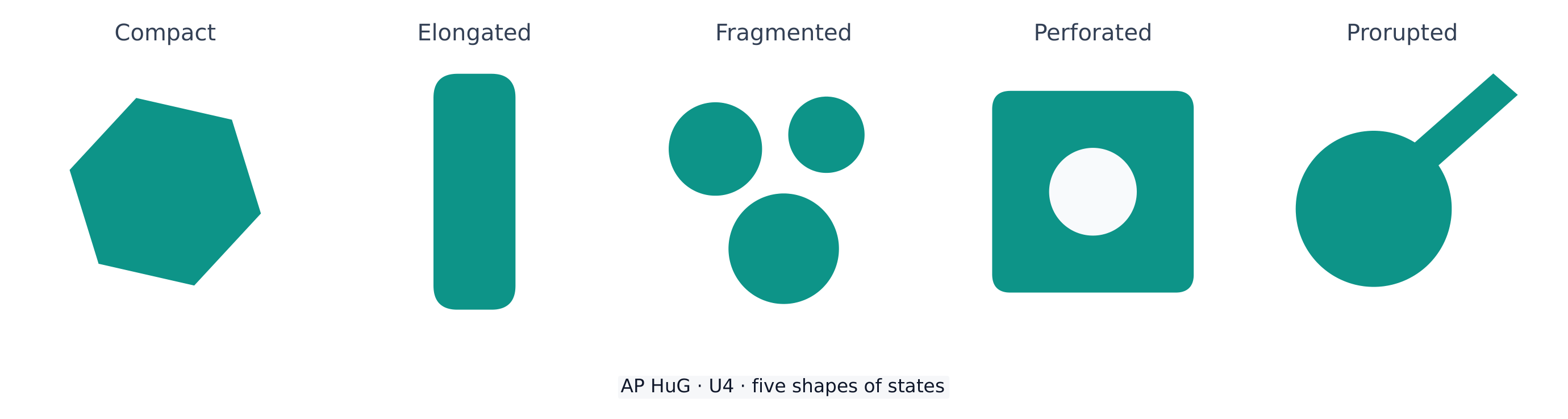
  • The shape of a state matters: compact states are easy to govern; elongated, fragmented, perforated, and prorupted shapes create governing challenges.
ไทย
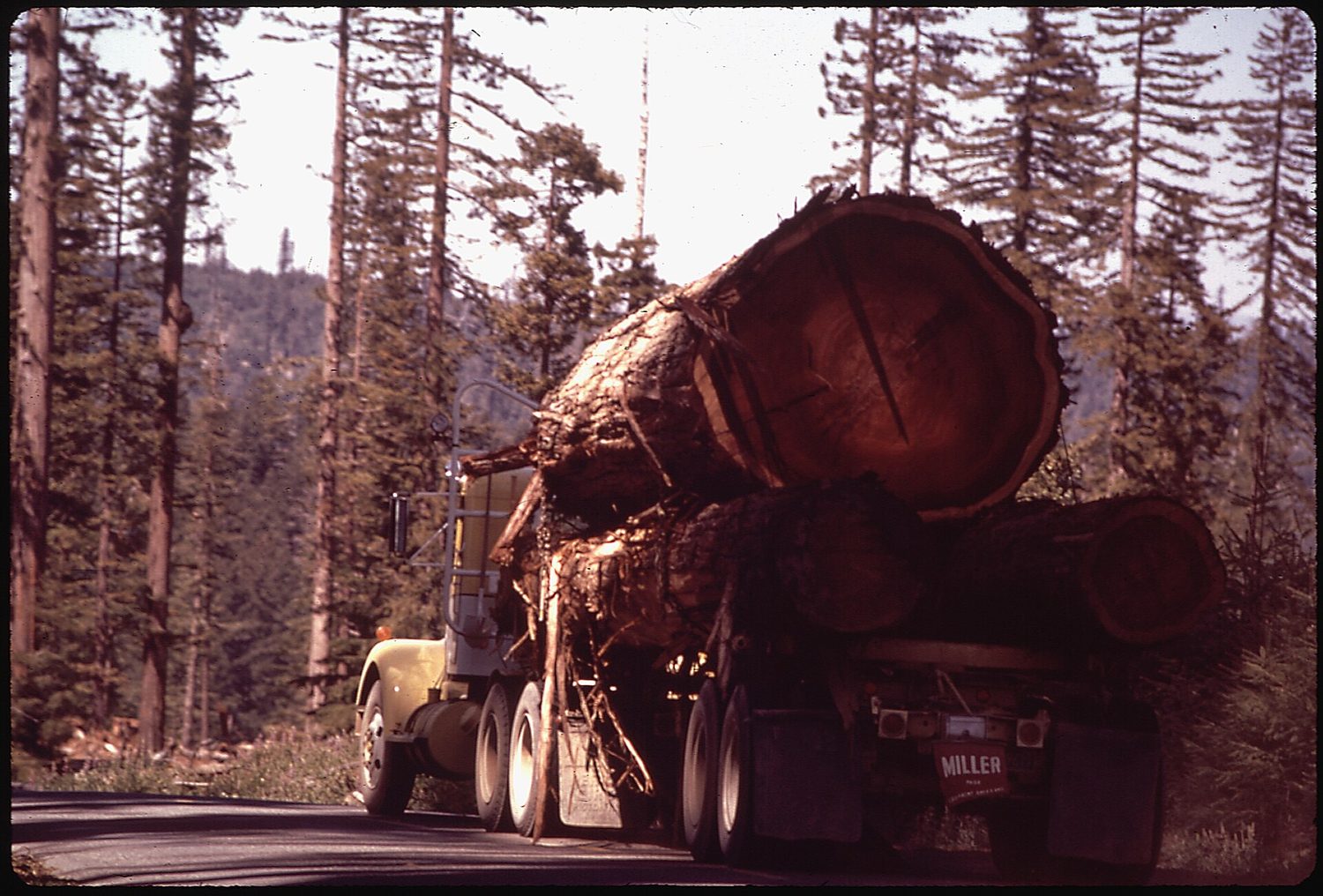
Landscape claro: límites políticos y control de la tierra moldean el uso de recursos

ขอบเขต คือเส้นที่กำหนดขอบเขตดินแดนของรัฐ ประเภทตามต้นกำเนิด:

Cómo se forman los límites y las formas que pueden adoptar los estados
Los estados adoptan diferentes formas; cada forma afecta qué tan fácil es gobernar el estado
  • Antecedent (วาดก่อนการตั้งถิ่นฐานหนาแน่น), subsequent (วาดเมื่อวัฒนธรรมพัฒนา), superimposed (บังคับโดยอำนาจภายนอก โดยไม่คำนึงถึงวัฒนธรรมท้องถิ่น), และ relic (不再是边境但仍可见,如柏林墙).
  • นิยาม, การกำหนดขอบเขต และการระบุตำแหน่ง เป็นขั้นตอนของการวางขอบเขต: ยอมรับข้อความ, วาดบนแผนที่, แล้วระบุบนพื้นดิน
  • ในทะเล, อนุสัญญาสหประชาชาติว่าด้วยกฎหมายทะเล (UNCLOS) กำหนด ทะเล territoriale ของแต่ละรัฐชายฝั่งและ เขตเศรษฐกิจพิเศษ (EEZ), กำหนดสิทธิ์ในการตกปลาและทรัพยากรใต้ทะเล
  • รูปร่างของรัฐ สำคัญ: compact รัฐง่ายต่อการปกครอง; elongated, fragmented, perforated, และ prorupted รูปร่างสร้างความท้าทายในการปกครอง
Vocabulary · ⁨คำศัพท์⁩ Train · ⁨ฝึกฝน⁩
English ไทย
Political geography/pəˈlɪtɪkl dʒɪˈɒɡrəfi/ ภูมิศาสตร์การเมือง
state/steɪt/ รัฐ (State)
Antecedent/ˌæntɪˈsiːdənt/ Antecedent (พรมแดนเดิม)
subsequent/ˈsʌbsɪkwənt/ subsequent
superimposed/ˌsuːpərɪmˈpəʊzd/ superimposed
relic/ˈrelɪk/ relic (พรมแดนโบราณ/มรดกตกค้าง)
UN Convention on the Law of the Sea (UNCLOS) อนุสัญญาสหประชาชาติว่าด้วยกฎหมายทะเล (UNCLOS)
exclusive economic zone (EEZ)/eksˈkluːsɪv ˌiːkəˈnɒmɪk zəʊn/ เขตเศรษฐกิจเฉพาะ (EEZ)
unitary state/ˈjuːnɪtəri steɪt/ unitary state
federal state/ˈfedərəl steɪt/ รัฐ fédéral (Federal state)
4.7

Forms of Governance · ⁨รูปแบบการปกครอง⁩

Syllabus · ⁨หลักสูตร⁩
English

Enduring Understanding (IMP-4): Political boundaries and divisions of governance, between states and within them, reflect balances of power that have been negotiated or imposed.

Learning Objective IMP-4.C: Define federal and unitary states.

  • IMP-4.C.1 Forms of governance include unitary states and federal states.

Learning Objective IMP-4.D: Explain how federal and unitary states affect spatial organization.

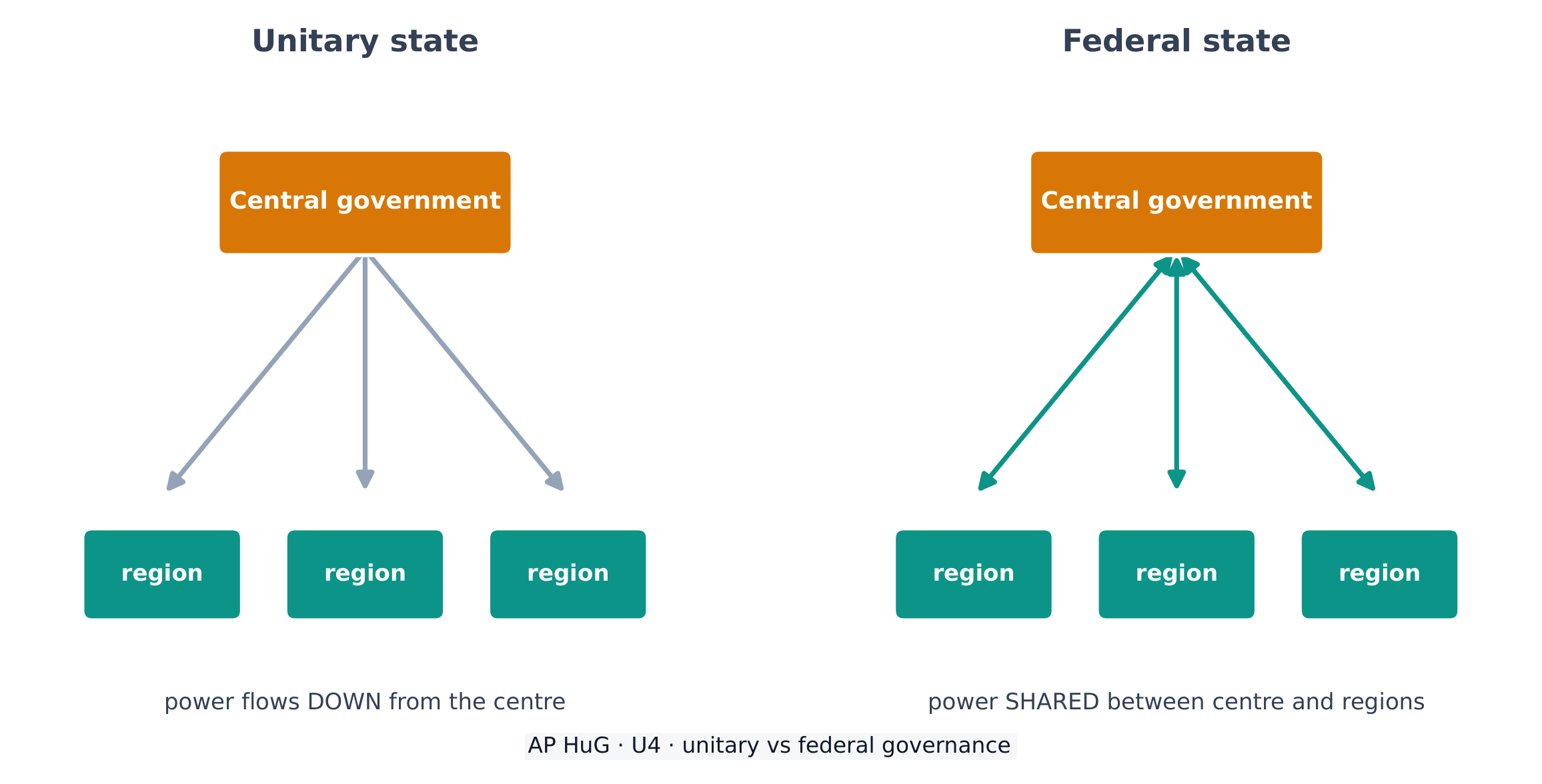
  • IMP-4.D.1 Unitary states tend to have a more top-down, centralized form of governance, while federal states have more locally based, dispersed power centers. SUGGESTED SKILLS Spatial Relationships Describe spatial patterns, networks, and relationships.
ไทย

ความเข้าใจที่ยั่งยืน (IMP-4): ขอบเขตทางการเมืองและการแบ่งแยกการปกครอง ระหว่างรัฐและภายในรัฐ สะท้อนถึงสมดุลของอำนาจที่ถูกเจรจาหรือถูกกำหนดขึ้น

จุดประสงค์การเรียนรู้ IMP-4.C: นิยามรัฐแบบ föderal และ unitary states

  • IMP-4.C.1 รูปแบบการปกครองรวมถึง รัฐแบบ unitary และ federal states

จุดประสงค์การเรียนรู้ IMP-4.D: อธิบายว่ารัฐแบบ federal และ unitary states ส่งผลต่อการจัดระเบียบเชิงพื้นที่อย่างไร

  • IMP-4.D.1 รัฐแบบ unitary มักมีการปกครองแบบ top-down และรวมศูนย์ ในขณะที่รัฐแบบ federal มีศูนย์กลางอำนาจกระจายตัวและขึ้นอยู่กับท้องถิ่นมากขึ้น SKILLS ที่แนะนำ: ความสัมพันธ์เชิงพื้นที่ อธิบายรูปแบบเครือข่ายและความสัมพันธ์เชิงพื้นที่

Source: College Board AP Course and Exam Description · ⁨แหล่งที่มา: คำอธิบายหลักสูตรและข้อสอบ College Board AP⁩

English

States organise power between the centre and the regions in two main ways:

  • A unitary state 单一制国家 keeps most power in the central government (France). It works best in small or culturally uniform countries.
  • A federal state 联邦制国家 shares power between the centre and regional governments (USA, India). It suits large or diverse countries.
  • Gerrymandering 选区划分不公 is redrawing voting district boundaries to favour one group — a political use of geography.
ไทย
Edificio del parlamento: la geografía política estudia cómo se organiza el poder sobre el territorio

รัฐจัดระเบียบอำนาจระหว่างศูนย์กลางและภูมิภาคในสองวิธีหลัก:

Estados unitarios concentran el poder en el centro; los federales lo comparten con las regiones
Un estado unitario mantiene el poder centralizado; un estado federal comparte el poder con gobiernos regionales
  • รัฐ-unitary รักษาอำนาจส่วนใหญ่ไว้ใน กลาง รัฐบาล (ฝรั่งเศส) ทำงานได้ดีที่สุดในประเทศขนาดเล็กหรือประเทศที่มีวัฒนธรรมสม่ำเสมอ
  • รัฐ-federal แบ่งปันอำนาจระหว่างศูนย์กลางและ ภูมิภาค รัฐบาล (สหรัฐอเมริกา, อินเดีย) เหมาะกับประเทศขนาดใหญ่หรือหลากหลาย
  • Gerrymandering คือการวาดใหม่ขอบเขตเขตเลือกตั้งเพื่อสนับสนุนกลุ่มหนึ่ง — การใช้ภูมิศาสตร์ทางการเมือง
Vocabulary · ⁨คำศัพท์⁩ Train · ⁨ฝึกฝน⁩
English ไทย
Gerrymandering/ˈdʒerɪmændərɪŋ/ Gerrymandering (การตัดเขตเลือกตั้งแบบเอื้อประโยชน์)
4.8 4.9

Devolution and Challenges to Sovereignty · ⁨การถ่ายโอนอำนาจและความท้าทายต่ออธิปไตย⁩

Syllabus · ⁨หลักสูตร⁩
English

Enduring Understanding (SPS-4): Political, economic, cultural, or technological changes can challenge state sovereignty.

Learning Objective SPS-4.A: Define factors that lead to the devolution of states.

  • SPS-4.A.1 Factors that can lead to the devolution of states include the division of groups by physical geography, ethnic separatism, ethnic cleansing, terrorism, economic and social problems, and irredentism.
ไทย

ความเข้าใจที่ยั่งยืน (SPS-4): การเปลี่ยนแปลงด้านการเมือง เศรษฐกิจ วัฒนธรรม หรือเทคโนโลยีสามารถท้าทายอธิปไตยของรัฐ

จุดประสงค์การเรียนรู้ SPS-4.A: นิยามปัจจัยที่ทำให้เกิดการกระจายอำนาจของรัฐ

  • SPS-4.A.1 ปัจจัยที่อาจนำไปสู่การกระจายอำนาจของรัฐ รวมถึง การแบ่งกลุ่มโดยภูมิศาสตร์ทางกายภาพ, การแยกตัวทางชาติพันธุ์, การล้างชาติพันธุ์, การก่อการร้าย, ปัญหาทางเศรษฐกิจและสังคม และการยึดดินแดนเดิม
English

Enduring Understanding (SPS-4): Political, economic, cultural, or technological changes can challenge state sovereignty.

Learning Objective SPS-4.B: Explain how political, economic, cultural, and technological changes challenge state sovereignty.

  • SPS-4.B.1 Devolution occurs when states fragment into autonomous regions; subnational political- territorial units, such as those within Spain, Belgium, Canada, and Nigeria; or when states disintegrate, as happened in Sudan and the former Soviet Union.
  • SPS-4.B.2 Advances in communication technology have facilitated devolution, supranationalism, and democratization.
  • SPS-4.B.3 Global efforts to address transnational and environmental challenges and to create economies of scale, trade agreements, and military alliances help to further supranationalism.
  • SPS-4.B.4 Supranational organizations—including the United Nations (UN), North Atlantic Treaty Organization (NATO), European Union (EU), Association of Southeast Asian Nations (ASEAN), Arctic Council, and African Union— can challenge state sovereignty by limiting the economic or political actions of member states.
ไทย

ความเข้าใจที่ยั่งยืน (SPS-4): การเปลี่ยนแปลงด้านการเมือง เศรษฐกิจ วัฒนธรรม หรือเทคโนโลยีสามารถท้าทายอธิปไตยของรัฐ

จุดประสงค์การเรียนรู้ SPS-4.B: อธิบายว่าการเปลี่ยนแปลงทางการเมือง เศรษฐกิจ วัฒนธรรม และเทคโนโลยีท้าทายอธิปไตยของรัฐอย่างไร

  • SPS-4.B.1 การกระจายอำนาจเกิดขึ้นเมื่อรัฐแตกแยกเป็นภูมิภาคที่มีอำนาจปกครองตนเอง; หน่วยการเมือง- territorial ระดับย่อย เช่น ภายในสเปน เบลเยียม แคนาดา และไนจีเรีย; หรือเมื่อรัฐล่มสลาย ตามที่เกิดขึ้นในซูดาน และสหภาพโซเวียต
  • SPS-4.B.2 ความก้าวหน้าด้านเทคโนโลยีการสื่อสารได้เอื้อต่อการกระจายอำนาจ, การรวมกลุ่มข้ามชาติ และการ_efort democraticization
  • SPS-4.B.3 ความพยายามระดับโลกในการแก้ปัญหาข้ามชาติและสิ่งแวดล้อม และสร้าง economies of scale, trade agreements และ military alliances ช่วยเสริมสร้าง supranationalism
  • SPS-4.B.4 องค์กร supranational—including United Nations (UN), North Atlantic Treaty Organization (NATO), European Union (EU), Association of Southeast Asian Nations (ASEAN), Arctic Council และ African Union—สามารถท้าทายอธิปไตยของรัฐโดยการจำกัดการกระทำทางเศรษฐกิจหรือการเมืองของสมาชิก

Source: College Board AP Course and Exam Description · ⁨แหล่งที่มา: คำอธิบายหลักสูตรและข้อสอบ College Board AP⁩

English

Devolution 权力下放 is the transfer of power from a central government down to regional governments. It is driven by devolutionary factors: ethnic or religious differences, physical geography (islands, mountains), and economic inequality.

  • Strong differences can lead to autonomy 自治 for a region, or even a movement for full independence.
  • Sovereignty is also challenged from outside by supranational organisations 超国家组织 (the EU, UN), by globalisation, and by the internet, which crosses borders freely.
ไทย

การถ่ายโอนอำนาจ (Devolution) คือการถ่ายโอนอำนาจจากรัฐบาลกลางลงมายังรัฐบาลระดับภูมิภาค驱动力由 devolutionary factors: ความแตกต่างทางชาติพันธุ์หรือศาสนา ภูมิศาสตร์ทางกายภาพ (เกาะ ภูเขา) และความไม่เท่าเทียมทางเศรษฐกิจ

  • ความแตกต่างที่แข็งแกร่งอาจนำไปสู่ autonomy สำหรับภูมิภาค, หรือแม้แต่การเคลื่อนไหวเพื่อเอกราชเต็มรูปแบบ
  • A sovereignty ก็ถูกท้าทายจากภายนอกโดย supranational organisations (EU, UN), globalisation, และ internet, which crosses borders freely.
พรมแดนที่เข้มงวดและการควบคุมที่ขัดแย้ง: ความท้าทายด้านอธิปไตยในทางปฏิบัติ
Vocabulary · ⁨คำศัพท์⁩ Train · ⁨ฝึกฝน⁩
English ไทย
sovereignty/ˈsɒvərɪnti/ อธิปไตย (Sovereignty)
nation/ˈneɪʃn/ ชาติ (Nation)
nation-state/ˈneɪʃn steɪt/ รัฐชาติ (Nation-state)
multinational state/ˌmʌltɪˈnæʃənl steɪt/ multinational state
stateless nation/ˈsteɪtləs ˈneɪʃn/ ชาติไร้รัฐ (Stateless nation)
Territoriality/ˌterɪˌtɔːrɪˈælɪti/ การยึดครองดินแดน
neocolonialism/ˈniːəʊkɒləʊnɪəlɪzəm/ อาณานิคมสมัยใหม่ (Neocolonialism)
Choke points/tʃəʊk pɔɪnts/ จุดคดเคี้ยว
Devolution/dɪvəˈluːʃn/ Devolution
autonomy/ɔːˈtɒnəmi/ อำนาจปกครองตนเอง
supranational organisations/ˌsuːprəˈnæʃənl ˌɔːɡənaɪˈzeɪʃnz/ องค์กรระหว่างประเทศ
Centrifugal forces/ˌsentrɪˈfjuːɡl ˈfɔːsɪz/ แรงแยกศูนย์
failed states/feɪld steɪts/ failed states
Centripetal forces/senˈtrɪpɪtl ˈfɔːsɪz/ แรงรวมศูนย์
ethnonationalism/ˌeθnəˈneɪʃənəlɪzəm/ ethnonationalism
4.10

Centrifugal and Centripetal Forces · ⁨แรงเหวี่ยงและแรงดูดเข้าหาศูนย์กลาง⁩

Syllabus · ⁨หลักสูตร⁩
English

Enduring Understanding (SPS-4): Political, economic, cultural, or technological changes can challenge state sovereignty.

Learning Objective SPS-4.C: Explain how the concepts of centrifugal and centripetal forces apply at the state scale.

  • SPS-4.C.1 Centrifugal forces may lead to failed states, uneven development, stateless nations, and ethnic nationalist movements.
  • SPS-4.C.2 Centripetal forces can lead to ethnonationalism, more equitable infrastructure development, and increased cultural cohesion.
ไทย

ความเข้าใจที่ยั่งยืน (SPS-4): การเปลี่ยนแปลงด้านการเมือง เศรษฐกิจ วัฒนธรรม หรือเทคโนโลยีสามารถท้าทายอธิปไตยของรัฐ

วัตถุประสงค์การเรียนรู้ SPS-4.C: อธิบายว่าแนวคิดเรื่องแรงผลักและแรงดูดมีการประยุกต์ใช้ในระดับรัฐอย่างไร

  • SPS-4.C.1 แรงผลักอาจนำไปสู่รัฐล้มเหลว การพัฒนาที่ไม่เท่าเทียม รัฐที่ไม่มีชนชาติ และขบวนการชาตินิยมทางชาติพันธุ์
  • SPS-4.C.2 แรงดูดสามารถนำไปสู่ชาตินิยมทางชาติพันธุ์ การพัฒนาโครงสร้างพื้นฐานที่ยุติธรรมมากขึ้น และความสามัคคีทางวัฒนธรรมที่เพิ่มขึ้น

Source: College Board AP Course and Exam Description · ⁨แหล่งที่มา: คำอธิบายหลักสูตรและข้อสอบ College Board AP⁩

English

Two opposing forces act on every state:

  • Centrifugal forces 离心力 pull a state apart — ethnic conflict, uneven development, and weak identity can lead to failed states 失败国家 and separatist movements.
  • Centripetal forces 向心力 hold a state together — a shared language, national symbols, fair infrastructure, and a strong national identity (ethnonationalism 族裔民族主义 when tied to one ethnic group).

Governments strengthen centripetal forces (national holidays, a common language) to keep the state unified. Balancing these forces is the central task of political geography.

ไทย

มีสองแรงตรงข้ามกระทำต่อรัฐทุกแห่ง:

  • แรงเหวี่ยง ดึงรัฐให้ แตกแยก — ความขัดแย้งทางชาติพันธุ์ การพัฒนาที่ไม่เท่ากัน และอัตลักษณ์ที่อ่อนแอสามารถนำไปสู่ รัฐล้มเหลว และการเคลื่อนไหวเพื่อแยกตัวออกจากประเทศ
  • แรงดูดเข้าหาศูนย์กลาง รัดรัฐให้ อยู่รวมกัน — ภาษาเดียวกัน สัญลักษณ์แห่งชาติ โครงสร้างพื้นฐานที่ยุติธรรม และอัตลักษณ์แห่งชาติที่แข็งแกร่ง (ชาตินิยมทางชาติพันธุ์เมื่อผูกพันกับกลุ่มชาติพันธุ์ใดกลุ่มหนึ่ง)

รัฐบาลเสริมสร้างแรงดูดเข้าหาศูนย์กลาง (วันหยุดnational, ภาษาร่วม) เพื่อรักษาความสามัคคีของรัฐ การปรับสมดุลระหว่างแรงเหล่านี้เป็นภารกิจหลักของภูมิศาสตร์การเมือง

เมืองรวมศูนย์อำนาจทางการเมืองและเศรษฐกิจ across territory
เมืองรวมอำนาจทางการเมืองและเศรษฐกิจทั่วทั้งพื้นที่
Explore · ⁨สำรวจ⁩

Centrifugal or centripetal force? · ⁨แรงเหวี่ยงหรือแรงเข้าหา?⁩

A centrifugal force pulls a state apart; a centripetal force holds it together. · ⁨แรงเหวี่ยงดึงรัฐออกห่างกัน; แรงเข้าหารวมรัฐไว้ด้วยกัน⁩

4.10

Exam tips · ⁨ข้อแนะนำสำหรับการสอบ⁩

English
  • Keep state (territory + sovereignty), nation (a people), and nation-state clearly separate.
  • Classify a boundary by history (antecedent / subsequent / superimposed / relict) and by stage (defined to administered).
  • Name the boundary-dispute type: definitional, locational, operational, or allocational.
  • Compare unitary and federal governance, and link the choice to managing diversity.
  • Explain instability through centrifugal and centripetal forces and devolution; use neutral examples.
ไทย
  • แยกแยะ รัฐ (ดินแดน + อธิปไตย), ชนชาติ (ประชาชนกลุ่มหนึ่ง), และ รัฐชาติ อย่างชัดเจน
  • จำแนกพรมแดนตามประวัติศาสตร์ (ก่อนเกิด / ตามหลัง / ถูกแทรกซ้อน / เหลือรอด) และตามขั้นตอน (กำหนดไว้แล้ว/บริหารจัดการแล้ว)
  • ชื่อบทบาทการพิพาทพรมแดน: ด้านนิยาม, ด้านตำแหน่ง, ด้านการดำเนินงาน, หรือ ด้านการจัดสรร
  • เปรียบเทียบการบริหารแบบ รวมศูนย์ และ แบ่งเขต, และเชื่อมโยงการเลือกเข้ากับการจัดการความหลากหลาย
  • อธิบายความไม่เสถียรผ่าน แรงเหวี่ยง และ แรงดูดเข้าหาศูนย์กลาง และ การถ่ายโอนอำนาจ; ใช้ตัวอย่างที่เป็นกลาง

Interactive lessons on this topic · ⁨บทเรียนเชิงโต้ตอบสำหรับหัวข้อนี้⁩

Work through it step by step, with instant-check exercises. · ⁨ทำทีละขั้นตอน พร้อมแบบฝึกหัดตรวจสอบผลทันที⁩

Past Papers · ⁨ข้อสอบย้อนหลัง⁩

More topics in AP Human Geography · ⁨AP ภูมิศาสตร์มนุษย์⁩ · ⁨หัวข้อเพิ่มเติมใน AP Human Geography · ⁨AP ภูมิศาสตร์มนุษย์⁩⁩

Log in or create account · ⁨เข้าสู่ระบบหรือสร้างบัญชี⁩

IGCSE, A-Level & AP