Skip to content · ⁨ข้ามไปยังเนื้อหา⁩

Investigate: Inquiry and the Artistic Process · ⁨สืบสวน: การสำรวจและกระบวนการทางศิลปะ⁩

AP Drawing · ⁨AP การวาดภาพ⁩ · Topic 5 · ⁨หัวข้อ 5⁩

Video lesson for this topic · ⁨บทเรียนวิดีโอสำหรับหัวข้อนี้⁩ Open the video page · ⁨เปิดหน้าวิดีโอ⁩
7:48

สืบสวน: การสำรวจและกระบวนการทางศิลปะ

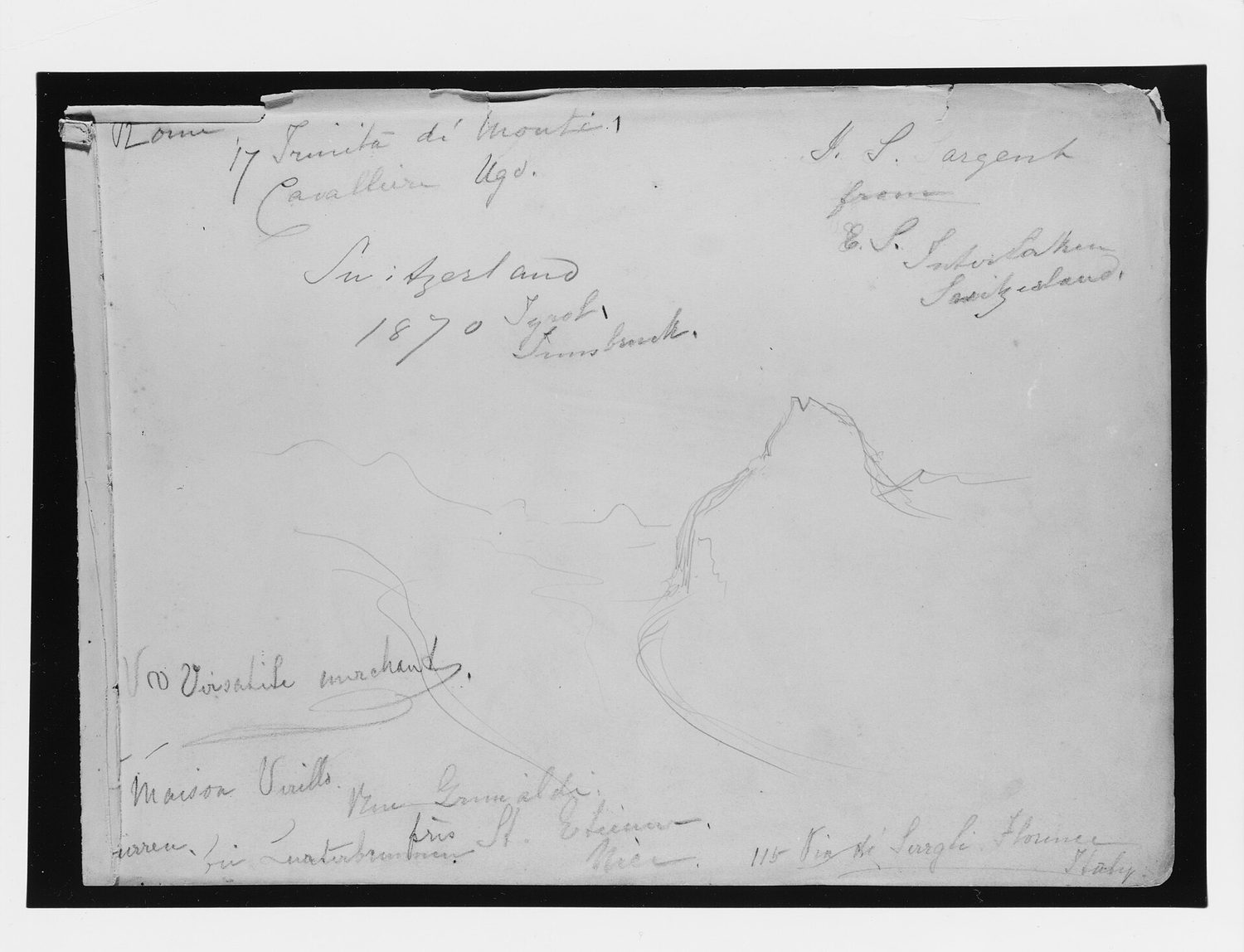
นี่คือหน้าจากสมุดโน้ตของศิลปิน จอห์น ซิงเกอร์ แซร젯 วาดลงบนนี้ในปีหนึ่งพันเจ็ดร้อยเจ็ดสิบ เมื่อเขายังเป็นวัยรุ่น ดูสิ่งที่มีอยู่บนนั้น ครึ่งของ...

English narration · English + 中文 subtitles burned in · ⁨การบรรยายภาษาอังกฤษ · คำบรรยายภาษาอังกฤษ + 中文 ลอยตัวบนภาพ⁩

5.1

Inquiry and Asking Questions · ⁨การตั้งคำถามและการสอบถาม⁩

Syllabus · ⁨หลักสูตร⁩
English

Focus: Inquiry is the intentional process of questioning that guides exploration and discovery over time. (CED Big Idea 1)

  • A workable inquiry is open, personal, and visual — answerable through drawing, not through a paragraph.
  • 'How can line weight express my grandmother's hands aging?' beats 'I will draw hands.'
  • Strong questions generate the next drawing: each work answers a little and asks a little more.
  • Test a question by listing ten works it could produce — fewer than five means it is too narrow.
  • Questions may evolve mid-investigation; document the turn in your journal and written evidence.
  • The Sustained Investigation is scored on how clearly works relate to and develop the stated inquiry.
ไทย

จุดเน้น: Inquiry คือกระบวนการตั้งคำถามอย่างมีเจตนาที่นำไปสู่การสำรวจและการค้นพบตามเวลา (CED Big Idea 1)

  • การสืบเสาะที่มีประสิทธิภาพต้องเปิดกว้าง เชื่อมโยงกับตนเอง และมีลักษณะทางภาพ — ตอบได้ ผ่านภาพวาด ไม่ใช่ผ่านย่อหน้า
  • 'เส้นความหนาบางจะแสดงการแก่ของมือปู่ย่าตายายของฉันได้อย่างไร?' ดีกว่า 'ฉันจะวาดมือ'
  • คำถามที่ทรงพลังจะสร้างภาพวาดถัดไป: ผลงานแต่ละชิ้นตอบคำถามเล็กน้อยและตั้งคำถามเพิ่มเติมเล็กน้อย
  • ทดสอบคำถามโดยรายการWorks 10 ชิ้นที่คำถามนั้นอาจผลิตได้ — น้อยกว่าห้าแสดงว่าแคบเกินไป
  • คำถามอาจเปลี่ยนไปกลางการสืบเสาะ; บันทึกการเปลี่ยนนั้นในสมุดบันทึกและหลักฐานเขียน
  • การสืบเสาะที่ยั่งยืนถูกประเมินตามความชัดเจนที่งาน เกี่ยวข้องกับและพัฒนา การสืบเสาะที่กำหนดไว้

Source: College Board AP Course and Exam Description · ⁨แหล่งที่มา: คำอธิบายหลักสูตรและข้อสอบ College Board AP⁩

English

Inquiry 探究 is the intentional process of questioning that guides exploration and discovery over time — the engine of CED Big Idea 1.

  • A workable inquiry is open, personal, and visual — answerable through drawing, not through a paragraph.
  • "How can line weight express my grandmother's hands aging?" beats "I will draw hands."
  • Strong questions generate the next drawing: each work answers a little and asks a little more.
  • Test a question by listing ten works it could produce. Fewer than five means it is too narrow.
  • Questions may evolve mid-investigation — document the turn in your journal and written evidence.
  • The Sustained Investigation 持续探究 is scored on how clearly the works relate to and develop the stated inquiry.
ไทย

การสืบเสาะ เป็นกระบวนการตั้งคำถามโดยเจตนาที่นำการสำรวจและการค้นพบไปตามเวลา — เป็นเครื่องยนต์ของแนวคิดหลัก CED 1

วงจรการสืบเสาะ: ตั้งคำถาม สำรวจ สร้าง สะท้อน และตั้งคำถามอีกครั้ง
การสืบเสาะเป็นวงวน: ภาพวาดแต่ละชิ้นตอบคำถามเล็กน้อยและตั้งคำถามเพิ่มเติมเล็กน้อย
  • การสืบเสาะที่มีประสิทธิภาพต้องเปิดกว้าง เชื่อมโยงกับตนเอง และมีลักษณะทางภาพ — ตอบได้ ผ่านภาพวาด ไม่ใช่ผ่านย่อหน้า
  • "น้ำหนักเส้นสามารถสื่อถึงมือของยายที่แก่ตัวได้อย่างไร?" ดีกว่า "ฉันจะวาดมือ"
  • คำถามที่ทรงพลังจะสร้างภาพวาดถัดไป: ผลงานแต่ละชิ้นตอบคำถามเล็กน้อยและตั้งคำถามเพิ่มเติมเล็กน้อย
  • ทดสอบคำถามโดยการระดมรายการผลงานสิบชิ้นที่คำถามนั้นอาจเกิดขึ้น หากน้อยกว่าห้าชิ้นแสดงว่าแคบเกินไป
  • คำถามอาจเปลี่ยนแปลงระหว่างการสืบเสาะ — บันทึกจุดเปลี่ยนในสมุดบันทึกและหลักฐานเขียนของคุณ
  • การสืบเสาะต่อเนื่อง ได้รับการประเมินตามความชัดเจนที่ผลงานเชื่อมโยงและพัฒนาแนวคิดการสืบเสาะที่ระบุไว้
Explore · ⁨สำรวจ⁩

Workable inquiry, or not yet? · ⁨การสืบเสาะที่ใช้งานได้จริง หรือยังไม่?⁩

A workable inquiry is open, personal, and answerable through drawing itself. Questions that are closed, borrowed, or non-visual stall an investigation. · ⁨inquiry ที่ทำได้จริงมีความเปิดกว้าง เป็นส่วนตัว และตอบได้ผ่านการวาดเองคำถามที่ปิด,借用,或非visual ทำให้การสืบสวนหยุดชะงัก⁩

Vocabulary · ⁨คำศัพท์⁩ Train · ⁨ฝึกฝน⁩
English ไทย
inquiry/ɪnˈkwaɪəri/ การสืบเสาะ
5.2

Sources of Ideas and Experiences · ⁨แหล่งที่มาของแนวคิดและประสบการณ์⁩

Syllabus · ⁨หลักสูตร⁩
English

Focus: Artists' experiences — surroundings, memory, culture, research — inform why, how, and what they draw. (CED 1.A)

  • Ideas come from direct observation, personal history, other disciplines, and other artists' work.
  • Document experiences as they happen: photos, thumbnail sketches, notes, collected objects.
  • Ordinary subjects carry authority — the kitchen table you know beats a fantasy castle you don't.
  • Research feeds drawing: anatomy pages, historical costume, botanical structure all sharpen observation.
  • Cultural sources (calligraphy, textiles, architecture) bring personal context into mark and composition choices.
  • Keep a source wall or folder; when momentum dips, the collected material restarts it.
ไทย

จุดเน้น: ประสบการณ์ ของศิลปิน — สภาพแวดล้อม, ความทรงจำ, วัฒนธรรม, การวิจัย — บอกว่าทำไม, อย่างไร และอะไรที่พวกเขาวาด (CED 1.A)

  • ไอเดียมาจากสิ่งที่เห็นโดยตรง, ประวัติส่วนตัว, สาขาอื่น และผลงานของศิลปินคนอื่น
  • บันทึกประสบการณ์ขณะเกิด: ภาพถ่าย สเก็ตช์ขนาดจิ๋ว บันทึก วัตถุที่เก็บรวบรวม
  • วัตถุธรรมดาถืออำนาจ — โต๊ะครัวที่คุณรู้จักดีกว่าปราสาทแฟนตาซีที่คุณไม่รู้จัก
  • การวาดภาพเป็นแหล่งข้อมูลสำหรับการวิจัย: หน้าสัณฐานวิทยา, เครื่องแต่งกายทางประวัติศาสตร์, โครงสร้างพืชศาสตร์ ช่วยพัฒนาการสังเกต
  • แหล่ง的文化 (ลายเส้นพู่กัน, ผ้าทอ, สถาปัตยกรรม) นำบริบทส่วนบุคคลเข้าสู่การเลือกเส้นและองค์ประกอบ
  • เก็บผนังแหล่งข้อมูลหรือโฟลเดอร์ไว้ เมื่อแรงจูงใจลดลง วัสดุที่เก็บรวบรวมจะช่วยเริ่มต้นใหม่

Source: College Board AP Course and Exam Description · ⁨แหล่งที่มา: คำอธิบายหลักสูตรและข้อสอบ College Board AP⁩

English

Artists' experiences 经验 — surroundings, memory, culture, research — inform why, how, and what they draw. (CED 1.A)

  • Ideas come from direct observation 观察, personal history, other school subjects, and other artists' work.
  • Document experiences as they happen: photos, thumbnail sketches, notes, collected objects.
  • Ordinary subjects carry authority: the kitchen table you know beats a fantasy castle you don't.
  • Research feeds drawing — anatomy pages, historical costume, botanical structure all sharpen observation.
  • Cultural sources (calligraphy, textiles, architecture) bring personal context into mark and composition choices.
  • Keep a source wall or folder; when momentum dips, the collected material restarts it.
ไทย

ประสบการณ์ ของศิลปิน — สภาพแวดล้อม ความทรงจำ วัฒนธรรม การวิจัย — อธิบายว่าทำไม อย่างไร และสิ่งที่พวกเขาวาด (CED 1.A)

  • ไอเดียมาจาก การสังเกตโดยตรง ประวัติส่วนบุคคล วิชาอื่น ๆ และผลงานของศิลปินคนอื่น
  • บันทึกประสบการณ์ขณะเกิด: ภาพถ่าย สเก็ตช์ขนาดจิ๋ว บันทึก วัตถุที่เก็บรวบรวม
  • ธีมธรรมดาๆ มีความน่าเชื่อถือ: โต๊ะอาหารที่คุณคุ้นเคย mengalahkanปราสาทแฟนตาซีที่คุณไม่รู้จัก
  • การวิจัยช่วยเสริมภาพวาด — หน้ากายวิภาคชุดเครื่องแต่งกายประวัติศาสตร์โครงสร้างพืช ช่วยเพิ่มการสังเกตให้คมชัดขึ้น
  • แหล่ง的文化 (ลายเส้นพู่กัน, ผ้าทอ, สถาปัตยกรรม) นำบริบทส่วนบุคคลเข้าสู่การเลือกเส้นและองค์ประกอบ
  • เก็บผนังแหล่งข้อมูลหรือโฟลเดอร์ไว้ เมื่อแรงจูงใจลดลง วัสดุที่เก็บรวบรวมจะช่วยเริ่มต้นใหม่
5.3

Materials, Processes, and Ideas · ⁨วัสดุ กระบวนการ และแนวคิด⁩

Syllabus · ⁨หลักสูตร⁩
English

Focus: The CED's three working components: materials (substances), processes (actions), ideas (concepts) — drawings happen where they meet.

  • Every work is a decision triangle: what it is made of, how it is made, why it is made.
  • Let one corner lead: an idea can demand a material (rust drawings about decay) or a material can spark an idea.
  • Change one component at a time to see its effect — the fair-test habit works in the studio too.
  • Name all three in written evidence: scorers look for the connection explicitly.
  • Charcoal-on-torn-paper and fineliner-on-mylar are different statements, not just different looks.
  • This triad vocabulary comes straight from the CED glossary — use the exact words in your writing.
ไทย

จุดเน้น: ส่วนประกอบทั้งสามของ CED ได้แก่ วัสดุ (สาร), กระบวนการ (การกระทำ), แนวคิด (แนวคิด) — การวาดภาพเกิดขึ้นเมื่อส่วนเหล่านี้พบกัน

  • ทุกชิ้นงานคือสามเหลี่ยมของการตัดสินใจ: สิ่งใด ที่ทำ, 如何做, ทำไม จึงทำ
  • ให้หนึ่งมุมนำทาง: แนวคิดอาจกำหนดให้ต้องใช้วัสดุ (เช่น การวาดสนิมเกี่ยวกับการเน่าเปื่อย) หรือวัสดุอาจกระตุ้นให้เกิดแนวคิด
  • เปลี่ยนส่วนประกอบเพียงอย่างเดียวเพื่อดูผลกระทบ — عاداتการทดลองที่เป็นธรรมใช้ได้ในสตูดิโอเช่นกัน
  • ระบุทั้งสามอย่างในหลักฐานเชิงเขียน: ผู้ประเมินมองหาความเชื่อมโยงนี้โดยตรง
  • การวาดด้วยถ่านบนกระดาษฉีกและการใช้ไฟนไลเนอร์บนไมลาร์เป็น คำกล่าว ที่แตกต่างกัน ไม่ใช่เพียงรูปลักษณ์ที่ต่างกัน
  • คำศัพท์สามส่วนนี้มาจากพจนานุกรมของ CED โดยตรง — ใช้คำที่ถูกต้องเป๊ะๆ ในการเขียน

Source: College Board AP Course and Exam Description · ⁨แหล่งที่มา: คำอธิบายหลักสูตรและข้อสอบ College Board AP⁩

English

The CED names three working components: materials 材料 (physical substances), processes 过程 (actions), and ideas 想法 (concepts). Drawings happen where they meet.

  • Every work is a decision triangle: what it is made of, how it is made, why it is made.
  • Let one corner lead. An idea can demand a material (rust drawings about decay), or a material can spark an idea.
  • Change one component at a time to see its effect — the fair-test habit works in the studio too.
  • Name all three in your written evidence: scorers look for the connection explicitly.
  • Charcoal on torn paper and fineliner on smooth film are different statements, not just different looks.
  • This vocabulary comes straight from the CED glossary — use the exact words in your writing.
ไทย

CED ระบุส่วนประกอบการทำงานสามส่วน: วัสดุ (สารทางกายภาพ), กระบวนการ (การกระทำ), และ แนวคิด (แนวคิด) ภาพวาดเกิดขึ้นเมื่อส่วนเหล่านี้บรรจบกัน

  • ทุกชิ้นงานคือสามเหลี่ยมของการตัดสินใจ: สิ่งใด ที่ทำ, 如何做, ทำไม จึงทำ
  • ให้มุมหนึ่งนำทาง ไอเดียอาจต้องการวัสดุ (ภาพวาดสนิมเกี่ยวกับความเสื่อม), หรือวัสดุอาจจุดประกายไอเดีย
  • เปลี่ยนส่วนประกอบเพียงอย่างเดียวเพื่อดูผลกระทบ — عاداتการทดลองที่เป็นธรรมใช้ได้ในสตูดิโอเช่นกัน
  • ระบุทั้งสามส่วนในหลักฐานเขียนของคุณ: ผู้ประเมินมองหาความเชื่อมโยงนี้โดยชัดเจน
  • ถ่านบนกระดาษฉีกและไฟเนลไลน์บนฟิล์มเรียบเป็น ข้อความ ต่างกัน ไม่ใช่แค่รูปลักษณ์ต่างกัน
  • คำศัพท์นี้มาจากคำศัพท์ใน CED โดยตรง — ใช้คำที่แน่นอนในการเขียนของคุณ
5.4

Drawing in Context · ⁨ภาพวาดในบริบท⁩

Syllabus · ⁨หลักสูตร⁩
English

Focus: Drawings mean more when you know when, where, and why they were made — context is an investigation tool. (CED 1.C)

  • Study master drawings as working documents: Leonardo's studies, Dürer's engravings, Rembrandt's ink landscapes.
  • Every tradition has a drawing language — Chinese ink line, Persian miniature, Renaissance chiaroscuro, manga screen-tone.
  • Ask of any drawing: what was it for — study, record, plan, or finished statement?
  • Historical technique is free training: copying a hatching system teaches decisions no video can.
  • Place your own work in context: which artists share your question, and how is your answer different?
  • Contextual notes in the journal strengthen written evidence and show intellectual depth.
ไทย

จุดเน้น: การวาดภาพจะมีความหมายมากขึ้นเมื่อคุณรู้ เมื่อไหร่, ที่ไหน, และทำไม จึงถูกสร้างขึ้น — บริบทคือเครื่องมือในการสืบสวน (CED 1.C)

  • ศึกษาภาพวาดของศิลปินชั้นนำในฐานะเอกสารปฏิบัติงาน: การศึกษาของเลโอนาร์โด, งานแกะสลักของดูเรอร์, ภูมิทัศน์หมึกของเรมบรอนต์
  • ทุกประเพณีมีภาษาการวาดภาพของตัวเอง — เส้นหมึกจีน, มินิเอเชอร์เปอร์เซีย, ไชโรสคูโรรอสมัยrenaissance, สครีนโทนมังงะ
  • ตั้งคำถามกับภาพวาดใดๆ ว่า: มันถูกสร้างมาเพื่ออะไร — เพื่อการศึกษา, บันทึก, แผนงาน, หรือคำกล่าวที่สมบูรณ์?
  • เทคนิคในอดีตเป็นการฝึกฟรี: การคัดລอกระบบ Hatch teaches decisions no video can.
  • วางผลงานของคุณในบริบท: ศิลปินคนใดแบ่งปันคำถามของคุณ, และคำตอบของคุณแตกต่างอย่างไร?
  • หมายเหตุเชิงบริบทในสมุดบันทึกเสริมหลักฐานเขียนและแสดงความลึกซึ้งทางปัญญา

Source: College Board AP Course and Exam Description · ⁨แหล่งที่มา: คำอธิบายหลักสูตรและข้อสอบ College Board AP⁩

English

Drawings mean more when you know when, where, and why they were made. Context 语境 is an investigation tool. (CED 1.C)

  • Study master drawings 大师素描 as working documents: Leonardo's studies, Dürer's engravings, Rembrandt's ink landscapes.
  • Every tradition has a drawing language — Chinese ink line, Persian miniature, Renaissance chiaroscuro, manga screentone.
  • Ask of any drawing: what was it for — a study, a record, a plan, or a finished statement?
  • Historical technique is free training: copying a hatching system teaches decisions no video can.
  • Place your own work in context: which artists share your question, and how is your answer different?
  • Contextual notes in the journal strengthen written evidence and show intellectual depth.
ไทย

ภาพวาดมีความหมายมากขึ้นเมื่อคุณรู้ว่าเมื่อไหร่ ที่ไหน และทำไมจึงทำ บริบท เป็นเครื่องมือสืบเสาะ (CED 1.C)

  • ศึกษา ภาพวาดมาสเตอร์ ในฐานะเอกสารทำงาน: งานศึกษาของเลโอนาร์โด, เกรฟวอร์ของดูเรอร์, ภูมิทัศน์หมึกของเรนบรอนต์
  • ทุกประเพณีมีภาษาภาพวาดของตัวเอง — เส้นหมึกจีน, มินิเอเชอร์เปอร์เซีย, ไคลโรสคูโรยุคrenaissance, สกรีนโทนมังงะ
  • ถามภาพวาดใดๆ ว่ามันถูกใช้ เพื่อ อะไร — เพื่อการศึกษา, บันทึก, แผน, หรือข้อความที่เสร็จสิ้น?
  • เทคนิคในอดีตเป็นการฝึกฟรี: การคัดລอกระบบ Hatch teaches decisions no video can.
  • วางผลงานของคุณในบริบท: ศิลปินคนใดแบ่งปันคำถามของคุณ, และคำตอบของคุณแตกต่างอย่างไร?
  • หมายเหตุเชิงบริบทในสมุดบันทึกเสริมหลักฐานเขียนและแสดงความลึกซึ้งทางปัญญา
ดูเรอร์ Melencolia I: เกรฟวอร์ประวัติศาสตร์เป็นแบบอย่างการสร้างเส้นและบริบท
5.5

Evaluating Drawings · ⁨การประเมินภาพวาด⁩

Syllabus · ⁨หลักสูตร⁩
English

Focus: Critique — of your own and others' work — is how an investigation steers. (CED 1.D/1.E)

  • Describe → analyse → interpret → judge: the four-step critique keeps opinions grounded in evidence.
  • Use the AP language: point to visual evidence of skills, materials, processes, and ideas.
  • Self-critique with distance: turn the drawing upside down, view it in a mirror, or photograph it small.
  • Ask one focused question per critique ('does the focal point read?') instead of 'is it good?'
  • Written reflections after critiques become drafts of your Sustained Investigation writing.
  • Revision decisions born from critique are exactly the development the rubric wants to see.
ไทย

จุดเน้น: การ วิจารณ์ — ทั้งผลงานของตนเองและของผู้อื่น — เป็นวิธีที่การสืบสวนนำทาง (CED 1.D/1.E)

  • อธิบาย → วิเคราะห์ → ตีความ → ตัดสิน: การวิจารณ์สี่ขั้นนี้ทำให้ความคิดเห็นมีรากฐานจากหลักฐาน
  • ใช้ภาษา AP: ชี้ไปที่ หลักฐานทางสายตา ของทักษะ, วัสดุ, กระบวนการ, และแนวคิด
  • วิจารณ์ตนเองด้วยความห่างเหิน: กลับหัวภาพวาด, มองผ่านกระจก, หรือถ่ายภาพขนาดเล็ก
  • ตั้งคำถามที่เจาะจงหนึ่งข้อต่อครั้ง (เช่น 'จุดโฟกัสอ่านได้ไหม?') แทนที่จะถามว่า 'มันดีไหม?'
  • การสะท้อนคิดเป็นข้อเขียนหลังการวิจารณ์จะกลายเป็นร่างแรกของการเขียนสืบสวนต่อเนื่องของคุณ
  • การตัดสินใจแก้ไขที่เกิดจากการวิจารณ์ คือการพัฒนาที่เกณฑ์การให้คะแนนต้องการเห็น

Source: College Board AP Course and Exam Description · ⁨แหล่งที่มา: คำอธิบายหลักสูตรและข้อสอบ College Board AP⁩

English

Critique 评图 — of your own and others' work — is how an investigation steers. (CED 1.D/1.E)

  • Use the four-step ladder: describe, analyse, interpret, judge. It keeps opinions grounded in what is visible.
  • Speak the AP language: point to visual evidence 视觉证据 of skills, materials, processes, and ideas.
  • Create distance for self-critique: turn the drawing upside down, view it in a mirror, or photograph it small.
  • Ask one focused question per critique ("does the focal point read?") instead of "is it good?"
  • Written reflections after critiques become drafts of your Sustained Investigation writing.
  • Revision 修改 decisions born from critique are exactly the development the rubric wants to see.
ไทย

การวิจารณ์ — ทั้งของผลงานตัวเองและผู้อื่น — คือวิธีการที่การสืบเสาะนำทาง (CED 1.D/1.E)

  • ใช้บันไดสี่ขั้น: อธิบาย วิเคราะห์ ตีความ ประเมิน มันทำให้ความคิดเห็น anchored กับสิ่งที่มองเห็นได้
  • ใช้ภาษา AP: ชี้ไปที่ หลักฐานทางภาพ ของทักษะ วัสดุ กระบวนการ และแนวคิด
  • สร้างระยะห่างสำหรับการวิจารณ์ตนเอง: พลิกภาพวาดคว่ำลง มองในกระจก หรือถ่ายรูปขนาดเล็ก
  • ถามคำถามที่เจาะจงหนึ่งข้อต่อการวิจารณ์ (“จุดสนใจอ่านได้ไหม?”) แทนที่จะถาม “มันดีไหม?”
  • Written reflections after critiques become drafts of your Sustained Investigation writing.
  • การตัดสินใจ ปรับปรุง ที่เกิดจากการวิจารณ์คือการพัฒนาที่ RUBRIC ต้องการเห็น
ภาพวาดพอร์ตเทรตของอินเกรส: การวิจารณ์ระบุหลักฐานทางภาพที่มองเห็นได้ของเส้นและโทนสี
Vocabulary · ⁨คำศัพท์⁩ Train · ⁨ฝึกฝน⁩
English ไทย
Sustained Investigation/səˈsteɪnd ɪnˌvestɪˈɡeɪʃn/ การสืบเสาะอย่างต่อเนื่อง
experiences/ekˈspɪərɪənsɪz/ ประสบการณ์
observation/ɒbzəˈveɪʃn/ observation
materials/məˈtɪərɪəlz/ วัสดุ
processes/ˈprəʊsesɪz/ กระบวนการ
ideas/aɪˈdɪəz/ แนวคิด
context/ˈkɒntekst/ บริบท
master drawings/ˈmæstə ˈdrɔːɪŋz/ แบบร่างต้นฉบับ
critique/krɪˈtiːk/ การวิจารณ์
visual evidence/ˈvɪʒuːəl ˈevɪdəns/ หลักฐานทางสายตา
revision/rɪˈvɪʒn/ การแก้ไข
documentation/ˌdɒkjuːmənˈteɪʃn/ การบันทึก
process journal/ˈprəʊses ˈdʒɜːnl/ สมุดบันทึกกระบวนการ
5.6

Documentation and the Process Journal · ⁨การบันทึกและสมุดบันทึกกระบวนการ⁩

Syllabus · ⁨หลักสูตร⁩
English

Focus: Investigation must be visible: the process journal captures questions, tests, failures, and turns as they happen. (CED 1.B)

  • Document with anything quick: phone photos, taped-in tests, dated notes, thumbnail storyboards.
  • Record the why at decision points — two lines today saves reconstructing your thinking in April.
  • Photograph work-in-progress stages; a before/after revision pair is gold for the portfolio.
  • Keep material tests (paper swatches, media trials) physically in the journal with outcomes noted.
  • Process images may be submitted among the 15 Sustained Investigation images — label them clearly.
  • A true journal (not a decorated diary) is the difference between claiming inquiry and showing it.
ไทย

จุดเน้น: การสืบสวนต้อง มองเห็นได้: สมุดบันทึกกระบวนการบันทึกคำถาม, การทดสอบ, ความล้มเหลว, และการเปลี่ยนแปลงที่เกิดขึ้น (CED 1.B)

  • บันทึกด้วยสิ่งที่ทำได้รวดเร็ว: ภาพถ่ายมือถือ, การทดสอบติด_sample, บันทึกมีวันที่, storyboard ขนาดจิ๋ว
  • บันทึก ทำไม ที่จุดตัดสินใจ — บรรทัดสองบรรทัดวันนี้ช่วยประหยัดการ reconstruct ความคิดของคุณในเดือนเมษายน
  • ถ่ายภาพขั้นตอนที่กำลังทำอยู่; คู่ก่อน/หลังปรับปรุงเป็นทองคำสำหรับแฟ้มผลงาน
  • เก็บการทดสอบวัสดุ (ตัวอย่างกระดาษ, ทดลองสื่อ) ไว้ในสมุดบันทึกอย่างชัดเจน พร้อมบันทึกผลลัพธ์
  • ภาพกระบวนการอาจส่ง вместеกับ 15 ภาพการสืบเสาะต่อเนื่อง — ติดป้ายชื่อให้ชัดเจน
  • jurnal yang sejati (bukan diari yang dihias) adalah perbedaan antara mengklaim adanya penyelidikan dan menunjukkan hal itu.

Source: College Board AP Course and Exam Description · ⁨แหล่งที่มา: คำอธิบายหลักสูตรและข้อสอบ College Board AP⁩

English

Investigation must be visible. Documentation 记录 captures questions, tests, failures, and turns as they happen. (CED 1.B)

  • Document with anything quick: phone photos, taped-in tests, dated notes, thumbnail storyboards.
  • Record the why at decision points — two lines today saves reconstructing your thinking in April.
  • Photograph work-in-progress stages; a before/after revision pair is gold for the portfolio.
  • Keep material tests (paper swatches, media trials) physically in the process journal 创作过程日志 with outcomes noted.
  • Process images may be submitted among the 15 Sustained Investigation images — label them clearly.
  • A true journal (not a decorated diary) is the difference between claiming inquiry and showing it.
ไทย

การสืบเสาะต้องมองเห็นได้ การบันทึกข้อมูล จับคำถาม การทดสอบ ความล้มเหลว และการเปลี่ยนแปลงที่เกิดขึ้น (CED 1.B)

แหล่งที่มาของไอเดียภาพวาด: การสังเกต ความทรงจำ การวิจัย วัฒนธรรม ศิลปินอื่น วิชาอื่น *แหล่งข้อมูลหกแห่งที่เชื่อถือได้สนับสนุนการฝึกฝนภาพวาด — เก็บรวบรวมจากทั้งหมดในสมุดบันทึกเดียว

  • บันทึกด้วยสิ่งที่ทำได้รวดเร็ว: ภาพถ่ายมือถือ, การทดสอบติด_sample, บันทึกมีวันที่, storyboard ขนาดจิ๋ว
  • บันทึก ทำไม ที่จุดตัดสินใจ — บรรทัดสองบรรทัดวันนี้ช่วยประหยัดการ reconstruct ความคิดของคุณในเดือนเมษายน
  • ถ่ายภาพขั้นตอนที่กำลังทำอยู่; คู่ก่อน/หลังปรับปรุงเป็นทองคำสำหรับแฟ้มผลงาน
  • เก็บการทดสอบวัสดุ (ตัวอย่างกระดาษ, การทดลองสื่อ) ไว้ใน สมุดบันทึกกระบวนการ พร้อมบันทึกผลลัพธ์
  • ภาพกระบวนการอาจส่ง вместеกับ 15 ภาพการสืบเสาะต่อเนื่อง — ติดป้ายชื่อให้ชัดเจน
  • jurnal yang sejati (bukan diari yang dihias) adalah perbedaan antara mengklaim adanya penyelidikan dan menunjukkan hal itu.
Halaman buku sketsa seorang seniman: jurnal proses mencatat penyelidikan, sumber, dan eksperimen kecil
5.6

Exam tips · ⁨ข้อแนะนำสำหรับการสอบ⁩

English
  • Write the inquiry as one clear sentence and pin it above your desk — every scoring row of the Sustained Investigation asks how the work relates to it.
  • Scorers must SEE the investigation: tests, failed starts, and revision pairs are evidence; a folder of unrelated finished drawings is not.
  • Date everything. "Over time" is a scored idea — dated journal pages prove development without a word of explanation.
  • Use CED vocabulary in written evidence (materials, processes, ideas, experimentation, revision) — it connects your claims to the rubric instantly.
  • Photograph journal spreads as you go, not in April: process documentation shot in a rush looks like what it is.
ไทย
  • Tulis penyelidikan sebagai satu kalimat jelas dan tempelkan di atas meja Anda — setiap baris penilaian dalam Penyelidikan Berkelanjutan menanyakan bagaimana karya tersebut berkaitan dengannya.
  • Penilai harus MELIHAT penyelidikan: uji coba, awal yang gagal, dan pasangan revisi adalah bukti; folder berisi gambar-gambar selesai yang tidak terkait bukanlah bukti.
  • Berilah tanggal pada semuanya. "Seiring berjalannya waktu" adalah ide yang dinilai — halaman jurnal yang bertanggal membuktikan perkembangan tanpa perlu kata-kata penjelasan.
  • Gunakan kosakata CED dalam bukti tertulis (bahan, proses, ide, eksperimentasi, revisi) — ini menghubungkan klaim Anda dengan rubrik secara instan.
  • Fotografi spread jurnal saat dilakukan, bukan di bulan April: dokumentasi proses yang difoto dengan terburu-buru terlihat seperti apa adanya.

Interactive lessons on this topic · ⁨บทเรียนเชิงโต้ตอบสำหรับหัวข้อนี้⁩

Work through it step by step, with instant-check exercises. · ⁨ทำทีละขั้นตอน พร้อมแบบฝึกหัดตรวจสอบผลทันที⁩

More topics in AP Drawing · ⁨AP การวาดภาพ⁩ · ⁨หัวข้อเพิ่มเติมใน AP Drawing · ⁨AP การวาดภาพ⁩⁩

Log in or create account · ⁨เข้าสู่ระบบหรือสร้างบัญชี⁩

IGCSE, A-Level & AP