Skip to content

Drawing Media and Processes

AP Drawing · Topic 4

Train
4.1

Graphite

Syllabus

Focus: Graphite is the everyday drawing medium — precise, erasable, and capable of a full (if silvery) value range.

  • Grades run hard to soft: 9H (palest, hardest) through HB to 9B (darkest, softest).
  • Hard grades suit construction lines and fine detail; soft grades build rich darks fast.
  • Graphite gets shiny when layered heavily — deepest blacks may need charcoal or carbon pencil instead.
  • Vary the grip: writing grip for detail, overhand grip for broad, light shading from the arm.
  • Woodless graphite sticks and powder cover big areas; erasers then carve lights back out.
  • A full-value graphite still life is the classic control test — worth one polished example in any portfolio.
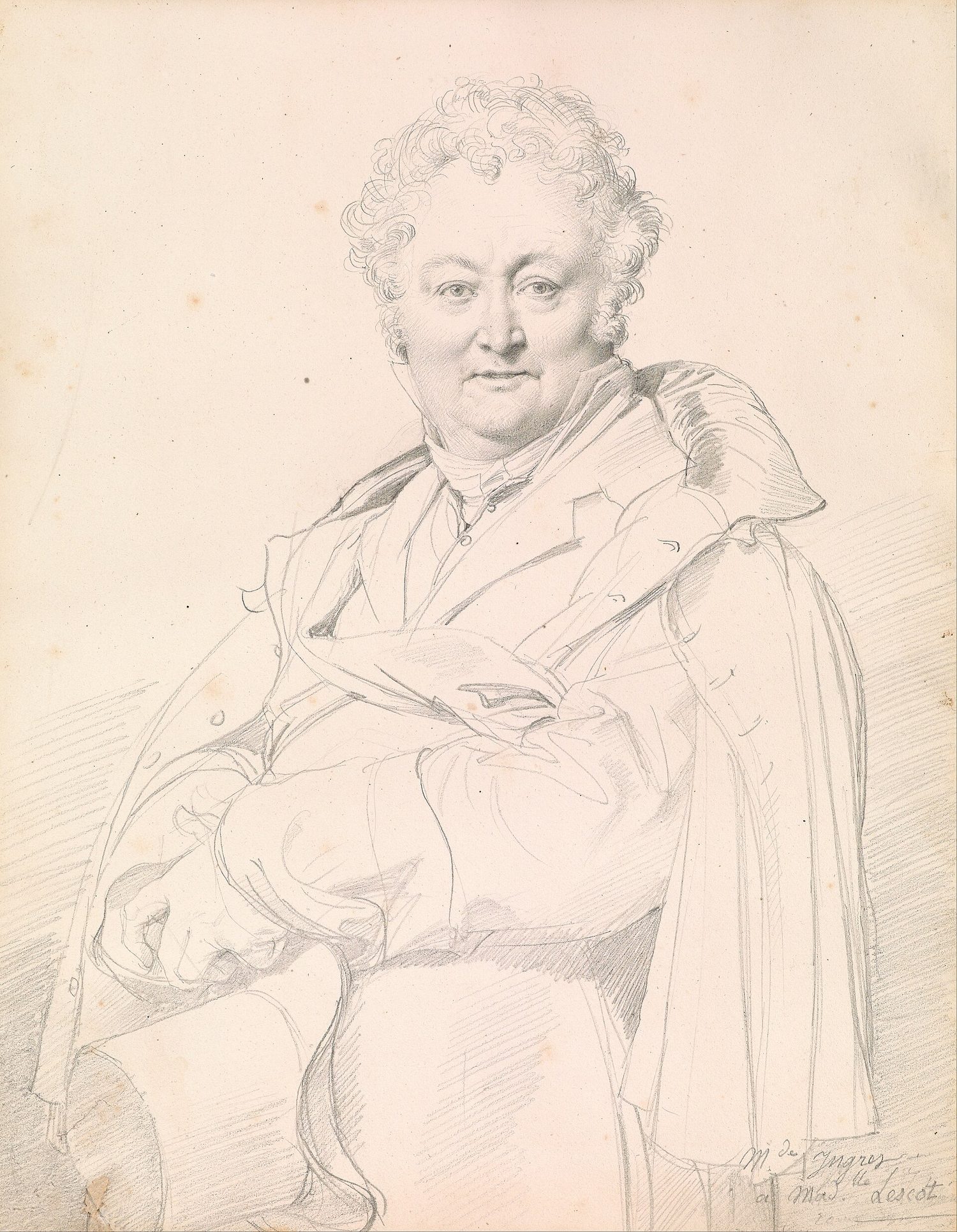
Source: College Board AP Course and Exam Description

Graphite 石墨 is the everyday drawing medium — precise, erasable, and capable of a full (if silvery) value range.

Graphite grades from hard 2H to soft 8B, with the value each one reaches Pencil grades: hard grades stay light and precise; soft grades reach rich darks fast

  • Pencil grades 硬度等级 run hard to soft: 9H (palest, hardest) through HB to 9B (darkest, softest).
  • Hard grades suit construction lines and fine detail; soft grades build rich darks fast.
  • Heavy graphite turns shiny. For the deepest blacks, switch to charcoal or a carbon pencil 炭笔.
  • Vary the grip: the writing grip for detail, the overhand grip 横握 for broad, light shading from the arm.
  • Woodless graphite sticks and graphite powder cover big areas; erasers then carve the lights back out.
  • A full-value graphite still life is the classic control test — worth one polished example in any portfolio.
Vocabulary Train
English Chinese Pinyin
graphite 石墨 shí mò
grades 硬度等级 yìng dù děng jí
carbon pencil 炭笔 tàn bǐ
overhand grip 横握 héng wò
4.2

Charcoal and Conté

Syllabus

Focus: Charcoal is fast, bold, and deeply black — the medium of gesture, chiaroscuro, and large-scale drawing.

  • Vine/willow charcoal is soft and dusts off easily (great for starts); compressed charcoal is dense and permanent.
  • Charcoal loves toned and textured paper; it blends with stumps, cloth, and the side of the hand.
  • Conté crayons (sanguine, sepia, black, white) are waxier — crisper lines, classic figure-drawing look.
  • Work big: charcoal rewards shoulder-scale marks that graphite cannot make.
  • Fixative stops smudging — spray lightly in layers, and always in ventilation.
  • The trio of white conté + sanguine + black on toned paper (trois crayons) is a proven portfolio look.

Source: College Board AP Course and Exam Description

Charcoal 木炭 is fast, bold, and deeply black — the medium of gesture, chiaroscuro, and large-scale drawing.

  • Vine charcoal 柳条木炭 is soft and dusts off easily, perfect for starts; compressed charcoal 压缩木炭 is dense and permanent.
  • Charcoal loves toned and textured paper. Blend it with stumps, cloth, or the side of your hand.
  • Conté 炭精条 crayons (sanguine, sepia, black, white) are waxier: crisper lines and the classic figure-drawing look.
  • Work big — charcoal rewards shoulder-scale marks that graphite cannot make.
  • Fixative 定画液 stops smudging. Spray lightly, in layers, and always with ventilation.
  • White conté plus sanguine 血色红棕 and black on toned paper (the trois crayons look) is a proven portfolio classic.
Explore

Which medium behaves like this?

Each drawing medium has a personality: graphite is precise and silvery, charcoal is fast and deeply black, ink commits without erasing, and pastel is almost pure pigment.

Vocabulary Train
English Chinese Pinyin
charcoal 木炭 mù tàn
vine charcoal 柳条木炭 liǔ tiáo mù tàn
compressed charcoal 压缩木炭 yā suō mù tàn
conté 炭精条 tàn jīng tiáo
fixative 定画液 dìng huà yè
sanguine 血色红棕 xuè sè hóng zōng
4.3

Ink: Pen, Brush, and Wash

Syllabus

Focus: Ink commits — no erasing — which is exactly why it builds decisiveness and mark confidence.

  • Dip pens and fineliners build value by hatching and stippling; nib pressure varies the line's weight.
  • Brush and ink swings from hairline to broad stroke in one gesture — the most expressive line tool.
  • Ink wash (diluted ink applied in layers) works like watercolour: light washes first, darks last.
  • Combine a waterproof line with wet washes, or a water-soluble line that bleeds — two different looks.
  • East Asian ink painting (shuǐmò) treats the single loaded brushstroke as the whole discipline.
  • Mistakes become decisions in ink: incorporate them or design around them — strong process-journal material.

Source: College Board AP Course and Exam Description

Ink 墨水 commits — there is no erasing — and that is exactly why it builds decisiveness and mark confidence.

  • Dip pens and fineliners build value by hatching and stippling; nib 笔尖 pressure varies the line's weight.
  • Brush and ink 毛笔墨线 swings from hairline to broad stroke in one gesture — the most expressive line tool.
  • Ink wash 淡彩 (diluted ink applied in layers) works like watercolour: light washes first, darks last.
  • A waterproof line under wet washes keeps its edge; a water-soluble line bleeds — two different looks, both useful.
  • East Asian ink painting 水墨画 treats the single loaded brushstroke as a whole discipline of control.
  • Mistakes become decisions in ink: incorporate them or design around them — strong material for the process journal.
Vocabulary Train
English Chinese Pinyin
ink 墨水 mò shuǐ
nib 笔尖 bǐ jiān
brush and ink 毛笔墨线 máo bǐ mò xiàn
ink wash 淡彩 dàn cǎi
ink painting 水墨画 shuǐ mò huà
4.4

Colored Pencil and Pastel

Syllabus

Focus: Colour enters drawing through dry colour media — layered, optical, and fully allowed in the AP Drawing portfolio.

  • Colored pencil builds colour in transparent layers; burnishing (heavy final layer) fuses them glossy and solid.
  • Layer complements to grey a colour down instead of reaching for black — shadows stay alive.
  • Soft pastel is pure pigment: paint-like colour with drawing gestures, blended or left in strokes.
  • Oil pastel is creamy and resists smudging; it layers into sgraffito (scratch-through) effects.
  • Toned paper unifies pastel work — let the ground colour breathe between strokes.
  • Value still rules: get the values right and almost any hue choice works; get them wrong and no hue can save it.

Source: College Board AP Course and Exam Description

Colour enters drawing through dry colour media 干性彩色媒介 — layered, luminous, and fully allowed in the AP Drawing portfolio.

  • Colored pencil 彩色铅笔 builds colour in transparent layers; burnishing 压光 (a heavy final layer) fuses them into a glossy, solid surface.
  • Grey a colour down by layering its complement 互补色 instead of reaching for black — the shadows stay alive.
  • Soft pastel 软色粉 is almost pure pigment: paint-like colour applied with drawing gestures, blended or left in strokes.
  • Oil pastel 油画棒 is creamy and smudge-resistant; layered, it can be scratched through — sgraffito 刮画法.
  • Toned paper unifies pastel work: let the ground colour breathe between the strokes.
  • Value still rules. Get the values right and almost any hue works; get them wrong and no hue can save the drawing.
Vocabulary Train
English Chinese Pinyin
dry colour media 干性彩色媒介 gàn xìng cǎi sè méi jiè
colored pencil 彩色铅笔 cǎi sè qiān bǐ
burnishing 压光 yā guāng
complement 互补色 hù bǔ sè
soft pastel 软色粉 ruǎn sè fěn
oil pastel 油画棒 yóu huà bàng
sgraffito 刮画法 guā huà fǎ
4.5

Paint and Printmaking as Drawing

Syllabus

Focus: The AP Drawing portfolio welcomes painting and printmaking — when mark-making and drawing skills lead the work.

  • Monochrome painting (oil, acrylic, watercolour grisaille) is drawing with a brush: value, edge, and gesture.
  • Watercolour over a drawn line keeps the drawing visible — line carries structure, wash carries light.
  • Monotype (paint on a plate, printed once) gives painterly, unrepeatable drawing marks.
  • Relief and intaglio prints (linocut, drypoint, etching) are mark-making systems: every value is built from cut or scratched lines.
  • Choose the process because it serves your inquiry — then say so in the written evidence.
  • If the work's visual language is line, tone, and mark, it belongs in Drawing; if it is colour-shape design, 2-D may fit better.

Source: College Board AP Course and Exam Description

The AP Drawing portfolio welcomes painting 绘画 and printmaking — when mark-making and drawing skills lead the work.

  • Monochrome painting (a grisaille 灰调单色画 in oil, acrylic, or watercolour) is drawing with a brush: value, edge, and gesture.
  • Watercolour over a drawn line keeps the drawing visible — the line carries structure, the wash carries light.
  • A monotype 独幅版画 (paint on a plate, printed once) gives painterly, unrepeatable drawing marks.
  • Relief prints 凸版画 (linocut) and intaglio 凹版画 (drypoint, etching) are mark-making systems: every value is built from cut or scratched lines.
  • Choose the process because it serves your inquiry — then say so in the written evidence.
  • If the work's visual language is line, tone, and mark, it belongs in Drawing; if it is colour-shape design, the 2-D portfolio fits better.
Vocabulary Train
English Chinese Pinyin
painting 绘画 huì huà
grisaille 灰调单色画 huī diào dān sè huà
monotype 独幅版画 dú fú bǎn huà
relief prints 凸版画 tū bǎn huà
intaglio 凹版画 āo bǎn huà
4.6

Mixed Media and Experimental Surfaces

Syllabus

Focus: Combining media and preparing your own grounds turns the surface itself into a drawing decision.

  • Classic pairs: ink line over wash, charcoal over acrylic ground, pastel over watercolour, collage under drawing.
  • Resists (wax, masking fluid) protect lights; gesso grounds let wet media sit on almost any support.
  • Draw on non-white supports: kraft paper, book pages, maps, fabric — the ground becomes part of the meaning.
  • Test combinations on scraps first and glue the tests into the journal — perfect experimentation evidence.
  • Layering must stay archival enough to photograph well — heavy buildup can glare under lights.
  • The CED's synthesis of materials, processes, and ideas (CED 2.B) is exactly this: media choices that embody the idea.

Source: College Board AP Course and Exam Description

Combining media and preparing your own grounds turns the surface itself into a drawing decision.

A map of drawing media: dry to wet across, line to tone down Where the media live: dry to wet, line-led to tone-led — mixed media combines corners of this map

  • Classic pairs: ink line over wash, charcoal over an acrylic ground, pastel over watercolour, collage under drawing.
  • A resist 防染法 (wax, masking fluid) protects the lights; gesso 石膏底料 lets wet media sit on almost any support.
  • Draw on non-white supports: kraft paper, old book pages, maps, fabric — the ground becomes part of the meaning.
  • Test combinations on scraps first and glue the tests into your journal — perfect experimentation evidence.
  • Keep layering stable enough to photograph well: heavy, glossy buildup can glare under lights.
  • The CED's synthesis 综合 of materials, processes, and ideas is exactly this: media choices that embody the idea.
Vocabulary Train
English Chinese Pinyin
resist 防染法 fáng rǎn fǎ
gesso 石膏底料 shí gāo dǐ liào
synthesis 综合 zōng hé
4.7

Sketchbooks and Daily Practice

Syllabus

Focus: The sketchbook is the engine of the course: daily low-pressure drawing compounds into skill and into portfolio evidence.

  • Short daily sessions beat rare marathons — 20 focused minutes a day transforms a year.
  • Fill pages with studies: hands, cups, corners of rooms, copies of master drawings, colour tests.
  • Date pages and add one-line notes — a dated sketchbook is documentation of growth over time.
  • Master copies (Dürer, Rubens, Kollwitz, Hokusai) teach mark systems from the inside; label them as studies.
  • Photograph strong sketchbook spreads properly: process images are legitimate Sustained Investigation images.
  • Treat some pages as experiments you expect to fail — the CED rewards visible practice, experimentation, and revision.

Source: College Board AP Course and Exam Description

The sketchbook 速写本 is the engine of the course: daily low-pressure drawing compounds into skill — and into portfolio evidence.

  • Short daily sessions beat rare marathons. Twenty focused minutes a day transforms a year.
  • Fill pages with studies: hands, cups, corners of rooms, colour tests, and copies of master drawings.
  • Date every page and add one-line notes — a dated sketchbook is documentation of growth over time.
  • A master copy 临摹 (Dürer, Rubens, Kollwitz, Hokusai) teaches a mark system from the inside; label it clearly as a study.
  • Photograph strong sketchbook spreads properly: process images are legitimate Sustained Investigation images.
  • Treat some pages as experiments you expect to fail — the CED rewards visible practice 练习, experimentation, and revision.
Vocabulary Train
English Chinese Pinyin
sketchbook 速写本 sù xiě běn
master copy 临摹 lín mó
practice 练习 liàn xí
4.7

Exam tips

  • Name materials precisely in written evidence — "compressed charcoal and white conté on toned paper" reads as expertise; "pencil and stuff" reads as guesswork.
  • Show at least two media families across the portfolio (for example graphite plus ink wash): range of material control is easy, visible evidence.
  • One ink piece is worth including — the medium's no-eraser honesty shows decisiveness that scorers recognise instantly.
  • Fix charcoal before photographing. A smudged transit mark across a finished drawing is a silly way to lose the craft impression.
  • Sketchbook spreads photograph beautifully as process images — pick spreads that show tests and notes, not just finished mini-drawings.

Log in or create account

IGCSE & A-Level