English
| Core | Supplement |
|---|---|
| 1 List the chemical elements that make up: carbohydrates, fats and proteins | |
| 2 State that large molecules are made from smaller molecules, limited to: (a) starch, glycogen and cellulose from glucose (b) proteins from amino acids (c) fats and oils from fatty acids and glycerol | |
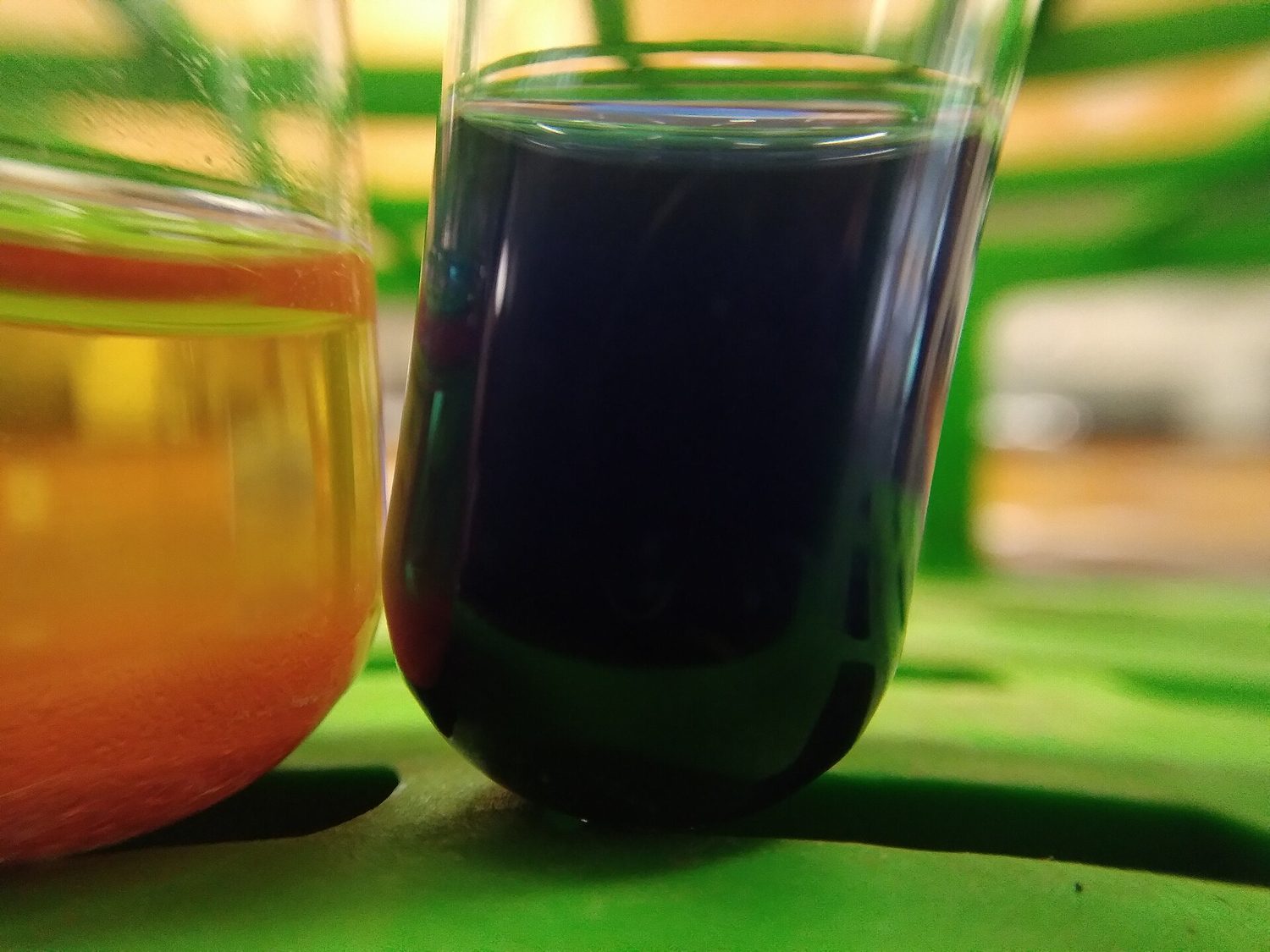
| 3 Describe the use of: (a) iodine solution test for starch (b) Benedict’s solution test for reducing sugars (c) biuret test for proteins (d) ethanol emulsion test for fats and oils (e) DCPIP test for vitamin C | 4 Describe the structure of a DNA molecule: (a) two strands coiled together to form a double helix (b) each strand contains chemicals called bases (c) bonds between pairs of bases hold the strands together (d) the bases always pair up in the same way: A with T, and C with G (full names are not required) |
한국어
| 핵심 | 보충 |
|---|---|
| 1 탄수화물, 지방 및 단백질을 구성하는 화학 원소를 나열 | |
| 2 큰 분자는 작은 분자들로 이루어짐을 명시 (다음으로 한정): (a) 포도당(glucose)으로부터 starch, 글리코겐(glycogen), 셀룰로오스(cellulose) 생성 (b) 아미노산으로부터 단백질 생성 (c) 지방산과 글리세롤(glycerol)으로부터 지방 및 오일 생성 | |
| 3 다음 시약 사용법을 서술한다: (a) 전분 검출을 위한 요오드 용액, (b) 환원당 검출을 베네딕트 용액, (c) 단백질 검출을 비루레트 시약, (d) 지방 및 오일 검출을 에탄올 유화 시험, (e) 비타민 C 검출을 DCPIP 시험 | 4 DNA 분자의 구조를 서술한다: (a) 두 가닥이 결합하여 이중 나선 구조를 형성함, (b) 각 가닥은 염기라고 불리는 화학 물질이 포함되어 있음, (c) 염기 쌍 사이의 결합이 가닥들을 함께 유지함, (d) 염기는 항상 동일한 방식으로 짝을 이룬다: A는 T와, C는 G와 짝을 이룸 (전체 명칭은 불필요함) |