Skip to content · ⁨본문 바로가기⁩

Make: Practice, Experimentation, and Revision · ⁨제작: 실습, 실험 및 수정⁩

AP Drawing · ⁨AP 드로잉⁩ · Topic 6 · ⁨주제 6⁩

Video lesson for this topic · ⁨이 주제용 영상 수업⁩ Open the video page · ⁨영상 페이지 열기⁩
7:31

제작: 실습, 실험 및 수정

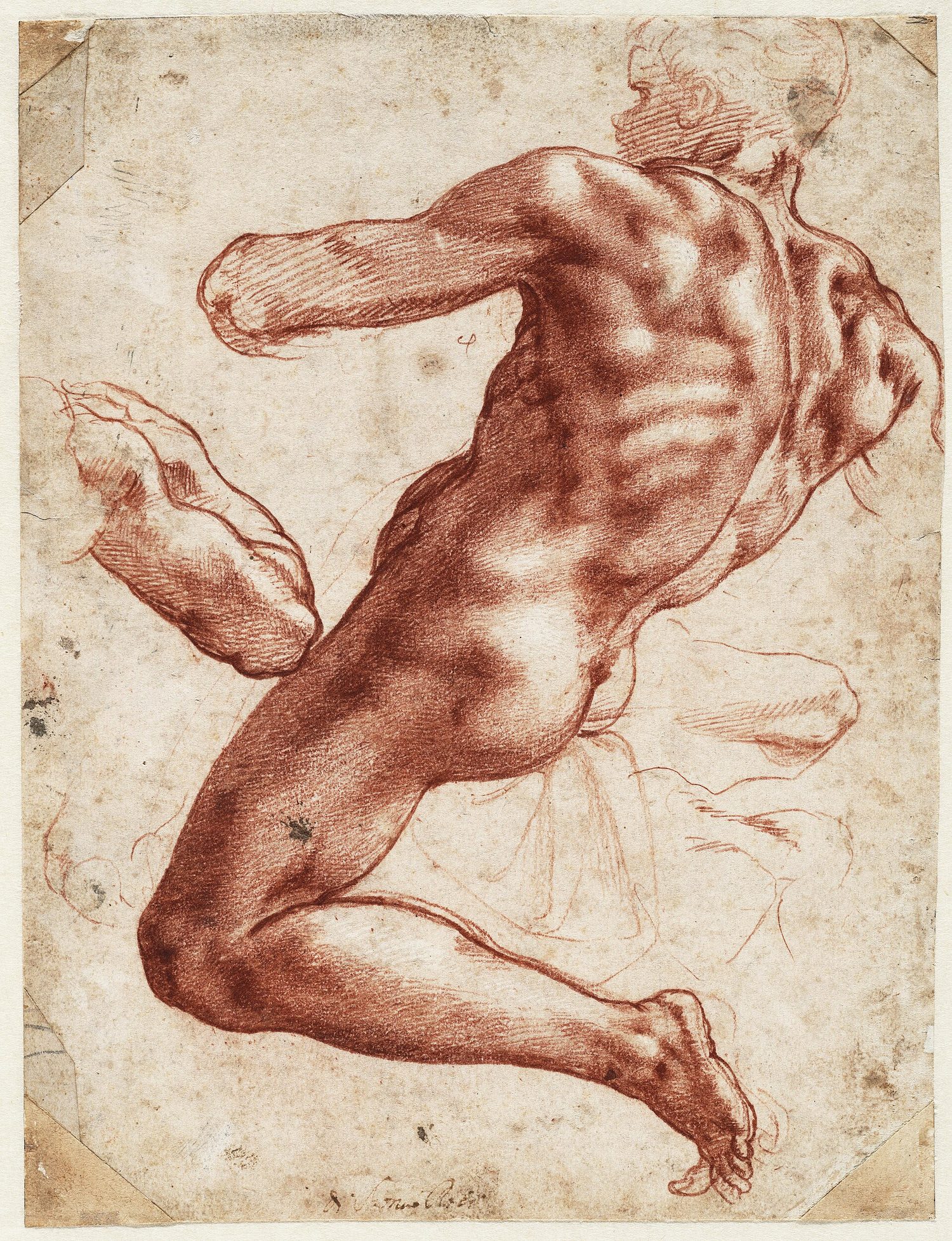
이 종이를 보세요. 미켈란젤로는 인물을 그렸— 그런 다음 주변으로, 자신을 방해했던 부분들로 돌아갔습니다: 팔, 손, 발, 머리, 각각 다시 그려졌습니다…

English narration · English + 中文 subtitles burned in · ⁨영어 내레이션 · 영어 + 중국어 자막 burned-in⁩

6.1

The Sustained Investigation · ⁨지속적 탐구⁩

Syllabus
English

Focus: The Sustained Investigation is an inquiry-based, in-depth study of materials, processes, and ideas over time. (CED Big Idea 2)

  • It is a body of work — around 15 images — that grows from one stated question or idea.
  • Sustained means over time: works should show development, not fifteen versions of the same day.
  • Plan a rhythm: make → document → reflect → revise → make again, every one or two weeks.
  • The investigation is drawings and process: studies, tests, and revisions belong in it.
  • Depth beats breadth — one question pushed hard scores above ten unrelated good drawings.
  • Start early in the year; a rushed investigation is visible at a glance.
한국어

핵심: 지속적 탐구(Sustained Investigation) 는 소재, 과정, 아이디어에 대한 시간적 관점에서의 탐구 중심 심층 연구입니다. (CED Big Idea 2)

  • 이는 하나의 명시된 질문이나 아이디어에서 성장하는 작품 집합입니다 — 약 15장의 이미지.
  • 지속적이라는 것은 시간적 관점입니다: 작품들은 같은 날의 15가지 버전을 보여주는 것이 아니라 발전을 보여야 합니다.
  • 리듬을 계획하십시오: 제작 → 문서화 → 성찰 → 수정 → 재제작, 일주일 또는 이주일에 한 번씩 반복하십시오.
  • 탐구는 드로잉 및 과정입니다: 연구, 테스트, 수정은 모두 포함되어야 합니다.
  • 폭보다 깊이: 한 가지 질문을 깊게 파고든 것이 열 개의 관련 없는 좋은 드로잉보다 높은 점수를 받습니다.
  • 학년 초반에 시작하십시오; 조급하게 처리된 탐구는 한눈에 보입니다.
Source: College Board AP Course and Exam Description · ⁨출처: College Board AP Course and Exam Description⁩

English

The Sustained Investigation 持续探究 is an inquiry-based, in-depth study of materials, processes, and ideas over time — CED Big Idea 2, and 60% of your AP score.

  • It is a body of work 系列作品 — around 15 images — that grows from one stated question or idea.
  • Sustained means over time: the works should show growth, not fifteen versions of the same afternoon.
  • Plan a rhythm: make, document, reflect, revise, make again — every one or two weeks.
  • The investigation is drawings and process: studies, tests, and revisions belong inside it.
  • Depth beats breadth. One question pushed hard scores above ten unrelated good drawings.
  • Start early in the year. A rushed investigation is visible at a glance.
한국어

**지속적 조사(Sustained Investigation)**는 시간의 흐름에 따른 재료, 과정, 아이디어에 대한 조사 기반 심층 연구입니다 — CED Big Idea 2, 그리고 AP 점수의 60%를 차지합니다.

  • 이는 작품집(body of work) — 약 15 장의 이미지 — 으로, 하나의 발표된 질문이나 아이디어에서 성장합니다.
  • *지속적(sustained)*은 시간이 지나면서 이루어진 것을 의미합니다: 작품들은 성장이 보여져야 하며, 같은 오후의 15가지 버전을 나열해서는 안 됩니다.
  • 리듬을 계획하세요: 제작, 기록, 성찰, 수정, 다시 제작 — 매 주 또는 이주마다 반복하십시오.
  • 조사(investigation)는 그림과 과정이 모두 포함됩니다: 연구, 실험, 수정은 모두 그 안에 포함되어야 합니다.
  • 폭(breadth)보다 깊이(depth)가 중요합니다. 한 가지 질문을 깊게 파고들면 열 개의 관련 없는 좋은 그림보다 높은 점수를 받을 수 있습니다.
  • 학기 초반에 시작하십시오. 서두른 조사는 한눈에 드러납니다.
Vocabulary · ⁨어휘⁩ Train · ⁨연습하기⁩
English 한국어
Sustained Investigation/səˈsteɪnd ɪnˌvestɪˈɡeɪʃn/ 지속적 조사
body of work/ˈbɒdi ɒv wɜːk/ 작품의 일체(body of work)
6.2

Practice, Experimentation, and Revision · ⁨연습, 실험, 그리고 수정⁩

Syllabus
English

Focus: The CED's three engines of making: practice (repeat), experimentation (test), revision (modify and reimagine). (CED 2.A)

  • Practice repeats a skill until it is reliable — the tenth ellipse, the fiftieth hand.
  • Experimentation tests without needing success: new tool, new scale, new surface, new speed.
  • Revision returns to a work and changes it on purpose — crop, rework, redraw, or respond with a new version.
  • Show all three visibly across the portfolio: scorers must see them, not trust you.
  • Keep 'failed' experiments — annotated failures are stronger evidence than unexplained successes.
  • A revision pair (first state / revised state, with a sentence on what changed) is classic AP evidence.
한국어

핵심: CED의 제작 세 가지 엔진: 연습(반복), 실험(시험), 수정(변경 및 재창조). (CED 2.A)

  • 연습은 기술이 안정될 때까지 반복합니다 — 열 번째 타원, 쉰 번째 손.
  • 실험은 성공 여부와 무관하게 시험합니다: 새로운 도구, 새로운 크기, 새로운 표면, 새로운 속도.
  • 수정은 작품을 다시 찾아 고의적으로 변경하는 것 — 자르기, 재작업, 다시 그리기, 혹은 새로운 버전으로 응답하기.
  • 포트폴리오 전반에 세 가지를 모두 가시적으로 보여주십시오: 채점자가 믿기보다 보도록 해야 합니다.
  • '실패'한 실험을 보존하십시오: 주석이 달린 실패는 설명되지 않은 성공보다 강력한 증거입니다.
  • 수정 쌍(초기 상태 / 수정 후 상태, 변화 내용을 담은 문장 하나)은 고전적인 AP 증거 형식입니다.

Source: College Board AP Course and Exam Description · ⁨출처: College Board AP Course and Exam Description⁩

English

The CED names three engines of making: practice 练习 (repeat), experimentation 实验 (test), and revision 修改 (modify and reimagine). (CED 2.A)

  • Practice repeats a skill until it is reliable — the tenth ellipse, the fiftieth hand.
  • Experimentation tests without needing success: a new tool, a new scale, a new surface, a new speed.
  • Revision returns to a work and changes it on purpose: crop it, rework it, redraw it, or answer it with a new version.
  • Show all three visibly across the portfolio — scorers must see them, not take your word.
  • Keep the failures. An annotated failed experiment is stronger evidence than an unexplained success.
  • A revision pair 修改前后对比 (first state and revised state, with one sentence on what changed) is classic AP evidence.
한국어

CED는 창작의 세 가지 동력을 명명합니다: 연습 (반복), 실험 (시험), 수정 (변경 및 재창조). (CED 2.A)

Practice, experimentation, and revision drive the making of a body of work
창작의 세 가지 동력: 기술 반복, 새로운 것 시험하기, 돌아와서 변경
  • 연습은 기술이 안정될 때까지 반복합니다 — 열 번째 타원, 쉰 번째 손.
  • 실험은 성공 여부와 상관없이 시험합니다: 새로운 도구, 새로운 크기, 새로운 표면, 새로운 속도.
  • 수정은 작품을 되돌아보아 의도적으로 변경합니다: 자르기, 재작업, 다시 그리기, 혹은 새로운 버전으로 답하기.
  • 포트폴리오 전반에 세 가지를 명확히 보여주십시오 — 채점자가 당신의 말에 의존하지 않고 직접 볼 수 있어야 합니다.
  • 실패를 보존하십시오. 주석이 달린 실패한 실험은 설명되지 않은 성공보다 더 강력한 증거입니다.
  • 수정 쌍(revision pair) (초안과 수정된 상태, 그리고 변화 내용을 한 문장으로 설명)은 고전적인 AP 증거 자료입니다.
Michelangelo's figure study: practice and revision build drawing skill through repeated investigation
Explore · ⁨탐색하기⁩

Practice, experimentation, or revision? · ⁨연습, 실험, 아니면 수정인가?⁩

Practice repeats a skill until it is reliable, experimentation tests something new without needing success, and revision returns to a work and changes it on purpose. Scorers must see all three. · ⁨연습은 기술이 안정될 때까지 반복하고, 실험은 성공을 보장하지 않고 새로운 것을 시험하며, 수정은 작품을 다시 가져와 의도적으로 변경하는 것이다. 채점자는 세 가지 모두를 확인해야 한다.⁩

Vocabulary · ⁨어휘⁩ Train · ⁨연습하기⁩
English 한국어
practice/ˈpræktɪs/ 연습
experimentation/ekˌsperɪmənˈteɪʃn/ 실험적 접근
revision/rɪˈvɪʒn/ 수정(revision)
revision pair/rɪˈvɪʒn peə/ 복습 쌍 / 짝꿍 학습
6.3

Synthesis of Materials, Processes, and Ideas · ⁨소재, 과정, 아이디어의 융합⁩

Syllabus
English

Focus: Synthesis means the three components fuse — the material and process choices are the idea. (CED 2.B)

  • Ask of each work: could this idea exist in any other medium? If yes, the synthesis can go deeper.
  • Burnt-edge charcoal drawings about wildfire; thread-stitched portraits about family ties — material as meaning.
  • Process can carry meaning too: obsessive stippling for time, blind contour for memory's uncertainty.
  • Synthesis is the highest row of the Sustained Investigation rubric — the 5-score discriminator.
  • It cannot be added at the end: it comes from experimenting early with materials that relate to the idea.
  • One sentence of written evidence should be able to name the link: 'I used X because the idea needed Y.'
한국어

핵심: 통합(Synthesis) 은 세 가지 요소가 융합되는 것을 의미하며, 소재와 과정 선택 자체가 아이디어입니다. (CED 2.B)

  • 각 작품에 대해 물어보십시오: 이 아이디어가 다른 매체에서도 존재할 수 있었을까요? 가능하다면 통합의 깊이를 더 늘릴 수 있습니다.
  • 산불에 관한 타박한 가장자리 찰코 드로잉, 가족 유대감에 대한 실로 꿰매어진 초상화 — 소재가 의미입니다.
  • 프로세스 역시 의미를 담을 수 있다: 시간에 대한 집착적인 점묘, 기억의 불확실성을 위한 눈 감은 윤곽선.
  • 통합은 지속적 탐구 rubric의 최상위 항목이며, 5점 차별화 기준입니다.
  • 마지막에 추가할 수 없습니다: 아이디어와 관련된 소재를 초기에 실험함으로써 자연스럽게 emerges됩니다.
  • 서면 증거 한 문장으로 해당 link를 명명할 수 있어야 합니다: '아이디어가 Y를 필요했기에 X를 사용했습니다.'

Source: College Board AP Course and Exam Description · ⁨출처: College Board AP Course and Exam Description⁩

English

Synthesis 综合 means the three components fuse — the material and process choices are the idea. (CED 2.B)

  • Ask of each work: could this idea exist in any other medium? If yes, the synthesis can go deeper.
  • Charcoal drawings with burnt edges about wildfire; thread-stitched portraits about family ties — material as meaning.
  • Process can carry meaning too: obsessive stippling for time passing, blind contour for the uncertainty of memory.
  • Synthesis is the top row of the scoring guidelines — the discriminator between a 4 and a 5.
  • It cannot be added at the end. It grows from experimenting early with materials that relate to the idea.
  • One sentence of written evidence should name the link: "I used X because the idea needed Y."
한국어

통합(synthesis) 은 세 가지 요소가 융합되는 것을 의미합니다 — 재료 및 과정 선택 자체가 아이디어가 되는 것입니다. (CED 2.B)

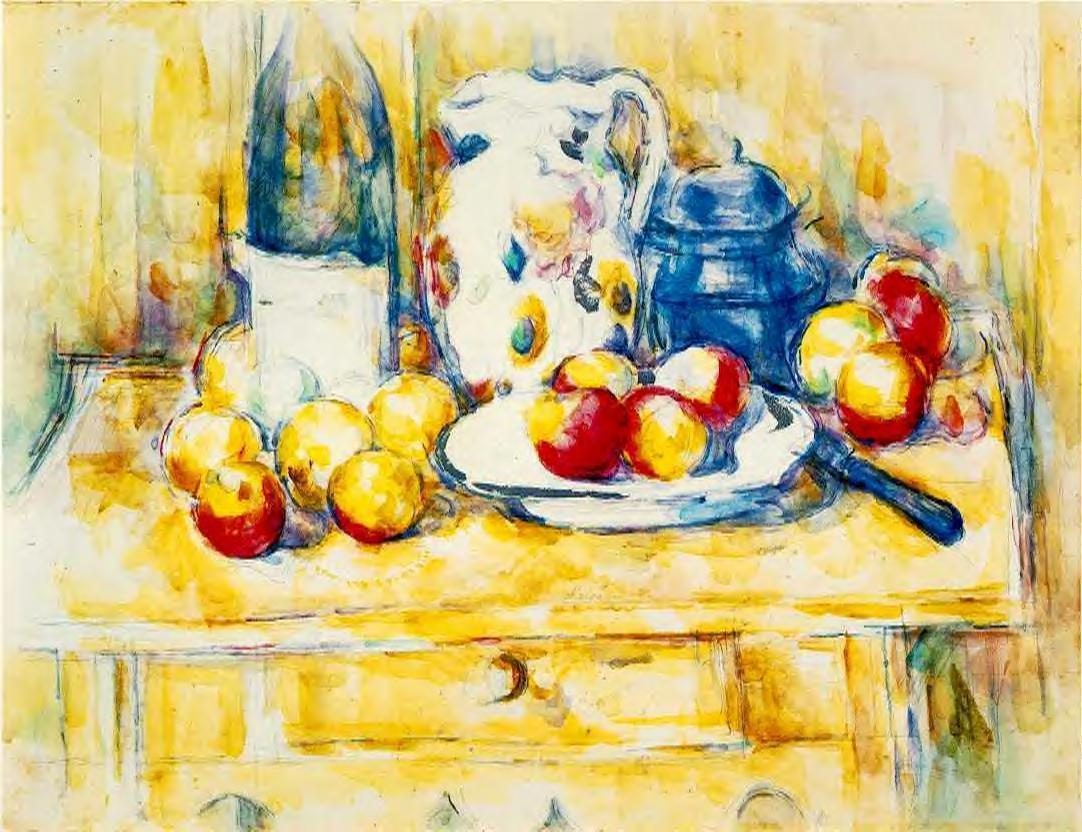
Materials, processes, and ideas fuse at the centre: synthesis
재료, 과정, 아이디어가 서로를 설명할 때, 평준표에서는 이를 통합(synthesis)이라고 부릅니다.
  • 각 작품에 대해 물어보십시오: 이 아이디어가 다른 매체에서도 존재할 수 있었을까요? 가능하다면 통합의 깊이를 더 늘릴 수 있습니다.
  • 화재에 대한 초상화; 가사 연결로 표현된 가족의 유대 — 재료가 곧 의미임.
  • 과정 자체도 의미를 담을 수 있음: 시간이 지남을 나타내는 집착적인 스티핑, 기억의 불확실성을 표현한 블라인드 컨투어.
  • 합성(Synthesis)은 채점 기준 최상위 항목으로, 4과 5을 가르는 구분선임.
  • 마지막에 추가할 수 없음. 아이디어와 관련된 소재를 초기에 실험하며 자연스럽게 발전해 나옴.
  • 서면 증거 한 문장에는 연결고리를 명시해야 한다: "I used X because the idea needed Y."
세잔의 정물화: 구성과 마크에서 재료, 과정, 아이디어가 합성됨
Vocabulary · ⁨어휘⁩ Train · ⁨연습하기⁩
English 한국어
synthesis/ˈsɪnθəsɪs/ 합성
drawing skills/ˈdrɔːɪŋ skɪlz/ 그리기 기술
visual evidence/ˈvɪʒuːəl ˈevɪdəns/ 시각적 증거
thumbnail sketches/ˈθʌmneɪl ˈsketʃɪz/ 썸네일 스케치(thumbnail sketches)
6.4

Demonstrating Drawing Skills · ⁨드로잉 기술 증명하기⁩

Syllabus
English

Focus: The rubric's named drawing skills: mark-making, line, surface, space, light and shade, composition. (CED 2.C/2.D)

  • Audit your portfolio against the six skills — every one should appear strongly somewhere.
  • One work can carry several skills: a figure in a lit interior shows space, light and shade, and composition at once.
  • 'Good' scores need competent skills; '5' portfolios show advanced skills with visual evidence everywhere.
  • Skills must be visible in the image submitted — photograph well or the skill disappears.
  • Weak-skill areas are fixable with targeted practice blocks — see the craft topics of this course.
  • In written evidence, name skills with the CED's own words so scorers connect claim to image instantly.
한국어

핵심: rubric에서 명시된 드로잉 기술: mark-making, 선, 표면, 공간, 빛과 그림자, 구도. (CED 2.C/2.D)

  • 포트폴리오를 여섯 가지 기술과 대조하여 점검하시오 — 모든 기술이何处에서나 뚜렷하게 드러나야 함.
  • 하나의 작품이 여러 기술을 담을 수 있습니다: 밝은 실내의 인물화는 공간, 빛과 그림자, 구도를 동시에 보여줍니다.
  • '좋은' 점수는 유능한 기술을 필요로 하며, '5점' 포트폴리오는 모든 곳에서 시각적 증거를 보이는 고급 기술을 보여줍니다.
  • 기술은 제출된 이미지에 가시적이어야 합니다 — 잘 촬영하지 않으면 기술이 사라집니다.
  • 약한 기술 영역은 표적 훈련 블록으로 해결 가능합니다 — 이 과정의 craft 주제들을 참고하십시오.
  • 서면 증거에서 CED 자체의 용어를 사용하여 기술을 명시하여 채점자가 claim과 image를 즉시 연결하도록 하십시오.

Source: College Board AP Course and Exam Description · ⁨출처: College Board AP Course and Exam Description⁩

English

The rubric names the drawing skills 绘画技能: mark-making, line, surface, space, light and shade, composition. (CED 2.C/2.D)

  • Audit your portfolio against the six skills — every one should appear strongly somewhere.
  • One work can carry several: a figure in a lit interior shows space, light and shade, and composition at once.
  • "Good" portfolios show competent skills; a 5 shows advanced skills with visual evidence 视觉证据 everywhere.
  • A skill only counts if it is visible in the submitted image — photograph well or the skill disappears.
  • Weak areas are fixable with targeted practice blocks — that is what the craft topics of this course are for.
  • In written evidence, name skills with the CED's own words, so the scorer connects claim to image instantly.
한국어

채점 기준에서는 드로잉 기술을 명시함: 마크, 선, 표면, 공간, 명암, 구성. (CED 2.C/2.D)

  • 포트폴리오를 여섯 가지 기술과 대조하여 점검하시오 — 모든 기술이何处에서나 뚜렷하게 드러나야 함.
  • 하나의 작품이 여러 기술을 동시에 담을 수 있음: 빛이 비치는 실내의 인물 묘사는 공간, 명암, 구성을 한 번에 보여줌.
  • '좋은' 포트폴리오는 유능한 기술을 보여줍니다. 5는 시각적 증거가 곳곳에 있는 고급 기술을 보여줍니다.
  • 제출된 이미지에서 확인되지 않는 기술은 인정되지 않음 — 잘 촬영하지 않으면 기술이 사라짐.
  • 약점은 타겟팅된 실습 단계를 통해 보완 가능 — 이 과정의 공예 주제들이 바로为此设计됨.
  • 서면 증거에는 CED의 용어를 그대로 사용하여 기술명을 기재하십시오.这样使得评分者能立即将声明与图像关联。
비트루비우스의 인간: 비율과 인물 구도가 기초 드로잉 기술로 작용함
6.5

Composition and Craft in Making · ⁨제작에서의 조성과 기술⁩

Syllabus
English

Focus: Finished works are judged as made objects: composition designed, edges considered, surface controlled.

  • Plan with thumbnails and notan before committing — composition is decided before the first real mark.
  • Craft means physical care: clean margins where intended, controlled smudging, flat unwrinkled paper.
  • Damaged or dirty work photographs badly; protect drawings with cover sheets and fixative.
  • Consider scale as a decision: intimate A5 and commanding A1 are different statements of the same idea.
  • Unresolved corners betray hurry — finish or deliberately leave raw, and let the writing own the choice.
  • Craft is not fussiness: an expressive charcoal can be perfectly crafted expression.
한국어

핵심: 완성된 작품은 제작된 물체로 평가됩니다: 설계된 구도, 고려된 테두리, 통제된 표면.

  • 첫 실제 mark를 하기 전에 thumbnail과 notan으로 계획하십시오 — 구도는 첫 mark 이전부터 결정됩니다.
  • Craft는 물리적 세심함을 의미합니다: 의도된 위치의 깨끗한 여백, 통제된 번짐, 평평하고 주름지지 않은 종이.
  • 손상되거나 더러운 작품은 사진 촬영 시 나쁘게 나타납니다: 드로잉을 커버 시트와 고정제로 보호하십시오.
  • 크기를 의사결정의 일부로 고려하십시오: 친밀한 A5와 위압적인 A1은 동일한 아이디어의 다른 표현입니다.
  • 해결되지 않은 모서리는 조급함을 드러냅니다 — 완성하거나 고의적으로 거칠게 남겨두되, 글쓰기로 그 선택을 주장하십시오.
  • 공예는 사소한 정성이 아니다. 표현적인 채코얼은 완벽하게 공예화된 표현이 될 수 있다.

Source: College Board AP Course and Exam Description · ⁨출처: College Board AP Course and Exam Description⁩

English

Finished works are judged as made objects: composition designed, edges considered, surface controlled.

  • Plan with thumbnail sketches 小稿 and notan before committing — composition is decided before the first real mark.
  • Craft 工艺 means physical care: clean margins where you intend them, controlled smudging, flat unwrinkled paper.
  • Damaged or dirty work photographs badly. Protect drawings with cover sheets and fixative.
  • Treat scale 尺度 as a decision: an intimate A5 and a commanding A1 are different statements of the same idea.
  • Unresolved corners betray hurry. Finish them — or leave them raw on purpose, and let the writing own the choice.
  • Craft is not fussiness: an expressive charcoal can be perfectly crafted expression.
한국어

완성된 작품은 제작된 물체로서 평가됩니다: 구도가 설계되고, 가장자리가 고려되며, 표면이 통제됩니다.

  • 본格的인 작업 전 썸네일 스케치 및 노탄(Notan)으로 계획하십시오 — 첫 번째 실제 마크 이전에도 구성이 결정됨.
  • 장인 정신(craft) 은 물리적 정성을 의미합니다: 의도한 곳의 깨끗한 여백, 통제된 번짐, 평평하고 주름진 종이가 없습니다.
  • 손상되거나 더러운 작품은 촬영 시 품질이 떨어짐. 드로잉을 커버 시트로 보호하고 고정제를 바르십시오.
  • 规模를 결정으로 간주하십시오. 친밀한 A5와威严한 A1는 동일한 아이디어의 서로 다른 표현입니다.
  • 처리되지 않은 모서리는 서두름을 드러냅니다. 마무리하거나, 의도적으로 그대로 남겨 두어 글쓰기가 그 선택을 주체하게 하십시오.
  • 공예는 사소한 정성이 아니다. 표현적인 채코얼은 완벽하게 공예화된 표현이 될 수 있다.
Vocabulary · ⁨어휘⁩ Train · ⁨연습하기⁩
English 한국어
craft/kræft/ 공예
scale/skeɪl/ 스케일(scale)
development/dɪˈveləpmənt/ 발전
6.6

Developing Ideas Over Time · ⁨시간이 지나며 아이디어 개발⁩

Syllabus
English

Focus: Development — the furthering of an inquiry through in-depth exploration — is what 'sustained' looks like in the images.

  • Sequence matters: arrange works so the investigation's growth is readable from image 1 to image 15.
  • Development moves: change scale, change viewpoint, combine two earlier works, push one variable to its extreme.
  • Series thinking helps — variations on one motif show deliberate exploration, not repetition.
  • Mid-course turns are healthy when documented: 'the shadows became the subject' is development.
  • Compare your newest work to your first — if nothing changed (skill, idea, or ambition), push a variable.
  • Scorers explicitly look for works that show development, not fifteen isolated performances.
한국어

중점: 확장 — 심층적 탐구를 통해 연구가 나아가는 과정 — 이 이미지에 나타난 '지속성'의 모습입니다.

  • 순서가 중요합니다: investigations의 성장이 이미지 1부터 이미지 15까지 읽히도록 작품을 배열하십시오.
  • 확장 방법: 크기 변경, 시점 변경, 이전 두 작품 결합, 변수 하나를 극한으로 밀어내기.
  • 시리즈적 사고가 도움이 됩니다: 하나의 모티프에 대한 변주는 반복이 아닌 의도적인 탐구임을 보여줍니다.
  • 중간 지점에서의 전환은 기록될 때 건강합니다: '그늘이 주제가 되었다'는 확장의 예입니다.
  • 최신 작품과 첫 번째 작품을 비교해 보십시오 — 기술, 아이디어, 또는 포부에서 아무런 변화가 없다면 변수를 밀어내십시오.
  • 채점자는 명확하게 확장을 보여주는 작품을 sought하며, 15개의 독립된 연극을 원하지 않습니다.

Source: College Board AP Course and Exam Description · ⁨출처: College Board AP Course and Exam Description⁩

English

Development 发展 — the furthering of an inquiry through in-depth exploration — is what "sustained" looks like in the images.

  • Sequence matters: arrange the works so the investigation's growth is readable from image 1 to image 15.
  • Development moves: change scale, change viewpoint, combine two earlier works, push one variable 变量 to its extreme.
  • Series thinking helps — variations on one motif 母题 show deliberate exploration, not repetition.
  • Mid-course turns are healthy when documented: "the shadows became the subject" is development.
  • Compare your newest work to your first. If nothing changed — skill, idea, or ambition — push a variable.
  • Scorers explicitly look for works that show development, not fifteen isolated performances.
한국어

개발 — 심층적 탐구를 통해 연구가 확장되는 과정 — 이 이미지에 나타난 "지속성"의 모습입니다.

  • 순서가 중요합니다: 1번 이미지부터 15번 이미지까지 조사의 성장이 읽히도록 작품을 배열하십시오.
  • 발전 Move: 스케일 변경, 시점 변경, 두 이전 작품을 결합, 하나 변수(variable) 를 극단까지 밀어내기.
  • 시리즈적 사고가 도움이 됩니다: 하나의 모티프에 대한 변주들은 반복이 아니라 의도적인 탐구임을 보여줍니다.
  • 중간 과정의 전환은 기록될 때 건강합니다. "그림자가 주제가 되었다"는 것은 바로 개발입니다.
  • 최신 작품과 첫 번째 작품을 비교해 보십시오. 기술, 아이디어, 혹은 야망 중 하나라도 변화가 없다면 변수를 조정하십시오.
  • 채점자들은 명확하게 개발을 보여주는 작품을 원하며, 15개의 독립된 연작이 아닌 것을期望합니다.
Vocabulary · ⁨어휘⁩ Train · ⁨연습하기⁩
English 한국어
variable/ˈveərɪəbl/ 变量
motif/məʊˈtiːf/ 모티프
6.6

Exam tips · ⁨시험 팁⁩

English
  • Build the portfolio as a story: image 1 states the question, the middle images test and turn, the late images answer with authority. Scorers read the sequence.
  • Submit process images on purpose — two or three journal spreads, tests, or revision pairs among the 15 make practice, experimentation, and revision undeniable.
  • The 5-portfolios show synthesis: pick materials that mean something for your question, and say the link out loud in the written evidence.
  • Audit against the six drawing skills at mid-year, not in April — the gaps you find write your practice plan while there is still time.
  • Never pad with lookalikes. Fifteen near-identical drawings read as one idea repeated; variations must each move a variable.
한국어
  • 포트폴리오를 이야기처럼 구성하십시오: 1번 이미지가 질문을 제시하고, 중간 이미지들이 검증 및 전환을 거치며, 마지막 이미지들이 권위 있게 답을 제시합니다. 채점자들은 이 서열을 읽습니다.
  • 프로세스 이미지를 의도적으로 제출하십시오. 15개作品中 2~3개의 저널 스프레드, 테스트, 또는 수정 연작이 포함되어 있다면 연습, 실험, 그리고 수정이 부인할 수 없는 사실임을 입증합니다.
  • 5개의 포트폴리오는 통합을 보여줍니다. 질문과 연관된 의미를 가진 재료를 선택하고, 서면 증거에서 그 연결고리를 명확히 언급하십시오.
  • 4월이 아닌 중기 시점에 6가지 드로잉 기술을 기준으로 감사를 실시하십시오. 발견한 격차는 여분이 있을 때 실습 계획을 작성하는 데 도움이 됩니다.
  • 비슷한 작품으로 채우지 마십시오. 15개의 거의 동일한 그림은 하나의 아이디어가 반복됨으로 읽힙니다. 각 변주는 반드시 변수를 이동시켜야 합니다.

Interactive lessons on this topic · ⁨이 주제에 대한 인터랙티브 수업⁩

Work through it step by step, with instant-check exercises. · ⁨즉시 체크 기능 exercises를 통해 단계별로 진행하세요.⁩

More topics in AP Drawing · ⁨AP 드로잉⁩ · ⁨AP Drawing · ⁨AP 드로잉⁩ 내 추가 주제⁩

Log in or create account · ⁨로그인 또는 계정 만들기⁩

IGCSE, A-Level & AP