Skip to content · ⁨コンテンツへスキップ⁩

Marketing · ⁨マーケティング⁩

IGCSE Business Studies · ⁨IGCSE 商業研究⁩ · Topic 3 · ⁨トピック 3⁩

View Slides · ⁨查看幻灯片⁩ Train · ⁨練習する⁩
Video lesson for this topic · ⁨このトピックのビデオレッスン⁩ Open the video page · ⁨動画ページを開く⁩
9:08

マーケティング

この通りにあるメッセージ数を数えてみよ。スクリーン、ポスター、ロゴ——どれ一つとして企業はあなたにアプローチしようとしている。しかし広告だけが最後のステップではない。長…

English narration · English + 中文 subtitles burned in · ⁨英語ナレーション・英語+中文字幕 burning-in⁩

3.1

What marketing does · ⁨マーケティングの役割⁩

Syllabus · ⁨シラバス⁩
English
  1. explain the role of marketing: identifying and satisfying customer needs, maintaining/increasing sales and market share, building customer loyalty
  2. explain why customers are important and the costs of losing them
  3. distinguish niche and mass markets and explain market segmentation and its benefits
日本語
  1. マーケティングの役割(顧客ニーズの特定と充足、売上および市場シェアの維持・拡大、顧客ロイヤルティの構築)について説明する
  2. 顧客が重要である理由と、顧客を失うコストについて説明する
  3. ニッチ市場とマスマarketを区別し、セグメンテーションとそのメリットについて説明する

Source: Cambridge International syllabus · ⁨出典: Cambridge International シラバス⁩

English

Marketing 营销 is the work of finding out what customers 顾客 want, then making, pricing, selling and promoting products to meet those wants at a profit.

Marketing has several roles:

  • find out and satisfy what customers want,
  • keep and increase sales 销售额 and market share 市场份额,
  • build customer loyalty 顾客忠诚度 so buyers come back again.

Why customers matter

Customers bring in the money, so keeping them is vital. Losing customers is costly: the business loses their future spending, and it must spend a lot on advertising 广告 to win new ones. It is usually far cheaper to keep a customer than to find a new one.

Niche and mass markets

A market 市场 is all the buyers and sellers of a product.

  • A niche market 利基市场 is a small part of a market with special needs, for example left-handed tools.
  • A mass market 大众市场 is a large market with many similar buyers, for example soft drinks.

Market segmentation

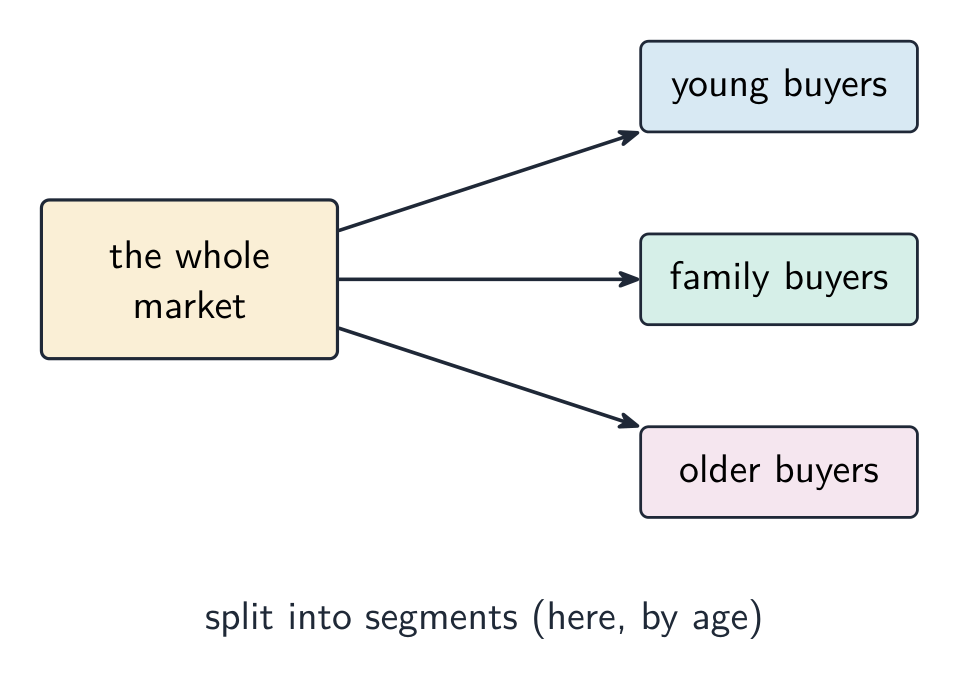
Market segmentation 市场细分 means splitting a market into groups of buyers who share something, such as age, income, gender or location. Its benefits:

  • the business can design a product to fit each group,
  • it can aim its advertising at the right people,
  • it can spot gaps in the market.
日本語

マーケティングとは、顧客が何を求めているかを調べ、利益を得てそのニーズを満たすために、製品を開発・価格設定・販売・プロモーションを行う作業のことです。

マーケティングにはいくつかの役割があります:

  • 顧客のニーズを把握して充足させる、
  • 売上高と市場シェアを維持・増加させる、
  • 顧客ロイヤルティを築き、買い手が再来するよう促す。

顧客が重要な理由

顧客は収益をもたらすため、顧客を保持することは不可欠です。顧客を失うことはコストがかかります:企業はその将来の支出を失い、新たな顧客を獲得するために大量の広告費を投じなければなりません。通常、既存顧客を保持する方が新規顧客を見つけるよりもずっと安価です。

ニッチ市場とマス市場

市場とは、ある製品のすべての買い手と売り手の総称です。

  • ニッチ市場とは、特殊なニーズを持つ市場の小さな部分であり、例えば左手用工具などが該当します。
  • マス市場とは、多くの類似した買い手がいる大きな市場であり、例えばソフトドリンクなどが該当します。

市場セグメンテーション

市場セグメンテーションとは、年齢、所得、性別、地域などを共有する買い手のグループに市場を分割することを意味します。そのメリットは以下の通りです:

  • 企業が各グループに合わせた製品を設計できる、
  • 適切なターゲットに広告を向けることができる、
  • 市場のギャップを発見できる。
矢印によって3つのセグメント(若年層の買い手、家族層の買い手、高齢層の買い手)に分割された全体市場
セグメンテーションは全体市場を類似した買い手のグループに分割します
Explore · ⁨探索⁩

Marketing mix lab · ⁨マーケティングミックス実験室⁩

See which part of the marketing mix changes in each real decision. · ⁨各実際の意思決定において、マーケティングミックスのどの要素が変化するかを確認する。⁩

Vocabulary · ⁨語彙⁩ Train · ⁨練習する⁩
English 日本語
market/ˈmɑːkɪt/ 市場
niche market/niːʃ ˈmɑːkɪt/ ニッチマーケット
mass market/mæs ˈmɑːkɪt/ マスマーケット
market segmentation/ˈmɑːkɪt ˌseɡmənˈteɪʃn/ 市場細分化
3.2

Market research · ⁨マーケティング調査⁩

Syllabus · ⁨シラバス⁩
English
  1. distinguish primary (field) and secondary (desk) market research and their methods
  2. explain sampling and the need for accurate, reliable data
  3. present and interpret market research data (tables, charts, graphs) to support decisions
日本語
  1. 一次調査(フィールド調査)と二次調査(デスク調査)を区別し、それぞれの研究方法を説明する
  2. サンプル抽出と、正確で信頼性の高いデータの必要性について説明する
  3. 意思決定を裏付けるための市場調査データの提示と解釈(表、グラフ、チャート)を行う

Source: Cambridge International syllabus · ⁨出典: Cambridge International シラバス⁩

English

Market research 市场调研 is collecting information about customers, rivals and the market, to help make good decisions.

Primary and secondary research

  • Primary research 一手调研 (also called field research) collects new information directly, for the first time. Methods include questionnaires 问卷, interviews, surveys and tests. It is up to date and fits the exact need, but costs time and money.
  • Secondary research 二手调研 (also called desk research) uses information that already exists, such as government reports, websites and past sales records. It is cheap and quick, but may be old or may not fit the need.

Sampling and reliable data

A business cannot ask everyone, so it asks a small group, called a sample. Sampling 抽样 must be done with care. If the sample is too small or not typical, the data 数据 will not be reliable, and decisions based on it may be wrong.

Using research data

Research results are shown in tables, charts and graphs. You should be able to read them — for example, find the most popular product, or see how sales change over time — and use them to support a decision.

日本語

市場調査とは、良好な意思決定をするために、顧客、競合他社、市場に関する情報を収集することです。

市場調査は一次調査(新しいデータ、例:アンケート)と二次調査(既存データ)に分かれる
一次調査は新規データを収集し、二次調査は既存データを利用します

一次調査と二次調査

  • 一次調査(フィールド調査とも呼ばれる)は、初めて直接新しい情報を収集する方法です。手法には質問紙、インタビュー、アンケート、テストなどが含まれます。最新の情報であり、正確なニーズに合致しますが、時間と費用がかかります。
  • 二次調査(デスクリサーチとも呼ばれる)は、政府の報告書、ウェブサイト、過去の売上記録など、既に存在する情報を利用する方法です。安価で迅速ですが、古い情報であったり、ニーズに合致しない場合があります。

サンプル抽出と信頼性の高いデータ

企業が全員に尋ねることはできないため、サンプルと呼ばれる小規模なグループに尋ねます。サンプル抽出は慎重に行う必要があります。サンプルが小さすぎたり典型的でなかったりすると、データは信頼できず、それに基づく意思決定は誤りとなる可能性があります。

調査データの活用

調査結果は表、チャート、グラフで示されます。これらを読み解くことができ、最も人気のある製品を見つけたり、時間の経過に伴う売上の推移を見たりして、意思決定を裏付けるために使用できます。

Explore · ⁨探索⁩

Market research cycle · ⁨市場調査サイクル⁩

Follow how a business turns customer data into a marketing decision. · ⁨企業が顧客データをマーケティング意思決定に変換する流れを追う。⁩

Vocabulary · ⁨語彙⁩ Train · ⁨練習する⁩
English 日本語
market research/ˈmɑːkɪt rɪˈsɜːtʃ/ マーケティングリサーチ
primary research/ˈpraɪməri rɪˈsɜːtʃ/ 一次調査
questionnaires/ˌkwestʃəˈneəz/ アンケート
secondary research/ˈsekəndəri rɪˈsɜːtʃ/ 二次調査
sampling/ˈsæmplɪŋ/ サンプリング
data/ˈdeɪtə/ データ
3.3

The marketing mix · ⁨マーケティングミックス⁩

Syllabus · ⁨シラバス⁩
English
  1. explain the four elements of the marketing mix (product, price, place, promotion)
  2. product: the product life cycle and extension strategies, branding and packaging
  3. price: pricing methods (cost-plus, penetration, skimming, competitive, promotional, dynamic) and influences on price
  4. place: channels of distribution (wholesaler, retailer, direct, e-commerce)
  5. promotion: advertising, sales promotion and the role of technology (internet, social media) in the marketing mix
日本語
  1. マーケティングミックスの4要素(製品、価格、場所、プロモーション)について説明する
  2. 製品:製品ライフサイクルと拡張戦略、ブランディング、パッケージング
  3. 価格:価格設定方法(コストプラス、浸透、スクリーミング、競合価格、プロモーション、ダイナミック)と価格への影響要因
  4. 場所:流通チャネル(卸売業者、小売業者、直販、eコマース)
  5. プロモーション:広告、セールスプロモーション、マーケティングミックスにおける技術の役割(インターネット、ソーシャルメディア)

Source: Cambridge International syllabus · ⁨出典: Cambridge International シラバス⁩

English
The product life cycle

The marketing mix 营销组合 is the four main choices a business makes about a product. They are often called the four Ps: product, price, place and promotion.

Product

The product 产品 must meet customers' needs. Two ideas matter here.

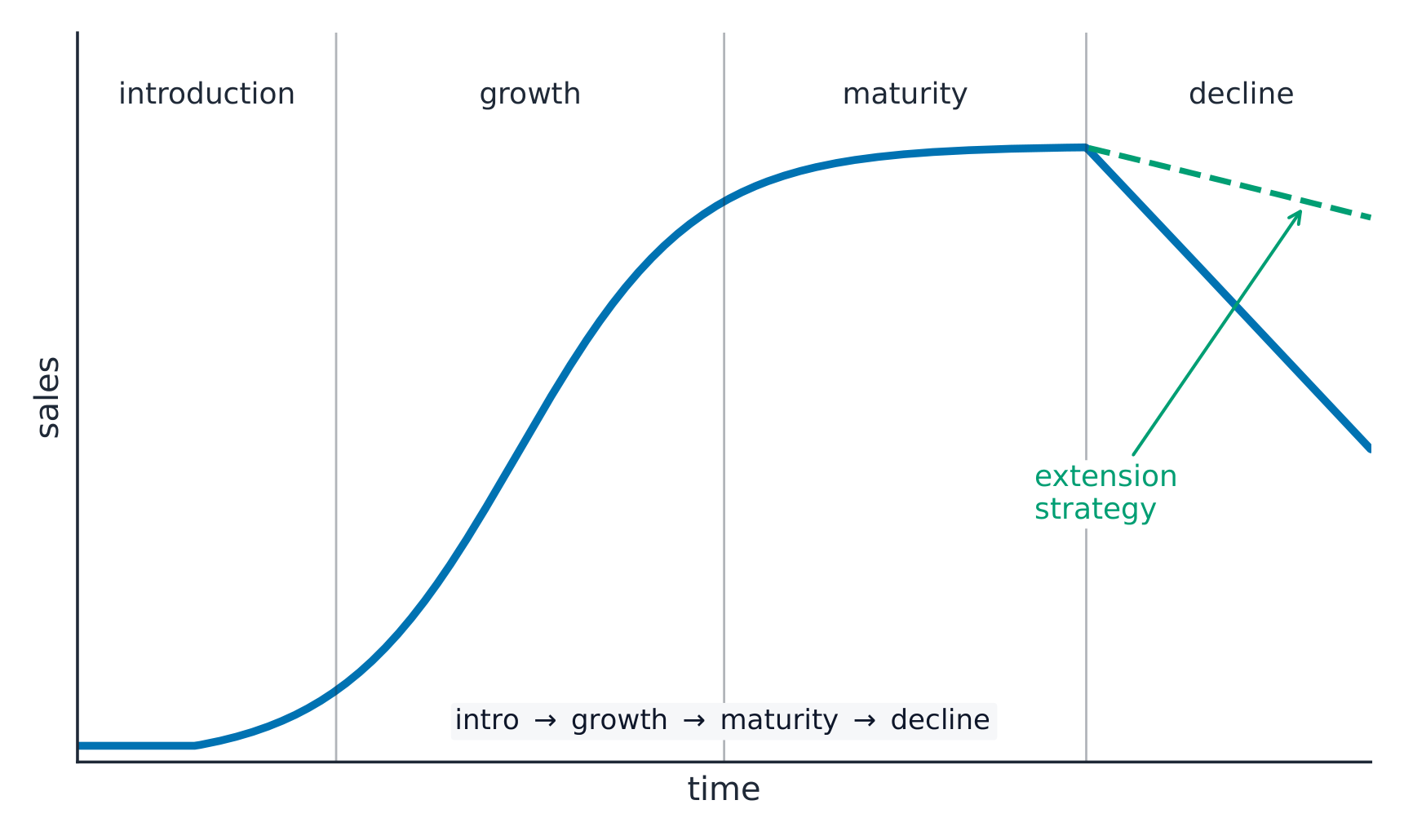
The product life cycle 产品生命周期 describes the sales of a product over time, in four stages: introduction, growth, maturity and decline. When sales begin to fall, a business can use an extension strategy 延长策略 — such as a new design, a new advert, or selling in a new market — to keep the product selling.

A strong brand 品牌 (a name, logo and image that customers recognise) and good packaging 包装 (the wrapping that protects the product and attracts buyers) both help a product sell. Building a brand is called branding.

Price

The price 价格 is what the customer pays. A business can choose from several pricing methods.

Method How it works
cost-plus pricing 成本加成定价 add a fixed share of profit on top of the cost of making the item
penetration pricing 渗透定价 set a low price to enter a market and win customers fast
price skimming 撇脂定价 set a high price at first for a new, special product
competitive pricing 竞争定价 set a price close to rivals' prices
promotional pricing 促销定价 cut the price for a short time to lift sales
dynamic pricing 动态定价 change the price automatically as demand changes, as airlines do

The right price also depends on the cost of making the product, on what customers will pay, on rivals' prices, and on the product's stage in its life cycle.

Worked example. One firm launches a smartphone using technology no rival has. Another enters a crowded soft-drinks market. Which pricing method suits each, and why? The smartphone is new and special with no direct competition, so use price skimming: charge a high price at first to recover the development cost from customers who must have it, then lower it as rivals catch up. The soft drink faces many established rivals, so use penetration pricing: a low price wins customers quickly and buys market share, and it can be raised later. Match the method to the market conditions - a pricing strategy is only right or wrong relative to the competition and the product's stage in its life cycle.

Place

Place 地点 is about how and where the product is sold, so it reaches the customer at the right time. The route a product takes from maker to customer is called a channel of distribution 分销渠道.

Many channels use a wholesaler 批发商 (buys large amounts from makers and sells smaller amounts to shops) and a retailer 零售商 (a shop that sells to the final customer). A business can also sell directly 直销 to customers, or online through e-commerce 电子商务.

Promotion

Promotion 推广 means telling customers about a product and persuading them to buy it. It includes:

  • advertising — paid messages on TV, online, on posters and so on,
  • sales promotion 促销 — short-term offers like discounts, free gifts, or "buy one get one free".

Technology now plays a big part. The internet 互联网 and social media 社交媒体 let a business reach many people cheaply, target the right customers, and sell all over the world.

日本語
製品ライフサイクル
混雑する交差点にある巨大広告スクリーン
巨大スクリーンでの広告 — プロモーションはマーケティングミックスの4Pの一つです。

マーケティングミックスとは、企業が製品について行う4つの主要な選択です。これらはよく4Pと呼ばれます:Product(製品)、Price(価格)、Place(場所)、Promotion(プロモーション)。

中央にマーケティングミックスがあり、その周囲に4つのP(プロダクト:何を売るか、プライス:いくらか、プレイス:どこで買うか、プロモーション:どう伝えるか)が配置されている図
マーケティングミックスは4つのPを組み合わせたものである

製品

製品は顧客のニーズを満たす必要があります。ここでは2つの考え方が重要です。

製品ライフサイクルとは、製品の販売が時間とともにどのように変化するかを示すもので、導入期、成長期、成熟期、衰退期の4つの段階に分けられます。販売が減少し始めた場合、企業は新デザイン、新しい広告、または新規市場での販売といった延長戦略を用いて、製品を継続的に販売することができます。

製品ライフサイクル曲線(導入期と成長期で上昇し、成熟期で横ばいとなり、衰退期で低下する)と、Extension Strategyのライン
4つのライフサイクルフェーズにおける商品の販売量と、成熟期の延伸戦略

強いブランド(顧客に認識される名前、ロゴ、イメージ)と良好なパッケージ(製品を守り、購入者を惹きつける包装)は、どちらも製品の販売を助けます。ブランドを構築することをブランディングといいます。

価格

価格とは顧客が支払う金額です。企業にはいくつかの価格設定方法から選択できます。

方法 仕組み
コストプラス価格設定 製造コストに一定の利益率を加える
浸透価格設定 市場参入や顧客獲得を素早く行うために低価格を設定する
スクリーミング価格設定 新しい特別商品に対して initially 高価格を設定する
競合価格設定 競合他社の価格に近い価格を設定する
プロモーション価格設定 販売を促進するために短期間価格を値下げする
ダイナミック価格設定 航空会社のように需要の変化に合わせて自動的に価格を変更する

適切な価格は、製造コスト、顧客が支払える額、競合他社の価格、および製品ライフサイクルの段階によっても決まります。

計算例。 一つの企業が競合他社にはない技術を持つスマートフォンを発売します。もう一つの企業は過熱しているソフトドリンク市場に参入します。それぞれの企業に適した価格設定方法は何であり、なぜですか? スマートフォンは直接の競合相手がないため新しく特別なので、スクリーミング価格設定を使用します:開発費を回収するため initially 高価格を設定し、競合他社が追いつくにつれて価格を下げていきます。ソフトドリンクは多くの確立された競合他社に直面しているため、浸透価格設定を使用します:低価格で素早く顧客を獲得して市場シェアを確保でき、後で価格を引き上げることも可能です。価格設定方法は市場条件に合わせる必要があります——価格戦略は、競合他社との関係や製品ライフサイクルの段階においてのみ正解か誤解答かの区別がつきます。

場所

場所とは、製品がどのように、どこで販売され、適切時機に顧客に届くかということです。製造者から顧客への製品の流通経路をチャネル・オブ・ディストリビューション(流通チャネル)といいます。

多くの流通チャネルでは、卸売業者(製造者から大量に仕入れ、小売店へ少量販売する)と小売業者(最終顧客へ販売する店舗)が利用されます。企業は顧客に直接販売することや、eコマースを通じてオンラインで販売することもできます。

メーカーから顧客へ直接届く短い流通チャネルと、卸売業者や小売業者を経由して顧客に届く長い流通チャネル
短いチャネルは管理権限が大きく、長いチャネルはより多くの買い手にアクセスできる

プロモーション

プロモーションとは、顧客に製品を知らせ、購入を促すことを意味します。これには以下が含まれます:

  • 広告 — テレビ、インターネット、ポスターなどにおける有料メッセージ、
  • セールスプロモーション — 割引、無料プレゼント、または「1つ買うと1つ無料」といった短期間のオファー。

現在、テクノロジーも大きな役割を果たしています。インターネットやソーシャルメディアにより、企業は低コストで多くの人にアプローチでき、適切な顧客をターゲットにし、世界中で販売することが可能になります。

Explore · ⁨探索⁩

The marketing mix (4 Ps) · ⁨マーケティングミックス(4P)⁩

The marketing mix is the four decisions a business blends to sell a product well. · ⁨マーケティングミックスとは、製品を成功裏に販売するために企業が組み合わせる4つの意思決定です。⁩

Vocabulary · ⁨語彙⁩ Train · ⁨練習する⁩
English 日本語
marketing/ˈmɑːkɪtɪŋ/ マーケティング
customers/ˈkʌstəməz/ 顧客
sales/seɪlz/ 販売
market share/ˈmɑːkɪt ʃeə/ 市場シェア
customer loyalty/ˈkʌstəmə ˈlɔɪəlti/ 顧客ロイヤルティ
advertising/ˈædvətaɪzɪŋ/ 広告
marketing mix/ˈmɑːkɪtɪŋ mɪks/ マーケティングミックス
product/ˈprɒdʌkt/ 生成物
product life cycle/ˈprɒdʌkt laɪf ˈsaɪkl/ 製品ライフサイクル
extension strategy/ekˈstenʃn ˈstrætədʒi/ 伸長戦略
price/praɪs/ 価格
cost-plus pricing/kɒst plʌs ˈpraɪsɪŋ/ 原価加重価格設定
penetration pricing/ˌpenɪˈtreɪʃn ˈpraɪsɪŋ/ 浸透価格設定
price skimming/praɪs ˈskɪmɪŋ/ プライススキミング
competitive pricing/kəmˈpetɪtɪv ˈpraɪsɪŋ/ 競合価格設定
promotional pricing/prəˈməʊʃənl ˈpraɪsɪŋ/ プロモーション価格設定
dynamic pricing/daɪˈnæmɪk ˈpraɪsɪŋ/ ダイナミックプライシング
place/pleɪs/ 場所
channel of distribution/ˈtʃænl ɒv ˌdɪstrɪˈbjuːʃn/ 流通チャネル
wholesaler/ˈhəʊlseɪlə/ 卸売業者
retailer/ˈriːteɪlə/ 小売業者
direct selling/daɪˈrekt ˈselɪŋ/ 直接販売
e-commerce/iː ˈkɒmɜːs/ eコマース
promotion (marketing)/prəˈməʊʃn/ プロモーション(マーケティング)
sales promotion/seɪlz prəˈməʊʃn/ セールスプロモーション
internet/ˈɪntənet/ インターネット
social media/ˈsəʊʃl ˈmiːdiːə/ ソーシャルメディア
marketing strategy/ˈmɑːkɪtɪŋ ˈstrætədʒi/ マーケティング戦略
objectives/ɒbˈdʒektɪvz/ 目的
legal controls/ˈliːɡl kənˈtrəʊlz/ 法的規制
consumer protection/kənˈsuːmə prəˈtekʃn/ 消費者保護
misleading/mɪˈsliːdɪŋ/ 誤解を招く
international market/ˌɪntəˈnæʃənl ˈmɑːkɪt/ 国際市場
tariffs/ˈtærɪfs/ 関税
competition/ˌkɒmpəˈtɪʃn/ 競争
3.4

Marketing strategy · ⁨マーケティング戦略⁩

Syllabus · ⁨シラバス⁩
English
  1. explain how a marketing mix can be used to achieve marketing objectives
  2. explain legal controls related to marketing (consumer protection, misleading promotion)
  3. explain the opportunities and problems of entering new markets in other countries
日本語
  1. マーケティングミックスを用いてマーケティング目標を達成する方法について説明する
  2. マーケティングに関連する法的規制(消費者保護、誤認誘導)について説明する
  3. 他国への新規参入における機会と課題について説明する

Source: Cambridge International syllabus · ⁨出典: Cambridge International シラバス⁩

English

A marketing strategy 营销策略 is a plan that uses the four Ps together to reach the business's objectives 目标. The four Ps must fit each other and fit the target customers. For example, a high-price luxury product needs high-quality packaging, expensive shops and image-based adverts.

Legal controls on marketing

Many countries have legal controls 法律管制 that protect buyers:

  • consumer protection 消费者保护 laws stop the sale of unsafe or faulty goods,
  • rules ban misleading 误导 promotion — adverts that lie about what a product can do.

Selling in other countries

A business can grow by entering an international market 国际市场 in another country.

  • Opportunities: many more customers, higher sales, and spreading risk across markets.
  • Problems: different languages and tastes, higher transport costs, foreign laws and tariffs 关税 (taxes on imports), and strong local competition 竞争.
日本語
ブランド化されたデパートのショーウィンドウ
ブランド化されたショーウィンドウ:ブランディングは競合他社の中で製品を際立たせます。

マーケティング戦略とは、企業の目標達成のために4つのPを統合的に活用する計画です。4つのPは互いに整合性があり、ターゲット顧客にも適合する必要があります。例えば、高価格の高級商品は、高品質なパッケージ、高級店、イメージ広告が必要です。

マーケティングに対する法的規制

多くの国では、消費者を保護するための法的規制があります:

  • 消費者保護法は、不安全または不良品の販売を禁止します、
  • 誤認誘導に関するプロモーションを禁じるルールがあります——製品の機能を嘘で宣伝する広告です。

海外での販売

企業は他の国の国際市場に参入することで成長できます。

  • 機会:より多くの顧客、売上増加、市場間でのリスク分散。
  • 課題:言語や嗜好の違い、輸送コストの上昇、外国法および関税(輸入税)、そして強力な地元の競争。
Explore · ⁨探索⁩

Ansoff strategy lab · ⁨アンソフ戦略ラボ⁩

Sort growth choices by product and market risk. · ⁨製品と市場のリスクに基づいて成長の選択肢を分類してください。⁩

Vocabulary · ⁨語彙⁩ Train · ⁨練習する⁩
English 日本語
brand/brænd/ ブランド
packaging/ˈpækɪdʒɪŋ/ 包装
3.4

Exam tips · ⁨試験対策⁩

English
  • Learn the four Ps of the marketing mix — product, price, place, promotion — and remember they must fit each other and the target customer.
  • Primary research collects new data (surveys, questionnaires; up to date but costly); secondary research uses existing data (cheap and quick but may be out of date).
  • Know the product life cycle (introduction, growth, maturity, decline) and that an extension strategy revives falling sales.
  • Match the pricing methods: penetration (low, to enter a market), skimming (high, for a new product), plus cost-plus, competitive, promotional and dynamic pricing.
  • A niche market is small and specialised; a mass market is large, with many similar buyers.
日本語
  • マーケティングミックスの4つのP(製品、価格、場所、プロモーション)を理解し、それらが互いに、かつターゲット顧客に適合していることを記憶してください。
  • 一次調査は新しいデータを収集するもの(アンケート、質問票;最新だが費用がかかる)、二次調査は既存データを利用するもの(安価で迅速だが、情報が古くなっている可能性がある)。
  • 製品ライフサイクル(導入期、成長期、成熟期、衰退期)と、延長戦略が減少傾向にある販売を回復させることを知っておく。
  • 価格設定方法を対応させる:浸透(市場参入のための低価格)、スクリーミング(新製品のための高価格)、およびコストプラス、競合価格、プロモーション価格、ダイナミック価格設定。
  • ニッチ市場は小さく専門的であり、マス市場は大きく、類似した購買者が多いです。

Interactive lessons on this topic · ⁨このトピックのインタラクティブ授業⁩

Work through it step by step, with instant-check exercises. · ⁨一歩ずつ進め、即時チェック付きの問題で学習します。⁩

Past Papers · ⁨過去問⁩

More topics in IGCSE Business Studies · ⁨IGCSE 商業研究⁩ · ⁨IGCSE Business Studies · ⁨IGCSE 商業研究⁩ の他のトピック⁩

Log in or create account · ⁨ログインまたはアカウント作成⁩

IGCSE, A-Level & AP