Skip to content · ⁨コンテンツへスキップ⁩

Biological molecules · ⁨生体分子⁩

IGCSE Biology · ⁨IGCSE 生物⁩ · Topic 4 · ⁨トピック 4⁩

View Slides · ⁨查看幻灯片⁩ Train · ⁨練習する⁩
Video lesson for this topic · ⁨このトピックのビデオレッスン⁩ Open the video page · ⁨動画ページを開く⁩
5:26

生体分子

パン、肉、油、自身の筋肉—これらすべては少数の化学元素から作られています。食品中の大きな分子も実際には大きく…ありません。

English narration · English + 中文 subtitles burned in · ⁨英語ナレーション・英語+中文字幕 burning-in⁩

4.1

The chemical elements in food · ⁨食品中の化学元素⁩

Syllabus · ⁨シラバス⁩
English
Core Supplement
1 List the chemical elements that make up: carbohydrates, fats and proteins
2 State that large molecules are made from smaller molecules, limited to: (a) starch, glycogen and cellulose from glucose (b) proteins from amino acids (c) fats and oils from fatty acids and glycerol
3 Describe the use of: (a) iodine solution test for starch (b) Benedict’s solution test for reducing sugars (c) biuret test for proteins (d) ethanol emulsion test for fats and oils (e) DCPIP test for vitamin C 4 Describe the structure of a DNA molecule: (a) two strands coiled together to form a double helix (b) each strand contains chemicals called bases (c) bonds between pairs of bases hold the strands together (d) the bases always pair up in the same way: A with T, and C with G (full names are not required)
日本語
コア サプリメント
1 炭水化物、脂質、タンパク質を構成する化学元素を列挙する
2 大きな分子が小さな分子から作られることを述べる(以下の範囲に限る:(a) ストarch、グリコーゲン、セルロースはグルコースから (b) タンパク質はアミノ酸から (c) 脂肪および油は脂肪酸およびグリセロールから)
3 以下の試験の使用法を説明する: (a) デンプンに対するヨウ素溶液テスト (b) 還元糖 against ベネディクト溶液テスト (c) タンパク質 against ビュレットテスト (d) 脂質・油 against エタノール乳濁液テスト (e) ビタミンC against DCPIPテスト 4 DNA分子の構造を説明する: (a) 2本の鎖が絡み合って二重らせんを形成する (b) 各鎖には塩基と呼ばれる化学物質が含まれる (c) 塩基対間の結合が鎖同士を結んでいる (d) 塩基は常に一定の組み合わせで対になる:AはTと、CはGと(正式名称は不要である)

Source: Cambridge International syllabus · ⁨出典: Cambridge International シラバス⁩

English

Living things are built from a few kinds of molecule 分子. The most important are carbohydrates, fats and proteins. Each is made from a small number of chemical elements 元素.

  • Carbohydrates 碳水化合物 and fats 脂肪 contain three elements: carbon 碳 (C), hydrogen 氢 (H) and oxygen (O).
  • Proteins 蛋白质 contain carbon, hydrogen and oxygen too, plus nitrogen 氮 (N). (Some proteins also contain sulfur, S.)
日本語
生きたパンの loaf
パンは炭水化物に富んでおり、主食の主要グループの一つです。
炭水化物と脂質は炭素、水素、酸素を含み、タンパク質も窒素を含みます
炭水化物と脂肪はC、H、Oを含み、タンパク質には窒素も含まれます

生物はいくつかの種類の分子で構成されています。最も重要なのは炭水化物、脂質、タンパク質です。それぞれは少数の化学的元素から作られています。

  • 炭水化物と脂質は3つの元素を含みます:炭素(C)、水素(H)、酸素(O)。
  • タンパク質は炭素、水素、酸素に加え、窒素(N)を含みます。(一部には硫黄 S も含まれるものがあります。)
Explore · ⁨探索⁩

Biological molecules lab · ⁨生体分子実験室⁩

Classify food molecules by their main job in cells. · ⁨細胞内の主な役割に基づいて食物分子を分類する。⁩

Vocabulary · ⁨語彙⁩ Train · ⁨練習する⁩
English 日本語
elements/ˈelɪmənts/ 元素
carbohydrates/ˌkɑːbəʊˈhaɪdreɪts/ 炭水化物
fats/fæts/ 脂質
carbon/ˈkɑːbən/ 炭素
hydrogen/ˈhaɪdrədʒn/ 水素
proteins/ˈprəʊtiːnz/ タンパク質
nitrogen/ˈnaɪtrədʒn/ 窒素
4.1

Building large molecules from small ones · ⁨小さな分子から大きな分子を作る⁩

English

Large molecules are made by joining many small molecules together, like beads on a string.

Large molecule Built from
starch 淀粉, glycogen 糖原 and cellulose 纤维素 many glucose 葡萄糖 units
proteins amino acids 氨基酸
fats and oils fatty acids 脂肪酸 and glycerol 甘油

Starch and glycogen are energy stores; cellulose makes plant cell walls. Proteins are built from about 20 different kinds of amino acid joined in a chain. One fat molecule is made from three fatty acids joined to one glycerol.

日本語

大きな分子は、紐のビーズのように多数の小さな分子をつなぎ合わせて作られます。

巨大分子 構成要素
デンプン、グリコーゲンおよびセルロース 多数のグルコース単位
タンパク質 アミノ酸
脂質(脂肪・油) 脂肪酸およびグリセロール

デンプンとグリコーゲンはエネルギー貯蔵物質であり、セルロースは植物細胞壁を形成する。タンパク質は約20種類の異なるアミノ酸が鎖状に結合して作られる。1つの脂質分子は、1つのグリセロールに3つの脂肪酸が結合して形成される。

小さな単体が大きな分子に結合する様子を示す3段の図:グルコースからデンプンへ、アミノ酸からタンパク質へ、グリセロール+脂肪酸から脂質への形成過程
巨大分子は、紐に並んだビーズのように、多数の小さな単体を結合させることで形成される
ポテトのデンプン粒の偏光顕微写真:卵形をした多数の粒子が鮮やかな虹色の交差パターンを示している
顕微鏡で見たポテトのデンプン粒 — 各粒子は多数のグルコース単位から構成されている
Vocabulary · ⁨語彙⁩ Train · ⁨練習する⁩
English 日本語
molecule/ˈmɒlɪkjuːl/ 分子
starch/stɑːtʃ/ デンプン
glycogen/ˈɡlaɪkədʒn/ グリコーゲン
cellulose/ˈseljuːləʊs/ セルロース
glucose/ˈɡluːkəʊs/ ブドウ糖
amino acids/əˈmiːnəʊ ˈæsɪdz/ アミノ酸
fatty acids/ˈfæti ˈæsɪdz/ 脂肪酸
glycerol/ˈɡlɪsərɒl/ グリセロール
iodine solution/ˈaɪədiːn səˈluːʃn/ ヨウ素溶液
reducing sugars/rɪˈdjuːsɪŋ ˈʃʊɡəz/ 還元糖
Benedict's solution/ˈbenɪdɪkts səˈluːʃn/ ベンディクト溶液
biuret/ˈbɪjuːrət/ ビュレット
ethanol/ˈeθənɒl/ エタノール
emulsion/ɪˈmʌlʃn/ 乳化試験
vitamin/ˈvɪtəmɪn/ ビタミン
genetic material/dʒɪˈnetɪk məˈtɪərɪəl/ 遺伝物質
strands/strændz/ 鎖
4.1

Food tests · ⁨食品検査⁩

English

You can test a piece of food to find out which substances it contains. Add the test chemical and watch for a colour change.

Food substance Test Positive result
starch add iodine solution 碘液 orange-brown → blue-black
reducing sugars 还原糖 (such as glucose) add Benedict's solution 本尼迪特试剂 and heat blue → brick-red / orange
protein add biuret 双缩脲 solution blue → purple
fats and oils ethanol 乙醇 emulsion 乳浊液 test a cloudy white layer forms
vitamin 维生素 C add to blue DCPIP blue → colourless

Two things to remember: only the Benedict's test needs heat; and DCPIP loses its colour (goes colourless), while the other tests gain a new colour.

Worked example. A student tests an unknown food. Iodine solution stays orange-brown. Benedict's solution, after heating, turns brick-red. Biuret solution turns purple. What does the food contain? Iodine staying orange-brown is a negative result, so there is no starch. Brick-red is a positive Benedict's result, so reducing sugar is present. Purple is a positive biuret result, so protein is present. The food contains reducing sugar and protein, but no starch. "No colour change" is a real result - it tells you the substance is absent.

日本語

食品の断片に対して検査を行うことで、含まれている物質を確認できる。検査試薬を加えて色の変化を観察する。

食品成分 検査方法 陽性結果
デンプン ヨウ素溶液を加える オレンジ褐色 → 青黒色
還元糖(グルコースなど) ベネディクト溶液を加えて加熱する 青色 → 砖赤色/オレンジ色
タンパク質 バイアル溶液を加える 青色 → 紫色
脂質(脂肪・油) エタノールによる乳化試験 白く濁った層が形成される
ビタミンC 青色DCPIPに加える 青色 → 無色

覚えておくべき2点:ベネディクト試験のみ加熱が必要であること、およびDCPIPは色が失われて無色になる一方、他の検査では新しい色が得られること。

食品検査のチャート:デンプン、還元糖、タンパク質、脂質、ビタミンCについて、開始色が陽性結果の色に変化する様子を示す
各食品テストは陽性結果に対して独自の色の違いを示します
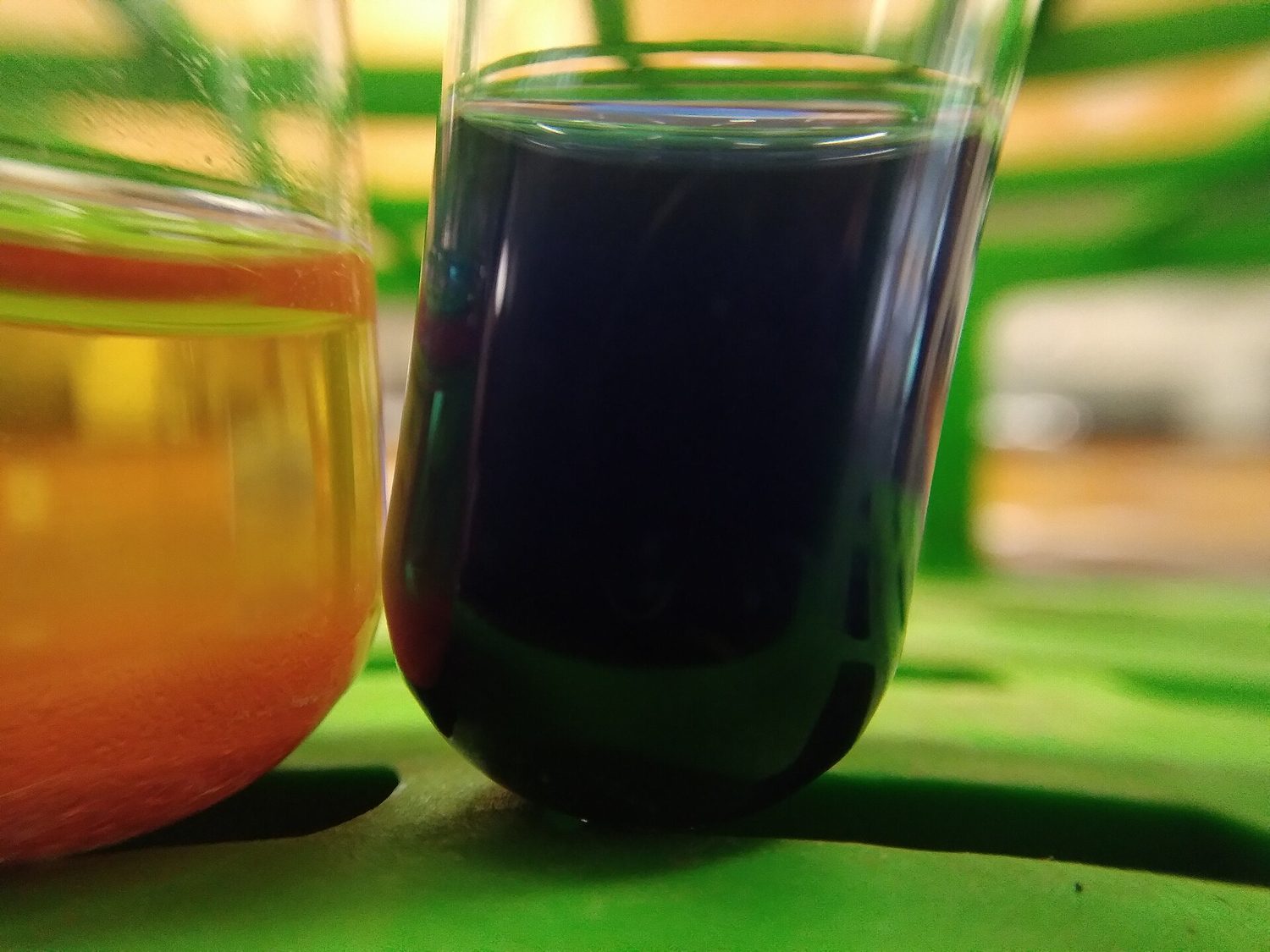
ベネディクト試験後の試験管:液体がオレンジ色になり、底部に砖赤色の沈殿物が沈んでいる
実生活におけるベネディクト試験:青色は還元糖がないことを示し、オレンジ色〜砖赤色の沈殿物は還元糖が存在することを示す

** worked example.** ある生徒が未知の食品を検査した。ヨウ素溶液はオレンジ褐色のままだった。ベネディクト溶液を加熱後には砖赤色になった。バイアル溶液は紫色になった。この食品には何が含まれているか?ヨウ素溶液がオレンジ褐色のままなのは陰性結果なので、デンプンは含まれていない。砖赤色はベネディクト試験の陽性結果なので、還元糖が存在する。紫色はバイアル試験の陽性結果なので、タンパク質が存在する。この食品には還元糖とタンパク質が含まれているが、デンプンは含まれていない。「色変化なし」も実際の結果であり、その物質が存在しないことを示している。

Explore · ⁨探索⁩

Food test lab · ⁨食品試験実験室⁩

Follow how the test result reveals the nutrient in a sample. · ⁨試験結果がサンプル中の栄養素をどのように示すかを確認する。⁩

4.1

The structure of DNA (Supplement) · ⁨DNAの構造(追加事項)⁩

English

DNA is the genetic material 遗传物质 — it carries the instructions for building and running an organism. Its structure has four key points:

  • two strands 链 are coiled together to form a double helix 双螺旋 (like a twisted ladder).
  • each strand carries chemicals called bases 碱基.
  • bonds 化学键 between pairs of bases hold the two strands together.
  • the bases always pair in the same way: A with T, and C with G.
日本語

DNAは遺伝物質であり、生物体の構築と機能維持のための指示を担っている。その構造には4つの重要なポイントがある:

  • 2本の鎖が絡み合って二重らせん(ひねり入ったはしごのような形状)を形成する。
  • 各鎖には塩基と呼ばれる化学物質が携わっている。
  • 塩基対間の結合が2本の鎖を结合在一起している。
  • 塩基のペアリングは常に同じ方式で行われる:AはTと、CはGと対応する。
DNAをひねり入ったはしごとして描いた図:2本の骨格鎖が塩基対の横木で連結されており、A–TおよびC–Gの対応関係を示す
DNAは二重らせんであり、塩基は常にA–TおよびC–Gでペアリングする
Vocabulary · ⁨語彙⁩ Train · ⁨練習する⁩
English 日本語
double helix/ˈdʌbl ˈhiːlɪks/ 二重らせん
bases/ˈbeɪsɪz/ 塩基
bonds/bɒndz/ 債券
4.1

Exam tips · ⁨試験対策⁩

English
  • Carbohydrates and fats are made of C, H and O. Proteins also contain N (nitrogen).
  • Learn each food test and its colour change. For reducing sugars you must heat the Benedict's solution.
  • DCPIP goes from blue to colourless; the other four tests each give a new colour.
  • In DNA, the bases pair only A–T and C–G. So if you know the bases on one strand, you can work out the other.
日本語
  • 炭水化物と脂質はC、H、Oからなる。タンパク質にはさらにN(窒素)も含まれる。
  • 各食品検査とその色変化を覚える。還元糖については、ベネディクト溶液を加熱する必要がある。
  • DCPIPは青色から無色になる;他の4つの検査はそれぞれ新しい色を生じる。
  • DNAにおいて、塩基はA–TおよびC–Gとのみペアリングする。したがって、ある鎖の塩基が分かれば、もう一つの鎖の塩基も計算できる。

Interactive lessons on this topic · ⁨このトピックのインタラクティブ授業⁩

Work through it step by step, with instant-check exercises. · ⁨一歩ずつ進め、即時チェック付きの問題で学習します。⁩

Past Papers · ⁨過去問⁩

More topics in IGCSE Biology · ⁨IGCSE 生物⁩ · ⁨IGCSE Biology · ⁨IGCSE 生物⁩ の他のトピック⁩

Log in or create account · ⁨ログインまたはアカウント作成⁩

IGCSE, A-Level & AP