Skip to content · ⁨コンテンツへスキップ⁩

Political Patterns and Processes · ⁨政治的パターンとプロセス⁩

AP Human Geography · ⁨AP 人文地理学⁩ · Topic 4 · ⁨トピック 4⁩

View Slides · ⁨查看幻灯片⁩ Train · ⁨練習する⁩
Video lesson for this topic · ⁨このトピックのビデオレッスン⁩ Open the video page · ⁨動画ページを開く⁩
8:12

政治的パターンとプロセス

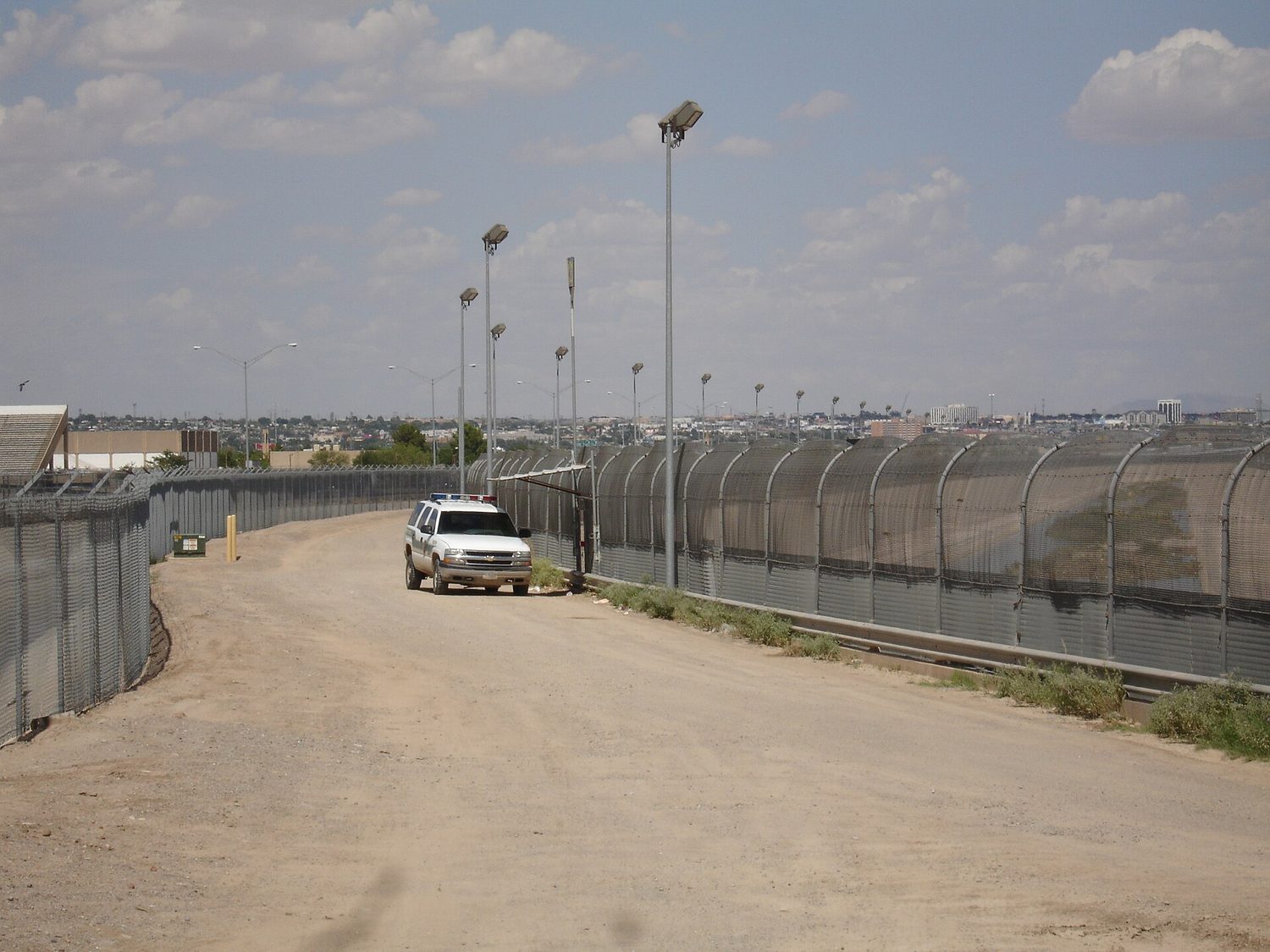
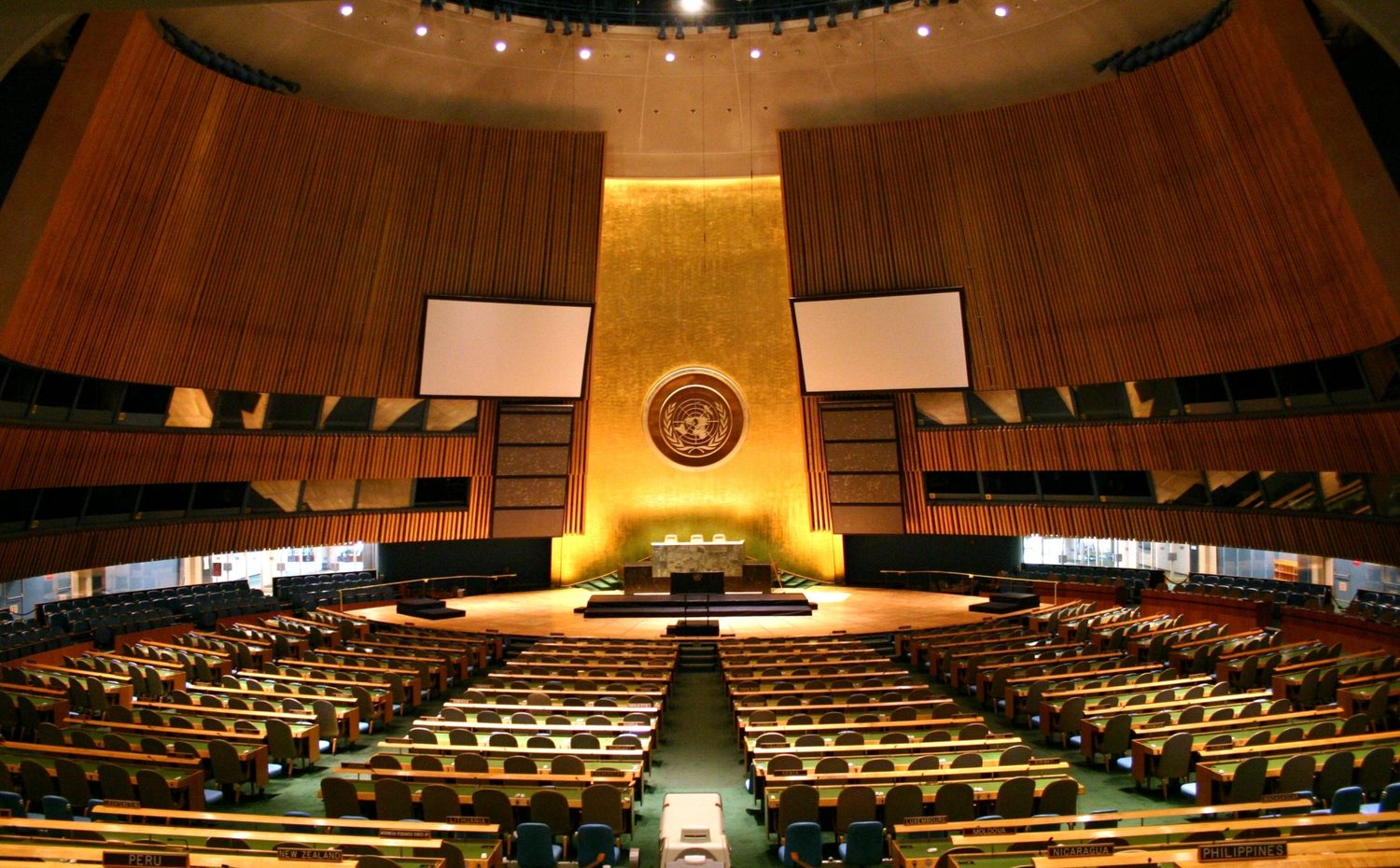
ここにがある。それは開けた土地を横切って地平線まで走っている。向こう側には都市が立っている——同じ乾燥した土地、同じ空。そしてここにはホールが…

English narration · English + 中文 subtitles burned in · ⁨英語ナレーション・英語+中文字幕 burning-in⁩

4.1

Introduction to Political Geography · ⁨政治地理学への導入⁩

Syllabus · ⁨シラバス⁩
English

Enduring Understanding (PSO-4): The political organization of space results from historical and current processes, events, and ideas.

Learning Objective PSO-4.A: For world political maps: a. Define the different types of political entities. b. Identify a contemporary example of political entities.

  • PSO-4.A.1 Independent states are the primary building blocks of the world political map.
  • PSO-4.A.2 Types of political entities include nations, nation-states, stateless nations, multinational states, multistate nations, and autonomous and semiautonomous regions, such as American Indian reservations.
日本語

持続的理解 (PSO-4): 空間の政治的组织は、歴史的かつ現在の過程、出来事、思想の結果である。

学習目標 PSO-4.A: 世界の政治地図について: a. 異なる種類の政治実体を定義する。 b. contemporaryな政治実体の例を特定する。

  • PSO-4.A.1 独立国家は、世界政治地図の主要な構成要素である。
  • PSO-4.A.2 政治実体の種類には、民族、民族国家、無国家民族、多国制国家、多民族国家、自治州および準自治州(アメリカインディアン保留地など)が含まれる。
Source: College Board AP Course and Exam Description · ⁨出典: College Board AP コースおよび試験説明書⁩

English

Political geography 政治地理学 studies how humans divide and control space. Its key units:

  • A state 国家 (country) is an area with defined borders, a permanent population, a government, and sovereignty 主权 — full control over its own affairs.
  • A nation 民族 is a group of people with a shared culture and identity; a nation-state 民族国家 is a state whose borders match one nation (Japan is close).
  • A multinational state 多民族国家 contains several nations; a stateless nation 无国家民族 (like the Kurds) has no state of its own.

Worked example (a real AP exam question). "Define the concept of an independent state." (2025) A full-mark answer: "A sovereign country that governs itself and its own territory, is not controlled by any outside power, and is recognised by other states." The command word Define wants a short, precise meaning — one clear sentence is enough. You do not need examples or explanation here; save those for the "Describe" and "Explain" parts.

日本語

政治地理学は、人間が空間をどのように区分けし支配するかを研究する。その主要な単位:

  • 国家(国) は、明確な国境、定住人口、政府、そして主権 — 自国内政に対する完全な支配 — を持つ領域である。
  • 国民とは、共有された文化とアイデンティティを持つ人々の集団であり、民族国家とは、その国境が一つの民族と一致する国家である(日本はそれに近い)。
  • 多民族国家は複数の民族を含み、無国籍民族(クルド人など)は独自の国家を持たない。

実演例(実際のAP試験問題)。 「独立国家の概念を定義せよ。」 (2025) 満点答案: 「他国の支配を受けず、他の国家にも承認されている、主権を有して自国内政および領土を統治する国。」 指示語Defineは短い精密な意味を求めるものであり、一つの明確な文で十分である。ここでは例示や説明は不要である;それらは「Describe」や「Explain」の部分に保留すべきである。

UN総会:国家間の主権と承認
UN総会:国家間の主権と承認
4.2 4.3

Political Power and Territoriality · ⁨政治力と領土性⁩

Syllabus · ⁨シラバス⁩
English

Enduring Understanding (PSO-4): The political organization of space results from historical and current processes, events, and ideas.

Learning Objective PSO-4.B: Explain the processes that have shaped contemporary political geography.

  • PSO-4.B.1 The concepts of sovereignty, nation- states, and self-determination shape the contemporary world.
  • PSO-4.B.2 Colonialism, imperialism, independence movements, and devolution along national lines have influenced contemporary political boundaries.
日本語

持続的理解 (PSO-4): 空間の政治的组织は、歴史的かつ現在の過程、出来事、思想の結果である。

学習目標 PSO-4.B: 現代の政治地理学を形作った過程を説明する。

  • PSO-4.B.1 主権、民族国家、自己決定の概念は現代の世界を形作っている。
  • PSO-4.B.2 植民地主義、帝国主義、独立運動、民族的ラインに沿った権限委譲は、現代の政治境界に影響を与えた。
English

Enduring Understanding (PSO-4): The political organization of space results from historical and current processes, events, and ideas.

Learning Objective PSO-4.C: Describe the concepts of political power and territoriality as used by geographers.

  • PSO-4.C.1 Political power is expressed geographically as control over people, land, and resources, as illustrated by neocolonialism, shatterbelts, and choke points.
  • PSO-4.C.2 Territoriality is the connection of people, their culture, and their economic systems to the land.
日本語

持続的理解 (PSO-4): 空間の政治的组织は、歴史的かつ現在の過程、出来事、思想の結果である。

学習目標 PSO-4.C: 地理学者によって用いられる政治的権力と領土性の概念を説明する。

  • PSO-4.C.1 政治的権力は、新植民地主義、シャッターベルト、チョークポイントによって示されるように、人々、土地、資源に対する支配として地理的に表現される。
  • PSO-4.C.2 領土性は、人々、彼らの文化、および彼らの経済システムを土地に結びつけることである。

Source: College Board AP Course and Exam Description · ⁨出典: College Board AP コースおよび試験説明書⁩

English

Territoriality 领域性 is the attempt by a person or group to control people and things by controlling an area. Power is expressed geographically through control of land, people, and resources.

  • Colonialism and imperialism built empires by taking control of distant territory; neocolonialism 新殖民主义 is continued economic control after formal independence.
  • Choke points 咽喉要道 (narrow passages like the Suez Canal or the Strait of Malacca) and shatterbelts 破碎地带 (regions caught between competing powers) show how geography shapes political power.
日本語

領土性とは、一人または集団が、ある地域を支配することにより、人々や物に対して支配しようとする試みである。権力は土地、人々、資源の支配を通じて地理的に表現される。

  • 植民地主義と帝国主義は遠隔地帯の支配権を握ることで帝国を築いた;新植民地主義は形式的な独立後の経済的支配の継続である。
  • ** choke points**(スエズ運河やマラッカ海峡のような狭い通過路)やシャッターベルト(競合する権力の間に挟まれた地域)は、地理が政治的権力をどう形作るかを示している。
Vocabulary · ⁨語彙⁩ Train · ⁨練習する⁩
English 日本語
Choke points/tʃəʊk pɔɪnts/ choke points(咽喉部)
shatterbelts/ˈʃætəbelts/ 破綻地帯(shatterbelts)
boundary/ˈbaʊndəri/ 境界線
Antecedent/ˌæntɪˈsiːdənt/ 先行(Antecedent)
subsequent/ˈsʌbsɪkwənt/ subsequent(後発的)
superimposed/ˌsuːpərɪmˈpəʊzd/ superimposed(上付)
relic/ˈrelɪk/ 遺跡(relic)
UN Convention on the Law of the Sea (UNCLOS) 国連海洋法条約(UNCLOS)
exclusive economic zone (EEZ)/eksˈkluːsɪv ˌiːkəˈnɒmɪk zəʊn/ 排他的経済水域(EEZ)
unitary state/ˈjuːnɪtəri steɪt/ unitary state(単一制国家)
federal state/ˈfedərəl steɪt/ 連邦国家 (federal state)
Gerrymandering/ˈdʒerɪmændərɪŋ/ ゲリーマンダー(Gerrymandering)
4.4 4.5 4.6

Political Boundaries · ⁨政治境界線⁩

Syllabus · ⁨シラバス⁩
English

Enduring Understanding (IMP-4): Political boundaries and divisions of governance, between states and within them, reflect balances of power that have been negotiated or imposed.

Learning Objective IMP-4.A: Define types of political boundaries used by geographers.

  • IMP-4.A.1 Types of political boundaries include relic, superimposed, subsequent, antecedent, geometric, and consequent boundaries.
日本語

持続的認識(IMP-4): 国家間の政治的境界や、国家内における統治の区分は、交渉によって成立したか、あるいは強制された権力の均衡を反映している。

学習目標 IMP-4.A: 地理学者が使用する政治的境界の種類を定義する。

  • IMP-4.A.1 政治的境界には、遺跡境界、上付境界、後発境界、先行境界、幾何境界、および随伴境界が含まれる。
English

Enduring Understanding (IMP-4): Political boundaries and divisions of governance, between states and within them, reflect balances of power that have been negotiated or imposed.

Learning Objective IMP-4.B: Explain the nature and function of international and internal boundaries.

  • IMP-4.B.1 Boundaries are defined, delimited, demarcated, and administered to establish limits of sovereignty, but they are often contested.
  • IMP-4.B.2 Political boundaries often coincide with cultural, national, or economic divisions. However, some boundaries are created by demilitarized zones or policy, such as the Berlin Conference.
  • IMP-4.B.3 Land and maritime boundaries and international agreements can influence national or regional identity and encourage or discourage international or internal interactions and disputes over resources.
  • IMP-4.B.4 The United Nations Convention on the Law of the Sea defines the rights and responsibilities of nations in the use of international waters, established territorial seas, and exclusive economic zones.
日本語

持続的認識(IMP-4): 国家間の政治的境界や、国家内における統治の区分は、交渉によって成立したか、あるいは強制された権力の均衡を反映している。

学習目標 IMP-4.B: 国際境界と国内境界の性質と機能を説明する。

  • IMP-4.B.1 境界は主権の限界を設定するために規定され、区画され、標識付けされ、管理されるが、しばしば争われる対象となる。
  • IMP-4.B.2 政治的境界は文化的、民族的、または経済的な区切りと一致することが多い。しかし、一部の境界は非軍事化地域や政策によって作られる(例:ベルリン会議)。
  • IMP-4.B.3 陸地・海洋境界および国際条約は、国家的または地域的なアイデンティティに影響を与え、国際的または国内的な相互作用や資源をめぐる紛争を促進したり抑制したりする。
  • IMP-4.B.4 国連海洋法条約は、国際水域、領海、および排他的経済水域の使用における各国の権利と責任を定義している。
English

Enduring Understanding (IMP-4): Political boundaries and divisions of governance, between states and within them, reflect balances of power that have been negotiated or imposed.

Learning Objective IMP-4.B: Explain the nature and function of international and internal boundaries.

  • IMP-4.B.5 Voting districts, redistricting, and gerrymandering affect election results at various scales.
日本語

持続的認識(IMP-4): 国家間の政治的境界や、国家内における統治の区分は、交渉によって成立したか、あるいは強制された権力の均衡を反映している。

学習目標 IMP-4.B: 国際境界と国内境界の性質と機能を説明する。

  • IMP-4.B.5 選挙区、再編成、およびゲリマンダー化は、あらゆる規模での選挙結果に影響を与える。

Source: College Board AP Course and Exam Description · ⁨出典: College Board AP コースおよび試験説明書⁩

English

A boundary 边界 is a line that marks the limit of a state's territory. Types by origin:

  • Antecedent 先成边界 (drawn before dense settlement), subsequent 后成边界 (drawn as cultures develop), superimposed 叠加边界 (forced on by an outside power, ignoring local culture), and relic 残余边界 (no longer a border but still visible, like the Berlin Wall).
  • Definition, delimitation, and demarcation are the steps of setting a boundary: agreeing wording, drawing it on a map, then marking it on the ground.
  • At sea, the UN Convention on the Law of the Sea (UNCLOS) 联合国海洋法公约 sets each coastal state's territorial sea and an exclusive economic zone (EEZ) 专属经济区, defining rights to fishing and seabed resources.
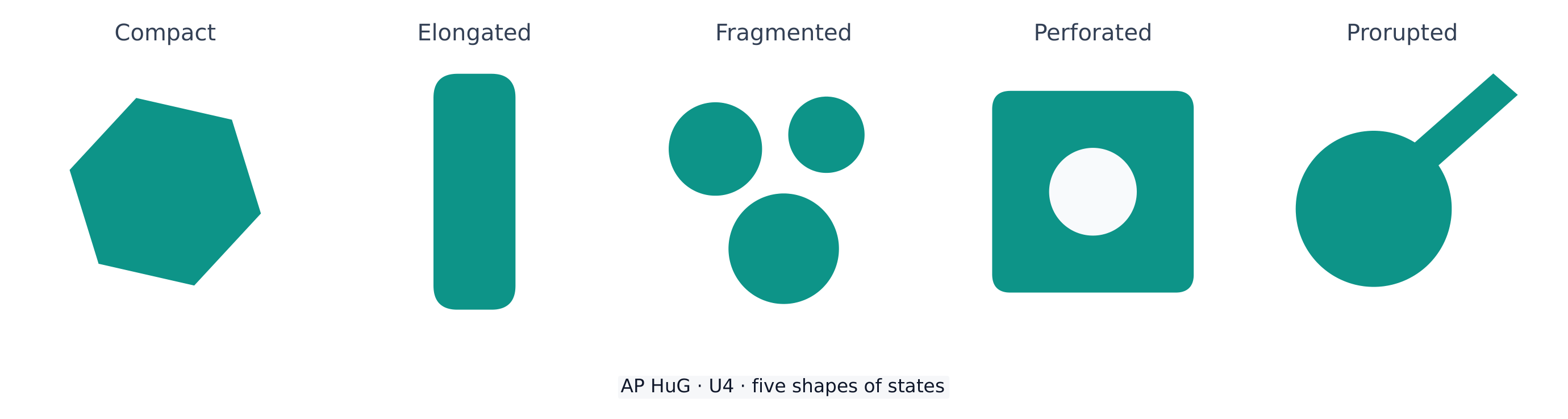
  • The shape of a state matters: compact states are easy to govern; elongated, fragmented, perforated, and prorupted shapes create governing challenges.
日本語
明瞭な景観:政治境界線と土地の支配が資源利用を形作る

境界線とは、国家の領土の限界を示す線である。起源による種類:

境界線の形成と国家が取れる形状
国家は異なる形状を取り、それぞれの形状が国家の統治の容易さに影響を与える
  • 先行型(密集した入植以前に引かれた)、後続型(文化が発展するにつれて引かれた)、上付型(外部の権力によって押し付けられ、地元の文化を無視した)、そして遺跡型(もはや国境ではないものの依然として残っている、例:ベルリンの壁)。
  • 定義、区画設定、境界標識は境界線を設定する一連の手順である:用語の合意、地図上の描画、そして現地での標識付け。
  • 海上では、国連海洋法条約(UNCLOS) が各沿岸国の領海および排他的経済水域(EEZ) を定め、漁業および海底資源の権利を規定する。
  • 国家の形状は重要である:コンパクト型の国家は統治しやすい;細長い、分断型、穿孔型、突起型の形状は統治上の課題を生む。
Vocabulary · ⁨語彙⁩ Train · ⁨練習する⁩
English 日本語
Political geography/pəˈlɪtɪkl dʒɪˈɒɡrəfi/ 政治地理学
state/steɪt/ 国家 (state)
sovereignty/ˈsɒvərɪnti/ 主権 (sovereignty)
nation/ˈneɪʃn/ 民族 (nation)
nation-state/ˈneɪʃn steɪt/ 民族国家 (nation-state)
multinational state/ˌmʌltɪˈnæʃənl steɪt/ 多国民族国家
stateless nation/ˈsteɪtləs ˈneɪʃn/ 無国家民族 (stateless nation)
Territoriality/ˌterɪˌtɔːrɪˈælɪti/ 領土主義
neocolonialism/ˈniːəʊkɒləʊnɪəlɪzəm/ 新植民地主義 (neocolonialism)
4.7

Forms of Governance · ⁨統治の形態⁩

Syllabus · ⁨シラバス⁩
English

Enduring Understanding (IMP-4): Political boundaries and divisions of governance, between states and within them, reflect balances of power that have been negotiated or imposed.

Learning Objective IMP-4.C: Define federal and unitary states.

  • IMP-4.C.1 Forms of governance include unitary states and federal states.

Learning Objective IMP-4.D: Explain how federal and unitary states affect spatial organization.

  • IMP-4.D.1 Unitary states tend to have a more top-down, centralized form of governance, while federal states have more locally based, dispersed power centers. SUGGESTED SKILLS Spatial Relationships Describe spatial patterns, networks, and relationships.
日本語

持続的認識(IMP-4): 国家間の政治的境界や、国家内における統治の区分は、交渉によって成立したか、あるいは強制された権力の均衡を反映している。

学習目標 IMP-4.C: 連邦制国家と単一制国家を定義する。

  • IMP-4.C.1 統治の形式には、単一制国家と連邦制国家が含まれる。

学習目標 IMP-4.D: 連邦制国家と単一制国家が空間的組織に与える影響を説明する。

  • IMP-4.D.1 単一制国家は、よりトップダウンで集中的な統治形式をとる傾向があり、連邦制国家は、より地元的で分散した権力中心を持つ。 推奨スキル:空間的関係 空間的パターン、ネットワーク、および関係を記述する。

Source: College Board AP Course and Exam Description · ⁨出典: College Board AP コースおよび試験説明書⁩

English

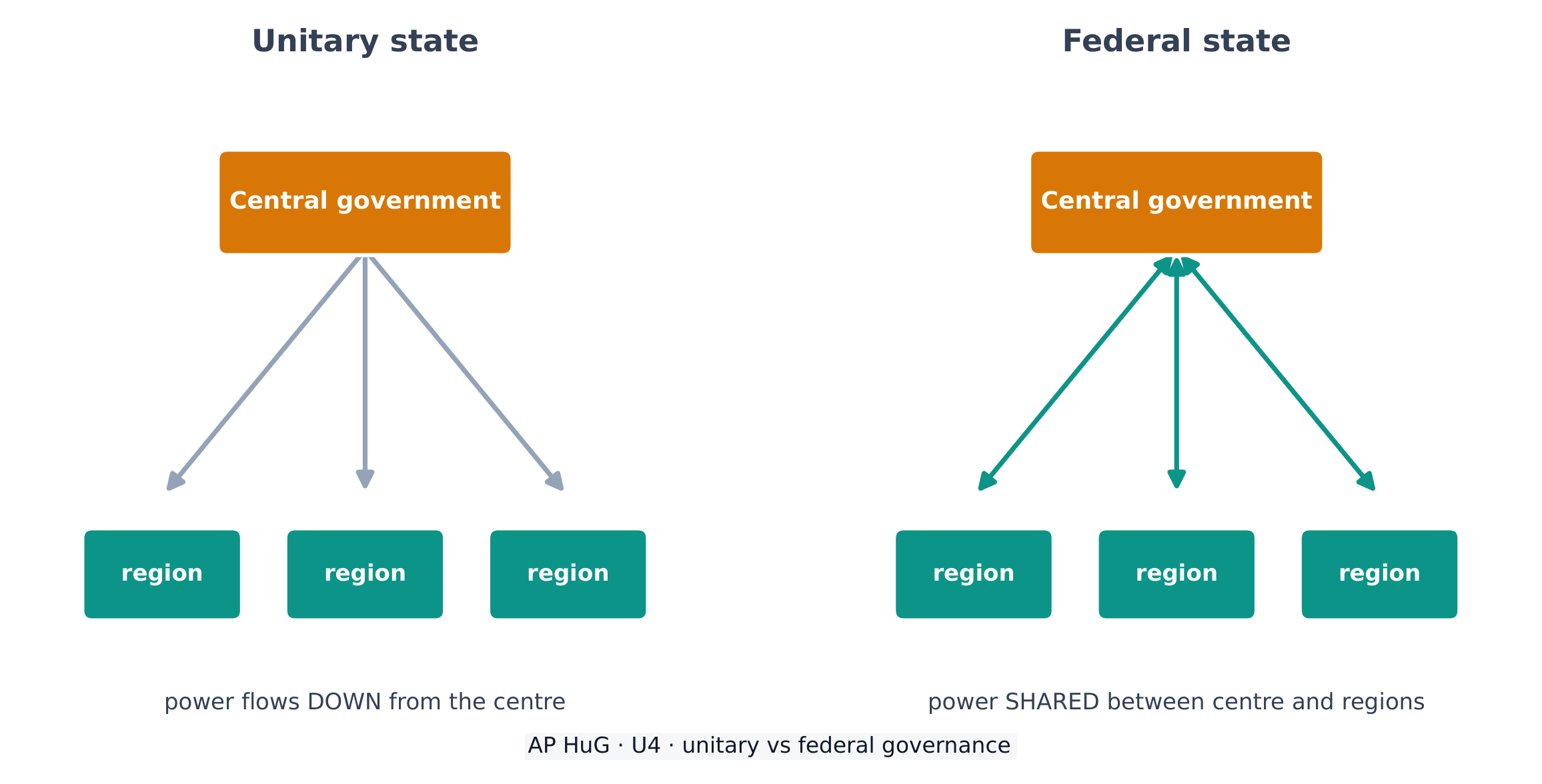
States organise power between the centre and the regions in two main ways:

  • A unitary state 单一制国家 keeps most power in the central government (France). It works best in small or culturally uniform countries.
  • A federal state 联邦制国家 shares power between the centre and regional governments (USA, India). It suits large or diverse countries.
  • Gerrymandering 选区划分不公 is redrawing voting district boundaries to favour one group — a political use of geography.
日本語
議事堂:政治地理学は権力が領土にわたって如何に組織されるかを研究する

国家は中心部と地方部の間で権力を主に二つの方法で組織する:

単一制国家は権力を中心部に集中させます;連邦制国家は地方部と権力を分担します
単一制国家は権力を中央に維持し、連邦制国家は地方自治体と権力を分担する
  • 単一制国家は大部分の権力を中央政府に保持する(フランス)。小さく文化的に均質な国で最も機能する。
  • 連邦制国家は中心部と地方政府との間で権力を共有する(アメリカ、インド)。大きく多様な国に適している。
  • ジェンダーマイアリングとは、特定のグループに有利になるよう選挙区境界線を再配分することであり、これは地理学の政治的応用例である。
4.8 4.9

Devolution and Challenges to Sovereignty · ⁨権限委譲と主権への挑戦⁩

Syllabus · ⁨シラバス⁩
English

Enduring Understanding (SPS-4): Political, economic, cultural, or technological changes can challenge state sovereignty.

Learning Objective SPS-4.A: Define factors that lead to the devolution of states.

  • SPS-4.A.1 Factors that can lead to the devolution of states include the division of groups by physical geography, ethnic separatism, ethnic cleansing, terrorism, economic and social problems, and irredentism.
日本語

持続的理解 (SPS-4): 政治的、経済的、文化的、または技術的変化は国家主権に挑戦する可能性がある。

学習目標 SPS-4.A: 国家の分権化を引き起こす要因を定義する。

  • SPS-4.A.1 国家の分権化を引き起こす可能性がある要因には、物理的地形による集団の分離、民族的分裂主義、民族浄化、テロリズム、経済的・社会的問題、および再併合主義が含まれる。
English

Enduring Understanding (SPS-4): Political, economic, cultural, or technological changes can challenge state sovereignty.

Learning Objective SPS-4.B: Explain how political, economic, cultural, and technological changes challenge state sovereignty.

  • SPS-4.B.1 Devolution occurs when states fragment into autonomous regions; subnational political- territorial units, such as those within Spain, Belgium, Canada, and Nigeria; or when states disintegrate, as happened in Sudan and the former Soviet Union.
  • SPS-4.B.2 Advances in communication technology have facilitated devolution, supranationalism, and democratization.
  • SPS-4.B.3 Global efforts to address transnational and environmental challenges and to create economies of scale, trade agreements, and military alliances help to further supranationalism.
  • SPS-4.B.4 Supranational organizations—including the United Nations (UN), North Atlantic Treaty Organization (NATO), European Union (EU), Association of Southeast Asian Nations (ASEAN), Arctic Council, and African Union— can challenge state sovereignty by limiting the economic or political actions of member states.
日本語

持続的理解 (SPS-4): 政治的、経済的、文化的、または技術的変化は国家主権に挑戦する可能性がある。

学習目標 SPS-4.B: 政治的、経済的、文化的、技術的変化が国家主権にどのような挑戦をもたらすかを説明する。

  • SPS-4.B.1 分権化とは、国家が自治地域に分裂する場合、スペイン、ベルギー、カナダ、ナイジェリアなどの国内の政治・領土単位の場合、またはスーダンや旧ソ連のように国家が崩壊する場合に発生する。
  • SPS-4.B.2 コミュニケーション技術の進歩は、分権化、超国家主義、および民主化を促進した。
  • SPS-4.B.3 越境的および環境的課題への対応、規模の経済、貿易協定、および軍事同盟の創出のための世界的な取り組みは、超国家主義をさらに推進する。
  • SPS-4.B.4 超国家組織—including 国連(UN)、北大西洋条約機構(NATO)、欧州連合(EU)、東南アジア諸国連盟(ASEAN)、北極理事会、アフリカ連合—は、加盟国の経済的または政治的行動を制限することで、国家主権に挑戦しうる。

Source: College Board AP Course and Exam Description · ⁨出典: College Board AP コースおよび試験説明書⁩

English

Devolution 权力下放 is the transfer of power from a central government down to regional governments. It is driven by devolutionary factors: ethnic or religious differences, physical geography (islands, mountains), and economic inequality.

  • Strong differences can lead to autonomy 自治 for a region, or even a movement for full independence.
  • Sovereignty is also challenged from outside by supranational organisations 超国家组织 (the EU, UN), by globalisation, and by the internet, which crosses borders freely.
日本語

権限委譲とは、中央政府から地方自治体へ権力を移転することである。それは権限委譲要因によって駆動される:民族的・宗教的相違、物理的地理(島嶼、山岳)、および経済的不平等。

  • 強い相違は、地方の自治、あるいは完全な独立を目指す運動につながる可能性がある。
  • 主権はまた、超国家的組織(EU、国連)、グローバル化、国境を自由に行き来するインターネットによって外部から挑戦される。
硬境界と支配の争い:地上における主権の挑戦
Vocabulary · ⁨語彙⁩ Train · ⁨練習する⁩
English 日本語
Devolution/dɪvəˈluːʃn/ 権限委譲
autonomy/ɔːˈtɒnəmi/ 自律性
supranational organisations/ˌsuːprəˈnæʃənl ˌɔːɡənaɪˈzeɪʃnz/ 超国家組織
Centrifugal forces/ˌsentrɪˈfjuːɡl ˈfɔːsɪz/ 離心力
failed states/feɪld steɪts/ 崩壊国家
Centripetal forces/senˈtrɪpɪtl ˈfɔːsɪz/ 収束力
ethnonationalism/ˌeθnəˈneɪʃənəlɪzəm/ エスノナショナリズム
4.10

Centrifugal and Centripetal Forces · ⁨離心力と収心力⁩

Syllabus · ⁨シラバス⁩
English

Enduring Understanding (SPS-4): Political, economic, cultural, or technological changes can challenge state sovereignty.

Learning Objective SPS-4.C: Explain how the concepts of centrifugal and centripetal forces apply at the state scale.

  • SPS-4.C.1 Centrifugal forces may lead to failed states, uneven development, stateless nations, and ethnic nationalist movements.
  • SPS-4.C.2 Centripetal forces can lead to ethnonationalism, more equitable infrastructure development, and increased cultural cohesion.
日本語

持続的理解 (SPS-4): 政治的、経済的、文化的、または技術的変化は国家主権に挑戦する可能性がある。

学習目標 SPS-4.C: 分断的力と集権的力の概念が国家スケールでどのように適用されるかを説明する。

  • SPS-4.C.1 分断的力は、失敗国家、不均等な発展、無国家民族、民族ナショナリズム運動を引き起こすことがある。
  • SPS-4.C.2 集権的力は、エスノナショナリズム、より公正なインフラ開発、文化的結束性の向上をもたらすことができる。

Source: College Board AP Course and Exam Description · ⁨出典: College Board AP コースおよび試験説明書⁩

English

Two opposing forces act on every state:

  • Centrifugal forces 离心力 pull a state apart — ethnic conflict, uneven development, and weak identity can lead to failed states 失败国家 and separatist movements.
  • Centripetal forces 向心力 hold a state together — a shared language, national symbols, fair infrastructure, and a strong national identity (ethnonationalism 族裔民族主义 when tied to one ethnic group).

Governments strengthen centripetal forces (national holidays, a common language) to keep the state unified. Balancing these forces is the central task of political geography.

日本語

すべての国家には、2つの対立する力が作用します:

  • 離心力は国家を分裂させます — 民族紛争、発展の偏り、弱まったアイデンティティが破綻国家や分離主義運動を引き起こすことがあります。
  • 収心力は国家を結束させます — 共通の言語、国の象徴、公平なインフラ、強い国民的アイデンティティ(特定の民族に結びついた場合はエスノナショナリズム)。

政府は、国家を統一した状態に保つために収心力(国民の祝日、共通の言語など)を強化します。これらの力のバランスを取ることが政治地理学の中心的な課題です。

都市は領土全体に政治的・経済的権力を集中させる
Explore · ⁨探索⁩

Centrifugal or centripetal force? · ⁨遠心力か、向心力か?⁩

A centrifugal force pulls a state apart; a centripetal force holds it together. · ⁨遠心力は国家を分断させ、向心力は国家を結びつける。⁩

4.10

Exam tips · ⁨試験対策⁩

English
  • Keep state (territory + sovereignty), nation (a people), and nation-state clearly separate.
  • Classify a boundary by history (antecedent / subsequent / superimposed / relict) and by stage (defined to administered).
  • Name the boundary-dispute type: definitional, locational, operational, or allocational.
  • Compare unitary and federal governance, and link the choice to managing diversity.
  • Explain instability through centrifugal and centripetal forces and devolution; use neutral examples.
日本語
  • 国家(領土+主権)、民族(ある人々)、民族国家を明確に区別すること。
  • 歴史に基づいて境界を分類する(先行型/後発型/上付型/遺残型)、および段階(定義済みから管理済みまで)で分類する。
  • 境界紛争の種類を名指しする:定義型、位置型、運用型、または配分型。
  • 単一制と連邦制の統治を比較し、多様性の管理との関連性を説明する。
  • 離心力と収心力、および権限移譲を通じて不安定性を説明し、中立の例を用いる。

Interactive lessons on this topic · ⁨このトピックのインタラクティブ授業⁩

Work through it step by step, with instant-check exercises. · ⁨一歩ずつ進め、即時チェック付きの問題で学習します。⁩

Past Papers · ⁨過去問⁩

More topics in AP Human Geography · ⁨AP 人文地理学⁩ · ⁨AP Human Geography · ⁨AP 人文地理学⁩ の他のトピック⁩

Log in or create account · ⁨ログインまたはアカウント作成⁩

IGCSE, A-Level & AP