Skip to content · ⁨דלג לתוכן⁩

Reading skills · ⁨מיומנויות קריאה⁩

IGCSE English · ⁨אנגלית IGCSE⁩ · Topic 1 · ⁨נושא 1⁩

Video lesson for this topic · ⁨שיעור וידאו לנושא זה⁩ Open the video page · ⁨פתח את עמוד הוידאו⁩
7:55

מיומנויות קריאה

פתחו את המסמך בקריאה. אתם רואים טקסט ארוך – שי מאות מילים, או אולי יותר – ועמוד שלם עם שאלות. השעון מראה ארבעים וחמישה דקות. תלמידים רבים…

English narration · English + 中文 subtitles burned in · ⁨קריאת קול באנגלית · תרגום אנגלי + סינית שרוף בתוך הסרטון⁩

1.1

Reading for specific information · ⁨קריאה למידע ספציפי⁩

Syllabus · ⁨סיילבוס⁩
English
  1. skim a text quickly to get the general idea, then scan to locate specific facts, names, numbers, times and places
  2. answer short questions with a single word or short phrase, using the exact detail from the text
  3. predict what kind of information a question is asking for before reading the text closely
עברית
  1. קריאה מהירה בטקסט לקבלת הרעיון הכללי, ולאחר מכן סריקה למציאת עובדות, שמות, מספרים, זמנים ומקומות ספציפיים.
  2. ענה בשאלות קצרות במילה אחת או ביטוי קצר, תוך שימוש בפרטים מדויקים מהטקסט
  3. נבא איזה סוג מידע שואלת השאלה לפני שקוראים את הטקסט בקפדנות
Source: Cambridge International syllabus · ⁨מקור: הסיילבוס הבינלאומי של קמבריד'ג'⁩

English

In the exam you do not read every word slowly. You change your speed to fit your goal.

Skim first, then scan

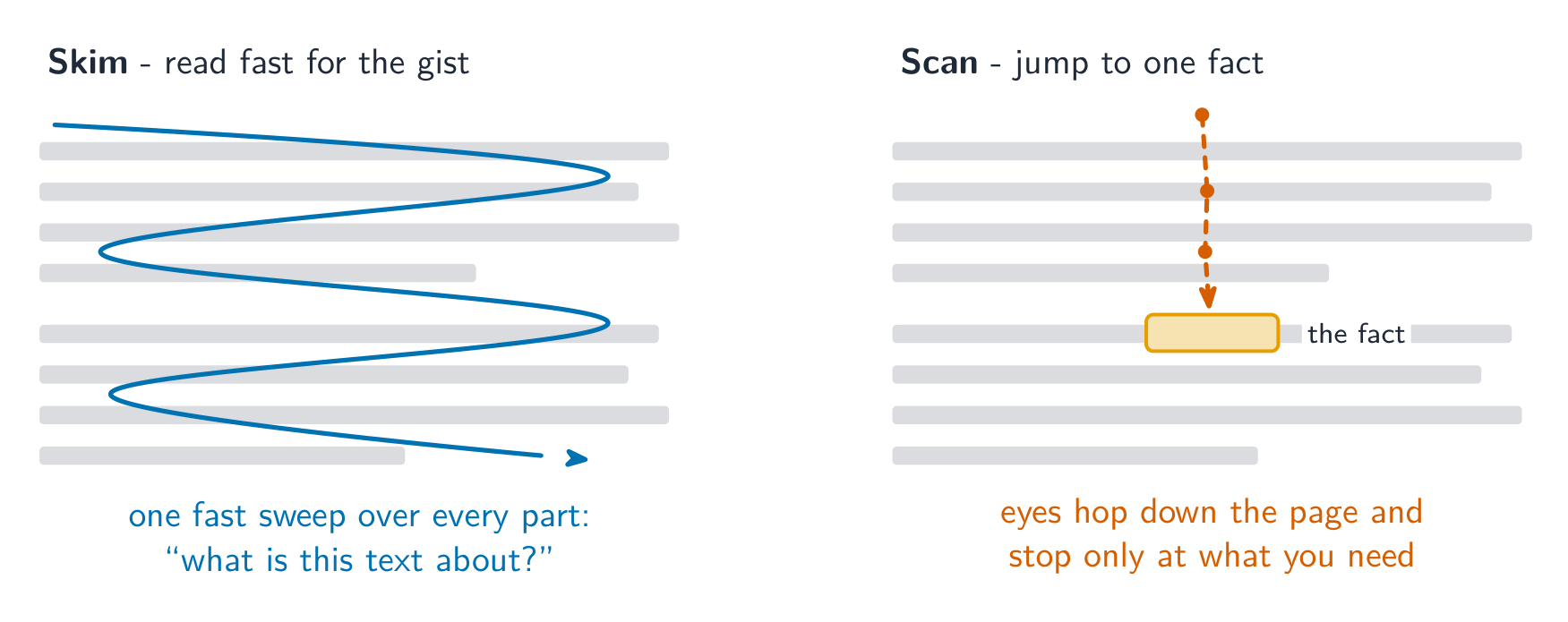
  • First skim 略读 the text. Read it fast to get the gist 大意 — the general idea. Look at the title, the first line of each paragraph 段落, and any pictures.
  • Then scan 扫读 to find one piece of information. Move your eyes quickly down the page. Do not read every word. Stop when you see what you need.
  • Use scanning for facts like names, numbers, dates, times and places.

Match the question to the text

  • Read the question first. Decide what kind of answer it wants: a name? a number? a reason?
  • Predict 预测 the answer before you look. This helps your eyes find it faster.
  • Find the part of the text that talks about the same idea. The answer is usually there.

Write short, exact answers

  • Here you write a single word or a short phrase 短语, not a full sentence.
  • Copy the exact word from the text when you can.
  • Answer only what the question asks. Extra words can lose the mark.
עברית

במבחן אינך קורא כל מילה לאט. אתה משנה את מהירות הקריאה בהתאם למטרה שלך.

סקירה ראשונית, ולאחר מכן סינון

  • תחילה סקור את הטקסט. קרא אותו במהירות כדי לקבל את הרושם — הרעיון הכללי. הסתכל בכותרת, בשורה הראשונה של כל פרagraph ובכל תמונה.
  • לאחר מכן סנן כדי למצוא חתיכת מידע אחת. הזז את עיניך במהירות מטה בדף. אל תקרא כל מילה. עצור כשאתה רואה מה שאתה צריך.
  • השתמש בסינון לעובדות כמו שמות, מספרים, תאריכים, שעות ומקומות.
שני בלוקי טקסט מושווים: סקירה היא מעבר מהיר אחד על כל שורה עבור הרושם, סינון קופץ מטה בדף ועוצר על עובדה מודגשת אחת
קריאת סיכום עוברת על הכל לעיקר; סקירה קופצת ישירות לעובדה אחת
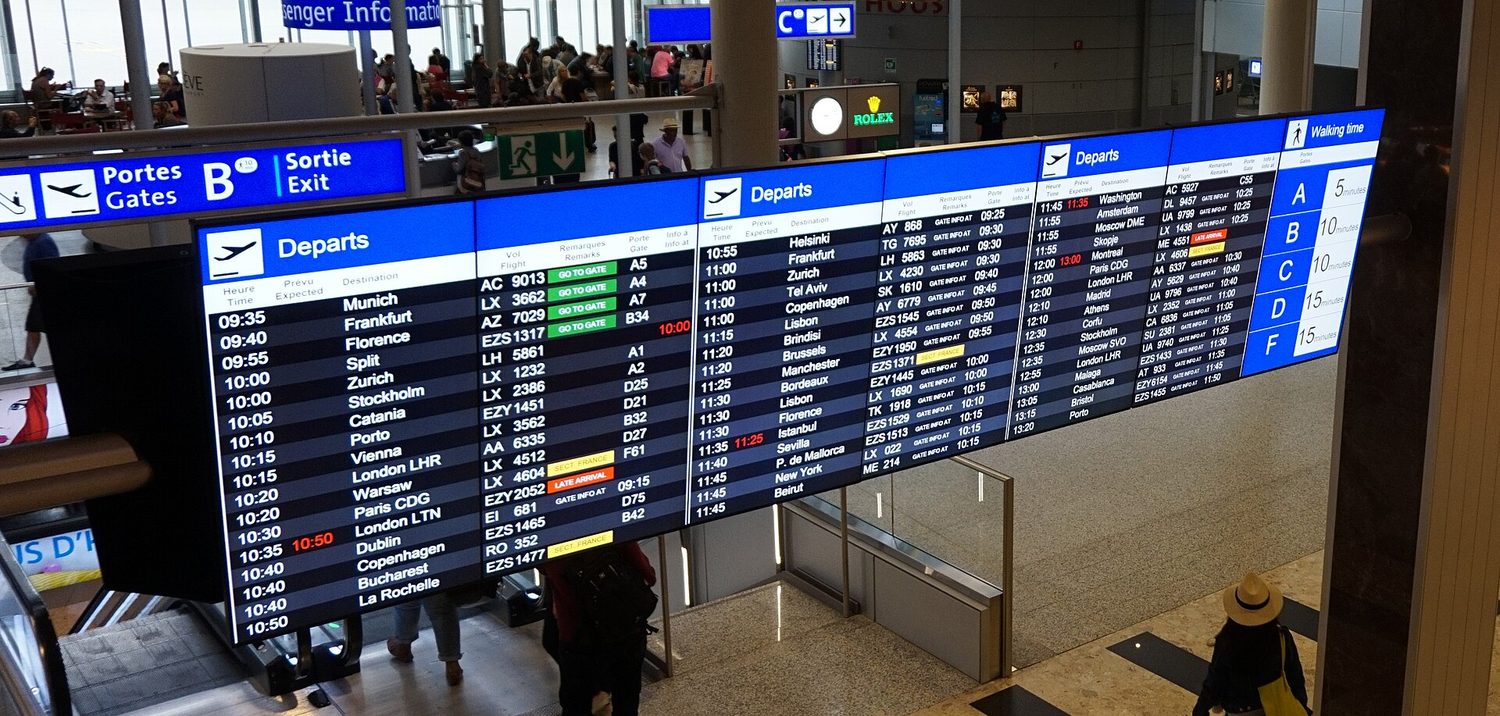
לוח יציאות גדול בשדה תעופה המציין שעות רבות, יעדים ושערים
לוח יציאות הוא טקסט אמיתי שתסנן: אינך קורא כל שורה — אתה קופץ ישירות לשעת יציאה או שעור אחד שאתה צריך

התאם את השאלה לטקסט

  • קרא תחילה את השאלה. החלט איזה סוג תשובה היא מחפש: שם? מספר? סיבה?
  • חזה את התשובה לפני שאתה מסתכל. זה עוזר לעיניים שלך למצוא אותה מהר יותר.
  • מצאו את החלק בטקסט שמדבר על אותה רעיון. התשובה נמצאת בדרך כלל שם.

כתבו תשובות קצרות ומדויקות

  • כאן כותבים מילה אחת או ביטוי קצר短语, ולא משפט שלם.
  • העתיקו את המילה המדויקת מהטקסט כאשר ניתן.
  • ענו רק על מה שהשאלה דורשת. מילים נוספות עלולות לגרום לאבדן נקודות.
Vocabulary · ⁨מילון מונחים⁩ Train · ⁨אימון⁩
English עברית
skim/skɪm/ סקים (תרגום חלקי)
gist/dʒɪst/ תוכן עיקרי
paragraph/ˈpærəɡræf/ פראגרף
scan/skæn/ סריקה
predict/prɪˈdɪkt/ לנבא
phrase/freɪz/ ביטוי
multiple matching/ˈmʌltɪpl ˈmætʃɪŋ/ תאום מרובה
paraphrase/ˈpærəfreɪz/ פרפרז
1.2

Connecting ideas across a text · ⁨חיבור רעיונות לאורך טקסט⁩

Syllabus · ⁨סיילבוס⁩
English
  1. follow how ideas, opinions and attitudes in a text connect to one another
  2. match each question to the section or short text that contains the relevant idea (multiple matching)
  3. recognise words and phrases that signal time, cause and effect, addition and contrast
עברית
  1. עקוב אחר כך הרעיונות, הדעות והגישות בטקסט מקושרים זה לזה
  2. התאם כל שאלה לחלק או לטקסט קצר המכיל את הרעיון הרלוונטי (התאמות מרובות)
  3. זיהוי מילים וביטויים הממשים זמן, סיבה ותוצאה, הוספה והתנגדות

Source: Cambridge International syllabus · ⁨מקור: הסיילבוס הבינלאומי של קמבריד'ג'⁩

English

A long text is not just a list of facts. The ideas link to each other, and you must follow how.

Multiple matching

  • In a multiple matching 多项匹配 task you read several short texts, or several parts of one text.
  • Each question describes an idea. You choose the text or part that matches it.
  • The words in the question are usually different from the words in the text. Look for the same meaning, not the same words. This is called a paraphrase 改写.

Signal words

  • Writers use small words to show how ideas connect. These are signal words 信号词.
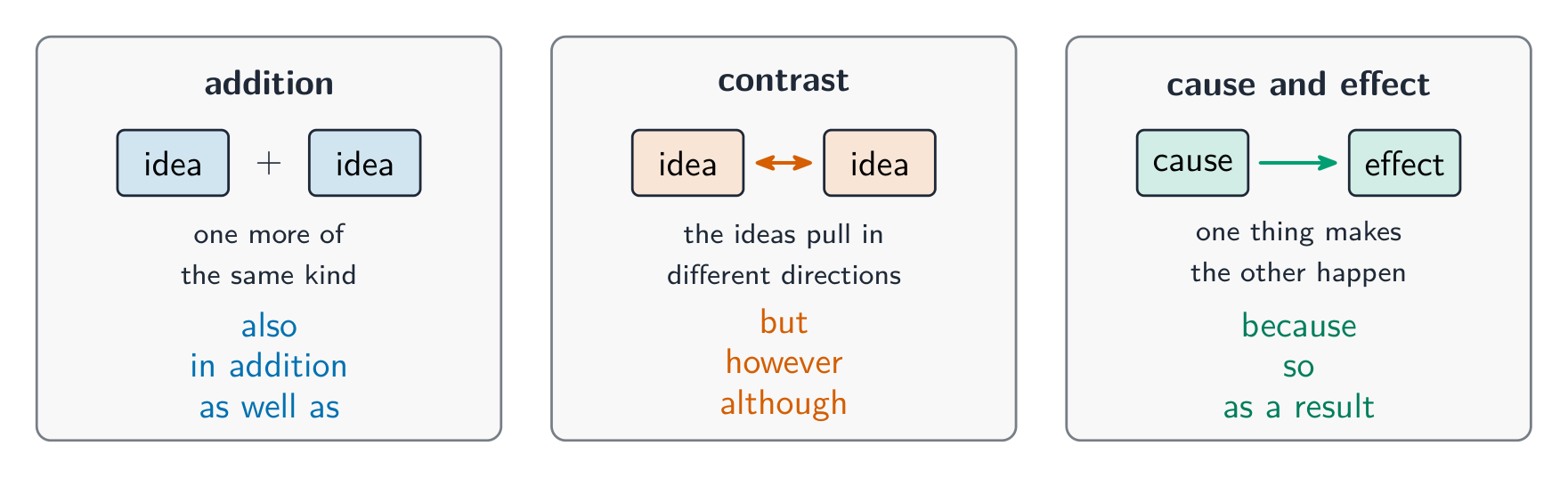
  • Some show addition 递进 (also, in addition, as well as). Some show contrast 对比 (but, however, although). Some show cause and effect 因果 (because, so, as a result).
  • When you notice these words, you can see how the writer's ideas fit together.
עברית

טקסט ארוך אינו סתם רשימת עובדות. הרעיונות מקושרים זה לזה, ועליכם לעקוב אחר כך.

התאמה מרובה

  • במשימת התאמה מרובה多项匹配 קוראים מספר טקסטים קצרים, או חלקים שונים מאותו טקסט.
  • כל שאלה מתארת רעיון. תבחרו את הטקסט או החלק המתאים לו.
  • המילים בשאלה הן בדרך כלל שונות מהמילים בטקסט. חפשו את אותו משמעות, לא את אותן מילים. הדבר נקרא פריפראז改写.

מילות סימן

  • מחברים משמשים מילים קטנות כדי להראות כיצד רעיונות מקושרים. אלו נקראות מילות סימן信号词.
  • חלקן מציגות הוספה递进 (גם, בנוסף, גם כן). חלקן מציגות ניגוד对比 (אבל, עם זאת, למרות). חלקן מציגות סיבה והש consequences因果 (כי, לכן, כתוצאה מכך).
  • כאשר מבחנים במילים אלו, ניתן לראות כיצד הרעיונות של המחבר משתלבים זה עם זה.
שלושה כרטיסים: מילות הוספה מוסיפות רעיון נוסף מאותו סוג, מילות ניגוד מכוונות שני רעיונות לכיוונים שונים, מילות סיבה והש consequences מקשרות סיבה לתוצאה שלה
שלוש משפחות המילים המנחות ומה הן עושות לרעיונות
Vocabulary · ⁨מילון מונחים⁩ Train · ⁨אימון⁩
English עברית
signal words/ˈsɪɡnl wɜːdz/ מילים מחיינות
addition/əˈdɪʃn/ תוספת
contrast/ˈkɒntræst/ ניגודיות
cause and effect/kɔːz ænd ɪˈfekt/ סיבה ותוצאה
note-making/nəʊt ˈmeɪkɪŋ/ כתיבת הערות
1.3

Making notes and summaries · ⁨עריכת הערות וסיכומים⁩

Syllabus · ⁨סיילבוס⁩
English
  1. select only the relevant points from a text for a given purpose
  2. complete a set of brief notes under headings, using short phrases rather than full sentences
  3. leave out examples and repetition, keeping just the key information
עברית
  1. בחר רק את הנקודות הרלוונטיות מטקסט למטרות נתונות
  2. השלם סדרת הערות קצרות תחת כותרות, תוך שימוש בביטויים קצרים ולא משפטים שלמים
  3. הימנע מהדגמאות ומהחזרות, ושמור רק על המידע המרכזי

Source: Cambridge International syllabus · ⁨מקור: הסיילבוס הבינלאומי של קמבריד'ג'⁩

English

Sometimes you must take the main points out of a text and write them in a short form.

Note-making

  • In a note-making 做笔记 task you complete notes under headings.
  • Write short notes, not full sentences. A word or a short phrase is enough.
  • Choose only the points that fit the heading. Leave out examples and extra detail.

Summary skills

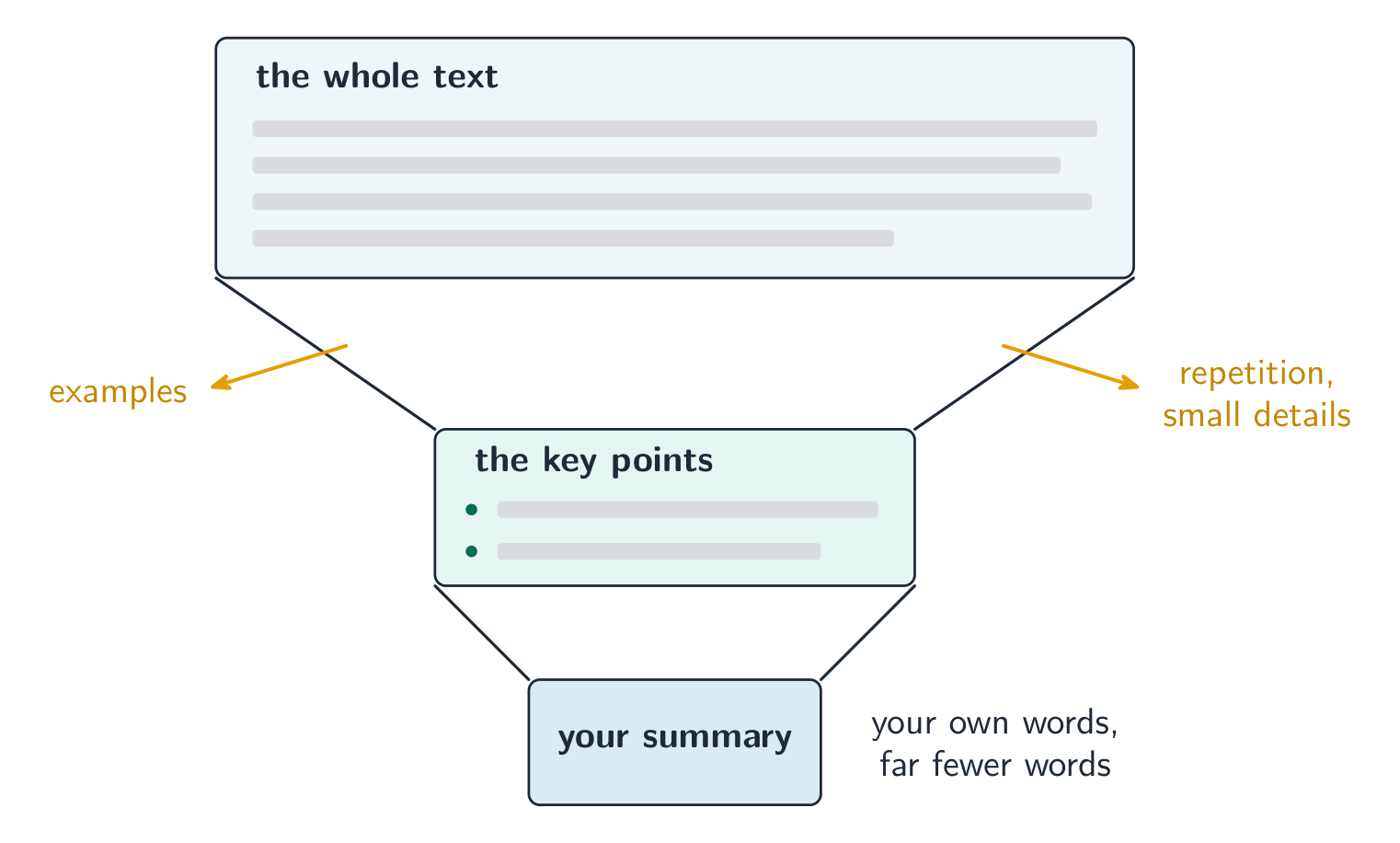
  • A summary 概括 gives only the most important ideas, in fewer words.
  • Find the key points. Ignore examples, repetition 重复 and small details.
  • Use your own words where you can. Do not copy whole sentences.
עברית

לעיתים יש לחלץ את הנקודות המרכזיות מתוך טקסט ולכתוב אותן בצורה קצרה.

עריכת הערות

  • במשימת עריכת הערות做笔记 ממלאים הערות תחת כותרות.
  • כתוב הערות קצרות, לא משפטים שלמים. מילה או ביטוי קצר מספיקים.
  • בחר רק נקודות שמתאימות לכותרת. השאן דוגמאות ומידע נוסף.

מיומנויות סיכום

  • סיכום 概括 נותן רק את הרעיונות החשובים ביותר, במילים פחותות.
  • מצא את הנקודות המרכזיות. התעלם מדוגמאות, חזרה 重复 ופרטים זעירים.
  • השתמש בשפה שלך ככל האפשר. אל תעתיק משפטים שלמים.
שופך: כל הטקסט נכנס מלמעלה, דוגמאות וחזרה נדחסות הצידה, הנקודות המרכזיות נשארות, וסיכום קצר בשפה שלך יוצא למטה
סיכום שומר רק על הנקודות המרכזיות, במילים שלך
Vocabulary · ⁨מילון מונחים⁩ Train · ⁨אימון⁩
English עברית
summary/ˈsʌməri/ סיכום
repetition/ˌrepəˈtɪʃn/ חזרה / חזרות
inference/ˈɪnfərəns/ הסקה
implies/ɪmˈplaɪz/ משמעות
attitude/ˈætɪtjuːd/ גישה
word choice/wɜːd tʃɔɪs/ בחירת מילים
multiple-choice/ˈmʌltɪpl tʃɔɪs/ בחירה מרובה
context/ˈkɒntekst/ הקשר
1.4

Reading between the lines · ⁨קריאה בין השורות⁩

Syllabus · ⁨סיילבוס⁩
English
  1. understand meaning that is implied but not directly stated
  2. work out a writer's opinion, attitude or feelings from the words and phrases they choose
  3. deduce the meaning of an unfamiliar word from the information around it
  4. answer multiple-choice questions about main ideas, details and attitudes
עברית
  1. הבן משמעויות המושקעות אך לא מצוין באופן ישיר
  2. קבע דעת, גישה או רגשות של הכותב מתוך המילים והביטויים שהוא בוחר
  3. הסק את המשמעות של מילה לא מוכרת מתוך המידע המקיף אותה
  4. ענה בשאלות מבחן רבות-ברירה בנושא רעיונות מרכזיים, פרטים וגישות

Source: Cambridge International syllabus · ⁨מקור: הסיילבוס הבינלאומי של קמבריד'ג'⁩

English

Some answers are not written directly in the text. You must work them out. This is called inference 推断.

Implied meaning

  • Sometimes the writer implies 暗示 something without saying it openly. The meaning is there, but it is hidden.
  • Read the words around the idea. Ask: what does the writer want me to understand here?

The writer's attitude

  • The writer's attitude 态度 is how they feel about the topic — for example, excited, worried, or unsure.
  • You find the attitude in the writer's word choice 用词. Strong or emotional words show feelings.
  • In a multiple-choice 选择题 question about attitude, read all the options. Choose the one that fits the whole text, not just one line.

Unfamiliar words

  • You will meet words you do not know. Do not stop.
  • Use the context 语境 — the words around it — to guess the meaning of the new word.
עברית

אישה מחזיקה ערימה של ספרים ישנים, וקוראת אחד מהם בקפדנות קריאה מעמיקה: תשובה המבוססת על היסק נובעת מהמילים שבחר הכותב, ולא משפט שתוכל להעתיק,

חלק מתשובות אינן כתובות באופן ישיר בטקסט. עליך לחשב אותן. דבר זה נקרא הסקה 推断.

משמעות גלויה

  • לעיתים הכותב מייש 暗示 דבר ללא אמירתו במפורש. המשמעות קיימת, אך היא מוסתרת.
  • קרא את המילים סביב הרעיון. שאל: מה הכותב רוצה שאבין כאן?

עמדת הכותב

  • עמדת 态度 הכותב היא תחושתו לגבי הנושא – לדוגמה, נרגש, מודאג או לא בטוח.
  • תמצא את העמדה בבחירת המילים של הכותב 用词. מילים חזקות או רגשיות מציגות תחושות.
  • בשאלת בחירה מרובה 选择题 על עמדה, קרא את כל האפשרויות. בחר את זו המתאימה לכל הטקסט, לא רק לשורה אחת.

מילים לא מוכרות

  • תפגשו מילים שלא מכירים. אל תעצרו.
  • השתמש ב-הקשר 语境 – המילים הסביבו – כדי לנחש את משמעות המילה החדשה.
1.4

Exam tips · ⁨טיפים לבחינות⁩

English
  • Read the question before the text. Underline the key word: a name? a number? a reason?
  • Answers usually come in the same order as the text, so do not hunt backwards for question 1.
  • Copy the exact word from the text when you can; a changed word can lose the mark.
  • Check how many answers the question wants: "Give TWO reasons" needs two, not one.
  • In multiple matching, the text usually does not repeat the question's words. Hunt for the same idea said differently.
  • Never leave an empty line. A guess can win a mark; a blank never can.
עברית
  • קרא את השאלה לפני הטקסט. חבר קו תחת המילה המפתחית: שם? מספר? סיבה?
  • התשובות בדרך כלל מופיעות באותו סדר כמו בטקסט, לכן אל תחפש אחורה בשביל שאלה 1.
  • העתק את המילה המדויקת מהטקסט כשהאפשרות קיימת; מילה שנשנת עשויה להפסיד ניקוד.
  • בדוק כמה תשובות השאלה דורשת: "תן שתי סיבות" דורש שתיים, לא אחת.
  • בהתאמות מרובות, הטקסט בדרך כלל אינו חוזר על מילות השאלה. חפש את אותה רעיון הנאמרת בצורה אחרת.
  • לעולם אל תשאיר שורה ריקה. ניחוש יכול להשיג ניקוד; שורה ריקה לעולם לא יכולה.

Interactive lessons on this topic · ⁨שיעורים אינטראקטיביים בנושא זה⁩

Work through it step by step, with instant-check exercises. · ⁨לעבור על הדברים צעד אחר צעד, עם תרגילים לבדיקה מיידית.⁩

Past Papers · ⁨מבחני עבר⁩

More topics in IGCSE English · ⁨אנגלית IGCSE⁩ · ⁨נושאים נוספים בIGCSE English · ⁨אנגלית IGCSE⁩⁩

Log in or create account · ⁨היכנס או צור חשבון⁩

IGCSE, A-Level & AP