English
Learning Objective 12.1.A: Describe the properties of a magnetic field.
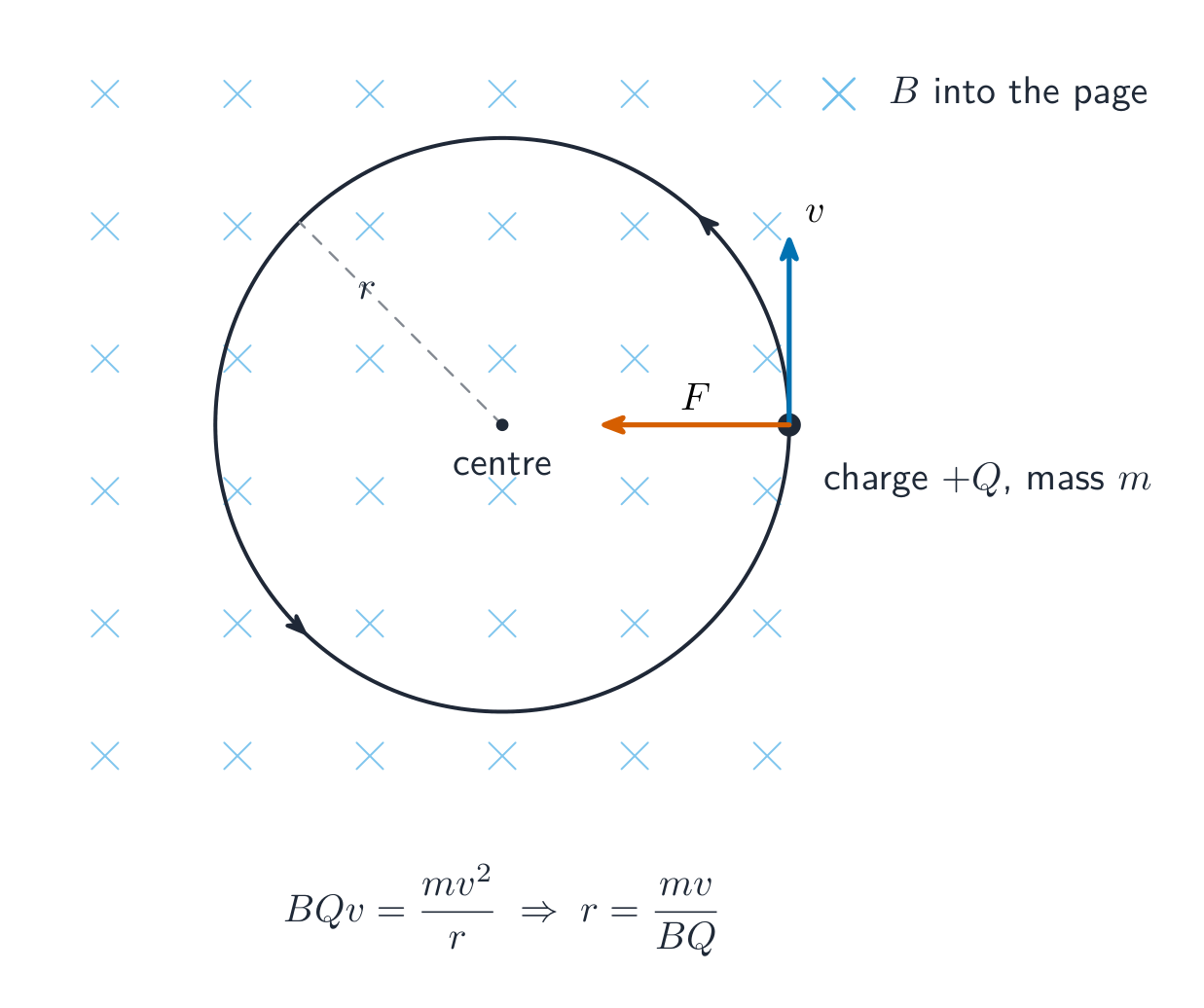
- 12.1.A.1 A magnetic field is a vector field that can be used to determine the magnetic force exerted on moving electric charges, electric currents, or magnetic materials.
- 12.1.A.1.i Magnetic fields can be produced by magnetic dipoles or combinations of dipoles, but never by monopoles.
- 12.1.A.1.ii Magnetic dipoles have north and south polarity.
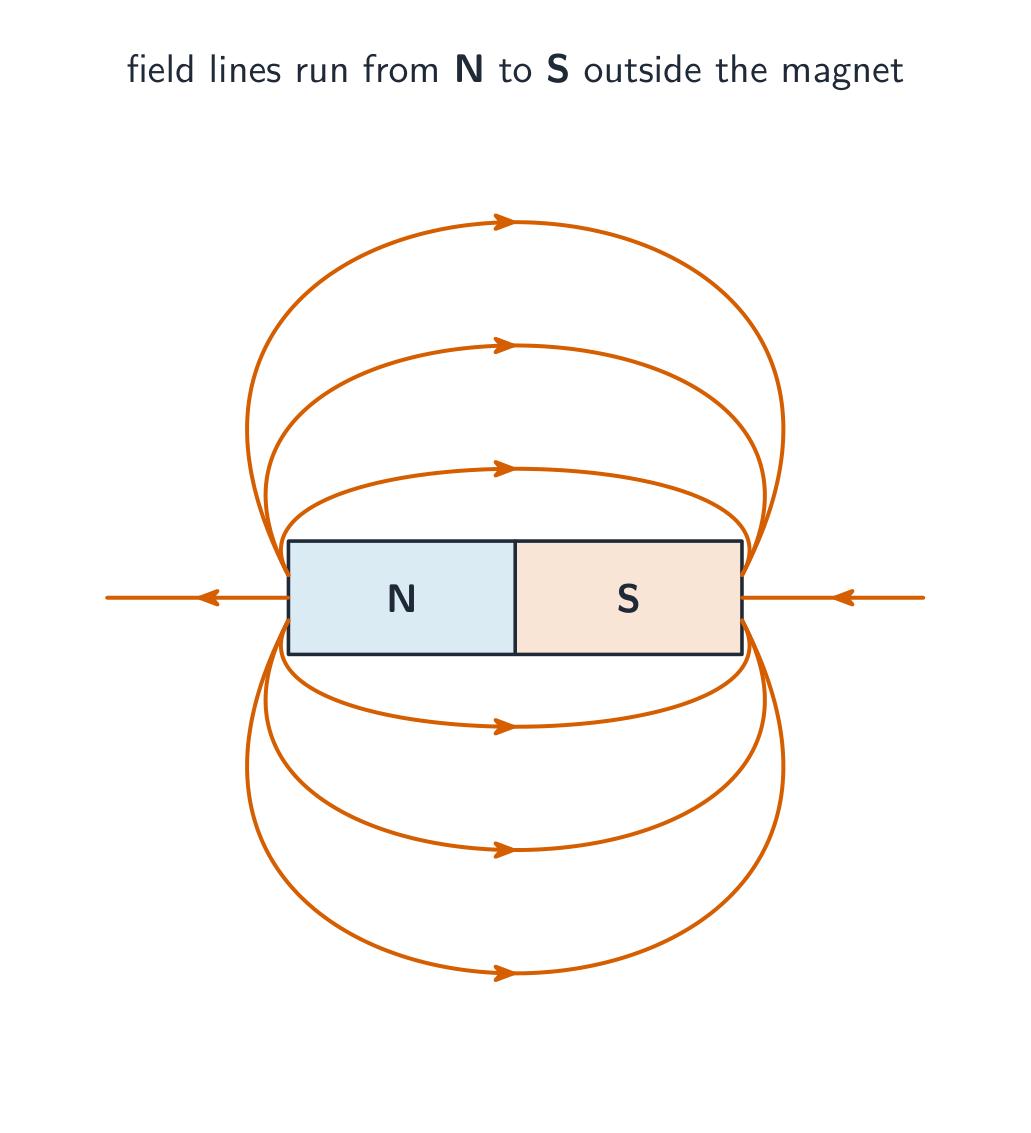
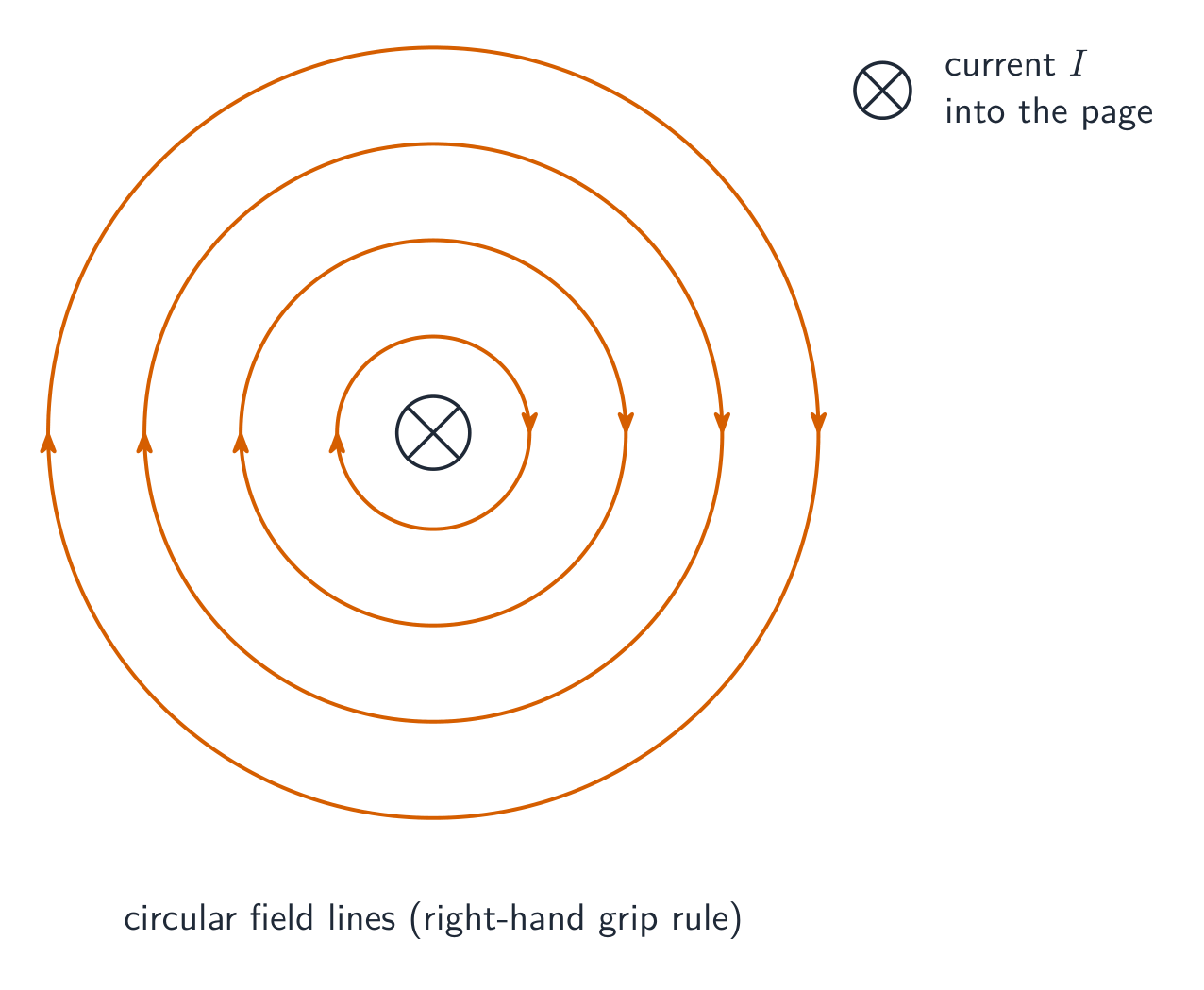
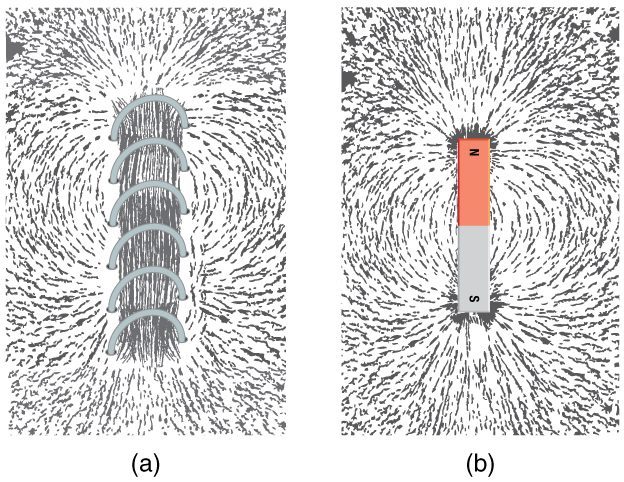
- 12.1.A.2 A magnetic field is a vector quantity and can be represented using vector field maps.
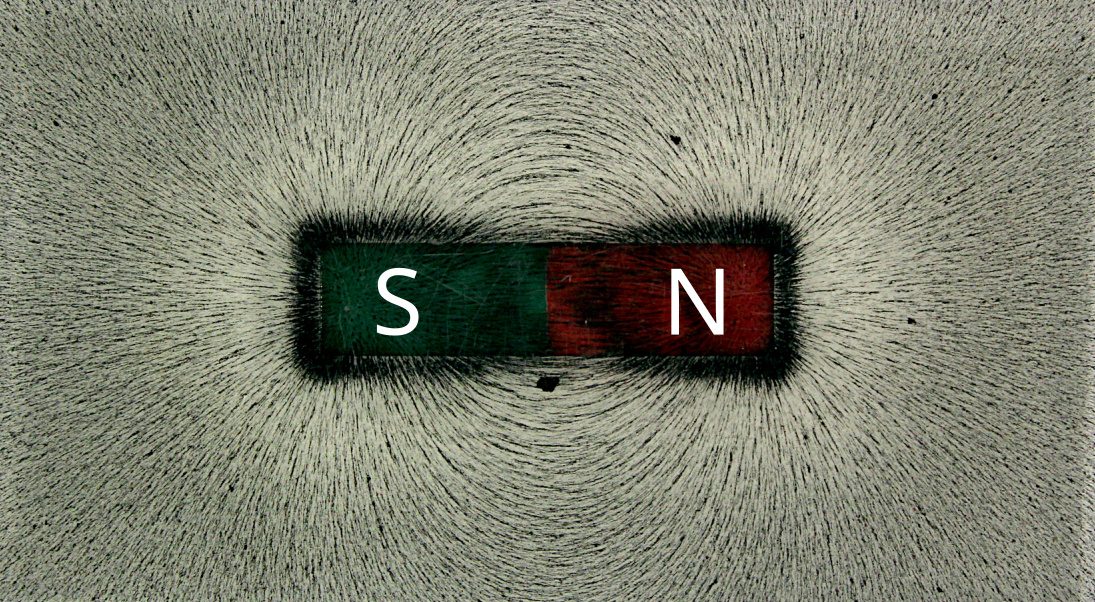
- 12.1.A.2.i Magnetic field lines form closed loops.
- 12.1.A.2.ii Magnetic fields in a bar magnet form closed loops, with the external magnetic field pointing away from one end (defined as the north pole) and returning to the other end (defined as the south pole).
Learning Objective 12.1.B: Describe the magnetic behavior of a material as a result of the configuration of magnetic dipoles in the material.
- 12.1.B.1 Magnetic dipoles result from the circular or rotational motion of electric charges. In magnetic materials, this can be the motion of electrons.
- 12.1.B.1.i Permanent magnetism and induced magnetism are system properties that both result from the alignment of magnetic dipoles within a system.
- 12.1.B.1.ii No magnetic north pole is ever found in isolation from a south pole. For example, if a bar magnet is broken in half, both halves are magnetic dipoles.
- 12.1.B.1.iii Magnetic poles of the same polarity will repel; magnetic poles of opposite polarity will attract.
- 12.1.B.1.iv The magnitude of the magnetic field from a magnetic dipole decreases with increasing distance from the dipole.
- 12.1.B.2 A magnetic dipole, such as a magnetic compass, placed in a magnetic field will tend to align with the magnetic field.
- 12.1.B.3 A material's composition influences its magnetic behavior in the presence of an external magnetic field.
- 12.1.B.3.i Ferromagnetic materials such as iron, nickel, and cobalt can be permanently magnetized by an external field that causes the alignment of magnetic domains or atomic magnetic dipoles.
- 12.1.B.3.ii Paramagnetic materials such as aluminum, titanium, and magnesium interact weakly with an external magnetic field, in that the magnetic dipoles of the material do not remain aligned after the external field is removed.
- 12.1.B.3.iii All materials have the property of diamagnetism, in that their electronic structure creates a usually weak alignment of the dipole moments of the material opposite the external magnetic field.
- 12.1.B4 Earth's magnetic field may be approximated as a magnetic dipole.
Learning Objective 12.1.C: Describe the magnetic permeability of a material.
- 12.1.C.1 Magnetic permeability is a measurement of the amount of magnetization in a material in response to an external magnetic field.
- 12.1.C.2 Free space has a constant value of magnetic permeability, known as the vacuum permeability $\mu_0$, that appears in equations representing physical relationships.
- 12.1.C.3 The permeability of matter has values different from that of free space and arises from the matter's composition and arrangement. It is not a constant for a material and varies based on many factors, including temperature, orientation, and strength of the external field.
עברית
מטרות למידה 12.1.A: תאר את מאפייני השדה המגנטי.
- 12.1.A.1 שדה מגנטי הוא שדה וקטורי שיכול לשמש לקביעת הכוח המגנטי הפועל על מטענים חשמליים נעים, זרמים חשמליים או חומרים מגנטיים.
- 12.1.A.1.i שדות מגנטיים יכולים להיות מופקים ממגנטים דו-קוטביים (דיפולים) או משילובים של דיפולים, אך לעולם לא ממגנטים חד-קוטביים (מונופולים).
- 12.1.A.1.ii למגנטים דו-קוטביים יש קוטביות צפונית ודרומית.
- 12.1.A.2 שדה מגנטי הוא גודל וקטורי ואפשר להציג אותו באמצעות מפות שדה וקטוריות.
- 12.1.A.2.i קווי השדה המגנטי יוצרים לולאות סגורות.
- 12.1.A.2.ii בשדה המגנטי של מקלט בר, קווי השדה יוצרים לולאות סגורות, כאשר השדה החיצוני מצביע הרחק מקצה אחד (שהוגדר כקוטב הצפוני) וחוזר לקצה השני (שהוגדר כקוטב הדרומי).
מטרות למידה 12.1.B: תאר את ההתנהגות המגנטית של חומר כתוצאה מהקונפיגורציה של הדיפולים המגנטיים בתוכו.
- 12.1.B.1 דיפולים מגנטיים נובעים מתנועה מעגלית או סיבובית של מטענים חשמליים. בחומרים מגנטיים, זה עשוי להיות תנועת אלקטרונים.
- 12.1.B.1.i מגנטיות קבועה ומגנטיות מושרדת הן מאפייני מערכת הנובעים משנייהם מהסדרת הדיפולים המגנטיים בתוך המערכת.
- 12.1.B.1.ii לעולם לא נמצא קוטב צפוני בודד ללא קוטב דרומי. לדוגמה, אם מקלט בר נשבר לחצי, כל מחצית היא דיפול מגנטי.
- 12.1.B.1.iii קוטבים מגנטיים בעלי אותה קוטביות ידחו זה את זה; קוטבים מגנטיים בעלי קוטביות הפוכה יתארו זה עם זה.
- 12.1.B.1.iv הגודל של השדה המגנטי מדיפול מגנטי יור随着 העלייה במרחק מהדיפול.
- 12.1.B.2 דיפול מגנטי, כמו מצפן מגנטי, הממוקם בשדה מגנטי י tende להתארגן בהתאם לשדה המגנטי.
- 12.1.B.3 הרכב החומר משפיע על התנהגותו המגנטית בנוכחות שדה מגנטי חיצוני.
- 12.1.B.3.i חומרים פרומגנטיים כמו ברזל, ניקל וקובלט יכולים להיות מוגנטיים באופן קבוע על ידי שדה חיצוני הגורם לסדרת הדומיינים המגנטיים או הדיפולים האטומיים המגנטיים.
- 12.1.B.3.ii חומרים פאראמגנטיים כמו אלומיניום, טיטניום ומגנזיום מתאימים בצורה חלשה לשדה מגנטי חיצוני, שכן הדיפולים המגנטיים של החומר אינם נשארים מסודרים לאחר הסרת השדה החיצוני.
- 12.1.B.3.iii לכל החומרים יש את התכונה של דיאמגנטיות, שבה המבנה האלקטרוני שלהם יוצר סדרת דיפולים בדרך כלל חלשה בכיוון הפוך לשדה המגנטי החיצוני.
- 12.1.B.4 ניתן לקרב את השדה המגנטי של כדור הארץ כדיפול מגנטי.
מטרה לימודית 12.1.C: לתאר את הנפגעות המגנטית של חומר.
- 12.1.C.1 נפגעות מגנטית היא מידה לכמות ההתמגנות בחומר כתגובה לשדה מגנטי חיצוני.
- 12.1.C.2 לחלל הפנוי יש ערך קבוע של נפגעות מגנטית, המכונה נפגעות וקום $\mu_0$, הופיע במשוואות המייצגות קשרים פיזיקליים.
- 12.1.C.3 לנפגעות החומר יש ערכים שונים מזה של החלל הפנוי והיא נובעת מההרכב והסידור של החומר. היא אינה קבועה עבור חומר מסוים ומשתנה בהתאם לגורמים רבים, כולל טמפרטורה, כיוון וחוזק השדה החיצוני.