Skip to content · ⁨דלג לתוכן⁩

Industrial and Economic Development Patterns and Processes · ⁨דפוסי תהליכים של פיתוח תעשייתי וכלכלי⁩

AP Human Geography · ⁨גיאוגרפיה אנושית - AP⁩ · Topic 7 · ⁨נושא 7⁩

Video lesson for this topic · ⁨שיעור וידאו לנושא זה⁩ Open the video page · ⁨פתח את עמוד הוידאו⁩
8:02

דפוסי תהליכים של פיתוח תעשייתי וכלכלי

כמעט כל מה שסביבך בחדר הועיל במפעל והובא כאן באמצעות ספינה. לפני כ-250 שנה, אף אחד לא גר כך. אז…

English narration · English + 中文 subtitles burned in · ⁨קריאת קול באנגלית · תרגום אנגלי + סינית שרוף בתוך הסרטון⁩

7.1

The Industrial Revolution · ⁨המהפכה התעשייתית⁩

Syllabus · ⁨סיילבוס⁩
English

Enduring Understanding (SPS-7): Industrialization, past and present, has facilitated improvements in standards of living, but it has also contributed to geographically uneven development.

Learning Objective SPS-7.A: Explain how the Industrial Revolution facilitated the growth and diffusion of industrialization.

  • SPS-7.A.1 Industrialization began as a result of new technologies and was facilitated by the availability of natural resources.
  • SPS-7.A.2 As industrialization spread it caused food supplies to increase and populations to grow; it allowed workers to seek new industrial jobs in the cities and changed class structures.
  • SPS-7.A.3 Investors in industry sought out more raw materials and new markets, a factor that contributed to the rise of colonialism and imperialism.
עברית

הבנה מתמשכת (SPS-7): תעשייה, בעבר ובנוכחות, ייצרה שיפורים בסטנדרט חייה, אך תרמה גם לפיתוח גיאוגרפי לא אחיד.

מטרות לימוד SPS-7.A: הסבר כיצד המהפכה התעשייתית קידמה את הצמיחה והתפשטות התעשייה.

  • SPS-7.A.1 התעשייה החלה כתוצאה מטכנולוגיות חדשות ונסברה בזכות הזמינות של משאבים טבעיים.
  • SPS-7.A.2 כשהתעשייה התפשטה, היא גרמה לעלייה באספקת המזון ולגידול באוכלוסייה; היא אפשרה לעובדים לחפש תעסוקה תעשייתית חדשה בערים ושנתה דחיפה למבנה החברתי.
  • SPS-7.A.3 משקיעים בתעשייה חיפשו חומרי גלם נוספים ושוקים חדשים, גורם שתרם לעליית הקולוניאליזם והאימפריאליזם.
Source: College Board AP Course and Exam Description · ⁨מקור: תיאור הקורס והמבחן של College Board AP⁩

English

The Industrial Revolution 工业革命 (from the 1700s) shifted production from hand tools in homes to machines in factories, first in Britain and then worldwide. It transformed geography:

  • Industry clustered where resources (coal, iron) and transport (rivers, ports, railways) came together.
  • It powered urbanization as workers moved to factory cities, and it began the huge, uneven spread of wealth between world regions.
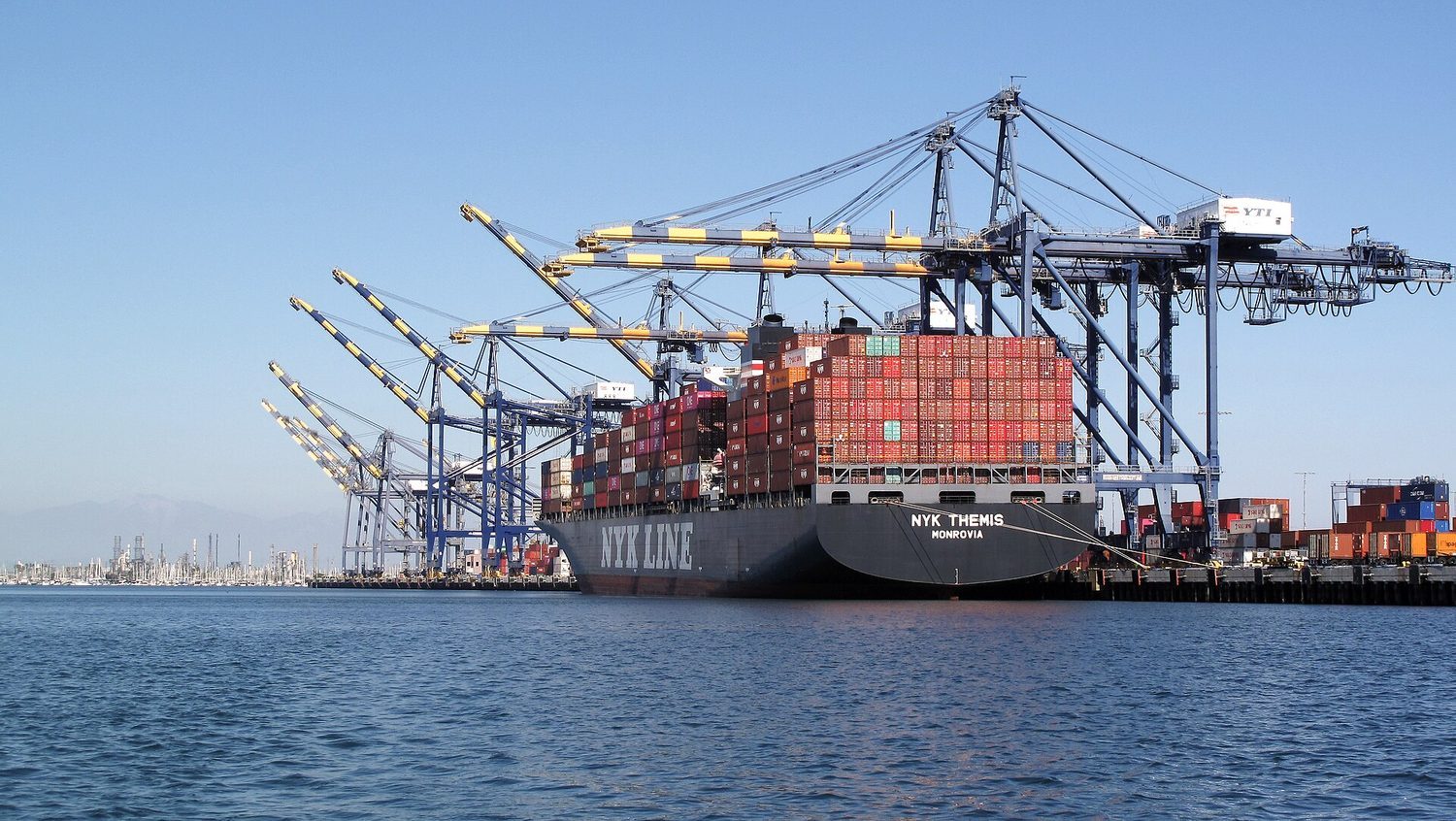
  • Break-of-bulk points 转运点 (ports, rail hubs where cargo changes transport) became key industrial locations.
עברית

המהפכה התעשייתית (ממשע ה-1700) שינתה את הייצור מכלי עבודה ידניים בתוך בתים למכונות במפעלים, תחילה בבריטניה ואחר כך בכל העולם. היא שינתה את הגיאוגרפיה:

  • התעשייה התרכזה במקומות שבהם משאבים (פחם, ברזל) ותחבורה (נהרות, נמלים, מסילות) נתקבלו יחד.
  • היא הדליקה את העירובייה כאשר עובדים עברו לערי מפעלים, ותחילה את ההתפשטות הרחבה והבלתי שווה של עושר בין אזורים בעולם.
  • נקודות מעבר מטענים (נמלים, מרכזי רכבות שבהם המטען משנה אמצעי תחבורה) הפכו למיקומים תעשייתיים מפתחיים.
אוניית מיכלים ענקית המטענת במשאיות על ידי מנופים גרנט גבוהים בנמל עמוס
נמל מיכלים: כאן נפגשים אוניות, מנופים ומסילות, ולכן המטענים משנים אמצעי תחבורה. נקודות מעבר כאלו הפכו למיקומים תעשייתיים עיקריים
7.2

Economic Sectors and Patterns · ⁨סקטורים כלכליים ותבניות⁩

Syllabus · ⁨סיילבוס⁩
English

Enduring Understanding (SPS-7): Industrialization, past and present, has facilitated improvements in standards of living, but it has also contributed to geographically uneven development.

Learning Objective SPS-7.B: Explain the spatial patterns of industrial production and development.

  • SPS-7.B.1 The different economic sectors—including primary, secondary, tertiary, quaternary, and quinary—are characterized by distinct development patterns.
  • SPS-7.B.2 Labor, transportation (including shipping containers), the break-of-bulk point, least cost theory, markets, and resources influence the location of manufacturing such as core, semiperiphery, and periphery locations.
עברית

הבנה מתמשכת (SPS-7): תעשייה, בעבר ובנוכחות, ייצרה שיפורים בסטנדרט חייה, אך תרמה גם לפיתוח גיאוגרפי לא אחיד.

מטרות לימוד SPS-7.B: הסבר הדפסים מרחביים של ייצור תעשייתי ופיתוח.

  • SPS-7.B.1 התחומים הכלכליים השונים—כולל ראשוניים, שניוניים, טERTIARY, רביעי וחמישי—מתאפיינים בדפוסי פיתוח נפרדים.
  • SPS-7.B.2 עבודה, תחבורה (כולל מכולות), נקודת הפיצול, תיאוריית העלות המינימלית, שווקים ומשאבים משפיעים על מיקום הייצור כמו מיקומי ליבה, חצי שפה וסביבה.

Source: College Board AP Course and Exam Description · ⁨מקור: תיאור הקורס והמבחן של College Board AP⁩

English
Weber's least cost theory

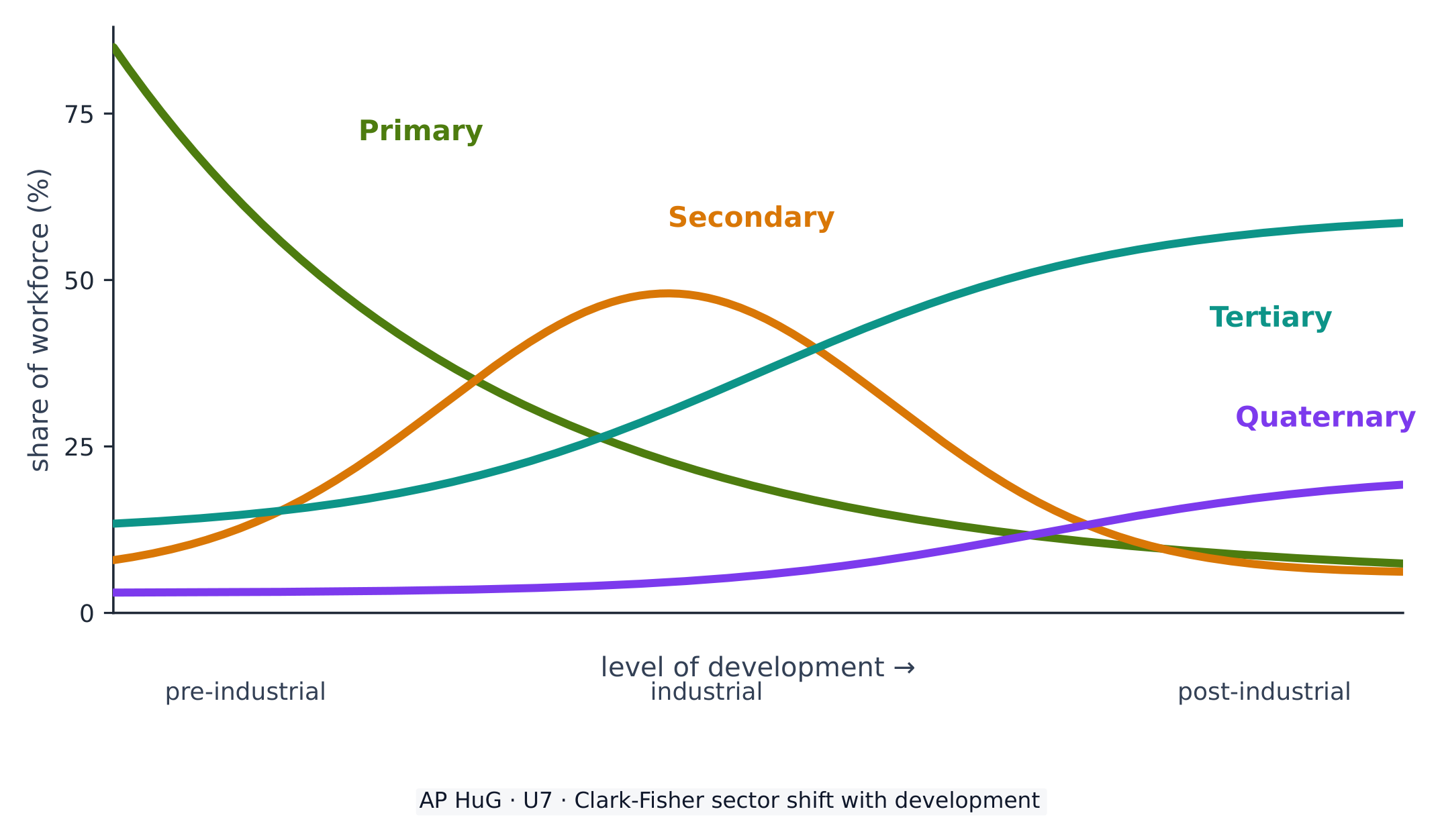
An economy's jobs fall into sectors, and the mix shifts as a country develops.

  • Primary sector 第一产业 — extracting raw materials (farming, mining, fishing).
  • Secondary sector 第二产业 — manufacturing raw materials into goods.
  • Tertiary sector 第三产业 — services (retail, transport, healthcare).
  • Quaternary 第四产业 and quinary sectors — information, research, and top decision-making.

Poorer economies lean on the primary sector; richer ones on the tertiary and quaternary. Weber's least-cost theory 韦伯最小成本理论 explains where factories locate, balancing the cost of transport, labour, and agglomeration.

Worked example (a real AP exam question). "Explain how deindustrialization has affected the economy of core countries." (2025) A full-mark answer: "As factories closed or moved abroad, core-country economies shifted away from manufacturing toward services and high-technology work, so many manufacturing workers lost their jobs while new tertiary and quaternary jobs grew." The command word Explain wants the mechanism: name the change (loss of manufacturing) and carry it through to its economic effect. A one-word answer like "unemployment" is not enough.

עברית
תורת העלות המינימלית של וובר

העבודה במשק מחולקת למגזרים, והמיקוד משתנה ככל שהמדינה מתפתחת.

העבודה עוברת ממגזר ראשוני לשניוני ולטריטיארי ככל שהמדינה מתפתחת
ככל שהפיתוח עולה, העובדים עוברים ממגזר ראשוני (חקלאות) לשניוני (תעשייה) ולטריטיארי ולקוואטרנרי (שירותים)
  • מגזר ראשוני — חילוץ חומרי גלם (חקלאות, מכרות, דיג).
  • מגזר שניוני — ייצור מוצרים מסחריים מחומרי גלם.
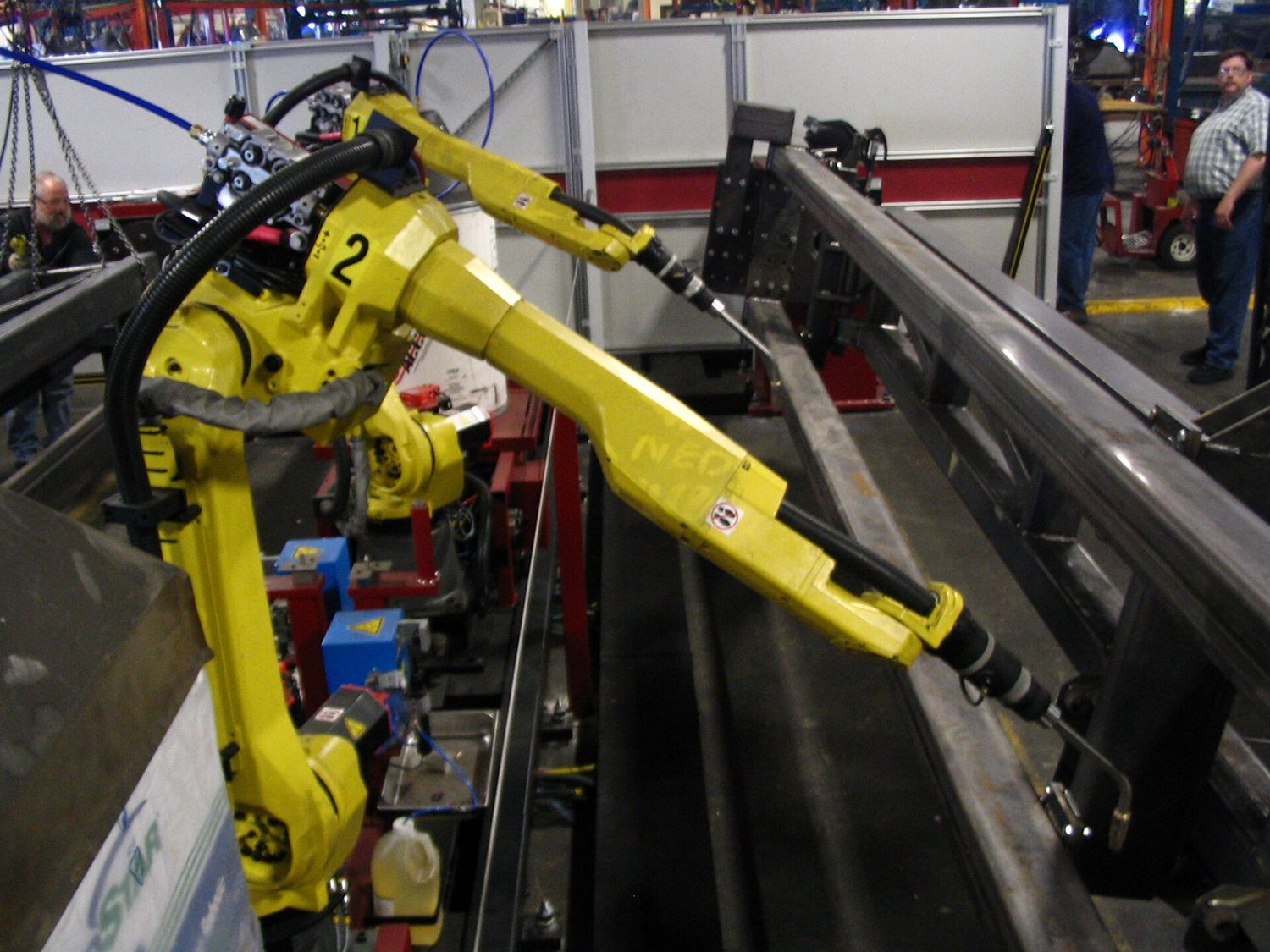
מספר זרועות רובוטיות צהובות בוהקות רוכבות חלקי מתכת בקו ייצור אוטומטי
רובוטים רוכבים על קו מפעל: המגזר השניוני ממיר חומרי גלם למוצרים מוגמרים, increasingly באמצעות אוטומציה
  • מגזר טריטיארי — שירותים (קמעונאות, תחבורה, בריאות).
  • מגזרים קוואטרנרי וקינארי — מידע, מחקר וקבלת החלטות ברמה הבכירה ביותר.

משקים עניים נשענים על המגזר השניוני; משקים עשירים יותר נשענים על הטריטיארי והקוואטרנרי. תיאוריית העלות המינימלית של ובר הסבירה היכן מפעלים נמצאים, בשילוב עלות ההובלה, העבודה והצטברות.

דוגמה פתורה (שאלה אמיתית מבחן AP). "הסבר כיצד דה-תעשייה השפיעה על כלכלת המדינות הליבה." (2025) תשובה מלאה לנקודות: "כשהמפעלים סגרו או עברו לחו"ל, כלכלות מדינות הליבה הסתדרו מהייצור לכיוון שירותים ועבודה בטכנולוגיה גבוהה, כך שעובדי ייצור רבים איבדו את תפקידם בעוד שחדשים במגזר הטריטיארי והקוואטרנרי גדלו." המילה המנחה הסבר דורשת את המנגנון: לציין את השינוי (איבוד ייצור) וגם לקדם אותו להשפעה הכלכלית. תשובה אחת-מילים כמו "העדר תעסוקה" אינה מספיקה.

Explore · ⁨חקור⁩

Which economic sector? · ⁨איזה מגזר כלכלי?⁩

The primary sector extracts raw materials; the secondary sector manufactures goods; the tertiary sector provides services; the quaternary sector handles information and research. · ⁨התחום הראשוני מופק חומרי גלם; התחום השנייני מעבד מוצרים; התחום התרטי מספק שירותים; התחום הרביעי מטפל במידע ומחקר.⁩

7.3

Measures of Development · ⁨מדדי פיתוח⁩

Syllabus · ⁨סיילבוס⁩
English

Enduring Understanding (SPS-7): Industrialization, past and present, has facilitated improvements in standards of living, but it has also contributed to geographically uneven development.

Learning Objective SPS-7.C: Describe social and economic measures of development.

  • SPS-7.C.1 Measures of social and economic development include Gross Domestic Product (GDP); Gross National Product (GNP); and Gross National Income (GNI) per capita; sectoral structure of an economy, both formal and informal; income distribution; fertility rates; infant mortality rates; access to health care; use of fossil fuels and renewable energy; and literacy rates.
  • SPS-7.C.2 Measures of gender inequality, such as the Gender Inequality Index (GII), include reproductive health, indices of empowerment, and labor-market participation.
  • SPS-7.C.3 The Human Development Index (HDI) is a composite measure used to show spatial variation among states in levels of development.
עברית

הבנה מתמשכת (SPS-7): תעשייה, בעבר ובנוכחות, ייצרה שיפורים בסטנדרט חייה, אך תרמה גם לפיתוח גיאוגרפי לא אחיד.

מטרות לימוד SPS-7.C: ציין מדדים חברתיים וכלכליים לפיתוח.

  • SPS-7.C.1 מדדי פיתוח חברתי וכלכלי כוללים תוצר מקומי ברוטו (GDP); תוצר לאומי ברוטו (GNP); והכנסה לאומית ברוטו (GNI) לנפש; מבנה סקטורי של כלכלה, הן רשמי והן בלתי-רשמי; חלוקת הכנסה; קצבי ילודה; קצבי תמותת תינוקות; נגישות לשירותי בריאות; שימוש באנרגיות מאובנות ובאנרגיה מתחדשת; וקצבי אצילות.
  • SPS-7.C.2 מדדי אי-שוויון מגדרי, כמו מדד אי-שוויון מגדרי (GII), כוללים בריאות רפרודוקטיבית, מדדי מעמד וכניסה לשוק העבודה.
  • SPS-7.C.3 מדד הפיתוח האנושי (HDI) הוא מדד משולב המשמש להציג הבדלים מרחביים בין מדינות ברמות הפיתוח.

Source: College Board AP Course and Exam Description · ⁨מקור: תיאור הקורס והמבחן של College Board AP⁩

English

Development 发展 is the process of improving people's economic and social well-being. It is measured in several ways:

  • Gross Domestic Product (GDP) per capita 人均国内生产总值 — economic output per person; a common but incomplete measure.
  • The Human Development Index (HDI) 人类发展指数 combines income, education (years of schooling), and health (life expectancy) into one score from 0 to 1 — a fuller picture than money alone.
  • The Gender Inequality Index (GII) 性别不平等指数 and the Gini coefficient 基尼系数 (income inequality) add social detail.
עברית

פיתוח הוא תהליך שיפור הרווחה הכלכלית והחברתית של אנשים. הוא נמדד בדרכים שונות:

  • **תל
  • מדד פיתוח האנושי (HDI) משלב הכנסה, חינוך (שנות לימוד) ובריאות (צפוי חיים) לנקודת ציון אחת בין 0 ל-1 — תמונה מקיפה יותר מאשר כסף בלבד.
  • מדד אי-שוויון מגדר (GII) וגודל המקדם (Gini) (אי-שוויון בהכנסות) מוסיפים פרטים חברתיים.
7.4

Women and Economic Development · ⁨נשים ופיתוח כלכלי⁩

Syllabus · ⁨סיילבוס⁩
Enduring UnderstandingLearning ObjectiveEssential Knowledge

SPS-7
Industrialization, past and present, has facilitated improvements in standards of living, but it has also contributed to geographically uneven development.

SPS-7.D
Explain how and to what extent changes in economic development have contributed to gender parity.

  • SPS-7.D.1 The roles of women change as countries develop economically.
  • SPS-7.D.2 Although there are more women in the workforce, they do not have equity in wages or employment opportunities.
  • SPS-7.D.3 Microloans have provided opportunities for women to create small local businesses, which have improved standards of living.

Source: College Board AP Course and Exam Description · ⁨מקור: תיאור הקורס והמבחן של College Board AP⁩

English

The role of women is both a cause and a measure of development.

  • As economies develop, more women enter paid work and education, which raises household income and lowers fertility (linking back to the demographic transition).
  • Microfinance 小额信贷 — small loans, often to women — helps start businesses in poorer regions.
  • Gender gaps in pay, land ownership, and schooling hold development back; closing them is one of the UN's key goals.
עברית

תפקידן של נשים הוא גם סיבה וגם מדד לפיתוח.

  • כאשר הכלכלות מתפתחות, יותר נשים נכנסות לתחום התעסוקה המלוואה והחינוך, מה שמעלה את ההכנסה המשקית ומוריד את קצב הלידה (קישור חוזר למעבר הדמוגרפי).
  • מימון ענף – הלוואות קטנות, לעיתים קרובות לנשים – עוזרים להקים עסקים באזורים עניים יותר.
  • פערי מגדר בתשלום, בבעלות אדמה ובחינוך מחזיקים את הפיתוח לאחור; סגירתם היא אחת מהמטרות המרכזיות של הא
7.5

Theories of Development · ⁨תיאוריות פיתוח⁩

Syllabus · ⁨סיילבוס⁩
Enduring UnderstandingLearning ObjectiveEssential Knowledge

SPS-7
Industrialization, past and present, has facilitated improvements in standards of living, but it has also contributed to geographically uneven development.

SPS-7.E
Explain different theories of economic and social development.

  • SPS-7.E.1 Different theories, such as Rostow’s Stages of Economic Growth, Wallerstein’s World System Theory, dependency theory, and commodity dependence, help explain spatial variations in development.

Source: College Board AP Course and Exam Description · ⁨מקור: תיאור הקורס והמבחן של College Board AP⁩

English
Wallerstein's world-systems theory
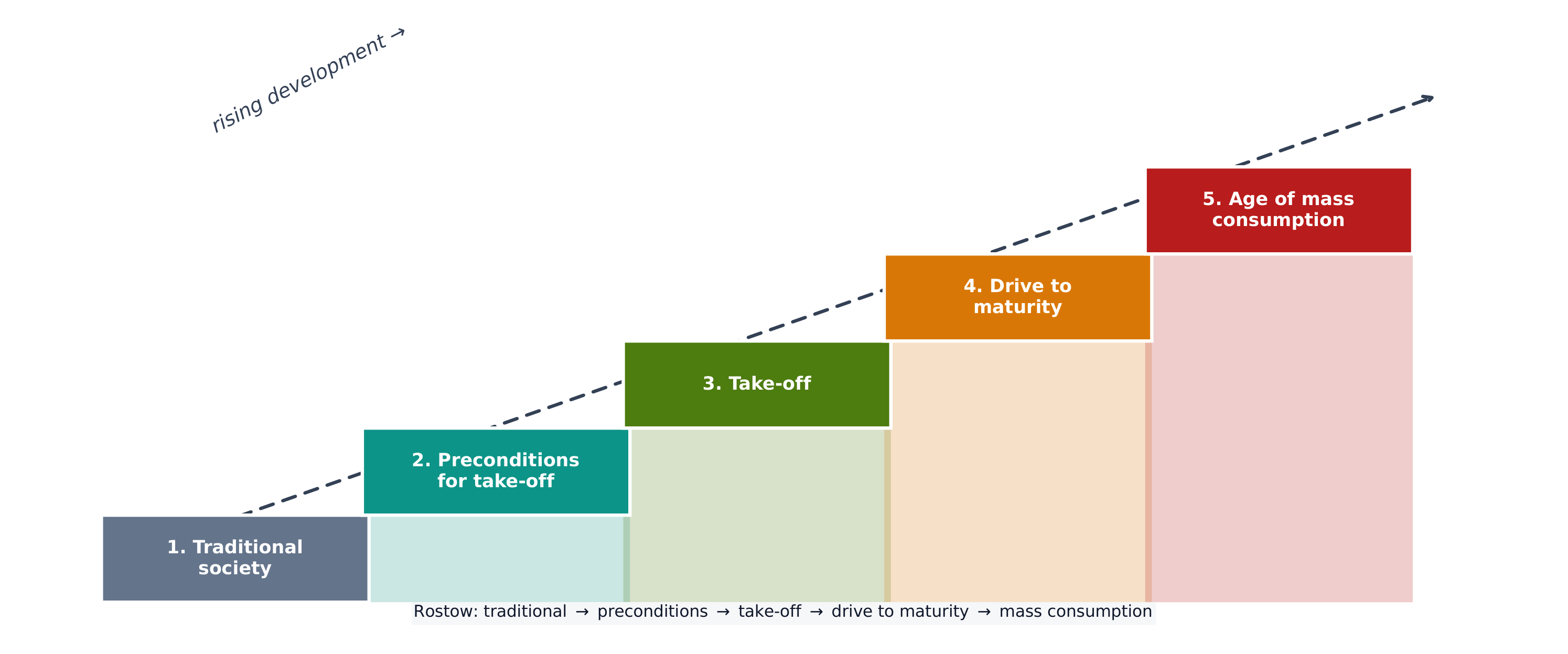
Rostow's stages of economic growth

Two famous theories explain why some regions are rich and others poor.

  • Rostow's stages of growth 罗斯托发展阶段 — every country climbs through five stages: traditional society, preconditions for take-off, take-off, drive to maturity, and age of mass consumption. It is optimistic but assumes all countries can follow the same path.
  • Wallerstein's world-systems theory 沃勒斯坦世界体系理论 divides the world into a wealthy core 核心, a poorer periphery 边缘, and a middle semi-periphery 半边缘. The core stays rich partly by using the periphery's cheap labour and resources — a dependency 依附 view that challenges Rostow.
עברית
תורת מערכות העולם של וולרשטיין
שלבי הצמיחה הכלכלית של רוסטו

שתי תיאוריות מפורסמות מסבירות מדוע אזורים מסוימים עשירים ואחרים עניים.

חמישה שלבי צמיחה כלכלית של רוסטו
רוסטו רואה בפיתוח טיפוס דרך חמישה שלבים; מבקרים טוענים שהיא מתעלמת ממערכות אי-שוויון גלובליות
  • שלבי הצמיחה של רוסטו — כל מדינה עוברת דרך חמישה שלבים: חברה מסורתית, תנאים מקדימים להמראה, המראה, נהיגה לבגרות, ועיד התצריכה המונית. הגישה זו אופטימית אך מניחה שכל המדינות יכולות לעבור באותה הדרך.
  • תורת מערכות העולם של וולרשטיין מחלקת את העולם לליבה עשירה, לשפלה ענייה ולסמייפרפריה (חצי-שפלה) אמצעית. הליבה נשארת עשירה חלקית בזכות השימוש בעבודה זולה ובמשאבים בשפלה — תפיסת תלות שמ挑战 את רוסטו.
7.6 7.7

Trade and the World Economy · ⁨סחר והכלכלה העולמית⁩

Syllabus · ⁨סיילבוס⁩
English

Enduring Understanding (PSO-7): Economic and social development happen at different times and rates in different places.

Learning Objective PSO-7.A: Explain causes and geographic consequences of recent economic changes such as the increase in international trade, deindustrialization, and growing interdependence in the world economy.

  • PSO-7.A.1 Complementarity and comparative advantage establish the basis for trade.
  • PSO-7.A.2 Neoliberal policies, including free trade agreements, have created new organizations, spatial connections, and trade relationships, such as the EU, World Trade Organization (WTO), Mercosur, and OPEC, that foster greater globalization.
  • PSO-7.A.3 Government initiatives at all scales may affect economic development, including tariffs.
  • PSO-7.A.4 Global financial crises (e.g., debt crises), international lending agencies (e.g., the International Monetary Fund), and strategies of development (e.g., microlending) demonstrate how different economies have become more closely connected, even interdependent.
עברית

הבנה מתמשכת (PSO-7): פיתוח כלכלי וחברתי מתרחשים בזמנים ובקצבים שונים במקומות שונים.

מטרת לימוד PSO-7.A: הסבר על הסיבות והתוצאות הגיאוגרפיות של שינויים כלכליים אחרונים, כמו עלייה בסחר הבינלאומי, תעשייתización (Deindustrialization) ועלייה בתלויות הדדית בכלכלה העולמית.

  • PSO-7.A.1 השלמה והיתרון היחסי קובעים את בסיס הסחר.
  • PSO-7.A.2 מדיניות נאו-ליברלית, כולל הסכמי סחר חופשי, יצרו ארגונים חדשים, קשרים מרחביים ויחסי סחר, כמו האיחוד האירופי, ארגון הסחר העולמי (WTO), מרקוסור ואוק
  • PSO-7.A.3 יוזמות ממשלתיות בכל רמה עשויות להשפיע על הפיתוח הכלכלי, כולל מכסים.
  • PSO-7.A.4 משברים פיננסיים גלובליים (למשל, משברי חוב), סוכנויות הלוואה בינלאומיות (למשל,קרן המטבע הבינלאומית) ומדיניות פיתוח (למשל, הלוואות זעירות) מדגימים כיצד כלכלות שונות הפכו לקשורות יותר, ואף לתלויות זו בזו.
English

Enduring Understanding (PSO-7): Economic and social development happen at different times and rates in different places.

Learning Objective PSO-7.A: Explain causes and geographic consequences of recent economic changes such as the increase in international trade, deindustrialization, and growing interdependence in the world economy.

  • PSO-7.A.5 Outsourcing and economic restructuring have led to a decline in jobs in core regions and an increase in jobs in newly industrialized countries.
  • PSO-7.A.6 In countries outside the core, the growth of industry has resulted in the creation of new manufacturing zones—including special economic zones, free-trade zones, and export- processing zones—and the emergence of an international division of labor in which developing countries have lower-paying jobs.
  • PSO-7.A.7 The contemporary economic landscape has been transformed by post-Fordist methods of production, multiplier effects, economies of scale, agglomeration, just-in-time delivery, the emergence of service sectors, high technology industries, and growth poles.
עברית

הבנה מתמשכת (PSO-7): פיתוח כלכלי וחברתי מתרחשים בזמנים ובקצבים שונים במקומות שונים.

מטרת לימוד PSO-7.A: הסבר על הסיבות והתוצאות הגיאוגרפיות של שינויים כלכליים אחרונים, כמו עלייה בסחר הבינלאומי, תעשייתización (Deindustrialization) ועלייה בתלויות הדדית בכלכלה העולמית.

  • PSO-7.A.5 הוצאת משימות לזרים (Outsourcing) ומבנייה כלכלית הובילו לצמצום מקומות העבודה באזורים המרכזיים ולעלייתם במדינות המתעשייות החדשות.
  • PSO-7.A.6 במדינות מחוץ לאזור המרכז, צמיחת התעשייה הובעה ליצירת אזורי ייצור חדשים – כגון אזורים כלכליים מיוחדים, אזורי סחר חופשי ואזורי עיבוד ליצוא – ולמזדגות של חלוקת עבודה בינלאומית שבה למדינות מתפתחות יש מקומות עבודה עם משכורות נמוכות.
  • PSO-7.A.7 הנוף הכלכלי המודרני הושפע על ידי שיטות ייצור פוסט-פורדיסטיות, אפקטים כפולים, כלכלות היקף, אגלומציה, אספקה בדיוק בזמן, התפתחות תחומי השירות, תעשיות טכנולוגיות גבוהות ואזורים צמיחה.

Source: College Board AP Course and Exam Description · ⁨מקור: תיאור הקורס והמבחן של College Board AP⁩

English

Countries are linked by trade, which reshapes development.

  • Comparative advantage 比较优势 means each country gains by specialising in what it makes most efficiently and trading for the rest.
  • Complementarity and neoliberal free-trade policies, plus organisations like the WTO and trade blocs (EU, USMCA), have deepened globalization.
  • Outsourcing 外包 and global supply chains move manufacturing to lower-cost countries, changing where — and by whom — the world's goods are made. Special economic zones 经济特区 attract this investment with tax breaks.
עברית

מדינות קשורות זה לזה באמצעות סחר, שעוצב מחדש את הפיתוח.

  • יתרון יחסי משמעותו שכל מדינה נהנית כאשר היא מתמקדת במוצרים בהם היא ייצרה ביעילות רבה ביותר וקונה את שאר הצרכים במסגרת סחר.
  • תאימות ומדיניות סחר חופשי ניאו-ליברלית, לצד ארגונים כמו הWTO ובלוקי סחר (EU, USMCA), העמיקו את הגלובליזציה.
  • העברת פעילויות (Outsourcing) ושרשראות אספקה גלובליות מובילות לתעשייה במדינות בעלות עלויות נמוכות יותר, ומשנות את המקום – ובמה – מיוצרים הסחורות בעולם. אזורי כלכלה מיוחדים מושכים השקעות אלו באמצעות הנחות מס.
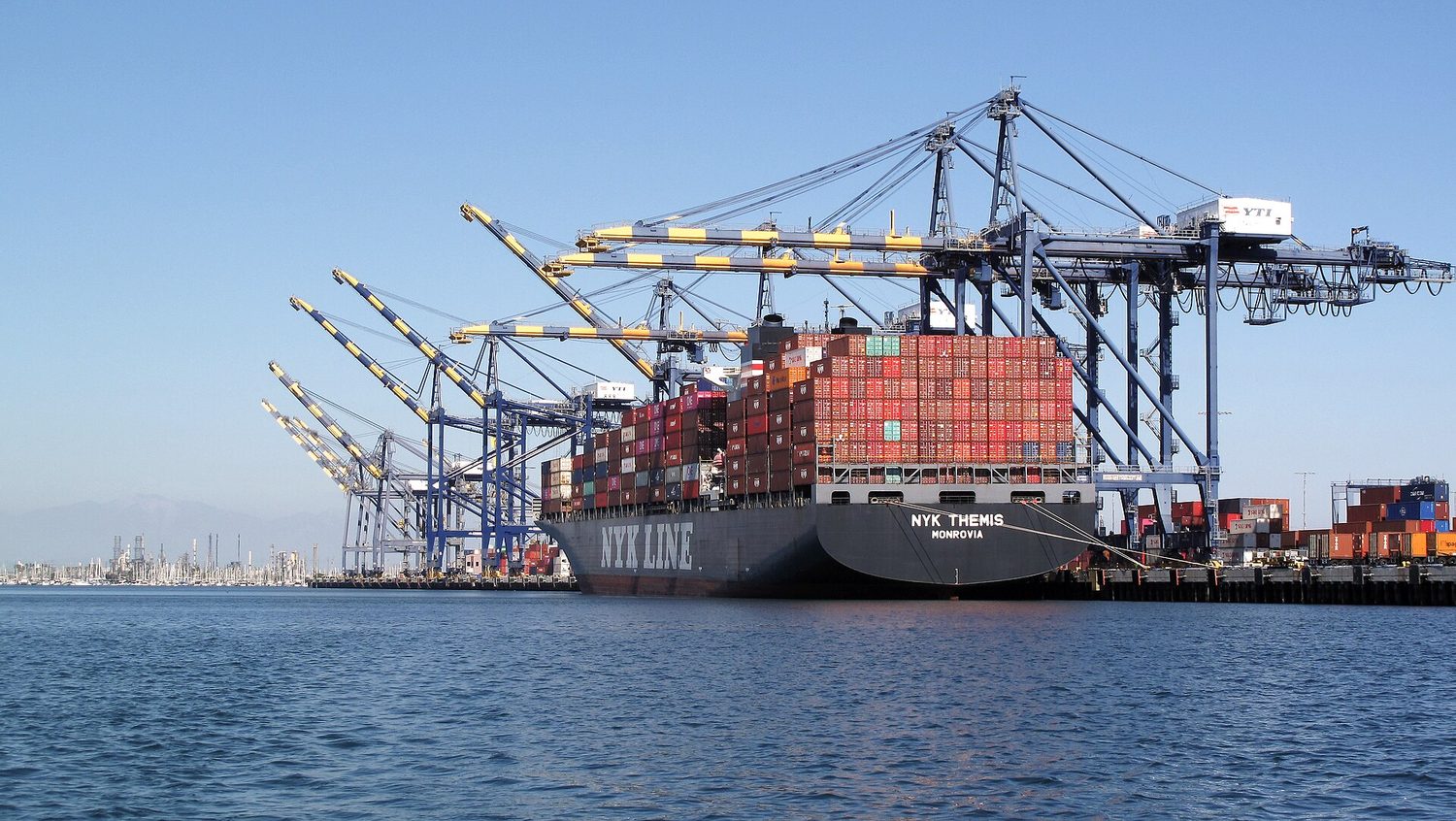
נמלי מכולות מקשרים סחר גלובלי: סחורות, הון ורעיונות זורמים דרך הכלכלה העולמית
Vocabulary · ⁨מילון מונחים⁩ Train · ⁨אימון⁩
English עברית
Industrial Revolution/ɪnˈdʌstrɪəl ˌrevəˈluːʃn/ המהפכה התעשייתית
Break-of-bulk points/breɪk ɒv bʌlk pɔɪnts/ נקודות מעבר מומלץ
Primary sector/ˈpraɪməri ˈsektə/ תחום ראשוני
Secondary sector/ˈsekəndəri ˈsektə/ תחום משני
Tertiary sector/ˈtɜːʃjəri ˈsektə/ תחום שלישי
Quaternary/kwəˈtɜːnəri/ תחום רביעי
Weber's least-cost theory/ˈwebəz liːst kɒst ˈθɪəri/ תיאוריית העלות המינימלית של ובר
Development/dɪˈveləpmənt/ פיתוח
Gross Domestic Product (GDP) per capita/ɡrəʊs dəˈmestɪk ˈprɒdʌkt pɜː ˈkæpɪtə/ תל
Human Development Index (HDI)/ˈhjuːmən dɪˈveləpmənt ˈɪndeks/ מדד פיתוח אנושי (HDI)
Gender Inequality Index (GII)/ˈdʒendə ɪniːˈkwɒlɪti ˈɪndeks/ מדד אי-שוויון מגדרי (GII)
Gini coefficient/ˈdʒiːni ˌkəʊɪˈfɪʃənt/ מדד גיני
Microfinance/ˌmaɪkrəʊfaɪˈnæns/ מימון קטן
Rostow's stages of growth/ˈrɒstəʊz ˈsteɪdʒɪz ɒv ɡrəʊθ/ שלבי הגידול של רוסטוב
Wallerstein's world-systems theory/ˈwɒləstaɪnz wɜːld ˈsɪstəmz ˈθɪəri/ תיאוריית מערכת העולם של וולרשטיין
core/kɔː/ ליבה
periphery/pəˈrɪfəri/ שולי
semi-periphery/ˈsemi pəˈrɪfəri/ מחצית שוליים
dependency/dɪˈpendənsi/ תלות
Comparative advantage/kəmˈpærətɪv ədˈvæntɪdʒ/ יתרון יחסי
Outsourcing/aʊtˈsɔːsɪŋ/ השכרת שירותים חיצונית
Special economic zones/ˈspeʃl ˌiːkəˈnɒmɪk zəʊnz/ אזורי כלכלה מיוחדים
Sustainable development/səˈsteɪnəbl dɪˈveləpmənt/ פיתוח בר-קיימא
Ecotourism/ˈekətʊərɪzəm/ תיירות אקולוגית
Sustainable Development Goals (SDGs)/səˈsteɪnəbl dɪˈveləpmənt ɡəʊlz/ מטרות הפיתוח Sostenible (SDGs)
7.8

Sustainable Development · ⁨פיתוח בר-קיימא⁩

Syllabus · ⁨סיילבוס⁩
English

Enduring Understanding (IMP-7): Environmental problems stemming from industrialization may be remedied through sustainable development strategies.

Learning Objective IMP-7.A: Explain how sustainability principles relate to and impact industrialization and spatial development.

  • IMP-7.A.1 Sustainable development policies attempt to remedy problems stemming from natural-resource depletion, mass consumption, the effects of pollution, and the impact of climate change.
  • IMP-7.A.2 Ecotourism is tourism based in natural environments—often environments that are threatened by looming industrialization or development—that frequently helps to protect the environment in question while also providing jobs for the local population.
  • IMP-7.A.3 The UN’s Sustainable Development Goals help measure progress in development, such as small-scale finance and public transportation projects.
עברית

הבנה מתמשכת (IMP-7): בעיות סביבתיות הנובעות מתעשייתization יכולות להיות מטופלות על ידי אסטרטגיות לפיתוח בר-קיימת.

מטרת לימוד IMP-7.A: הסבר על הקשר בין עקרונות הבר-קיימת לבין השפעתם על תעשייתization ופיתוח מרחבי.

  • IMP-7.A.1 מדיניות לפיתוח בר-קיימת שואפת לטפל בבעיות הנובעות מעליית בולעי המשאבים, צריכה המונית, השפעות הזיהום והשפעות השינוי האקלימי.
  • IMP-7.A.2 אको-תיירות היא תיירות המבוססת על סביבות טבעיות – לעיתים סביבות המוטרדות מתעשייה או פיתוח צפויים – שמסייעת לעיתים קרובות לשמור על הסביבה הרלוונטית תוך מתן מקומות עבודה לאוכלוסייה המקומית.
  • IMP-7.A.3 המטרות לפיתוח בר-קיימת של האו

Source: College Board AP Course and Exam Description · ⁨מקור: תיאור הקורס והמבחן של College Board AP⁩

English

Sustainable development 可持续发展 meets present needs without harming the ability of future generations to meet theirs.

  • It tries to balance economic growth, social fairness, and environmental protection — the "three pillars".
  • Ecotourism 生态旅游 and small-scale, renewable projects can develop an economy while protecting the environment.
  • The UN's Sustainable Development Goals (SDGs) 可持续发展目标 set shared targets for poverty, health, education, and climate — a common way to measure progress today.
עברית

פיתוח בר-קיימא עונה לצרכים הנוכחיים מבלי לפגוע ביכולת הדורות הבאים לענות לצרכיהם.

  • היא שואה לשמש בין צמיחה כלכלית, צדק חברתי ושמירה על הסביבה – ה"שלושה עמודים".
  • אקוטוריסם ומיזמים קטנים-סולם מתחדשים יכולים לפתח כלכלה תוך שמירה על הסביבה.
  • מטרות הפיתוח Sostenible (SDGs) של הא
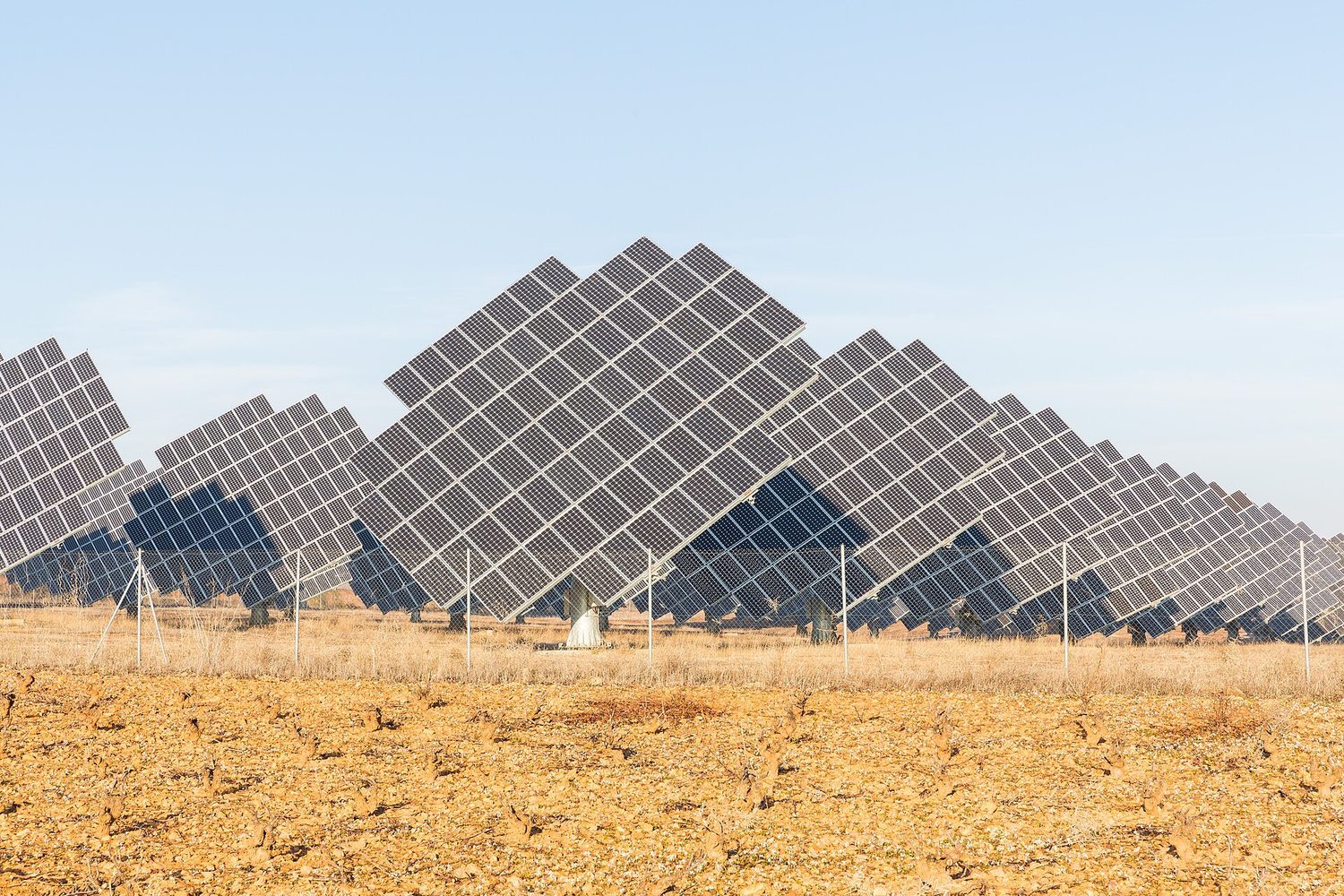
חוות סולארית: פיתוח Sostenible מאזן בין צמיחה לקיבולת סביבתית לטווח ארוך
7.8

Exam tips · ⁨טיפים לבחינות⁩

English
  • Classify jobs by sector (primary through quinary) and tie the mix to the development level.
  • Prefer the HDI over GDP per capita — it adds education and life expectancy.
  • Contrast Rostow's stages with world-systems (core and periphery) and dependency theory.
  • Use comparative advantage and the effect of tariffs in any trade answer.
  • Bring in sustainable development and the ecological footprint for evaluation marks.
עברית
  • מדגדג תעסוקה לפי מגזר (ראשוני ועד קוונטרי) וחבר את המערך לרמת הפיתוח.
  • העדיף את HDI על פני תוצר מקומי בפר头 capita – הוא מוסיף חינוך וצפוי חיים.
  • השוו בין שלבי רוסטו לבין מערכת העולם (ליבה ושולי) ותיאוריית התלות. .
  • השתמש ביתרון יחסי ובאפקט שלמכס בכל תשובה לגבי סחר.
  • היכנס פיתוח Sostenible והטביעת האקולוגית לציון ביקורת.

Interactive lessons on this topic · ⁨שיעורים אינטראקטיביים בנושא זה⁩

Work through it step by step, with instant-check exercises. · ⁨לעבור על הדברים צעד אחר צעד, עם תרגילים לבדיקה מיידית.⁩

Past Papers · ⁨מבחני עבר⁩

More topics in AP Human Geography · ⁨גיאוגרפיה אנושית - AP⁩ · ⁨נושאים נוספים בAP Human Geography · ⁨גיאוגרפיה אנושית - AP⁩⁩

Log in or create account · ⁨היכנס או צור חשבון⁩

IGCSE, A-Level & AP