Skip to content · ⁨דלג לתוכן⁩

Political Patterns and Processes · ⁨דפוסי תהליכים פוליטיים⁩

AP Human Geography · ⁨גיאוגרפיה אנושית - AP⁩ · Topic 4 · ⁨נושא 4⁩

Video lesson for this topic · ⁨שיעור וידאו לנושא זה⁩ Open the video page · ⁨פתח את עמוד הוידאו⁩
8:12

דפוסי תהליכים פוליטיים

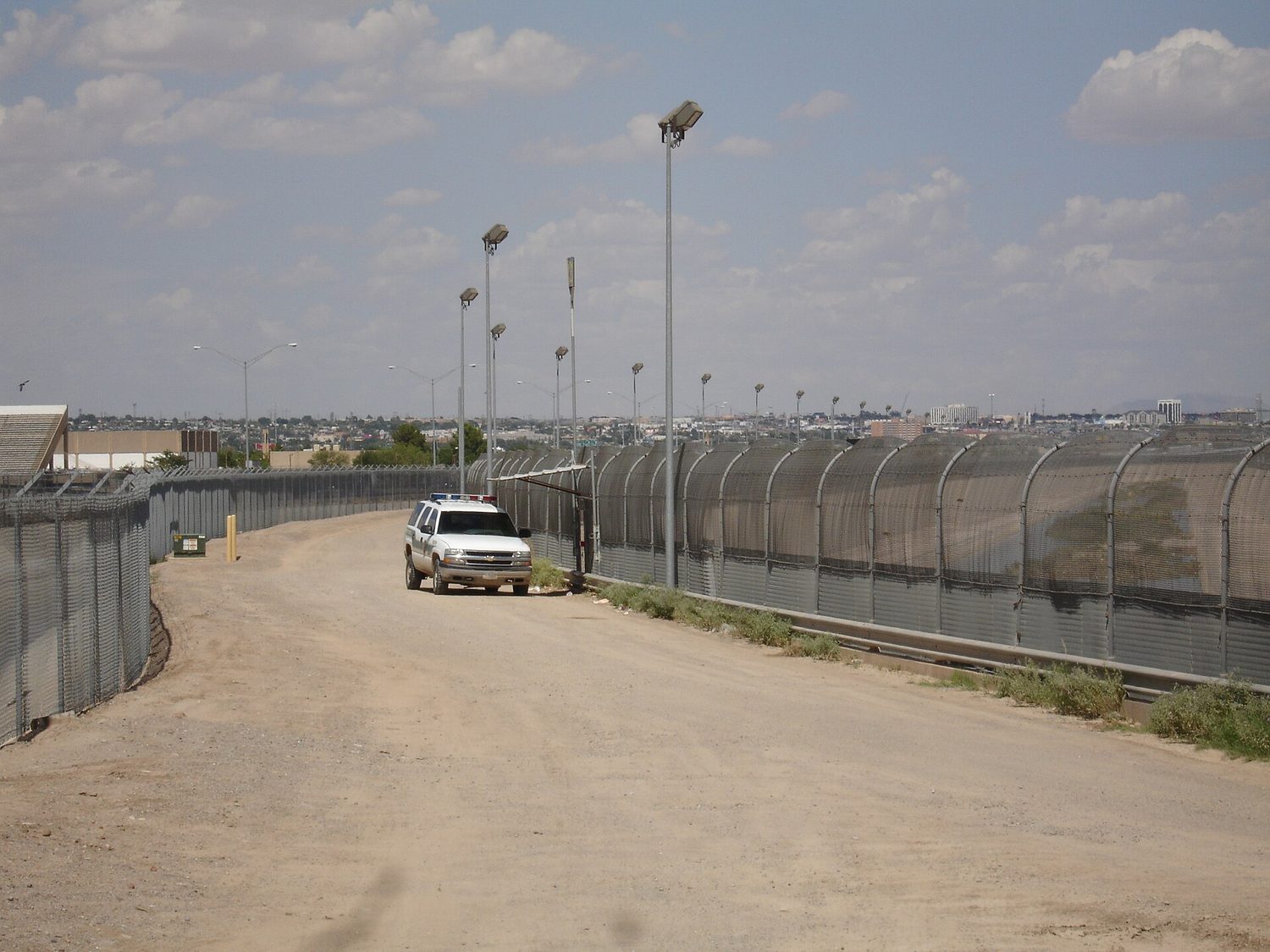
הנה גדר. היא נמתחת על פני קרקע פתוחה עד לאופק. מצד השני עומדת עיר – אותה אדמה יבשה, אותו שמיים. והנה גם האולם…

English narration · English + 中文 subtitles burned in · ⁨קריאת קול באנגלית · תרגום אנגלי + סינית שרוף בתוך הסרטון⁩

4.1

Introduction to Political Geography · ⁨הקדמה לגיאוגרפיה פוליטית⁩

Syllabus · ⁨סיילבוס⁩
English

Enduring Understanding (PSO-4): The political organization of space results from historical and current processes, events, and ideas.

Learning Objective PSO-4.A: For world political maps: a. Define the different types of political entities. b. Identify a contemporary example of political entities.

  • PSO-4.A.1 Independent states are the primary building blocks of the world political map.
  • PSO-4.A.2 Types of political entities include nations, nation-states, stateless nations, multinational states, multistate nations, and autonomous and semiautonomous regions, such as American Indian reservations.
עברית

הבנה מתמשכת (PSO-4): הארגון הפוליטי של המרחב הוא תוצאה של תהליכים, אירועים ורעיונות היסטוריים ועכשוויים.

מטרות למידה PSO-4.A: עבור מפות פוליטיות עולמיות: א. הגדר את סוגי היחידות הפוליטיות השונות. ב. זיהוי דוגמה עכשווית ליחידות פוליטיות.

  • PSO-4.A.1 מדינות עצמאיות הן בלוקי הבנייה הראשיים של המפה הפוליטית העולמית.
  • PSO-4.A.2 סוגי יחידות פוליטיות כולל לאומים, מדינות לאום, לאומים ללא מדינה, מדינות רב-לאומיות, לאומים רב-מדינתיים ואזורים אוטונומיים וחצי-אוטונומיים, כגון שמורות אינדיאניות אמריקאיות.
Source: College Board AP Course and Exam Description · ⁨מקור: תיאור הקורס והמבחן של College Board AP⁩

English

Political geography 政治地理学 studies how humans divide and control space. Its key units:

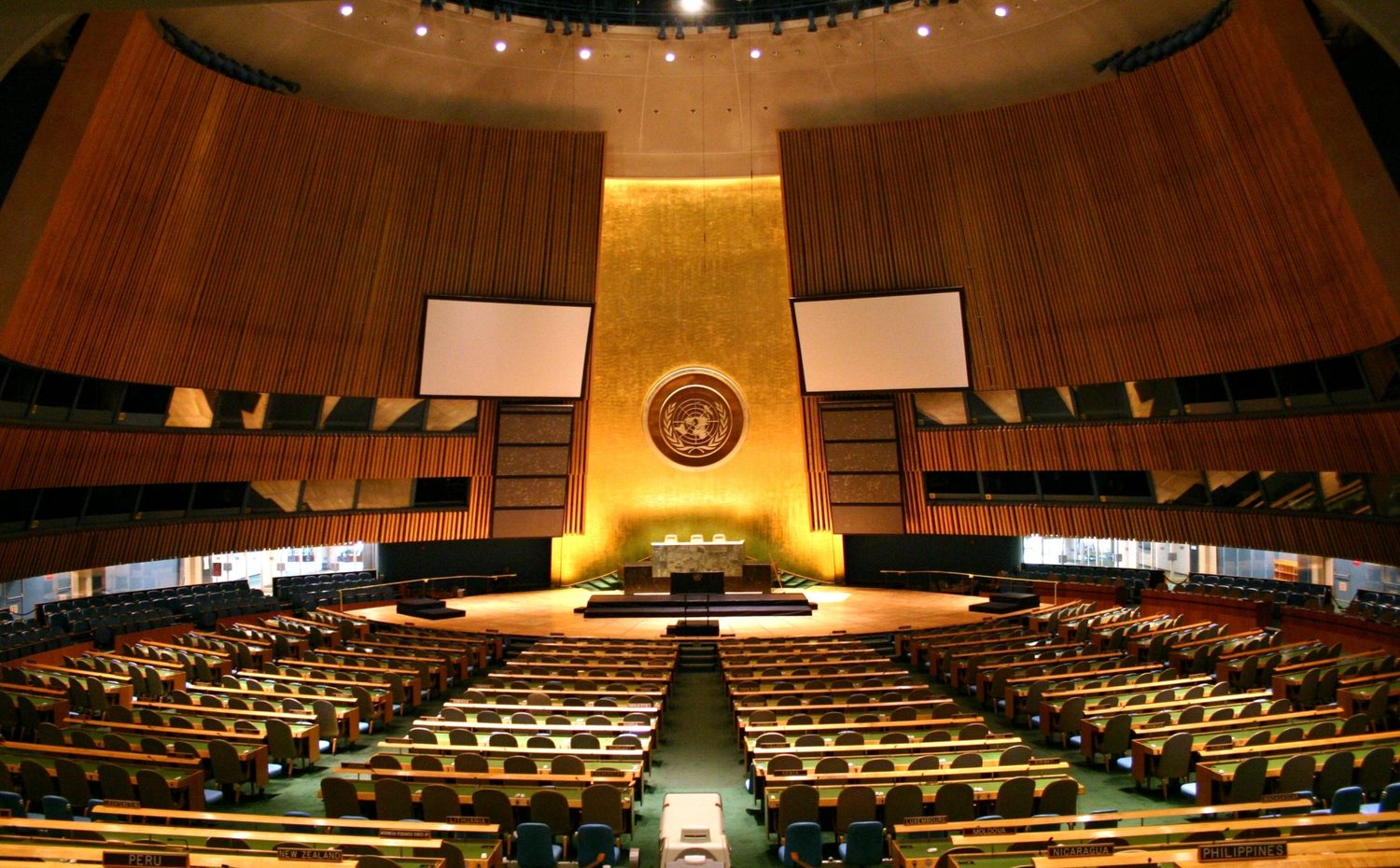
  • A state 国家 (country) is an area with defined borders, a permanent population, a government, and sovereignty 主权 — full control over its own affairs.
  • A nation 民族 is a group of people with a shared culture and identity; a nation-state 民族国家 is a state whose borders match one nation (Japan is close).
  • A multinational state 多民族国家 contains several nations; a stateless nation 无国家民族 (like the Kurds) has no state of its own.

Worked example (a real AP exam question). "Define the concept of an independent state." (2025) A full-mark answer: "A sovereign country that governs itself and its own territory, is not controlled by any outside power, and is recognised by other states." The command word Define wants a short, precise meaning — one clear sentence is enough. You do not need examples or explanation here; save those for the "Describe" and "Explain" parts.

עברית

גיאוגרפיה פוליטית לומדת כיצד אנשים מחלקים ושולטים במרחב. היחידות המרכזיות שלה:

  • מדינה היא שטח עם גבולות מוגדרים, אוכלוסייה קבועה, ממשלה וריבונות — שליטה מלאה על ענייניה הפנימיים.
  • אומה היא קבוצת אנשים בעלת תרבות ומזהות משותפת; מדינת לאום היא מדינה שגבולותיה תואמים לאומה אחת (יפן קרובה לכך).
  • מדינה רב-לאומית מכילה מספר אומות; אומה ללא מדינה (כמו הכורדים) אין לה מדינה משלה.

דוגמה מפורטת (שאלה אמיתית מבחן AP). "הגדר את המושג של מדינה עצמאית." (2025) תשובה מלאה: "מדינה ריבונית השולטת על עצמה ועל שטחה, אינה נשלטת על ידי כוח חיצוני כלשהו, ומוכרת על ידי מדינות אחרות." המילה המנחה הגדר דורשת משמעות קצרה ומדויקת — משפט ברור אחד מספיק. אינך צריך דוגמאות או הסברים כאן; שמור אותם לחלקי "תאר" ו"הסבר".

האספה הכללית של האו"ם: ריבונות והכרה בין מדינות
4.2 4.3

Political Power and Territoriality · ⁨כוח פוליטי וטריטוריואליות⁩

Syllabus · ⁨סיילבוס⁩
English

Enduring Understanding (PSO-4): The political organization of space results from historical and current processes, events, and ideas.

Learning Objective PSO-4.B: Explain the processes that have shaped contemporary political geography.

  • PSO-4.B.1 The concepts of sovereignty, nation- states, and self-determination shape the contemporary world.
  • PSO-4.B.2 Colonialism, imperialism, independence movements, and devolution along national lines have influenced contemporary political boundaries.
עברית

הבנה מתמשכת (PSO-4): הארגון הפוליטי של המרחב הוא תוצאה של תהליכים, אירועים ורעיונות היסטוריים ועכשוויים.

מטרות למידה PSO-4.B: הסבר התהליכים שעיצבו את הגיאוגרפיה הפוליטית המודרנית.

  • PSO-4.B.1 המושגים של ריבונות, מדינות-לאום והתאבדות עצמית מעצבים את העולם המודרני.
  • PSO-4.B.2 קולוניאליזם, אימפריאליזם, תנועות עצמאות ופיזור סמכויות לאורך קווים לאומיים השפיעו על הגבולות הפוליטיים המודרניים.
English

Enduring Understanding (PSO-4): The political organization of space results from historical and current processes, events, and ideas.

Learning Objective PSO-4.C: Describe the concepts of political power and territoriality as used by geographers.

  • PSO-4.C.1 Political power is expressed geographically as control over people, land, and resources, as illustrated by neocolonialism, shatterbelts, and choke points.
  • PSO-4.C.2 Territoriality is the connection of people, their culture, and their economic systems to the land.
עברית

הבנה מתמשכת (PSO-4): הארגון הפוליטי של המרחב הוא תוצאה של תהליכים, אירועים ורעיונות היסטוריים ועכשוויים.

מטרות למידה PSO-4.C: תיאור מושגי הכוח הפוליטי והטריטוריואליות כפי שמשתמשים בהם גיאוגרפים.

  • PSO-4.C.1 כוח פוליטי בא ביטוי גיאוגרפי דרך שליטה באנשים, אדמה ומשאבים, כפי שמדגים נאו-קולוניאליזם, אזורים מתפוררים (shatterbelts) ונקודות צרה.
  • PSO-4.C.2 טריטוריואליות היא הקשר בין אנשים, התרבות שלהם והמערכות הכלכליות שלהם לבין האדמה.

Source: College Board AP Course and Exam Description · ⁨מקור: תיאור הקורס והמבחן של College Board AP⁩

English

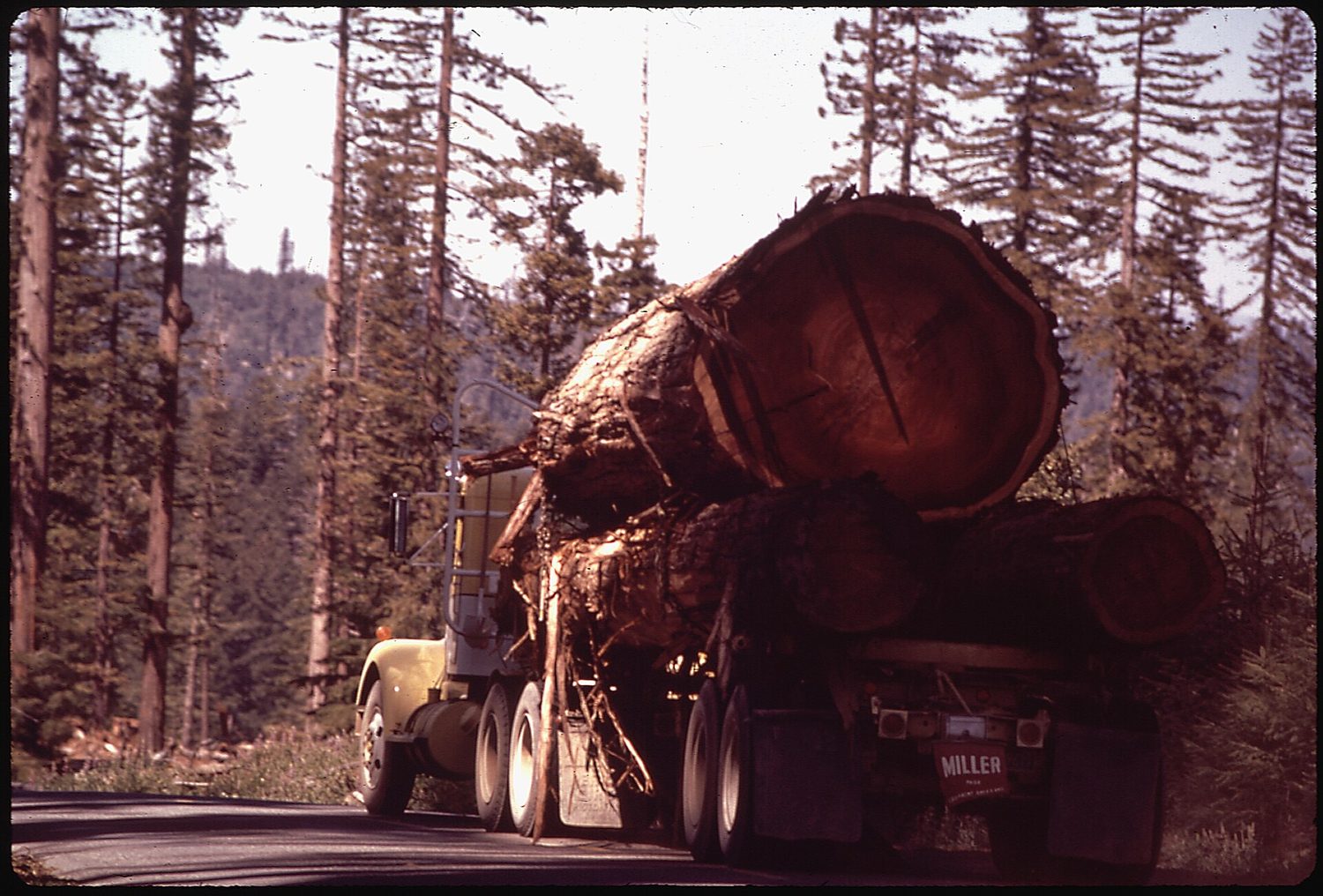
Territoriality 领域性 is the attempt by a person or group to control people and things by controlling an area. Power is expressed geographically through control of land, people, and resources.

  • Colonialism and imperialism built empires by taking control of distant territory; neocolonialism 新殖民主义 is continued economic control after formal independence.
  • Choke points 咽喉要道 (narrow passages like the Suez Canal or the Strait of Malacca) and shatterbelts 破碎地带 (regions caught between competing powers) show how geography shapes political power.
עברית

טריטוריואליות היא ניסיונו של אדם או קבוצה לשלוט באנשים ובדברים על ידי שליטה בשטח. הכוח מתבטא גיאוגרפית דרך שליטה בקרקע, אנשים ומשאבים.

  • קולוניאליזם ואימפריאליזם בנו את האימפריות על ידי לקיחת שליטה בשטחים מרוחקים; נאו-קולוניאליזם הוא המשך של שליטה כלכלית לאחר עצמאות פורמלית.
  • נקודות צוואר (מעברים צרים כמו תעלת סואץ או מצר מלאקה) ואזורי התפוררות (אזורים הנמצאים בין כוחות תחרותיים) מראים כיצד גיאוגרפיה מעצבת כוח פוליטי.
4.4 4.5 4.6

Political Boundaries · ⁨גבולות פוליטיים⁩

Syllabus · ⁨סיילבוס⁩
English

Enduring Understanding (IMP-4): Political boundaries and divisions of governance, between states and within them, reflect balances of power that have been negotiated or imposed.

Learning Objective IMP-4.A: Define types of political boundaries used by geographers.

  • IMP-4.A.1 Types of political boundaries include relic, superimposed, subsequent, antecedent, geometric, and consequent boundaries.
עברית

הבנה מתמשכת (IMP-4): גבולות פוליטיים וחלוקת סמכויות, בין מדינות בתוך它们, משקפים איזון כוחות שהוסכם עליהם או הופרץ עליהם.

מטרת למידה IMP-4.A: הגדרת סוגי הגבולות הפוליטיים המשמשים על ידי גיאוגרפים.

  • IMP-4.A.1 סוגי הגבולות הפוליטיים כוללים גבולות שאריות, מוטבעים, אחריים, קדומים, גיאומטריים ועקביים.
English

Enduring Understanding (IMP-4): Political boundaries and divisions of governance, between states and within them, reflect balances of power that have been negotiated or imposed.

Learning Objective IMP-4.B: Explain the nature and function of international and internal boundaries.

  • IMP-4.B.1 Boundaries are defined, delimited, demarcated, and administered to establish limits of sovereignty, but they are often contested.
  • IMP-4.B.2 Political boundaries often coincide with cultural, national, or economic divisions. However, some boundaries are created by demilitarized zones or policy, such as the Berlin Conference.
  • IMP-4.B.3 Land and maritime boundaries and international agreements can influence national or regional identity and encourage or discourage international or internal interactions and disputes over resources.
  • IMP-4.B.4 The United Nations Convention on the Law of the Sea defines the rights and responsibilities of nations in the use of international waters, established territorial seas, and exclusive economic zones.
עברית

הבנה מתמשכת (IMP-4): גבולות פוליטיים וחלוקת סמכויות, בין מדינות בתוך它们, משקפים איזון כוחות שהוסכם עליהם או הופרץ עליהם.

מטרת למידה IMP-4.B: הסבר הטבע והפונקציה של גבולות בינלאומיים ופנימיים.

  • IMP-4.B.1 גבולות מגדירים, מציינים, מסמנים ומנהלים כדי לקבוע גבולות ריבונות, אך לעיתים קרובות הם מחלוקתיים.
  • IMP-4.B.2 גבולות פוליטיים חופפים לעיתים קרובות עם חלוקות תרבותיות, לאומיות או כלכליות. עם זאת, חלק מהגבולות נוצרו על ידי אזורי אי-סכסוך או מדיניות, כמו בוועידת ברלין.
  • IMP-4.B.3 גבולות יבשתיים וימיים הסכמים בינלאומיים יכולים להשפיע על זהות לאומית או אזורית ולעודד או לסייע בפעילות בינלאומית או פנימית ובחלוקות על משאבים.
  • IMP-4.B.4 אמנת האו"ם לחוק הים מגדירה את הזכויות והאחריות של מדינות בשימוש במי ים בינלאומיים, בים הטריטוריאליים established והאזורים הכלכליים הבלעדיים.
English

Enduring Understanding (IMP-4): Political boundaries and divisions of governance, between states and within them, reflect balances of power that have been negotiated or imposed.

Learning Objective IMP-4.B: Explain the nature and function of international and internal boundaries.

  • IMP-4.B.5 Voting districts, redistricting, and gerrymandering affect election results at various scales.
עברית

הבנה מתמשכת (IMP-4): גבולות פוליטיים וחלוקת סמכויות, בין מדינות בתוך它们, משקפים איזון כוחות שהוסכם עליהם או הופרץ עליהם.

מטרת למידה IMP-4.B: הסבר הטבע והפונקציה של גבולות בינלאומיים ופנימיים.

  • IMP-4.B.5 מחלקות בחירה, חלוקת מחדש של אזורי בחירה וג'רימנדרים משפיעים על תוצאות הבחירות ברמות שונות.

Source: College Board AP Course and Exam Description · ⁨מקור: תיאור הקורס והמבחן של College Board AP⁩

English

A boundary 边界 is a line that marks the limit of a state's territory. Types by origin:

  • Antecedent 先成边界 (drawn before dense settlement), subsequent 后成边界 (drawn as cultures develop), superimposed 叠加边界 (forced on by an outside power, ignoring local culture), and relic 残余边界 (no longer a border but still visible, like the Berlin Wall).
  • Definition, delimitation, and demarcation are the steps of setting a boundary: agreeing wording, drawing it on a map, then marking it on the ground.
  • At sea, the UN Convention on the Law of the Sea (UNCLOS) 联合国海洋法公约 sets each coastal state's territorial sea and an exclusive economic zone (EEZ) 专属经济区, defining rights to fishing and seabed resources.
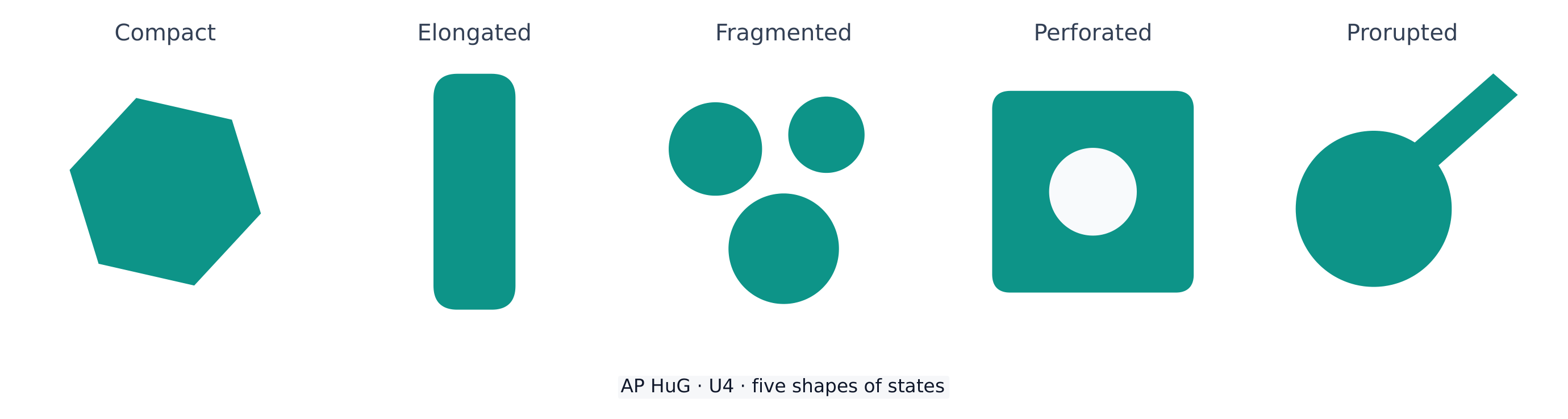
  • The shape of a state matters: compact states are easy to govern; elongated, fragmented, perforated, and prorupted shapes create governing challenges.
עברית
נוף חד-משמעי: גבולות פוליטיים ושליטה על קרקע מעצבים שימוש במשאבים

גבול הוא קו המסמן את הגבול של שטח המדינה. סוגים לפי מקור:

כיצד גבולות נוצרים והצורות שהמדינות יכולות לקבל
מדינות לוקחות צורות שונות; כל צורה משפיעה על קלילות הממשלה של המדינה
  • קודם (מצויר לפני התיישבות צפופה), בא עקבותיו (מצויר כאשר תרבויות מתפתחות), מוטבע (נכפה על ידי כוח חיצוני, בעיית את התרבות המקומית), ושארית (אינו עוד גבול אך עדיין נראה, כמו חומת ברלין).
  • הגדרה, סימון גבולות והצבה הם שלבי הגדרת גבול: הסכמה בנוסח, ציור על מפה, ולאחר מכן סימון בשטח.
  • בים, האמנה האו"ם לחוק הים (UNCLOS) קובעת את הים הטריטוריאלי של כל מדינה חוף ואת האזור הכלכלי הבלעדי (EEZ), ומגדירה זכויות דיג ומשאבי הקרקעית.
  • צורת המדינה חשובה: מדינות צמודות קלות לממשלה; צורות מאוכזמות, שבירתיות, חוררות ומדומדות יוצרות אתגרים בממשלה.
Vocabulary · ⁨מילון מונחים⁩ Train · ⁨אימון⁩
English עברית
Political geography/pəˈlɪtɪkl dʒɪˈɒɡrəfi/ גיאוגרפיה פוליטית
state/steɪt/ מדינה
sovereignty/ˈsɒvərɪnti/ ריבונות
nation/ˈneɪʃn/ לאום
nation-state/ˈneɪʃn steɪt/ מדינת לאום
multinational state/ˌmʌltɪˈnæʃənl steɪt/ מדינה רב-לאומית
stateless nation/ˈsteɪtləs ˈneɪʃn/ לאום ללא מדינה
Territoriality/ˌterɪˌtɔːrɪˈælɪti/ טריטוריאליזם
neocolonialism/ˈniːəʊkɒləʊnɪəlɪzəm/ ניאו-קולוניאליזם
Choke points/tʃəʊk pɔɪnts/ נקודות צוואר בקבוק
shatterbelts/ˈʃætəbelts/ חגורות התפוררות
boundary/ˈbaʊndəri/ גבול
Antecedent/ˌæntɪˈsiːdənt/ קודם לכן
subsequent/ˈsʌbsɪkwənt/ העוקב
superimposed/ˌsuːpərɪmˈpəʊzd/ מותחל
relic/ˈrelɪk/ שארית
UN Convention on the Law of the Sea (UNCLOS) אמנת האו"ם על חוק הים (UNCLOS)
exclusive economic zone (EEZ)/eksˈkluːsɪv ˌiːkəˈnɒmɪk zəʊn/ אזור כלכלי בלעדי (EEZ)
unitary state/ˈjuːnɪtəri steɪt/ מדינה יחידתית
federal state/ˈfedərəl steɪt/ מדינה פדרלית
Gerrymandering/ˈdʒerɪmændərɪŋ/ ג'רימנדר
4.7

Forms of Governance · ⁨צורות ממשל⁩

Syllabus · ⁨סיילבוס⁩
English

Enduring Understanding (IMP-4): Political boundaries and divisions of governance, between states and within them, reflect balances of power that have been negotiated or imposed.

Learning Objective IMP-4.C: Define federal and unitary states.

  • IMP-4.C.1 Forms of governance include unitary states and federal states.

Learning Objective IMP-4.D: Explain how federal and unitary states affect spatial organization.

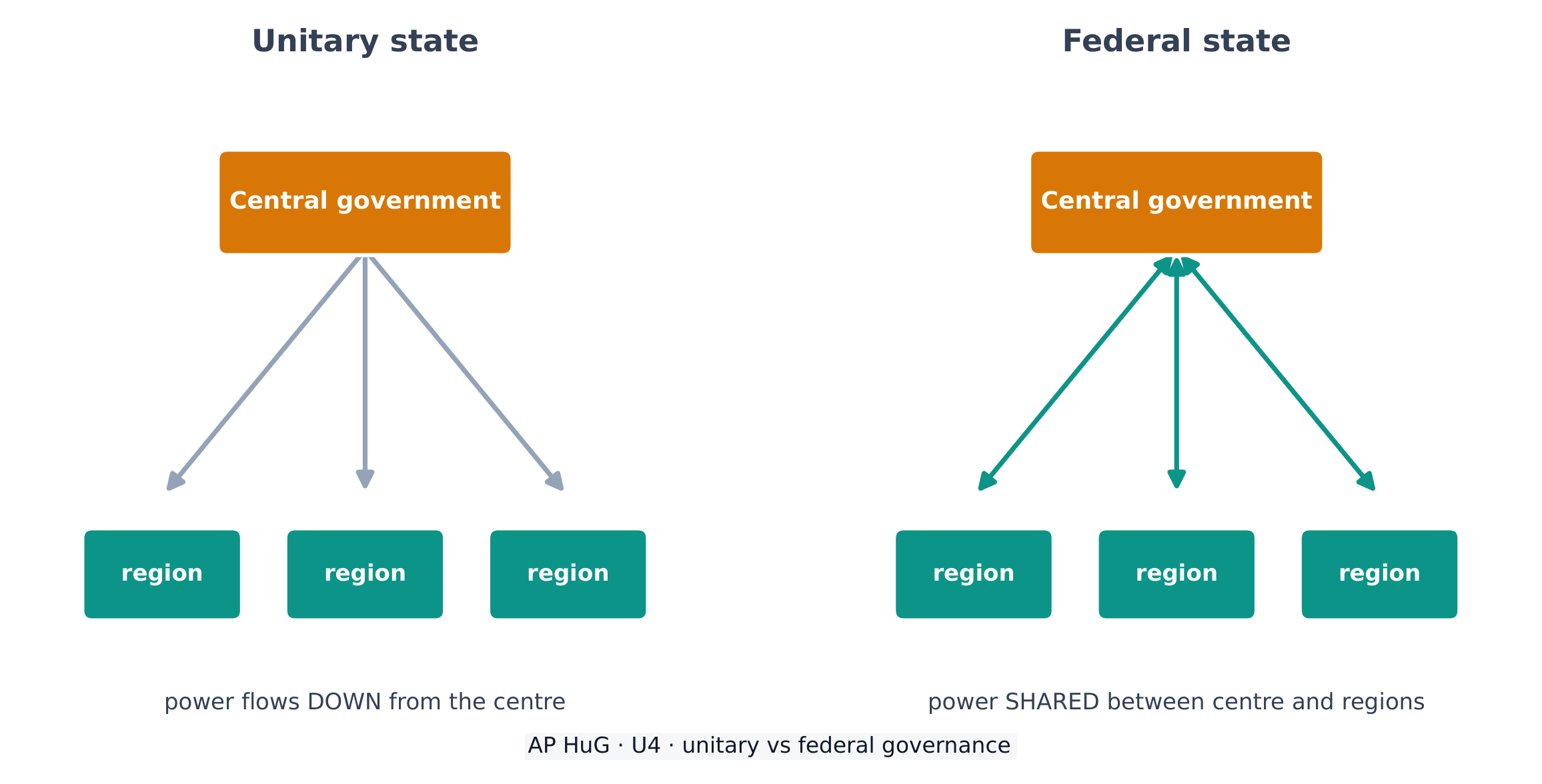
  • IMP-4.D.1 Unitary states tend to have a more top-down, centralized form of governance, while federal states have more locally based, dispersed power centers. SUGGESTED SKILLS Spatial Relationships Describe spatial patterns, networks, and relationships.
עברית

הבנה מתמשכת (IMP-4): גבולות פוליטיים וחלוקת סמכויות, בין מדינות בתוך它们, משקפים איזון כוחות שהוסכם עליהם או הופרץ עליהם.

מטרות למידה IMP-4.C: להגדיר מדינות פדרליות ומדינות יחידניות.

  • IMP-4.C.1 צורות של שלטון כוללות מדינות יחידניות ומדינות פדרליות.

מטרות למידה IMP-4.D: להסביר כיצד מדינות פדרליות ומדינות יחידניות משפיעות על הארגון המרחבי.

  • IMP-4.D.1 מדינות יחידניות נוטות לקבל סוג של שלטון היררכי ומוכנה יותר, בעוד שמדינות פדרליות יש להן ריכוזי כוח מפוזרים מבוססים מקומית יותר. כישורים מומלצים: קשרים מרחביים - לתאר דפוסי מרחב, רשתות וקשרים.

Source: College Board AP Course and Exam Description · ⁨מקור: תיאור הקורס והמבחן של College Board AP⁩

English

States organise power between the centre and the regions in two main ways:

  • A unitary state 单一制国家 keeps most power in the central government (France). It works best in small or culturally uniform countries.
  • A federal state 联邦制国家 shares power between the centre and regional governments (USA, India). It suits large or diverse countries.
  • Gerrymandering 选区划分不公 is redrawing voting district boundaries to favour one group — a political use of geography.
עברית
בניין פרלמנט: גיאוגרפיה פוליטית לומדת כיצד כוח מאורגן מעל שטח

מדינות מארגנות כוח בין המרכז לאזורים בשתי דרכים עיקריות:

מדינות יחידיות מרכזות כוח במרכז; מדינות פדרליות מחלקות אותו עם אזורים
מדינה יחידית שומרת על כוח במרכז; מדינה פדרלית מחלקת כוח עם ממשלות אזוריות
  • מדינה יחידית שומרת על רוב הכוח בממשלה המרכזית (צרפת). היא עובדת טוב ביותר במדינות קטנות או אחידות תרבותית.
  • מדינה פדרלית מחלקת כוח בין המרכז לבין ממשלות אזוריות (ארה"ב, הודו). היא מתאימה למדינות גדולות או מגוונות.
  • ג'רמינדרנג הוא שינוי גבולות מחוזות בחירות כדי להעדיף קבוצה מסוימת — שימוש פוליטי בגיאוגרפיה.
4.8 4.9

Devolution and Challenges to Sovereignty · ⁨הפכה סמכויות ואתגרים לריבונות⁩

Syllabus · ⁨סיילבוס⁩
English

Enduring Understanding (SPS-4): Political, economic, cultural, or technological changes can challenge state sovereignty.

Learning Objective SPS-4.A: Define factors that lead to the devolution of states.

  • SPS-4.A.1 Factors that can lead to the devolution of states include the division of groups by physical geography, ethnic separatism, ethnic cleansing, terrorism, economic and social problems, and irredentism.
עברית

הבנה מתמשכת (SPS-4): שינויים פוליטיים, כלכליים, תרבותיים או טכנולוגיים עלולים לה挑战 ריבונות המדינה.

מטרות למידה SPS-4.A: להגדיר גורמים המובילים לפיצול של מדינות.

  • SPS-4.A.1 גורמים שיכולים להוביל לפיצול של מדינות כוללים חלוקה בין קבוצות בהתאם לגיאוגרפיה פיזית, נפרטיזם אתני, טהור אתני, טרור, בעיות כלכליות וחברתיות ואידיאליות (אידיאולוגיה לשיבוט אדמות).
English

Enduring Understanding (SPS-4): Political, economic, cultural, or technological changes can challenge state sovereignty.

Learning Objective SPS-4.B: Explain how political, economic, cultural, and technological changes challenge state sovereignty.

  • SPS-4.B.1 Devolution occurs when states fragment into autonomous regions; subnational political- territorial units, such as those within Spain, Belgium, Canada, and Nigeria; or when states disintegrate, as happened in Sudan and the former Soviet Union.
  • SPS-4.B.2 Advances in communication technology have facilitated devolution, supranationalism, and democratization.
  • SPS-4.B.3 Global efforts to address transnational and environmental challenges and to create economies of scale, trade agreements, and military alliances help to further supranationalism.
  • SPS-4.B.4 Supranational organizations—including the United Nations (UN), North Atlantic Treaty Organization (NATO), European Union (EU), Association of Southeast Asian Nations (ASEAN), Arctic Council, and African Union— can challenge state sovereignty by limiting the economic or political actions of member states.
עברית

הבנה מתמשכת (SPS-4): שינויים פוליטיים, כלכליים, תרבותיים או טכנולוגיים עלולים לה挑战 ריבונות המדינה.

מטרות למידה SPS-4.B: להסביר כיצד שינויים פוליטיים, כלכליים, תרבותיים וטכנולוגיים מאיימים על ריבונות המדינה.

  • SPS-4.B.1 פיצול מתרחש כאשר מדינות מתפרקות לאזורים אוטונומיים; יחידות פוליטיות-טריטוריאליות תת-לאומיות, כגון אלו בתוך ספרד, בלגיה, קנדה וניגריה; או כאשר מדינות מתפרקות לחלוטין, כמו שקרה בסודאן ובברית המועצות לשעבר.
  • SPS-4.B.2 התקדמות בטכנולוגיות תקשורת הקלה את הפיצול, על-לאומיות והדמוקרטיזציה.
  • SPS-4.B.3 ניסיונות עולמיים להתמודד עם אתגרים חוצי-גבוליים וסביבתיים וליצור כלכליות היקף, הסכמי מסחר ובריתות צבאיות מסייעות לעודד על-לאומיות.
  • SPS-4.B.4 ארגונים על-לאומיים – כולל האו

Source: College Board AP Course and Exam Description · ⁨מקור: תיאור הקורס והמבחן של College Board AP⁩

English

Devolution 权力下放 is the transfer of power from a central government down to regional governments. It is driven by devolutionary factors: ethnic or religious differences, physical geography (islands, mountains), and economic inequality.

  • Strong differences can lead to autonomy 自治 for a region, or even a movement for full independence.
  • Sovereignty is also challenged from outside by supranational organisations 超国家组织 (the EU, UN), by globalisation, and by the internet, which crosses borders freely.
עברית

הפכת סמכויות היא העברת כוח מממשלה מרכזית אל ממשלות אזוריות. היא מונעת על ידי גורמי הפכת סמכויות: הבדלים אתניים או דתיים, גיאוגרפיה פיזית (איים, הרים), ושאי-שוויון כלכלי.

  • הבדלים חזקים יכולים להוביל לאוטונומיה עבור אזור, או אף לתנועה לעצמאות מלאה.
  • ריבונות מוערת גם מחוץ על ידי ארגונים על-מדינתיים (האיחוד האירופי, האו"ם), על ידי גלובליזציה, ועל ידי האינטרנט, החוצה גבולות בחופשיות.
גבולים קשים ושליטה מחולקת: אתגרי ריבונות בשטח
Vocabulary · ⁨מילון מונחים⁩ Train · ⁨אימון⁩
English עברית
Devolution/dɪvəˈluːʃn/ מעבר סמכויות
autonomy/ɔːˈtɒnəmi/ אוטונומיה
supranational organisations/ˌsuːprəˈnæʃənl ˌɔːɡənaɪˈzeɪʃnz/ ארגונים סופרה-לאומיים
Centrifugal forces/ˌsentrɪˈfjuːɡl ˈfɔːsɪz/ כוחות פיזור
failed states/feɪld steɪts/ מדינות כושלות
Centripetal forces/senˈtrɪpɪtl ˈfɔːsɪz/ כוחות צנטריפטליים
ethnonationalism/ˌeθnəˈneɪʃənəlɪzəm/ אתנו-לאומיות
4.10

Centrifugal and Centripetal Forces · ⁨כוחות קוטביים וצנטריפטיים⁩

Syllabus · ⁨סיילבוס⁩
English

Enduring Understanding (SPS-4): Political, economic, cultural, or technological changes can challenge state sovereignty.

Learning Objective SPS-4.C: Explain how the concepts of centrifugal and centripetal forces apply at the state scale.

  • SPS-4.C.1 Centrifugal forces may lead to failed states, uneven development, stateless nations, and ethnic nationalist movements.
  • SPS-4.C.2 Centripetal forces can lead to ethnonationalism, more equitable infrastructure development, and increased cultural cohesion.
עברית

הבנה מתמשכת (SPS-4): שינויים פוליטיים, כלכליים, תרבותיים או טכנולוגיים עלולים לה挑战 ריבונות המדינה.

מטרות למידה SPS-4.C: הסבר כיצד מושגי הכוחות הצנטריפוגליים והצנטריפטליים חלים בקנה מידת המדינה.

  • SPS-4.C.1 כוחות קטריפוגליים עלולים להוביל למדינות נכשלות, פיתוח לא מאוזן, מדינות ללא אזרחות ותנועות לאומיות אתניות.
  • SPS-4.C.2 כוחות צנטריפטליים יכולים להוביל ללאומיות אתנית, לפיתוח תשתית הוגן יותר ולגידול בקוהזיה תרבותית.

Source: College Board AP Course and Exam Description · ⁨מקור: תיאור הקורס והמבחן של College Board AP⁩

English

Two opposing forces act on every state:

  • Centrifugal forces 离心力 pull a state apart — ethnic conflict, uneven development, and weak identity can lead to failed states 失败国家 and separatist movements.
  • Centripetal forces 向心力 hold a state together — a shared language, national symbols, fair infrastructure, and a strong national identity (ethnonationalism 族裔民族主义 when tied to one ethnic group).

Governments strengthen centripetal forces (national holidays, a common language) to keep the state unified. Balancing these forces is the central task of political geography.

עברית

שני כוחות מנוגדים פועלים על כל מדינה:

  • כוחות קוטביים מנתקים את המדינה — סכסוך אתני, פיתוח לא שווה והיחלשות זהות עשויות להוביל למדינות כושלות ולתנועות פרציליות.
  • כוחות צנטריפטיים מחזיקים את המדינה יחד — שפה משותפת, סמלי לאומיות, תשתית הוגנת וזהות לאומית חזקה (לאומיות אתנית כאשר היא קשורה לקבוצה אתנית אחת).

ממשלות מחזקות כוחות צנטריפטיים (חגיגות לאומיות, שפה משותפת) כדי לשמר על איחוד המדינה. איזון בין כוחות אלו הוא המשימה המרכזית בגיאוגרפיה פוליטית.

ערים רוכזות בהן כוח פוליטי וכלכלי על פני השטח
Explore · ⁨חקור⁩

Centrifugal or centripetal force? · ⁨כוח צנטריפוגלי או צנטריפטלי?⁩

A centrifugal force pulls a state apart; a centripetal force holds it together. · ⁨כוח צנטריפוגלי מושך מדינה לפירוד; כוח צנטריפטלי מחזיק אותה יחד.⁩

4.10

Exam tips · ⁨טיפים לבחינות⁩

English
  • Keep state (territory + sovereignty), nation (a people), and nation-state clearly separate.
  • Classify a boundary by history (antecedent / subsequent / superimposed / relict) and by stage (defined to administered).
  • Name the boundary-dispute type: definitional, locational, operational, or allocational.
  • Compare unitary and federal governance, and link the choice to managing diversity.
  • Explain instability through centrifugal and centripetal forces and devolution; use neutral examples.
עברית
  • להבחין בבירור בין מדינה (שטח + ריבונות), אומה (עם), ו-מדינת-לאום.
  • למיין גבול לפי היסטוריה (קדום / בהמשך / מוטבע / שארתי) ולפי שלב (מוגדר ועד מנוהל).
  • לנקות את סוג המחלוקת לגבי הגבול: הגדרתי, מיקומי, תפעולי, או הקצה.
  • להשוות בין שלטון יחידני ופדרלי, ולקשר בחירה זו לניהול מגוון.
  • להסביר אי-יציבות דרך כוחות קוטביים וצנטריפטיים ומעבר סמכויות; להשתמש בדוגמאות נייטרליות.

Interactive lessons on this topic · ⁨שיעורים אינטראקטיביים בנושא זה⁩

Work through it step by step, with instant-check exercises. · ⁨לעבור על הדברים צעד אחר צעד, עם תרגילים לבדיקה מיידית.⁩

Past Papers · ⁨מבחני עבר⁩

More topics in AP Human Geography · ⁨גיאוגרפיה אנושית - AP⁩ · ⁨נושאים נוספים בAP Human Geography · ⁨גיאוגרפיה אנושית - AP⁩⁩

Log in or create account · ⁨היכנס או צור חשבון⁩

IGCSE, A-Level & AP