Skip to content · ⁨דלג לתוכן⁩

Absolutism and Constitutionalism

AP European History · ⁨היסטוריה אירופאית - AP⁩ · Topic 3 · ⁨נושא 3⁩

Video lesson for this topic · ⁨שיעור וידאו לנושא זה⁩ Open the video page · ⁨פתח את עמוד הוידאו⁩
7:19

יחידה 3: אבסולוטיות וקונסטיטוציונליזם

הקשר את בניית המדינה מתחילה בביטוי אחד: המאבק לעצמאות יצר רציפות רמות שונות של מרכזיות פוליטית. הכל ב…

English narration · English + 中文 subtitles burned in · ⁨קריאת קול באנגלית · תרגום אנגלי + סינית שרוף בתוך הסרטון⁩

3.1

Contextualizing State Building · ⁨הקשרה של בניית מדינה⁩

Syllabus · ⁨סיילבוס⁩
English

3.1 Contextualizing State Building

Learning Objective Unit 3.A: Explain the context in which different forms of political power developed from 1648 to 1815.

  • KC-1.5 The struggle for sovereignty within and among states resulted in varying degrees of political centralization.
    • KC-1.5.I The new concept of the sovereign state and secular systems of law played a central role in the creation of new political institutions.
    • KC-1.5.III The competition for power between monarchs and corporate and minority language groups produced different distributions of governmental authority in European states.
    • KC-1.5.III.B Monarchies seeking enhanced power faced challenges from nobles who wished to retain traditional forms of shared governance and regional autonomy.
    • KC-1.5.III.C Within states, minority local and regional identities based on language and culture led to resistance against the dominant national group.
  • KC-2.1 Different models of political sovereignty affected the relationship among states and between states and individuals.
    • KC-2.1.I In much of Europe, absolute monarchy was established over the course of the 17th and 18th centuries.
    • KC-2.1.II Challenges to absolutism resulted in alternative political systems.

Illustrative examples:

  • Competition between monarchs and nobles:
    • Louis XIII and Cardinal Richelieu §Bullet
    • The Fronde in France
    • The Catalan Revolts in Spain
  • Competition between minority and dominant national groups:
    • Celtic regions of Scotland, Ireland, and France
    • Dutch resistance in the Spanish Netherlands
    • Czech identity in the Holy Roman Empire/ Jan Hus/Defenestration
עברית

3.1 הקשר לבניית המדינה

מטרות לימוד יחידה 3.A: הסבר ההקשר שבו פיתחו צורות שונות של כוח פוליטי בין 1648 ל-1815.

  • KC-1.5 המאבק על ריבונות בתוך מדינות ובין מדינות הוביל לדרגות שונות של מרכזיות פוליטית.
    • KC-1.5.I הרעיון החדש של המדינה הריבונית ומערכות משפט חילוניות שיחקו תפקיד מרכזי בהקמת מוסדות פוליטיים חדשים.
    • KC-1.5.III התחרות על כוח בין מלכים לקבוצות מקצועיות ולקבוצות שפה מיעוטיות ייצרה חלוקות שונות של סמכות ממשלתית במדינות אירופאיות.
    • KC-1.5.III.B מלוכיות ששאפו להגביר את כוחן התמודדו עם אתגרים מצד האצולה, שהתעקשה לשמור על צורות מסורתיות של ממשל משותף ואוטונומיה אזורית.
    • KC-1.5.III.C בתוך המדינות, זהויות מקומיות ואזוריות מיעוטיות המבוססות על שפה ותרבות הובילו להתנגדות כלפי הקבוצה הלאומית הדומיננטית.
  • KC-2.1 דגמים שונים של ריבונות פוליטי השפיעו על היחסים בין מדינות ועל היחסים בין מדינות לאזרחיהן.
    • KC-2.1.I במרבית אירופה, מלוכה מוחלטת הוקמה לאורך 17-ה-ו18-ה-מאה.
    • KC-2.1.II האתגרים למלוכה מוחלטת הובילו למערכות פוליטיות חלופיות.

דוגמאות מדגמיות:

  • תחרות בין מלכים לאצולה:
    • לואי השלישי עשר וקרדינל רישליי §Bullet
    • הפרעות פרונד בצרפת
    • המרדות בקטלוניה בספרד
  • תחרות בין קבוצות מיעוט לקבוצה הלאומית הדומיננטית:
    • אזורים קלטיים בסקוטלנד, אירלנד וצרפת
    • ההתנגדות ההולנדית בארצות נידרלנד הספרדיות
    • זהות צ'כית בקיסרות הרומית הקדושה / יאן הוס / דפנסטרציה
Source: College Board AP Course and Exam Description · ⁨מקור: תיאור הקורס והמבחן של College Board AP⁩

English

Unit 3 covers 1648 to 1815, and its organising claim is that different models of political sovereignty affected the relationship among states, and between states and individuals.

The struggle for sovereignty continued to produce varying degrees of political centralisation - but after Westphalia the competition happens between states that recognise each other as sovereign, which is a different game from the one played in Units 1 and 2. Everything in this unit follows from that: the state must now raise revenue, field armies, and manage an economy in permanent competition with rivals who are doing the same.

עברית

יחידה 3 מכסה את 1648 עד 1815, והטענה המנחה שלה היא ש-דגמים פוליטיים שונים של ריבונות השפיעו על היחסים בין מדינות, ובין מדינות לאזרחיהן.

הקרב על הריבונות המשיך לייצר דרגות שונות של מרכזיות פוליטית - אך לאחר וסטפליה התחרות מתרחשת בין מדינות המכירות זו את זו כריבוניות, מה שמייצר משחק אחר מזה שנערך ביחידות 1 ו-2. כל דבר ביחידה זו נובע מכך: המדינה חייבת כעת לגבות הכנסות, להקים צבאות ולנהלכלכלה בתחרות מתמדת עם יריבים העושים את אותו הדבר.

Vocabulary · ⁨מילון מונחים⁩ Train · ⁨אימון⁩
English עברית
English Civil War/ˈɪŋɡlɪʃ ˈsɪvl wɔː/ English Civil War
Glorious Revolution/ˈɡlɔːrɪəs ˌrevəˈluːʃn/ Glorious Revolution
Parliament/ˈpɑːləmənt/ Parliament
Agricultural Revolution/ˌæɡrɪˈkʌltʃərəl ˌrevəˈluːʃn/ Agricultural Revolution
freed from traditional restrictions/friːd frɒm trəˈdɪʃənl rɪˈstrɪkʃnz/ freed from traditional restrictions
cottage industry/ˈkɒtɪdʒ ˈɪndʌstri/ cottage industry
Mercantilism/ˈmɜːkæntəlɪzəm/ Mercantilism
Dutch Republic/dʌtʃ rɪˈpʌblɪk/ Dutch Republic
competitive state system/kəmˈpetɪtɪv steɪt ˈsɪstəm/ competitive state system
Poland's partition/ˈpəʊləndz pɑːˈtɪʃn/ Poland's partition
Louis XIV/ˈluːi ðə ˌfɔːˈtiːnθ/ Louis XIV
Jean-Baptiste Colbert/dʒiːn bæpˈtiːst ˈkəʊlbət/ Jean-Baptiste Colbert
Peter the Great/ˈpiːtə ðə ɡreɪt/ Peter the Great
Catherine the Great/ˈkæθrɪn ðə ɡreɪt/ Catherine the Great
3.2

The English Civil War and the Glorious Revolution · ⁨המלחמת האזרחית באנגליה והמהפכה המפוארת⁩

Syllabus · ⁨סיילבוס⁩

3.2 The English Civil War and the Glorious Revolution

Thematic FocusLearning ObjectiveHistorical Developments

SOP
States and Other Institutions of Power — European states and nations developed governmental and civil institutions from 1450 to the present to organize society and consolidate political power, with a variety of social, cultural, and economic effects.

Unit 3.B
Explain the causes and consequences of the English Civil War.

  • KC-1.5.III.A The English Civil War—a conflict among the monarchy, Parliament, and other elites over their respective roles in the political structure— exemplified the competition for power among monarchs and competing groups.
  • KC-2.1.II.A The outcome of the English Civil War and the Glorious Revolution protected the rights of gentry and aristocracy from absolutism through assertions of the rights of Parliament.

Illustrative examples:

  • Competitors for power in the English Civil War:
    • James I
    • Charles I
    • Oliver Cromwell
  • Outcomes of the English Civil War and the Glorious Revolution:
    • English Bill of Rights
    • Parliamentary sovereignty

Source: College Board AP Course and Exam Description · ⁨מקור: תיאור הקורס והמבחן של College Board AP⁩

English

The English Civil War 英国内战 was a conflict among the monarchy, Parliament, and other elites over their respective roles in the political structure - not a conflict between the crown and the people.

Its outcome, together with the Glorious Revolution 光荣革命, protected the rights of the gentry and aristocracy from absolutism by asserting the rights of Parliament 议会.

Read that carefully, because it is easy to overstate. The settlement protected the rights of a propertied elite against royal power. It did not create popular government, and an answer that treats 1688 as democratic has misread the CED.

עברית

המלחמת האזרחית באנגליה הייתה סכסוך בין המונרכיה, הפרלמנט ואליטים אחרים לגבי תפקידיהם הרלוונטיים במבנה הפוליטי - ולא סכסוך בין הכתר לבין העם.

תוצאתה, יחד עם המהפכה המפוארת, שמרה על זכויות הג'נטרי והאריסטוקרטיה מפני אבסולוטיות על ידי ההצהרת זכויות הפרלמנט.

קראו זאת בקפדנות, כי קל להגזים. הסדר שהושג שמר על זכויות אלית בעלת רכוש מול כוח המלכותי. הוא לא יצר ממשל עממי, ותשובה המתייחסת ל-1688 כדמוקרטית מסתירה את הבנת CED.

3.3

Continuities and Changes to Economic Practice · ⁨רציפות ושינויים בפעילות הכלכלית⁩

Syllabus · ⁨סיילבוס⁩
English

3.3 Continuities and Changes to Economic Practice and Development

Thematic Focus (ECD): Economic and Commercial Developments — Economic development, especially the development of capitalism, played an important role in Europe’s history, often having significant social, political, and cultural effects.

Learning Objective Unit 3.C: Explain the continuities and changes in commercial and economic developments from 1648 to 1815.

  • KC-2.2.I.B The Agricultural Revolution raised productivity and increased the supply of food and other agricultural products.
  • KC-2.2.II.D The importation and transplantation of agricultural products from the Americas contributed to an increase in the food supply in Europe.
  • KC-2.2.I.A Labor and trade in commodities were increasingly freed from traditional restrictions imposed by governments and corporate entities.
  • KC-2.2.I.C The putting-out system, or cottage industry, expanded as increasing numbers of laborers in homes or workshops produced for markets through merchant intermediaries or workshop owners.
  • KC-2.2.I.D The development of the market economy led to new financial practices and institutions.
  • KC-2.2.I Early modern Europe developed a market economy that provided the foundation for its global role.

Illustrative examples:

  • New financial practices and institutions: § Insurance § Banking institutions for turning private savings into venture capital § New definitions of property rights and protections against confiscation § Bank of England
עברית

3.3 רציפות ושינויים במעשי כלכליים ובתפתחות

מיקוד נושא (ECD): פיתוחים כלכליים ומסחריים — פיתוח כלכלי, במיוחד פיתוח הקפיטליזם, שיחק תפקיד חשוב בהיסטוריה של אירופה, לעיתים קרובות עם השפעות חברתיות, פוליטיות ותרבותיות משמעותיות.

מטרות למידה ליחידה 3.C: הסבר על הרציפות והשינויים בהתפתחויות מסחריות וכלכליות מתקופת 1648 ועד 1815.

  • KC-2.2.I.B מהפכה חקלאית העלתה את התפוקה וגברה את האספקה של מזון ומוצרים חקלאיים אחרים.
  • KC-2.2.II.D ייבוא והשבתת מוצרים חקלאיים מהאמריקות תרמו להגברת אספקת המזון באירופה.
  • KC-2.2.I.A עבודה ומסחר בסחורות שוחררו יותר ויותר ממגבלות מסורתיות שהטילו ממשלות ותייקים.
  • KC-2.2.I.C מערכת ההעסקה הביתית, או תעשייה ביתית, התרחבה כשהגידל מספר העובדים בבתיהם או בסדנאות הפיקו עבור שווקים באמצעות גורמי ביניים סוחרים או בעלי סדנה.
  • KC-2.2.I.D פיתוח הכלכלה השוקית הוביל לפיתוח שיטות ומוסדות פיננסיים חדשים.
  • KC-2.2.I אירופה בת הקדם מודרנית פיתחה כלכלת שוק שהניחה את היסוד לתפקידה הגלובלי.

דוגמאות מדגמיות:

  • שיטות ומוסדות פיננסיים חדשים: § ביטוח § מוסדות בנקאיים להמרת חיסכון פרטי לון הון סיכון § הגדרות חדשות של זכויות מקרקעין והגנות מפני פלישה § בנק אנגליה

Source: College Board AP Course and Exam Description · ⁨מקור: תיאור הקורס והמבחן של College Board AP⁩

English

Early modern Europe developed a market economy that provided the foundation for its global role. The CED lists the components, and questions reward naming several:

  • The Agricultural Revolution 农业革命 raised productivity and increased the supply of food and other agricultural products.
  • The importation and transplantation of American crops contributed further to the food supply.
  • Labour and trade in commodities were increasingly freed from traditional restrictions 传统限制 imposed by governments and corporate bodies such as guilds.
  • The putting-out system, or cottage industry 家庭手工业, expanded as more labourers produced for market in homes and workshops.
  • The market economy produced new financial practices and institutions.

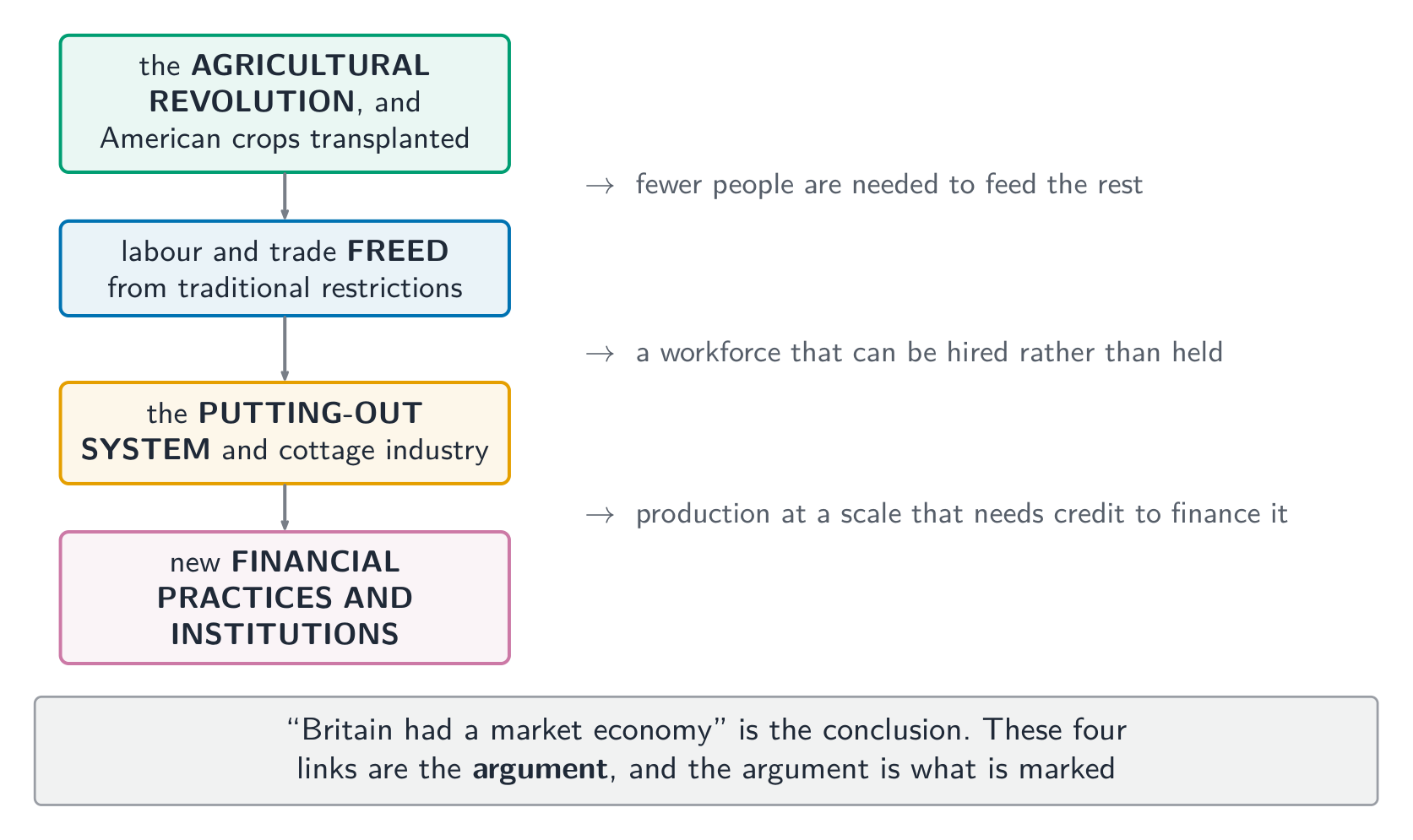
The chain worth holding: more food supports more people, freed labour and cottage industry let those people produce for market, and new finance moves the resulting capital. Each link is separately examinable, and together they are the foundation on which Unit 6's industrialisation is built.

עברית

אירופה בת הקדומים פיתחה כלכלת שוק שיצרה את הבסיס לתפקידה הגלובלי. CED מפרטת את המרכיבים, ושאלות ב exam מעודדות הזכרת מספר מהן:

  • המהפכה החקלאית השיבה פרודוקטיביות והגבירה את אספקת המזון ומוצרים חקלאיים אחרים.
  • היבאה והשחתה של תוצרים אמריקאים תרמו עוד לאספקת המזון.
  • עבודה ומסחר בסחורות שוחררו יותר ויותר ממגבלות מסורתיות שהטילו ממשלות וגופי איגודים כמו גילדים.
  • מערכת ההפקה (putting-out system), או תעשייה ביתית, התרחבה כאשר יותר עובדים ייצרו למסחר בבתיהם ובסדנאותיהם.
  • כלכלת השק יצרה פרקטיקות ומוסדות פיננסיים חדשים.

השרשרת שחובה לשמור עליה: מזון נוסף תומך באוכלוסייה גדולה יותר, עבודה משוחררת ותעשייה ביתית מאפשרות לאנשים אלו לייצר למסחר, והפיננסים החדשים מעבירים את ההון שנוצר. כל קישור נבדק בנפרד, וכשהם יחד הם הבסיס שעליו נבנית תעשייה ביחידה 6.

ארבעה קישורים בין שינוי חקלאי לתפקיד גלובלי - הקישורים הם הטענה
Explore · ⁨חקור⁩

Build Britain's market economy from the ground up

'Britain had a market economy' is the conclusion. These four links are the argument, and the argument is what is marked.

3.4

Economic Development and Mercantilism · ⁨פיתוח כלכלי ומרקantilism⁩

Syllabus · ⁨סיילבוס⁩
English

3.4 Economic Development and Mercantilism

Thematic Focus (ECD): Economic and Commercial Developments — Economic development, especially the development of capitalism, played an important role in Europe’s history, often having significant social, political, and cultural effects.

Learning Objective Unit 3.C: Explain the continuities and changes in commercial and economic developments from 1648 to 1815.

  • KC-2.2.II The European-dominated worldwide economic network contributed to the agricultural, industrial, and consumer revolutions in Europe.
    • KC-2.2.II.A European states followed mercantilist policies by drawing resources from colonies in the New World and elsewhere.
    • KC-2.2.II.B The transatlantic slave-labor system expanded in the 17th and 18th centuries as demand for New World products increased.
    • KC-2.2.II.C Overseas products and influences contributed to the development of a consumer culture in Europe.
    • KC-2.2.II.D The importation and transplantation of agricultural products from the Americas contributed to an increase in the food supply in Europe.
    • KC-2.2.II.E Foreign lands provided raw materials, finished goods, laborers, and markets for the commercial and industrial enterprises in Europe.

Illustrative examples:

  • Transatlantic slave-labor systems:
    • Middle Passage
    • Triangle trade
  • Overseas products:
    • Sugar
    • Tea
    • Silks and other fabrics
    • Tobacco
    • Rum
    • Coffee
עברית

3.4 התפתחות כלכלית ומרקantilism

מיקוד נושא (ECD): פיתוחים כלכליים ומסחריים — פיתוח כלכלי, במיוחד פיתוח הקפיטליזם, שיחק תפקיד חשוב בהיסטוריה של אירופה, לעיתים קרובות עם השפעות חברתיות, פוליטיות ותרבותיות משמעותיות.

מטרות למידה ליחידה 3.C: הסבר על הרציפות והשינויים בהתפתחויות מסחריות וכלכליות מתקופת 1648 ועד 1815.

  • KC-2.2.II הרשת הכלכלית העולמית הנשלטת על ידי אירופה תרמה למהפכות החקלאיות, התעשייתיות וצרכניות באירופה.
    • KC-2.2.II.A מדינות אירופאיות נהגו במדיניות מרקantilist על ידי גיוס משאבים מהמושבות בעולם החדש ובמקומות אחרים.
    • KC-2.2.II.B מערכת העבדים האטלנטית התרחבה במאה ה-17 והמאה ה-18 כשהביקוש למוצרי העולם החדש עלה.
    • KC-2.2.II.C מוצרים והשפעות מחו
    • KC-2.2.II.D ייבוא והשבתת מוצרים חקלאיים מהאמריקות תרמו להגברת אספקת המזון באירופה.
    • KC-2.2.II.E ארצות זרות סיפקו חומרי גלם, מוצרים מוגמרים, עובדים ושווקים למפעלים מסחריים ותעשייתיים באירופה.

דוגמאות מדגמיות:

  • מערכות עבדות סחר-סחר האטלנטיות:
    • המעבר האמצעי
    • המסחר המשולש
  • מוצרים מחו
    • סוכר
    • תה
    • משי ובדים אחרים
    • טבק
    • רום
    • קפה

Source: College Board AP Course and Exam Description · ⁨מקור: תיאור הקורס והמבחן של College Board AP⁩

English

The European-dominated worldwide economic network contributed to the agricultural, industrial, and consumer revolutions in Europe.

Mercantilism 重商主义 is the policy frame: the state promotes exports, restricts imports, and acquires colonies to supply raw materials and buy finished goods. Note the direction of causation the CED asserts - the global network is what fed the European transformations, so answers confined to Europe's internal development are incomplete.

עברית

הרשת הכלכלית הגלובלית המנוהלת על ידי אירופה תרמה למהפכות החקלאיות, התעשייתיות וצריכת המוצרים באירופה.

מרקantilism הוא המסגרת המדינית: המדינה מקדמת יצוא, מגבילה יבוא, ורוכשת מושבות כדי לספק חומרי גלם ולקנות מוצרים מוגמרים. שמו לב לכיוון ההשפעה ש-CED טוענת - הרשת הגלובלית היא מה שהזין את השינויים האירופיים, ולכן תשובות המוגבלות לפיתוח הפנימי של אירופה יהיו חסרות.

3.5

The Dutch Golden Age · ⁨זהב ההולנדי⁩

Syllabus · ⁨סיילבוס⁩
English

3.5 The Dutch Golden Age

Thematic Focus (SOP): States and Other Institutions of Power — European states and nations developed governmental and civil institutions from 1450 to the present to organize society and consolidate political power, with a variety of social, cultural, and economic effects.

Learning Objective Unit 3.D: Explain the factors that contributed to the development of the Dutch Republic.

  • KC-2.1.II.B The Dutch Republic, established by a Protestant revolt against the Habsburg monarchy, developed an oligarchy of urban gentry and rural landholders to promote trade and protect traditional rights.
עברית

3.5 זהב ההולנדי

מיקוד נושאי (SOP): מדינות ומוסדות כוח אחרים — מדינות ואומות אירופיות פיתחו מוסדות ממשליים ואזרחיים משנת 1450 ועד היום כדי לארגן את החברה ולחזק את הכוח הפוליטי, עם מגוון השפעות חברתיות, תרבותיות וכלכליות.

מטרות לימוד יחידה 3.D: הסבר הגורמים שתרמו לפיתוח הרפובליקה ההולנדית.

  • KC-2.1.II.B הרפובליקה ההולנדית, שהוקמה על ידי מרידה פרוטסטנטית נגד המלוכה ההבסבורגית, פיתחה אוליגרכיה של אצולה עירונית ובעלי אדמות כפריים לקידום מסחר ולהגנה על זכויות מסורתיות.

Source: College Board AP Course and Exam Description · ⁨מקור: תיאור הקורס והמבחן של College Board AP⁩

English

The Dutch Republic 荷兰共和国, established by a Protestant revolt against the Habsburg monarchy, developed an oligarchy of urban gentry and rural landholders to promote trade and religious toleration.

The Dutch case matters because it is neither absolutism nor English constitutionalism - a third model, commercially dominant, that shows political form and economic success were not tied together in a single formula.

עברית

הרפובליקה ההולנדית, שהוקמה על ידי מרידה פרוטסטנטית נגד המונרכיה של הבסבורגים, פיתחה אוליגרכיה של בעלי ערים ואצולה כפרית כדי לקדם סחר וסובלנות דתית.

מקרה הולנדי רלוונטי כי הוא אינו אבסולוטיזם ולא חוקיות אנגלית - מודל שלישי, השולט במסחר, המראה שצורת פוליטית והצלחה כלכלית לא היו קשורות יחד בנוסחה אחת.

3.6

Balance of Power · ⁨מאזן כוחות⁩

Syllabus · ⁨סיילבוס⁩
English

3.6 Balance of Power

Thematic Focus (SOP): States and Other Institutions of Power — European states and nations developed governmental and civil institutions from 1450 to the present to organize society and consolidate political power, with a variety of social, cultural, and economic effects.

Learning Objective Unit 3.E: Explain how European states attempted to establish and maintain a balance of power on the continent throughout the period from 1648 to 1815.

  • KC-1.5.II The competitive state system led to new patterns of diplomacy and new forms of warfare.
    • KC-1.5.II.A Following the Peace of Westphalia, religion declined in importance as a cause for warfare among European states; the concept of the balance of power played an important role in structuring diplomatic and military objectives.
  • KC-2.1.I.D The inability of the Polish monarchy to consolidate its authority over the nobility led to Poland’s partition by Prussia, Russia, and Austria, and its disappearance from the map of Europe.
  • KC-2.1.III After 1648, dynastic and state interests, along with Europe’s expanding colonial empires, influenced the diplomacy of European states and frequently led to war.
    • KC-2.1.III.B After the Austrian defeat of the Turks in 1683 at the Battle of Vienna, the Ottomans ceased their westward expansion.
    • KC-2.1.III.C Louis XIV’s nearly continuous wars, pursuing both dynastic and state interests, provoked a coalition of European powers opposing him. HISTORICAL DEVELOPMENTS

Learning Objective Unit 3.F: Explain how advances in technology contributed to a developing balance of power on the continent throughout the period from 1648 to 1815.

  • KC-1.5.II.B Advances in military technology led to new forms of warfare, including greater reliance on infantry, firearms, mobile cannon, and more elaborate fortifications, all financed by heavier taxation and requiring a larger bureaucracy. New military techniques and institutions (i.e., the military revolution) tipped the balance of power toward states able to marshal sufficient resources for the new military environment.

Illustrative examples:

  • Louis XIV’s nearly continuous wars:
    • Dutch War
    • Nine Years’ War
    • War of the Spanish Succession
  • States that benefited from the military revolution:
    • Spain under the Habsburgs §Bullet Sweden under Gustavus Adolphus §Bullet France
עברית

3.6 מאזן כוחות

מיקוד נושאי (SOP): מדינות ומוסדות כוח אחרים — מדינות ואומות אירופיות פיתחו מוסדות ממשליים ואזרחיים משנת 1450 ועד היום כדי לארגן את החברה ולחזק את הכוח הפוליטי, עם מגוון השפעות חברתיות, תרבותיות וכלכליות.

מטרות לימוד יחידה 3.E: הסבר כיצד מדינות אירופאיות ניסו להקים ולשמור על מאזן כוחות ביבשה לאורך התקופה מ-1648 עד 1815.

  • KC-1.5.II מערכת המדינות המתחרות הובילה לדפוסי דיפלומטיה חדשים ולצורות לוחמה חדשות.
    • KC-1.5.II.A לאחר שלום וסטפליה, הדת צמצמה את משמעותה כתעלת מלחמה בין מדינות אירופאיות; מושג מאזן הכוחות שיחק תפקיד חשוב במימוש מטרות דיפלומטיות וצבאיות.
  • KC-2.1.I.D חוסר היכולת של המלוכה הפולנית לחזק את סמכותה מעל האצולה הביא לחלוקת פולין על ידי פרוסיה, רוסיה ואוסטריה, ולכתישתה מהמפה של אירופה.
  • KC-2.1.III לאחר 1648, אינטרסים דינ斯טיים ומדינתיים, לצד האימפריות הקולוניאליות המתרחבות באירופה, השפיעו על הדיפלומטיה של מדינות אירופאיות והובילו לעיתים קרובות למלחמות.
    • KC-2.1.III.B לאחר ההפסד האוסטרי לטורקים ב-1683 בקרב וינה, הטורקים הפסיקו את הרחבתם המערבית.
    • KC-2.1.III.C מלחמותיו של לואי XIV, שנערכו ברצף כמעט מתמיד, בעקבות אינטרסים דינSטיים ומדינתיים, גרמו לשיתוף פעולה של כוחות אירופאיים נגדו. התפתחויות היסטוריות

מטרות לימוד יחידה 3.F: הסבר כיצד התקדמות בטכנולוגיה תרמה למאזן כוחות מתפתח ביבשה לאורך התקופה מ-1648 עד 1815.

  • KC-1.5.II.B התקדמות בטכנולוגיה הצבאית הובילה לצורות מלחמה חדשות, כולל תלות מוגברת בחיל רגלי, אקדחים, תותחים ניידים והתעצבות מבוצרת יותר, כל אלו מומנו על ידי מיסים כבדים ודרשו ביורוקרטיה גדולה יותר. טכניקות ומוסדות צבאיים חדשים (כלומר, המהפכה הצבאית) שינו את מאזן הכוחות ל favor המדינות שיכלו להעמיד משאבים מספיקים לסביבה הצבאית החדשה.

דוגמאות מדגמיות:

  • המלחמות של לואי XIV:
    • המלחמה ההולנדית
    • מלחמת התשע שנים
    • מלחמת הירושה הספרדית
  • מדינות שהתפרצו מהמהפכה הצבאית:
    • ספרד תחת הבסבורגים §Bullet שוודיה תחת גוסטבוס אדולפוס §Bullet צרפת

Source: College Board AP Course and Exam Description · ⁨מקור: תיאור הקורס והמבחן של College Board AP⁩

English

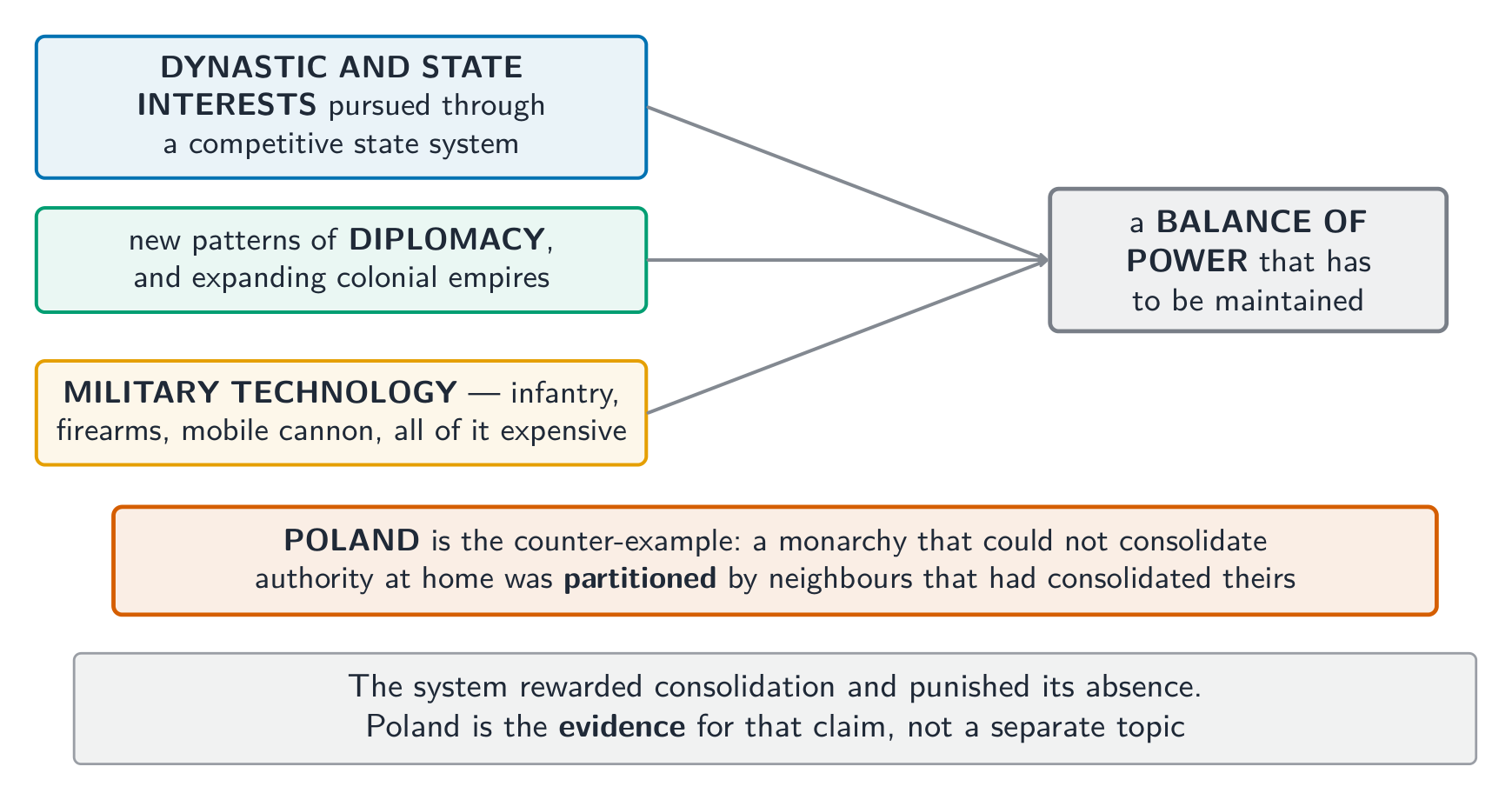
The competitive state system 竞争性国家体系 led to new patterns of diplomacy and new forms of warfare. After 1648, dynastic and state interests, along with expanding colonial empires, drove European diplomacy.

Two specifics are examinable. Advances in military technology produced new forms of warfare - greater reliance on infantry, firearms, and mobile cannon, and larger standing armies that only a centralising state could pay for. And the inability of the Polish monarchy to consolidate authority over its nobility led to Poland's partition 波兰被瓜分 by Prussia, Russia, and Austria - the clearest demonstration in the course that failure to centralise had a price.

עברית
השוואה כוללת של היחידה במסגרת אחת - ומשימת ההסקת המסקנות של CED עצמה היא להשוות ביניהן
שני המודלים שמרו על האצולה במקומה; הם התנגדו זה לזה לגבי מקום הסמכות.

מערכת המדינות המתחרות הביאה לדפוסים דיפלומטיים חדשים ולצורות מלחמה חדשות. לאחר 1648, אינטרסים דינ斯טיים ומדינתיים, לצד האימפריות הקולוניאליות המתרחבות, הדריכו את הדיפלומציה האירופאית.

שני פרטים ספציפיים נבדקים. התקדמות בטכנולוגיה צבאית יצרה צורות מלחמה חדשות - תלות גדולה יותר בחייל רגלי, נשק אש ובקטענים ניידים, וגדלים צבאות קבועים גדולים יותר שאף מדינה מרכזית לא יכולה היה לממן. וכך גם העובדה שמונרכיה הפולנית לא הצליחה לחזק את סמכותה מעל האצולה שלה הביאה לחלוקת פולין על ידי פרוסיה, רוסיה ואוסטריה - ההדמון הג明確 ביותר בקורס לכך שכישלון בהמרכזת כוח גרם למחיר.

המערכת עונדת על המרכזת - פולין היא העדות, לא נושא נפרד
3.7

Absolutist Approaches to Power · ⁨גישות אבסולוטיות לכוח⁩

Syllabus · ⁨סיילבוס⁩
English

3.7 Absolutist Approaches to Power

Thematic Focus (SOP): States and Other Institutions of Power — European states and nations developed governmental and civil institutions from 1450 to the present to organize society and consolidate political power, with a variety of social, cultural, and economic effects.

Learning Objective Unit 3.G: Explain how absolutist forms of rule affected social and political development from 1648 to 1815.

  • KC-2.1.I.A Absolute monarchies limited the nobility’s participation in governance but preserved the aristocracy’s social position and legal privileges.
  • KC-2.1.I.B Louis XIV and his finance minister, Jean-Baptiste Colbert, extended the administrative, financial, military, and religious control of the central state over the French population.
  • KC-2.1.I.E Peter the Great “westernized” the Russian state and society, transforming political, religious, and cultural institutions; Catherine the Great continued this process.

Illustrative examples:

  • Absolute monarchs:
    • James I of England
    • Peter the Great of Russia
    • Philip II, III, and IV of Spain
  • Extended power of the state: §Bullet Intendants §Bullet Modernized, state-controlled military Russian westernization: §Bullet Russian Academy of Sciences §Bullet Education §Bullet Western fashion §Bullet Expanded military
עברית

3.7 גישות אבסולוטיות לכוח

מיקוד נושאי (SOP): מדינות ומוסדות כוח אחרים — מדינות ואומות אירופיות פיתחו מוסדות ממשליים ואזרחיים משנת 1450 ועד היום כדי לארגן את החברה ולחזק את הכוח הפוליטי, עם מגוון השפעות חברתיות, תרבותיות וכלכליות.

מטרות למידה יחידה 3.G: הסבר כיצד צורות שלטון אבסולוטיות השפיעו על פיתוח חברתי ופוליטי בין 1648 ל-1815.

  • KC-2.1.I.A המונרכיות האבסולוטיות הגבלו את השתתפות האצולה בממשלה אך שמרו על מעמדה החברתי של האריסטוקרטיה ועל זכויותיה המשפטיות.
  • KC-2.1.I.B לואי XIV ושגר המימונים שלו, ז'אן-בטיסט קולבר, הרחיבו את השליטה המנהלית, הפיננסית, הצבאית והדתית של המדינה המרכזית על האוכלוסייה הצרפתית.
  • KC-2.1.I.E פיוטר הגדול "מערבית" את המדינה והחברה הרוסיות, ומרה את המוסדות הפוליטיים, הדתיים והתרבותיים; קטרינה הגדולה המשיכה בתהליך זה.

דוגמאות מדגמיות:

  • מונרכים אבסולוטיים:
    • ג'יימס הראשון מאנגליה
    • פיוטר הגדול מרוסיה
    • פיליפה השני, השלישי והרביעי מספרד
  • הרחבת כוח המדינה: §Bullet אינטנדינטים §Bullet צבא ממודרן ובשליטת המדינה מערביות רוסיות: §Bullet האקדמיה הרוסית למדעים §Bullet חינוך §Bullet אופנה מערבית §Bullet הרחבת הצבא

Source: College Board AP Course and Exam Description · ⁨מקור: תיאור הקורס והמבחן של College Board AP⁩

English

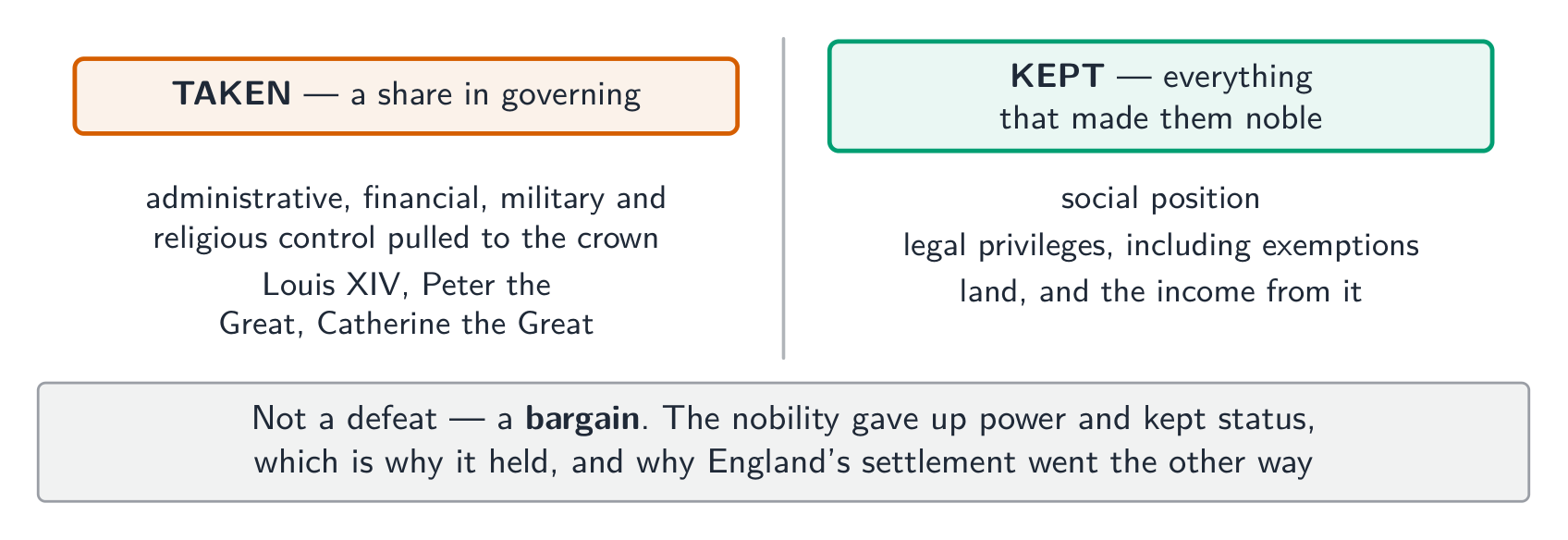
Absolute monarchies limited the nobility's participation in governance but preserved the aristocracy's social position and legal privileges. That trade is the single most useful sentence in the unit: absolutism bought political obedience by leaving social hierarchy untouched.

The CED's named cases:

  • Louis XIV 路易十四 and his finance minister Jean-Baptiste Colbert 柯尔贝尔 extended administrative, financial, military, and religious control over the French state.
  • Peter the Great 彼得大帝 "westernised" the Russian state and society, transforming political, religious, and cultural institutions; Catherine the Great 叶卡捷琳娜大帝 continued that programme.
עברית

המונרכיות המוחלטות הגבלו השתתפות האצולה בשלטון אך שמרו על מעמד חברתי ועל זכויות משפטיות של האצולה. החלפה זו היא המשפט הרלוונטי ביותר ליחידה: האבסולוטיזם קנה ציות פוליטי על ידי השארת ההיררכיה החברתית ללא שינוי.

המקרים הנקראים של CED:

  • לואי XIV ושגריר הכספים שלו ז'אן-בטיסט קולבר הרחיבו את השליטה המנהלית, הכספית, הצבאית והדתית על המדינה הצרפתית.
  • פיטר הגדול "מערבית" את המדינה והחברה הרוסית, ומיטב את המוסדות הפוליטיים, הדתיים והתרבותיים; קתרינה הגדולה המשיכה בתוכנית זו.
האבסולוטיזם היה עסקה, לא הפסד: כוח הושאב, מעמד נשמר
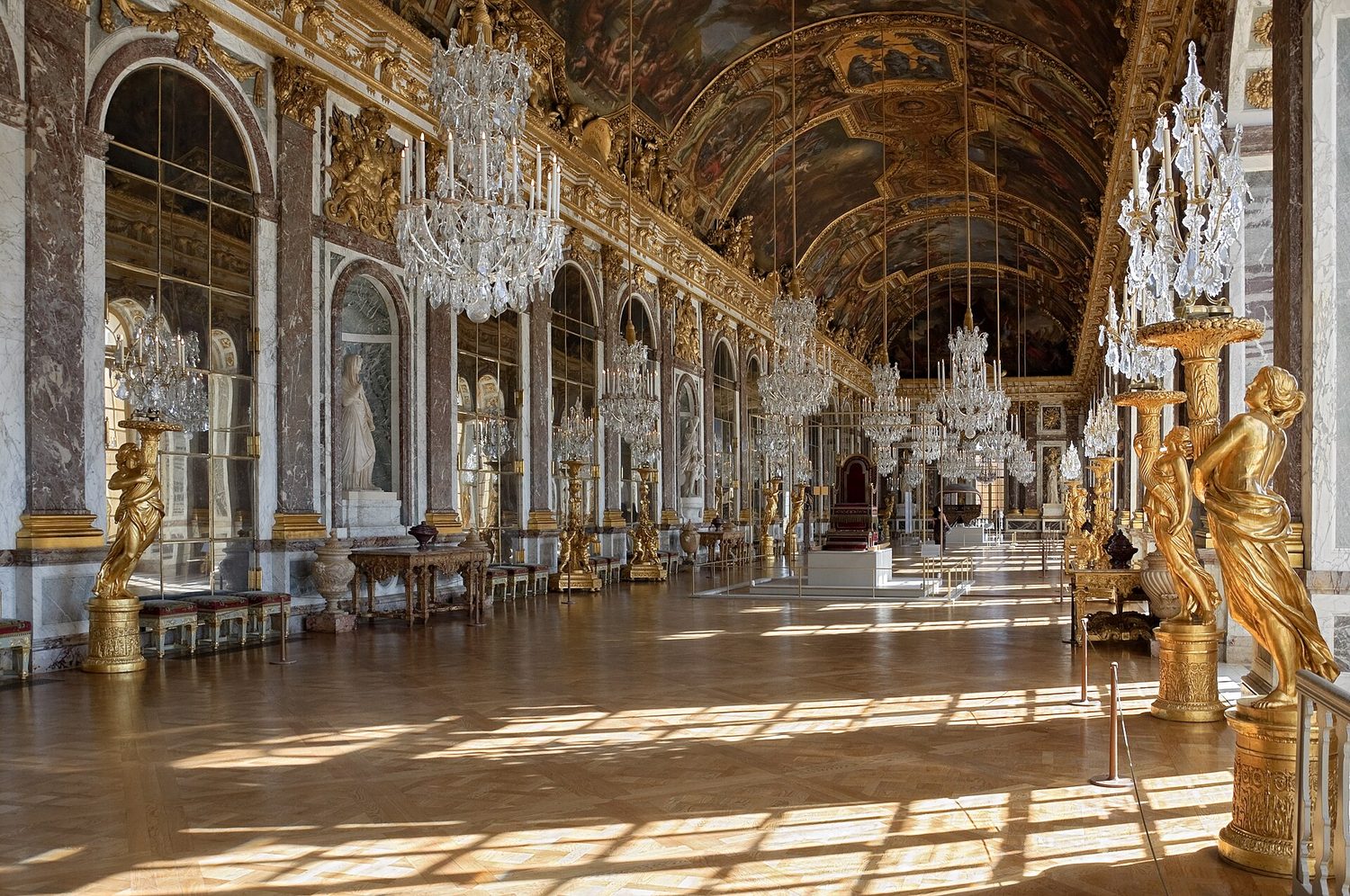
האולם המראה בוורסאי - אבסולוטיזם כארכיטקטורה
Explore · ⁨חקור⁩

Sort what absolutism took from what it left alone

Absolute monarchs limited the nobility's share in governing and preserved its social position — which is why it held.

3.8

Comparison in the Age of Absolutism · ⁨השוואה בתקופת האבסולוטיזם⁩

Syllabus · ⁨סיילבוס⁩

3.8 Comparison in the Age of Absolutism and Constitutionalism

Learning ObjectiveReview: Unit 3 Key Concepts

Unit 3.H
Compare the different forms of political power that developed in Europe from 1648 to 1815.

  • KC-1.5 The struggle for sovereignty within and among states resulted in varying degrees of political centralization.
    • KC-1.5.I The new concept of the sovereign state and secular systems of law played a central role in the creation of new political institutions.
    • KC-1.5.III The competition for power between monarchs and corporate and minority language groups produced different distributions of governmental authority in European states.
    • KC-1.5.III.B Monarchies seeking enhanced power faced challenges from nobles who wished to retain traditional forms of shared governance and regional autonomy.
    • KC-1.5.III.C Within states, minority local and regional identities based on language and culture led to resistance against the dominant national group.
  • KC-2.1 Different models of political sovereignty affected the relationship among states and between states and individuals.
    • KC-2.1.I In much of Europe, absolute monarchy was established over the course of the 17th and 18th centuries.
    • KC-2.1.II Challenges to absolutism resulted in alternative political systems.
  • KC-2.2 The expansion of European commerce accelerated the growth of a worldwide economic network.
    • KC-2.2.I Early modern Europe developed a market economy that provided the foundation for its global role.
    • KC-2.2.II The European-dominated worldwide economic network contributed to the agricultural, industrial, and consumer revolutions in Europe.

Source: College Board AP Course and Exam Description · ⁨מקור: תיאור הקורס והמבחן של College Board AP⁩

English

The unit's reasoning skill is comparison - the CED's own task is to compare the different forms of political power that developed from 1648 to 1815.

Worked example (a real AP exam question). AP European History short-answer questions here ask, for example, to "Explain one difference between absolutist and constitutionalist forms of government in the period 1648 to 1815." A full-mark answer states the difference in terms that apply to both: "They differed in where sovereignty was located. In absolutist France, Louis XIV concentrated administrative, financial, and military authority in the crown and excluded the nobility from governance. In constitutionalist England, the outcome of the Civil War and the Glorious Revolution located sovereignty in the crown together with Parliament, so that taxation and law required the consent of the propertied elite represented there." Notice the structure: one axis of comparison, then each case measured on it.

עברית

מיומנת ההסקת המסקנות של היחידה היא השוואה - משימתו של CED עצמה היא להשוות בין צורות כוח פוליטי שונות שפותחו מ-1648 עד 1815.

דוגמה פתורה (שאלה אמיתית בבחנת AP). שאלות תשובה קצרה בהיסטוריה אירופאית AP מבקשות כאן, לדוגמה, "להסביר הבדק אחד בין צורות ממשל אבסולוטיות וחוקיות בתקופה 1648 עד 1815." תשובה מלאה מנקודת מבט מציגה את ההבדל במונחים החלים על שניהם: "הם התבדלו במקום בו ממוקמת הסמכות. בצרפת האבסולוטית, לואי XIV ריכז את הסמכות המנהלית, הכספית והצבאית בכתר ובאופן חיצוני את האצולה מהשלטון. באנגליה החוקית, תוצאת המלחמת האזרחית והמהפכה המפוארת מיקמו את הסמכות בכתר יחד עם הפרלמנט, כך שמסיבות ומשחק דורש את הסכמת האליטה הממוקמת שם." שימו לב למבנה: ציר השוואה אחד, ואז כל מקרה נמדד עליו.

3.8

Exam tips · ⁨טיפים לבחינות⁩

English
  • The English Civil War was a conflict among elites about their roles. Do not turn 1688 into democracy.
  • Absolutism limited political participation but preserved social privilege. That trade answers many questions.
  • Keep a third model ready - the Dutch Republic. It breaks the simple two-way comparison and shows examiners you know the period.
  • Poland's partition is the cost of failing to centralise. It is the counter-example the other cases need.
  • The economic topics are a chain: agriculture, freed labour, cottage industry, finance. Name several links, not one.
  • For comparison questions, choose one axis and measure both cases on it. Two separate descriptions are not a comparison.
עברית
  • המלחמת האזרחית האנגלית הייתה סכסוך בין אליטות על תפקידיהן. אל תמירו את 1688 לדמוקרטיה.
  • האבסולוטיזם הגביל השתתפות פוליטית אך שמר על זכויות חברתיות. החלפה זו עונה על הרבה שאלות.
  • שמור על דגם שלישי מוכן - הרפובליקה ההולנדית. הוא שובר את ההשוואה הפשוטה דו-כיוונית ומראה לבוחנים שהיכרותך עם התקופה היא עמוקה.
  • חלוקת פולין היא מחיר הכישלון במיסוד המדינה. זו הדוגמה הנגדית שדרושה בשאר המקרים.
  • הנושאים הכלכליים הם שרשרת: חקלאות, עבודה חופשית, תעשייה ביתית, פיננסים. ציין מספר קשרים, לא רק אחד.
  • לשאלות השוואה, בחר ציר אחד ומדוד את שני המקרים עליו. שתי תיאורים נפרדים אינם מהווים השוואה.

Interactive lessons on this topic · ⁨שיעורים אינטראקטיביים בנושא זה⁩

Work through it step by step, with instant-check exercises. · ⁨לעבור על הדברים צעד אחר צעד, עם תרגילים לבדיקה מיידית.⁩

Past Papers · ⁨מבחני עבר⁩

More topics in AP European History · ⁨היסטוריה אירופאית - AP⁩ · ⁨נושאים נוספים בAP European History · ⁨היסטוריה אירופאית - AP⁩⁩

Log in or create account · ⁨היכנס או צור חשבון⁩

IGCSE, A-Level & AP