Skip to content · ⁨דלג לתוכן⁩

Investigate: Inquiry and the Artistic Process · ⁨חקירה: מחקר ותהליך יצירתי⁩

AP Drawing · ⁨ציור - AP⁩ · Topic 5 · ⁨נושא 5⁩

Video lesson for this topic · ⁨שיעור וידאו לנושא זה⁩ Open the video page · ⁨פתח את עמוד הוידאו⁩
7:48

Investigate: Inquiry and the Artistic Process · ⁨חקירה: מחקר ותהליך יצירתי⁩

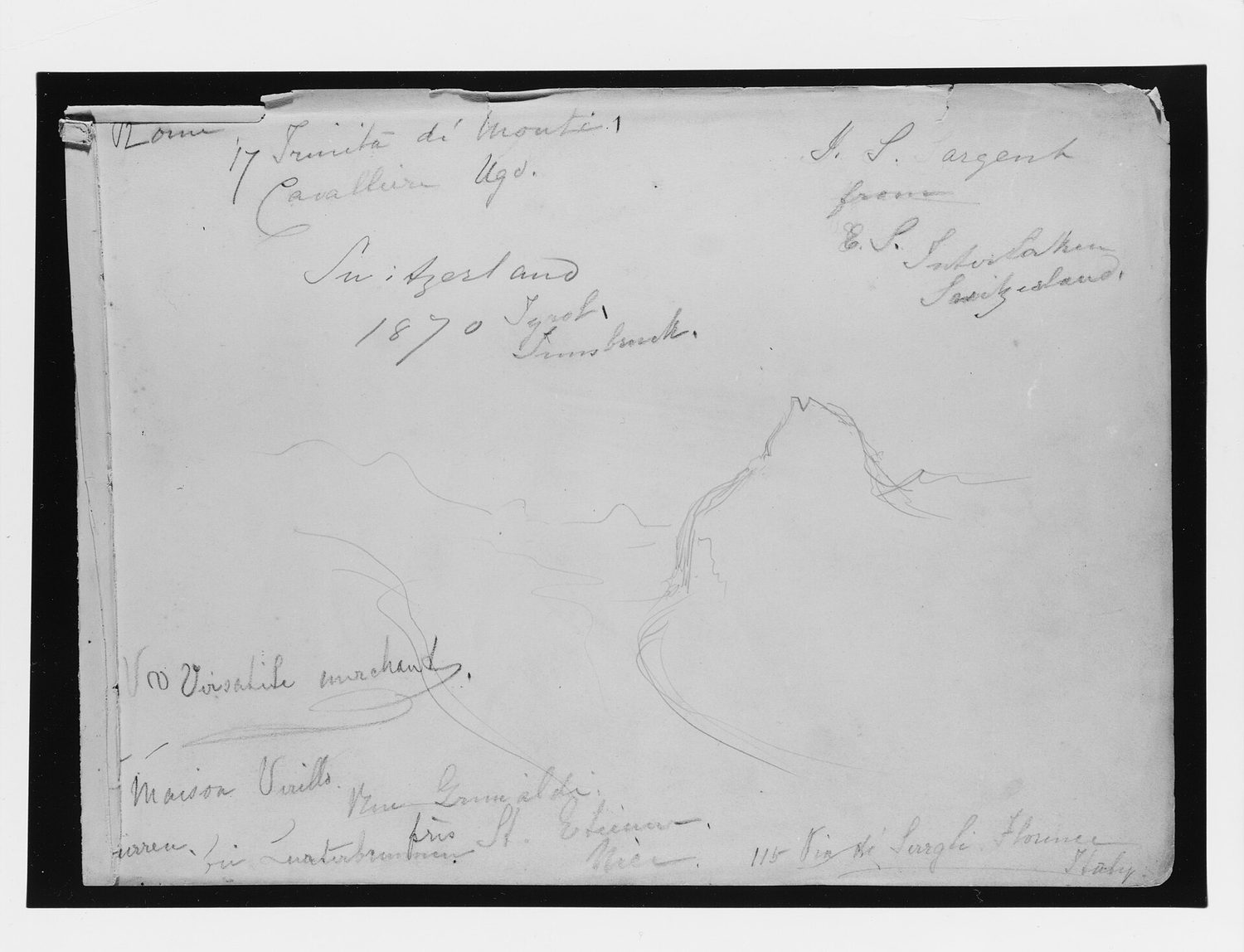
This is a page from an artist's notebook. John Singer Sargent drew on it in eighteen seventy, when he was still a teenager. Look at what is on it. Half a…

English narration · English + 中文 subtitles burned in · ⁨קריאת קול באנגלית · תרגום אנגלי + סינית שרוף בתוך הסרטון⁩

5.1

Inquiry and Asking Questions · ⁨חקירה ושאלות⁩

Syllabus · ⁨סיילבוס⁩
English

Focus: Inquiry is the intentional process of questioning that guides exploration and discovery over time. (CED Big Idea 1)

  • A workable inquiry is open, personal, and visual — answerable through drawing, not through a paragraph.
  • 'How can line weight express my grandmother's hands aging?' beats 'I will draw hands.'
  • Strong questions generate the next drawing: each work answers a little and asks a little more.
  • Test a question by listing ten works it could produce — fewer than five means it is too narrow.
  • Questions may evolve mid-investigation; document the turn in your journal and written evidence.
  • The Sustained Investigation is scored on how clearly works relate to and develop the stated inquiry.
עברית

הדגשה: חקירה היא תהליך מכוון של השאלה המנחה חקר ותגליות לאורך זמן. (רעיון גדול של CED 1)

  • חקירה פעילה היא פתוחה, אישית וויזואלית – ניתנת לעיבוד דווקא דרך שרטוט, ולא דרך פרagraf.
  • השאלה 'איך יכולה עובי קו לבטא הזדקנות של ידי נטתי?' טובה יותר מ'אני אצייר ידיים'.
  • שאלות חזקות מייצרות את השרטוט הבא: כל עבודה עונה מעט ושואל מעט יותר.
  • בדוק שאלה על ידי רשימת עשר עבודות שהיא יכולה לייצר; פחות מחמישה אומר שהיא צרה מדי.
  • השאלות עשויות להשתנות במהלך החקירה; תיעדו את השינוי ביומן ובעדויות כתב.
  • החקירה המתמשכת מוערכת לפי עד כמה העבודות קשורות ומפתחות את החקירה המוגדרת.

Source: College Board AP Course and Exam Description · ⁨מקור: תיאור הקורס והמבחן של College Board AP⁩

English

Inquiry 探究 is the intentional process of questioning that guides exploration and discovery over time — the engine of CED Big Idea 1.

  • A workable inquiry is open, personal, and visual — answerable through drawing, not through a paragraph.
  • "How can line weight express my grandmother's hands aging?" beats "I will draw hands."
  • Strong questions generate the next drawing: each work answers a little and asks a little more.
  • Test a question by listing ten works it could produce. Fewer than five means it is too narrow.
  • Questions may evolve mid-investigation — document the turn in your journal and written evidence.
  • The Sustained Investigation 持续探究 is scored on how clearly the works relate to and develop the stated inquiry.
עברית

חקירה היא תהליך מכוון של השאלה המנחה חקירה וגילוי לאורך זמן – המנוע של הרעיון המרכזי CED Big Idea 1.

מחזור החקירה: שאל, חקור, תוצר, השתקפות ושאל שוב
החקירה היא לולאה: כל שרטוט עונה מעט ושואל מעט יותר
  • חקירה פעילה היא פתוחה, אישית וויזואלית – ניתנת לעיבוד דווקא דרך שרטוט, ולא דרך פרagraf.
  • "איך משקל קו יכול לבטא הזדקנות ידידי הגר"ה?" טוב יותר מ"אצייר ידיים".
  • שאלות חזקות מייצרות את השרטוט הבא: כל עבודה עונה מעט ושואל מעט יותר.
  • בדוק שאלה על ידי פירט של עשר עבודות שהיא יכולה ליצור. פחות מחמש אומרת שהיא צרה מדי.
  • שאלות עשויות להתפתח במהלך החקירה – תעד את השינוי ביומן ובתיעוד הכתוב שלך.
  • ה-חקירה המתמשכת מוערכת בהתאם לכמה שהעבודות מקשרות ומפתחות את החקירה המוגדרת.
Explore · ⁨חקור⁩

Workable inquiry, or not yet? · ⁨האם חקירה אמינה או שלא עוד?⁩

A workable inquiry is open, personal, and answerable through drawing itself. Questions that are closed, borrowed, or non-visual stall an investigation. · ⁨חקירה ניתנת לטיפול היא פתוחה, אישית ומשיבה דרך הציור עצמו. שאלות סגורות, מושאלות או לא ויזואליות תוקפות את החקירה.⁩

Vocabulary · ⁨מילון מונחים⁩ Train · ⁨אימון⁩
English עברית
inquiry/ɪnˈkwaɪəri/ חקירה
Sustained Investigation/səˈsteɪnd ɪnˌvestɪˈɡeɪʃn/ חקירה מתמשכת
experiences/ekˈspɪərɪənsɪz/ חוויות
observation/ɒbzəˈveɪʃn/ צפייה
materials/məˈtɪərɪəlz/ חומרים
processes/ˈprəʊsesɪz/ תהליכים
ideas/aɪˈdɪəz/ רעיונות
context/ˈkɒntekst/ הקשר
master drawings/ˈmæstə ˈdrɔːɪŋz/ שליטה בציורים
critique/krɪˈtiːk/ ביקורת
visual evidence/ˈvɪʒuːəl ˈevɪdəns/ ראיות ויזואליות
revision/rɪˈvɪʒn/ עריכה מחדש
documentation/ˌdɒkjuːmənˈteɪʃn/ תיעוד
process journal/ˈprəʊses ˈdʒɜːnl/ יומן תהליך
5.2

Sources of Ideas and Experiences · ⁨מקורות רעיונות וחוויות⁩

Syllabus · ⁨סיילבוס⁩
English

Focus: Artists' experiences — surroundings, memory, culture, research — inform why, how, and what they draw. (CED 1.A)

  • Ideas come from direct observation, personal history, other disciplines, and other artists' work.
  • Document experiences as they happen: photos, thumbnail sketches, notes, collected objects.
  • Ordinary subjects carry authority — the kitchen table you know beats a fantasy castle you don't.
  • Research feeds drawing: anatomy pages, historical costume, botanical structure all sharpen observation.
  • Cultural sources (calligraphy, textiles, architecture) bring personal context into mark and composition choices.
  • Keep a source wall or folder; when momentum dips, the collected material restarts it.
עברית

הדגשה: חוויות של אמנים — סביבה, זיכרון, תרבות, מחקר — מחדשות מדוע, איך ומה הם מציירים. (CED 1.A)

  • רעיונות מגיעים ממחקר ישיר, היסטוריה אישית, תחומים אחרים ועבודות של אמנים אחרים.
  • תעדו חוויות בזמן אמת: צילומים, טיוטות קטנות, הערות, פריטים שנאספו.
  • נושאים רגילים נושאים סמכות — שולחן המטבח שאתם מכירים טוב יותר מאשר טירת פנטזיה שלא הכרתם.
  • מחקר מזין את הציור: דפי אנטומיה, לבוש היסטורי, מבנה בוטני מחדדים את הobservation.
  • מקורות תרבותיים (קליגרפיה, טקסטיל, ארכיטקטורה) מביאים הקשר אישי לבחירות בקשר ובהרכבה.
  • שמרו קיר מקורות או תיקייה; כאשר ההנעה פוחתת, החומר האסוף מחדש אותה.

Source: College Board AP Course and Exam Description · ⁨מקור: תיאור הקורס והמבחן של College Board AP⁩

English

Artists' experiences 经验 — surroundings, memory, culture, research — inform why, how, and what they draw. (CED 1.A)

  • Ideas come from direct observation 观察, personal history, other school subjects, and other artists' work.
  • Document experiences as they happen: photos, thumbnail sketches, notes, collected objects.
  • Ordinary subjects carry authority: the kitchen table you know beats a fantasy castle you don't.
  • Research feeds drawing — anatomy pages, historical costume, botanical structure all sharpen observation.
  • Cultural sources (calligraphy, textiles, architecture) bring personal context into mark and composition choices.
  • Keep a source wall or folder; when momentum dips, the collected material restarts it.
עברית

ניסיונות של אמנים – הסביבה, הזיכרון, התרבות, המחקר – מכוונים את מה, איך ולמה הם משרטטים. (CED 1.A)

  • רעיונות נובעים מתצפית ישירה, היסטוריה אישית, נושאים אחרים בבית הספר ועבודות של אמנים אחרים.
  • תעדו חוויות בזמן אמת: צילומים, טיוטות קטנות, הערות, פריטים שנאספו.
  • נושאים רגילים נחשבים למוסמכים: שולחן המטבח שמכירים טוב יותר ממושל בלתי-אמיתי שאינו מכיר.
  • מחקר מזין את הציור — דפי אנטומיה, לבוש היסטורי ומבנה בוטני משפרים את יכולת התצפית.
  • מקורות תרבותיים (קליגרפיה, טקסטיל, ארכיטקטורה) מביאים הקשר אישי לבחירות בקשר ובהרכבה.
  • שמרו קיר מקורות או תיקייה; כאשר ההנעה פוחתת, החומר האסוף מחדש אותה.
5.3

Materials, Processes, and Ideas · ⁨חומרים, תהליכים ורעיונות⁩

Syllabus · ⁨סיילבוס⁩
English

Focus: The CED's three working components: materials (substances), processes (actions), ideas (concepts) — drawings happen where they meet.

  • Every work is a decision triangle: what it is made of, how it is made, why it is made.
  • Let one corner lead: an idea can demand a material (rust drawings about decay) or a material can spark an idea.
  • Change one component at a time to see its effect — the fair-test habit works in the studio too.
  • Name all three in written evidence: scorers look for the connection explicitly.
  • Charcoal-on-torn-paper and fineliner-on-mylar are different statements, not just different looks.
  • This triad vocabulary comes straight from the CED glossary — use the exact words in your writing.
עברית

מיקוד: שלושת רכיבי העבודה של CED: חומרים (חומרים), תהליכים (פעולות), רעיונות (קונספציות) — הציורים נוצרים במקום שבו הם נפגשים.

  • כל יצירה היא משולש החלטות: מה היא עשויה ממנו, איך היא נוצרה, למה היא נוצרה.
  • תן לזווית אחת להוביל: רעיון יכול לדורש חומר (ציורים על חלודה אודות דעיכה) או חומר יכול לעורר רעיון.
  • שינוי רכיב אחד בכל פעם כדי לראות את השפעתו — הרגל של ניסוי הוגן עובד גם בסטודיו.
  • ציין את השלושה באמצעות מסמך כתוב: המבקר מחפש את הקשר במפורש.
  • פחם על נייר קרוע ומכניס דק על מיילר הן הצהרות שונות, ולא רק מראה שונה.
  • משפט הטריוויה הזה מגיע ישירות מהמילון של CED – השתמש במילים המדויקות בכתב שלך.

Source: College Board AP Course and Exam Description · ⁨מקור: תיאור הקורס והמבחן של College Board AP⁩

English

The CED names three working components: materials 材料 (physical substances), processes 过程 (actions), and ideas 想法 (concepts). Drawings happen where they meet.

  • Every work is a decision triangle: what it is made of, how it is made, why it is made.
  • Let one corner lead. An idea can demand a material (rust drawings about decay), or a material can spark an idea.
  • Change one component at a time to see its effect — the fair-test habit works in the studio too.
  • Name all three in your written evidence: scorers look for the connection explicitly.
  • Charcoal on torn paper and fineliner on smooth film are different statements, not just different looks.
  • This vocabulary comes straight from the CED glossary — use the exact words in your writing.
עברית

ה-CED מונה שלושה רכיבי עבודה: חומרים (חומרים פיזיקליים), תהליכים (פעולות) ו-רעיונות (מושגים). ציורים נוצרים במפגש שלהם.

  • כל יצירה היא משולש החלטות: מה היא עשויה ממנו, איך היא נוצרה, למה היא נוצרה.
  • תנו לזווית אחת להוביל. רעיון יכול לדרוש חומר (ציורי חלודה על דעיכה), או חומר יכול לגרור רעיון.
  • שינוי רכיב אחד בכל פעם כדי לראות את השפעתו — הרגל של ניסוי הוגן עובד גם בסטודיו.
  • שמו את שלושתם בעדות הכתובה שלכם: מוקדים מחפשים במפורש את הקשר.
  • פחם על נייר קרוע ופיינלינר על סרט חלק הם הצהרות שונות, לא רק מראה שונה.
  • וקאבלרי זה מגיע ישירות מהגלוסר של ה-CED — השתמשו במילים המדויקות בכתיבתכם.
5.4

Drawing in Context · ⁨ציור בהקשר⁩

Syllabus · ⁨סיילבוס⁩
English

Focus: Drawings mean more when you know when, where, and why they were made — context is an investigation tool. (CED 1.C)

  • Study master drawings as working documents: Leonardo's studies, Dürer's engravings, Rembrandt's ink landscapes.
  • Every tradition has a drawing language — Chinese ink line, Persian miniature, Renaissance chiaroscuro, manga screen-tone.
  • Ask of any drawing: what was it for — study, record, plan, or finished statement?
  • Historical technique is free training: copying a hatching system teaches decisions no video can.
  • Place your own work in context: which artists share your question, and how is your answer different?
  • Contextual notes in the journal strengthen written evidence and show intellectual depth.
עברית

מיקוד: לציורים יש ערך רב יותר כשיודעים מתי, היכן ולמה נוצרו – ההקשר הוא כלי לחקירה. (CED 1.C)

  • למד ציורי מאסטר כתעודות עבודה: עיונים של לאונרדו, הדפסים של דירר, נוף דיו של רמברנדט.
  • לכל מסורת יש שפת ציור משלה – קו דיו סיני, מיניאטורה פרסית, כיארוסקורו רנסנסי, טון מסך מאנגה.
  • שאל לגבי כל ציור: מה הוא היה מיועד לו – לימוד, שימור, תוכנית או הצהרה גמורה?
  • טכניקה היסטורית היא אימון חינם: העתקת מערכת שחזורות מלמדת החלטות שאין וידאו יכול להעביר.
  • שמו את היצירה שלכם בהקשר: אילו אמנים משתפים את השאלה שלכם, ואיך התשובה שלכם שונה?
  • הערות הקשר ביומן מחזקות את העדות הכתובה ומראות עומק אינטלקטואלי.

Source: College Board AP Course and Exam Description · ⁨מקור: תיאור הקורס והמבחן של College Board AP⁩

English

Drawings mean more when you know when, where, and why they were made. Context 语境 is an investigation tool. (CED 1.C)

  • Study master drawings 大师素描 as working documents: Leonardo's studies, Dürer's engravings, Rembrandt's ink landscapes.
  • Every tradition has a drawing language — Chinese ink line, Persian miniature, Renaissance chiaroscuro, manga screentone.
  • Ask of any drawing: what was it for — a study, a record, a plan, or a finished statement?
  • Historical technique is free training: copying a hatching system teaches decisions no video can.
  • Place your own work in context: which artists share your question, and how is your answer different?
  • Contextual notes in the journal strengthen written evidence and show intellectual depth.
עברית

ציורים זוכים משמעות גדולה יותר כשידוע מתי, איפה ולמה הם נוצרו. הקשר הוא כלי חקירה. (CED 1.C)

  • עיינו בציורי מאסטר כמסמכי עבודה: עיונותיו של ליאוনারדו, הדפסי האנרגר של דירר, נוף המינכן של רמברנדט.
  • לכל מסורת יש לשון ציור — קו דיו סיני, מיניאטורה פרסית, קיארוסקורו רנסנסי, סקרינטון מנגה.
  • שאלו מכל ציור: מה היה מיועד לו — עיון, תיעוד, תוכנית או הצהרה גמורה?
  • טכניקה היסטורית היא אימון חינם: העתקת מערכת שחזורות מלמדת החלטות שאין וידאו יכול להעביר.
  • שמו את היצירה שלכם בהקשר: אילו אמנים משתפים את השאלה שלכם, ואיך התשובה שלכם שונה?
  • הערות הקשר ביומן מחזקות את העדות הכתובה ומראות עומק אינטלקטואלי.
Melencolia I של דירר: הדפסות היסטוריות מדגמות יצירת סימנים והקשר
5.5

Evaluating Drawings · ⁨הערכת שרטוטים⁩

Syllabus · ⁨סיילבוס⁩
English

Focus: Critique — of your own and others' work — is how an investigation steers. (CED 1.D/1.E)

  • Describe → analyse → interpret → judge: the four-step critique keeps opinions grounded in evidence.
  • Use the AP language: point to visual evidence of skills, materials, processes, and ideas.
  • Self-critique with distance: turn the drawing upside down, view it in a mirror, or photograph it small.
  • Ask one focused question per critique ('does the focal point read?') instead of 'is it good?'
  • Written reflections after critiques become drafts of your Sustained Investigation writing.
  • Revision decisions born from critique are exactly the development the rubric wants to see.
עברית

מיקוד: ביקורת – על עבודות שלך ועל עבודות אחרים – היא האופן שבו החקירה מכוונת. (CED 1.D/1.E)

  • תאר → ניתח → פרש → השק: הביקורת בעלת ארבע השלבים מייצבת דעות על בסיס עדים.
  • השתמש בשפת AP: הפנה לעדים ויזואליים של מיומנויות, חומרים, תהליכים ורעיונות.
  • ביקורת עצמית עם מרחק: הפוך את הציור הפוך, צפה בו במראת, או צלם אותו בגודל קטן.
  • שאל שאלה ממוקדת אחת בכל ביקורת ('הנקודה המרכזית קריאה?') במקום 'האם זה טוב?'
  • השתקפות כתובה לאחר ביקורות הופכת לדפדפים של הכתיבה לחקירה מתמשכת שלך.
  • החלטות תיקון שנולדות מביקורת הן בדיוק ה-התפתחות שהמפרט רוצה לראות.

Source: College Board AP Course and Exam Description · ⁨מקור: תיאור הקורס והמבחן של College Board AP⁩

English

Critique 评图 — of your own and others' work — is how an investigation steers. (CED 1.D/1.E)

  • Use the four-step ladder: describe, analyse, interpret, judge. It keeps opinions grounded in what is visible.
  • Speak the AP language: point to visual evidence 视觉证据 of skills, materials, processes, and ideas.
  • Create distance for self-critique: turn the drawing upside down, view it in a mirror, or photograph it small.
  • Ask one focused question per critique ("does the focal point read?") instead of "is it good?"
  • Written reflections after critiques become drafts of your Sustained Investigation writing.
  • Revision 修改 decisions born from critique are exactly the development the rubric wants to see.
עברית

ביקורת — על עבודתך ועל עבודות אחרים — היא האמצעות באמצעותו חקירה מכוונת. (CED 1.D/1.E)

  • השתמש בדרגת ארבעת השלבים: תאר,נתח,פרש,הערכ. זה שומר על דעות נטועות במצופים הנראים לעין.
  • דבר בשפת ה-AP: ציין הוכחות ויזואליות למיומנויות, חומרים, תהליכים ורעיונות.
  • צור מרחב לביקורת עצמית: הפוך את השרטוט הפוך, צפה בו במראה או צלם אותו בגודל קטן.
  • שאל שאלה ממוקדת אחת בכל ביקורת ("האם נקודת המוקד קריאה?") במקום "האם זה טוב?"
  • השתקפות כתובה לאחר ביקורות הופכת לדפדפים של הכתיבה לחקירה מתמשכת שלך.
  • החלטות תיקון שנולדו מתוך ביקורת הן בדיוק ההתפתחות שהמדד רוצה לראות.
שרטוט פורטרט של אינגרס: הביקורת מציינת הוכחות ויזואליות גלויות של קו וגוון
5.6

Documentation and the Process Journal · ⁨מסמכים ויומן התהליך⁩

Syllabus · ⁨סיילבוס⁩
English

Focus: Investigation must be visible: the process journal captures questions, tests, failures, and turns as they happen. (CED 1.B)

  • Document with anything quick: phone photos, taped-in tests, dated notes, thumbnail storyboards.
  • Record the why at decision points — two lines today saves reconstructing your thinking in April.
  • Photograph work-in-progress stages; a before/after revision pair is gold for the portfolio.
  • Keep material tests (paper swatches, media trials) physically in the journal with outcomes noted.
  • Process images may be submitted among the 15 Sustained Investigation images — label them clearly.
  • A true journal (not a decorated diary) is the difference between claiming inquiry and showing it.
עברית

מיקוד: החקירה חייבת להיות גלויה: יומן התהליך תופס שאלות, מבחנים, כישלונות והפיכות כפי שהן מתרחשות. (CED 1.B)

  • תעד עם כל דבר מהיר: צילומי טלפון, מבחנים שמורים בסרט, הערות בתאריך, סטוריבורדים מיניאטוריים.
  • הקלט את ה-למה בנקודות החלטה – שני קווים היום חוסכים שיחזור החשיבה שלך באפריל.
  • צלם שלבים בתהליך היצירה; זוג לפני/אחרי לשלב עריכה הוא זהב לתיק העבודות.
  • שמור על בדיקות חומר (דגימות נייר, ניסויי מדיה) פיזית ביומן עם פלטחונים רשומים.
  • תמונות תהליך עשויות להישלח יחד עם 15 תמונות החקירה המתמשכת – סימן אותן בבירור.
  • יומן אמיתי (לא יומן מעוטר) הוא ההבדל בין להצהיר על חקירה לבין להציג אותה.

Source: College Board AP Course and Exam Description · ⁨מקור: תיאור הקורס והמבחן של College Board AP⁩

English

Investigation must be visible. Documentation 记录 captures questions, tests, failures, and turns as they happen. (CED 1.B)

  • Document with anything quick: phone photos, taped-in tests, dated notes, thumbnail storyboards.
  • Record the why at decision points — two lines today saves reconstructing your thinking in April.
  • Photograph work-in-progress stages; a before/after revision pair is gold for the portfolio.
  • Keep material tests (paper swatches, media trials) physically in the process journal 创作过程日志 with outcomes noted.
  • Process images may be submitted among the 15 Sustained Investigation images — label them clearly.
  • A true journal (not a decorated diary) is the difference between claiming inquiry and showing it.
עברית

החקירה חייבת להיות גלויה. תיעוד תופס שאלות, מבחנים, כישלונות ופנייה כמו שהם מתרחשים. (CED 1.B)

מאين הרעיונות לשרטוט מגיעים: התבונה, זיכרון, מחקר, תרבות, אמנים אחרים, נושאים אחרים *שישה מקורות אמינים מזינים את פרקטיקת השרטוט — אסוף מהכולם ביומן אחד

  • תעד עם כל דבר מהיר: צילומי טלפון, מבחנים שמורים בסרט, הערות בתאריך, סטוריבורדים מיניאטוריים.
  • הקלט את ה-למה בנקודות החלטה – שני קווים היום חוסכים שיחזור החשיבה שלך באפריל.
  • צלם שלבים בתהליך היצירה; זוג לפני/אחרי לשלב עריכה הוא זהב לתיק העבודות.
  • שמור מבחני חומרים (דגימות נייר, ניסויי מדיה) פיזית ב-יומן התהליך עם תוצאות רשומות.
  • תמונות תהליך עשויות להישלח יחד עם 15 תמונות החקירה המתמשכת – סימן אותן בבירור.
  • יומן אמיתי (לא יומן מעוטר) הוא ההבדל בין להצהיר על חקירה לבין להציג אותה.
דף מחברת של צייר: יומני תהליך מקלטים על חקירה, מקורות וניסויים קטנים
עמוד מחברת טיוטות של אמנית: יומני תהליך מקלטים חקירה, מקורות וניסויים קטנים
5.6

Exam tips · ⁨טיפים לבחינות⁩

English
  • Write the inquiry as one clear sentence and pin it above your desk — every scoring row of the Sustained Investigation asks how the work relates to it.
  • Scorers must SEE the investigation: tests, failed starts, and revision pairs are evidence; a folder of unrelated finished drawings is not.
  • Date everything. "Over time" is a scored idea — dated journal pages prove development without a word of explanation.
  • Use CED vocabulary in written evidence (materials, processes, ideas, experimentation, revision) — it connects your claims to the rubric instantly.
  • Photograph journal spreads as you go, not in April: process documentation shot in a rush looks like what it is.
עברית
  • כתוב את השאלה כמשפט ברור אחד והצמד אותו מעל שולחן העבודה שלך — כל שורה בהערכה של החקירה המתמשכת שואפת כיצד העבודה קשורה אליה.
  • המכירים חייבים לראות את החקירה: בדיקות, התחלות נכשלות וזוגות עריכה הם עדות; תיק של ציורים מוגמרים שאינם רלוונטיים אינו מהווה זאת.
  • תאריך הכל. "עם הזמן" הוא רעיון שמדורג – דפי יומן מתוארכים מוכיחים התפתחות ללא צורך במילים הסבר.
  • השתמש במונחי CED בעדות הכתובה (חומרים, תהליכים, רעיונות, ניסוי ועריכה) – כך הקשר בין הטענות שלך לבין קריטריוני ההערכה יהיה מיידי.
  • צלם פריטי יומן בזמן אמת, לא באפריל: מסמך תהליך מצולם בחופזה נראה בדיוק כמו מה שהוא.

Interactive lessons on this topic · ⁨שיעורים אינטראקטיביים בנושא זה⁩

Work through it step by step, with instant-check exercises. · ⁨לעבור על הדברים צעד אחר צעד, עם תרגילים לבדיקה מיידית.⁩

More topics in AP Drawing · ⁨ציור - AP⁩ · ⁨נושאים נוספים בAP Drawing · ⁨ציור - AP⁩⁩

Log in or create account · ⁨היכנס או צור חשבון⁩

IGCSE, A-Level & AP