Skip to content · ⁨الانتقال إلى المحتوى⁩

Renaissance and Exploration · ⁨العصر النهضة والاستكشاف⁩

AP European History · ⁨تاريخ أوروبا (AP)⁩ · Topic 1 · ⁨الموضوع 1⁩

Video lesson for this topic · ⁨درس فيديو لهذا الموضوع⁩ Open the video page · ⁨افتح صفحة الفيديو⁩
11:21

الوحدة 1: النهضة والاستكشاف

كلمتان في CED تخبرانك كيف يتم تقييم هذا المقرر بأكمله، وتظهران في الوحدة 1. درجات متفاوتة. صراع السيادة داخل وبين…

English narration · English + 中文 subtitles burned in · ⁨سرد باللغة الإنجليزية · ترجمة مدمجة بالإنجليزية + الصينية⁩

1.1

Contextualizing Renaissance and Discovery · ⁨سياقة النهضة والاكتشافات⁩

Syllabus · ⁨المنهج⁩
English

1.1 Contextualizing Renaissance and Discovery

Learning Objective Unit 1.A: Explain the context in which the Renaissance and Age of Discovery developed.

  • KC-1.1 The rediscovery of works from ancient Greece and Rome and observation of the natural world changed many Europeans’ view of their world.
    • KC-1.1.I A revival of classical texts led to new methods of scholarship and new values in both society and religion.
    • KC-1.1.III The visual arts incorporated the new ideas of the Renaissance and were used to promote personal, political, and religious goals.
  • KC-1.3 Europeans explored and settled overseas territories, encountering and interacting with indigenous populations.
    • KC-1.3.I European nations were driven by commercial and religious motives to explore overseas territories and establish colonies.
  • KC-1.4 European society and the experiences of everyday life were increasingly shaped by commercial and agricultural capitalism, notwithstanding the continued existence of medieval social and economic structures.
    • KC-1.4.I Economic change produced new social patterns, while traditions of hierarchy and status continued.
    • KC-1.4.II Most Europeans derived their livelihood from agriculture and oriented their lives around the seasons, the village, or the manor, although economic changes began to alter rural production and power.
  • KC-1.5 The struggle for sovereignty within and among states resulted in varying degrees of political centralization.
    • KC-1.5.I The new concept of the sovereign state and secular systems of law played a central role in the creation of new political institutions.
العربية

1.1 السياق التاريخي للrenaissance واكتشاف العالم الجديد

الهدف التعليمي Unit 1.A: اشرح السياق الذي نشأت فيه النهضة وعصر الاكتشافات.

  • KC-1.1 أعاد اكتشاف الأعمال من اليونان القديمة وروما ورصد الطبيعة غيّر منظور الكثيرين من الأوروبيين لعالمهم.
    • KC-1.1.I أدى إحياء النصوص الكلاسيكية إلى ظهور طرق جديدة للدراسة الأكاديمية وقيم جديدة في المجتمع والدين.
    • KC-1.1.III شملت الفنون البصرية الأفكار الجديدة للنهضة واستُخدمت لتعزيز أهداف شخصية وسياسية ودينية.
  • KC-1.3 استكشف الأوروبيون واستقروا في أراضي ما وراء البحار، وتواصلوا وتفاعلوا مع السكان الأصليين.
    • KC-1.3.I دافع الدوافع التجارية والدينية الدول الأوروبية لاستكشاف الأراضي عبر البحار وإقامة المستعمرات.
  • KC-1.4 شكل الرأسمالية التجارية والزراعية بشكل متزايد المجتمع الأوروبي وتجارب الحياة اليومية، على الرغم من استمرار الهياكل الاجتماعية والاقتصادية الوسطى.
    • KC-1.4.I أنتجت التغيرات الاقتصادية أنماطًا اجتماعية جديدة، بينما استمرت تقاليد التسلسل الهرمي والمكانة.
    • KC-1.4.II اشتقت معظم_sources الأوروبيين سبل عيشهم من الزراعة ونظموا حياتهم حول الفصول، أو القرية، أو المزرعة الملكية، على الرغم من أن التغيرات الاقتصادية بدأت في تغيير الإنتاج والسلطة في الريف.
  • KC-1.5 أدت الصراعات من أجل السيادة داخل وبين الدول إلى درجات متفاوتة من المركزية السياسية.
    • KC-1.5.I لعب المفهوم الجديد للدولة السيادية والأنظمة القانونية العلمانية دورًا محوريًا في إنشاء مؤسسات سياسية جديدة.
Source: College Board AP Course and Exam Description · ⁨المصدر: وصف دورة وامتحان College Board AP⁩

English

Unit 1 covers roughly 1450 to 1648, and four changes run through it at once. The CED states them as the unit's key concepts, and almost every question draws on at least two:

  • The rediscovery of classical works 古典著作 from ancient Greece and Rome, and observation of the natural world, changed how many Europeans saw their world.
  • Europeans explored and settled overseas territories, encountering and interacting with Indigenous populations 原住民.
  • European society and everyday life were increasingly shaped by commercial and agricultural capitalism 商业与农业资本主义, though older traditions persisted alongside it.
  • The struggle for sovereignty 主权 within and among states produced varying degrees of political centralisation.

That last phrase - varying degrees - is a standing instruction for the whole course. European History rewards answers that say how far a change went in one place compared with another.

العربية

تغطي الوحدة 1 تقريبًا الفترة من 1450 إلى 1648، ويمر بها أربعة تحولات متزامنة. وقد نصّت وثيقة الإطار التعليمي (CED) على هذه التحولات كمفاهيم رئيسية للوحدة، وتستند كل سؤال تقريبًا إلى اثنين منها على الأقل:

  • إعادة اكتشاف الأعمال الكلاسيكية من اليونان القديمة وروما، ومراقبة الطبيعة، غيرت كيف رأى الأوروبيون عالمهم.
  • استكشف الأوروبيون واستقروا في الأراضي overseas، واجهوا وتفاعلوا مع السكان الأصليين.
  • كانت المجتمع الأوروبي والحياة اليومية تتشكل بشكل متزايد تحت تأثير الرأسمالية التجارية والزراعية، على الرغم من استمرار التقاليد القديمة جنبًا إلى جنب معها.
  • أدت الصراع على السيادة داخل الدول وبينها إلى درجات متفاوتة من المركزية السياسية.

هذه العبارة الأخيرة - درجات متفاوتة - هي تعليمات مستمرة لجميع الوحدات. تاريخ أوروبا يعاقب الإجابات التي توضح مدى alcance التغيير في مكان ما مقارنة بآخر.

1.2

Italian Renaissance · ⁨النهضة الإيطالية⁩

Syllabus · ⁨المنهج⁩
English

1.2 Italian Renaissance

Thematic Focus (CID): Cultural and Intellectual Developments — The creation and transmission of knowledge, including the relationship between traditional sources of authority and the development of differing world views, had significant political, intellectual, economic, cultural, and social effects on European and world societies.

Learning Objective Unit 1.B: Explain how the revival of classical texts contributed to the development of the Renaissance in Italy.

  • KC-1.1.I.A Italian Renaissance humanists, including Petrarch, promoted a revival in classical literature and created new philological approaches to ancient texts. Some Renaissance humanists furthered the values of secularism and individualism.

Learning Objective Unit 1.C: Explain the political, intellectual, and cultural effects of the Italian Renaissance.

  • KC-1.1.I.B Humanist revival of Greek and Roman texts, spread by the printing press, challenged the institutional power of universities and the Catholic Church. This shifted education away from a primary focus on theological writings toward classical texts and new methods of scientific inquiry.
  • KC-1.1.I.C Admiration for Greek and Roman political institutions supported a revival of civic humanist culture in the Italian city-states and produced secular models for individual and political behavior.
  • KC-1.1.III.A In the Italian Renaissance, rulers and popes concerned with enhancing their prestige commissioned paintings and architectural works based on classical styles, the developing “naturalism” in the artistic world, and often the newly invented technique of geometric perspective.

Illustrative examples:

  • Italian Renaissance humanists:
    • Petrarch (pre-1450)
    • Lorenzo Valla
    • Marsilio Ficino
    • Pico della Mirandola
  • Individuals promoting secular models for individual and political behavior:
    • Niccolò Machiavelli
    • Baldassare Castiglione
    • Francesco Guicciardini
  • Individuals promoting a revival of Greek and Roman texts:
    • Leonardo Bruni
    • Leon Battista Alberti
    • Niccolò Machiavelli
  • Painters and architects:
    • Michelangelo
    • Donatello
    • Raphael
    • Andrea Palladio
    • Leon Battista Alberti
    • Filippo Brunelleschi
العربية

1.2 عصر النهضة الإيطالي

تركيز موضوعي (CID): التطورات الثقافية والفكرية — كان خلق المعرفة ونشرها، بما في ذلك العلاقة بين مصادر السلطة التقليدية وتطوير آلهة نظر مختلفة، له تأثيرات سياسية وفكرية واقتصادية وثقافية واجتماعية كبيرة على المجتمعات الأوروبية والعالمية.

هدف التعلم الوحدة 1.B: اشرح كيف ساهم إحياء النصوص الكلاسيكية في تطوير عصر النهضة في إيطاليا.

  • KC-1.1.I.A روج إنسانيون إيطاليون في عصر النهضة، بما في ذلك بيترارك، لإحياء الأدب الكلاسيكي وابتكرت أساليب فيلولوجية جديدة للنصوص القديمة. بعض إنسانيات عصر النهضة推進ت قيم العلمانية والفردية.

هدف التعلم الوحدة 1.C: اشرح التأثيرات السياسية والفكرية والثقافية لعصر النهضة الإيطالي.

  • KC-1.1.I.B أثار إحياء النصوص اليونانية والرومانية، الذي انتشر عبر المطبعة، سلطة الجامعات والكنيسة الكاثوليكية المؤسسية. هذا نقل التعليم بعيداً عن التركيز الأساسي على الكتابات اللاهوتية نحو النصوص الكلاسيكية وأساليب جديدة للتحقيق العلمي.
  • KC-1.1.I.C دعم الإعجاب بالمؤسسات السياسية اليونانية والرومانية إحياء الثقافة الإنسانية المدنية في الدول المدينة الإيطالية وأنتج نماذج علمانية للسلوك الفردي والسياسي.
  • KC-1.1.III.A في عصر النهضة الإيطالي، طلب الحكام والباباوات المهتمون بتعزيز مكانتهم رسم لوحات وأعمال معمارية مبنية على الأساليب الكلاسيكية، والتطور "الواقعية" في العالم الفني، وغالباً ما استخدموا التقنية المبتكرة حديثاً للمنظور الهندسي.

أمثلة توضيحية:

  • إنسانيات عصر النهضة الإيطالي:
    • بيترارك (قبل 1450)
    • لورنزو فالّا
    • مارسيليو فيتشينو
    • بيكو ديلا ميرانديولا
  • أفراد يعززون نماذج علمانية للسلوك الفردي والسياسي:
    • نيكولو ماكيافيلي
    • بالداساري كاستيلوني
    • فرانشيسكو غوتشارديني
  • أفراد يعززون إحياء النصوص اليونانية والرومانية:
    • ليوناردو برني
    • ليون باتيستا ألبرتي
    • نيكولو ماكيافيلي
  • رسامون ومعماريون:
    • ميكلانجيلو
    • دوناتيلو
    • رافائيل
    • أندريا بادو
    • ليون باتيستا ألبرتي
    • فيليبو برونليسكي

Source: College Board AP Course and Exam Description · ⁨المصدر: وصف دورة وامتحان College Board AP⁩

English

Italian Renaissance humanists 人文主义者, including Petrarch 彼特拉克, promoted a revival of classical literature and created new philological 语文学 approaches to ancient texts - reading them critically, in their original languages, as historical documents.

That revival had three effects the CED names separately:

  • Spread by the printing press 印刷机, the humanist recovery of Greek and Roman texts challenged the institutional power of universities and the Catholic Church.
  • Admiration for Greek and Roman political institutions supported a revival of civic humanism 公民人文主义 in the Italian city-states, producing new works of political thought.
  • Rulers and popes concerned with enhancing their prestige 提升声望 commissioned paintings and architecture on classical models.

The third point is the one students underuse. Renaissance art is examinable as political evidence: patronage was a claim to legitimacy, not only a taste in pictures.

العربية

مُحبو الأدب الإنساني الإيطاليون، بما في ذلك بيترارك، دعوا إلى إحياء الأدب الكلاسيكي وأسسوا أساليب فيلولوجية جديدة للنصوص القديمة - قراءتها بنقد، بلغاتها الأصلية، كمستندات تاريخية.

كان لهذا الإحياء ثلاثة effects يفرق بينها CED:

  • الانتشار عبر المطبعة، استعادة النصوص اليونانية والرومانية تحدي السلطة المؤسسية للجامعات والكنيسة الكاثوليكية.
  • الإعجاب بالـ المؤسسات السياسية اليونانية والرومانية دعم إحياء الإنسانية المدنية في دول المدن الإيطالية، مما أنتج أعمالاً جديدة في الفكر السياسي.
  • الملوك والبابوات المهتمون بـ تعزيز سمعتهم طلبوا لوحات ومعمارية على نماذج كلاسيكية.

النقطة الثالثة هي الأكثر استخداماً من قبل الطلاب. فن النهضة قابل للفحص كدليل سياسي: الرعاية كانت ادعاءً مشروعية، وليس مجرد ذوق في اللوحات.

1.3

Northern Renaissance · ⁨النهضة الشمالية⁩

Syllabus · ⁨المنهج⁩
English

1.3 Northern Renaissance

Thematic Focus (CID): Cultural and Intellectual Developments — The creation and transmission of knowledge, including the relationship between traditional sources of authority and the development of differing world views, had significant political, intellectual, economic, cultural, and social effects on European and world societies.

Learning Objective Unit 1.D: Explain how Renaissance ideas were developed, maintained, and changed as the Renaissance spread to northern Europe.

  • KC-1.1.III.B The Northern Renaissance retained a more religious focus, which resulted in more human-centered naturalism that considered individuals and everyday life appropriate objects of artistic representation.
  • KC-1.2.I.A Christian humanism, embodied in the writings of Erasmus, employed Renaissance learning in the service of religious reform.

Illustrative examples:

  • Artists who employed naturalism:
    • Pieter Bruegel the Elder
    • Rembrandt
العربية

1.3 عصر النهضة الشمالي

تركيز موضوعي (CID): التطورات الثقافية والفكرية — كان خلق المعرفة ونشرها، بما في ذلك العلاقة بين مصادر السلطة التقليدية وتطوير آلهة نظر مختلفة، له تأثيرات سياسية وفكرية واقتصادية وثقافية واجتماعية كبيرة على المجتمعات الأوروبية والعالمية.

هدف التعلم الوحدة 1.D: اشرح كيف طُوّرت أفكار عصر النهضة وصُانت وتغيّرت عندما انتشر عصر النهضة إلى شمال أوروبا.

  • KC-1.1.III.B حافظت النهضة الشمالية على تركيز ديني أكثر، مما أدى إلى ظهور حركية طبيعية أكثر تمحوراً حول الإنسان، اعتبرت الأفراد والحياة اليومية كائنات فنية مناسبة للتعبير عنها.
  • KC-1.2.I.A تجلى الإنسانية المسيحية في كتابات إراسموس، حيث استخدمت المعارف الرنسانسية لخدمة الإصلاح الديني.

أمثلة توضيحية:

  • فنانون استخدموا الحركية الطبيعية:
    • بيتر بروجل الأكبر
    • ريمبراند

Source: College Board AP Course and Exam Description · ⁨المصدر: وصف دورة وامتحان College Board AP⁩

English

As Renaissance ideas moved north, they changed. The Northern Renaissance retained a more religious focus, producing a human-centred naturalism 以人为中心的自然主义 that considered individuals and everyday life as proper subjects for art.

Intellectually, the key development is Christian humanism 基督教人文主义, embodied in the writings of Erasmus 伊拉斯谟, which put Renaissance learning at the service of religious reform 宗教改革. Holding that link makes Unit 2 far easier: the Reformation did not arrive from nowhere.

العربية

مع انتقال أفكار النهضة شمالاً، تغيرت. احتفظت النهضة الشمالية بتركيز ديني أكثر، منتجة طبيعوية مركزية إنسانياً اعتبرت الأفراد والحياة اليومية موضوعات فنية مناسبة.

فكرياً، التطور الرئيسي هو الإنسانية المسيحية، تجسيد في كتابات إيرازموس، والتي وضعت التعلم الإنساني في خدمة الإصلاح الديني. ربط هذه النقطة يجعل الوحدة 2 أسهل: الإصلاح لم يأتي من فراغ.

1.4

Printing · ⁨الطباعة⁩

Syllabus · ⁨المنهج⁩
English

1.4 Printing

Thematic Focus (TSI): Technological and Scientific Innovation — Scientific and technological innovations have increased efficiency, improved daily life, and shaped human development and interactions, having both intended and unintended consequences.

Learning Objective Unit 1.E: Explain the influence of the printing press on cultural and intellectual developments in modern European history.

  • KC-1.1.II The invention of printing promoted the dissemination of new ideas.
    • KC-1.1.II.A The invention of the printing press in the 1450s helped spread the Renaissance beyond Italy and encouraged the growth of vernacular literature, which would eventually contribute to the development of national cultures.
العربية

1.4 الطباعة

التركيز الموضوعي (TSI): الابتكار التكنولوجي والعلمي — أدت الابتكارات العلمية والتكنولوجية إلى زيادة الكفاءة، وتحسين الحياة اليومية، وتشكيل التطور البشري والتفاعلات البشرية، ولها عواقب مقصودة وغير مقصودة.

هدف التعلم الوحدة 1.E: اشرح تأثير آلة الطباعة على التطورات الثقافية والفكرية في التاريخ الأوروبي الحديث.

  • KC-1.1.II ساهمت اختراع الطباعة في نشر الأفكار الجديدة.
    • KC-1.1.II.A ساعد اختراع المطبعة في 1450s على نشر النهضة خارج إيطاليا وشجع نمو الأدب العامي، مما ساهم لاحقًا في تطوير الثقافات الوطنية.

Source: College Board AP Course and Exam Description · ⁨المصدر: وصف دورة وامتحان College Board AP⁩

English

The CED gives printing a topic of its own for a reason: the invention of printing promoted the dissemination of new ideas.

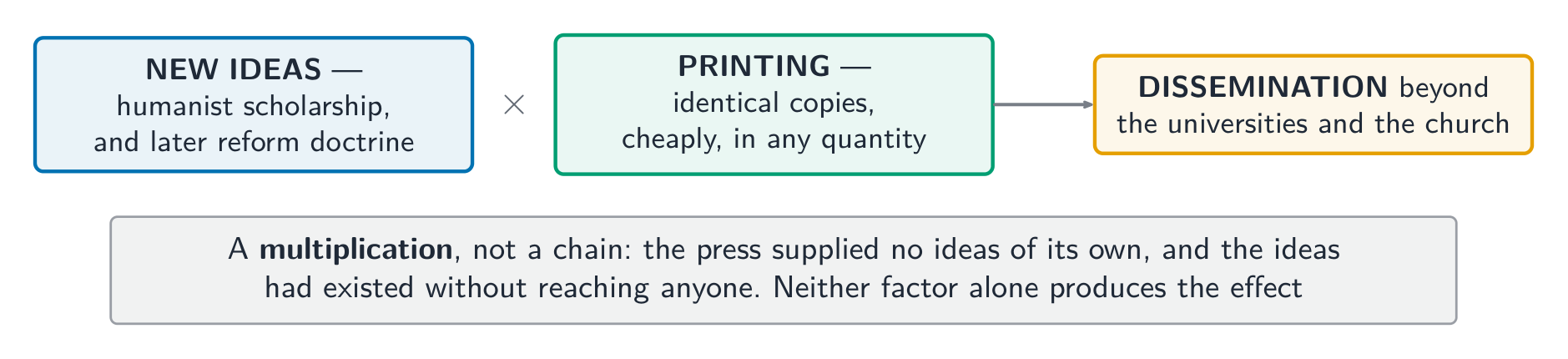
Printing is best understood as an amplifier rather than a cause. It did not create humanism, religious dissent, or political argument - but it changed their speed, reach, and cost, which is what allowed ideas to escape the control of the institutions that had previously governed which texts circulated.

العربية

CED يعطي الطباعة موضوعاً خاصاً لسبب: اختراع الطباعة عزز انتشار الأفكار الجديدة.

أفضل فهم للطباعة هو أنها مضخم بدلاً من سبب. لم تخلق الإنسانية، أو Dissent الديني، أو الجدال السياسي - لكنها غيرت سرعتها ووصولها وتكلفتها، وهو ما سمح للأفكار بالخروج من سيطرة المؤسسات التي كانت تحكم سابقاً أي نصوص تنتشر.

الطباعة ضاعفت الأفكار بدلاً من تزويد بها - لا يعمل عامل واحد وحده
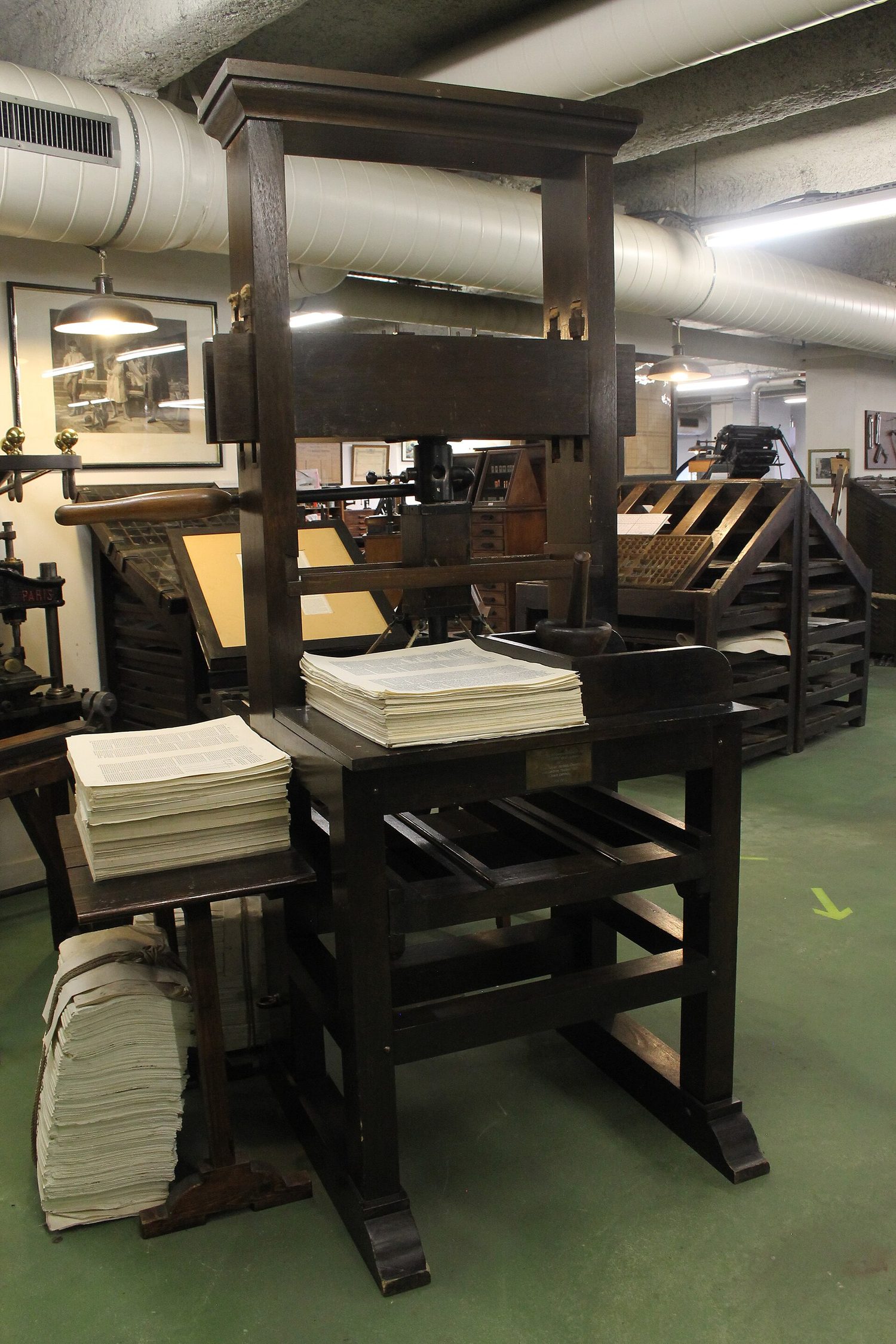
آلة مطبوعة يدوية من تصميم غوتنبرغ - الآلة وراء المضخم
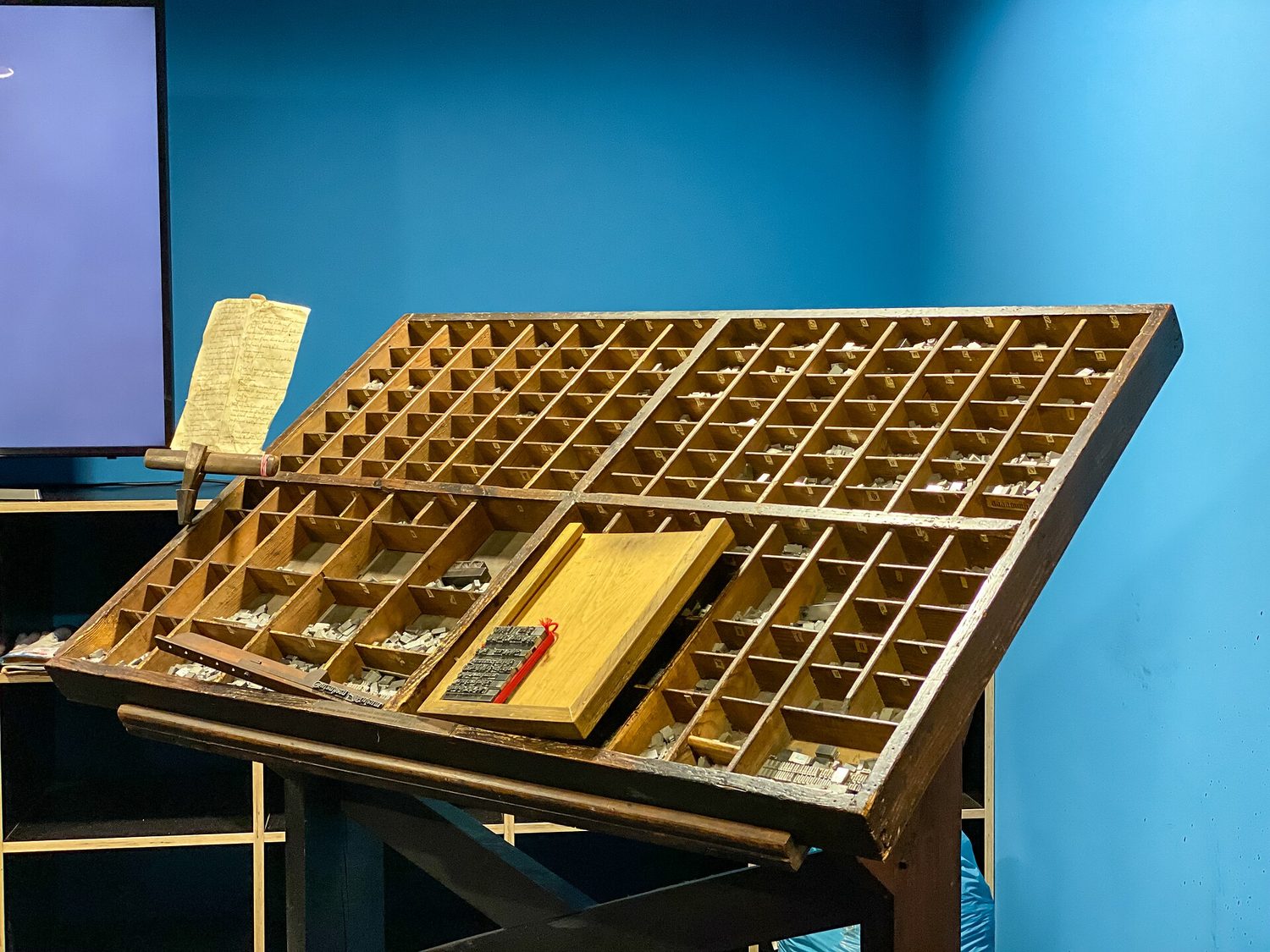
صندوق نوع المكون - القطع القابلة لإعادة الاستخدام التي جعلت النسخ المتطابقة رخيصة
1.5

New Monarchies · ⁨الممالك الجديدة⁩

Syllabus · ⁨المنهج⁩
English

1.5 New Monarchies

Thematic Focus (SOP): States and Other Institutions of Power — European states and nations developed governmental and civil institutions from 1450 to the present to organize society and consolidate political power, with a variety of social, cultural, and economic effects.

Learning Objective Unit 1.F: Explain the causes and effects of the development of political institutions from 1450 to 1648.

  • KC-1.2.II.A Monarchs and princes, including the English rulers Henry VIII and Elizabeth I, initiated religious reform from the top down in an effort to exercise greater control over religious life and morality.
  • KC-1.5.I.A New monarchies laid the foundation for the centralized modern state by establishing monopolies on tax collection, employing military force, dispensing justice, and gaining the right to determine the religion of their subjects.
  • KC-1.5.I.C Across Europe, commercial and professional groups gained in power and played a greater role in political affairs.
  • KC-1.5.I.D Continued political fragmentation in Renaissance Italy provided a background for the development of new concepts of the secular state.

Illustrative examples:

  • State actions to control religion and morality:
    • Spanish Inquisition
    • Concordat of Bologna
    • Book of Common Prayer
    • Peace of Augsburg
  • Monarchical control:
    • Ferdinand and Isabella of Spain consolidating control of the military
    • Star Chamber
    • Concordat of Bologna
    • Peace of Augsburg
    • Edict of Nantes
  • Commercial and professional groups that gained in power:
    • Merchants and financiers in Renaissance Italy and northern Europe
    • Nobles of the robe in France
  • Secular political theorists:
    • Jean Bodin
    • Hugo Grotius
    • Niccolò Machiavelli
العربية

1.5 الممالك الجديدة

التركيز الموضوعي (SOP): الدول والمؤسسات الأخرى للسلطة — طورت الدول الأوروبية والأمم مؤسسات حكومية ومدنية من عام 1450 إلى الوقت الحاضر لتنظيم المجتمع وتجميع السلطة السياسية، مع تأثيرات اجتماعية وثقافية واقتصادية متنوعة.

هدف التعلم الوحدة 1.F: اشرح أسباب ونتائج تطور المؤسسات السياسية من عام 1450 إلى 1648.

  • KC-1.2.II.A بدأ الملوك والأمراء، بما في ذلك الحكام الإنجليز هنري الثامن وإليزابيث الأولى، إصلاحاً دينياً من الأعلى سعياً منهم لممارسة سيطرة أكبر على الحياة الدينية والأخلاق.
  • KC-1.5.I.A وضعت الممالك الجديدة الأساس للدولة المركزية الحديثة من خلال إنشاء احتكارات على جمع الضرائب، واستخدام القوة العسكرية، وتطبيق العدالة، والحصول على الحق في تحديد دين رعاياها.
  • KC-1.5.I.C عبر أوروبا، اكتسبت المجموعات التجارية والمهنية قوة أكبر وشاركت بدور أكبر في الشؤون السياسية.
  • KC-1.5.I.D وفر التفكك السياسي المستمر في إيطاليا الرنسانسية خلفية لتطوير مفاهيم جديدة للدولة العلمانية.

أمثلة توضيحية:

  • إجراءات الدولة للسيطرة على الدين والأخلاق:
    • المحاكم الإسبانية المقدسة
    • اتفاقية بولونيا
    • كتاب الصلاة المشترك
    • صلح أوغسبورغ
  • التحكم الملكي:
    • فرديناند وإيزابيل من إسبانيا يجمعان سيطرة الجيش
    • المحكمة النجمية
    • اتفاقية بولونيا
    • صلح أوغسبورغ
    • مرسوم نانت
  • مجموعات تجارية ومهنية اكتسبت قوة:
    • التجار والممولون في إيطاليا الرنسانسية وأوروبا الشمالية
    • نبلاء القماش في فرنسا
  • مفكرون سياسيون علمانيون:
    • جان بودين
    • هوجو غروتيوس
    • نيكولو ماكيافيلي

Source: College Board AP Course and Exam Description · ⁨المصدر: وصف دورة وامتحان College Board AP⁩

English

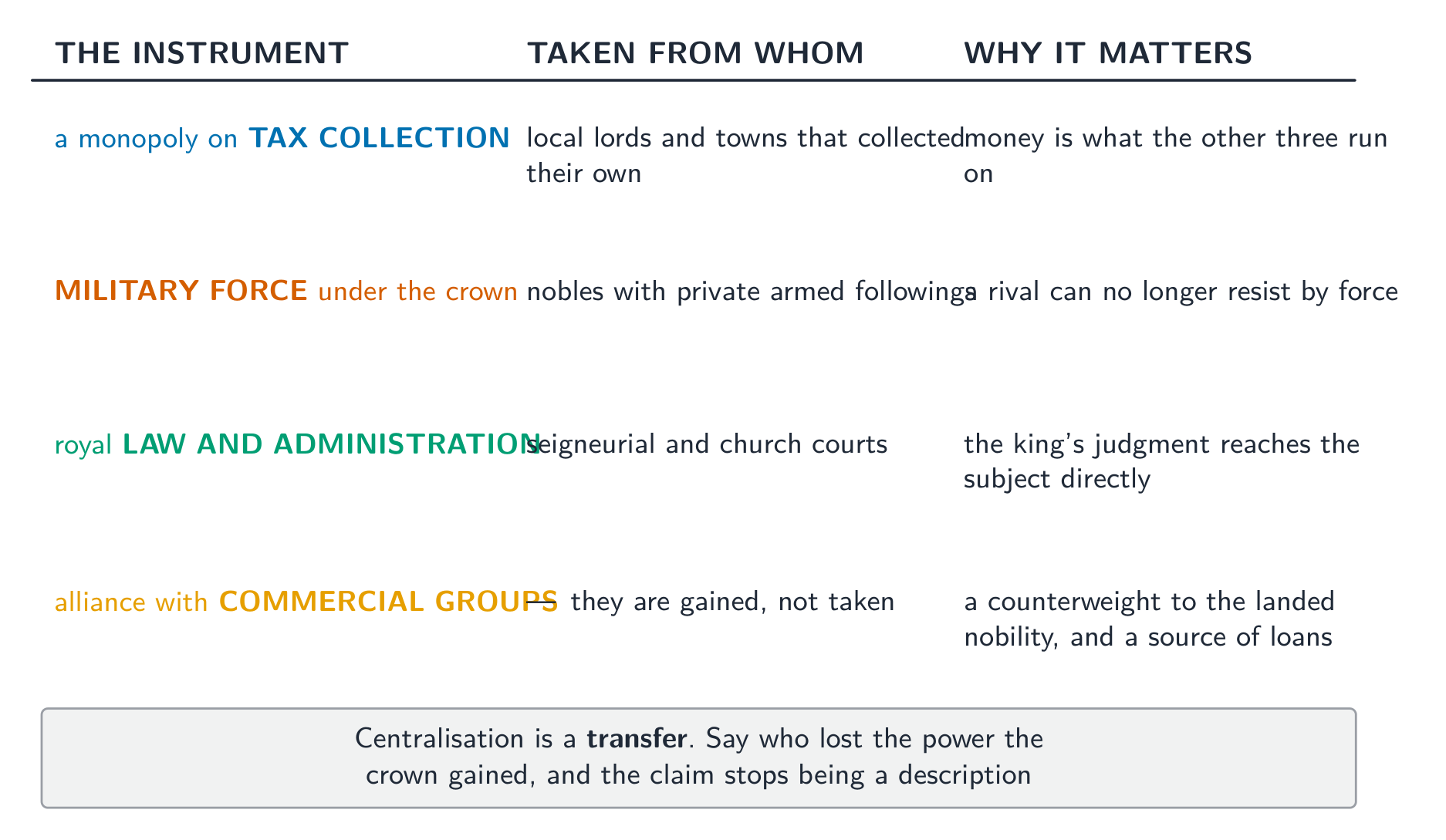
The new monarchies 新君主国 laid the foundation for the centralised modern state by:

  • establishing monopolies on tax collection 征税垄断权;
  • employing military force 军事力量 under royal control;
  • and taking increasing control of law and administration.

Two counterweights are also examinable. Commercial and professional groups gained power across Europe and played a greater role in political affairs. And continued political fragmentation in Renaissance Italy provided the background for new concepts of the secular state 世俗国家 - the theory came from the place where centralisation had failed, not succeeded.

Some monarchs, including Henry VIII and Elizabeth I, also initiated religious reform from the top down to strengthen royal control - a point that belongs to both this unit and the next.

العربية

الممالك الجديدة وضعت الأساس للدولة الحديثة المركزية من خلال:

  • إنشاء امتيازات لجمع الضرائب;
  • استخدام القوة العسكرية تحت سيطرة ملكية;
  • وأخذ سيطرة متزايدة على القانون والإدارة.

وزنين مضادين قابلين للفحص أيضاً. جماعات تجارية ومهنية اكتسبت سلطة عبر أوروبا ولعبت دوراً أكبر في الشؤون السياسية. والتفكك السياسي المستمر في إيطاليا الريفنايسان丝 قدم خلفية لمفاهيم جديدة عن الدولة العلمانية - جاءت النظرية من المكان الذي فشلت فيه المركزية، وليس نجحت فيه.

بعض الملوك، بما في ذلك هنري الثامن وإليزابيث الأولى، أيضاً بدأوا الإصلاح الديني من الأعلى إلى الأسفل لتعزيز السيطرة الملكية - نقطة تنتمي لكل من هذه الوحدة والوحدة التالية.

ما الذي يجعل المملكة 'جديدة': أربعة أدوات، كل منها مأخوذ من شخص محدد
Explore · ⁨استكشف⁩

Sort each instrument, and say who lost by it · ⁨صنّف كل أداة، وقل من خسر بها⁩

Centralisation is a transfer. Name who lost the power the crown gained and the claim stops being a description. · ⁨اللامركزية هي نقل. سمّ من خسر السلطة التي اكتسبتها التاج وكيف توقف الادعاء عن كونه وصفاً.⁩

Vocabulary · ⁨مفردات⁩ Train · ⁨تدريب⁩
English العربية
rediscovery of classical works/ˌriːdɪˈskʌvəri ɒv ˈklæsɪkl wɜːks/ إعادة اكتشاف الأعمال الكلاسيكية
Indigenous populations/ɪnˈdɪdʒənəs ˌpɒpjʊˈleɪʃnz/ السكان الأصليون
commercial and agricultural capitalism/kəˈmɜːʃl ænd ˌæɡrɪˈkʌltʃərəl ˈkæpɪtəlɪzəm/ الرأسمالية التجارية والزراعية
struggle for sovereignty/ˈstrʌɡl fɔː ˈsɒvərɪnti/ النضال من أجل السيادة
Italian Renaissance humanists/ɪˈtælɪən rɪˈneɪsəns ˈhjuːmənɪsts/ إنسانيو النهضة الإيطالية
Petrarch/ˈpetrɑːk/ بيترارك
philological/ˌfɪləˈlɒdʒɪkl/ لغوي
printing press/ˈprɪntɪŋ pres/ آلة الطباعة
civic humanism/ˈsɪvɪk ˈhjuːmənɪzəm/ الإنسانية المدنية
enhancing their prestige/enˈhænsɪŋ ðeə preˈstiːʒ/ تعزيز مكانتهم
human-centred naturalism/ˈhjuːmən ˈsentəd ˈnætʃərəlɪzəm/ الإنسانية الطبيعية المتمحورة حول الإنسان
Christian humanism/ˈkrɪstʃn ˈhjuːmənɪzəm/ الإنسانية المسيحية
Erasmus/ɪˈræzməs/ إيراسموس
religious reform/rɪˈlɪdʒəs rɪˈfɔːm/ الإصلاح الديني
new monarchies/njuː ˈmɒnəkiz/ الممالك الجديدة
monopolies on tax collection/məˈnɒpəliz ɒn tæks kəˈlekʃn/ امتيازات تحصيل الضرائب
employing military force/emˈplɔɪɪŋ ˈmɪlɪtəri fɔːs/ باستخدام القوة العسكرية
secular state/ˈsekjʊlə steɪt/ دولة علمانية
mercantilism/ˈmɜːkæntəlɪzəm/ المركانتيلية
Christianity was a stimulus/ˌkrɪstɪˈænɪti wʌzə ˈstɪmjʊləs/ كان المسيحية دافعاً
through coercion and negotiation/θruː ˌkəʊˈɜːʃn ænd nɪˌɡəʊʃɪˈeɪʃn/ عبر الإكراه والتفاوض
Columbian Exchange/kəˈlʌmbɪən eksˈtʃeɪndʒ/ التبادل الكولومبي
plantation economy/plænˈteɪʃn ɪˈkɒnəmi/ اقتصاد المزارع
Subsistence agriculture/sʌbˈsɪstəns ˈæɡrɪkʌltʃə/ الزراعة المعيشية
three-crop rotation/θriː krɒp rəʊˈteɪʃn/ دورة ثلاث محاصيل
two-crop rotation/tuː krɒp rəʊˈteɪʃn/ دورة مزدوجة للمحاصيل
sanitation/ˌsænɪˈteɪʃn/ الصرف الصحي
overpopulation/ˌəʊvəˌpɒpjʊˈleɪʃn/ الزيادة السكانية
morality/mɒˈrælɪti/ الأخلاق
money economy/ˈmʌni ɪˈkɒnəmi/ اقتصاد النقود
free peasantry/friː ˈpezəntri/ الفلاحون الأحرار
serfdom was codified/ˈsɜːfdəm wɒz ˈkəʊdɪfaɪd/ تم تدوين عبودية القرويين
revolt/rɪˈvəʊlt/ التمرد
Little Ice Age/ˈlɪtl aɪs eɪdʒ/ العصر الجليدي الصغير
1.6

Technological Advances and the Age of Exploration · ⁨التقدم التكنولوجي وعصر الاستكشاف⁩

Syllabus · ⁨المنهج⁩
English

1.6 Technological Advances and the Age of Exploration

Thematic Focus (TSI): Technological and Scientific Innovation — Scientific and technological innovations have increased efficiency, improved daily life, and shaped human development and interactions, having both intended and unintended consequences.

Learning Objective Unit 1.G: Explain the technological factors that facilitated European exploration and expansion from 1450 to 1648. THEMATIC FOCUS Interaction of Europe and the World INT Motivated by a variety of factors, Europe’s interaction with the world led to political, economic, social, and cultural exchanges that influenced both European and non-European societies. LEARNING OBJECTIVE

  • KC-1.3.II Advances in navigation, cartography, and military technology enabled Europeans to establish overseas colonies and empires. HISTORICAL DEVELOPMENTS

Learning Objective Unit 1.H: Explain the motivations for and effects of European exploration and expansion from 1450 to 1648.

  • KC-1.3.I.A European states sought direct access to gold, spices, and luxury goods to enhance personal wealth and state power.
  • KC-1.3.I.B The rise of mercantilism gave the state a new role in promoting commercial development and the acquisition of colonies overseas.
  • KC-1.3.I.C Christianity was a stimulus for exploration as governments and religious authorities sought to spread the faith, and for some it served as a justification for the subjugation of indigenous civilizations.

Illustrative examples:

  • Navigational technology:
    • Compass
    • Sternpost rudder
    • Portolani
    • Quadrant and astrolabe
    • Lateen rig
  • Military technology:
    • Guns and gunpowder
  • States seeking access to luxury goods:
    • Spanish in the New World
    • Portuguese in the Indian Ocean World
    • Dutch in the East Indies/Asia
  • Mercantilist policies employed by the state:
    • Jean-Baptiste Colbert
  • Religion and exploration:
    • Jesuit activities
العربية

1.6 التقدم التكنولوجي وعصر الاستكشاف

التركيز الموضوعي (TSI): الابتكار التكنولوجي والعلمي — أدت الابتكارات العلمية والتكنولوجية إلى زيادة الكفاءة، وتحسين الحياة اليومية، وتشكيل التطور البشري والتفاعلات البشرية، ولها عواقب مقصودة وغير مقصودة.

هدف التعلم الوحدة 1.G: اشرح العوامل التكنولوجية التي سهّرت الاستكشاف الأوروبي والتوسع من عام 1450 إلى 1648. التركيز الموضوعي: تفاعل أوروبا والعالم دافعاً عن مجموعة متنوعة من العوامل، أدى تفاعل أوروبا مع العالم إلى تبادل سياسي واجتماعي وثقافي أثر في كل من المجتمعات الأوروبية وغير الأوروبية. هدف التعلم

  • KC-1.3.II مكّنت التقدم في الملاحة وخرائط الكارته والتكنولوجيا العسكرية الأوروبيين من تأسيس مستعمرات وإمبراطوريات ما وراء البحار. التطورات التاريخية

هدف التعلم الوحدة 1.H: اشرح الدوافع والنتائج للاستكشاف والتوسع الأوروبي من عام 1450 إلى 1648.

  • KC-1.3.I.A سعت الدول الأوروبية للحصول على وصول مباشر إلى الذهب والتوابل والسلع الفاخرة لتعزيز الثروة الشخصية وسلطة الدولة.
  • KC-1.3.I.B أتاح صعود الميركانتيلية للدولة دوراً جديداً في تعزيز التنمية التجارية واكتساب المستعمرات ما وراء البحار.
  • KC-1.3.I.C كان المسيحية محفزاً للاستكشاف حيث سعت الحكومات والسلطات الدينية إلى نشر الدين، وبالنسبة للبعض خدمت كتبرير لاستعباد الحضارات الأصلية.

أمثلة توضيحية:

  • تكنولوجيا الملاحة:
    • البوصلة
    • مجاذيف الذيل
    • الخرائط البحرية (بولوتاني)
    • الربع والنجوم
    • الإبحار الشراعي الثلاثي الأضلاع
  • التكنولوجيا العسكرية:
    • البنادق والبارود
  • دول تسعى للوصول إلى السلع الفاخرة:
    • الإسبان في العالم الجديد
    • البرتغاليون في عالم المحيط الهندي
    • الهولنديون في جزر الهند الشرقية/آسيا
  • سياسات ميركانتالية استخدمتها الدولة:
    • جان باتيست كولبير
  • الدين والاستكشاف:
    • أنشطة اليسوعيين

Source: College Board AP Course and Exam Description · ⁨المصدر: وصف دورة وامتحان College Board AP⁩

English

Advances in navigation, cartography, and military technology enabled Europeans to establish overseas colonies and empires. Technology is the enabling condition; the CED then gives the motives separately:

  • European states sought direct access to gold, spices, and luxury goods to enhance personal wealth and state power.
  • The rise of mercantilism 重商主义 gave the state a new role in promoting commercial development and acquiring colonies.
  • Christianity was a stimulus 宗教动因 for exploration, as governments and religious authorities sought to spread the faith - and for some it also served as a justification.

Keep enabling conditions and motives in separate categories. A question asking "why" wants motives; a question asking "how it became possible" wants the technology.

العربية

التقدم في الملاحة، الخرائط، والتكنولوجيا العسكرية مكن الأوروبيين من إنشاء مستعمرات وإمبراطوريات عبر البحار. التكنولوجيا هي الشرط المُمَكّن؛CED يعطي الحوافز بشكل منفصل بعد ذلك:

  • سعت الدول الأوروبية إلى الحصول المباشر على الذهب والتوابل والسلع الفاخرة لتعزيز الثروة الشخصية وسلطة الدولة.
  • صعود المركانتيلية أعطى الدولة دوراً جديداً في تعزيز التنمية التجارية واكتساب المستعمرات.
  • المسيحية كانت دافعاً للاستكشاف، حيث سعت الحكومات والسلطات الدينية إلى نشر الدين - وبالنسبة للبعض خدمت أيضاً كتبرير.

حافظ على الشروط المُمَكِنة والحوافز في فئات منفصلة. سؤال يسأل "لماذا" يريد الحوافز؛ سؤال يسأل "كيف أصبح ممكناً" يريد التكنولوجيا.

1.7

Rivals on the World Stage · ⁨المنافسون على المسرح العالمي⁩

Syllabus · ⁨المنهج⁩
English

1.7 Rivals on the World Stage

Thematic Focus (ECD): Economic and Commercial Developments — Economic development, especially the development of capitalism, played an important role in Europe’s history, often having significant social, political, and cultural effects.

Learning Objective Unit 1.I: Explain how and why trading networks and colonial expansion affected relations between and among European states.

  • KC-1.3.III Europeans established overseas empires and trade networks through coercion and negotiation.
    • KC-1.3.III.B The Spanish established colonies across the Americas, the Caribbean, and the Pacific, which made Spain a dominant state in Europe in the 16th century.
    • KC-1.3.III.C The Atlantic nations of France, England, and the Netherlands followed by establishing their own colonies and trading networks to compete with Portuguese and Spanish dominance in the 17th century.
    • KC-1.3.III.D The competition for trade led to conflicts and rivalries among European powers in the 17th and 18th centuries.

Illustrative examples:

  • Colonial conflicts and rivalries:
    • Asiento
    • War of the Spanish Succession
    • Seven Years’ War
    • Treaty of Tordesillas
العربية

1.7 المنافسون على المسرح العالمي

التركيز الموضوعي (ECD): التطورات الاقتصادية والتجارية — لعب التطور الاقتصادي، لا سيما تطور الرأسمالية، دورًا مهمًا في تاريخ أوروبا، وغالبًا ما كان له تأثيرات اجتماعية وسياسية وثقافية كبيرة.

هدف التعلم الوحدة 1.I: اشرح كيف ولماذا أثرت شبكات التجارة والتوسع الاستعماري على العلاقات بين وبين الدول الأوروبية.

  • KC-1.3.III أسس الأوروبيون إمبراطوريات ما وراء البحار وشبكات التجارة من خلال القهر والتفاوض.
    • KC-1.3.III.B أسست إسبانيا مستعمرات عبر الأمريكتين، ومنطقة البحر الكاريبي، والمحيط الهادئ، مما جعلها دولة مسيطرة في أوروبا في القرن 16.
    • KC-1.3.III.C اتبعت الدول الأوروبية في الأطلسي، مثل فرنسا وإنجلترا وهولندا، إنشاء مستعمراتها وشبكات تجارتها الخاصة للتنافس مع هيمنة البرتغال وإسبانيا في القرن 17.
    • KC-1.3.III.D أدّت المنافسة التجارية إلى صراعات وتنافسات بين القوى الأوروبية في القرنين 17 و18.

أمثلة توضيحية:

  • الصراعات والاستكشافات الاستعمارية:
    • أسينتو
    • حرب الخلافة الإسبانية
    • حرب السنوات السبع
    • معاهدة توردسياس

Source: College Board AP Course and Exam Description · ⁨المصدر: وصف دورة وامتحان College Board AP⁩

English

Europeans established overseas empires and trade networks through coercion and negotiation 强制与谈判 - both, not one. Where local states were strong, Europeans negotiated for trading rights; where they were not, coercion followed.

Competition among European states for these networks reshaped relations at home. Commercial rivalry became a standing cause of European war, which is a continuity that runs all the way to Unit 7.

العربية

أ建立了 الأوروبيون إمبراطوريات عبر البحار وشبكات التجارة من خلال الإكراه والتفاوض - كلاهما، ليس واحداً. حيث كانت الدول المحلية قوية، تفاوض الأوروبيون للحصول على حقوق التجارة؛ حيث لم يكونوا كذلك، تبع الإكراه.

المنافسة بين الدول الأوروبية على هذه الشبكات أعادت تشكيل العلاقات في الداخل. أصبحت المنافسة التجارية سبباً دائماً للحروب الأوروبية، وهو استمرارية تمتد حتى الوحدة 7.

1.8

Colonial Expansion and Columbian Exchange · ⁨التوسع الاستعماري والتبادل الكولومبي⁩

Syllabus · ⁨المنهج⁩
English

1.8 Colonial Expansion and Columbian Exchange

Thematic Focus (ECD): Economic and Commercial Developments — Economic development, especially the development of capitalism, played an important role in Europe’s history, often having significant social, political, and cultural effects.

Thematic Focus (INT): Interaction of Europe and the World — Motivated by a variety of factors, Europe’s interaction with the world led to political, economic, social, and cultural exchanges that influenced both European and non-European societies.

Learning Objective Unit 1.J: Explain the economic impact of European colonial expansion and development of trade networks.

  • KC-1.3.III.A The Portuguese established a commercial network along the African coast, in South and East Asia, and in South America in the late 15th and throughout the 16th centuries.
  • KC-1.3.IV.i Europe’s colonial expansion led to a global exchange of goods, flora, and fauna; a shift toward European dominance; and the expansion of the trade in enslaved persons.
  • KC-1.3.IV.A The exchange of goods shifted the center of economic power in Europe from the Mediterranean to the Atlantic states and brought the latter into an expanding world economy.
  • KC-1.3.IV.B.i The exchange of new plants, animals, and diseases—the Columbian Exchange—created economic opportunities for Europeans.

Learning Objective Unit 1.K: Explain the social and cultural impact of European colonial expansion and development of trade networks.

  • KC-1.3.IV.ii Europe’s colonial expansion led to a global exchange of goods, flora, fauna, cultural practices, and diseases, resulting in the destruction of some indigenous civilizations, a shift toward European dominance, and the expansion of the trade in enslaved persons.
  • KC-1.3.IV.B.ii The exchange of new plants, animals, and diseases—the Columbian Exchange—in some cases facilitated European subjugation and destruction of indigenous peoples, particularly in the Americas.

Illustrative examples:

  • Important Atlantic port cities:
    • London
    • Bristol
    • Amsterdam
    • Antwerp
  • New plants, animals, and diseases (from Europe to the Americas):
    • Wheat
    • Cattle
    • Horses
    • Pigs
    • Sheep
    • Smallpox
    • Measles
  • New plants, animals, and diseases (from the Americas to Europe):
    • Tomatoes
    • Potatoes
    • Squash
    • Corn
    • Tobacco
    • Turkeys
العربية

1.8 التوسع الاستعماري والتبادل الكولومبي

التركيز الموضوعي (ECD): التطورات الاقتصادية والتجارية — لعب التطور الاقتصادي، لا سيما تطور الرأسمالية، دورًا مهمًا في تاريخ أوروبا، وغالبًا ما كان له تأثيرات اجتماعية وسياسية وثقافية كبيرة.

**التركيز الموضوعي (INT): تفاعل أوروبا والعالم—أدى تفاعل أوروبا مع العالم، بدافع مجموعة متنوعة من العوامل، إلى تبادل سياسي واقتصادي واجتماعي وثقافي أثر في كل من المجتمعات الأوروبية وغير الأوروبية.

هدف التعلم الوحدة 1.J: اشرح الأثر الاقتصادي للتوسع الاستعماري الأوروبي وتطور شبكات التجارة.

  • KC-1.3.III.A أسست البرتغال شبكة تجارية على طول الساحل الأفريقي، وجنوب شرق آسيا، وجنوب أمريكا في أواخر القرن 15 طوال القرن 16.
  • KC-1.3.IV.i أدى التوسع الاستعماري الأوروبي إلى تبادل عالمي للسلع والنباتات والحيوانات؛ وانحياز نحو الهيمنة الأوروبية؛ وتوسيع تجارة العبيد.
  • KC-1.3.IV.A نقل التبادل التجاري لمركز القوة الاقتصادية في أوروبا من حوض البحر الأبيض المتوسط إلى الدول المطلة على المحيط الأطلسي وأدخل تلك الأخيرة في اقتصاد عالمي متوسع.
  • KC-1.3.IV.B.i خلق تبادل النباتات والحيوانات والأمراض الجديدة—التبادل الكولومبي—فرص اقتصادية للأوروبيين.

هدف التعلم الوحدة 1.K: اشرح الأثر الاجتماعي والثقافي للتوسع الاستعماري الأوروبي وتطور شبكات التجارة.

  • KC-1.3.IV.ii أدى التوسع الاستعماري الأوروبي إلى تبادل عالمي للسلع والنباتات والحيوانات والممارسات الثقافية والأمراض، مما نتج عنه تدمير بعض الحضارات الأصلية، وانحياز نحو الهيمنة الأوروبية، وتوسيع تجارة العبيد.
  • KC-1.3.IV.B.ii ساهم تبادل النباتات والحيوانات والأمراض الجديدة—التبادل الكولومبي—في بعض الحالات في خضوع شعوب أصلية وتدميرها، لا سيما في الأمريكتين.

أمثلة توضيحية:

  • مدن الموانئ المهمة في المحيط الأطلسي:
    • لندن
    • بريستول
    • أمستردام
    • أنتويرب
  • نباتات وحيوانات وأمراض جديدة (من أوروبا إلى الأمريكتين):
    • القمح
    • الماشية
    • الخيول
    • الخنازير
    • الأغنام
    • الجدري الصغير
    • الحصبة
  • نباتات وحيوانات وأمراض جديدة (من الأمريكتين إلى أوروبا):
    • الطماطم
    • البطاطا
    • اليقطين
    • الذرة
    • التبغ
    • الدجاج الهندي

Source: College Board AP Course and Exam Description · ⁨المصدر: وصف دورة وامتحان College Board AP⁩

English

The Portuguese established a commercial network along the African coast and in South and East Asia in the late fifteenth and sixteenth centuries; other states followed.

The Columbian Exchange 哥伦布大交换 - the exchange of new plants, animals, and diseases - is presented by the CED with deliberate double vision, and both halves are examinable:

  • It created economic opportunities for Europeans.
  • It facilitated European subjugation and the destruction of Indigenous societies, chiefly through disease.

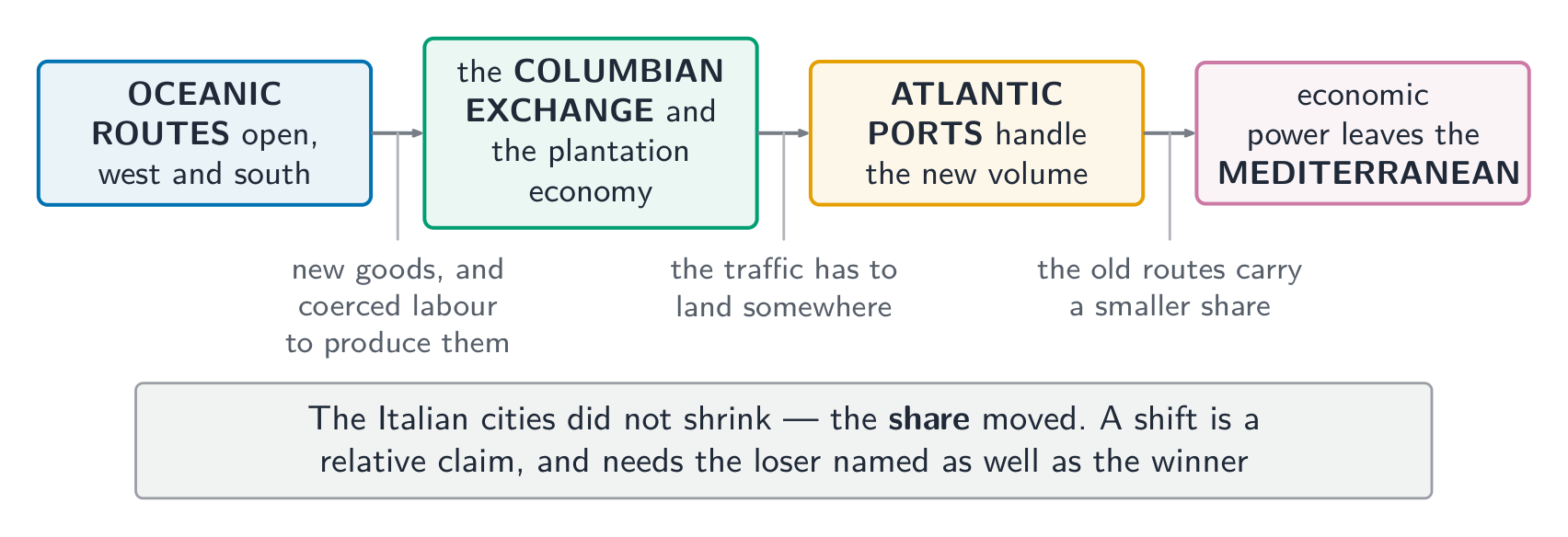
Economically, the exchange of goods shifted the centre of economic power in Europe from the Mediterranean to the Atlantic states. That shift explains why the leading powers of Unit 3 are not the leading powers of Unit 1.

العربية

البرتغاليون أنشأوا شبكة تجارية على طول الساحل الأفريقي وجنوب وشرق آسيا في أواخر القرن الخامس عشر والسادس عشر؛ اتبعتهم دول أخرى.

التبادل الكولومبي - تبادل النباتات والحيوانات والأمراض الجديدة - يقدمهCED مع رؤية مزدوجة مقصودة، وكلا الجانبين قابلان للفحص:

  • أنه خلق فرص اقتصادية للأوروبيين.
  • أنه سهّل خضوع الأوروبيين وتدمير المجتمعات الأصلية، بشكل رئيسي من خلال الأمراض.

من الناحية الاقتصادية، أدى تبادل البضائع إلى نقل مركز القوة الاقتصادية في أوروبا من حوض البحر المتوسط إلى دول المحيط الأطلسي. يفسر هذا التحول لماذا لا تمثل القوى الرائدة في الوحدة 3 نفس القوى الرائدة في الوحدة 1.

لماذا غادرت القوة الاقتصادية حوض البحر المتوسط - إن التحول ادعاء نسبي
Explore · ⁨استكشف⁩

Follow economic power out of the Mediterranean · ⁨تابع القوة الاقتصادية خارج البحر المتوسط⁩

A shift is a relative claim: the Italian cities did not shrink, the share moved. · ⁨الإزاحة ادعاء نسبي: لم تنكمش المدن الإيطالية، بل انتقلت الحصة.⁩

1.9

The Slave Trade · ⁨تجارة العبيد⁩

Syllabus · ⁨المنهج⁩
English

1.9 The Slave Trade

Thematic Focus (INT): Interaction of Europe and the World — Motivated by a variety of factors, Europe’s interaction with the world led to political, economic, social, and cultural exchanges that influenced both European and non-European societies.

Learning Objective Unit 1.L: Explain the causes for and the development of the slave trade.

  • KC-1.3.IV.C Europeans expanded the trade of enslaved Africans in response to the establishment of a plantation economy in the Americas and demographic catastrophes among indigenous peoples.

Illustrative examples:

  • Slave trade developments:
    • Middle Passage
    • Planter society
العربية

1.9 تجارة الرقيق

**التركيز الموضوعي (INT): تفاعل أوروبا والعالم—أدى تفاعل أوروبا مع العالم، بدافع مجموعة متنوعة من العوامل، إلى تبادل سياسي واقتصادي واجتماعي وثقافي أثر في كل من المجتمعات الأوروبية وغير الأوروبية.

هدف التعلم الوحدة 1.L: اشرح أسباب وتطور تجارة الرقيق.

  • KC-1.3.IV.C وسّع الأوروبيون تجارة العبيد الأفارقة استجابةً لتأسيس نظام مزارع في الأمريكتي والكوارث الديموغرافية التي لحقت بالشعوب الأصلية.

أمثلة توضيحية:

  • تطورات تجارة الرقيق:
    • العبور الأوسط
    • مجتمع المزارعين

Source: College Board AP Course and Exam Description · ⁨المصدر: وصف دورة وامتحان College Board AP⁩

English

Europeans expanded the trade of enslaved Africans in response to the establishment of a plantation economy 种植园经济 in the Americas and to demographic collapse among Indigenous populations.

The causal chain is explicit in the CED and should be reproduced as a chain: plantation agriculture demanded labour on a scale the Americas' devastated population could not supply, and that demand was met by an expanded Atlantic trade in enslaved people.

العربية

وسّع الأوروبيون تجارة الأفارقة المستعبدين استجابةً لتأسيس اقتصاد مزارع في الأمريكتين ولانهيار ديموغرافي بين السكان الأصليين.

سلسلة الأسباب صريحة في CED ويجب إعادة إنتاجها كسلسلة: زراعة المزارع تطلبت عمالة على نطاق لم تستطع سكان الأمريكتين المتضررين تزويدها، وتم تلبية هذه الطلبات من خلال توسيع التجارة الأطلسية في الأشخاص المستعبدين.

1.4 1.5 1.10

How Most Europeans Actually Lived · ⁨كيف عاش معظم الأوروبيين فعليًا⁩

Syllabus · ⁨المنهج⁩
English

1.4 Printing

Thematic Focus (TSI): Technological and Scientific Innovation — Scientific and technological innovations have increased efficiency, improved daily life, and shaped human development and interactions, having both intended and unintended consequences.

Learning Objective Unit 1.E: Explain the influence of the printing press on cultural and intellectual developments in modern European history.

  • KC-1.1.II The invention of printing promoted the dissemination of new ideas.
    • KC-1.1.II.A The invention of the printing press in the 1450s helped spread the Renaissance beyond Italy and encouraged the growth of vernacular literature, which would eventually contribute to the development of national cultures.
العربية

1.4 الطباعة

التركيز الموضوعي (TSI): الابتكار التكنولوجي والعلمي — أدت الابتكارات العلمية والتكنولوجية إلى زيادة الكفاءة، وتحسين الحياة اليومية، وتشكيل التطور البشري والتفاعلات البشرية، ولها عواقب مقصودة وغير مقصودة.

هدف التعلم الوحدة 1.E: اشرح تأثير آلة الطباعة على التطورات الثقافية والفكرية في التاريخ الأوروبي الحديث.

  • KC-1.1.II ساهمت اختراع الطباعة في نشر الأفكار الجديدة.
    • KC-1.1.II.A ساعد اختراع المطبعة في 1450s على نشر النهضة خارج إيطاليا وشجع نمو الأدب العامي، مما ساهم لاحقًا في تطوير الثقافات الوطنية.
English

1.5 New Monarchies

Thematic Focus (SOP): States and Other Institutions of Power — European states and nations developed governmental and civil institutions from 1450 to the present to organize society and consolidate political power, with a variety of social, cultural, and economic effects.

Learning Objective Unit 1.F: Explain the causes and effects of the development of political institutions from 1450 to 1648.

  • KC-1.2.II.A Monarchs and princes, including the English rulers Henry VIII and Elizabeth I, initiated religious reform from the top down in an effort to exercise greater control over religious life and morality.
  • KC-1.5.I.A New monarchies laid the foundation for the centralized modern state by establishing monopolies on tax collection, employing military force, dispensing justice, and gaining the right to determine the religion of their subjects.
  • KC-1.5.I.C Across Europe, commercial and professional groups gained in power and played a greater role in political affairs.
  • KC-1.5.I.D Continued political fragmentation in Renaissance Italy provided a background for the development of new concepts of the secular state.

Illustrative examples:

  • State actions to control religion and morality:
    • Spanish Inquisition
    • Concordat of Bologna
    • Book of Common Prayer
    • Peace of Augsburg
  • Monarchical control:
    • Ferdinand and Isabella of Spain consolidating control of the military
    • Star Chamber
    • Concordat of Bologna
    • Peace of Augsburg
    • Edict of Nantes
  • Commercial and professional groups that gained in power:
    • Merchants and financiers in Renaissance Italy and northern Europe
    • Nobles of the robe in France
  • Secular political theorists:
    • Jean Bodin
    • Hugo Grotius
    • Niccolò Machiavelli
العربية

1.5 الممالك الجديدة

التركيز الموضوعي (SOP): الدول والمؤسسات الأخرى للسلطة — طورت الدول الأوروبية والأمم مؤسسات حكومية ومدنية من عام 1450 إلى الوقت الحاضر لتنظيم المجتمع وتجميع السلطة السياسية، مع تأثيرات اجتماعية وثقافية واقتصادية متنوعة.

هدف التعلم الوحدة 1.F: اشرح أسباب ونتائج تطور المؤسسات السياسية من عام 1450 إلى 1648.

  • KC-1.2.II.A بدأ الملوك والأمراء، بما في ذلك الحكام الإنجليز هنري الثامن وإليزابيث الأولى، إصلاحاً دينياً من الأعلى سعياً منهم لممارسة سيطرة أكبر على الحياة الدينية والأخلاق.
  • KC-1.5.I.A وضعت الممالك الجديدة الأساس للدولة المركزية الحديثة من خلال إنشاء احتكارات على جمع الضرائب، واستخدام القوة العسكرية، وتطبيق العدالة، والحصول على الحق في تحديد دين رعاياها.
  • KC-1.5.I.C عبر أوروبا، اكتسبت المجموعات التجارية والمهنية قوة أكبر وشاركت بدور أكبر في الشؤون السياسية.
  • KC-1.5.I.D وفر التفكك السياسي المستمر في إيطاليا الرنسانسية خلفية لتطوير مفاهيم جديدة للدولة العلمانية.

أمثلة توضيحية:

  • إجراءات الدولة للسيطرة على الدين والأخلاق:
    • المحاكم الإسبانية المقدسة
    • اتفاقية بولونيا
    • كتاب الصلاة المشترك
    • صلح أوغسبورغ
  • التحكم الملكي:
    • فرديناند وإيزابيل من إسبانيا يجمعان سيطرة الجيش
    • المحكمة النجمية
    • اتفاقية بولونيا
    • صلح أوغسبورغ
    • مرسوم نانت
  • مجموعات تجارية ومهنية اكتسبت قوة:
    • التجار والممولون في إيطاليا الرنسانسية وأوروبا الشمالية
    • نبلاء القماش في فرنسا
  • مفكرون سياسيون علمانيون:
    • جان بودين
    • هوجو غروتيوس
    • نيكولو ماكيافيلي
English

1.10 The Commercial Revolution

Thematic Focus (ECD): Economic and Commercial Developments — Economic development, especially the development of capitalism, played an important role in Europe’s history, often having significant social, political, and cultural effects.

Thematic Focus (SCD): Social Organization and Development — Economic, political, and cultural factors have influenced the form and status of family, class, and social groups in European history, which has, in turn, affected both the individual and society.

Learning Objective Unit 1.M: Explain European commercial and agricultural developments and their economic effects from 1450 to 1648.

  • KC-1.4.I.A Innovations in banking and finance promoted the growth of urban financial centers and a money economy.
  • KC-1.4.II Most Europeans derived their livelihood from agriculture and oriented their lives around the seasons, the village, or the manor, although economic changes began to alter rural production and power.
    • KC-1.4.II.A Subsistence agriculture was the rule in most areas, with three-crop field rotation in the north and two-crop rotation in the Mediterranean; in many cases, farmers paid rent and labor services for their lands.
    • KC-1.4.II.B The price revolution contributed to the accumulation of capital and the expansion of the market economy through the commercialization of agriculture, which benefited large landowners in western Europe.
    • KC-1.4.III.A Population recovered to its pre-Great Plague level in the 16th century, and continuing population pressures contributed to uneven price increases; agricultural commodities increased more sharply than wages, reducing living standards for some.

Learning Objective Unit 1.N: Explain European commercial and agricultural developments and their social effects from 1450 to 1648.

  • KC-1.4.I Economic change produced new social patterns, while traditions of hierarchy and status continued.
    • KC-1.4.I.B The growth of commerce produced a new economic elite, which related to traditional land-holding elites in different ways in Europe’s various geographic regions.
  • KC-1.4.II.C As western Europe moved toward a free peasantry and commercial agriculture, serfdom was codified in the east, where nobles continued to dominate economic life on large estates.
  • KC-1.4.II.D The attempts of landlords to increase their revenues by restricting or abolishing the traditional rights of peasants led to revolt.
  • KC-1.4.III.B Migrants to the cities challenged the ability of merchant elites and craft guilds to govern, and strained resources.
  • KC-1.4.IV.C From the late 16th century on, Europeans responded to economic and environmental challenges, such as the Little Ice Age, by delaying marriage and childbearing. This European marriage pattern restrained population growth and ultimately improved the economic condition of families.

Illustrative examples:

  • Innovations in banking and finance:
    • Double-entry bookkeeping
    • Bank of Amsterdam
    • The Dutch East India Company
    • The British East India Company
  • The commercialization of agriculture:
    • Enclosure movement
    • Restricted use of the village common
    • Freehold tenure
  • New economic elites:
    • Italian merchant princes
    • Nobles of the robe in France
  • The way new migrants challenged urban elites:
    • Sanitation problems caused by overpopulation
    • Employment
    • Poverty
    • Crime
العربية

1.10 الثورة التجارية

التركيز الموضوعي (ECD): التطورات الاقتصادية والتجارية — لعب التطور الاقتصادي، لا سيما تطور الرأسمالية، دورًا مهمًا في تاريخ أوروبا، وغالبًا ما كان له تأثيرات اجتماعية وسياسية وثقافية كبيرة.

التركيز الموضوعي (SCD): التنظيم الاجتماعي والتنمية — أثرت العوامل الاقتصادية والسياسية والثقافية على شكل ومكانة الأسرة والطبقة والمجموعات الاجتماعية في تاريخ أوروبا، مما أثر بدوره على الفرد والمجتمع.

هدف التعلم الوحدة 1.M: اشرح التطورات التجارية والزراعية الأوروبية وتأثيراتها الاقتصادية من عام 1450 إلى 1648.

  • KC-1.4.I.A أدت الابتكارات في مجال البنوك والتمويل إلى نمو المراكز المالية الحضرية واقتصاد النقود.
  • KC-1.4.II استمد معظم الأوروبيين معيشاتهم من الزراعة ووجهوا حياتهم حول الفصول، أو القرية، أو الإقطاع، على الرغم من أن التغيرات الاقتصادية بدأت في تغيير الإنتاج والسلطة الريفية.
    • KC-1.4.II.A كانت الزراعة المعيشية هي السائد في معظم المناطق، مع نظام تدوير ثلاثي للمحاصيل في الشمال وتدور ثنائي في حوض البحر الأبيض المتوسط؛ وفي العديد من الحالات، دفع المزارعون إيجاراً وخدمات عمل مقابل أراضيهم.
    • KC-1.4.II.B ساهمت ثورة الأسعار في تراكم رأس المال وتوسع الاقتصاد التجاري من خلال تجنيد الزراعة، مما أتاح فوائد للملاك الكبار للأراضي في غرب أوروبا.
    • KC-1.4.III.A تعافت السكان إلى مستواهم قبل الطاعون العظيم في القرن 16، وساهمت ضغوط السكان المتزايدة في ارتفاع غير متساوٍ للأسعار؛ إذ ارتفعت سلع المحاصيل الزراعية بشكل حاد مقارنة بالأجور، مما قلل من مستوى المعيشة لبعض الفئات.

هدف التعلم الوحدة 1.N: اشرح التطورات التجارية والزراعية الأوروبية وتأثيراتها الاجتماعية من عام 1450 إلى 1648.

  • KC-1.4.I أنتجت التغيرات الاقتصادية أنماطاً اجتماعية جديدة، بينما استمرت تقاليد الهيمنة والرتبة.
    • KC-1.4.I.B أدى نمو التجارة إلى ظهور نخبة اقتصادية جديدة، والتي ارتبطت بالنخبات التقليدية المالكة للأرض بطرق مختلفة في مختلف المناطق الجغرافية لأوروبا.
  • KC-1.4.II.C مع تحرك غرب أوروبا نحو فلاحية حرة وزراعة تجارية، تم تشريع العبودية في الشرق، حيث استمر النبلاء في الهيمنة على الحياة الاقتصادية في المزارع الكبيرة.
  • KC-1.4.II.D أدت محاولات ملاكي الأراضي لزيادة إيراداتهم عن طريق تقييد أو إلغاء الحقوق التقليدية للفلاحين إلى اندلاع الثورات.
  • KC-1.4.III.B تحدى المهاجرون إلى المدن قدرة النخب التجارية والنقابات الحرفية على الحكم، وضغطت على الموارد.
  • KC-1.4.IV.C بدءًا من أواخر القرن 16، استجاب الأوروبيون للتحديات الاقتصادية والبيئية، مثل العصر الجليدي الصغير، بالتأخر في الزواج والإنجاب. هذا النمط الأوروبي للزواج حدّ من نمو السكان وحسّن في النهاية الوضع الاقتصادي للأسر.

أمثلة توضيحية:

  • ابتكارات في مجال البنوك والتمويل:
    • المحاسبة المزدوجة
    • بنك أمستردام
    • شركة الهند الشرقية الهولندية
    • شركة الهند الشرقية البريطانية
  • تجنيد الزراعة:
    • حركة الحصر (إغلاق الأراضي)
    • الاستخدام المقيد لمراعي القرية المشتركة
    • امتلاك حر للأرض
  • نخب اقتصادية جديدة:
    • أمراء التجار الإيطاليون
    • نبلاء القماش في فرنسا
  • الطريقة التي تحدى بها المهاجرون الجدد النخب الحضرية:
    • مشاكل الصرف الصحي الناتجة عن فرط الكثافة السكانية
    • فرص العمل
    • الفقر
    • الجريمة

Source: College Board AP Course and Exam Description · ⁨المصدر: وصف دورة وامتحان College Board AP⁩

English

The Renaissance and the voyages are the visible half of this unit; the CED also asks for the economic base underneath them, because it is what the later units change.

Subsistence agriculture 自给农业 was the rule almost everywhere: a family grew what it ate, with little surplus to sell. Land was worked in open fields and rotated to keep it fertile — a three-crop rotation 三圃轮作 in the north, where wetter summers allowed a spring sowing as well as an autumn one, and a two-crop rotation 二圃轮作 around the Mediterranean, where the dry summer forced half the land to lie fallow each year. Most peasants did not own the land; they paid rent to a landholder, in produce, in money, or in labour service.

That base explains the fragility of the period: a single failed harvest meant famine, because there was almost no stored surplus and little trade in grain over long distances.

Towns grew faster than they could cope. Urban populations rose through the sixteenth century, and sanitation 卫生 did not keep pace: waste ran in the streets, water was drawn from contaminated wells, and overpopulation 人口过剩 in the poorer quarters made epidemic disease spread quickly. Plague outbreaks stayed a recurring feature of European life for this whole period.

States acted on religion and morality, not only on taxes. Governments and city councils regulated public behaviour: attendance at worship, permitted forms of belief, marriage, drinking, gambling and morality 道德 offences generally. This is worth remembering because it is the same instrument the confessional states of the next unit use on a larger scale — the machinery existed before the Reformation gave it a new purpose.

العربية

العصر النهضة والرحلات هي النصف الظاهر لهذه الوحدة؛ كما يطالب CED بالأساس الاقتصادي الكامن تحتهما، لأنه ما يُحدث التغيير في الوحدات اللاحقة.

الزراعة المعيشية كانت القاعدة في كل مكان تقريبًا: حيث تنمو الأسرة ما تأكله، مع فائض ضئيل للبيع. كان تُعمل الأراضي في حقول مفتوحة وتُدار بالتناوب للحفاظ على خصوبتها — تناوب ثلاث محاصيل في الشمال، حيث سمحت صيفات رطبة بموسم زراعي في الربيع بالإضافة إلى موسم في الخريف، وتناوب محصّلين حول حوض البحر المتوسط، حيث أجبر الجفاف الصيفي نصف الأراضي على الاستراحة كل عام. لم يكن معظم الفلاحيين يملكون الأرض؛ بل كانوا يدفعون إيجارًا لمالك الأرض، سواء بالمنتجات أو بالنقود أو بخدمات العمل.

يشرح هذا الأساس هشاشة تلك الفترة: ففشل محصول واحد تعني المجاعة، بسبب عدم وجود فائض مخزن تقريبًا وقلة التجارة في الحبوب لمسافات طويلة.

نمت المدن أسرع مما استطاعت استيعابه. ارتفعت السكان الحضرية طوال القرن السادس عشر، ولم يتبعها تطوير النظافة العامة: حيث جرت النفايات في الشوارع، وكان يتم سحب المياه من آبار ملوثة، وأدى فرط الكثافة السكانية في الأحياء الفقيرة إلى انتشار الأمراض الوبائية بسرعة. ظلت تفشيات الطاعون سمة متكررة للحياة الأوروبية طوال تلك الفترة.

تصرفت الدول بناءً على الدين والأخلاق، وليس فقط الضرائب. نظّمت الحكومات ومجالس المدن السلوك العام: الحضور في العبادة، الأشكال المسموح بها من العقائد، الزواج، الشرب، القمار، وجرائم الأخلاق بشكل عام. يستحق ذلك التذكر لأن نفس الآلية استخدمتها الدول التي تعتمد على الاعتراف في الوحدة التالية على نطاق أوسع — إذ كانت هذه الآليات موجودة قبل أن يمنح الإصلاح الدينيها غرضًا جديدًا.

1.10

The Commercial Revolution · ⁨الثورة التجارية⁩

Syllabus · ⁨المنهج⁩
English

1.10 The Commercial Revolution

Thematic Focus (ECD): Economic and Commercial Developments — Economic development, especially the development of capitalism, played an important role in Europe’s history, often having significant social, political, and cultural effects.

Thematic Focus (SCD): Social Organization and Development — Economic, political, and cultural factors have influenced the form and status of family, class, and social groups in European history, which has, in turn, affected both the individual and society.

Learning Objective Unit 1.M: Explain European commercial and agricultural developments and their economic effects from 1450 to 1648.

  • KC-1.4.I.A Innovations in banking and finance promoted the growth of urban financial centers and a money economy.
  • KC-1.4.II Most Europeans derived their livelihood from agriculture and oriented their lives around the seasons, the village, or the manor, although economic changes began to alter rural production and power.
    • KC-1.4.II.A Subsistence agriculture was the rule in most areas, with three-crop field rotation in the north and two-crop rotation in the Mediterranean; in many cases, farmers paid rent and labor services for their lands.
    • KC-1.4.II.B The price revolution contributed to the accumulation of capital and the expansion of the market economy through the commercialization of agriculture, which benefited large landowners in western Europe.
    • KC-1.4.III.A Population recovered to its pre-Great Plague level in the 16th century, and continuing population pressures contributed to uneven price increases; agricultural commodities increased more sharply than wages, reducing living standards for some.

Learning Objective Unit 1.N: Explain European commercial and agricultural developments and their social effects from 1450 to 1648.

  • KC-1.4.I Economic change produced new social patterns, while traditions of hierarchy and status continued.
    • KC-1.4.I.B The growth of commerce produced a new economic elite, which related to traditional land-holding elites in different ways in Europe’s various geographic regions.
  • KC-1.4.II.C As western Europe moved toward a free peasantry and commercial agriculture, serfdom was codified in the east, where nobles continued to dominate economic life on large estates.
  • KC-1.4.II.D The attempts of landlords to increase their revenues by restricting or abolishing the traditional rights of peasants led to revolt.
  • KC-1.4.III.B Migrants to the cities challenged the ability of merchant elites and craft guilds to govern, and strained resources.
  • KC-1.4.IV.C From the late 16th century on, Europeans responded to economic and environmental challenges, such as the Little Ice Age, by delaying marriage and childbearing. This European marriage pattern restrained population growth and ultimately improved the economic condition of families.

Illustrative examples:

  • Innovations in banking and finance:
    • Double-entry bookkeeping
    • Bank of Amsterdam
    • The Dutch East India Company
    • The British East India Company
  • The commercialization of agriculture:
    • Enclosure movement
    • Restricted use of the village common
    • Freehold tenure
  • New economic elites:
    • Italian merchant princes
    • Nobles of the robe in France
  • The way new migrants challenged urban elites:
    • Sanitation problems caused by overpopulation
    • Employment
    • Poverty
    • Crime
العربية

1.10 الثورة التجارية

التركيز الموضوعي (ECD): التطورات الاقتصادية والتجارية — لعب التطور الاقتصادي، لا سيما تطور الرأسمالية، دورًا مهمًا في تاريخ أوروبا، وغالبًا ما كان له تأثيرات اجتماعية وسياسية وثقافية كبيرة.

التركيز الموضوعي (SCD): التنظيم الاجتماعي والتنمية — أثرت العوامل الاقتصادية والسياسية والثقافية على شكل ومكانة الأسرة والطبقة والمجموعات الاجتماعية في تاريخ أوروبا، مما أثر بدوره على الفرد والمجتمع.

هدف التعلم الوحدة 1.M: اشرح التطورات التجارية والزراعية الأوروبية وتأثيراتها الاقتصادية من عام 1450 إلى 1648.

  • KC-1.4.I.A أدت الابتكارات في مجال البنوك والتمويل إلى نمو المراكز المالية الحضرية واقتصاد النقود.
  • KC-1.4.II استمد معظم الأوروبيين معيشاتهم من الزراعة ووجهوا حياتهم حول الفصول، أو القرية، أو الإقطاع، على الرغم من أن التغيرات الاقتصادية بدأت في تغيير الإنتاج والسلطة الريفية.
    • KC-1.4.II.A كانت الزراعة المعيشية هي السائد في معظم المناطق، مع نظام تدوير ثلاثي للمحاصيل في الشمال وتدور ثنائي في حوض البحر الأبيض المتوسط؛ وفي العديد من الحالات، دفع المزارعون إيجاراً وخدمات عمل مقابل أراضيهم.
    • KC-1.4.II.B ساهمت ثورة الأسعار في تراكم رأس المال وتوسع الاقتصاد التجاري من خلال تجنيد الزراعة، مما أتاح فوائد للملاك الكبار للأراضي في غرب أوروبا.
    • KC-1.4.III.A تعافت السكان إلى مستواهم قبل الطاعون العظيم في القرن 16، وساهمت ضغوط السكان المتزايدة في ارتفاع غير متساوٍ للأسعار؛ إذ ارتفعت سلع المحاصيل الزراعية بشكل حاد مقارنة بالأجور، مما قلل من مستوى المعيشة لبعض الفئات.

هدف التعلم الوحدة 1.N: اشرح التطورات التجارية والزراعية الأوروبية وتأثيراتها الاجتماعية من عام 1450 إلى 1648.

  • KC-1.4.I أنتجت التغيرات الاقتصادية أنماطاً اجتماعية جديدة، بينما استمرت تقاليد الهيمنة والرتبة.
    • KC-1.4.I.B أدى نمو التجارة إلى ظهور نخبة اقتصادية جديدة، والتي ارتبطت بالنخبات التقليدية المالكة للأرض بطرق مختلفة في مختلف المناطق الجغرافية لأوروبا.
  • KC-1.4.II.C مع تحرك غرب أوروبا نحو فلاحية حرة وزراعة تجارية، تم تشريع العبودية في الشرق، حيث استمر النبلاء في الهيمنة على الحياة الاقتصادية في المزارع الكبيرة.
  • KC-1.4.II.D أدت محاولات ملاكي الأراضي لزيادة إيراداتهم عن طريق تقييد أو إلغاء الحقوق التقليدية للفلاحين إلى اندلاع الثورات.
  • KC-1.4.III.B تحدى المهاجرون إلى المدن قدرة النخب التجارية والنقابات الحرفية على الحكم، وضغطت على الموارد.
  • KC-1.4.IV.C بدءًا من أواخر القرن 16، استجاب الأوروبيون للتحديات الاقتصادية والبيئية، مثل العصر الجليدي الصغير، بالتأخر في الزواج والإنجاب. هذا النمط الأوروبي للزواج حدّ من نمو السكان وحسّن في النهاية الوضع الاقتصادي للأسر.

أمثلة توضيحية:

  • ابتكارات في مجال البنوك والتمويل:
    • المحاسبة المزدوجة
    • بنك أمستردام
    • شركة الهند الشرقية الهولندية
    • شركة الهند الشرقية البريطانية
  • تجنيد الزراعة:
    • حركة الحصر (إغلاق الأراضي)
    • الاستخدام المقيد لمراعي القرية المشتركة
    • امتلاك حر للأرض
  • نخب اقتصادية جديدة:
    • أمراء التجار الإيطاليون
    • نبلاء القماش في فرنسا
  • الطريقة التي تحدى بها المهاجرون الجدد النخب الحضرية:
    • مشاكل الصرف الصحي الناتجة عن فرط الكثافة السكانية
    • فرص العمل
    • الفقر
    • الجريمة

Source: College Board AP Course and Exam Description · ⁨المصدر: وصف دورة وامتحان College Board AP⁩

English

Innovations in banking and finance promoted the growth of urban financial centres and a money economy 货币经济. Economic change produced new social patterns, while traditions of hierarchy and status continued - the two coexisted, which is the CED's own framing.

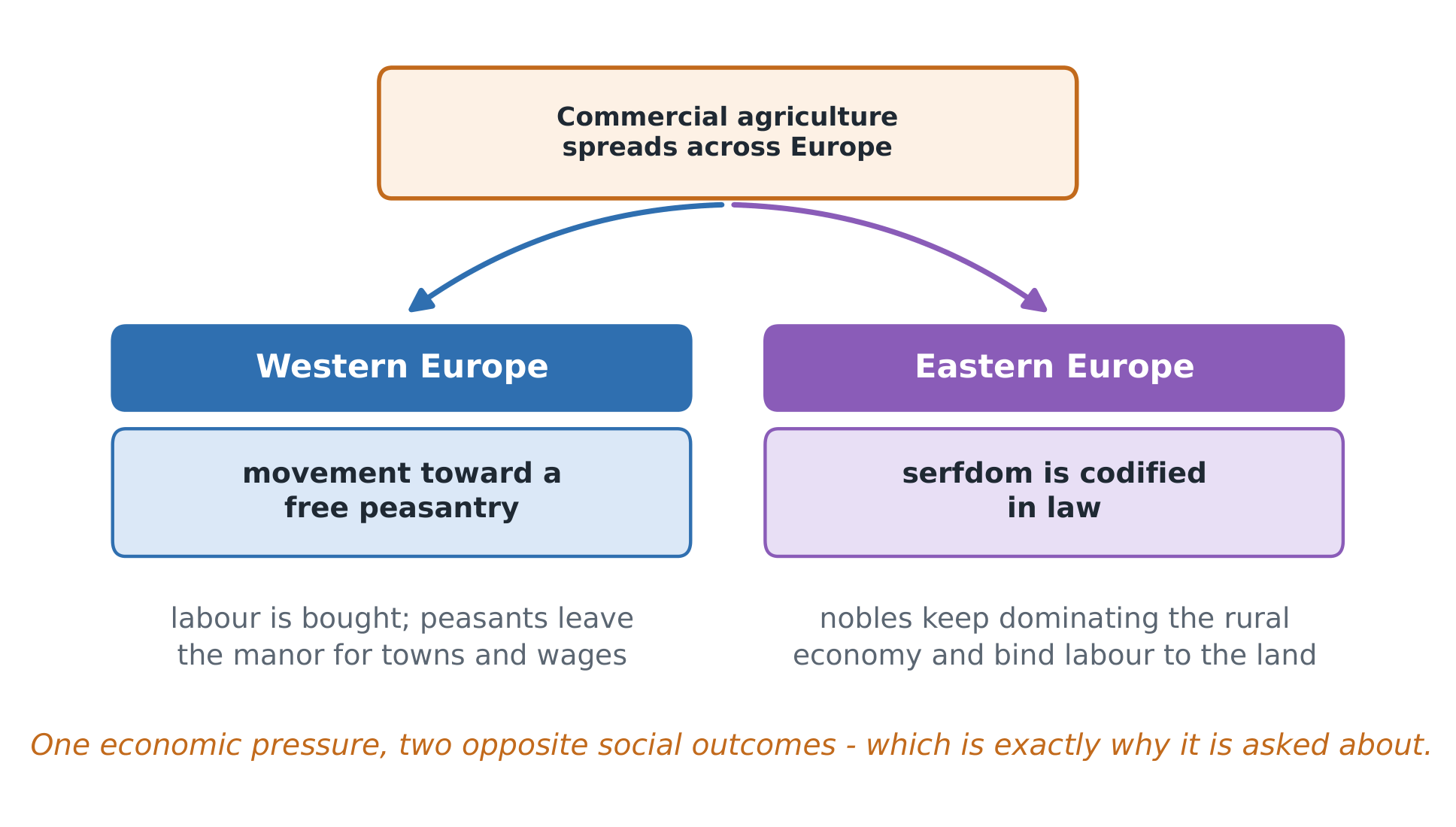
Most Europeans still derived their livelihood from agriculture and organised life around the seasons, the village, or the manor. Within that, a sharp divergence opened:

  • Western Europe moved toward a free peasantry 自由农民 and commercial agriculture.
  • In the east, serfdom was codified 农奴制被法典化 as nobles continued to dominate the rural economy.

The same commercial pressure produced opposite outcomes, and that is exactly why it is examinable. Two related consequences: landlords attempting to increase revenues by restricting traditional peasant rights provoked revolt 反抗; and migrants to the cities strained resources and challenged the ability of merchant elites and craft guilds to govern.

Finally, from the late sixteenth century Europeans responded to economic and environmental pressure - including the Little Ice Age 小冰期 - by delaying marriage and childbearing, a demographic adaptation worth knowing because it is unusual evidence.

العربية
نفس القرن دفع أوروبا الغربية والشرقية في اتجاهين متعاكسين — ويطلب CED عن ذلك
أفلحت الزراعة التجارية الفلاحيين في الغرب ورابقتهم في الشرق

الابتكارات في البنوك والمالية عززت نمو المراكز المالية الحضرية والاقتصاد النقدي. أنتجت التغييرات الاقتصادية أنماطًا اجتماعية جديدة، بينما استمرت تقاليد التسلسل الهرمي والمكانة — حيث تعايش الاثنان، وهو ما يعكس إطار عمل CED نفسه.

لا يزال معظم الأوروبيين يحصلون على معيشتهم من الزراعة وينظمون حياتهم حول الفصول، القرية، أو الإقطاعية. وفي ظل ذلك، انفتحت فجوة حادة:

  • اتجهت أوروبا الغربية نحو فلاحة حرة وزراعة تجارية.
  • في الشرق، تم تدوين العبودية الزراعية (السيرف) مع استمرار النبلاء في الهيمنة على الاقتصاد الريفي.

أدى نفس الضغط التجاري إلى نتائج متعاكسة، وهذا هو السبب الدقيق لكونه موضوع اختبار. نتيجتان مرتبطتان: حاول أصحاب الأراضي زيادة إيراداتهم عن طريق تقييد حقوق الفلاحين التقليدية، مما أثار ثورة؛ والمهاجرون إلى المدن ضغطوا الموارد和挑战了 ability of merchant elites and craft guilds to govern.

أخيرًا، منذ أواخر القرن السادس عشر، رد الأوروبيون على الضغوط الاقتصادية والبيئية — بما في ذلك العصر الجليدي الصغير — من خلال تأخير الزواج وإنجاب الأطفال، وهي تكيف ديموغرافي يستحق المعرفة لأنه دليل غير معتاد.

1.11

Causation in the Renaissance and Age of Discovery · ⁨السببية في عصر النهضة وعصر الاكتشافات⁩

Syllabus · ⁨المنهج⁩
English

1.11 Causation in the Renaissance and Age of Discovery

Learning Objective Unit 1.O: Explain the causes and consequences of the Renaissance and Age of Discovery.

  • KC-1.1 The rediscovery of works from ancient Greece and Rome and observation of the natural world changed many Europeans’ view of their world.
    • KC-1.1.I A revival of classical texts led to new methods of scholarship and new values in both society and religion.
    • KC-1.1.III The visual arts incorporated the new ideas of the Renaissance and were used to promote personal, political, and religious goals.
  • KC-1.3 Europeans explored and settled overseas territories, encountering and interacting with indigenous populations.
    • KC-1.3.I European nations were driven by commercial and religious motives to explore overseas territories and establish colonies.
  • KC-1.4 European society and the experiences of everyday life were increasingly shaped by commercial and agricultural capitalism, notwithstanding the continued existence of medieval social and economic structures.
    • KC-1.4.I Economic change produced new social patterns, while traditions of hierarchy and status continued.
    • KC-1.4.II Most Europeans derived their livelihood from agriculture and oriented their lives around the seasons, the village, or the manor, although economic changes began to alter rural production and power.
  • KC-1.5 The struggle for sovereignty within and among states resulted in varying degrees of political centralization.
    • KC-1.5.I The new concept of the sovereign state and secular systems of law played a central role in the creation of new political institutions.
العربية

1.11 السببية في عصر النهضة وعصر الاكتشافات

هدف التعلم الوحدة 1.O: اشرح أسباب وعواقب عصر النهضة وعصر الاكتشافات.

  • KC-1.1 أعاد اكتشاف الأعمال من اليونان القديمة وروما ورصد الطبيعة غيّر منظور الكثيرين من الأوروبيين لعالمهم.
    • KC-1.1.I أدى إحياء النصوص الكلاسيكية إلى ظهور طرق جديدة للدراسة الأكاديمية وقيم جديدة في المجتمع والدين.
    • KC-1.1.III شملت الفنون البصرية الأفكار الجديدة للنهضة واستُخدمت لتعزيز أهداف شخصية وسياسية ودينية.
  • KC-1.3 استكشف الأوروبيون واستقروا في أراضي ما وراء البحار، وتواصلوا وتفاعلوا مع السكان الأصليين.
    • KC-1.3.I دافع الدوافع التجارية والدينية الدول الأوروبية لاستكشاف الأراضي عبر البحار وإقامة المستعمرات.
  • KC-1.4 شكل الرأسمالية التجارية والزراعية بشكل متزايد المجتمع الأوروبي وتجارب الحياة اليومية، على الرغم من استمرار الهياكل الاجتماعية والاقتصادية الوسطى.
    • KC-1.4.I أنتجت التغيرات الاقتصادية أنماطًا اجتماعية جديدة، بينما استمرت تقاليد التسلسل الهرمي والمكانة.
    • KC-1.4.II اشتقت معظم_sources الأوروبيين سبل عيشهم من الزراعة ونظموا حياتهم حول الفصول، أو القرية، أو المزرعة الملكية، على الرغم من أن التغيرات الاقتصادية بدأت في تغيير الإنتاج والسلطة في الريف.
  • KC-1.5 أدت الصراعات من أجل السيادة داخل وبين الدول إلى درجات متفاوتة من المركزية السياسية.
    • KC-1.5.I لعب المفهوم الجديد للدولة السيادية والأنظمة القانونية العلمانية دورًا محوريًا في إنشاء مؤسسات سياسية جديدة.
Source: College Board AP Course and Exam Description · ⁨المصدر: وصف دورة وامتحان College Board AP⁩

English

The unit's reasoning skill is causation.

Worked example (a real AP exam question). AP European History short-answer questions in this unit ask, for example, to "Explain one way in which the development of printing affected European intellectual life in the period 1450 to 1648." A full-mark answer gives the mechanism, not the fact: "Printing allowed humanist editions of Greek and Roman texts to be reproduced cheaply and identically, so scholars across Europe could read and compare the same critical editions. This weakened the control that universities and the Church had exercised over which texts circulated, and made it far harder to suppress an argument once it was in print." Notice the shape: affected requires a consequence traced through a process.

العربية

مهارة التفكير في هذه الوحدة هي السببية.

مثال محلل (سؤال حقيقي من امتحان AP). أسئلة الإجابة القصيرة في تاريخ أوروبا AP في هذه الوحدة تطلب، على سبيل المثال، "اشرح طريقة واحدة أثر فيها تطور الطباعة على الحياة الفكرية الأوروبية في الفترة 1450 إلى 1648." الإجابة الكاملة ذات الدرجة الكاملة تقدم الآلية، لا مجرد حقيقة: "أ允许的 printing humanist editions of Greek and Roman texts to be reproduced cheaply and identically, so scholars across Europe could read and compare the same critical editions. This weakened the control that universities and the Church had exercised over which texts circulated, and made it far harder to suppress an argument once it was in print." لاحظ الشكل: أثر يتطلب نتيجة يتم تتبعها عبر عملية.

1.11

Exam tips · ⁨نصائح للامتحان⁩

English
  • "Varying degrees" is the CED's own phrase for centralisation. Compare how far, not merely whether.
  • Renaissance art is political evidence. Patronage was a claim to prestige and legitimacy.
  • Treat printing as an amplifier, not a first cause. That framing answers most printing questions.
  • Separate technological enablers from motives for exploration. Questions ask for one or the other.
  • The Columbian Exchange has two sides - European opportunity and Indigenous destruction. Give both.
  • The east-west divergence in serfdom is high-value and frequently missed. One cause, two opposite outcomes.
العربية
  • "درجات متفاوتة" هو مصطلح CED الخاص بالمركزية. قارن مدى، لا فقط هل.
  • فن عصر النهضة هو دليل سياسي. كانت الرعاية الفنية مطالبة بالهيبة والشرعية.
  • تعامل مع الطباعة كـ مُضخم، ليس كسبب أولي. هذا الإطار يجيب عن معظم أسئلة الطباعة.
  • افصل بين المتطلبات التكنولوجية والدوافع للاستكشاف. الأسئلة تطلب أحدهما أو الآخر.
  • التبادل الكولومبي له وجهان — فرصةوروبية ودمار للسكان الأصليين. قدم كليهما.
  • الفصل الشرقي-الغربي في العبودية الزراعية ذو قيمة عالية وغالبًا ما يُخطئ فيه الطلاب. سبب واحد، ونتائج متعاكسة.

Interactive lessons on this topic · ⁨دروس تفاعلية حول هذا الموضوع⁩

Work through it step by step, with instant-check exercises. · ⁨ا-working عليه خطوة بخطوة، مع تمارين تحقق فوري.⁩

Past Papers · ⁨أوراق الامتحانات السابقة⁩

More topics in AP European History · ⁨تاريخ أوروبا (AP)⁩ · ⁨المزيد من المواضيع في AP European History · ⁨تاريخ أوروبا (AP)⁩⁩

Log in or create account · ⁨تسجيل الدخول أو إنشاء حساب⁩

IGCSE, A-Level & AP