Skip to content · ⁨الانتقال إلى المحتوى⁩

Investigate: Inquiry and the Artistic Process · ⁨تحقيق: الاستقصاء والعملية الفنية⁩

AP Drawing · ⁨الرسم (AP)⁩ · Topic 5 · ⁨الموضوع 5⁩

Video lesson for this topic · ⁨درس فيديو لهذا الموضوع⁩ Open the video page · ⁨افتح صفحة الفيديو⁩
7:48

تحقيق: الاستقصاء والعملية الفنية

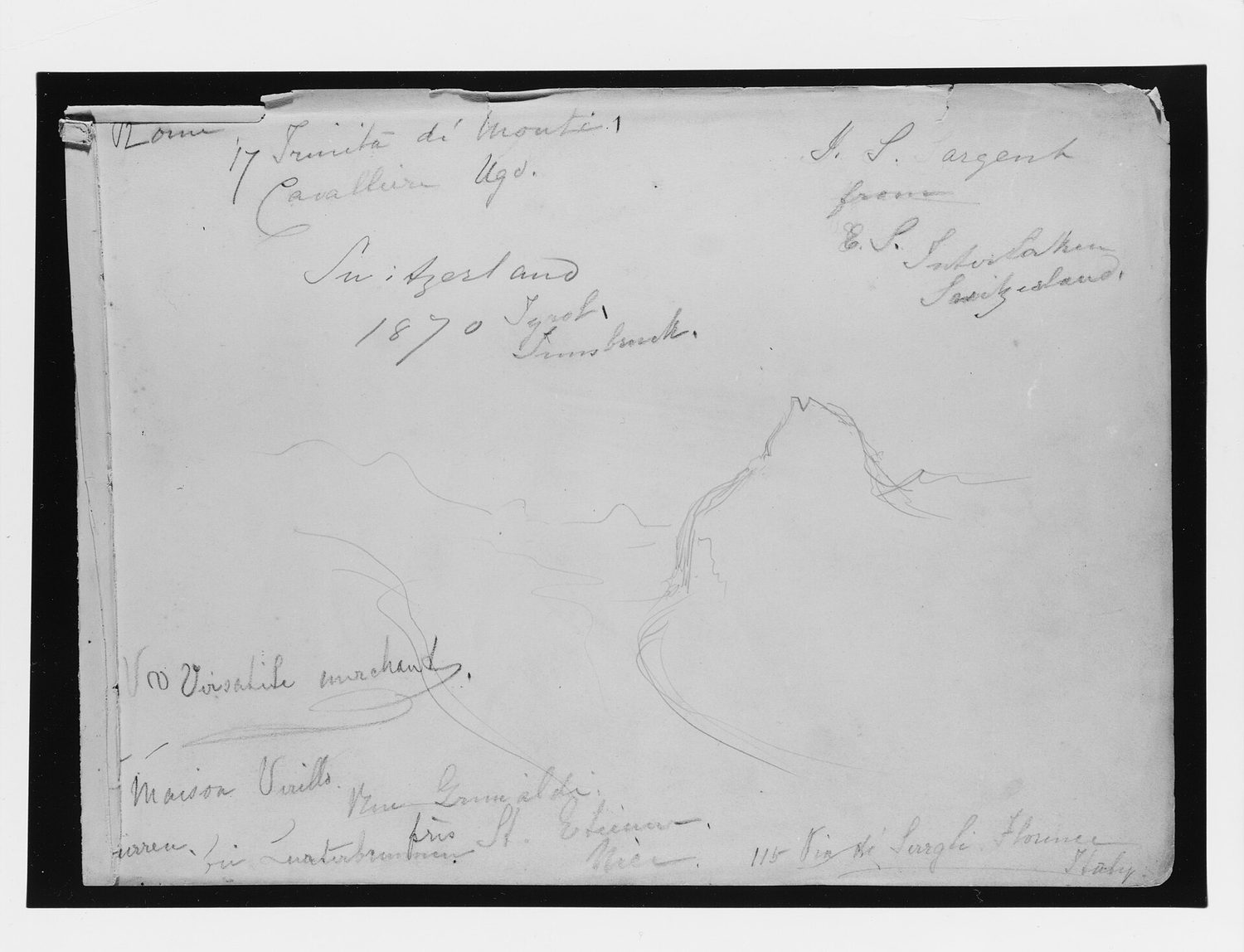
هذه صفحة من دفتر فنان. رسم جون سنجر سارجنت عليها في عامabaynushi سبعين، وكان لا يزال مراهقاً. انظر إلى ما عليها. نصف…

English narration · English + 中文 subtitles burned in · ⁨سرد باللغة الإنجليزية · ترجمة مدمجة بالإنجليزية + الصينية⁩

5.1

Inquiry and Asking Questions · ⁨الاستقصاء وطرح الأسئلة⁩

Syllabus · ⁨المنهج⁩
English

Focus: Inquiry is the intentional process of questioning that guides exploration and discovery over time. (CED Big Idea 1)

  • A workable inquiry is open, personal, and visual — answerable through drawing, not through a paragraph.
  • 'How can line weight express my grandmother's hands aging?' beats 'I will draw hands.'
  • Strong questions generate the next drawing: each work answers a little and asks a little more.
  • Test a question by listing ten works it could produce — fewer than five means it is too narrow.
  • Questions may evolve mid-investigation; document the turn in your journal and written evidence.
  • The Sustained Investigation is scored on how clearly works relate to and develop the stated inquiry.
العربية

التركيز: الاستقصاء هو عملية مقصودة لطرح الأسئلة ترشد الاستكشاف والاكتشاف عبر الزمن. (CED Big Idea 1)

  • الاستقصاء القابل للتطبيق مفتوح وشخصي وبصري — يُجاب عنه عبر الرسم، وليس عبر فقرة نصية.
  • 'كيف يمكن لوزن الخط أن يعبر عن شيخوخة يد جدتي؟' أفضل من 'سأرسم أيدياً'.
  • الأسئلة القوية تولد الرسم التالي: كل عمل يجيب قليلاً ويسأل أكثر قليلاً.
  • اختبر سؤالاً بإعداد عشرة أعمال قد تنتجه — أقل من خمسة يعني أنه ضيق جداً.
  • قد تتطور الأسئلة أثناء الاستقصاء؛ دوّن التحول في دفترك والأدلة المكتوبة.
  • يُصنف الاستقصاء المستدام بناءً على مدى وضوح علاقة الأعمال بـ الاستقصاء المعلَن وتطويرها له.

Source: College Board AP Course and Exam Description · ⁨المصدر: وصف دورة وامتحان College Board AP⁩

English

Inquiry 探究 is the intentional process of questioning that guides exploration and discovery over time — the engine of CED Big Idea 1.

  • A workable inquiry is open, personal, and visual — answerable through drawing, not through a paragraph.
  • "How can line weight express my grandmother's hands aging?" beats "I will draw hands."
  • Strong questions generate the next drawing: each work answers a little and asks a little more.
  • Test a question by listing ten works it could produce. Fewer than five means it is too narrow.
  • Questions may evolve mid-investigation — document the turn in your journal and written evidence.
  • The Sustained Investigation 持续探究 is scored on how clearly the works relate to and develop the stated inquiry.
العربية

الاستقصاء هو عملية مقصودة لاستطرواح الأسئلة ترشد الاستكشاف والاكتشاف بمرور الوقت — وهو محرك الفكرة الكبرى للـ CED رقم 1.

دورة الاستقصاء: السؤال، استكشف، اصنع، تأمل، واسأل مرة أخرى
الاستقصاء حلقة مفرغة: كل رسم يجيب قليلاً ويسأل أكثر قليلاً
  • الاستقصاء القابل للتطبيق مفتوح وشخصي وبصري — يُجاب عنه عبر الرسم، وليس عبر فقرة نصية.
  • "كيف يمكن وزن الخط التعبير عن تقدم يد جدتي في الشيخوخة؟" أفضل من "سأرسم أيدياً."
  • الأسئلة القوية تولد الرسم التالي: كل عمل يجيب قليلاً ويسأل أكثر قليلاً.
  • اختبر سؤالاً عن طريق سرد عشرة أعمال قد ينتجها. أقل من خمسة يعني أنه ضيق جدًا.
  • قد تتطور الأسئلة أثناء الاستقصاء — وثّق التحول في دفترك والأدلة المكتوبة.
  • يُقيّم التحقيق المستدام بناءً على مدى وضوح ارتباط الأعمال بالاستقصاء المعلّن وتطويره.
Explore · ⁨استكشف⁩

Workable inquiry, or not yet? · ⁨هل هي استقصاء قابل للتطبيق أم لا بعد؟⁩

A workable inquiry is open, personal, and answerable through drawing itself. Questions that are closed, borrowed, or non-visual stall an investigation. · ⁨الاستفسار القابل للعمل مفتوح وشخصي وقابل للإجابة من خلال الرسم نفسه. الأسئلة المغلقة أو المستعارة أو غير المرئية توقف التحقيقات.⁩

Vocabulary · ⁨مفردات⁩ Train · ⁨تدريب⁩
English العربية
inquiry/ɪnˈkwaɪəri/ الاستقصاء
Sustained Investigation/səˈsteɪnd ɪnˌvestɪˈɡeɪʃn/ البحث المستمر
experiences/ekˈspɪərɪənsɪz/ التجارب
observation/ɒbzəˈveɪʃn/ ملاحظة
materials/məˈtɪərɪəlz/ مواد
processes/ˈprəʊsesɪz/ عمليات
ideas/aɪˈdɪəz/ أفكار
5.2

Sources of Ideas and Experiences · ⁨مصادر الأفكار والخبرات⁩

Syllabus · ⁨المنهج⁩
English

Focus: Artists' experiences — surroundings, memory, culture, research — inform why, how, and what they draw. (CED 1.A)

  • Ideas come from direct observation, personal history, other disciplines, and other artists' work.
  • Document experiences as they happen: photos, thumbnail sketches, notes, collected objects.
  • Ordinary subjects carry authority — the kitchen table you know beats a fantasy castle you don't.
  • Research feeds drawing: anatomy pages, historical costume, botanical structure all sharpen observation.
  • Cultural sources (calligraphy, textiles, architecture) bring personal context into mark and composition choices.
  • Keep a source wall or folder; when momentum dips, the collected material restarts it.
العربية

التركيز: تجارب الفنانين — البيئة المحيطة، الذاكرة، الثقافة، البحث — تُحدد لماذا وكيف وماذا يرسمون. (CED 1.A)

  • تأتي الأفكار من الملاحظة المباشرة، التاريخ الشخصي، التخصصات الأخرى، وأعمال فنانين آخرين.
  • وثّق التجارب كما تحدث: صور فوتوغرافية، رسومات مصغرة، ملاحظات،.objects-mode collected objects.
  • الموضوعات العادية تحمل سلطةً — طاولة المطبخ التي تعرفها تفوق قلعة خيالية لا تعرفها.
  • تغذي الرسم أبحاثه: صفحات التشريح، الأزياء التاريخية، والتركيبات النباتية تُحسّن جميعها الملاحظة.
  • المصادر الثقافية (الخط، النسيج، العمارة) تجلب سياقًا شخصيًا إلى خيارات العلامة والتكوين.
  • احتفظ بجدار أو مجلد للمصادر؛ عند تراجع الزخم، تعيد المادة المجمّعة تشغيله.

Source: College Board AP Course and Exam Description · ⁨المصدر: وصف دورة وامتحان College Board AP⁩

English

Artists' experiences 经验 — surroundings, memory, culture, research — inform why, how, and what they draw. (CED 1.A)

  • Ideas come from direct observation 观察, personal history, other school subjects, and other artists' work.
  • Document experiences as they happen: photos, thumbnail sketches, notes, collected objects.
  • Ordinary subjects carry authority: the kitchen table you know beats a fantasy castle you don't.
  • Research feeds drawing — anatomy pages, historical costume, botanical structure all sharpen observation.
  • Cultural sources (calligraphy, textiles, architecture) bring personal context into mark and composition choices.
  • Keep a source wall or folder; when momentum dips, the collected material restarts it.
العربية

تجارب الفنانين — المحيط، الذاكرة، الثقافة، البحث — informs why, how, and what they draw. (CED 1.A)

  • الأفكار تأتي من الملاحظة المباشرة، التاريخ الشخصي، مواد دراسية أخرى، وأعمال فنانين آخرين.
  • وثّق التجارب كما تحدث: صور فوتوغرافية، رسومات مصغرة، ملاحظات،.objects-mode collected objects.
  • الموضوعات العادية تحمل سلطة: طاولة المطبخ التي تعرفها تفوق قلعة خيالية لا تعرفها.
  • البحث يغذي الرسم — صفحات التشريح، الأزياء التاريخية، البنية النباتية جميعها تشحذ الملاحظة.
  • المصادر الثقافية (الخط، النسيج، العمارة) تجلب سياقًا شخصيًا إلى خيارات العلامة والتكوين.
  • احتفظ بجدار أو مجلد للمصادر؛ عند تراجع الزخم، تعيد المادة المجمّعة تشغيله.
5.3

Materials, Processes, and Ideas · ⁨المواد والعمليات والأفكار⁩

Syllabus · ⁨المنهج⁩
English

Focus: The CED's three working components: materials (substances), processes (actions), ideas (concepts) — drawings happen where they meet.

  • Every work is a decision triangle: what it is made of, how it is made, why it is made.
  • Let one corner lead: an idea can demand a material (rust drawings about decay) or a material can spark an idea.
  • Change one component at a time to see its effect — the fair-test habit works in the studio too.
  • Name all three in written evidence: scorers look for the connection explicitly.
  • Charcoal-on-torn-paper and fineliner-on-mylar are different statements, not just different looks.
  • This triad vocabulary comes straight from the CED glossary — use the exact words in your writing.
العربية

التركيز: المكونات الثلاثة العاملة في CED: المواد (المواد الصلبة)، العمليات (الأفعال)، الأفكار (المفاهيم) — حيث يلتقي هذا الثلاثي يحدث الرسم.

  • كل عمل مثلث قرار: ماذا صُنع منه، كيف صُنع، لماذا صُنع.
  • دع زاوية واحدة تقود: قد تطلب فكرة مادة معينة (رسم الصدأ عن التحلل) أو قد تُلهِم مادة فكرة جديدة.
  • غيّر مكونًا واحدًا في كل مرة لرؤية تأثيره — عادة الاختبار العادل تعمل في الاستوديو أيضًا.
  • اذكر الثلاثة في الدليل المكتوب: المصححون يبحثون عن هذه العلاقة بشكل صريح.
  • رسم الفحم على الورق المجزأ ورسم القلم الدقيق على المايلار يمثلان عبارات مختلفة، وليس مجرد مظهرين مختلفين.
  • يأتي هذا المفردات الثلاثية مباشرة من قاموس CED — استخدم الكلمات الدقيقة في كتابتك.

Source: College Board AP Course and Exam Description · ⁨المصدر: وصف دورة وامتحان College Board AP⁩

English

The CED names three working components: materials 材料 (physical substances), processes 过程 (actions), and ideas 想法 (concepts). Drawings happen where they meet.

  • Every work is a decision triangle: what it is made of, how it is made, why it is made.
  • Let one corner lead. An idea can demand a material (rust drawings about decay), or a material can spark an idea.
  • Change one component at a time to see its effect — the fair-test habit works in the studio too.
  • Name all three in your written evidence: scorers look for the connection explicitly.
  • Charcoal on torn paper and fineliner on smooth film are different statements, not just different looks.
  • This vocabulary comes straight from the CED glossary — use the exact words in your writing.
العربية

يُسمّي CED ثلاثة مكونات عاملة: مواد (مواد مادية)، عمليات (أفعال)، وأفكار (مفاهيم). تحدث الرسومات حيث تتلاقى.

  • كل عمل مثلث قرار: ماذا صُنع منه، كيف صُنع، لماذا صُنع.
  • دع زاوية واحدة تقود. قد تطلب فكرة مادة (رسومات صدأ حول التآكل)، أو قد تحفز مادة فكرة.
  • غيّر مكونًا واحدًا في كل مرة لرؤية تأثيره — عادة الاختبار العادل تعمل في الاستوديو أيضًا.
  • سمِّ الثلاثة في أدلتك المكتوبة: يبحث المصححون عن الاتصال صراحةً.
  • الفحم على الورق المجزأ والفينلاينر على الغشاء السلس هما بيانات مختلفة، وليست مجرد مظاهر مختلفة.
  • هذه المفردات تأتي مباشرة من قاموس CED — استخدم الكلمات الدقيقة في كتابتك.
5.4

Drawing in Context · ⁨الرسم في السياق⁩

Syllabus · ⁨المنهج⁩
English

Focus: Drawings mean more when you know when, where, and why they were made — context is an investigation tool. (CED 1.C)

  • Study master drawings as working documents: Leonardo's studies, Dürer's engravings, Rembrandt's ink landscapes.
  • Every tradition has a drawing language — Chinese ink line, Persian miniature, Renaissance chiaroscuro, manga screen-tone.
  • Ask of any drawing: what was it for — study, record, plan, or finished statement?
  • Historical technique is free training: copying a hatching system teaches decisions no video can.
  • Place your own work in context: which artists share your question, and how is your answer different?
  • Contextual notes in the journal strengthen written evidence and show intellectual depth.
العربية

التركيز: تكسب الرسومات دلالات أكبر عندما تعرف متى، وأين، ولماذا وُضعت — السياق أداة للتحقيق. (CED 1.C)

  • ادرس رسومات السادة كوثائق عمل: دراسات ليوناردو، النقوش لدورير، ومناظر الحبر لرامبرانت.
  • لكل تقليد لغة رسم خاصة — خط الحبر الصيني، اللوحة الصغيرة الفارسية، التظليل الريناسانسي، تدرجات الظلال في المانغا.
  • اسأل عن أي رسم: ما الغرض منه — دراسة، تسجيل، خطة، أم عبارة نهائية؟
  • التقنية التاريخية تدريب مجاني: نسخ نظام التظليل يعلم قرارات لا يمكن للفديو تعليمها.
  • ضع عملك الخاص في السياق: أي فنانون يشاركونك نفس السؤال، وكيف إجاباتك مختلفة؟
  • الملاحظات السياقية في الدفتر تعزز الأدلة المكتوبة وتظهر العمق الفكري.

Source: College Board AP Course and Exam Description · ⁨المصدر: وصف دورة وامتحان College Board AP⁩

English

Drawings mean more when you know when, where, and why they were made. Context 语境 is an investigation tool. (CED 1.C)

  • Study master drawings 大师素描 as working documents: Leonardo's studies, Dürer's engravings, Rembrandt's ink landscapes.
  • Every tradition has a drawing language — Chinese ink line, Persian miniature, Renaissance chiaroscuro, manga screentone.
  • Ask of any drawing: what was it for — a study, a record, a plan, or a finished statement?
  • Historical technique is free training: copying a hatching system teaches decisions no video can.
  • Place your own work in context: which artists share your question, and how is your answer different?
  • Contextual notes in the journal strengthen written evidence and show intellectual depth.
العربية

تصبح الرسومات أكثر أهمية عندما تعرف متى، أين، ولماذا تم رسمها. السياق هو أداة استقصاء. (CED 1.C)

  • ادرس رسومات maestros作为 working documents: دراسات ليوناردو، النقوش لدرير، landscapes by Rembrandt's ink landscapes.
  • لكل تقليد لغة رسم خاصة — خط الحبر الصيني، المنمنمات الفارسية، الظلال والنور في عصر النهضة، مسطحات manga screentone.
  • اسأل عن أي رسم: ما كان له — دراسة، سجل، خطة، أو بيان مكتمل؟
  • التقنية التاريخية تدريب مجاني: نسخ نظام التظليل يعلم قرارات لا يمكن للفديو تعليمها.
  • ضع عملك الخاص في السياق: أي فنانون يشاركونك نفس السؤال، وكيف إجاباتك مختلفة؟
  • الملاحظات السياقية في الدفتر تعزز الأدلة المكتوبة وتظهر العمق الفكري.
Melencolia I for Dürer: historical engravings model mark-making and context
Vocabulary · ⁨مفردات⁩ Train · ⁨تدريب⁩
English العربية
context/ˈkɒntekst/ سياقه
master drawings/ˈmæstə ˈdrɔːɪŋz/ المخططات الأصلية
critique/krɪˈtiːk/ المراجعة النقدية
visual evidence/ˈvɪʒuːəl ˈevɪdəns/ دليل بصري
revision/rɪˈvɪʒn/ التعديل
documentation/ˌdɒkjuːmənˈteɪʃn/ التوثيق
process journal/ˈprəʊses ˈdʒɜːnl/ سجل عملية
5.5

Evaluating Drawings · ⁨تقييم الرسومات⁩

Syllabus · ⁨المنهج⁩
English

Focus: Critique — of your own and others' work — is how an investigation steers. (CED 1.D/1.E)

  • Describe → analyse → interpret → judge: the four-step critique keeps opinions grounded in evidence.
  • Use the AP language: point to visual evidence of skills, materials, processes, and ideas.
  • Self-critique with distance: turn the drawing upside down, view it in a mirror, or photograph it small.
  • Ask one focused question per critique ('does the focal point read?') instead of 'is it good?'
  • Written reflections after critiques become drafts of your Sustained Investigation writing.
  • Revision decisions born from critique are exactly the development the rubric wants to see.
العربية

التركيز: النقد — لعملك الخاص وعمل الآخرين — هو الطريقة التي يتوجه بها التحقيق. (CED 1.D/1.E)

  • وصف → تحليل → تفسير → حكم: نقد الخطوات الأربع يحافظ على الآراء anchored بالأدلة.
  • استخدم لغة AP: أشار إلى أدلة بصرية للمهارات، والمواد، والعمليات، والأفكار.
  • انتقد نفسك بمسافة: قلب الرسم رأساً على عقب، راقبه في المرآة، أو صور بحجم صغير.
  • اطرح سؤالاً مركزاً واحداً في كل نقدي ('هل نقطة التركيز واضحة؟') بدلاً من 'هل هو جيد؟'.
  • الانعكاسات المكتوبة بعد النقد تصبح مسودات لكتابة الدراسة المستمرة.
  • قرارات التعديل النابعة من النقد هي بالضبط التطوير الذي ترغب المعايير برؤيته.

Source: College Board AP Course and Exam Description · ⁨المصدر: وصف دورة وامتحان College Board AP⁩

English

Critique 评图 — of your own and others' work — is how an investigation steers. (CED 1.D/1.E)

  • Use the four-step ladder: describe, analyse, interpret, judge. It keeps opinions grounded in what is visible.
  • Speak the AP language: point to visual evidence 视觉证据 of skills, materials, processes, and ideas.
  • Create distance for self-critique: turn the drawing upside down, view it in a mirror, or photograph it small.
  • Ask one focused question per critique ("does the focal point read?") instead of "is it good?"
  • Written reflections after critiques become drafts of your Sustained Investigation writing.
  • Revision 修改 decisions born from critique are exactly the development the rubric wants to see.
العربية

النقد — لعملك الخاص وعمل الآخرين — هو كيف توجه الاستقصاء. (CED 1.D/1.E)

  • استخدم سلم الخطوات الأربع: صف، حلل، فسّر، احكم. يحافظ على الآراء grounded in what is visible.
  • تحدث بلغة AP: يشير إلى الأدلة المرئية للمهارات، المواد، العمليات، والأفكار.
  • أنشئ مسافة للنقد الذاتي: قلب الرسم رأسًا على عقب، انظر إليه في المرآة، أو صورته صغيرًا.
  • اسأل سؤالًا مركزًا واحدًا في كل نقد ("هل النقطة المركزية واضحة؟") بدلاً من "هل هو جيد؟"
  • الانعكاسات المكتوبة بعد النقد تصبح مسودات لكتابة الدراسة المستمرة.
  • قرارات التعديل الناتجة عن النقد هي بالضبط التطوير الذي ترغب المعايير في رؤيته.
رسم بورتريه إنجر: النقد يستشهد بالأدلة البصرية الظاهرة للخط والتدرج
5.6

Documentation and the Process Journal · ⁨التوثيق وسجل العملية⁩

Syllabus · ⁨المنهج⁩
English

Focus: Investigation must be visible: the process journal captures questions, tests, failures, and turns as they happen. (CED 1.B)

  • Document with anything quick: phone photos, taped-in tests, dated notes, thumbnail storyboards.
  • Record the why at decision points — two lines today saves reconstructing your thinking in April.
  • Photograph work-in-progress stages; a before/after revision pair is gold for the portfolio.
  • Keep material tests (paper swatches, media trials) physically in the journal with outcomes noted.
  • Process images may be submitted among the 15 Sustained Investigation images — label them clearly.
  • A true journal (not a decorated diary) is the difference between claiming inquiry and showing it.
العربية

التركيز: يجب أن يكون التحقيق مظهراً: يسجل سجل العملية الأسئلة، والتجارب، والفشل، والملفات كما تحدث. (CED 1.B)

  • وثّق بأي شيء سريع: صور الهاتف، الاختبارات المثبتة، ملاحظات مؤرخة، لوحات قصص مصغرة.
  • سجّل لماذا عند نقاط القرار — خطان اليوم يوفر إعادة بناء تفكيرك في أبريل.
  • صور مراحل العمل قيد الإنجاز؛ زوج التعديل قبل/بعد هو ذهب للمحفظة.
  • احتفظ بتجارب المواد (عينات الورق، تجارب الوسائط) مادياً في السجل مع تدوين النتائج.
  • يمكن تقديم صور العمليات ضمن صور 15 التحقيق المستمر — وسمّها بوضوح.
  • المجلد الحقيقي (وليس مذكرات مزينة) هو الفرق بين ادعاء البحث وإظهاره.

Source: College Board AP Course and Exam Description · ⁨المصدر: وصف دورة وامتحان College Board AP⁩

English

Investigation must be visible. Documentation 记录 captures questions, tests, failures, and turns as they happen. (CED 1.B)

  • Document with anything quick: phone photos, taped-in tests, dated notes, thumbnail storyboards.
  • Record the why at decision points — two lines today saves reconstructing your thinking in April.
  • Photograph work-in-progress stages; a before/after revision pair is gold for the portfolio.
  • Keep material tests (paper swatches, media trials) physically in the process journal 创作过程日志 with outcomes noted.
  • Process images may be submitted among the 15 Sustained Investigation images — label them clearly.
  • A true journal (not a decorated diary) is the difference between claiming inquiry and showing it.
العربية

يجب أن يكون الاستقصاء مرئيًا. التوثيق يلتقط الأسئلة، الاختبارات، الفشل، والتحولات كما تحدث. (CED 1.B)

من أين تأتي أفكار الرسم: الملاحظة، الذاكرة، البحث، الثقافة، فنانون آخرون، مواضيع أخرى
ستة مصادر موثوقة تغذي ممارسة الرسم — اجمعها جميعاً في دفتر واحد
  • وثّق بأي شيء سريع: صور الهاتف، الاختبارات المثبتة، ملاحظات مؤرخة، لوحات قصص مصغرة.
  • سجّل لماذا عند نقاط القرار — خطان اليوم يوفر إعادة بناء تفكيرك في أبريل.
  • صور مراحل العمل قيد الإنجاز؛ زوج التعديل قبل/بعد هو ذهب للمحفظة.
  • احتفظ باختبارات المواد (عينات الورق، تجارب الوسائط) فعليًا في دفتر العملية مع تسجيل النتائج.
  • يمكن تقديم صور العمليات ضمن صور 15 التحقيق المستمر — وسمّها بوضوح.
  • المجلد الحقيقي (وليس مذكرات مزينة) هو الفرق بين ادعاء البحث وإظهاره.
صفحة من دفتر رسم فنان: سجلات العملية توثق البحث والمصادر والتجارب الصغيرة
5.6

Exam tips · ⁨نصائح للامتحان⁩

English
  • Write the inquiry as one clear sentence and pin it above your desk — every scoring row of the Sustained Investigation asks how the work relates to it.
  • Scorers must SEE the investigation: tests, failed starts, and revision pairs are evidence; a folder of unrelated finished drawings is not.
  • Date everything. "Over time" is a scored idea — dated journal pages prove development without a word of explanation.
  • Use CED vocabulary in written evidence (materials, processes, ideas, experimentation, revision) — it connects your claims to the rubric instantly.
  • Photograph journal spreads as you go, not in April: process documentation shot in a rush looks like what it is.
العربية
  • اكتب السؤال الاستقصائي في جملة واحدة واضحة وثبته فوق مكتبك — كل صف من صفوف التقييم في البحث المستمر يسأل عن علاقة العمل به.
  • يجب على المقيِّمين رؤية البحث: الاختبارات، البدايات الفاشلة، وأزواج التعديل هي أدلة؛ مجلد من الرسومات المنجزة غير ذات الصلة ليس كذلك.
  • ضع تواريخ على كل شيء. عبارة "مع مرور الوقت" فكرة يتم تقييمها — صفحات المجلد المؤرخة تثبت التطور بدون أي شرح.
  • استخدم مصطلحات CED في الأدلة المكتوبة (المواد، العمليات، الأفكار، التجريب، التعديل) — هذا يربط ادعاءاتك بمعايير التقييم فوراً.
  • صور صفحات المجلد أثناء سير العمل، لا في أبريل: توثيق العملية الملتقط بسرع يبدو كما هو عليه.

Interactive lessons on this topic · ⁨دروس تفاعلية حول هذا الموضوع⁩

Work through it step by step, with instant-check exercises. · ⁨ا-working عليه خطوة بخطوة، مع تمارين تحقق فوري.⁩

More topics in AP Drawing · ⁨الرسم (AP)⁩ · ⁨المزيد من المواضيع في AP Drawing · ⁨الرسم (AP)⁩⁩

Log in or create account · ⁨تسجيل الدخول أو إنشاء حساب⁩

IGCSE, A-Level & AP