Skip to content · ⁨본문 바로가기⁩
Subjects · ⁨과목⁩

AP Human Geography · ⁨AP 인간지리학⁩

Tips · ⁨팁⁩

AP Human Geography studies how people use, organise and change space: maps and spatial thinking, population and migration, culture, political geography, agriculture, cities, and development and industry. It is a social science, and the exam is written in the language of models and scale.

The models are the vocabulary: the demographic transition model, von Thünen, Weber, central place theory, the urban land-use models. You are asked to apply one to a real place, and often to say where it fails.

Scale is the recurring instruction. Many questions ask you to answer at a local, national or global scale, and an answer written at the wrong scale does not score.

The notes cover all seven units and set the models out with their assumptions — von Thünen, the demographic transition, central place theory. Released FRQs are in the library. This exam wants a named real-world example for almost every concept, so the notes attach one throughout.
  • 1

    Thinking Geographically

    Watch lesson · ⁨수업 보기⁩
    1.1

    Introduction to Maps · ⁨지도 소개⁩

    Syllabus
    English
    Enduring UnderstandingLearning ObjectiveEssential Knowledge

    IMP-1
    Geographers use maps and data to depict relationships of time, space, and scale.

    IMP-1.A
    Identify types of maps, the types of information presented in maps, and different kinds of spatial patterns and relationships portrayed in maps.

    • IMP-1.A.1 Types of maps include reference maps and thematic maps.
    • IMP-1.A.2 Types of spatial patterns represented on maps include absolute and relative distance and direction, clustering, dispersal, and elevation.
    • IMP-1.A.3 All maps are selective in information; map projections inevitably distort spatial relationships in shape, area, distance, and direction.
    한국어
    Enduring UnderstandingLearning ObjectiveEssential Knowledge

    IMP-1
    지리학자는 시간, 공간, 스케일의 관계를 나타내기 위해 지도와 데이터를 사용한다.

    IMP-1.A
    지도의 종류, 지도에 제시되는 정보의 유형, 그리고 지도에 묘사된 다양한 공간 양상과 관계를 식별한다.

    • IMP-1.A.1 지도의 종류에는 참고 지도와 주제 지도가 포함된다.
    • IMP-1.A.2 지도에 표현되는 공간 양상의 종류로는 절대적 및 상대적 거리와 방향, 집집성, 분산, 그리고 고도가 있다.
    • IMP-1.A.3 모든 지도는 정보 선택을 거치며, 지도 투영은 필연적으로 형태, 면적, 거리 및 방향의 공간적 관계를 왜곡시킨다.

    Source: College Board AP Course and Exam Description · ⁨출처: College Board AP Course and Exam Description⁩

    English

    Geography is the study of where things are and why they are there. Its most basic tool is the map 地图 — a flattened picture of some part of Earth's surface.

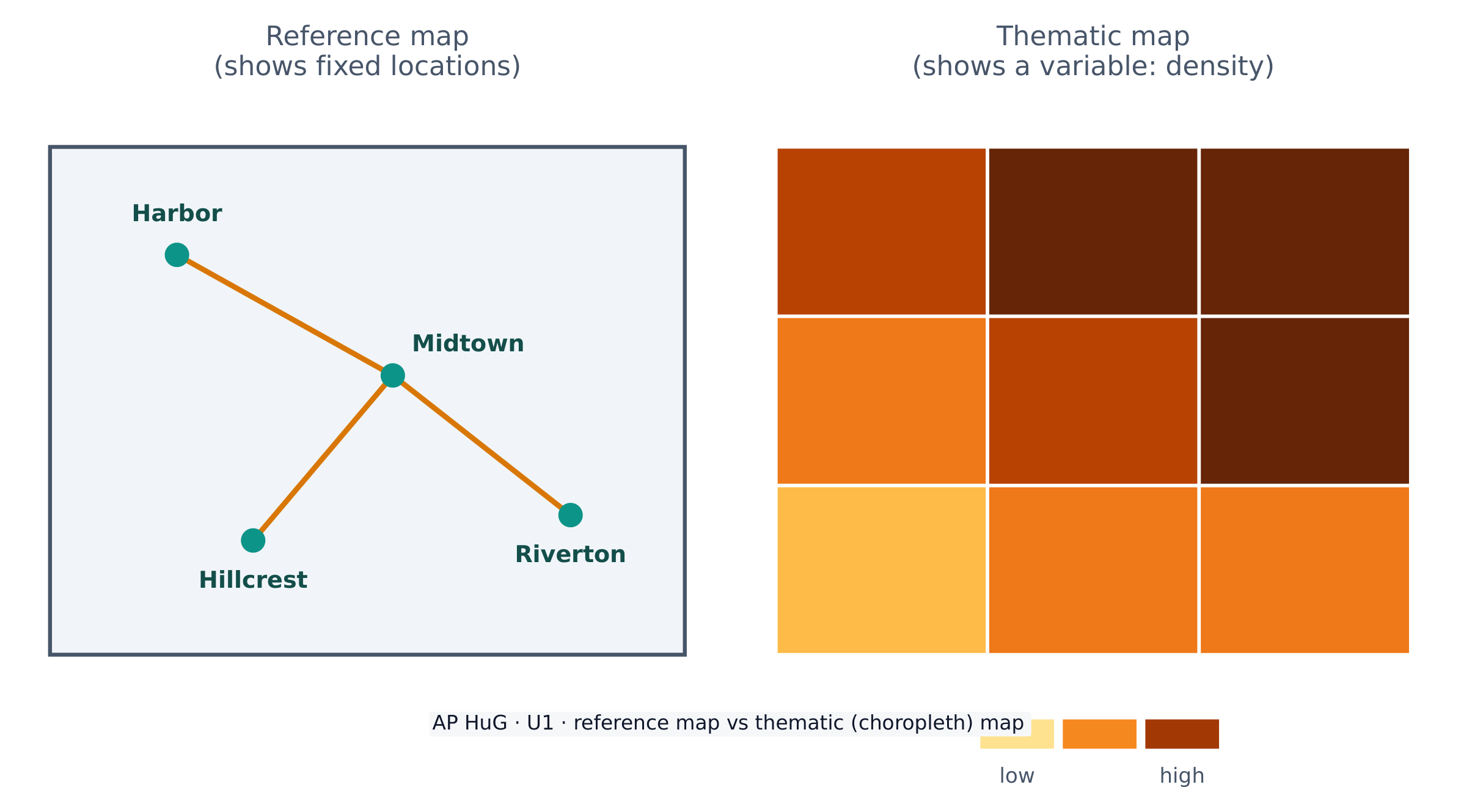
    Maps come in two big families. A reference map 参考地图 shows fixed locations — coastlines, borders, roads, cities (a road atlas or Google Maps). A thematic map 专题地图 shows how one variable changes across space — rainfall, income, or population density. AP Human Geography uses thematic maps constantly.

    Because Earth is a sphere and a map is flat, every map uses a projection 投影 that stretches the globe onto paper. Projections always distort 扭曲 something — shape, area, distance, or direction. The famous Mercator projection keeps direction correct (useful for sailing) but makes high-latitude places like Greenland look far too large. There is no perfect projection; a cartographer chooses one that fits the map's purpose.

    한국어

    지리학은 사물이 어디에 있는지와 왜 그곳에 있는지를 연구하는 학문입니다. 가장 기초적인 도구인 지도는 지구의 특정 부분을 평면화한 그림입니다.

    지도는 크게 두 가지 계열로 나뉩니다. 참조 지도는 고정된 위치(해안선, 국경, 도로, 도시 등)를 보여줍니다(도로 지도나 구글 맵스). 주제 지도는 한 변수가 공간에 걸쳐 어떻게 변하는지를 보여줍니다(강수량, 소득, 인구 밀도 등). AP 인문 지리학에서는 주제 지도를 빈번하게 사용합니다.

    참조 지도는 위치를 보여주며, 주제 지도는 변수가 공간 내에서 어떻게 변동하는지를 보여줍니다
    참조 지도는 위치를 보여주며, 주제 지도는 변수가 공간 내에서 어떻게 변동하는지를 보여줍니다

    지구란 구形体이고 지도는 평면이기 때문에, 모든 지도는 globe를 종이에 펼쳐놓는 투영법을 사용합니다. 투영법은 항상 왜곡을 수반합니다- 모양, 면적, 거리, 또는 방향 중 어느 것이든요. 유명한 メル카토르 투영법은 방향을 정확히 유지(항해용)하지만, 그린란드 같은 고위도 지역이 실제보다 훨씬 크게 보이게 만듭니다. 완벽한 투영법은 없으므로, 도화가는 지도의 목적에 맞는 것을 선택합니다.

    Vocabulary · ⁨어휘⁩ Train · ⁨연습하기⁩
    English 한국어
    map/mæp/ map
    reference map/ˈrefrəns mæp/ 참조 지도
    thematic map/θiːˈmætɪk mæp/ 주제도
    projection/prəˈdʒekʃn/ 투영
    distort/dɪˈstɔːt/ 왜곡하다
    Geographic data/ˌdʒɪəˈɡræfɪk ˈdeɪtə/ 지리 데이터
    geospatial technologies/ˌdʒiːəʊˈspeɪʃl tekˈnɒlədʒiz/ 위성 공간 정보 기술
    1.2

    Geographic Data · ⁨지리 데이터⁩

    Syllabus
    English
    Enduring UnderstandingLearning ObjectiveEssential Knowledge

    IMP-1
    Geographers use maps and data to depict relationships of time, space, and scale.

    IMP-1.B
    Identify different methods of geographic data collection.

    • IMP-1.B.1 Data may be gathered in the field by organizations or by individuals.
    • IMP-1.B.2 Geospatial technologies include geographic information systems (GIS), satellite navigation systems, remote sensing, and online mapping and visualization.
    • IMP-1.B.3 Spatial information can come from written accounts in the form of field observations, media reports, travel narratives, policy documents, personal interviews, landscape analysis, and photographic interpretation.
    한국어
    Enduring UnderstandingLearning ObjectiveEssential Knowledge

    IMP-1
    지리학자는 시간, 공간, 스케일의 관계를 나타내기 위해 지도와 데이터를 사용한다.

    IMP-1.B
    지리 데이터 수집의 다양한 방법을 식별한다.

    • IMP-1.B.1 데이터는 기관이나 개인에 의해 현장 조사로 수집될 수 있다.
    • IMP-1.B.2 지리공간 기술에는 지리정보시스템(GIS), 위성 항법 시스템, 원격 감지, 온라인 지도 및 시각화가 포함된다.
    • IMP-1.B.3 공간 정보는 현장 관찰, 언론 보도, 여행 서술, 정책 문서, 개인 인터뷰, 경관 분석, 사진 해석 등의 문헌 자료에서 얻을 수 있다.

    Source: College Board AP Course and Exam Description · ⁨출처: College Board AP Course and Exam Description⁩

    English

    Geographic data 地理数据 is any information tied to a location. Geographers collect it in the field (counting, surveying, interviewing) and remotely with technology.

    Key geospatial technologies 地理空间技术 you must know:

    • GIS 地理信息系统 (Geographic Information System) — software that layers many kinds of spatial data so patterns can be compared.
    • GPS (satellite navigation) — pinpoints exact location on Earth.
    • Remote sensing 遥感 — gathers data from satellites or aircraft without touching the ground.

    Data also comes from written sources: field observations, media reports, travel writing, policy documents, interviews, and photographs.

    한국어
    위에서 본 밀집된 도시 스카이라인: 지도와 공간 데이터는 사람들이 지구 위에 어떻게 분포하는지를 보여줍니다
    위에서 본 밀집된 도시 스카이라인: 지도와 공간 데이터는 사람들이 지구 위에 어떻게 분포하는지를 보여줍니다

    지리 데이터는 위치와 연결된 모든 정보를 말한다. 지리학자들은 현장(계산, 측량, 인터뷰)과 기술을 이용한 원거리 수송两种方式收集它。

    알아야 할 주요 공간 정보 기술(spatial technologies):

    • GIS(Geographic Information System) — 여러 종류의 공간 데이터를 레이어叠加하여 패턴을 비교할 수 있게 해주는 소프트웨어.
    • GPS(satellite navigation) — 지구 위의 정확한 위치를 pinpoint한다.
    • 원격 감지(remote sensing) — 지면에 닿지 않고 위性或航空器로부터 데이터를 수집한다.

    데이터는 또한 문서 자료에서도 나온다: 현장 관찰, 미디어 보도, 여행 글, 정책 문서, 인터뷰, 사진 등.

    Vocabulary · ⁨어휘⁩ Train · ⁨연습하기⁩
    English 한국어
    GIS/ˌdʒiː aɪ ˈes/ GIS
    Remote sensing/rɪˈməʊt ˈsensɪŋ/ 원격 감수
    Absolute location/ˈæbsəluːt ləʊˈkeɪʃn/ 절대적 위치
    1.3

    The Power of Geographic Data · ⁨지리 데이터의 힘⁩

    Syllabus
    English
    Enduring UnderstandingLearning ObjectiveEssential Knowledge

    IMP-1
    Geographers use maps and data to depict relationships of time, space, and scale.

    IMP-1.C
    Explain the geographical effects of decisions made using geographical information.

    • IMP-1.C.1 Geospatial and geographical data, including census data and satellite imagery, are used at all scales for personal, business and organizational, and governmental decision- making purposes.
    한국어
    Enduring UnderstandingLearning ObjectiveEssential Knowledge

    IMP-1
    지리학자는 시간, 공간, 스케일의 관계를 나타내기 위해 지도와 데이터를 사용한다.

    IMP-1.C
    지리 정보를 사용하여 내려진 결정이 미치는 지리적 영향을 설명한다.

    • IMP-1.C.1 인구 조사 데이터 및 위성 영상과 같은 지리공간 및 지리 데이터는 개인, 기업 및 조직, 정부 의사결정 목적을 위해 모든 스케일에서 활용된다.

    Source: College Board AP Course and Exam Description · ⁨출처: College Board AP Course and Exam Description⁩

    English

    Data is powerful because it drives decisions. Businesses use it to choose store locations, governments use census data to plan schools and roads, and aid agencies use it to send help after a disaster.

    But data is never neutral. Who collects it, which categories they use, and how a map is drawn can all shape the message. A map can inform — or it can mislead — so a good geographer always asks where the data came from and what it leaves out.

    한국어

    데이터는 결정을 주도하기 때문에 강력한 힘을 가집니다. 기업은 매장을 위한 입지를 선정할 때, 정부는 학교와 도로 계획을 세울 때, 구호 기관은 재해 후 지원 물자를 보내기 위해 데이터를 활용합니다.

    하지만 데이터는 절대 중립적이지 않습니다. 누가 수집하느냐, 어떤 범위를 사용하느냐,以及如何 그리는지에 따라 모두 메시지를 형성할 수 있습니다. 지도는 정보를 전달하기도 하지만 오해를 불러일으키기도 하므로, 훌륭한 지리학자는 항상 데이터가 어디서 왔는지, 그리고 무엇을 빠뜨렸는지 묻습니다.
    1.4

    Spatial Concepts · ⁨공간 개념⁩

    Syllabus
    English
    Enduring UnderstandingLearning ObjectiveEssential Knowledge

    PSO-1
    Geographers analyze relationships among and between places to reveal important spatial patterns.

    PSO-1.A
    Define major geographic concepts that illustrate spatial relationships.

    • PSO-1.A.1 Spatial concepts include absolute and relative location, space, place, flows, distance decay, time-space compression, and pattern.
    한국어
    Enduring UnderstandingLearning ObjectiveEssential Knowledge

    PSO-1
    지리학자는 중요한 공간 양상을 드러내기 위해 장소 간의 관계 및 장소를 분석한다.

    PSO-1.A
    공간 관계를 설명하는 주요 지리 개념을 정의한다.

    • PSO-1.A.1 공간 개념에는 절대적 및 상대적 위치, 공간, 장소, 흐름, 거리 감쇠, 시간-공간 압축, 그리고 양상이 포함된다.

    Source: College Board AP Course and Exam Description · ⁨출처: College Board AP Course and Exam Description⁩

    English
    Distance decay

    Geographers describe location and pattern with a precise vocabulary.

    • Absolute location 绝对位置 is an exact address — latitude and longitude. Relative location 相对位置 describes a place by what is near it ("north of the river").
    • Absolute distance is measured in kilometres; relative distance is measured in time, cost, or effort.
    • Space–time compression 时空压缩 is the shrinking of the felt distance between places as transport and communication improve.
    • Distance decay 距离衰减 means that interaction between two places weakens as the distance between them grows.

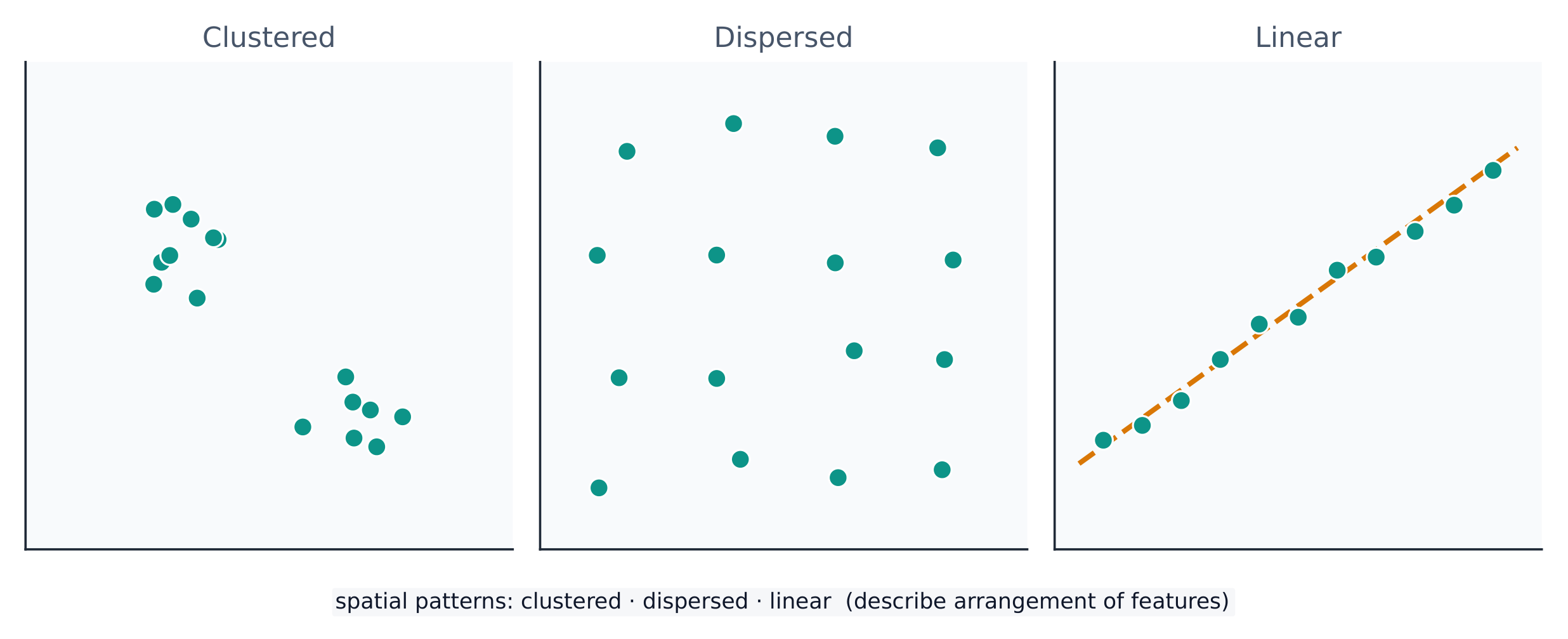
    A spatial pattern 空间格局 is how things are arranged: clustered 聚集 (bunched together), dispersed 分散 (spread apart), or linear (along a line such as a road). Reading the pattern is the first step in explaining why it exists.

    한국어
    거리의 감쇠

    지리학자들은 위치와 패턴을 정밀한 어휘로 서술합니다.

    • 절대 위치(absolutely location) 은 정확한 주소—위도와 경도. 상대 위치(relative location) 는 주변的事物(“강의 북쪽”)으로 장소를 묘사한다.
    • 절대 거리(absolutely distance) 는 킬로미터로 측정되며, 상대 거리(relative distance) 는 시간, 비용, 또는 노력으로 측정된다.
    • 공간-시간 압축(space–time compression) 은 교통 및 통신이 개선됨에 따라 장소 간의 느껴지는 거리가 줄어드는 현상이다.
    • 거리의 감쇠(distance decay) 는 두 장소 사이의 거리가 멀어질수록 상호작용이 약해진다는 것을 의미한다.
    지상의 점은 집중, 분산 또는 선상에 배열될 수 있다
    점은 집중되거나 분산되며 선상에 배열될 수 있으며, 공간적 패턴 자체가 데이터이다

    공간적 패턴은 사물들이 어떻게 배치되어 있는지를 의미하며, 집중(뭉쳐 있음), 분산(퍼져 있음) 또는 선형(도로와 같은 선을 따라)으로 구분된다. 패턴을 읽는 것은 그 패턴이 존재하는 원인을 설명하기 위한 첫 단계이다.

    Vocabulary · ⁨어휘⁩ Train · ⁨연습하기⁩
    English 한국어
    Relative location/ˈrelətɪv ləʊˈkeɪʃn/ 상대 위치
    Space–time compression/speɪs taɪm kəmˈpreʃn/ 공간-시간 압축
    Distance decay/ˈdɪstəns dɪˈkeɪ/ 거리 감쇠
    spatial pattern/ˈspeɪʃl ˈpætn/ 공간 패턴
    clustered/ˈklʌstəd/ 뭉쳐 있음
    dispersed/dɪˈspɜːst/ 분산된
    Environmental determinism/enˌvaɪrənˈmentl dɪˈtɜːmɪnɪzəm/ 환경 결정론
    Possibilism/ˈpɒsɪbɪlɪzəm/ 가능성론
    cultural landscape/ˈkʌltʃərəl ˈlændskeɪp/ 문화 경관(cultural landscape)
    Scale of analysis/skeɪl ɒv əˈnæləsɪs/ 분석의 규모
    region/ˈriːdʒn/ 지역(region)
    Formal (uniform) region/ˈfɔːml ˈriːdʒn/ 공식(균일) 지역
    Functional (nodal) region/ˈfʌŋkʃənl ˈriːdʒn/ 기능(핵심) 지역
    Perceptual (vernacular) region/pəˈseptʃuːəl ˈriːdʒn/ 인지(민속) 지역
    Watch lesson · ⁨수업 보기⁩
    1.5

    Human-Environmental Interaction · ⁨인간-환경 상호작용⁩

    Syllabus
    English
    Enduring UnderstandingLearning ObjectiveEssential Knowledge

    PSO-1
    Geographers analyze relationships among and between places to reveal important spatial patterns.

    PSO-1.B
    Explain how major geographic concepts illustrate spatial relationships.

    • PSO-1.B.1 Concepts of nature and society include sustainability, natural resources, and land use.
    • PSO-1.B.2 Theories regarding the interaction of the natural environment with human societies have evolved from environmental determinism to possibilism.
    한국어
    Enduring UnderstandingLearning ObjectiveEssential Knowledge

    PSO-1
    지리학자는 중요한 공간 양상을 드러내기 위해 장소 간의 관계 및 장소를 분석한다.

    PSO-1.B
    주요 지리 개념이 어떻게 공간 관계를 설명하는지 설명한다.

    • PSO-1.B.1 자연과 사회의 개념에는 지속 가능성, 천연 자원, 그리고 토지 이용이 포함된다.
    • PSO-1.B.2 자연 환경과 인간 사회의 상호작용에 대한 이론은 환경 결정론에서 가능성론으로 진화해 왔다.

    Source: College Board AP Course and Exam Description · ⁨출처: College Board AP Course and Exam Description⁩

    English

    People and the environment shape each other. Three older ideas describe this:

    • Environmental determinism 环境决定论 — the (now rejected) claim that the physical environment determines how a culture develops.
    • Possibilism 可能论 — the accepted view that the environment sets limits, but people choose how to respond using technology and culture.

    The cultural landscape 文化景观 — farms, cities, and roads built on the land — is the visible result of this interaction. Sustainability asks how people can use natural resources without using them up.

    한국어
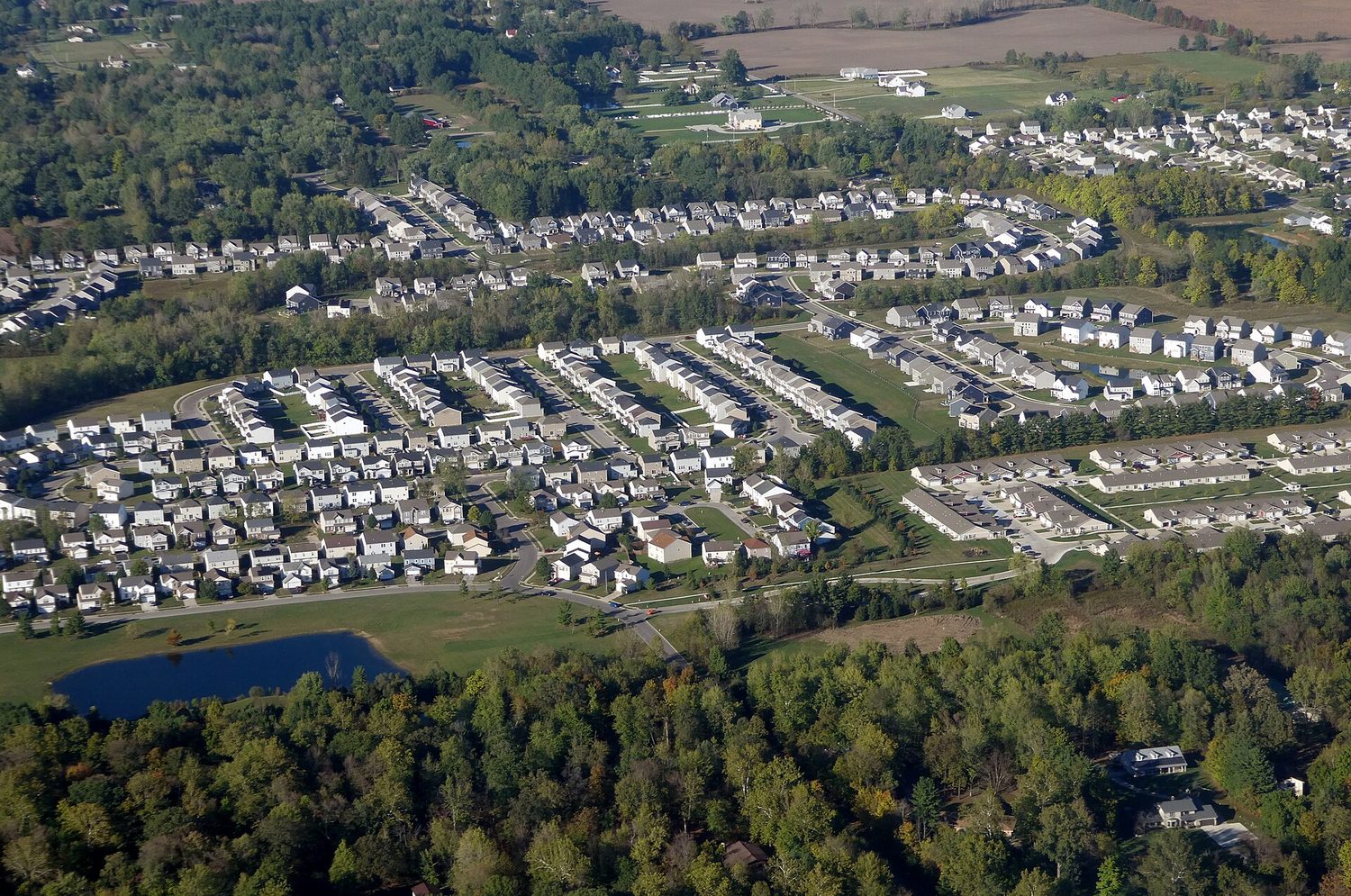
    도시 가장자리에서의 도시 확장: 인간-환경 상호작용이 경관을 변화시킨다
    도시 가장자리에서의 도시 확장: 인간-환경 상호작용이 경관을 변화시킨다

    사람과 환경은 서로를 형성한다. 이를 설명하는 세 가지 전통적인 관점이 있다:

    • 환경 결정론 — 물리적 환경이 문화의 발달을 결정한다는 (현재는 부정된) 주장이다.
    • 가능론 — 환경이 한계를 설정하지만, 사람들은 기술과 문화를 활용하여 어떻게 대응할지 선택한다는 accepted된 관점이다.

    문화경관 — 농장, 도시 및 도로 등土地上에 구축된 것들은 이 상호작용의 가시적 결과물이다. 지속 가능성은 사람들이 자원을 소진하지 않으면서如何利用其自然资源询问如何在不耗尽自然资源的情况下利用它们。

    1.6

    Scales of Analysis · ⁨분석의 규모⁩

    Syllabus
    English
    Enduring UnderstandingLearning ObjectiveEssential Knowledge

    PSO-1
    Geographers analyze relationships among and between places to reveal important spatial patterns.

    PSO-1.C
    Define scales of analysis used by geographers.

    • PSO-1.C.1 Scales of analysis include global, regional, national, and local.

    PSO-1.D
    Explain what scales of analysis reveal.

    • PSO-1.D.1 Patterns and processes at different scales reveal variations in, and different interpretations of, data.
    한국어
    Enduring UnderstandingLearning ObjectiveEssential Knowledge

    PSO-1
    지리학자는 중요한 공간 양상을 드러내기 위해 장소 간의 관계 및 장소를 분석한다.

    PSO-1.C
    지리학자가 사용하는 분석의 스케일을 정의한다.

    • PSO-1.C.1 분석의 스케일에는 글로벌, 지역, 국가, 그리고 현지가 포함된다.

    PSO-1.D
    분석의 스케일이 무엇을 밝혀주는지 설명한다.

    • PSO-1.D.1 다양한 스케일에서의 양상과 과정은 데이터의 변동성과 서로 다른 해석을 보여준다.

    Source: College Board AP Course and Exam Description · ⁨출처: College Board AP Course and Exam Description⁩

    English

    Scale of analysis 分析尺度 is the level at which you look at data — global, regional, national, or local. The same pattern can look completely different at different scales.

    For example, a country may look wealthy at the national scale, yet contain very poor neighbourhoods at the local scale. Zooming in or out — changing the scale — reveals patterns that were hidden before. Exam questions often ask you to explain a process "at various scales."

    Worked example (a real AP exam question). "The map focuses on a regional scale. Explain a possible limitation of drawing country-scale conclusions from a regional-scale map." (2025) A full-mark answer: "The map shows only one region, so its pattern may not represent the whole country — other regions could look very different, so a conclusion drawn at the regional scale would be inaccurate at the country scale." The command word Explain asks for reasoning: state the limitation and say why changing the scale changes the pattern. Just writing "the scales are different" does not earn the mark.

    한국어

    분석의 규모는 데이터를 바라보는 수준을 의미하며, 글로벌, 지역, 국가 또는 현지 수준이 포함된다. 동일한 패턴도 다른 규모에서는 완전히 다르게 나타날 수 있다.

    한 패턴이 글로벌, 지역, 국가, 현지 규모의 차원에서 중첩되어 나타난다
    같은 장소가 점점 더 큰 규모 속에 중첩되어 위치하며, 선택하는 규모에 따라 관찰되는 패턴이 달라진다

    예를 들어,一个国家可能在国家规模上显得富裕,但在地方规模上却包含非常贫穷的社区。放大或缩小——即改变规模——会揭示之前隐藏的pattern。考试题目常要求你在“多种尺度”下解释一个过程。

    해설 예제 (실제 AP 시험 문제). "이 지도는 지역 규모에 초점을 맞추고 있습니다. 지역 규모의 지도에서 국가 단위의 결론을 도출하는 것의 가능한 한계를 설명하십시오." (2025) 만점 답안: "이 지도는 한 지역만 보여 주므로, 해당 패턴이 전국을 대표하지 않을 수 있습니다. 다른 지역은 매우 다르게 나타날 수 있으므로, 지역 규모에서 도출된 결론은 국가 규모에서는 부정확할 것입니다." 명령어 Explain(설명) 은 논리적 근거를 요구합니다. 한계를 명시하고 또한 규모가 바뀌면 패턴이 달라지는 이유를 설명해야 합니다. 단순히 "규모가 다르다"라고만 적으면 점수를 받을 수 없습니다.

    1.7

    Regional Analysis · ⁨지역 분석⁩

    Syllabus
    English
    Enduring UnderstandingLearning ObjectiveEssential Knowledge

    SPS-1
    Geographers analyze complex issues and relationships with a distinctively spatial perspective.

    SPS-1.A
    Describe different ways that geographers define regions.

    • SPS-1.A.1 Regions are defined on the basis of one or more unifying characteristics or on patterns of activity.
    • SPS-1.A.2 Types of regions include formal, functional, and perceptual/vernacular.
    • SPS-1.A.3 Regional boundaries are transitional and often contested and overlapping.
    • SPS-1.A.4 Geographers apply regional analysis at local, national, and global scales.
    한국어
    Enduring UnderstandingLearning ObjectiveEssential Knowledge

    SPS-1
    지리학자는 독특한 공간적 관점에서 복잡한 이슈와 관계를 분석한다.

    SPS-1.A
    지리학자가 regions를 정의하는 다양한 방법을 설명한다.

    • SPS-1.A.1 지역은 하나 이상의 통합적 특성 또는 활동 양상에 따라 정의된다.
    • SPS-1.A.2 지역의 종류에는 형식적, 기능적, 그리고 인지적/구어체(perceptual/vernacular)가 포함된다.
    • SPS-1.A.3 지역 경계는 전이역이며 종종 논쟁적이고 겹친다.
    • SPS-1.A.4 지리학자는 현지, 국가, 글로벌 스케일에서 지역 분석을 적용한다.

    Source: College Board AP Course and Exam Description · ⁨출처: College Board AP Course and Exam Description⁩

    English

    A region 区域 is an area with one or more shared features that make it different from surrounding areas. Geographers use three types:

    • Formal (uniform) region 均质区域 — everyone shares a measurable trait (a country, a wheat-growing belt, a language area).
    • Functional (nodal) region 功能区域 — organised around a central node, like a city and its commuter zone or a pizza shop's delivery area.
    • Perceptual (vernacular) region 感知区域 — defined by people's feelings and beliefs, with fuzzy borders (the "American South", the "Middle East").

    Regions are made by geographers, not found in nature — so their borders can be argued about, which is exactly why they are useful for analysis.

    한국어

    지역은 주변 지역과 구별되는 하나 이상의 공통 특성을 가진 영역이다. 지리학자는 세 가지 유형을 사용한다:

    • 형식적(균일) 지역 — 모든 사람이 측정 가능한 특성을 공유함(한 나라, 밀 재배 지대, 언어권).
    • 기능적(핵심) 지역 — 중앙 노드를 중심으로 조직됨(도시 및 통근권, 피자 가게 배달 구역 등).
    • 인지적(구어체) 지역 — 사람들의 느낌과 신념에 의해 정의되며, 불확실한 경계를 가짐("미국 남부", "중동").

    지역은 지리학자가 만든 것이며 자연에 존재하지 않으므로, 그 경계는 논쟁의 여지가 있으며这正是它们用于分析的原因。

    Explore · ⁨탐색하기⁩

    Sort each example into the right kind of region · ⁨각 예제를 적절한 지역의 종류에 배치하시오⁩

    A formal region shares one measured trait, a functional region is organised around a node, and a perceptual region is defined by people's feelings. · ⁨형식적 지역은 하나의 측정 가능한 특성을 공유하며, 기능적 지역은 노드를 중심으로 조직되고, 인지적 지역은 사람들의 느낌에 의해 정의됩니다.⁩

    1.7

    Exam tips · ⁨시험 팁⁩

    English
    • Always name a map projection's trade-off: what it preserves versus distorts (Mercator keeps direction but exaggerates area).
    • State whether data is quantitative or qualitative, and match a source (GIS, GPS, remote sensing, census) to its use.
    • Distinguish absolute from relative location, and use distance decay and time-space compression in any flow answer.
    • Mind the scale of analysis: a national average hides local variation — say so explicitly.
    • Classify every region as formal, functional, or perceptual, and justify it by the defining trait.
    한국어
    • 항상 지도 투영의 trade-off를 명시하라: 무엇을 보존하고 왜곡하는지 (메르카토르는 방향을 유지하지만 면적을 과장함).
    • 데이터가 정량적인지 정성적인지 명시하고, 출처(GIS, GPS, 원격 감지, 인구 조사)를 용도에 맞게 매칭하라.
    • 절대 위치와 상대 위치를 구분하고, 흐름 관련 답변에서 거리 감쇠와 시간-공간 압축을 활용하라.
    • 분석의 규모에 유의하라: 국가 평균은 지역적 변동을 숨길 수 있으므로 이를 명확히 언급하라.
    • 모든 지역을 형식적, 기능적 또는 인지적으로 분류하고, 정의되는 특성에 근거하여 정당화하라.
  • 2

    Population and Migration Patterns and Processes

    Watch lesson · ⁨수업 보기⁩
    2.1 2.2

    Population Distribution and Density · ⁨인구의 분포 및 밀도⁩

    Syllabus
    English
    Enduring UnderstandingLearning ObjectiveEssential Knowledge

    PSO-2
    Understanding where and how people live is essential to understanding global cultural, political, and economic patterns.

    PSO-2.A
    Identify the factors that influence the distribution of human populations at different scales.

    • PSO-2.A.1 Physical factors (e.g., climate, landforms, water bodies) and human factors (e.g., culture, economics, history, politics) influence the distribution of population.
    • PSO-2.A.2 Factors that illustrate patterns of population distribution vary according to the scale of analysis.

    PSO-2.B
    Define methods geographers use to calculate population density.

    • PSO-2.B.1 The three methods for calculating population density are arithmetic, physiological, and agricultural.

    PSO-2.C
    Explain the differences between and the impact of methods used to calculate population density.

    • PSO-2.C.1 The method used to calculate population density reveals different information about the pressure the population exerts on the land.
    한국어
    Enduring UnderstandingLearning ObjectiveEssential Knowledge

    PSO-2
    사람들이 어디에, 어떻게 거주하는지 이해하는 것은 글로벌 문화, 정치, 경제 양상을 이해하는 데 필수적이다.

    PSO-2.A
    다양한 스케일에서 인구 분포에 영향을 미치는 요인을 식별한다.

    • PSO-2.A.1 물리적 요인(예: 기후, 지형, 수계)과 인문학적 요인(예: 문화, 경제, 역사, 정치)이 인구 분포에 영향을 미친다.
    • PSO-2.A.2 인구 분포 양상을 보여주는 요인은 분석의 스케일에 따라 달라진다.

    PSO-2.B
    지리학자가 인구 밀도를 계산하는 방법을 정의한다.

    • PSO-2.B.1 인구 밀도를 계산하는 세 가지 방법은 산술적, 생리적, 그리고 농업적이다.

    PSO-2.C
    인구 밀도 계산에 사용되는 방법의 차이점과 영향을 설명한다.

    • PSO-2.C.1 인구 밀도 계산에 사용되는 방법은 인구가 토지에 가하는 압력에 대해 서로 다른 정보를 드러낸다.
    English

    Enduring Understanding (PSO-2): Understanding where and how people live is essential to understanding global cultural, political, and economic patterns.

    Learning Objective PSO-2.D: Explain how population distribution and density affect society and the environment.

    • PSO-2.D.1 Population distribution and density affect political, economic, and social processes, including the provision of services such as medical care.
    • PSO-2.D.2 Population distribution and density affect the environment and natural resources; this is known as carrying capacity.
    한국어

    Enduring Understanding (PSO-2): 사람들이 어디에, 어떻게 거주하는지 이해하는 것은 글로벌 문화, 정치, 경제 양상을 이해하는 데 필수적이다.

    학습 목표 PSO-2.D: 인구 분포와 밀도가 사회 및 환경에 미치는 영향을 설명하시오.

    • PSO-2.D.1 인구 분포와 밀도는 의료 제공과 같은 서비스 제공을 포함한 정치적, 경제적, 사회적 과정에 영향을 미칩니다.
    • PSO-2.D.2 인구 분포와 밀도는 환경 및 자연자원에 영향을 미치며, 이를 수용력(carrying capacity)이라 합니다.

    Source: College Board AP Course and Exam Description · ⁨출처: College Board AP Course and Exam Description⁩

    English

    People are spread very unevenly across Earth. Population distribution 人口分布 describes where people live; population density 人口密度 measures how crowded a place is. Most people cluster in a few favourable places: mid-latitudes, low-lying land, coasts, and river valleys with water and fertile soil.

    Geographers use three density measures:

    • Arithmetic density 算术密度 — total people ÷ total land area.
    • Physiological density 生理密度 — people ÷ area of arable (farmable) land; a better guide to pressure on food supply.
    • Agricultural density 农业密度 — farmers ÷ arable land; a low value suggests more efficient, mechanised farming.

    Uneven distribution creates consequences: crowded regions strain housing, water, and services, while empty regions may struggle to provide roads and schools.

    한국어

    인구는 지구 전체에 매우 불고르게 분포되어 있다. 인구 분포는 사람들이 어디에 사는지를 묘사하며, 인구 밀도는 한 지역의 혼잡 정도를 측정한다. 대부분의 사람은 몇몇 유리한 장소에 집중되어 있다: 중위도, 저지대, 해안선 및 물과 비옥한 토양이 있는 강 유역.

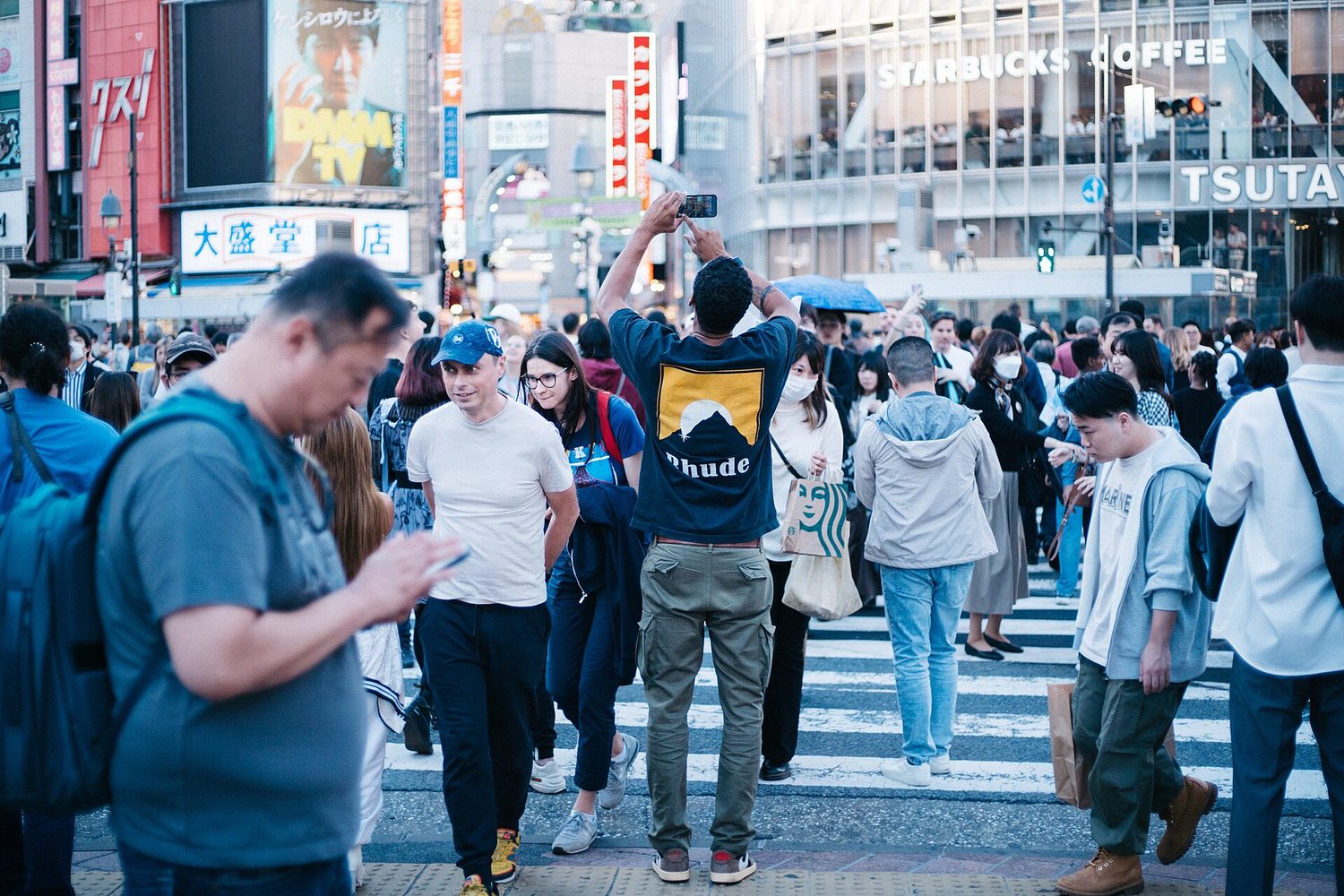
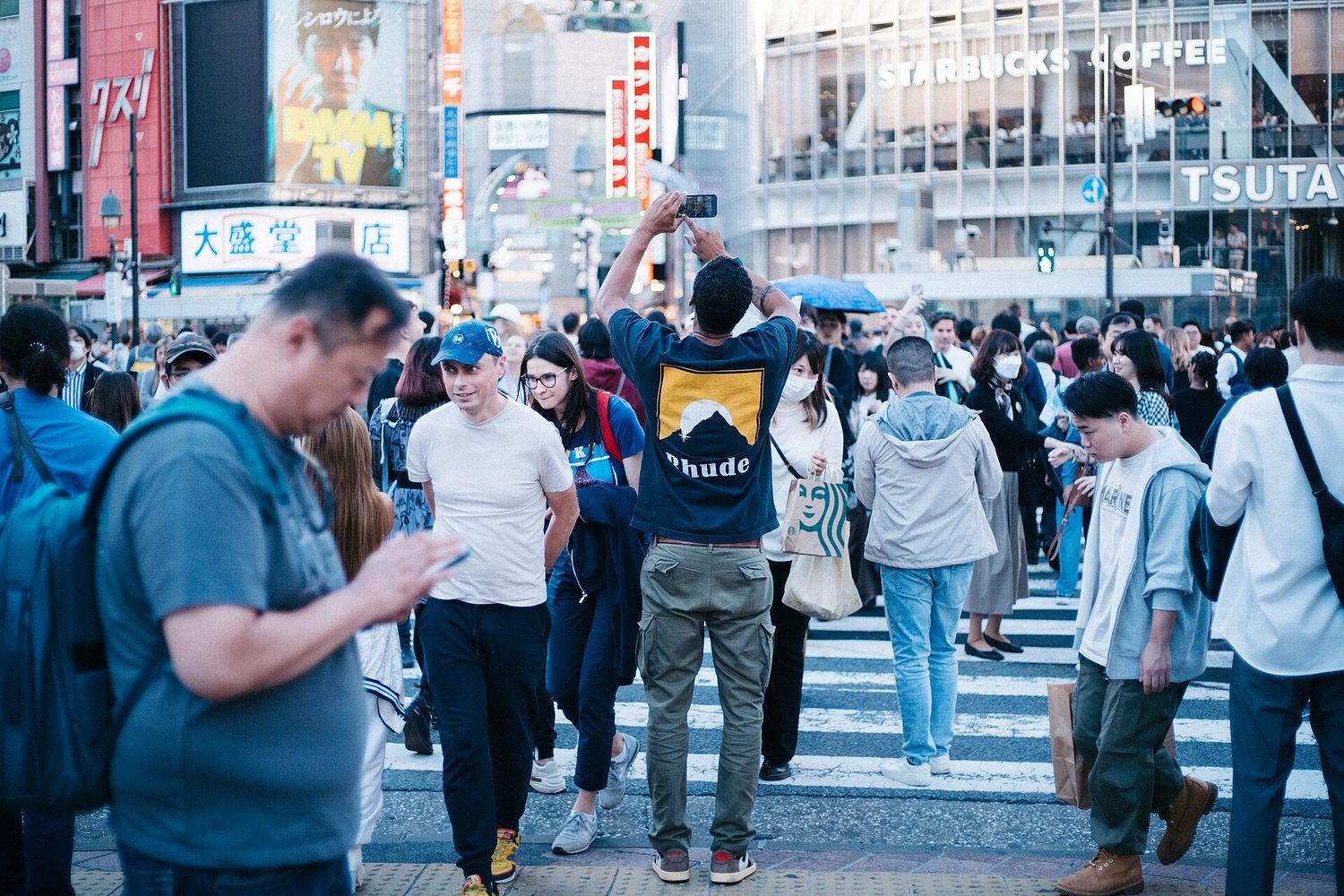
    수백 명의 사람들이 한 번에 넓은 거리 교차로를 건너며 그곳의 모든 부분을 채운다
    도쿄의 혼잡한 보행자 횡단로: 도시는 사람들을 작은 지역에 끌어모아 극도로 높은 인구 밀도를 제공한다

    지리학자는 세 가지 밀도 측정을 사용한다:

    • 산술적 밀도 — 총 인구 ÷ 총 토지 면적.
    • 생리학적 밀도 — 인구 ÷ 농경지(재배 가능) 면적; 식량 공급에 대한 압력을 판단하는 더 나은 지표이다.
    • 농업적 밀도 — 농민 수 ÷ 농경지 면적; 낮은 값은 더 효율적이고 기계화된 농업임을 시사한다.

    불고른 분포는 결과를 초래한다: 혼잡한 지역은 주거, 수도 및 서비스의 부담을 겪으며, 빈번한 지역은 도로와 학교를 제공하기 어려울 수 있다.

    Vocabulary · ⁨어휘⁩ Train · ⁨연습하기⁩
    English 한국어
    Population distribution/ˌpɒpjʊˈleɪʃn ˌdɪstrɪˈbjuːʃn/ 인구 분포
    population density/ˌpɒpjʊˈleɪʃn ˈdensɪti/ 인구 밀도
    Arithmetic density/əˈrɪθmətɪk ˈdensɪti/ 산술 밀도
    Physiological density/ˌfɪzɪəˈlɒdʒɪkl ˈdensɪti/ 생리적 밀도
    Agricultural density/ˌæɡrɪˈkʌltʃərəl ˈdensɪti/ 농업 밀도
    Population composition/ˌpɒpjʊˈleɪʃn ˌkɒmpəˈzɪʃn/ 인구 구성
    2.3

    Population Composition · ⁨인구 구성⁩

    Syllabus
    English

    Enduring Understanding (PSO-2): Understanding where and how people live is essential to understanding global cultural, political, and economic patterns.

    Learning Objective PSO-2.E: Describe elements of population composition used by geographers.

    • PSO-2.E.1 Patterns of age structure and sex ratio vary across different regions and may be mapped and analyzed at different scales.

    Learning Objective PSO-2.F: Explain ways that geographers depict and analyze population composition.

    • PSO-2.F.1 Population pyramids are used to assess population growth and decline and to predict markets for goods and services.
    한국어

    Enduring Understanding (PSO-2): 사람들이 어디에, 어떻게 거주하는지 이해하는 것은 글로벌 문화, 정치, 경제 양상을 이해하는 데 필수적이다.

    학습 목표 PSO-2.E: 지리학자가 사용하는 인구 구성의 요소를 서술하시오.

    • PSO-2.E.1 연령 구조 및 성비 패턴은 지역마다 다르며 다양한 규모에서 지도화되고 분석될 수 있습니다.

    학습 목표 PSO-2.F: 지리학자가 인구 구성을 묘사하고 분석하는 방법을 설명하시오.

    • PSO-2.F.1 인구 피라미드는 인구 증가 및 감소를 평가하고 재화 및 서비스 시장을 예측하는 데 사용됩니다.

    Source: College Board AP Course and Exam Description · ⁨출처: College Board AP Course and Exam Description⁩

    English
    Reading a population pyramid

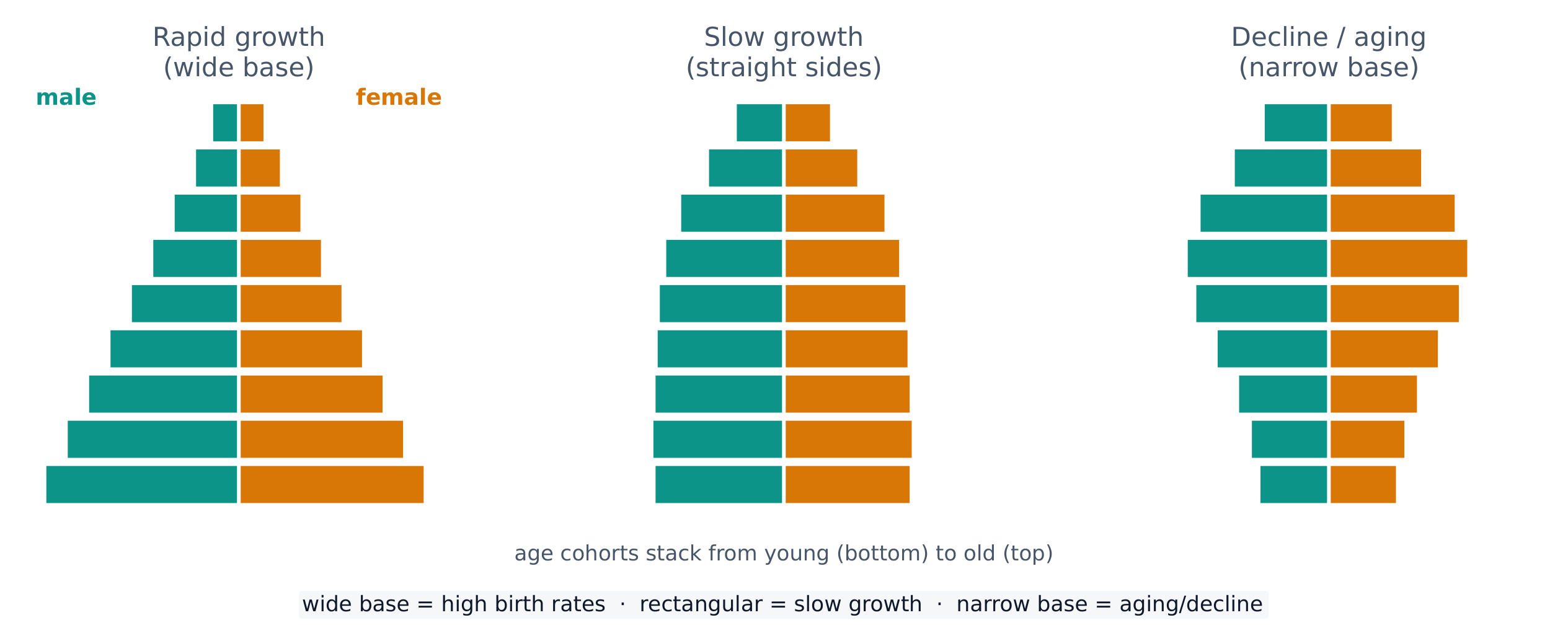
    Population composition 人口构成 is the make-up of a population by age and sex. It is shown on a population pyramid 人口金字塔 — back-to-back bar charts of males and females in five-year age cohorts 年龄组.

    • A wide base means high birth rates and rapid growth (many young people).
    • Straight sides mean slow, stable growth.
    • A narrow base with a wide middle means an aging, shrinking population.

    The dependency ratio 抚养比 compares dependents (under 15 and over 64) to the working-age population — a high ratio strains the workers who support them.

    한국어
    인구 피라미드 읽기

    인구 구성은 연령과 성별에 따른 인구의 구성 비율을 말한다. 이는 인구 피라미드에 표시되는데, 이는 5년 단위의 ** 연령대**별 남성 및 여성 백분율을 뒤로 대고 그린 막대그래프이다.

    세 가지 형태의 인구 피라미드: 급성장, 완만 성장 및 감소
    넓은 밑부분은 급성장을 의미하며, 직선 측면은 완만한 성장을, 좁은 밑부분은 감소를 의미한다
    • 넓은 밑부분은 높은 출생률과 급격한 성장을 의미한다(많은 젊은 층).
    • 직선 측면은 느리고 안정적인 성장을 의미한다.
    • 좁은 밑부분과 넓은 중간 부분은 노후화되고 감소하는 인구를 의미한다.

    의존 비율은 비근로연령 인구(15세 미만 및 64세 이상)를 근로연령 인구에 비교한 것으로, 이 비율이 높을수록 이를 부양하는 근로자의 부담이 커집니다.

    Vocabulary · ⁨어휘⁩ Train · ⁨연습하기⁩
    English 한국어
    population pyramid/ˌpɒpjʊˈleɪʃn ˈpɪrəmɪd/ 인구 피라미드
    age cohorts/eɪdʒ ˈkəʊhɔːts/ 연령 코호트
    dependency ratio/dɪˈpendənsi ˈreɪʃɪəʊ/ 부양비율(dependency ratio)
    Crude birth rate (CBR)/kruːd bɜːθ reɪt/ 출생률 (CBR)
    crude death rate (CDR)/kruːd deθ reɪt/ 사망률 (CDR)
    Rate of natural increase (RNI)/reɪt ɒv ˈnætʃərəl ˈɪŋkriːs/ 자연 증가율 (RNI)
    Total fertility rate (TFR)/ˈtəʊtl fɜːˈtɪlɪti reɪt/ 총출산율 (TFR)
    2.4

    Population Dynamics · ⁨인구 역학⁩

    Syllabus
    English

    Enduring Understanding (IMP-2): Changes in population are due to mortality, fertility, and migration, which are influenced by the interplay of environmental, economic, cultural, and political factors.

    Learning Objective IMP-2.A: Explain factors that account for contemporary and historical trends in population growth and decline.

    • IMP-2.A.1 Demographic factors that determine a population’s growth and decline are fertility, mortality, and migration.
    • IMP-2.A.2 Geographers use the rate of natural increase and population-doubling time to explain population growth and decline.
    • IMP-2.A.3 Social, cultural, political, and economic factors influence fertility, mortality, and migration rates.
    한국어

    Enduring Understanding (IMP-2): 인구의 변화는 사망률, 출생률, 이민에 의해 발생하며, 이는 환경, 경제, 문화, 정치적 요인의 상호작용에 의해 영향을 받는다.

    학습 목표 IMP-2.A: 인구 증가 및 감소의 현대적 및 역사적 추세를 설명하는 요인을 기술하시오.

    • IMP-2.A.1 인구의 증가와 감소를 결정하는 인구통계학적 요인은 출생률, 사망률, 그리고 이동입니다.
    • IMP-2.A.2 지리학자는 자연증가율과 인구 배가 시간을 사용하여 인구 증가 및 감소를 설명합니다.
    • IMP-2.A.3 사회, 문화, 정치, 경제적 요인은 출생률, 사망률, 이동률에 영향을 미칩니다.

    Source: College Board AP Course and Exam Description · ⁨출처: College Board AP Course and Exam Description⁩

    English

    Populations change through births, deaths, and migration. Key rates (per 1,000 people per year):

    • Crude birth rate (CBR) 粗出生率 and crude death rate (CDR) 粗死亡率.
    • Rate of natural increase (RNI) 自然增长率 = (CBR − CDR) ÷ 10, as a percentage — it ignores migration.
    • Total fertility rate (TFR) 总和生育率 — average children per woman; about 2.1 is replacement level 更替水平.

    The doubling time 倍增时间 (years for a population to double) ≈ 70 ÷ RNI%. Small changes in fertility have huge long-run effects.

    Worked example (a real AP exam question). "Explain ONE reason why the rate of natural increase (RNI) in urban areas may vary significantly from RNI in rural areas in the same country." (2023) A full-mark answer: "In cities the cost of living — housing, schooling, childcare — is higher, so urban families tend to have fewer children. Fewer births lower the crude birth rate, so the urban RNI falls below the rural RNI, where children still help with farm work." Notice the shape: the command word Explain wants a cause-and-effect chain, so you must name the reason and follow it all the way to the RNI. A bare fact — "cities are expensive" — earns zero.

    한국어

    인구는 출생, 사망, 이민에 의해 변화합니다. 주요 지표(연간 1,000명당):

    • 총출생률(CBR) 및 총사망률(CDR).
    • 자연 증가율(RNI) = (CBR − CDR) ÷ 10, 백분율로 표시 — 이민은 고려되지 않습니다.
    • 총출산율(TFR) — 여성당 평균 출생아 수; 약 2.1가 **교체 수준(replacement level)**으로 간주된다.

    인구 배가 시간(인구가 두 배로 늘어나는 데 걸리는 년수) ≈ 70 ÷ RNI%. 생산율의 작은 변화는 장기적으로 막대한 영향을 미칩니다.

    해설 예제 (실제 AP 시험 문제). "동일 국가 내 도시 지역의 자연 증가율(RNI)이 농촌 지역 RNI와 크게 다른 이유 중 하나를 설명하시오." (2023년) 만점 답안: "도시는 주거, 교육, 육아 등 생활비가 높아 도시 가구는 자녀 수가 적은 경향이 있습니다. 출생수가 감소하면 총출생률이 낮아져 도시의 RNI가 농촌보다 낮아지는데, 농촌에서는 여전히 자녀들이 농업 노동을 돕기 때문입니다." 형상을 보면 명령어 **Explain(설명하다)**는 인과 관계 사슬을 요구하므로, 원인을 명시하고 그 결과까지 RNI까지 이어지는 논리를 모두 제시해야 합니다. 단순 사실 나열만으로는 "도시는 비싸다"라는 식으로는 점수를 받을 수 없습니다.

    Vocabulary · ⁨어휘⁩ Train · ⁨연습하기⁩
    English 한국어
    replacement level/rɪˈpleɪsmənt ˈlevl/ 교체 수준
    doubling time/ˈdʌblɪŋ taɪm/ 배가 시간
    Demographic Transition Model (DTM)/ˌdeməˈɡræfɪk trænˈsɪʃn ˈmɒdl/ 인구 전환 모델 (DTM)
    2.5

    The Demographic Transition Model · ⁨인구 전환 모델⁩

    Syllabus
    English

    Enduring Understanding (IMP-2): Changes in population are due to mortality, fertility, and migration, which are influenced by the interplay of environmental, economic, cultural, and political factors.

    Learning Objective IMP-2.B: Explain theories of population growth and decline.

    • IMP-2.B.1 The demographic transition model can be used to explain population change over time.
    • IMP-2.B.2 The epidemiological transition explains causes of changing death rates.
    한국어

    Enduring Understanding (IMP-2): 인구의 변화는 사망률, 출생률, 이민에 의해 발생하며, 이는 환경, 경제, 문화, 정치적 요인의 상호작용에 의해 영향을 받는다.

    학습 목표 IMP-2.B: 인구 증가 및 감소에 대한 이론을 설명하시오.

    • IMP-2.B.1 인구 전환 모델은 시간에 따른 인구 변화를 설명하는 데 사용할 수 있습니다.
    • IMP-2.B.2 역학적 전환(epidemiological transition)은 사망률 변화의 원인을 설명합니다.

    Source: College Board AP Course and Exam Description · ⁨출처: College Board AP Course and Exam Description⁩

    English
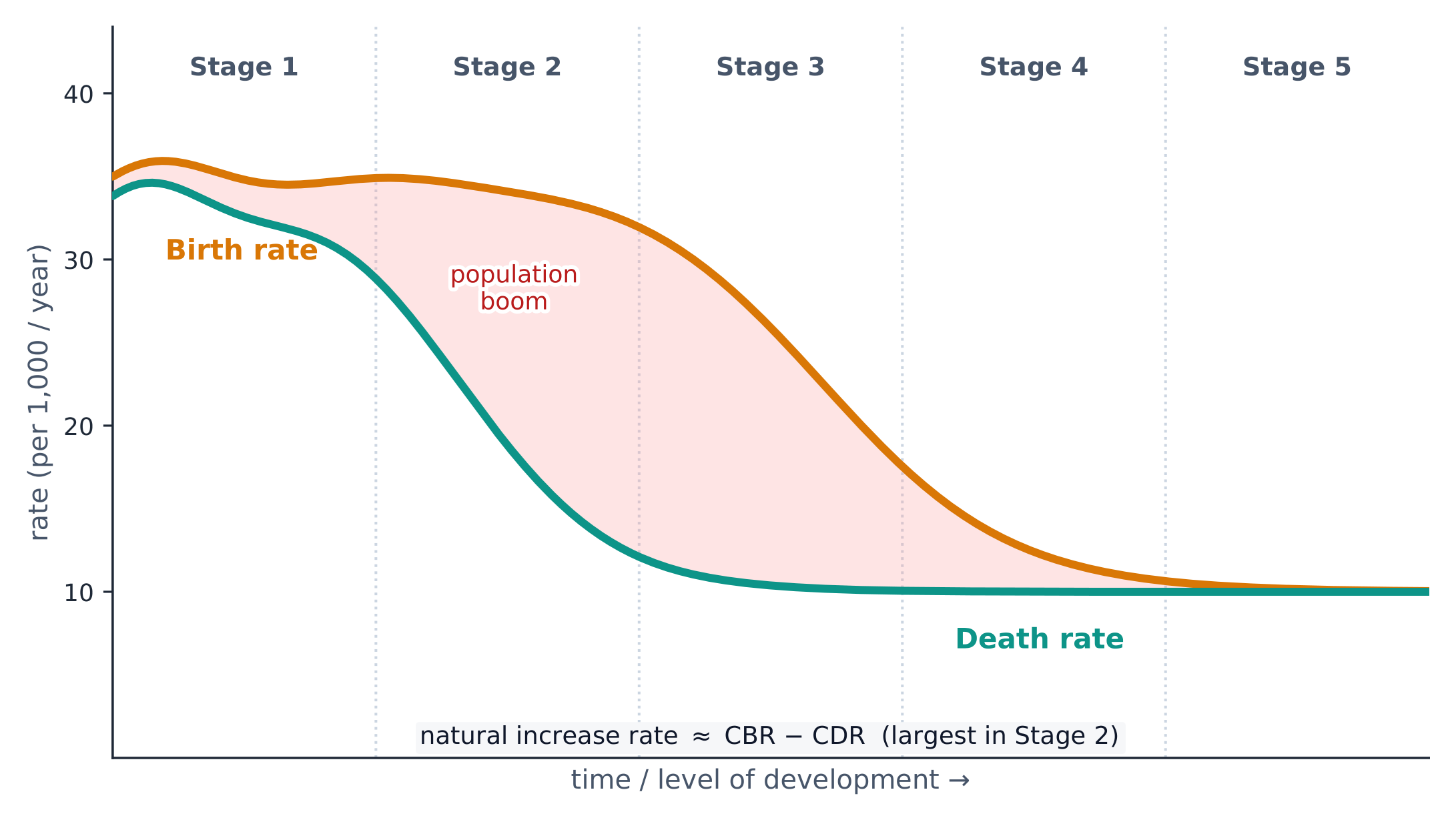
    The demographic transition model

    The Demographic Transition Model (DTM) 人口转变模型 shows how birth and death rates change as a country develops, through five stages.

    1. Stage 1 — high, fluctuating CBR and CDR; slow growth (pre-industrial).
    2. Stage 2 — CDR falls (better food, medicine, sanitation) while CBR stays high; population booms.
    3. Stage 3 — CBR falls (urbanisation, education, women in work); growth slows.
    4. Stage 4 — low CBR and CDR; population stable and large.
    5. Stage 5 — CBR falls below CDR; population declines and ages.

    The linked epidemiological transition 流行病学转变 describes how the main causes of death shift from infectious disease to chronic, degenerative disease as a country moves through the DTM.

    한국어
    인구 전환 모델

    **인구 전환 모델(DTM)**은 국가가 발전함에 따라 출생률과 사망률이 어떻게 변하는지를 5단계를 통해 보여줍니다.

    인구 전환 모델: 5단계별 출생률 및 사망률 추이
    사망률이 먼저 하락하고 이후 출생률이 떨어지며, 이 격차가 인구 급증(baby boom)을 초래함
    1. 1단계 — 높은 변동성 있는 CBR 및 CDR; 느린 성장 (산업화 이전).
    2. 2단계 — CDR 하락 (식품, 의약품, 위생 개선으로 인해)while CBR은 높은 수준 유지; 인구 급증.
    3. 3단계 — CBR 하락 (도시화, 교육, 여성의 사회 진출로 인해); 성장률 둔화.
    4. 4단계 — 낮은 CBR 및 CDR; 인구는 안정적이고 대량임.
    5. 5단계 — CBR이 CDR보다 낮아짐; 인구는 감소하며 고령화됨.

    연관된 **역학적 전환(epidemiological transition)**은 국가가 DTM을 거치면서 주요 사망 원인이 전염병에서 만성 퇴행성 질환으로 shifted됨을 서술합니다.

    Vocabulary · ⁨어휘⁩ Train · ⁨연습하기⁩
    English 한국어
    epidemiological transition/ˌepɪˌdemɪəˈlɒdʒɪkl trænˈsɪʃn/ 역학적 전환
    2.6

    Malthusian Theory · ⁨말서스 이론⁩

    Syllabus
    English

    Enduring Understanding (IMP-2): Changes in population are due to mortality, fertility, and migration, which are influenced by the interplay of environmental, economic, cultural, and political factors.

    Learning Objective IMP-2.B: Explain theories of population growth and decline.

    • IMP-2.B.3 Malthusian theory and its critiques are used to analyze population change and its consequences.
    한국어

    Enduring Understanding (IMP-2): 인구의 변화는 사망률, 출생률, 이민에 의해 발생하며, 이는 환경, 경제, 문화, 정치적 요인의 상호작용에 의해 영향을 받는다.

    학습 목표 IMP-2.B: 인구 증가 및 감소에 대한 이론을 설명하시오.

    • IMP-2.B.3 말서스 이론 및 그에 대한 비판은 인구 변화와 그 결과를 분석하는 데 사용됩니다.

    Source: College Board AP Course and Exam Description · ⁨출처: College Board AP Course and Exam Description⁩

    English
    Malthusian theory and its critique

    In 1798 Thomas Malthus argued that population grows exponentially 指数式 while food supply grows only linearly 线性, so population would outrun food and be checked by famine, disease, and war.

    Critics say Malthus underestimated technology: the Green Revolution and modern farming raised food output enormously. Neo-Malthusians 新马尔萨斯主义者 update the worry to include water, energy, and other finite resources. The debate is a favourite exam prompt.

    한국어
    말서스 이론及其 critiques

    1798년 **토머스 말서스(Thomas Malthus)**는 인구가 **지수함수적(exponentially)**으로 증가하는 반면 식품 공급은 오직 **선형적(linearly)**으로만 증가하므로, 인구가 식품을 추월하여 기근, 질병, 전쟁에 의해 억제될 것이라고 주장했습니다.

    비판자들은 말서스가 기술을 과소평가했다고 지적합니다. 녹색 혁명과 현대 농업은 식품 생산량을 폭발적으로 늘렸습니다. **신말서주의자(s Neo-Malthusians)**는 물, 에너지 등 기타 유한 자원을 포함한 우려사항을 업데이트했습니다. 이 논쟁은 자주 출제되는 고사 주제입니다.

    Vocabulary · ⁨어휘⁩ Train · ⁨연습하기⁩
    English 한국어
    exponentially/ˌekspəˈnenʃəli/ 지수함수적으로
    linearly/ˈlɪnɪəli/ 선형적으로
    Neo-Malthusians/ˈniːəʊ mælˈθjuːzɪənz/ neo-Malthusians
    2.7

    Population Policies · ⁨인구 정책⁩

    Syllabus
    English

    Enduring Understanding (SPS-2): Changes in population have long- and short-term effects on a place’s economy, culture, and politics.

    Learning Objective SPS-2.A: Explain the intent and effects of various population and immigration policies on population size and composition.

    • SPS-2.A.1 Types of population policies include those that promote or discourage population growth, such as pronatalist, antinatalist, and immigration policies.
    한국어

    지속적 이해 (SPS-2): 인구의 변화는 한 지역의 경제, 문화, 정치에 장기적이고 단기적인 영향을 미칩니다.

    학습 목표 SPS-2.A: 다양한 인구 및 이민 정책이 인구 규모 및 구성에 미치는 의도와 영향을 설명하시오.

    • SPS-2.A.1 인구 정책의 유형에는 인구 증가를 장려하거나 억제하는 것이 있는데, 예로 친출산주의, 반출산주의, 이민 정책 등이 있습니다.

    Source: College Board AP Course and Exam Description · ⁨출처: College Board AP Course and Exam Description⁩

    English

    Governments try to influence population growth with policies:

    • Pro-natalist 鼓励生育 policies encourage births (cash bonuses, parental leave, childcare) where populations are aging or shrinking — e.g. France, Japan.
    • Anti-natalist 限制生育 policies discourage births where growth is seen as too fast — e.g. India's family-planning campaigns.

    Policies have unintended consequences: strong anti-natal policies can skew the sex ratio or speed up aging, which later needs a pro-natal response.

    한국어

    정부는 다음과 같은 정책을 통해 인구 성장을 조절하려 합니다:

    • **출생 장려 정책(Pro-natalist policies)**은 인구 고령화 또는 감소가 심한 지역에서 출생을 장려합니다 (현금 보너스, 육아휴직, 보육 지원 등) — 예: 프랑스, 일본.
    • **출생 억제 정책(Anti-natalist policies)**은 성장이过快被认为 too fast的情况下抑制出生 — 예:印度的计划生育运动。

    政策有 unintended consequences:strong anti-natal policies can skew the sex ratio or speed up aging, which later needs a pro-natal response.

    Vocabulary · ⁨어휘⁩ Train · ⁨연습하기⁩
    English 한국어
    Pro-natalist/prəʊ ˈneɪtəlɪst/ 출산 장려 정책
    Anti-natalist/ˈænti ˈneɪtəlɪst/ 출산 억제 정책
    aging populations/ˈeɪdʒɪŋ ˌpɒpjʊˈleɪʃnz/ 고령화 인구
    2.8 2.9

    Women, Aging, and Demographic Change · ⁨女性、老龄化与人口变迁⁩

    Syllabus
    English

    Enduring Understanding (SPS-2): Changes in population have long- and short-term effects on a place’s economy, culture, and politics.

    Learning Objective SPS-2.B: Explain how the changing role of females has demographic consequences in different parts of the world.

    • SPS-2.B.1 Changing social values and access to education, employment, health care, and contraception have reduced fertility rates in most parts of the world.
    • SPS-2.B.2 Changing social, economic, and political roles for females have influenced patterns of fertility, mortality, and migration, as illustrated by Ravenstein’s laws of migration.
    한국어

    지속적 이해 (SPS-2): 인구의 변화는 한 지역의 경제, 문화, 정치에 장기적이고 단기적인 영향을 미칩니다.

    학습 목표 SPS-2.B: 여성의 역할 변화가 전 세계 각지에 어떤 인구학적 결과를 가져오는지를 설명하시오.

    • SPS-2.B.1 사회 가치관 변화 및 교육, 고용, 의료, 피임에 대한 접근성 향상이 전 세계 대부분 지역에서 출생률을 낮추었습니다.
    • SPS-2.B.2 여성의 사회, 경제, 정치적 역할 변화는 라벤슈타인의 이동 법칙에 의해 예시된 바와 같이 출생률, 사망률, 이동 패턴에 영향을 미쳤습니다.
    English

    Enduring Understanding (SPS-2): Changes in population have long- and short-term effects on a place’s economy, culture, and politics.

    Learning Objective SPS-2.C: Explain the causes and consequences of an aging population.

    • SPS-2.C.1 Population aging is determined by birth and death rates and life expectancy.
    • SPS-2.C.2 An aging population has political, social, and economic consequences, including the dependency ratio.
    한국어

    지속적 이해 (SPS-2): 인구의 변화는 한 지역의 경제, 문화, 정치에 장기적이고 단기적인 영향을 미칩니다.

    학습 목표 SPS-2.C: 고령화 인구의 원인 및 결과를 설명하시오.

    • SPS-2.C.1 인구 고령화는 출생률, 사망률, 그리고 기대수명에 의해 결정됩니다.
    • SPS-2.C.2 고령화 인구는 종속 비율을 포함한 정치적, 사회적, 경제적 결과를 낳습니다.

    Source: College Board AP Course and Exam Description · ⁨출처: College Board AP Course and Exam Description⁩

    English

    The status of women is one of the strongest drivers of fertility. As female education and employment rise, women marry later and have fewer children, so fertility falls — a key reason countries move through the DTM.

    At the other end, aging populations 人口老龄化 (a rising share of over-65s) bring their own challenges: higher pension and healthcare costs, a shrinking workforce, and a rising dependency ratio. Countries respond with later retirement, immigration, or pro-natal policies.

    한국어

    女性的地位是生育率最重要的驱动因素之一。随着女性教育和就业率的提升,女性晚婚且子女减少,导致生育率下降——这是国家通过DTM转型的关键原因。

    另一方面,老龄化人口(65岁以上人口占比上升)带来自身挑战:养老金和医疗成本增加、劳动力萎缩以及依赖比上升。各国通过延迟退休、移民或鼓励生育政策应对。
    2.10 2.11

    Causes and Types of Migration · ⁨移民的成因与类型⁩

    Syllabus
    English

    Enduring Understanding (IMP-2): Changes in population are due to mortality, fertility, and migration, which are influenced by the interplay of environmental, economic, cultural, and political factors.

    Learning Objective IMP-2.C: Explain how different causal factors encourage migration.

    • IMP-2.C.1 Migration is commonly divided into push factors and pull factors.
    • IMP-2.C.2 Push/pull factors and intervening opportunities/obstacles can be cultural, demographic, economic, environmental, or political.
    한국어

    Enduring Understanding (IMP-2): 인구의 변화는 사망률, 출생률, 이민에 의해 발생하며, 이는 환경, 경제, 문화, 정치적 요인의 상호작용에 의해 영향을 받는다.

    학습 목표 IMP-2.C: 다양한 인과 요인이 이동을 촉진하는 방식을 설명하시오.

    • IMP-2.C.1 이동은 일반적으로 밀어내는 요인(push factors)과 끌어당기는 요인(pull factors)으로 나뉩니다.
    • IMP-2.C.2 밀어내는/끌어당기는 요인과 중개 기회/장벽은 문화적, 인구통계학적, 경제적, 환경적, 또는 정치적 요인이 될 수 있습니다.
    English

    Enduring Understanding (IMP-2): Changes in population are due to mortality, fertility, and migration, which are influenced by the interplay of environmental, economic, cultural, and political factors.

    Learning Objective IMP-2.D: Describe types of forced and voluntary migration.

    • IMP-2.D.1 Forced migrations include slavery and events that produce refugees, internally displaced persons, and asylum seekers.
    • IMP-2.D.2 Types of voluntary migrations include transnational, transhumance, internal, chain, step, guest worker, and rural-to-urban.
    한국어

    Enduring Understanding (IMP-2): 인구의 변화는 사망률, 출생률, 이민에 의해 발생하며, 이는 환경, 경제, 문화, 정치적 요인의 상호작용에 의해 영향을 받는다.

    학습 목표 IMP-2.D: 강제 및 자발적 이동의 유형을 서술하시오.

    • IMP-2.D.1 강제 이동에는 노예제와 난민, 국내 피신자, 망명 신청자를 발생시키는 사건이 포함됩니다.
    • IMP-2.D.2 자발적 이동의 유형에는 초국적 이동, 유목(transition), 내부 이동, 체인 이동, 단계 이동, 외국인 근로자, 농촌에서 도시로의 이동 등이 포함됩니다.

    Source: College Board AP Course and Exam Description · ⁨출처: College Board AP Course and Exam Description⁩

    English

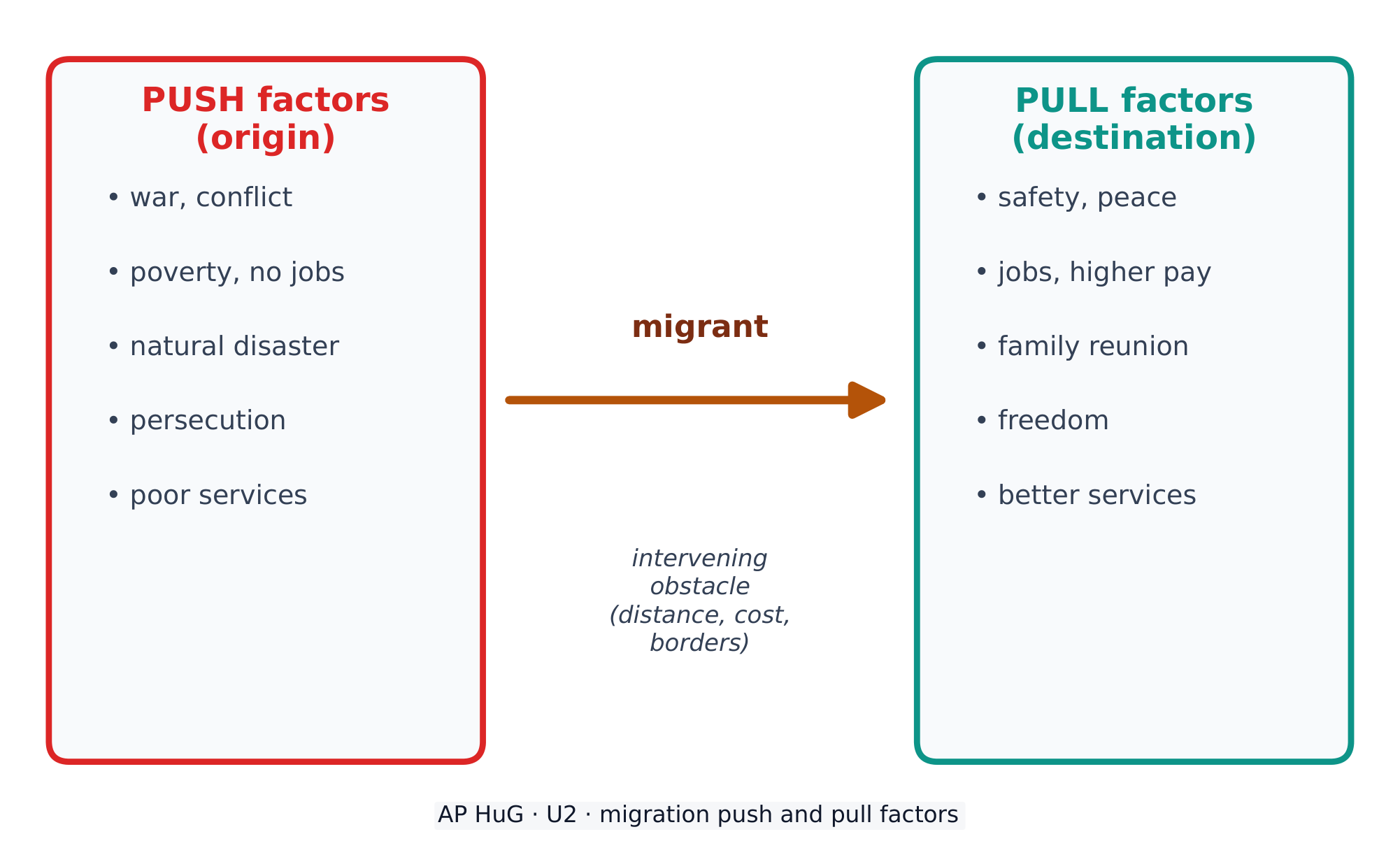
    Migration 迁移 is a permanent move to a new location. It is driven by push factors 推力 (reasons to leave: war, poverty, disaster) and pull factors 拉力 (reasons to arrive: jobs, safety, family).

    • Voluntary migration 自愿迁移 is by choice, usually for economic reasons.
    • Forced migration 强迫迁移 is against a person's will — refugees 难民 fleeing danger, or people displaced by disaster.
    • Ravenstein's laws describe patterns: most migrants move short distances, in steps, and are drawn mainly by economic pull.

    Migration can be international (between countries) or internal (within a country, such as rural-to-urban).

    한국어

    移民是指永久迁往新地点的行为。其动力来自push factors(离开的原因:战争、贫困、灾难)和pull factors(到达的原因:工作、安全、家庭团聚)。

    Push factors drive people out; pull factors draw them to a new place
    移民决策在 intervening obstacle 的背景下权衡 push factors 与 pull factors
    • 자발적 이주는 선택에 의한 것으로, 대부분 경제적 이유 때문이다.
    • 强制移民(forced migration) 违背个人意愿——难民逃离危险,或因灾难流离失所者。
    • 雷文斯坦法则(Ravenstein's laws) 描述了模式:大多数移民迁移距离短、分阶段进行,且主要受经济拉力吸引。

    移民可分为 international(跨国)或 internal(国内,如农村向城市迁移)。
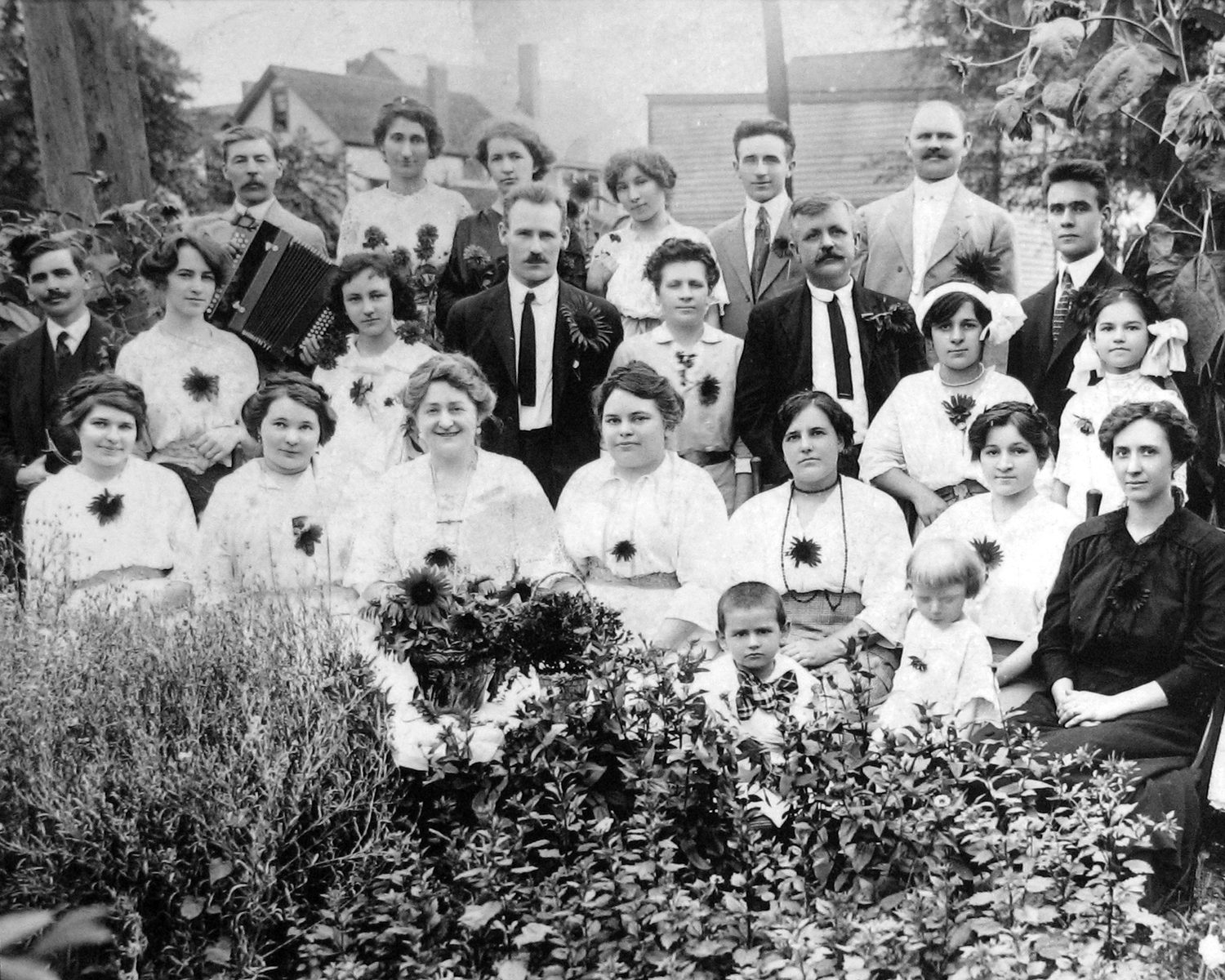
    Immigrants arriving in a new city: migration redistributes population and reshapes places
    Immigrants arriving in a new city: migration redistributes population and reshapes places
    Explore · ⁨탐색하기⁩

    Push factor or pull factor? · ⁨밀어내는 요인(Push factor)抑或 끌어당기는 요인(Pull factor)?⁩

    A push factor drives people away from the origin; a pull factor draws them toward the destination. · ⁨밀어내는 요인은 people를 기원에서 멀어지게 하고, 끌어당기는 요인은 destination으로 끌어당킵니다.⁩

    Vocabulary · ⁨어휘⁩ Train · ⁨연습하기⁩
    English 한국어
    Migration/maɪˈɡreɪʃn/ 이민
    push factors/pʊʃ ˈfæktəz/ 밀어내기 요인
    pull factors/pʊl ˈfæktəz/ 끌기 요인
    Voluntary migration/ˈvɒləntəri maɪˈɡreɪʃn/ 자발적 이주
    Forced migration/fɔːst maɪˈɡreɪʃn/ 강제 이주
    refugees/ˈrefjuːdʒiːz/ 난민
    2.12

    Effects of Migration · ⁨移民的影响⁩

    Syllabus
    English

    Enduring Understanding (IMP-2): Changes in population are due to mortality, fertility, and migration, which are influenced by the interplay of environmental, economic, cultural, and political factors.

    Learning Objective IMP-2.E: Explain historical and contemporary geographic effects of migration.

    • IMP-2.E.1 Migration has political, economic, and cultural effects.
    한국어

    Enduring Understanding (IMP-2): 인구의 변화는 사망률, 출생률, 이민에 의해 발생하며, 이는 환경, 경제, 문화, 정치적 요인의 상호작용에 의해 영향을 받는다.

    학습 목표 IMP-2.E: 이동의 역사적 및 현대적 지리적 영향을 설명하시오.

    • IMP-2.E.1 이동은 정치적, 경제적, 문화적 영향을 미칩니다.

    Source: College Board AP Course and Exam Description · ⁨출처: College Board AP Course and Exam Description⁩

    English

    Migration reshapes both the origin and the destination.

    • The destination gains workers and cultural diversity but may face pressure on housing and services and social tension.
    • The origin may lose skilled workers (a brain drain 人才外流) but gain remittances 侨汇 — money migrants send home, a major income source for many countries.
    • Migration changes the age and sex structure of both places, because migrants are often young working-age adults.
    한국어

    移民重塑 origin 和 destination 两地。

    • destination 获得劳动力和文化多样性,但可能面临住房与服务压力及社会紧张。
    • origin 可能流失熟练工人(brain drain),但获得 remittances(移民寄回国内的汇款),成为许多国家的重要收入来源。
    • 移民改变两地的年龄和性别结构,因为移民多为年轻劳动年龄成年人。
    New arrivals reshape cities: migration changes labour markets, culture and demographics in destination places
    신규 유입이 도시를 재편함: 이주는 목적지의 노동 시장, 문화 및 인구 통계적 특성을 변화시킵니다
    Vocabulary · ⁨어휘⁩ Train · ⁨연습하기⁩
    English 한국어
    brain drain/breɪn dreɪn/ 브레인 드레인
    remittances/rɪˈmɪtənsɪz/ 송금(remittances)
    2.12

    Exam tips · ⁨시험 팁⁩

    English
    • Compute RNI = (CBR − CDR) ÷ 10 as a percent, and read doubling time as about 70 ÷ RNI.
    • Link a population pyramid's shape to fertility and the DTM stage — a wide base means Stage 2.
    • Remember the death rate falls before the birth rate; that is why Stage 2 grows fastest.
    • Separate push from pull and forced from voluntary; a refugee crosses a border, an IDP does not.
    • Weigh migration effects: remittances help the origin, but brain drain and aging hurt it.
    한국어
    • RNI = (CBR − CDR) ÷ 10을 계산하여 백분율로 구하고, 배의 시간을 약 70 ÷ RNI으로 읽으십시오.
    • 인구 피라미드의 형태를 출산률과 DTM 단계에 연결하십시오 — 넓은 바닥은 2단계를 의미합니다.
    • 사망률이 출생률보다 먼저 감소한다는 점을 기억하십시오. 바로 이것이 2단계가 가장 빠르게 성장하는 이유입니다.
    • **밀어내기(push)**와 끌어당기기(pull), 그리고 강제와 자발을 구분하십시오. **난민(refugee)**은 국경을 넘어가지만, **내부 유입 IDP(internally displaced person)**는 그렇지 않습니다.
    • 이주의 영향을 고찰하십시오: 송금이 기원지에 도움이 되지만, **두뇌 유출(brain drain)**과 노화는 그들에게 해를 끼칩니다.
  • 3

    Cultural Patterns and Processes

    Watch lesson · ⁨수업 보기⁩
    3.1

    Introduction to Culture

    Syllabus
    English

    Enduring Understanding (PSO-3): Cultural practices vary across geographical locations because of physical geography and available resources.

    Learning Objective PSO-3.A: Define the characteristics, attitudes, and traits that influence geographers when they study culture.

    • PSO-3.A.1 Culture comprises the shared practices, technologies, attitudes, and behaviors transmitted by a society.
    • PSO-3.A.2 Cultural traits include such things as food preferences, architecture, and land use.
    • PSO-3.A.3 Cultural relativism and ethnocentrism are different attitudes toward cultural difference.
    한국어

    지속적 이해 (PSO-3): 문화 관행은 물리적 지형과 가용 자원에 따라 지리적 장소마다 다릅니다.

    학습 목표 PSO-3.A: 지리학자가 문화를 연구할 때 고려하는 특징, 태도, 속성을 정의하시오.

    • PSO-3.A.1 문화는 사회에 의해 전달되는 공유된 관습, 기술, 태도, 그리고 행동으로 구성됩니다.
    • PSO-3.A.2 문화적 속성으로는 식품 선호도, 건축 양식, 토지 이용 등이 포함됩니다.
    • PSO-3.A.3 문화 상대주의와 인종 중심주의는 문화적 차이에 대한 서로 다른 태도입니다.

    Source: College Board AP Course and Exam Description · ⁨출처: College Board AP Course and Exam Description⁩

    Culture 文化 is the shared set of beliefs, values, practices, and objects of a group of people. Geographers split it into two parts:

    • Material culture 物质文化 — the things people make and use (clothing, tools, food, buildings, art).
    • Nonmaterial culture 非物质文化 — the ideas people hold (language, religion, values, rules).

    A cultural trait 文化特征 is a single element of culture (using chopsticks); a group of linked traits is a cultural complex. Cultural relativism 文化相对论 is the practice of judging a culture by its own standards rather than your own.

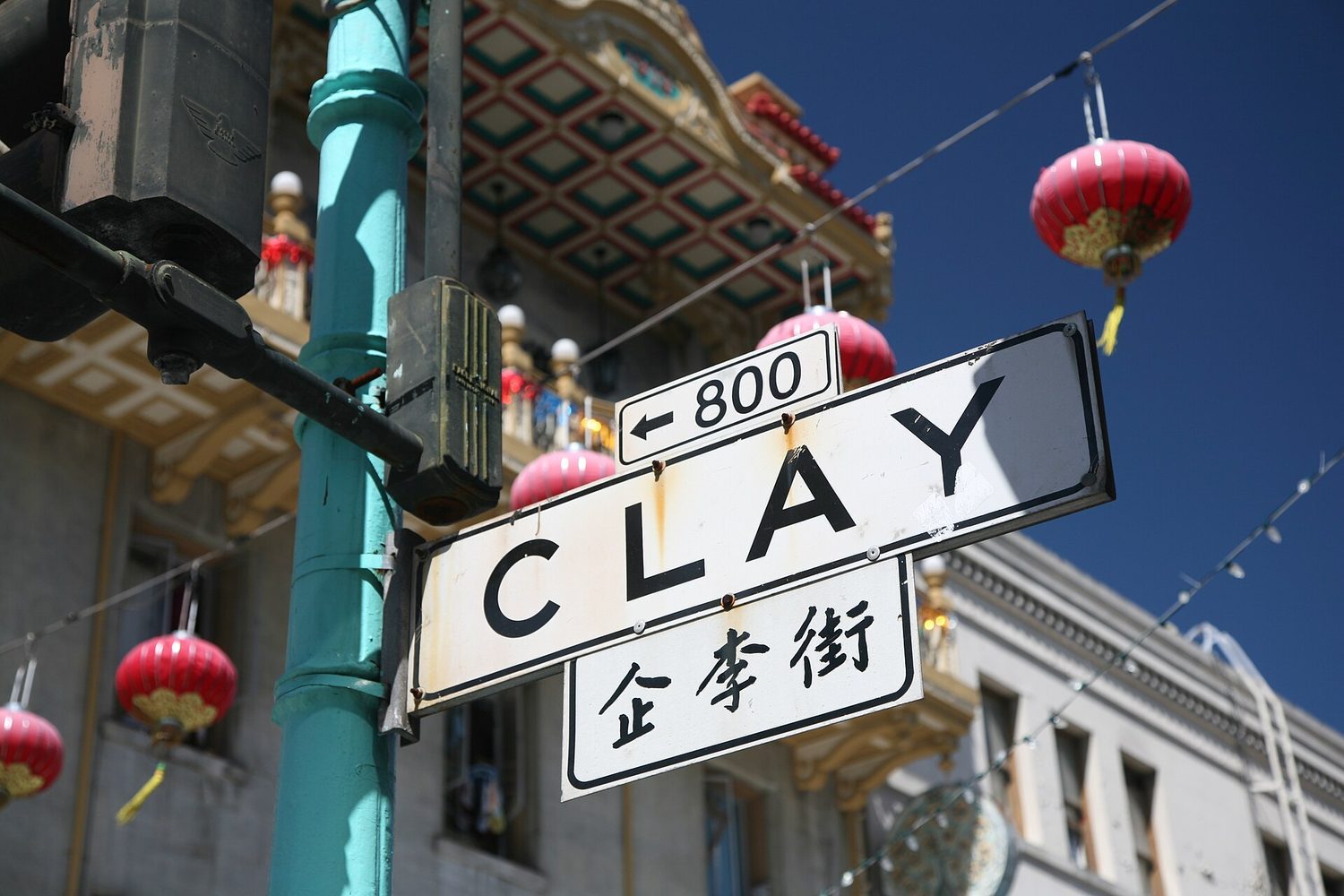
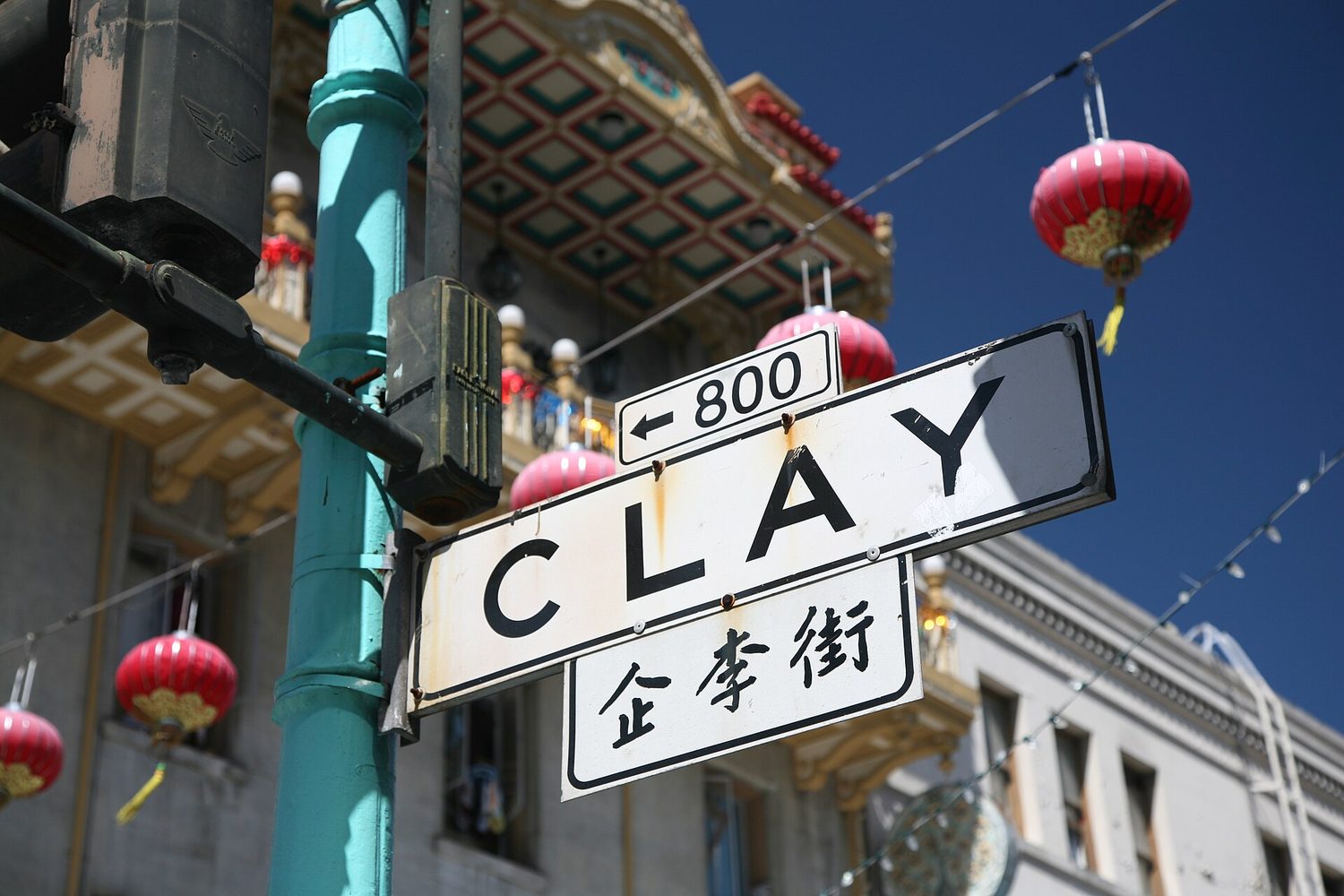
    Chinatown signs: culture is shared practices, values and symbols that people learn and pass on
    Chinatown signs: culture is shared practices, values and symbols that people learn and pass on
    Vocabulary · ⁨어휘⁩ Train · ⁨연습하기⁩
    English 한국어
    Culture/ˈkʌltʃə/ 문화
    Material culture/məˈtɪərɪəl ˈkʌltʃə/ 物质(Material) 문화
    Nonmaterial culture/ˌnɒnməˈtɪərɪəl ˈkʌltʃə/ 非物质(Nonmaterial) 문화
    cultural trait/ˈkʌltʃərəl treɪt/ 문화적 특성
    Cultural relativism/ˈkʌltʃərəl ˈrelətɪvɪzəm/ 文化相对主义(Cultural relativism)
    3.2

    Cultural Landscapes

    Syllabus
    English

    Enduring Understanding (PSO-3): Cultural practices vary across geographical locations because of physical geography and available resources.

    Learning Objective PSO-3.B: Describe the characteristics of cultural landscapes.

    • PSO-3.B.1 Cultural landscapes are combinations of physical features, agricultural and industrial practices, religious and linguistic characteristics, evidence of sequent occupancy, and other expressions of culture including traditional and postmodern architecture and land-use patterns.

    Learning Objective PSO-3.C: Explain how landscape features and land and resource use reflect cultural beliefs and identities.

    • PSO-3.C.1 Attitudes toward ethnicity and gender, including the role of women in the workforce; ethnic neighborhoods; and indigenous communities and lands help shape the use of space in a given society.
    한국어

    지속적 이해 (PSO-3): 문화 관행은 물리적 지형과 가용 자원에 따라 지리적 장소마다 다릅니다.

    학습 목표 PSO-3.B: 문화 경관의 특성을 서술하시오.

    • PSO-3.B.1 문화 경관은 물리적 특징, 농업 및 산업 관습, 종교 및 언어적 특성, 후속 거주(sequent occupancy) 증거, 전통 및 포스트모던 건축 양식 및 토지 이용 패턴 등 문화의 다른 표현들의 조합입니다.

    학습 목표 PSO-3.C: 경관 특징과 토지 및 자원 사용이 문화적 신념과 정체성을 어떻게 반영하는지 설명하시오.

    • PSO-3.C.1 민족과 성별에 대한 태도, 노동시장에서의 여성 역할, 민족 지역 및 토착민 공동체와 영토는 특정 사회의 공간 활용에 영향을 미친다.

    Source: College Board AP Course and Exam Description · ⁨출처: College Board AP Course and Exam Description⁩

    The cultural landscape 文化景观 is the visible imprint of human activity on the land — buildings, farms, roads, signs, and monuments. It records the values of the people who made it.
    • Sequent occupance 承继占用 is the idea that each group who lives in a place leaves a layer on the landscape, so the landscape shows its whole history.
    • Ethnic enclaves 族裔聚居区, religious buildings, and language on signs are all readable clues to who lives there and what they value.
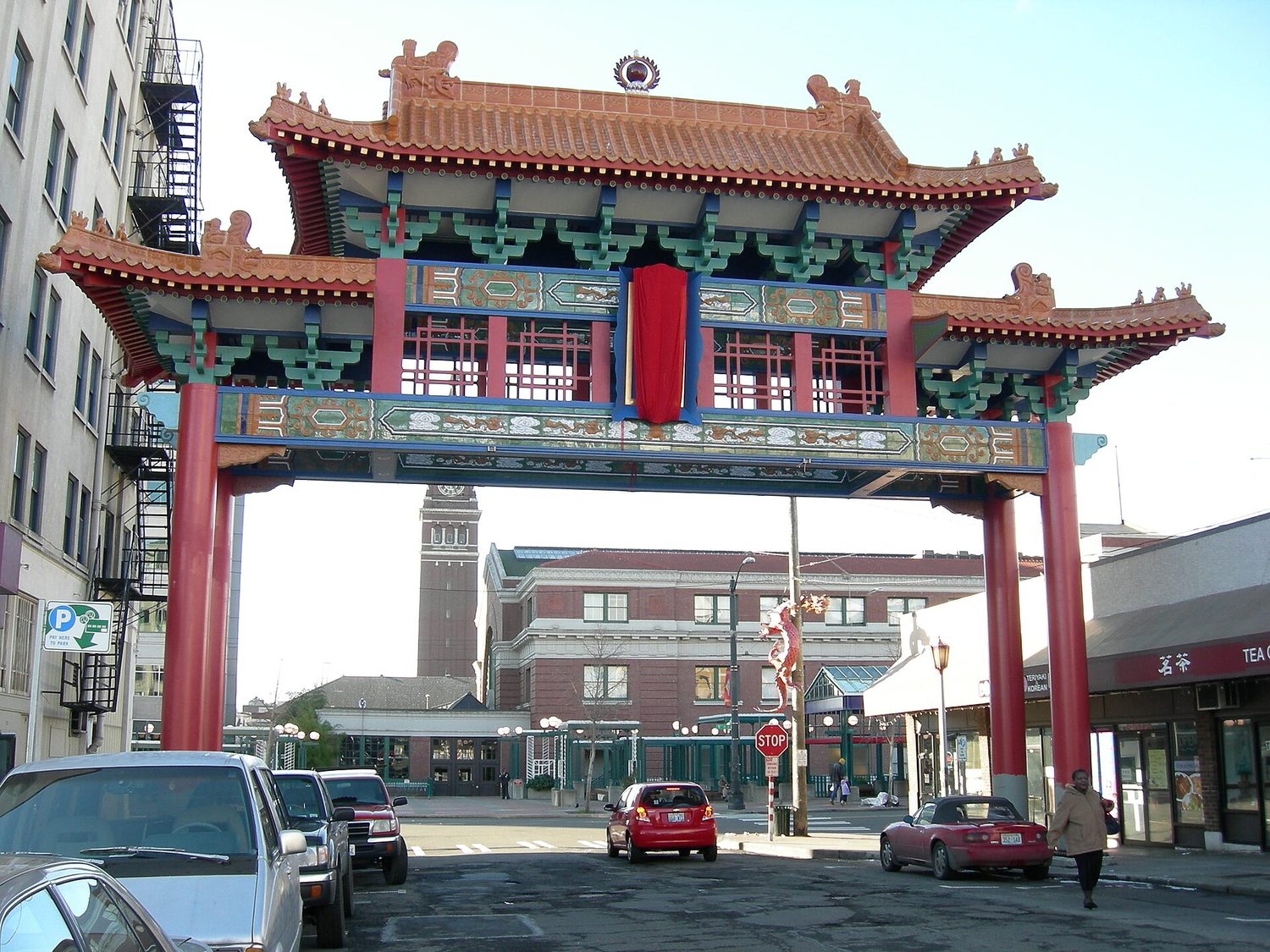
    A large, ornate traditional Chinese archway with a green tiled roof spanning a street, marking the entrance to Seattle's Chinatown
    A Chinatown gate in Seattle: the architecture and bilingual signs mark an ethnic enclave, a clear imprint of one group on the cultural landscape
    Chinatown street signs: cultural landscapes and diffusion leave lasting patterns in cities
    Chinatown street signs: cultural landscapes and diffusion leave lasting patterns in cities
    Vocabulary · ⁨어휘⁩ Train · ⁨연습하기⁩
    English 한국어
    cultural landscape/ˈkʌltʃərəl ˈlændskeɪp/ 문화 경관(cultural landscape)
    Sequent occupance/ˈsiːkwənt ˈɒkjʊpəns/ 연속 입주(Sequent occupance)
    Ethnic enclaves/ˈeθnɪk ˈeŋkleɪvz/ 인구 집적 지역
    3.3

    Cultural Patterns

    Syllabus
    English

    Enduring Understanding (PSO-3): Cultural practices vary across geographical locations because of physical geography and available resources.

    Learning Objective PSO-3.D: Explain patterns and landscapes of language, religion, ethnicity, and gender.

    • PSO-3.D.1 Regional patterns of language, religion, and ethnicity contribute to a sense of place, enhance placemaking, and shape the global cultural landscape.
    • PSO-3.D.2 Language, ethnicity, and religion are factors in creating centripetal and centrifugal forces.
    한국어

    지속적 이해 (PSO-3): 문화 관행은 물리적 지형과 가용 자원에 따라 지리적 장소마다 다릅니다.

    학습 목표 PSO-3.D: 언어, 종교, 민족, 성별의 양상과 경관을 설명한다.

    • PSO-3.D.1 언어, 종교, 민족의 지역적 양상은 장소에 대한 정체성을 형성하고, 장소 형성(placemaking)을 강화하며, 글로벌 문화 경관을塑造(조성)한다.
    • PSO-3.D.2 언어, 민족, 종교는 중심력(centripetal force)과 이심력(centrifugal force) 생성의 요인이다.

    Source: College Board AP Course and Exam Description · ⁨출처: College Board AP Course and Exam Description⁩

    Cultures spread across space in patterns. Key ideas:

    • Centripetal forces 向心力 pull a group together (a shared language or religion); centrifugal forces 离心力 push it apart.
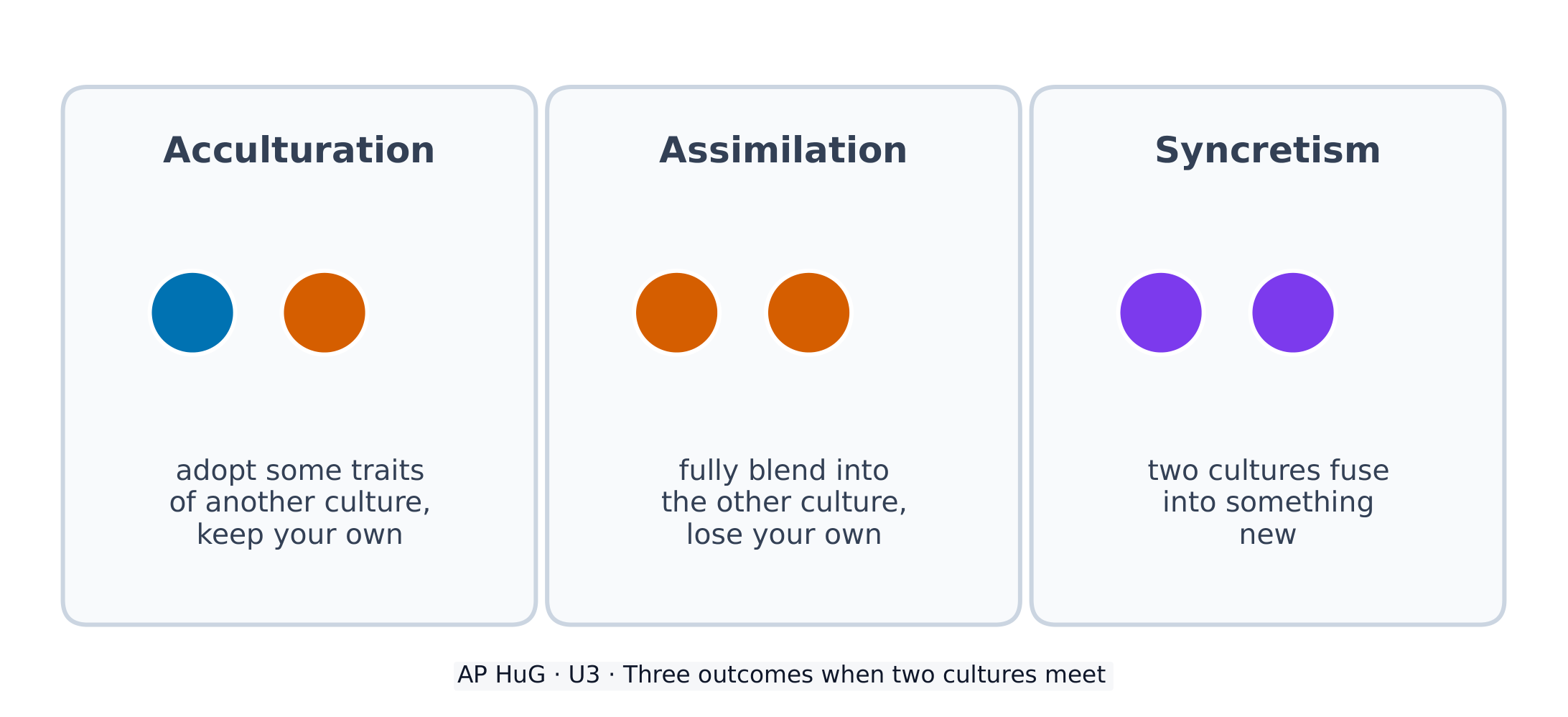
    • Acculturation 文化适应 (adopting some traits of another culture while keeping your own), assimilation 同化 (fully blending into another culture), and syncretism 融合 (two cultures blending into something new) describe how cultures change on contact.
    • A lingua franca 通用语 is a common language used between groups who speak different first languages.
    Three outcomes when two cultures meet
    Acculturation keeps your own culture, assimilation replaces it, and syncretism blends both into something new

    Worked example (a real AP exam question). "Explain how food preferences can be a culture trait." (2023) A full-mark answer: "Many dishes use ingredients or ways of cooking that are unique to one culture group — for example a national dish — so choosing and eating that food expresses belonging to the group, which is what makes it a culture trait." The command word Explain needs a link, not a definition: connect the food preference to the idea of a shared culture. Simply listing foods earns zero.

    Vocabulary · ⁨어휘⁩ Train · ⁨연습하기⁩
    English 한국어
    Centripetal forces/senˈtrɪpɪtl ˈfɔːsɪz/ 집중력
    centrifugal forces/ˌsentrɪˈfjuːɡl ˈfɔːsɪz/ 회심력(centrifugal forces)
    Acculturation/əˌkʌltʃəˈreɪʃn/ 문화적 적응
    assimilation/əˌsɪmɪˈleɪʃn/ 동화(assimilation)
    syncretism/ˈsɪŋkrɪtɪzəm/ 융합(syncretism)
    lingua franca/ˈlɪŋɡjuːə ˈfræŋkə/ 보편어(링쿠아 프랑카)
    3.4

    Types of Diffusion

    Syllabus
    English

    Enduring Understanding (IMP-3): The interaction of people contributes to the spread of cultural practices.

    Learning Objective IMP-3.A: Define the types of diffusion.

    • IMP-3.A.1 Relocation and expansion—including contagious, hierarchical, and stimulus expansion—are types of diffusion.
    한국어

    지속적 이해 (IMP-3): 사람들의 상호작용은 문화 관행의 확산에 기여한다.

    학습 목표 IMP-3.A: 확산의 유형을 정의한다.

    • IMP-3.A.1 재이주 및 확장—감염성, 계층적, 자극적 확장을 포함함—are 확산의 유형이다.

    Source: College Board AP Course and Exam Description · ⁨출처: College Board AP Course and Exam Description⁩

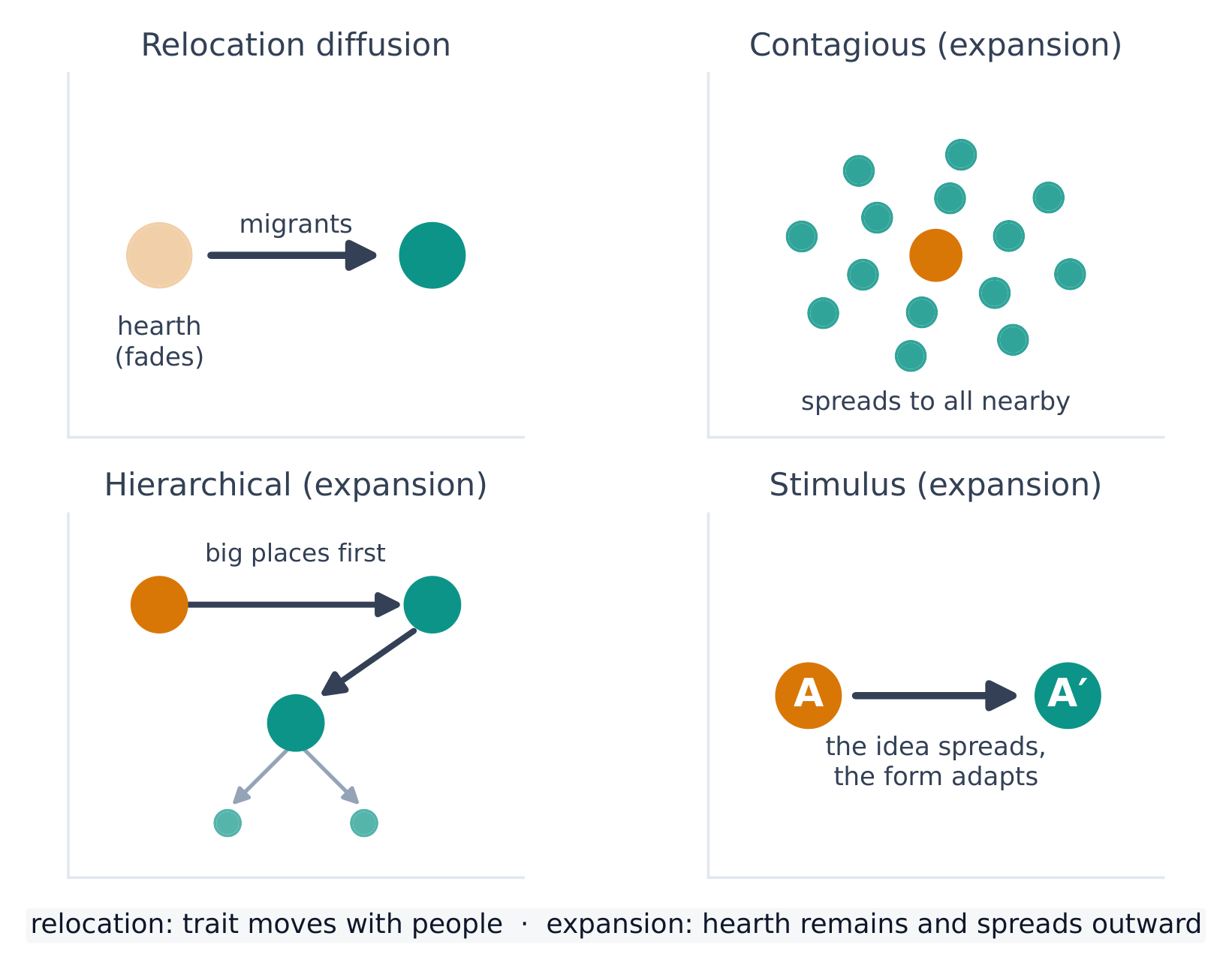
    The four types of diffusion

    Diffusion 扩散 is the spread of a cultural trait from its hearth 源地 (place of origin) to new areas. There are two big families.

    Relocation and expansion diffusion (contagious, hierarchical, stimulus)
    Relocation diffusion moves with migrants; expansion diffusion spreads outward while staying at the source
    • Relocation diffusion 迁移扩散 — the trait moves as people migrate, so it appears in the new place but may fade at the source.
    • Expansion diffusion 扩展扩散 — the trait spreads outward while staying strong at the source. It has three types:
      • Contagious 传染扩散 — spreads person-to-person to nearby people (like a viral video).
      • Hierarchical 等级扩散 — jumps from big, important places to other big places first (a fashion from major cities).
      • Stimulus 刺激扩散 — the underlying idea spreads even if the exact trait changes (a global brand adapting its menu locally).
    Explore · ⁨탐색하기⁩

    Which type of diffusion is it? · ⁨어떤 유형의 확산(diffusion)입니까?⁩

    Relocation diffusion moves with migrants; contagious spreads to everyone nearby; hierarchical jumps between big places; stimulus spreads the idea while the form changes. · ⁨이주 확산은 이민자와 함께 이동합니다; 감염 확산은 주변 모든 사람에게 퍼집니다; 계층적 확산은 큰 도시 사이를 뛰어넘고; 유발 확산은 아이디어는 퍼지되 형태는 변합니다.⁩

    Vocabulary · ⁨어휘⁩ Train · ⁨연습하기⁩
    English 한국어
    Diffusion/dɪˈfjuːʒn/ 확산
    hearth/hɑːθ/ hearth
    Relocation diffusion/rɪləʊˈkeɪʃn dɪˈfjuːʒn/ 이주 확산
    Expansion diffusion/ekˈspænʃn dɪˈfjuːʒn/ 확장 확산
    Contagious/kənˈteɪdʒəs/ 감염 확산
    Hierarchical/haɪəˈrɑːkɪkl/ 계층적扩散
    Stimulus/ˈstɪmjʊləs/ 자극扩散
    3.5 3.6

    Causes of Diffusion

    Syllabus
    English

    Enduring Understanding (SPS-3): Cultural ideas, practices, and innovations change or disappear over time.

    Learning Objective SPS-3.A: Explain how historical processes impact current cultural patterns.

    • SPS-3.A.1 Interactions between and among cultural traits and larger global forces can lead to new forms of cultural expression; for example, creolization and lingua franca.
    • SPS-3.A.2 Colonialism, imperialism, and trade helped to shape patterns and practices of culture.
    한국어

    지속적 이해 (SPS-3): 문화적 아이디어, 관행, 혁신은 시간이 지남에 따라 변화하거나 사라진다.

    학습 목표 SPS-3.A: 역사적 과정이 현재 문화 양상에 미치는 영향을 설명한다.

    • SPS-3.A.1 문화적 특성과 더 큰 글로벌 힘 간의 상호작용은 새로운 형태의 문화 표현으로 이어질 수 있다; 예를 들어 크리올화(creolization)와 lingua franca가 그것이다.
    • SPS-3.A.2 식민주의, 제국주의, 무역은 문화의 양상과 관행을 형성하는 데 기여했다.
    English

    Enduring Understanding (SPS-3): Cultural ideas, practices, and innovations change or disappear over time.

    Learning Objective SPS-3.A: Explain how historical processes impact current cultural patterns.

    • SPS-3.A.3 Cultural ideas and practices are socially constructed and change through both small-scale and large-scale processes such as urbanization and globalization. These processes come to bear on culture through media, technological change, politics, economics, and social relationships.
    • SPS-3.A.4 Communication technologies, such as the internet and the time-space convergence, are reshaping and accelerating interactions among people; changing cultural practices, as in the increasing use of English and the loss of indigenous languages; and creating cultural convergence and divergence.
    한국어

    지속적 이해 (SPS-3): 문화적 아이디어, 관행, 혁신은 시간이 지남에 따라 변화하거나 사라진다.

    학습 목표 SPS-3.A: 역사적 과정이 현재 문화 양상에 미치는 영향을 설명한다.

    • SPS-3.A.3 문화적 아이디어와 관행은 사회적으로 구성되며, 도시화와 글로벌화와 같은 소규모 및 대규모 과정을 통해 변화한다. 이러한 과정들은 미디어, 기술 변화, 정치, 경제, 사회적 관계를 통해 문화에 영향을 미친다.
    • SPS-3.A.4 인터넷과 시간-공간 수축(time-space convergence)과 같은 통신 기술은 사람들의 상호작용을 재편하고 가속화하며, 영어 사용 증가 및 토착어 상실과 같은 문화적 관행 변화를 초래하고, 문화적 수렴과 분열을 creation(창출)한다.

    Source: College Board AP Course and Exam Description · ⁨출처: College Board AP Course and Exam Description⁩

    Diffusion has both historical and contemporary causes.

    • Historical: colonialism 殖民主义, imperialism 帝国主义, trade, and the spread of religion carried culture across the world for centuries.
    • Contemporary: globalisation 全球化, the internet, transport, and time–space compression speed diffusion up enormously — a trend can now spread worldwide in hours.

    These forces can spread culture but also threaten local traditions, raising debates about a global culture versus local identity.

    Vocabulary · ⁨어휘⁩ Train · ⁨연습하기⁩
    English 한국어
    colonialism/ˈkɒləʊnɪəlɪzəm/ 식민주의(colonialism)
    imperialism/ɪmˈpɪərɪəlɪzəm/ 제국주의
    globalisation/ˌɡləʊbəlaɪˈzeɪʃn/ 글로벌화
    3.7

    Diffusion of Religion and Language

    Syllabus
    English

    Enduring Understanding (IMP-3): The interaction of people contributes to the spread of cultural practices.

    Learning Objective IMP-3.B: Explain what factors lead to the diffusion of universalizing and ethnic religions.

    • IMP-3.B.1 Language families, languages, dialects, world religions, ethnic cultures, and gender roles diffuse from cultural hearths.
    • IMP-3.B.2 Diffusion of language families, including Indo-European, and religious patterns and distributions can be visually represented on maps, in charts and toponyms, and in other representations.
    • IMP-3.B.3 Religions have distinct places of origin from which they diffused to other locations through different processes. Practices and belief systems impacted how widespread the religion diffused.
    • IMP-3.B.4 Universalizing religions, including Christianity, Islam, Buddhism, and Sikhism, are spread through expansion and relocation diffusion.
    • IMP-3.B.5 Ethnic religions, including Hinduism and Judaism, are generally found near the hearth or spread through relocation diffusion.
    한국어

    지속적 이해 (IMP-3): 사람들의 상호작용은 문화 관행의 확산에 기여한다.

    학습 목표 IMP-3.B: 보편종교와 민족종교의 확산으로 이어지는 요인이 무엇인지 설명한다.

    • IMP-3.B.1 어족, 언어, 방언, 세계 종교, 민족 문화, 성별 역할은 문화적 발원지(cultural hearth)에서 확산된다.
    • IMP-3.B.2 인도유럽어족을 포함한 어족, 종교의 양상 및 분포는 지도, 차트, 지명(toponyms), 기타 시각적 표현方式来表示할 수 있다.
    • IMP-3.B.3 종교는 서로 다른 과정을 통해 다른 위치로 확산된 고유한 기원을 가진다. 관행과 신념 체계는 종교의 확산 범위에 영향을 미쳤다.
    • IMP-3.B.4 기독교, 이슬람교, 불교, 시크교를 포함한 보편종교는 확장 및 재이주 확산을 통해 널리 퍼졌다.
    • IMP-3.B.5 힌두교와 유대교를 포함한 민족종교는 일반적으로 발원지 근처에 존재하거나 재이주 확산을 통해 퍼진다.

    Source: College Board AP Course and Exam Description · ⁨출처: College Board AP Course and Exam Description⁩

    Religions and languages are the two clearest examples of cultural diffusion.

    • Universalising religions 普世宗教 (Christianity, Islam, Buddhism) actively seek converts and spread widely by expansion and relocation diffusion. Ethnic religions 民族宗教 (Hinduism, Judaism) are tied to one group and spread mainly by relocation.
    • Languages belong to language families 语系; they spread with migration and trade, and can split into dialects 方言 or die out as speakers switch to a dominant language.
    Vocabulary · ⁨어휘⁩ Train · ⁨연습하기⁩
    English 한국어
    Universalising religions/ˌjuːnɪˈvɜːsəlaɪzɪŋ rɪˈlɪdʒnz/ 보편화 종교
    Ethnic religions/ˈeθnɪk rɪˈlɪdʒnz/ 민족 종교
    language families/ˈlæŋɡwɪdʒ ˈfæmɪliz/ 언어 가계
    dialects/ˈdaɪəlekts/ 방언
    3.8

    Effects of Diffusion

    Syllabus
    English

    Enduring Understanding (SPS-3): Cultural ideas, practices, and innovations change or disappear over time.

    Learning Objective SPS-3.B: Explain how the process of diffusion results in changes to the cultural landscape.

    • SPS-3.B.1 Acculturation, assimilation, syncretism, and multiculturalism are effects of the diffusion of culture.
    한국어

    지속적 이해 (SPS-3): 문화적 아이디어, 관행, 혁신은 시간이 지남에 따라 변화하거나 사라진다.

    학습 목표 SPS-3.B: 확산 과정이 문화적 경관에 미치는 변화를 설명한다.

    • SPS-3.B.1 적응(acculturation), 동화(assimilation), 융합(syncretism), 다문화주의(multiculturalism)는 문화 확산의 결과물이다.

    Source: College Board AP Course and Exam Description · ⁨출처: College Board AP Course and Exam Description⁩

    When cultures spread and meet, several outcomes follow:

    • Cultural convergence 文化趋同 — cultures become more alike as they share traits (global brands, English online).
    • Cultural divergence 文化分化 — a culture becomes more distinct, often to resist outside influence.
    • Diffusion can enrich a place with new food, music, and ideas, but can also erode local languages and traditions — a central tension of a globalising world.
    Vocabulary · ⁨어휘⁩ Train · ⁨연습하기⁩
    English 한국어
    Cultural convergence/ˈkʌltʃərəl kənˈvɜːdʒəns/ 문화 수렴
    Cultural divergence/ˈkʌltʃərəl daɪˈvɜːdʒəns/ 문화 이산
    3.8

    Exam tips

    • Distinguish relocation diffusion (people move) from expansion diffusion (the idea spreads and stays at its source).
    • Name the expansion sub-type precisely: contagious, hierarchical, or stimulus.
    • Separate universalizing religions (seek converts) from ethnic religions (spread mainly by birth).
    • Use the cultural landscape — architecture, toponyms, sequent occupance — as evidence of past groups.
    • For effects, keep acculturation, assimilation, and syncretism distinct; they are not the same.
  • 4

    Political Patterns and Processes

    Watch lesson · ⁨수업 보기⁩
    4.1

    Introduction to Political Geography · ⁨정치 지리학Introduction⁩

    Syllabus
    English

    Enduring Understanding (PSO-4): The political organization of space results from historical and current processes, events, and ideas.

    Learning Objective PSO-4.A: For world political maps: a. Define the different types of political entities. b. Identify a contemporary example of political entities.

    • PSO-4.A.1 Independent states are the primary building blocks of the world political map.
    • PSO-4.A.2 Types of political entities include nations, nation-states, stateless nations, multinational states, multistate nations, and autonomous and semiautonomous regions, such as American Indian reservations.
    한국어

    지속적 이해 (PSO-4): 공간의 정치 조직은 역사적 및 현존하는 과정, 사건, 아이디어로부터 비롯된다.

    학습 목표 PSO-4.A: 세계 정치 지도에 대해: a. 다양한 종류의 정치 실체를 정의한다. b. 정치 실체의 현대적 예시를 식별한다.

    • PSO-4.A.1 독립국은 세계 정치 지도의 주요 구성 요소이다.
    • PSO-4.A.2 정치 실체의 종류에는 국가(nations), 국가가구(nation-states), 무국적 민족(stateless nations), 다국적 국가(multinational states), 다국적 민족(multistate nations), 그리고 아메리카 원주민 보호구(American Indian reservations)와 같은 자치 및 반자치 regions 등이 포함된다.

    Source: College Board AP Course and Exam Description · ⁨출처: College Board AP Course and Exam Description⁩

    English

    Political geography 政治地理学 studies how humans divide and control space. Its key units:

    • A state 国家 (country) is an area with defined borders, a permanent population, a government, and sovereignty 主权 — full control over its own affairs.
    • A nation 民族 is a group of people with a shared culture and identity; a nation-state 民族国家 is a state whose borders match one nation (Japan is close).
    • A multinational state 多民族国家 contains several nations; a stateless nation 无国家民族 (like the Kurds) has no state of its own.

    Worked example (a real AP exam question). "Define the concept of an independent state." (2025) A full-mark answer: "A sovereign country that governs itself and its own territory, is not controlled by any outside power, and is recognised by other states." The command word Define wants a short, precise meaning — one clear sentence is enough. You do not need examples or explanation here; save those for the "Describe" and "Explain" parts.

    한국어

    정치 지리학은 인간이 공간을 어떻게 구획하고 통제하는지를 연구한다. 주요 개념:

    • 국가(state) 는 명확한 국경, 영구적인 인구, 정부, 주권—자신들의 affairs에 대한 완전한 통제를 의미하는 영역이다.
    • 민족(nation) 은 공통된 문화와 정체성을 가진 사람들의 집단이며, 민족 국가(nation-state) 는 국경선이 하나의 민족과 일치하는 국가(일본이 그 예)이다.
    • 다민족 국가(multinational state) 는 여러 민족을 포함하며, 무국적 민족(stateless nation)(쿠르드족 등) 는 자체적인 국가를 가지고 있지 않다.

    작업 예시 (실제 AP 시험 문제). "독립적 국가의 개념을 정의하시오." (2025) 만점 답안: "자신들을 자치하고 자국 영토를 통치하며, 외부 세력의 통제를 받지 않고 다른 국가들로부터 인정받는 주권 국가." 명령어 Define은 짧고 정확한 의미를 요구하므로, 한 문장으로 충분하다. 여기에서 예시나 설명이 필요하지 않다; Those는 "Describe" 및 "Explain" 부분에留给한다.

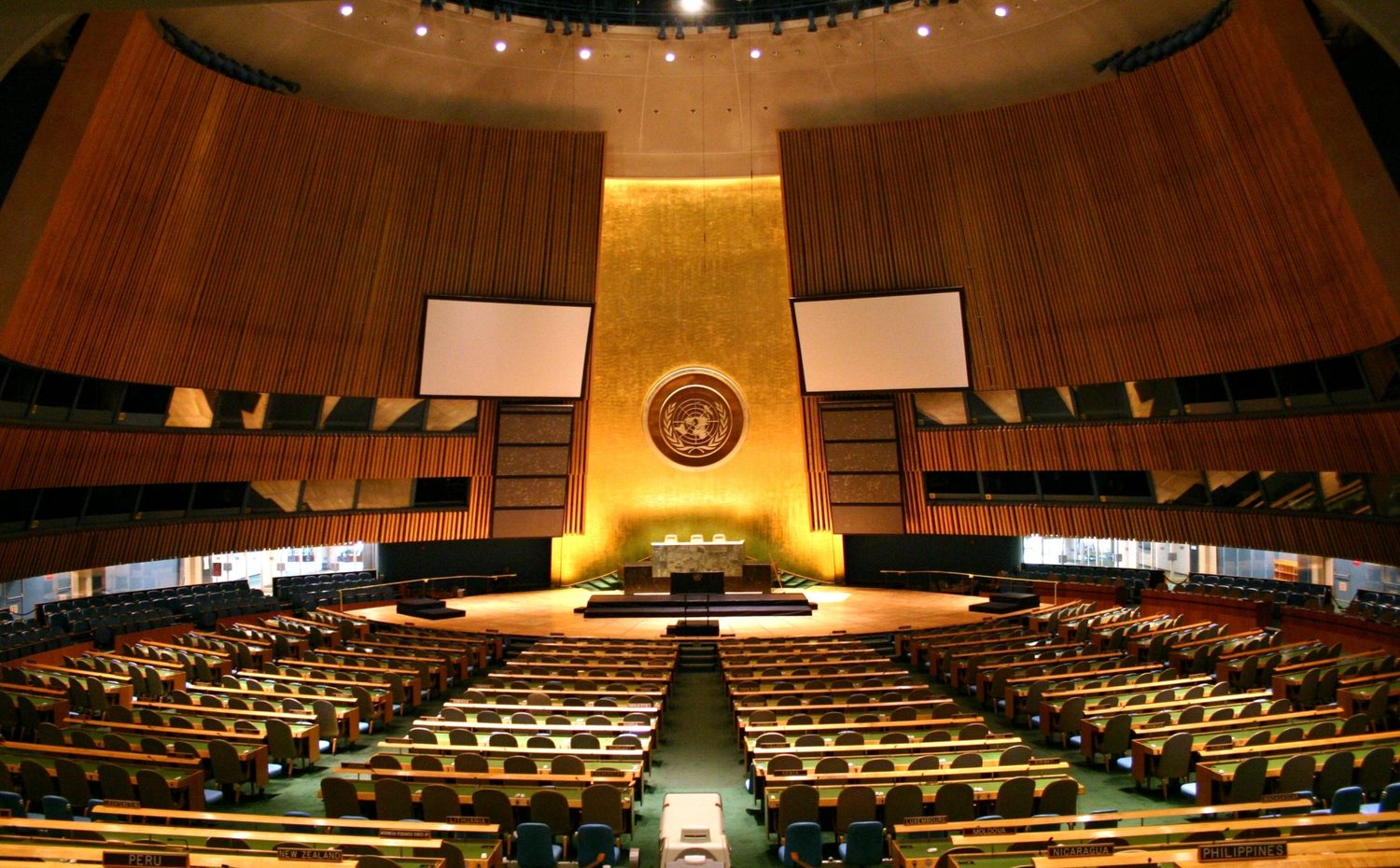
    UN 총회: 국가 간의 주권 및 인정
    UN 총회: 국가 간의 주권 및 인정
    Vocabulary · ⁨어휘⁩ Train · ⁨연습하기⁩
    English 한국어
    Political geography/pəˈlɪtɪkl dʒɪˈɒɡrəfi/ 정치 지리학
    state/steɪt/ 국가(state)
    sovereignty/ˈsɒvərɪnti/ 주권(sovereignty)
    nation/ˈneɪʃn/ 민족(nation)
    nation-state/ˈneɪʃn steɪt/ 일국일민족 국가(nation-state)
    multinational state/ˌmʌltɪˈnæʃənl steɪt/ 다민족 국가
    stateless nation/ˈsteɪtləs ˈneɪʃn/ 무국적 민족(stainless nation)
    4.2 4.3

    Political Power and Territoriality · ⁨정치적 권력과 영토성⁩

    Syllabus
    English

    Enduring Understanding (PSO-4): The political organization of space results from historical and current processes, events, and ideas.

    Learning Objective PSO-4.B: Explain the processes that have shaped contemporary political geography.

    • PSO-4.B.1 The concepts of sovereignty, nation- states, and self-determination shape the contemporary world.
    • PSO-4.B.2 Colonialism, imperialism, independence movements, and devolution along national lines have influenced contemporary political boundaries.
    한국어

    지속적 이해 (PSO-4): 공간의 정치 조직은 역사적 및 현존하는 과정, 사건, 아이디어로부터 비롯된다.

    학습 목표 PSO-4.B: 현대 정치 지리학을 형성한 과정들을 설명한다.

    • PSO-4.B.1 주권, 국가가구, 자기결정의 개념은 현대 세상을 형성한다.
    • PSO-4.B.2 식민주의, 제국주의, 독립 운동, 국가 단위의 분권(devolution)은 현대 정치 경계를 ảnh hưởng시켰다.
    English

    Enduring Understanding (PSO-4): The political organization of space results from historical and current processes, events, and ideas.

    Learning Objective PSO-4.C: Describe the concepts of political power and territoriality as used by geographers.

    • PSO-4.C.1 Political power is expressed geographically as control over people, land, and resources, as illustrated by neocolonialism, shatterbelts, and choke points.
    • PSO-4.C.2 Territoriality is the connection of people, their culture, and their economic systems to the land.
    한국어

    지속적 이해 (PSO-4): 공간의 정치 조직은 역사적 및 현존하는 과정, 사건, 아이디어로부터 비롯된다.

    학습 목표 PSO-4.C: 지리학자들이 사용하는 정치적 권력과 영토성의 개념을 서술한다.

    • PSO-4.C.1 정치적 권력은 새식민주의(neocolonialism), 파쇄지(shatterbelts), choke point 등을 통해 사람, 토지, 자원에 대한 통제로서 지리적으로 표현된다.
    • PSO-4.C.2 영토성(territoriality)은 사람, 그들의 문화, 경제적 시스템이 토地与 연결되어 있는 것을 의미한다.

    Source: College Board AP Course and Exam Description · ⁨출처: College Board AP Course and Exam Description⁩

    English

    Territoriality 领域性 is the attempt by a person or group to control people and things by controlling an area. Power is expressed geographically through control of land, people, and resources.

    • Colonialism and imperialism built empires by taking control of distant territory; neocolonialism 新殖民主义 is continued economic control after formal independence.
    • Choke points 咽喉要道 (narrow passages like the Suez Canal or the Strait of Malacca) and shatterbelts 破碎地带 (regions caught between competing powers) show how geography shapes political power.
    한국어

    영토성(territoriality) 은个人或集団이 지역을 통제함으로써 사람과 사물을 통제하려는 시도이다. 권력은 토지, 사람, 자원을 통제함으로써 지리적으로 표현된다.

    • 식민주의와 제국주의는 원거리 영토를 장악하여 제국을 건설했으며, 신식민주주의(neocolonialism) 는 공식적 독립 이후에도 계속되는 경제적 통제이다.
    • 통로(choke points)(수에즈 운하 말라카 해협 등 좁은 통로) 와 파괴지대(shatterbelts)(경쟁하는 세력 사이에 끼어 있는 지역) 는 지리학이 정치적 권력을 어떻게 형성하는지를 보여준다.
    Vocabulary · ⁨어휘⁩ Train · ⁨연습하기⁩
    English 한국어
    Territoriality/ˌterɪˌtɔːrɪˈælɪti/ 영토성
    neocolonialism/ˈniːəʊkɒləʊnɪəlɪzəm/ 신식민주의(neocolonialism)
    Choke points/tʃəʊk pɔɪnts/ 통로
    shatterbelts/ˈʃætəbelts/ 파괴지대(shatterbelt)
    4.4 4.5 4.6

    Political Boundaries · ⁨정치적 경계⁩

    Syllabus
    English

    Enduring Understanding (IMP-4): Political boundaries and divisions of governance, between states and within them, reflect balances of power that have been negotiated or imposed.

    Learning Objective IMP-4.A: Define types of political boundaries used by geographers.

    • IMP-4.A.1 Types of political boundaries include relic, superimposed, subsequent, antecedent, geometric, and consequent boundaries.
    한국어

    지속적 이해 (IMP-4): 국가 간 및 국가 내부의 정치적 경계와 통치 분리는 협상되거나 강제된 권력 균형에 반영된다.

    학습 목표 IMP-4.A: 지리학에서 사용하는 정치적 경계의 유형을 정의한다.

    • IMP-4.A.1 정치적 경계의 유형에는 잔재 경계, 초임 경계, 후발 경계, 선행 경계, 기하학적 경계, 결과 경계가 포함된다.
    English

    Enduring Understanding (IMP-4): Political boundaries and divisions of governance, between states and within them, reflect balances of power that have been negotiated or imposed.

    Learning Objective IMP-4.B: Explain the nature and function of international and internal boundaries.

    • IMP-4.B.1 Boundaries are defined, delimited, demarcated, and administered to establish limits of sovereignty, but they are often contested.
    • IMP-4.B.2 Political boundaries often coincide with cultural, national, or economic divisions. However, some boundaries are created by demilitarized zones or policy, such as the Berlin Conference.
    • IMP-4.B.3 Land and maritime boundaries and international agreements can influence national or regional identity and encourage or discourage international or internal interactions and disputes over resources.
    • IMP-4.B.4 The United Nations Convention on the Law of the Sea defines the rights and responsibilities of nations in the use of international waters, established territorial seas, and exclusive economic zones.
    한국어

    지속적 이해 (IMP-4): 국가 간 및 국가 내부의 정치적 경계와 통치 분리는 협상되거나 강제된 권력 균형에 반영된다.

    학습 목표 IMP-4.B: 국제 경계 및 내부 경계의 성격과 기능을 설명한다.

    • IMP-4.B.1 경계는 주권 한계를 설정하기 위해 정의되고, 구획되며, 표시되며, 관리되지만, 종종 분쟁의 대상이 된다.
    • IMP-4.B.2 정치적 경계는 문화적, 민족적 또는 경제적 분리와 일치하는 경우가 많다. 그러나 베를린 회의와 같이 비무장 지대나 정책으로 인해 형성되는 경계도 있다.
    • IMP-4.B.3 육지 및 해경과 국제 조약은 국가 또는 지역 정체성에 영향을 미치며, 국제적이거나 내부적 상호작용과 자원 관련 분쟁을 장려하거나 억제할 수 있다.
    • IMP-4.B.4 국제해법협약(UNCLOS)은 국제 해역, 영해 및 독점경제구역의 이용에 대한 국가의 권리 및 책임을 규정한다.
    English

    Enduring Understanding (IMP-4): Political boundaries and divisions of governance, between states and within them, reflect balances of power that have been negotiated or imposed.

    Learning Objective IMP-4.B: Explain the nature and function of international and internal boundaries.

    • IMP-4.B.5 Voting districts, redistricting, and gerrymandering affect election results at various scales.
    한국어

    지속적 이해 (IMP-4): 국가 간 및 국가 내부의 정치적 경계와 통치 분리는 협상되거나 강제된 권력 균형에 반영된다.

    학습 목표 IMP-4.B: 국제 경계 및 내부 경계의 성격과 기능을 설명한다.

    • IMP-4.B.5 투표 구역, 재구획, 게리맨더링은 다양한 규모에서 선거 결과에 영향을 미친다.

    Source: College Board AP Course and Exam Description · ⁨출처: College Board AP Course and Exam Description⁩

    English

    A boundary 边界 is a line that marks the limit of a state's territory. Types by origin:

    • Antecedent 先成边界 (drawn before dense settlement), subsequent 后成边界 (drawn as cultures develop), superimposed 叠加边界 (forced on by an outside power, ignoring local culture), and relic 残余边界 (no longer a border but still visible, like the Berlin Wall).
    • Definition, delimitation, and demarcation are the steps of setting a boundary: agreeing wording, drawing it on a map, then marking it on the ground.
    • At sea, the UN Convention on the Law of the Sea (UNCLOS) 联合国海洋法公约 sets each coastal state's territorial sea and an exclusive economic zone (EEZ) 专属经济区, defining rights to fishing and seabed resources.
    • The shape of a state matters: compact states are easy to govern; elongated, fragmented, perforated, and prorupted shapes create governing challenges.
    한국어
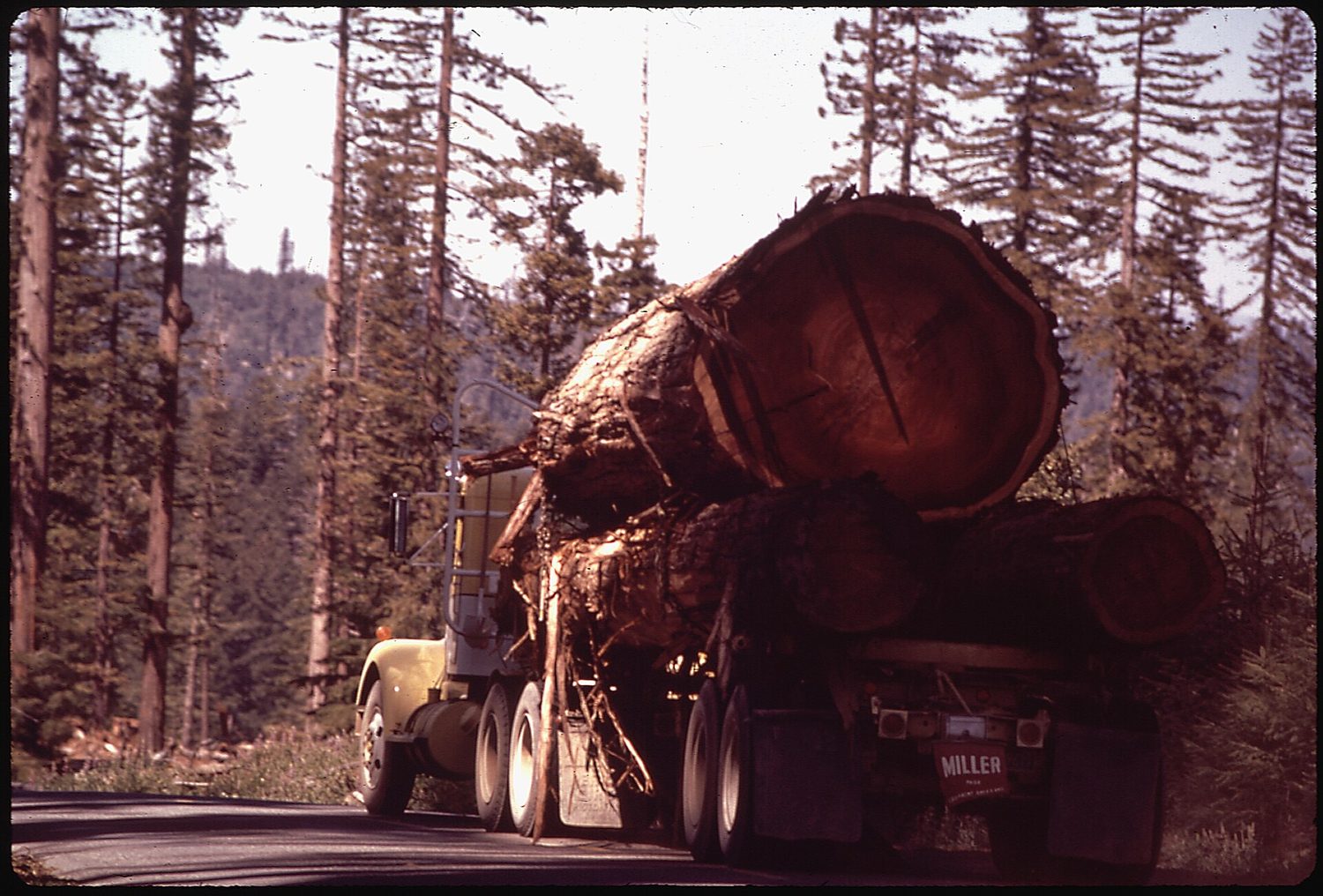
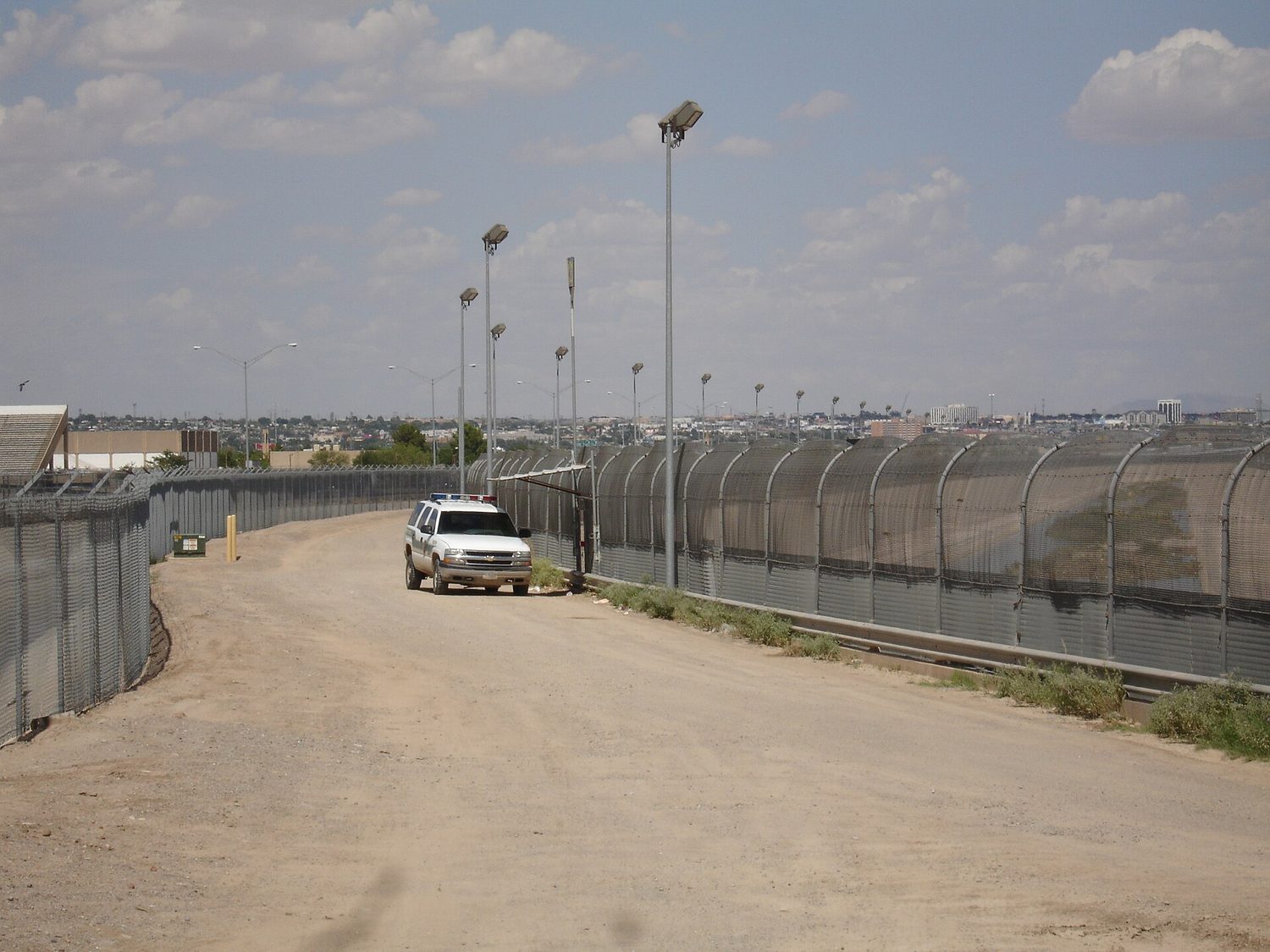
    선명한 경관: 정치적 경계와 토지 통제가 자원 사용에 미치는 영향
    선명한 경관: 정치적 경계와 토지 통제가 자원 사용에 미치는 영향

    경계(boundary) 는 국가의 영토 경계를 표시하는 선이다. 기원에 따른 종류:
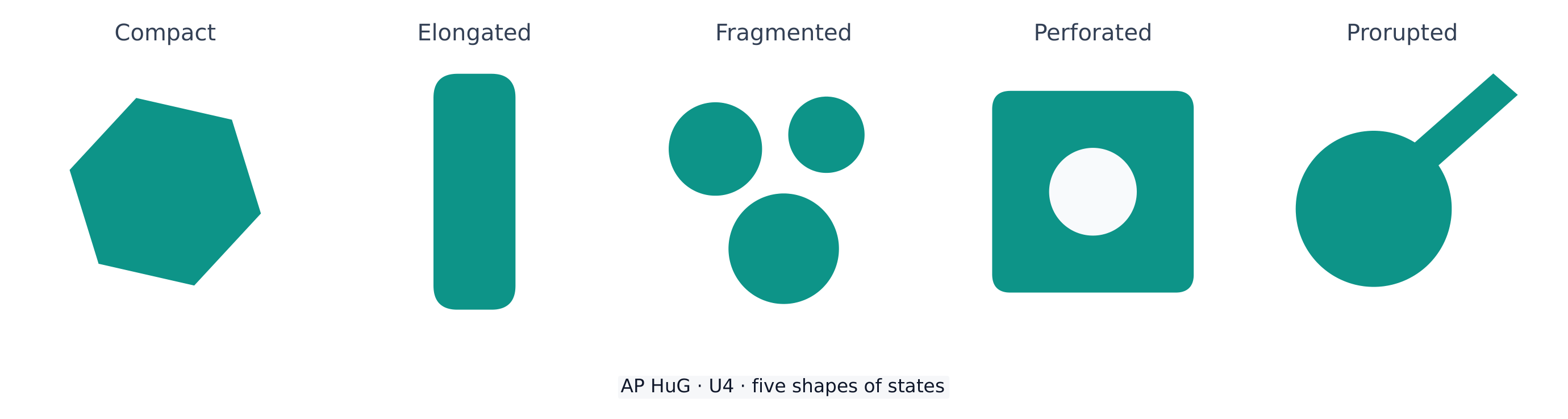
    경계가 형성되는 과정과 국가의 형태
    각기 다른 형태를 띠는 국가; 각 형태는 국가가 통치하기 쉬운 정도에 영향을 미친다
    • 선행적(alimentary)(밀집 정착 전 그려진 것), 후행적(subsequent)(문화가 발달함에 따라 그려진 것), 외부적(superimposed)(외부 세력에 의해 강제로 부과되며, 현지의 문화를 무시한 것), 그리고 잔재적(relic)(더 이상 국경이 아니지만 여전히 보임, 베를린 장벽 등).
    • 정의, 경계 설정, 경계 marking 은 경계를 설정하는 단계이다: 용어 합의, 지도에 그리기, 그리고 현장에 marking하기.
    • 바다에서는 UN 해양법 협약(UNCLOS) 이 각 연안국의 영해와 배경경제구역(EEZ) 을 설정하여 어업 및 해저資源의 권리를 정의한다.
    • 国家의 형태는 중요하다: 단일형(compact) 인 국가는 통치가 쉬우며, 세로형(elongated), 분열형(fragmented), 천공형(perforated), 연장형(prorupted) 인 형태는 통치에 과제를 creation한다.
    Vocabulary · ⁨어휘⁩ Train · ⁨연습하기⁩
    English 한국어
    boundary/ˈbaʊndəri/ boundary
    Antecedent/ˌæntɪˈsiːdənt/ 선재(al antecedent)
    subsequent/ˈsʌbsɪkwənt/ 후위(subsequent)
    superimposed/ˌsuːpərɪmˈpəʊzd/ 초월(superimposed)
    relic/ˈrelɪk/ 유물
    UN Convention on the Law of the Sea (UNCLOS) UN 해양법 협약 (UNCLOS)
    exclusive economic zone (EEZ)/eksˈkluːsɪv ˌiːkəˈnɒmɪk zəʊn/ 고유 경제 구역 (EEZ)
    4.7

    Forms of Governance · ⁨통치 형태⁩

    Syllabus
    English

    Enduring Understanding (IMP-4): Political boundaries and divisions of governance, between states and within them, reflect balances of power that have been negotiated or imposed.

    Learning Objective IMP-4.C: Define federal and unitary states.

    • IMP-4.C.1 Forms of governance include unitary states and federal states.

    Learning Objective IMP-4.D: Explain how federal and unitary states affect spatial organization.

    • IMP-4.D.1 Unitary states tend to have a more top-down, centralized form of governance, while federal states have more locally based, dispersed power centers. SUGGESTED SKILLS Spatial Relationships Describe spatial patterns, networks, and relationships.
    한국어

    지속적 이해 (IMP-4): 국가 간 및 국가 내부의 정치적 경계와 통치 분리는 협상되거나 강제된 권력 균형에 반영된다.

    학습 목표 IMP-4.C: 연방제 국가와 단위제 국가를 정의한다.

    • IMP-4.C.1 통치의 형태에는 단위제 국가와 연방제 국가가 포함된다.

    학습 목표 IMP-4.D: 연방제 국가와 단위제 국가가 공간 조직에 미치는 영향을 설명한다.

    • IMP-4.D.1 단위제 국가는 일반적으로 상향식·집중화된 통치 형태를 띠는 반면, 연방제 국가는 현지 기반의 분산된 권력 중심지를 가진다. 권장 기술: 공간 관계 - 공간 양상, 네트워크 및 관계를 설명한다.

    Source: College Board AP Course and Exam Description · ⁨출처: College Board AP Course and Exam Description⁩

    English

    States organise power between the centre and the regions in two main ways:

    • A unitary state 单一制国家 keeps most power in the central government (France). It works best in small or culturally uniform countries.
    • A federal state 联邦制国家 shares power between the centre and regional governments (USA, India). It suits large or diverse countries.
    • Gerrymandering 选区划分不公 is redrawing voting district boundaries to favour one group — a political use of geography.
    한국어
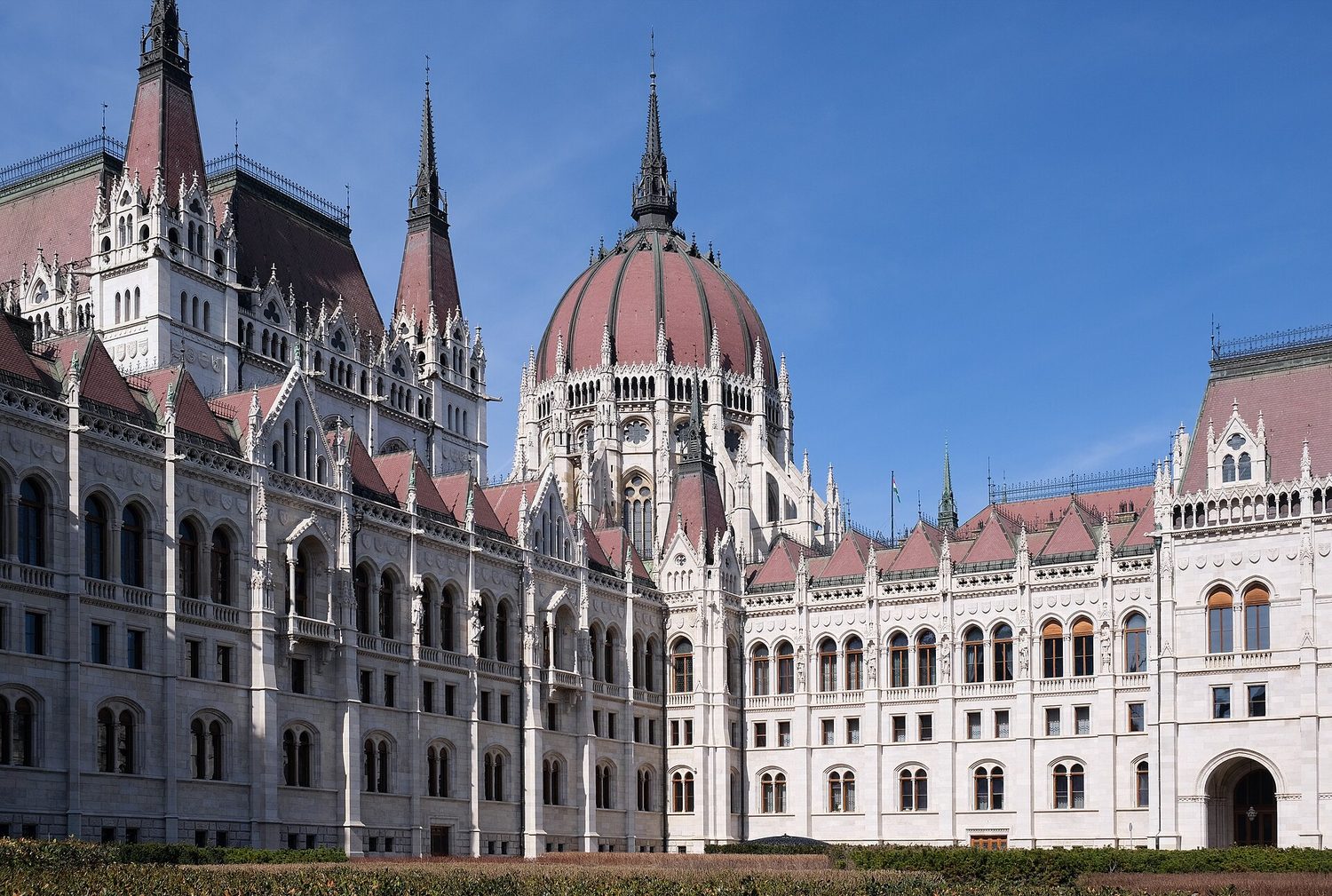
    의사당 건물: 정치 지리학은权力的 how to organize over territory를 연구함
    의사당 건물: 정치 지리학은权力的 how to organize over territory를 연구함

    국가는 중앙과 지방 간 quyền을 두 가지 주요 방식으로 조직한다:
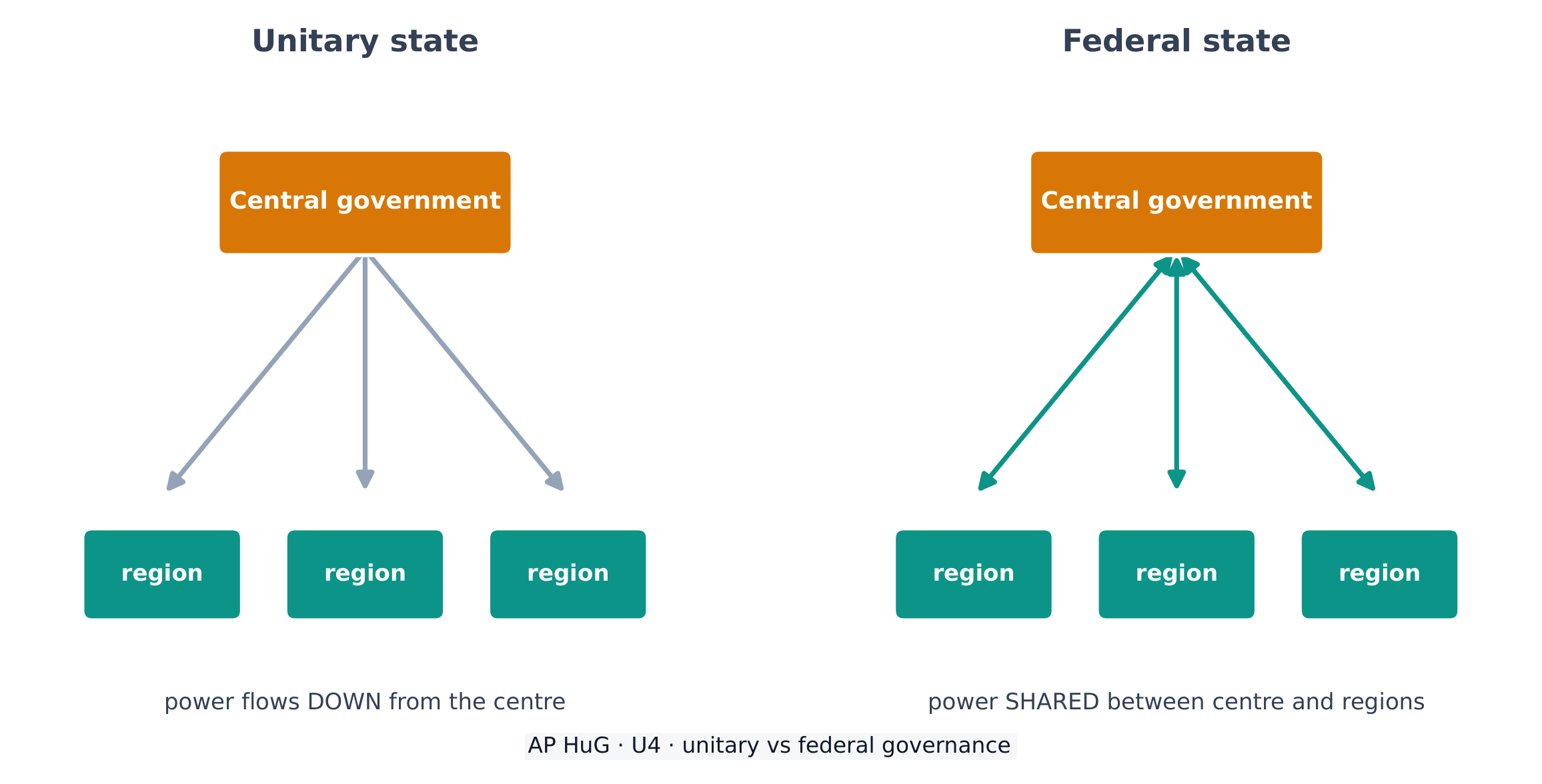
    단일형 국가는 권력을 중앙에 집중하고;連邦制 국가는 지방과 공유함
    단일형 국가는 권력을 중앙에 유지하며;连邦制 국가는 지방 정부와 권력을 공유한다
    • 단일형 국가(unitary state) 는 대부분의 권한을 중앙 정부에 보유한다(프랑스). 작은 국가나 문화적 동질성이 높은 국가에서 가장 잘 작동한다.
    • 连邦制 국가(federal state) 는 중앙과 지방 정부间权力를 공유한다(미국, 인도). 큰 국가나 다양한 국가에 적합하다.
    • 지명 변경(gerrymandering) 은 특정 집단에 유리하도록 선거구 경계를 재도입하는 것으로, 지리학의 정치적 활용이다.
    Vocabulary · ⁨어휘⁩ Train · ⁨연습하기⁩
    English 한국어
    unitary state/ˈjuːnɪtəri steɪt/ 단위국(unitary state)
    federal state/ˈfedərəl steɪt/ 연방 국가(federal state)
    Gerrymandering/ˈdʒerɪmændərɪŋ/ Gerrymandering
    4.8 4.9

    Devolution and Challenges to Sovereignty · ⁨분권과 주권의 도전⁩

    Syllabus
    English

    Enduring Understanding (SPS-4): Political, economic, cultural, or technological changes can challenge state sovereignty.

    Learning Objective SPS-4.A: Define factors that lead to the devolution of states.

    • SPS-4.A.1 Factors that can lead to the devolution of states include the division of groups by physical geography, ethnic separatism, ethnic cleansing, terrorism, economic and social problems, and irredentism.
    한국어

    지속적 이해 (SPS-4): 정치, 경제, 문화, 기술적 변화는 국가 주권을 위협할 수 있다.

    학습 목표 SPS-4.A: 국가의 분권화를 유발하는 요인을 정의한다.

    • SPS-4.A.1 국가의 분권화를 유발할 수 있는 요인에는 물리적 지리에 따른 집단 분리, 민족 분리주의, 민족 정화, 테러, 경제 및 사회 문제, 부활주의 등이 포함된다.
    English

    Enduring Understanding (SPS-4): Political, economic, cultural, or technological changes can challenge state sovereignty.

    Learning Objective SPS-4.B: Explain how political, economic, cultural, and technological changes challenge state sovereignty.

    • SPS-4.B.1 Devolution occurs when states fragment into autonomous regions; subnational political- territorial units, such as those within Spain, Belgium, Canada, and Nigeria; or when states disintegrate, as happened in Sudan and the former Soviet Union.
    • SPS-4.B.2 Advances in communication technology have facilitated devolution, supranationalism, and democratization.
    • SPS-4.B.3 Global efforts to address transnational and environmental challenges and to create economies of scale, trade agreements, and military alliances help to further supranationalism.
    • SPS-4.B.4 Supranational organizations—including the United Nations (UN), North Atlantic Treaty Organization (NATO), European Union (EU), Association of Southeast Asian Nations (ASEAN), Arctic Council, and African Union— can challenge state sovereignty by limiting the economic or political actions of member states.
    한국어

    지속적 이해 (SPS-4): 정치, 경제, 문화, 기술적 변화는 국가 주권을 위협할 수 있다.

    학습 목표 SPS-4.B: 정치, 경제, 문화, 기술적 변화가 국가 주권을 어떻게 위협하는지 설명한다.

    • SPS-4.B.1 분권화는 국가가 자치 지역으로 파편화될 때, 스페인, 벨기에, 캐나다, 나이지리아 내의 하급 정치·영토 단위와 같이 발생할 수 있으며, 수단과 전 소련과 같이 국가가 붕괴될 때에도 발생한다.
    • SPS-4.B.2 통신 기술의 발전은 분권화, 초국가주의 및 민주화를 촉진했다.
    • SPS-4.B.3 초국적 환경 문제 대응, 경제의 규모 경제 달성, 무역协定 및 군사 동맹 창립을 위한 글로벌 노력은 초국가주의를 더욱 진전시킨다.
    • SPS-4.B.4 유엔(UN), 북대서양조약기구(NATO), 유럽연합(EU), 동남아시아 국가연맹(ASEAN), 북극 Council, 아프리카연합 등 초국가 기구는 회원국의 경제 또는 정치적 행위를 제한함으로써 국가 주권에 도전할 수 있다.

    Source: College Board AP Course and Exam Description · ⁨출처: College Board AP Course and Exam Description⁩

    English

    Devolution 权力下放 is the transfer of power from a central government down to regional governments. It is driven by devolutionary factors: ethnic or religious differences, physical geography (islands, mountains), and economic inequality.

    • Strong differences can lead to autonomy 自治 for a region, or even a movement for full independence.
    • Sovereignty is also challenged from outside by supranational organisations 超国家组织 (the EU, UN), by globalisation, and by the internet, which crosses borders freely.
    한국어

    분권(devolution) 은 권력이 중앙 정부에서 지방정부로 이전되는 것이다. 이는 분권적 요인: 민족이나 종교적 차이, 물리적 지리학(섬, 산맥), 경제 격차에 의해推动된다.

    • 강력한 차이는 자치 autonomy 또는 완전한 독립 movement로 이어질 수 있다.
    • 주권 또한 초국적 기관(supranational organisations)(EU, UN), 글로벌화, 국경을 자유롭게 Crossing하는 인터넷으로부터 외부의 도전을 받는다.
    강한 국경과 분쟁 지역: 현지의 주권 문제
    강한 국경과 분쟁 지역: 현지의 주권 문제
    Vocabulary · ⁨어휘⁩ Train · ⁨연습하기⁩
    English 한국어
    Devolution/dɪvəˈluːʃn/ 분권
    autonomy/ɔːˈtɒnəmi/ 자치권
    supranational organisations/ˌsuːprəˈnæʃənl ˌɔːɡənaɪˈzeɪʃnz/ 초国家组织
    Centrifugal forces/ˌsentrɪˈfjuːɡl ˈfɔːsɪz/ 분산력
    failed states/feɪld steɪts/ 실패한 국가
    Centripetal forces/senˈtrɪpɪtl ˈfɔːsɪz/ 집중력
    ethnonationalism/ˌeθnəˈneɪʃənəlɪzəm/ 민족주의
    4.10

    Centrifugal and Centripetal Forces · ⁨이심력과 심력⁩

    Syllabus
    English

    Enduring Understanding (SPS-4): Political, economic, cultural, or technological changes can challenge state sovereignty.

    Learning Objective SPS-4.C: Explain how the concepts of centrifugal and centripetal forces apply at the state scale.

    • SPS-4.C.1 Centrifugal forces may lead to failed states, uneven development, stateless nations, and ethnic nationalist movements.
    • SPS-4.C.2 Centripetal forces can lead to ethnonationalism, more equitable infrastructure development, and increased cultural cohesion.
    한국어

    지속적 이해 (SPS-4): 정치, 경제, 문화, 기술적 변화는 국가 주권을 위협할 수 있다.

    학습 목표 SPS-4.C: 이심력과 중심력의 개념이 국가 규모에서 어떻게 적용되는지 설명한다.

    • SPS-4.C.1 이심력은 실패 국가(failed states), 불균형 발전, 무국적 민족, 민족주의 운동으로 이어질 수 있다.
    • SPS-4.C.2 중심력은 민족국가주의(ethnonationalism), 더 공정한 인프라 개발, 문화적 결속력 강화로 이어질 수 있다.

    Source: College Board AP Course and Exam Description · ⁨출처: College Board AP Course and Exam Description⁩

    English

    Two opposing forces act on every state:

    • Centrifugal forces 离心力 pull a state apart — ethnic conflict, uneven development, and weak identity can lead to failed states 失败国家 and separatist movements.
    • Centripetal forces 向心力 hold a state together — a shared language, national symbols, fair infrastructure, and a strong national identity (ethnonationalism 族裔民族主义 when tied to one ethnic group).

    Governments strengthen centripetal forces (national holidays, a common language) to keep the state unified. Balancing these forces is the central task of political geography.

    한국어

    모든 국가에는 두 가지 상반된 힘이 작용합니다:

    • 이심력은 국가를 분리시키는 힘입니다 — 민족 갈등, 불균형 발전, 약화된 정체성 등이 실패 국가와 분리주의 운동으로 이어질 수 있습니다.
    • 심력은 국가를 결속시키는 힘입니다 — 공통 언어, 국가 상징, 공정한 인프라, 강력한 국가 정체성(특정 민족과 결합될 경우 민족국가주의)을 포함합니다.

    정부는 국가의 통합을 유지하기 위해 심력(국가 공휴일, 공통 언어 등)을 강화합니다. 이러한 힘들의 균형을 맞추는 것이 정치지리학의 핵심 과제입니다.

    도시는 영토 전반에 걸쳐 정치적·경제적 권력을 집중시킵니다
    도시는 영토 전반에 걸쳐 정치적·경제적 권력을 집중시킵니다
    Explore · ⁨탐색하기⁩

    Centrifugal or centripetal force? · ⁨원심력인지 원심력( approchietic force )인가?⁩

    A centrifugal force pulls a state apart; a centripetal force holds it together. · ⁨원심력은 국가를 분리시키는 힘을, **원심력( approchietic force )**은 국가를 결속시키는 힘이다.⁩

    4.10

    Exam tips · ⁨시험 팁⁩

    English
    • Keep state (territory + sovereignty), nation (a people), and nation-state clearly separate.
    • Classify a boundary by history (antecedent / subsequent / superimposed / relict) and by stage (defined to administered).
    • Name the boundary-dispute type: definitional, locational, operational, or allocational.
    • Compare unitary and federal governance, and link the choice to managing diversity.
    • Explain instability through centrifugal and centripetal forces and devolution; use neutral examples.
    한국어
    • 국가(state) (영토 + 주권), 민족(nation) (인구 집단), 민족국가(nation-state) 를 명확히 구분하십시오.
    • 경계를 역사적 유형(전조형 / 후발형 / 전가형 / 유산형)과 단계(정의 → 관리)에 따라 분류하십시오.
    • 경계 분쟁의 유형을 명명하십시오: 정의형, 위치형, 운영형, 또는 할당형.
    • 단일제와 연방제 통치를 비교하고, 다양성 관리를 위한 선택과 연결하여 설명하십시오.
    • 이심력과 심력, 그리고 권한 위임(devolution) 을 통해 불안정을 설명하십시오. 중립적인 예시를 사용하십시오.
  • 5

    Agriculture and Rural Land-Use Patterns and Processes

    Watch lesson · ⁨수업 보기⁩
    5.1

    Introduction to Agriculture

    Syllabus
    English

    Enduring Understanding (PSO-5): Availability of resources and cultural practices influence agricultural practices and land-use patterns.

    Learning Objective PSO-5.A: Explain the connection between physical geography and agricultural practices.

    • PSO-5.A.1 Agricultural practices are influenced by the physical environment and climatic conditions, such as the Mediterranean climate and tropical climates.
    • PSO-5.A.2 Intensive farming practices include market gardening, plantation agriculture, and mixed crop/livestock systems.
    • PSO-5.A.3 Extensive farming practices include shifting cultivation, nomadic herding, and ranching.
    한국어

    지속적 이해 (PSO-5): 자원의 가용성과 문화적 관행이 농업 관행 및 토지 이용 양상에 영향을 미친다.

    학습 목표 PSO-5.A: 자연地理와 농업 관행 간의 연결성을 설명한다.

    • PSO-5.A.1 농업 관행은 지중해성 기후 및 열대 기후와 같은 자연 환경 및 기후 조건에 의해 영향을 받는다.
    • PSO-5.A.2 집약적 농업 관행에는 시장원예, 농장 농업, 작물/축복 복합 시스템이 포함된다.
    • PSO-5.A.3 광범한 농업 관행에는 이동 농사, 유목 목축, 목장 농업이 포함된다.

    Source: College Board AP Course and Exam Description · ⁨출처: College Board AP Course and Exam Description⁩

    Agriculture 农业 is the deliberate growing of crops and raising of animals for food and other products. A first big split:

    • Subsistence agriculture 自给农业 — farming to feed the farmer's own family, common in less-developed regions.
    • Commercial agriculture 商业农业 — farming to sell for profit, common in developed regions and often large-scale and mechanised.

    Farming also varies by intensity: intensive 集约 farming uses a lot of labour or money on a small area (rice paddies, market gardening); extensive 粗放 farming uses little input over a large area (ranching, shifting cultivation).

    The two photos below are the two ends of the first split — one machine feeding a market versus one person feeding a family:
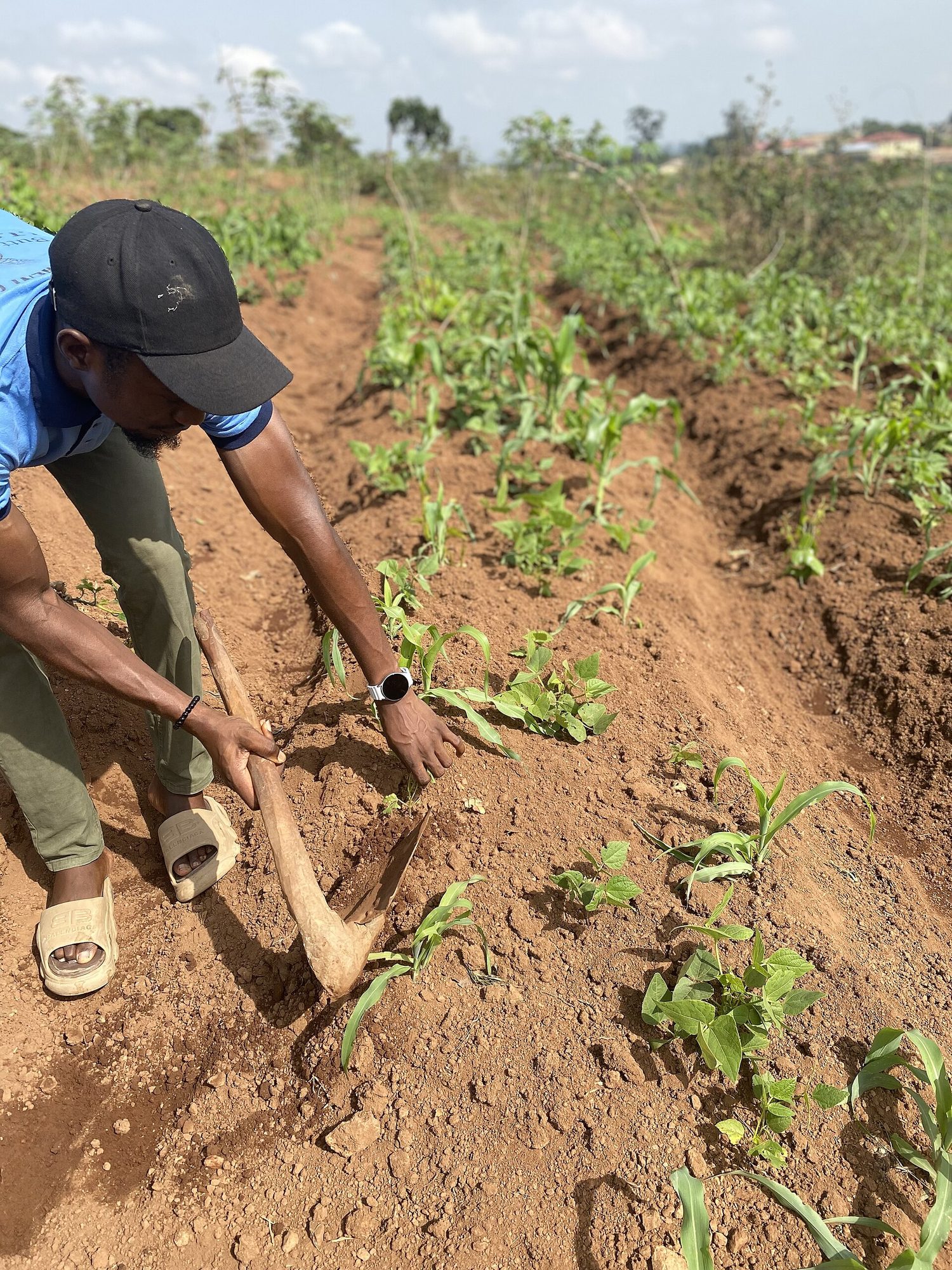
    A large red-and-green combine harvester cutting a golden field of wheat
    Commercial agriculture: one combine harvester cuts a huge wheat field with almost no labour, growing grain to sell
    A farmer bending over to work the soil of a small maize plot with a hand hoe
    Subsistence agriculture: a farmer works a small plot by hand with a hoe, mainly to feed the family
    Explore · ⁨탐색하기⁩

    Intensive or extensive farming? · ⁨집약적 농업인지 광범위 농업인가?⁩

    Intensive farming puts a lot of labour or money into a small area; extensive farming spreads little input over a large area. · ⁨집약적 농업은 적은 면적에 많은 노동이나 자금을 투입하며, 광범위 농업은 넓은 면적에 적은 투입량을 분산시킨다.⁩

    Vocabulary · ⁨어휘⁩ Train · ⁨연습하기⁩
    English 한국어
    Agriculture/ˈæɡrɪkʌltʃə/ 농업
    Subsistence agriculture/sʌbˈsɪstəns ˈæɡrɪkʌltʃə/ 생계 농업
    Commercial agriculture/kəˈmɜːʃl ˈæɡrɪkʌltʃə/ 상업 농업
    intensive/ɪnˈtensɪv/ 집약적
    extensive/ekˈstensɪv/ 광대
    5.2

    Settlement Patterns and Survey Methods

    Syllabus
    English

    Enduring Understanding (PSO-5): Availability of resources and cultural practices influence agricultural practices and land-use patterns.

    Learning Objective PSO-5.B: Identify different rural settlement patterns and methods of surveying rural settlements.

    • PSO-5.B.1 Specific agricultural practices shape different rural land-use patterns.
    • PSO-5.B.2 Rural settlement patterns are classified as clustered, dispersed, or linear.
    • PSO-5.B.3 Rural survey methods include metes and bounds, township and range, and long lot.
    한국어

    지속적 이해 (PSO-5): 자원의 가용성과 문화적 관행이 농업 관행 및 토지 이용 양상에 영향을 미친다.

    학습 목표 PSO-5.B: 다양한 농촌 정착 양상을 식별하고 농촌 정착을 조사하는 방법을 설명하시오.

    • PSO-5.B.1 특정 농업 관행이 서로 다른 농촌 토지 이용 양상을 형성함.
    • PSO-5.B.2 농촌 정착 양상은 집중형, 산재형 또는 선형으로 분류됨.
    • PSO-5.B.3 농촌 조사 방법으로는 메트 앤 바운드(Metes and bounds), 타운십 앤 레인지(Township and range), 롱 롯(Long lot) 등이 있음.

    Source: College Board AP Course and Exam Description · ⁨출처: College Board AP Course and Exam Description⁩

    How farmers settle the land leaves a lasting pattern.

    • Clustered (nucleated) 集聚式 settlements group homes together; dispersed 分散 settlements spread them out; linear settlements follow a road or river.
    • Survey methods divide the land: the metes-and-bounds system uses natural features; the township-and-range system uses a grid of squares; the long-lot system gives each farm a thin strip reaching a river or road.
    Vocabulary · ⁨어휘⁩ Train · ⁨연습하기⁩
    English 한국어
    Clustered (nucleated)/ˈklʌstəd/ 집단형(핵심)
    dispersed/dɪˈspɜːst/ 분산된
    5.3 5.4 5.5

    Agricultural Origins and Revolutions

    Syllabus
    English

    Enduring Understanding (SPS-5): Agriculture has changed over time because of cultural diffusion and advances in technology.

    Learning Objective SPS-5.A: Identify major centers of domestication of plants and animals.

    • SPS-5.A.1 Early hearths of domestication of plants and animals arose in the Fertile Crescent and several other regions of the world, including the Indus River Valley, Southeast Asia, and Central America.

    Learning Objective SPS-5.B: Explain how plants and animals diffused globally.

    • SPS-5.B.1 Patterns of diffusion, such as the Columbian Exchange and the agricultural revolutions, resulted in the global spread of various plants and animals.
    한국어

    영구적 이해 (SPS-5): 문화적 확산과 기술 발전으로 인해 농업은 시대에 따라 변화해 왔음.

    학습 목표 SPS-5.A: 식물과 동물의 주요驯化(가축화) 중심지를 식별하시오.

    • SPS-5.A.1 식물과 동물의 초기驯化(가축화) 중심지는 비옥한 초승달(Fertile Crescent)과 인도강 유역, 동남아시아, 중미 등 세계 여러 지역에서 발생함.

    학습 목표 SPS-5.B: 식물과 동물이 전 세계적으로 확산된 과정을 설명하시오.

    • SPS-5.B.1 콜럼버스 교류와 농업 혁명 등의 확산 양상은 다양한 식물과 동물이 전 세계로 퍼지게 함.
    Enduring UnderstandingLearning ObjectiveEssential Knowledge

    SPS-5
    Agriculture has changed over time because of cultural diffusion and advances in technology.

    SPS-5.C
    Explain the advances and impacts of the second agricultural revolution.

    • SPS-5.C.1 New technology and increased food production in the second agricultural revolution led to better diets, longer life expectancies, and more people available for work in factories.
    English

    Enduring Understanding (SPS-5): Agriculture has changed over time because of cultural diffusion and advances in technology.

    Learning Objective SPS-5.D: Explain the consequences of the Green Revolution on food supply and the environment in the developing world.

    • SPS-5.D.1 The Green Revolution was characterized in agriculture by the use of high-yield seeds, increased use of chemicals, and mechanized farming.
    • SPS-5.D.2 The Green Revolution had positive and negative consequences for both human populations and the environment.
    한국어

    영구적 이해 (SPS-5): 문화적 확산과 기술 발전으로 인해 농업은 시대에 따라 변화해 왔음.

    **학습 목표 SPS-5.D:**发展中세계의 식품 공급과 환경에 대한 그린革命의 결과를 설명하시오.

    • SPS-5.D.1 그린革命은 농업에서 고수율 종자의 사용, 화학 물질 사용의 증가, 기계화된 농업을 특징으로 함.
    • SPS-5.D.2 그린革命은 인간 사회와 환경 모두에 긍정적이고 부정적인 결과를 가져옴.

    Source: College Board AP Course and Exam Description · ⁨출처: College Board AP Course and Exam Description⁩

    Farming began in a few hearths and spread by diffusion, then was transformed by three revolutions.

    • The First (Neolithic) Agricultural Revolution 新石器农业革命 was the original domestication of plants and animals, letting people settle in one place.
    • The Second Agricultural Revolution 第二次农业革命 used the tools of the Industrial Revolution (machines, better transport, crop rotation) to raise output and feed growing cities.
    • The Green Revolution 绿色革命 (mid-1900s) introduced high-yield seeds, fertilisers, pesticides, and irrigation — hugely increasing food output, though at an environmental and social cost.

    Worked example (a real AP exam question). "Describe the concept of an early hearth of domestication." (2023) A full-mark answer: "A place where people first domesticated a wild plant or animal into a farmed variety, and from which that farming practice then spread to other regions." The command word Describe wants more than a one-word definition — give the key features (where domestication began and that it spread) — but it does not require the cause-and-effect reasoning that "Explain" demands.

    Vocabulary · ⁨어휘⁩ Train · ⁨연습하기⁩
    English 한국어
    First (Neolithic) Agricultural Revolution/fɜːst ˌæɡrɪˈkʌltʃərəl ˌrevəˈluːʃn/ 신석기 시대 농업 혁명(First Agricultural Revolution)
    Second Agricultural Revolution/ˈsekənd ˌæɡrɪˈkʌltʃərəl ˌrevəˈluːʃn/ Second Agricultural Revolution
    Green Revolution/ɡriːn ˌrevəˈluːʃn/ Green Revolution
    5.6

    Agricultural Production Regions

    Syllabus
    English

    Enduring Understanding (PSO-5): Availability of resources and cultural practices influence agricultural practices and land-use patterns.

    Learning Objective PSO-5.C: Explain how economic forces influence agricultural practices.

    • PSO-5.C.1 Agricultural production regions are defined by the extent to which they reflect subsistence or commercial practices (monocropping or monoculture).
    • PSO-5.C.2 Intensive and extensive farming practices are determined in part by land costs (bid-rent theory).
    한국어

    지속적 이해 (PSO-5): 자원의 가용성과 문화적 관행이 농업 관행 및 토지 이용 양상에 영향을 미친다.

    학습 목표 PSO-5.C: 경제적 요인이 농업 관행에 미치는 영향을 설명하시오.

    • PSO-5.C.1 농업 생산 지역은 자급형 또는 상업형 관행(단작 또는 단종)을 얼마나 반영하는지에 따라 정의됨.
    • PSO-5.C.2 집약적 및 광범위 농업 관행은 토지 비용(입찰 임대 이론)에 일부 의존하여 결정됨.

    Source: College Board AP Course and Exam Description · ⁨출처: College Board AP Course and Exam Description⁩

    The type of farming in a place depends on climate and level of development.
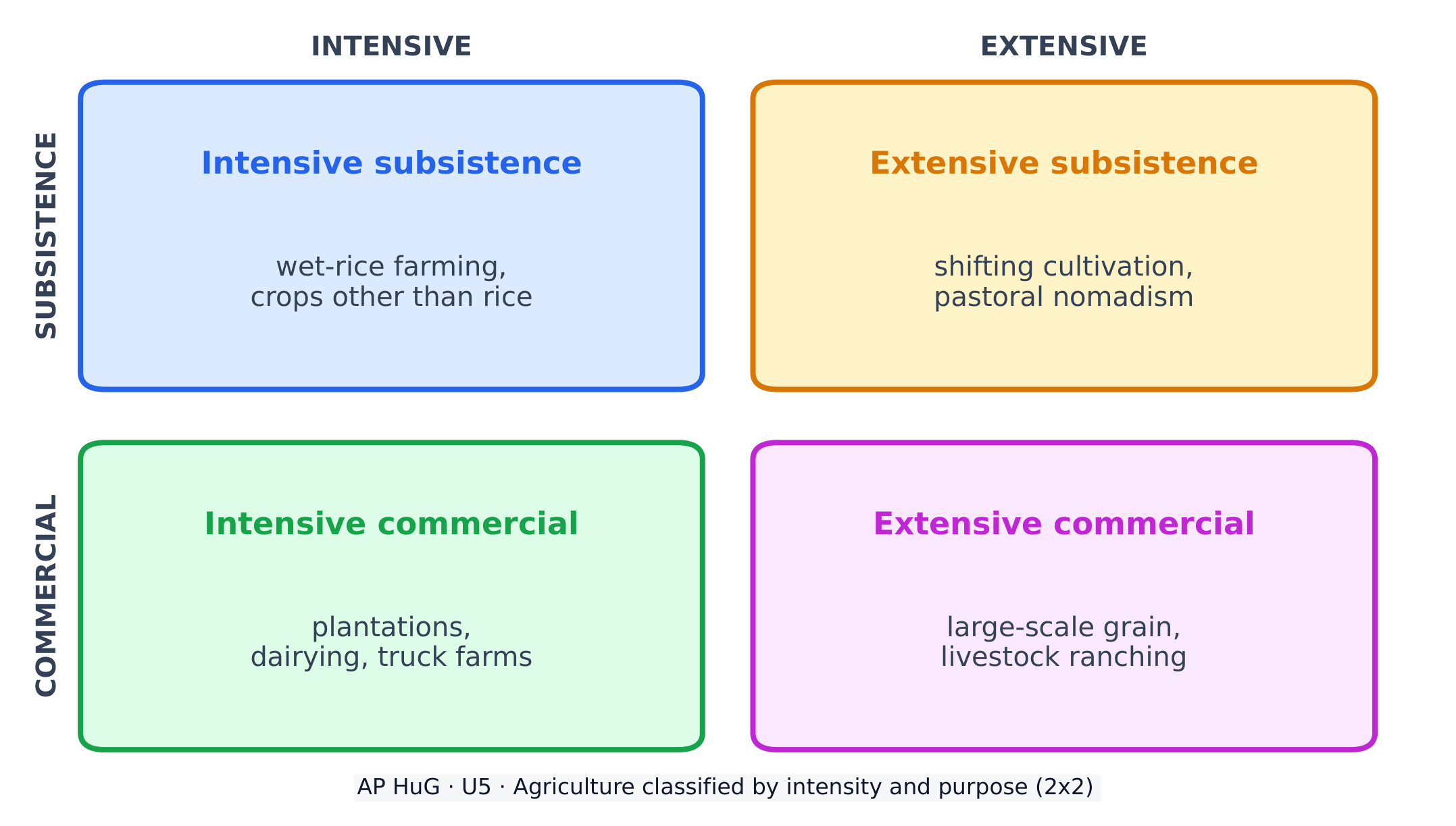
    • Tropical regions favour shifting cultivation 迁移农业 (slash-and-burn) and plantation crops; dry regions favour pastoral nomadism 游牧 (herding).
    • Developed regions have mixed crop and livestock, dairying, and large commercial grain farms.
    • Bid-rent theory 竞租理论 explains why land close to a market is used more intensively: it is more expensive, so it must earn more per hectare.
    Neat parallel rows of low green tea bushes covering a hillside
    A tea plantation 种植园: a single cash crop grown in neat rows over a large area, typical of tropical commercial farming
    Agriculture classified by intensity and by purpose
    Two axes — how much labour and capital go in per unit of land (intensive vs extensive), and who the food is for (subsistence vs commercial)
    Vocabulary · ⁨어휘⁩ Train · ⁨연습하기⁩
    English 한국어
    shifting cultivation/ˈʃɪftɪŋ ˌkʌltɪˈveɪʃn/ 교차 경작
    pastoral nomadism/ˈpæstərəl ˈnəʊmeɪdɪzəm/ 목가 유동 생활법
    Bid-rent theory/bɪd rent ˈθɪəri/ 경지 대안 이론
    plantation/plænˈteɪʃn/ 식물원 농업
    5.7 5.8

    Spatial Organization and the Von Thünen Model

    Syllabus
    English

    Enduring Understanding (PSO-5): Availability of resources and cultural practices influence agricultural practices and land-use patterns.

    Learning Objective PSO-5.C: Explain how economic forces influence agricultural practices.

    • PSO-5.C.3 Large-scale commercial agricultural operations are replacing small family farms.
    • PSO-5.C.4 Complex commodity chains link production and consumption of agricultural products.
    • PSO-5.C.5 Technology has increased economies of scale in the agricultural sector and the carrying capacity of the land.
    한국어

    지속적 이해 (PSO-5): 자원의 가용성과 문화적 관행이 농업 관행 및 토지 이용 양상에 영향을 미친다.

    학습 목표 PSO-5.C: 경제적 요인이 농업 관행에 미치는 영향을 설명하시오.

    • PSO-5.C.3 대규모 상업적 농업 운영이 소규모 가족 농장을 대체하고 있음.
    • PSO-5.C.4 복잡한 상품 사슬이 농업 제품의 생산과 소비를 연결함.
    • PSO-5.C.5 기술은 농업 부문과 토지의 수용 능력에서 규모의 경제를 증가시킴.
    English

    Enduring Understanding (PSO-5): Availability of resources and cultural practices influence agricultural practices and land-use patterns.

    Learning Objective PSO-5.D: Describe how the von Thünen model is used to explain patterns of agricultural production at various scales.

    • PSO-5.D.1 Von Thünen’s model helps to explain rural land use by emphasizing the importance of transportation costs associated with distance from the market; however, regions of specialty farming do not always conform to von Thünen’s concentric rings.
    한국어

    지속적 이해 (PSO-5): 자원의 가용성과 문화적 관행이 농업 관행 및 토지 이용 양상에 영향을 미친다.

    학습 목표 PSO-5.D: 툰넨 모델이 다양한 규모에서 농업 생산 양상을 설명하는 데 어떻게 사용되는지 서술하시오.

    • PSO-5.D.1 툰넨의 모델은 시장으로부터의 거리에 따른 운송비 중요성을 강조하여 농촌 토지 이용을 설명하는 데 도움을 주지만, 특화 농업 지역이 항상 툰넨의 원형 구조를 따르는 것은 아님.

    Source: College Board AP Course and Exam Description · ⁨출처: College Board AP Course and Exam Description⁩

    The Von Thünen model

    The von Thünen model 冯·杜能模型 (1826) explains what farmers grow where, based on transport cost and distance to market.

    The von Thünen model: land use forms rings around a central market
    Perishable, heavy, or intensive products locate near the market; extensive uses locate farther out
    • At the centre is the market (a city). Around it, land use forms concentric rings.
    • Ring 1 — market gardening and dairying (perishable, must be near market).
    • Ring 2 — forest (heavy firewood, costly to move, in his day).
    • Ring 3 — field crops and grain (less perishable).
    • Ring 4 — ranching (extensive, low value per hectare, can be far away).

    The model assumes a flat, uniform plain with one market. Real regions bend the rings because of roads, rivers, terrain, and refrigeration — but the core idea, that transport cost shapes land use, still holds.

    Vocabulary · ⁨어휘⁩ Train · ⁨연습하기⁩
    English 한국어
    von Thünen model/vɒn ˈθuːnən ˈmɒdl/ 폰 투넨 모델
    5.9

    The Global System of Agriculture

    Syllabus
    English

    Enduring Understanding (PSO-5): Availability of resources and cultural practices influence agricultural practices and land use patterns.

    Learning Objective PSO-5.E: Explain the interdependence among regions of agricultural production and consumption.

    • PSO-5.E.1 Food and other agricultural products are part of a global supply chain.
    • PSO-5.E.2 Some countries have become highly dependent on one or more export commodities.
    • PSO-5.E.3 The main elements of global food distribution networks are affected by political relationships, infrastructure, and patterns of world trade.
    한국어

    영구적 이해 (PSO-5): 자원의 가용성과 문화적 관행은 농업 관행과 토지 이용 양상에 영향을 미침.

    학습 목표 PSO-5.E: 농업 생산 및 소비 지역 간의 상호 의존성을 설명하시오.

    • PSO-5.E.1 식품 및 기타 농업 제품은 글로벌 공급망의 일부임.
    • PSO-5.E.2 일부 국가는 한 가지 이상의 수출 상품에 매우 의존하게 되었음.
    • PSO-5.E.3 글로벌 식품 유통 네트워크의 주요 요소는 정치적 관계, 인프라, 세계 무역 양상에 영향을 받음.

    Source: College Board AP Course and Exam Description · ⁨출처: College Board AP Course and Exam Description⁩

    Modern farming is a global supply chain 全球供应链.

    • Agribusiness 农业综合企业 links farms to seed, machinery, processing, and retail companies.
    • Many countries specialise in a few export commodities 出口商品 (coffee, cocoa, soy), which can make them dependent on world prices.
    • Fair trade 公平贸易 and local-food movements are responses to the inequalities of this global system.
    Vocabulary · ⁨어휘⁩ Train · ⁨연습하기⁩
    English 한국어
    global supply chain/ˈɡləʊbl səˈplaɪ tʃeɪn/ 글로벌 공급망
    Agribusiness/ˈæɡrɪbɪznəs/ 농업 기업
    export commodities/ˈekspɔːt kəˈmɒdɪtiz/ 수출 상품
    Fair trade/feə treɪd/ 공정 거래
    5.10 5.11

    Consequences and Challenges of Agriculture

    Syllabus
    English

    Enduring Understanding (IMP-5): Agricultural production and consumption patterns vary in different locations, presenting different environmental, social, economic, and cultural opportunities and challenges.

    Learning Objective IMP-5.A: Explain how agricultural practices have environmental and societal consequences.

    • IMP-5.A.1 Environmental effects of agricultural land use include pollution, land cover change, desertification, soil salinization, and conservation efforts.
    • IMP-5.A.2 Agricultural practices—including slash and burn, terraces, irrigation, deforestation, draining wetlands, shifting cultivation, and pastoral nomadism—alter the landscape.
    • IMP-5.A.3 Societal effects of agricultural practices include changing diets, role of women in agricultural production, and economic purpose.
    한국어

    지속적 이해 (IMP-5): 농업 생산 및 소비 양상은 장소마다 다르며, 서로 다른 환경, 사회, 경제, 문화적 기회와 과제를 제시한다.

    학습 목표 IMP-5.A: 농업 관행이 환경 및 사회에 미치는 영향을 설명한다.

    • IMP-5.A.1 농업 토지 이용의 환경적 영향으로는 오염, 토지 피복 변화, 사막화, 토양 염분화 및 보전 노력이 포함된다.
    • IMP-5.A.2 농작물 재배, 계단형 논, 관개, 산림 절단, 습지 배수, 이동 농사, 유목 목축과 같은 농업 관행은 지형을 변경한다.
    • IMP-5.A.3 농업 관행의 사회학적 영향으로는 식단의 변화, 농업 생산에서의 여성 역할, 그리고 경제적 목적의 변화가 포함된다.
    English

    Enduring Understanding (IMP-5): Agricultural production and consumption patterns vary in different locations, presenting different environmental, social, economic, and cultural opportunities and challenges.

    Learning Objective IMP-5.B: Explain challenges and debates related to the changing nature of contemporary agriculture and food-production practices.

    • IMP-5.B.1 Agricultural innovations such as biotechnology, genetically modified organisms, and aquaculture have been accompanied by debates over sustainability, soil and water usage, reductions in biodiversity, and extensive fertilizer and pesticide use.
    • IMP-5.B.2 Patterns of food production and consumption are influenced by movements relating to individual food choice, such as urban farming, community-supported agriculture (CSA), organic farming, value-added specialty crops, fair trade, local-food movements, and dietary shifts.
    • IMP-5.B.3 Challenges of feeding a global population include lack of food access, as in cases of food insecurity and food deserts; problems with distribution systems; adverse weather; and land use lost to suburbanization.
    • IMP-5.B.4 The location of food-processing facilities and markets, economies of scale, distribution systems, and government policies all have economic effects on food-production practices.
    한국어

    지속적 이해 (IMP-5): 농업 생산 및 소비 양상은 장소마다 다르며, 서로 다른 환경, 사회, 경제, 문화적 기회와 과제를 제시한다.

    학습 목표 IMP-5.B: 현대 농업과 식품 생산 관행의 변화와 관련된 과제 및 논쟁을 설명한다.

    • IMP-5.B.1 생명공학, 유전자 변형 생물체, 수산 양식과 같은 농업 혁신은 지속 가능성, 토양 및 물 사용, 생물 다양성 감소, 그리고 비료 및 살충제의 과도한 사용에 대한 논쟁과 함께 이루어졌다.
    • IMP-5.B.2 식품 생산 및 소비 양상은 도시농업, 지역공동체지원농업(CSA), 유기농 농업, 부가가치 특화 작물, 공정한 거래, 로컬푸드 운동, 식이 전환과 같은 개인적 식품 선택과 관련된 이동에 의해 영향을 받음.
    • IMP-5.B.3 글로벌 인구를 먹여 살리는 데의 과제는 식량 접근성 부족(식량 불안정 및 식량 사막 현상 등), 유통 시스템 문제, 악천후, 그리고 교외화로 인해 토지 이용이 감소한 점 등이 포함됨.
    • IMP-5.B.4 식품 가공 시설 및 시장의 입지, 규모의 경제, 유통 시스템, 정부 정책 등은 모두 식품 생산 방식에 경제적 영향을 미침.

    Source: College Board AP Course and Exam Description · ⁨출처: College Board AP Course and Exam Description⁩

    Modern agriculture feeds billions but creates problems:

    • Environmental: soil erosion, water pollution from fertiliser, loss of biodiversity, desertification 荒漠化, and greenhouse-gas emissions.
    • Economic and social: the loss of small family farms, rural depopulation, and questions about food security 粮食安全 and GMOs 转基因生物.
    • Land use change: suburbanisation and urban growth eat into farmland at the edge of cities.
    Intensive commercial farming: monocultures raise yields but can degrade soil and biodiversity
    Intensive commercial farming: monocultures raise yields but can degrade soil and biodiversity
    Vocabulary · ⁨어휘⁩ Train · ⁨연습하기⁩
    English 한국어
    desertification/dɪˌzɜːtɪfɪˈkeɪʃn/ 사막화
    food security/fuːd sɪˈkjʊərɪti/ 식품 안보
    GMOs/ˌdʒiː em ˈəʊz/ GMOs
    5.12

    Women in Agriculture

    Syllabus
    English

    Enduring Understanding (IMP-5): Agricultural production and consumption patterns vary in different locations, presenting different environmental, social, economic, and cultural opportunities and challenges.

    Learning Objective IMP-5.C: Explain geographic variations in female roles in food production and consumption.

    • IMP-5.C.1 The role of females in food production, distribution, and consumption varies in many places depending on the type of production involved.
    한국어

    지속적 이해 (IMP-5): 농업 생산 및 소비 양상은 장소마다 다르며, 서로 다른 환경, 사회, 경제, 문화적 기회와 과제를 제시한다.

    학습 목표 IMP-5.C: 식품 생산 및 소비에서 여성의 역할에 대한 지리적 변이를 설명하시오.

    • IMP-5.C.1 식품 생산, 통 및 소비에서 여성의 역할은 많은 곳에서 관련 생산 유형에 따라 다양하게 나타남.

    Source: College Board AP Course and Exam Description · ⁨출처: College Board AP Course and Exam Description⁩

    In much of the developing world, women do the majority of farm labour, especially in subsistence agriculture, yet often own little of the land. Their role is central to family food supply. Improving women's access to land, credit, and education raises farm output and, by lowering fertility, links back to the demographic transition.

    5.12

    Exam tips

    • Classify farming on two axes at once: subsistence or commercial, and intensive or extensive.
    • Drive every Von Thünen answer with transport cost and the perishability of the product.
    • Weigh the Green Revolution: higher yields against costly inputs, environmental harm, and uneven reach.
    • Name the survey system (long-lot, township-and-range, metes-and-bounds) from the field shape.
    • Connect farming to its consequences: soil degradation, water pollution, and deforestation.
  • 6

    Cities and Urban Land-Use Patterns and Processes

    Watch lesson · ⁨수업 보기⁩
    6.1 6.2

    Origin and Growth of Cities

    Syllabus
    English

    Enduring Understanding (PSO-6): The presence and growth of cities vary across geographical locations because of physical geography and resources.

    Learning Objective PSO-6.A: Explain the processes that initiate and drive urbanization and suburbanization.

    • PSO-6.A.1 Site and situation influence the origin, function, and growth of cities.
    • PSO-6.A.2 Changes in transportation and communication, population growth, migration, economic development, and government policies influence urbanization.
    한국어

    영구적 이해 (PSO-6): 물리적 지리와 자원에 따라 도시의 존재와 성장은 지리적 장소마다 다름.

    학습 목표 PSO-6.A: 도시화와 교외화를 시작하고 주도하는 과정을 설명하시오.

    • PSO-6.A.1 입지와 입지가 도시의 기원, 기능 및 성장에 영향을 미침.
    • PSO-6.A.2 교통 및 통신의 변화, 인구 증가, 이주, 경제 발전, 정부 정책은 도시화에 영향을 미침.
    English

    Enduring Understanding (PSO-6): The presence and growth of cities vary across geographical locations because of physical geography and resources.

    Learning Objective PSO-6.A: Explain the processes that initiate and drive urbanization and suburbanization.

    • PSO-6.A.3 Megacities and metacities are distinct spatial outcomes of urbanization increasingly located in countries of the periphery and semiperiphery.
    • PSO-6.A.4 Processes of suburbanization, sprawl, and decentralization have created new land-use forms—including edge cities, exurbs, and boomburbs—and new challenges.
    한국어

    영구적 이해 (PSO-6): 물리적 지리와 자원에 따라 도시의 존재와 성장은 지리적 장소마다 다름.

    학습 목표 PSO-6.A: 도시화와 교외화를 시작하고 주도하는 과정을 설명하시오.

    • PSO-6.A.3 메가시티와 메타시티는 도시화의distinct 공간적 결과로, increasingly 주변국 및 반주변국에 위치하고 있습니다.
    • PSO-6.A.4 교외화, 교외 확장, 분산화 과정은 에지 시티(edge cities), 엑스러브(exurbs), 부머버브(boomburbs) 등 새로운 토지 이용 형태를 만들었으며 새로운 도전을 초래했습니다.

    Source: College Board AP Course and Exam Description · ⁨출처: College Board AP Course and Exam Description⁩

    Urbanization 城市化 is the growth in the share of people living in cities. It began with the agricultural surplus that freed some people from farming, and accelerated with the Industrial Revolution.

    • Urbanization rate rises fastest in developing countries today, driven by rural-to-urban migration.
    • A suburb 郊区 is a residential area on the edge of a city; suburbanization 郊区化 and sprawl 城市蔓延 spread cities outward.
    • Site 地点 (the physical features of a place) and situation 区位 (its location relative to other places) explain why a city grew where it did.
    Vocabulary · ⁨어휘⁩ Train · ⁨연습하기⁩
    English 한국어
    Urbanization/ˌɜːbənaɪˈzeɪʃn/ 도시화
    suburb/ˈsʌbɜːb/ 교외
    suburbanization/səˌbɜːbənaɪˈzeɪʃn/ 교외화
    sprawl/sprɔːl/ 무분별한 도시 확장
    Site/saɪt/ 입지
    situation/ˌsɪtʃuːˈeɪʃn/ 위치
    6.3

    Cities and Globalization

    Syllabus
    English

    Enduring Understanding (PSO-6): The presence and growth of cities vary across geographical locations because of physical geography and resources.

    Learning Objective PSO-6.B: Explain how cities embody processes of globalization.

    • PSO-6.B.1 World cities function at the top of the world’s urban hierarchy and drive globalization.
    • PSO-6.B.2 Cities are connected globally by networks and linkages and mediate global processes.
    한국어

    영구적 이해 (PSO-6): 물리적 지리와 자원에 따라 도시의 존재와 성장은 지리적 장소마다 다름.

    학습 목표 PSO-6.B: 도시가 글로벌화 과정을 어떻게 구현하는지 설명하시오.

    • PSO-6.B.1 월드 시티(world cities)는 세계 도시 계층의 최상위에서 작동하며 글로벌화를 주도합니다.
    • PSO-6.B.2 도시는 네트워크와 연결망을 통해 전 세계적으로 연결되어 있으며, 글로벌 과정을 중개합니다.

    Source: College Board AP Course and Exam Description · ⁨출처: College Board AP Course and Exam Description⁩

    Some cities have influence far beyond their own country.
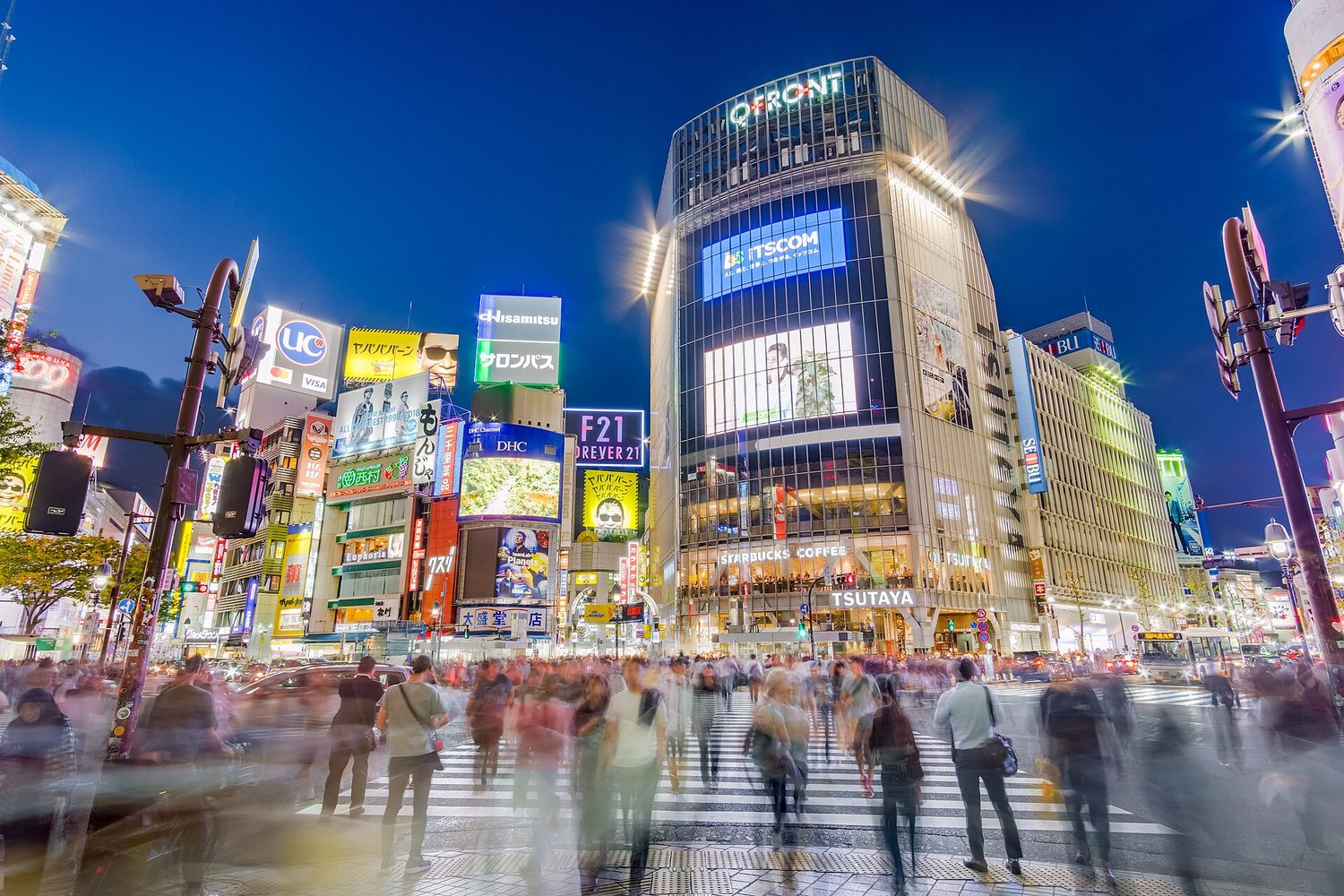
    • World cities 世界城市 (also called global cities) — such as New York, London, and Tokyo — are command centres of the global economy, finance, and culture.
    • Globalization links cities into networks; a decision in one world city can affect jobs on the other side of the planet.
    The dense cluster of skyscrapers of Lower Manhattan seen across the water, One World Trade Center at the centre
    The Manhattan skyline in New York, a world city: its banks and company headquarters help run the global economy
    Shibuya Crossing: world cities concentrate people, infrastructure and global connections
    Shibuya Crossing: world cities concentrate people, infrastructure and global connections
    Vocabulary · ⁨어휘⁩ Train · ⁨연습하기⁩
    English 한국어
    World cities/wɜːld ˈsɪtiz/ 세계 도시
    6.4

    The Distribution of Cities

    Syllabus
    English

    Enduring Understanding (PSO-6): The presence and growth of cities vary across geographical locations because of physical geography and resources.

    Learning Objective PSO-6.C: Identify the different urban concepts such as hierarchy, interdependence, relative size, and spacing that are useful for explaining the distribution, size, and interaction of cities.

    • PSO-6.C.1 Principles that are useful for explaining the distribution and size of cities include rank-size rule, the primate city, gravity, and Christaller’s central place theory.
    한국어

    영구적 이해 (PSO-6): 물리적 지리와 자원에 따라 도시의 존재와 성장은 지리적 장소마다 다름.

    학습 목표 PSO-6.C: 도시의 분포, 규모, 상호작용을 설명하는 데 유용한 계층, 상호 의존성, 상대적 크기, 간격 등의 다양한 도시 개념을 식별하시오.

    • PSO-6.C.1 도시의 분포와 규모를 설명하는 데 유용한 원칙으로는 등급-크기 규칙(rank-size rule), 프라임트 시티(primate city), 중력, 크리스탈러의 중심지 이론(Christaller’s central place theory) 등이 있습니다.

    Source: College Board AP Course and Exam Description · ⁨출처: College Board AP Course and Exam Description⁩

    The rank-size rule and the primate city
    Christaller's central place theory

    Cities within a country follow patterns of size and spacing.

    • The rank-size rule 位序规模法则 says the nth-largest city is 1/n the size of the largest (the 2nd city is half the largest, the 3rd a third, and so on).
    • A primate city 首位城市 is far larger than all others (Paris, Bangkok), dominating its country.
    • Central place theory 中心地理论 (Christaller) explains the spacing of settlements: larger centres are fewer and farther apart and offer higher-order goods; their market area is the surrounding region they serve.
    The rank-size rule versus a primate-city distribution
    Under the rank-size rule the nth city is about 1/n the size of the largest; a primate pattern has one dominant city far bigger than the rest

    Worked example (a real AP exam question). "Compare the concept of a metacity with the concept of a world city." (2024) A full-mark answer: "A metacity is defined by size — a continuous urban area of more than 20 million people — while a world city is defined by influence, acting as a command centre for the global economy. A city such as Tokyo can be both, but a large metacity in a poorer country may not be a world city." The command word Compare needs an explicit point of difference (size versus influence), not two separate definitions sitting side by side.

    Vocabulary · ⁨어휘⁩ Train · ⁨연습하기⁩
    English 한국어
    rank-size rule/ræŋk saɪz ruːl/ rank-size rule(순위-规模 규칙)
    primate city/ˈpraɪmeɪt ˈsɪti/ primate city
    Central place theory/ˈsentrəl pleɪs ˈθɪəri/ 중심지 이론
    6.5

    The Internal Structure of Cities

    Syllabus
    English

    Enduring Understanding (PSO-6): The presence and growth of cities vary across geographical locations because of physical geography and resources.

    Learning Objective PSO-6.D: Explain the internal structure of cities using various models and theories.

    • PSO-6.D.1 Models and theories that are useful for explaining internal structures of cities include the Burgess concentric-zone model, the Hoyt sector model, the Harris and Ullman multiple- nuclei model, the galactic city model, bid-rent theory, and urban models drawn from Latin America, Southeast Asia, and Africa.
    한국어

    영구적 이해 (PSO-6): 물리적 지리와 자원에 따라 도시의 존재와 성장은 지리적 장소마다 다름.

    학습 목표 PSO-6.D: 다양한 모델과 이론을 사용하여 도시의 내부 구조를 설명하시오.

    • PSO-6.D.1 도시의 내부 구조를 설명하는 데 유용한 모델과 이론으로는 버거스의 원형 구(burgess concentric-zone model), 호이트의 섹터 모델(hoyt sector model), 해리스와 울만의 다핵심 모델(harris and ullman multiple-nuclei model),惑星 도시 모델(galactic city model), 입지료 이론(bid-rent theory), 라틴아메리카, 동남아시아, 아프리카에서 유래한 도시 모델 등이 있습니다.

    Source: College Board AP Course and Exam Description · ⁨출처: College Board AP Course and Exam Description⁩

    Models of the internal city

    Three classic models describe how North American cities are arranged inside.

    Three urban models: concentric zone, sector, and multiple nuclei
    The concentric-zone, sector, and multiple-nuclei models each explain city land use differently
    • Concentric zone model 同心圆模型 (Burgess) — rings around the Central Business District (CBD) 中央商务区, from inner-city to commuter suburbs.
    • Sector model 扇形模型 (Hoyt) — land use grows outward in wedges along transport routes.
    • Multiple nuclei model 多核心模型 (Harris–Ullman) — the city has several centres (nodes), not just one CBD, as it grows and specialises.

    Developing-world cities have their own models (e.g. the Latin American, or Griffin–Ford, model with a spine of wealth from the centre).

    Explore · ⁨탐색하기⁩

    Which urban model is it? · ⁨이는 어떤 도시 모델인가?⁩

    The concentric zone model uses rings around the CBD; the sector model uses wedges along transport routes; the multiple nuclei model has several centres. · ⁨동심원 모델은 CBD 주위에 고리를 사용하며, 세ктор 모델은 교통 노선을 따라 각도를 사용하고, 다중 핵 모델은 여러 중심지를 가진다.⁩

    Vocabulary · ⁨어휘⁩ Train · ⁨연습하기⁩
    English 한국어
    Concentric zone model/kənˈsentrɪk zəʊn ˈmɒdl/ 원형 구역 모델
    Central Business District (CBD)/ˈsentrəl ˈbɪznəs ˈdɪstrɪkt/ 중앙 상업 지구 (CBD)
    Sector model/ˈsektə ˈmɒdl/ 구역 모델
    Multiple nuclei model/ˈmʌltɪpl ˈnjuːklɪi ˈmɒdl/ 다중 핵심 모델
    6.6 6.7

    Density, Land Use, and Infrastructure

    Syllabus
    English

    Enduring Understanding (IMP-6): The attitudes and values of a population, as well as the balance of power within that population, are reflected in the built landscape.

    Learning Objective IMP-6.A: Explain how low-, medium-, and high-density housing characteristics represent different patterns of residential land use.

    • IMP-6.A.1 Residential buildings and patterns of land use reflect and shape the city’s culture, technological capabilities, cycles of development, and infilling.
    한국어

    영구적 이해 (IMP-6): 한 지역의 태도와 가치, 그리고 그 지역 내의 권력 균형은 건축된 풍경(building landscape)에 반영됩니다.

    학습 목표 IMP-6.A: 저밀도, 중밀도, 고밀도 주거 특성이 서로 다른 주거 토지 이용 패턴을 어떻게 나타내는지를 설명하시오.

    • IMP-6.A.1 주거 건물과 토지 이용 패턴은 도시의 문화, 기술 능력, 개발 주기, 인필링(infilling)을 반영하고 형성합니다.
    English

    Enduring Understanding (IMP-6): The attitudes and values of a population, as well as the balance of power within that population, are reflected in the built landscape.

    Learning Objective IMP-6.B: Explain how a city’s infrastructure relates to local politics, society, and the environment.

    • IMP-6.B.1 The location and quality of a city’s infrastructure directly affects its spatial patterns of economic and social development.
    한국어

    영구적 이해 (IMP-6): 한 지역의 태도와 가치, 그리고 그 지역 내의 권력 균형은 건축된 풍경(building landscape)에 반영됩니다.

    학습 목표 IMP-6.B: 도시의 인프라가 지역 정치, 사회, 환경과 어떻게 연관되는지 설명하시오.

    • IMP-6.B.1 도시의 인프라의 위치와 품질은 해당 도시의 공간적 경제 및 사회 발전 패턴에 직접적인 영향을 미칩니다.

    Source: College Board AP Course and Exam Description · ⁨출처: College Board AP Course and Exam Description⁩

    Bid-rent theory

    Inside the city, land use and density change from centre to edge.

    • Density is highest near the CBD (tall buildings, high land prices) and falls outward — the bid-rent curve again.
    • Zoning 分区规划 laws separate land uses (residential, commercial, industrial).
    • Infrastructure 基础设施 — roads, water, power, transit — must grow with the city; where it lags, informal settlements 非正规住区 (slums) may form.
    Densely packed self-built houses covering a steep hillside above the water in Rio de Janeiro
    An informal settlement (favela) on a hillside in Rio de Janeiro, built where housing and services could not keep up with fast urban growth
    Vocabulary · ⁨어휘⁩ Train · ⁨연습하기⁩
    English 한국어
    Zoning/ˈzəʊnɪŋ/ 주거 지구 지정(Zoning)
    Infrastructure/ˈɪnfrəstrʌktʃə/ 인프라
    informal settlements/ɪnˈfɔːml ˈsetəlmənts/ informal settlements
    6.8 6.9

    Urban Sustainability and Data

    Syllabus
    English

    Enduring Understanding (IMP-6): The attitudes and values of a population, as well as the balance of power within that population, are reflected in the built landscape.

    Learning Objective IMP-6.C: Identify the different urban design initiatives and practices.

    • IMP-6.C.1 Sustainable design initiatives and zoning practices include mixed land use, walkability, transportation-oriented development, and smart-growth policies, including New Urbanism, greenbelts, and slow-growth cities.

    Learning Objective IMP-6.D: Explain the effects of different urban design initiatives and practices.

    • IMP-6.D.1  Praise for urban design initiatives includes the reduction of sprawl, improved walkability and transportation, improved and diverse housing options, improved livability and promotion of sustainable options. Criticisms include increased housing costs, possible de facto segregation, and the potential loss of historical or place character.
    한국어

    영구적 이해 (IMP-6): 한 지역의 태도와 가치, 그리고 그 지역 내의 권력 균형은 건축된 풍경(building landscape)에 반영됩니다.

    학습 목표 IMP-6.C: 다양한 도시 설계 Initiative와 실천을 식별하시오.

    • IMP-6.C.1 지속 가능한 설계 Initiative와 조례 실천으로는 복합 토지 이용, 보행 가능(walkability), 교통 지향적 개발(transportation-oriented development), 스마트그로스(smart-growth) 정책이 포함되며,这里面에는 뉴얼버니즘(new urbanism), 그린벨트(greenbelts), 슬로우그로스 시티(slow-growth cities) 등이 포함됩니다.

    학습 목표 IMP-6.D: 다양한 도시 설계 Initiative와 실천의 영향을 설명하시오.

    • IMP-6.D.1 도시 설계 Initiative에 대한 찬사는 교외 확장 감소, 보행성과 교통 개선, 다양하고 개선된 주거 옵션 제공, 거주성 향상 및 지속 가능한 옵션 장려입니다. 비판으로는 주거 비용 상승, 사실상의 분리(de facto segregation) 가능성, 역사적 또는 장소적 특성(loss of historical or place character)의 잠재적 상실이 있습니다.
    English

    Enduring Understanding (IMP-6): The attitudes and values of a population, as well as the balance of power within that population, are reflected in the built landscape.

    Learning Objective IMP-6.E: Explain how qualitative and quantitative data are used to show the causes and effects of geographic change within urban areas.

    • IMP-6.E.1 Quantitative data from census and survey data provide information about changes in population composition and size in urban areas.
    • IMP-6.E.2 Qualitative data from field studies and narratives provide information about individual attitudes toward urban change.
    한국어

    영구적 이해 (IMP-6): 한 지역의 태도와 가치, 그리고 그 지역 내의 권력 균형은 건축된 풍경(building landscape)에 반영됩니다.

    학습 목표 IMP-6.E: 정성적 데이터와 정량적 데이터가 도시 지역 내 지리적 변화의 원인과 영향을 보여주는 데 어떻게 사용되는지 설명하시오.

    • IMP-6.E.1 인구 조사 및 설문조사로부터 얻은 정량적 데이터는 도시 지역의 인구 구성 및 규모 변화를 알려줍니다.
    • IMP-6.E.2 현장 연구 및 서사from 정성적 데이터는 개인들의 도시 변화에 대한 태도에 대한 정보를 제공합니다.

    Source: College Board AP Course and Exam Description · ⁨출처: College Board AP Course and Exam Description⁩

    Planners use data and design to make cities work better.

    • Smart-growth 精明增长, mixed-use development, and transit-oriented design fight sprawl and car dependence.
    • Greenbelts 绿带 limit outward growth; urban renewal 城市更新 rebuilds decayed areas, but can cause gentrification 中产阶级化 that displaces poorer residents.
    • Census and geospatial data guide where to put schools, transit, and services.
    Vocabulary · ⁨어휘⁩ Train · ⁨연습하기⁩
    English 한국어
    Smart-growth/smɑːt ɡrəʊθ/ 스마트 그로우
    Greenbelts/ˈɡriːnbelts/ 그린벨트
    urban renewal/ˈɜːbən rɪˈnjuːəl/ 도시 재개발
    gentrification/ˌdʒentrɪfɪˈkeɪʃn/ 신주거화
    6.10 6.11

    Challenges of Urban Changes and Sustainability

    Syllabus
    English

    Enduring Understanding (SPS-6): Urban areas face unique economic, political, cultural, and environmental challenges.

    Learning Objective SPS-6.A: Explain causes and effects of geographic change within urban areas.

    • SPS-6.A.1 As urban populations move within a city, economic and social challenges result, including: issues related to housing and housing discrimination such as redlining, blockbusting, and affordability; access to services; rising crime; environmental injustice; and the growth of disamenity zones or zones of abandonment.
    • SPS-6.A.2 Squatter settlements and conflicts over land tenure within large cities have increased.
    • SPS-6.A.3 Responses to economic and social challenges in urban areas can include inclusionary zoning and local food movements.
    • SPS-6.A.4 Urban renewal and gentrification have both positive and negative consequences.
    • SPS-6.A.5 Functional and geographic fragmentation of governments—the way government agencies and institutions are dispersed between state, county, city, and neighborhood levels—presents challenges in addressing urban issues.
    한국어

    영구적 이해 (SPS-6): 도시 지역은 독특한 경제적, 정치적, 문화적, 환경적 과제를 직면함.

    학습 목표 SPS-6.A: 도시 지역 내 지리적 변화의 원인과 영향을 설명하시오.

    • SPS-6.A.1 도시 인구가 도시 내에서 이동함에 따라 경제적, 사회적 과제가 발생하며, 여기에는 주택 및 주택 차별(레드라이닝, 블록버스팅, 주거 비용 부담) 관련 문제, 서비스 접근성, 범죄 증가, 환경 불正義, 그리고 불편 구역 또는 버려진 구역의 성장이 포함됩니다.
    • SPS-6.A.2 대도시에서의 비법적 정착지 및 토지 소유권 분쟁이 증가하고 있습니다.
    • SPS-6.A.3 도시 지역의 경제적, 사회적 과제에 대한应对措施로는 포괄적 조례(inclusionary zoning) 및 지역 식품 운동 등이 포함될 수 있습니다.
    • SPS-6.A.4 도시 재개발 및 신주업(gentrification)은 긍정적·부정적 결과를 모두 가져옵니다.
    • SPS-6.A.5 정부의 기능적·지리적 단편화—즉, 정부 기관과 제도가 주, 군, 시, 지역 수준으로 분산되는 방식—는 도시 문제를 해결하는 데 어려움을 줍니다.
    English

    Enduring Understanding (SPS-6): Urban areas face unique economic, political, cultural, and environmental challenges.

    Learning Objective SPS-6.B: Describe the effectiveness of different attempts to address urban sustainability challenges.

    • SPS-6.B.1 Challenges to urban sustainability include suburban sprawl, sanitation, climate change, air and water quality, the large ecological footprint of cities, and energy use.
    • SPS-6.B.2 Responses to urban sustainability challenges can include regional planning efforts, remediation and redevelopment of brownfields, establishment of urban growth boundaries, and farmland protection policies.
    한국어

    영구적 이해 (SPS-6): 도시 지역은 독특한 경제적, 정치적, 문화적, 환경적 과제를 직면함.

    학습 목표 SPS-6.B: 도시 지속 가능성 과제를 해결하기 위한 다양한 시도의 유효성을 서술하시오.

    • SPS-6.B.1 도시 지속 가능성의 과제로는 교외 확장(suburban sprawl), 위생, 기후 변화, 대기 및 수질, 도시의 큰 생태 발자국, 에너지 사용 등이 포함됩니다.
    • SPS-6.B.2 도시 지속 가능성 과제의应对措施로는 지역 계획 노력, 브라운필드(brownfields) 복원 및 재개발, 도시 성장 경계 설정, 농지 보호 정책 등이 포함될 수 있습니다.

    Source: College Board AP Course and Exam Description · ⁨출처: College Board AP Course and Exam Description⁩

    Rapid urban growth brings problems:

    • Social: housing shortages, segregation, and the displacement caused by gentrification.
    • Environmental: air and water pollution, the urban heat island 城市热岛 effect, waste, and heavy resource use.
    • Economic: strained budgets, congestion, and the cost of extending infrastructure to sprawling edges.

    Sustainable cities try to grow up rather than out, invest in public transit, and mix homes with jobs and services.

    Vocabulary · ⁨어휘⁩ Train · ⁨연습하기⁩
    English 한국어
    urban heat island/ˈɜːbən hiːt ˈaɪlənd/ 도시 열섬 효과
    6.10 6.11

    Exam tips

    • Separate a city's site (physical setting) from its situation (position relative to others).
    • Apply the rank-size rule (the nth city is about 1/n of the largest) and spot a primate city.
    • Match a city description to the right model: concentric zone, sector, or multiple nuclei.
    • Link land value to density — costly central land is used by building upward.
    • Discuss change with suburbanization, sprawl, and gentrification, and smart-growth responses.
  • 7

    Industrial and Economic Development Patterns and Processes

    Watch lesson · ⁨수업 보기⁩
    7.1

    The Industrial Revolution

    Syllabus
    English

    Enduring Understanding (SPS-7): Industrialization, past and present, has facilitated improvements in standards of living, but it has also contributed to geographically uneven development.

    Learning Objective SPS-7.A: Explain how the Industrial Revolution facilitated the growth and diffusion of industrialization.

    • SPS-7.A.1 Industrialization began as a result of new technologies and was facilitated by the availability of natural resources.
    • SPS-7.A.2 As industrialization spread it caused food supplies to increase and populations to grow; it allowed workers to seek new industrial jobs in the cities and changed class structures.
    • SPS-7.A.3 Investors in industry sought out more raw materials and new markets, a factor that contributed to the rise of colonialism and imperialism.
    한국어

    영구적 이해 (SPS-7): 과거와 현재의 산업화는 생활 기준 향상을 용이하게 했으나, 동시에 지리적으로 불균형한 발전을 초래하기도 했습니다.

    학습 목표 SPS-7.A: 산업혁명이 산업화의 성장과 확산을 어떻게 용이하게 했는지 설명하시오.

    • SPS-7.A.1 산업화는 새로운 기술의 등장으로 시작되었으며, 천연자원의 가용성에 의해 촉진되었다.
    • SPS-7.A.2 산업화가 확산되면서 식량 공급이 증가하고 인구가 성장했으며, 노동자들이 도시에서 새로운 산업 일자리를 구할 수 있게 되었고 계급 구조가 변화하였다.
    • SPS-7.A.3 산업에 투자한 자본가들은 더 많은 원자재와 신규 시장을 찾아냈고, 이는 식민지주의와 제국주의의 부상을 초래하는 요인이 되었다.

    Source: College Board AP Course and Exam Description · ⁨출처: College Board AP Course and Exam Description⁩

    The Industrial Revolution 工业革命 (from the 1700s) shifted production from hand tools in homes to machines in factories, first in Britain and then worldwide. It transformed geography:

    • Industry clustered where resources (coal, iron) and transport (rivers, ports, railways) came together.
    • It powered urbanization as workers moved to factory cities, and it began the huge, uneven spread of wealth between world regions.
    • Break-of-bulk points 转运点 (ports, rail hubs where cargo changes transport) became key industrial locations.
    A huge container ship being unloaded by tall gantry cranes at a busy port
    A container port: ships, cranes, and rail meet here, so goods change transport. Such break-of-bulk points became major industrial locations
    Vocabulary · ⁨어휘⁩ Train · ⁨연습하기⁩
    English 한국어
    Industrial Revolution/ɪnˈdʌstrɪəl ˌrevəˈluːʃn/ Industrial Revolution
    Break-of-bulk points/breɪk ɒv bʌlk pɔɪnts/ Break-of-bulk points
    7.2

    Economic Sectors and Patterns

    Syllabus
    English

    Enduring Understanding (SPS-7): Industrialization, past and present, has facilitated improvements in standards of living, but it has also contributed to geographically uneven development.

    Learning Objective SPS-7.B: Explain the spatial patterns of industrial production and development.

    • SPS-7.B.1 The different economic sectors—including primary, secondary, tertiary, quaternary, and quinary—are characterized by distinct development patterns.
    • SPS-7.B.2 Labor, transportation (including shipping containers), the break-of-bulk point, least cost theory, markets, and resources influence the location of manufacturing such as core, semiperiphery, and periphery locations.
    한국어

    영구적 이해 (SPS-7): 과거와 현재의 산업화는 생활 기준 향상을 용이하게 했으나, 동시에 지리적으로 불균형한 발전을 초래하기도 했습니다.

    학습 목표 SPS-7.B: 산업 생산 및 개발의 공간적 패턴을 설명한다.

    • SPS-7.B.1 일차, 이차, 삼차, 사차, 오차 산업 등 다양한 경제 부문은 각기 다른 발전 양상을 특징으로 합니다.
    • SPS-7.B.2 노동력, 운송(선박 컨테이너 포함), 분점(break-of-bulk point), 최소 비용 이론, 시장, 자원은 중심부, 반주변부, 주변부 등의 제조업 입지를 결정하는 요인이다.

    Source: College Board AP Course and Exam Description · ⁨출처: College Board AP Course and Exam Description⁩

    Weber's least cost theory

    An economy's jobs fall into sectors, and the mix shifts as a country develops.
    Employment shifts from primary to secondary to tertiary as a country develops
    As development rises, workers move from primary (farming) to secondary (industry) to tertiary and quaternary (services)
    • Primary sector 第一产业 — extracting raw materials (farming, mining, fishing).
    • Secondary sector 第二产业 — manufacturing raw materials into goods.
    Several bright yellow robotic arms welding metal parts on an automated production line
    Robots welding on a factory line: the secondary sector turns raw materials into finished goods, increasingly with automation
    • Tertiary sector 第三产业 — services (retail, transport, healthcare).
    • Quaternary 第四产业 and quinary sectors — information, research, and top decision-making.

    Poorer economies lean on the primary sector; richer ones on the tertiary and quaternary. Weber's least-cost theory 韦伯最小成本理论 explains where factories locate, balancing the cost of transport, labour, and agglomeration.

    Worked example (a real AP exam question). "Explain how deindustrialization has affected the economy of core countries." (2025) A full-mark answer: "As factories closed or moved abroad, core-country economies shifted away from manufacturing toward services and high-technology work, so many manufacturing workers lost their jobs while new tertiary and quaternary jobs grew." The command word Explain wants the mechanism: name the change (loss of manufacturing) and carry it through to its economic effect. A one-word answer like "unemployment" is not enough.

    Explore · ⁨탐색하기⁩

    Which economic sector?

    The primary sector extracts raw materials; the secondary sector manufactures goods; the tertiary sector provides services; the quaternary sector handles information and research.

    Vocabulary · ⁨어휘⁩ Train · ⁨연습하기⁩
    English 한국어
    Primary sector/ˈpraɪməri ˈsektə/ Primary sector
    Secondary sector/ˈsekəndəri ˈsektə/ Secondary sector
    Tertiary sector/ˈtɜːʃjəri ˈsektə/ Tertiary sector
    Quaternary/kwəˈtɜːnəri/ Quaternary
    Weber's least-cost theory/ˈwebəz liːst kɒst ˈθɪəri/ Weber's least-cost theory
    7.3

    Measures of Development

    Syllabus
    Enduring UnderstandingLearning ObjectiveEssential Knowledge

    SPS-7
    Industrialization, past and present, has facilitated improvements in standards of living, but it has also contributed to geographically uneven development.

    SPS-7.C
    Describe social and economic measures of development.

    • SPS-7.C.1 Measures of social and economic development include Gross Domestic Product (GDP); Gross National Product (GNP); and Gross National Income (GNI) per capita; sectoral structure of an economy, both formal and informal; income distribution; fertility rates; infant mortality rates; access to health care; use of fossil fuels and renewable energy; and literacy rates.
    • SPS-7.C.2 Measures of gender inequality, such as the Gender Inequality Index (GII), include reproductive health, indices of empowerment, and labor-market participation.
    • SPS-7.C.3 The Human Development Index (HDI) is a composite measure used to show spatial variation among states in levels of development.

    Source: College Board AP Course and Exam Description · ⁨출처: College Board AP Course and Exam Description⁩

    Development 发展 is the process of improving people's economic and social well-being. It is measured in several ways:

    • Gross Domestic Product (GDP) per capita 人均国内生产总值 — economic output per person; a common but incomplete measure.
    • The Human Development Index (HDI) 人类发展指数 combines income, education (years of schooling), and health (life expectancy) into one score from 0 to 1 — a fuller picture than money alone.
    • The Gender Inequality Index (GII) 性别不平等指数 and the Gini coefficient 基尼系数 (income inequality) add social detail.
    Vocabulary · ⁨어휘⁩ Train · ⁨연습하기⁩
    English 한국어
    Development/dɪˈveləpmənt/ Development
    Gross Domestic Product (GDP) per capita/ɡrəʊs dəˈmestɪk ˈprɒdʌkt pɜː ˈkæpɪtə/ Gross Domestic Product (GDP) per capita
    Human Development Index (HDI)/ˈhjuːmən dɪˈveləpmənt ˈɪndeks/ Human Development Index (HDI)
    Gender Inequality Index (GII)/ˈdʒendə ɪniːˈkwɒlɪti ˈɪndeks/ Gender Inequality Index (GII)
    Gini coefficient/ˈdʒiːni ˌkəʊɪˈfɪʃənt/ Gini coefficient
    7.4

    Women and Economic Development

    Syllabus
    English

    Enduring Understanding (SPS-7): Industrialization, past and present, has facilitated improvements in standards of living, but it has also contributed to geographically uneven development.

    Learning Objective SPS-7.D: Explain how and to what extent changes in economic development have contributed to gender parity.

    • SPS-7.D.1 The roles of women change as countries develop economically.
    • SPS-7.D.2 Although there are more women in the workforce, they do not have equity in wages or employment opportunities.
    • SPS-7.D.3 Microloans have provided opportunities for women to create small local businesses, which have improved standards of living.
    한국어

    영구적 이해 (SPS-7): 과거와 현재의 산업화는 생활 기준 향상을 용이하게 했으나, 동시에 지리적으로 불균형한 발전을 초래하기도 했습니다.

    학습 목표 SPS-7.D: 경제 발전의 변화가 성별 평등에 기여하는 방식과 정도를 설명한다.

    • SPS-7.D.1 국가가 경제적으로 발전함에 따라 여성의 역할이 변화한다.
    • SPS-7.D.2 노동 시장에 참여하는 여성 수가 늘었음에도 불구하고 임금이나 고용 기회에서 형평성을 보장받지 못하고 있다.
    • SPS-7.D.3 소액 대출은 여성들이 지역 내 소규모 사업을 설립할 수 있는 기회를 제공하여 생활 수준 향상에 기여했다.

    Source: College Board AP Course and Exam Description · ⁨출처: College Board AP Course and Exam Description⁩

    The role of women is both a cause and a measure of development.

    • As economies develop, more women enter paid work and education, which raises household income and lowers fertility (linking back to the demographic transition).
    • Microfinance 小额信贷 — small loans, often to women — helps start businesses in poorer regions.
    • Gender gaps in pay, land ownership, and schooling hold development back; closing them is one of the UN's key goals.
    Vocabulary · ⁨어휘⁩ Train · ⁨연습하기⁩
    English 한국어
    Microfinance/ˌmaɪkrəʊfaɪˈnæns/ Microfinance
    7.5

    Theories of Development

    Syllabus
    English

    Enduring Understanding (SPS-7): Industrialization, past and present, has facilitated improvements in standards of living, but it has also contributed to geographically uneven development.

    Learning Objective SPS-7.E: Explain different theories of economic and social development.

    • SPS-7.E.1 Different theories, such as Rostow’s Stages of Economic Growth, Wallerstein’s World System Theory, dependency theory, and commodity dependence, help explain spatial variations in development.
    한국어

    영구적 이해 (SPS-7): 과거와 현재의 산업화는 생활 기준 향상을 용이하게 했으나, 동시에 지리적으로 불균형한 발전을 초래하기도 했습니다.

    학습 목표 SPS-7.E: 경제 및 사회 발전에 대한 다양한 이론을 설명한다.

    • SPS-7.E.1 로스트의 경제 성장 단계론, 월러스타인의 세계체제론, 종속 이론, 상품 의존성 등의 다양한 이론은 발전의 공간적 변이를 설명하는 데 도움이 된다.

    Source: College Board AP Course and Exam Description · ⁨출처: College Board AP Course and Exam Description⁩

    Wallerstein's world-systems theory
    Rostow's stages of economic growth

    Two famous theories explain why some regions are rich and others poor.

    Rostow's five stages of economic growth
    Rostow sees development as a climb through five stages; critics say it ignores global inequalities
    • Rostow's stages of growth 罗斯托发展阶段 — every country climbs through five stages: traditional society, preconditions for take-off, take-off, drive to maturity, and age of mass consumption. It is optimistic but assumes all countries can follow the same path.
    • Wallerstein's world-systems theory 沃勒斯坦世界体系理论 divides the world into a wealthy core 核心, a poorer periphery 边缘, and a middle semi-periphery 半边缘. The core stays rich partly by using the periphery's cheap labour and resources — a dependency 依附 view that challenges Rostow.
    Vocabulary · ⁨어휘⁩ Train · ⁨연습하기⁩
    English 한국어
    Rostow's stages of growth/ˈrɒstəʊz ˈsteɪdʒɪz ɒv ɡrəʊθ/ Rostow's stages of growth
    Wallerstein's world-systems theory/ˈwɒləstaɪnz wɜːld ˈsɪstəmz ˈθɪəri/ Wallerstein's world-systems theory
    core/kɔː/ core
    periphery/pəˈrɪfəri/ periphery
    semi-periphery/ˈsemi pəˈrɪfəri/ semi-periphery
    dependency/dɪˈpendənsi/ dependency
    7.6 7.7

    Trade and the World Economy

    Syllabus
    English

    Enduring Understanding (PSO-7): Economic and social development happen at different times and rates in different places.

    Learning Objective PSO-7.A: Explain causes and geographic consequences of recent economic changes such as the increase in international trade, deindustrialization, and growing interdependence in the world economy.

    • PSO-7.A.1 Complementarity and comparative advantage establish the basis for trade.
    • PSO-7.A.2 Neoliberal policies, including free trade agreements, have created new organizations, spatial connections, and trade relationships, such as the EU, World Trade Organization (WTO), Mercosur, and OPEC, that foster greater globalization.
    • PSO-7.A.3 Government initiatives at all scales may affect economic development, including tariffs.
    • PSO-7.A.4 Global financial crises (e.g., debt crises), international lending agencies (e.g., the International Monetary Fund), and strategies of development (e.g., microlending) demonstrate how different economies have become more closely connected, even interdependent.
    한국어

    영구적 이해 (PSO-7): 경제 및 사회 발전은 장소마다 시기와 속도가 다르다.

    학습 목표 PSO-7.A: 국제 무역 증가, 재공업화(deindustrialization), 세계 경제의 상호依存성 심화 등 최근의 경제적 변화의 원인 및 지리적 결과를 설명한다.

    • PSO-7.A.1 상보성과 비교 우위는 무역의 기초를 마련한다.
    • PSO-7.A.2 자유무역협정과 같은 신자유주의 정책은 유럽연합(EU), 세계무역기구(WTO), 메르코수르, 석유수출국기구(OPEC)와 같은 새로운 조직, 공간적 연결, 무역 관계를 형성하여 글로벌화를 촉진하였다.
    • PSO-7.A.3 모든 규모의 정부 정책은 관세 등을 통해 경제 발전에 영향을 미칠 수 있다.
    • PSO-7.A.4 글로벌 금융 위기(예: 채무 위기), 국제 대출 기관(예: 국제통화기금), 발전 전략(예: 소액 대출)은 서로 다른 경제들이 더욱 밀접하게 연결되고 상호依存되어 있음을 보여준다.
    English

    Enduring Understanding (PSO-7): Economic and social development happen at different times and rates in different places.

    Learning Objective PSO-7.A: Explain causes and geographic consequences of recent economic changes such as the increase in international trade, deindustrialization, and growing interdependence in the world economy.

    • PSO-7.A.5 Outsourcing and economic restructuring have led to a decline in jobs in core regions and an increase in jobs in newly industrialized countries.
    • PSO-7.A.6 In countries outside the core, the growth of industry has resulted in the creation of new manufacturing zones—including special economic zones, free-trade zones, and export- processing zones—and the emergence of an international division of labor in which developing countries have lower-paying jobs.
    • PSO-7.A.7 The contemporary economic landscape has been transformed by post-Fordist methods of production, multiplier effects, economies of scale, agglomeration, just-in-time delivery, the emergence of service sectors, high technology industries, and growth poles.
    한국어

    영구적 이해 (PSO-7): 경제 및 사회 발전은 장소마다 시기와 속도가 다르다.

    학습 목표 PSO-7.A: 국제 무역 증가, 재공업화(deindustrialization), 세계 경제의 상호依存성 심화 등 최근의 경제적 변화의 원인 및 지리적 결과를 설명한다.

    • PSO-7.A.5 아웃소싱과 경제 재편은 중심부의 일자리 감소 및 신흥 산업국의 일자리 증가로 이어졌다.
    • PSO-7.A.6 중심부 외의 국가들에서 산업의 성장은 특수경제구역, 자유무역지구, 수출가공지구를 포함한 새로운 제조업 구역의 형성 및发展中国家가 저임금 일자리를 담당하는 국제적 노동 분업을 유발하였다.
    • PSO-7.A.7 현대의 경제 지형은 포드주의 이후의 생산 방식, 승수 효과, 규모의 경제, 집적效应, Just-in-time 배송, 서비스 섹터의 등장, 고기술 산업, 성장 극에 의해 변모하였다.

    Source: College Board AP Course and Exam Description · ⁨출처: College Board AP Course and Exam Description⁩

    Countries are linked by trade, which reshapes development.

    • Comparative advantage 比较优势 means each country gains by specialising in what it makes most efficiently and trading for the rest.
    • Complementarity and neoliberal free-trade policies, plus organisations like the WTO and trade blocs (EU, USMCA), have deepened globalization.
    • Outsourcing 外包 and global supply chains move manufacturing to lower-cost countries, changing where — and by whom — the world's goods are made. Special economic zones 经济特区 attract this investment with tax breaks.
    Container ports link global trade: goods, capital and ideas move through the world economy
    Container ports link global trade: goods, capital and ideas move through the world economy
    Vocabulary · ⁨어휘⁩ Train · ⁨연습하기⁩
    English 한국어
    Comparative advantage/kəmˈpærətɪv ədˈvæntɪdʒ/ Comparative advantage
    Outsourcing/aʊtˈsɔːsɪŋ/ Outsourcing
    Special economic zones/ˈspeʃl ˌiːkəˈnɒmɪk zəʊnz/ Special economic zones
    7.8

    Sustainable Development

    Syllabus
    English

    Enduring Understanding (IMP-7): Environmental problems stemming from industrialization may be remedied through sustainable development strategies.

    Learning Objective IMP-7.A: Explain how sustainability principles relate to and impact industrialization and spatial development.

    • IMP-7.A.1 Sustainable development policies attempt to remedy problems stemming from natural-resource depletion, mass consumption, the effects of pollution, and the impact of climate change.
    • IMP-7.A.2 Ecotourism is tourism based in natural environments—often environments that are threatened by looming industrialization or development—that frequently helps to protect the environment in question while also providing jobs for the local population.
    • IMP-7.A.3 The UN’s Sustainable Development Goals help measure progress in development, such as small-scale finance and public transportation projects.
    한국어

    영구적 이해 (IMP-7): 산업화로 인한 환경 문제는 지속 가능한 발전 전략을 통해 해결될 수 있다.

    학습 목표 IMP-7.A: 지속 가능성 원칙이 산업화와 공간적 발전과 어떻게 관련되고 영향을 미치는지 설명한다.

    • IMP-7.A.1 지속 가능한 발전 정책은 천연자원 고갈, 대량 소비, 오염 영향, 기후 변화 impact 등을 해결하려는 시도를 한다.
    • IMP-7.A.2 생태 관광은 자연 환경 기반의 관광으로, 종종 looming 산업화나 개발로 위협받는 환경에서 이루어지며, 해당 환경을 보호하는 동시에 현지 주민에게 일자리를 제공한다.
    • IMP-7.A.3 UN의 지속 가능한发展目标(SDGs)은 소액 금융 및 대중교통 사업과 같은 발전에서의 진전도를 측정하는 데 도움을 준다.

    Source: College Board AP Course and Exam Description · ⁨출처: College Board AP Course and Exam Description⁩

    Sustainable development 可持续发展 meets present needs without harming the ability of future generations to meet theirs.

    • It tries to balance economic growth, social fairness, and environmental protection — the "three pillars".
    • Ecotourism 生态旅游 and small-scale, renewable projects can develop an economy while protecting the environment.
    • The UN's Sustainable Development Goals (SDGs) 可持续发展目标 set shared targets for poverty, health, education, and climate — a common way to measure progress today.
    A solar farm: sustainable development balances growth with long-term environmental capacity
    A solar farm: sustainable development balances growth with long-term environmental capacity
    Vocabulary · ⁨어휘⁩ Train · ⁨연습하기⁩
    English 한국어
    Sustainable development/səˈsteɪnəbl dɪˈveləpmənt/ Sustainable development
    Ecotourism/ˈekətʊərɪzəm/ Ecotourism
    Sustainable Development Goals (SDGs)/səˈsteɪnəbl dɪˈveləpmənt ɡəʊlz/ Sustainable Development Goals (SDGs)
    7.8

    Exam tips

    • Classify jobs by sector (primary through quinary) and tie the mix to the development level.
    • Prefer the HDI over GDP per capita — it adds education and life expectancy.
    • Contrast Rostow's stages with world-systems (core and periphery) and dependency theory.
    • Use comparative advantage and the effect of tariffs in any trade answer.
    • Bring in sustainable development and the ecological footprint for evaluation marks.

Log in or create account · ⁨로그인 또는 계정 만들기⁩

IGCSE, A-Level & AP