Skip to content · ⁨コンテンツへスキップ⁩

Present: Communication and the AP Portfolio · ⁨発表:コミュニケーションとAPポートフォリオ⁩

AP 2-D Art and Design · ⁨AP 2Dアート&デザイン⁩ · Topic 6 · ⁨トピック 6⁩

View Slides · ⁨查看幻灯片⁩ Train · ⁨練習する⁩
Video lesson for this topic · ⁨このトピックのビデオレッスン⁩ Open the video page · ⁨動画ページを開く⁩
7:33

発表:コミュニケーションとAPポートフォリオ

あなたはこれら三つの作品を以前に見たことがあるかもしれません—しかし、おそらく美術館ではなく。你现在是以在屏幕上看到图片的方式与它们相遇したのです。誰かが…

English narration · English + 中文 subtitles burned in · ⁨英語ナレーション・英語+中文字幕 burning-in⁩

6.1

The AP 2-D Art and Design Portfolio · ⁨AP 2次元アート・デザインポータフォリオ⁩

Syllabus · ⁨シラバス⁩

Focus: The AP exam is a portfolio, not a written test. It has two sections that are submitted digitally. (CED Big Idea 3)

  • The Sustained Investigation section: 15 images showing inquiry, practice, experimentation, and revision, plus written evidence.
  • The Selected Works section: 5 works that best show your 2-D skills and synthesis, with written information.
  • Works may be physical or digital, but all are submitted as digital images (and short video where relevant).
  • There is no written exam and no timed section — the portfolio is built across the whole course.
  • Both sections are scored against the College Board scoring guidelines.

Source: College Board AP Course and Exam Description · ⁨出典: College Board AP コースおよび試験説明書⁩

English

Big Idea 3 is about presenting your work. The AP exam is a portfolio 作品集 — not a written test. It has two sections, both submitted digitally.

  • The Sustained Investigation 持续探究 section: 15 images showing inquiry, practice, experimentation, and revision, plus written evidence.
  • The Selected Works 精选作品 section: 5 works that best show your 2-D skills, with written information.
  • Works may be physical or digital, but all are submitted as digital images. There is no timed exam — the portfolio is built across the whole course.
日本語

Big Idea 3は作品の提示(プレゼンテーション)に関するものです。AP試験は筆記試験ではなくポータフォリオです。2つのセクションがあり、どちらもデジタルで提出します。

2次元ポータフォリオには2部分组成:15枚画像の持続的探求と5点の選抜作品
ポータフォリオは、15枚画像の持続的探求と5点の選抜作品から構成され、デジタル画像として提出されます
  • **持続的探求(Sustained Investigation)**セクション:15枚の画像で、探究、実践、実験、修正を示すとともに、記述による証拠を提供する。
  • 選定作品セクション:5作品であなたの2-Dのスキルを最もよく示し、文章による説明も添えること。
  • 作品は物理的またはデジタルのいずれでも構いませんが、すべてデジタル画像として提出します。限时試験はありません。ポータフォリオは全課程を通じて作成されます。
AP 2次元アート・デザインポータフォリオの2部分组成
持続的探求(15枚画像+記述証拠)は、選抜作品(5点)よりも加重割合が高い
Vocabulary · ⁨語彙⁩ Train · ⁨練習する⁩
English 日本語
portfolio/pɔːtˈfəʊlɪəʊ/ ポートフォリオ
Sustained Investigation/səˈsteɪnd ɪnˌvestɪˈɡeɪʃn/ 継続的な調査
6.2

Sustained Investigation: Images and Written Evidence · ⁨持続的探求:画像と記述証拠⁩

Syllabus · ⁨シラバス⁩
English

Focus: The Sustained Investigation is judged on the inquiry and the practice, experimentation, and revision it shows. (CED 3.A/3.B)

  • Submit 15 images — works and process documentation that show the investigation over time.
  • Provide written evidence: identify the questions that guided the investigation, and describe how the work shows practice, experimentation, and revision.
  • Images should tell the story of the inquiry, not just show finished pieces.
  • Detail images and in-progress shots are allowed and often helpful.
  • Clear writing (within the character limit) makes the investigation easy to follow.
日本語

焦点: 持続的調査は、それが示すインクワイアリーと実践、実験、修正に基づいて評価されます。(CED 3.A/3.B)

  • 調査の過程を示す15枚の画像(作品およびプロセスの記録)を提出する。
  • 記述 evidenceを提供し、調査を導いた問いを特定し、作品が実践、実験、修正をどのように示しているかを説明します。
  • 画像は、完成作品を単に示すだけでなく、探究の物語を語らなければならない。
  • 詳細な画像や進行中のショットの提供が許可され、しばしば有益です。
  • 文字数制限内での明確な文章は、調査の流れを簡単に追跡できるようにする。

Source: College Board AP Course and Exam Description · ⁨出典: College Board AP コースおよび試験説明書⁩

English

The Sustained Investigation is judged on the inquiry and the practice, experimentation, and revision it shows.

  • Submit 15 images — works and process documentation that show the investigation over time.
  • Provide written evidence 书面材料: identify the guiding questions 引导性问题, and describe how the work shows practice, experimentation, and revision.
  • Images should tell the story of the inquiry, not just show finished pieces. Detail and in-progress shots are allowed.
日本語

持続的探求は、その探究と、示されている実践、実験、修正に基づいて採点されます。

  • 調査の過程を示す15枚の画像(作品およびプロセスの記録)を提出する。
  • 記述証拠を提供する:指導問題を特定し、作品が実践、実験、修正をどのように示しているかを説明する。
  • 画像は完成品を示すだけでなく、探究の物語を語らなければならない。詳細なクローズアップや進行中のショットも許可される。
6.3

Selected Works: Demonstrating Skills · ⁨選抜作品:スキルの証明⁩

Syllabus · ⁨シラバス⁩
English

Focus: The Selected Works section shows your best evidence of 2-D skills and synthesis of materials, processes, and ideas. (CED 3.D/3.E)

  • Submit 5 works (physical or digital) as high-quality images.
  • For each, give the materials, processes, and ideas used, plus the size.
  • These works are judged mainly on the skilful use of the elements and principles.
  • They do not have to belong to the sustained investigation.
  • Choose works that most clearly show control, decision-making, and synthesis.
日本語

焦点: 選択作品セクションでは、2-D技能および素材、プロセス、アイデアの統合に対するあなたの最良の証拠を示す。(CED 3.D/3.E)

  • 高品質な画像として、5作品(実物またはデジタル)を提出してください。
  • 各作品について、使用した素材、プロセス、アイデア、およびサイズを記載する。
  • これらの作品は、要素と原則の有能な使用に基づいて主に評価される。
  • これらは持続的探究の一部である必要はない。
  • 統御力、判断力、統合能力が最も明確に表れている作品を選んでください。

Source: College Board AP Course and Exam Description · ⁨出典: College Board AP コースおよび試験説明書⁩

English

The Selected Works section shows your best evidence of 2-D skills 二维技能 and synthesis of materials, processes, and ideas.

  • Submit 5 works (physical or digital) as high-quality images.
  • For each, give the materials, processes, and ideas used, plus the size.
  • These works are judged mainly on the skilful use of the elements and principles; they need not belong to the sustained investigation.
日本語

選定作品セクションは、あなたの2-Dのスキルおよび素材、プロセス、アイデアの統合に対する最良の証拠を示すものである。

  • 高品質な画像として、5作品(実物またはデジタル)を提出してください。
  • 各作品について、使用した素材、プロセス、アイデア、およびサイズを記載する。
  • これらの作品は、主に要素と原則の熟練した使用に基づいて採点されます。持続的探求の一部である必要はありません。
完成した選抜作品:提出された画像において、技術、構成、スキルが明確に読み取れること
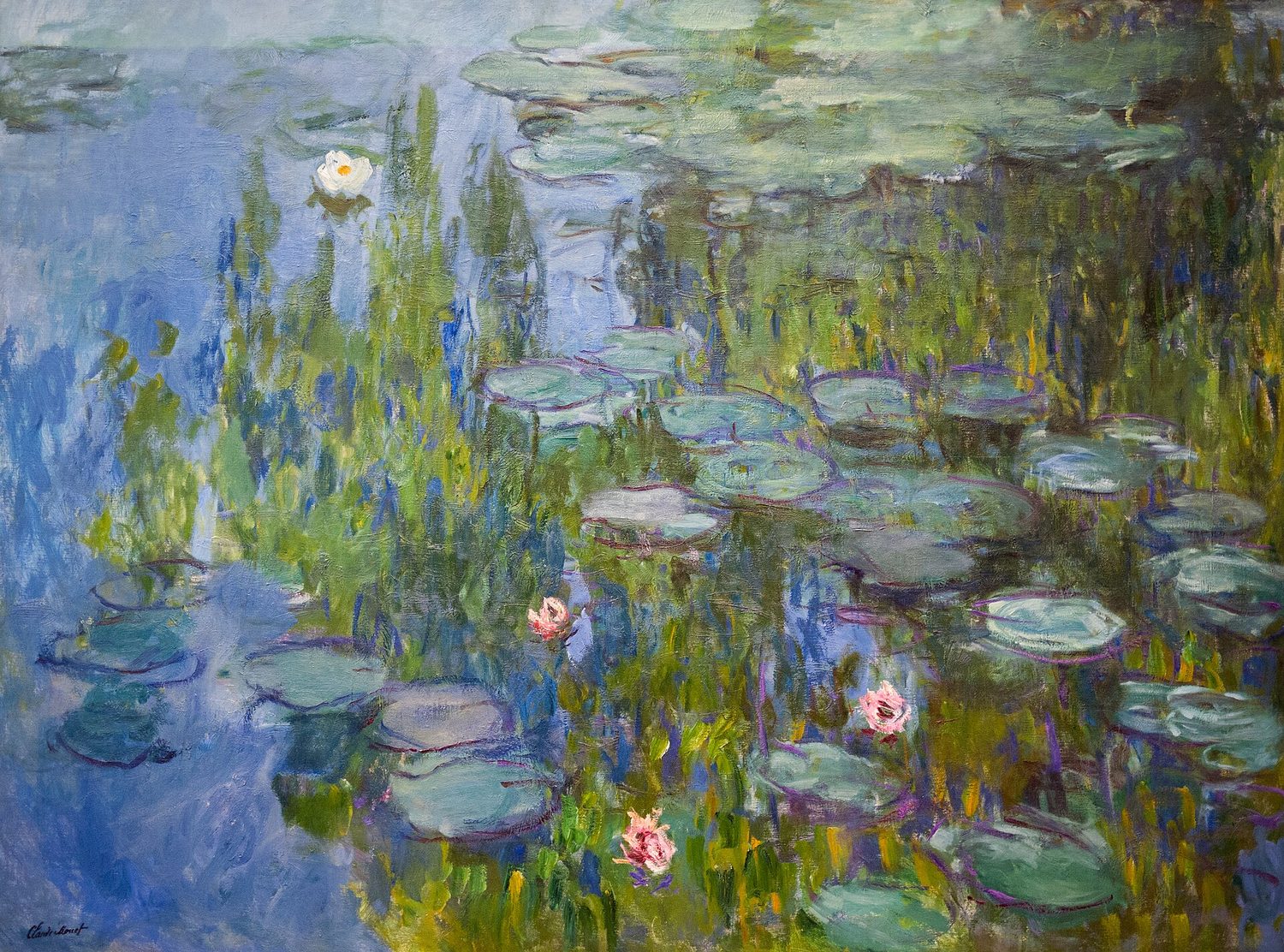
モネ『睡蓮』:選定作品は画像において明確な技術的熟練度と展示が必要である
モネ『睡蓮』:選抜作品は画像において明確な技術と提示が必要
Vocabulary · ⁨語彙⁩ Train · ⁨練習する⁩
English 日本語
Selected Works/sɪˈlektɪd wɜːks/ 選定作品
written evidence/ˈrɪtn ˈevɪdəns/ 筆記証拠
guiding questions/ˈɡaɪdɪŋ ˈkwestʃnz/ 指導質問
2-D skills/tuː diː skɪlz/ 2次元のスキル
character limits/ˈkærɪktə ˈlɪmɪts/ 文字数制限
keystoning/ˈkiːstənɪŋ/ キーストニング効果
resolution/ˌrezəˈluːʃn/ 分解能
scoring guidelines/ˈskɔːrɪŋ ˈɡaɪdlaɪnz/ 採点ガイドライン
published or photographic sources/ˈpʌblɪʃt ɔː ˌfəʊtəˈɡræfɪk ˈsɔːsɪz/ 出版または写真ソース
cite/saɪt/ 引用する
integrity/ɪnˈteɡrɪti/ 完全性
6.4

Writing About Your Work · ⁨作品についての記述⁩

Syllabus · ⁨シラバス⁩
English

Focus: Writing communicates your inquiry, processes, and ideas to viewers who cannot ask you questions. (CED 3.A/3.B/3.C)

  • Written evidence must fit within the College Board character limits — be concise and specific.
  • State the question(s) that guided the sustained investigation clearly.
  • Describe how the work shows practice, experimentation, and revision — use evidence.
  • For Selected Works, name the materials, processes, and ideas.
  • Write plainly; the reader should understand your intent from the words plus the images.
日本語

焦点: 記述は、質問できない鑑賞者に対してあなたの探究、プロセス、アイデアを伝える。(CED 3.A/3.B/3.C)

  • 記述証拠はCollege Boardの文字数制限内に収まるよう、簡潔かつ具体的に記述する。
  • 持続的探究を導いた問いを明確に述べる。
  • 作品が実践、実験、修正をどのように示しているかを説明し、証拠を用いる。
  • 選択作品については、素材、プロセス、アイデアの名前を明記する。
  • 素直に書くこと。読者は言葉と画像からあなたの意図を理解できるはずである。

Source: College Board AP Course and Exam Description · ⁨出典: College Board AP コースおよび試験説明書⁩

English

Writing communicates your inquiry, processes, and ideas to viewers who cannot ask you questions.

  • Written evidence must fit within the College Board character limits 字数限制 — be concise and specific.
  • State the guiding question(s) of the sustained investigation clearly.
  • Describe how the work shows practice, experimentation, and revision — use evidence, not vague claims.
日本語

記述は、質問できない視聴者に対してあなたの探究、プロセス、アイデアを伝える手段である。

  • 記述証拠はCollege Boardの文字数制限内に収まるよう、簡潔かつ具体的に記述する。
  • 持続的探求の指導問題を明確に述べる。
  • 作品がどのように実践、実験、修正を示しているかを記述する。曖昧な主張ではなく、具体的な証拠を用いる。
記述証拠は探究ノートから始まる:具体的な視覚言語を用いて素材、プロセス、アイデアを記述する
6.5

Presentation and Image Quality · ⁨提示と画像の品質⁩

Syllabus · ⁨シラバス⁩
English

Focus: How work is presented affects how viewers interpret it — image quality is part of the grade. (CED 3.F)

  • Photograph work with even lighting, sharp focus, true colour, and no distracting background.
  • Crop images to the work; avoid glare, shadows, and keystoning (tilted edges).
  • Follow the required file formats and sizes; keep resolution high.
  • Consistent, clean presentation lets the readers see the work, not the photograph.
  • Poor images can hide real skill — good documentation protects your score.
日本語

焦点: 作品の提示方法は鑑賞者の解釈に影響を与え、画像品質は成績の一部となる。(CED 3.F)

  • 均一な照明、鮮明なピント、忠実な色、目立つ背景のない状態で作品を撮影する。
  • 画像を作品に合わせてトリミングし、反射光、影、台形変形(傾いた縁)を避ける。
  • 指定されたファイル形式とサイズに従い、解像度を高く保つ。
  • 統一感があり清潔感のある展示により、読者は写真そのものではなく作品を見ることができる。
  • 悪い画像は実際の技能を隠してしまう可能性があるため、適切な記録があなたの得点を保護する。

Source: College Board AP Course and Exam Description · ⁨出典: College Board AP コースおよび試験説明書⁩

English

How work is presented affects how viewers interpret it — image quality is part of the grade.

  • Photograph work with even lighting, sharp focus, true colour, and no distracting background.
  • Crop to the work; avoid glare, shadows, and tilted edges (keystoning 梯形失真).
  • Follow the required file formats and sizes; keep resolution 分辨率 high. Poor images can hide real skill.
日本語

作品の提示方法は視聴者の解釈に影響を与えるため、画像の品質は採点要素の一部である。

  • 作品を撮影する際は、均一な照明、鮮明な焦点、正確な色味、そして目引く背景がないようにする。
  • 作品に**クロップ(切り抜き)**を行い、反射光、影、傾いた縁(キーストニング)を避ける。
  • 必要なファイル形式とサイズに従い、高い解像度を維持する。悪い画像は実際のスキルを隠してしまう可能性がある。
Explore · ⁨探索⁩

Helps or hurts your portfolio image? · ⁨あなたのポートフォリオ画像を助けるか損ねるか?⁩

Good documentation lets the readers see your work clearly; poor images can hide real skill. · ⁨適切なドキュメントにより読者は作業の成果を明確に見ることができますが、不十分な画像は実際のスキルを隠してしまうことがあります。⁩

6.6

Understanding the Scoring Guidelines · ⁨採点基準の理解⁩

Syllabus · ⁨シラバス⁩
English

Focus: Both portfolio sections are scored against published guidelines — knowing them helps you build the portfolio.

  • The Sustained Investigation is scored on inquiry and on evidence of practice, experimentation, and revision (and their visual relationships).
  • Selected Works are scored on 2-D skills and the synthesis of materials, processes, and ideas.
  • Readers use visual evidence in the work plus your writing to apply the criteria.
  • Scores use a rubric with described levels; the top levels show clear, sustained, well-integrated evidence.
  • Designing your work with the criteria in mind (not to a formula) leads to a stronger portfolio.
日本語

焦点: ポートフォリオの両セクションは、公表された基準に基づいて採点される。これを知っておくことでポートフォリオを構築できる。

  • 持続的探究は、探究および実践、実験、修正の証拠(およびそれらの視覚的関係)に基づいて採点される。
  • **選択作品(Selected Works)**は、2次元のスキルと、素材、プロセス、アイデアの統合に基づいて評価されます。
  • 読者は、作品内の視覚的証拠とあなたの記述を用いて基準を適用する。
  • 採点は記述レベルを持つルーブリックで行われ、上位レベルには明確で持続的かつ統合された証拠が含まれる。
  • 数式に従うのではなく、基準を意識して作品をデザインすることが、より強力なポートフォリオにつながる。

Source: College Board AP Course and Exam Description · ⁨出典: College Board AP コースおよび試験説明書⁩

English

Both sections are scored against published scoring guidelines 评分标准 — knowing them helps you build the portfolio.

  • The Sustained Investigation is scored on inquiry and on evidence of practice, experimentation, and revision.
  • Selected Works are scored on 2-D skills and the synthesis of materials, processes, and ideas.
  • Readers use visual evidence in the work plus your writing to apply the criteria. Design your work with the criteria in mind — not to a formula.
日本語

両セクションとも公開された採点基準に基づいて採点されるため、それを知っておくことはポータフォリオ作成に役立つ。

  • 持続的探求は、探究と、実践、実験、修正の証拠に基づいて採点される。
  • **選択作品(Selected Works)**は、2次元のスキルと、素材、プロセス、アイデアの統合に基づいて評価されます。
  • 読者は、作品内の視覚的証拠とあなたの記述を用いて基準を適用する。公式に合わせるのではなく、基準を意識して作品をデザインする。
6.7

Academic Integrity and Citing Sources · ⁨アカデミック・インテグリティと出典引用⁩

Syllabus · ⁨シラバス⁩
English

Focus: Portfolios must be your own work; using others' work without permission or citation is a serious violation.

  • Work based on published or photographic sources you did not take must move far beyond duplication and cite the source.
  • Never present another artist's work — or an AI-generated image — as your own.
  • Cite influences and references; acknowledging them shows integrity, not weakness.
  • The College Board can withhold scores for portfolios that violate integrity policies.
  • When in doubt, work from your own photos, observation, and imagination.
日本語

焦点: ポートフォリオは必ず自分自身の作品であるべきであり、許可なく他者の作品を使用したり引用しないことは重大な違反となる。

  • 自分が撮影していない出版物や写真の出典に基づく作品は、単なる模倣を超えた独自の発展が必要であり、出典を引用しなければならない。
  • 他者の作品やAI生成画像を自身の作品として提示してはいけません。
  • 影響源や参照先を引用すること。それらを承認することは、インテグリティを示すものであり、弱点ではない。
  • インテグリティポリシーに違反したポートフォリオについては、College Boardが得点を保留する可能性がある。
  • 不確かな場合は、ご自身の写真、観察、想像力に基づいて制作する。

Source: College Board AP Course and Exam Description · ⁨出典: College Board AP コースおよび試験説明書⁩

English

Portfolios must be your own work; using others' work without permission or citation is a serious violation.

  • Work based on published or photographic sources 参考来源 you did not create must move far beyond duplication and cite 注明出处 the source.
  • Never present another artist's work — or an AI-generated image — as your own.
  • Citing influences shows integrity 诚信, not weakness. When in doubt, work from your own photos, observation, and imagination.

Worked example (portfolio written evidence). For the Sustained Investigation you write a short statement about your inquiry and how the work developed. A strong statement links idea, materials, and change: "My inquiry asked how repetition can show the passing of time. I began with pencil grids, then moved to printmaking so I could repeat one image with small changes, revising the spacing in later prints to slow the visual rhythm." One or two sentences that connect idea → process → revision score far better than a description of the finished pictures alone.

日本語

ポータフォリオは必ずあなた自身の作品であり、許可なく他者の作品を使用したり、引用しないことは深刻な違反となる。

  • あなたが制作していない出版物や写真のソースに基づく作品は、単なる複製を超え、必ず出典を引用しなければならない。
  • 他者の作品やAI生成画像を自身の作品として提示してはいけません。
  • 影響源への言及は弱さではなく、インテグリティを示すものである。迷った場合は、自身の写真、観察、想像力に基づいて創作する。

演習例(ポータフォリオ用記述証拠)。 持続的探求については、探究と作品の発展に関する短い声明を記述する。優れた声明は、アイデア、素材、変化を結びつける:「私の探究は、反復が時間の変化をどう表現できるかという問いであった。最初は鉛筆のグリッドから始め、後に印刷技法に移行し、小さな変更を加えて同一の画像を反復できるようにした。後続のプリントでは間隔を修正し、視覚的なリズムを遅らせることで表現を深めた。」 完成した絵画の説明のみよりも、アイデア → プロセス → 修正をつなぐ1〜2文の方がはるかに高い得点が期待される。

6.7

Exam tips · ⁨試験対策⁩

English
  • Know the two sections: the sustained investigation (15 images) and selected works (5 works).
  • Use images for process, not only finished pieces, and name the guiding question in the writing.
  • Write specifically and within the character limits — point to visible evidence.
  • Photograph well: even light, true colour, avoid keystoning, and keep resolution high.
  • Keep it your own work: transform any sources far beyond copying and cite them.
日本語
  • 2つのセクションを理解する:持続的探求(15枚画像)と選抜作品(5作品)。
  • 完了作品だけでなく、プロセスを示す画像を使用し、記述の中で指導問題に言及する。
  • 文字数制限内かつ具体的に記述し、視覚的に確認できる証拠を指摘する。
  • 写真撮影は適切に行う:均一な光、正確な色味を確保し、キーストニングを避け、解像度を高く保つ。
  • 自身の作品として完成させる:ソースを単なるコピーではなく大幅に変形させ、引用する。

Interactive lessons on this topic · ⁨このトピックのインタラクティブ授業⁩

Work through it step by step, with instant-check exercises. · ⁨一歩ずつ進め、即時チェック付きの問題で学習します。⁩

More topics in AP 2-D Art and Design · ⁨AP 2Dアート&デザイン⁩ · ⁨AP 2-D Art and Design · ⁨AP 2Dアート&デザイン⁩ の他のトピック⁩

Log in or create account · ⁨ログインまたはアカウント作成⁩

IGCSE, A-Level & AP