Skip to content · ⁨דלג לתוכן⁩
Subjects · ⁨נושאים⁩

AP Human Geography · ⁨גיאוגרפיה אנושית - AP⁩

Tips · ⁨טיפים⁩

AP Human Geography studies how people use, organise and change space: maps and spatial thinking, population and migration, culture, political geography, agriculture, cities, and development and industry. It is a social science, and the exam is written in the language of models and scale.

The models are the vocabulary: the demographic transition model, von Thünen, Weber, central place theory, the urban land-use models. You are asked to apply one to a real place, and often to say where it fails.

Scale is the recurring instruction. Many questions ask you to answer at a local, national or global scale, and an answer written at the wrong scale does not score.

The notes cover all seven units and set the models out with their assumptions — von Thünen, the demographic transition, central place theory. Released FRQs are in the library. This exam wants a named real-world example for almost every concept, so the notes attach one throughout.

  • 1

    Thinking Geographically · ⁨חשיבה גיאוגרפית⁩

    Watch lesson · ⁨צפה בשיעור⁩
    1.1

    Introduction to Maps · ⁨מבוא למפות⁩

    Syllabus · ⁨סיילבוס⁩
    English

    Enduring Understanding (IMP-1): Geographers use maps and data to depict relationships of time, space, and scale.

    Learning Objective IMP-1.A: Identify types of maps, the types of information presented in maps, and different kinds of spatial patterns and relationships portrayed in maps.

    • IMP-1.A.1 Types of maps include reference maps and thematic maps.
    • IMP-1.A.2 Types of spatial patterns represented on maps include absolute and relative distance and direction, clustering, dispersal, and elevation.
    • IMP-1.A.3 All maps are selective in information; map projections inevitably distort spatial relationships in shape, area, distance, and direction.
    עברית

    הבנה מתמשכת (IMP-1): גיאוגרפים משתמשים במפות ובנתונים כדי לתאר קשרים של זמן, מרחב ומידה.

    מטרות לימוד IMP-1.A: לזהות סוגי מפות, את סוגי המידע המוצגים במפות, ואת סוגי הדפוסים והקשרים המרחביים השונים המתוארים במפות.

    • IMP-1.A.1 סוגי המפות כוללים מפות ייחוס ומפות נושאיות.
    • IMP-1.A.2 סוגי דפוסי מרחב המוצגים במפות כוללים מרחק וכיוון מוחלט ויחסי, הצטברות, פיזור וגובה.
    • IMP-1.A.3 כל המפות הן בחירה מסוימת של מידע; טכניקות ההעתקה במפות מעוותות בהכרח את הקשרים המרחביים בצורה, שטח, מרחק וכיוון.
    Source: College Board AP Course and Exam Description · ⁨מקור: תיאור הקורס והמבחן של College Board AP⁩

    English

    Geography is the study of where things are and why they are there. Its most basic tool is the map 地图 — a flattened picture of some part of Earth's surface.

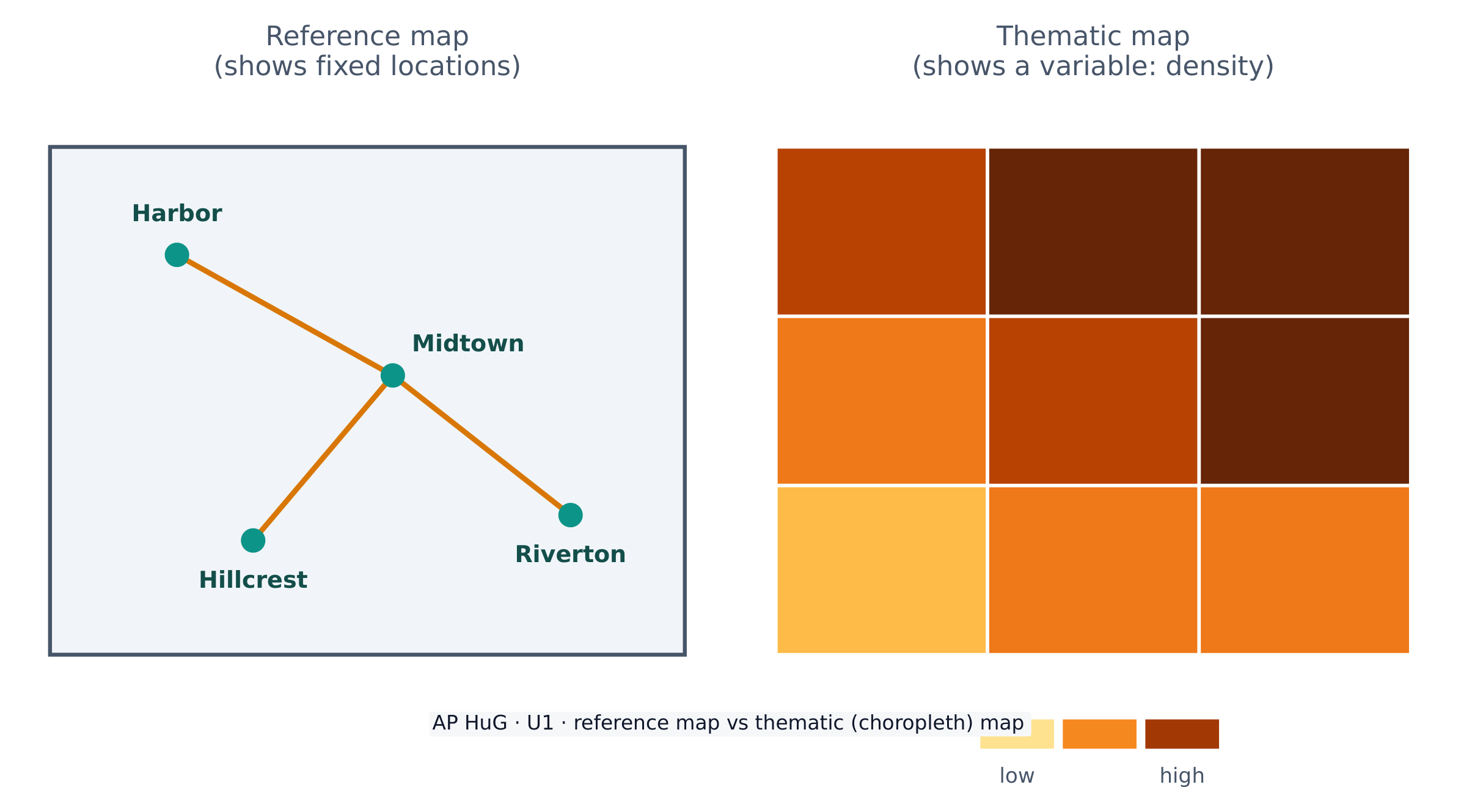
    Maps come in two big families. A reference map 参考地图 shows fixed locations — coastlines, borders, roads, cities (a road atlas or Google Maps). A thematic map 专题地图 shows how one variable changes across space — rainfall, income, or population density. AP Human Geography uses thematic maps constantly.

    Because Earth is a sphere and a map is flat, every map uses a projection 投影 that stretches the globe onto paper. Projections always distort 扭曲 something — shape, area, distance, or direction. The famous Mercator projection keeps direction correct (useful for sailing) but makes high-latitude places like Greenland look far too large. There is no perfect projection; a cartographer chooses one that fits the map's purpose.

    עברית

    גיאוגרפיה היא חקר איפה דברים נמצאים ולמה הם שם. הכלי הבסיסי ביותר שלה הוא המפה — תמונה מצולעת של חלק מסוים משטח כדור הארץ.

    מפות מגיעות בשתי משפחות גדולות. מפת ייחוס מראה מיקומים קבועים — קווים חוף, גבולות, כבישים, ערים (אטלס כבישים או Google Maps). מפת נושא מראה איך משתנה משתנה אחד במרחב — כמו גשם, הכנסה או צפיפות אוכלוסייה. גיאוגרפיה אנושית AP משתמש במפות נושא באופן מתמיד.

    מפות ייחוס מראות מיקום; מפות נושא מראות איך משתנה משתנה במרחב
    מפות ייחוס מראות מיקום; מפות נושא מראות איך משתנה משתנה במרחב

    מכיוון שכדור הארץ הוא כדור ומפה היא שטוחה, כל מפה משתמשת במיפוי (Projection) שממתח את הכדור לעמוד על נייר. מיפויות תמיד מעוותות משהו — צורה, שטח, מרחק או כיוון. המיפוי המפורסם של מרקטור שומר על כיוון נכון (שימושי לנווט ימי) אך גורם למקומות בקו רוחב גבוה כמו גרינלנד להיראות גדולים מדי. אין מיפוי מושלם; קרטוגרף בוחר מיפוי המתאים למטרת המפה.
    Vocabulary · ⁨מילון מונחים⁩ Train · ⁨אימון⁩
    English עברית
    map/mæp/ מפה
    reference map/ˈrefrəns mæp/ מפת ייחוס
    thematic map/θiːˈmætɪk mæp/ מפת נושא
    projection/prəˈdʒekʃn/ מיפוי (הדמה)
    distort/dɪˈstɔːt/ מעוותים
    Geographic data/ˌdʒɪəˈɡræfɪk ˈdeɪtə/ נתונים גיאוגרפיים
    geospatial technologies/ˌdʒiːəʊˈspeɪʃl tekˈnɒlədʒiz/ טכנולוגיות גיאוספציאליות
    1.2

    Geographic Data · ⁨נתונים גיאוגרפיים⁩

    Syllabus · ⁨סיילבוס⁩
    English

    Enduring Understanding (IMP-1): Geographers use maps and data to depict relationships of time, space, and scale.

    Learning Objective IMP-1.B: Identify different methods of geographic data collection.

    • IMP-1.B.1 Data may be gathered in the field by organizations or by individuals.
    • IMP-1.B.2 Geospatial technologies include geographic information systems (GIS), satellite navigation systems, remote sensing, and online mapping and visualization.
    • IMP-1.B.3 Spatial information can come from written accounts in the form of field observations, media reports, travel narratives, policy documents, personal interviews, landscape analysis, and photographic interpretation.
    עברית

    הבנה מתמשכת (IMP-1): גיאוגרפים משתמשים במפות ובנתונים כדי לתאר קשרים של זמן, מרחב ומידה.

    מטרת לימוד IMP-1.B: לזהות שיטות שונות לאיסוף נתונים גיאוגרפיים.

    • IMP-1.B.1 נתונים עשויים להתאספו בשטח על ידי ארגונים או על ידי יחידים.
    • IMP-1.B.2 טכנולוגיות גיאופיזיות כולמערכת מידע גיאוגרפי (GIS), מערכות ניווט לווייני, רחוק-חוש ומיפוי מקוון והצגה ויזואלית.
    • IMP-1.B.3 מידע מרחבי יכול להגיע מחיבורים כתובים בצורת רישום שטח, דוחי תקשורת, סיפורי טיולים, מסמכי מדיניות,ראיונות פרטיים, ניתוח נוף ופרשנות צילום.

    Source: College Board AP Course and Exam Description · ⁨מקור: תיאור הקורס והמבחן של College Board AP⁩

    English

    Geographic data 地理数据 is any information tied to a location. Geographers collect it in the field (counting, surveying, interviewing) and remotely with technology.

    Key geospatial technologies 地理空间技术 you must know:

    • GIS 地理信息系统 (Geographic Information System) — software that layers many kinds of spatial data so patterns can be compared.
    • GPS (satellite navigation) — pinpoints exact location on Earth.
    • Remote sensing 遥感 — gathers data from satellites or aircraft without touching the ground.

    Data also comes from written sources: field observations, media reports, travel writing, policy documents, interviews, and photographs.

    עברית
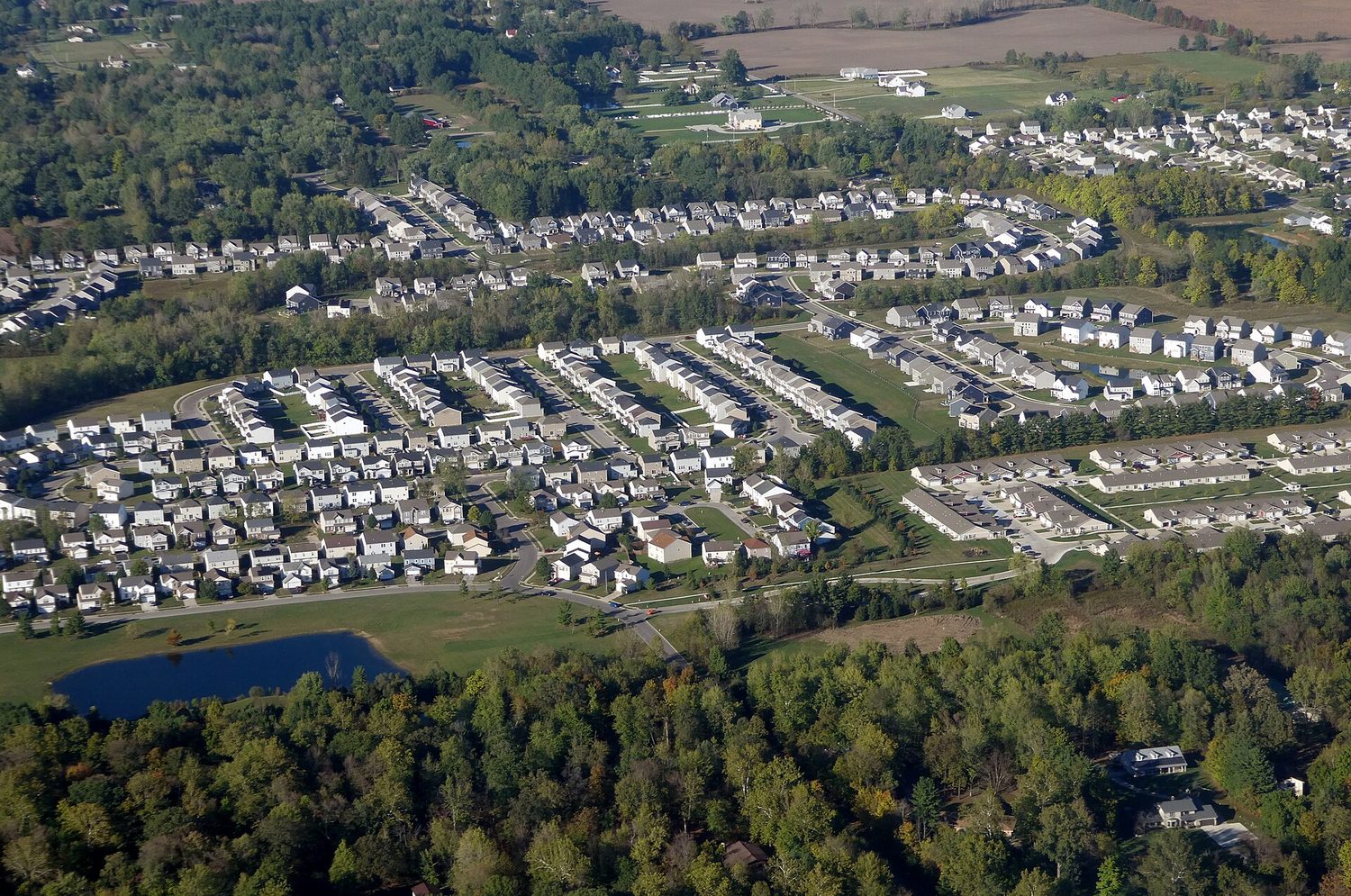
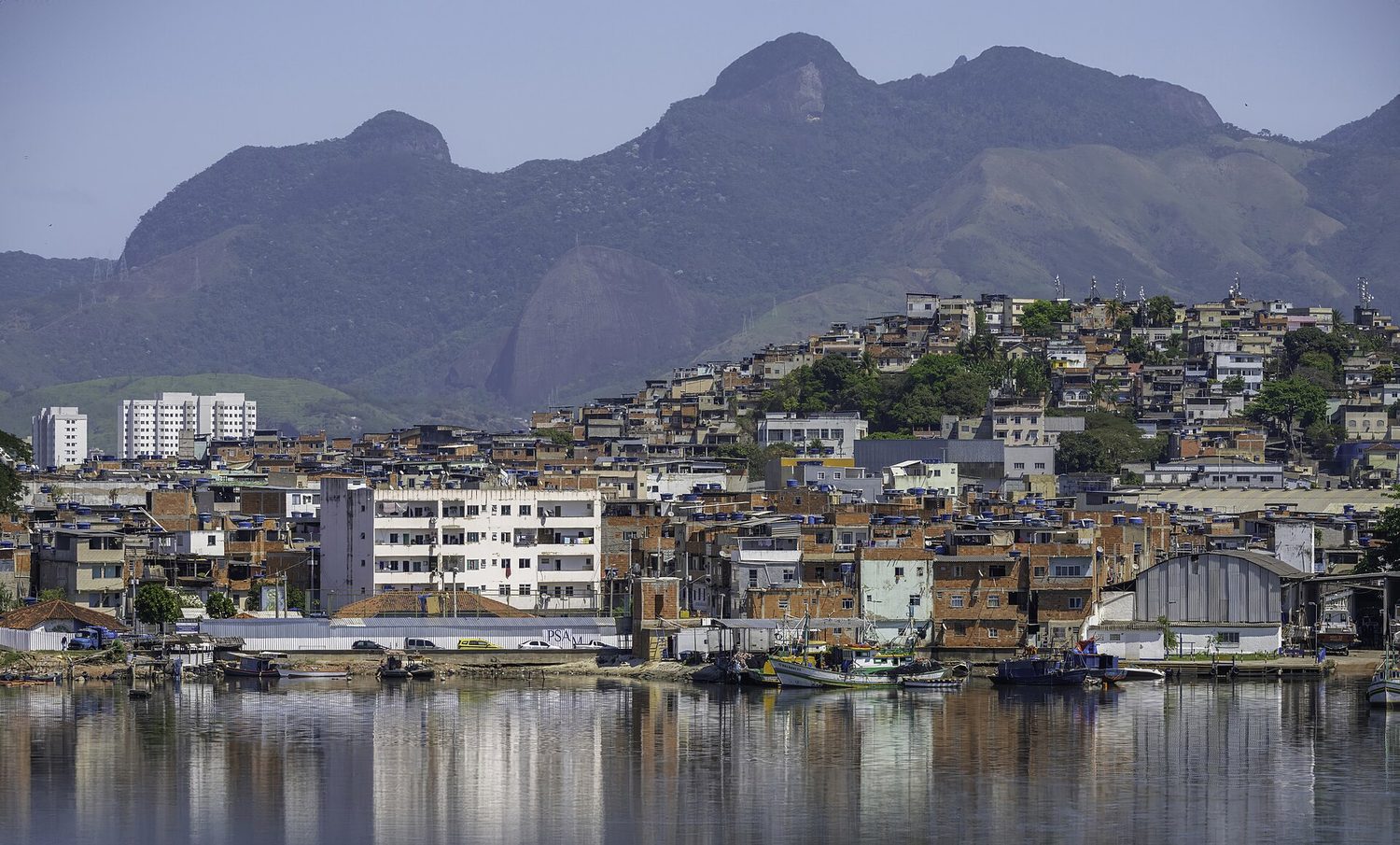
    תמונת אופק עירונית צפופה מלמעלה: מפות ונתונים מרחביים מראים איך האוכלוסייה מפוזרת בכדור הארץ
    תמונת אופק עירונית צפופה מלמעלה: מפות ונתונים מרחביים מראים איך האוכלוסייה מפוזרת בכדור הארץ

    נתונים גיאוגרפיים הם כל מידע הקשור למיקום. גיאוגרפים אוספים אותם בשטח (ספירה, מדידות, ראיונות) ובאופן מרוחק בעזרת טכנולוגיה.

    טכנולוגיות מרחביות מפתח שאתה חייב לדעת:

    • GIS (מערכת מידע גיאוגרפי) — תוכנה שמערבת מספר סוגי נתונים מרחביים כדי לאפשר השוואת דפוסים.
    • GPS (ניווט לווייני) — מדויק מיקום מדויק על פני כדור הארץ.
    • הרגשה מרוחקת — אוסף נתונים מלוויינים או מטוסים ללא מגע עם הקרקע.

    נתונים מגיעים גם ממקורות כתובים: תצפיות שטח, דיווחי תקשורת, כתיבת נסיעות, מסמכי מדיניות, ראיונות ותמונות.

    Vocabulary · ⁨מילון מונחים⁩ Train · ⁨אימון⁩
    English עברית
    GIS/ˌdʒiː aɪ ˈes/ מערכת מידע גיאוגרפית
    Remote sensing/rɪˈməʊt ˈsensɪŋ/ התרשמות ממרחק
    Absolute location/ˈæbsəluːt ləʊˈkeɪʃn/ מיקום מוחלט
    Relative location/ˈrelətɪv ləʊˈkeɪʃn/ מיקום יחסי
    Space–time compression/speɪs taɪm kəmˈpreʃn/ דחיסת זמן-מרחב
    1.3

    The Power of Geographic Data · ⁨כוחה של מידע גיאוגרפי⁩

    Syllabus · ⁨סיילבוס⁩
    English

    Enduring Understanding (IMP-1): Geographers use maps and data to depict relationships of time, space, and scale.

    Learning Objective IMP-1.C: Explain the geographical effects of decisions made using geographical information.

    • IMP-1.C.1 Geospatial and geographical data, including census data and satellite imagery, are used at all scales for personal, business and organizational, and governmental decision- making purposes.
    עברית

    הבנה מתמשכת (IMP-1): גיאוגרפים משתמשים במפות ובנתונים כדי לתאר קשרים של זמן, מרחב ומידה.

    מטרת למידה IMP-1.C: הסבר ההשפעות הגיאוגרפיות של החלטות המבוססות על מידע גיאוגרפי.

    • IMP-1.C.1 נתונים גיאומרחביים וגיאוגרפיים, כולל נתוני מפקד אוכלוסייה ותמונות לווייניות, משמשים בכל קנה מידה לצורך קבלת החלטות אישיות, עסקיות וארגוניות, וכן ממשלתיות.

    Source: College Board AP Course and Exam Description · ⁨מקור: תיאור הקורס והמבחן של College Board AP⁩

    English

    Data is powerful because it drives decisions. Businesses use it to choose store locations, governments use census data to plan schools and roads, and aid agencies use it to send help after a disaster.

    But data is never neutral. Who collects it, which categories they use, and how a map is drawn can all shape the message. A map can inform — or it can mislead — so a good geographer always asks where the data came from and what it leaves out.

    עברית

    מידע חזק משום שהוא מניע חלטות. עסקים משתמשים בו לבחירת מקומות לחנויות, ממשלות משתמשות במידע מפקדי האוכלוסין לתכנון בתי ספר וכבישים, וסוכנויות סיוע משתמשות בו לשליחת עזרה לאחר אסון.

    אולם מידע לעולם אינו ניטרלי. מי שאוסף אותו, אילו קטגוריות הוא משתמש בהן, ואיך המפה מצוירת יכולים כולם לעצב את ההודעה. מפה יכולה להעביר מידע — או להטעות — ולכן גיאוגרף טוב תמיד שואל מאיפה הגיע המידע ומה הוא משאיר בחוץ.

    1.4

    Spatial Concepts · ⁨מושגים מרחביים⁩

    Syllabus · ⁨סיילבוס⁩
    English

    Enduring Understanding (PSO-1): Geographers analyze relationships among and between places to reveal important spatial patterns.

    Learning Objective PSO-1.A: Define major geographic concepts that illustrate spatial relationships.

    • PSO-1.A.1 Spatial concepts include absolute and relative location, space, place, flows, distance decay, time-space compression, and pattern.
    עברית

    הבנה מתמשכת (PSO-1): גיאוגרפיםנתחלקו יחסים בין מקומות ובין מקומות כדי לחשוף תבניות מרחביות חשובות.

    מטרת למידה PSO-1.A: הגדרת מושגים גיאוגרפיים עיקריים הממחישים יחסים מרחביים.

    • PSO-1.A.1 מושגים מרחביים כוללים מיקום מוחלט ומיקום יחסי, מרחב, מקום, זרמים, דעיכת מרחק, הדחיסת זמן-מרחב, ותבנית.

    Source: College Board AP Course and Exam Description · ⁨מקור: תיאור הקורס והמבחן של College Board AP⁩

    English
    Distance decay

    Geographers describe location and pattern with a precise vocabulary.

    • Absolute location 绝对位置 is an exact address — latitude and longitude. Relative location 相对位置 describes a place by what is near it ("north of the river").
    • Absolute distance is measured in kilometres; relative distance is measured in time, cost, or effort.
    • Space–time compression 时空压缩 is the shrinking of the felt distance between places as transport and communication improve.
    • Distance decay 距离衰减 means that interaction between two places weakens as the distance between them grows.

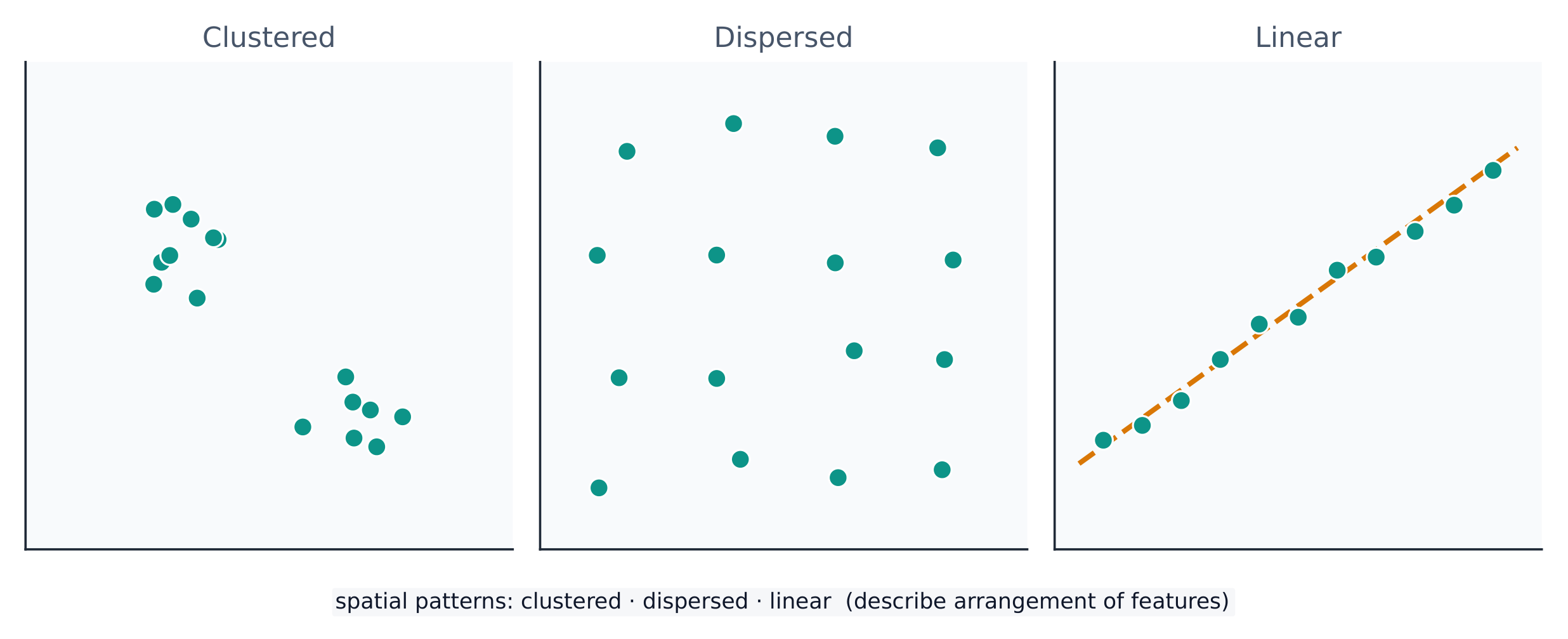
    A spatial pattern 空间格局 is how things are arranged: clustered 聚集 (bunched together), dispersed 分散 (spread apart), or linear (along a line such as a road). Reading the pattern is the first step in explaining why it exists.

    עברית
    דעיכת מרחק

    גיאוגרפים מתארים מיקום ותבנית באמצעות אוסף מילים מדויק.

    • מיקום מוחלט הוא כתובת מדויקת — רוחב ואורך גיאוגרפיים. מיקום יחסי מתאר מקום על פי מה שמסביבו ("צפונית לנהר").
    • מרחק מוחלט נמדד בקילומטרים; מרחק יחסי נמדד בזמן, בעלות או במאמץ.
    • דחיסת מרחב-זמן היא הצטמצמות התחושה של המרחק בין מקומות כאשר התחבורה והתקשורת משתפרות.
    • דעיכת מרחק פירושה שהאינטראקציה בין שני מקומות מתחלשת ככל שהמרחק ביניהם גדל.
    נקודות על הקרקע יכולות להיות צמודות, מפוזרות או מסודרות לאורך קו
    נקודות יכולות להיות צמודות, מפוזרות או מסודרות לאורך קו — התבנית המרחבית עצמה מהווה מידע

    תבנית מרחבית היא האופן שבו דברים מסודרים: צמודות (קבוצות יחד), פיזור (מוקרנים זה מזה) או קווי (לאורך קו כמו כביש). קריאת התבנית היא השלב הראשון בהסבר למה היא קיימת.

    Vocabulary · ⁨מילון מונחים⁩ Train · ⁨אימון⁩
    English עברית
    Distance decay/ˈdɪstəns dɪˈkeɪ/ ירידת עוצמה עם המרחק
    spatial pattern/ˈspeɪʃl ˈpætn/ תבנית מרחבית
    clustered/ˈklʌstəd/ צמודה/ערום
    dispersed/dɪˈspɜːst/ מפוזרת
    Environmental determinism/enˌvaɪrənˈmentl dɪˈtɜːmɪnɪzəm/ גודרמיניזם סביבתי
    Possibilism/ˈpɒsɪbɪlɪzəm/ אפשרנות
    cultural landscape/ˈkʌltʃərəl ˈlændskeɪp/ נוף תרבותי
    Scale of analysis/skeɪl ɒv əˈnæləsɪs/ סקאלה של ניתוח
    region/ˈriːdʒn/ אזור
    Formal (uniform) region/ˈfɔːml ˈriːdʒn/ אזור פורמלי (אחיד)
    Functional (nodal) region/ˈfʌŋkʃənl ˈriːdʒn/ אזור פונקציונלי (נקודי)
    Perceptual (vernacular) region/pəˈseptʃuːəl ˈriːdʒn/ אזור תפיסתי (עממי)
    Watch lesson · ⁨צפה בשיעור⁩
    1.5

    Human-Environmental Interaction · ⁨אינטראקציה אנושית-סביבתית⁩

    Syllabus · ⁨סיילבוס⁩
    English

    Enduring Understanding (PSO-1): Geographers analyze relationships among and between places to reveal important spatial patterns.

    Learning Objective PSO-1.B: Explain how major geographic concepts illustrate spatial relationships.

    • PSO-1.B.1 Concepts of nature and society include sustainability, natural resources, and land use.
    • PSO-1.B.2 Theories regarding the interaction of the natural environment with human societies have evolved from environmental determinism to possibilism.
    עברית

    הבנה מתמשכת (PSO-1): גיאוגרפיםנתחלקו יחסים בין מקומות ובין מקומות כדי לחשוף תבניות מרחביות חשובות.

    מטרת למידה PSO-1.B: הסבר כיצד מושגים גיאוגרפיים עיקריים ממחישים יחסים מרחביים.

    • PSO-1.B.1 מושגי טבע וחברה כוללים קיימות, משאבים טבעיים, והשתמשי אדמה.
    • PSO-1.B.2 תיאוריות בנוגע לאינטראקציה בין הסביבה הטבעית לבין חברה אנושית התפתחו מהדיטרמיניזם הסביבתי לפסיביליזם.

    Source: College Board AP Course and Exam Description · ⁨מקור: תיאור הקורס והמבחן של College Board AP⁩

    English

    People and the environment shape each other. Three older ideas describe this:

    • Environmental determinism 环境决定论 — the (now rejected) claim that the physical environment determines how a culture develops.
    • Possibilism 可能论 — the accepted view that the environment sets limits, but people choose how to respond using technology and culture.

    The cultural landscape 文化景观 — farms, cities, and roads built on the land — is the visible result of this interaction. Sustainability asks how people can use natural resources without using them up.

    עברית
    התפשטות עירונית בשפת העיר: אינטראקציה אנושית-סביבתית מעצבת נופים
    התפשטות עירונית בשפת העיר: אינטראקציה אנושית-סביבתית מעצבת נופים

    אנשים וסביבה מעצבים זה את זה. שלושה רעיונות ישנים מתארים זאת:

    • קביעת סביבתית — הטענה (שהופרכה כיום) לפיה הסביבה הפיזית קובעת כיצד תרבות מתפתחת.
    • אפשרנות — הדעה המקובלת לפיה הסביבה קובעת גבולות, אך אנשים בוחרים כיצד להגיב באמצעות טכנולוגיה ותרבות.

    הנוף התרבותי — חוות חקלאיות, ערים וכבישים שנבנו על הקרקע — הוא התוצאה הנראית של אינטראקציה זו. קיימות שואלת כיצד אנשים יכולים להשתמש במשאבים טבעיים מבלי לערער אותם.

    1.6

    Scales of Analysis · ⁨רמות ניתוח⁩

    Syllabus · ⁨סיילבוס⁩
    English

    Enduring Understanding (PSO-1): Geographers analyze relationships among and between places to reveal important spatial patterns.

    Learning Objective PSO-1.C: Define scales of analysis used by geographers.

    • PSO-1.C.1 Scales of analysis include global, regional, national, and local.

    Learning Objective PSO-1.D: Explain what scales of analysis reveal.

    • PSO-1.D.1 Patterns and processes at different scales reveal variations in, and different interpretations of, data.
    עברית

    הבנה מתמשכת (PSO-1): גיאוגרפיםנתחלקו יחסים בין מקומות ובין מקומות כדי לחשוף תבניות מרחביות חשובות.

    מטרת למידה PSO-1.C: הגדרת קני מידה של ניתוח המשמשים גיאוגרפים.

    • PSO-1.C.1 קני מידה של ניתוח כוללים גלובלי, אזורי, לאומי ולוקאלי.

    מטרת למידה PSO-1.D: הסבר מה שקני המידה של הניתוח חושפים.

    • PSO-1.D.1 תבניות ותהליכים בקני מידה שונים חושפים הבדלים ופרשנויות שונות של נתונים.

    Source: College Board AP Course and Exam Description · ⁨מקור: תיאור הקורס והמבחן של College Board AP⁩

    English

    Scale of analysis 分析尺度 is the level at which you look at data — global, regional, national, or local. The same pattern can look completely different at different scales.

    For example, a country may look wealthy at the national scale, yet contain very poor neighbourhoods at the local scale. Zooming in or out — changing the scale — reveals patterns that were hidden before. Exam questions often ask you to explain a process "at various scales."

    Worked example (a real AP exam question). "The map focuses on a regional scale. Explain a possible limitation of drawing country-scale conclusions from a regional-scale map." (2025) A full-mark answer: "The map shows only one region, so its pattern may not represent the whole country — other regions could look very different, so a conclusion drawn at the regional scale would be inaccurate at the country scale." The command word Explain asks for reasoning: state the limitation and say why changing the scale changes the pattern. Just writing "the scales are different" does not earn the mark.

    עברית

    רמת הניתוח היא הרמה בה אתה בודק נתונים — גלובלית, אזורית, לאומית או מקומית. אותו דפוס יכול להיראות שונה לחלוטין ברמות שונות.

    דפוס המסתנן בין רמות: גלובלית, אזורית, לאומית ומקומית
    אותו מקום מסתנן לתוך רמות גדולות越来越 — הרמה שתבחר משנה את הדפוס שאתה רואה

    לדוגמה, מדינה עשויה להיראות עשירה ברמה הלאומית, אך להכיל שכונות עניות מאוד ברמה המקומית. הזום פנימה או החוצה — שינוי הרמה — חושף דפוסים שהיו נסתרים לפני כן. שאלות במבחנים נהוג לבקש מהך להסביר תהליך "ברמות שונות".

    דוגמא מפורטת (שאלה אמיתית במבחן AP). "המפה מתמקדת ברמה אזורית. הסבר הגבלה אפשרית במציאת מסקנות ברמה לאומית מתוך מפה ברמה אזורית." (2025) תשובה מלאה בנקודות: "המפה מראה אזור אחד בלבד, ולכן הדפוס שלה עשוי לא לייצג את כל המדינה — אזורים אחרים עשויים להיראות שונים מאוד, ולכן מסקנה שהופקה ברמה האזורית תהיה לא מדויקת ברמה הלאומית." המילה המנחה הסבר דורשת נימוקים: יש לציין את ההגבלה וגם להסביר מדוע שינוי הרמה משנה את הדפוס. כתיבה פשוטה של "הרמות שונות" אינה מעניקה נקודה.

    1.7

    Regional Analysis · ⁨ניתוח אזורי⁩

    Syllabus · ⁨סיילבוס⁩
    English

    Enduring Understanding (SPS-1): Geographers analyze complex issues and relationships with a distinctively spatial perspective.

    Learning Objective SPS-1.A: Describe different ways that geographers define regions.

    • SPS-1.A.1 Regions are defined on the basis of one or more unifying characteristics or on patterns of activity.
    • SPS-1.A.2 Types of regions include formal, functional, and perceptual/vernacular.
    • SPS-1.A.3 Regional boundaries are transitional and often contested and overlapping.
    • SPS-1.A.4 Geographers apply regional analysis at local, national, and global scales.
    עברית

    הבנה מתמשכת (SPS-1): גיאוגרפיםנתחלקו נושאים מורכבים ויחסים עם פרספקטיבה מרחבית ייחודית.

    מטרת למידה SPS-1.A: תיאור דרכים שונות שבהן גיאוגרפים מגדירים אזורים.

    • SPS-1.A.1 אזורים מוגדרים על בסיס מאפיין אחד או יותר מאחדים או על בסיס תבניות פעילות.
    • SPS-1.A.2 סוגי אזורים כוללים פורמלי, פונקציונלי ופרספציונלי/עממי.
    • SPS-1.A.3 גבולות אזוריים הם מעבר ורבים מהם מחלוקת או חופפים זה על גבי זה.
    • SPS-1.A.4 גיאוגרפאים משמשים ניתוח אזורי בקנה מידה מקומי, לאומי וגלובלי.

    Source: College Board AP Course and Exam Description · ⁨מקור: תיאור הקורס והמבחן של College Board AP⁩

    English

    A region 区域 is an area with one or more shared features that make it different from surrounding areas. Geographers use three types:

    • Formal (uniform) region 均质区域 — everyone shares a measurable trait (a country, a wheat-growing belt, a language area).
    • Functional (nodal) region 功能区域 — organised around a central node, like a city and its commuter zone or a pizza shop's delivery area.
    • Perceptual (vernacular) region 感知区域 — defined by people's feelings and beliefs, with fuzzy borders (the "American South", the "Middle East").

    Regions are made by geographers, not found in nature — so their borders can be argued about, which is exactly why they are useful for analysis.

    עברית

    אזור הוא אזור בעל מאפיין אחד או יותר משותפים שמבדילים אותו מאזורים הסובבים אותו. גיאוגרפים משתמשים בשלושה סוגים:

    • אזור פורמלי (אחיד) — כולםparticipate in a measurable trait (a country, a wheat-growing belt, a language area).
    • אזור פונקציונלי (נודיאלי) — מאורגן סביב נקודת מרכז (node), כמו עיר ואזור המטיינים שלה או אזור המשלוחים של חנות פיצה.
    • אזור תפיסתי (אוכלוסייתי/פרובינציאלי) — מוגדר על ידי תחושות ואמונות של אנשים, עם גבולות מטושטשים (ה"דרום האמריקאי", ה"מזרח התיכון").

    אזורים נוצרים על ידי גיאוגרפים, ולא נמצאים בטבע — ולכן הגבולות שלהם יכולים להיות מחלוקת, וזה בדיוק למה שהם מועילים לניתוח.

    Explore · ⁨חקור⁩

    Sort each example into the right kind of region · ⁨סווג כל דוגמה לסוג האזור הנכון⁩

    A formal region shares one measured trait, a functional region is organised around a node, and a perceptual region is defined by people's feelings. · ⁨אזור רשמי משותף מאפיין נמדד אחד, אזור פונקציונלי מאורגן סביב נקודה מרכזית, ואזור תפיסתי מוגדר על ידי תחושות אנשים.⁩

    1.7

    Exam tips · ⁨טיפים לבחינות⁩

    English
    • Always name a map projection's trade-off: what it preserves versus distorts (Mercator keeps direction but exaggerates area).
    • State whether data is quantitative or qualitative, and match a source (GIS, GPS, remote sensing, census) to its use.
    • Distinguish absolute from relative location, and use distance decay and time-space compression in any flow answer.
    • Mind the scale of analysis: a national average hides local variation — say so explicitly.
    • Classify every region as formal, functional, or perceptual, and justify it by the defining trait.
    עברית
    • תמיד ציין את הפיצול במיפוי: מה שהוא שומר עליו מול מה שהוא מעוות (מרקטור שומר כיוון אך מגדיל שטח).
    • ציין אם הנתונים הם כמותיים או איכותיים, והתאם מקור (GIS, GPS, מיפוי מרחוק, מפקד אוכלוסין) לשימוש שלו.
    • הבדל בין מיקום מוחלט לבין מיקום יחסי, והשתמש בדעיכת מרחק ובדחיסת זמן-מרחב בכל תשובה העוסקת בזרימות.
    • שימו לב לרמת הניתוח: ממוצע לאומי מכסה הבדלים מקומיים — ציין זאת במפורש.
    • סווג כל אזור כפורמלי, פונקציונלי או תפיסתי, והצדק זאת לפי המאפיין המגדיר.
  • 2

    Population and Migration Patterns and Processes · ⁨דפוסי תהליכים ומגמות באוכלוסייה ובגירה⁩

    Watch lesson · ⁨צפה בשיעור⁩
    2.1 2.2

    Population Distribution and Density · ⁨חלוקת אוכלוסין וצפיפות⁩

    Syllabus · ⁨סיילבוס⁩
    English

    Enduring Understanding (PSO-2): Understanding where and how people live is essential to understanding global cultural, political, and economic patterns.

    Learning Objective PSO-2.A: Identify the factors that influence the distribution of human populations at different scales.

    • PSO-2.A.1 Physical factors (e.g., climate, landforms, water bodies) and human factors (e.g., culture, economics, history, politics) influence the distribution of population.
    • PSO-2.A.2 Factors that illustrate patterns of population distribution vary according to the scale of analysis.

    Learning Objective PSO-2.B: Define methods geographers use to calculate population density.

    • PSO-2.B.1 The three methods for calculating population density are arithmetic, physiological, and agricultural.

    Learning Objective PSO-2.C: Explain the differences between and the impact of methods used to calculate population density.

    • PSO-2.C.1 The method used to calculate population density reveals different information about the pressure the population exerts on the land.
    עברית

    הבנה מתמשכת (PSO-2): הבנת המקום והדרך שבהם אנשים חיים היא קריטית להבנת דפוסים תרבותיים, פוליטיים וכלכליים גלובליים.

    מטרות למידה PSO-2.A: זיהוי הגורמים המשפיעים על ההתפלגות האוכלוסייה האנושית במ不同 scales.

    • PSO-2.A.1 גורמים פיזיים (כגון אקלים, צורות קרקע, גופי מים) וגורמים אנושיים (כגון תרבות, כלכלה, היסטוריה, פוליטיקה) משפיעים על ההתפלגות האוכלוסייתית.
    • PSO-2.A.2 גורמים המדגימים דפוסי התפלגות אוכלוסייה משתנים בהתאם לקנה המידה של הניתוח.

    מטרות למידה PSO-2.B: הגדרת השיטות שמשתמשים בהן גיאוגרפאים לחישוב צפיפות אוכלוסייה.

    • PSO-2.B.1 שלוש השיטות לחישוב צפיפות אוכלוסייה הן אריתמטית, פיזיולוגית ואgraria.

    מטרות למידה PSO-2.C: הסבר ההבדלים בין השיטות לחישוב צפיפות אוכלוסייה והשפעתן.

    • PSO-2.C.1 השיטה המשמשת לחישוב צפיפות אוכלוסייה חושפת מידע שונה לגבי הלחץ שהאוכלוסייה מפעילה על הקרקע.
    English

    Enduring Understanding (PSO-2): Understanding where and how people live is essential to understanding global cultural, political, and economic patterns.

    Learning Objective PSO-2.D: Explain how population distribution and density affect society and the environment.

    • PSO-2.D.1 Population distribution and density affect political, economic, and social processes, including the provision of services such as medical care.
    • PSO-2.D.2 Population distribution and density affect the environment and natural resources; this is known as carrying capacity.
    עברית

    הבנה מתמשכת (PSO-2): הבנת המקום והדרך שבהם אנשים חיים היא קריטית להבנת דפוסים תרבותיים, פוליטיים וכלכליים גלובליים.

    מטרות לימוד PSO-2.D: הסבר על כך כיצד חלוקת אוכלוסין וצפיפות משפיעים על החברה ועל הסביבה.

    • PSO-2.D.1 חלוקת אוכלוסין וצפיפות משפיעות על תהליכים פוליטיים, כלכליים וחברתיים, כולל מתן שירותים כמו טיפול רפואי.
    • PSO-2.D.2 חלוקת אוכלוסין וצפיפות משפיעות על הסביבה ומשאבי הטבע; דבר זה נקרא קיבולת נשיאה.

    Source: College Board AP Course and Exam Description · ⁨מקור: תיאור הקורס והמבחן של College Board AP⁩

    English

    People are spread very unevenly across Earth. Population distribution 人口分布 describes where people live; population density 人口密度 measures how crowded a place is. Most people cluster in a few favourable places: mid-latitudes, low-lying land, coasts, and river valleys with water and fertile soil.

    Geographers use three density measures:

    • Arithmetic density 算术密度 — total people ÷ total land area.
    • Physiological density 生理密度 — people ÷ area of arable (farmable) land; a better guide to pressure on food supply.
    • Agricultural density 农业密度 — farmers ÷ arable land; a low value suggests more efficient, mechanised farming.

    Uneven distribution creates consequences: crowded regions strain housing, water, and services, while empty regions may struggle to provide roads and schools.

    עברית

    האנשים מפוזרים באופן לא שווה מאוד על פני כדור הארץ. חלוקת אוכלוסין מתארת היכן אנשים חיים; צפיפות אוכלוסין מודדת עד כמה מקום צפוף. רוב האנשים מתכנסים במקומות מועטים ונוחים: רוחבי הרוח התיכונים, שטח נמוך, חופים ועמקות נהרות עם מים וקרקע פ fertile.

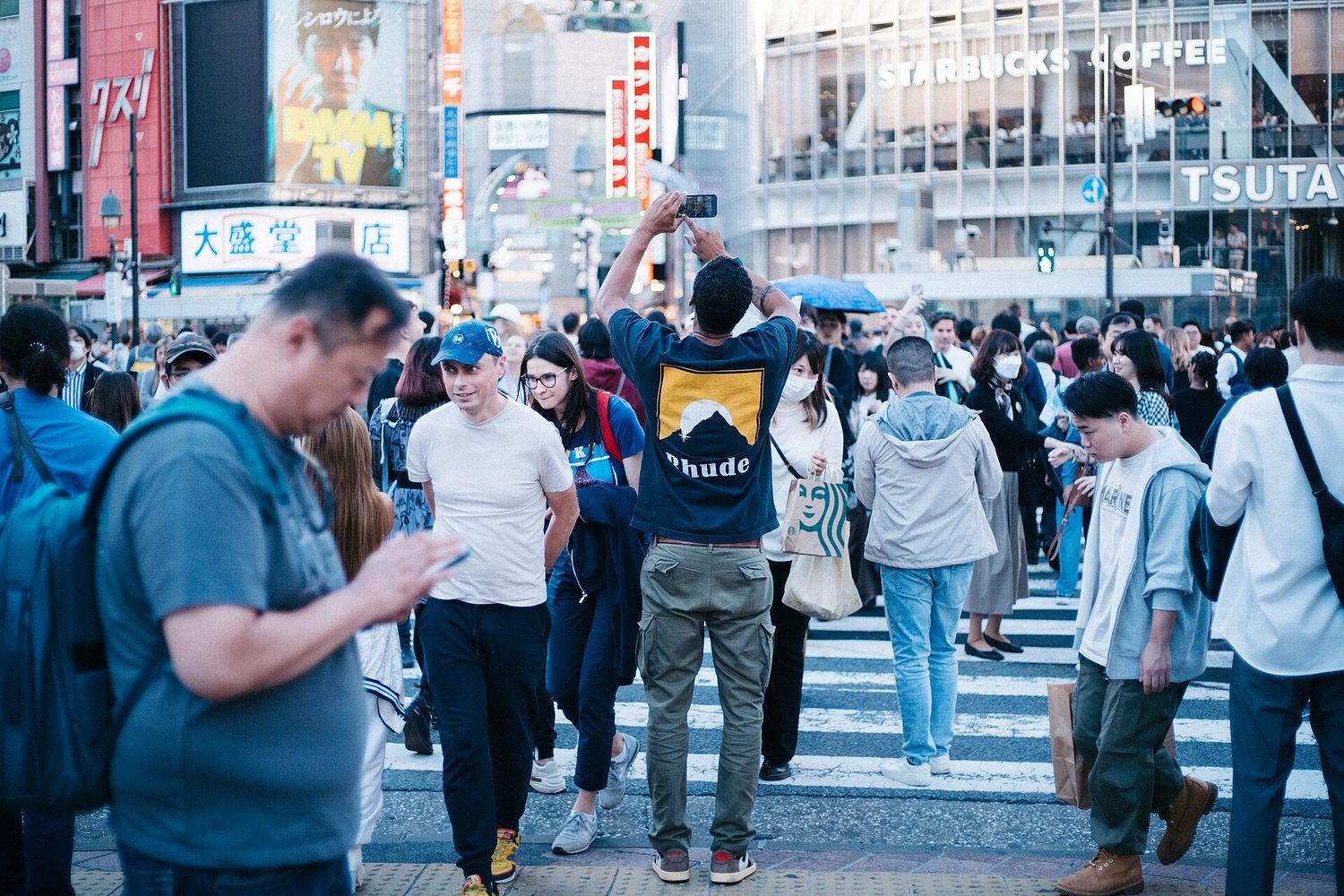
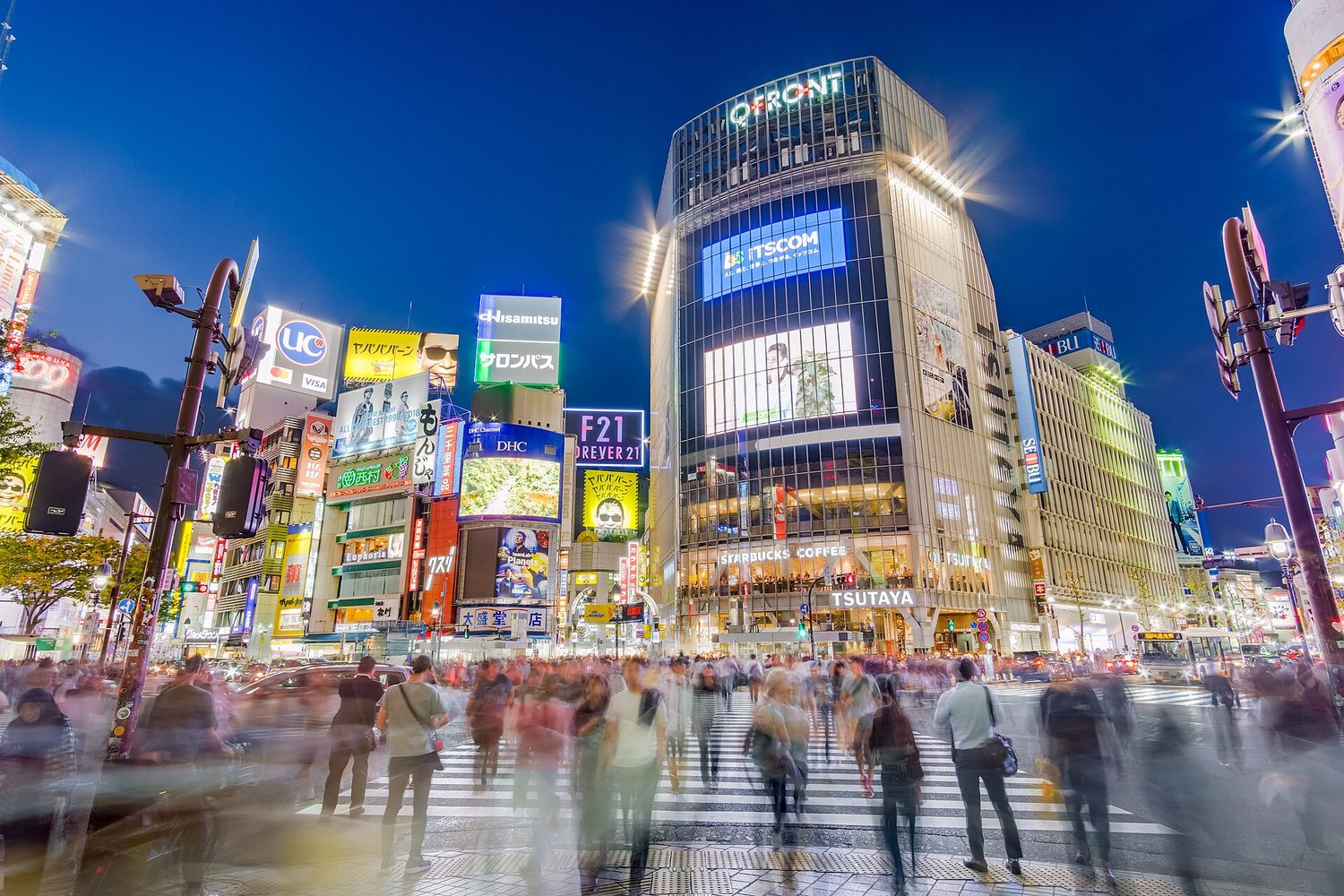
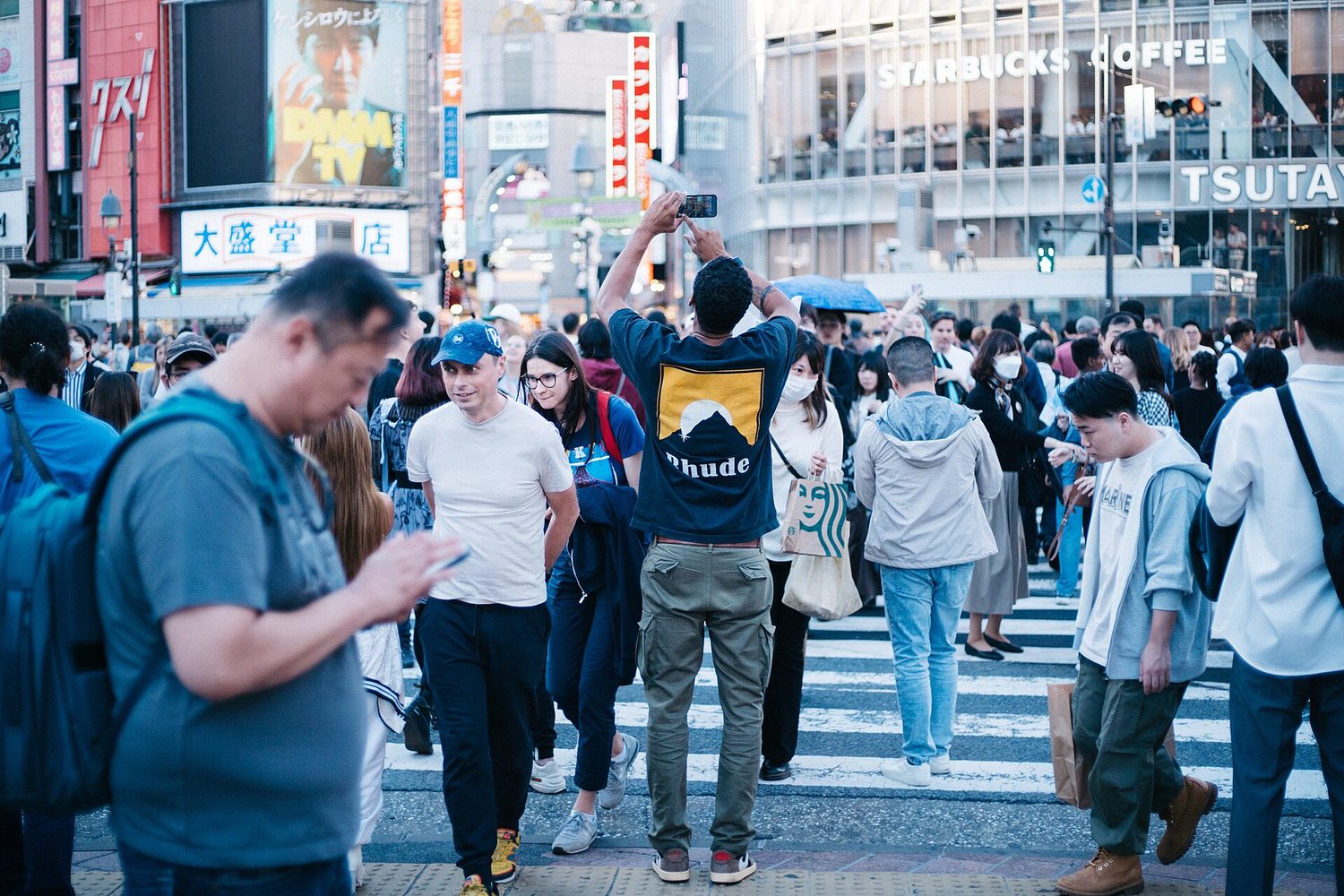
    מאות אנשים חוצים מחלף רחוב רחב בו-זמנית, ממלאים את כל חלקיו *צומת הולכים על רגל עמוס בטוקיו: ערים מושכות אנשים לאזור קטן מאוד, מה שמוביל לצפיפות אוכלוסייה גבוהה במיוחד

    גיאוגרפים משתמשים בשלושה מדדי צפיפות:

    • צפיפות אריתמטית — סך הכל האנשים ÷ שטח היבשה הכולל.
    • צפיפות פיזיולוגית — מספר אנשים ÷ שטח הקרקעות החקלאיות (מתאימות לגידול); מדד טוב יותר ללחץ על אספקת המזון.
    • צפיפות חקלאית — מספר החקלאים ÷ שטח הקרקעות החקלאיות; ערך נמוך מצביע על חקלאות יעילה וממוכנת יותר.

    חלוקה לא אחידה יוצרת תוצאות: אזורים צפופים מכבידים על דיור, מים ושירותים, בעוד שאזורים ריקים עשויים להתקשות באספקת כבישים ובתי ספר.

    Vocabulary · ⁨מילון מונחים⁩ Train · ⁨אימון⁩
    English עברית
    Population distribution/ˌpɒpjʊˈleɪʃn ˌdɪstrɪˈbjuːʃn/ התפלגות אוכלוסייה
    population density/ˌpɒpjʊˈleɪʃn ˈdensɪti/ צפיפות אוכלוסייה
    Arithmetic density/əˈrɪθmətɪk ˈdensɪti/ צפיפות אריتمטית
    Physiological density/ˌfɪzɪəˈlɒdʒɪkl ˈdensɪti/ צפיפות פיזיולוגית
    Agricultural density/ˌæɡrɪˈkʌltʃərəl ˈdensɪti/ צפיפות חקלאית
    Population composition/ˌpɒpjʊˈleɪʃn ˌkɒmpəˈzɪʃn/ הרכב האוכלוסייה
    2.3

    Population Composition · ⁨הרכב האוכלוסייה⁩

    Syllabus · ⁨סיילבוס⁩
    English

    Enduring Understanding (PSO-2): Understanding where and how people live is essential to understanding global cultural, political, and economic patterns.

    Learning Objective PSO-2.E: Describe elements of population composition used by geographers.

    • PSO-2.E.1 Patterns of age structure and sex ratio vary across different regions and may be mapped and analyzed at different scales.

    Learning Objective PSO-2.F: Explain ways that geographers depict and analyze population composition.

    • PSO-2.F.1 Population pyramids are used to assess population growth and decline and to predict markets for goods and services.
    עברית

    הבנה מתמשכת (PSO-2): הבנת המקום והדרך שבהם אנשים חיים היא קריטית להבנת דפוסים תרבותיים, פוליטיים וכלכליים גלובליים.

    מטרות לימוד PSO-2.E: תיאור אלמנטים של הרכב אוכלוסין המשמשים גיאוגרפים.

    • PSO-2.E.1 דפוסי מבנה גילי ויחס מגדר משתנים בין אזורים שונים ועשויים להיות ממופים ומנותחים ברמות סקאלה שונות.

    מטרות לימוד PSO-2.F: הסבר על הדרכים בהן גיאוגרפים מציגים ונותחים את הרכב האוכלוסין.

    • PSO-2.F.1 פירמידות אוכלוסין משמשות להערכת צמיחה וירידה באוכלוסין ולחזוי שוקי מוצרים ושירותים.

    Source: College Board AP Course and Exam Description · ⁨מקור: תיאור הקורס והמבחן של College Board AP⁩

    English
    Reading a population pyramid

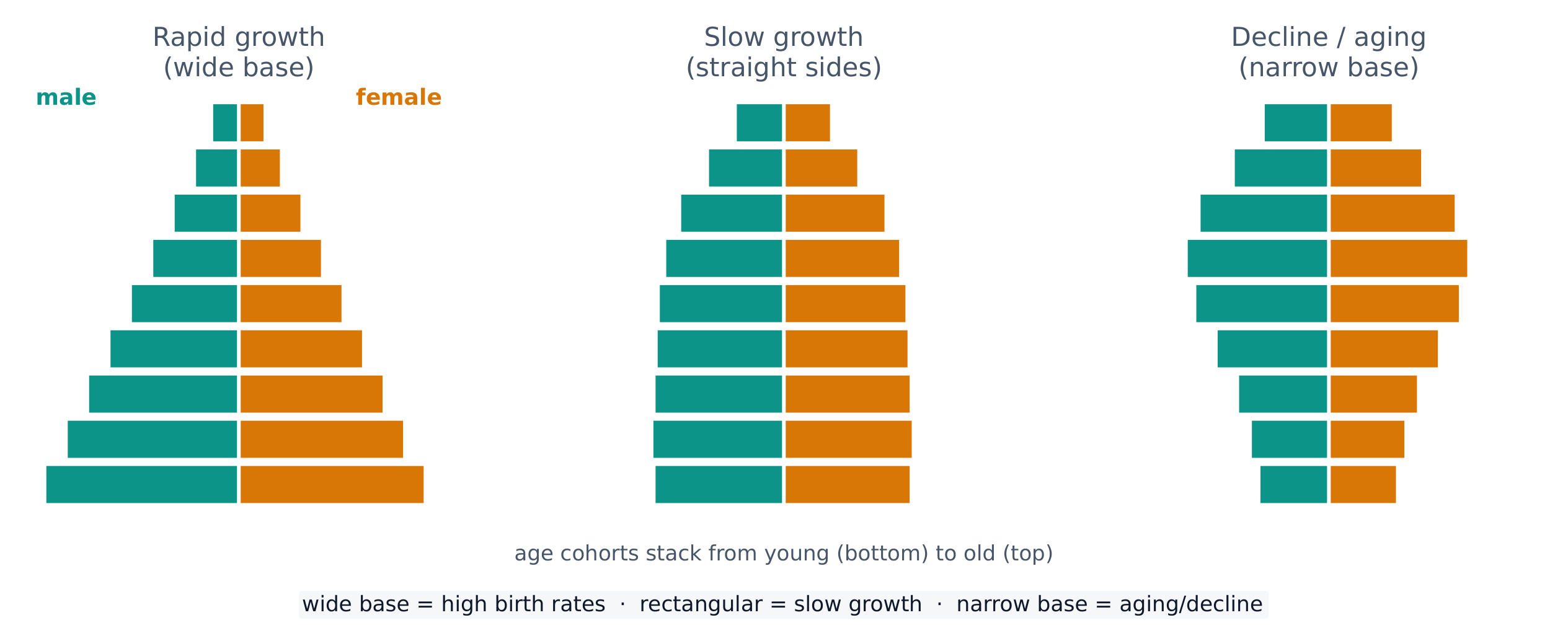
    Population composition 人口构成 is the make-up of a population by age and sex. It is shown on a population pyramid 人口金字塔 — back-to-back bar charts of males and females in five-year age cohorts 年龄组.

    • A wide base means high birth rates and rapid growth (many young people).
    • Straight sides mean slow, stable growth.
    • A narrow base with a wide middle means an aging, shrinking population.

    The dependency ratio 抚养比 compares dependents (under 15 and over 64) to the working-age population — a high ratio strains the workers who support them.

    עברית

    *קריאת פירמידת גיל

    הרכב האוכלוסייה הוא ההרכב של האוכלוסייה לפי גיל ומין. הוא מוצג בפירמידת גיל — גרף עמודות הפוך זה לזה של זכרים ונקבות בקבוצות גיליות של חמישה שנים.

    שלושה צורות של פירמידת גיל: צמיחה מהירה, צמיחה איטית וירידה *בסיס רחב מעיד על צמיחה מהירה; צדדים ישרים מעידים על צמיחה איטית; בסיס צר מעיד על ירידה

    • בסיס רחב מעיד על ת rates ילודה גבוהות וצמיחה מהירה (רבים צעירים).
    • צדדים ישרים מעידים על צמיחה איטית ויציבה.
    • בסיס צר עם אמצע רחב מעיד על אוכלוסייה זקנה, הנמצאת בדלדול.

    יחס התלות משווה את התלויים (מתחת לגיל 15 ומעל גיל 64) לאוכלוסייה בגיל העבודה — יחס גבוה מכביד על העובדים התומכים בהם.

    Vocabulary · ⁨מילון מונחים⁩ Train · ⁨אימון⁩
    English עברית
    population pyramid/ˌpɒpjʊˈleɪʃn ˈpɪrəmɪd/ פירמידת גיל
    age cohorts/eɪdʒ ˈkəʊhɔːts/ קוטרות גיל
    dependency ratio/dɪˈpendənsi ˈreɪʃɪəʊ/ יחס תלות
    Crude birth rate (CBR)/kruːd bɜːθ reɪt/ שיעור לידות גס (CBR)
    crude death rate (CDR)/kruːd deθ reɪt/ שיעור מוות גס (CDR)
    Rate of natural increase (RNI)/reɪt ɒv ˈnætʃərəl ˈɪŋkriːs/ שיעור עלייה טבעית (RNI)
    Total fertility rate (TFR)/ˈtəʊtl fɜːˈtɪlɪti reɪt/ קצב פוריות כולל (TFR)
    replacement level/rɪˈpleɪsmənt ˈlevl/ רמת החלפה
    doubling time/ˈdʌblɪŋ taɪm/ זמן הכפלה
    Demographic Transition Model (DTM)/ˌdeməˈɡræfɪk trænˈsɪʃn ˈmɒdl/ מודל מעבר דמוגרפי (DTM)
    epidemiological transition/ˌepɪˌdemɪəˈlɒdʒɪkl trænˈsɪʃn/ מעבר אפידמיולוגי
    exponentially/ˌekspəˈnenʃəli/ אקספוננציאלית
    linearly/ˈlɪnɪəli/ ליניארית
    Neo-Malthusians/ˈniːəʊ mælˈθjuːzɪənz/ ניאו-מלתוסאים
    Pro-natalist/prəʊ ˈneɪtəlɪst/ פרו-נטליסטי
    Anti-natalist/ˈænti ˈneɪtəlɪst/ אנטי-נטליסטי
    aging populations/ˈeɪdʒɪŋ ˌpɒpjʊˈleɪʃnz/ אוכלוסיות זקנות
    2.4

    Population Dynamics · ⁨דינמיקה של אוכלוסיות⁩

    Syllabus · ⁨סיילבוס⁩
    English

    Enduring Understanding (IMP-2): Changes in population are due to mortality, fertility, and migration, which are influenced by the interplay of environmental, economic, cultural, and political factors.

    Learning Objective IMP-2.A: Explain factors that account for contemporary and historical trends in population growth and decline.

    • IMP-2.A.1 Demographic factors that determine a population’s growth and decline are fertility, mortality, and migration.
    • IMP-2.A.2 Geographers use the rate of natural increase and population-doubling time to explain population growth and decline.
    • IMP-2.A.3 Social, cultural, political, and economic factors influence fertility, mortality, and migration rates.
    עברית

    הבנה מתמשכת (IMP-2): שינויים באוכלוסייה נובעים ממortalities, fertility, and migration, which are influenced by the interplay of environmental, economic, cultural, and political factors.

    מטרות לימוד IMP-2.A: הסבר על גורמים המסבירים מגמות עכשוויות והיסטוריות בצמיחה וירידה של אוכלוסין.

    • IMP-2.A.1 גורמים אudentיים הקובעים צמיחה וירידה באוכלוסין הם יולדות, תמותה והגירה.
    • IMP-2.A.2 גיאוגרפים משתמשים בקצב העלייה הטבעית ובזמן הכפלת האוכלוסין כדי להסביר צמיחה וירידה באוכלוסין.
    • IMP-2.A.3 גורמים חברתיים, תרבותיים, פוליטיים וכלכליים משפיעים על קצבי יולדות, תמותה והגירה.

    Source: College Board AP Course and Exam Description · ⁨מקור: תיאור הקורס והמבחן של College Board AP⁩

    English

    Populations change through births, deaths, and migration. Key rates (per 1,000 people per year):

    • Crude birth rate (CBR) 粗出生率 and crude death rate (CDR) 粗死亡率.
    • Rate of natural increase (RNI) 自然增长率 = (CBR − CDR) ÷ 10, as a percentage — it ignores migration.
    • Total fertility rate (TFR) 总和生育率 — average children per woman; about 2.1 is replacement level 更替水平.

    The doubling time 倍增时间 (years for a population to double) ≈ 70 ÷ RNI%. Small changes in fertility have huge long-run effects.

    Worked example (a real AP exam question). "Explain ONE reason why the rate of natural increase (RNI) in urban areas may vary significantly from RNI in rural areas in the same country." (2023) A full-mark answer: "In cities the cost of living — housing, schooling, childcare — is higher, so urban families tend to have fewer children. Fewer births lower the crude birth rate, so the urban RNI falls below the rural RNI, where children still help with farm work." Notice the shape: the command word Explain wants a cause-and-effect chain, so you must name the reason and follow it all the way to the RNI. A bare fact — "cities are expensive" — earns zero.

    עברית

    אוכלוסיות משתנות דרך לידות, מוות והגירה. קצבי מפתח (לכל 1,000 אנשים לשנה):

    • קצב לידות גס (CBR) וקצב מוות גס (CDR).
    • קצב הגידול הטבעי (RNI) = (CBR − CDR) ÷ 10, כאחוז — הוא מתעלם מהגירה.
    • קצב הילודה הכולל (TFR) — מספר ממוצע של ילדים לאישה; כ-2.1 הוא רמת החלפה.

    זמן הכפלה (שנים להכפלת אוכלוסייה) ≈ 70 ÷ RNI%. שינויים קטנים בילודה משפיעים באופן משמעותי לטווח הארוך.

    דוגמה פתורה (שאלה אמיתית מבחן AP). "הסבר סיבה אחת מדוע קצב הגידול הטבעי (RNI) באזורים עירוניים עשוי להשתות משמעותית מ-RNI באזורים כפריים באותה מדינה." (2023) תשובה מלאה: "בערים העלות לחיים — דיור, חינוך, טיפול בילדים — גבוהה יותר, ולכן משפחות עירוניות נוטות לילד פחות. פחות לידות מנמיכות את קצב הלידה הגס, ולכן ה-RNI העירוני נמוך מה- RNI הכפרי, שבו ילדים עדיין מסייעים בעבודות חקלאיות." שימו לב לצורת התשובה: המילה Explain דורשת שרשרת סיבה-תוצאה, כך שיש לציין את הסיבה ול לעקוב אחריה עד ל-RNI. עובעה יחידה ללא הסבר — "הערים יקרות" — אינה זוכה ניקוד.

    2.5

    The Demographic Transition Model · ⁨מודל המעבר הדמוגרפי⁩

    Syllabus · ⁨סיילבוס⁩
    English

    Enduring Understanding (IMP-2): Changes in population are due to mortality, fertility, and migration, which are influenced by the interplay of environmental, economic, cultural, and political factors.

    Learning Objective IMP-2.B: Explain theories of population growth and decline.

    • IMP-2.B.1 The demographic transition model can be used to explain population change over time.
    • IMP-2.B.2 The epidemiological transition explains causes of changing death rates.
    עברית

    הבנה מתמשכת (IMP-2): שינויים באוכלוסייה נובעים ממortalities, fertility, and migration, which are influenced by the interplay of environmental, economic, cultural, and political factors.

    מטרות לימוד IMP-2.B: הסבר על תיאוריות צמיחה וירידה באוכלוסין.

    • IMP-2.B.1 ניתן להשתמש במודל המעבר הדמוגרפי להסבר שינויים באוכלוסין לאורך זמן.
    • IMP-2.B.2 המעבר האפידמיולוגי מסביר את הסיבות לשינויים בקצבי התמותה.

    Source: College Board AP Course and Exam Description · ⁨מקור: תיאור הקורס והמבחן של College Board AP⁩

    English
    The demographic transition model

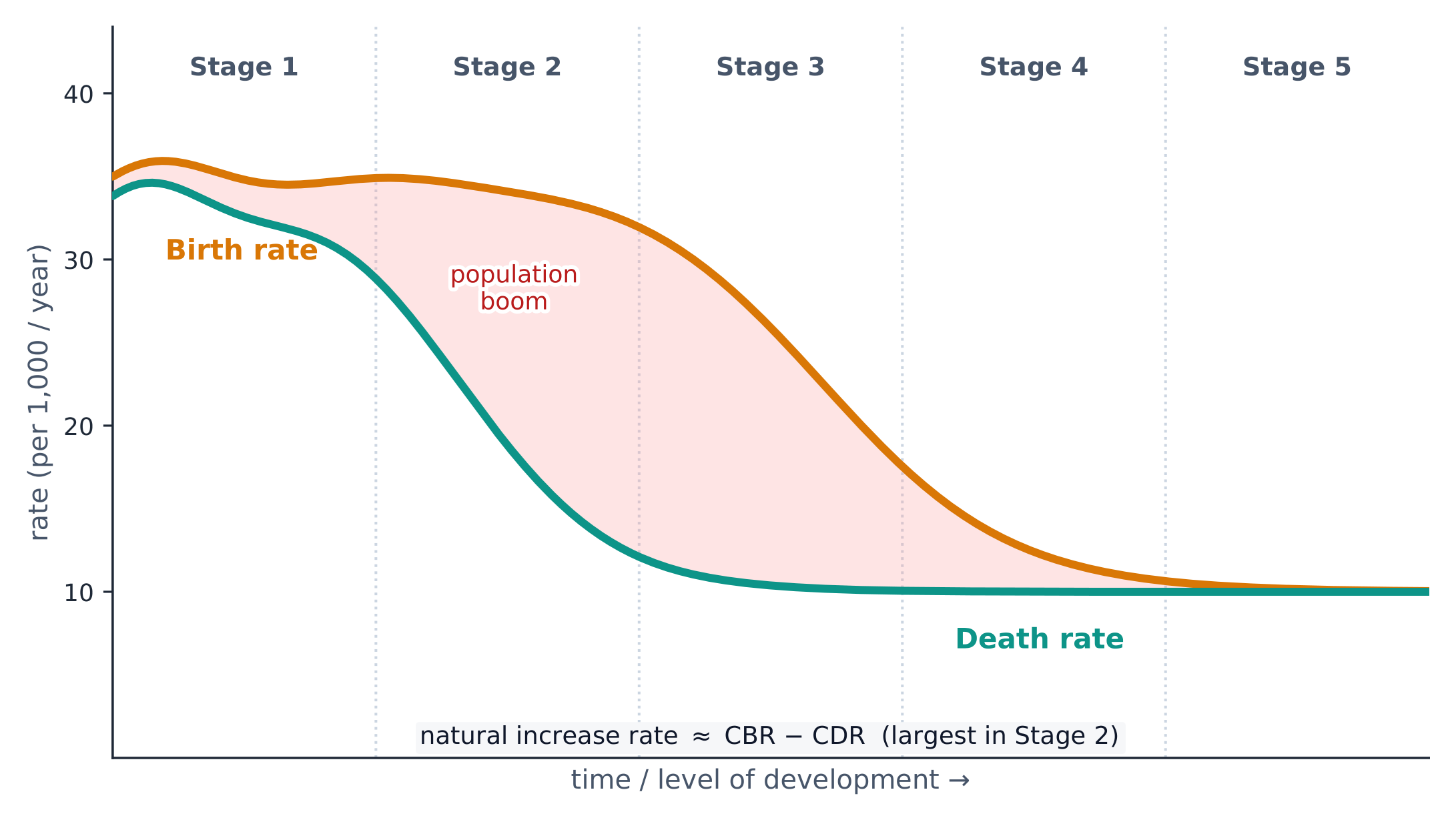
    The Demographic Transition Model (DTM) 人口转变模型 shows how birth and death rates change as a country develops, through five stages.

    1. Stage 1 — high, fluctuating CBR and CDR; slow growth (pre-industrial).
    2. Stage 2 — CDR falls (better food, medicine, sanitation) while CBR stays high; population booms.
    3. Stage 3 — CBR falls (urbanisation, education, women in work); growth slows.
    4. Stage 4 — low CBR and CDR; population stable and large.
    5. Stage 5 — CBR falls below CDR; population declines and ages.

    The linked epidemiological transition 流行病学转变 describes how the main causes of death shift from infectious disease to chronic, degenerative disease as a country moves through the DTM.

    עברית
    מודל המעבר הדמוגרפי

    מודל המעבר הדמוגרפי (DTM) מראה כיצד קצבי הלידה והמותת משתנים כאשר מדינה מתפתחת, דרך חמש תקופות.

    מודל המעבר הדמוגרפי: קצבי לידה ומותת בחמש תקופות קצב המוות יורד קודם, ולאחריו קצב הלידה; הפער ביניהם יוצר פיצוץ צמיחה,

    1. תקופה 1 — CBR ו-CDR גבוהים ותנודתיים; צמיחה איטית (לפני תעשייה).
    2. תקופה 2 — CDR יורד (שיפור מזון, רפואה, היגיינה) בעוד CBR נשאר גבוה; אוכלוסייה צומחת בצורה אקספוננציאלית.
    3. תקופה 3 — CBR יורד (עירוב, חינוך, נשים בשוק העבודה); הצמיחה מאטה.
    4. תקופה 4 — CBR ו-CDR נמוכים; אוכלוסייה יציבה וגדולה.
    5. תקופה 5 — CBR יורד מתחת ל- CDR; אוכלוסייה יורדת ומזדקנת.

    המעבר האפידמיולוגי הקשור מתאר כיצד הסיבות הראשונות למוות משתנות ממחלות זיהומיות למחלות כרוניות ודגנרטיווטיות כאשר מדינה עוברת את DTM.

    2.6

    Malthusian Theory · ⁨תיאוריית מלתוס⁩

    Syllabus · ⁨סיילבוס⁩
    English

    Enduring Understanding (IMP-2): Changes in population are due to mortality, fertility, and migration, which are influenced by the interplay of environmental, economic, cultural, and political factors.

    Learning Objective IMP-2.B: Explain theories of population growth and decline.

    • IMP-2.B.3 Malthusian theory and its critiques are used to analyze population change and its consequences.
    עברית

    הבנה מתמשכת (IMP-2): שינויים באוכלוסייה נובעים ממortalities, fertility, and migration, which are influenced by the interplay of environmental, economic, cultural, and political factors.

    מטרות לימוד IMP-2.B: הסבר על תיאוריות צמיחה וירידה באוכלוסין.

    • IMP-2.B.3 תיאוריית מלאתס והבקרות עליה משמשות לניתוח שינויי אוכלוסייה והשלכותיהן.

    Source: College Board AP Course and Exam Description · ⁨מקור: תיאור הקורס והמבחן של College Board AP⁩

    English
    Malthusian theory and its critique

    In 1798 Thomas Malthus argued that population grows exponentially 指数式 while food supply grows only linearly 线性, so population would outrun food and be checked by famine, disease, and war.

    Critics say Malthus underestimated technology: the Green Revolution and modern farming raised food output enormously. Neo-Malthusians 新马尔萨斯主义者 update the worry to include water, energy, and other finite resources. The debate is a favourite exam prompt.

    עברית
    תיאוריית מלתוס וביקורת עליה

    ב-1798 תומאס מלתוס טען שהאוכלוסייה גדלה אקספוננציאלית בעוד ספק המזון גדל רק ליניארית, ולכן האוכלוסייה תעקוף את המזון ותוגבל על ידי רעב, מחלות ומלחמות.

    בקריטיים אומרים שמליתוס המעיט בטכנולוגיה: המהפכה הירוקה והחקלאות המודרנית העלו את תפוקת המזון באופן מרהיב. ניאו-מליתוסנים מעדכנים את החשש כדי לכלול מים, אנרגיה ומשאבים סופיים נוספים. הדיון הוא נושא נפוץ במבחנים.

    2.7

    Population Policies · ⁨מדיניות אוכלוסייה⁩

    Syllabus · ⁨סיילבוס⁩
    English

    Enduring Understanding (SPS-2): Changes in population have long- and short-term effects on a place’s economy, culture, and politics.

    Learning Objective SPS-2.A: Explain the intent and effects of various population and immigration policies on population size and composition.

    • SPS-2.A.1 Types of population policies include those that promote or discourage population growth, such as pronatalist, antinatalist, and immigration policies.
    עברית

    הבנה מתמשכת (SPS-2): לשינויים באוכלוסייה יש השפעות ארוכות וקצרות טווח על הכלכלה, התרבות והפוליטיקה של מקום כלשהו.

    מטרת הלמידה SPS-2.A: הסבר על הכוונה וההשפעות של מגוון מדיניותות אוכלוסין והגירה על גודל ואופי האוכלוסייה.

    • SPS-2.A.1 סוגי מדיניותות אוכלוסין כוללים אלו המעודדות או מדכאות את צמיחת האוכלוסייה, כמו מדיניותות פרונטאליות, אנטי-נטאליות ומדיניותות הגירה.

    Source: College Board AP Course and Exam Description · ⁨מקור: תיאור הקורס והמבחן של College Board AP⁩

    English

    Governments try to influence population growth with policies:

    • Pro-natalist 鼓励生育 policies encourage births (cash bonuses, parental leave, childcare) where populations are aging or shrinking — e.g. France, Japan.
    • Anti-natalist 限制生育 policies discourage births where growth is seen as too fast — e.g. India's family-planning campaigns.

    Policies have unintended consequences: strong anti-natal policies can skew the sex ratio or speed up aging, which later needs a pro-natal response.

    עברית

    ממשלות מנסות להשפיע על צמיחת האוכלוסייה באמצעות מדיניות:

    • מדיניות פרו-נטליסטית (תומכת לידות) מעודדת לידות (בונוסים כספיים, חופשת הורים, טיפול בילדים) כאשר האוכלוסייה מזדקנת או דוחקת — למשל בצרפת וביפן.
    • מדיניות אנטי-נטליסטית (נגד לידות) משגרת לידות כאשר הצמיחה נראית מהירה מדי — למשל בקמפיינים לתכנון משפחות בהודו.

    למדיניות יש תוצאות בלתי צפויות: מדיניות אנטי-נטליסטית חזקה עשויה לעוות את יחס המין או להאיץ הזדקנות, שדורשים מאוחר יותר תגובה פרו-נטליסטית.

    2.8 2.9

    Women, Aging, and Demographic Change · ⁨נשים, הזדקנות ושינוי דמוגרפי⁩

    Syllabus · ⁨סיילבוס⁩
    English

    Enduring Understanding (SPS-2): Changes in population have long- and short-term effects on a place’s economy, culture, and politics.

    Learning Objective SPS-2.B: Explain how the changing role of females has demographic consequences in different parts of the world.

    • SPS-2.B.1 Changing social values and access to education, employment, health care, and contraception have reduced fertility rates in most parts of the world.
    • SPS-2.B.2 Changing social, economic, and political roles for females have influenced patterns of fertility, mortality, and migration, as illustrated by Ravenstein’s laws of migration.
    עברית

    הבנה מתמשכת (SPS-2): לשינויים באוכלוסייה יש השפעות ארוכות וקצרות טווח על הכלכלה, התרבות והפוליטיקה של מקום כלשהו.

    מטרת הלמידה SPS-2.B: הסבר על כך כיצד השינוי בתפקיד הנשים יוצר השפעות דמוגרפיות במחלקות שונות בעולם.

    • SPS-2.B.1 ערכים חברתיים משתנים וגישה לחינוך, תעסוקה, טיפול רפואי ולמניעת הריונות הפחיתו את קצב הילודה ברוב חלקי העולם.
    • SPS-2.B.2 שינוי בתפקידים החברתיים, הכלכליים והפוליטיים של הנשים השפיע על דפוסי הילודה, התמותה וההגירה, כפי שמדגימים חוקי ההגירה של רייבנשטיין.
    English

    Enduring Understanding (SPS-2): Changes in population have long- and short-term effects on a place’s economy, culture, and politics.

    Learning Objective SPS-2.C: Explain the causes and consequences of an aging population.

    • SPS-2.C.1 Population aging is determined by birth and death rates and life expectancy.
    • SPS-2.C.2 An aging population has political, social, and economic consequences, including the dependency ratio.
    עברית

    הבנה מתמשכת (SPS-2): לשינויים באוכלוסייה יש השפעות ארוכות וקצרות טווח על הכלכלה, התרבות והפוליטיקה של מקום כלשהו.

    מטרת הלמידה SPS-2.C: הסבר על הסיבות וההשלכות של הזדקנות האוכלוסייה.

    • SPS-2.C.1 הזדקנות האוכלוסייה נקבעת על ידי קצבי לידה ותמותה ותוחלת חיים.
    • SPS-2.C.2 לאוכלוסייה מזדקנת ישנן השלכות פוליטיות, חברתיות וכלכליות, לרבות יחס תלות.

    Source: College Board AP Course and Exam Description · ⁨מקור: תיאור הקורס והמבחן של College Board AP⁩

    English

    The status of women is one of the strongest drivers of fertility. As female education and employment rise, women marry later and have fewer children, so fertility falls — a key reason countries move through the DTM.

    At the other end, aging populations 人口老龄化 (a rising share of over-65s) bring their own challenges: higher pension and healthcare costs, a shrinking workforce, and a rising dependency ratio. Countries respond with later retirement, immigration, or pro-natal policies.

    עברית

    מעמדן של נשים הוא אחד הגורמים החזקים ביותר להשפעה על fertility. כשהחינוך והעבודה הנשים עולים, נשים נישאות מאוחר יותר ויש להן פחות ילדים, ולכן ה-fertility יורד — זהו סיבה מרכזית לכך שהמדינות עוברות דרך DTM.

    מ另一端, אוכלוסיות מזדקנות (עלייה בשיעור האוכלוסייה מעל גיל 65) מביאים אתגרים משלהם: עלייה בעלויות קצבות ותחום הרפואה, צמצום בכוח העבודה ועלייה ביחס התלות. מדינות מגיבות עם פרישה מאוחרת, עלייה או מדיניות פרו-נטליסטית.

    2.10 2.11

    Causes and Types of Migration · ⁨גורמים וסוגי הגירה⁩

    Syllabus · ⁨סיילבוס⁩
    English

    Enduring Understanding (IMP-2): Changes in population are due to mortality, fertility, and migration, which are influenced by the interplay of environmental, economic, cultural, and political factors.

    Learning Objective IMP-2.C: Explain how different causal factors encourage migration.

    • IMP-2.C.1 Migration is commonly divided into push factors and pull factors.
    • IMP-2.C.2 Push/pull factors and intervening opportunities/obstacles can be cultural, demographic, economic, environmental, or political.
    עברית

    הבנה מתמשכת (IMP-2): שינויים באוכלוסייה נובעים ממortalities, fertility, and migration, which are influenced by the interplay of environmental, economic, cultural, and political factors.

    מטרות למידה IMP-2.C: הסבר כיצד גורמי סיבה שונים מעודדים הגירה.

    • IMP-2.C.1 הגירה מחולקת לרוב לגורמי דחיפה וגורמי משיכה.
    • IMP-2.C.2 גורמי דחיפה/משיכה ועדויות/חסמים מעכבים יכולים להיות תרבותיים, דמוגרפיים, כלכליים, סביבתיים או פוליטיים.
    English

    Enduring Understanding (IMP-2): Changes in population are due to mortality, fertility, and migration, which are influenced by the interplay of environmental, economic, cultural, and political factors.

    Learning Objective IMP-2.D: Describe types of forced and voluntary migration.

    • IMP-2.D.1 Forced migrations include slavery and events that produce refugees, internally displaced persons, and asylum seekers.
    • IMP-2.D.2 Types of voluntary migrations include transnational, transhumance, internal, chain, step, guest worker, and rural-to-urban.
    עברית

    הבנה מתמשכת (IMP-2): שינויים באוכלוסייה נובעים ממortalities, fertility, and migration, which are influenced by the interplay of environmental, economic, cultural, and political factors.

    מטרות למידה IMP-2.D: תיאור סוגי ההגירה החובה והרצונית.

    • IMP-2.D.1 הגירות חובה כוללות עבדות והתרחשויות המייצרות פליטים, פנים מופרדים ומבקשי מקלט.
    • IMP-2.D.2 סוגי ההגירה הרצונית כוללים טרנסלאנדרי, טראנסהומאנס, פנימית, שרשרת, מדרגות, עובד אורח, ומהכפר לעיר.

    Source: College Board AP Course and Exam Description · ⁨מקור: תיאור הקורס והמבחן של College Board AP⁩

    English

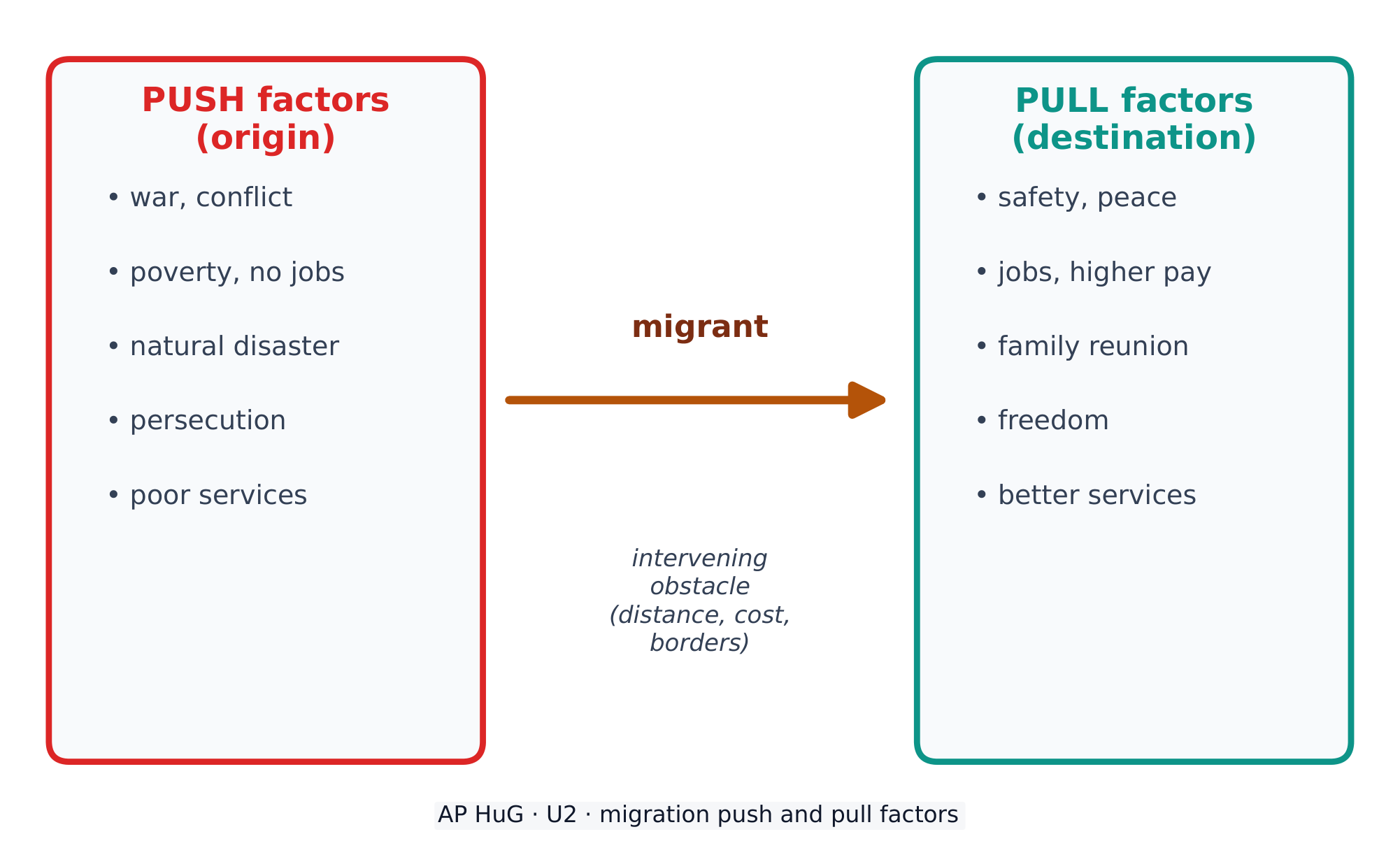
    Migration 迁移 is a permanent move to a new location. It is driven by push factors 推力 (reasons to leave: war, poverty, disaster) and pull factors 拉力 (reasons to arrive: jobs, safety, family).

    • Voluntary migration 自愿迁移 is by choice, usually for economic reasons.
    • Forced migration 强迫迁移 is against a person's will — refugees 难民 fleeing danger, or people displaced by disaster.
    • Ravenstein's laws describe patterns: most migrants move short distances, in steps, and are drawn mainly by economic pull.

    Migration can be international (between countries) or internal (within a country, such as rural-to-urban).

    עברית

    הגירה היא מעבר קבוע למיקום חדש. היא מונעת על ידי גורמי דחיפה (סיבות לעזוב: מלחמה, עוני, אסון) וגורמי משיכה (סיבות להגיע: עבודה, בטיחות, משפחה).

    גורמי דחיפה מרחיקים אנשים; גורמי משיכה מושכים אותם למקום חדש
    החלטות הגירה שוקלות גורמי דחיפה מול גורמי משיכה, לאורך מכשול מתווך
    • הגירה רצונית היא באופן בחירה, בדרך כלל לסיבות כלכליות.
    • הגירה מאולצת היא בניגוד לרצון האדם — פליטים בורחים מסכנה, או אנשים שנדרו מאסון.
    • חוקי רבנשטיין מתארים דפוסים: רוב המגיירים עוברים מרחקים קצרים, בשלבים, ומושכים בעיקר על ידי משיכה כלכלית.

    הגירה יכולה להיות בינלאומית (בין מדינות) או פנימית (בתוך מדינה, כמו מהכפר לעיר).

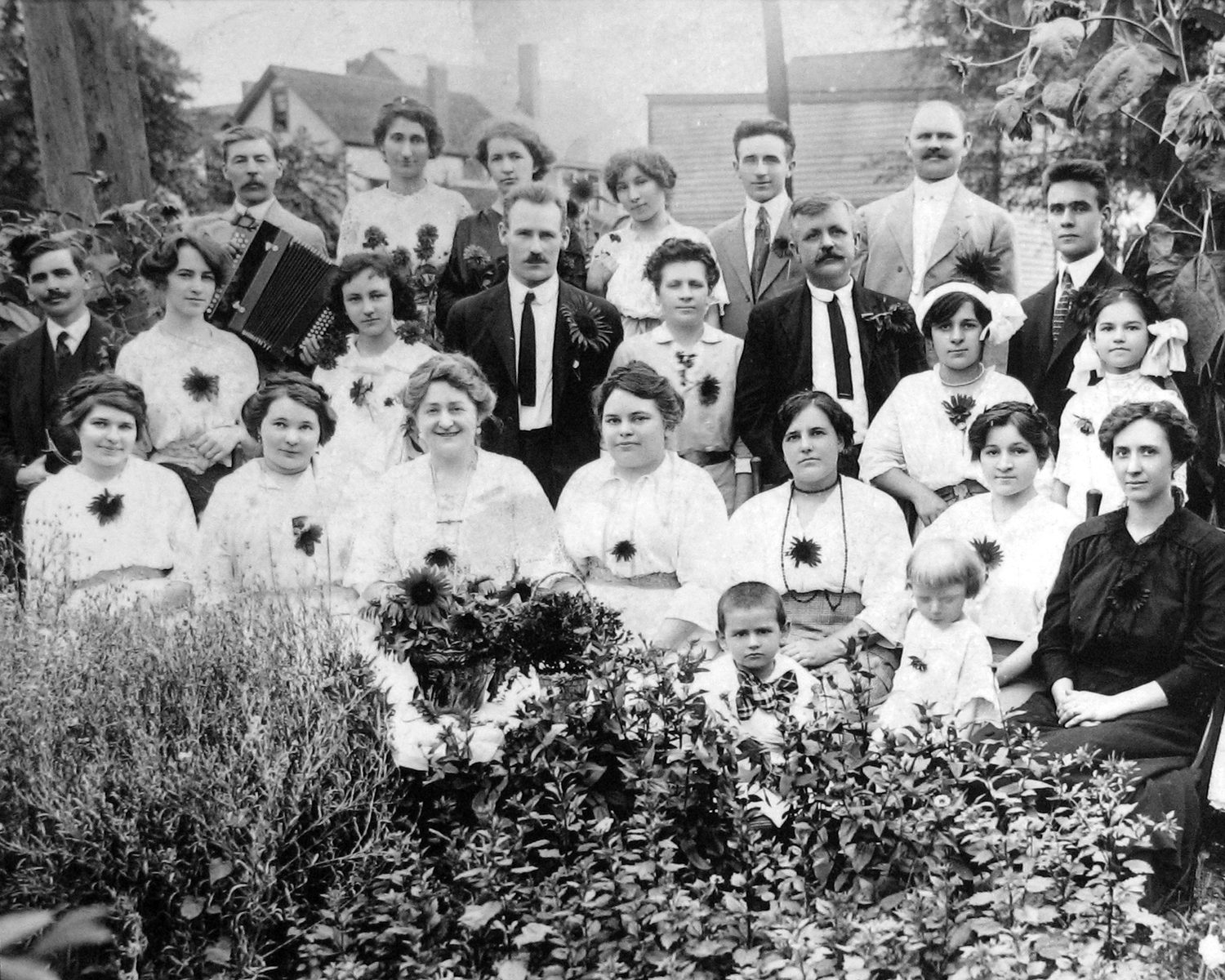
    מגיירים מגיעים לעיר חדשה: ההגירה מפצה מחדש את האוכלוסייה ומעצבת מקומות
    מגיירים מגיעים לעיר חדשה: ההגירה מפצה מחדש את האוכלוסייה ומעצבת מקומות
    Explore · ⁨חקור⁩

    Push factor or pull factor? · ⁨גורם דחיפה או גורם משיכה?⁩

    A push factor drives people away from the origin; a pull factor draws them toward the destination. · ⁨גורם דחיפה דוחף אנשים הרחק מהמקום המקורי; גורם משיכה מושך אותם לעבר היעד.⁩

    Vocabulary · ⁨מילון מונחים⁩ Train · ⁨אימון⁩
    English עברית
    Migration/maɪˈɡreɪʃn/ הגירה
    push factors/pʊʃ ˈfæktəz/ גורמי דחייה
    pull factors/pʊl ˈfæktəz/ גורמי משיכה
    Voluntary migration/ˈvɒləntəri maɪˈɡreɪʃn/ הגירה מרצונה
    Forced migration/fɔːst maɪˈɡreɪʃn/ הגירה מאולצת
    refugees/ˈrefjuːdʒiːz/ פליטים
    brain drain/breɪn dreɪn/ בריחת מוחות
    remittances/rɪˈmɪtənsɪz/ שלוחות
    2.12

    Effects of Migration · ⁨השפעות ההגירה⁩

    Syllabus · ⁨סיילבוס⁩
    English

    Enduring Understanding (IMP-2): Changes in population are due to mortality, fertility, and migration, which are influenced by the interplay of environmental, economic, cultural, and political factors.

    Learning Objective IMP-2.E: Explain historical and contemporary geographic effects of migration.

    • IMP-2.E.1 Migration has political, economic, and cultural effects.
    עברית

    הבנה מתמשכת (IMP-2): שינויים באוכלוסייה נובעים ממortalities, fertility, and migration, which are influenced by the interplay of environmental, economic, cultural, and political factors.

    מטרות לימוד IMP-2.E: הסבר על ההשפעות הגיאוגרפיות ההיסטוריות והעכשוויות של ההגירה.

    • IMP-2.E.1 להגירה יש השפעות פוליטיות, כלכליות ותרבותיות.

    Source: College Board AP Course and Exam Description · ⁨מקור: תיאור הקורס והמבחן של College Board AP⁩

    English

    Migration reshapes both the origin and the destination.

    • The destination gains workers and cultural diversity but may face pressure on housing and services and social tension.
    • The origin may lose skilled workers (a brain drain 人才外流) but gain remittances 侨汇 — money migrants send home, a major income source for many countries.
    • Migration changes the age and sex structure of both places, because migrants are often young working-age adults.
    עברית

    ההגירה מעצבת מחדש גם את המקור וגם את היעד.

    • היעד מקבל עובדים ומגוון תרבותי, אך עשוי להתמודד בלחץ על דיור ושירותים ועם מתח חברתי.
    • מקום המוצא עשוי לאבד עובדים מיומנים (ניסוף מוחות), אך לרווח בשלוחות — כסף שמהגרים שולחים הביתה, מקור הכנסה מרכזי עבור מדינות רבות.
    • ההגירה משנה את המבן הגילי והמיני של שני המקומות, מכיוון שהמהגרים הם לעיתים קרובות מבוגרים צעירים בגיל העבודה.
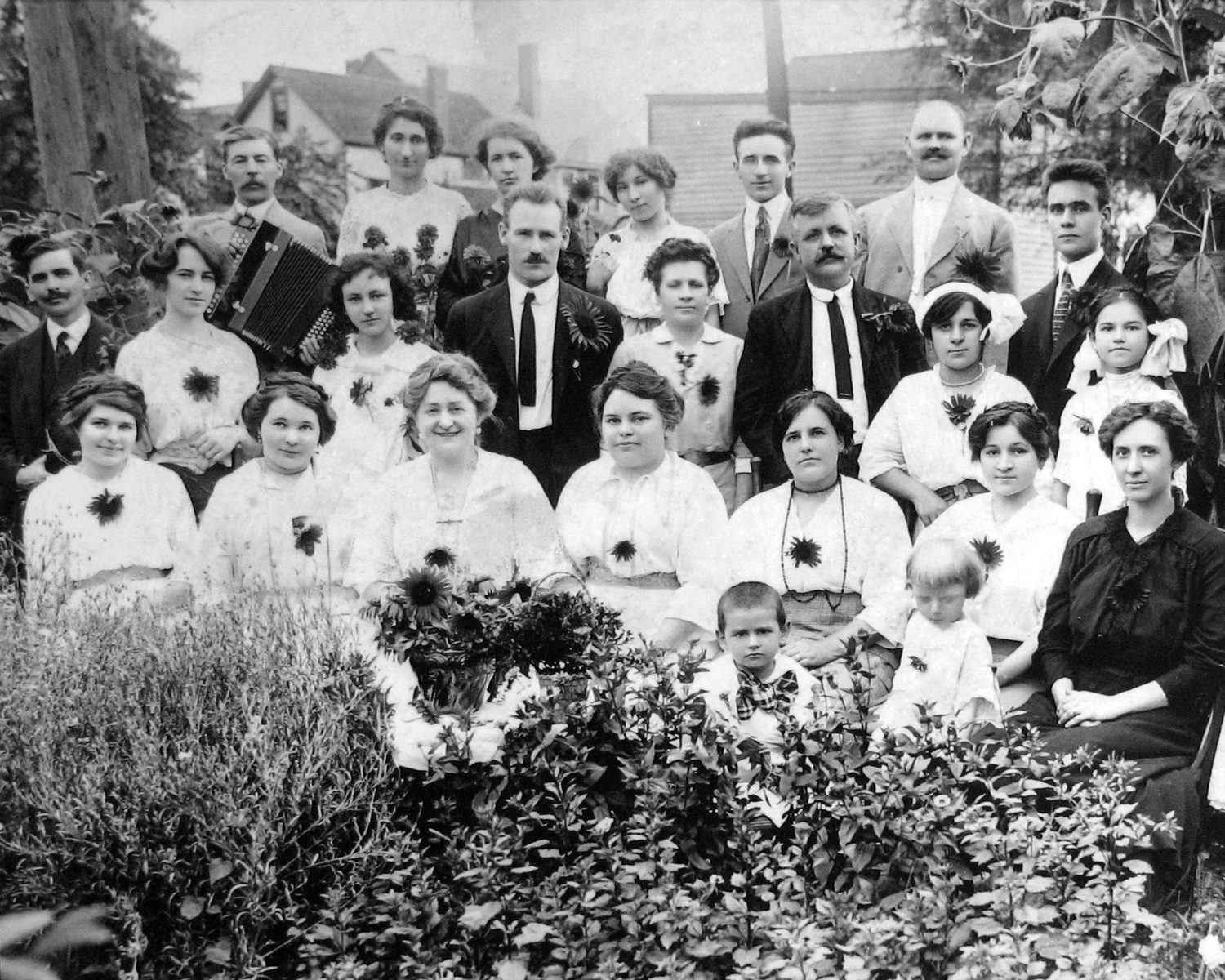
    הגר们 החדשים מעצבים ערים: ההגירה משנה את שוק העבודה, התרבות והדמוגרפיה ביעדים
    הגר们 החדשים מעצבים ערים: ההגירה משנה את שוק העבודה, התרבות והדמוגרפיה ביעדים
    2.12

    Exam tips · ⁨טיפים לבחינות⁩

    English
    • Compute RNI = (CBR − CDR) ÷ 10 as a percent, and read doubling time as about 70 ÷ RNI.
    • Link a population pyramid's shape to fertility and the DTM stage — a wide base means Stage 2.
    • Remember the death rate falls before the birth rate; that is why Stage 2 grows fastest.
    • Separate push from pull and forced from voluntary; a refugee crosses a border, an IDP does not.
    • Weigh migration effects: remittances help the origin, but brain drain and aging hurt it.
    עברית
    • חשב את RNI = (CBR − CDR) ÷ 10 באחוזים, וקבע את זמן ההכפלה בכ- 70 ÷ RNI.
    • קשר את צורת פירמידת האוכלוסין למיזוג ולדרגת DTM — בסיס רחב מצביע על דרגה 2.
    • זכור שקצב התמותה יורד לפני קצב הלידה; זוהי הסיבה לכך שדרגה 2 צומחת במהירות הרבה ביותר.
    • הפרד בין גורמי דחיפה לבין גורמי משיכה, ובין הגירה כפורה לבין הגירה רצונית; פליט חוצה גבול, בעוד IDP אינו עושה זאת.
    • שקול את השפעות ההגירה: שלוחות מועילות למקום המוצא, אך ניסוף מוחות והזדקנות פוגעות בו.
  • 3

    Cultural Patterns and Processes · ⁨דפוסי תהליכים ותרבותיים⁩

    Watch lesson · ⁨צפה בשיעור⁩
    3.1

    Introduction to Culture · ⁨הקדמה לתרבות⁩

    Syllabus · ⁨סיילבוס⁩
    English

    Enduring Understanding (PSO-3): Cultural practices vary across geographical locations because of physical geography and available resources.

    Learning Objective PSO-3.A: Define the characteristics, attitudes, and traits that influence geographers when they study culture.

    • PSO-3.A.1 Culture comprises the shared practices, technologies, attitudes, and behaviors transmitted by a society.
    • PSO-3.A.2 Cultural traits include such things as food preferences, architecture, and land use.
    • PSO-3.A.3 Cultural relativism and ethnocentrism are different attitudes toward cultural difference.
    עברית

    הבנה מתמשכת (PSO-3): מערכי תרבות משתנים בין מיקומים גאוגרפיים שונים בשל גיאוגרפיה פיזית ומשאבים זמינים.

    מטרת הלמידה PSO-3.A: הגדרת המאפיינים, היחסים והמאפיינים המשפיעים על גיאוגרפים בעת שהם לומדים תרבות.

    • PSO-3.A.1 תרבות כוללת מערכי פרקטיקות, טכנולוגיות, יחסים והתנהגויות המשותפים המועברים על ידי חברה.
    • PSO-3.A.2 מאפיינים תרבותיים כוללים דברים כמו העדפות תזונתיות, אדריכלות ושימוש בקרקע.
    • PSO-3.A.3 רליטיביזם תרבותי ואתנוצנטריזם הן גישות שונות כלפי הבדלים תרבותיים.

    Source: College Board AP Course and Exam Description · ⁨מקור: תיאור הקורס והמבחן של College Board AP⁩

    English

    Culture 文化 is the shared set of beliefs, values, practices, and objects of a group of people. Geographers split it into two parts:

    • Material culture 物质文化 — the things people make and use (clothing, tools, food, buildings, art).
    • Nonmaterial culture 非物质文化 — the ideas people hold (language, religion, values, rules).

    A cultural trait 文化特征 is a single element of culture (using chopsticks); a group of linked traits is a cultural complex. Cultural relativism 文化相对论 is the practice of judging a culture by its own standards rather than your own.

    עברית

    תרבות היא סט משותף של אמונות, ערכים, פרקטיקות וחפצים של קבוצת אנשים. גיאוגרפים מחלקים אותה לשני חלקים:

    • תרבות חומרית — הדברים שאנשים יוצרים ומשתמשים בהם (ביגוד, כלים, מזון, מבנים, אמנות).
    • תרבות בלתי חומרית — הרעיונות שאנשים מחזיקים (שפה, דת, ערכים, חוקים).

    מאפיין תרבותי הוא אלמנט בודד בתרבות (שימוש במקלות אכילה); קבוצה של מאפיינים קשורים היא מורכבות תרבותית. רילטיביזם תרבותי הוא שיטה לפסקל תרבות על פי הסטנדרטים שלה עצמה ולא הסטנדרטים שלך.

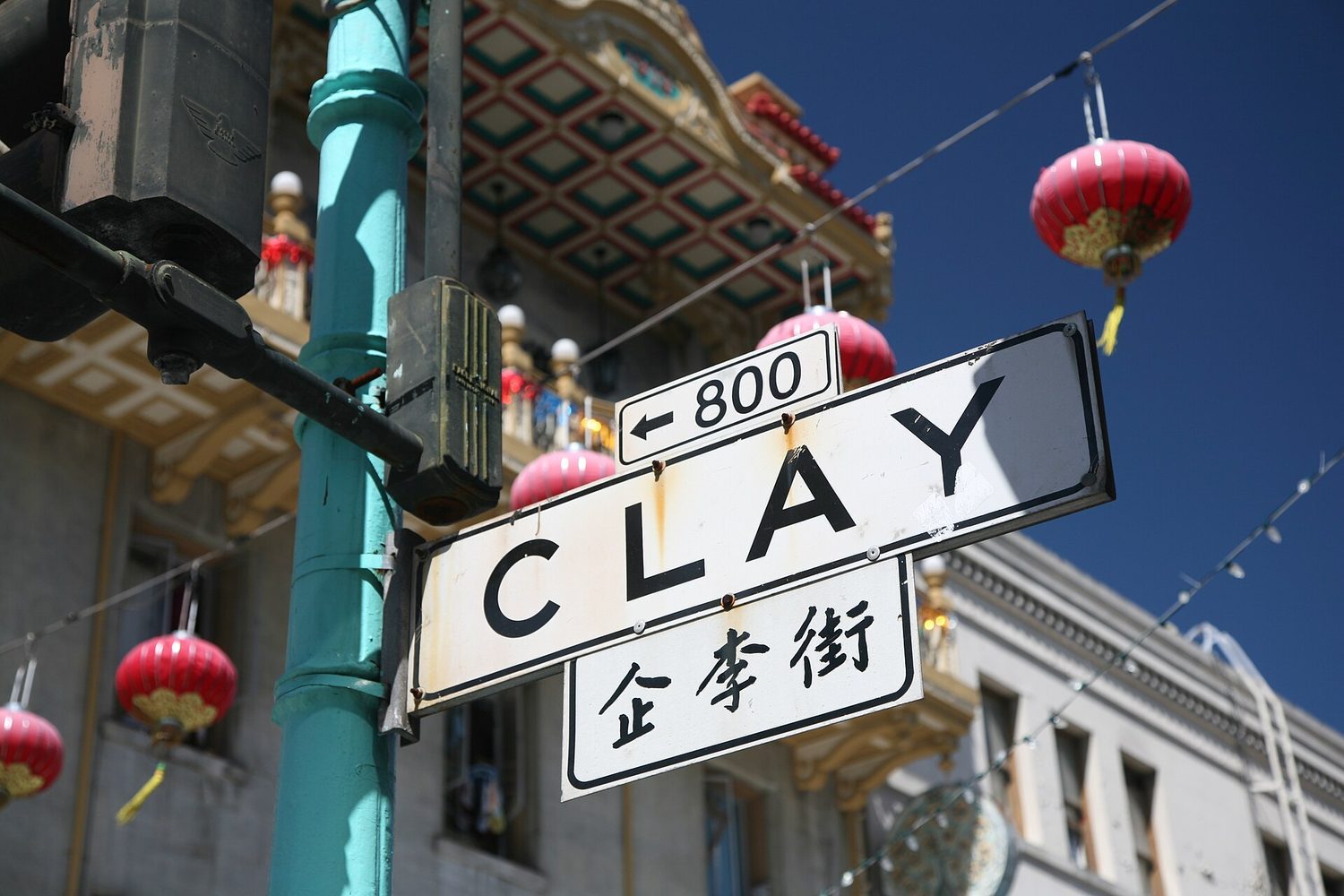
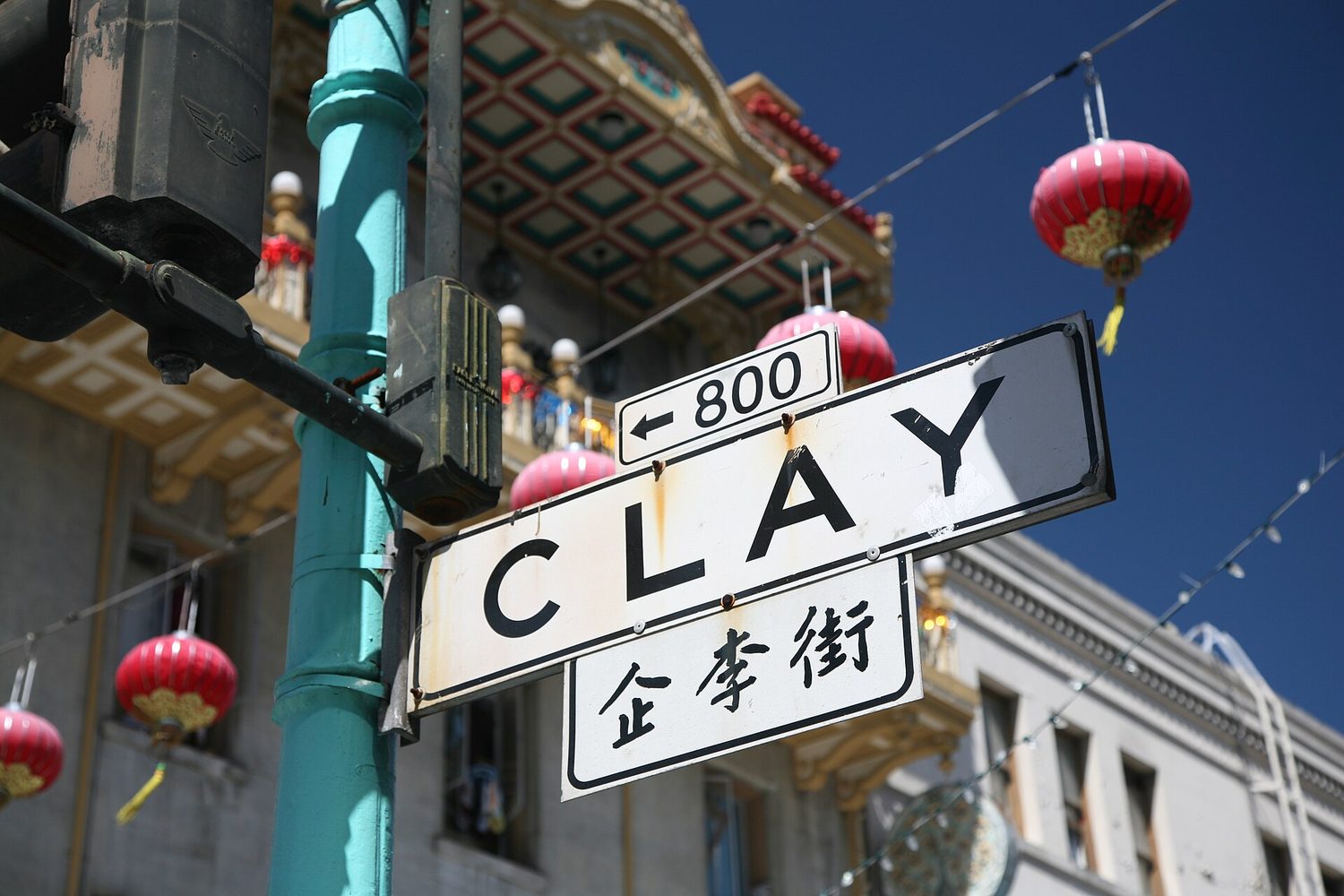
    שלטי צ'ינה טאון: תרבות היא פרקטיקות, ערכים וסמלים משותפים שאנשים לומדים ומעבירים
    שלטי צ'ינה טאון: תרבות היא פרקטיקות, ערכים וסמלים משותפים שאנשים לומדים ומעבירים
    Vocabulary · ⁨מילון מונחים⁩ Train · ⁨אימון⁩
    English עברית
    Culture/ˈkʌltʃə/ תרבות
    Material culture/məˈtɪərɪəl ˈkʌltʃə/ תרבות חומרית
    Nonmaterial culture/ˌnɒnməˈtɪərɪəl ˈkʌltʃə/ תרבות בלתי חומרית
    cultural trait/ˈkʌltʃərəl treɪt/ מאפיין תרבותי
    Cultural relativism/ˈkʌltʃərəl ˈrelətɪvɪzəm/ יחסיות תרבותית
    3.2

    Cultural Landscapes · ⁨נוף תרבותי⁩

    Syllabus · ⁨סיילבוס⁩
    English

    Enduring Understanding (PSO-3): Cultural practices vary across geographical locations because of physical geography and available resources.

    Learning Objective PSO-3.B: Describe the characteristics of cultural landscapes.

    • PSO-3.B.1 Cultural landscapes are combinations of physical features, agricultural and industrial practices, religious and linguistic characteristics, evidence of sequent occupancy, and other expressions of culture including traditional and postmodern architecture and land-use patterns.

    Learning Objective PSO-3.C: Explain how landscape features and land and resource use reflect cultural beliefs and identities.

    • PSO-3.C.1 Attitudes toward ethnicity and gender, including the role of women in the workforce; ethnic neighborhoods; and indigenous communities and lands help shape the use of space in a given society.
    עברית

    הבנה מתמשכת (PSO-3): מערכי תרבות משתנים בין מיקומים גאוגרפיים שונים בשל גיאוגרפיה פיזית ומשאבים זמינים.

    מטרת הלמידה PSO-3.B: לתאר את מאפייני הנופים התרבותיים.

    • PSO-3.B.1 נופים תרבותיים הם שילוב של מאפיינים פיזיקליים, מערכים חקלאיים ותעשייתיים, מאפיינים דתיים ושפה, עדויות להתיישבות רצופה, והבעות אחרות של תרבות כגון ארכיטקטורה מסורתית ופוסט-מודרנית ותבניות שימוש בקרקע.

    מטרת הלמידה PSO-3.C: להסביר כיצד מאפייני הנוף ושימוש בקרקע ובמשאבים משקפים אמונות תרבותיות ומזהויות.

    • PSO-3.C.1 גישות כלפי אתניות ומגדר, לרבות תפקיד הנשים בכוח העבודה; שכונות אתניות; וקהילות ותחומי אדמה מקומיים, עוצרים את שימוש במרחב בחברה נתונה.

    Source: College Board AP Course and Exam Description · ⁨מקור: תיאור הקורס והמבחן של College Board AP⁩

    English

    The cultural landscape 文化景观 is the visible imprint of human activity on the land — buildings, farms, roads, signs, and monuments. It records the values of the people who made it.

    • Sequent occupance 承继占用 is the idea that each group who lives in a place leaves a layer on the landscape, so the landscape shows its whole history.
    • Ethnic enclaves 族裔聚居区, religious buildings, and language on signs are all readable clues to who lives there and what they value.
    עברית

    הנוף התרבותי הוא ההשפעה הנראית של פעילות אנושית על הקרקע — מבנים, חוות, כבישים, שלטים ואנדרטאות. הוא מסתכל על ערכי האנשים שיצרו אותו.

    • התיישבות רציפה היא הרעיון שכל קבוצה החיה במקום משאירה שכבה על הנוף, כך שהנוף מראה את היסטורייתו כולה.
    • אזורי גירה אתניים, מבני דת וכתוביות בשפה הן סימנים קריאים המעידים על מי גר שם ועל מה הוא מעריך.
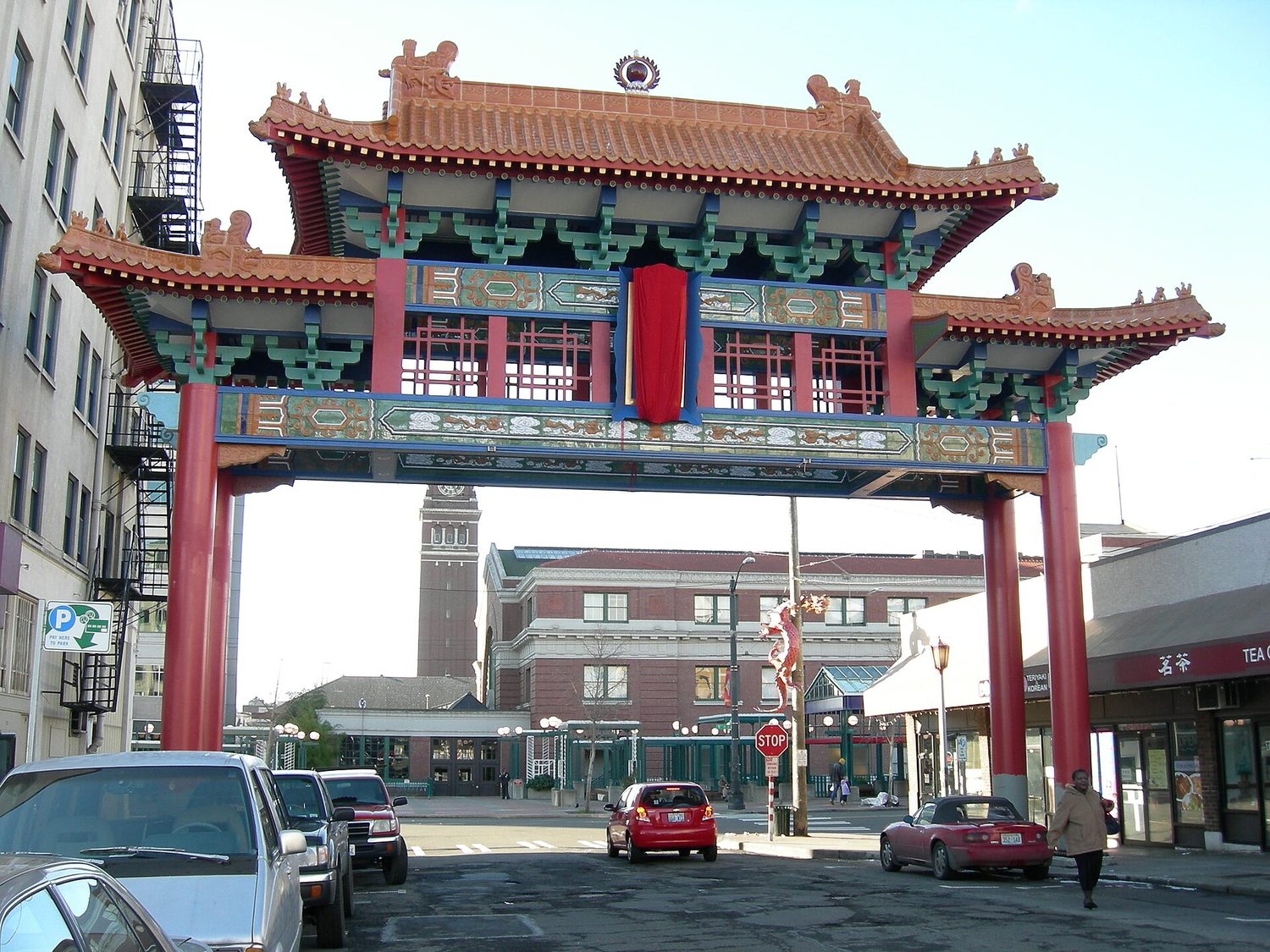
    שער מסורתי סיני גדול ומעוטר עם גג מכוסה ברצפים ירוכים החוצה רחוב, המסמן את הכניסה לרובע הצ'יינה טאון בסיאטל
    שער רובע הצ'יינה טאון בסיאטל: הארכיטקטורה והכתוביות הדו-לשוניות מסמנות אזור גירה אתני, הרושם ברור של קבוצה אחת בנוף התרבותי
    שלטי רחוב ברובע הצ'יינה טאון: הנופים התרבותיים והפיצה משאירים דפוסים מתמשכים בערים
    שלטי רחוב ברובע הצ'יינה טאון: הנופים התרבותיים והפיצה משאירים דפוסים מתמשכים בערים
    Vocabulary · ⁨מילון מונחים⁩ Train · ⁨אימון⁩
    English עברית
    cultural landscape/ˈkʌltʃərəl ˈlændskeɪp/ נוף תרבותי
    Sequent occupance/ˈsiːkwənt ˈɒkjʊpəns/ תופעת יושבים עוקבים
    Ethnic enclaves/ˈeθnɪk ˈeŋkleɪvz/ מחלקות אתניות
    Centripetal forces/senˈtrɪpɪtl ˈfɔːsɪz/ כוחות צנטריפטליים
    centrifugal forces/ˌsentrɪˈfjuːɡl ˈfɔːsɪz/ כוחות צנטריפוגליים
    Acculturation/əˌkʌltʃəˈreɪʃn/ תרבות-הסתגלות
    assimilation/əˌsɪmɪˈleɪʃn/ התאמה תרבותית
    syncretism/ˈsɪŋkrɪtɪzəm/ סנקרטיות
    lingua franca/ˈlɪŋɡjuːə ˈfræŋkə/ שפה לינגוה פרנקה
    3.3

    Cultural Patterns · ⁨דפוסים תרבותיים⁩

    Syllabus · ⁨סיילבוס⁩
    English

    Enduring Understanding (PSO-3): Cultural practices vary across geographical locations because of physical geography and available resources.

    Learning Objective PSO-3.D: Explain patterns and landscapes of language, religion, ethnicity, and gender.

    • PSO-3.D.1 Regional patterns of language, religion, and ethnicity contribute to a sense of place, enhance placemaking, and shape the global cultural landscape.
    • PSO-3.D.2 Language, ethnicity, and religion are factors in creating centripetal and centrifugal forces.
    עברית

    הבנה מתמשכת (PSO-3): מערכי תרבות משתנים בין מיקומים גאוגרפיים שונים בשל גיאוגרפיה פיזית ומשאבים זמינים.

    מטרת הלמידה PSO-3.D: להסביר תבניות ונופים של שפה, דת, אתניות ומגדר.

    • PSO-3.D.1 תבניות אזוריות של שפה, דת ואתניות תורמות לתחושת מקום, מחזקות יצירת מקום ועוצרות את הנוף התרבותי הגלובלי.
    • PSO-3.D.2 שפה, אתניות ודת הן גורמים ביצירת כוחות צנטריפטיים וצנטריפלוגליים.

    Source: College Board AP Course and Exam Description · ⁨מקור: תיאור הקורס והמבחן של College Board AP⁩

    English

    Cultures spread across space in patterns. Key ideas:

    • Centripetal forces 向心力 pull a group together (a shared language or religion); centrifugal forces 离心力 push it apart.
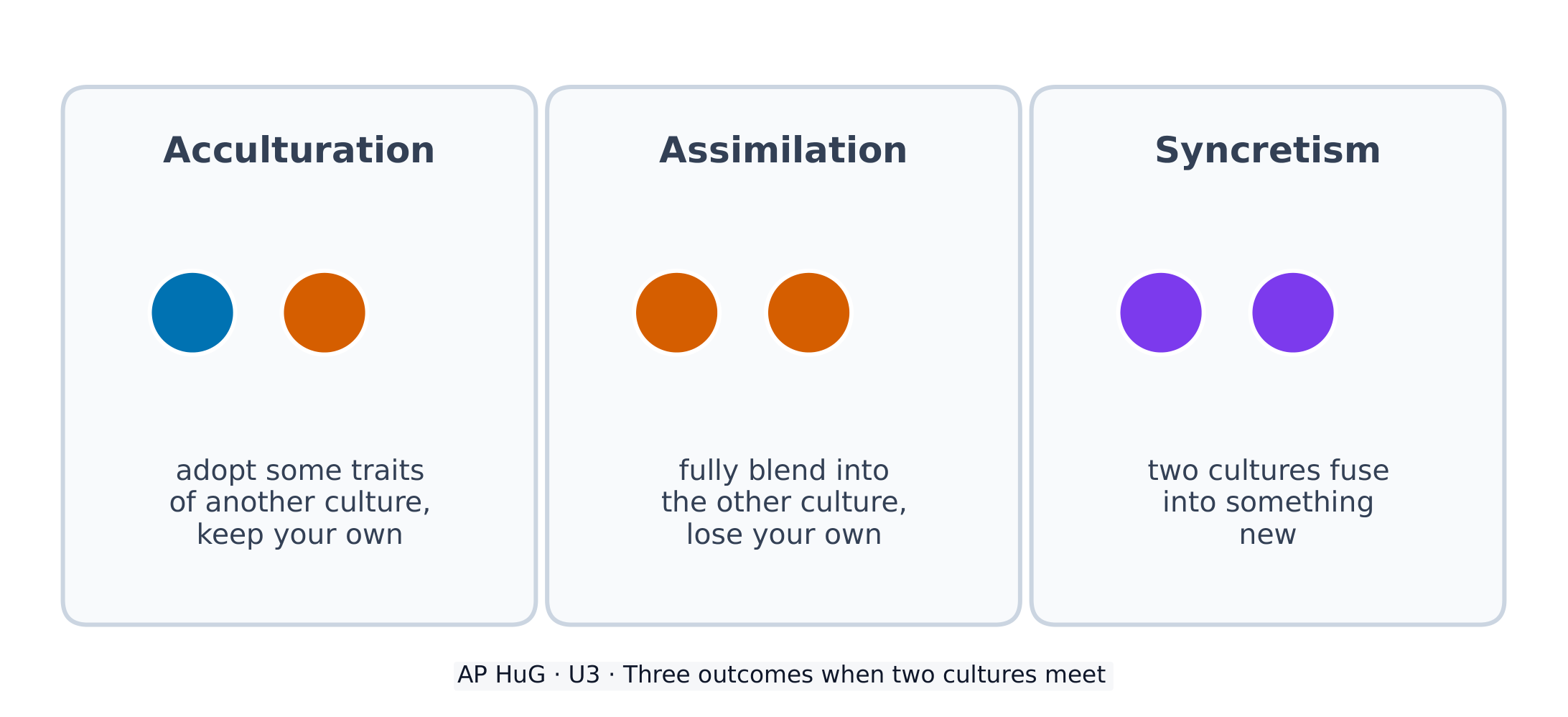
    • Acculturation 文化适应 (adopting some traits of another culture while keeping your own), assimilation 同化 (fully blending into another culture), and syncretism 融合 (two cultures blending into something new) describe how cultures change on contact.
    • A lingua franca 通用语 is a common language used between groups who speak different first languages.

    Worked example (a real AP exam question). "Explain how food preferences can be a culture trait." (2023) A full-mark answer: "Many dishes use ingredients or ways of cooking that are unique to one culture group — for example a national dish — so choosing and eating that food expresses belonging to the group, which is what makes it a culture trait." The command word Explain needs a link, not a definition: connect the food preference to the idea of a shared culture. Simply listing foods earns zero.

    עברית

    תרבויות נפוצות במרחב בדפוסים. רעיונות מרכזיים:

    • כוחות צנטריפטליים מושכים קבוצה יחד (שפה או דת משותפת); כוחות צנטריפוגליים דוחים אותה לפירוד.
    • אקולטורציה (קיבלת חלק מהמאפיינים של תרבות אחרת תוך שמירה על התרבות העצמית), אסימילציה (התמזגות מלאה בתרבות אחרת) ו-סנקרטוזיס (מיזוג של שתי תרבויות ליצירת משהו חדש) מתארים כיצד תרבויות משתנות במגע.
    • לिंगה פרנקה היא שפה משותפת המשמשת לקשר בין קבוצות הדוברות שפות אם שונות.
    שלושה תוצאות כאשר שתי תרבויות פוגשות זו את זו
    האקולטורציה שומרת על התרבות העצמית, האסימילציה מחליפה אותה, והסנקרטוזיס ממזג את שתי התרבויות למשהו חדש

    דוגמה פועלת (שאלה אמיתית במבחן AP). "הסבר כיצד העדפות מזון יכולות להיות מאפיין תרבותי." (2023) תשובה מלאה לנקודות: "מנות רבות משתמשות בחומרי גלם או בטריקות בישול הייחודיים לקבוצה תרבותית אחת — לדוגמה מאכל לאומי — ולכן בחירה ואכילה של מזון זה מבטאת השייכות לקבוצה, דבר שהופך אותו למאפיין תרבותי." המילה המנחה הסבר דורשת קשר, לא הגדרה: יש לחבר את העדפת המזון לרעיון של תרבות משותפת. פשוט ספירת מאכלים תניב אפס נקודות.

    3.4

    Types of Diffusion · ⁨סוגי פיצה⁩

    Syllabus · ⁨סיילבוס⁩
    English

    Enduring Understanding (IMP-3): The interaction of people contributes to the spread of cultural practices.

    Learning Objective IMP-3.A: Define the types of diffusion.

    • IMP-3.A.1 Relocation and expansion—including contagious, hierarchical, and stimulus expansion—are types of diffusion.
    עברית

    הבנה נשארת (IMP-3): אינטראקציה בין אנשים תורמת להתפשטות של מערכי פעולה תרבותיים.

    מטרת הלמידה IMP-3.A: להגדיר את סוגי ההתפשטות.

    • IMP-3.A.1 התפשטות מיקום והתפשטות – כולל התפשטות מדבקית, היררכית וגירוי – הן סוגי התפשטות.

    Source: College Board AP Course and Exam Description · ⁨מקור: תיאור הקורס והמבחן של College Board AP⁩

    English
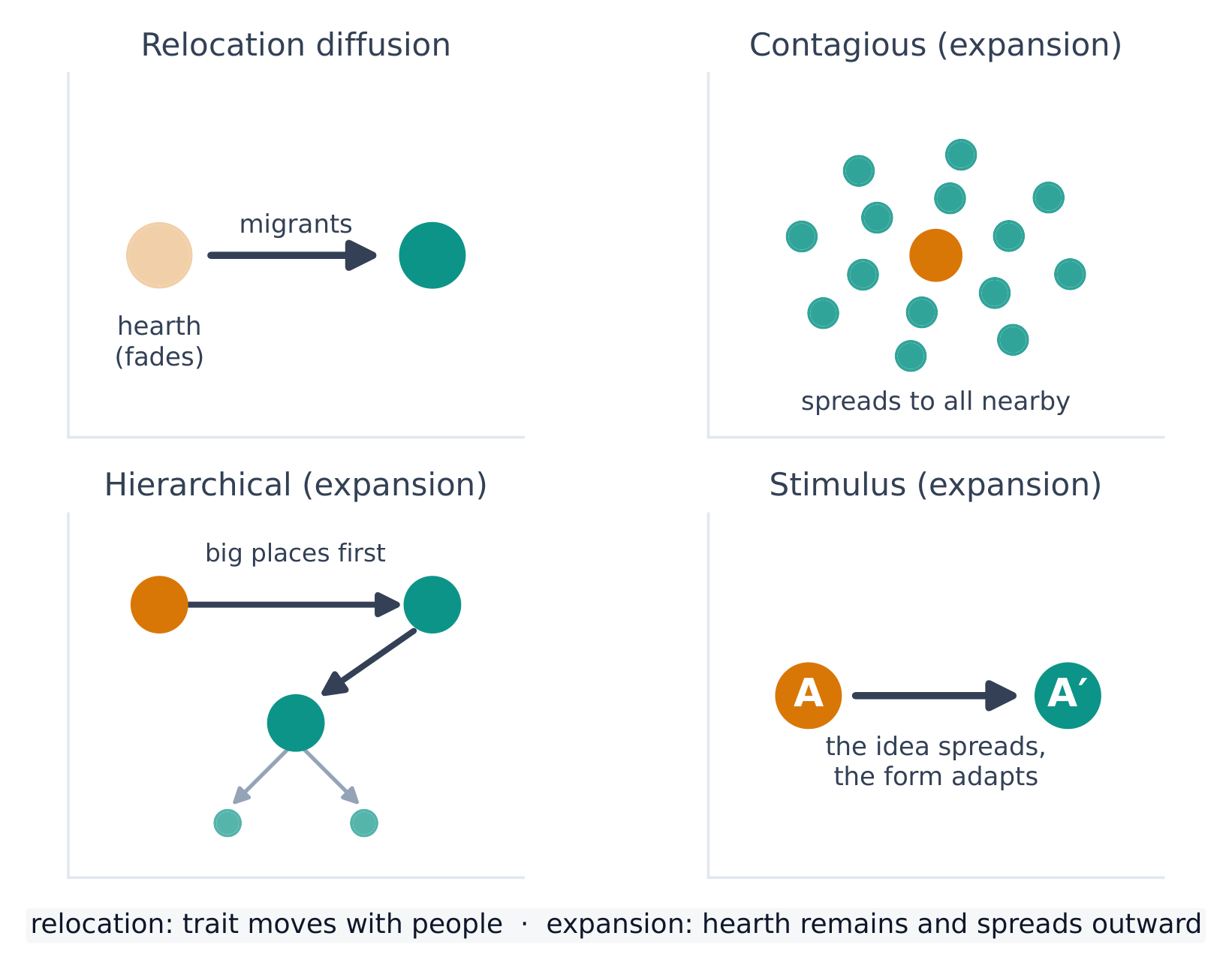
    The four types of diffusion

    Diffusion 扩散 is the spread of a cultural trait from its hearth 源地 (place of origin) to new areas. There are two big families.

    • Relocation diffusion 迁移扩散 — the trait moves as people migrate, so it appears in the new place but may fade at the source.
    • Expansion diffusion 扩展扩散 — the trait spreads outward while staying strong at the source. It has three types:
      • Contagious 传染扩散 — spreads person-to-person to nearby people (like a viral video).
      • Hierarchical 等级扩散 — jumps from big, important places to other big places first (a fashion from major cities).
      • Stimulus 刺激扩散 — the underlying idea spreads even if the exact trait changes (a global brand adapting its menu locally).
    עברית
    ארבעת סוגי הפיצה

    פיצה היא התפשטות של מאפיין תרבותי מהלב (מקום מקור) לאזורים חדשים. ישנם שני משפחות עיקריות.

    התפשטות מעבר והתפשטות (מגעי, היררכית, מגרה)
    פיצת הרמוציה נעה עם הגירה; פיצת הרחבה נפוצה כלפי חוץ תוך שמירה על המקור
    • פיצת הרמוציה — המאפיין נע כשהאנשים מגרים, ולכן הוא מופיע במקום החדש אך עשוי להיעלם מהמקור.
    • התפשטות התרחבות — המאפיין מתפשט החוצה תוך שהוא נשאר חזק בנקודת המקור. ישנם שלושה סוגים:
      • דבוק (מגעי) — מתפשט מאדם לאדם בקרבן (כמו וידאו ויראלי).
      • היררכי — קופץ ממקומות גדולים וחשובים למקומות גדולים אחרים תחילה (אופנה מערי מרכזיות).
      • גירוי — הרעיון הבסיסי מתפשט גם אם המאפיין המדויק משתנה (מותג גלובלי המותאם את התפריט שלו למוקד מקומי).
    Explore · ⁨חקור⁩

    Which type of diffusion is it? · ⁨איזה סוג של התפשטות זה?⁩

    Relocation diffusion moves with migrants; contagious spreads to everyone nearby; hierarchical jumps between big places; stimulus spreads the idea while the form changes. · ⁨התפשטות מיקום נעמת עם הגירה; דבקה מתפשטת לכל הסובבים; היררכית קופצת בין מקומות גדולים; גירוי מפיצה את הרעיון בעוד הצורה משתנה.⁩

    Vocabulary · ⁨מילון מונחים⁩ Train · ⁨אימון⁩
    English עברית
    Diffusion/dɪˈfjuːʒn/ התפשטות
    hearth/hɑːθ/ לב התפשטות
    Relocation diffusion/rɪləʊˈkeɪʃn dɪˈfjuːʒn/ התפשטות באמצעות היערכות מחדש
    Expansion diffusion/ekˈspænʃn dɪˈfjuːʒn/ התפשטות הרחבה
    Contagious/kənˈteɪdʒəs/ מחיי
    Hierarchical/haɪəˈrɑːkɪkl/ היררכי
    Stimulus/ˈstɪmjʊləs/ גירוי
    colonialism/ˈkɒləʊnɪəlɪzəm/ קולוניאליזם
    imperialism/ɪmˈpɪərɪəlɪzəm/ אימפריאליזם
    globalisation/ˌɡləʊbəlaɪˈzeɪʃn/ גלובליזציה
    Universalising religions/ˌjuːnɪˈvɜːsəlaɪzɪŋ rɪˈlɪdʒnz/ דתות אוניברסליות
    Ethnic religions/ˈeθnɪk rɪˈlɪdʒnz/ דתות אתניות
    language families/ˈlæŋɡwɪdʒ ˈfæmɪliz/ משפחות לשון
    dialects/ˈdaɪəlekts/ ניבוס
    Cultural convergence/ˈkʌltʃərəl kənˈvɜːdʒəns/ התכנסות תרבותית
    Cultural divergence/ˈkʌltʃərəl daɪˈvɜːdʒəns/ התבדלות תרבותית
    3.5 3.6

    Causes of Diffusion · ⁨גורמי התפשטות⁩

    Syllabus · ⁨סיילבוס⁩
    English

    Enduring Understanding (SPS-3): Cultural ideas, practices, and innovations change or disappear over time.

    Learning Objective SPS-3.A: Explain how historical processes impact current cultural patterns.

    • SPS-3.A.1 Interactions between and among cultural traits and larger global forces can lead to new forms of cultural expression; for example, creolization and lingua franca.
    • SPS-3.A.2 Colonialism, imperialism, and trade helped to shape patterns and practices of culture.
    עברית

    הבנה נשארת (SPS-3): רעיונות, מערכי פעולה וחדשנות תרבותיים משתנים או נעלמים לאורך זמן.

    מטרת הלמידה SPS-3.A: להסביר כיצד תהליכים היסטוריים משפיעים על תבניות תרבותיות נוכחיות.

    • SPS-3.A.1 אינטראקציות בין מאפיינים תרבותיים וכוחות גלובליים גדולים יותר יכולות להוביל לצורות חדשות של ביטוי תרבותי; לדוגמה, קרוליזציה ולנגה פרנקה.
    • SPS-3.A.2 קולוניאליזם, אימפריאליזם ומסחר תרמו לעיצוב תבניות ומערכי פעולה תרבותיים.
    English

    Enduring Understanding (SPS-3): Cultural ideas, practices, and innovations change or disappear over time.

    Learning Objective SPS-3.A: Explain how historical processes impact current cultural patterns.

    • SPS-3.A.3 Cultural ideas and practices are socially constructed and change through both small-scale and large-scale processes such as urbanization and globalization. These processes come to bear on culture through media, technological change, politics, economics, and social relationships.
    • SPS-3.A.4 Communication technologies, such as the internet and the time-space convergence, are reshaping and accelerating interactions among people; changing cultural practices, as in the increasing use of English and the loss of indigenous languages; and creating cultural convergence and divergence.
    עברית

    הבנה נשארת (SPS-3): רעיונות, מערכי פעולה וחדשנות תרבותיים משתנים או נעלמים לאורך זמן.

    מטרת הלמידה SPS-3.A: להסביר כיצד תהליכים היסטוריים משפיעים על תבניות תרבותיות נוכחיות.

    • SPS-3.A.3 רעיונות ומערכים תרבותיים הם בני תרבות חברתית ונשתנים באמצעות תהליכים בקנה מידה קטן וגדול, כגון עירוניות וגלובליזציה. תהליכים אלו משפיעים על התרבות דרך המדיה, שינוי טכנולוגי, פוליטיקה, כלכלה ויחסים חברתיים.
    • SPS-3.A.4 טכנולוגיות תקשורת, כגון האינטרנט והתמזגות הזמן-מרחב, משנות ומאייצות את האינטראקציות בין אנשים; משנות מערכים תרבותיים, כמו השימוש הגובר באנגלית ואובדן שפות ילידיות; ויוצרות התכנסות והתפרקות תרבותיים.

    Source: College Board AP Course and Exam Description · ⁨מקור: תיאור הקורס והמבחן של College Board AP⁩

    English

    Diffusion has both historical and contemporary causes.

    • Historical: colonialism 殖民主义, imperialism 帝国主义, trade, and the spread of religion carried culture across the world for centuries.
    • Contemporary: globalisation 全球化, the internet, transport, and time–space compression speed diffusion up enormously — a trend can now spread worldwide in hours.

    These forces can spread culture but also threaten local traditions, raising debates about a global culture versus local identity.

    עברית

    להתפשטות ישנם גורמים היסטוריים ומודרניים.

    • היסטוריים: קולוניאליזם, אימפריאליזם, מסחר והתפשטות הדת הובילו תרבות לכל רחבי העולם במשך מאות שנים.
    • מודרניים: גלובליזציה, האינטרנט, תחבורה ודחוסת זמן-מרחב מזרזים את ההתפשטות באופן משמעותי — מגמה יכולה כעת להתפשט בעולם כולו בתוך שעות.

    כוחות אלו יכולים להפיץ תרבות אך גם לסכן מסורות מקומיות, ומציאים מחלוקות לגבי תרבות גלובלית לעומת זהות מקומית.

    3.7

    Diffusion of Religion and Language · ⁨התפשטות דת ושפה⁩

    Syllabus · ⁨סיילבוס⁩
    English

    Enduring Understanding (IMP-3): The interaction of people contributes to the spread of cultural practices.

    Learning Objective IMP-3.B: Explain what factors lead to the diffusion of universalizing and ethnic religions.

    • IMP-3.B.1 Language families, languages, dialects, world religions, ethnic cultures, and gender roles diffuse from cultural hearths.
    • IMP-3.B.2 Diffusion of language families, including Indo-European, and religious patterns and distributions can be visually represented on maps, in charts and toponyms, and in other representations.
    • IMP-3.B.3 Religions have distinct places of origin from which they diffused to other locations through different processes. Practices and belief systems impacted how widespread the religion diffused.
    • IMP-3.B.4 Universalizing religions, including Christianity, Islam, Buddhism, and Sikhism, are spread through expansion and relocation diffusion.
    • IMP-3.B.5 Ethnic religions, including Hinduism and Judaism, are generally found near the hearth or spread through relocation diffusion.
    עברית

    הבנה נשארת (IMP-3): אינטראקציה בין אנשים תורמת להתפשטות של מערכי פעולה תרבותיים.

    מטרות למידה IMP-3.B: הסבר מהם הגורמים המובילים להתפשטות של דתות אוניברסליות ודתות אתניות.

    • IMP-3.B.1 משפחות לשון, שפות, ניבים, דתות עולם, תרבויות אתניות ותפקידי מגדר מתפשטים ממרכזי תרבות.
    • IMP-3.B.2 התפשטות של משפחות לשון, כולל ההודו-אירופאית, ותבניות דתיות וחלוקתן ניתנת להצגה ויזואלית במפות, בגרפים ובטופונימים, ובאמצעות סמלים אחרים.
    • IMP-3.B.3 לדתות יש מקומות מוצא נפרדים מהם הן התפשטו למיקומים אחרים דרך תהליכים שונים. מערכים ומערכי אמונות השפיעו על היקף התפשטות הדת.
    • IMP-3.B.4 דתות אוניברסליות, כולל נצרות, אסלאם, בודהיזם וסיקizm, מתפשטות באמצעות התפשטות הרחבה והתפשטות מיקום.
    • IMP-3.B.5 דתות אתניות, כולל הינדואיזם ויהדות, נמצאות לרוב בסמיכות למרכז התרבות או מתפשטות באמצעות התפשטות מיקום.

    Source: College Board AP Course and Exam Description · ⁨מקור: תיאור הקורס והמבחן של College Board AP⁩

    English

    Religions and languages are the two clearest examples of cultural diffusion.

    • Universalising religions 普世宗教 (Christianity, Islam, Buddhism) actively seek converts and spread widely by expansion and relocation diffusion. Ethnic religions 民族宗教 (Hinduism, Judaism) are tied to one group and spread mainly by relocation.
    • Languages belong to language families 语系; they spread with migration and trade, and can split into dialects 方言 or die out as speakers switch to a dominant language.
    עברית

    דתות ושפות הן שני הדוגמאות הברורות ביותר להתפשטות תרבותית.

    • דתות אוניברסליות (נוצרות, אסלאם, בודהיזם) מחפשות באופן פעיל מאמינים חדשים ומתפשטות נרחבת על ידי התפשטות התרחבות והתפשטות מיקום. דתות אתניות (הינדואיזם, יהדות) קשורות לקבוצה אחת ומתפשטות בעיקר על ידי התפשטות מיקום.
    • שפות שייכות למשפחות שפה; הן מתפשטות עם הגירה ומסחר, ועלולות להפוך לניבים או להיכחד כאשר דובריהם עוברים לשפה דומיננטית.
    3.8

    Effects of Diffusion · ⁨השפעות של התפשטות⁩

    Syllabus · ⁨סיילבוס⁩
    English

    Enduring Understanding (SPS-3): Cultural ideas, practices, and innovations change or disappear over time.

    Learning Objective SPS-3.B: Explain how the process of diffusion results in changes to the cultural landscape.

    • SPS-3.B.1 Acculturation, assimilation, syncretism, and multiculturalism are effects of the diffusion of culture.
    עברית

    הבנה נשארת (SPS-3): רעיונות, מערכי פעולה וחדשנות תרבותיים משתנים או נעלמים לאורך זמן.

    מטרות למידה SPS-3.B: הסבר כיצד תהליך ההתפשטות גורם לשינויים בנופח התרבותי.

    • SPS-3.B.1 אקולטורה, אינטגרציה, סינקרטיזם ורב-תרבותיות הן תוצאות ההתפשטות התרבותית.

    Source: College Board AP Course and Exam Description · ⁨מקור: תיאור הקורס והמבחן של College Board AP⁩

    English

    When cultures spread and meet, several outcomes follow:

    • Cultural convergence 文化趋同 — cultures become more alike as they share traits (global brands, English online).
    • Cultural divergence 文化分化 — a culture becomes more distinct, often to resist outside influence.
    • Diffusion can enrich a place with new food, music, and ideas, but can also erode local languages and traditions — a central tension of a globalising world.
    עברית

    כאשר תרבויות מתפשטות ומפגשות, נובעים מספר תוצאות:

    • התכנסות תרבותית — תרבויות הופכות דומות יותר כשהן חולקות מאפיין (מותגים גלובליים, אנגלית ברשת).
    • התנתקות תרבותית — תרבות הופכת ייחודית יותר, לעיתים כדי להתנגד להשפעה חיצונית.
    • התפשטות יכולה לעשיר מקום באוכל, מוזיקה ורעיונות חדשים, אך יכולה גם לשחק שפות מקומיות ומסורות — מתח מרכזי של עולם גלובלי.
    3.8

    Exam tips · ⁨טיפים לבחינות⁩

    English
    • Distinguish relocation diffusion (people move) from expansion diffusion (the idea spreads and stays at its source).
    • Name the expansion sub-type precisely: contagious, hierarchical, or stimulus.
    • Separate universalizing religions (seek converts) from ethnic religions (spread mainly by birth).
    • Use the cultural landscape — architecture, toponyms, sequent occupance — as evidence of past groups.
    • For effects, keep acculturation, assimilation, and syncretism distinct; they are not the same.
    עברית
    • הבדל בין התפשטות מיקום (אנשים נעים) לבין התפשטות התרחבות (הרעיון מתפשט ונשאר בנקודת המקור).
    • ציין את תת-הסוג של ההתפשטות במדויק: דבוק, היררכי או גירוי.
    • הפרד בין דתות אוניברסליות (חוקרות מאמינים) לבין דתות אתניות (מתפשטות בעיקר דרך לידה).
    • השתמש בנוף התרבותי — ארכיטקטורה, אנתרונימיה, התיישבות עוקבת — כעדות לקבוצות עבר.
    • לגבי השפעות, שמור על ההבדלים בין אקולטיציה, אינטגרציה וסינקרטיזם; הם אינם זהים.
  • 4

    Political Patterns and Processes · ⁨דפוסי תהליכים פוליטיים⁩

    Watch lesson · ⁨צפה בשיעור⁩
    4.1

    Introduction to Political Geography · ⁨הקדמה לגיאוגרפיה פוליטית⁩

    Syllabus · ⁨סיילבוס⁩
    English

    Enduring Understanding (PSO-4): The political organization of space results from historical and current processes, events, and ideas.

    Learning Objective PSO-4.A: For world political maps: a. Define the different types of political entities. b. Identify a contemporary example of political entities.

    • PSO-4.A.1 Independent states are the primary building blocks of the world political map.
    • PSO-4.A.2 Types of political entities include nations, nation-states, stateless nations, multinational states, multistate nations, and autonomous and semiautonomous regions, such as American Indian reservations.
    עברית

    הבנה מתמשכת (PSO-4): הארגון הפוליטי של המרחב הוא תוצאה של תהליכים, אירועים ורעיונות היסטוריים ועכשוויים.

    מטרות למידה PSO-4.A: עבור מפות פוליטיות עולמיות: א. הגדר את סוגי היחידות הפוליטיות השונות. ב. זיהוי דוגמה עכשווית ליחידות פוליטיות.

    • PSO-4.A.1 מדינות עצמאיות הן בלוקי הבנייה הראשיים של המפה הפוליטית העולמית.
    • PSO-4.A.2 סוגי יחידות פוליטיות כולל לאומים, מדינות לאום, לאומים ללא מדינה, מדינות רב-לאומיות, לאומים רב-מדינתיים ואזורים אוטונומיים וחצי-אוטונומיים, כגון שמורות אינדיאניות אמריקאיות.

    Source: College Board AP Course and Exam Description · ⁨מקור: תיאור הקורס והמבחן של College Board AP⁩

    English

    Political geography 政治地理学 studies how humans divide and control space. Its key units:

    • A state 国家 (country) is an area with defined borders, a permanent population, a government, and sovereignty 主权 — full control over its own affairs.
    • A nation 民族 is a group of people with a shared culture and identity; a nation-state 民族国家 is a state whose borders match one nation (Japan is close).
    • A multinational state 多民族国家 contains several nations; a stateless nation 无国家民族 (like the Kurds) has no state of its own.

    Worked example (a real AP exam question). "Define the concept of an independent state." (2025) A full-mark answer: "A sovereign country that governs itself and its own territory, is not controlled by any outside power, and is recognised by other states." The command word Define wants a short, precise meaning — one clear sentence is enough. You do not need examples or explanation here; save those for the "Describe" and "Explain" parts.

    עברית

    גיאוגרפיה פוליטית לומדת כיצד אנשים מחלקים ושולטים במרחב. היחידות המרכזיות שלה:

    • מדינה היא שטח עם גבולות מוגדרים, אוכלוסייה קבועה, ממשלה וריבונות — שליטה מלאה על ענייניה הפנימיים.
    • אומה היא קבוצת אנשים בעלת תרבות ומזהות משותפת; מדינת לאום היא מדינה שגבולותיה תואמים לאומה אחת (יפן קרובה לכך).
    • מדינה רב-לאומית מכילה מספר אומות; אומה ללא מדינה (כמו הכורדים) אין לה מדינה משלה.

    דוגמה מפורטת (שאלה אמיתית מבחן AP). "הגדר את המושג של מדינה עצמאית." (2025) תשובה מלאה: "מדינה ריבונית השולטת על עצמה ועל שטחה, אינה נשלטת על ידי כוח חיצוני כלשהו, ומוכרת על ידי מדינות אחרות." המילה המנחה הגדר דורשת משמעות קצרה ומדויקת — משפט ברור אחד מספיק. אינך צריך דוגמאות או הסברים כאן; שמור אותם לחלקי "תאר" ו"הסבר".

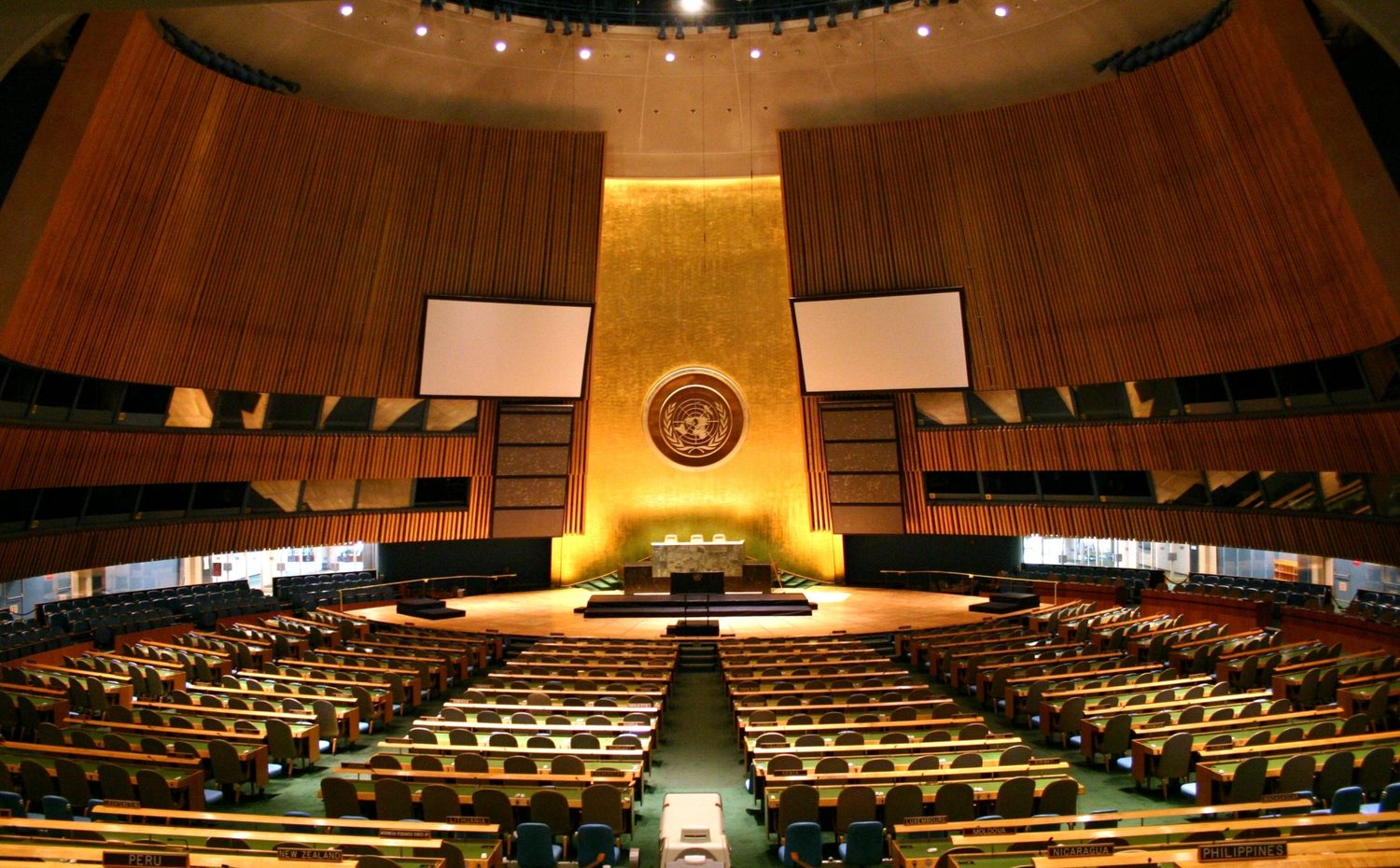
    האספה הכללית של האו"ם: ריבונות והכרה בין מדינות
    האספה הכללית של האו"ם: ריבונות והכרה בין מדינות
    4.2 4.3

    Political Power and Territoriality · ⁨כוח פוליטי וטריטוריואליות⁩

    Syllabus · ⁨סיילבוס⁩
    English

    Enduring Understanding (PSO-4): The political organization of space results from historical and current processes, events, and ideas.

    Learning Objective PSO-4.B: Explain the processes that have shaped contemporary political geography.

    • PSO-4.B.1 The concepts of sovereignty, nation- states, and self-determination shape the contemporary world.
    • PSO-4.B.2 Colonialism, imperialism, independence movements, and devolution along national lines have influenced contemporary political boundaries.
    עברית

    הבנה מתמשכת (PSO-4): הארגון הפוליטי של המרחב הוא תוצאה של תהליכים, אירועים ורעיונות היסטוריים ועכשוויים.

    מטרות למידה PSO-4.B: הסבר התהליכים שעיצבו את הגיאוגרפיה הפוליטית המודרנית.

    • PSO-4.B.1 המושגים של ריבונות, מדינות-לאום והתאבדות עצמית מעצבים את העולם המודרני.
    • PSO-4.B.2 קולוניאליזם, אימפריאליזם, תנועות עצמאות ופיזור סמכויות לאורך קווים לאומיים השפיעו על הגבולות הפוליטיים המודרניים.
    English

    Enduring Understanding (PSO-4): The political organization of space results from historical and current processes, events, and ideas.

    Learning Objective PSO-4.C: Describe the concepts of political power and territoriality as used by geographers.

    • PSO-4.C.1 Political power is expressed geographically as control over people, land, and resources, as illustrated by neocolonialism, shatterbelts, and choke points.
    • PSO-4.C.2 Territoriality is the connection of people, their culture, and their economic systems to the land.
    עברית

    הבנה מתמשכת (PSO-4): הארגון הפוליטי של המרחב הוא תוצאה של תהליכים, אירועים ורעיונות היסטוריים ועכשוויים.

    מטרות למידה PSO-4.C: תיאור מושגי הכוח הפוליטי והטריטוריואליות כפי שמשתמשים בהם גיאוגרפים.

    • PSO-4.C.1 כוח פוליטי בא ביטוי גיאוגרפי דרך שליטה באנשים, אדמה ומשאבים, כפי שמדגים נאו-קולוניאליזם, אזורים מתפוררים (shatterbelts) ונקודות צרה.
    • PSO-4.C.2 טריטוריואליות היא הקשר בין אנשים, התרבות שלהם והמערכות הכלכליות שלהם לבין האדמה.

    Source: College Board AP Course and Exam Description · ⁨מקור: תיאור הקורס והמבחן של College Board AP⁩

    English

    Territoriality 领域性 is the attempt by a person or group to control people and things by controlling an area. Power is expressed geographically through control of land, people, and resources.

    • Colonialism and imperialism built empires by taking control of distant territory; neocolonialism 新殖民主义 is continued economic control after formal independence.
    • Choke points 咽喉要道 (narrow passages like the Suez Canal or the Strait of Malacca) and shatterbelts 破碎地带 (regions caught between competing powers) show how geography shapes political power.
    עברית

    טריטוריואליות היא ניסיונו של אדם או קבוצה לשלוט באנשים ובדברים על ידי שליטה בשטח. הכוח מתבטא גיאוגרפית דרך שליטה בקרקע, אנשים ומשאבים.

    • קולוניאליזם ואימפריאליזם בנו את האימפריות על ידי לקיחת שליטה בשטחים מרוחקים; נאו-קולוניאליזם הוא המשך של שליטה כלכלית לאחר עצמאות פורמלית.
    • נקודות צוואר (מעברים צרים כמו תעלת סואץ או מצר מלאקה) ואזורי התפוררות (אזורים הנמצאים בין כוחות תחרותיים) מראים כיצד גיאוגרפיה מעצבת כוח פוליטי.
    4.4 4.5 4.6

    Political Boundaries · ⁨גבולות פוליטיים⁩

    Syllabus · ⁨סיילבוס⁩
    English

    Enduring Understanding (IMP-4): Political boundaries and divisions of governance, between states and within them, reflect balances of power that have been negotiated or imposed.

    Learning Objective IMP-4.A: Define types of political boundaries used by geographers.

    • IMP-4.A.1 Types of political boundaries include relic, superimposed, subsequent, antecedent, geometric, and consequent boundaries.
    עברית

    הבנה מתמשכת (IMP-4): גבולות פוליטיים וחלוקת סמכויות, בין מדינות בתוך它们, משקפים איזון כוחות שהוסכם עליהם או הופרץ עליהם.

    מטרת למידה IMP-4.A: הגדרת סוגי הגבולות הפוליטיים המשמשים על ידי גיאוגרפים.

    • IMP-4.A.1 סוגי הגבולות הפוליטיים כוללים גבולות שאריות, מוטבעים, אחריים, קדומים, גיאומטריים ועקביים.
    English

    Enduring Understanding (IMP-4): Political boundaries and divisions of governance, between states and within them, reflect balances of power that have been negotiated or imposed.

    Learning Objective IMP-4.B: Explain the nature and function of international and internal boundaries.

    • IMP-4.B.1 Boundaries are defined, delimited, demarcated, and administered to establish limits of sovereignty, but they are often contested.
    • IMP-4.B.2 Political boundaries often coincide with cultural, national, or economic divisions. However, some boundaries are created by demilitarized zones or policy, such as the Berlin Conference.
    • IMP-4.B.3 Land and maritime boundaries and international agreements can influence national or regional identity and encourage or discourage international or internal interactions and disputes over resources.
    • IMP-4.B.4 The United Nations Convention on the Law of the Sea defines the rights and responsibilities of nations in the use of international waters, established territorial seas, and exclusive economic zones.
    עברית

    הבנה מתמשכת (IMP-4): גבולות פוליטיים וחלוקת סמכויות, בין מדינות בתוך它们, משקפים איזון כוחות שהוסכם עליהם או הופרץ עליהם.

    מטרת למידה IMP-4.B: הסבר הטבע והפונקציה של גבולות בינלאומיים ופנימיים.

    • IMP-4.B.1 גבולות מגדירים, מציינים, מסמנים ומנהלים כדי לקבוע גבולות ריבונות, אך לעיתים קרובות הם מחלוקתיים.
    • IMP-4.B.2 גבולות פוליטיים חופפים לעיתים קרובות עם חלוקות תרבותיות, לאומיות או כלכליות. עם זאת, חלק מהגבולות נוצרו על ידי אזורי אי-סכסוך או מדיניות, כמו בוועידת ברלין.
    • IMP-4.B.3 גבולות יבשתיים וימיים הסכמים בינלאומיים יכולים להשפיע על זהות לאומית או אזורית ולעודד או לסייע בפעילות בינלאומית או פנימית ובחלוקות על משאבים.
    • IMP-4.B.4 אמנת האו"ם לחוק הים מגדירה את הזכויות והאחריות של מדינות בשימוש במי ים בינלאומיים, בים הטריטוריאליים established והאזורים הכלכליים הבלעדיים.
    English

    Enduring Understanding (IMP-4): Political boundaries and divisions of governance, between states and within them, reflect balances of power that have been negotiated or imposed.

    Learning Objective IMP-4.B: Explain the nature and function of international and internal boundaries.

    • IMP-4.B.5 Voting districts, redistricting, and gerrymandering affect election results at various scales.
    עברית

    הבנה מתמשכת (IMP-4): גבולות פוליטיים וחלוקת סמכויות, בין מדינות בתוך它们, משקפים איזון כוחות שהוסכם עליהם או הופרץ עליהם.

    מטרת למידה IMP-4.B: הסבר הטבע והפונקציה של גבולות בינלאומיים ופנימיים.

    • IMP-4.B.5 מחלקות בחירה, חלוקת מחדש של אזורי בחירה וג'רימנדרים משפיעים על תוצאות הבחירות ברמות שונות.

    Source: College Board AP Course and Exam Description · ⁨מקור: תיאור הקורס והמבחן של College Board AP⁩

    English

    A boundary 边界 is a line that marks the limit of a state's territory. Types by origin:

    • Antecedent 先成边界 (drawn before dense settlement), subsequent 后成边界 (drawn as cultures develop), superimposed 叠加边界 (forced on by an outside power, ignoring local culture), and relic 残余边界 (no longer a border but still visible, like the Berlin Wall).
    • Definition, delimitation, and demarcation are the steps of setting a boundary: agreeing wording, drawing it on a map, then marking it on the ground.
    • At sea, the UN Convention on the Law of the Sea (UNCLOS) 联合国海洋法公约 sets each coastal state's territorial sea and an exclusive economic zone (EEZ) 专属经济区, defining rights to fishing and seabed resources.
    • The shape of a state matters: compact states are easy to govern; elongated, fragmented, perforated, and prorupted shapes create governing challenges.
    עברית
    נוף חד-משמעי: גבולות פוליטיים ושליטה על קרקע מעצבים שימוש במשאבים
    נוף חד-משמעי: גבולות פוליטיים ושליטה על קרקע מעצבים שימוש במשאבים

    גבול הוא קו המסמן את הגבול של שטח המדינה. סוגים לפי מקור:

    כיצד גבולות נוצרים והצורות שהמדינות יכולות לקבל
    מדינות לוקחות צורות שונות; כל צורה משפיעה על קלילות הממשלה של המדינה
    • קודם (מצויר לפני התיישבות צפופה), בא עקבותיו (מצויר כאשר תרבויות מתפתחות), מוטבע (נכפה על ידי כוח חיצוני, בעיית את התרבות המקומית), ושארית (אינו עוד גבול אך עדיין נראה, כמו חומת ברלין).
    • הגדרה, סימון גבולות והצבה הם שלבי הגדרת גבול: הסכמה בנוסח, ציור על מפה, ולאחר מכן סימון בשטח.
    • בים, האמנה האו"ם לחוק הים (UNCLOS) קובעת את הים הטריטוריאלי של כל מדינה חוף ואת האזור הכלכלי הבלעדי (EEZ), ומגדירה זכויות דיג ומשאבי הקרקעית.
    • צורת המדינה חשובה: מדינות צמודות קלות לממשלה; צורות מאוכזמות, שבירתיות, חוררות ומדומדות יוצרות אתגרים בממשלה.
    Vocabulary · ⁨מילון מונחים⁩ Train · ⁨אימון⁩
    English עברית
    Political geography/pəˈlɪtɪkl dʒɪˈɒɡrəfi/ גיאוגרפיה פוליטית
    state/steɪt/ מדינה
    sovereignty/ˈsɒvərɪnti/ ריבונות
    nation/ˈneɪʃn/ לאום
    nation-state/ˈneɪʃn steɪt/ מדינת לאום
    multinational state/ˌmʌltɪˈnæʃənl steɪt/ מדינה רב-לאומית
    stateless nation/ˈsteɪtləs ˈneɪʃn/ לאום ללא מדינה
    Territoriality/ˌterɪˌtɔːrɪˈælɪti/ טריטוריאליזם
    neocolonialism/ˈniːəʊkɒləʊnɪəlɪzəm/ ניאו-קולוניאליזם
    Choke points/tʃəʊk pɔɪnts/ נקודות צוואר בקבוק
    shatterbelts/ˈʃætəbelts/ חגורות התפוררות
    boundary/ˈbaʊndəri/ גבול
    Antecedent/ˌæntɪˈsiːdənt/ קודם לכן
    subsequent/ˈsʌbsɪkwənt/ העוקב
    superimposed/ˌsuːpərɪmˈpəʊzd/ מותחל
    relic/ˈrelɪk/ שארית
    UN Convention on the Law of the Sea (UNCLOS) אמנת האו"ם על חוק הים (UNCLOS)
    exclusive economic zone (EEZ)/eksˈkluːsɪv ˌiːkəˈnɒmɪk zəʊn/ אזור כלכלי בלעדי (EEZ)
    unitary state/ˈjuːnɪtəri steɪt/ מדינה יחידתית
    federal state/ˈfedərəl steɪt/ מדינה פדרלית
    Gerrymandering/ˈdʒerɪmændərɪŋ/ ג'רימנדר
    4.7

    Forms of Governance · ⁨צורות ממשל⁩

    Syllabus · ⁨סיילבוס⁩
    English

    Enduring Understanding (IMP-4): Political boundaries and divisions of governance, between states and within them, reflect balances of power that have been negotiated or imposed.

    Learning Objective IMP-4.C: Define federal and unitary states.

    • IMP-4.C.1 Forms of governance include unitary states and federal states.

    Learning Objective IMP-4.D: Explain how federal and unitary states affect spatial organization.

    • IMP-4.D.1 Unitary states tend to have a more top-down, centralized form of governance, while federal states have more locally based, dispersed power centers. SUGGESTED SKILLS Spatial Relationships Describe spatial patterns, networks, and relationships.
    עברית

    הבנה מתמשכת (IMP-4): גבולות פוליטיים וחלוקת סמכויות, בין מדינות בתוך它们, משקפים איזון כוחות שהוסכם עליהם או הופרץ עליהם.

    מטרות למידה IMP-4.C: להגדיר מדינות פדרליות ומדינות יחידניות.

    • IMP-4.C.1 צורות של שלטון כוללות מדינות יחידניות ומדינות פדרליות.

    מטרות למידה IMP-4.D: להסביר כיצד מדינות פדרליות ומדינות יחידניות משפיעות על הארגון המרחבי.

    • IMP-4.D.1 מדינות יחידניות נוטות לקבל סוג של שלטון היררכי ומוכנה יותר, בעוד שמדינות פדרליות יש להן ריכוזי כוח מפוזרים מבוססים מקומית יותר. כישורים מומלצים: קשרים מרחביים - לתאר דפוסי מרחב, רשתות וקשרים.

    Source: College Board AP Course and Exam Description · ⁨מקור: תיאור הקורס והמבחן של College Board AP⁩

    English

    States organise power between the centre and the regions in two main ways:

    • A unitary state 单一制国家 keeps most power in the central government (France). It works best in small or culturally uniform countries.
    • A federal state 联邦制国家 shares power between the centre and regional governments (USA, India). It suits large or diverse countries.
    • Gerrymandering 选区划分不公 is redrawing voting district boundaries to favour one group — a political use of geography.
    עברית
    בניין פרלמנט: גיאוגרפיה פוליטית לומדת כיצד כוח מאורגן מעל שטח
    בניין פרלמנט: גיאוגרפיה פוליטית לומדת כיצד כוח מאורגן מעל שטח

    מדינות מארגנות כוח בין המרכז לאזורים בשתי דרכים עיקריות:

    מדינות יחידיות מרכזות כוח במרכז; מדינות פדרליות מחלקות אותו עם אזורים
    מדינה יחידית שומרת על כוח במרכז; מדינה פדרלית מחלקת כוח עם ממשלות אזוריות
    • מדינה יחידית שומרת על רוב הכוח בממשלה המרכזית (צרפת). היא עובדת טוב ביותר במדינות קטנות או אחידות תרבותית.
    • מדינה פדרלית מחלקת כוח בין המרכז לבין ממשלות אזוריות (ארה"ב, הודו). היא מתאימה למדינות גדולות או מגוונות.
    • ג'רמינדרנג הוא שינוי גבולות מחוזות בחירות כדי להעדיף קבוצה מסוימת — שימוש פוליטי בגיאוגרפיה.
    4.8 4.9

    Devolution and Challenges to Sovereignty · ⁨הפכה סמכויות ואתגרים לריבונות⁩

    Syllabus · ⁨סיילבוס⁩
    English

    Enduring Understanding (SPS-4): Political, economic, cultural, or technological changes can challenge state sovereignty.

    Learning Objective SPS-4.A: Define factors that lead to the devolution of states.

    • SPS-4.A.1 Factors that can lead to the devolution of states include the division of groups by physical geography, ethnic separatism, ethnic cleansing, terrorism, economic and social problems, and irredentism.
    עברית

    הבנה מתמשכת (SPS-4): שינויים פוליטיים, כלכליים, תרבותיים או טכנולוגיים עלולים לה挑战 ריבונות המדינה.

    מטרות למידה SPS-4.A: להגדיר גורמים המובילים לפיצול של מדינות.

    • SPS-4.A.1 גורמים שיכולים להוביל לפיצול של מדינות כוללים חלוקה בין קבוצות בהתאם לגיאוגרפיה פיזית, נפרטיזם אתני, טהור אתני, טרור, בעיות כלכליות וחברתיות ואידיאליות (אידיאולוגיה לשיבוט אדמות).
    English

    Enduring Understanding (SPS-4): Political, economic, cultural, or technological changes can challenge state sovereignty.

    Learning Objective SPS-4.B: Explain how political, economic, cultural, and technological changes challenge state sovereignty.

    • SPS-4.B.1 Devolution occurs when states fragment into autonomous regions; subnational political- territorial units, such as those within Spain, Belgium, Canada, and Nigeria; or when states disintegrate, as happened in Sudan and the former Soviet Union.
    • SPS-4.B.2 Advances in communication technology have facilitated devolution, supranationalism, and democratization.
    • SPS-4.B.3 Global efforts to address transnational and environmental challenges and to create economies of scale, trade agreements, and military alliances help to further supranationalism.
    • SPS-4.B.4 Supranational organizations—including the United Nations (UN), North Atlantic Treaty Organization (NATO), European Union (EU), Association of Southeast Asian Nations (ASEAN), Arctic Council, and African Union— can challenge state sovereignty by limiting the economic or political actions of member states.
    עברית

    הבנה מתמשכת (SPS-4): שינויים פוליטיים, כלכליים, תרבותיים או טכנולוגיים עלולים לה挑战 ריבונות המדינה.

    מטרות למידה SPS-4.B: להסביר כיצד שינויים פוליטיים, כלכליים, תרבותיים וטכנולוגיים מאיימים על ריבונות המדינה.

    • SPS-4.B.1 פיצול מתרחש כאשר מדינות מתפרקות לאזורים אוטונומיים; יחידות פוליטיות-טריטוריאליות תת-לאומיות, כגון אלו בתוך ספרד, בלגיה, קנדה וניגריה; או כאשר מדינות מתפרקות לחלוטין, כמו שקרה בסודאן ובברית המועצות לשעבר.
    • SPS-4.B.2 התקדמות בטכנולוגיות תקשורת הקלה את הפיצול, על-לאומיות והדמוקרטיזציה.
    • SPS-4.B.3 ניסיונות עולמיים להתמודד עם אתגרים חוצי-גבוליים וסביבתיים וליצור כלכליות היקף, הסכמי מסחר ובריתות צבאיות מסייעות לעודד על-לאומיות.
    • SPS-4.B.4 ארגונים על-לאומיים – כולל האו

    Source: College Board AP Course and Exam Description · ⁨מקור: תיאור הקורס והמבחן של College Board AP⁩

    English

    Devolution 权力下放 is the transfer of power from a central government down to regional governments. It is driven by devolutionary factors: ethnic or religious differences, physical geography (islands, mountains), and economic inequality.

    • Strong differences can lead to autonomy 自治 for a region, or even a movement for full independence.
    • Sovereignty is also challenged from outside by supranational organisations 超国家组织 (the EU, UN), by globalisation, and by the internet, which crosses borders freely.
    עברית

    הפכת סמכויות היא העברת כוח מממשלה מרכזית אל ממשלות אזוריות. היא מונעת על ידי גורמי הפכת סמכויות: הבדלים אתניים או דתיים, גיאוגרפיה פיזית (איים, הרים), ושאי-שוויון כלכלי.

    • הבדלים חזקים יכולים להוביל לאוטונומיה עבור אזור, או אף לתנועה לעצמאות מלאה.
    • ריבונות מוערת גם מחוץ על ידי ארגונים על-מדינתיים (האיחוד האירופי, האו"ם), על ידי גלובליזציה, ועל ידי האינטרנט, החוצה גבולות בחופשיות.
    גבולים קשים ושליטה מחולקת: אתגרי ריבונות בשטח
    גבולים קשים ושליטה מחולקת: אתגרי ריבונות בשטח
    Vocabulary · ⁨מילון מונחים⁩ Train · ⁨אימון⁩
    English עברית
    Devolution/dɪvəˈluːʃn/ מעבר סמכויות
    autonomy/ɔːˈtɒnəmi/ אוטונומיה
    supranational organisations/ˌsuːprəˈnæʃənl ˌɔːɡənaɪˈzeɪʃnz/ ארגונים סופרה-לאומיים
    Centrifugal forces/ˌsentrɪˈfjuːɡl ˈfɔːsɪz/ כוחות פיזור
    failed states/feɪld steɪts/ מדינות כושלות
    Centripetal forces/senˈtrɪpɪtl ˈfɔːsɪz/ כוחות צנטריפטליים
    ethnonationalism/ˌeθnəˈneɪʃənəlɪzəm/ אתנו-לאומיות
    4.10

    Centrifugal and Centripetal Forces · ⁨כוחות קוטביים וצנטריפטיים⁩

    Syllabus · ⁨סיילבוס⁩
    English

    Enduring Understanding (SPS-4): Political, economic, cultural, or technological changes can challenge state sovereignty.

    Learning Objective SPS-4.C: Explain how the concepts of centrifugal and centripetal forces apply at the state scale.

    • SPS-4.C.1 Centrifugal forces may lead to failed states, uneven development, stateless nations, and ethnic nationalist movements.
    • SPS-4.C.2 Centripetal forces can lead to ethnonationalism, more equitable infrastructure development, and increased cultural cohesion.
    עברית

    הבנה מתמשכת (SPS-4): שינויים פוליטיים, כלכליים, תרבותיים או טכנולוגיים עלולים לה挑战 ריבונות המדינה.

    מטרות למידה SPS-4.C: הסבר כיצד מושגי הכוחות הצנטריפוגליים והצנטריפטליים חלים בקנה מידת המדינה.

    • SPS-4.C.1 כוחות קטריפוגליים עלולים להוביל למדינות נכשלות, פיתוח לא מאוזן, מדינות ללא אזרחות ותנועות לאומיות אתניות.
    • SPS-4.C.2 כוחות צנטריפטליים יכולים להוביל ללאומיות אתנית, לפיתוח תשתית הוגן יותר ולגידול בקוהזיה תרבותית.

    Source: College Board AP Course and Exam Description · ⁨מקור: תיאור הקורס והמבחן של College Board AP⁩

    English

    Two opposing forces act on every state:

    • Centrifugal forces 离心力 pull a state apart — ethnic conflict, uneven development, and weak identity can lead to failed states 失败国家 and separatist movements.
    • Centripetal forces 向心力 hold a state together — a shared language, national symbols, fair infrastructure, and a strong national identity (ethnonationalism 族裔民族主义 when tied to one ethnic group).

    Governments strengthen centripetal forces (national holidays, a common language) to keep the state unified. Balancing these forces is the central task of political geography.

    עברית

    שני כוחות מנוגדים פועלים על כל מדינה:

    • כוחות קוטביים מנתקים את המדינה — סכסוך אתני, פיתוח לא שווה והיחלשות זהות עשויות להוביל למדינות כושלות ולתנועות פרציליות.
    • כוחות צנטריפטיים מחזיקים את המדינה יחד — שפה משותפת, סמלי לאומיות, תשתית הוגנת וזהות לאומית חזקה (לאומיות אתנית כאשר היא קשורה לקבוצה אתנית אחת).

    ממשלות מחזקות כוחות צנטריפטיים (חגיגות לאומיות, שפה משותפת) כדי לשמר על איחוד המדינה. איזון בין כוחות אלו הוא המשימה המרכזית בגיאוגרפיה פוליטית.

    ערים רוכזות בהן כוח פוליטי וכלכלי על פני השטח
    ערים רוכזות בהן כוח פוליטי וכלכלי על פני השטח
    Explore · ⁨חקור⁩

    Centrifugal or centripetal force? · ⁨כוח צנטריפוגלי או צנטריפטלי?⁩

    A centrifugal force pulls a state apart; a centripetal force holds it together. · ⁨כוח צנטריפוגלי מושך מדינה לפירוד; כוח צנטריפטלי מחזיק אותה יחד.⁩

    4.10

    Exam tips · ⁨טיפים לבחינות⁩

    English
    • Keep state (territory + sovereignty), nation (a people), and nation-state clearly separate.
    • Classify a boundary by history (antecedent / subsequent / superimposed / relict) and by stage (defined to administered).
    • Name the boundary-dispute type: definitional, locational, operational, or allocational.
    • Compare unitary and federal governance, and link the choice to managing diversity.
    • Explain instability through centrifugal and centripetal forces and devolution; use neutral examples.
    עברית
    • להבחין בבירור בין מדינה (שטח + ריבונות), אומה (עם), ו-מדינת-לאום.
    • למיין גבול לפי היסטוריה (קדום / בהמשך / מוטבע / שארתי) ולפי שלב (מוגדר ועד מנוהל).
    • לנקות את סוג המחלוקת לגבי הגבול: הגדרתי, מיקומי, תפעולי, או הקצה.
    • להשוות בין שלטון יחידני ופדרלי, ולקשר בחירה זו לניהול מגוון.
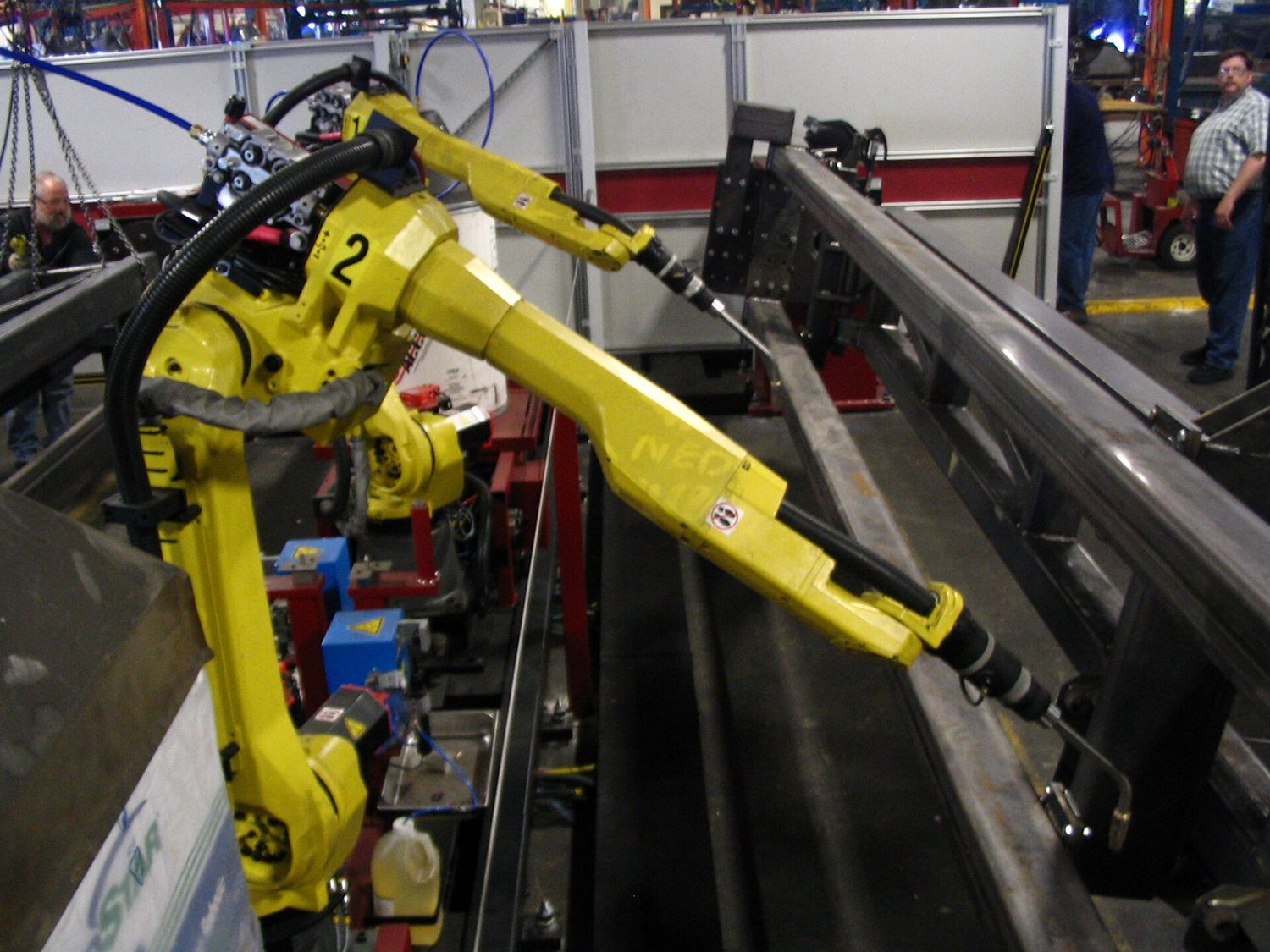
    • להסביר אי-יציבות דרך כוחות קוטביים וצנטריפטיים ומעבר סמכויות; להשתמש בדוגמאות נייטרליות.
  • 5

    Agriculture and Rural Land-Use Patterns and Processes · ⁨דפוסי תהליכים ותשתיות חקלאיות ושטחים כפריים⁩

    Watch lesson · ⁨צפה בשיעור⁩
    5.1

    Introduction to Agriculture · ⁨מבוא לחקלאות⁩

    Syllabus · ⁨סיילבוס⁩
    English

    Enduring Understanding (PSO-5): Availability of resources and cultural practices influence agricultural practices and land-use patterns.

    Learning Objective PSO-5.A: Explain the connection between physical geography and agricultural practices.

    • PSO-5.A.1 Agricultural practices are influenced by the physical environment and climatic conditions, such as the Mediterranean climate and tropical climates.
    • PSO-5.A.2 Intensive farming practices include market gardening, plantation agriculture, and mixed crop/livestock systems.
    • PSO-5.A.3 Extensive farming practices include shifting cultivation, nomadic herding, and ranching.
    עברית

    הבנה מתמשכת (PSO-5): זמינות המשאבים והמסורות התרבותיות משפיעות על פרקטיקות חקלאיות ועל דפוסי שימוש בקרקע.

    מטרות למידה PSO-5.A: להסביר את הקשר בין גיאוגרפיה פיזית לבין פרקטיקות חקלאיות.

    • PSO-5.A.1 פרקטיקות חקלאיות מושפעות מהסביבה הפיזית ותנאים אקלימיים, כגון האקלים הים-תיכוני והאקלים הטרופי.
    • PSO-5.A.2 תרגולי חקלאות אינטנסיבית כוללים גידול ירקות בשוק, חקלאות צמחייה פלנטציונית ומערכות שילוב של תבואה ובעלי חיים.
    • PSO-5.A.3 תרגולי חקלאות אקסטנסיבית כוללים חקלאות מעבר, רעייה נודדת ורעיות (ראנצ'ינג).

    Source: College Board AP Course and Exam Description · ⁨מקור: תיאור הקורס והמבחן של College Board AP⁩

    English

    Agriculture 农业 is the deliberate growing of crops and raising of animals for food and other products. A first big split:

    • Subsistence agriculture 自给农业 — farming to feed the farmer's own family, common in less-developed regions.
    • Commercial agriculture 商业农业 — farming to sell for profit, common in developed regions and often large-scale and mechanised.

    Farming also varies by intensity: intensive 集约 farming uses a lot of labour or money on a small area (rice paddies, market gardening); extensive 粗放 farming uses little input over a large area (ranching, shifting cultivation).

    The two photos below are the two ends of the first split — one machine feeding a market versus one person feeding a family:

    עברית

    חקלאות היא גידול מכוון של תוצרים חקלאיים וגידול בעלי חיים למזון ולמוצרים אחרים. חלוקה ראשונה גדולה:

    • חקלאות לתת-קיום — חקלאות להשלמת מזון למשפחת החקלאי, נפוצה באזורים פחות מפותחים.
    • חקלאות מסחרית — חקלאות למכירה לצורך רווח, נפוצה באזורים מפותחים ולרוב גדולה-קנה וממוחשבת.

    חקלאות משתנה גם לפי אינטנסיביות: חקלאות אינטנסיבית משקיעה הרבה עבודה או כסף בשטח קטן (שדות אורז, גידול ירקות); חקלאות extensive משקיעה מעט בשטח רחב (רעיונות, חקלאות זזה).

    התמונות למטה מייצגות את הקצוות השונים של החלוקה הראשונה — מכונה אחת שמזינה שוק לעומת אדם אחד שמזין משפחה:

    קוצר-מכסה אדום-ירוק גדול קוצר שדה חיטה זהוב
    חקלאות מסחרית: קוצר-מכסה אחד קוצר שדה חיטה עצום ללא כמעט עבודה, גידול תבואה למכירה
    חקלאי מתכופף על מנת לעבוד את קרקע של חלקת תירס קטנה עם מעדר ידני
    חקלאות קיום: חקלאי עובד חלקה קטנה בידו בעזרת מעדר, בעיקר כדי להאכיל את המשפחה
    Explore · ⁨חקור⁩

    Intensive or extensive farming? · ⁨חקלאות אינטנסיבית או נרחבת?⁩

    Intensive farming puts a lot of labour or money into a small area; extensive farming spreads little input over a large area. · ⁨חקלאות אינטנסיבית משקיעה הרבה עבודה או כסף בשטח קטן; חקלאות נרחבת מפילה זרועות פעולה מעטות על שטח גדול.⁩

    Vocabulary · ⁨מילון מונחים⁩ Train · ⁨אימון⁩
    English עברית
    Agriculture/ˈæɡrɪkʌltʃə/ חקלאות
    Subsistence agriculture/sʌbˈsɪstəns ˈæɡrɪkʌltʃə/ חקלאות קיום
    Commercial agriculture/kəˈmɜːʃl ˈæɡrɪkʌltʃə/ חקלאות מסחרית
    intensive/ɪnˈtensɪv/ אינסיביבית
    extensive/ekˈstensɪv/ אקסטרסיבית
    Clustered (nucleated)/ˈklʌstəd/ צבועים (בעלי גרעין)
    dispersed/dɪˈspɜːst/ מפוזרת
    First (Neolithic) Agricultural Revolution/fɜːst ˌæɡrɪˈkʌltʃərəl ˌrevəˈluːʃn/ המהפכה החקלאית הראשונה (הניאוליטית)
    Second Agricultural Revolution/ˈsekənd ˌæɡrɪˈkʌltʃərəl ˌrevəˈluːʃn/ המהפכה החקלאית השנייה
    Green Revolution/ɡriːn ˌrevəˈluːʃn/ המהפכה הירוקה
    shifting cultivation/ˈʃɪftɪŋ ˌkʌltɪˈveɪʃn/ חקלאות נדידה
    pastoral nomadism/ˈpæstərəl ˈnəʊmeɪdɪzəm/ רעיתונות נדודית
    Bid-rent theory/bɪd rent ˈθɪəri/ תיאוריית השכירות
    5.2

    Settlement Patterns and Survey Methods · ⁨דפוסי התנחלות ושיטות סריקה⁩

    Syllabus · ⁨סיילבוס⁩
    English

    Enduring Understanding (PSO-5): Availability of resources and cultural practices influence agricultural practices and land-use patterns.

    Learning Objective PSO-5.B: Identify different rural settlement patterns and methods of surveying rural settlements.

    • PSO-5.B.1 Specific agricultural practices shape different rural land-use patterns.
    • PSO-5.B.2 Rural settlement patterns are classified as clustered, dispersed, or linear.
    • PSO-5.B.3 Rural survey methods include metes and bounds, township and range, and long lot.
    עברית

    הבנה מתמשכת (PSO-5): זמינות המשאבים והמסורות התרבותיות משפיעות על פרקטיקות חקלאיות ועל דפוסי שימוש בקרקע.

    מטרות למידה PSO-5.B: זיהוי דפוסי התנחלות כפריים שונים ושיטות מדידת התנחלויות כפריות.

    • PSO-5.B.1 תרגולי חקלאות ספציפיים מעצבים דפוסי שימוש בקרקע כפריים שונים.
    • PSO-5.B.2 דפוסי התיישבות כפריים מסווגים כצפופים, מפוזרים או קוויים.
    • PSO-5.B.3 שיטות סריקת שטח כפרי כוללות גבולות ומידות, מערכת טאון ורנג', וחלוקה למטעים ארוכים.

    Source: College Board AP Course and Exam Description · ⁨מקור: תיאור הקורס והמבחן של College Board AP⁩

    English

    How farmers settle the land leaves a lasting pattern.

    • Clustered (nucleated) 集聚式 settlements group homes together; dispersed 分散 settlements spread them out; linear settlements follow a road or river.
    • Survey methods divide the land: the metes-and-bounds system uses natural features; the township-and-range system uses a grid of squares; the long-lot system gives each farm a thin strip reaching a river or road.
    עברית

    הדרך שבה חקלאים מתנחלים על הקרקע משאירה דפוס ברור.

    • התיישבויות מצומצמות (ליבה) מקבוצות בתים יחד; התיישבויות מפוזרות מפיצות אותן; התיישבויות קוויות עוקבות אחר כביש או נהר.
    • שיטות סריקה מחלקות את הקרקע: מערכת גבולות טבעיים משתמש במאפיינים גיאוגרפיים; מערכת מחוזות-טאון ורנג' משתמש ברשת מרובעות; מערכת פסים ארוכים מעניקה לכל חוות חקלאית רצועה צרה המגיעה לנהר או לכביש.
    5.3 5.4 5.5

    Agricultural Origins and Revolutions · ⁨מקורות חקלאיים ומהפכות⁩

    Syllabus · ⁨סיילבוס⁩
    English

    Enduring Understanding (SPS-5): Agriculture has changed over time because of cultural diffusion and advances in technology.

    Learning Objective SPS-5.A: Identify major centers of domestication of plants and animals.

    • SPS-5.A.1 Early hearths of domestication of plants and animals arose in the Fertile Crescent and several other regions of the world, including the Indus River Valley, Southeast Asia, and Central America.

    Learning Objective SPS-5.B: Explain how plants and animals diffused globally.

    • SPS-5.B.1 Patterns of diffusion, such as the Columbian Exchange and the agricultural revolutions, resulted in the global spread of various plants and animals.
    עברית

    הבנה מתמשכת (SPS-5): החקלאות השתנתרה לאורך זמן בשל התפשטות תרבותית וקדמה בטכנולוגיה.

    מטרת ההתעלמות SPS-5.A: לזהות מרכזי הביית המרכזיים של צמחים ובעלי חיים.

    • SPS-5.A.1 מוקדי הביית הראשונים של צמחים ובעלי חיים נוצרו בירח הפורה ובמספר אזורים אחרים בעולם, כגון עמק הודוס, דרום-מזרח אסיה ומרכז אמריקה.

    מטרת ההתעלמות SPS-5.B: להסביר כיצד צמחים ובעלי חיים התפשטו באופן גלובלי.

    • SPS-5.B.1 דפוסי התפשטות, כמו החילוף הקולומבי והמהפכות החקלאיות, הביאו להתפשטות גלובלית של מגוון צמחים ובעלי חיים.
    English

    Enduring Understanding (SPS-5): Agriculture has changed over time because of cultural diffusion and advances in technology.

    Learning Objective SPS-5.C: Explain the advances and impacts of the second agricultural revolution.

    • SPS-5.C.1 New technology and increased food production in the second agricultural revolution led to better diets, longer life expectancies, and more people available for work in factories.
    עברית

    הבנה מתמשכת (SPS-5): החקלאות השתנתרה לאורך זמן בשל התפשטות תרבותית וקדמה בטכנולוגיה.

    מטרת ההתעלמות SPS-5.C: להסביר את הקדמה והשפעות המהפכה החקלאית השנייה.

    • SPS-5.C.1 טכנולוגיה חדשה והגברת ייצור המזון במהפכה החקלאית השנייה הובילו לתזונה טובה יותר, תוחלת חיים ארוכה יותר וליותר אנשים זמינים לעבודה במפעלים.
    English

    Enduring Understanding (SPS-5): Agriculture has changed over time because of cultural diffusion and advances in technology.

    Learning Objective SPS-5.D: Explain the consequences of the Green Revolution on food supply and the environment in the developing world.

    • SPS-5.D.1 The Green Revolution was characterized in agriculture by the use of high-yield seeds, increased use of chemicals, and mechanized farming.
    • SPS-5.D.2 The Green Revolution had positive and negative consequences for both human populations and the environment.
    עברית

    הבנה מתמשכת (SPS-5): החקלאות השתנתרה לאורך זמן בשל התפשטות תרבותית וקדמה בטכנולוגיה.

    מטרת ההתעלמות SPS-5.D: להסביר את ההשלכות של המהפכה הירוקה על אספקת המזון ועל הסביבה בעולם המתפתח.

    • SPS-5.D.1 המהפכה הירוקה אופיינה בחקלאות באמצעות שימוש בזרעי תפוקה גבוהה, הגברת השימוש בחומרים כימיים ובחקלאות מכנית.
    • SPS-5.D.2 למהפכה הירוקה היו השלכות חיוביות ושליליות גם עבור האוכלוסייה האנושית וגם עבור הסביבה.

    Source: College Board AP Course and Exam Description · ⁨מקור: תיאור הקורס והמבחן של College Board AP⁩

    English

    Farming began in a few hearths and spread by diffusion, then was transformed by three revolutions.

    • The First (Neolithic) Agricultural Revolution 新石器农业革命 was the original domestication of plants and animals, letting people settle in one place.
    • The Second Agricultural Revolution 第二次农业革命 used the tools of the Industrial Revolution (machines, better transport, crop rotation) to raise output and feed growing cities.
    • The Green Revolution 绿色革命 (mid-1900s) introduced high-yield seeds, fertilisers, pesticides, and irrigation — hugely increasing food output, though at an environmental and social cost.

    Worked example (a real AP exam question). "Describe the concept of an early hearth of domestication." (2023) A full-mark answer: "A place where people first domesticated a wild plant or animal into a farmed variety, and from which that farming practice then spread to other regions." The command word Describe wants more than a one-word definition — give the key features (where domestication began and that it spread) — but it does not require the cause-and-effect reasoning that "Explain" demands.

    עברית

    החקלאות החלה בכמה מרכזי התפתחות והתפשטה באמצעות דיפרוזיה, ולאחר מכן הופעה על ידי שלוש מהפכות.

    • המהפכה החקלאית הראשונה (הניאו-ליthית) הייתה ההתמחה הראשונית של צמחים ובעלי חיים, ואפשרה לאנשים להתנחל במקום אחד.
    • המהפכה החקלאית השנייה השתמשה בכלי המהפכה התעשייתית (מכונות, תחבורה טובה יותר, סיבולת) כדי להגדיל את התפוקה ולהאכיל ערים צומחות.
    • המהפכה הירוקה (אמצע שנות ה-1900) הכניסה זרעים בעלי תפוקה גבוהה, דשנים, חומרי הדברה והשקיה — הגדלת תפוקת מזון בצורה משמעותית, אך על בלם סביבתי וחברתי.

    דוגמה פותרת (שאלת בוחן AP אמיתית). "תאר את מושג מרכז התפתחות מוקדם." (2023) תשובה מלאה: "מקום בו אנשים התמחו לראשונה צמח או בעל חיים בר למיני תרבות, וממנו שיטת חקלאות זו התפשטה לאזורים אחרים." המילה המנחה תאר דורשת יותר מאשר הגדרה חד-מיליםית — תן את המאפיינים העיקריים (איפה ההתמחה החלה וגם שהיא התפשטה) — אך היא אינה דורשת את הסבר הסיבה-תוצאה ש-הסבר דורש.

    5.6

    Agricultural Production Regions · ⁨אזורי ייצור חקלאי⁩

    Syllabus · ⁨סיילבוס⁩
    English

    Enduring Understanding (PSO-5): Availability of resources and cultural practices influence agricultural practices and land-use patterns.

    Learning Objective PSO-5.C: Explain how economic forces influence agricultural practices.

    • PSO-5.C.1 Agricultural production regions are defined by the extent to which they reflect subsistence or commercial practices (monocropping or monoculture).
    • PSO-5.C.2 Intensive and extensive farming practices are determined in part by land costs (bid-rent theory).
    עברית

    הבנה מתמשכת (PSO-5): זמינות המשאבים והמסורות התרבותיות משפיעות על פרקטיקות חקלאיות ועל דפוסי שימוש בקרקע.

    מטרת ההתעלמות PSO-5.C: להסביר כיצד כוחות כלכליים משפיעים על שיטות חקלאיות.

    • PSO-5.C.1 אזורי ייצור חקלאיים מוגדרים לפי המידה בה הם משקפים פעילות מסוג פרנסה או מסחר (שדה יחיד או תרבות אחת).
    • PSO-5.C.2 שיטות חקלאות אינטנסיביות ו extensives נקבעות חלקית על פי עלות הקרקע (תיאוריית מחיר השרות).

    Source: College Board AP Course and Exam Description · ⁨מקור: תיאור הקורס והמבחן של College Board AP⁩

    English

    The type of farming in a place depends on climate and level of development.

    • Tropical regions favour shifting cultivation 迁移农业 (slash-and-burn) and plantation crops; dry regions favour pastoral nomadism 游牧 (herding).
    • Developed regions have mixed crop and livestock, dairying, and large commercial grain farms.
    • Bid-rent theory 竞租理论 explains why land close to a market is used more intensively: it is more expensive, so it must earn more per hectare.
    עברית

    סוג החקלאות במקום נתון תלויה באקלים וברמת הפיתוח.

    • אזורים טרופיים מעדיפים חקלאות בהחלפה (גזירה ותלישה) ותרופות מטע; אזורים יבשים מעדיפים רעייה נדודית (רעיון).
    • אזורים מפותחים יש להם מערכת מעורבת של תרופות ובעלי חיים, חוות חלב, וחוות תבואה מסחריות גדולות.
    • תיאוריית השכירות המבוקשת מסבירה מדוע קרקע קרובה לשוק משמשת באופן אינטנסיבי יותר: היא יקרה יותר, ולכן עליה להניב יותר לשטח.
    שורות מסודרות של שיחים ירוקים נמוכים של תה מכסים צלע גבעה
    מטע תה: מטע של פרי כלכלי יחיד שנוטע בשורות מסודרות בשטח רחב, אופייני לחקלאות מסחרית טרופית
    חקלאות מסווגת לפי אינטנסיביות ולפי מטרה
    ציריים — כמות העבודה וההון המושקעים ליחידת אדמה (אינטנסיבי לעומת אינטנסיבי), ומי האוכל מיועד (לצריכה עצמית לעומת מסחר)
    Vocabulary · ⁨מילון מונחים⁩ Train · ⁨אימון⁩
    English עברית
    plantation/plænˈteɪʃn/ טווח
    von Thünen model/vɒn ˈθuːnən ˈmɒdl/ מודל וון טינן
    global supply chain/ˈɡləʊbl səˈplaɪ tʃeɪn/ שרשרת אספקה עולמית
    Agribusiness/ˈæɡrɪbɪznəs/ חקלאות תעשייתית
    export commodities/ˈekspɔːt kəˈmɒdɪtiz/ סחורות יצוא
    Fair trade/feə treɪd/ סחר הוגן
    desertification/dɪˌzɜːtɪfɪˈkeɪʃn/ מדבריות
    food security/fuːd sɪˈkjʊərɪti/ ביטחון מזון
    5.7 5.8

    Spatial Organization and the Von Thünen Model · ⁨ארגון מרחבי ודגם פון תונין⁩

    Syllabus · ⁨סיילבוס⁩
    English

    Enduring Understanding (PSO-5): Availability of resources and cultural practices influence agricultural practices and land-use patterns.

    Learning Objective PSO-5.C: Explain how economic forces influence agricultural practices.

    • PSO-5.C.3 Large-scale commercial agricultural operations are replacing small family farms.
    • PSO-5.C.4 Complex commodity chains link production and consumption of agricultural products.
    • PSO-5.C.5 Technology has increased economies of scale in the agricultural sector and the carrying capacity of the land.
    עברית

    הבנה מתמשכת (PSO-5): זמינות המשאבים והמסורות התרבותיות משפיעות על פרקטיקות חקלאיות ועל דפוסי שימוש בקרקע.

    מטרת ההתעלמות PSO-5.C: להסביר כיצד כוחות כלכליים משפיעים על שיטות חקלאיות.

    • PSO-5.C.3 מפעלים חקלאיים מסחריים בגודל גדול מחליפים את החוות המשפחתיות הקטנות.
    • PSO-5.C.4 רשתות מוצרים מורכבות מקשרות בין ייצור לצריכה של מוצרים חקלאיים.
    • PSO-5.C.5 הטכנולוגיה הגבירה את כלכלות היקף בתחום החקלאות ואת יכולת הנשיאה של האדמה.
    English

    Enduring Understanding (PSO-5): Availability of resources and cultural practices influence agricultural practices and land-use patterns.

    Learning Objective PSO-5.D: Describe how the von Thünen model is used to explain patterns of agricultural production at various scales.

    • PSO-5.D.1 Von Thünen’s model helps to explain rural land use by emphasizing the importance of transportation costs associated with distance from the market; however, regions of specialty farming do not always conform to von Thünen’s concentric rings.
    עברית

    הבנה מתמשכת (PSO-5): זמינות המשאבים והמסורות התרבותיות משפיעות על פרקטיקות חקלאיות ועל דפוסי שימוש בקרקע.

    מטרות למידה PSO-5.D: לתאר כיצד משתמש בדגם פון תונה כדי להסביר דפוסי ייצור חקלאי במגוון קנה מידות.

    • PSO-5.D.1 הדגם של פון תונה עוזר להסביר שימוש בקרקע כפרית על ידי הדגשת החשיבות של עלויות הובעה הקשורות למרחק מהשוק; עם זאת, אזורים של חקלאות ספציפית אינם תמיד תואמים את הטבעות המרוכזות של פון תונה.

    Source: College Board AP Course and Exam Description · ⁨מקור: תיאור הקורס והמבחן של College Board AP⁩

    English
    The Von Thünen model

    The von Thünen model 冯·杜能模型 (1826) explains what farmers grow where, based on transport cost and distance to market.

    • At the centre is the market (a city). Around it, land use forms concentric rings.
    • Ring 1 — market gardening and dairying (perishable, must be near market).
    • Ring 2 — forest (heavy firewood, costly to move, in his day).
    • Ring 3 — field crops and grain (less perishable).
    • Ring 4 — ranching (extensive, low value per hectare, can be far away).

    The model assumes a flat, uniform plain with one market. Real regions bend the rings because of roads, rivers, terrain, and refrigeration — but the core idea, that transport cost shapes land use, still holds.

    עברית
    דגם פון תונין

    הדגם של פון תונין· (1826) מסביר מה יזרעים חקלאים איפה, על בסיס עלות ההובלה ומרחק משוק.

    דגם פון תונין: שימושי אדמה יוצרים טבעות סביב שוק מרכזי
    מוצרים רגישים, כבדים או אינטנסיביים ממוקמים קרוב לשוק; שימושים אינטנסיביים ממוקמים רחוק יותר
    • במרכז נמצא השוק (עיר). סביבו, שימושי האדמה יוצרים טבעות ריכוזיות.
    • טבעת 1 — גידולי ירקות וחלב (מוצרים רגישים, חייבים להיות קרוב לשוק).
    • טבעת 2 — יער (עץ לבעירה כבד, עולה להוביל, בימי آن).
    • טבעת 3 — שדות תבואה ותבואה (פחות רגישים).
    • טבעת 4 — רפתאות (אינטנסיבית, ערך נמוך לדונם, יכולה להיות רחוקה).

    הדגם מניח מישור שטוח ואחיד עם שוק אחד. אזורים אמתיים מעוותים את הטבעות בשל כבישים, נהרות, טופוגרפיה ומקרר — אך הרעיון המרכזי, כי עלות ההובלה מעצבת את שימושי האדמה, עדיין תקף.

    5.9

    The Global System of Agriculture · ⁨המערכת הגלובלית לחקלאות⁩

    Syllabus · ⁨סיילבוס⁩
    English

    Enduring Understanding (PSO-5): Availability of resources and cultural practices influence agricultural practices and land use patterns.

    Learning Objective PSO-5.E: Explain the interdependence among regions of agricultural production and consumption.

    • PSO-5.E.1 Food and other agricultural products are part of a global supply chain.
    • PSO-5.E.2 Some countries have become highly dependent on one or more export commodities.
    • PSO-5.E.3 The main elements of global food distribution networks are affected by political relationships, infrastructure, and patterns of world trade.
    עברית

    הבנה מתמשכת (PSO-5): זמינות משאבים ומנהגים תרבותיים משפיעים על פרקטיקות חקלאיות ועל דפוסי שימוש בקרקע.

    מטרות למידה PSO-5.E: להסביר את ההתקשרות ההדדית בין אזורי ייצור וחשמל חקלאי.

    • PSO-5.E.1 מזון ומוצרים חקלאיים אחרים הם חלק מרשת אספקה גלובלית.
    • PSO-5.E.2 כמה מדינות הפכו לתלותיות מאוד במוצר יצוא אחד או יותר.
    • PSO-5.E.3 האלמנטים המרכזיים ברשתות חלוקת מזון עולמיות מושפעים מקשרים פוליטיים, תשתית ודפוסי סחר עולמיים.

    Source: College Board AP Course and Exam Description · ⁨מקור: תיאור הקורס והמבחן של College Board AP⁩

    English

    Modern farming is a global supply chain 全球供应链.

    • Agribusiness 农业综合企业 links farms to seed, machinery, processing, and retail companies.
    • Many countries specialise in a few export commodities 出口商品 (coffee, cocoa, soy), which can make them dependent on world prices.
    • Fair trade 公平贸易 and local-food movements are responses to the inequalities of this global system.
    עברית

    חקלאות מודרנית היא שרשרת אספקה גלובלית.

    • אגרי-ביזנס מקשר בין חוות חקלאיות לחברות זרעים, מכונות, עיבוד ומכירה.
    • מדינות רבות מתמקדות בכמה מוצרי ייצוא (קפה, קקאו, סויה), שיכולים להפוך אותן לתלויות במחירים עולמיים.
    • מסחר הוגן ותנועות מזון מקומיות הן תגובה לאי-שוויונים של מערכת גלובלית זו.
    5.10 5.11

    Consequences and Challenges of Agriculture · ⁨השלכות ואתגרי החקלאות⁩

    Syllabus · ⁨סיילבוס⁩
    English

    Enduring Understanding (IMP-5): Agricultural production and consumption patterns vary in different locations, presenting different environmental, social, economic, and cultural opportunities and challenges.

    Learning Objective IMP-5.A: Explain how agricultural practices have environmental and societal consequences.

    • IMP-5.A.1 Environmental effects of agricultural land use include pollution, land cover change, desertification, soil salinization, and conservation efforts.
    • IMP-5.A.2 Agricultural practices—including slash and burn, terraces, irrigation, deforestation, draining wetlands, shifting cultivation, and pastoral nomadism—alter the landscape.
    • IMP-5.A.3 Societal effects of agricultural practices include changing diets, role of women in agricultural production, and economic purpose.
    עברית

    הבנה מתמשכת (IMP-5): דפוסי ייצור וצריכה חקלאיים משתנים במיקומים שונים, ומציגים הזדמנויות ואתגרים סביבתיים, חברתיים, כלכליים ותרבותיים שונים.

    מטרות למידה IMP-5.A: הסבר כיצד תרגולי חקלאות מביאים להשלכות סביבתיות וחברתיות.

    • IMP-5.A.1 ההשפעות הסביבתיות של שימוש בקרקע חקלאית כוללות זיהום, שינוי כיסוי הקרקע, מדבור, מליחות קרקע ומאמצי שימור.
    • IMP-5.A.2 תרגולי חקלאות—כולל שריפה ועיבוד, טרסות, השקאה, הכחדת יערות, ייבוש ביצות, חקלאות מעבר ורעיה נודדת—משנים את הנוף.
    • IMP-5.A.3 ההשפעות החברתיות של תרגולי חקלאות כוללות שינויים בתזונה, תפקיד הנשים בייצור חקלאי והמטרה הכלכלית.
    English

    Enduring Understanding (IMP-5): Agricultural production and consumption patterns vary in different locations, presenting different environmental, social, economic, and cultural opportunities and challenges.

    Learning Objective IMP-5.B: Explain challenges and debates related to the changing nature of contemporary agriculture and food-production practices.

    • IMP-5.B.1 Agricultural innovations such as biotechnology, genetically modified organisms, and aquaculture have been accompanied by debates over sustainability, soil and water usage, reductions in biodiversity, and extensive fertilizer and pesticide use.
    • IMP-5.B.2 Patterns of food production and consumption are influenced by movements relating to individual food choice, such as urban farming, community-supported agriculture (CSA), organic farming, value-added specialty crops, fair trade, local-food movements, and dietary shifts.
    • IMP-5.B.3 Challenges of feeding a global population include lack of food access, as in cases of food insecurity and food deserts; problems with distribution systems; adverse weather; and land use lost to suburbanization.
    • IMP-5.B.4 The location of food-processing facilities and markets, economies of scale, distribution systems, and government policies all have economic effects on food-production practices.
    עברית

    הבנה מתמשכת (IMP-5): דפוסי ייצור וצריכה חקלאיים משתנים במיקומים שונים, ומציגים הזדמנויות ואתגרים סביבתיים, חברתיים, כלכליים ותרבותיים שונים.

    מטרות למידה IMP-5.B: הסבר על האתגרים והדיונים הקשורים לשינוי הטבע של חקלאות מודרנית ולשיטות ייצור מזון.
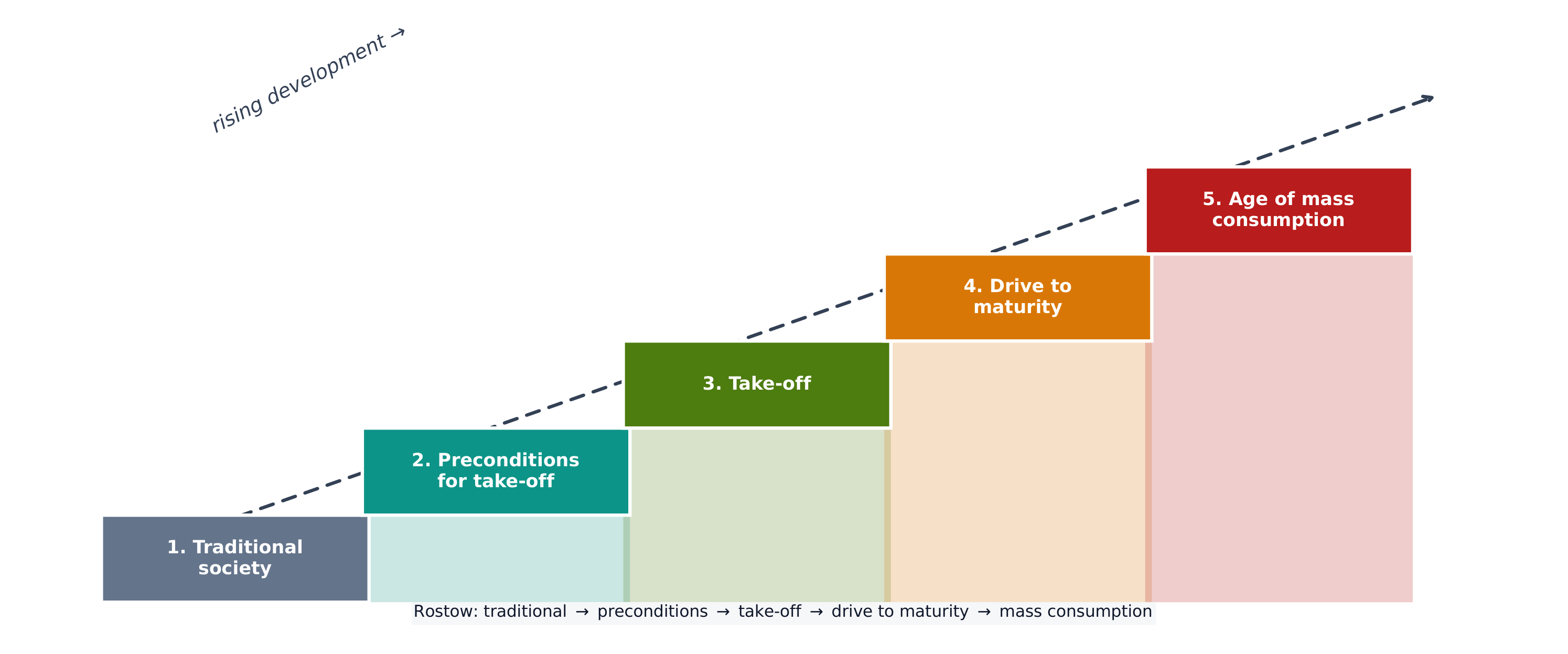
    • IMP-5.B.1 חדשנות בחקלאות כמו ביוטכנולוגיה, אורגניזמים מהנדסים גנטית ואקו-גידוללוווה בדיונים לגבי קיימות, שימוש בקרקע ובמים, הפחתת מגוון ביולוגי ושימוש נרחב במדדי דשן וחומרי הדברה.
    • IMP-5.B.2 דפוסי ייצור וצריכת מזון מושפעים מתנועות הקשורות לבחירת מזון פרטית, כגון חקלאות עירונית, חקלאות נתמכת על ידי קהילה (CSA), חקלאות אורגנית, תבואות מיוחדות בעלות ערך מוסף, מסחר הוגן, תנועות מזון מקומי והעברות בתזונה.
    • IMP-5.B.3 אתגרי הזנת אוכלוסייה עולמית כוללים חוסר נגישות למזון, כגון במקרים של חוסר אבטחת מזון ו"מדבריות מזון"; בעיות במערכות חלוקה; מזג אוויר פוגעני; וקרקע שהולכת ונאבדת בשל עירוב עירוני.
    • IMP-5.B.4 מיקום מתקני עיבוד מזון ושוקים, כלכליות היקף, מערכות חלוקה ומדיניות ממשלתית כולם מביאים להשפעות כלכליות על תרגולי ייצור מזון.
    Source: College Board AP Course and Exam Description · ⁨מקור: תיאור הקורס והמבחן של College Board AP⁩

    English

    Modern agriculture feeds billions but creates problems:

    • Environmental: soil erosion, water pollution from fertiliser, loss of biodiversity, desertification 荒漠化, and greenhouse-gas emissions.
    • Economic and social: the loss of small family farms, rural depopulation, and questions about food security 粮食安全 and GMOs 转基因生物.
    • Land use change: suburbanisation and urban growth eat into farmland at the edge of cities.
    עברית

    חקלאות מודרנית מאכילה מיליארדים אך יוצרת בעיות:

    • סביבתית: שחיקת קרקע, זיהום מים מדשנים, אובדן מגוון ביולוגי, מדבורה, ופליטת גזי חממה.
    • כלכלי וחברתי: אובדן חוות המשפחה הקטנות, דילול אוכלוסייה בכפרים ושאלות בנוגע לביטחון תזונתי ול-GMOs.
    • שינוי בשימוש קרקע: התעורבות עירונית וגידול עירוני אוכלים את השטחים החקלאיים בקצה הערים.
    חקלאות מסחרית אינטנסיבית: מונו-קולטורות מגבירות ייצור אך עלולות לפגוע בקרקע ובמגוון הביולוגי
    חקלאות מסחרית אינטנסיבית: מונו-קולטורות מגבירות ייצור אך עלולות לפגוע בקרקע ובמגוון הביולוגי
    Vocabulary · ⁨מילון מונחים⁩ Train · ⁨אימון⁩
    English עברית
    GMOs/ˌdʒiː em ˈəʊz/ GMOs
    5.12

    Women in Agriculture · ⁨נשים בחקלאות⁩

    Syllabus · ⁨סיילבוס⁩
    English

    Enduring Understanding (IMP-5): Agricultural production and consumption patterns vary in different locations, presenting different environmental, social, economic, and cultural opportunities and challenges.

    Learning Objective IMP-5.C: Explain geographic variations in female roles in food production and consumption.

    • IMP-5.C.1 The role of females in food production, distribution, and consumption varies in many places depending on the type of production involved.
    עברית

    הבנה מתמשכת (IMP-5): דפוסי ייצור וצריכה חקלאיים משתנים במיקומים שונים, ומציגים הזדמנויות ואתגרים סביבתיים, חברתיים, כלכליים ותרבותיים שונים.

    מטרות למידה IMP-5.C: הסבר על הבדלים גיאוגרפיים בתפקיד הנשים בייצור ובצריכת מזון.

    • IMP-5.C.1 תפקיד הנשים בייצור, חלוקה וצריכת מזון משתנה במקומות רבים בהתאם לסוג הייצור המעורב.

    Source: College Board AP Course and Exam Description · ⁨מקור: תיאור הקורס והמבחן של College Board AP⁩

    English

    In much of the developing world, women do the majority of farm labour, especially in subsistence agriculture, yet often own little of the land. Their role is central to family food supply. Improving women's access to land, credit, and education raises farm output and, by lowering fertility, links back to the demographic transition.

    עברית

    בחלק רב מהעולם המתפתח, נשים מבצעות את רוב העבודה בחווה, במיוחד בחקלאות להסתפקות עצמית, אך לעיתים הן בעלות מעט או לא כלל מקרקע. התפקיד שלהן הוא מרכזי באספקת המזון למשפחה. שיפור גישה הנשים לקרקע, להון ולחינוך מעלה את תפוקת החווה ו, על ידי הפחתת הלידה, קשור לחזרה לתהליך הדמוגרפי.

    5.12

    Exam tips · ⁨טיפים לבחינות⁩

    English
    • Classify farming on two axes at once: subsistence or commercial, and intensive or extensive.
    • Drive every Von Thünen answer with transport cost and the perishability of the product.
    • Weigh the Green Revolution: higher yields against costly inputs, environmental harm, and uneven reach.
    • Name the survey system (long-lot, township-and-range, metes-and-bounds) from the field shape.
    • Connect farming to its consequences: soil degradation, water pollution, and deforestation.
    עברית
    • סווג את החקלאות בשני צירים בו-זמנית: להסתפקות עצמית או מסחרית, ואינטנסיבית או אקסטנסבית.
    • נהוג בכל תשובה של Von Thünen עם עלות ההובלה ועם הרגישות המוצר לבזבוז.
    • שקול את המהפכה הירוקה: ייצור מוגבר מול פלטף ביוקר, נזק לסביבה והתפשטות לא אחידה.
    • זיהוי שיטת הסריקה (long-lot, township-and-range, metes-and-bounds) מהצורה בשטח.
    • חבר בין החקלאות לתוצאותיה: פגיעה בקרקע, זיהום מים והכחדת יערות.
  • 6

    Cities and Urban Land-Use Patterns and Processes · ⁨דפוסי תהליכים וערים ותשתיות שטחים עירוניים⁩

    Watch lesson · ⁨צפה בשיעור⁩
    6.1 6.2

    Origin and Growth of Cities · ⁨מוצא וגודל הערים⁩

    Syllabus · ⁨סיילבוס⁩
    English

    Enduring Understanding (PSO-6): The presence and growth of cities vary across geographical locations because of physical geography and resources.

    Learning Objective PSO-6.A: Explain the processes that initiate and drive urbanization and suburbanization.

    • PSO-6.A.1 Site and situation influence the origin, function, and growth of cities.
    • PSO-6.A.2 Changes in transportation and communication, population growth, migration, economic development, and government policies influence urbanization.
    עברית

    הבנה מתמשכת (PSO-6): נוכחות וגודל הערים משתנים בהתאם למיקומים גיאוגרפיים בשל גיאוגרפיה פיזית ומשאבים.

    מטרות למידה PSO-6.A: להסביר את התהליכים שמפעילים ודוחפים את העירוניות והעירוביות.

    • PSO-6.A.1 מיקום ומצב משפיעים על מקור, פונקציה וגודל הערים.
    • PSO-6.A.2 שינויים בתחבורה ובתקשורת, גידול אוכלוסייה, הגירה, פיתוח כלכלי ומדיניות ממשלתית משפיעים על העירוניות.
    English

    Enduring Understanding (PSO-6): The presence and growth of cities vary across geographical locations because of physical geography and resources.

    Learning Objective PSO-6.A: Explain the processes that initiate and drive urbanization and suburbanization.

    • PSO-6.A.3 Megacities and metacities are distinct spatial outcomes of urbanization increasingly located in countries of the periphery and semiperiphery.
    • PSO-6.A.4 Processes of suburbanization, sprawl, and decentralization have created new land-use forms—including edge cities, exurbs, and boomburbs—and new challenges.
    עברית

    הבנה מתמשכת (PSO-6): נוכחות וגודל הערים משתנים בהתאם למיקומים גיאוגרפיים בשל גיאוגרפיה פיזית ומשאבים.

    מטרות למידה PSO-6.A: להסביר את התהליכים שמפעילים ודוחפים את העירוניות והעירוביות.

    • PSO-6.A.3 megacities ומתאסיטיs הן תוצאות מרחביות נפרדות של עירוניות הממוקמות increasingly במדינות של השוליים והחצי-שוליים.
    • PSO-6.A.4 תהליכי עיבור עירוני, התפשטות ועימות (decentralization) יצרו צורות חדשות לשימוש בקרקע—כולל ערים בשוליים (edge cities), אקסטרבים ובואמבורבים—ותהליכים אתגריים חדשים.

    Source: College Board AP Course and Exam Description · ⁨מקור: תיאור הקורס והמבחן של College Board AP⁩

    English

    Urbanization 城市化 is the growth in the share of people living in cities. It began with the agricultural surplus that freed some people from farming, and accelerated with the Industrial Revolution.

    • Urbanization rate rises fastest in developing countries today, driven by rural-to-urban migration.
    • A suburb 郊区 is a residential area on the edge of a city; suburbanization 郊区化 and sprawl 城市蔓延 spread cities outward.
    • Site 地点 (the physical features of a place) and situation 区位 (its location relative to other places) explain why a city grew where it did.
    עברית

    העירization היא הגידול במנת האוכלוסיה החיה בערים. הוא החל עם עודף החקלאות שחרר חלק מהאנשים מעבודת החקלאות, והוא הוקצב עם המהפכה התעשייתית.

    • קצב העירization עולה הכי מהר כיום במדינות מתפתחות, מופעל על ידי הגירה מכפרים לערים.
    • פרוור הוא אזור מגורים בקצה העיר; התעורבות עירונית והתפשטות עירונית מרחיבים את הערים החוצה.
    • אתר (התכונות הפיזיות של המקום) ומצב (מיקומו ביחס למקומות אחרים) מסבירים מדוע עיר גדלה במקום בו גדלה.
    6.3

    Cities and Globalization · ⁨ערים והתמודדות עם עולמיות⁩

    Syllabus · ⁨סיילבוס⁩
    English

    Enduring Understanding (PSO-6): The presence and growth of cities vary across geographical locations because of physical geography and resources.

    Learning Objective PSO-6.B: Explain how cities embody processes of globalization.

    • PSO-6.B.1 World cities function at the top of the world’s urban hierarchy and drive globalization.
    • PSO-6.B.2 Cities are connected globally by networks and linkages and mediate global processes.
    עברית

    הבנה מתמשכת (PSO-6): נוכחות וגודל הערים משתנים בהתאם למיקומים גיאוגרפיים בשל גיאוגרפיה פיזית ומשאבים.

    מטרה לימודית PSO-6.B: להסביר כיצד ערים משקפות תהליכי גלובליזציה.

    • PSO-6.B.1 ערים עולמיות פועלות בראש ההיררכיה העולמית של הערים ומניעות את הגלובליזציה.
    • PSO-6.B.2 ערים מקושרות גלובלית באמצעות רשתות וקישורים ומשמרות כמגשר לתהליכים גלובליים.

    Source: College Board AP Course and Exam Description · ⁨מקור: תיאור הקורס והמבחן של College Board AP⁩

    English

    Some cities have influence far beyond their own country.

    • World cities 世界城市 (also called global cities) — such as New York, London, and Tokyo — are command centres of the global economy, finance, and culture.
    • Globalization links cities into networks; a decision in one world city can affect jobs on the other side of the planet.
    עברית

    חלק מערים יש השפעה רחוקה מעבר למדינה שלהן.

    • ערים עולמיות (הנקראות גם ערים עולמיות) — כמו ניו יורק, לונדון וטוקיו — הן מרכזי פיקוד לכלכלה, פיננסים ותרבות עולמית.
    • העולמית מחברת ערים לרשתות; החלטה בעיר עולמית אחת יכולה להשפיע על תעסוקה בצד השני של הכוכב.
    הצטברות צפופה של גורדי שחקים במנהטן התחתונה הנראית מאשר המים, מגדל העולם החדש במרכז
    קו הרקיע של מנהטן בניו יורק, עיר עולמית: בנקיה ומטה החברות שלה תומכים בתפעול הכלכלה הגלובלית
    חציית שיבוקה: ערים עולמיות מצמצמות אנשים, תשתיות וקישורים גלובליים
    חציית שיבוקה: ערים עולמיות מצמצמות אנשים, תשתיות וקישורים גלובליים
    6.4

    The Distribution of Cities · ⁨חלוקת הערים⁩

    Syllabus · ⁨סיילבוס⁩
    English

    Enduring Understanding (PSO-6): The presence and growth of cities vary across geographical locations because of physical geography and resources.

    Learning Objective PSO-6.C: Identify the different urban concepts such as hierarchy, interdependence, relative size, and spacing that are useful for explaining the distribution, size, and interaction of cities.

    • PSO-6.C.1 Principles that are useful for explaining the distribution and size of cities include rank-size rule, the primate city, gravity, and Christaller’s central place theory.
    עברית

    הבנה מתמשכת (PSO-6): נוכחות וגודל הערים משתנים בהתאם למיקומים גיאוגרפיים בשל גיאוגרפיה פיזית ומשאבים.

    מטרה לימודית PSO-6.C: לזהות מושגים עירוניים שונים כגון היררכיה, תלות הדדית, גודל יחסי ומרווחים שהם שימושיים להסבר ההתפלגות, הגודל והאינטראקציה של ערים.

    • PSO-6.C.1 עקרונות שימושיים להסבר ההתפלגות וגודל הערים כוללים חוק דרגה-גודל, העיר הראשית, כבידה (gravity) ותורת המקום המרכזי של כריסטאלר.

    Source: College Board AP Course and Exam Description · ⁨מקור: תיאור הקורס והמבחן של College Board AP⁩

    English
    The rank-size rule and the primate city
    Christaller's central place theory

    Cities within a country follow patterns of size and spacing.

    • The rank-size rule 位序规模法则 says the nth-largest city is 1/n the size of the largest (the 2nd city is half the largest, the 3rd a third, and so on).
    • A primate city 首位城市 is far larger than all others (Paris, Bangkok), dominating its country.
    • Central place theory 中心地理论 (Christaller) explains the spacing of settlements: larger centres are fewer and farther apart and offer higher-order goods; their market area is the surrounding region they serve.

    Worked example (a real AP exam question). "Compare the concept of a metacity with the concept of a world city." (2024) A full-mark answer: "A metacity is defined by size — a continuous urban area of more than 20 million people — while a world city is defined by influence, acting as a command centre for the global economy. A city such as Tokyo can be both, but a large metacity in a poorer country may not be a world city." The command word Compare needs an explicit point of difference (size versus influence), not two separate definitions sitting side by side.

    עברית
    חוק הדירוג-גודל ועיר הפרימה
    תיאוריית המקום המרכזי של כריסטאלר

    ערים בתוך מדינה פועלות לפי דפוסי גודל ומרווח.

    • חוק הגודל-דירוג קובע שהעיר ה-n בגודלה היא 1/n מגודל העיר הגדולה ביותר (העיר ה2nd היא חצי מגודל הגדולה, העיר ה3rd שליש ממנה, וכיוצא כל זה).
    • עיר פרימה היא גדולה משמעותית מכל שאר הערים (פריז, בנגקוק), ושולטת במדינתה.
    • תיאוריית המקום המרכזי (כריסטאלר) מסבירה את המרווח בין היישובים: מרכזים גדולים הם פחות נפוצים ומוקמים רחוק זה מזה יותר, ומספקים סחורות ברמת גבוהה יותר; אזור השוק שלהם הוא האזור הסובב אותם שמשרתים.
    חוק גודל-דירוג לעומת חלוקת ערים ראשוניות
    תחת חוק הדירוג-גודל העיר בדרגה n היא בקירוב בגודל 1/n מהגדולה ביותר; דפוס עיר הפרימה כולל עיר אחת דומיננטית הרבה גדולה יותר משאר הערים

    דוגמה מפורטת (שאלה אמיתית מבחן AP). "השוו בין מושג המטרו-עיר לבין מושג העיר העולמית." (2024) תשובה מלאה לניקוד מלא: "מטרו-עיר מוגדרת על פי גודל — אזור עירוני רצוף עם יותר מ-20 מיליון תושבים — בעוד שעיר עולמית מוגדרת על פי השפעה, ומשמשת כמרכז פיקוד לכלכלה הגלובלית. עיר כמו טוקיו יכולה להיות גם כן, אך מטרו-עיר גדולה במדינה עניירה עשויה לא להיות עיר עולמית." המילה המנחה השוו דורשת נקודת הבדלה מפורשת (גודל לעומת השפעה), ולא שתי הגדרות נפרדות המונחות זו לצד זו.

    6.5

    The Internal Structure of Cities · ⁨המבנה הפנימי של ערים⁩

    Syllabus · ⁨סיילבוס⁩
    English

    Enduring Understanding (PSO-6): The presence and growth of cities vary across geographical locations because of physical geography and resources.

    Learning Objective PSO-6.D: Explain the internal structure of cities using various models and theories.

    • PSO-6.D.1 Models and theories that are useful for explaining internal structures of cities include the Burgess concentric-zone model, the Hoyt sector model, the Harris and Ullman multiple- nuclei model, the galactic city model, bid-rent theory, and urban models drawn from Latin America, Southeast Asia, and Africa.
    עברית

    הבנה מתמשכת (PSO-6): נוכחות וגודל הערים משתנים בהתאם למיקומים גיאוגרפיים בשל גיאוגרפיה פיזית ומשאבים.

    מטרת למידה PSO-6.D: להסביר את המבנה הפנימי של ערים באמצעות מודלים ותאוריות שונות.

    • PSO-6.D.1 מודלים ותאוריות השימושיים להסבר מבנים פנימיים של ערים כוללים את מודל האזורים המרוכזים של ברגס, את מודל הסקטורים של הוייט, את מודל הרבה ואלמן רב-ליבות, את מודל העיר הגלקטית, תיאוריית השכירות הכפולה, ואת המודלים העירוניים הנגזרים מלטינית, דרום-מזרח אסיה ואפריקה.

    Source: College Board AP Course and Exam Description · ⁨מקור: תיאור הקורס והמבחן של College Board AP⁩

    English
    Models of the internal city

    Three classic models describe how North American cities are arranged inside.

    • Concentric zone model 同心圆模型 (Burgess) — rings around the Central Business District (CBD) 中央商务区, from inner-city to commuter suburbs.
    • Sector model 扇形模型 (Hoyt) — land use grows outward in wedges along transport routes.
    • Multiple nuclei model 多核心模型 (Harris–Ullman) — the city has several centres (nodes), not just one CBD, as it grows and specialises.

    Developing-world cities have their own models (e.g. the Latin American, or Griffin–Ford, model with a spine of wealth from the centre).

    עברית
    מודלים למבנה הפנימי של עיר

    שלושה מודלים קלאסיים מתארים כיצד ערים בצפון אמריקה מסודרות בפנים.

    שלושה מודלים עירוניים: אזור ריכוזי, מסלול ורבים-ליבה
    המודלים האזור הריכוזי, המסלול והרבים-ליבה מסבירים כל אחד בנפרד את שימוש בקרקע בעיר
    • מודל האזור הריכוזי (ברג'ס) — טבעות סביב מרכז העסקים המרכזי (CBD), מהעיר הפנימית ועד לפרווריות נסיעת יום.
    • מודל המסלול (הואיט) — שימוש בקרקע מתרחב החוצה במחרשות לאורך דרכי תחבורה.
    • מודל הרבים-ליבה (האריס–אולמן) — לעיר ישנם מרכזים רבים (צמתים), ולא רק CBD אחד, ככל שהיא מתרחבת ומתמחה.

    ערים בעולם המתפתח יש להן את המודלים הייחודיים שלהן (למשל, המודל של אמריקה הלטינית, או מודל גריפין–פורד עם עמוד שדרות עושר מהמרכז).

    Explore · ⁨חקור⁩

    Which urban model is it? · ⁨אילו מודל עירוני זה?⁩

    The concentric zone model uses rings around the CBD; the sector model uses wedges along transport routes; the multiple nuclei model has several centres. · ⁨המודל האזורים המרכזיים משתמש בטבעות סביב המרכז העסקי המרכזי; המודל הסেকטורי משתמש במרוחות לאורך מסלולי תחבורה; המודל רב-ליבות כולל מספר מרכזים.⁩

    6.6 6.7

    Density, Land Use, and Infrastructure · ⁨צפיפות, שימוש בקרקע ותשתית⁩

    Syllabus · ⁨סיילבוס⁩
    English

    Enduring Understanding (IMP-6): The attitudes and values of a population, as well as the balance of power within that population, are reflected in the built landscape.

    Learning Objective IMP-6.A: Explain how low-, medium-, and high-density housing characteristics represent different patterns of residential land use.

    • IMP-6.A.1 Residential buildings and patterns of land use reflect and shape the city’s culture, technological capabilities, cycles of development, and infilling.
    עברית

    הבנה מתמשכת (IMP-6): יחסים וערכי האוכלוסייה, כמו גם איזון הכוחות בתוכה, משתקפים בנוף הבנוי.

    מטרת למידה IMP-6.A: להסביר כיצד מאפייני דיור בצפיפות נמוכה, בינונית וגבוהה מייצגים דפוסים שונים של שימוש בקרקע מגורים.

    • IMP-6.A.1 בנייני מגורים ודפוסי שימוש בקרקע משקפים ומעצבים את התרבות של העיר, יכולות טכנולוגיות, מחזורי פיתוח והשקעה חוזרת בקרקע.
    English

    Enduring Understanding (IMP-6): The attitudes and values of a population, as well as the balance of power within that population, are reflected in the built landscape.

    Learning Objective IMP-6.B: Explain how a city’s infrastructure relates to local politics, society, and the environment.

    • IMP-6.B.1 The location and quality of a city’s infrastructure directly affects its spatial patterns of economic and social development.
    עברית

    הבנה מתמשכת (IMP-6): יחסים וערכי האוכלוסייה, כמו גם איזון הכוחות בתוכה, משתקפים בנוף הבנוי.

    מטרת למידה IMP-6.B: להסביר כיצד תשתיות העיר קשורות לפוליטיקה מקומית, לחברה ולסביבה.

    • IMP-6.B.1 מיקום ואיכות התשתיות של העיר משפיעים ישירות על הדפוסים המרחביים של הפיתוח הכלכלי והחברתי שלה.

    Source: College Board AP Course and Exam Description · ⁨מקור: תיאור הקורס והמבחן של College Board AP⁩

    English
    Bid-rent theory

    Inside the city, land use and density change from centre to edge.

    • Density is highest near the CBD (tall buildings, high land prices) and falls outward — the bid-rent curve again.
    • Zoning 分区规划 laws separate land uses (residential, commercial, industrial).
    • Infrastructure 基础设施 — roads, water, power, transit — must grow with the city; where it lags, informal settlements 非正规住区 (slums) may form.
    עברית
    תורת מחיר השכירות

    בתוך העיר, שימוש בקרקע וצפיפות משתנים ממרכז לקצה.

    • צפיפות היא הגבוהה ביותר ליד ה-CBD (מבנים גבוהים, מחירי קרקע גבוהים) ויורדת החוצה — שוב לפי עקומת מחיר השכירות.
    • חוקי חלוקת אדמות (Zoning) מפרדים שימושי קרקע (מגורים, מסחר, תעשייה).
    • תשתית — כבישים, מים, חשמל, תחבורה — צריכה לצמוח יחד עם העיר; כאשר היא נשארת מאחור, עלולים להיווצר התיישבויות לא רשמיות (שכונות עוני).
    בתים מובנים על ידי עצמם בצפיפות מכסים צלע גובה תלול מעל המים בריו דה ז'ניירו
    התיישבות לא רשמית (פבלה) בצוק בריו דה ז'ניירו, שנבנתה במקום שבו דיור ושירותים לא הצליחו להספיק לגודל העירוני המהיר
    Vocabulary · ⁨מילון מונחים⁩ Train · ⁨אימון⁩
    English עברית
    Urbanization/ˌɜːbənaɪˈzeɪʃn/ אורבניזציה
    suburb/ˈsʌbɜːb/ פרוור
    suburbanization/səˌbɜːbənaɪˈzeɪʃn/ עירוניות
    sprawl/sprɔːl/ התפשטות עירונית
    Site/saɪt/ אתר
    situation/ˌsɪtʃuːˈeɪʃn/ מצב
    World cities/wɜːld ˈsɪtiz/ ערים עולמיות
    rank-size rule/ræŋk saɪz ruːl/ חוק הגודל והדירוג
    primate city/ˈpraɪmeɪt ˈsɪti/ עיר ראשונית
    Central place theory/ˈsentrəl pleɪs ˈθɪəri/ תיאוריית המקום המרכזי
    Concentric zone model/kənˈsentrɪk zəʊn ˈmɒdl/ מודל האזור המרוכז
    Central Business District (CBD)/ˈsentrəl ˈbɪznəs ˈdɪstrɪkt/ מרכז העסקים המרכזי (CBD)
    Sector model/ˈsektə ˈmɒdl/ מודל הקוטר
    Multiple nuclei model/ˈmʌltɪpl ˈnjuːklɪi ˈmɒdl/ מודל הגרעינים הרבים
    Zoning/ˈzəʊnɪŋ/ חלוקה לשימושים
    Infrastructure/ˈɪnfrəstrʌktʃə/ תשתיות
    informal settlements/ɪnˈfɔːml ˈsetəlmənts/ יישובים לא פורמליים
    Smart-growth/smɑːt ɡrəʊθ/ צמיחה חכמה
    Greenbelts/ˈɡriːnbelts/ אזורי ירוק
    urban renewal/ˈɜːbən rɪˈnjuːəl/ חידוש עירוני
    gentrification/ˌdʒentrɪfɪˈkeɪʃn/ ג'נטריפיקציה
    urban heat island/ˈɜːbən hiːt ˈaɪlənd/ אי חום עירוני
    6.8 6.9

    Urban Sustainability and Data · ⁨קיימות עירונית ומידע⁩

    Syllabus · ⁨סיילבוס⁩
    English

    Enduring Understanding (IMP-6): The attitudes and values of a population, as well as the balance of power within that population, are reflected in the built landscape.

    Learning Objective IMP-6.C: Identify the different urban design initiatives and practices.

    • IMP-6.C.1 Sustainable design initiatives and zoning practices include mixed land use, walkability, transportation-oriented development, and smart-growth policies, including New Urbanism, greenbelts, and slow-growth cities.

    Learning Objective IMP-6.D: Explain the effects of different urban design initiatives and practices.

    • IMP-6.D.1  Praise for urban design initiatives includes the reduction of sprawl, improved walkability and transportation, improved and diverse housing options, improved livability and promotion of sustainable options. Criticisms include increased housing costs, possible de facto segregation, and the potential loss of historical or place character.
    עברית

    הבנה מתמשכת (IMP-6): יחסים וערכי האוכלוסייה, כמו גם איזון הכוחות בתוכה, משתקפים בנוף הבנוי.

    מטרת למידה IMP-6.C: לזהות את יוזמות העיצוב העירוניות והמעשיים השונים.

    • IMP-6.C.1 יוזמות עיצוב ברקתיים ומעשיי חלוקה כוללים שימוש מעורב בקרקע, הליכה, פיתוח הממוקד בתחבורה ומדיניות גידול חכם, כולל אורבניזם חדש, אזורים ירוקים וערים בעלות גידול איטי.

    מטרת למידה IMP-6.D: להסביר את ההשפעות של יוזמות עיצוב עירוניות ומעשיים שונים.

    • IMP-6.D.1 שבחים ליזמות עיצוב עירוניות כוללים הצטמצמות התפשטות עירונית, שיפור בהליכה ובתחבורה, אפשרויות דיור משופרות ומגוונות, שיפור באיכות החיים וקידום אפשרויות ברקתיות. ביקורות כוללות עליית מחירי דיור, הפרדה בפועל אפשרית, ואובדן פוטנציאלי של אופי היסטורי או מקומי.
    English

    Enduring Understanding (IMP-6): The attitudes and values of a population, as well as the balance of power within that population, are reflected in the built landscape.

    Learning Objective IMP-6.E: Explain how qualitative and quantitative data are used to show the causes and effects of geographic change within urban areas.

    • IMP-6.E.1 Quantitative data from census and survey data provide information about changes in population composition and size in urban areas.
    • IMP-6.E.2 Qualitative data from field studies and narratives provide information about individual attitudes toward urban change.
    עברית

    הבנה מתמשכת (IMP-6): יחסים וערכי האוכלוסייה, כמו גם איזון הכוחות בתוכה, משתקפים בנוף הבנוי.

    מטרת למידה IMP-6.E: להסביר כיצד נתונים איכותיים וכמותיים משמשים להראות את הסיבות וההשלכות של שינוי גיאוגרפי בתוך אזורות עירוניים.

    • IMP-6.E.1 נתונים כמותיים ממפקדות ונתוני סקרים מספקים מידע על שינויים בהרכב ובגודל האוכלוסייה באזורות עירוניים.
    • IMP-6.E.2 נתונים איכותיים ממחקרים בשטח וסיפורים מספקים מידע על יחסים אישיים לשינוי עירוני.

    Source: College Board AP Course and Exam Description · ⁨מקור: תיאור הקורס והמבחן של College Board AP⁩

    English

    Planners use data and design to make cities work better.

    • Smart-growth 精明增长, mixed-use development, and transit-oriented design fight sprawl and car dependence.
    • Greenbelts 绿带 limit outward growth; urban renewal 城市更新 rebuilds decayed areas, but can cause gentrification 中产阶级化 that displaces poorer residents.
    • Census and geospatial data guide where to put schools, transit, and services.
    עברית

    מתכננים משתמשים ב-מידע ובעיצוב כדי לשפר את פעילות הערים.

    • פיתוח צמיחה חכמה, שימוש מעורב ועיצוב ממוקד תחבורה נלחמים בפריחה ותלות ברכב.
    • אזורים ירוקים מגבילים התרחבות החוצה; חידוש עירוני שופך אזורים מדלדלים, אך יכול לגרום לג'נטריפיקציה שמפילה תושבים עניים יותר.
    • מידע מאוכלוסין ומרחבי מידע מנחה איפה למקם בתי ספר, תחבורה ושירותים.
    6.10 6.11

    Challenges of Urban Changes and Sustainability · ⁨אתגרים של שינויים עירוניים וקיימות⁩

    Syllabus · ⁨סיילבוס⁩
    English

    Enduring Understanding (SPS-6): Urban areas face unique economic, political, cultural, and environmental challenges.

    Learning Objective SPS-6.A: Explain causes and effects of geographic change within urban areas.

    • SPS-6.A.1 As urban populations move within a city, economic and social challenges result, including: issues related to housing and housing discrimination such as redlining, blockbusting, and affordability; access to services; rising crime; environmental injustice; and the growth of disamenity zones or zones of abandonment.
    • SPS-6.A.2 Squatter settlements and conflicts over land tenure within large cities have increased.
    • SPS-6.A.3 Responses to economic and social challenges in urban areas can include inclusionary zoning and local food movements.
    • SPS-6.A.4 Urban renewal and gentrification have both positive and negative consequences.
    • SPS-6.A.5 Functional and geographic fragmentation of governments—the way government agencies and institutions are dispersed between state, county, city, and neighborhood levels—presents challenges in addressing urban issues.
    עברית

    הבנה מתמשכת (SPS-6): אזורים עירוניים מתמודדים עם אתגרים כלכליים, פוליטיים, תרבותיים וסביבתיים ייחודיים.

    מטרות למידה SPS-6.A: להסביר את הסיבות וההשלכות של שינוי גיאוגרפי בתוך אזורים עירוניים.

    • SPS-6.A.1 כאשר אוכלוסיות עירוניות מתנועות בתוך עיר, נובעים מכך אתגרים כלכליים וחברתיים, הכוללים: בעיות הקשורות למגורים ולבחינת דיור כמו סיווג אדמות (redlining), תזמרת שכונות (blockbusting) והיכולת לשאת עלויות; גישה לשירותים; עלייה בשיעורי פשיעה; אי-צדק סביבתי; וגידול באזורי חסר שירותים או אזורים מוזנחים.
    • SPS-6.A.2 התגלגלויות וסכסוכים על זכויות קרקע בתוך ערים גדולות ירבו.
    • SPS-6.A.3 תגובות לאתגרים כלכליים וחברתיים באזורים עירוניים יכולות להכליל תכנון כלכלי-חברתי (inclusionary zoning) ותנועות מזון מקומי.
    • SPS-6.A.4 חידוש עירוני וג'נטריפיקציה כרוכים במ consequences חיוביות ושליליות.
    • SPS-6.A.5 הפיצול הפונקציונלי והגיאוגרפי של הממשלות—האופן שבו סוכנים ומוסדות ממשלתיים מפוזרים בין רמות מדינה, מחוז, עיר ושכונה—מייצר אתגרים בהתמודדות עם נושאים עירוניים.
    English

    Enduring Understanding (SPS-6): Urban areas face unique economic, political, cultural, and environmental challenges.

    Learning Objective SPS-6.B: Describe the effectiveness of different attempts to address urban sustainability challenges.

    • SPS-6.B.1 Challenges to urban sustainability include suburban sprawl, sanitation, climate change, air and water quality, the large ecological footprint of cities, and energy use.
    • SPS-6.B.2 Responses to urban sustainability challenges can include regional planning efforts, remediation and redevelopment of brownfields, establishment of urban growth boundaries, and farmland protection policies.
    עברית

    הבנה מתמשכת (SPS-6): אזורים עירוניים מתמודדים עם אתגרים כלכליים, פוליטיים, תרבותיים וסביבתיים ייחודיים.

    מטרה לימודית SPS-6.B: לתאר את יעילותם של ניסיונות שונים להתמודדות עם אתגרי שימור עירוני.

    • SPS-6.B.1 האתגרים לשימור עירוני כוללים התפשטות עירונית, היגיינה, שינויי אקלים, איכות האוויר והמים, הטביעת האקולוגית הגדולה של ערים וצריכת אנרגיה.
    • SPS-6.B.2 תגובות לאתגרי שימור עירוני יכולות להכליל מאמצי תכנון אזורי, שיקום ופיתוח מחדש של אתרים מזהמים (brownfields), הקמת גבולות צמיחה עירוניים ומדיניות הגנה על אדמות חקלאיות.

    Source: College Board AP Course and Exam Description · ⁨מקור: תיאור הקורס והמבחן של College Board AP⁩

    English

    Rapid urban growth brings problems:

    • Social: housing shortages, segregation, and the displacement caused by gentrification.
    • Environmental: air and water pollution, the urban heat island 城市热岛 effect, waste, and heavy resource use.
    • Economic: strained budgets, congestion, and the cost of extending infrastructure to sprawling edges.

    Sustainable cities try to grow up rather than out, invest in public transit, and mix homes with jobs and services.

    עברית

    צמיחה עירונית מהירה מביאה בעיות:

    • חברתית: מחסור בדיורים, פיצול חברתי והזזה הנגרמת מג'נטרופיקציה.
    • סביבתית: זיהום אוויר ומים, אפקט האי החם העירוני, אשפה ושימוש מוגבר במשאבים.
    • כלכלית: תקציבים מותחים, עומסי תנועה ועלויות ההרחבה של תשתיות לגבולות עירוניים מתפשטים.

    ערים בר-קיימא שואפות לצמוח למעלה ולא לרוחב, להשקיע בתחבורה ציבורית ולערבב דיור עם מקומות עבודה ושירותים.

    6.10 6.11

    Exam tips · ⁨טיפים לבחינות⁩

    English
    • Separate a city's site (physical setting) from its situation (position relative to others).
    • Apply the rank-size rule (the nth city is about 1/n of the largest) and spot a primate city.
    • Match a city description to the right model: concentric zone, sector, or multiple nuclei.
    • Link land value to density — costly central land is used by building upward.
    • Discuss change with suburbanization, sprawl, and gentrification, and smart-growth responses.
    עברית
    • להפריד בין אתר העיר (ההקשר הפיזי שלה) לבין מצבה (המיקום היחסי ביחס לערים אחרות).
    • ליישם את חוק גודל-דרגה (העיר ה-n היא כ-1/n מגודל העיר הגדולה ביותר) ולזהות עיר פריוט.
    • להתאים תיאור עיר לדגם המתאים: אזור מעגלי, מסלול או ריכוזי ליבה מרובים.
    • לקשר ערך קרקע לצפיפות – קרקע יקרה במרכז נמצאת בשימוש על ידי בנייה לאורך הגובה.
    • לדון בשינויים הקשורים לעירובייה, התפשטות עירונית וג'נטרופיקציה, ובתגובות צמיחה חכמה.
  • 7

    Industrial and Economic Development Patterns and Processes · ⁨דפוסי תהליכים של פיתוח תעשייתי וכלכלי⁩

    Watch lesson · ⁨צפה בשיעור⁩
    7.1

    The Industrial Revolution · ⁨המהפכה התעשייתית⁩

    Syllabus · ⁨סיילבוס⁩
    English

    Enduring Understanding (SPS-7): Industrialization, past and present, has facilitated improvements in standards of living, but it has also contributed to geographically uneven development.

    Learning Objective SPS-7.A: Explain how the Industrial Revolution facilitated the growth and diffusion of industrialization.

    • SPS-7.A.1 Industrialization began as a result of new technologies and was facilitated by the availability of natural resources.
    • SPS-7.A.2 As industrialization spread it caused food supplies to increase and populations to grow; it allowed workers to seek new industrial jobs in the cities and changed class structures.
    • SPS-7.A.3 Investors in industry sought out more raw materials and new markets, a factor that contributed to the rise of colonialism and imperialism.
    עברית

    הבנה מתמשכת (SPS-7): תעשייה, בעבר ובנוכחות, ייצרה שיפורים בסטנדרט חייה, אך תרמה גם לפיתוח גיאוגרפי לא אחיד.

    מטרות לימוד SPS-7.A: הסבר כיצד המהפכה התעשייתית קידמה את הצמיחה והתפשטות התעשייה.

    • SPS-7.A.1 התעשייה החלה כתוצאה מטכנולוגיות חדשות ונסברה בזכות הזמינות של משאבים טבעיים.
    • SPS-7.A.2 כשהתעשייה התפשטה, היא גרמה לעלייה באספקת המזון ולגידול באוכלוסייה; היא אפשרה לעובדים לחפש תעסוקה תעשייתית חדשה בערים ושנתה דחיפה למבנה החברתי.
    • SPS-7.A.3 משקיעים בתעשייה חיפשו חומרי גלם נוספים ושוקים חדשים, גורם שתרם לעליית הקולוניאליזם והאימפריאליזם.

    Source: College Board AP Course and Exam Description · ⁨מקור: תיאור הקורס והמבחן של College Board AP⁩

    English

    The Industrial Revolution 工业革命 (from the 1700s) shifted production from hand tools in homes to machines in factories, first in Britain and then worldwide. It transformed geography:

    • Industry clustered where resources (coal, iron) and transport (rivers, ports, railways) came together.
    • It powered urbanization as workers moved to factory cities, and it began the huge, uneven spread of wealth between world regions.
    • Break-of-bulk points 转运点 (ports, rail hubs where cargo changes transport) became key industrial locations.
    עברית

    המהפכה התעשייתית (ממשע ה-1700) שינתה את הייצור מכלי עבודה ידניים בתוך בתים למכונות במפעלים, תחילה בבריטניה ואחר כך בכל העולם. היא שינתה את הגיאוגרפיה:

    • התעשייה התרכזה במקומות שבהם משאבים (פחם, ברזל) ותחבורה (נהרות, נמלים, מסילות) נתקבלו יחד.
    • היא הדליקה את העירובייה כאשר עובדים עברו לערי מפעלים, ותחילה את ההתפשטות הרחבה והבלתי שווה של עושר בין אזורים בעולם.
    • נקודות מעבר מטענים (נמלים, מרכזי רכבות שבהם המטען משנה אמצעי תחבורה) הפכו למיקומים תעשייתיים מפתחיים.
    אוניית מיכלים ענקית המטענת במשאיות על ידי מנופים גרנט גבוהים בנמל עמוס
    נמל מיכלים: כאן נפגשים אוניות, מנופים ומסילות, ולכן המטענים משנים אמצעי תחבורה. נקודות מעבר כאלו הפכו למיקומים תעשייתיים עיקריים
    7.2

    Economic Sectors and Patterns · ⁨סקטורים כלכליים ותבניות⁩

    Syllabus · ⁨סיילבוס⁩
    English

    Enduring Understanding (SPS-7): Industrialization, past and present, has facilitated improvements in standards of living, but it has also contributed to geographically uneven development.

    Learning Objective SPS-7.B: Explain the spatial patterns of industrial production and development.

    • SPS-7.B.1 The different economic sectors—including primary, secondary, tertiary, quaternary, and quinary—are characterized by distinct development patterns.
    • SPS-7.B.2 Labor, transportation (including shipping containers), the break-of-bulk point, least cost theory, markets, and resources influence the location of manufacturing such as core, semiperiphery, and periphery locations.
    עברית

    הבנה מתמשכת (SPS-7): תעשייה, בעבר ובנוכחות, ייצרה שיפורים בסטנדרט חייה, אך תרמה גם לפיתוח גיאוגרפי לא אחיד.

    מטרות לימוד SPS-7.B: הסבר הדפסים מרחביים של ייצור תעשייתי ופיתוח.

    • SPS-7.B.1 התחומים הכלכליים השונים—כולל ראשוניים, שניוניים, טERTIARY, רביעי וחמישי—מתאפיינים בדפוסי פיתוח נפרדים.
    • SPS-7.B.2 עבודה, תחבורה (כולל מכולות), נקודת הפיצול, תיאוריית העלות המינימלית, שווקים ומשאבים משפיעים על מיקום הייצור כמו מיקומי ליבה, חצי שפה וסביבה.

    Source: College Board AP Course and Exam Description · ⁨מקור: תיאור הקורס והמבחן של College Board AP⁩

    English
    Weber's least cost theory

    An economy's jobs fall into sectors, and the mix shifts as a country develops.

    • Primary sector 第一产业 — extracting raw materials (farming, mining, fishing).
    • Secondary sector 第二产业 — manufacturing raw materials into goods.
    • Tertiary sector 第三产业 — services (retail, transport, healthcare).
    • Quaternary 第四产业 and quinary sectors — information, research, and top decision-making.

    Poorer economies lean on the primary sector; richer ones on the tertiary and quaternary. Weber's least-cost theory 韦伯最小成本理论 explains where factories locate, balancing the cost of transport, labour, and agglomeration.

    Worked example (a real AP exam question). "Explain how deindustrialization has affected the economy of core countries." (2025) A full-mark answer: "As factories closed or moved abroad, core-country economies shifted away from manufacturing toward services and high-technology work, so many manufacturing workers lost their jobs while new tertiary and quaternary jobs grew." The command word Explain wants the mechanism: name the change (loss of manufacturing) and carry it through to its economic effect. A one-word answer like "unemployment" is not enough.

    עברית
    תורת העלות המינימלית של וובר

    העבודה במשק מחולקת למגזרים, והמיקוד משתנה ככל שהמדינה מתפתחת.

    העבודה עוברת ממגזר ראשוני לשניוני ולטריטיארי ככל שהמדינה מתפתחת
    ככל שהפיתוח עולה, העובדים עוברים ממגזר ראשוני (חקלאות) לשניוני (תעשייה) ולטריטיארי ולקוואטרנרי (שירותים)
    • מגזר ראשוני — חילוץ חומרי גלם (חקלאות, מכרות, דיג).
    • מגזר שניוני — ייצור מוצרים מסחריים מחומרי גלם.
    מספר זרועות רובוטיות צהובות בוהקות רוכבות חלקי מתכת בקו ייצור אוטומטי
    רובוטים רוכבים על קו מפעל: המגזר השניוני ממיר חומרי גלם למוצרים מוגמרים, increasingly באמצעות אוטומציה
    • מגזר טריטיארי — שירותים (קמעונאות, תחבורה, בריאות).
    • מגזרים קוואטרנרי וקינארי — מידע, מחקר וקבלת החלטות ברמה הבכירה ביותר.

    משקים עניים נשענים על המגזר השניוני; משקים עשירים יותר נשענים על הטריטיארי והקוואטרנרי. תיאוריית העלות המינימלית של ובר הסבירה היכן מפעלים נמצאים, בשילוב עלות ההובלה, העבודה והצטברות.

    דוגמה פתורה (שאלה אמיתית מבחן AP). "הסבר כיצד דה-תעשייה השפיעה על כלכלת המדינות הליבה." (2025) תשובה מלאה לנקודות: "כשהמפעלים סגרו או עברו לחו"ל, כלכלות מדינות הליבה הסתדרו מהייצור לכיוון שירותים ועבודה בטכנולוגיה גבוהה, כך שעובדי ייצור רבים איבדו את תפקידם בעוד שחדשים במגזר הטריטיארי והקוואטרנרי גדלו." המילה המנחה הסבר דורשת את המנגנון: לציין את השינוי (איבוד ייצור) וגם לקדם אותו להשפעה הכלכלית. תשובה אחת-מילים כמו "העדר תעסוקה" אינה מספיקה.

    Explore · ⁨חקור⁩

    Which economic sector? · ⁨איזה מגזר כלכלי?⁩

    The primary sector extracts raw materials; the secondary sector manufactures goods; the tertiary sector provides services; the quaternary sector handles information and research. · ⁨התחום הראשוני מופק חומרי גלם; התחום השנייני מעבד מוצרים; התחום התרטי מספק שירותים; התחום הרביעי מטפל במידע ומחקר.⁩

    7.3

    Measures of Development · ⁨מדדי פיתוח⁩

    Syllabus · ⁨סיילבוס⁩
    English

    Enduring Understanding (SPS-7): Industrialization, past and present, has facilitated improvements in standards of living, but it has also contributed to geographically uneven development.

    Learning Objective SPS-7.C: Describe social and economic measures of development.

    • SPS-7.C.1 Measures of social and economic development include Gross Domestic Product (GDP); Gross National Product (GNP); and Gross National Income (GNI) per capita; sectoral structure of an economy, both formal and informal; income distribution; fertility rates; infant mortality rates; access to health care; use of fossil fuels and renewable energy; and literacy rates.
    • SPS-7.C.2 Measures of gender inequality, such as the Gender Inequality Index (GII), include reproductive health, indices of empowerment, and labor-market participation.
    • SPS-7.C.3 The Human Development Index (HDI) is a composite measure used to show spatial variation among states in levels of development.
    עברית

    הבנה מתמשכת (SPS-7): תעשייה, בעבר ובנוכחות, ייצרה שיפורים בסטנדרט חייה, אך תרמה גם לפיתוח גיאוגרפי לא אחיד.

    מטרות לימוד SPS-7.C: ציין מדדים חברתיים וכלכליים לפיתוח.

    • SPS-7.C.1 מדדי פיתוח חברתי וכלכלי כוללים תוצר מקומי ברוטו (GDP); תוצר לאומי ברוטו (GNP); והכנסה לאומית ברוטו (GNI) לנפש; מבנה סקטורי של כלכלה, הן רשמי והן בלתי-רשמי; חלוקת הכנסה; קצבי ילודה; קצבי תמותת תינוקות; נגישות לשירותי בריאות; שימוש באנרגיות מאובנות ובאנרגיה מתחדשת; וקצבי אצילות.
    • SPS-7.C.2 מדדי אי-שוויון מגדרי, כמו מדד אי-שוויון מגדרי (GII), כוללים בריאות רפרודוקטיבית, מדדי מעמד וכניסה לשוק העבודה.
    • SPS-7.C.3 מדד הפיתוח האנושי (HDI) הוא מדד משולב המשמש להציג הבדלים מרחביים בין מדינות ברמות הפיתוח.

    Source: College Board AP Course and Exam Description · ⁨מקור: תיאור הקורס והמבחן של College Board AP⁩

    English

    Development 发展 is the process of improving people's economic and social well-being. It is measured in several ways:

    • Gross Domestic Product (GDP) per capita 人均国内生产总值 — economic output per person; a common but incomplete measure.
    • The Human Development Index (HDI) 人类发展指数 combines income, education (years of schooling), and health (life expectancy) into one score from 0 to 1 — a fuller picture than money alone.
    • The Gender Inequality Index (GII) 性别不平等指数 and the Gini coefficient 基尼系数 (income inequality) add social detail.
    עברית

    פיתוח הוא תהליך שיפור הרווחה הכלכלית והחברתית של אנשים. הוא נמדד בדרכים שונות:

    • **תל
    • מדד פיתוח האנושי (HDI) משלב הכנסה, חינוך (שנות לימוד) ובריאות (צפוי חיים) לנקודת ציון אחת בין 0 ל-1 — תמונה מקיפה יותר מאשר כסף בלבד.
    • מדד אי-שוויון מגדר (GII) וגודל המקדם (Gini) (אי-שוויון בהכנסות) מוסיפים פרטים חברתיים.
    7.4

    Women and Economic Development · ⁨נשים ופיתוח כלכלי⁩

    Syllabus · ⁨סיילבוס⁩
    Enduring UnderstandingLearning ObjectiveEssential Knowledge

    SPS-7
    Industrialization, past and present, has facilitated improvements in standards of living, but it has also contributed to geographically uneven development.

    SPS-7.D
    Explain how and to what extent changes in economic development have contributed to gender parity.

    • SPS-7.D.1 The roles of women change as countries develop economically.
    • SPS-7.D.2 Although there are more women in the workforce, they do not have equity in wages or employment opportunities.
    • SPS-7.D.3 Microloans have provided opportunities for women to create small local businesses, which have improved standards of living.

    Source: College Board AP Course and Exam Description · ⁨מקור: תיאור הקורס והמבחן של College Board AP⁩

    English

    The role of women is both a cause and a measure of development.

    • As economies develop, more women enter paid work and education, which raises household income and lowers fertility (linking back to the demographic transition).
    • Microfinance 小额信贷 — small loans, often to women — helps start businesses in poorer regions.
    • Gender gaps in pay, land ownership, and schooling hold development back; closing them is one of the UN's key goals.
    עברית

    תפקידן של נשים הוא גם סיבה וגם מדד לפיתוח.

    • כאשר הכלכלות מתפתחות, יותר נשים נכנסות לתחום התעסוקה המלוואה והחינוך, מה שמעלה את ההכנסה המשקית ומוריד את קצב הלידה (קישור חוזר למעבר הדמוגרפי).
    • מימון ענף – הלוואות קטנות, לעיתים קרובות לנשים – עוזרים להקים עסקים באזורים עניים יותר.
    • פערי מגדר בתשלום, בבעלות אדמה ובחינוך מחזיקים את הפיתוח לאחור; סגירתם היא אחת מהמטרות המרכזיות של הא
    7.5

    Theories of Development · ⁨תיאוריות פיתוח⁩

    Syllabus · ⁨סיילבוס⁩
    Enduring UnderstandingLearning ObjectiveEssential Knowledge

    SPS-7
    Industrialization, past and present, has facilitated improvements in standards of living, but it has also contributed to geographically uneven development.

    SPS-7.E
    Explain different theories of economic and social development.

    • SPS-7.E.1 Different theories, such as Rostow’s Stages of Economic Growth, Wallerstein’s World System Theory, dependency theory, and commodity dependence, help explain spatial variations in development.

    Source: College Board AP Course and Exam Description · ⁨מקור: תיאור הקורס והמבחן של College Board AP⁩

    English
    Wallerstein's world-systems theory
    Rostow's stages of economic growth

    Two famous theories explain why some regions are rich and others poor.

    • Rostow's stages of growth 罗斯托发展阶段 — every country climbs through five stages: traditional society, preconditions for take-off, take-off, drive to maturity, and age of mass consumption. It is optimistic but assumes all countries can follow the same path.
    • Wallerstein's world-systems theory 沃勒斯坦世界体系理论 divides the world into a wealthy core 核心, a poorer periphery 边缘, and a middle semi-periphery 半边缘. The core stays rich partly by using the periphery's cheap labour and resources — a dependency 依附 view that challenges Rostow.
    עברית
    תורת מערכות העולם של וולרשטיין
    שלבי הצמיחה הכלכלית של רוסטו

    שתי תיאוריות מפורסמות מסבירות מדוע אזורים מסוימים עשירים ואחרים עניים.

    חמישה שלבי צמיחה כלכלית של רוסטו
    רוסטו רואה בפיתוח טיפוס דרך חמישה שלבים; מבקרים טוענים שהיא מתעלמת ממערכות אי-שוויון גלובליות
    • שלבי הצמיחה של רוסטו — כל מדינה עוברת דרך חמישה שלבים: חברה מסורתית, תנאים מקדימים להמראה, המראה, נהיגה לבגרות, ועיד התצריכה המונית. הגישה זו אופטימית אך מניחה שכל המדינות יכולות לעבור באותה הדרך.
    • תורת מערכות העולם של וולרשטיין מחלקת את העולם לליבה עשירה, לשפלה ענייה ולסמייפרפריה (חצי-שפלה) אמצעית. הליבה נשארת עשירה חלקית בזכות השימוש בעבודה זולה ובמשאבים בשפלה — תפיסת תלות שמ挑战 את רוסטו.
    7.6 7.7

    Trade and the World Economy · ⁨סחר והכלכלה העולמית⁩

    Syllabus · ⁨סיילבוס⁩
    English

    Enduring Understanding (PSO-7): Economic and social development happen at different times and rates in different places.

    Learning Objective PSO-7.A: Explain causes and geographic consequences of recent economic changes such as the increase in international trade, deindustrialization, and growing interdependence in the world economy.

    • PSO-7.A.1 Complementarity and comparative advantage establish the basis for trade.
    • PSO-7.A.2 Neoliberal policies, including free trade agreements, have created new organizations, spatial connections, and trade relationships, such as the EU, World Trade Organization (WTO), Mercosur, and OPEC, that foster greater globalization.
    • PSO-7.A.3 Government initiatives at all scales may affect economic development, including tariffs.
    • PSO-7.A.4 Global financial crises (e.g., debt crises), international lending agencies (e.g., the International Monetary Fund), and strategies of development (e.g., microlending) demonstrate how different economies have become more closely connected, even interdependent.
    עברית

    הבנה מתמשכת (PSO-7): פיתוח כלכלי וחברתי מתרחשים בזמנים ובקצבים שונים במקומות שונים.

    מטרת לימוד PSO-7.A: הסבר על הסיבות והתוצאות הגיאוגרפיות של שינויים כלכליים אחרונים, כמו עלייה בסחר הבינלאומי, תעשייתización (Deindustrialization) ועלייה בתלויות הדדית בכלכלה העולמית.

    • PSO-7.A.1 השלמה והיתרון היחסי קובעים את בסיס הסחר.
    • PSO-7.A.2 מדיניות נאו-ליברלית, כולל הסכמי סחר חופשי, יצרו ארגונים חדשים, קשרים מרחביים ויחסי סחר, כמו האיחוד האירופי, ארגון הסחר העולמי (WTO), מרקוסור ואוק
    • PSO-7.A.3 יוזמות ממשלתיות בכל רמה עשויות להשפיע על הפיתוח הכלכלי, כולל מכסים.
    • PSO-7.A.4 משברים פיננסיים גלובליים (למשל, משברי חוב), סוכנויות הלוואה בינלאומיות (למשל,קרן המטבע הבינלאומית) ומדיניות פיתוח (למשל, הלוואות זעירות) מדגימים כיצד כלכלות שונות הפכו לקשורות יותר, ואף לתלויות זו בזו.
    English

    Enduring Understanding (PSO-7): Economic and social development happen at different times and rates in different places.

    Learning Objective PSO-7.A: Explain causes and geographic consequences of recent economic changes such as the increase in international trade, deindustrialization, and growing interdependence in the world economy.

    • PSO-7.A.5 Outsourcing and economic restructuring have led to a decline in jobs in core regions and an increase in jobs in newly industrialized countries.
    • PSO-7.A.6 In countries outside the core, the growth of industry has resulted in the creation of new manufacturing zones—including special economic zones, free-trade zones, and export- processing zones—and the emergence of an international division of labor in which developing countries have lower-paying jobs.
    • PSO-7.A.7 The contemporary economic landscape has been transformed by post-Fordist methods of production, multiplier effects, economies of scale, agglomeration, just-in-time delivery, the emergence of service sectors, high technology industries, and growth poles.
    עברית

    הבנה מתמשכת (PSO-7): פיתוח כלכלי וחברתי מתרחשים בזמנים ובקצבים שונים במקומות שונים.

    מטרת לימוד PSO-7.A: הסבר על הסיבות והתוצאות הגיאוגרפיות של שינויים כלכליים אחרונים, כמו עלייה בסחר הבינלאומי, תעשייתización (Deindustrialization) ועלייה בתלויות הדדית בכלכלה העולמית.

    • PSO-7.A.5 הוצאת משימות לזרים (Outsourcing) ומבנייה כלכלית הובילו לצמצום מקומות העבודה באזורים המרכזיים ולעלייתם במדינות המתעשייות החדשות.
    • PSO-7.A.6 במדינות מחוץ לאזור המרכז, צמיחת התעשייה הובעה ליצירת אזורי ייצור חדשים – כגון אזורים כלכליים מיוחדים, אזורי סחר חופשי ואזורי עיבוד ליצוא – ולמזדגות של חלוקת עבודה בינלאומית שבה למדינות מתפתחות יש מקומות עבודה עם משכורות נמוכות.
    • PSO-7.A.7 הנוף הכלכלי המודרני הושפע על ידי שיטות ייצור פוסט-פורדיסטיות, אפקטים כפולים, כלכלות היקף, אגלומציה, אספקה בדיוק בזמן, התפתחות תחומי השירות, תעשיות טכנולוגיות גבוהות ואזורים צמיחה.

    Source: College Board AP Course and Exam Description · ⁨מקור: תיאור הקורס והמבחן של College Board AP⁩

    English

    Countries are linked by trade, which reshapes development.

    • Comparative advantage 比较优势 means each country gains by specialising in what it makes most efficiently and trading for the rest.
    • Complementarity and neoliberal free-trade policies, plus organisations like the WTO and trade blocs (EU, USMCA), have deepened globalization.
    • Outsourcing 外包 and global supply chains move manufacturing to lower-cost countries, changing where — and by whom — the world's goods are made. Special economic zones 经济特区 attract this investment with tax breaks.
    עברית

    מדינות קשורות זה לזה באמצעות סחר, שעוצב מחדש את הפיתוח.

    • יתרון יחסי משמעותו שכל מדינה נהנית כאשר היא מתמקדת במוצרים בהם היא ייצרה ביעילות רבה ביותר וקונה את שאר הצרכים במסגרת סחר.
    • תאימות ומדיניות סחר חופשי ניאו-ליברלית, לצד ארגונים כמו הWTO ובלוקי סחר (EU, USMCA), העמיקו את הגלובליזציה.
    • העברת פעילויות (Outsourcing) ושרשראות אספקה גלובליות מובילות לתעשייה במדינות בעלות עלויות נמוכות יותר, ומשנות את המקום – ובמה – מיוצרים הסחורות בעולם. אזורי כלכלה מיוחדים מושכים השקעות אלו באמצעות הנחות מס.
    נמלי מכולות מקשרים סחר גלובלי: סחורות, הון ורעיונות זורמים דרך הכלכלה העולמית
    נמלי מכולות מקשרים סחר גלובלי: סחורות, הון ורעיונות זורמים דרך הכלכלה העולמית
    Vocabulary · ⁨מילון מונחים⁩ Train · ⁨אימון⁩
    English עברית
    Industrial Revolution/ɪnˈdʌstrɪəl ˌrevəˈluːʃn/ המהפכה התעשייתית
    Break-of-bulk points/breɪk ɒv bʌlk pɔɪnts/ נקודות מעבר מומלץ
    Primary sector/ˈpraɪməri ˈsektə/ תחום ראשוני
    Secondary sector/ˈsekəndəri ˈsektə/ תחום משני
    Tertiary sector/ˈtɜːʃjəri ˈsektə/ תחום שלישי
    Quaternary/kwəˈtɜːnəri/ תחום רביעי
    Weber's least-cost theory/ˈwebəz liːst kɒst ˈθɪəri/ תיאוריית העלות המינימלית של ובר
    Development/dɪˈveləpmənt/ פיתוח
    Gross Domestic Product (GDP) per capita/ɡrəʊs dəˈmestɪk ˈprɒdʌkt pɜː ˈkæpɪtə/ תל
    Human Development Index (HDI)/ˈhjuːmən dɪˈveləpmənt ˈɪndeks/ מדד פיתוח אנושי (HDI)
    Gender Inequality Index (GII)/ˈdʒendə ɪniːˈkwɒlɪti ˈɪndeks/ מדד אי-שוויון מגדרי (GII)
    Gini coefficient/ˈdʒiːni ˌkəʊɪˈfɪʃənt/ מדד גיני
    Microfinance/ˌmaɪkrəʊfaɪˈnæns/ מימון קטן
    Rostow's stages of growth/ˈrɒstəʊz ˈsteɪdʒɪz ɒv ɡrəʊθ/ שלבי הגידול של רוסטוב
    Wallerstein's world-systems theory/ˈwɒləstaɪnz wɜːld ˈsɪstəmz ˈθɪəri/ תיאוריית מערכת העולם של וולרשטיין
    core/kɔː/ ליבה
    periphery/pəˈrɪfəri/ שולי
    semi-periphery/ˈsemi pəˈrɪfəri/ מחצית שוליים
    dependency/dɪˈpendənsi/ תלות
    Comparative advantage/kəmˈpærətɪv ədˈvæntɪdʒ/ יתרון יחסי
    Outsourcing/aʊtˈsɔːsɪŋ/ השכרת שירותים חיצונית
    Special economic zones/ˈspeʃl ˌiːkəˈnɒmɪk zəʊnz/ אזורי כלכלה מיוחדים
    Sustainable development/səˈsteɪnəbl dɪˈveləpmənt/ פיתוח בר-קיימא
    Ecotourism/ˈekətʊərɪzəm/ תיירות אקולוגית
    Sustainable Development Goals (SDGs)/səˈsteɪnəbl dɪˈveləpmənt ɡəʊlz/ מטרות הפיתוח Sostenible (SDGs)
    7.8

    Sustainable Development · ⁨פיתוח בר-קיימא⁩

    Syllabus · ⁨סיילבוס⁩
    English

    Enduring Understanding (IMP-7): Environmental problems stemming from industrialization may be remedied through sustainable development strategies.

    Learning Objective IMP-7.A: Explain how sustainability principles relate to and impact industrialization and spatial development.

    • IMP-7.A.1 Sustainable development policies attempt to remedy problems stemming from natural-resource depletion, mass consumption, the effects of pollution, and the impact of climate change.
    • IMP-7.A.2 Ecotourism is tourism based in natural environments—often environments that are threatened by looming industrialization or development—that frequently helps to protect the environment in question while also providing jobs for the local population.
    • IMP-7.A.3 The UN’s Sustainable Development Goals help measure progress in development, such as small-scale finance and public transportation projects.
    עברית

    הבנה מתמשכת (IMP-7): בעיות סביבתיות הנובעות מתעשייתization יכולות להיות מטופלות על ידי אסטרטגיות לפיתוח בר-קיימת.

    מטרת לימוד IMP-7.A: הסבר על הקשר בין עקרונות הבר-קיימת לבין השפעתם על תעשייתization ופיתוח מרחבי.

    • IMP-7.A.1 מדיניות לפיתוח בר-קיימת שואפת לטפל בבעיות הנובעות מעליית בולעי המשאבים, צריכה המונית, השפעות הזיהום והשפעות השינוי האקלימי.
    • IMP-7.A.2 אको-תיירות היא תיירות המבוססת על סביבות טבעיות – לעיתים סביבות המוטרדות מתעשייה או פיתוח צפויים – שמסייעת לעיתים קרובות לשמור על הסביבה הרלוונטית תוך מתן מקומות עבודה לאוכלוסייה המקומית.
    • IMP-7.A.3 המטרות לפיתוח בר-קיימת של האו

    Source: College Board AP Course and Exam Description · ⁨מקור: תיאור הקורס והמבחן של College Board AP⁩

    English

    Sustainable development 可持续发展 meets present needs without harming the ability of future generations to meet theirs.

    • It tries to balance economic growth, social fairness, and environmental protection — the "three pillars".
    • Ecotourism 生态旅游 and small-scale, renewable projects can develop an economy while protecting the environment.
    • The UN's Sustainable Development Goals (SDGs) 可持续发展目标 set shared targets for poverty, health, education, and climate — a common way to measure progress today.
    עברית

    פיתוח בר-קיימא עונה לצרכים הנוכחיים מבלי לפגוע ביכולת הדורות הבאים לענות לצרכיהם.

    • היא שואה לשמש בין צמיחה כלכלית, צדק חברתי ושמירה על הסביבה – ה"שלושה עמודים".
    • אקוטוריסם ומיזמים קטנים-סולם מתחדשים יכולים לפתח כלכלה תוך שמירה על הסביבה.
    • מטרות הפיתוח Sostenible (SDGs) של הא
    חוות סולארית: פיתוח Sostenible מאזן בין צמיחה לקיבולת סביבתית לטווח ארוך
    חוות סולארית: פיתוח Sostenible מאזן בין צמיחה לקיבולת סביבתית לטווח ארוך
    7.8

    Exam tips · ⁨טיפים לבחינות⁩

    English
    • Classify jobs by sector (primary through quinary) and tie the mix to the development level.
    • Prefer the HDI over GDP per capita — it adds education and life expectancy.
    • Contrast Rostow's stages with world-systems (core and periphery) and dependency theory.
    • Use comparative advantage and the effect of tariffs in any trade answer.
    • Bring in sustainable development and the ecological footprint for evaluation marks.
    עברית
    • מדגדג תעסוקה לפי מגזר (ראשוני ועד קוונטרי) וחבר את המערך לרמת הפיתוח.
    • העדיף את HDI על פני תוצר מקומי בפר头 capita – הוא מוסיף חינוך וצפוי חיים.
    • השוו בין שלבי רוסטו לבין מערכת העולם (ליבה ושולי) ותיאוריית התלות. .
    • השתמש ביתרון יחסי ובאפקט שלמכס בכל תשובה לגבי סחר.
    • היכנס פיתוח Sostenible והטביעת האקולוגית לציון ביקורת.

Log in or create account · ⁨היכנס או צור חשבון⁩

IGCSE, A-Level & AP