Skip to content · ⁨الانتقال إلى المحتوى⁩
Subjects · ⁨المواد⁩

AP Drawing · ⁨الرسم (AP)⁩

Tips

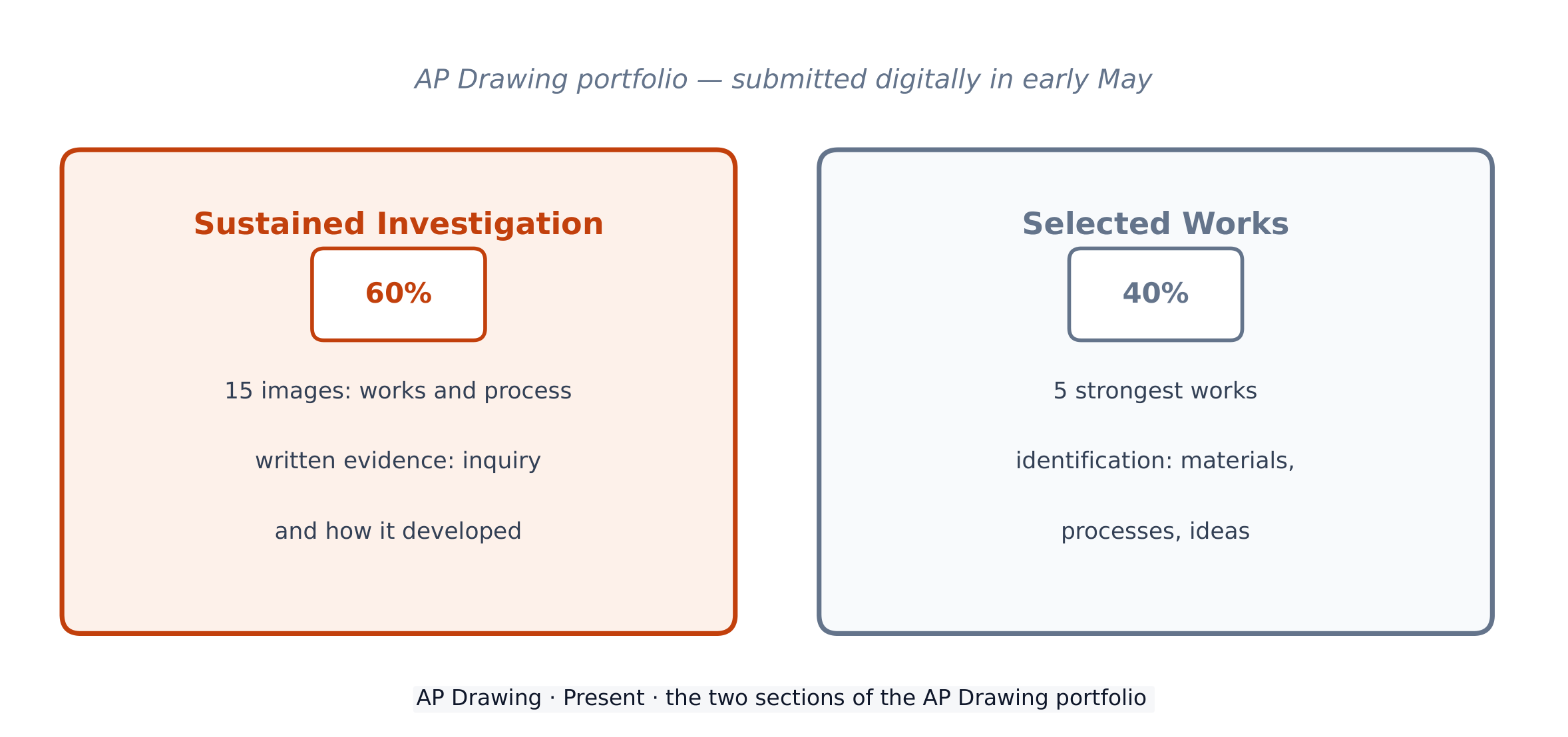
رسم AP هو course بورتفوليو (محفظة أعمال)، وليس course امتحان. تقدم خمسة عشر عملًا مختارًا تُظهر مهارات الرسم — صنع العلامات، جودة الخطوط، التكوين، السطح والضوء — بالإضافة إلى تحقيق مستدام لخمسة عشر صورة مع دليل مكتوب حول كيفية تطور سؤال استقصائي واحد.

الرسم هنا أوسع من القلم الرصاص على الورق. اللوحة، الطباعة، والأعمال الرقمية كلها مؤهلة، شريطة أن تكون قرارات الرسم هي الأساس الذي بُني عليه العمل.

يُكافأ التحقيق المستدام التطور الواضح. احتفظ بالتجارب والفشل، صور المراحل جميعها ووضّع عليها التاريخ، واكتب سؤال الاستقصاء بدقة كافية بحيث يكون الدليل على التقدم ممكنًا.

course بورتفوليو بدلاً من امتحان: تغطي الملاحظات ما تطلبه أقسام التحقيق المستدام والأعمال المختارة، بما في ذلك كيفية تقييم الإجابات المكتوبة. تحتوي المكتبة على معايير التصحيح المنشورة بدلاً من ورقات الامتحانات السابقة.

Train all vocabulary · ⁨تدريب كل المفردات⁩
  • 1

    Line and Mark-Making · ⁨الخط والرسم بالعلامة⁩

    Watch lesson · ⁨شاهد الدرس⁩
    1.1

    Line Quality · ⁨جودة الخط⁩

    Syllabus · ⁨المنهج⁩
    English

    Focus: Line quality is how a line looks and feels — the first drawing skill the AP rubric names is mark-making.

    • A line can be thick or thin, dark or light, smooth or rough, fast or slow.
    • Weighted line changes thickness along its length: press harder where a form turns away or carries weight.
    • Confident lines are drawn from the shoulder and elbow, not only the fingers.
    • Lost-and-found lines fade out and reappear — the viewer's eye completes the edge.
    • Line direction carries feeling: horizontal is calm, vertical is firm, diagonal is active.
    • Examiners read line quality instantly — scratchy, timid lines and one confident stroke tell different stories.
    العربية

    التركيز: جودة الخط هي كيفية ظهور الخط وشعوره — المهارة الرسومية الأولى التي يذكرها تقييم AP هي إنشاء العلامات (mark-making).

    • يمكن أن يكون الخط سميكًا أو رفيعًا، داكنًا أو فاتحًا، ناعمًا أو خشنًا، سريعًا أو بطيئًا.
    • الخط الموزون (Weighted line) يتغير سمكه على طول طوله: اضغط بقوة أكبر حيث يدور الشكل بعيدًا أو يحمل وزنًا.
    • الخطوط الواثقة ترسم من الكتف والمرفق، وليس فقط من الأصابع.
    • الخطوط المفقودة والموجودة (Lost-and-found lines) تتلاشى وتظهر مجددًا — عين المشاهد تكمل الحافة.
    • اتجاه الخط ينقل الإحساس: الأفقي هادئ، والعمودي ثابت، والمائل نشط.
    • يقرأ الممتحنون جودة الخط فورًا — الخطوط الخشنة والجبانة وضربة واحدة واثقة تحكي قصصًا مختلفة.

    Source: College Board AP Course and Exam Description · ⁨المصدر: وصف دورة وامتحان College Board AP⁩

    English

    Line quality 线条质感 is how a line looks and feels. The AP Drawing rubric names mark-making 笔触 first in its list of drawing skills, and line is the most basic mark.

    • A line can be thick or thin, dark or light, smooth or rough, fast or slow.
    • A weighted line 轻重线条 changes thickness along its length. Press harder where a form turns away from the light or carries weight.
    • Lost-and-found lines 虚实线条 fade out and come back. The viewer's eye completes the missing edge.
    • Confident lines come from the shoulder and elbow, not only the fingers.

    Line direction carries feeling: horizontal lines feel calm, vertical lines feel firm, and diagonal lines feel active. Examiners read line quality instantly, so practise until your lines look decided, not timid.

    العربية

    جودة الخط هي كيف يبدو الخط ويشعر به. يُسمي مقياس رسم AP تشكيل العلامات أولاً في قائمته لمهارات الرسم، والخط هو أبسط علامة.

    • يمكن أن يكون الخط سميكًا أو رفيعًا، داكنًا أو فاتحًا، ناعمًا أو خشنًا، سريعًا أو بطيئًا.
    • الخط الموزون يتغير سماكة على طول طوله. اضغط بقوة أكبر حيث يلتوي الشكل بعيدًا عن الضوء أو يحمل وزناً.
    • الخطوط المفقودة والموجودة تتلاشى وتعود. يكمل عين المشاهد الحافة المفقودة.
    • الخطوط الواثقة تأتي من الكتف والمرفق، وليس فقط الأصابع.
    جودة الخط: خطوط متساوية وموزونة ومفقودة-موجودة وتعبيرية مقارنة
    نفس الحافة مرسومة بأربع طرق: خط متساوٍ، خط موزون، خط مفقود-موجود، وخط سريع تعبير

    اتجاه الخط يحمل مشاعر: الخطوط الأفقية تشعر بالهدوء، الخطوط الرأسية تشعر بالإصرار، والخطوط القطرية تشعر بالنشاط. يقرأ الممتحنون جودة الخط فورًا، لذا تدرب حتى تبدو خطوطك حاسمة، ليست مترددة.

    Vocabulary · ⁨مفردات⁩ Train · ⁨تدريب⁩
    English العربية
    line quality/laɪn ˈkwɒlɪti/ جودة الخط
    mark-making/mɑːk ˈmeɪkɪŋ/ إنشاء العلامات
    weighted line/ˈweɪtɪd laɪn/ خط موزون
    lost-and-found lines/lɒst ænd faʊnd laɪnz/ خطوط المفقود والموجود
    contour line/ˈkɒntʊə laɪn/ خط محدد
    blind contour/blaɪnd ˈkɒntʊə/ التخطيط بالملمس العمياء
    cross-contour lines/krɒs ˈkɒntʊə laɪnz/ خطوط عبر المنحنيات
    gesture drawing/ˈdʒestʃə ˈdrɔːɪŋ/ الرسم بالإيماءات
    line of action/laɪn ɒv ˈækʃn/ خط الفعل
    1.2

    Contour Drawing · ⁨رسم المسار⁩

    Syllabus · ⁨المنهج⁩
    English

    Focus: Contour drawing follows the edges of a form slowly and carefully — it trains eye-hand coordination.

    • A contour line traces the outer edge and the inner edges (folds, creases, overlaps) of a subject.
    • In blind contour you draw without looking at the paper — pure observation practice.
    • Cross-contour lines travel across the surface of a form, like latitude lines on a globe, and describe volume.
    • Draw slowly: match the speed of your eye moving along the edge with the speed of your pencil.
    • Overlapping contours (one edge passing in front of another) create instant depth.
    • Contour studies make strong Sustained Investigation process pages — they show observation skill.
    العربية

    التركيز: الرسم التحتيطي يتبع حواف الشكل ببطء ودقة — إنه يدرب التنسيق بين العين واليد.

    • الخط التحتيطي يتتبع الحافة الخارجية والحواف الداخلية (الطي، التجاعيد، التداخل) لموضوع الرسم.
    • في الرسم التحتيطي الأعمى (blind contour)، ترسم دون النظر إلى الورق — تمرين صافي للملاحظة.
    • الخطوط التحتيطية المتقاطعة (Cross-contour lines) تمتد عبر سطح الشكل، مثل خطوط العرض على الكرة الأرضية، وتصف الحجم.
    • ارسم ببطء: طابق سرعة عينك وهي تتحرك على طول الحافة مع سرعة قلم الرصاص.
    • الحواف المتداخلة (حيث تمر حافة أمام أخرى) تخلق عمقًا فوريًا.
    • الدراسات التحتيطية تجعل صفحات التحقيق المستدام قوية — فهي تظهر مهارة الملاحظة.

    Source: College Board AP Course and Exam Description · ⁨المصدر: وصف دورة وامتحان College Board AP⁩

    English

    A contour line 轮廓线 traces the edges of a form — the outer edge and the inner edges made by folds, creases, and overlaps. Contour drawing is slow, careful looking.

    • Match the speed of your eye moving along the edge with the speed of your pencil.
    • In blind contour 盲画轮廓 you draw without looking at the paper. It feels strange, but it trains pure observation.
    • Cross-contour lines 横截轮廓线 travel across the surface of a form, like latitude lines on a globe. They describe volume, not edges.
    • Overlapping contours create instant depth: one edge passing in front of another says "this is closer".

    Contour studies make strong process pages for the Sustained Investigation because they show real observation skill.

    العربية

    خط المسار يتتبع حواف الشكل - الحافة الخارجية والحواف الداخلية التي تصنعها الطيات والثنيات والتداخلات. رسم المسار هو نظر بطيء وحذر.

    • طابق سرعة عينك وهي تتحرك على الحافة مع سرعة قلم الرصاص.
    • في رسم المسار الأعمى ترسم دون النظر إلى الورقة. يبدو غريبًا، لكنه يدرب على الملاحظة الصافية.
    • خطوط المسار المتقاطعة تنتقل عبر سطح الشكل، مثل خطوط العرض على الكرة الأرضية. تصف الحجم، وليس الحواف.
    • تداخل المسارات يخلق عمقًا فوريًا: حافة تمر أمام أخرى تقول "هذا أقرب".

    دراسات المسار تجعل صفحات عملية قوية للتحقيق المستمر لأنها تظهر مهارة ملاحظة حقيقية.

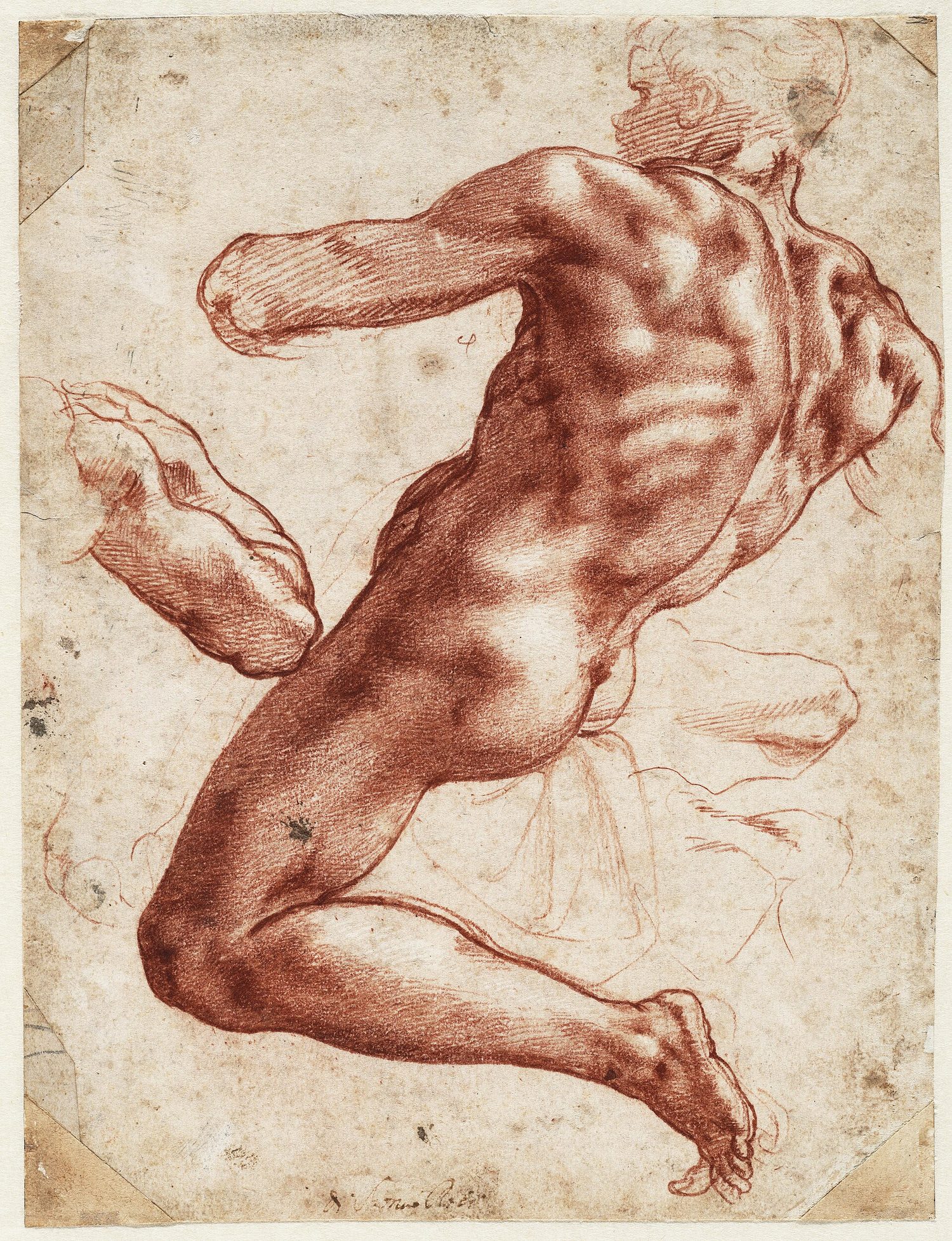
    إيماءة ومسار من دراسة أستاذ: يسجل الخط الشكل في نظرة مستمرة
    إيماءة ومسار من دراسة أستاذ: يسجل الخط الشكل في نظرة مستمرة
    1.3

    Gesture Drawing · ⁨رسم الإيماءة⁩

    Syllabus · ⁨المنهج⁩
    English

    Focus: Gesture drawing captures the energy, movement, and weight of a subject in seconds — before any detail.

    • A gesture drawing takes 30 seconds to 3 minutes; it looks for the action line running through the pose.
    • Draw the whole subject at once — big loose lines from the shoulder — never one polished corner.
    • Look for the line of action first: one curve that summarises the pose's movement.
    • Gesture is about what the subject is doing, not what it looks like.
    • Daily gesture pages build speed and confidence, and they photograph well as process evidence.
    • Long drawings usually start as a gesture: energy first, structure second, detail last.
    العربية

    التركيز: رسم الإيماءات يلتقط الطاقة والحركة والوزن لموضوع الرسم في ثوانٍ — قبل أي تفاصيل.

    • يأخذ رسم الإيماءات من 30 ثانية إلى 3 دقائق؛ ويبحث عن الخط الحركي الذي يمر عبر الوضعية.
    • ارسم الموضوع بأكمله دفعة واحدة — خطوط كبيرة غير منظمة من الكتف — ولا ترسم زاوية واحدة مصقولة.
    • ابحث أولاً عن خط الحركة: منحنى واحد يلخص حركة الوضعية.
    • الإيماء يتعلق بـ ماذا يفعل الموضوع، وليس بما يبدو عليه.
    • صفحات رسم الإيماءات اليومية تبني السرعة والثقة، وتُصور جيدًا كدليل على العملية.
    • عادة ما تبدأ الرسومات الطويلة كمسح إيماء: طاقة أولاً، هيكلاً ثانياً، تفاصيل أخيراً.

    Source: College Board AP Course and Exam Description · ⁨المصدر: وصف دورة وامتحان College Board AP⁩

    English

    Gesture drawing 动态速写 captures the energy, movement, and weight of a subject in seconds — before any detail.

    • A gesture drawing takes 30 seconds to 3 minutes. Draw the whole subject at once with big, loose lines.
    • Look for the line of action 动势线 first: one curve that summarises the movement of the pose.
    • Gesture asks what the subject is doing, not what it looks like.
    • Long drawings usually start as a gesture: energy first, structure second, detail last.

    Daily gesture pages build speed and confidence, and they photograph well as evidence of practice.

    العربية

    رسم الإيماءة يأسر الطاقة والحركة والوزن للموضوع في ثوانٍ - قبل أي تفاصيل.

    • يأخذ رسم الإيماءة 30 ثانية إلى 3 دقائق. ارسم الموضوع بالكامل مرة واحدة بخطوط كبيرة وفضفاضة.
    • ابحث عن خط الحركة أولاً: منحنى واحد يلخص حركة الوضعية.
    • الإيماءة تسأل ماذا يفعل الموضوع، لا كيف يبدو.
    • عادة ما تبدأ الرسومات الطويلة كمسح إيماء: طاقة أولاً، هيكلاً ثانياً، تفاصيل أخيراً.

    صفحات الإيماءة اليومية تبني السرعة والثقة، وتصوّر جيدًا كدليل على الممارسة.

    الإيماءة تأسر الحركة في بضعة خطوط قبل بدء التفاصيل
    الإيماءة تأسر الحركة في بضعة خطوط قبل بدء التفاصيل
    1.4

    Hatching and Cross-Hatching · ⁨التظليل والتظليل المتقاطع⁩

    Syllabus · ⁨المنهج⁩
    English

    Focus: Hatching builds value with parallel lines; cross-hatching layers a second direction on top.

    • Closer, darker lines read as darker value; wider spacing reads as lighter value.
    • Cross-hatching adds layers at new angles — each layer deepens the tone step by step.
    • Curve the hatch lines around the form (cross-contour hatching) so the shading also describes volume.
    • Keep a consistent angle inside one plane; change angle when the plane changes — edges stay crisp.
    • Pen-and-ink drawing depends on hatching because ink has no grey — value comes only from line density.
    • Hatching shows control of mark-making and light and shade, two named AP drawing skills, in one technique.
    العربية

    التركيز: التظليل بالخطوط (Hatching) يبني القيمة بخطوط متوازية؛ التظليل المتقاطع (cross-hatching) يضيف طبقة ثانية فوقها.

    • الخطوط الأقرب والأغمق تُقرأ كقيمة أغمق؛ والمسافات الواسعة تُقرأ كقيمة أخف.
    • التظليل المتقاطع يضيف طبقات بزوايا جديدة — كل طبقة تعمق النغمة خطوة بخطوة.
    • قم بثني خطوط التظليل حول الشكل (تظليل متقاطع تحتطي) بحيث تصف التظليل أيضًا الحجم.
    • حافظ على زاوية متسقة داخل مستوى واحد؛ غيّر الزاوية عندما يتغير المستوى — ستبقى الحواف حادة.
    • يعتمد الرسم بالقلم والحبر على التظليل لأن الحبر ليس رماديًا — تأتي القيمة فقط من كثافة الخط.
    • يُظهر التظليل بالخطوط التحكم في صنع العلامات والضوء والظل، وهما مهارتان من مهارات الرسم AP مذكور اسمهما، في تقنية واحدة.

    Source: College Board AP Course and Exam Description · ⁨المصدر: وصف دورة وامتحان College Board AP⁩

    English
    Building value with marks

    Hatching 排线 builds tone with parallel lines. Cross-hatching 交叉排线 layers a second set of lines at a new angle on top.

    • Closer, darker lines read as darker value 明度; wider spacing reads as lighter value.
    • Each cross-hatched layer deepens the tone step by step — build darkness gradually.
    • Curve the lines around the form (cross-contour hatching) so the shading also describes volume.
    • Keep one angle inside one plane; change the angle when the plane changes, and edges stay crisp.
    • Pen-and-ink drawing depends on hatching, because ink has no grey: value comes only from line density.
    العربية
    بناء القيمة بالعلامات

    التظليل يبني النبرة مع خطوط متوازية. التظليل المتقاطع يضيف طبقة ثانية من الخطوط بزاوية جديدة فوق الأولى.

    رسم تفصيلي لأستاذ قديم ليدين مضغوطتين معًا، مصمم بخطوط حبر دقيقة كثيفة على ورق أزرق رمادي
    بنى دورير هذه الأيدي من خلال التظليل المتوازي الدقيق والتظليل المتقاطع؛ حيث تتقارب الخطوط وتتقاطع، يتدرج اللون إلى الظل وتتحول العلامات المسطحة إلى شكل دائري
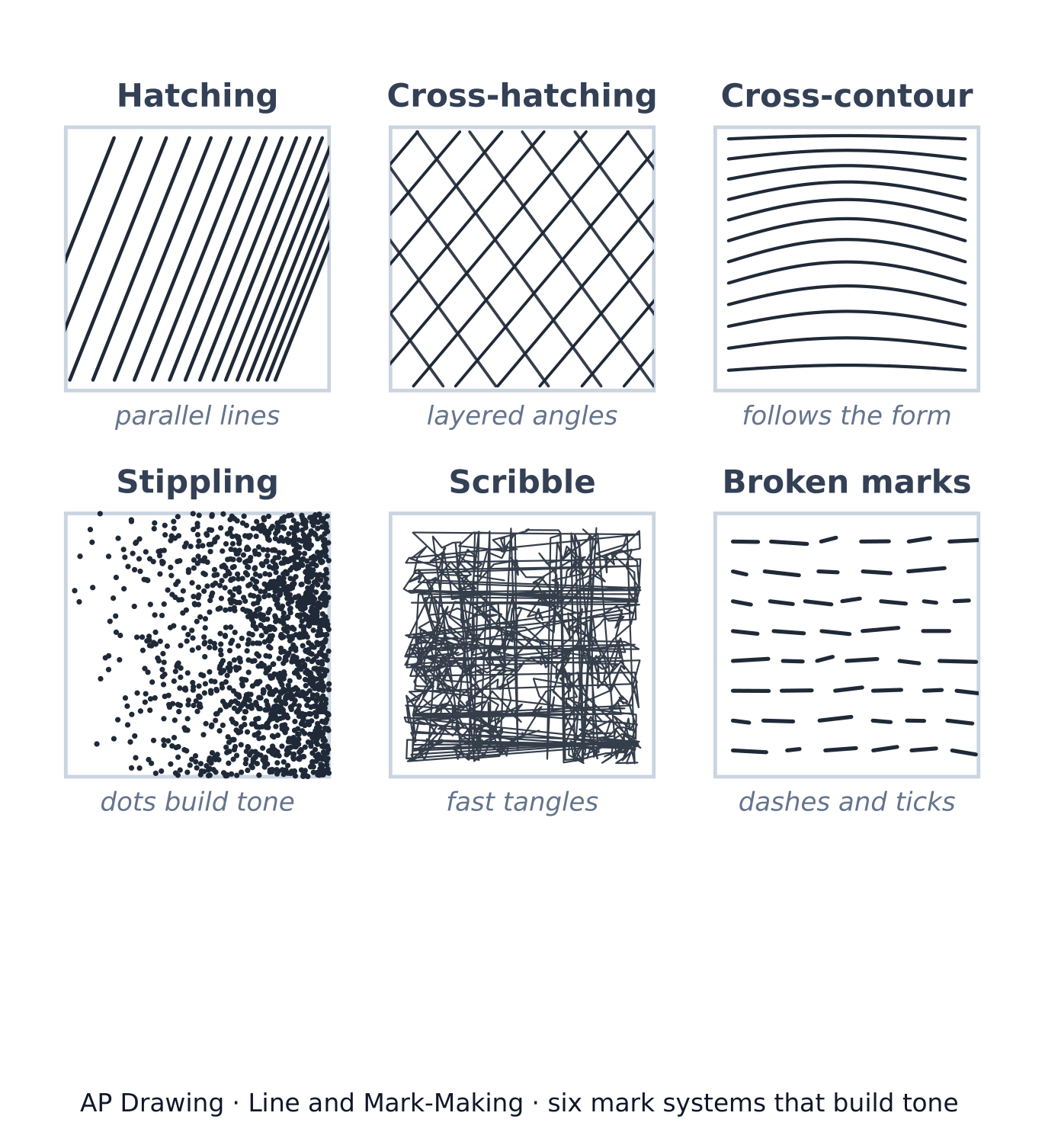
    أنظمة الست علامات: التظليل، التظليل المتقاطع، تظليل الخطوط المحورية، النقش، التشكيش، والعلامات المكسورة
    ست طرق لبناء الظل باستخدام العلامات؛ فالعلامات الأقرب والكثيفة تُقرأ كقيمة أغمق
    • الخطوط الأقرب والأغمق تُقرأ كقيمة أغمق؛ والمسافات الواسعة تُقرأ كقيمة أخف.
    • كل طبقة متقاطعة تعمق الظل خطوة بخطوة — بنِ الظل تدريجيًا.
    • قم ب-curvature للخطوط حول الشكل (التظليل بالخطوط المحورية) حتى يصف التظليل أيضًا الحجم.
    • حافظ على زاوية واحدة داخل المستوى الواحد؛ غيّر الزاوية عندما يتغير المستوى، وبقيت الحواف حادة.
    • يعتمد الرسم بالحبر والقلم على التظليل، لأن الحبر ليس له رمادي: القيمة تأتي فقط من كثافة الخط.
    Explore · ⁨استكشف⁩

    Which mark system is it? · ⁨أي نظام علامات هو هذا؟⁩

    Hatching uses parallel lines, cross-hatching layers a second angle, stippling builds tone from dots, and scribble uses fast tangles. Naming mark systems helps you choose and describe your own. · ⁨التظليل الخطي يستخدم خطوطاً متوازية، والتظليل المتقاطع يطبق طبقة ثانية بزاوية، والنقش النقطي يبني النبرة من النقاط، والخط السريع يستخدم التشابك السريع. يساعد تسمية أنظمة العلاماتك على اختيارها ووصف الخاصة بك.⁩

    Vocabulary · ⁨مفردات⁩ Train · ⁨تدريب⁩
    English العربية
    hatching/ˈhætʃɪŋ/ التظليل الخطي
    cross-hatching/krɒs ˈhætʃɪŋ/ التظليل المتقاطع
    value/ˈvæljuː/ القيمة
    stippling/ˈstɪplɪŋ/ التنقيط
    scribble/ˈskrɪbl/ شخبطة
    additive/ˈædɪtɪv/ إضافي
    subtractive/sʌbˈtræktɪv/ طرحي
    surface/ˈsɜːfɪs/ سطحية
    actual texture/ˈæktʃuːəl ˈtekstʃə/ ملمس فعلي
    implied texture/ɪmˈplaɪd ˈtekstʃə/ ملمس ضمني
    frottage/ˈfrɒtɪdʒ/ الفروتاج
    tooth/tuːθ/ الأسنان (ملمس السطح)
    expressive lines/ekˈspresɪv laɪnz/ خطوط تعبيرية
    distortion/dɪˈstɔːʃn/ التشويه
    voice/vɔɪs/ الصوت
    1.5

    Stippling, Scribbling, and Alternative Marks · ⁨النقش، التشكيش، والعلامات البديلة⁩

    Syllabus · ⁨المنهج⁩
    English

    Focus: Beyond hatching there is a whole vocabulary of marks — dots, scribbles, dashes, smears — each with its own texture and speed.

    • Stippling builds tone from dots: dense dots read dark, sparse dots read light — slow but very controllable.
    • Scribble (or scumbled) marks are fast tangles of line — lively, good for fur, foliage, and energy.
    • Dashes, ticks, and broken marks suggest texture without outlining every detail.
    • Marks can be additive (adding material) or subtractive (lifting material out with an eraser).
    • Try one subject rendered in four different mark systems — a classic experimentation page.
    • A personal mark vocabulary is part of your artistic voice — examiners look for it across the portfolio.
    العربية

    التركيز: ما وراء التظليل بالخطوط يوجد مفردات كاملة من العلامات — نقاط، تدوينات، شرطات، طمس — كل منها له ملمس وسرعة خاصة به.

    • النقطية (Stippling) تبني النغمة من النقاط: النقاط الكثيفة تُقرأ داكنة، والنقاط المتناثرة تُقرأ فاتحة — بطيء لكن قابل للتحكم بشكل كبير.
    • علامات التدوين (Scribble) أو التشويش هي تشابك سريع للخطوط — حيوية، مناسبة للفراء والأوراق والطاقة.
    • الشرائط، العلامات القصيرة، والعلامات المتقطعة توحي بالملمس دون تحديد كل التفاصيل.
    • يمكن أن تكون العلامات إضافية (إضافة مادة) أو طرحية (رفع المادة باستخدام ممحاة).
    • جرب موضوعًا واحدًا مُصوّرًا بأربعة أنظمة علامات مختلفة — صفحة كلاسيكية للتجريب.
    • مفردات العلامات الشخصية هي جزء من صوتك الفني — يبحث المصححون عليها عبر المحفظة.

    Source: College Board AP Course and Exam Description · ⁨المصدر: وصف دورة وامتحان College Board AP⁩

    English

    Beyond hatching there is a whole vocabulary of marks — dots, tangles, dashes, smears — each with its own texture and speed.

    • Stippling 点画 builds tone from dots: dense dots read dark, sparse dots read light. Slow, but very controllable.
    • Scribble 乱线 marks are fast tangles of line — lively and good for fur, foliage, and energy.
    • Dashes, ticks, and broken marks suggest texture without outlining every detail.
    • Marks can be additive 加法 (putting material on) or subtractive 减法 (lifting material off with an eraser).
    • A classic experimentation page: one subject rendered in four different mark systems.
    العربية

    بeyond التظليل يوجد مفردوم كامل من العلامات — نقاط، متشابكات، شقوق، طمس — لكل منها ملمس وسرعة خاصة بها.

    • النقش يبني الظل من النقاط: النقاط الكثيفة تُقرأ داكنة، والنقاط المتفرقة تُقرأ فاتحة. بطيء، لكنه قابل للتحكم جيدًا جدًا.
    • علامات التشكيش هي متشابكات سريعة من الخطوط — حيوية ومناسبة للفراء والأوراق والطاقة.
    • الشرائط، العلامات القصيرة، والعلامات المتقطعة توحي بالملمس دون تحديد كل التفاصيل.
    • يمكن أن تكون العلامات إضافة (وضع مادة) أو نقصية (رفع المادة بممحاة).
    • صفحة تجريبية كلاسيكية: موضوع واحد مُصوَّر بأربعة أنظمة علامات مختلفة.
    1.6

    Texture and Surface · ⁨الملمس والسطح⁩

    Syllabus · ⁨المنهج⁩
    English

    Focus: Surface is a named AP drawing skill: how the drawing's physical texture and the depicted texture work together.

    • Actual texture is the real surface of the work (rough paper, layered charcoal, collage); implied texture is drawn illusion.
    • Frottage (rubbing over a textured surface) transfers real texture into a drawing.
    • Paper tooth (roughness) changes every mark: the same pencil reads differently on smooth and rough paper.
    • Contrast of textures — smooth skin against rough cloth — makes both read more strongly.
    • Build texture with the logic of the material: short strokes for fur, long strokes for hair, broken marks for stone.
    • Describing texture convincingly is visual evidence of observation and material control.
    العربية

    التركيز: السطح مهارة رسم AP مذكورة اسمها: كيف يعمل الملمس الفعلي للرسم والملمس المُصوّر معًا.

    • الملمس الحقيقي هو السطح الفعلي للعمل (ورق خشن، فحم طبقي، كولاج)؛ أما الملمس الضمني فهو وهم مرسوم.
    • الفروتاج (الاحتكاك فوق سطح ذي ملمس) ينقل الملمس الحقيقي إلى الرسم.
    • خشن الورق (الأسنان) يغير كل علامة: نفس القلم يعطي نتائج مختلفة على الورق أملس وخشن.
    • تضاد الملمسات — الجلد الناعم مقابل القماش الخشن — يجعل كلاهما يُقرأ بشكل أقوى.
    • بنا الملمس بمنطق المادة: ضربات قصيرة للفراء، ضربات طويلة للشعر، علامات مكسورة للحجر.
    • وصف الملمس بإقناع هو دليل بصري على الملاحظة和控制 المواد.

    Source: College Board AP Course and Exam Description · ⁨المصدر: وصف دورة وامتحان College Board AP⁩

    English

    Surface 画面质感 is a named AP drawing skill: the physical texture of the drawing and the drawn illusion of texture work together.

    • Actual texture 实际肌理 is the real surface of the work — rough paper, layered charcoal, collage. Implied texture 视觉肌理 is drawn illusion.
    • Frottage 拓印法 (rubbing over a textured surface) transfers real texture into a drawing.
    • Paper tooth 纸纹 changes every mark: the same pencil reads differently on smooth and rough paper.
    • Contrast of textures — smooth skin against rough cloth — makes both read more strongly.
    • Build texture with the logic of the material: short strokes for fur, long strokes for hair, broken marks for stone.
    العربية

    السطح مهارة رسم AP معروفة: الملمس الفعلي للرسم والوهم المرسوم للملمس يعملان معًا.

    • الملمس الفعلي هو السطح الحقيقي للعمل — ورق خشن، فحم متعدد الطبقات، كولاج. الملمس الضمني هو وهم مرسوم.
    • الفروتاج (الاحتكاك فوق سطح ذي ملمس) ينقل الملمس الحقيقي إلى الرسم.
    • أسنان الورق تغير كل علامة: نفس القلم يُقرأ بشكل مختلف على الورق الناعم والخشن.
    • تضاد الملمسات — الجلد الناعم مقابل القماش الخشن — يجعل كلاهما يُقرأ بشكل أقوى.
    • بنا الملمس بمنطق المادة: ضربات قصيرة للفراء، ضربات طويلة للشعر، علامات مكسورة للحجر.
    1.7

    Expressive Mark-Making · ⁨صنع العلامات التعبيرية⁩

    Syllabus · ⁨المنهج⁩
    English

    Focus: Marks carry emotion: the same subject drawn with angry, calm, or nervous marks tells three different stories.

    • Expressive lines exaggerate speed, pressure, and direction to communicate feeling, not just describe form.
    • Käthe Kollwitz's heavy charcoal and Egon Schiele's tense contours show how marks are the meaning.
    • Choose the mark to match the idea: soft graphite for quiet subjects, aggressive ink for conflict.
    • Distortion and exaggeration are legitimate drawing decisions when they serve intent — 'accurate' is not the only goal.
    • The AP rubric rewards ideas made visual: expressive marks link technique to meaning.
    • Test the same composition in two mark styles and write one sentence on which supports your inquiry better.
    العربية

    التركيز: تحمل العلامات عاطفة: نفس الموضوع مرسوم بعلامات غاضبة، هادئة، أو متوترة يحكي ثلاث قصص مختلفة.

    • الخطوط التعبيرية تُبالغ في السرعة والضغط والاتجاه لتوصيل الشعور، وليس فقط لوصف الشكل.
    • الفحم الثقيل لكاثي كولفيتش والحدود المشددة لإيجون شيليه يظهران كيف أن العلامات هي المعنى.
    • اختر العلامة لتناسب الفكرة: جرافيت ناعم للمواضيع الهادئة، وحبر عدواني للصراع.
    • التشويه والمبالغة قرارات رسم مشروعة عندما تخدم الغرض — 'الدقة' ليست الهدف الوحيد.
    • مقياس تقييم AP يكافئ الأفكار التي صارت مرئية: العلامات التعبيرية تربط التقنية بالمعنى.
    • اختبر نفس التركيب بأسلوبين مختلفين من العلامات واكتب جملة واحدة حول أيهما يدعم استقصائك بشكل أفضل.

    Source: College Board AP Course and Exam Description · ⁨المصدر: وصف دورة وامتحان College Board AP⁩

    English

    Marks carry emotion. The same subject drawn with angry, calm, or nervous marks tells three different stories.

    • Expressive lines 表现性线条 exaggerate speed, pressure, and direction to communicate feeling, not just to describe form.
    • Käthe Kollwitz's heavy charcoal and Egon Schiele's tense contours show how the marks themselves carry the meaning.
    • Choose the mark to match the idea: soft graphite for quiet subjects, aggressive ink for conflict.
    • Distortion 变形 and exaggeration are legitimate drawing decisions when they serve your intent — "accurate" is not the only goal.
    • A personal mark vocabulary is part of your artistic voice 个人风格. Examiners look for it across the whole portfolio.
    العربية

    العلامات تحمل مشاعر. نفس الموضوع المرسوم بعلامات غاضبة، هادئة، أو عصبية يحكي ثلاث قصص مختلفة.

    • الخطوط التعبيرية تبالغ في السرعة والضغط والاتجاه لتعبر عن الإحساس، لا لوصف الشكل فحسب.
    • الفحم الثقيل لكاثه كولفيتش والخطوط المشدودة لإيجون شيمليه يظهران كيف تحمل العلامات نفسها المعنى.
    • اختر العلامة لتناسب الفكرة: جرافيت ناعم للمواضيع الهادئة، وحبر عدواني للصراع.
    • التشويه والمبالغة قرارات رسم مشروعة عندما تخدم نيتك — "الدقة" ليست الهدف الوحيد.
    • مفردوم علامتك الشخصية جزء من صوتك الفني. يبحث المصححون عليه عبر المحفظة كاملة.
    1.7

    Exam tips · ⁨نصائح للامتحان⁩

    English
    • Line quality is judged at a glance — one page of confident, varied strokes tells a scorer more than an hour of timid rendering. Warm up before every serious drawing.
    • Show the systems, not just the results: a portfolio image of hatching, stippling, and cross-contour studies is direct visual evidence of the mark-making skill the rubric names.
    • Photograph marks close up. A detail shot of your best passage of marks proves a skill that a full view only suggests.
    • Blind contour and gesture pages belong in your process images — they show observation and practice, exactly what the Sustained Investigation rubric asks to see.
    • Match marks to meaning in your written evidence: one sentence like "scratchy graphite lines echo the anxiety of exam season" links technique to idea, which is what scorers reward.
    العربية
    • جودة الخط تُحكم عليها بنظرة واحدة — صفحة واحدة من ضربات واثقة ومتنوعة تخبر المصحح أكثر من ساعة من التصوير الخائف. تدفئ قبل كل رسم جاد.
    • أظهر الأنظمة، وليس النتائج فقط: صورة محفظة للتظليل، النقش، ودراسات الخطوط المحورية هي دليل بصري مباشر على مهارة صنع العلامات التي يذكرها المعيار.
    • صور العلامات عن قرب. لقطة تفصيلية لأفضل ممر لعلاماتك تثبت مهارة تقترحها النظرة الكاملة فقط.
    • صفحات الخط المحوري الأعمى والحركة تنتمي إلى صور عملية — فهي تظهر الملاحظة والممارسة، بالضبط ما يطلبه معيار التحقيقات المستدامة رؤيته.
    • طابق العلامات بالمعنى في أدلتك المكتوبة: جملة واحدة مثل "الخطوط الرقيقة بقلم الرصاص تعكس قلق موسم الامتحانات" تربط التقنية بالفكرة، وهو ما يكافئه المصححون.
  • 2

    Value, Light, and Form · ⁨القيمة والضوء والشكل⁩

    Watch lesson · ⁨شاهد الدرس⁩
    2.1

    The Value Scale · ⁨سلم القيمة⁩

    Syllabus · ⁨المنهج⁩
    English

    Focus: Value is lightness and darkness — the backbone of drawing, because we see form as light before we see colour.

    • A value scale runs from white through greys to black; a 9-step scale is the classic exercise.
    • Most beginners draw too light and too narrow — push the darks so the full range is used.
    • High-key drawings use mostly light values (airy, soft); low-key drawings use mostly dark values (heavy, dramatic).
    • Squint at the subject: squinting removes detail and shows the big value shapes.
    • Local value (how light the object's own surface is) is separate from lighting (how much light falls on it).
    • Control of the value scale is direct visual evidence of the AP skill light and shade.
    العربية

    التركيز: النغمة هي الخفة والداكنة — عمود فقرات الرسم، لأننا نرى الشكل ضوئيًا قبل أن نرى اللون.

    • مقياس النغمات يتدرج من الأبيض عبر الرمادي إلى الأسود؛ مقياس من 9 خطوات هو التمرين الكلاسيكي.
    • يرسم معظم المبتدئين فاتحًا جدًا وضيقًا — ادفع الظلال الداكنة حتى يُستخدم النطاق الكامل.
    • الرسومات ذات النغمة العالية تستخدم نغمات فاتحة في الغالب (هوائية، ناعمة)؛ بينما الرسومات ذات النغمة المنخفضة تستخدم نغمات داكنة في الغالب (ثقيلة، درامية).
    • أغمض عينيك قليلاً عند النظر للموضوع: الإغماء يزيل التفاصيل ويظهر أشكال النغمة الكبيرة.
    • النغمة المحلية (مدى خفة سطح الجسم نفسه) منفصلة عن الإضاءة (مدى سقوط الضوء عليه).
    • التحكم في مقياس النغمات هو دليل بصري مباشر على مهارة الضوء والظل في AP.

    Source: College Board AP Course and Exam Description · ⁨المصدر: وصف دورة وامتحان College Board AP⁩

    English
    The value scale

    Value 明度 is lightness and darkness — the backbone of drawing, because we see form as light before we see colour.

    • A value scale 明度阶 runs from white through greys to black. Drawing a smooth 9-step scale is the classic control exercise.
    • Most beginners draw too light and use too narrow a range. Push the darks so the drawing uses the full scale.
    • High-key 高调 drawings use mostly light values and feel airy; low-key 低调 drawings use mostly dark values and feel heavy or dramatic.
    • Local value 固有明度 is how light the object's own surface is; lighting is how much light falls on it. Keep the two ideas separate.
    • Squint 眯眼 at the subject: squinting removes detail and shows the big value shapes.
    العربية
    مقياس القيمة

    القيمة هي الفاتحة والغامة — عمود فقري للرسم، لأننا نرى الشكل بضوء قبل أن نرى اللون.

    • سلم القيمة يبدأ من الأبيض عبر الرمادي إلى الأسود. رسم سلم سلس من 9 خطوات هو تمرين التحكم الكلاسيكي.
    • معظم المبتدئين يرسمون فاتحًا جدًا ويستخدمون نطاقًا ضيقًا جدًا. ادفع الظلال حتى يستخدم الرسم السلم الكامل.
    • الرسومات ذات القيمة العالية تستخدم قيمًا فاتحة في الغالب وتشعر بالانتفاخ؛ الرسومات ذات القيمة المنخفضة تستخدم قيمًا داكنة في الغالب وتشعر بالثقل أو الدراما.
    • القيمة المحلية هي مدى فاتح سطح الجسم نفسه؛ الإضاءة هي مقدار الضوء الساقط عليه. ابقِ بين الفكرتين منفصلتين.
    • تشمّض عند الموضوع: التشمض يزيل التفاصيل ويظهر أشكال القيمة الكبيرة.
    Vocabulary · ⁨مفردات⁩ Train · ⁨تدريب⁩
    English العربية
    value/ˈvæljuː/ القيمة
    value scale/ˈvæljuː skeɪl/ مقياس القيمة
    high-key/haɪ kiː/ الوضع العالي
    low-key/ləʊ kiː/ الوضع المنخفض
    local value/ˈləʊkl ˈvæljuː/ قيمة محلية
    squint/skwɪnt/ أغمض عينيك
    highlight/ˈhaɪlaɪt/ الإضاءة
    halftone/ˈhɑːftəʊn/ النصف tone
    core shadow/kɔː ˈʃædəʊ/ ظل الشكل الأساسي
    reflected light/rɪˈflektɪd laɪt/ الضوء المنعكس
    cast shadow/kæst ˈʃædəʊ/ ظل مسقط
    rendering/ˈrendərɪŋ/ التقديم
    basic forms/ˈbeɪsɪk fɔːmz/ الأشكال الأساسية
    blending stump/ˈblendɪŋ stʌmp/ مُزجِّم
    chiaroscuro/ˌtʃaɪərəˈskjʊərəʊ/ الكياروسكورو (التباين الضوئي)
    tenebrism/ˈtenɪbrɪzəm/ تينبريزم
    focal point/ˈfəʊkl pɔɪnt/ نقطة التركيز
    toned paper/təʊnd ˈpeɪpə/ ورق مُدرَّج
    2.2

    Light Logic: How Light Describes Form · ⁨منطق الضوء: كيف يصف الضوء الشكل⁩

    Syllabus · ⁨المنهج⁩
    English

    Focus: One light source creates a predictable pattern of light and shadow — learn the pattern and any form becomes drawable.

    • The six zones: highlight, light, halftone, core shadow, reflected light, and cast shadow.
    • The core shadow is the darkest band on the form, where the surface turns fully away from the light.
    • Reflected light bounces back into the shadow side — it is always darker than any lit halftone.
    • The cast shadow is darkest and sharpest where it meets the object, softer and lighter further away.
    • Shadow edges tell the story: hard edges = sharp turn or cast shadow; soft edges = gradual turn.
    • Check the logic, not just the look: every value must be explainable by the light's direction.
    العربية

    التركيز: مصدر ضوء واحد يخلق نمطًا متوقعًا للضوء والظل — تعلم النمط وأصبح أي شكل قابلاً للرسم.

    • المناطق الست: اللمعان، الضوء، الظل المتوسط، الظل الأساسي، الضوء المنعكس، والظل المقذوف.
    • ظل الجسم الأساسي (Core shadow) هو الشريط الأغمق على الشكل، حيث تنحرف السطح تمامًا بعيدًا عن الضوء.
    • الضوء المنعكس يرتد إلى الجانب المظلل — وهو دائمًا أغمق من أي نصف ظل مضاء.
    • الظل المقذوف يكون أغمق وأكثر حدة حيث يلتقي بالجسم، وأنعم وأفتح كلما ابتعد.
    • حواف الظل تحكي القصة: الحواف الصلبة = انعطاف حاد أو ظل مقذوف؛ الحواف الناعمة = انعطاف تدريجي.
    • تحقق من المنطق، لا فقط المظهر: يجب أن يكون كل نغمة قابلة للتفسير باتجاه الضوء.

    Source: College Board AP Course and Exam Description · ⁨المصدر: وصف دورة وامتحان College Board AP⁩

    English
    Light logic: how light describes form

    One light source creates a predictable pattern of light and shadow. Learn the pattern, and any form becomes drawable.

    • The six zones: highlight 高光, light, halftone 中间调, core shadow 明暗交界线, reflected light 反光, and cast shadow 投影.
    • The core shadow is the darkest band on the form, where the surface turns fully away from the light.
    • Reflected light bounces back into the shadow side — but it is always darker than any lit halftone.
    • The cast shadow is darkest and sharpest where it meets the object, then softer and lighter further away.
    • Shadow edges tell the story: hard edges mean a sharp turn or a cast shadow; soft edges mean a gradual turn.
    العربية
    منطق الضوء: كيف يصف الضوء الشكل

    مصدر ضوء واحد يخلق نمطًا متوقعًا من الضوء والظل. تعلم النمط، وأي شكل يصبح قابلاً للرسم.

    كرة تحت مصدر ضوء واحد، مع تسمية مناطق الضوء الست
    مصدر ضوء واحد، ست مناطق: اللمعان، الضوء، الظل المتوسط، الظل الأساسي، الضوء المنعكس، والظل المقذوف
    • المناطق الست: اللمعان، الضوء، الظل المتوسط، الظل الأساسي، الضوء المنعكس، والظل المقذوف.
    • الظل الأساسي هو الشريط الداكن على الشكل، حيث يلتوي السطح تمامًا بعيدًا عن الضوء.
    • الضوء المنعكس يرتد إلى جانب الظل — ولكنه دائمًا أغمق من أي ظل متوسط مضاء.
    • الظل المقذوف يكون أغمق وأكثر حدة حيث يلتقي بالجسم، ثم يصبح ناعمًا وأفتح كلما ابتعد.
    • حواف الظل تحكي القصة: الحواف الصلبة تعني انعطافًا حادًا أو ظلًا مقذوفًا؛ الحواف الناعمة تعني انعطافًا تدريجيًا.
    Explore · ⁨استكشف⁩

    Which zone of light? · ⁨أي منطقة من الضوء؟⁩

    One light source makes six zones. The core shadow is the darkest band on the form; reflected light stays darker than any lit halftone; the cast shadow is sharpest where it meets the object. · ⁨مصدر ضوء واحد يصنع ست مناطق. الظل الأساسي هو الحزام الأغمق على الشكل؛ الضوء المنعكس يبقى أغمق من أي نصف tone مضاء؛ الظل الملقى يكون حاداً حيث يلتقي بالجسم.⁩

    2.3

    Rendering Form · ⁨تصيير الشكل⁩

    Syllabus · ⁨المنهج⁩
    English

    Focus: Rendering means building smooth, believable volume — turning flat shapes into spheres, cylinders, and boxes.

    • Every complex subject simplifies into basic forms: sphere, cylinder, cube, cone — render those first.
    • Work dark to light or light to dark consistently; jumping around destroys the value structure.
    • Blend with intention: stumps and fingers smooth values, but preserved mark-making often reads stronger than over-blending.
    • Keep the lit side and shadow side clearly separated — form collapses when halftones creep into shadow.
    • A drawing of white objects (eggs, cups, cloth) is the classic rendering test: value comes only from light.
    • Rendered form demonstrates several AP drawing skills at once: light and shade, surface, and mark-making.
    العربية

    التركيز: التصيير يعني بناء حجم سلس ومقنع — تحويل الأشكال المسطحة إلى كرات وأسطوانات وصناديق.

    • كل موضوع معقد يختزل إلى أشكال أساسية: كرة، أسطوانة، مكعب، مخروط — صير تلك أولاً.
    • اعمل من الداكن إلى الفاتح أو من الفاتح إلى الداكن بشكل مستمر؛ القفز بين النغمات يدمر البنية.
    • امزج بقصد: الرول والشبام ينعمون النغمات، لكن الحفاظ على العلامات غالبًا ما يبدو أقوى من المزج المفرط.
    • حافظ على الفصل الواضح بين الجانب المضاء والجانب المظلل — ينهار الشكل عندما يتسلل نصف الظل إلى الظل.
    • رسم للأجسام البيضاء (بيض، أكواب، قماش) هو اختبار التصيير الكلاسيكي: النغمة تأتي من الضوء فقط.
    • يثبت التصيير عدة مهارات رسم AP في آن واحد: الضوء والظل، السطح، وصنع العلامات.

    Source: College Board AP Course and Exam Description · ⁨المصدر: وصف دورة وامتحان College Board AP⁩

    English

    Rendering 塑造 means building smooth, believable volume — turning flat shapes into spheres, cylinders, and boxes.

    • Every complex subject simplifies into basic forms 基本形体: sphere, cylinder, cube, cone. Render those first.
    • Work dark-to-light or light-to-dark consistently; jumping around destroys the value structure.
    • Blend with intention: a blending stump 擦笔 smooths values, but preserved marks often read stronger than over-blending.
    • Keep the lit side and the shadow side clearly separated. Form collapses when halftones creep into the shadow.
    • A drawing of white objects (eggs, cups, cloth) is the classic rendering test: all the value comes from light alone.
    العربية

    التصيير يعني بناء حجم أملس ومقنع — تحويل الأشكال المسطحة إلى كرات وأسطوانات وصناديق.

    • كل موضوع معقد يختزل إلى أشكال أساسية: كرة، أسطوانة، مكعب، مخروط. صِرَّ تلك أولاً.
    • اعمل من الغامق إلى الفاتح أو العكس بشكل متسق؛ التذبذب يدمر هيكل الدرجات اللونية.
    • امزج بقصد: عصا المزج تنعم القيم، لكن العلامات المحفوظة غالبًا ما تُقرأ أقوى من المزج المفرط.
    • افصل بين الجانب المضاء وجانب الظل بوضوح. ينهار الشكل عندما يتسلل الظل المتوسط إلى الظل.
    • رسم لأبيض (بيض، أكواب، قماش) هو اختبار الريندر الكلاسيكي: جميع القيم تأتي من الضوء وحده.
    2.4

    Chiaroscuro and High-Contrast Drawing · ⁨التباين الضوئي والظلال والرسم عالي التباين⁩

    Syllabus · ⁨المنهج⁩
    English

    Focus: Chiaroscuro ('light-dark') uses strong value contrast for drama — the language of Caravaggio and Rembrandt.

    • A single strong light against deep shadow pushes the subject forward and sets the mood.
    • Tenebrism is extreme chiaroscuro: most of the image sinks into darkness, one area blazes.
    • Reserve the strongest contrast for the focal point — contrast attracts the eye first.
    • Charcoal and ink wash suit chiaroscuro because they reach rich, deep darks quickly.
    • Working on toned paper with white and black media makes the light logic explicit.
    • High-contrast studies photograph impressively — strong candidates for Selected Works.
    العربية

    التركيز: الكياروسكورو ('ضوء-داكن') يستخدم تباينًا قويًا في النغمات للإثارة الدرامية — لغة كارافاجيو وريمبراندت.

    • ضوء قوي واحد ضد ظل عميق يدفع الموضوع للأمام ويحدد الجو العام.
    • التينبريزمو هو كياروسكورو متطرف: تغوص معظم الصورة في الظلام، ومنطقة واحدة تلمع.
    • احفظ أقوى تباين للنقطة المحورية — التباين يجذب العين أولاً.
    • الفحم والحبر المائي مناسبان للتباين الضوئي لأنهما يصلان إلى ظلال غنية وعميقة بسرعة.
    • العمل على ورق ملون بمواد بيضاء وسوداء يجعل منطق الضوء واضحًا.
    • دراسات التباين العالي تظهر بشكل مذهل في الصور الفوتوغرافية — مرشحات قوية للمختارات.

    Source: College Board AP Course and Exam Description · ⁨المصدر: وصف دورة وامتحان College Board AP⁩

    English

    Chiaroscuro 明暗对照法 ("light-dark") uses strong value contrast for drama — the language of Caravaggio and Rembrandt.

    • A single strong light against deep shadow pushes the subject forward and sets the mood.
    • Tenebrism 暗色调主义 is extreme chiaroscuro: most of the image sinks into darkness while one area blazes.
    • Save the strongest contrast for the focal point 视觉焦点 — contrast attracts the eye first.
    • Charcoal and ink wash suit chiaroscuro because they reach rich, deep darks quickly.
    • Working on toned paper 有色纸 with black and white media makes the light logic explicit.
    العربية

    التباين الضوئي والظلال ("الضوء-الظل") يستخدم تباين قوي في القيم لإحداث دراما — وهو لغة كارافاجيو وريمنبراندت.

    رسم بورتريه ناعم وظلامي لرجل جالس، مبني من رماديات سلسة بدون حدود حادة
    بورتريه سيري بالكرتون الملمس مبني من نبرة واحدة ناعمة، مع几乎没有 حدود؛ الورق الخشن يمسك بالكرتون ليعطي رماديات مخملية
    • ضوء قوي واحد ضد ظل عميق يدفع الموضوع للأمام ويحدد الجو العام.
    • الغموض الضوئي هو تباين ضوئي متطرف: ينزلق معظم الصورة في الظلام بينما تلمع منطقة واحدة.
    • احتفظ بأقوى تباين للنقطة المحورية — التباين يجذب العين أولاً.
    • الفحم والحبر المائي مناسبان للتباين الضوئي لأنهما يصلان إلى ظلال غنية وعميقة بسرعة.
    • العمل على ورق ملون بوسائط سوداء وبيضاء يجعل منطق الضوء واضحاً.
    2.5

    Tonal Composition and Notan · ⁨التركيب النطقي والنوتان⁩

    Syllabus · ⁨المنهج⁩
    English

    Focus: Notan is the design of light and dark shapes — a drawing works or fails at thumbnail size before any detail.

    • Reduce the scene to 2-3 flat values (a notan study): if the pattern reads clearly, the composition is strong.
    • Thumbnail sketches (5-8 cm) let you test several value plans in minutes.
    • Group values: many small lights scattered everywhere feel noisy; connected value shapes feel designed.
    • Place the darkest dark against the lightest light at the focal point.
    • A clear value hierarchy — one dominant value, one secondary, one accent — organises the whole page.
    • Keep the thumbnails in your process journal: they are ideal Sustained Investigation evidence of planning.
    العربية

    التركيز: نوتان هو تصميم أشكال الضوء والداكن — يعمل الرسم أو يفشل في الحجم المصغر قبل أي تفاصيل.

    • قلل المشهد إلى 2-3 نغمات مسطحة (دراسة نوتان): إذا كان النمط مقروءًا بوضوح، فإن التركيب قوي.
    • المخططات الصغيرة (5-8 سم) تسمح لك باختبار خطط قيم متعددة في دقائق.
    • جمّع النغمات: الكثير من الأضواء الصغيرة المبعثرة في كل مكان يبدو مزعجًا؛ أشكال النغمات المتصلة تبدو مصممة.
    • ضع أشد ظل داكن مقابل أشد ضوء فاتح عند النقطة المحورية.
    • تسلسل هرمي واضح للقيم — قيمة مسيطرة واحدة، وثانوية واحدة، وإضافة واحدة — ينظم الصفحة بأكملها.
    • احتفظ بالحجم المصغر في دفتر عملك: إنها دليلاً مثاليًا لاستقصاء مستدام يوثق التخطيط.

    Source: College Board AP Course and Exam Description · ⁨المصدر: وصف دورة وامتحان College Board AP⁩

    English

    Notan 明暗构成 is the design of light and dark shapes. A drawing works or fails at thumbnail size, before any detail exists.

    • Reduce the scene to 2-3 flat values. If the pattern still reads clearly, the composition is strong.
    • Thumbnail sketches 小稿 (5-8 cm) let you test several value plans in minutes.
    • Group your values: many small lights scattered everywhere feel noisy; connected value shapes feel designed.
    • Place the darkest dark against the lightest light at the focal point.
    • A clear value hierarchy — one dominant value, one secondary, one accent — organises the whole page.
    العربية

    النوتان هو تصميم الأشكال المضيئة والمظللة. يعمل الرسم أو يفشل عند حجم المخططات الصغيرة، قبل وجود أي تفاصيل.

    مخططان بالنوتان: نمط قيم متصل يُقرأ بوضوح، وقيم متناثرة تُقرأ كضوضاء
    قلل المشهد إلى قيمتين أو ثلاث: أشكال القيم المتصلة تُقرأ بوضوح؛ النقاط المتناثرة تُقرأ كضوضاء
    • قلل المشهد إلى 2-3 قيم مسطحة. إذا كان النمط لا يزال يُقرأ بوضوح، فإن التركيب قوي.
    • المخططات الصغيرة (5-8 سم) تسمح لك باختبار خطط قيم متعددة في دقائق.
    • جمّع قيمك: الكثير من الأضواء الصغيرة المتناثرة في كل مكان تبدو ضوضاءً؛ أشكال القيم المتصلة تبدو مصممة.
    • ضع أشد ظل داكن مقابل أشد ضوء فاتح عند النقطة المحورية.
    • تسلسل هرمي واضح للقيم — قيمة مسيطرة واحدة، وثانوية واحدة، وإضافة واحدة — ينظم الصفحة بأكملها.
    Vocabulary · ⁨مفردات⁩ Train · ⁨تدريب⁩
    English العربية
    notan/ˈnəʊtn/ نوتان
    thumbnail sketches/ˈθʌmneɪl ˈsketʃɪz/ رسومات مصغرة
    toned ground/təʊnd ɡraʊnd/ أساس مُدرَّج
    lift out/lɪft aʊt/ الاستخراج
    subtractive drawing/sʌbˈtræktɪv ˈdrɔːɪŋ/ الرسم الطرحي
    kneaded eraser/ˈniːdɪd ɪˈreɪzə/ ممحاة مطاطية
    experimentation/ekˌsperɪmənˈteɪʃn/ التجريب
    2.6

    Toned Grounds and Subtractive Drawing · ⁨الأرضيات الملونة والرسم الطرحي⁩

    Syllabus · ⁨المنهج⁩
    English

    Focus: Starting from a toned ground lets you draw both directions: darker with media, lighter with an eraser.

    • Cover the paper with an even charcoal or graphite tone, then lift out lights with a kneaded eraser.
    • Subtractive drawing treats the eraser as a drawing tool — pulling light out of dark.
    • Toned or grey paper gives a ready-made middle value: add darks and white highlights only.
    • The mid-tone start forces value decisions early — nothing hides behind white paper.
    • Erasers make marks too: a dragged kneaded eraser leaves soft light strokes, a hard eraser leaves crisp ones.
    • This process shows experimentation with materials and processes — exactly what the CED asks you to document.
    العربية

    التركيز: البدء من أرضية ملونة يسمح لك بالرسم في الاتجاهين: الداكن بالمادة، والفاتح بالممحاة.

    • غطِ الورق بنغمة فحم أو رصاص متساوية، ثم ارفع الأضواء باستخدام ممحاة عجين.
    • الرسم الطرحي يعامل الممحاة كأداة رسم — سحب الضوء من الظلام.
    • الورق الملون أو الرمادي يوفر نغمة وسطى جاهزة: أضف الداكنات واللمسات البيضاء فقط.
    • يبدأ النغم المتوسط يفرض قرارات درجية مبكرة — لا يوجد شيء يختبئ خلف الورقة البيضاء.
    • الممحاة تترك آثاراً أيضاً: الممحاة المطاطية الناعمة تترك خطوطاً خفيفة ناعمة، والممحاة الصلبة تترك خطوطاً حادة وواضحة.
    • يُظهر هذا العملية التجريب في المواد والعمليات — وهو بالضبط ما يطلبه CED منك توثيقه.

    Source: College Board AP Course and Exam Description · ⁨المصدر: وصف دورة وامتحان College Board AP⁩

    English

    Starting from a toned ground 有色底 lets you draw in both directions: darker with media, lighter with an eraser.

    • Cover the paper with an even charcoal or graphite tone, then lift out 提白 the lights with an eraser.
    • Subtractive drawing 减法素描 treats the eraser as a drawing tool — pulling light out of dark.
    • A kneaded eraser 可塑橡皮 moulds to any shape: dab for soft lights, drag for soft strokes; a hard eraser cuts crisp lights.
    • Toned or grey paper gives a ready-made middle value: you add only the darks and the white highlights.
    • The mid-tone start forces value decisions early — nothing can hide behind white paper.
    • This process is visible experimentation 实验 with materials — exactly what the CED asks you to document.
    العربية

    بدءاً من أرضية ملونة يسمح لك بالرسم في كلا الاتجاهين: بالأسود بوسط الرسم، وبالأبيض بالممحاة.

    • غطِ الورق بنبرة فحم أو رصاص متساوية، ثم ارفع الأضواء باستخدام الممحاة.
    • الرسم الطرحي يعامل الممحاة كأداة رسم — سحب الضوء من الظلام.
    • الممحاة اللينة تتشكل لأي شكل: طبطب للحصول على أضواء ناعمة، اسحب للحصول على ضربات ناعمة؛ الممحاة الصلبة تقطع أضواء حادة.
    • الورق الملون أو الرمادي يعطي قيمة وسطى جاهزة: أنت تضيف فقط الظلال والتوهج الأبيض.
    • البداية بمتوسط اللون تجبرك على اتخاذ قرارات قيمة مبكراً — لا شيء يمكن أن يختبئ خلف الورق الأبيض.
    • هذه العملية هي تجربة مرئية بالمواد — تماماً ما يطلبه CED منك توثيقه.
    2.6

    Exam tips · ⁨نصائح للامتحان⁩

    English
    • Full value range is a score signal. Scorers see weak, grey-on-grey drawings constantly; a confident black-to-white range stands out immediately.
    • Get the core shadow and reflected light right — they are what separates students who understand light logic from students who copy photos.
    • Include one white-object study in your practice images: value control with no local colour to hide behind is unmistakable visual evidence of the light and shade skill.
    • Photograph dark drawings carefully. Charcoal darks crush to a black mush in bad light; recheck the value range on screen before submitting.
    • Keep your notan thumbnails and submit a page of them as a process image — planning evidence directly supports the Sustained Investigation rubric.
    العربية
    • نطاق القيم الكامل هو إشارة تقييم. المصححون يرون رسومات باهتة ورمادية-على-رمادية باستمرار؛ نطاق自信 من الأسود إلى الأبيض يبرز فوراً.
    • احصل على الظل الأساسي والضوء المنعكس بشكل صحيح — هما ما يفصل بين الطلاب الذين يفهمون منطق الضوء والطلاب الذين ينسخون الصور.
    • أدرج دراسة واحدة للأبيض في صور التدرب الخاص بك: التحكم في القيم بدون لون محلي للاختباء خلفه هو دليل بصري لا لبس فيه على مهارة الضوء والظل.
    • صور الرسومات الداكنة بعناية. ظلال الفحم تنهار إلى كتلة سوداء فوضوية في الإضاءة السيئة؛ تحقق من نطاق القيم على الشاشة قبل التسليم.
    • احتفظ بمخططاتك بالنوتان وقدم صفحة منها كصورة عملية — دليل التخطيط يدعم مباشرة معايير التحقيق المستدام.
  • 3

    Space, Depth, and Proportion · ⁨المساحة والعمق والنسبة⁩

    Watch lesson · ⁨شاهد الدرس⁩
    3.1

    Measuring and Sighting · ⁨القياس والملاحظة⁩

    Syllabus · ⁨المنهج⁩
    English

    Focus: Sighting is measuring the subject with your pencil at arm's length — the observational drawing survival skill.

    • Hold the pencil at full arm's length, lock the elbow, close one eye: now it is a ruler and a protractor.
    • Pick one unit (often the head, or a cup's height) and measure everything in that unit: comparative measurement.
    • Check angles by rotating the pencil to match an edge, then carrying that angle to the paper.
    • Plumb lines (vertical checks) and level lines (horizontal checks) locate landmarks above and below each other.
    • Draw envelope shapes first: the big simple shape that contains the whole subject, then divide it.
    • Measured accuracy is visual evidence of space and proportion control in the AP rubric's drawing skills.
    العربية

    التركيز: الرصد هو قياس الموضوع بقلمك على بُعد ذراع ممدود — وهي مهارة البقاء الأساسية في الرسم observational.

    • امسك القلم على بُعد ذراع كامل، وثبّت الكوع، وأغلق عيناً واحدة: حينها يصبح القلم مسطرة ومدرجة زوايا.
    • اختر وحدة قياس واحدة (غالباً رأس الرأس أو ارتفاع كوب) وقياس كل شيء بهذه الوحدة: القياس المقارن.
    • تحقق من الزوايا عن طريق تدوير القلم لمحاكاة الحافة، ثم نقل تلك الزاوية إلى الورق.
    • خطوط السقوط العمودي (فحوصات عمودية) وخطوط المستوى (فحوصات أفقية) تحدد المعالم فوق بعضها البعض وأسفلها.
    • ارسم أشكال الغلاف أولاً: الشكل الكبير البسيط الذي يحتوي على الموضوع بأكمله، ثم قسّمه.
    • دقة القياس هي دليل بصري على التحكم في المكان والنسبة في معايير التقييم AP لمهارات الرسم.

    Source: College Board AP Course and Exam Description · ⁨المصدر: وصف دورة وامتحان College Board AP⁩

    English

    Sighting 目测 means measuring the subject with your pencil at arm's length — the survival skill of observational drawing.

    • Hold the pencil at full arm's length with a locked elbow and one eye closed: now it is a ruler and a protractor.
    • Pick one unit (often the head, or a cup's height) and measure everything in that unit — comparative measurement 比较测量.
    • Check angles by rotating the pencil to match an edge, then carrying that angle to the paper.
    • A plumb line 铅垂线 (an imagined vertical) shows which landmarks sit exactly above or below each other.
    • Draw the envelope 外包形 first: the big simple shape that contains the whole subject, then divide it.
    العربية

    الملاحظة تعني قياس الموضوع بقلمك على بعد ذراع ممدود — وهي مهارة البقاء للرسم observational.

    • امسك القلم على طول الذراع بالكامل مع ثبات المرفق وعين واحدة مغلقة: الآن هو مسطرة وبروجكتر.
    • اختر وحدة واحدة (غالباً الرأس، أو ارتفاع كوب) وقياس كل شيء بهذه الوحدة — القياس المقارن.
    • تحقق من الزوايا عن طريق تدوير القلم لمحاكاة الحافة، ثم نقل تلك الزاوية إلى الورق.
    • الخط العمودي (عمودي متخيل) يظهر أي المعالم تقع بالضبط فوق بعضها البعض أو تحتها.
    • ارسم الغلاف أولاً: الشكل الكبير البسيط الذي يحتوي على الموضوع بأكمله، ثم قسمه.
    3.2

    One-Point Perspective · ⁨المنظور بنقطة واحدة⁩

    Syllabus · ⁨المنهج⁩
    English

    Focus: Linear perspective turns the picture plane into a window: in one-point, all depth lines meet at a single vanishing point.

    • The horizon line is the viewer's eye level — everything above it we look up at, everything below we look down on.
    • Lines parallel to the picture plane stay true; lines going into the scene converge to the vanishing point.
    • Equal spaces look smaller as they recede — use the diagonal trick to divide receding space evenly.
    • One-point suits rooms, streets, and corridors seen straight-on.
    • Objects overlap and rise toward the horizon as they get further away — perspective plus overlap is depth doubled.
    • Perspective errors are easy to spot: check every depth line actually aims at the point.
    العربية

    التركيز: المنظور الخطي يحول سطح اللوحة إلى نافذة: في المنظور بنقطة واحدة، جميع خطوط العمق تلتقي عند نقطة اختفاء واحدة.

    • خط الأفق هو مستوى نظر المشاهد — كل ما فوقه ننظر إليه من الأسفل، وكل ما أسفله ننظر إليه من الأعلى.
    • الخطوط الموازية لسطح اللوحة تبقى كما هي؛ الخطوط التي تتجه إلى داخل المشهد تتلاقى نحو نقطة الاختفاء.
    • المسافات المتساوية تبدو أصغر كلما ابتعدت — استخدم الحيل القطرية لتقسيم الفضاء المتراجع بالتساوي.
    • المنظور بنقطة واحدة مناسب للغرف والشوارع والممرات المرئية من الأمام مباشرة.
    • الأجسام تتداخل وترتفع نحو الأفق كلما ابتعدت — المنظور بالإضافة إلى التداخل يضاعف العمق.
    • أخطاء المنظور سهلة الكشف عنها: تحقق من أن كل خط عمق يتجه فعلياً إلى النقطة.

    Source: College Board AP Course and Exam Description · ⁨المصدر: وصف دورة وامتحان College Board AP⁩

    English
    One-point perspective

    Linear perspective 线性透视 treats the picture as a window. In one-point perspective, all lines going into the depth meet at a single point.

    • The horizon line 视平线 is the viewer's eye level. We look down on everything below it and up at everything above it.
    • Lines parallel to the picture surface stay true; lines going into the scene converge to the vanishing point 灭点.
    • Equal spaces look smaller as they recede. Use diagonals to divide receding space evenly.
    • One-point perspective 一点透视 suits rooms, streets, and corridors seen straight-on.
    • Perspective plus overlap 遮挡 is depth doubled: near edges cover far edges.
    العربية
    المنظور بنقطة واحدة

    المنظور الخطي يعامل الصورة كنافذة. في المنظور بنقطة واحدة، جميع الخطوط التي تذهب في العمق تلتقي عند نقطة واحدة.

    طريق صحراوي طويل ومستقيم يمتد مباشرة نحو الأفق، حيث تتقلص حوافه لتلتقي في نقطة واحدة
    طريق صحراوي مستقيم: حافتاه تبدوان وكأنهما يلتقيان عند نقطة اختفاء واحدة على الأفق، تماماً المنظور بنقطة واحدة الذي يعيد الرسم إنشاءه لإظهار العمق
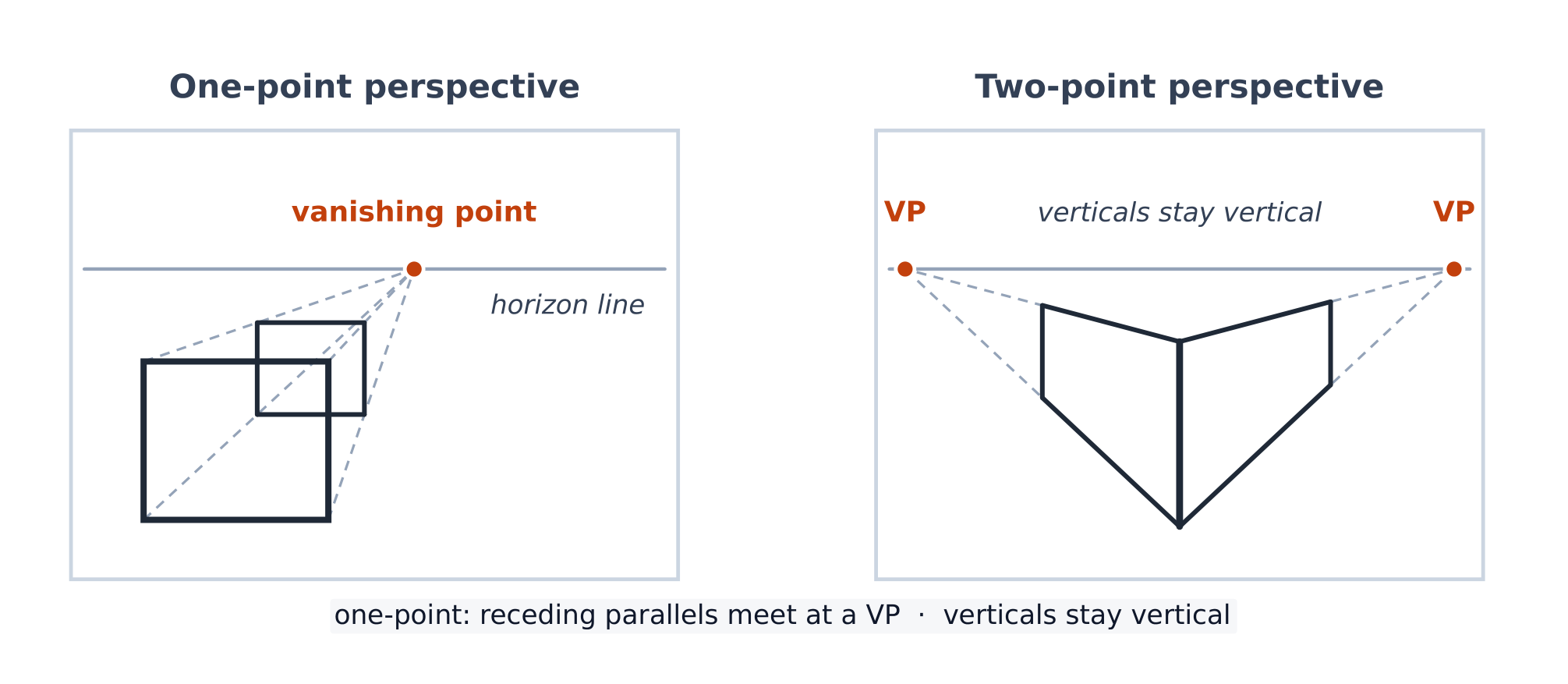
    المنظور بنقطة واحدة ونقطتين: خط الأفق، ونقاط التلاشي، والحواف المتقاربة
    يسار: منظور نقطة واحدة — خطوط العمق تلتقي عند نقطة اختفاء واحدة. يمين: منظور نقطتين — كل مجموعة من الحواف تلتقي بنقطة خاصة بها
    • خط الأفق هو مستوى نظر المشاهد. ننظر إلى الأسفل لكل ما تحته وإلى الأعلى لكل ما فوقه.
    • الخطوط الموازية لسطح الصورة تبقى صحيحة؛ الخطوط التي تذهب إلى داخل المشهد تتقارب نحو نقطة الاختفاء.
    • المسافات المتساوية تبدو أصغر كلما ابتعدت. استخدم القطر لتقسيم الفضاء المتراجع بالتساوي.
    • المنظور بنقطة واحدة مناسب للغرف والشوارع والممرات المرئية بشكل مستقيم.
    • المنظور بالإضافة إلى التداخل يضاعف العمق: الحواف القريبة تغطي الحواف البعيدة.
    Vocabulary · ⁨مفردات⁩ Train · ⁨تدريب⁩
    English العربية
    one-point perspective/wʌn pɔɪnt pəˈspektɪv/ المنظور نقطة واحدة
    overlap/ˌəʊvəˈlæp/ التداخل
    3.3

    Two-Point and Three-Point Perspective · ⁨المنظور بنقطتين وثلاث نقاط⁩

    Syllabus · ⁨المنهج⁩
    English

    Focus: Turn the subject at an angle and you need two vanishing points; look steeply up or down and you need a third.

    • In two-point, verticals stay vertical; both sets of horizontal edges converge to left and right points on the horizon.
    • Keep both vanishing points far apart (often off the paper) — close points create fisheye distortion.
    • Three-point adds a vertical vanishing point: skyscrapers from below (looking up) or street scenes from a rooftop (looking down).
    • Boxes drawn in perspective become the scaffolding for everything: buildings, books, vehicles, even heads.
    • Cast shadows and reflections follow the same perspective system as the objects that make them.
    • A perspective grid underdrawing keeps complex scenes consistent — construct lightly, render on top.
    العربية

    التركيز: إذا حولت الموضوع بزاوية ستحتاج إلى نقطتي اختفاء؛ إذا نظرت بشدة للأعلى أو للأسفل ستحتاج إلى نقطة ثالثة.

    • في المنظور بنقطتين، تظل الخطوط الرأسية رأسية؛ كلا مجموعتي الحواف الأفقية تتلاقى نحو نقطتين على الأفق (يمين ويسار).
    • أبعد بين نقطتي الاختفاء قدر الإمكان (غالباً خارج الورقة) — النقاط القريبة تخلق تشويهاً يشبه عدسة السمكة.
    • يضيف المنظور بثلاث نقاط نقطة اختفاء رأسية: ناطحات السحاب من الأسفل (النظر للأعلى) أو مشاهد شوارع من السطح (النظر للأسفل).
    • الصناديق المرسومة بالمنظور تصبح الهيكل العظمي لكل شيء: مباني، كتب، مركبات، حتى الرؤوس.
    • الظلال المنعكسة والانعكاسات تتبع نفس نظام المنظور الخاص بالأجسام التي تنتجها.
    • شبكة المنظور للرسم التحضيري تحافظ على اتساق المشاهد المعقدة — قم بالبناء بخفة، ثم اكتب التفاصيل فوقها.

    Source: College Board AP Course and Exam Description · ⁨المصدر: وصف دورة وامتحان College Board AP⁩

    English
    Two-point perspective

    Turn the subject at an angle and you need two-point perspective 两点透视; look steeply up or down and you need a third point.

    • In two-point, verticals stay vertical; the two sets of horizontal edges converge to a left and a right vanishing point on the horizon.
    • Keep the two points far apart — often off the paper. Points placed too close create a fisheye distortion.
    • Three-point perspective 三点透视 adds a vertical vanishing point: a skyscraper from below, or a street from a rooftop.
    • Boxes drawn in perspective become scaffolding for everything: buildings, books, vehicles, even heads.
    • Cast shadows and reflections obey the same perspective system as the objects that make them.
    العربية
    منظور نقطتين

    أدرّ العنصر بميل ستحتاج إلى منظور نقطتين؛ وانظر بعمق للأعلى أو للأسفل وستحتاج إلى نقطة ثالثة.

    • في منظور نقطتين، الخطوط الرأسية تبقى رأسية؛ المجموعتان من حواف أفقية تتقاربان نحو نقطة اختفاء يسرى وجمهورية على الأفق.
    • أبعد النقطتين عن بعضهما البعض — غالباً خارج الورق. النقاط الموضوعة قريبة جداً تخلق تشويهاً مثل عدسة السمكة.
    • المنظور ثلاثي النقاط يضيف نقطة تباين رأسية: ناطحة سحاب من الأسفل، أو شارع من سطح مبنى.
    • الصناديق المرسومة بالمنظور تصبح سقالات لكل شيء: مباني، كتب، مركبات، بل ورؤوس أيضًا.
    • الظلال المنسكبة والعكسات تخضع لنفس نظام المنظور الذي تحكمه الأجسام التي تُنتجها.
    Vocabulary · ⁨مفردات⁩ Train · ⁨تدريب⁩
    English العربية
    two-point perspective/tuː pɔɪnt pəˈspektɪv/ المنظور نقطتين
    three-point perspective/θriː pɔɪnt pəˈspektɪv/ المنظور ثلاث نقاط
    foreshortening/fɔːˈʃɔːtənɪŋ/ الاختصار المنظوري
    cross-sections/krɒs ˈsekʃnz/ مقاطع عرضية
    3.4

    Foreshortening · ⁨التقصير المنظوري⁩

    Syllabus · ⁨المنهج⁩
    English

    Focus: Foreshortening is perspective applied to a single form pointing toward you — lengths compress dramatically.

    • A pointing arm may appear one-third of its true length: draw the apparent shape, not the known one.
    • Overlap is the key signal: the hand overlaps the forearm, the forearm overlaps the upper arm.
    • Think in cross-sections: imagine rings around the form (like a wireframe) to feel how it turns toward you.
    • Measure foreshortened lengths by sighting — knowledge lies, observation tells the truth.
    • Classic practice: draw a figure lying down feet-first (like Mantegna's Dead Christ).
    • Strong foreshortening is high-difficulty visual evidence — examiners recognise the skill immediately.
    العربية

    التركيز: التشويه المنظوري هو تطبيق المنظور على شكل واحد يتجه نحوك — حيث تنضغط الأطوال بشكل كبير.

    • قد يبدو الذراع الممتدة ثلث طولها الحقيقي: ارسم الشكل الظاهر وليس الشكل المعروف.
    • التداخل هو الإشارة الرئيسية: اليد تتداخل مع الساعد، والساعد يتداخل مع العضد.
    • فكر في المقاطع العرضية: تخيل حلقات حول الشكل (مثل الهيكل الشبكي) لإحساس كيف يلتفت نحوك.
    • قِس الأطوال المشوهة بالمنظور عن طريق الرصد — المعرفة قد تضلل، لكن الرصد يقول الحقيقة.
    • ممارسة كلاسيكية: ارسم شخصية مستلقية بأقدامها نحوك (مثل لوحة mantegna's Dead Christ).
    • التشويه المنظوري القوي هو دليل بصري عالي الصعوبة — يتعرف عليه المصححون فوراً.

    Source: College Board AP Course and Exam Description · ⁨المصدر: وصف دورة وامتحان College Board AP⁩

    English

    Foreshortening 透视缩短 is perspective applied to a single form pointing toward you — lengths compress dramatically.

    • A pointing arm may appear one-third of its true length. Draw the apparent shape, not the length you know.
    • Overlap is the key signal: the hand overlaps the forearm, the forearm overlaps the upper arm.
    • Think in cross-sections 横截面: imagine rings around the form, like a wireframe, to feel how it turns toward you.
    • Measure foreshortened lengths by sighting — memory lies, observation tells the truth.
    • The classic practice piece: a figure lying down, drawn feet-first, like Mantegna's Dead Christ.
    العربية

    التقصير المنظوري هو تطبيق المنظور على شكل واحد يتجه نحوك — حيث تنضغط الأطوال بشكل كبير.

    • قد يبدو الذراع الممتدة ثلث طوله الحقيقي. ارسم الشكل الظاهر، لا الطول الذي تعرفه.
    • التداخل هو الإشارة الرئيسية: اليد تتداخل مع الساعد، والساعد يتداخل مع العضد.
    • فكر في المقاطع العرضية: تخيل حلقات حول الشكل، كإطار شبكي، لتحس كيف يلتفت نحوك.
    • قِس الأطوال المُقصَّرة المنظوريًا عن طريق النظر (sighting) — فالذاكرة تخطئ، والملاحظة تقول الحقيقة.
    • قطعة التدريب الكلاسيكية: شخص مستلقٍ، مرسومًا بدءًا من القدمين، مثل لوحة المسيح الميت لمانتيغنا.
    Vocabulary · ⁨مفردات⁩ Train · ⁨تدريب⁩
    English العربية
    sighting/ˈsaɪtɪŋ/ رؤية / منظور بصري
    comparative measurement/kəmˈpærətɪv ˈmeʒəmənt/ قياس نسبي
    plumb line/plʌm laɪn/ خط مسقط
    envelope/ˈenvələʊp/ غلاف
    linear perspective/ˈlɪnɪə pəˈspektɪv/ المنظور الخطي
    horizon line/həˈraɪzn laɪn/ خط الأفق
    vanishing point/ˈvænɪʃɪŋ pɔɪnt/ نقطة التلاشي
    3.5

    Atmospheric Perspective · ⁨المنظور الجوي⁩

    Syllabus · ⁨المنهج⁩
    English

    Focus: Atmospheric (aerial) perspective creates depth without lines: distant things are lighter, cooler, softer, and less detailed.

    • Air scatters light, so contrast fades with distance — the far mountain is a pale flat shape.
    • Foreground: darkest darks, sharpest edges, most texture; background: narrow value range, soft edges.
    • Reserve full black and full white for the foreground; the distance lives in the middle greys.
    • Detail density is a depth cue by itself — render the near leaf, suggest the far tree.
    • Combine linear and atmospheric perspective for maximum depth in landscape and cityscape drawing.
    • This is the AP skill space made visible through light and shade — two rubric skills in one device.
    العربية

    التركيز: المنظور الجوي (الهوائي) يخلق عمقاً بدون خطوط: الأشياء البعيدة تكون أخف، أكثر برودة، أكثر نعومة، وأقل تفصيلاً.

    • الهواء يشتت الضوء، لذا يتلاشى التباين مع المسافة — الجبل البعيد هو شكل باهت مسطح.
    • المقدمة: أغمس الأغماس، sharper edges, more texture; الخلفية: نطاق قيمة ضيق، حواف ناعمة.
    • احفظ الأسود الكامل والأبيض الكامل للمقدمة؛ المسافة تعيش في الرمادي المتوسط.
    • كثافة التفاصيل هي مؤشر للعمق بحد ذاتها — صوّر ورقة شجر قريبة، وأشر إلى شجرة بعيدة.
    • ادمج المنظور الخطي والمنظور الجوي لأقصى عمق في رسم المناظر الطبيعية والمدن.
    • هذه هي مهارة AP المكان أصبحت مرئية من خلال الإضاءة والظل — مهارتان في معيار التقييم في جهاز واحد.

    Source: College Board AP Course and Exam Description · ⁨المصدر: وصف دورة وامتحان College Board AP⁩

    English
    Atmospheric perspective

    Atmospheric perspective 空气透视 creates depth without any lines: distant things become lighter, cooler, softer, and less detailed.

    • Air scatters light, so contrast fades with distance. The far mountain is a pale, flat shape.
    • Foreground: darkest darks, sharpest edges, most texture. Background: a narrow value range and soft edges.
    • Save full black and full white for the foreground; the distance lives in the middle greys.
    • Detail density is a depth cue by itself: render the near leaf, suggest the far tree.
    • Combine linear and atmospheric perspective for maximum depth in landscape drawing.
    العربية
    المنظور الجوي

    المنظور الجوي يُنشئ عمقاً بدون أي خطوط: الأشياء البعيدة تصبح أفتح، وأبرد، وأنعم، وأقل تفصيلاً.

    • الهواء يشتت الضوء، لذا يتلاشى التباين مع المسافة. الجبل البعيد هو شكل باهت ومسطح.
    • المقدمة: أشد الداكنات، وأ sharper الحواف، وأكثر النصوصية. الخلفية: نطاق قيم ضيق وحواف ناعمة.
    • احفظ الأسود الكامل والأبيض الكامل للمقدمة؛ أما المسافة فتعيش في الرمادي المتوسط.
    • كثافة التفاصيل هي مؤشر عمق بحد ذاتها: صوّر الورقة القريبة، وأشر إلى الشجرة البعيدة.
    • اجمع بين المنظور الخطي والجوي لأقصى عمق في رسم المناظر الطبيعية.
    أحزمة الجبال المتدرجة تتلاشى مع المسافة: المنظور الجوي يُبرّد ويُضيء الأشكال البعيدة
    أحزمة الجبال المتدرجة تتلاشى مع المسافة: المنظور الجوي يُبرّد ويُضيء الأشكال البعيدة
    Explore · ⁨استكشف⁩

    Which depth cue is at work? · ⁨أي مؤشر عمق يعمل هنا؟⁩

    Drawings create depth several ways at once: linear perspective (lines converge), atmospheric perspective (distance fades and softens), overlap (near covers far), and foreshortening (forms compress toward you). · ⁨تخلق الرسومات عمقاً بعدة طرق في آن واحد: المنظور الخطي (تتلاقى الخطوط)، والمنظور الجوي (تختفي المسافات وتصبح ناعمة)، والتداخل (القريب يغطي البعيد)، والقص العمودي (تتنPRESS الأشكال نحوك).⁩

    Vocabulary · ⁨مفردات⁩ Train · ⁨تدريب⁩
    English العربية
    atmospheric perspective/ˌætməsˈferɪk pəˈspektɪv/ المنظور الجوي
    composition/ˌkɒmpəˈzɪʃn/ التركيب
    picture plane/ˈpɪktʃə pleɪn/ مستوى الصورة
    rule of thirds/ruːl ɒv θɜːdz/ قاعدة الثلثات
    negative space/ˈneɡətɪv speɪs/ المساحة السلبية
    figure-ground relationship/ˈfɪɡə ɡraʊnd rɪˈleɪʃənʃɪp/ العلاقة بين الشكل والخلفية
    3.6

    Composition and the Picture Plane · ⁨التركيب وسطح الصورة⁩

    Syllabus · ⁨المنهج⁩
    English

    Focus: Composition — how everything is arranged inside the picture's edges — is a named AP drawing skill and the first thing a scorer sees.

    • The picture plane has edges: what you crop out is as expressive as what you keep in.
    • The rule of thirds places focal points on the third-lines — safer than dead centre.
    • Control the figure-ground relationship: negative space is a designed shape, not leftover paper.
    • Lead the eye with paths: lines, value contrast, and detail act as arrows toward the focal point.
    • Vary the viewpoint — eye level is neutral; a low or high viewpoint makes an ordinary subject fresh.
    • Test compositions with a viewfinder or phone camera crop before committing to the page.
    العربية

    التركيز: التركيب — كيفية ترتيب كل شيء داخل حواف الصورة — هي مهارة رسم AP محددة وهي أول ما يراه المصحح.

    • مستوى الصورة له حواف: ما تقصه كما معبر عما تحتفظ به.
    • قاعدة الثلثات تضع نقاط التركيز على خطوط الثلثات — وهي أكثر أماناً من المركز الدقيق.
    • تحكم في العلاقة بين الشكل والخلفية: الفراغ السلبي هو شكل مصمم، وليس ورقاً متبقياً.
    • وجه العين بمسارات: الخطوط وتباين القيمة والتفاصيل تعمل كأسهم نحو نقطة التركيز.
    • غيّر وجهة النظر — مستوى العين محايد؛ وجهة نظر منخفضة أو مرتفعة تجعل موضوعاً عادياً جديداً.
    • اختبر التراكيب باستخدام إطار عرض أو قص صورة الكاميرا الهاتفية قبل الالتزام بالصفحة.

    Source: College Board AP Course and Exam Description · ⁨المصدر: وصف دورة وامتحان College Board AP⁩

    English

    Composition 构图 — the arrangement of everything inside the picture's edges — is a named AP drawing skill and the first thing a scorer sees.

    • The picture plane 画面 has edges: what you crop out is as expressive as what you keep in.
    • The rule of thirds 三分法 places focal points on the third-lines — stronger than dead centre.
    • Design the negative space 负空间: the empty shapes around the subject are shapes you drew, not leftovers.
    • The figure-ground relationship 图底关系 must stay readable: the eye should always know what is subject and what is background.
    • Lead the eye with paths — lines, value contrast, and detail act as arrows toward the focal point.
    • Test crops with a viewfinder 取景框 (or a phone camera) before committing to the page. Change the viewpoint 视点: eye level is neutral; low or high angles make ordinary subjects fresh.
    العربية

    التركيب — ترتيب كل شيء داخل حواف الصورة — هو مهارة رسم AP مُصنفة وتُعد أول ما يراه المصحح.

    • مستوى الصورة له حواف: ما تقصه كما معبر عما تحتفظ به.
    • قاعدة الثلثات تضع نقاط التركيز على خطوط الثلثات — وهي أقوى من المركز الدقيق.
    • صمّم المساحة السلبية: الأشكال الفارغة حول الموضوع هي أشكال رسمتها أنت، وليست بقايا.
    • يجب أن يبقى العلاقة بين الشكل والخلفية واضحة: يجب أن يعرف العين دائمًا ما هو الموضوع وما هو الخلفية.
    • وجه العين عبر مسارات — تعمل الخطوط، وتباين القيم، والتفاصيل كأسهم نحو النقطة المحورية.
    • اختبر القص باستخدام منظار viewfinder (أو كاميرا الهاتف) قبل الالتزام بالورقة. غيّر زاوية الرؤية: مستوى العين محايد؛ الزوايا المنخفضة أو المرتفعة تجعل Subjects العادية جديدة.
    Vocabulary · ⁨مفردات⁩ Train · ⁨تدريب⁩
    English العربية
    viewfinder/ˈvjuːfaɪndə/ منظار
    viewpoint/ˈvjuːpɔɪnt/ نقطة النظر
    3.7

    Drawing the Figure and Portrait · ⁨رسم الجسم والبورتريه⁩

    Syllabus · ⁨المنهج⁩
    English

    Focus: The figure combines every drawing skill at once — proportion, gesture, form, and likeness under one deadline.

    • The classic adult figure stands about 7.5 heads tall; the halfway point is near the hip, not the waist.
    • In the head, eyes sit at the halfway line of the skull — the beginner error is placing them too high.
    • Start with gesture and the big masses (ribcage, pelvis, skull); features and fingers come last.
    • Sight-size checks save likeness: compare distances between landmarks, not memorised rules alone.
    • Hands and feet earn their reputation — draw them as simple geometric mittens/wedges first, then divide.
    • Figure and portrait work is a portfolio staple: it demonstrates observation, proportion, and nerve.
    العربية

    التركيز: الشخصية تجمع كل مهارات الرسم مرة واحدة — النسبة، الإيماء، الشكل، والتشابه تحت限时 واحد.

    • تقف الشخصية البالغة الكلاسيكية حوالي 7.5 رؤوس طوله؛ نقطة المنتصف تكون بالقرب من الورك، ليس الخصر.
    • في الرأس، تقع العيون عند الخط الأوسط للجمجمة — خطأ المبتدئ هو وضعها عالياً جداً.
    • ابدأ بالإيماءة والكتل الكبيرة (قفص الصدغ، الحوض، الجمجمة)؛ ثم تأتي التفاصيل الأصغر والأصابع في النهاية.
    • فحوصات الحجم الفعلي تحفظ التشابه: قِس المسافات بين المعالم، لا فقط القواعد المحفوظة في الذاكرة.
    • اليدين والقدم تكسبان سمعتها — ارسمهما كأقفالة/مخاريط هندسية بسيطة أولاً، ثم قسّمهما.
    • عمل رسم الشخصية والمشهد هو عنصر أساسي في المحفظة: فهو يظهر الملاحظة والنسبة والشجاعة.

    Source: College Board AP Course and Exam Description · ⁨المصدر: وصف دورة وامتحان College Board AP⁩

    English

    The human figure combines every drawing skill at once: proportion 比例, gesture, form, and likeness under one deadline.

    • The classic adult figure stands about 7.5 heads tall; the halfway point of the body is near the hip, not the waist.
    • In the head, the eyes sit at the halfway line 中线 of the skull — beginners always place them too high.
    • Start with gesture and the big masses (ribcage, pelvis, skull); features and fingers come last.
    • Check likeness with landmark distances, not memorised rules alone — every face bends the average.
    • Draw hands and feet as simple geometric mittens and wedges first, then divide them into parts.
    العربية

    الجسم البشري يجمع كل مهارات الرسم في آن واحد: النسب، الإيماءة، الشكل، والتشابه تحت موعد نهائي واحد.

    نسب الجسم والرأس: جسم واقف ارتفاعه حوالي 7.5 رؤوس؛ العيون عند خط منتصف الجمجمة
    الجسم البشري الكلاسيكي ارتفاعه حوالي 7.5 رؤوس؛ في الرأس، تقع العيون عند خط المنتصف
    • يقف الجسم البشري الكلاسيكي حوالي 7.5 رؤوس ارتفاعًا؛ النقطة الوسطى للجسم تكون قرب الورك، ليس الخصر.
    • في الرأس، تقع العيون عند خط المنتصف للجمجمة — المبتدئون يضعونها دائمًا أعلى من اللازم.
    • ابدأ بالإيماءة والكتل الكبيرة (قفص الصدغ، الحوض، الجمجمة)؛ ثم تأتي التفاصيل الأصغر والأصابع في النهاية.
    • تحقق من التشابه باستخدام مسافات المعالم، لا القواعد المحفوظة وحدها — كل وجه ينحرف عن المتوسط.
    • ارسم اليدين والقدمين كمفاصل هندسية بسيطة وقطع مخروطية أولاً، ثم قسمهما إلى أجزاء.
    Vocabulary · ⁨مفردات⁩ Train · ⁨تدريب⁩
    English العربية
    proportion/prəˈpɔːʃn/ نسبة
    halfway line/ˈhɑːfweɪ laɪn/ خط المنتصف
    3.7

    Exam tips · ⁨نصائح للامتحان⁩

    English
    • Perspective errors are the easiest mistakes for a scorer to spot — check every depth line actually aims at its vanishing point before you render.
    • Include one strong observational space (an interior, a stairwell, a street) in the portfolio: it demonstrates the space skill the rubric names, unmistakably.
    • Foreshortening is high-value evidence. One convincing foreshortened limb or object tells scorers you draw what you see, not what you remember.
    • Crop like a designer. Before starting, test three viewfinder crops and pick the one with the strongest negative space — composition is judged at first glance.
    • Use atmospheric perspective in graphite too, not just paint: softening far edges with a kneaded eraser is quick and reads as skill.
    العربية
    • أخطاء المنظور هي أسهل الأخطاء التي يمكن للمصحح اكتشافها — تحقق من أن كل خط عمق يستهدف فعليًا نقطة التباين الخاصة به قبل التصيير.
    • أدرج مساحة رصدية قوية واحدة (داخلي، سلم، شارع) في الملف الشخصي: هذا يُظهر مهارة المكان التي يذكرها المعيار، بلا لبس.
    • التقصير المنظوري هو دليل عالي القيمة. ذراع أو جسم واحد مُقصَّر منظوريًا مقنعًا يخبر المصححين أنك ترسم ما تراه، لا ما تتذكره.
    • قصّ كما يصمم المهندسون. قبل البدء، اختبر ثلاث قصص بمنظار viewfinder واختر الذي يحتوي على أقوى مساحة سلبية — يتم تقييم التركيب في نظرة أولى.
    • استخدم المنظور الجوي في الجرافيت أيضًا، وليس فقط في الألوان: تليين الحواف البعيدة بممحاة مطاطية مرنة سريع ويُقرأ كمهارة.
  • 4

    Drawing Media and Processes · ⁨وسائط وعمليات الرسم⁩

    Watch lesson · ⁨شاهد الدرس⁩
    4.1

    Graphite · ⁨الجرافيت⁩

    Syllabus · ⁨المنهج⁩
    English

    Focus: Graphite is the everyday drawing medium — precise, erasable, and capable of a full (if silvery) value range.

    • Grades run hard to soft: 9H (palest, hardest) through HB to 9B (darkest, softest).
    • Hard grades suit construction lines and fine detail; soft grades build rich darks fast.
    • Graphite gets shiny when layered heavily — deepest blacks may need charcoal or carbon pencil instead.
    • Vary the grip: writing grip for detail, overhand grip for broad, light shading from the arm.
    • Woodless graphite sticks and powder cover big areas; erasers then carve lights back out.
    • A full-value graphite still life is the classic control test — worth one polished example in any portfolio.
    العربية

    التركيز: الرصاص هو الوسيلة الفنية للرسم اليومية — دقيق وقابل للمحو وقادر على نطاق كامل من القيم (إذا كان فضياً).

    • الدرجات تتراوح من الصلب إلى الناعم: 9H (الأفتح والأصلب) عبر HB إلى 9B (الأغمق والأكثر ليونة).
    • الدرجات الصلبة مناسبة للخطوط الإنشائية والتفاصيل الدقيقة؛ الدرجات الناعمة تبني داكنات غنية بسرعة.
    • الرصاص البياني يصبح لامعًا عند طبقاته الكثيفة — قد تحتاج الأغمق درجات الأسود إلى فحم أو قلم رصاص كربوني بدلاً منه.
    • غيّر القبضة: قبضة الكتابة للتفاصيل، قبضة اليد العلوية للظلال الواسعة والخفيفة من الذراع.
    • عروق الرصاص البياني الخالية من الخشب والمسحوق تغطي مساحات كبيرة؛ ثم تقوم الممحاة بنحت الإضاءة للخروج منها.
    • صورة ثابتة كاملة القيمة بالجرافيت هي اختبار التحكم الكلاسيكي — تستحق مثالاً واحدًا مصقولًا في أي ملف شخصي.

    Source: College Board AP Course and Exam Description · ⁨المصدر: وصف دورة وامتحان College Board AP⁩

    English

    Graphite 石墨 is the everyday drawing medium — precise, erasable, and capable of a full (if silvery) value range.

    • Pencil grades 硬度等级 run hard to soft: 9H (palest, hardest) through HB to 9B (darkest, softest).
    • Hard grades suit construction lines and fine detail; soft grades build rich darks fast.
    • Heavy graphite turns shiny. For the deepest blacks, switch to charcoal or a carbon pencil 炭笔.
    • Vary the grip: the writing grip for detail, the overhand grip 横握 for broad, light shading from the arm.
    • Woodless graphite sticks and graphite powder cover big areas; erasers then carve the lights back out.
    • A full-value graphite still life is the classic control test — worth one polished example in any portfolio.
    العربية

    الجرافيت هو الوسيلة اليومية للرسم — دقيقة، قابلة للمسح، وقادرة على نطاق قيم كامل (ولو فضي).

    درجات الجرافيت من الصلبة 2H إلى الناعمة 8B، مع القيمة التي تصل إليها كل درجة
    درجات القلم الرصاص: الدرجات الصلبة تبقى فاتحة ودقيقة؛ الدرجات الناعمة تصل إلى داكنات غنية بسرعة
    • درجات القلم الرصاص تمتد من الصلب إلى الناعم: 9H (الأفتح والأصلب) عبر HB إلى 9B (الأغمق والأكثر نعومة).
    • الدرجات الصلبة مناسبة للخطوط الإنشائية والتفاصيل الدقيقة؛ الدرجات الناعمة تبني داكنات غنية بسرعة.
    • الجرافيت الثقيل يصبح لامعًا. للحصول على أسود أعمق، انتقل إلى الفحم أو قلم رصاص كربوني.
    • غيّر الإمساك: إمساك الكتابة للتفاصيل، والإمساك العلوي overhand للتظليل الواسع والخفيف من الذراع.
    • قضبان الجرافيت الخالية من الخشب وبودرة الجرافيت تغطي مناطق كبيرة؛ ثم تستخدم الممحاة لنحت الأضواء للخارج.
    • صورة ثابتة كاملة القيمة بالجرافيت هي اختبار التحكم الكلاسيكي — تستحق مثالاً واحدًا مصقولًا في أي ملف شخصي.
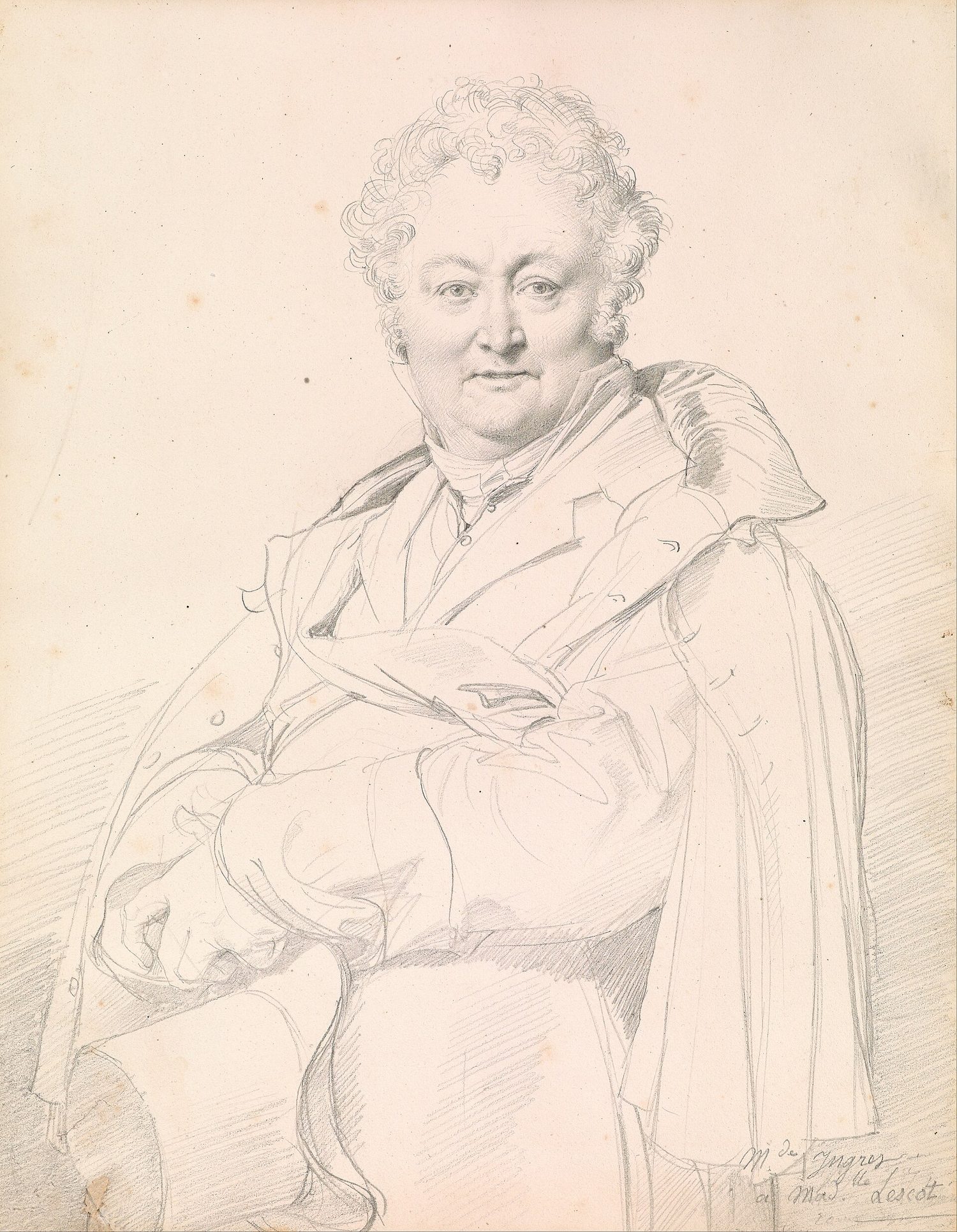
    بورتريه إنغريس بالجرافيت: خط دقيق من الدرجة الصلبة وقيمة مضبوطة تصف الشكل بنقاء
    بورتريه إنغريس بالجرافيت: خط دقيق من الدرجة الصلبة وقيمة مضبوطة تصف الشكل بنقاء
    Vocabulary · ⁨مفردات⁩ Train · ⁨تدريب⁩
    English العربية
    graphite/ˈɡræfaɪt/ رصاص
    grades/ɡreɪdz/ الدرجات
    carbon pencil/ˈkɑːbən ˈpensl/ قلم الرصاص الكربوني
    overhand grip/ˌəʊvəˈhænd ɡrɪp/ الإمساك فوق اليد
    4.2

    Charcoal and Conté · ⁨الفحم والكونتيه⁩

    Syllabus · ⁨المنهج⁩
    English

    Focus: Charcoal is fast, bold, and deeply black — the medium of gesture, chiaroscuro, and large-scale drawing.

    • Vine/willow charcoal is soft and dusts off easily (great for starts); compressed charcoal is dense and permanent.
    • Charcoal loves toned and textured paper; it blends with stumps, cloth, and the side of the hand.
    • Conté crayons (sanguine, sepia, black, white) are waxier — crisper lines, classic figure-drawing look.
    • Work big: charcoal rewards shoulder-scale marks that graphite cannot make.
    • Fixative stops smudging — spray lightly in layers, and always in ventilation.
    • The trio of white conté + sanguine + black on toned paper (trois crayons) is a proven portfolio look.
    العربية

    التركيز: الفحم سريع وجريء وأسود عميق — هو الوسيلة الخاصة بالرموز الحركية والتباين الضوئي والرسم واسع النطاق.

    • فحم العنب/الصفصاف ناعم وينثثر بسهولة (ممتاز للبدايات)؛ أما الفحم المضغوط فهو كثيف ودائم.
    • يحب الفحم الورق الملون والملمس؛ يتداخل مع الكتل القطنية والقماش وجانب اليد.
    • أقلام الكونتيه (المحمر، البني الداكن، الأسود، الأبيض) أكثر دهنيةً — خطوط حادة ومظهر كلاسيكي لرسم الشخصيات.
    • اعمل بحجم كبير: يعاقب الفحم علامات حجم الكتف التي لا يستطيع الرصاص البياني إنتاجها.
    • المثبت يمنع التلطخ — رشّه بخفة وبطبقات، وادخل في مكان جيد التهوية دائمًا.
    • ثالوث الكونتيه الأبيض + المحمر + الأسود على ورق ملون (trois crayons) هو مظهر محفوظ مجرب.

    Source: College Board AP Course and Exam Description · ⁨المصدر: وصف دورة وامتحان College Board AP⁩

    English

    Charcoal 木炭 is fast, bold, and deeply black — the medium of gesture, chiaroscuro, and large-scale drawing.

    • Vine charcoal 柳条木炭 is soft and dusts off easily, perfect for starts; compressed charcoal 压缩木炭 is dense and permanent.
    • Charcoal loves toned and textured paper. Blend it with stumps, cloth, or the side of your hand.
    • Conté 炭精条 crayons (sanguine, sepia, black, white) are waxier: crisper lines and the classic figure-drawing look.
    • Work big — charcoal rewards shoulder-scale marks that graphite cannot make.
    • Fixative 定画液 stops smudging. Spray lightly, in layers, and always with ventilation.
    • White conté plus sanguine 血色红棕 and black on toned paper (the trois crayons look) is a proven portfolio classic.
    العربية

    الفحم سريع وجريء وأسود عميق — هو وسيلة الإيماءة، والإضاءة والظل، والرسم الكبير الحجم.

    • فحم اللحاء vine charcoal ناعم ويخرج غبارًا بسهولة، مثالي للبدايات؛ الفحم المضغوط compressed charcoal كثيف ودائم.
    • الفحم يحب الورق الملون والملمس. امزجه بالأقطاب stumps، أو القماش، أو جانب يدك.
    • أقلام كونته ( sanguine، sepia، أسود، أبيض) أكثر دهنية: خطوط حادة ومظهر رسم الشخصيات الكلاسيكي.
    • اعمل بمقاسات كبيرة — الفحم يكافأ العلامات التي تغطي كتف الجسم والتي لا يستطيع الجرافيت إنتاجها.
    • المثبت يمنع التلوّث. رش بخفة، طبقةً تلو الأخرى، وبعيدًا عن تهوية جيدة دائمًا.
    • كونتو أبيض مع sanguine وأسود على ورق ملون (مظهر trois crayons) هو كلاسيكية محفظة مثبتة.
    رسم توضيحي بالفحم: الوسائل الناعمة تبني أشكالًا قيمة واسعة قبل التفاصيل
    رسم توضيحي بالفحم: الوسائل الناعمة تبني أشكالًا قيمة واسعة قبل التفاصيل
    Explore · ⁨استكشف⁩

    Which medium behaves like this? · ⁨أي وسط يتصرف هكذا؟⁩

    Each drawing medium has a personality: graphite is precise and silvery, charcoal is fast and deeply black, ink commits without erasing, and pastel is almost pure pigment. · ⁨لكل وسط رسم شخصية: الرصاص دقيق وفضي، والفحم سريع وأسود عميق، والحبر يلتزم بدون مسح، والباستيل شبه صبغة نقية.⁩

    Vocabulary · ⁨مفردات⁩ Train · ⁨تدريب⁩
    English العربية
    charcoal/ˈtʃɑːkəʊl/ فحم
    vine charcoal/vaɪn ˈtʃɑːkəʊl/ فحم نباتي
    compressed charcoal/kəmˈprest ˈtʃɑːkəʊl/ فحم مضغوط
    conté/kɒnˈteɪ/ كونت
    fixative/ˈfɪksətɪv/ مثبت
    sanguine/ˈsæŋɡwɪn/ سانغوين
    4.3

    Ink: Pen, Brush, and Wash · ⁨الحبر: القلم، الفرشاة، والغسل⁩

    Syllabus · ⁨المنهج⁩
    English

    Focus: Ink commits — no erasing — which is exactly why it builds decisiveness and mark confidence.

    • Dip pens and fineliners build value by hatching and stippling; nib pressure varies the line's weight.
    • Brush and ink swings from hairline to broad stroke in one gesture — the most expressive line tool.
    • Ink wash (diluted ink applied in layers) works like watercolour: light washes first, darks last.
    • Combine a waterproof line with wet washes, or a water-soluble line that bleeds — two different looks.
    • East Asian ink painting (shuǐmò) treats the single loaded brushstroke as the whole discipline.
    • Mistakes become decisions in ink: incorporate them or design around them — strong process-journal material.
    العربية

    التركيز: الحبر يلتزم — لا يوجد مسح — وهذا بالضبط ما يبني الحسم وثقة العلامة.

    • الأقلام الغاطسة والفرش الدقيقة تبني القيمة عبر التظليل الخطي والنقطي؛ يتغير ضغط الفوهة وزن الخط.
    • الفرشاة والحبر تتراوح بين خط رفيع كخيط الشعر وضربة واسعة في حركة واحدة — أداة الخط الأكثر تعبيرية.
    • غسل الحبر (حبر مخفف مطبّق طبقات) يعمل مثل الألوان المائية: الغسلات الخفيفة أولاً، الداكنة أخيراً.
    • اجمع بين خط مقاوم للماء وغسلات مبللة، أو خط قابل للذوبان في الماء يتسرب — مظهران مختلفان.
    • رسم الحبر الآسيوي الشرقي (shuǐmò) يعامل ضربة الفرشاة الواحدة المشحونة على أنها Discipline بأكملها.
    • الأخطاء تصبح قرارات في الحبر: دمجها أو التصميم حولها — مادة قوية لدفتر الملاحظات العملية.

    Source: College Board AP Course and Exam Description · ⁨المصدر: وصف دورة وامتحان College Board AP⁩

    English

    Ink 墨水 commits — there is no erasing — and that is exactly why it builds decisiveness and mark confidence.

    • Dip pens and fineliners build value by hatching and stippling; nib 笔尖 pressure varies the line's weight.
    • Brush and ink 毛笔墨线 swings from hairline to broad stroke in one gesture — the most expressive line tool.
    • Ink wash 淡彩 (diluted ink applied in layers) works like watercolour: light washes first, darks last.
    • A waterproof line under wet washes keeps its edge; a water-soluble line bleeds — two different looks, both useful.
    • East Asian ink painting 水墨画 treats the single loaded brushstroke as a whole discipline of control.
    • Mistakes become decisions in ink: incorporate them or design around them — strong material for the process journal.
    العربية

    الحبر يلتزم — لا يوجد ممحى — وهذا بالضبط ما يبني الحزم وثقة في العلامة.

    • الأقلام الغاطسة والـ fineliners تبني القيمة من خلال الهتشين والتقطيع؛ ضغط الريشة يغير ثقل الخط.
    • الفرشاة والحبر تتراوح بين خط رفيع كخيط الشعر وضربة واسعة في حركة واحدة — أداة الخط الأكثر تعبيرية.
    • غسل الحبر (حبر مخفف مطبّق طبقات) يعمل مثل الألوان المائية: الغسلات الخفيفة أولاً، الداكنة أخيراً.
    • خط مقاوم للماء تحت الغسلات الرطبة يحافظ على حوافه؛ خط قابل للذوبان في الماء يتسرب — مظهران مختلفان، كلاهما مفيد.
    • الرسم بالحبر الآسيوي الشرقي يعامل ضربة الفرشاة الواحدة المعبأة كنظام كامل من التحكم.
    • الأخطاء تصبح قرارات في الحبر: دمجها أو التصميم حولها — مادة قوية لمجلة العملية.
    قلم ريمبرانت والحبر البني بالطلاء: خط مرن وتدرج لوني متراكب بدون ممحاة
    قلم ريمبراند وحبر بني مع غسل: خط ملتزم ونغمات متدرجة بدون ممحى
    Vocabulary · ⁨مفردات⁩ Train · ⁨تدريب⁩
    English العربية
    ink/ɪŋk/ الحبر
    nib/nɪb/ الريشة (النقب)
    brush and ink/brʌʃ ænd ɪŋk/ فرشاة وحبر
    ink wash/ɪŋk wɒʃ/ غسيل الحبر
    ink painting/ɪŋk ˈpeɪntɪŋ/ الرسم بالحبر
    dry colour media/draɪ ˈkʌlə ˈmiːdiːə/ مواد الألوان الجافة
    colored pencil/ˈkʌləd ˈpensl/ قلم الرصاص الملون
    burnishing/ˈbɜːnɪʃɪŋ/ المص
    complement/ˈkɒmplɪmənt/ مكمّل
    soft pastel/sɒft ˈpæstl/ الباستيل الناعم
    oil pastel/ɔɪl ˈpæstl/ قلم شمعي زيتي
    4.4

    Colored Pencil and Pastel · ⁨قلم الألوان Pastel⁩

    Syllabus · ⁨المنهج⁩
    English

    Focus: Colour enters drawing through dry colour media — layered, optical, and fully allowed in the AP Drawing portfolio.

    • Colored pencil builds colour in transparent layers; burnishing (heavy final layer) fuses them glossy and solid.
    • Layer complements to grey a colour down instead of reaching for black — shadows stay alive.
    • Soft pastel is pure pigment: paint-like colour with drawing gestures, blended or left in strokes.
    • Oil pastel is creamy and resists smudging; it layers into sgraffito (scratch-through) effects.
    • Toned paper unifies pastel work — let the ground colour breathe between strokes.
    • Value still rules: get the values right and almost any hue choice works; get them wrong and no hue can save it.
    العربية

    التركيز: يدخل اللون الرسم عبر وسائط الألوان الجافة — الطبقات البصرية مسموحة تمامًا في محفظة AP للرسم.

    • قلم الرصاص الملون يبني اللون في طبقات شفافة؛ التلميع (طبقة نهائية ثقيلة) يدمجها بشكل لامس وصلب.
    • طبّق الألوان المتكاملة لتهدئة لون ما بدل اللجوء للأسود — ظللها تظل حية.
    • الباستيل الناعم هو صبغة خالصة: لون يشبه الطلاء مع حركات رسم، مدمج أو مُترك كضربات.
    • الباستيل الزيتي كريمي ومقاوم للتلطخ؛ يتداخل ليخلق تأثيرات السجرافيتو (الخدش عبر الطبقات).
    • الورق الملوح يوحد عمل الباستيل — اترك لون الخلفية يتنفس بين ضربات الفرشاة.
    • القيمة لا تزال تحكم: احصل على القيم صحيحة وعمل أي اختيار للون مناسب؛ أخطئ فيها ولا يمكن لأي لون إنقاذ العمل.

    Source: College Board AP Course and Exam Description · ⁨المصدر: وصف دورة وامتحان College Board AP⁩

    English

    Colour enters drawing through dry colour media 干性彩色媒介 — layered, luminous, and fully allowed in the AP Drawing portfolio.

    • Colored pencil 彩色铅笔 builds colour in transparent layers; burnishing 压光 (a heavy final layer) fuses them into a glossy, solid surface.
    • Grey a colour down by layering its complement 互补色 instead of reaching for black — the shadows stay alive.
    • Soft pastel 软色粉 is almost pure pigment: paint-like colour applied with drawing gestures, blended or left in strokes.
    • Oil pastel 油画棒 is creamy and smudge-resistant; layered, it can be scratched through — sgraffito 刮画法.
    • Toned paper unifies pastel work: let the ground colour breathe between the strokes.
    • Value still rules. Get the values right and almost any hue works; get them wrong and no hue can save the drawing.
    العربية

    يدخل اللون الرسم عبر وسائل الألوان الجافة — الطبقات، المضيئة، والمسموح بها بالكامل في محفظة AP Drawing.

    • قلم الألوان يبني اللون في طبقات شفافة؛ التلميع (طبقة نهائية ثقيلة) يدمجها إلى سطح لامع وصلب.
    • رمّد لوناً بطبقات متكمله بدلاً من اللجوء للأسود — الظلال تبقى حية.
    • Pastel ناعم هو شبه صبيغة خالصة: لون يشبه الطلاء مطبّق بحركات رسم، مُدمج أو يُترك في ضربات.
    • Pastel زيتي كريمي ومقاوم للتلوّث؛ عند طباقته يمكن خدشه — sgraffito.
    • الورق الملون يوحّد عمل Pastel: دع اللون الأرضي يتنفس بين الضربات.
    • القيمة لا تزال تحكم. احصل على القيم بشكل صحيح وتعمل أي درجة لونها تقريباً؛ أخطئ فيها ولن ينقذ الرسم أي درجة لونها.
    فستق ديغاس: وسائط ملونة ناعمة تبني الضوء والشكل بحركات الرسم
    Pastel ديغاس: وسائل الألوان الناعمة تبني الضوء والشكل بحركات الرسم
    Vocabulary · ⁨مفردات⁩ Train · ⁨تدريب⁩
    English العربية
    sgraffito/ˈesɡræfiːtəʊ/ السغرافيتو
    painting/ˈpeɪntɪŋ/ الرسم
    4.5

    Paint and Printmaking as Drawing · ⁨الطلاء والطباعة كرسومات⁩

    Syllabus · ⁨المنهج⁩
    English

    Focus: The AP Drawing portfolio welcomes painting and printmaking — when mark-making and drawing skills lead the work.

    • Monochrome painting (oil, acrylic, watercolour grisaille) is drawing with a brush: value, edge, and gesture.
    • Watercolour over a drawn line keeps the drawing visible — line carries structure, wash carries light.
    • Monotype (paint on a plate, printed once) gives painterly, unrepeatable drawing marks.
    • Relief and intaglio prints (linocut, drypoint, etching) are mark-making systems: every value is built from cut or scratched lines.
    • Choose the process because it serves your inquiry — then say so in the written evidence.
    • If the work's visual language is line, tone, and mark, it belongs in Drawing; if it is colour-shape design, 2-D may fit better.
    العربية

    التركيز: ترحب محفظة AP للرسم بـ الرسم بالطلاء والطباعة — عندما تقود مهارات صنع العلامات والرسم العمل.

    • الرسم باللون الواحد (زيتي، أكريليك، ماء grisaille) هو رسم بالفرشاة: قيمة، حافة، وحركة.
    • الطلاء المائي فوق خط مرسوم يحافظ على وضوح الرسم — الخط يحمل الهيكل، والغسيل يحمل الضوء.
    • مونوتيب (طلاء على لوحة، مطبوع مرة واحدة) يمنح علامات رسم طلائية وغير قابلة للتكرار.
    • طباعات الرفع والغوص (لينوكات، الدرع الجاف، النقش) هي أنظمة لصنع العلامات: كل قيمة تُبنى من خطوط مقطوعة أو مخدوشة.
    • اختر العملية لأنها تخدم استقصائك — ثم قل ذلك في الأدلة المكتوبة.
    • إذا كانت اللغة البصرية للعمل هي الخط، النبرة، والعلامة، فهي تنتمي للرسم؛ إذا كانت تصميم الشكل-اللون، فإن 2-D قد يكون أنسب.

    Source: College Board AP Course and Exam Description · ⁨المصدر: وصف دورة وامتحان College Board AP⁩

    English

    The AP Drawing portfolio welcomes painting 绘画 and printmaking — when mark-making and drawing skills lead the work.

    • Monochrome painting (a grisaille 灰调单色画 in oil, acrylic, or watercolour) is drawing with a brush: value, edge, and gesture.
    • Watercolour over a drawn line keeps the drawing visible — the line carries structure, the wash carries light.
    • A monotype 独幅版画 (paint on a plate, printed once) gives painterly, unrepeatable drawing marks.
    • Relief prints 凸版画 (linocut) and intaglio 凹版画 (drypoint, etching) are mark-making systems: every value is built from cut or scratched lines.
    • Choose the process because it serves your inquiry — then say so in the written evidence.
    • If the work's visual language is line, tone, and mark, it belongs in Drawing; if it is colour-shape design, the 2-D portfolio fits better.
    العربية

    ترحب محفظة AP بـ الطلاء والطباعة — عندما تقود مهارات صنع العلامات والرسم العمل.

    • الطلاء أحادي اللون (grisaille بالزيت، الأكريليك، أو الألوان المائية) هو رسم بالفرشاة: قيمة، حافة، وحركة.
    • الألوان المائية فوق خط مرسوم تحافظ على visibility الرسم — الخط يحمل البنية، الغسل يحمل الضوء.
    • Monotype (طلاء على لوحة، مطبوع مرة واحدة) يعطي علامات رسم طلاءية غير قابلة للتكرار.
    • الطباعة البارزة (linocut) والنقش العميق (drypoint، etching) هي أنظمة لصنع العلامات: كل قيمة تُبنى من خطوط مقطوعة أو مثقوبة.
    • اختر العملية لأنها تخدم استقصائك — ثم قل ذلك في الأدلة المكتوبة.
    • إذا كانت اللغة البصرية للعمل تتكون من الخط والتدرج والعلامة، فهي تندرج تحت الرسم؛ أما إذا كانت تصميم الشكل اللوني، فإن ملف 2-D يكون أكثر ملاءمة.
    طباعة ريمبرانت: الطباعة كالرسم — تُبنى كل قيمة من خطوط محفورة
    نقش ريمبراند: الطباعة كرسومات — كل قيمة مبنية من خطوط مثقوبة
    Vocabulary · ⁨مفردات⁩ Train · ⁨تدريب⁩
    English العربية
    grisaille/ˈɡrɪseɪl/ جريزايل
    monotype/ˈmɒnəʊtaɪp/ طباعة أحادية
    relief prints/rɪˈliːf prɪnts/ طباعة المرحل
    intaglio/ɪnˈtæɡlɪəʊ/ طباعة غائرة
    4.6

    Mixed Media and Experimental Surfaces · ⁨الوسائط المختلطة والأسطح التجريبية⁩

    Syllabus · ⁨المنهج⁩
    English

    Focus: Combining media and preparing your own grounds turns the surface itself into a drawing decision.

    • Classic pairs: ink line over wash, charcoal over acrylic ground, pastel over watercolour, collage under drawing.
    • Resists (wax, masking fluid) protect lights; gesso grounds let wet media sit on almost any support.
    • Draw on non-white supports: kraft paper, book pages, maps, fabric — the ground becomes part of the meaning.
    • Test combinations on scraps first and glue the tests into the journal — perfect experimentation evidence.
    • Layering must stay archival enough to photograph well — heavy buildup can glare under lights.
    • The CED's synthesis of materials, processes, and ideas (CED 2.B) is exactly this: media choices that embody the idea.
    العربية

    التركيز: دمج الوسائط وإعداد أساساتك الخاصة يحول السطح نفسه إلى قرار رسم.

    • أزواج كلاسيكية: خط حبر فوق غسيل، فحم فوق أساس أكريليك، باستيل فوق طلاء مائي، كولايج تحت رسم.
    • المقاومات (الشمع، سائل التغطية) تحمي المناطق المضيئة؛ الجيسو يسمح بجلوس الوسائط الرطبة على أي دعامة تقريبًا.
    • ارسم على دعامات غير بيضاء: ورق Kraft، صفحات الكتب، الخرائط، الأقمشة — الخلفية تصبح جزءًا من المعنى.
    • اختبر المزيج على قصاصات أولاً ولصق الاختبارات في الدفتر — دليل مثالي للتجريب.
    • يجب أن يبقى التداخل كافٍ لحفظه حتى يظهر جيدًا في التصوير — البناء الثقيل قد يسبب لمعاناً تحت الأضواء.
    • تكامل المواد والعمليات والأفكار الخاص بـ CED (CED 2.B) هو بالضبط هذا: خيارات وسائط تجسد الفكرة.

    Source: College Board AP Course and Exam Description · ⁨المصدر: وصف دورة وامتحان College Board AP⁩

    English

    Combining media and preparing your own grounds turns the surface itself into a drawing decision.

    • Classic pairs: ink line over wash, charcoal over an acrylic ground, pastel over watercolour, collage under drawing.
    • A resist 防染法 (wax, masking fluid) protects the lights; gesso 石膏底料 lets wet media sit on almost any support.
    • Draw on non-white supports: kraft paper, old book pages, maps, fabric — the ground becomes part of the meaning.
    • Test combinations on scraps first and glue the tests into your journal — perfect experimentation evidence.
    • Keep layering stable enough to photograph well: heavy, glossy buildup can glare under lights.
    • The CED's synthesis 综合 of materials, processes, and ideas is exactly this: media choices that embody the idea.
    العربية

    دمج الوسائط وإعداد قواعدها الخاصة يحول السطح نفسه إلى قرار رسم.

    خريطة لوسائط الرسم: من الجاف إلى الرطب أفقيًا، ومن الخط إلى التدرج عموديًا
    حيث تعيش الوسائل: من الجاف إلى الرطب، من مسبق للخط إلى مسبق للنغمة — الوسائط المختلطة تجمع زوايا هذه الخريطة
    • أزواج كلاسيكية: خط حبر فوق غسيل، فحم فوق قاعدة أكريليك، Pastel فوق ألوان مائية، كولاج تحت رسم.
    • Resist (شمع، سائل遮蔽) يحمي الأضواء؛ Gesso يسمح للوسائل الرطبة بالجلوس على почти أي دعم.
    • ارسم على أدعام غير بيضاء: ورق kraft، صفحات كتب قديمة، خرائط، قماش — تصبح الأرض جزءاً من المعنى.
    • اختبر التركيبات على قصاصات أولاً ولصق الاختبارات في دفترك — دليل تجارب مثالي.
    • حافظ على الطبقات مستقرة بما يكفي للتصوير الفوتوغرافي: التراكم الثقيل واللامع قد يسبب توهجاً تحت الأضواء.
    • Synthesis CED للمواد والعمليات والأفكار هو بالضبط هذا: خيارات وسائط تجسد الفكرة.
    Vocabulary · ⁨مفردات⁩ Train · ⁨تدريب⁩
    English العربية
    resist/rɪˈzɪst/ مقاوم
    gesso/ˈdʒesəʊ/ جيسو
    synthesis/ˈsɪnθəsɪs/ التخليق
    sketchbook/ˈsketʃbʊk/ دفتر الرسم
    master copy/ˈmæstə ˈkɒpɪ/ نسخة رئيسية
    practice/ˈpræktɪs/ التدريب
    4.7

    Sketchbooks and Daily Practice · ⁨دفاتر الملاحظات والممارسة اليومية⁩

    Syllabus · ⁨المنهج⁩
    English

    Focus: The sketchbook is the engine of the course: daily low-pressure drawing compounds into skill and into portfolio evidence.

    • Short daily sessions beat rare marathons — 20 focused minutes a day transforms a year.
    • Fill pages with studies: hands, cups, corners of rooms, copies of master drawings, colour tests.
    • Date pages and add one-line notes — a dated sketchbook is documentation of growth over time.
    • Master copies (Dürer, Rubens, Kollwitz, Hokusai) teach mark systems from the inside; label them as studies.
    • Photograph strong sketchbook spreads properly: process images are legitimate Sustained Investigation images.
    • Treat some pages as experiments you expect to fail — the CED rewards visible practice, experimentation, and revision.
    العربية

    التركيز: دفتر الملاحظات هو محرك المسار: الرسم اليومي منخفض الضغط يتراكم إلى مهارة وإلى أدلة للمحفظة.

    • جلسات يومية قصيرة تفوق الماراثونات النادرة — 20 دقيقة مركزة يومياً تحول السنة.
    • املأ الصفحات بالدراسات: أيدي، أكواب، زوايا الغرف، نسخ من رسومات الأساتذة، اختبارات اللون.
    • تواريخ الصفحات وأضف ملاحظات بخط واحد — دفتر الملاحظات المؤرخ هو توثيق للنمو عبر الزمن.
    • نسخ الأساتذة (Dürer, Rubens, Kollwitz, Hokusai) تعلم أنظمة العلامات من الداخل؛ صنفها كدراسات.
    • صور صفحات دفتر الملاحظات القوية بشكل صحيح: صور العملية هي صور Legitimate الاستقصاء المستدام.
    • تعامل مع بعض الصفحات كتجارب تتوقع فشلها — يكافئ CED الظاهر الممارسة، والتجريب، والتعديل.

    Source: College Board AP Course and Exam Description · ⁨المصدر: وصف دورة وامتحان College Board AP⁩

    English

    The sketchbook 速写本 is the engine of the course: daily low-pressure drawing compounds into skill — and into portfolio evidence.

    • Short daily sessions beat rare marathons. Twenty focused minutes a day transforms a year.
    • Fill pages with studies: hands, cups, corners of rooms, colour tests, and copies of master drawings.
    • Date every page and add one-line notes — a dated sketchbook is documentation of growth over time.
    • A master copy 临摹 (Dürer, Rubens, Kollwitz, Hokusai) teaches a mark system from the inside; label it clearly as a study.
    • Photograph strong sketchbook spreads properly: process images are legitimate Sustained Investigation images.
    • Treat some pages as experiments you expect to fail — the CED rewards visible practice 练习, experimentation, and revision.
    العربية

    دفتر الملاحظات هو محرك المسار: الرسم اليومي منخفض الضغط يتراكم إلى مهارة — وإلى أدلة للمحفظة.

    • جلسات يومية قصيرة تفوق الماراثونات النادرة. عشرين دقيقة مركزة يومياً تحول سنة.
    • املأ الصفحات بدروس: أيدي، أكواب، زوايا غرف، اختبارات ألوان، ونسخ من رسومات الأساتذة.
    • تواريخ كل صفحة وأضف ملاحظات سطراً واحداً — دفتر ملاحظات مؤرخم هو توثيق للنمو عبر الزمن.
    • نسخة الأستاذ (Dürer، Rubens، Kollwitz، Hokusai) تعلم نظام علامة من الداخل؛ عيّن بوضوح أنه دراسة.
    • صور صفحات دفتر الملاحظات القوية بشكل صحيح: صور العملية هي صور Legitimate الاستقصاء المستدام.
    • تعامل مع بعض الصفحات كتجارب تتوقع فشلها — فبرنامج CED يُقدّر الممارسة المرئية، والتجريب، والتعديل.
    4.7

    Exam tips · ⁨نصائح للامتحان⁩

    English
    • Name materials precisely in written evidence — "compressed charcoal and white conté on toned paper" reads as expertise; "pencil and stuff" reads as guesswork.
    • Show at least two media families across the portfolio (for example graphite plus ink wash): range of material control is easy, visible evidence.
    • One ink piece is worth including — the medium's no-eraser honesty shows decisiveness that scorers recognise instantly.
    • Fix charcoal before photographing. A smudged transit mark across a finished drawing is a silly way to lose the craft impression.
    • Sketchbook spreads photograph beautifully as process images — pick spreads that show tests and notes, not just finished mini-drawings.
    العربية
    • سمِّ المواد بدقة في الأدلة المكتوبة — "فحم مضغوط وكونتيه أبيض على ورق ملون" يعكس خبرة؛ "قلم رصاص وأشياء أخرى" يبدو كخمينات.
    • أظهر عائلتين من الوسائط على الأقل عبر المحفظة (على سبيل المثال الجرافيت بالإضافة إلى غسيل الحبر): نطاق التحكم في المواد هو دليل مرئي سهل.
    • قطعة حبر واحدة تستحق الإدراج — صدقية هذا الوسط الذي لا يمكن شحذه تظهر حزمًا يتعرف عليه المصححون فورًا.
    • ثبّت الفحم قبل التصوير. علامة تلطخ أثناء النقل على رسم مكتمل هي طريقة سخيفة لفقدان انطباع المهارة.
    • صفحات الكتيبة تُصور بشكل جميل كصور لعملية — اختر الصفحات التي تظهر الاختبارات والملاحظات، وليس فقط الرسومات الصغيرة المكتملة.
  • 5

    Investigate: Inquiry and the Artistic Process · ⁨تحقيق: الاستقصاء والعملية الفنية⁩

    Watch lesson · ⁨شاهد الدرس⁩
    5.1

    Inquiry and Asking Questions · ⁨الاستقصاء وطرح الأسئلة⁩

    Syllabus · ⁨المنهج⁩
    English

    Focus: Inquiry is the intentional process of questioning that guides exploration and discovery over time. (CED Big Idea 1)

    • A workable inquiry is open, personal, and visual — answerable through drawing, not through a paragraph.
    • 'How can line weight express my grandmother's hands aging?' beats 'I will draw hands.'
    • Strong questions generate the next drawing: each work answers a little and asks a little more.
    • Test a question by listing ten works it could produce — fewer than five means it is too narrow.
    • Questions may evolve mid-investigation; document the turn in your journal and written evidence.
    • The Sustained Investigation is scored on how clearly works relate to and develop the stated inquiry.
    العربية

    التركيز: الاستقصاء هو عملية مقصودة لطرح الأسئلة ترشد الاستكشاف والاكتشاف عبر الزمن. (CED Big Idea 1)

    • الاستقصاء القابل للتطبيق مفتوح وشخصي وبصري — يُجاب عنه عبر الرسم، وليس عبر فقرة نصية.
    • 'كيف يمكن لوزن الخط أن يعبر عن شيخوخة يد جدتي؟' أفضل من 'سأرسم أيدياً'.
    • الأسئلة القوية تولد الرسم التالي: كل عمل يجيب قليلاً ويسأل أكثر قليلاً.
    • اختبر سؤالاً بإعداد عشرة أعمال قد تنتجه — أقل من خمسة يعني أنه ضيق جداً.
    • قد تتطور الأسئلة أثناء الاستقصاء؛ دوّن التحول في دفترك والأدلة المكتوبة.
    • يُصنف الاستقصاء المستدام بناءً على مدى وضوح علاقة الأعمال بـ الاستقصاء المعلَن وتطويرها له.

    Source: College Board AP Course and Exam Description · ⁨المصدر: وصف دورة وامتحان College Board AP⁩

    English

    Inquiry 探究 is the intentional process of questioning that guides exploration and discovery over time — the engine of CED Big Idea 1.

    • A workable inquiry is open, personal, and visual — answerable through drawing, not through a paragraph.
    • "How can line weight express my grandmother's hands aging?" beats "I will draw hands."
    • Strong questions generate the next drawing: each work answers a little and asks a little more.
    • Test a question by listing ten works it could produce. Fewer than five means it is too narrow.
    • Questions may evolve mid-investigation — document the turn in your journal and written evidence.
    • The Sustained Investigation 持续探究 is scored on how clearly the works relate to and develop the stated inquiry.
    العربية

    الاستقصاء هو عملية مقصودة لاستطرواح الأسئلة ترشد الاستكشاف والاكتشاف بمرور الوقت — وهو محرك الفكرة الكبرى للـ CED رقم 1.

    دورة الاستقصاء: السؤال، استكشف، اصنع، تأمل، واسأل مرة أخرى
    الاستقصاء حلقة مفرغة: كل رسم يجيب قليلاً ويسأل أكثر قليلاً
    • الاستقصاء القابل للتطبيق مفتوح وشخصي وبصري — يُجاب عنه عبر الرسم، وليس عبر فقرة نصية.
    • "كيف يمكن وزن الخط التعبير عن تقدم يد جدتي في الشيخوخة؟" أفضل من "سأرسم أيدياً."
    • الأسئلة القوية تولد الرسم التالي: كل عمل يجيب قليلاً ويسأل أكثر قليلاً.
    • اختبر سؤالاً عن طريق سرد عشرة أعمال قد ينتجها. أقل من خمسة يعني أنه ضيق جدًا.
    • قد تتطور الأسئلة أثناء الاستقصاء — وثّق التحول في دفترك والأدلة المكتوبة.
    • يُقيّم التحقيق المستدام بناءً على مدى وضوح ارتباط الأعمال بالاستقصاء المعلّن وتطويره.
    Explore · ⁨استكشف⁩

    Workable inquiry, or not yet? · ⁨هل هي استقصاء قابل للتطبيق أم لا بعد؟⁩

    A workable inquiry is open, personal, and answerable through drawing itself. Questions that are closed, borrowed, or non-visual stall an investigation. · ⁨الاستفسار القابل للعمل مفتوح وشخصي وقابل للإجابة من خلال الرسم نفسه. الأسئلة المغلقة أو المستعارة أو غير المرئية توقف التحقيقات.⁩

    Vocabulary · ⁨مفردات⁩ Train · ⁨تدريب⁩
    English العربية
    inquiry/ɪnˈkwaɪəri/ الاستقصاء
    Sustained Investigation/səˈsteɪnd ɪnˌvestɪˈɡeɪʃn/ البحث المستمر
    experiences/ekˈspɪərɪənsɪz/ التجارب
    observation/ɒbzəˈveɪʃn/ ملاحظة
    materials/məˈtɪərɪəlz/ مواد
    processes/ˈprəʊsesɪz/ عمليات
    ideas/aɪˈdɪəz/ أفكار
    5.2

    Sources of Ideas and Experiences · ⁨مصادر الأفكار والخبرات⁩

    Syllabus · ⁨المنهج⁩
    English

    Focus: Artists' experiences — surroundings, memory, culture, research — inform why, how, and what they draw. (CED 1.A)

    • Ideas come from direct observation, personal history, other disciplines, and other artists' work.
    • Document experiences as they happen: photos, thumbnail sketches, notes, collected objects.
    • Ordinary subjects carry authority — the kitchen table you know beats a fantasy castle you don't.
    • Research feeds drawing: anatomy pages, historical costume, botanical structure all sharpen observation.
    • Cultural sources (calligraphy, textiles, architecture) bring personal context into mark and composition choices.
    • Keep a source wall or folder; when momentum dips, the collected material restarts it.
    العربية

    التركيز: تجارب الفنانين — البيئة المحيطة، الذاكرة، الثقافة، البحث — تُحدد لماذا وكيف وماذا يرسمون. (CED 1.A)

    • تأتي الأفكار من الملاحظة المباشرة، التاريخ الشخصي، التخصصات الأخرى، وأعمال فنانين آخرين.
    • وثّق التجارب كما تحدث: صور فوتوغرافية، رسومات مصغرة، ملاحظات،.objects-mode collected objects.
    • الموضوعات العادية تحمل سلطةً — طاولة المطبخ التي تعرفها تفوق قلعة خيالية لا تعرفها.
    • تغذي الرسم أبحاثه: صفحات التشريح، الأزياء التاريخية، والتركيبات النباتية تُحسّن جميعها الملاحظة.
    • المصادر الثقافية (الخط، النسيج، العمارة) تجلب سياقًا شخصيًا إلى خيارات العلامة والتكوين.
    • احتفظ بجدار أو مجلد للمصادر؛ عند تراجع الزخم، تعيد المادة المجمّعة تشغيله.

    Source: College Board AP Course and Exam Description · ⁨المصدر: وصف دورة وامتحان College Board AP⁩

    English

    Artists' experiences 经验 — surroundings, memory, culture, research — inform why, how, and what they draw. (CED 1.A)

    • Ideas come from direct observation 观察, personal history, other school subjects, and other artists' work.
    • Document experiences as they happen: photos, thumbnail sketches, notes, collected objects.
    • Ordinary subjects carry authority: the kitchen table you know beats a fantasy castle you don't.
    • Research feeds drawing — anatomy pages, historical costume, botanical structure all sharpen observation.
    • Cultural sources (calligraphy, textiles, architecture) bring personal context into mark and composition choices.
    • Keep a source wall or folder; when momentum dips, the collected material restarts it.
    العربية

    تجارب الفنانين — المحيط، الذاكرة، الثقافة، البحث — informs why, how, and what they draw. (CED 1.A)

    • الأفكار تأتي من الملاحظة المباشرة، التاريخ الشخصي، مواد دراسية أخرى، وأعمال فنانين آخرين.
    • وثّق التجارب كما تحدث: صور فوتوغرافية، رسومات مصغرة، ملاحظات،.objects-mode collected objects.
    • الموضوعات العادية تحمل سلطة: طاولة المطبخ التي تعرفها تفوق قلعة خيالية لا تعرفها.
    • البحث يغذي الرسم — صفحات التشريح، الأزياء التاريخية، البنية النباتية جميعها تشحذ الملاحظة.
    • المصادر الثقافية (الخط، النسيج، العمارة) تجلب سياقًا شخصيًا إلى خيارات العلامة والتكوين.
    • احتفظ بجدار أو مجلد للمصادر؛ عند تراجع الزخم، تعيد المادة المجمّعة تشغيله.
    5.3

    Materials, Processes, and Ideas · ⁨المواد والعمليات والأفكار⁩

    Syllabus · ⁨المنهج⁩
    English

    Focus: The CED's three working components: materials (substances), processes (actions), ideas (concepts) — drawings happen where they meet.

    • Every work is a decision triangle: what it is made of, how it is made, why it is made.
    • Let one corner lead: an idea can demand a material (rust drawings about decay) or a material can spark an idea.
    • Change one component at a time to see its effect — the fair-test habit works in the studio too.
    • Name all three in written evidence: scorers look for the connection explicitly.
    • Charcoal-on-torn-paper and fineliner-on-mylar are different statements, not just different looks.
    • This triad vocabulary comes straight from the CED glossary — use the exact words in your writing.
    العربية

    التركيز: المكونات الثلاثة العاملة في CED: المواد (المواد الصلبة)، العمليات (الأفعال)، الأفكار (المفاهيم) — حيث يلتقي هذا الثلاثي يحدث الرسم.

    • كل عمل مثلث قرار: ماذا صُنع منه، كيف صُنع، لماذا صُنع.
    • دع زاوية واحدة تقود: قد تطلب فكرة مادة معينة (رسم الصدأ عن التحلل) أو قد تُلهِم مادة فكرة جديدة.
    • غيّر مكونًا واحدًا في كل مرة لرؤية تأثيره — عادة الاختبار العادل تعمل في الاستوديو أيضًا.
    • اذكر الثلاثة في الدليل المكتوب: المصححون يبحثون عن هذه العلاقة بشكل صريح.
    • رسم الفحم على الورق المجزأ ورسم القلم الدقيق على المايلار يمثلان عبارات مختلفة، وليس مجرد مظهرين مختلفين.
    • يأتي هذا المفردات الثلاثية مباشرة من قاموس CED — استخدم الكلمات الدقيقة في كتابتك.

    Source: College Board AP Course and Exam Description · ⁨المصدر: وصف دورة وامتحان College Board AP⁩

    English

    The CED names three working components: materials 材料 (physical substances), processes 过程 (actions), and ideas 想法 (concepts). Drawings happen where they meet.

    • Every work is a decision triangle: what it is made of, how it is made, why it is made.
    • Let one corner lead. An idea can demand a material (rust drawings about decay), or a material can spark an idea.
    • Change one component at a time to see its effect — the fair-test habit works in the studio too.
    • Name all three in your written evidence: scorers look for the connection explicitly.
    • Charcoal on torn paper and fineliner on smooth film are different statements, not just different looks.
    • This vocabulary comes straight from the CED glossary — use the exact words in your writing.
    العربية

    يُسمّي CED ثلاثة مكونات عاملة: مواد (مواد مادية)، عمليات (أفعال)، وأفكار (مفاهيم). تحدث الرسومات حيث تتلاقى.

    • كل عمل مثلث قرار: ماذا صُنع منه، كيف صُنع، لماذا صُنع.
    • دع زاوية واحدة تقود. قد تطلب فكرة مادة (رسومات صدأ حول التآكل)، أو قد تحفز مادة فكرة.
    • غيّر مكونًا واحدًا في كل مرة لرؤية تأثيره — عادة الاختبار العادل تعمل في الاستوديو أيضًا.
    • سمِّ الثلاثة في أدلتك المكتوبة: يبحث المصححون عن الاتصال صراحةً.
    • الفحم على الورق المجزأ والفينلاينر على الغشاء السلس هما بيانات مختلفة، وليست مجرد مظاهر مختلفة.
    • هذه المفردات تأتي مباشرة من قاموس CED — استخدم الكلمات الدقيقة في كتابتك.
    5.4

    Drawing in Context · ⁨الرسم في السياق⁩

    Syllabus · ⁨المنهج⁩
    English

    Focus: Drawings mean more when you know when, where, and why they were made — context is an investigation tool. (CED 1.C)

    • Study master drawings as working documents: Leonardo's studies, Dürer's engravings, Rembrandt's ink landscapes.
    • Every tradition has a drawing language — Chinese ink line, Persian miniature, Renaissance chiaroscuro, manga screen-tone.
    • Ask of any drawing: what was it for — study, record, plan, or finished statement?
    • Historical technique is free training: copying a hatching system teaches decisions no video can.
    • Place your own work in context: which artists share your question, and how is your answer different?
    • Contextual notes in the journal strengthen written evidence and show intellectual depth.
    العربية

    التركيز: تكسب الرسومات دلالات أكبر عندما تعرف متى، وأين، ولماذا وُضعت — السياق أداة للتحقيق. (CED 1.C)

    • ادرس رسومات السادة كوثائق عمل: دراسات ليوناردو، النقوش لدورير، ومناظر الحبر لرامبرانت.
    • لكل تقليد لغة رسم خاصة — خط الحبر الصيني، اللوحة الصغيرة الفارسية، التظليل الريناسانسي، تدرجات الظلال في المانغا.
    • اسأل عن أي رسم: ما الغرض منه — دراسة، تسجيل، خطة، أم عبارة نهائية؟
    • التقنية التاريخية تدريب مجاني: نسخ نظام التظليل يعلم قرارات لا يمكن للفديو تعليمها.
    • ضع عملك الخاص في السياق: أي فنانون يشاركونك نفس السؤال، وكيف إجاباتك مختلفة؟
    • الملاحظات السياقية في الدفتر تعزز الأدلة المكتوبة وتظهر العمق الفكري.

    Source: College Board AP Course and Exam Description · ⁨المصدر: وصف دورة وامتحان College Board AP⁩

    English

    Drawings mean more when you know when, where, and why they were made. Context 语境 is an investigation tool. (CED 1.C)

    • Study master drawings 大师素描 as working documents: Leonardo's studies, Dürer's engravings, Rembrandt's ink landscapes.
    • Every tradition has a drawing language — Chinese ink line, Persian miniature, Renaissance chiaroscuro, manga screentone.
    • Ask of any drawing: what was it for — a study, a record, a plan, or a finished statement?
    • Historical technique is free training: copying a hatching system teaches decisions no video can.
    • Place your own work in context: which artists share your question, and how is your answer different?
    • Contextual notes in the journal strengthen written evidence and show intellectual depth.
    العربية

    تصبح الرسومات أكثر أهمية عندما تعرف متى، أين، ولماذا تم رسمها. السياق هو أداة استقصاء. (CED 1.C)

    • ادرس رسومات maestros作为 working documents: دراسات ليوناردو، النقوش لدرير، landscapes by Rembrandt's ink landscapes.
    • لكل تقليد لغة رسم خاصة — خط الحبر الصيني، المنمنمات الفارسية، الظلال والنور في عصر النهضة، مسطحات manga screentone.
    • اسأل عن أي رسم: ما كان له — دراسة، سجل، خطة، أو بيان مكتمل؟
    • التقنية التاريخية تدريب مجاني: نسخ نظام التظليل يعلم قرارات لا يمكن للفديو تعليمها.
    • ضع عملك الخاص في السياق: أي فنانون يشاركونك نفس السؤال، وكيف إجاباتك مختلفة؟
    • الملاحظات السياقية في الدفتر تعزز الأدلة المكتوبة وتظهر العمق الفكري.
    Melencolia I for Dürer: historical engravings model mark-making and context
    Melencolia I for Dürer: historical engravings model mark-making and context
    Vocabulary · ⁨مفردات⁩ Train · ⁨تدريب⁩
    English العربية
    context/ˈkɒntekst/ سياقه
    master drawings/ˈmæstə ˈdrɔːɪŋz/ المخططات الأصلية
    critique/krɪˈtiːk/ المراجعة النقدية
    visual evidence/ˈvɪʒuːəl ˈevɪdəns/ دليل بصري
    revision/rɪˈvɪʒn/ التعديل
    documentation/ˌdɒkjuːmənˈteɪʃn/ التوثيق
    process journal/ˈprəʊses ˈdʒɜːnl/ سجل عملية
    5.5

    Evaluating Drawings · ⁨تقييم الرسومات⁩

    Syllabus · ⁨المنهج⁩
    English

    Focus: Critique — of your own and others' work — is how an investigation steers. (CED 1.D/1.E)

    • Describe → analyse → interpret → judge: the four-step critique keeps opinions grounded in evidence.
    • Use the AP language: point to visual evidence of skills, materials, processes, and ideas.
    • Self-critique with distance: turn the drawing upside down, view it in a mirror, or photograph it small.
    • Ask one focused question per critique ('does the focal point read?') instead of 'is it good?'
    • Written reflections after critiques become drafts of your Sustained Investigation writing.
    • Revision decisions born from critique are exactly the development the rubric wants to see.
    العربية

    التركيز: النقد — لعملك الخاص وعمل الآخرين — هو الطريقة التي يتوجه بها التحقيق. (CED 1.D/1.E)

    • وصف → تحليل → تفسير → حكم: نقد الخطوات الأربع يحافظ على الآراء anchored بالأدلة.
    • استخدم لغة AP: أشار إلى أدلة بصرية للمهارات، والمواد، والعمليات، والأفكار.
    • انتقد نفسك بمسافة: قلب الرسم رأساً على عقب، راقبه في المرآة، أو صور بحجم صغير.
    • اطرح سؤالاً مركزاً واحداً في كل نقدي ('هل نقطة التركيز واضحة؟') بدلاً من 'هل هو جيد؟'.
    • الانعكاسات المكتوبة بعد النقد تصبح مسودات لكتابة الدراسة المستمرة.
    • قرارات التعديل النابعة من النقد هي بالضبط التطوير الذي ترغب المعايير برؤيته.

    Source: College Board AP Course and Exam Description · ⁨المصدر: وصف دورة وامتحان College Board AP⁩

    English

    Critique 评图 — of your own and others' work — is how an investigation steers. (CED 1.D/1.E)

    • Use the four-step ladder: describe, analyse, interpret, judge. It keeps opinions grounded in what is visible.
    • Speak the AP language: point to visual evidence 视觉证据 of skills, materials, processes, and ideas.
    • Create distance for self-critique: turn the drawing upside down, view it in a mirror, or photograph it small.
    • Ask one focused question per critique ("does the focal point read?") instead of "is it good?"
    • Written reflections after critiques become drafts of your Sustained Investigation writing.
    • Revision 修改 decisions born from critique are exactly the development the rubric wants to see.
    العربية

    النقد — لعملك الخاص وعمل الآخرين — هو كيف توجه الاستقصاء. (CED 1.D/1.E)

    • استخدم سلم الخطوات الأربع: صف، حلل، فسّر، احكم. يحافظ على الآراء grounded in what is visible.
    • تحدث بلغة AP: يشير إلى الأدلة المرئية للمهارات، المواد، العمليات، والأفكار.
    • أنشئ مسافة للنقد الذاتي: قلب الرسم رأسًا على عقب، انظر إليه في المرآة، أو صورته صغيرًا.
    • اسأل سؤالًا مركزًا واحدًا في كل نقد ("هل النقطة المركزية واضحة؟") بدلاً من "هل هو جيد؟"
    • الانعكاسات المكتوبة بعد النقد تصبح مسودات لكتابة الدراسة المستمرة.
    • قرارات التعديل الناتجة عن النقد هي بالضبط التطوير الذي ترغب المعايير في رؤيته.
    رسم بورتريه إنجر: النقد يستشهد بالأدلة البصرية الظاهرة للخط والتدرج
    رسم بورتريه إنجر: النقد يستشهد بالأدلة البصرية الظاهرة للخط والتدرج
    5.6

    Documentation and the Process Journal · ⁨التوثيق وسجل العملية⁩

    Syllabus · ⁨المنهج⁩
    English

    Focus: Investigation must be visible: the process journal captures questions, tests, failures, and turns as they happen. (CED 1.B)

    • Document with anything quick: phone photos, taped-in tests, dated notes, thumbnail storyboards.
    • Record the why at decision points — two lines today saves reconstructing your thinking in April.
    • Photograph work-in-progress stages; a before/after revision pair is gold for the portfolio.
    • Keep material tests (paper swatches, media trials) physically in the journal with outcomes noted.
    • Process images may be submitted among the 15 Sustained Investigation images — label them clearly.
    • A true journal (not a decorated diary) is the difference between claiming inquiry and showing it.
    العربية

    التركيز: يجب أن يكون التحقيق مظهراً: يسجل سجل العملية الأسئلة، والتجارب، والفشل، والملفات كما تحدث. (CED 1.B)

    • وثّق بأي شيء سريع: صور الهاتف، الاختبارات المثبتة، ملاحظات مؤرخة، لوحات قصص مصغرة.
    • سجّل لماذا عند نقاط القرار — خطان اليوم يوفر إعادة بناء تفكيرك في أبريل.
    • صور مراحل العمل قيد الإنجاز؛ زوج التعديل قبل/بعد هو ذهب للمحفظة.
    • احتفظ بتجارب المواد (عينات الورق، تجارب الوسائط) مادياً في السجل مع تدوين النتائج.
    • يمكن تقديم صور العمليات ضمن صور 15 التحقيق المستمر — وسمّها بوضوح.
    • المجلد الحقيقي (وليس مذكرات مزينة) هو الفرق بين ادعاء البحث وإظهاره.

    Source: College Board AP Course and Exam Description · ⁨المصدر: وصف دورة وامتحان College Board AP⁩

    English

    Investigation must be visible. Documentation 记录 captures questions, tests, failures, and turns as they happen. (CED 1.B)

    • Document with anything quick: phone photos, taped-in tests, dated notes, thumbnail storyboards.
    • Record the why at decision points — two lines today saves reconstructing your thinking in April.
    • Photograph work-in-progress stages; a before/after revision pair is gold for the portfolio.
    • Keep material tests (paper swatches, media trials) physically in the process journal 创作过程日志 with outcomes noted.
    • Process images may be submitted among the 15 Sustained Investigation images — label them clearly.
    • A true journal (not a decorated diary) is the difference between claiming inquiry and showing it.
    العربية

    يجب أن يكون الاستقصاء مرئيًا. التوثيق يلتقط الأسئلة، الاختبارات، الفشل، والتحولات كما تحدث. (CED 1.B)

    من أين تأتي أفكار الرسم: الملاحظة، الذاكرة، البحث، الثقافة، فنانون آخرون، مواضيع أخرى
    ستة مصادر موثوقة تغذي ممارسة الرسم — اجمعها جميعاً في دفتر واحد
    • وثّق بأي شيء سريع: صور الهاتف، الاختبارات المثبتة، ملاحظات مؤرخة، لوحات قصص مصغرة.
    • سجّل لماذا عند نقاط القرار — خطان اليوم يوفر إعادة بناء تفكيرك في أبريل.
    • صور مراحل العمل قيد الإنجاز؛ زوج التعديل قبل/بعد هو ذهب للمحفظة.
    • احتفظ باختبارات المواد (عينات الورق، تجارب الوسائط) فعليًا في دفتر العملية مع تسجيل النتائج.
    • يمكن تقديم صور العمليات ضمن صور 15 التحقيق المستمر — وسمّها بوضوح.
    • المجلد الحقيقي (وليس مذكرات مزينة) هو الفرق بين ادعاء البحث وإظهاره.
    صفحة من دفتر رسم فنان: سجلات العملية توثق البحث والمصادر والتجارب الصغيرة
    صفحة من دفتر رسم فنان: سجلات العملية توثق البحث والمصادر والتجارب الصغيرة
    5.6

    Exam tips · ⁨نصائح للامتحان⁩

    English
    • Write the inquiry as one clear sentence and pin it above your desk — every scoring row of the Sustained Investigation asks how the work relates to it.
    • Scorers must SEE the investigation: tests, failed starts, and revision pairs are evidence; a folder of unrelated finished drawings is not.
    • Date everything. "Over time" is a scored idea — dated journal pages prove development without a word of explanation.
    • Use CED vocabulary in written evidence (materials, processes, ideas, experimentation, revision) — it connects your claims to the rubric instantly.
    • Photograph journal spreads as you go, not in April: process documentation shot in a rush looks like what it is.
    العربية
    • اكتب السؤال الاستقصائي في جملة واحدة واضحة وثبته فوق مكتبك — كل صف من صفوف التقييم في البحث المستمر يسأل عن علاقة العمل به.
    • يجب على المقيِّمين رؤية البحث: الاختبارات، البدايات الفاشلة، وأزواج التعديل هي أدلة؛ مجلد من الرسومات المنجزة غير ذات الصلة ليس كذلك.
    • ضع تواريخ على كل شيء. عبارة "مع مرور الوقت" فكرة يتم تقييمها — صفحات المجلد المؤرخة تثبت التطور بدون أي شرح.
    • استخدم مصطلحات CED في الأدلة المكتوبة (المواد، العمليات، الأفكار، التجريب، التعديل) — هذا يربط ادعاءاتك بمعايير التقييم فوراً.
    • صور صفحات المجلد أثناء سير العمل، لا في أبريل: توثيق العملية الملتقط بسرع يبدو كما هو عليه.
  • 6

    Make: Practice, Experimentation, and Revision · ⁨إنتاج: الممارسة والتجريب والمراجعة⁩

    Watch lesson · ⁨شاهد الدرس⁩
    6.1

    The Sustained Investigation · ⁨التحقيق المستمر⁩

    Syllabus · ⁨المنهج⁩
    English

    Focus: The Sustained Investigation is an inquiry-based, in-depth study of materials, processes, and ideas over time. (CED Big Idea 2)

    • It is a body of work — around 15 images — that grows from one stated question or idea.
    • Sustained means over time: works should show development, not fifteen versions of the same day.
    • Plan a rhythm: make → document → reflect → revise → make again, every one or two weeks.
    • The investigation is drawings and process: studies, tests, and revisions belong in it.
    • Depth beats breadth — one question pushed hard scores above ten unrelated good drawings.
    • Start early in the year; a rushed investigation is visible at a glance.
    العربية

    التركيز: التحقيق المستمر هو دراسة عميقة قائمة على الاستقصاء للمواد، والعمليات، والأفكار عبر الزمن. (الفكرة الكبرى في CED 2)

    • إنه مجموعة أعمال — حوالي 15 صورة — تنبع من سؤال واحد أو فكرة محددة.
    • يعني الاستمرار على مدى الزمن: يجب أن تظهر الأعمال تطوراً، لا خمسة عشر نسخة من نفس اليوم.
    • خطط للإيقاع: اصنع ← دوّن ← انعكس → عدّل ← أعد الإبداع، كل أسبوع أو أسبوعين.
    • التحقيق هو رسومات و عملية: الدراسات، والتجارب، والتعديلات تنتمي إليه.
    • العمق يفوق الاتساع — سؤال واحد تم دفعه بقوة يحقق درجة أعلى من عشرة رسومات جيدة غير مترابطة.
    • ابدأ مبكراً في العام؛ التحقيق المسرع يُكتشف بالعيان فوراً.

    Source: College Board AP Course and Exam Description · ⁨المصدر: وصف دورة وامتحان College Board AP⁩

    English

    The Sustained Investigation 持续探究 is an inquiry-based, in-depth study of materials, processes, and ideas over time — CED Big Idea 2, and 60% of your AP score.

    • It is a body of work 系列作品 — around 15 images — that grows from one stated question or idea.
    • Sustained means over time: the works should show growth, not fifteen versions of the same afternoon.
    • Plan a rhythm: make, document, reflect, revise, make again — every one or two weeks.
    • The investigation is drawings and process: studies, tests, and revisions belong inside it.
    • Depth beats breadth. One question pushed hard scores above ten unrelated good drawings.
    • Start early in the year. A rushed investigation is visible at a glance.
    العربية

    البحث المستمر هو دراسة استقصائية عميقة للمواد والعمليات والأفكار عبر الزمن — الفكرة الكبرى لـ CED رقم 2، و60% من درجتك في AP.

    • إنه مجموعة أعمال — حوالي 15 صورة — تنمو من سؤال واحد أو فكرة محددة.
    • مستمر يعني عبر الزمن: يجب أن تُظهر الأعمال نمواً، وليس خمسة عشر نسخة من نفس فترة ما بعد الظهر.
    • خطت إيقاعاً: اصنع، دوّن، تأمل، عدّل، اصنع مجدداً — كل أسبوع أو أسبوعين.
    • البحث يتكون من رسومات وعملية: الدراسات، الاختبارات، والتعديلات تقع داخله.
    • العمق أفضل من الواسع. سؤال واحد مُدحوض بقوة يُصنف أعلى من عشرة رسومات جيدة غير ذات صلة.
    • ابدأ مبكراً في السنة. البحث المُسرع مرئي للعين.
    6.2

    Practice, Experimentation, and Revision · ⁨الممارسة، والتجريب، والمراجعة⁩

    Syllabus · ⁨المنهج⁩
    English

    Focus: The CED's three engines of making: practice (repeat), experimentation (test), revision (modify and reimagine). (CED 2.A)

    • Practice repeats a skill until it is reliable — the tenth ellipse, the fiftieth hand.
    • Experimentation tests without needing success: new tool, new scale, new surface, new speed.
    • Revision returns to a work and changes it on purpose — crop, rework, redraw, or respond with a new version.
    • Show all three visibly across the portfolio: scorers must see them, not trust you.
    • Keep 'failed' experiments — annotated failures are stronger evidence than unexplained successes.
    • A revision pair (first state / revised state, with a sentence on what changed) is classic AP evidence.
    العربية

    التركيز: المحركات الثلاثة للتصنيع في CED: التدريب (التكرار)، التجريب (الاختبار)، التعديل (التغيير وإعادة التخيل). (CED 2.A)

    • التدريب يكرر مهارة حتى تصبح موثوقة — بيضا العشر، يد الخمسين.
    • التجريب يختبر دون الحاجة للنجاح: أداة جديدة، مقياس جديد، سطح جديد، سرعة جديدة.
    • العودة للعمل تعيد النظر فيه وتغيره بقصد — قص، إعادة العمل، إعادة الرسم، أو الاستجابة بنسخة جديدة.
    • أظهر الثلاثة بصرياً عبر المحفظة: يجب على المصححين رؤيتهم، لا الوثوق بك.
    • احتفظ بالتجارب 'الفاشلة' — الفشل الموصوف هو دليل أقوى من النجاح غير المفسّر.
    • زوج من حالات التعديل (الحالة الأولى / الحالة المعدلة، مع جملة تشرح التغيير) هو دليل كلاسيكي في AP.

    Source: College Board AP Course and Exam Description · ⁨المصدر: وصف دورة وامتحان College Board AP⁩

    English

    The CED names three engines of making: practice 练习 (repeat), experimentation 实验 (test), and revision 修改 (modify and reimagine). (CED 2.A)

    • Practice repeats a skill until it is reliable — the tenth ellipse, the fiftieth hand.
    • Experimentation tests without needing success: a new tool, a new scale, a new surface, a new speed.
    • Revision returns to a work and changes it on purpose: crop it, rework it, redraw it, or answer it with a new version.
    • Show all three visibly across the portfolio — scorers must see them, not take your word.
    • Keep the failures. An annotated failed experiment is stronger evidence than an unexplained success.
    • A revision pair 修改前后对比 (first state and revised state, with one sentence on what changed) is classic AP evidence.
    العربية

    يُسمي CED ثلاثة محركات للإبداع: التدريب (التكرار)، التجريب (الاختبار)، والتعديل (التغيير وإعادة التصور). (CED 2.A)

    التدريب، التجريب، والتعديل يقودون إبداع مجموعة الأعمال
    ثلاثة محركات للإبداع: تكرار مهارة، اختبار شيء جديد، العودة والتغيير
    • التدريب يكرر مهارة حتى تصبح موثوقة — بيضا العشر، يد الخمسين.
    • التجريب يختبر دون الحاجة للنجاح: أداة جديدة، مقياس جديد، سطح جديد، سرعة جديدة.
    • التعديل يعود للعمل ويغيره بقصد: قصه، أعده، أعد رسمه، أو أجب عنه بنسخة جديدة.
    • أظهر الثلاثة بوضوح عبر المحفظة — يجب على المقيِّمين رؤيتهم، لا الاعتماد على قولك.
    • احتفظ بالفشل. تجربة فاشلة ملخصة بأدلة هي أقوى دليلاً من نجاح غير مفسَّر.
    • زوج التعديل (الحالة الأولى والحالة المعدَّلة، مع جملة واحدة عما تغير) هو دليل كلاسيكي في AP.
    دراسة شكل لميكل أنجلو: التدريب والتعديل يبنيان مهارة الرسم من خلال البحث المتكرر
    دراسة شكل لميكل أنجلو: التدريب والتعديل يبنيان مهارة الرسم من خلال البحث المتكرر
    Explore · ⁨استكشف⁩

    Practice, experimentation, or revision? · ⁨تدريب، تجريب، أم مراجعة؟⁩

    Practice repeats a skill until it is reliable, experimentation tests something new without needing success, and revision returns to a work and changes it on purpose. Scorers must see all three. · ⁨الممارسة تكرار مهارة حتى تصبح موثوقة، التجريب اختبار شيء جديد دون الحاجة للنجاح، والمراجعة العودة إلى عمل وتغييره بقصد. يجب أن يرى المصححون الثلاثة.⁩

    6.3

    Synthesis of Materials, Processes, and Ideas · ⁨دمج المواد، والعمليات، والأفكار⁩

    Syllabus · ⁨المنهج⁩
    English

    Focus: Synthesis means the three components fuse — the material and process choices are the idea. (CED 2.B)

    • Ask of each work: could this idea exist in any other medium? If yes, the synthesis can go deeper.
    • Burnt-edge charcoal drawings about wildfire; thread-stitched portraits about family ties — material as meaning.
    • Process can carry meaning too: obsessive stippling for time, blind contour for memory's uncertainty.
    • Synthesis is the highest row of the Sustained Investigation rubric — the 5-score discriminator.
    • It cannot be added at the end: it comes from experimenting early with materials that relate to the idea.
    • One sentence of written evidence should be able to name the link: 'I used X because the idea needed Y.'
    العربية

    التركيز: الدمج يعني اندماج المكونات الثلاثة — خيارات المادة والعملية هي الفكرة. (CED 2.B)

    • اسأل عن كل عمل: هل يمكن لهذه الفكرة أن توجد في أي وسيط آخر؟ إذا كان الجواب نعم، يمكن للتخليص أن يكون أعمق.
    • رسومات حواف الفحم المحترقة عن حرائق الغابات؛ بورتريهات مخيط خيطاً عن الروابط العائلية — المادة كدلالة.
    • يمكن أن تحمل العملية معنى أيضاً: التظليل المتكرر بتهور للوقت، والخطوط المجهولة للحروف للتعبير عن عدم يقين الذاكرة.
    • الدمج هو الصف الأعلى في معايير التحقيق المستمر — وهو المحدد لدرجة 5.
    • لا يمكن إضافته في النهاية: ينشأ من التجريب المبكر مع مواد ترتبط بالفكرة.
    • يجب أن تكون جملة واحدة من الدليل المكتوب قادرة على تحديد الرابط: 'استخدمت X لأن الفكرة كانت تحتاج Y'.

    Source: College Board AP Course and Exam Description · ⁨المصدر: وصف دورة وامتحان College Board AP⁩

    English

    Synthesis 综合 means the three components fuse — the material and process choices are the idea. (CED 2.B)

    • Ask of each work: could this idea exist in any other medium? If yes, the synthesis can go deeper.
    • Charcoal drawings with burnt edges about wildfire; thread-stitched portraits about family ties — material as meaning.
    • Process can carry meaning too: obsessive stippling for time passing, blind contour for the uncertainty of memory.
    • Synthesis is the top row of the scoring guidelines — the discriminator between a 4 and a 5.
    • It cannot be added at the end. It grows from experimenting early with materials that relate to the idea.
    • One sentence of written evidence should name the link: "I used X because the idea needed Y."
    العربية

    التخليص يعني اندماج المكونات الثلاثة — خيارات المادة والعملية هي الفكرة. (CED 2.B)

    المواد والعمليات والأفكار تندمج في المركز: التخليص
    عندما تشرح المادة والعملية والفكرة بعضها البعض، يُطلق عليها المعيار التقييمي اسم التخليص
    • اسأل عن كل عمل: هل يمكن لهذه الفكرة أن توجد في أي وسيط آخر؟ إذا كان الجواب نعم، يمكن للتخليص أن يكون أعمق.
    • رسومات فحم بحواف محترقة حول حرائق الغابات؛ بورتريهات مطرزة بخيط عن الروابط العائلية — المادة كمعنى.
    • يمكن للعملية أن تحمل معنى أيضاً: النقش المتكرر بإلحاح لمرور الوقت، الخطوط المستمرة بالعمى لعدم اليقين في الذاكرة.
    • التخليص هو الصف العلوي من إرشادات التقييم — وهو العامل المميز بين الدرجة 4 و5.
    • لا يمكن إضافته في النهاية. ينمو من التجريب المبكر في مواد تتعلق بالفكرة.
    • جملة واحدة من الأدلة المكتوبة يجب أن تذكر العلاقة: "استخدمت X لأن الفكرة كانت تحتاج إلى Y."
    لاستيكازان still life: المواد والعمليات والأفكار تندمج في التكوين والعلامة
    لاستيكازان still life: المواد والعمليات والأفكار تندمج في التكوين والعلامة
    Vocabulary · ⁨مفردات⁩ Train · ⁨تدريب⁩
    English العربية
    Sustained Investigation/səˈsteɪnd ɪnˌvestɪˈɡeɪʃn/ البحث المستمر
    body of work/ˈbɒdi ɒv wɜːk/ مجموعة أعمال
    practice/ˈpræktɪs/ التدريب
    experimentation/ekˌsperɪmənˈteɪʃn/ التجريب
    revision/rɪˈvɪʒn/ التعديل
    revision pair/rɪˈvɪʒn peə/ ثنائي المراجعة
    synthesis/ˈsɪnθəsɪs/ التخليق
    drawing skills/ˈdrɔːɪŋ skɪlz/ مهارات الرسم
    visual evidence/ˈvɪʒuːəl ˈevɪdəns/ دليل بصري
    thumbnail sketches/ˈθʌmneɪl ˈsketʃɪz/ رسومات مصغرة
    craft/kræft/ الحرفية
    scale/skeɪl/ المقياس
    development/dɪˈveləpmənt/ التطور
    variable/ˈveərɪəbl/ حدث
    motif/məʊˈtiːf/ الدافع
    6.4

    Demonstrating Drawing Skills · ⁨إثبات مهارات الرسم⁩

    Syllabus · ⁨المنهج⁩
    English

    Focus: The rubric's named drawing skills: mark-making, line, surface, space, light and shade, composition. (CED 2.C/2.D)

    • Audit your portfolio against the six skills — every one should appear strongly somewhere.
    • One work can carry several skills: a figure in a lit interior shows space, light and shade, and composition at once.
    • 'Good' scores need competent skills; '5' portfolios show advanced skills with visual evidence everywhere.
    • Skills must be visible in the image submitted — photograph well or the skill disappears.
    • Weak-skill areas are fixable with targeted practice blocks — see the craft topics of this course.
    • In written evidence, name skills with the CED's own words so scorers connect claim to image instantly.
    العربية

    التركيز: مهارات الرسم المحددة في المعايير: وضع العلامات، الخط، السطح، الفضاء، الضوء والظل، التركيب. (CED 2.C/2.D)

    • قوّم محفظتك مقابل المهارات الست — يجب أن يظهر كل منها بشكل قوي في مكان ما.
    • يمكن لعمل واحد حمل عدة مهارات: شخصية في غرفة مضاءة تظهر الفضاء والضوء والظل والتركيب في آنٍ واحد.
    • درجات 'جيدة' تتطلب مهارات كفء؛ محفظة '5' تظهر مهارات متقدمة بأدلة بصرية في كل مكان.
    • يجب أن تكون المهارات مرئية في الصورة المقدمة — صور بشكل جيد وإلا ستختفي المهارة.
    • مناطق المهارات الضعيفة قابلة للإصلاح بتدريبات مستهدفة — انظر مواضيع الحرفية في هذا المقرر.
    • في الدليل المكتوب، سمِّ المهارات بكلمات CED الخاصة بها حتى يربط المصححون الادعاء بالصورة فوراً.

    Source: College Board AP Course and Exam Description · ⁨المصدر: وصف دورة وامتحان College Board AP⁩

    English

    The rubric names the drawing skills 绘画技能: mark-making, line, surface, space, light and shade, composition. (CED 2.C/2.D)

    • Audit your portfolio against the six skills — every one should appear strongly somewhere.
    • One work can carry several: a figure in a lit interior shows space, light and shade, and composition at once.
    • "Good" portfolios show competent skills; a 5 shows advanced skills with visual evidence 视觉证据 everywhere.
    • A skill only counts if it is visible in the submitted image — photograph well or the skill disappears.
    • Weak areas are fixable with targeted practice blocks — that is what the craft topics of this course are for.
    • In written evidence, name skills with the CED's own words, so the scorer connects claim to image instantly.
    العربية

    يُسمي المعيار التقييمي مهارات الرسم: صنع العلامات، الخط، السطح، المساحة، الضوء والظل، والتكوين. (CED 2.C/2.D)

    • قوّم محفظتك مقابل المهارات الست — يجب أن يظهر كل منها بشكل قوي في مكان ما.
    • يمكن لعمل واحد حمل عدة مهارات: شخصية في داخلي مضاء تُظهر المساحة والضوء والظل والتكوين في آنٍ واحد.
    • المحفظة "الجيدة" تُظهر مهارات كفء؛ الدرجة 5 تُظهر مهارات متقدمة مع أدلة بصرية في كل مكان.
    • المهارة لا تحسب إلا إذا كانت مرئية في الصورة المُرسَلة — صور جيداً وإلا ستختفي المهارة.
    • المناطق الضعيفة قابلة للإصلاح عبر كتل تدريب مستهدفة — وهذا هو الغرض من موضوعات الحرف في هذا المقرر.
    • في الأدلة المكتوبة، سمِّ المهارات بكلمات CED الخاصة بها، ليتمكن المقيّم من ربط الادعاء بالصورة فوراً.
    الرجل فيتروفيان: التناسب وبناء الشكل كمهارات رسم أساسية
    الرجل فيتروفيان: التناسب وبناء الشكل كمهارات رسم أساسية
    6.5

    Composition and Craft in Making · ⁨التكوين والحرفية في الصنع⁩

    Syllabus · ⁨المنهج⁩
    English

    Focus: Finished works are judged as made objects: composition designed, edges considered, surface controlled.

    • Plan with thumbnails and notan before committing — composition is decided before the first real mark.
    • Craft means physical care: clean margins where intended, controlled smudging, flat unwrinkled paper.
    • Damaged or dirty work photographs badly; protect drawings with cover sheets and fixative.
    • Consider scale as a decision: intimate A5 and commanding A1 are different statements of the same idea.
    • Unresolved corners betray hurry — finish or deliberately leave raw, and let the writing own the choice.
    • Craft is not fussiness: an expressive charcoal can be perfectly crafted expression.
    العربية

    التركيز: تُحكم على الأعمال النهائية كأشياء مصنوعة: تركيب مصمم، حواف مدروسة، سطح مُتحكم به.

    • خطط باستخدام الصور المصغرة ونيوتان قبل الالتزام — يتم تحديد التركيب قبل أول علامة حقيقية.
    • الحرفية تعني العناية المادية: هوامش نظيفة حيث أُريد ذلك، تشويش مُتحكم به، ورق مسطح غير مجعد.
    • الأعمال التالفة أو المتسخة تُصور بشكل سيء؛ احفظ الرسومات بأوراق غطاء ومثبت.
    • اعتبر الحجم قراراً: A5 حميمي وA1 طاغٍ هما عبارتان مختلفتان لنفس الفكرة.
    • الزوايا غير المحلولة تكشف عن التسرع — أكمل أو اتركها خاماً بقصد، ودع الكتابة تتحمل المسؤولية عن هذا الاختيار.
    • الحرفية ليست التفصيل المفرط: يمكن للكربون التعبيري أن يكون تعبيراً حرفياً مثالياً.

    Source: College Board AP Course and Exam Description · ⁨المصدر: وصف دورة وامتحان College Board AP⁩

    English

    Finished works are judged as made objects: composition designed, edges considered, surface controlled.

    • Plan with thumbnail sketches 小稿 and notan before committing — composition is decided before the first real mark.
    • Craft 工艺 means physical care: clean margins where you intend them, controlled smudging, flat unwrinkled paper.
    • Damaged or dirty work photographs badly. Protect drawings with cover sheets and fixative.
    • Treat scale 尺度 as a decision: an intimate A5 and a commanding A1 are different statements of the same idea.
    • Unresolved corners betray hurry. Finish them — or leave them raw on purpose, and let the writing own the choice.
    • Craft is not fussiness: an expressive charcoal can be perfectly crafted expression.
    العربية

    الأعمال المنجزة تُحكم كأشياء مصنوعة: تكوين مُصمَّم، حواف مُرتبَة، وسطح مُتحكَّم.

    • خطّط بـ رسومات مصغرة وتوزيع الظلال قبل الالتزام — التكوين يُقرَّر قبل أول علامة حقيقية.
    • الحرفة تعني العناية المادية: هوامش نظيفة حيث تقصدها، تظليل مُتحكَّم، ورق مسطح غير مكشوطة.
    • الأعمال التالفة أو المتسخة تُصور بشكل سيئ. احفظ الرسومات بأوراق غطاء ومثبت.
    • تعامل مع المقياس كقرار: A5 حميمي وA1 هائل هما بيانان مختلفان لنفس الفكرة.
    • زوايا غير محلولة تكشف عن التسرع. أنهِها — أو اتركها خاماً بقصد، ودع الكتابة تتولى قرار ذلك.
    • الحرفية ليست التفصيل المفرط: يمكن للكربون التعبيري أن يكون تعبيراً حرفياً مثالياً.
    6.6

    Developing Ideas Over Time · ⁨تطوير الأفكار عبر الزمن⁩

    Syllabus · ⁨المنهج⁩
    English

    Focus: Development — the furthering of an inquiry through in-depth exploration — is what 'sustained' looks like in the images.

    • Sequence matters: arrange works so the investigation's growth is readable from image 1 to image 15.
    • Development moves: change scale, change viewpoint, combine two earlier works, push one variable to its extreme.
    • Series thinking helps — variations on one motif show deliberate exploration, not repetition.
    • Mid-course turns are healthy when documented: 'the shadows became the subject' is development.
    • Compare your newest work to your first — if nothing changed (skill, idea, or ambition), push a variable.
    • Scorers explicitly look for works that show development, not fifteen isolated performances.
    العربية

    التركيز: التطوير — تمديد الاستقصاء من خلال استكشاف عميق — هو ما يظهره مفهوم "المثابرة" في الصور.

    • التسلسل مهم: رتب الأعمال بحيث يكون نمو التحقيق مقروءًا من الصورة 1 إلى الصورة 15.
    • حركات التطوير: تغيير المقياس، تغيير زاوية النظر، دمج عملين سابقين، أو دفع متغير واحد إلى حدّه الأقصى.
    • التفكير السلسلي يساعد — التغيرات على نمط واحد تُظهر استكشافًا مدبرًا، وليس تكرارًا.
    • الانعطافات في منتصف المسار صحية عند توثيقها: "أصبحت الظلال هي الموضوع" يُعدّ تطوراً.
    • قارن أحدث أعمالك بأول أعمالك — إذا لم يتغير شيء (مهارة، فكرة، أو طموح)، فادفع متغيرًا.
    • المصححون يبحثون صراحة عن أعمال تُظهر التطور، لا fifteen أداءً معزولاً.

    Source: College Board AP Course and Exam Description · ⁨المصدر: وصف دورة وامتحان College Board AP⁩

    English

    Development 发展 — the furthering of an inquiry through in-depth exploration — is what "sustained" looks like in the images.

    • Sequence matters: arrange the works so the investigation's growth is readable from image 1 to image 15.
    • Development moves: change scale, change viewpoint, combine two earlier works, push one variable 变量 to its extreme.
    • Series thinking helps — variations on one motif 母题 show deliberate exploration, not repetition.
    • Mid-course turns are healthy when documented: "the shadows became the subject" is development.
    • Compare your newest work to your first. If nothing changed — skill, idea, or ambition — push a variable.
    • Scorers explicitly look for works that show development, not fifteen isolated performances.
    العربية

    التطوير — وهو تعميق الاستقصاء من خلال استكشاف مكثف — هو ما يمثله مفهوم "الاستمرارية" في الصور.

    • التسلسل مهم: رتب الأعمال بحيث يكون نمو الاستقصاء واضحاً من الصورة 1 إلى الصورة 15.
    • تحركات التطور: تغيير المقياس، تغيير وجهة النظر، دمج عملين سابقين، ودفع متغير واحد إلى حدّه الأقصى.
    • التفكير المتسلسل مفيد — التغيرات على موضوع واحد تُظهر استكشافاً مدروساً، وليس تكراراً.
    • الانعطافات في منتصف المسار صحية إذا تم توثيقها: أن "أصبحت الظلال هي الموضوع" يعني التطوير.
    • قارن أحدث أعمالك بأول أعمالك. إذا لم يحدث أي تغيير — في المهارة أو الفكرة أو الطموح — فاجعل متغيراً واحداً يتغير.
    • المصححون يبحثون صراحة عن أعمال تظهر التطوير، وليس fifteen أداءً معزولاً.
    6.6

    Exam tips · ⁨نصائح للامتحان⁩

    English
    • Build the portfolio as a story: image 1 states the question, the middle images test and turn, the late images answer with authority. Scorers read the sequence.
    • Submit process images on purpose — two or three journal spreads, tests, or revision pairs among the 15 make practice, experimentation, and revision undeniable.
    • The 5-portfolios show synthesis: pick materials that mean something for your question, and say the link out loud in the written evidence.
    • Audit against the six drawing skills at mid-year, not in April — the gaps you find write your practice plan while there is still time.
    • Never pad with lookalikes. Fifteen near-identical drawings read as one idea repeated; variations must each move a variable.
    العربية
    • بني المحفظة كقصة: الصورة 1 تطرح السؤال، والصور الوسطى تختبر وتتحول، والصور الأخيرة تجيب بسلطة. المصححون يقرأون التسلسل.
    • قدم صور العملية بقصد — صفحتان أو ثلاثتان من المذكرات، أو اختبارات، أو أزواج التعديلات ضمن الـ 15 تجعل الممارسة والتجربة والتعديل أمراً لا جدال فيه.
    • تُظهر محفظتا الـ 5 دمجاً: اختر مواد ذات دلالة لسؤالك، وصرح بالرباط بصوت عالٍ في الدليل المكتوب.
    • راجع ست مهارات الرسم في منتصف العام، لا في أبريل — الثغرات التي تكتشفها تكتب خطة practicing الخاصة بك بينما لا يزال هناك وقت.
    • لا تملأها بأعمال مشابهة. fifteen رسم متطابق تقريباً يُقرأ كفكرة واحدة مكررة؛ يجب أن ينقل كل تغيير متغيراً مختلفاً.
  • 7

    Present: Communication and the AP Drawing Portfolio · ⁨عرض: التواصل وبورتفوليو رسم AP⁩

    Watch lesson · ⁨شاهد الدرس⁩
    7.1

    The AP Drawing Portfolio · ⁨محفظة رسم AP⁩

    Syllabus · ⁨المنهج⁩
    English

    Focus: The AP exam is a portfolio, not a written test — two sections submitted digitally in early May. (CED Big Idea 3)

    • Sustained Investigation: 15 images of works and process, plus written evidence — 60% of the score.
    • Selected Works: 5 works demonstrating skillful synthesis of materials, processes, and ideas — 40%.
    • Selected Works may come from the investigation or outside it — choose your strongest five.
    • Everything uploads through the AP Digital Portfolio; teachers review before final submission.
    • Drawing, 2-D, and 3-D are separate portfolios; a student submits work made for the Drawing skill set.
    • Plan backwards from May: photography, writing, and selection all take real calendar time.
    العربية

    التركيز: امتحان AP هو محفظة، وليس اختبارًا كتابيًا — قسمان يُقدَّمان رقميًا في أوائل مايو. (CED الفكرة الكبرى 3)

    • الاستقصاء المستمر: 15 صورة للأعمال والعملية، بالإضافة إلى دليل مكتوب — 60% من الدرجة.
    • الأعمال المختارة: 5 أعمال تُظهر التوليف المهاري للمواد والعمليات والأفكار — 40%.
    • يمكن أن تأتي الأعمال المختارة من التحقيق أو خارجه — اختر أقوى خمسة.
    • كل شيء يُرفع عبر المحفظة الرقمية لـ AP؛ يراجع المعلمون قبل التقديم النهائي.
    • الرسم، ثلاثي الأبعاد 2-D، وثنائي الأبعاد 3-D هي محفظة عمل منفصلة؛ يقدم الطالب أعمالاً تم إنشاؤها لمجموعة مهارات الرسم.
    • خطّ للخلف من مايو: التصوير، الكتابة، والاختيار تأخذ جميعها وقتاً حقيقياً في التقويم.

    Source: College Board AP Course and Exam Description · ⁨المصدر: وصف دورة وامتحان College Board AP⁩

    English

    The AP exam is a portfolio 作品集, not a written test — two sections submitted digitally in early May. (CED Big Idea 3)

    • Sustained Investigation: 15 images of works and process, plus written evidence — 60% of the score.
    • Selected Works 精选作品: 5 works demonstrating skilful synthesis of materials, processes, and ideas — 40%.
    • Selected Works may come from inside or outside the investigation. Choose your strongest five, wherever they came from.
    • Everything uploads through the AP Digital Portfolio 数字作品集平台; your teacher reviews before final submission.
    • Drawing, 2-D, and 3-D Art and Design are separate portfolios — submit work made for the Drawing skill set.
    • Plan backwards from May: photography, writing, and selection all take real calendar time.
    العربية

    امتحان AP هو محفظة، وليس اختباراً كتابياً — قسمان يتم تقديمهما رقمياً في أوائل مايو. (CED Big Idea 3)

    محفظة رسم AP: الاستقصاء المستمر (15 صورة + كتابة، 60%) والأعمال المختارة (5 أعمال، 40%)
    قسمان: الاستقصاء المستمر يمثل 60% من الدرجة، والأعمال المختارة 40%
    • الاستقصاء المستمر: 15 صورة للأعمال والعملية، بالإضافة إلى دليل مكتوب — 60% من الدرجة.
    • الأعمال المختارة: 5 أعمال تُظهر دمجاً ماهراً للمواد والعمليات والأفكار — 40%.
    • قد تأتي الأعمال المختارة من داخل أو خارج الاستقصاء. اختر أقوى خمسة، أينما جاءت.
    • كل شيء يُرفع عبر محفظة AP الرقمية; يقوم معلمك بمراجعتها قبل التقديم النهائي.
    • الرسم، 2-D، وفن وتصميم 3-D هي محفوظات منفصلة — قدّم أعمالاً صُنعت لمجموعة مهارات الرسم.
    • خطّ للخلف من مايو: التصوير، الكتابة، والاختيار تأخذ جميعها وقتاً حقيقياً في التقويم.
    Explore · ⁨استكشف⁩

    Where does it belong? · ⁨أين ينتمي هذا؟⁩

    The Sustained Investigation holds 15 images with written evidence (60%); the Selected Works are your five strongest pieces (40%). Some things belong in neither. · ⁨تحتوي الدراسة المستمرة على 15 صورة مع أدلة مكتوبة (60%)؛ أما الأعمال المختارة فهي أقوى خمسة أعمال لديك (40%). بعض الأشياء لا تنتمي لأياً منهما.⁩

    Vocabulary · ⁨مفردات⁩ Train · ⁨تدريب⁩
    English العربية
    portfolio/pɔːtˈfəʊlɪəʊ/ محفظة
    7.2

    Sustained Investigation: Images and Written Evidence · ⁨التحقق المستمر: الصور والأدلة المكتوبة⁩

    Syllabus · ⁨المنهج⁩
    English

    Focus: The SI section pairs 15 images with short written evidence — images show, writing states. (CED 3.A/3.B)

    • Writing has two prompts: state the inquiry, and describe how the investigation developed — 1,200 characters total.
    • Every image carries its own caption fields: materials, processes, dimensions (and citations when needed).
    • Choose images that prove the writing: question stated → tests shown → development visible.
    • Process images (journal spreads, in-progress states, detail shots) count among the 15 — use several.
    • Order the images deliberately: scorers read them as a sequence, so build a narrative arc.
    • Write plainly and concretely; name materials, processes, ideas, and skills in CED vocabulary.
    العربية

    التركيز: يقسم SI 15 صورة مع أدلة مكتوبة قصيرة — الصور تُظهر، والكلام يُصوِّغ. (CED 3.A/3.B)

    • الكتابة لها موجهان: نص الاستقصاء، ووصف كيف تطوّر التحقيق — 1,200 حرف كحد أقصى.
    • كل صورة تحمل حقول تعليق خاص بها: المواد، العمليات، الأبعاد (ومرجعيات عند الحاجة).
    • اختر صوراً تُثبت الكتابة: سؤال مذكور ← اختبارات مُجرى ← تطور مرئي.
    • صور العمليات (صفحات المذكرات، حالات الجري، صور تفصيلية) تُحسب ضمن الـ 15 — استخدم عدداً منها.
    • رتب الصور بعناية: المصححون يقرؤونها كتسلسل، لذا بَنِ سيرة سرديّة.
    • اكتب بوضوح وملموسية؛ سمِّ المواد والعمليات والأفكار والمهارات بمصطلحات CED.

    Source: College Board AP Course and Exam Description · ⁨المصدر: وصف دورة وامتحان College Board AP⁩

    English

    The SI section pairs 15 images with short written evidence 书面证据 — the images show, the writing states. (CED 3.A/3.B)

    • The writing answers two prompts: state the inquiry, and describe how the investigation developed — about 1,200 characters in total.
    • Every image carries caption fields: materials 材料, processes 过程, dimensions, and citations where needed.
    • Choose images that prove the writing: question stated, tests shown, development visible.
    • Process images — journal spreads, in-progress states, detail shots — count among the 15. Use several.
    • Order the images deliberately: scorers read them as a sequence, so build a narrative arc.
    • Write plainly and concretely, naming skills and components in CED vocabulary.
    العربية

    يرتبط قسم SI بـ 15 صورة مع دليل مكتوب قصير — الصور تُظهر، والكتابة تصيغ. (CED 3.A/3.B)

    • تجيب الكتابة عن استفسارين: صِغ الاستقصاء، ووصف كيف تطور الاستقصاء — حوالي 1,200 حرف إجمالاً.
    • كل صورة تحتوي على حقول تعليق: المواد، العمليات، الأبعاد، والمصادر عند الحاجة.
    • اختر صوراً تُثبت الكتابة: سؤال مُصاغ، اختبارات مُوضحة، تطوير مرئي.
    • صور العملية — صفحات المذكرات، حالات العمل الجارية، لقطات التفصيل — تُحسب ضمن الـ 15. استخدم عدداً منها.
    • رتب الصور بعناية: المصححون يقرؤونها كتسلسل، لذا بَنِ سيرة سرديّة.
    • اكتب بشكل مباشر وملموس، مسماً المهارات والمكونات بمصطلحات CED.
    الاستقصاء المستمر يعزز الاستقصاء المرئي: الدراسات، لقطات العملية، والتطور عبر الزمن
    الاستقصاء المستمر يعزز الاستقصاء المرئي: الدراسات، لقطات العملية، والتطور عبر الزمن
    7.3

    Selected Works: Demonstrating Skills · ⁨الأعمال المختارة: إثبات المهارات⁩

    Syllabus · ⁨المنهج⁩
    English

    Focus: Selected Works are your five strongest statements — each judged on written evidence, drawing skills, and synthesis. (CED 3.C)

    • Pick for range and strength: together the five should cover the drawing skills list.
    • Each work carries identification: materials, processes, ideas — 100 characters per field, make every word count.
    • Quality beats concept here: flawless craft and full value range are what a 5 looks like.
    • Strong candidates: the observational tour de force, the chiaroscuro drama, the expressive figure, the synthesis piece.
    • Details matter at scoring size — view each candidate at thumbnail scale and at full zoom before choosing.
    • Ask three viewers to rank your top eight; overlap usually finds the true five.
    العربية

    التركيز: الأعمال المختارة هي أقوى خمس عرائس لك — تُحكم على كل منها بناءً على الأدلة المكتوبة ومهارات الرسم والتوليف. (CED 3.C)

    • اختر للتنوع و القوة: مجتمعةً، يجب أن تغطي الخمسة قائمة مهارات الرسم.
    • يحمل كل عمل تعريفات: مواد، عمليات، أفكار — 100 حرف لكل حقل، اجعل كل كلمة تحسب.
    • الجودة تتفوق على المفهوم هنا: الحرفية الخالية من العيوب ونطاق القيم الكامل هما ما يشبه الدرجة 5.
    • المرشحين القويون: التحدي الرصين للرسم الملاحظ، دراما الكياروسكورو، الشخصية التعبيرية، قطعة الدمج.
    • التفاصيل مهمة عند حجم التصحيح — انظر كل مرشح بحجم مصغر وبتكبير كامل قبل الاختيار.
    • اطلب من ثلاثة مشاهدين ترتيب أفضل ثمانية لديك؛ التداخل عادةً يكشف الخمسة الحقيقية.

    Source: College Board AP Course and Exam Description · ⁨المصدر: وصف دورة وامتحان College Board AP⁩

    English

    The Selected Works are your five strongest statements — each judged on written evidence, drawing skills, and synthesis. (CED 3.C)

    • Pick for range and strength: together, the five should cover the whole drawing-skills list.
    • Each work carries an identification 作品信息: materials, processes, ideas — about 100 characters per field, so make every word count.
    • Quality beats concept here: flawless craft and a full value range are what a 5 looks like.
    • Strong candidates: the observational tour de force, the chiaroscuro drama, the expressive figure, the synthesis piece.
    • Details matter at scoring size. View each candidate as a small thumbnail and at full zoom before choosing.
    • Ask three viewers to rank your top eight; the overlap usually finds the true five.
    العربية

    الأعمال المختارة هي statements الخمسة الأقوى لديك — يُحكم على كل منها بناءً على الدليل المكتوب، ومهارات الرسم، والدمج. (CED 3.C)

    • اختر للنطاق و القوة: مجتمعةً، يجب أن تغطي الخمسة قائمة مهارات الرسم كاملة.
    • يحمل كل عمل هوية: المواد، العمليات، الأفكار — حوالي 100 حرف لكل حقل، لذا اجعل كل كلمة مهمة.
    • الجودة تفوق المفهوم هنا: الحرفية الخالية من الشوائب ونطاق قيم كامل هما ما يبدو عليه درجة 5.
    • المرشحين القويون: التحدي الرصين للرسم الملاحظ، دراما الكياروسكورو، الشخصية التعبيرية، قطعة الدمج.
    • التفاصيل مهمة عند حجم التصحيح. انظر إلى كل مرشح كصورة مصغرة صغيرة وعند التكبير الكامل قبل الاختيار.
    • اطلب من ثلاثة مشاهدين ترتيب أفضل ثمانياتك؛ التداخل عادةً يجد الخمسة الحقيقية.
    رسم مكتمل لأعمال مختارة: الحرفية، التركيب، والمهارة يجب أن تكون واضحة في الصورة
    رسم مكتمل لأعمال مختارة: الحرفية، التركيب، والمهارة يجب أن تكون واضحة في الصورة
    Vocabulary · ⁨مفردات⁩ Train · ⁨تدريب⁩
    English العربية
    Selected Works/sɪˈlektɪd wɜːks/ الأعمال المُختارة
    AP Digital Portfolio/ˌeɪ ˈpiː ˈdɪdʒɪtl pɔːtˈfəʊlɪəʊ/ المحفظة الرقمية (AP)
    written evidence/ˈrɪtn ˈevɪdəns/ الدليل المكتوب
    materials/məˈtɪərɪəlz/ مواد
    processes/ˈprəʊsesɪz/ عمليات
    identification/aɪˈdentɪfɪkeɪʃn/ هوية
    photographs/ˈfəʊtəɡræfz/ صور فوتوغرافية
    7.4

    Writing About Your Work · ⁨الكتابة عن عملك⁩

    Syllabus · ⁨المنهج⁩
    English

    Focus: The written evidence is short, factual, and load-bearing — it directs the scorer's attention. (CED 3.D/3.E)

    • State the inquiry as a question or clear statement in the first sentence.
    • Use concrete nouns and verbs: 'compressed charcoal on gessoed cardboard, lifted with erasers' beats 'mixed media'.
    • Connect writing to visible things: if you claim experimentation, the images must show it.
    • Completely unrelated writing caps the Selected Works score — relevance is a rubric rule.
    • Draft early, cut hard: character limits reward the specific and punish the vague.
    • Have someone read writing while viewing the images — wherever they ask 'where?', revise.
    العربية

    التركيز: الأدلة المكتوبة قصيرة، واقعية، وحاملة للعبء — توجه انتباه المصحح. (CED 3.D/3.E)

    • نصّ التحقيق كاستفسار أو بيان واضح في الجملة الأولى.
    • استخدم أسماء وأفعال ملموسة: "فحم مضغوط على كرتون مغلف بالغيسو، مرفوع بالممحاة" أفضل من "وسائط مختلطة".
    • ربط الكتابة بـ أشياء مرئية: إذا ادّعت التجريب، يجب أن تُظهر الصور ذلك.
    • كتابة غير ذات صلة تمامًا تقيد درجة الأعمال المختارة — الارتباط قاعدة في جدول المعايير.
    • صيغ مسودة مبكراً، وقصّ بعنف: حدود الأحرف تكافئ الدقة وتُعاقب الغموض.
    • اجعل شخصاً ما يقرأ الكتابة أثناء مشاهدة الصور — حيثما يسأل "أين؟"، أعد الصياغة.

    Source: College Board AP Course and Exam Description · ⁨المصدر: وصف دورة وامتحان College Board AP⁩

    English

    The written evidence is short, factual, and load-bearing — it directs the scorer's attention. (CED 3.D/3.E)

    • State the inquiry as a question or a clear statement in the first sentence.
    • Use concrete nouns and verbs: "compressed charcoal on gessoed cardboard, lifted with erasers" beats "mixed media".
    • Connect writing to visible things: if you claim experimentation, the images must show it.
    • Writing completely unrelated to the works caps the Selected Works score — relevance is a rubric rule.
    • Draft early and cut hard: character limits reward the specific and punish the vague.
    • Have someone read the writing while viewing the images. Wherever they ask "where?", revise.
    العربية

    الدليل المكتوب قصير، واقعي، وحامل للوزن — إنه يوجّه انتباه المصحح. (CED 3.D/3.E)

    • صِغ الاستقصاء كسؤال أو statement واضح في الجملة الأولى.
    • استخدم أسماء وأفعال concrete: "فحم مضغوط على كرتون مغسل بالغيسو، نُقِضَ بالممحاة" يفوق "وسائط مختلطة".
    • ربط الكتابة بـ أشياء مرئية: إذا ادّعت التجريب، يجب أن تُظهر الصور ذلك.
    • الكتابة غير ذات الصلة تماماً بالأعمال تُحدّ درجة الأعمال المختارة — relevance هي قاعدة تقييم.
    • draft مبكراً وقصّ بشدة: حدود الأحرف تعزز المحدد وتُعاقب الغامض.
    • اجعل شخصاً ما يقرأ الكتابة بينما يشاهد الصور. حيثما يسأل "أين؟"، عدّل.
    الدليل المكتوب يبدأ في المذكرة: الملاحظات بجانب الدراسات تصبح نصاً للمحفظة
    الدليل المكتوب يبدأ في المذكرة: الملاحظات بجانب الدراسات تصبح نصاً للمحفظة
    7.5

    Presentation and Image Quality · ⁨العرض وجودة الصور⁩

    Syllabus · ⁨المنهج⁩
    English

    Focus: Scorers see photographs, not originals — photography quality is portfolio quality. (CED 3.F)

    • Shoot in even, indirect daylight or two-lamp setups; avoid glare, shadows across the work, and keystone distortion.
    • Fill the frame, crop to the work's edges, and keep verticals vertical.
    • Check values on screen: a washed-out photo erases the light-and-shade skill you spent weeks building.
    • Detail shots are allowed and powerful — a close-up of mark-making proves what a full view only suggests.
    • Consistent, neutral backgrounds make a sequence read professionally.
    • Photograph work as it is finished, not all in April — fixative first, then shoot, then store flat.
    العربية

    التركيز: يرى المصححون صوراً فوتوغرافية، لا الأصلية — جودة التصوير هي جودة المحفظة. (CED 3.F)

    • التقط في ضوء نهار منتشر وغير مباشر أو بإعداد ضوئين؛ تجنب الوهج، الظلال المتقاطعة على العمل، وتشوه المنظور.
    • املأ الإطار، وقصه حتى حواف العمل، واحتفظ بالخطوط العمودية عمودية.
    • تحقق من القيم على الشاشة: صورة باهتة تمحو مهارة الضوء والظل التي قضيت أسابيع في بنائها.
    • صور التفاصيل مسموحة وقوية — لقطة مقربة لعمل العلامات تُثبت ما يوحي به فقط المنظر الكامل.
    • الخلفيات المتسقة والمحايدة تجعل التسلسل يبدو احترافياً.
    • صور العمل كما هو مكتمل، لا كلهم في أبريل — الثابت أولاً، ثم صور، ثم احفظه مسطحاً.

    Source: College Board AP Course and Exam Description · ⁨المصدر: وصف دورة وامتحان College Board AP⁩

    English

    Scorers see photographs 照片, not originals — photography quality is portfolio quality. (CED 3.F)

    • Shoot in even, indirect daylight or a two-lamp setup. Avoid glare, shadows across the work, and keystone distortion 梯形畸变.
    • Fill the frame, crop to the work's edges, and keep verticals vertical.
    • Check values on screen: a washed-out photo erases the light-and-shade skill you spent weeks building.
    • A detail shot 细节图 is allowed and powerful — a close-up of mark-making proves what a full view only suggests.
    • Consistent, neutral backgrounds make a sequence read professionally.
    • Photograph each work as it is finished, not all in April: fixative first, then shoot, then store flat.
    العربية

    المصححون يرى صوراً فوتوغرافية، ليس الأصليات — جودة التصوير هي جودة المحفظة. (CED 3.F)

    • صور في ضوء نهار متساوٍ وغير مباشر أو بإعداد ضوئين. تجنب الوهج، الظلال فوق العمل، وتشوه برميلية الشكل (keystone distortion).
    • املأ الإطار، وقصه حتى حواف العمل، واحتفظ بالخطوط العمودية عمودية.
    • تحقق من القيم على الشاشة: صورة باهتة تمحو مهارة الضوء والظل التي قضيت أسابيع في بنائها.
    • لقطة تفصيلية مسموحة وقوية — لقطة مقربة لعمل العلامات تثبت ما تقترحه اللقطة الكاملة فقط.
    • الخلفيات المتسقة والمحايدة تجعل التسلسل يبدو احترافياً.
    • صور كل عمل عند انتهائه، لا كلهم في أبريل: ضع المثبت أولاً، ثم صور، ثم احفظ أفقياً.
    استوديو يعمل: وثّق العملية، لقطات العملية، والأعمال المكتملة بعناية للمحفظة
    استوديو يعمل: وثّق العملية، لقطات العملية، والأعمال المكتملة بعناية للمحفظة
    Vocabulary · ⁨مفردات⁩ Train · ⁨تدريب⁩
    English العربية
    keystone distortion/ˈkiːstəʊn dɪˈstɔːʃn/ تشوه البرج
    detail shot/ˈdiːteɪl ʃɒt/ لقطة تفصيلية
    scoring guidelines/ˈskɔːrɪŋ ˈɡaɪdlaɪnz/ معايير التقييم
    preponderance of evidence/prɪˈpɒndərəns ɒv ˈevɪdəns/ الغلبة الدليلية
    citation/saɪˈteɪʃn/ الإشارة
    generative AI/ˈdʒenərətɪv ˌeɪ ˈaɪ/ الذكاء الاصطناعي التوليدي
    plagiarism/ˈpleɪdʒərɪzəm/ سرقة أدبية
    7.6

    Understanding the Scoring Guidelines · ⁨فهم معايير التقييم⁩

    Syllabus · ⁨المنهج⁩
    English

    Focus: Both sections are scored against published rubrics — knowing the rows lets you build to them.

    • Sustained Investigation rows: inquiry evident, evidence of practice/experimentation/revision, materials-processes-ideas, skills, and synthesis.
    • Selected Works criteria: written evidence identifies components; drawing skills; synthesis — scored 1-5 by preponderance of evidence.
    • Rubric language ladder: rudimentary → moderate → good → advanced — aim your evidence at the top descriptors.
    • Score your own mock portfolio against the rubric each term; the gaps write your to-do list.
    • Scores 1-5 arrive in July; college credit policies vary — but the rubric habits are the real prize.
    • Every rubric row asks for visual evidence — the recurring answer is: show it, then name it.
    العربية

    التركيز: يُصحح كلا القسمين ضد جداول معايير منشورة — معرفة الصفوف lets you build to them.

    • صفوف الاستقصاء المثابر: الاستقصاء واضح، أدلة على الممارسة/التجريب/المراجعة، مواد-عمليات-أفكار، مهارات، وتوليف.
    • معايير الأعمال المختارة: الأدلة المكتشفة تحدد المكونات؛ مهارات الرسم؛ التوليف — يتم تقييمها من 1-5 بناءً على غلبة الأدلة.
    • سلمة لغة جدول المعايير: بدائي → معتدل → جيد → متقدم — وجه أدلتك نحو الوصفات العليا.
    • قِس محفظتك التجريبية بنفسك بناءً على المعيار كل فصل؛ فالفجوات تكتب قائمة مهامك.
    • تُعلن الدرجات 1-5 في يوليو؛ سياسات الرخص الجامعية تختلف — لكن عادات جدول المعايير هي الجائزة الحقيقية.
    • كل صف في جدول المعايير يطلب أدلاً بصرياً — الإجابة المتكررة هي: أظهرك، ثم سُمّه.

    Source: College Board AP Course and Exam Description · ⁨المصدر: وصف دورة وامتحان College Board AP⁩

    English

    Both sections are scored against published scoring guidelines 评分标准 — knowing the rows lets you build toward them.

    • Sustained Investigation rows: inquiry evident; practice, experimentation, and revision; materials, processes, and ideas; drawing skills; synthesis.
    • Selected Works criteria: written evidence identifies components; drawing skills; synthesis — scored 1-5 by preponderance of evidence 证据的总体倾向.
    • The rubric's language ladder runs rudimentary, moderate, good, advanced — aim your evidence at the top descriptors.
    • Score your own mock portfolio against the rubric each term; the gaps write your to-do list.
    • Scores 1-5 arrive in July, and college credit policies vary — but the rubric habits are the real prize.
    • Every rubric row asks for visual evidence. The recurring answer: show it, then name it.
    العربية

    يتم تقييم كلا القسمين وفقاً لـإرشادات التصحيح المنشورة — ومعرفة الصفوف يسمح لك بالتوجه نحوها.

    سلالم المعايير: أولي، معتدل، جيد، متقدم — وجه أدلتك نحو الأعلى
    سلالم لغة المعايير: وجه كل piece of evidence نحو الوصف العلوي
    • صفوف التحقيقات المستدامة: ظهور الاستقصاء؛ الممارسة والتجريب والمراجعة؛ المواد والعمليات والأفكار؛ مهارات الرسم؛ التوليف.
    • معايير الأعمال المختارة: الأدلة المكتشفة تحدد المكونات؛ مهارات الرسم؛ التوليف — يتم تقييمها من 1-5 بناءً على غلبة الأدلة.
    • سلالم لغة المعايير تسير أولي، معتدل، جيد، متقدم — وجه أدلتك نحو الوصف العلوي.
    • قِس محفظتك التجريبية بنفسك بناءً على المعيار كل فصل؛ فالفجوات تكتب قائمة مهامك.
    • تُمنح الدرجات من 1-5 في يوليو، وتختلف سياسات الرخص الجامعية — لكن عادات المعايير هي الجائزة الحقيقية.
    • كل صف من صفحات المعايير يطلب دليلاً بصرياً. الإجابة المتكررة: أشر إليه، ثم سمّه.
    7.7

    Academic Integrity and Citing Sources · ⁨النزاهة الأكاديمية والإشارة إلى المصادر⁩

    Syllabus · ⁨المنهج⁩
    English

    Focus: The portfolio must be your own work; borrowed images and AI tools have strict rules.

    • Working from someone else's photograph or artwork requires citation in the image's materials/processes fields.
    • Substantially copying another artist's work — even cited — cannot demonstrate your idea development.
    • Draw from life and from your own reference photos wherever possible; it also simply teaches more.
    • Generative AI may not make your work: AP policy allows it only as a documented exploration tool, never as the artwork.
    • Plagiarism cancels scores — the College Board checks, and teachers must certify originality.
    • Integrity is also artistic self-interest: your own seeing is the only unique material you have.
    العربية

    التركيز: يجب أن تكون المحفظة أعمالك الخاصة؛ الصور المستعارة وأدوات الذكاء الاصطناعي لها قواعد صارمة.

    • العمل مستوحى من صورة أو لوحة لشخص آخر يتطلب إشارة مرجعية في حقول مواد/عملية الصورة.
    • النسخ الجزئي لأعمال فنان آخر — حتى مع الإشارة المرجعية — لا يمكن أن يُظهر تطور أفكارك.
    • ارسم من الطبيعة ومن صور مرجع خاصة بك كلما أمكن ذلك؛ فهو يعلمك أيضاً بشكل عام.
    • الذكاء الاصطناعي التوليدي قد لا يصنع عملك: سياسة AP تسمح به فقط كأداة استكشاف موثقة، لا كعمل فني.
    • السرقة الأدبية تلغي الدرجات — College Board يتحقق، ويجب على المعلمين شهادة الأصالة.
    • النزاهة هي أيضاً مصلحة فنية ذاتية: رؤيتك الخاصة هي المادة الوحيدة الفريدة التي تملكها.

    Source: College Board AP Course and Exam Description · ⁨المصدر: وصف دورة وامتحان College Board AP⁩

    English

    The portfolio must be your own work. Borrowed images and AI tools have strict rules.

    • Working from someone else's photograph or artwork requires a citation 引用 in that image's materials/processes fields.
    • Substantially copying another artist's work — even cited — cannot demonstrate your idea development.
    • Draw from life and from your own reference photos wherever possible; it also simply teaches more.
    • Generative AI 生成式人工智能 may not make your work: AP policy allows it only as a documented exploration tool, never as the artwork.
    • Plagiarism 抄袭 cancels scores. The College Board checks, and teachers must certify originality.
    • Integrity is also artistic self-interest: your own seeing is the only truly unique material you have.
    العربية

    يجب أن يكون المحفظة أعمالك الخاصة. الصور المعارة وأدوات الذكاء الاصطناعي تخضع لقواعد صارمة.

    • العمل بناءً على صورة فوتوغرافية أو عمل فني لشخص آخر يتطلب إشارة مرجعية في حقول مواد/العملية لتلك الصورة.
    • النسخ الجزئي لأعمال فنان آخر — حتى مع الإشارة المرجعية — لا يمكن أن يُظهر تطور أفكارك.
    • ارسم من الطبيعة ومن صور مرجع خاصة بك كلما أمكن ذلك؛ فهو يعلمك أيضاً بشكل عام.
    • الذكاء الاصطناعي التوليدي قد لا يجعل عملك: سياسة AP تسمح به فقط كأداة استكشاف مدونة، وليس كعمل فني بحد ذاته.
    • السرقة الأدبية تلغي الدرجات. يتحقق College Board، ويجب على المعلمين شهادة الأصالة.
    • النزاهة هي أيضاً مصلحة فنية ذاتية: نظرتك الخاصة هي المادة الفريدة الوحيدة التي تملكها حقاً.
    7.7

    Exam tips · ⁨نصائح للامتحان⁩

    English
    • Photograph like it matters, because it does — a 5-level drawing shot with glare and keystone reads as a 3. Reshoot anything you hesitate over.
    • Fill every caption field with specifics. "Willow charcoal, subtractive erasing, on toned Ingres paper" does scoring work; empty or vague fields waste free marks.
    • Check the relevance rule: if your written evidence could sit under someone else's portfolio unchanged, it is too generic — tie every sentence to your images.
    • Select the five with fresh eyes: thumbnail-size printouts on a table, three trusted viewers, overlap wins.
    • Cite every reference photo you did not take — one missing citation risks the whole portfolio; thirty seconds of typing removes the risk.
    العربية
    • صور مثلما كان الأمر مهماً، لأنه كذلك — رسم مستوى 5 مصور بإضاءة مباشرة وتشوه المنظور يُقرأ كمستوى 3. أعد تصوير أي شيء تتتردد حوله.
    • املأ كل حقل تعليق بتفاصيل. "فحم الصفصاف، المسح الطرحي، على ورق Ingres ملون" يقوم بعمل تصحيح؛ الحقول الفارغة أو الغامضة تضيع درجات مجانية.
    • تحقق من قاعدة الأهمية: إذا كانت أدلتك المكتوبة يمكن أن تجلس تحت محفظة شخص آخر دون تغيير، فهي عامة جداً — اربط كل جملة بصورك.
    • اختر الخمسة بعين طازجة: طباعة بحجم الصورة المصغرة على طاولة، ثلاثة مشاهد موثوق بهم، الفوز بالتداخل.
    • أشر إلى كل صورة مرجعية لم تأخذها — غفلة واحدة عن الإشارة المرجعية تعرض المحفظة بأكملها للخطر؛ ثلاثون ثانية من الكتابة تزيل هذا الخطر.

Log in or create account · ⁨تسجيل الدخول أو إنشاء حساب⁩

IGCSE, A-Level & AP