Physical and chemical changes · 物理变化与化学变化
| English | 中文 | Pinyin · 拼音 |
|---|---|---|
| physical change/ˈfɪzɪkl tʃeɪndʒ/ | 物理变化 | wù lǐ biàn huà |
| chemical change/ˈkemɪkl tʃeɪndʒ/ | 化学变化 | huà xué biàn huà |
| precipitate/prɪˈsɪpɪteɪt/ | 沉淀 | chén diàn |
Two kinds of change
- Melting ice and burning paper are both "changes" — but only one makes a new substance.
- Chemists distinguish physical changes 物理变化 from chemical changes 化学变化.
两种变化
- 熔化冰和燃烧纸都是"变化"——但只有一个产生一种新物质。
- 化学家把物理变化与化学变化区分开来。
A physical change: · 一个物理变化:
Physical changes keep the same substance. · 物理变化保持同样的物质。
Melting is a physical change because the substance stays the same. · 熔化是一个物理变化,因为物质保持不变。
Melted ice is still water — reversible. · 熔化的冰仍是水——可逆。
Physical changes
- A physical change does not make a new substance, and is usually reversible.
- Changes of state (melting, boiling) and dissolving are physical changes.
Iron rusting is a chemical change, forming a new substance
物理变化
- 一个物理变化(physical change)不产生新物质,且通常是可逆的。
- 状态变化(熔化、沸腾)和溶解是物理变化。

铁生锈是一个化学变化,形成一种新物质
Physical change vs chemical change · 物理变化对化学变化
Step through the difference. A physical change makes no new substance and is usually easy to reverse; a chemical change makes a new substance and is hard to undo. · 逐步看区别。一个物理变化不产生新物质且通常容易逆转;一个化学变化产生一种新物质且难以撤销。
Which is a chemical change? · 哪个是一个化学变化?
Burning makes new substances — chemical. · 燃烧产生新物质——化学。
Which can be signs of a chemical change? (Select all that apply.) · 哪些能是一个化学变化的迹象?(选择所有适用的。)
A shape change alone is physical. · 只是一个形状变化是物理的。
A chemical change always produces at least one ______ substance. · 一个化学变化总是产生至少一种______物质。
New substances mark a chemical change. · 新物质标志着一个化学变化。
Chemical changes
- A chemical change makes one or more new substances, and is usually hard to reverse.
- Signs include a colour change, a gas, a precipitate 沉淀, or a temperature change.
Potassium manganate(VII) makes a deep purple solution
化学变化
- 一个化学变化(chemical change)产生一种或更多新物质,且通常难以逆转。
- 迹象包括一个颜色变化、一种气体、一个沉淀,或一个温度变化。
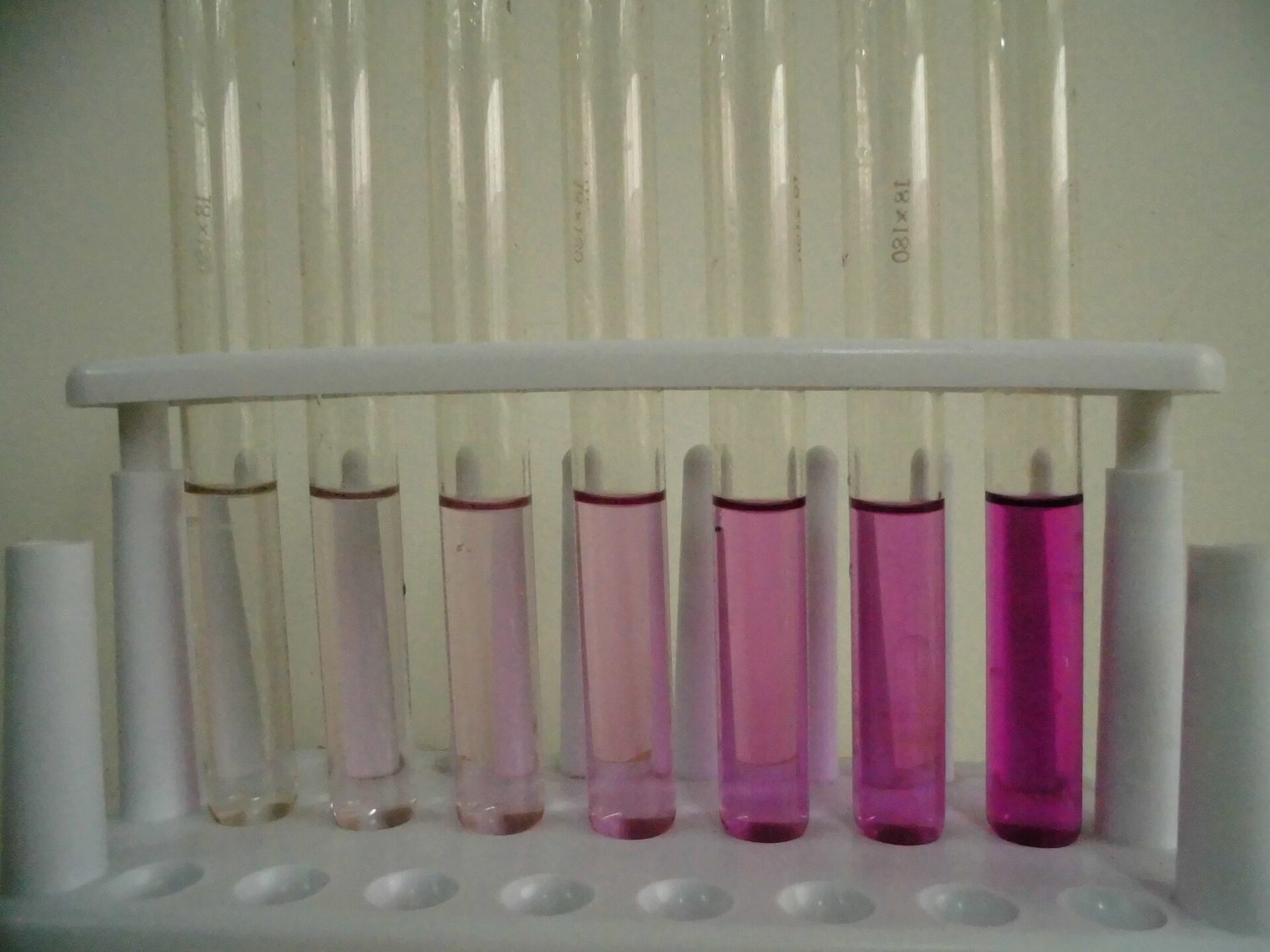
高锰酸钾(VII)产生一个深紫色溶液
Telling them apart
- Physical: same substance, reversible (frozen water melts back to water).
- Chemical: new substance formed, often not reversible (burnt wood can't un-burn).
Worked example. Melting candle wax is physical — it's still wax and re-solidifies. Burning the wick is chemical — new gases form and you can't get the wax back.
区分它们
- 物理:同样的物质,可逆(冰冻的水熔化回水)。
- 化学:形成新物质,常常不可逆(烧过的木头不能反烧)。
例题。 熔化蜡烛蜡是物理的——它仍是蜡且重新固化。燃烧灯芯是化学的——新气体形成,你不能把蜡拿回来。
You've got it
- a physical change makes no new substance and is usually reversible (melting, dissolving)
- a chemical change makes a new substance and is usually hard to reverse (burning)
- signs of chemical change: new colour, gas, precipitate or temperature change
你掌握了
- 一个物理变化不产生新物质且通常是可逆的(熔化、溶解)
- 一个化学变化产生一种新物质且通常难以逆转(燃烧)
- 化学变化的迹象:新颜色、气体、沉淀或温度变化